🍺 Bar Snacks Recipes
Perfect pairings for beer, soju & wine
705 recipes. Page 18 of 30
In Korean drinking culture, anju (drinking snacks) are just as important as the drink itself. Beer goes with fried chicken, soju pairs with grilled pork belly and dubu-kimchi, and makgeolli calls for pajeon and bindaetteok. This tag gathers recipes designed to accompany a drink.
Great anju complements the beverage without overwhelming it. Salty, savory, and spicy options - prepare a few and you will be ready for any gathering.
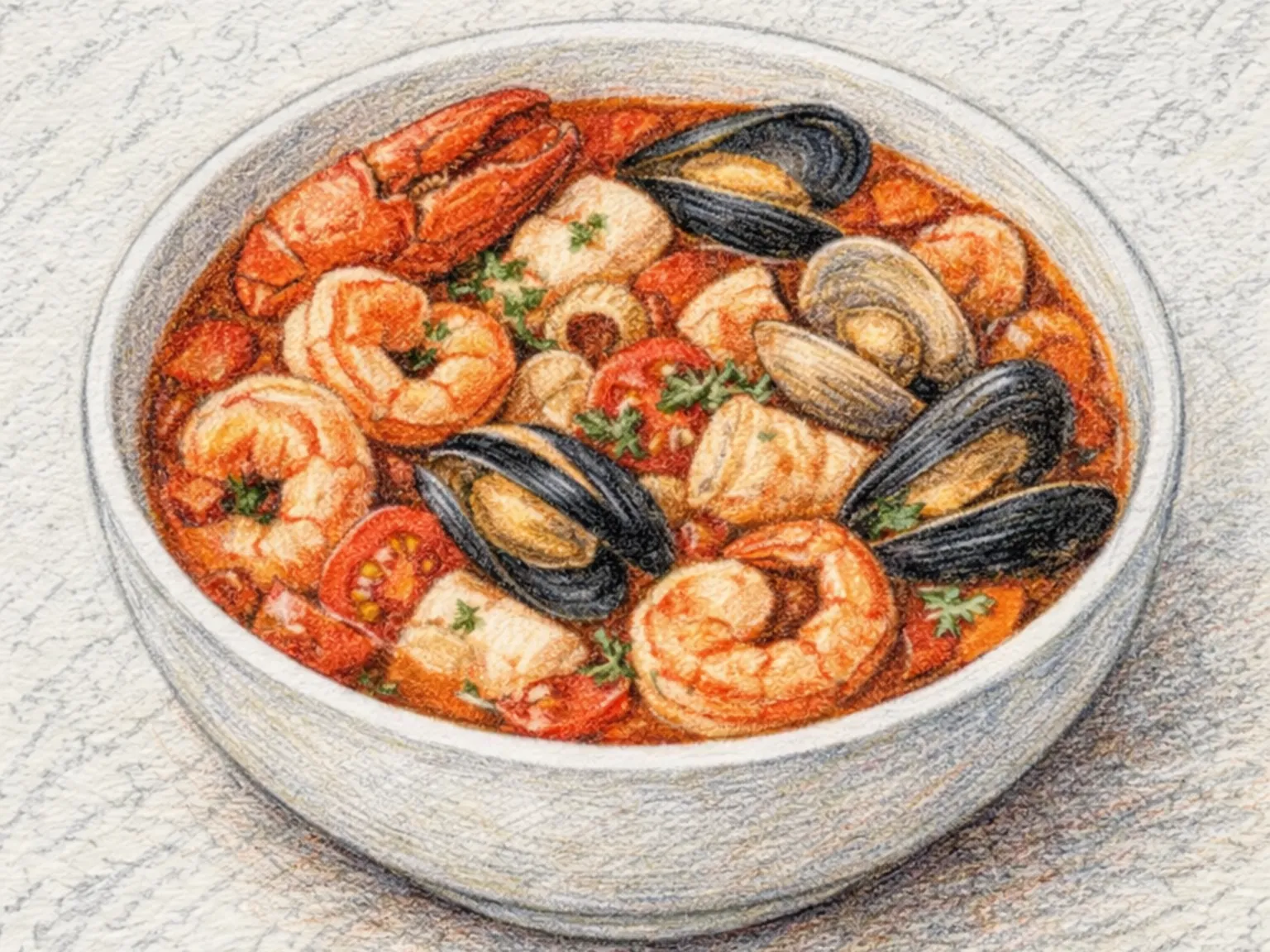
Cioppino (Italian-American Seafood Tomato Wine Stew)
Cioppino is an Italian-American seafood stew where shrimp, mussels, and white fish are simmered in a tomato and white wine broth built on fish stock. Sauteing onion and garlic in olive oil until fully softened forms the aromatic base, then white wine is added and reduced for two minutes to cook off the raw alcohol before the tomatoes and stock go in. Fifteen minutes of simmering concentrates the broth and integrates the flavors before any seafood enters the pot. Adding mussels first, then fish fillets, then shrimp last accounts for their different cooking times and prevents any piece from going rubbery or dry. The broth that results combines the brine drawn from the shellfish, the acidity of tomatoes, and the clean brightness of the wine into a complex, deeply savory liquid. Crusty bread served alongside is not optional in the traditional sense; soaking it in the stew is the standard way to consume every last bit of the broth. The dish originated with Italian immigrant fishermen in San Francisco who pooled the day's leftover catch into a communal pot.
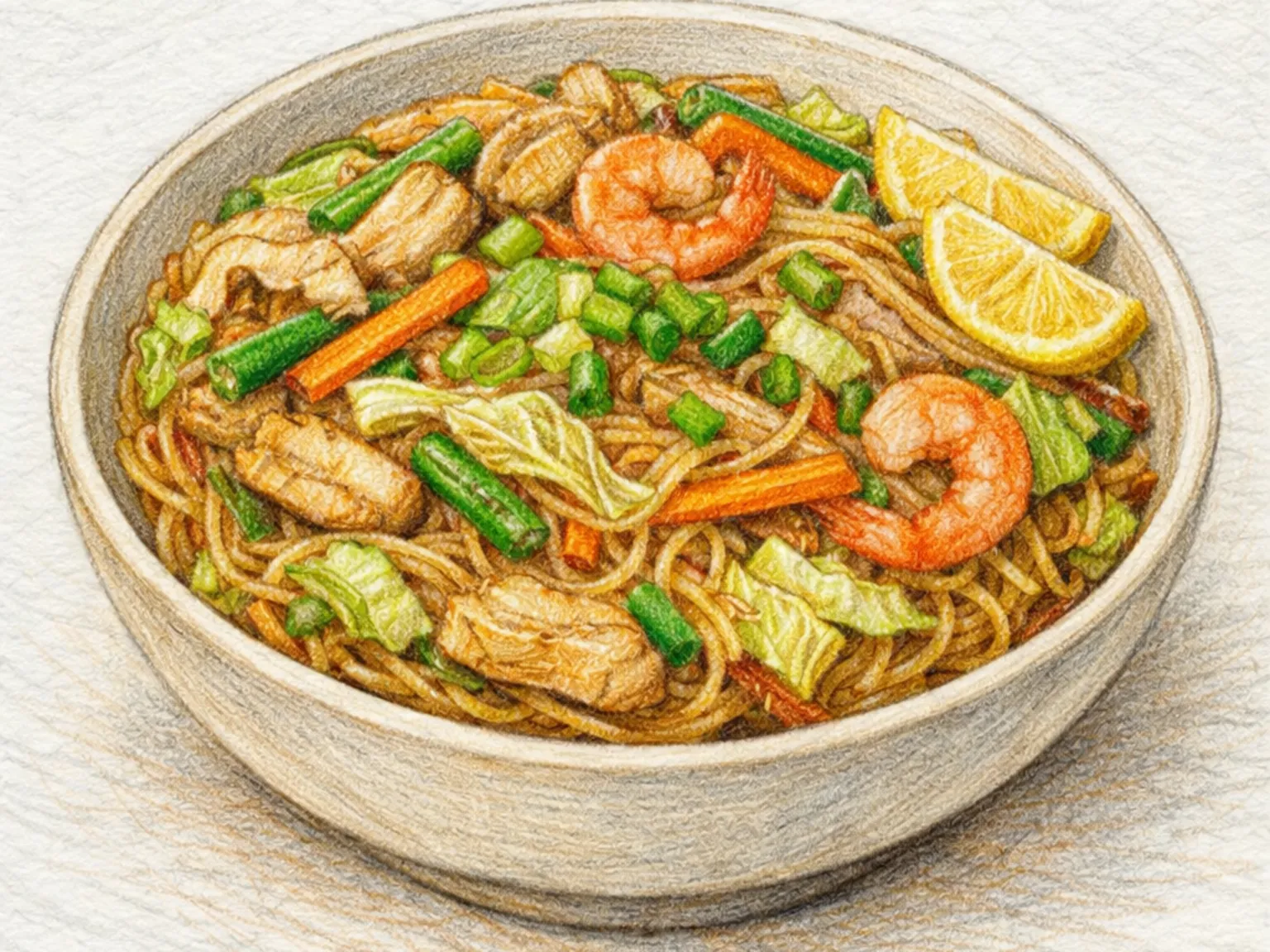
Pancit Bihon (Filipino Stir-Fried Rice Vermicelli with Chicken)
Pancit bihon is the most widely eaten noodle dish in the Philippines, made with thin rice vermicelli stir-fried with meat, vegetables, and a savory soy-fish sauce seasoning. It holds a special place in Filipino culture as a celebration dish - no birthday party is complete without a large platter, symbolizing long life and good fortune. The technique involves boiling chicken to create a broth, then using that broth to cook the noodles in the wok so every strand absorbs savory depth. Shredded cabbage and julienned carrots provide crunch, while a squeeze of calamansi brightens the dish with a tart, floral acidity.

Korean Daisy Tea (Delicate Floral Pear Honey Brew)
Gujeolcho-cha is a traditional Korean flower tea made by steeping dried gujeolcho blossoms -- a wild chrysanthemum native to Korea -- in water heated to around ninety degrees Celsius for five minutes over low heat. Boiling above one hundred degrees causes the volatile aromatic compounds in the petals to evaporate, weakening the delicate floral fragrance that makes the tea worth drinking, so a gentle infusion rather than a rolling boil is the non-negotiable foundation of the preparation. Thin julienned pear added to the cup brings a light, juicy sweetness that pairs naturally with the floral notes without competing against them. A single drop of lemon juice sharpens the overall flavor profile, giving the tea cleaner edges than it would have without the acidity. Honey balances and deepens the sweetness, and pine nuts floated on the surface contribute a subtle, rounded oiliness that grounds the otherwise light liquid. Gujeolcho blooms in the ninth lunar month and belongs to the chrysanthemum family; it has been consumed as a folk remedy for women's health for centuries in Korea, adding cultural weight to a tea that is otherwise valued simply for its fragrance and calm.
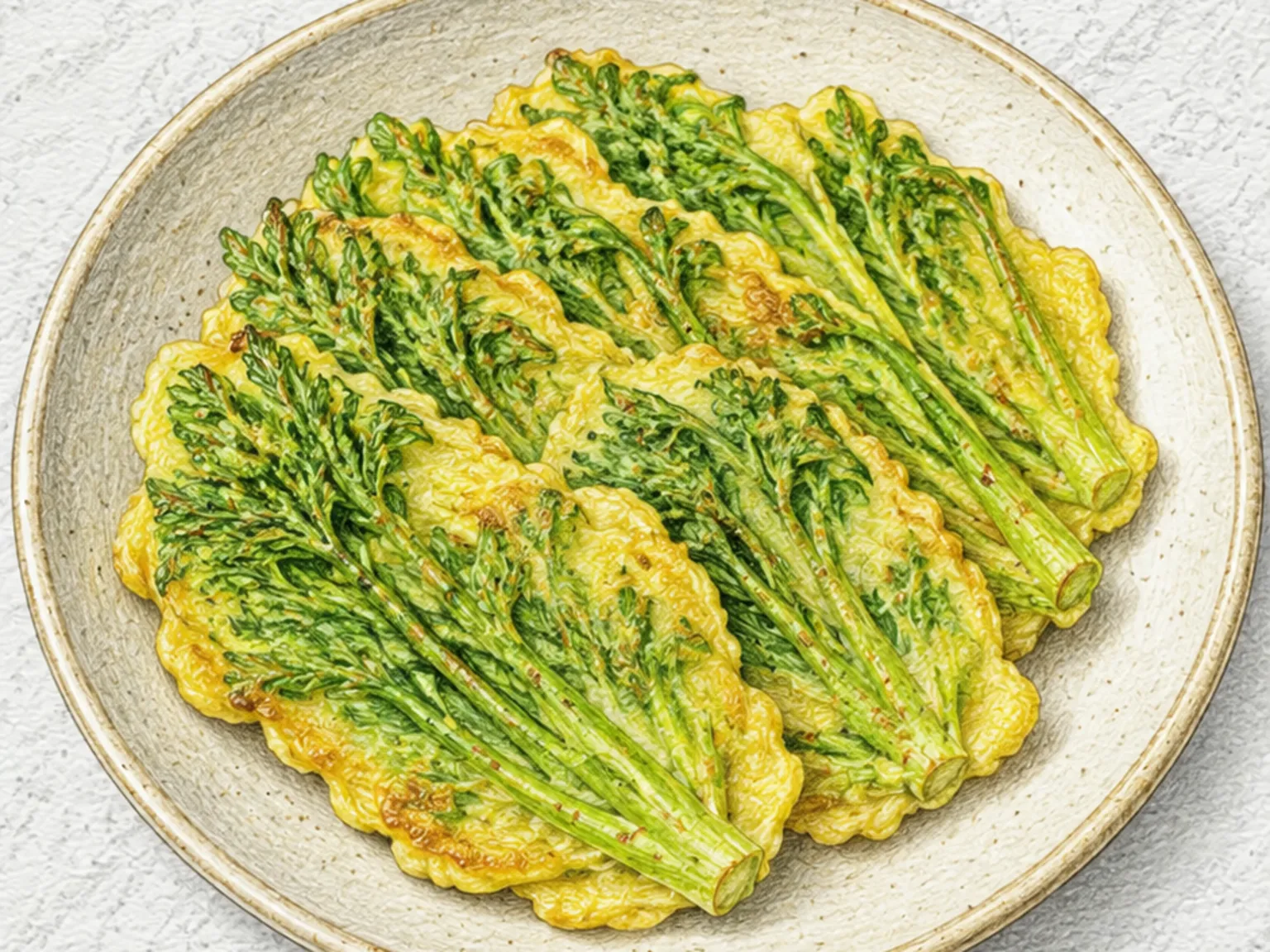
Korean Aralia Shoot Jeon (Spring Herb Shoot Pancake)
Durup-jeon is a seasonal Korean pancake made during the brief spring window when aralia shoots are available, wrapped in a thin coating of flour and egg wash to let the vegetable's bitter-herbal fragrance come through without interruption. The shoots are blanched for thirty seconds in vinegared boiling water to tone down their harshness while preserving the crunch of the stems, then patted thoroughly dry before a light dusting of flour ensures the egg coating clings evenly. Cooking over medium-low heat matters here because the egg browns steadily without scorching, giving time for the heat to reach the interior of each stem and soften it fully. Higher heat browns the outside quickly but leaves the inner stem tough and stringy. Dipping the finished pancakes in cho-ganjang, a mixture of soy sauce and vinegar, sharpens the distinctive wild mountain herb character that defines aralia. Because the shoots appear only in early spring, this pancake marks the season at the table in a way no other dish does.

Classic Tiramisu
Classic tiramisu layers ladyfingers briefly soaked in a syrup of cooled espresso and Marsala wine with a cream made from egg yolks whipped with sugar over a bain-marie, then folded with mascarpone and softly whipped heavy cream. Dipping the ladyfingers for only about one second prevents them from absorbing too much liquid and collapsing. Whipping the cream to soft peaks and folding it gently keeps the filling light rather than dense. The bittersweet depth of espresso plays against the rich, buttery smoothness of mascarpone, creating a flavor contrast that develops further with chilling. A minimum of four hours in the refrigerator, ideally overnight, allows the layers to meld into a cohesive, melt-in-the-mouth texture. Cocoa powder dusted generously over the surface just before serving adds a final bitter note.
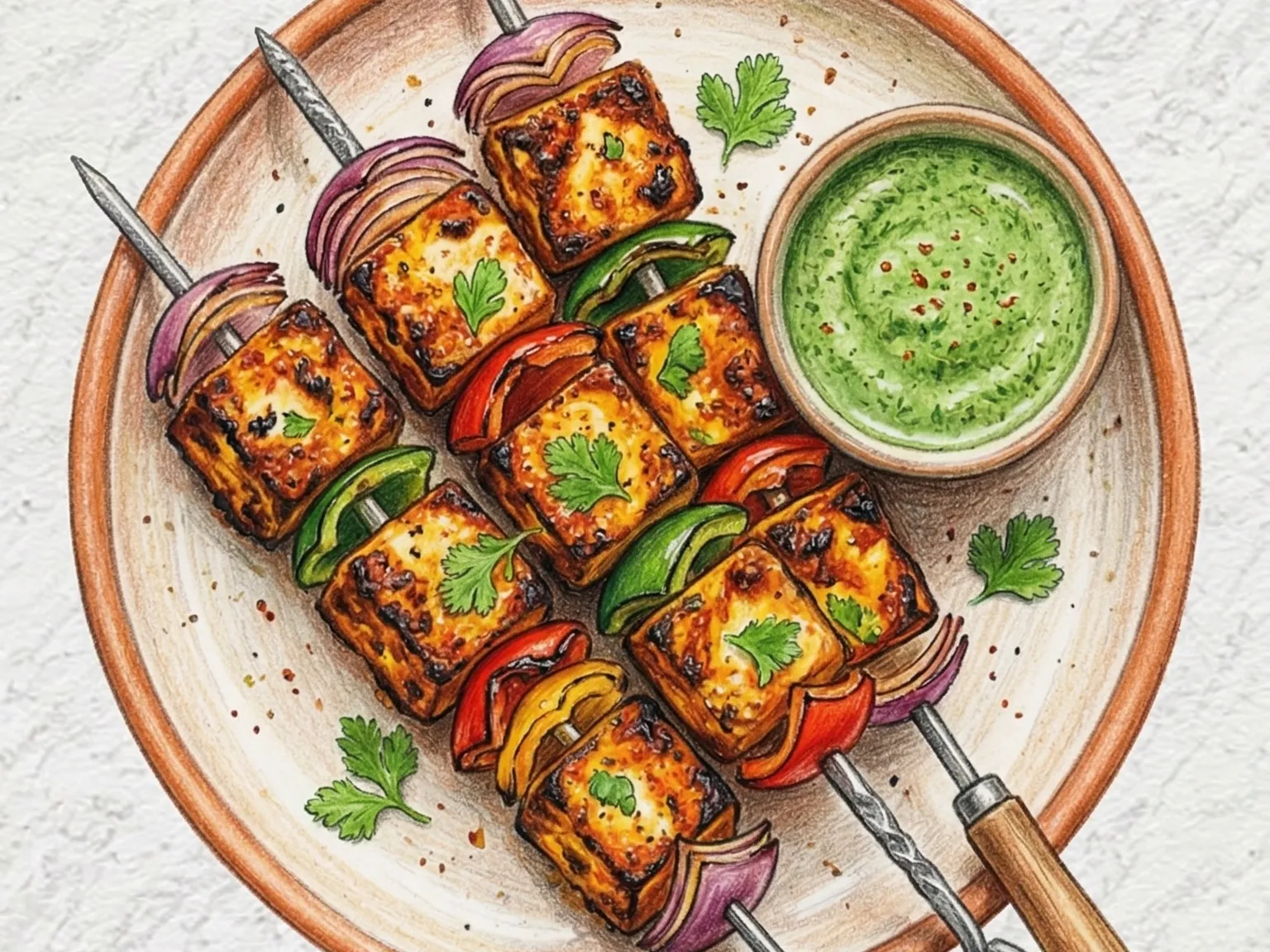
Paneer Tikka (Indian Spiced Yogurt-Marinated Grilled Cheese Skewer)
Paneer tikka is an Indian grilled appetizer where cubes of paneer cheese and vegetables are marinated in spiced yogurt and cooked over high heat until charred at the edges. The marinade combines plain yogurt with chili powder, turmeric, garam masala, and lemon juice, creating a thick coating that clings to each cube. After marination, the spices penetrate the surface while the yogurt adds tang. Bell peppers and onion chunks are threaded between the paneer pieces, and their natural sugars caramelize during grilling. The goal is to cook quickly so the exterior gets smoky char marks while the inside stays soft. Mint chutney on the side completes the dish.

Korean Chrysanthemum Tea (Floral Jujube Goji Berry Brew)
Gukhwa-cha is a traditional Korean flower tea brewed from dried chrysanthemum buds steeped in water at 80 to 85 degrees Celsius for three to four minutes. That temperature range draws out the gentle floral fragrance without releasing the bitter compounds that come out at a full boil. Jujubes and goji berries added to the pot contribute a mild natural sweetness from the jujubes and a faintly tart, herbal note from the goji berries, both of which round out the chrysanthemum's aroma and add visual warmth to the pale liquid. A spoonful of honey and a squeeze of lemon juice are stirred in at the end to brighten the finish without masking the floral base. The resulting tea is pale golden, lightly sweet, and carries a lingering scent that makes it a common after-meal drink in Korean households. Caffeine-free and mild, it is drunk in the evening without disruption to sleep, and in traditional Korean medicine the dried flower has long been associated with relieving headaches and eye fatigue.
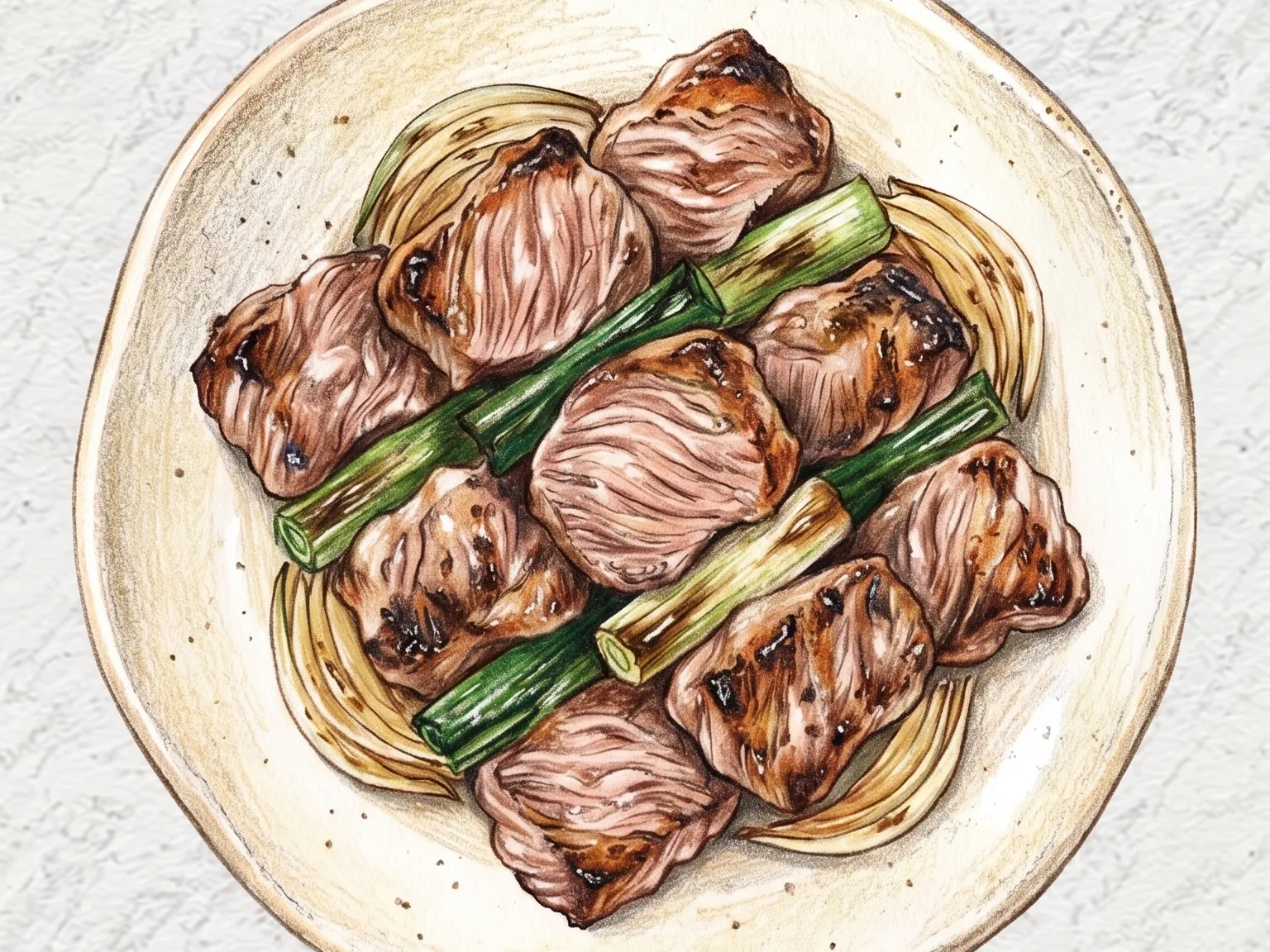
Korean Grilled Pork Cheek
Dwaeji bolsal gui is a Korean grilled pork cheek dish in which the cheek meat is marinated in soy sauce, minced garlic, and ginger for at least 30 minutes before being seared quickly over high heat. The cheek is the muscle used constantly for chewing, which produces an exceptionally fine-grained texture with dense collagen throughout. Slicing through a piece reveals alternating layers of fat and lean, so the richness shifts with each bite. High heat is non-negotiable for this cut. A hot surface triggers the Maillard reaction, building a well-browned crust while the interior stays juicy. Cooking the same cheek over low heat for an extended time breaks down the collagen completely, leaving the meat soft and flabby rather than springy. Grilling sliced onion and green onion in the same pan and layering them with the cooked pork sharpens the overall flavor, the pungent vegetables cutting through the cheek's deep meatiness.
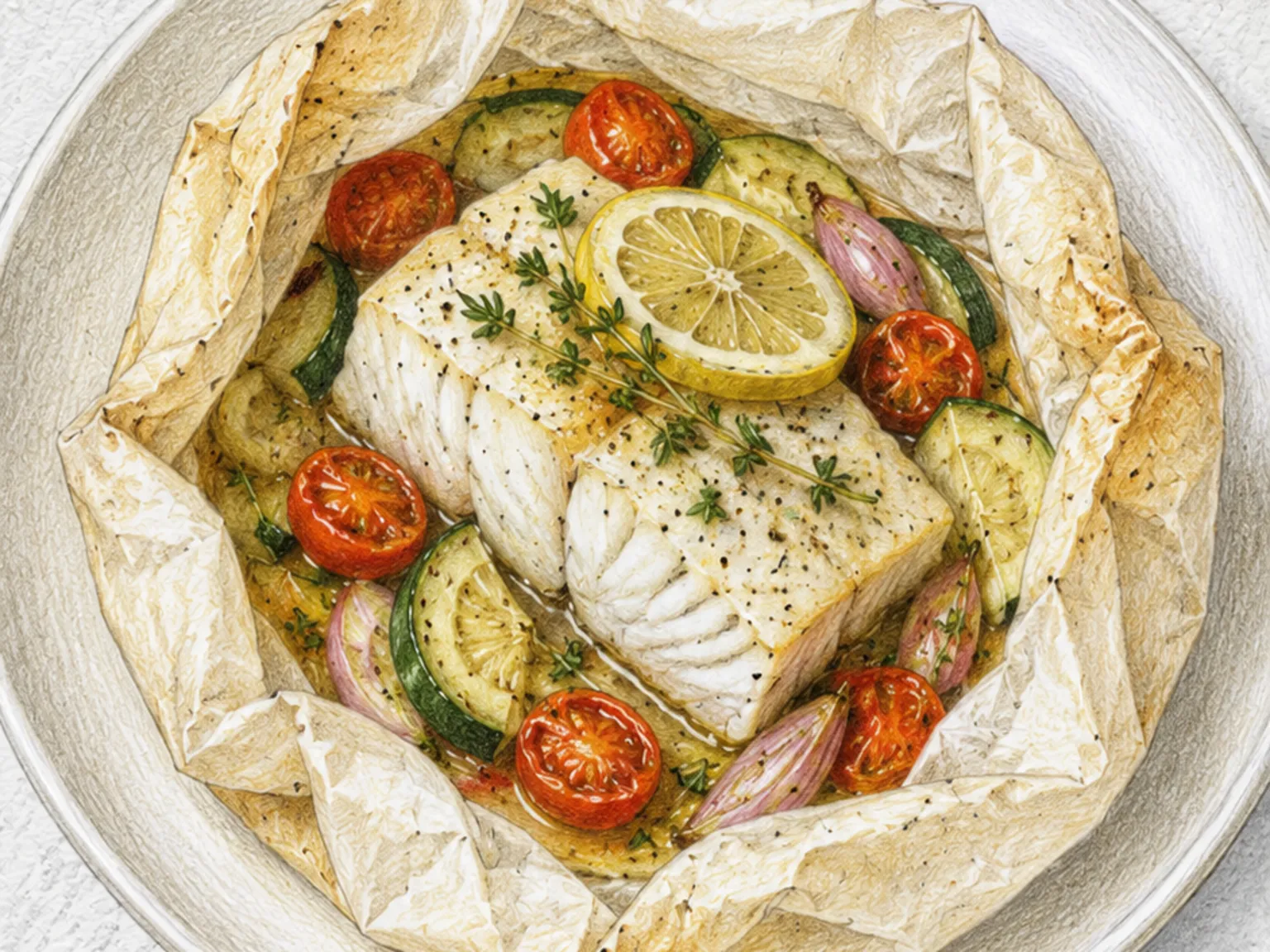
Cod en Papillote (French Parchment-Steamed Cod with Vegetables)
Cod en papillote involves wrapping cod fillets along with several specific ingredients including sliced zucchini, cherry tomatoes, shallots, fresh thyme, and rounds of lemon. These components are drizzled with olive oil and a small amount of dry white wine before being enclosed within a piece of parchment paper that is crimped tightly at the edges to create a secure seal. The prepared parcel is placed into an oven preheated to 200 degrees Celsius and baked for a duration of fifteen to eighteen minutes. This cooking technique relies on the sealed packet to trap steam inside, which cooks the fish with a gentle heat and ensures that the flesh remains moist throughout the entire process. As the white wine and lemon heat up, they produce an aromatic steam that penetrates the mild texture of the cod, providing it with a distinct brightness and a clean overall flavor profile. The addition of thyme introduces a subtle herbal quality that works in conjunction with the natural sweetness released by the vegetables as they soften under the heat. Olive oil serves to integrate the various elements of the dish while contributing a smooth and rich mouthfeel. When the parchment is eventually opened at the dining table, the accumulated aromas are released immediately, which turns the simple act of serving into an integral part of the meal. If parchment paper is unavailable, aluminum foil serves as an effective substitute for creating the necessary seal. Furthermore, the selection of vegetables is flexible and can be adjusted according to the current season, as ingredients such as sliced carrots, asparagus, or spinach can be incorporated as natural alternatives within the wrap.
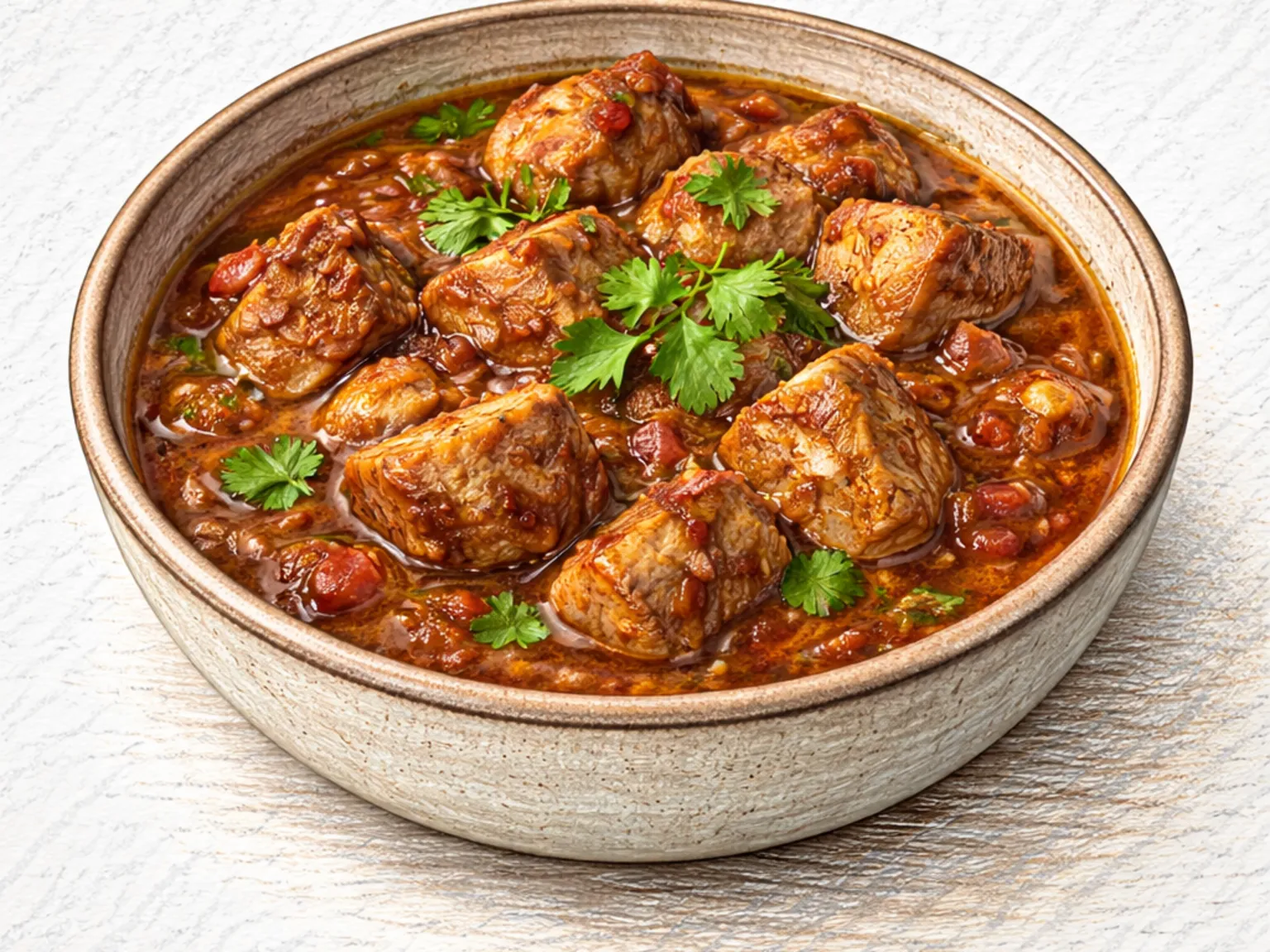
Pork Vindaloo (Goan Vinegar-Marinated Fiery Pork Curry)
Pork vindaloo is a Goan curry shaped by centuries of Portuguese colonial influence on India's western coast. The name descends from the Portuguese carne de vinha d'alhos -- meat marinated in wine and garlic -- though the Goan version swaps wine for palm or cane vinegar and adds a punchy chili paste. Pork shoulder is marinated overnight in a mixture of vinegar, garlic, ginger, and Kashmiri chilies, then braised slowly until the meat yields to a fork. The sauce reduces into a thick, rust-colored gravy where acidity, heat, and garlic merge into a single bold flavor. Vindaloo is one of the few Indian curries where sourness leads rather than supports, and the dish tastes even better the next day after the flavors have had time to settle.
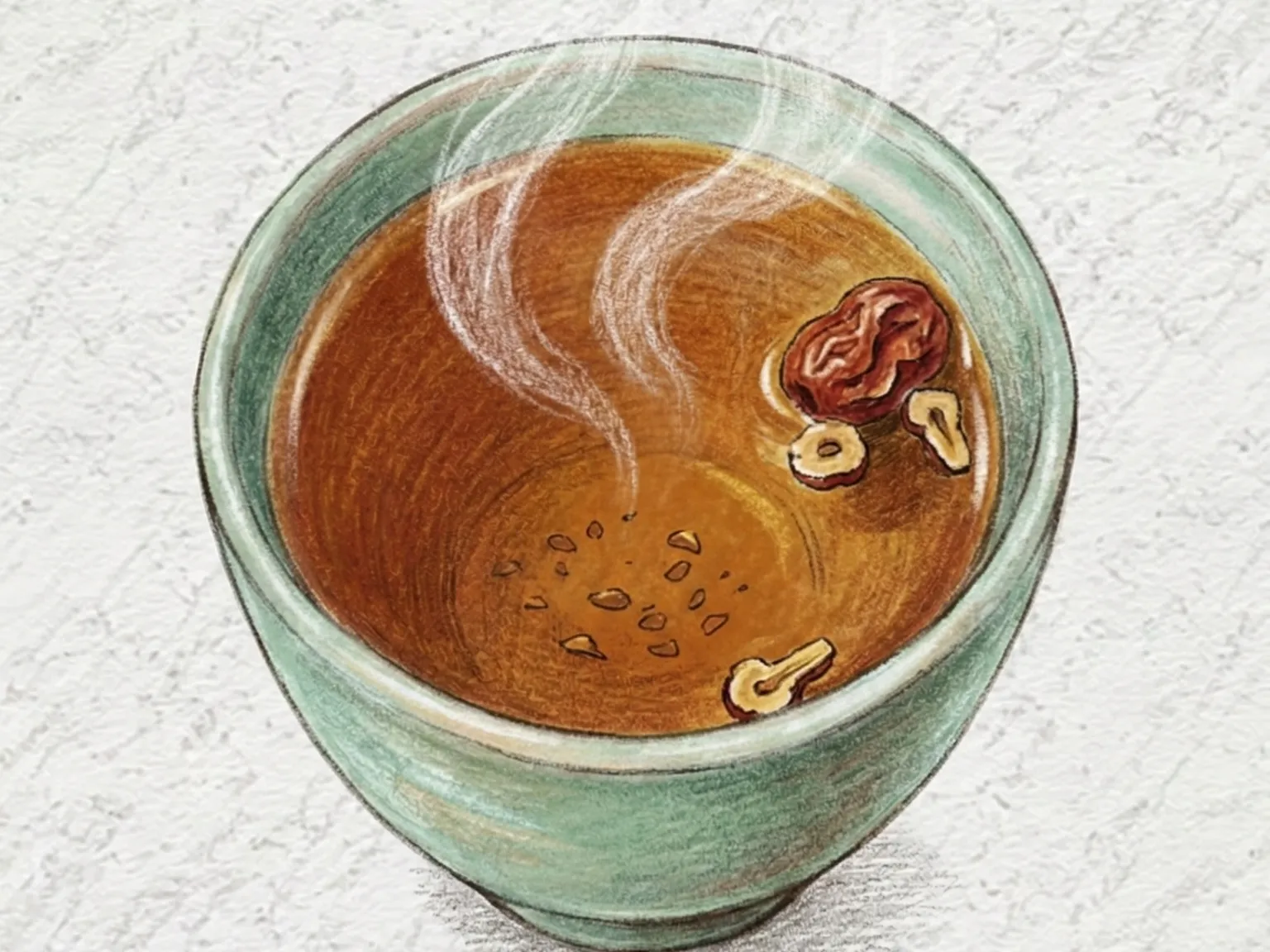
Korean Roasted Cassia Seed Tea
Gyeolmyeongja-cha is a Korean herbal tea brewed from cassia seeds that are first dry-roasted in a pan over medium-low heat until their surfaces turn a deep amber and release a toasty, distinctly nutty fragrance. The degree of roasting matters considerably: lighter roasting keeps the flavor mild and grassy, while a deeper roast brings forward a bold, grain-like quality similar to barley tea. Once roasted, the seeds are simmered in water for about twenty minutes, extracting a rich brown liquor with layers of earthy warmth. Sliced fresh ginger is often added during simmering, lending a peppery heat that adds body to the brew. Dried jujubes contribute their gentle fruit sweetness, rounding and mellowing the overall profile. Honey adjusts the final sweetness level, and thin lemon slices floated on top before serving add a clean citrus brightness that lifts the deep, roasted base.
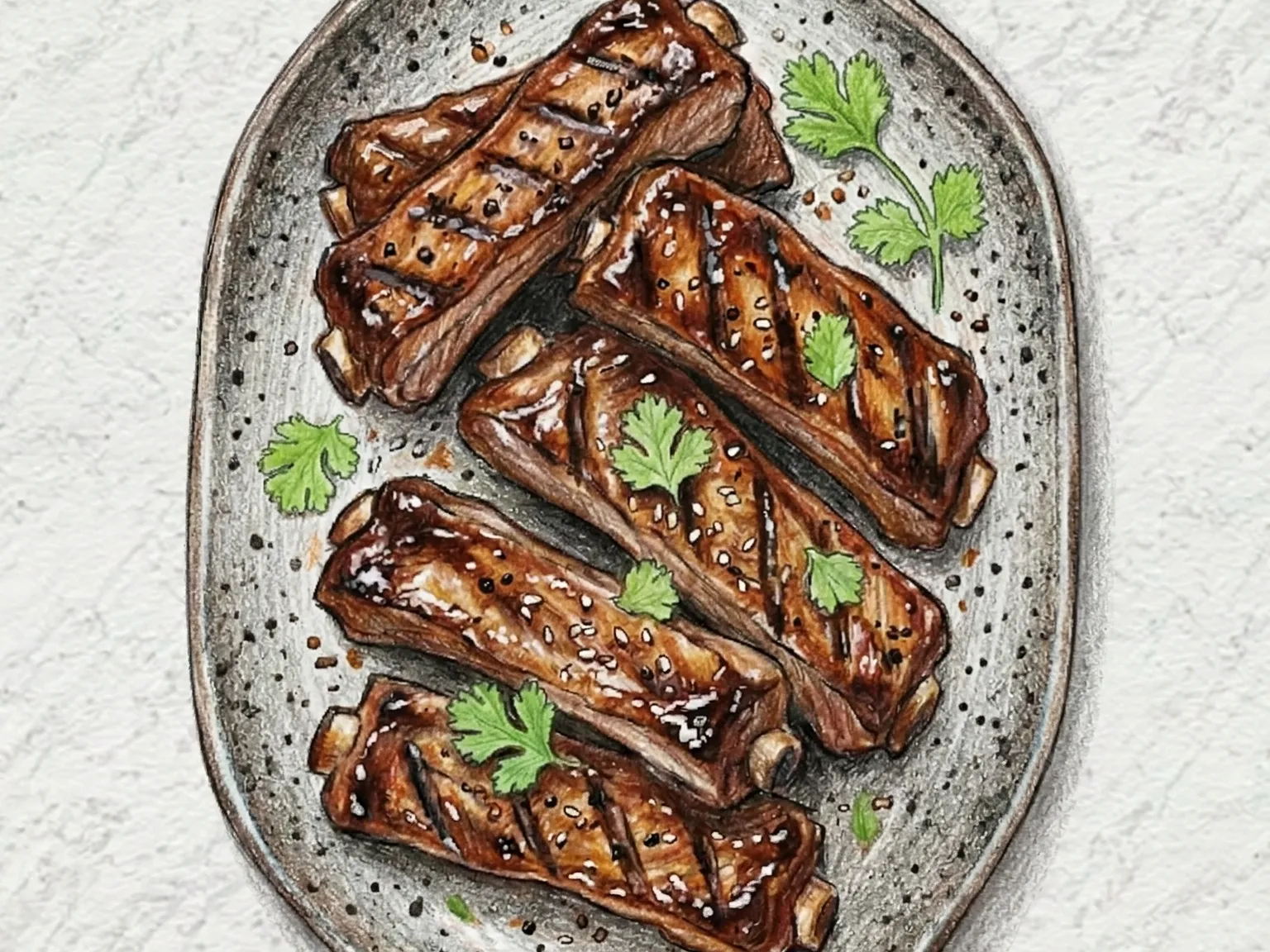
Korean Soy-Glazed Pork Back Ribs
Dwaeji-deunggalbi ganjang-gui is a Korean soy-glazed pork back rib dish where thick cuts attached to the spine bone are coated in a glaze of dark soy sauce, honey, garlic, and ginger juice, then slow-roasted in an oven or grill. The thick meat requires at least two hours of refrigerated marination so the salt from the soy sauce and sweetness from the honey penetrate close to the bone, and during cooking the sugars in the glaze caramelize into a glossy, dark-brown crust. A two-stage cooking method defines the final texture: forty minutes covered at 180 degrees Celsius to cook the meat through completely, then ten minutes uncovered at higher heat to crisp the surface without drying out the interior. Ginger juice is not a replaceable ingredient here - it neutralizes the pork's gamey undertones, and leaving it out throws off the flavor balance noticeably. The ribs are eaten by pulling the meat from between the bones by hand, which makes them well suited as an anju - a drinking side dish - alongside beer or soju.
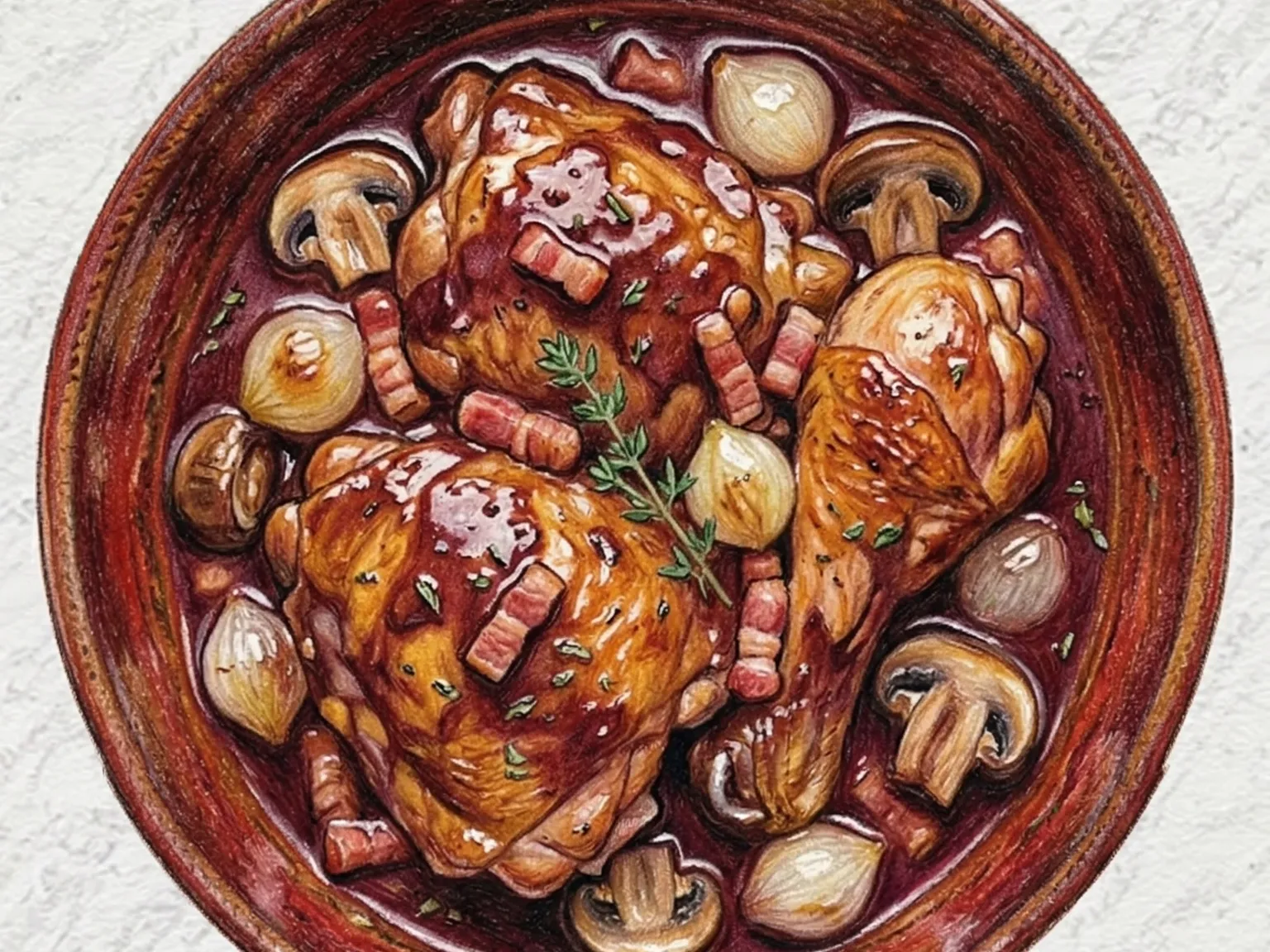
Coq au Vin (French Red Wine Braised Chicken with Mushrooms)
Coq au vin is a French braise in which chicken pieces are cooked slowly in red wine until the flesh is tender enough to pull apart and the braising liquid has reduced into a glossy, deeply flavored sauce. The process begins by browning the chicken in batches over high heat, creating a caramelized crust that seals in juice and deposits flavor into the fond at the bottom of the pan. Bacon lardons, shallots, and garlic are cooked next in the same pan, adding savory, aromatic layers before the wine deglazes the accumulated fond. Chicken stock and a small amount of tomato paste deepen the body of the braise, and forty-five minutes of covered, low simmering allows the wine's tannins and fruit to permeate the meat completely. Mushrooms are added in the final fifteen minutes to prevent them from turning mushy during the long cook. Reducing the sauce after the chicken is removed concentrates it to a consistency that coats the back of a spoon, and whisking in cold butter at the end produces a glossy sheen and a silky mouthfeel. The dish improves significantly if made a day ahead and refrigerated overnight, as the rest allows the wine, meat, and aromatics to integrate more fully. When reheated the following day, the sauce is noticeably richer and more cohesive than it was straight from the pot.
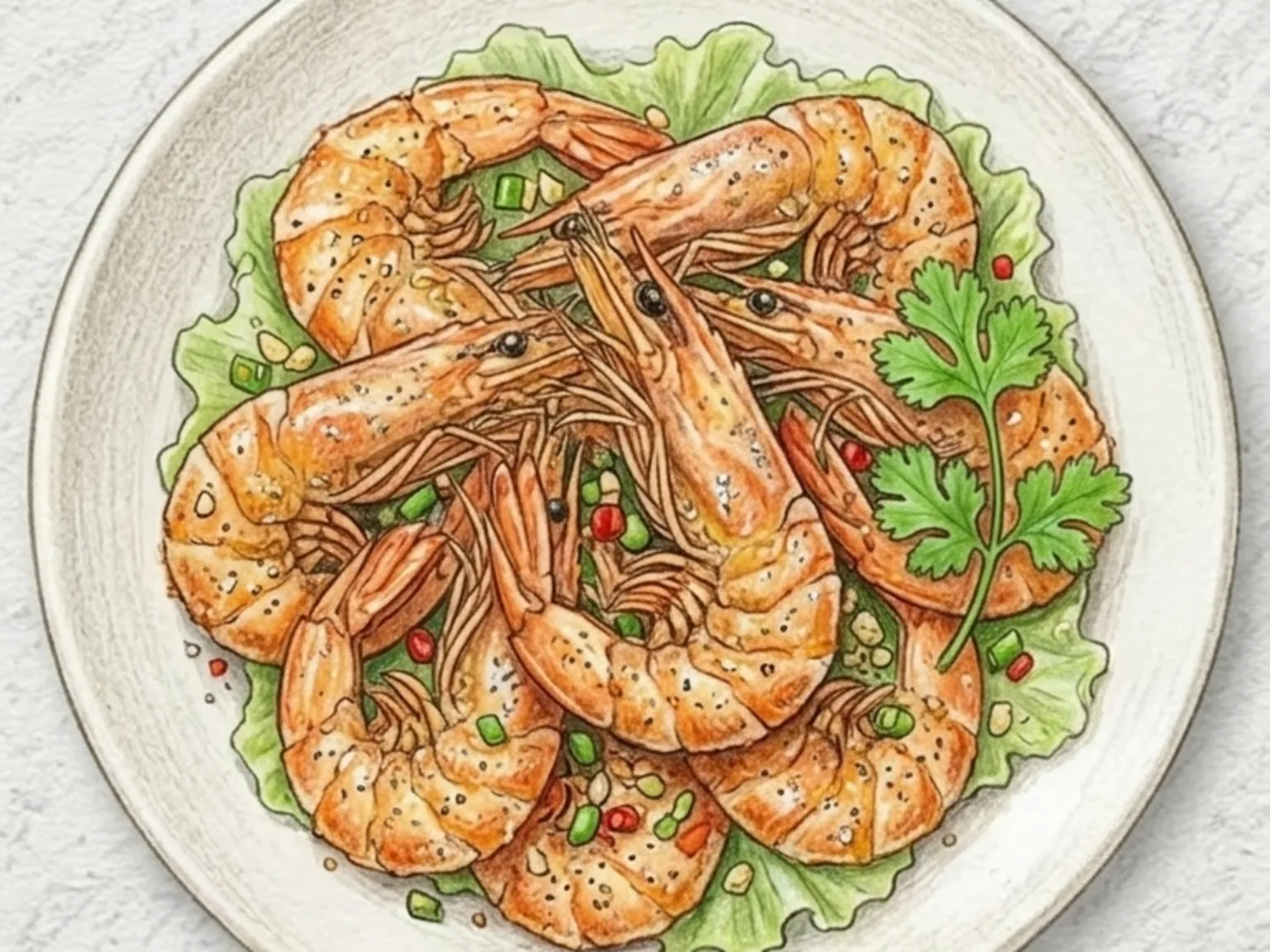
Salt and Pepper Shrimp
Salt and pepper shrimp is a Cantonese wok dish where shell-on shrimp are deep-fried twice - once to cook through and once at higher heat to crisp the shells until they shatter on the teeth. The fried shrimp are then tossed in a dry wok with minced garlic, sliced fresh chili, and a heavy dusting of sea salt and ground white pepper. The garlic chars slightly at the edges, releasing a nutty aroma that coats the shrimp. No sauce is involved; the seasoning sticks to the hot shells through residual oil alone. Eating the shrimp whole, shell and all, is the intended method - the shells provide a papery crunch that contrasts with the sweet, snappy meat inside. The dish lands on the table in minutes and disappears just as fast, especially when cold beer is within reach.
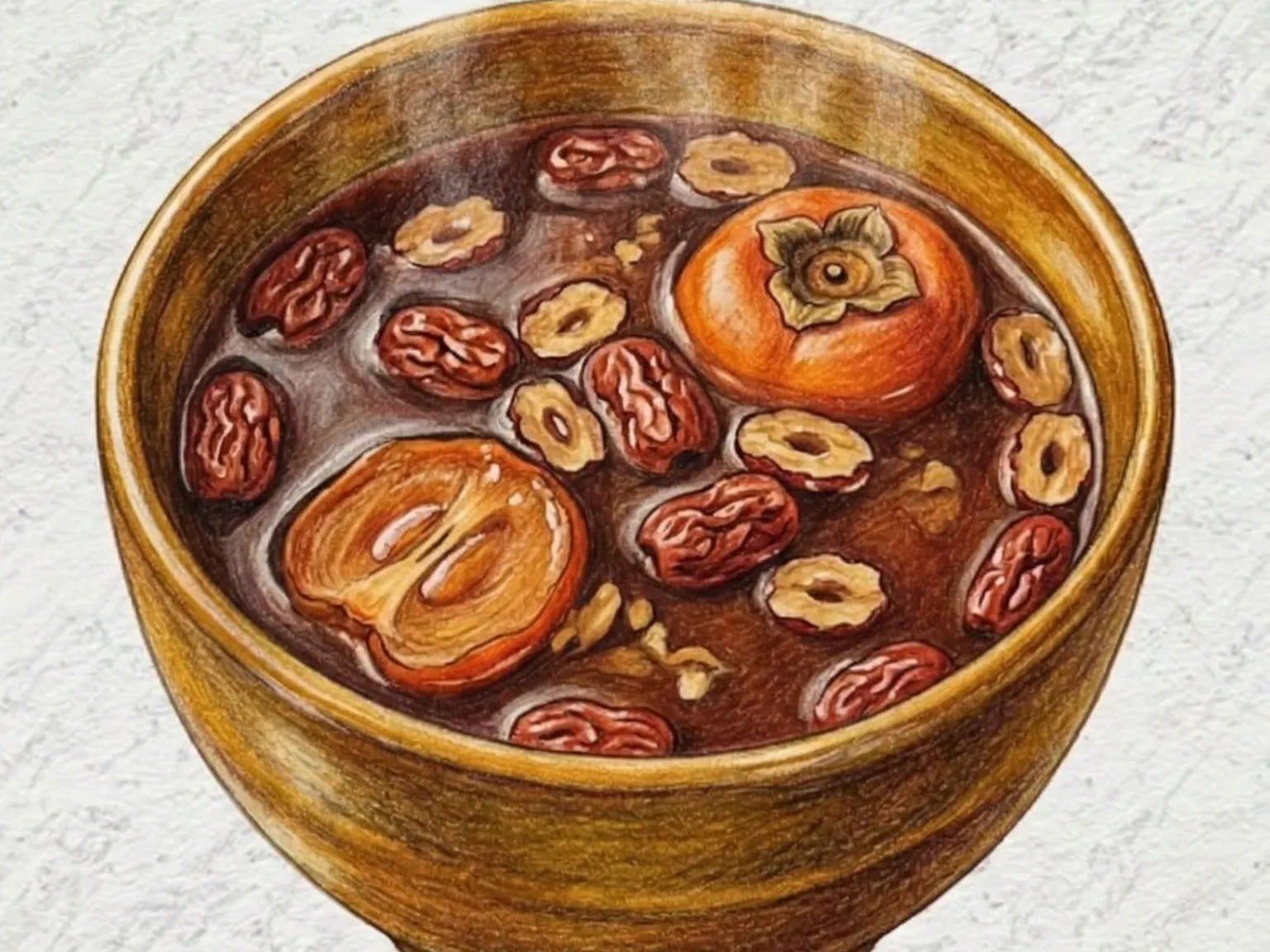
Korean Cinnamon Tea (Spiced Jujube Ginger Honey Brew)
Gyepi-cha is a traditional Korean cinnamon tea made by simmering whole cinnamon sticks and fresh ginger in water over low heat for at least twenty-five minutes. The long, gentle simmer is what separates gyepi-cha from an infusion: the bold, sweet-spicy aroma of the cinnamon builds gradually, saturating the liquid rather than merely scenting it. Ginger contributes a sharp, deeply warming bite that stays present long after each sip, creating a slow, spreading heat in the chest. Six jujubes are cooked alongside the spices; their flesh softens and eventually breaks down, lending the broth a faint fruitiness and a slight natural body. Dark brown sugar and honey are both used to construct a sweetness that is layered rather than flat, with the molasses depth of the sugar underpinning the floral brightness of the honey. Before serving, a few pine nuts are floated on the surface, where their oily richness drifts down to complement the spice. This is a drink associated with cold weather and recovering health, often prepared during winter or whenever warmth is needed from the inside out.
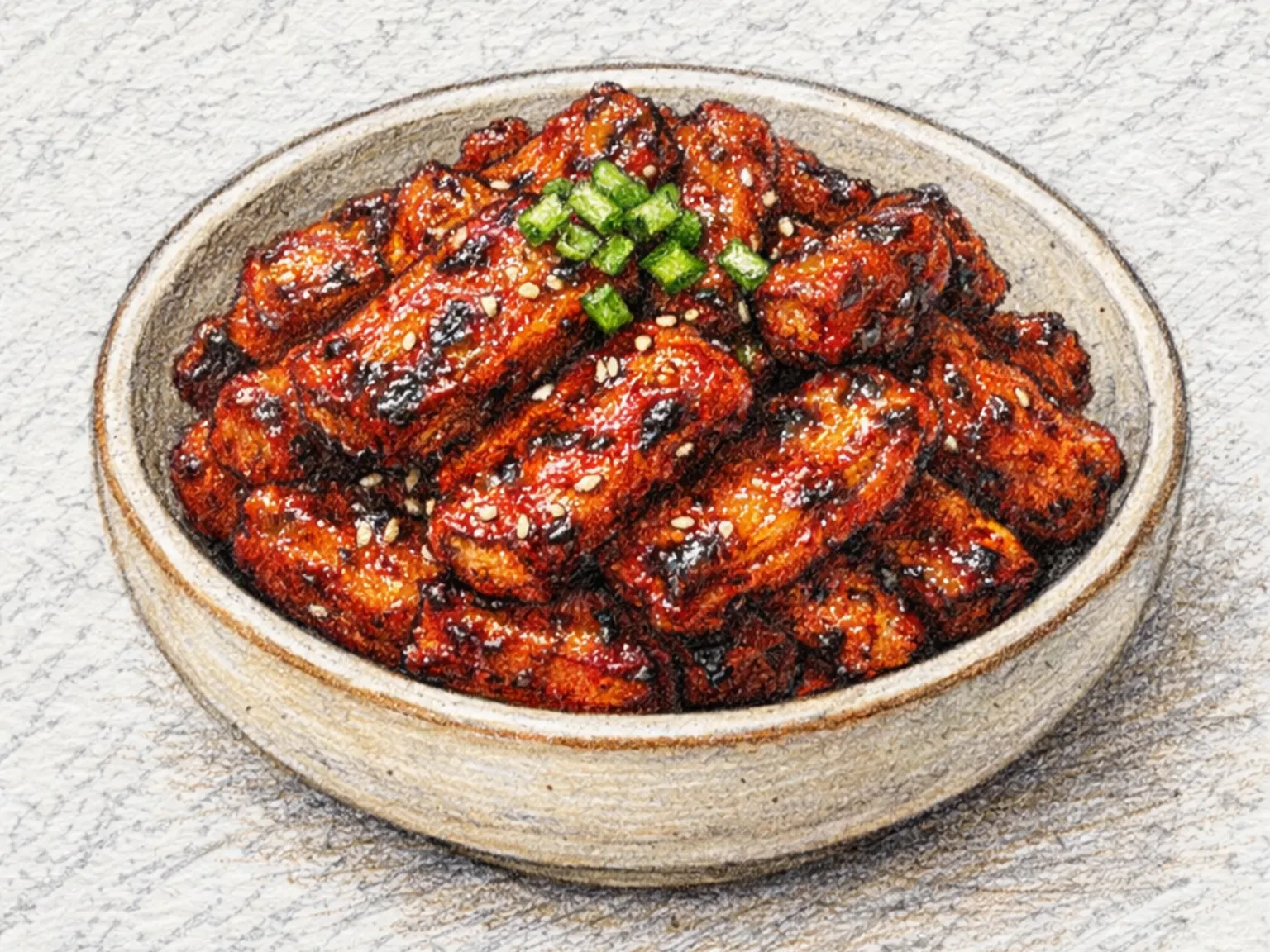
Korean Pork Ribs (Sweet Pear-Marinated BBQ Ribs)
Dwaeji-galbi is one of the most recognized Korean barbecue dishes, made with LA-cut pork ribs marinated in a thick sauce of pureed pear, soy sauce, sugar, corn syrup, garlic, and onion. The pear puree serves a dual purpose: it sweetens the marinade naturally while its proteolytic enzymes break down the muscle fibers, allowing the meat to pull away from the bone with minimal resistance. Marinating for four to six hours lets the seasoning penetrate deep into these thick cuts, but extending beyond a full day causes the enzymes to degrade the surface too aggressively, resulting in a mushy texture. Searing over high heat on a charcoal grill until the sugary glaze chars and caramelizes is essential to the dish. The blackened edges where the sugars meet open flame produce the defining sweet-smoky crust that separates galbi from ordinary grilled pork. Eaten wrapped in leafy greens with rice or as a standalone plate, it is a fixture at Korean outdoor grills and social gatherings.
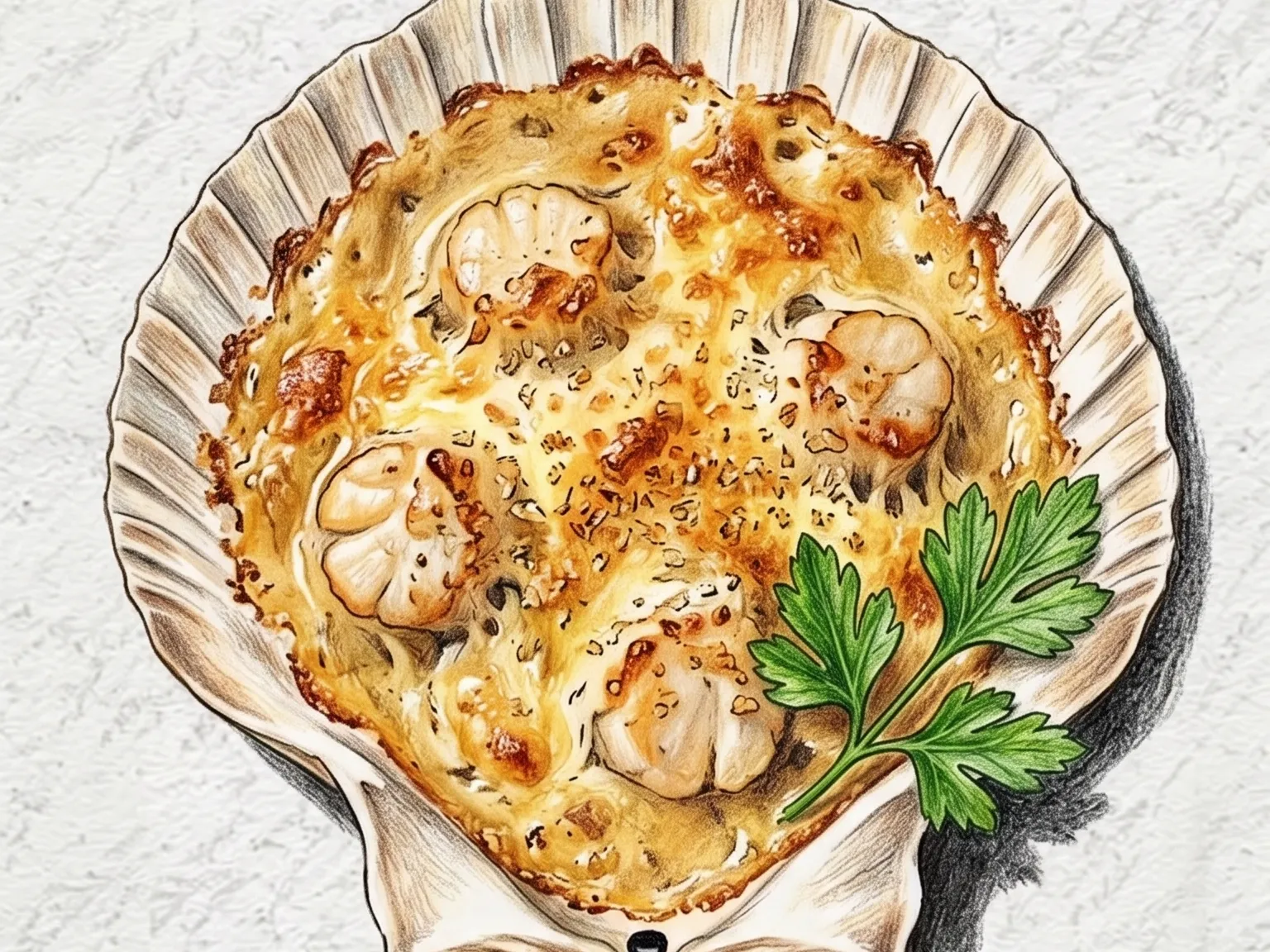
Coquilles Saint-Jacques (French Scallop Gratin with Gruyere)
Coquilles Saint-Jacques is a French scallop gratin that begins with sea scallops seared in foaming butter, then arranged in ramekins or scallop shells under a sauce built from shallot, white wine reduced by half, heavy cream, and fresh lemon juice, topped with grated Gruyere cheese and fine breadcrumbs. Patting the scallops completely dry with paper towels before they hit the pan is the step that determines whether a proper caramelized crust forms or the surface simply steams. Reducing the white wine concentrates its acidity and adds structure to the sauce, and the cream and lemon juice together create something light and cohesive rather than heavy. Six to eight minutes under the broiler at 220 degrees Celsius turns the cheese-and-breadcrumb topping into a golden, crackling crust. The completed dish delivers three distinct textures in each bite -- a crunchy top layer, a rich and silky sauce underneath, and tender, springy scallop flesh at the center. Serving directly in individual ramekins or in scallop shells reproduces the classic restaurant presentation, and a slice of baguette alongside makes it easy to collect every last drop of the sauce.
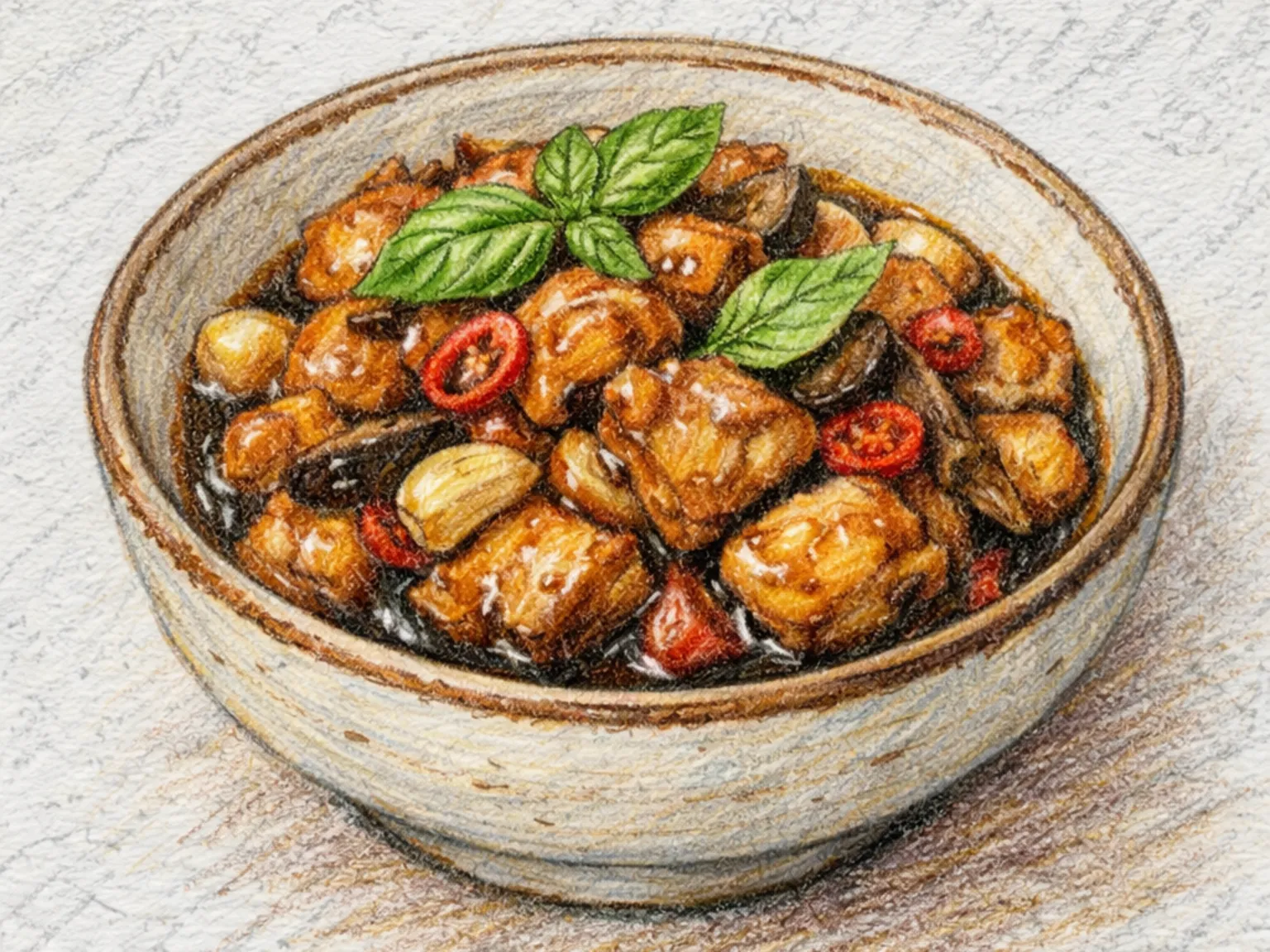
Three Cup Chicken (Taiwanese Soy Sesame Oil Rice Wine Braised Chicken)
San bei ji, or Three Cup Chicken, is a Taiwanese braise named for the equal measures of soy sauce, sesame oil, and rice wine that form its sauce. The cooking begins with toasted sesame oil in a clay pot, followed by thin slices of garlic and ginger fried until golden. Bone-in chicken pieces, seared to a light crust, join the pot along with the soy sauce and rice wine. As the liquid reduces over moderate heat, it thickens into a dark, glossy glaze that coats every piece of chicken. The final and defining step is a generous handful of Thai basil leaves stirred in just before serving - the residual heat wilts the leaves and releases a sharp, peppery aroma that lifts the rich sauce. The dish is served directly in the clay pot, still bubbling, and paired with plain steamed rice to soak up the concentrated sauce.
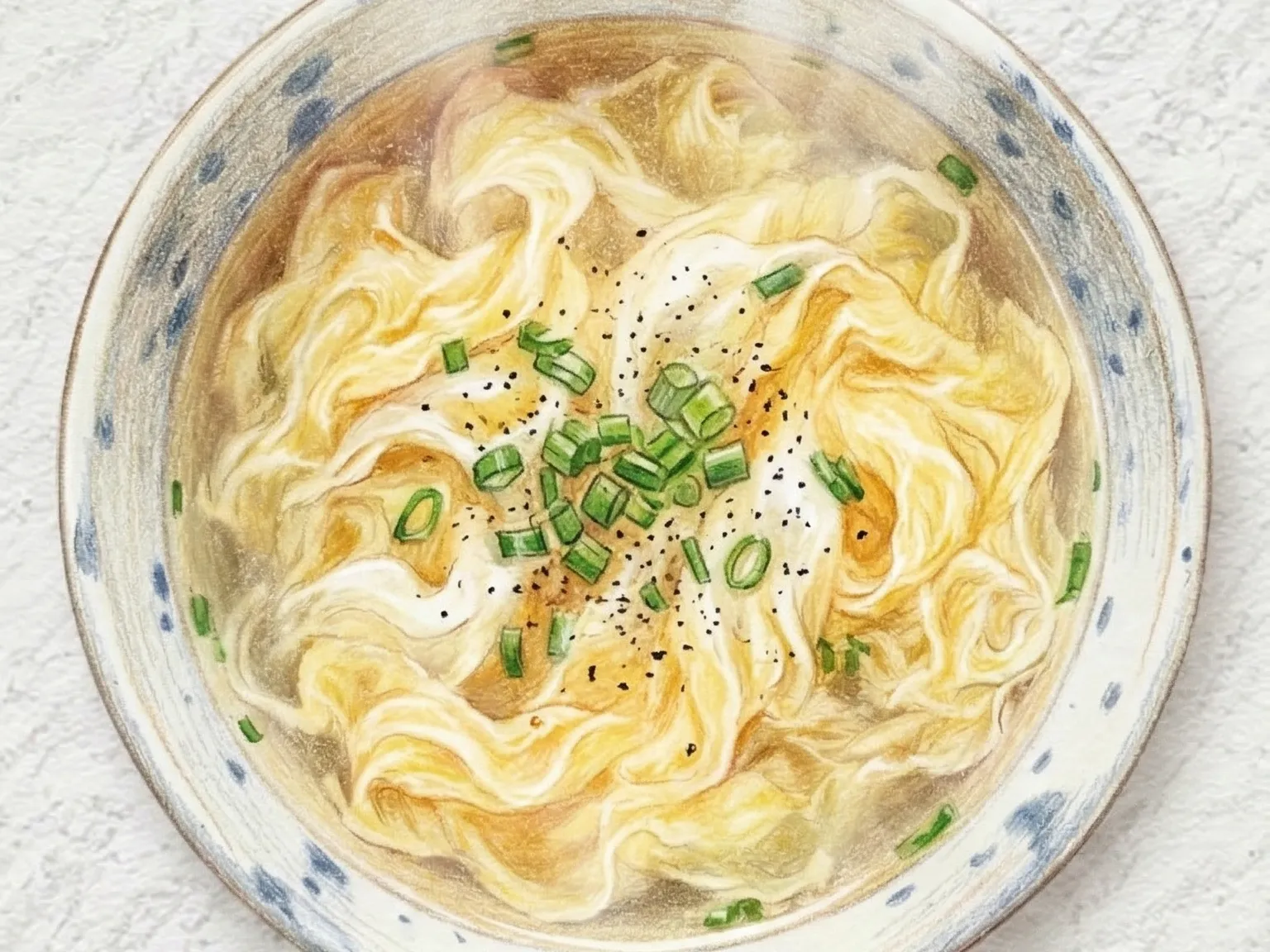
Korean Egg Drop Soup for Anju
Gyeran-tang is a light Korean egg drop soup seasoned with soup soy sauce and minced garlic in a clear broth. Beaten eggs are poured in a thin stream along chopsticks held just above the surface of the boiling liquid, breaking the flow into fine threads that set almost instantly into soft, silky ribbons. The garlic contributes a quiet background savoriness without dominating, and a pinch of black pepper adds a dry, peppery warmth that offsets the mildness of the egg. Sliced green onion scattered on top just before serving releases a fresh, grassy fragrance as it meets the steam. The soup comes together in under fifteen minutes and requires no special ingredients, making it a practical choice for breakfast or as a gentle restorative when a plain, comforting bowl is needed.
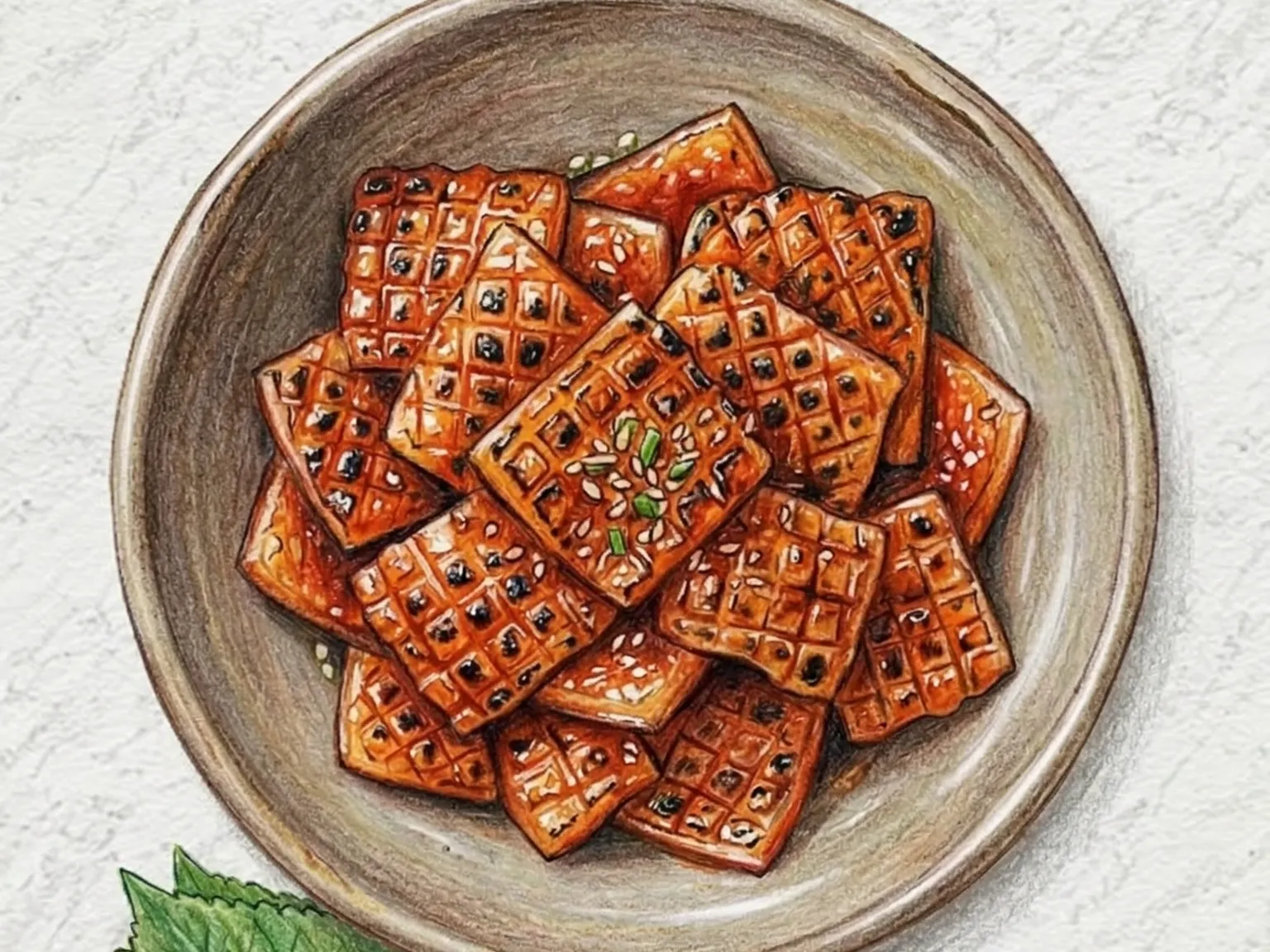
Korean Dwaeji Kkeopdegi Gui (Grilled Pork Skin)
Dwaeji-kkeopdegi-gui is grilled pork skin that has been parboiled to draw out excess fat and eliminate the raw, gamey odor of the skin before it meets the fire. After blanching, the skin is coated in a spicy marinade built on gochujang and gochugaru, reinforced with soy sauce, minced garlic, and sugar to balance heat with savory depth. The skin is almost pure collagen, which makes blanching time critical: too brief and it stays rubbery with an unpleasant resistance, too long and it goes limp, forfeiting the springy chew that defines the dish. As the marinated pieces hit a hot grill or cast iron, the skin contracts and buckles, forming ridges and shallow pockets that trap the glaze. Every bite delivers a concentrated hit of spicy-sweet flavor where the caramelized marinade has pooled in those grooves. The texture offers a satisfying, slightly elastic chew that is unlike any other grilled meat. It is most commonly eaten wrapped in a perilla leaf with ssamjang, or served straightforwardly alongside soju as a classic drinking snack.
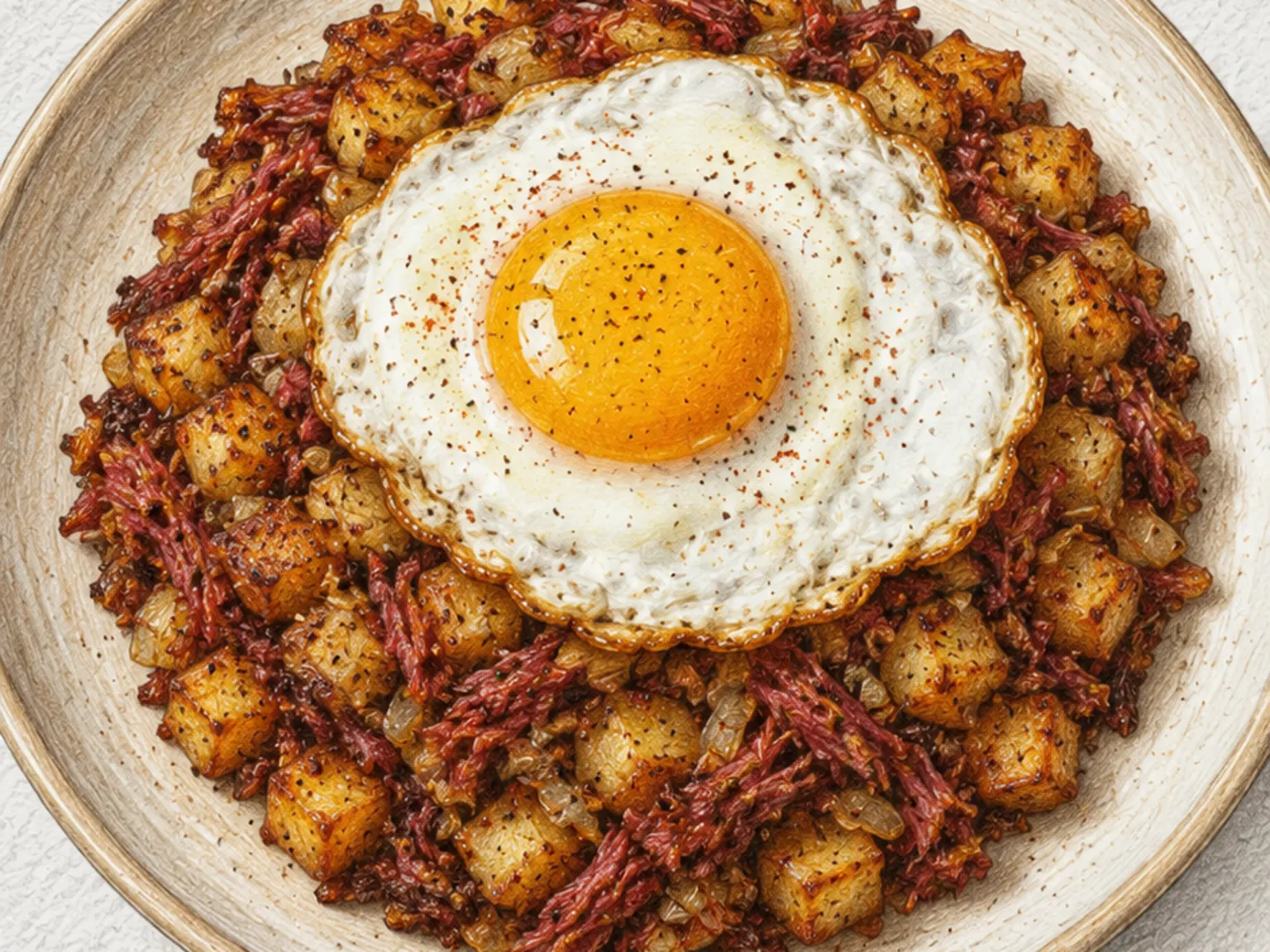
Corned Beef Hash
Corned beef hash is an American brunch dish that pan-fries diced potatoes and shredded corned beef until crispy, then tops them with a fried egg. Parboiling the potatoes for five minutes softens the inside while setting up a starchier surface that crisps better in the pan. Cooking the potatoes in butter and oil until golden before adding onion and then the corned beef builds layers of texture. Minimizing how often the hash is flipped allows a crust to form on the bottom, which is the signature of a well-made hash. The salty depth of corned beef combines with the starchy richness of potato, and breaking the egg yolk over the top ties everything together.
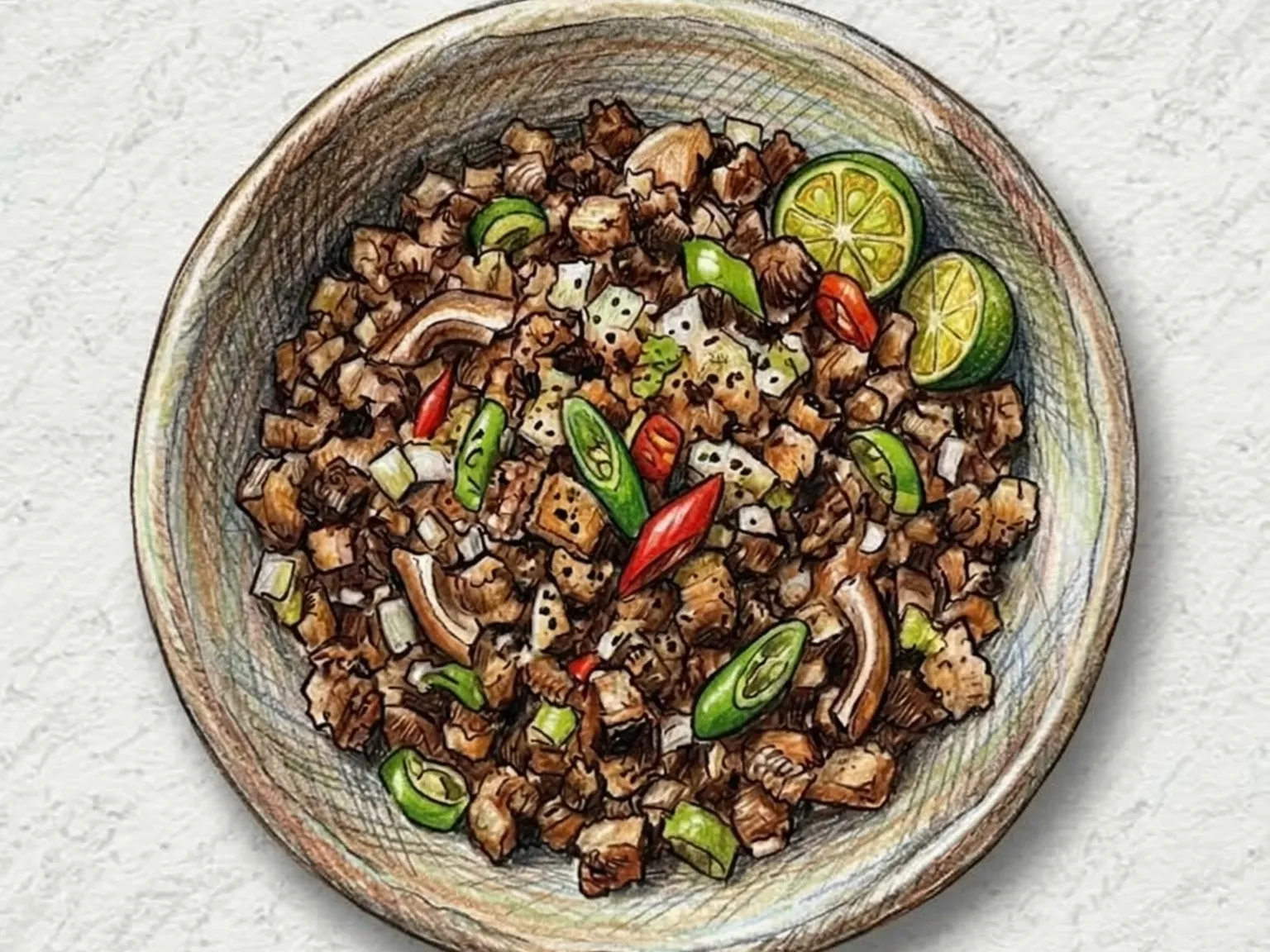
Sisig (Filipino Crispy Chopped Pork with Chili and Calamansi)
Sisig is a Filipino bar food built around chopped pork that is boiled first for tenderness, then pan-fried in butter until the edges turn deeply crisp. Diced onion and fresh chilies are tossed in briefly, adding crunch and a sharp bite that cuts through the richness. Calamansi juice-a small citrus native to the Philippines-brings a tart brightness that lifts the entire dish, while a finishing fold of mayonnaise binds everything together in a creamy coating without dulling the flavor. The mixture is traditionally served on a sizzling cast-iron plate so it arrives at the table still popping and hissing. Each forkful delivers a layered experience: the crunch of the fried pork, the cool tang of citrus, and the lingering heat of the chili. Sisig is inseparable from Filipino drinking culture and remains one of the country's most iconic street-to-table dishes.
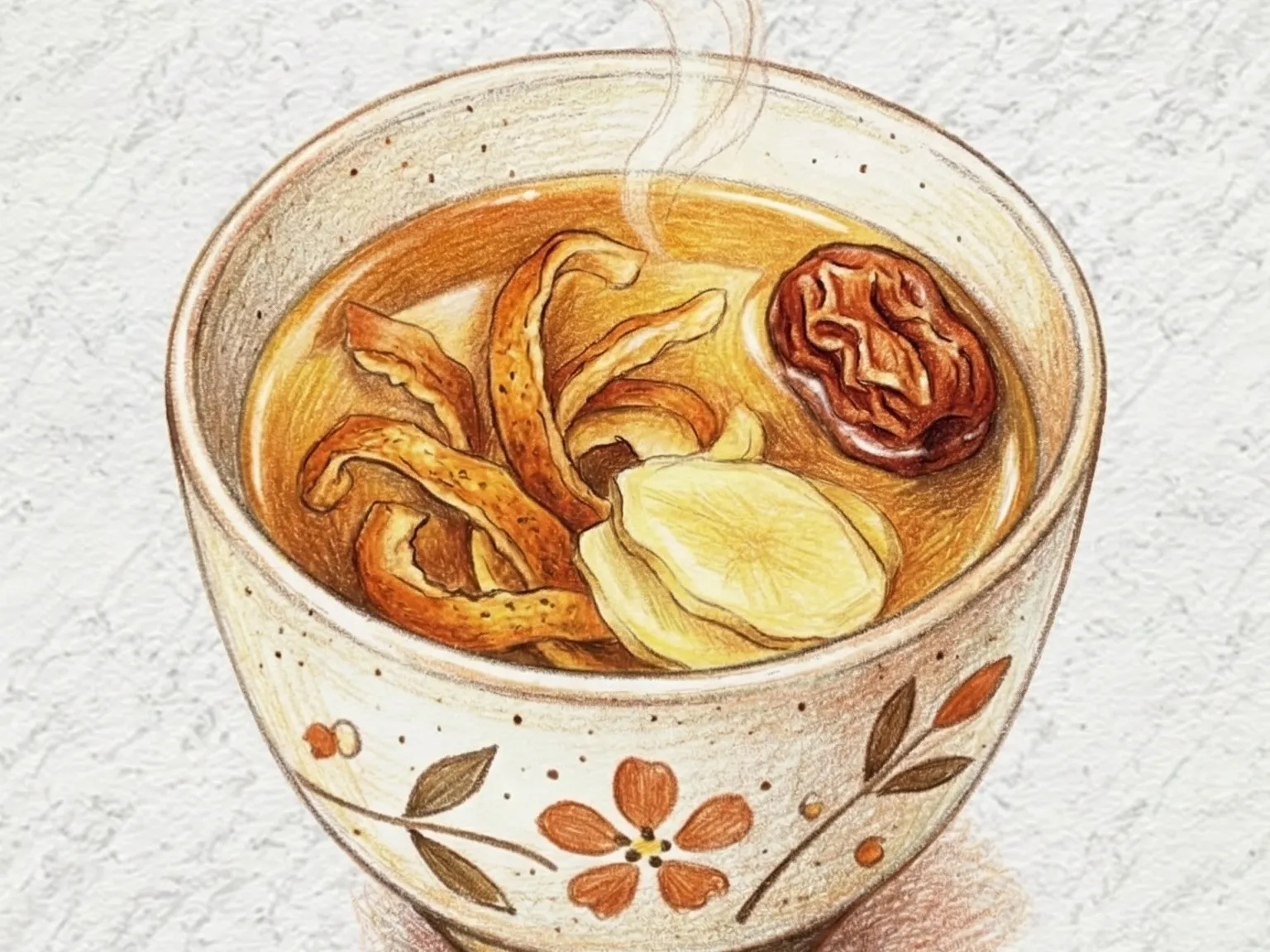
Korean Tangerine Peel Ginger Tea
Gyulpi-saenggang-cha is a traditional Korean tea made by simmering dried tangerine peel and thin-sliced fresh ginger together for about eighteen minutes. Properly dried peel concentrates its aromatic essential oils while shedding much of the bitterness that fresh peel carries, and the extended simmering draws those oils fully into the water. The result is a cup where the citrus's bright, faintly bitter edge meets the warming heat of ginger in each sip. Jujubes round off the sharper notes with their gentle background sweetness, and using both honey and rice syrup adds two distinct registers of sweetness -- one clean and floral, the other thick and malty. A very small pinch of salt at the end sharpens the overall flavor and leaves a clean finish. It is a natural choice on cold days when the body needs warming from the inside.
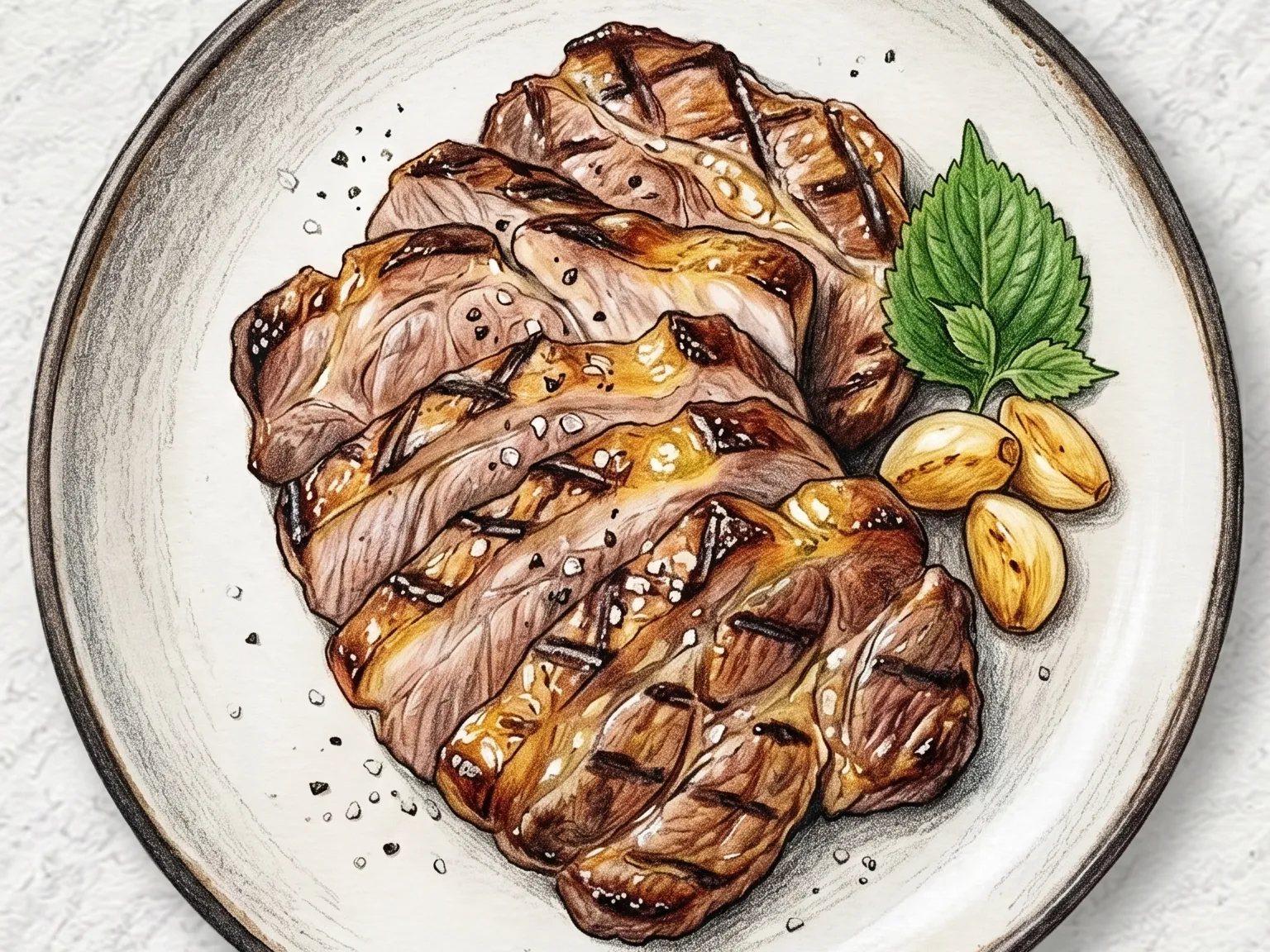
Korean Grilled Pork Neck (Salt-Seasoned Fatty Neck Cut BBQ)
Dwaeji-moksal-gui is Korean salt-grilled pork neck sliced one centimeter thick and seasoned with nothing more than coarse salt and black pepper before being laid on a blazing grill. The neck cut is laced with fine intramuscular fat that renders quickly over high heat, basting the meat from within and producing a rich, clean pork flavor that needs no marinade to taste complete. Cuts with roughly a seven-to-three fat-to-lean ratio give the best results, where fat and juice remain in balance through the cooking. Each side must sear for under two minutes over maximum heat to build a dark, caramelized crust while the center stays moist. Flipping repeatedly drops the surface temperature and produces a gray, steamed result rather than the charred exterior that defines the dish. The standard way to eat moksal-gui is in a ssam: a leaf of lettuce loaded with a roasted garlic clove, a smear of ssamjang, and a slice of the grilled meat, folded and eaten in a single bite.