🍺 Bar Snacks Recipes
Perfect pairings for beer, soju & wine
705 recipes. Page 17 of 30
In Korean drinking culture, anju (drinking snacks) are just as important as the drink itself. Beer goes with fried chicken, soju pairs with grilled pork belly and dubu-kimchi, and makgeolli calls for pajeon and bindaetteok. This tag gathers recipes designed to accompany a drink.
Great anju complements the beverage without overwhelming it. Salty, savory, and spicy options - prepare a few and you will be ready for any gathering.
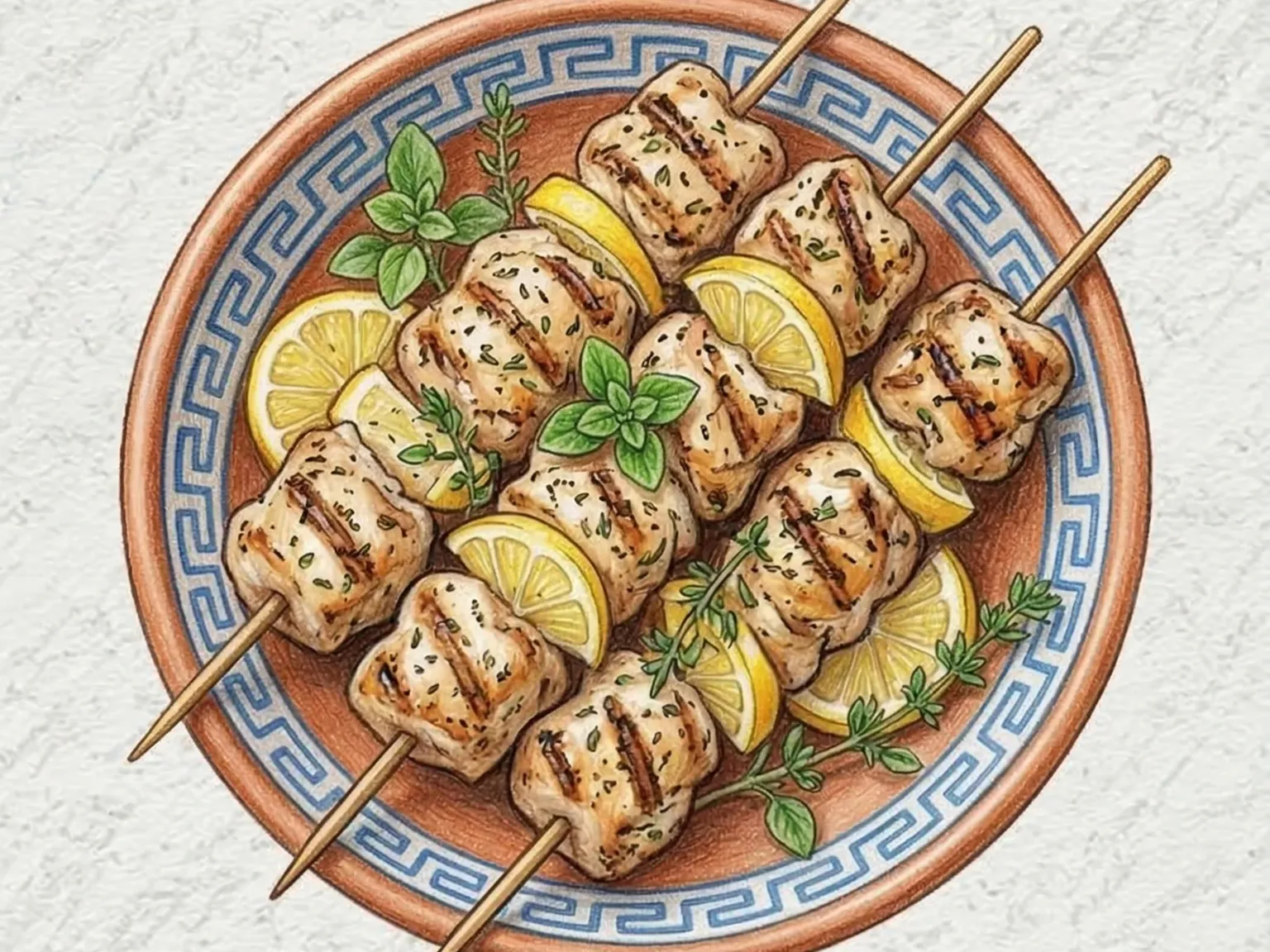
Chicken Souvlaki (Greek Lemon Herb Grilled Chicken Skewer)
Chicken souvlaki consists of Greek grilled skewers prepared using pieces of chicken thigh that have been submerged in a marinade of lemon juice, olive oil, garlic, and dried oregano. This marination period is intended to give the citric acid sufficient time to interact with the meat. The lemon juice functions by breaking down surface proteins, which allows the various seasonings to move into the interior of the chicken instead of remaining only on the surface. Simultaneously, the olive oil establishes a physical boundary during the grilling stage that reduces the rate of moisture evaporation, ensuring that the inside of each piece remains moist. The addition of dried oregano contributes an earthy and slightly bitter herbal quality that balances the acidity of the lemon to produce the clean and straightforward flavor profile typical of Greek outdoor cooking. Using chicken thigh meat is a deliberate choice because its natural fat distribution protects the muscle fibers from becoming tough under the high heat of the grill, unlike leaner breast meat. This results in individual pieces that have a glossy exterior and a tender texture when they are removed from the heat. Serving the skewers with a portion of plain yogurt provides a temperature and texture contrast to the warm, smoky meat. When these components are combined inside warm pita bread with slices of fresh tomato and raw onion, the dish becomes a portable meal that provides satiety without creating a sensation of heaviness.
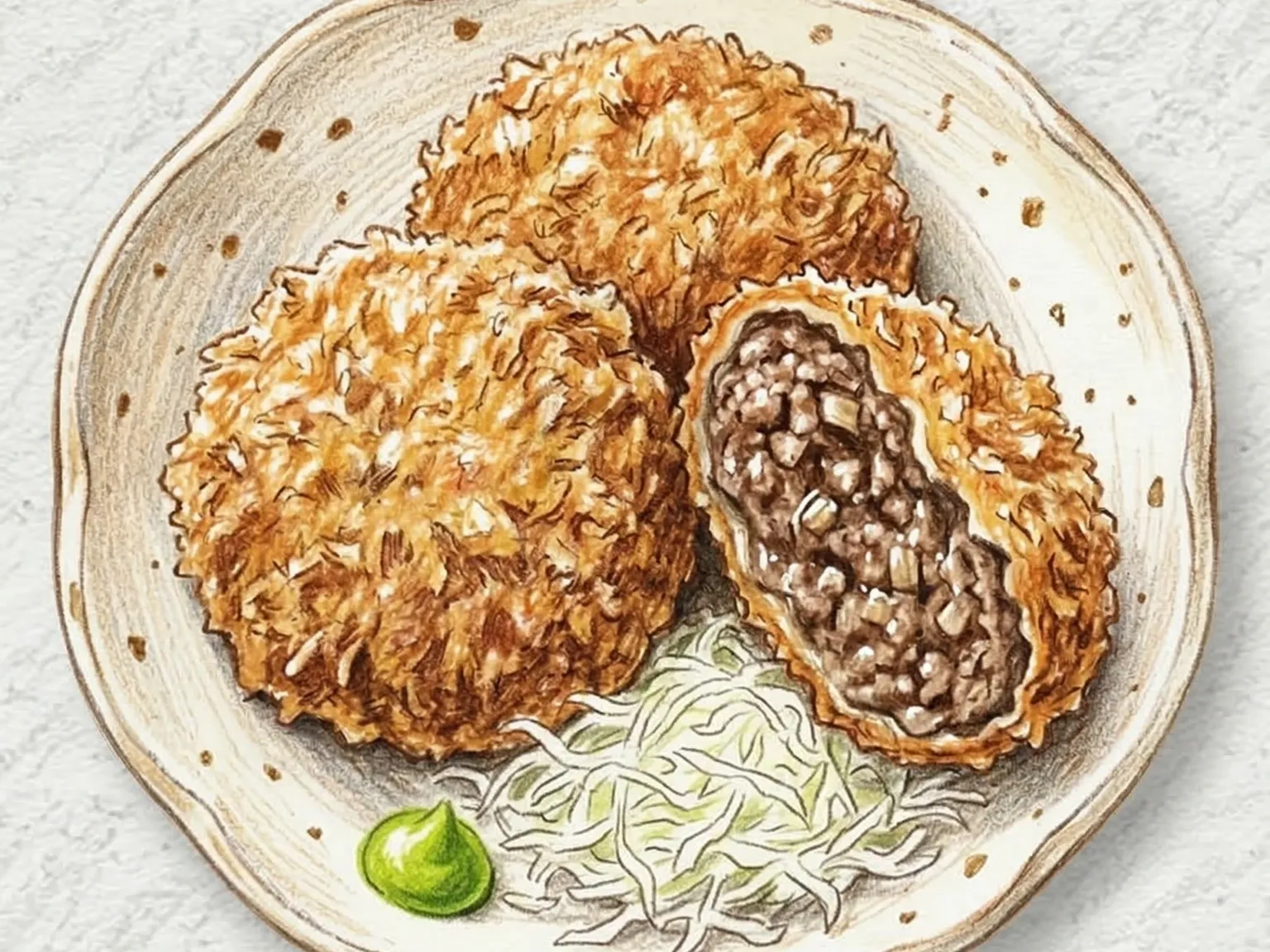
Menchi Katsu (Japanese Deep-Fried Breaded Minced Meat Patty)
Menchi katsu is a Japanese deep-fried minced meat cutlet that combines ground pork and beef with caramelized onion, shaped into thick patties, coated in flour, egg wash, and coarse panko breadcrumbs, then fried at 170 degrees Celsius until the crust turns a deep, shattering golden brown. The onion must be cooked down properly in oil and cooled before mixing into the meat so that the patties hold their shape and do not leak moisture into the breading. Coarse panko, applied generously and pressed firmly, builds a layered, craggy shell with multiple breaks and ridges that shatter on the first bite. Cutting the finished katsu open releases a rush of steaming, savory juice, and the sweetness of the cooked onion rounds out the richness of the two meats. Worcestershire or tonkatsu sauce is the standard accompaniment, though Japanese hot mustard works equally well as a sharp contrast. In Tokyo, neighborhood butcher shops fry fresh batches daily, displaying them in glass cases for customers to buy and eat on the street while still hot. The menchi katsu sandwich, where a freshly fried cutlet is pressed between thick slices of milk bread with shredded cabbage, has grown into a regional specialty category of its own.
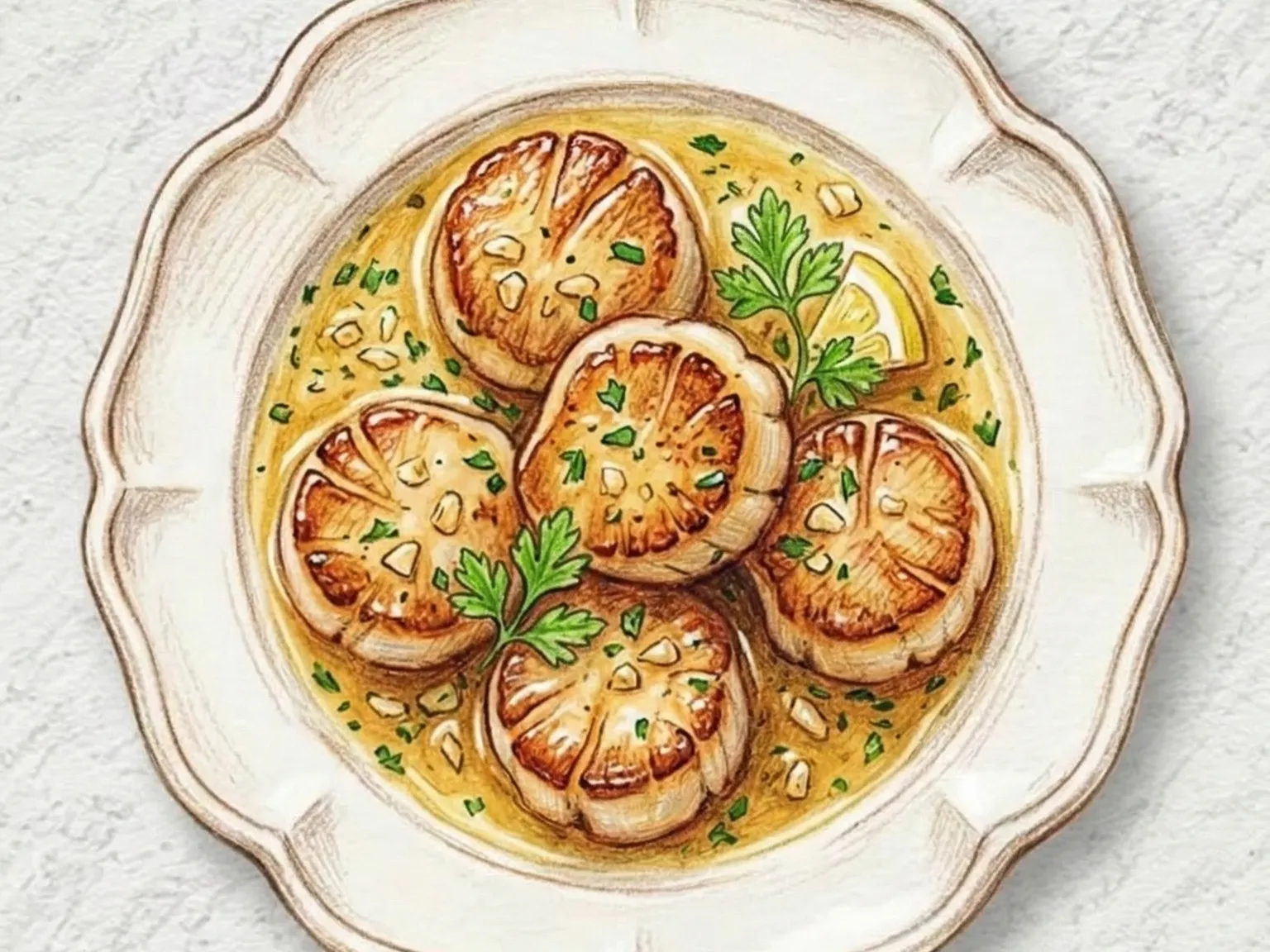
Korean Butter-Grilled Scallops
Garibi butter-gui sears fresh scallops in garlic butter until each side develops a deep golden-brown crust, then finishes with lemon juice and parsley to balance the richness. Removing every trace of surface moisture with paper towels before seasoning is the single most important step -- water on the surface of the scallop causes it to steam rather than sear, and no caramelized crust will form until that moisture has evaporated. Each side cooks for only one to two minutes at the highest heat the pan can sustain, leaving the center just barely opaque and the texture tender rather than rubbery. After flipping, butter and minced garlic are added directly to the hot pan and spooned continuously over the scallops so the aroma infuses the surface. A squeeze of lemon and a scatter of chopped parsley added just before removing from heat layers acidity and freshness over the butter richness. Simple to prepare and fast to cook, this dish appears regularly at home gatherings in Korea as a crowd-pleasing appetizer.
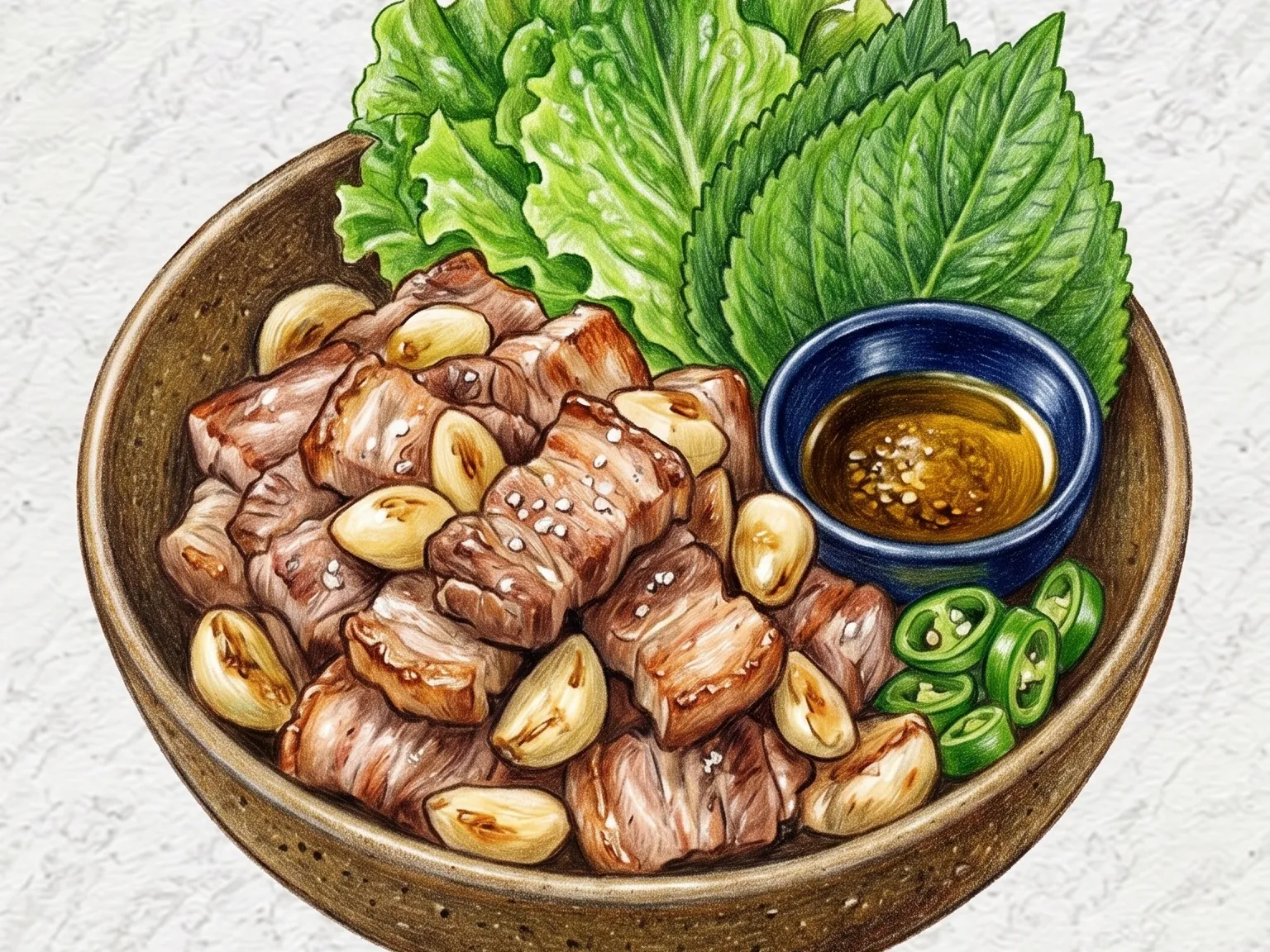
Korean Salt-Grilled Pork (Pork Belly and Neck BBQ)
Doejigogi-gui is Korea's salt-grilled pork, made by seasoning thick-cut pork belly or pork neck with nothing but coarse salt and grilling over charcoal or on a cast iron pan. Because no marinade masks the flavor, the quality of the pork itself determines the outcome, and thick-cut belly requires patient cooking over medium heat so the fat layers render fully before the exterior chars -- rushing over high flame leaves the fat chewy and greasy rather than crisp. Blotting excess rendered fat from the pan with paper towels during cooking keeps the meat grilling rather than deep-frying and preserves the smoky char that defines the dish. Garlic slices cooked on the same pan alongside the pork add a mellow roasted note. The classic accompaniments -- sesame oil and salt for dipping, fresh lettuce or perilla leaves for wrapping, a dab of doenjang, and a sliver of cheongyang chili -- create the complete Korean barbecue experience, where a bite of rich pork, crunchy greens, and pungent condiments come together in one mouthful.
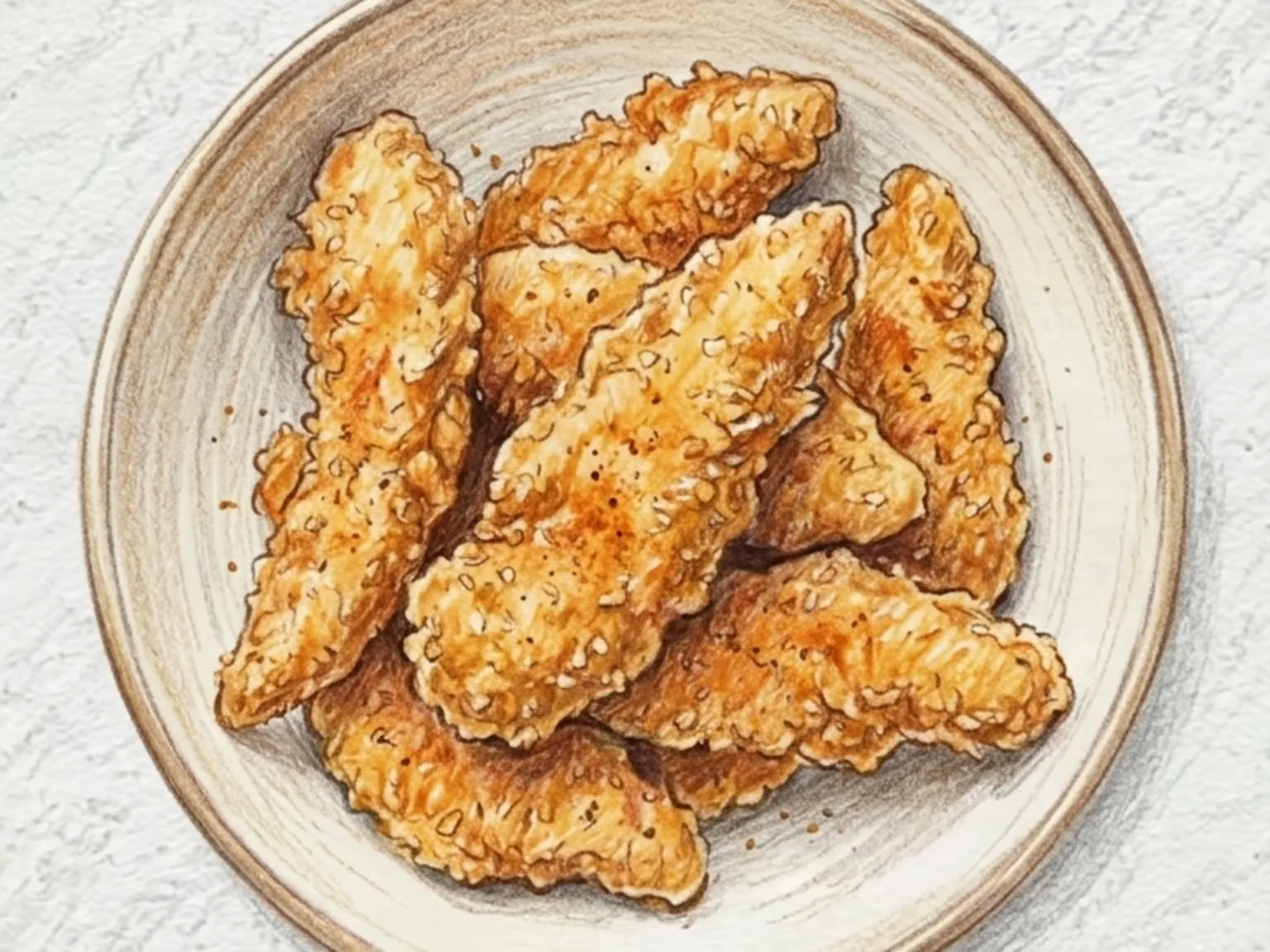
Chicken Tenders
Chicken tenders season chicken tenderloins with salt and paprika, then triple-coat them in flour, egg-milk wash, and breadcrumbs before frying at 170 degrees Celsius until golden and crisp. Tenderloins have a fine grain that stays soft even with brief frying, avoiding the dryness that breast meat can develop. Mixing milk into the egg wash produces a smoother coating that clings more evenly, and pressing the breadcrumbs firmly by hand prevents them from falling off in the oil. Four to five minutes of frying is enough to crisp the exterior to a deep gold while keeping the interior moist, and draining on paper towels immediately after removes excess oil to maintain crunch. A second fry hardens the crust further, keeping it crisp even as the tenders cool.
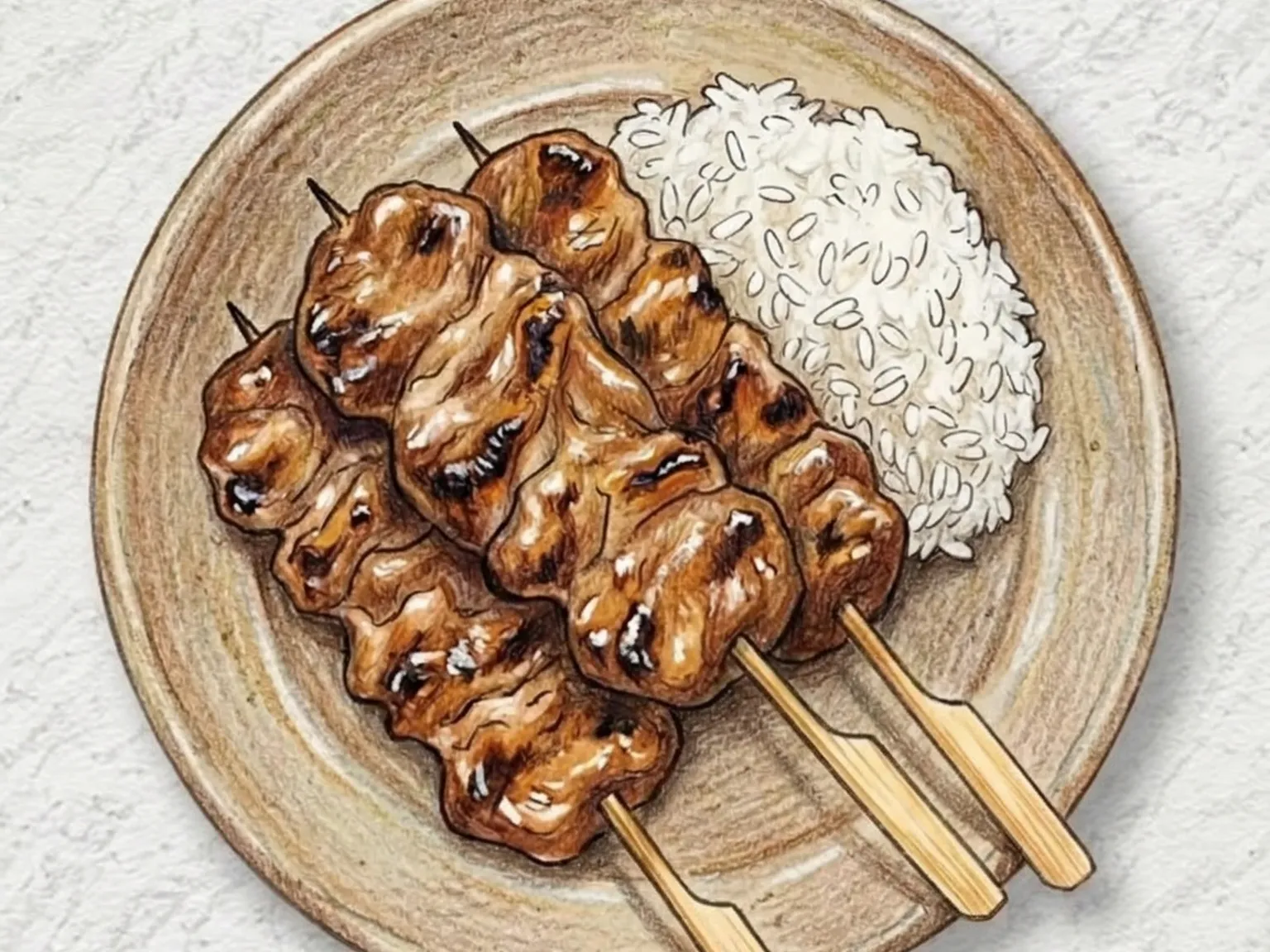
Moo Ping (Thai Grilled Pork Skewers)
Moo ping are popular Thai grilled pork skewers known for their sweet and savory glaze. The dish features thinly sliced pork neck marinated in a rich mixture of coconut milk, palm sugar, soy sauce, fish sauce, minced garlic, and black pepper. Soaking the bamboo skewers in water before cooking prevents them from burning on the hot grill. The coconut milk in the marinade acts as a tenderizer, ensuring the marbled pork neck remains moist and juicy inside. The pork slices are threaded onto skewers and grilled over medium-high heat. During the final minute of cooking, brushing on the remaining marinade helps the palm sugar and soy sauce caramelize on the surface, creating a glossy, slightly charred glaze. These skewers are traditionally eaten warm, frequently paired with sticky rice as a staple street food option.

Korean Ginger Honey Latte
Ginger honey latte is a warm Korean latte built on a concentrated ginger infusion made by simmering thinly sliced fresh ginger in water over medium-low heat for ten minutes. Straining out the fibrous solids leaves a clean, sharp liquid that is returned to the pot with milk and heated until it just begins to steam, allowing the ginger's spicy heat to diffuse gradually through the dairy without becoming harsh. Adding honey only after the heat is turned off is important because prolonged exposure to heat causes its aromatic compounds to evaporate, leaving behind only sweetness without fragrance. A pinch of salt acts as a bridge between the sharp ginger and the floral sweetness of honey, drawing both flavors into sharper focus. A small dusting of cinnamon powder at the end adds a woody, resinous layer on top of the ginger that creates a warm-spice finish that lingers well after the last sip. The gingerols present in fresh ginger make this drink a common choice during seasonal transitions and on days when the body feels cold or run-down.
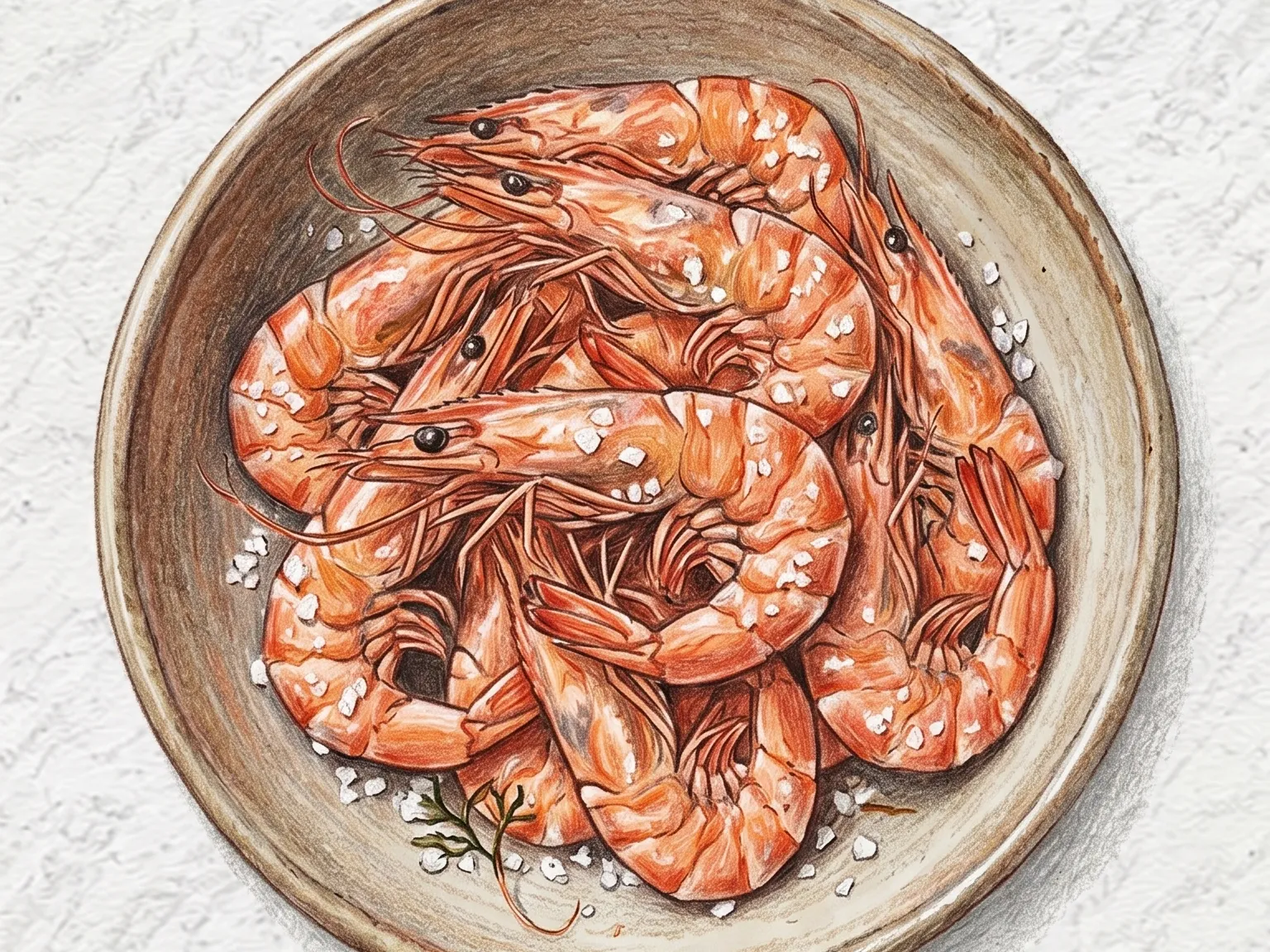
Salt-Grilled Dokdo Shrimp
This dish features salt-grilled Dokdo shrimp, selecting flower or chicken shrimp caught near Dokdo island to highlight their natural flavor. The shrimp are rinsed, treated with rice wine to eliminate odor, and trimmed of long antennae while keeping the heads intact to preserve the rich umami flavor of the liver. A layer of coarse salt is spread over parchment paper in a pan and heated to distribute warmth evenly. The shrimp are arranged on the salt bed and cooked covered to trap moisture, preventing the flesh from drying. Once the shells turn bright red, they are turned and cooked briefly to ensure the meat remains tender instead of becoming tough. Squeezed lemon juice is applied before serving. The separated shrimp heads can be saved and stir-fried with butter to create an additional savory side dish.
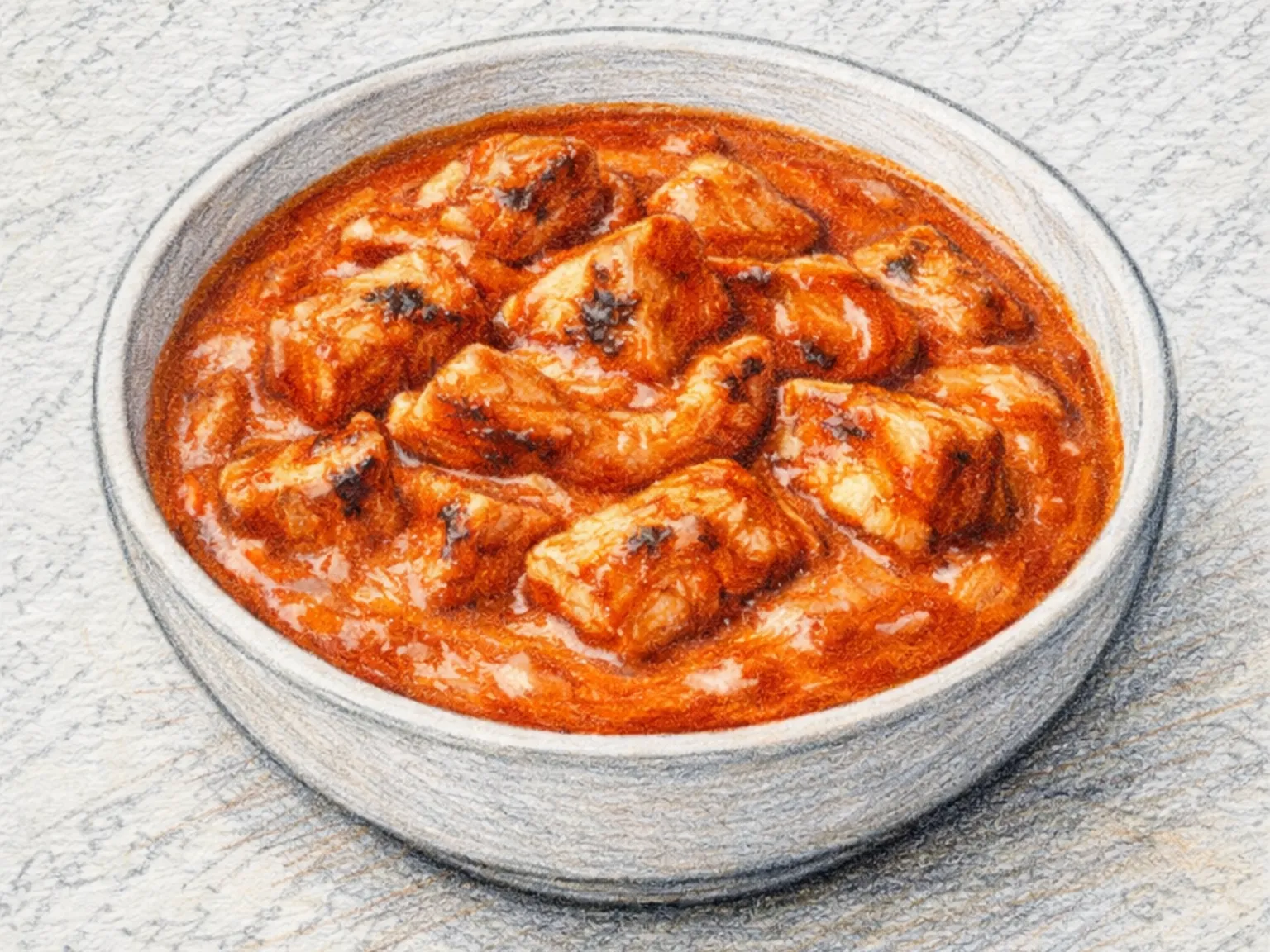
Chicken Tikka Masala
Chicken tikka masala marinates chicken overnight in yogurt, curry powder, garlic, and ginger, then grills or broils it at high heat to develop char on the surface before finishing in a sauce of tomato puree, garam masala, and heavy cream. The lactic acid in yogurt gently breaks down surface proteins while acting as a vehicle to drive the spices deeper into the meat. Browning diced onion in butter, then cooking tomato puree with garam masala for at least fifteen minutes allows the sharp, raw edges of the spices to mellow and integrate fully, building a sauce base with genuine depth. Heavy cream added just before serving wraps the tomato acidity and chili heat in a smooth, rich body that unifies the dish. Overnight marination makes a substantial difference compared to a short soak, as the spices have time to penetrate to the center of each piece. Basmati rice or naan bread served alongside is standard, and dragging the bread through the sauce captures the full range of flavor in a single bite.
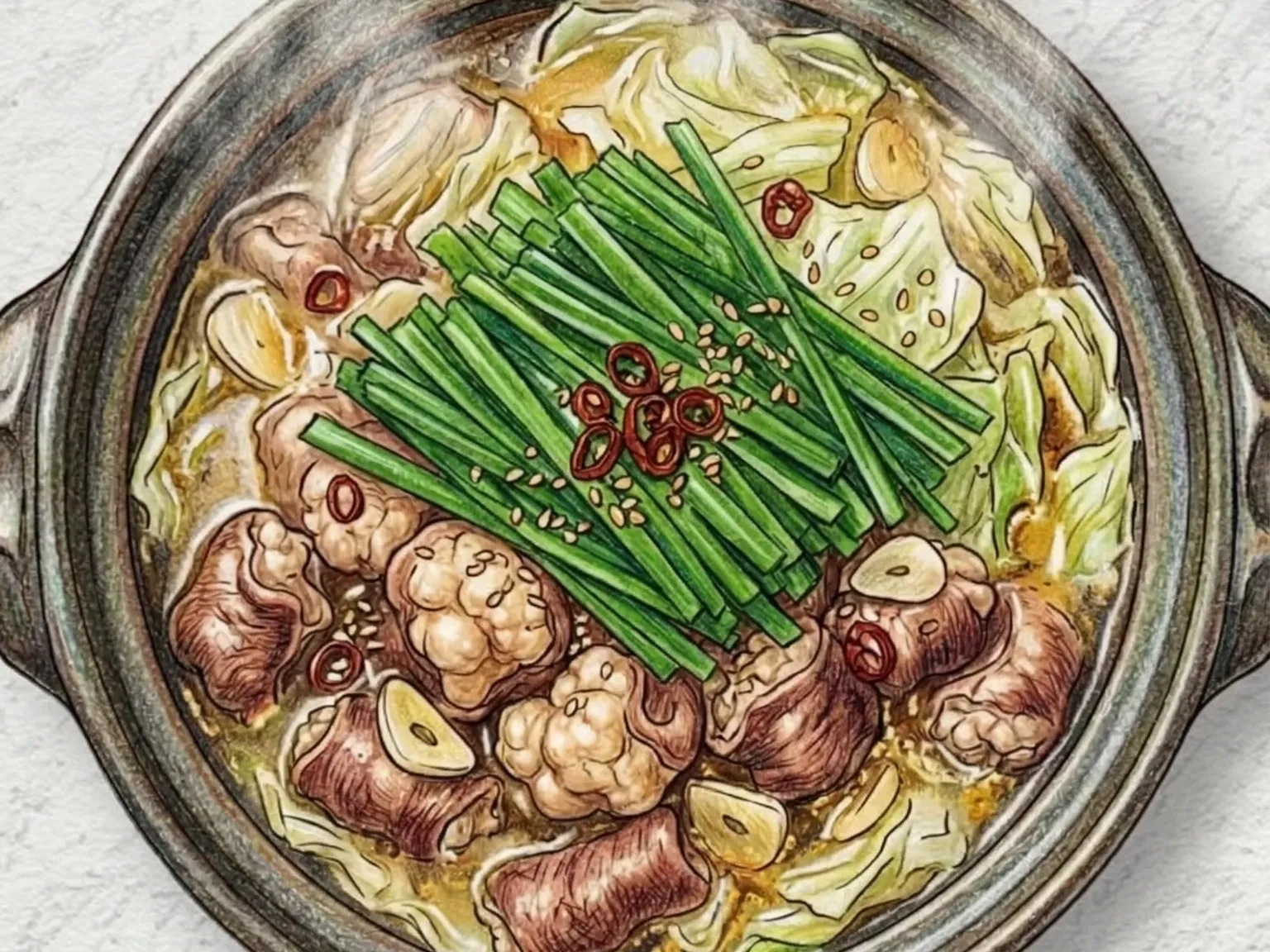
Hakata Motsu Nabe (Offal Hot Pot)
Hakata motsu nabe is a traditional Japanese hot pot featuring pork small intestines simmered with cabbage, garlic chives, and tofu. The preparation begins by rinsing and blanching the offal to eliminate gamey odors before slicing it into small pieces. The base broth combines chicken stock, soy sauce, and mirin, brought to a boil before adding the blanched offal, hand-torn cabbage, and firm tofu. Simmering allows the fats from the intestines to melt into the soup, enriching its flavor, while the cabbage absorbs the seasoned liquid and softens. Sliced garlic and red chili are added to infuse the broth with a warm aroma, followed by garlic chives cooked briefly to preserve their green color. This dish is served hot at the table and traditionally finished by adding ramen noodles or rice to the remaining savory broth.

Korean Sweet Potato Latte
Goguma latte is a Korean sweet potato drink made by blending peeled roasted sweet potato with half the milk into a smooth puree, then combining it with the remaining milk in a pot and warming gently over medium-low heat. Using a fire-roasted or oven-baked sweet potato rather than a boiled one yields a significantly deeper sweetness from the caramelized sugars. Vanilla extract softens the starchy quality of the potato and makes the texture smoother, while a pinch of salt defines the edges of the sweetness. Cinnamon dusted on top blends with the earthy sweet potato aroma in each sip. The drink works equally well as a warm winter mug or over ice in summer, and the natural richness of the sweet potato makes it filling enough to serve as a light meal replacement without any added caffeine.
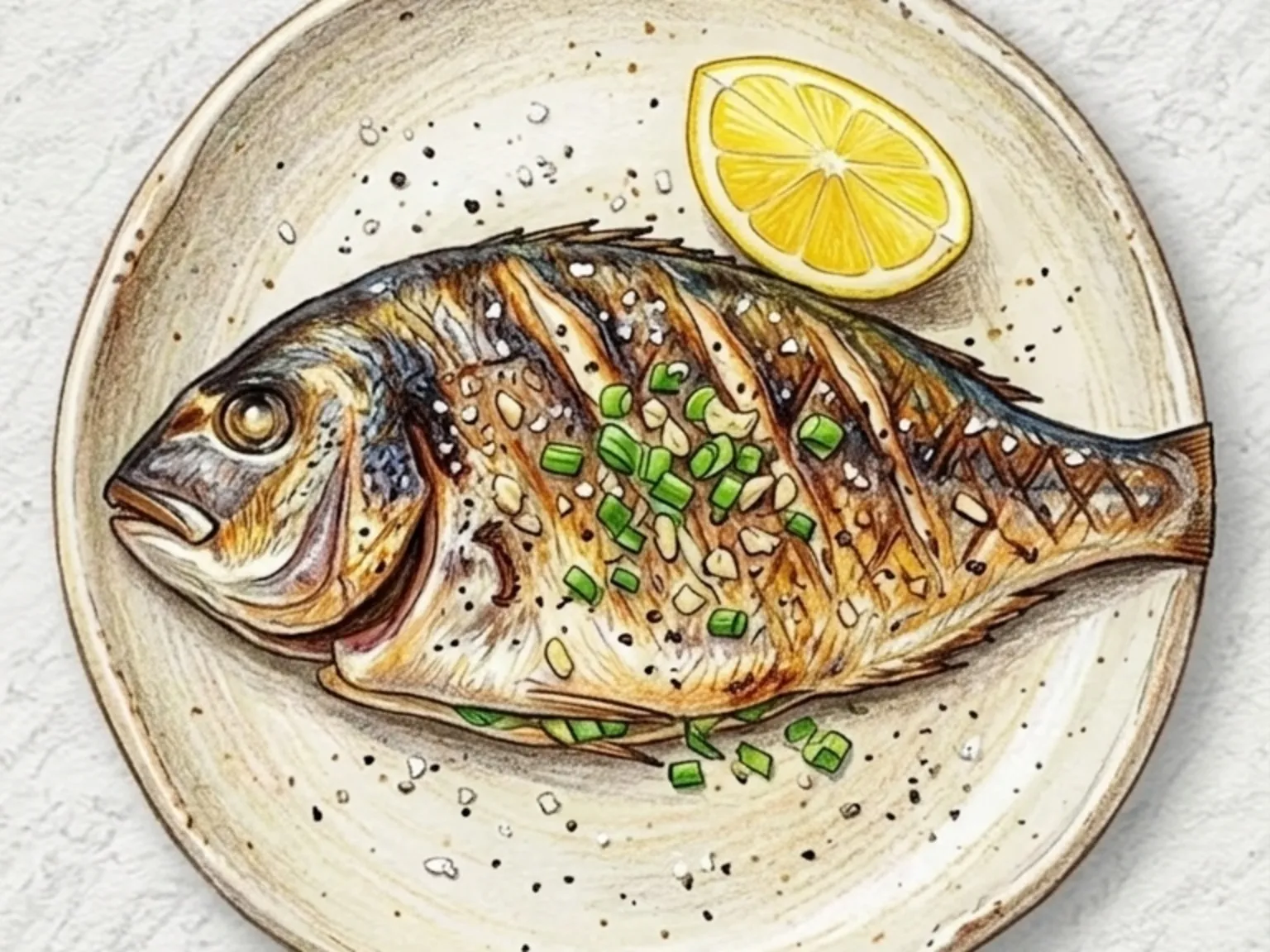
Korean Domi Sogeum Gui (Salt-Grilled Sea Bream)
Domi-sogeum-gui is a Korean pan-grilled sea bream dish where fillets are seasoned with nothing more than coarse salt and black pepper, then cooked skin-side down for the majority of the cooking time. Sea bream sits at a favorable point among white fish varieties, carrying enough natural fat to produce a clean, rounded umami from salt alone without needing additional marinades or sauces. Patting the surface completely dry with paper towels before the fish goes into the pan is essential, as any surface moisture will cause the skin to steam rather than crisp. Placing the fillet skin-side down first and keeping it there for roughly seventy percent of the total cooking time allows the skin to turn crackling and golden while the heat travels up through the flesh from below. A brief flip to finish the flesh side is all that is needed, since overcooking removes moisture from the delicate meat quickly. Minced garlic and chopped scallions placed on top after cooking add a fresh, pungent note, and a squeeze of lemon from the side wedge sharpens the bream's mild, clean sweetness by cutting through any lingering fish aroma.
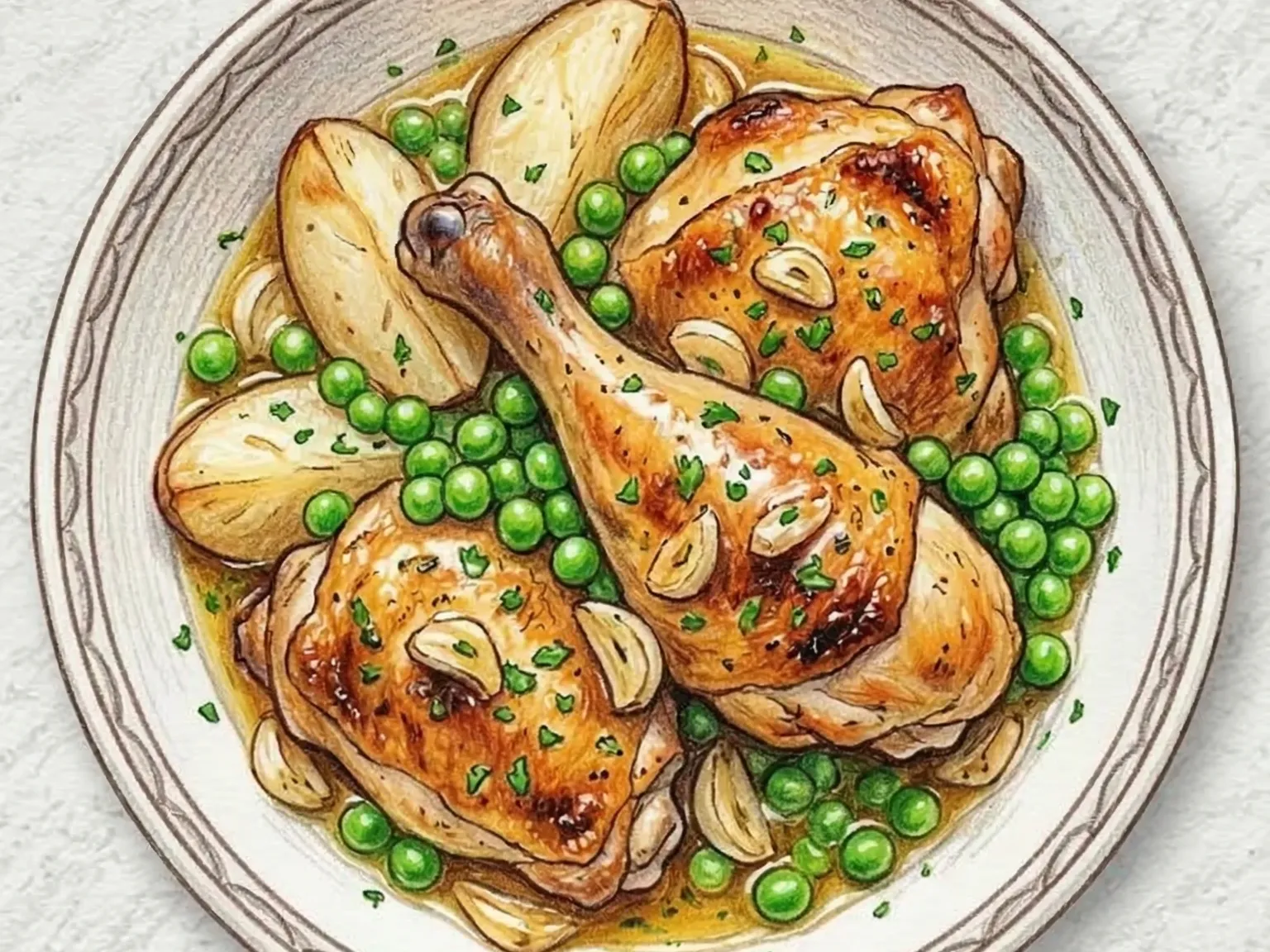
Chicken Vesuvio (Chicago White Wine Braised Chicken with Potatoes)
Chicken Vesuvio is a Chicago Italian-American dish that sears chicken thighs and potato chunks until golden, then simmers them with garlic, dry white wine, chicken stock, and oregano in a covered pan. Searing the chicken skin for at least five minutes builds a crisp texture and deposits a deep fond on the pan bottom that becomes the backbone of the sauce. After deglazing with wine and adding stock, twenty minutes of covered simmering lets the potatoes absorb the sauce and turn creamy inside while the chicken stays moist under its crisp skin. Peas and lemon juice added in the final two minutes introduce a bright green color and fresh acidity that lighten the otherwise heavy sauce. Dry white wine keeps the sauce clean and balanced rather than sweet.
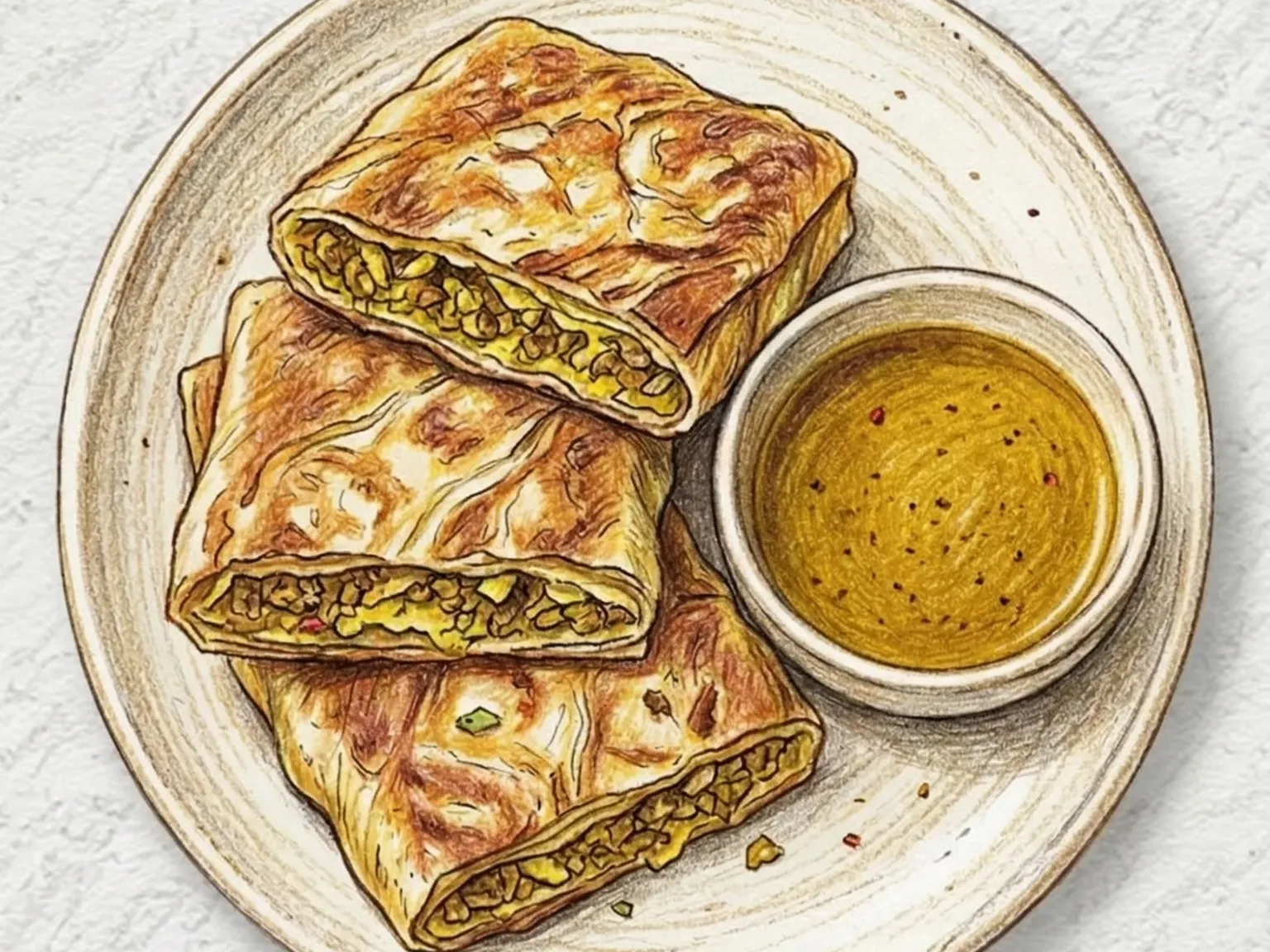
Murtabak (Malaysian Stuffed Pan-Fried Flatbread with Spiced Beef and Egg)
Murtabak is a popular Malaysian pan-fried flatbread stuffed with spiced ground beef and egg. The process begins by kneading wheat flour, water, salt, and oil to form a smooth dough, which is rested for thirty minutes to ensure it can be stretched thin. The filling is prepared by cooking ground beef and onion with curry powder until dry, which prevents the flatbread from becoming soggy. To assemble, the dough is stretched paper-thin with oiled hands, topped with the beef mixture, and a raw egg is added before folding the sides into a square. The flatbread is cooked in a lightly oiled pan over medium heat until both sides turn golden and crisp. The result is a multi-layered pastry with a crispy shell and a moist, savory core. It is cut into pieces and served with curry sauce or chutney.
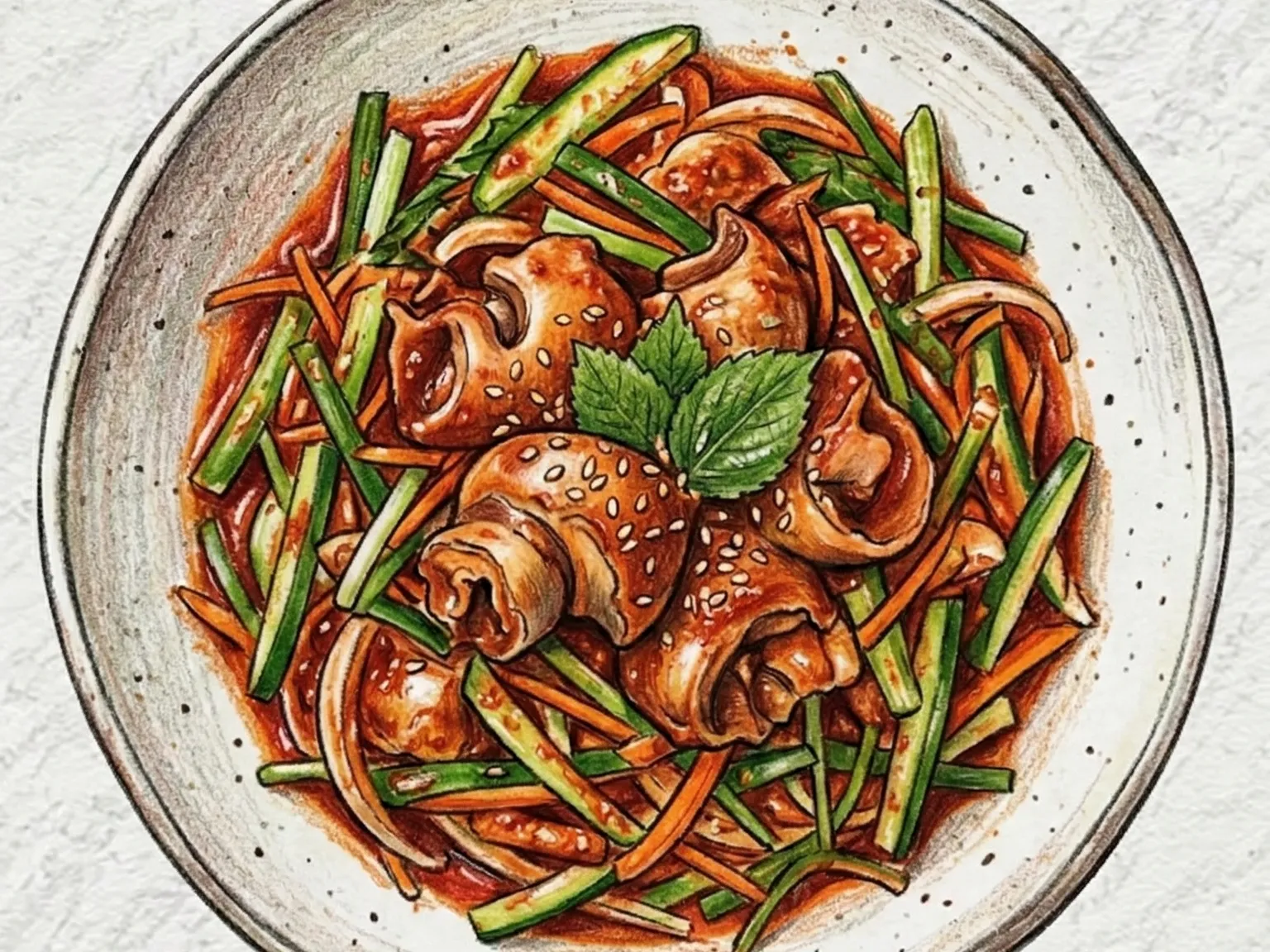
Korean Spicy Sea Snail Salad
Golbaengi-muchim is a Korean spicy sea snail salad made with canned sea snails drained thoroughly and tossed with sliced cucumber, onion, and green onion in a sauce of gochujang, gochugaru, rice vinegar, and sugar. The snails are firm and bouncy with a dense chew that stands apart from almost every other seafood in Korean cooking, and the sharpness of the gochujang-vinegar dressing cuts through their richness without overpowering the texture. Soaking the sliced onion in cold water for five minutes removes its harsh pungency, leaving it with a milder sweetness that integrates more smoothly into the dressing. Cucumber and green onion bring contrasting crunch and freshness. Sesame oil and sesame seeds are added at the end, coating everything in a nutty fragrance that softens the heat slightly. The dish must be served immediately after mixing, before the salt in the dressing draws moisture from the vegetables and turns the whole thing wet and limp. Laying a bed of thin somyeon noodles in the bowl before spooning the dressed snails on top produces golbaengi-somyeon, a preparation that shifts the dish from a snack into a more substantial accompaniment that works as both drinking food and a light meal. The noodles absorb the dressing and become coated in the gochujang-sesame sauce.
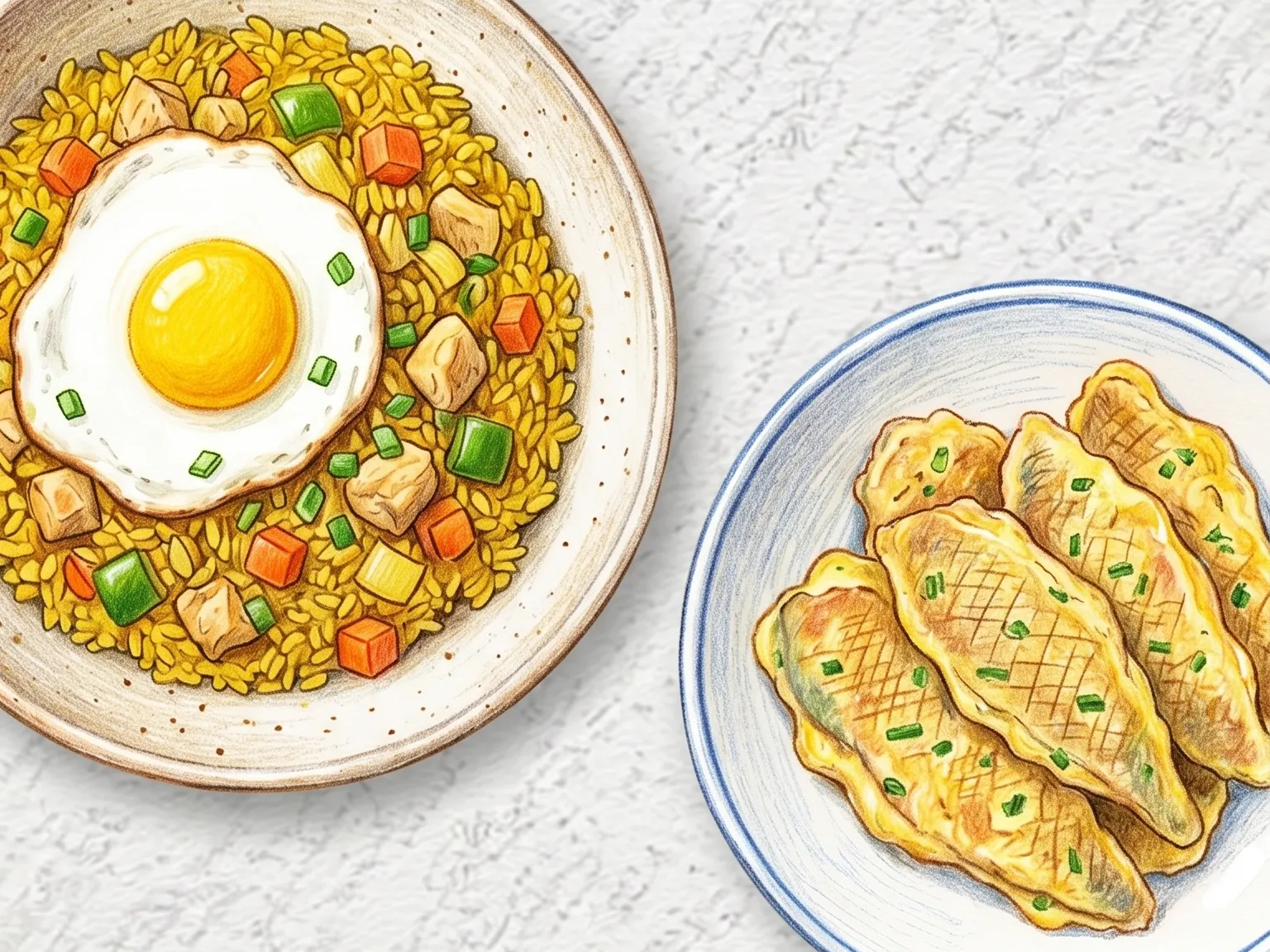
Korean Pollock Jeon (Egg-Battered Pan-Fried Pollock)
Dongtae-jeon is a Korean pan-fried pollock dish where thin slices of frozen-then-thawed pollock are seasoned with salt, pepper, and cheongju (rice wine), lightly dredged in flour, dipped in beaten egg, and fried in a thin layer of oil. Because frozen pollock releases significant moisture when thawed, pressing it thoroughly with paper towels is a critical step without it, the flour coating will not adhere and the oil will splatter. The flour layer should be thin enough that it barely coats the surface, preserving the fish's mild flavor, and cooking over medium-low heat gives the egg batter time to turn golden while keeping the fish inside soft and flaky. Mixing finely chopped green onion into the egg batter before dipping adds a subtle allium fragrance to the otherwise clean-tasting fish. A staple at Korean ancestral rites and holiday spreads, it is served with soy dipping sauce that draws out the savory, delicate flavor of the pollock.
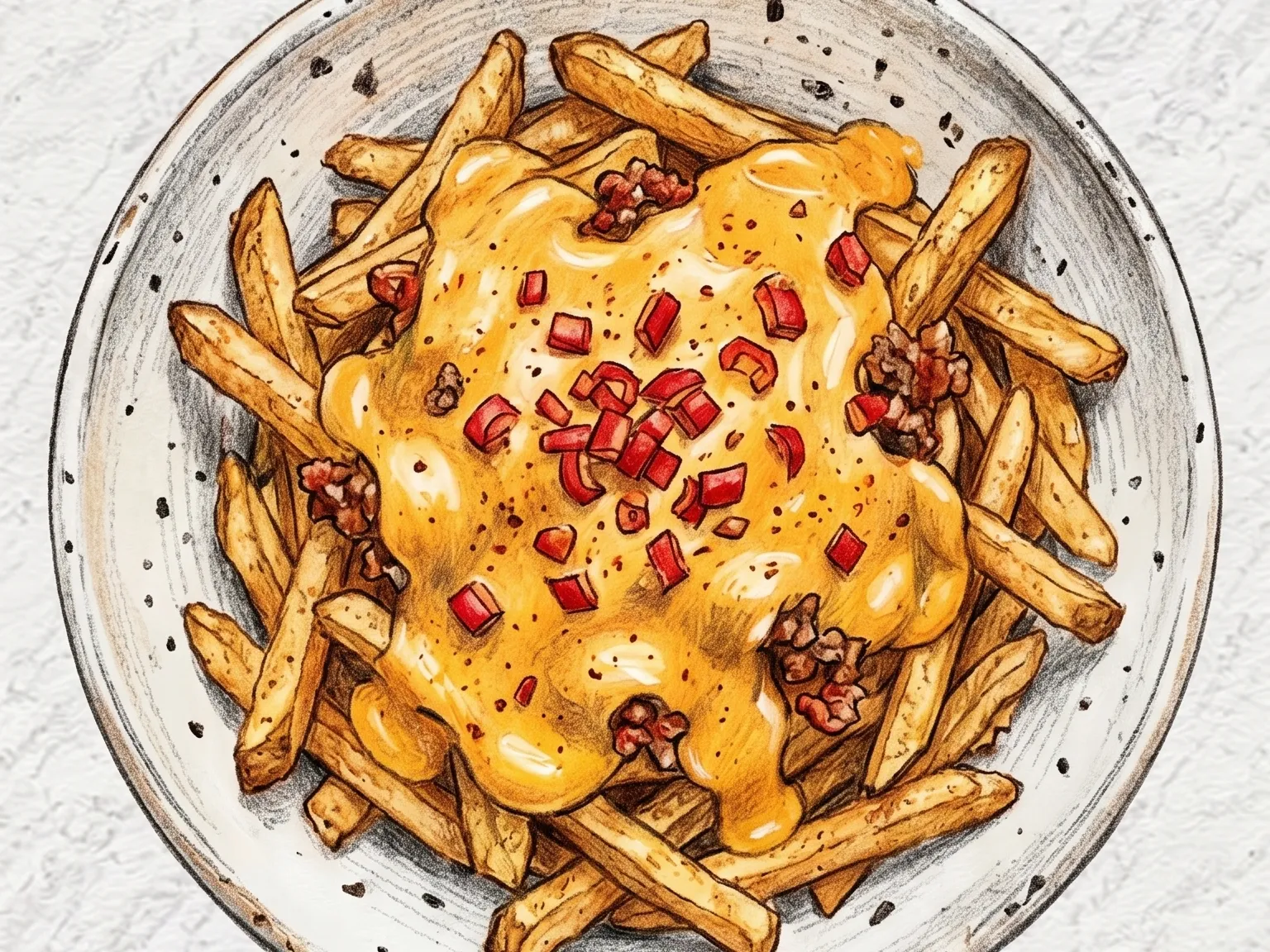
Chili Cheese Fries
This savory dish features crispy french fries topped with a warm meat chili and a rich cheese sauce. Frozen french fries are air-fried in a single layer at 200 degrees Celsius until golden and firm to prevent sogginess. A smooth, thick cheese sauce is made by melting four cheddar slices with milk and butter over low heat. The hot fries are arranged on a plate, layered with heated meat chili first, and then draped with cheese sauce to separate the flavors. The dish is topped with chopped pickled jalapeños and parsley. The acidity of the jalapeños cuts through the rich dairy fat of the cheese sauce. It serves as a satisfying snack or beer pairing, and can also be enjoyed with nacho chips. It should be served immediately while the fries are crisp and the sauces remain hot.
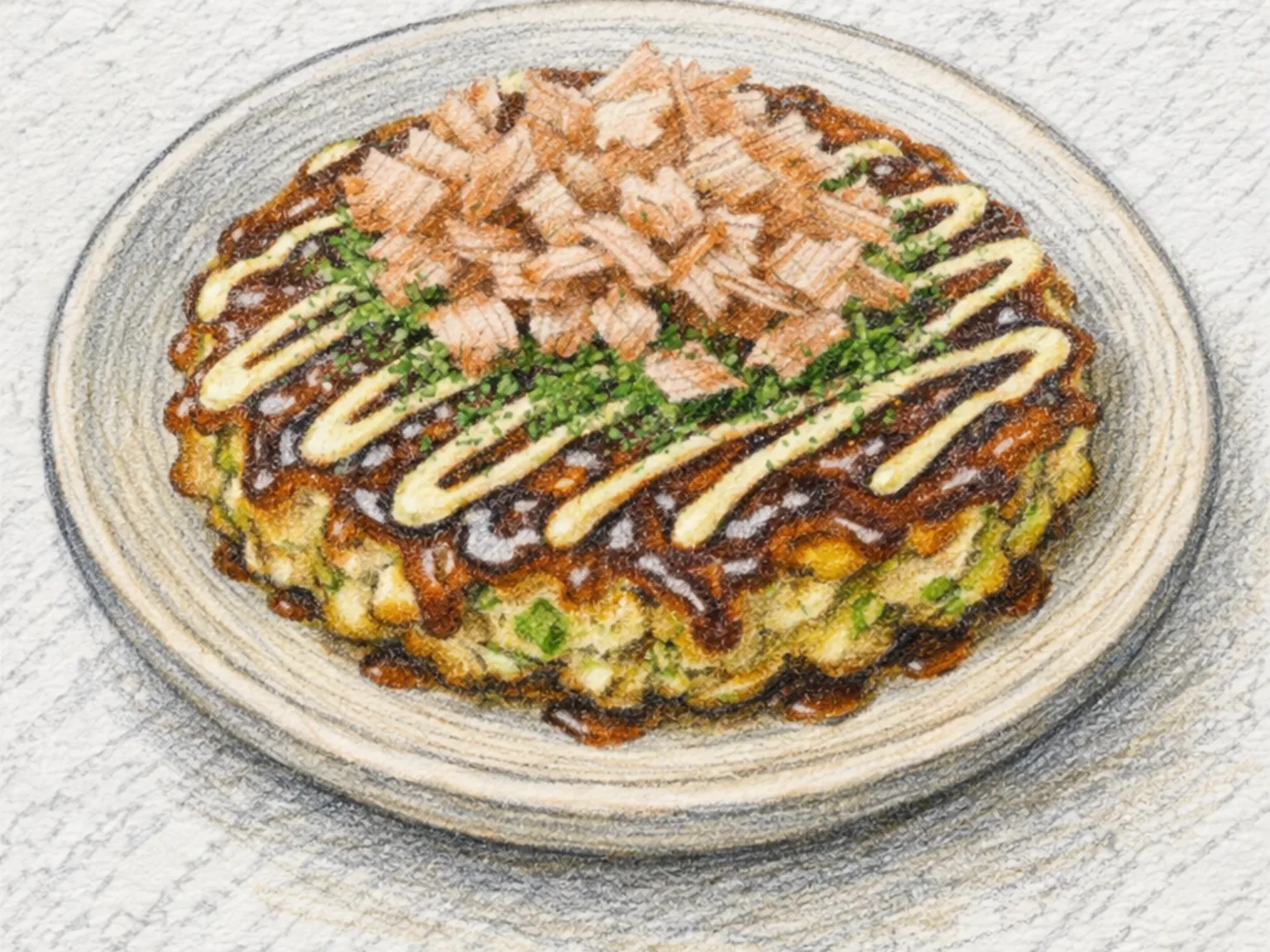
Osaka-Style Okonomiyaki (Japanese Savory Cabbage Pancake)
Osaka-style okonomiyaki is the signature griddle dish of Japan's Kansai region - a thick, cabbage-loaded savory pancake whose name means 'grilled as you like it.' Finely shredded cabbage is folded into a batter of flour, eggs, and dashi stock, then poured onto a hot griddle with strips of pork belly laid across the top. The pancake cooks slowly on medium heat, developing a golden crust on each side while the interior stays moist from the cabbage. Once done, it receives thick okonomiyaki sauce, zigzags of Japanese mayonnaise, a shower of bonito flakes that dance in the rising heat, and a dusting of aonori seaweed powder.
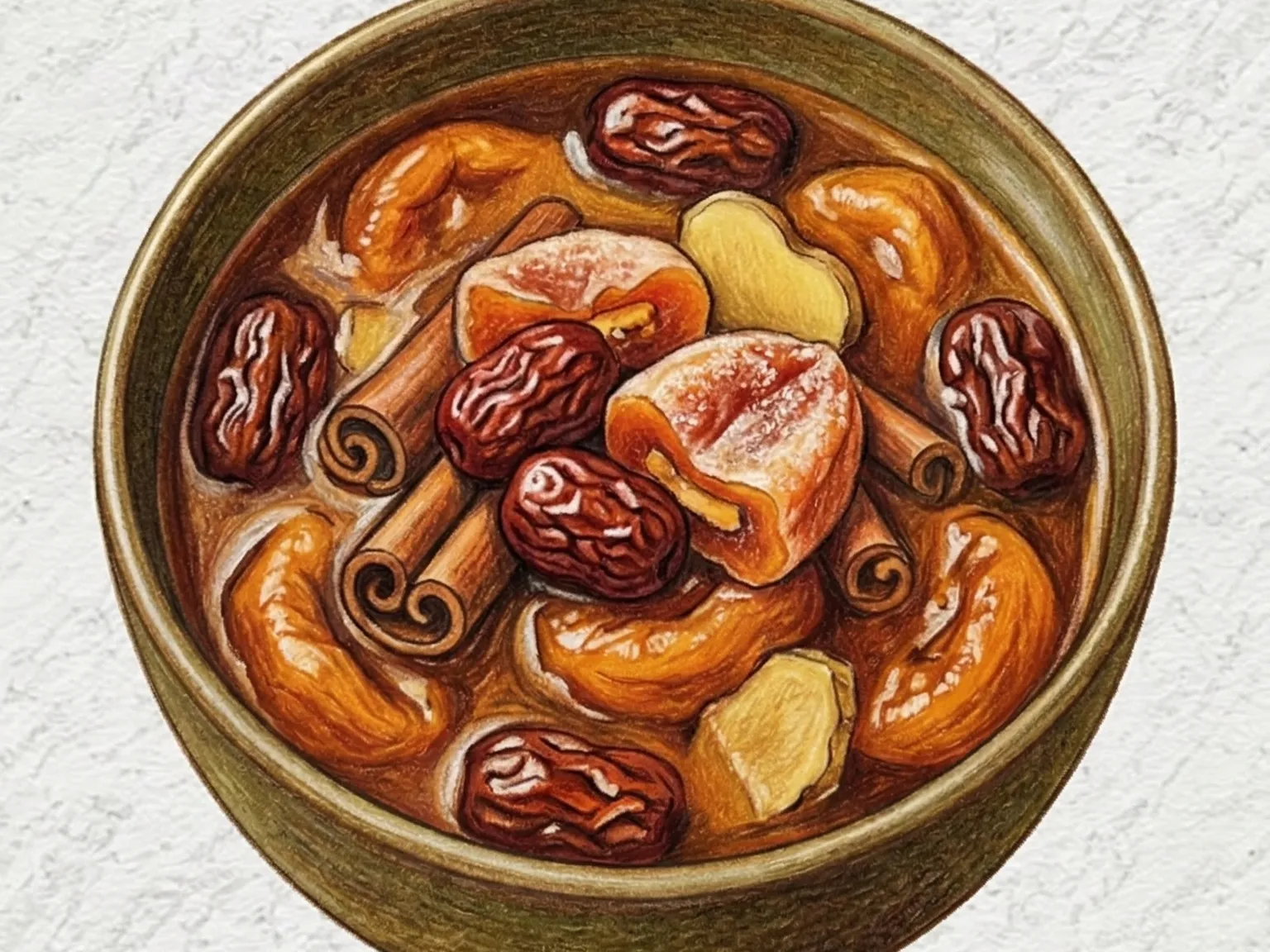
Korean Dried Persimmon Cinnamon Tea
Gotgam-gyepi-cha is a traditional Korean winter tea made by slowly simmering dried persimmon, a cinnamon stick, fresh ginger, and jujubes in water for close to thirty minutes. Cinnamon, ginger, and jujube are added first and simmered for twenty minutes to establish the spiced backbone of the drink, building a deeply aromatic and gently sweet base before the persimmon is introduced. Quartered dried persimmons and dark brown sugar are then added for another eight to ten minutes, during which the fruit softens and its dense, concentrated fructose dissolves into the broth, giving the liquid a slight viscosity along with a rich, jammy sweetness. Because dried persimmons vary considerably in sugar content, the amount of dark brown sugar should be adjusted or omitted entirely when the fruit is particularly sweet, to prevent the drink from becoming cloying. Once strained through a fine mesh and poured into cups, the tea is a clear, reddish-amber color. A whole walnut is placed on top -- its firm crunch and toasted nuttiness contrast sharply with the warm, fragrant liquid and serve as a visual as well as textural counterpoint. The warming combination of ginger and cinnamon makes this tea well suited to cold weather, and it often appears alongside sikhye and sujeonggwa on holiday tables.
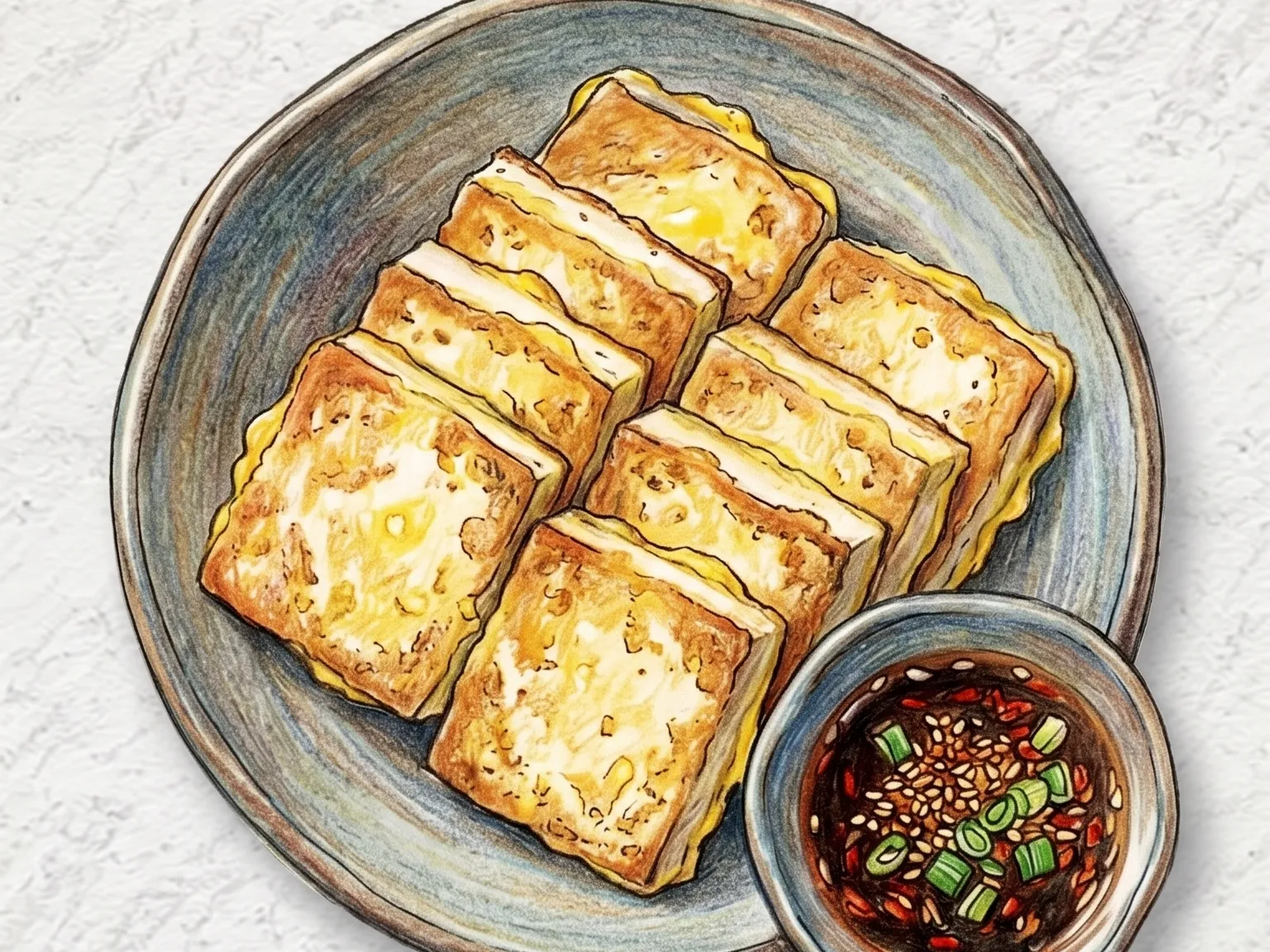
Korean Tofu Jeon (Golden Egg-Coated Pan-Fried Tofu)
Dubu-jeon is a Korean pan-fried tofu dish and a standard side dish in everyday home cooking as well as a fixture on ancestral rite tables. Firm tofu is sliced to about 1 cm thickness, seasoned with salt and pepper, dusted in a thin layer of flour to help the coating adhere, dipped in beaten egg, then fried on each side in a lightly oiled pan until the exterior turns golden and set. Pressing the tofu before cooking is the most important preparatory step: wrapping the slices in paper towels and placing a heavy object on top for at least fifteen minutes removes enough moisture to prevent the oil from splattering and allows the egg coating to bond tightly to the surface. Three to four uninterrupted minutes per side over medium heat are needed to develop an even golden crust without burning the egg; turning the pieces too often strips the batter away and leaves patches of bare tofu. The fried tofu is mild and nutty on its own, but a dipping sauce of soy sauce mixed with a small amount of vinegar and red pepper flakes adds salt, acidity, and heat that transform the simple base into something more complex. Eaten hot, the egg coating is thin and slightly crisp; as it cools the exterior softens while the interior remains tender.
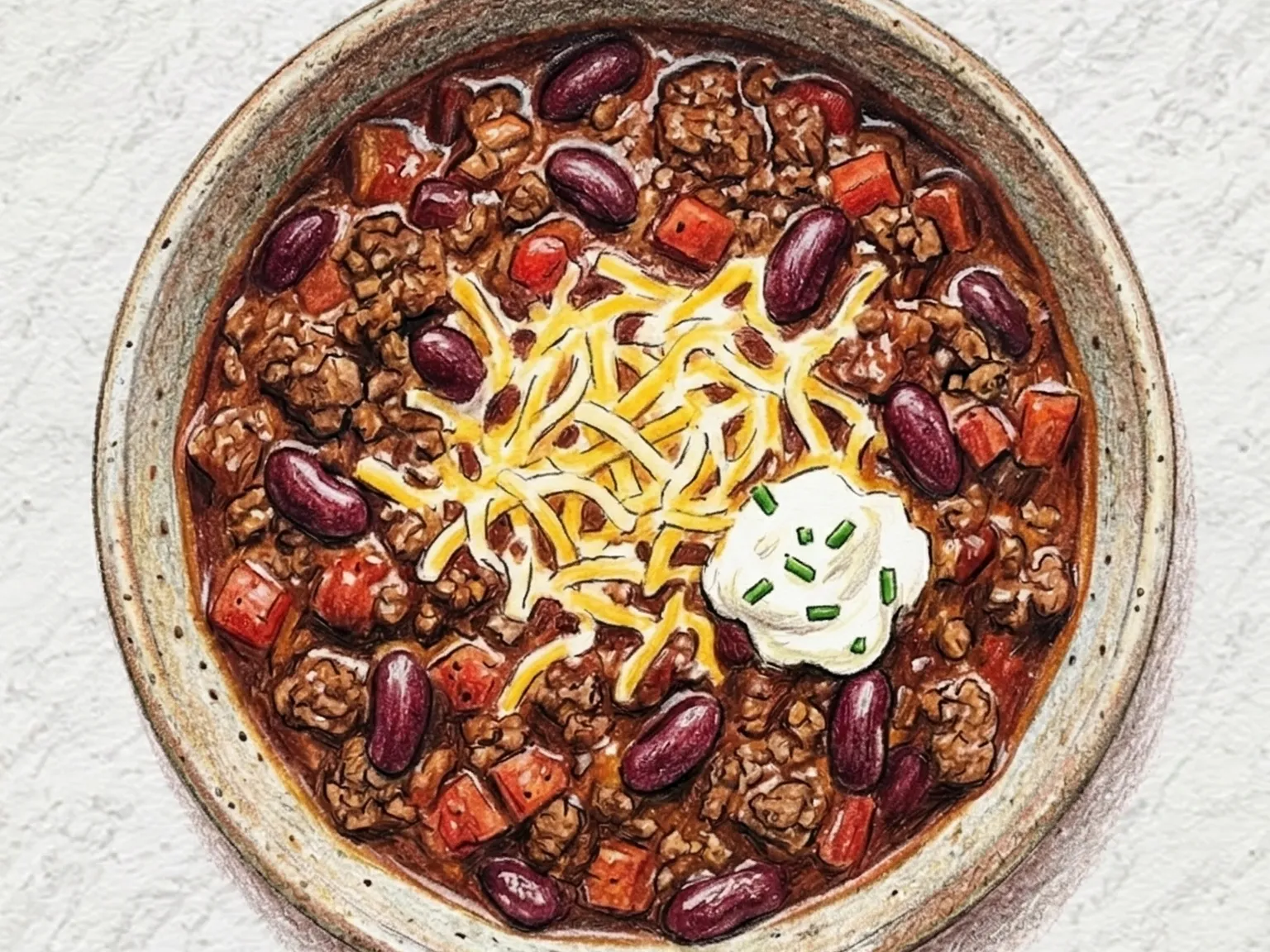
Chili con Carne
Chili con carne is a Mexican-influenced American dish that simmers ground beef, kidney beans, and diced tomatoes together with chili powder, cumin, and other spices in a single pot. Onion and garlic are cooked first to build an aromatic foundation, and the meat is browned thoroughly over high heat so the Maillard reaction develops a savory depth that simmering alone cannot produce. Adding the spices and cooking them in the fat for one minute before the liquid goes in blooms the heat and earthy character of the blend throughout the oil. Simmering on low heat for thirty minutes or more mellows the acidity of the tomatoes and allows the beans and meat to absorb the seasoning fully, producing a thick, concentrated richness. Resting the chili overnight and reheating it the following day deepens the flavor further as the spices continue to meld. Sour cream or cheese on top introduces a creamy, tangy layer that balances the bold spice profile. The heat level adjusts easily by varying the chili powder quantity, and cayenne pepper added to taste produces a sharper, more intense warmth. Soaking and cooking dried beans rather than using canned ones yields a firmer texture with more presence. The finished chili works equally well over rice, alongside tortilla chips, or as a taco filling the next day.
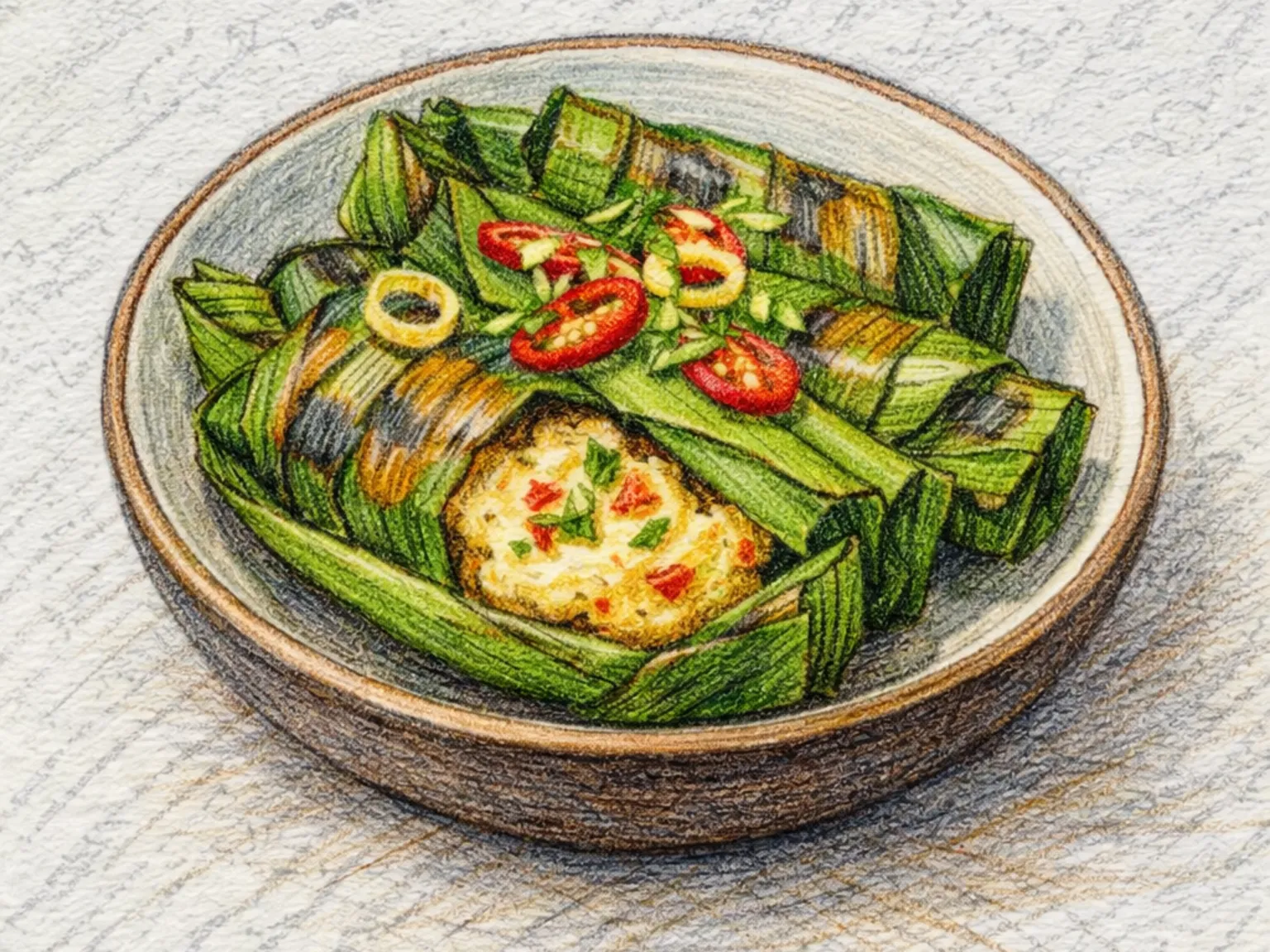
Otak-Otak (Southeast Asian Grilled Fish Paste in Banana Leaf)
Otak-otak represents a traditional method of preparing grilled fish paste that is prevalent throughout various regions of Southeast Asia. It maintains particularly deep roots within the culinary heritage of Malaysia and Singapore. The process begins by taking fresh white fish and processing it into a very smooth consistency. This fish base is combined with coconut milk, egg whites, and red curry paste to create a uniform mixture. Once the paste is ready, it is spread out in thin layers onto prepared sections of banana leaves. These leaves are then folded to secure the contents before being placed over a charcoal fire for grilling. As the charcoal heat causes the edges of the banana leaves to char, a subtle smoky quality is transferred through the leaf directly into the soft fish mixture contained within. Finely sliced kaffir lime leaves are incorporated into the paste to provide a distinct citrus profile, which serves to balance the inherent fat content of the coconut milk. In terms of its final consistency, this preparation differs significantly from the dense structure typically associated with Western-style fish cakes. It possesses a texture that is more comparable to a firm custard, being notably smooth and moist while remaining soft when bitten into.

Korean Goji Berry Tea (Herbal Jujube Ginger Brew)
Gugija-cha is a Korean herbal tea made by gently simmering dried goji berries, jujubes, and fresh ginger in water. The jujubes and ginger go in first and cook for fifteen minutes, slowly giving the liquid the jujube's quiet sweetness and the ginger's warming sharpness. The goji berries are then added for just five minutes over low heat so their red pigment and mild berry aroma steep into the tea without releasing the bitterness that comes from overcooking. Getting the timing right matters, because boiling the berries too long draws out an astringency that overpowers the rest of the flavors. Honey is stirred in after the heat is off to preserve its delicate fragrance, and a scattering of pine nuts floats on top to layer a soft, oily richness over the clean finish of the tea. The deep red color and gentle sweetness make this a tea that fits any season.
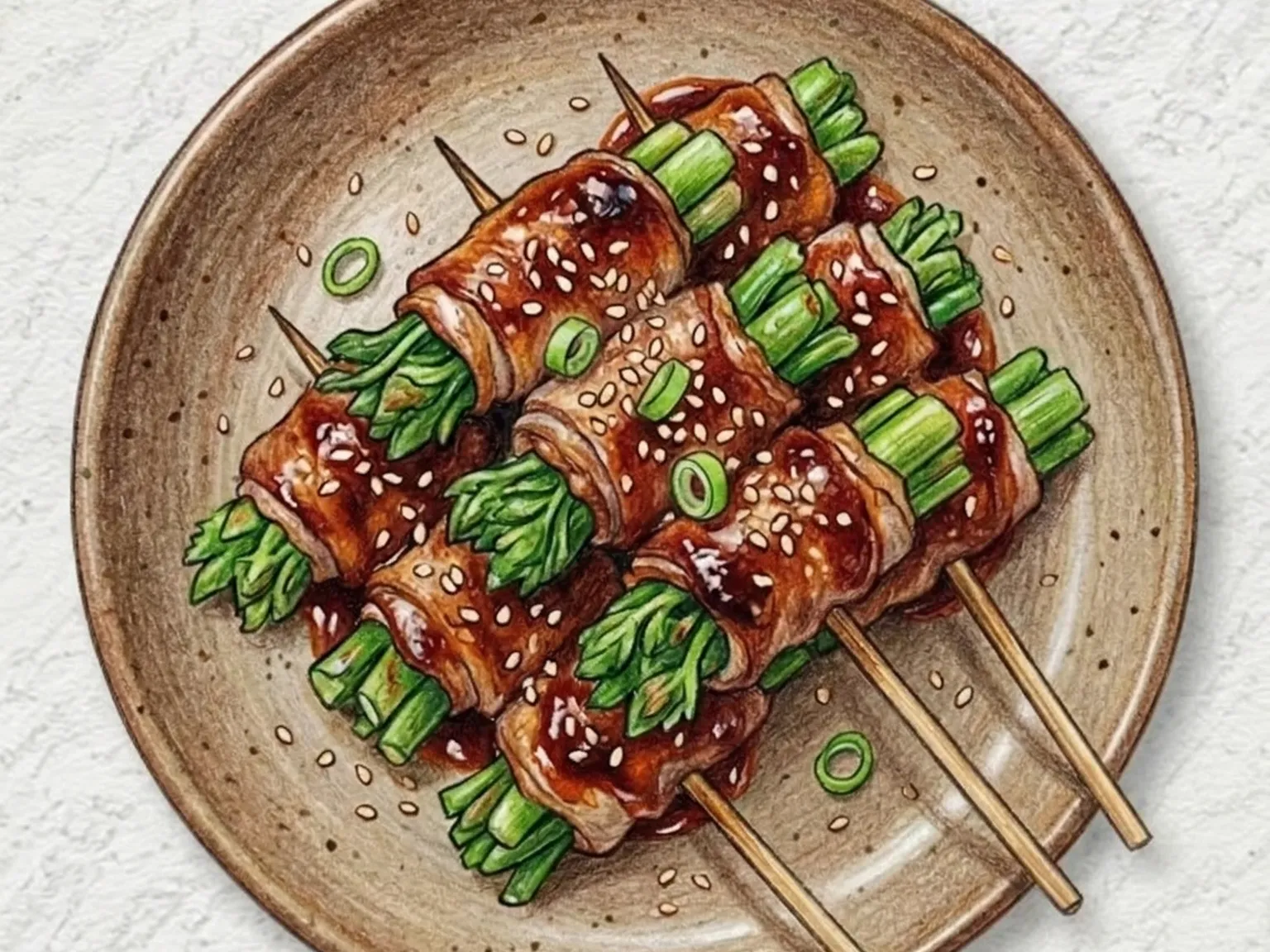
Korean Aralia Shoot Pork Belly Skewers
Dureup-samgyeop-kkochi-gui is a Korean spring skewer in which blanched aralia shoots (dureup) are wrapped in thin slices of pork belly, threaded onto skewers, glazed with a gochujang-based sauce, and grilled. The aralia shoots must be blanched in lightly salted boiling water for no more than thirty seconds. Longer blanching destroys the firm, slightly snappy bite and drives off the volatile aromatic compounds responsible for dureup's characteristic bitter-herbal fragrance -- the defining quality that makes this a spring seasonal dish. After blanching, the shoots should be thoroughly blotted dry so the pork belly adheres cleanly without slipping. The glaze is made from gochujang, soy sauce, maesil-cheong (plum extract syrup), minced garlic, and sesame oil, and it should be applied in two stages -- once before grilling and once partway through -- to build up a layered, intensely flavored coating. Over the grill, the fat in the pork belly renders and bastes the dureup inside the wrap, while the shoot's clean, slightly astringent bitterness cuts through the pork's richness in a pairing that is complementary rather than competing. The plum extract in the glaze caramelizes under direct heat into a sticky, sweet-tart lacquer, and a finishing scatter of whole sesame seeds adds both visual contrast and a toasted, nutty close. The dish works equally well as a drinking snack or as a main banchan.