🥗 Light & Healthy Recipes
Light, healthy, low-calorie dishes
712 recipes. Page 10 of 30
These low-calorie recipes prove that healthy eating does not have to be boring. High-protein meals, vegetable-forward dishes, and low-carb options - all designed to support weight management and better eating habits.
Diet-friendly does not mean small portions or bland flavors. Chicken breast, tofu, konjac, and eggs provide lasting satiety, while smart seasoning and cooking methods keep the taste appealing. Build a sustainable, healthy routine with these recipes.
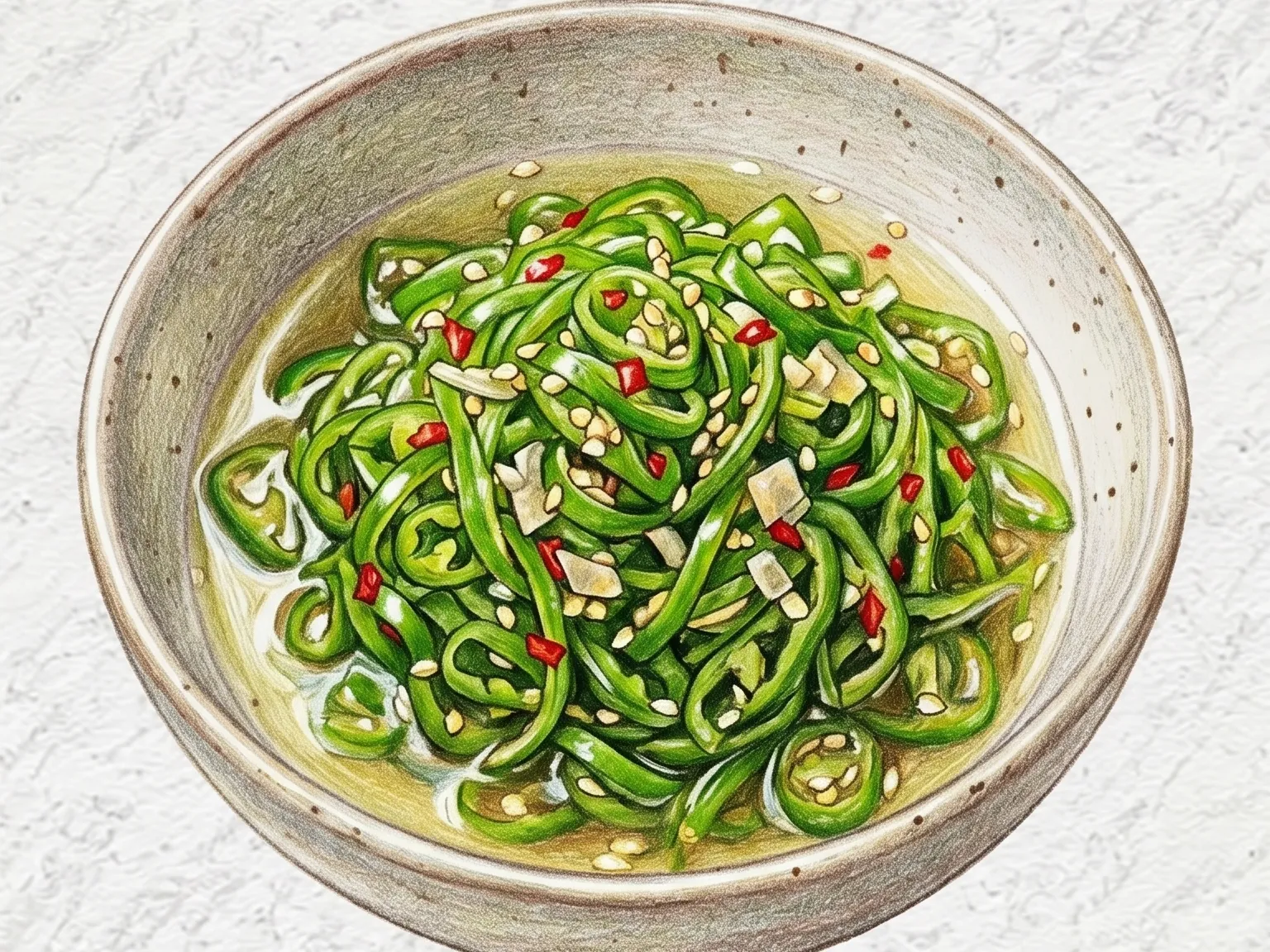
Shredded Chili Pickle
Shredded chili pickle is a spicy and sour side dish that pairs exceptionally well with grilled meat dishes. This recipe combines hot Cheongyang chilies and mild, crunchy cucumber peppers to balance the heat level and texture. The chilies are washed, dried, and cleaned of their seeds to eliminate any bitter taste. Slicing them into thin strips of two to three millimeters ensures that the brine penetrates quickly and evenly. The pickle liquid is made by boiling equal parts of soy sauce, vinegar, sugar, and water. Once boiled, the brine is cooled for ten to fifteen minutes to release the steam before being poured over the shredded chilies in an airtight container. The mixture is left at room temperature for four to six hours to cool, then sealed and kept in the refrigerator to be served from the next day.
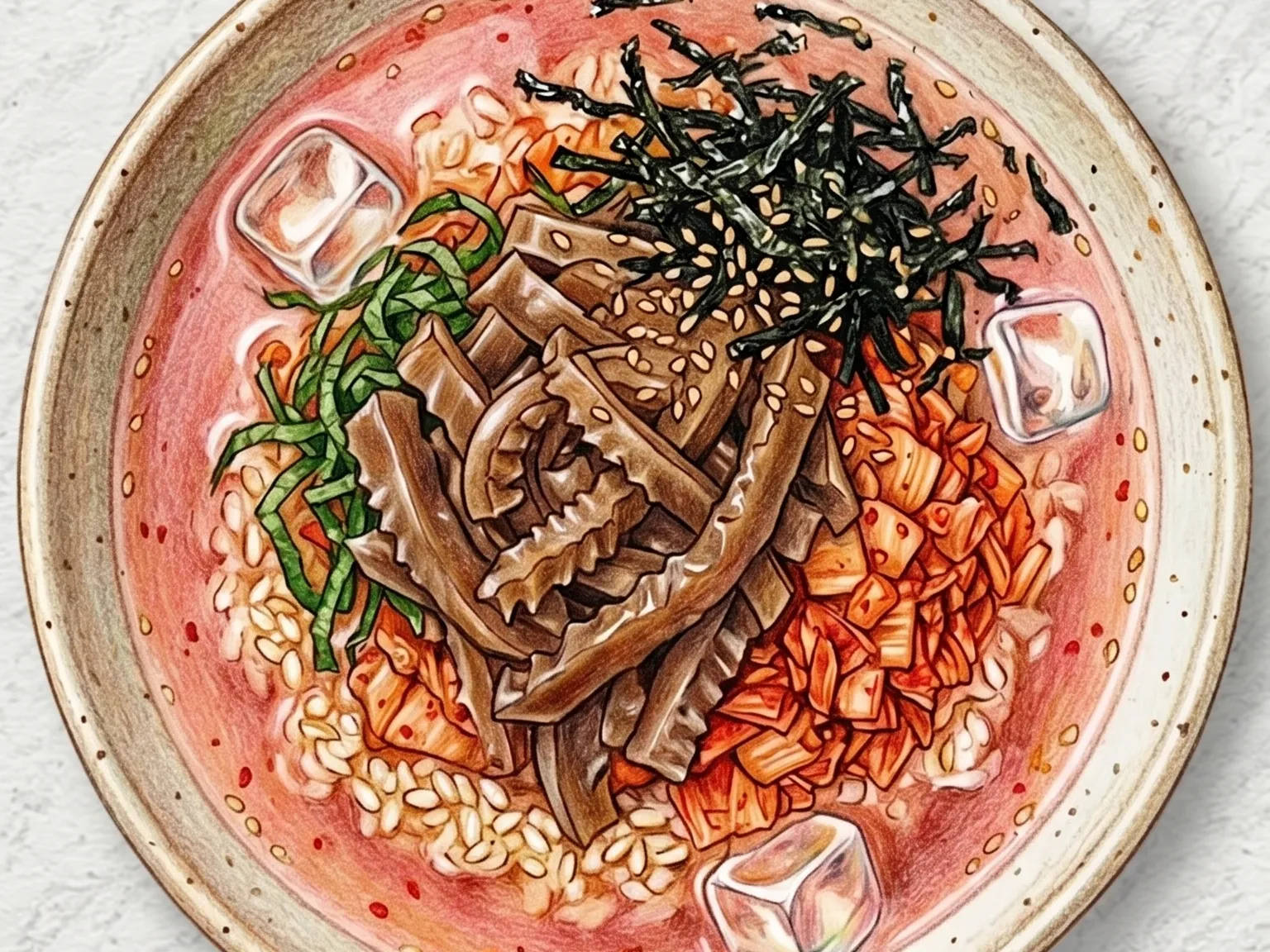
Korean Kimchi Acorn Jelly Rice Bowl
Acorn jelly (dotorimuk) is sliced into strips, placed over rice, and drenched in a chilled broth made from kimchi juice, cold water, and a touch of sugar. The jelly's slippery, bouncy texture contrasts with the crunch of chopped kimchi, while the tangy broth refreshes the palate with every spoonful. A light toss of sesame oil on the rice provides a nutty base, and roasted seaweed flakes add an ocean-like finish. Adding ice cubes makes it even more bracing, a distinctly Korean way to beat summer heat with a cold, brothy rice bowl. If the kimchi is too tart, a small addition of sugar rounds the flavor into balance.
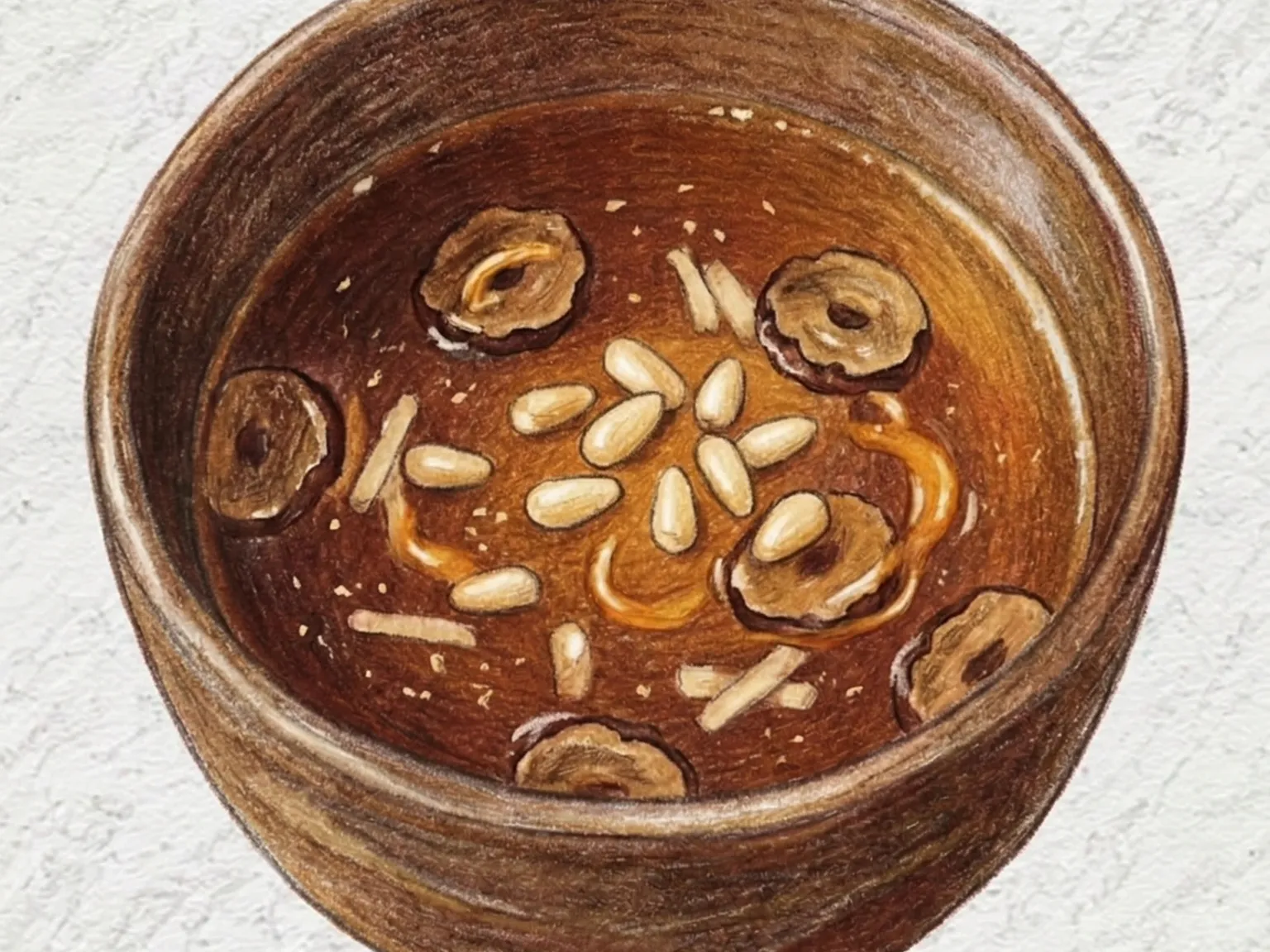
Korean Jujube Tea (Simmered Dried Jujube Ginger Brew)
Daechucha is prepared by boiling pitted dried jujubes and sliced ginger in water over medium heat for thirty minutes, then removing the jujubes and pressing them through a strainer so only the smooth pulp returns to the pot. This technique gives the tea a naturally thick, sweet body without any added thickener. Ginger provides a quiet warmth underneath the jujube's dominant sweetness, and honey is stirred in off the heat to preserve its aroma. A few pine nuts floated on top contribute a subtle oily richness that extends the finish. The result is a warming, amber-colored tea served on cold days and during recovery from illness in Korean households.
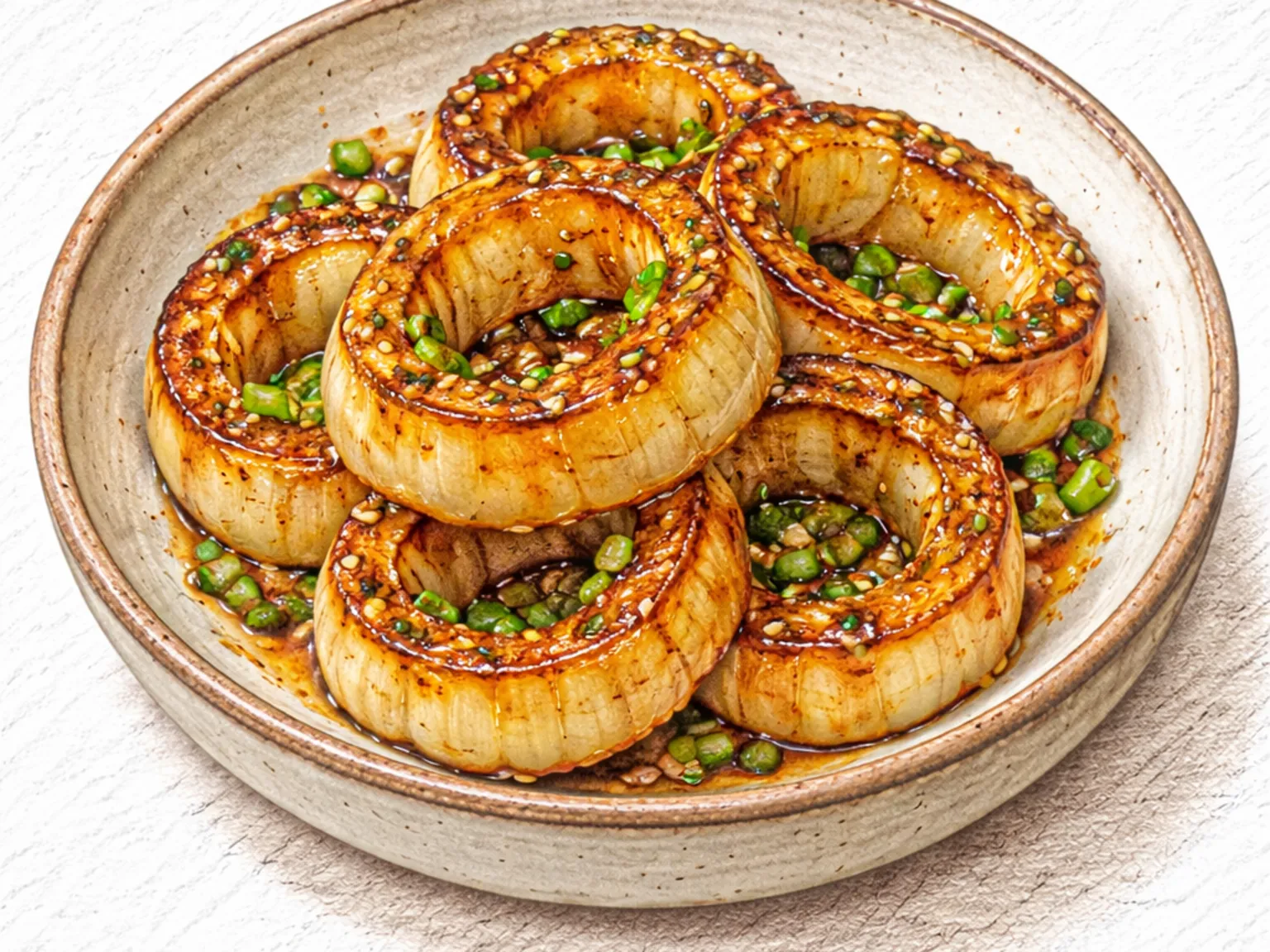
Korean Grilled Doenjang Onions
Onions are sliced into 2 cm rings, secured with skewers, and grilled over medium heat while being brushed with a sauce of doenjang, gochujang, minced garlic, perilla oil, and water. Over eight to ten minutes of flipping and re-brushing, the onion's moisture evaporates and its natural sugars concentrate into pronounced sweetness, while the doenjang chars lightly at the edges to add a toasted, earthy note. Perilla oil softens the salt intensity of the doenjang, and a finish of sliced green chili and ground sesame layers in mild heat and nuttiness. At 146 calories per serving, this is a low-calorie side dish that also works as a light accompaniment to drinks.
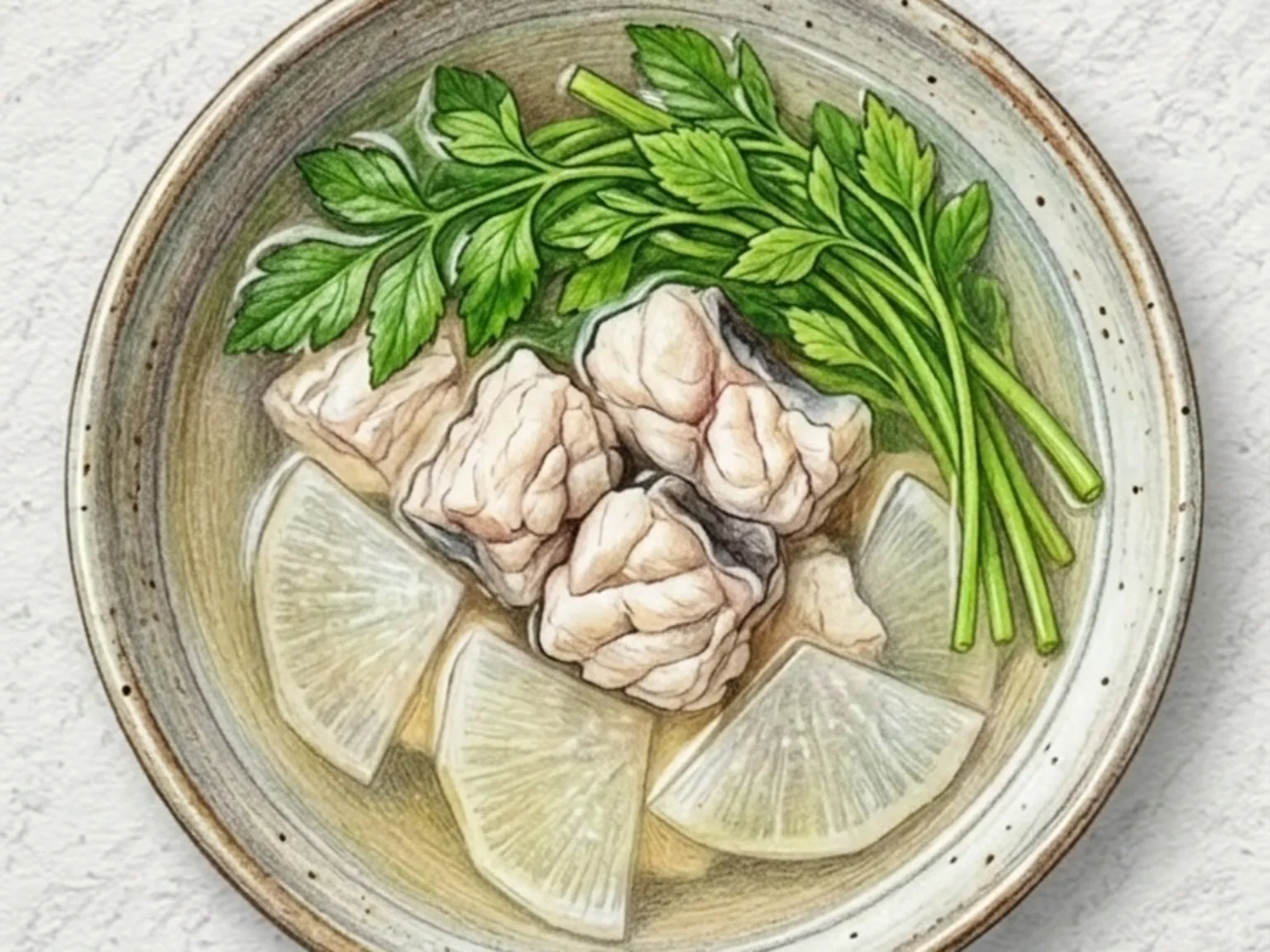
Korean Clear Puffer Fish Soup
Bok-jiri is a traditional Korean clear soup featuring cleaned puffer fish, radish, and water dropwort. The cooking process starts by boiling sliced radish and garlic to build a mild, sweet base broth. Professionally prepared, food-safe puffer fish is then added to simmer on medium heat. Skimming off any rising foam is essential during this stage to keep the broth completely clear and light. The soup is seasoned simply with salt, allowing the natural, lean umami of the fish to shine through rather than being masked by heavy spices. In the final minute, fresh water dropwort and green onions are added, softening slightly to infuse the broth with a clean, herbal aroma that removes any remaining fishiness. This low-fat, high-protein soup is valued for its refreshing broth and is commonly served hot.
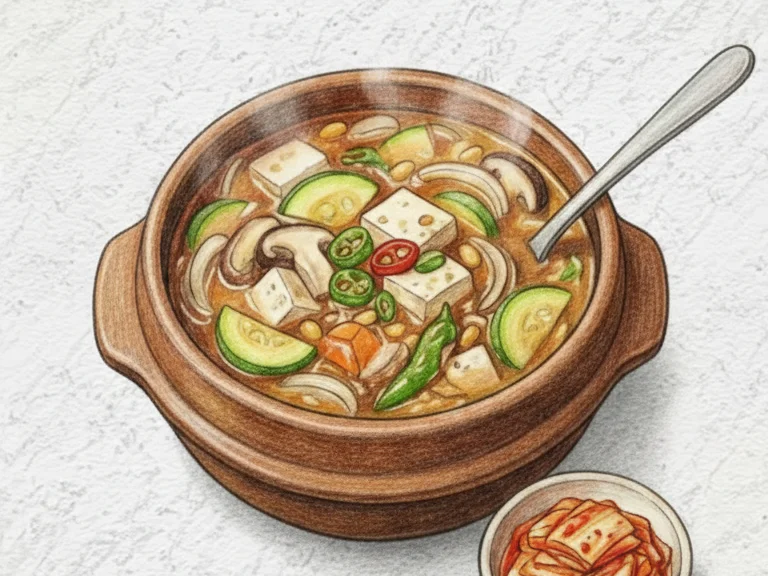
Korean Soybean Paste Stew
Doenjang-jjigae is a standard Korean stew made by dissolving fermented soybean paste in water and simmering it with vegetables and tofu. To ensure a smooth broth without grits, the paste is strained through a fine sieve into the water. Harder vegetables like potatoes and onions are added first to soften and release their natural sweetness into the broth. Zucchini and minced garlic follow, balancing the soup's richness. In the final stage, tofu and chopped green chili are added, providing a clean kick that cuts through the deep, earthy taste of the fermented soybean paste. Simmering green onions at the very end adds a fresh aroma. The savory stew pairs naturally with steamed rice and various side dishes.
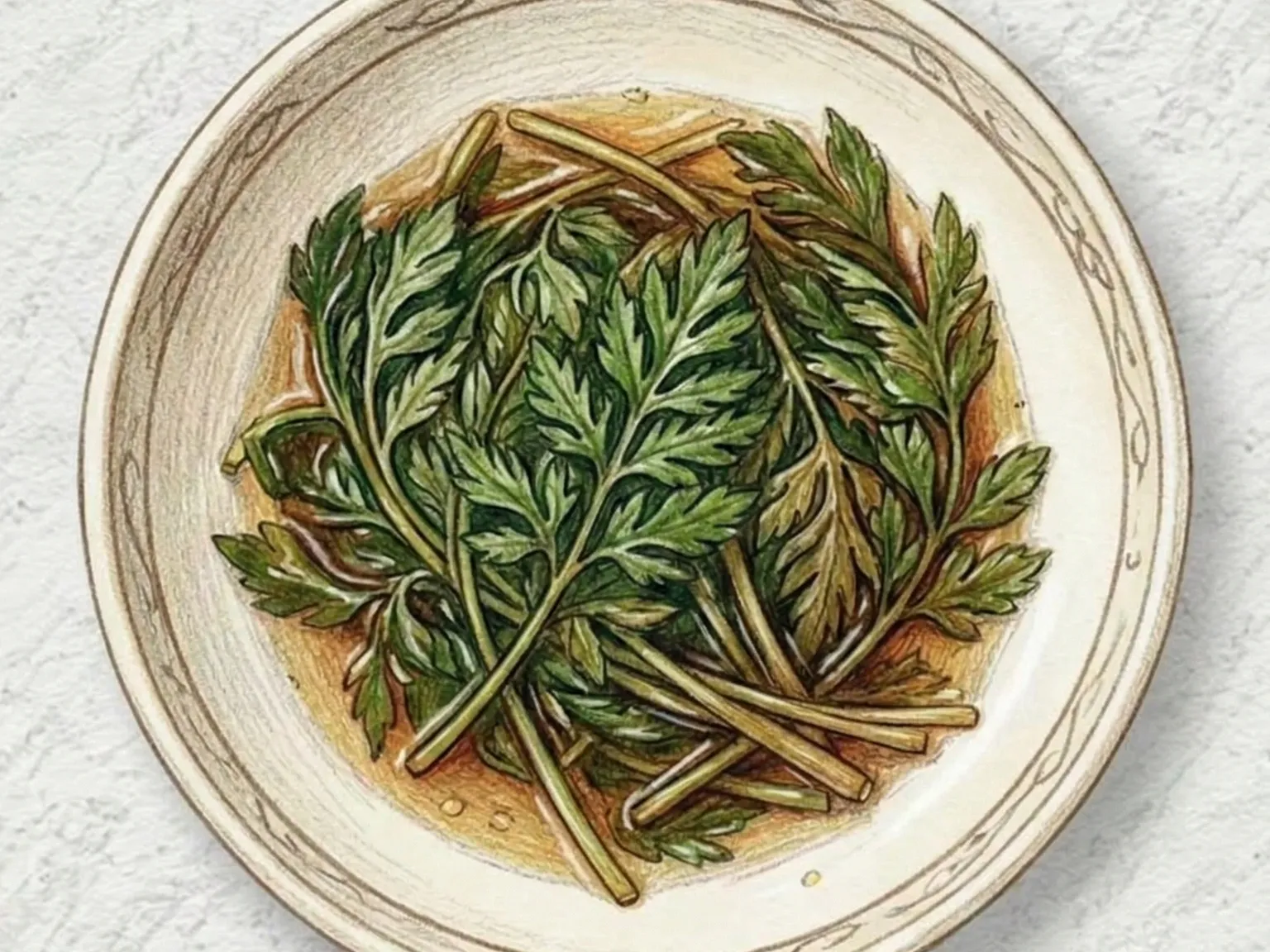
Korean Chamnamul Jangajji (Pimpinella Pickles)
Chamnamul jangajji is a quick-pickled Korean spring green made with the herb's distinct aromatic character preserved in a soy-and-apple-vinegar brine. The greens are cut to chopstick length and packed loosely in a jar, then covered with brine that has been brought to a boil and allowed to cool to lukewarm before pouring. Pouring while still hot would drive off the volatile compounds responsible for chamnamul's herbal fragrance, so temperature control here is essential. Apple vinegar produces a softer, rounder acidity than standard rice vinegar, which means it seasons the greens without overpowering their grassy character. A squeeze of lemon juice is added to the cooled brine to sharpen the finish without adding harshness. After one day in the refrigerator the pickle is ready to eat, and it holds its best aroma for up to five days. Serve alongside rice or tuck a few stems into a ssam wrap with grilled pork to let the herb's brightness counter the fat.
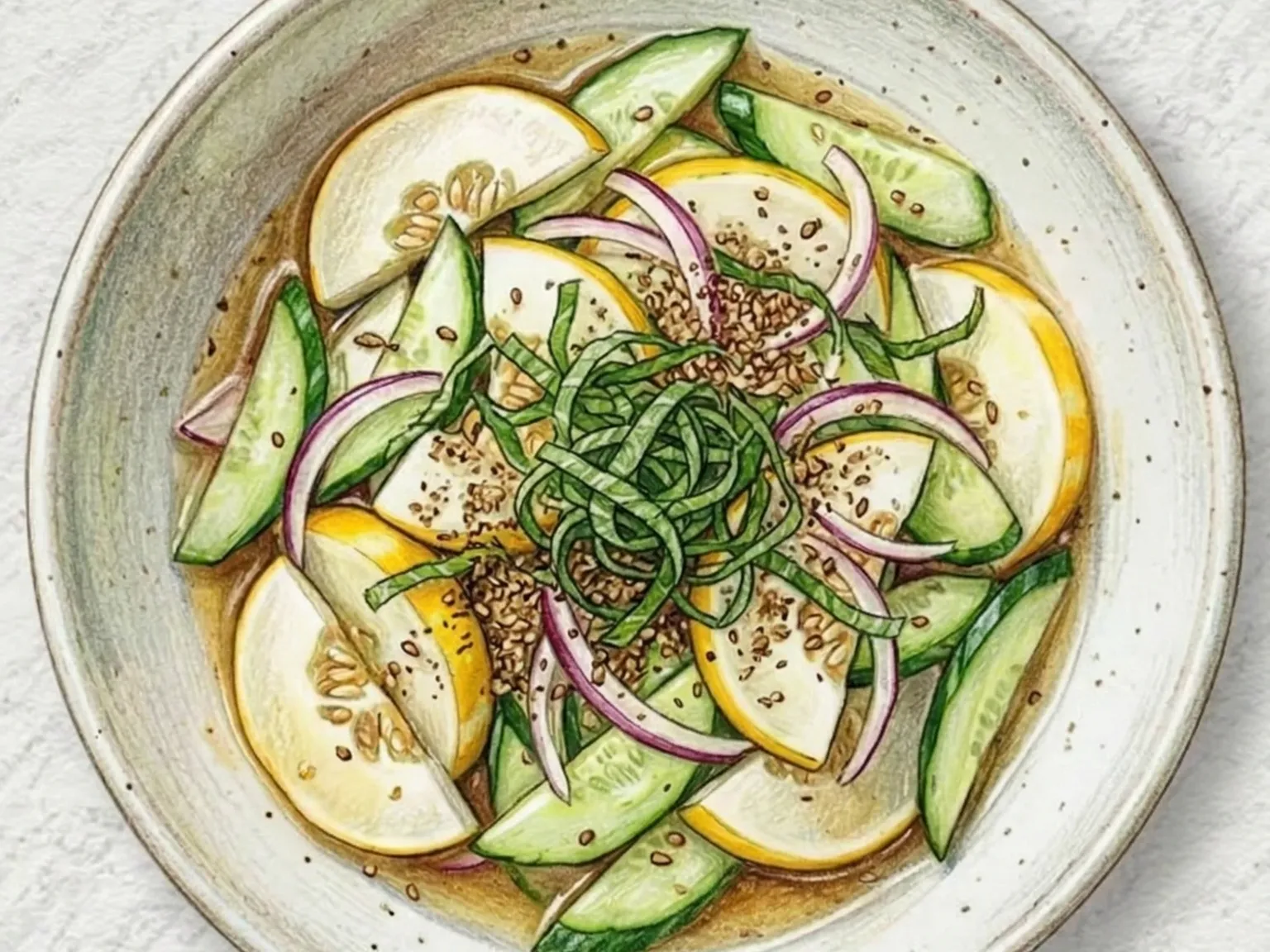
Korean Melon Cucumber Perilla Salad
Korean melon, cucumber, and perilla seed salad uses chamae and cucumber as the main ingredients of a refreshing summer side dish. Chamae is cut into half-moons to expose the pale, sweet flesh, and cucumber is sliced on the diagonal to maximize surface area for the dressing to cling to. Red onion goes into cold water for five minutes before being added to the bowl, which draws out the sharpness while leaving the crunch. Perilla leaves are stacked, rolled tightly, and chiffonaded so their intense fragrance distributes evenly rather than concentrating in one spot. The dressing is ground perilla seed, lemon juice, olive oil, and honey. Adding the ground perilla seed just before serving preserves its toasted, nutty aroma, which fades quickly once it comes into contact with wet ingredients. After ten minutes in the refrigerator, the natural juice released from the chamae blends with the dressing into a light, pooled sauce at the bottom of the bowl. Lemon acidity and the nuttiness of perilla seed draw out the melon's clean sweetness without masking it. The salad works as a standalone side or alongside grilled meat to cut through the fat.
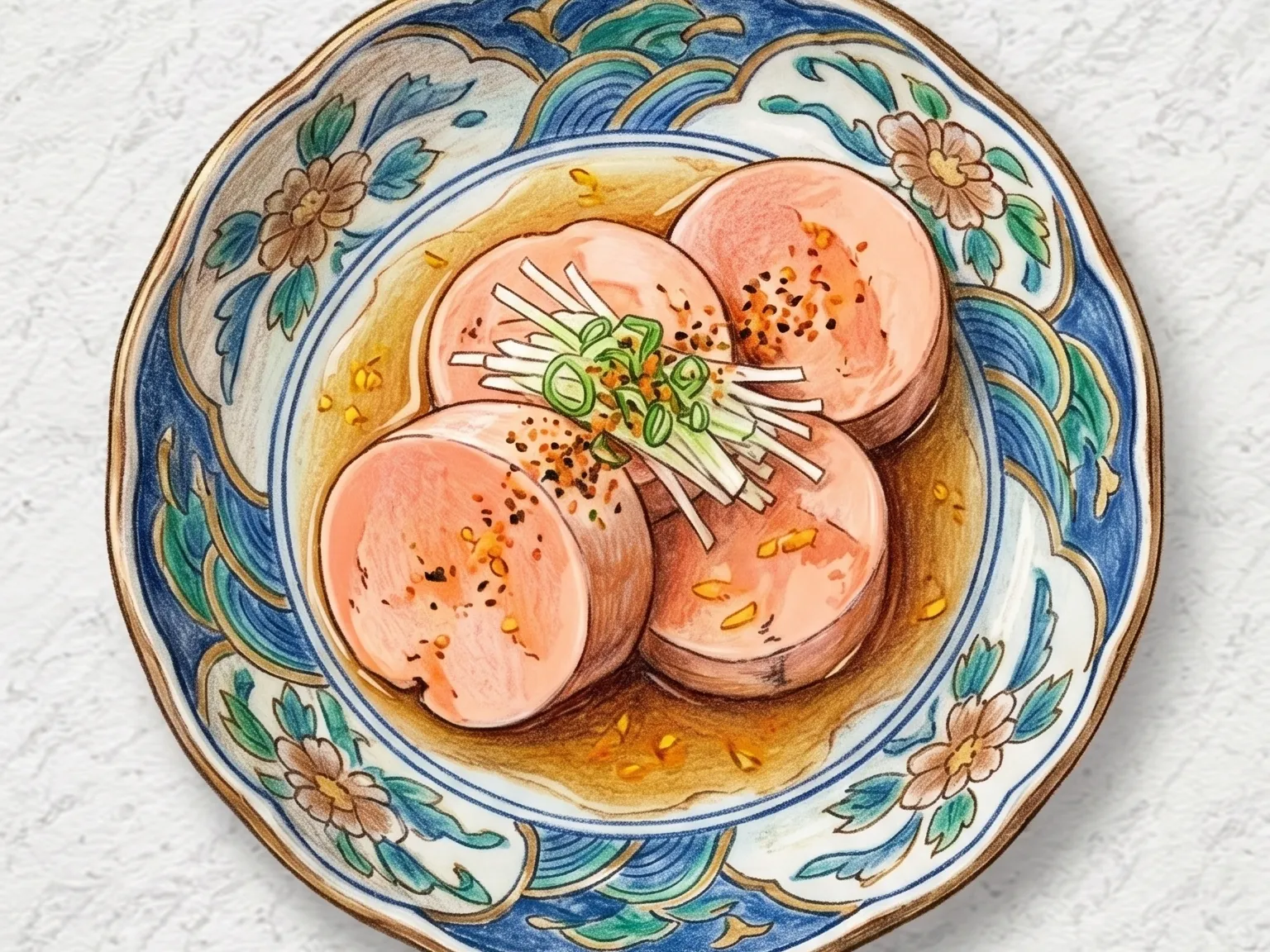
Steamed Monkfish Liver (Ankimo) with Ponzu
This recipe provides instructions for making steamed monkfish liver, also known as ankimo, at home. The preparation begins by meticulously cleaning the fresh liver, removing all visible veins and membranes to ensure a clean flavor. The liver is then soaked in a mixture of sake and salt for thirty minutes to eliminate its strong natural odor. After drying, it is rolled tightly in aluminum foil into a cylinder shape, twisting the ends firmly to create a dense texture. The wrapped liver is steamed over medium heat for twenty to thirty minutes. To prevent crumbling, the steamed roll is cooled in ice water and chilled in the refrigerator until firm. Sliced into rounds, it is served cold with ponzu sauce, grated daikon radish mixed with chili powder, chives, and lemon. The acidic components cut through the rich fat of the liver.
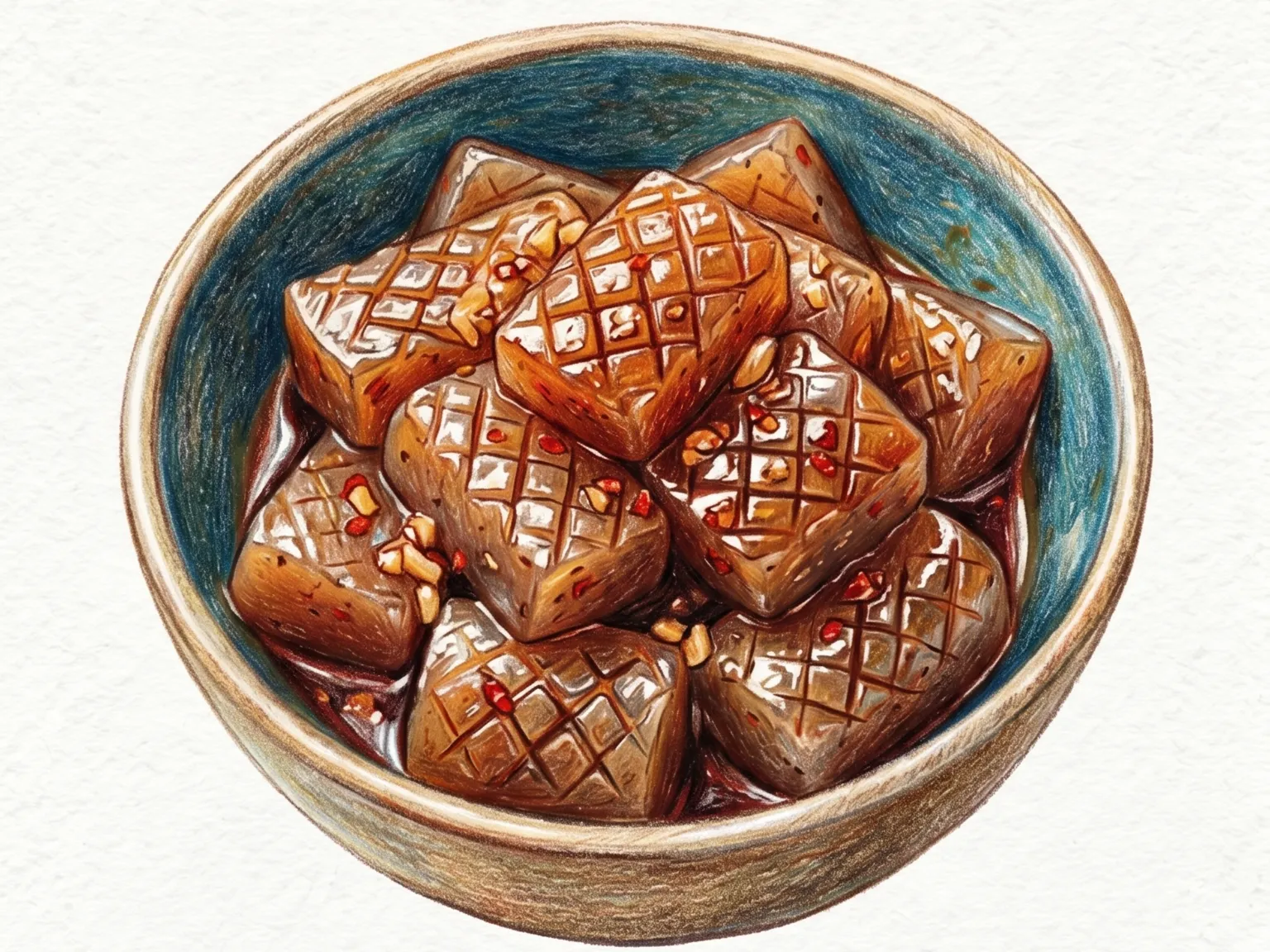
Korean Soy Braised Konjac
Gonnyak-jorim is a braised konjac banchan seasoned with soy sauce, rice syrup, gochugaru, and garlic, valued mainly for its satisfying chew and near-zero calorie count. Konjac carries a faint lime-water odor from its processing, and blanching it in boiling water for two minutes removes that smell before any seasoning is applied. Draining thoroughly and then dry-toasting the pieces in a pan without oil evaporates residual moisture from the surface, creating a drier exterior that the sauce can actually grip. Scoring the konjac in a crosshatch pattern before cooking solves its fundamental flavor problem: the dense, non-porous texture resists absorption, but the scored grooves pool the sauce and hold it in place so the coating sticks. Rice syrup in the sauce builds a glossy, slightly sticky finish as the liquid reduces. The finished pieces are sweet, salty, and faintly spicy with a firm, springy bite that makes them one of the more filling low-calorie side dishes in Korean cuisine.
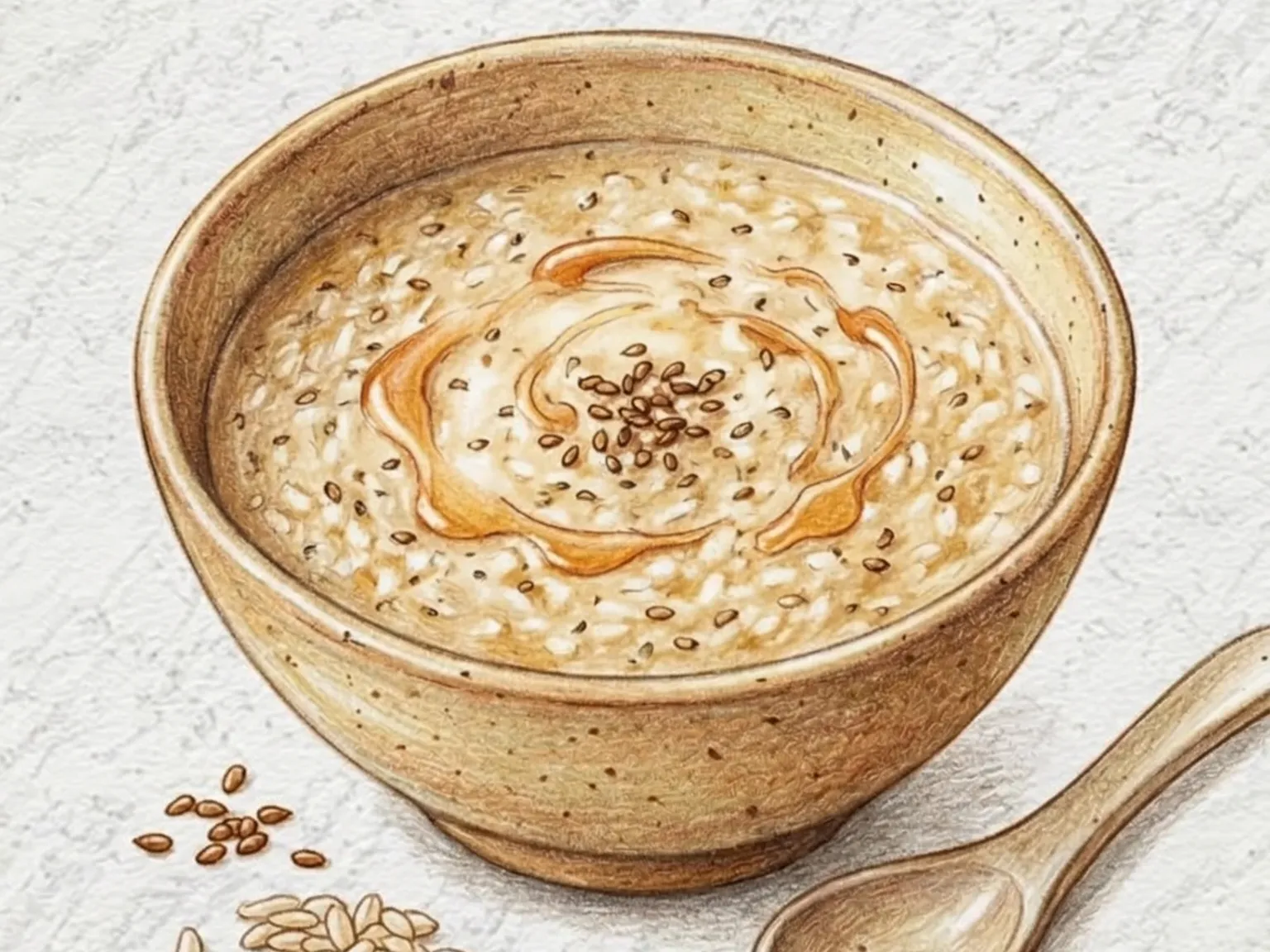
Korean Sesame Porridge (Toasted Sesame Silky Rice Porridge)
Kkaejuk is a traditional Korean porridge made by grinding toasted sesame seeds to a fine powder and simmering them with soaked rice, water, and milk until the mixture reaches a silky, cream-soup consistency. Toasting the seeds before grinding is not optional -- raw sesame lacks the deep, roasted fragrance that defines the dish, and the heat of toasting develops oils and aroma compounds that grinding alone cannot produce. Constant stirring over low heat prevents the mixture from scorching and coaxes the rice grains into breaking down completely, merging with the sesame base so no distinct texture remains. Milk enriches the body beyond what water alone provides and gives the finished porridge a warm ivory color. The simplest version is seasoned with nothing but salt and served with a drizzle of honey or rice syrup, letting the roasted sesame flavor carry the bowl without distraction. Easily digestible and gentle on the stomach, kkaejuk has a long tradition as a morning meal, a recovery food for the sick, and a postpartum nourishment dish in Korean households.
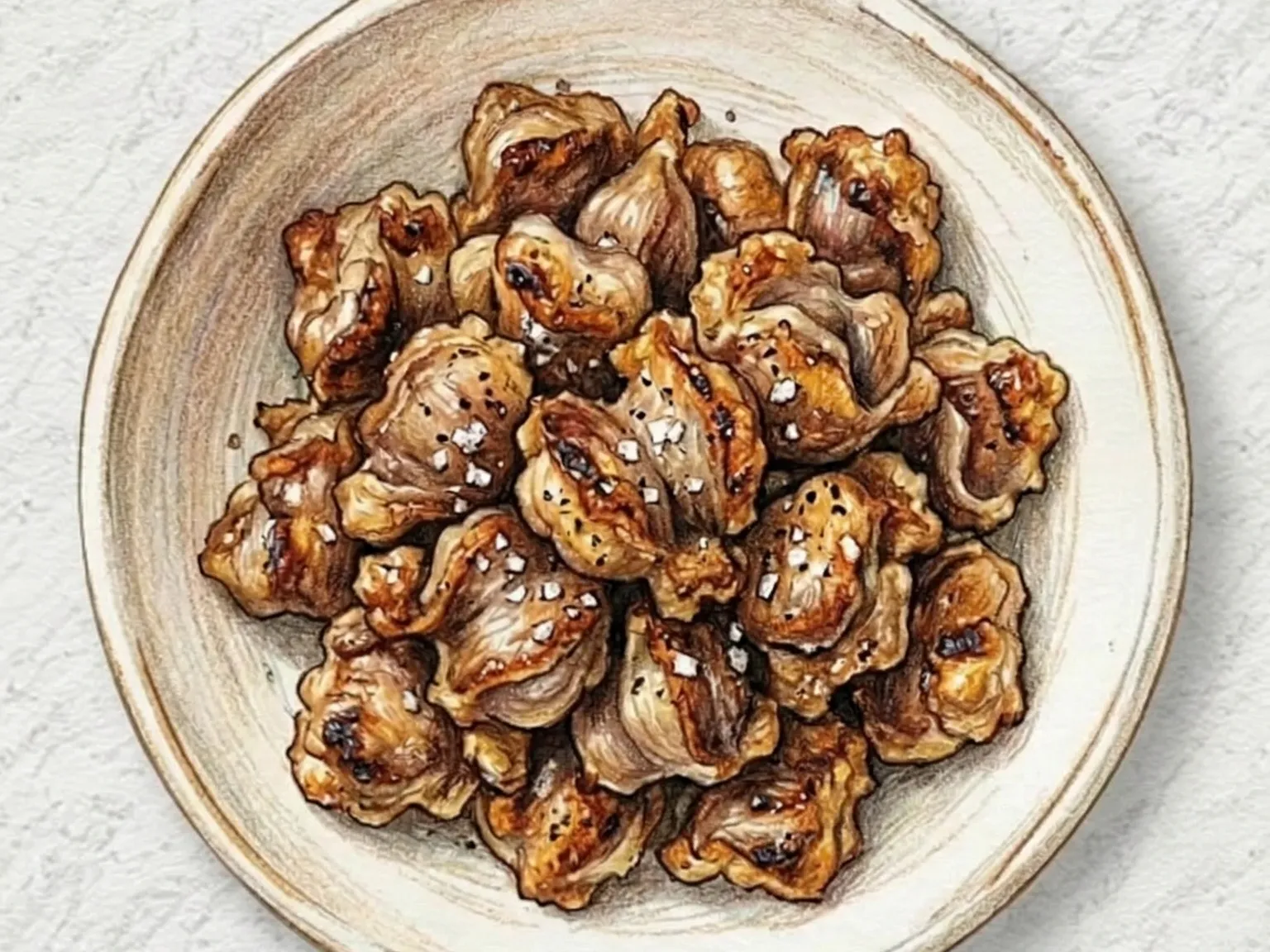
Korean Salt-Grilled Chicken Gizzards
Dak-ttongjip sogeum-gui involves trimming the silver skin from chicken gizzards, seasoning them with salt and black pepper for ten minutes, then searing them in a hot, garlic-scented pan for six to seven minutes. High heat is essential: it crisps the exterior while keeping the interior springy and chewy, and overcrowding the pan causes the gizzards to steam rather than sear, turning them soft and rubbery. Removing the silver skin thoroughly before cooking reduces the tough, chewy membrane that can make gizzards difficult to eat. Scallion is tossed in for the final minute, and a squeeze of lemon juice at the end cuts through the richness and brightens the finish. The dish pairs particularly well with soju or beer, and adding sliced Cheongyang chili during cooking gives a spicier variation for those who want extra heat.
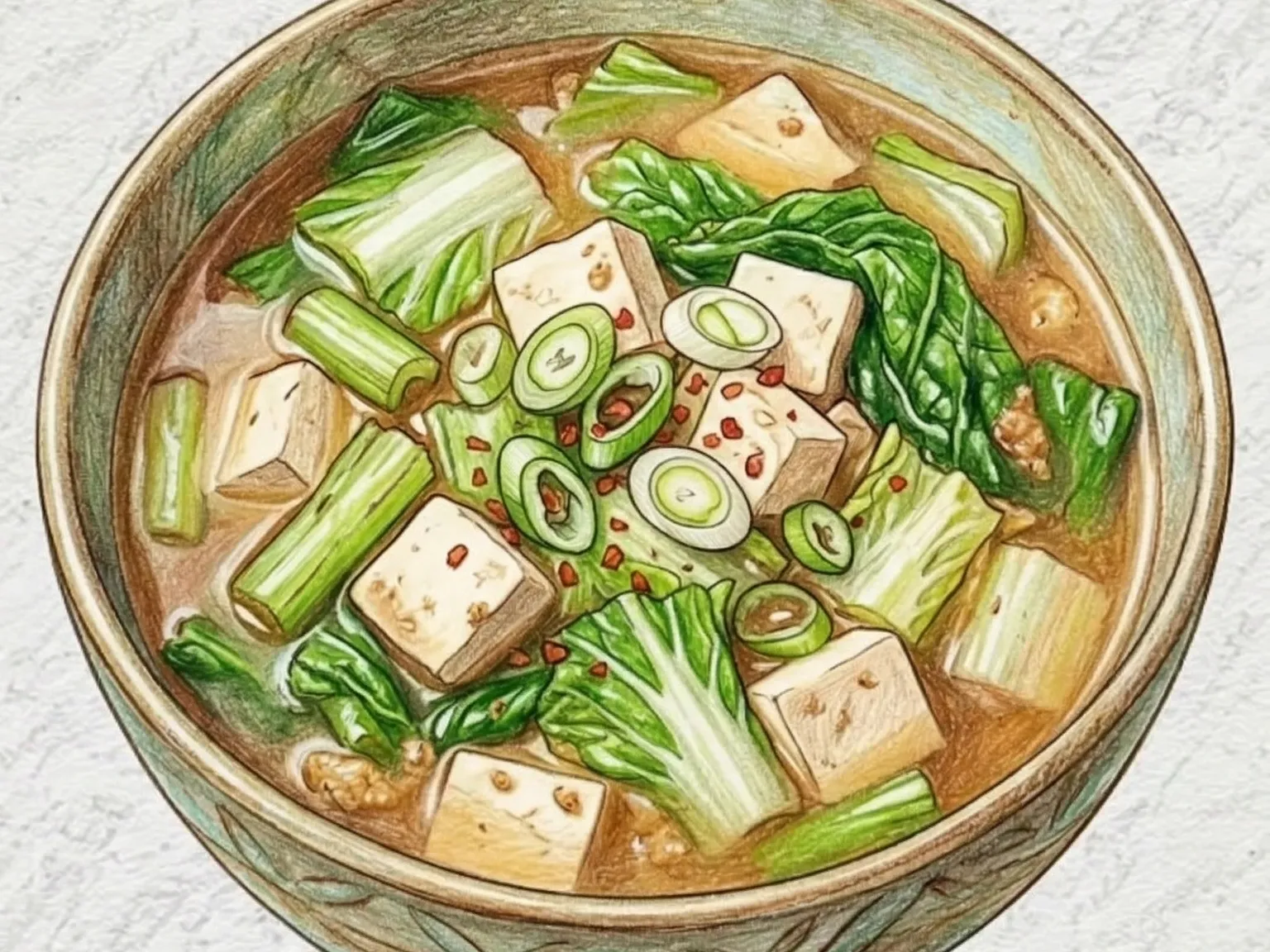
Korean Spring Cabbage Soybean Paste Soup
Bomdong doenjang-guk is a seasonal Korean home soup made by simmering spring cabbage and doenjang in rice-rinsing water, which adds a subtle starchy body to the broth and softens the saltiness of the paste. The thicker cabbage stems go in first to soften properly while retaining some bite, and the tender leaves are added at the end to hold their natural sweetness and color. Tofu, a pinch of red chili flakes, and green onion round out the bowl with depth and mild heat. A drop of sesame oil just before serving adds a nutty finishing aroma. Spring cabbage has a high water content and turns mushy quickly, so the leaves should be added less than two minutes before turning off the heat.
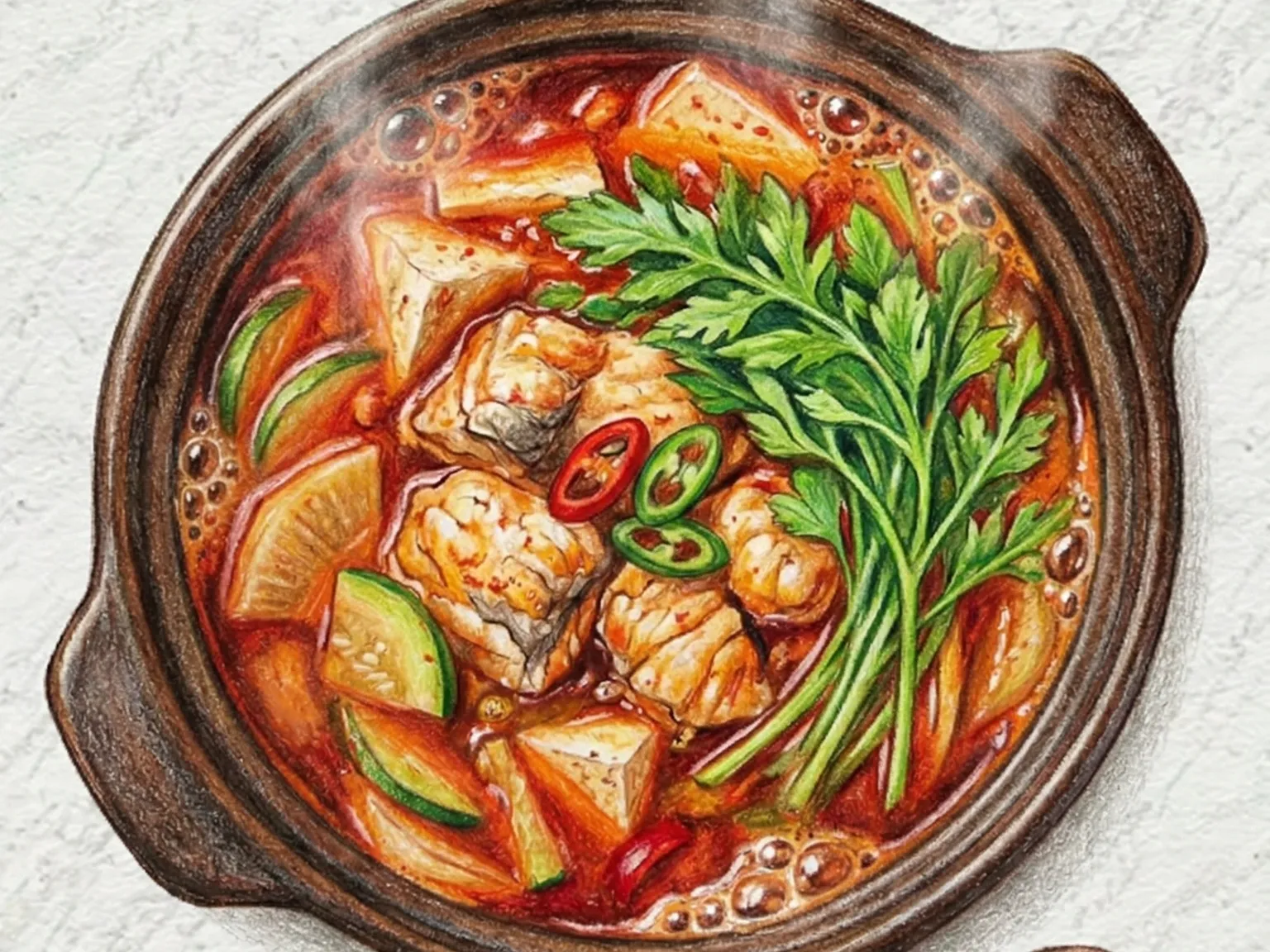
Korean Frozen Pollack Stew
Dongtae jjigae is a spicy Korean stew made with frozen pollack, radish, and tofu. To prepare the dish, half-thawed pollack is sliced to keep the flesh intact, the inner black lining is removed to avoid bitterness, and the pieces are salted for firmness. Sliced radish is boiled first to build a sweet, clean broth base. Seasonings like gochugaru, doenjang, soup soy sauce, and minced garlic are then dissolved into the pot. Adding doenjang is essential, as it neutralizes fishy odors and deepens the umami. Next, the pollack and tofu are added and simmered for ten minutes. The delicate fish should not be turned; instead, spoon the hot broth over the pieces. Finally, zucchini, green onions, and chilies are added, simmering for five more minutes to yield a warming, spicy stew.
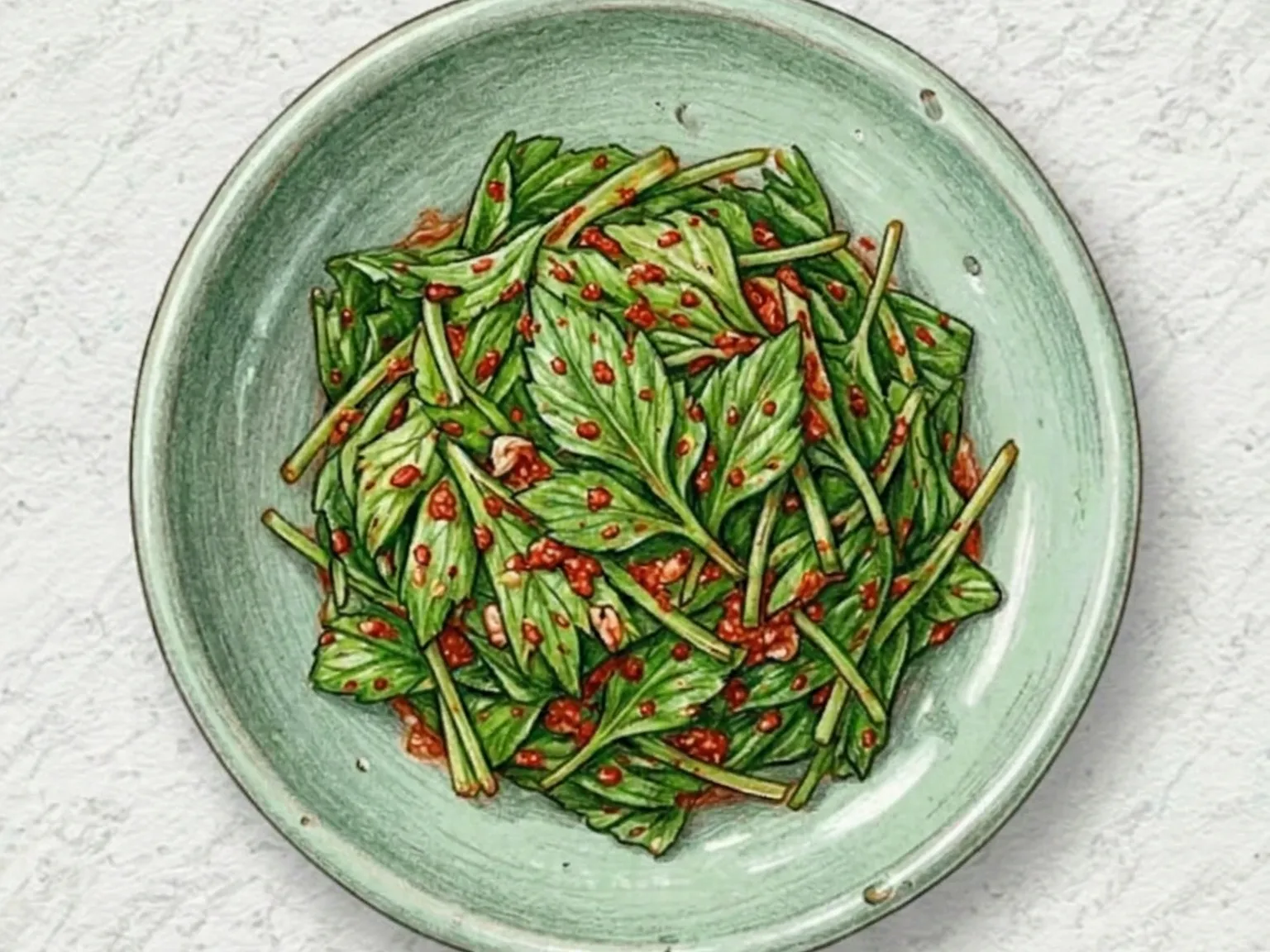
Korean Chamnamul Kimchi (Pimpinella Kimchi)
Chamnamul kimchi is a spring kimchi made by salting chamnamul greens for just ten minutes to wilt them slightly, then dressing with gochugaru, anchovy fish sauce, and salted shrimp without rinsing. Skipping the rinse allows the residual salt to convert into umami during fermentation rather than being washed away, deepening the overall flavor. Pureed Korean pear and onion blended with sweet rice paste form the seasoning base, contributing a natural sweetness that rounds off the sharp edges of the chili heat. After three hours of initial fermentation at room temperature followed by refrigeration, the kimchi reaches its best balance within one to two days, when the grassy herbal aroma of chamnamul aligns with the fermented depth of the fish sauce. Because chamnamul has a high moisture content, fermentation moves quickly, and the kimchi softens past its peak if left too long. Best consumed within three to four days for optimal texture and fragrance.
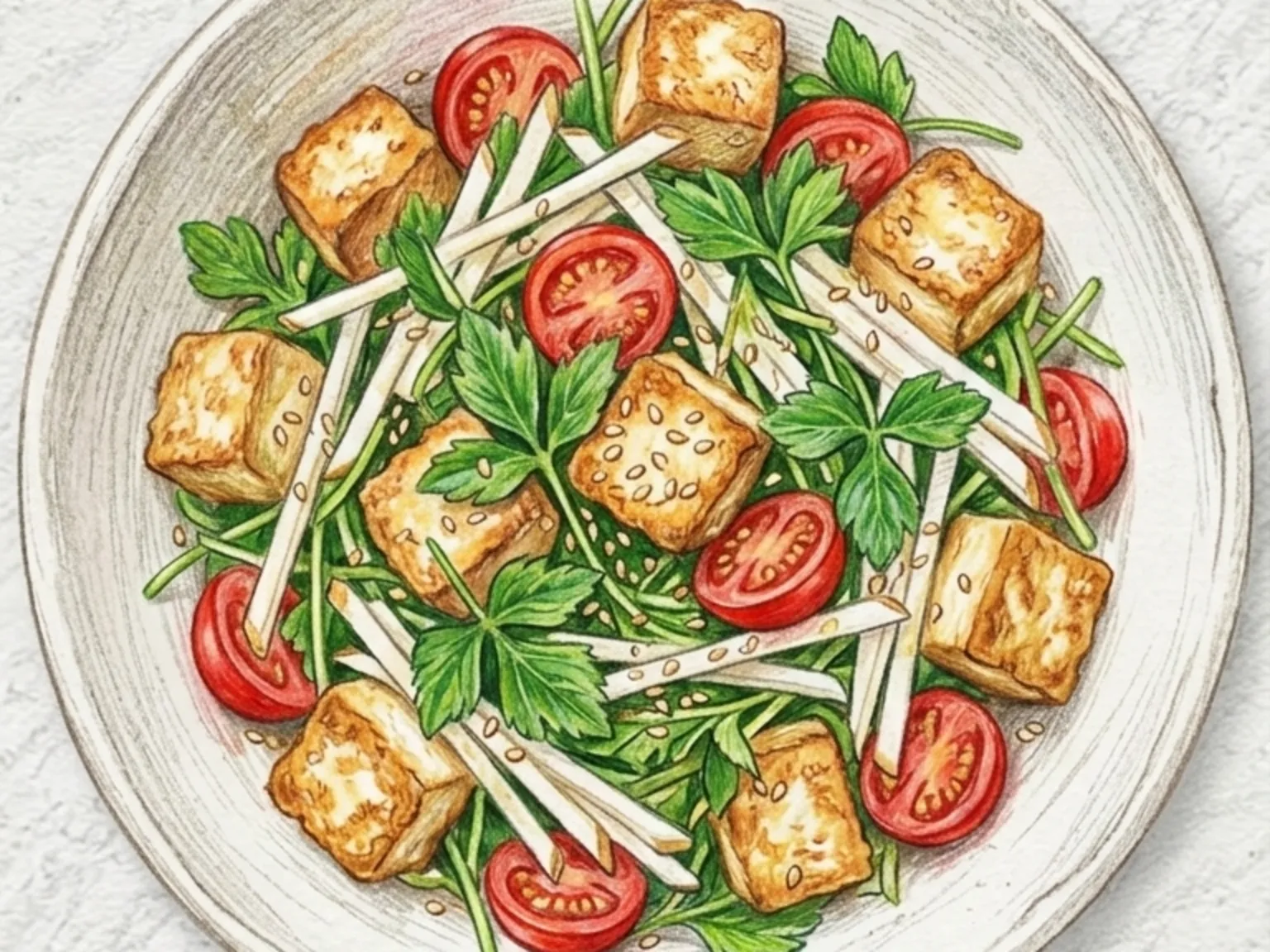
Chamnamul Pear Tofu Salad
Chamnamul pear tofu salad pan-sears firm tofu cubes for 6-8 minutes until the exterior turns golden and crisp while the inside stays soft. Chamnamul is cut into 5 cm lengths to preserve its fragrant mountain-herb character, and Korean pear is julienned thin so its clean juice sweetens each bite. A dressing of perilla oil, lemon juice, and soup soy sauce delivers nuttiness and umami in a single drizzle, and halved cherry tomatoes contribute a pop of acidity. Slicing the pear just before assembly minimizes browning, and toasted sesame seeds scattered on top add a final layer of warm, nutty aroma.
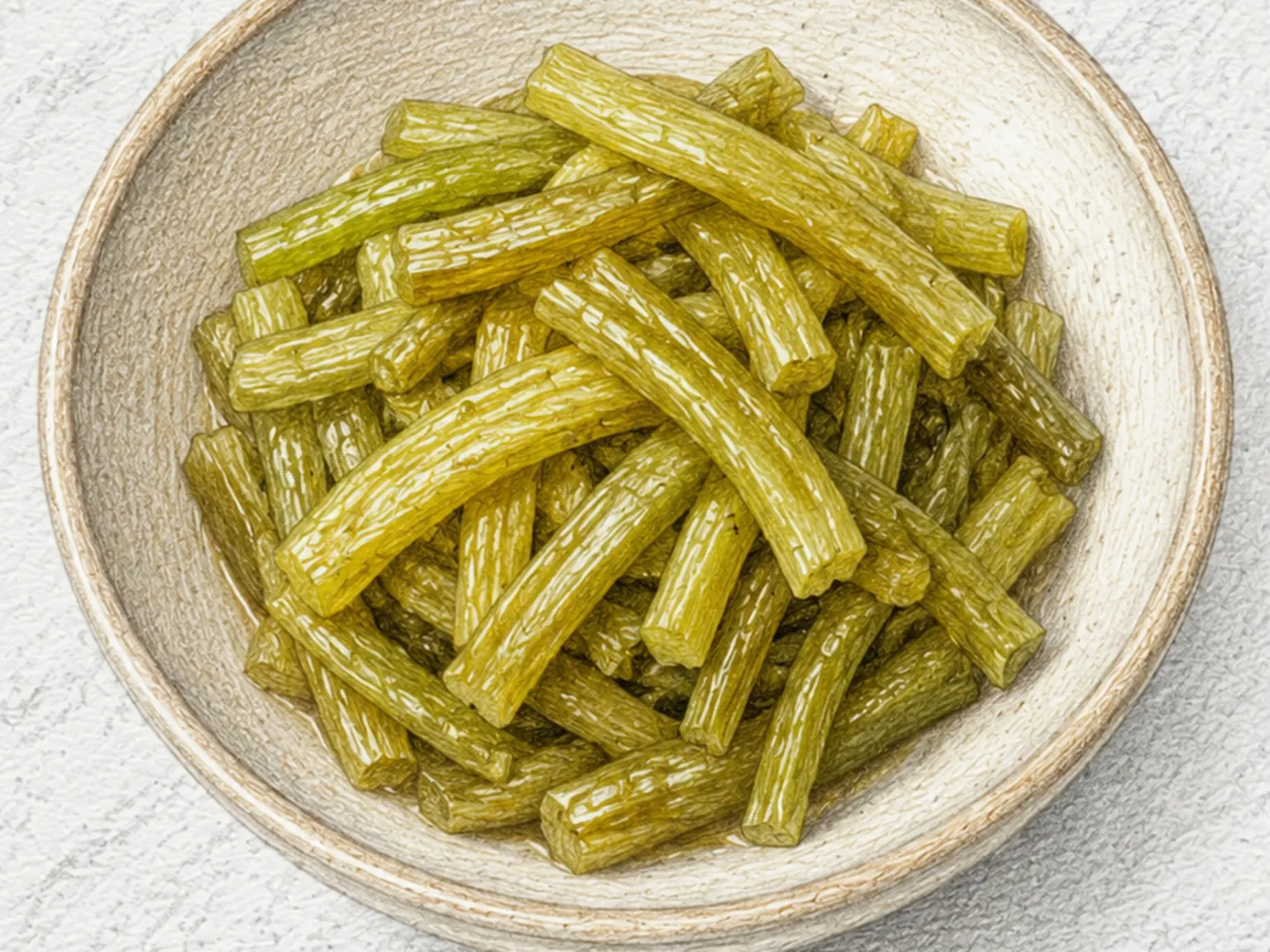
Korean Pickled Celtuce Stems
Gungchae is the dried stem of celtuce (Lactuca sativa var. asparagina), known in Chinese as wosun, and in Korea it carries the name meaning palace vegetable, reflecting its historical association with royal court cuisine. When rehydrated from its dried state, the stems regain a firm, almost cartilaginous crunch that is the defining quality of the ingredient and the entire reason to use it. Packed into sterilized glass jars, the stems are covered with a boiling brine of soy sauce, vinegar, sugar, and water poured in while still hot, which drives the seasoning into the outer layers while preserving the interior snap. The pickle is edible after a single day, but three days is when the balance of tangy, salty, and sweet flavors reaches its peak. Served alongside grilled meats or rich main dishes, the crisp texture and bright acidity cut through heaviness and refresh the palate between bites, making it a natural companion to oily or heavily seasoned Korean mains.
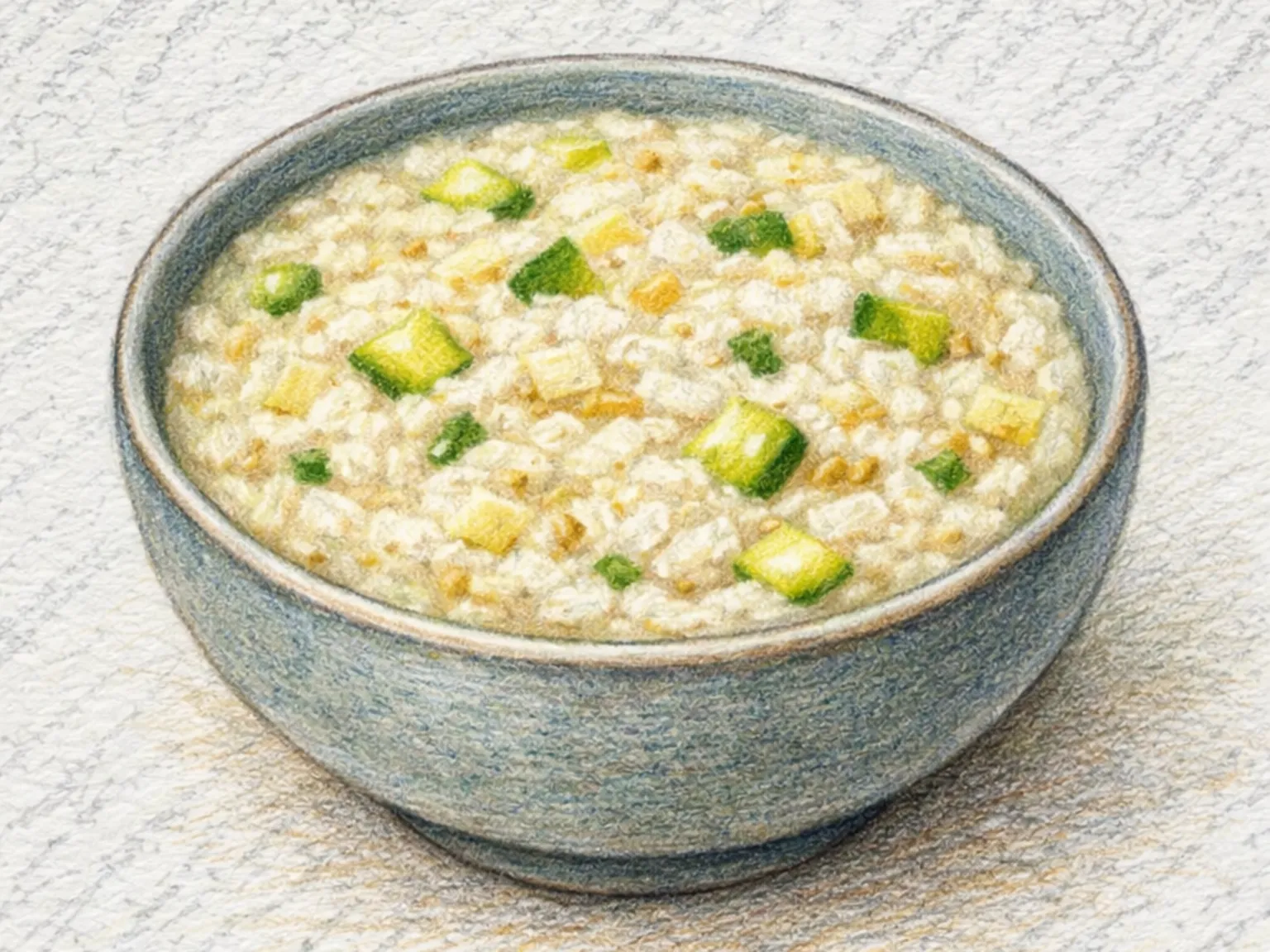
Korean Soy Pulp Porridge (High-Protein Okara Anchovy Stock Porridge)
Soy pulp (okara) and soaked rice simmer together in anchovy stock, creating a thick, protein-rich porridge with a hearty body. Onion and garlic are first sauteed in sesame oil to build an aromatic base, then the rice goes in for a brief toast before the stock is added. Once the rice is half-cooked, soy pulp and diced zucchini join the pot, and constant stirring over low heat is essential since okara scorches quickly if left unattended. Seasoned with just salt and black pepper, this juk has a nutty, beany depth from the soy pulp paired with the clean umami of anchovy stock, making it filling yet light on the palate. Making the okara at home by blending soaked soybeans in a blender yields a noticeably fresher, more pronounced soy aroma than the packaged version and elevates the overall flavor of the finished porridge.

Korean Sweet Pumpkin Latte
Danhobak latte begins with seeded kabocha pumpkin steamed skin-on, then blended with water into a smooth puree. Milk is whisked in gradually over low heat until the drink reaches a rich, velvety consistency. The pumpkin contributes natural sweetness that anchors the flavor, supported by honey, a half teaspoon of ground cinnamon, and a pinch of salt that defines the sweetness without adding noticeable saltiness. Keeping the milk below a boil -- around 80 degrees Celsius -- preserves its creamy character, and a spoonful of lightly whipped cream on top adds a soft, layered texture to each sip.
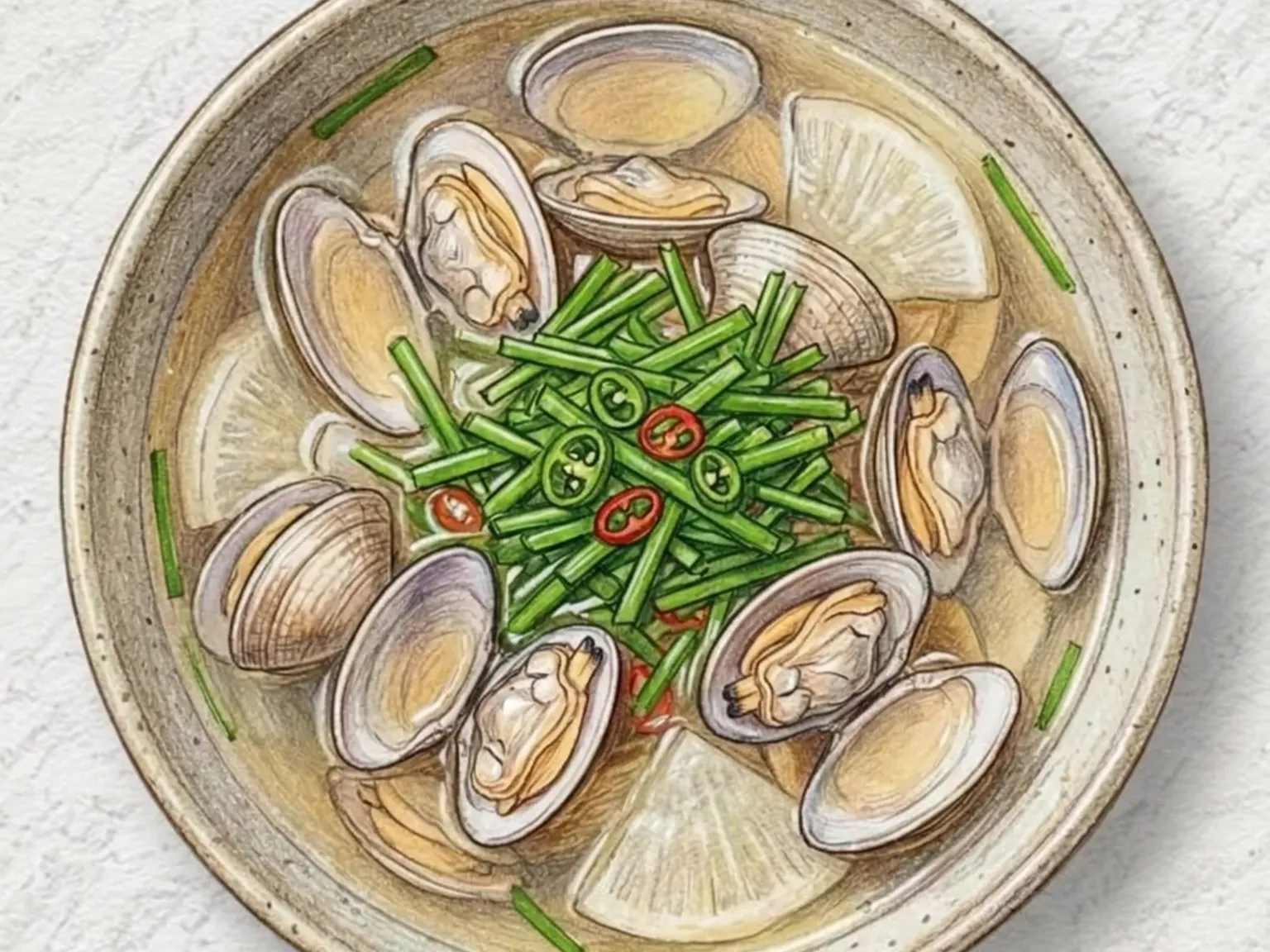
Korean Chive Clam Soup (Briny Clam Broth with Garlic Chives)
Purged clams cook with Korean radish to produce a refreshing, clean broth, then garlic chives and cheongyang chili go in near the end for fragrance and heat. Simmering the radish alone for five minutes first establishes a mild sweetness in the base that balances the natural salinity of the clam liquor. The chives are added only after the heat is cut, preserving their vivid color and grassy scent. Any clam that does not open during cooking is removed before serving. Because the clam broth itself carries substantial umami, seasoning should be kept light with just a pinch of salt or a small measure of gukganjang.
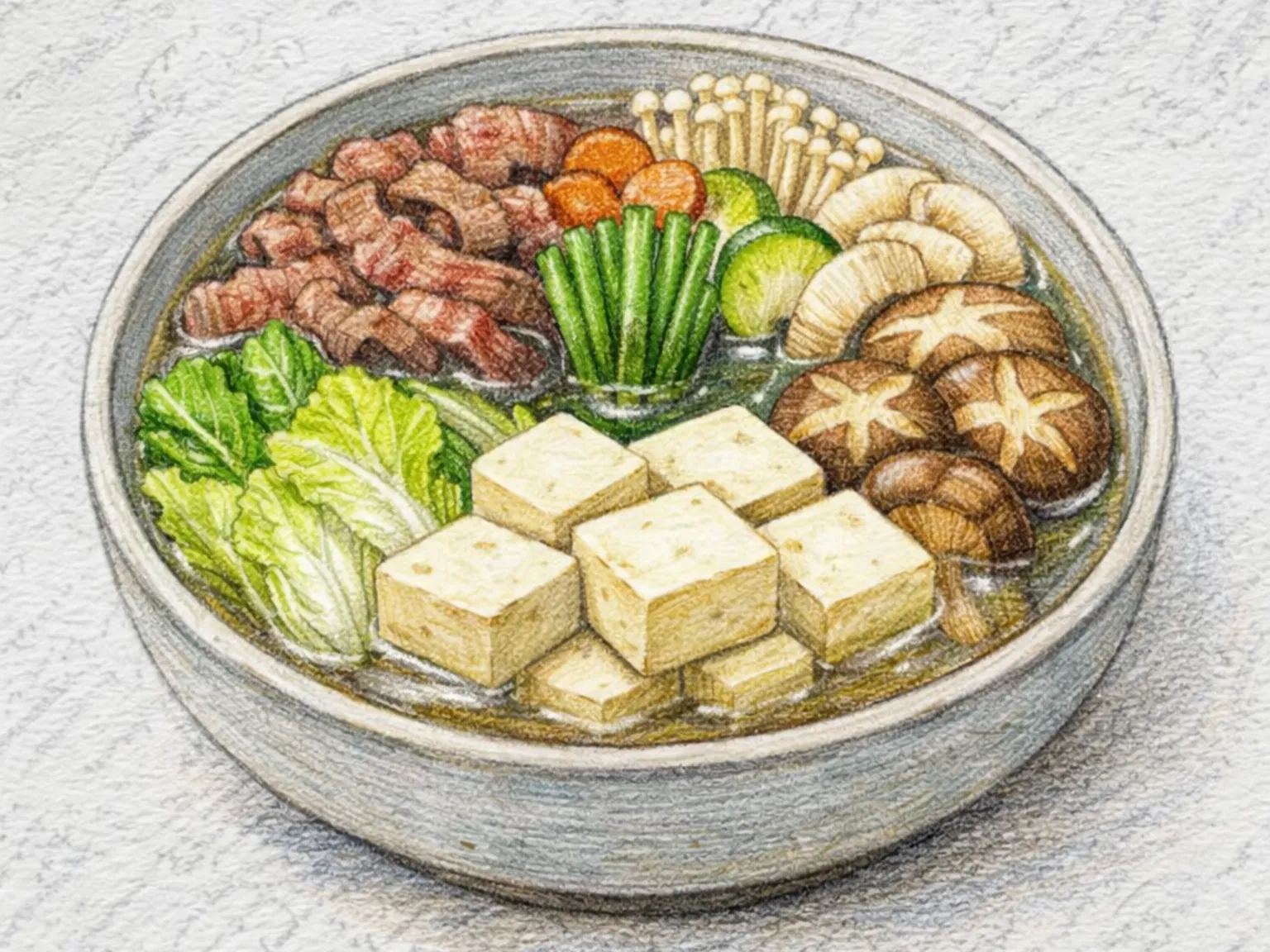
Korean Tofu Hot Pot (Tofu & Beef Kelp Broth Pot)
Dubu jeongol is a Korean hot pot centered on tofu and beef simmered in kelp broth at the table. Shiitake mushrooms contribute a deep savory note, while napa cabbage and green onion add freshness and textural variety. The broth is seasoned with soup soy sauce, keeping it light and clear enough to let each ingredient's flavor come through without becoming heavy. Thin-sliced or ground beef works equally well; marinating it briefly in soy sauce and minced garlic before adding it to the pot layers the broth with additional depth. Pan-frying the tofu slices lightly in oil before placing them in the jeongol prevents them from breaking apart during the long simmer and gives each piece a slightly firmer exterior. Traditionally served bubbling directly on the table, this is a communal dish meant to be eaten at a relaxed pace, with diners adding broth and pieces to their own bowls throughout the meal.
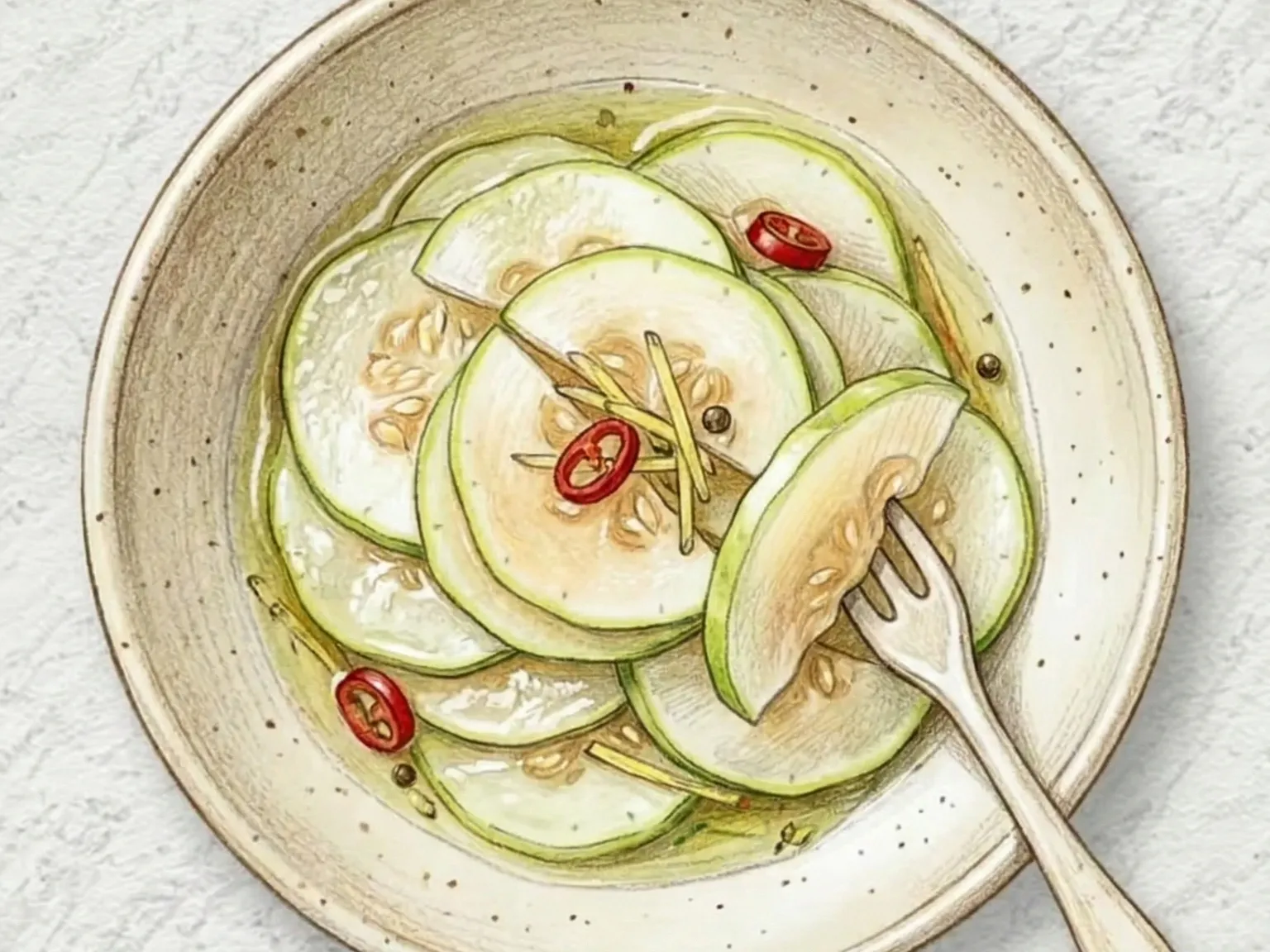
Korean Melon Pickle (Korean Melon Soy Vinegar Brine)
Chamoe jangajji is a Korean summer pickle made by seeding firm Korean melon and slicing it into thin half-moons, then submerging the pieces in a cure of soy sauce, rice vinegar, and sugar. Salting the slices and letting them sit for fifteen minutes before pickling draws out excess moisture, preventing the brine from becoming diluted and keeping the melon's characteristic crunch intact over time. Sliced fresh ginger added to the jar contributes a warm, faintly spicy undertone beneath the melon's cool sweetness. After two or more days in the refrigerator, the sweet, sour, and salty notes permeate the melon evenly throughout, making this a versatile seasonal banchan that can be served alongside rice or used as a sharp, tangy topping for cold noodles and summer salads. The leftover brine can be repurposed as a seasoning base for cold noodle sauce or seasoned vegetable dishes.
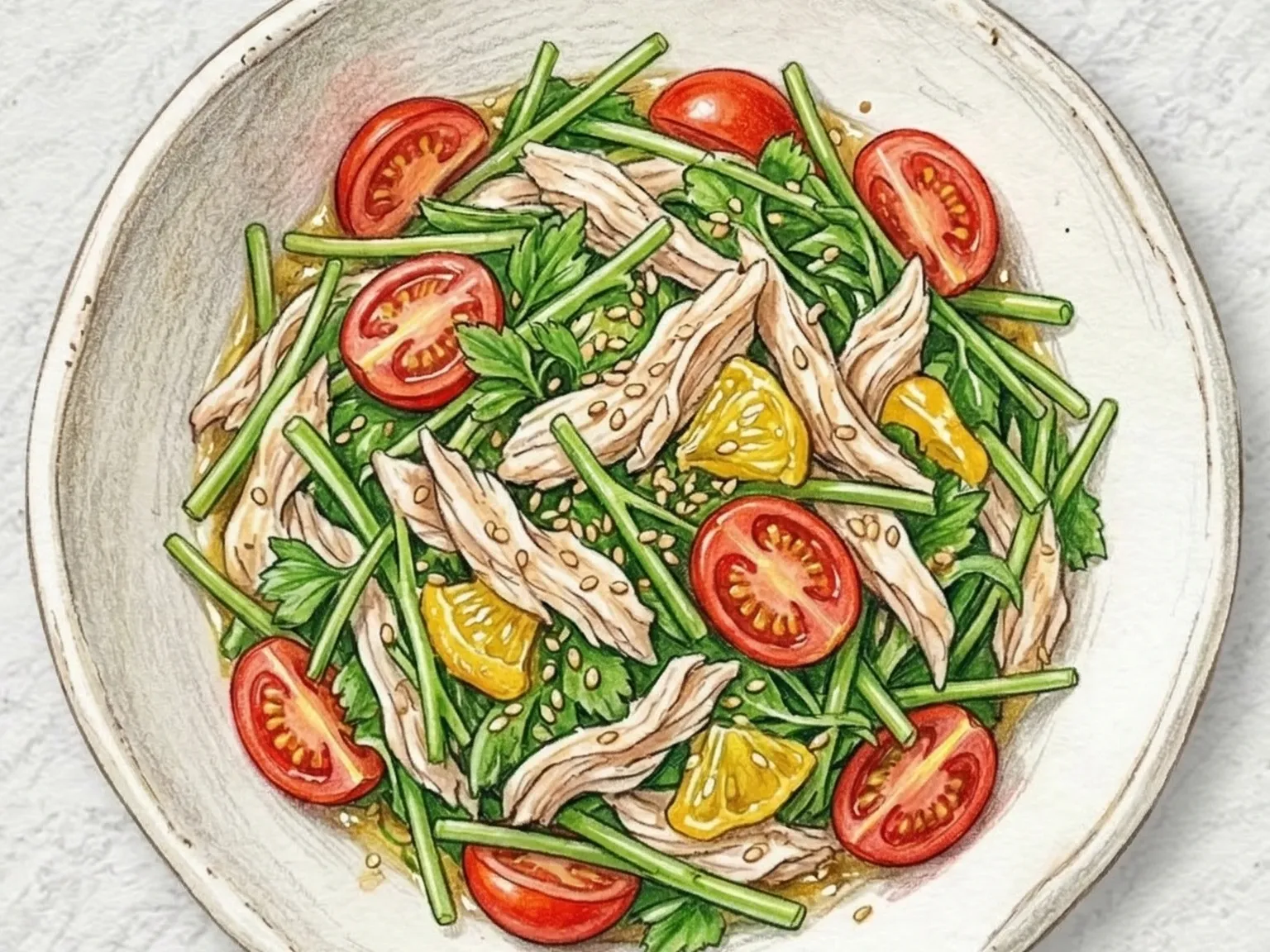
Korean Herb Citrus Chicken Salad
Chamnamul yuja chicken salad starts with chicken breast salted for ten minutes before boiling, then pulled apart along the grain for a lean, clean protein base. Chamnamul stems are trimmed of tough ends and cut to five centimeters to preserve the herb's sharp, grassy mountain scent. The dressing combines yuja-cheong, soy sauce, olive oil, and minced garlic - the bittersweet citrus sharpness balances the salty, savory soy. Romaine adds crunch and volume. Cherry tomatoes are halved and blotted dry to prevent the greens from getting soggy. Sesame seeds go on last for a toasted, nutty finish that rounds out the clean, bright flavors of the salad.
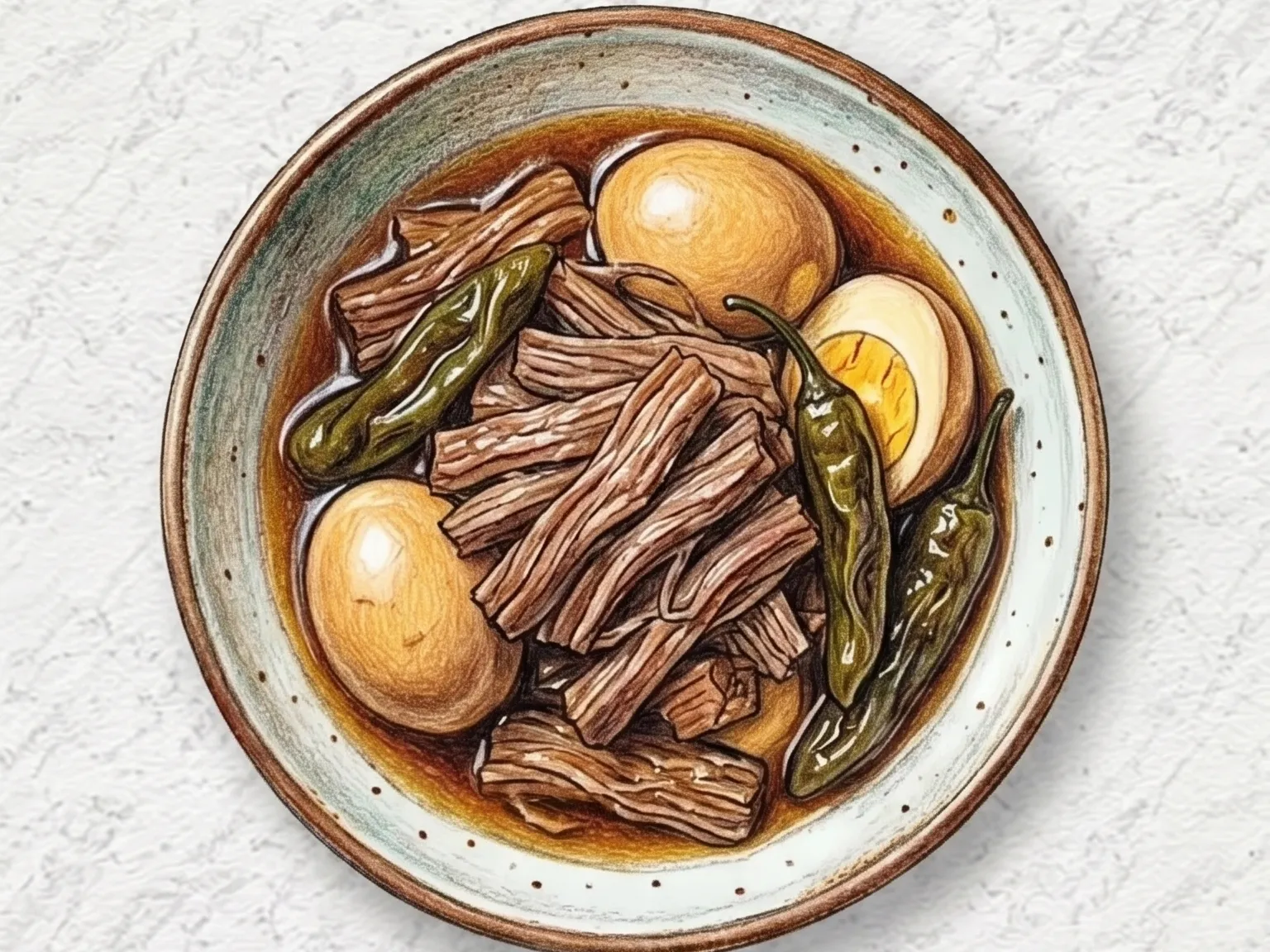
Korean Soy-braised Beef (Tender Shredded Brisket in Soy Glaze)
Jangjorim is the soy-braised beef that lives semi-permanently in Korean refrigerators - a make-ahead banchan with a shelf life of roughly two weeks. Beef eye round (hongdukkasal) is the traditional cut because its uniform grain and low fat content allow clean shredding along the fibers, producing the signature stringy texture. The process is unhurried: thirty minutes of soaking to draw out blood, forty minutes of simmering with whole garlic and peppercorns, then shredding and returning to the pot with soy sauce and sugar for another twenty minutes. Hard-boiled eggs and shishito peppers added in the final stage absorb the dark soy broth - the eggs turn mahogany and the peppers contribute a gentle heat to the sauce. Swapping in quail eggs makes each piece lunchbox-sized. Flavor deepens noticeably after a day of refrigeration as the seasoning penetrates fully.