🥗 Light & Healthy Recipes
Light, healthy, low-calorie dishes
712 recipes. Page 9 of 30
These low-calorie recipes prove that healthy eating does not have to be boring. High-protein meals, vegetable-forward dishes, and low-carb options - all designed to support weight management and better eating habits.
Diet-friendly does not mean small portions or bland flavors. Chicken breast, tofu, konjac, and eggs provide lasting satiety, while smart seasoning and cooking methods keep the taste appealing. Build a sustainable, healthy routine with these recipes.
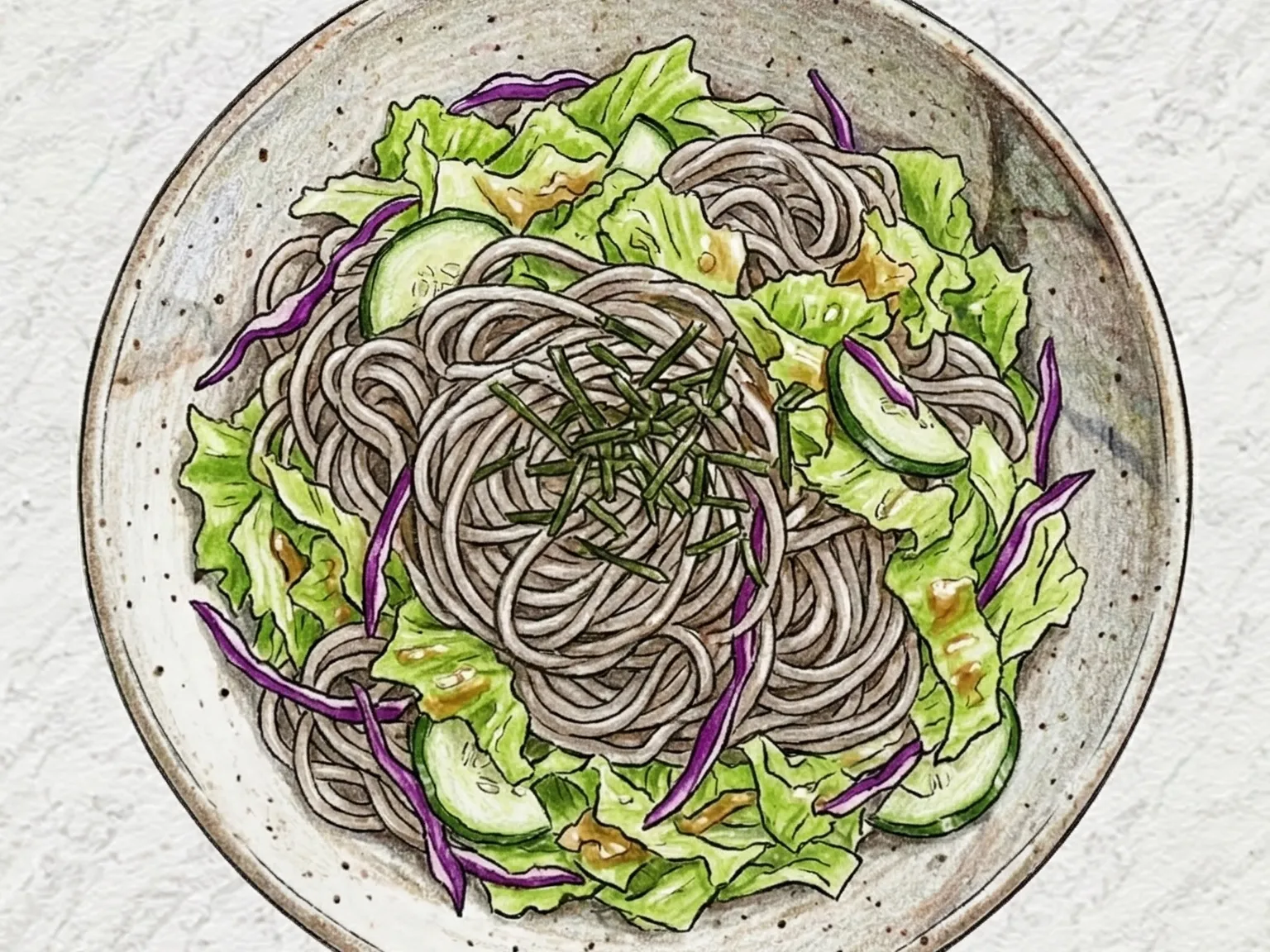
Buckwheat Noodle Salad
Thoroughly rinsing boiled soba noodles in cold water removes the starchy film that forms on the surface during cooking. This specific step prevents the noodles from clumping together and ensures the dressing coats each strand evenly. Rinsing multiple times produces a firm and elastic texture, highlighting the characteristic coarse bite of the buckwheat. The sauce relies on a base of tsuyu combined with rice vinegar to provide a sharp acidity that cleanses the palate after every bite. This combination avoids the heavy residue often found in oil-based dressings. Shredded lettuce and sliced cucumber add a crisp, watery element to the bowl, while the addition of red cabbage provides a purple visual contrast against the brown noodles. A final topping of roasted seaweed strips adds a toasted ocean scent to the dish. For a complete meal, adding chicken breast or a boiled egg provides additional protein. The dressing remains stable when prepared in advance and stored in the refrigerator, allowing for quick assembly when the vegetables and noodles are ready.
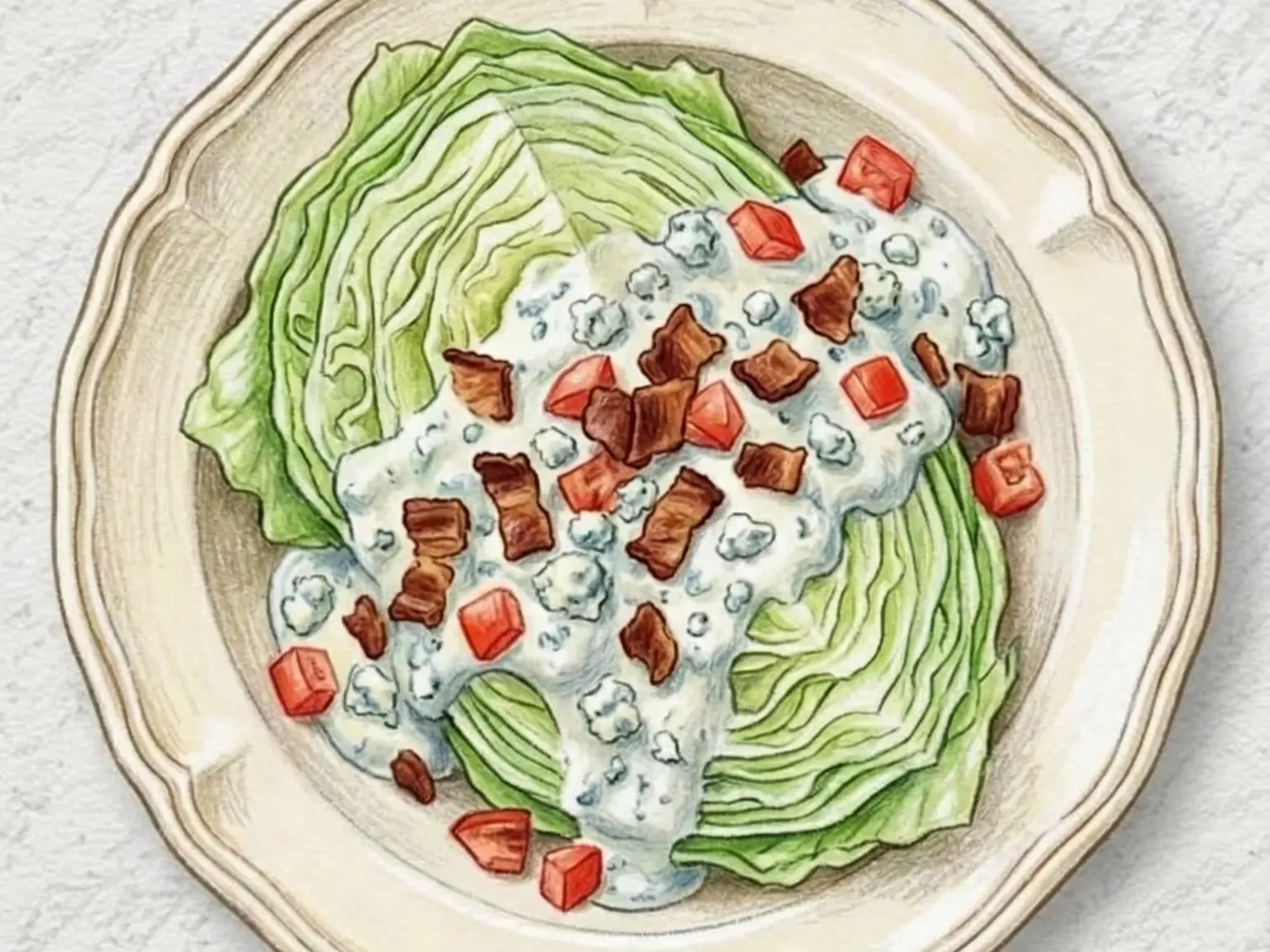
Classic Wedge Salad
Classic Wedge Salad features crisp iceberg lettuce wedges topped with a rich blue cheese dressing, crispy bacon, and cherry tomatoes. Preparing this dish requires cutting the lettuce into four wedges while leaving the core intact to hold the leaves together. The dressing is made by mixing half of the blue cheese with sour cream, mayonnaise, and lemon juice, leaving a few small cheese chunks, while the rest is kept for topping. Washing the lettuce and shaking out any water between the layers is essential to prevent the dressing from thinning. The bacon is cooked until crisp and drained well on paper towels. The salad is assembled by placing the cold wedges on a plate, pouring the dressing over, and topping with the bacon, halved tomatoes, remaining blue cheese, and sliced chives.
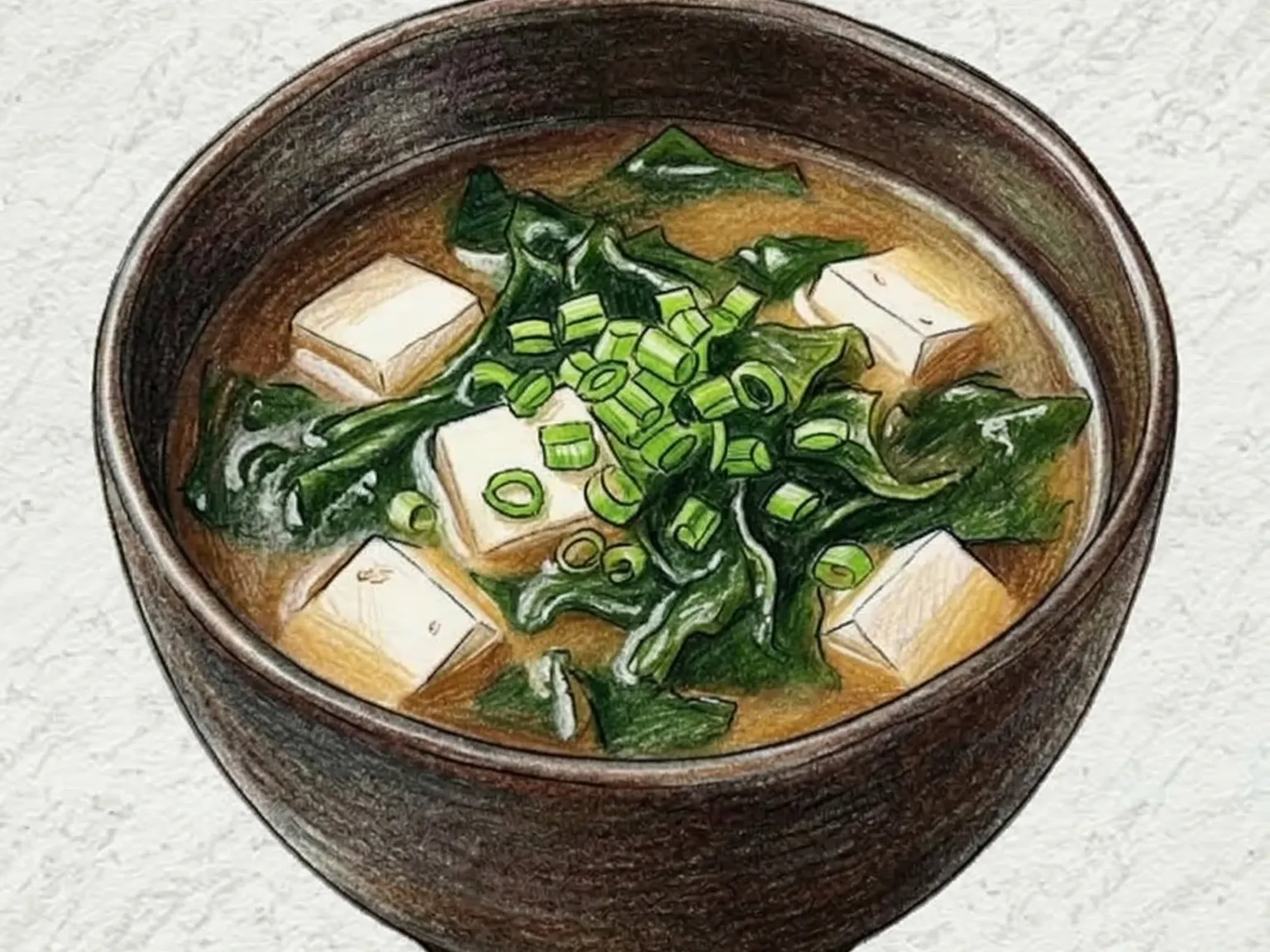
Miso Soup
Miso soup, or miso shiru, is a staple of Japanese home cooking, traditionally served alongside daily meals. The soup features a base of dashi stock made from bonito flakes and kelp, which provides a savory umami foundation. Standard additions include cubed silken tofu and rehydrated wakame seaweed, finished with thinly sliced green onions. The preparation requires heating the dashi stock gently without letting it boil rapidly, then warming the tofu. To preserve the delicate aroma of the miso paste, it is dissolved in a ladle with a bit of hot broth before being stirred into the pot, and the heat is turned off immediately. Home cooks can choose between mild, slightly sweet white miso or a more savory, salty red miso to adjust the flavor. It is a light and comforting soup designed to complement other dishes.
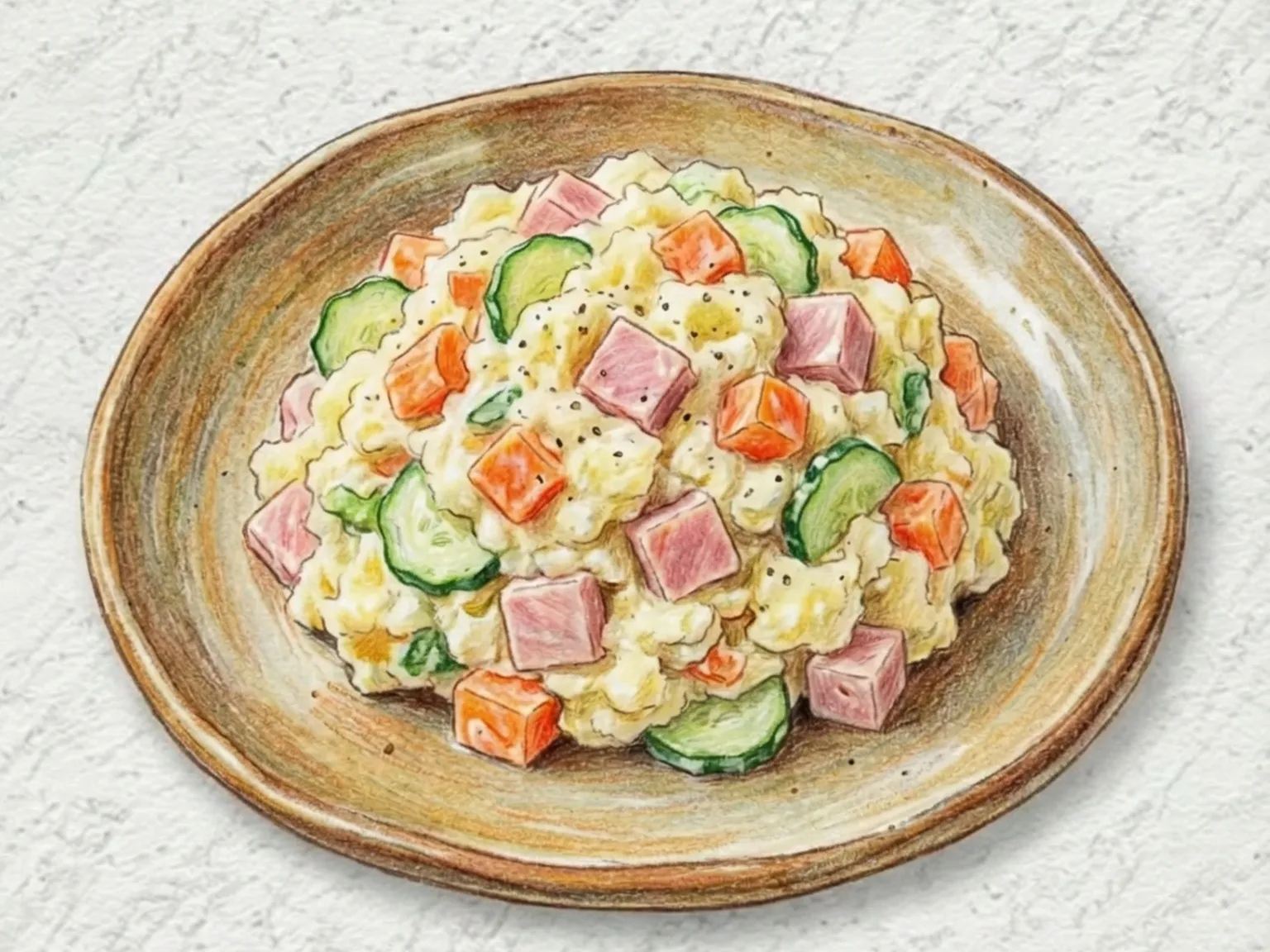
Korean Potato Salad (Creamy Mashed Potato Ham Cucumber)
Korean potato salad arrived through Japan's yoshoku tradition but developed its own distinct identity in Korean home kitchens. Potatoes are boiled until tender and mashed while still hot, but not to a perfectly smooth consistency - leaving some lumps gives the salad a dual texture of creamy mashed potato and soft, intact chunks that hold together when eaten. Diced ham is pan-seared briefly to render out excess fat before being incorporated, preventing the finished salad from becoming greasy. Cucumber is salted and squeezed to remove water, which keeps the salad from turning watery as it sits. Boiled carrot is mixed in for color and a mild sweetness. The dressing is mayonnaise adjusted with sugar and salt, resulting in a distinctly sweet-creamy profile that is noticeably different from Western versions of the dish. Chilling the assembled salad for at least one hour before serving allows the seasoning to equalize throughout the mixture, improving the flavor considerably compared to eating it straight away. The salad is served as a banchan alongside rice, and it is also commonly spread inside sandwiches.
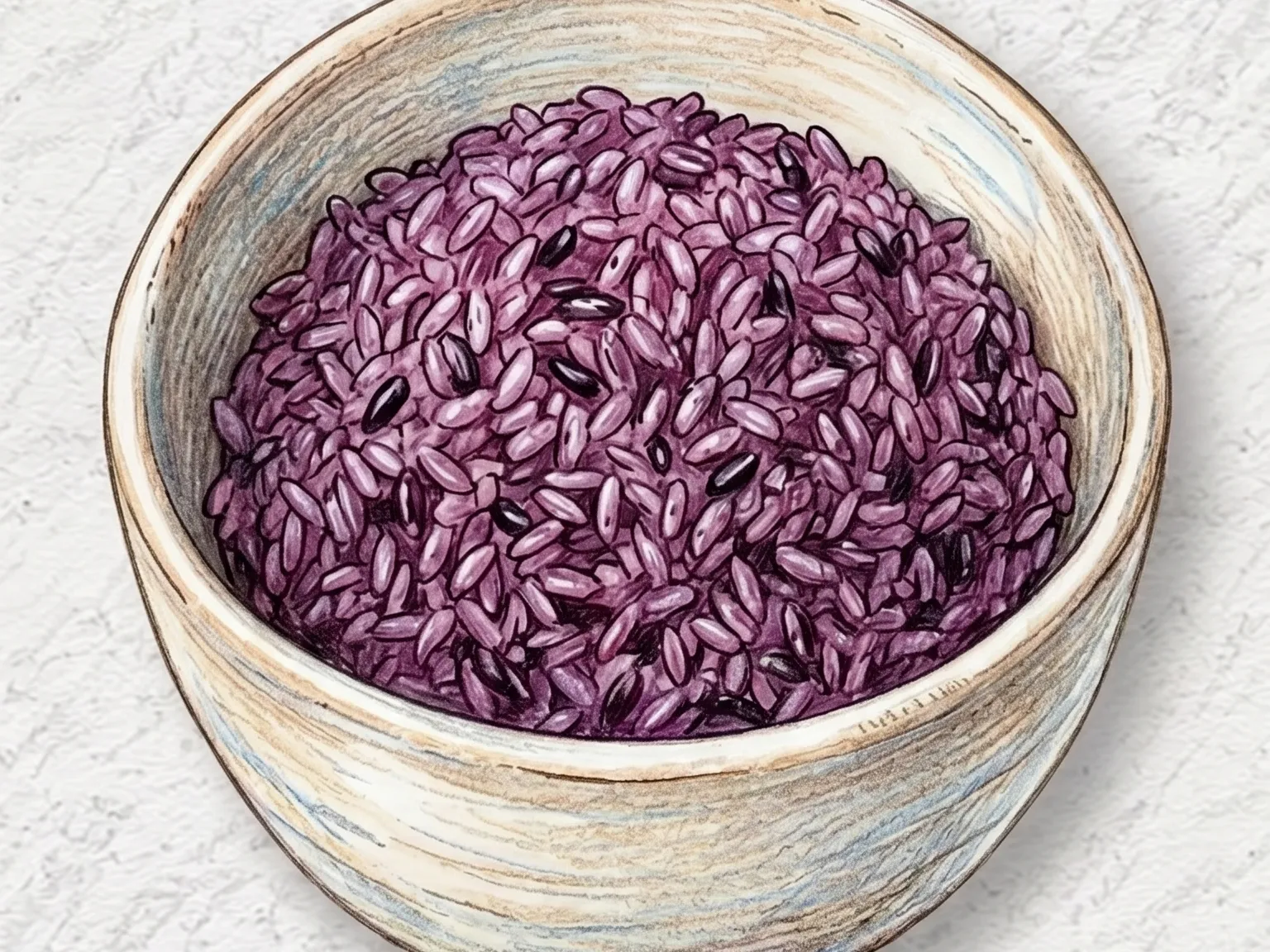
Korean Black Rice (Purple Anthocyanin-Rich Grain Bowl)
Black rice mixed with white rice and cooked together turns the entire pot a deep, vivid purple from the anthocyanin pigments concentrated in the black grain's outer bran layer. Because black rice absorbs water significantly more slowly than white rice, it must be soaked for at least one hour before cooking so that both types finish at the same time. Skipping the soak reliably leaves hard, undercooked black kernels scattered through otherwise done white rice, and no amount of additional cooking fully corrects the problem once it happens. When properly cooked, the black grains contribute a glutinous chewiness similar to sweet rice and a roasted, nutty grain aroma that white rice alone does not produce. The standard ratio is roughly twenty percent black to eighty percent white, which produces clear color without making the overall texture too dense. Increasing the black rice proportion makes the color darker and the flavor more assertive, but the rice becomes noticeably heavier on the palate. The purple-tinted soaking water should be added directly to the pot rather than discarded, as it deepens the final color of the finished rice.
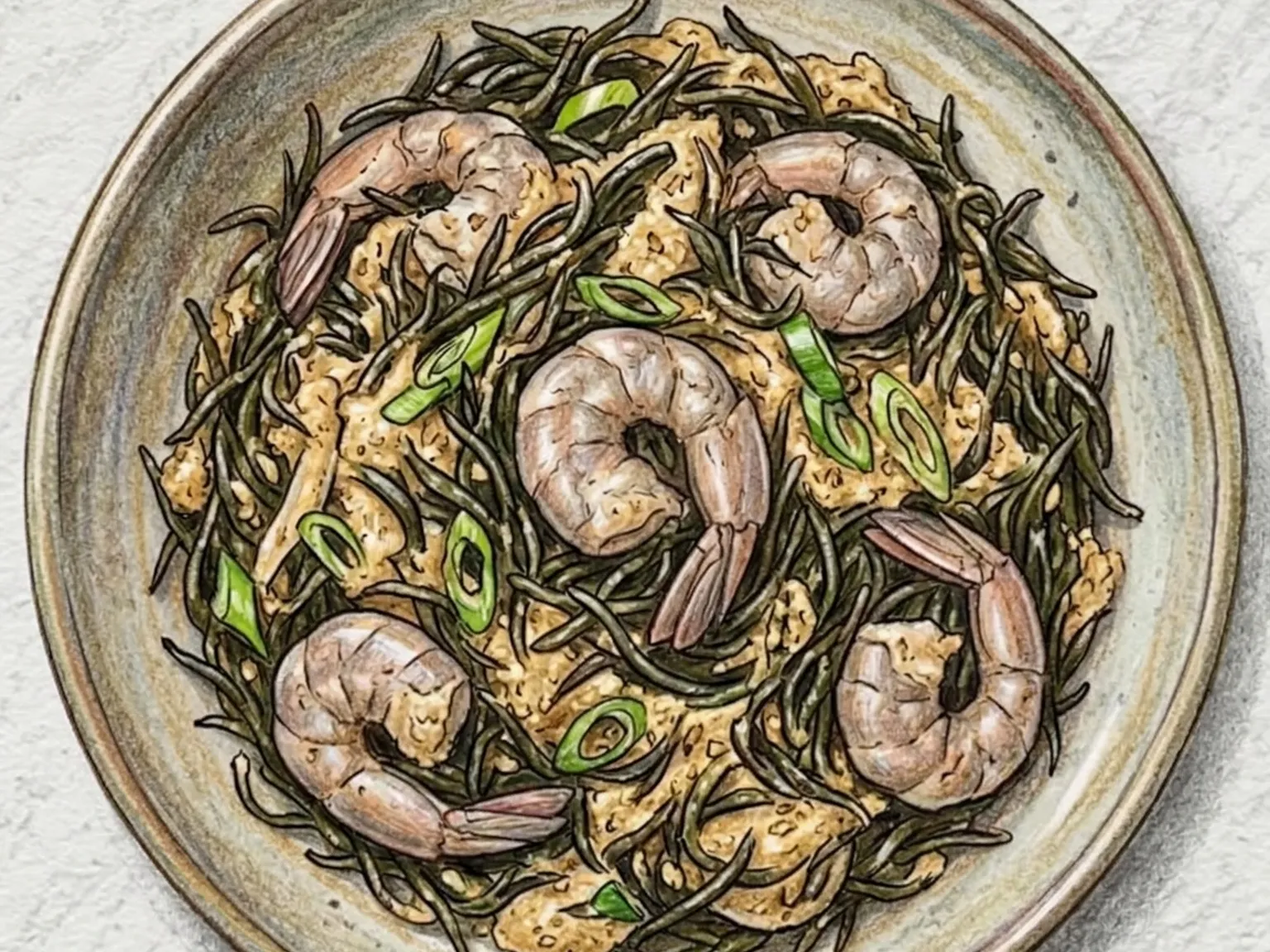
Korean Seaweed, Perilla & Shrimp Stir-fry
Tot-deulkkae-saeu-bokkeum stir-fries briefly blanched tot seaweed and shrimp in perilla oil, finished with ground perilla seeds. The tot is blanched for only 30 seconds to preserve its distinctive pop-and-chew texture, and the shrimp are pre-seasoned with cooking wine to remove any fishiness before being cooked to a springy doneness. Perilla oil and ground perilla seeds merge with the oceanic salinity of the seaweed and shrimp, building a nutty-briny flavor. Seasoned lightly with soup soy sauce and green onion, it is a low-carbohydrate side dish anchored in seafood and sea vegetables.

Korean Green Tangerine Ade
Unripe green tangerines harvested in Jeju island contain higher acidity and a more pungent fragrance than fully matured citrus. Making the base syrup involves layering thin slices of the whole fruit with an equal amount of sugar and letting them macerate for at least twenty four hours. This process allows the essential oils from the skin to dissolve into the liquid, creating a complex aromatic profile. Adding a small amount of lemon juice and a pinch of salt to the syrup helps soften the sharp tartness of the green tangerines. When finishing the drink, pouring sparkling water slowly helps maintain the carbonation level. Placing lightly pressed mint leaves on top adds a cooling element to the acidic base. The prepared syrup stays fresh in the refrigerator for two to three weeks and works well as a hot tea when mixed with warm water. For a frozen alternative on hot days, the mixture can be frozen and scraped into a granita. Sweetness levels remain flexible as the amount of sugar can be adjusted depending on the tartness of the specific batch of fruit.
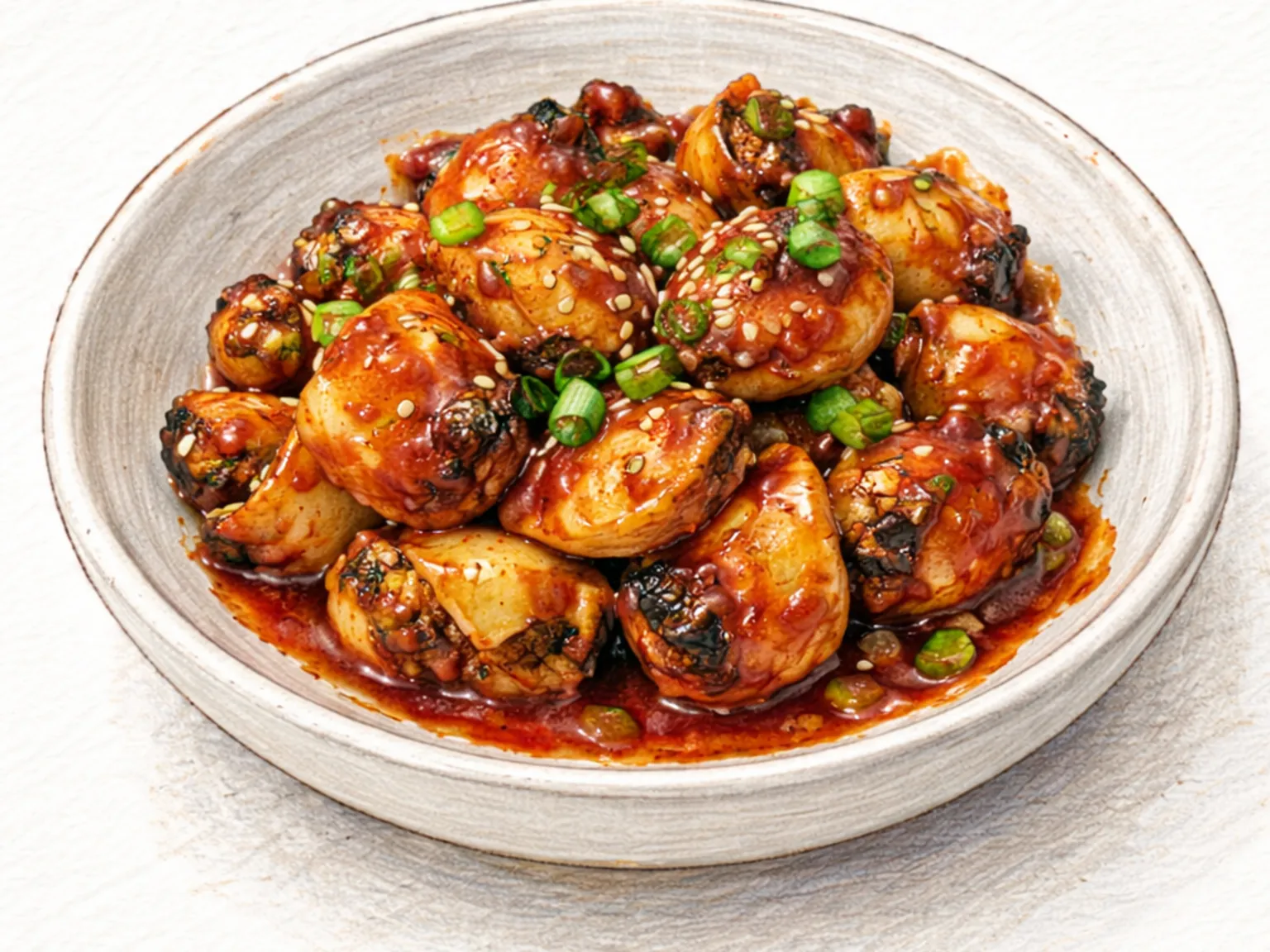
Korean Grilled Sea Snail with Gochujang
Pre-boiled sea snail meat is sliced thin, trimmed of tough visceral parts, and marinated for fifteen minutes with sliced onion in a sauce built on gochujang, gochugaru, soy sauce, oligosaccharide syrup, and minced garlic. A screaming-hot pan sears the marinated snail in three to four minutes, concentrating the spicy-sweet sauce onto the surface while preserving the snail's signature firm chew. Green onion goes in for the final minute, followed by a drizzle of sesame oil. The briny depth of the sea snail meets the fermented heat of gochujang in every bite.
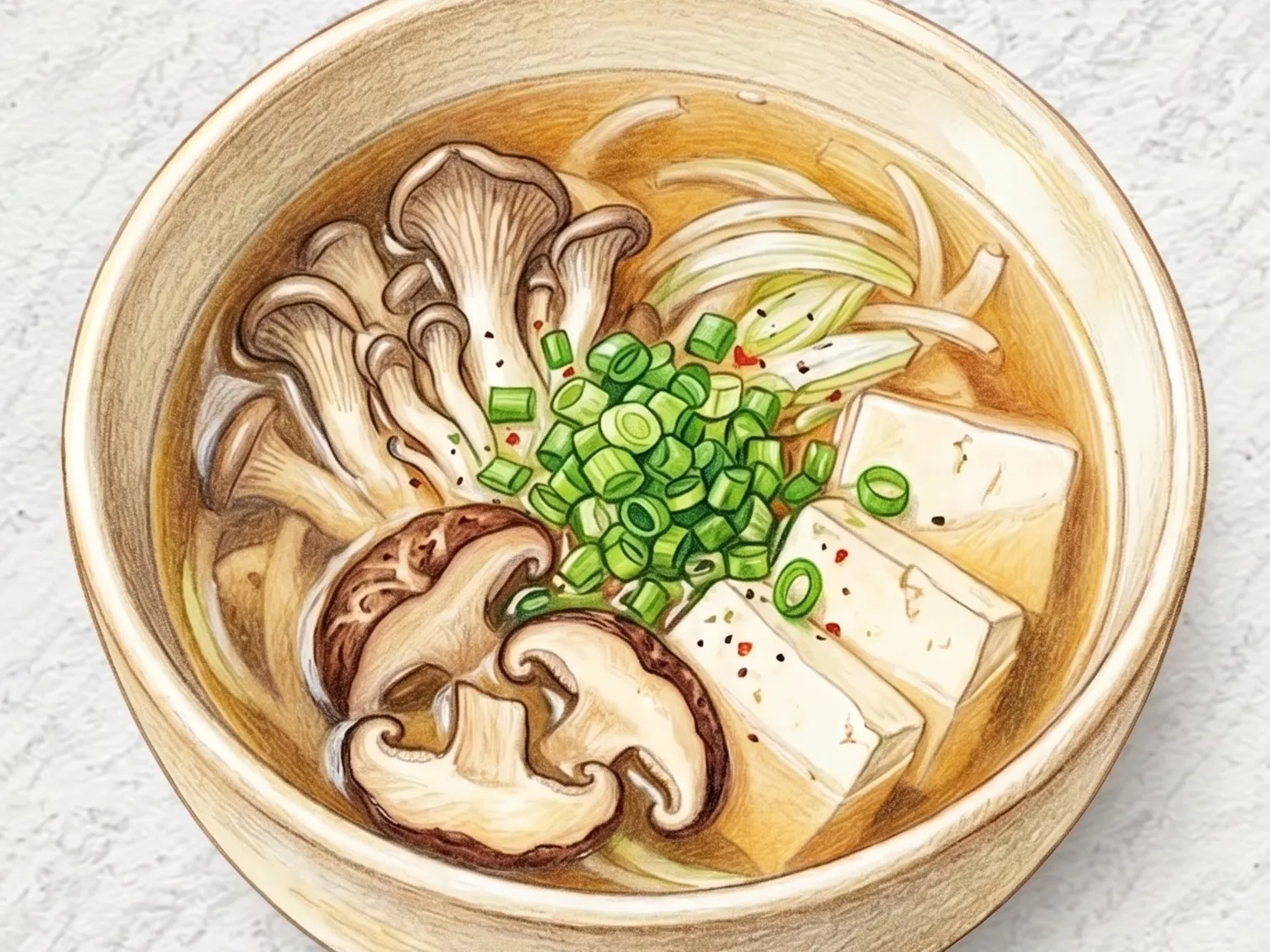
Korean Clear Mushroom Tofu Soup
This clear Korean soup draws its umami from oyster and shiitake mushrooms simmered in plain water for four minutes, seasoned with only soup soy sauce and salt to keep the broth light and direct. Two varieties of mushrooms working together - oyster for soft texture, shiitake for depth - produce a broth that holds its own without meat. Cubed tofu goes in near the end so the pieces stay intact, and chopped green onion finishes the bowl with a clean, mild sharpness. At 155 calories per serving, the dish is genuinely low-calorie without sacrificing the layered, savory quality that makes it worth returning to.
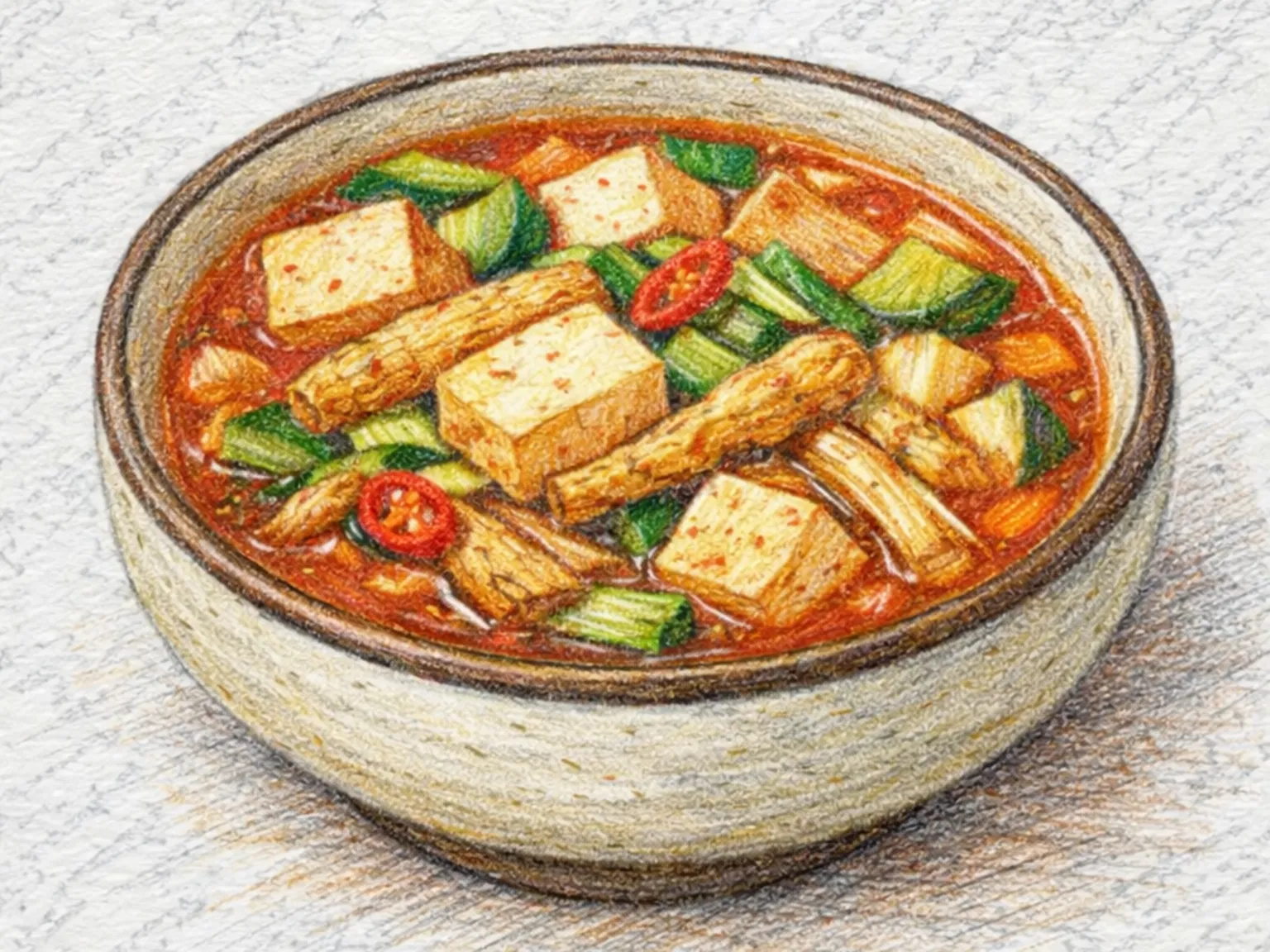
Korean Bellflower Root Tofu Stew
Deodeok dubu jjigae is a Korean stew that simmers bellflower root and soft tofu in a broth made from rice-rinse water. Gochujang and doenjang are dissolved together to build a base that is simultaneously spicy and deeply savory. Bellflower root contributes a signature bitter-herbal fragrance and firm bite that sets the soup apart from standard tofu jjigae. Rice-rinse water acts as a natural thickener and rounds off any residual bitterness from the root. The contrast between the chewy deodeok and the yielding tofu gives each spoonful an interesting texture. Before cooking, the bellflower root is traditionally pounded to open its fibrous grain, which allows the seasoning to penetrate more evenly.
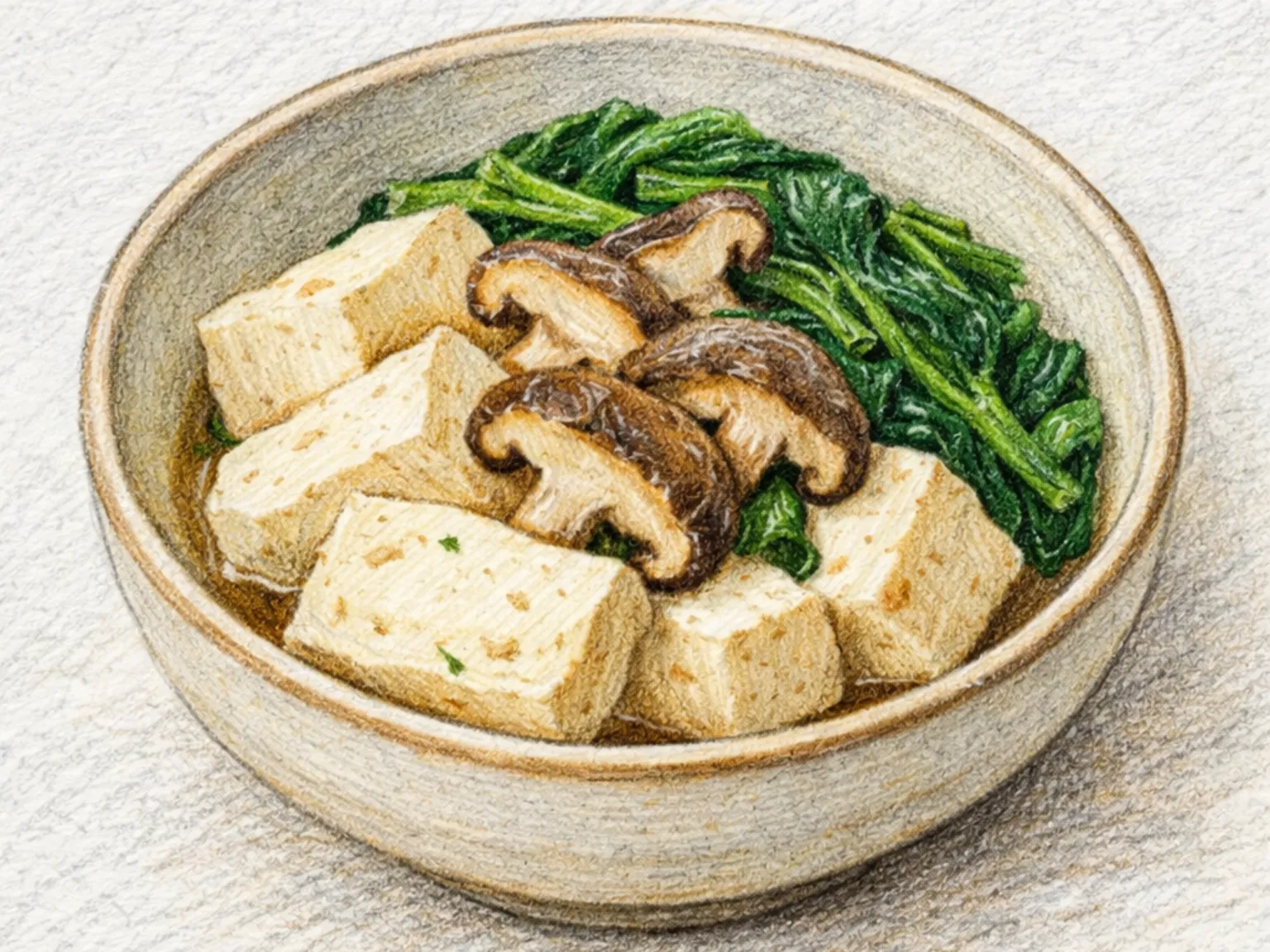
Korean Steamed Tofu with Spinach
Sigeumchi dubu jjim is a Korean steamed side dish of firm tofu, spinach, and shiitake mushrooms seasoned with soy sauce and soup soy sauce, then covered and cooked over gentle heat until everything is just done. Pressing the tofu firmly between layers of kitchen paper to remove excess moisture is a necessary first step; water left in the tofu dilutes the seasoning and turns the cooking liquid murky. When the spinach and mushrooms are arranged alongside the tofu and the seasoning is spooned over everything before the lid goes on, the steam released by the vegetables cooks the dish evenly without any added water. Shiitake mushrooms bring a concentrated umami that gives unexpected depth to what is otherwise a very simple soy-based seasoning. A drizzle of perilla oil and a scattering of sesame seeds at the end add a distinctly nutty, aromatic finish that lifts the entire dish. Low in calories and rich in plant protein, it fits naturally into a light weeknight dinner as a side dish that is as nourishing as it is unfussy.
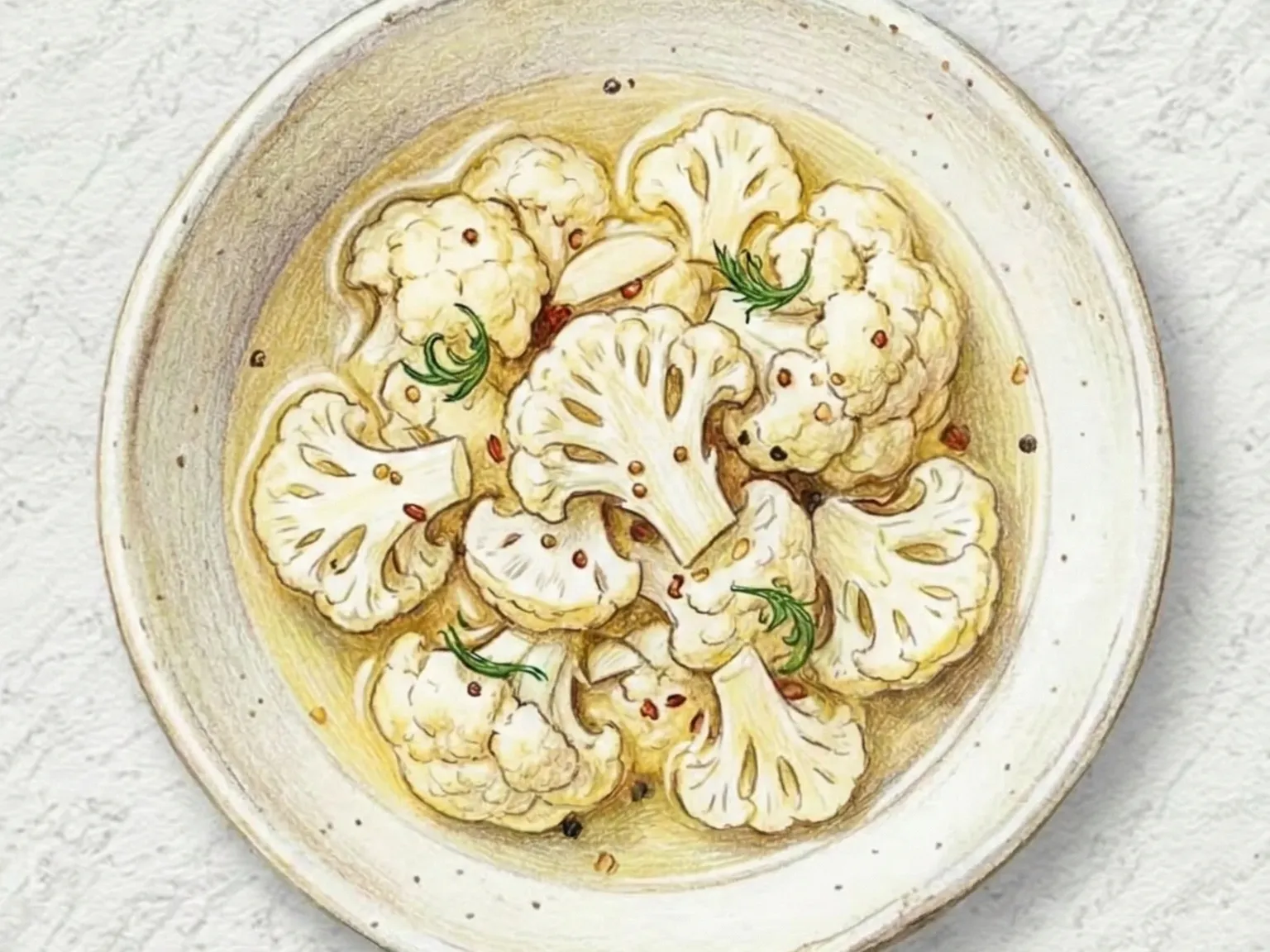
Korean Cauliflower Jangajji (Pickled Cauliflower)
Korean pickled cauliflower made by soaking bite-sized florets in a boiled-and-cooled brine of soy sauce, vinegar, and sugar. The dense, compact structure of cauliflower absorbs the pickling liquid at a gradual pace, developing flavor over time without turning soft - a texture advantage over vegetables like cucumber or radish that break down faster. Vinegar and sugar balance each other cleanly, and the soy sauce adds a low layer of umami beneath the bright, tangy top note. The pickle works well as a palate cleanser alongside fried or grilled food, and holds up just as well as a plain rice side. The preparation is simple: boil the brine, let it cool, pour it over the florets, and wait.
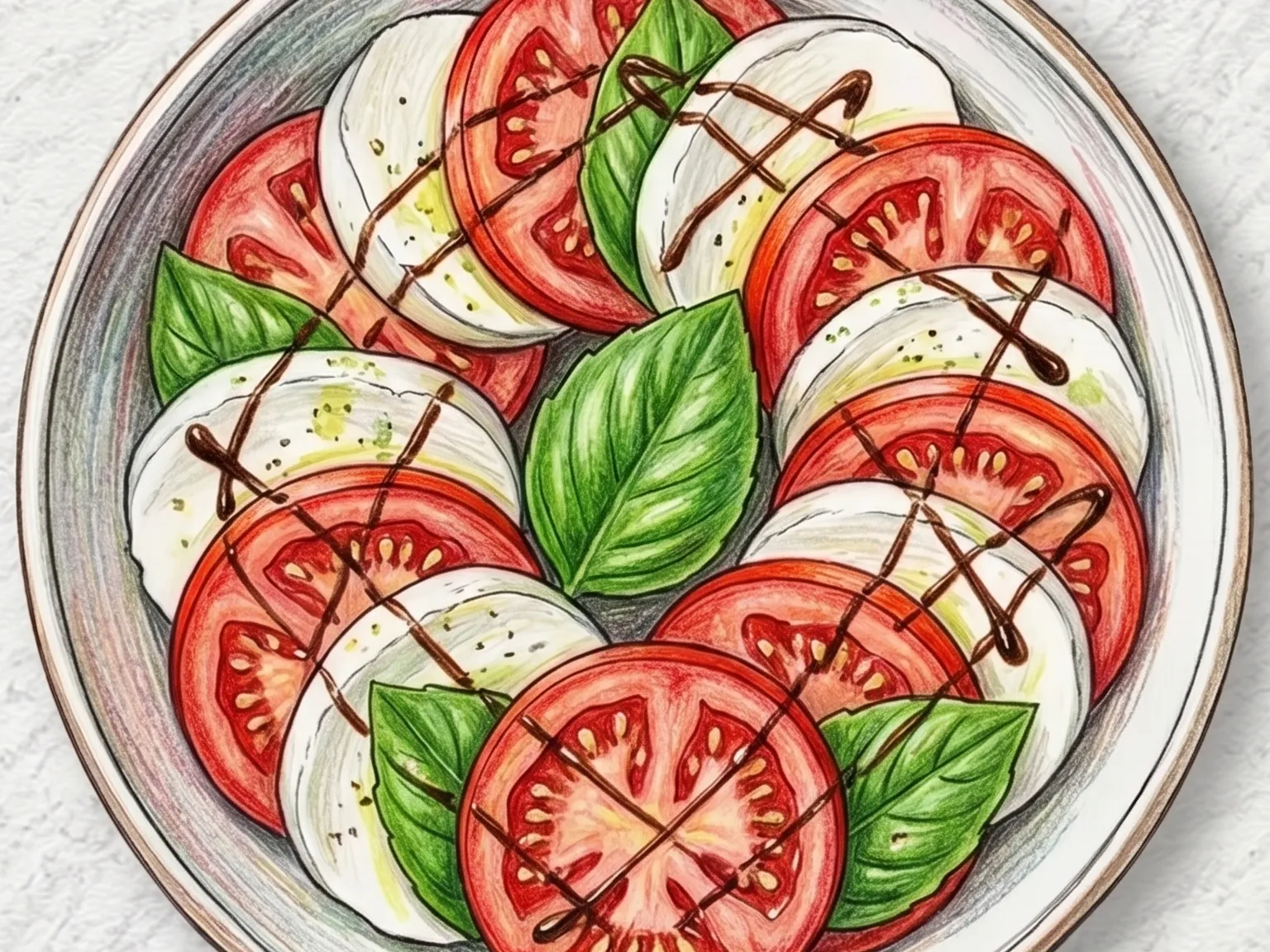
Caprese Salad
Caprese salad alternates slices of ripe tomato, fresh mozzarella, and basil leaves of equal thickness, dressing them with nothing more than extra virgin olive oil and salt. The recipe excludes cooking entirely, so the tomato's ripeness and the mozzarella's fresh, milky quality carry the entire flavor of the dish - substituting underripe tomatoes or low-moisture mozzarella changes the result significantly. A thin drizzle of balsamic glaze over the top introduces a concentrated grape-vinegar sweetness that contrasts directly with the cheese's fat, while basil's volatile aromatic compounds release on contact with the oil rather than surviving any heat. Dressing the salad at the last possible moment prevents the salt from drawing moisture out of the tomatoes ahead of time, which dilutes the oil on the plate. The dish originates from the island of Capri and is recognized by the green, white, and red color arrangement that mirrors the Italian flag.
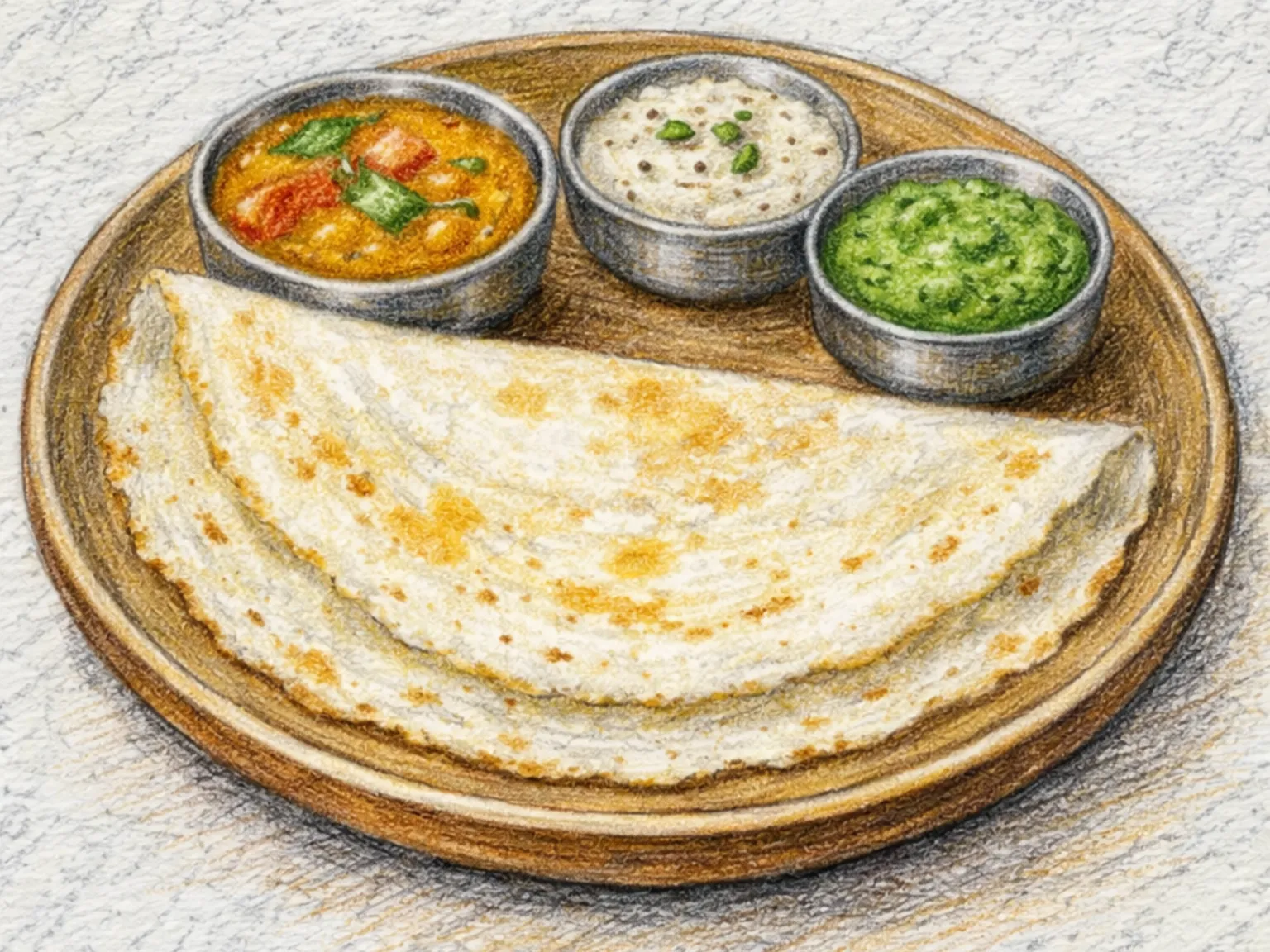
Neer Dosa (Mangalorean Thin Rice Water Crepe with Coconut)
Neer dosa is a rice crepe from the coastal Mangalore region of Karnataka in southwestern India. The name means 'water dosa' in Kannada, referring to the extremely thin batter used to make it. Soaked rice and a little fresh coconut are ground to a pourable consistency thinner than regular dosa batter, then swirled onto a hot pan from the edges inward. The batter spreads into a delicate, lace-patterned sheet with tiny holes throughout. Unlike traditional dosa, neer dosa requires no fermentation, so there is no sourness - just the clean, mild flavor of rice. It is cooked on one side only and never flipped.
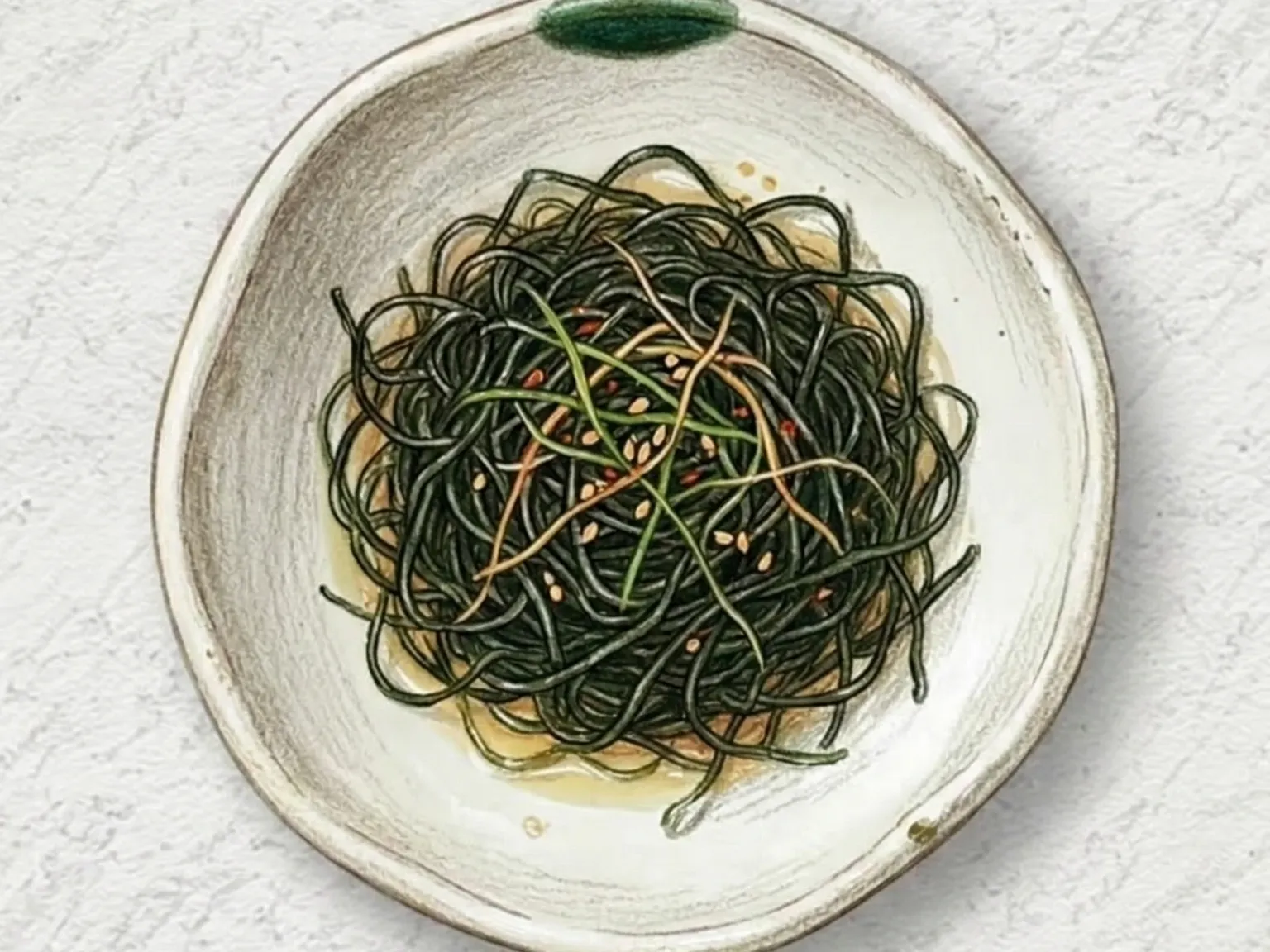
Korean Seasoned Gamtae Seaweed
Gamtae is a green seaweed harvested only in winter from Korea's southern coast, particularly around Wando and Jangheung. It is thinner and more delicate than roasted gim, and its oceanic fragrance is sharper and more pronounced. For this banchan, dried gamtae sheets are torn by hand into large pieces and tossed with a dressing of soy sauce, vinegar, sesame oil, gochugaru, sugar, and minced garlic. Speed matters more than technique here. Once the dressing makes contact with the seaweed, it begins drawing out moisture immediately. Past twenty seconds of mixing, the fronds absorb liquid, lose their texture, and collapse into a sodden tangle. The dressing should be added and the whole thing tossed in one quick motion before serving. Vinegar does important work in this dish: its acidity counters the seaweed's natural brininess and leaves the palate clean between bites. Fresh gamtae is a strictly seasonal product, available only through winter markets in the Jeolla and Gyeongnam regions. Dried gamtae, however, keeps well and is available year-round, making this a quick, reliable side dish that pairs particularly well with plain steamed rice.
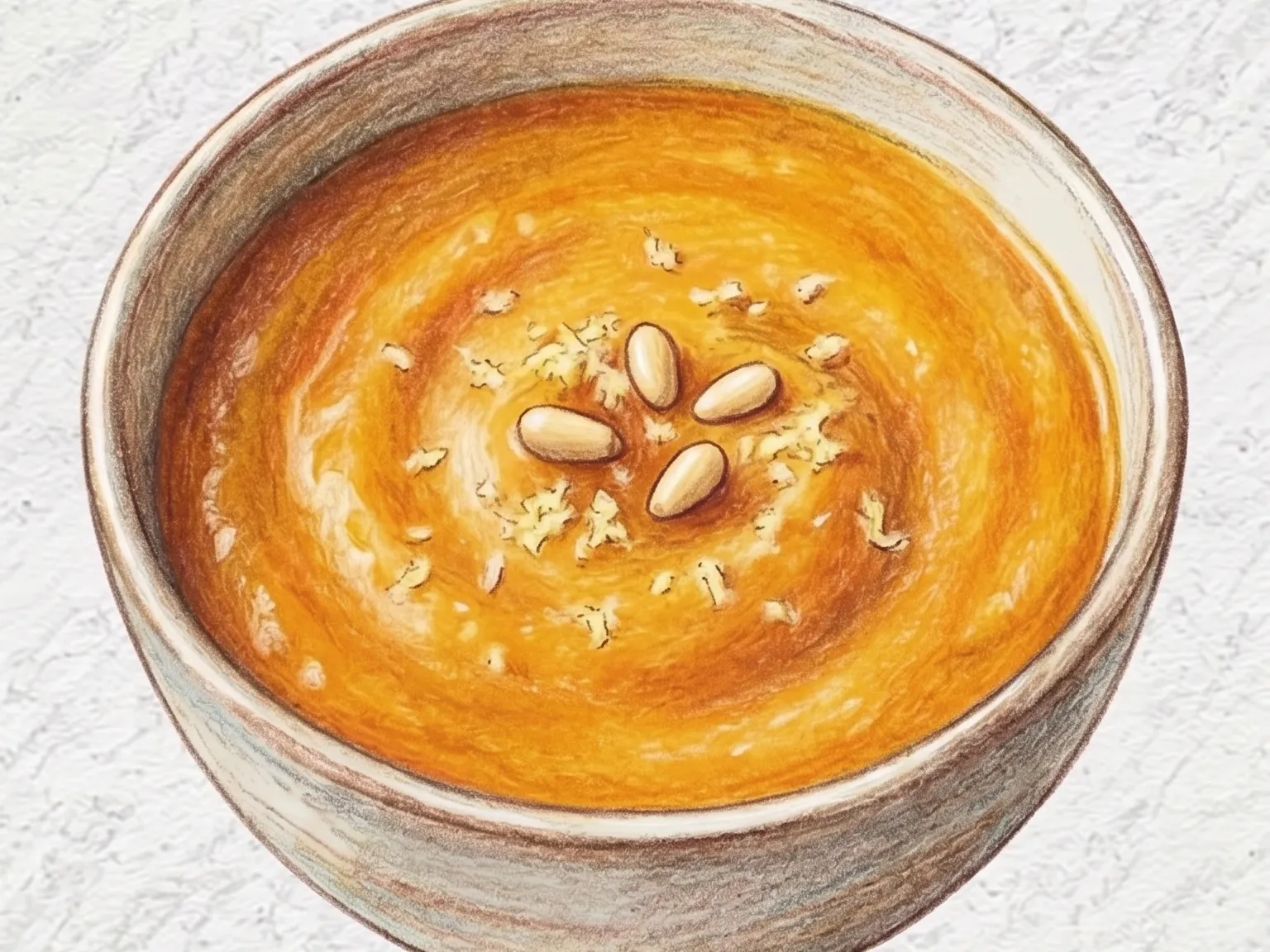
Korean Ginger Pumpkin Porridge
Kabocha pumpkin is steamed for 15 minutes and pureed until velvety, then thickened with sweet rice flour dissolved in cold water to prevent lumps. A teaspoon of fresh ginger juice adds a warm, peppery undercurrent beneath the pumpkin's natural sweetness, sharpening the finish without overpowering the squash. The porridge is stirred continuously over medium-low heat as the rice flour gradually builds body, and pine nuts scattered on top contribute an oily, resinous richness that complements the sweetness. This recipe yields four servings, making it well suited for sharing.
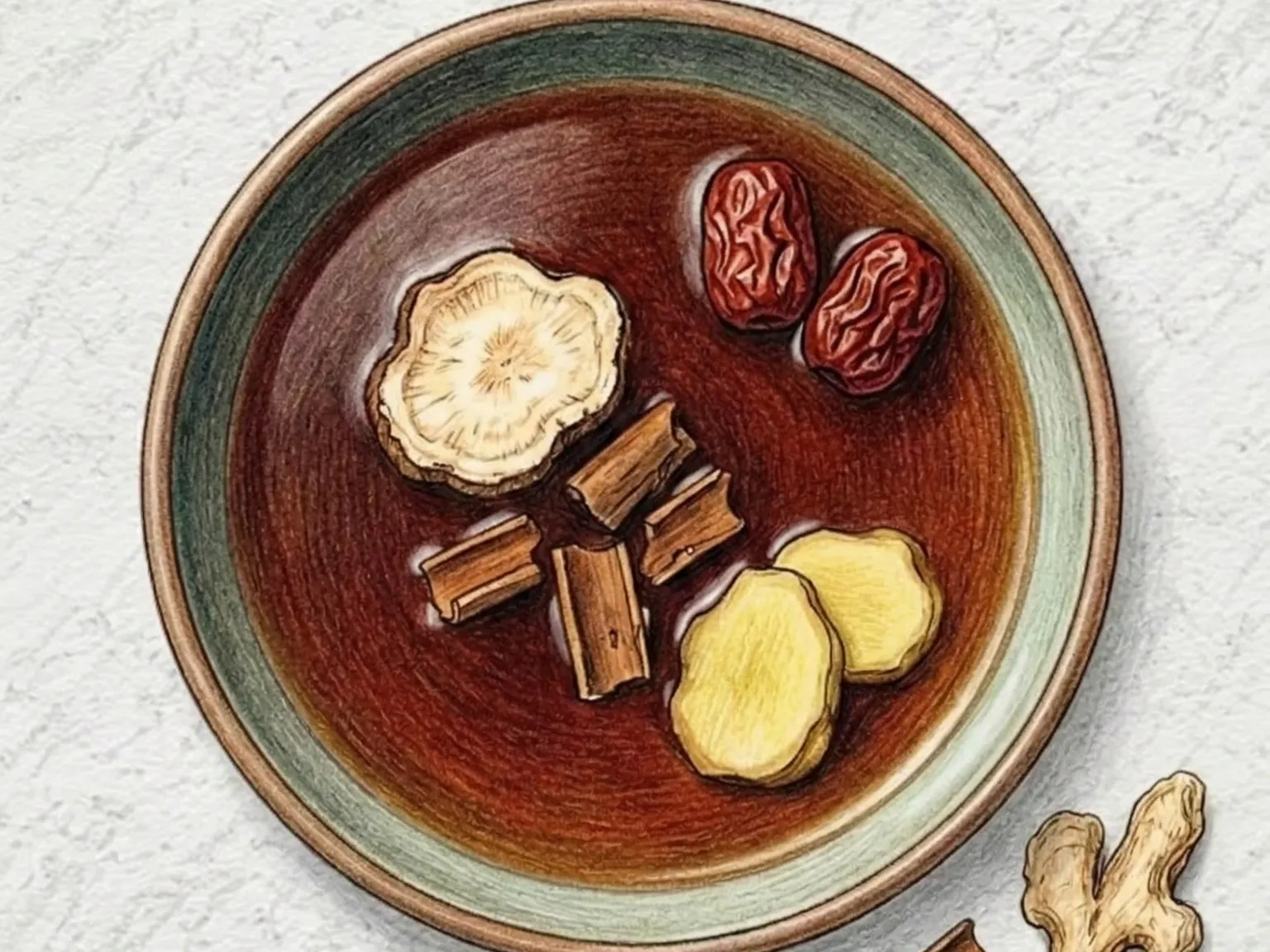
Korean Kudzu Root Tea (Earthy Herbal Root Brew)
Chik-cha is a traditional Korean tea made by soaking dried kudzu root in cold water to remove dust, then slowly simmering it with sliced ginger, scored jujubes, and a cinnamon stick for at least twenty-five minutes on low heat. The kudzu root releases an earthy, starchy depth that forms the tea's backbone, while ginger adds warm pungency and cinnamon contributes a sweet, woody spice layer. Honey is stirred in only after the heat is turned off to preserve its floral aroma, and longer simmering intensifies the kudzu's flavor. In traditional Korean medicine, kudzu root has long been used to address fever and thirst, and the tea was commonly brewed at the first sign of a cold. Straining out the solids and storing the tea in a thermos keeps it warm and drinkable throughout the day.
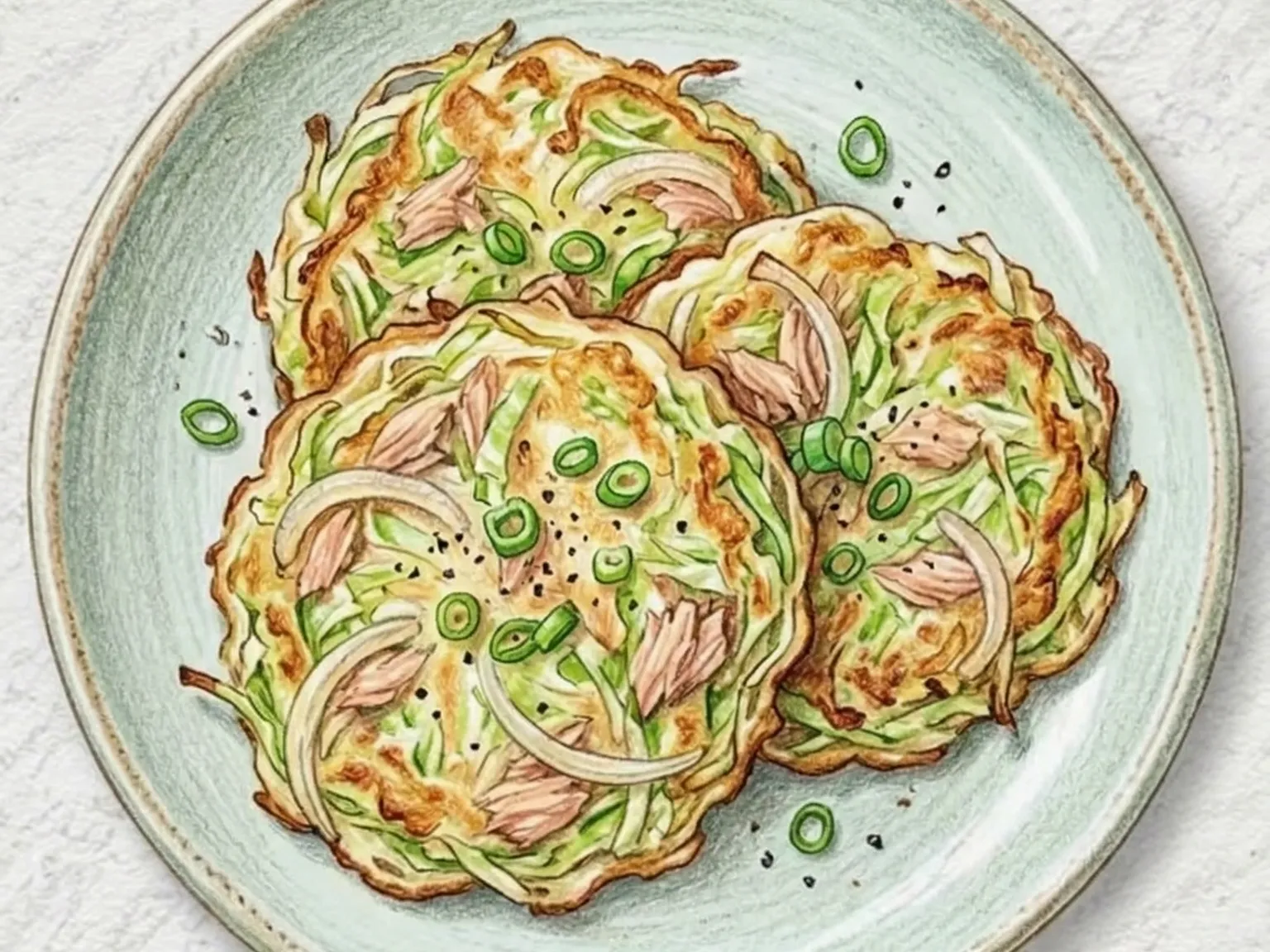
Korean Cabbage Tuna Jeon (Crispy Shredded Cabbage Tuna Pancake)
Finely shredded cabbage, drained canned tuna, and thinly sliced onion are folded into a light batter of Korean pancake mix, egg, and salt, then spread thin in an oiled pan. As the cabbage cooks, it releases moisture and develops a natural sweetness that balances the tuna's salty, savory character. Spreading the batter thin ensures crisp edges throughout, and making smaller pancakes simplifies flipping. High in protein and relatively low in calories, this jeon doubles as a quick standalone meal or a diet-friendly option, finished with a scattering of chopped green onion on top.
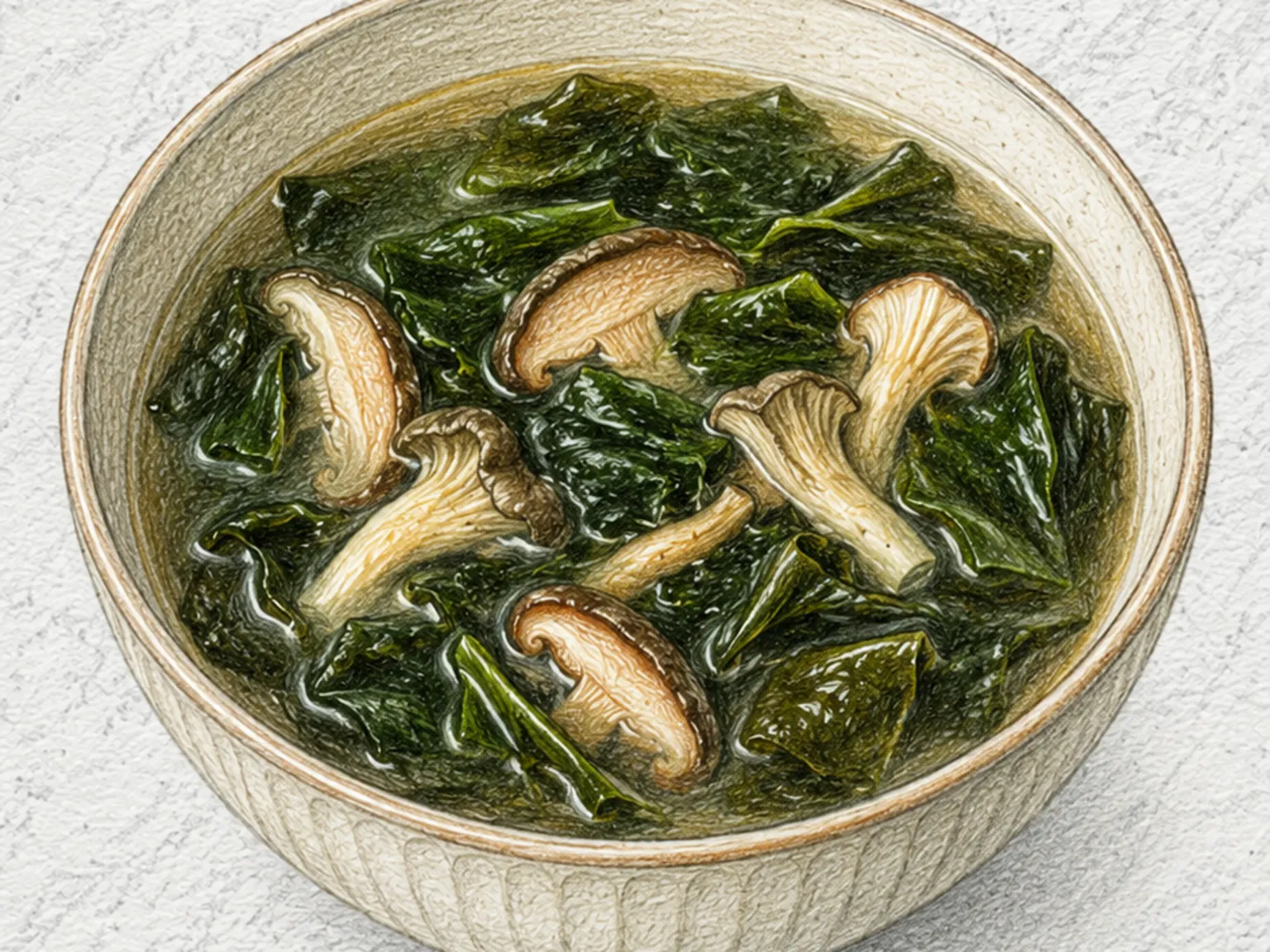
Korean Mushroom Seaweed Soup
Rehydrated seaweed and two kinds of mushrooms - oyster and shiitake - are stir-fried in sesame oil first, before any water is added, so their flavors concentrate in the fat rather than leaching out into the broth. Water is added after that initial fry and the soup simmers for twenty minutes until the seaweed softens completely and releases a gentle oceanic character into the liquid. Without any meat-based stock, the umami comes entirely from the mushrooms and the natural glutamates in the seaweed, which is enough to give the broth genuine depth. The sesame oil blooms through the whole pot. Seasoned with soup soy sauce and salt at the end, the finished soup has a calm, layered flavor with soft seaweed and slightly chewy mushrooms providing contrasting textures in each bowl.
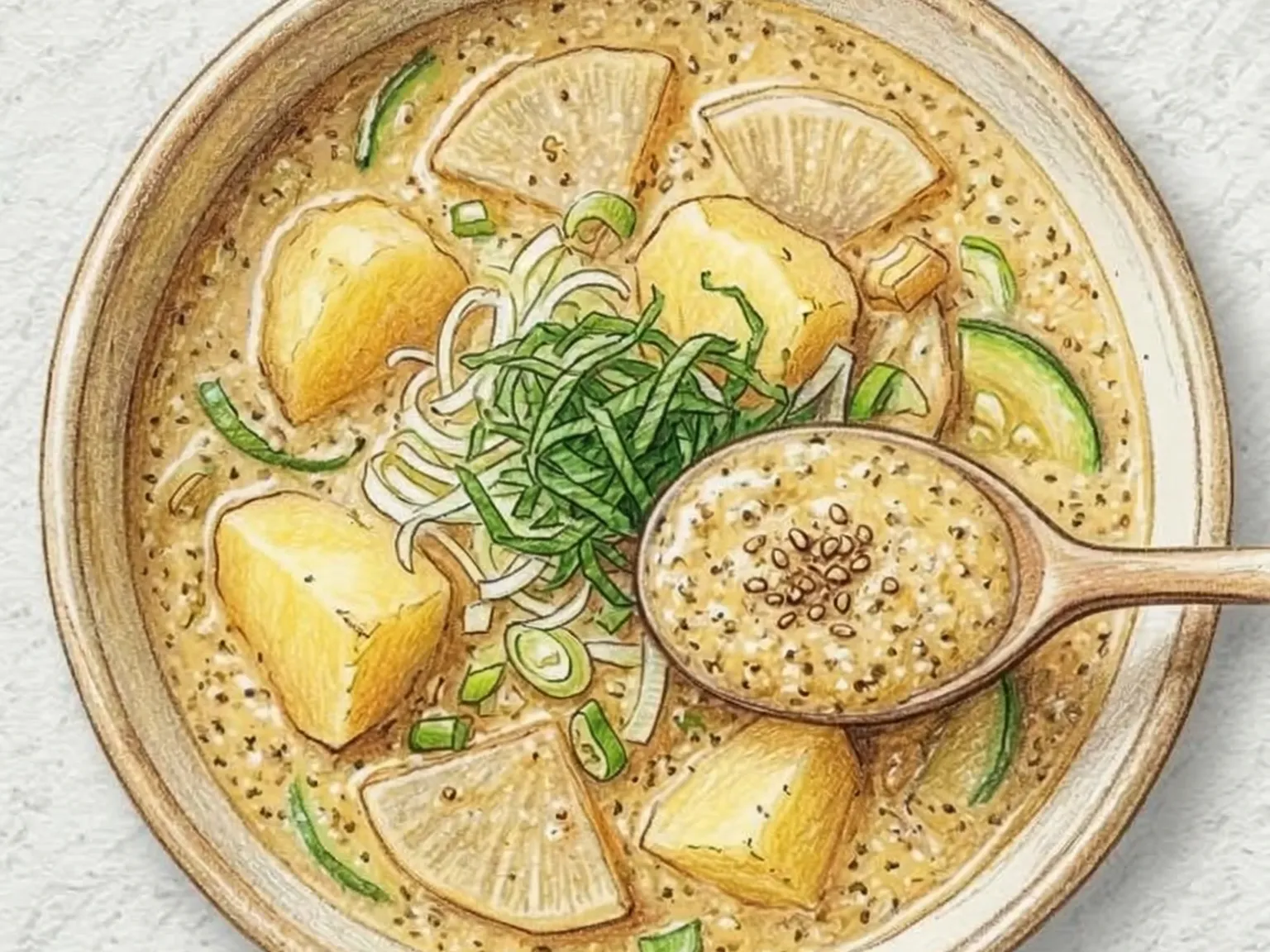
Korean Perilla Seed and Potato Stew
Deulkkae gamja jjigae is a potato stew enriched with ground perilla seeds, which give the broth a distinctly nutty thickness reminiscent of a light porridge. Potato wedges and sliced zucchini simmer in anchovy stock until the potatoes begin to soften and partially break down, naturally thickening the liquid. A generous amount of perilla seed powder stirred in near the end creates the signature creamy, toasty quality that defines this dish. Seasoned simply with soup soy sauce and garlic, it demonstrates how a short list of humble pantry ingredients can produce a deeply satisfying, filling bowl without any meat.
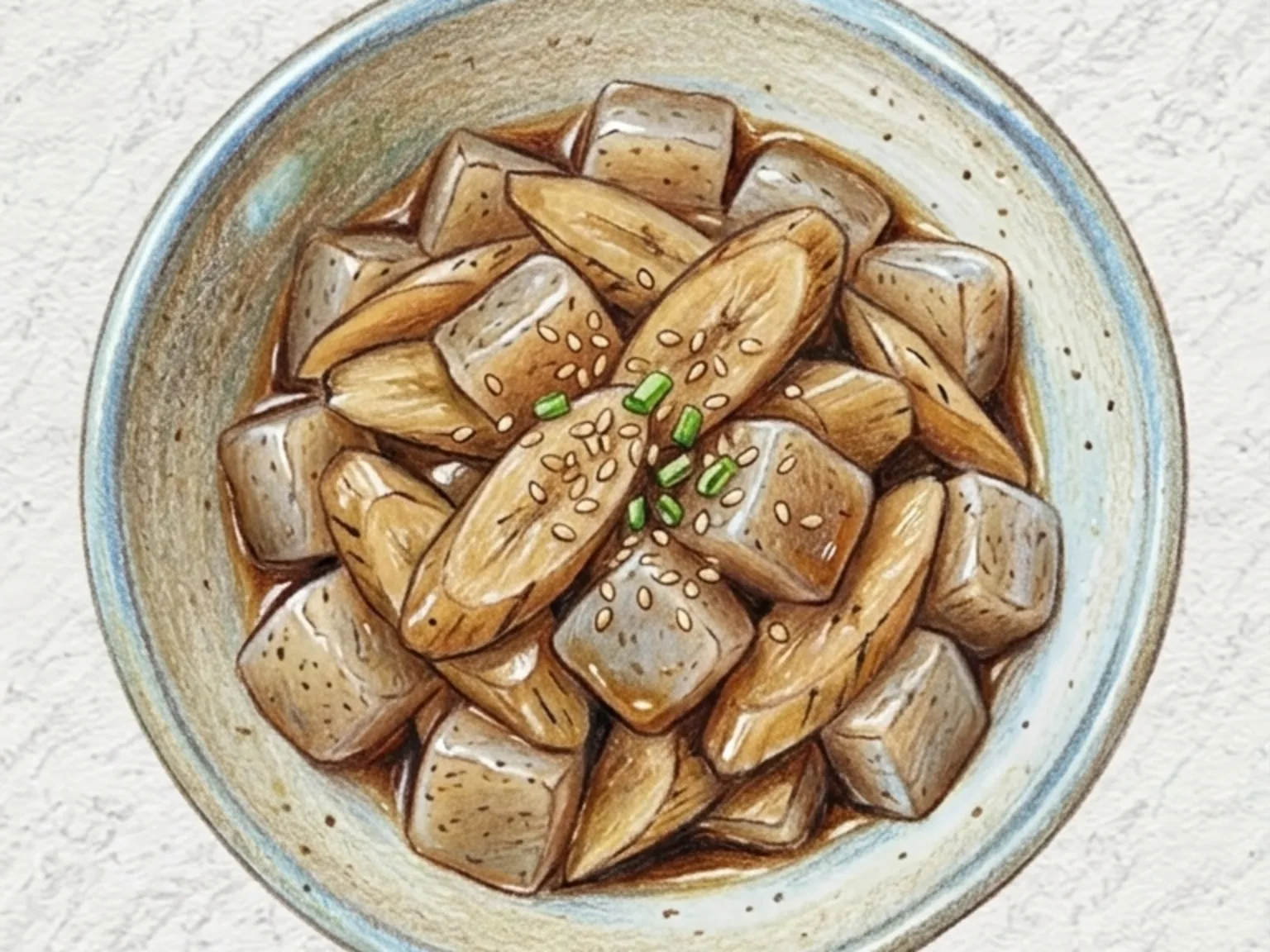
Korean Braised Burdock and Konjac
Ueong gonyak jorim is a low-calorie Korean braised side dish of diagonally sliced burdock root and bite-size konjac in soy sauce with oligosaccharide syrup. The burdock is soaked in vinegar water to remove astringency, and the konjac is blanched then dry-toasted briefly to minimize its neutral odor. Adding the syrup once the liquid has reduced by half creates a gentle gloss and softens the salt. Sesame oil and sesame seeds finish the dish with a toasted note. Despite using just a handful of inexpensive ingredients, the contrasting textures of crunchy burdock and bouncy konjac make this banchan more interesting than the short ingredient list suggests.
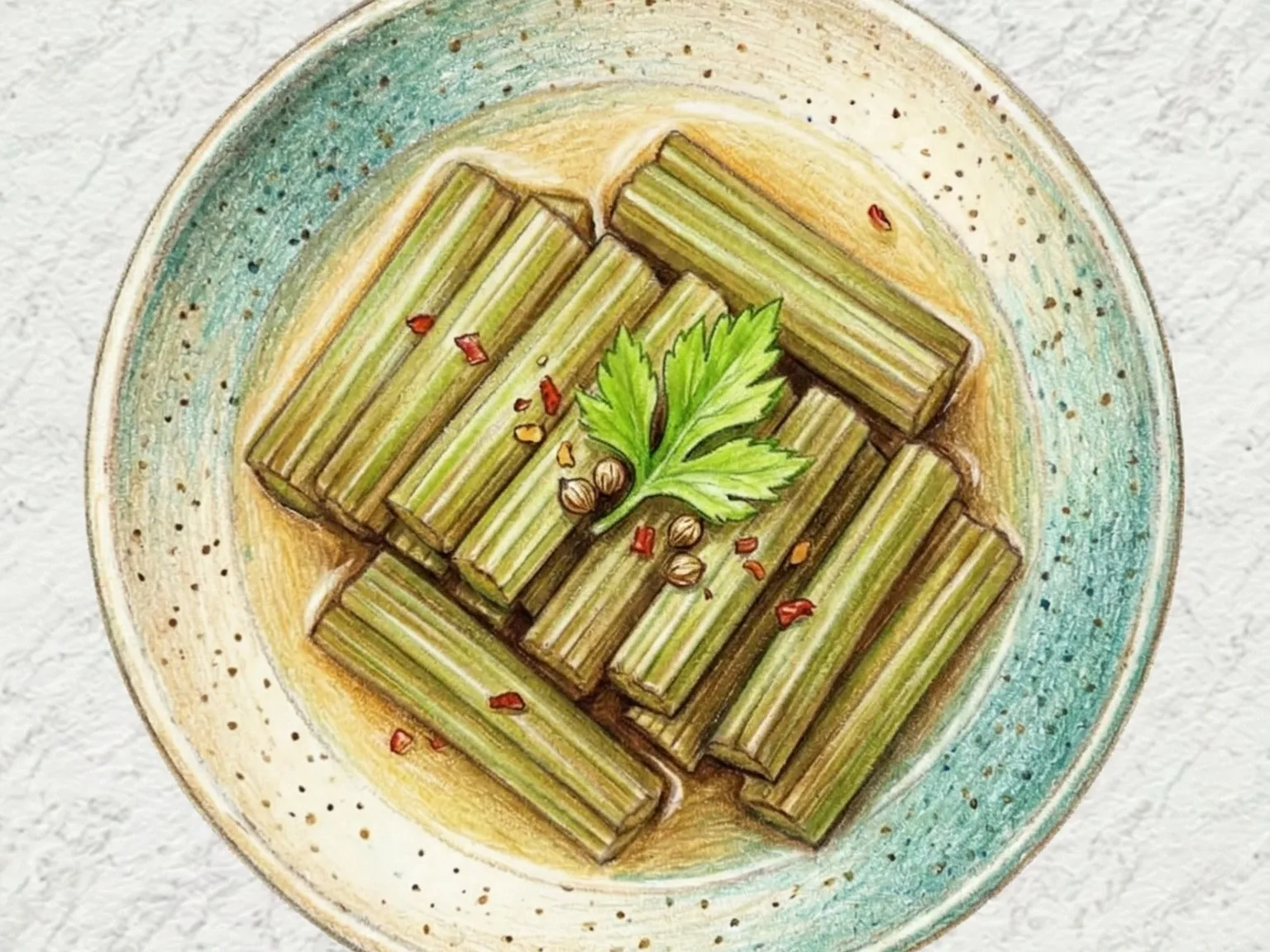
Korean Celery Jangajji (Blanched Soy Lemon Pickle)
Celery jangajji is a Korean soy pickle made by briefly blanching celery stalks to tame their fibrous exterior, then submerging them in a boiled brine of soy sauce, vinegar, and sugar. Peeling away the tough outer strings and cutting into five-centimeter lengths before a thirty-second blanch removes the raw grassy edge while leaving the celery's distinctive cool, herbal scent intact. Lemon slices and whole garlic cloves added to the jar contribute a gentle citrus brightness and mild pungency that build quietly as the pickle rests. After two days in the refrigerator the brine penetrates evenly, producing a crisp, tangy side dish that pairs particularly well with grilled or braised pork. By the fourth or fifth day the flavors deepen further, and even those put off by raw celery's sharpness tend to find the pickled version approachable.
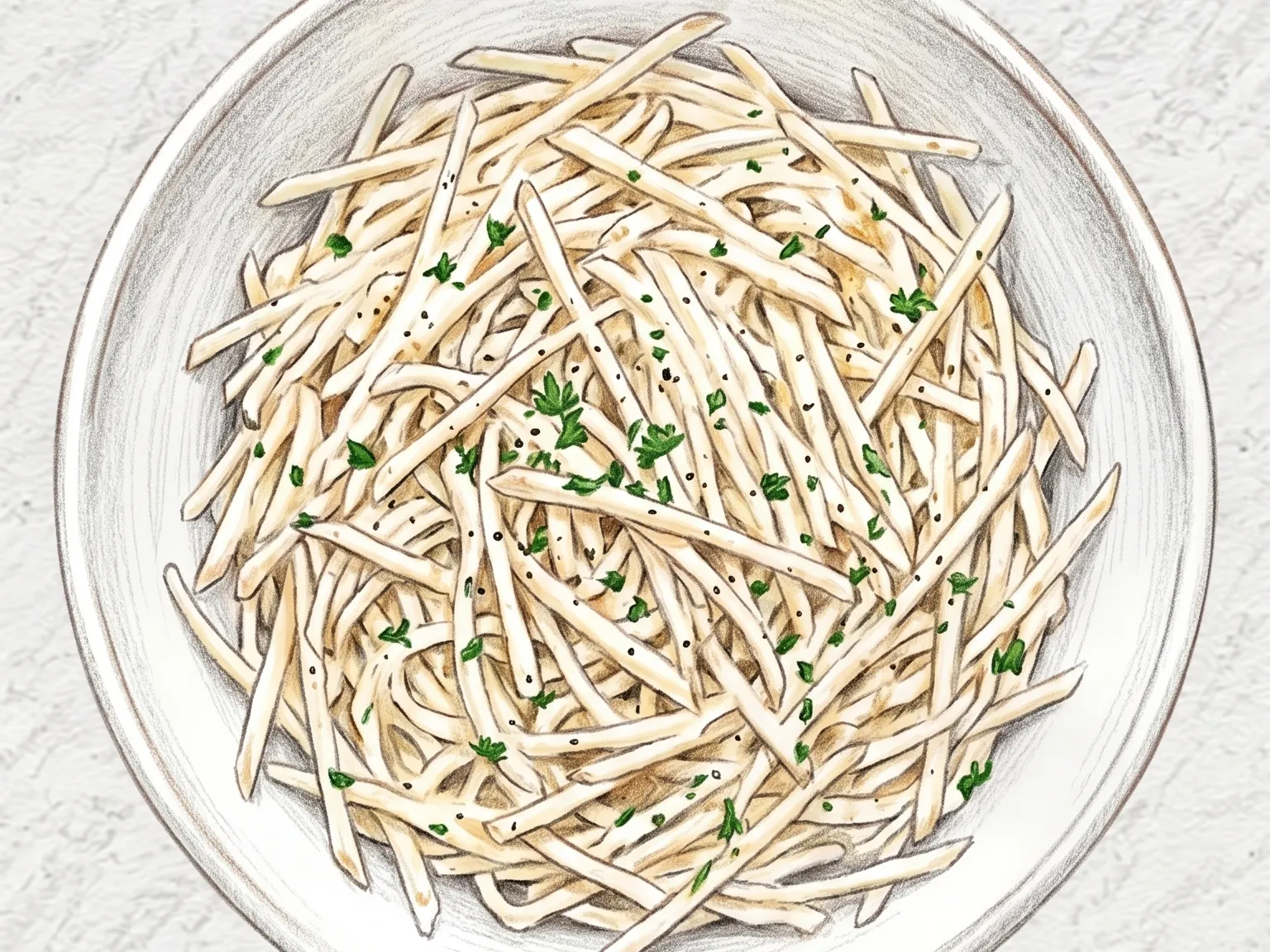
French Celeriac Remoulade
Celeriac remoulade shreds thickly peeled celeriac into fine matchsticks and dresses them in a mixture of Dijon mustard, mayonnaise, lemon juice, and white wine vinegar. Tossing the shreds immediately with half the lemon juice prevents enzymatic browning, while the rest goes into the dressing to balance acidity. The Dijon's sharp heat cuts through the mayonnaise's richness, and the white wine vinegar keeps the finish clean and bright. Cutting the matchsticks as thin as possible maximizes surface area so the dressing absorbs quickly and evenly. A 15-minute chill in the refrigerator lets the flavors settle throughout; overnight refrigeration deepens the result further. The salad pairs well with cold meats and charcuterie, where its tangy crunch offsets richer textures.
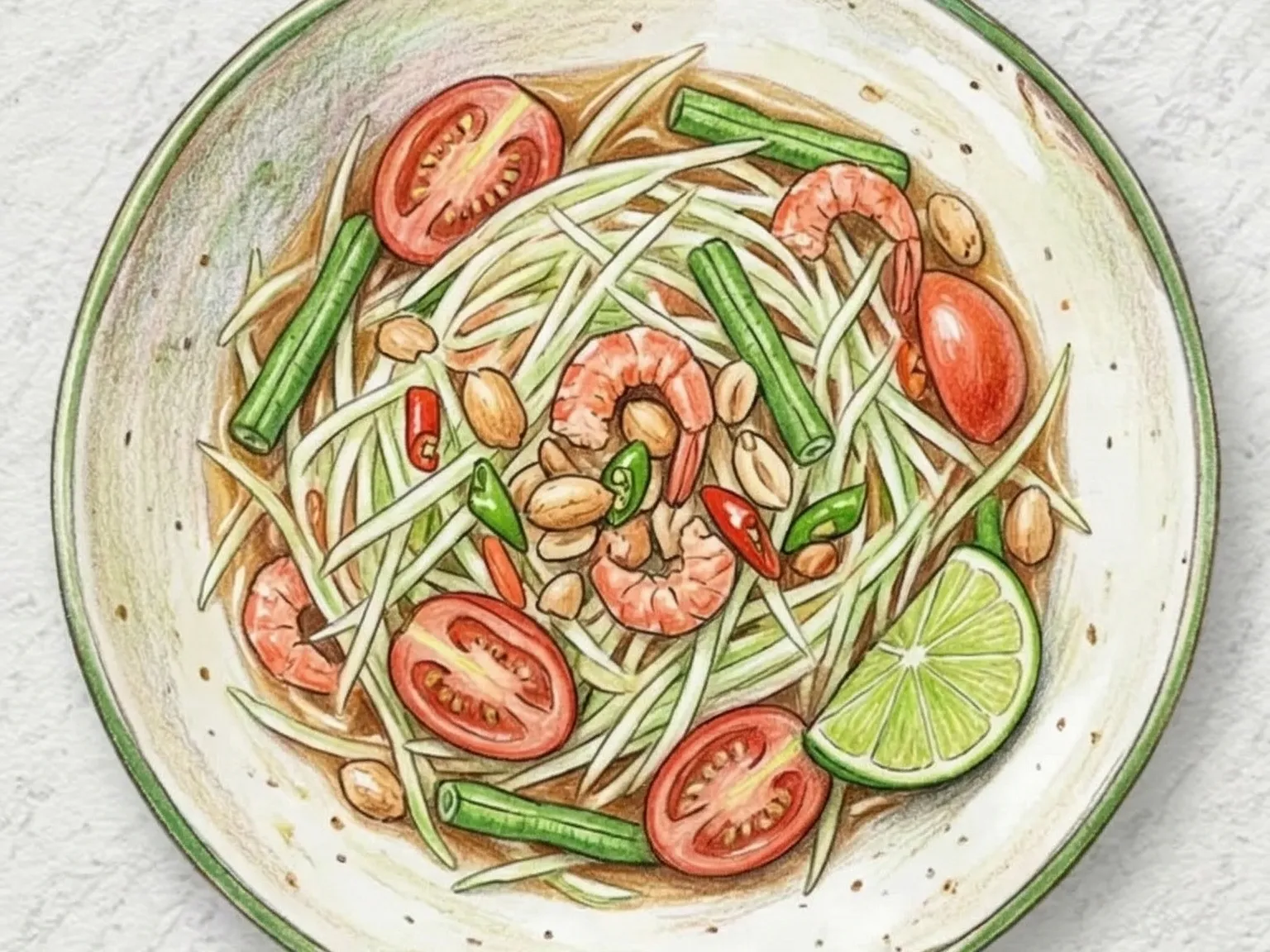
Som Tam (Thai Green Papaya Salad with Lime Fish Sauce Dressing)
Som tam is a Thai salad made by pounding shredded green papaya with a handful of bold seasonings in a clay mortar. The dressing comes together right in the mortar: bird's eye chilies and palm sugar are crushed first, then lime juice and fish sauce are added to create a sauce that is simultaneously sour, salty, sweet, and spicy. Cherry tomatoes are bruised just enough to release their juices into the mix, and roasted peanuts contribute a nutty crunch that contrasts with the crisp, watery strands of papaya. The pounding is deliberately gentle-too much force turns the papaya limp and loses the texture that defines the dish. Som tam is Thailand's most widely eaten salad, appearing everywhere from pushcart vendors to upscale restaurants, and it is often served alongside sticky rice and grilled chicken as a complete meal.