🥗 Light & Healthy Recipes
Light, healthy, low-calorie dishes
712 recipes. Page 13 of 30
These low-calorie recipes prove that healthy eating does not have to be boring. High-protein meals, vegetable-forward dishes, and low-carb options - all designed to support weight management and better eating habits.
Diet-friendly does not mean small portions or bland flavors. Chicken breast, tofu, konjac, and eggs provide lasting satiety, while smart seasoning and cooking methods keep the taste appealing. Build a sustainable, healthy routine with these recipes.
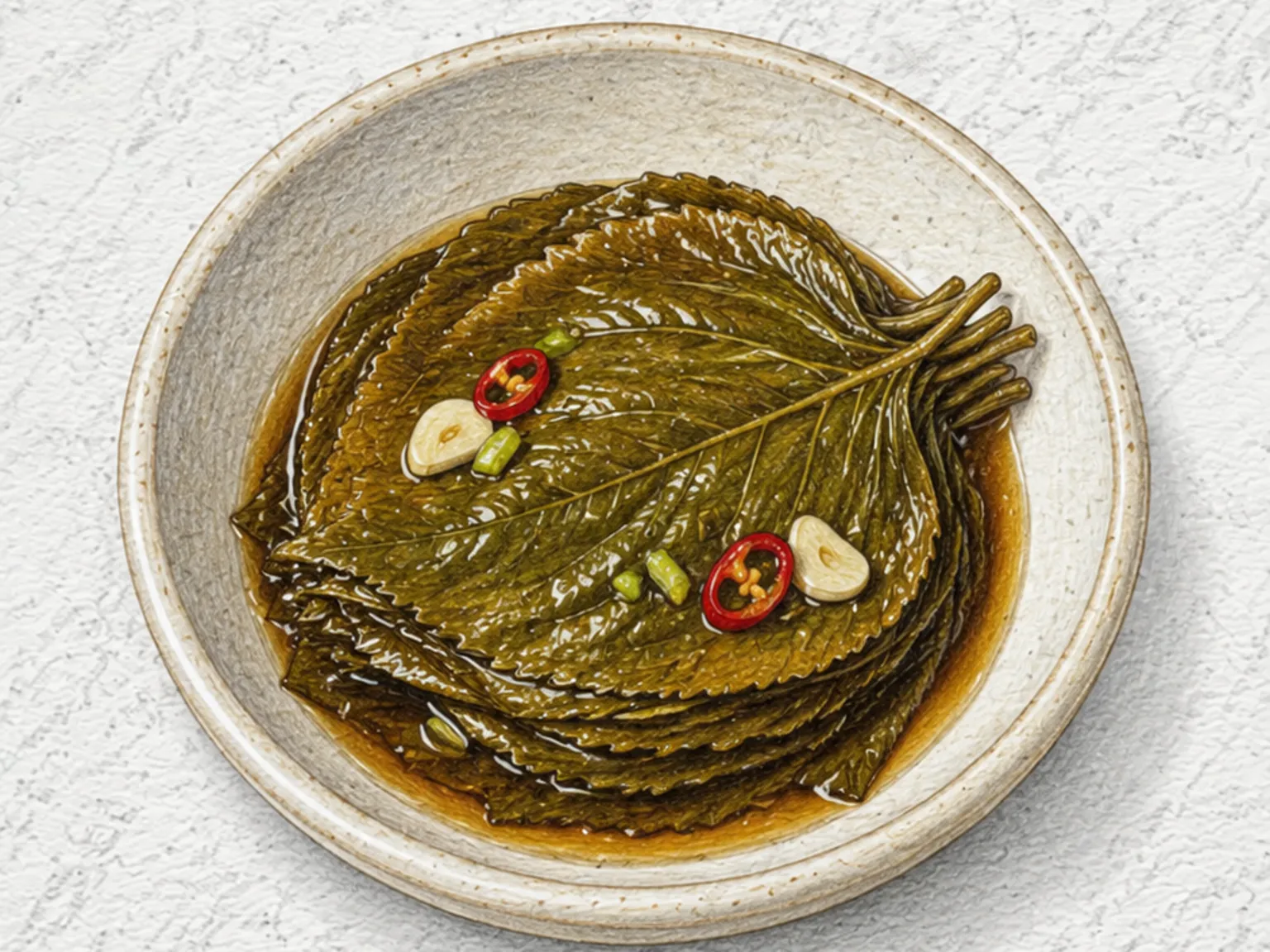
Korean Soy-Marinated Soybean Leaves
Kongnip-jangajji is soybean leaves preserved in a seasoned soy brine - one of the two major leaf jangajji traditions alongside perilla leaf (kkaennip) jangajji. Soybean leaves are larger and thicker than perilla leaves, taking longer to absorb the pickling liquid but offering a more substantial chew, with each leaf large enough to wrap around a spoonful of rice. The brine - soy sauce, water, vinegar, and sugar boiled together - must cool completely before pouring over the leaves; hot liquid softens them into a limp state, destroying the desired texture. Garlic cloves, cheongyang chili, and onion slices added to the jar infuse the brine with aromatic complexity during the curing process, producing a more layered flavor than plain soy. A minimum of two days of refrigerated aging is needed for the seasoning to reach the leaf interior, and flipping the layers once daily ensures even penetration. The most common way to eat it is draped over hot steamed rice, ssam-style.

Korean Vegetable Fried Rice
Carrots, onions, zucchini, and bell peppers are finely diced and tossed with rice in a hot wok, moving fast enough that each grain separates and picks up a light char. The vegetables release just enough moisture to keep the rice from drying out while the high heat ensures the grains stay individually distinct. Soy sauce and sesame oil provide a clean, nutty seasoning that lets the vegetable flavors come through. Topping with a fried egg or a shower of crushed nori turns this simple fried rice into a satisfying meal.

Citrus Espresso Tonic with Orange
Espresso tonic is a carbonated coffee drink built by slowly pouring espresso over chilled tonic water to form two distinct layers. The tonic must be thoroughly cold to maintain stable carbonation throughout; cooling the espresso for about thirty seconds before pouring it over a spoon produces a clean separation between the two liquids. The quinine bitterness in the tonic water meets the espresso's roast bitterness, creating a balanced interplay rather than one-note sharpness. Orange slices and lemon peel garnish the glass, releasing citrus oils that rise with the bubbles. Specialty espresso with pronounced fruit acidity works particularly well here, harmonizing with the tonic's effervescence and lending natural sweetness without added sugar. Pre-chilling the glass with ice before adding the tonic helps preserve carbonation. The drink gained popularity in Scandinavian coffee culture during the 2010s before spreading worldwide.
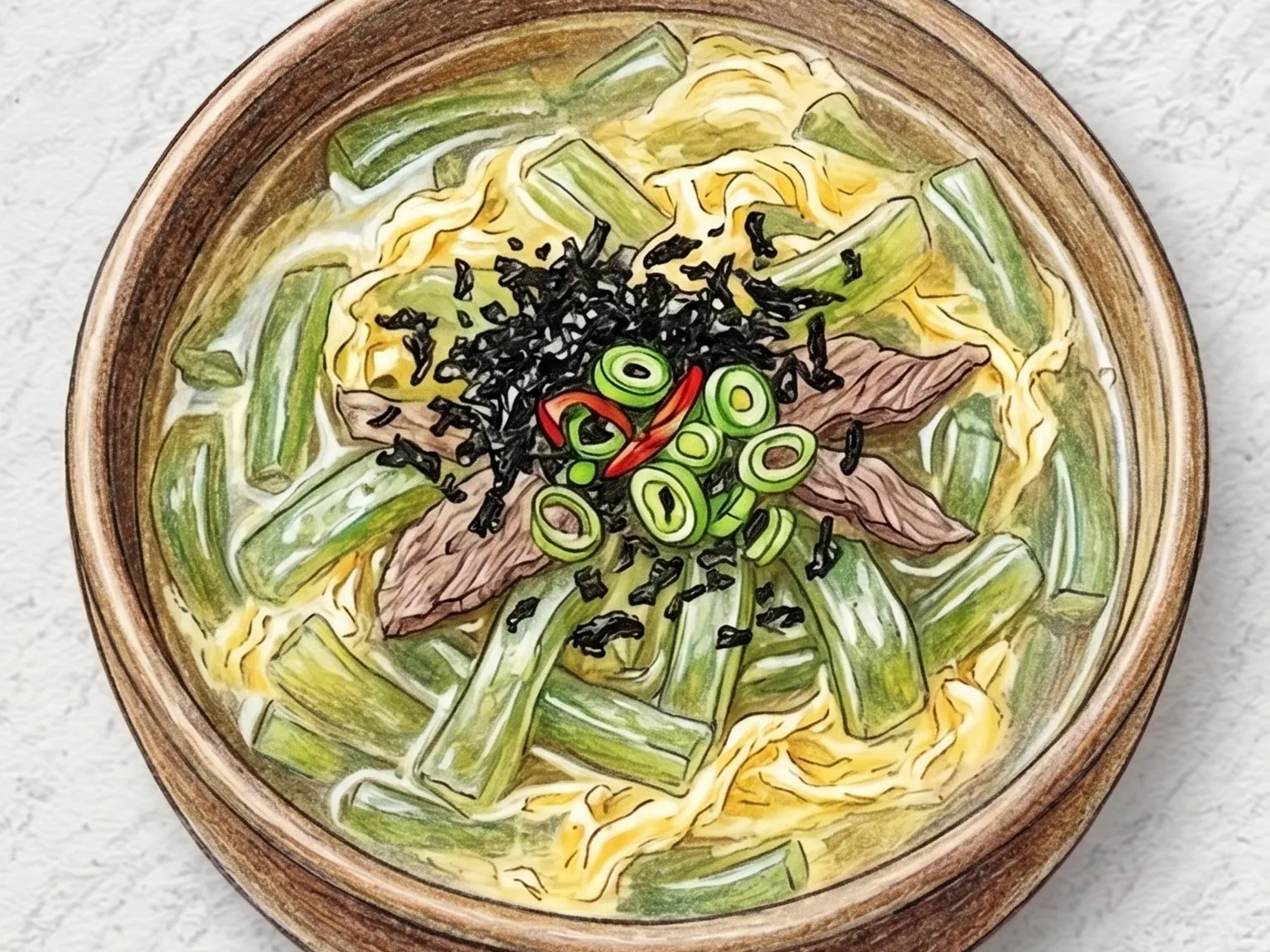
Korean Mung Bean Jelly Soup
Cheongpo-muk-guk is a traditional Korean soup built on a clear beef brisket broth, with thick-cut strips of mung bean jelly as the main ingredient. The jelly, set from mung bean starch, has a slippery yet springy texture that sets it apart from any noodle or dumpling -- it glides over the tongue while offering a gentle, elastic resistance. Cutting the jelly into thick strips and rinsing briefly in cold water removes surface starch, and simmering for only three minutes keeps the pieces intact; a longer cook dissolves the jelly into the broth and makes it cloudy. Beaten egg drizzled in thin streams forms delicate floating ribbons throughout the pot, adding color against the pale jelly and clear broth. Roasted seaweed flakes scattered on top contribute a toasty, oceanic fragrance, and a seasoning of soup soy sauce with a small amount of minced garlic keeps the bowl from tasting flat.
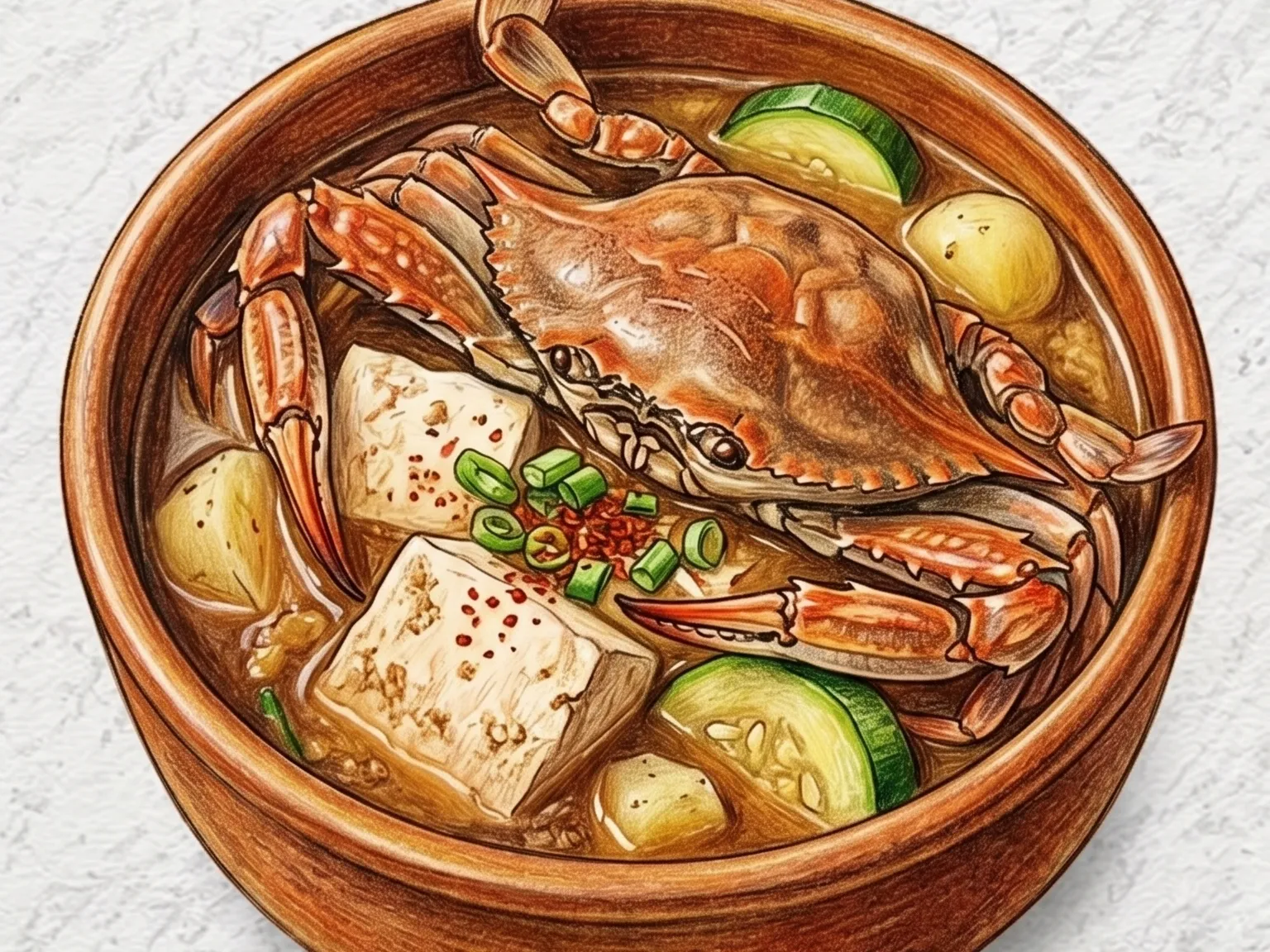
Korean Crab Doenjang Stew
Gejang-jjigae is a Korean stew made by simmering a whole blue crab in an anchovy broth base seasoned with doenjang, the fermented soybean paste. The crab shell and meat release a concentrated seafood stock as they cook, and that liquid merges with the doenjang to create a broth that is simultaneously briny, earthy, and deeply savory. Using anchovy broth as the foundation amplifies the oceanic notes rather than diluting them, so both the doenjang umami and the crab sweetness come through at the same time. Tofu and zucchini absorb the rich cooking liquid throughout the simmering process, becoming flavorful in their own right rather than acting merely as filler. The tofu in particular pulls in the solids that settle from the fermented paste, softening into a silky texture that contrasts with the firmer crab meat. Picking the sweet crab meat out of the shell with chopsticks is one of the characteristic pleasures of eating this stew, and the contrast between the naturally sweet crab flesh and the bold, fermented broth gives each mouthful a satisfying complexity.
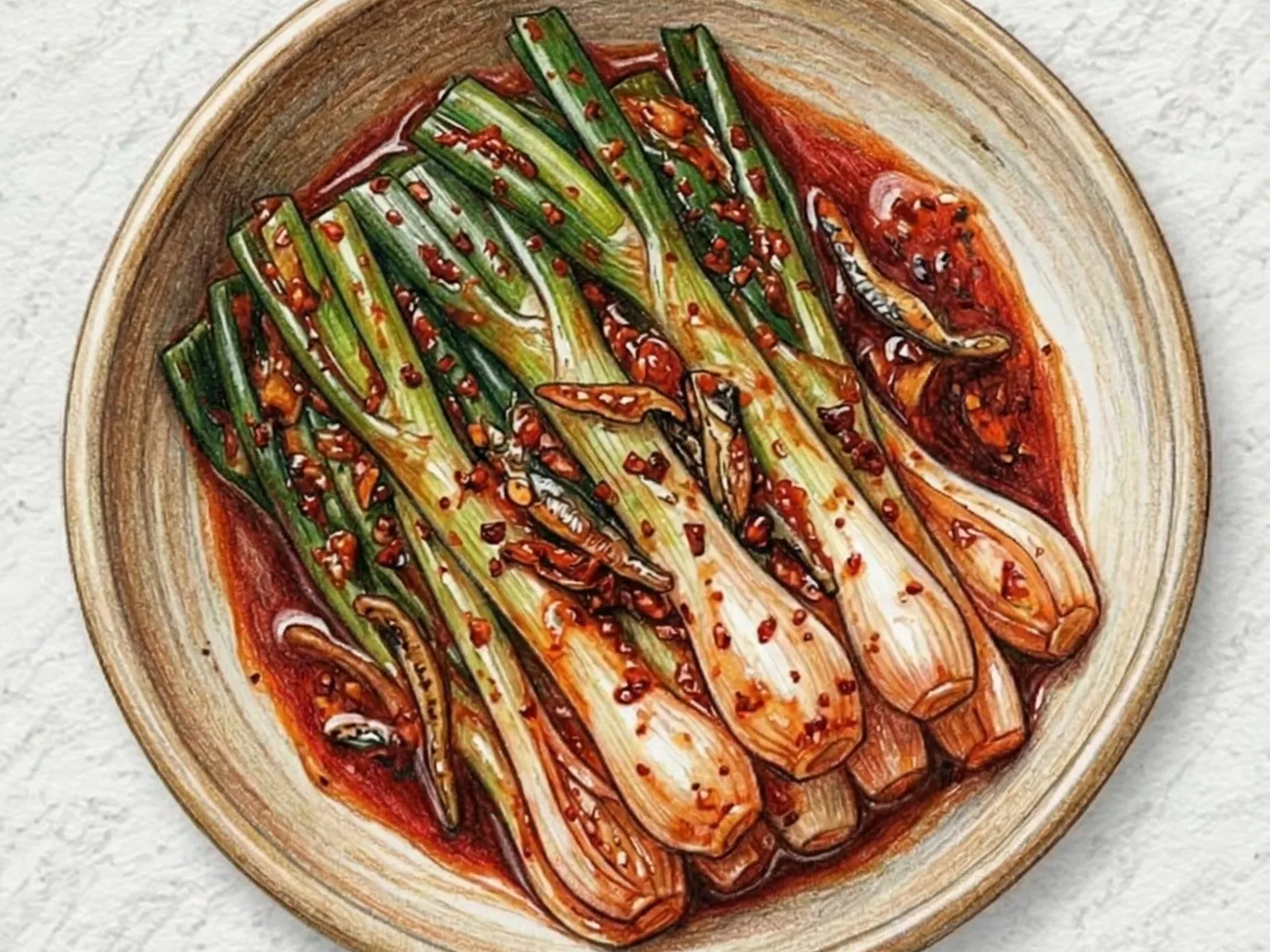
Korean Green Onion Kimchi
Daepa kimchi is made by cutting large green onions into six- to seven-centimeter lengths and coating them in a paste of gochugaru, anchovy fish sauce, soy sauce, plum extract, and glutinous rice paste. The rice paste acts as a binding agent that keeps the seasoning adhered to the onion surfaces through the entire fermentation period rather than pooling at the bottom of the container. Handling the stalks carefully so they do not bend or split is important for keeping each piece intact, and splitting the thicker white portions lengthwise down the center gives the paste more exposed surface area to penetrate. Eight hours of room-temperature fermentation followed by two days in the refrigerator brings the kimchi to its best point, when the sharp bite of the green onion and the deep fermented umami of the fish sauce have worked fully into each stalk. Daepa kimchi is a natural pairing with grilled pork belly or boiled pork, and it also makes a practical use for green onions before they go past their prime.

Chicken Avocado Salad
Chicken avocado salad is a high-protein main dish salad that pairs pan-cooked chicken breast with ripe avocado over romaine lettuce, dressed in a simple lime and olive oil vinaigrette. The chicken must rest and cool completely before slicing so the juices redistribute inward rather than running out onto the cutting board, keeping the meat moist rather than dry. Avocado is sliced just before serving to maintain its creamy texture and prevent the surface from browning. Romaine provides a crunchy base that contrasts with the soft avocado, cucumber adds clean hydration, and cherry tomatoes contribute sharp acidity that prevents the bowl from feeling heavy or greasy. The dressing is deliberately minimal - just lime juice and olive oil - but the citrus acidity cuts through the avocado fat cleanly, creating a bright finish that keeps the overall plate feeling light despite the substantial protein content. The result is a salad that satisfies as a full meal without the denseness of cooked grains or hot dishes.
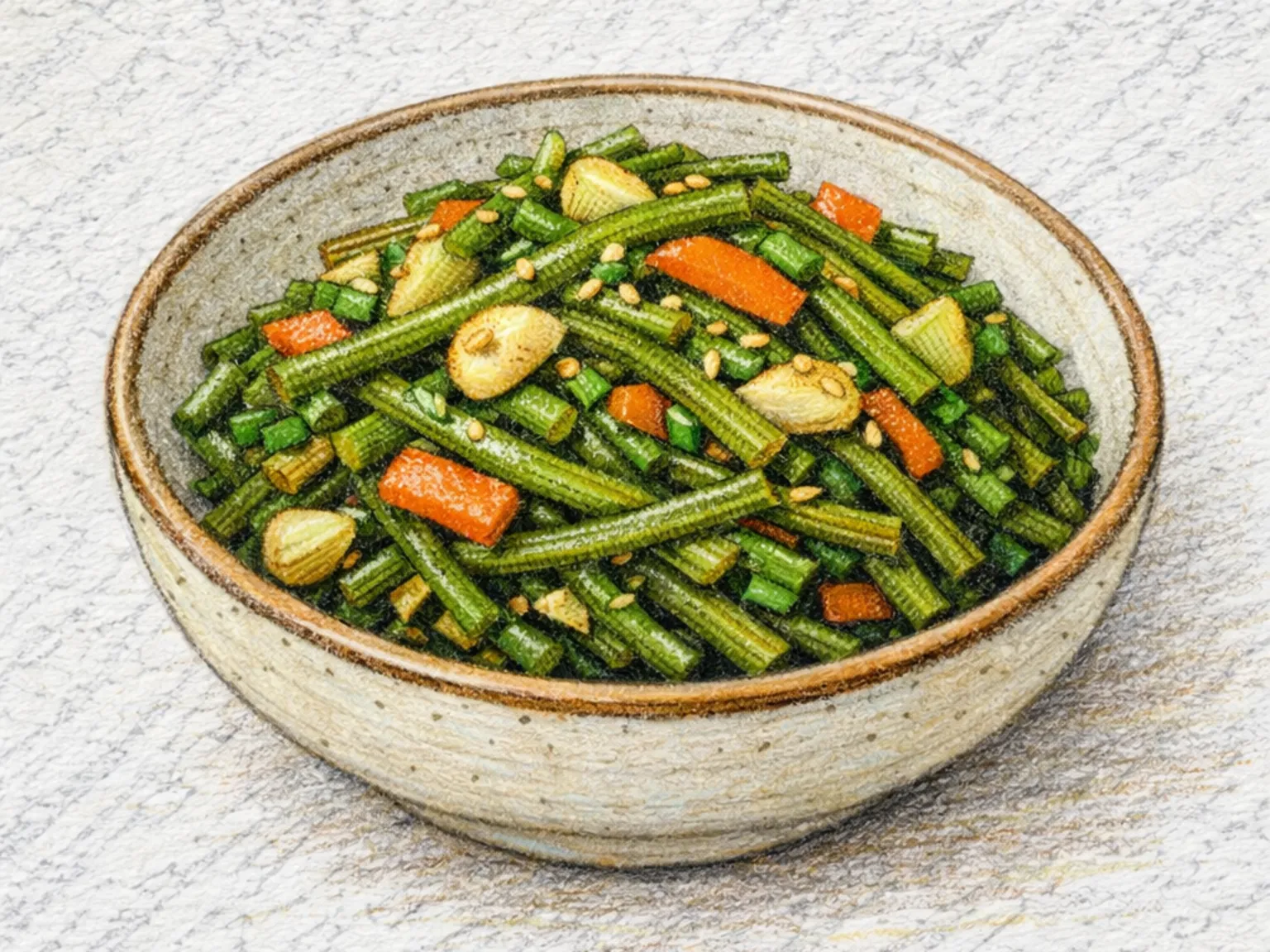
Korean Stir-fried Seaweed Stems
Miyeok-julgi-bokkeum is stir-fried seaweed stems - specifically the thick midrib portions of salted miyeok (wakame) - offering a textural experience entirely different from miyeok-muchim (seaweed salad) or miyeok-guk (seaweed soup). While seaweed leaves are soft and slippery, the stems are thick and resilient, producing a distinctive crunchy pop with each bite. Salt levels vary by brand, so soaking in cold water for ten minutes is the baseline desalting step, but tasting before cooking and rinsing again if needed is essential. Julienned onion and carrot stir-fried alongside break the monotony of seaweed alone, adding sweetness and color. Garlic sauteed in oil first establishes an aromatic foundation. A finishing drizzle of sesame oil and sesame seeds bridges the oceanic seaweed flavor with a toasty nuttiness. The extremely low calorie count makes this banchan a staple in diet-conscious Korean meal plans.
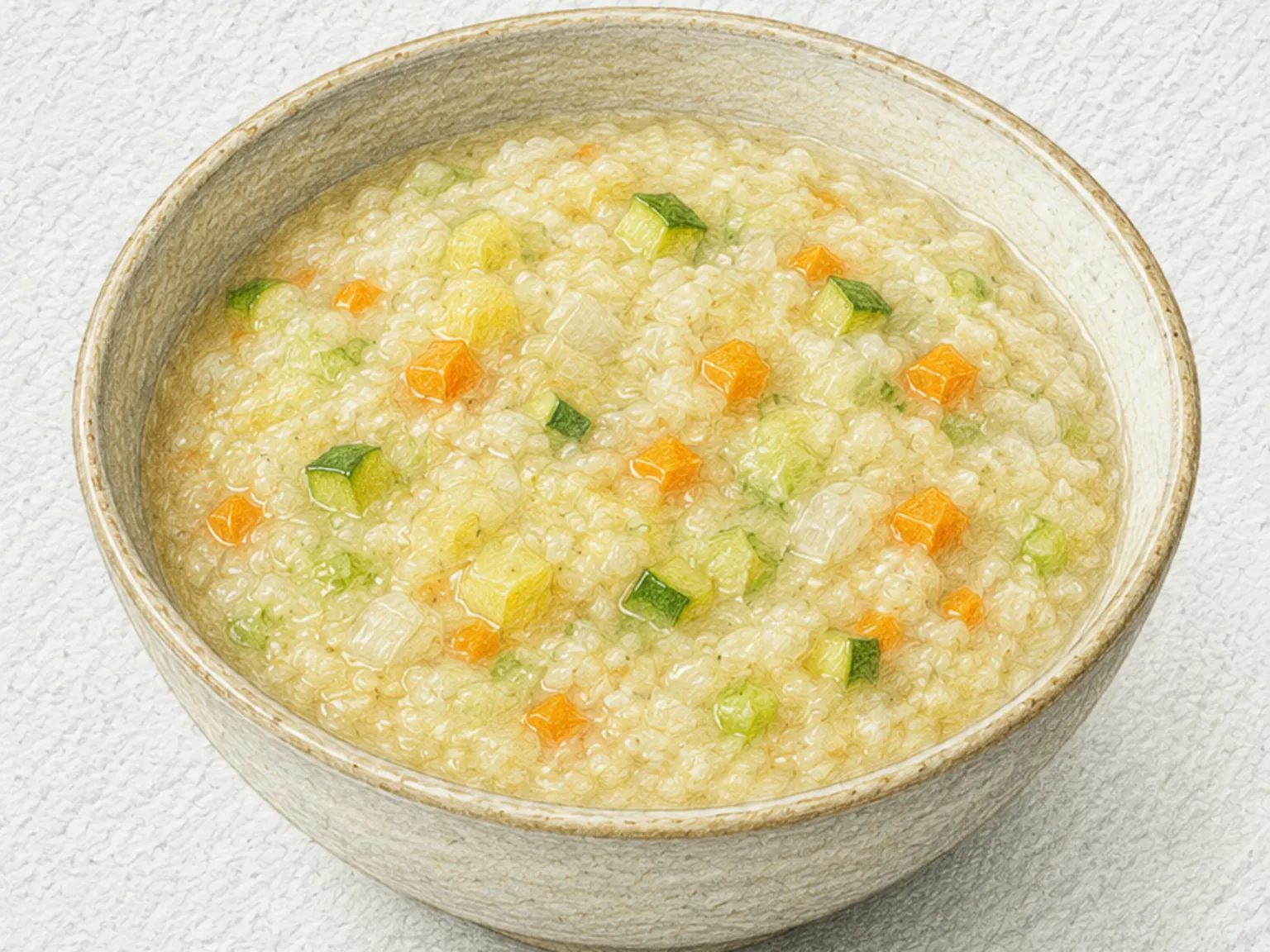
Korean Vegetable Porridge (Yachae Juk)
Yachae Juk is a mild, traditional Korean vegetable porridge that is easy on the stomach. The recipe uses finely diced zucchini, carrots, potatoes, and shiitake mushrooms, cooked slowly with pre-soaked rice. Preparing the vegetables in uniform, small pieces ensures they soften at the same rate to create a smooth texture. The cooking process starts by coating the soaked rice in toasted sesame oil in a heavy-bottomed pot before lightly sautéing the vegetables. Water is added, and the porridge is simmered over low heat for about thirty minutes, with regular stirring to prevent the starch from sticking to the bottom. This gentle simmering coaxes out the natural sweetness of the vegetables. A minimal seasoning of salt and soup soy sauce is added at the end to keep the vegetable broth clean and clear. It is a light, digestible dish suited for breakfast or recovery.

Korean Persimmon Vinegar Ade
Gam-sikcho ade is a Korean summer drink built on the fruity acidity of persimmon vinegar, brightened with fresh orange and lemon juice, then topped with sparkling water. The vinegar, honey, and citrus juices are mixed together first until fully combined into a uniform syrup, then poured into ice-filled glasses before the sparkling water is added. Pouring the sparkling water slowly down the inside of a slightly tilted glass preserves as much carbonation as possible. Persimmon vinegar carries a fermented fruitiness that is noticeably deeper and more rounded than plain rice or grain vinegar, giving the drink a layered sourness rather than a flat, sharp one. A few mint leaves slapped lightly against the palm to release their oils and placed on top bring a herbal lift with each sip that keeps the drink feeling cool and clean from first glass to last.
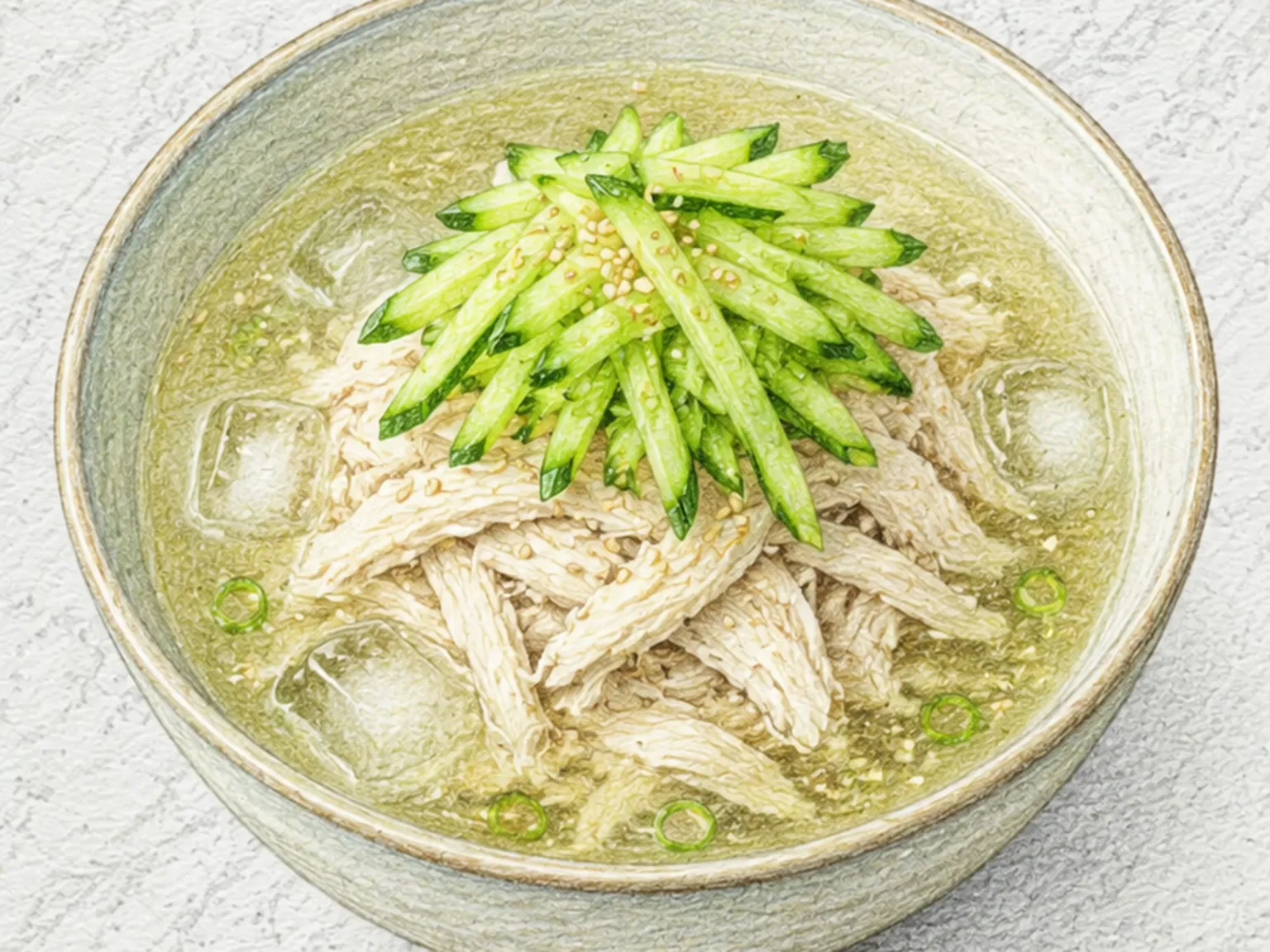
Korean Cold Vinegar Mustard Chicken Soup
Chogye-tang is a chilled Korean chicken soup where boiled, shredded breast meat sits in an ice-cold broth sharpened with rice vinegar and hot mustard paste. The broth must be thoroughly refrigerated before seasoning and serving - at a warm temperature the mustard loses its sharp bite and the vinegar's acidity becomes dull, collapsing the defining tang that makes the dish what it is. Shredding the chicken along its grain rather than chopping it allows the cold, pungent broth to soak into every fiber rather than sitting on the surface of the meat. Julienned cucumber layered on top provides a crisp, cooling contrast to the shredded meat. The flavor logic mirrors that of Pyongyang-style cold noodles - sour, spicy, and bracingly cold - but replaces starch with lean protein, making it a lighter and more protein-forward meal. Historically associated with royal court cuisine as a restorative summer dish, it continues to be eaten in the same cold format during the hottest months.
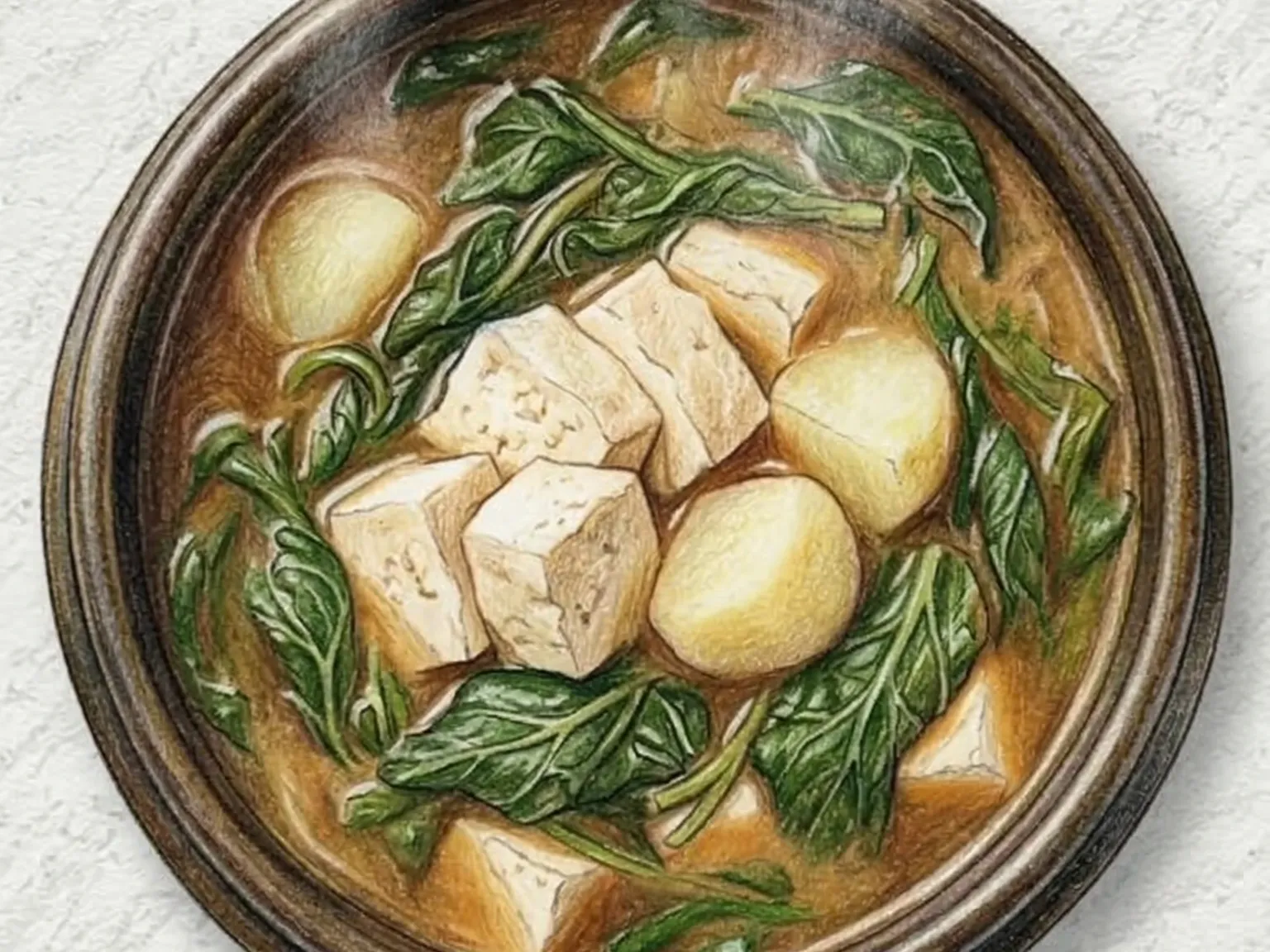
Korean Thistle Herb Soybean Paste Stew
This doenjang jjigae features blanched gondeure, Korean thistle greens that are a prized mountain herb in Gangwon Province. The greens belong to the Korean thistle family and have a mild bitterness alongside a warm, earthy aroma that pairs naturally with the depth of fermented soybean paste. Potato and firm tofu add substance to the anchovy-kelp stock base. The result is a gentle, aromatic stew without aggressive spice, a direct expression of Korean mountain cuisine. When using dried gondeure, soaking it thoroughly in water before blanching is essential to prevent a tough, fibrous texture in the finished stew. Fresh gondeure should be blanched and rinsed in cold water to remove excess bitterness. The key to this jjigae is restraint with the doenjang: using just enough for seasoning, rather than making the fermented paste the dominant flavor, allows the mountain herb's natural scent to come through clearly in every spoonful.
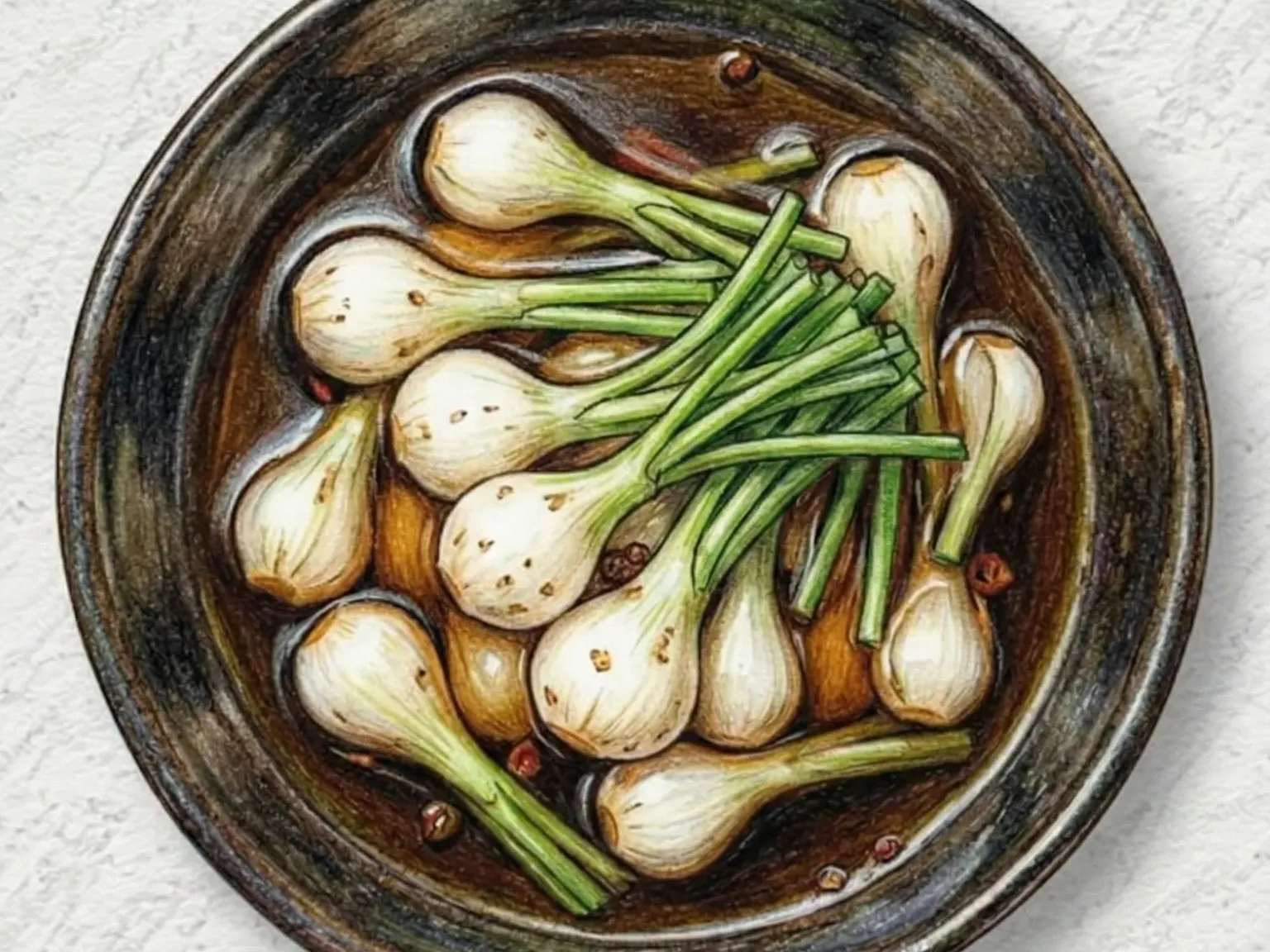
Korean Wild Chive Pickle (Spring Chive Soy Brine)
Dallae jangajji is a seasonal Korean pickle made by submerging spring wild chives in a brine of soy sauce, vinegar, and sugar alongside sliced Cheongyang chili and sesame seeds. Cleaning the soil from the bulb-like roots and cutting the chives to five-centimeter lengths prepares the main ingredient; the brine must then be cooled fully before pouring, because residual heat drives off the chives' volatile, peppery aroma rapidly. Pouring while still hot can strip much of the sharp fragrance in seconds. After one day of refrigeration the pickle is ready to eat, but by day three the brine penetrates the stalks fully and the flavor deepens. Served alongside grilled meat, the sharp garlicky bite of the chives and the tangy acidity of the brine cut through the fat cleanly -- a pairing that makes this a prized springtime side dish.
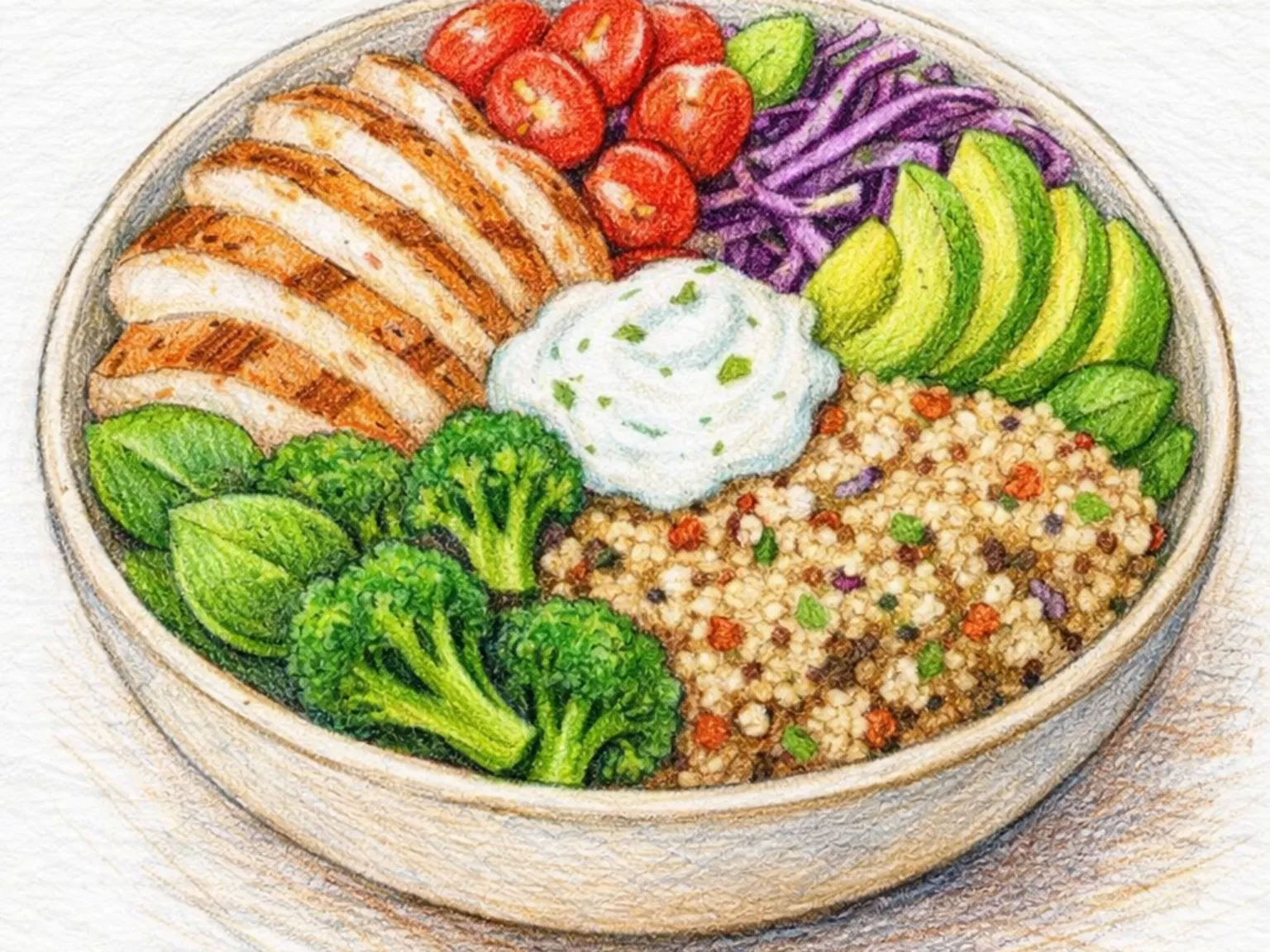
Chicken Quinoa Power Salad
Chicken quinoa power salad brings together pan-seared chicken breast, quinoa simmered for 12 minutes then cooled, romaine lettuce, cucumber, and bell pepper in a single bowl built for a complete, balanced meal. Resting the chicken for three minutes after searing gives the juices time to redistribute inward so every slice stays moist rather than losing liquid at the cut surface. Rinsing the quinoa before cooking removes saponins that leave a bitter residue even after boiling. A dressing of Greek yogurt, lemon juice, and olive oil provides creamy tartness at a low calorie count, and the fermented tang of the yogurt complements the raw vegetables without overpowering them. Bell pepper's natural sweetness adds color and brightness alongside the lean chicken, and the combination of textures - crisp lettuce, tender grain, firm seared meat - makes each forkful more satisfying than its ingredients suggest individually.
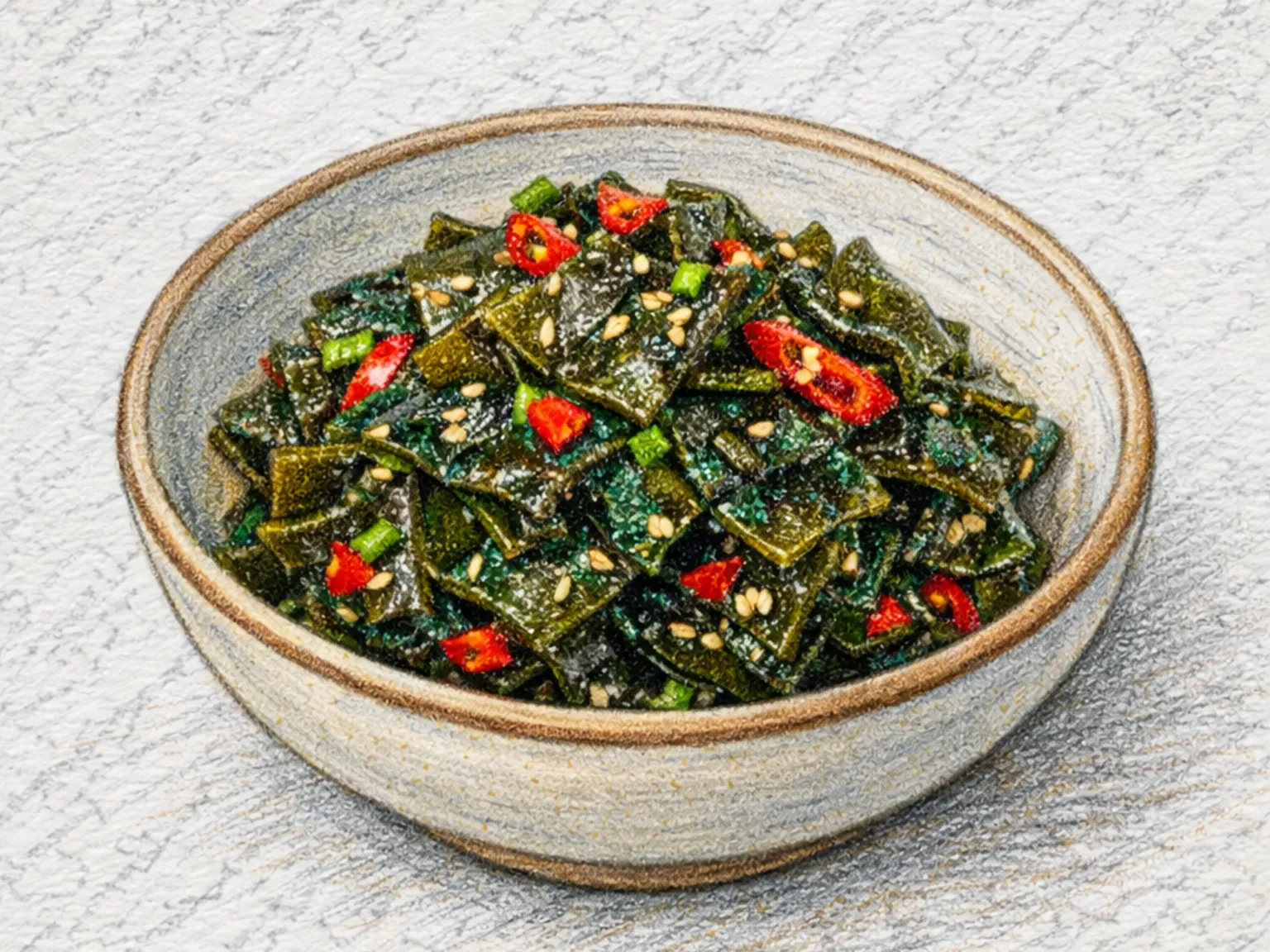
Korean Seasoned Sea Mustard Sporophyll
Miyeokgwi-muchim is seasoned sea mustard sporophyll - the ruffled, root-adjacent part of the miyeok plant - blanched and tossed in a sweet-sour-spicy dressing. Though it comes from the same seaweed as regular miyeok-muchim, the sporophyll is a distinctly different eating experience. Its thicker, corrugated surface gives a chewy, almost bouncy texture compared to the silky softness of seaweed leaves. This particular part of the plant contains higher concentrations of alginic acid and fucoidan than the leaf portions, which has drawn attention in Korean health-food circles. After rinsing in cold water, blanching for exactly thirty seconds is ideal - going longer turns the texture rubbery. The gochugaru-soy-vinegar-sugar dressing tames the marine saltiness and builds a bright sweet-sour-spicy flavor profile that stimulates appetite alongside rice. Chilling for ten minutes before serving lets the dressing adhere to the bumpy surfaces and leaves a cool finish. At around fifty-two kilocalories per serving, it is a go-to diet banchan. Pre-trimmed miyeokgwi is widely available at Korean markets and online.

Korean Seasoned Tofu Pouch Sushi (Yubu Chobap)
Yubu chobap consists of seasoned tofu pouches filled with sushi rice. The preparation begins by mixing rice vinegar, sugar, and salt into hot rice, using a cutting motion to preserve the grains. Sesame oil and toasted sesame seeds are added for aroma, along with finely diced carrot and cucumber to bring color and a crisp texture. The tofu pouches are lightly pressed and filled to about 80 percent of their capacity, preventing the skin from tearing during shaping. With each bite, the pouch releases a sweet and savory sauce absorbed by the tofu, which goes well with the seasoned rice. Since they are convenient to carry and eat by hand, they are popular for lunchboxes, quick snacks, and picnics.

Korean Licorice Pear Tea (Sweet Root and Fruit Brew)
Gamcho-bae-cha is a Korean herbal tea that simmers licorice root and Korean pear together so the root's natural sweetness and the fruit's light juice meld into a single, unified infusion. The licorice is rinsed in cold water for five minutes to temper any harsh edge, and keeping it to about three grams per serving prevents the sweetness from becoming cloying. Jujube and ginger join the pot for fifteen minutes to deepen the base, then the pear goes in for a final eight to ten minutes until its flesh softens and its juice infuses the broth. The tea is strained clear and served with honey and a few pine nuts whose mild, fatty richness floats on top of the sweetness. In traditional Korean medicine, licorice root is used to soothe coughs and throat irritation, and the pairing with pear traces back to remedies historically recommended for dry or sore throats during seasonal transitions. Chilled and refrigerated, it works equally well as a cooling summer drink, while served hot it is associated with supporting throat health in changing weather.
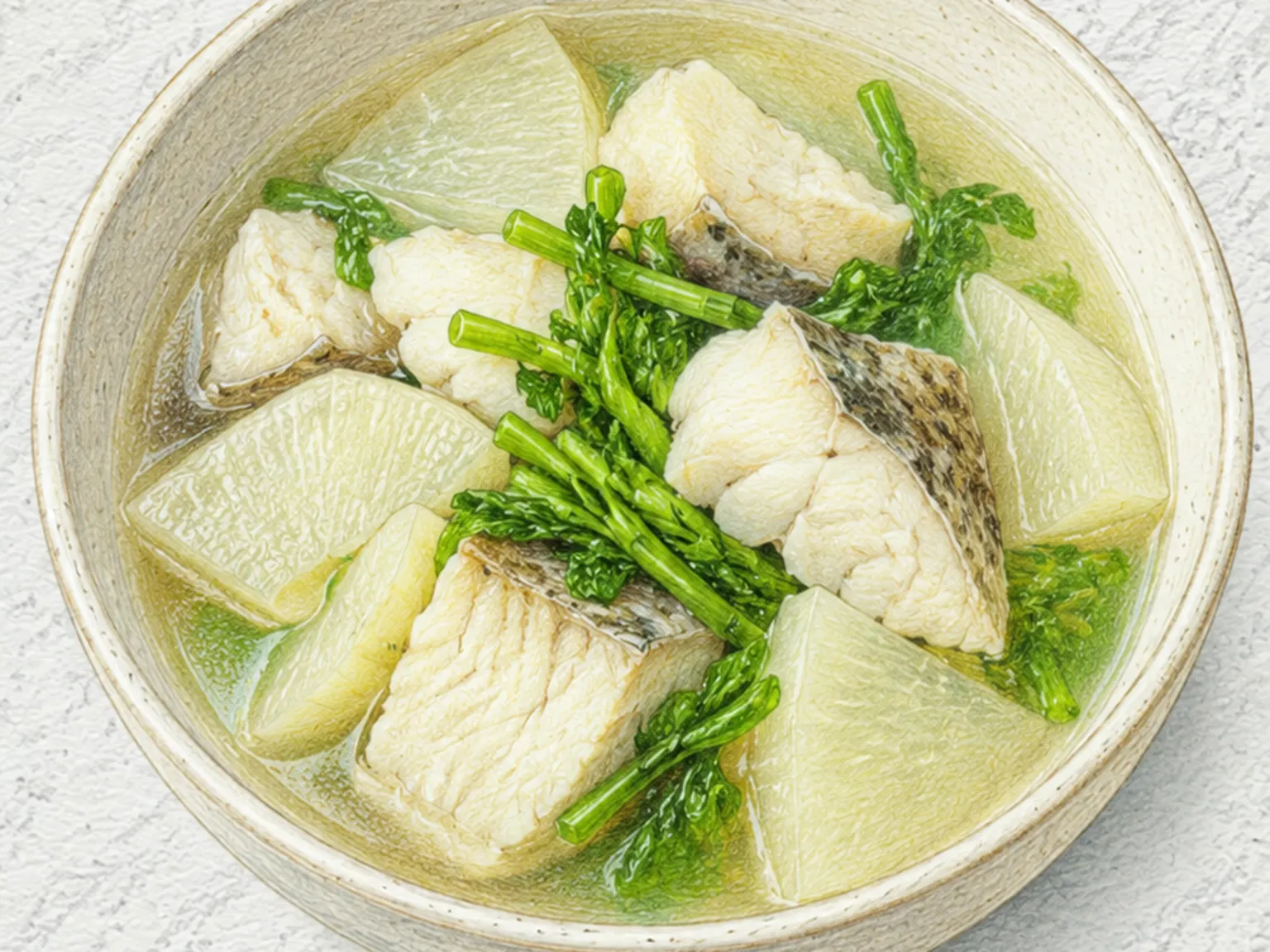
Korean Cod and Radish Soup
Daegu mu-tang is a Korean cod and radish soup in which the radish simmers first in anchovy broth for eight minutes to release its natural sweetness before the fish goes in. Cod fillets are briefly marinated in rice wine to neutralize any fishiness, then cooked gently - stirring must be kept to a minimum to keep the flesh in large, intact pieces. The finished broth is remarkably clear and light because cod carries very little fat, and the sweetness of the radish merges with the fish's mild umami to create a clean, layered depth. Crown daisy added in the final thirty seconds of cooking releases a sharp herbal fragrance that lifts the entire bowl. Many Koreans reach for this soup as a hangover remedy, prizing the cool, clean aftertaste it leaves.
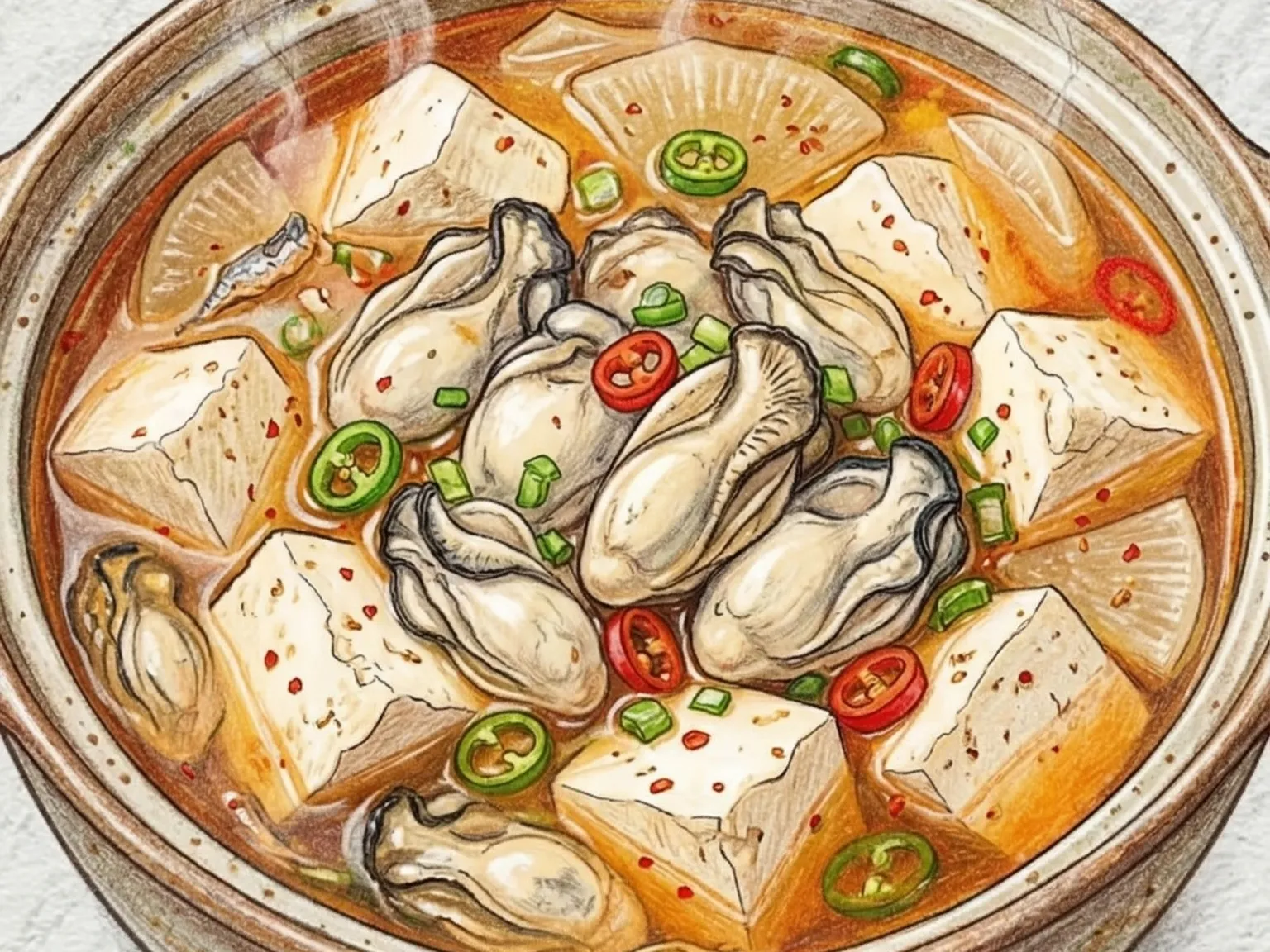
Korean Gul Dubu Jjigae (Oyster Tofu Stew)
Gul dubu jjigae pairs 180 grams of fresh oysters with generous cubes of firm tofu in a clean anchovy-kelp stock. The oysters release their briny, mineral-rich juices the moment they hit the simmering broth, giving the soup an immediate oceanic depth that no other seafood replicates in quite the same way. Korean radish adds mild sweetness and keeps the stock clear rather than murky, while gochugaru and a whole Cheongyang chili suppress any fishiness and build a persistent background heat. The 300 grams of tofu make this a genuinely filling stew rather than a light soup course. Timing the oysters correctly is the most important step: added just before the pot returns to a boil, they need only thirty seconds to one minute before they are cooked through. Leaving them longer shrinks them and toughens their texture. Rinsing the oysters gently in lightly salted water before cooking removes sand and impurities without stripping their natural fragrance. This is a distinctly seasonal stew, best made in winter when the cold-water oysters are plump, briny, and at full flavor.
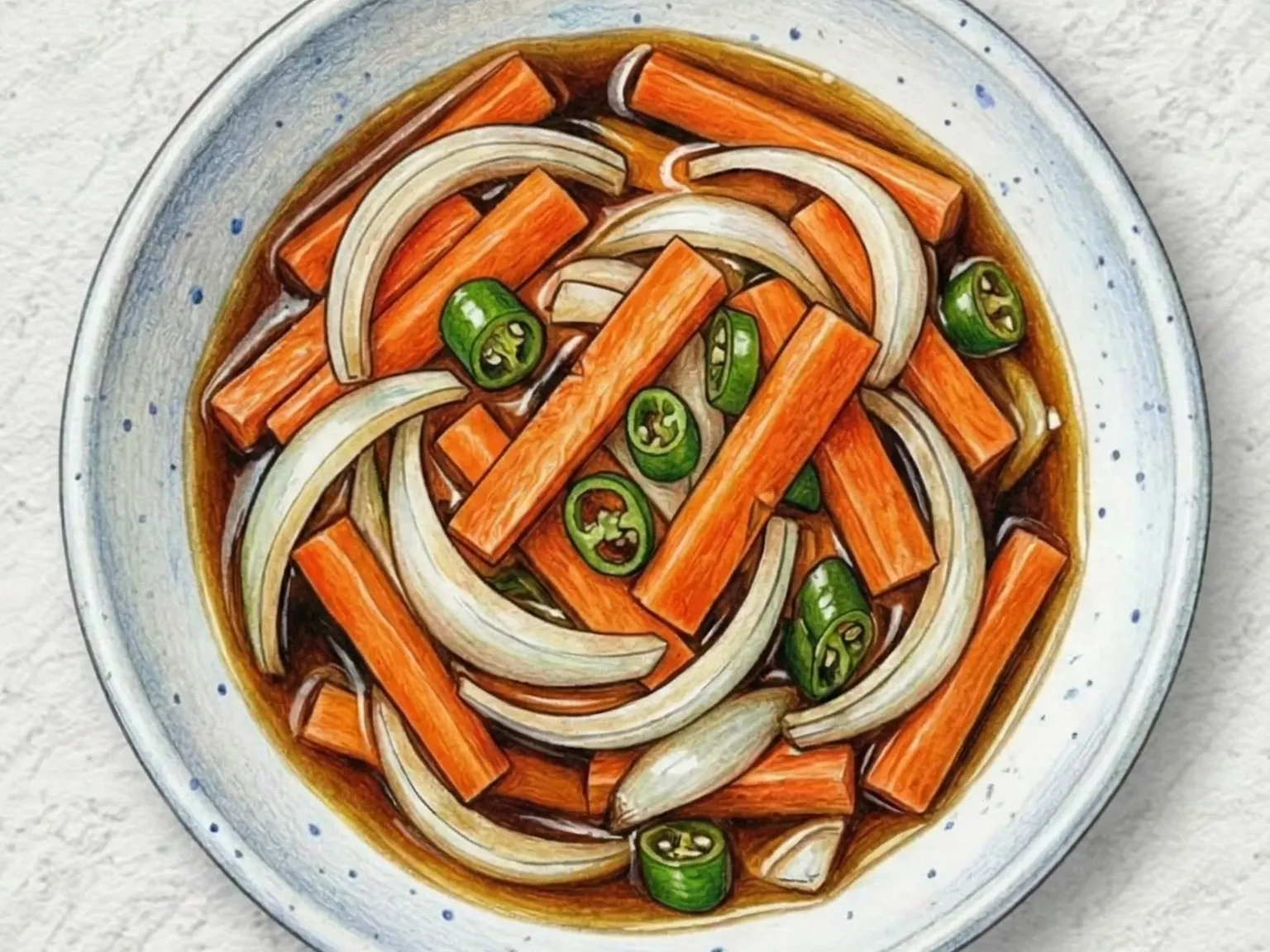
Korean Soy-Vinegar Carrot Pickles
Danggeun jangajji is a Korean pickled carrot made by cutting carrots into uniform half-centimeter sticks and layering them with onion, halved Cheongyang chili, and whole garlic in a sterilized jar, then covering with a boiled brine of soy sauce, vinegar, water, and sugar. Keeping the carrot sticks the same thickness ensures they pickle at an even rate for consistent crunch in every bite. The brine must be boiled until the sugar and salt dissolve completely, then cooled before pouring; adding hot liquid can make the vegetables go soft, and undissolved solids cause uneven seasoning and shorten shelf life. The carrot's natural sweetness plays against the soy's salinity and the vinegar's tartness, producing three distinct flavors in each piece. After cooling completely at room temperature and refrigerating, the pickle is ready in twenty-four hours. If the brine turns cloudy after a few days, reboiling and cooling it before pouring it back extends the shelf life considerably. Served alongside fatty meat dishes, the acidity and snap of the pickle cut through the richness and leave the palate clean.

Young Radish Kimchi & Tofu Crumble Salad
Young radish kimchi and tofu crumble salad uses firm tofu crumbled by hand and sauteed in olive oil for 5 to 7 minutes until the moisture has cooked off and the pieces turn dry and granular. Finely chopped chonggak kimchi introduces a spicy, tangy fermented punch, and the dressing mixes gochujang with plain yogurt so that chili heat and lactic acidity layer onto each other, with lemon juice cleaning up the finish. Romaine and red cabbage supply crunch beneath the crumble, and corn kernels add sweetness that contrasts directly with the kimchi's saltiness. Squeezing excess brine from the kimchi before adding it prevents the salad from turning soggy, and the tofu crumble should go on while still warm so its nuttiness stays prominent. The bowl balances fermented flavors, dairy, raw vegetables, and plant protein in a single serving.
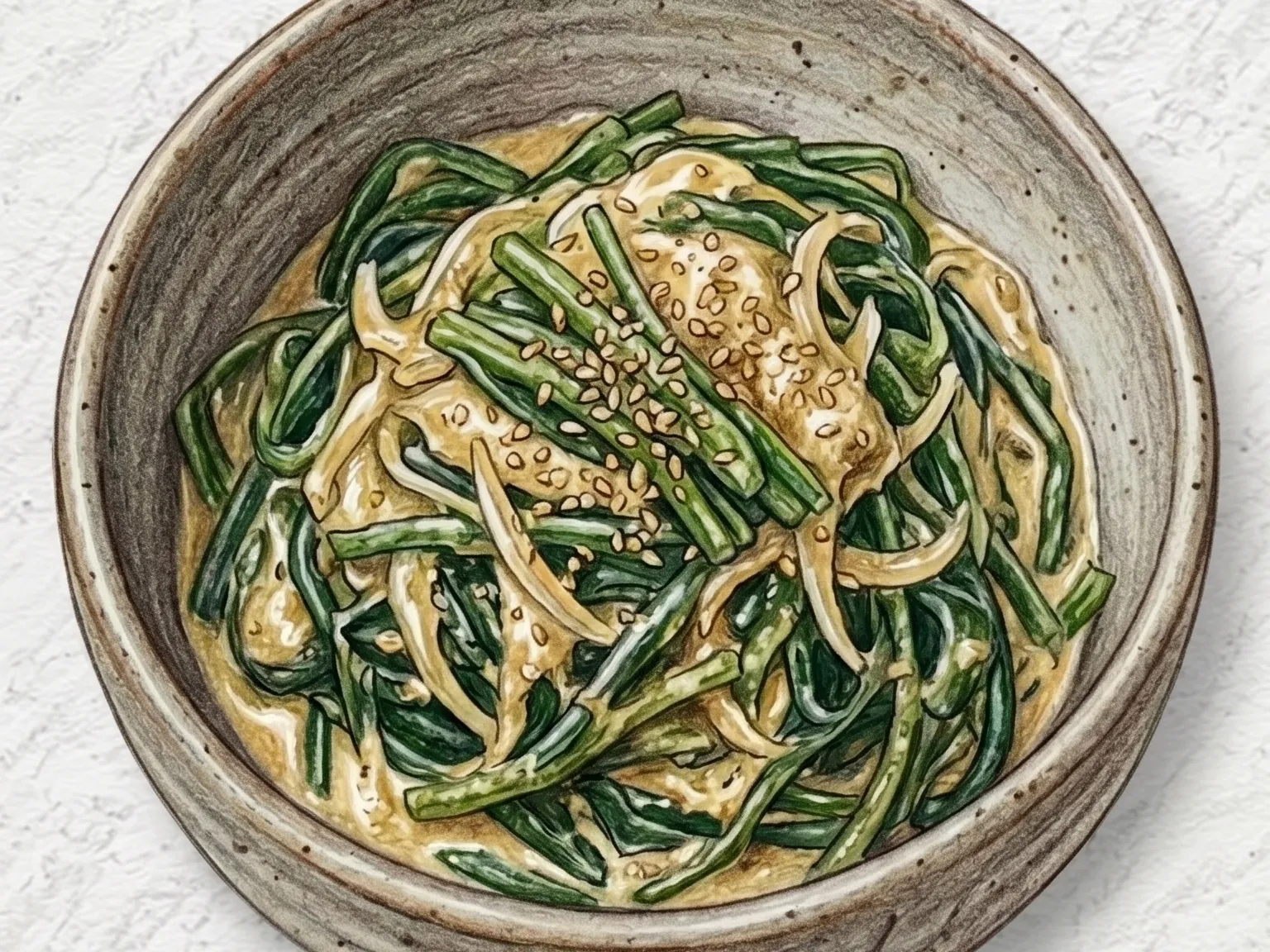
Korean Stir-Fried Seaweed Stems with Perilla
Deulkkae miyeokjulgi-bokkeum stir-fries salted seaweed stems with perilla oil and ground perilla seeds, diverging from the standard sesame-and-soy version by foregrounding the earthy nuttiness of perilla. Desalting the stems in cold water for at least fifteen minutes is the essential first step - too brief and the dish is unpalatably salty, too long and the oceanic character washes away entirely. Garlic is sauteed in perilla oil to build an aromatic foundation, then the drained stems join with soup soy sauce and a splash of water for three minutes of stir-frying. Ground perilla seeds go in at the end, where they bind with the residual moisture and coat each strand in a pale, creamy film. Julienned onion added alongside contributes sweetness that balances the seaweed's brininess. The perilla powder's starch partially gelatinizes on contact with heat, thickening the sauce - but overcooking past this point turns the coating chalky, so timing the final addition is critical. Sesame seeds scattered off heat complete the dish.
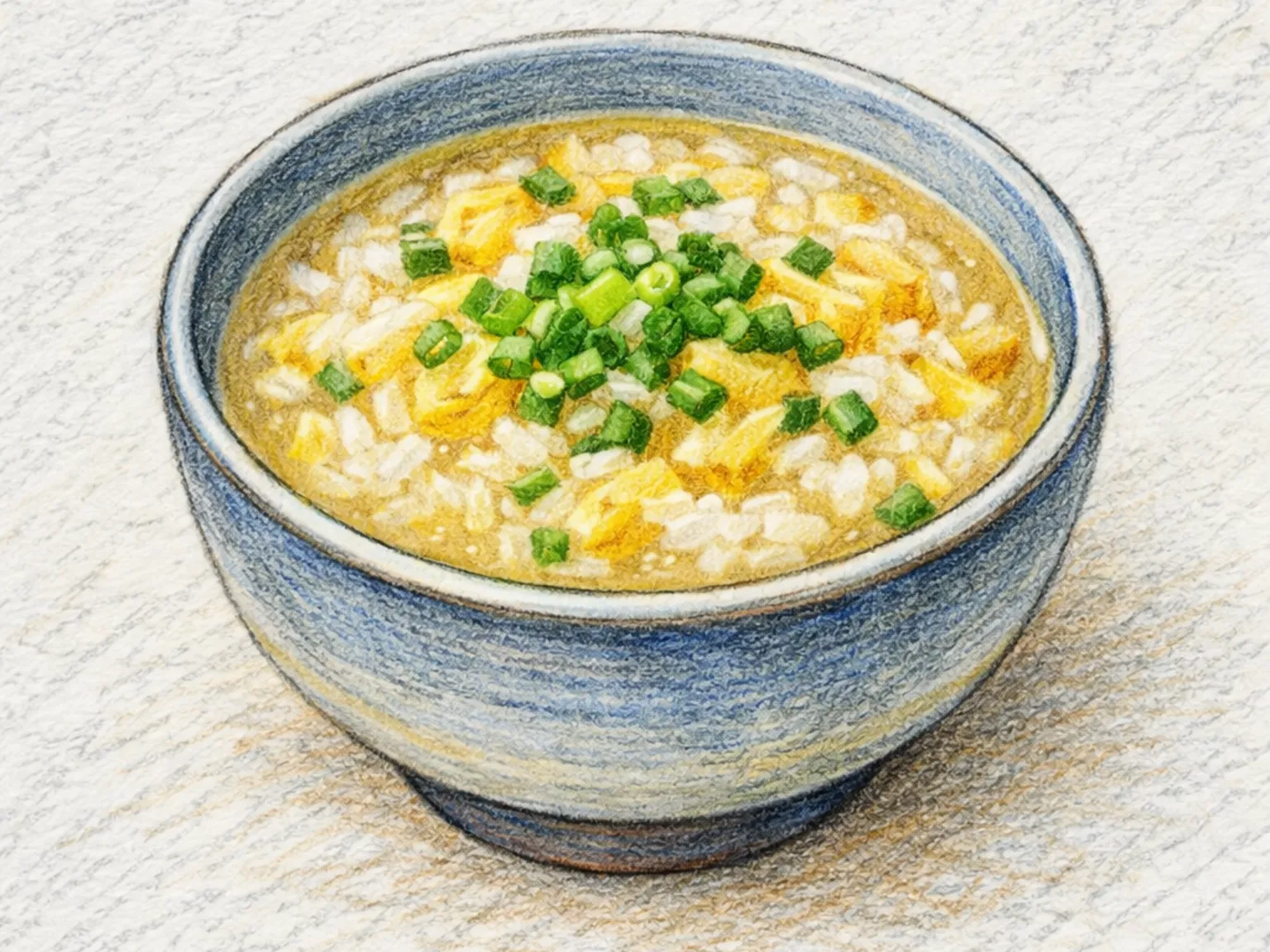
Japanese Rice Soup Porridge
Zosui is a Japanese rice porridge made by simmering leftover cooked rice in dashi broth and finishing with beaten egg. The broth soaks into the rice grains, giving the porridge a deep umami base, while the egg sets into soft ribbons throughout. Enoki mushrooms add thin, delicate strands of texture, and chopped scallions contribute a fresh finish. Seasoning is kept minimal with just soy sauce and salt to let the broth flavor come forward. It is often served as the closing dish after a nabe hot pot, using the remaining broth as the cooking liquid.

Korean Persimmon Leaf Tea
Gamnip-cha is a Korean caffeine-free tea made by simmering dried persimmon leaves and dried tangerine peel together - no rolling boil, just a low steady heat held for twelve minutes. That slow extraction pulls out the soft, grassy character of the leaves while keeping astringency in check. Thinly sliced Korean pear, skin on, goes into the pot for natural sweetness and a clean brightness, and the tangerine peel stays at a small quantity so it supports rather than overtakes the leaf aroma. Once strained, honey goes in and a trace of ground cinnamon finishes the cup. With no caffeine, it works equally well in the morning or late at night.