🏠 Everyday Recipes
Simple home-cooked meals for any day
1705 recipes. Page 51 of 72
These are the meals you can cook day after day without getting tired of them. Doenjang jjigae, rolled omelet, spicy pork stir-fry - the kind of home-cooked dishes that fill an ordinary day with comfort.
The beauty of everyday cooking is that it relies on common ingredients already in your fridge. No exotic items, no complicated techniques - just straightforward recipes for satisfying home meals.
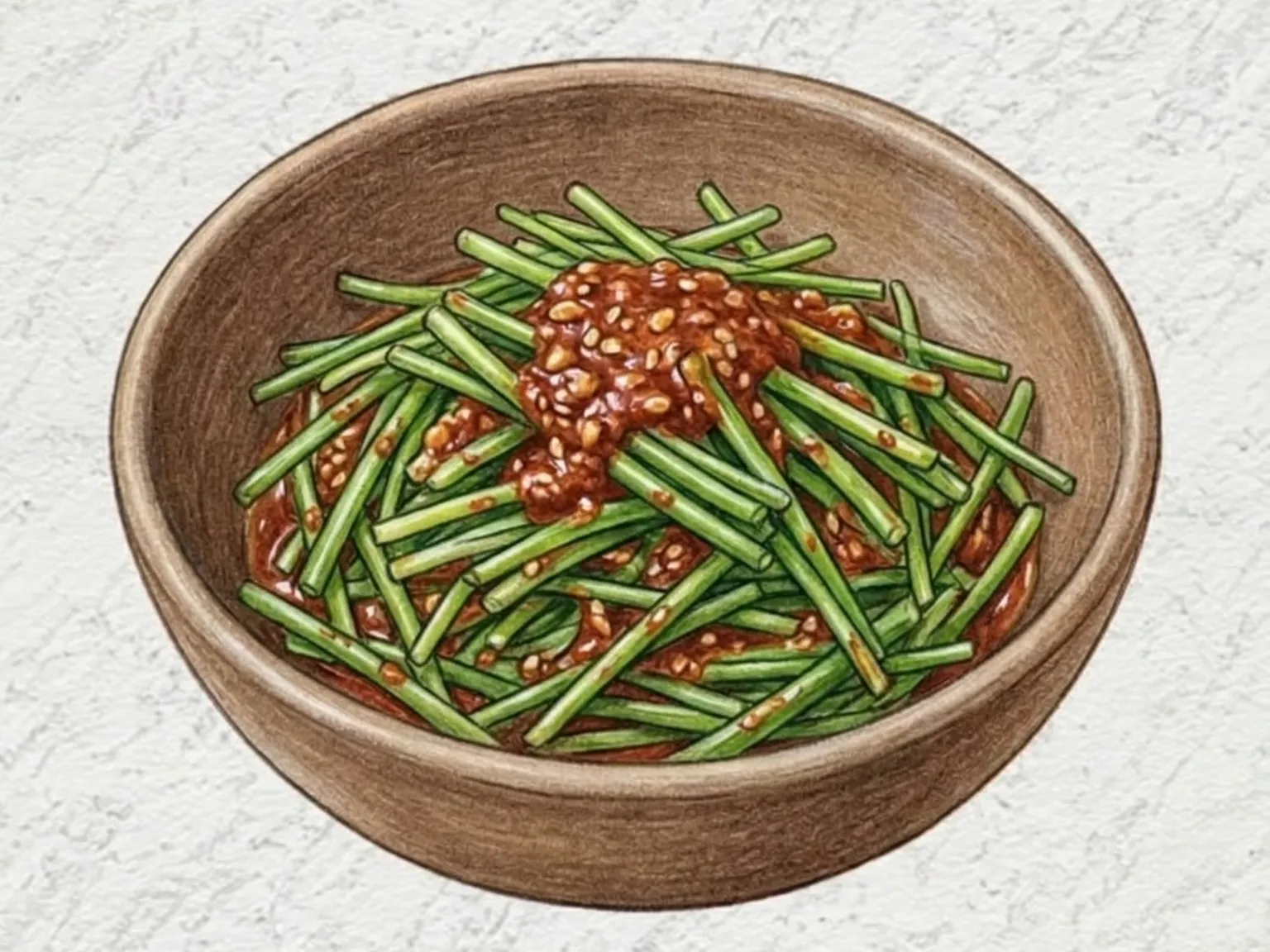
Korean Green Onion Salad (Doenjang-Dressed Grilled Meat Side)
Jjokpa-muchim dresses thin, tender Korean chives in doenjang and gochujang, functioning as a supporting banchan that almost invariably accompanies grilled samgyeopsal or pan-roasted fish. Jjokpa is milder and naturally sweeter than regular green onion, which is what makes it suitable for eating raw: the gentle sharpness cuts through the fat of grilled pork without overwhelming the palate. The fermented, earthy depth of doenjang and the spicy kick of gochujang layer over the chive's natural pungency, building complex flavor from three uncomplicated ingredients. The essential rule is to dress the chives immediately before serving, because the salt in both pastes begins drawing moisture from the jjokpa within minutes, collapsing the crisp snap that defines the dish. Cut to four-centimeter lengths and gently tumbled in the sauce, the preparation takes under five minutes. Spring jjokpa is the most tender and sweet of the year, making it the best season to make this banchan. A few drops of sesame oil folded in at the end add a toasty fragrance, and a pinch of minced garlic sharpens the overall aroma. Perilla oil can substitute for sesame oil and delivers a deeper, more distinctive nuttiness.
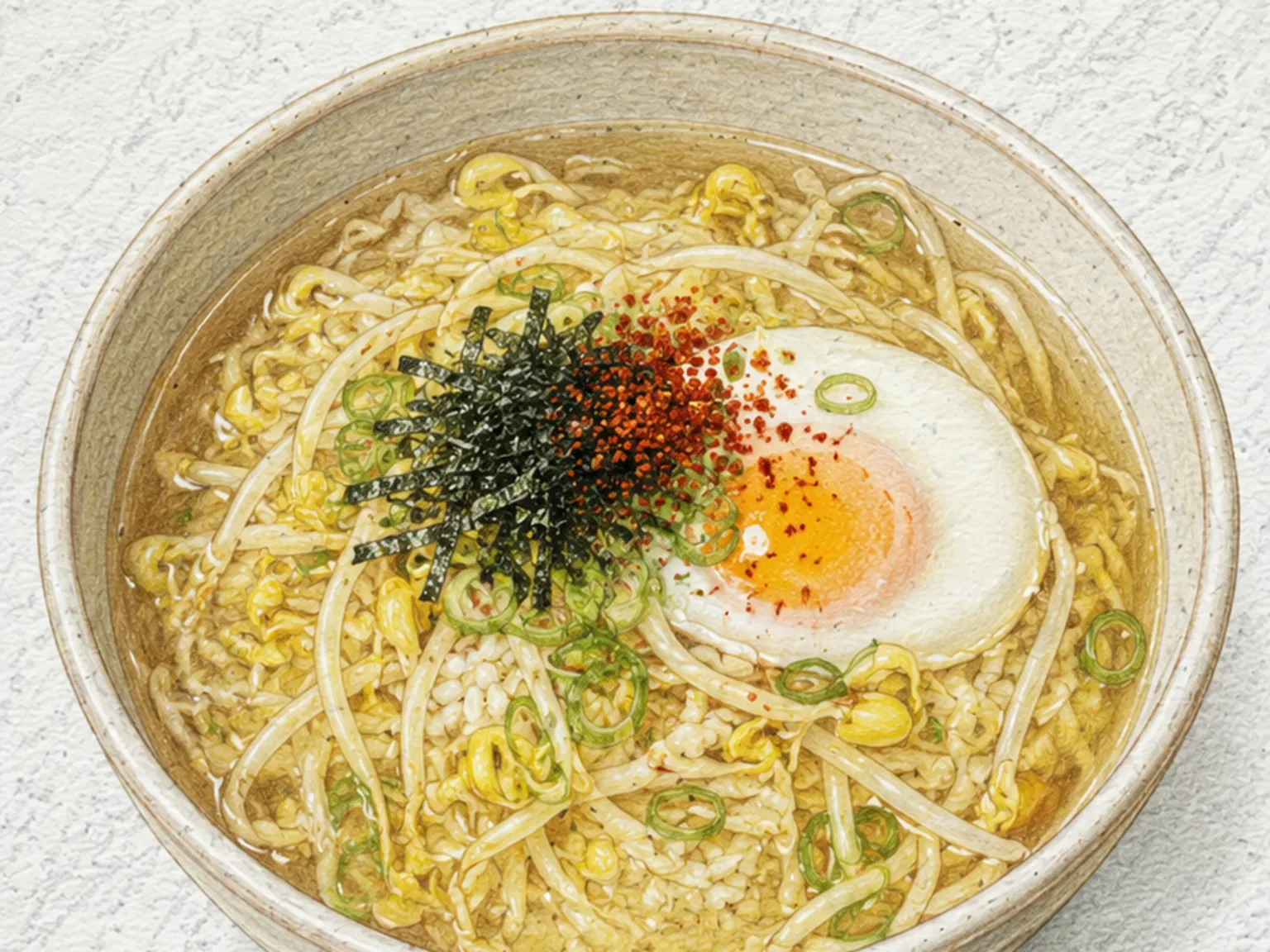
Korean Bean Sprout Soup with Rice
Kongnamul gukbap is a Jeonju-style soup-and-rice dish built around bean sprouts simmered in anchovy broth with the lid kept off throughout cooking. Leaving the pot uncovered for the five to six minute cooking time allows steam to carry off the beany odor while keeping the sprouts snappy and firm rather than limp. Soup soy sauce seasons the broth, sliced green onion is added for freshness, and a whole egg is poached directly in the simmering liquid until the yolk is just set. Hot broth is then poured over a bowl of cooked rice, and shredded dried seaweed and a pinch of red pepper flakes are scattered on top to finish. The refreshing, clean flavor that bean sprouts bring to the soup pairs naturally with the deep savoriness of anchovy stock, and simmering a piece of radish alongside clarifies the broth and gives it additional sweetness. Cooking uncovered is a traditional rule of thumb that Korean cooks have followed for generations. This dish has long been associated with Jeonju and is widely sought out as a restorative meal after a late night.
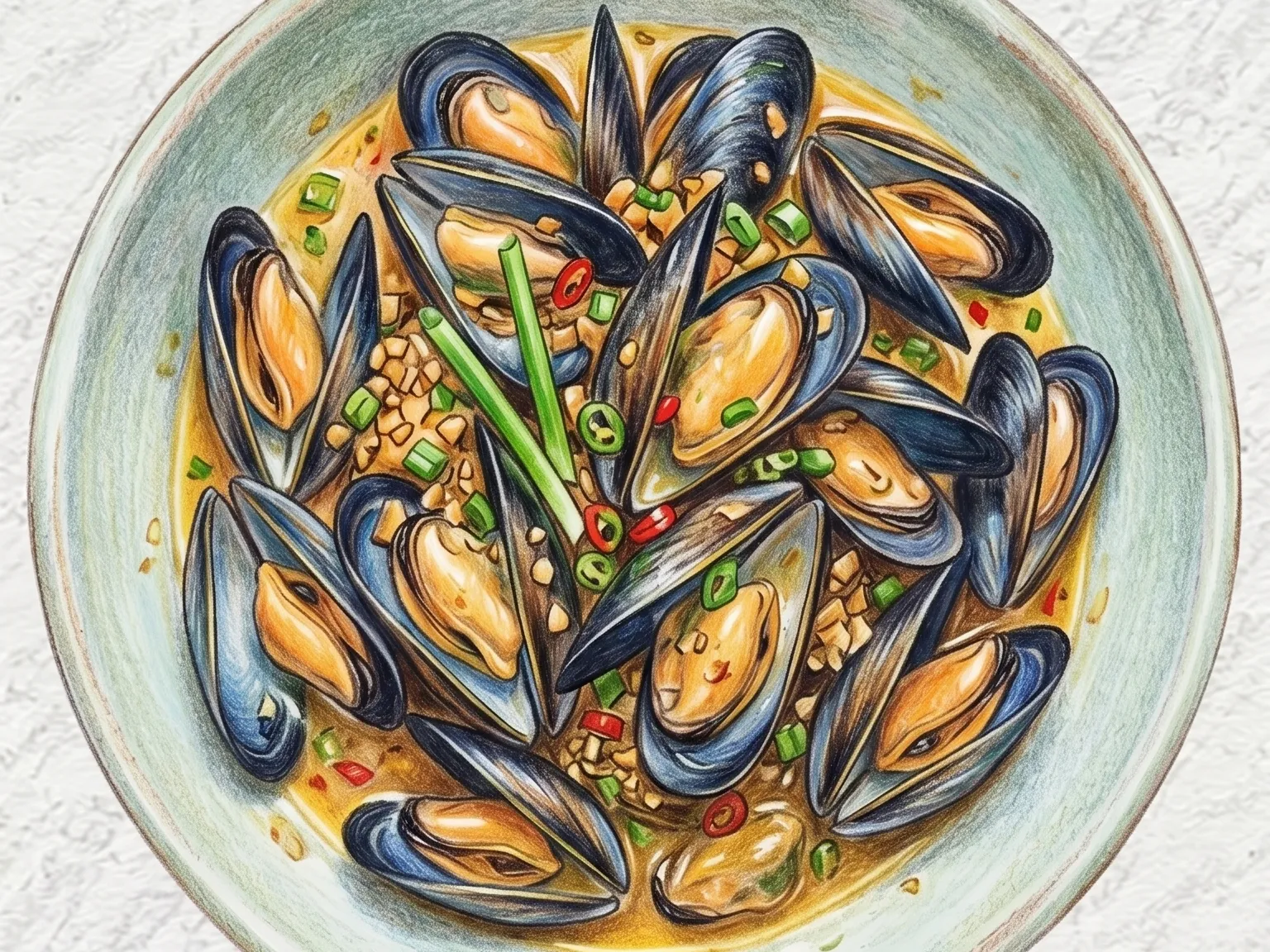
Korean Mussel Stir-Fry (Plump Mussels with Butter, Garlic and Chili)
Honghap-bokkeum is a Korean stir-fried mussel dish cooked in a garlic butter sauce. The recipe begins by cleaning the mussels, removing the beards, and discarding cracked shells. Garlic slices are sautéed in melted butter until fragrant. The mussels are then added with rice wine, covered, and steamed for four minutes. This steaming process creates a savory sauce by combining the butter with the natural juices from the mussels. Unopened shells are discarded. Sliced green onions and cheongyang chilies are stir-fried with the mussels for one minute, adding a sharp heat that balances the buttery richness. Finally, a splash of soy sauce is drizzled around the pan edge to glaze the shells, making the dish ready to serve alongside steamed rice.

Korean Peanut Bread (Mold-Baked Peanut-Studded Street Snack)
Ttangkong-ppang is Korean peanut bread baked in a shaped mold from a batter of flour, eggs, milk, and melted butter mixed with roughly chopped roasted peanuts. The natural oils in the peanuts infuse the batter with a toasted, nutty richness, and each peanut chunk provides a crunchy interruption in the soft crumb. Cooking on medium-low heat and flipping regularly develops a thin crust on both sides while butter keeps the interior moist. Sugar supplies sweetness and a pinch of salt balances against the nuttiness, resulting in a flavor profile that stays engaging bite after bite.
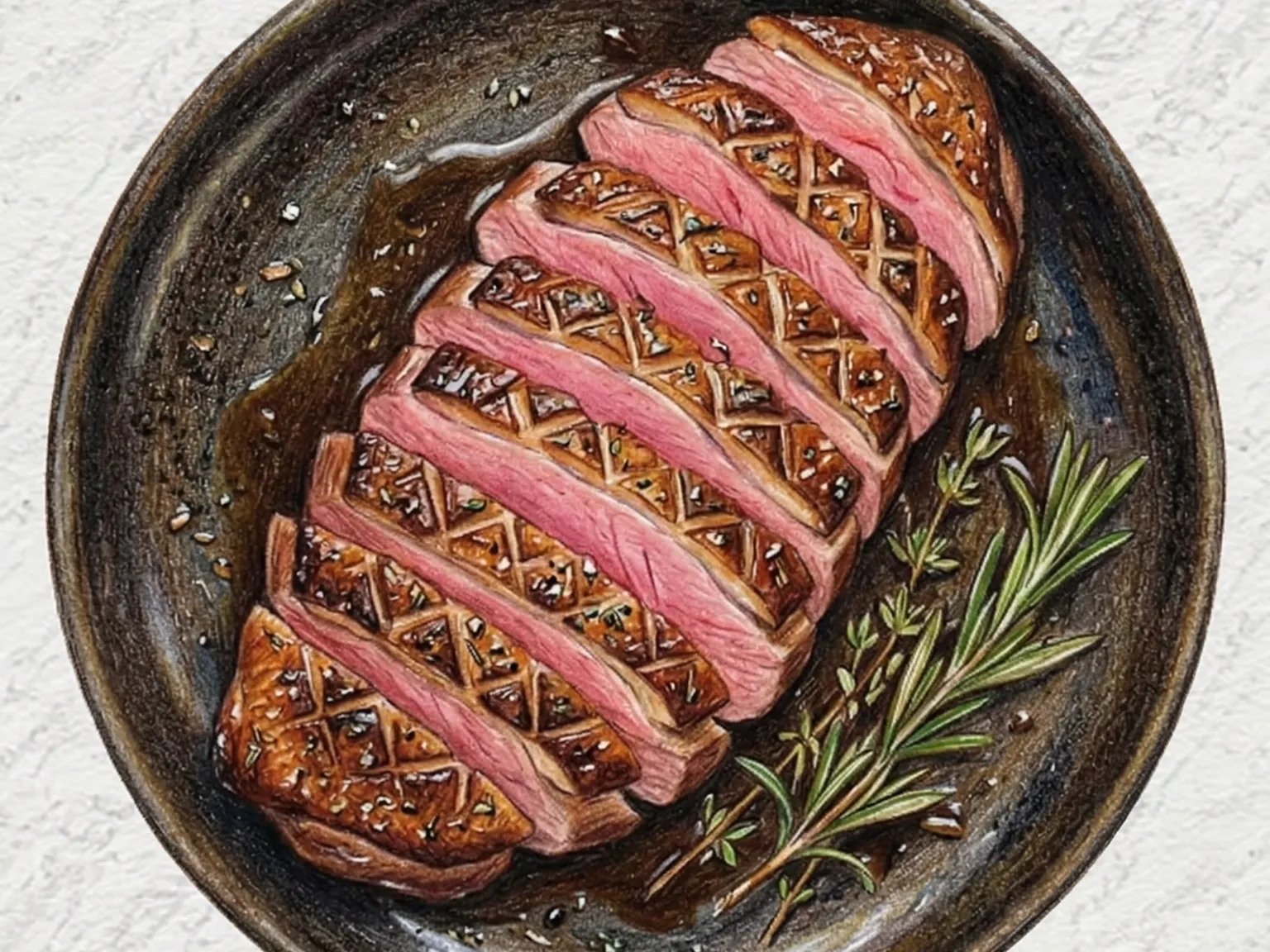
Korean Herb Grilled Duck Breast
Ori-gaseumsal herb-gui is Korean herb-grilled duck breast, scored at one-centimeter intervals across the skin and fat layer without cutting into the flesh, then rubbed all over with a mixture of salt, pepper, minced garlic, rosemary, thyme, and olive oil. Starting the breast skin-side down in a cold pan over medium-low heat is what allows the thick fat layer to render gradually rather than seizing up against sudden heat. After eight minutes the fat has largely melted out and the skin is golden and crisp; flipping for four more minutes finishes the flesh. Soy sauce and pear juice added at the end reduce within a minute on the residual heat, building a glossy, fruit-tinged glaze that coats the surface. Resting the breast on a cutting board for five full minutes before slicing against the grain is what keeps the juices in the meat rather than running onto the board. Each slice shows a cross-section of crackling, herb-scented skin over a rosy, medium-cooked interior.
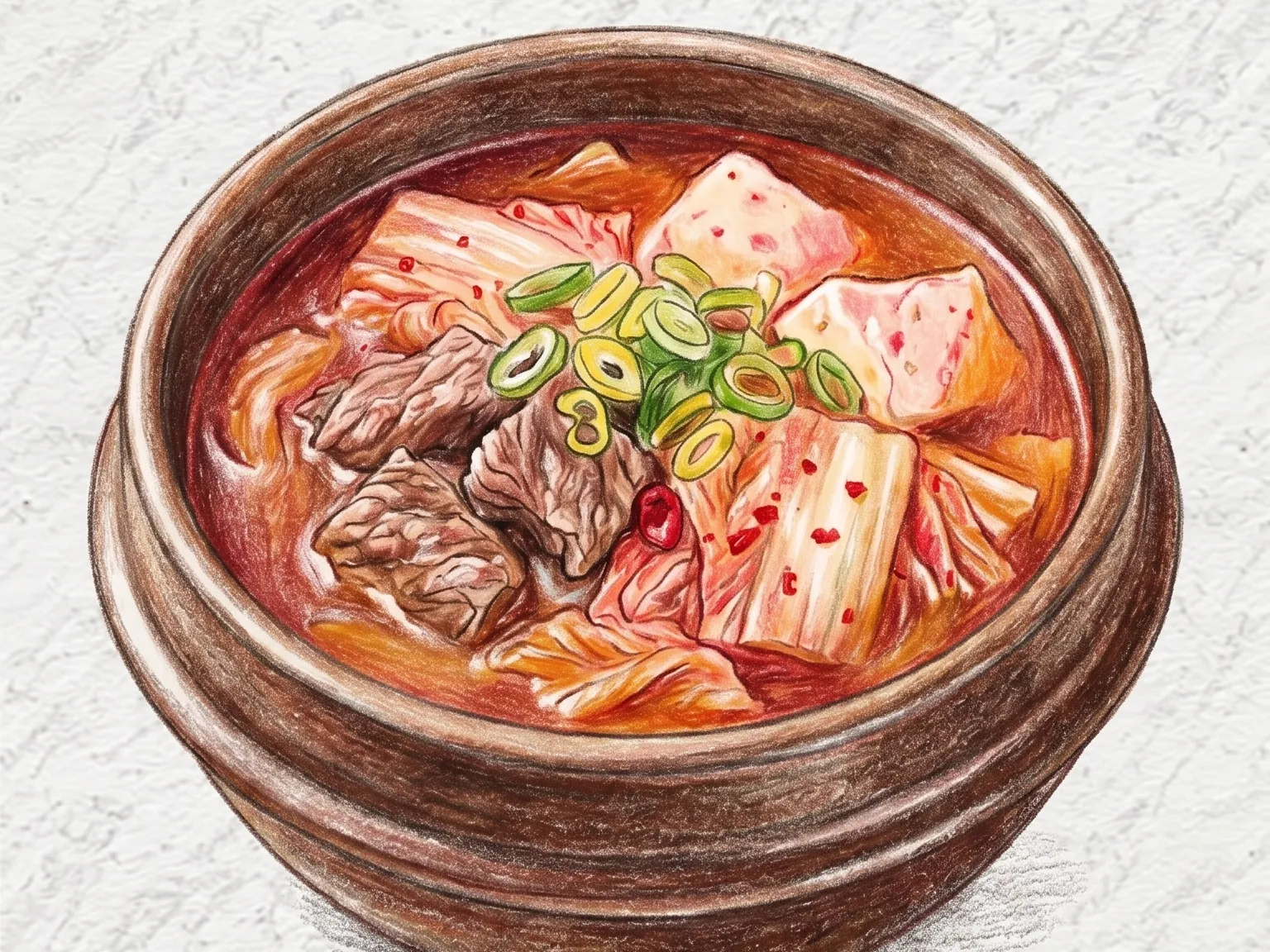
Kimchi Soegogi-guk (Fermented Kimchi Beef Soup)
Kimchi-soegogi-guk is a Korean soup that unites two powerhouse ingredients, well-fermented kimchi and beef, in a ruddy, aromatic broth. The beef is stir-fried in sesame oil first, building a savory foundation, then chopped kimchi joins the pan and cooks until its acidity mellows and merges with the rendered fat. Water is added, and as the pot simmers, the kimchi continues to break down, thickening the liquid and staining it a deep red. Soup soy sauce and garlic adjust the seasoning, while blocks of tofu absorb the surrounding flavors and provide a soft counterpoint to the chewy beef. The finished soup is hearty and warming, with the tangy complexity of aged kimchi meeting the clean savoriness of beef in every spoonful. It pairs inseparably with a bowl of steamed rice, which soaks up the broth and balances the heat.
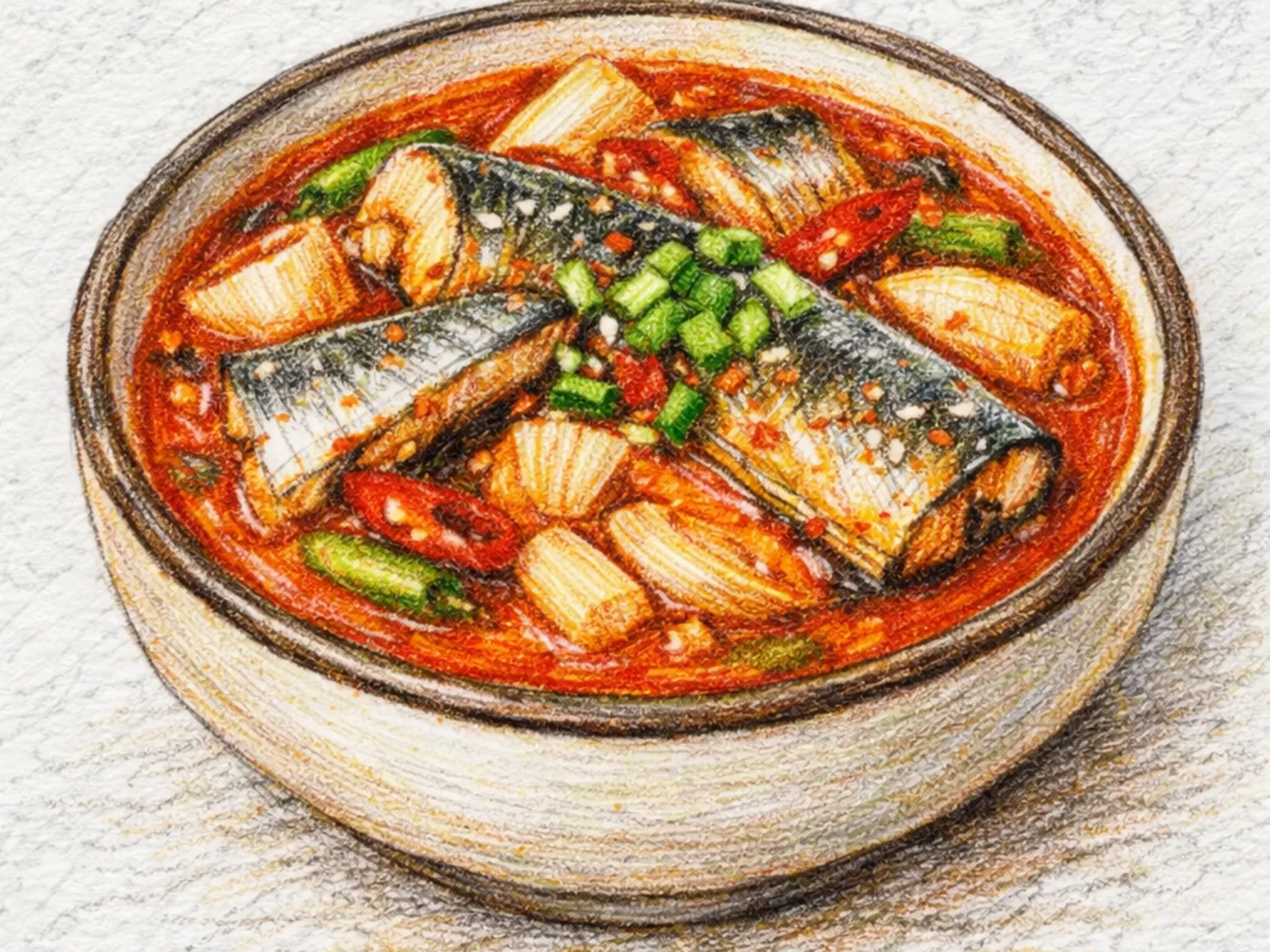
Korean Spicy Fish Stew (Mackerel in Chili-Radish Broth)
This spicy Korean fish stew is prepared with mackerel or beltfish pieces and simmered with daikon radish and zucchini. The base is an anchovy stock mixed with gochujang, gochugaru, soy sauce, and minced garlic to create a savory broth. Slices of daikon radish are boiled first to release their sweetness and absorb fishy odors. The fish chunks are then laid flat in the pot and cooked with the lid slightly ajar to let steam escape. Zucchini and green onions are added during the final minutes to soften and enrich the soup. Cooking the fish for under fifteen minutes keeps the flesh firm and prevents it from breaking apart in the boiling liquid. Once the fish separates easily from the bone, the stew is adjusted with salt if needed and served hot with steamed rice. It offers a balanced combination of chili heat and tender, flaky fish.
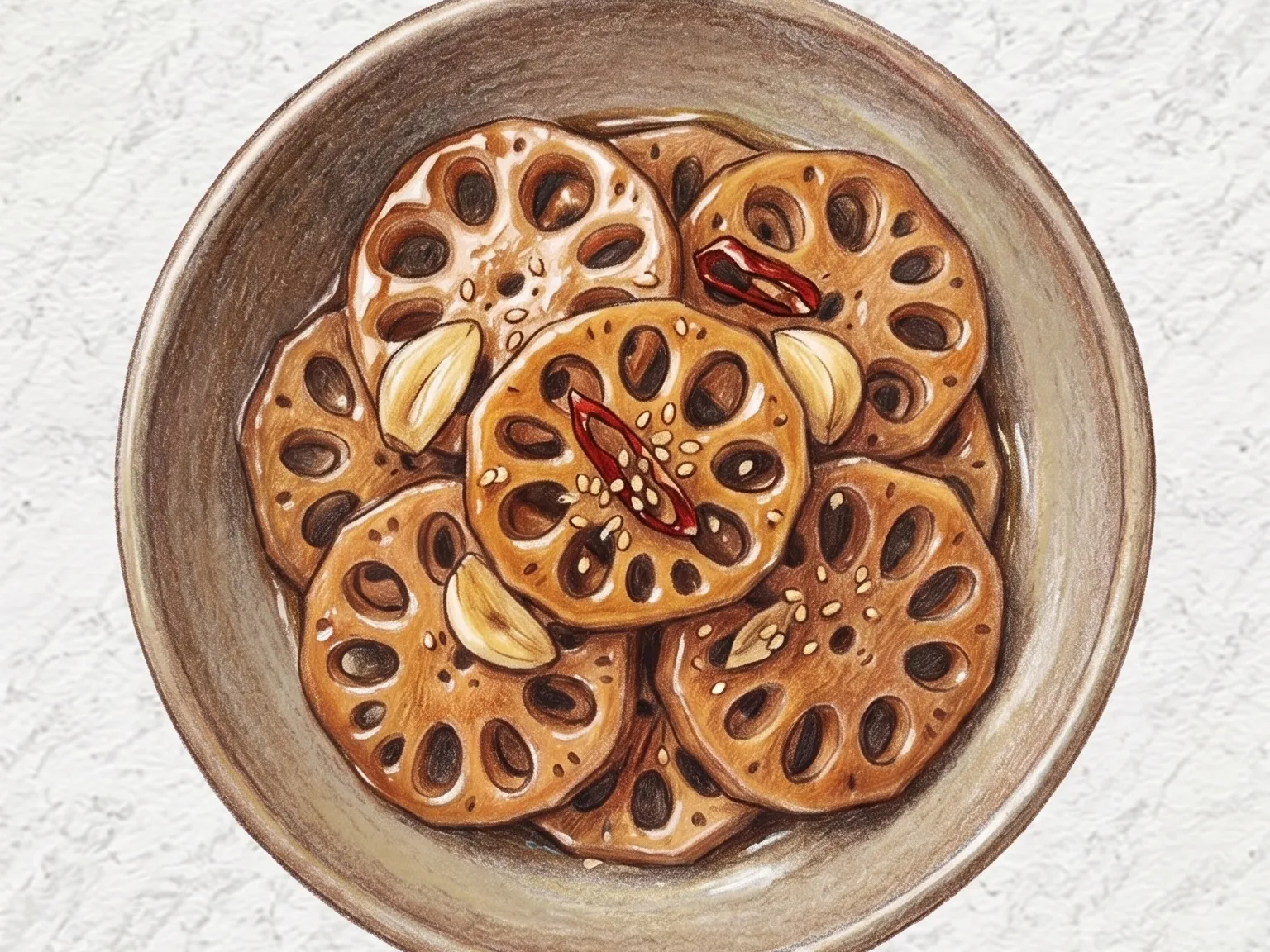
Korean Yeongeun Ganjang Jorim (Soy-Braised Lotus Root)
Yeongeun ganjang jorim is a Korean soy-braised lotus root side dish simmered in soy sauce, oligosaccharide syrup, vinegar, and cooking wine. The starchy surface of the lotus root develops a glossy glaze from the reduced sauce while the interior stays distinctly crunchy. Vinegar brightens the soy's salinity, and the syrup contributes a gentle sweetness and visible sheen. This banchan improves overnight in the refrigerator as the seasoning continues to penetrate, making it one of the most practical make-ahead side dishes in Korean home cooking.
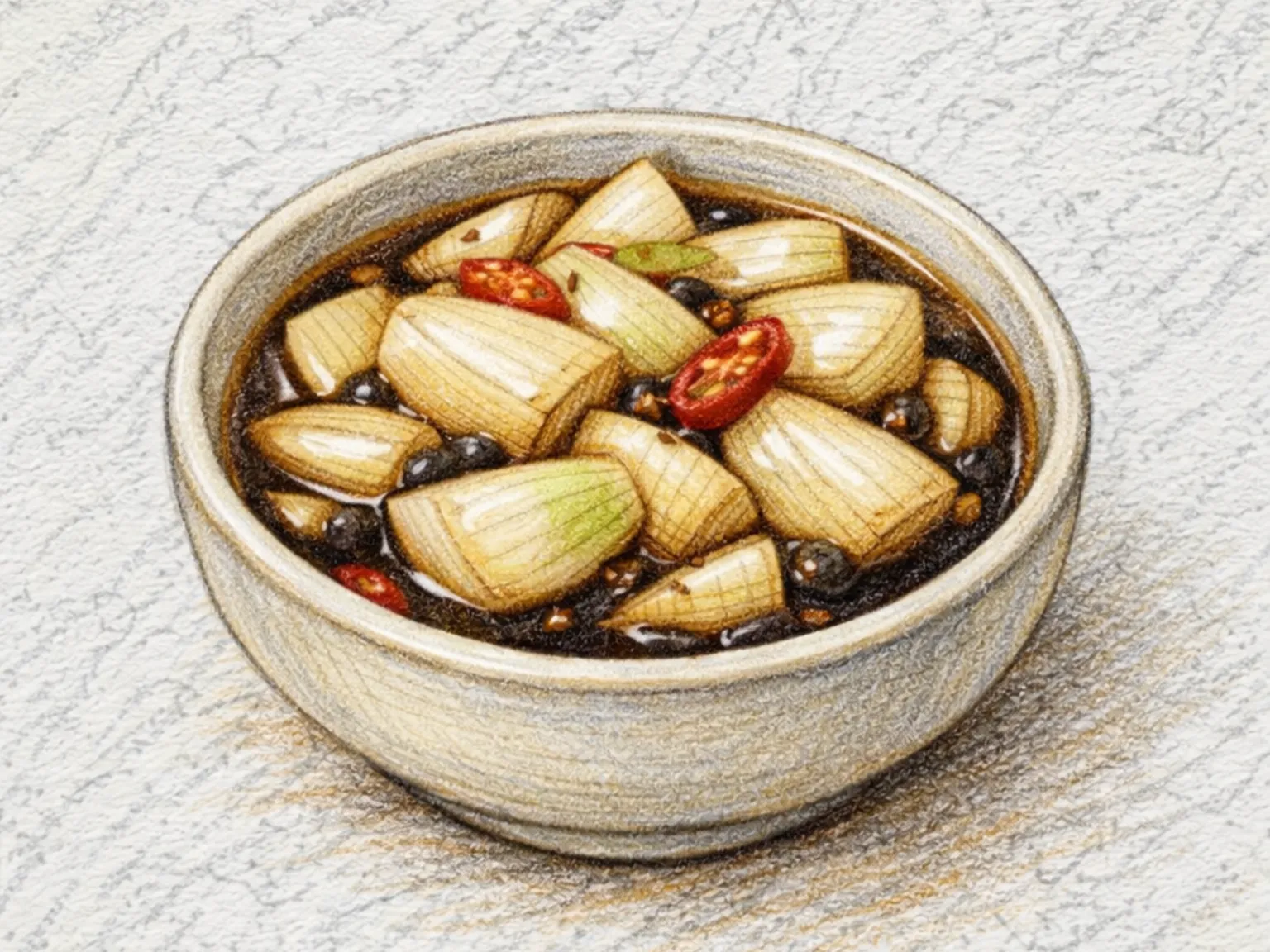
Korean Soy Pickled Onions
Yangpa jangajji is a soy-pickled onion made by immersing large-cut onion chunks in a boiled brine of soy sauce, vinegar, and sugar. The hot brine tempers the raw onion's sharp, pungent bite on contact, and as the pickle matures in the refrigerator the sweet-salty seasoning penetrates evenly through each piece. Cutting the onion along its fiber rather than against it keeps the texture firm and crisp after pickling, whereas thin cross-cut slices tend to soften quickly in the acidic brine. Sliced cheongyang chili peppers added to the jar gradually release their heat into the liquid, lending a gentle, lingering spiciness that offsets the sweetness and keeps the flavors from becoming one-dimensional. The pickle is ready after one day of refrigeration but improves noticeably at three days or more as the seasoning continues to deepen. It is a staple accompaniment to grilled meats like samgyeopsal, where its acidity and crunch cut through richness and refresh the palate between bites. It also works well over bibimbap or cold noodles. The brine can be brought back to a boil and reused for a second batch of onions, making this an economical pantry item.
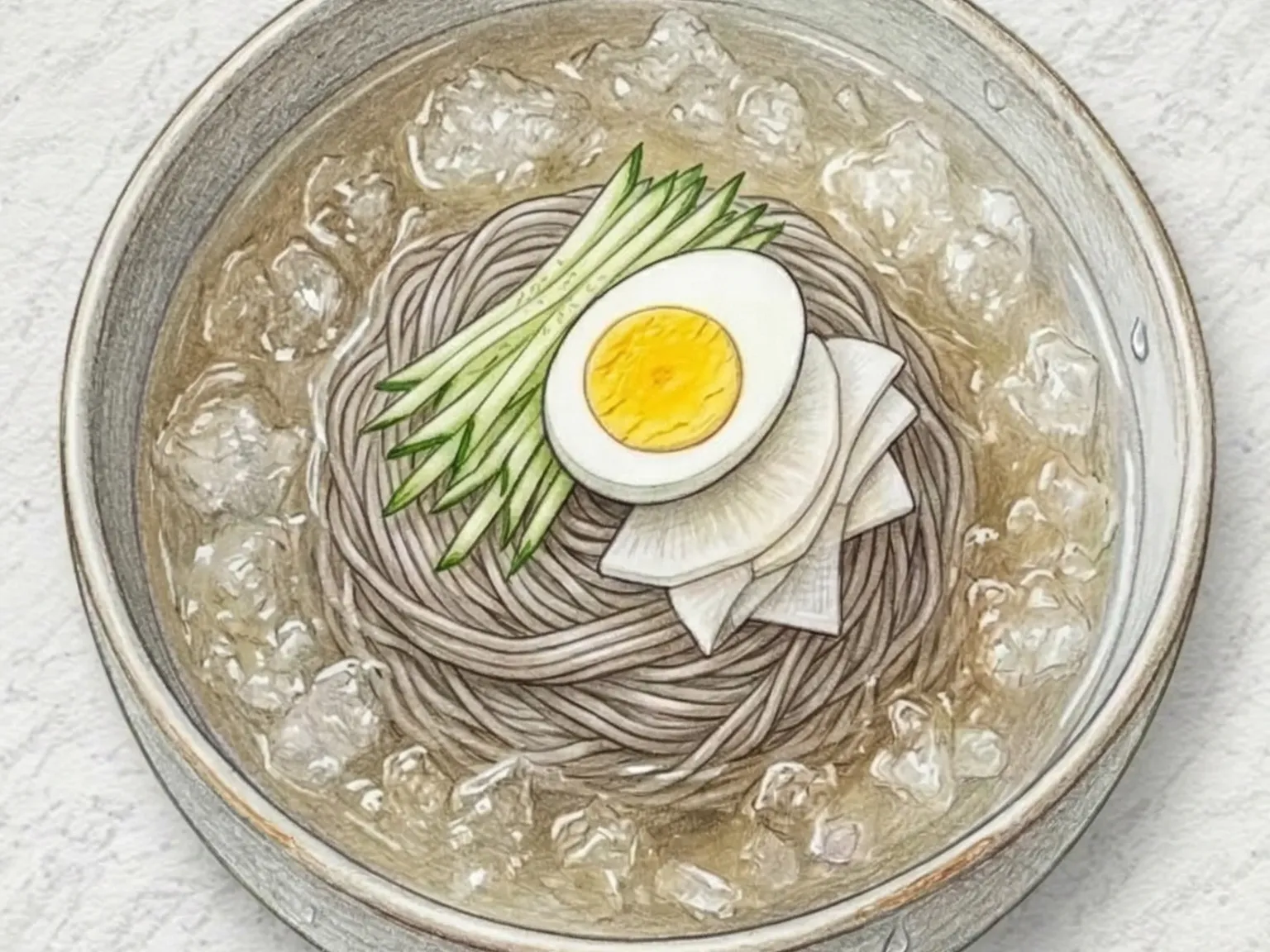
Korean Cold Buckwheat Noodles
Mul naengmyeon is a Korean cold noodle dish in which firm buckwheat noodles are served in a clear broth chilled to a near-slushy, half-frozen state. Placing the broth in the freezer for about an hour until thin ice crystals form at the surface maximizes the cold shock on the first sip, which is central to the dish's appeal. The noodles are boiled briefly and then rubbed under cold running water to strip away excess buckwheat starch and its distinct raw odor, with a final rinse in ice water to firm the strands and restore their spring. Julienned cucumber and thinly sliced pickled radish add recurring crunch that offsets the smooth, icy broth, while a halved hard-boiled egg provides a rich, creamy yolk that anchors the otherwise lean liquid. Vinegar stirred in at the table sharpens the overall flavor with bright, clean acidity, and Korean mustard dissolved in a small spoonful of broth adds a penetrating sinus heat that cuts through the cold. The dish traces its origins to Pyongyang-style cold noodles, but regional variations using beef, chicken, or dongchimi radish kimchi broth as the base produce noticeably different flavor profiles, all bound by the same insistence on extreme coldness and a long, chewy noodle.
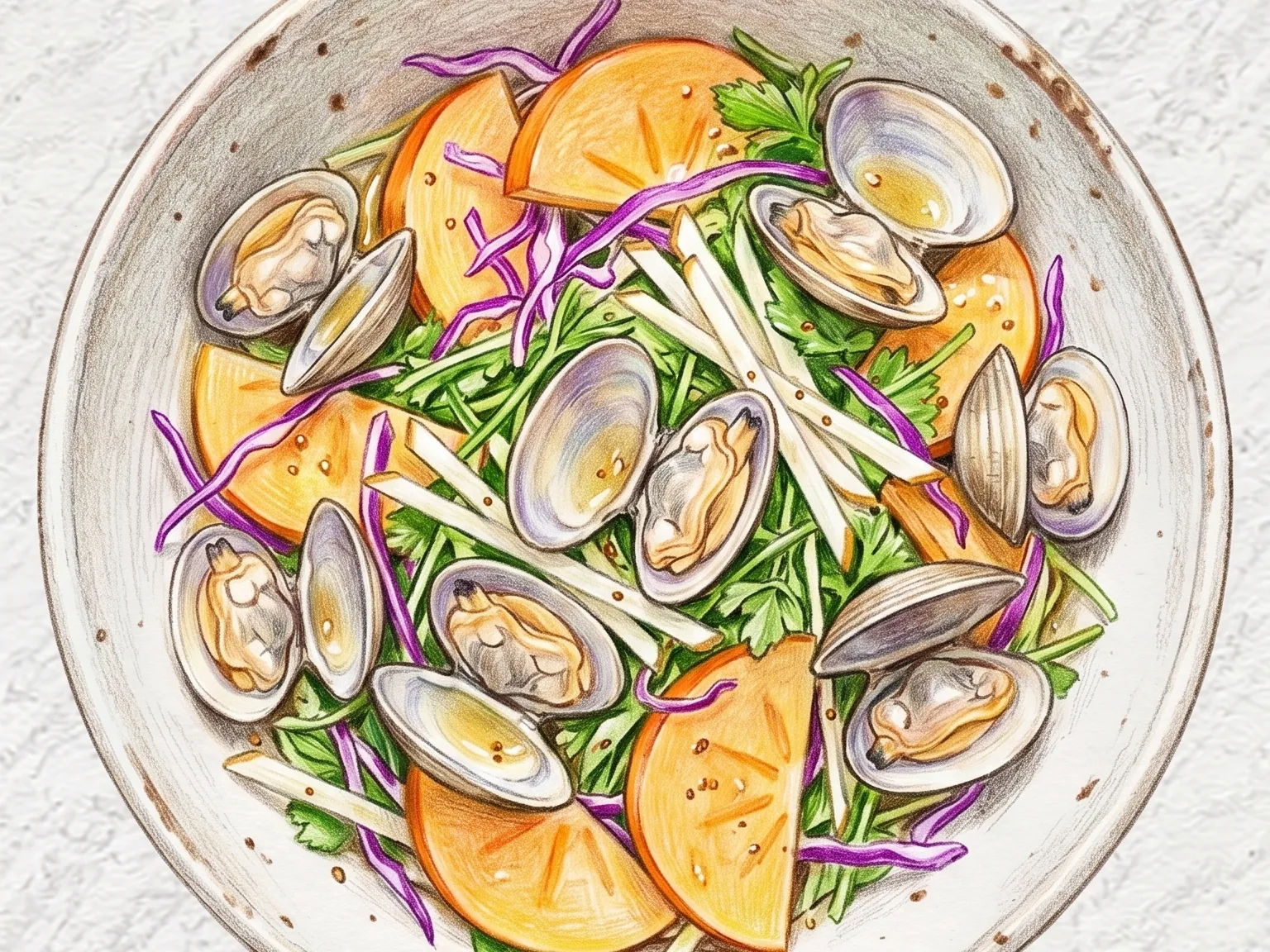
Danggam Jogae Naengchae Salad (Persimmon Clam Chilled Salad)
Persimmon jogae naengchae salad blanches clam meat just long enough to bring out its briny ocean flavor, then layers it with thinly sliced sweet persimmon whose honeyed taste creates an unexpected counterpoint to the shellfish. Minari, Korean water parsley, contributes a grassy bitterness that holds the sweet and salty elements in balance, while shredded red cabbage adds firm crunch and a vivid purple color that keeps the dish visually striking. Julienned Korean pear releases generous juice as it sits with the other ingredients, acting as a natural dressing that coats everything without the need for added oil. A final seasoning of vinegar and hot mustard paste brings sharp acidity and a piercing nasal heat that complete the clean, bracing aftertaste that defines a well-made Korean chilled salad. The layered interplay of color, fragrance, and texture makes this a fitting seasonal starter for a formal spread. Surf clams or pollock fillet can replace the manila clams without any change to the method.
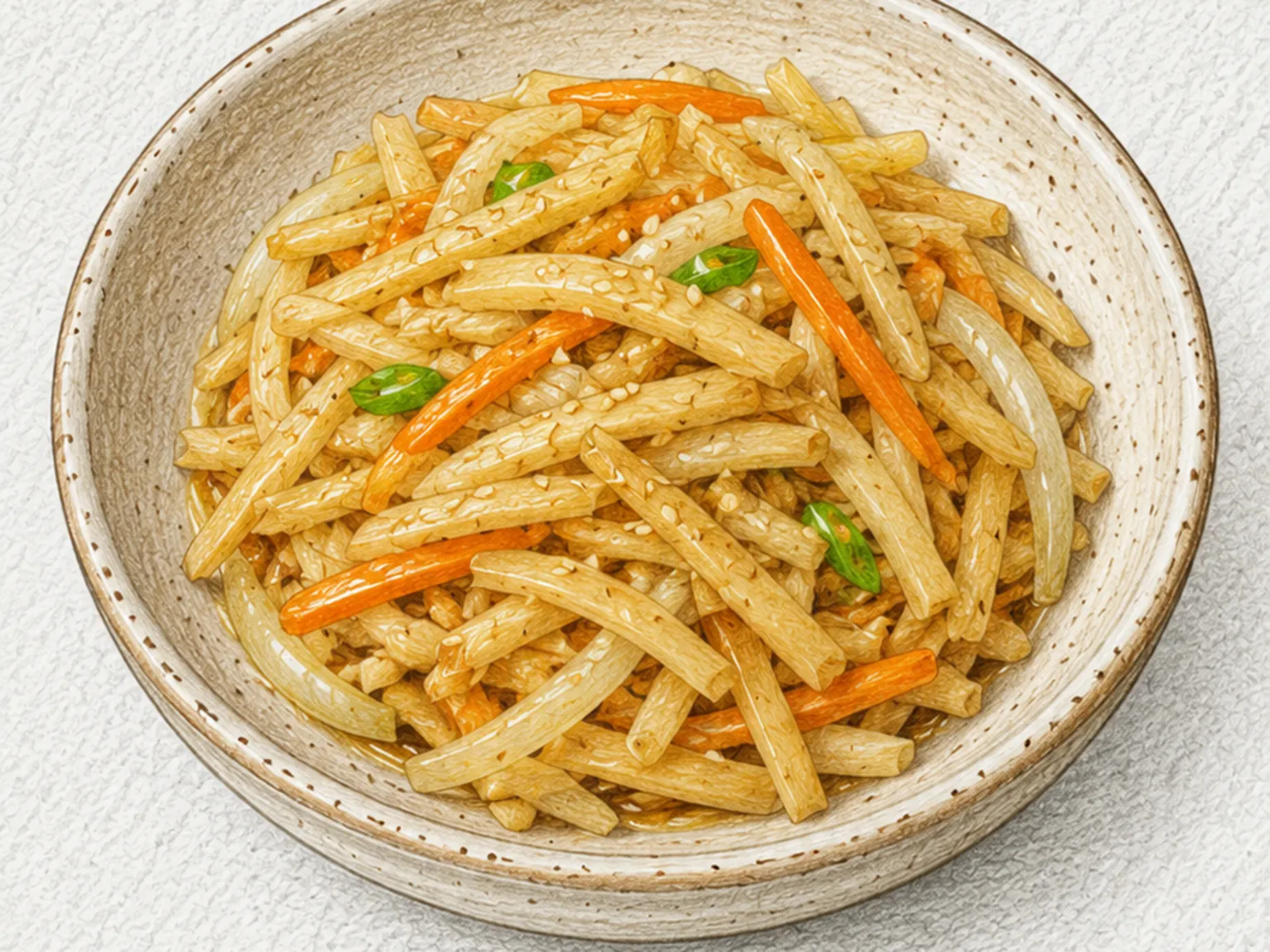
Korean Stir-Fried Bamboo Shoots
Juksun-bokkeum is a soy-seasoned stir-fry of bamboo shoots, a banchan closely tied to spring, when fresh juksun appears briefly in Korean markets from April through May, primarily from Damyang in Jeollanam-do. Fresh shoots carry oxalic acid, which must be neutralized by boiling them in rice-rinsing water for at least thirty minutes; skipping this step leaves a harsh, bitter aftertaste. Canned or vacuum-packed shoots, available year-round, need a thorough rinse under running water to remove the metallic tinned flavor before cooking. Julienned bamboo shoots are stir-fried with carrot and onion over high heat for a short, controlled burst. Prolonged cooking draws out moisture and turns the shoots rubbery, so timing is crucial. The seasoning is deliberately understated: soy sauce, a pinch of sugar, minced garlic, and a finishing drizzle of sesame oil produce a subtly sweet, nutty dish that lets the natural crunch of the shoots come through. Bamboo shoots are rich in dietary fiber and notably low in calories, making this banchan a filling choice for those watching their intake.

Diet Konjac Fried Rice
Diet Konjac Fried Rice is a low-calorie alternative to traditional fried rice, featuring chicken breast, eggs, and vegetables. The key step involves rinsing the konjac rice and dry-frying it in a pan without oil. This technique evaporates excess moisture and transforms the wet grains into a firm, chewy texture. To overcome the bland flavor of konjac, the dish uses a small combination of soy sauce and oyster sauce seasoned along the edges of the pan. Chopped green onions and carrots are sautéed in oil before adding chicken breast. Pushing these ingredients to one side to scramble the eggs separately keeps the eggs tender instead of rubbery. Finishing with a pinch of black pepper completes the savory profile. For longer satiety, cooking the konjac grains mixed with regular rice in a one-to-one ratio is recommended.
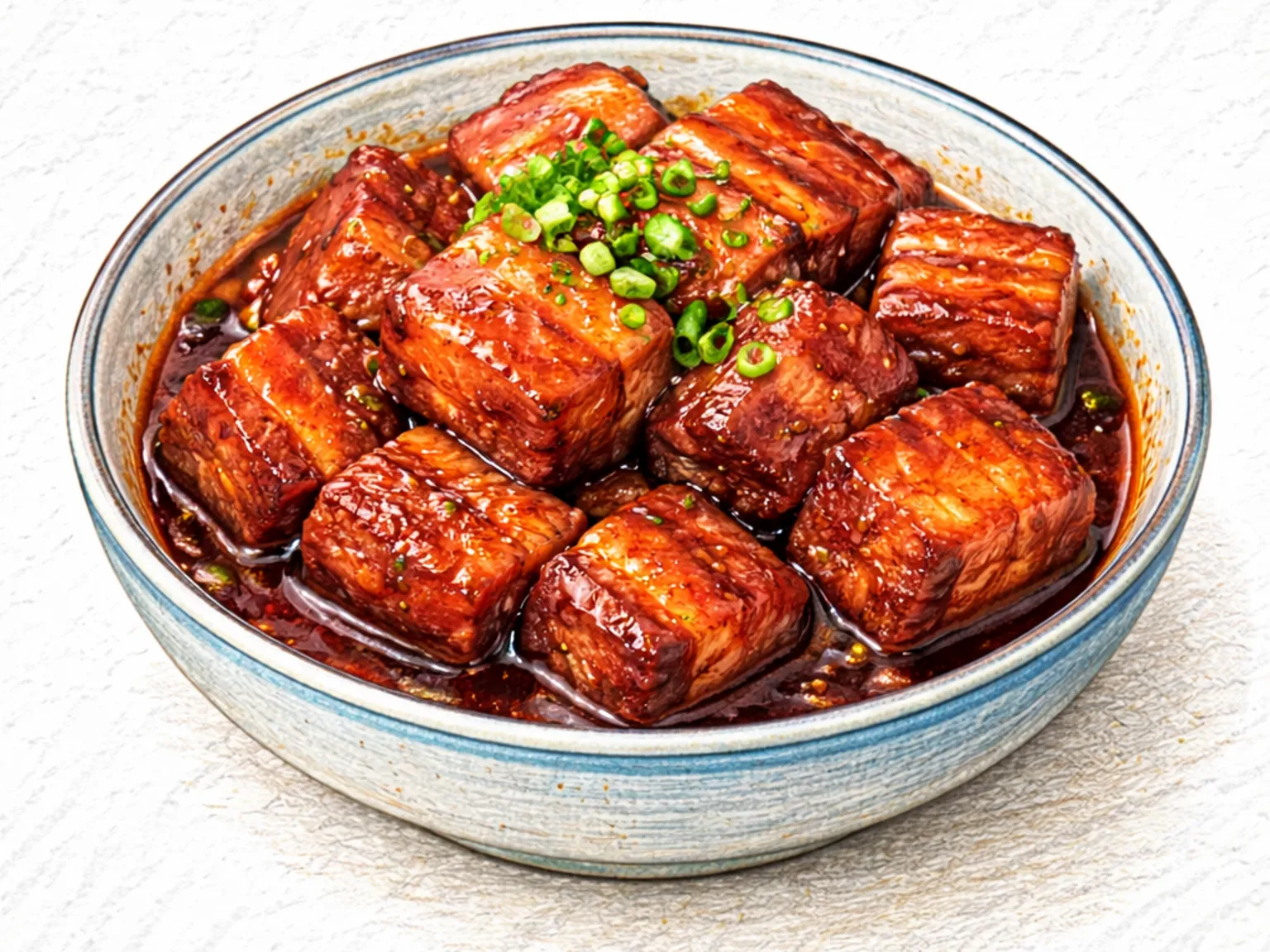
Chinese Red-braised Pork Belly
Hongshao rou is a traditional Chinese red-braised pork belly dish where thick-cut pork is slowly simmered in soy sauce, sugar, cooking wine, ginger, and scallion. The meat is first seared to render excess fat, then braised on low heat until the seasoning penetrates deeply. As it cooks, the pork becomes fork-tender and the sauce reduces into a thick, glossy glaze with a deep reddish hue. It is one of the most beloved home-cooked dishes across China, served simply over steamed rice. The benchmark for a well-made version is pork that yields at the slightest pressure from chopsticks.

Korean Street Burger (Soy-Garlic Beef Pork Patty in a Bun)
Tteokgalbi burger takes the flavors of traditional Korean grilled short-rib patties and fits them into a handheld bun format. Ground beef and pork are seasoned with soy sauce, sugar, minced garlic, and sesame oil, then shaped into flat patties and pan-seared over medium heat. Finely diced onion worked into the meat traps moisture during cooking, keeping the interior juicy even as the surface builds a caramelized crust from the soy-sugar marinade. That thin, browned exterior replicates the glossy lacquer that distinguishes proper tteokgalbi from a plain beef patty, delivering a sweet-savory depth without additional condiments. A toasted bun spread with mayonnaise and lined with crisp lettuce gives the rich patty a cool, crunchy counterpart. A small drizzle of soy glaze over the top just before serving intensifies the lacquered finish and ties the whole sandwich back to its Korean origins.
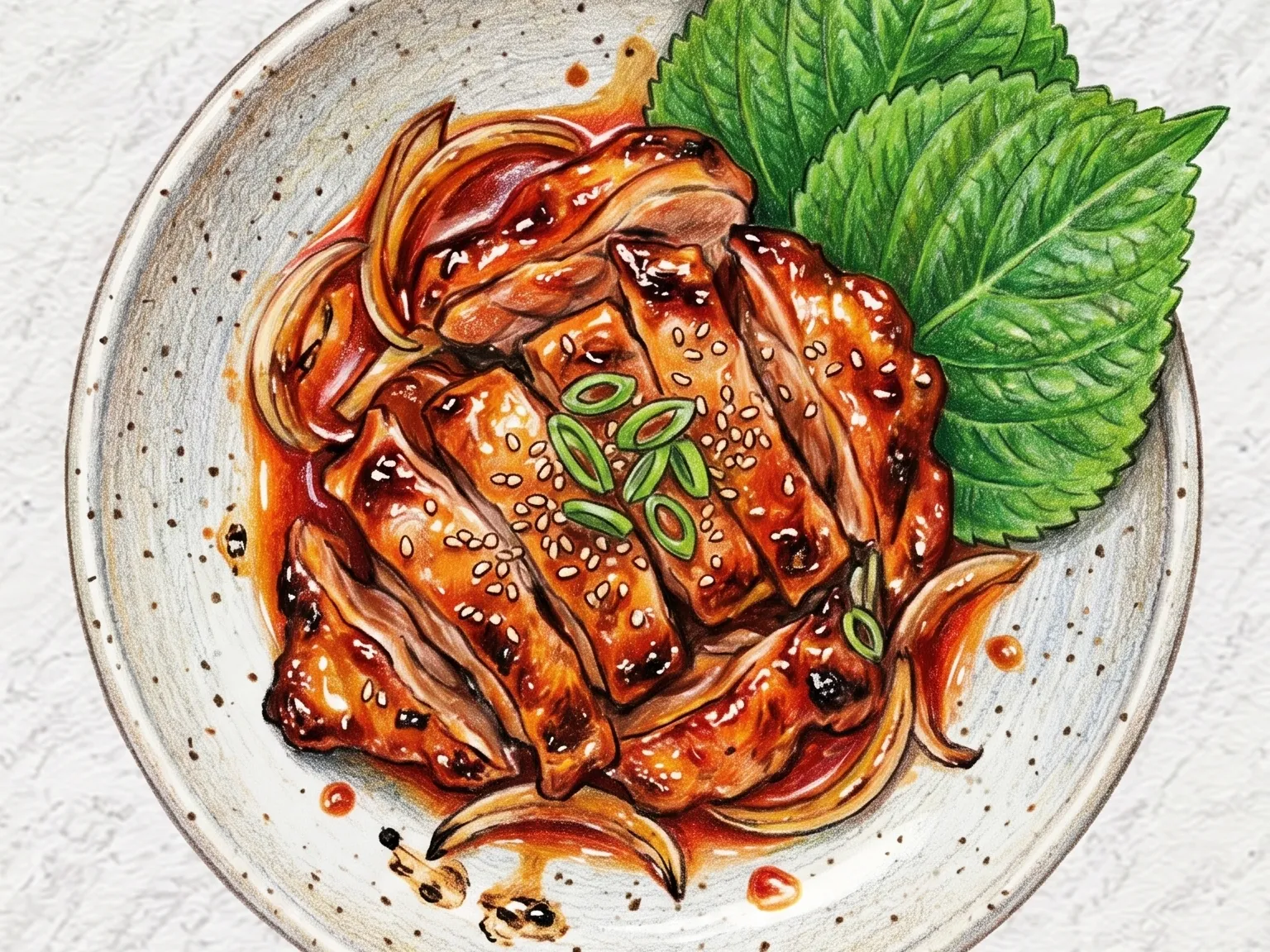
Korean Ori Gochujang Gui (Gochujang Grilled Duck)
Ori-gochujang-gui is spicy gochujang-grilled duck, where sliced duck is marinated for fifteen minutes in a paste of gochujang, soy sauce, Korean chili flakes, minced garlic, pear juice, and sesame oil, then grilled alongside sliced onion over medium-high heat for ten to twelve minutes with frequent turning. Pear juice tempers the aggressive salt and heat of gochujang while acting as a natural tenderizer for the duck, and sesame oil forms a thin film that slows moisture loss during grilling. As duck fat renders out and combines with the chili paste, a concentrated sweet-spicy sauce pools in the pan-basting the meat continuously with this liquid builds a glossy, lacquered surface. Wrapping each piece in a perilla leaf before eating adds an herbal fragrance that softens the chili burn.
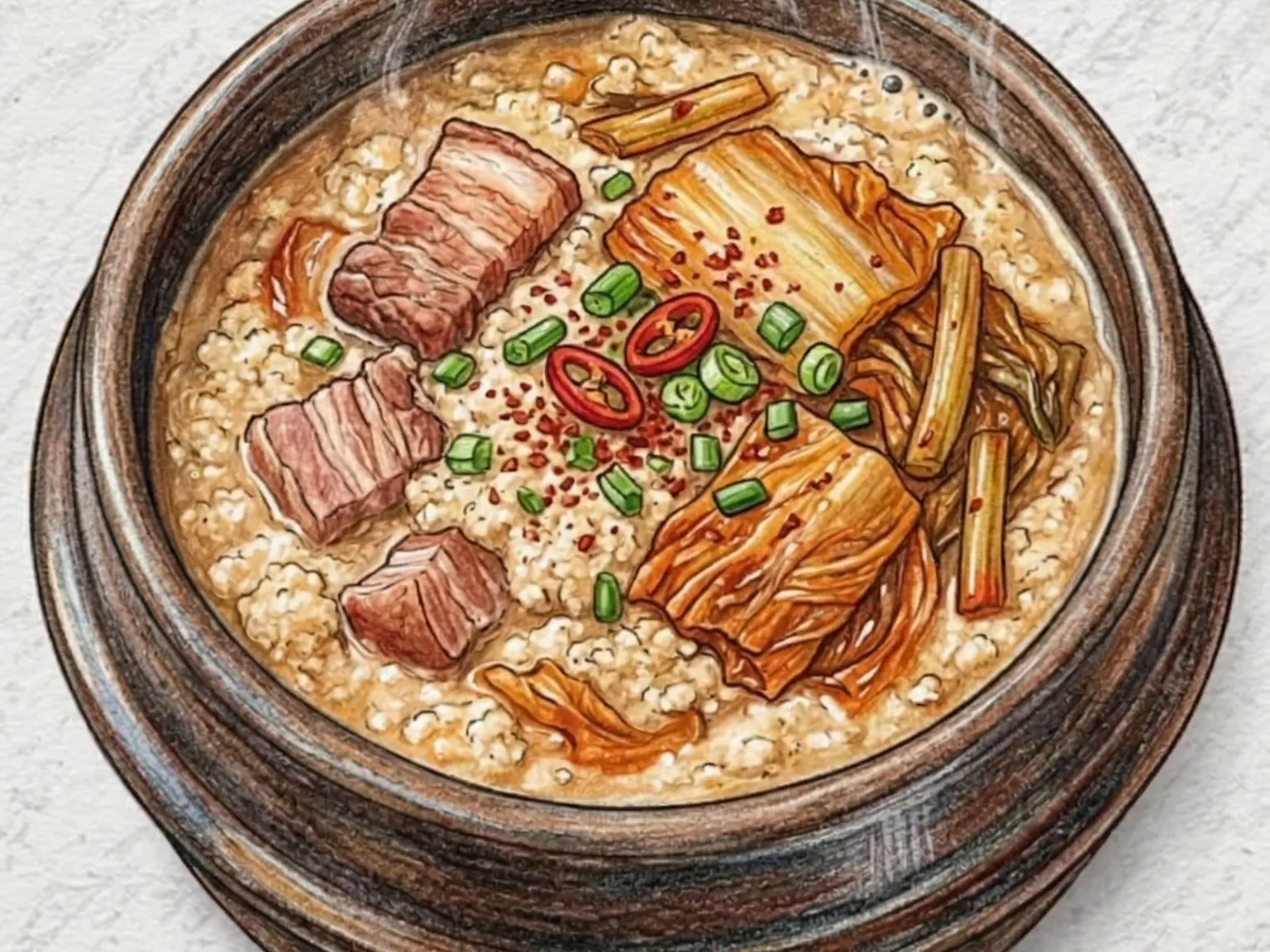
Kongbiji-tang (Soybean Pulp Kimchi Pork Soup)
Kongbiji-tang is a thick, porridge-like Korean soup made from ground soybean pulp-the byproduct of tofu production-simmered with pork and aged kimchi. The soy pulp gives the broth a creamy, almost grainy body and a pronounced nuttiness that coats the palate. Minced pork renders its fat into the liquid, adding a meaty richness, while the kimchi contributes a sharp acidity that cuts through the heaviness and keeps the flavor lively. Anchovy stock serves as the liquid base, layering an additional umami dimension beneath the soy and pork. The soup is seasoned with soup soy sauce, garlic, and finished with a swirl of sesame oil. It is a winter staple in Korean households, prized for its warmth and substance. The thick texture means it clings to rice rather than flowing around it, making each bite dense with flavor.
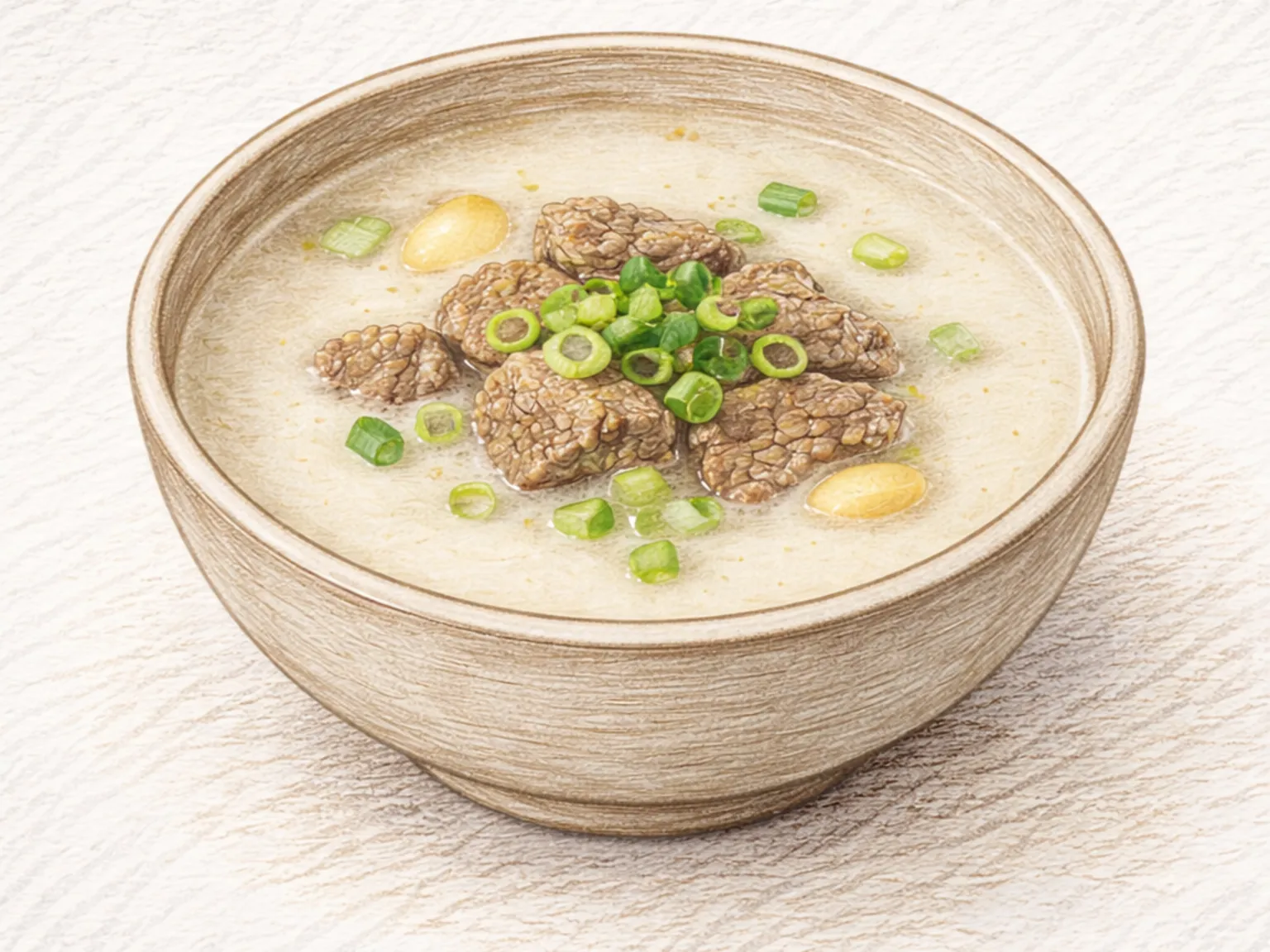
Korean Ox Bone Broth (Milky Collagen-Rich Marrow Soup)
Sagol-guk is a Korean bone broth soup made by simmering beef marrow bones for six hours or longer until the dissolved collagen and marrow turn the liquid a dense, opaque white that looks closer to milk than water. The seasoning is intentionally minimal, limited to green onion, garlic, and salt, because the entire point of the dish is the bone itself and what slow heat extracts from it over time. Before the long simmer begins, the bones are soaked in cold water to draw out the blood and then briefly blanched to remove any remaining impurities that would cloud or bitter the broth. The same bones can be reboiled three or four times, with each successive batch yielding a progressively lighter and cleaner-tasting liquid. The soup is served piping hot alongside rice, with salt and white pepper passed at the table so each person can season according to preference. Alongside seolleongtang and gomtang, sagol-guk forms one of the three pillars of Korea's long bone broth tradition, and its restorative reputation makes it a natural choice on cold days or when the body needs warmth and something uncomplicated.
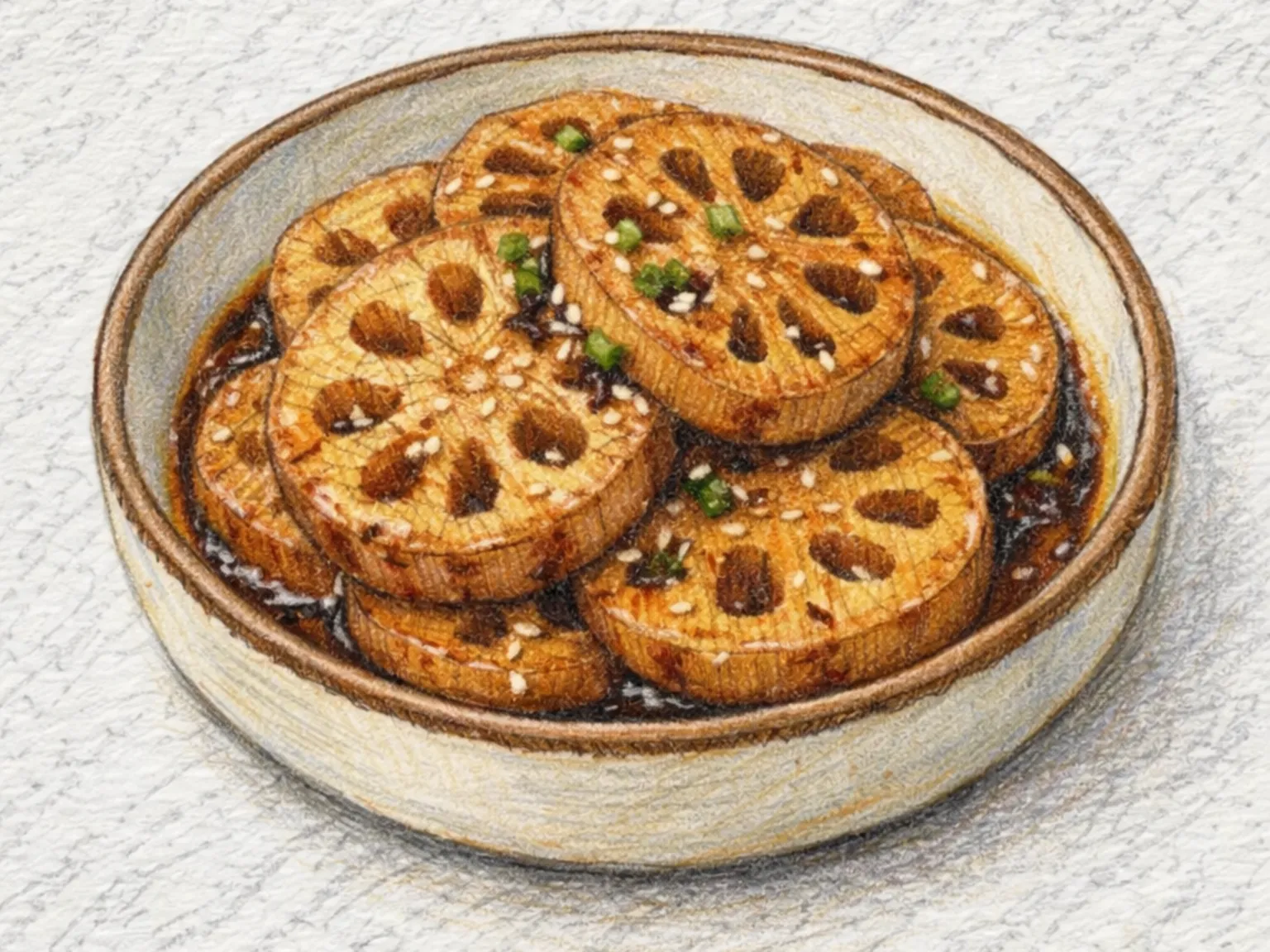
Korean Steamed Lotus Root
Yeongeun-jjim is Korean steamed lotus root where thick-cut slices are braised gently in a soy sauce, sugar, and cooking wine seasoning under a covered lid. The thick cross-sections absorb the sauce slowly, developing a sweet-salty coating on the outside while maintaining a crisp-chewy dual texture inside. Sesame oil added at the end lifts a toasted fragrance, and scattered sesame seeds provide visual contrast. With only a handful of ingredients, this side dish showcases the lotus root's natural starchy character in a clean, understated preparation.
Korean Young Radish Water Kimchi
Yeolmu mul-kimchi is a water kimchi in which young radish greens are salted to reduce their raw grassy sharpness, then submerged in a clear, aromatic brine infused with sliced radish, scallions, garlic, and ginger. The garlic and ginger are wrapped in cloth and squeezed rather than added directly to the liquid, which keeps the brine transparent and clean-tasting rather than murky. Plum syrup blended into the brine provides a measured sweetness and contributes to a lively acidity as fermentation develops. Leaving the jar at room temperature for eight hours and then refrigerating for another twelve allows the brine to become gently effervescent and pleasantly tart without turning sour. The finished liquid doubles as a broth for cold noodles in summer or can be ladled over cooked rice for a refreshing light meal. Filtered cold water makes a noticeable difference in the cleanliness of the final flavor, and keeping close watch on the salting time prevents the greens from softening past their ideal crisp texture.
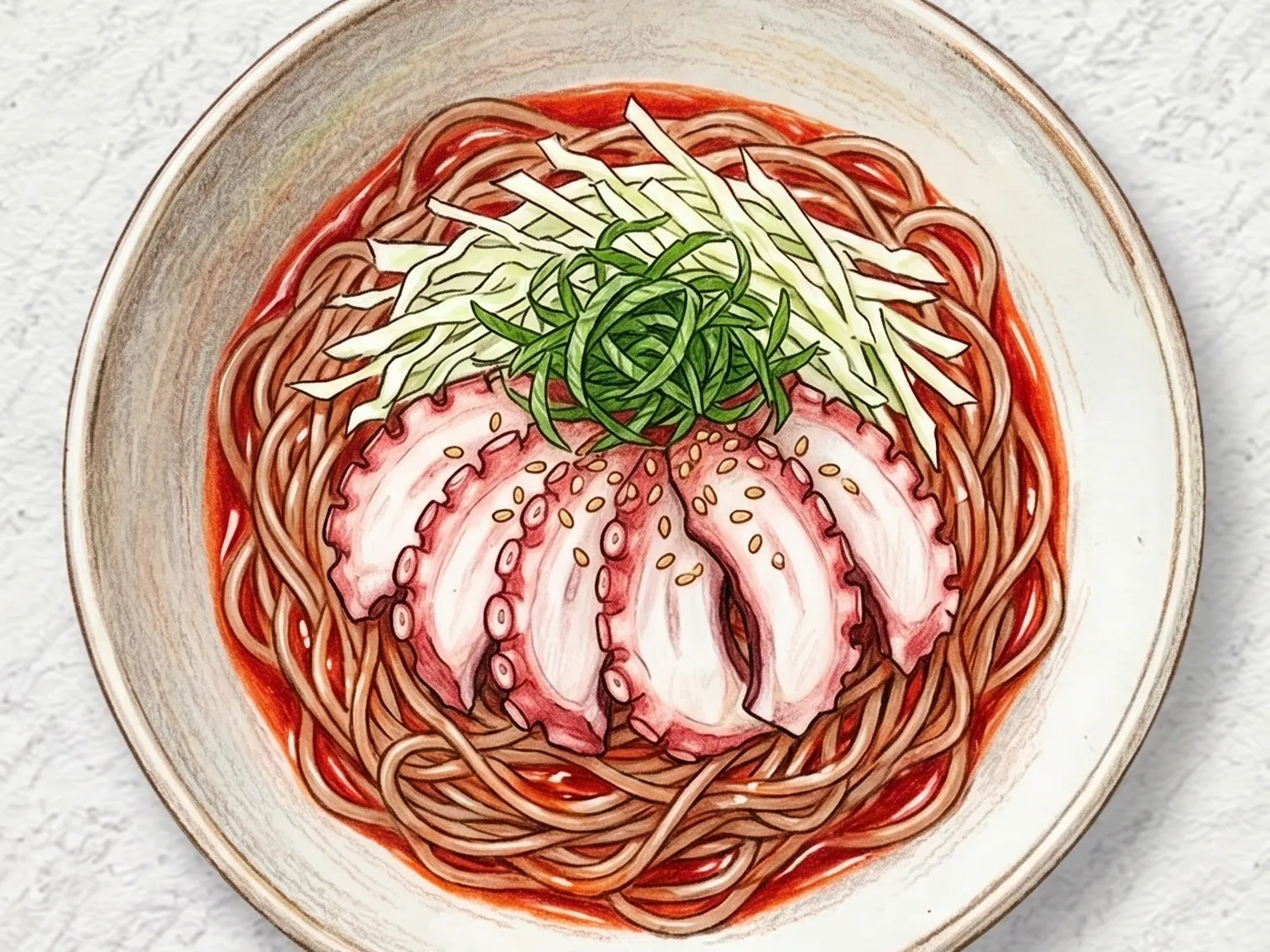
Korean Octopus Chogochujang Buckwheat Noodles
Muneo chogochujang memilmyeon is a Korean cold noodle dish featuring thinly sliced boiled octopus on chilled buckwheat noodles, dressed in chogochujang - a sauce made by combining gochujang with vinegar, sugar, garlic, and sesame oil. Patting the octopus dry after boiling helps the sauce adhere to each slice, and cooking the buckwheat noodles thirty seconds under the package time prevents them from breaking during the cold water rinse. The sweet-sour tang of the chogochujang complements the mild, clean flavor of the octopus without overpowering it. Shredded cabbage and perilla leaves contribute crunch and herbal fragrance, while a finishing sprinkle of sesame seeds adds nuttiness that ties the cold noodles and seafood together.
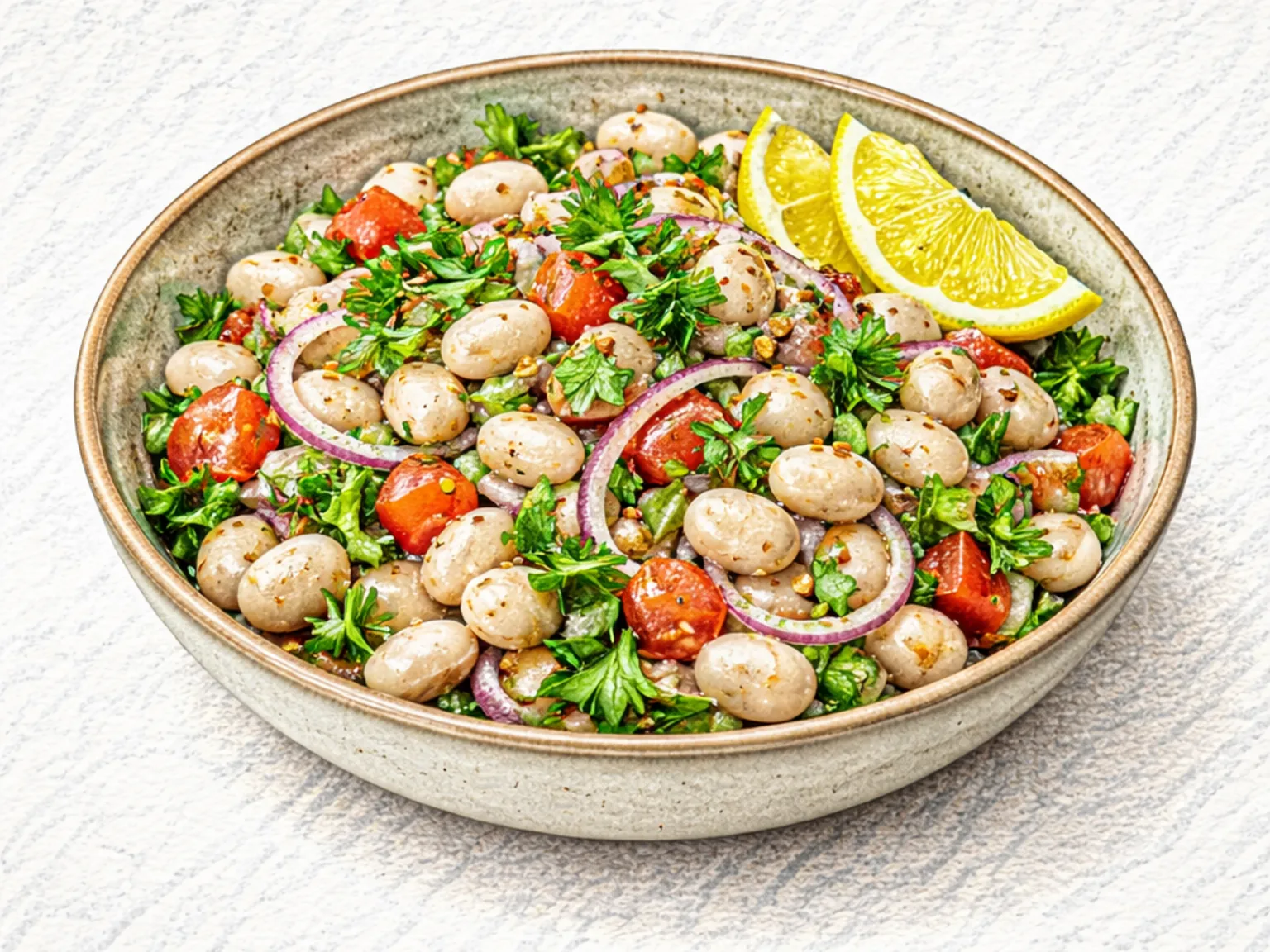
Turkish White Bean Salad (Turkish Cooked White Beans Salad)
White beans are simmered until creamy-soft, then tossed with onion and parsley in a tangy vinaigrette - a staple across Turkey. The beans' starchy texture contrasts with the crisp bite of red onion, while parsley provides a clean herbal backdrop. Lemon juice and olive oil deliver brightness, and a dusting of sumac adds both ruddy color and fruity tartness. Rich in plant-based protein, the salad works well as a light main and pairs naturally with grilled meat and flatbread. Adding seasoning in stages makes it easier to adjust saltiness, sweetness, and heat without covering the base ingredients.
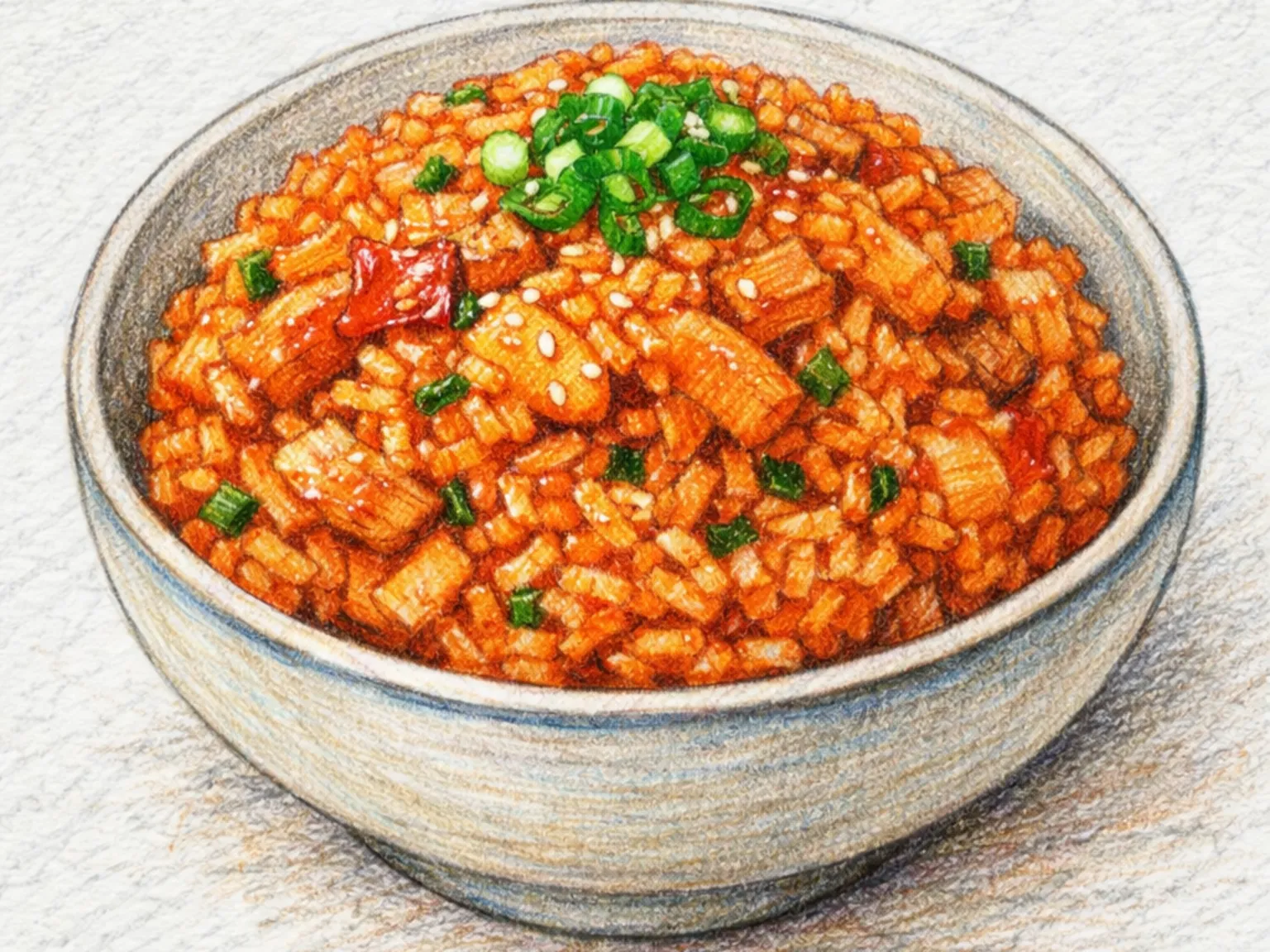
Korean Stir-Fried Kimchi (Caramelized Aged Kimchi Banchan)
Kimchi-bokkeum is the default way Korean households use kimchi that has fermented past its fresh prime and developed a sharp lactic acidity that makes it too sour to eat on its own. Stir-frying over heat fundamentally transforms that sourness, cooking it down into something mellower, sweeter, and more rounded. Onion goes in first and cooks until translucent, building a sweet foundation before the kimchi and garlic join the pan. Maintaining medium heat is the key to driving off moisture gradually and building the thick, concentrated sauce that distinguishes well-made kimchi-bokkeum from a watery stir-fry. A small addition of gochugaru deepens the color and reinforces the chili heat, while a pinch of sugar balances the fermented sourness without making the dish sweet. A tablespoon of kimchi brine stirred in near the end amplifies the umami contributed by the lactobacillus cultures in the kimchi itself. Adding sliced pork belly or canned tuna to the pan along with the kimchi increases the protein and gives the dish more substance. The finished banchan is versatile enough to serve straight alongside rice, fold into fried rice, or pile on top of ramyeon.

Loco Moco Rice Bowl (Hawaiian Beef Patty Gravy Rice Bowl)
Ground beef is mixed with minced onion, shaped into patties, and pan-seared for four to five minutes per side until a crisp crust forms outside while the center stays moist. The same pan - still coated with beef drippings - gets butter, the remaining onion, and flour to build a quick roux, then water and Worcestershire sauce transform it into a smooth, glossy gravy that captures all the fond. Assembly is straightforward: rice on the bottom, patty on top, gravy ladled over, and a sunny-side egg crowning the bowl. Breaking the runny yolk into the gravy creates a rich, velvety sauce that ties the Hawaiian-born dish together into a hearty, deeply satisfying plate.