🏠 Everyday Recipes
Simple home-cooked meals for any day
1705 recipes. Page 50 of 72
These are the meals you can cook day after day without getting tired of them. Doenjang jjigae, rolled omelet, spicy pork stir-fry - the kind of home-cooked dishes that fill an ordinary day with comfort.
The beauty of everyday cooking is that it relies on common ingredients already in your fridge. No exotic items, no complicated techniques - just straightforward recipes for satisfying home meals.
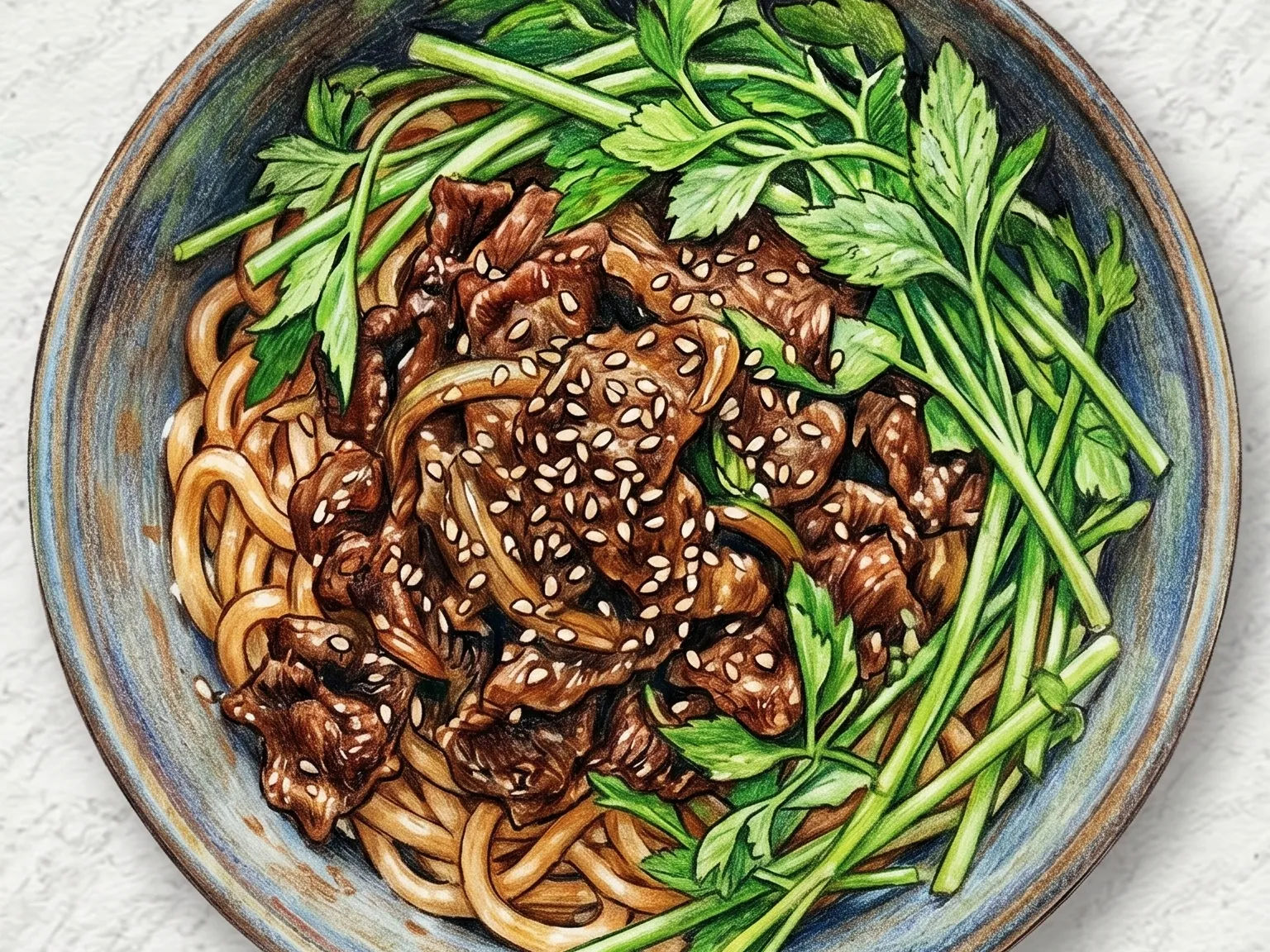
Korean Minari Bulgogi Bibim Udon
Minari bulgogi bibim udon is a Korean mixed noodle dish combining soy-marinated beef bulgogi with fragrant water dropwort over chewy udon noodles. The beef is marinated for ten minutes in soy sauce, garlic, and syrup, then stir-fried quickly with onion over high heat to develop caramelized edges while keeping the interior moist. Udon is blanched for two minutes and rinsed in cold water to restore its springy chew. A gochujang, soy sauce, and sesame oil dressing coats the noodles first, then the bulgogi and minari are folded in gently at the end so the herb's distinctive aroma stays intact rather than wilting away. Sesame seeds scattered on top add a final nutty accent that bridges the savory meat and the fresh, grassy minari. Adding a small amount of pear juice or kiwi juice to the marinade tenderizes the beef noticeably, which sharpens the contrast between the silky meat and the firm noodle.
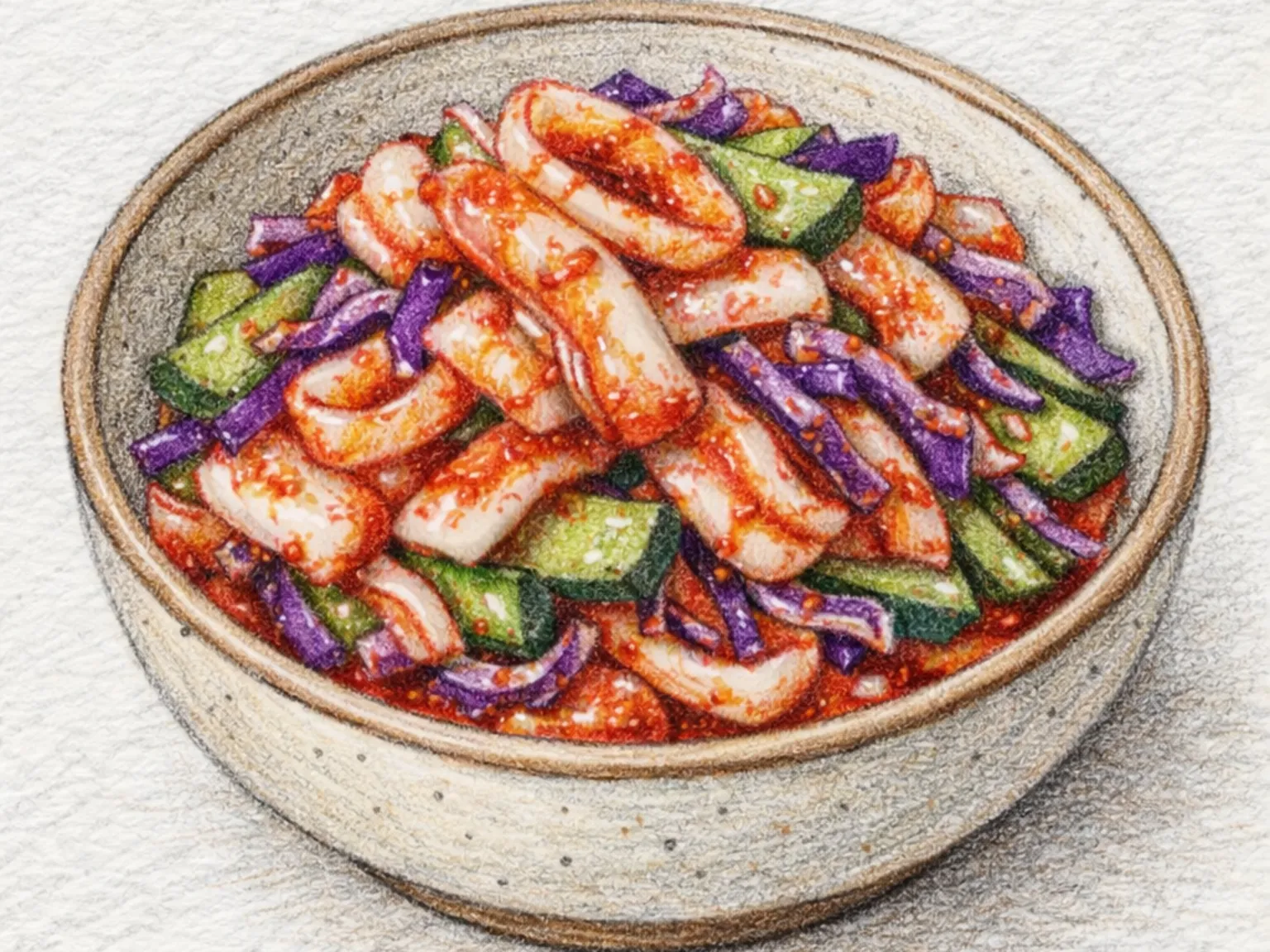
Squid and Cucumber Chojang Salad
Squid is blanched briefly for a chewy yet tender texture without any fishy taste. Diagonally sliced cucumber adds juicy crunch, while shredded red cabbage brings vivid purple color. Chojang - gochujang, vinegar, and plum extract - delivers a sweet, spicy, and sour punch that accents the mild seafood. Sesame oil, minced garlic, and a sprinkle of sesame seeds complete the classic Korean seafood salad profile, best served chilled in summer as a refreshing standalone meal.
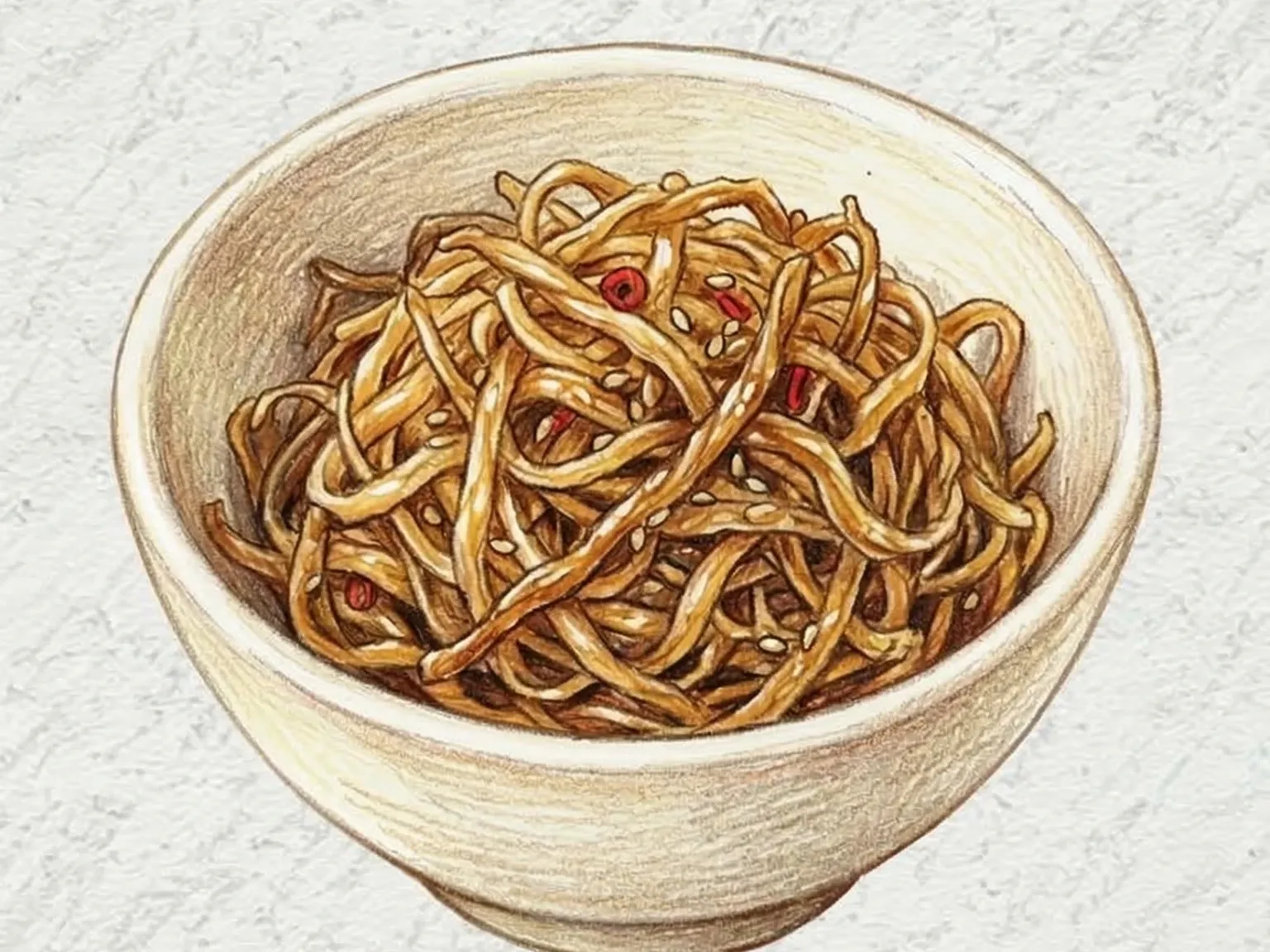
Korean Butter Soy Stir-fried Dried Squid
Butter-soy jinmichae-bokkeum stir-fries dried shredded squid (jinmichae) in melted butter with soy sauce and oligosaccharide syrup, making a banchan that is rich, salty-sweet, and distinctly different from the standard gochujang-dressed version. The butter's milk fat coats each strand of squid and creates a noticeably smoother mouthfeel than oil-based preparations. The sequence matters: garlic goes into the melted butter first and cooks for just twenty seconds to bloom its aroma without burning, then the soy sauce and syrup go in to form the glaze base, and only then does the jinmichae enter the pan. The entire stir-fry window is no more than two to three minutes - squid proteins contract and toughen quickly at high heat, so extended cooking ruins the texture. Half a tablespoon of gochugaru is enough to add gentle warmth and a reddish tint without overriding the butter's character. This banchan works in children's lunchboxes and holds up equally well as a beer snack.
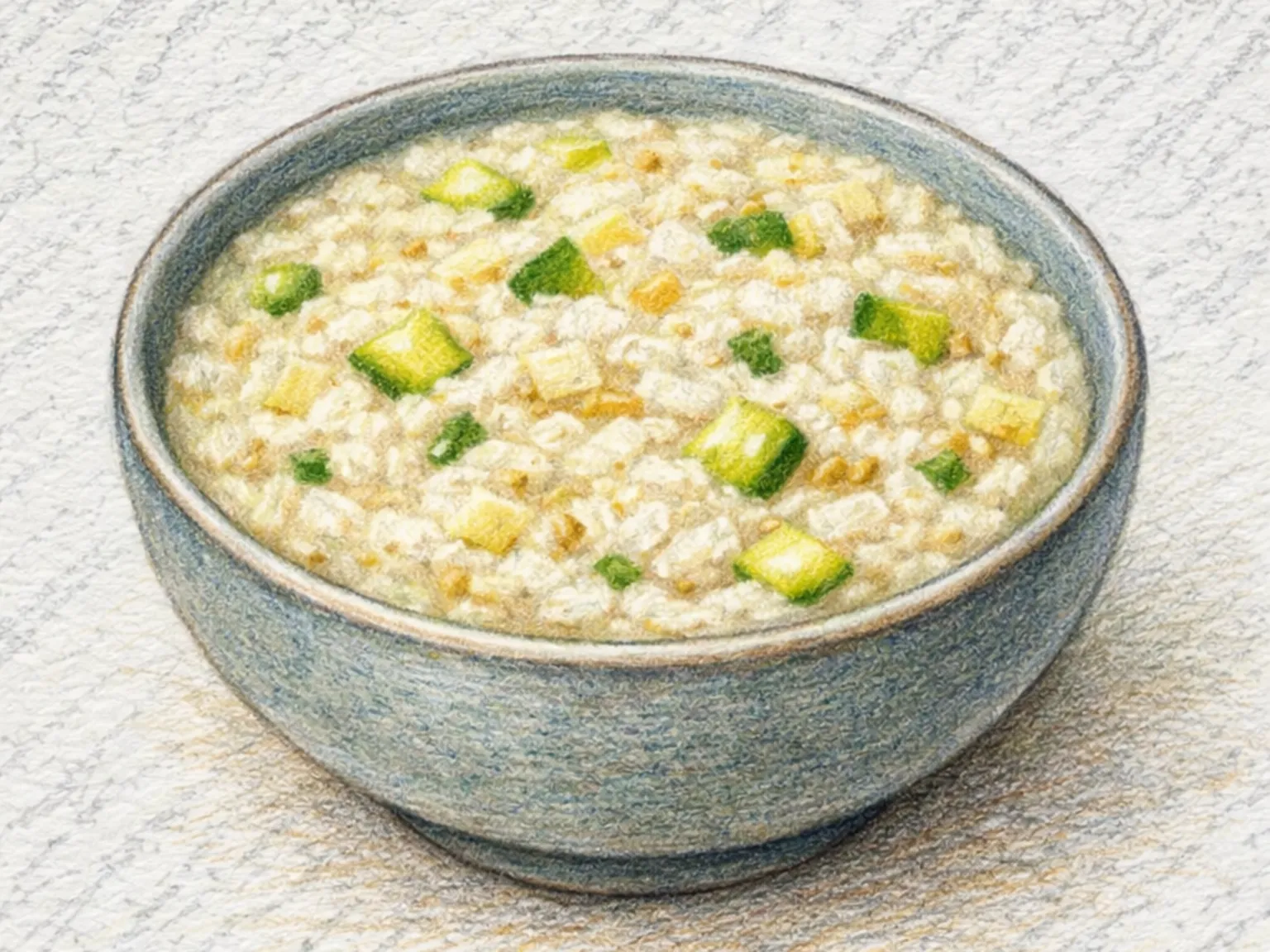
Korean Soy Pulp Porridge (High-Protein Okara Anchovy Stock Porridge)
Soy pulp (okara) and soaked rice simmer together in anchovy stock, creating a thick, protein-rich porridge with a hearty body. Onion and garlic are first sauteed in sesame oil to build an aromatic base, then the rice goes in for a brief toast before the stock is added. Once the rice is half-cooked, soy pulp and diced zucchini join the pot, and constant stirring over low heat is essential since okara scorches quickly if left unattended. Seasoned with just salt and black pepper, this juk has a nutty, beany depth from the soy pulp paired with the clean umami of anchovy stock, making it filling yet light on the palate. Making the okara at home by blending soaked soybeans in a blender yields a noticeably fresher, more pronounced soy aroma than the packaged version and elevates the overall flavor of the finished porridge.
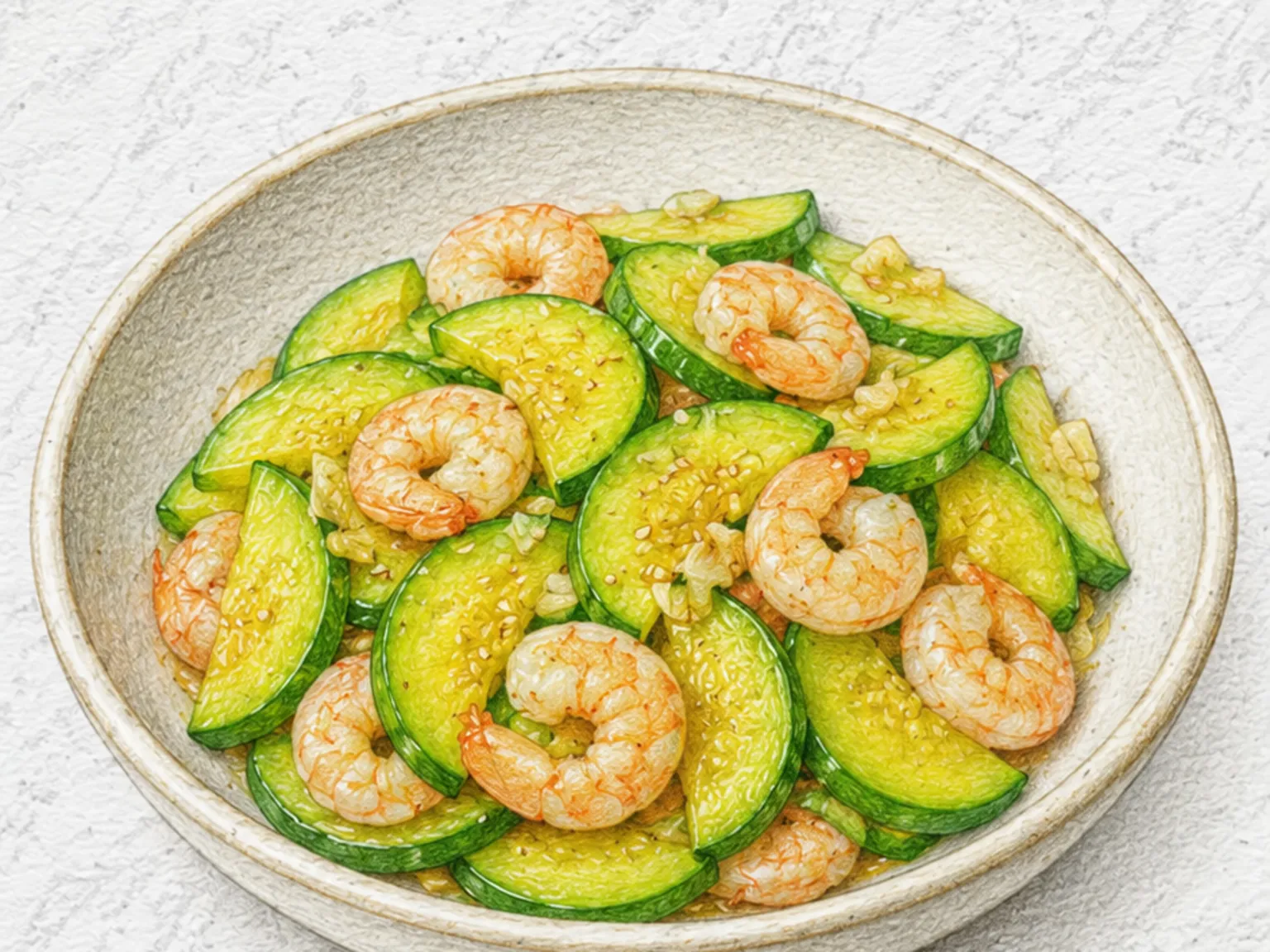
Korean Zucchini Shrimp Stir-fry
Hobak-saeu-bokkeum is a light Korean stir-fry of thinly sliced zucchini and shrimp seasoned with soy sauce, cooking wine, and garlic. The dish relies on the inherent flavors of its ingredients rather than heavy seasoning, keeping the final result mild, clean, and free of excess grease. Zucchini softens as it cooks and releases its natural sweetness, but the heat must be managed carefully. Overcooking draws out too much moisture and turns the slices limp and watery, eliminating the slight crispness at the center that defines the ideal texture. A well-preheated pan and high heat are needed to sear the surface quickly before the interior softens all the way through. Shrimp are cooked only until they turn pink and curl into a gentle arc. At that moment the proteins have set just enough to give a plump, springy bite; cooking beyond that point tightens the muscle fibers further and makes them rubbery. Using soup soy sauce rather than dark soy sauce keeps the color light and the seasoning clean. A sliced green chili adds a sharp kick without changing the fundamental character of the dish. The entire stir-fry comes together in around ten minutes, making it one of the more practical banchan options when time is limited. It holds its flavor and texture at room temperature without deteriorating, which makes it a reliable choice for a packed lunchbox as well as a fresh dinner side. Lightly salting the shrimp and splashing on a small amount of cooking wine before cooking helps draw out any residual fishiness. Yellow squash or zucchini varieties can substitute freely for the Korean hobak, and adding squid alongside the shrimp introduces an additional layer of oceanic character to the finished dish.

Korean Tornado Potato (Spiral-Cut Deep-Fried Whole Potato Skewer)
Tornado potato is a Korean street snack made by spiral-cutting a whole potato on a skewer, stretching it into a continuous helix, and deep-frying at 170 degrees Celsius until golden. The key to an unbroken spiral is rotating the potato slowly and evenly while cutting so each pass of the knife connects to the last. Soaking the cut potato in salted water for five minutes pulls out surface starch, which results in a noticeably crispier exterior after frying. The thin outer edges of the stretched spiral fry up chip-like and crunchy, while the thicker central section retains a fluffy, starchy interior. This contrast of textures on a single skewer is what makes the format appealing beyond the novelty. Seasoning should be applied immediately after frying while the surface is still hot and slightly oily, since the coating adheres poorly once the potato cools. Cheese powder, paprika, and salt are the standard options, but buldak seasoning or herb blends are popular variations. Keeping the potato firmly secured on the skewer and working flat on a cutting board makes the spiral-cutting step significantly easier for first-timers.
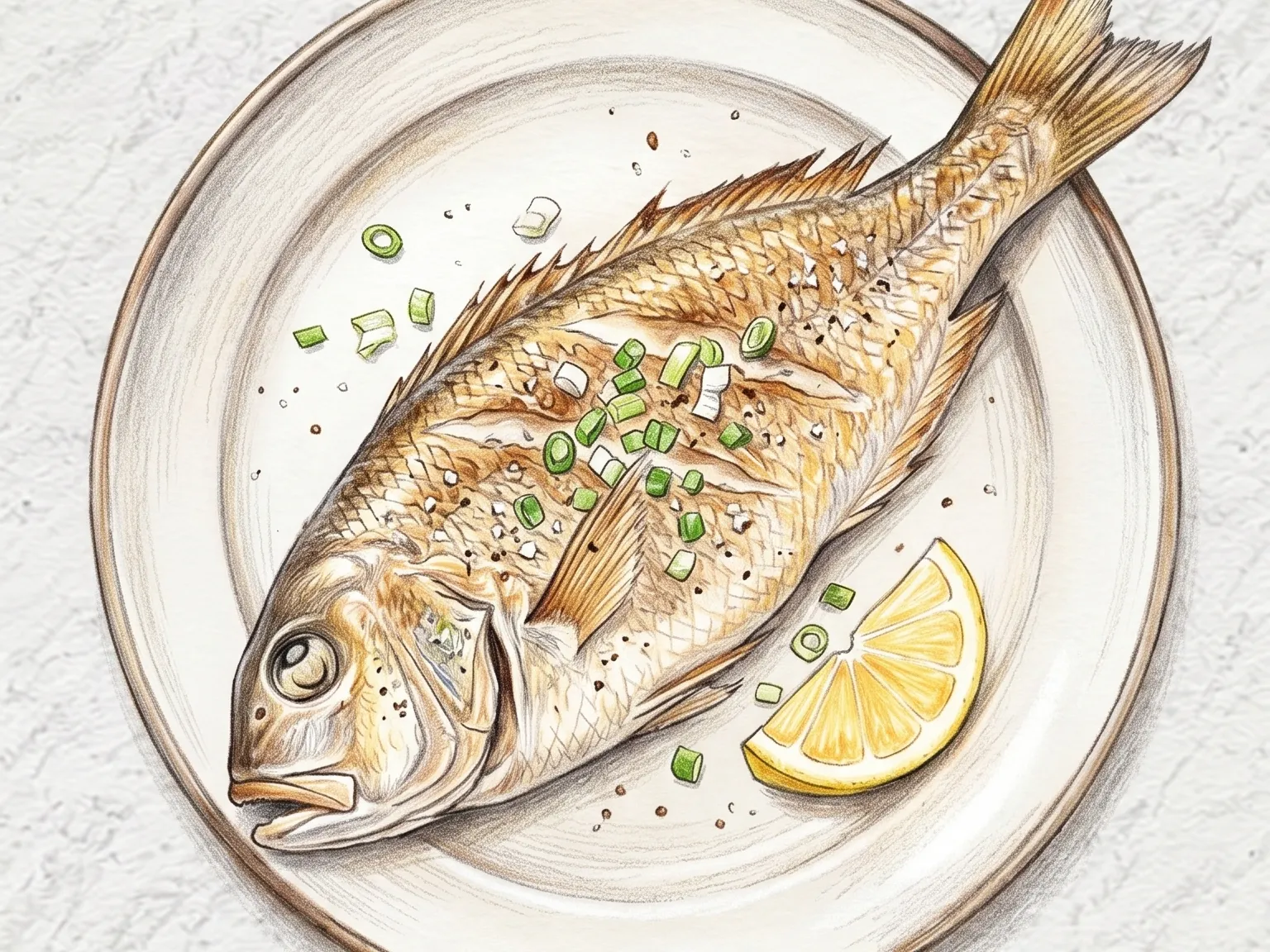
Korean Okdom Sogeum Gui (Salt-Grilled Tilefish)
Okdom sogeum-gui is a salt-grilled tilefish dish iconic to Jeju Island, where the whole cleaned fish is rubbed with a thin layer of ginger juice, seasoned with coarse salt and pepper, and pan-fried skin-side down for six to seven minutes over medium-high heat. Tilefish has moderately fatty, firm flesh that develops deep umami with salt alone, and the ginger juice is applied sparingly-just enough to neutralize any fishiness without masking the fish's own character. Thorough surface drying with paper towels before cooking is non-negotiable for crisp skin, and the pan must be fully preheated or the fish will stick immediately. Chopped green onion and fresh lemon juice served alongside provide a sharp, aromatic contrast to the clean, mellow flavor of the grilled tilefish.
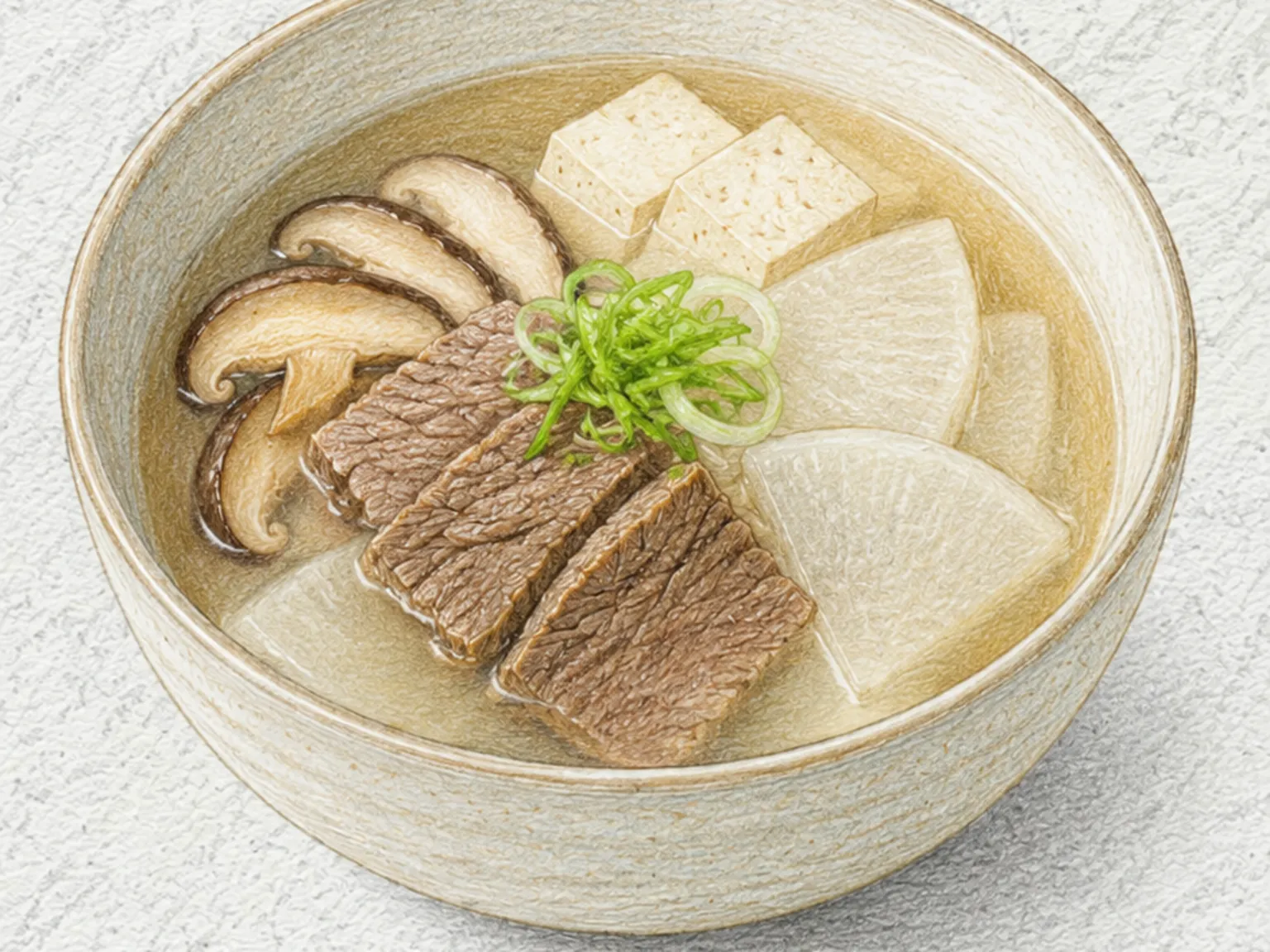
Jesa Tangguk (Ancestral Clear Beef Soup)
Jesa-tangguk is a traditional Korean clear soup prepared for ancestral rites and formal family gatherings. Beef brisket is first soaked in cold water for at least an hour to draw out the blood, then simmered over medium heat for an extended time to produce a clear, deeply flavored stock that forms the foundation of the entire bowl. Skimming the surface regularly during cooking keeps the broth transparent and clean-tasting. Radish cooks until nearly translucent, releasing a gentle natural sweetness into the stock, while blocks of tofu and sliced shiitake mushrooms add contrasting textures. Seasoning is limited to soup soy sauce and garlic, preserving the purity of the broth and allowing each ingredient's flavor to come through undisguised. Fat is skimmed away before serving, producing the spotless, refined finish expected of ritual food. The aesthetic matters as much as the flavor: ingredients are cut into tidy, uniform shapes and arranged with deliberate care, reflecting the reverence that is central to the jesa ritual. Beyond ceremonial occasions, jesa-tangguk is a comforting home-style soup enjoyed at holidays and family meals for its clean, balanced warmth.
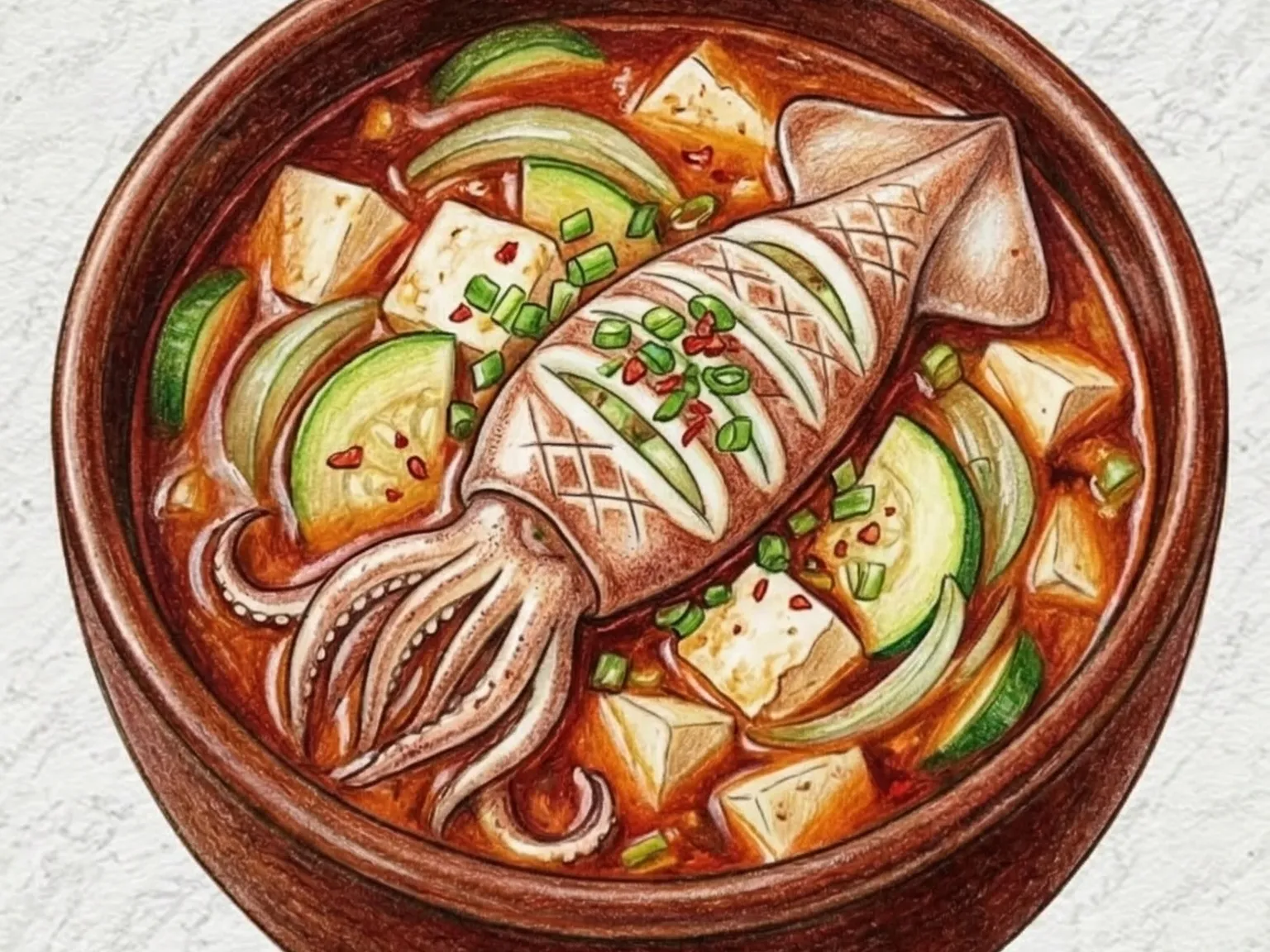
Korean Squid Stew
Ojingeo jjigae simmers a whole cleaned squid in an anchovy broth enriched with gochujang and chili flakes, producing a sweet-spicy stew that pairs directly with steamed rice. The squid body is scored with diagonal cuts before going into the pot, which lets the bold red pepper paste seasoning penetrate the flesh so that each bite carries the full flavor of the broth. Tofu and zucchini cook alongside, absorbing the spicy liquid while softening enough to contrast with the firm, chewy squid. The natural sweetness of gochujang is well matched to the mild, clean flavor of squid, keeping the stew from tasting one-dimensional despite its deep red color. Timing matters: squid added too early toughens quickly, so it goes in during the final five minutes and cooks just until opaque. Cheongyang chili peppers can be added for extra heat, and a handful of sliced green onion stirred in at the end provides a fresh aromatic note. The braising liquid, spiced and slightly thickened from the vegetables, is rich enough to spoon over rice and eat on its own.
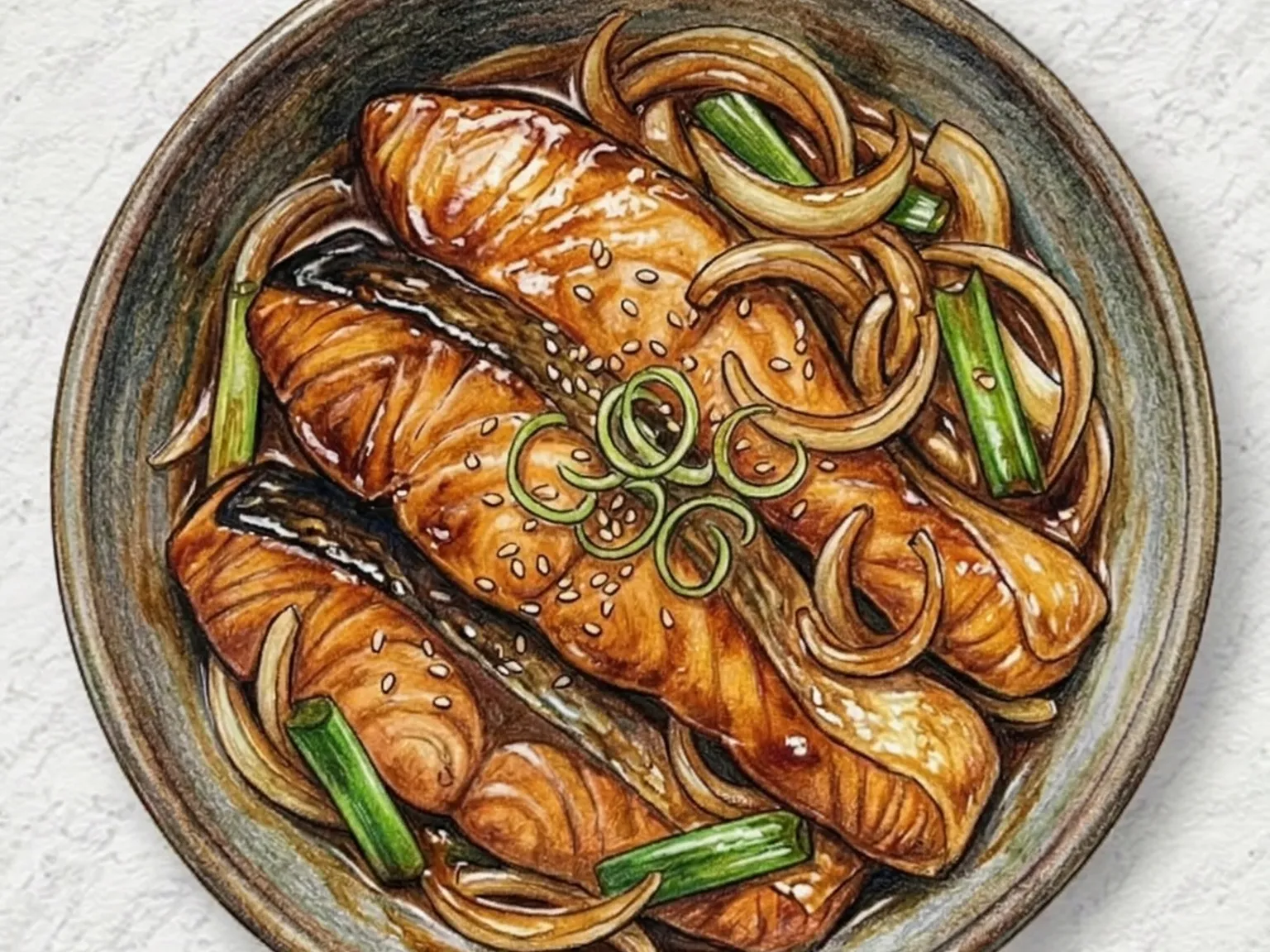
Korean Soy Braised Salmon
Yeon-eo ganjang jorim is Korean soy-braised salmon where fillets are seared first to firm the surface, then glazed in a sauce of soy sauce, cooking wine, and oligosaccharide syrup. Green onion and onion cook in the sauce, adding sweetness and neutralizing any fishiness. The syrup gives the glaze a smooth sheen that clings to each piece of salmon as the liquid reduces. With total cooking time under twenty minutes, this is a practical weeknight fish dish that delivers a polished, glossy presentation with minimal effort.
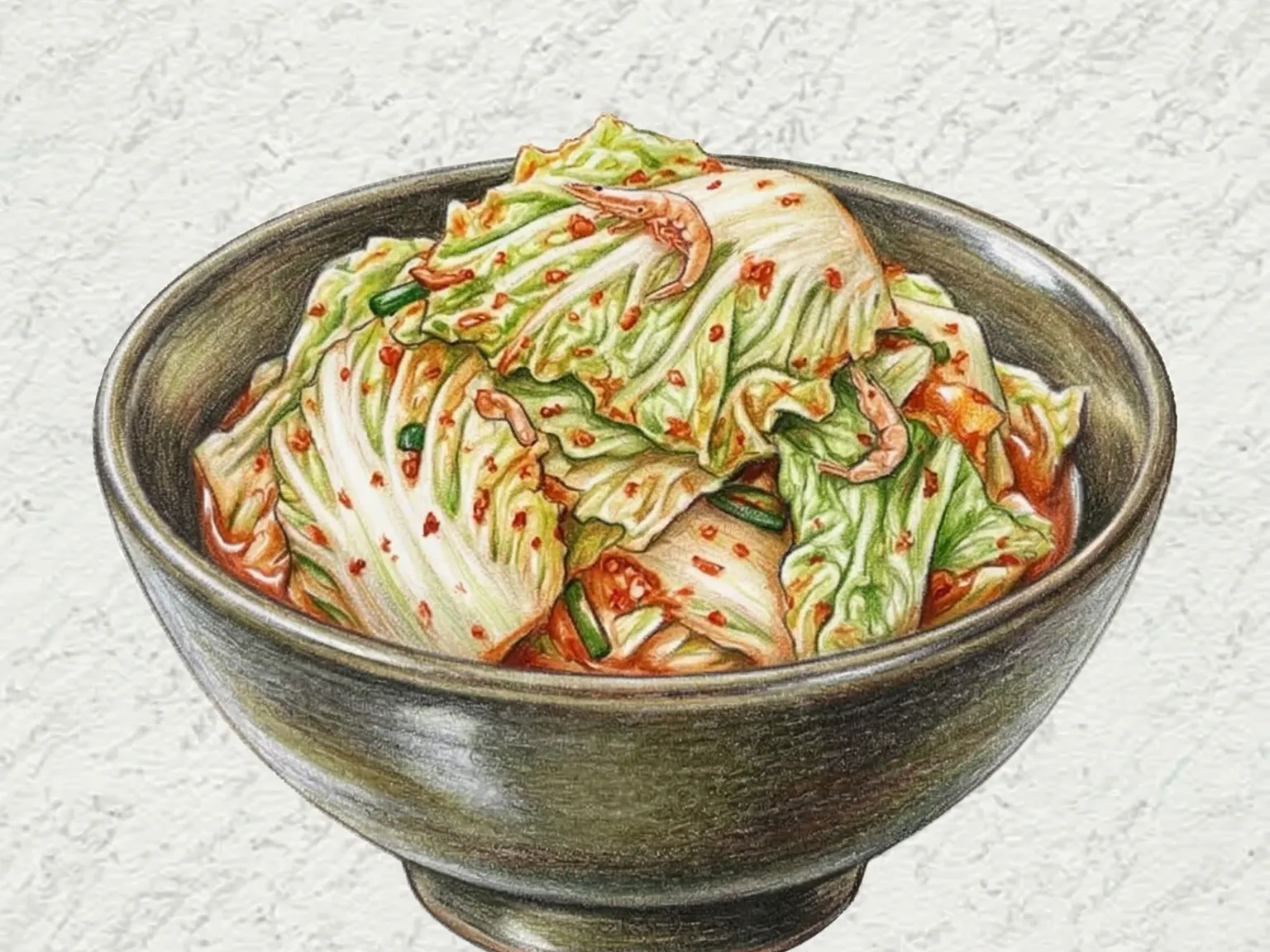
Korean Cabbage Kimchi (Crunchy Green Cabbage Kimchi)
Yangbaechu kimchi is a Korean cabbage kimchi made by salting green cabbage and tossing it with chili flakes, fish sauce, and minced garlic. The thicker leaves and lower moisture content of green cabbage compared to napa cabbage result in a noticeably crunchier texture that persists through fermentation. The natural sweetness of cabbage softens the heat from the chili seasoning, while carrot and scallion pieces add color and freshness. Six hours of fermentation at room temperature followed by refrigeration lets the tanginess develop gradually. It serves as a lighter alternative when traditional napa kimchi feels too heavy.
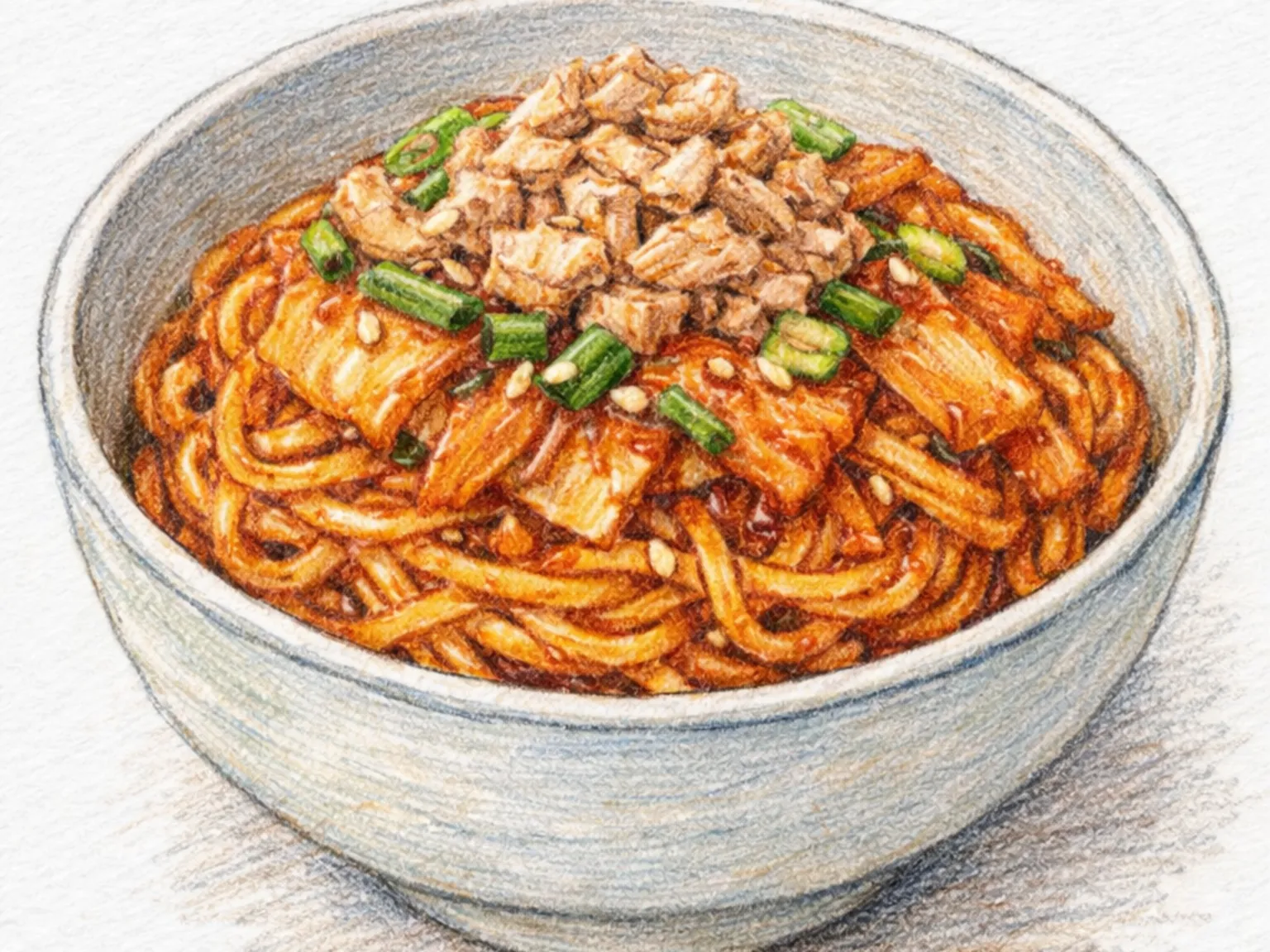
Korean Aged Kimchi Tuna Mixed Noodles
Mukeunji tuna bibim myeon is a quick Korean mixed noodle dish that combines the deep, fermented sourness of aged kimchi with the savory richness of canned tuna, all tossed together in a gochujang-based sauce. Scraping the filling out of the aged kimchi and chopping it finely keeps the sourness from overwhelming the dish, while draining the tuna oil thoroughly prevents the dressing from turning watery. The sauce is built from gochujang, rice vinegar, oligosaccharide syrup, and sesame oil, which together create a balance of spicy, sour, and sweet that works well with both the kimchi and the fish. Boiling the wheat noodles for five to six minutes and rinsing them under cold water gives them a firm, springy bite, and shaking off all excess moisture before tossing ensures the sauce clings to every strand rather than pooling at the bottom of the bowl. Sliced scallion and ground sesame seeds scattered on top add freshness and nuttiness, and a small adjustment of vinegar or syrup at the table lets each person dial in their preferred balance. The whole dish comes together in under fifteen minutes with pantry ingredients, making it a reliable option for a quick lunch.
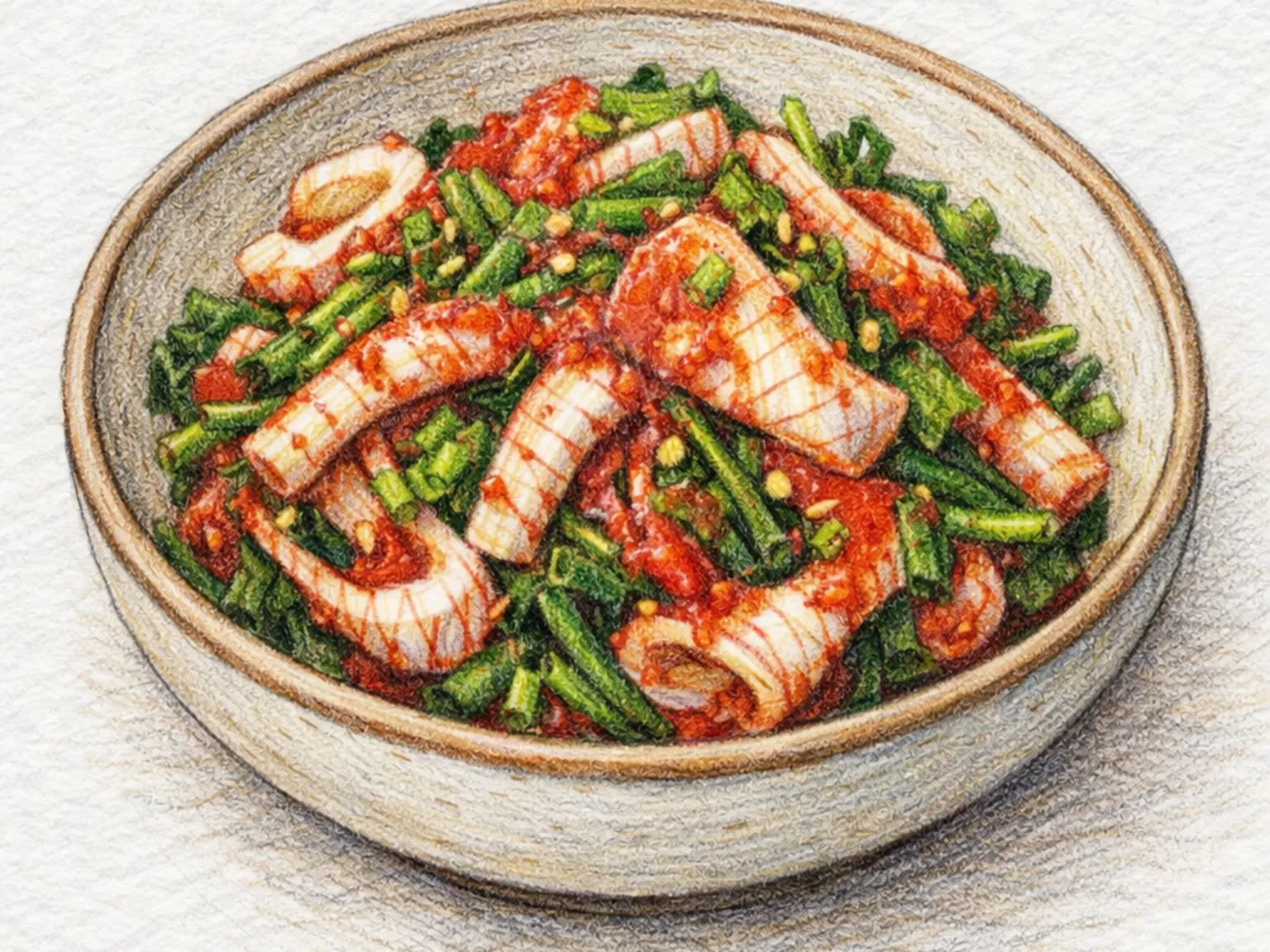
Squid Naengi Chojang Salad
Preparing squid for a seasonal salad involves a quick blanching process in boiling water for less than thirty seconds. This precise timing keeps the seafood tender and prevents it from turning rubbery or tough. Shepherd's purse, or naengi, contributes an earthy aroma characteristic of early spring that complements the oceanic profile of the squid. Crisp lettuce and fresh cucumber provide a crunchy texture that contrasts with the soft seafood pieces. The dressing relies on a combination of gochujang, rice vinegar, and oligosaccharide syrup to create a spicy, tangy, and mildly sweet foundation for the ingredients. To finish the sauce, sesame oil contributes a nutty scent while minced garlic adds a sharp, aromatic quality that integrates the different components. Careful cleaning of the naengi to remove soil and fine roots is necessary before briefly blanching it in salted water to eliminate bitterness and preserve its fragrance. Serving this dish cold during the early spring months highlights the specific seasonal qualities of the ingredients. For variations, scallops or shrimp can replace the squid, as they both pair well with the spicy dressing. Similarly, spring cabbage or wild chives can substitute for the shepherd's purse to maintain the seasonal character of the salad.
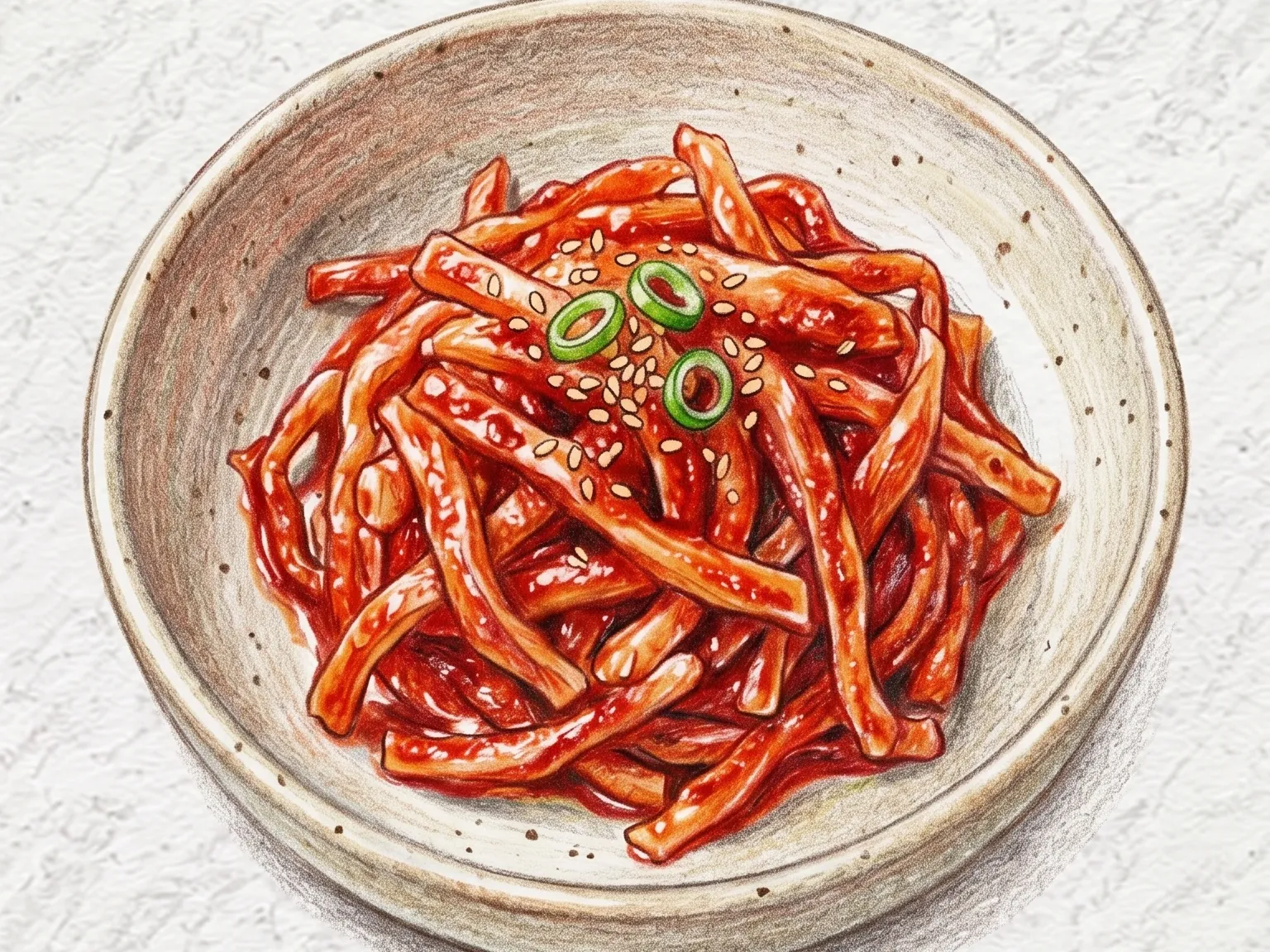
Korean Seasoned Dried Squid Strips
Jinmichae-muchim tosses dried shredded squid directly in a spicy-sweet sauce with no cooking involved. The no-heat approach is what separates it from stir-fried jinmichae: without heat, the strands retain their characteristic jerky-like chew instead of softening. The sauce combines gochujang, gochugaru, and oligosaccharide syrup for the sweet-and-spicy base, with one tablespoon of mayonnaise added as the defining detail. The emulsified fat in the mayo coats each strand, preventing the rough, slightly scratchy texture that plain-dressed dry squid can have on the palate. After mixing, a ten-minute rest is necessary for the squid to absorb the seasoning evenly, so the flavor reaches all the way through each piece rather than sitting only on the surface. Because the finished dish contains virtually no liquid, it holds up well in lunchboxes without bleeding into neighboring banchan, and it keeps for several days refrigerated. Heat level adjusts simply by scaling gochugaru up or down, and the whole process from prep to finished dish takes about fifteen minutes.
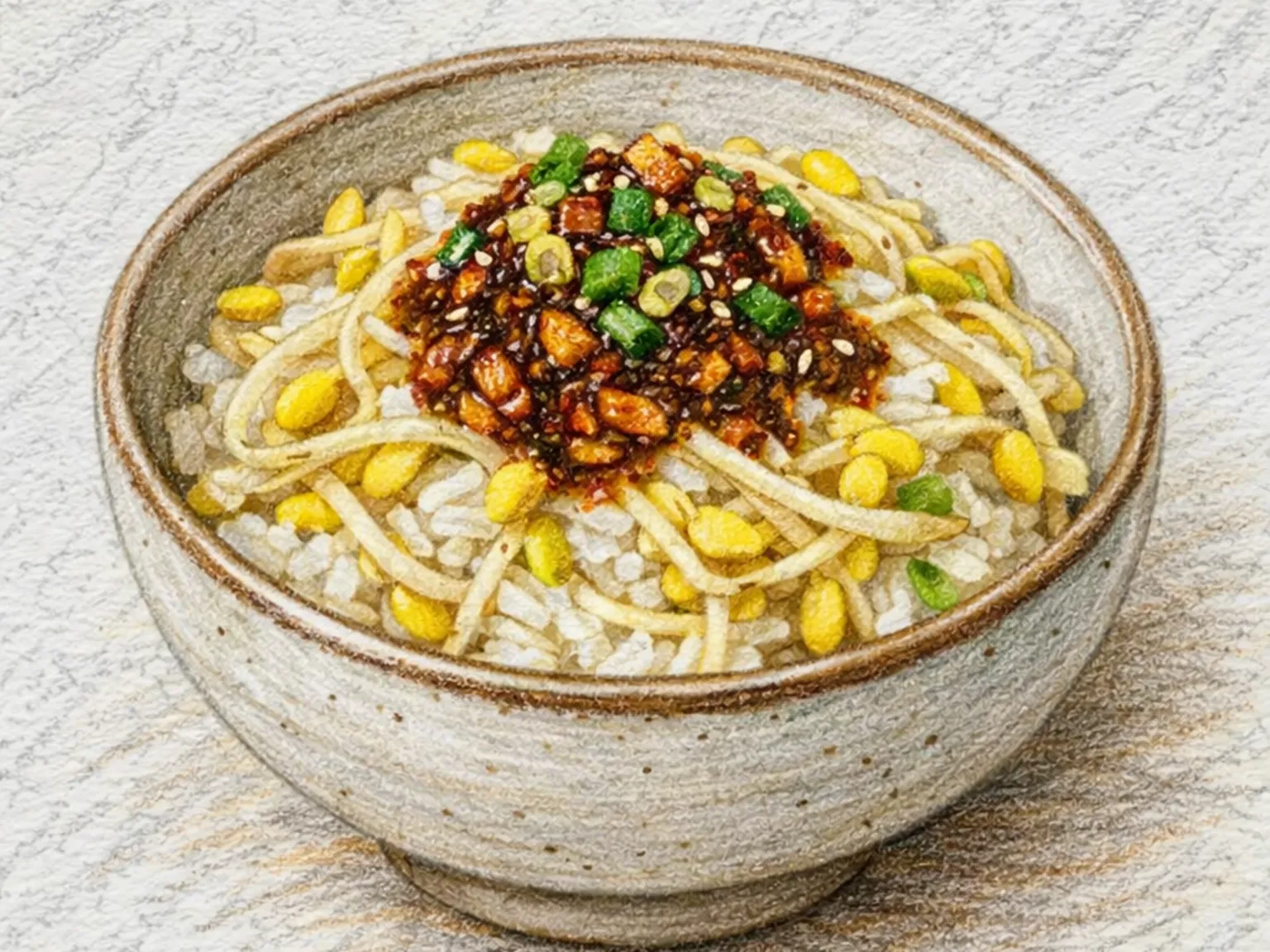
Korean Bean Sprout Rice (Pot-Steamed Rice with Soy Sprouts)
Kongnamul-bap is a simple Korean home dish of soaked rice cooked together with a generous pile of bean sprouts in a covered pot. Timing and the closed lid are the two things that define the result. The pot starts on high heat until the water boils, then drops to low for fifteen minutes of steady cooking followed by five minutes of resting. Opening the lid at any point during this process releases steam and allows a raw, beany smell to develop in the finished rice. Once the resting period is complete, the sprouts have steamed through and their moisture has been absorbed into the rice grains. The seasoning sauce is mixed directly into the bowl at the table: soy sauce, sesame oil, gochugaru, finely sliced green onion, and a scatter of sesame seeds. Each spoonful combines the soft, starchy rice with the firm snap of the sprout stems, and the soy dressing pulls everything into a coherent flavor. The dish asks very little from the cook and costs almost nothing to make, yet it produces the kind of deeply satisfying meal that is difficult to improve upon. Some versions add daikon cut into thick batons, which contribute a cool, clean sweetness to the broth that forms at the bottom of the pot.
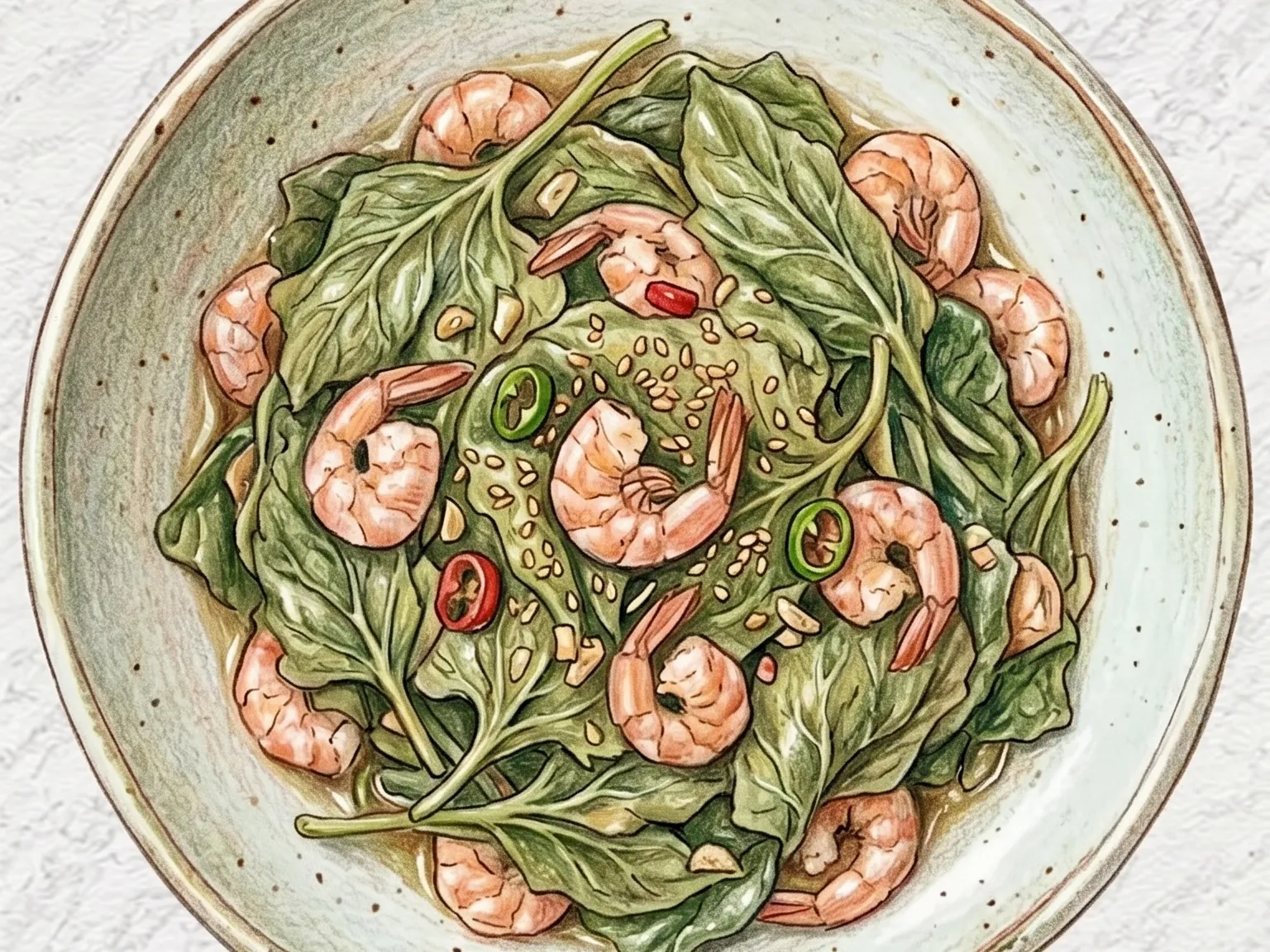
Korean Stir-fried Pumpkin Leaves and Shrimp
Hobakip-saeu-bokkeum is a Korean summer stir-fry that pairs blanched pumpkin leaves with fresh shrimp in perilla oil, seasoned lightly with soup soy sauce. Blanching the leaves before anything else goes into the pan is not optional. The coarse, fuzzy surface that characterizes raw pumpkin leaves softens through the brief heat exposure, but the leaf itself retains enough structure so that it does not collapse into a slippery, formless mass when it hits the hot pan. The mild, grassy aroma that defines the vegetable comes through intact after the blanching step. Shrimp brings a clean, oceanic savory quality that pairs well with the herbaceous character of the leaves rather than overwhelming it. Perilla oil holds the two together with its distinctively nutty and faintly herbal fragrance, which complements both the sea-forward shrimp and the green quality of the pumpkin leaves in a way that plain vegetable oil would not. A sliced cheongyang chili pepper adds a thread of gentle heat that keeps the dish from tasting flat without pushing the spice level high enough to obscure the delicate flavors of the main ingredients. Clam meat or finely minced pork can substitute for the shrimp, each producing a different but equally satisfying version. This is a seasonal dish that depends on pumpkin leaves at their youngest and most tender, which occurs in summer. Larger, older leaves are tougher and more fibrous, and the flavor is less delicate. After blanching, the leaves need to be squeezed thoroughly to remove excess water before they go into the pan. Skipping this step causes steam to build as they hit the hot oil, which leads to uneven cooking and a watery, diluted finish. Spooning the finished stir-fry over a bowl of hot rice and mixing it in is the most direct way to eat the dish well.

Korean Tornado Sausage (Spiral-Cut Batter-Fried Sausage Skewer)
Tornado sosiji is a Korean street snack of sausages spiral-cut on a skewer at an angle, spread open, coated in frying batter, and deep-fried at 170 degrees Celsius. The batter fills the gaps between the spiral cuts, so each section fries into its own crispy layer wrapped around the sausage. The salty, smoky flavor of the sausage is amplified by the fried coating, and dipping in ketchup and mustard adds a tangy counterpoint that lightens the oily richness. Cutting the spiral slowly while rotating the sausage is essential to keep the helix intact and achieve the signature fanned-out shape.
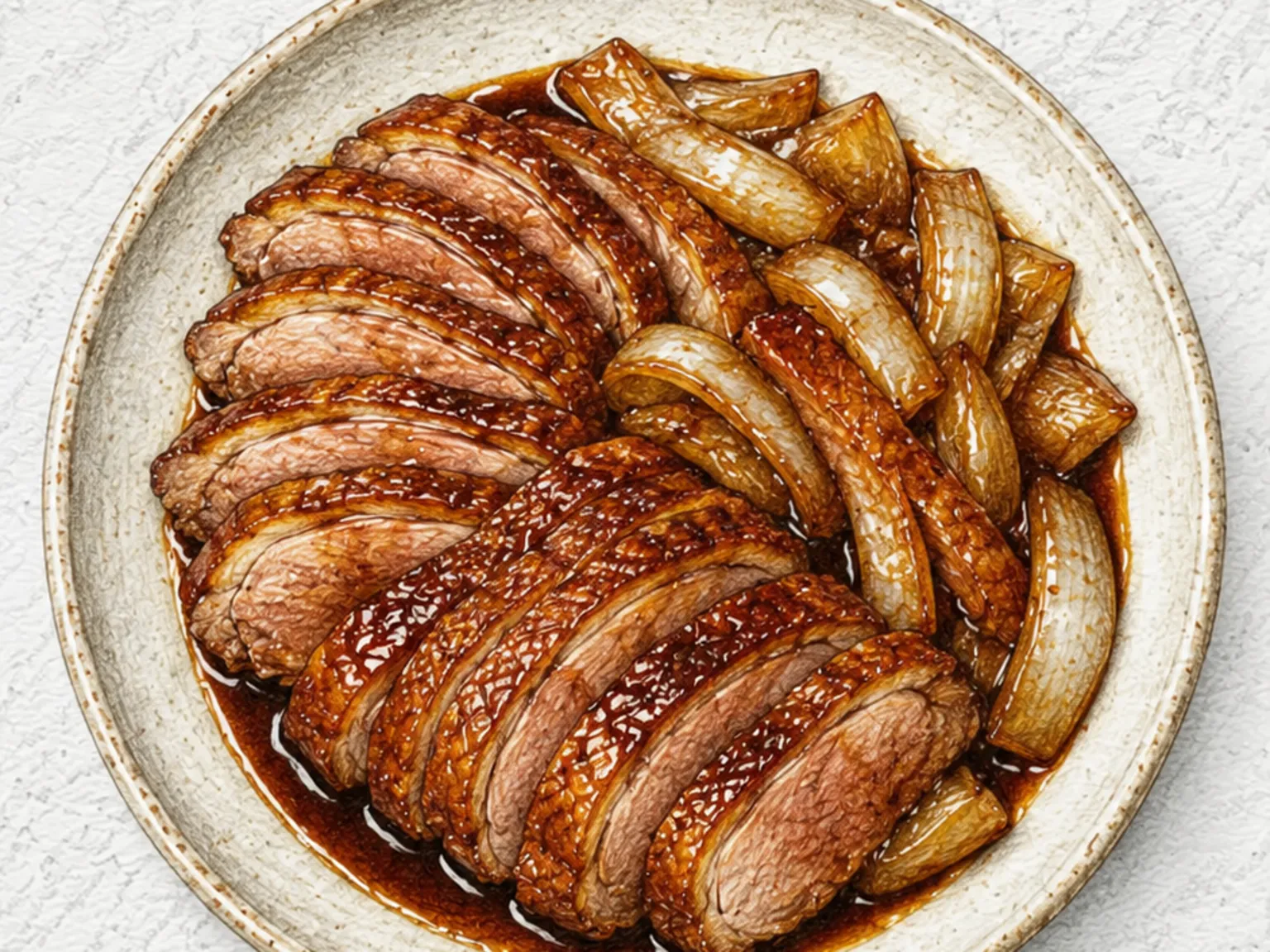
Korean Soy Garlic Grilled Duck
Ori-ganjang-gui is a Korean soy-braised grilled duck dish where scored duck breast is marinated for twenty minutes in a sauce of soy sauce, minced garlic, honey, cooking wine, ginger juice, and black pepper, then placed skin-side down in a cold pan to start cooking. The cold-start method slowly renders the thick subcutaneous fat layer into the pan over eight minutes, building up a pool of self-basting duck fat that eliminates the need for added oil and crisps the skin without burning it before the breast is flipped. Soy sauce and honey caramelize at high heat into a glossy dark brown glaze, while ginger juice actively breaks down the gamey odor that duck fat often carries. In the final two minutes, the remaining marinade is brushed back onto the meat and sliced onions are added to the pan, where their natural sugars rise and merge with the salty-sweet soy coating to form a deeply savory side that complements the duck. The sliced meat can be wrapped in perilla or lettuce leaves, or the rendered cooking juices can be spooned directly over rice.
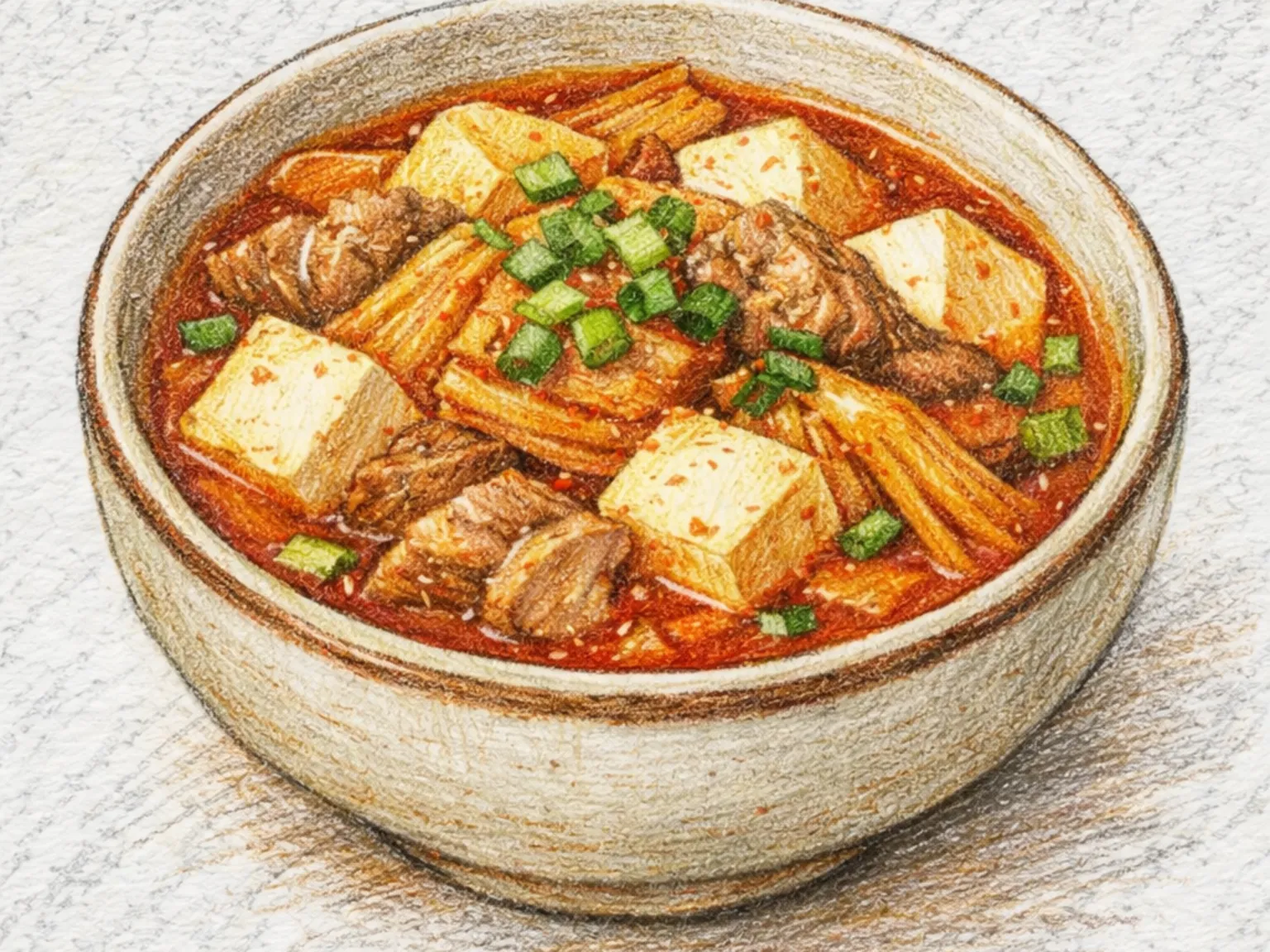
Kimchi Dwaejigogi-guk (Kimchi Pork Tofu Soup)
Kimchi-dwaejigogi-guk starts by stir-frying pork shoulder and well-fermented sour kimchi together in perilla oil. The pork is cooked first until its fat renders fully, then chili flakes join the pan for three more minutes of cooking alongside the kimchi. This initial stir-fry step is what gives the soup its depth - the caramelized kimchi acidity and rendered pork fat fuse into a base that a plain simmered broth cannot replicate. Water and sliced onion are added and simmered for fifteen minutes, then blocks of firm tofu go in near the end, soaking up the spicy, ruddy broth and providing a soft contrast to the chewy pork. The soup has considerably more liquid than a jjigae, making it well suited for pouring over rice in a bowl. Kimchi that has fermented longer delivers more lactic tang and a more complex broth. Pork belly can replace shoulder for a richer, fattier result.
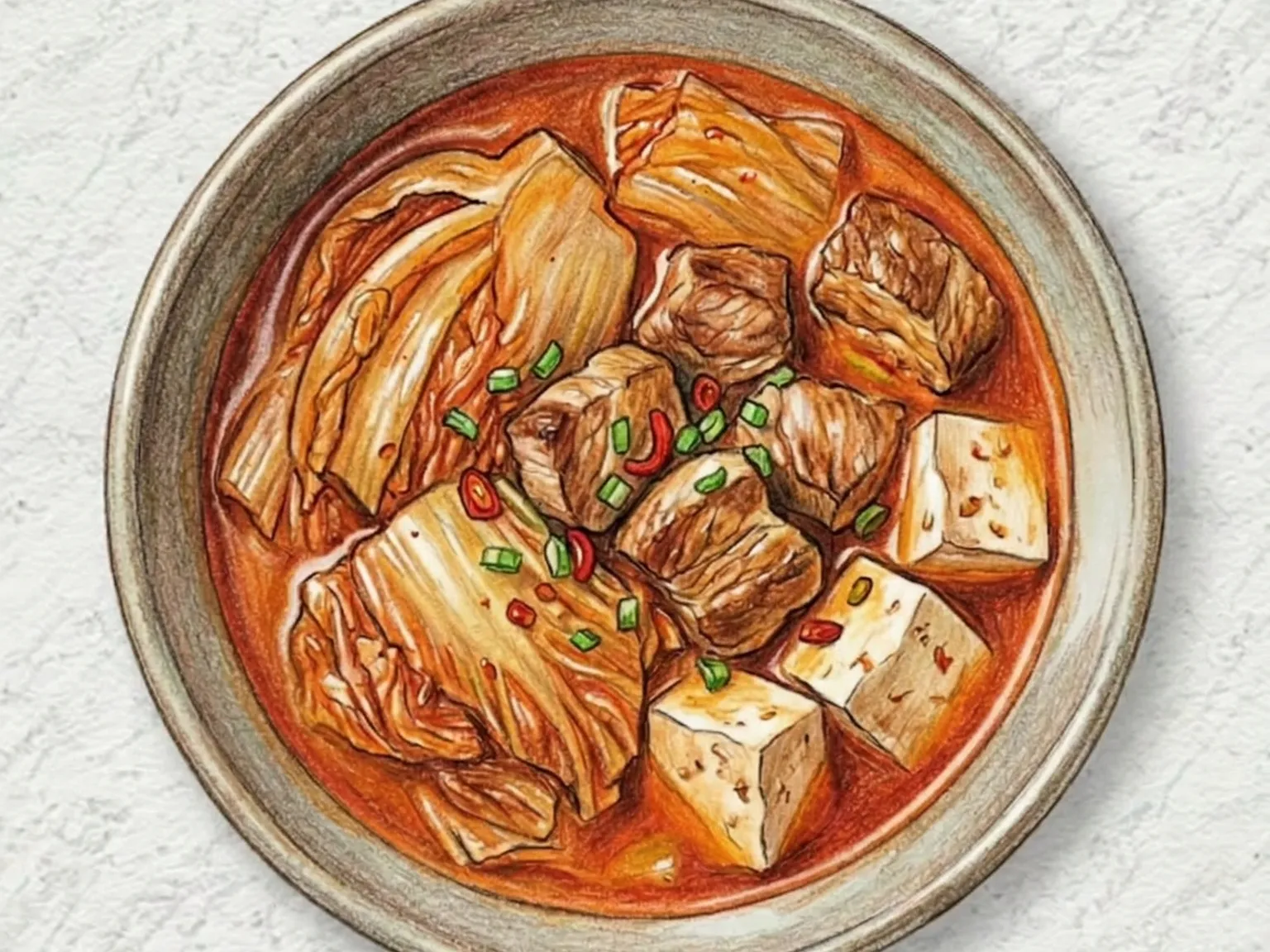
Korean Pork Kimchi Stew (Fermented Kimchi & Pork Shoulder)
This traditional Korean stew is prepared by simmering aged kimchi and pork shoulder to create a rich and savory broth. The marbled fat from the pork shoulder balances the sharp acidity of the fermented kimchi, producing a deep umami flavor. The cooking begins by stir-frying the pork and kimchi for three minutes to mellow the sour notes. Next, chili flakes, minced garlic, and soup soy sauce are incorporated briefly, followed by water and sliced onions. Simmering the stew for fifteen minutes softens the pork and allows the flavors to meld. Adding a small amount of kimchi brine during this process enhances the fermented depth of the broth. The dish is finished by layering thick slices of tofu and chopped green onions on top, simmering until they are heated through. It is served hot, typically alongside a bowl of steamed rice.
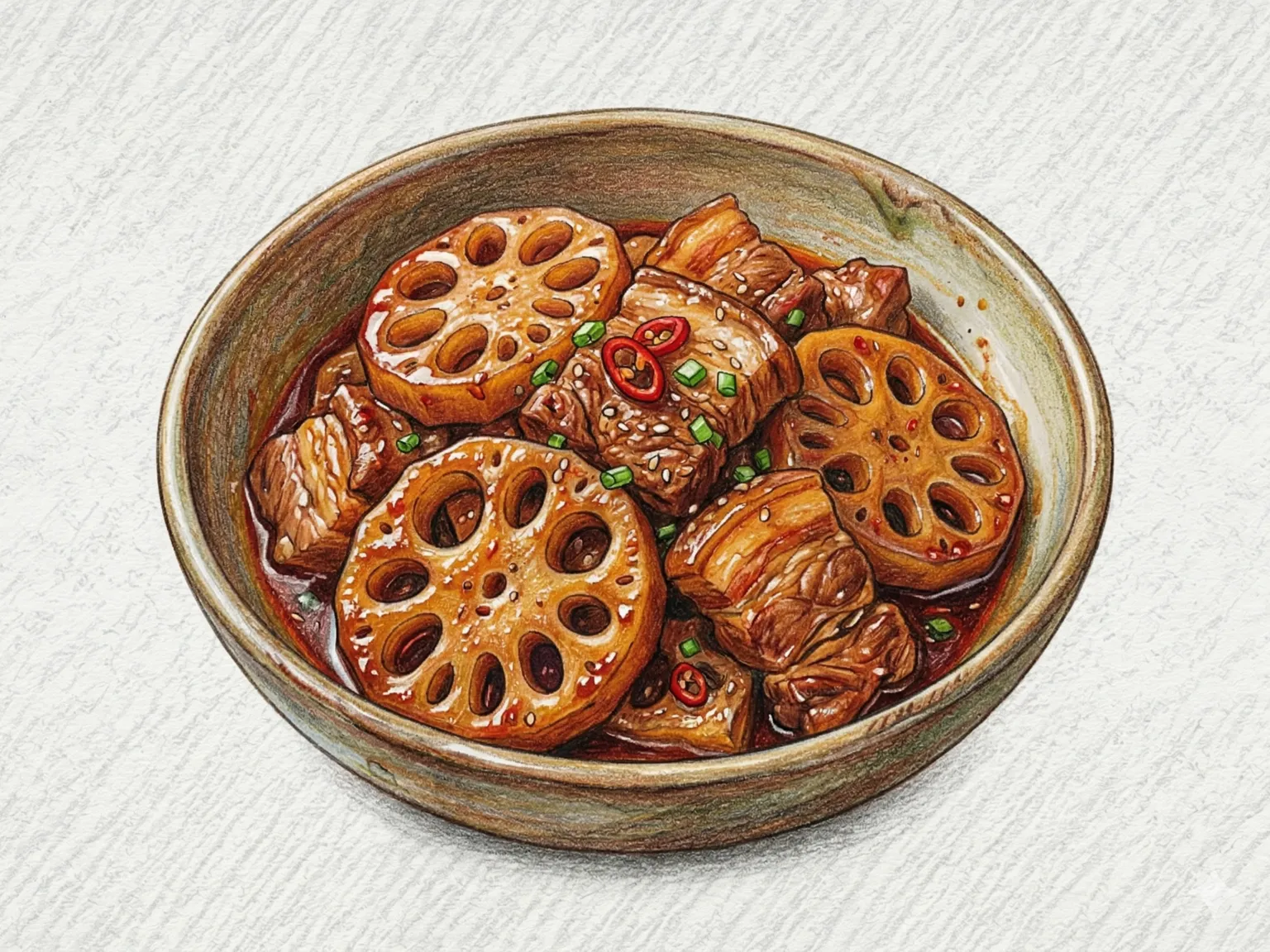
Korean Braised Lotus Root with Pork
Yeongeun dwaejigogi jorim is a Korean braise of lotus root and pork shoulder in a gochujang and soy sauce seasoning. The lotus root absorbs the spiced braising liquid while maintaining its signature crisp bite, and the pork shoulder softens as its fat renders into the sauce, building depth. Gochujang provides a steady warmth while soy sauce anchors the umami, and oligosaccharide syrup glazes everything in a glossy coat. The textures hold up well even after cooling, making this a practical banchan for lunchboxes and meal prep.
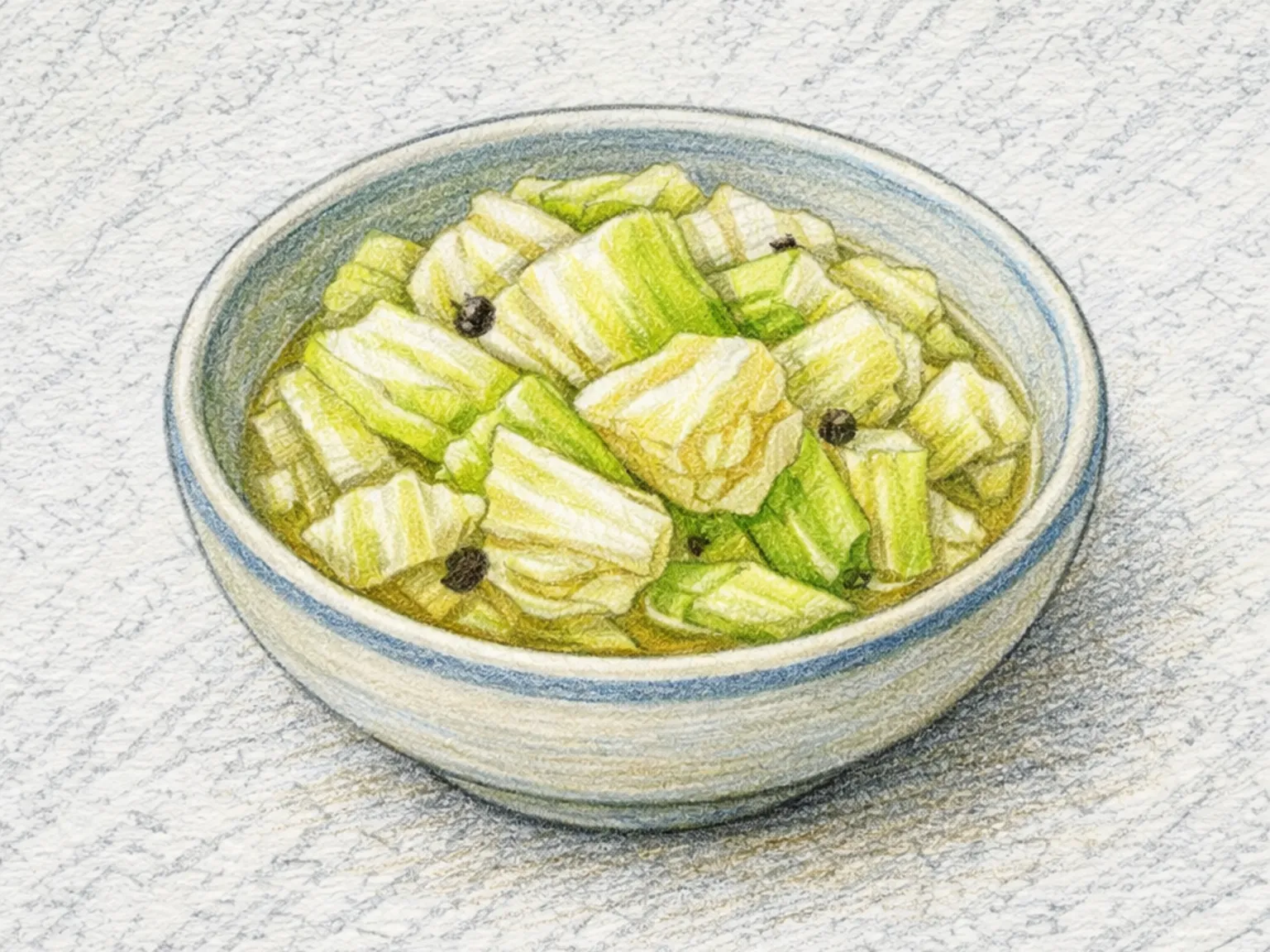
Korean-Style Cabbage Pickle
Yangbaechu pickle is a quick Korean-style vinegar pickle made by pouring a hot brine of vinegar, sugar, salt, and whole black peppercorns over bite-sized pieces of cabbage and carrot. The hot liquid wilts the vegetables just enough to help them absorb the brine while they retain a firm, snappy crunch throughout. Whole peppercorns contribute a subtle, aromatic heat that gives the finished pickle more depth than a plain vinegar soak would produce. After a single day of refrigeration the pickle is ready to eat, and it pairs especially well alongside fried cutlets, burgers, or any dish that benefits from a bright, acidic counterpoint to cut through richness. The carrot adds a note of natural sweetness and keeps the color vivid. Kept in a sealed container, the pickle is at its crunchiest within the first week, though the flavors become more rounded and pronounced as the vegetables continue to absorb the brine over time.
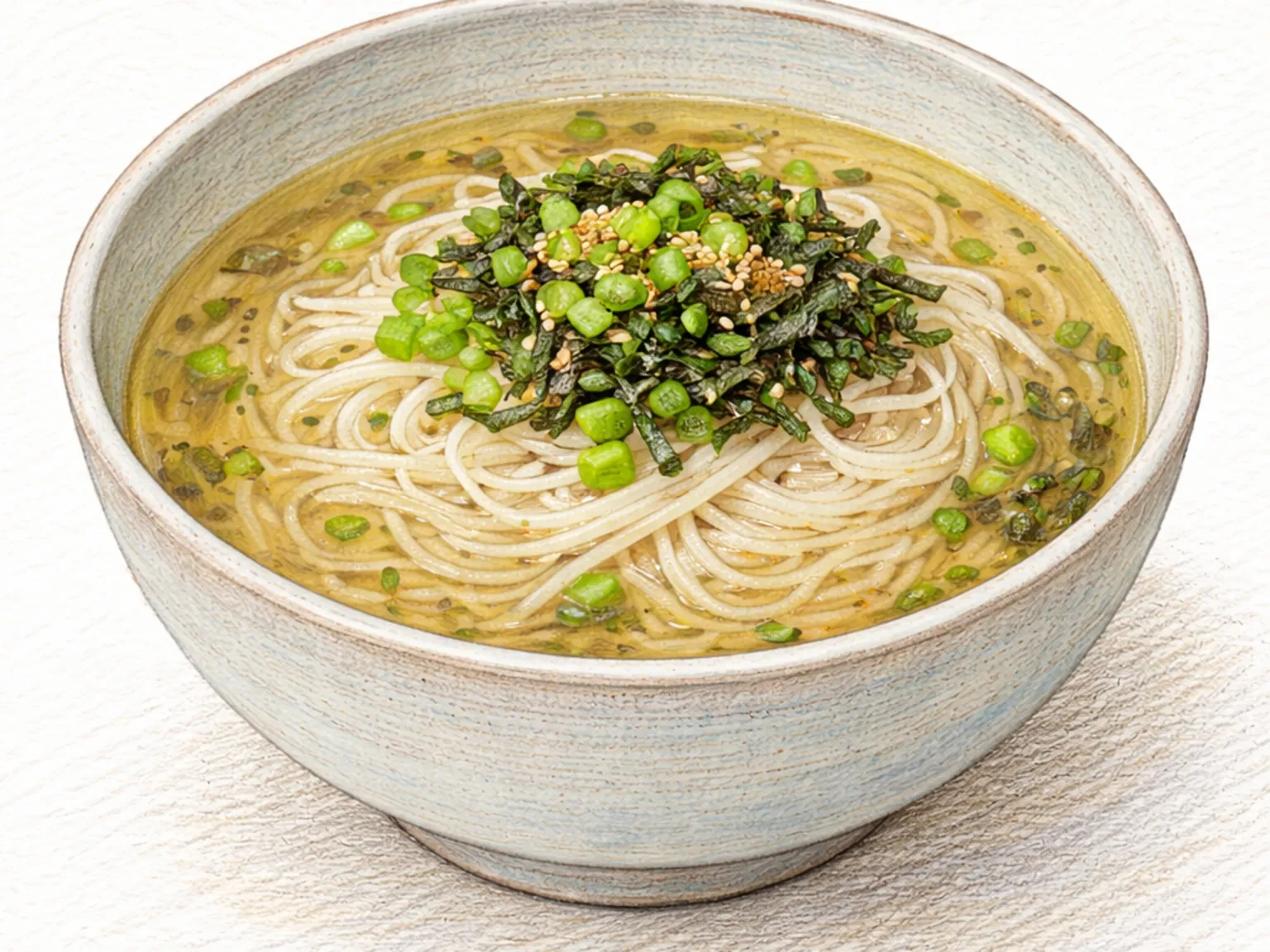
Korean Clear Noodle Soup (Anchovy Broth Somyeon)
Mul guksu is a Korean noodle soup where thin somyeon noodles sit in a clear anchovy-kelp broth, served warm or chilled as a refreshing summer meal. The broth is made by simmering dried anchovies with heads and innards removed, along with kelp, green onion, and garlic, for about fifteen minutes over medium heat. Briefly dry-toasting the anchovies in a pan before boiling reduces any fishiness and adds a subtle nuttiness to the base. Seasoning with salt and chilling the broth before serving heightens the clean, cooling quality that makes this soup appealing in hot weather. Somyeon noodles are boiled and rinsed several times in cold water to strip away surface starch, which keeps the strands translucent, separate, and satisfyingly bouncy rather than clumped and gluey. The chilled broth poured over the rinsed noodles stays clear and light, not clouded by starch. Dried seaweed flakes and sesame seeds add a briny nuttiness, sliced green onion provides a sharp aromatic contrast against the mild broth, and a drizzle of sesame oil rounds everything off. This soup is equally good served warm with a hot broth or cold with an iced one, and works as a light lunch that satisfies without weighing down.
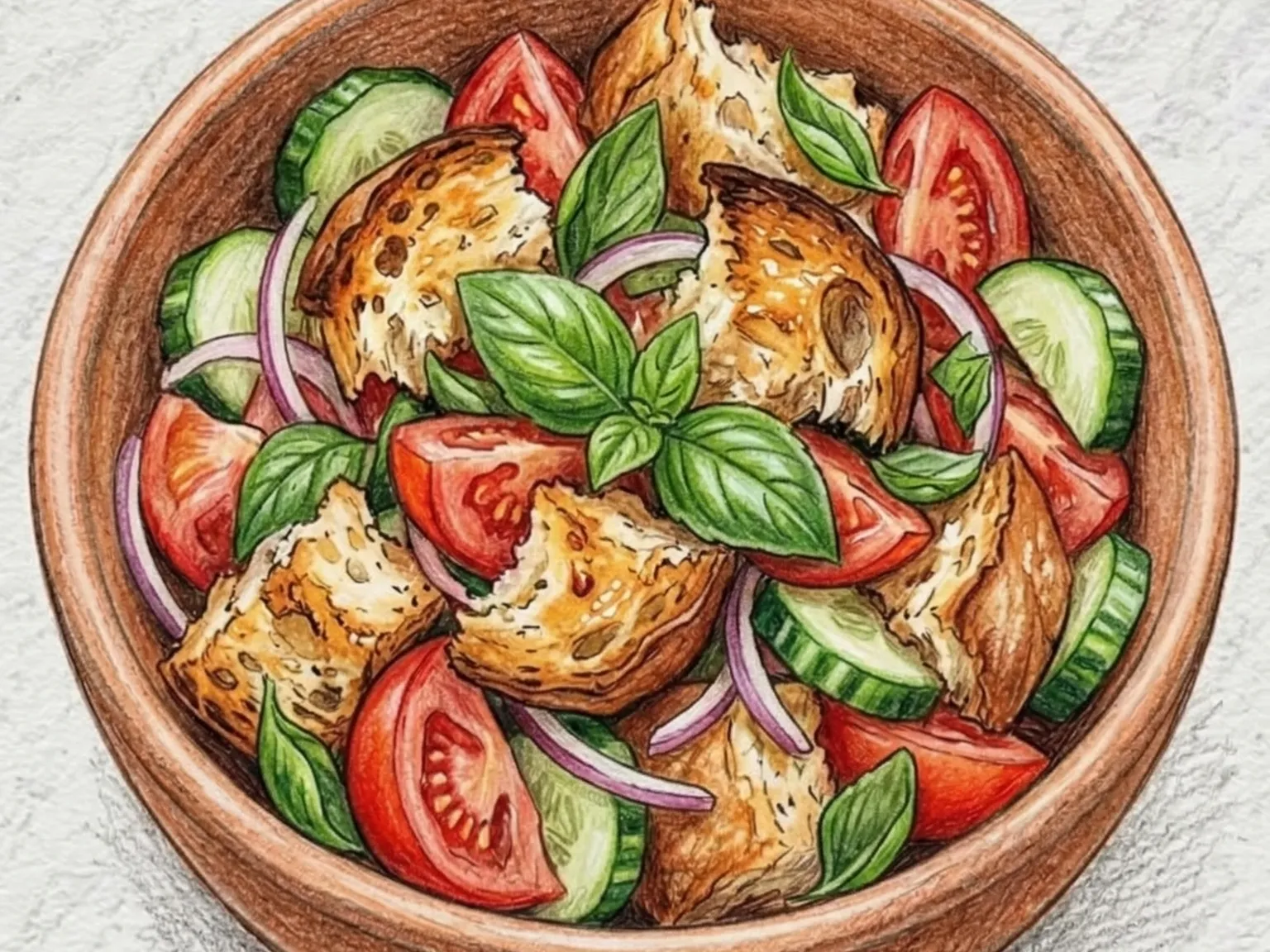
Panzanella Salad (Italian Ciabatta Bread Salad)
Stale ciabatta is torn into rough chunks, drizzled with olive oil, and toasted in the oven until the exterior is crisp while the interior remains slightly chewy. Ripe tomatoes are cut into large pieces and salted briefly to draw out their juice, and that released liquid soaks into the bread and becomes the sweet-tart flavor that defines the dish. Cucumber and red onion add crunch and pungency, while torn basil leaves release their fragrance across the plate. A vinaigrette of red wine vinegar and good olive oil binds everything together. The salad reaches its best point after resting fifteen to twenty minutes, once the bread has absorbed enough dressing and tomato juice to soften slightly without going completely soggy, a balance that is the defining characteristic of a well-made panzanella. Using genuinely stale bread matters here: fresh bread soaks through too quickly and disintegrates, while properly dried ciabatta holds its structure and provides a textural contrast with the juicy tomatoes and crisp vegetables. Panzanella originated as a practical summer dish in Tuscany, where leftover bread was too valuable to discard, and it remains most rewarding when made with ripe summer tomatoes at the peak of the season.