🍱 Lunchbox Recipes
Dishes that taste great packed and cold
723 recipes. Page 13 of 31
The best lunchbox dishes hold up well at room temperature. This tag features make-ahead sides and full lunchbox recipes you can pack in the morning without stress - sausage stir-fry, rolled omelet, stir-fried anchovies, and soy-braised beef are all lunchbox staples.
The key to a great packed lunch is choosing dishes with low moisture content and arranging contrasting colors. A sprinkle of sesame seeds or furikake over the rice adds a finishing touch that looks as good as it tastes.
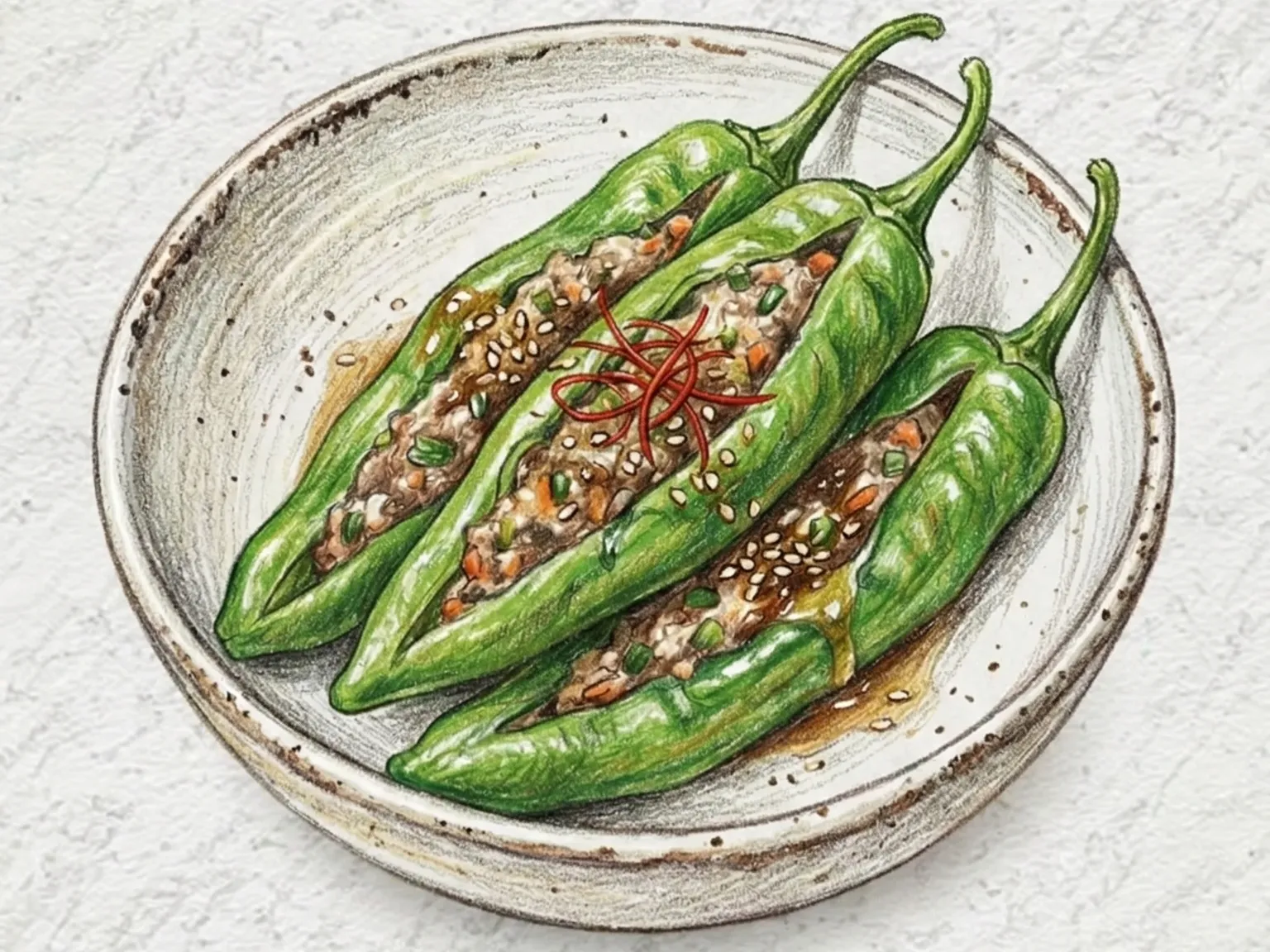
Korean Steamed Stuffed Chili Peppers
Gochu-jjim is a traditional Korean banchan in which mild green chili peppers are hollowed out, dusted inside with a light coating of flour, then packed with a filling of ground pork, crumbled firm tofu, garlic, and scallion before being steamed until cooked through. The flour coating is not decoration; it creates a thin binding layer that keeps the filling anchored inside the pepper during the entire steaming process, so each piece arrives at the table intact and firmly stuffed. Soy sauce and sesame oil work through the filling as it cooks, producing a savory, slightly nutty flavor that contrasts with the clean bitterness of the pepper skin. The steamed pepper itself stays slightly firm at the bite while the stuffing is soft and moist, and the interplay of those two textures is what makes a simple list of ingredients into a dish worth returning to. Gochu-jjim appears as a regular everyday banchan alongside rice and also earns a place on Korean holiday tables for its restrained elegance.
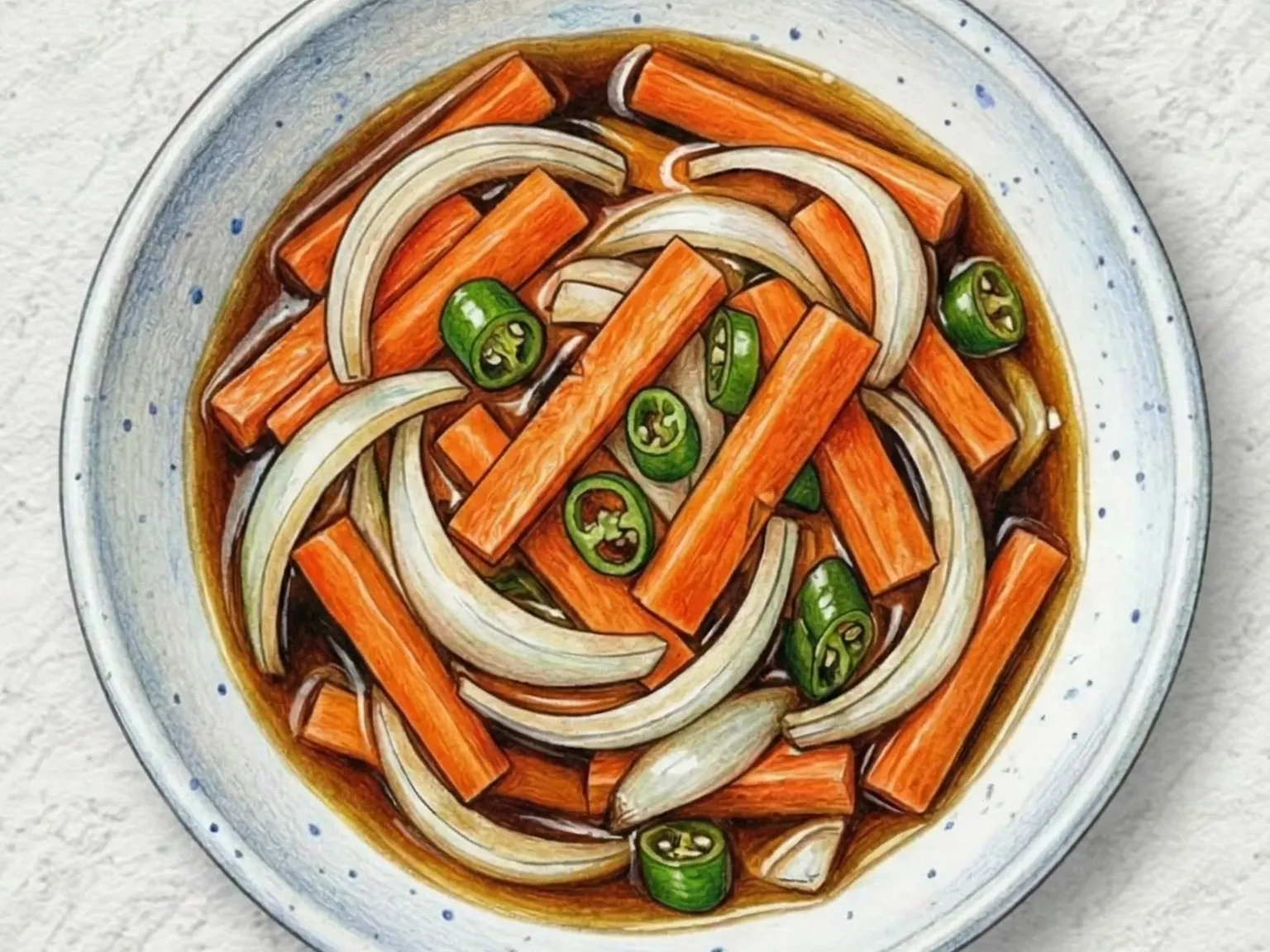
Korean Soy-Vinegar Carrot Pickles
Danggeun jangajji is a Korean pickled carrot made by cutting carrots into uniform half-centimeter sticks and layering them with onion, halved Cheongyang chili, and whole garlic in a sterilized jar, then covering with a boiled brine of soy sauce, vinegar, water, and sugar. Keeping the carrot sticks the same thickness ensures they pickle at an even rate for consistent crunch in every bite. The brine must be boiled until the sugar and salt dissolve completely, then cooled before pouring; adding hot liquid can make the vegetables go soft, and undissolved solids cause uneven seasoning and shorten shelf life. The carrot's natural sweetness plays against the soy's salinity and the vinegar's tartness, producing three distinct flavors in each piece. After cooling completely at room temperature and refrigerating, the pickle is ready in twenty-four hours. If the brine turns cloudy after a few days, reboiling and cooling it before pouring it back extends the shelf life considerably. Served alongside fatty meat dishes, the acidity and snap of the pickle cut through the richness and leave the palate clean.
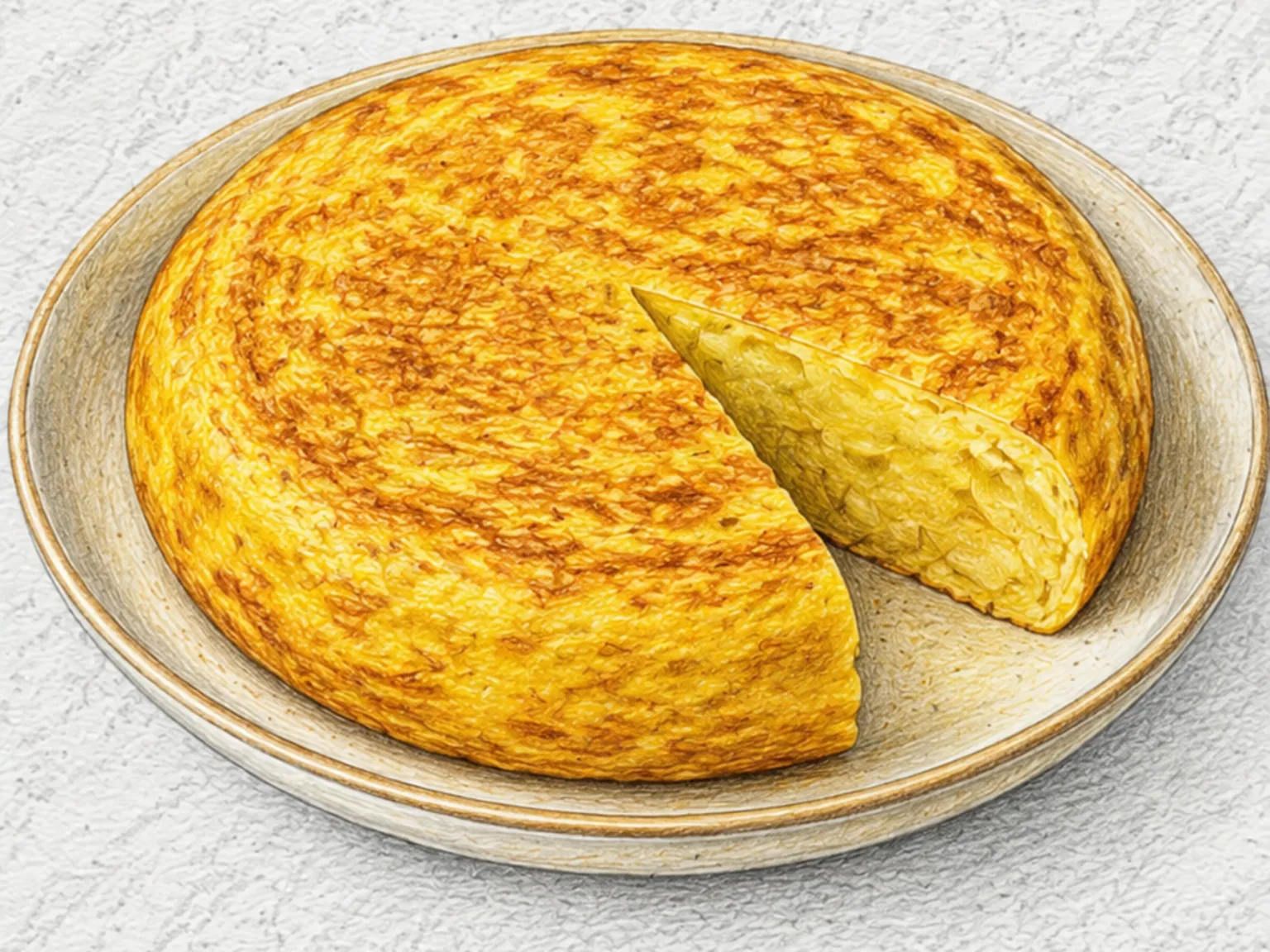
Tortilla Espanola (Spanish Potato and Onion Omelette)
Tortilla Espanola cooks thinly sliced potatoes and onions slowly in generous olive oil over low heat until completely tender, then combines them with beaten eggs seasoned with salt and pepper, and pan-fries the mixture into a thick, golden omelette. The low-and-slow approach to cooking the potatoes is essential - high heat browns the outside while leaving the center hard, but gentle heat lets the potato slices absorb oil and turn creamy throughout. Once the potato-egg mixture goes back into the pan, low heat again ensures the bottom sets gradually without burning, while the interior stays moist. Flipping the tortilla using a plate placed over the pan is the most critical moment - confidence and a quick wrist motion prevent the half-set omelette from breaking apart. Letting it rest at room temperature for a few minutes before cutting firms the egg just enough to produce clean slices.
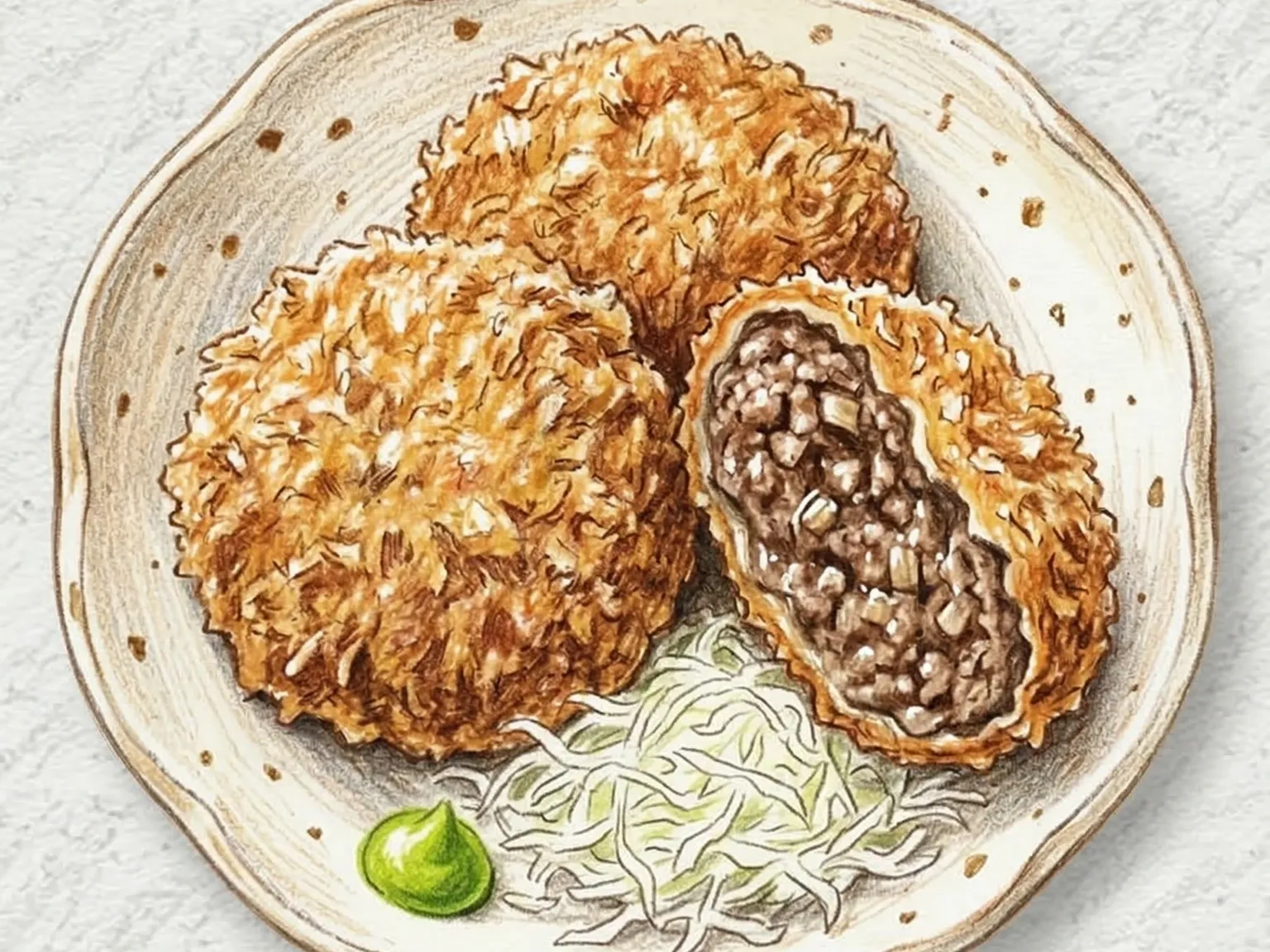
Menchi Katsu (Japanese Deep-Fried Breaded Minced Meat Patty)
Menchi katsu is a Japanese deep-fried minced meat cutlet that combines ground pork and beef with caramelized onion, shaped into thick patties, coated in flour, egg wash, and coarse panko breadcrumbs, then fried at 170 degrees Celsius until the crust turns a deep, shattering golden brown. The onion must be cooked down properly in oil and cooled before mixing into the meat so that the patties hold their shape and do not leak moisture into the breading. Coarse panko, applied generously and pressed firmly, builds a layered, craggy shell with multiple breaks and ridges that shatter on the first bite. Cutting the finished katsu open releases a rush of steaming, savory juice, and the sweetness of the cooked onion rounds out the richness of the two meats. Worcestershire or tonkatsu sauce is the standard accompaniment, though Japanese hot mustard works equally well as a sharp contrast. In Tokyo, neighborhood butcher shops fry fresh batches daily, displaying them in glass cases for customers to buy and eat on the street while still hot. The menchi katsu sandwich, where a freshly fried cutlet is pressed between thick slices of milk bread with shredded cabbage, has grown into a regional specialty category of its own.
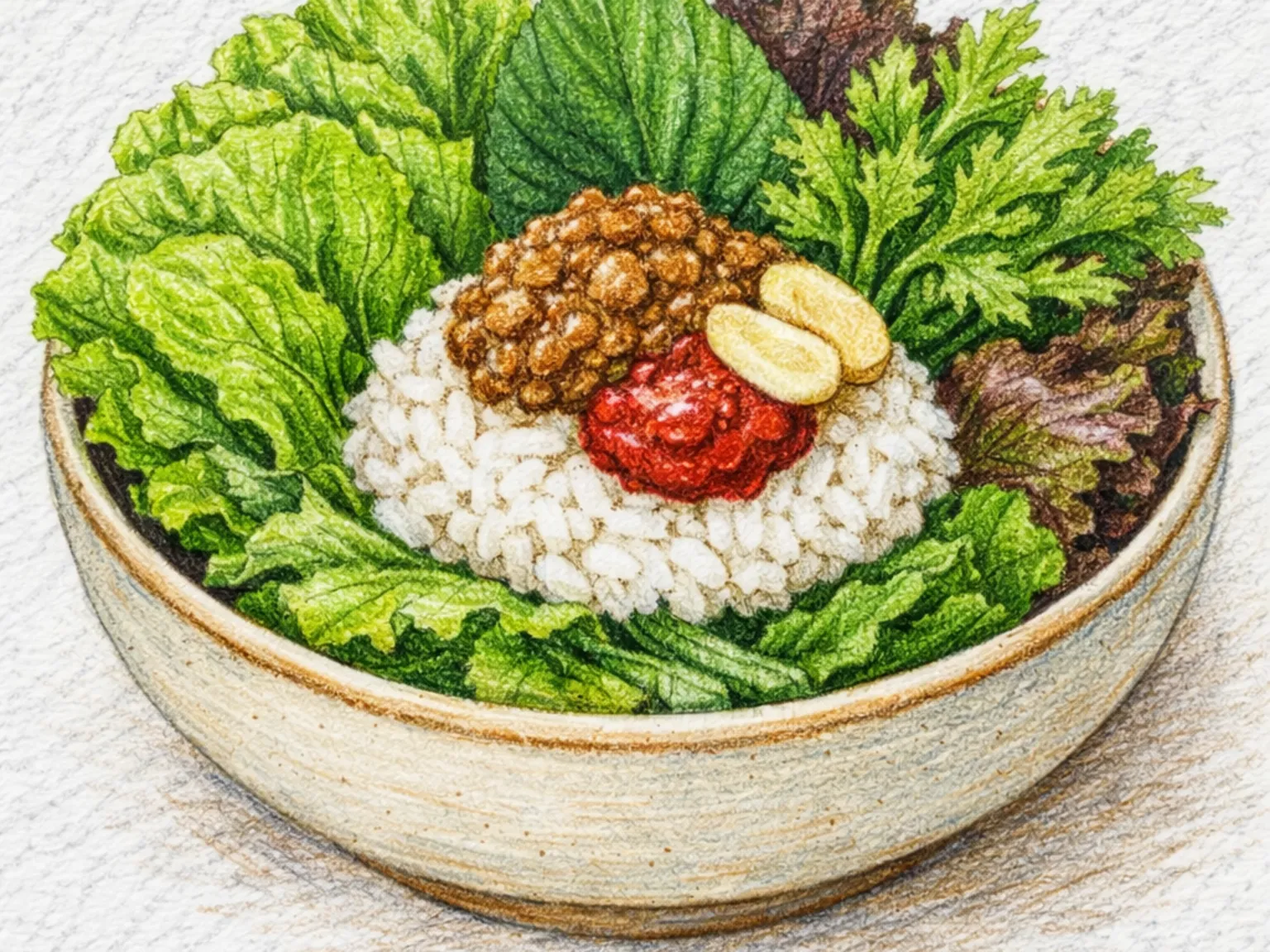
Korean Aster Herb Namul (Blanched Mountain Greens Seasoned)
Chwinamul - aster scaber - is among Korea's most prized mountain herbs, foraged from hillsides every spring. Its broad leaves carry a distinctly bitter, herbaceous edge that sets it apart from milder greens. A one-to-two minute blanch in salted boiling water tames rawness while keeping the woodland scent intact. Using perilla oil rather than sesame oil is the key step: sauteing in perilla oil lifts and deepens the herb's wild character in a way sesame cannot replicate. The seasoning is simple - garlic and salt - whether the greens are dressed as a cold namul or briefly stir-fried. A staple of bibimbap and temple cuisine across Korea, dried chwinamul is rehydrated in cold water and cooked the same way through winter, making it a reliable pantry ingredient beyond the spring harvest.
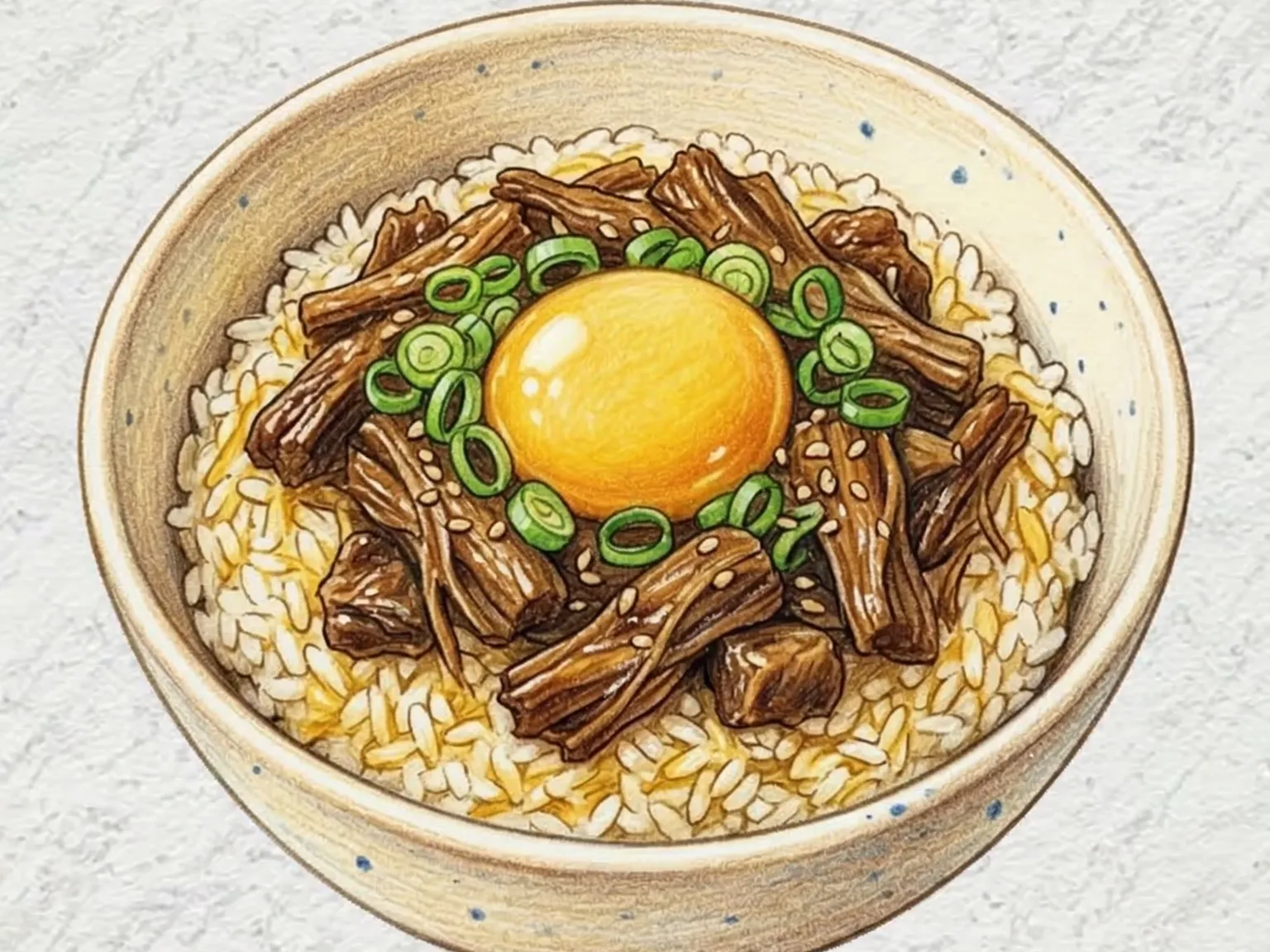
Korean Jangjorim Butter Rice
The preparation of this dish starts by placing a portion of unsalted butter directly onto a bowl of steaming, freshly cooked white rice. As the residual heat from the grains begins to melt the fat, the butter flows over the rice to coat each individual grain in a thin, smooth layer, which creates a rich and nutty foundation before any other components are introduced. Following the butter, a serving of shredded soy-braised beef is added to the bowl along with a generous amount of its dark and concentrated braising liquid. This liquid is infused with both salt and sweetness from the long cooking process of the beef, meaning that there is no need to include any extra seasonings or sauces to achieve a balanced flavor. A single raw egg yolk is then dropped into the center of the bowl and stirred through the mixture. This addition changes the overall texture of the dish, making it significantly more creamy while simultaneously intensifying the savory profile of the seasoned meat. To provide a necessary contrast to the heavy richness of the egg and butter, crushed roasted seaweed flakes are sprinkled over the surface. These flakes offer a brittle, crunchy texture and a distinct marine element that cuts through the fat. Finally, the dish is finished with a garnish of thinly sliced green onions and toasted sesame seeds for a clean and aromatic end. If the soy-braised beef is already available in the refrigerator, the entire meal can be put together in under fifteen minutes, making it an efficient option for a filling single-bowl meal in the routine of Korean home cooking.
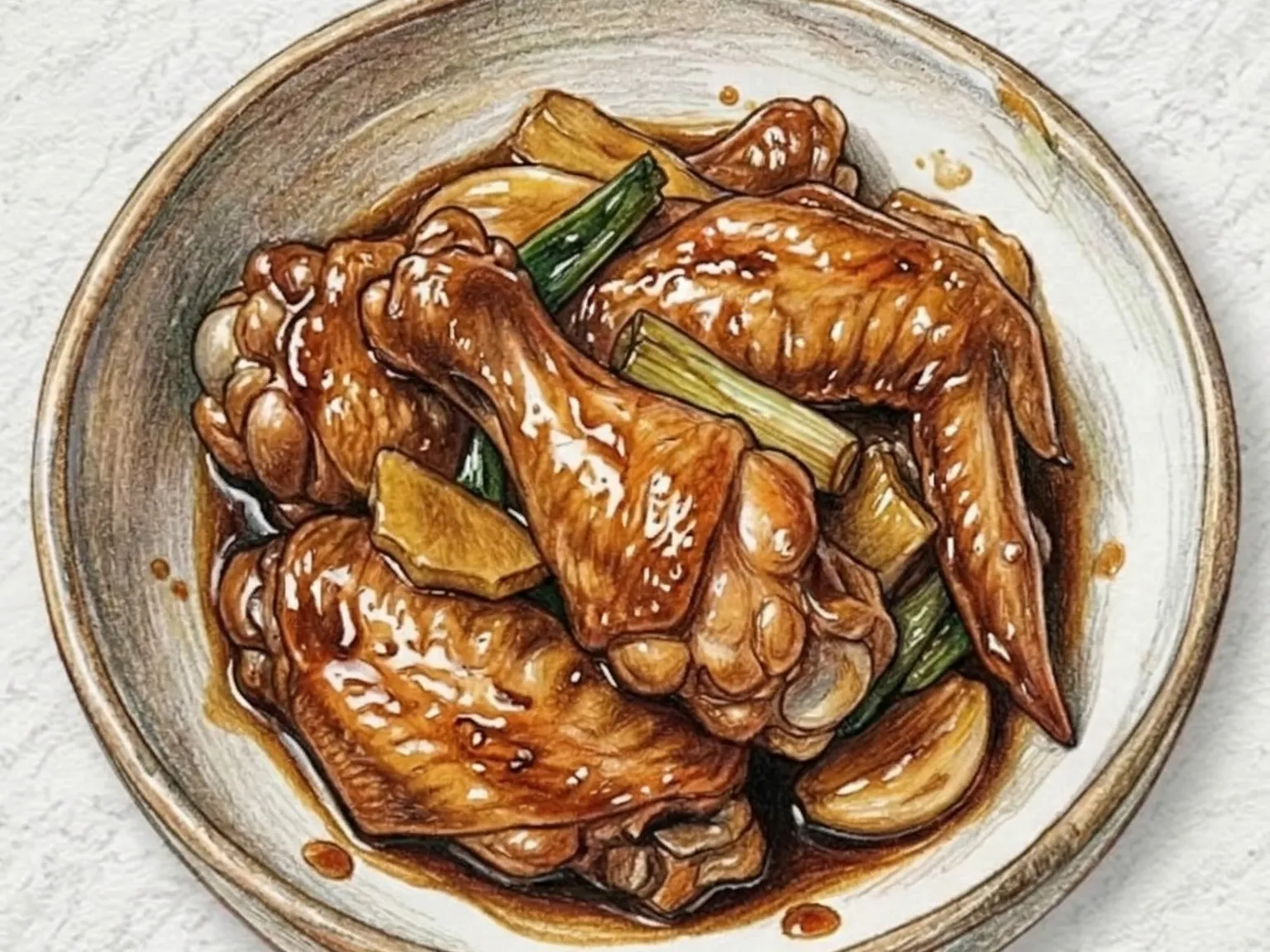
Korean Soy Braised Chicken Wings
Dak-nalgae-ganjang-jorim is a Korean braised chicken wings dish slow-cooked in a seasoning mixture of soy sauce, sugar, garlic, and ginger over medium-low heat until the sauce reduces to a thick, sticky glaze. The thin skin on the wings absorbs the braising liquid as it reduces, developing a glossy brown coating that clings to each piece. Cartilage near the joints softens progressively the longer the wings cook, shifting from a firm snap to a yielding, almost gelatinous texture. Green onion is added early to neutralize any off-flavors from the chicken, while ginger contributes a subtle warmth that rounds out the overall aroma. The braising liquid is allowed to reduce almost completely so the last traces of sauce concentrate into a dense, caramelized coating rather than a loose broth. Eating the wings by hand, pulling the meat from the bone, is part of the appeal, and this hands-on quality makes the dish a regular presence on Korean drinking tables alongside beer or soju.
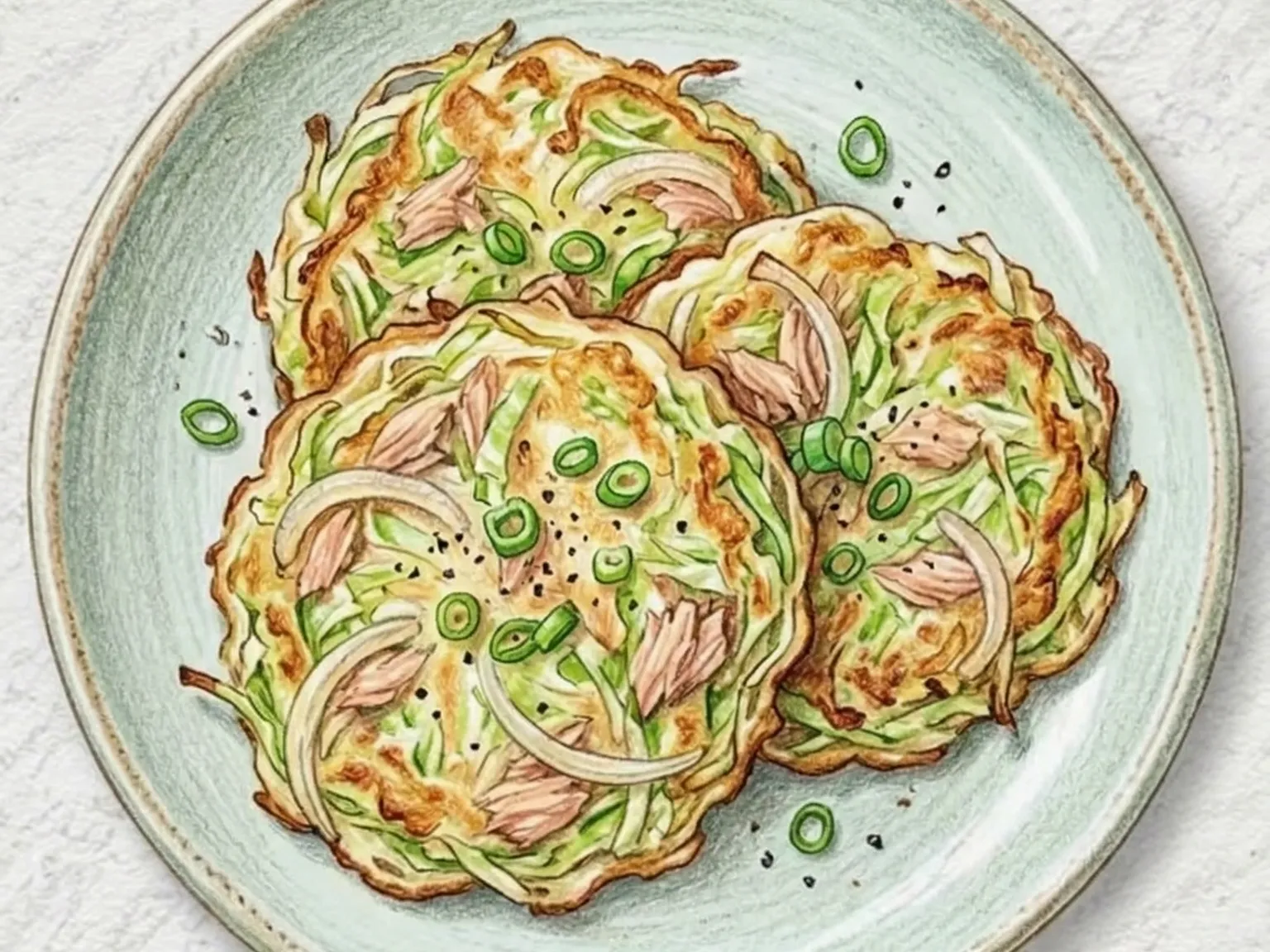
Korean Cabbage Tuna Jeon (Crispy Shredded Cabbage Tuna Pancake)
Finely shredded cabbage, drained canned tuna, and thinly sliced onion are folded into a light batter of Korean pancake mix, egg, and salt, then spread thin in an oiled pan. As the cabbage cooks, it releases moisture and develops a natural sweetness that balances the tuna's salty, savory character. Spreading the batter thin ensures crisp edges throughout, and making smaller pancakes simplifies flipping. High in protein and relatively low in calories, this jeon doubles as a quick standalone meal or a diet-friendly option, finished with a scattering of chopped green onion on top.
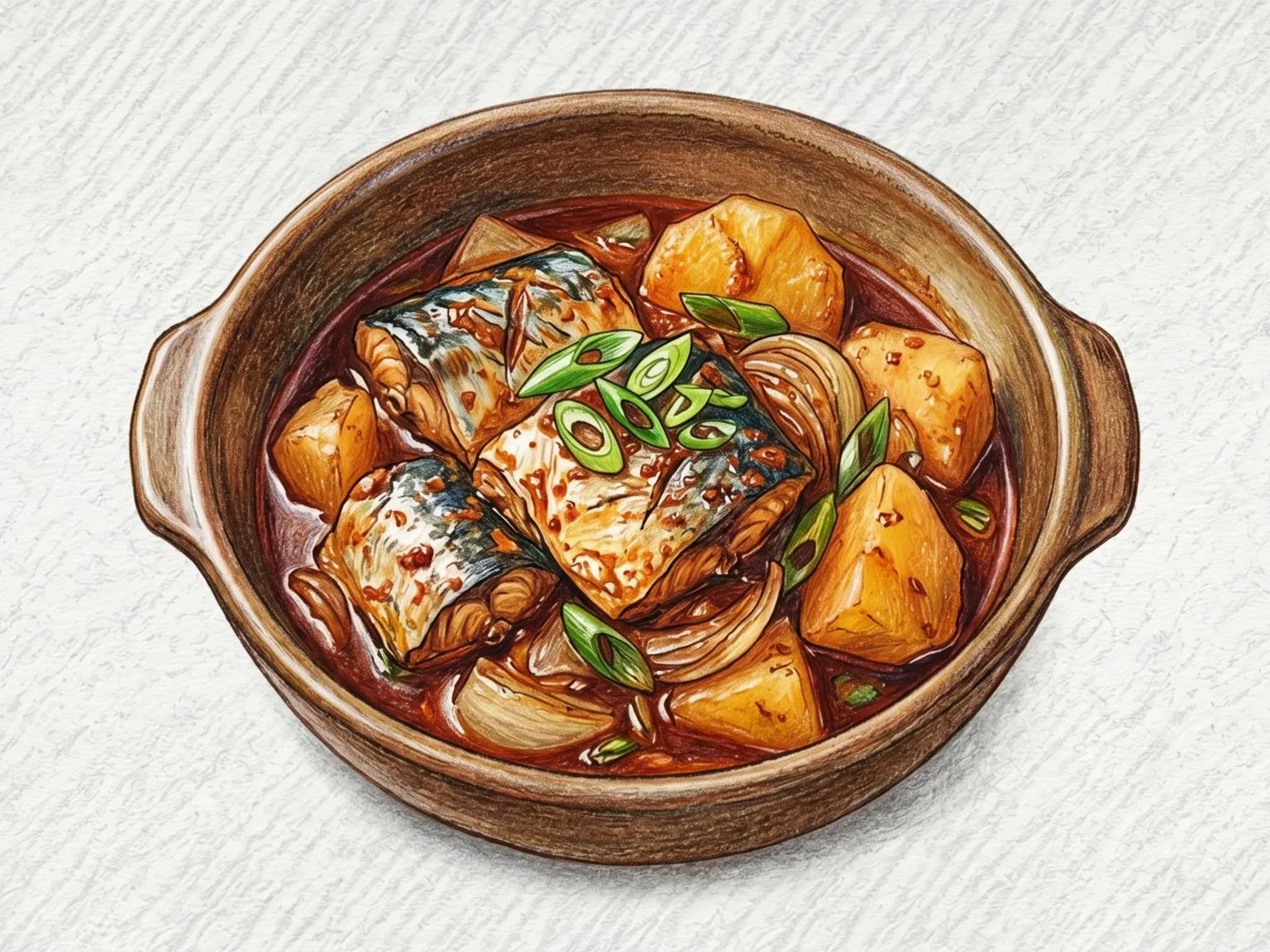
Korean Braised Mackerel with Potatoes
Godeungeo gamja jorim is a Korean home-cooked side dish where mackerel and potato chunks are braised together in a soy sauce and gochugaru seasoning. The oily mackerel releases its fat into the braising liquid, building a rich, savory depth that plain soy sauce alone cannot achieve. Potato absorbs the spiced liquid as it simmers, cooking down to a fluffy, yielding texture that contrasts with the firmer fish. Onion and green onion contribute natural sweetness and aroma throughout the cooking process, and sugar rounds off the saltiness of the soy base to keep the seasoning balanced rather than sharp. Spooning the dark, glossy braising sauce generously over rice turns this side dish into a satisfying meal on its own. Using fresh mackerel rather than salted gives a softer, more delicate flesh that further enriches the cooking liquid.
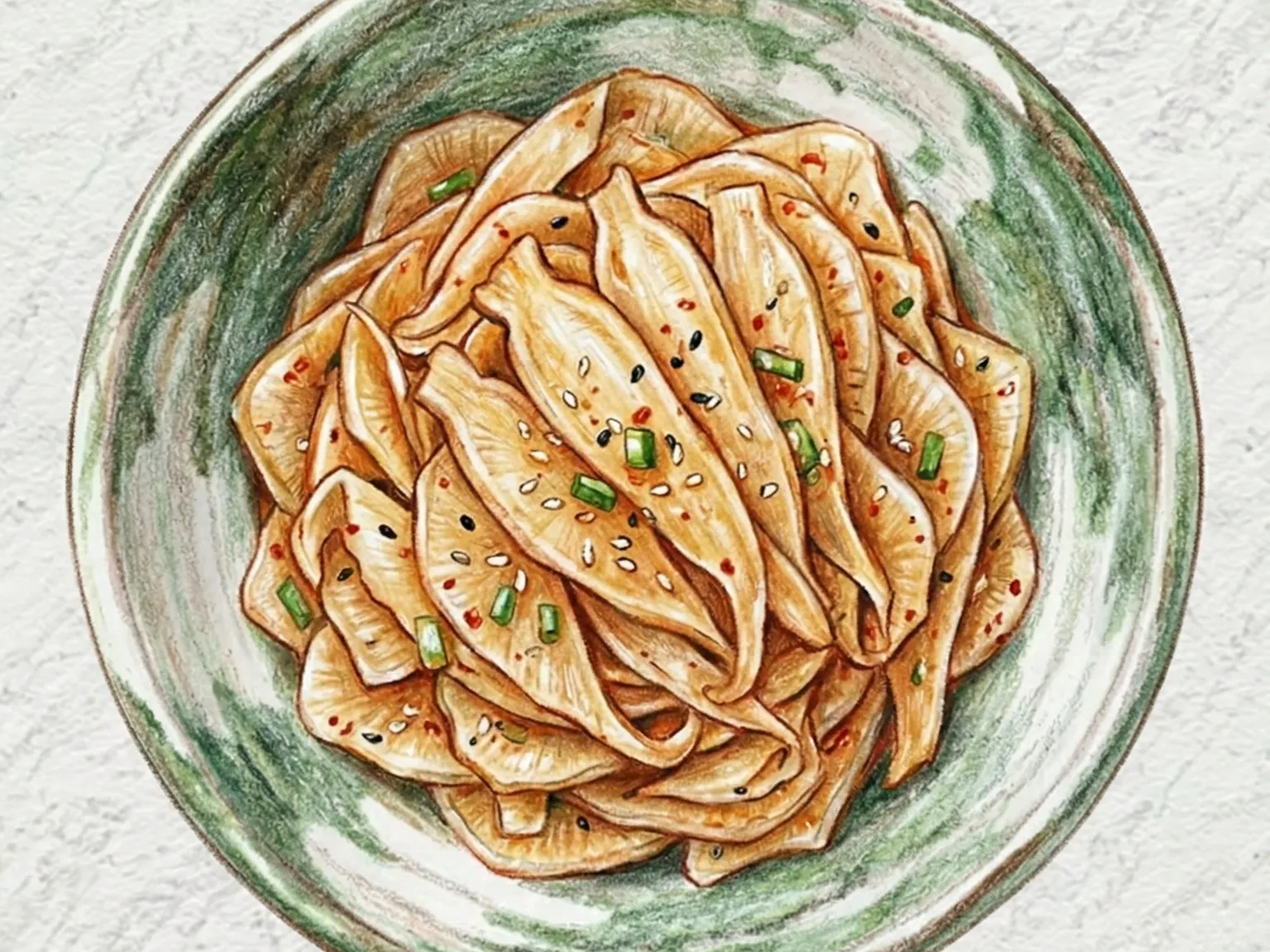
Korean Vinegared Bellflower Root Pickle
Deodeok chojeolim is a Korean vinegar pickle of bellflower root, made by peeling, splitting, and gently pounding the roots flat before soaking them in a fully cooled brine of vinegar, water, sugar, and salt. A brief ten-minute salting before rinsing draws out the root's inherent bitterness while leaving its earthy, aromatic fragrance completely intact. The brine must be cool before pouring - adding it hot would soften the root and destroy the distinctive chewy, springy texture that makes this pickle worth eating. After one day of refrigeration, the pickle gets a light toss of gochugaru and sesame oil just before serving, adding spicy warmth and a nutty finish. Served cold, it delivers a rare combination of clean acidity and deep root-vegetable aroma that sets it apart from most Korean side dishes.
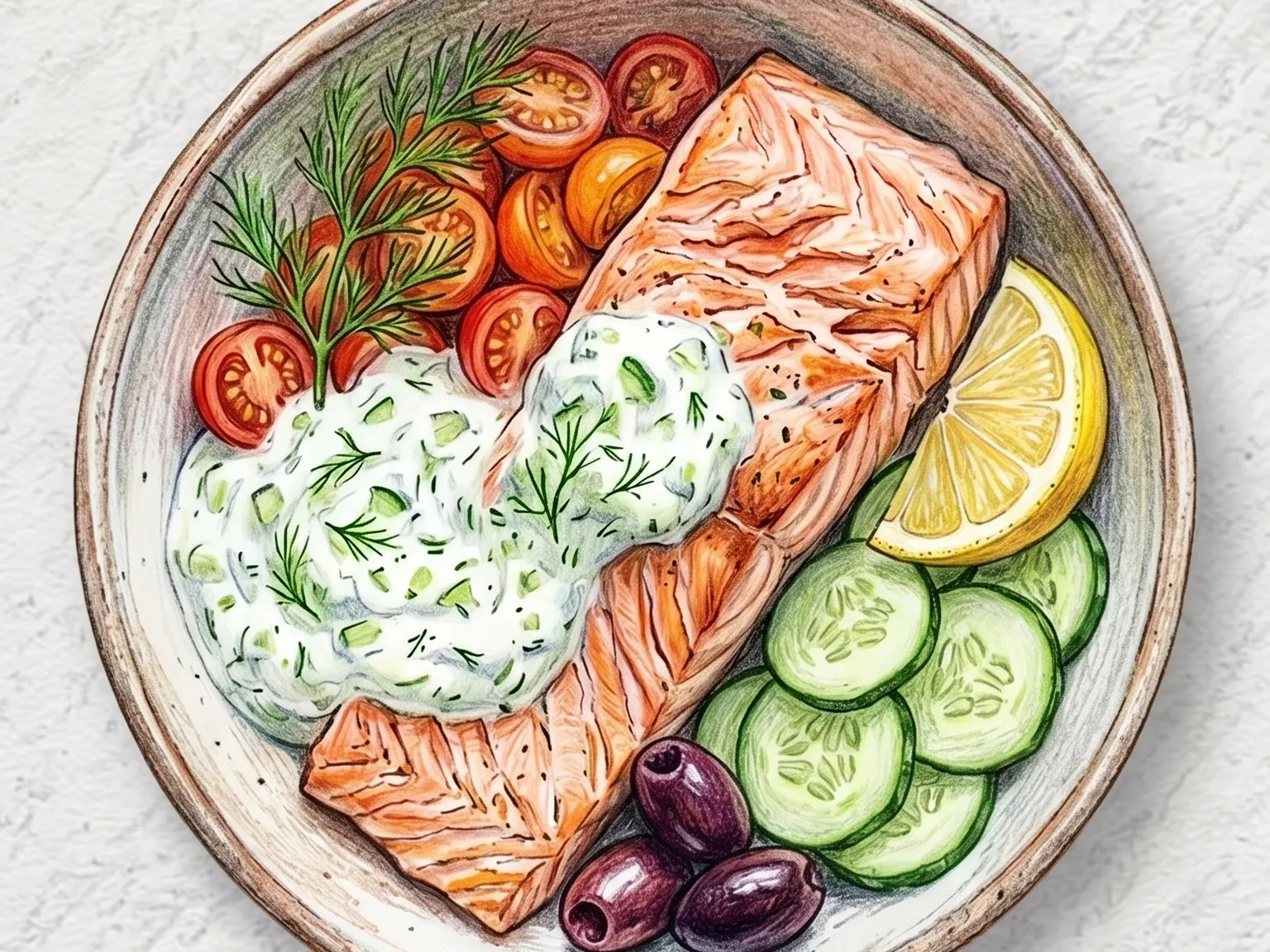
Tzatziki Salmon Bowl
This fresh grain bowl combines pan-seared salmon with a thick Greek tzatziki sauce. To prepare the dish, fresh cucumber is finely chopped, salted, and squeezed firmly to remove excess water, ensuring the yogurt sauce remains thick rather than watery. The strained cucumber is then mixed with Greek yogurt, minced garlic, chopped dill, and lemon juice. Fresh salmon is cut into bite-size pieces, seasoned, and seared in olive oil on medium heat until golden. The bowl is assembled with a warm base of either brown rice or quinoa, which allows control over carbohydrate density. It is topped with halved cherry tomatoes, the warm seared salmon, and a generous dollop of chilled tzatziki sauce. The herbal notes of dill help cut through the rich fat of the seared fish, providing a balanced flavor.
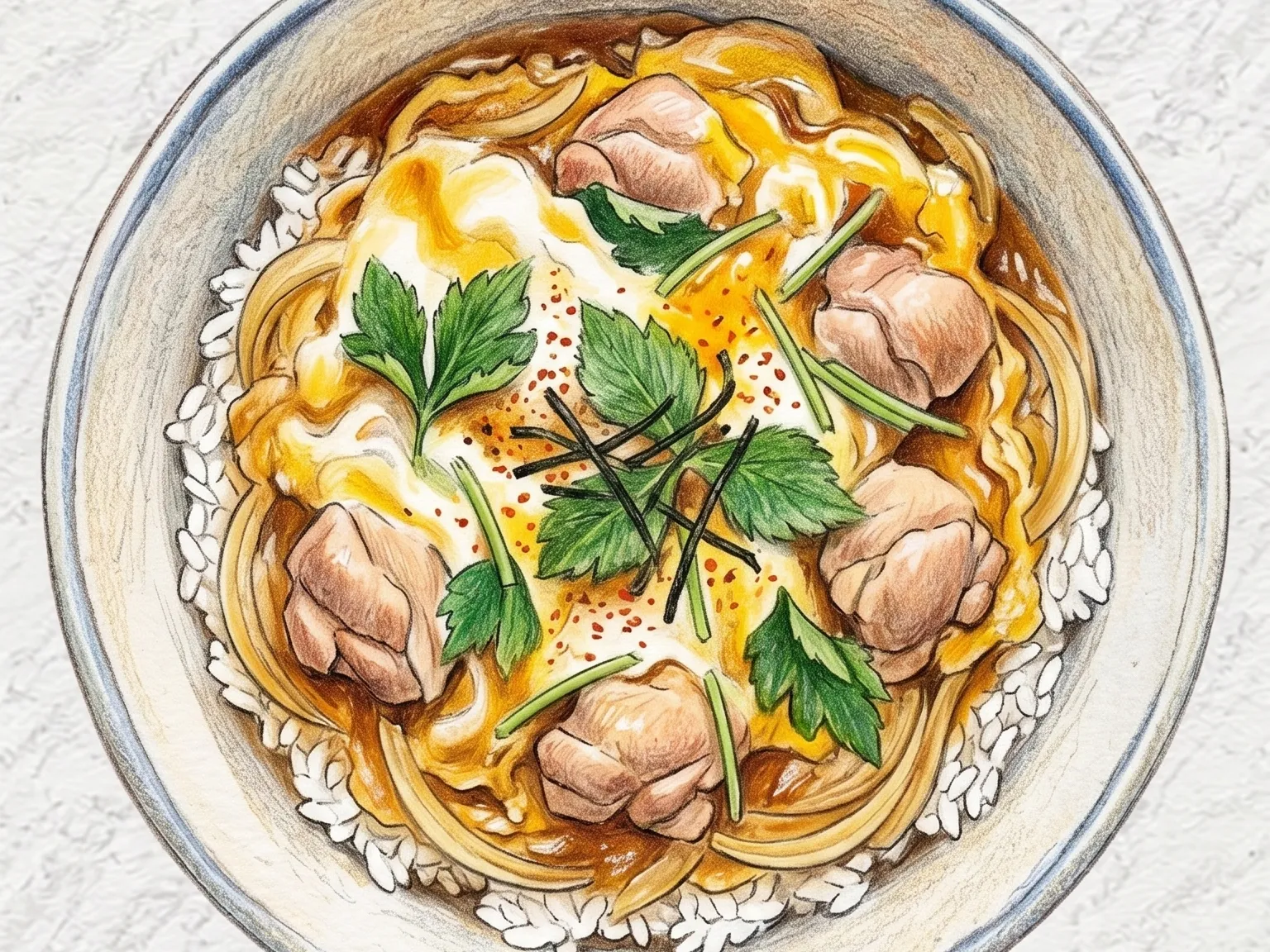
Mitsuba Oyakodon (Japanese Chicken Egg Rice Bowl with Mitsuba Herb)
This Japanese chicken and egg rice bowl features chicken thighs and sliced onions simmered in dashi stock, soy sauce, and mirin. The chicken is cut into bite-sized pieces and cooked in the broth until tender. Beaten eggs are added in two batches: the first half is allowed to set slightly before the remainder is poured, creating a mixture of firm and silky, runny textures. To keep the egg texture soft, it is important not to overbeat the eggs before cooking. Fresh mitsuba, a Japanese wild parsley, is cut into four-centimeter pieces and placed on top during the last twenty seconds of cooking with the lid closed. This brief steaming preserves its delicate celery-like fragrance and green color. Letting the dish rest off the heat for thirty seconds before serving over warm rice ensures a smooth custard-like texture that coats each grain.
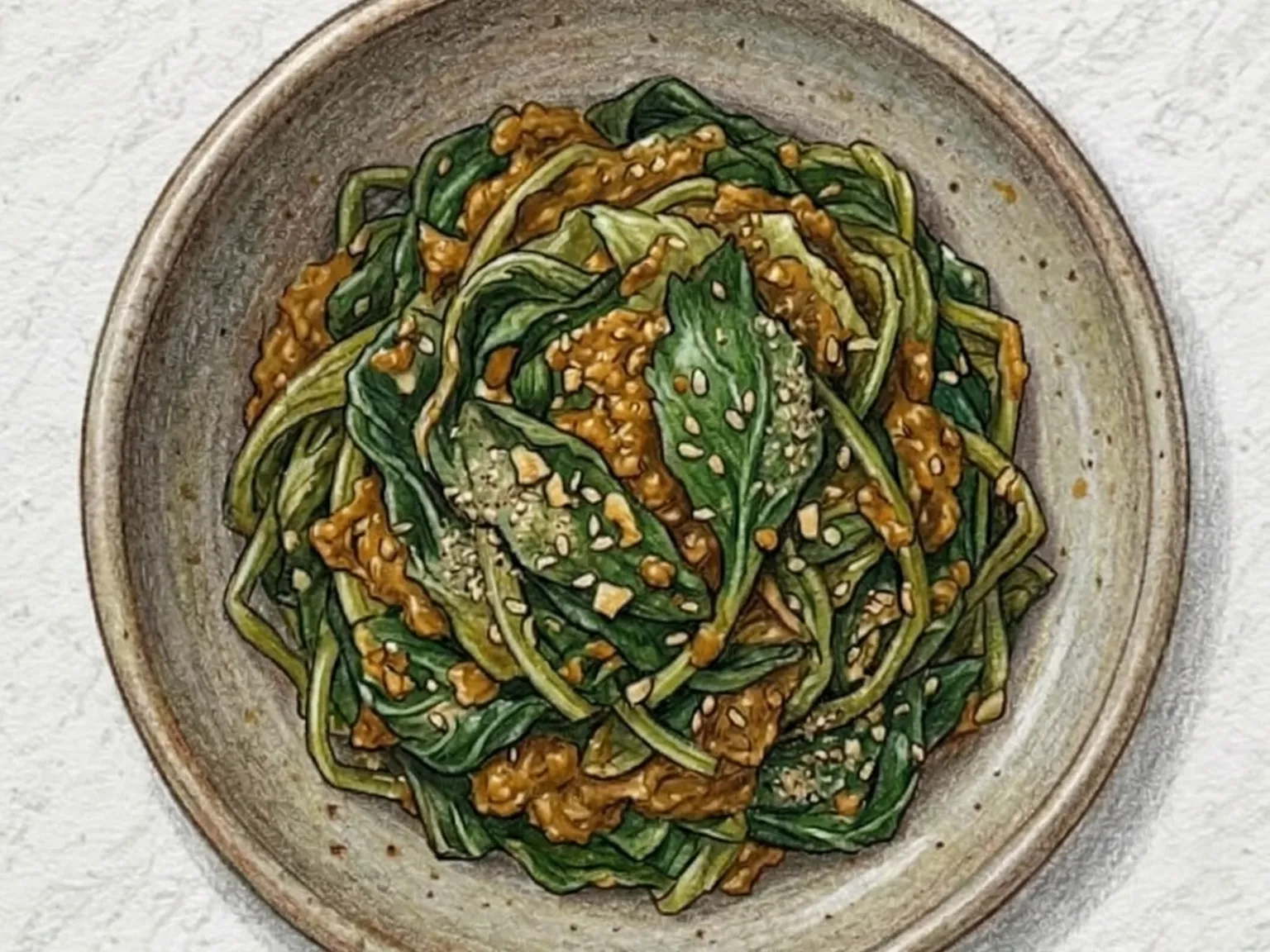
Korean Chwinamul with Doenjang
This banchan brings together chwinamul, a foraged spring green with a pronounced bitter edge, and doenjang, Korea's pungent fermented soybean paste, producing a side dish where two assertive flavors push against each other and settle into something deeper than either alone. The greens are blanched for two minutes, squeezed firmly to remove excess water, and cut to an even length before seasoning. Doenjang, soup soy sauce, minced garlic, sesame oil, and perilla powder are added and worked in by hand, pressing the thick paste into the porous leaf tissue so that the salty, fermented depth clings to every strand and the seasoning does not slide off during plating. The natural bitterness of the chwinamul does not disappear under the doenjang but transforms instead, losing its sharpness and becoming layered and rounded. Letting the dressed greens rest for five minutes before serving allows the seasoning to penetrate fully, which sharpens and deepens the overall flavor in a way that is noticeable even from the first resting period. In winter months, dried chwinamul soaked overnight in cold water is used instead of fresh; the texture is softer and less fibrous but the compatibility with doenjang holds completely.
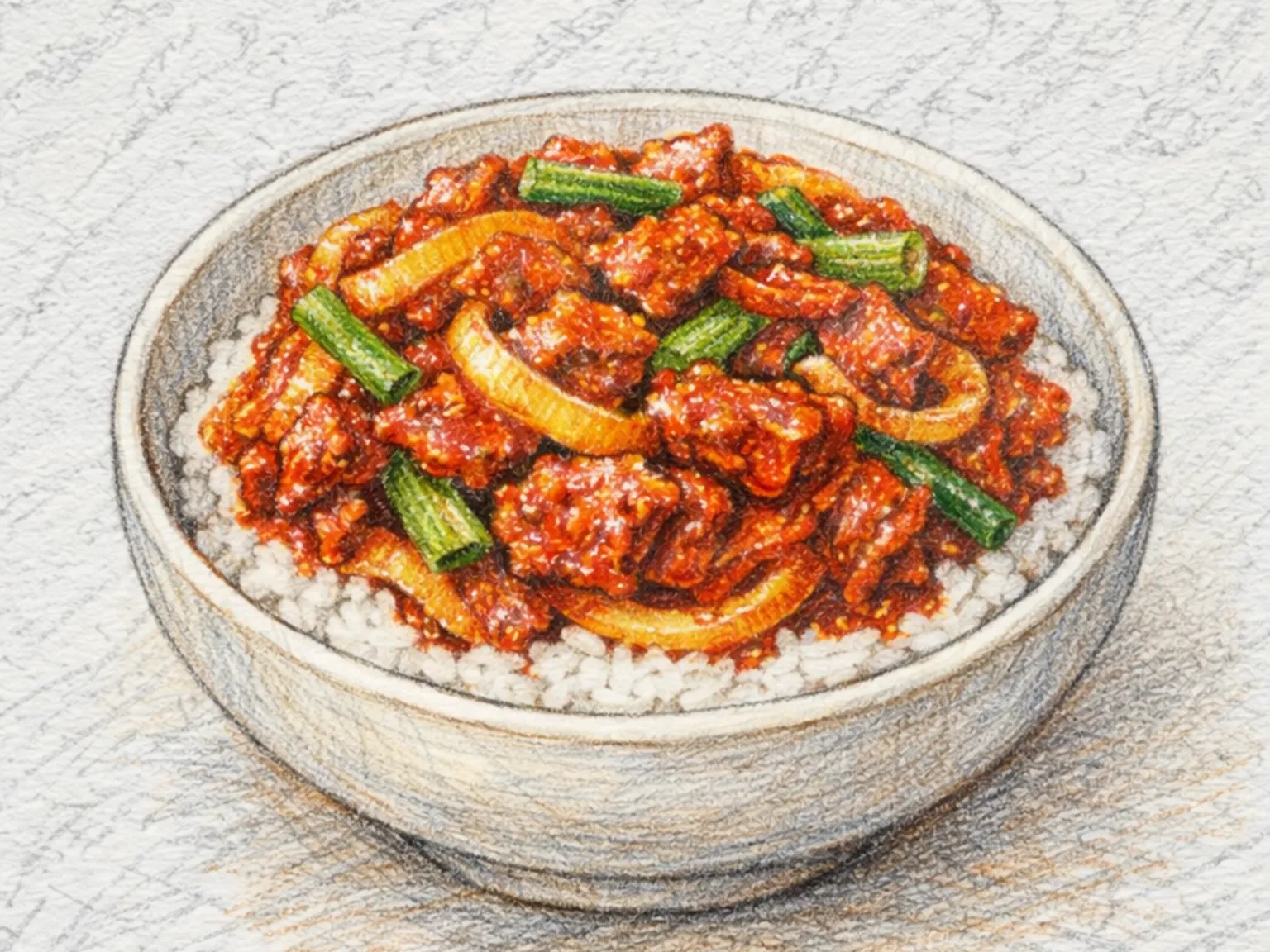
Korean Spicy Pork Rice Bowl
Pork shoulder is sliced into strips, marinated in gochujang, chili flakes, soy sauce, garlic, and sugar for ten minutes, then stir-fried over high heat until the edges caramelize. Onion goes in first to build sweetness, and green onion added at the end brings a sharp, fresh bite that cuts through the spicy-sweet glaze. A final drizzle of sesame oil rounds out the aroma. Served over steamed rice, the bold sauce coats every grain, making this a satisfying single-bowl meal that comes together in under thirty minutes.
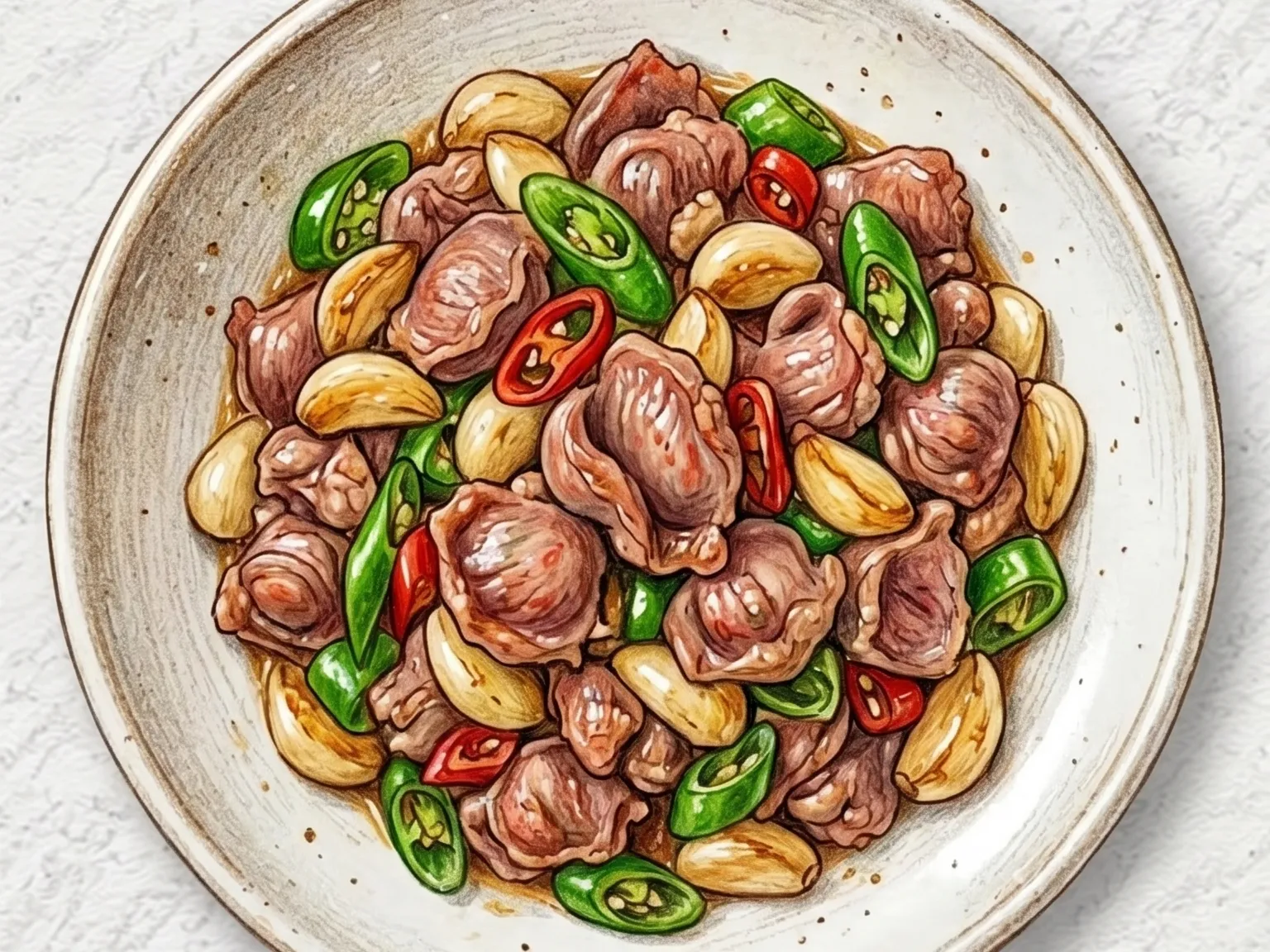
Korean Stir-fried Chicken Gizzards
Dak-ttongjip-bokkeum is a stir-fried dish made from chicken gizzards cooked over high heat with garlic and cheongyang chili pepper. The gizzard, known as the near-wi in Korean, is the thick muscular organ a chicken uses to grind its food. It contains very little fat, is high in protein, and stays firm through cooking in a way that ordinary chicken meat does not. Proper cleaning before cooking is essential. The yellow inner lining and any adjacent odorous tissue must be removed entirely, or the finished dish will carry an off smell that no amount of seasoning can cover. Once cleaned and scored lightly on the surface to help seasoning penetrate, the gizzards go into a very hot pan. The goal is a fast, high-heat cook that sears the outside while leaving the interior tender and springy. Extended cooking over lower heat makes them chewy and tough. The texture is the defining quality of this dish - dense, elastic, and slightly resistant to the bite, with a mild savory nuttiness that deepens the longer you chew. Cheongyang chili cuts through any residual heaviness and adds a clean, quick heat. Garlic provides a deep aromatic foundation that complements the protein. Soy sauce and mirim season the stir-fry with a balance of salt and restrained sweetness. The dish is ordered frequently alongside beer or soju, where its chewy texture and moderate heat make it a satisfying accompaniment to cold drinks. It also works well as a rice side dish.
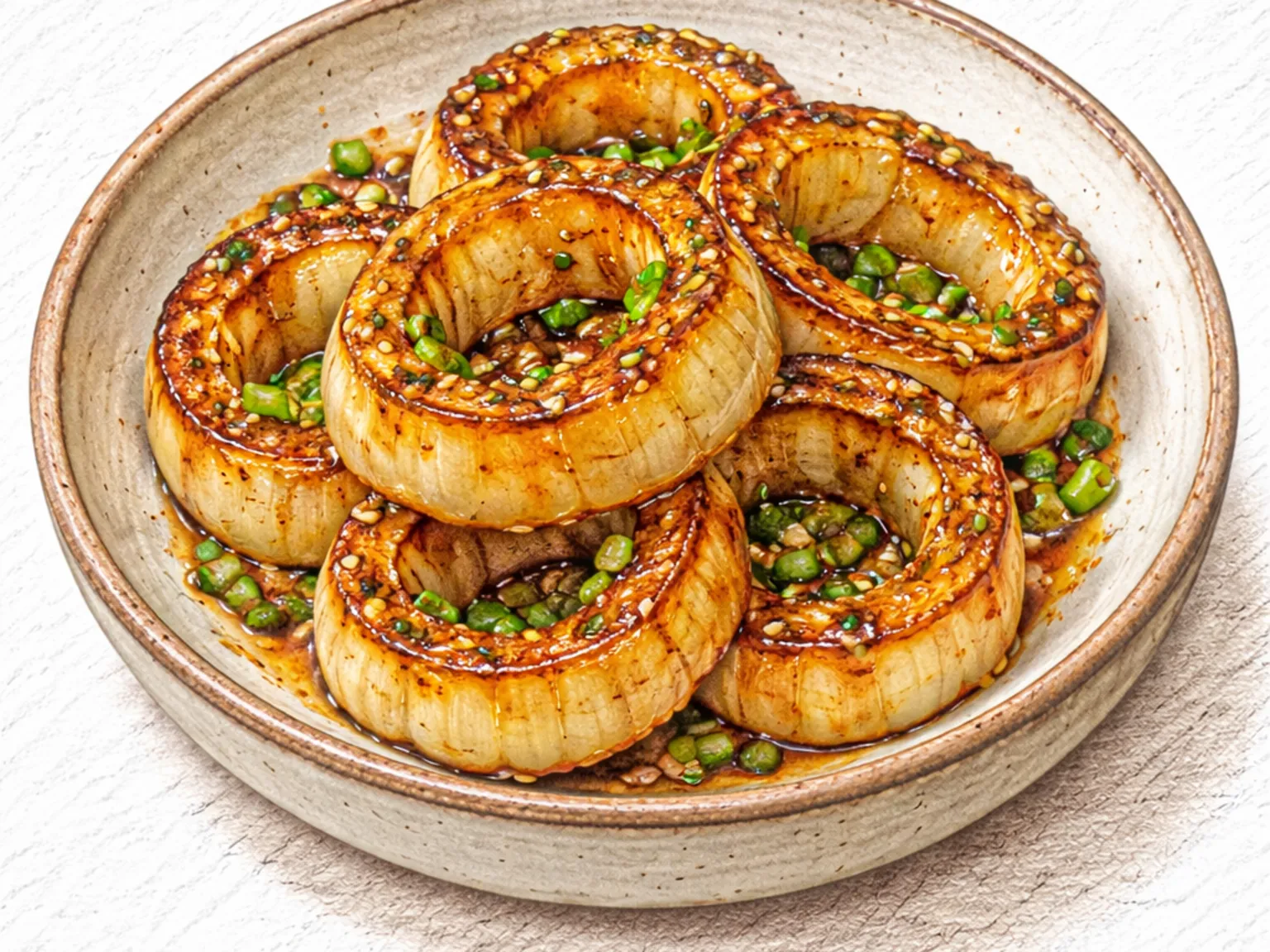
Korean Grilled Doenjang Onions
Onions are sliced into 2 cm rings, secured with skewers, and grilled over medium heat while being brushed with a sauce of doenjang, gochujang, minced garlic, perilla oil, and water. Over eight to ten minutes of flipping and re-brushing, the onion's moisture evaporates and its natural sugars concentrate into pronounced sweetness, while the doenjang chars lightly at the edges to add a toasted, earthy note. Perilla oil softens the salt intensity of the doenjang, and a finish of sliced green chili and ground sesame layers in mild heat and nuttiness. At 146 calories per serving, this is a low-calorie side dish that also works as a light accompaniment to drinks.
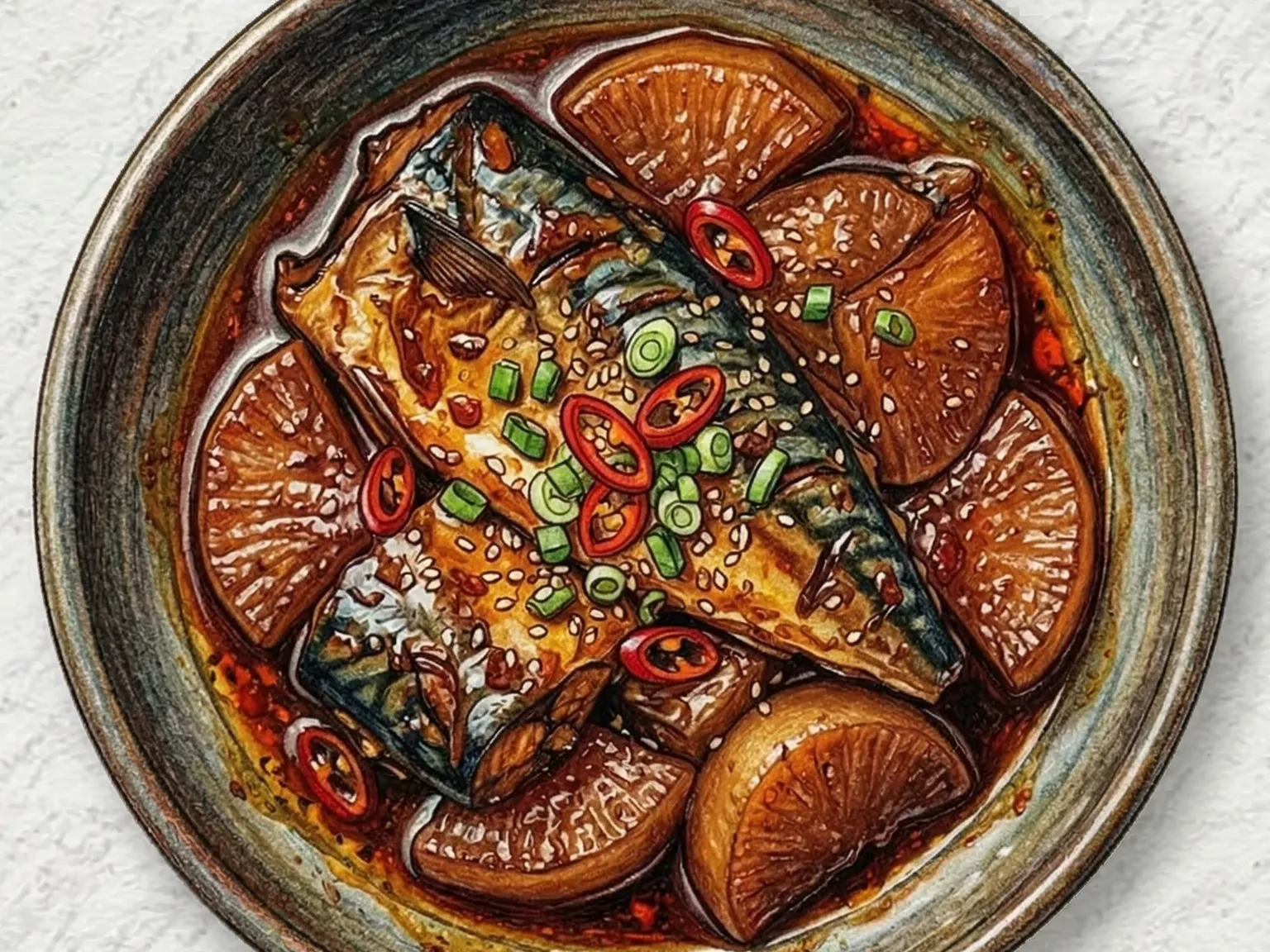
Korean Braised Mackerel (Fatty Mackerel with Radish in Spicy Soy Sauce)
Godeungeo-jjim is a Korean braised mackerel dish cooked low and slow with Korean radish, sliced onion, gochugaru, soy sauce, and fresh ginger. Mackerel belongs to the blue-backed fish category with a high natural fat content, and that fat absorbs the bold, spiced seasoning during braising in a way that leaner fish cannot. The flavor that results is deeply savory with a rounded heat that does not taste sharp or one-dimensional. Radish placed at the bottom of the pan serves a dual purpose: it draws out the fishy aroma during cooking and simultaneously soaks up the braising liquid, making it almost as desirable to eat as the fish itself. Ginger neutralizes the remaining raw fish notes and keeps the overall taste from feeling heavy, providing a subtle warmth that lifts the richness. As the braising liquid reduces, it thickens into a glossy, intensely flavored sauce that is commonly spooned over steamed rice to the last drop. Mackerel is widely available and inexpensive in Korea, which has made this preparation a household staple across generations.
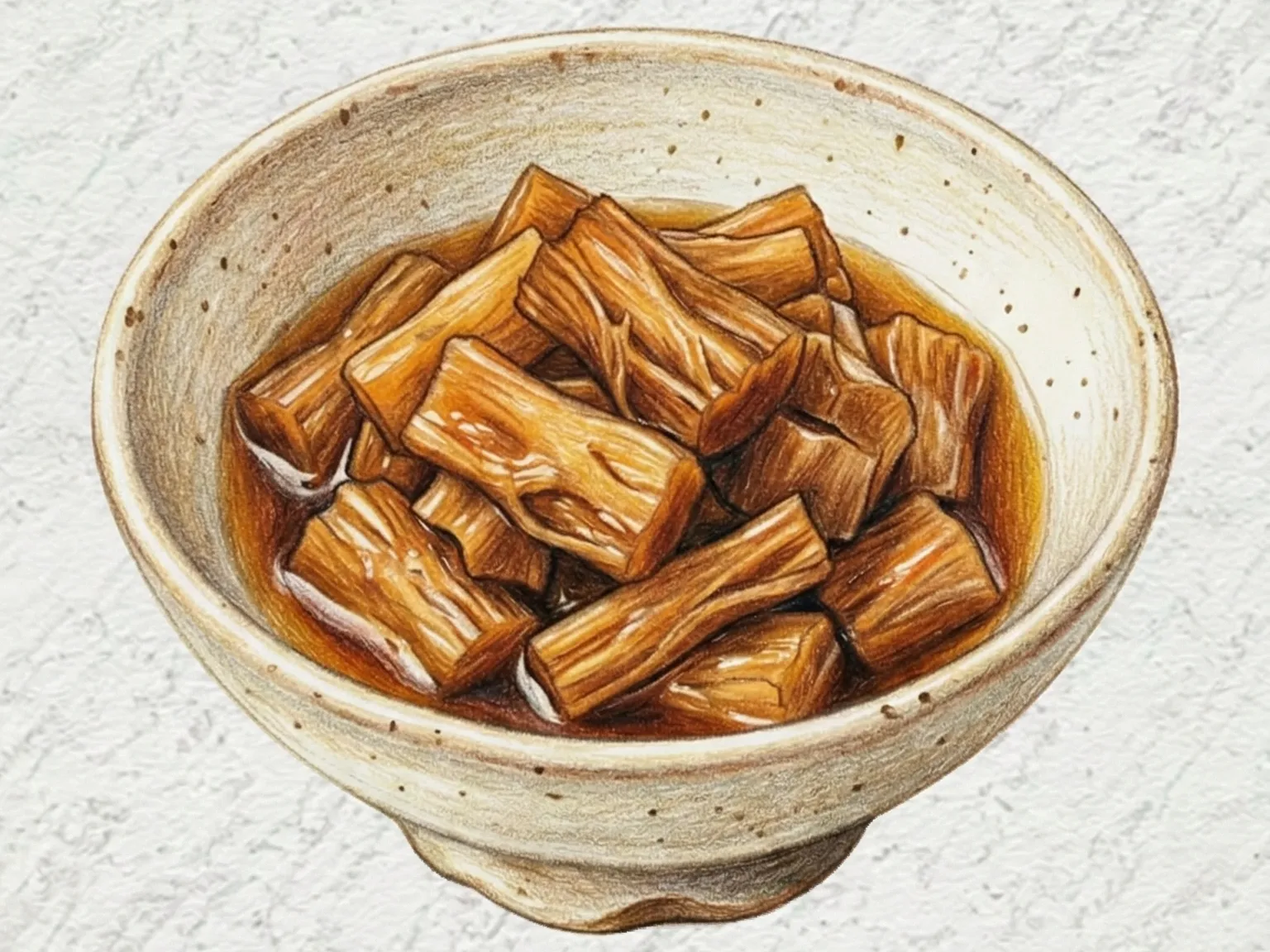
Korean Pickled Deodeok Root
Deodeok jangajji is a traditional Korean pickle made by peeling fresh bellflower root, briefly soaking it in salted water to draw out the sharpness, splitting it lengthwise, and submerging the pieces in a hot brine of soy sauce, vinegar, water, sugar, garlic, and ginger. Pouring the brine while still at full heat quickly firms the outer surface of the root while leaving the interior tender and slightly chewy - a contrast that defines the texture of a well-made deodeok pickle. Garlic and ginger contribute layered aromatic warmth that gradually merges with the root's distinctive earthy fragrance over the course of the pickling period. Soy sauce anchors the umami and deepens the natural mountain-herb flavor of the deodeok. After a minimum of three days in the refrigerator, the brine penetrates all the way through, producing a preserve with a bold, concentrated flavor that is substantial enough to stand on its own alongside plain steamed rice.
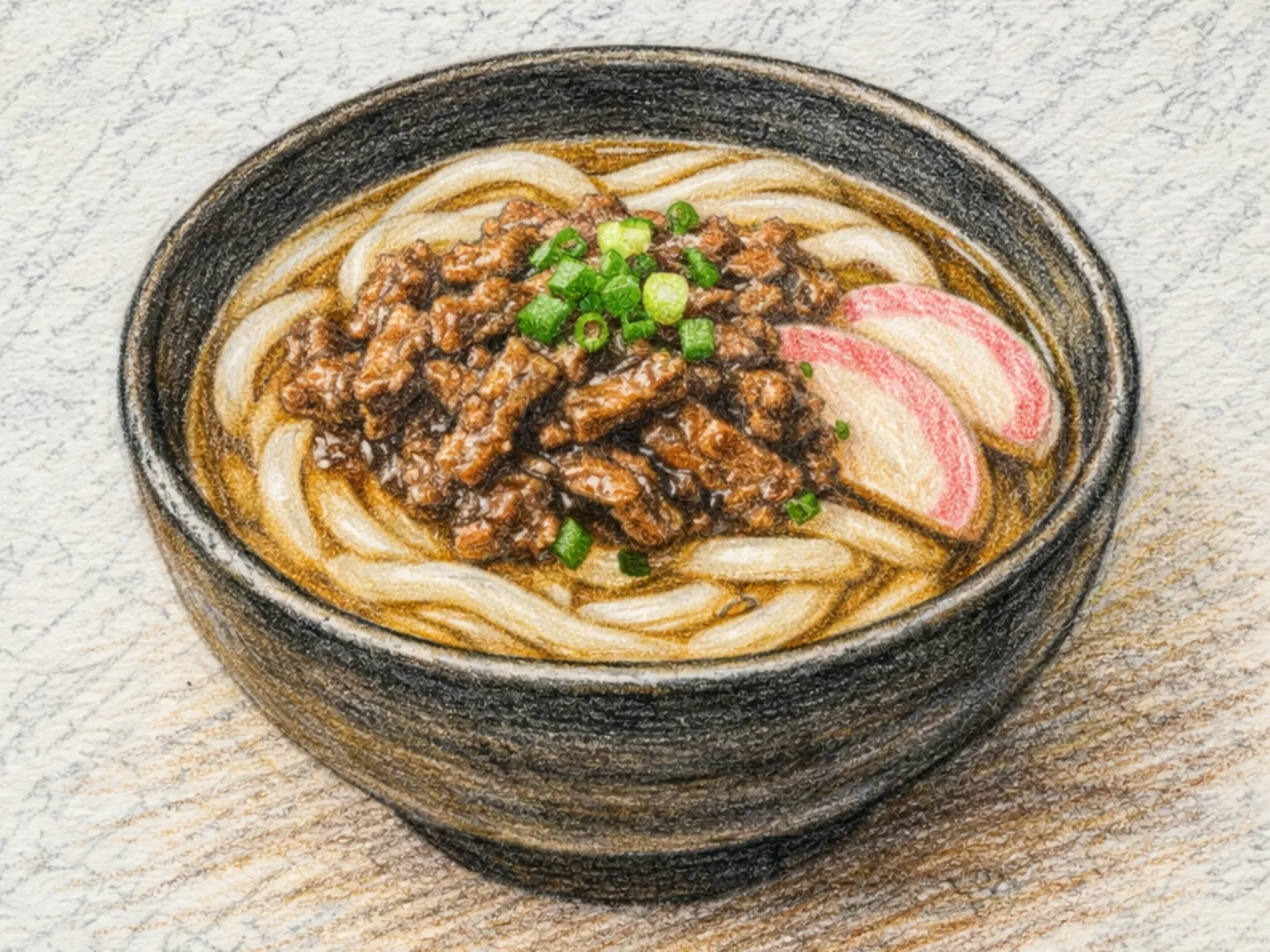
Niku Udon (Japanese Thick Noodles in Dashi Broth with Braised Beef)
Niku udon is a Japanese noodle soup built on two distinct layers of flavor. The broth starts with a clear dashi made from kombu and bonito flakes, seasoned with soy sauce and mirin for a clean, umami-rich base. Separately, thinly sliced beef is simmered with onion in a concentrated mix of soy sauce, mirin, and sugar until each slice is glazed in a sweet, savory coating. The beef is placed atop thick, chewy udon noodles swimming in the hot broth, and the two seasoning profiles merge at the table. Chopped scallions add freshness to cut through the richness. It is a staple of both home kitchens and udon shops across Japan.
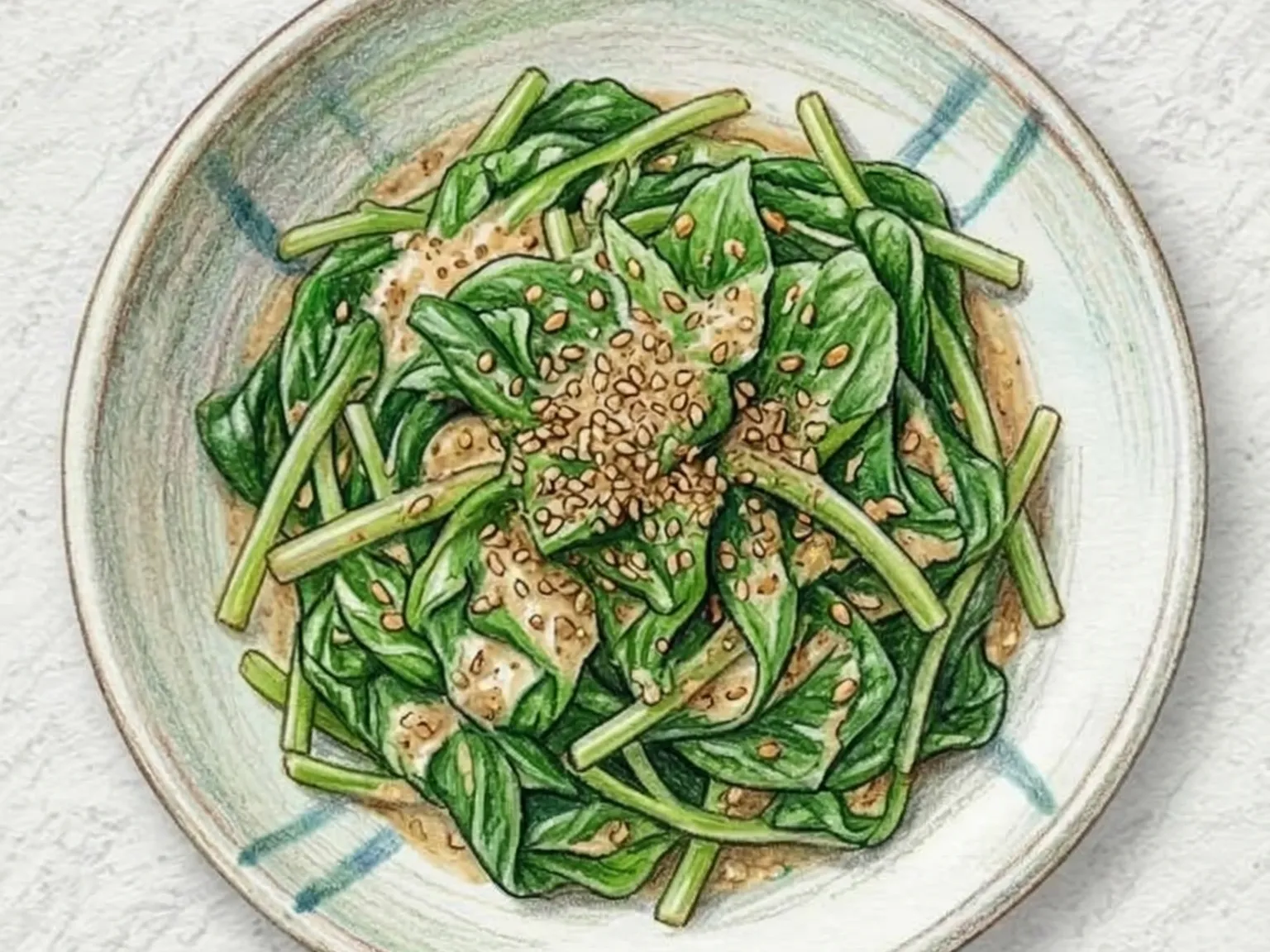
Korean Chwinamul with Perilla Powder
Where the doenjang version of chwinamul leans on fermented soybean depth, this preparation wraps the greens in a perilla seed coating that is mild, nutty, and warm rather than assertive. After blanching, the chwinamul is seasoned with a base of soup soy sauce, garlic, and green onion, then sauteed briefly in perilla oil to amplify the seed character before any liquid is added. Water is stirred in for a light braise that softens the stems fully. The critical step comes off the heat: reducing the flame before adding perilla powder is essential, because adding the powder while the pan is still hot causes the seed oils to separate, leaving a gritty, uneven coating rather than the smooth, pale paste that should coat every strand. When done correctly, the finished dish has a silky, enrobing texture that clings to the greens and releases the full fragrance of the perilla seed in each mouthful. The chwinamul aromatics remain distinct throughout, but the perilla shifts their overall character from sharp and herbal toward something rounder and more comforting.
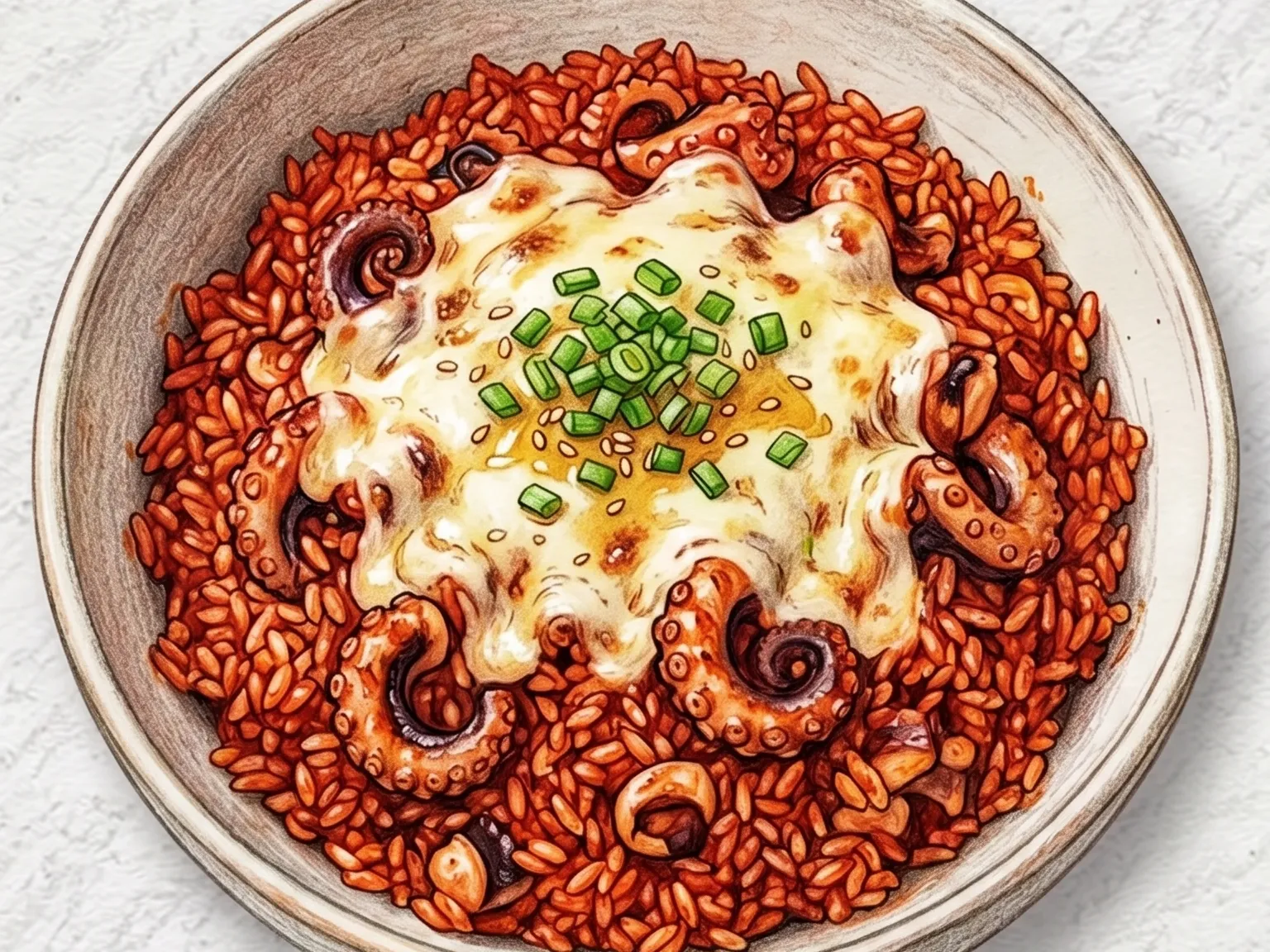
Korean Spicy Baby Octopus Fried Rice
Jjukkumi bokkeumbap is a spicy fried rice built around webfoot octopus, where every element of the technique exists to preserve the squid's signature springy chew. The octopus is first rubbed with salt to strip off the surface slime, then cut to bite-size and seared over high heat for no more than three minutes. The gochujang-based sauce, bolstered with chili flakes, soy sauce, sugar, and garlic, concentrates spice and umami before the rice enters the pan and soaks up the red seasoning grain by grain. A drizzle of sesame oil at the end adds a nutty fragrance that lifts the dish slightly, and melted cheese is a popular addition for softening the heat without dulling the flavor. The oceanic character of the octopus - its brininess and elasticity - gives this fried rice a depth that ground pork or vegetables simply do not replicate. Not overcooking the octopus is the single most important decision in the recipe.
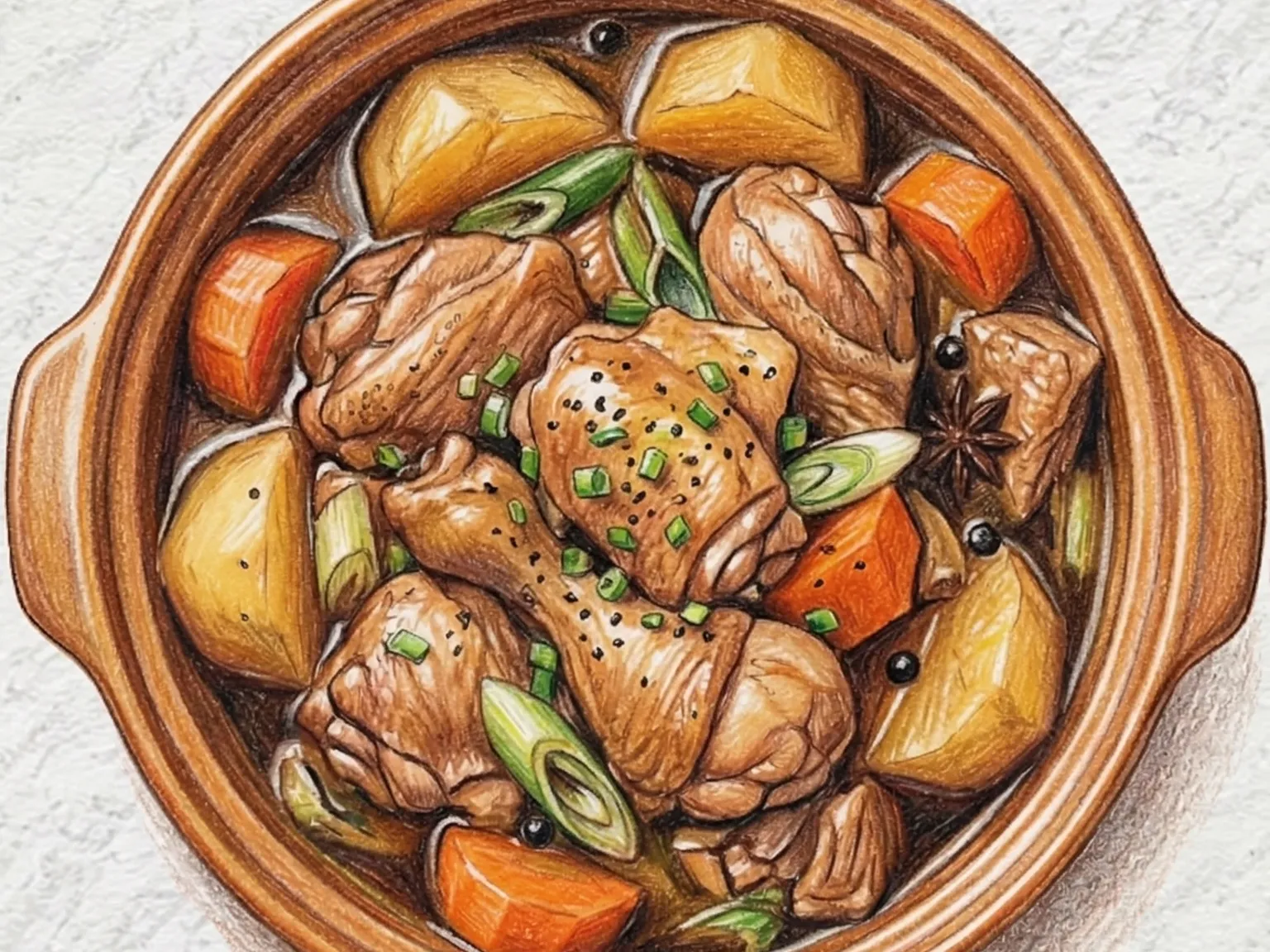
Korean Soy Braised Chicken Chunks
Dakganjang-jjim is a Korean soy-braised chicken dish where bone-in thigh pieces are combined with potatoes, carrots, and onion in a seasoned soy sauce base and simmered over low heat until the liquid reduces and the flavors concentrate. As the braising liquid cooks down, the salinity and umami of the soy sauce penetrate through the chicken skin and into the meat, seasoning it throughout rather than just coating the surface. The thigh cut is intentional - the fat and collagen in bone-in thighs keep the meat moist through the extended cooking time, preventing it from drying out the way leaner cuts would. The vegetables absorb the rendered chicken fat and soy-based cooking liquid as they soften, taking on a deep savory-sweet flavor that requires no additional seasoning. Because the dish contains no chili paste or gochugaru, it is mild in heat and broadly accessible, working equally well as a weeknight dinner main, a side dish over rice, or packed into a lunch box where the flavors continue to develop. The ratio of soy sauce to sugar in the braising liquid can be adjusted to suit individual taste - leaning toward saltier or sweeter without fundamentally changing the character of the dish.
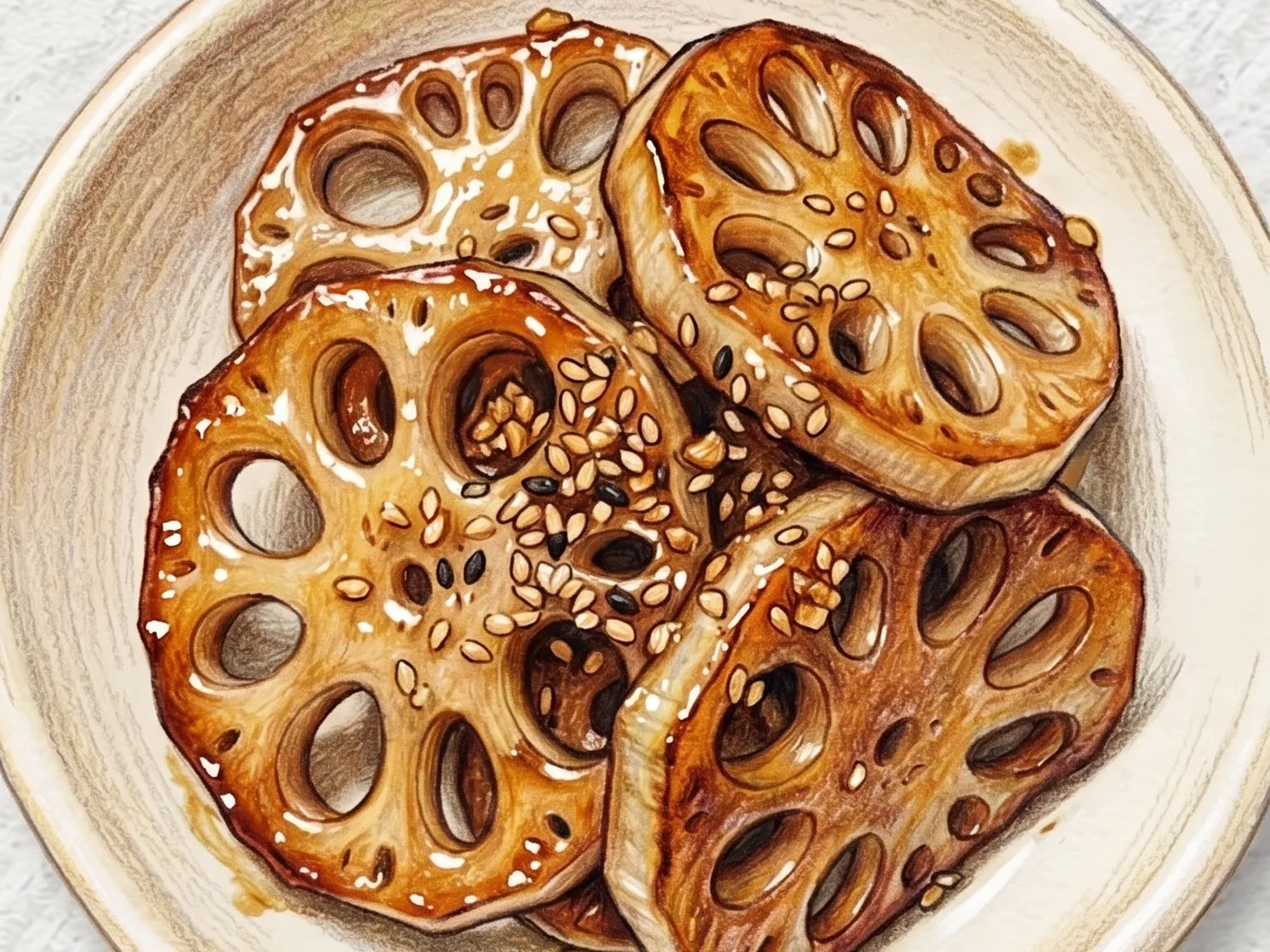
Korean Soy-Glazed Grilled Lotus Root
This side dish features lotus root sliced into rounds and pan-grilled with a sweet and salty soy glaze. The peeled root is sliced and soaked in vinegar water for ten minutes, then blanched in boiling water for two minutes to eliminate astringency while locking in its signature crunch. After draining, the slices are seared in a pan with cooking oil for two minutes on each side until lightly browned. The glaze, composed of soy sauce, oligosaccharide syrup, minced garlic, and sesame oil, is poured in over medium-low heat. It is critical to turn the slices quickly and remove the pan from the heat as soon as they become glossy, before the syrup hardens. The holes of the lotus root capture the glaze, distributing the savory-sweet flavor evenly in every bite. Sprinkled with sesame seeds, it is left to cool briefly to let the coating settle, making it a clean, non-sticky addition to daily meals.
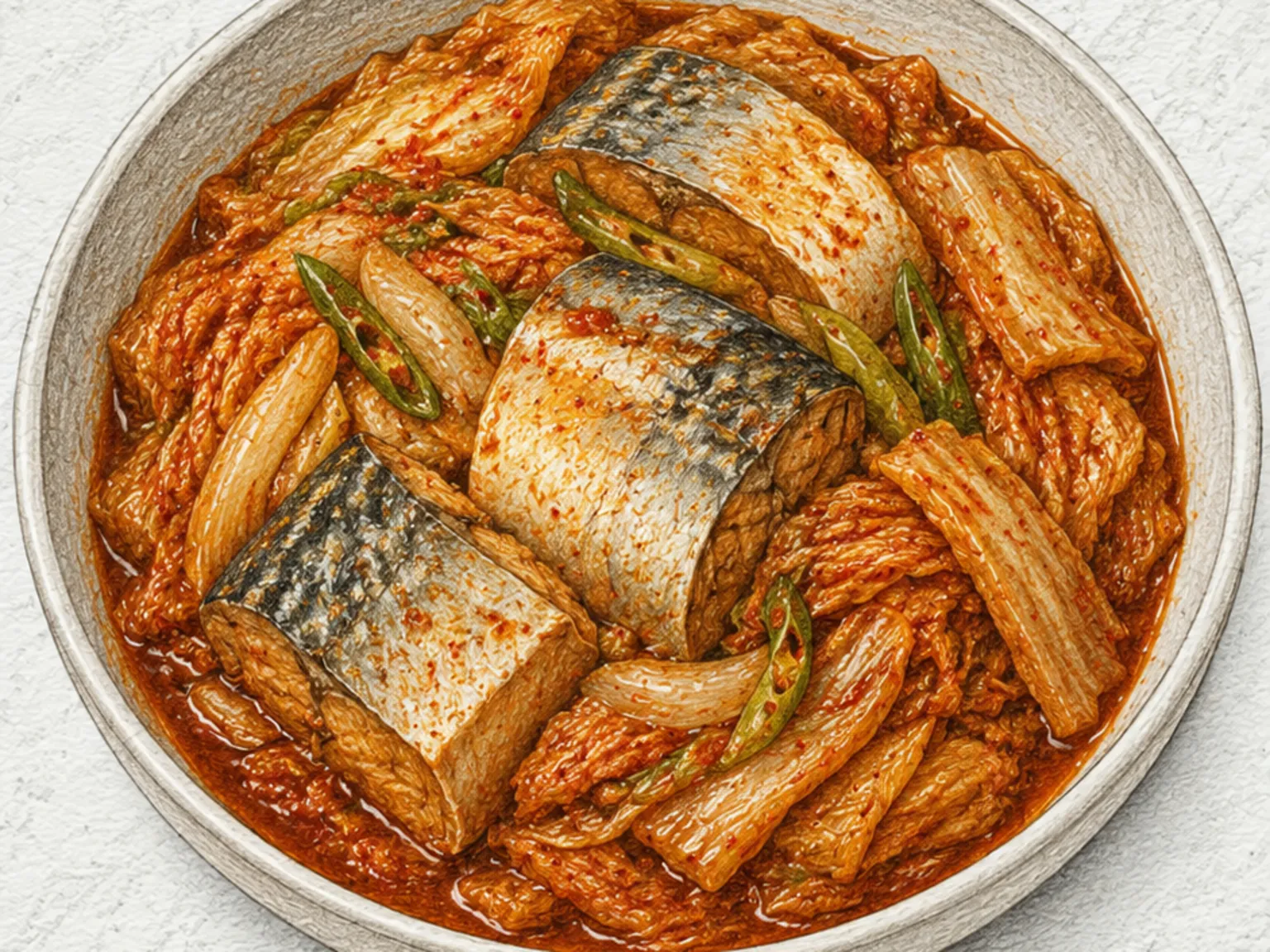
Korean Braised Mackerel with Aged Kimchi
Godeungeo kimchi jjim is mackerel braised together with well-fermented aged kimchi in a soy sauce and gochugaru broth. The deep, sharp acidity of the aged kimchi cuts through the fatty mackerel flesh without leaving any heaviness, drawing out a concentrated savory taste instead. The key step is removing the lid partway through cooking and letting the braising liquid reduce and absorb into the fish, which also drives off any residual fishiness. Onion softens into a gentle sweetness that rounds out the broth, while a pinch of sugar tempers the sourness of the kimchi so the seasoning stays in clear balance. The sauce reduces to a small pool of intensely flavored liquid that is meant to be mixed directly into a bowl of steamed rice.