🍱 Lunchbox Recipes
Dishes that taste great packed and cold
723 recipes. Page 18 of 31
The best lunchbox dishes hold up well at room temperature. This tag features make-ahead sides and full lunchbox recipes you can pack in the morning without stress - sausage stir-fry, rolled omelet, stir-fried anchovies, and soy-braised beef are all lunchbox staples.
The key to a great packed lunch is choosing dishes with low moisture content and arranging contrasting colors. A sprinkle of sesame seeds or furikake over the rice adds a finishing touch that looks as good as it tastes.
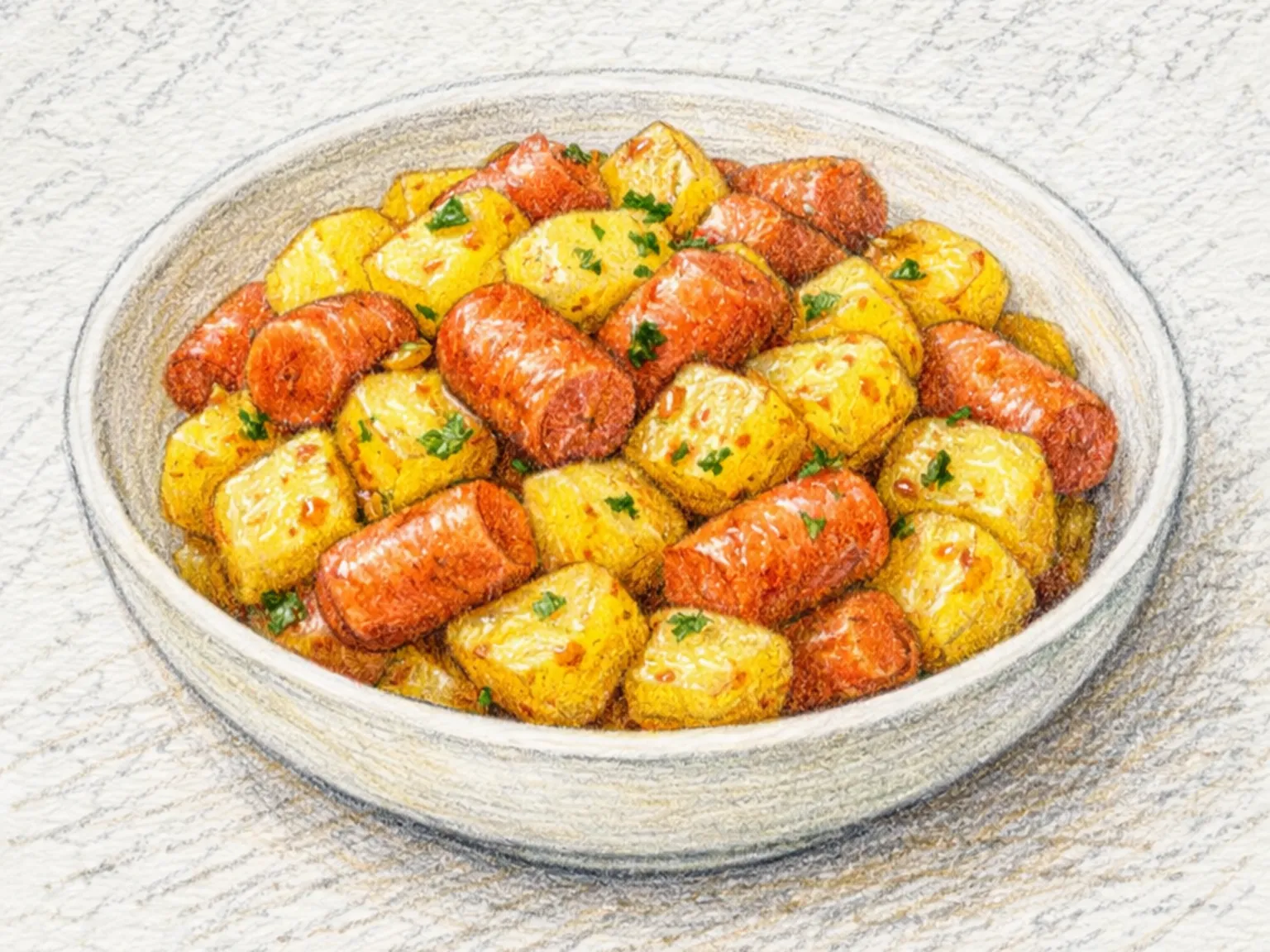
Korean Potato and Sausage Stir-Fry
This Korean side dish features thinly sliced potatoes and bite-sized sausages stir-fried in a sweet and savory sauce. The potatoes are sliced into half-moons and cooked in a hot pan with oil for three minutes until their edges turn translucent. Sausages are then added, and the heat is reduced to medium to cook for two more minutes, allowing the rendered sausage fat to coat the potatoes. The dish is seasoned with a quick blend of soy sauce, ketchup, and sugar. Because the sauce can burn easily, it is crucial to toss the ingredients rapidly for thirty seconds until a glossy glaze forms. Ketchup provides a mild acidity that balances the saltiness of the soy sauce and the sweetness of the sugar. This stir-fry is a popular lunchbox staple that comes together in under ten minutes, making it highly practical for busy mornings.
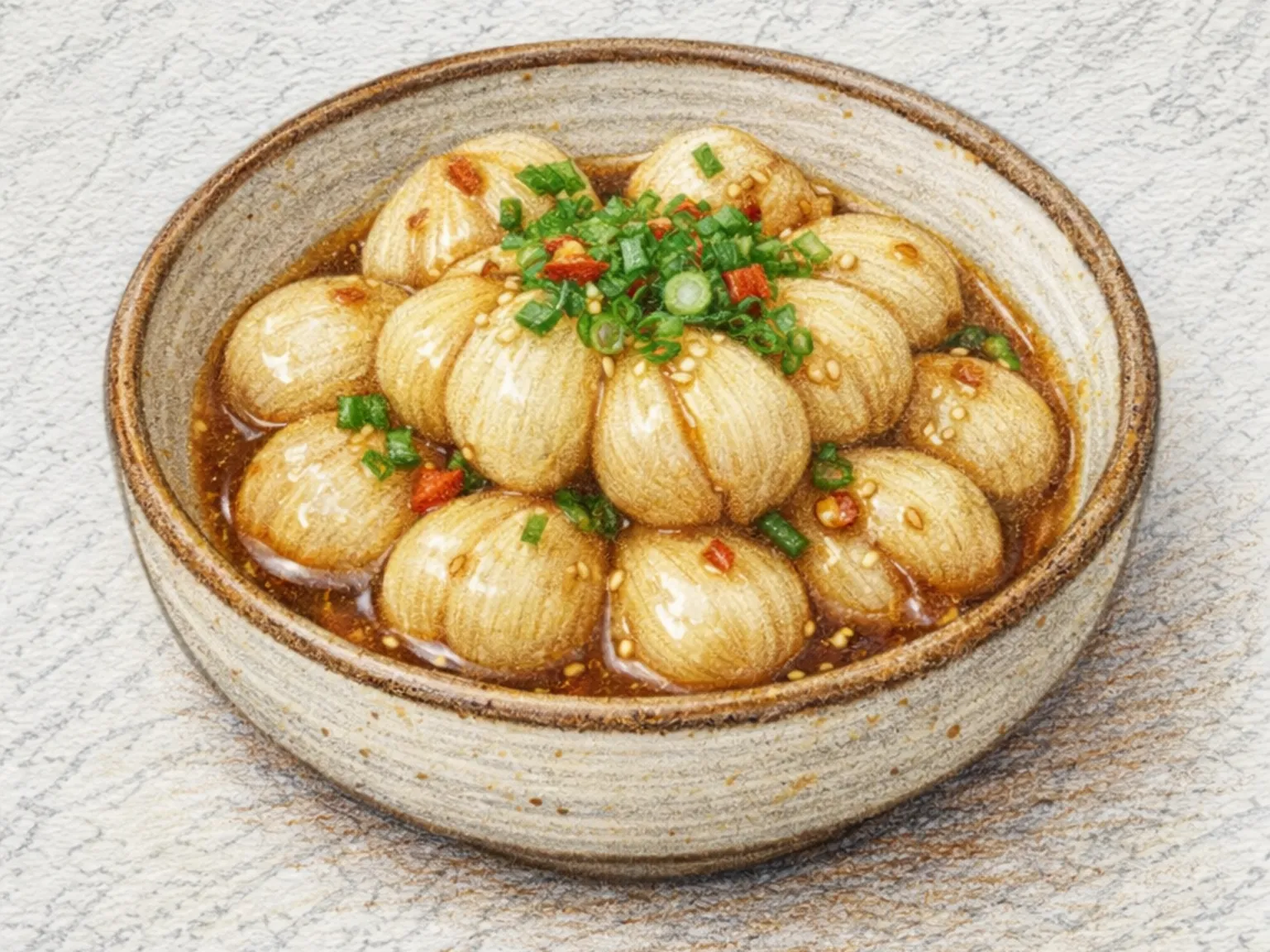
Korean Steamed Whole Garlic
Maneul-jjim is a Korean steamed whole garlic dish where cloves are slowly braised in soy sauce, oligosaccharide syrup, and sesame oil until completely tender. The raw garlic's sharp bite disappears entirely with heat, transforming into a mellow sweetness with a creamy, almost buttery texture. The syrup creates a glossy coating on each clove, and the sesame oil wraps everything in a nutty fragrance. This banchan works as a side to grilled meats or as a drinking snack, offering all of garlic's depth without any of its usual pungency. Placing a softened clove on a spoonful of rice is the simplest and most satisfying way to enjoy it.
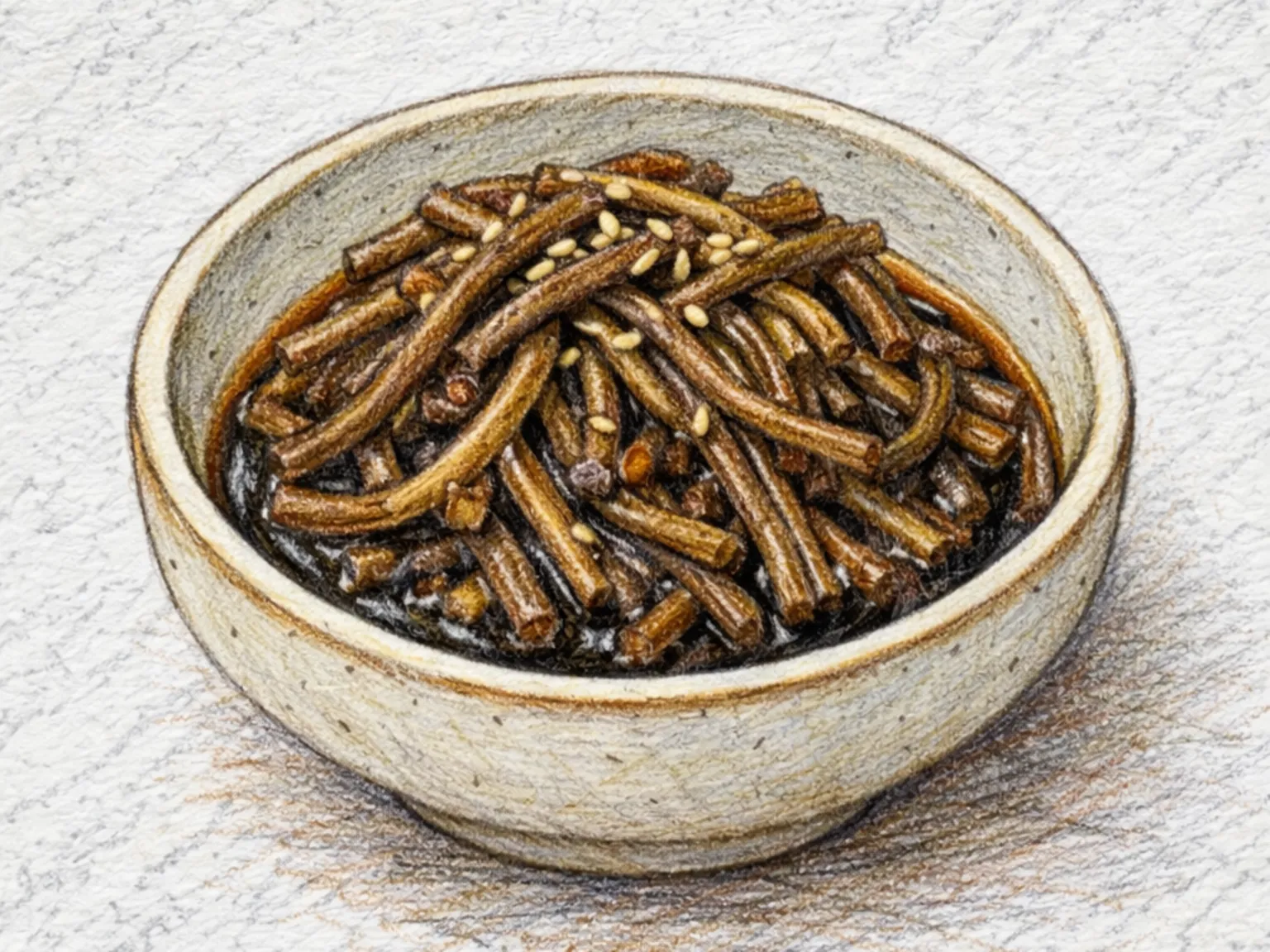
Korean Bracken Fern Pickles
Gosari jangajji is a Korean pickled bracken fern made by submerging boiled bracken stems in a brine of dark soy sauce, vinegar, sugar, and rice wine. The fern's earthy, nutty aroma weaves together with the soy umami in layers, deepening with each bite as the flavors come into focus. Though the stems are boiled until soft, the plant's natural fiber retains enough structure to give a satisfying chew, and dried chili and garlic added to the brine contribute a quiet warmth that builds gradually. Vinegar's acidity cuts through the heavier, loamy earthiness that raw bracken can carry, leaving the aftertaste clean and bright. Refrigerated, the jangajji keeps comfortably for over a week, making it a practical, ready-to-serve banchan. For anyone familiar only with gosari namul, this pickled version is a worthwhile discovery.
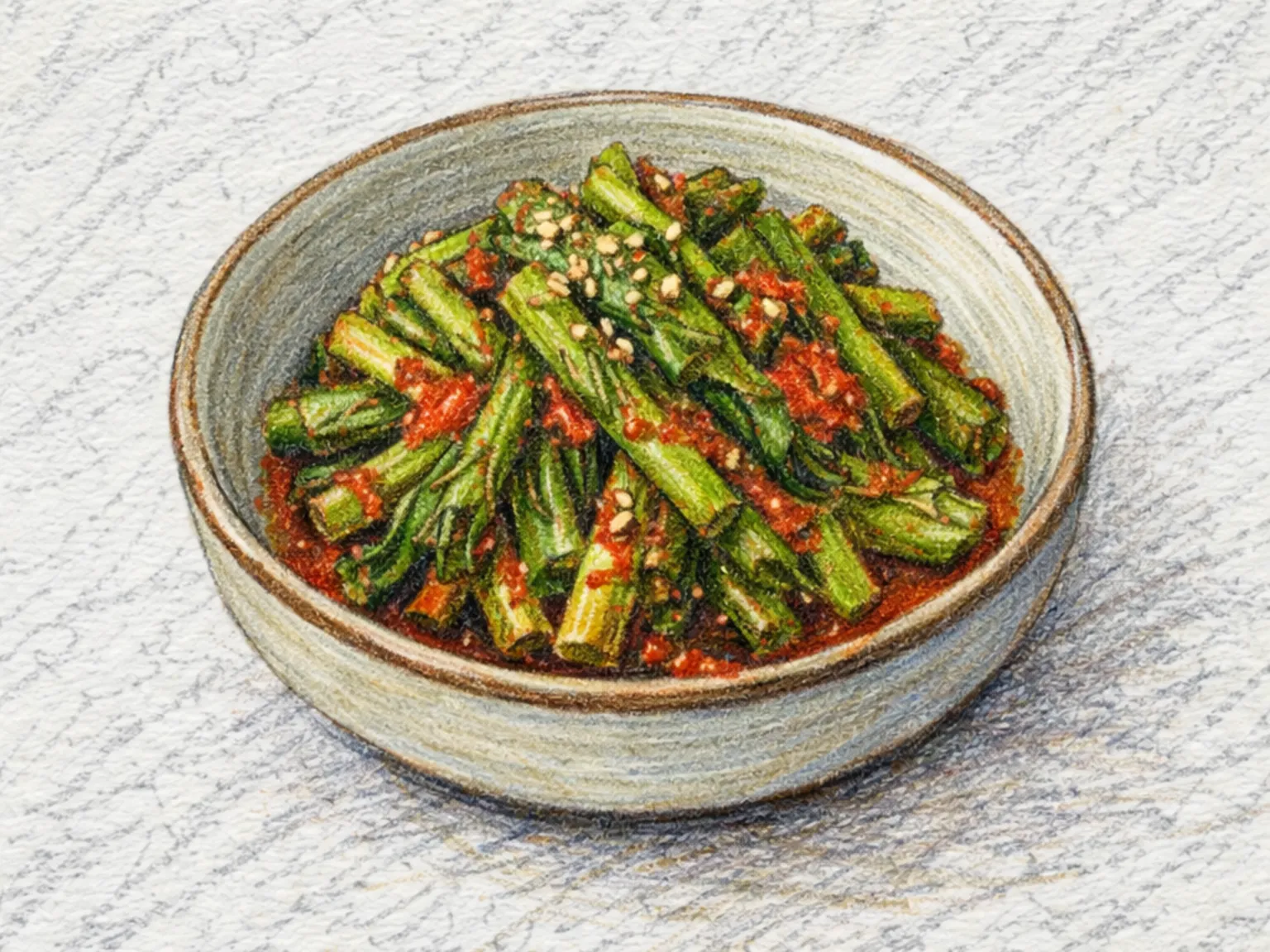
Korean Seasoned Fatsia Shoots
Dureup, the young shoots of aralia elata, emerge for barely three weeks each April from thorny stalks, ranking among the most prized of Korea's spring mountain vegetables. Each shoot carries a distinctive piney, slightly resinous fragrance that cannot be found in any other Korean namul. Blanching the shoots in salted water for exactly 40 seconds softens the fibrous base of the stalk while preserving the volatile aromatic oils concentrated at the leaf tips. The traditional dressing is cho-gochujang, a vinegared chili paste whose acidity and sweetness provide a flavor framework without overwhelming the shoots' natural bitterness. In Korean folk medicine, dureup has long been associated with blood sugar regulation, which contributes to the premium it commands at spring markets. The fragrance fades rapidly after harvest, so the shoots are best eaten the same day they are picked, and even refrigerated storage should not extend beyond one day.
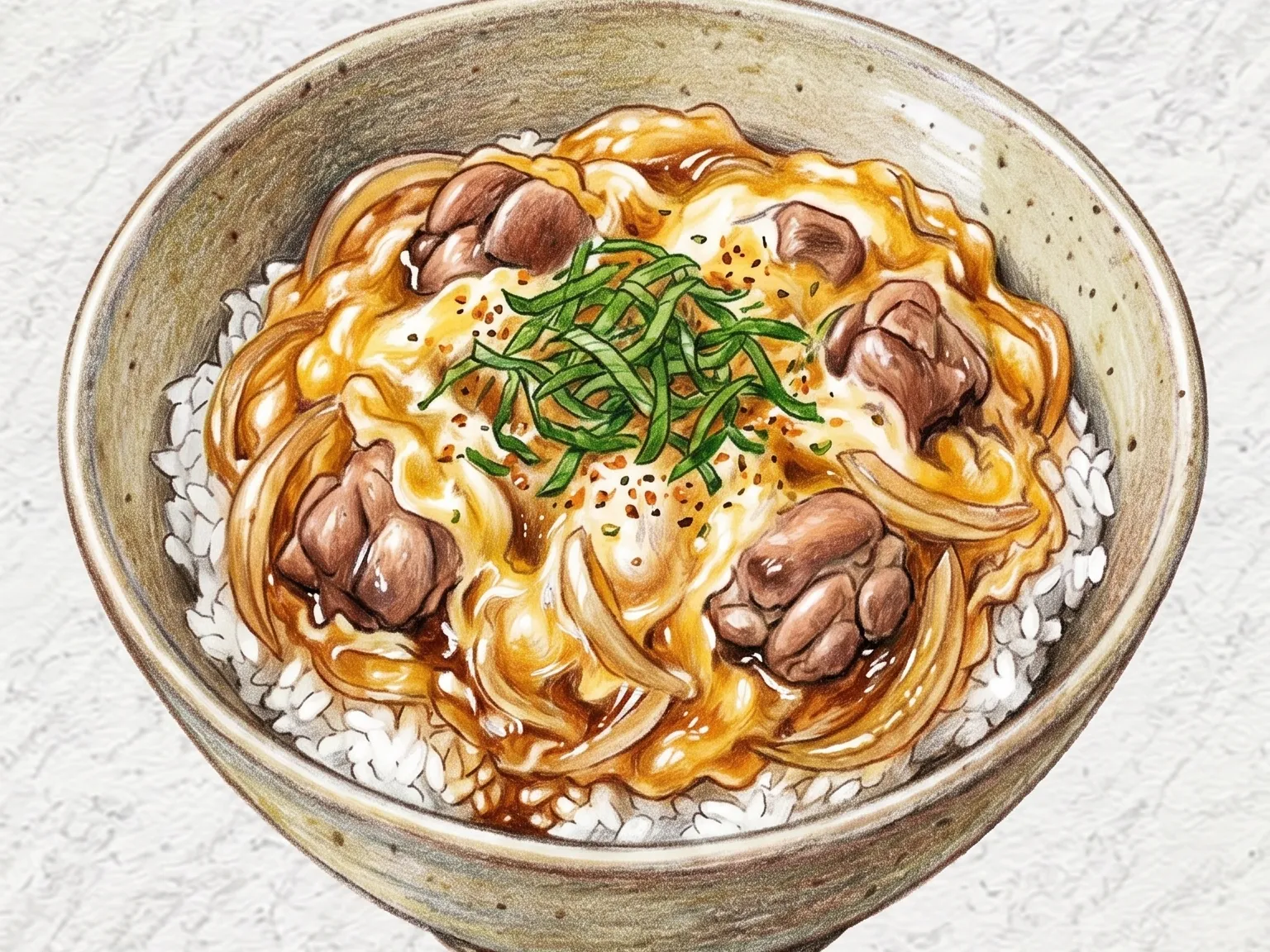
Chicken and Egg Rice Bowl
Oyakodon simmers bite-size chicken thigh and sliced onion in a soy-mirin broth, then binds everything with a soft-set egg before sliding it over steamed rice. The name means 'parent and child,' referring to the chicken and egg sharing the same bowl. Onion goes into the broth first to release its natural sweetness, followed by the chicken, which cooks just until tender. Beaten eggs are poured in a circular motion and the lid goes on briefly, leaving the egg custardy rather than fully set. That half-cooked egg absorbs the savory-sweet broth and coats each grain of rice. Despite using only a handful of ingredients, the layered umami from soy sauce and mirin gives the dish a satisfying depth.
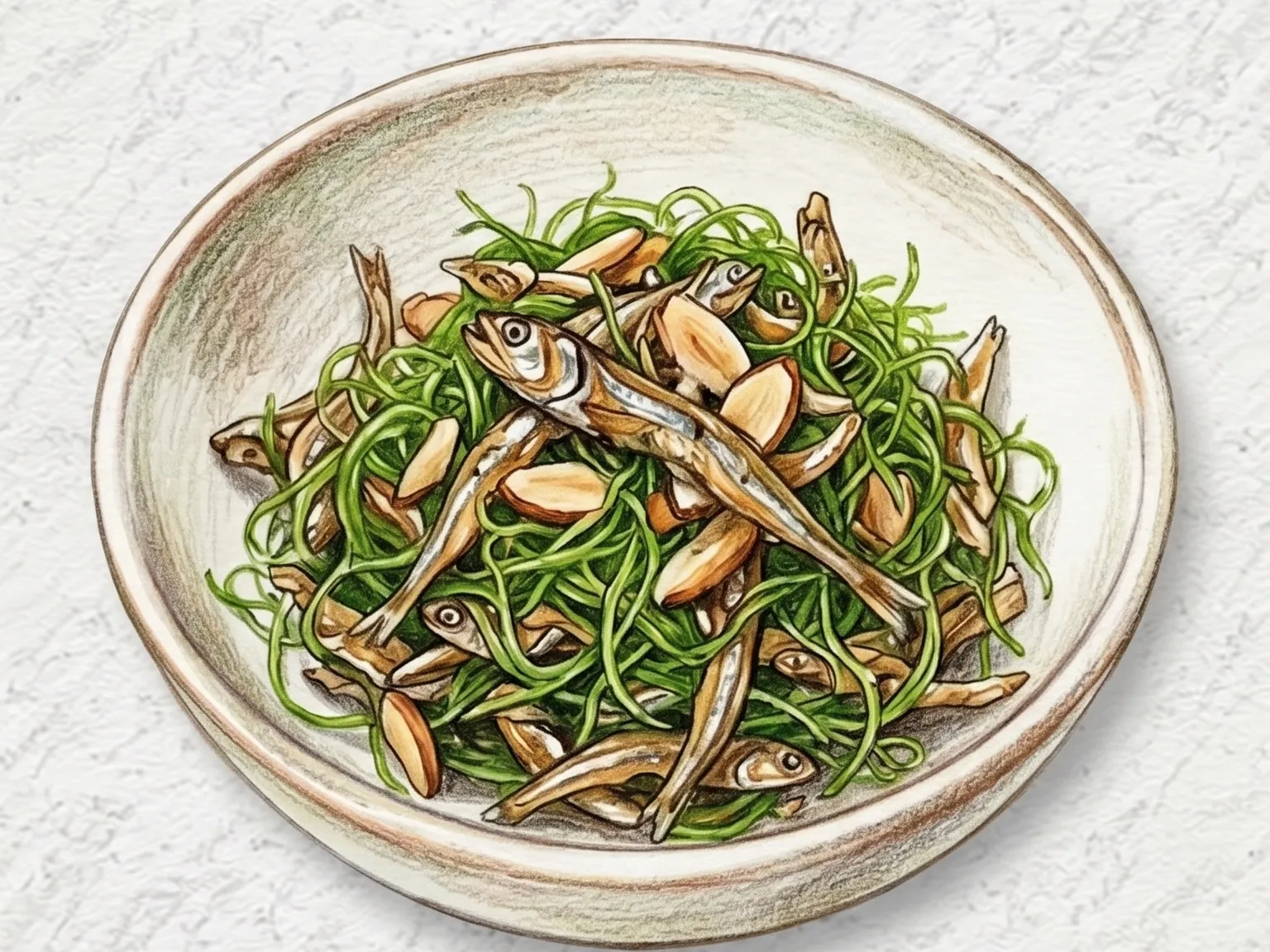
Korean Stir-fried Seaweed and Anchovies
Gamtae myeolchi bokkeum is a crispy Korean banchan that combines small dried anchovies with gamtae seaweed and sliced almonds in a soy-syrup glaze. Gamtae is a green seaweed harvested along parts of Korea's southern coast, milder and less bitter than common sea lettuce, with a gentle oceanic fragrance that complements rather than overpowers the anchovies. The first step is toasting the anchovies in a dry pan without oil until they turn slightly golden and fragrant; this drives off moisture and mellows their fishy edge. The soy and oligosaccharide syrup glaze is added next, coating each anchovy in a glossy, lightly sweet-savory layer. Oligosaccharide syrup is preferred over honey or corn syrup because it is less viscous, which keeps the anchovies separated rather than clumped. Almond slices are stirred in to provide a larger, firmer crunch that contrasts with the tiny anchovies and adds a mild nutty sweetness. Gamtae is added only in the final seconds - ten seconds over heat is enough to warm it and release its aroma, and longer exposure will turn it yellow and dull. Once everything is cooled completely before sealing in an airtight container, the banchan holds its crunch for one to two weeks, making it an ideal make-ahead dish for weekly meal prep. The anchovies provide calcium and the gamtae contributes marine minerals, giving the dish a nutritional balance that matches its flavor.
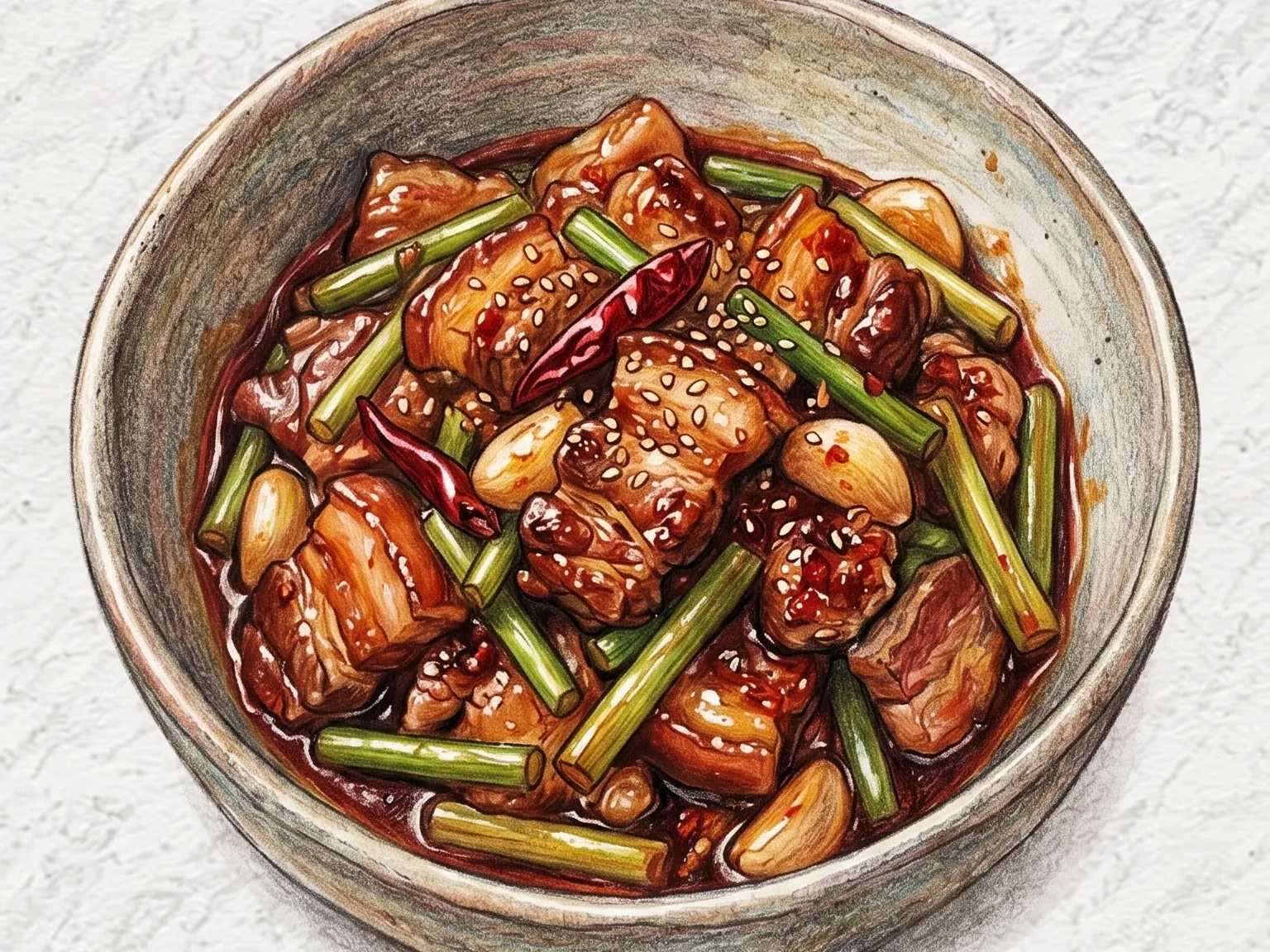
Korean Braised Pork with Garlic Scapes
Maneuljjong dwaejigogi-jorim is a Korean braise of pork and garlic scapes in a gochujang, soy sauce, and gochugaru seasoning. The pork releases its juices into the sauce as it cooks, building a concentrated braising liquid that the garlic scapes absorb while retaining their characteristic crunch. Gochujang's deep warmth layers with soy sauce's umami into a compound seasoning, and the garlic scapes' mild pungency cuts through any heaviness from the pork fat. Mixed over rice, the sauce, meat, and vegetables come together into a filling, well-rounded meal.
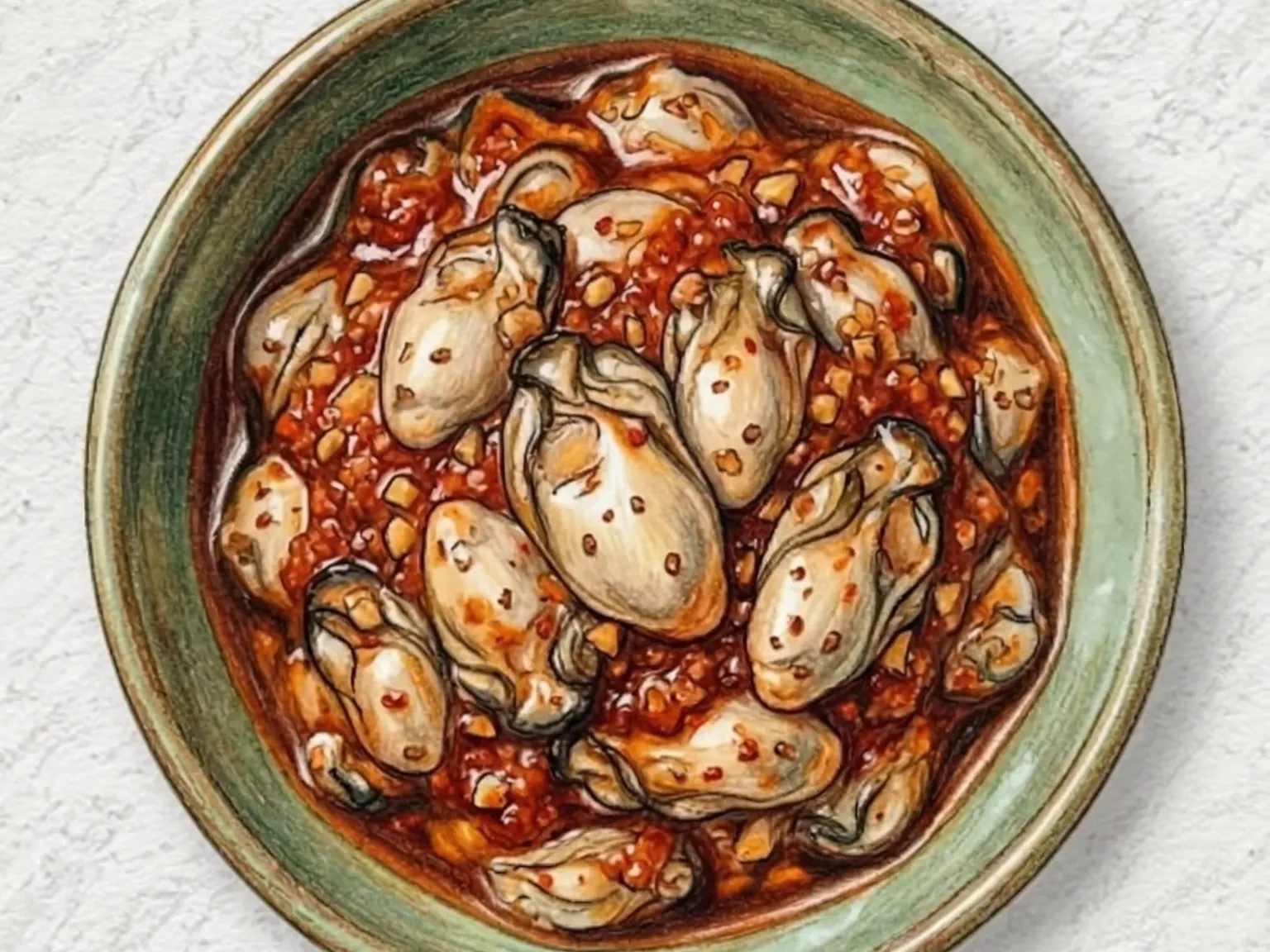
Korean Salted Oyster Jeotgal
Gul jeotgal is a traditional Korean fermented condiment made by curing fresh winter oysters in coarse solar salt with gochugaru, minced garlic, ginger, and plum extract, then aging the mixture at low temperature. As the salt draws moisture from the oyster tissue, the flesh contracts and its marine umami intensifies into something denser and more complex than a fresh oyster delivers. Gochugaru gives the condiment its characteristic red color and adds heat that balances the brininess. Plum extract plays a specific role during fermentation: it suppresses the fishy odor that naturally develops while contributing a mild acidity that keeps the overall flavor from turning flat or heavy. The longer gul jeotgal ages, the more layered and deep its character becomes. Eaten on its own over warm rice, it functions as a complete banchan, briny and bold against plain starch. Its more significant culinary role, however, is as a filling ingredient in baechu kimchi: folded into the seasoning paste, it introduces a richer source of umami than fish sauce alone provides, and the amino acids it releases during fermentation elevate the entire kimchi as it continues to ripen.
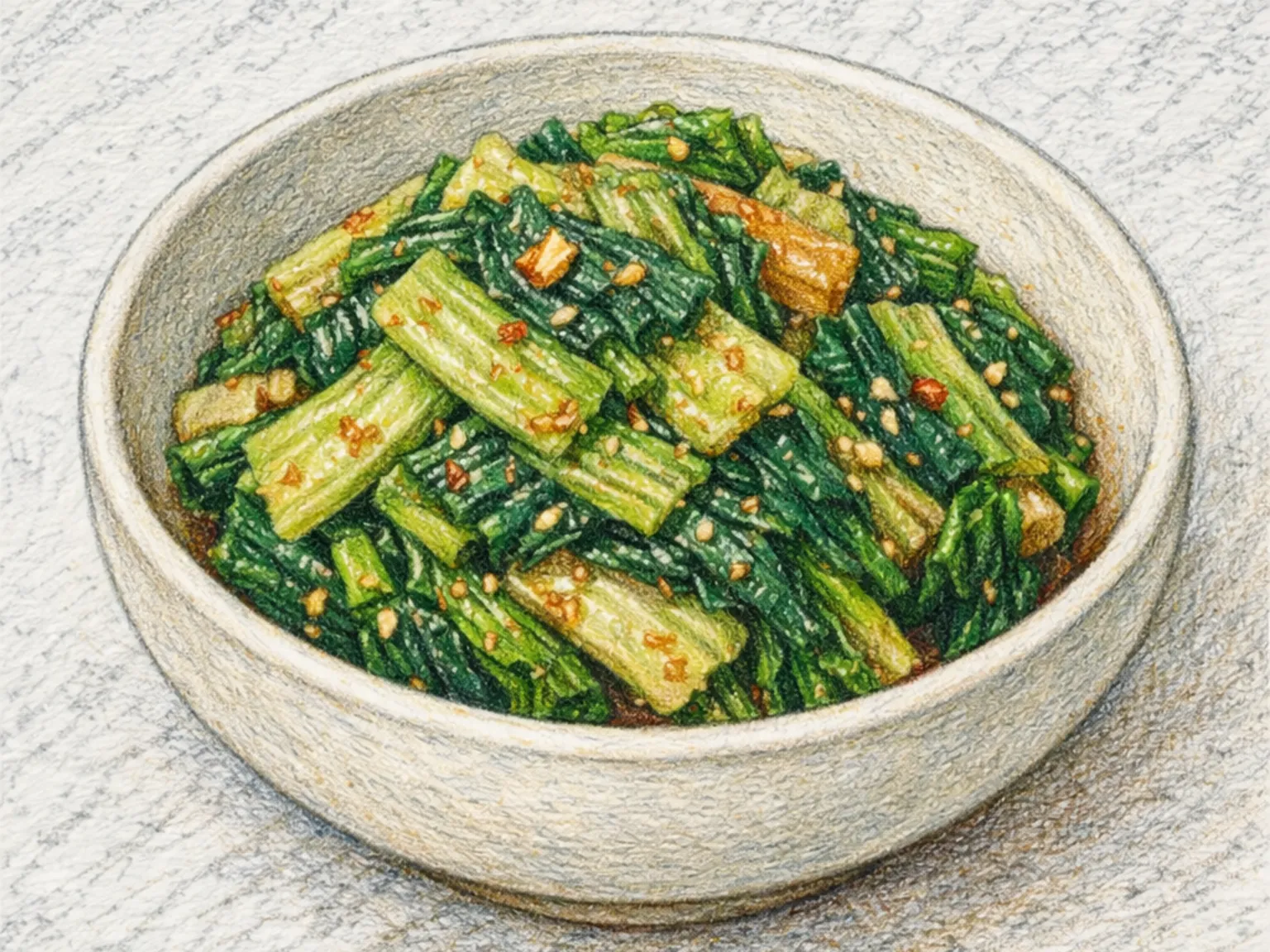
Korean Blanched Young Napa with Doenjang
Eolgari is young napa cabbage cut before the head has formed a tight ball, leaving it with thinner leaves and more tender ribs than fully mature baechu. A quick blanch of about one minute wilts the leaf while the pale ribs retain a gentle crunch that holds even after seasoning. After blanching, the cabbage is squeezed firmly to remove water, then dressed with doenjang, soup soy sauce, minced garlic, and sesame oil. The fermented paste penetrates the tender leaves quickly, spreading a salty, earthy coating evenly through each piece. The flavor profile is mild and round with no sharp edges, making it one of the most approachable doenjang-based namul dishes for people who are new to Korean fermented seasonings. The dish comes from the Korean countryside tradition of turning whatever young greens were growing between major kimchi-making seasons into simple dressed vegetables. Eolgari is a seasonal green, available at Korean markets from late spring through early autumn.
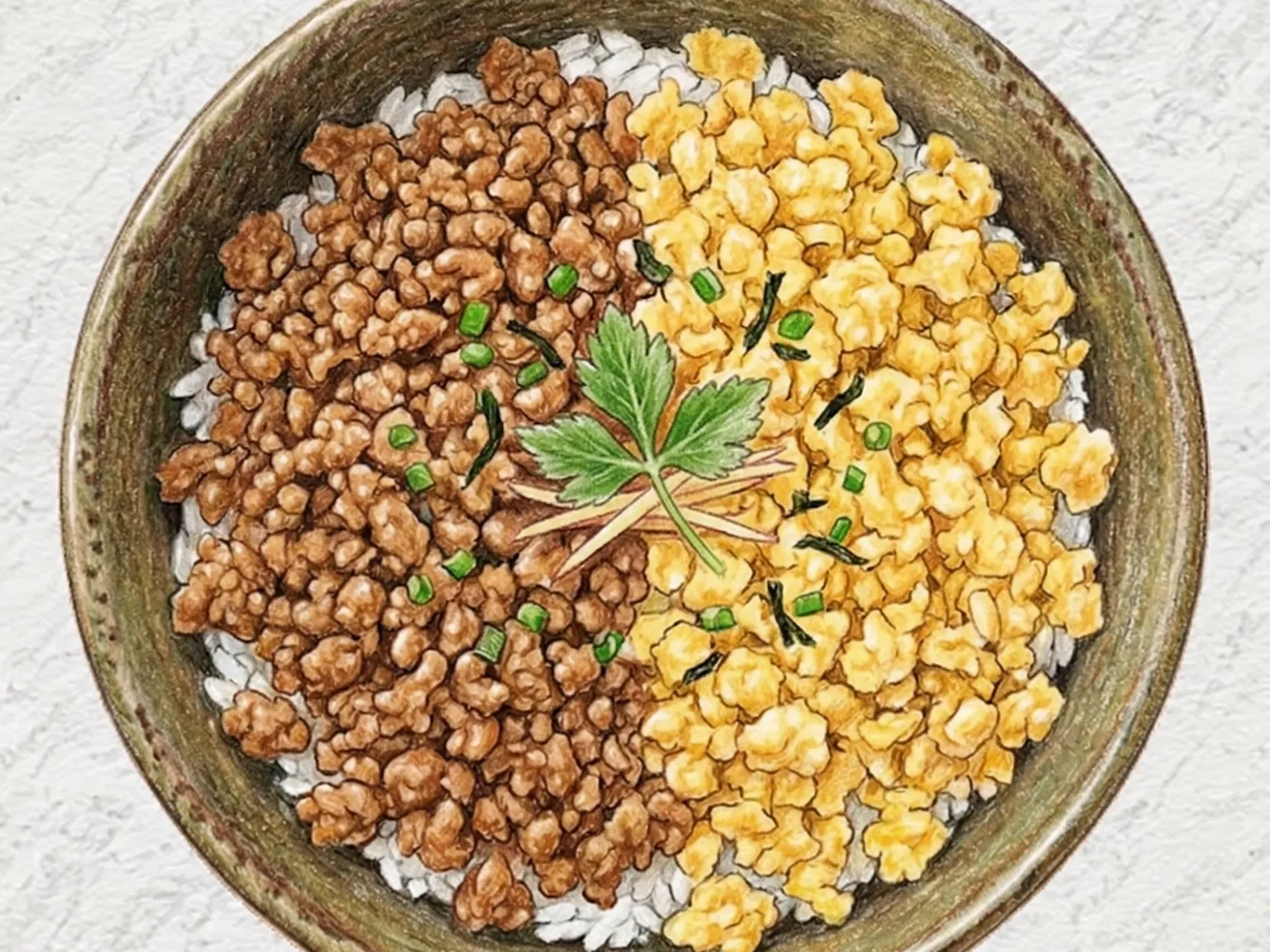
Chicken Soboro Rice Bowl (Ground Chicken and Scrambled Egg over Rice)
Soboro-don is a Japanese-style rice bowl that tops steamed rice with two side-by-side mounds: savory minced chicken and sweet scrambled egg. The chicken is seasoned with soy sauce, sugar, mirin, and ginger juice, then stirred constantly with chopsticks over medium heat until it breaks into fine, crumbly grains that are individually coated in glaze. The egg is treated the same way - beaten, poured into a pan, and stirred into soft, fluffy curds. Arranged half-and-half on the rice, the brown chicken and bright yellow egg create a visual contrast that makes the bowl inviting. Both toppings share a gentle sweetness balanced by soy umami, and their fine, loose texture means every bite blends effortlessly with the rice beneath.
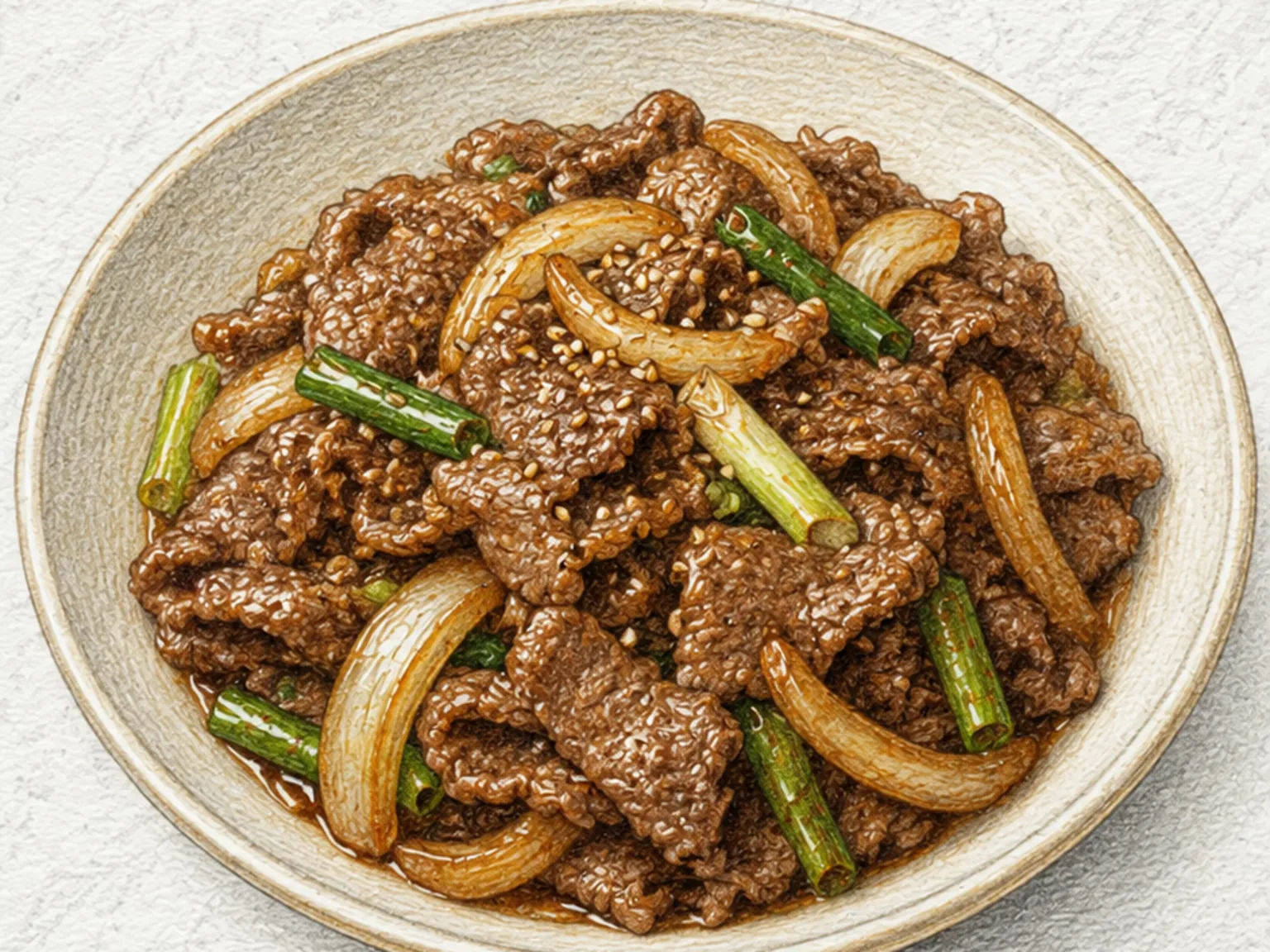
Korean Seoul-style Soy Bulgogi
Seoul-style soy bulgogi marinates thin-sliced beef in a straightforward combination of soy sauce, pear juice, garlic, sesame oil, and a measured amount of sugar, producing a clean sweet-savory flavor without the heavy spicing of regional variations. Pear juice serves two functions simultaneously: the natural enzymes in fresh pear tenderize the muscle fibers while the fruit's mild sweetness rounds out the saltiness of the soy sauce. Onion and green onion are stir-fried together with the meat so their sugars caramelize slightly into the sauce. Cooking on a fully preheated pan over high heat is essential because the meat needs to sear quickly rather than steam in its own released liquid. If the pan is not hot enough when the beef goes in, the moisture from both the meat and the marinade creates a braising effect that dulls both the smoky wok flavor and the final texture. Apple juice is an acceptable substitute for pear juice when pear is unavailable and produces a similar tenderizing result. Because the seasoning holds up well even after cooling, Seoul-style soy bulgogi is a reliable lunchbox side dish.
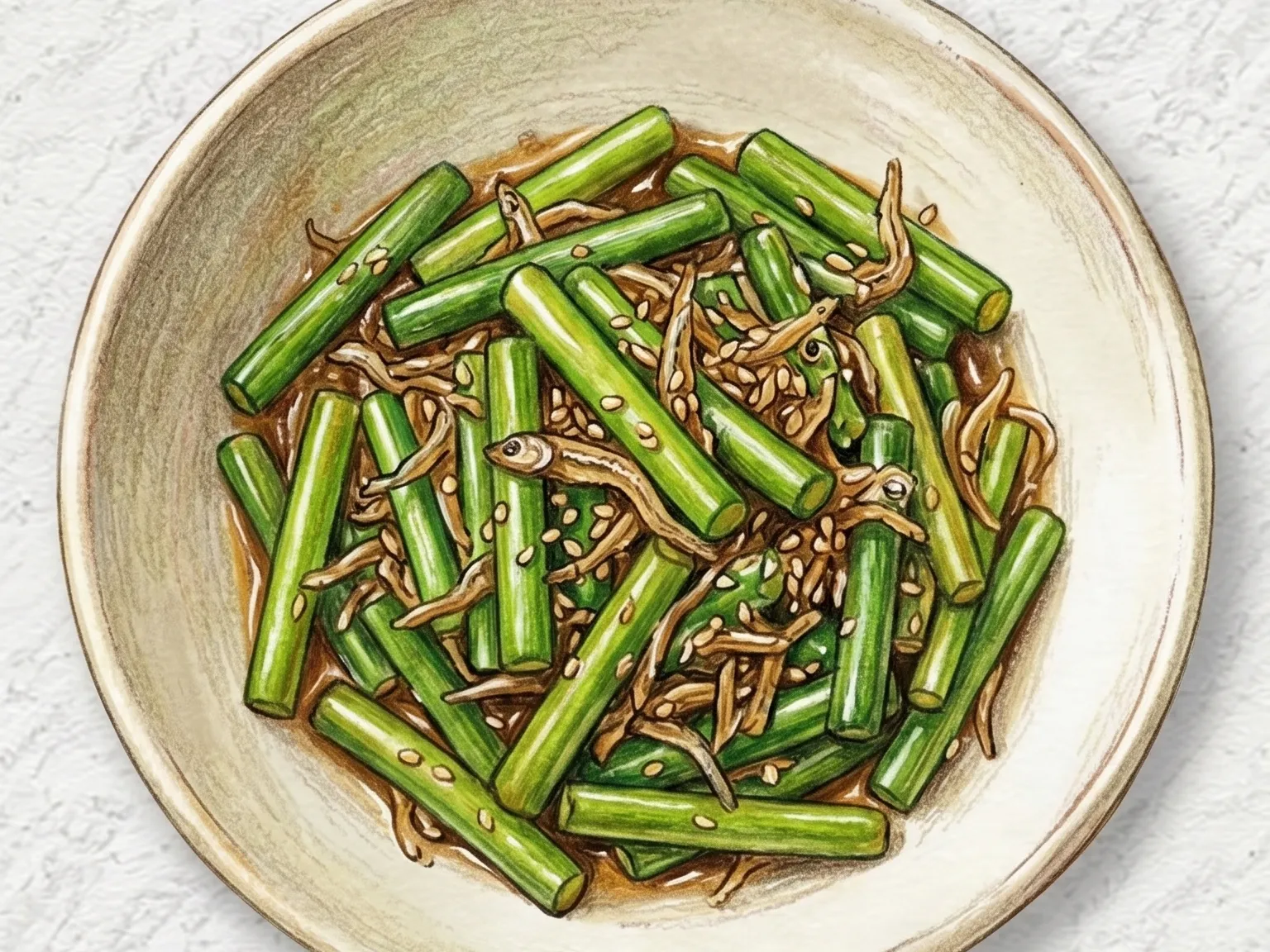
Korean Garlic Scape Anchovy Braise
Maneuljjong-myeolchi-jorim is a Korean pantry side dish of garlic scapes and small dried anchovies glazed in soy sauce, oligosaccharide syrup, and sesame oil. The anchovies are coated evenly as the seasoning heats around them, building a sweet-salty shell that deepens into nuttiness with each bite. Garlic scapes are cut into short pieces and stir-fried directly in the sauce without blanching, which keeps them snappy rather than soft. Oligosaccharide syrup holds its shine and moisture longer than plain sugar, and sesame oil is added only at the very end to preserve its aroma. The finished dish keeps for well over a week under refrigeration, making it a reliable weekly batch cook. It travels well in lunchboxes, and spooned over hot white rice the glaze soaks into the grains and brings the whole bowl together.
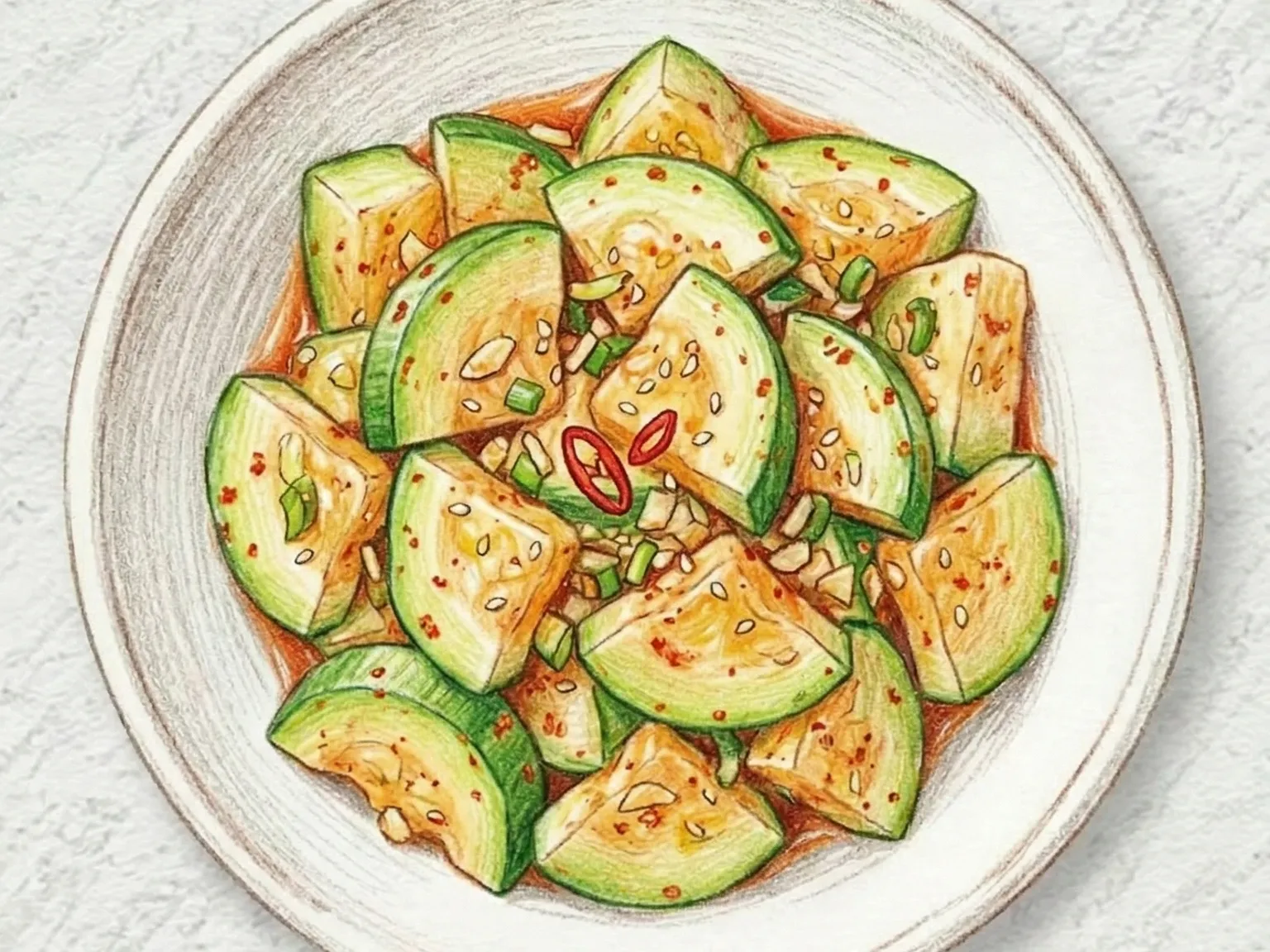
Korean Zucchini Kimchi (Summer Fresh Gochugaru Quick)
Hobak kimchi represents a seasonal Korean vegetable preparation specifically associated with the summer months. This timing is chosen because domestic aehobak reach their peak levels of natural sweetness and maintain a particularly tender internal structure during this time of year. To prepare the zucchini for seasoning, the vegetable is typically sliced into thin half-moon shapes or uniform rectangular pieces. The salting stage for these slices is kept intentionally brief. This limited salting time serves a specific functional purpose in the recipe by preventing the extraction of excessive moisture from the vegetable cells. If the zucchini remains in salt for an extended period, the individual slices tend to lose their structural integrity and collapse, which eliminates the characteristic crispness that defines the quality of the finished dish. Once the brief salting process is complete, the zucchini pieces are rinsed in cold water and squeezed firmly by hand to remove as much residual liquid as possible. The seasoning phase involves thoroughly tossing the prepared slices with a combination of red chili flakes known as gochugaru, fish sauce, and finely minced garlic. Rather than utilizing refined sugar for seasoning, this recipe relies on the addition of plum extract. The extract provides a balanced and rounded natural sweetness to the profile of the dish without the need for processed additives. Fresh garlic chives are integrated into the mixture to contribute an aromatic and grassy quality that connects the different flavor elements together. Thinly sliced onions are also added to provide a subtle savory depth in the background. This particular variety is a no-fermentation kimchi, meaning it is designed to be consumed on the same day it is made or within two days at the most. Beyond this forty-eight hour window, the texture of the zucchini softens significantly and the initial freshness of the ingredients begins to dissipate. To maintain the best possible quality during this short period, the kimchi should be kept in a tightly sealed container and stored in the refrigerator.
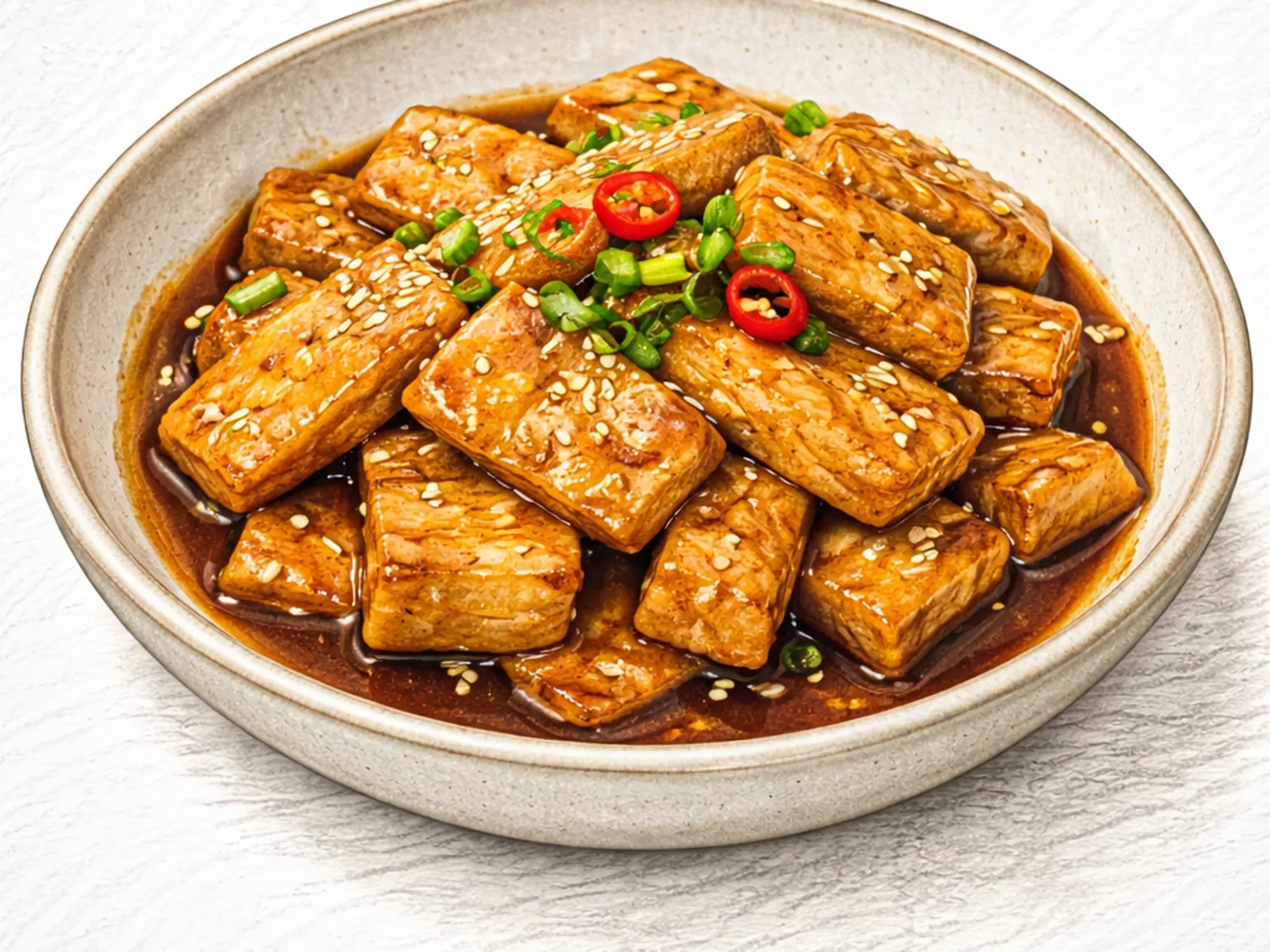
Korean Soy-Braised Fish Cake
Eomuk-jorim is a braised Korean fish cake banchan in which triangles or rectangles of eomuk are simmered in a mixture of soy sauce, rice syrup, garlic, and water. Korean eomuk is a processed fish product made by grinding white fish flesh with starch and shaping the paste into flat sheets or molded forms -- denser and chewier than Japanese kamaboko, with a texture that holds its structure through the long braise without turning soft. As the liquid reduces by roughly half over ten minutes of steady simmering, the sauce concentrates into a thick, sticky glaze that adheres to each piece. Adding a sliced cheongyang chili near the end of cooking introduces a subtle heat that cuts through the sweetness of the rice syrup and gives the banchan a sharper edge that pairs well with plain rice. One of the most practical side dishes in the Korean repertoire, eomuk-jorim keeps in the refrigerator for up to a week and, like many braised preparations, deepens in flavor as the soy seasoning continues to penetrate the fish cake over subsequent days. Its low cost and the ease of making large batches in a single pan explain its decades-long presence in school cafeterias, packed lunchboxes, and the everyday home kitchen.
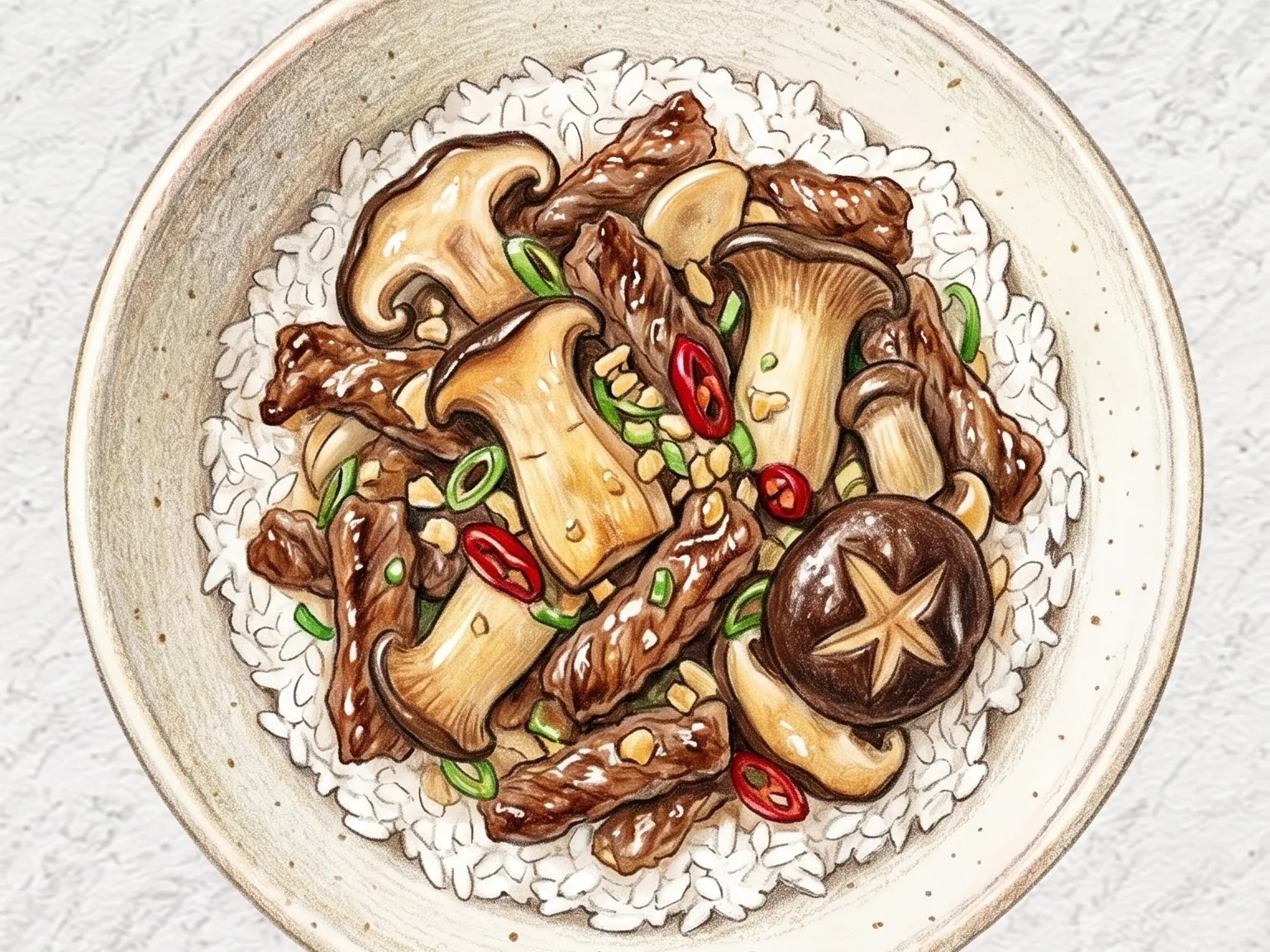
Korean Beef and Mushroom Rice Bowl
Sogogi-beoseot deopbap is a Korean beef and mushroom rice bowl that sautees sliced beef with king oyster and shiitake mushrooms in soy-butter sauce. The beef is seared first over high heat to develop a golden crust, then the thickly cut mushrooms go in and absorb the rendered juices, forming a naturally concentrated sauce in the pan. A knob of butter melted in at the end adds a creamy richness, while soy sauce ties everything together with a salty umami backbone. Minced garlic and sliced scallion layered into the stir-fry build an aromatic base that makes the topping fragrant the moment it hits the rice. The mushrooms hold their springy bite against the tender beef, giving each mouthful a satisfying textural contrast.
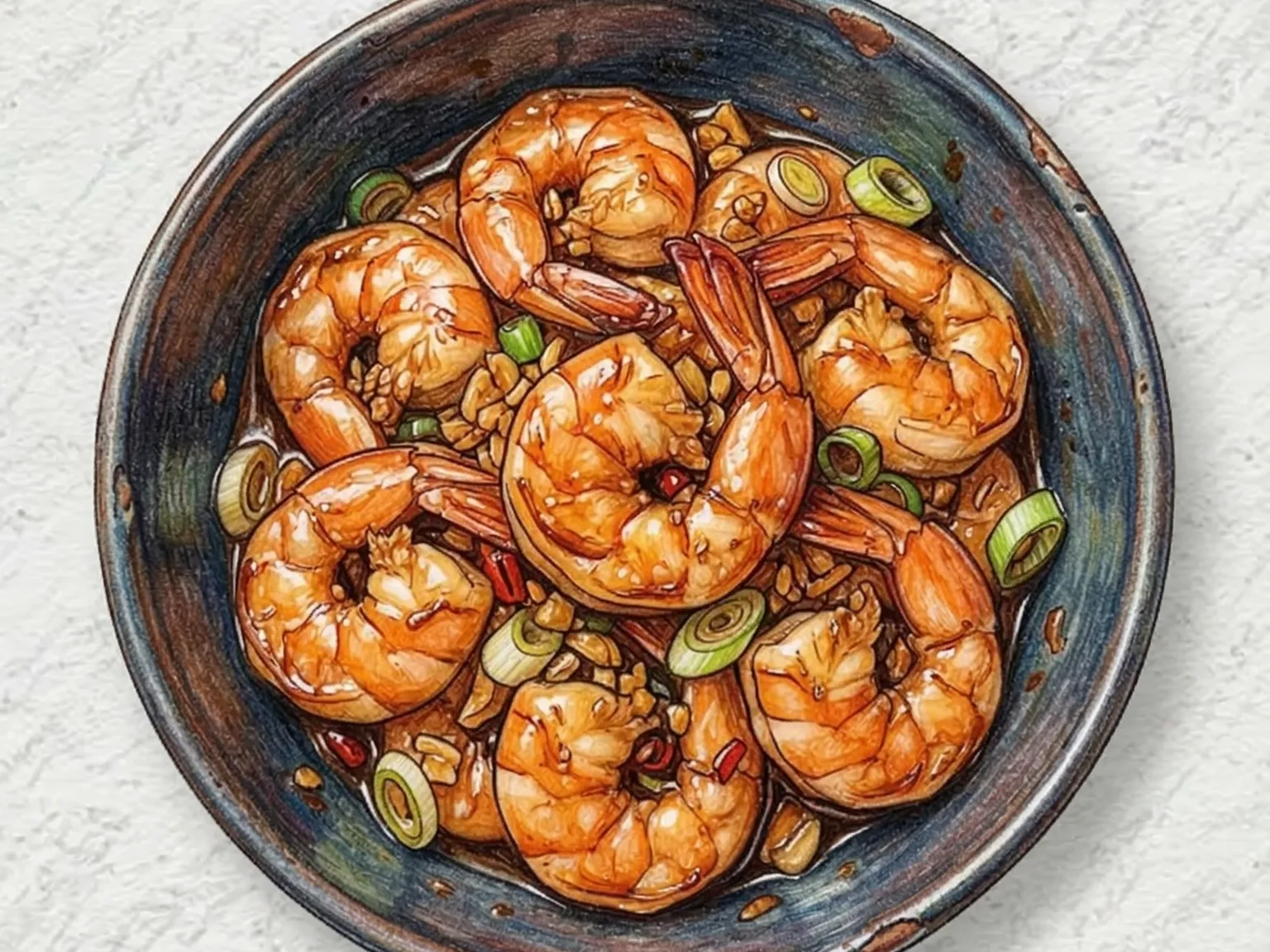
Korean Soy-Glazed Shrimp Stir-Fry
Ganjang saeu bokkeum coats plump shrimp in a sweet-savory soy glaze built on a base of melted butter and garlic. A single cheongyang chili adds a subtle kick that lifts the buttery richness without overpowering it. The key timing rule is to add the sauce the moment the shrimp turn pink: any longer and they become rubbery, but the glaze needs just enough heat to caramelize lightly and coat. Stir-frying the garlic in the butter before the shrimp go in lays a nutty base across the entire sauce. A final splash of soy sauce over high heat at the end creates the lacquered sheen that defines the finished dish. With only eight minutes of cooking time total, this works equally well as a quick banchan alongside rice or as an appetizer with drinks.
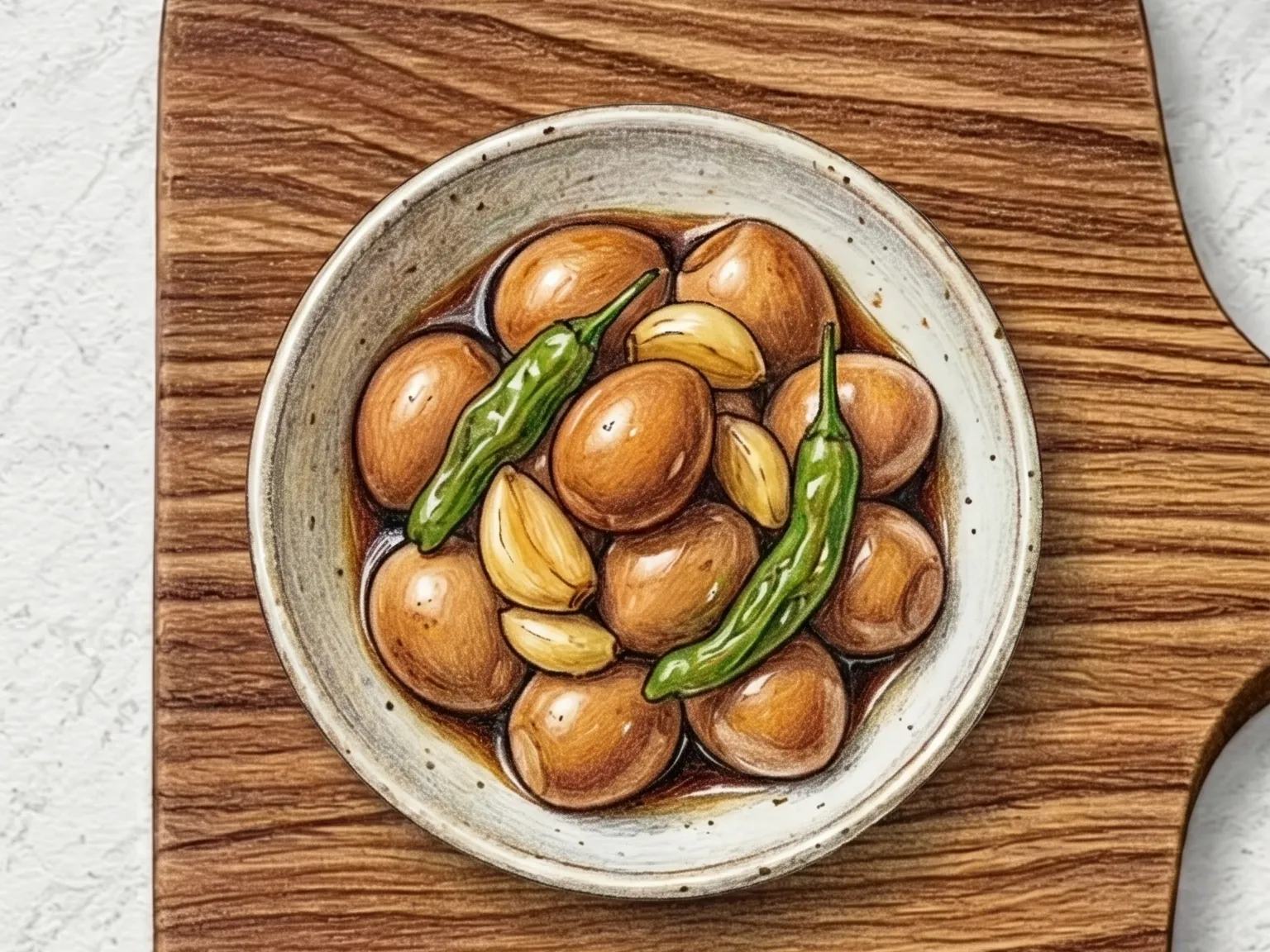
Korean Soy-Braised Quail Eggs
Mechurial-jangjorim is a Korean soy-braised quail egg dish simmered slowly with garlic cloves and shishito peppers in a seasoned soy sauce base. As the eggs steep in the braising liquid, the soy works its way through the egg white and gradually into the yolk, staining the exterior a deep mahogany brown and seasoning the interior evenly throughout. The braising liquid is built from a measured ratio of water, soy sauce, sugar, and cooking wine to keep the saltiness in check and the glaze balanced. Whole garlic cloves soften gently in the liquid and release a mellow, savory depth that enriches the overall flavor without sharpness. Shishito peppers are added partway through rather than at the start so they retain some snap and their mild green aroma, preventing them from going completely soft. The liquid is reduced until just a small amount remains, coating each egg in a glossy, concentrated glaze. Each egg is a single self-contained bite, which makes this banchan a staple in lunchboxes and a popular snack for children, and it remains one of the most recognizable everyday Korean side dishes.
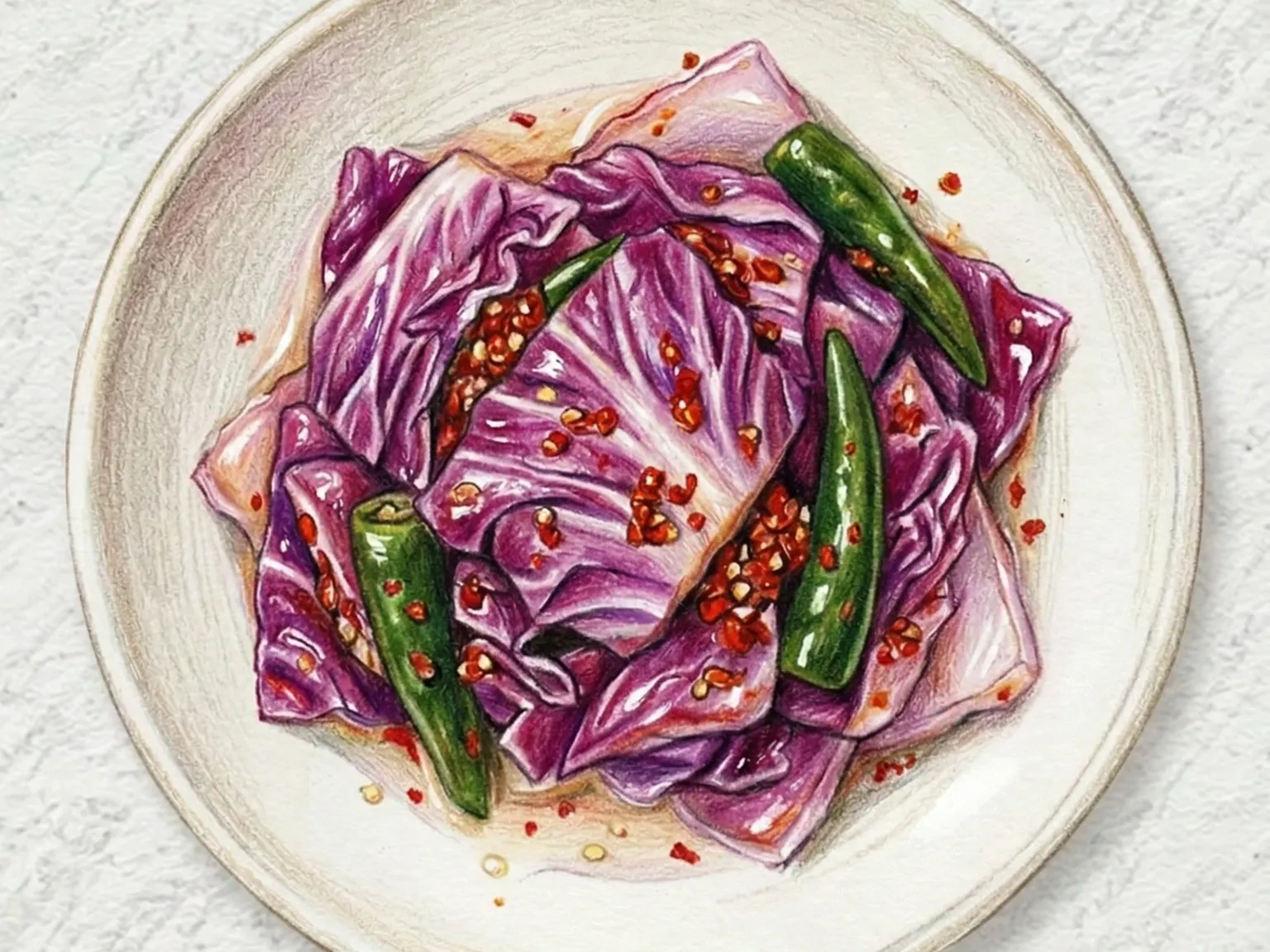
Korean Red Cabbage Kimchi
Jeokchae kimchi is made by salting red cabbage leaves, then tossing them in a seasoning of gochugaru, sand lance fish sauce, minced garlic, and Korean pear juice before a short fermentation. Red cabbage has thicker, denser leaves than napa cabbage, so it holds its crunch well after brining rather than going soft. The anthocyanin pigment in the red cabbage reacts with the chili seasoning to produce a vivid purple color rather than the typical red associated with kimchi, making it visually striking on the table. Pear juice provides a gentle fruit sweetness underneath the heat and spice, while sand lance fish sauce builds enough savory depth that even a brief fermentation yields full flavor. Scallions add a fresh, aromatic finish that ties the seasoning together. The result is a kimchi that is crunchy, spicy, and umami-rich simultaneously, with a distinctive character that sets it apart from traditional napa kimchi.
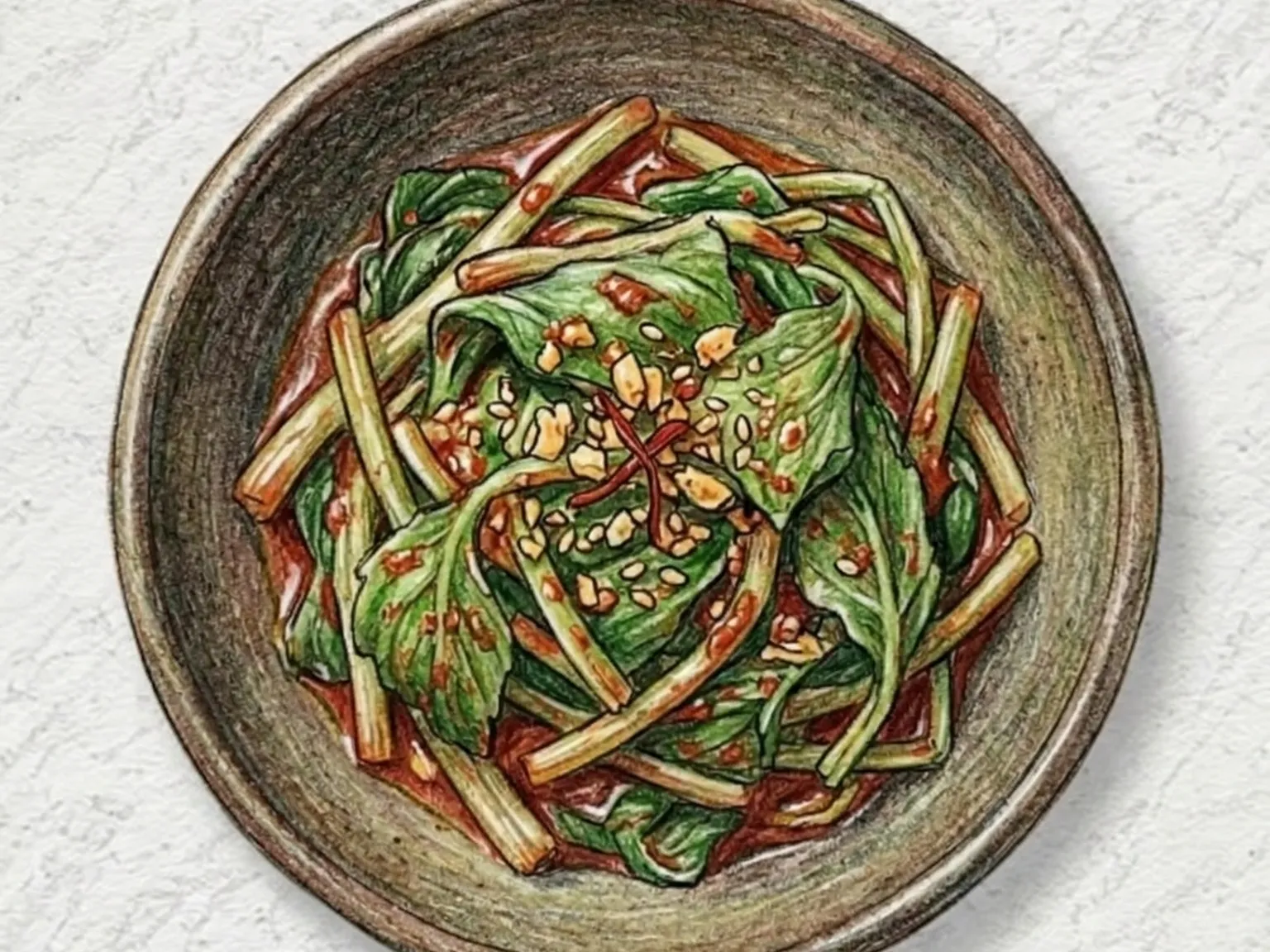
Korean Seasoned Eoseuri Herb Namul
Eoseuri, Korean cow parsnip with the botanical name Heracleum moellendorffii, is a wild mountain herb foraged from Korea's central and northern highlands during early spring. Its thick stems and broad leaves carry a layered fragrance that combines celery, flat-leaf parsley, and a faintly medicinal undertone, a complexity that no cultivated green can replicate. Blanched for under a minute to soften the texture while preserving a slight resistance in the stems, the greens are dressed with gochujang, vinegar, minced garlic, and sesame oil. The bitterness is sharper than common namul varieties like spinach or bean sprouts, which makes eoseuri polarizing for first-time tasters, but those who grow accustomed to it find that milder greens no longer satisfy in the same way. In Korean mountain villages, eoseuri has traditionally been gathered alongside chwinamul and chamnamul each spring to compose the seasonal namul spread on the table, and because the plant disappears quickly after spring peaks, it is a genuinely fleeting ingredient that marks the brief window between late winter and early summer.
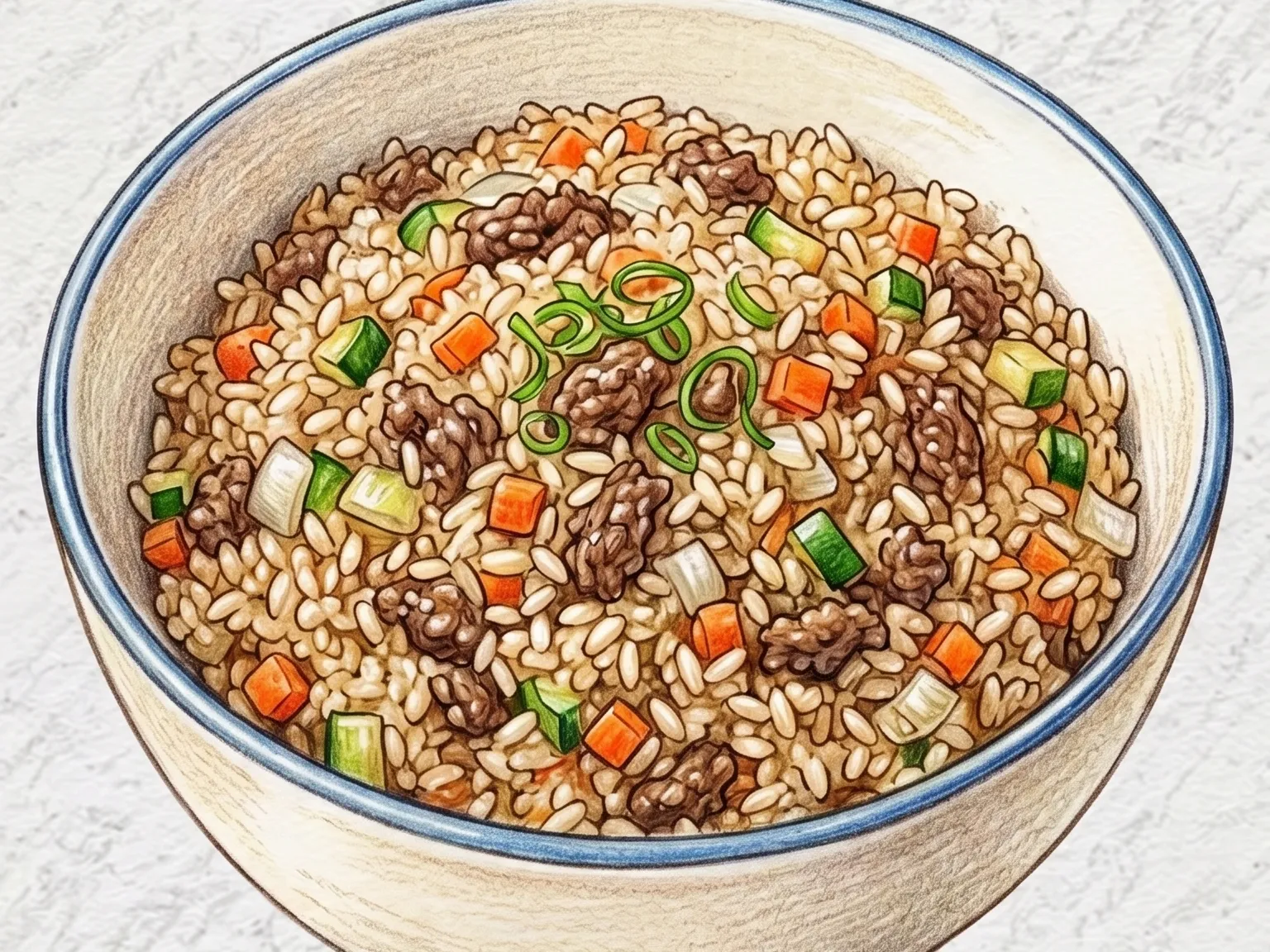
Korean Beef Fried Rice (Soy-Marinated Ground Beef Stir-fried Rice)
Sogogi bokkeumbap stir-fries soy-marinated ground beef with diced vegetables and day-old rice over high heat for a deeply savory fried rice. The beef goes in first, rendering its fat and leaving behind a flavorful fond that coats the pan. Onion, carrot, and zucchini follow, cooking just until their edges soften and their natural sugars begin to caramelize. Cold rice is added and tossed vigorously to break up clumps, picking up the soy seasoning and meat juices as it fries. A final drizzle of sesame oil right before plating adds a fragrant, nutty finish. The beef infuses the rice with a meaty depth while the vegetables keep the dish from feeling heavy, making it a quick, satisfying meal from everyday pantry ingredients.
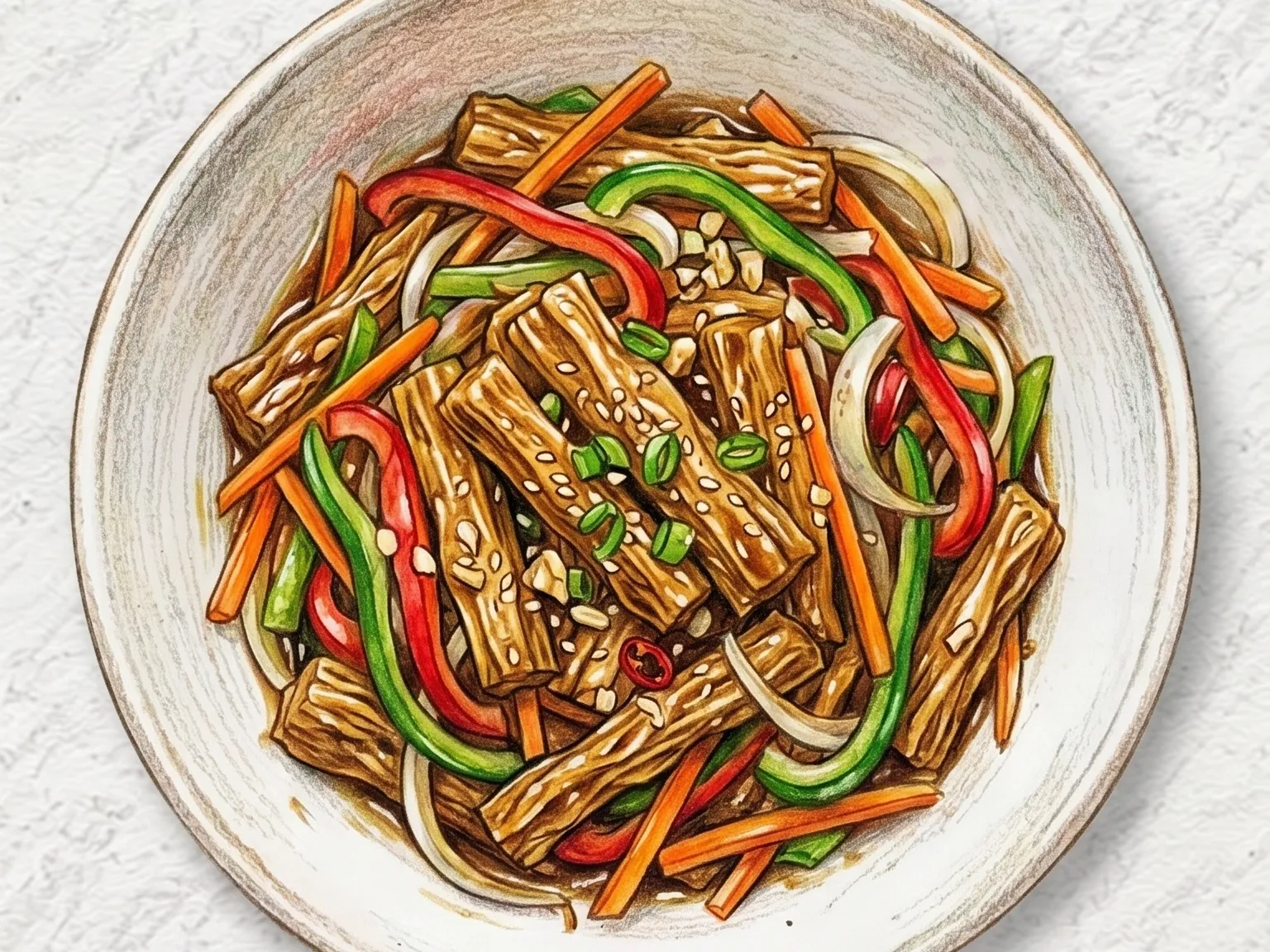
Stir-fried Dried Tofu Strips
Geondubu bokkeum is a straightforward stir-fry of dried tofu strips with julienned carrot, bell pepper, and onion in a soy and garlic sauce. Dried tofu contains far less moisture than fresh tofu and holds its shape without crumbling during cooking. Blanching the strips briefly in boiling water before stir-frying removes the raw bean aroma and opens up the surface so the seasoning penetrates more deeply. The julienned vegetables add color and a crisp bite, while soy sauce and garlic provide a steady, savory backbone that suits the tofu's mild nuttiness without overwhelming it. Adding gochugaru shifts the dish toward a spicier, more distinctly Korean banchan flavor. The protein content is high enough that this dish carries a meal without any meat alongside it, and the tofu holds together well in lunchboxes without turning soft or releasing excess liquid. A small drizzle of sesame oil at the end of cooking rounds out the aroma and lifts the overall finish.
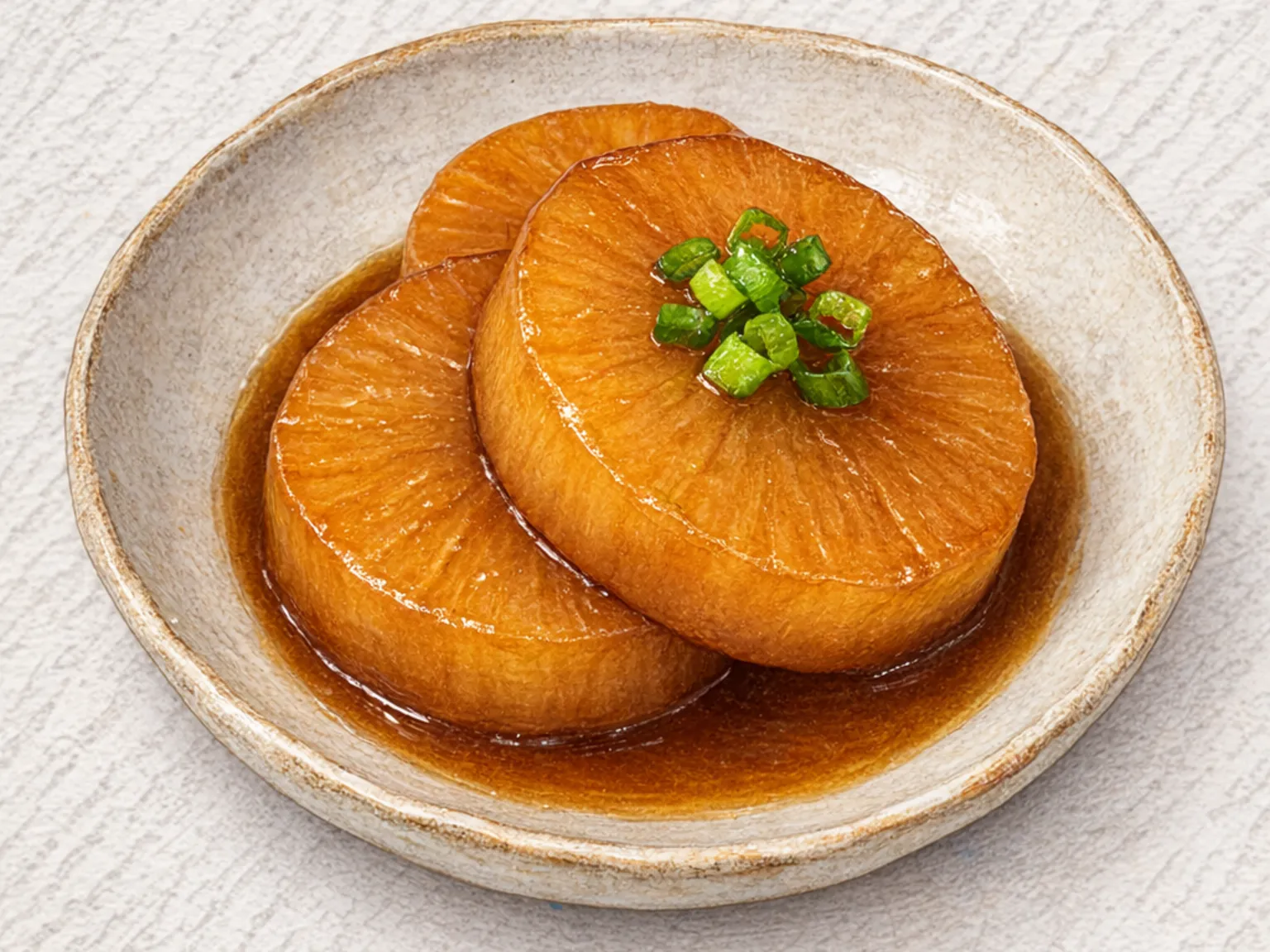
Braised Korean Radish (Soy Garlic Slow-Cooked Side)
Mu-jjim is a Korean braised radish dish where thick-cut Korean radish is simmered slowly in a covered pot with soy sauce, sugar, and garlic. The radish absorbs the seasoned liquid as it cooks, turning translucent from edge to center and developing a natural sweetness that balances the saltiness of the soy base. A drizzle of sesame oil at the end adds a nutty fragrance, and a single sliced green chili contributes a mild kick to the finish. Despite the short ingredient list, this banchan pairs naturally with rice at any meal and holds up well as a make-ahead side throughout all seasons. Keeping the heat at medium or below for at least twenty minutes allows the radish to soften fully and take in the seasoning without becoming mushy.
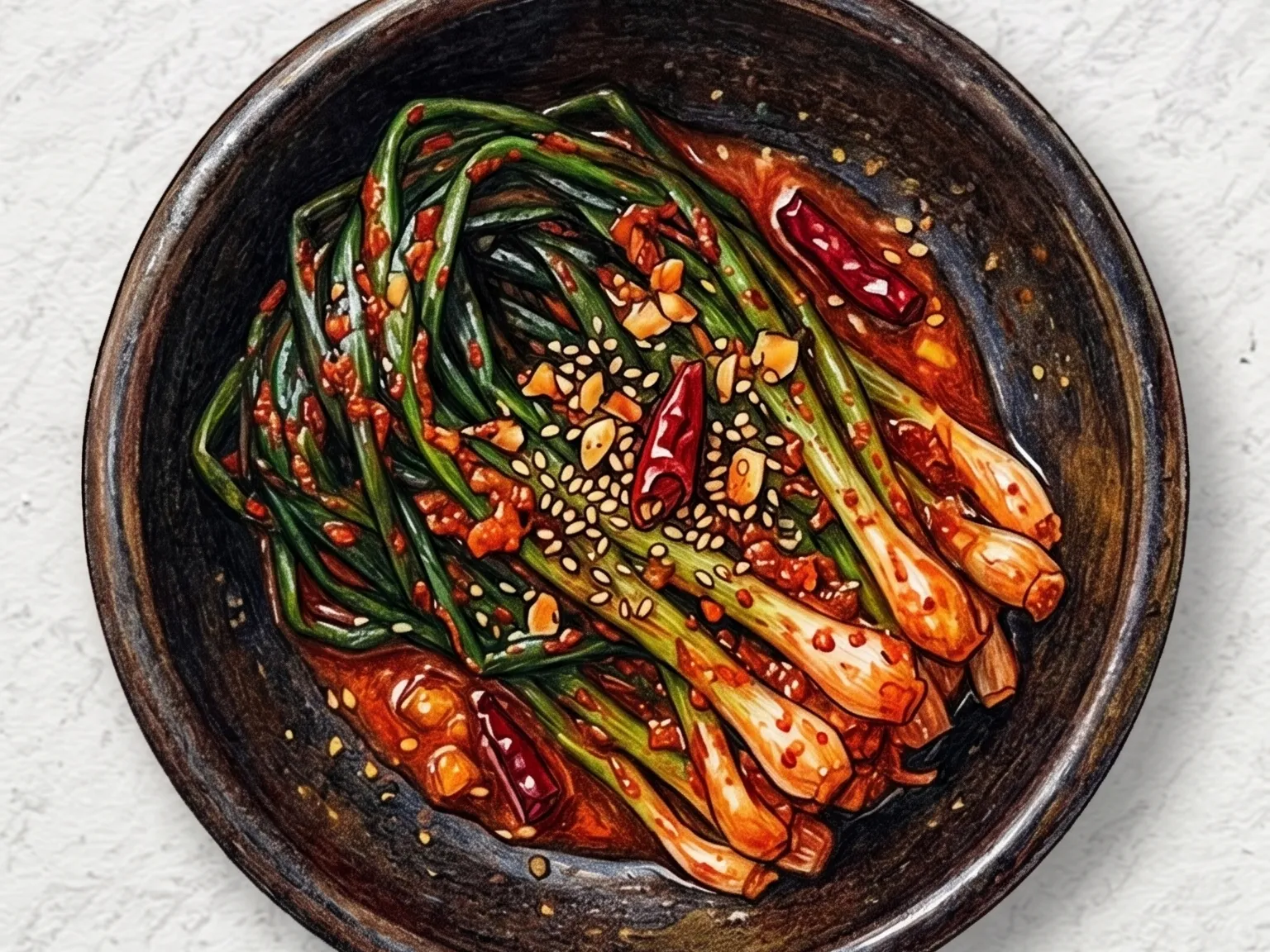
Jeolla-style Green Onion Kimchi
Jeolla-style Green Onion Kimchi is a traditional Korean side dish featuring intense umami and deep seasoning. This recipe combines scallions, chili flakes, fermented shrimp, and glutinous rice paste. Half a cup of strong fermented anchovy sauce pre-brines the white bases of the scallions for twenty minutes. This process seasons the white parts without crushing the plant cells. The seasoning paste is sweetened with pear juice instead of sugar, feeding lactic acid bacteria during fermentation. When applying the thick paste, start from the firm white bases and gently coat the green leaves to prevent a grassy taste. Tightly rolling the green onions into bundles reduces air exposure for even fermentation. After fermenting at room temperature for one day, refrigerate the kimchi and serve from the second day.
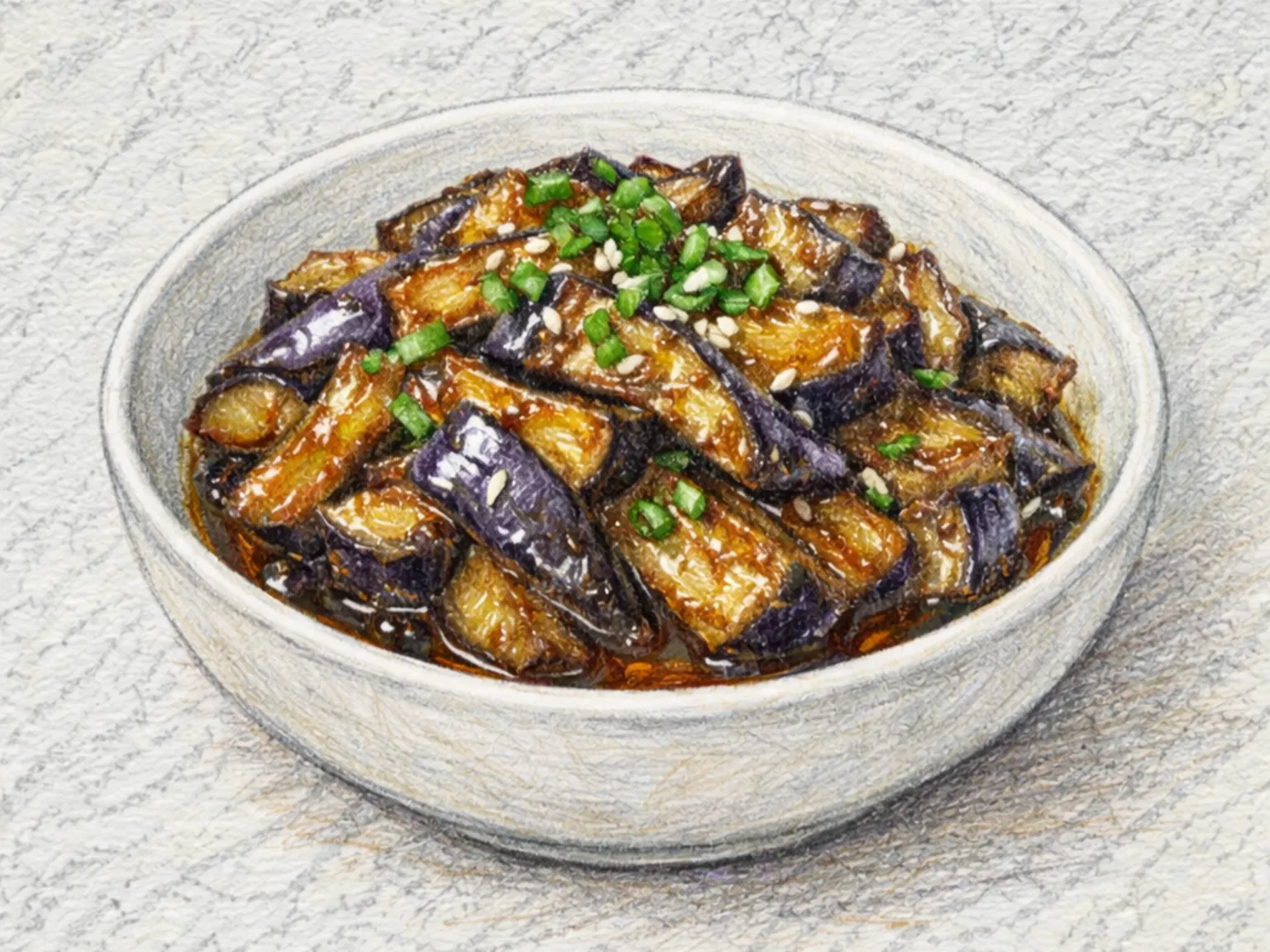
Korean Stir-Fried Eggplant Banchan
Gaji bokkeum turns eggplant, a vegetable Koreans have cultivated since the Goryeo period, into a quick, oil-glazed banchan where cooking speed matters as much as the seasoning. The eggplant is sliced into half-moons, and the pan must be smoking hot before they go in - any hesitation and the pieces steam rather than sear, collapsing into a soggy mass. High heat with restrained oil produces lightly charred edges while the interior becomes silky and almost custardy, two contrasting textures in the same bite. Soy sauce, garlic, and sesame oil go in during the final thirty seconds, sizzling against the hot surface and coating each piece in a thin, caramelized glaze. The result has a concentrated, clean umami quality that a braised preparation cannot match. Because the spongy cellular structure of eggplant absorbs oil rapidly, starting with too much fat leaves each piece greasy rather than glazed - the dish relies on pan temperature, not oil volume. Korean home cooks return to this recipe as a weeknight banchan precisely because the whole process, from cutting board to table, takes under ten minutes, and the payoff is consistently good.