⚡ Quick Recipes
Ready in 20 minutes or less
804 recipes. Page 12 of 34
A busy schedule does not mean you have to settle for bland meals. Every recipe in this collection can be prepared and finished in 20 minutes or less - quick stir-fries, tossed noodles, microwave dishes, and more.
The secret is minimizing prep work and keeping the steps simple. Pre-cut ingredients or pantry staples speed things up even further. Turn to these recipes after work, during a short lunch break, or for a fast breakfast.
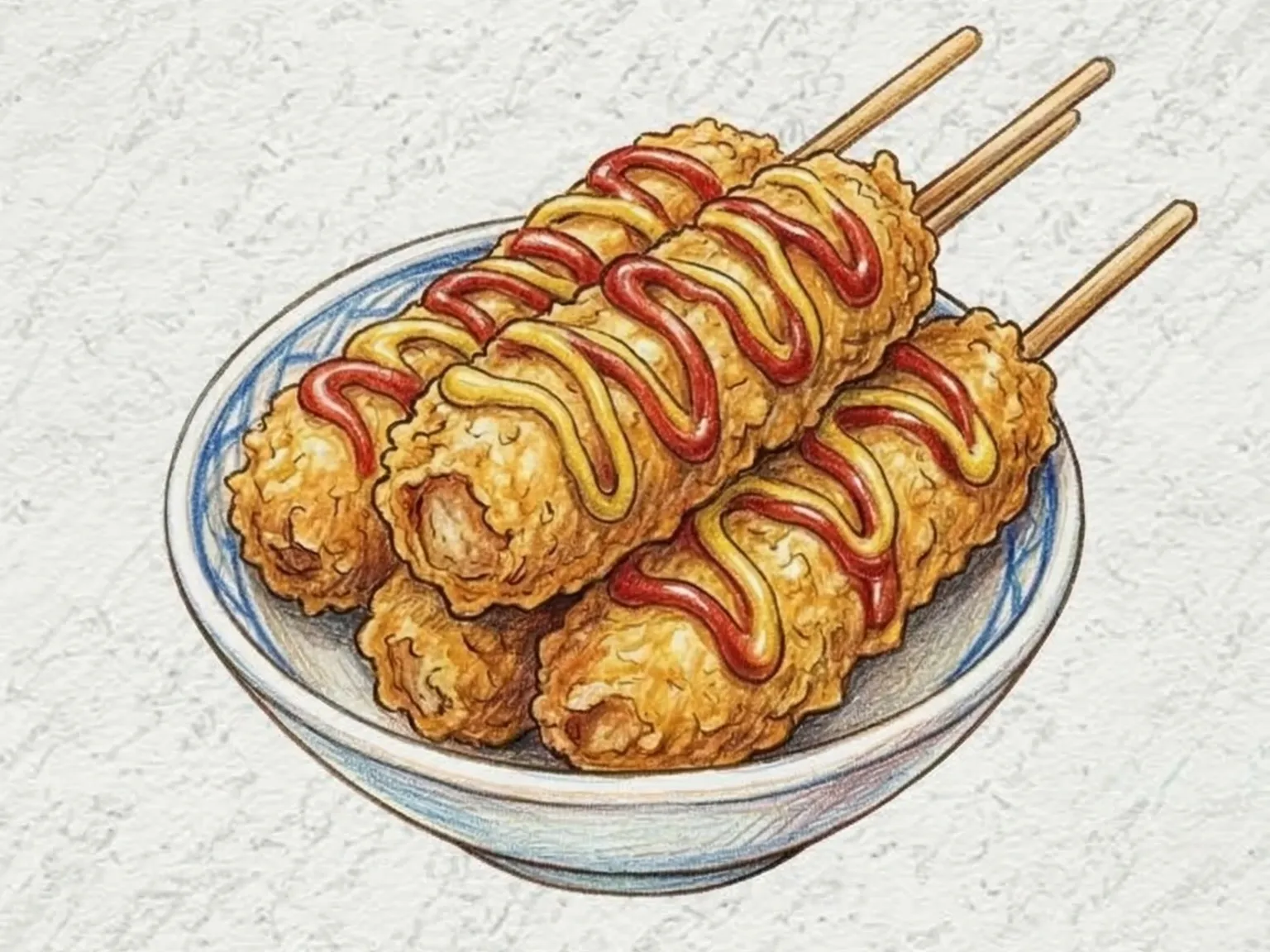
Korean Eomuk Hot Bar (Fried Fish Cake Skewer)
Eomuk hotbar is a Korean street food snack made by threading fish cake onto a skewer, coating it in a flour and egg batter, and deep-frying until golden. Wrapping the fish cake in a spiral around the skewer before frying maximizes the surface area that the batter can cling to, and the result after frying is a double-layered texture: a crisp outer shell from the batter and a chewy, springy fish cake center underneath. Adding a small amount of baking powder to the frying mix causes the batter to puff slightly, producing a lighter crunch that does not feel heavy despite the frying. Ketchup or mustard is the standard condiment, applied straight from the bottle at roadside stalls. The mild fish flavor from the eomuk comes through subtly from beneath the fried coating rather than dominating.

Korean Sweet Pumpkin Latte
Danhobak latte begins with seeded kabocha pumpkin steamed skin-on, then blended with water into a smooth puree. Milk is whisked in gradually over low heat until the drink reaches a rich, velvety consistency. The pumpkin contributes natural sweetness that anchors the flavor, supported by honey, a half teaspoon of ground cinnamon, and a pinch of salt that defines the sweetness without adding noticeable saltiness. Keeping the milk below a boil -- around 80 degrees Celsius -- preserves its creamy character, and a spoonful of lightly whipped cream on top adds a soft, layered texture to each sip.
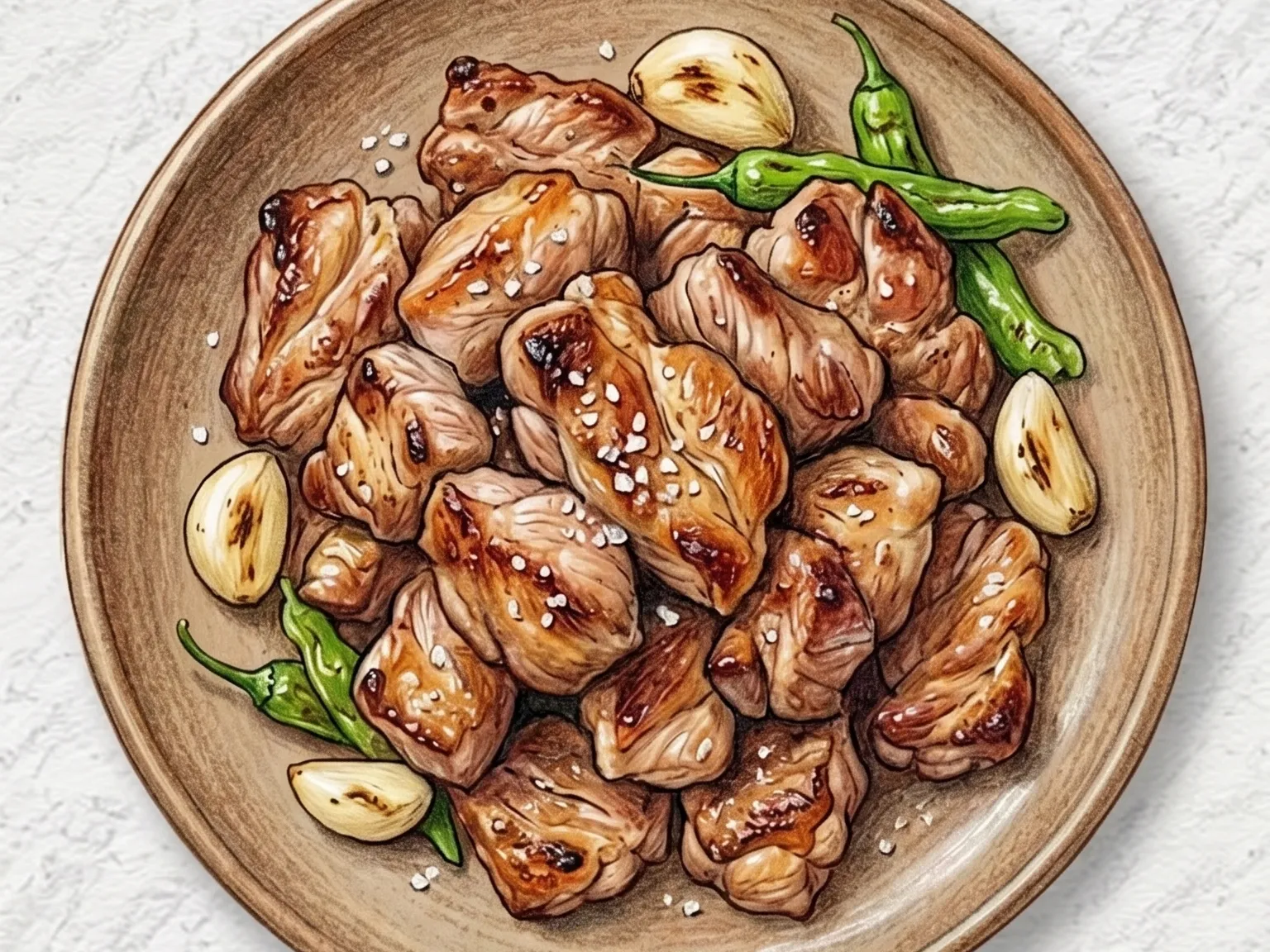
Salt-Grilled Pork Dwitgogi
This dish features pork dwitgogi, a selection of assorted pork cuts valued for a springy and chewy texture compared to standard pork belly. The meat is prepared by applying soju to eliminate gamey odors and patting it dry to ensure a clean sear. The cooking process starts by searing the pork in a preheated heavy pan on high heat to seal in the juices. Once the meat is partially cooked, sea salt and crushed black pepper are added to distribute the seasoning evenly. Garlic cloves and green onions are then cooked directly in the rendered pork fat, infusing the meat with their aromas. Grilling continues until the pork is golden brown and springy. The completed dish is traditionally served hot alongside boiled meljeot, a salted anchovy sauce that provides a deep, savory element to the roasted pork.
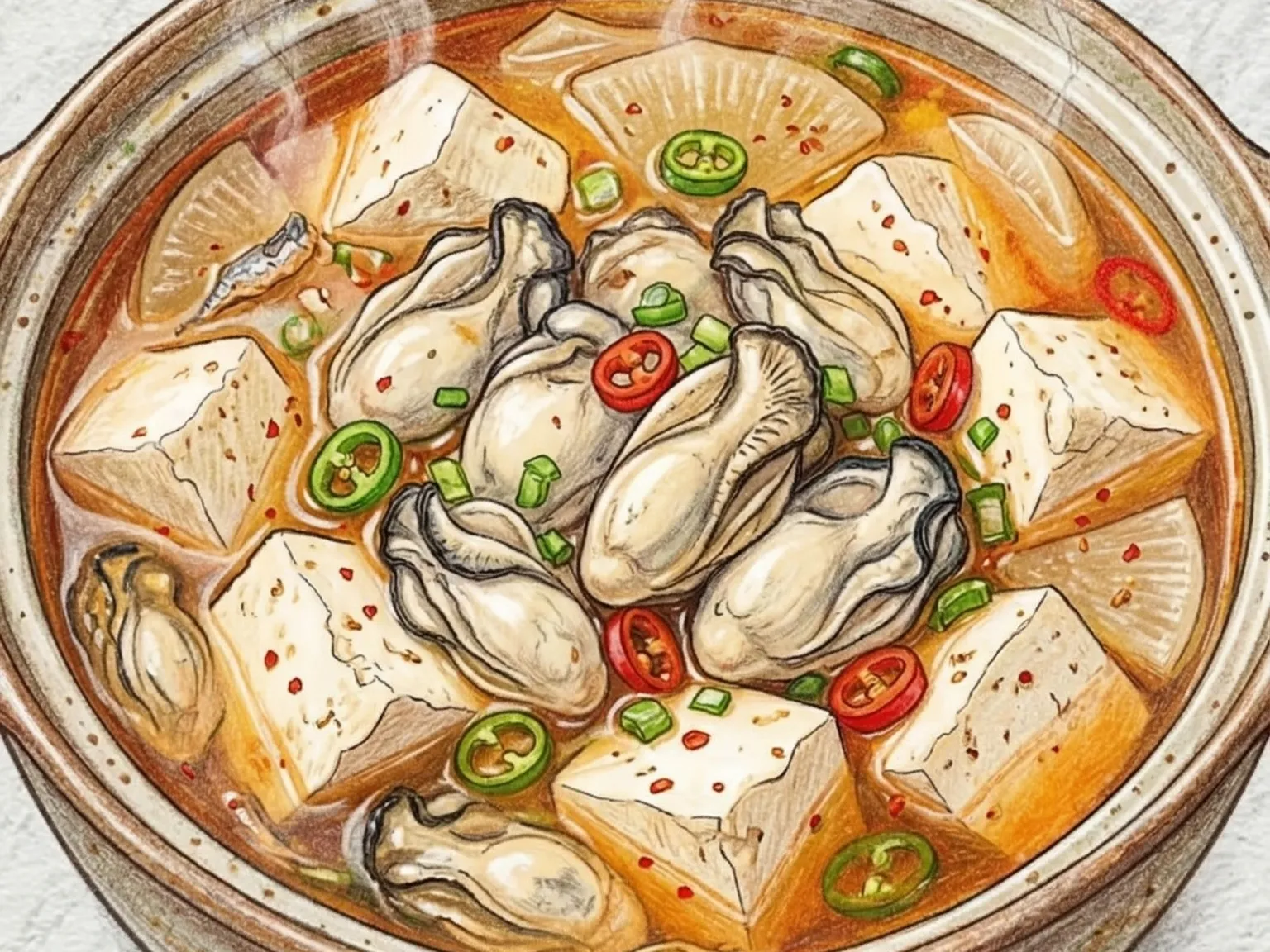
Korean Gul Dubu Jjigae (Oyster Tofu Stew)
Gul dubu jjigae pairs 180 grams of fresh oysters with generous cubes of firm tofu in a clean anchovy-kelp stock. The oysters release their briny, mineral-rich juices the moment they hit the simmering broth, giving the soup an immediate oceanic depth that no other seafood replicates in quite the same way. Korean radish adds mild sweetness and keeps the stock clear rather than murky, while gochugaru and a whole Cheongyang chili suppress any fishiness and build a persistent background heat. The 300 grams of tofu make this a genuinely filling stew rather than a light soup course. Timing the oysters correctly is the most important step: added just before the pot returns to a boil, they need only thirty seconds to one minute before they are cooked through. Leaving them longer shrinks them and toughens their texture. Rinsing the oysters gently in lightly salted water before cooking removes sand and impurities without stripping their natural fragrance. This is a distinctly seasonal stew, best made in winter when the cold-water oysters are plump, briny, and at full flavor.
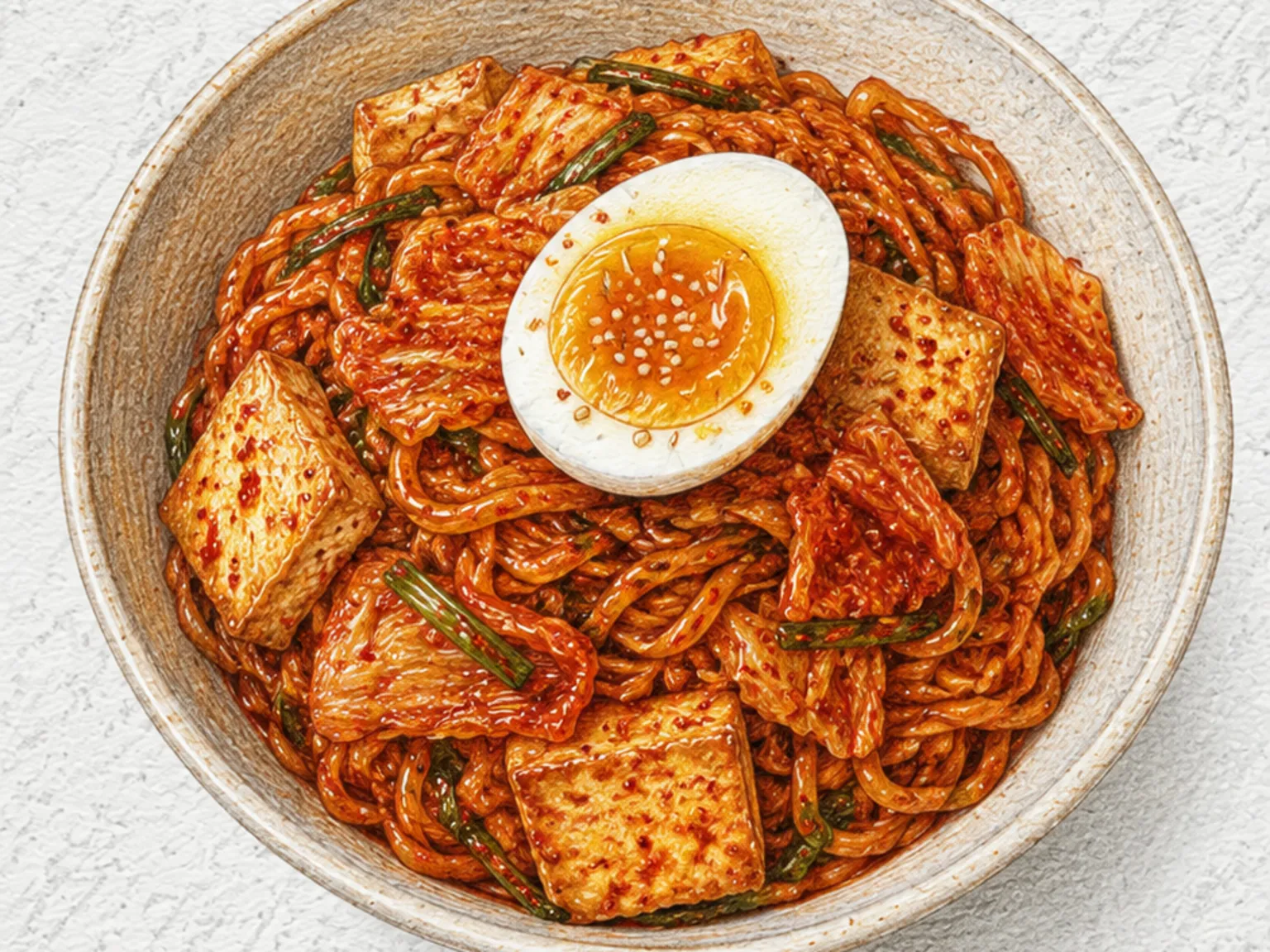
Korean Tofu Kimchi Bibim Myeon
Dubu kimchi bibim myeon is a Korean mixed noodle dish built on two separate preparations that come together in the bowl. Ripe, deeply fermented kimchi is stir-fried in perilla oil over high heat until the sharp acidity rounds out and the umami moves to the foreground, then combined with gochugaru and gochujang to form the spicy dressing that coats every strand of boiled noodles. The tofu requires its own treatment: all surface moisture must be pressed out before the block goes into a dry, screaming-hot pan, which creates a golden, crisp crust outside while the center remains silky, giving the dish a clean textural counterweight against the bold noodles. A halved soft-boiled egg placed on top rounds out the heat when the yolk slowly folds into the dressing, adding a creamy richness that binds the kimchi tang, the chili punch, and the nutty oil into one cohesive sauce.
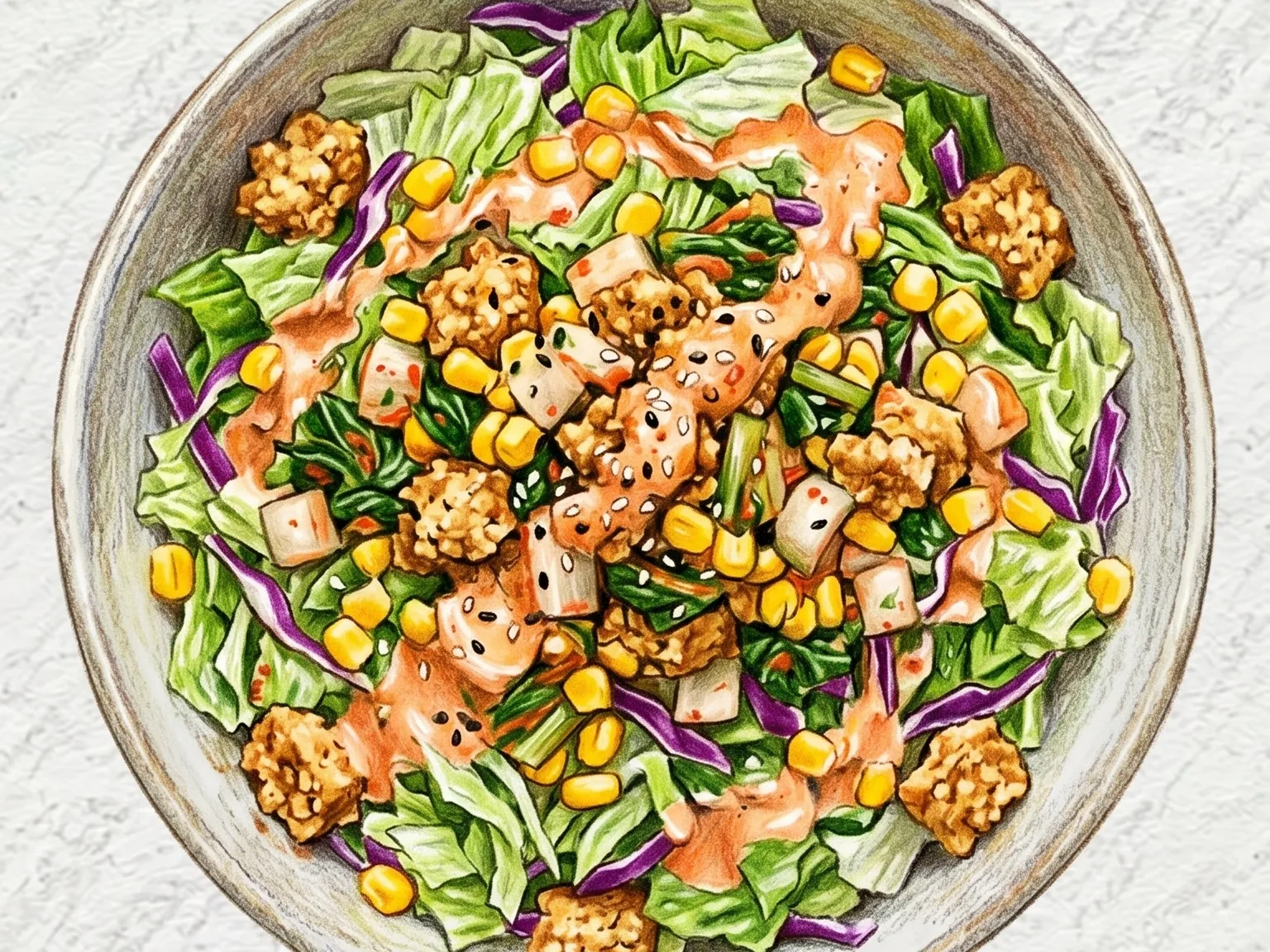
Young Radish Kimchi & Tofu Crumble Salad
Young radish kimchi and tofu crumble salad uses firm tofu crumbled by hand and sauteed in olive oil for 5 to 7 minutes until the moisture has cooked off and the pieces turn dry and granular. Finely chopped chonggak kimchi introduces a spicy, tangy fermented punch, and the dressing mixes gochujang with plain yogurt so that chili heat and lactic acidity layer onto each other, with lemon juice cleaning up the finish. Romaine and red cabbage supply crunch beneath the crumble, and corn kernels add sweetness that contrasts directly with the kimchi's saltiness. Squeezing excess brine from the kimchi before adding it prevents the salad from turning soggy, and the tofu crumble should go on while still warm so its nuttiness stays prominent. The bowl balances fermented flavors, dairy, raw vegetables, and plant protein in a single serving.

Cuban Sandwich
Cuban sandwich splits a baguette lengthwise and spreads Dijon mustard on both cut sides before layering roast pork, sliced ham, Swiss cheese, and thin pickle slices inside. Butter goes on the outer crust, and the assembled sandwich is pressed in a skillet or sandwich press over medium heat for four to five minutes per side. The sustained pressure flattens the bread into a crisp, golden shell while the Swiss cheese melts and binds the fillings into a cohesive unit. Pickles provide a tart acidity and mustard adds a sharp, pungent bite that cut through the salty richness of the two meats, keeping each mouthful balanced rather than heavy. A heavy cast-iron pan placed on top works as well as a dedicated press when equipment is limited. The traditional pork is lechon, a Cuban-style roast marinated in garlic, cumin, and sour orange juice, though tightly grained pork belly or chashu makes a serviceable substitute. This sandwich was developed by Cuban immigrants in Tampa and Miami, where it became a daily staple rather than an occasional indulgence. Deceptively simple in appearance, it is a study in balance: every ingredient serves a specific purpose and the whole is noticeably better than the sum of its parts.
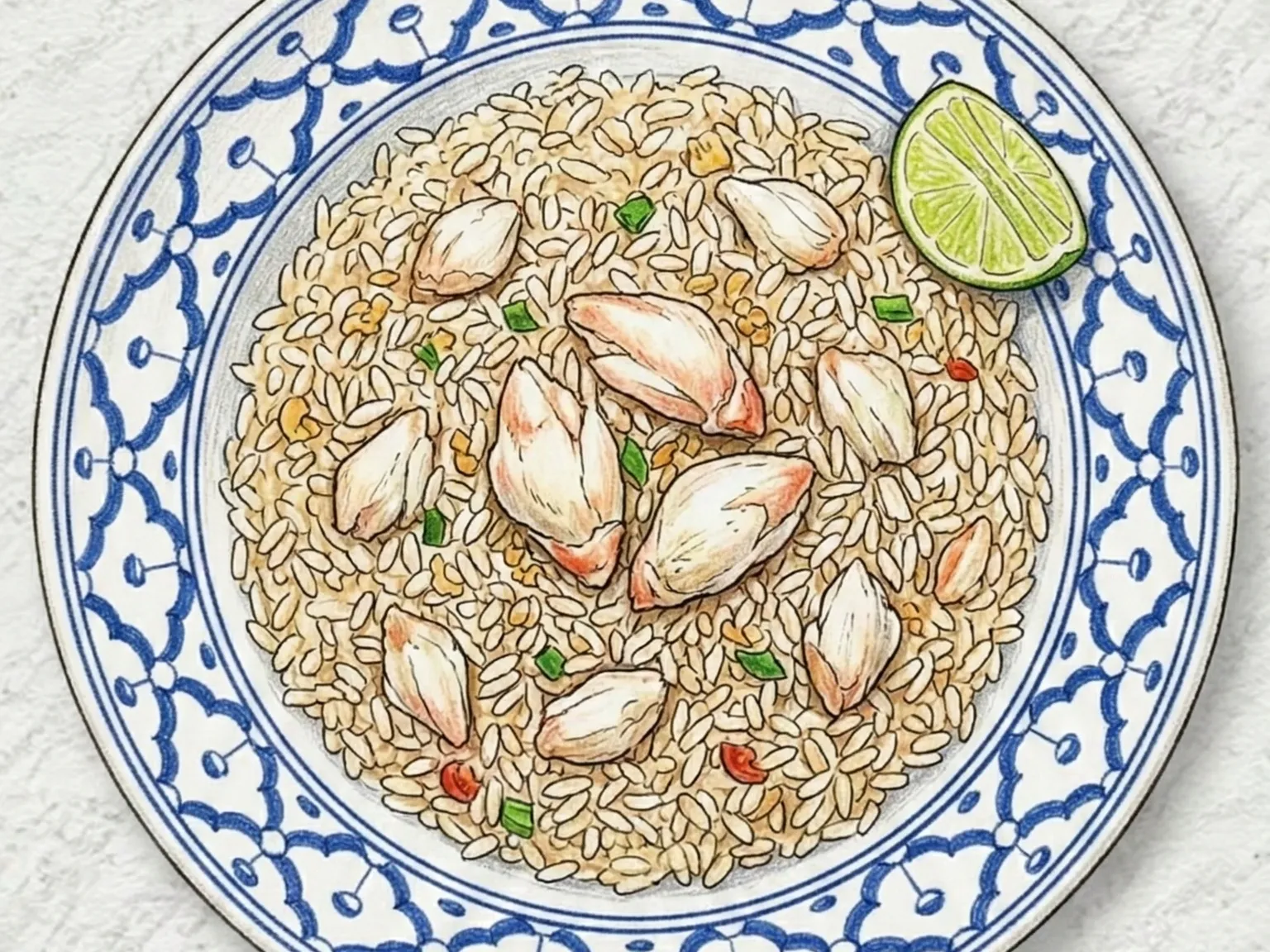
Thai Crab Fried Rice (Khao Pad Pu)
Khao pad pu is a Thai crab fried rice built on the premise that the sweetness of fresh crab meat carries the entire dish. The wok must reach smoking heat before minced garlic goes in and fries for ten seconds. Beaten egg follows and is scrambled into large, loose curds before cold jasmine rice is added and tossed rapidly to prevent sticking. Cold rice works here because its lower moisture content allows every grain to stay separate and pick up a direct scorch from the wok surface. Fish sauce and a small measure of soy sauce season the rice, and white pepper ground over the top adds a subtle, lingering heat. Lump crab meat goes in thirty seconds before the heat is cut and is stirred only gently, just enough to warm through without breaking the pieces down or toughening the texture. Prolonged heat would shrink the crab and strip out its sweetness entirely. The finished rice is plated and finished with a generous squeeze of lime, then garnished with spring onion, sliced cucumber, and fresh coriander. The salted umami of the fish sauce, the brightness of the lime, and the delicate sweetness of the crab come together cleanly on one plate.
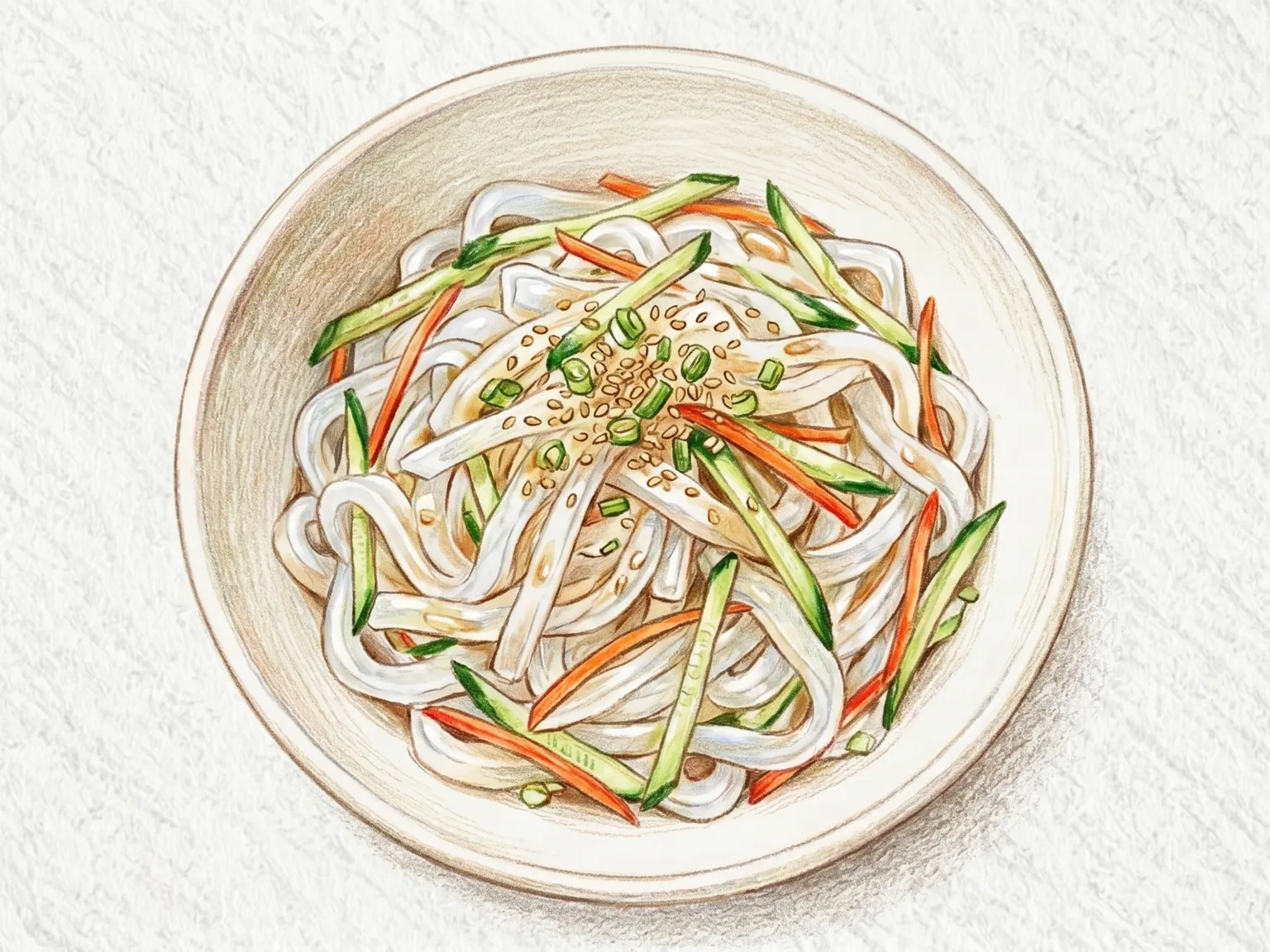
Korean Seasoned Mung Bean Jelly Salad
Cheongpo muk - mung bean jelly - is made by dissolving starch in water, boiling it until thick, then leaving it to set into a translucent, firm block. It has appeared in Joseon-era palace banquet records as a traditional food. The jelly is blanched briefly, cut into matchstick strips, and tossed with julienned cucumber and carrot. A dressing of soy sauce, vinegar, and sugar gives a clean, sharp edge. The jelly itself is nearly flavorless, functioning as a cool, slippery carrier for the seasoning. The crunch of the vegetables contrasts with the smooth jelly, and the vinegar keeps the whole dish light. Gentle tossing is essential to avoid breaking the blocks apart. Served well-chilled, this is a classic Korean summer banchan.
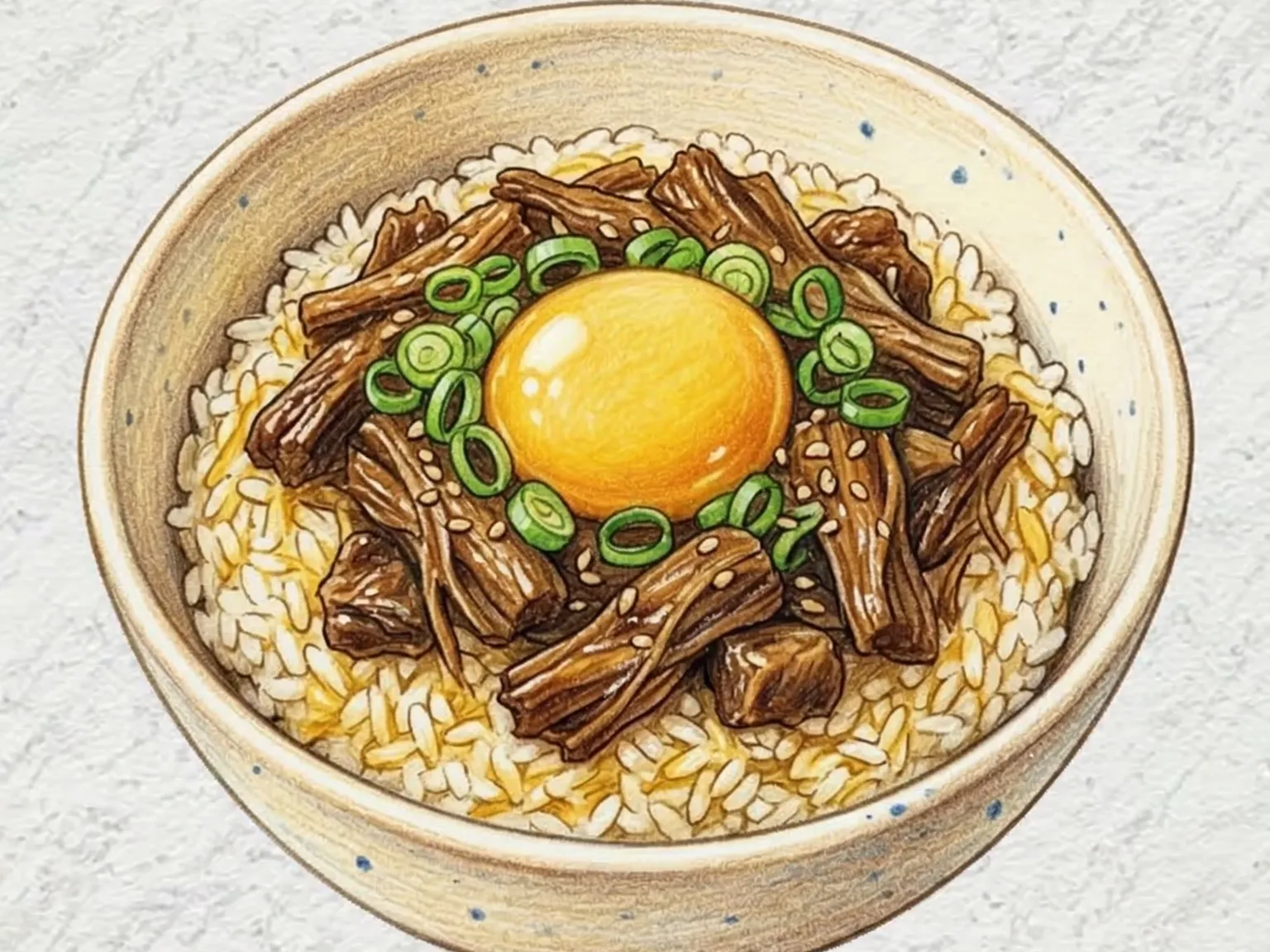
Korean Jangjorim Butter Rice
The preparation of this dish starts by placing a portion of unsalted butter directly onto a bowl of steaming, freshly cooked white rice. As the residual heat from the grains begins to melt the fat, the butter flows over the rice to coat each individual grain in a thin, smooth layer, which creates a rich and nutty foundation before any other components are introduced. Following the butter, a serving of shredded soy-braised beef is added to the bowl along with a generous amount of its dark and concentrated braising liquid. This liquid is infused with both salt and sweetness from the long cooking process of the beef, meaning that there is no need to include any extra seasonings or sauces to achieve a balanced flavor. A single raw egg yolk is then dropped into the center of the bowl and stirred through the mixture. This addition changes the overall texture of the dish, making it significantly more creamy while simultaneously intensifying the savory profile of the seasoned meat. To provide a necessary contrast to the heavy richness of the egg and butter, crushed roasted seaweed flakes are sprinkled over the surface. These flakes offer a brittle, crunchy texture and a distinct marine element that cuts through the fat. Finally, the dish is finished with a garnish of thinly sliced green onions and toasted sesame seeds for a clean and aromatic end. If the soy-braised beef is already available in the refrigerator, the entire meal can be put together in under fifteen minutes, making it an efficient option for a filling single-bowl meal in the routine of Korean home cooking.
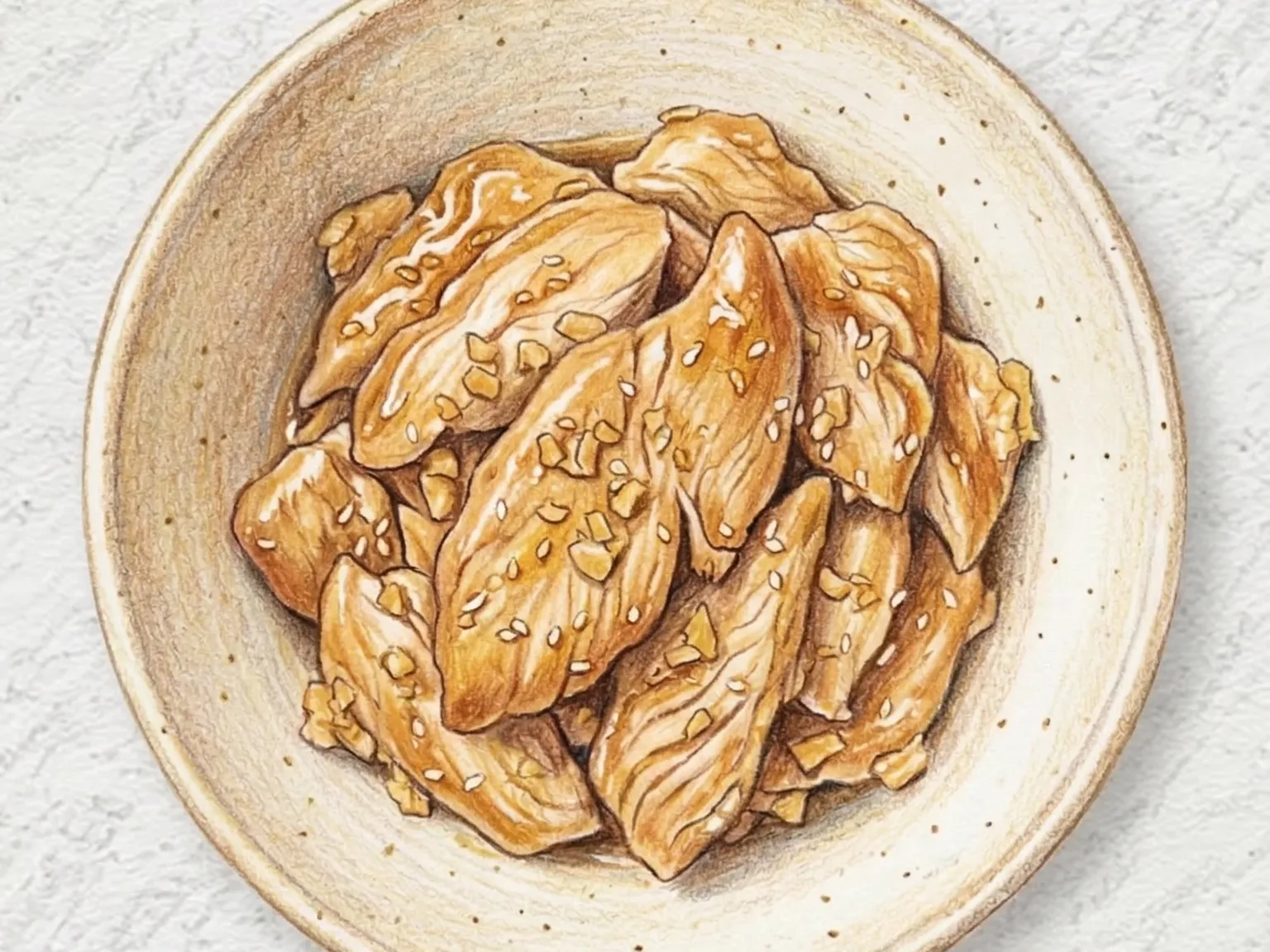
Korean Soy-Glazed Chicken Stir-Fry
This soy-glazed chicken stir-fry marinates thinly sliced chicken breast in soy sauce, garlic, and ginger before a quick pan-fry over high heat. Slicing the breast thin ensures each piece absorbs the marinade rapidly and cooks through without drying out, avoiding the rubbery texture that plagues overcooked white meat. The ginger cuts through any poultry aroma while the soy sauce provides a steady umami backbone throughout. A drizzle of sesame oil at the end ties together the flavors with a warm, nutty finish. A single cheongyang chili added during cooking gives the dish a clean heat, and it holds up well for meal prep or packed lunches. Practical for diet-conscious cooking or post-workout protein without sacrificing flavor.
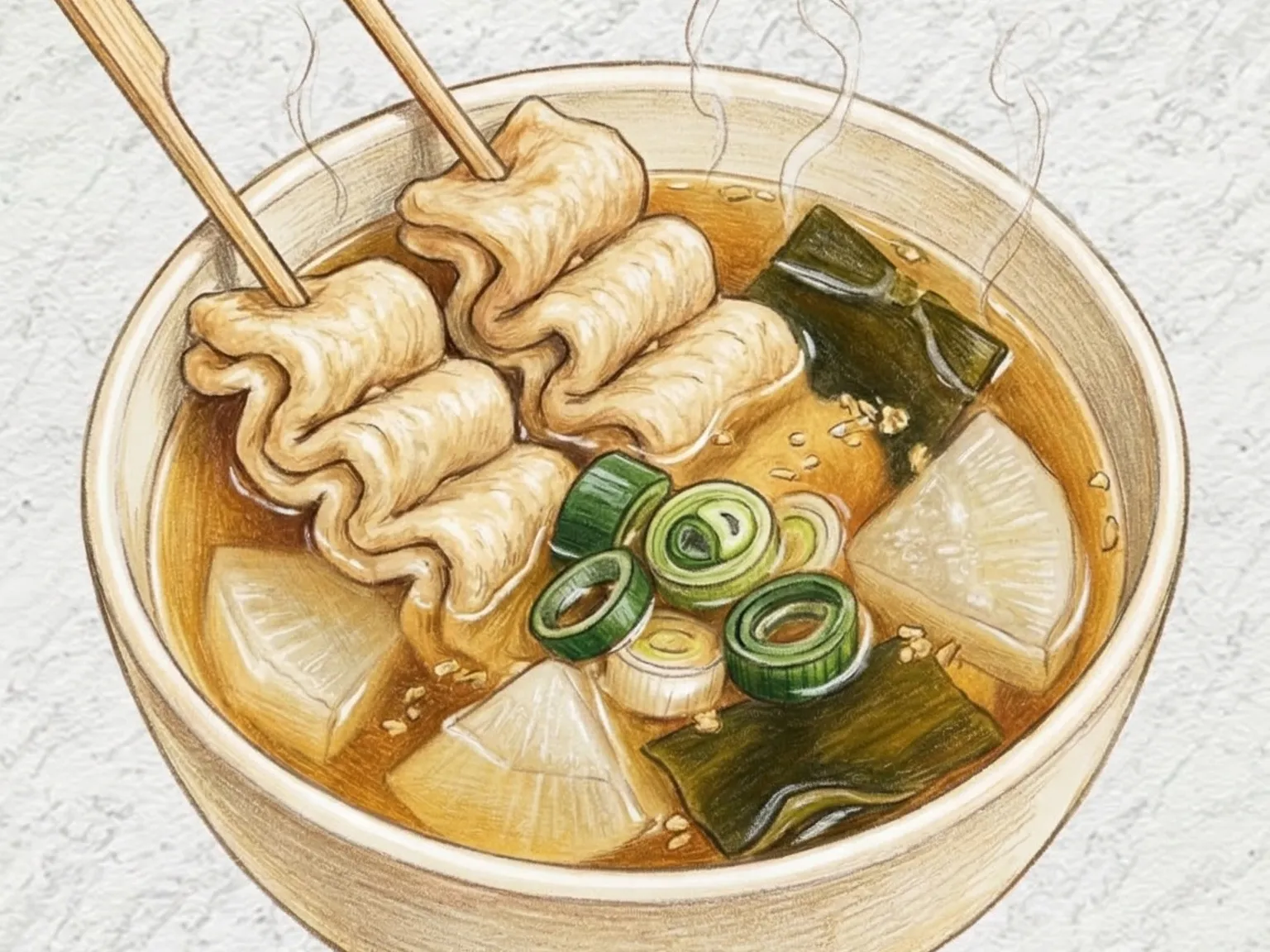
Korean Skewered Fish Cake Soup
Eomuk-kkochi starts with flat fish cake sheets folded into zigzag shapes on skewers, which then simmer in a clear broth made from Korean radish, kelp, and green onion. The broth draws umami from the radish and kelp and transfers that depth into the fish cakes as they cook. The fish cakes soften from their original firm bounce as they absorb the broth, while the liquid itself thickens slightly from the starch the eomuk releases. Serving a dipping sauce of soy or gochujang alongside each skewer adds another dimension of flavor at the table. This is one of Korea's most iconic winter street foods, served at pojangmacha stalls where the hot broth gets ladled into paper cups for sipping between bites.

Korean Deodeok Honey Latte (Bellflower Root Latte)
Deodeok honey latte is made by peeling and chopping bellflower root, blanching it for two minutes to soften its natural bitterness, then blending it smooth with a portion of milk and honey to form the base. The base is combined with the remaining milk and warmed gently over low heat, then finished with condensed milk, vanilla extract, and a pinch of salt to build a rich, creamy body. The deodeok's earthy character, a faintly medicinal and mineral quality, persists just beneath the layers of sweetness, giving this latte an herbal depth that sets it apart from standard cafe drinks. A light dusting of cinnamon over the surface ties the flavors together on the finish. It represents a category of Korean yakseon beverages that draw on mountain ingredients traditionally valued for their nutritional properties.
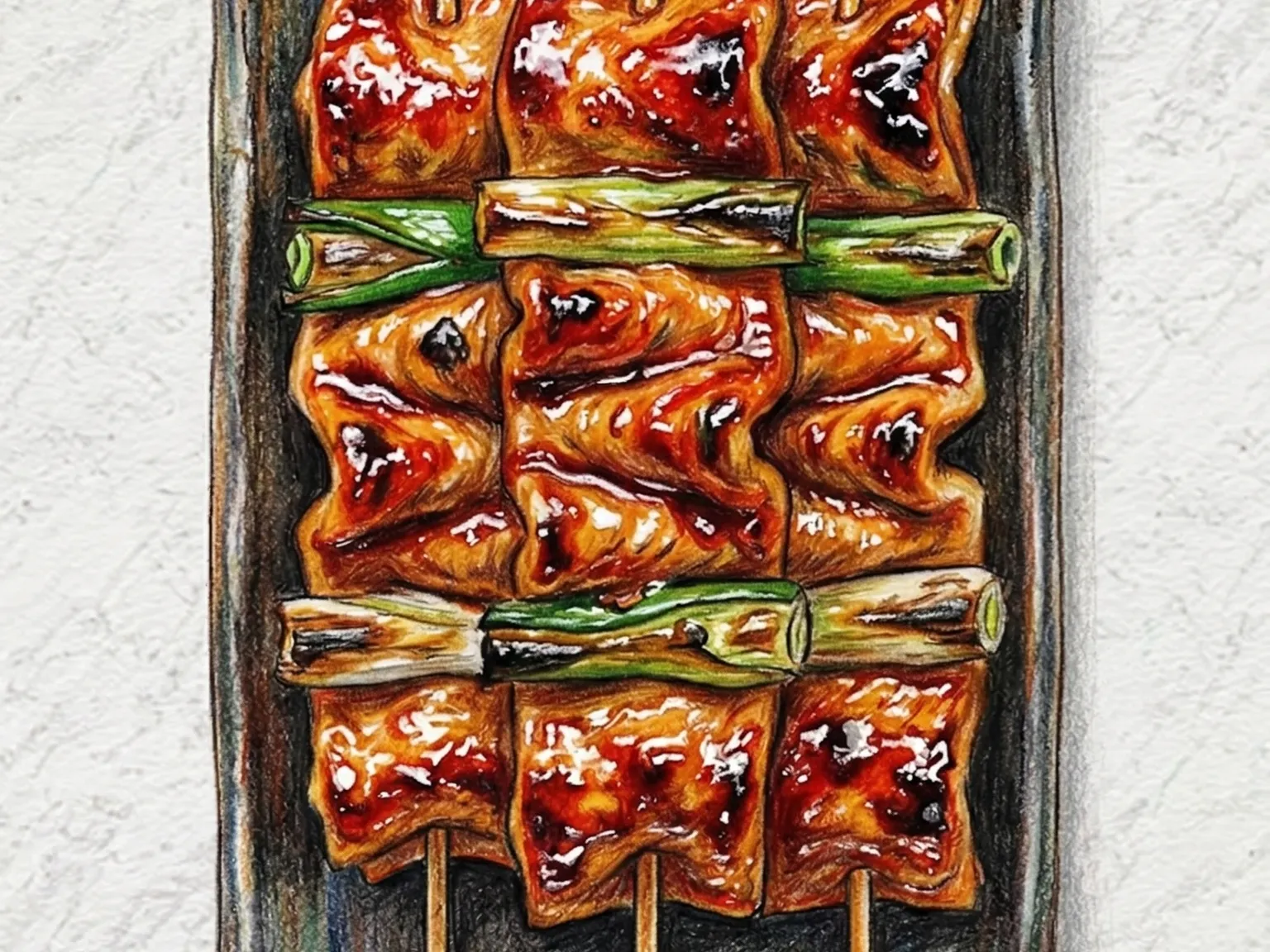
Korean Grilled Fish Cake Skewers
Eomuk kkochi gui are Korean grilled fish cake skewers, a staple of street food stalls that pair naturally with tteokbokki. Square fish cake sheets are folded in zigzag layers onto wooden skewers, grilled until the surface takes on color, then brushed with a glossy sauce of soy sauce, gochujang, sugar, and minced garlic. Folding the sheets before skewering multiplies the surface area that the sauce can grip and creates layered thickness that turns each bite into a dense, bouncy chew. Dry-grilling without oil first is important: it drives off moisture from the surface so that when the sauce is applied it clings and does not slide off. A second brief pass over heat after glazing caramelizes the sugars into a lacquered sheen and intensifies the savory aroma. Tucking pieces of green onion between the folds adds another layer of flavor -- the onion's moisture steams away as it grills, releasing a sweet, mellow fragrance that gradually infuses the fish cake.
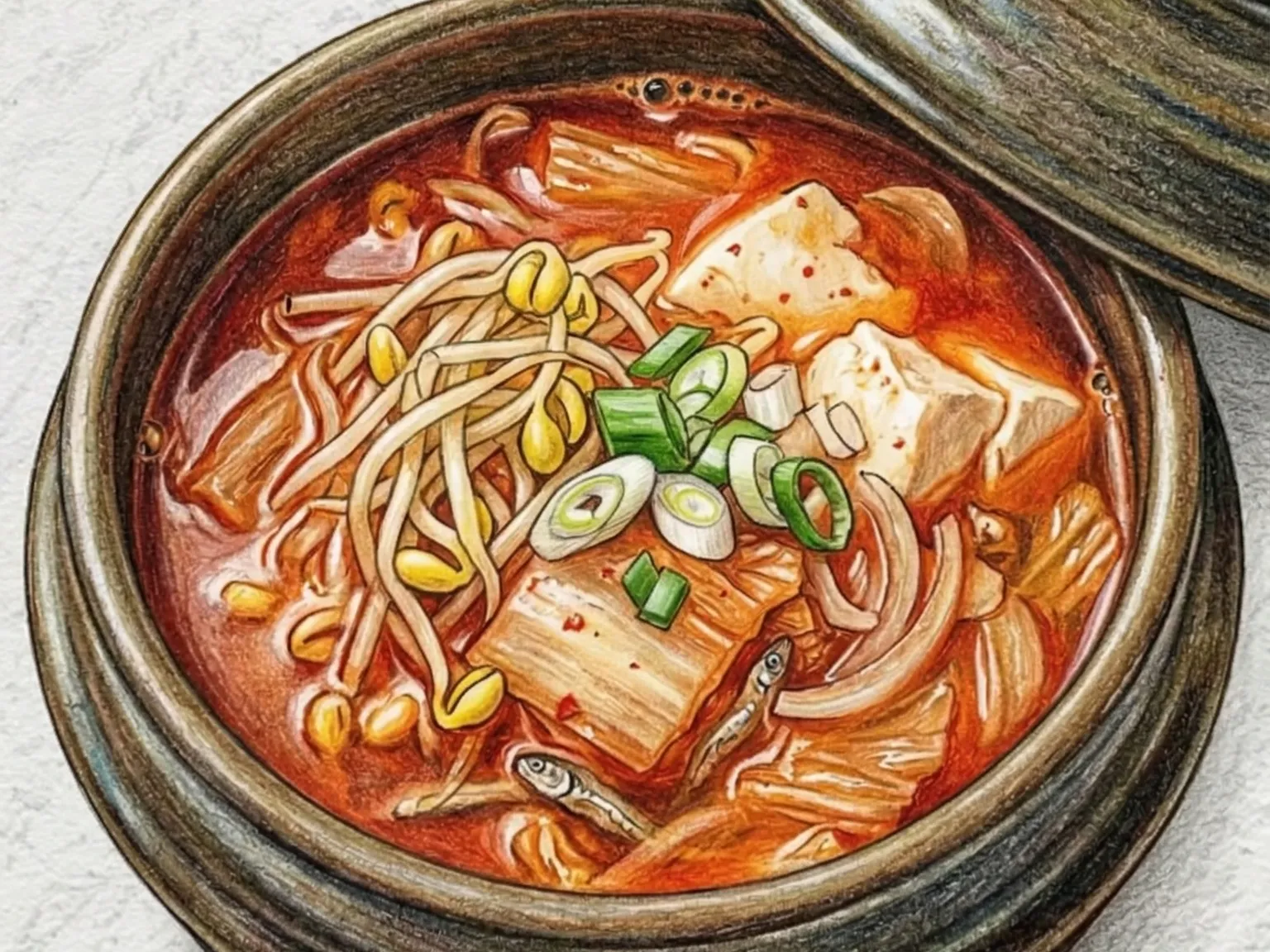
Korean Kimchi Bean Sprout Stew
This jjigae simmers fermented kimchi and soybean sprouts in an anchovy-based stock for a broth that is both refreshing and sharply spiced. The soybean sprouts contribute a crisp bite and a clean, neutral flavor that tempers the kimchi's fermented tang and chili heat, keeping the overall taste from feeling one-dimensional. Soft tofu adds creaminess and a gentle texture contrast, while onion provides background sweetness and green onion brings a fresh, aromatic note. Soup soy sauce and gochugaru are used to season, producing a clear, clean spiciness without muddying the broth. In Korean households, this jjigae is frequently eaten in the morning or as a hangover remedy, valued for its simplicity and its ability to settle the stomach while still delivering a satisfying depth of flavor.
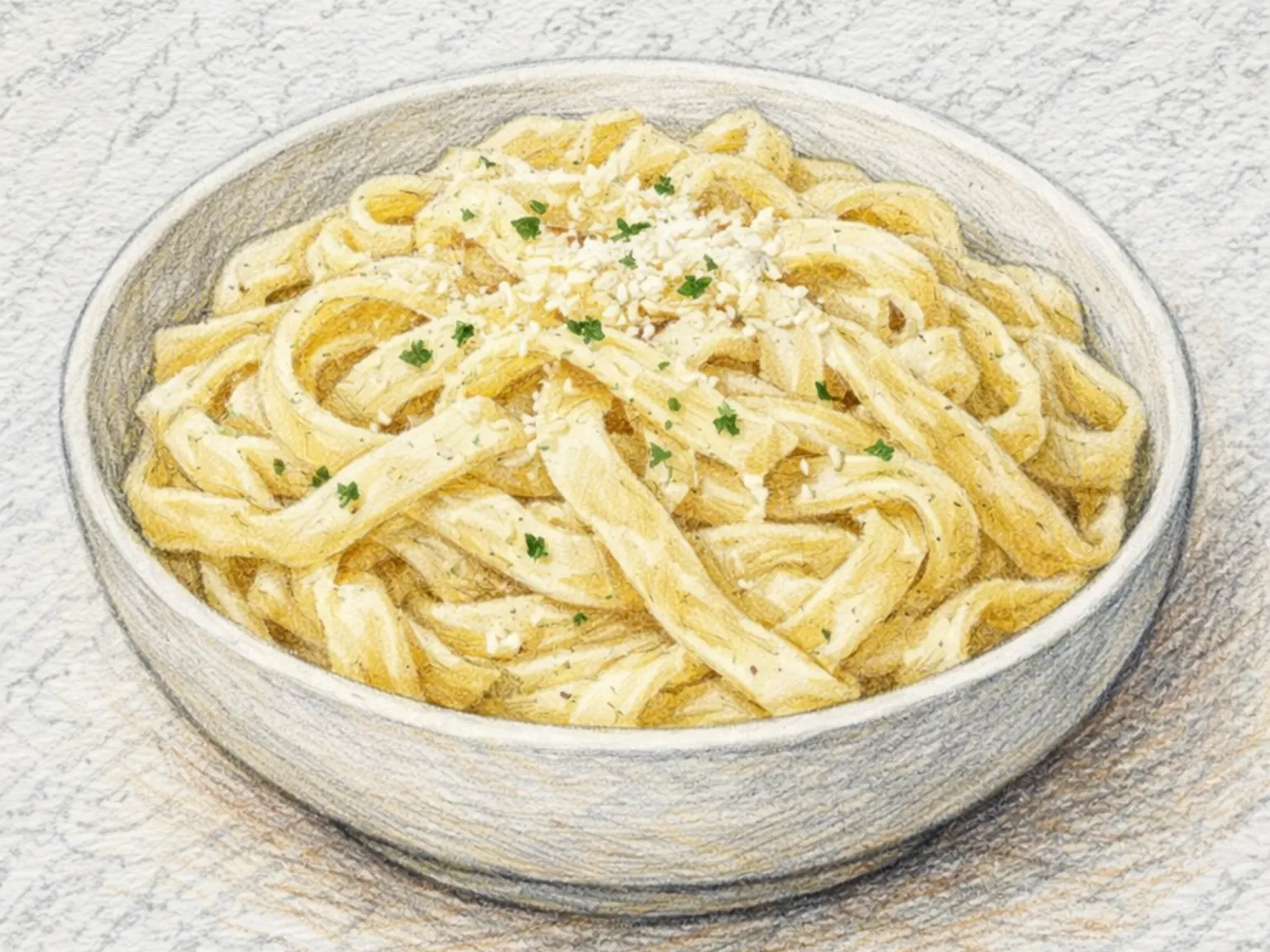
Fettuccine Alfredo
Fettuccine Alfredo is an exercise in simplicity where technique matters more than a long ingredient list. Wide fettuccine noodles are tossed with unsalted butter and finely grated Parmigiano-Reggiano cheese, using starchy pasta water to create a smooth emulsion that clings to every strand. The original Roman recipe contains no cream at all - the silky texture comes from the marriage of melted butter fat, cheese protein, and the starch released by the pasta during cooking. The pan must stay off direct heat while tossing, as excessive temperature breaks the emulsion and turns the sauce grainy and clumped. Speed is essential: the dish should move from pan to plate in under a minute. Generous freshly cracked black pepper provides a sharp counterpoint to the rich, concentrated cheese flavor. Born in Rome in the early twentieth century, this pasta remains one of the most recognizable Italian dishes served worldwide.
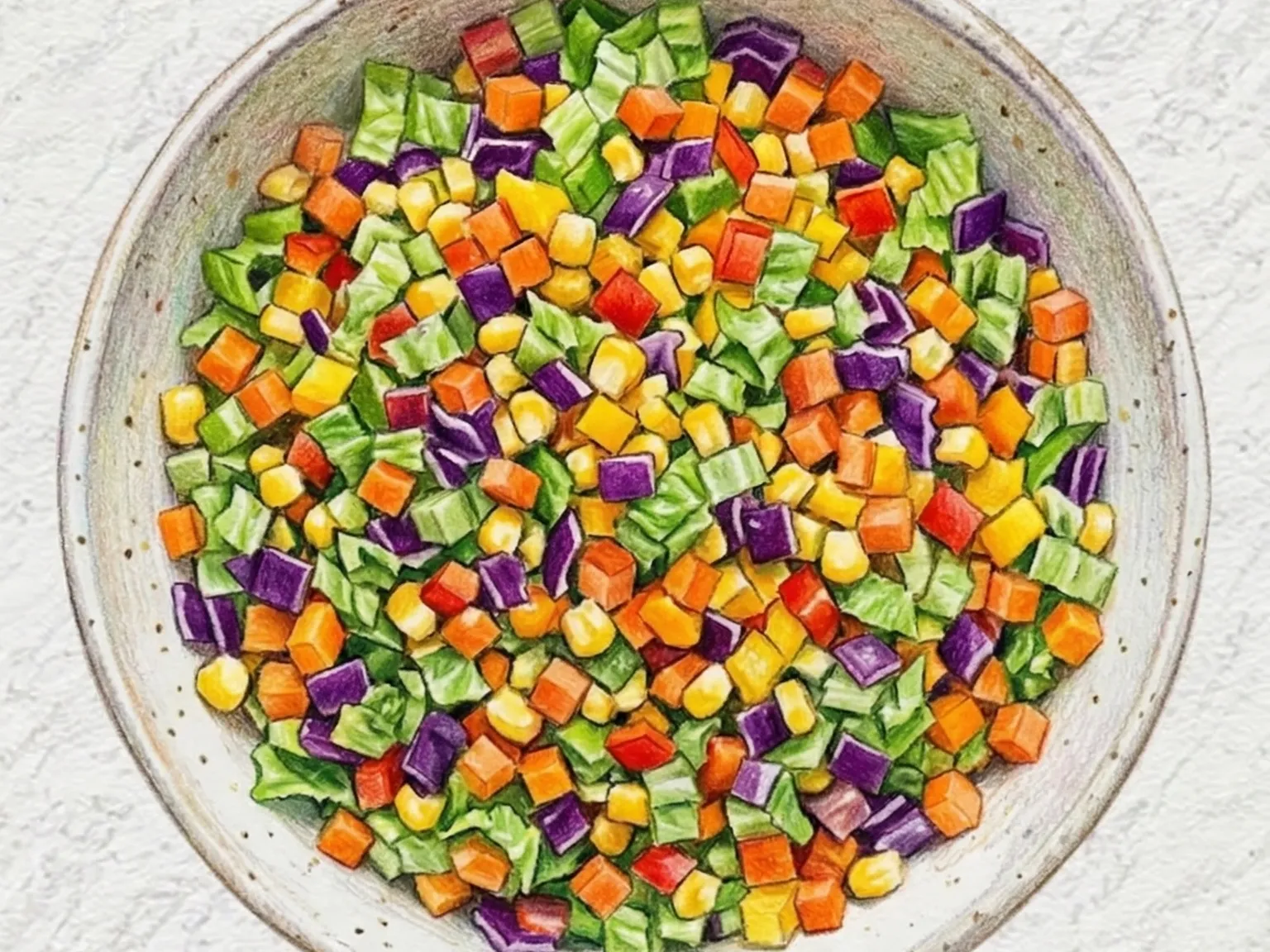
Chopped Rainbow Salad
Chopped rainbow salad dices romaine, red cabbage, carrot, bell pepper, and corn kernels into small, uniform pieces so that every forkful picks up multiple colors and textures at once. Keeping the cuts even ensures consistent crunch and even dressing coverage across the bowl. The dressing uses only olive oil, lemon juice, and salt, so each vegetable's natural character shows through without interference. Red cabbage's slight bitterness and the sweetness of corn create a built-in contrast, while bell pepper adds structural crunch that anchors the bowl. Because none of the ingredients carry high moisture, the salad holds up well after tossing without going limp, making it well suited for packed lunches or meals prepared in advance. Fresh herbs, crumbled feta, or sliced avocado can be added to turn it into a more substantial single-dish meal.
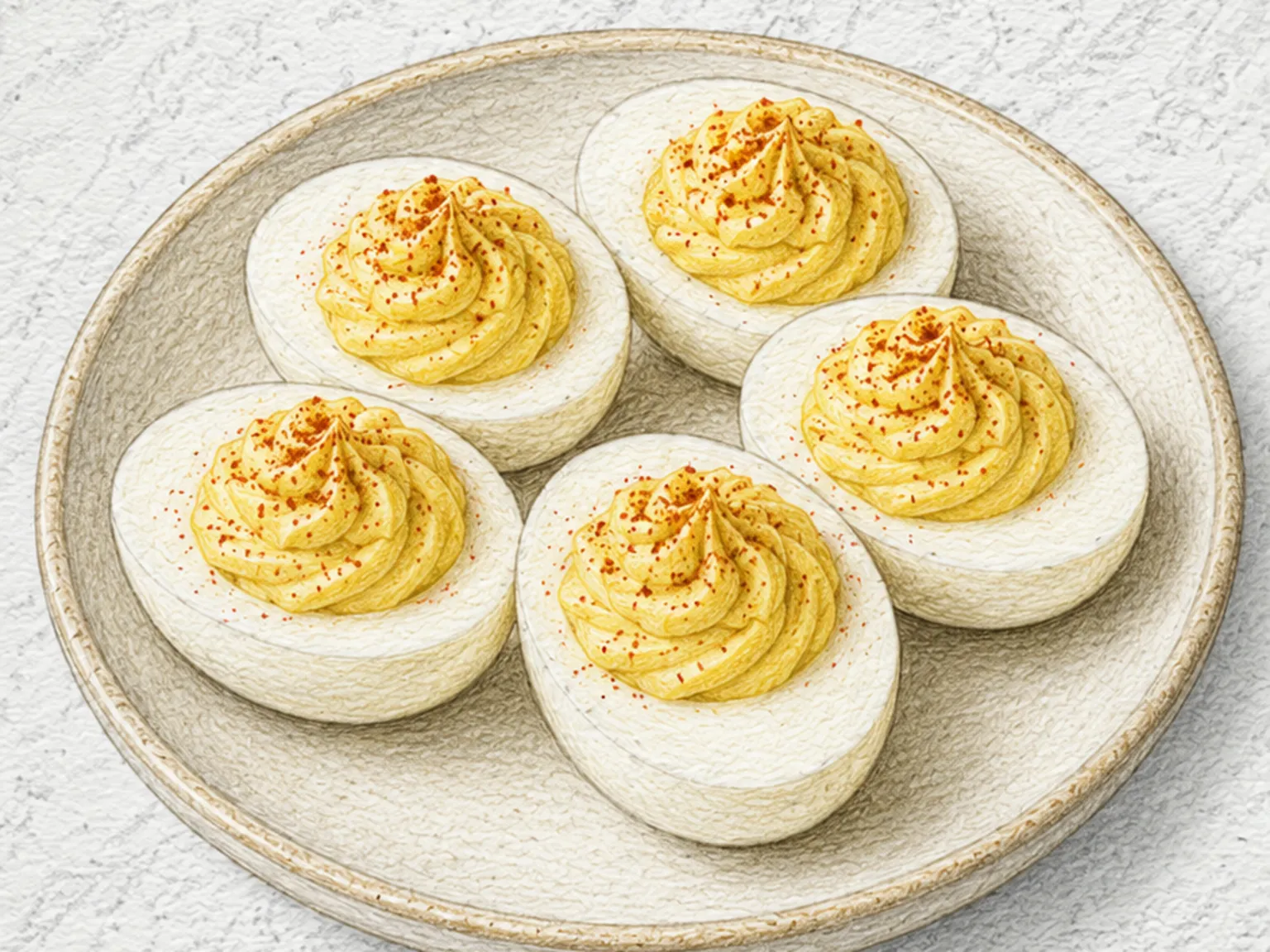
Deviled Eggs
Deviled eggs are a classic American appetizer made by hard-boiling eggs for ten minutes from a cold water start, then transferring them immediately to an ice bath to cool completely before peeling and halving. Full cooling prevents the yolk from developing a gray-green ring around its edge and allows the shell to separate cleanly, producing smooth, even white halves that serve as natural vessels for the filling. The yolks are mashed thoroughly with mayonnaise, Dijon mustard, lemon juice, salt, and black pepper until the mixture is completely smooth and uniform in texture. The mustard's sharp bite and the lemon juice's acidity cut through the fatty richness of the yolk, lifting the overall flavor and giving each bite a creamy yet bright quality that prevents the filling from feeling heavy. If the mixture is too stiff, a small addition of mayonnaise loosens it to a pipeable consistency; a piping bag with a star tip produces the cleanest, most defined presentation. A light dusting of smoked or sweet paprika over the top adds a faint warmth and creates a vivid red-and-white color contrast against the pale egg white base, completing the visual as well as the flavor.
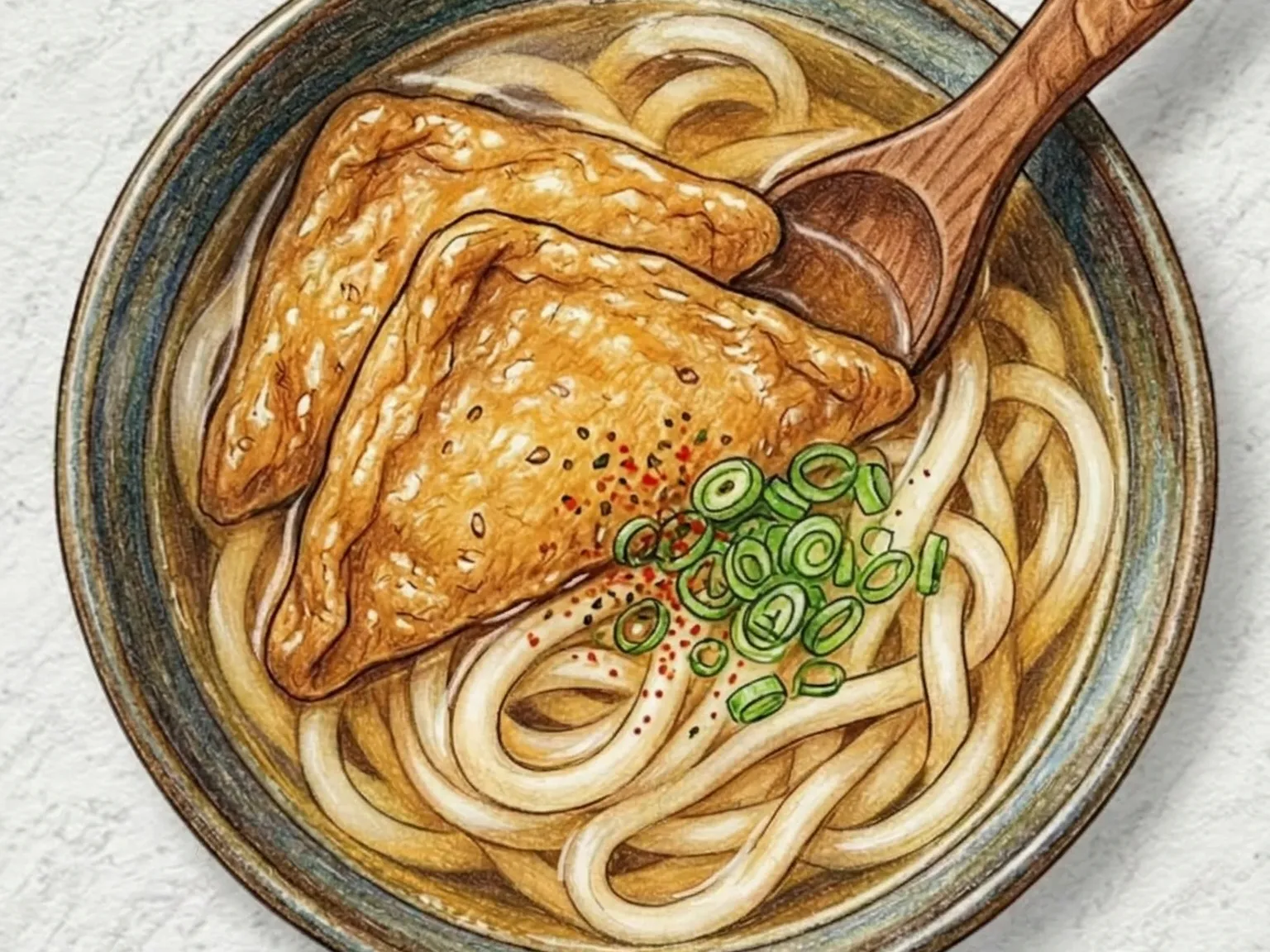
Osaka Kitsune Udon (Thick Noodles with Sweet Fried Tofu in Dashi)
Kitsune udon is Osaka's signature noodle bowl, defined by sweet simmered fried tofu draped over thick wheat noodles in a clear dashi broth. The broth is drawn from kombu and bonito flakes, then seasoned with light soy sauce in the Kansai tradition, pale in color but layered with umami. The aburaage tofu is simmered separately in a mixture of dashi, soy sauce, mirin, and sugar until it swells with sweet braising liquid, and each bite releases a burst of that concentrated sweetness into the bowl. Thick, chewy udon noodles sit in the steaming broth, their mild wheat flavor providing a neutral base for the delicate soup. Sliced green onion scattered on top adds freshness and a gentle bite. In Osaka, kitsune udon is eaten at all hours, as a quick breakfast before work, a light lunch, or a late-night bowl after drinks, and every neighborhood udon shop holds its own variation on the sweet tofu recipe passed down through the years.
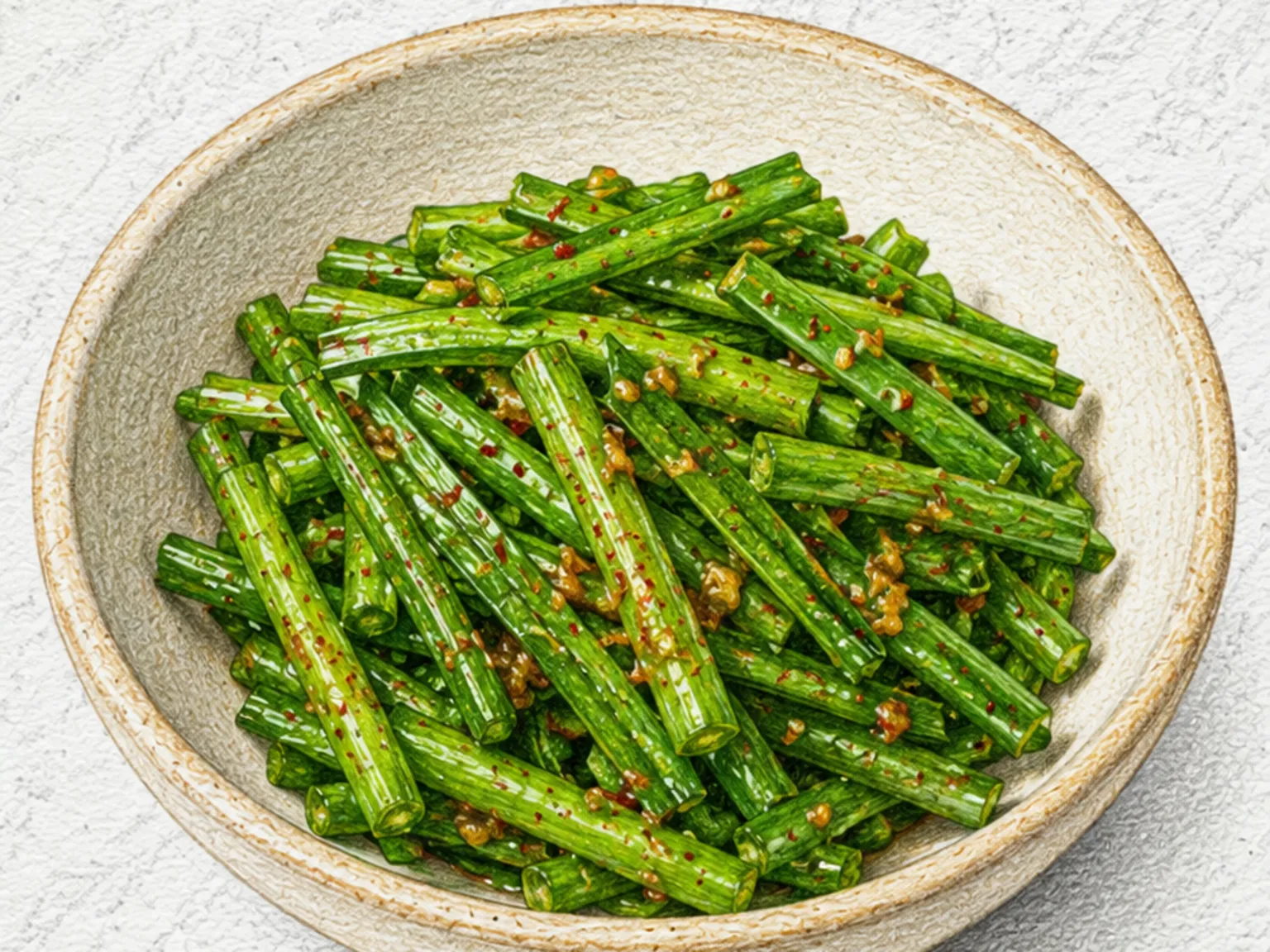
Korean Chive Salad with Doenjang Dressing
Garlic chives -- buchu -- carry a sharper, more pungent bite than Western chives, and this banchan keeps them raw to preserve every bit of that intensity. Chives are cut into short segments, rinsed in cold water to crisp up the cell walls, then tossed for no more than twenty seconds in a dressing of doenjang, vinegar, and gochugaru. Going beyond that window draws out moisture from the leaves, leaving the whole dish limp and waterlogged before it even reaches the table. The fermented paste locks onto the flat surface of each blade, releasing a salty, umami-heavy punch with every bite. Vinegar cuts through the richness of the doenjang with a light acidity that keeps the finish clean, and the gochugaru adds a dry, lingering heat. Best assembled minutes before serving and eaten alongside a bowl of rice.
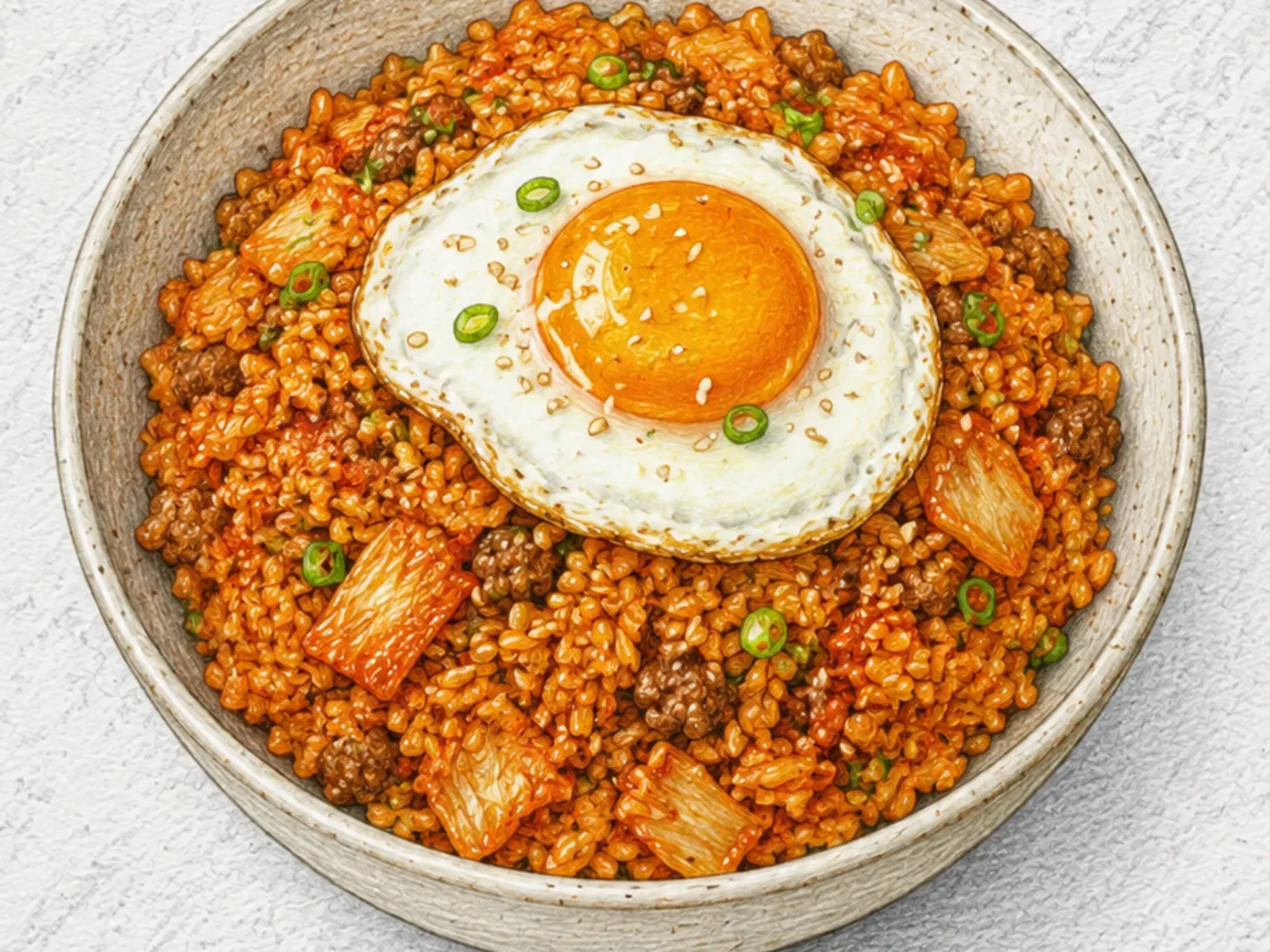
Korean Kimchi Fried Rice (Kimchi Bokkeumbap)
Finely chopped aged kimchi is stir-fried together with ground pork until the fermentation tang of the kimchi and the fat rendered from the pork combine into a deep, layered umami base. Kimchi juice is added to the pan along with gochujang and a measured touch of sugar, glazing the rice in a spicy-sweet coating. High heat throughout the stir-fry is what keeps each grain separate and lightly crisp rather than soft and clumped; the pan also needs to be fully heated before the ingredients go in, or the rice will stick. A soft-fried egg placed on top lets the runny yolk temper the heat when it is broken and mixed in, and using well-fermented, deeply soured kimchi noticeably shifts the depth of the flavor. Adding spam or canned tuna are equally common household variations, and the dish adapts readily to whatever is available. A drizzle of sesame oil just before serving lifts a toasty, nutty fragrance over the finished bowl.
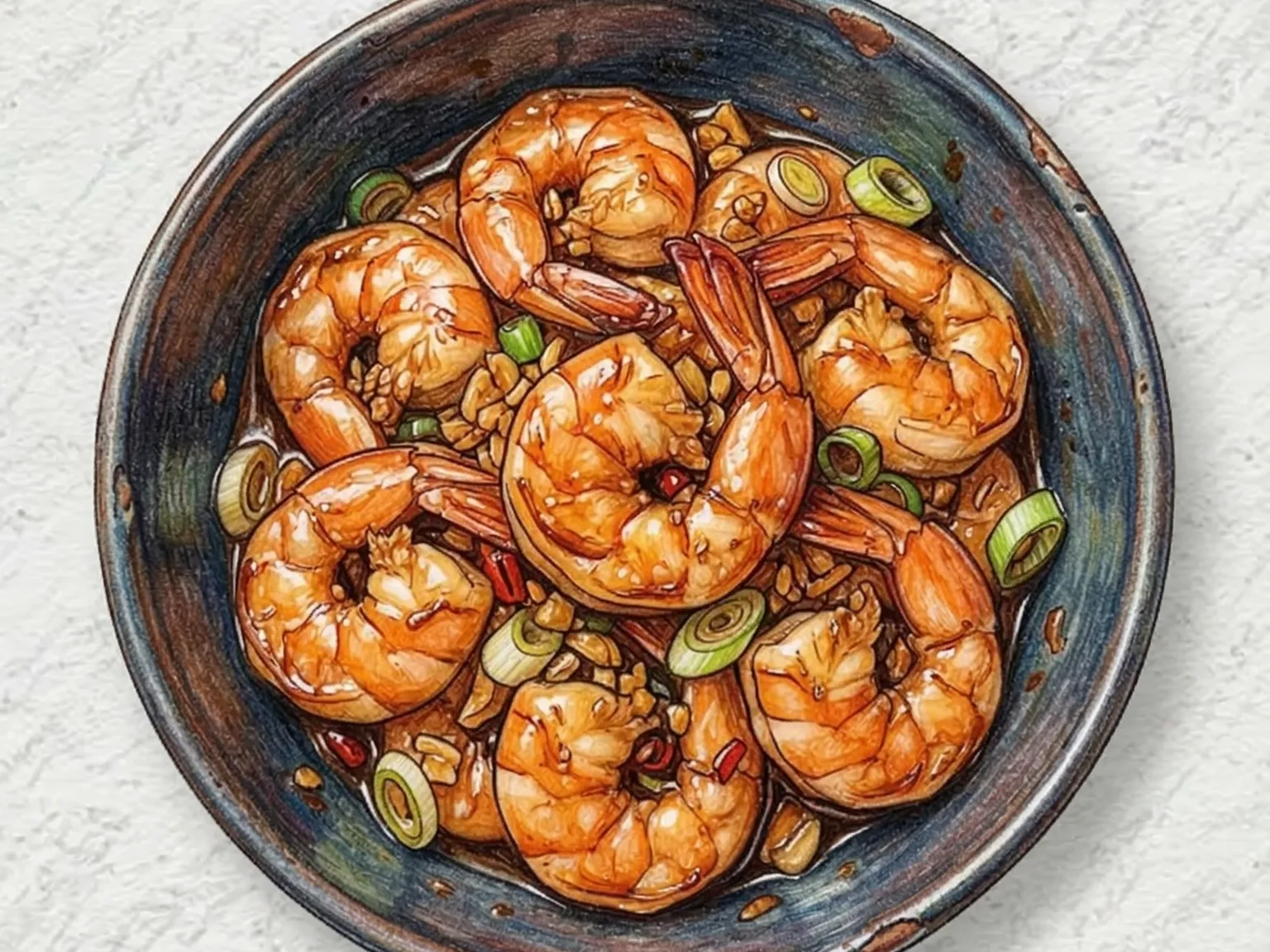
Korean Soy-Glazed Shrimp Stir-Fry
Ganjang saeu bokkeum coats plump shrimp in a sweet-savory soy glaze built on a base of melted butter and garlic. A single cheongyang chili adds a subtle kick that lifts the buttery richness without overpowering it. The key timing rule is to add the sauce the moment the shrimp turn pink: any longer and they become rubbery, but the glaze needs just enough heat to caramelize lightly and coat. Stir-frying the garlic in the butter before the shrimp go in lays a nutty base across the entire sauce. A final splash of soy sauce over high heat at the end creates the lacquered sheen that defines the finished dish. With only eight minutes of cooking time total, this works equally well as a quick banchan alongside rice or as an appetizer with drinks.
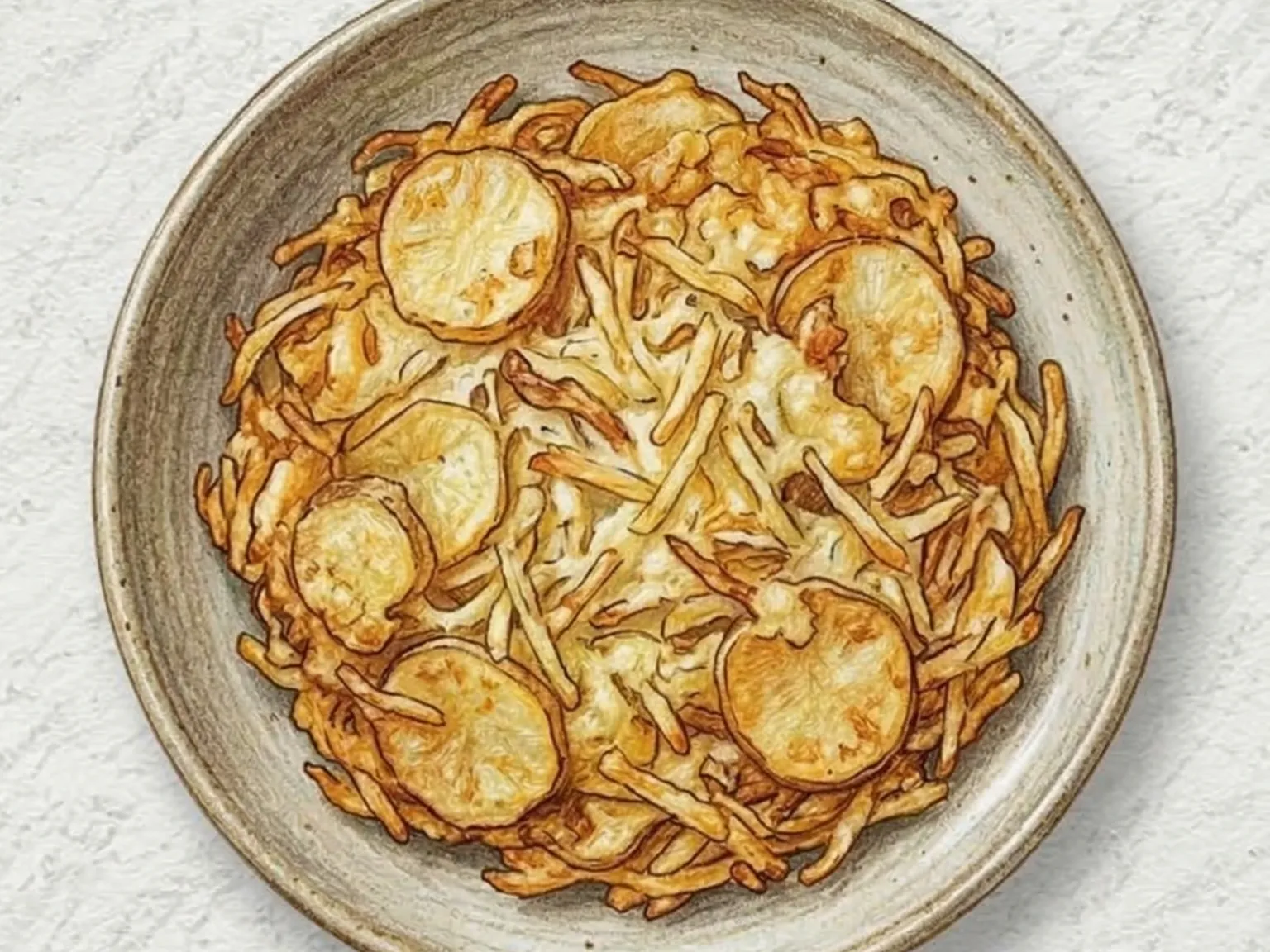
Korean Potato Fritters
Gamja twigim coats sliced or shredded potatoes in a batter of frying mix and cold water, then deep-fries them until golden and crisp at Korean street food stalls and bunsik restaurants. Soaking the cut potatoes in cold water for at least ten minutes washes off surface starch, which reduces oil absorption and keeps the crust crunchy longer after frying. Keeping the batter coat thin lets the potato's starchy sweetness come through; a thick coat forces a longer fry time and tends to turn the interior mushy. Thick-cut slices yield a fluffy, almost powdery interior beneath the crust, while shredded potatoes tangle together into a chip-like, airy cluster with multiple crisp layers. Oil temperature should sit between 170 and 180 degrees Celsius; too low and the pieces absorb excess oil, too high and the outside burns before the center is cooked through. Salt alone is enough to bring out the potato's savory sweetness, and Korean fritter shops typically serve these alongside chili pepper and perilla leaf tempura as part of a mixed platter.

Korean Perilla Seed Latte
Deulkkae latte is a Korean warm drink made by whisking ground perilla seed powder into water first to dissolve any lumps, then heating the mixture together with milk over medium-low heat until hot throughout. Sifting the perilla powder before mixing it into water is a small step that makes a measurable difference in texture: fine particles disperse evenly and the finished latte pours with a silky smoothness, with no gritty residue settling at the bottom of the cup. Honey and dark brown sugar are added together, building a layered sweetness that sits on top of the deep, nutty perilla base without overwhelming it. A pinch of salt stirred in alongside the sweeteners keeps the flavor from going flat by grounding the sweetness with a subtle mineral edge. Cinnamon dusted lightly over the surface at the end melds with the perilla aroma into a warm, spiced finish that lingers after each sip. To serve cold, the finished drink can be chilled and poured over ice.