⚡ Quick Recipes
Ready in 20 minutes or less
804 recipes. Page 13 of 34
A busy schedule does not mean you have to settle for bland meals. Every recipe in this collection can be prepared and finished in 20 minutes or less - quick stir-fries, tossed noodles, microwave dishes, and more.
The secret is minimizing prep work and keeping the steps simple. Pre-cut ingredients or pantry staples speed things up even further. Turn to these recipes after work, during a short lunch break, or for a fast breakfast.
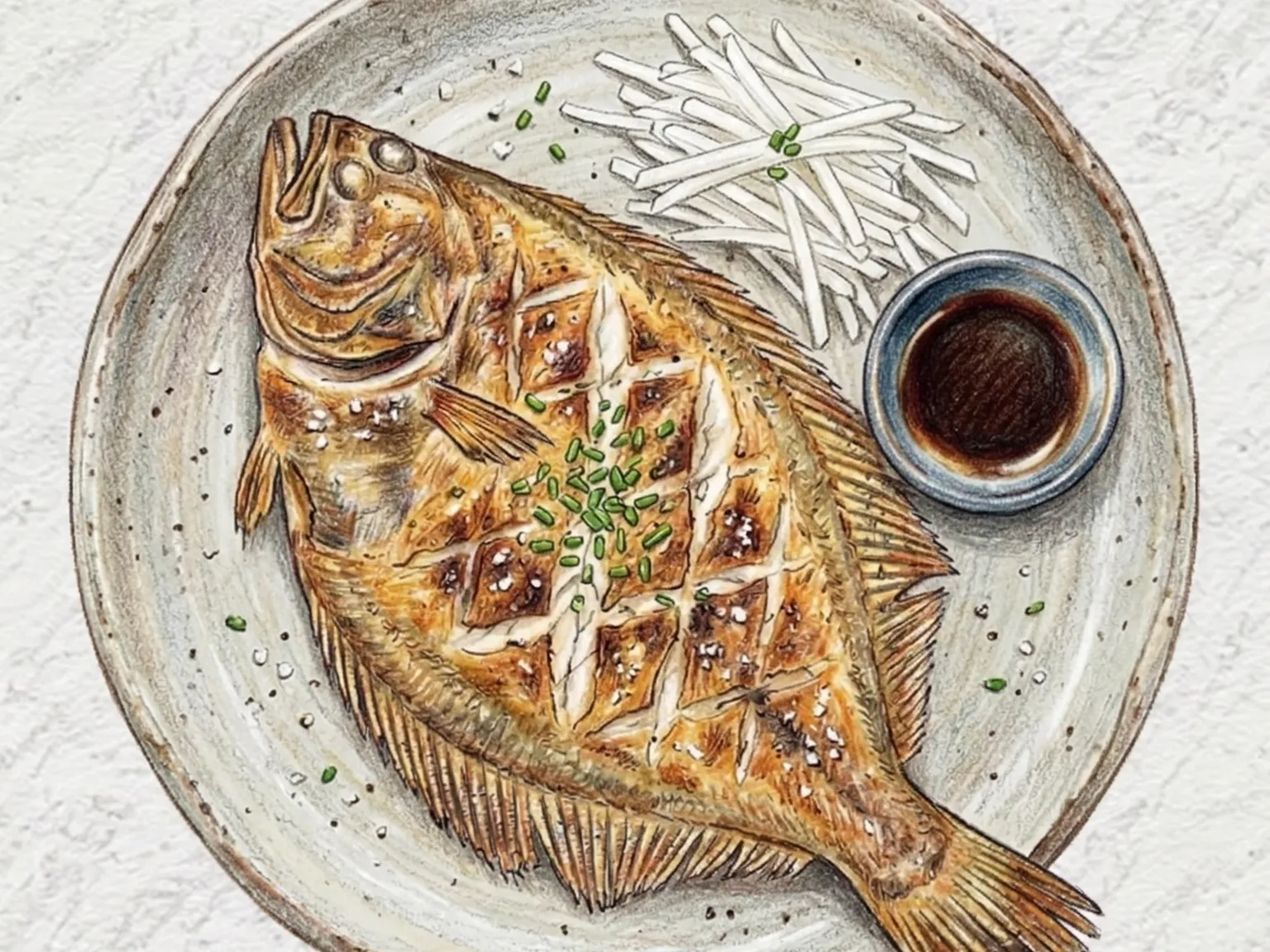
Korean Grilled Flounder (Salted Whole Flatfish Pan-Fry)
Gajami-gui is a Korean grilled flounder preparation in which a whole flat fish is salted for twenty minutes before being pan-fried or grilled over a wire rack until both sides develop an even golden-brown crust. Flounder has thinner flesh and a lower moisture content than most flatfish, which means it carries almost no fishy odor and needs only salt to taste genuinely clean on the palate. Splashing a small measure of rice wine over the fish before cooking neutralizes any remaining off-notes, and pressing the surface completely dry with kitchen paper afterward is what separates a flounder with truly crisp, caramelized skin from one that steams, sticks, and falls apart. Flipping must be done once and decisively with a wide spatula, because the flesh is delicate enough that repeated contact breaks it apart before serving. Resisting the urge to move the fish once it is in the pan is equally important: undisturbed contact with the hot surface is what drives the browning on each side. A garnish of shredded daikon with soy sauce or a sharp chili-soy dipping sauce provides a clean contrast that sharpens the perception of the fish's mild, natural flavor.
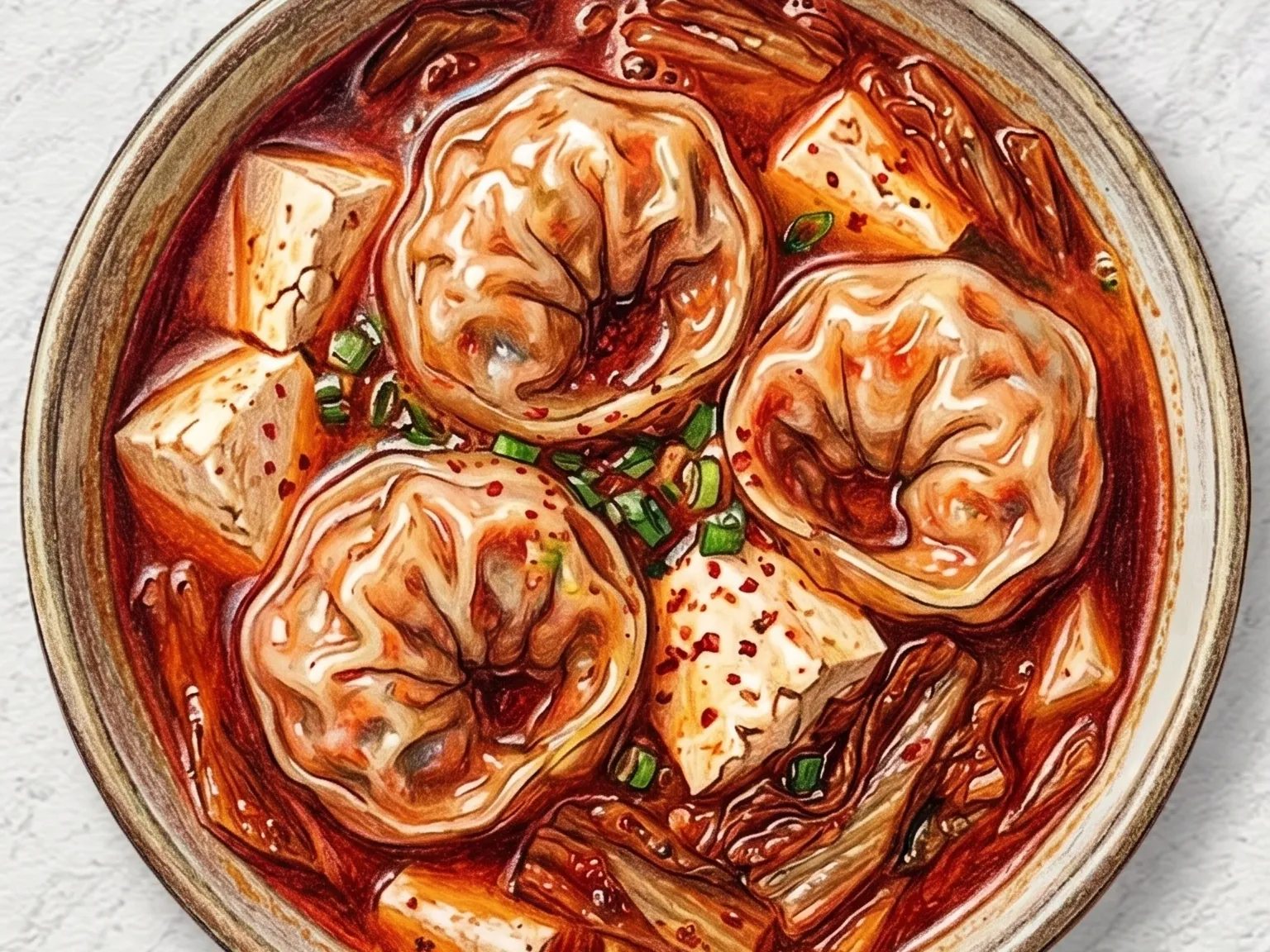
Korean Kimchi Mandu Jjigae (Kimchi Dumpling Stew)
Kimchi mandu jjigae drops whole frozen kimchi dumplings straight into a simmering pot of aged kimchi, tofu, and anchovy stock. The dumpling wrappers absorb the broth as they cook, swelling plump and moist, while the kimchi filling inside echoes the stew's tangy base and doubles the fermented depth. Gochugaru and soup soy sauce add a clean chili heat, and firm tofu cubes absorb the spiced broth for a softer textural contrast. Because the dumplings themselves carry seasoning, it is better to start with less sauce and adjust after tasting the broth. This is a filling, no-fuss meal that needs nothing more than a bowl of steamed rice alongside it.
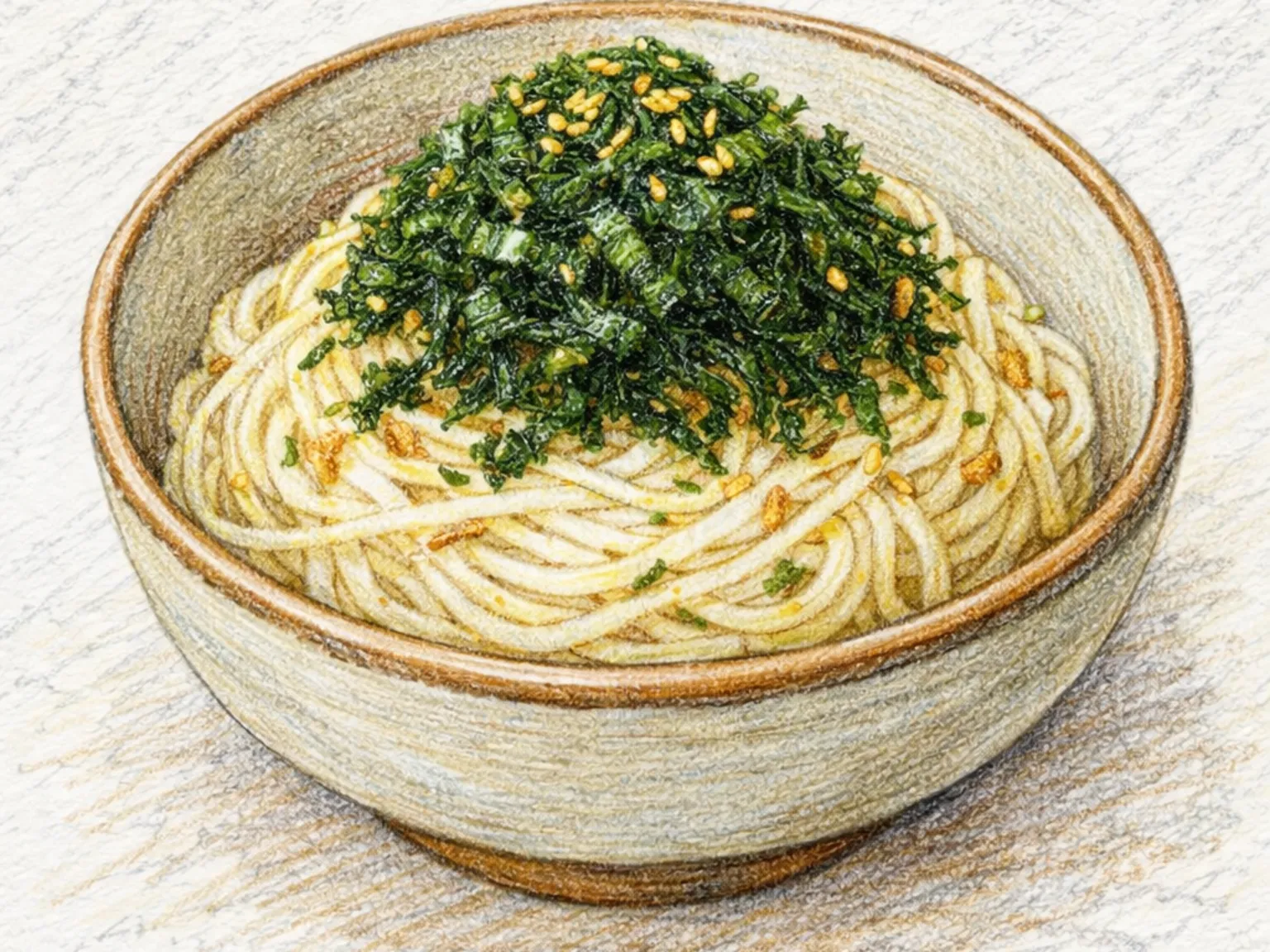
Korean Gamtae Sesame Oil Somyeon
Gamtae chamgireum somyeon is a Korean cold noodle dish where boiled thin wheat noodles are dressed with sesame oil and soy sauce, then covered with a generous layer of gamtae seaweed. Gamtae is a type of fine seaweed closer to green laver than to the roasted sheets most commonly associated with Korean cuisine, and its oceanic fragrance is considerably more intense and raw-edged than standard gim. The moment gamtae is placed over the noodles, a strong marine aroma rises that defines every subsequent bite. The dressing itself is deliberately minimal: sesame oil provides a heavy, toasted nuttiness and soy sauce contributes a salty, savory base, and together they carry the dish without competing with the seaweed's character. A measured amount of minced garlic adds a sharp, pungent undercurrent that gives the straightforward flavors a point of direction. Rinsing the noodles thoroughly in cold water after boiling removes excess surface starch, which is essential to prevent clumping and to allow the dressing to coat each strand individually rather than pooling at the bottom. The result is a clean, focused dish where ocean fragrance and nuttiness do all the work.
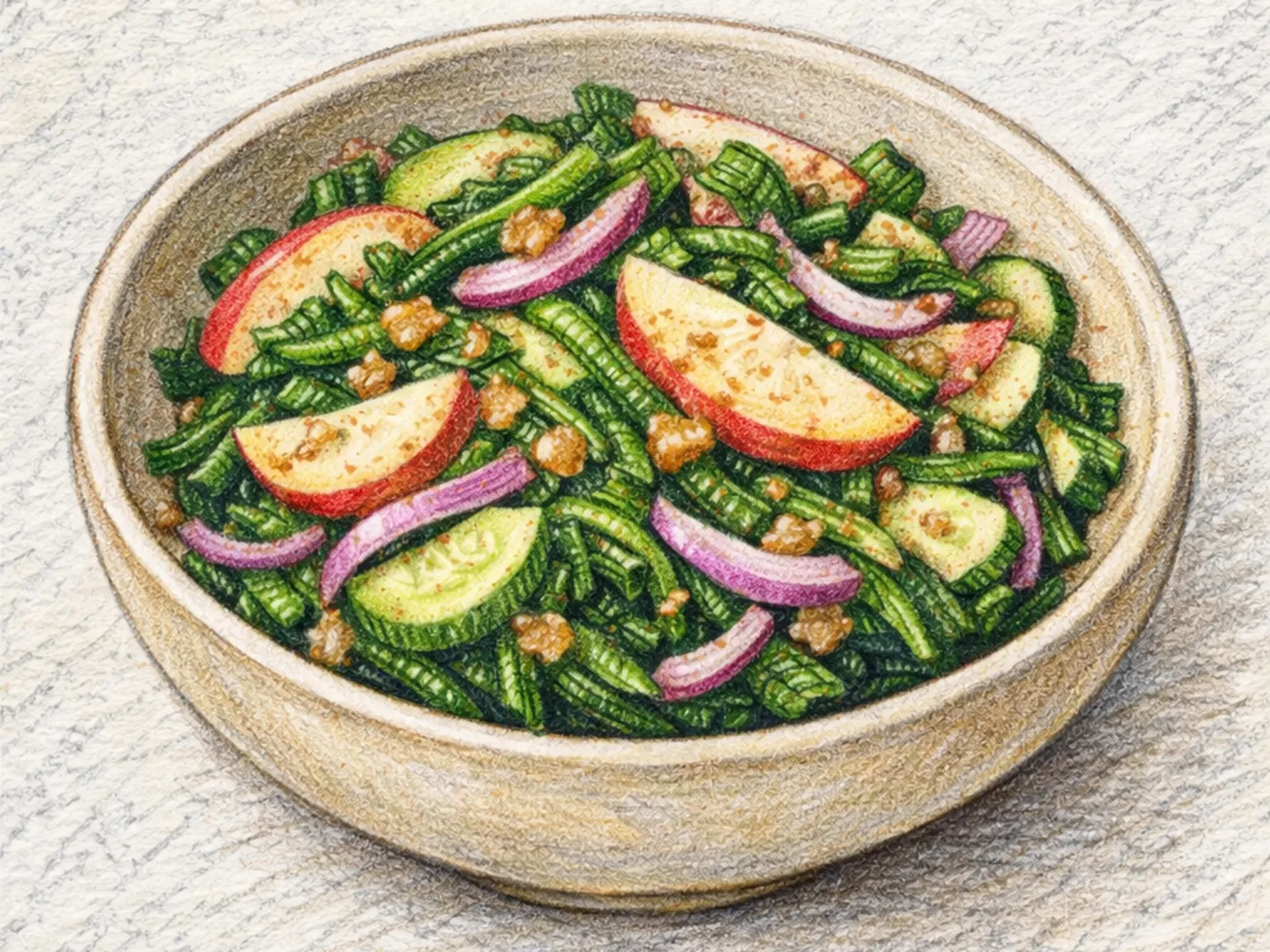
Chwinamul Apple Doenjang Salad
Chwinamul (aster scaber) is blanched briefly to preserve its herbal, slightly bitter character, then combined with thin-sliced apple and cucumber for crisp sweetness. The dressing is built on doenjang -- Korean fermented soybean paste -- which contributes a depth of savory umami uncommon in typical salad dressings, and a few drops of perilla oil add a nutty, lingering aftertaste. Red onion provides a sharp, pungent edge that keeps the salad from feeling heavy. Blanching time is critical: more than thirty seconds in boiling water strips both the fragrance and the green color, so the chwinamul should be transferred immediately to ice water to stop cooking. When made with freshly harvested spring chwinamul, the herbal aroma comes through at full intensity, and the doenjang dressing makes it a natural fit alongside other dishes on a Korean table.

French Omelette
A French omelette is defined entirely by technique, which is precisely why it appears in professional kitchens as a benchmark for a cook's fundamental skill. The eggs are beaten just enough to combine the yolks and whites into a uniform liquid without introducing air, then poured into a butter-coated pan over moderate heat. From that point on, constant stirring with a fork or chopsticks, combined with rhythmic shaking of the pan, coaxes the eggs into the tiniest possible curds that bind together into a seamless, pale yellow sheet. No browning of any kind should appear on the exterior surface. The interior, described in French as baveuse, remains slightly underset with a custard-like center that carries the richness of the egg in its purest form. Folding or rolling the omelette into a neat oval shape should happen within ninety seconds from the moment the egg touches the pan; anything beyond that overcooks the inside. Fillings are minimal by design: fine herbs, a small amount of grated Gruyere, or nothing at all, so the egg remains the sole subject. The simplicity of the ingredients removes every excuse and makes even small errors in heat management immediately visible in the finished result. Practice tightens the margins, but each attempt teaches something precise about timing and temperature.
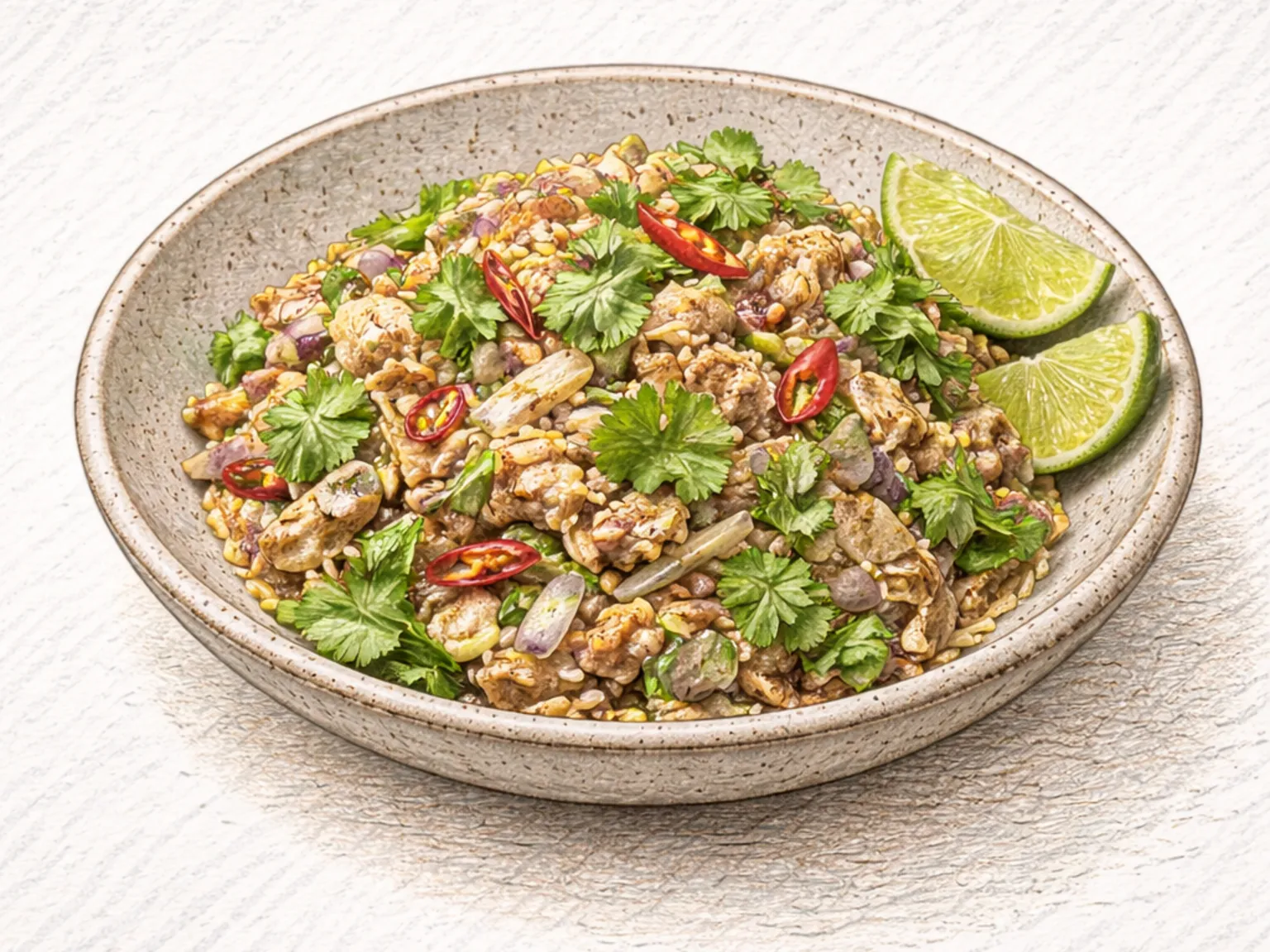
Larb Gai (Thai Isan Minced Chicken Herb Salad with Lime)
Larb Gai is a traditional herb salad from the Isan region of northeastern Thailand, featuring minced chicken as its base. The preparation starts by cooking ground chicken with a small amount of water until it is no longer pink, ensuring the meat remains tender and crumbly. Once removed from the heat, the warm chicken is seasoned with lime juice, fish sauce, sugar, and chili flakes. Adding the lime juice off the heat preserves its natural acidity and bright aroma. Thinly sliced shallots and toasted rice powder are then folded into the mixture. The toasted rice powder acts as a binding agent that absorbs the juices while providing a distinct nutty crunch. Fresh mint leaves are tossed in at the very end to prevent them from darkening. The salad is served alongside sticky rice, lettuce, or cabbage cups.
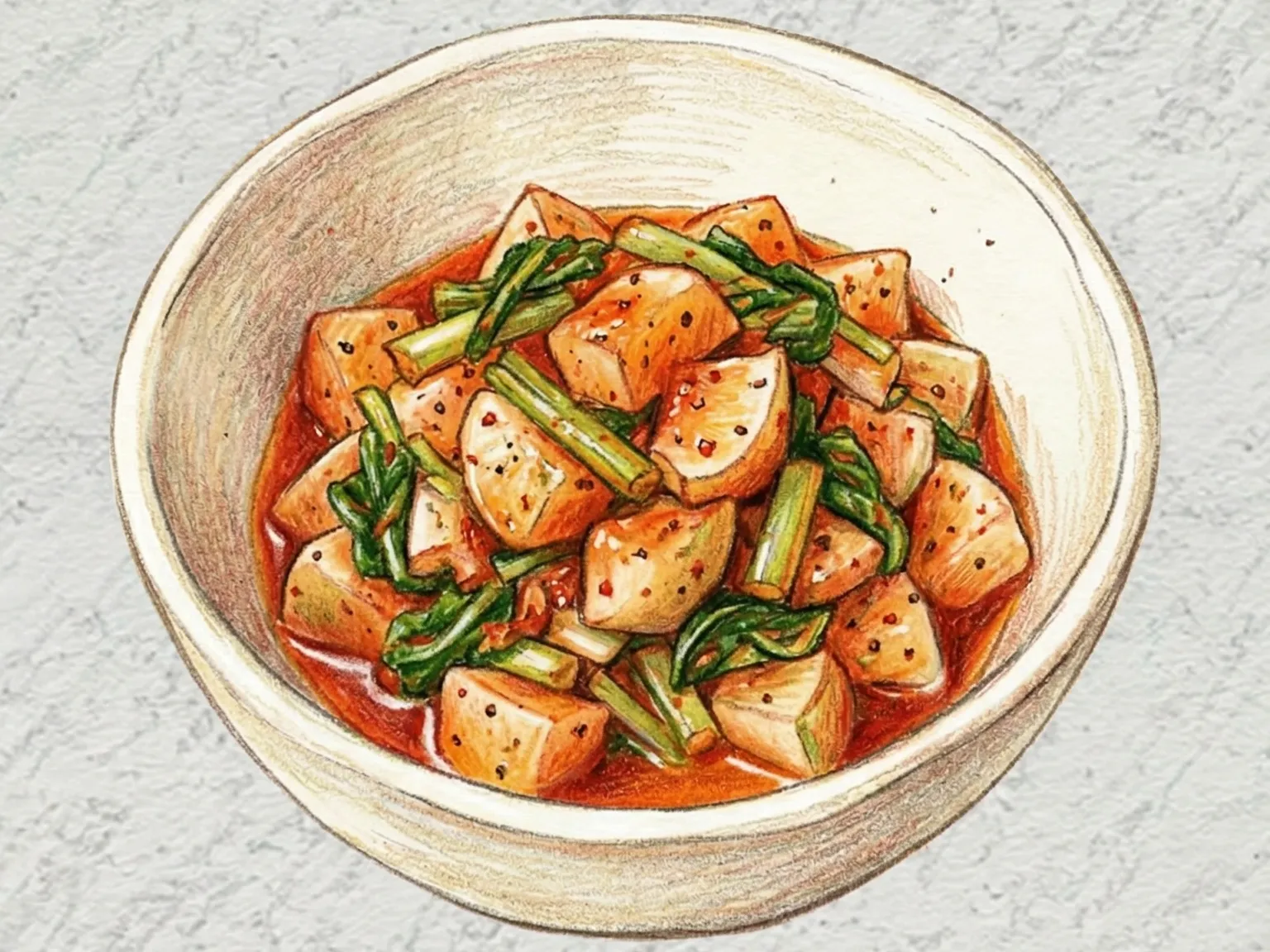
Korean Spicy Ponytail Radish Salad
Chonggak - small ponytail radishes sold with their green tops still attached - appear at Korean markets through the autumn season. Unlike chonggak kimchi, which ferments for weeks, this fresh muchim salts sliced radishes for just 15 minutes to draw out water and concentrate their crunch before seasoning. Gochugaru, fish sauce, garlic, sugar, and vinegar coat the slices in a spicy-sour glaze that clings tightly to each piece. Young Korean radishes have a sharp, peppery bite that is more assertive than that of larger, older radishes, and that edge comes through clearly in the finished dish. Including the radish greens adds a softer texture that varies the mouthfeel. Best eaten on the day it is made, before the salt continues to draw moisture and soften the flesh.
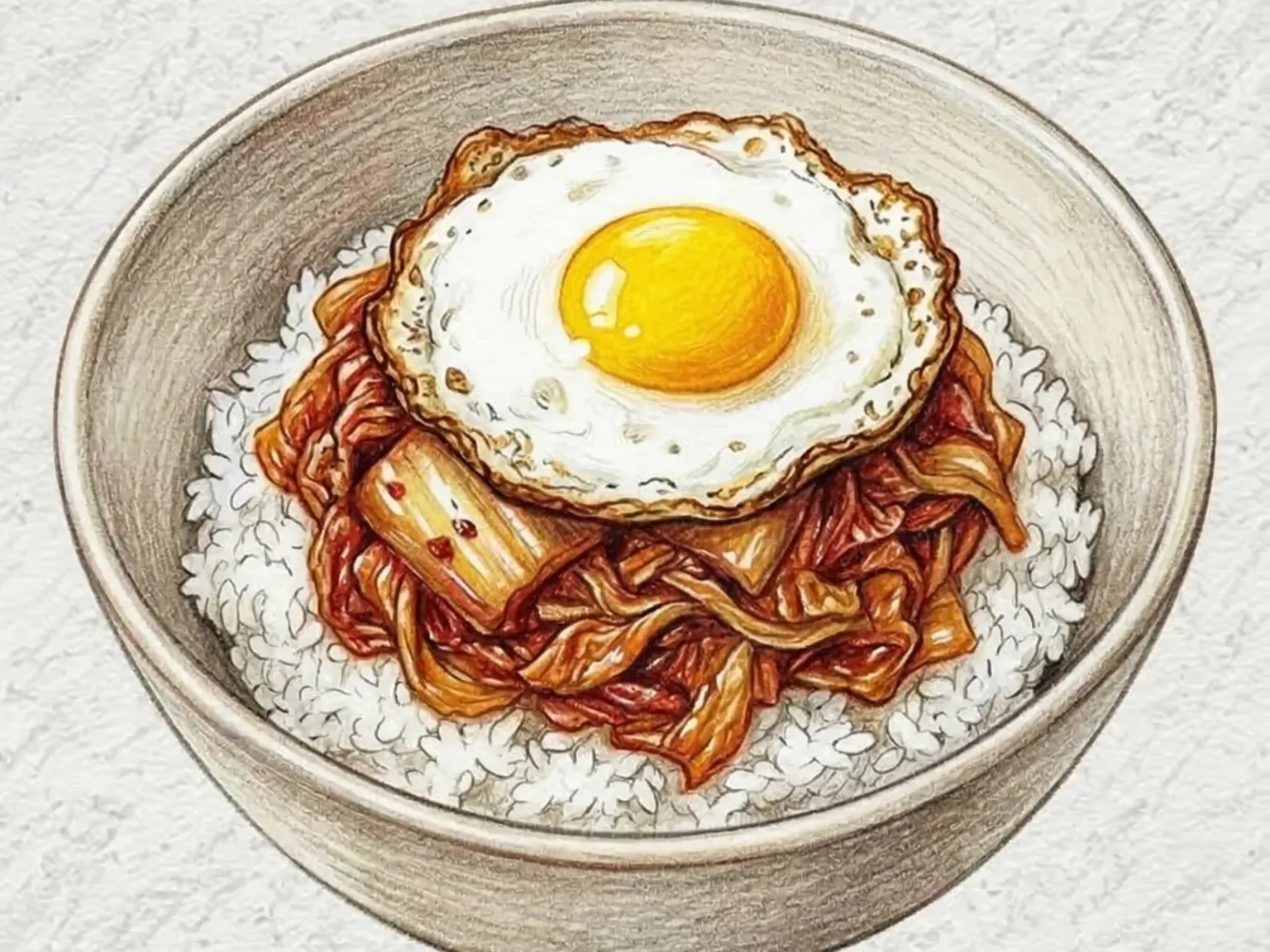
Korean Kimchi Rice Bowl (Stir-Fried Aged Kimchi over Steamed Rice)
Stir-frying aged kimchi in a hot pan drives off moisture and triggers caramelization, mellowing the sharpness into a deeper, sweeter intensity that raw kimchi cannot replicate. Cooking the kimchi over medium-high heat for five to seven minutes transforms its texture from wet and tangy to slightly charred and richly savory. A splash of soy sauce and a drizzle of sesame oil finish the seasoning with a salty, nutty note. Spooned over a bowl of steamed rice and topped with a single sunny-side-up egg, the dish is deceptively simple in construction. Using well-fermented kimchi like mukeunji introduces complex layers of lactic sourness and umami depth that more than compensate for the minimal ingredient list. Adding thin slices of pork shoulder or a can of tuna to the pan alongside the kimchi turns it into a more substantial meal with added protein. The whole dish comes together in under fifteen minutes, making it the first choice Korean rice bowl when the pantry is almost bare.
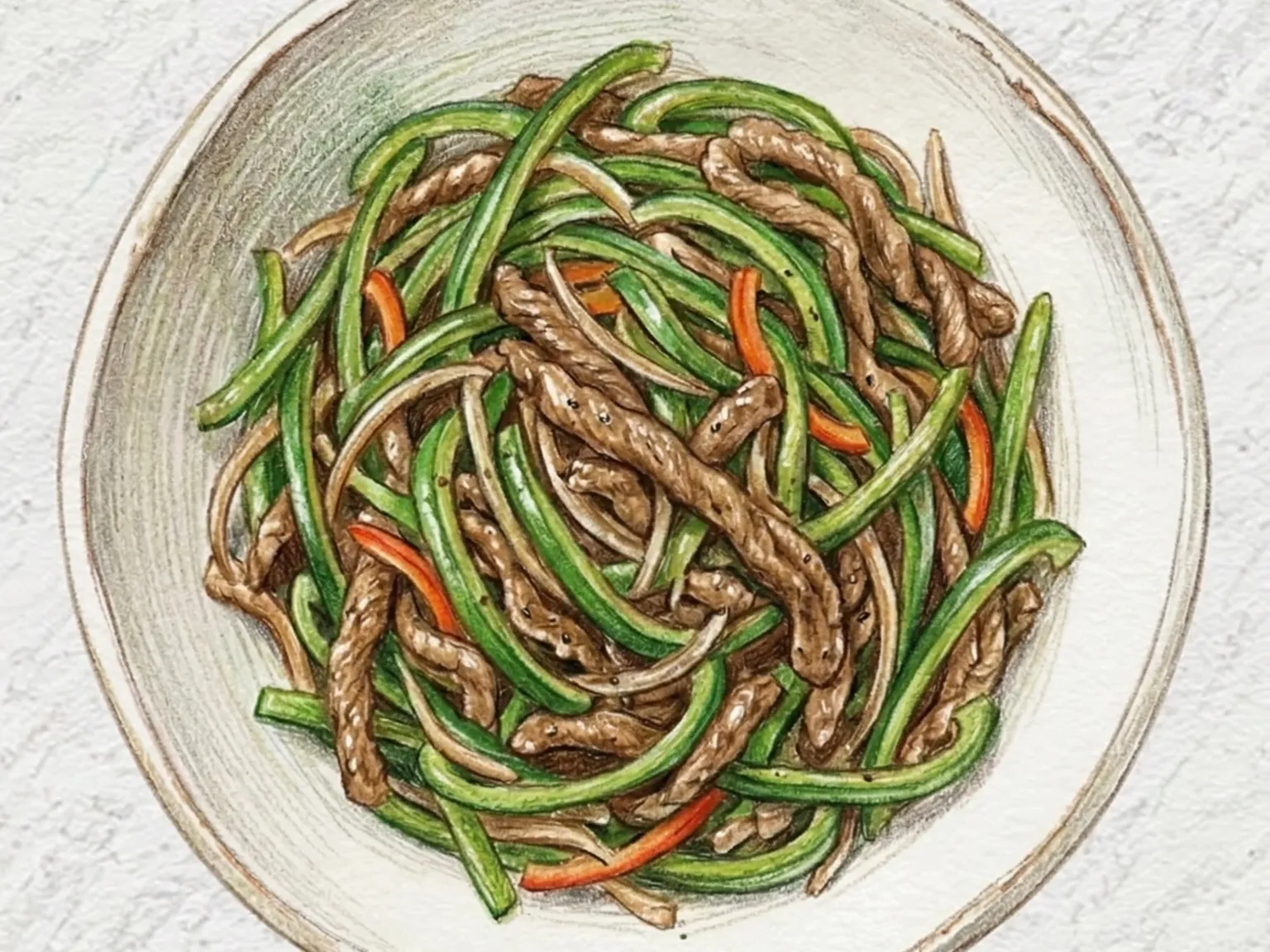
Pepper and Pork Stir-fry (Chinese-Style Julienned Bell Pepper and Pork)
Gochu-japchae is a Korean-Chinese stir-fry of julienned bell peppers and pork loin cooked fast over high heat in a combined soy and oyster sauce base. The pork is pre-marinated with soy sauce and cornstarch before cooking: the starch coats each strip and holds in moisture, so the meat stays tender through the high-heat cooking rather than drying out. Soy sauce and oyster sauce together give the dish a clean, savory base where saltiness and umami are balanced without either dominating. Bell peppers are kept in the pan for only a short time, just enough to soften slightly while retaining their crunch and bright color. The high heat of the wok or pan is what sears the surface of the ingredients and creates the light, smoky char that distinguishes this kind of stir-fry from gentler cooking methods. Served over rice it works as a straightforward weeknight meal, or rolled into steamed flower buns or tortillas it becomes a more casual, hand-held meal. The whole dish comes together in under thirty minutes, making it one of the more practical examples of Korean-Chinese home cooking.
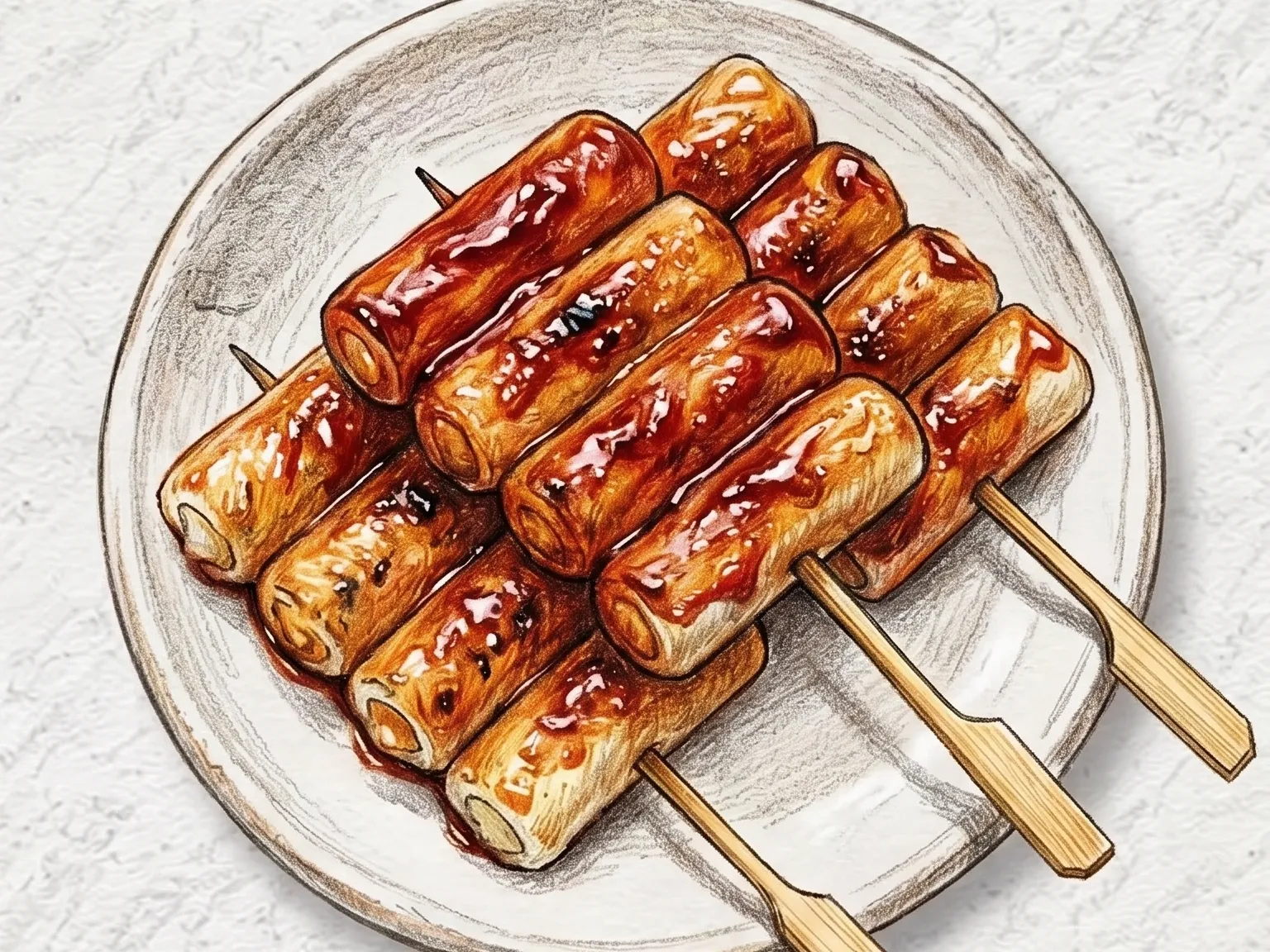
Korean Grilled Garaetteok
Garaetteok-gui cuts cylindrical rice cakes into eight-centimeter sticks, skewers them, and pan-grills while rotating for even browning before applying a glaze. The glaze combines soy sauce, gochujang, honey, minced garlic, and sesame oil, brushed on once the surface turns golden, then cooked one more minute on low heat so it sets into a thin, sticky coat rather than burning. Grilling drives moisture from the outer layer of the rice cake, forming a slightly firm shell, while the interior softens further from the retained heat -- the contrast between crisp outside and chewy inside is the defining quality of the preparation. Rice cakes that start out stiff benefit from a twenty-second microwave burst before grilling to ensure the center softens evenly throughout. Applying the glaze in two thin layers instead of one thick coat prevents it from running off the surface and gives a more even finish. Keep the heat low during the final stage to avoid scorching the sugars in the gochujang and honey.
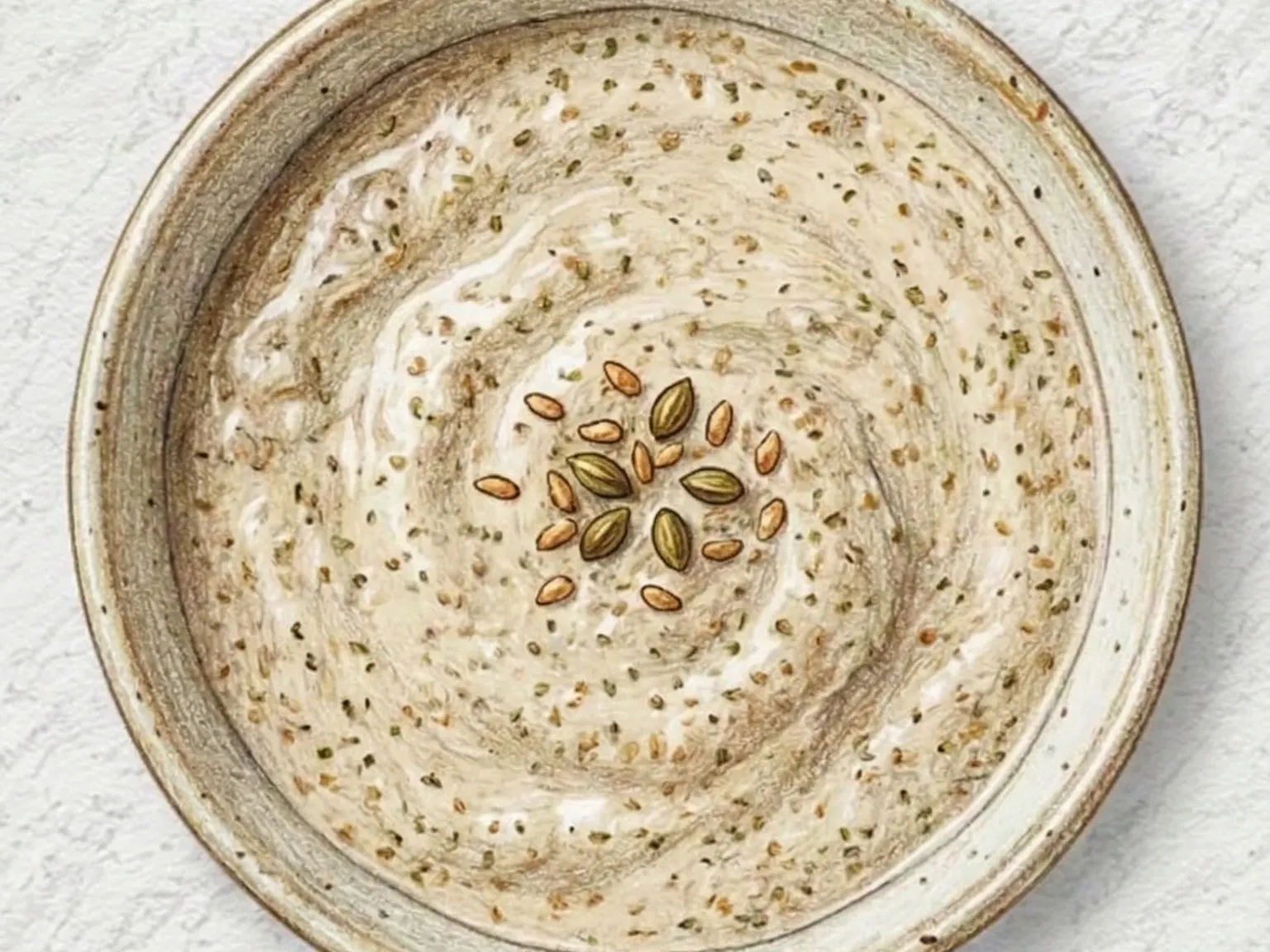
Korean Wild Soy Grain Smoothie
Deulkkong misut smoothie is a Korean grain-based drink made by blending wild soybean powder and roasted brown rice powder with milk, plain yogurt, and banana. Mixing the dry powders into the liquid first prevents clumps from forming, and briefly freezing the banana beforehand creates a thick, shake-like consistency without any added thickeners. Wild soybean powder contributes a deep, nutty soybean flavor, and roasted brown rice powder adds a toasted, grainy undertone on the finish; the two powders have distinct characters that reinforce each other. Honey adjusts the sweetness, and a pinch of salt sharpens the grain flavors noticeably. Wild soybeans are higher in protein and isoflavones than common cultivated soybeans, making this smoothie substantial enough to serve as a full breakfast.
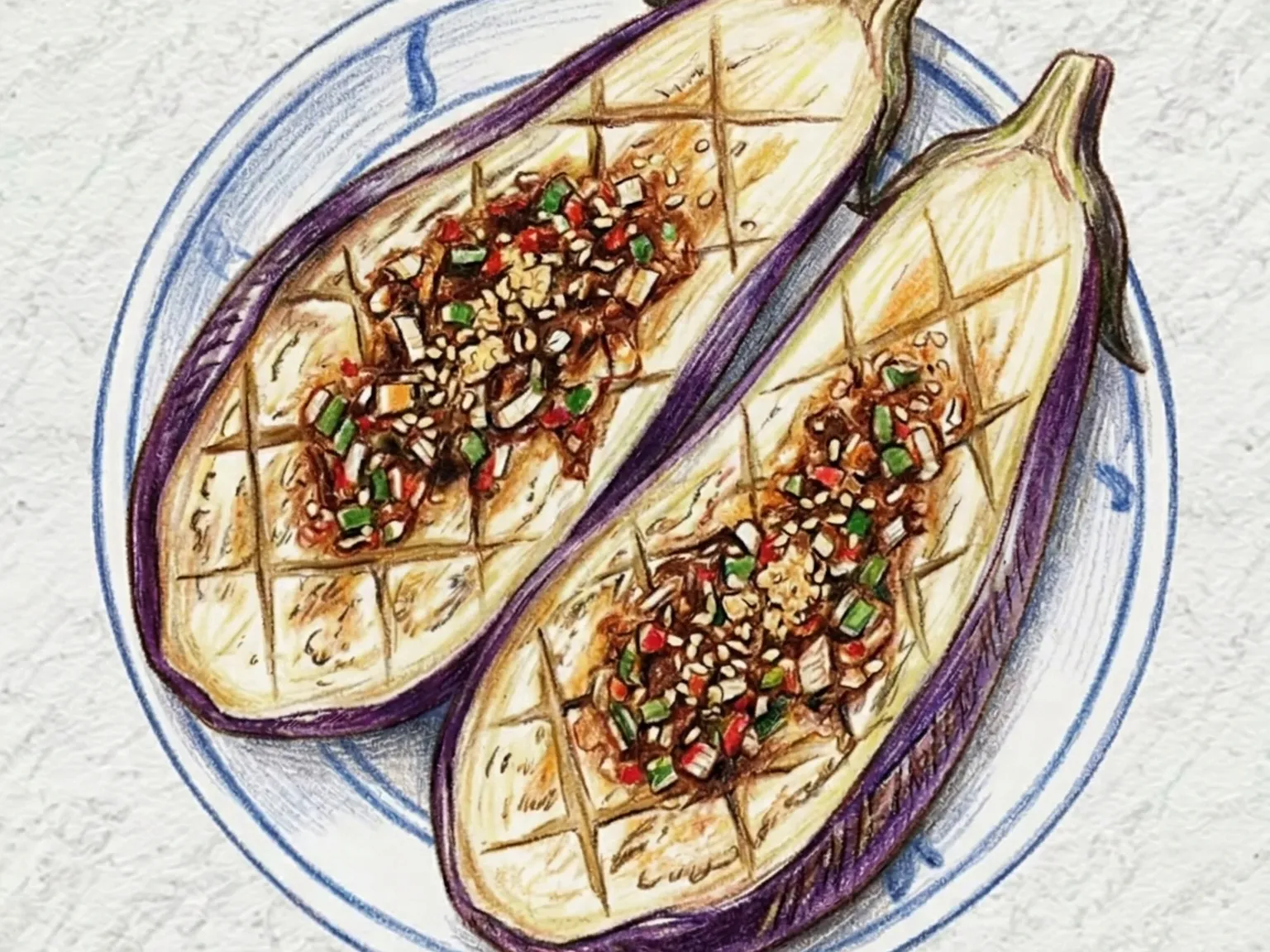
Korean Grilled Eggplant (Soy Garlic Glazed Charred Eggplant)
Gaji-gui is Korean grilled eggplant, halved lengthwise, scored, and cooked slowly over medium heat until the flesh turns soft and creamy while the skin side holds a slight firmness. Salting the cut surface and resting it for ten minutes before cooking pulls out bitter moisture through osmosis and also reduces how aggressively the eggplant absorbs oil during grilling. The scoring pattern is functional as well as visual, creating channels that allow heat to penetrate into the thick interior so the eggplant cooks through evenly rather than remaining hard at the center while the outside chars. Covering the pan after laying the eggplant cut-side down traps steam and gently cooks the flesh from within. A sauce of soy sauce, sesame oil, Korean chili flakes, minced garlic, and sliced green onion is spooned over the grilled surface while the eggplant is still hot, and the residual heat releases the fragrance of garlic and sesame oil while the liquid seeps into the scored channels and seasons the interior. Toasted sesame seeds scattered over the top add a final layer of nuttiness that gives the otherwise mild eggplant the complexity needed to hold its own as a proper banchan.
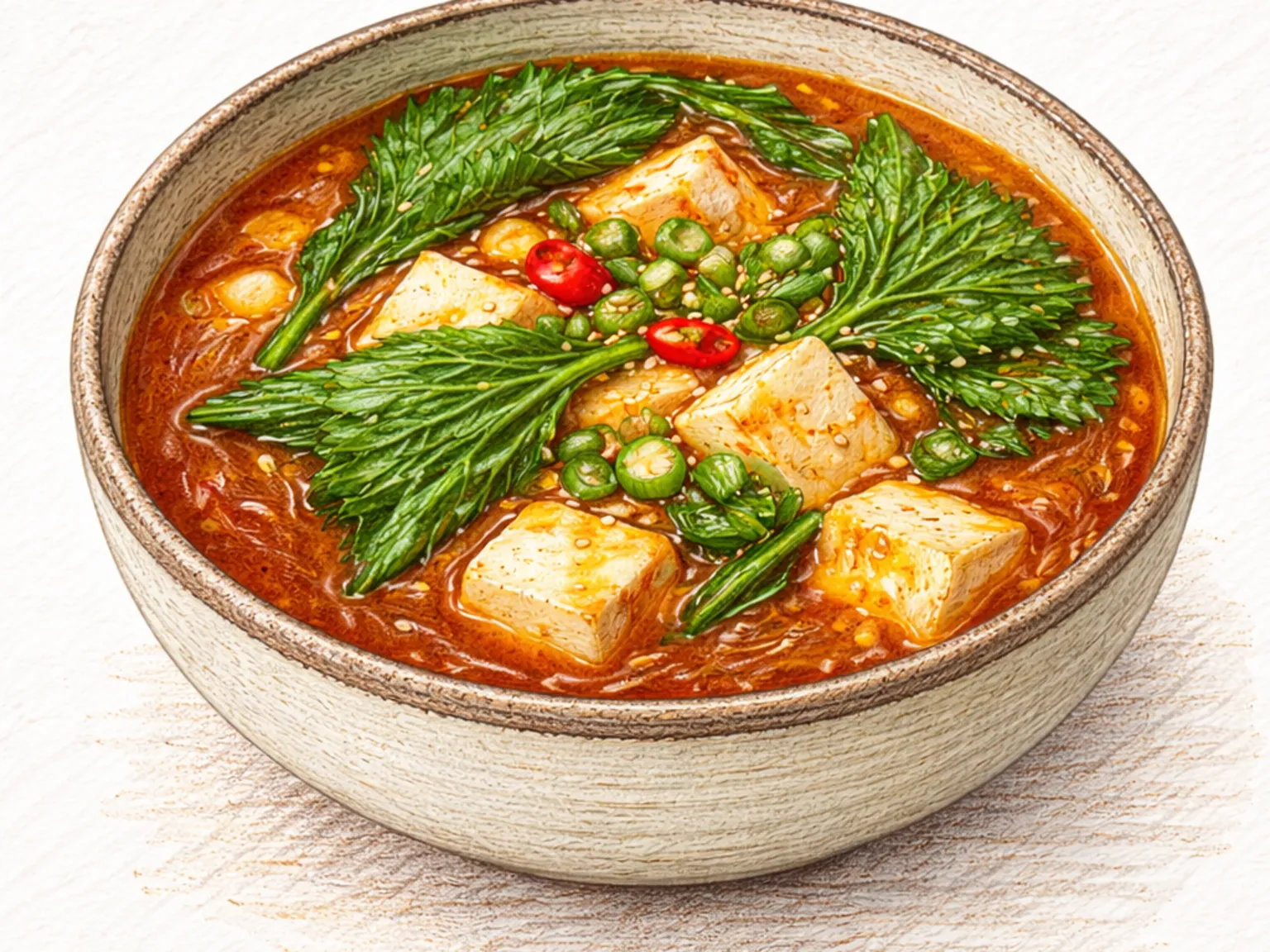
Korean Perilla Leaf Soft Tofu Stew
Kkaennip sundubu jjigae is a mild, gently seasoned stew of soft tofu and perilla leaves simmered in a light anchovy broth. The 350g of sundubu goes in as large, rustic pieces that hold their shape while cooking, then collapse into silky, cloud-like curds on the spoon. Twelve perilla leaves added stem-on release their aromatic oils gradually as the broth comes to a boil, giving the stew a distinctly herbal, faintly anise-like character that sets it apart from standard sundubu variations. Gochugaru and soup soy sauce provide just enough background seasoning to keep the perilla fragrance forward rather than overwhelmed by heat, and a drizzle of sesame oil at the finish adds a nutty warmth. Low in spice and gentle on the stomach, this is a practical choice on days when a soothing, unfussy bowl is what is needed.
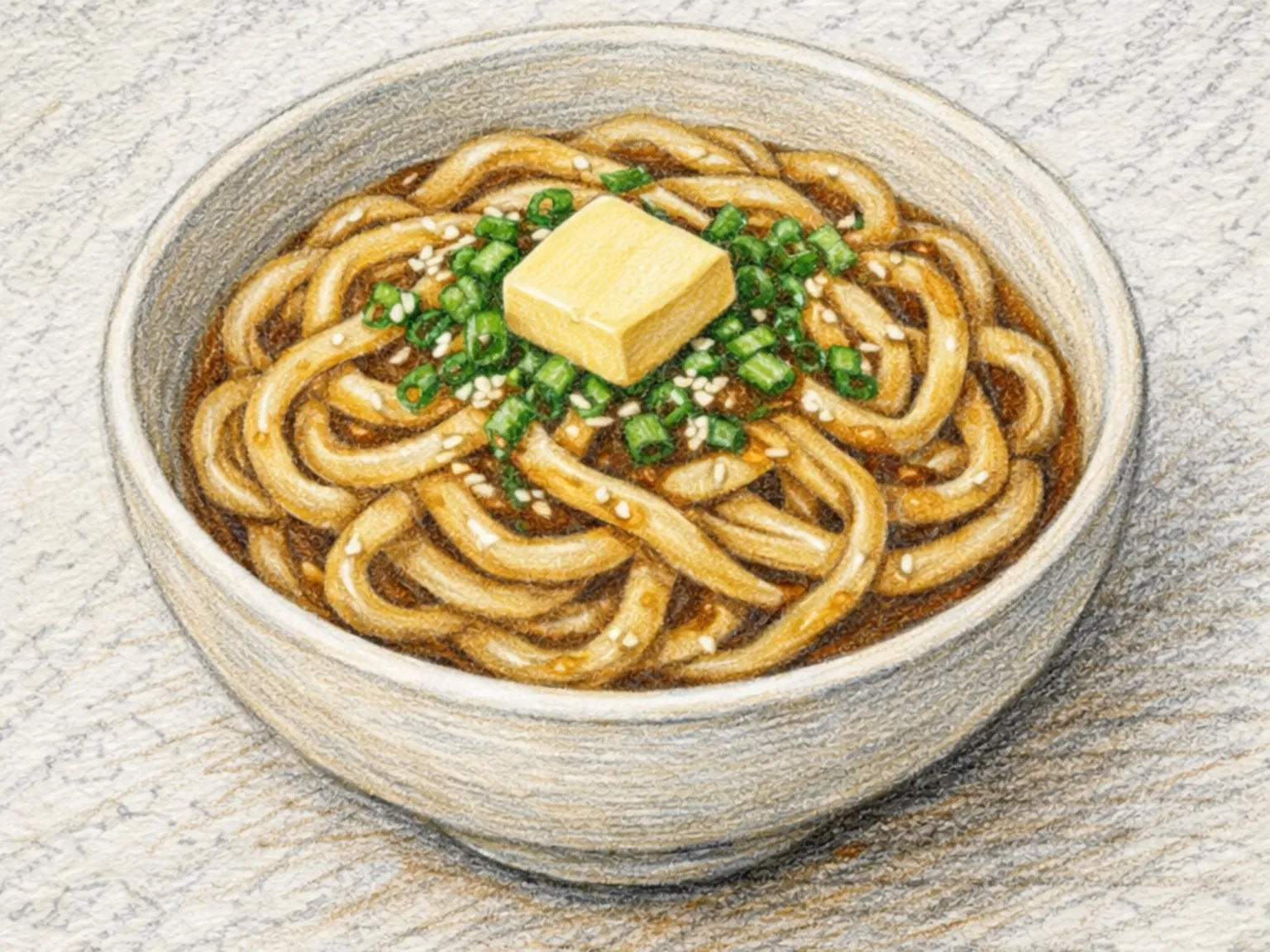
Soy Butter Udon (Pan-Tossed Udon in Caramelized Soy Butter)
Ganjang butter udon is a quick pan-fried noodle dish that delivers deep, satisfying flavor in roughly ten minutes. Boiled udon noodles go into a pan with melted butter, and as soon as they hit the hot surface the butter releases a toasted, nutty fragrance. Soy sauce added to the pan caramelizes almost immediately against the heat, forming a savory-sweet glaze that coats every strand of the thick, springy noodles. The fat from the butter helps the glaze adhere evenly and rounds out the soy's saltiness with richness. Katsuobushi piled on top at the finish adds a layer of smoky umami that deepens the overall flavor, and an egg yolk placed in the center and stirred through transforms the dish with a creamy, silky texture. It is an ideal solution for a late-night craving or a satisfying solo meal when time is short.
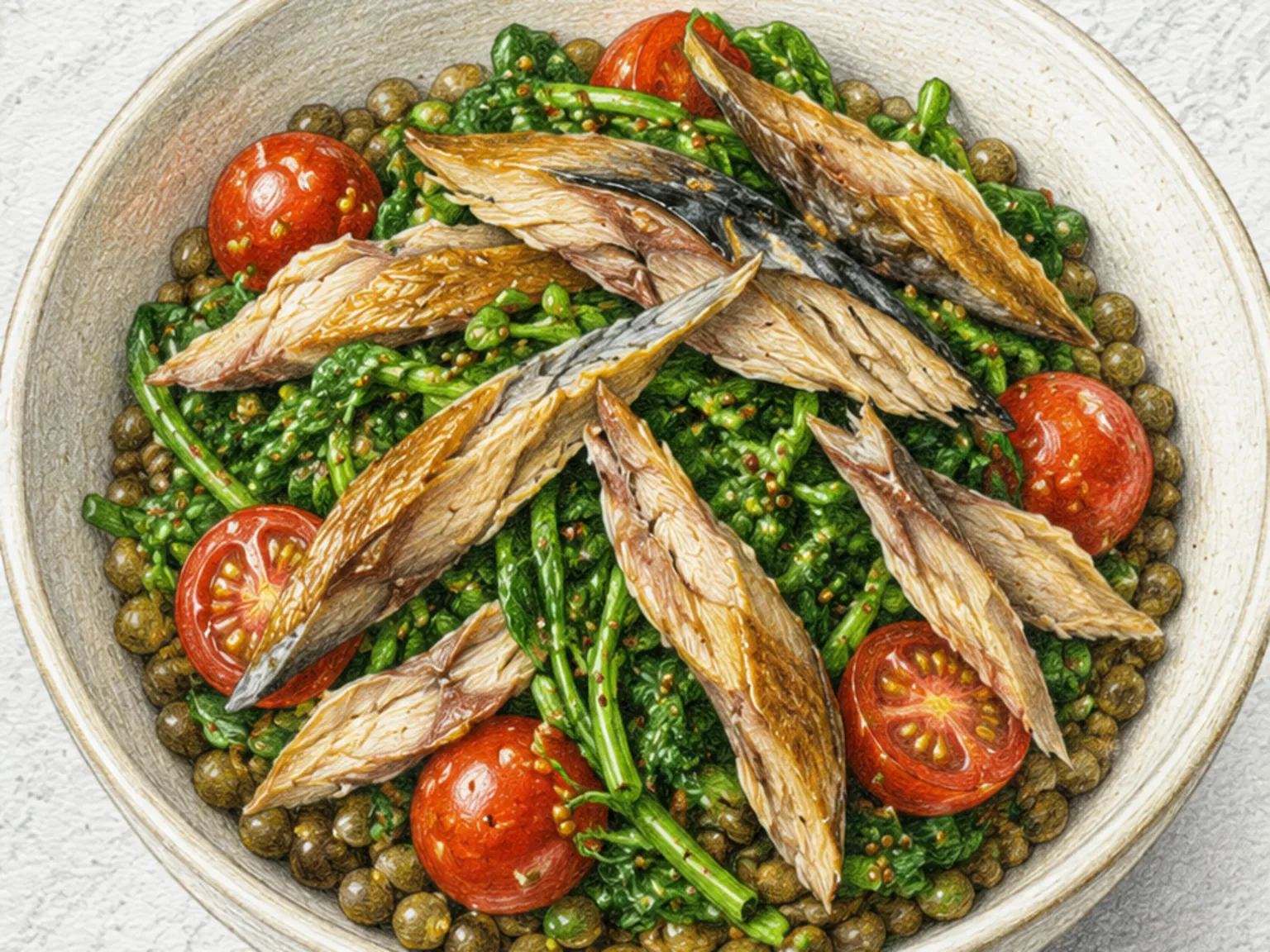
Chwinamul Smoked Mackerel Salad
Flaked smoked mackerel sits at the center of this salad, bringing an oily, smoke-forward richness that contrasts directly with the clean, grassy notes of briefly blanched chwinamul. The chwinamul is blanched just long enough to remove its raw edge while retaining its green color and faint herbal bitterness. Cooked green lentils add earthy substance and make the salad genuinely filling. Halved cherry tomatoes introduce a burst of juice that cuts through the mackerel fat and keeps the dish from feeling heavy. A vinaigrette built from Dijon mustard, apple cider vinegar, and olive oil draws the separate elements together, and the smoky fat from the mackerel gradually bleeds into the dressing as it sits, deepening the overall flavor. The combination of protein from the fish, fiber from the lentils and greens, and healthy fat from the mackerel and olive oil makes this a nutritionally complete single-bowl meal.

French Toast
French toast soaks thick bread slices in a mixture of beaten eggs, milk, sugar, vanilla extract, and cinnamon until both sides absorb the custard evenly. The soaked bread is then cooked in melted butter over medium-low heat until each side turns golden brown and lightly caramelized on the surface while staying soft and moist inside. Slightly stale bread works better than fresh because its drier crumb absorbs more of the egg mixture without falling apart. Warm cinnamon and vanilla fragrance fills the kitchen during cooking. A drizzle of maple syrup and a dusting of powdered sugar finish the dish, and adding whipped cream or fresh fruit elevates it further.
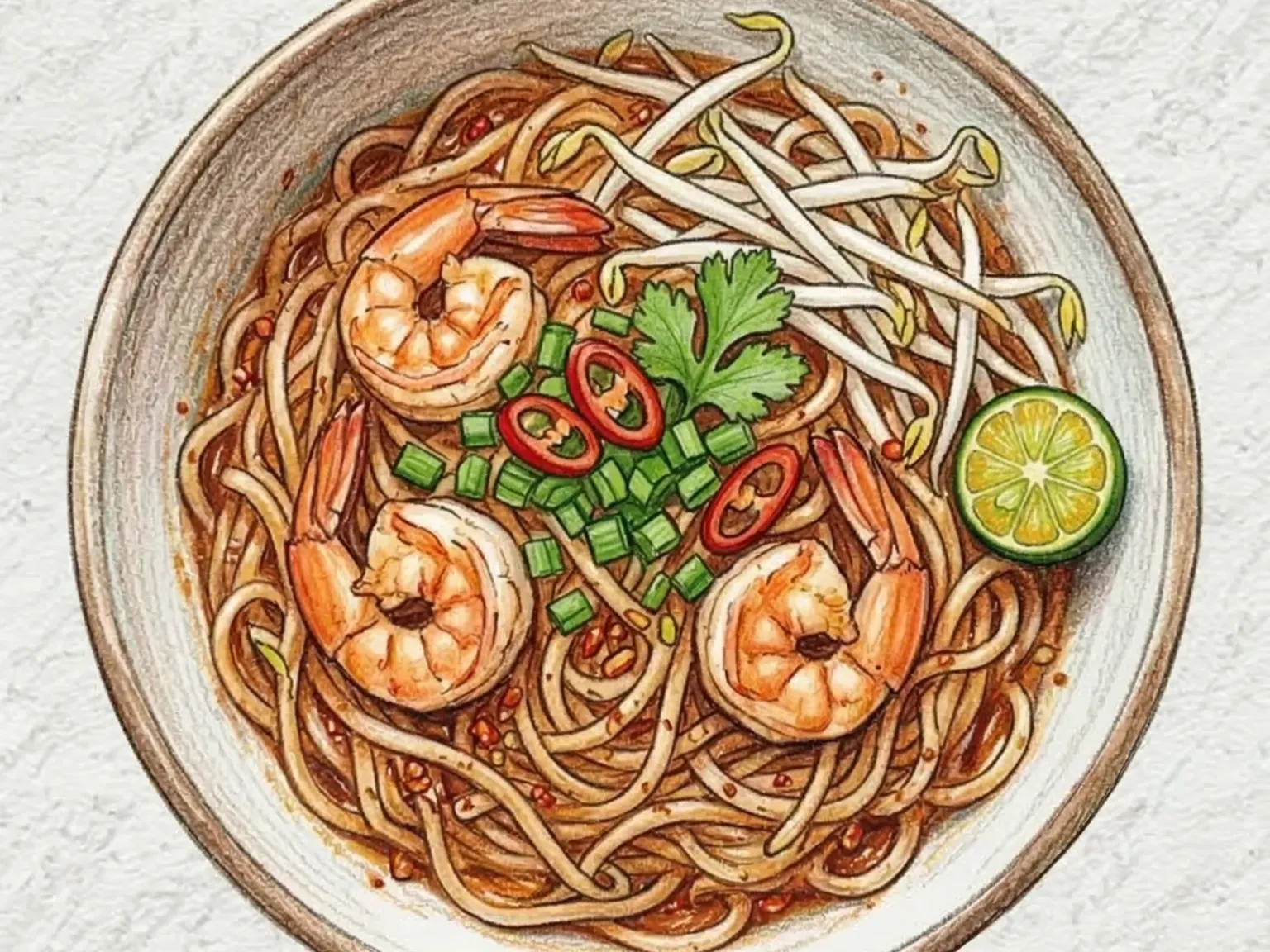
Mee Siam (Singaporean Tangy Tamarind Shrimp Rice Vermicelli)
Mee siam is a rice vermicelli dish from Singapore and Malaysia defined by a tamarind-based sauce that balances sour, sweet, and spicy in one bowl. Thin rice noodles are stir-fried with a rempah, a pounded paste of dried shrimp, shallots, and chili, then finished with tamarind water, fish sauce, and sugar, with bean sprouts and tofu added near the end. A squeeze of fresh lime over the top introduces a bright acidity that cuts through the richness of the stir-fry. Despite the name referencing Siam, the dish is a distinctly Malay-Singaporean creation rather than Thai, most commonly eaten at breakfast or as a light meal at hawker centers. Soft-boiled eggs and whole shrimp are the standard toppings when the dish is served, and the heat level can be adjusted by varying the amount of chili in the rempah. Soaking the dried shrimp and pounding them finely before cooking deepens the umami in the rempah and spreads a consistent seafood richness throughout the sauce that whole or coarsely ground shrimp cannot achieve.
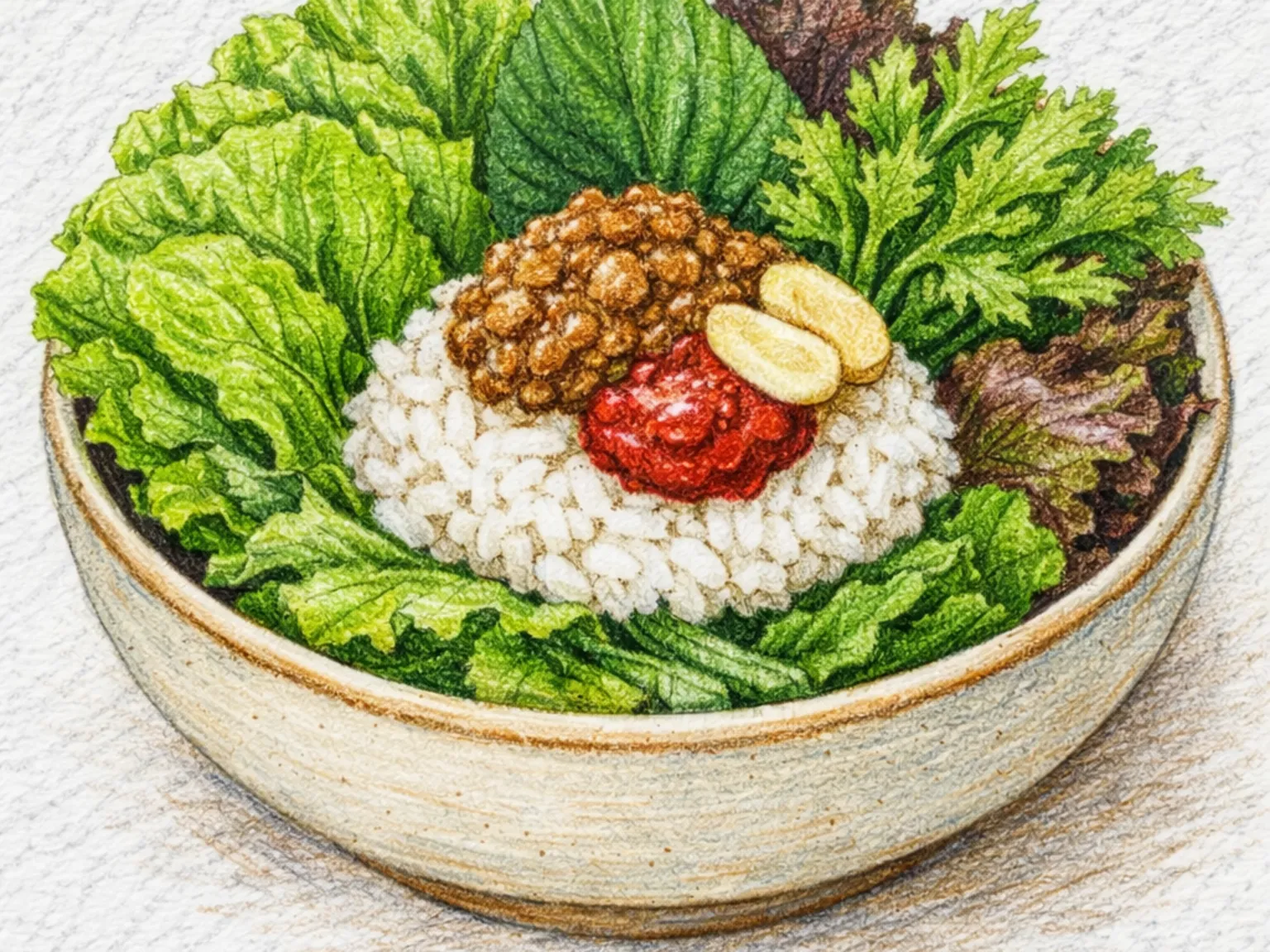
Korean Aster Herb Namul (Blanched Mountain Greens Seasoned)
Chwinamul - aster scaber - is among Korea's most prized mountain herbs, foraged from hillsides every spring. Its broad leaves carry a distinctly bitter, herbaceous edge that sets it apart from milder greens. A one-to-two minute blanch in salted boiling water tames rawness while keeping the woodland scent intact. Using perilla oil rather than sesame oil is the key step: sauteing in perilla oil lifts and deepens the herb's wild character in a way sesame cannot replicate. The seasoning is simple - garlic and salt - whether the greens are dressed as a cold namul or briefly stir-fried. A staple of bibimbap and temple cuisine across Korea, dried chwinamul is rehydrated in cold water and cooked the same way through winter, making it a reliable pantry ingredient beyond the spring harvest.
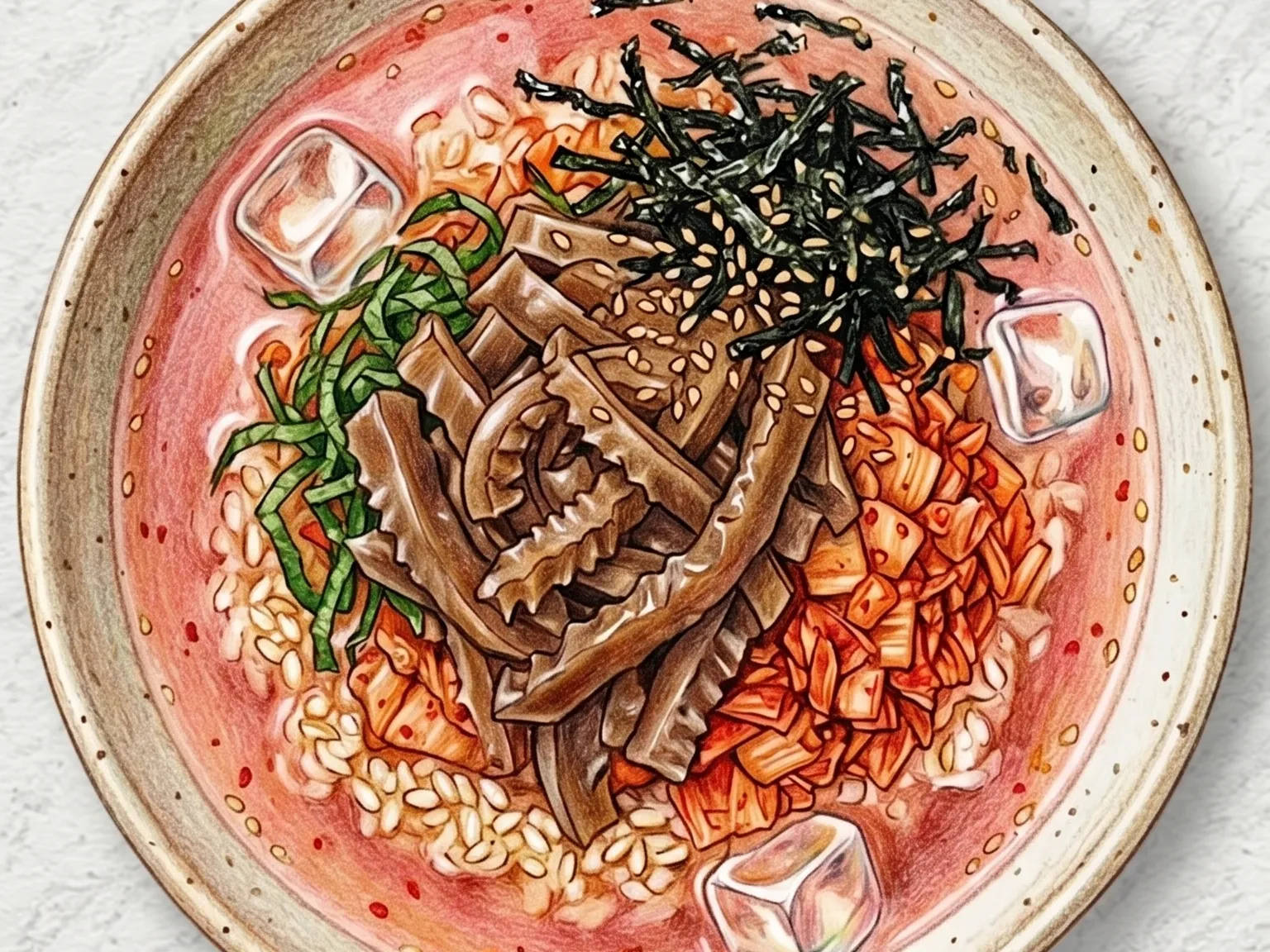
Korean Kimchi Acorn Jelly Rice Bowl
Acorn jelly (dotorimuk) is sliced into strips, placed over rice, and drenched in a chilled broth made from kimchi juice, cold water, and a touch of sugar. The jelly's slippery, bouncy texture contrasts with the crunch of chopped kimchi, while the tangy broth refreshes the palate with every spoonful. A light toss of sesame oil on the rice provides a nutty base, and roasted seaweed flakes add an ocean-like finish. Adding ice cubes makes it even more bracing, a distinctly Korean way to beat summer heat with a cold, brothy rice bowl. If the kimchi is too tart, a small addition of sugar rounds the flavor into balance.
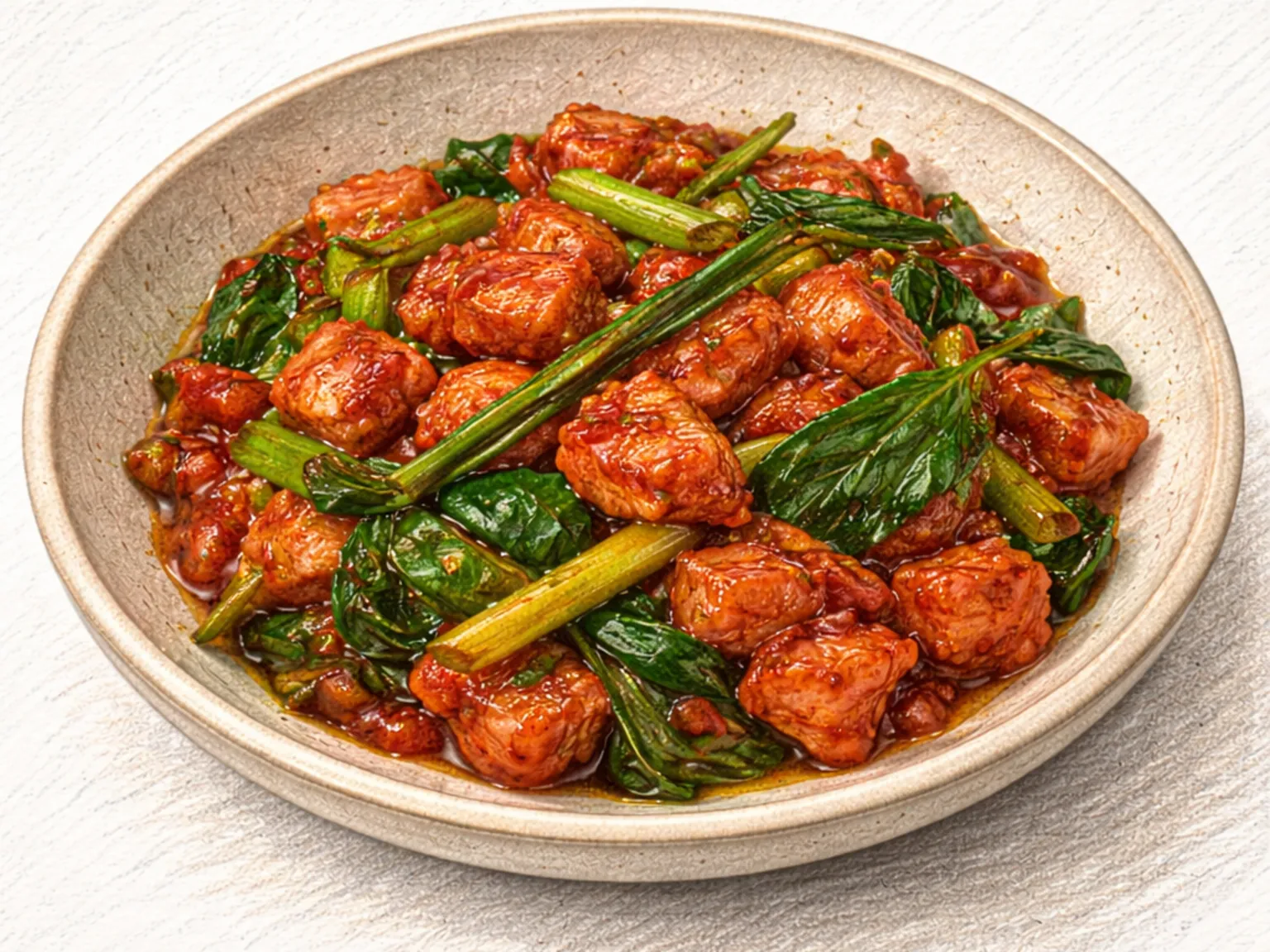
Korean Gochujang Pork Bulgogi
Gochujang dwaeji bulgogi is a Korean main course that marinates sliced pork neck in a sauce of gochujang, gochugaru, soy sauce, plum syrup, and minced garlic before stir-frying over high heat. The fermented heat of gochujang provides depth and a slow burn, while the plum syrup contributes a bright tanginess that prevents the sweetness from feeling flat. Onion softens and releases its natural sugar into the sauce during cooking, rounding out the overall flavor profile. Green onion adds a fresh, pungent note throughout. Perilla leaves are added at the final moment before the heat is off, preserving the herb's volatile oils so its distinctive grassy aroma and slight bitterness remain intact. That herbal character is what cuts through the richness of the pork fat and brings the dish together. Served over rice or wrapped in lettuce leaves with rice, both presentations make a filling and well-seasoned main.
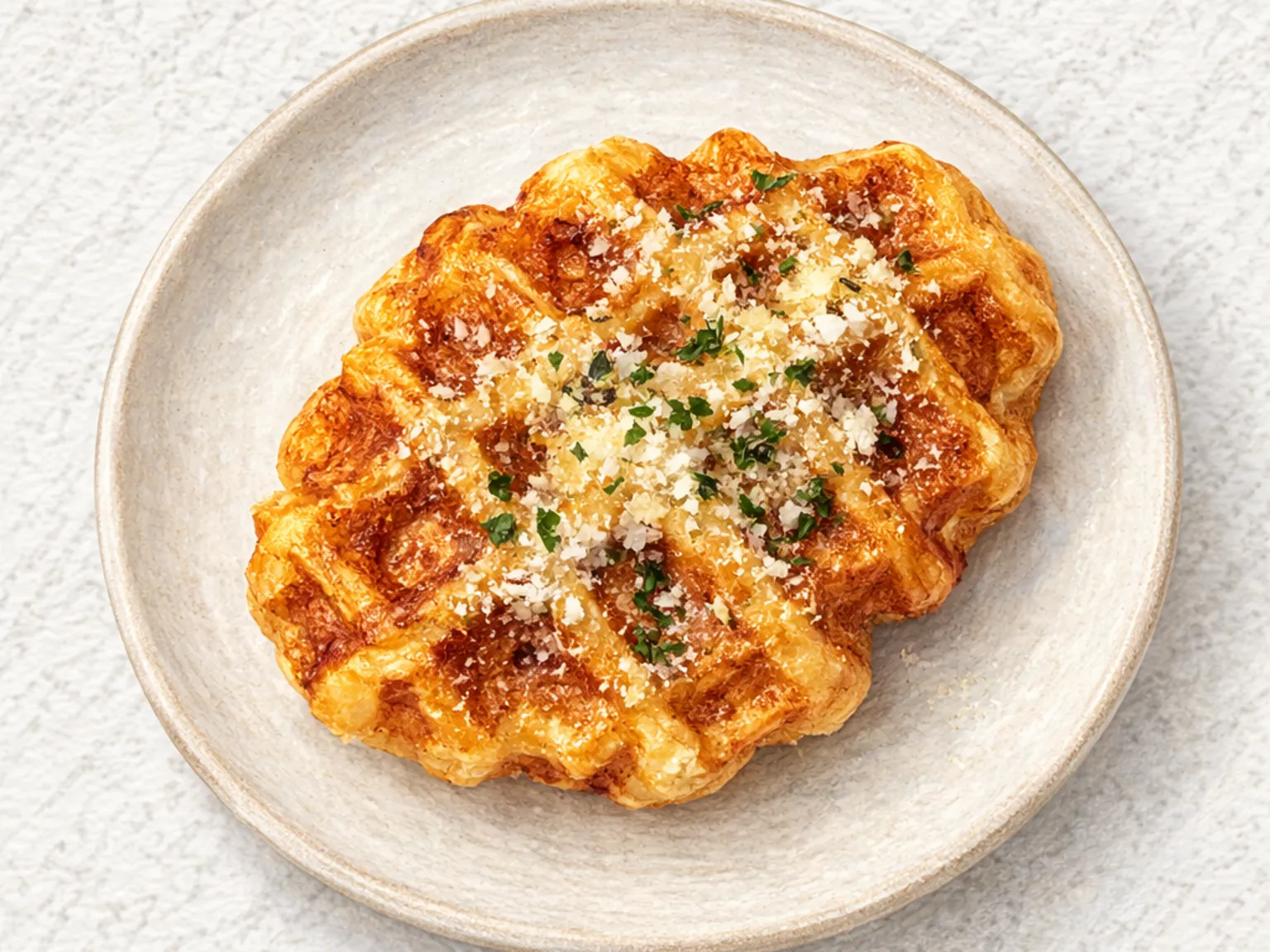
Korean Garlic Parmesan Croffle
Garlic parmesan croffle presses fully thawed frozen croissant dough in a waffle iron to create a crispy, grid-marked pastry, then finishes it with garlic butter and grated parmesan. Complete thawing is non-negotiable -- the laminated layers of croissant dough need to be soft and pliable so they separate and crisp individually under pressure. Cold dough compresses into a dense, flat slab with none of the characteristic flakiness. Garlic butter made from melted butter, minced garlic, salt, and fresh parsley is brushed generously over the hot croffle so the fat seeps into the spaces between layers, while grated parmesan clings to the surface and adds a salty, savory finish. A final drizzle of honey creates the sweet-salty contrast that defines this particular variation and has made it a staple item at Korean cafes. The same technique works with any croissant dough, and the garlic-cheese combination can be adjusted freely to suit individual taste.
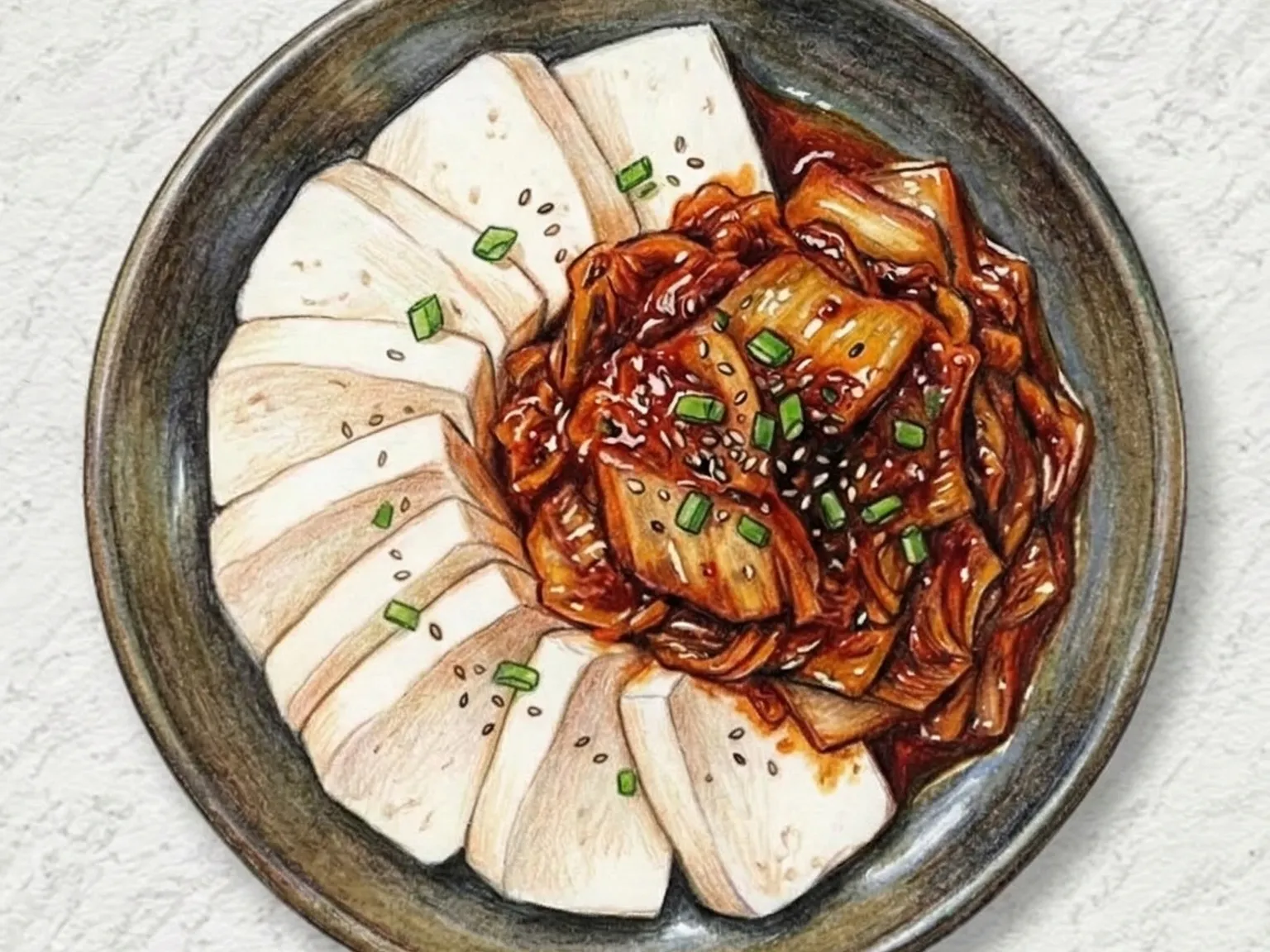
Korean Tofu with Stir-fried Kimchi
Dubu-kimchi pairs thick slabs of blanched tofu with aged kimchi stir-fried alongside pork shoulder and onion, and stands as one of the most recognized drinking accompaniments in Korean food culture. Blanching the tofu in salted water for roughly three minutes draws out any raw bean flavor and firms the surface so the slices hold their shape on the plate. The deep fermentation sourness of the aged kimchi concentrates as it cooks in oil with gochugaru, and a small amount of sugar bridges the gap between the sour and spicy notes. Using only the fat rendered from the pork keeps the stir-fry clean-tasting; maintaining medium heat throughout prevents the kimchi from scorching. Placing the tofu under the hot kimchi stir-fry lets the surface absorb the seasoning so the tofu is not bland on its own. A finish of sesame oil adds a nutty aroma, and sliced green onion on top provides a fresh contrast. When serving alongside soju or makgeolli, plate the tofu separately and spoon the stir-fry over it at the table to keep the slices intact.
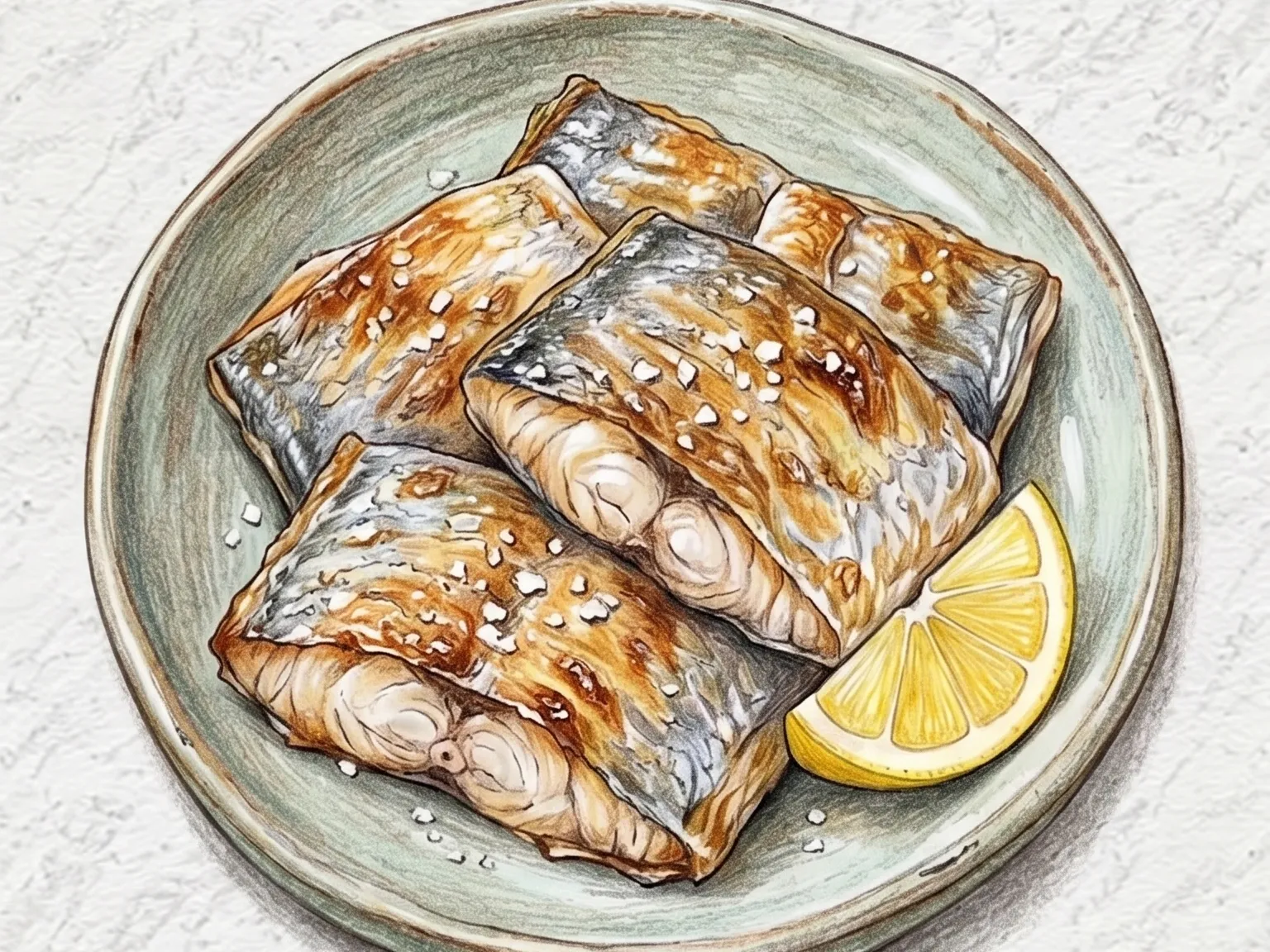
Korean Grilled Beltfish (Galchi-gui)
Galchi-gui is grilled beltfish, salted and pan-fried until the skin crisps and the flesh cooks through. Beltfish has a high fat content relative to most white fish, and as the flesh heats, its own oil migrates toward the skin, crisping the exterior without the need for added cooking oil. That same fat keeps the flesh moist well after the fish leaves the heat. Each steak should be cut to around three centimeters thick. Thinner pieces lose their moisture quickly under high heat, while thicker cuts will burn on the outside before the center reaches temperature. The pan needs to be fully preheated before the fish goes in: a cold or lukewarm surface causes the skin to stick and steam rather than sear. When the pan is hot enough, the skin releases cleanly and turns golden through the Maillard reaction. Coarse salt is the only seasoning in the traditional Jeju preparation, and nothing else is added. A squeeze of lemon at the table cuts the richness of the oily fish with clean acidity, lifting the aftertaste. Beltfish caught in the waters around Jeju in spring are considered the finest, with firmer flesh and a richer flavor than fish from other seasons.
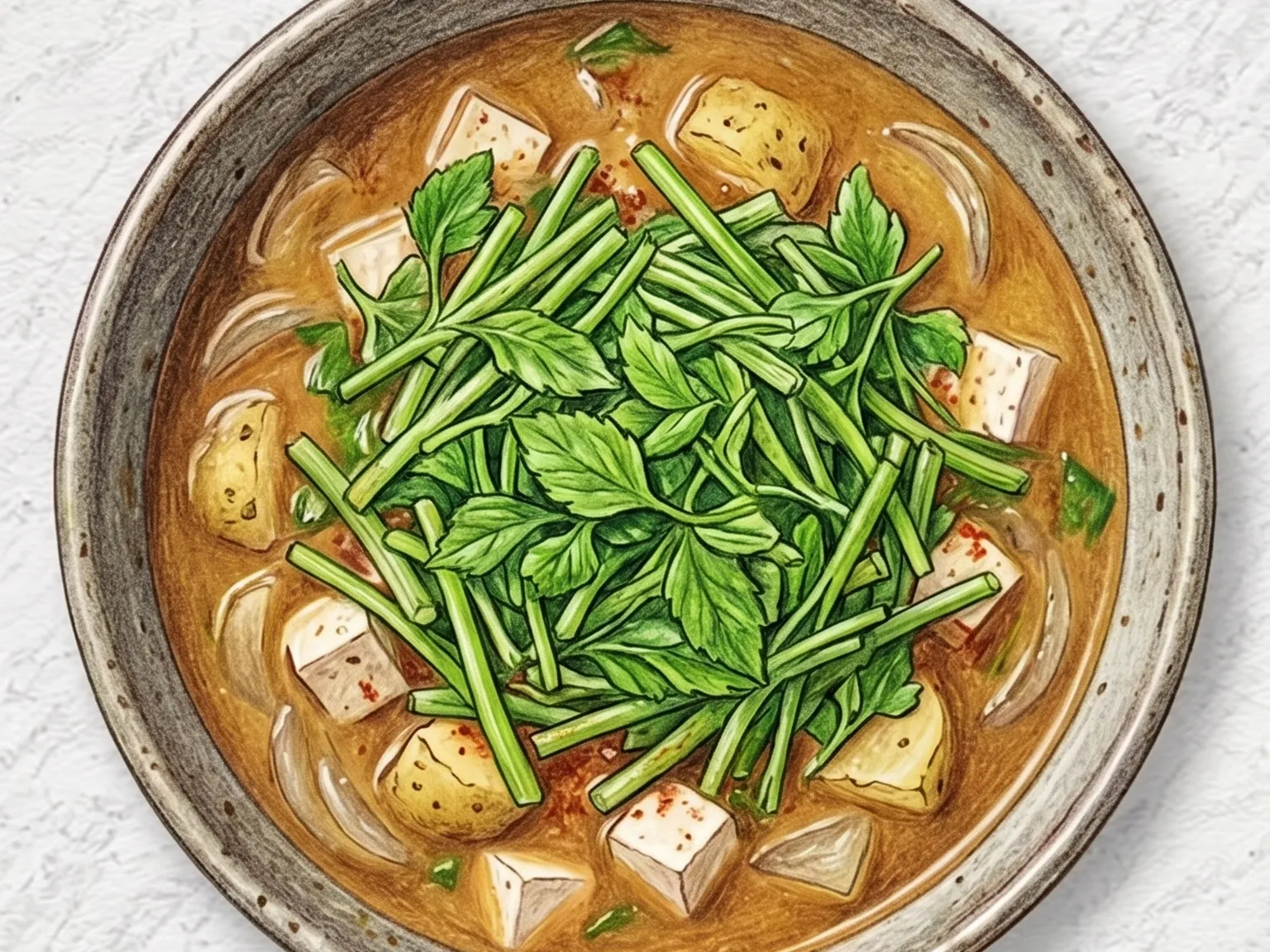
Korean Minari Doenjang Stew
This variation of doenjang jjigae adds a generous amount of water parsley (minari) to the classic soybean paste stew. Firm tofu, potato, and onion simmer in anchovy-kelp stock with doenjang, building an earthy, deeply fermented base. The minari goes in near the end to preserve its crisp texture and peppery herbaceous aroma. A half tablespoon of chili flakes rounds out the flavor with mild warmth. Minari's grassy, herb-like character layers naturally against doenjang's fermented depth, turning a familiar stew into a seasonal variation worth returning to throughout the year.