⚡ Quick Recipes
Ready in 20 minutes or less
804 recipes. Page 22 of 34
A busy schedule does not mean you have to settle for bland meals. Every recipe in this collection can be prepared and finished in 20 minutes or less - quick stir-fries, tossed noodles, microwave dishes, and more.
The secret is minimizing prep work and keeping the steps simple. Pre-cut ingredients or pantry staples speed things up even further. Turn to these recipes after work, during a short lunch break, or for a fast breakfast.
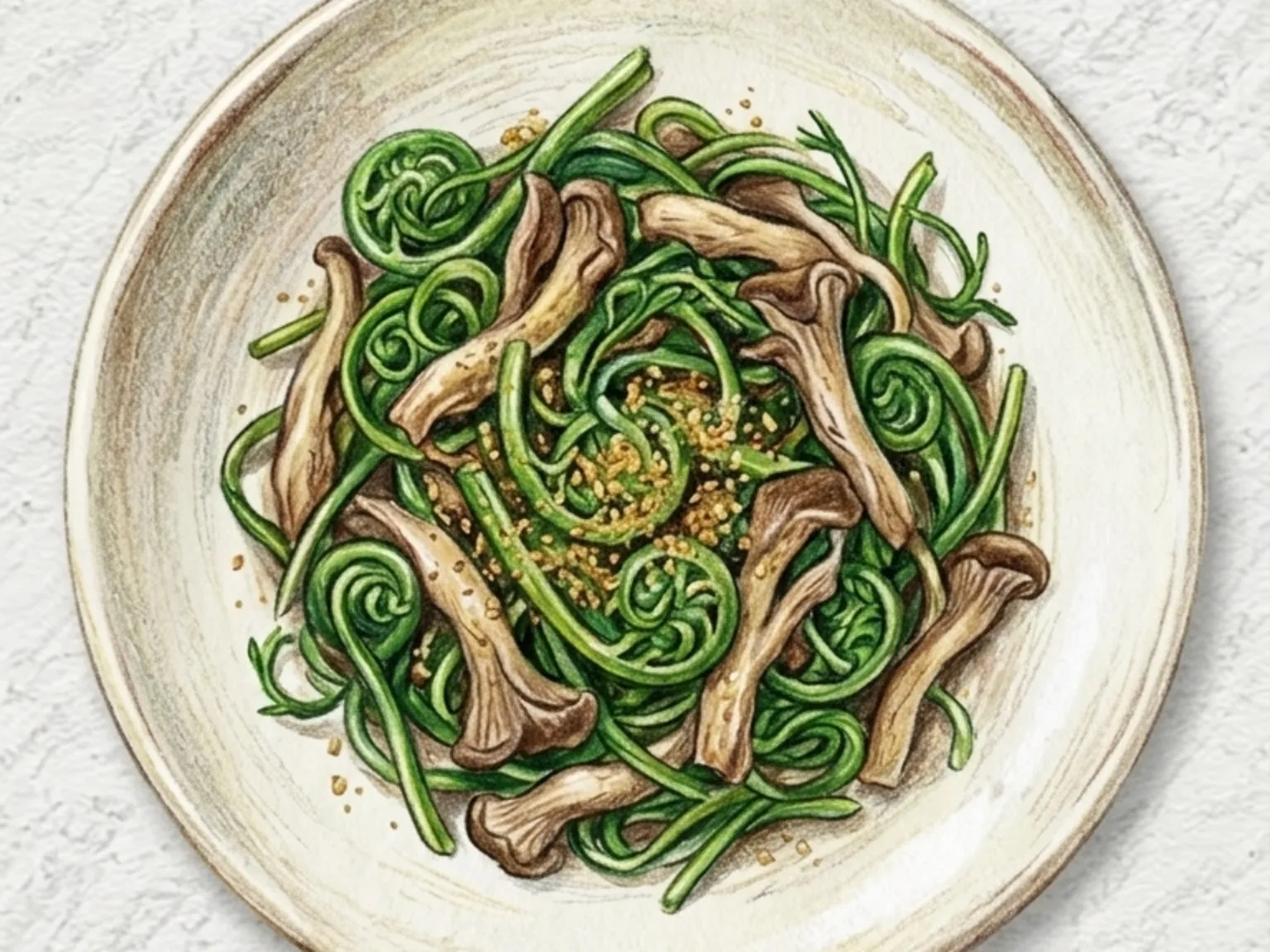
Korean Sebalnamul Beoseot Bokkeum (Saltwort Mushroom Stir-fry)
Sebalnamul beoseot-bokkeum is a Korean stir-fry of saltwort (glasswort) and oyster mushrooms finished with ground perilla seeds and perilla oil. The saltwort carries a natural brininess that reduces the need for added soy sauce, while the oyster mushrooms are cooked on high heat first to drive off moisture and firm their texture. The saltwort is stir-fried for just one minute to preserve its snappy crunch. Perilla powder and oil folded in at the end create a nutty, aromatic layer that bridges the briny greens and earthy mushrooms.
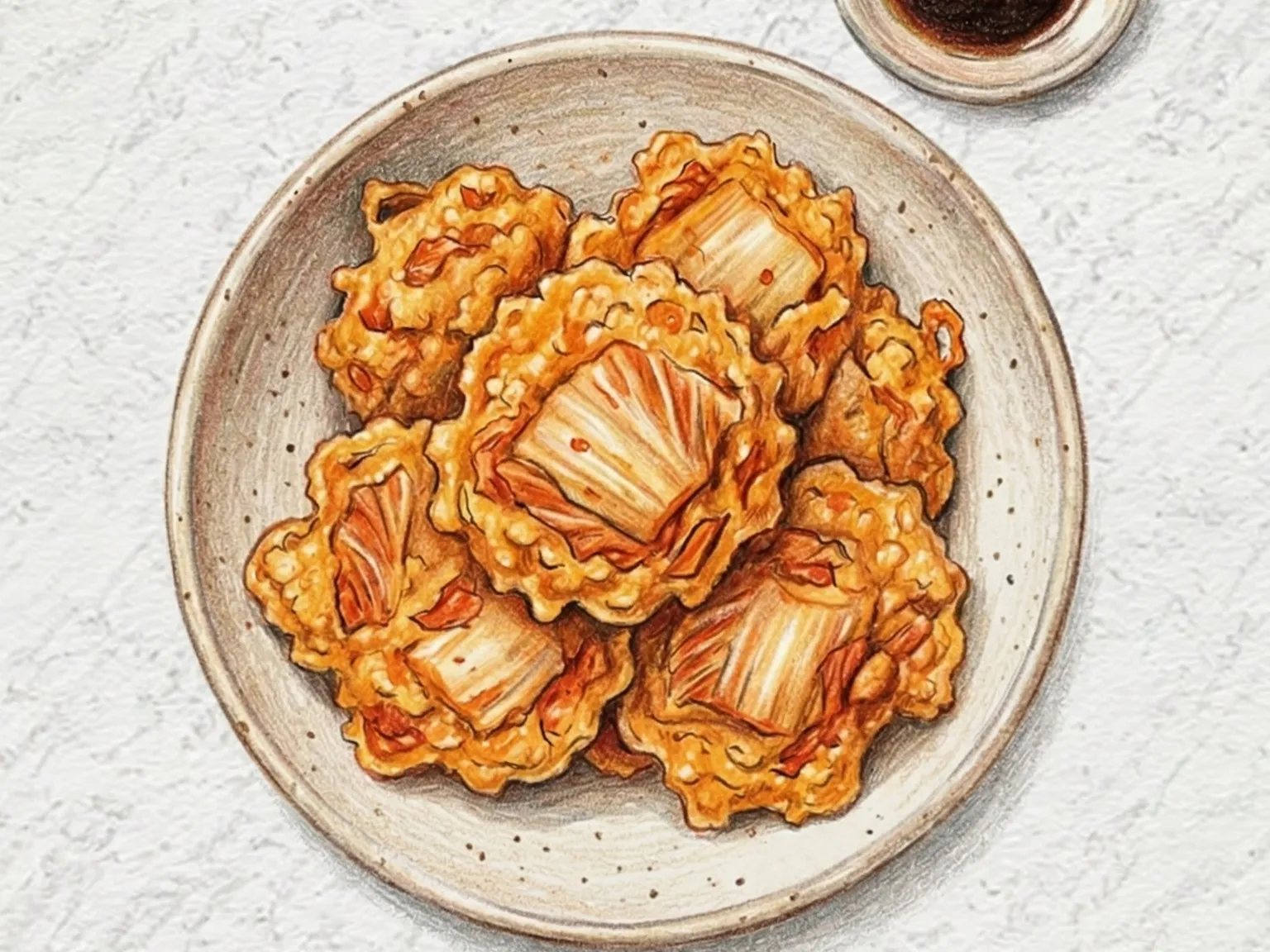
Korean Kimchi Tempura (Crispy Battered Deep-Fried Fermented Kimchi)
Kimchi twigim is made by cutting well-fermented napa kimchi into large pieces, lightly squeezing out moisture, dipping in a batter of frying mix and cold water, and deep-frying at 170C until crispy. Cold water in the batter creates a sharper temperature differential in the hot oil, producing a crunchier coating. The kimchi's fermented acidity and spice layer against the batter's mild savoriness, and using deeply aged kimchi intensifies the tang that counterbalances the frying oil. Squeezing the kimchi too dry removes its umami-rich juices, so moderate draining is the key.
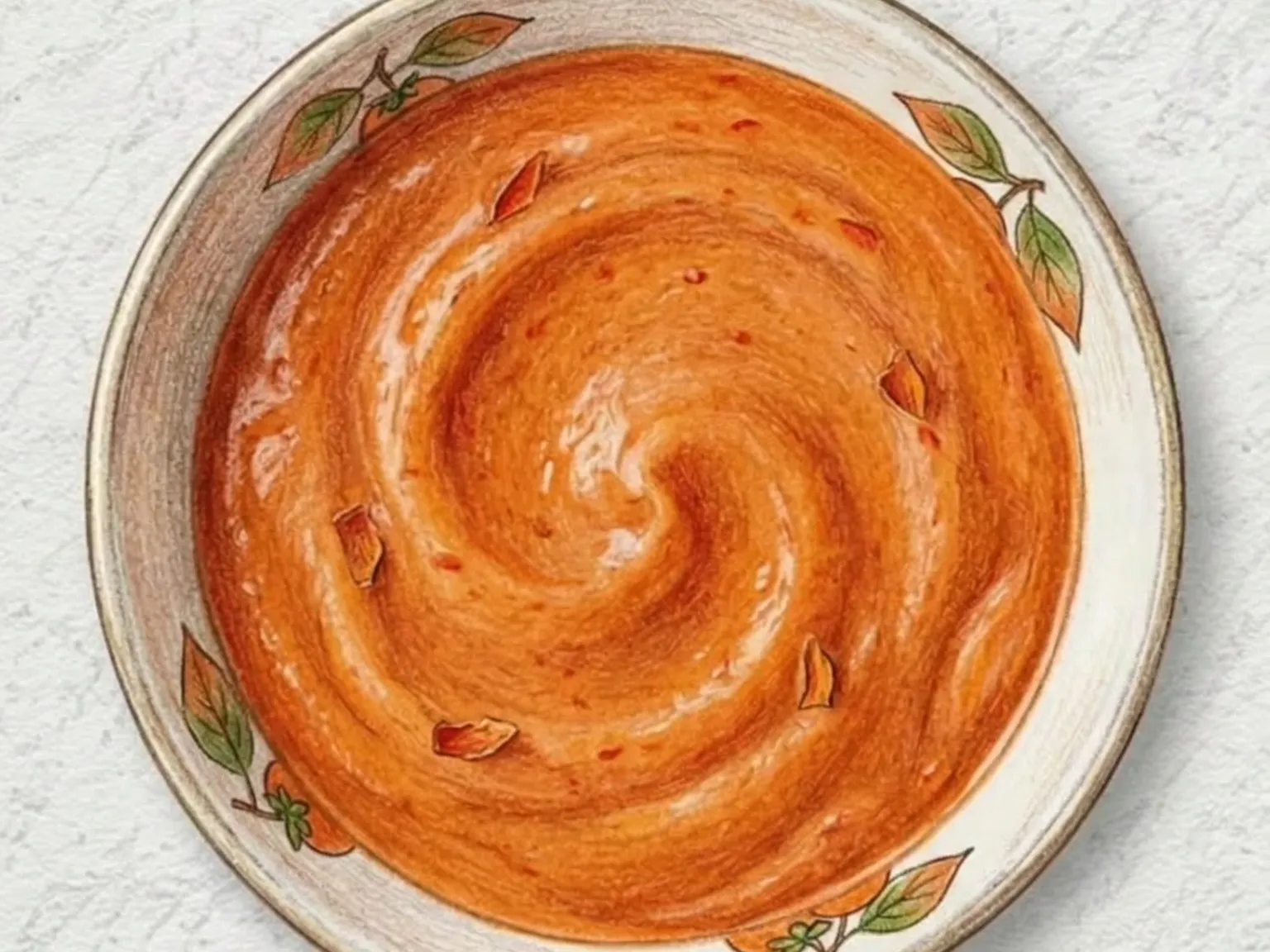
Korean Ripe Persimmon Smoothie
Hongsi smoothie consists of the blended pulp of persimmons that have reached a state of full ripeness, characterized by a jelly-soft texture and a high concentration of natural sugars. At this specific stage of fruit development, the pulp is combined with milk and plain yogurt to produce a thick beverage that remains fluid enough to be consumed through a straw. The resulting consistency resembles a dense fruit puree or a jammy liquid rather than a thin juice. It is important to ensure that the persimmons are entirely soft before the blending process begins. Using fruit that is even slightly underripe results in a drink that carries residual tannins, which produce a notable astringent and drying sensation on the palate. Furthermore, the flesh of unripe persimmons does not have the necessary density to create a thick body, often leading to a texture that is excessively watery. When the fruit reaches its peak maturity, the natural sugars provide the smoothie with its characteristic sweetness and depth. Plain yogurt is included to provide a measured acidity that balances the sugar content of the persimmon pulp, which prevents the beverage from becoming overly cloying. Milk serves to adjust the thickness of the dense pulp so that the liquid can flow through a straw without difficulty. A spoonful of honey can be added to adjust the sweetness level depending on the specific ripeness and sugar levels of the fruit used. A light dusting of ground cinnamon on the surface introduces a warm and spiced quality that complements the natural flavor profile of the persimmon. Adding a handful of ice cubes during the blending process makes the drink more refreshing. For individuals who avoid animal products, substituting soy milk for dairy provides a comparable consistency and mouthfeel.
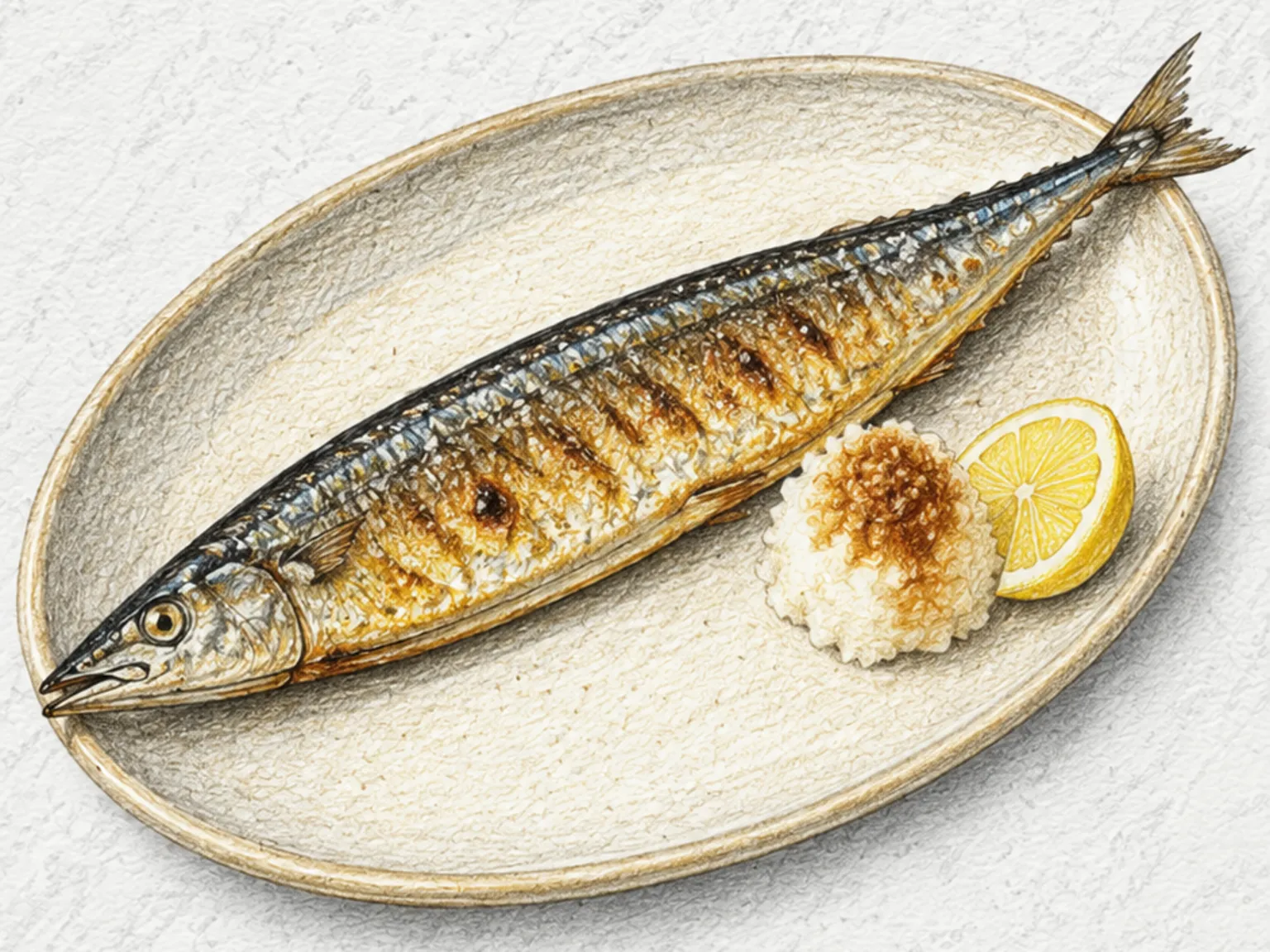
Korean Grilled Pacific Saury
Kkongchi-gui is a Korean salt-grilled Pacific saury that relies on the fish's abundant natural oil for flavor. Saury, an oily blue-backed fish at its peak in autumn, renders its own fat when grilled, creating a crisp, golden skin without additional oil. Gutting the fish and salting it for ten minutes draws out surface moisture and tames any strong fishy scent before it hits the pan. Each side cooks for four to five minutes over medium-high heat until the skin blisters and the flesh near the spine turns opaque. Grated daikon mixed with a splash of soy sauce and a wedge of lemon served alongside cut through the richness cleanly.
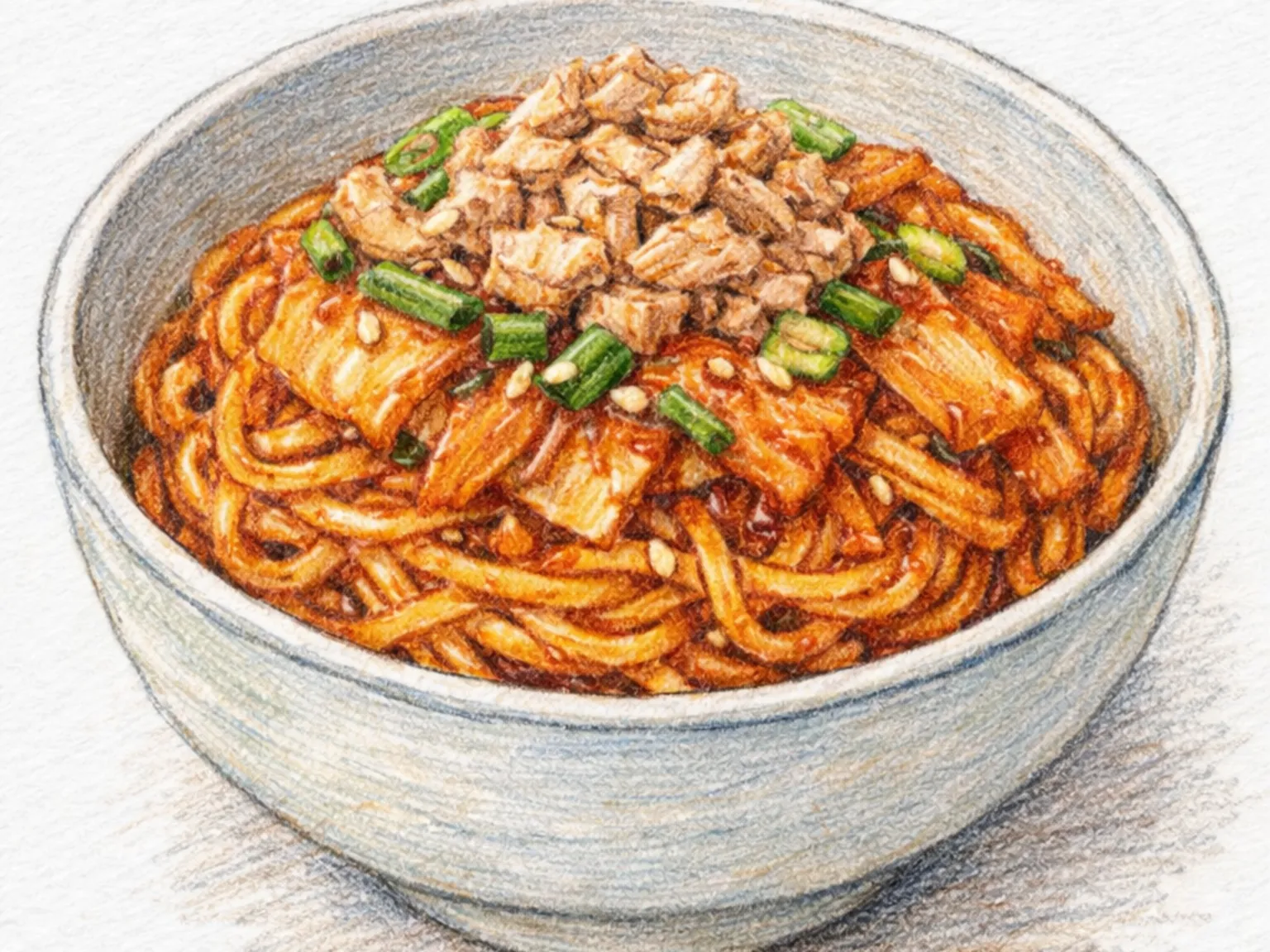
Korean Aged Kimchi Tuna Mixed Noodles
Mukeunji tuna bibim myeon is a quick Korean mixed noodle dish that combines the deep, fermented sourness of aged kimchi with the savory richness of canned tuna, all tossed together in a gochujang-based sauce. Scraping the filling out of the aged kimchi and chopping it finely keeps the sourness from overwhelming the dish, while draining the tuna oil thoroughly prevents the dressing from turning watery. The sauce is built from gochujang, rice vinegar, oligosaccharide syrup, and sesame oil, which together create a balance of spicy, sour, and sweet that works well with both the kimchi and the fish. Boiling the wheat noodles for five to six minutes and rinsing them under cold water gives them a firm, springy bite, and shaking off all excess moisture before tossing ensures the sauce clings to every strand rather than pooling at the bottom of the bowl. Sliced scallion and ground sesame seeds scattered on top add freshness and nuttiness, and a small adjustment of vinegar or syrup at the table lets each person dial in their preferred balance. The whole dish comes together in under fifteen minutes with pantry ingredients, making it a reliable option for a quick lunch.
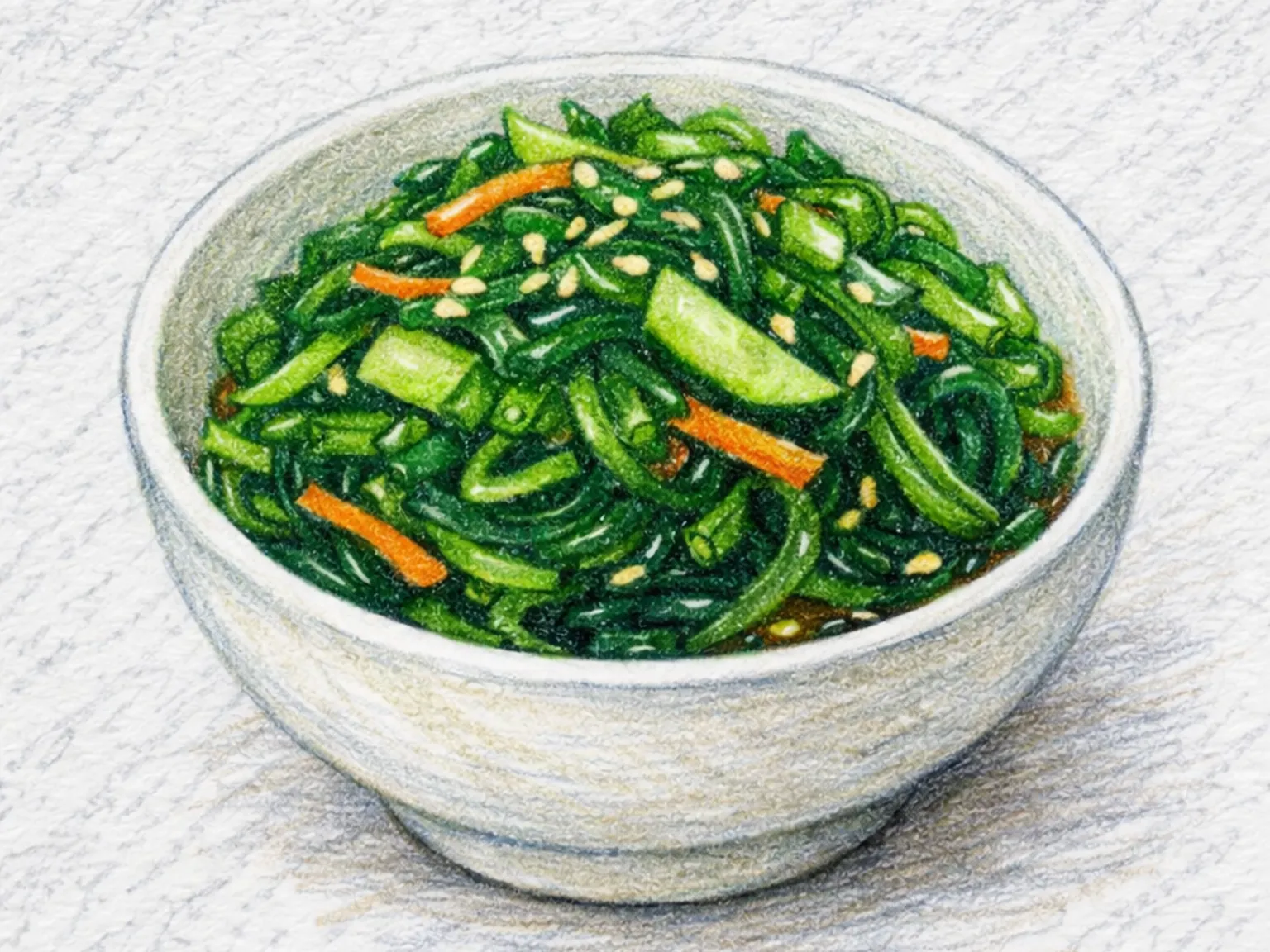
Chilled Wakame Seaweed Salad
Hiyashi wakame is a chilled Japanese seaweed salad in which dried wakame is rehydrated in cold water, blanched for exactly twenty seconds, then rinsed in cold water and squeezed firmly dry before being tossed with salt-wilted cucumber slices in a soy-vinegar dressing. The twenty-second blanch is the most technically precise step in the recipe: less time leaves the wakame insufficiently tender, while more than twenty seconds tips it toward rubbery toughness or mushiness depending on how long it continues on the heat. Wakame blanched for exactly this duration holds a smooth, springy texture that takes the dressing evenly across its surface. The dressing combines soy sauce, rice vinegar, sugar, and sesame oil into a balance of salty umami and sharp acidity that amplifies the seaweed's natural oceanic fragrance rather than competing with it. Salting the cucumber for five minutes and pressing out the liquid before adding it is a non-optional step; skipping it causes the cucumber's released water to dilute the dressing and wash out its flavor. A generous finish of toasted sesame seeds adds a warm, nutty aroma that sits as a counterpoint over the cold, clean textures of the wakame and cucumber.
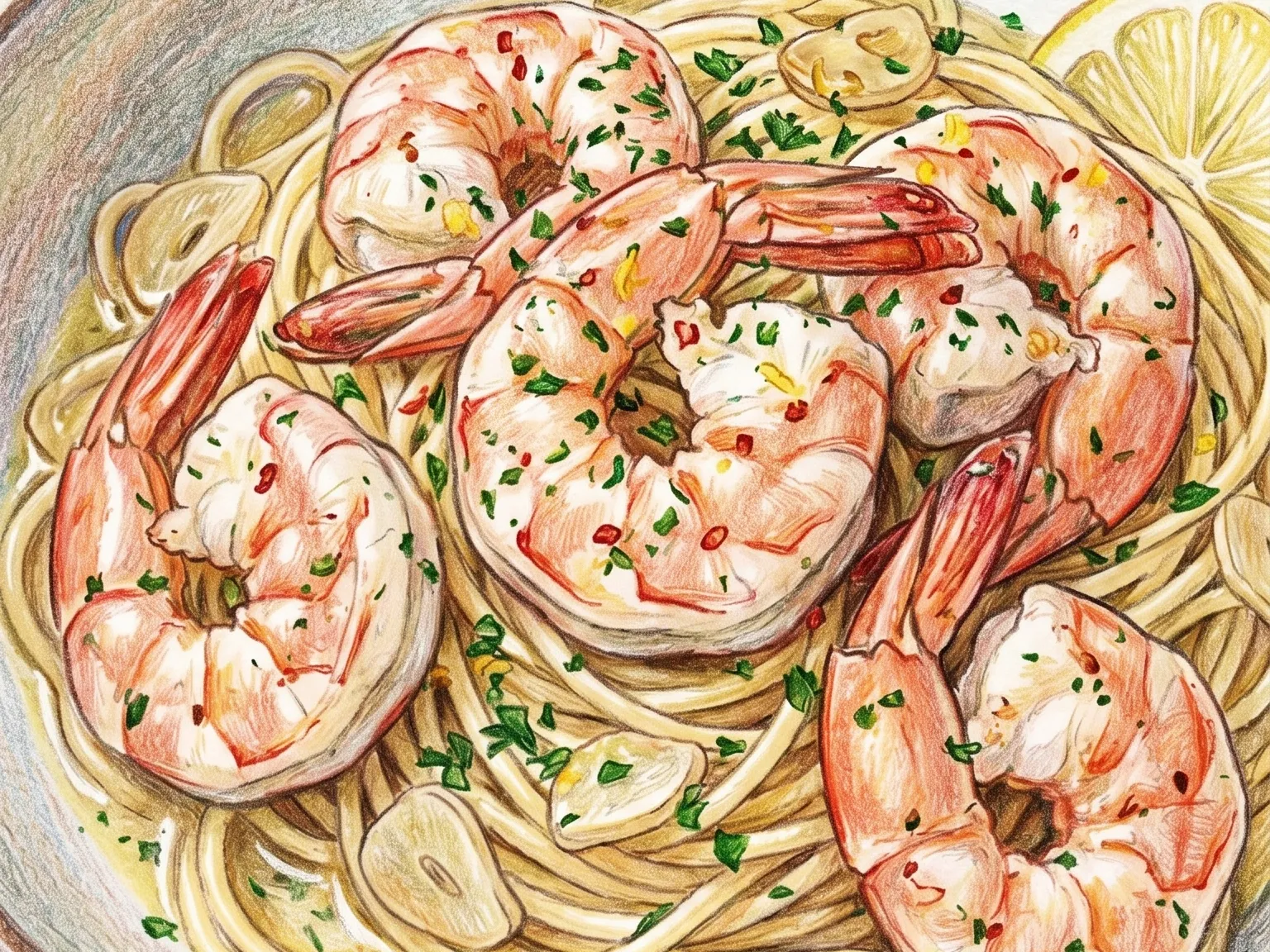
Shrimp Scampi
Shrimp scampi sautees large shrimp in butter with sliced garlic until just pink, then deglazes the pan with white wine that reduces and emulsifies with the butter into a light, glossy sauce. Cooking the garlic slowly in butter over moderate heat draws out its sweetness without turning it bitter or brown. The shrimp need roughly ninety seconds per side - enough for the exterior to pick up flavor from the garlic butter while the interior stays tender. White wine provides acidity and aromatic complexity as its alcohol cooks off, and a splash of starchy pasta water added when tossing with spaghetti gives the sauce enough body to coat each strand. Lemon juice squeezed in at the end cuts through the butter's richness, and red pepper flakes leave a gentle lingering heat.
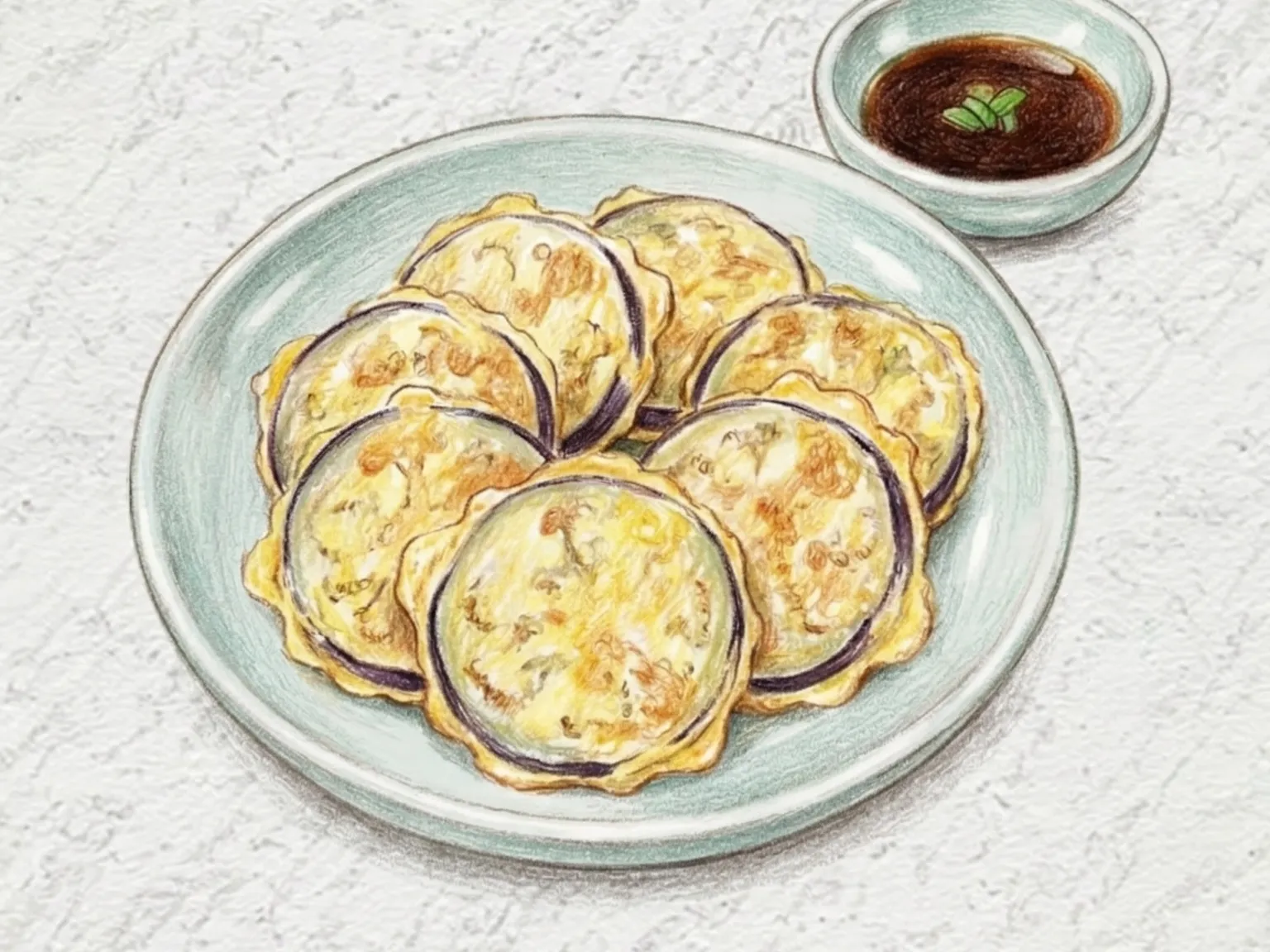
Korean Eggplant Pancakes (Egg-Battered Pan-Fried Eggplant)
Gaji-jeon belongs to the Korean jeon tradition of vegetables dipped in egg wash and pan-fried in oil, a technique integral to ancestral rites and holiday tables. Eggplant is cut into rounds about 7mm thick, thin enough to cook all the way through but thick enough to keep a soft, yielding center. A light dusting of flour before the egg wash is necessary for the batter to adhere and stay intact in the pan. As the egg coating sets into a golden, lacy crust over the heat, the eggplant inside steams in its own moisture until it collapses into a custardy, almost dissolving texture. The appeal of this jeon lies entirely in the contrast between the crisp, faintly eggy exterior and the creamy interior that gives way with almost no resistance. Dipping each piece in a simple soy and vinegar sauce cuts through the richness of the egg crust and highlights the eggplant's subtle sweetness. Korean families commonly fry gaji-jeon alongside hobak-jeon and other vegetable jeon for Chuseok. It can be fried the day before and held at room temperature without the flavor deteriorating significantly.
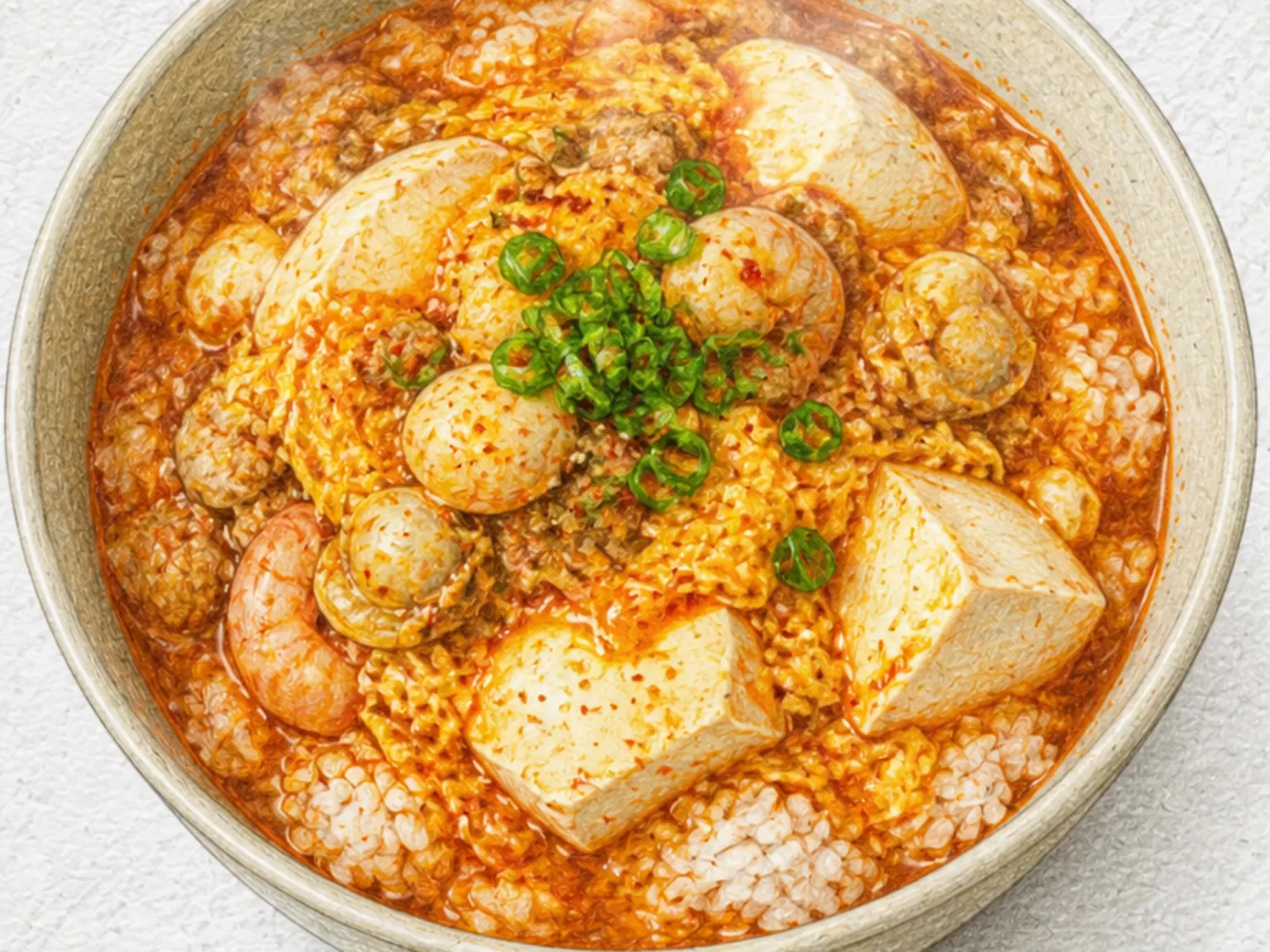
Korean Soft Tofu Stew Rice Bowl
Fiery soft-tofu stew is cooked until bubbling and poured directly over a bowl of rice so the spicy broth seeps into every grain. The silky tofu breaks apart gently, creating pockets of creamy texture within the chili-laced soup. Cracking a raw egg into the simmering pot softens the heat and adds body to the broth. Variations with shrimp, clams, or pork each shift the base flavor in a different direction, making this a versatile single-bowl meal. Serving it soon after cooking keeps the intended texture clearer, while brief resting lets the sauce or broth settle into the dish.
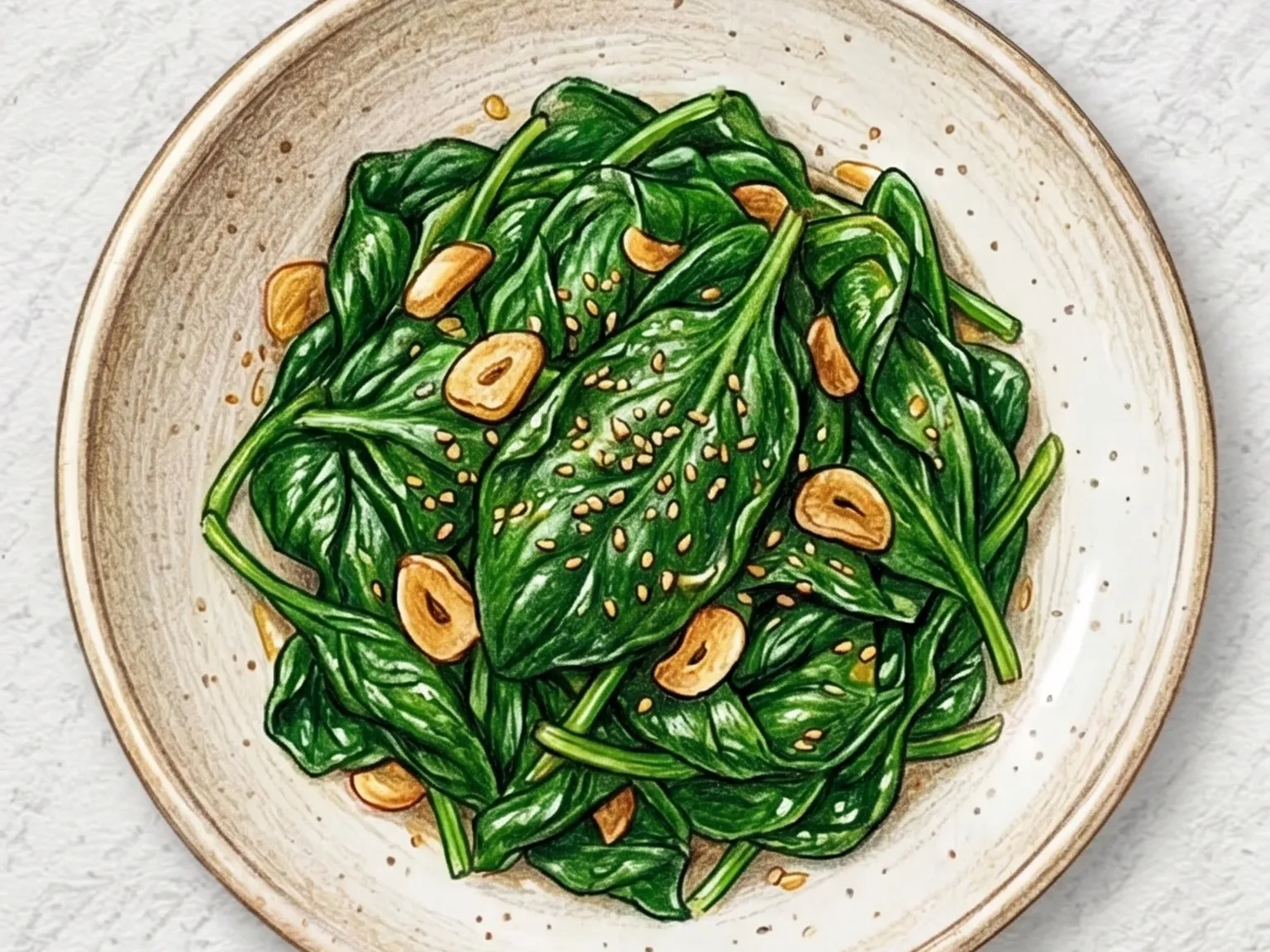
Korean Sautéed Spinach (Garlic Soy Sesame Spinach Side)
Sigeumchi-bokkeum is a Korean sauteed spinach side dish cooked in under five minutes -- spinach is stir-fried with sliced garlic in a hot pan with cooking oil for just two minutes, then seasoned with soy sauce. Draining the spinach thoroughly before cooking is essential; otherwise excess water pools in the pan and steams the leaves instead of searing them. Sesame oil and toasted sesame seeds added at the end provide a nutty finish that tempers spinach's mild grassiness. The brief cooking preserves the leaves' deep green color and most of their nutrients.
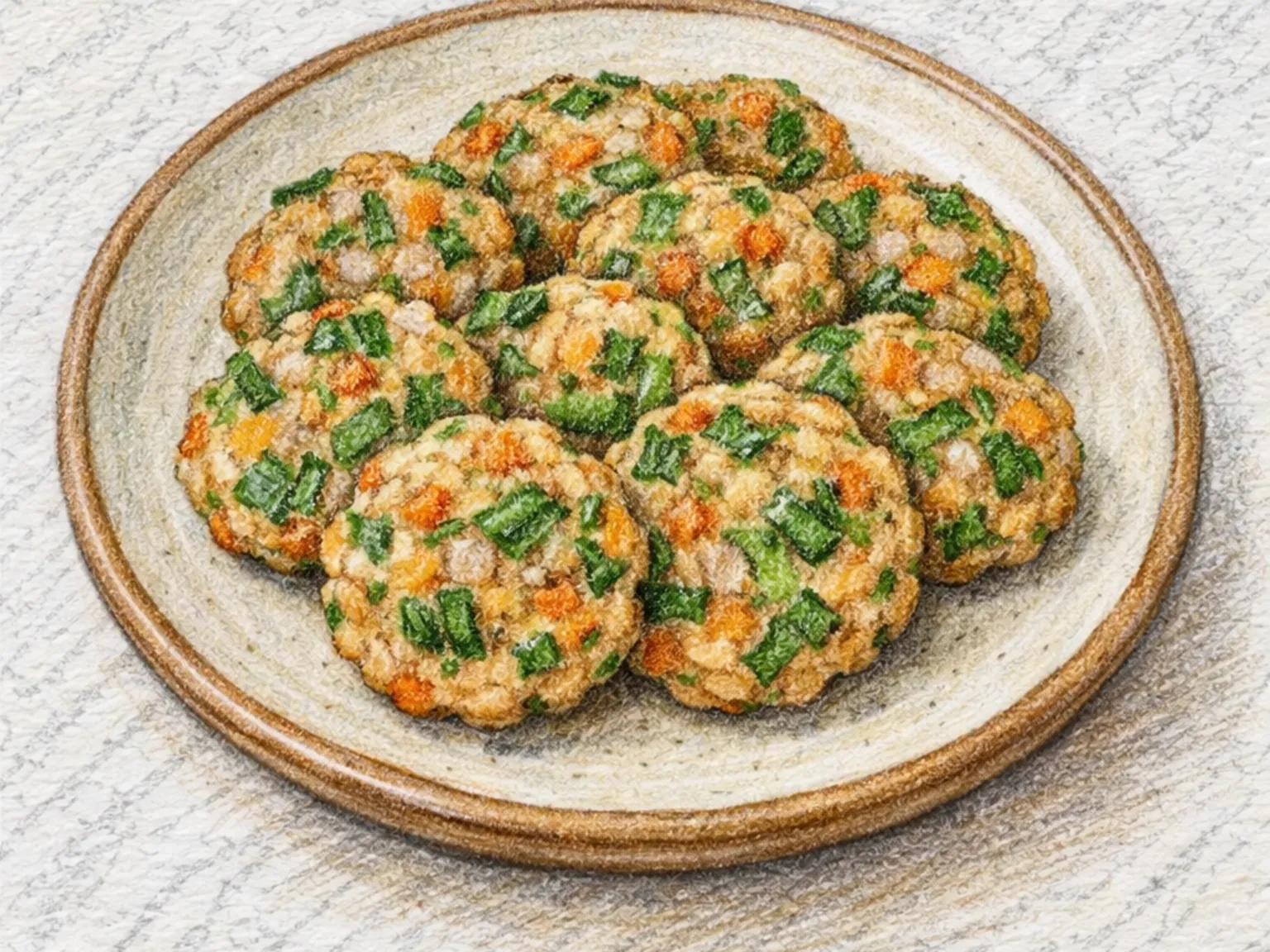
Korean Kkaennip Chamchi Jeon (Perilla Tuna Pancakes)
Kkaennip tuna jeon is made by mixing drained canned tuna with finely chopped onion, carrot, and perilla leaves, coating the mixture in pancake batter, then spooning it onto individual perilla leaves and pan-frying over medium-low heat. Each leaf wraps around the underside of the patty, acting as a natural mold that keeps the shape intact when flipping. Slow frying over moderate heat creates a crisp, golden exterior while locking enough moisture inside to keep the filling tender. The herbal, faintly minty character of the perilla leaf layers over the tuna's saltiness and cuts through any heaviness, leaving a clean finish. The combination works as a drinking snack or a packed lunch side equally well, and the bite-sized format makes it easy to serve at the table.

Korean Mixed Fruit Punch
Modum hwa-chae is a Korean fruit punch assembled by dicing several types of fruit into similar-sized cubes and submerging them in honey water and sparkling water. Apple and pear contribute a firm, satisfying crunch, while green grapes add a burst of sweet juice when the skin breaks between the teeth. Cutting everything to a consistent size matters because it ensures each spoonful carries a balanced mix of textures rather than any single fruit overwhelming the others. Honey dissolved in cold water merges with the natural juices released by the fruit, building a sweetness that feels integrated rather than applied. Sparkling water is added last, its bubbles threading up through the fruit pieces to give the punch its characteristic effervescence, so the drink is best served before the carbonation fades. Generous ice keeps the bowl thoroughly cold and prevents the fruit from softening, which preserves the sharpness of each variety's flavor. The combination of fruits shifts freely with the seasons, making this one of the most adaptable summer refreshments in Korean home cooking.
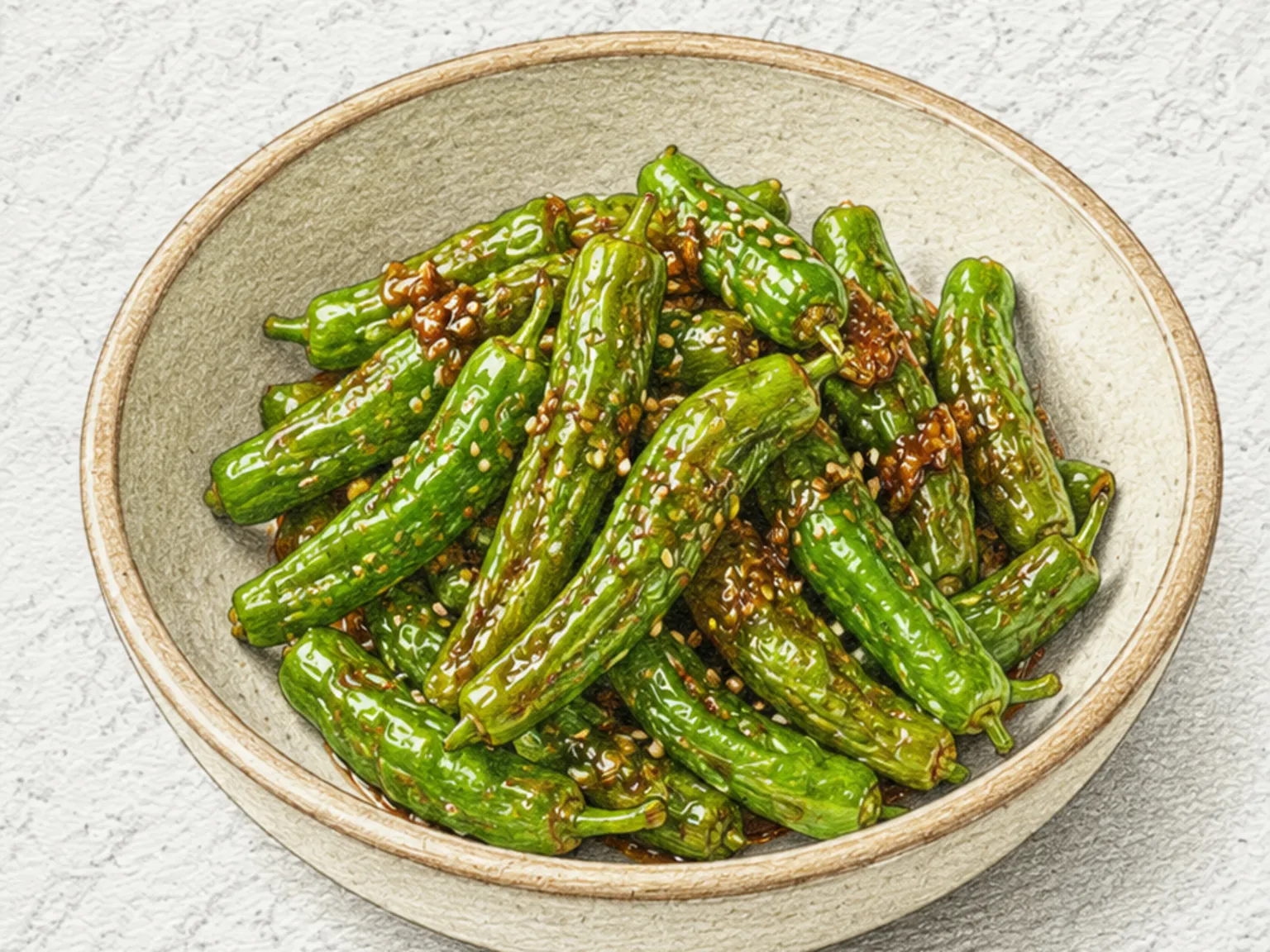
Korean Grilled Shishito with Doenjang
Kkwarigochu-doenjang-gui is a Korean grilled shishito pepper dish where the peppers are first dry-blistered in a hot pan until their skins wrinkle and char, then quickly tossed with a sauce of doenjang, gochujang, oligosaccharide syrup, and minced garlic. Blistering the peppers without oil first drives off moisture, removes the raw grassy taste, and concentrates their natural sweetness before any sauce is introduced. Pricking each pepper with a fork before cooking lets the seasoning penetrate the interior and prevents them from ballooning and bursting from steam. The sauce goes in only for the final two minutes so the fermented soybean paste keeps its full aroma, and a drizzle of sesame oil with toasted seeds at the end adds a roasted nuttiness.
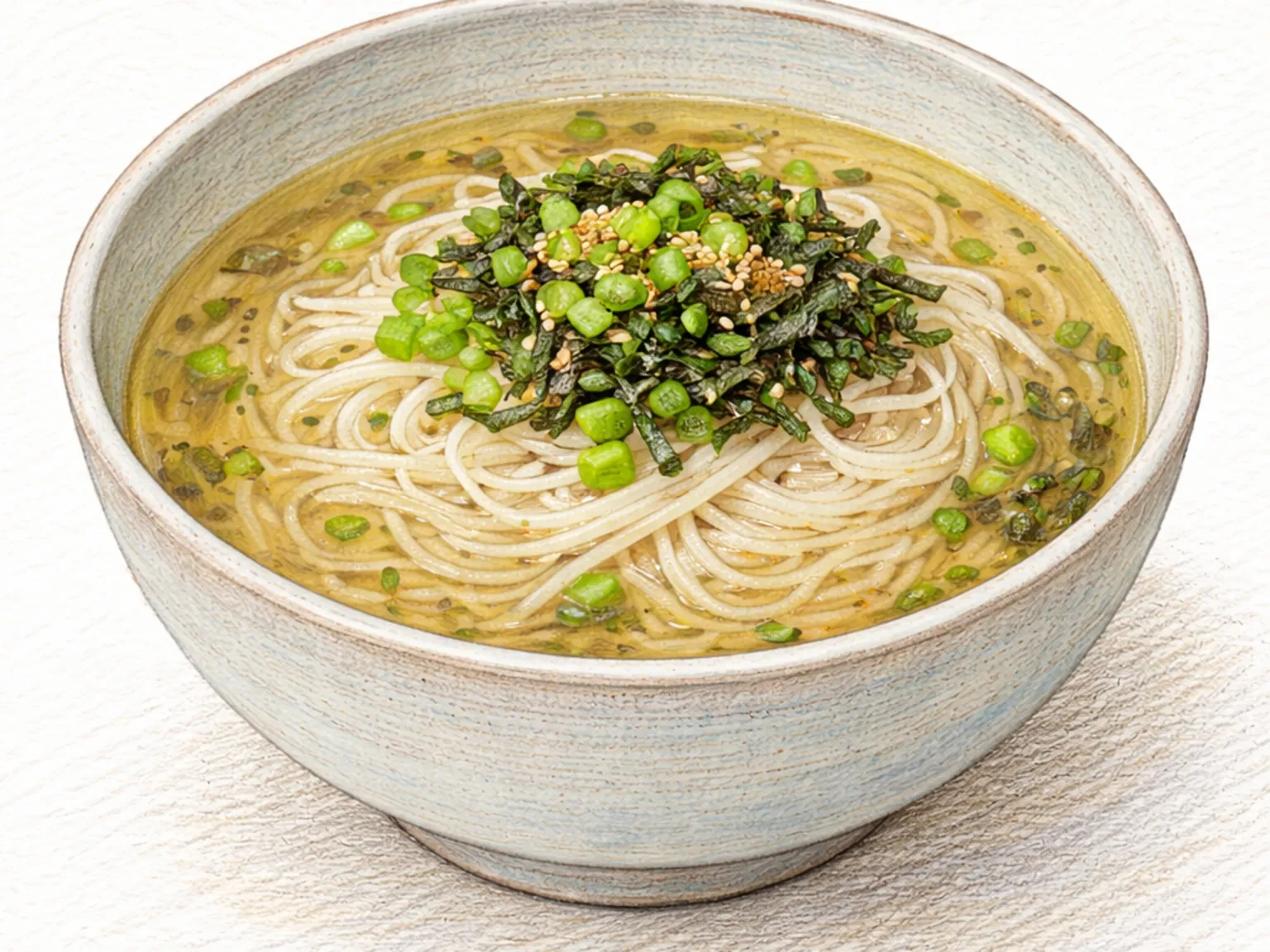
Korean Clear Noodle Soup (Anchovy Broth Somyeon)
Mul guksu is a Korean noodle soup where thin somyeon noodles sit in a clear anchovy-kelp broth, served warm or chilled as a refreshing summer meal. The broth is made by simmering dried anchovies with heads and innards removed, along with kelp, green onion, and garlic, for about fifteen minutes over medium heat. Briefly dry-toasting the anchovies in a pan before boiling reduces any fishiness and adds a subtle nuttiness to the base. Seasoning with salt and chilling the broth before serving heightens the clean, cooling quality that makes this soup appealing in hot weather. Somyeon noodles are boiled and rinsed several times in cold water to strip away surface starch, which keeps the strands translucent, separate, and satisfyingly bouncy rather than clumped and gluey. The chilled broth poured over the rinsed noodles stays clear and light, not clouded by starch. Dried seaweed flakes and sesame seeds add a briny nuttiness, sliced green onion provides a sharp aromatic contrast against the mild broth, and a drizzle of sesame oil rounds everything off. This soup is equally good served warm with a hot broth or cold with an iced one, and works as a light lunch that satisfies without weighing down.
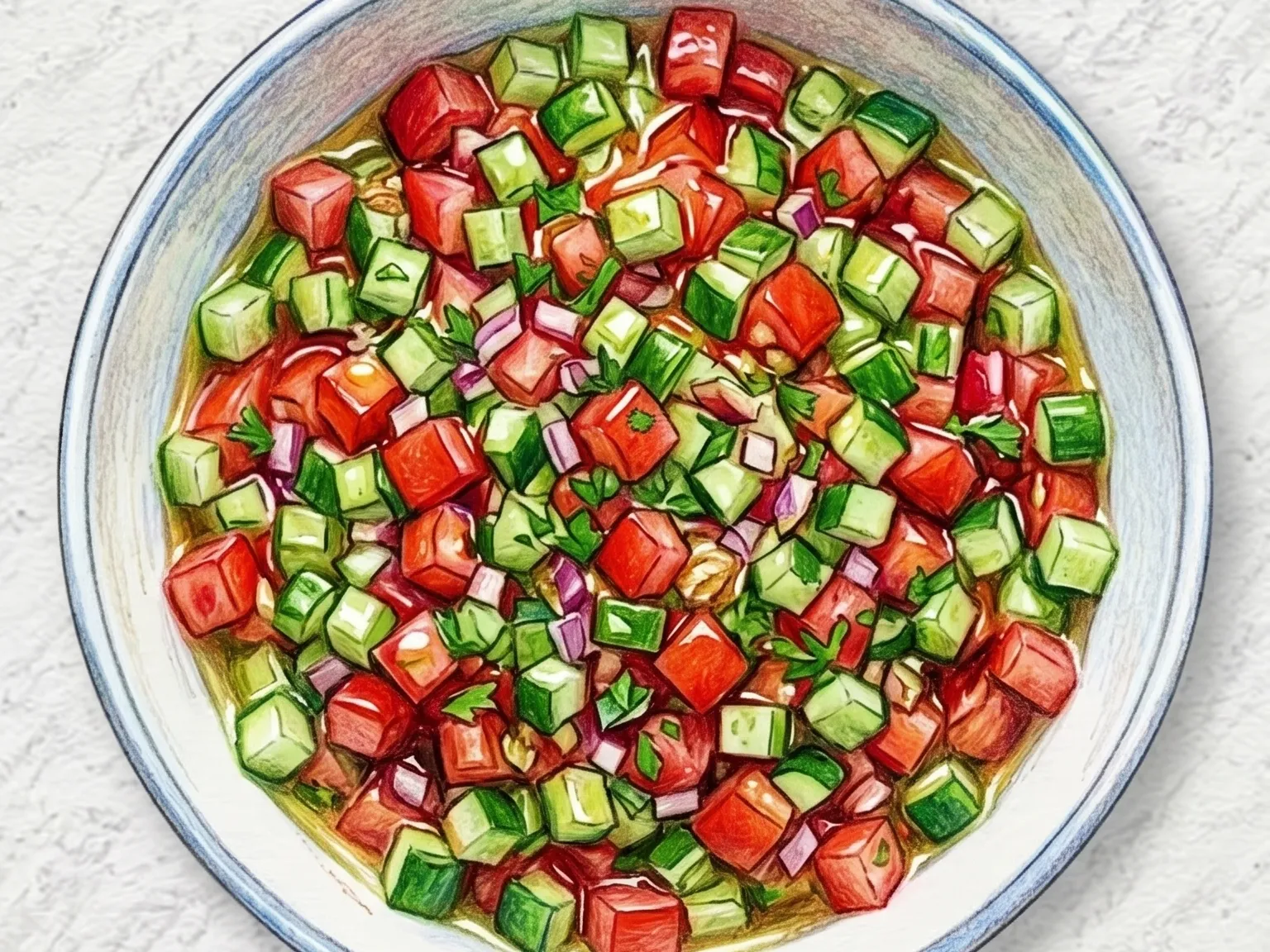
Israeli Salad
Israeli salad is the foundational everyday salad of the Middle East, built from tomato, cucumber, red onion, and parsley diced to pieces under 0.5 cm and dressed simply with lemon juice, olive oil, and salt. The uniformly small cut is the defining technique, and it is not merely aesthetic. When every component is the same tiny size, a single spoonful carries equal amounts of tomato juice, cucumber crunch, and the sharp bite of raw onion, so the balance does not shift from one mouthful to the next. The dressing is deliberately kept to two ingredients so that the natural acidity and sweetness of ripe tomatoes can dominate without interference from added vinegar or sweeteners. Resting the salad for about five minutes after tossing draws juice from the cut tomatoes, which merges with the lemon and oil to form a light, self-made brine that deepens the flavor of the entire bowl. Across Israel and throughout the broader Middle East, this salad appears at the breakfast table alongside eggs and bread as commonly as it does beside grilled meats at dinner. Its quality depends entirely on the freshness of the produce rather than any technique or seasoning.
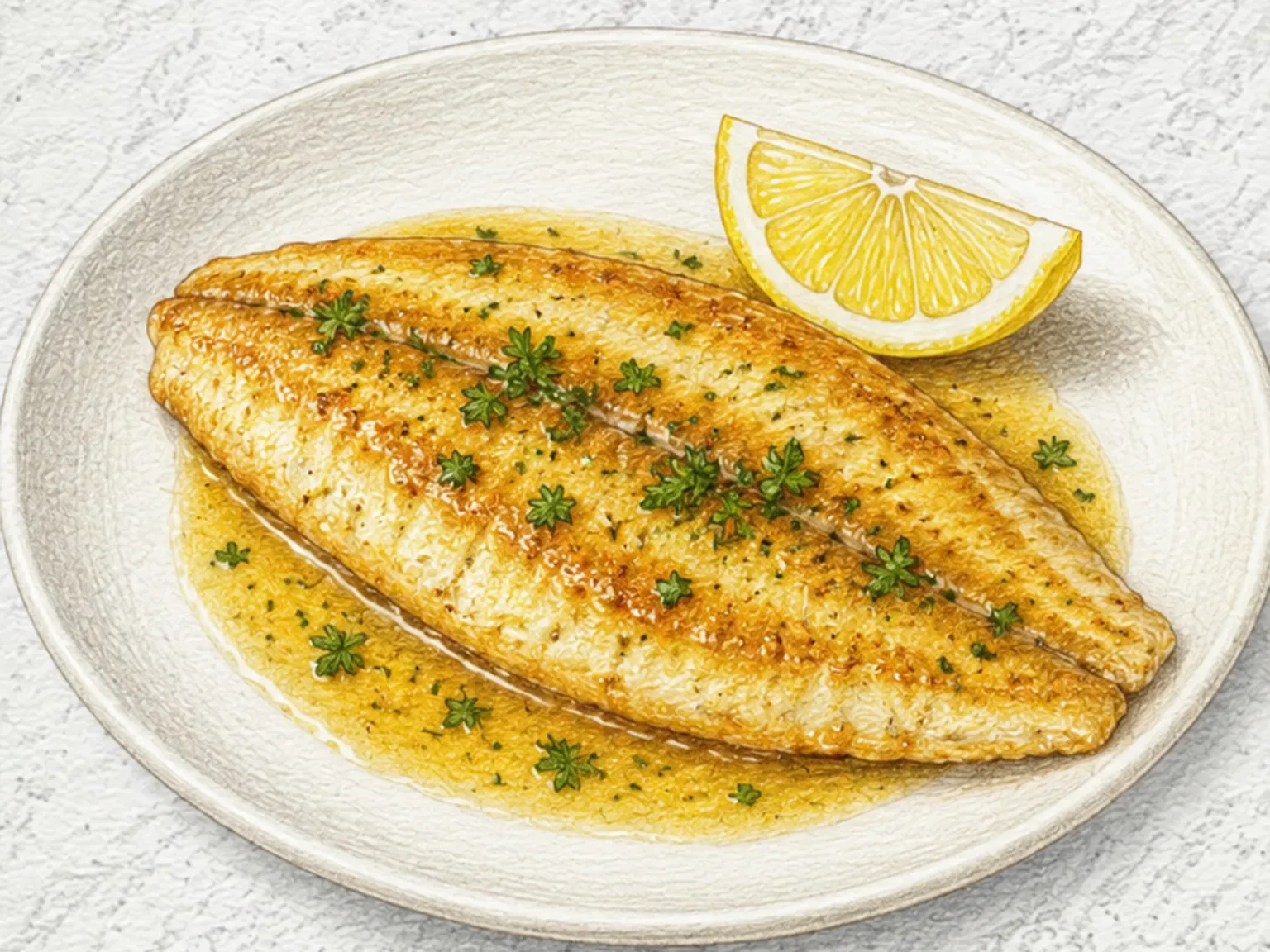
Sole Meunière (Butter-Fried Sole with Brown Butter Sauce)
Sole meuniere is a French classic where delicate sole fillets are seasoned with salt and pepper, dredged lightly in flour, and pan-fried in butter for two to three minutes per side until a thin golden crust forms. The flour coating must be minimal - just enough to create a crisp barrier that protects the tender fish without masking its flavor. The fish is flipped only once because the fillets are fragile and break apart with repeated handling. After the fish is removed, the butter remaining in the pan is cooked further until it turns brown and smells of toasted hazelnuts, then finished with a squeeze of lemon juice and chopped parsley. This brown butter sauce is the heart of the dish, its nutty richness elevating the mild, sweet flesh of the sole while the lemon's acidity keeps every bite clean and bright.
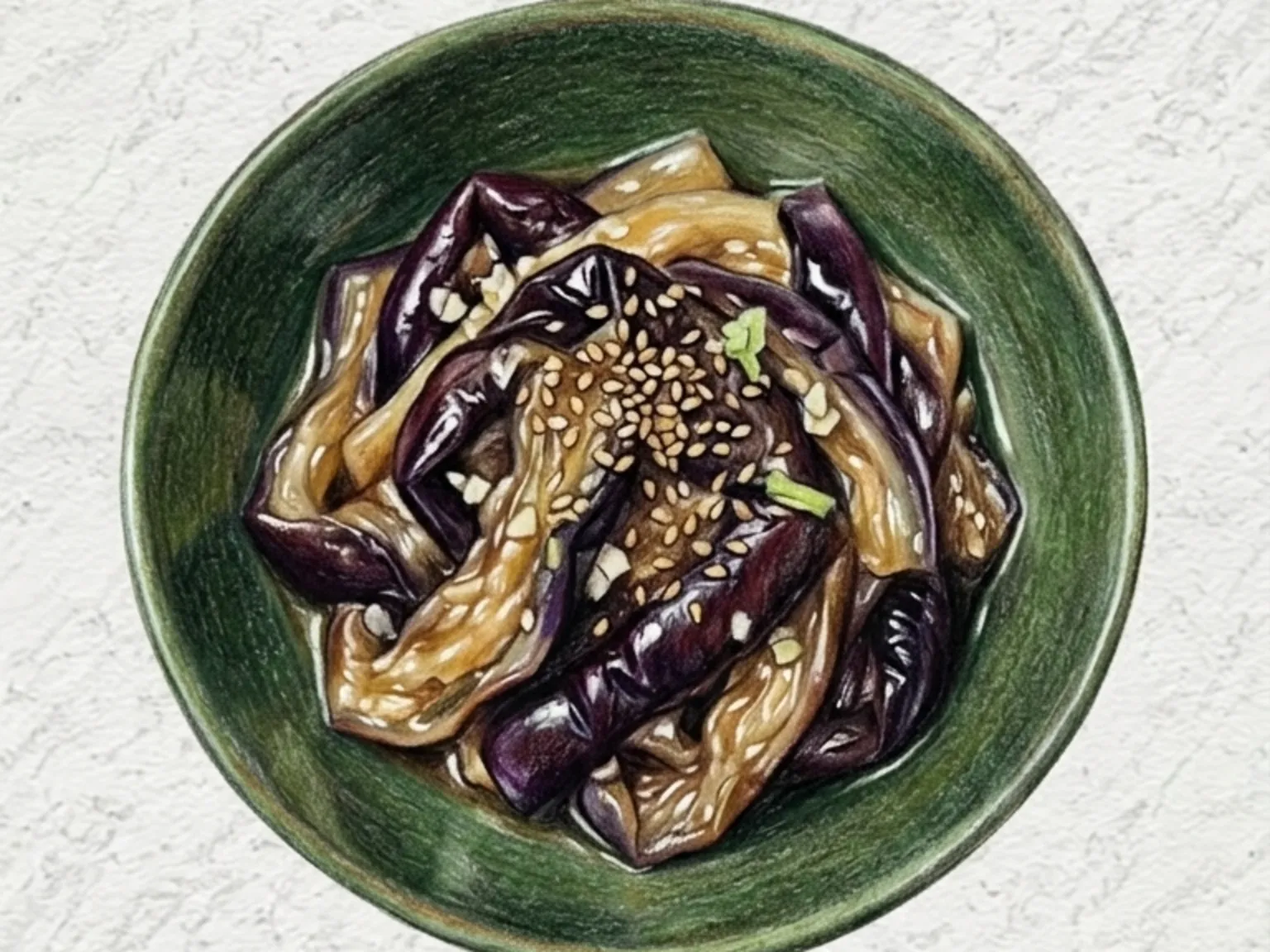
Korean Steamed Eggplant Namul
Gaji namul strips eggplant down to its most restrained form, a banchan dressed with nothing more than soy sauce, garlic, and sesame oil. The eggplant is halved and steamed for around seven minutes until the flesh is uniformly tender throughout, then pulled into long shreds by hand along the grain. Tearing rather than cutting creates a rougher, more uneven surface that grips the minimal seasoning more effectively than clean knife edges would. There is no chili powder, no vinegar, no fermented paste. The soy sauce and sesame oil soak into the porous, spongy flesh, staining it a deep, glossy color and pulling the flavors in without competing with the eggplant itself. The texture is softer than almost any other Korean namul, collapsing gently when pressed and practically dissolving when stirred into warm rice. Gaji namul is a traditional dish in Korean Buddhist temple food, a cuisine where the absence of strong flavors is a deliberate choice rather than an oversight, and where simplicity is the point.
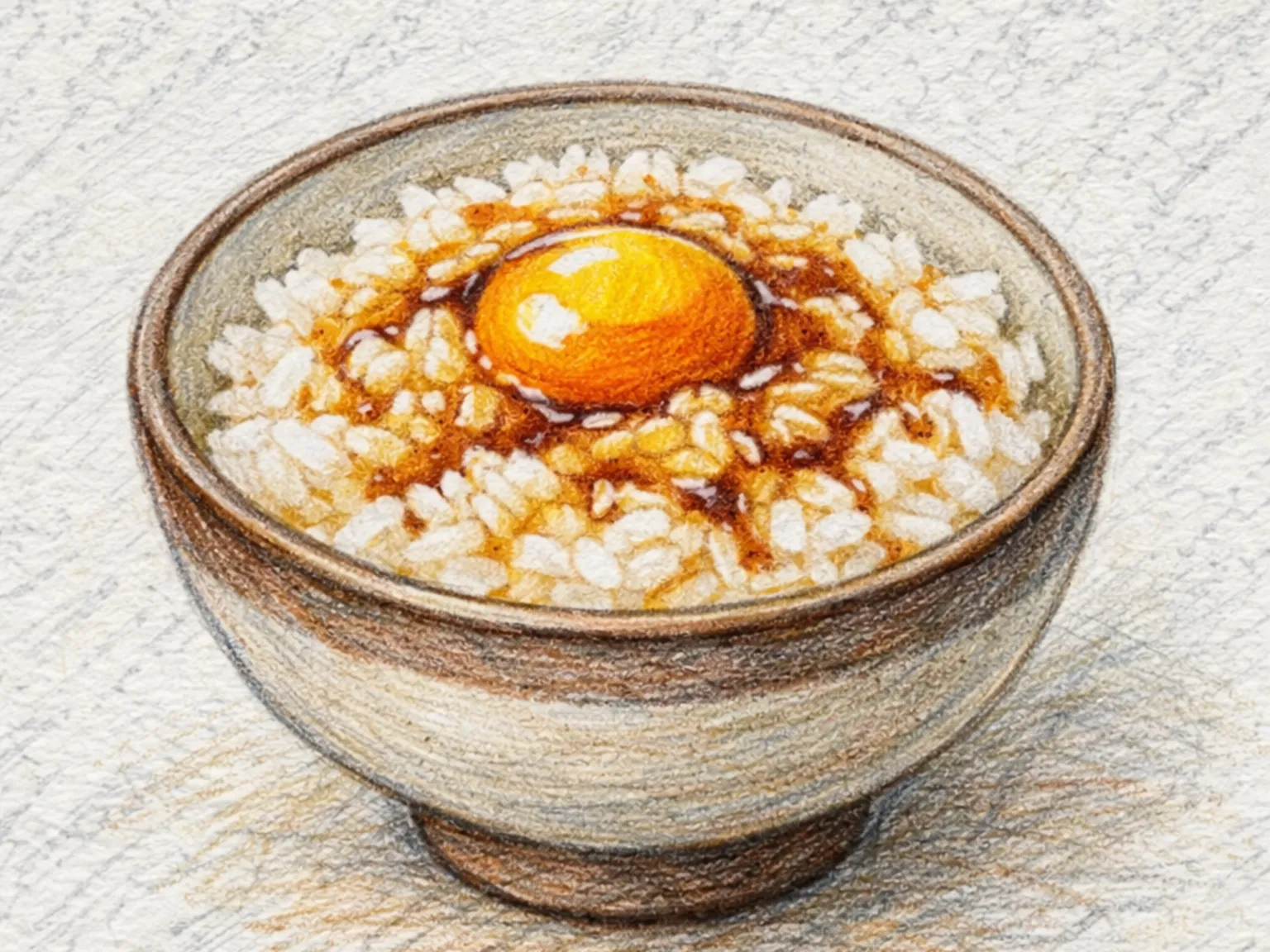
Egg Over Rice (Raw Egg Stirred into Hot Rice with Soy Sauce)
Tamago Kake Gohan is a simple Japanese comfort food consisting of raw egg stirred into freshly cooked hot rice and seasoned with soy sauce. The core of this dish lies in utilizing the steam and residual heat of the rice to warm and partially cook the raw egg. As it is whipped rapidly with chopsticks, the egg transforms into a silky, custard-like coating around every single grain of rice. Melting a small pat of butter in the center before adding the egg introduces an additional layer of rich aroma. Soy sauce is added gradually to balance the richness with its savory umami depth. To complete the dish, seaweed flakes and finely chopped green onions are sprinkled on top. It must be eaten immediately while steaming hot, as letting it sit cools the egg and causes the rice to become soggy.
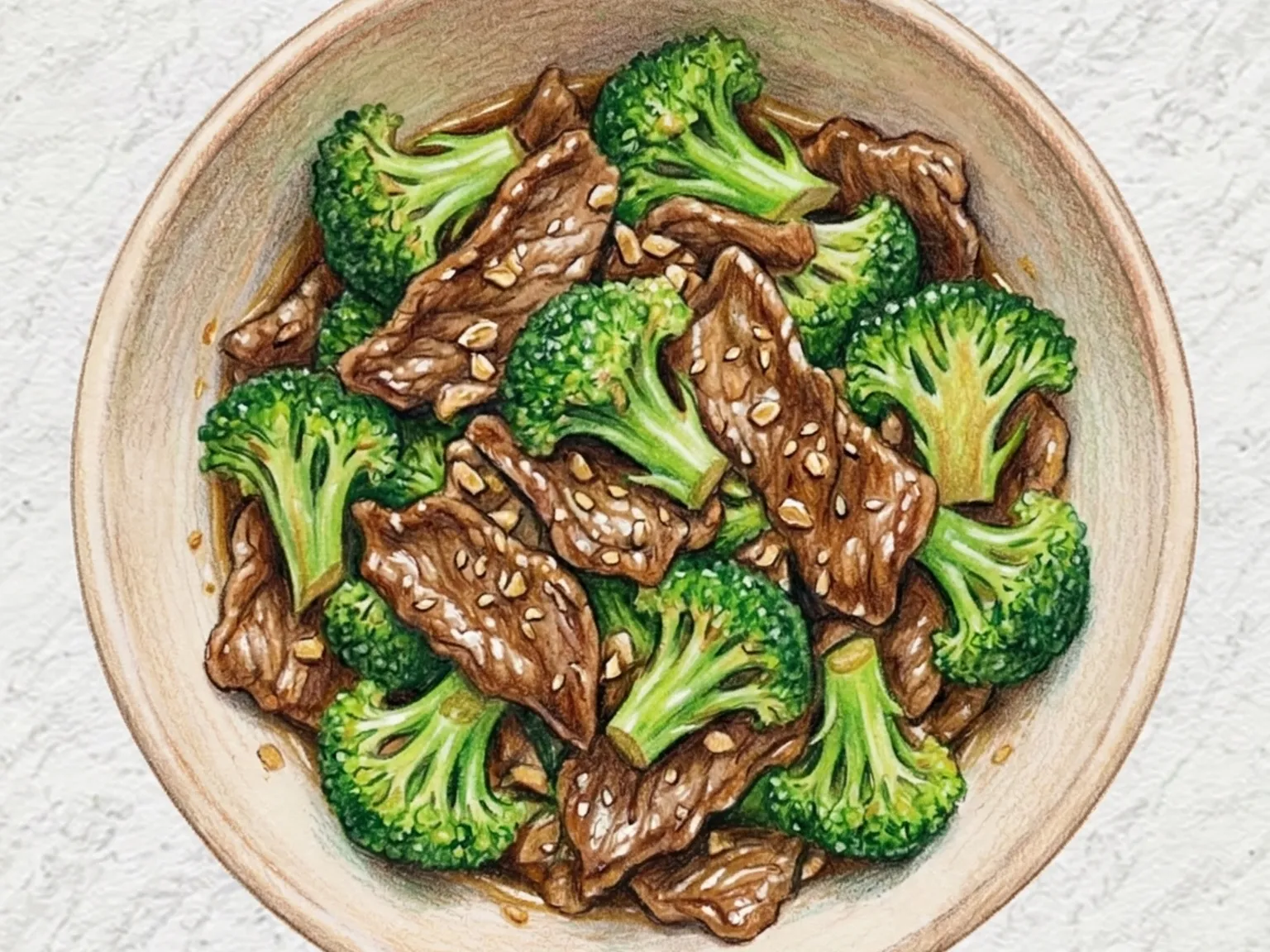
Korean Beef and Broccoli Stir-Fry
Sogogi broccoli-bokkeum stir-fries thinly sliced beef with broccoli florets in a glaze of oyster sauce and soy sauce. The beef is seared first over high heat to lock in its juices, then the broccoli -- blanched just enough to keep its bite -- joins the pan. Oyster sauce binds the two main ingredients with concentrated savory depth, and garlic plus a final drizzle of sesame oil layer on fragrance. The sauce coats every surface with a glossy sheen, making this a complete main dish that needs nothing beyond steamed rice.
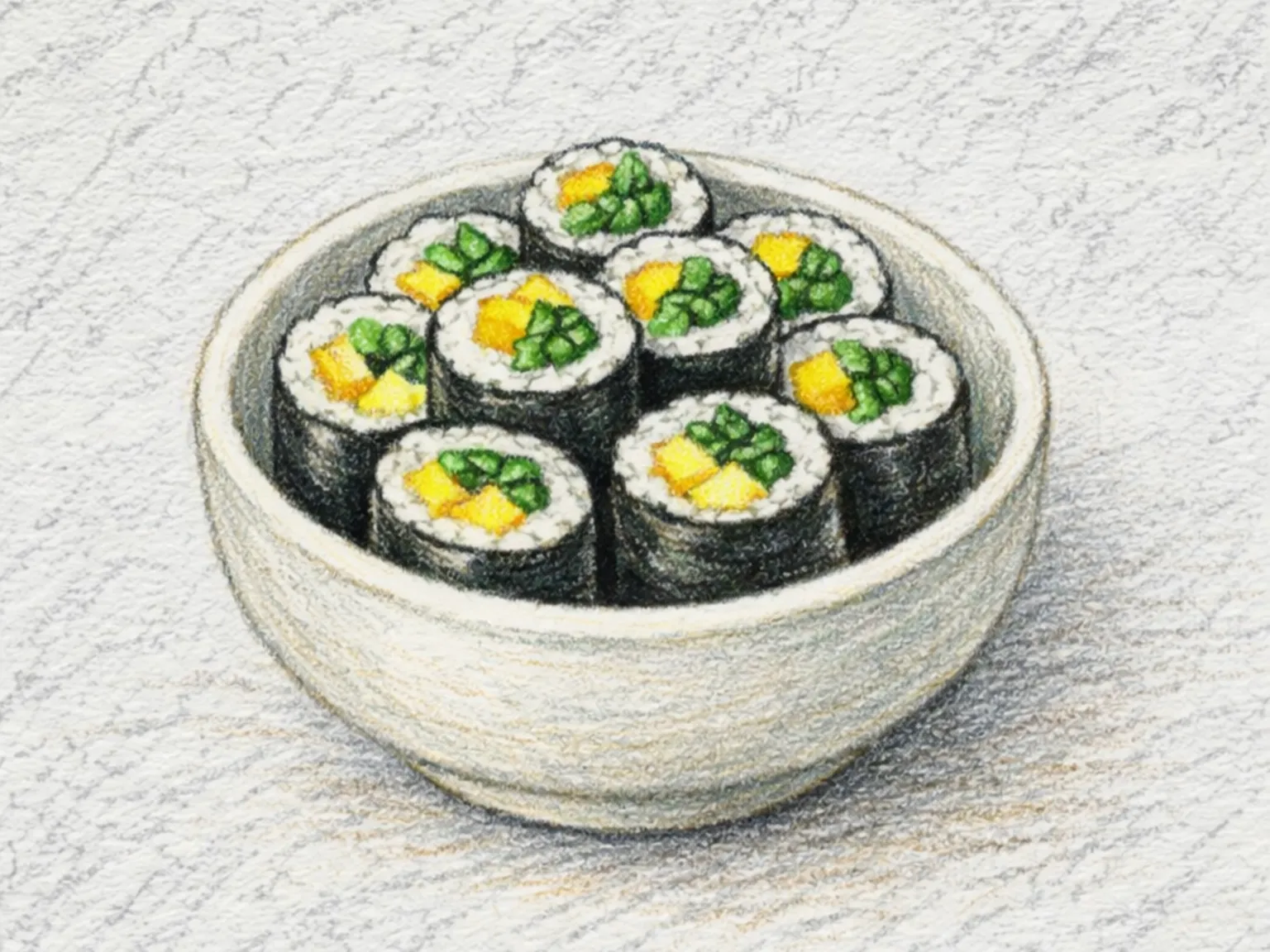
Korean Mini Gimbap
Half-sheet seaweed is lined with a thin layer of rice seasoned with sesame oil, salt, and sesame seeds, then filled with just three ingredients: pickled radish for crunch, blanched spinach for softness, and sauteed carrot for a touch of natural sweetness. The roll is made about half the diameter of standard gimbap and cut at 2 cm intervals, producing pieces small enough to eat in a single bite. The simplicity of the seasoning means no dipping sauce is needed, and the combination of textures from the firm pickled radish, tender spinach, and lightly sweet carrot keeps each piece balanced. The small size and straightforward construction make this a popular choice for children's packed lunches or picnic spreads, and with only a few ingredients to prepare, the whole batch can be ready in under 10 minutes.
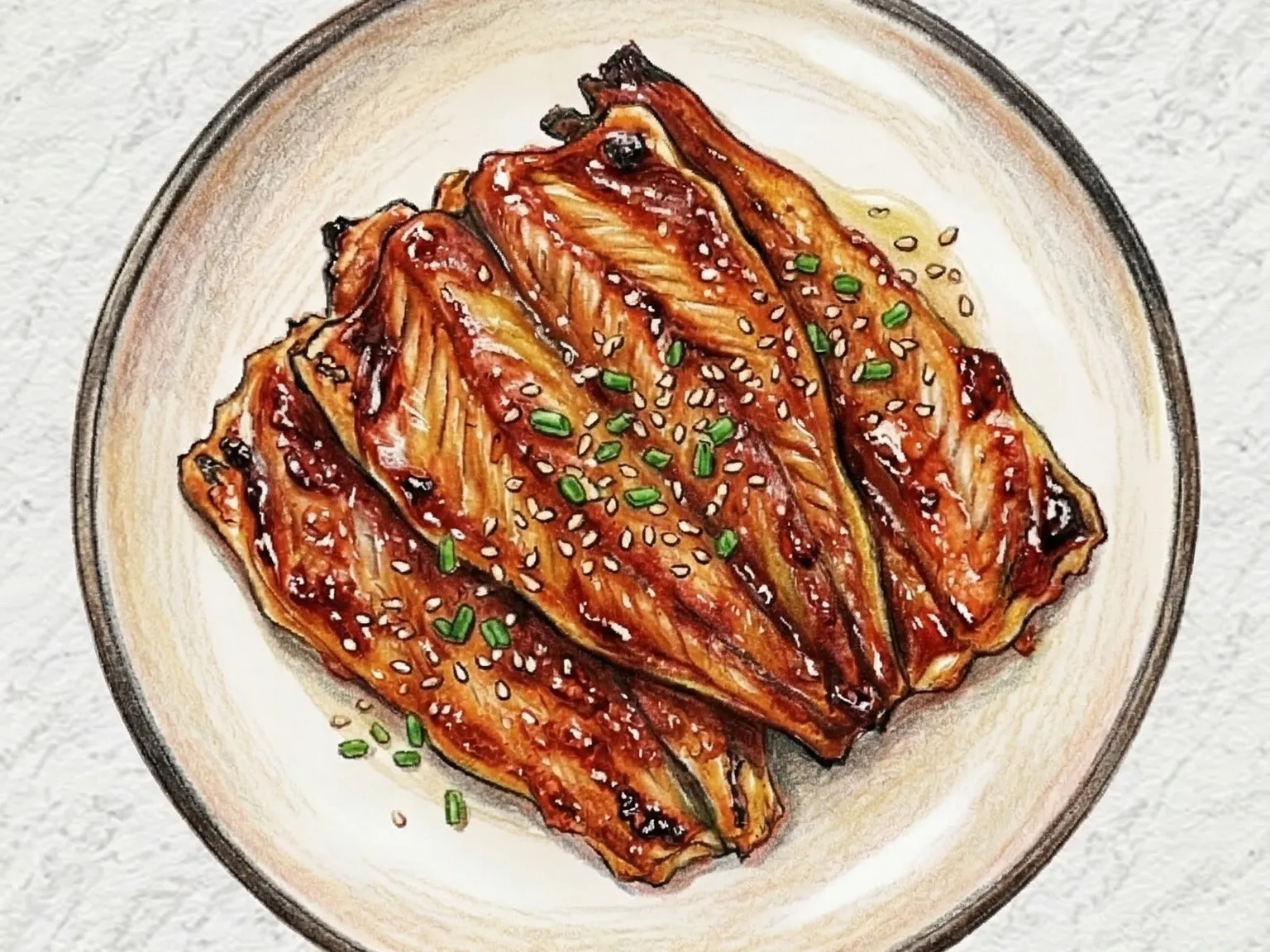
Korean Grilled Dried Pollack
Hwangtae-po-gui is a grilled dried pollack snack prepared by brushing seasoning paste onto semi-dried hwangtae fillets and cooking them over medium-low heat. Hwangtae is pollack that has been freeze-dried repeatedly through winter cycles, a process that puffs up the flesh and gives it a softer grain and chewier texture than ordinary dried fish. A paste of gochujang, soy sauce, and oligosaccharide syrup is spread on both sides and grilled slowly so the sugars caramelize into a glossy, sticky coating. Minced garlic, sesame oil, and sesame seeds add roasted richness, and each torn piece delivers alternating salty and sweet notes. Cooking over high heat is a common mistake that chars the surface while leaving the interior hard and dry, so maintaining a low, patient heat is what allows the seasoning to penetrate fully and the fillet to stay moist. The finished snack pairs well with makgeolli or soju, and dipping torn pieces into mayonnaise is a widely practiced variation that softens the saltiness with a creamy counterpoint.
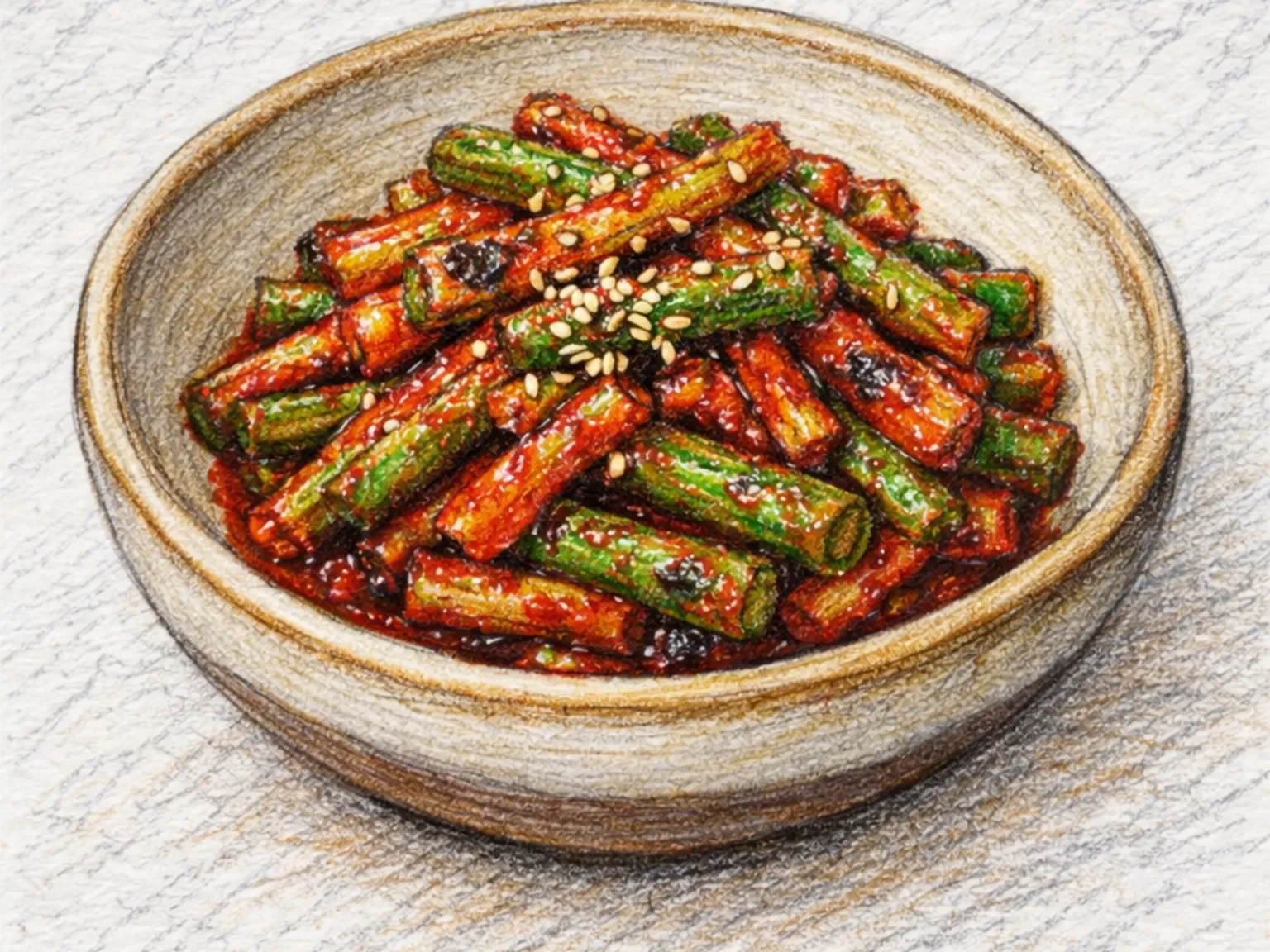
Korean Gochujang Grilled Garlic Scapes
Maneuljjong-gochujang-gui is a Korean vegetable side dish where garlic scapes cut into six-centimeter pieces are blanched for just thirty seconds, then stir-grilled in a pan with a sauce built from gochujang, gochugaru, soy sauce, oligosaccharide syrup, and minced garlic. The thirty-second blanch is precisely timed to loosen the tough outer fibers of the scape so the sauce has a surface to cling to, while the crisp interior stays intact. Plunging the scapes into cold water immediately after blanching is necessary to halt carryover cooking and lock in the texture. The garlic scape's own sharp, pungent bite merges with gochujang's fermented depth to build a layered spiciness that carries more complexity than raw chili heat alone, and the oligosaccharide syrup contributes both a glossy coating and a restrained sweetness that rounds off the sauce. When the sauce starts catching on the pan, adding a tablespoon of water loosens it without washing out the flavor. Sesame oil and toasted sesame seeds go on at the very end to finish the dish with a nutty, roasted aroma.
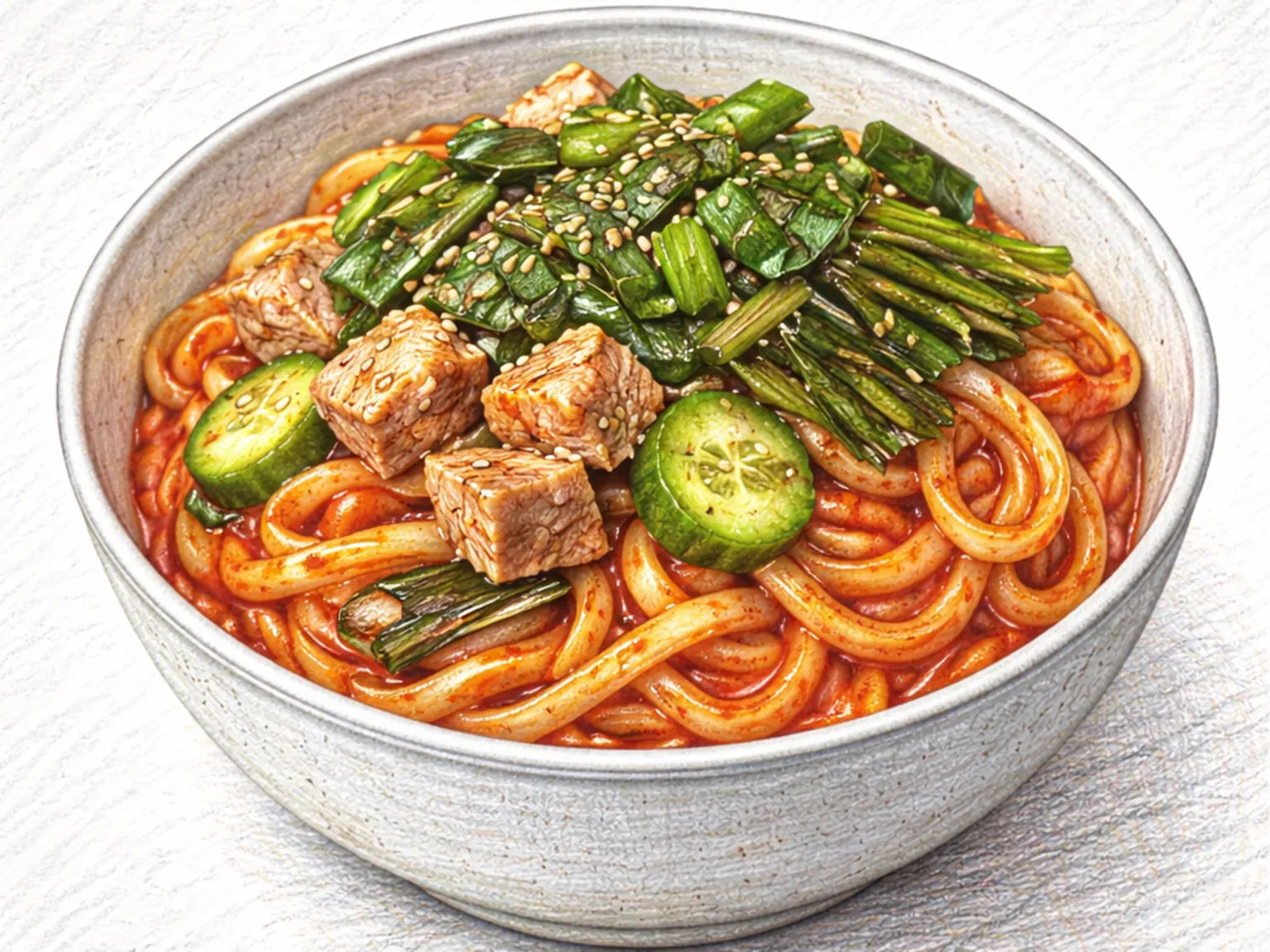
Korean Myeongi Jangajji Bibim Udon (Wild Garlic Pickle Udon)
Myeongi jangajji bibim udon is a Korean mixed noodle dish where springy udon noodles are tossed with sliced soy-pickled wild garlic, gochujang sauce, canned tuna, and julienned cucumber. The pickle brine is used in place of plain vinegar in the dressing, which introduces a fermented depth that regular acidity cannot replicate. Squeezing excess moisture from the pickled leaves before slicing ensures they distribute evenly among the noodles. Drained tuna adds protein and a savory richness, while the cucumber brings a crisp, watery crunch that counterbalances the salty pickles and spicy gochujang. Draining the udon thoroughly after cooking is essential so the sauce stays concentrated and coats each strand.
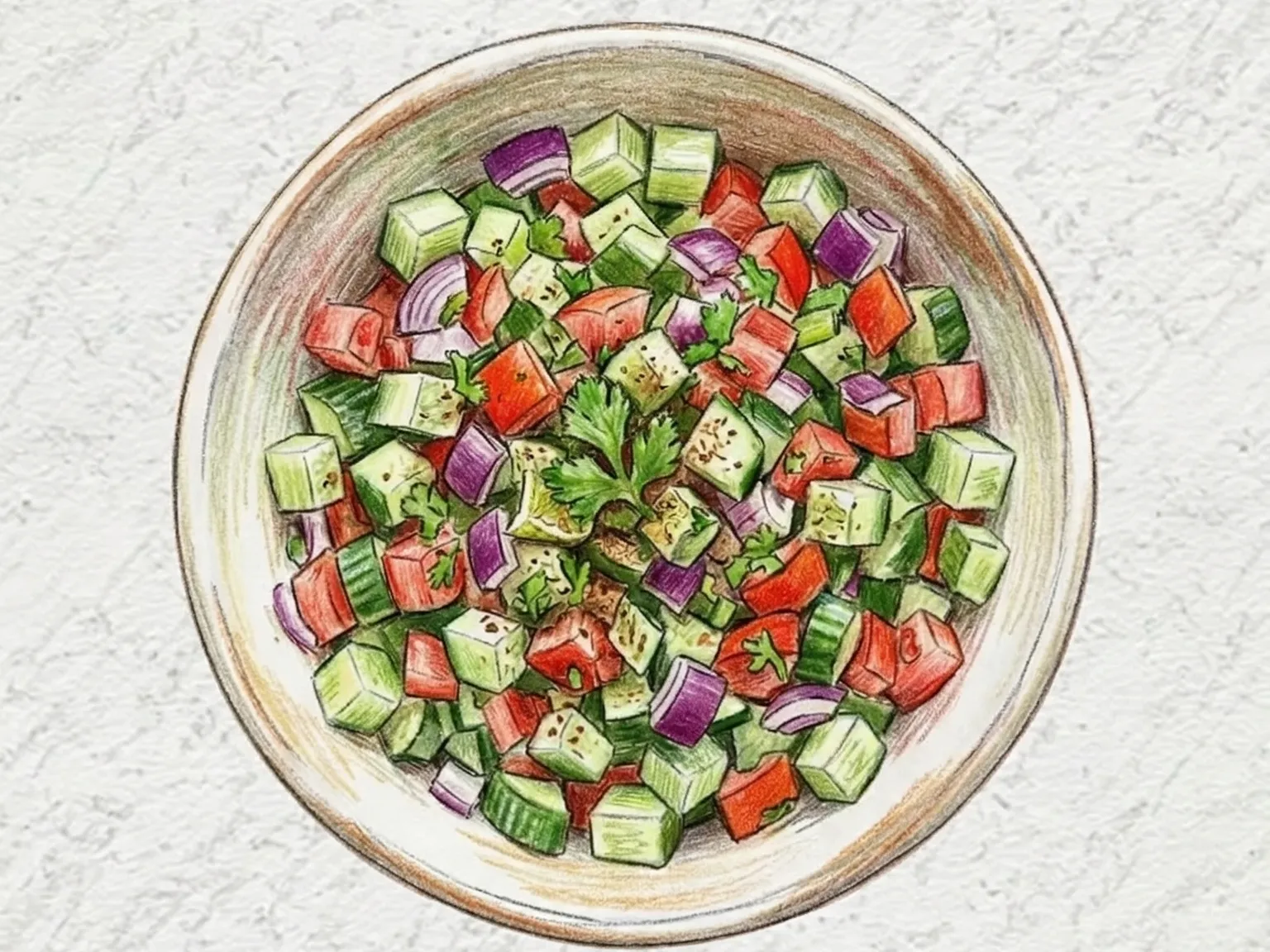
Kachumber Salad (Indian Kachumber salad)
Kachumber salad finely dices cucumber, tomato, and red onion, then tosses them with chopped cilantro, lime juice, ground cumin, chaat masala, and salt in a quick Indian raw vegetable preparation. Removing some of the seeds from the cucumber and tomato limits excess moisture so the dressing stays concentrated rather than watery. Soaking the diced red onion in cold water for three minutes draws out its harsh sharpness, letting it blend more smoothly with the other ingredients. Ground cumin lays down a warm, earthy undertone, and chaat masala layers a tangy, salty complexity over the lime acidity, lifting a simple combination of vegetables into something distinctly Indian. Chopping cilantro stems together with the leaves releases more of the herb's aromatic oils than leaves alone provide. Letting the dressed salad rest for about fifteen minutes before serving allows the flavors to meld so the final result is noticeably more cohesive.