⚡ Quick Recipes
Ready in 20 minutes or less
804 recipes. Page 24 of 34
A busy schedule does not mean you have to settle for bland meals. Every recipe in this collection can be prepared and finished in 20 minutes or less - quick stir-fries, tossed noodles, microwave dishes, and more.
The secret is minimizing prep work and keeping the steps simple. Pre-cut ingredients or pantry staples speed things up even further. Turn to these recipes after work, during a short lunch break, or for a fast breakfast.
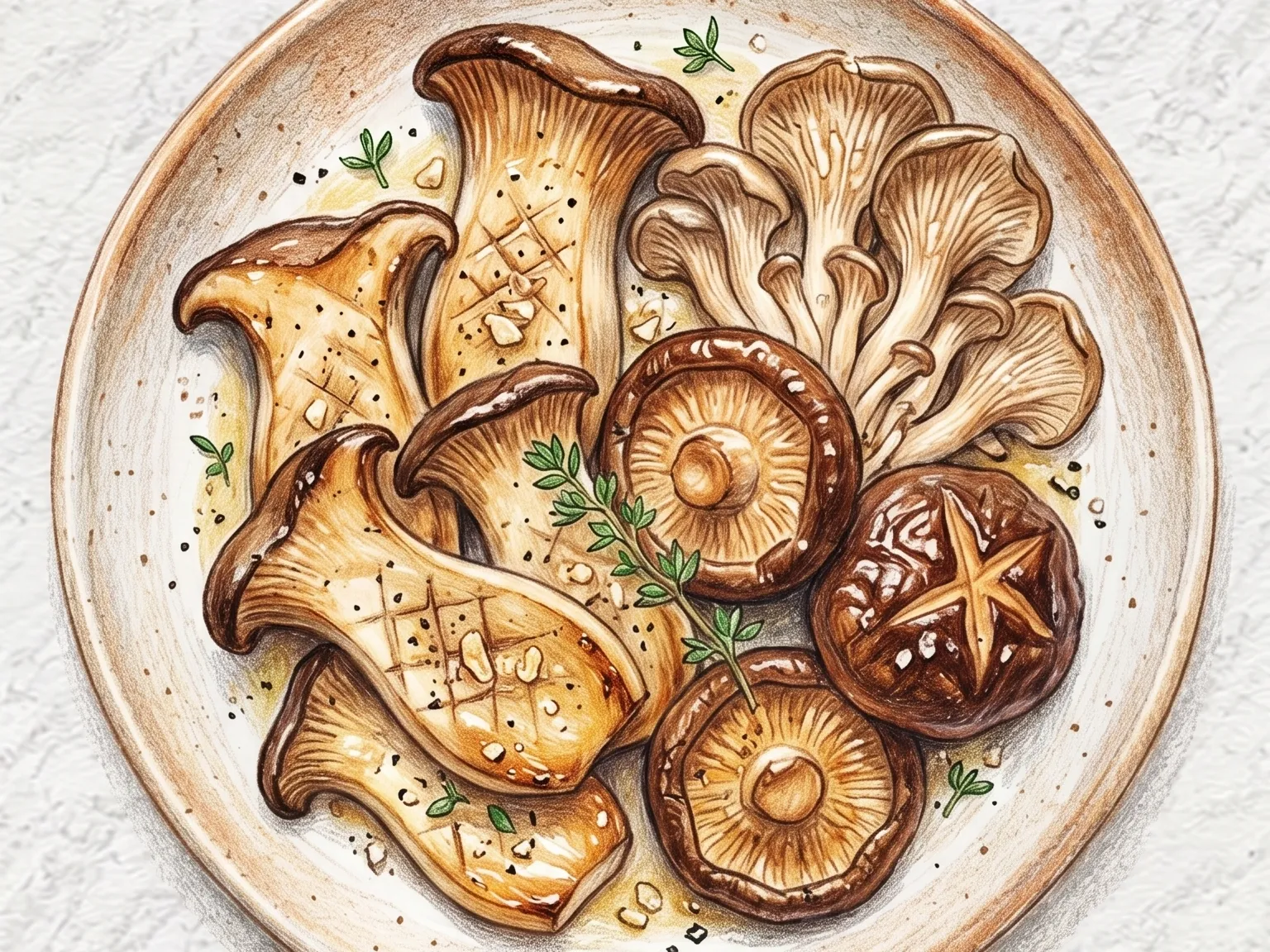
Korean Grilled Mixed Mushrooms
Mushroom-gui is a Korean grilled mixed mushroom dish combining king oyster, shiitake, and oyster mushrooms, seasoned simply with butter, minced garlic, salt, and black pepper. Each mushroom variety contributes a different texture: king oyster offers a dense, meaty chew from its thick stem, shiitake delivers concentrated umami from its cap, and oyster mushrooms add a delicate, silky shred. The key technique is to resist stirring the mushrooms after placing them in the pan-their high water content must evaporate first before the surfaces can brown and develop flavor. Adding butter partway through rather than at the start prevents it from burning while still infusing the mushrooms with its richness.
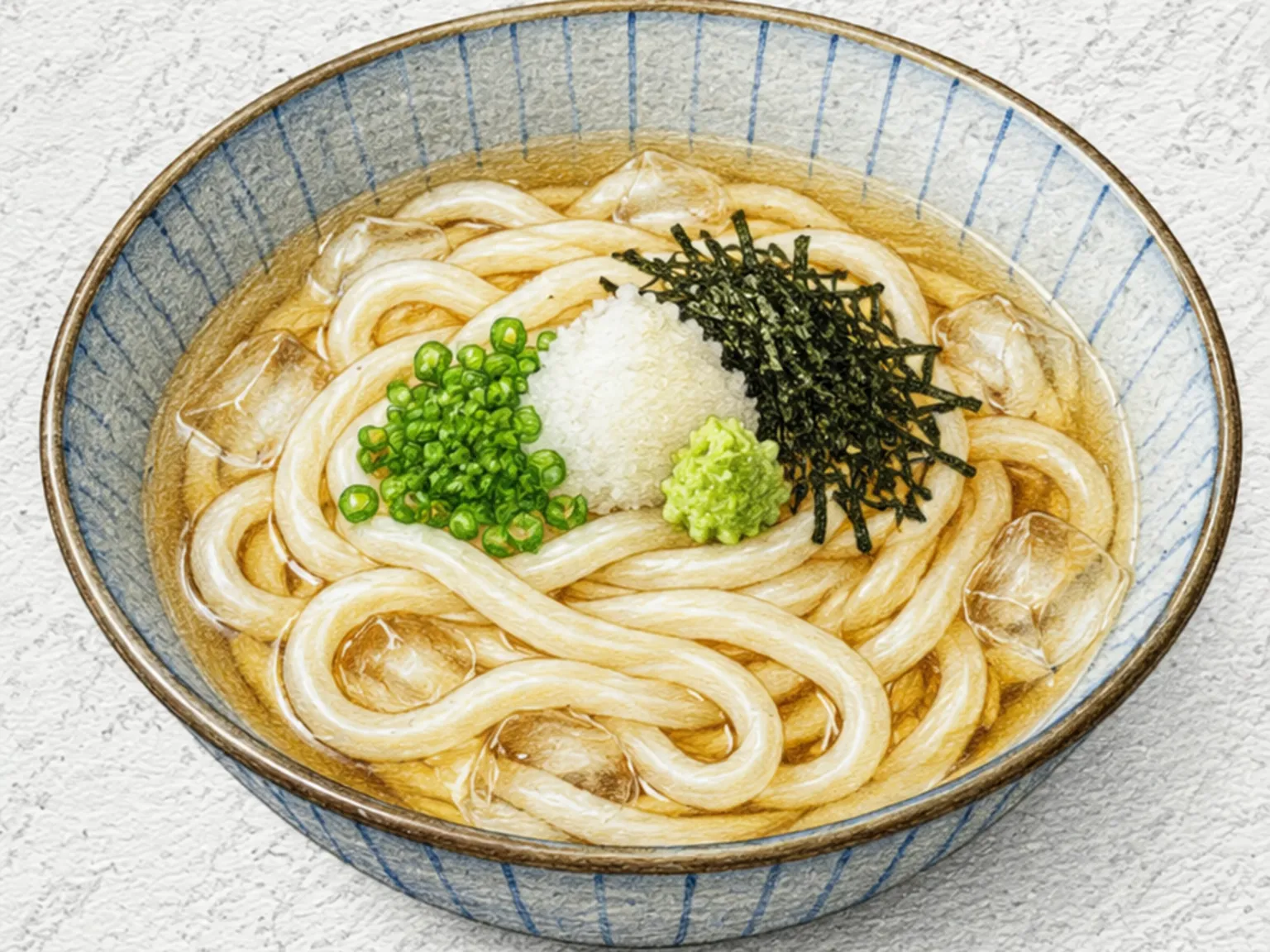
Cold Udon (Chilled Noodles with Mentsuyu Dipping Broth)
Naeng udon is a Japanese cold noodle dish where thick udon is cooked, drained, and then cooled aggressively in ice water before being served in chilled mentsuyu broth. The broth is prepared by diluting concentrated mentsuyu with cold water at a ratio of one to two, then refrigerating it until well chilled, which produces a clean liquid dense with soy-based umami. Cooling the noodles completely in ice water is not optional: the cold firms the starch back up, restoring the springy, slightly resistant chew that defines good udon. Freshly grated daikon stirred into the broth contributes a mild peppery heat and a cooling edge that lightens the overall flavor. Thinly sliced scallion adds a bright green freshness, and a sheet of nori brings oceanic depth to what might otherwise be a simple dipping liquid. A small amount of wasabi dissolved into the broth delivers a sharp nasal sting that contrasts directly with the cold temperature, leaving a clean, bracing finish on the palate. The dish is best eaten quickly while everything stays cold, and it comes together from pantry staples in minutes, making it one of the most practical summer meals.
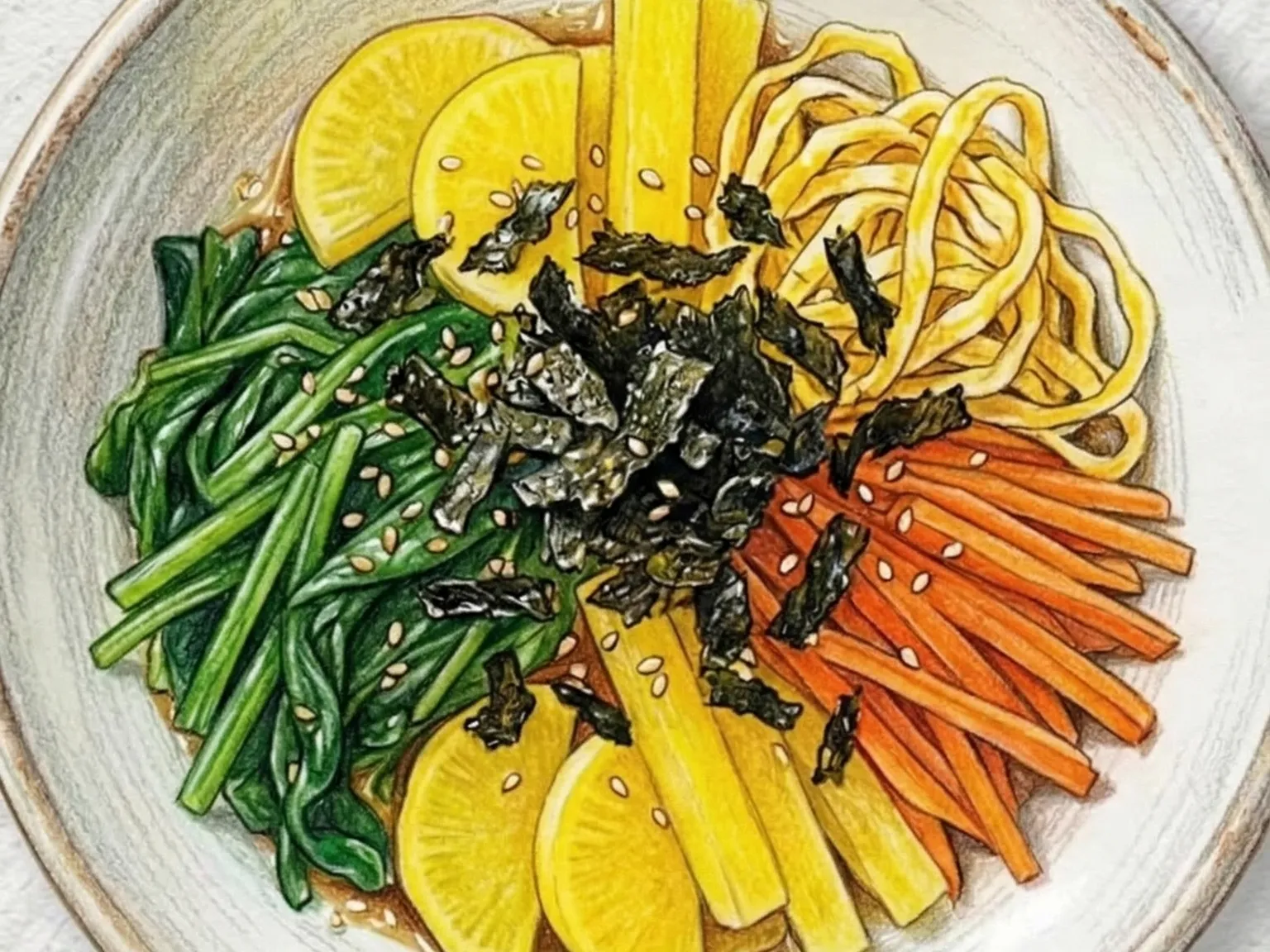
Kimbap Salad Bowl (Without the rice)
Kimbap salad bowl strips away the rice and seaweed wrapper from a traditional kimbap roll and presents its core fillings as a deconstructed salad. Blanched spinach, julienned carrot, pickled radish, and thin egg strips are arranged in a bowl and dressed with soy sauce and sesame oil, the same combination that seasons a finished roll. The dressing replicates the savory, nutty quality of kimbap without the rice bulk, and pickled radish brings enough acidity and salt to balance the entire bowl without additional seasoning. Dried seaweed flakes must be added at the last moment before eating; any earlier and they absorb moisture and lose their snap and sea aroma. The bowl delivers a recognizable kimbap experience for anyone managing carbohydrate intake, and its components can be assembled from ingredients prepared in advance, making it a practical weekday lunchbox option.

Taiwanese Ham and Cheese Sandwich
The Taiwanese Ham and Cheese Sandwich is a multi-layered sandwich that combines sweet and savory flavors. The filling consists of thin egg sheets, sandwich ham, and cheddar cheese slices placed between pieces of soft white bread. To achieve a smooth texture, the crusts of the bread are trimmed before assembly. The spread is made by mixing equal parts of condensed milk and mayonnaise, providing a creamy, sweet, and salty taste. The egg sheets are pan-fried in butter and must be cooled completely before assembly to prevent the bread from becoming soggy. After stacking the layers in a specific order of bread, egg sheet, bread, ham and cheese, bread, egg sheet, and bread, the sandwich is wrapped in plastic film for five minutes. This resting time stabilizes the layers, allowing for clean diagonal cuts and serving.
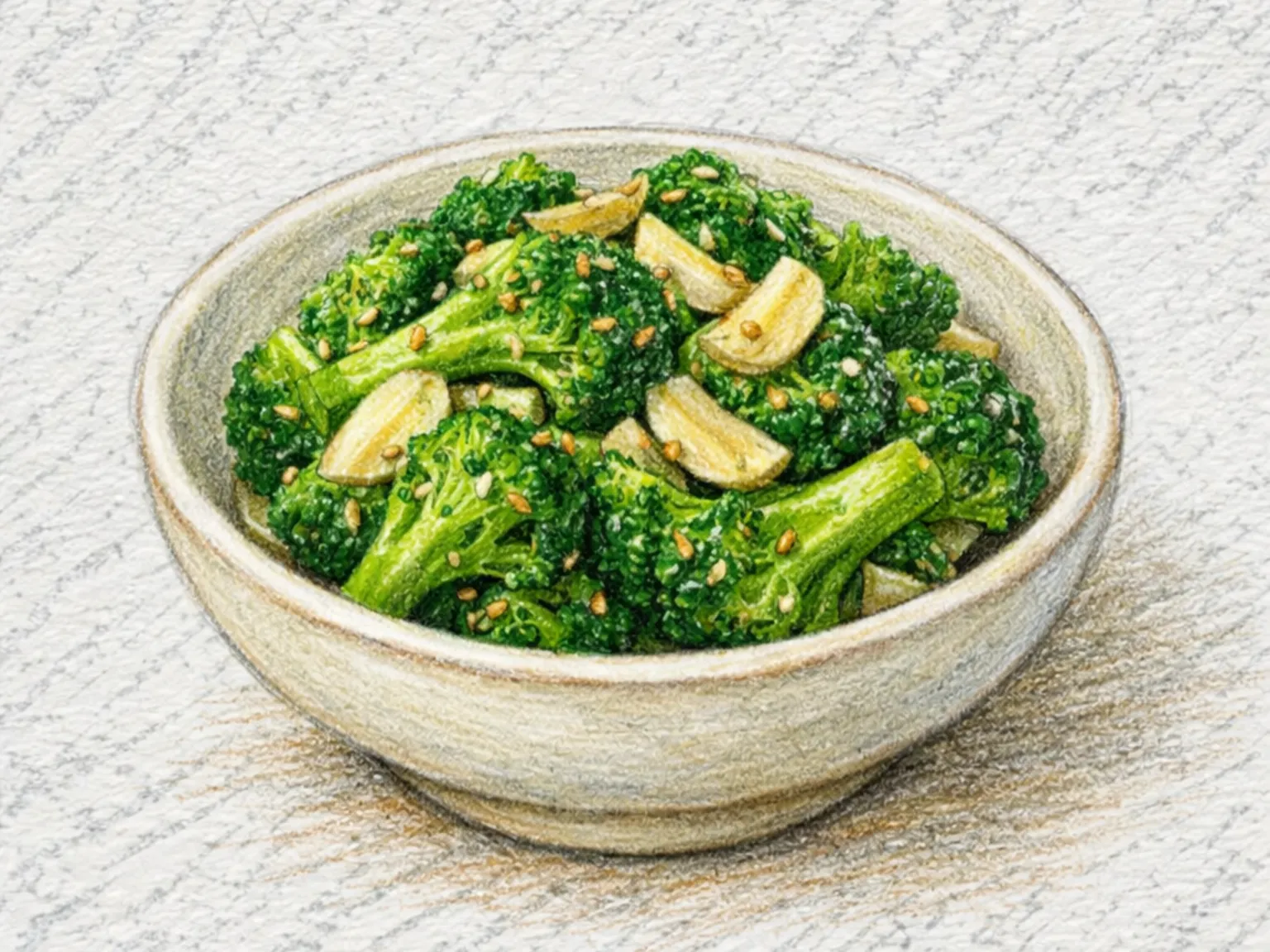
Korean Garlic Sesame Broccoli Muchim
Garlic broccoli muchim is a modern Korean namul that became a household staple as broccoli grew widely available in Korean supermarkets from the early 2000s. The technique is straightforward: blanch florets and peeled, thinly sliced stems in well-salted boiling water for ninety seconds, then immediately transfer them to ice water to stop the cooking. The cold shock locks in the vivid green color and preserves a firm, crisp bite that distinguishes a properly made namul from one that is soft and dull. Peeling the stems and cutting them thin ensures the entire head of broccoli is used rather than discarding the lower portion. The dressing is deliberately minimal: soup soy sauce, minced garlic, sesame oil, and toasted sesame seeds. Keeping the seasoning light allows the broccoli's mild, slightly bitter flavor to come through clearly, with the garlic adding an aromatic sharpness that sits on top rather than overwhelming the vegetable. A final toss brings everything together into a clean, satisfying side dish that is ready in five minutes and keeps well in the refrigerator for two days.
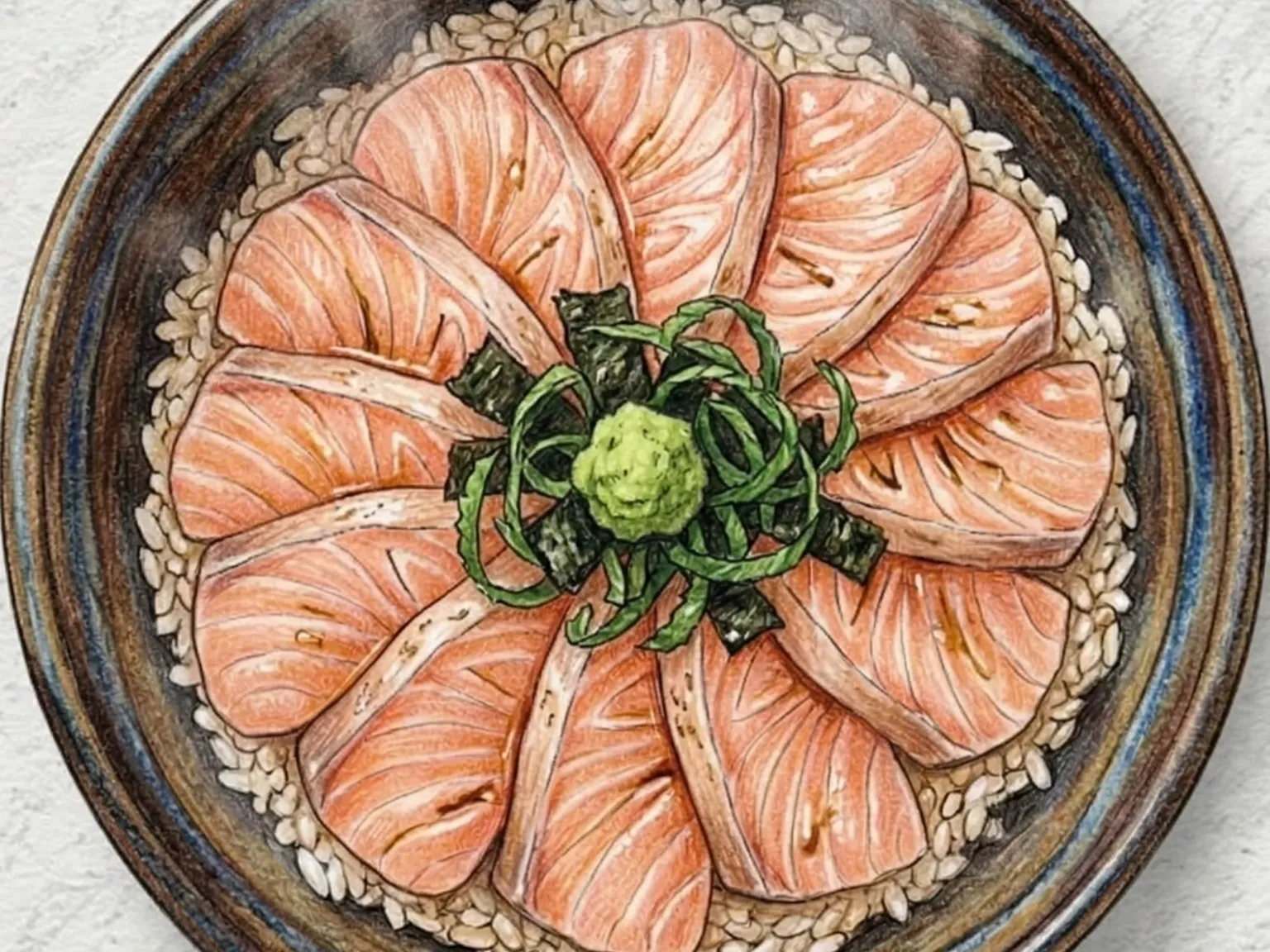
Korean Salmon Rice Bowl (Marinated Raw Salmon over Warm Rice)
Preparing a bowl of Yeoneo deopbap begins with slicing sashimi-grade salmon and tossing it in a light dressing of soy sauce, sesame oil, and wasabi. This Korean adaptation of Japanese donburi relies on a delicate balance where the seasoning merely coats the fish rather than overwhelming its natural texture. Placing these seasoned slices over warm steamed rice creates a temperature contrast that slightly firms the bottom of the fish while keeping the center raw and buttery. Topping the bowl with shredded perilla leaves or nori adds an earthy, oceanic scent that balances the natural fats of the salmon. For a sharper profile, the amount of wasabi can be increased, or a few drops of lemon juice can be added to the soy base to provide a bright acidity. High in omega-3 fatty acids and protein, this dish also contains astaxanthin, making it a nutritious choice that demands the highest level of freshness. Including sliced avocado offers a creamy element, while a spoonful of salmon roe adds small pops of saltiness. Because the residual heat from the rice gradually cooks the fish, assembling the bowl right before eating ensures the salmon maintains its intended consistency and stays fresh on the palate.
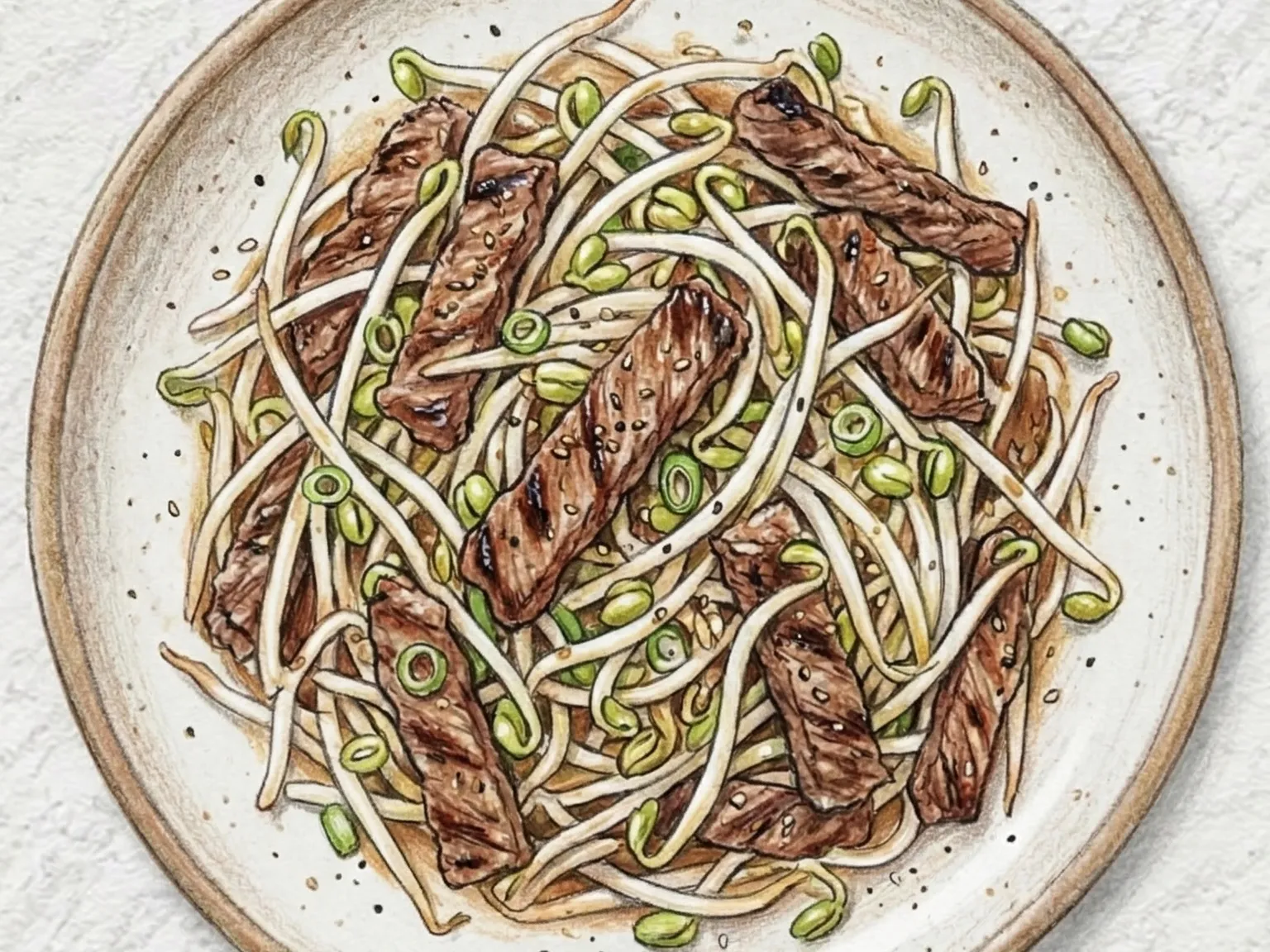
Korean Beef and Bean Sprout Stir-fry
Sukju-sogogi-bokkeum stir-fries thinly sliced lean beef and mung bean sprouts in soy sauce over high heat. The beef goes into a well-heated pan first to develop wok hei, then the sprouts are added for just one to two minutes to keep their crunch and moisture. Seasoning stays minimal with soy sauce, black pepper, and a finish of sesame oil, letting the ingredients speak for themselves. The result is a light stir-fry where the smoky sear of the beef meets the cool, watery snap of the sprouts. Serving it soon after cooking keeps the intended texture clearer, while brief resting lets the sauce or broth settle into the dish.
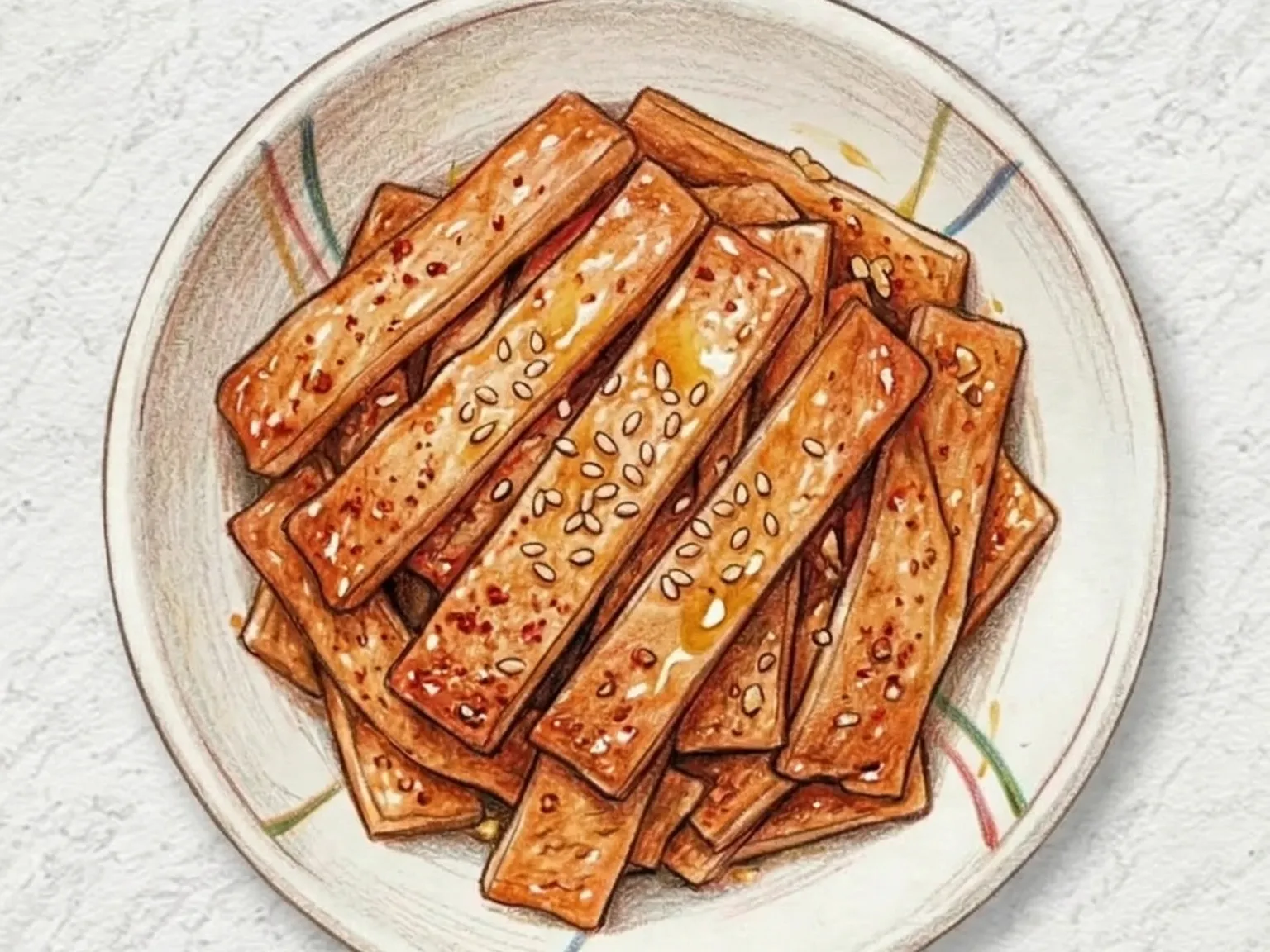
Korean Stir-Fried Fish Cake Strips
This side dish features flat fish cake sheets sliced into thin strips and stir-fried in a savory seasoning mixture. The preparation starts with blanching the fish cake slices in boiling water to remove excess surface oil, which helps the glaze adhere evenly. The strips are first stir-fried in an oiled pan over medium heat to evaporate surface moisture and curl the edges. Minced garlic and red pepper flakes are then added and cooked quickly to prevent the spices from burning. After seasoning with soy sauce and sugar, the ingredients are tossed until they become glossy and the sauce is fully absorbed. The heat is turned off before mixing in sesame oil and toasted sesame seeds to provide a nutty finish. This dish offers a clear balance of sweet and spicy flavors that pairs well with steamed rice.
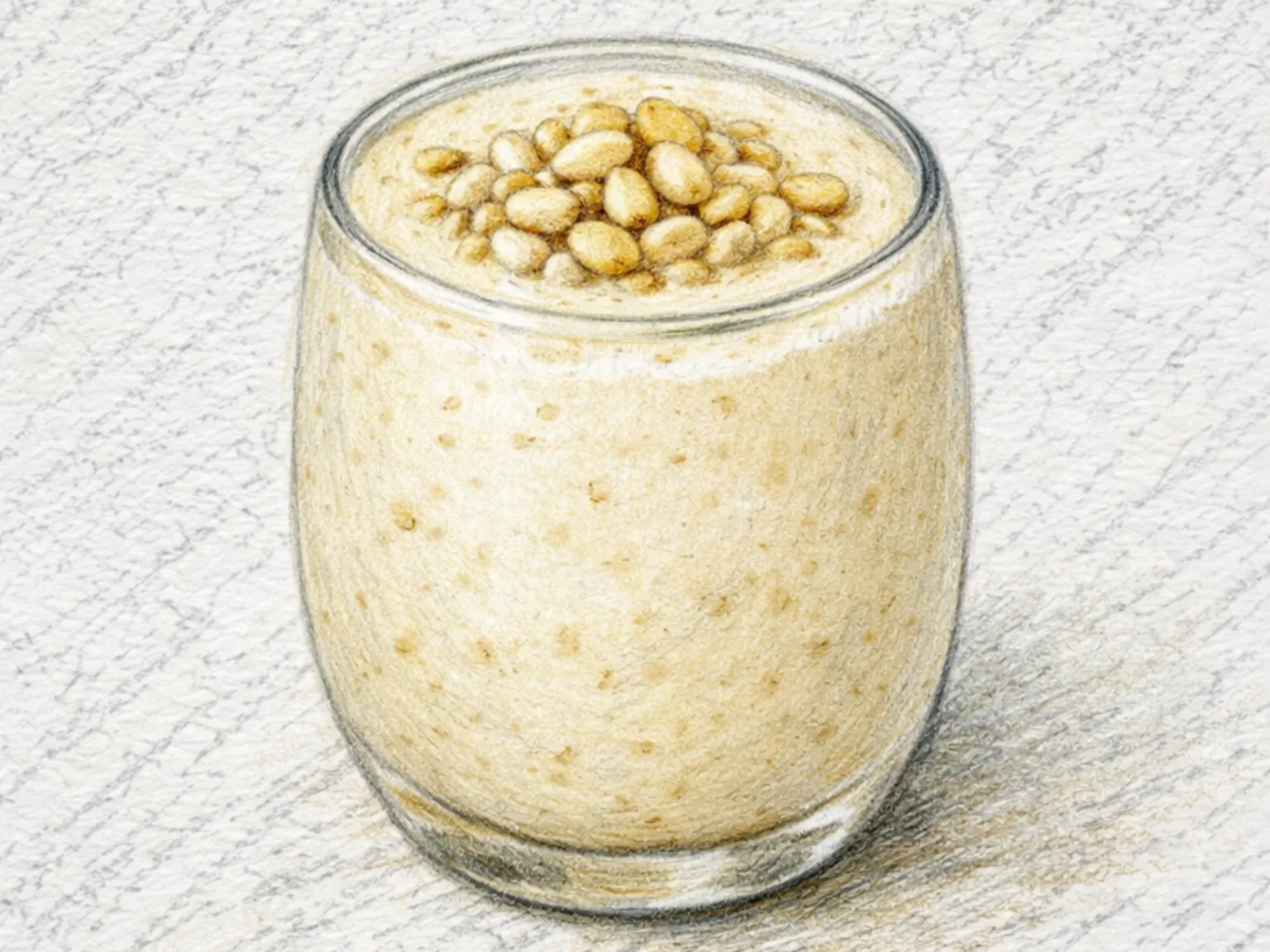
Korean Pine Nut Job's Tears Shake
Jat-yulmu shake blends cooked job's tears (yulmu) and pine nuts with cold milk, honey, and ice into a thick, grain-based drink. Job's tears must be boiled until they are genuinely soft all the way through before going into the blender: partially cooked grains leave behind a gritty, coarse texture that no amount of blending time will fully eliminate. Pine nuts are high in natural oils, and those oils emulsify during blending to give the shake a richly creamy body that separates this drink from lighter fruit-based smoothies. Honey provides a clear sweetness that sits lightly over the mild, slightly earthy character of the cooked grains, while a small amount of vanilla extract deepens the overall aroma without competing with the grain flavors. A single pinch of salt is not about seasoning in the conventional sense but about amplifying - it sharpens the nutty quality of the pine nuts and brings the toasty, wheaten aroma of the job's tears into clearer focus. Blending with ice cubes rather than adding milk alone results in a colder, thicker shake with more resistance when sipped through a straw.
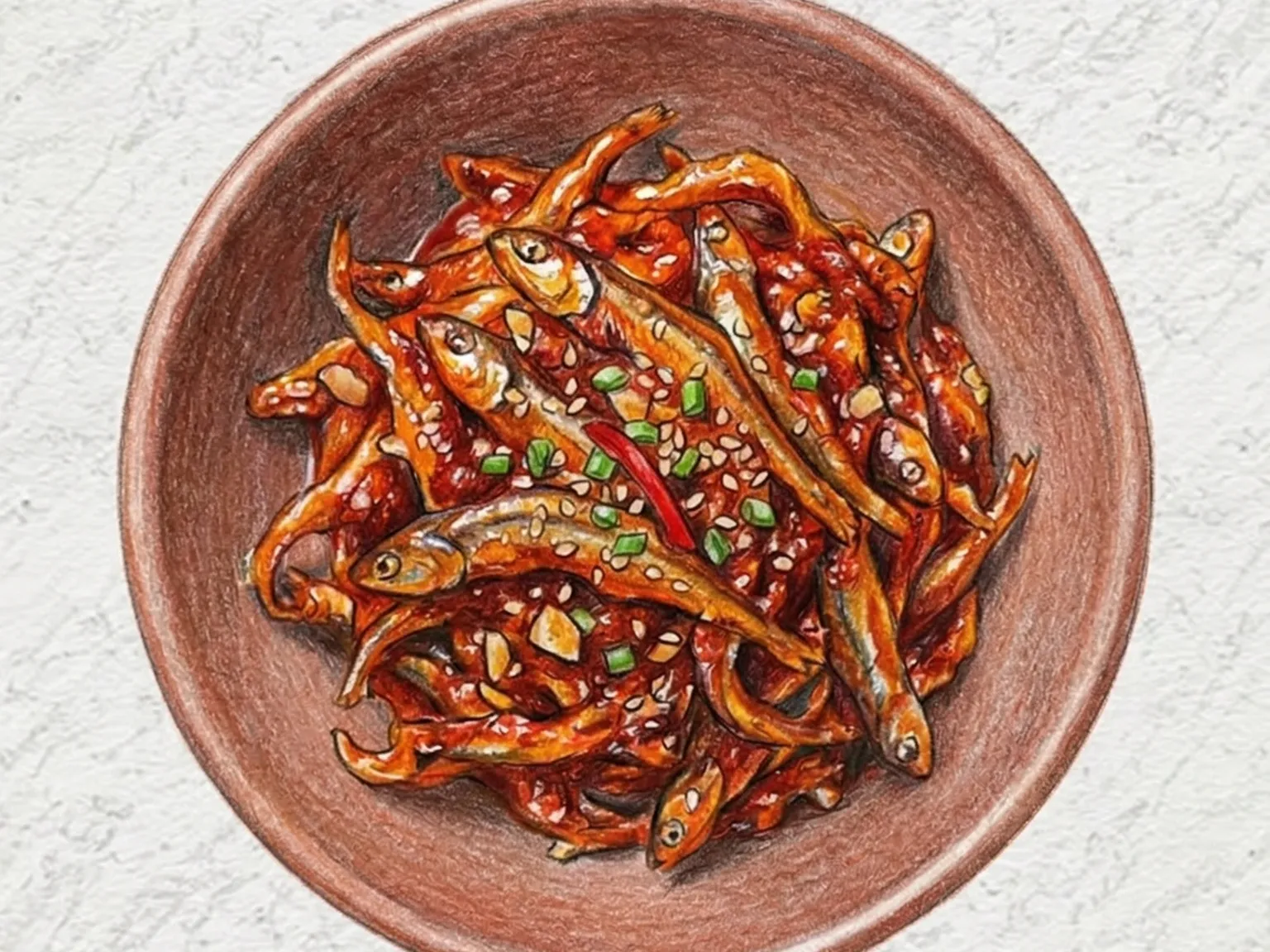
Korean Gochujang Grilled Anchovies
Myeolchi-gochujang-gui is a Korean gochujang-glazed anchovy side dish where medium-sized dried anchovies are first dry-toasted in a pan for one minute to reduce fishiness and drive off moisture, then tossed in a sauce of gochujang, soy sauce, oligosaccharide syrup, cooking wine, and minced garlic. The sauce is simmered briefly over low heat before the anchovies go in, cooking off the alcohol in the wine and thickening the glaze so it clings to each fish. Once the anchovies are added, the tossing should finish within two minutes-longer cooking hardens them rather than keeping them pleasantly chewy. Sesame oil and toasted sesame seeds folded in at the end round out the sweet-spicy-salty profile with a nutty finish.
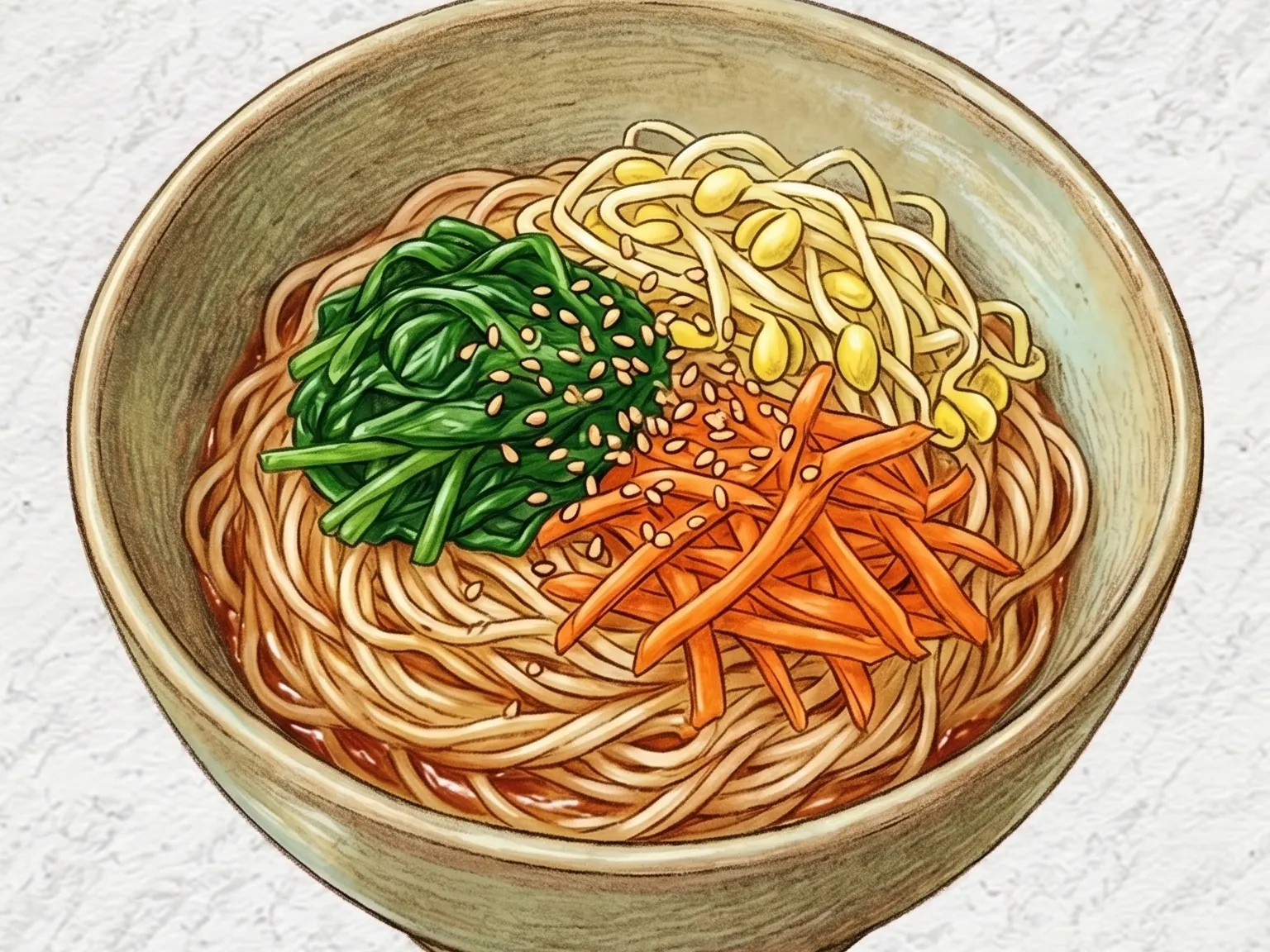
Korean Seasoned Veggie Mixed Noodles
Namul bibim somyeon is a Korean mixed noodle dish where thin wheat noodles are tossed with blanched spinach, soybean sprouts, and julienned carrot in a soy-based dressing. Each vegetable is blanched separately and squeezed firmly dry before mixing; residual moisture dilutes the sauce and causes the noodles to clump as they sit. Dry-sauteing the carrot for one minute without any oil pulls out a sweetness that raw carrot cannot deliver. The dressing combines soy sauce, rice vinegar, plum syrup, minced garlic, and sesame oil into a sauce that is salty, tart, and faintly sweet all at once, strong enough to season the mild vegetables and noodles evenly. Coating the noodles with the dressing first and folding in the vegetables afterward ensures every strand is seasoned rather than leaving the sauce concentrated on the vegetable surfaces. A generous scatter of toasted sesame seeds on top brings a nutty warmth that ties together the clean vegetable flavors and the aromatic sesame oil in the dressing.
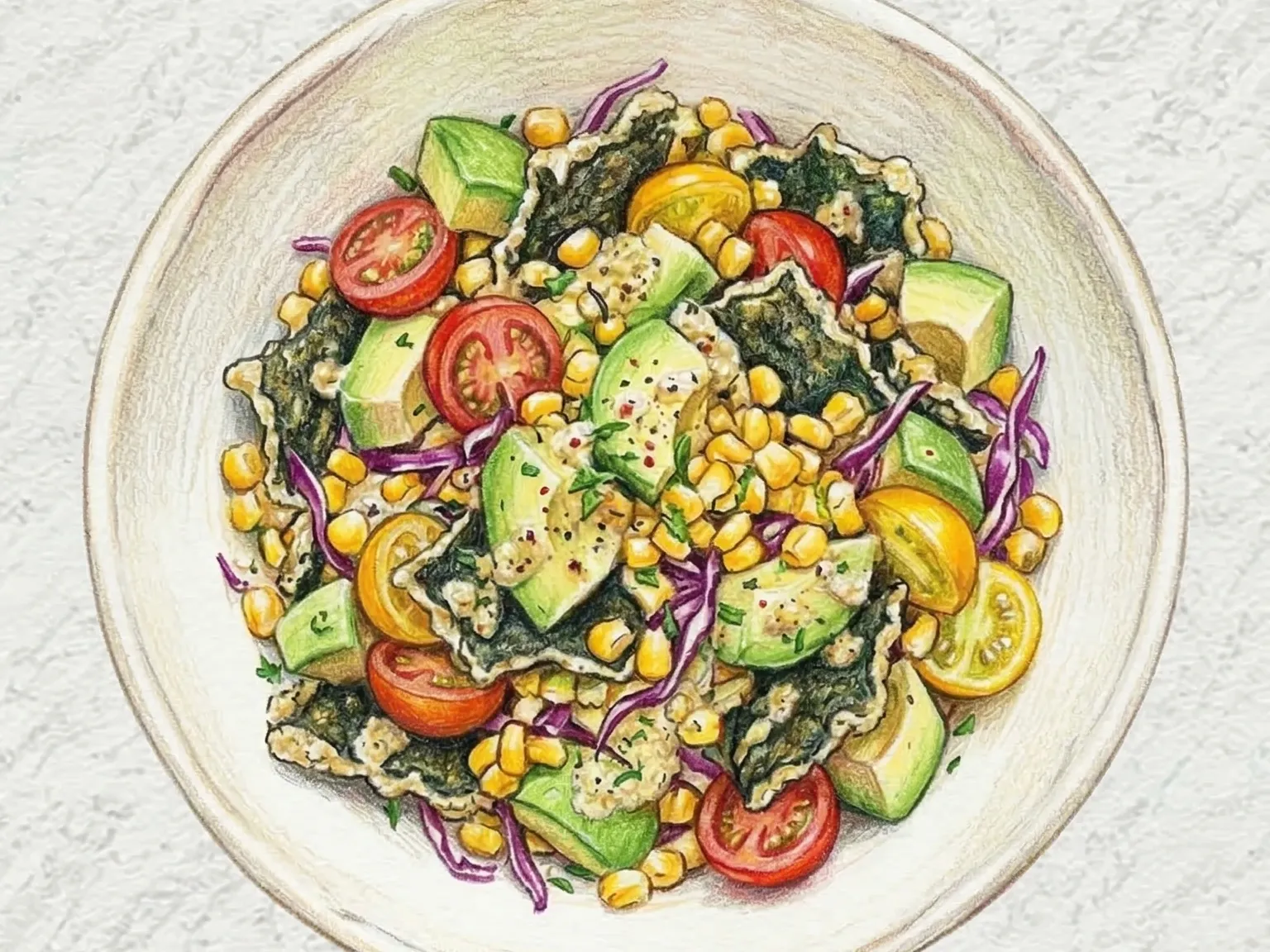
Seaweed Chip Avocado Corn Salad
Gimbugak - deep-fried seaweed chips coated in glutinous rice paste - is crushed over the finished salad to deliver a savory crunch distinct from ordinary croutons. Ripe avocado provides a creamy fat base, while blanched sweet corn adds a gentle grain sweetness that balances the richness. Cherry tomatoes and shredded red cabbage bring color and bright acidity, and a light dressing of lime juice with fine chili powder leaves a gentle heat on the finish. The chips soften quickly once they touch moisture, so they must be added at the very last moment.
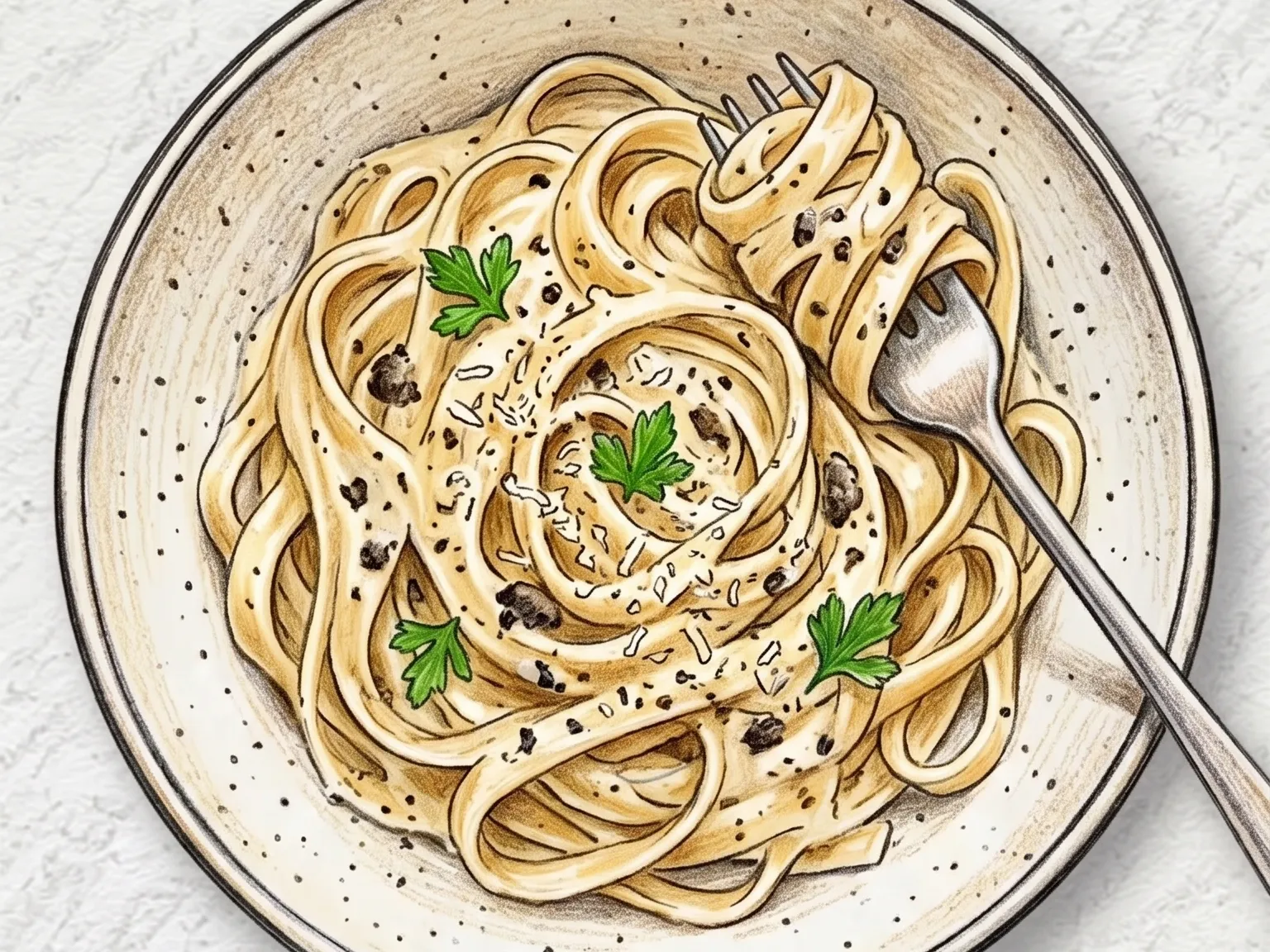
Truffle Cream Pasta
Truffle cream pasta cooks fettuccine al dente, reserves pasta water, then tosses the noodles in a sauce built by sweating garlic in butter, simmering heavy cream, and melting in Parmesan cheese before finishing with truffle oil off the heat. Adding truffle oil only after the burner is off preserves its volatile earthy and mushroom-like aroma - even brief exposure to direct heat dulls the fragrance significantly. The cream needs just two minutes of simmering to thicken to the right consistency; reducing it further makes the sauce too heavy to coat the pasta evenly. Stirring in Parmesan creates body, and splashes of starchy pasta water emulsify the fat and cheese into a smooth, clinging sauce. The dish should be plated and eaten immediately - truffle aroma fades quickly once it leaves the pan, and the sauce continues to tighten as it cools.
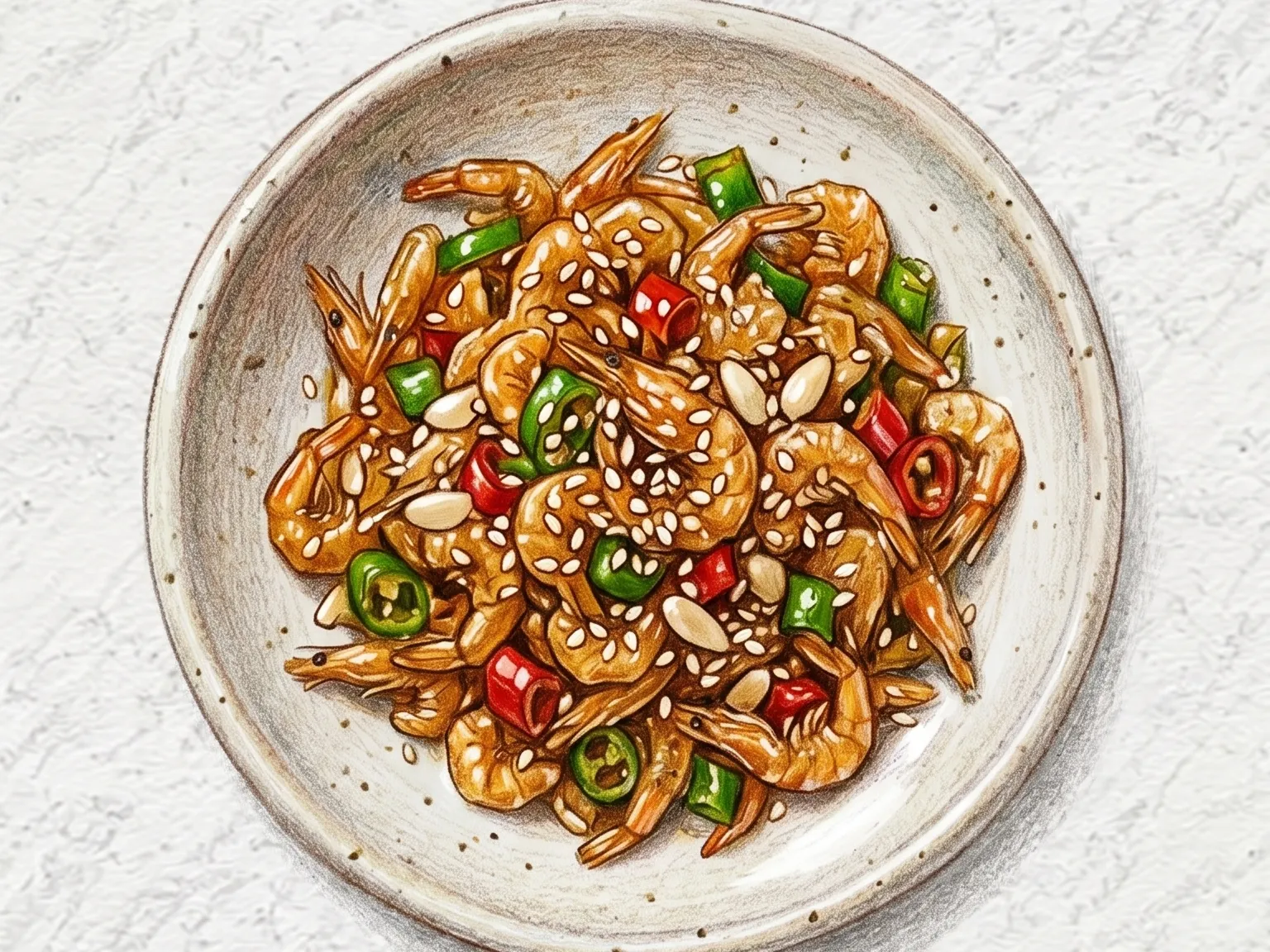
Korean Stir-fried Dried Shrimp
Geon-saeu-bokkeum transforms a handful of dried shrimp, a Korean pantry staple, into a quick, crunchy banchan that earns its reputation as a rice thief. The shrimp are dry-toasted in a pan first to drive off residual moisture, intensifying their briny aroma and building the foundation for a crisp final texture. Soy sauce, rice syrup or oligosaccharide, and garlic are added and reduced over low heat until the shrimp are wrapped in a thin, glossy sweet-salty glaze. The timing matters: the moment the syrup bubbles once, the heat must drop immediately, because leaving it even slightly too long hardens the coating into a tooth-testing shell rather than a pliable lacquer. A finish of sesame oil and whole sesame seeds adds a nutty warmth that rounds out this compact side dish. Finely sliced Cheongyang chili mixed in during the last minute produces a spicier variation, and a small handful of almonds or peanuts stirred in enriches the chew. The finished banchan keeps well in a sealed container at room temperature for several days, making it as practical as it is flavorful.
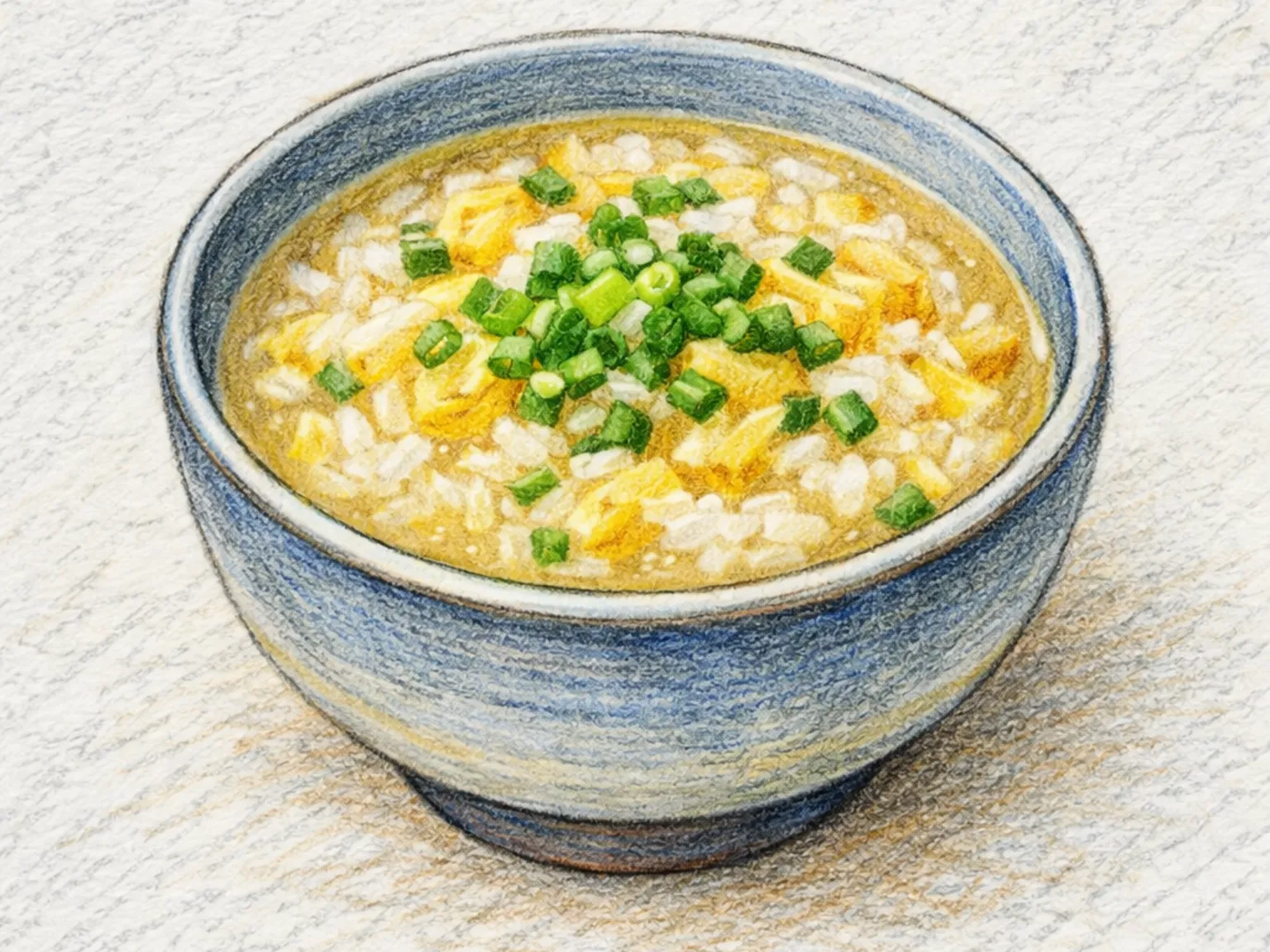
Japanese Rice Soup Porridge
Zosui is a Japanese rice porridge made by simmering leftover cooked rice in dashi broth and finishing with beaten egg. The broth soaks into the rice grains, giving the porridge a deep umami base, while the egg sets into soft ribbons throughout. Enoki mushrooms add thin, delicate strands of texture, and chopped scallions contribute a fresh finish. Seasoning is kept minimal with just soy sauce and salt to let the broth flavor come forward. It is often served as the closing dish after a nabe hot pot, using the remaining broth as the cooking liquid.
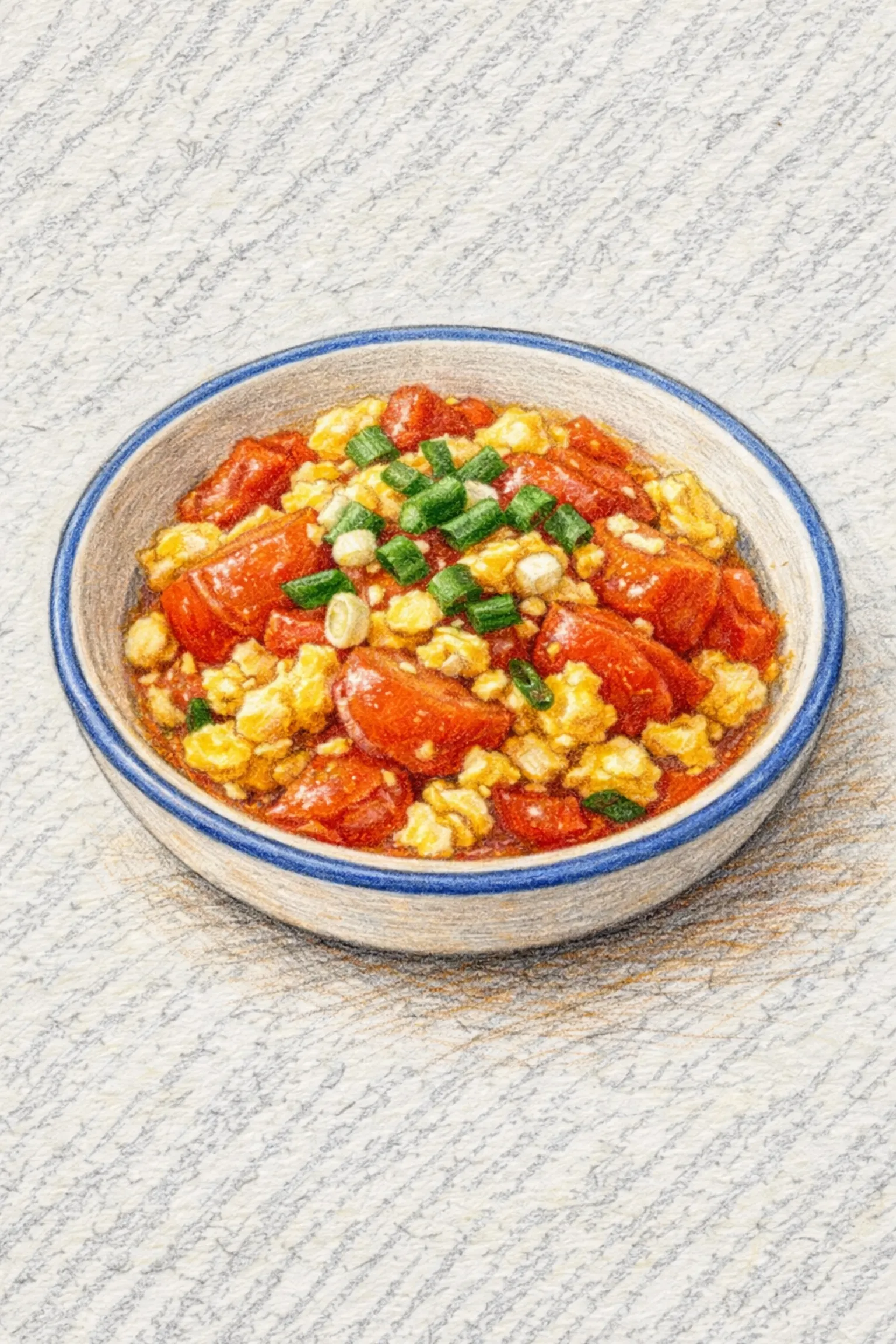
Korean Tomato Dalgyal Bokkeum (Tomato Egg Stir-fry)
Tomato-dalgyal-bokkeum uses a two-stage cooking method: eggs are scrambled to about 70% doneness and set aside, then returned to the pan with seared tomatoes for a final quick toss. The tomatoes release a small amount of juice when cooked briefly with oyster sauce and sugar, and the partially set eggs absorb this liquid to stay soft and moist. Bright tomato acidity, mild egg richness, and oyster sauce umami layer together without any single flavor dominating. Sharing roots with Chinese tomato egg stir-fry (xihongshi chaodan), it crosses easily into Korean home cooking.
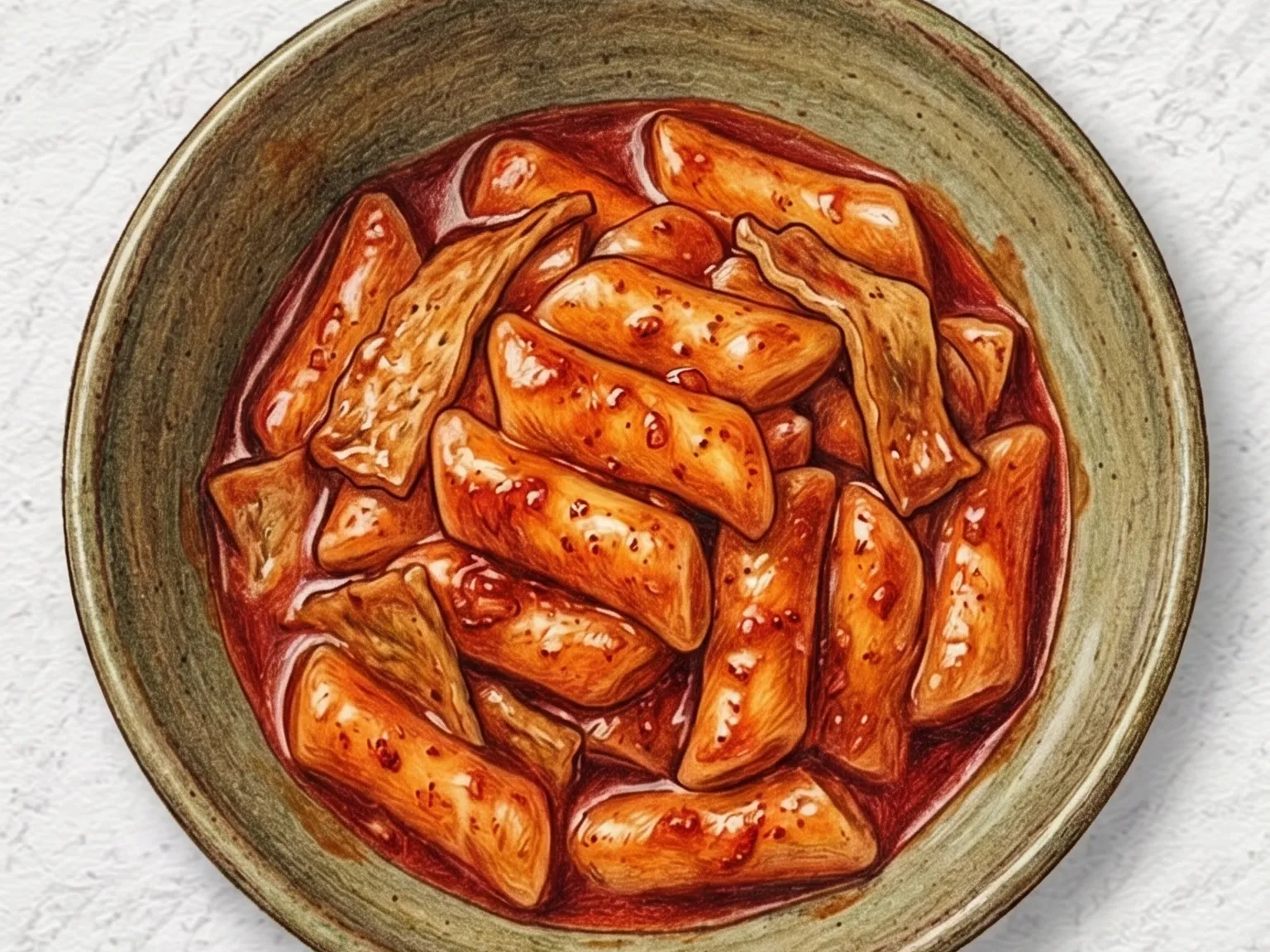
Old-school Wheat Tteokbokki
This recipe details how to make old-school wheat tteokbokki with a sweet and spicy sauce. Wheat rice cakes are used because they absorb the flavors of the gochujang sauce deeper than rice cakes. The wheat cakes are first soaked in cold water for ten minutes to remove surface starch and control how much they swell during cooking. A base sauce is prepared by mixing water with gochujang, red chili powder, sugar, soy sauce, and minced garlic in a pan. Once the sauce boils, the wheat cakes and the white parts of the sliced green onion are added and simmered. When the cakes become soft, bite-size square fish cakes are added to simmer together. The starch and flavor from the fish cakes help thicken the sauce. The green parts of the green onion are added at the end for color, creating a glossy sauce that clings to the ingredients.
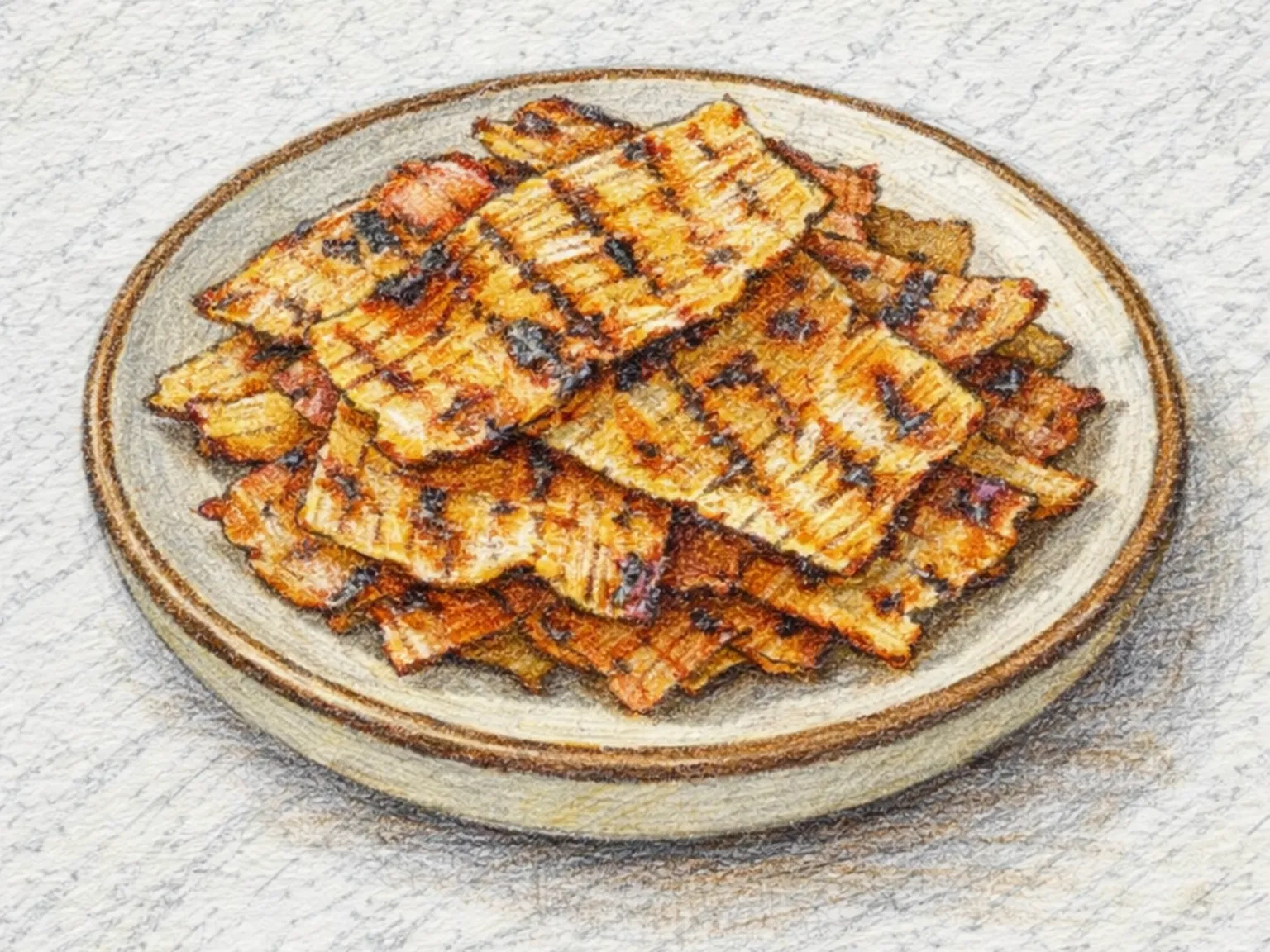
Korean Grilled Filefish Jerky
Jjipo-gui is a Korean bar snack made by pan-grilling dried filefish jerky in melted butter until golden on both sides. Jjipo - dried and pressed filefish - has a dense, chewy texture and a concentrated umami that intensifies the longer you chew, which is what makes it so effective as drinking food alongside beer or soju. Grilling it in butter rather than oil adds a rich, nutty fat quality that complements the inherent savoriness of the dried fish in a way that neutral oil cannot. A thin glaze of soy sauce and oligosaccharide syrup applied near the end of cooking transforms the surface into a glossy, sweet-savory crust that caramelizes without burning, and a pinch of red chili flakes dusted over the top adds a mild heat that persists through the finish. The key to getting the glaze right is temperature control - medium-low heat allows the sugars to caramelize gradually and evenly without scorching, while too high a flame will burn the coating and turn it bitter before the fish has fully grilled through. Too low, and the moisture simply steams off without the glaze setting properly. Cutting the grilled jjipo into long strips with kitchen scissors before serving preserves the chewy pull of the jerky and makes it easier to share and eat in pieces without tearing.
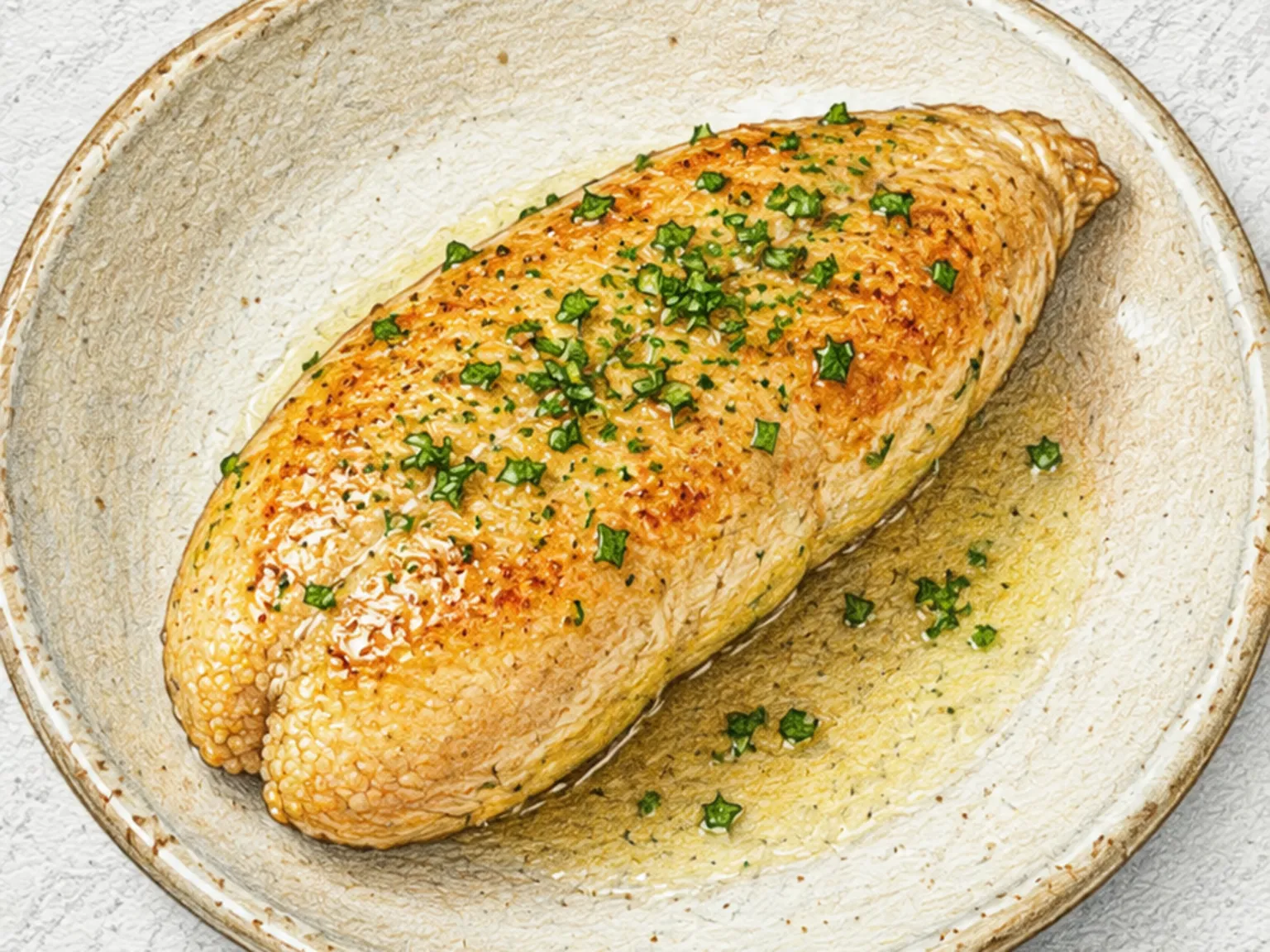
Korean Mentaiko Butter Grilled Cod Roe
Myeongnan-butter-gui is a Korean pan-grilled dish where whole salted pollock roe sacs are cooked slowly in melted butter over low heat. The thin membrane surrounding the roe holds thousands of tiny eggs that rupture easily under strong heat, so maintaining a gentle, patient flame throughout is the single most important part of the technique. As the butter melts and pools around the roe, it forms a continuous, fatty coating that melds with the inherent saltiness of the cured roe, building an intensely savory flavor without any additional seasoning required. Once one side turns a pale golden color, the roe is carefully turned over and the process repeated on the other side, aiming for a surface that is lightly set and golden while the interior remains soft and warm. A generous scattering of finely chopped parsley over the finished dish introduces a bright, herbal freshness that cuts cleanly through the rich, salty butter and balances the overall profile.
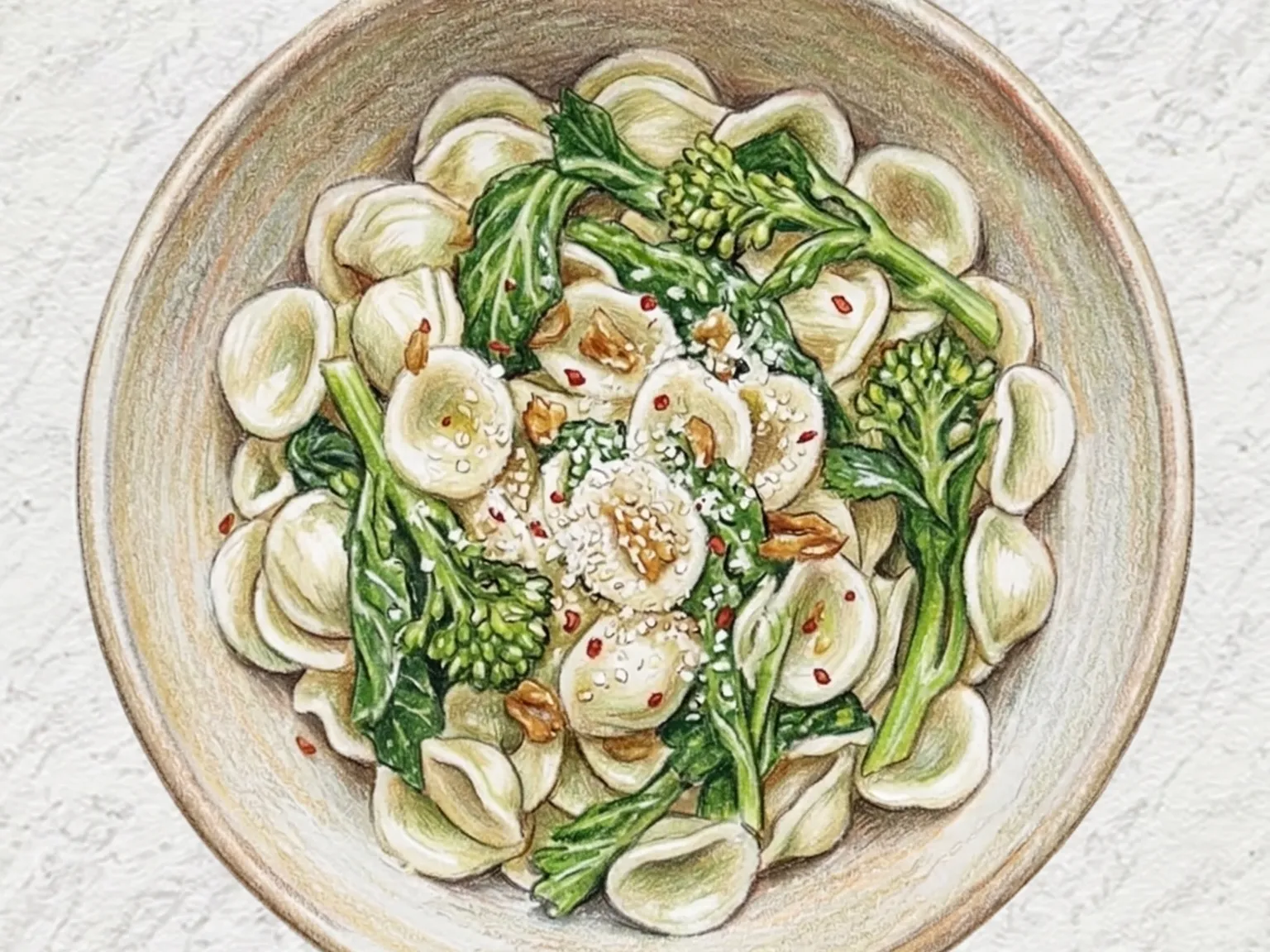
Orecchiette with Broccoli Rabe
Orecchiette with broccoli rabe is a Southern Italian pasta from Puglia that pairs ear-shaped pasta with blanched broccoli rabe, garlic, anchovy, and dried chili in olive oil. Blanching the broccoli rabe for one to two minutes tames its bitterness, and cooking the pasta in the same water infuses it with the green's flavor. Garlic and anchovy fillets are warmed slowly in olive oil until the anchovy dissolves into a savory paste, providing salt and umami without needing additional seasoning. Dried chili flakes contribute a gentle background heat. Tossing the drained pasta and greens in the pan with a splash of pasta water emulsifies the oil into a light coating on every piece. Grated parmesan scattered on top adds a salty, nutty finish that balances the vegetal bitterness.
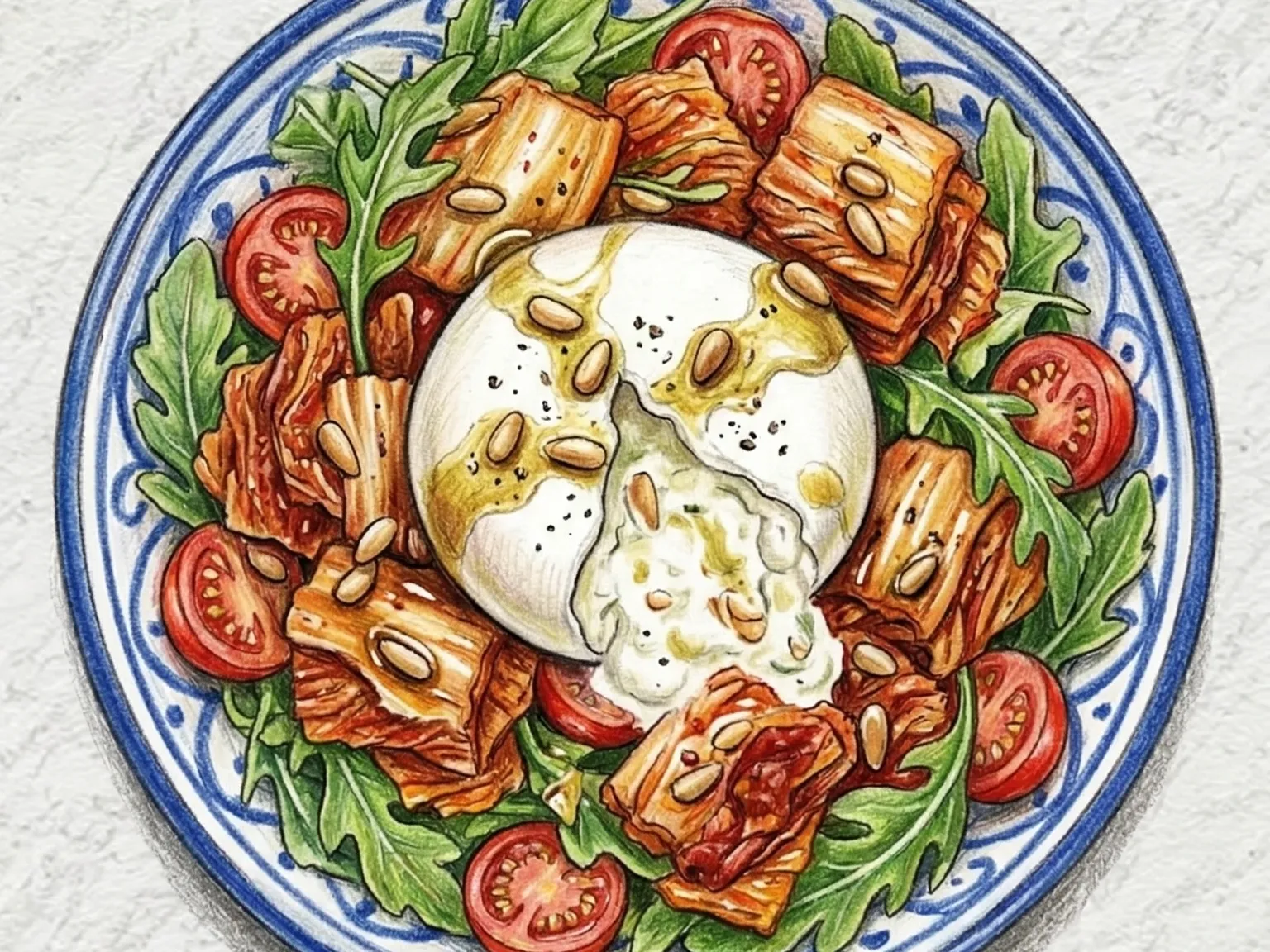
Kimchi Burrata Salad
Aged napa kimchi brings fermented tang and concentrated umami that meets the mild, milky richness of fresh burrata in a pairing that achieves harmony rather than conflict. Peppery arugula adds a bitter counterpoint that lifts the overall weight of the dish, and halved cherry tomatoes scatter bright fruit acidity across the plate. The dressing blends perilla oil with olive oil, combining the nutty depth of Korean cuisine with the fruity character of Mediterranean cooking in a single drizzle. Pine nuts add a buttery, creamy crunch between bites that reinforces the richness of the cheese. The defining moment of this salad comes at the table, when the burrata is torn open with both hands and the soft stracciatella center spills into the surrounding ingredients. The creamy interior of the cheese mixes into the kimchi brine and perilla oil dressing, and that combination is what makes this salad more than a simple fusion exercise.

Tuna Melt
Tuna melt mixes drained canned tuna with finely diced celery and mayonnaise, spreads the mixture on sandwich bread, tops it with cheddar cheese, butters the outside, and grills in a pan until both sides are crisp and golden. Draining the tuna thoroughly is the first priority - excess moisture soaks into the bread and prevents it from crisping no matter how long it cooks. The celery adds a textural crunch that contrasts with the soft, creamy tuna filling. Using several thin slices of cheese rather than one thick piece ensures more even melting and full coverage across the bread. Medium-low heat is essential: it gives the cheese enough time to melt completely before the bread burns, which high heat makes nearly impossible. The sandwich is best served immediately after cutting in half, while the cheese is still stretchy and warm.
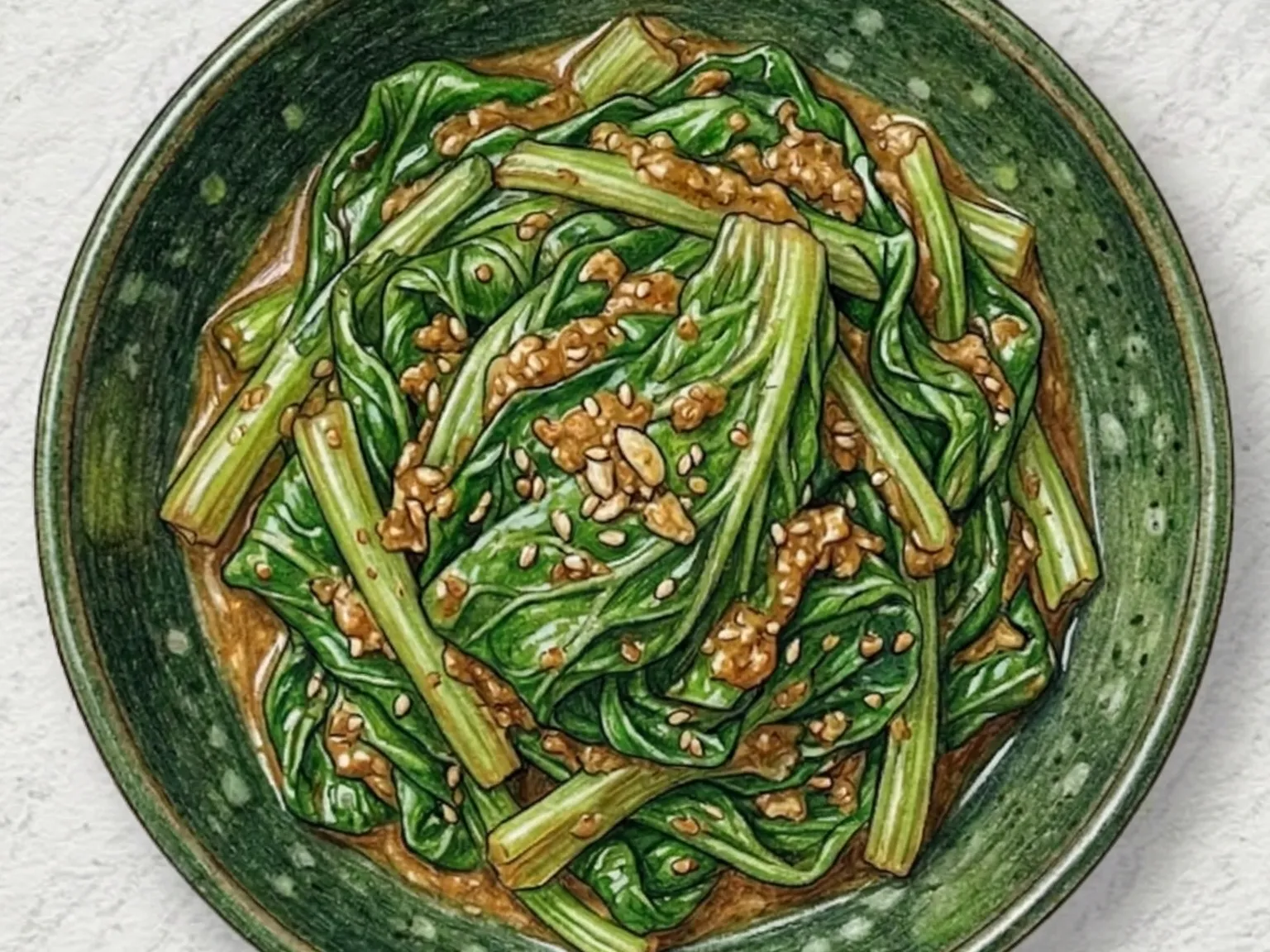
Korean Seasoned Swiss Chard Namul
Geundae namul muchim is a seasoned vegetable banchan made from Swiss chard, a leafy green that has been used in Korean doenjang soup and namul for generations. Because the stems are substantially thicker than the leaves, blanching them together results in overcooked leaves by the time the stems are ready, so they are handled separately: stems go into boiling water for thirty seconds first, then the leaves follow for another thirty. After blanching, squeezing the greens thoroughly by hand is important because excess moisture dilutes the seasoning and prevents it from clinging to the greens. The blanched chard is hand-dressed with doenjang, soup soy sauce, minced garlic, and perilla oil, working the paste into the greens so that the fermented paste's earthy, savory depth merges with chard's faintly bitter, mineral character in the way that defines traditional Korean namul. Perilla powder added last thickens the dressing into a coating that clings without adding liquid and contributes a layer of nutty, roasted fragrance. Chard's thicker, denser leaf structure holds up far better than spinach after dressing, which makes this namul a reliable make-ahead banchan that does not collapse or release water when left to sit.
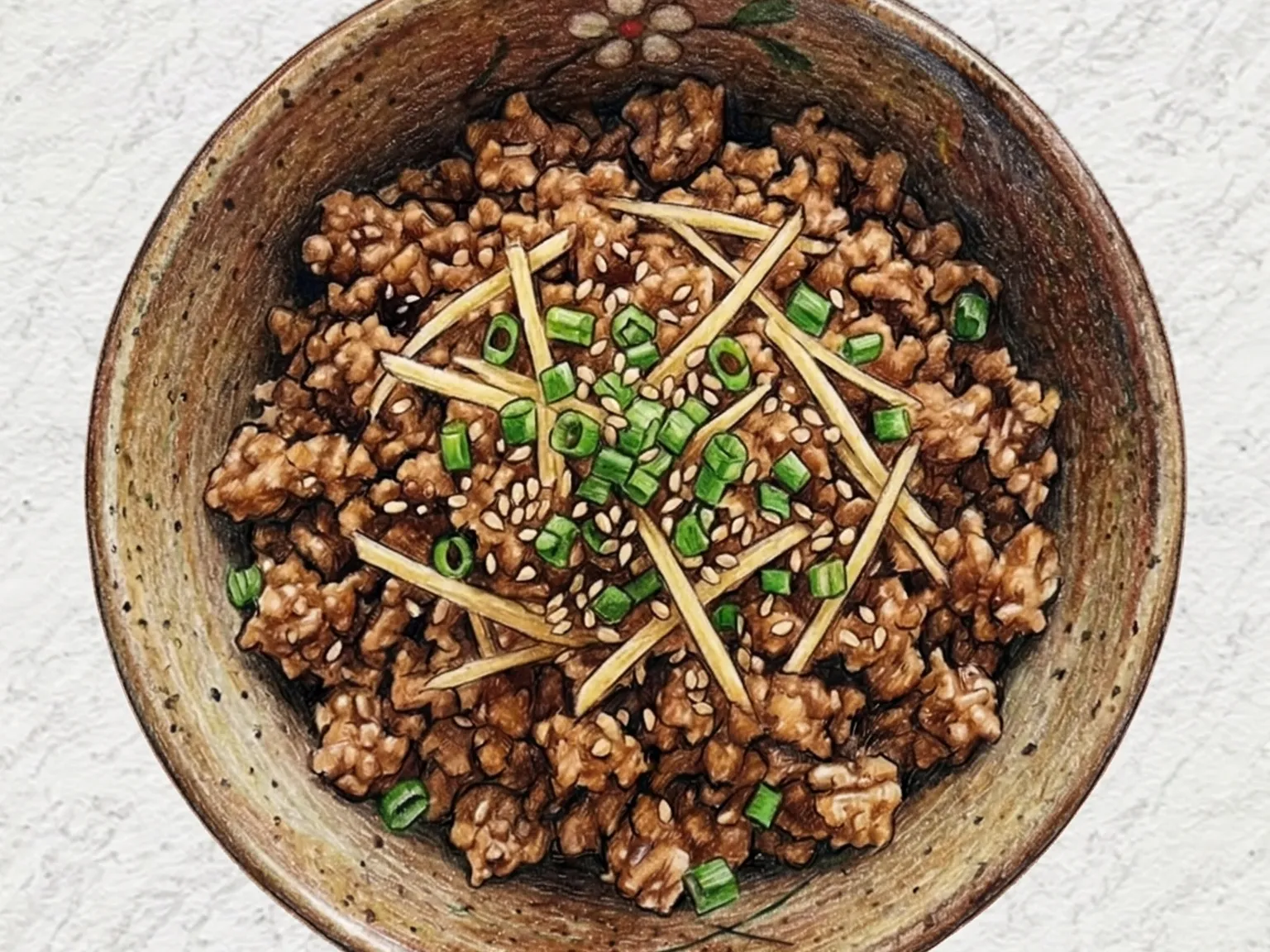
Japanese Ginger Soy Braised Chicken
Toriniku shigureni is a Japanese-style simmered dish of ground chicken cooked down with julienned ginger, soy sauce, mirin, and sugar until most of the liquid evaporates. The chicken is browned first over medium heat, then ginger is added for its sharp bite before the braising liquid goes in. As the sauce reduces over six minutes, it concentrates into a sweet-salty glaze that clings to the meat. The ginger tames any gamey notes while adding warmth, making this a versatile topping for rice bowls or a compact side dish for packed lunches.