2686 Korean & World Recipes
Charim is a recipe guide that organizes Korean, Western, Asian, and baking recipes in one place. Each recipe features a clear ingredient list and step-by-step instructions, along with nutrition facts and cooking tips.
Browse 2686 recipes across 18 categories. Use the search bar or category filters to find exactly what you are looking for.
All Recipes
Neatly organized recipe collection

Tanghuru (Chinese-Style Candied Fruit Skewers)
Tanghuru is a candied fruit dessert made by skewering fresh strawberries, grapes, or other fruits and dipping them into sugar syrup heated to 150 degrees Celsius, the hard-crack stage. At this precise temperature, the syrup sets into a thin, glass-like candy shell around each fruit; any lower and it remains sticky without hardening. Biting through the brittle sugar coating releases the fresh juice of the fruit inside, creating a sharp contrast between pure sugar sweetness and the fruit's natural tartness. The fruit must be thoroughly dried before dipping so the candy layer adheres in an even, transparent coat.
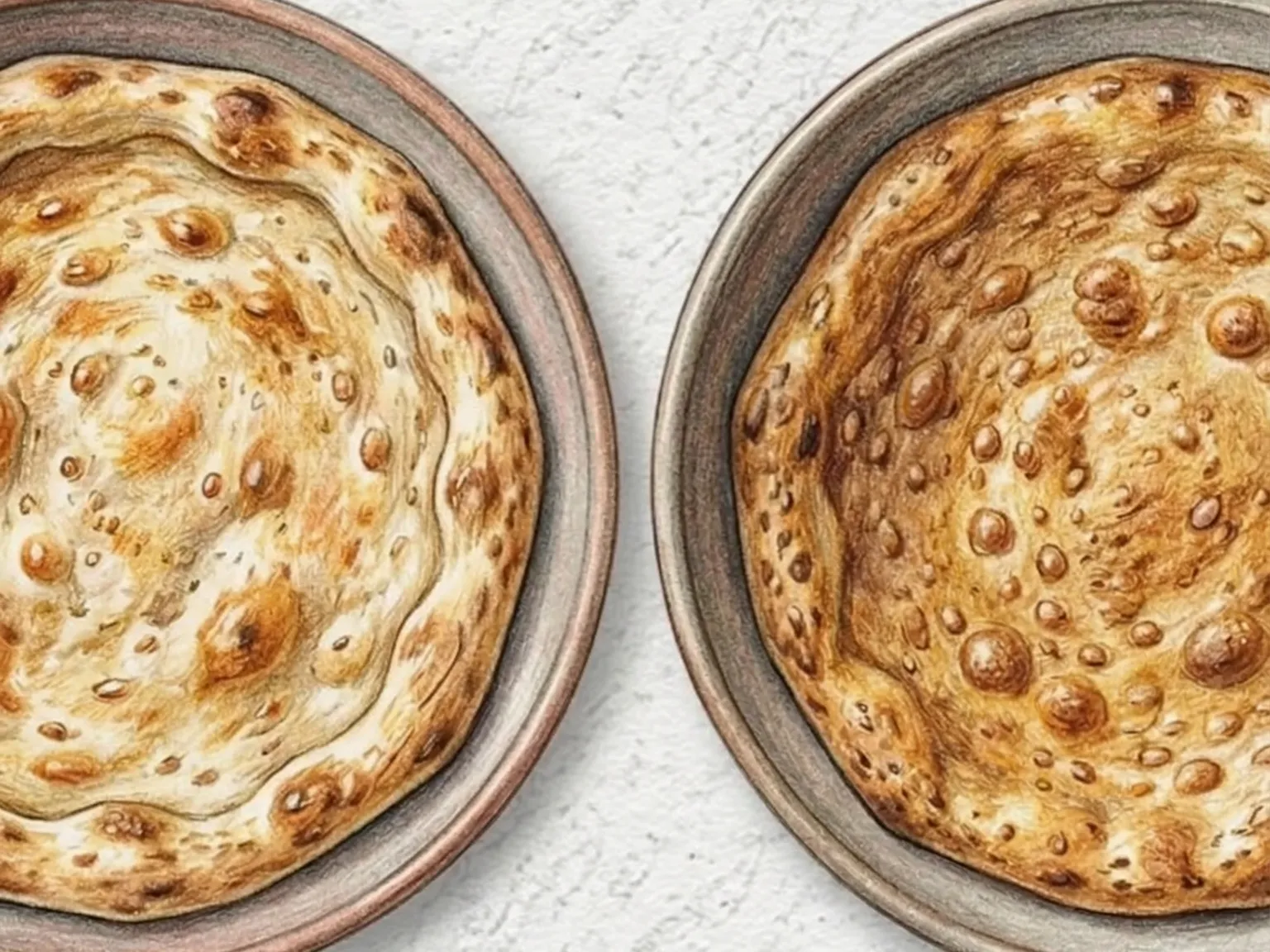
Pizza Dough
Bread flour, instant yeast, olive oil, and water come together into a simple Italian pizza dough that is the foundation for any topping combination. Five to eight minutes of kneading develops enough gluten for a chewy, elastic crust that stretches easily without tearing. After a one-hour room-temperature rise, the dough is divided and shaped by hand into rounds. The highest possible oven temperature is the single most important factor for a crisp bottom, as intense heat sets the crust before moisture from the toppings can soften it. Preparing the dough a day ahead and cold-fermenting it in the refrigerator allows the yeast to work slowly, developing complex flavors that a quick rise cannot match. Each batch yields two pizzas roughly thirty centimeters in diameter.
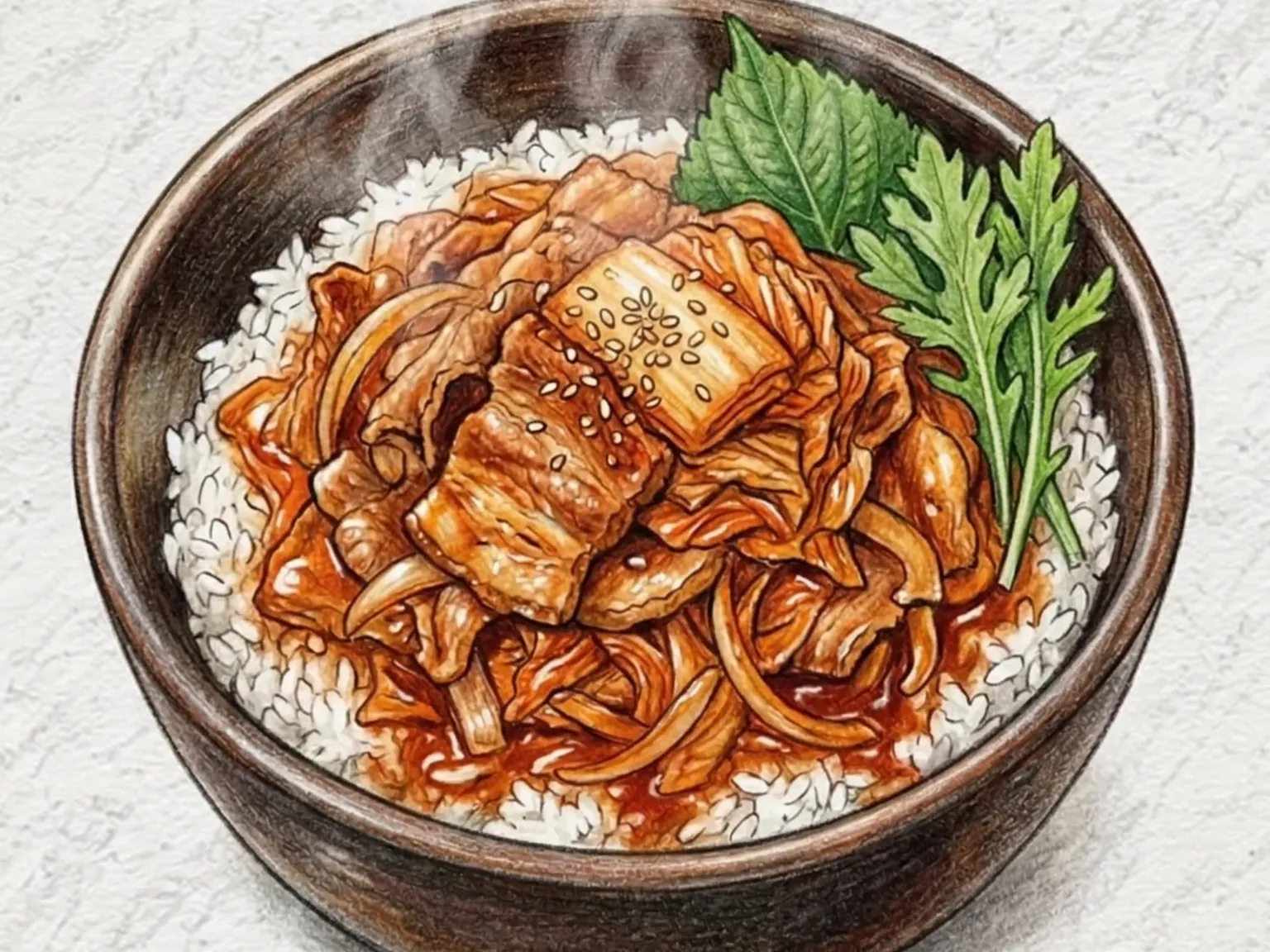
Korean Bossam Kimchi Rice Bowl
Bossam kimchi deopbap repurposes leftover bossam by stir-frying boiled pork and well-fermented bossam kimchi with onion in a gochujang sauce and ladling everything over a bowl of hot rice. The boiled pork picks up a concentrated savoriness from the gochujang glaze as it fries, and the moisture from the fermented kimchi cooks off during stir-frying, intensifying the tangy-spicy sauce into a dense coating. The acidity of mature kimchi and the heat of gochujang cut through the fat of the pork, keeping each spoonful from becoming heavy. Meat and kimchi together in one bowl means no side dishes are needed to complete the meal. A fried egg on top adds richness and tempers the heat of the seasoning.
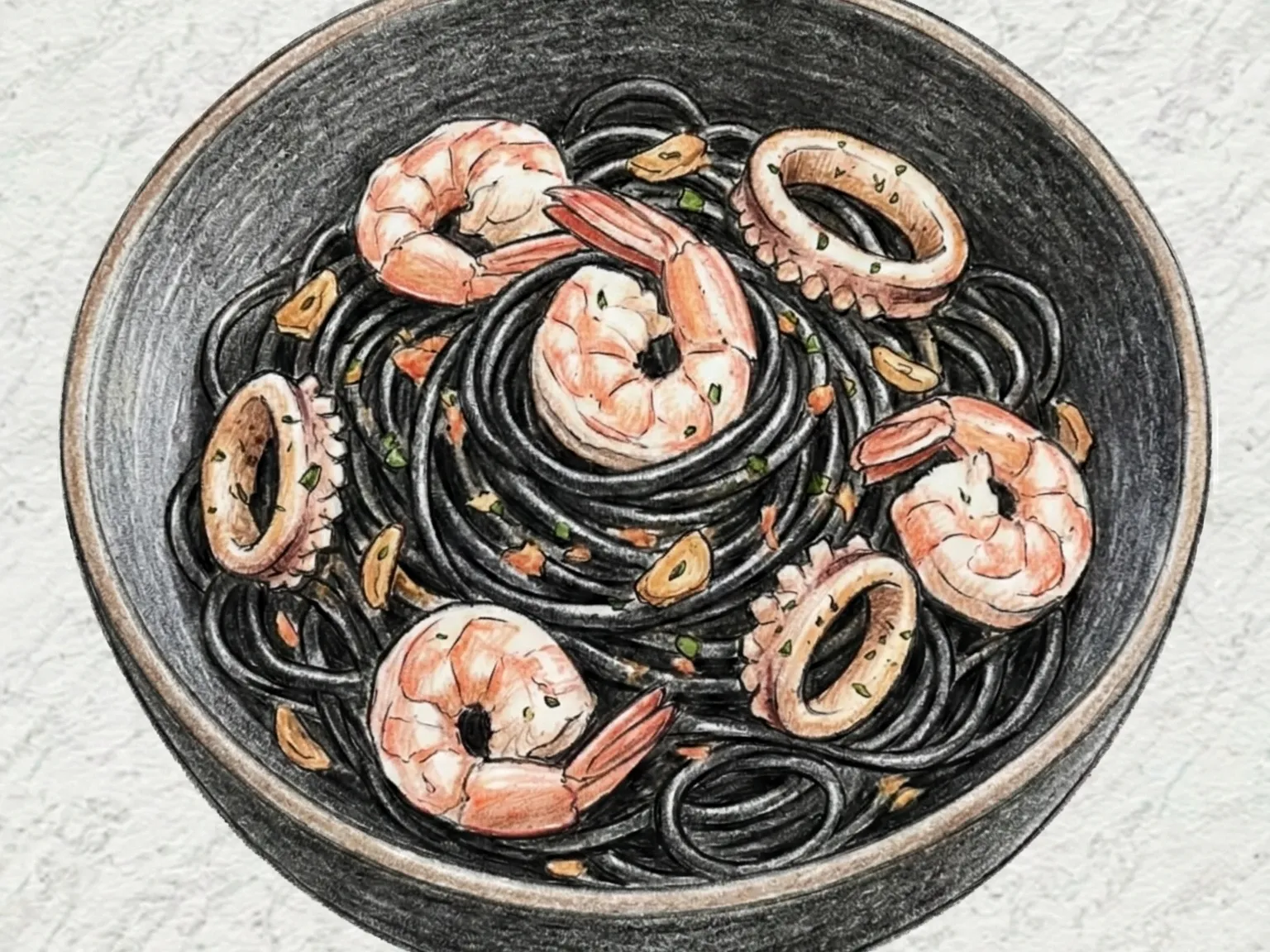
Squid Ink Seafood Linguine
Squid ink seafood linguine dissolves squid ink in reserved pasta water before adding it to the pan, ensuring even distribution without clumping. Shrimp and squid rings are seared quickly over high heat to set their surfaces, then finished during the final emulsification step so they stay springy rather than rubbery. Sliced garlic infused slowly in olive oil forms the aromatic base, and white wine with halved cherry tomatoes introduces a gentle acidity once the alcohol cooks off. The ink coats linguine in a glossy black sauce that carries concentrated brininess, and chopped parsley scattered on top provides a fresh herbal contrast. A small squeeze of lemon juice added at the end brightens the deep, saline richness of the squid ink and makes the oceanic flavors more vivid with each bite.
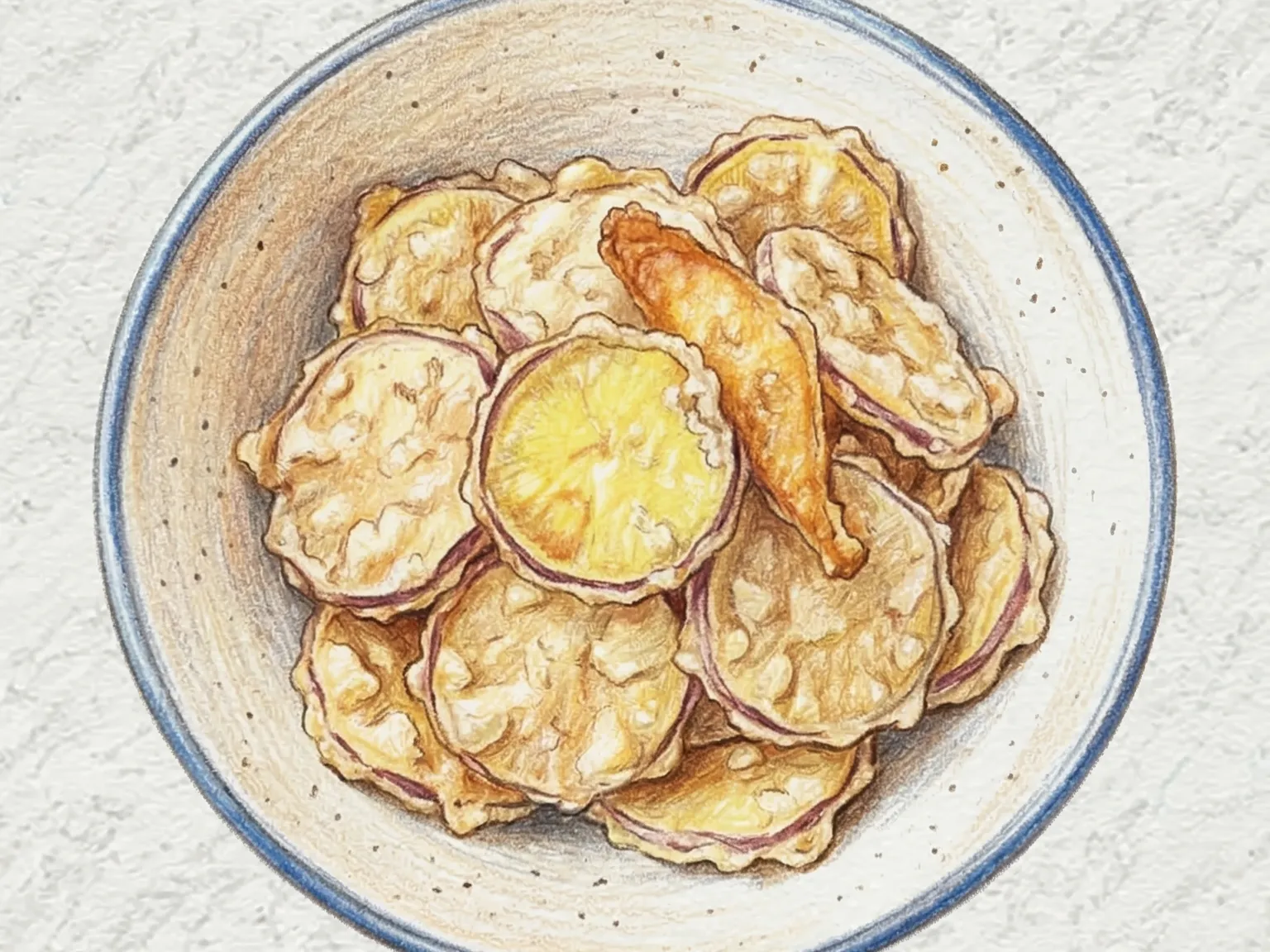
Korean Fried Sweet Potato
Goguma-twigim is a beloved Korean street snack found at tteokbokki stalls and bunsik shops across the country. Sweet potato rounds sliced to 0.5 cm are coated in a light batter and fried at 170 degrees Celsius until the crust turns crisp and golden. Ice-cold water mixed into the batter is the essential technique here: low temperature slows gluten development, keeping the coating thin and delicate so it does not overpower the natural flavor of the potato beneath. The moment the rounds come out of the oil, the heat has concentrated the sweet potato's inherent sugars just inside the shell, and a light sprinkle of salt at serving sharpens that sweetness into something more vivid. This humble snack has remained a fixture of Korean street food culture for generations, enjoyed equally by children and adults.
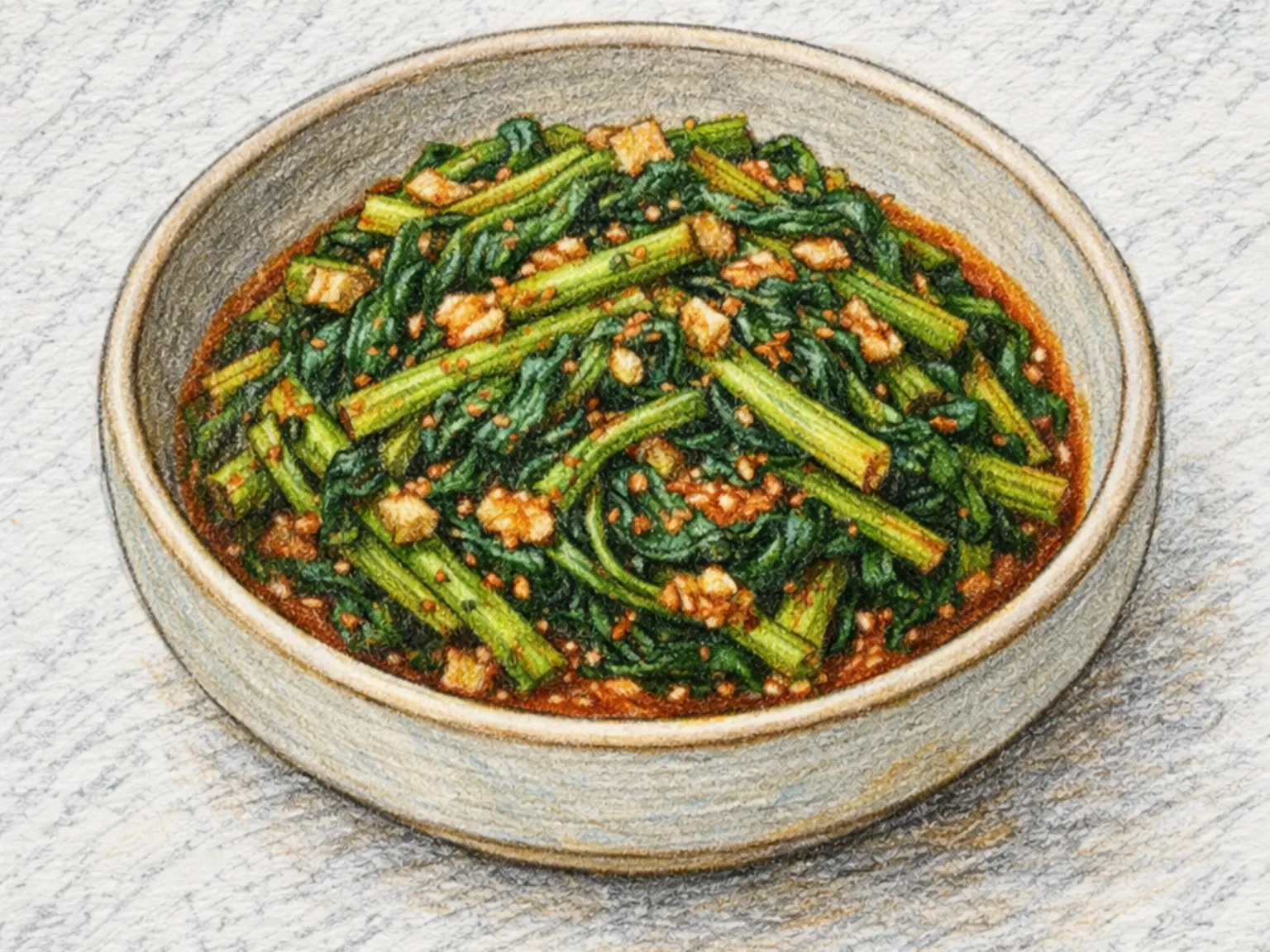
Korean Shepherd's Purse Kimchi
Naengi kimchi is a seasonal Korean side dish where shepherd's purse, an early-spring wild herb with a distinctive earthy fragrance, is blanched for just twenty seconds in boiling salted water. This brief blanching is the defining technique - long enough to strip away the raw bitterness and any soil odor, yet short enough to preserve the herb's own clean, spring-like aroma. The cooled and thoroughly squeezed greens are then dressed in a paste of gochugaru, anchovy fish sauce, minced garlic, and sweet rice paste, which provides enough body and viscosity to coat each slender stem evenly. The fish sauce's fermented depth meets the herb's green, earthy character, producing a layered flavor that neither ingredient achieves on its own. Sesame seeds scattered on top add a quiet toasted crunch. At least two hours of refrigeration allows the seasoning to settle and deepen before the kimchi is at its best.

Chess Pie
Chess pie is a custard pie from the American South made from the shortest possible list of pantry ingredients: butter, sugar, eggs, a small amount of flour, and cornmeal. The simplicity of the ingredients does not predict the complexity of what happens in the oven. As the pie bakes, the top surface splits and forms a thin, crackled crust that shatters underfoot of a fork, while beneath it sits a dense, moisture-heavy custard carrying a deep caramel note. Cornmeal introduces a subtle grittiness and the faint sweetness specific to corn, while a splash of vinegar or buttermilk adds just enough acidity to prevent the sugar from going flat. The filling should be pulled from the oven when the edges have set but the center still trembles slightly; it continues to firm as it cools, eventually reaching a texture close to fudge. Served at room temperature, the custard softens into a smooth, yielding consistency. A spoonful of unsweetened whipped cream alongside cuts the richness without dulling the flavor.
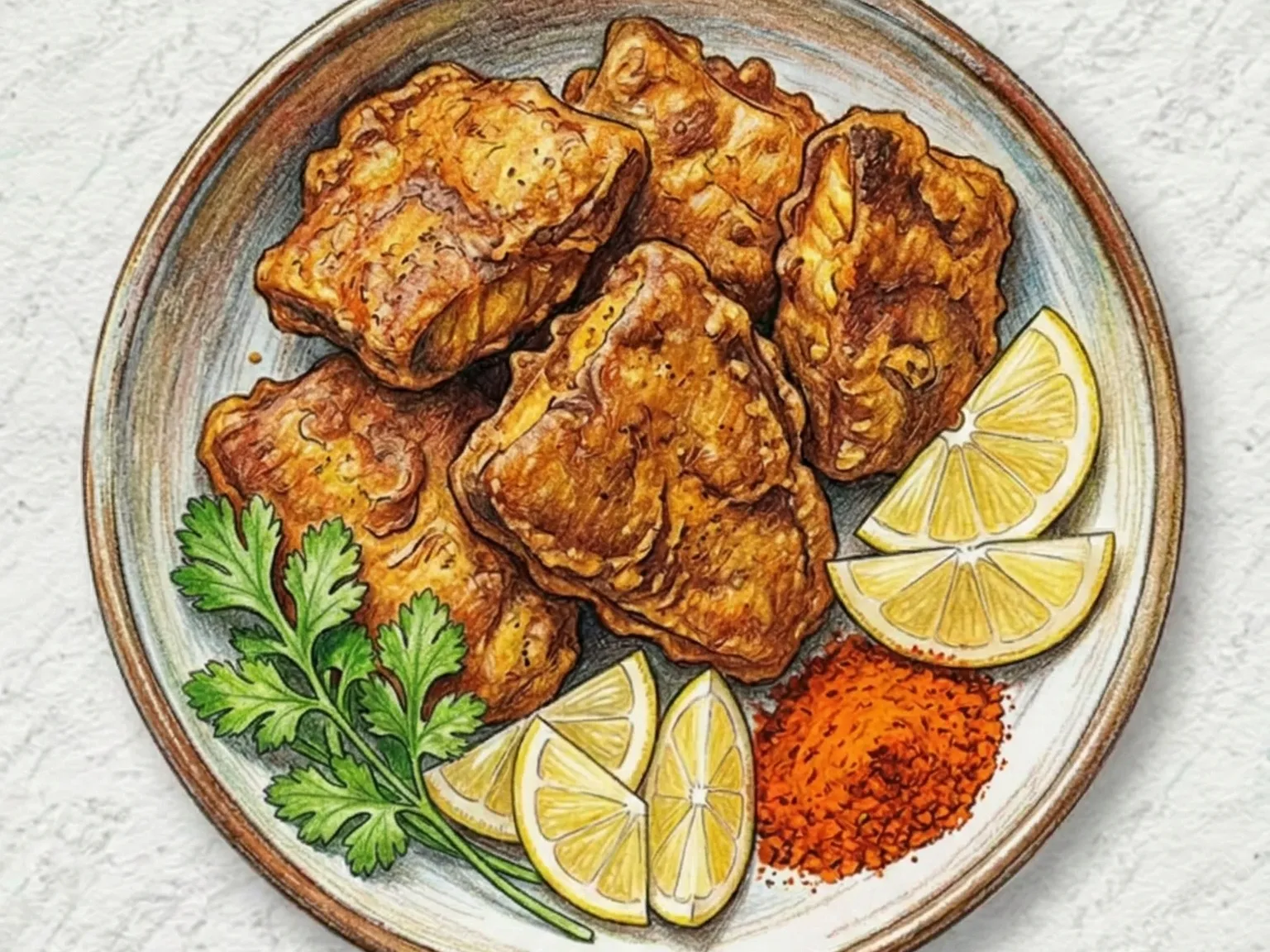
Amritsari Fish Fry (Spiced Chickpea-Batter Fish)
Amritsari fish fry originated in Amritsar, the Punjabi city of the Golden Temple, where the narrow lanes surrounding Harmandir Sahib are still packed with fish fry stalls whose frying kadhai fill the air with spice-scented smoke. The dish moved from street corner to pub counter and became one of the most-ordered bar snacks across North India. Freshwater fish varieties such as singara, sole, or pangasius are typical; the fish is marinated in ajwain (carom seeds), chili powder, amchur (dried mango powder), and ginger-garlic paste before being dipped in a besan (gram flour) batter and fried in hot oil. Ajwain suppresses the muddy, fishy notes characteristic of freshwater varieties while depositing a herbal, thyme-adjacent aroma that is unlike any other spice in the marinade. Amchur introduces a dry tartness that cuts through the richness of the fried batter and keeps the overall flavor from becoming heavy. Besan batter adheres in a thinner, more delicate layer than wheat flour and retains its crunch for longer, allowing the fish inside to steam gently and stay moist. Squeezing lemon over the fish and dipping it into mint-coriander chutney before each bite stacks heat, sourness, and herb freshness in a single mouthful. Visiting Amritsar and stopping at one of these stalls after the Golden Temple is a ritual that has remained part of local daily life for generations.

Korean Taro Porridge (Perilla Oil-Toasted Rice with Taro Root)
Soaked rice is toasted in perilla oil until fragrant, then simmered with peeled taro in a generous amount of water until the porridge reaches a thick, flowing consistency. Some taro pieces dissolve into the liquid and naturally thicken it, while others hold their shape and offer a starchy, crumbly bite. The gentle nuttiness of perilla oil and the mild earthiness of taro create a soothing combination with no sharp flavors. Seasoning with just salt preserves the delicate taste of the taro without masking it.
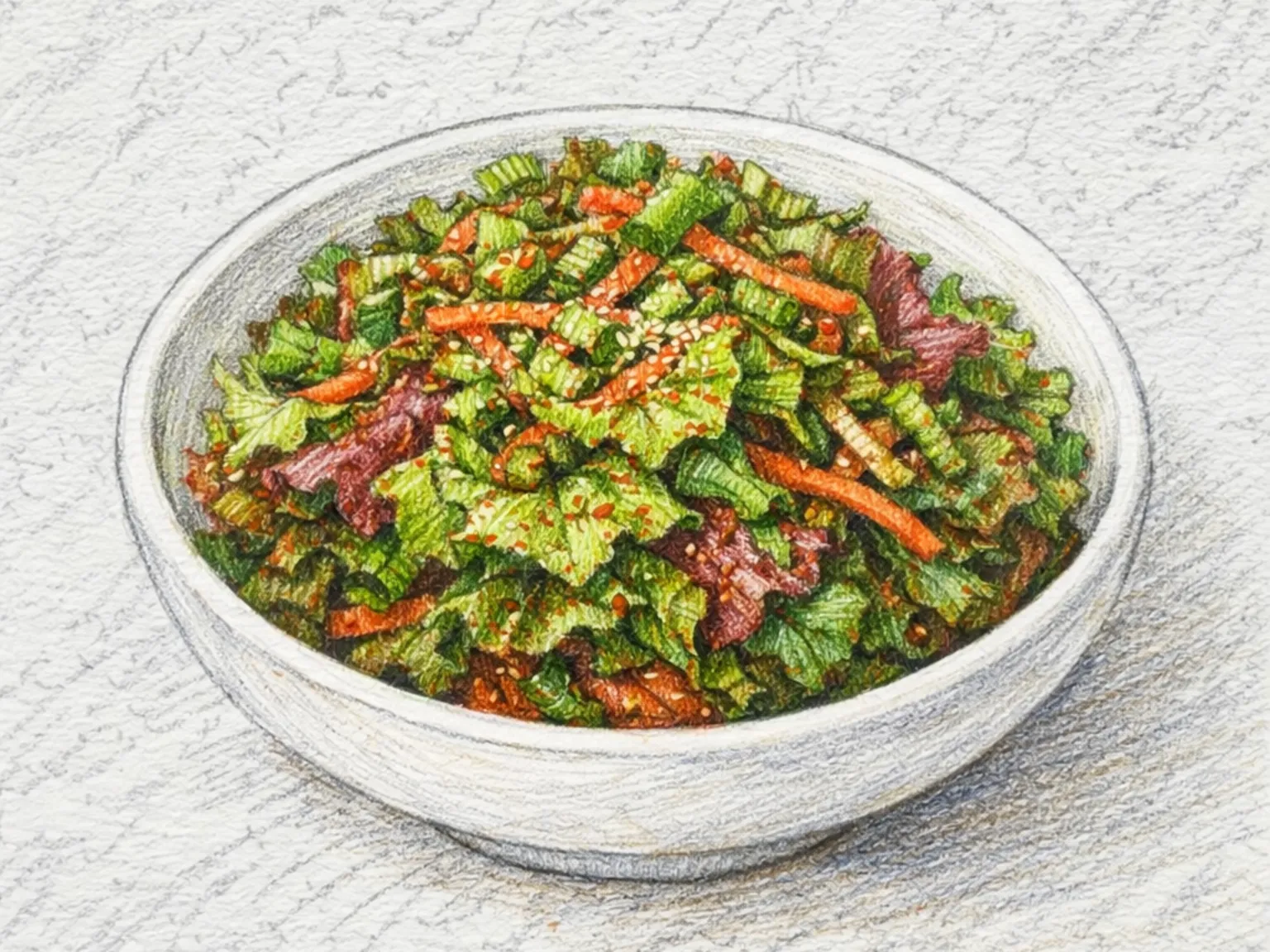
Korean Fresh Lettuce Geotjeori
Sangchu-geotjeori is a last-minute lettuce salad where 120 grams of lettuce, torn into bite-size pieces, is tossed for no more than 20 seconds in a dressing of red pepper flakes, soy sauce, vinegar, plum syrup, minced garlic, and sesame oil. The lettuce must be thoroughly dried after washing so the dressing adheres to the leaves rather than pooling at the bottom. Thinly sliced onion adds crunch and a sharp edge that complements the mild bitterness of the lettuce. Plum syrup provides a fruity sweetness that is more subtle than granulated sugar, while the vinegar tempers the chili heat. Serving immediately is critical - within minutes the leaves begin to wilt, losing the crisp texture that defines this dish.
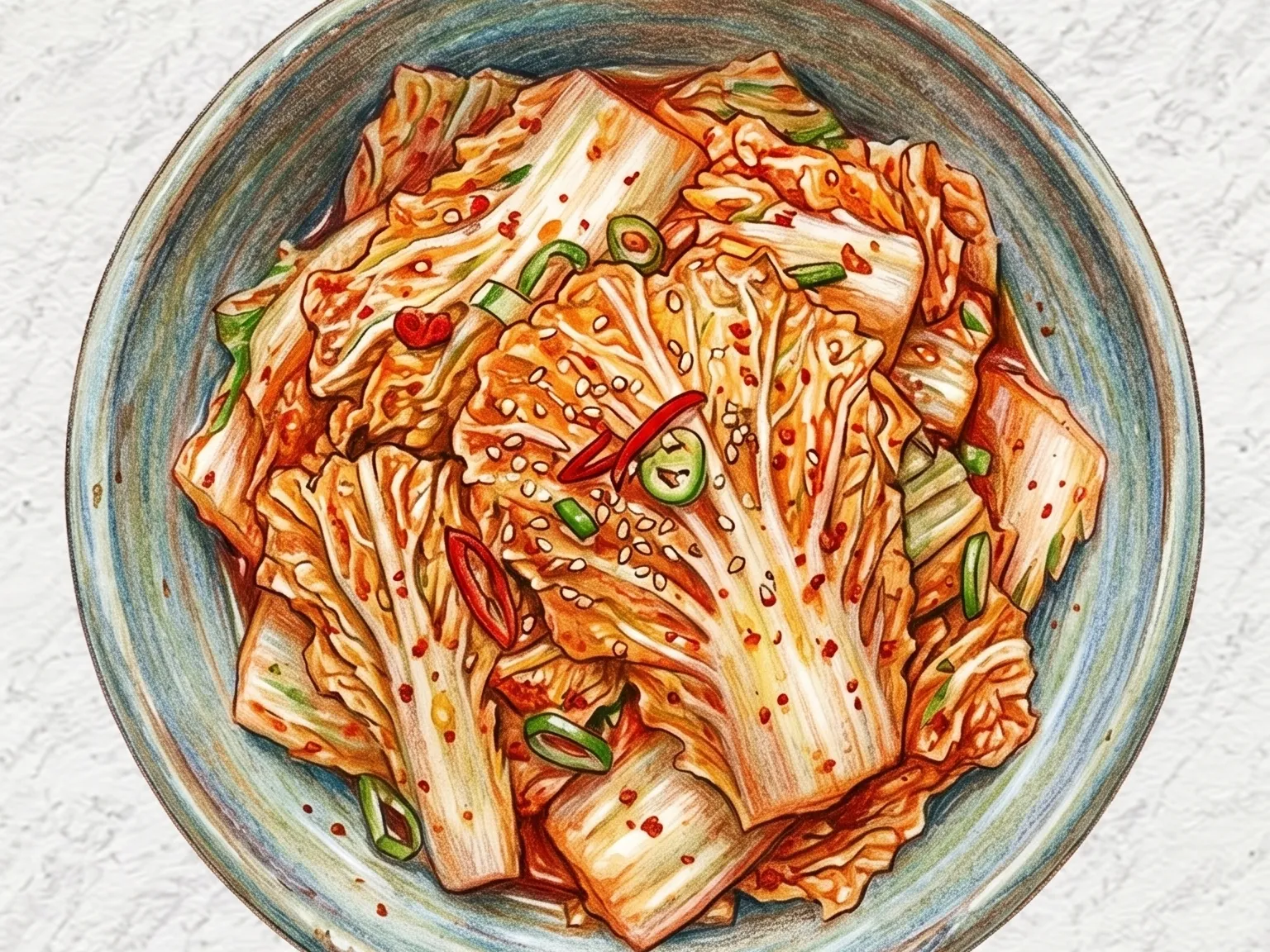
Korean Fresh Cabbage Kimchi
Geotjeori is kimchi's immediate cousin - raw napa cabbage dressed in gochugaru seasoning and eaten right away without any fermentation. The cabbage is salted for about twenty minutes to draw out moisture and soften the texture slightly, then squeezed dry and tossed with red pepper flakes, anchovy fish sauce, minced garlic, minced ginger, sugar, and a finishing drop of sesame oil. The brief salting pulls just enough water from the leaves to let the seasoning coat them evenly while keeping the cabbage noticeably crisper than fermented kimchi. Without the lactic acid produced during aging, the flavor profile is fresher and more direct - the heat of the gochugaru and the savory depth of the fish sauce come through cleanly rather than sitting under layers of fermented complexity. Geotjeori is best eaten the day it is made and should be used within a day or two if refrigerated. Koreans pair it with grilled pork belly, alongside doenjang-jjigae, or as a quick substitute when the aged kimchi jar runs empty.
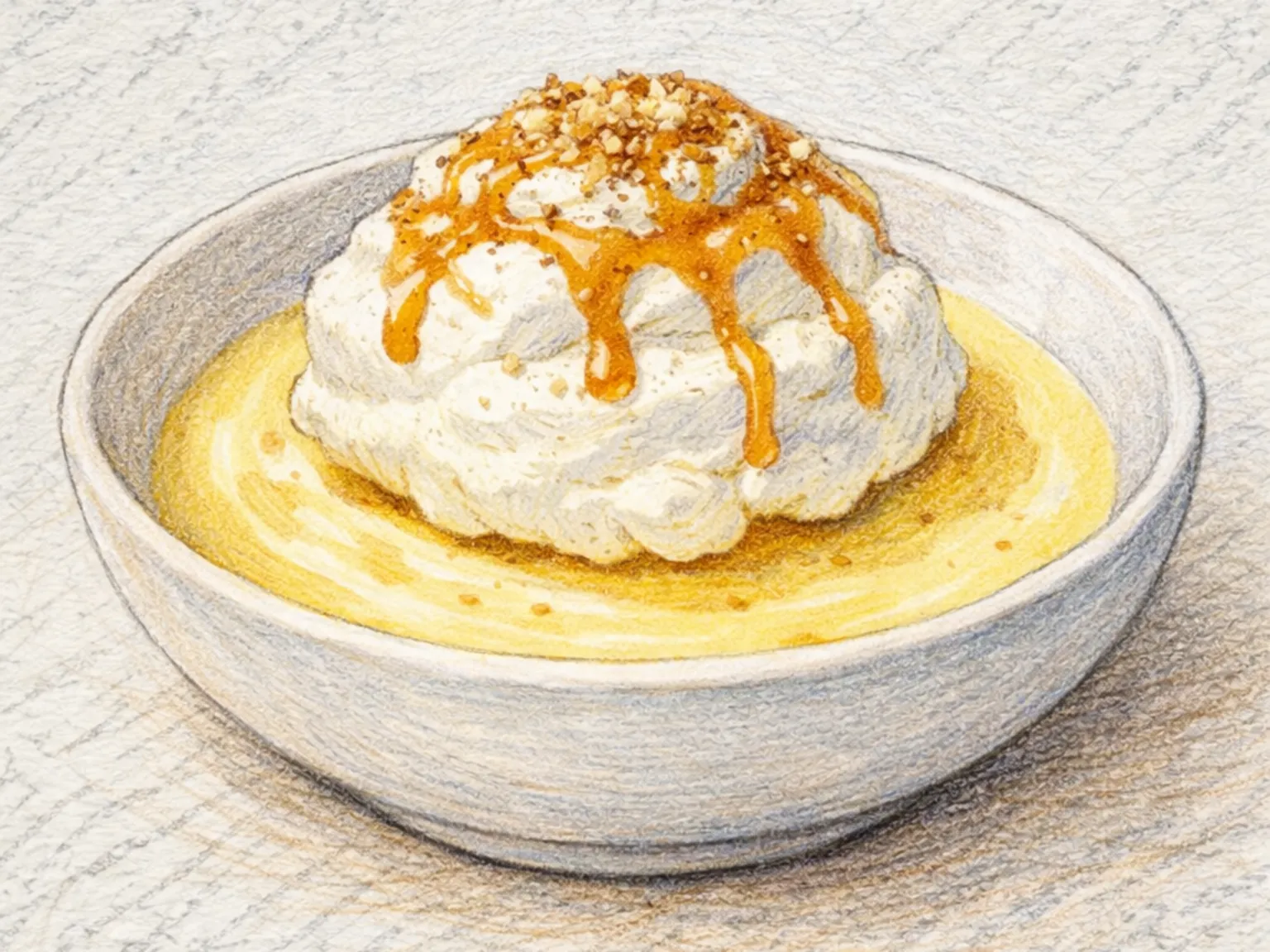
Ile Flottante (Poached Meringue on Vanilla Custard)
Ile flottante presents a cloud of poached meringue floating on a pool of chilled vanilla custard sauce. Stiffly beaten egg whites are shaped into rounds and gently poached in hot milk, cooking just enough to set the exterior while the center remains airy and marshmallow-soft. The custard beneath is a creme anglaise made from egg yolks, sugar, milk, and vanilla bean, cooked slowly until it coats the back of a spoon with a silky consistency. The contrast between the weightless meringue and the rich, creamy sauce defines the eating experience: each spoonful combines something ethereal with something indulgent. Thin threads of caramel drizzled over the meringue just before serving add a brittle sweetness and a golden visual accent. Despite having only a handful of components, the dessert demands precision at every stage.
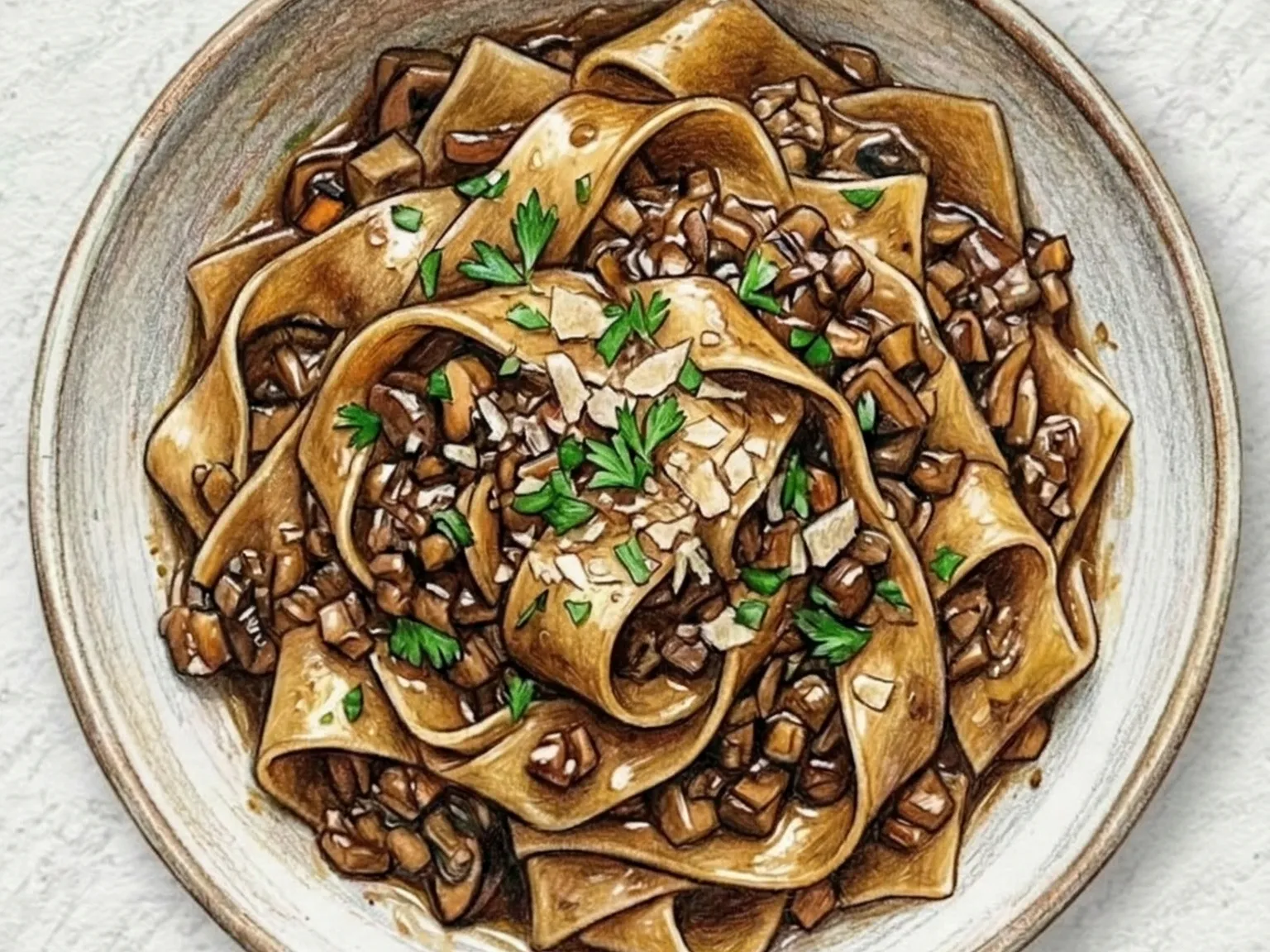
Soy-Braised Mushroom Ragu Pappardelle
Soy-braised mushroom ragu pappardelle builds a meat-free ragu from finely chopped shiitake and button mushrooms cooked low and slow with aromatics and soy sauce. Onion and carrot are sweated first to develop sweetness, then the minced mushrooms go in and are cooked until their moisture fully evaporates, creating a dense, chewy texture that rivals meat-based ragu. Tomato paste adds acidity and color, dry white wine lifts the complexity, and soy sauce provides the fermented backbone that gives this vegetarian ragu its depth. Thyme brings a subtle herbal note, and wide pappardelle ribbons carry the thick, chunky sauce well. The 28-minute cook time is mostly hands-off simmering.
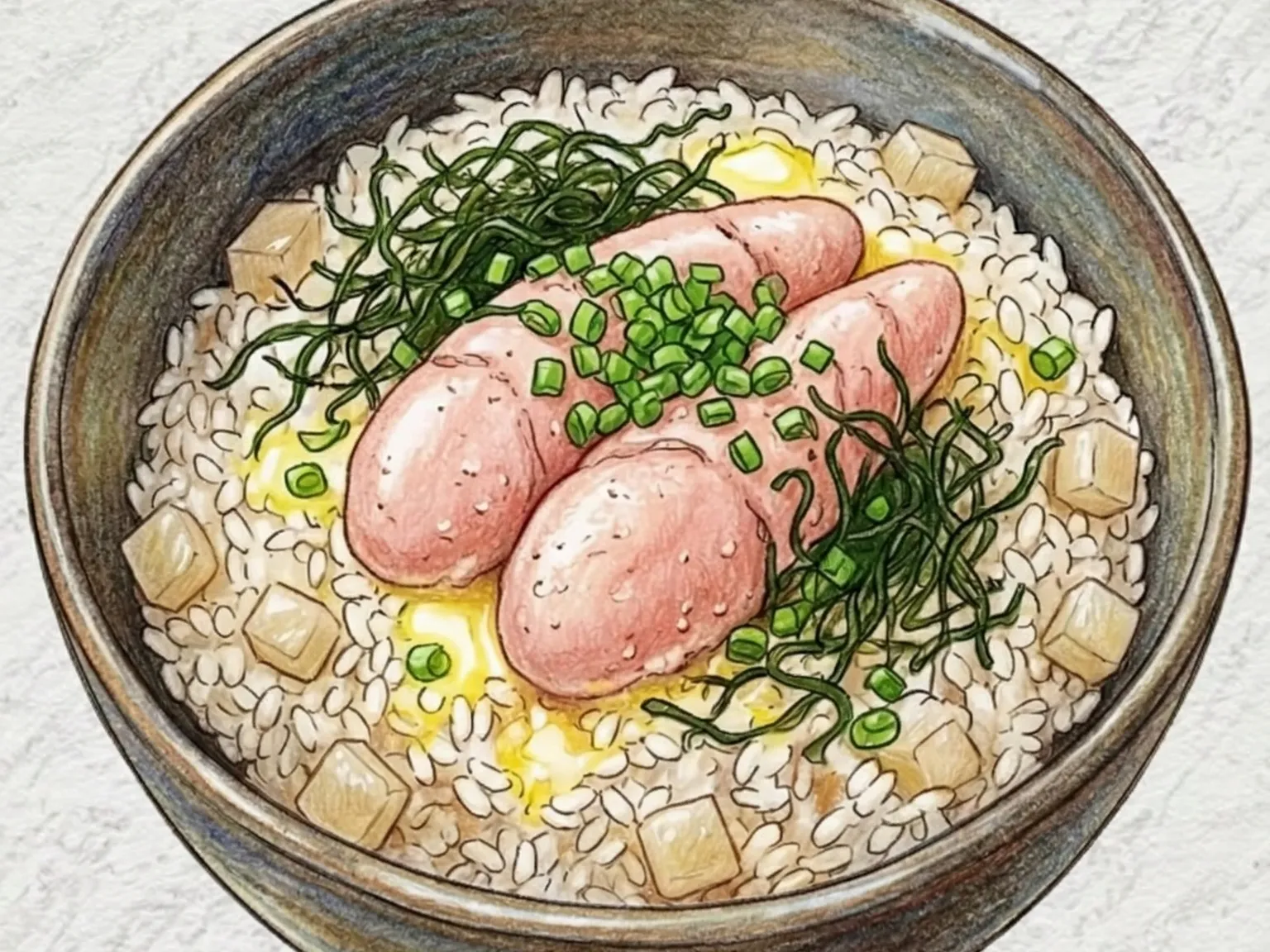
Korean Seaweed Roe Pot Rice
The preparation starts by layering finely diced radish at the bottom of a heavy pot before adding soaked rice. A specific technique defines this dish: warming the salted pollock roe and butter using only the residual heat of the vessel after the flame is extinguished. Avoiding direct heat prevents the roe's proteins from tightening into a dry or crumbly texture. Instead, the indirect warmth maintains a soft consistency where individual eggs pop and release their salty essence into the grains. As the butter melts, it coats each piece of rice, acting as a bridge between the sharp saltiness of the fish roe and the mild nature of the rice. Throughout the cooking process, the radish pieces release moisture upward, ensuring the rice remains hydrated while contributing a subtle sweetness and a clean finish. Before the meal begins, crumbling gamtae over the surface introduces a distinct oceanic scent that sits above the savory layers of butter and roe. Sliced scallions provide a sharp, crisp contrast to the overall richness. Pouring hot water into the pot at the end creates a toasted rice water that clears the palate. It is important to place the roe and butter within four minutes of turning off the heat to ensure the remaining warmth is sufficient to soften the ingredients.
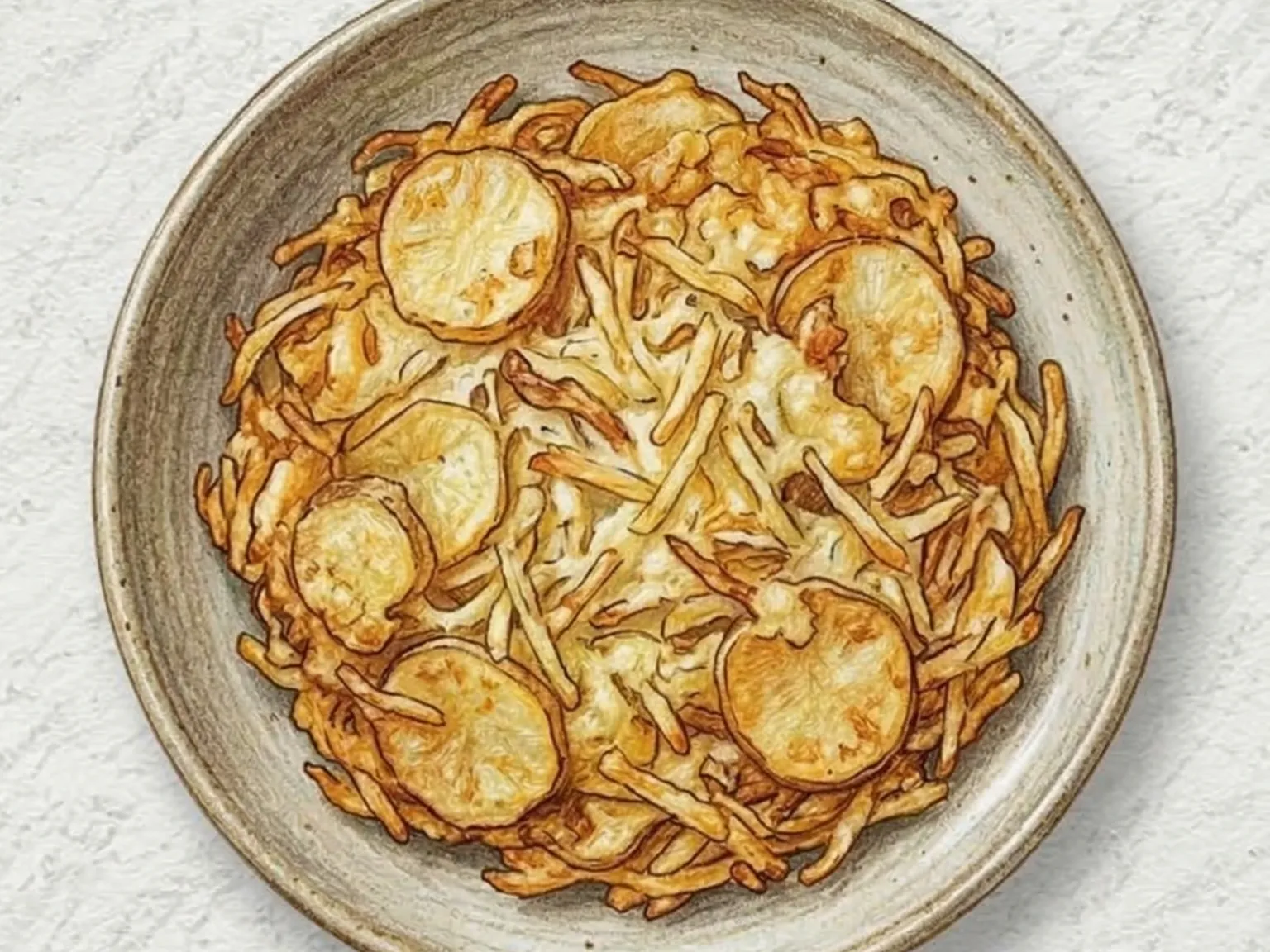
Korean Potato Fritters
Gamja twigim coats sliced or shredded potatoes in a batter of frying mix and cold water, then deep-fries them until golden and crisp at Korean street food stalls and bunsik restaurants. Soaking the cut potatoes in cold water for at least ten minutes washes off surface starch, which reduces oil absorption and keeps the crust crunchy longer after frying. Keeping the batter coat thin lets the potato's starchy sweetness come through; a thick coat forces a longer fry time and tends to turn the interior mushy. Thick-cut slices yield a fluffy, almost powdery interior beneath the crust, while shredded potatoes tangle together into a chip-like, airy cluster with multiple crisp layers. Oil temperature should sit between 170 and 180 degrees Celsius; too low and the pieces absorb excess oil, too high and the outside burns before the center is cooked through. Salt alone is enough to bring out the potato's savory sweetness, and Korean fritter shops typically serve these alongside chili pepper and perilla leaf tempura as part of a mixed platter.
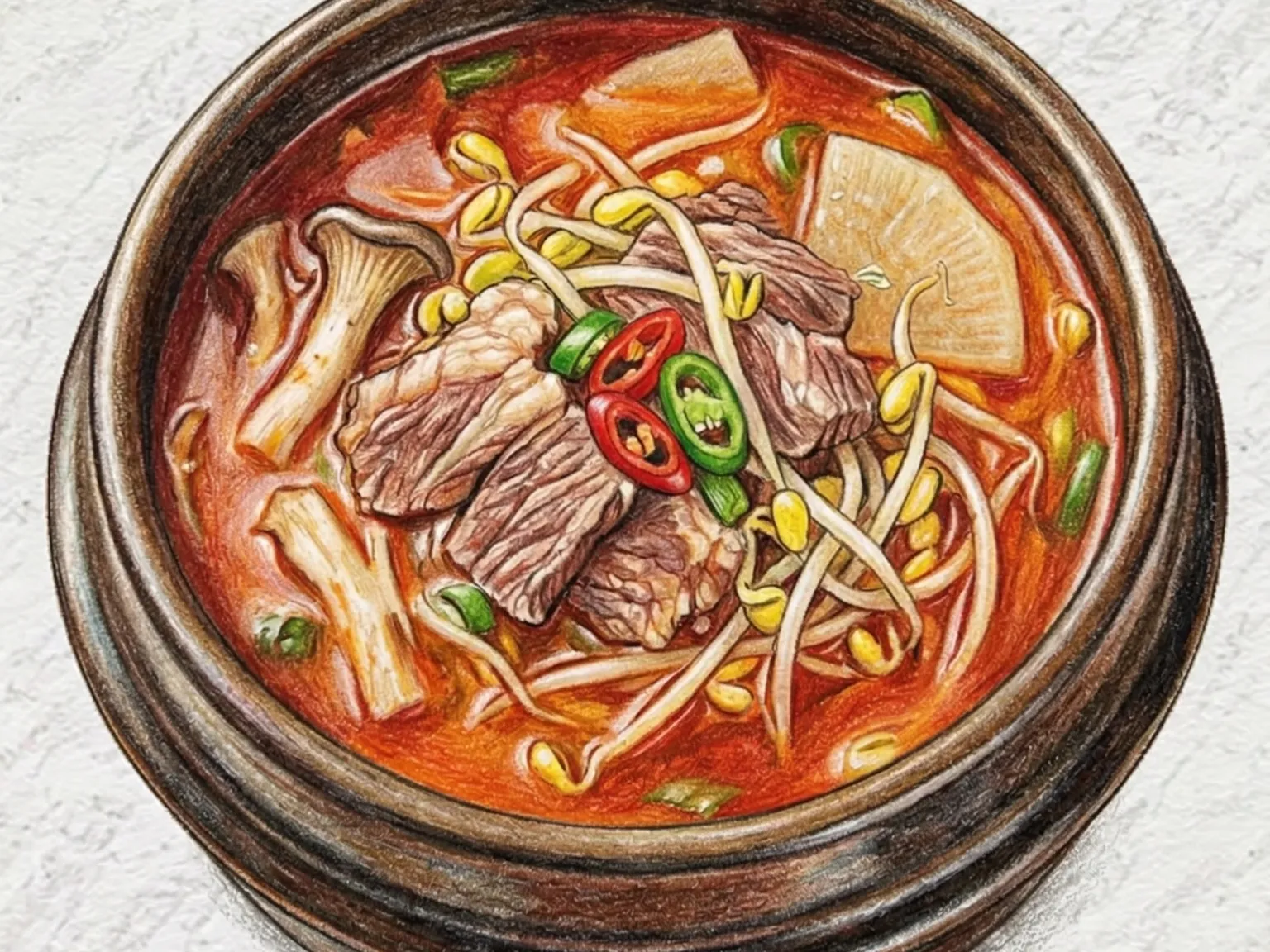
Korean Beef & Mung Bean Sprout Stew
Sukju soegogi jjigae is a spicy, clean-finishing Korean stew made by simmering beef brisket and mung bean sprouts together in a gochugaru-seasoned broth. The brisket is soaked in cold water to draw out blood before being briefly boiled and skimmed, which keeps the broth clear and free of off-flavors as it simmers. As the brisket slowly cooks through, it releases a deep, meaty base that forms the backbone of the stew's flavor, seasoned with chili flakes and soup soy sauce for a spicy, savory kick. Korean radish cooked alongside the meat counteracts any heaviness in the broth and contributes a clean, refreshing note to the finish, while oyster mushrooms add a layer of chewy umami. Mung bean sprouts go in last and should cook for no more than two minutes to preserve their snap; prolonged heat softens them completely and removes the textural contrast that defines the dish. Ladled over a bowl of steamed rice, the spicy broth seeps into every grain and turns the whole combination into a satisfying single-bowl meal.
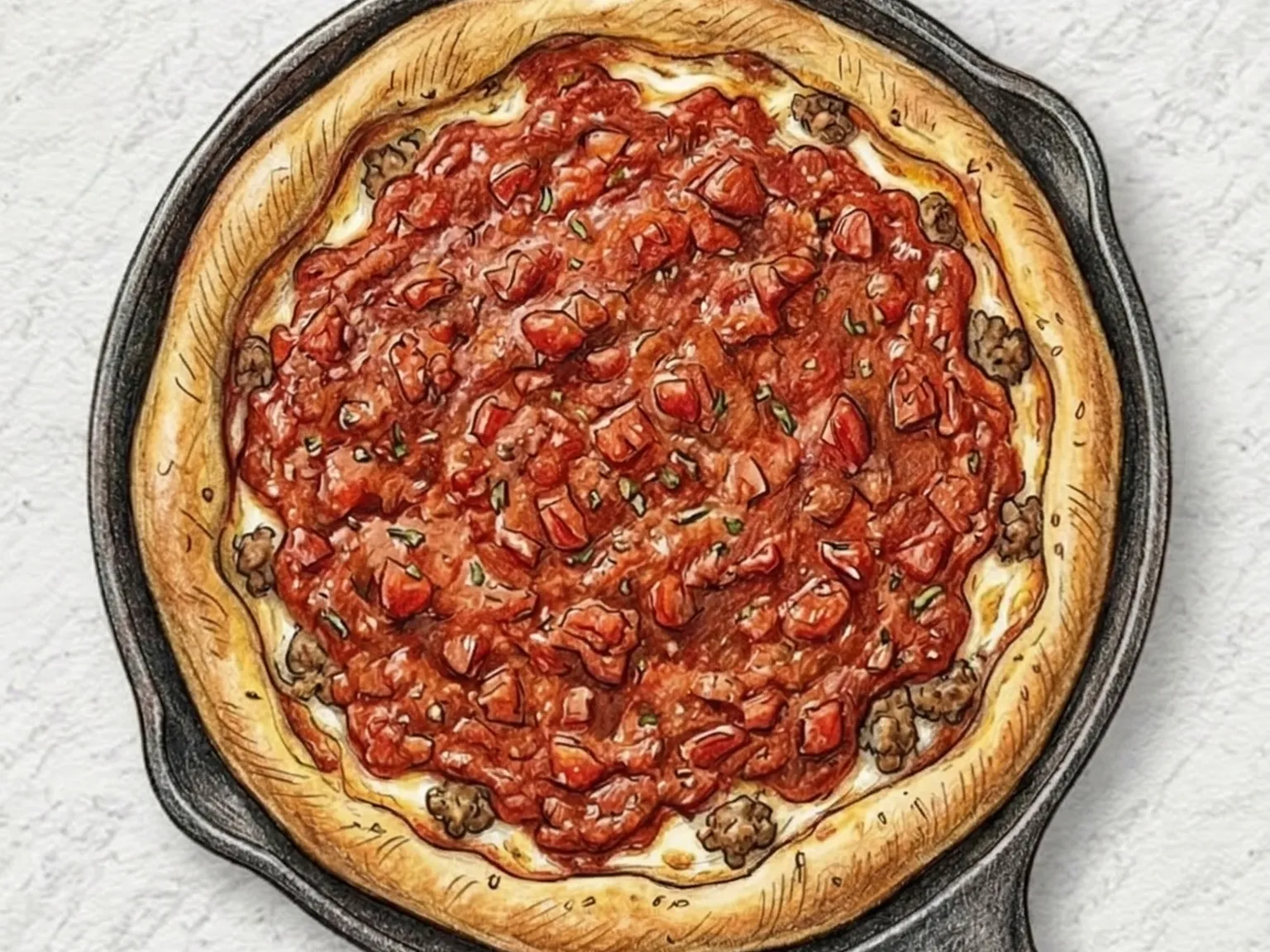
Chicago Deep Dish Pizza
Chicago deep dish pizza is a pie-style pizza where dough is pressed into a deep cast iron or dark metal pan to cover the bottom and climb the walls, then layered with mozzarella cheese and Italian sausage before crushed tomatoes and oregano are spread across the top. Positioning the sauce on the uppermost layer shields the cheese from direct oven heat, preventing it from scorching while the tomato reduces and concentrates over the long bake. The sausage must be pre-cooked with onion to drive off excess moisture, keeping the thick base from turning soggy under the weight of the filling. Stretching the dough wide enough to reach the rim keeps the molten contents contained during baking. After 30 to 35 minutes at 220 degrees Celsius, the pizza requires at least ten minutes of resting before slicing so the interior sets and the layers hold their shape when cut. The dish traces its origins to Pizzeria Uno in Chicago in 1943 and has since become one of the city's defining foods.
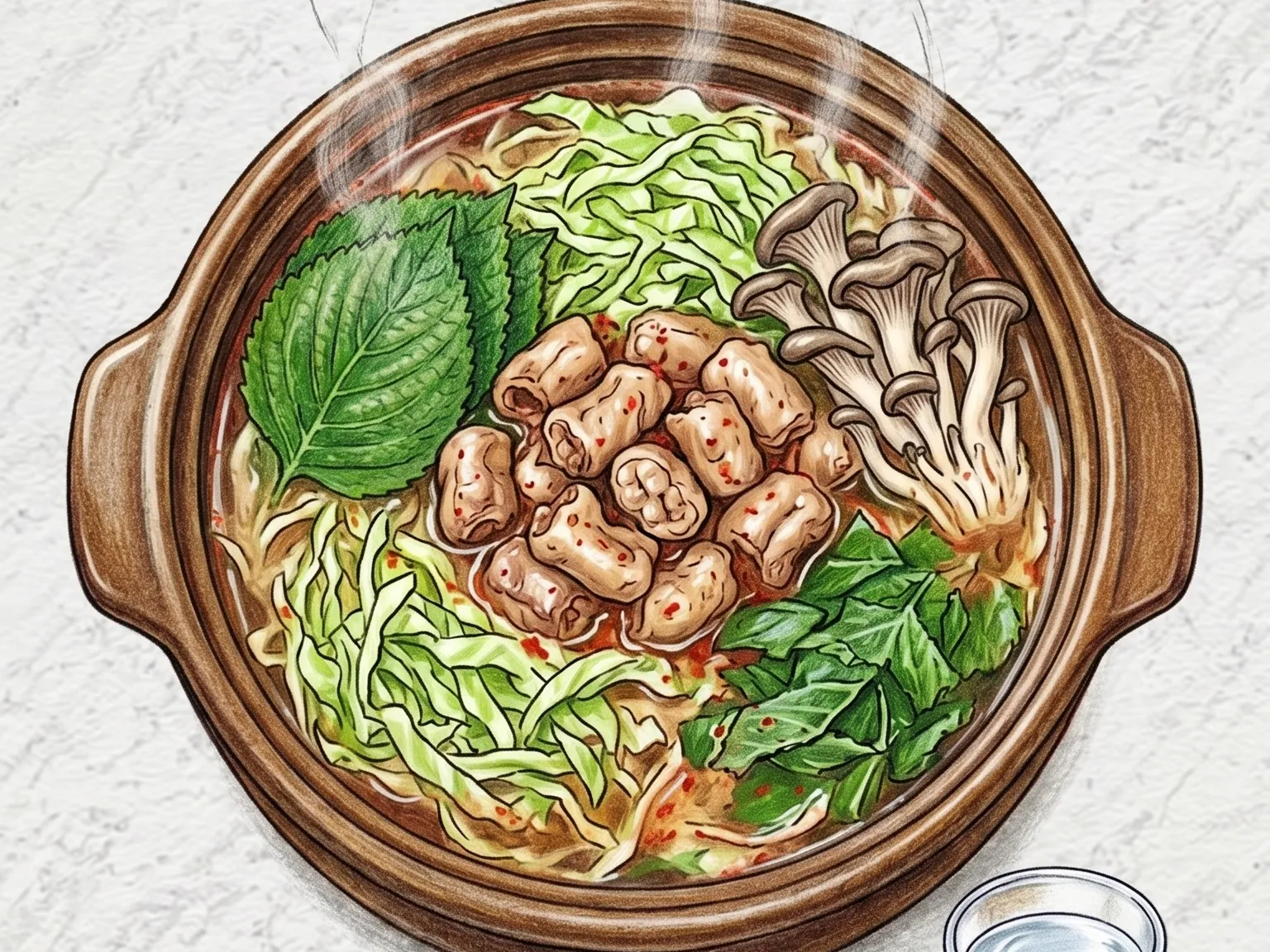
Korean Seoul-style Gopchang Jeongol
Seoul-style gopchang jeongol is a hot pot of beef intestines cooked in beef bone broth, where the key distinction from other regional versions is the use of soup soy sauce rather than gochujang as the primary seasoning. Gochujang-based hot pots run thick and heavy; this Seoul version stays clear and clean-tasting, with the depth coming from the bone broth and the intestines themselves rather than from fermented paste. Six hundred grams of cleaned beef intestines go into the pot along with cabbage, oyster mushrooms, and perilla leaves. The perilla leaves are added toward the end and contribute a distinctive herbal scent that cuts through the richness of the intestines. Gochugaru provides color and a measured level of heat. The intestines need to cook for at least twenty minutes after the broth reaches a boil to eliminate any off-odors and reach the tender, slightly chewy texture that defines the dish. This preparation traces back to the gopchang alley restaurants concentrated around Seoul's Euljiro and Majang-dong districts, where the combination of gopchang and soju has been the standard order for decades.
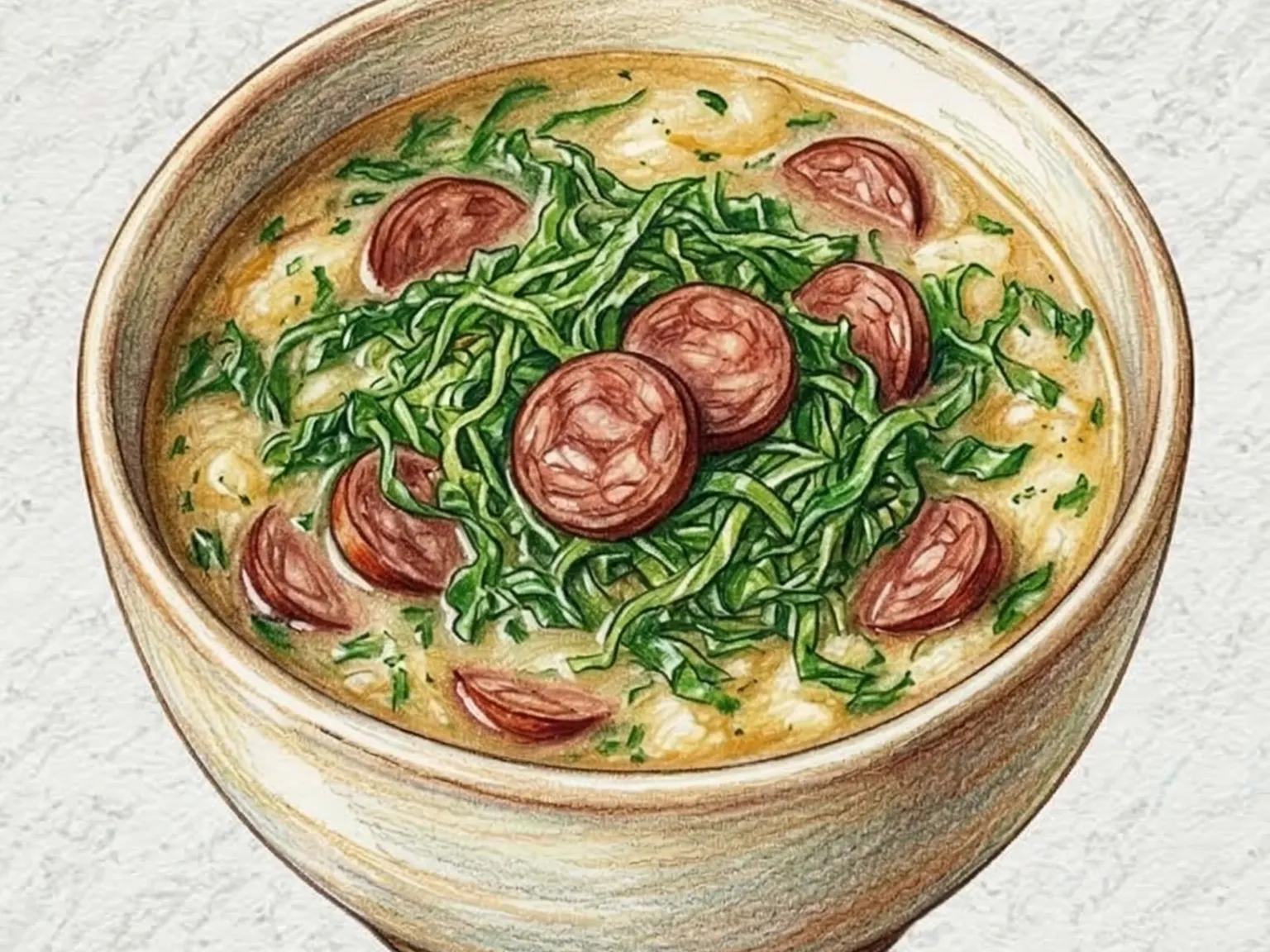
Caldo Verde (Portuguese Potato Soup with Kale and Sausage)
Caldo verde is Portugal's most emblematic soup, originating in the Minho region of the north and eaten across the country at festivals, family tables, and everyday meals. A base of potatoes and onion is simmered in water until the potatoes fall completely apart, then blended smooth so the natural starch thickens the soup without any added cream, flour, or roux. The result is a velvety texture built entirely from vegetables and water. Sliced smoked chourico or linguica is added next, and as the sausage heats through its rendered fat and smoky salt diffuse through the broth, adding depth and richness that a plain potato soup cannot offer. Collard greens or kale are cut into the thinnest possible ribbons and cooked for only the final eight minutes, which keeps the color vivid green and the texture slightly resistant to the bite. Overcooking dulls the color to olive and turns the leaves soft and stringy. A drizzle of olive oil over each bowl and thick slices of broa, a dense Portuguese cornbread, alongside the soup allow the broth to soak into the crumb and complete what is otherwise a simple but deeply satisfying meal.
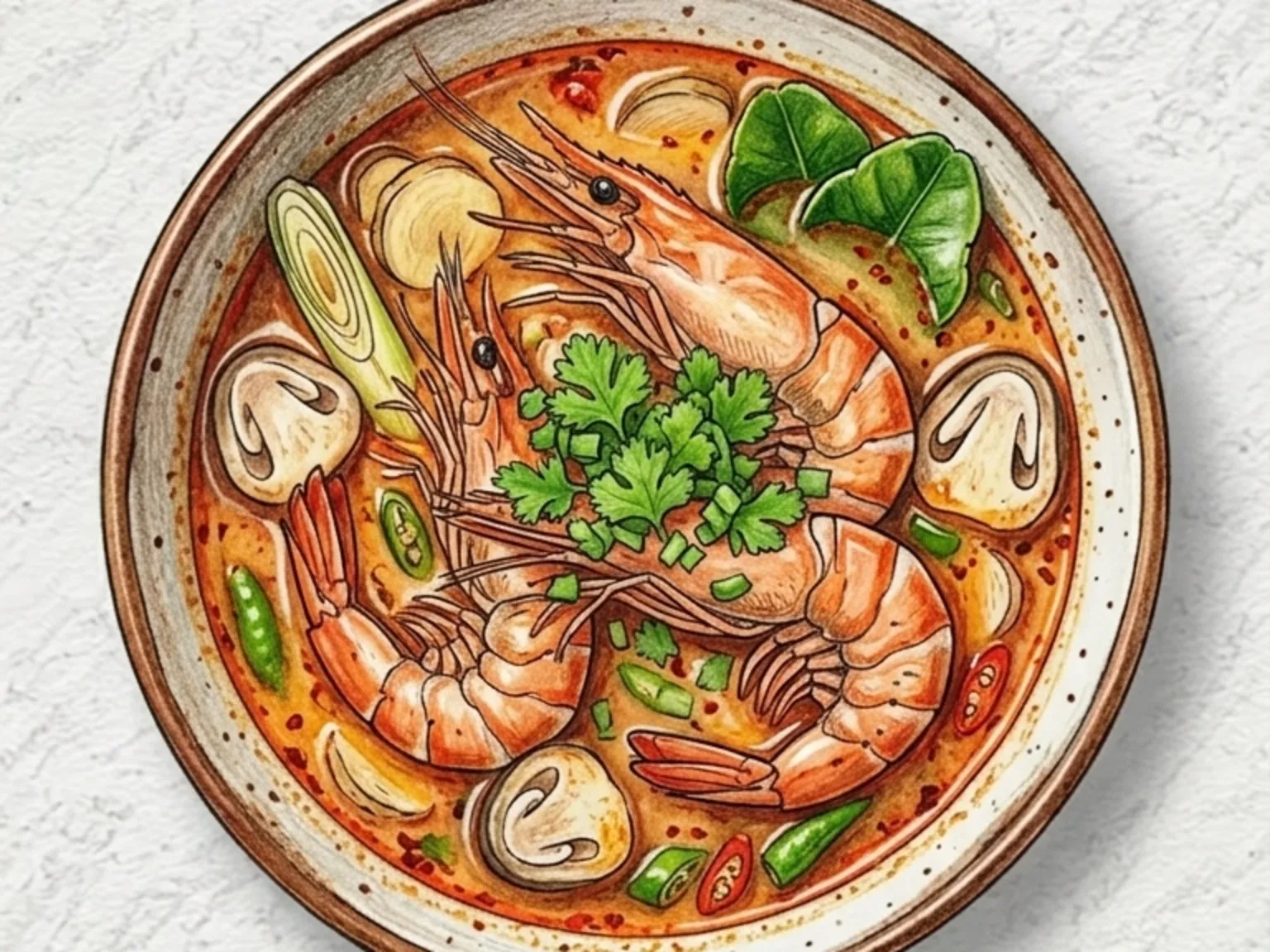
Thai Hot and Sour Shrimp Soup (Tom Yum Goong)
Tom yum goong is Thailand's iconic hot and sour shrimp soup, built on a clear broth that carries a bold punch of lemongrass, galangal, and kaffir lime leaves. Shrimp and mushrooms cook quickly in the aromatic liquid, keeping their natural sweetness and bite. Thai chili paste stains the broth a fiery reddish hue and delivers a slow-burning heat, while fish sauce anchors the flavor with deep umami. A final hit of fresh lime juice ties the sharp, sour, and spicy notes into a single cohesive taste. The broth is intentionally light in body so the aromatics dominate without any richness to soften their edges.
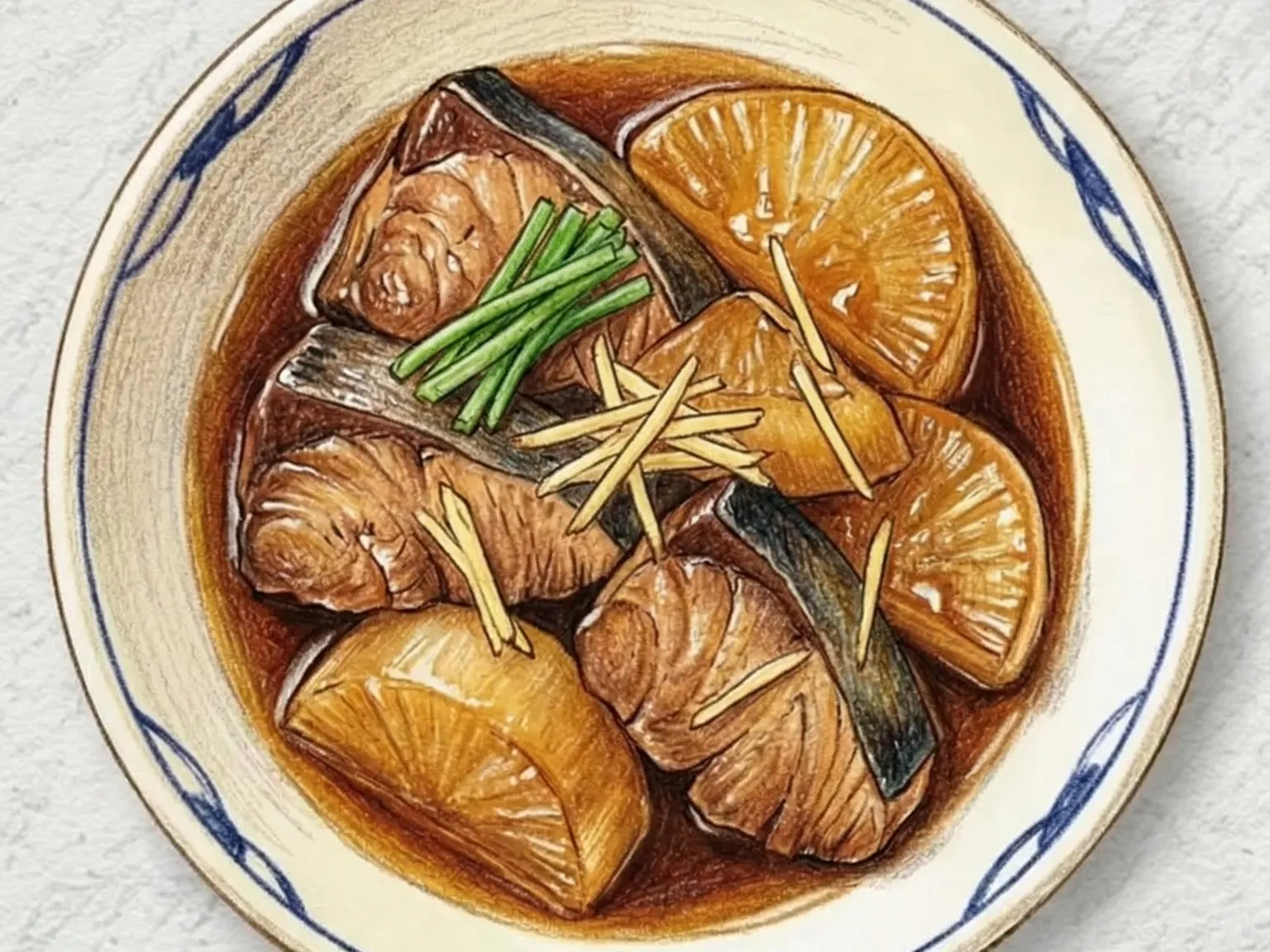
Japanese Simmered Yellowtail and Daikon
Yellowtail and daikon are simmered in a dashi broth seasoned with soy sauce, mirin, and sake until the braising liquid concentrates around the fish. The daikon absorbs the rich stock as it cooks, turning tender and translucent with a deep savory flavor throughout. Sliced ginger added to the pot neutralizes the fishiness without masking the yellowtail's natural richness. Sugar tempers the salt in the soy, producing a glaze that coats the skin and clings to the daikon. The dish is best from December through January, when yellowtail carries its peak fat content and yields the most flavorful braising stock.
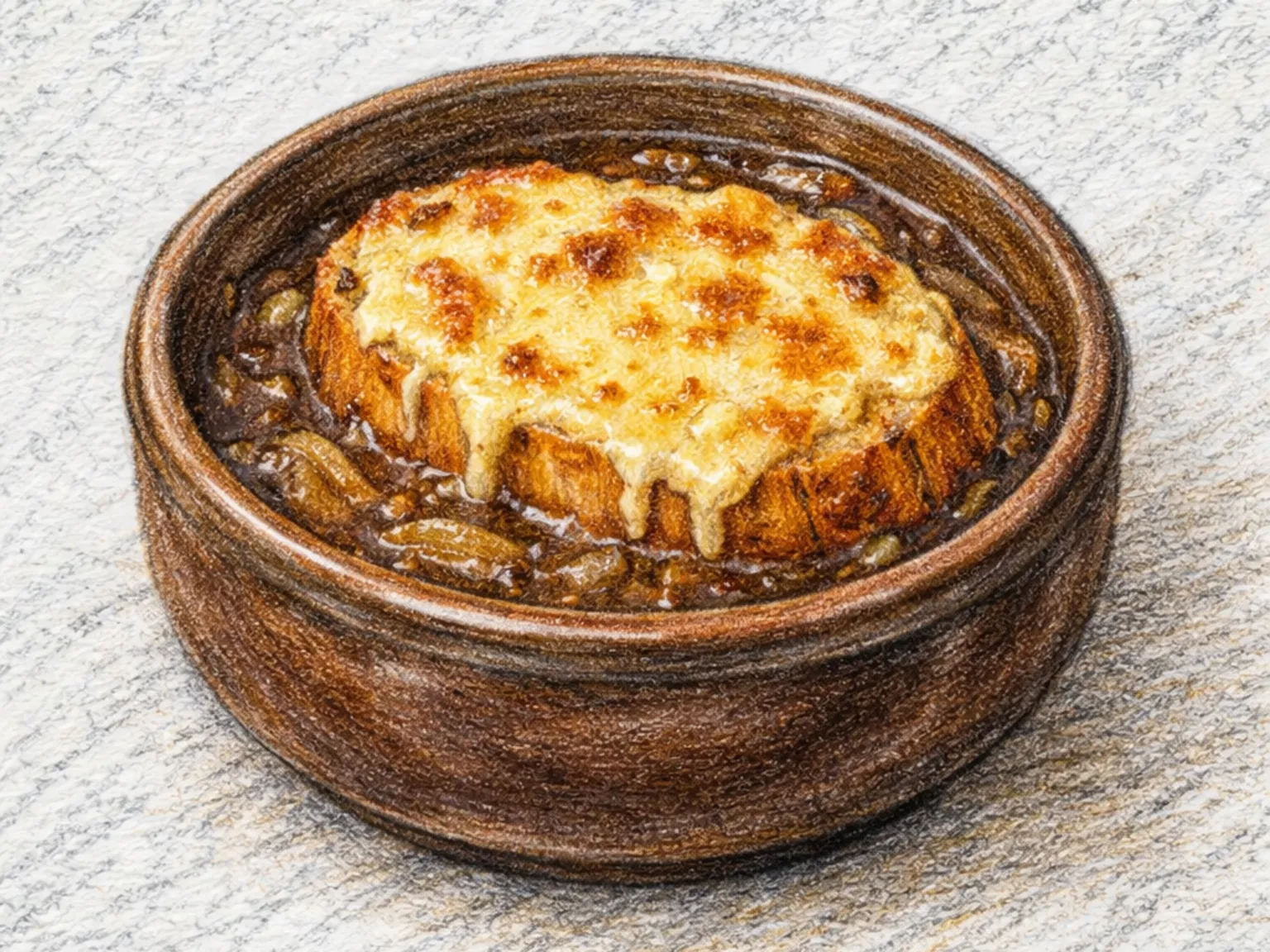
French Onion Soup
French onion soup is built entirely on patience and heat. Thinly sliced onions are cooked in butter over low heat for forty minutes or more, slowly shedding moisture as their natural sugars transform into a deep, golden-brown mass with an intensity of sweetness and umami that raw onions cannot approach. Rushing this step causes the onions to scorch and turn bitter, so controlled, unhurried heat is the most critical variable in the recipe. Dry white wine and beef stock are then added to the caramelized onions and simmered together until the broth absorbs every layer of the onion's concentrated flavor, building complexity through a long, slow reduction. The finished soup is ladled into oven-safe crocks, topped with thick slices of toasted baguette, and blanketed with a generous layer of grated Gruyere. Under the broiler, the cheese melts, bubbles, and browns into a golden crust with long, elastic strings that stretch when broken with a spoon. Beneath that crust lies the reward: a dark, concentrated broth steeped in caramelized onion depth, with bread softened into the soup and cheese draped across every spoonful. A bowl where simple ingredients, time, and heat produce something far greater than the sum of their parts.
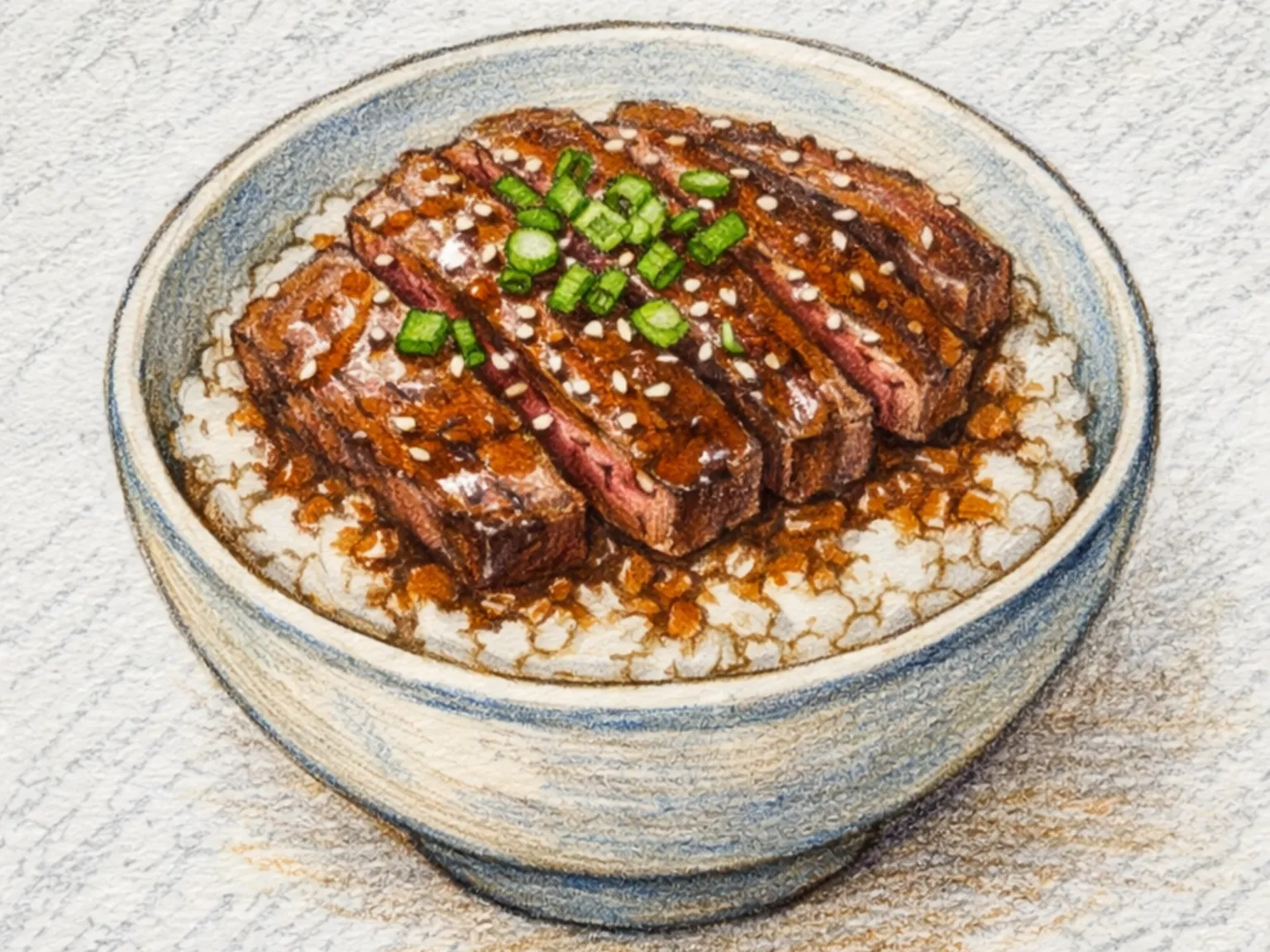
Steak Rice Bowl (Seared Beef with Soy-Garlic Glaze over Rice)
A thick-cut beef steak is seared at high heat until a deep brown crust forms, then sliced and fanned over a bowl of hot rice. A glaze of soy sauce, garlic, and mirin is spooned over the slices, coating them in a glossy, caramelized finish. As the warm rice absorbs the pan juices, each spoonful carries the full weight of the beef's seared flavor. A runny fried egg or a small dab of wasabi on the side balances the richness with creaminess or heat.
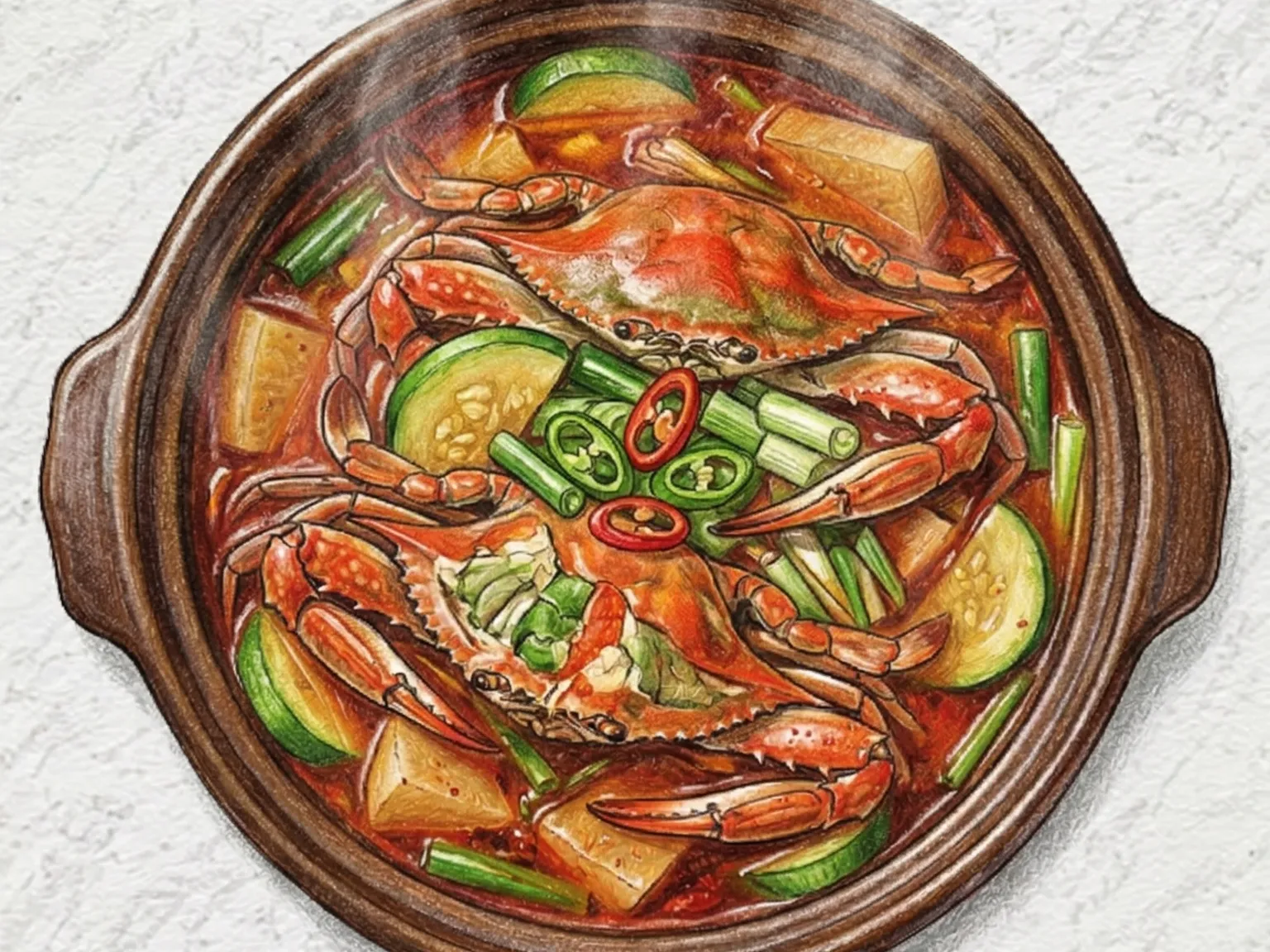
Korean Spring Blue Crab Stew
Kkotgetang is a classic Korean spicy crab stew made with 600g of whole blue crab simmered until the shells release their full flavor into the broth. Gochugaru and a touch of doenjang season the liquid with heat and fermented depth, while radish and zucchini turn sweet as they absorb the crab-infused stock. Two Cheongyang chilies push the spice level higher, and green onion adds a fresh finish. Picking the crab meat from the shell while sipping the hot, briny broth is half the enjoyment. Spring blue crabs are prized for their fuller flesh, making that the ideal season to prepare this dish.