
Baking Recipes
261 recipes. Page 7 of 11
Baking transforms flour, butter, sugar, and eggs into breads, cookies, cakes, muffins, and more. The aroma of something freshly baked is one of the great pleasures of cooking at home.
Injeolmi Crumble Cheesecake
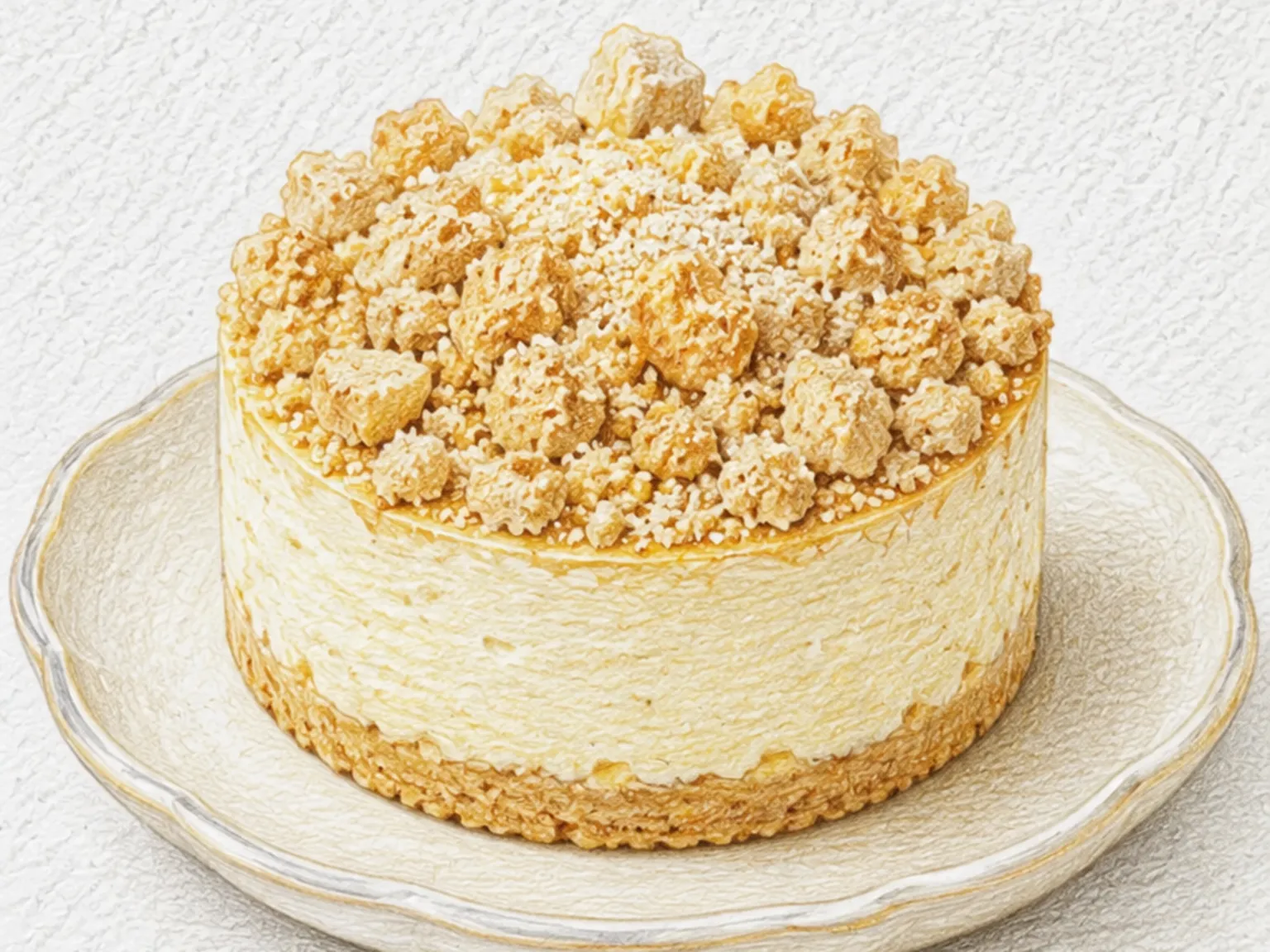
This fusion dessert combines the nutty flavor of Korean roasted soybean powder, known as injeolmi, with a cream cheese base. The batter is prepared by mixing softened cream cheese with sugar, salt, eggs, and heavy cream. Sifted sweet rice flour is folded in to create a chewy texture reminiscent of traditional rice cakes inside the dense cake, while a portion of roasted soybean powder adds a gentle nuttiness. The topping consists of a crumble made by rubbing the remaining soybean powder with melted unsalted butter, which is scattered over the batter. Baking at 165 degrees Celsius for 40 to 45 minutes yields a crisp crumble top that contrasts with the smooth, thick cheese layer underneath. Chilling the cake in the refrigerator for at least three hours settles the structure and deepens the roasted aroma. It pairs well with green tea or grain lattes.
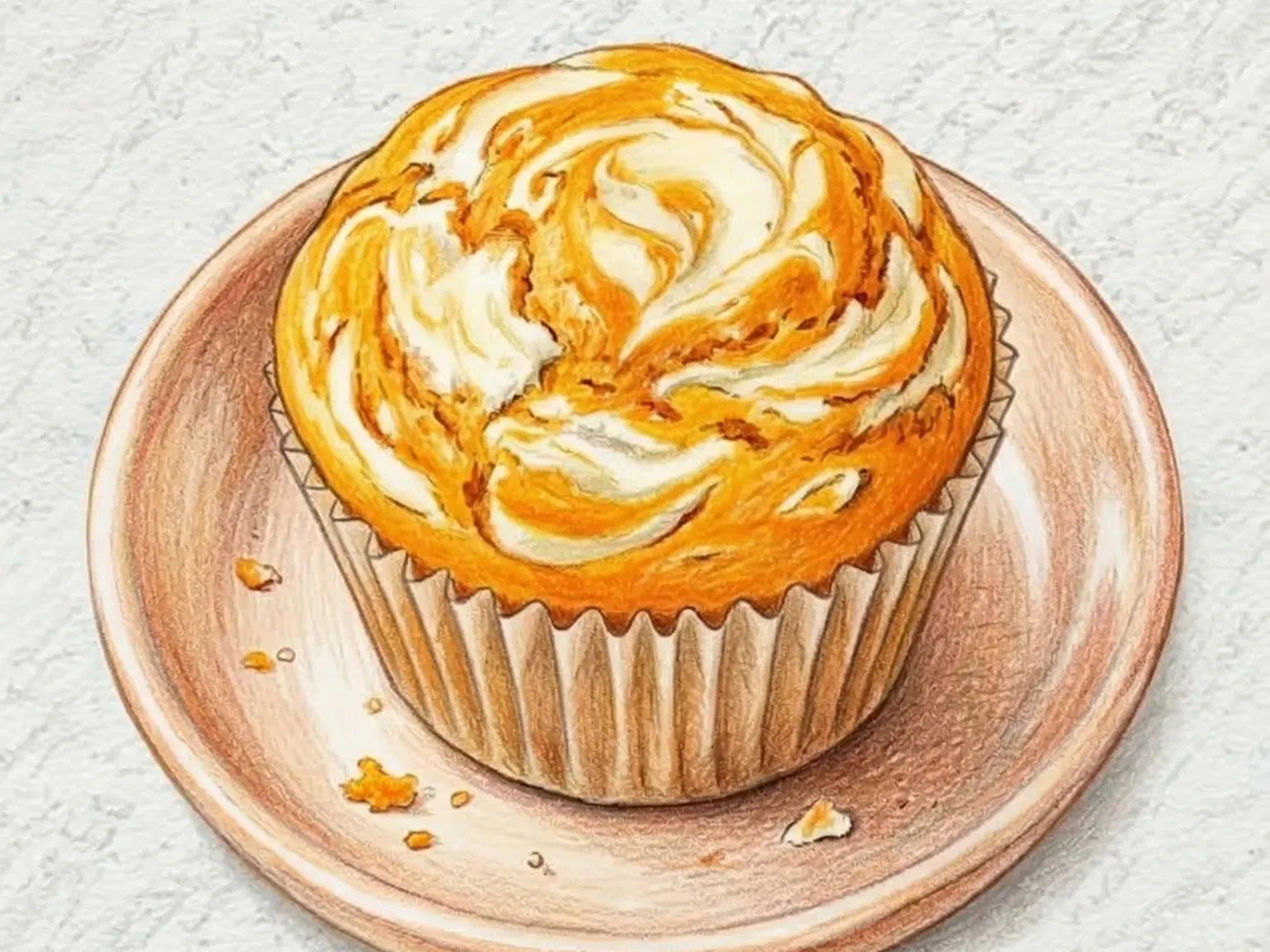
Injeolmi Crumble Muffins (Roasted Soybean Crumble Top)
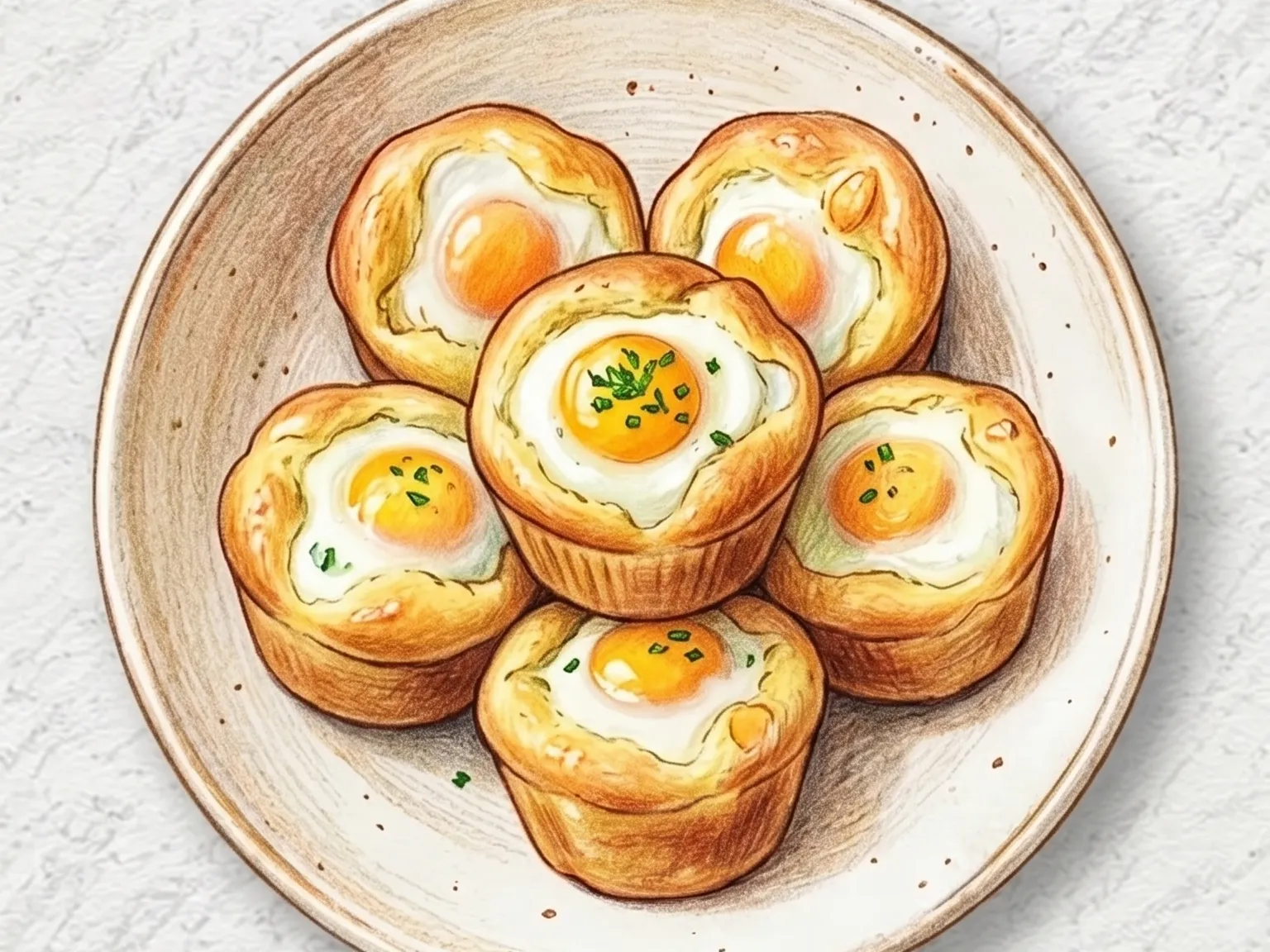
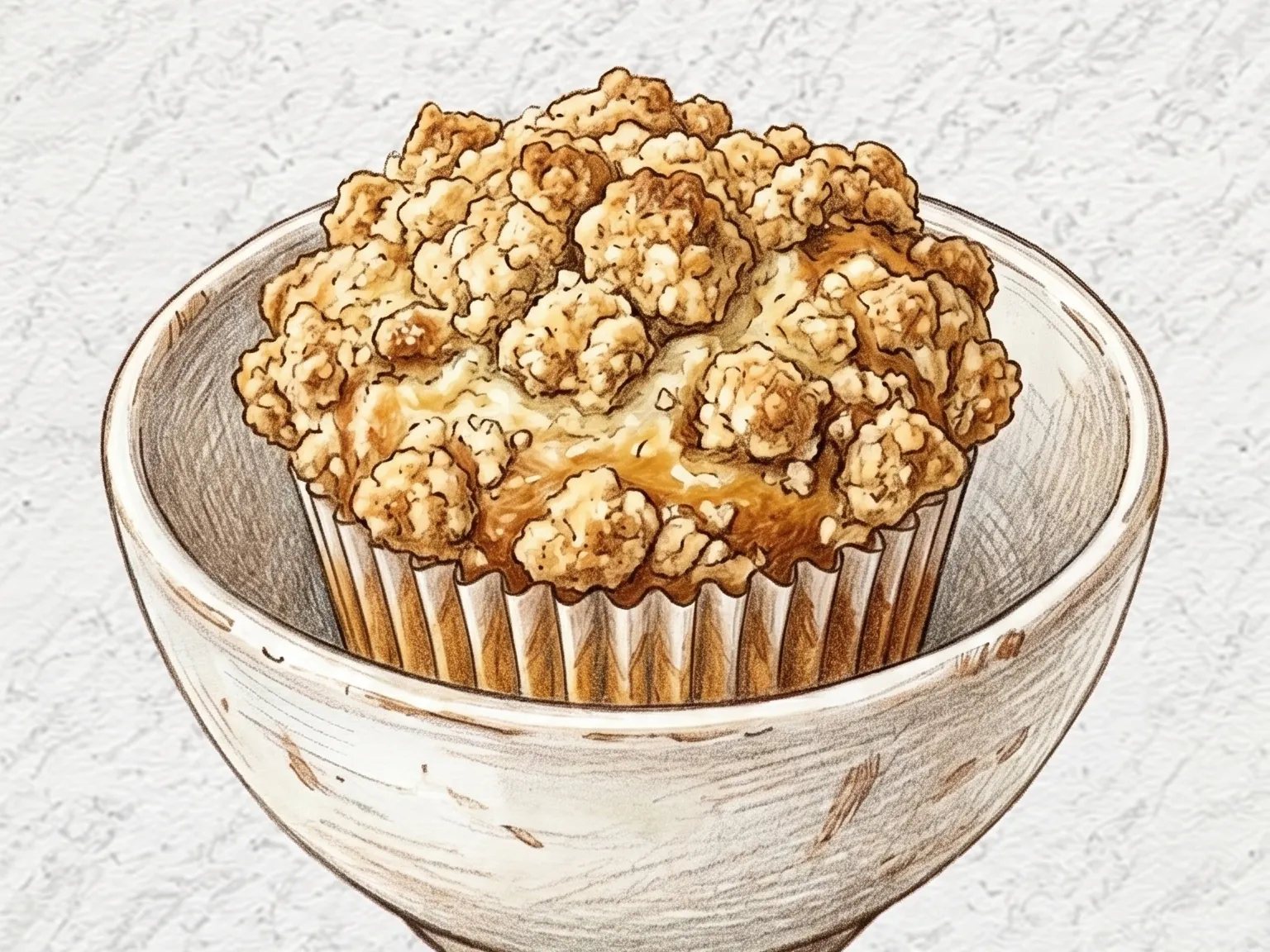
Injeolmi crumble muffin takes the roasted soybean powder that coats injeolmi rice cakes and builds it into both the muffin batter and the crumble topping, translating a beloved Korean rice cake flavor into a baked format. The batter is soft and moist throughout, carrying a mild nuttiness that runs from the first bite to the last, while the crumble on top bakes into crunchy, sandy clusters that shatter when bitten - a textural contrast between the pillow-soft interior and the crisp crown that defines each mouthful. Sweetness is kept deliberately moderate, making these appropriate as an after-school snack for children while remaining interesting for adults who appreciate the depth of roasted grain flavors. Paired with a grain latte or a misutgaru drink, the shared soybean-and-roasted-grain family of flavors amplifies in a way that plain coffee or tea cannot replicate. Each muffin fills the kitchen with a roasted, faintly popcorn-like aroma as it bakes, a signal that the soybean powder is developing the same toasty character it has on traditional injeolmi.
Injeolmi Mochi Brownies (Chewy Rice Flour Cocoa Bars)
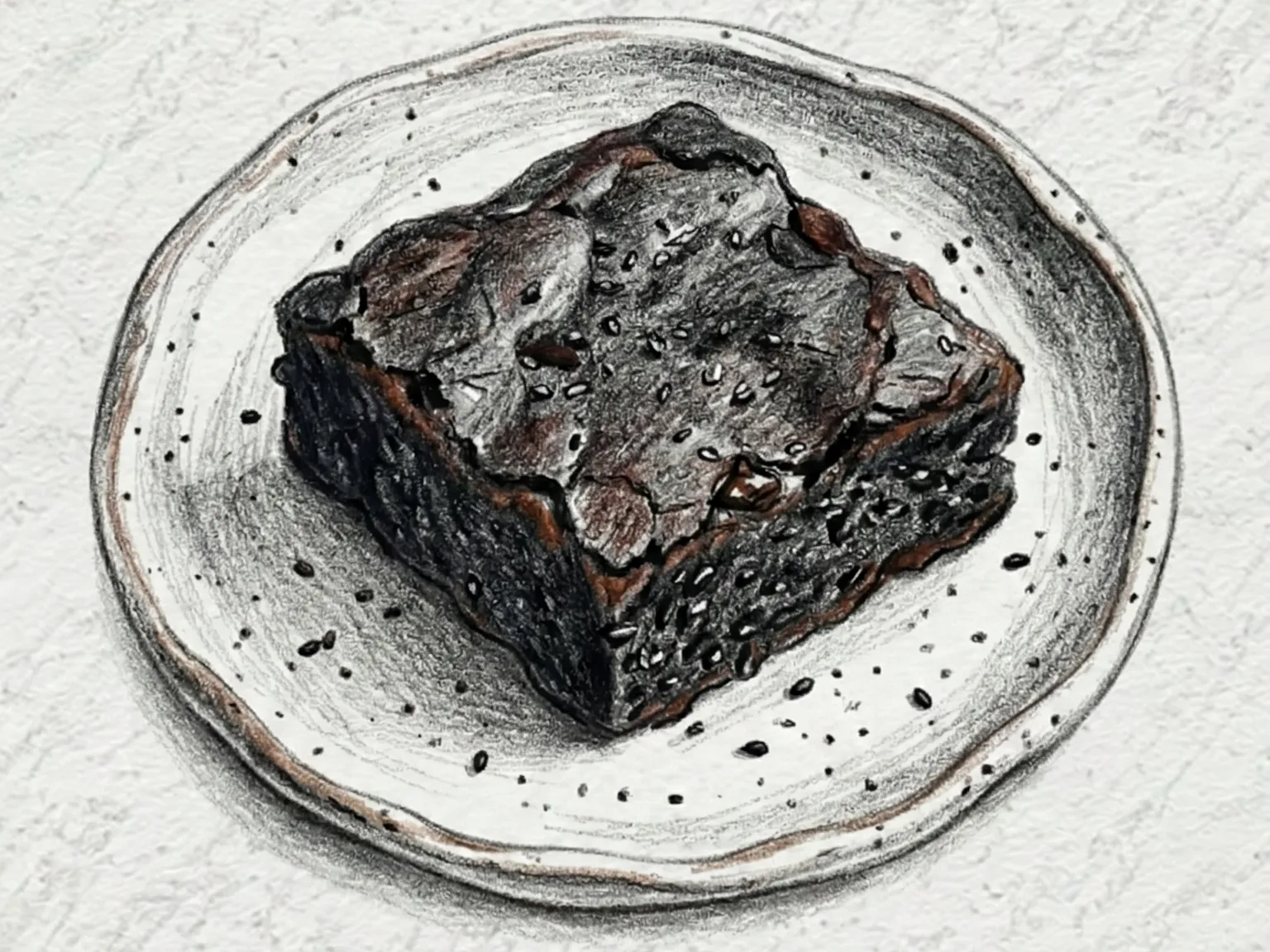
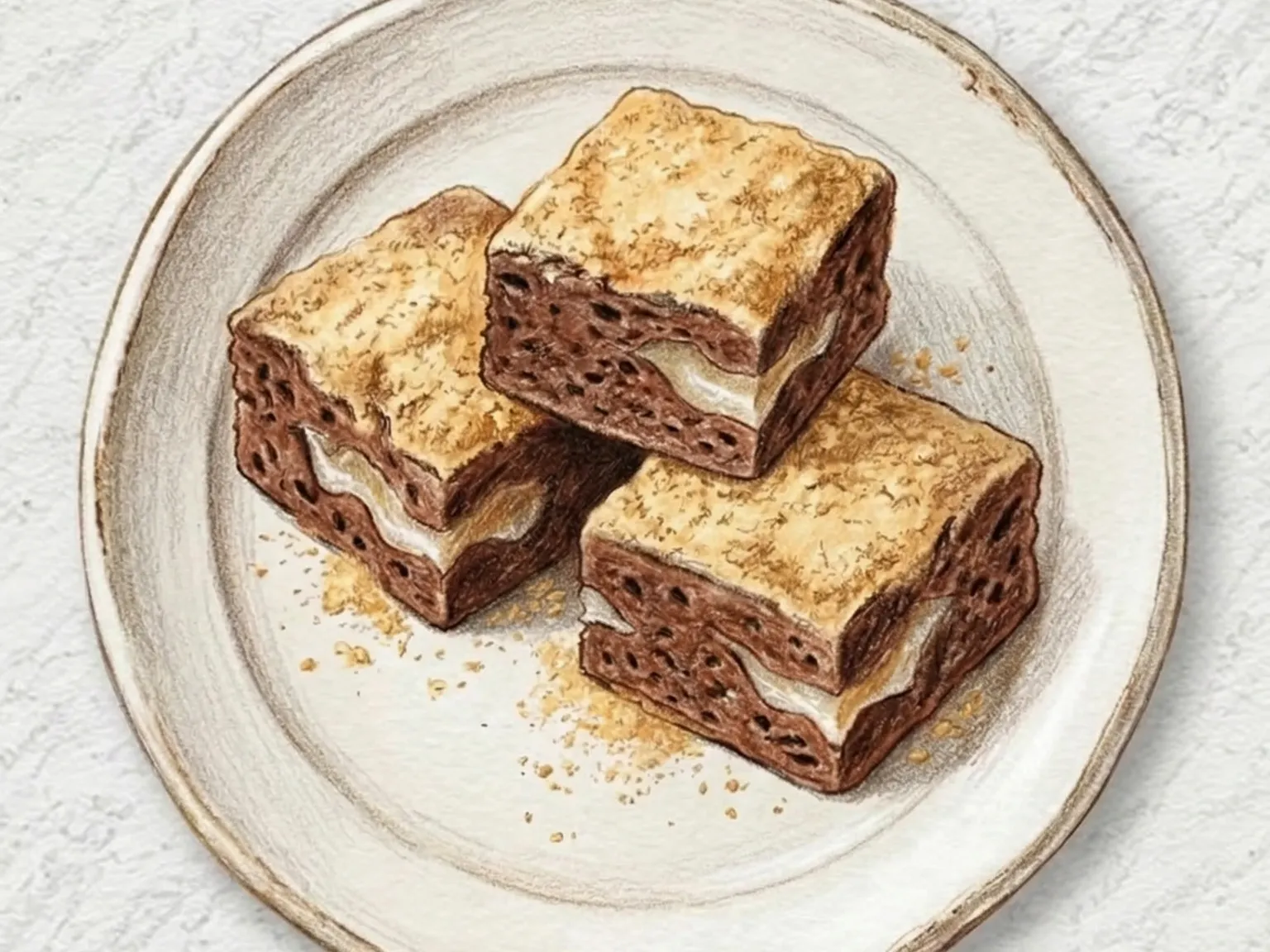
Injeolmi Mochi Brownies are a fusion dessert that combines cocoa batter with glutinous rice flour and a coating of toasted soybean powder. By replacing wheat flour with glutinous rice flour, these bars achieve an elastic, stretchy texture reminiscent of Korean rice cakes while maintaining a rich, fudgy interior. Brown sugar is used to impart a deep, caramel-like sweetness that complements the cocoa powder. To intensify the nutty aroma of traditional injeolmi, toasted soybean powder is dusted both inside the middle of the batter and on the top surface before baking. Once baked, the brownies are cooled completely to allow for clean, sharp slices. Serving them cold from the refrigerator firms up the crumb for a denser bite, whereas keeping them at room temperature keeps the mochi filling soft and pliable.
Injeolmi Scone (Soybean Powder & Rice Cake Scone)
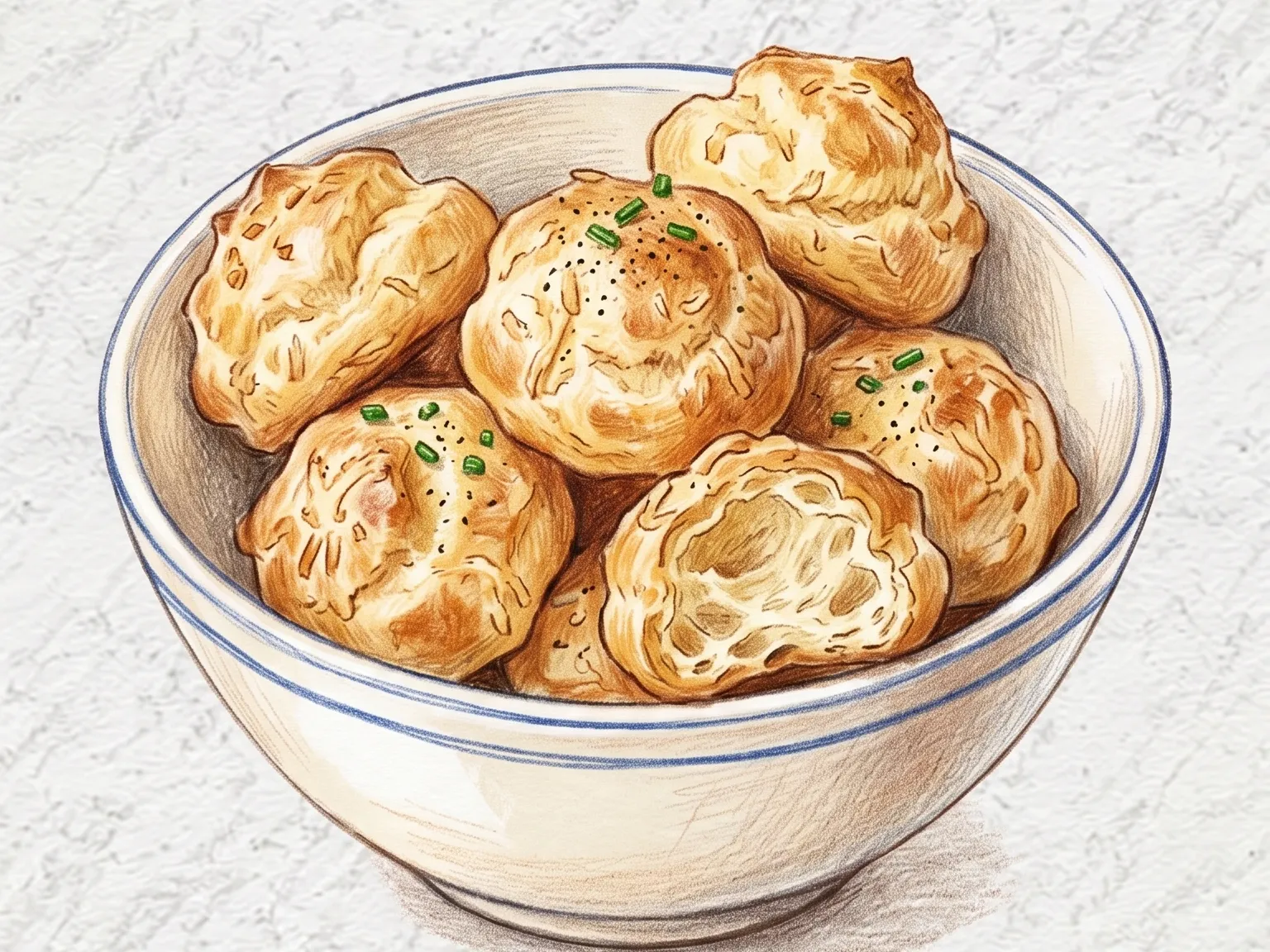
This scone folds roasted soybean powder and small pieces of glutinous rice cake into a classic British scone dough, capturing the flavor of Korean injeolmi in a handheld baked form. Soybean powder mixed into the dough lends the crumb a warm, toasted nuttiness that plain flour alone cannot produce, and the tteok pieces soften and melt in the oven, leaving behind chewy, stretchy pockets scattered throughout the crumb. Cold butter cut into small pieces and worked into the dry ingredients without fully melting is what allows the scone to develop distinct flaky layers that crack at the surface while the interior stays tender and moist. Minimal mixing is the central technique: working the dough only until the ingredients just come together prevents gluten development that would produce a tough, dense result instead of the desired crumbly tenderness. A drizzle of honey or a small bowl of sweetened condensed milk served alongside echoes the traditional way injeolmi is eaten and reinforces the sweet-nutty pairing that defines the dish. Warm green tea or pu-erh makes a natural companion for the afternoon. Cutting the tteok into pieces no larger than one centimeter ensures they melt evenly through the bake rather than leaving undercooked chunks in the center.
Japanese Cotton Cheesecake
Japanese cotton cheesecake pursues a cloud-light, moist texture in place of the dense, heavy richness of a New York-style cheesecake. Cream cheese is melted and blended with egg yolks and milk, then stiffly beaten meringue is folded in three additions to keep as much air in the batter as possible. Baking in a water bath at around 150 degrees Celsius prevents the surface from setting too quickly and allows the interior to cook gently, so the finished cake wobbles when nudged from the pan. A slight collapse after removing from the oven is expected and normal. Resting in the refrigerator overnight redistributes moisture evenly through the crumb, deepening the cheese flavor while adding a silkier texture to each slice. On the palate, the cake dissolves almost weightlessly, releasing a mild tang from the cream cheese and a soft, eggy warmth. Very little flour goes into the batter, which keeps the texture smooth and delicate rather than cakey, making toppings entirely unnecessary.
Key Lime Pie
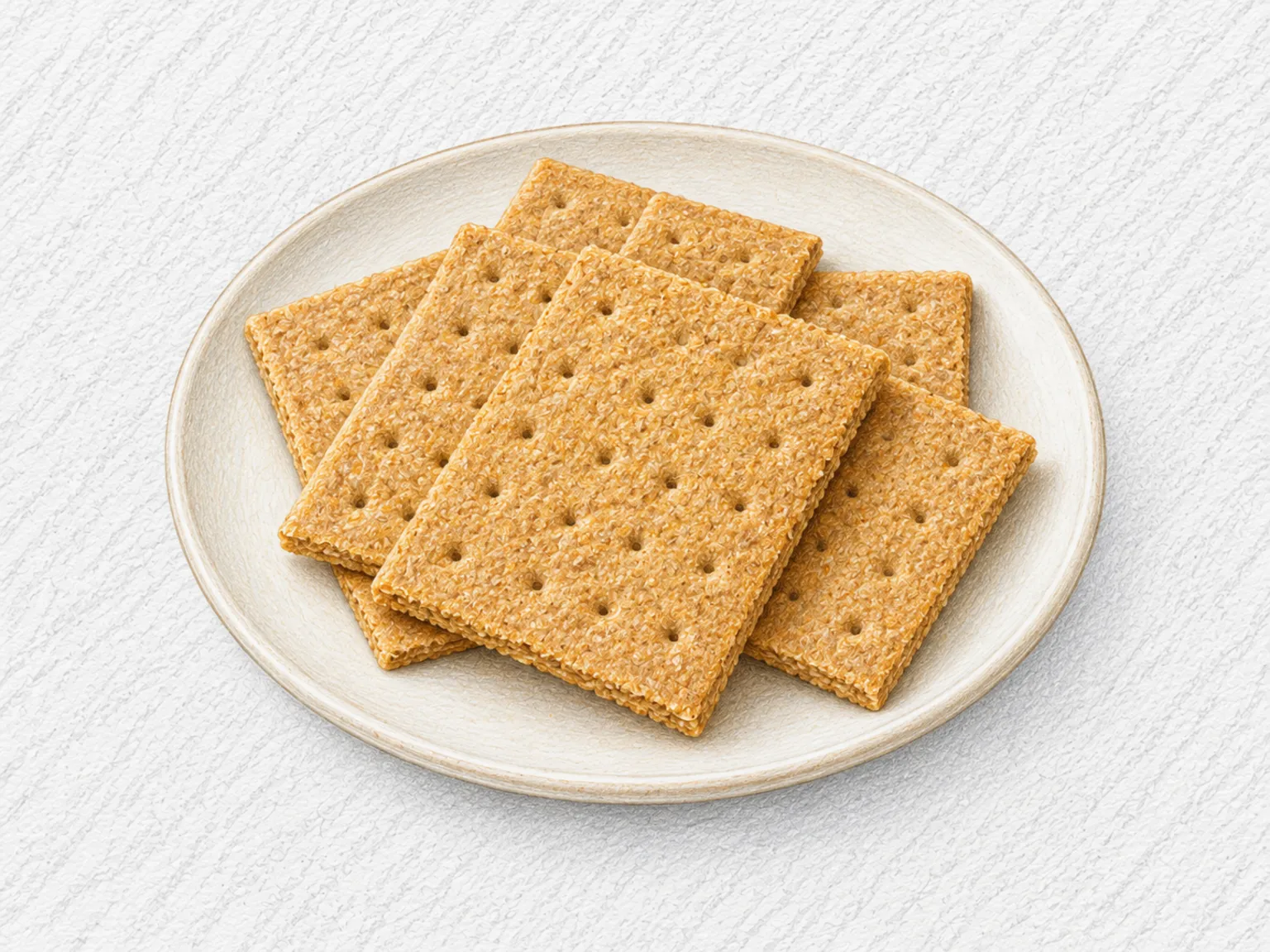
Key lime pie pairs the bold acidity of small Florida key limes with the thick sweetness of condensed milk in a chilled, custard-style filling set inside a buttery graham cracker crust. The crust is made by pressing crushed graham crackers bound with melted butter into a pie dish and pre-baking until firm. The filling requires only key lime juice, sweetened condensed milk, and egg yolks, which react with the citric acid to thicken naturally without gelatin, producing a smooth consistency once chilled. Key limes are smaller and more aromatic than Persian limes, lending a floral sharpness that cuts through the condensed milk's density so that each forkful oscillates between tart and sweet. A mound of whipped cream on top softens the acidity, and a fine grating of lime zest adds color and a burst of fragrant oil. Served cold, it makes a refreshing finish to a warm-weather meal.
Kimchi Bacon Quiche (Fermented Kimchi Egg Custard Pie)
This fusion quiche traps the sharp tang of well-fermented kimchi and the smoky depth of bacon inside a silky egg custard. Squeezing the kimchi dry before adding it concentrates its fermented intensity while preventing a soggy filling. Bacon and onion are sauteed until their moisture evaporates, then combined with a custard of eggs, heavy cream, and milk. When sliced, each wedge reveals a mosaic of red kimchi shreds and bacon bits suspended in the golden custard. Melted mozzarella weaves through the filling, binding every layer, while the buttery pie crust provides a crisp, flaky foundation. A two-stage bake, starting at 190 degrees Celsius and dropping to 175, browns the surface while keeping the interior creamy rather than rubbery. Black pepper is the only seasoning needed, since the bacon and kimchi supply all the salt and heat. Served warm from the oven, a single slice makes a complete brunch plate.
Kimchi Cheddar Scones
Cold butter rubbed into flour creates the crumbly layers of these savory scones, while squeezed kimchi and cheddar supply acidity, heat, and saltiness. The kimchi must be chopped and pressed firmly before it reaches the bowl. Excess liquid can make the dough sticky and heavy. Rub the butter in quickly with your fingertips and stop while pea-sized pieces remain. Toss the kimchi and cheese through the dry mixture without pressing, then fold in the milk and egg only until almost all dry flour disappears. Keeping the butter cold and limiting the mixing prevents the baked crumb from becoming tough. Pat the dough to an even thickness, divide it, and leave space between the pieces on the lined tray. A little milk on top supports even browning during the hot bake. The finished scones have golden edges, a tender center, and small pockets of kimchi and melted cheddar throughout. Let them cool briefly before serving warm, when the contrast between the crisp surface and soft interior is clearest.
Knafeh (Crispy Shredded Pastry with Cheese)
Shredded kataifi pastry is tossed in melted butter, pressed into a pan, layered with mozzarella cheese, and baked until the strands turn golden and shatteringly crisp. The butter saturates every strand during baking, creating an intensely rich, crunchy base. Between the two layers of pastry, the cheese melts into a stretchy, creamy sheet that pulls apart in long strings when the dessert is cut. A syrup of sugar, water, and lemon juice, poured hot over the hot pastry, sinks into the crunchy layers almost instantly, glazing them with a sweet, barely tart coating that balances the cheese's mild salinity. Crushed pistachios scattered on top add a vivid green contrast and a firm, nutty bite that breaks up the otherwise uniform texture. The interplay of crunchy, stretchy, and syrupy in a single forkful is what makes knafeh distinctive. It must be served immediately; the pastry softens as it sits, and the contrast between crisp and molten fades.
Korean Choco Pie (Marshmallow Cream Chocolate Cake)
Two soft chocolate cake rounds sandwich a layer of melted marshmallow cream, and the whole assembly is dipped in dark chocolate to form a glossy shell. The cake batter combines cake flour with cocoa powder and is baked just until set; overbaking dries out the sponge and ruins the pillow-soft texture that defines this treat. Marshmallows melted over a water bath turn into a light, stretchy cream that acts as a cushion between the rounds, pulling slightly with each bite. Adding a small amount of butter to the melted coating chocolate produces a thinner, smoother shell that sets with a clean snap and resists fingerprints. Chilled, the chocolate hardens and adds a crisp layer of contrast; at room temperature, the entire piece softens into a unified, yielding bite. This is the homemade version of Korea's iconic convenience-store snack, and making it from scratch allows control over the chocolate quality and the generosity of the filling.
Korean Mashed Potato Bread
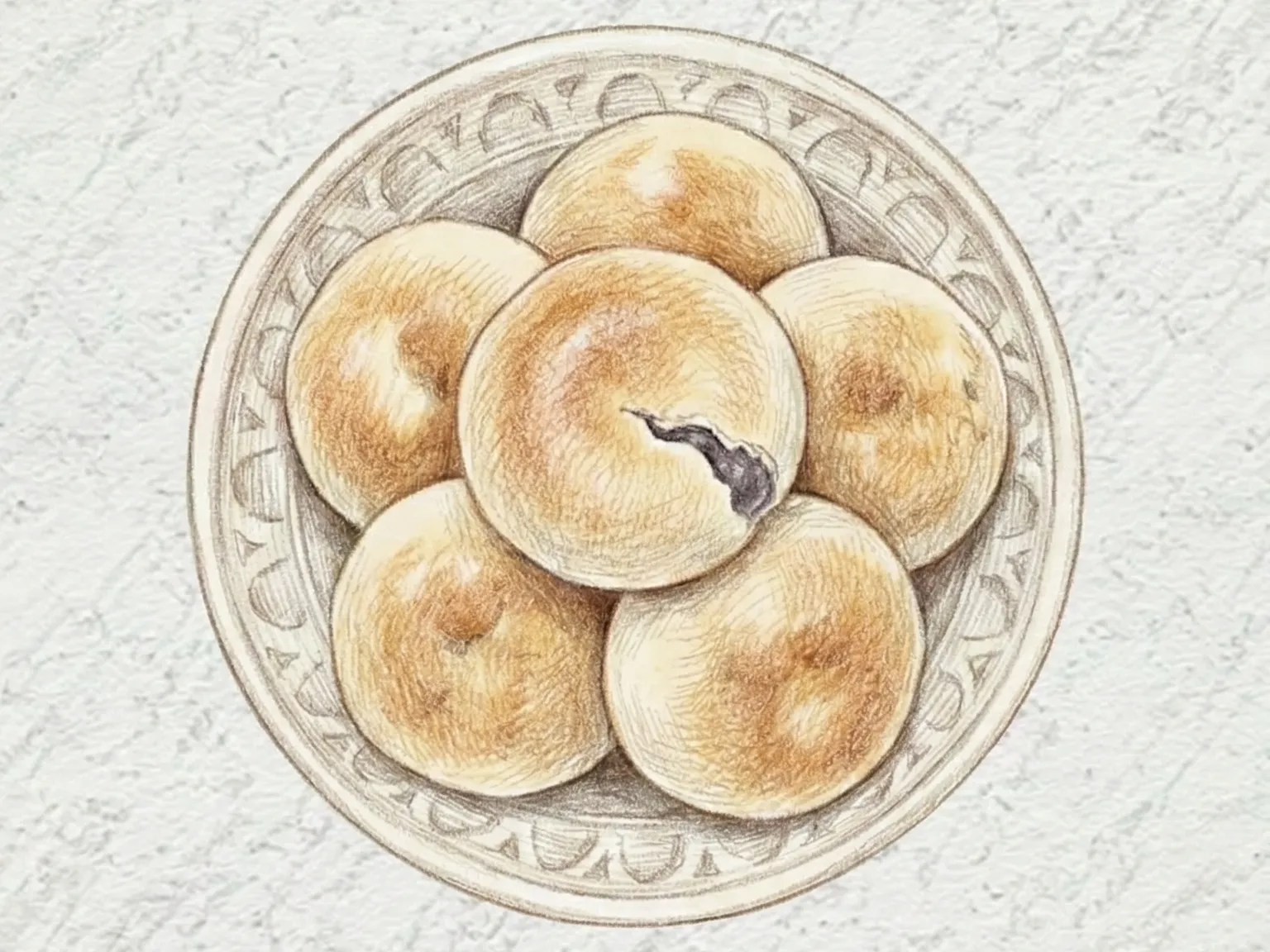
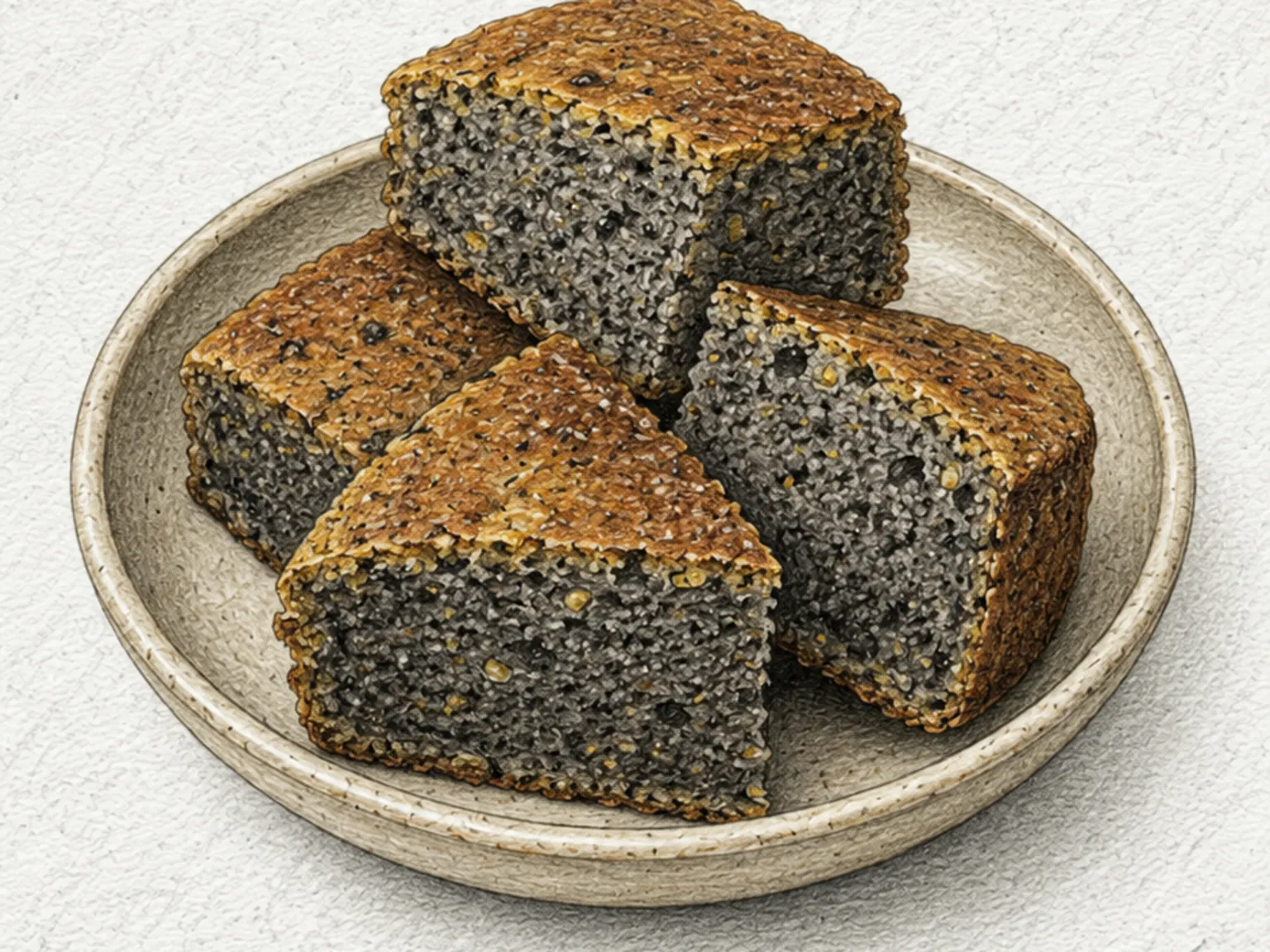
Korean Mashed Potato Bread is a snack featuring a potato filling wrapped in a chewy dough. The dough combines bread flour and tapioca starch, which prevents the crust from hardening after cooling, maintaining a soft, elastic texture. Boiled potatoes are mashed while hot with sugar and salt before being wrapped in the dough. Varying sugar levels in the filling and the dough create a layered sweetness. The outer surface is coated with roasted soybean powder and black sesame powder to replicate the earthy look of Gangwon potatoes. Small holes are poked on the surface with chopsticks for a realistic appearance. The bread is baked at 170 C for twenty to twenty-five minutes. Adding mayonnaise to the filling yields a creamier and richer taste.
Kougelhopf (Alsatian Raisin Almond Bundt Cake)
This yeasted cake from the Alsace region of France is baked in a distinctive fluted ring mold that gives it a crown-like silhouette. The dough is enriched with butter and eggs and kneaded until it develops a soft, brioche-like crumb that stays moist for days. Raisins are folded into the batter, releasing pockets of gentle sweetness with each bite, while whole almonds placed at the bottom of the mold become a decorative and crunchy topping once the cake is inverted. Two separate rises, the first to develop flavor and the second inside the mold to set the shape, require patience but reward the baker with an airy, delicate interior. Generously buttering every groove of the mold is essential for a clean release; any missed spot means the cake tears when turned out. A dusting of powdered sugar after cooling completes the presentation with an elegant, snow-capped look that makes the kougelhopf as appealing on the table as it is on the palate.
Kouign-Amann (Caramelized Butter Sugar Pastry)
This Breton pastry is constructed by folding generous amounts of butter and sugar into a simple yeasted bread dough, then baking until the sugar caramelizes into a glassy, deeply bronzed crust. The exterior shatters audibly at the first bite, giving way to an interior where dozens of buttery layers remain soft and slightly chewy. Three rounds of rolling and folding build the laminated structure, and keeping the butter cold throughout the process is what prevents the layers from merging into a dense mass. At 200 degrees Celsius, the sugar melts and pools at the bottom of each portion, so lining the pan with foil is a practical necessity to catch the drips. The aroma of caramelizing butter and sugar fills the kitchen long before the timer sounds. Despite containing only five ingredients, flour, butter, sugar, yeast, and salt, the technique demands precision: under-laminated dough bakes flat, and over-proofed dough loses its layered definition. The result, when executed well, is one of the richest pastries in the French repertoire.
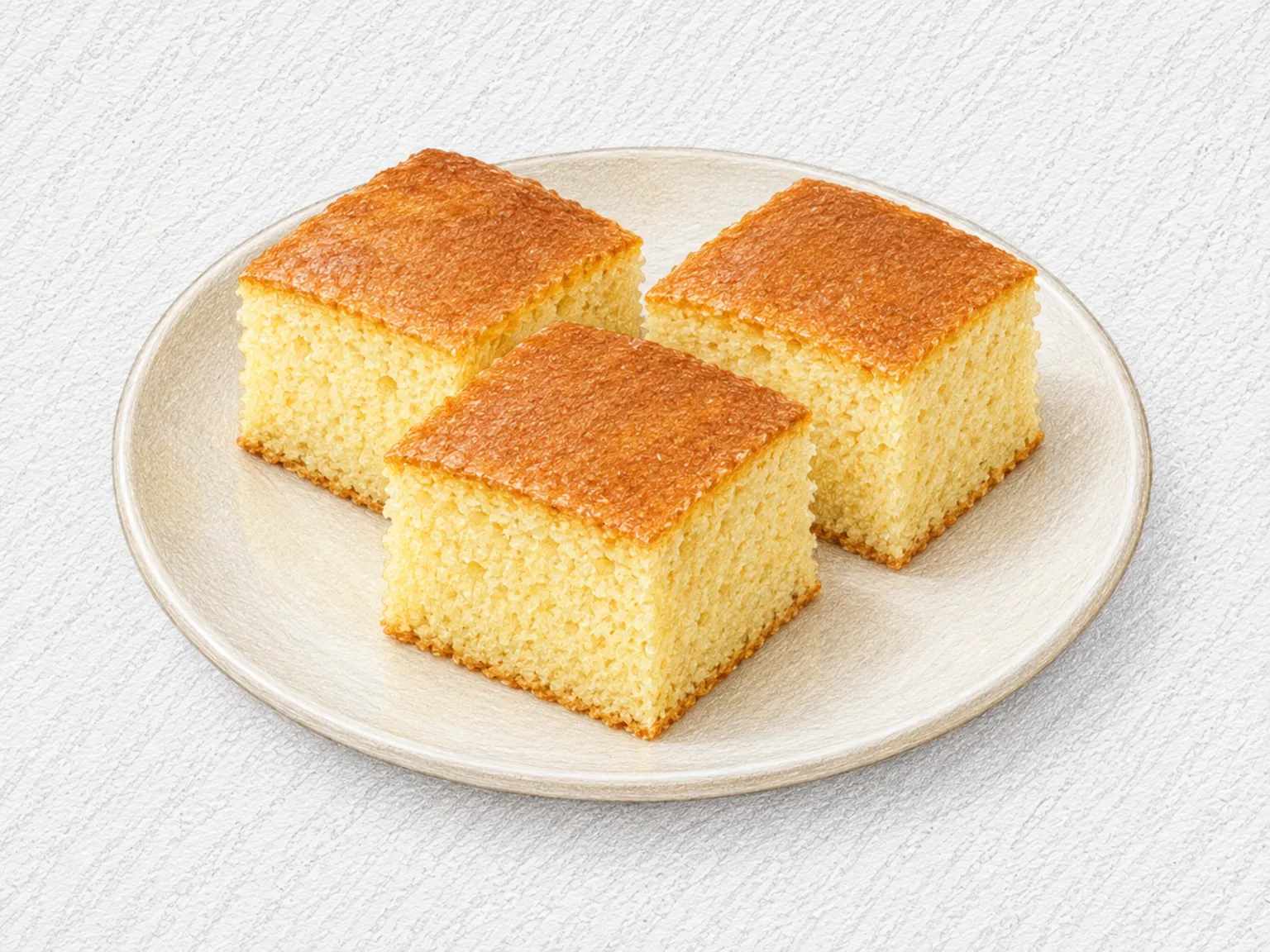
Lamington Cake (Chocolate-Dipped Coconut Sponge Cubes)
Cubes of sponge cake are dipped in a chocolate coating and rolled in desiccated coconut to produce this iconic Australian treat. The sponge is baked in advance and left to dry slightly so it holds its shape during the dipping process; if it feels too fragile, a brief spell in the freezer firms it up. The coating is made from melted dark chocolate, butter, milk, and powdered sugar, mixed until smooth and fluid enough to coat each cube in a single quick dip. Rolling the chocolate-covered cube in coconut immediately, before the coating sets, ensures the flakes adhere evenly and create the characteristic white-speckled exterior. Each piece delivers three textures in one bite: the crisp snap of the thin chocolate shell, the dry chew of coconut shreds, and the soft, airy crumb of the sponge underneath. The flavor moves from the bittersweet intensity of dark chocolate to the mild tropical sweetness of coconut, finishing with the neutral lightness of the cake. They pair naturally with black tea or a flat white.
Lemon Curd Tart
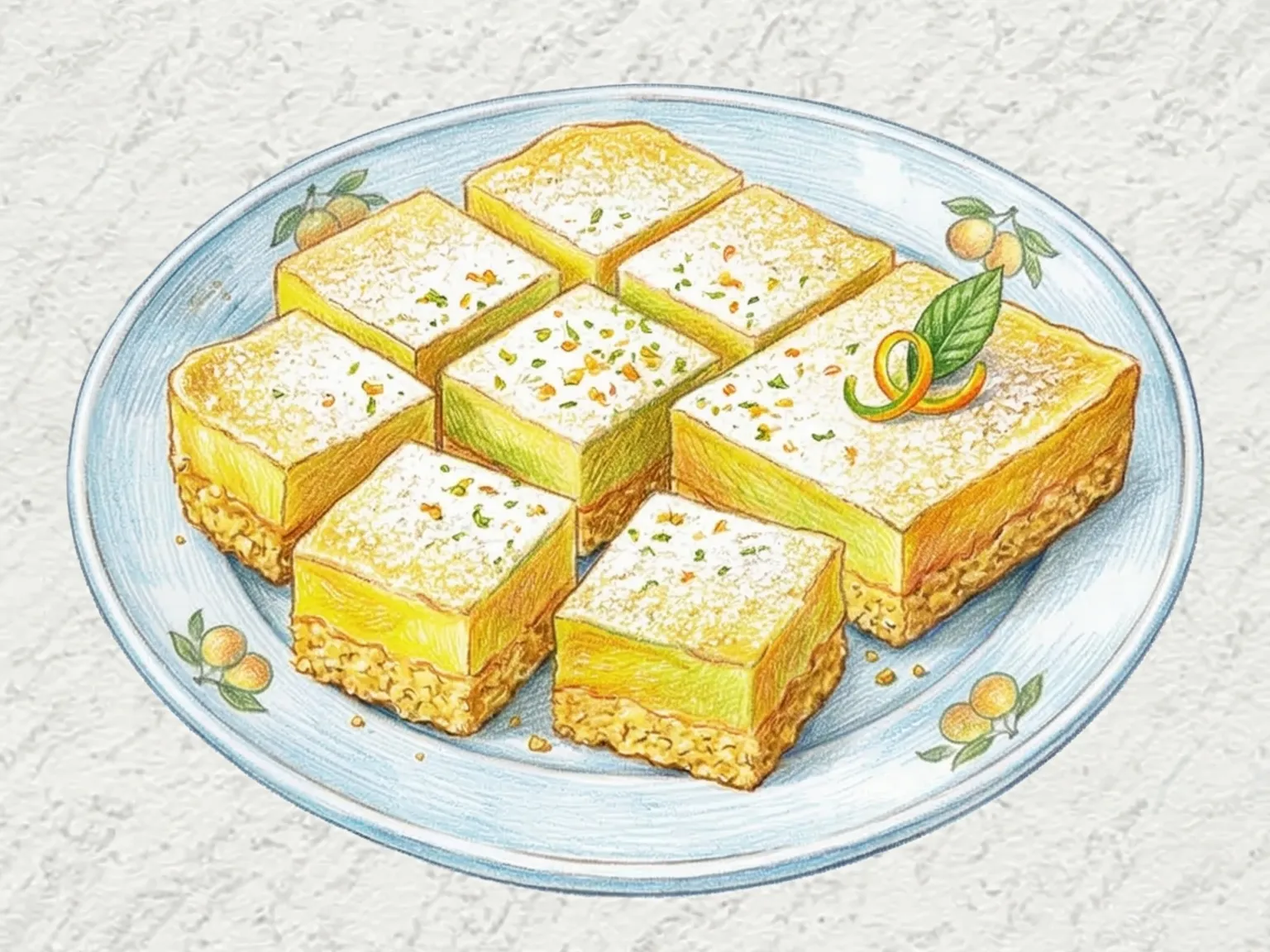
Lemon Curd Tart is a classic dessert composed of a crumbly shortcrust pastry shell filled with a smooth, tangy lemon curd. The shell is prepared by rubbing cold unsalted butter into flour and powdered sugar, binding it with egg yolk, and baking it until lightly golden. The filling is made by whisking fresh lemon juice, grated lemon zest, sugar, and egg yolks over low heat. The mixture is cooked slowly to thicken without boiling, then combined with heavy cream and strained to achieve a silky consistency. The lemon zest oils provide a lasting citrus aroma, while the butter offers a rich mouthfeel that balances the sharp acidity. Once filled, the tart is chilled for an hour to set, allowing it to be sliced cleanly. It can be served plain or decorated with whipped cream or torched meringue.
Lemon Drizzle Cake (Syrup-Soaked British Lemon Loaf)
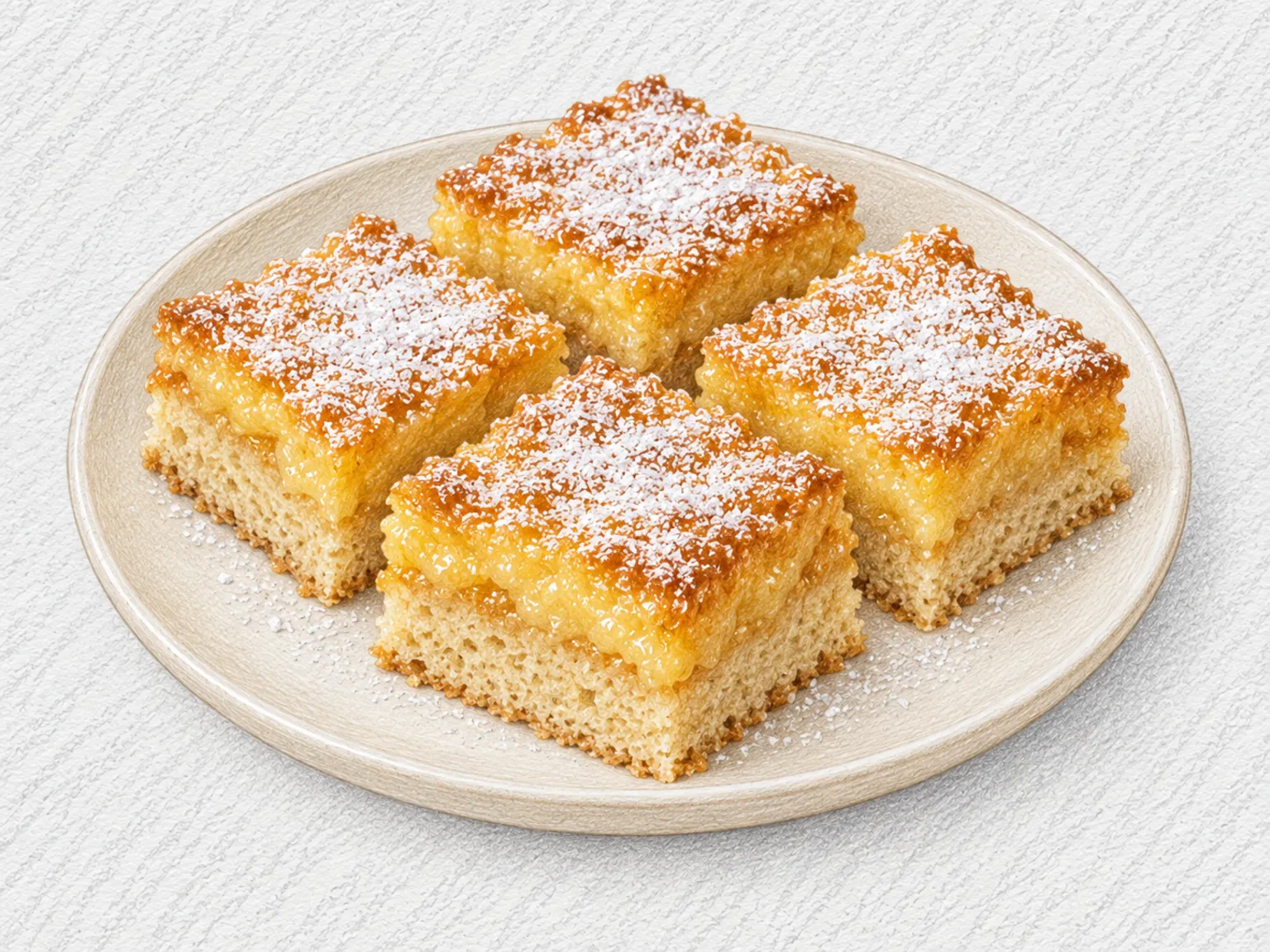
A British loaf cake that owes its lasting moisture to a lemon syrup poured over the surface straight from the oven. Creaming butter and sugar thoroughly at the start incorporates air for a lighter crumb, while lemon zest folded into the batter releases its essential oils during baking, filling the kitchen with citrus fragrance. The critical step comes after baking: a hot syrup of freshly squeezed lemon juice and sugar is drizzled over the cake while it is still warm, and the open crumb absorbs the liquid rapidly. As the cake cools, a thin crust of crystallized sugar forms on top, adding a faintly crunchy texture that gives way to the soft, syrup-soaked interior beneath. A skewer test determines doneness; underbaked cake collapses, while overbaked cake lacks the porosity to absorb the syrup fully. Wrapping the cooled cake and leaving it overnight allows the syrup to distribute evenly, deepening both the lemon flavor and the moist texture. It is a staple of the English afternoon tea table, needing no elaborate decoration to impress.
Lemon Meringue Pie
A blind-baked pie crust holds a tart lemon curd filling crowned by a billowy meringue that is briefly baked until its peaks turn golden. The curd is built by cooking lemon juice, water, sugar, and cornstarch until thick, then rapidly whisking in egg yolks and finishing with butter for a glossy, velvety consistency. The filling's sharp citrus bite meets the meringue's airy sweetness in the same forkful, creating a dramatic contrast that is the hallmark of this pie. Spreading the meringue directly over the hot curd helps the two layers bond and reduces the weeping that can form between them. A short burst at 200 degrees Celsius tips each meringue peak with a gradient of caramel brown while the interior remains soft and marshmallow-like. The pie crust contributes a third texture, short and crisp, that grounds the two softer layers above it. Chilling the assembled pie before cutting produces the cleanest slices, with each layer visible in cross-section. Adding lemon zest to the curd intensifies the citrus aroma beyond what juice alone provides.
Lemon Pound Cake
A dense, buttery pound cake elevated by the brightness of fresh lemon zest and juice. Creaming the butter and sugar until light introduces air pockets that keep the heavy crumb from becoming leaden, and adding eggs one at a time ensures the emulsion stays stable. Rubbing the lemon zest into the flour before combining releases its essential oils evenly throughout the batter, so every slice carries the same citrus intensity. Lemon juice raises the batter's acidity just enough to maintain a tender, fine crumb rather than a tough one. During roughly an hour at 175 degrees Celsius, the top splits into the characteristic crack that signals a properly risen pound cake. After cooling completely, a glaze of powdered sugar and lemon juice is drizzled over the surface, hardening into a thin, translucent shell that adds sweetness and a subtle sheen. Wrapped and rested overnight, the lemon flavor deepens as the oils permeate every layer of crumb.
Linzer Torte (Almond Lattice Tart with Raspberry Jam)
An Austrian tart made with a nut-enriched dough, a generous layer of raspberry jam, and a lattice top that reveals the jewel-red filling beneath. Combining almond flour with wheat flour gives the pastry a short, sandy texture that crumbles gently and melts into the smooth jam on the palate. The butter-heavy dough must be thoroughly chilled before being rolled and cut into strips; warm dough tears and loses definition. Raspberry jam provides a sharp, fruity acidity that stands out against the mellow, nutty backdrop of the crust, while a touch of lemon zest lifts the overall aroma with a bright finish. Baking at 180 degrees Celsius for 30 to 35 minutes brings the jam to a gentle boil, intensifying its color and flavor, while the lattice strips turn golden and slightly crisped at the edges. Resting the tart overnight allows the jam's moisture to soften the boundary between filling and crust, creating a more cohesive slice where pastry and fruit feel unified rather than separate.
Lotus Seed Mooncake (Sweet Lotus Paste in Golden Syrup Crust)
Lotus seed paste is wrapped in a thin dough of golden syrup, neutral oil, alkaline water, and flour, then pressed into decorative molds and baked to produce this iconic Chinese Mid-Autumn Festival pastry. The syrup-based dough remains pliable and moist even after baking, unlike a standard pie crust, creating a skin that yields softly under the teeth before giving way to the dense, sweet filling. The ratio of filling to dough is intentionally high, so each bite delivers concentrated lotus seed flavor. Mooncake molds stamp intricate patterns onto the surface, but a heavy-handed egg wash blurs those details; a single thin coat preserves the design while adding a glossy, amber sheen. Baking in two stages at 190 degrees Celsius, with the egg wash applied between them, ensures even coloring without over-browning. The crucial final step is resting: sealed in an airtight container for at least one day, the dough absorbs oil from the filling in a process called hui-you, softening its texture and harmonizing the flavors into a cohesive whole.
Date-Filled Semolina Cookies
A traditional Middle Eastern cookie in which a buttery semolina shell encloses a spiced date paste filling. Semolina produces a distinctly different texture from wheat flour: low in gluten, the baked cookie disintegrates into fine, sandy crumbs the moment it touches the tongue, releasing a wave of butter fragrance. A few drops of rose water woven into the dough create a faint floral backdrop that never overpowers. The filling blends date paste with ground cinnamon into a dense, caramel-like sweetness that contrasts with the restrained sweetness of the shell. After wrapping the filling, each cookie is gently pressed into a mold or marked with a fork to imprint a decorative pattern that is the visual signature of maamoul. Baking at 180 degrees Celsius for 16 to 18 minutes, just until the edges take on the palest gold, is critical; even a minute too long hardens the delicate crumb irreversibly. A light dusting of powdered sugar after cooling adds a sweet first impression before the date flavor takes over.
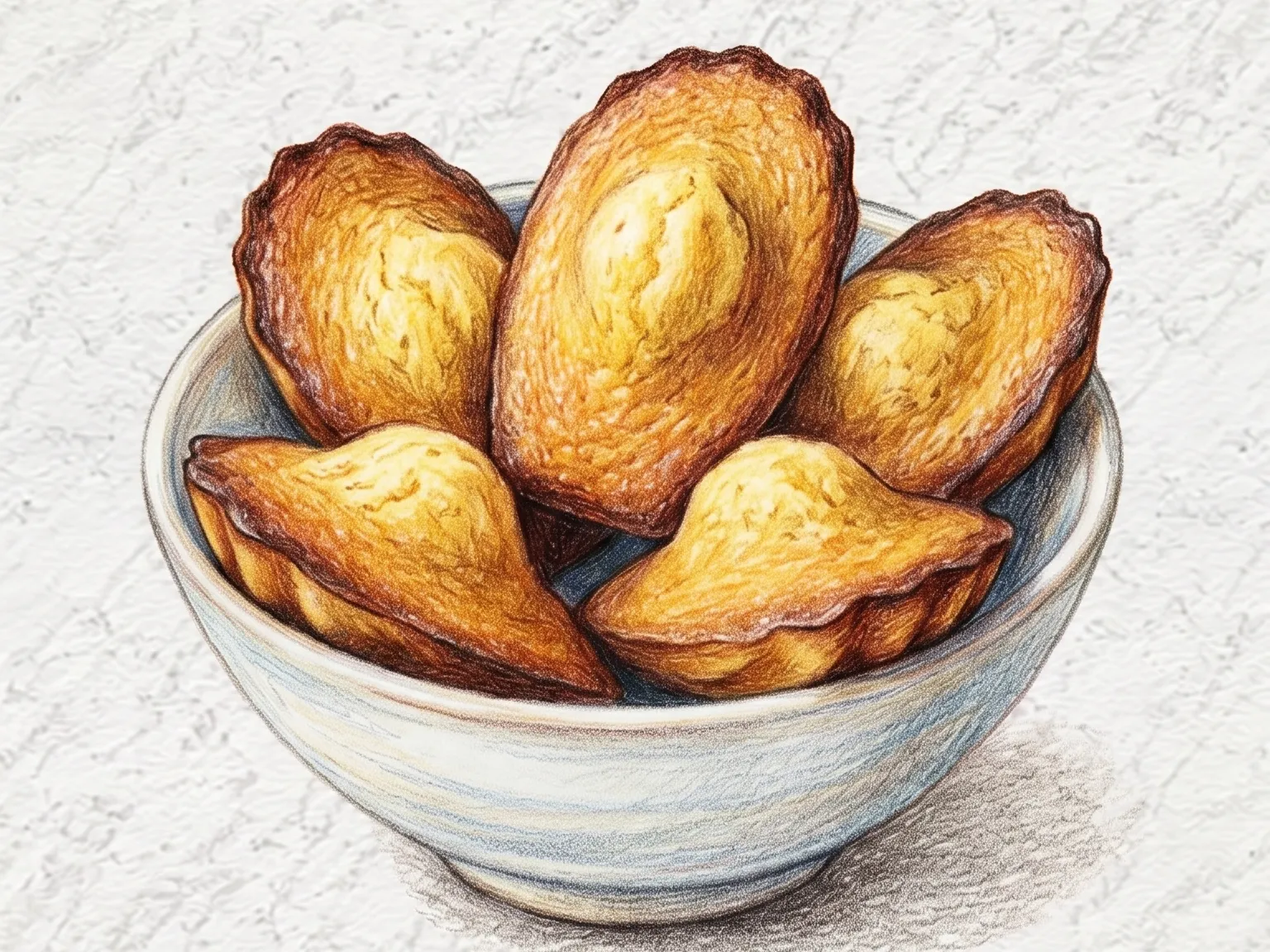
Madeleines (French Shell-Shaped Brown Butter Cakes)
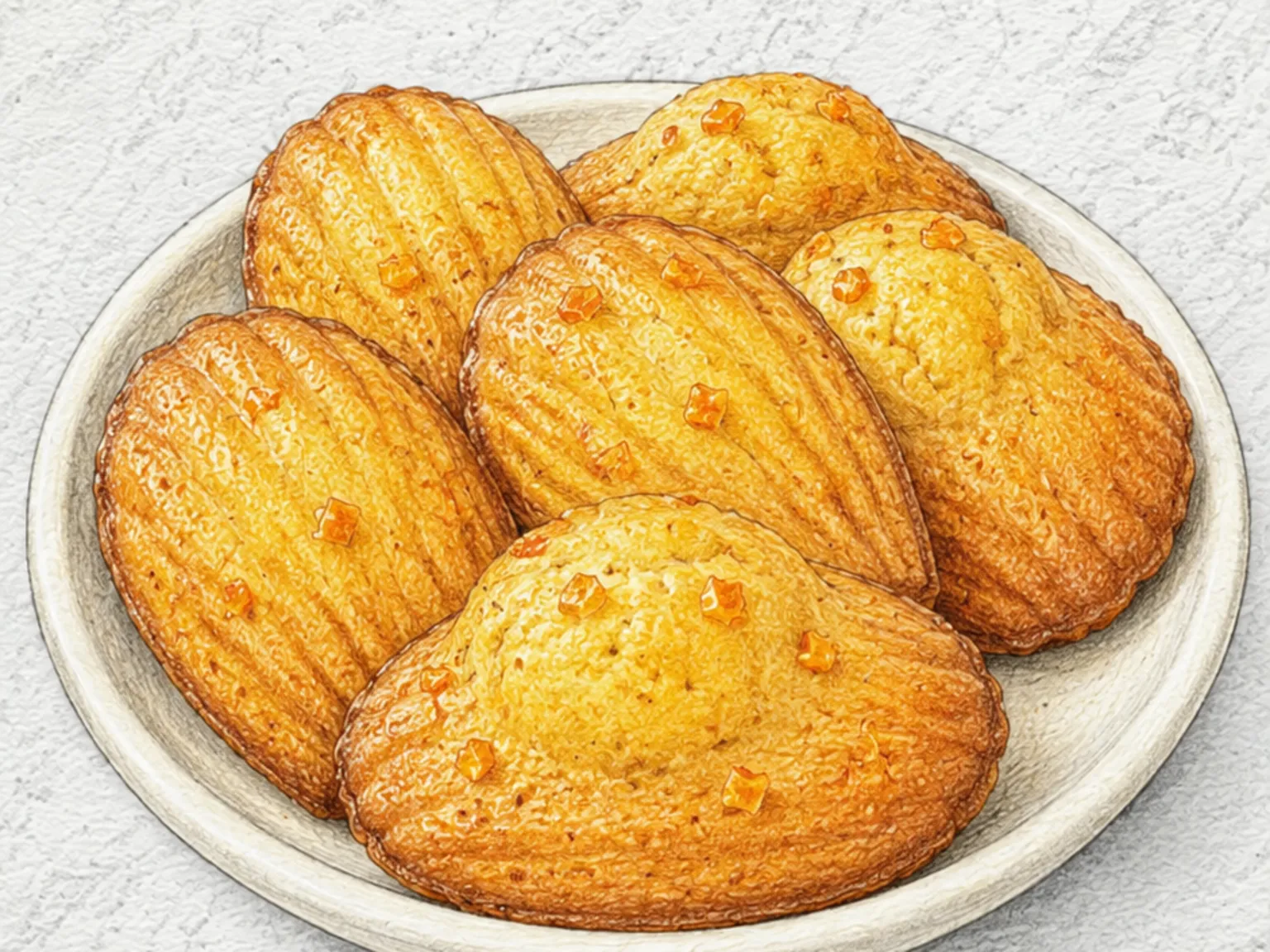
These French cakes are defined by their distinct shell shape and the specific use of browned butter during preparation. The process of browning the butter provides a depth of flavor that resembles toasted hazelnuts, which is a complexity that cannot be achieved by using standard melted butter alone. The preparation begins by combining eggs and sugar, followed by the careful addition of cake flour, baking powder, and lemon zest. The cooled brown butter is incorporated into the mixture as the final step of the process. A critical technical requirement involves chilling the resulting batter for a minimum of one hour before it is placed in the oven. This cooling period is the primary reason for the characteristic bump that forms on the back of each cake. When the chilled batter comes into contact with a hot mold, the temperature difference causes a fast expansion at the center while the outer edges of the cake begin to set. Baking the cakes for twelve minutes at a temperature of 190 degrees Celsius results in a golden exterior with a slightly crisp edge and a soft, spongy texture at the core. The inclusion of lemon zest serves to balance the high fat content of the butter by providing a sharp citrus element that prevents the cake from feeling heavy. These cakes reach their optimal state immediately after being removed from the oven while the outside still retains a subtle crunch. Within a few hours, the cakes lose this textural contrast and become soft throughout. Because of this quick change in consistency, it is standard practice to bake them in small batches for immediate consumption.
Korean Mammoth Bread
Korean mammoth bread stacks two broad filled breads with whipped cream and strawberry jam between them. One bread encloses sweet red bean paste and the other encloses green pea paste. Mix 300g bread flour, 6g dry yeast, 50g sugar, 150ml milk, and 80g melted unsalted butter, then knead until the dough is smooth. Proof it for 1 hour, divide it into two equal pieces, and roll both into wide, flat ovals of similar size. Spread 150g red bean paste over one piece and 150g green pea paste over the other, keeping the fillings away from the outer edge. Gather and seal each dough edge firmly so the paste cannot leak, then place both breads seam side down on the baking sheet. Gently match their thickness and dimensions so they will align when stacked. Bake in an oven preheated to 180 degrees Celsius for 20 minutes, until the surfaces are golden. Cool both breads completely, including the centers. While they cool, whip 100g heavy cream until it can be spread without flowing. Cover one cooled bread with the cream and 100g strawberry jam, then place the other bread on top. Do not shorten the cooling stage, because cream applied to warm bread will soften and run out at the edges. Keeping the two dough pieces similar in size and sealing the bean fillings securely are the main controls for a clean final stack.
Manong Baguette (Jeju Garlic Butter Baguette)
Manong baguette is a Jeju-style garlic bread made by cutting deep slits at 2cm intervals and filling every opening with a mixture of garlic, butter, condensed milk, and honey. Leave 100g unsalted butter at room temperature until it is soft enough to mix easily with a spatula. Add 50g minced garlic, 40g condensed milk, 20g honey, 3g dried parsley, and 1g salt. Stir until every ingredient is distributed evenly through the butter. Cold lumps would leave some baguette sections with less sauce and prevent the mixture from melting uniformly. Cut deep slits across 1 baguette at 2cm intervals, stopping the knife before it reaches the bottom so the loaf remains connected as one piece. Open each slit gently and spread the garlic butter generously across the inner faces. Smooth the remaining sauce over the top of the loaf. Preheat an oven or air fryer to 180C, add the prepared baguette, and bake at the same temperature for 10 minutes. It is ready when the surface is golden and all the butter has melted into the cuts. Serve it warm while the bread inside the slits is soft with sauce and the outer crust still has a crisp texture.
About Baking
Precise measurements are the key to successful baking. Each recipe here includes detailed ingredient ratios and oven temperatures, so even beginners can achieve consistent results. From simple scones to layered cakes, this collection covers a wide range of baking projects.