
Baking Recipes
250 recipes. Page 6 of 11
Baking transforms flour, butter, sugar, and eggs into breads, cookies, cakes, muffins, and more. The aroma of something freshly baked is one of the great pleasures of cooking at home.
Gochujang Chocolate Crinkle Cookies
Gochujang chocolate crinkle cookies merge the fermented heat of gochujang with deep chocolate flavor in a single bite. The signature cracked surface forms when balls of dough rolled in powdered sugar expand in the oven, splitting the white coating to reveal the dark interior beneath. Gochujang, added in a modest amount, threads a low, lingering warmth and an umami undertone through the chocolate without overtly announcing itself. Most tasters sense something unexpected at the finish but cannot immediately identify the source. The exterior sets into a thin, lightly crisp shell while the inside stays dense and fudgy, occupying the territory between a brownie and a cookie. Using both cocoa powder and melted chocolate increases the chocolate intensity beyond what either ingredient achieves alone. A pinch of flaky sea salt on top before baking sharpens the contrast between sweet and spicy, making the flavor more defined. Chilling the dough for at least 30 minutes before rolling ensures the powdered sugar coating adheres evenly and produces the consistent cracking pattern that defines the cookie's appearance.
Dried Persimmon Cinnamon Rolls
This cinnamon roll replaces the usual brown sugar and raisin filling with finely chopped gotgam, Korean sun-dried persimmon. The dough is enriched with butter to a level close to brioche, fermented until well risen, and rolled thin before an even layer of cinnamon sugar and diced persimmon is spread across the surface. The dough is then rolled tightly from one end, cut into portions of uniform thickness, and baked until golden. Gotgam develops its character through the drying process: moisture loss concentrates the sugars until the fruit carries a depth of sweetness that fresh persimmon does not, with an edge of caramelization that reads more like dried fig or date than fresh fruit. That concentrated sweetness placed against cinnamon's warm, assertive spice produces a flavor pairing that calls to mind sujeonggwa, the traditional Korean cinnamon-persimmon punch. Slicing a baked roll reveals the persimmon distributed in a spiral through the layers, and each torn strip delivers pockets of soft, dense fruit. Overbaking dries the persimmon out, so timing matters. A cream cheese glaze spread over the warm rolls introduces acidity that cuts through the sweetness cleanly. The buttery, yeasty fragrance of the fermented dough, the natural depth of the gotgam, and the spice of the cinnamon occupy distinct layers in each bite.
Gyeongdan (Chewy Rice Balls with Sweet Coating)
Gyeongdan are Korean glutinous rice balls, each one shaped by hand into a small sphere, boiled until it floats, then rolled in a dry coating while still warm. The dough is made by kneading glutinous rice flour with hot water rather than cold, a technique that partially gelatinizes the starch and gives the finished rice ball its characteristic chewy spring. Rinsing the cooked balls immediately in cold water stops them from sticking together and firms the surface enough for the coating to cling evenly. Traditional coatings include roasted soybean powder, which is mild and nutty, ground black sesame, which adds deep toasted bitterness, and sweetened red bean crumbles. Some versions are filled with sweet red bean paste before shaping, so the filling bursts as you bite through. Gyeongdan appear on ceremonial tables at seasonal holidays and as everyday snacks, often presented as a trio of colors arranged side by side on a single plate.
Gyeran-ppang Muffin Tray (Korean Egg Bread)
This recipe recreates Korea's beloved street-food egg bread at home using a standard muffin tray and a conventional oven. A lightly sweetened batter fills each cup to the halfway point, then a whole egg is cracked directly on top. As the batter rises during baking, it folds up around the egg, merging bread and egg into one self-contained, portable piece. The bread portion carries a restrained sweetness from a small addition of sugar, while the egg inside cooks to somewhere between soft-set and fully firm, allowing the yolk's richness to play against the sweet dough. The muffin tray produces pieces of uniform shape that sit comfortably in one hand, making them well-suited for breakfast or an afternoon snack. Filling each cup only halfway before adding the egg is important since the batter needs room to expand around it. Oven temperature and tray size affect cooking time, so the point at which the egg white turns fully opaque is the clearest indicator of doneness. Folding in shredded cheese, diced bacon, or chopped parsley before baking opens up a savory direction. These are best eaten immediately after coming out of the oven, while steam still rises from the surface.
Hallabong Cheesecake Bars Recipe (Jeju Mandarin Cream Cheese Dessert)
Bright, floral Jeju hallabong citrus (a hybrid of mandarin and orange) lifts these cream cheese cheesecake bars with a honeyed aroma that lemon cannot match. Sour cream in the filling adds gentle acidity to balance the richness of the cheese, and the essential oils from the zest spread through the batter during baking so the fragrance stays consistent through the last bite. A buttered cracker crumb base provides crisp contrast to the creamy layer above. The flavor reads brightest when served cold, and chilling the dessert thoroughly yields clean rectangular slices for sharing. Fresh fruit from the winter to early spring peak season delivers the most aromatic results, and preparing the bars a day in advance lets the filling settle for cleaner cuts and deeper citrus perfume.
Hallabong Lemon Bars (Jeju Citrus Curd on Shortbread)
This citrus bar combines Jeju hallabong juice with fresh lemon juice over a crumbly shortbread base. Hallabong, a large and aromatic Korean mandarin, contributes a honeyed depth of citrus that plain lemons cannot match, while the lemon sharpens the curd with bright acidity. The filling sets into a silky, slightly trembling layer that slices cleanly when chilled. A dusting of powdered sugar on top melts on the tongue and softens the tartness just enough. The shortbread crust is buttery and firm, providing a sturdy contrast to the soft curd. These bars are best enjoyed cold from the refrigerator and are especially fitting during the hallabong harvest season from December through February.
Hallabong Marmalade Madeleines
These shell-shaped madeleines incorporate hallabong marmalade directly into the batter, delivering bursts of candied citrus peel and sweet mandarin flavor in every bite. A properly baked madeleine rises with a characteristic bump on top, and these are no exception. The marmalade adds extra moisture, keeping the crumb softer and more tender than a classic plain version. Small pieces of preserved hallabong rind within the batter provide occasional chewy texture against the otherwise pillowy cake. They are best eaten warm, minutes after leaving the oven, though they hold their softness well in an airtight container through the next day. Black tea or Earl Grey is the natural companion, as the bergamot in the tea echoes the hallabong's citrus character.
Handmade Piped Carnation Cookies
Beautiful carnation-shaped cookies created with piped dough to express gratitude.
Black Sesame Miso Cornbread
This fusion cornbread combines roasted black sesame powder and doenjang with a classic American cornmeal batter. Adding ground heukimja tints the batter a deep charcoal grey and introduces a toasted-nut richness that ordinary cornbread simply does not have. A small amount of doenjang dissolved into the wet ingredients spreads a quiet, fermented savoriness throughout the crumb, not asserting itself as bean paste but registering as an unexplained depth and complexity that makes the bread more interesting with each bite. Coarse cornmeal preserves the grainy, slightly gritty chew that defines good cornbread, while butter and buttermilk keep the crumb moist rather than dry. The salt in the doenjang holds the sweetness of the sugar in check, landing the bread in an ambiguous zone between savory and sweet rather than firmly in either camp. A drizzle of honey or a pat of butter on a warm slice amplifies the nuttiness of the sesame. The bread also pairs naturally with soups and Korean jjigae, where its savoriness harmonizes with broth-based dishes in a way that plain cornbread would not.
Hobak-bokkeum Savory Galette (Korean Zucchini Galette)
This savory galette pairs a free-form butter pastry crust with Korean-style stir-fried zucchini, bringing together French rustic baking and Korean home cooking in a single dish. The pastry starts with flour and cold butter rubbed between the fingertips until flat, irregular flakes remain throughout the dough; those butter pockets are what create the flaky, crisp layers after baking. Zucchini stir-fried in sesame oil until fully softened loses its moisture and concentrates its natural sweetness in the process. Skipping this step traps steam during baking and turns the base soggy. The filling is seasoned with nothing more than minced garlic and salt, letting the vegetable speak for itself, then spread across the dough with a two-to-three-centimeter border folded up to hold everything in place. In the oven, the butter crust and the zucchini meld gradually, and the sesame seeds scattered on top just before baking provide a distinctly Korean accent that rounds out the flavor. Set out for brunch with a fried egg on top, the galette works as a complete meal; sliced thin and served alongside a glass of white wine, it holds its own as an appetizer.
Danhobak Cream Cheese Swirl Muffin (Kabocha Cream Cheese Swirl Muffin)
Kabocha squash swirl muffins are autumn bakes that use steamed and mashed kabocha puree in the batter and a lightly sweetened cream cheese filling swirled across the top before baking. The puree contributes natural moisture and sweetness that transform the crumb from the typically dry muffin texture into something denser and notably more tender, while the orange pigment of the squash tints the batter to a warm amber that signals the season. A small amount of cinnamon and nutmeg deepens the earthy sweetness of the squash and wraps each bite in the rounded, cozy warmth that autumn spices are known for. The cream cheese filling is kept at minimal sweetness so its tanginess remains assertive, and drawing swirls through the batter with a toothpick before baking creates marble-like veins across the surface and through the interior once cut. The muffins emerge from the oven with lightly cracked, golden tops, and splitting one open reveals bright orange crumb threaded with white cream cheese streaks. The interplay between the sharp, rich cream cheese and the spiced squash crumb produces a complexity that makes these more interesting than a single-note muffin, and they come together in under an hour from mixing bowl to cooling rack.
Honey Madeleines (Buttery Shell-Shaped French Cakes)
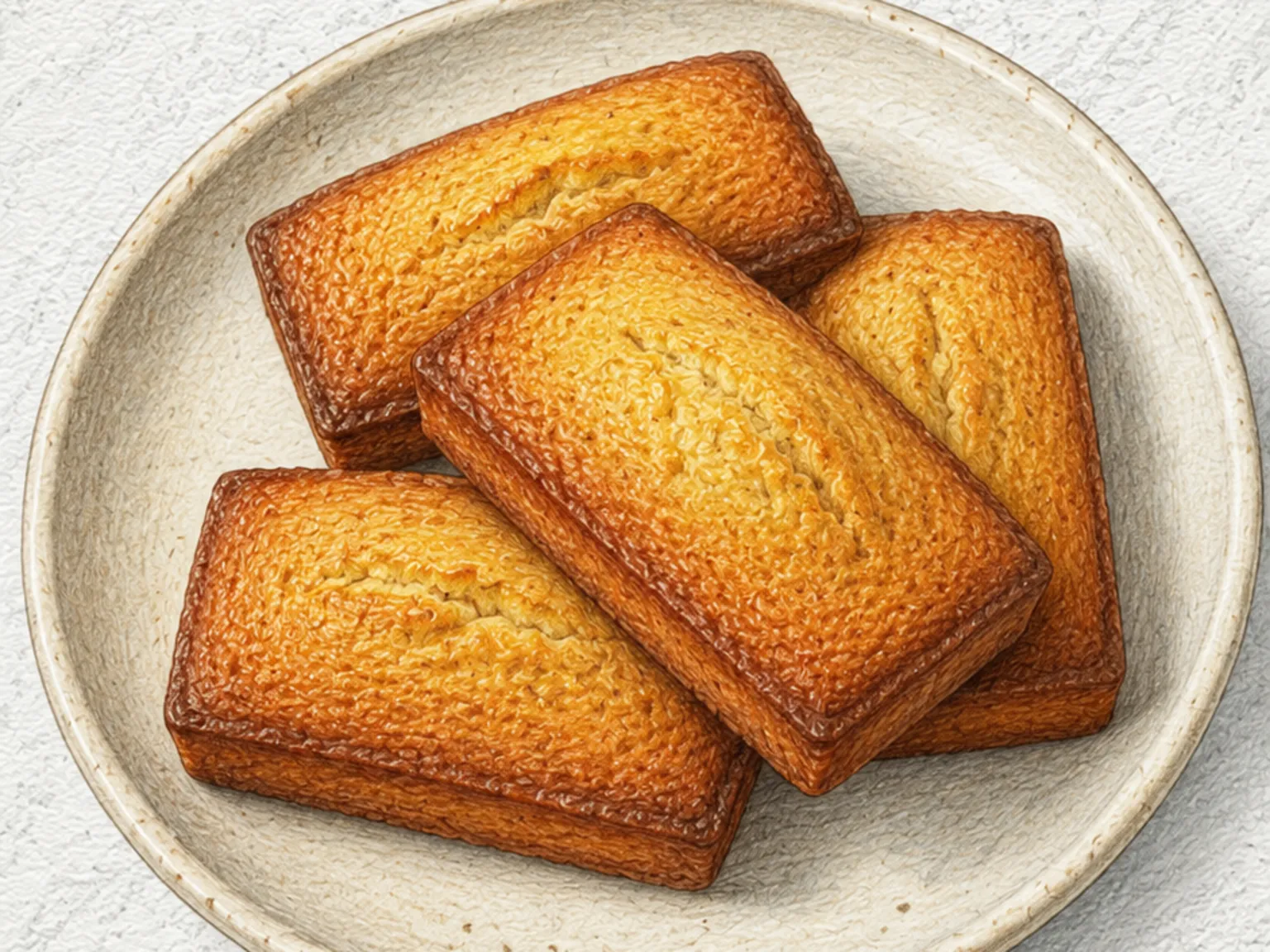
Honey madeleines are small French sponge cakes characterized by their shell-like shape and the prominent rounded mound that rises on their underside during the baking process. To successfully create this characteristic hump, the prepared batter must be rested in a refrigerator until it is thoroughly chilled before being placed into a preheated oven set to a high temperature. This specific thermal shock between the cold batter and the hot air causes the outer edges of the cake to set almost immediately. While the exterior firms up, the steam generated inside the batter is forced upward through the center, resulting in the distinct bump that separates a correctly baked madeleine from one that remains flat. The recipe utilizes a high proportion of melted butter to ensure the edges are crisp and develop a deep golden color. By substituting a portion of the standard granulated sugar with honey, the cakes gain a specific floral sweetness and a rounded flavor profile that sugar alone cannot provide. When served fresh from the oven, the exterior provides a light crunch that gives way to a moist and spongy texture inside. This combination releases the fragrance of toasted butter and warm honey as the cake is eaten. The addition of lemon zest to the batter introduces a sharp citrus quality. This component serves to balance the inherent richness of the butter and prevents the flavor from becoming overly heavy on the palate. Madeleines are best consumed within a very narrow window of time, ideally within thirty minutes of leaving the oven. During this period, the outer shell retains its crispness while the center of the cake is still warm. These cakes are commonly served alongside a cup of black tea or coffee as a simple afternoon snack.
Ile Flottante (Poached Meringue on Vanilla Custard)
Ile flottante presents a cloud of poached meringue floating on a pool of chilled vanilla custard sauce. Stiffly beaten egg whites are shaped into rounds and gently poached in hot milk, cooking just enough to set the exterior while the center remains airy and marshmallow-soft. The custard beneath is a creme anglaise made from egg yolks, sugar, milk, and vanilla bean, cooked slowly until it coats the back of a spoon with a silky consistency. The contrast between the weightless meringue and the rich, creamy sauce defines the eating experience: each spoonful combines something ethereal with something indulgent. Thin threads of caramel drizzled over the meringue just before serving add a brittle sweetness and a golden visual accent. Despite having only a handful of components, the dessert demands precision at every stage.
Injeolmi Croffles (Soybean Powder Croissant Waffles)
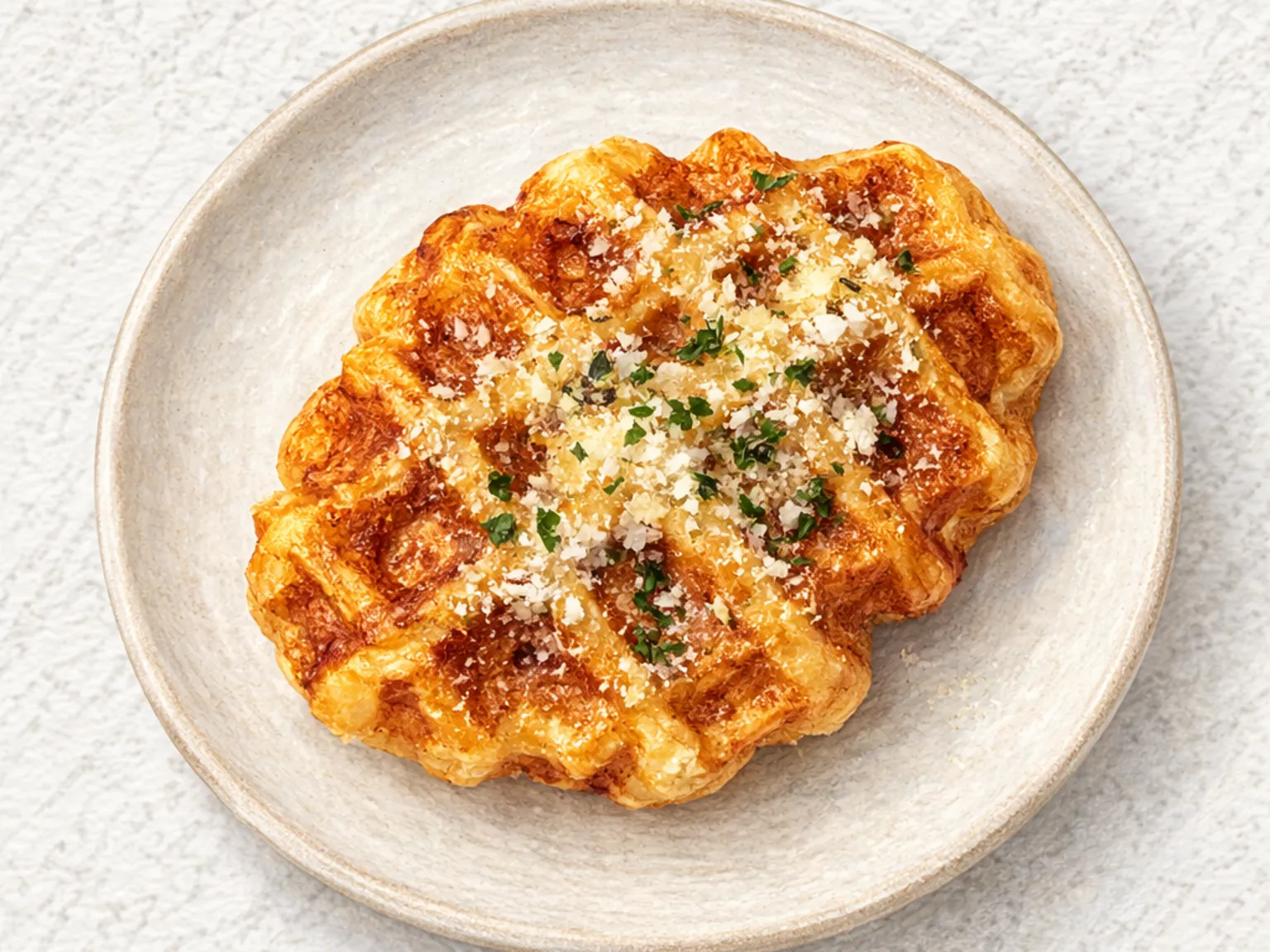
An injeolmi croffle presses laminated croissant dough in a waffle iron until the exterior caramelizes into a deeply browned, crisp grid, then tops it with roasted soybean powder, chewy tteok pieces, and honey. The waffle iron's direct contact heat transforms the dough in a way an oven cannot replicate: both sides brown simultaneously under pressure, creating a shattering crust while the buttery layers inside stay flaky and pull apart in ribbons. Dusting the hot croffle with roasted soybean powder adds a toasted, nutty coating that absorbs just enough surface oil to cut through any greasiness and leave the bite clean. Scattered cubes of tteok contribute a sticky, elastic chew that alternates with the crisp shell of the croffle on every bite, and a drizzle of honey ties the components together with a natural sweetness that keeps the whole thing from feeling heavy. Because store-bought croissant dough performs well in this recipe, no pastry-making skills are required, which makes the croffle one of the more accessible cafe-style treats to replicate at home.
Injeolmi Crumble Cheesecake
This cheesecake merges the roasted soybean powder flavor of injeolmi, a beloved Korean rice cake, with a dense New York-style cream cheese base. Toasted soybean flour and glutinous rice powder are worked into the batter, adding a subtle nuttiness that builds with every bite. On top, a crumble made from the same soybean flour bakes until crisp, delivering a crunchy contrast to the smooth, fudgy interior. The result tastes distinctly Korean yet feels familiar to anyone who enjoys rich cheesecake. It pairs well with green tea or grain lattes, where the roasted notes echo and amplify each other. Chilling overnight lets the flavors meld and the texture firm to a satisfying density.
Injeolmi Crumble Muffins (Roasted Soybean Crumble Top)
Injeolmi crumble muffin takes the roasted soybean powder that coats injeolmi rice cakes and builds it into both the muffin batter and the crumble topping, translating a beloved Korean rice cake flavor into a baked format. The batter is soft and moist throughout, carrying a mild nuttiness that runs from the first bite to the last, while the crumble on top bakes into crunchy, sandy clusters that shatter when bitten - a textural contrast between the pillow-soft interior and the crisp crown that defines each mouthful. Sweetness is kept deliberately moderate, making these appropriate as an after-school snack for children while remaining interesting for adults who appreciate the depth of roasted grain flavors. Paired with a grain latte or a misutgaru drink, the shared soybean-and-roasted-grain family of flavors amplifies in a way that plain coffee or tea cannot replicate. Each muffin fills the kitchen with a roasted, faintly popcorn-like aroma as it bakes, a signal that the soybean powder is developing the same toasty character it has on traditional injeolmi.
Injeolmi Mochi Brownies (Chewy Rice Flour Cocoa Bars)
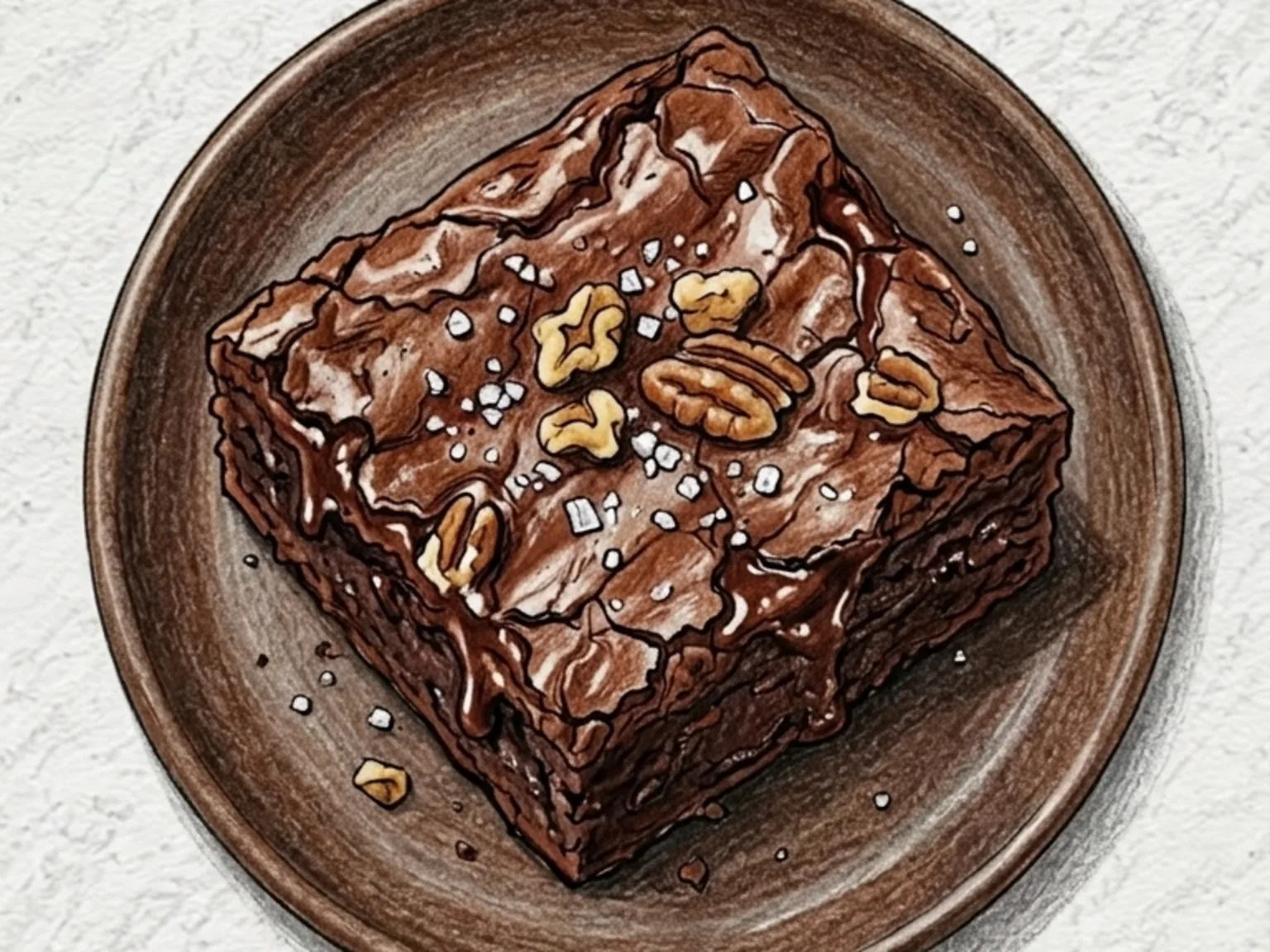
Glutinous rice flour replaces wheat flour in these brownies, producing a chewy, mochi-like texture coated in roasted soybean powder for an injeolmi twist. The cocoa and brown sugar create a deep chocolate flavor while the rice flour gives the crumb an elastic, stretchy quality that regular brownies lack entirely. After baking, a generous coating of toasted soybean powder adds the signature nutty aroma of injeolmi rice cakes. The combination of chocolate and roasted soybean may sound unusual, but the flavors share a common toasty warmth that binds them together naturally. Eaten cold from the refrigerator, the chew becomes firmer and more pronounced. At room temperature, the brownie softens and stretches, offering a completely different mouthfeel from the same recipe.
Injeolmi Scone (Soybean Powder & Rice Cake Scone)
This scone folds roasted soybean powder and small pieces of glutinous rice cake into a classic British scone dough, capturing the flavor of Korean injeolmi in a handheld baked form. Soybean powder mixed into the dough lends the crumb a warm, toasted nuttiness that plain flour alone cannot produce, and the tteok pieces soften and melt in the oven, leaving behind chewy, stretchy pockets scattered throughout the crumb. Cold butter cut into small pieces and worked into the dry ingredients without fully melting is what allows the scone to develop distinct flaky layers that crack at the surface while the interior stays tender and moist. Minimal mixing is the central technique: working the dough only until the ingredients just come together prevents gluten development that would produce a tough, dense result instead of the desired crumbly tenderness. A drizzle of honey or a small bowl of sweetened condensed milk served alongside echoes the traditional way injeolmi is eaten and reinforces the sweet-nutty pairing that defines the dish. Warm green tea or pu-erh makes a natural companion for the afternoon. Cutting the tteok into pieces no larger than one centimeter ensures they melt evenly through the bake rather than leaving undercooked chunks in the center.
Italian Semifreddo (No-Churn Frozen Mousse Dessert)
Semifreddo is an Italian frozen dessert that achieves a creamy, mousse-like texture without an ice cream machine, relying instead on the technique of folding aerated components together before freezing. Egg yolks and sugar are whipped with hot syrup at 118 degrees Celsius into a thick, stable sabayon, the heat of the syrup pasteurizing the eggs while the whipping action floods the mixture with air. Once the sabayon cools completely, stiffly whipped cream is folded in gently in two additions so that the air bubbles distribute evenly throughout, preventing ice crystals from forming during freezing. The mixture goes into a loaf mold lined with plastic wrap and freezes for at least six hours. The result sits in a precise middle ground between ice cream and mousse: cold and sliceable, yet after five minutes at room temperature it softens to a consistency that yields effortlessly to a spoon and melts across the tongue in a smooth, rich wave. Pistachios, toasted almonds, or chocolate chips folded in before freezing add crunch and contrast. A drizzle of berry coulis on the plate provides acidity that cuts through the sweetness, while caramel sauce deepens it. Because all preparation happens in advance and serving is simply a matter of unmolding and slicing, semifreddo is one of the most practical and impressive make-ahead desserts for entertaining.
Japanese Cotton Cheesecake
Japanese cotton cheesecake pursues a cloud-light, moist texture in place of the dense, heavy richness of a New York-style cheesecake. Cream cheese is melted and blended with egg yolks and milk, then stiffly beaten meringue is folded in three additions to keep as much air in the batter as possible. Baking in a water bath at around 150 degrees Celsius prevents the surface from setting too quickly and allows the interior to cook gently, so the finished cake wobbles when nudged from the pan. A slight collapse after removing from the oven is expected and normal. Resting in the refrigerator overnight redistributes moisture evenly through the crumb, deepening the cheese flavor while adding a silkier texture to each slice. On the palate, the cake dissolves almost weightlessly, releasing a mild tang from the cream cheese and a soft, eggy warmth. Very little flour goes into the batter, which keeps the texture smooth and delicate rather than cakey, making toppings entirely unnecessary.
Key Lime Pie
Key lime pie pairs the bold acidity of small Florida key limes with the thick sweetness of condensed milk in a chilled, custard-style filling set inside a buttery graham cracker crust. The crust is made by pressing crushed graham crackers bound with melted butter into a pie dish and pre-baking until firm. The filling requires only key lime juice, sweetened condensed milk, and egg yolks, which react with the citric acid to thicken naturally without gelatin, producing a smooth consistency once chilled. Key limes are smaller and more aromatic than Persian limes, lending a floral sharpness that cuts through the condensed milk's density so that each forkful oscillates between tart and sweet. A mound of whipped cream on top softens the acidity, and a fine grating of lime zest adds color and a burst of fragrant oil. Served cold, it makes a refreshing finish to a warm-weather meal.
Kimchi Bacon Quiche (Fermented Kimchi Egg Custard Pie)
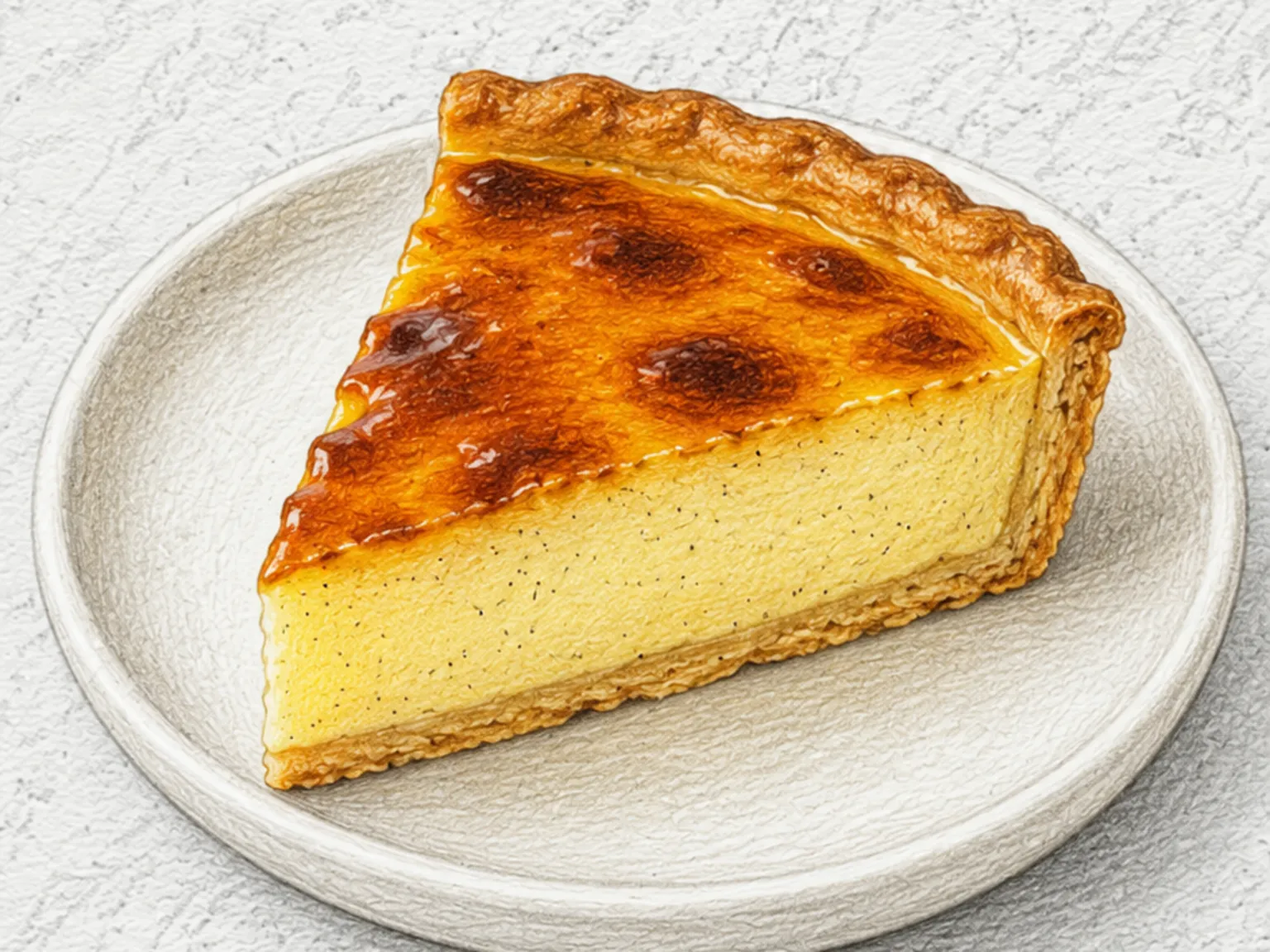
This fusion quiche traps the sharp tang of well-fermented kimchi and the smoky depth of bacon inside a silky egg custard. Squeezing the kimchi dry before adding it concentrates its fermented intensity while preventing a soggy filling. Bacon and onion are sauteed until their moisture evaporates, then combined with a custard of eggs, heavy cream, and milk. When sliced, each wedge reveals a mosaic of red kimchi shreds and bacon bits suspended in the golden custard. Melted mozzarella weaves through the filling, binding every layer, while the buttery pie crust provides a crisp, flaky foundation. A two-stage bake, starting at 190 degrees Celsius and dropping to 175, browns the surface while keeping the interior creamy rather than rubbery. Black pepper is the only seasoning needed, since the bacon and kimchi supply all the salt and heat. Served warm from the oven, a single slice makes a complete brunch plate.
Kimchi Cheddar Savory Scone
Cold butter rubbed into flour creates the flaky, crumbly layers of a classic scone, but here the dough takes a savory turn with the addition of squeezed kimchi and sharp cheddar cheese. As the butter melts in the oven, it releases steam that puffs the layers apart, and between those layers the kimchi's spicy acidity and the cheddar's salty richness emerge in alternating waves. Removing moisture from the kimchi before mixing is critical; wet kimchi produces a dense, heavy dough instead of the light texture that defines a good scone. Overworking the dough develops gluten and sacrifices that crumbly snap, so the ingredients are combined just until they hold together. A brief bake at 200 degrees Celsius sets the crust golden while the interior stays tender. Eaten warm with a pat of butter, the scone delivers a pronounced sweet-salty-tangy interplay that works as well at breakfast as it does alongside a bowl of soup.
Knafeh (Crispy Shredded Pastry with Cheese)
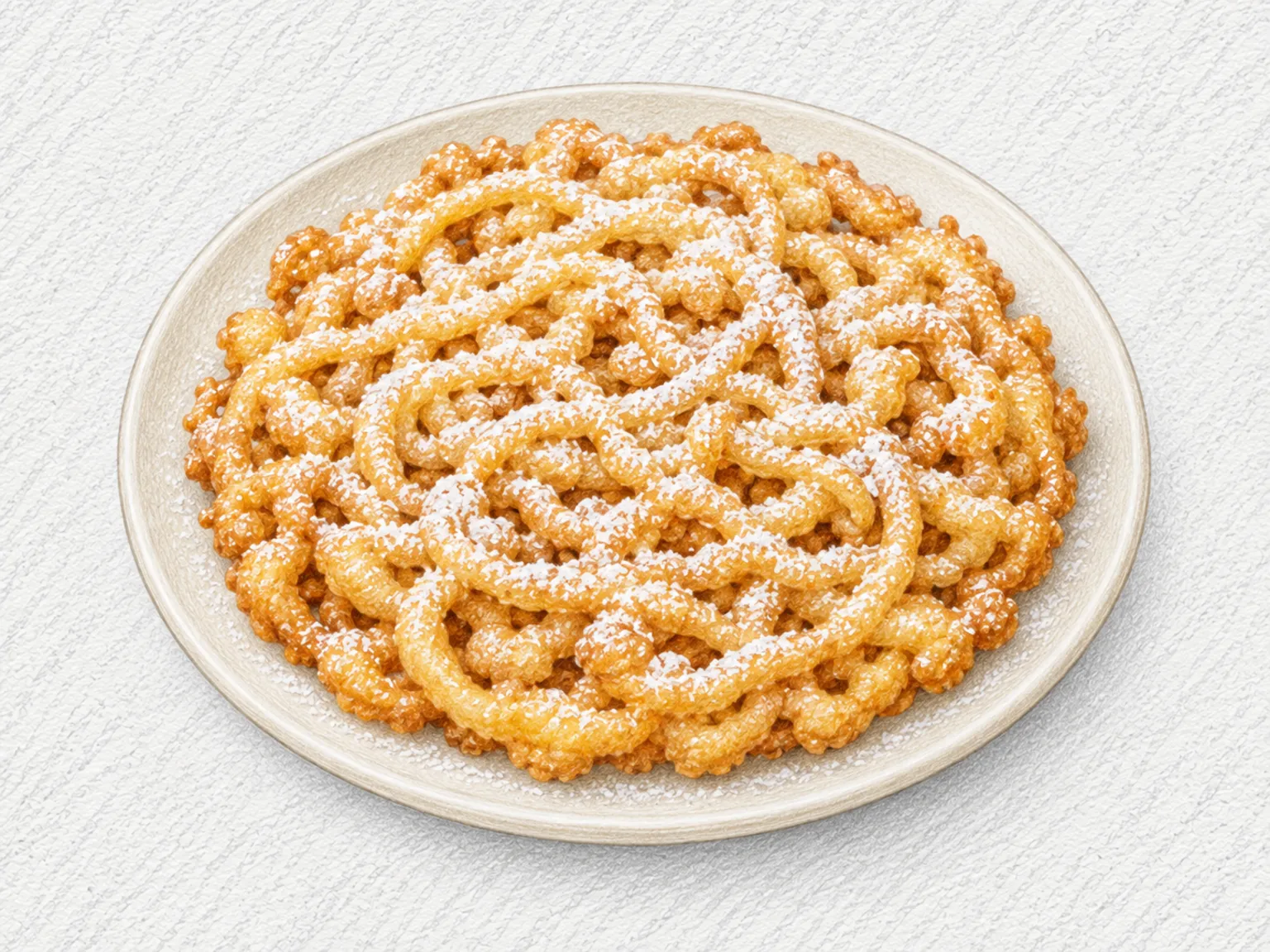
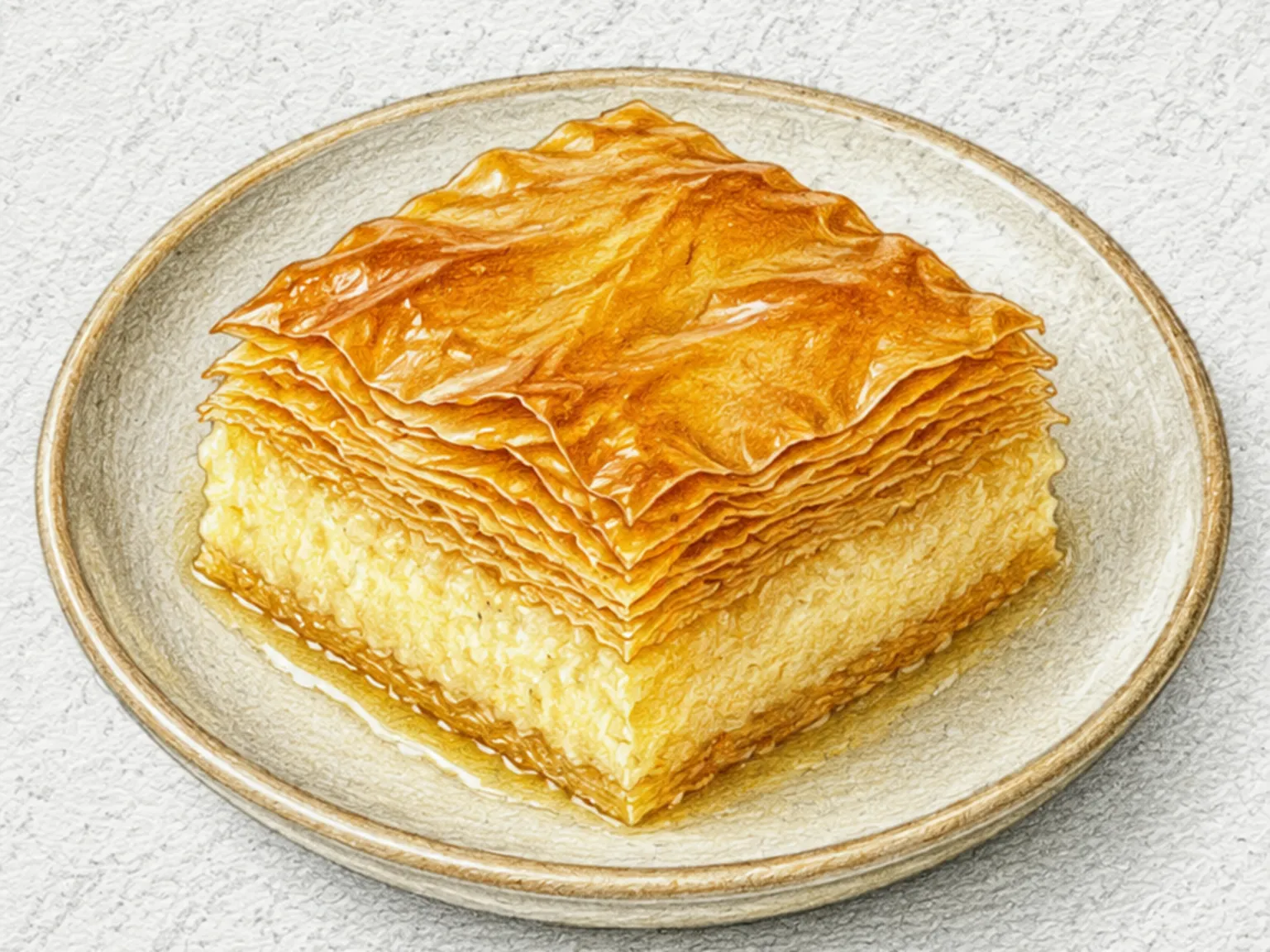
Shredded kataifi pastry is tossed in melted butter, pressed into a pan, layered with mozzarella cheese, and baked until the strands turn golden and shatteringly crisp. The butter saturates every strand during baking, creating an intensely rich, crunchy base. Between the two layers of pastry, the cheese melts into a stretchy, creamy sheet that pulls apart in long strings when the dessert is cut. A syrup of sugar, water, and lemon juice, poured hot over the hot pastry, sinks into the crunchy layers almost instantly, glazing them with a sweet, barely tart coating that balances the cheese's mild salinity. Crushed pistachios scattered on top add a vivid green contrast and a firm, nutty bite that breaks up the otherwise uniform texture. The interplay of crunchy, stretchy, and syrupy in a single forkful is what makes knafeh distinctive. It must be served immediately; the pastry softens as it sits, and the contrast between crisp and molten fades.
About Baking
Precise measurements are the key to successful baking. Each recipe here includes detailed ingredient ratios and oven temperatures, so even beginners can achieve consistent results. From simple scones to layered cakes, this collection covers a wide range of baking projects.