Baking Recipes
250 recipes. Page 8 of 11
Baking transforms flour, butter, sugar, and eggs into breads, cookies, cakes, muffins, and more. The aroma of something freshly baked is one of the great pleasures of cooking at home.
Mocha Red Bean Crumble Cake
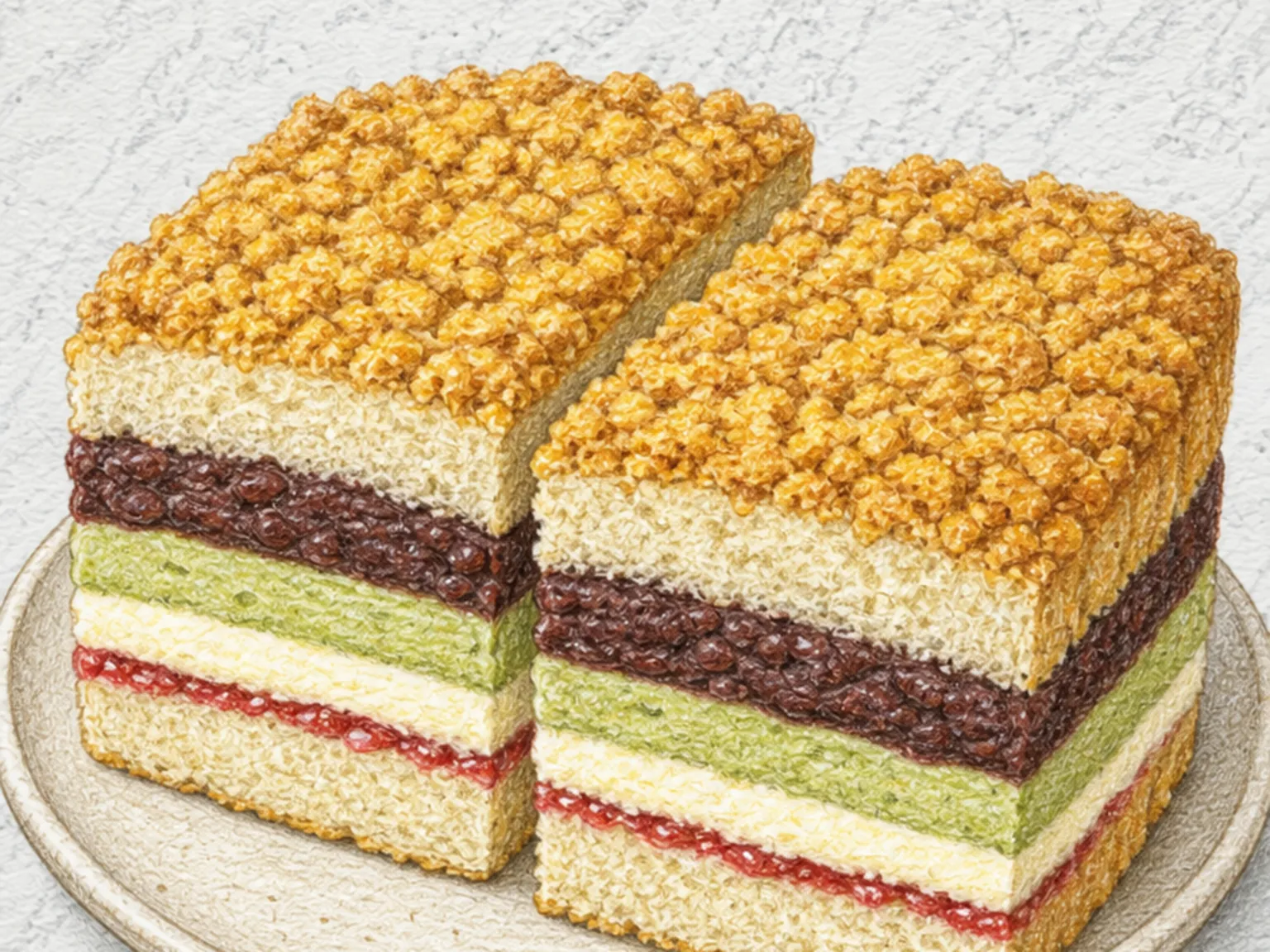
Cocoa powder and instant coffee are folded into the batter together, producing a deep mocha character where the bitterness of coffee amplifies the chocolate's intensity rather than competing with it. Sweetened red bean paste - left in small, discernible pieces - is scattered through the crumb, providing pockets of earthy sweetness that interrupt the mocha richness with each bite. A buttery crumble topping bakes to a golden, crunchy cap that contrasts sharply with the moist cake below. The balance of red bean to batter matters: too much and the cake becomes dense and stodgy, too little and the Korean accent disappears. Resting the cake overnight allows the coffee and red bean flavors to meld into a more unified profile, making the second-day slice arguably better than the first.
Mochi Daifuku (Soft Rice Cake Stuffed with Red Bean Paste)
Glutinous rice flour is mixed with water and sugar, steamed or microwaved until it becomes a translucent, stretchy mass, then dusted with starch and wrapped around a ball of sweet red bean paste. The outer mochi shell is soft and pliable, yielding to the teeth with a slow, elastic pull before giving way to the dense sweetness of the filling inside. Because the dough begins to firm and lose its characteristic chew within hours, daifuku is best eaten the day it is made. Swapping the red bean for fresh strawberry or ice cream produces popular seasonal and modern variations. The starch coating - typically potato or cornstarch - serves a dual purpose: preventing the pieces from sticking to each other and adding a dry, powdery contrast to the otherwise tacky surface.
Molten Lava Cake
Dark chocolate and butter are melted together, combined with eggs, sugar, and a scant amount of flour, poured into ramekins, and baked just long enough for the outside to set into a thin, cake-like wall while the center remains liquid. Cutting into the dome releases a slow river of molten chocolate that pools on the plate - the defining moment of the dish and the reason timing in the oven is measured in single minutes rather than approximate ranges. Using chocolate with sixty percent cacao or higher pushes the flavor toward a deep, grown-up bitterness that resists becoming cloying. A ball of vanilla ice cream placed beside the freshly unmolded cake creates a dramatic temperature contrast: the hot chocolate and cold cream collide on the spoon, and neither lasts long enough to reach room temperature.
Monkey Bread
Small balls of yeasted dough are rolled in cinnamon sugar, layered into a buttered Bundt pan, and baked until the sugar melts and caramelizes into a sticky sauce that glues the pieces together. When inverted onto a plate, the golden caramel cascades over the mound of bread, coating every surface in a glossy, sweet shell. The traditional way to eat it is by pulling pieces apart by hand - each tear trails a thread of caramel and reveals the soft, pillowy interior beneath the crunchy, sugar-crusted exterior. The outer pieces absorb the most butter and caramel and become almost candy-like, while the inner ones stay lighter and breadier, giving each serving a different experience depending on where it came from in the pan. A drizzle of cream cheese glaze or a handful of chopped pecans tossed in with the dough balls are common additions that expand both flavor and texture.
Ssuk Bam Crumble Bars (Mugwort Chestnut Bars)
A cookie-like base made with mugwort powder supports a layer of roasted chestnut pieces, all blanketed by a crumbly butter streusel and baked until golden. The mugwort infuses the entire bar with a subtle, herbal earthiness - green and faintly bitter, reminiscent of fresh spring grass - while the chestnuts lose moisture in the oven and concentrate into pockets of dense, natural sweetness. The bottom layer bakes firm and crisp, providing structural integrity, while the crumble on top breaks apart irregularly, delivering varying bursts of buttery crunch with every bite. Sugar and butter in the dough temper the mugwort's bitterness so it reads as aromatic depth rather than sharpness. Pairing these bars with warm green tea creates a resonance between the herbal notes, each reinforcing the other.
Mugwort Cream Cheese Brownies
Dark chocolate brownie batter is swirled with a ribbon of cream cheese and infused with dried mugwort powder, creating a dessert that is earthy, bitter, and tangy in equal measure. The mugwort lends a grassy, herbal undertone that complements the intensity of dark chocolate rather than competing with it. Cream cheese marbled through the top provides pockets of cool acidity that cut through the richness. When sliced, each piece reveals a green-and-white marble pattern against the deep brown chocolate. Baked to a fudgy consistency, these brownies grow even more intense when chilled overnight. In spring, fresh blanched mugwort can replace the powder for a brighter, more vegetal fragrance.
New York Cheesecake
New York cheesecake is distinguished by its heavy reliance on cream cheese, which gives the filling a dense, almost clay-like consistency when chilled and a rich dairy flavor that coats the palate. The crust - crushed graham crackers pressed together with melted butter - provides a sandy, slightly salty foundation that offsets the sweetness above. Sour cream folded into the batter introduces a mild acidity that keeps the richness from becoming monotonous. Baking at a moderate temperature and cooling gradually inside the closed oven minimizes the surface cracking that plagues rushed versions. After refrigeration overnight, the texture firms enough to hold a clean knife line, and the flavors consolidate into a unified creaminess. Each slice stands tall on the plate, pale and smooth, requiring nothing more than a fork to enjoy - though a spoonful of fruit compote alongside never hurts.
Nut Tart
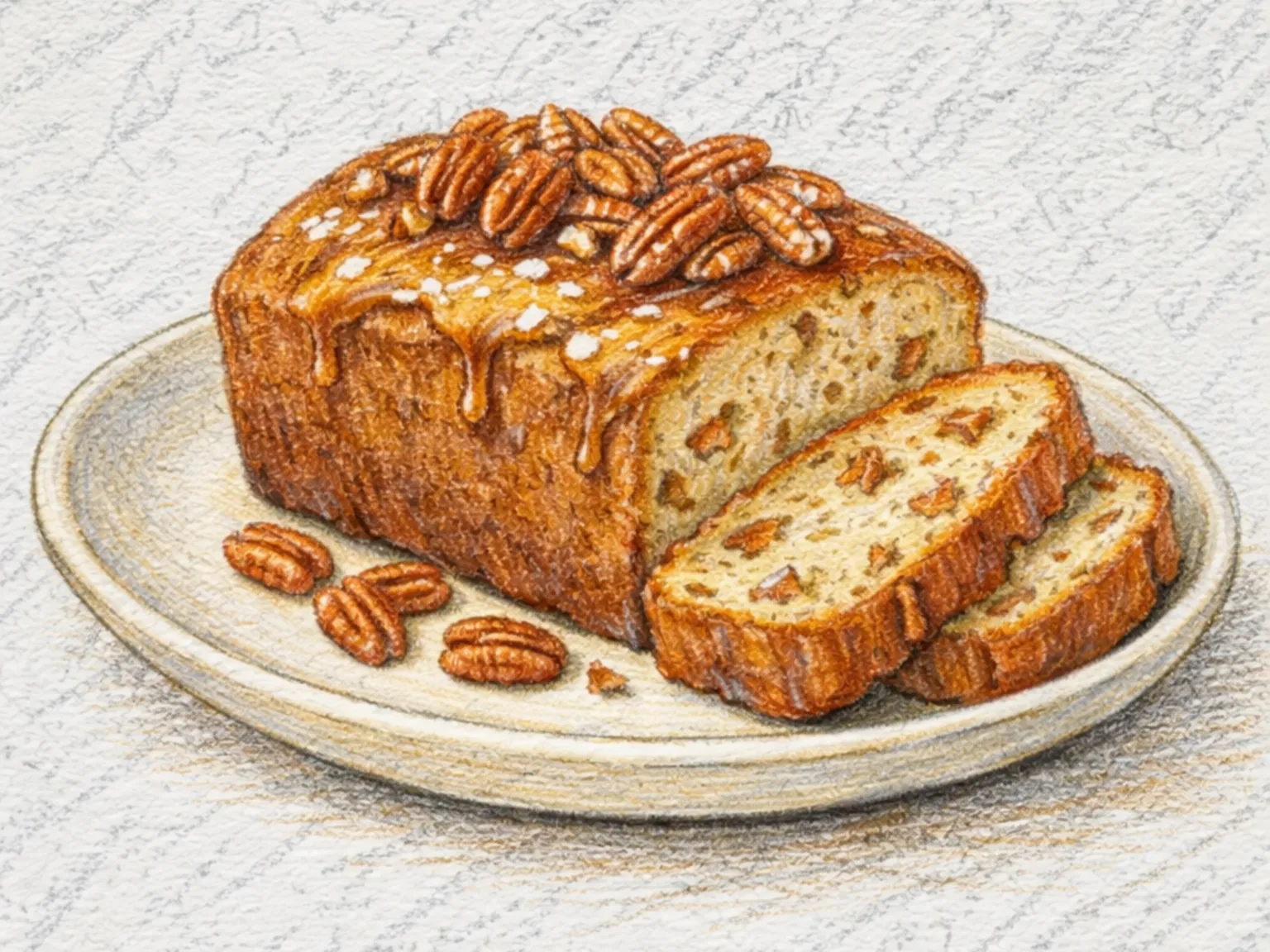
A buttery shortcrust shell is filled with a generous tumble of mixed nuts - walnuts, almonds, pecans, hazelnuts - bound together in a caramel of sugar, butter, and cream, then baked until the top turns deep amber. Each nut retains its individual character: the walnut's slight bitterness, the almond's clean sweetness, the pecan's buttery softness, the hazelnut's toasty depth. Pre-toasting the nuts before adding them to the caramel means they roast a second time in the oven, amplifying their oils and fragrance. The caramel must set firm enough to hold the filling in place when sliced but not so hard that it turns into toffee. A pinch of flaky sea salt over the top before baking lifts the sweetness into complexity. Served at room temperature with cold whipped cream, the contrast between the sticky, crunchy filling and the light dairy tempers the intensity.
Oatmeal Raisin Cookies
Rolled oats give these cookies a coarse, chewy grain that sets them apart from the uniform smoothness of standard drop cookies. Brown sugar drives the flavor, providing a molasses-tinged depth and keeping the interior moist days after baking. Cinnamon - just enough to warm the nose without dominating - threads through every bite. The raisins shrink slightly in the oven as their moisture evaporates, concentrating their fruity sweetness into small, chewy bursts scattered through the oat-studded crumb. Chilling the dough before baking allows the oats to hydrate, which results in a chewier, denser cookie rather than a crisp one. The finished cookies are sturdy enough for a lunch bag or a road trip and only improve when dunked in cold milk, which softens the oat flakes and amplifies the cinnamon.
Omija Berry Frangipane Tart
A crisp, buttery tart shell cradles a filling of frangipane - the classic almond cream made from ground almonds, butter, eggs, and sugar - baked until the surface sets into a thin golden crust while the interior stays moist and dense. Omija berries and mixed berries are pressed into the frangipane before baking, and as they heat they release tart juices that seep into the almond cream, creating pockets of bright acidity that cut through the richness. Omija contributes a complex sourness with faintly astringent and floral undertones that distinguish this tart from standard berry versions. The almond flavor intensifies as the tart cools, and a light dusting of powdered sugar before serving adds a clean finishing touch. Sliced thin, each piece offers the full progression: crunchy pastry, dense nutty cream, and bursts of fruit.
Omija Cream Cheese Muffins (Korean Schisandra Muffins)
Soft muffin batter is dotted with cubes of cream cheese and swirled with omija syrup, then baked until the tops dome and crack. The cream cheese melts partially in the oven, creating dense, tangy pockets that contrast with the airy crumb around them. Omija - the Korean five-flavor berry - adds a layered tartness that goes beyond simple fruit sourness, carrying faint bitter, peppery, and salty undertones that make each bite more complex than a typical fruit muffin. The cream cheese smooths out the omija's sharper edges, acting as a rich buffer between the berry's intensity and the sweet batter. A final brush of omija syrup over the warm muffin tops deepens the pink color and reinforces the berry flavor on the crust, where it concentrates into a thin, tacky glaze.
Opera Cake
This French patisserie classic stacks paper-thin layers of almond joconde sponge with coffee-infused buttercream and dark chocolate ganache. Because each layer is kept deliberately slim, a single forkful captures all three elements at once: the sponge's moist almond grain, the buttercream's concentrated espresso bitterness, and the ganache's dense cocoa richness. When sliced, the cross-section reveals precise horizontal stripes that mark the craftsmanship behind the cake. A mirror-smooth chocolate glaze seals the top, adding one final texture. The cake benefits from at least four hours of refrigeration, which melds the layers and firms the ganache so that each slice holds its shape on the plate while still yielding easily to a fork.
Pain au Chocolat
Two sticks of dark chocolate are sealed inside laminated croissant dough and baked until the exterior shatters into golden, buttery flakes. As the pastry cools for a minute on the rack, the chocolate inside transitions from fully molten to a soft, fudgy state that clings to the layers when torn apart. Dozens of paper-thin sheets of dough, created through repeated folding with cold butter, give each bite an audible crunch followed by a yielding, airy interior. Using chocolate with at least fifty-five percent cacao ensures that the filling carries enough bitterness to stand up to all that butter. Shaped portions freeze well, allowing an overnight thaw and morning proof for fresh pastries without starting from scratch.
Palmier (Caramelized Sugar Puff Pastry Butterfly Cookie)
Puff pastry is coated in granulated sugar, rolled inward from both edges to the center, chilled, and sliced into rounds that bake into crisp, caramelized butterfly shapes. The sugar melts against the hot pan and forms a glassy, toffee-like shell on each side while the interior layers remain light and flaky. A pinch of cinnamon mixed into the sugar adds warmth without masking the buttery pastry flavor. Chilling the log before slicing keeps the spirals tight and symmetrical. Each cookie is flipped midway through baking so both faces develop an even amber crust. They cool to a satisfying snap and pair naturally with espresso or tea, where their sweetness offsets the drink's bitterness.
Pan de Elote (Mexican Corn Cake)
Fresh corn kernels are blended into a smooth puree and folded into a buttery batter, producing a baked cake saturated with natural corn flavor. The crumb is dense yet tender, closer to custard than to sponge, with a faint golden hue from the corn itself. Heavy cream in the batter locks in moisture so the cake stays soft for several days without drying out. Because the corn provides substantial natural sweetness, refined sugar plays a supporting role rather than leading. If using frozen kernels, thorough thawing and draining are essential to prevent a watery batter. An overnight rest at room temperature allows the corn starch to redistribute, deepening the flavor and firming the texture to a satisfying slice.
Fluffy Pancakes
A straightforward American breakfast staple built from flour, egg, milk, and melted butter. Baking powder lifts the batter into thick, pillowy rounds with a golden-brown exterior. The key to a tender pancake is restraint when mixing: a few small lumps in the batter are preferable to a smooth but overworked one, which produces a tough, chewy result. Resting the batter for five to ten minutes lets the gluten relax and the leavener activate fully, yielding a noticeably fluffier rise on the griddle. Cooking over medium-low heat prevents the outside from scorching before the center sets. Maple syrup, fresh berries, or a pat of butter on the warm stack are the classic accompaniments.
Pandesal Milk Rolls (Soft Filipino Bread with Crumb Coating)
These small Filipino bread rolls are leavened with yeast and enriched with milk, producing an interior so soft it tears apart in cotton-like wisps. A coating of fine breadcrumbs on the outside adds a faintly sandy texture and a pale, matte appearance that distinguishes pandesal from other dinner rolls. The sweetness is deliberately understated, making the rolls versatile enough for jam at breakfast or sliced meat at lunch. Butter kneaded into the dough contributes richness without heaviness, and the crumb stays moist through the next day when stored in a sealed bag. Covering the rolls with a clean towel five minutes after baking traps steam and keeps them especially tender.
Verona Butter Bread Cake (Star-Shaped Italian Yeast Cake)
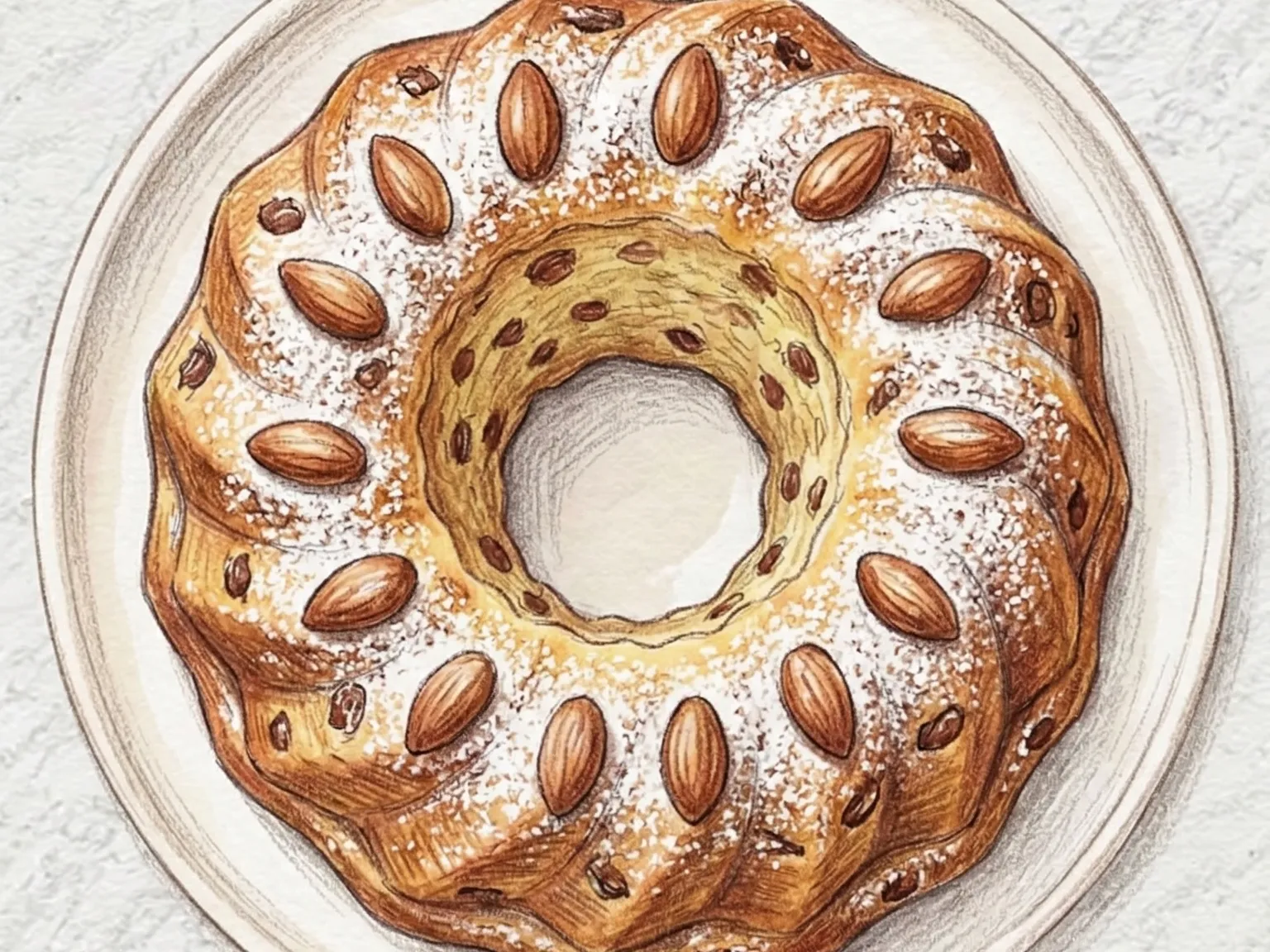
This tall Italian bread cake relies on generous amounts of egg yolk and butter worked into a yeasted dough through long, patient kneading. Baked in a star-shaped mold, the risen loaf emerges with a distinctive silhouette and a crumb so airy it pulls apart in long, feathery strands. Vanilla perfumes the interior without competing with the buttery richness, and a thick dusting of powdered sugar before serving gives the cake its signature snow-capped appearance. Adding the softened butter in three stages prevents the dough from breaking and ensures even distribution of fat through every strand of gluten. Maintaining a proof temperature between twenty-six and twenty-eight degrees Celsius produces the best balance of flavor development and structural rise.
Panettone
Studded with candied orange peel and raisins, this tall Italian holiday bread rises dramatically in a cylindrical mold to a dome that often extends above the rim. The crumb is open-textured and pulls apart in long, buttery strands, with pockets of dried fruit appearing at every tear. Orange peel contributes a bright, citrus fragrance that cuts through the richness of the egg-and-butter dough, while raisins add concentrated sweetness in scattered bursts. Cooling the baked loaf upside down, suspended by skewers, prevents the heavy dough from collapsing under its own weight and preserves the lofty height. Wrapped tightly, panettone stays moist for three to four days, and many consider it even better on the second day as the flavors meld.
Vanilla Panna Cotta
Heavy cream and milk are gently heated with sugar and vanilla, then set with gelatin into a chilled Italian dessert that requires no oven at all. After four hours of refrigeration, the mixture firms to a silky consistency that trembles on the spoon and dissolves on the tongue. The vanilla fragrance is carried by the high fat content of the cream, releasing slowly with each bite rather than hitting all at once. Sweetness is kept moderate so the dairy richness speaks for itself, leaving a clean finish. To unmold, a brief dip of the cup in warm water loosens the edges. Berry coulis or salted caramel sauce over the top adds color and a contrasting flavor note. Gelatin must be dissolved off the heat to preserve its setting strength.
Paris-Brest (Ring-Shaped Choux with Praline Cream)
A ring of choux pastry is baked until deeply golden and hollow, then split and generously filled with praline mousseline cream made from roasted hazelnut paste. The shell shatters on first bite, giving way to a smooth, nutty cream that carries an intense toasted aroma. Sliced almonds pressed onto the raw dough before baking add a secondary layer of crunch and visual texture. The choux must cool completely before filling to prevent the cream from melting and the shell from going soft. Eggs are added to the hot dough gradually, checking the consistency after each addition, because the exact amount needed varies with flour absorption and egg size. Once assembled, a brief chill in the refrigerator sets the cream without softening the pastry.
Pavlova
Egg whites are whipped to stiff, glossy peaks with sugar, then baked at low temperature for ninety minutes to create a meringue shell that is crisp on the outside and marshmallow-soft within. Once cooled, the base is crowned with billowy whipped cream and an arrangement of fresh fruit, most commonly strawberries, kiwi, and passion fruit. The tartness of the fruit balances the sweetness of the meringue and the richness of the cream, keeping each bite from feeling heavy despite the sugar content. A small amount of vinegar and cornstarch folded into the meringue before baking stabilizes the structure and encourages the characteristic soft center. Any trace of yolk in the whites will prevent them from whipping properly, so careful separation is essential.
Peach Cobbler
Sliced peaches are tossed with sugar and lemon juice, spread in a baking dish, and covered with spoonfuls of biscuit batter that bakes into a golden, slightly craggy topping. In the oven, the fruit juices bubble up around the edges and seep into the base of the dough, creating a zone where crisp crust meets soft, fruit-soaked interior. The lemon sharpens the peach flavor and prevents it from tasting flat under all the sugar. If the peaches lack sweetness on their own, an extra tablespoon of sugar in the fruit layer compensates without making the topping heavier. Served warm with a scoop of vanilla ice cream, the contrast between hot cobbler and cold cream is as much a part of the experience as the flavor itself.
Bae Saenggang Galette (Pear Ginger Galette)
The construction of this pear and ginger galette involves a roughly shaped circle of buttery pastry dough. Thinly sliced pears are distributed across the surface, after which the outer edges are folded inward to create a rustic, free-form tart. Fresh ginger juice is used to introduce a warm and slightly spicy element that emphasizes the clean sweetness of the fruit without becoming the primary flavor. The addition of brown sugar and ground cinnamon serves to add depth to the fruit filling. To prevent the pastry base from becoming soggy, cornstarch is used to soak up any excess liquid released by the fruit during baking. Throughout the baking process, the visible sections of the crust turn a deep golden brown while the pear slices soften into translucent and jammy layers. If the pears appear to be releasing too much moisture during the preparation phase, the slices can be patted dry before they are arranged on the dough to keep the crust from losing its structure. Maintaining the cold temperature of the butter within the dough is necessary for achieving a flaky texture, so the pastry should be returned to the refrigerator whenever it begins to soften during handling.
About Baking
Precise measurements are the key to successful baking. Each recipe here includes detailed ingredient ratios and oven temperatures, so even beginners can achieve consistent results. From simple scones to layered cakes, this collection covers a wide range of baking projects.