Grilled Recipes
175 recipes. Page 7 of 8
Grilling is central to Korean cuisine. From marinated bulgogi to sizzling samgyeopsal (pork belly) and crispy grilled mackerel, these dishes deliver bold, smoky flavors that are hard to resist. Whether cooked over charcoal or on a stovetop grill pan, the caramelized crust is what makes Korean grilled dishes special.
Marinated versions use soy sauce or gochujang-based glazes, while salt-grilled preparations highlight the natural flavor of the ingredients. Wrap a piece in fresh lettuce with a dab of ssamjang for the full experience.
Korean Grilled Spanish Mackerel
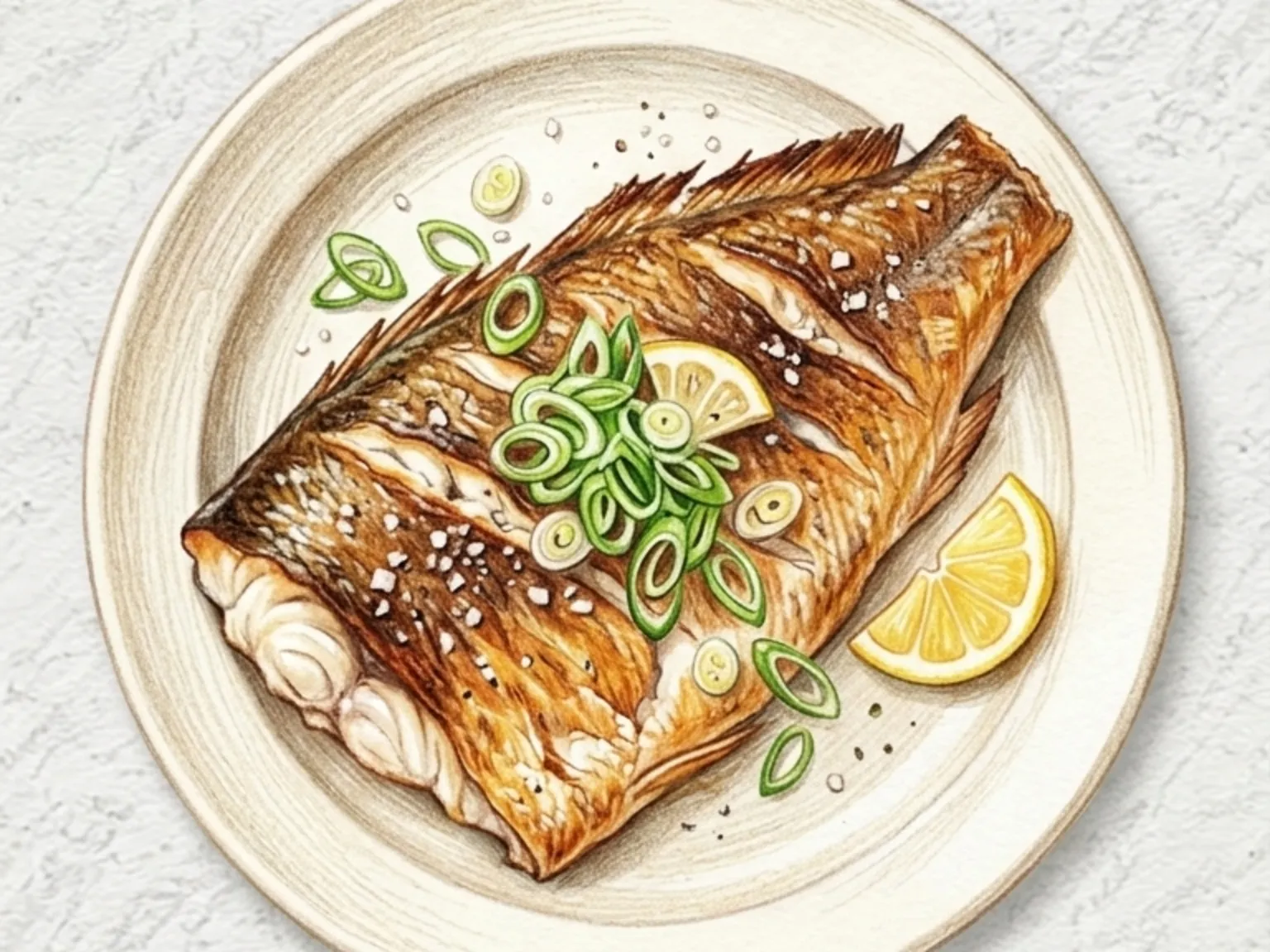
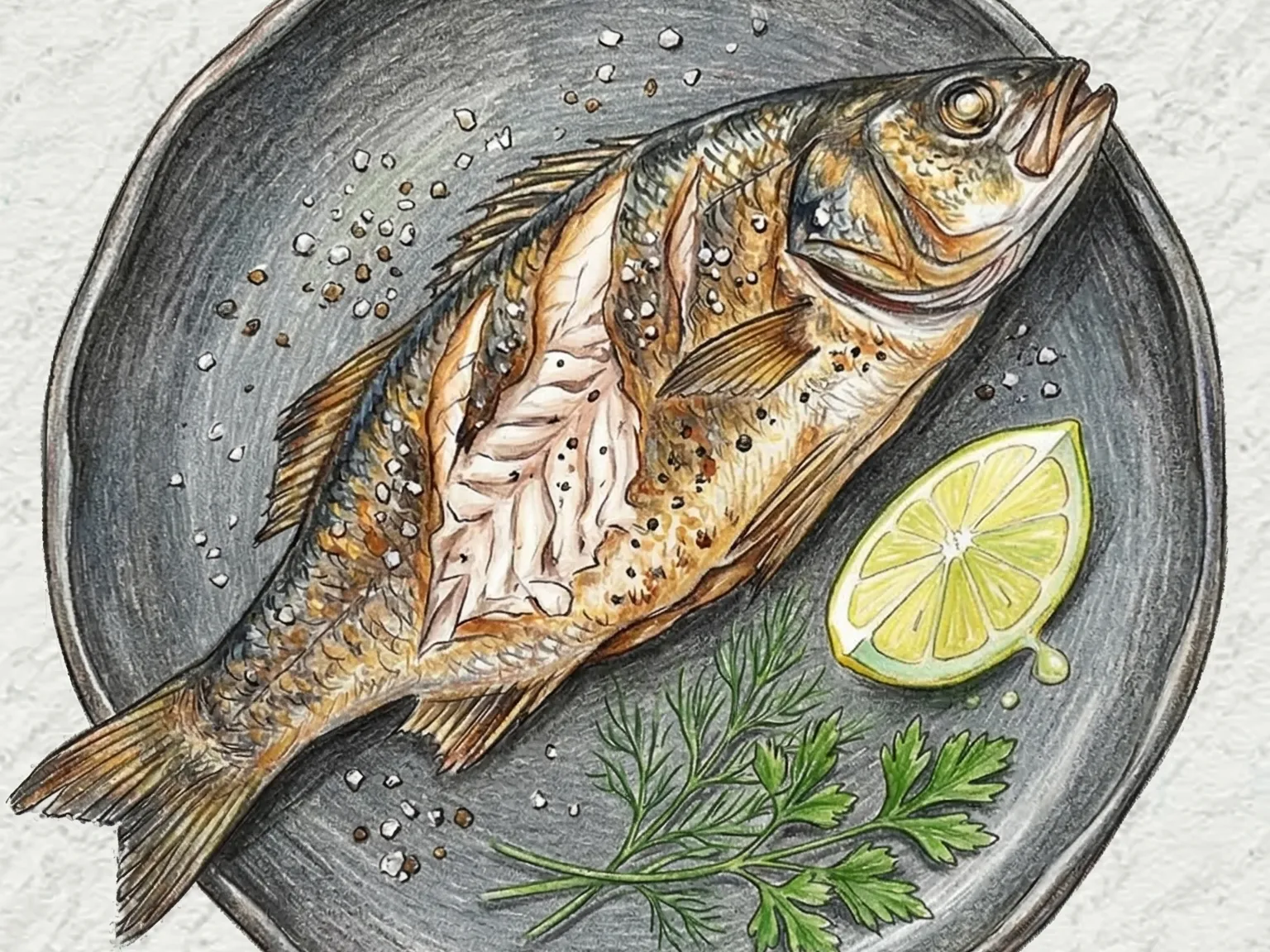
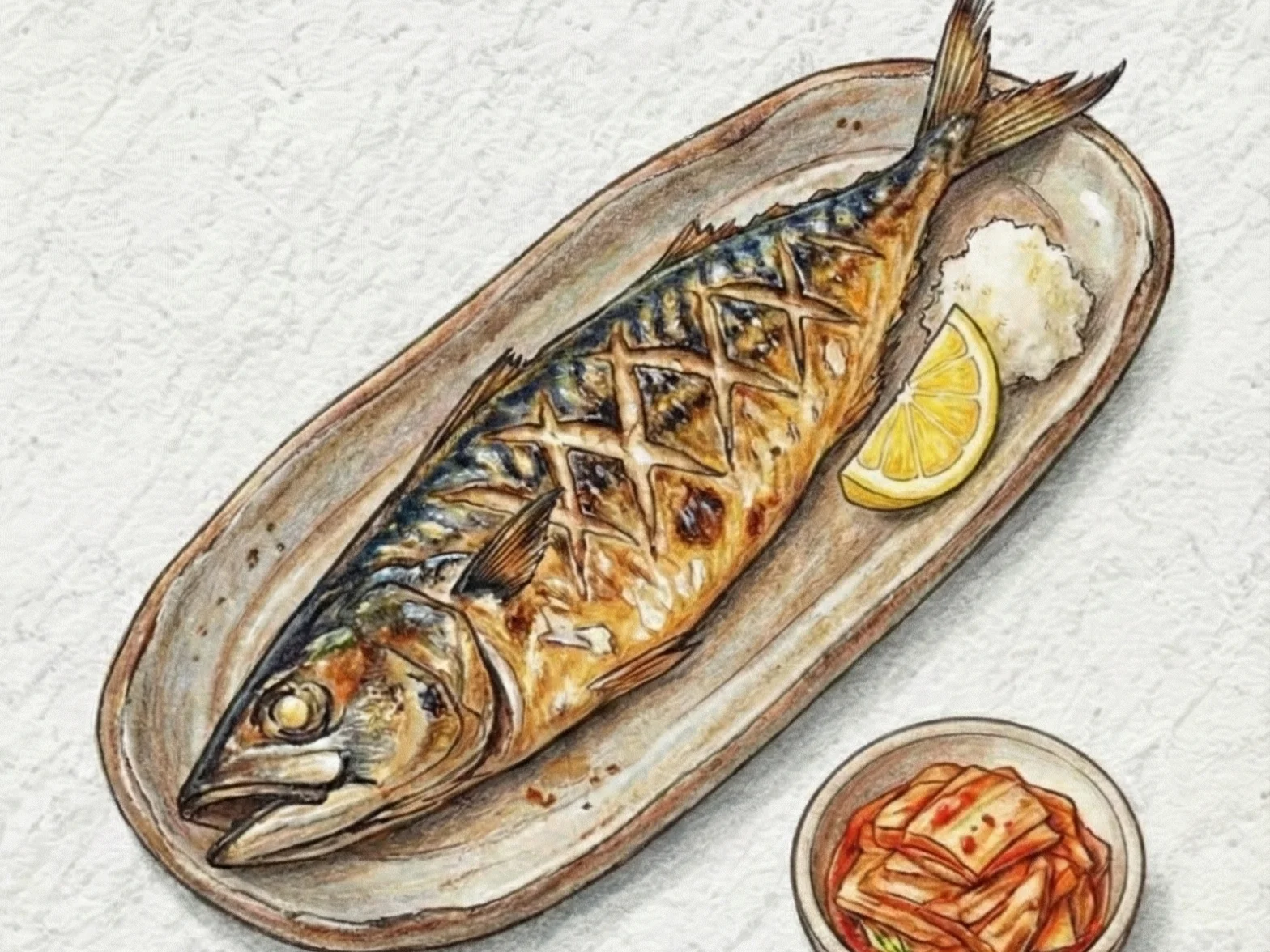
Samchi-gui is Korean grilled Spanish mackerel, a common home-style fish side dish where thick mackerel steaks are salted and peppered for ten minutes, dusted lightly with flour, and pan-fried in oil over medium heat for four minutes per side. Spanish mackerel belongs to the same family as regular mackerel but has milder odor and softer flesh, making simple salt seasoning sufficient. The thin flour coating serves two purposes: it seals in moisture during cooking and creates a crisp, golden exterior. Applying too much flour causes the fish to absorb excess oil and turn greasy, so shaking off the surplus through a sieve is an important step. A squeeze of lemon juice at the end binds with the fish oils and adds acidity that neutralizes any lingering fishy aftertaste, keeping the flavor clean when eaten over rice.
Korean Grilled Pork Belly
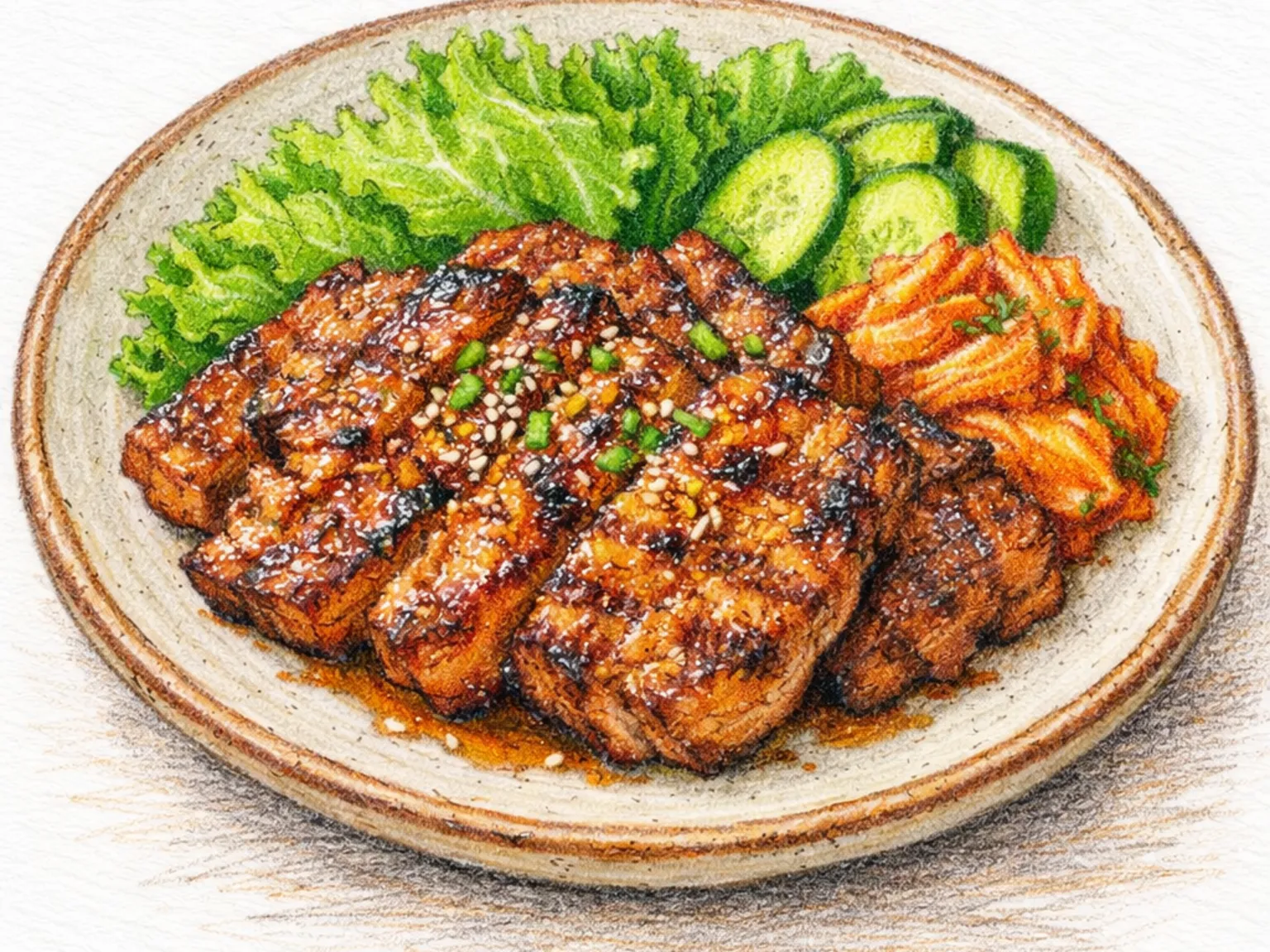
Samgyeopsal-gui is Korean grilled pork belly, the country's most iconic barbecue dish, where 400 grams of pork belly is cut into ten-centimeter lengths and grilled on a preheated pan or griddle over high heat without added oil-the alternating layers of fat and lean render enough grease to cook the meat in. Flipping only once, after four to five minutes per side, is critical because frequent turning lets juices escape before the fat has properly rendered and crisped. Once golden and cooked through, the meat is cut into bite-sized pieces with scissors, and thinly sliced garlic is toasted on the same surface until lightly browned. Each piece is eaten wrapped in lettuce with ssamjang, grilled garlic, and green onion, and an optional side of green onion oil dip-sesame oil mixed with salt and chopped scallion-adds nutty depth and a sharp allium kick on top of the pork fat's richness.
Korean Spicy Glazed Tongue Sole
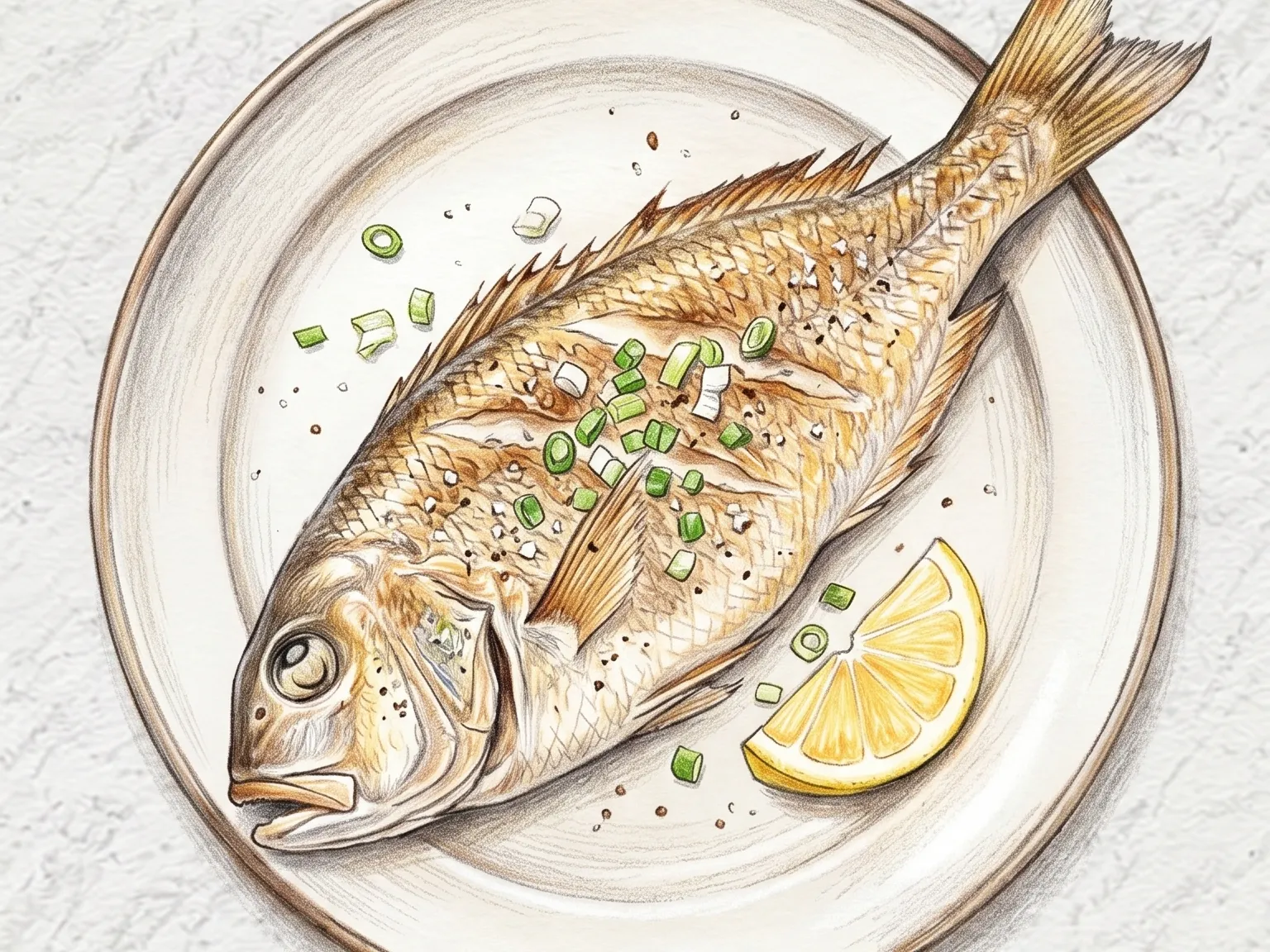
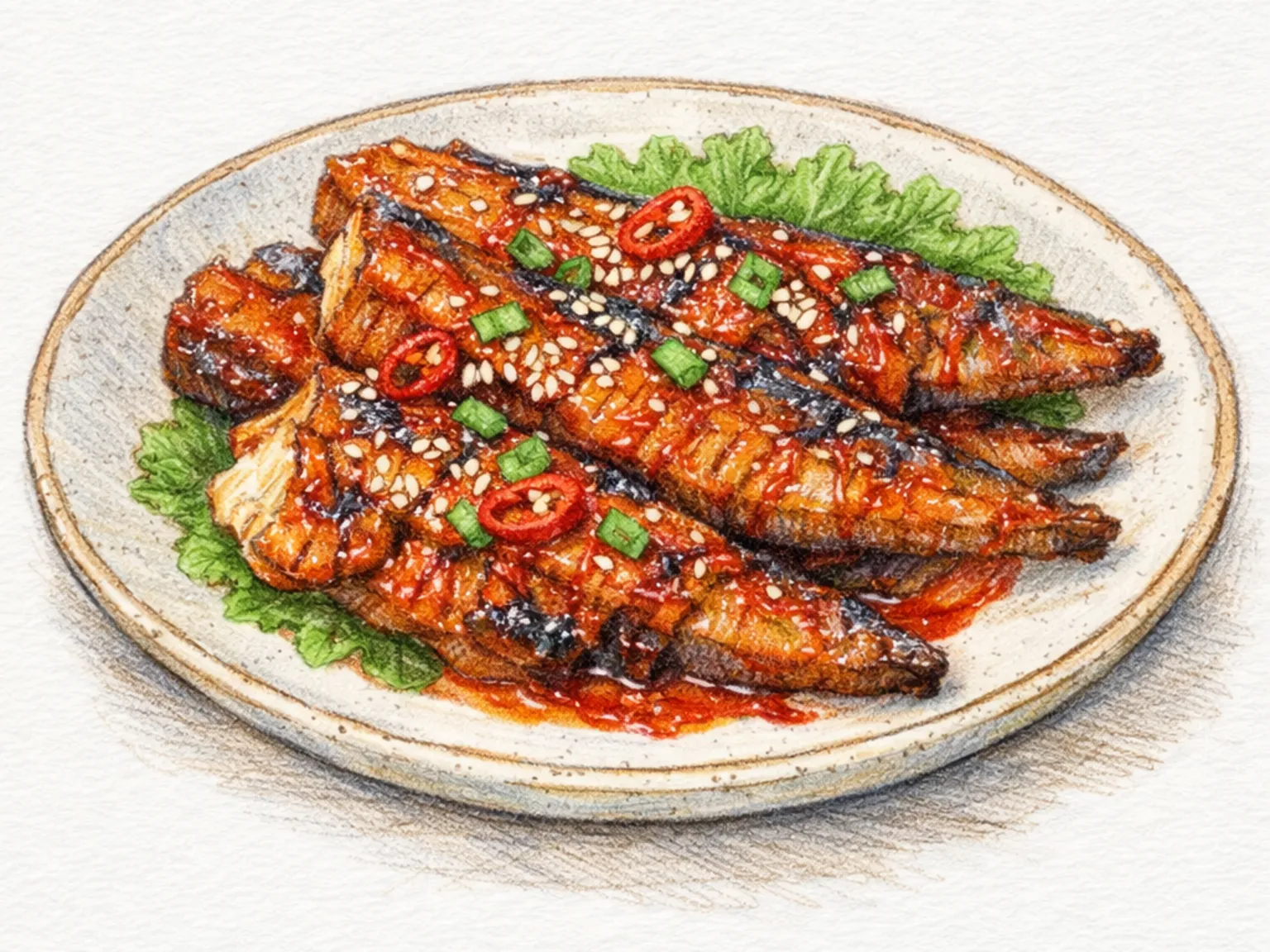
Seodae-yangnyeom-gui is a Korean spicy-glazed tongue sole dish where cleaned sole is coated with two-thirds of a sauce blending gochujang, soy sauce, Korean chili flakes, plum syrup, sugar, minced garlic, and ginger, marinated for ten minutes, then pan-fried over medium heat for four minutes per side. The flat body shape of tongue sole allows the marinade to adhere evenly across the entire surface, and because the flesh is thin, the salty-sweet seasoning penetrates all the way through quickly. Plum syrup in the sauce contributes a fruit-forward acidity that lifts the heaviness of gochujang, and together with sugar it caramelizes at pan temperature into a glossy brown coating. Brushing the remaining sauce on during the final two minutes builds a double-layered glaze, and finishing with sesame oil and chopped green onion releases a fragrant aroma from the residual heat.
Korean Salt-Grilled Beef Tenderloin
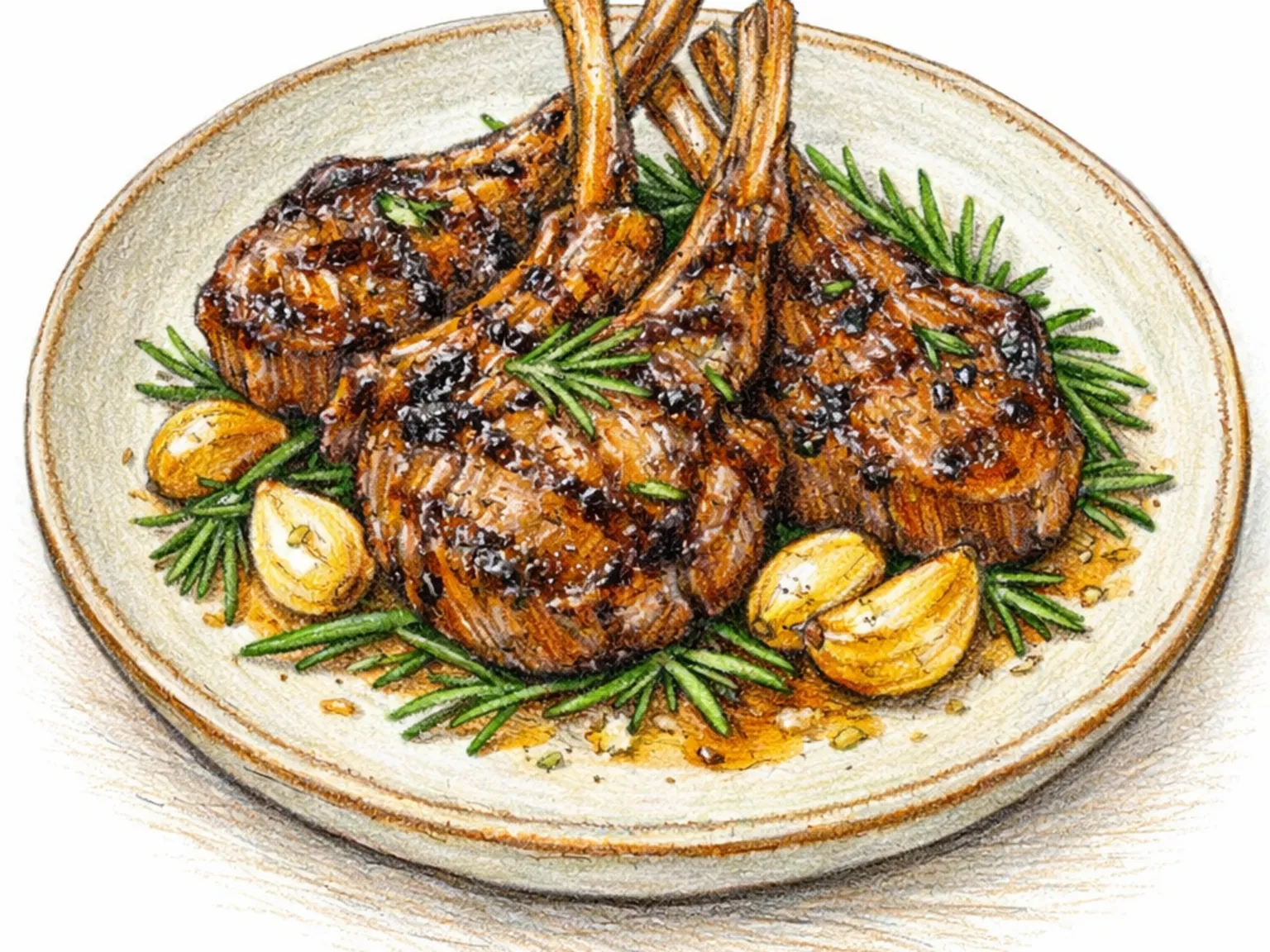
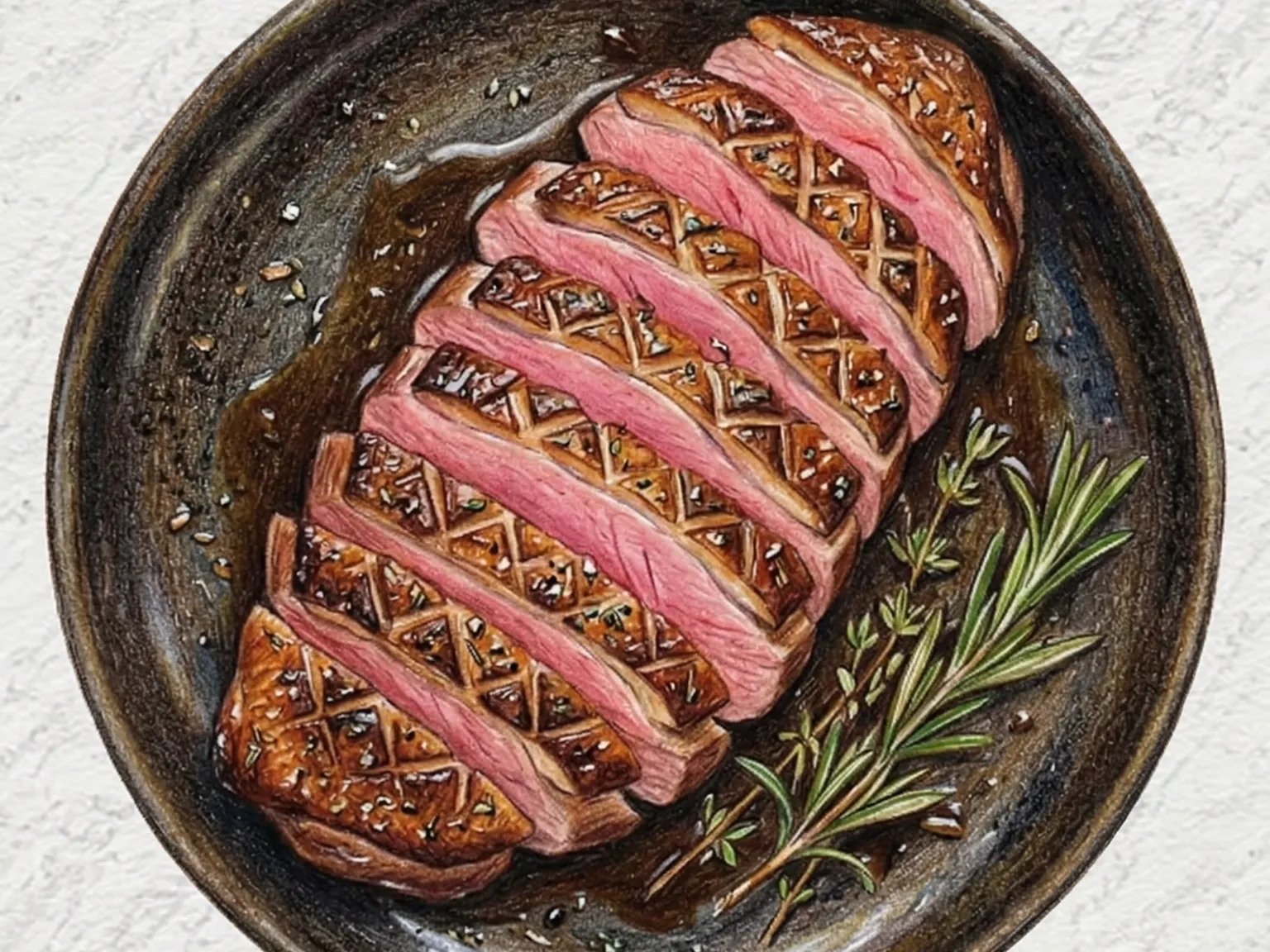
Beef tenderloin - the leanest, finest-grained cut from the inner loin - is seared in a smoking-hot pan after seasoning with nothing more than coarse salt, black pepper, and a thin coat of olive oil. The high heat locks a dark brown crust onto the surface while the interior stays pink. Butter, crushed garlic cloves, and a sprig of rosemary go into the pan for basting during the final minutes, layering herbal richness across the meat's surface. A squeeze of lemon at the end cuts through the residual fat, and a three-minute rest allows the juices to redistribute so each slice runs clear.
Korean Beef and Mushroom Pancake
Ground beef is mixed with finely chopped shiitake mushrooms and pressed tofu, then kneaded until the three textures merge into a cohesive, sticky mass seasoned with soy sauce and sesame oil. Small patties are shaped, dusted in flour, dipped through beaten egg, and pan-fried over medium heat until the egg coating sets into a thin golden shell that traps moisture inside. The shiitake contributes a deep umami undertone, while the tofu keeps the interior soft rather than dense. This is a classic Korean jeon served at holiday gatherings and special-occasion meals.
Korean Marinated Beef Short Rib Grill
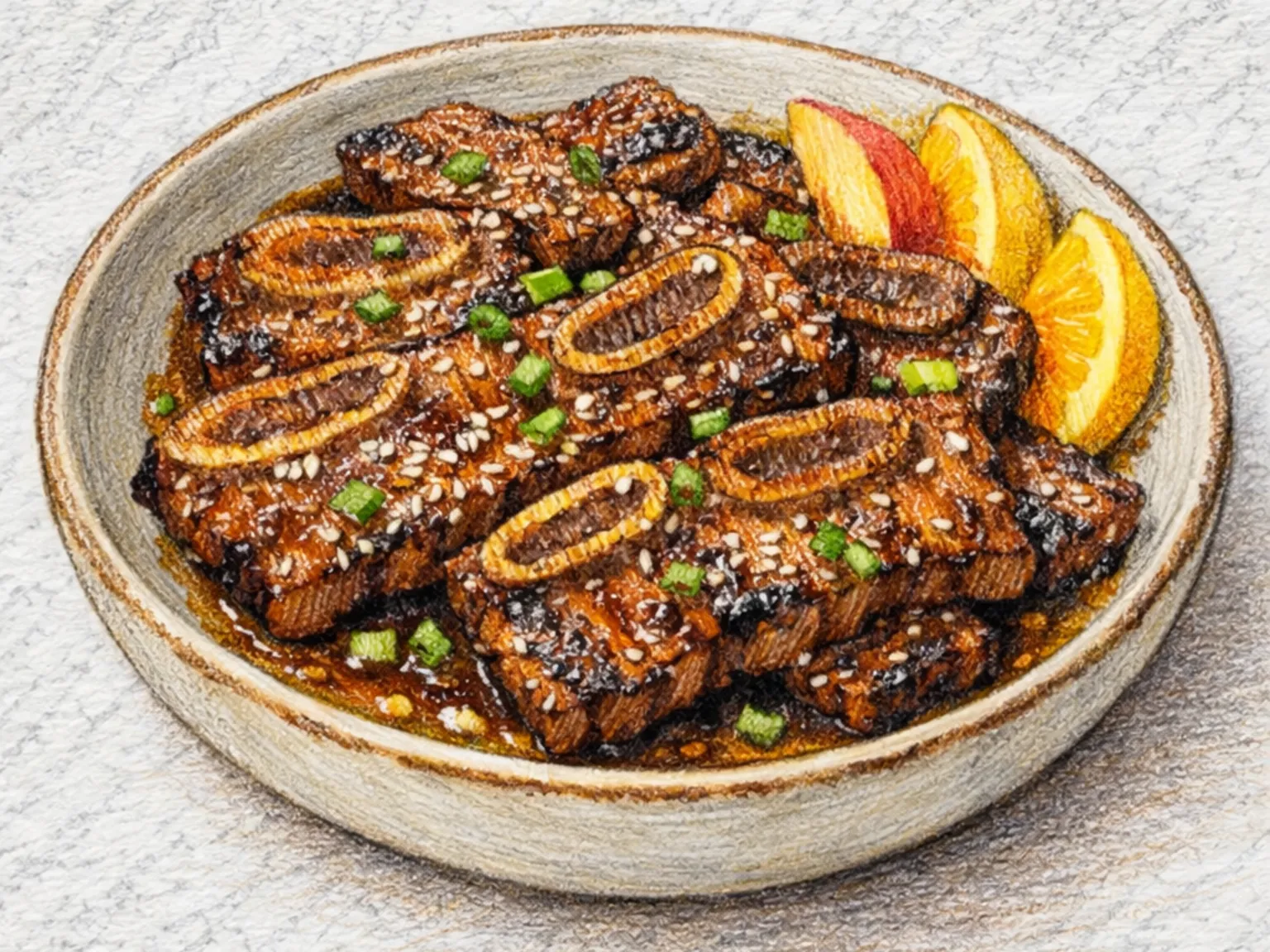
Beef ribs or bulgogi-cut slices are marinated for at least an hour in a sauce of soy sauce, Korean pear juice, sugar, minced garlic, sesame oil, and black pepper. The pear's natural enzymes break down connective tissue while the soy-sugar combination penetrates deep into the meat. On a high-heat grill, the sugars in the marinade caramelize rapidly, forming a glossy, dark-brown glaze with visible char marks. Thin-cut pieces cook through in under four minutes total, and the interplay of charcoal smoke with the sweet-salty marinade defines the signature taste of Korean yangnyeom-gui.
Korean Beef Skewers (Soy-Glazed Grilled Beef)
Bite-sized beef cubes and chunks of bell pepper and onion are threaded onto wooden skewers in an alternating pattern. The beef marinates for twenty minutes in soy sauce, oligosaccharide syrup, minced garlic, sesame oil, and black pepper before assembly. Grilling over medium-high heat while rotating the skewers lets the marinade reduce into a sticky glaze on the meat, while the vegetables soften and pick up faint char. The result is a hand-held format where each bite delivers soy-seasoned beef alongside lightly smoky, still-crisp vegetables.
Korean Perilla-Grilled Mushrooms
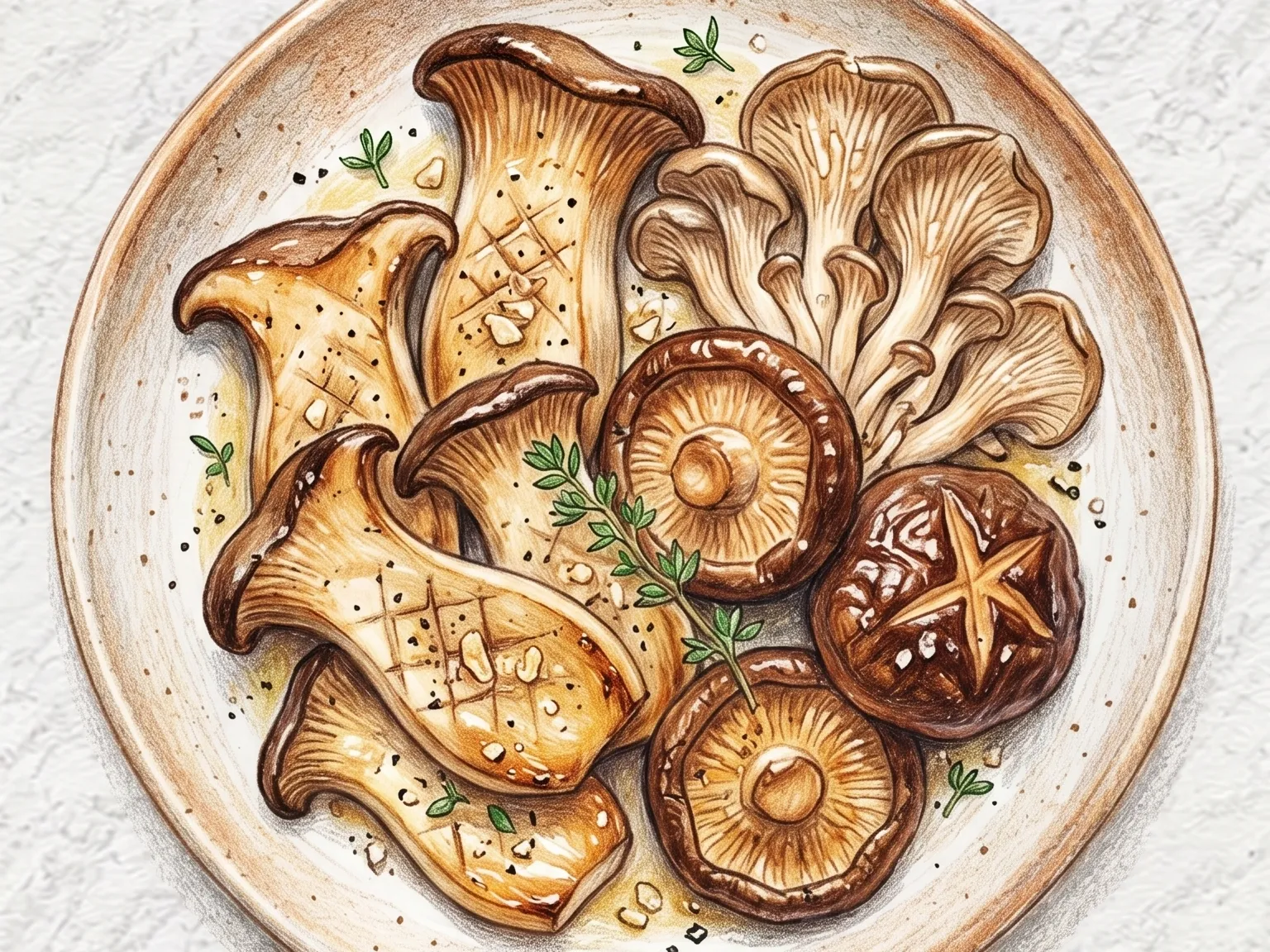
Songhwa mushrooms have thick caps with high moisture content, so they stay succulent and chewy when grilled. Sliced into thick pieces and tossed with a simple mix of perilla oil, soy sauce, garlic, salt, and pepper, they cook for about three minutes per side on a hot pan. The perilla oil imparts a distinctly nutty, toasted aroma that differs from sesame. Ground perilla seed is sprinkled on just before the heat is turned off, releasing fragrance without scorching. Finished with chopped chives, this vegetarian dish works equally well as a rice side or a drinking snack.
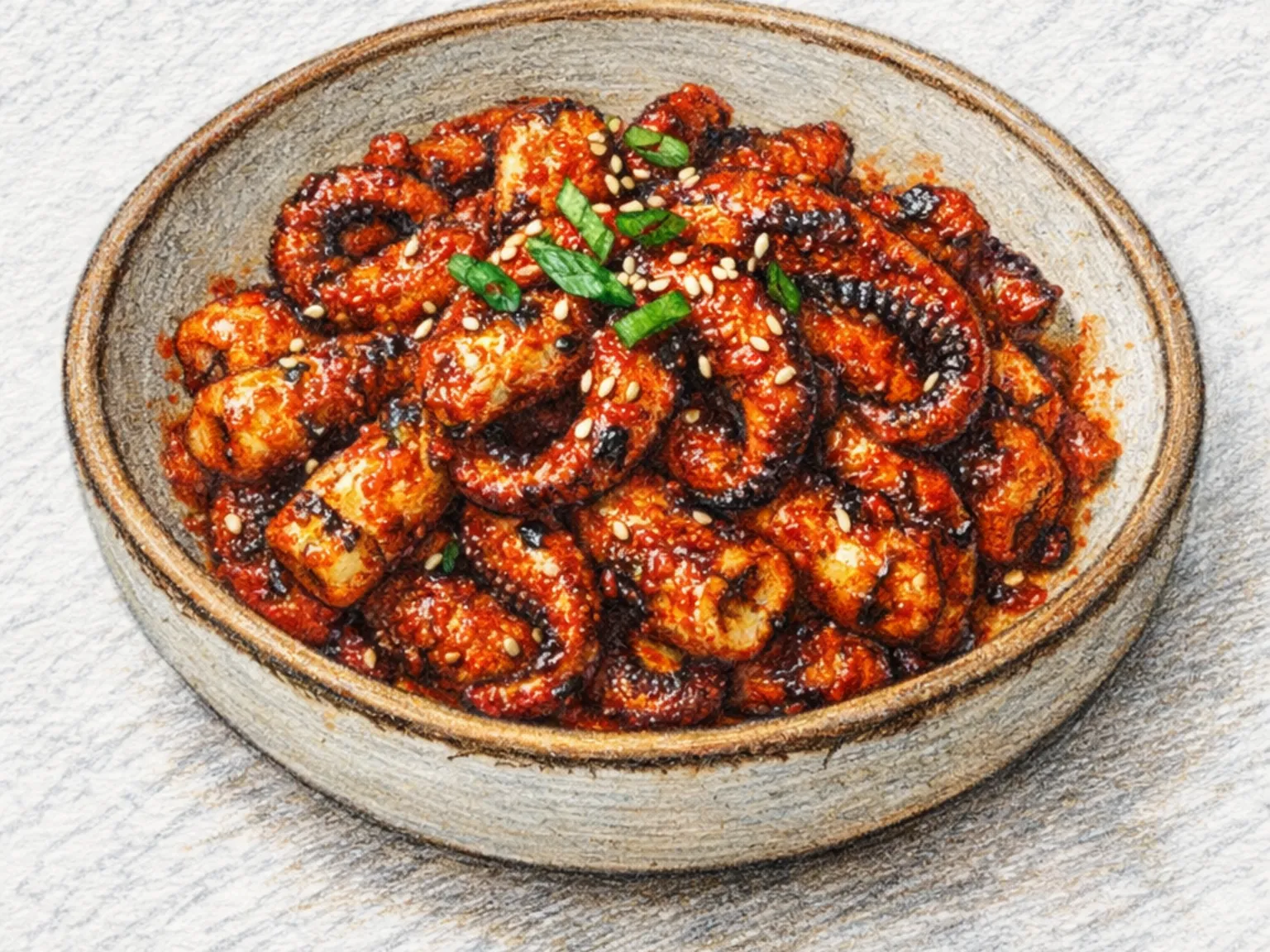
Korean Grilled Sea Snail with Gochujang
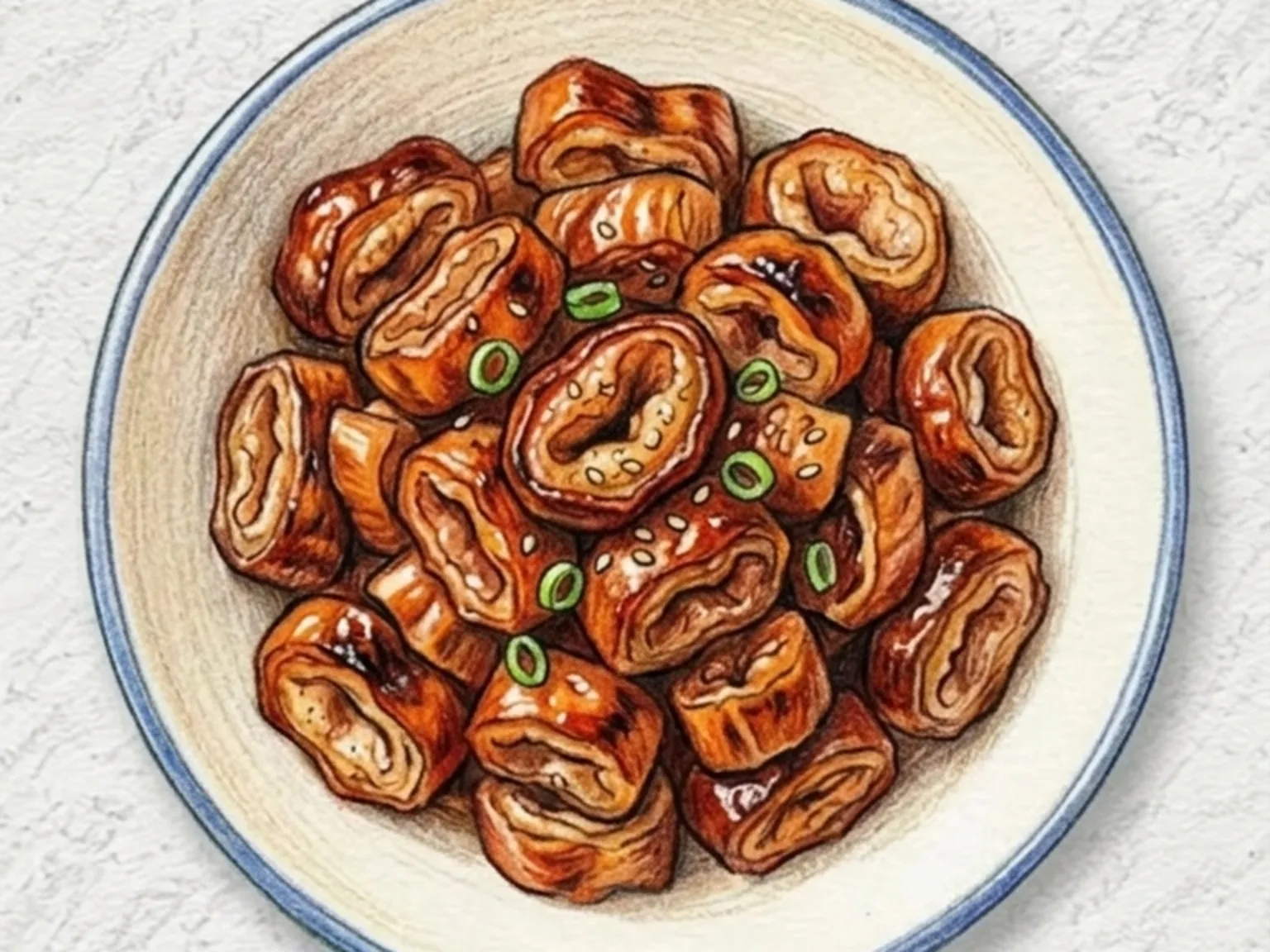
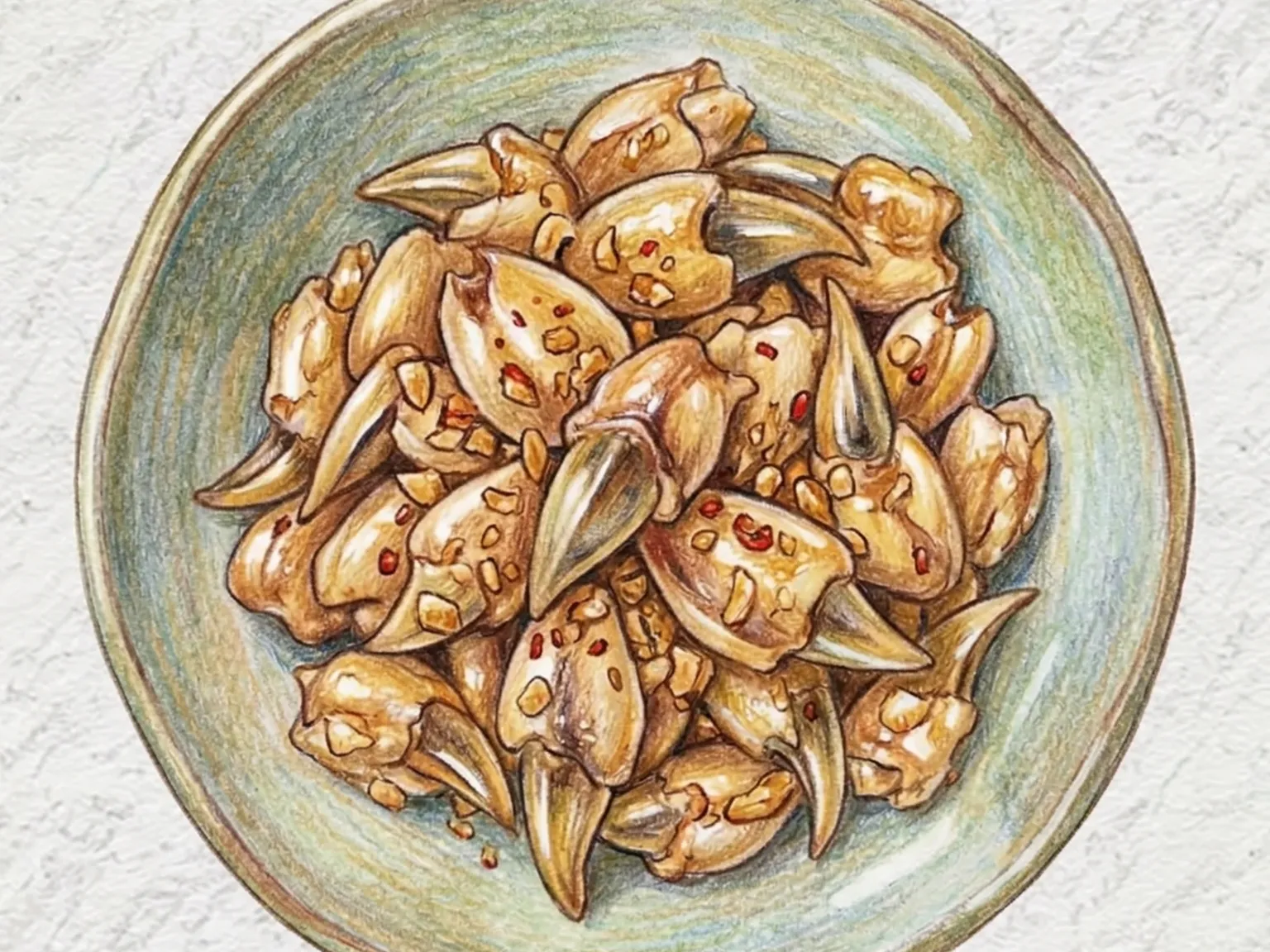
Pre-boiled sea snail meat is sliced thin, trimmed of tough visceral parts, and marinated for fifteen minutes with sliced onion in a sauce built on gochujang, gochugaru, soy sauce, oligosaccharide syrup, and minced garlic. A screaming-hot pan sears the marinated snail in three to four minutes, concentrating the spicy-sweet sauce onto the surface while preserving the snail's signature firm chew. Green onion goes in for the final minute, followed by a drizzle of sesame oil. The briny depth of the sea snail meets the fermented heat of gochujang in every bite.
Korean Sotteok-Sotteok Skewers
Cylinder-shaped rice cakes and mini sausages are skewered in alternating order, then pan-grilled for six to seven minutes until the surfaces turn golden. A glaze made from gochujang, ketchup, soy sauce, oligosaccharide syrup, and minced garlic is brushed on and cooked for two to three more minutes until glossy and sticky. Each skewer delivers a contrast between the dense chew of rice cake and the snappy bite of sausage, unified by the sweet-spicy coating. Originally a Korean street-food staple, sotteok-sotteok is also popular for camping trips and can be made quickly in an air fryer.
Korean Soy-Garlic Grilled Chicken Legs
Chicken leg meat is scored at the thickest points for even cooking, then marinated in soy sauce, oligosaccharide syrup, minced garlic, cooking wine, sesame oil, and black pepper. Starting skin-side down in a covered pan for ten minutes, then flipping for another eight to ten minutes, the skin renders its fat and crisps up while the interior cooks through. A final brush of the remaining marinade reduces into a dark, glossy glaze that carries concentrated garlic and soy flavor. Finished with a sprinkle of sesame seeds, this dish yields four generous servings as a main course alongside rice.
Korean Mugwort Pancake (Spring Herb Savory Thin Pancake)
Young mugwort leaves, harvested in early spring, are stripped of tough stems, washed, and folded into a batter of Korean pancake mix, water, and salt. Thinly sliced onion adds a mild sweetness that balances the herb's earthy bitterness. The batter is spread thin in an oiled pan and fried on both sides until crisp - thickness is the enemy here, as a thick pancake traps steam and mutes the mugwort's fragrance. Dipped in a vinegar-soy sauce, the acidity rounds out any lingering bitterness, making ssuk-jeon one of the most distinctive seasonal pancakes in Korean cuisine.
Korean Pan-Fried Tofu with Soy Dipping Sauce
Firm tofu is sliced 1.5 cm thick, patted thoroughly dry with paper towels, and lightly salted before going into an oiled pan for four to five minutes per side. Removing surface moisture is the critical step - dry tofu does not splatter and develops an even golden crust. A dipping sauce of soy sauce, Korean chili flakes, chopped green onion, and sesame oil accompanies the fried slices, and the crisp exterior absorbs just enough sauce to add flavor while the soft interior stays mild. With minimal ingredients, this dish is entirely about the textural contrast between the crunchy shell and the silky center.
Grilled Tomahawk Steak
A juicy Tomahawk steak with an overwhelming visual, perfect for home parties.
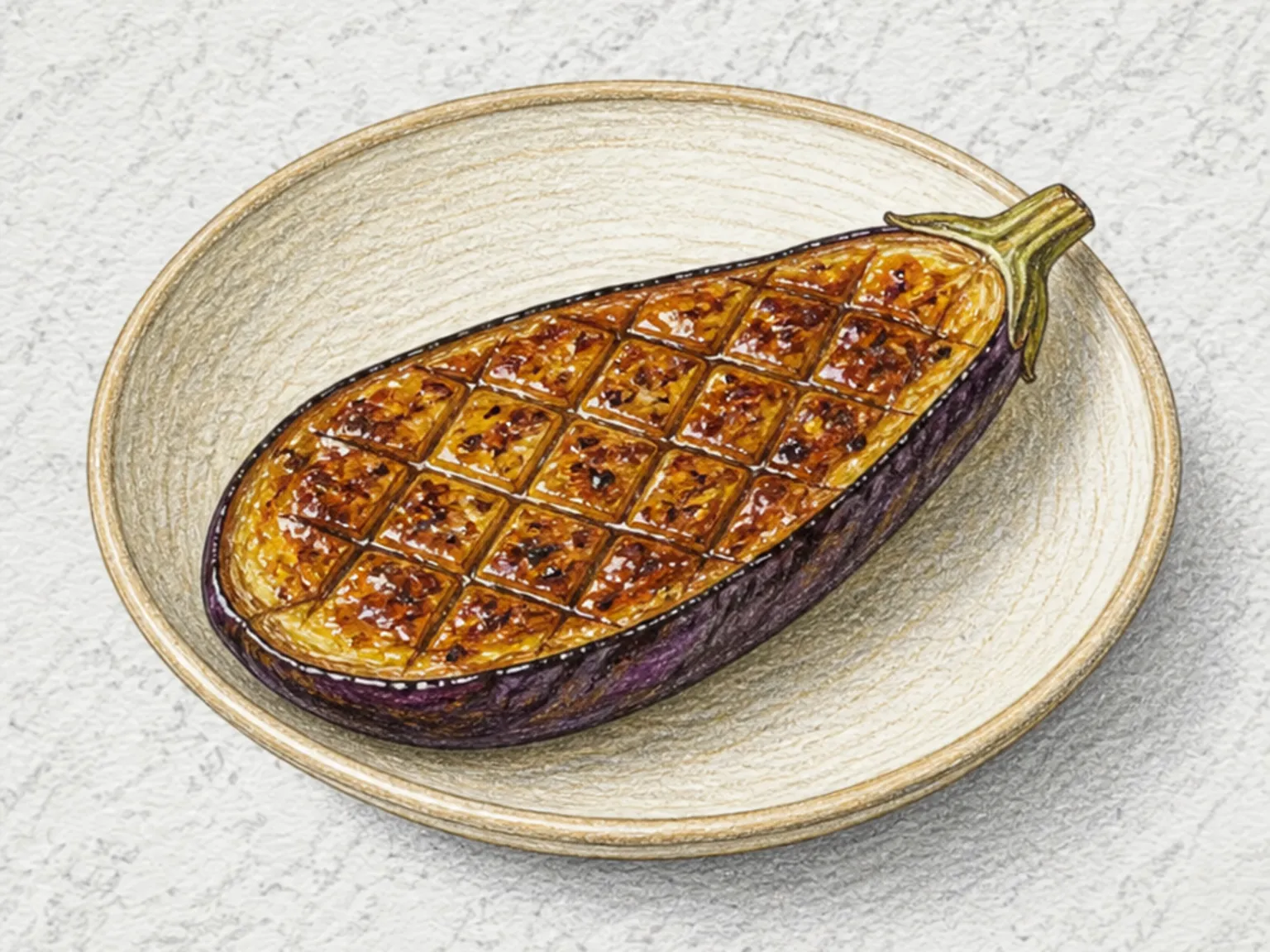
Korean Grilled Bellflower Root
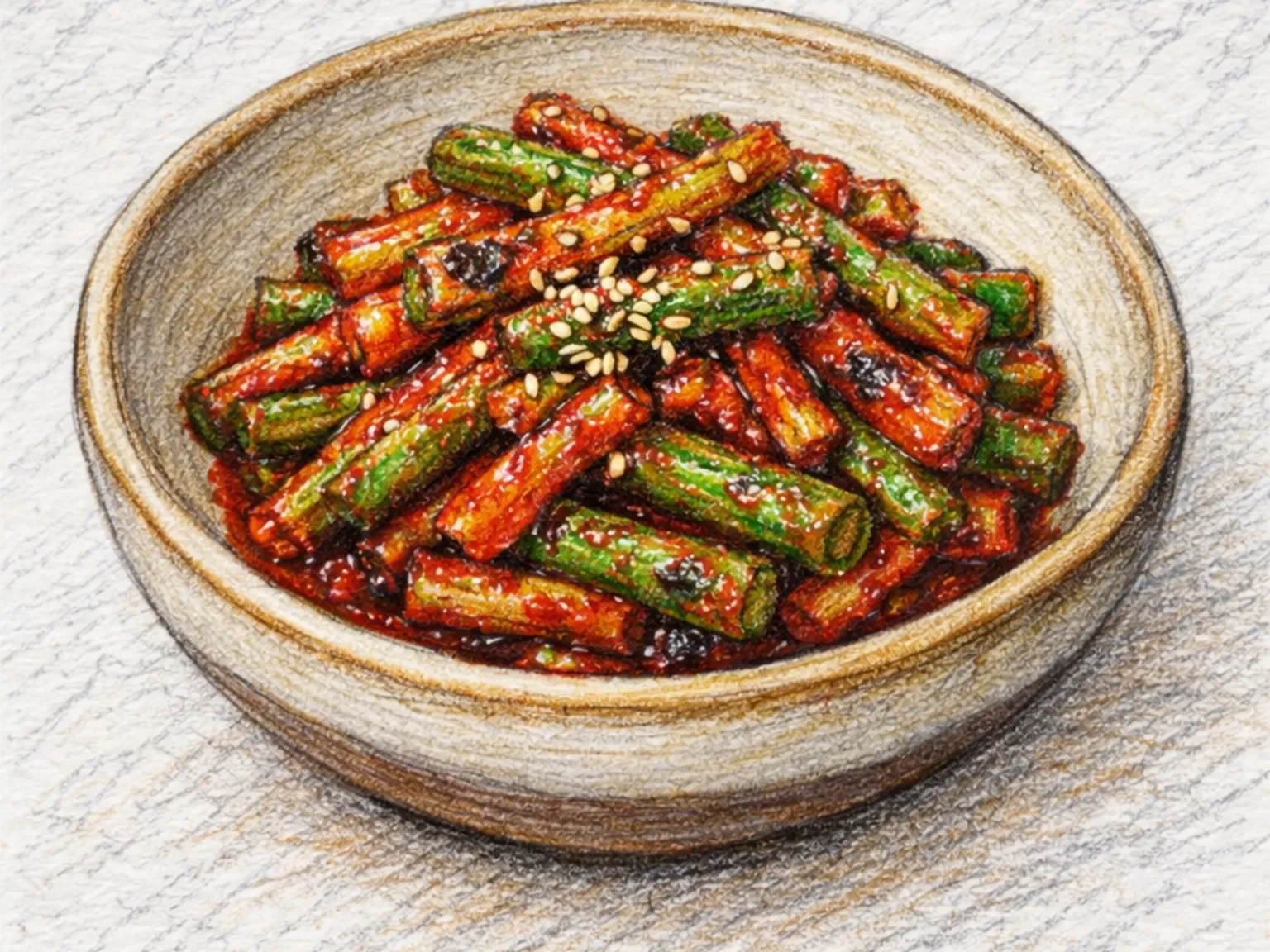
Bellflower root is shredded lengthwise, soaked in salted water, and blanched for one minute to draw out its characteristic bitterness without eliminating it entirely. A ten-minute soak in a sauce of gochujang, gochugaru, soy sauce, oligosaccharide syrup, garlic, and sesame oil seasons the root before it hits a medium-heat pan for three to four minutes per side. The result has a crisp, crunchy bite - distinct from any other vegetable - with a red-glazed surface that carries moderate heat. Open-flame grilling adds a smoky dimension that pairs well with the spicy coating, and sesame seeds provide a finishing touch.
Korean Tteok Kkochi Yangnyeom Gui (Grilled Rice Cake Skewers)
Cylinder rice cakes are threaded onto skewers, lightly brushed with oil, and rolled on a grill pan over medium heat for six to seven minutes until the exterior turns golden. A sauce of gochujang, ketchup, oligosaccharide syrup, soy sauce, and minced garlic is applied in two rounds, building a glossy red glaze that clings to the surface. The outer layer develops a slight crispness while the inside remains stretchy and dense - that textural duality is the hallmark of this dish. A light dusting of cheese powder turns it into a kid-friendly snack, and it stands as one of the most iconic items in Korean street-food culture.
Korean Grilled Tteokgalbi Patties
Ground beef and ground pork are combined in a two-to-one ratio with finely diced onion (squeezed dry), soy sauce, sugar, minced garlic, sesame oil, and breadcrumbs, then kneaded for at least three minutes until the mixture develops a sticky, elastic consistency. Thick oval patties are seared four minutes per side on medium heat, then finished on low for three to four more minutes, resulting in a caramelized exterior and a moist center. The blend of beef and pork creates a more layered flavor than either meat alone - the beef brings depth while the pork adds fat and smoothness. These patties hold up well at room temperature, making them a staple for Korean lunch boxes.
Korean Grilled Beef Plate Rib
Beef plate rib - a thick, fatty slab attached to the rib bone - delivers a more intense beef flavor than standard short ribs when grilled. After soaking in cold water to draw out blood, the scored meat marinates for at least thirty minutes in soy sauce, Korean pear juice, cooking wine, minced garlic, sesame oil, black pepper, and green onion. The marinade seeps into the score marks, seasoning the meat to its core. Grilled four to five minutes per side on medium-high heat and glazed with remaining marinade, the surface darkens to a lacquered finish. The meat near the bone has a pronounced chew, while fat-laced sections melt on the tongue with lingering umami.
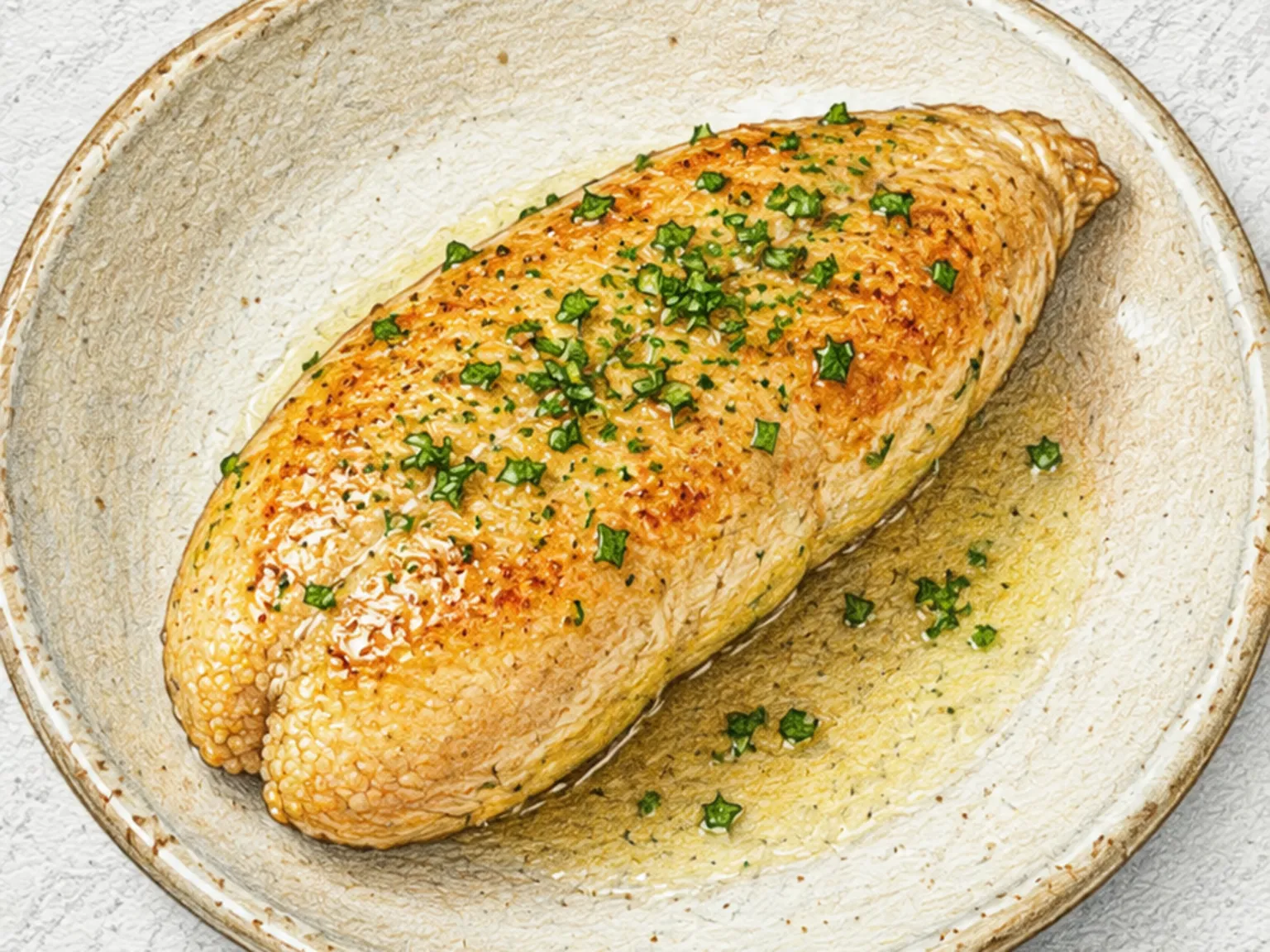
Korean Ureok Doenjang Gui (Doenjang Grilled Rockfish)
Rockfish fillets are patted dry, pin-boned, and brushed thinly with a paste of doenjang, gochujang, minced garlic, cooking wine, honey, and sesame oil before resting in the refrigerator for fifteen minutes. Cooking begins skin-side down for four minutes, then the fillet is flipped for three minutes, and a second thin coat of paste is applied for two final minutes. The key is thin, repeated applications - a thick layer burns before the fish is done. Rockfish's mild white flesh absorbs the complex, fermented savoriness of the doenjang-gochujang blend, producing a depth of flavor that plain grilled fish cannot match.
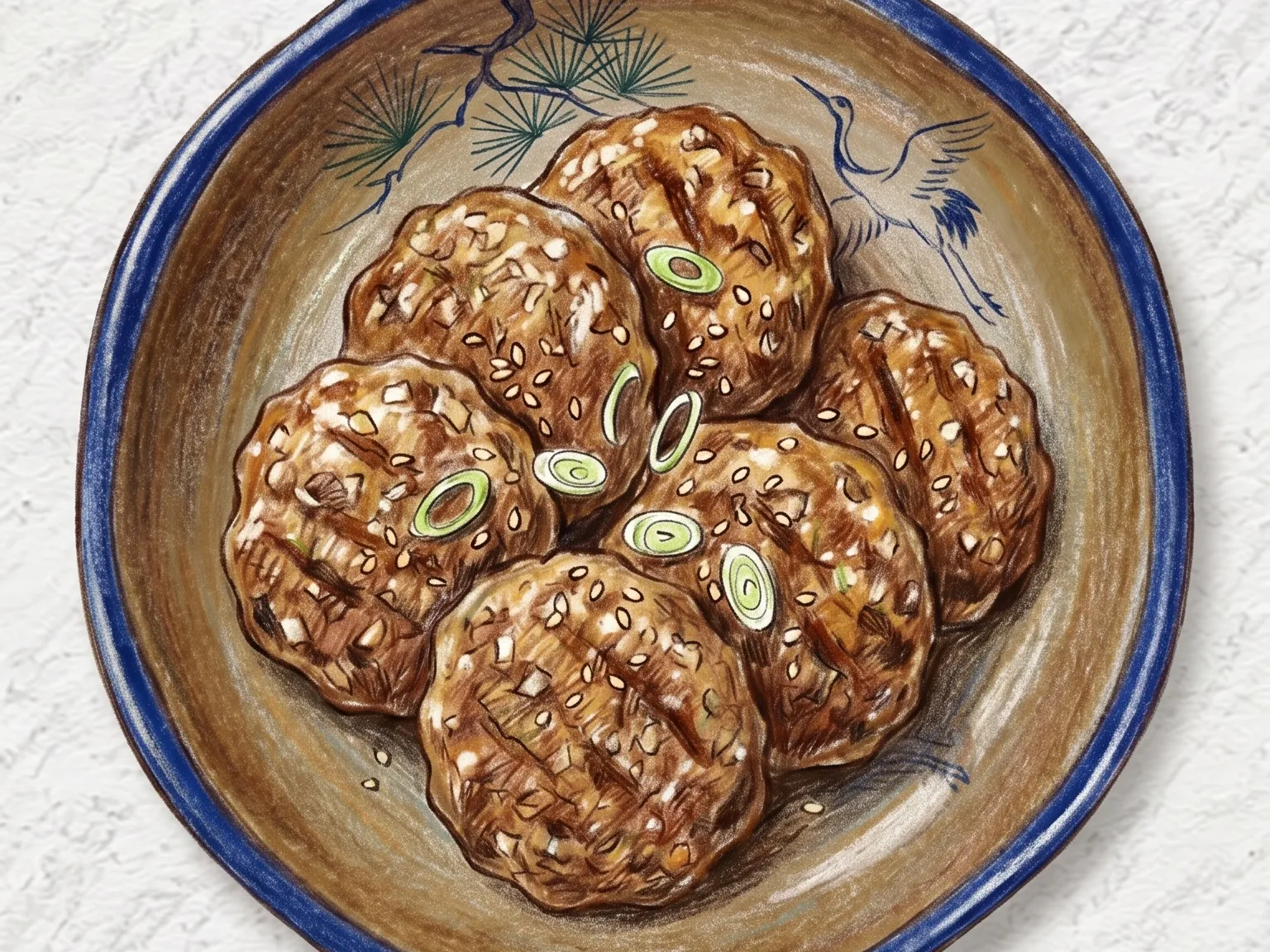
Korean Meatball Jeon (Beef and Tofu Pan-Fried Meatball Patty)
Ground beef is kneaded with pressed tofu, minced onion, chopped scallion, and soy sauce until the mixture becomes sticky enough to hold its shape. Bite-sized balls are flattened slightly, dredged in flour, dipped in beaten egg, and pan-fried on both sides over medium heat. The egg wash forms a thin golden casing that seals in moisture, and the tofu in the filling makes each bite softer and lighter than an all-meat patty. Wanja-jeon is a fixture on Korean holiday tables and ancestral rite spreads, and it travels well in lunch boxes since the flavor and texture hold up at room temperature.
Korean Cabbage Tuna Jeon (Crispy Shredded Cabbage Tuna Pancake)
Finely shredded cabbage, drained canned tuna, and thinly sliced onion are folded into a light batter of Korean pancake mix, egg, and salt, then spread thin in an oiled pan. As the cabbage cooks, it releases moisture and develops a natural sweetness that balances the tuna's salty, savory character. Spreading the batter thin ensures crisp edges throughout, and making smaller pancakes simplifies flipping. High in protein and relatively low in calories, this jeon doubles as a quick standalone meal or a diet-friendly option, finished with a scattering of chopped green onion on top.
Korean Iron Plate Onion and Meat Grill
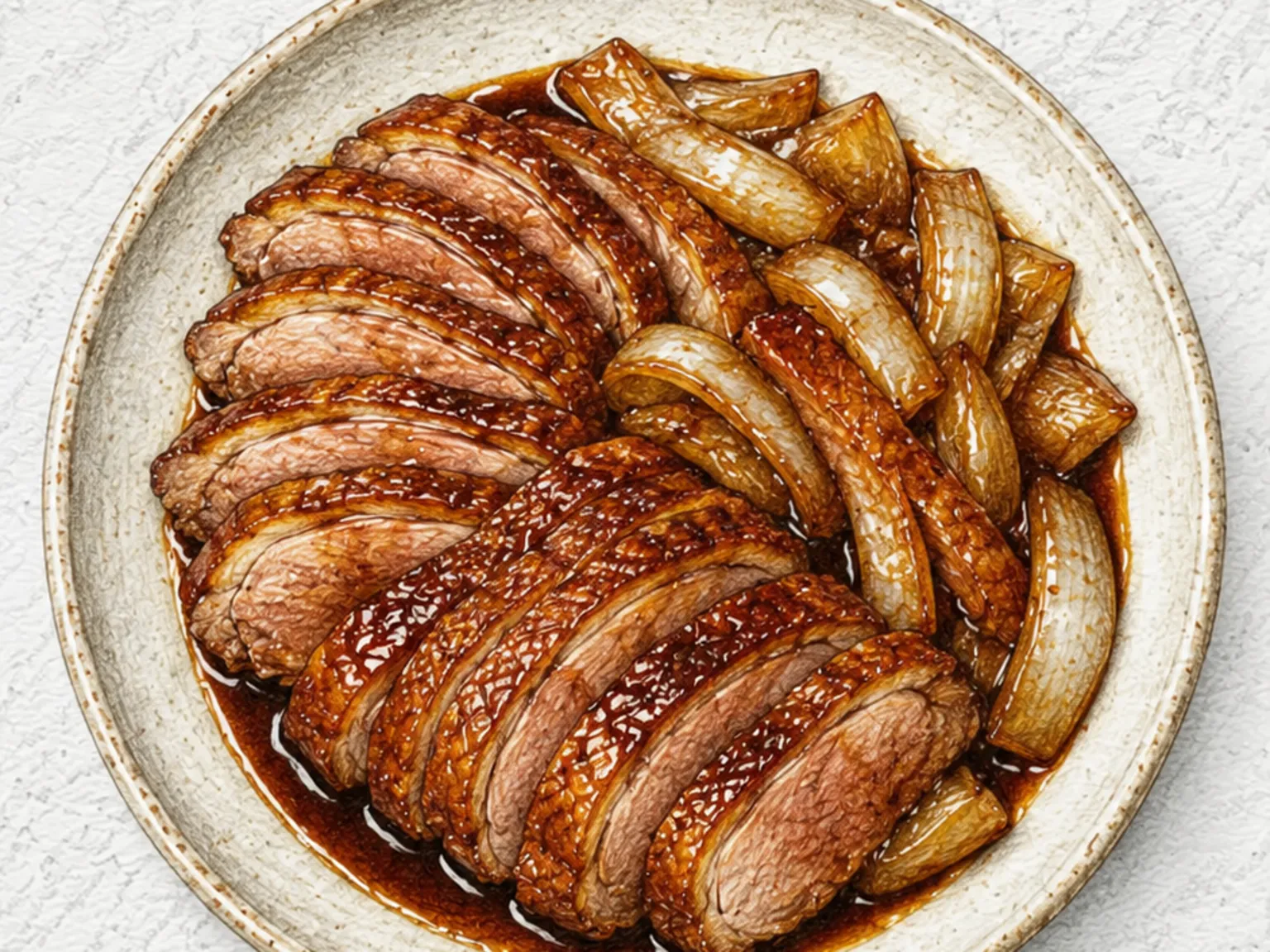
Thick onion rings and sliced pork belly are grilled together on a hot iron plate with melted butter. The onions cook slowly over medium heat, allowing their natural sugars to caramelize into deep sweetness, while rendered pork fat seeps into the onion layers and enriches their flavor. A drizzle of soy sauce at the end sizzles on the hot surface, distributing a salty accent evenly across both ingredients. The preparation relies on just six ingredients and zero marinade - the appeal lies entirely in the interplay of caramelized onion sweetness, smoky pork fat, and butter richness on a searing-hot plate.
Lamb Skewers (Yangkkochi)
How to make addictive lamb skewers with aromatic cumin at home.
Korean Marinated Beef Short Ribs
One kilogram of beef short ribs is soaked in cold water for thirty minutes, then marinated for at least an hour in grated Korean pear, onion juice, soy sauce, sugar, honey, minced garlic, sesame oil, cooking wine, and black pepper. The enzymes in pear and onion tenderize the meat, while soy sauce and honey caramelize on the grill into a dark, lacquered glaze. The ribs are seared on a preheated grill, then cooked at medium heat for three to four minutes per side with a final thin brush of marinade. This is a centerpiece dish for Korean holidays and dinner parties, with portions generous enough for a family of four.