Western Recipes
662 recipes. Page 19 of 28
This category brings Western-style dishes - pasta, steak, risotto, gratin, and more - into the home kitchen. In Korea, "Western food" (yangsik) includes not only authentic European recipes but also Korean-adapted classics like donkatsu (pork cutlet) and hambak steak (Hamburg steak).
Green Bean Casserole
Green bean casserole depends on two separate texture controls: the beans are blanched for only 3 minutes, and the fried onion topping goes on for the final 5 minutes rather than the full bake. Trim 400 g green beans, lower them into boiling water, and transfer them straight to cold water after 3 minutes. Drain them thoroughly so they do not loosen the cream sauce. Melt 2 tablespoons butter in a pan and cook half a chopped onion, then add 150 g sliced mushrooms. Continue until the moisture released by the mushrooms has noticeably reduced. Lower the heat to medium-low, stir in 2 tablespoons flour, and cook the roux for 1 minute. Add 250 ml milk in small portions, stirring each addition smooth before pouring in more. Season with 1/2 teaspoon salt and stop cooking when the sauce is thick but still easy to spread. Fold in the drained beans until every piece is coated, then distribute the mixture evenly in a baking dish. Bake at 180C for 20 minutes, until the sauce bubbles at the edges. Scatter 1 cup fried onions over the surface and return the dish to the oven for 5 minutes. This timing keeps the interior creamy, the beans distinct, and the topping crisp instead of letting all three soften together.
Financier (Brown Butter Almond Mini Cake)
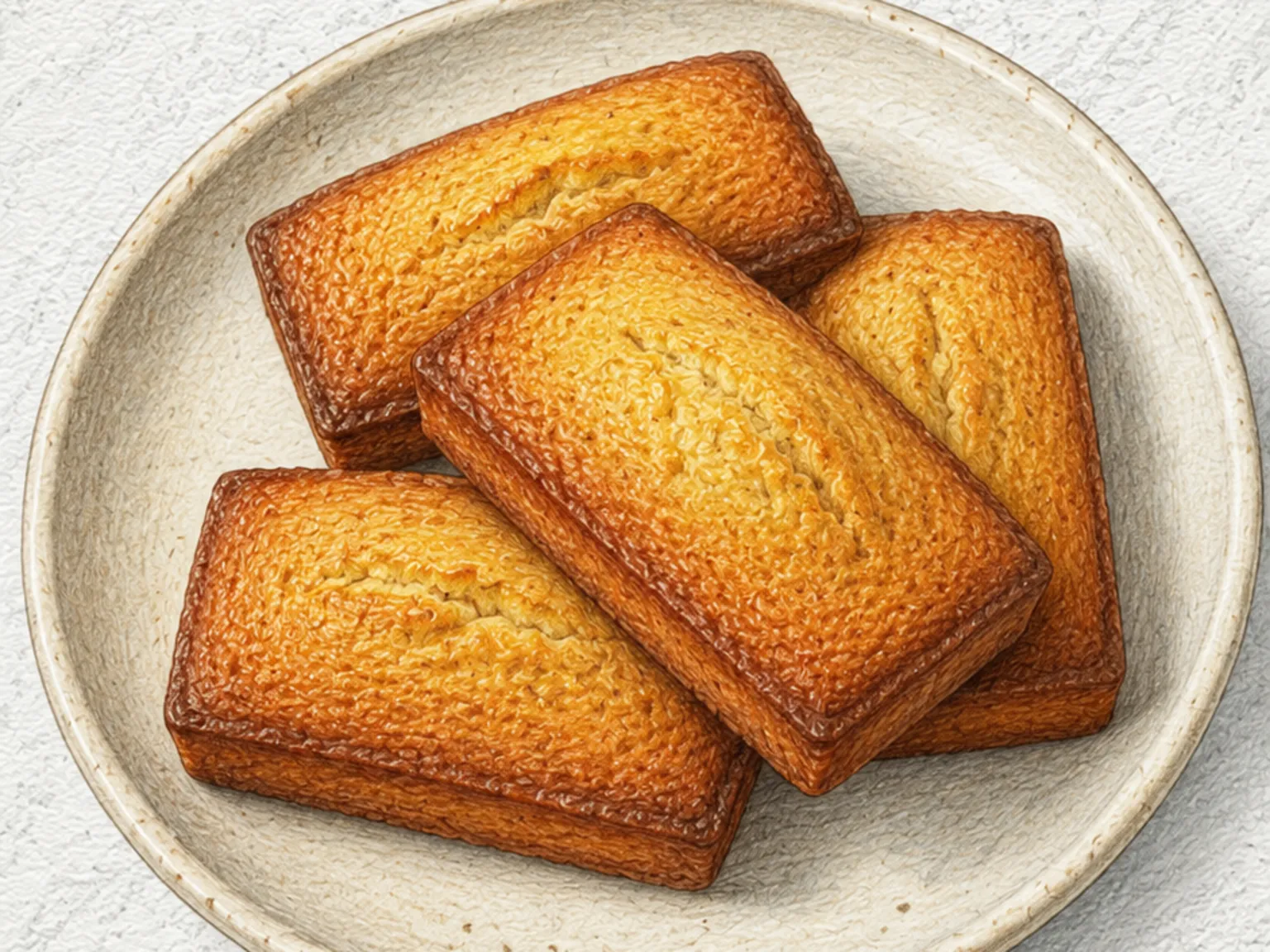
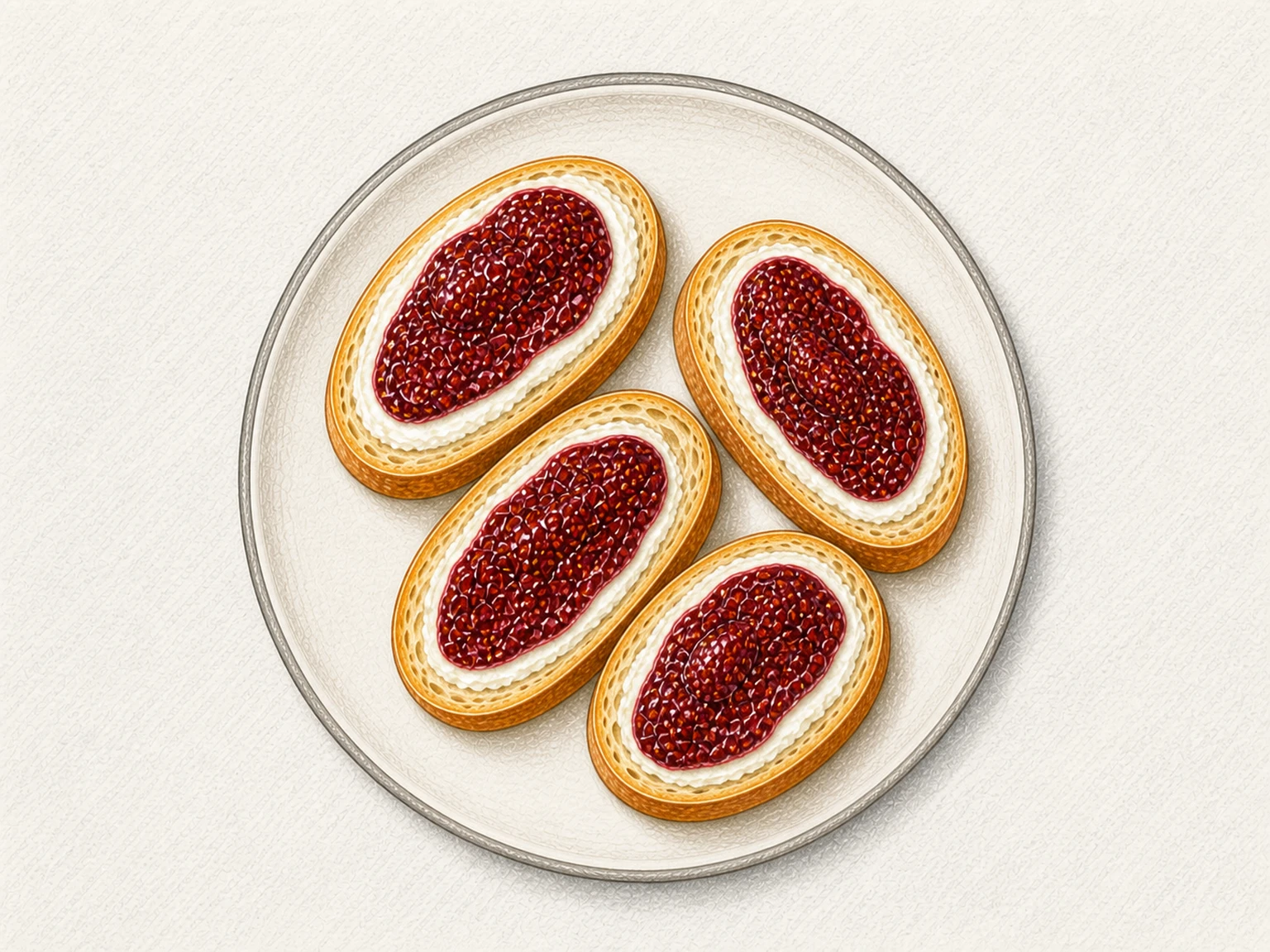
Financiers are small French cakes built on two key ingredients: browned butter and almond flour. The butter is cooked in a saucepan over medium heat, slowly at first, until the water evaporates and the milk solids settle and caramelize to a hazelnut-brown color, a stage called beurre noisette. This transformation produces a deep, toasty aroma layered with nutty complexity that plain melted butter cannot replicate. The browned butter is then combined with almond flour, powdered sugar, a small measure of cake flour, and egg whites to form a batter that is poured into rectangular molds and baked at around 190 degrees Celsius for 12 minutes. As the financiers bake, their edges deepen to a dark amber and the surface forms a thin, brittle crust, while the interior stays dense and moist because the almond oils and butter fat resist drying out. Their name derives from the gold-bar shape of the traditional mold, which connects them to the financial district of Paris, where they were reputedly created as a practical, suit-friendly snack that bankers could eat at a counter without making a mess. A smear of berry jam or lemon curd on the side sharpens the contrast against the nut-brown richness of the cake.
Spicy Octopus Rose Penne (Octopus Penne in Rose Sauce)
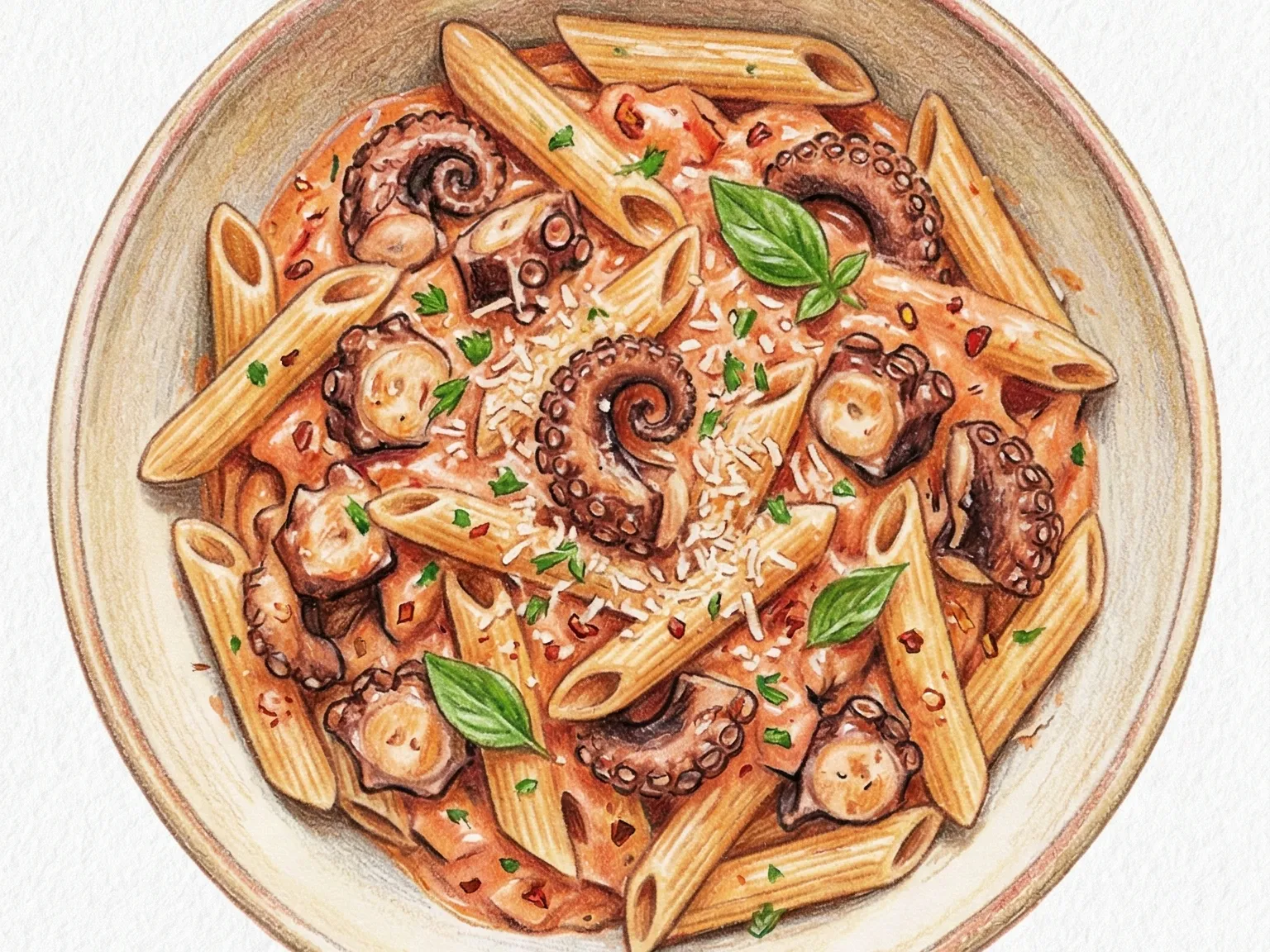
Spicy octopus rose penne starts with pre-cooked octopus that is seared in a very hot, dry pan to burn off surface moisture and trigger a Maillard crust on the skin. This step does more than remove water - it eliminates any residual fishiness and builds a firm outer layer that contrasts with the tender interior when you bite through. The rose sauce is built from tomato passata and heavy cream spiked with Korean gochugaru. The chili flakes are bloomed in oil for no more than 20 seconds, enough to coax out heat and color but not long enough to develop bitterness. Butter is added to the finished sauce to encourage emulsification, keeping the cream and tomato components cohesive and allowing the mixture to coat each piece of pasta evenly rather than pooling at the bottom of the pan. Penne holds this sauce particularly well because its tubular shape captures the thick liquid inside each piece, delivering cream and spice simultaneously with every bite. Fresh basil is stirred in off the heat at the very end, its volatile aromatics intact, providing an herbal lift that cuts the heaviness of the cream base. The natural salinity and sweetness of octopus from the sea add a briny depth that cream-only sauces cannot replicate on their own.
Grilled Cheese Sandwich
The controlling variable in a grilled cheese sandwich is the heat: the bread needs enough time to turn crisp and golden while the cheddar and mozzarella melt all the way through. Spread 2 tablespoons butter thinly over the outward-facing sides of 4 bread slices, carrying it right to the corners for even contact with the pan. Spread 1 teaspoon Dijon mustard very lightly over the inner sides. Divide 120 g cheddar and 80 g mozzarella between two sandwiches, season with 1/4 teaspoon black pepper, and keep the cheese mostly within the bread edges. Preheat a pan over medium-low heat for 1 minute. When the sandwich is added, the butter should sizzle gently rather than darken at once. Cook the first side for 3 to 4 minutes, pressing only lightly with a spatula. Turn it when the bread is evenly golden and the cheese visible at the edges has begun to soften. Cook the second side for another 3 to 4 minutes. By the time both faces are crisp, the cheddar should provide a full savory melt and the mozzarella should bind the center with a softer stretch. Remove the sandwiches when the cheese is completely melted and just starting to ooze. Rest them for 1 minute before cutting so the filling settles slightly instead of running out with the first slice, then serve while the bread is still hot and crisp.
Flammkuchen (Alsatian Crème Fraîche Flatbread)
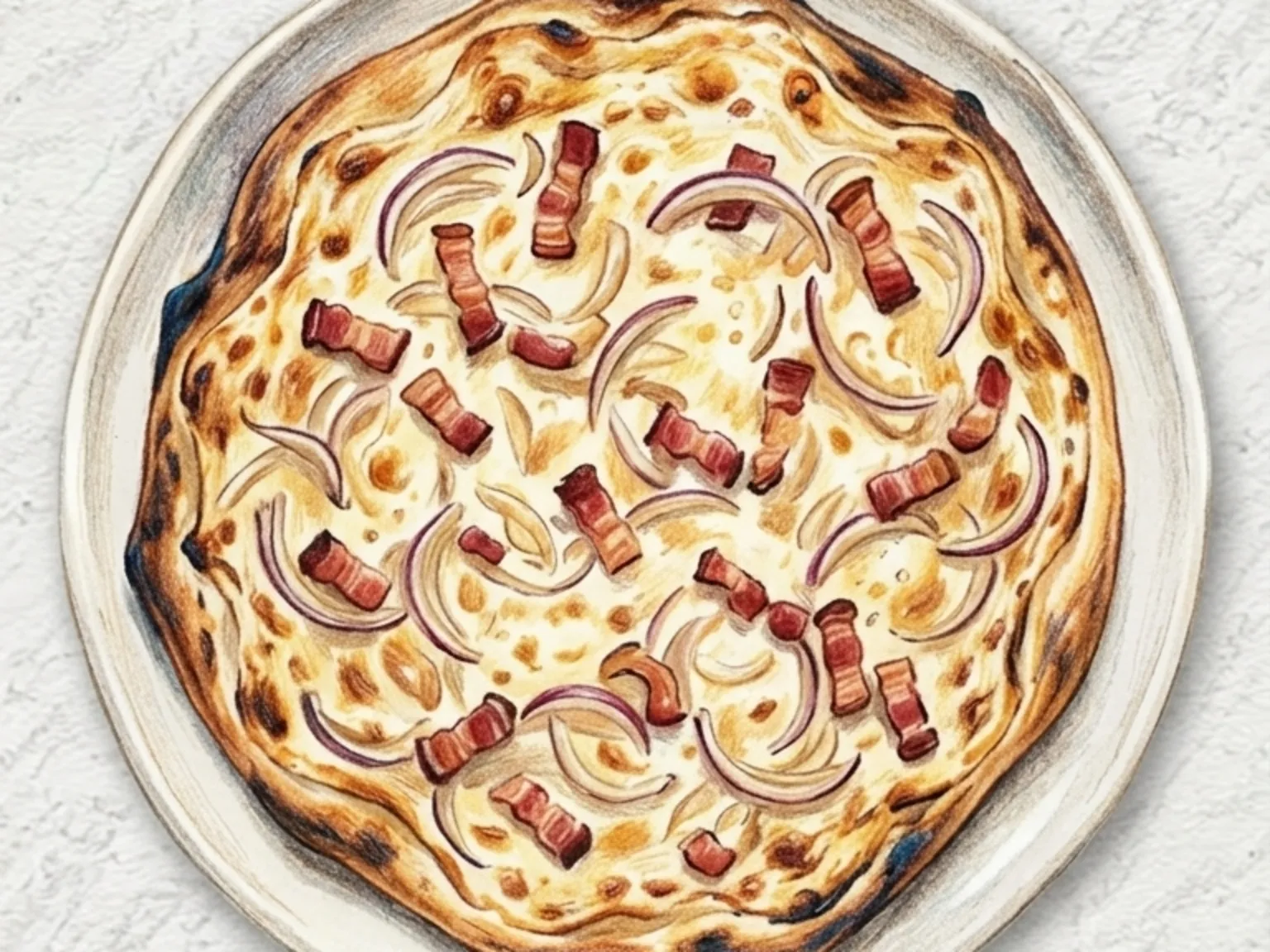
Flammkuchen uses a paper-thin, unleavened-style base carrying a light layer of creme fraiche, onion, and bacon, then bakes rapidly for 10 to 12 minutes at 250C. Mix 180 g flour, 90 ml water, 1 tablespoon olive oil, and 0.8 teaspoon salt into one dough. Knead until the surface becomes less rough, then rest it for 10 minutes so it can be rolled without resisting. Meanwhile, preheat the oven fully to 250C. Weak heat leaves the center soggy before moisture can escape from the cream and toppings, so do not shorten the preheating time. Slice 120 g onion as thinly as possible and cut 120 g bacon into small pieces. Both need to cook within the brief bake. Roll the rested dough until paper-thin and transfer it to a pan or tray. Feel for thicker spots and stretch them gently by hand so the whole base crisps at the same rate. Spread 120 g creme fraiche in a thin, even layer. Scatter the onion and bacon across the full surface without creating piles. Overlapping toppings trap steam, preventing the bacon from browning and keeping the dough underneath damp. Bake for 10 to 12 minutes. Remove the flatbread when the rim is crisp and lightly charred and the creme fraiche looks concentrated rather than watery. Finish with 1/2 teaspoon black pepper, cut promptly, and serve while the thin center and edges retain their crisp texture.
Spicy Seafood Tomato Pasta
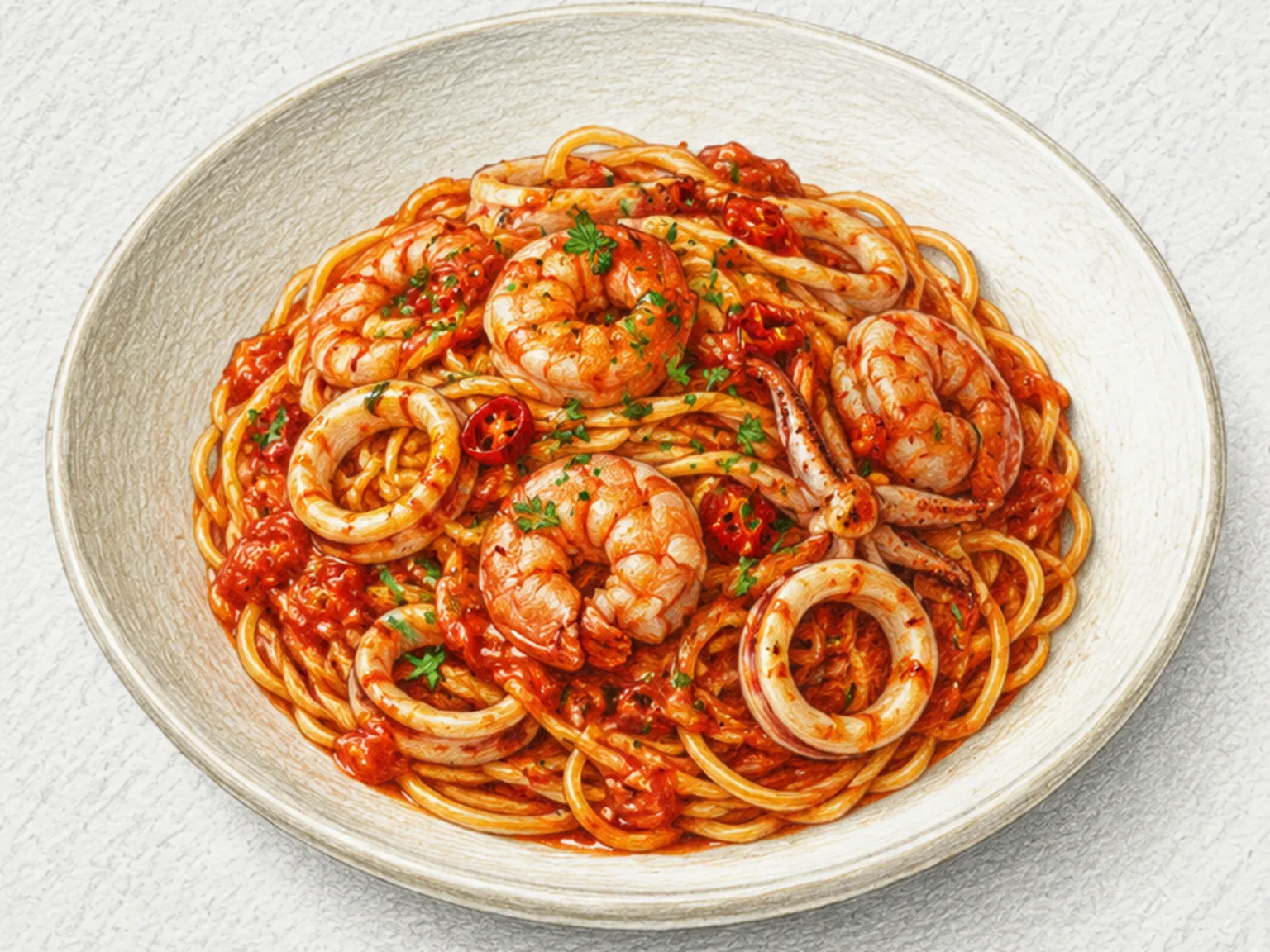
Spicy seafood tomato pasta starts by building a chili-infused oil base - garlic, onion, and red pepper flakes sauteed in olive oil until fragrant. Shrimp and squid are seared briefly until just opaque on the outside, then hand-crushed whole tomatoes are added and the sauce simmers for six to seven minutes, during which the tomato reduces and absorbs the juices released by the seafood. Cooking the seafood only until the surface turns white is critical, as the residual heat from the simmering sauce finishes them gently without making them rubbery. The spaghetti is boiled one minute short of al dente and tossed in the sauce pan with a splash of pasta water over high heat, which emulsifies the sauce and binds it to each strand. The chili heat cuts cleanly through the tomato's acidity and the seafood's brininess, and chopped parsley adds a final fresh herbal note.
Crispy Fan-Cut Potatoes (Garlic Butter Accordion Bake)
Hasselback potatoes are cut into many thin slices while the base remains connected, giving each potato a soft center and crisp, fanned edges. Heat the oven fully to 200 C before the tray goes in. Scrub and dry 800 g Yukon Gold potatoes, then place a chopstick along each side of one potato at a time. Make closely spaced cuts while leaving about 5 mm intact at the bottom; the chopsticks stop the knife before it severs the base. Melt 50 g unsalted butter over low heat and turn off the burner before adding 2 minced garlic cloves, 1 tablespoon thyme, 1 tablespoon olive oil, and half of the salt. Set the potatoes on an oven tray and brush the outer surfaces first. Open each cut gently with your fingertips and work some of the butter inside, taking care not to split the connected underside. Bake at 200 C for 40 minutes. Once the slices begin to fan out and their edges look dry, remove the tray and brush the remaining seasoned butter between the openings. Combine 30 g breadcrumbs, 25 g Parmesan, the remaining salt, and black pepper, then scatter the mixture over the tops and lightly into the gaps. Return the tray to the oven for 15 minutes. The potatoes are done when the crumbs and exposed edges are golden, while a chopstick slides easily into the center. Rest them for 5 minutes to let the steam settle, then serve before the thin edges lose their crisp texture.
Flan Parisien (Parisian Vanilla Custard Tart)
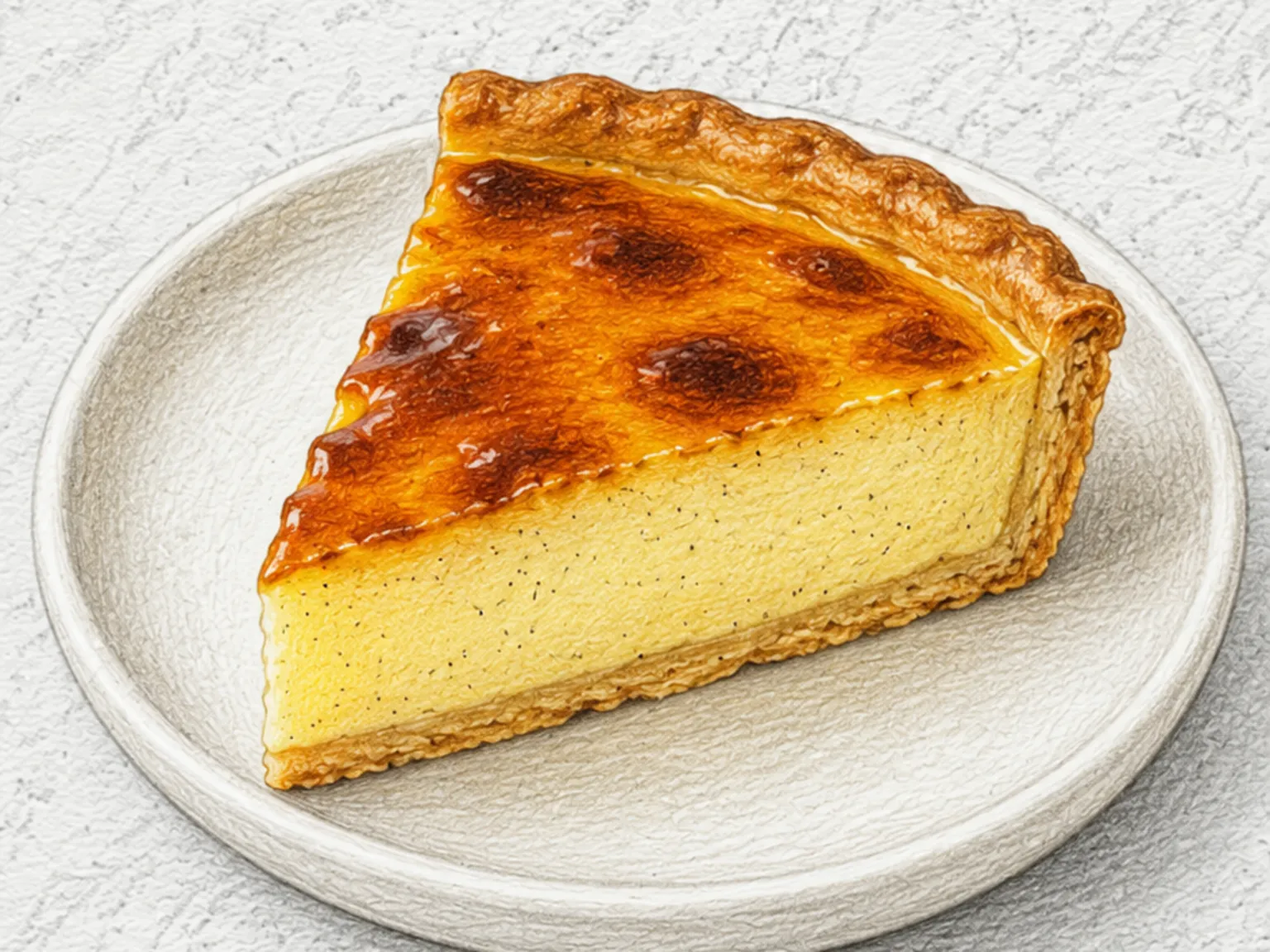
Flan Parisien is a Parisian bakery staple found in nearly every boulangerie in the city. A buttery shortcrust pastry shell holds a thick, firm vanilla custard that bakes slowly until the top develops caramelized brown spots. The custard is made from milk, eggs, sugar, and cornstarch, which gives it a denser, sliceable consistency that distinguishes it from softer baked custards like creme brulee. When properly cooled, the filling holds its shape when cut yet melts smoothly on the tongue with a clean vanilla flavor. Vanilla bean seeds speckled throughout the custard signal that the real ingredient was used rather than extract. The pastry shell must be blind-baked first to prevent sogginess, then filled and baked again until set. It is served cold, and the contrast between the crisp, buttery shell and the cool, trembling custard makes each bite satisfying. Allowing the flan to cool fully at room temperature before refrigerating prevents the custard from cracking or collapsing when sliced, which is the most common mistake when cutting too soon after baking.
Spinach Mushroom Lasagna
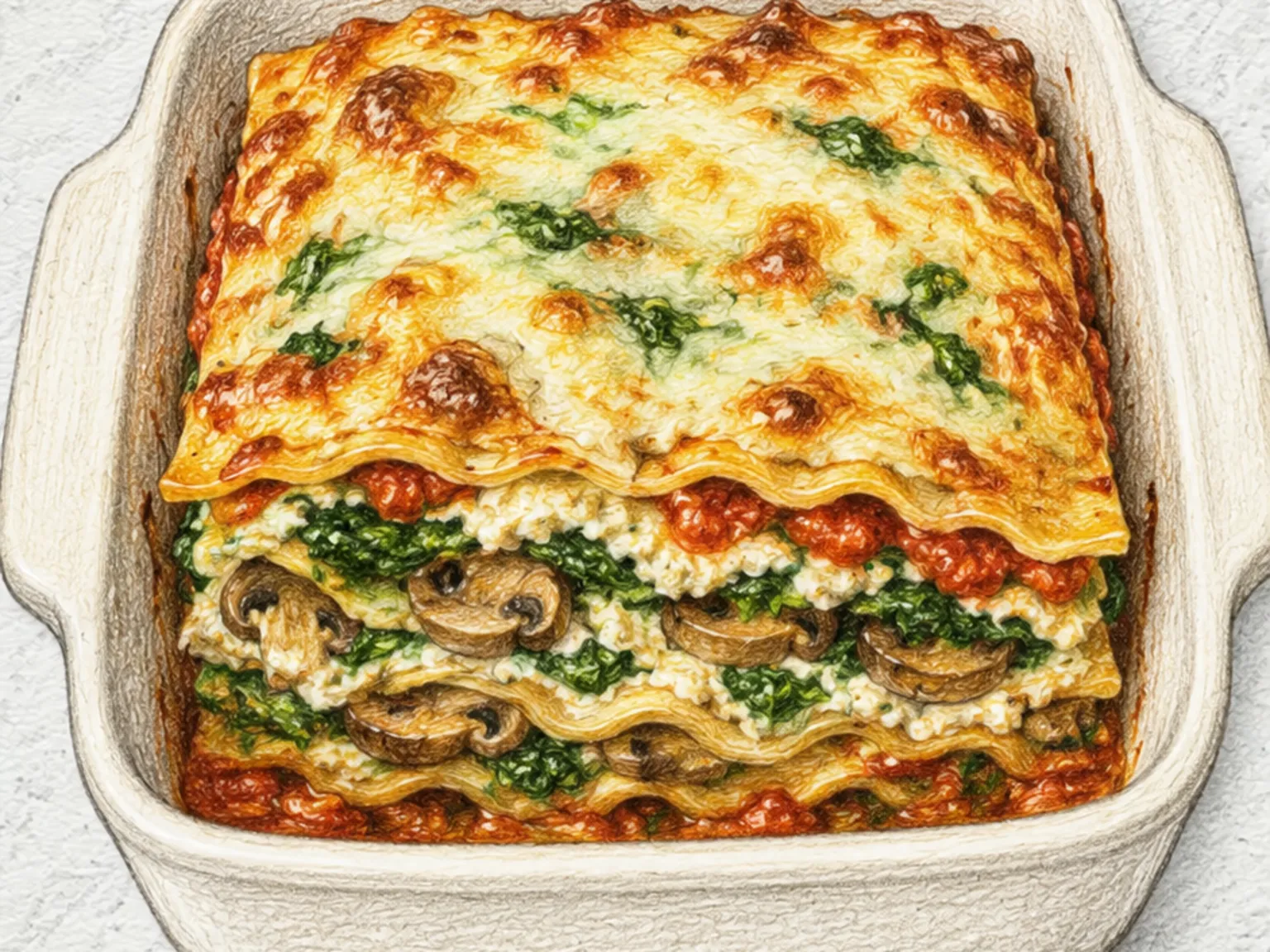
Spinach mushroom lasagna layers sautéed spinach and mushrooms with ricotta cheese, tomato sauce, and mozzarella, then bakes at 190 degrees Celsius until the surface turns golden and the interior melts into a cohesive whole. Cooking the mushrooms long enough to drive off all their moisture is critical - residual water makes the finished lasagna soggy and weakens the structure between layers. The assembly follows a strict order of tomato sauce, pasta sheet, ricotta, vegetables, and mozzarella, repeated three times, with the final layer sealed under sauce and cheese. Baking covered with foil for the first 25 minutes lets heat penetrate evenly, while removing the foil for the remaining 10 to 15 minutes crisps the top and browns the mozzarella. Resting for at least 10 minutes before slicing is essential - cutting too early causes the layers to collapse and the filling to run.
Huevos Rancheros (Fried Eggs on Tortilla with Salsa)
Huevos rancheros layers spreadable black beans, softly fried eggs, and salsa reduced until it holds a spoon trail over warm, flexible corn tortillas. For 2 servings, prepare 4 corn tortillas, 4 eggs, 250 g chopped tomatoes, 60 g onion, 1 jalapeño, 120 g black beans, 1.5 tablespoons olive oil, and 2 tablespoons cilantro. Finely chop the onion and jalapeño. Heat the olive oil over medium heat and cook them for about 2 minutes, until the onion softens and the chile becomes fragrant. Add the tomatoes and stir until they bubble. Reduce the heat to medium-low and simmer for about 8 minutes, stirring often, until a spoon drawn through the salsa leaves a visible trail. This thickness helps protect the tortillas from excess moisture. Warm the black beans and mash only about half of them. If they appear watery, stir over low heat for 1 minute so they become easy to spread without running. Warm the tortillas one at a time in a dry pan over medium heat. Turn each once and remove it when the edges are flexible and light toasted spots appear. Fry the eggs over medium-low heat until the whites are fully opaque while the yolks still wobble. Spread a thin layer of beans over each tortilla, place an egg on top, and spoon over the thick salsa. Finish with the cilantro and add lime juice immediately before serving if desired.
Florentine Cookies (Caramel Almond Lace with Chocolate)
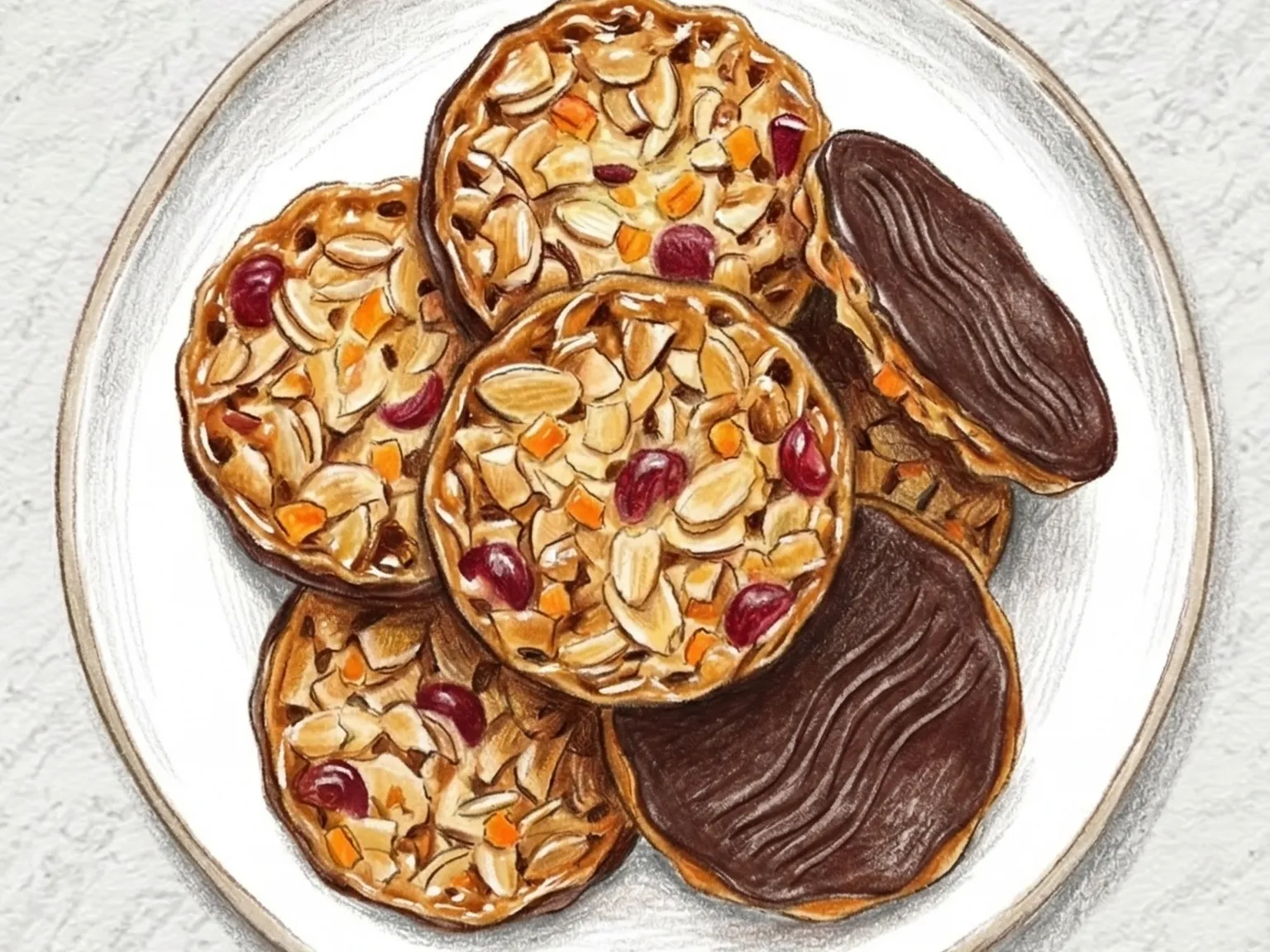
Florentine cookies are thin, lace-like biscuits made by stirring sliced almonds, candied orange peel, and dried cherries into a hot caramel of sugar, butter, and heavy cream, then spooning small pools of the mixture onto a lined baking sheet. In the oven, the caramel re-liquefies and spreads, binding the nuts and fruit into flat, crisp discs with a translucent amber surface. The baked rounds are fragile and catch the light like stained glass when held up. Once cooled, one side is coated with tempered dark chocolate, and a fork is dragged through the surface just before setting to create the classic wave pattern. The texture sequence is distinctive: the first bite shatters the caramel shell cleanly, then gives way to chewy pockets of dried fruit embedded in the caramel. Flavor-wise, toasted caramel sweetness opens first, followed by the bitter note of orange peel, the nuttiness of almonds, and finally the deep bitterness of dark chocolate. The combination is considerably more layered than the cookies' fragile appearance suggests. Stored in an airtight container, they hold their snap well for several days, making them a reliable choice for gift boxes or holiday platters.
Spinach Ricotta Cannelloni
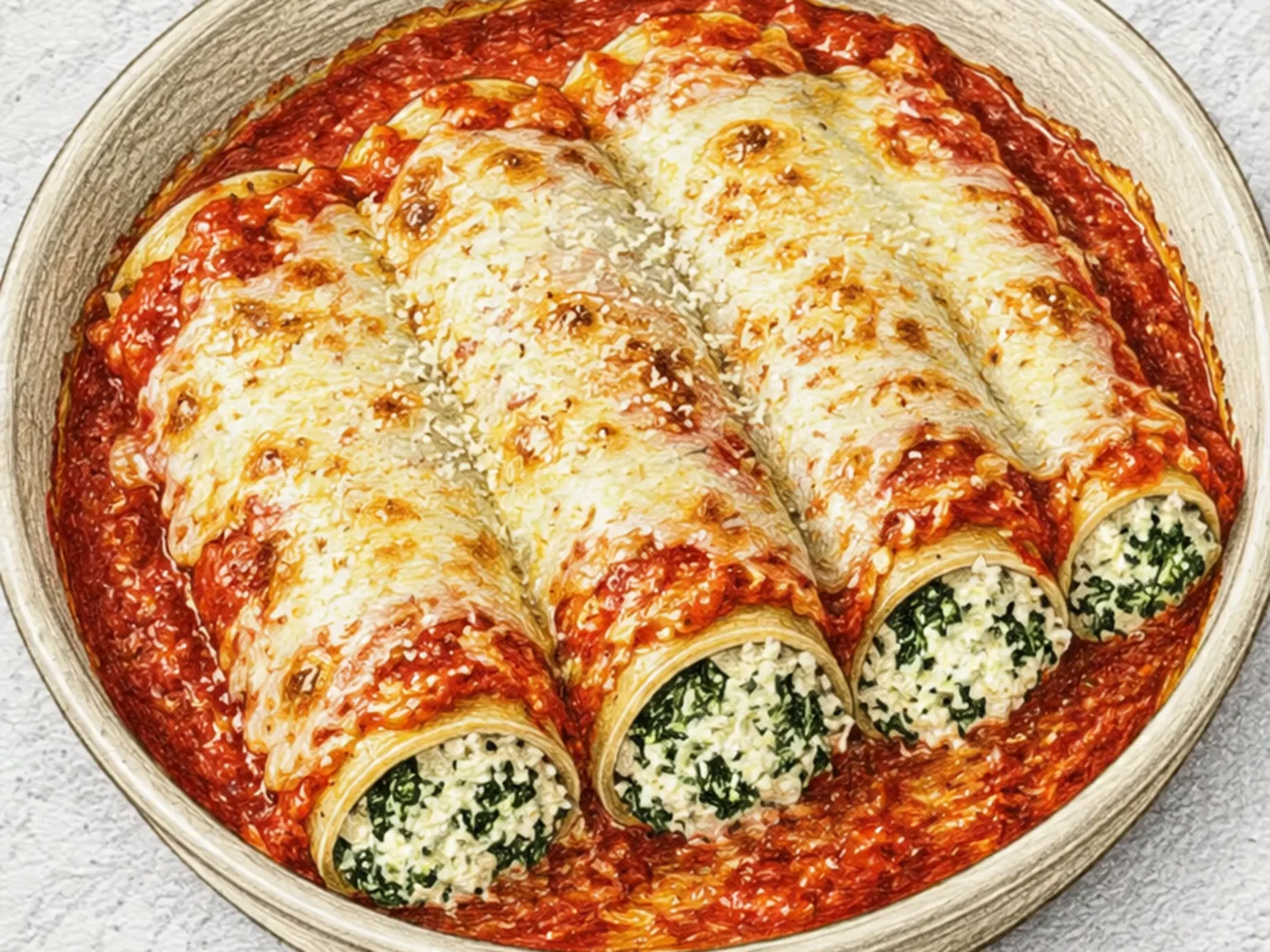
Spinach ricotta cannelloni fills tube-shaped pasta with a mixture of sautéed spinach, ricotta cheese, garlic, and Parmesan, then bakes them in tomato sauce topped with mozzarella. Removing as much moisture from the spinach as possible is the most important step - excess water thins the filling and causes the tubes to split during baking. Half the Parmesan goes into the filling for depth, while the rest is scattered on top with mozzarella to build a golden, bubbling crust. Baking covered at 190 degrees Celsius for the first 25 minutes lets the sauce steam the pasta through, and uncovering for the final 10 minutes crisps the cheese surface. Resting the dish for 10 minutes after it comes out of the oven allows the sauce to thicken and the filling to set, producing cleaner portions when sliced.
Irish Stew
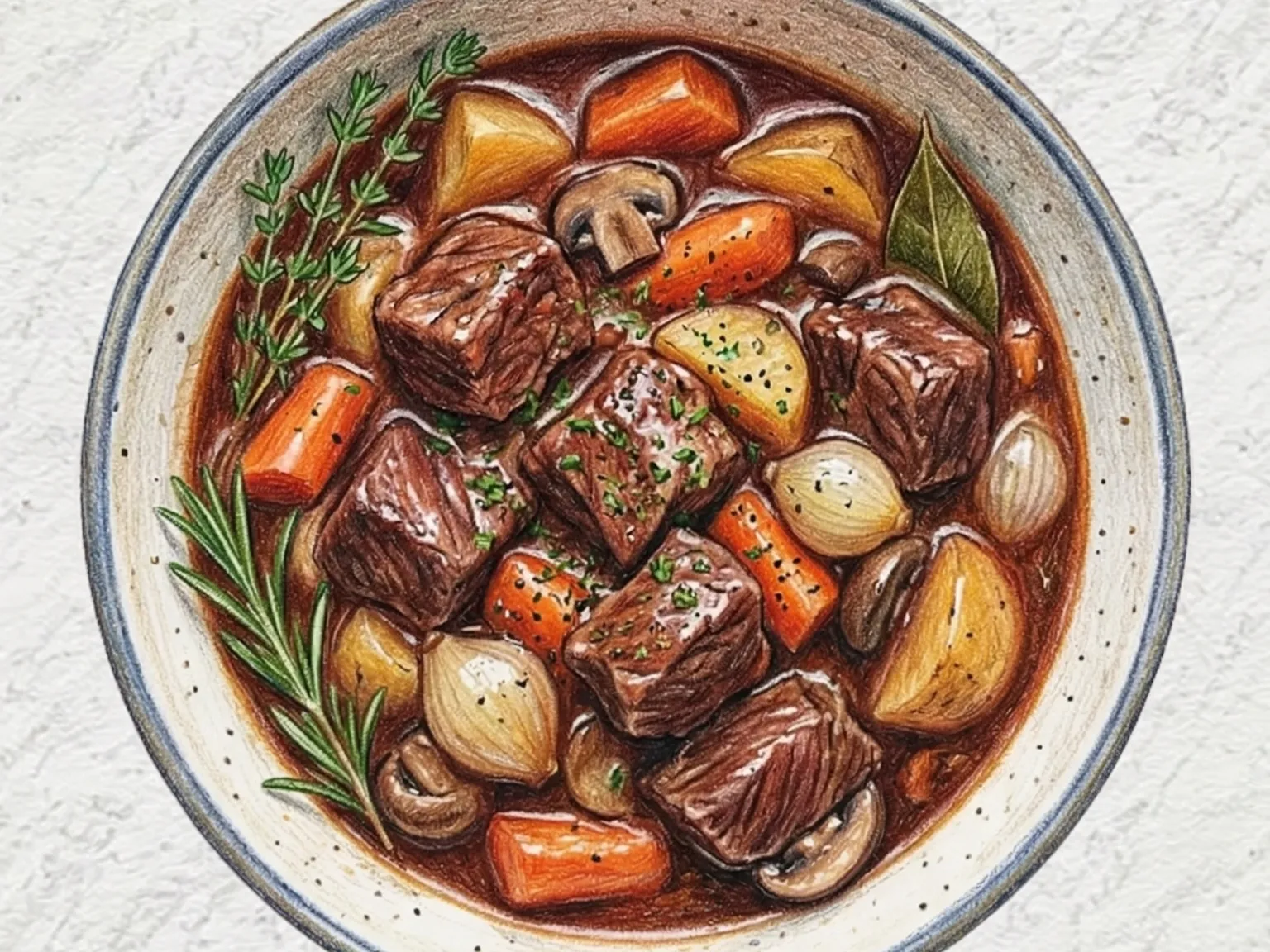
Irish stew is ready when the lamb separates easily under a fork and part of the potato has dissolved enough to give the broth its own thickness. Reaching that texture depends on a long, gentle simmer. For 4 servings, prepare 700 g lamb shoulder, 500 g potatoes, 250 g onion, and 150 g carrot. Cut the lamb into large stew pieces and pat every surface dry. Season with 1 teaspoon salt and 0.5 teaspoon black pepper before heating the pot. Set the pot over medium-high heat and place the lamb in one uncrowded layer. Brown for about 5 minutes, turning the pieces after their surfaces release from the pot and take on a light brown color. Add the onion and carrot and reduce the heat to medium. Cook for about 4 minutes while scraping the browned bits from the bottom into the vegetables. Add the 500 g potatoes, 900 ml beef stock, and 1 teaspoon thyme. Bring the liquid just to a boil and skim foam from the surface. Lower the heat before the broth begins boiling hard. Cover with the lid slightly ajar and simmer for 70 to 90 minutes, keeping only small bubbles around the edges. A hard boil can tighten the lamb, while the low simmer gives the shoulder time to become tender. Check the stew when the lamb pulls apart easily and some potato has broken into the broth. Adjust the salt and pepper, let the pot rest briefly off the heat, and serve it hot. The recipe tip also notes that making the stew a day ahead gives the flavor more time to deepen.
Focaccia Bread
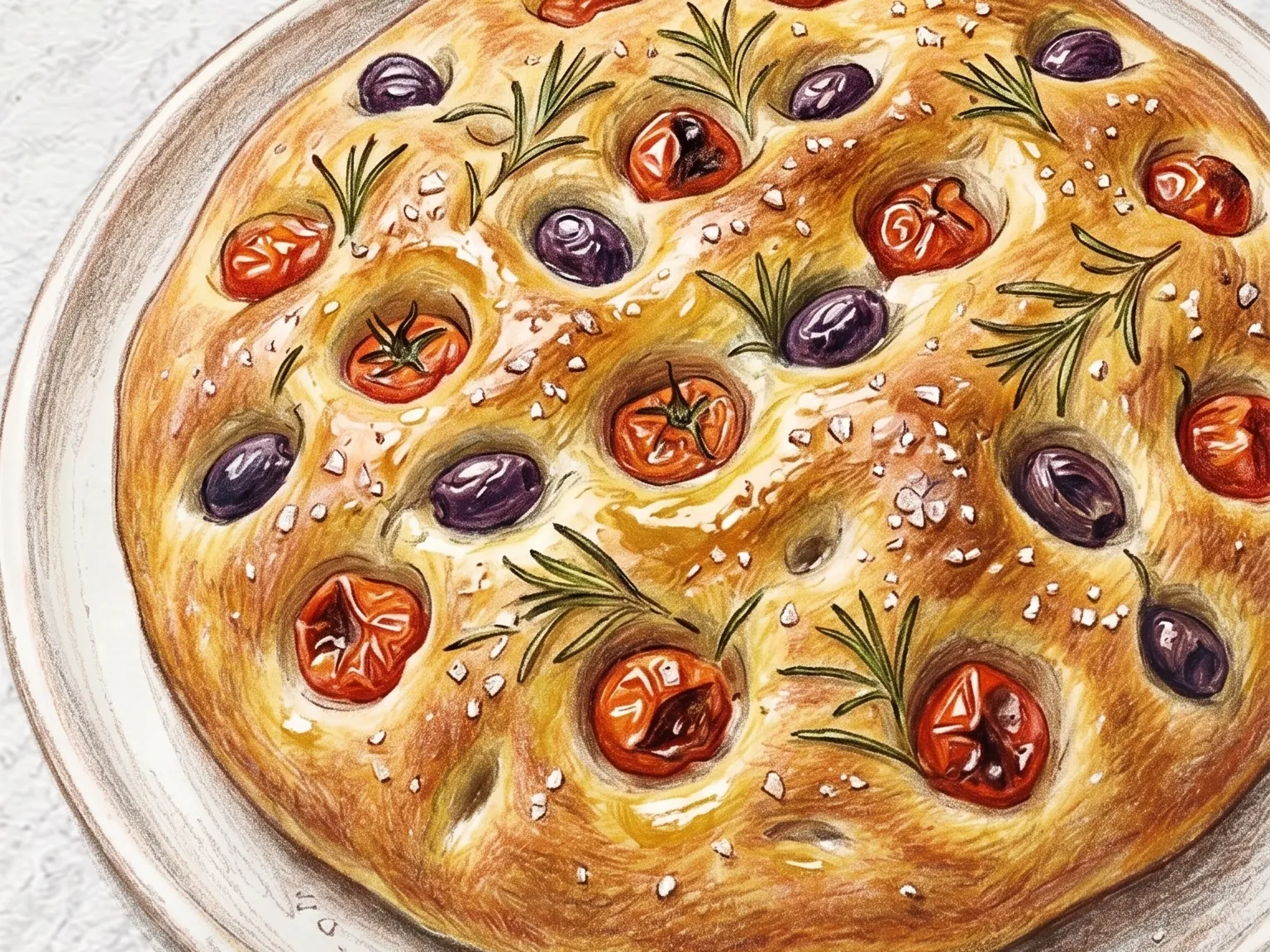
Focaccia is an Italian flatbread distinguished by its generous use of olive oil and a high-hydration dough that produces a distinctly open, irregular crumb. The simple mixture of flour, water, yeast, and salt is mixed with plenty of olive oil and given a long fermentation during which large air pockets develop throughout the dough, producing a texture that is simultaneously chewy, airy, and moist. The dough is spread into a well-oiled pan and dimpled deeply across the surface with fingertips, a step that gives focaccia its characteristic pitted appearance. These depressions collect pools of olive oil that effectively fry both the underside and the surface during baking, creating a golden, crisp crust all around while the interior stays tender. Flaky sea salt and fresh rosemary scattered over the top before baking add a fragrant, savory finish. The bread adapts to a wide range of toppings: olives, cherry tomatoes, red onion, thinly sliced potato, or sun-dried tomatoes all work well pressed into the surface before baking. Focaccia is at its absolute best in the minutes immediately after leaving the oven, when the crust is still crackling and the interior is warm and pillowy. Torn by hand into rough pieces, it is built for sharing at the table.
Spinach Ricotta Ravioli
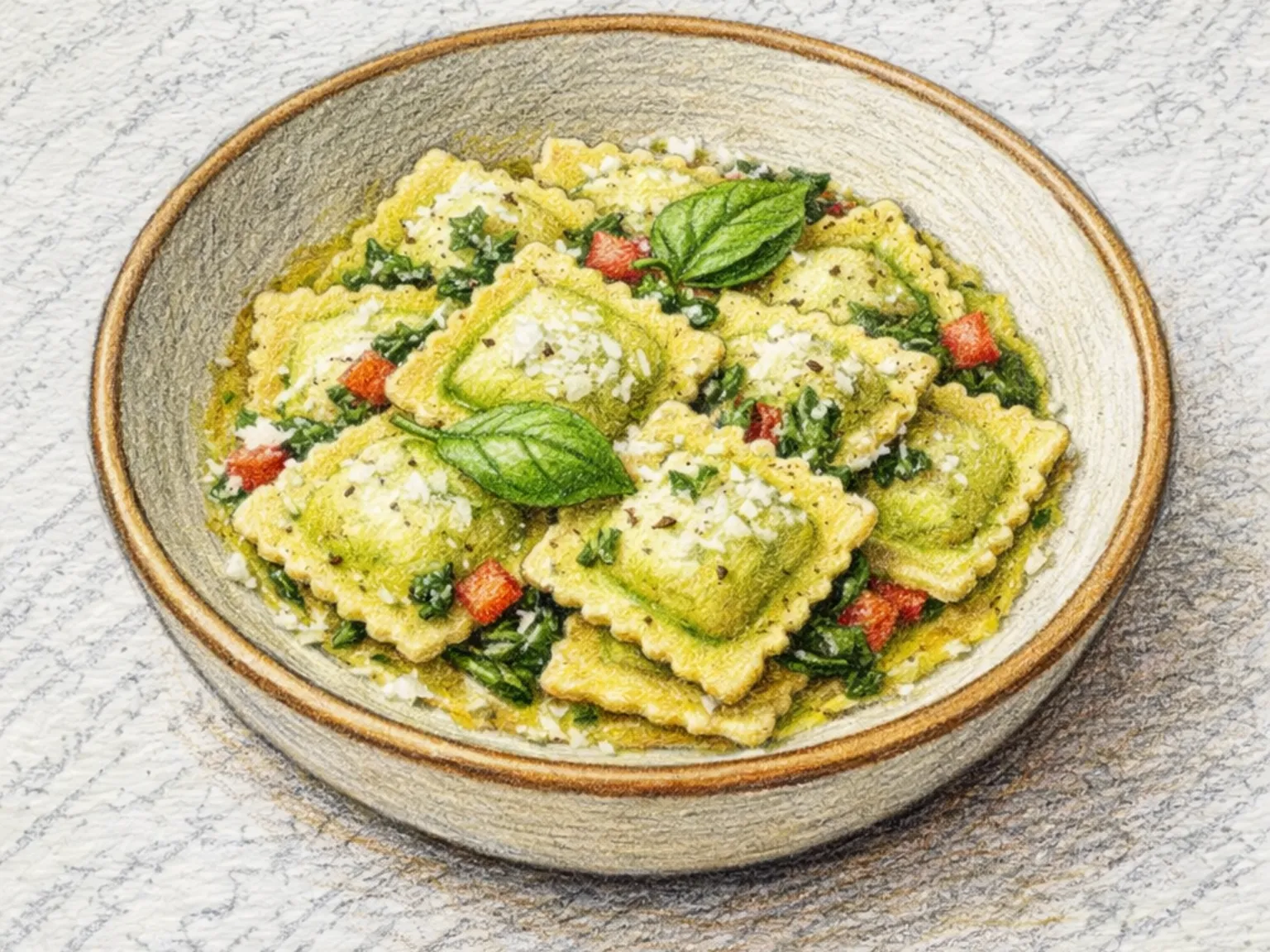
Spinach ricotta ravioli is made by placing mounds of a filling - ricotta cheese, blanched and squeezed spinach, Parmesan, and egg - onto fresh pasta sheets, then sealing and cutting individual pieces. Squeezing every drop of water from the blanched spinach is non-negotiable; wet filling loosens the seal and causes the ravioli to burst in boiling water. When pressing the top sheet down, working from the filling outward pushes trapped air to the edges, and a firm seal along the border keeps each piece intact during cooking. A quick boil of three to four minutes in salted water is all the thin pasta needs - overcooking turns it mushy. Tossing the cooked ravioli gently in melted butter lets the fat coat each piece without tearing the delicate dough, and the butter's richness rounds out the mild ricotta and earthy spinach.
Jambon-Beurre (Classic Butter and Ham Baguette)
Jambon-beurre uses so few ingredients that butter temperature, an intact baguette crumb, and even placement of ham and cornichons determine the entire result. Leave 50 g unsalted butter at room temperature until a fingertip presses into it easily. Trying to force cold butter across the bread tears the crumb and leaves hard, uneven patches. Slice 4 cornichons thinly lengthwise and pat away their surface moisture. Set 1 baguette flat and split it lengthwise with the knife held low and steady. Open it gently by hand, preserving the interior rather than compressing or hollowing it, and brush away only large loose crumbs. Spread the softened butter over both cut faces in several thin passes. On one buttered side, apply 1 teaspoon Dijon mustard in a very thin layer from end to end, then scatter 1/4 teaspoon black pepper broadly. Fold 120 g jambon ham loosely onto the bread so it forms thin, airy layers instead of one dense stack. Tuck the cornichon slices between folds and near the edges, distributing their acidity through the full length of the sandwich. Close the baguette and press with your palm for only about 2 seconds, just enough to keep the filling in place without flattening the crumb. Cut it in half and serve immediately. If the assembled sandwich has been refrigerated, leave it at room temperature for 10 minutes before eating so the butter softens again rather than remaining a cold, firm layer against the ham.
Olive Herb Fougasse
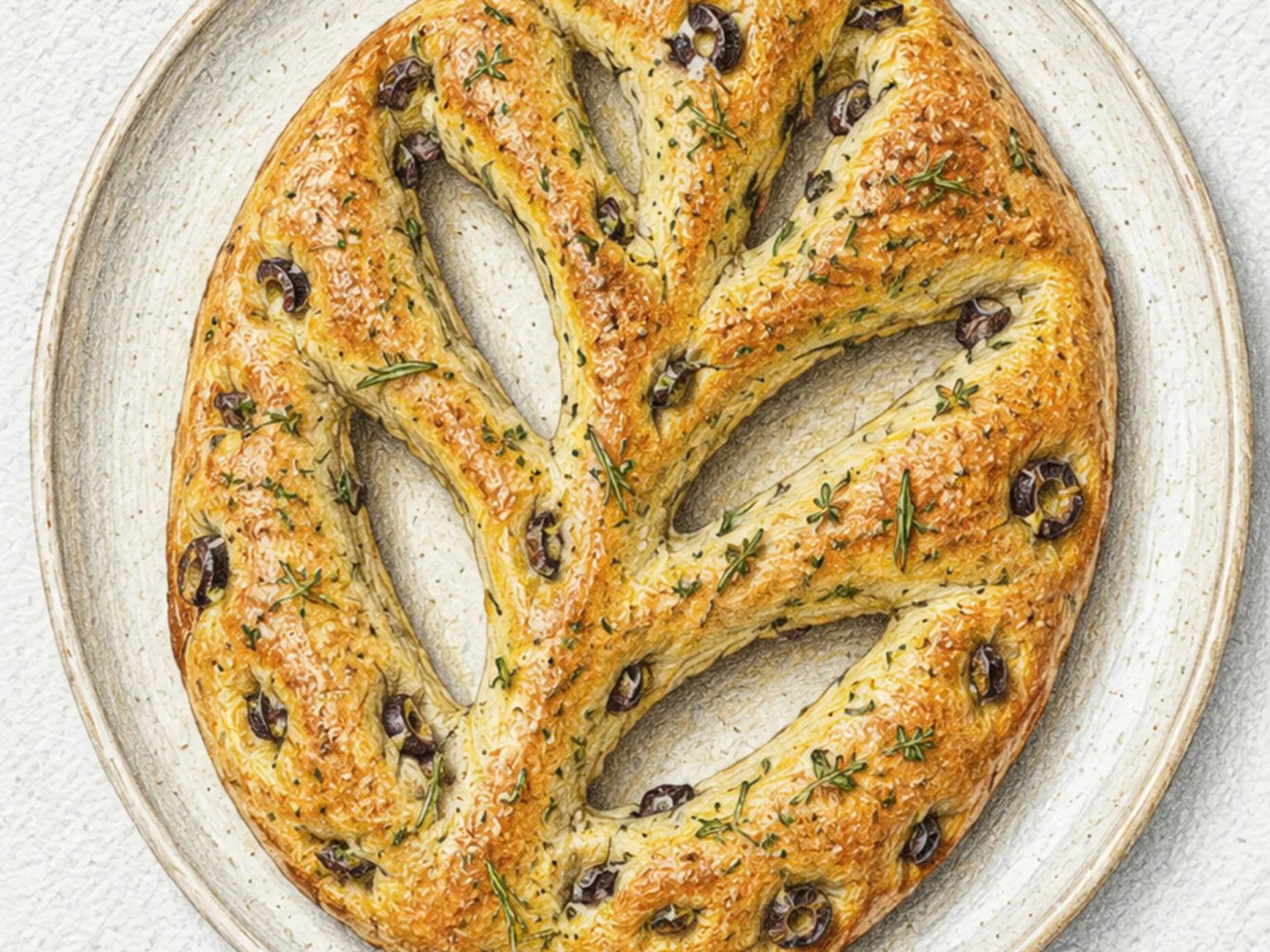
Fougasse is a flatbread from Provence in southern France, shaped with decorative slashes that resemble a leaf or wheat sheaf. The dough is enriched with olive oil and studded with black olives, rosemary, and thyme, distributing pockets of briny, herbal flavor throughout the bread. The distinctive cuts increase the crust-to-crumb ratio, so thinner sections bake to a crisp finish while thicker areas remain soft and chewy. This variation in texture within a single piece gives fougasse its distinctive character. The surface is brushed with olive oil before baking, which produces a golden, glossy finish. It is especially good while still warm, when the crust is crisp and the crumb remains tender. It pairs naturally with southern French dishes, charcuterie boards, or a simple bowl of olive oil for dipping.
Squid Ink Seafood Linguine
Squid ink seafood linguine briefly sears shrimp and squid rings, removes them from the pan, and then builds the sauce with white wine, cherry tomatoes, and squid ink dissolved in pasta water. Cook 180g linguine for 1 minute less than the package time and reserve 150ml pasta water. Heat 2 tablespoons olive oil in a pan and cook 3 sliced garlic cloves over low heat for 1 to 2 minutes, stopping before the garlic turns dark. Add 120g shrimp and 120g squid rings and cook over high heat for 1 minute 30 seconds, setting only the outside before transferring the seafood to a separate plate. In the same pan, add 80ml white wine and 120g halved cherry tomatoes and simmer over medium heat for 2 minutes. Do not add the 8g squid ink directly to the pan. First dissolve it completely in 60ml of the reserved pasta water, then pour it in and stir until the sauce is evenly black with no visible clumps. Add the cooked linguine and the reserved seafood together and toss for 1 minute. Use this final heating stage to check that the centers of the shrimp and squid are fully cooked. Do not add the prepared 5g salt all at once; taste and use only what the sauce needs. Finish with 10g chopped parsley. Removing the seafood between the initial sear and final toss, and dissolving the ink before it reaches the pan, controls both doneness and sauce consistency.
Kasespatzle (German Alpine Cheese Dumpling Noodles)
Käsespätzle begins with an egg batter thick enough to fall slowly from a spoon, which is cooked in small batches, drained thoroughly, and coated with melted Emmental and caramelized onion. For 2 servings, use 180 g flour, 2 eggs, 100 ml milk, 1 teaspoon salt, 180 g Emmental, 120 g onion, 20 g butter, and 0.5 teaspoon black pepper. Mix the flour, eggs, milk, and salt until no dry flour remains. The batter should drop slowly from a spoon rather than pour like a liquid. Bring a large pot of water to a strong boil and add small portions of batter. Work in several batches so the dumpling noodles remain separate instead of sticking together. Once the spätzle rise to the surface, cook them for about 1 minute more and lift them out. Drain thoroughly, since retained water would dilute the cheese coating. Thinly slice the onion and cook it with the butter over low heat. Stir often until it turns deep brown and sweet without scorching at the edges. Warm a separate pan over medium-low heat and add the cooked spätzle with the Emmental. Toss gently so the dumplings keep their shape while the cheese melts around them. Turn off the heat when the coating is even and still stretchy. Transfer to plates, top with the caramelized onion and black pepper, and serve immediately before the cheese begins to firm.
French Macarons
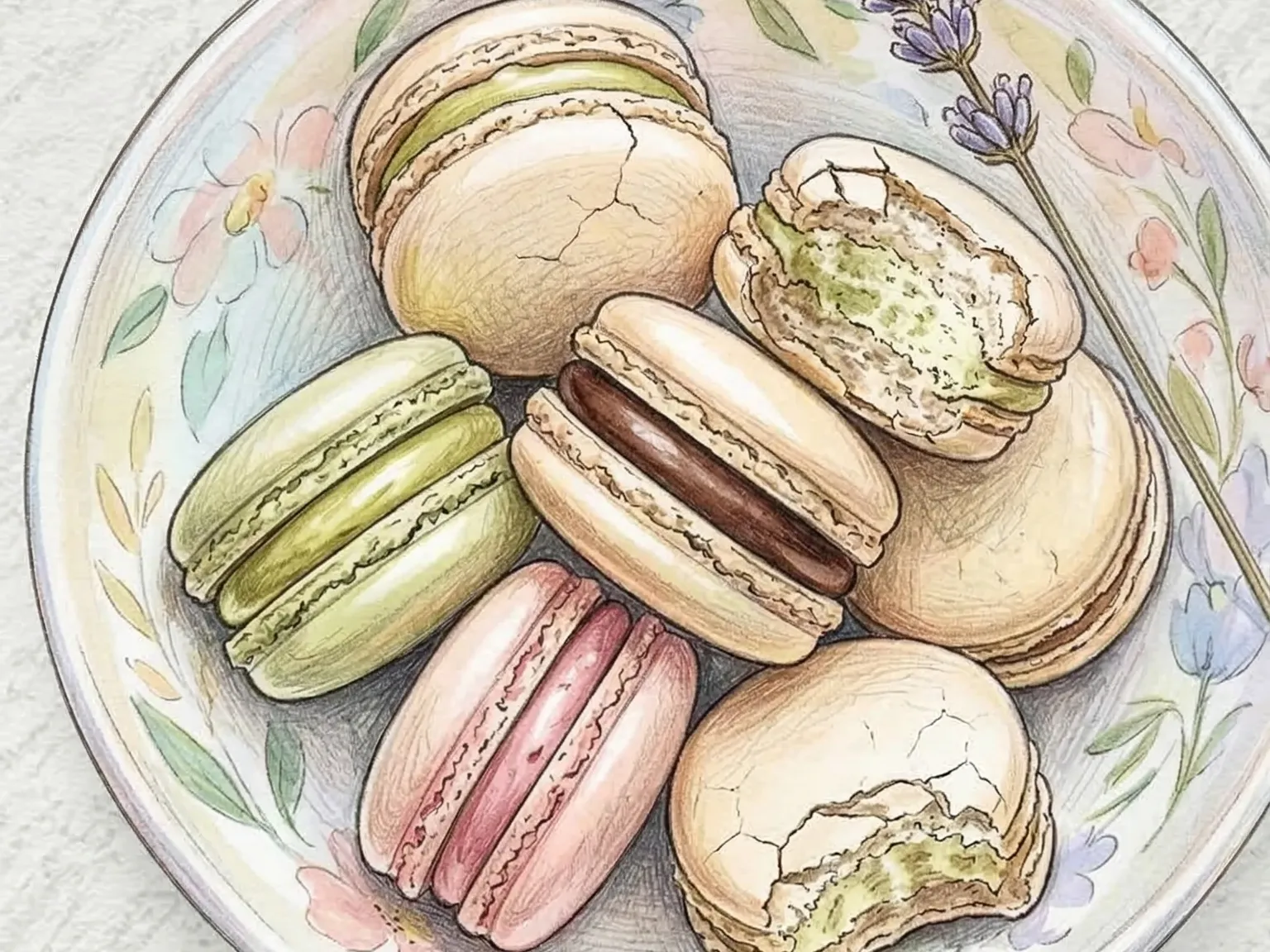
French macarons are small, round almond meringue sandwich cookies that demand precision at every single step of the process. The shells are made from finely ground almond flour, powdered sugar, and a meringue base, mixed using a technique called macaronage, which means folding the batter until it flows slowly off the spatula like lava and forms a smooth, glossy ribbon when piped. A properly baked macaron has a smooth domed top, a ruffled ring called the foot at its base, and a thin crisp shell that gives way to a chewy, lightly moist interior. The filling between the shells, whether buttercream, ganache, or fruit curd, carries the primary flavor of each variety. Classic options include vanilla and pistachio, while modern interpretations extend to raspberry, salted caramel, yuzu, and matcha. After assembly, macarons must rest in the refrigerator for at least twelve hours, during which moisture from the filling gradually softens the shells into a unified, melt-in-the-mouth texture that is impossible to achieve straight out of the oven. In Parisian patisseries, the quality of a single macaron shell is considered a reliable indicator of the entire shop's technical standard.
Ssamjang Chicken Spinach Orecchiette (Ssamjang Chicken Pasta)
Ssamjang chicken spinach orecchiette dissolves ssamjang directly in milk rather than frying it first, which softens the fermented paste's sharp edges into a smooth, savory cream sauce without bitterness. Boneless chicken thigh is seared until the skin turns golden and fat renders out, then combined with sauteed onion and garlic that build a sweet aromatic base underneath the fermented sauce. Spinach goes in at the very end to preserve its bright color and slight bite, and the concave, ear-shaped form of orecchiette cups the thick sauce inside each piece so every bite carries a full measure of flavor. Parmesan and black pepper are folded in off the heat so the cheese melts gradually without breaking. Reserving a small amount of pasta cooking water to loosen the sauce at the end helps achieve the right consistency.
Shepherd's Pie
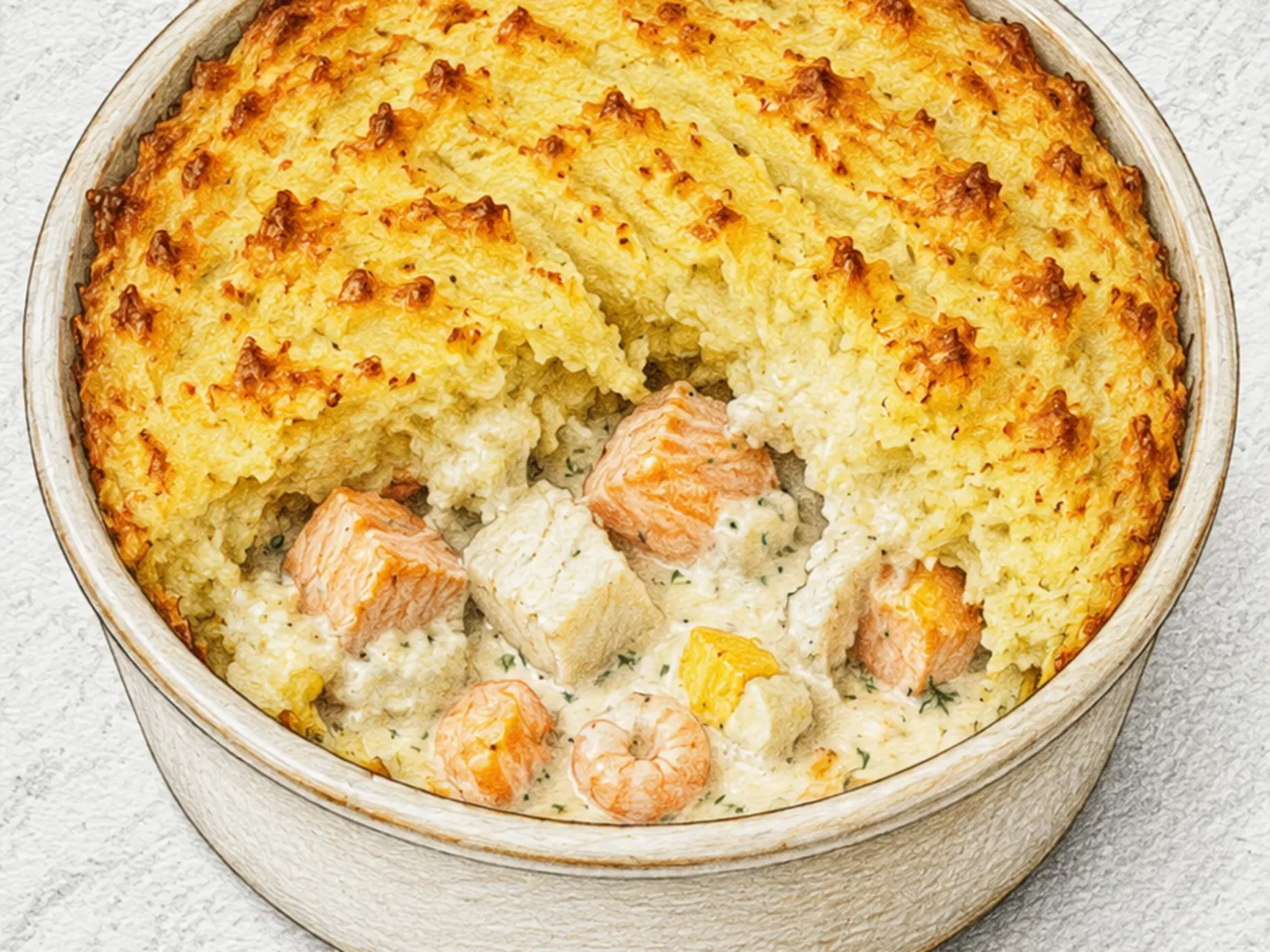
Shepherd's pie keeps two layers distinct by reducing the lamb filling until moist but no longer runny, then sealing it under smooth mashed potato. Finely chop 1 onion and 2 carrots, and cut 800 g potatoes into large, even pieces. Preheat the oven to 200C. Brown 500 g ground lamb in a pan over medium-high heat, breaking up every dense clump. Once the meat has taken on color, add the onion and carrots and cook until they begin to soften. Pour in 100 ml red wine and boil over high heat for 1 to 2 minutes, removing its sharp alcohol aroma. Add 200 ml beef stock and 1 tablespoon Worcestershire sauce, then lower the heat. Stir in 100 g frozen peas and simmer the filling for 20 minutes, scraping the bottom occasionally. It should remain juicy, but no thin liquid should run across the pan when pushed with a spoon; that thickness supports the potato layer. Boil the potatoes until they break easily, drain them well, and mash them while hot with 3 tablespoons butter and 100 ml milk. Continue until smooth, without dry lumps. Spread the lamb mixture evenly in a baking dish and cover it all the way to the edges with mashed potato. Drag a fork across the surface to form ridges, increasing the raised areas that can brown. Bake at 200C for 25 minutes. Remove the pie when the meat sauce bubbles around the edges and the forked peaks on the potato have turned golden.
Fruit Clafoutis
Fruit clafoutis bakes cherries or plums in a thin batter made with eggs, milk, flour, and sugar. Grease the dish evenly with butter, dry the fruit, and arrange it in one layer so excess moisture does not dilute the custard. Whisk the eggs and sugar only until the grains begin to dissolve and the mixture lightens slightly. Too much incorporated air can make the custard rise unevenly. Add the milk gradually, then sift in the flour and work outward from the center until no dry pockets remain. Pour the smooth batter over the fruit, leave a few pieces partly visible, and tap out large air bubbles before baking on the middle rack. The clafoutis is ready when the rim is puffed and golden but the center still has a gentle custard-like wobble. Begin checking near the stated time and remove it before the middle becomes firm or dry. A short rest allows the puffed edge to settle and the custard to stabilize. Served warm, each portion combines soft fruit, a tender center, and a lightly browned edge.
Ricotta Spinach Stuffed Shells
Ricotta spinach stuffed shells fill jumbo pasta shells with a mixture of ricotta cheese, blanched spinach, egg, and Parmesan, then bake them in tomato sauce under a layer of melted mozzarella. Squeezing all excess water from the blanched spinach is the critical step - soggy filling makes the shells slide apart and dilutes the sauce underneath. The egg in the filling acts as a binder that firms up during baking, holding the ricotta and spinach together as a cohesive mass inside each shell. Even shells that tear during boiling can be placed on the sauce and baked without issue - the sauce supports them and the cheese covers any imperfections. A generous layer of tomato sauce on the bottom of the baking dish prevents the shells from drying out, while 20 minutes at 190 degrees Celsius melts the mozzarella into a soft, stretchy cap.
About Western
Olive oil, butter, cream, and cheese create the rich flavors these dishes are known for. From special-occasion dinners to quick weeknight meals, these recipes make Western cooking approachable.