Western Recipes
662 recipes. Page 22 of 28
This category brings Western-style dishes - pasta, steak, risotto, gratin, and more - into the home kitchen. In Korea, "Western food" (yangsik) includes not only authentic European recipes but also Korean-adapted classics like donkatsu (pork cutlet) and hambak steak (Hamburg steak).
Patatas Bravas (Spanish Crispy Potatoes with Spicy Tomato Sauce)
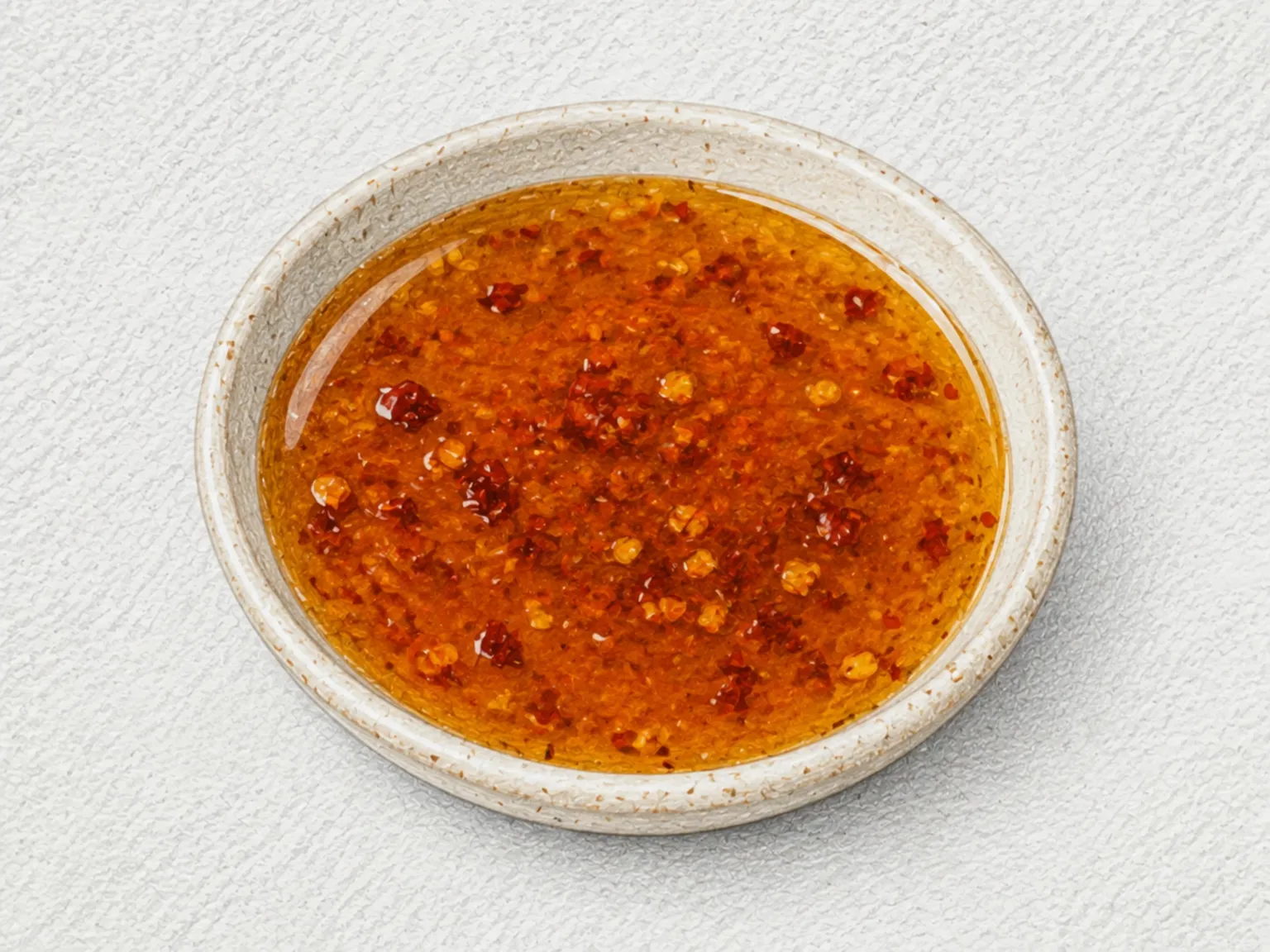
The potatoes in patatas bravas develop firm, crisp edges after their cut surfaces are rinsed, dried thoroughly, and spaced apart on a hot oven tray. For 2 servings, prepare 500 g potatoes, 3 tablespoons olive oil, 200 ml tomato puree, 2 garlic cloves, 1 teaspoon smoked paprika, 0.5 teaspoon chili flakes, 1 teaspoon salt, and 0.5 teaspoon sugar. Cut the potatoes into bite-size cubes and rinse them in cold water until the water becomes clearer. Drain in a colander, then dry every surface carefully with towels. Coat the pieces with most of the olive oil and part of the salt. Spread them in one layer on a tray preheated in a 210°C oven, leaving space between the cubes. Roast for 25 minutes and turn them halfway through so several sides become browned and firm. While the potatoes cook, warm the remaining oil in a pan over medium-low heat. Add the minced garlic and cook for about 30 seconds, stopping before it browns. Briefly stir in the smoked paprika and chili flakes to release their aroma. Add the tomato puree, sugar, and remaining salt. Simmer over low heat for 8 minutes, stirring until the sauce is thick, glossy, and no longer watery. Transfer the hot potatoes to a plate and spoon the warm sauce over them immediately. Serve at once while the roasted edges are still crisp.
Injeolmi Croffles (Soybean Powder Croissant Waffles)
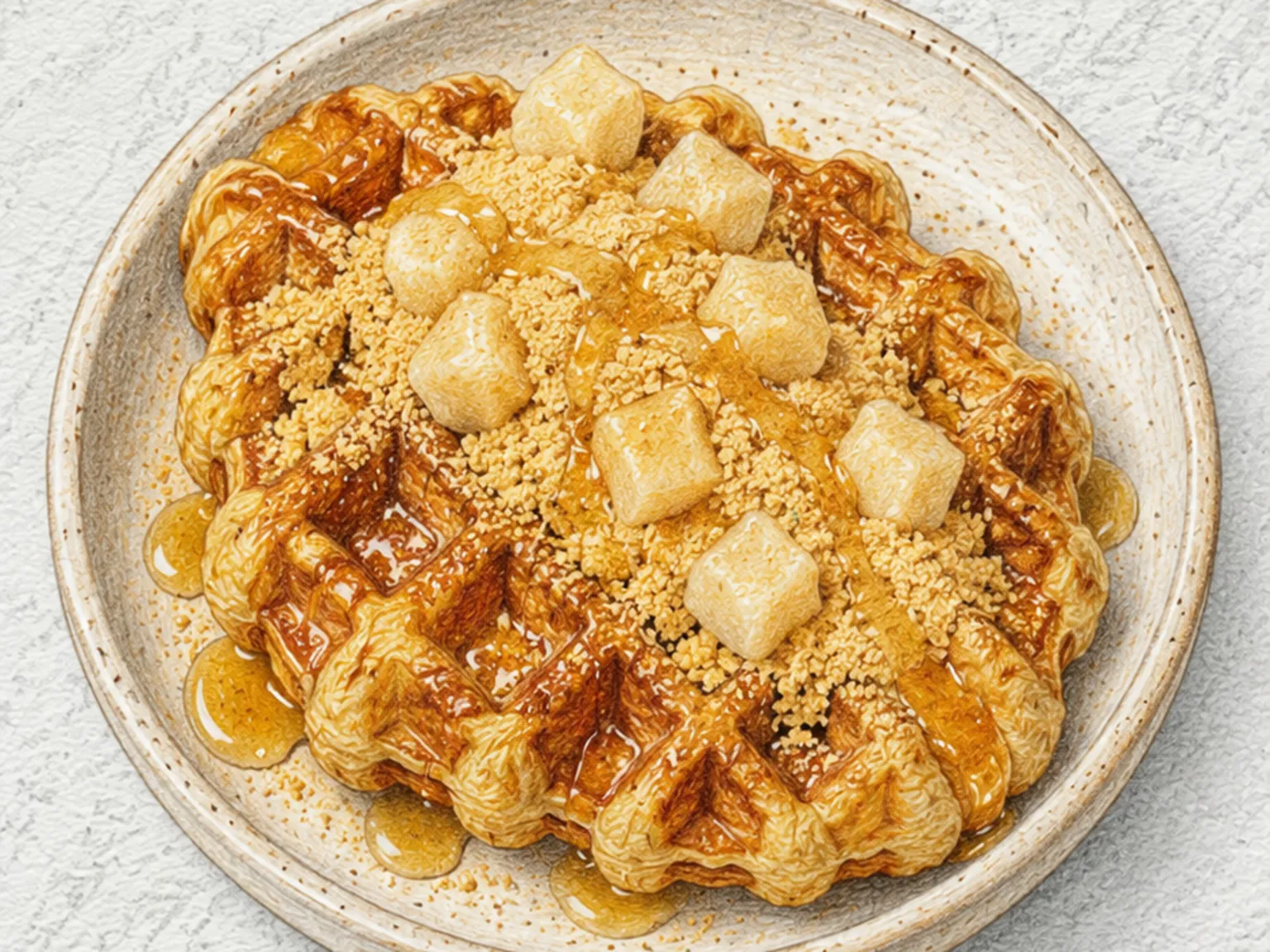
An injeolmi croffle presses laminated croissant dough in a waffle iron until the exterior caramelizes into a deeply browned, crisp grid, then tops it with roasted soybean powder, chewy tteok pieces, and honey. The waffle iron's direct contact heat transforms the dough in a way an oven cannot replicate: both sides brown simultaneously under pressure, creating a shattering crust while the buttery layers inside stay flaky and pull apart in ribbons. Dusting the hot croffle with roasted soybean powder adds a toasted, nutty coating that absorbs just enough surface oil to cut through any greasiness and leave the bite clean. Scattered cubes of tteok contribute a sticky, elastic chew that alternates with the crisp shell of the croffle on every bite, and a drizzle of honey ties the components together with a natural sweetness that keeps the whole thing from feeling heavy. Because store-bought croissant dough performs well in this recipe, no pastry-making skills are required, which makes the croffle one of the more accessible cafe-style treats to replicate at home.
Patty Melt
A patty melt moves through three heat levels for three different jobs: low heat sweetens the onions, medium-high heat browns the thin beef, and medium-low heat crisps the assembled bread while melting the cheddar. Thinly slice 150 g onion and melt 2 tablespoons butter in a skillet over low heat. Stir often at first as the onion releases moisture. Continue for at least 20 minutes, lowering the heat further if the bottom dries or the edges begin to catch, until the onion is dark brown, soft, and distinctly sweet. Divide 280 g ground beef into two portions. Shape each into a thin patty slightly larger than the bread, allowing for shrinkage and keeping the beef in proportion to the sandwich. Season both sides with 0.75 teaspoon salt and 0.5 teaspoon black pepper. Heat the skillet over medium-high and cook the patties for 2 to 3 minutes per side. Remove them when the edges are well browned and the juices no longer look raw red. Spread 2 tablespoons mayonnaise across 4 bread slices. Assemble the sandwiches with 100 g cheddar, the hot patties, and the caramelized onions, arranging cheese against the beef and onions so it melts around and binds the filling. Return the sandwiches to the skillet over medium-low heat. Press gently and cook each side for 3 to 4 minutes. The slower final heat gives the cheddar time to melt before the bread burns. Remove them when both faces are deeply browned and crisp, rest the hot filling briefly, and then slice.
Injeolmi Crumble Cheesecake
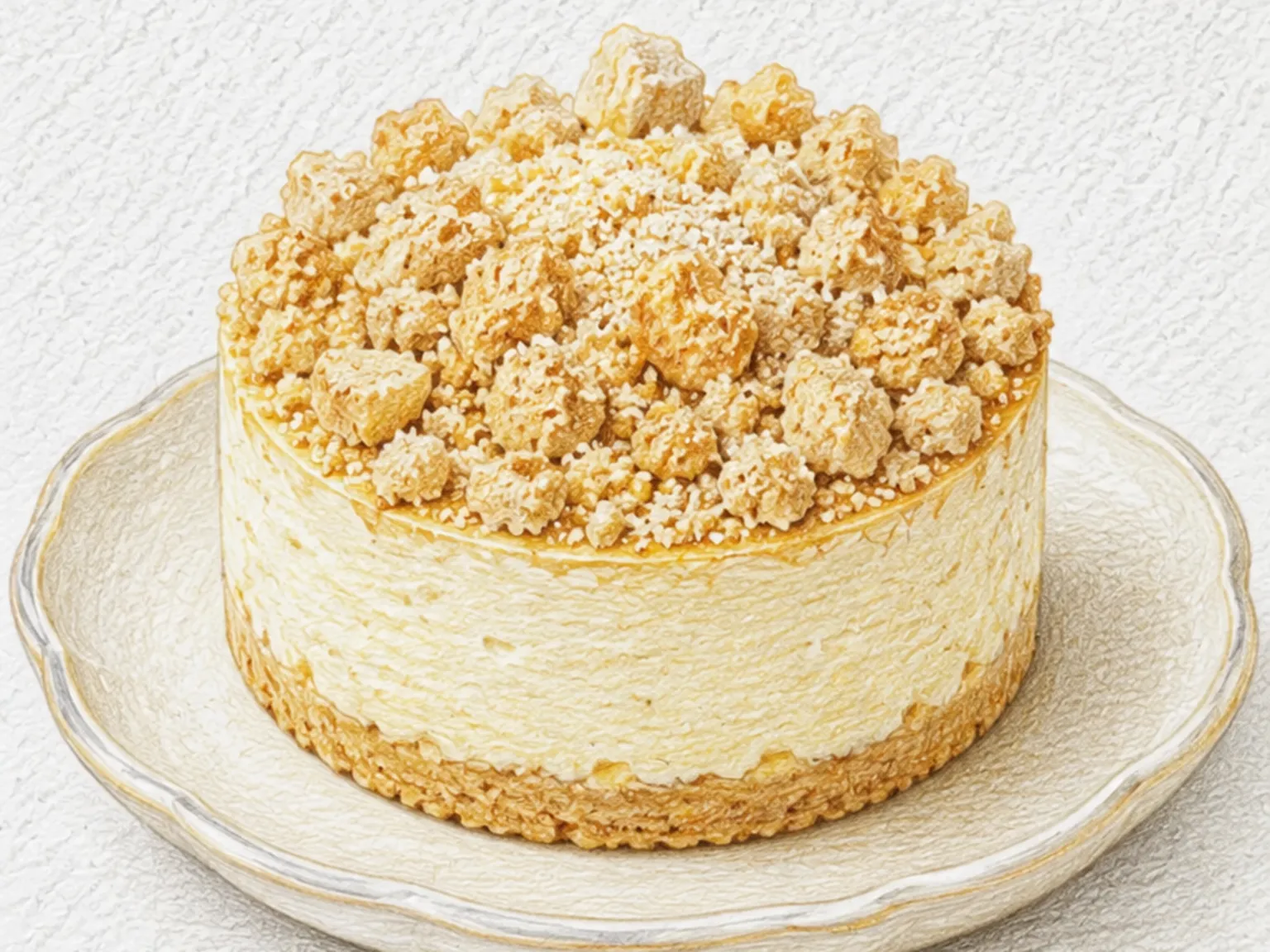
This fusion dessert combines the nutty flavor of Korean roasted soybean powder, known as injeolmi, with a cream cheese base. The batter is prepared by mixing softened cream cheese with sugar, salt, eggs, and heavy cream. Sifted sweet rice flour is folded in to create a chewy texture reminiscent of traditional rice cakes inside the dense cake, while a portion of roasted soybean powder adds a gentle nuttiness. The topping consists of a crumble made by rubbing the remaining soybean powder with melted unsalted butter, which is scattered over the batter. Baking at 165 degrees Celsius for 40 to 45 minutes yields a crisp crumble top that contrasts with the smooth, thick cheese layer underneath. Chilling the cake in the refrigerator for at least three hours settles the structure and deepens the roasted aroma. It pairs well with green tea or grain lattes.
Philly Cheesesteak Sandwich
The paper-thin beef in a Philly cheesesteak begins with temperature control rather than forceful slicing. Freeze 250 g ribeye or top round for 30 minutes, only until the exterior firms enough to hold its shape under the knife. Slice across the grain as thinly as possible and separate every piece that clings to another, because stacked slices will not cook during the brief sear. Cut 120 g onion and 80 g green bell pepper into thin strips. Split 2 hoagie rolls without cutting through the hinge and lightly toast their inner faces so the finished filling does not immediately soak into the crumb. Heat 1 tablespoon neutral oil in a pan over medium heat and cook the onion and pepper for about 5 minutes, until soft and translucent at the edges. Push the vegetables to one side and raise the heat to high. Spread the beef in a thin layer over the open surface, then season it with 0.75 teaspoon salt and 0.5 teaspoon black pepper. Loosen and turn the slices with chopsticks or a spatula for only 2 to 3 minutes. As soon as almost no red remains, combine the meat with the vegetables and shape the mixture into two long piles sized for the rolls. Cover each pile with 2 slices provolone, put a lid on the pan, and let the trapped steam melt the cheese for about 1 minute. Transfer each complete pile directly into a toasted roll. Serve at once, while the beef remains juicy, the provolone binds the filling, and the toasted interior still protects the bread from becoming soggy.
Injeolmi Crumble Muffins (Roasted Soybean Crumble Top)
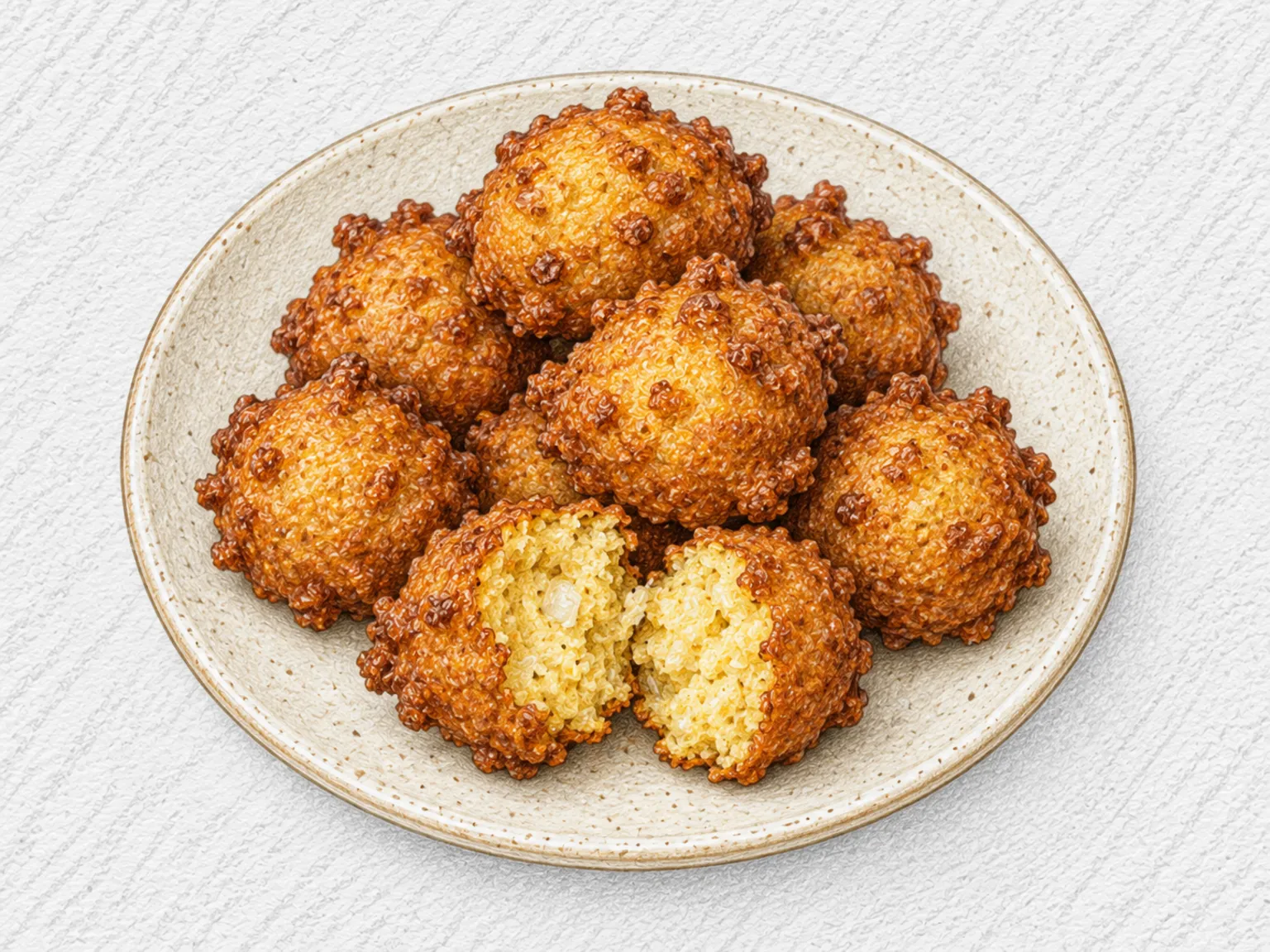
Injeolmi crumble muffin takes the roasted soybean powder that coats injeolmi rice cakes and builds it into both the muffin batter and the crumble topping, translating a beloved Korean rice cake flavor into a baked format. The batter is soft and moist throughout, carrying a mild nuttiness that runs from the first bite to the last, while the crumble on top bakes into crunchy, sandy clusters that shatter when bitten - a textural contrast between the pillow-soft interior and the crisp crown that defines each mouthful. Sweetness is kept deliberately moderate, making these appropriate as an after-school snack for children while remaining interesting for adults who appreciate the depth of roasted grain flavors. Paired with a grain latte or a misutgaru drink, the shared soybean-and-roasted-grain family of flavors amplifies in a way that plain coffee or tea cannot replicate. Each muffin fills the kitchen with a roasted, faintly popcorn-like aroma as it bakes, a signal that the soybean powder is developing the same toasty character it has on traditional injeolmi.
Picadillo Cubano (Cuban Ground Beef with Olives and Raisins)
Picadillo Cubano combines deeply browned ground beef with salty green olives and sweet raisins, then reduces crushed tomatoes until the sauce clings to the meat. For 4 servings, use 500 g ground beef, 150 g onion, 300 g crushed tomatoes, 120 g bell pepper, 60 g green olives, 30 g raisins, 1 tablespoon olive oil, and 0.5 teaspoon ground cumin. Dice the onion and bell pepper into small pieces so they soften evenly. Roughly chop the olives to retain their texture, and separate any clumped raisins so they can scatter through the sauce. Heat a wide pan over medium heat and add the olive oil. Cook the onion and bell pepper for about 4 minutes, until glossy and soft. Raise the heat to high and spread the ground beef in one layer. Leave it undisturbed for 2 minutes before breaking it up, allowing brown areas to form instead of steaming the meat gray. When most of the moisture has evaporated, stir in the cumin for 30 seconds. Add the crushed tomatoes and scrape the browned fond from the bottom into the sauce. Once the tomatoes bubble, reduce the heat to medium-low and add the olives and raisins. Simmer for 10 minutes, stirring occasionally, until the sauce coats the beef. Add a small splash of water if too thick, or simmer 1 minute longer if loose. Season with salt and pepper and serve hot over rice, with bread, or in tacos.
Injeolmi Mochi Brownies (Chewy Rice Flour Cocoa Bars)
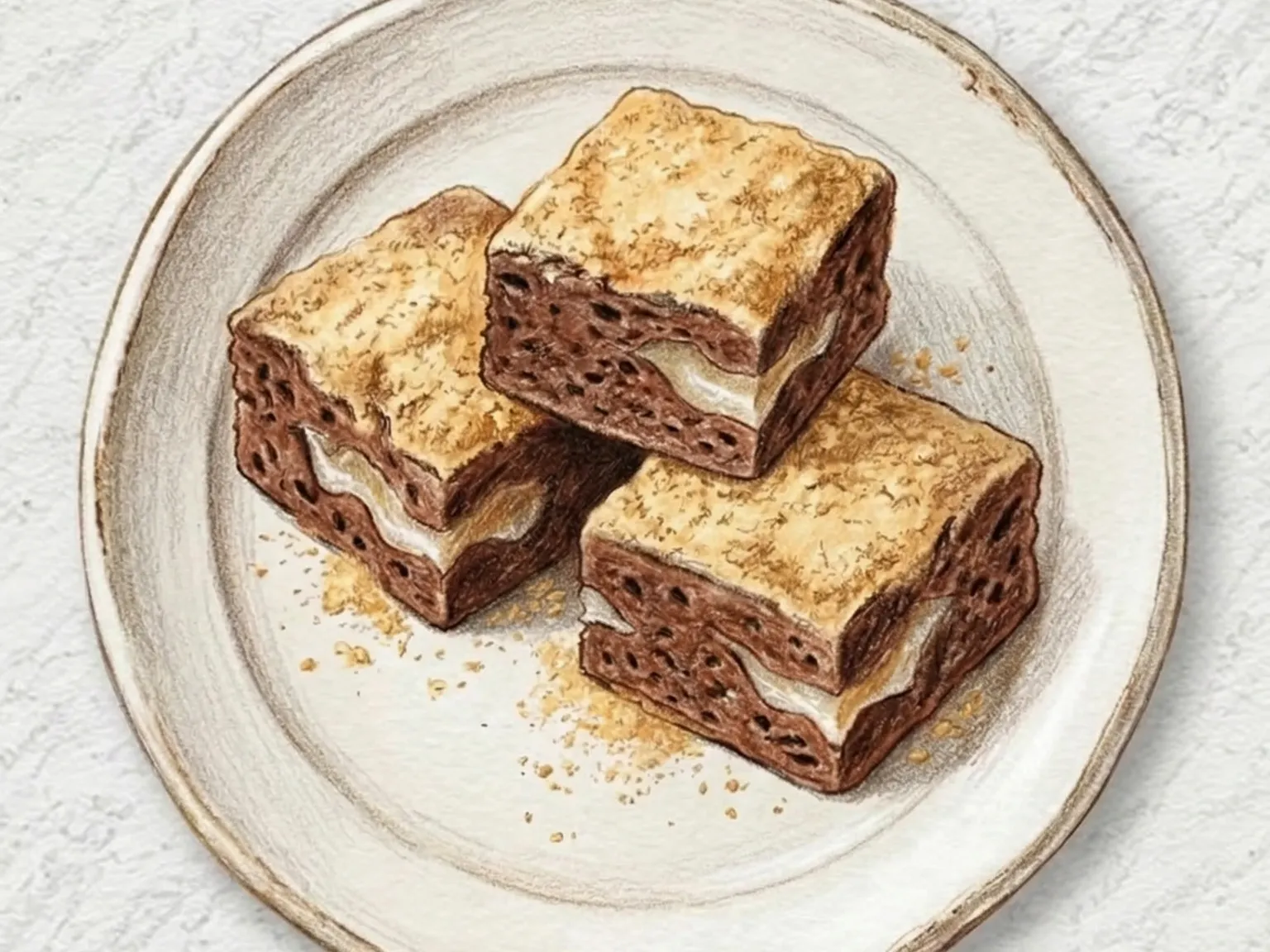
Injeolmi Mochi Brownies are a fusion dessert that combines cocoa batter with glutinous rice flour and a coating of toasted soybean powder. By replacing wheat flour with glutinous rice flour, these bars achieve an elastic, stretchy texture reminiscent of Korean rice cakes while maintaining a rich, fudgy interior. Brown sugar is used to impart a deep, caramel-like sweetness that complements the cocoa powder. To intensify the nutty aroma of traditional injeolmi, toasted soybean powder is dusted both inside the middle of the batter and on the top surface before baking. Once baked, the brownies are cooled completely to allow for clean, sharp slices. Serving them cold from the refrigerator firms up the crumb for a denser bite, whereas keeping them at room temperature keeps the mochi filling soft and pliable.
Polenta con Funghi (Italian Creamy Cornmeal with Sauteed Mushrooms)
Polenta con funghi combines two opposite moisture tasks: the cornmeal must hydrate gradually for about 25 minutes without forming lumps, while the mushrooms need a wide, hot pan so their water evaporates and their edges brown. Tear or slice 250 g mixed mushrooms into similar sizes and thinly slice 2 garlic cloves. Set both a whisk and a sturdy spatula beside the stove before starting the polenta. Bring 600 ml water and 0.75 teaspoon salt to a full boil in a heavy pot, then lower the heat to medium-low. Sprinkle in 140 g polenta cornmeal little by little while whisking constantly. Dumping it in at once traps dry pockets before the grains can hydrate evenly. Once all the cornmeal is incorporated, cook it over low heat for about 25 minutes. Scrape the bottom frequently with the spatula to prevent sticking. If the mixture becomes too thick before the grains taste tender, loosen it with small splashes of hot water rather than adding a large amount at once. For the topping, heat a wide pan over high heat and briefly cook the garlic in 1 tablespoon olive oil. Add the mushrooms in a broad, uncrowded layer. Continue until their moisture evaporates and their edges brown instead of steaming in pooled liquid. When the polenta is smooth and the grains are tender, turn off the heat and stir in 1 tablespoon butter and 30 g Parmesan. Spoon it onto plates while it is still loose and creamy, top it with the browned mushrooms, and serve hot before the polenta firms as it stands.
Injeolmi Scone (Soybean Powder & Rice Cake Scone)
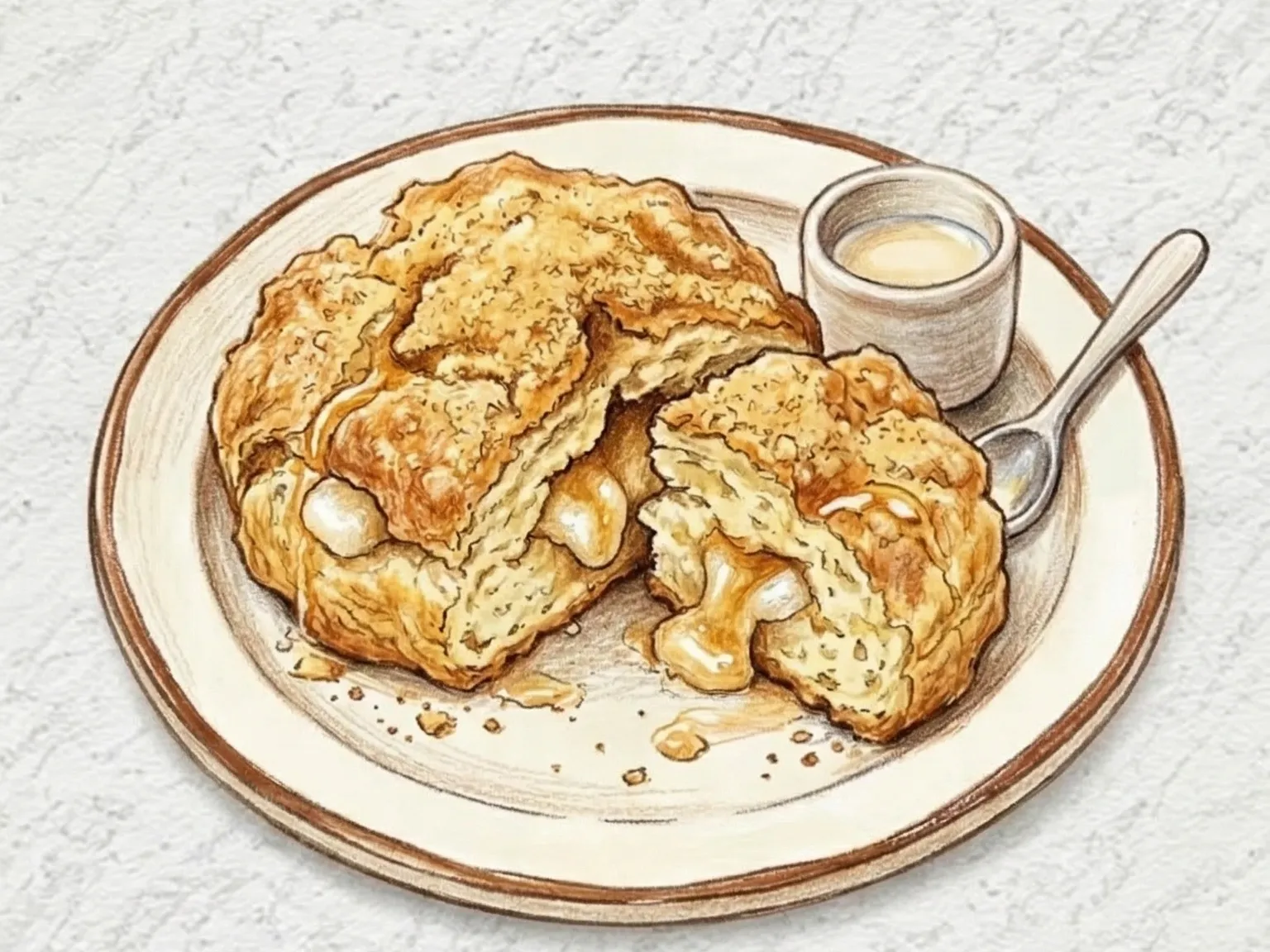
This scone folds roasted soybean powder and small pieces of glutinous rice cake into a classic British scone dough, capturing the flavor of Korean injeolmi in a handheld baked form. Soybean powder mixed into the dough lends the crumb a warm, toasted nuttiness that plain flour alone cannot produce, and the tteok pieces soften and melt in the oven, leaving behind chewy, stretchy pockets scattered throughout the crumb. Cold butter cut into small pieces and worked into the dry ingredients without fully melting is what allows the scone to develop distinct flaky layers that crack at the surface while the interior stays tender and moist. Minimal mixing is the central technique: working the dough only until the ingredients just come together prevents gluten development that would produce a tough, dense result instead of the desired crumbly tenderness. A drizzle of honey or a small bowl of sweetened condensed milk served alongside echoes the traditional way injeolmi is eaten and reinforces the sweet-nutty pairing that defines the dish. Warm green tea or pu-erh makes a natural companion for the afternoon. Cutting the tteok into pieces no larger than one centimeter ensures they melt evenly through the bake rather than leaving undercooked chunks in the center.
Polpo alla Luciana (Neapolitan Tomato-Braised Octopus)
Polpo alla Luciana develops its sauce by simmering raw octopus and tomatoes together without added water, using the liquid released by the octopus to build the braise. For 2 servings, the recipe uses equal weights of the two main ingredients: 400 g raw octopus and 400 g canned whole tomatoes. Black olives and capers provide the briny part of the sauce. Rinse the octopus under running water, drain it thoroughly, and cut it into large 6 cm pieces. Crush 4 garlic cloves with the flat of a knife, finely chop 10 g Italian parsley, and halve 50 g black olives before heating the pot. Add part of the 3 tablespoons olive oil, the crushed garlic, and 1 teaspoon chili flakes to the pot. Keep the heat low and cook only until the garlic and chili smell fragrant, preserving the garlic without browning it. Crush the whole tomatoes by hand directly into the pot, then stir in the prepared olives and 15 g capers. Bring this mixture to a boil before adding the octopus. Do not pour in water. Close the lid tightly, lower the heat, and simmer for 45 minutes so the octopus cooks in the tomato sauce and the juices it releases. At the end of 45 minutes, check tenderness before trying to reduce the liquid. If the octopus is still chewy, keep it covered and continue cooking on low heat. Remove the lid only after the pieces have become tender. Simmer uncovered for about 5 minutes, stopping when the sauce is concentrated and only a shallow amount of liquid remains around the octopus. Season with 0.5 teaspoon salt, scatter over the chopped parsley, and finish with a light drizzle of the remaining olive oil. The finished dish should have tender octopus coated in tomato, the salty accents of olives and capers, and a concentrated sauce with little loose liquid at the bottom of the plate.
Key Lime Pie
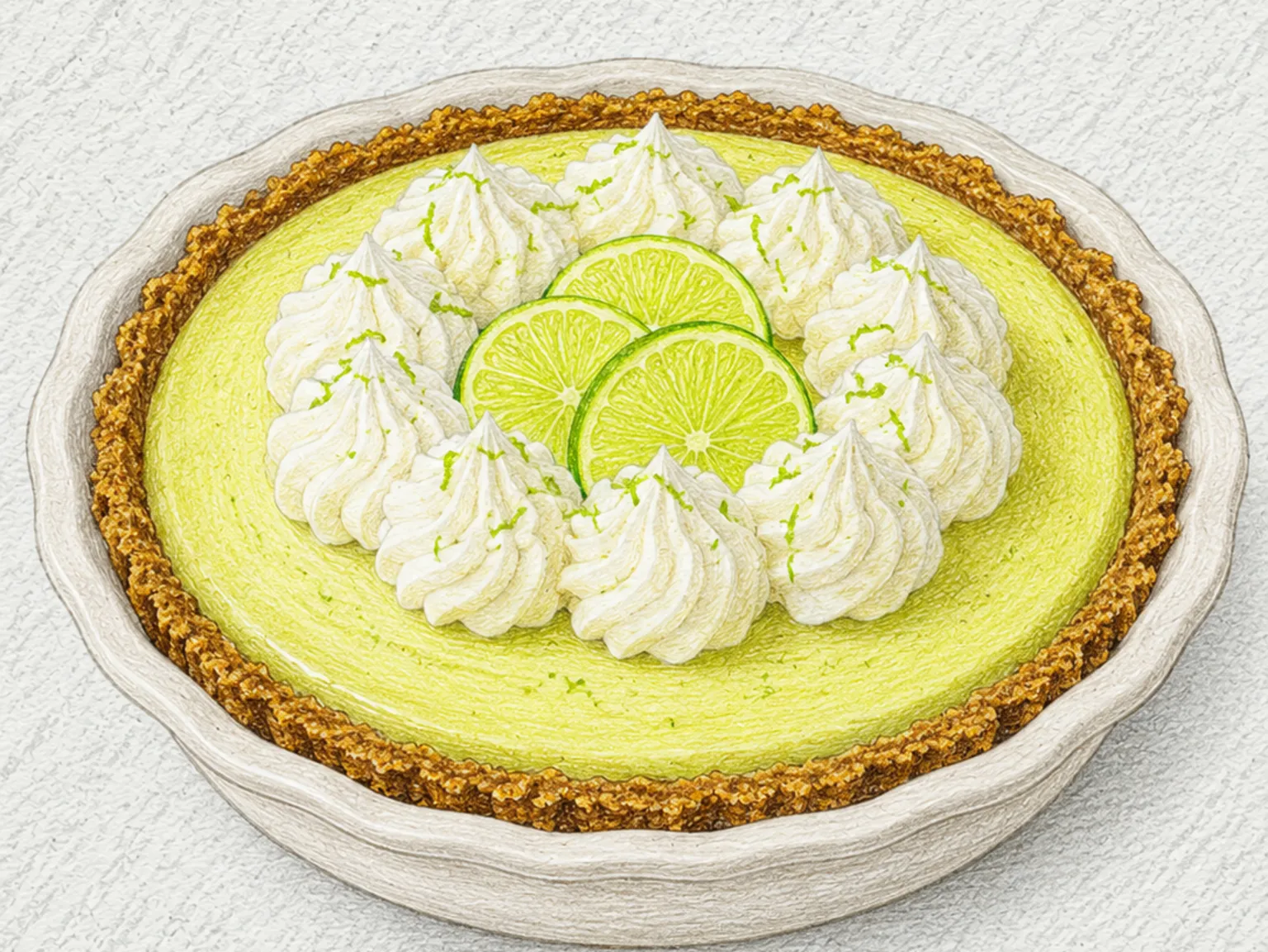
Key lime pie pairs the bold acidity of small Florida key limes with the thick sweetness of condensed milk in a chilled, custard-style filling set inside a buttery graham cracker crust. The crust is made by pressing crushed graham crackers bound with melted butter into a pie dish and pre-baking until firm. The filling requires only key lime juice, sweetened condensed milk, and egg yolks, which react with the citric acid to thicken naturally without gelatin, producing a smooth consistency once chilled. Key limes are smaller and more aromatic than Persian limes, lending a floral sharpness that cuts through the condensed milk's density so that each forkful oscillates between tart and sweet. A mound of whipped cream on top softens the acidity, and a fine grating of lime zest adds color and a burst of fragrant oil. Served cold, it makes a refreshing finish to a warm-weather meal.
Crispy Pork Belly Roast
The crackling on a pork belly roast begins long before the oven: the skin is scored at 1 cm intervals, coarse salt is pressed into every cut, and the uncovered joint dries in the refrigerator for 8 hours. For 4 servings, use 1 kg skin-on pork belly, 3 teaspoons coarse salt, 4 garlic cloves, 2 rosemary sprigs, 2 teaspoons olive oil, and 1 teaspoon black pepper. Press paper towels repeatedly against the skin until no visible moisture remains. Score only the skin with a sharp knife, avoiding deep cuts into the meat underneath. Work the coarse salt into the grooves rather than leaving it only on the surface. Refrigerate the pork uncovered for 8 hours. Before roasting, wipe away any new droplets so the surface feels cold and dry. Place the garlic and rosemary in a roasting pan and set the pork belly over them. Rub the olive oil and black pepper mainly on the meat side, preserving the dryness of the skin. Roast at 220°C for 30 minutes and look for bubbles forming across the skin. Keep the oven door open only briefly, lower the temperature to 180°C, and roast for another 80 minutes so the fat renders slowly. If the crackling still needs crisping, broil for only 5 minutes while watching continuously. Remove the pork before dark spots burn and rest it for at least 10 minutes before slicing.
Kimchi Bacon Quiche (Fermented Kimchi Egg Custard Pie)
This fusion quiche traps the sharp tang of well-fermented kimchi and the smoky depth of bacon inside a silky egg custard. Squeezing the kimchi dry before adding it concentrates its fermented intensity while preventing a soggy filling. Bacon and onion are sauteed until their moisture evaporates, then combined with a custard of eggs, heavy cream, and milk. When sliced, each wedge reveals a mosaic of red kimchi shreds and bacon bits suspended in the golden custard. Melted mozzarella weaves through the filling, binding every layer, while the buttery pie crust provides a crisp, flaky foundation. A two-stage bake, starting at 190 degrees Celsius and dropping to 175, browns the surface while keeping the interior creamy rather than rubbery. Black pepper is the only seasoning needed, since the bacon and kimchi supply all the salt and heat. Served warm from the oven, a single slice makes a complete brunch plate.
Pork Chops with Apple Cider Pan Sauce
Apple Cider Pork Chops represent a traditional American one-pan cooking method where thick-cut pork loin chops are cooked in a single skillet to create a deep golden exterior crust. The preparation involves a pan sauce that utilizes the flavorful fond left behind in the skillet after searing the meat. For the best results, the pork chops should sit at room temperature for approximately thirty minutes before they are placed in the pan. This step is important because it allows the heat to penetrate the meat evenly from the outer edges to the center. It is also essential to use a paper towel to pat the surface of the pork until it is completely dry, which facilitates the chemical reaction needed for thorough browning. Once the pork has been seared and removed from the heat, finely chopped shallots and garlic are added to the rendered pork fat and sautéed until they become fragrant. Apple cider is then poured into the hot skillet to deglaze the surface, loosening the caramelized bits that remain attached to the bottom. The liquid is simmered and reduced until the natural sugars and acidic components of the cider become more concentrated and intense. To build additional layers of flavor, Dijon mustard is whisked into the reduction to provide a sharp and slightly peppery character. The final texture of the sauce is achieved by swirling in a piece of cold unsalted butter at the very end of the cooking process, which creates a glossy appearance and a smooth consistency. A whole sprig of fresh thyme is included during the simmering stage to provide an herbal element that connects the flavor profiles of the apple cider and the pork meat.
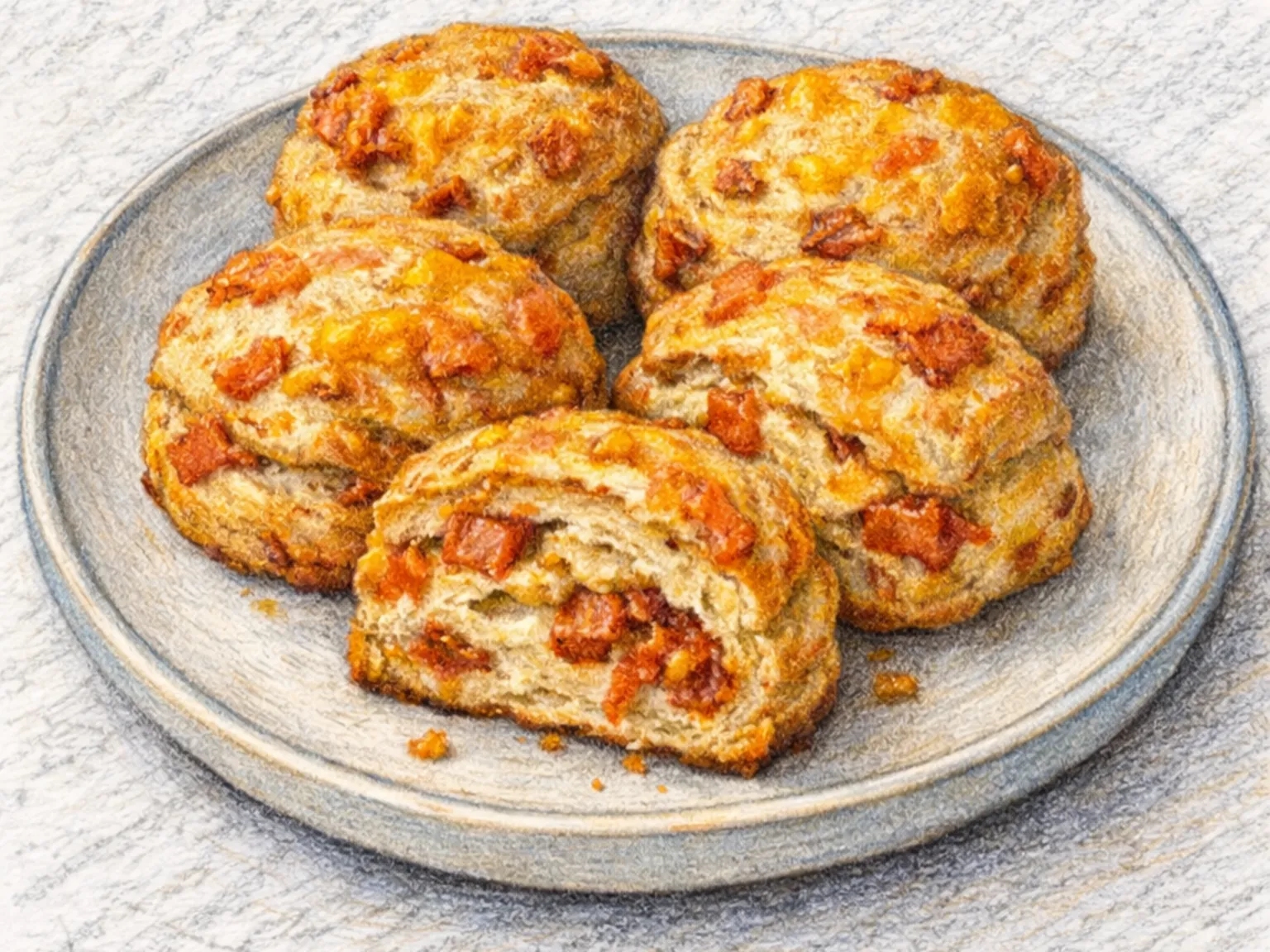
Kimchi Cheddar Scones
Cold butter rubbed into flour creates the crumbly layers of these savory scones, while squeezed kimchi and cheddar supply acidity, heat, and saltiness. The kimchi must be chopped and pressed firmly before it reaches the bowl. Excess liquid can make the dough sticky and heavy. Rub the butter in quickly with your fingertips and stop while pea-sized pieces remain. Toss the kimchi and cheese through the dry mixture without pressing, then fold in the milk and egg only until almost all dry flour disappears. Keeping the butter cold and limiting the mixing prevents the baked crumb from becoming tough. Pat the dough to an even thickness, divide it, and leave space between the pieces on the lined tray. A little milk on top supports even browning during the hot bake. The finished scones have golden edges, a tender center, and small pockets of kimchi and melted cheddar throughout. Let them cool briefly before serving warm, when the contrast between the crisp surface and soft interior is clearest.
Pork Schnitzel
Pork schnitzel develops its lifted, crisp coating when the loin is pounded to an even thickness of 5 mm or less and the breadcrumbs are attached loosely enough to puff during frying. For 4 servings, prepare 600 g pork loin, 90 g all-purpose flour, 2 eggs, 150 g breadcrumbs, 1 teaspoon salt, 0.5 teaspoon black pepper, 1 teaspoon paprika, 300 ml neutral oil, and 1 lemon. Cut the pork into 1.5 cm slices, place each piece between sheets of plastic wrap, and pound until every section is no thicker than 5 mm. Divide the salt and pepper over both sides. Pat away visible surface moisture so the flour forms a thin, even first layer. Mix the flour with the paprika and beat the eggs in a separate shallow dish. Pass each cutlet through the seasoned flour, egg, and breadcrumbs in that order, letting the excess fall away between coatings. Attach the breadcrumbs with a light covering motion and avoid pressing them firmly into the meat. Pour the oil into a wide pan and heat it to 170 to 175°C. Fry only 1 or 2 cutlets at a time, with the oil reaching about halfway up the meat. Maintain medium heat and cook each side for 2 to 3 minutes. Gently shake the pan so hot oil moves underneath the coating and helps it lift from the pork. Remove each schnitzel when both sides are evenly golden and the crust has visibly puffed. Drain the pieces briefly on paper towels without stacking them, then serve hot with fresh lemon for squeezing.
Kougelhopf (Alsatian Raisin Almond Bundt Cake)
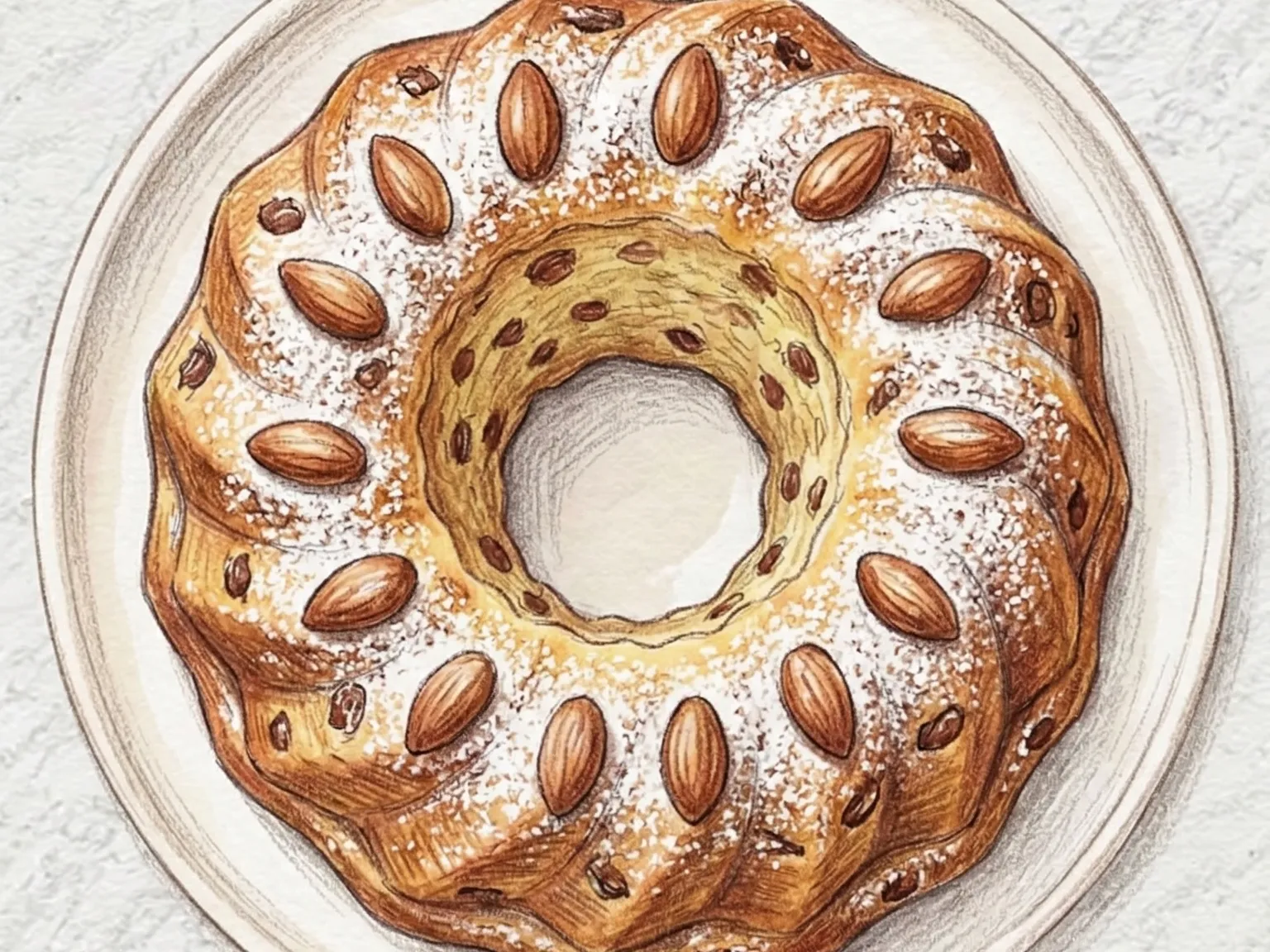
This yeasted cake from the Alsace region of France is baked in a distinctive fluted ring mold that gives it a crown-like silhouette. The dough is enriched with butter and eggs and kneaded until it develops a soft, brioche-like crumb that stays moist for days. Raisins are folded into the batter, releasing pockets of gentle sweetness with each bite, while whole almonds placed at the bottom of the mold become a decorative and crunchy topping once the cake is inverted. Two separate rises, the first to develop flavor and the second inside the mold to set the shape, require patience but reward the baker with an airy, delicate interior. Generously buttering every groove of the mold is essential for a clean release; any missed spot means the cake tears when turned out. A dusting of powdered sugar after cooling completes the presentation with an elegant, snow-capped look that makes the kougelhopf as appealing on the table as it is on the palate.
Pot Roast
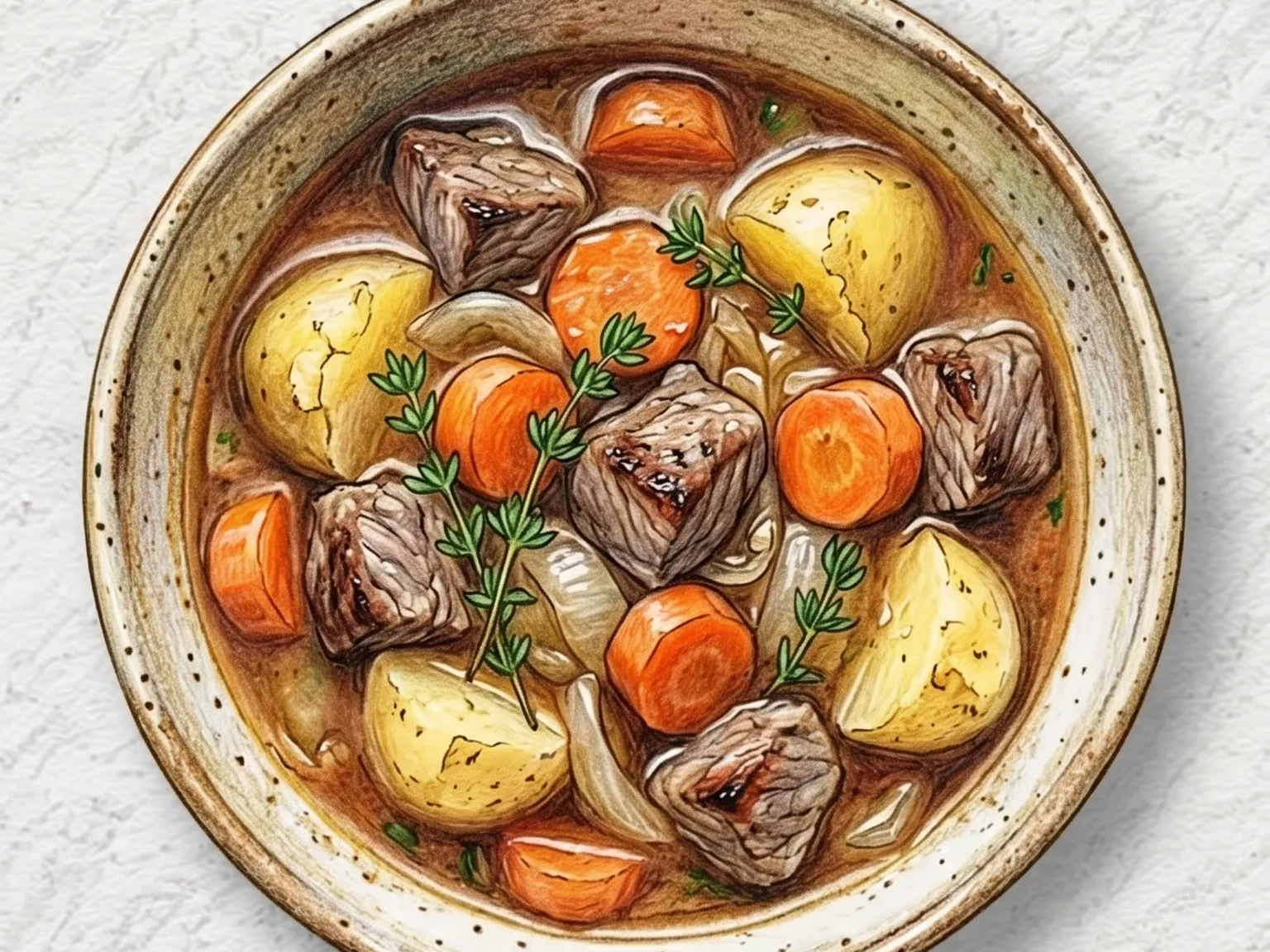
Pot roast gives the beef a 2-hour head start before adding carrots and potatoes for the final hour, matching the different cooking times of meat and vegetables. Pat 900 g chuck roast dry and season it evenly with 1 teaspoon salt. Cut 200 g carrots, 300 g potatoes, 180 g onion, and 4 garlic cloves into sturdy pieces that will not immediately collapse during the braise. Heat 2 tablespoons olive oil in a heavy pot over medium-high heat. Sear each side of the beef for 3 to 4 minutes without constant movement, building a deep brown crust and fond on the pot. Remove the roast briefly. Cook the onion and garlic in the same pot over medium heat until fragrant and beginning to soften, then stir in 1 tablespoon tomato paste. Let the paste darken slightly without scorching. Pour in 700 ml beef stock and scrape every browned bit from the bottom into the liquid. Return the beef and check that the stock reaches roughly two-thirds of the way up its side rather than submerging it completely. Cover and braise in a 160C oven for about 2 hours. The liquid should bubble gently; a hard boil can tighten the meat. Add the carrots and potatoes only then, cover again, and continue for about 1 hour. The roast is ready when a fork separates it easily without force. Slice or pull it apart and serve it with the intact vegetables and reduced sauce. If resting it overnight in the refrigerator, reheat the beef slowly together with its sauce.
Kouign-Amann (Caramelized Butter Sugar Pastry)
This Breton pastry is constructed by folding generous amounts of butter and sugar into a simple yeasted bread dough, then baking until the sugar caramelizes into a glassy, deeply bronzed crust. The exterior shatters audibly at the first bite, giving way to an interior where dozens of buttery layers remain soft and slightly chewy. Three rounds of rolling and folding build the laminated structure, and keeping the butter cold throughout the process is what prevents the layers from merging into a dense mass. At 200 degrees Celsius, the sugar melts and pools at the bottom of each portion, so lining the pan with foil is a practical necessity to catch the drips. The aroma of caramelizing butter and sugar fills the kitchen long before the timer sounds. Despite containing only five ingredients, flour, butter, sugar, yeast, and salt, the technique demands precision: under-laminated dough bakes flat, and over-proofed dough loses its layered definition. The result, when executed well, is one of the richest pastries in the French repertoire.
Potato Au Gratin
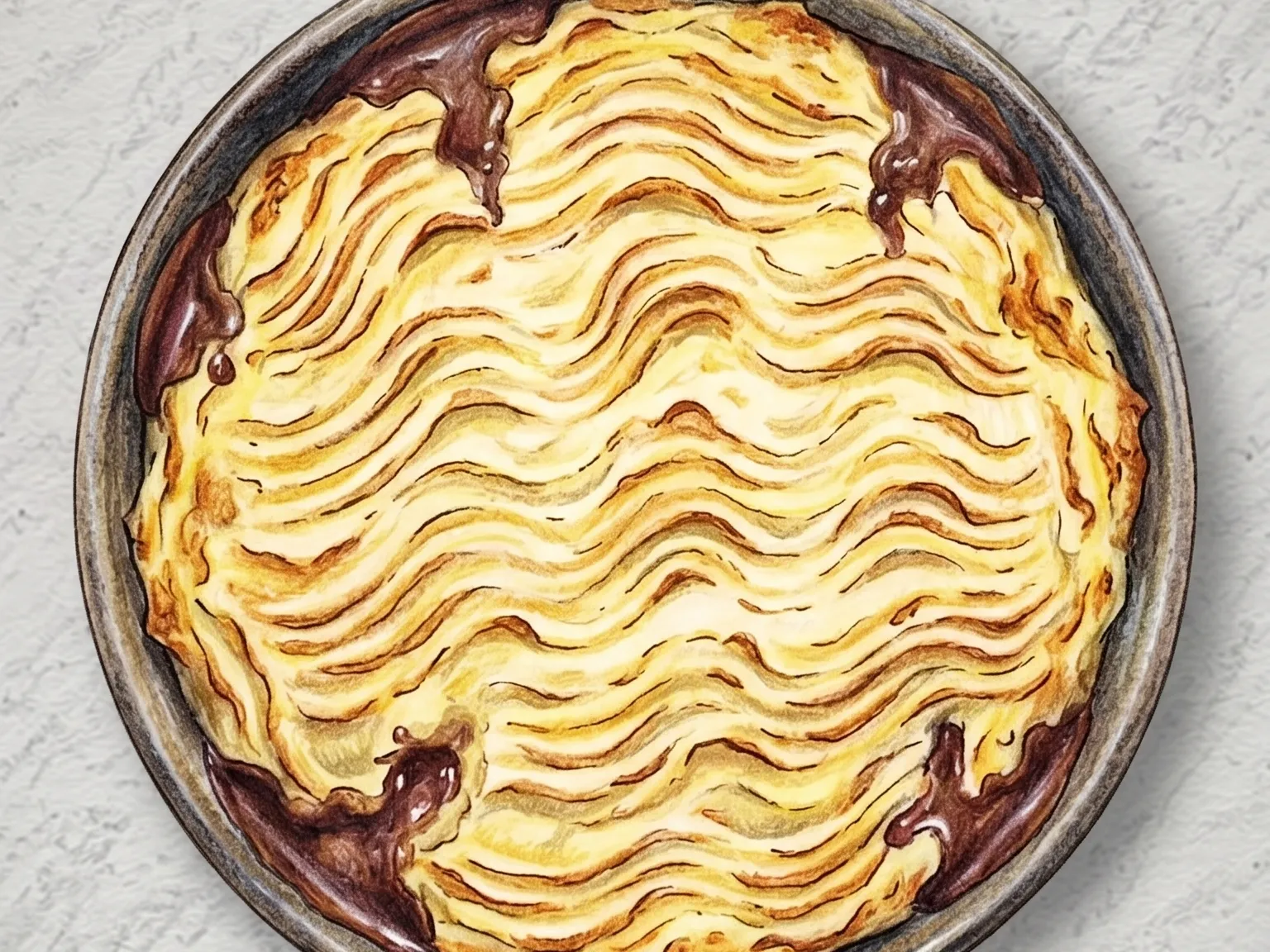
Potato au gratin cooks evenly only when all 700 g potatoes are sliced to a consistent 2 to 3 mm thickness and the cream and Gruyere are distributed through the layers rather than concentrated on top. Preheat the oven to 190C. Coat a baking dish evenly with 1 tablespoon butter, then rub the buttered surface with 2 garlic cloves so the aroma begins underneath the potatoes. Trim and slice the potatoes into thin rounds. Uneven slices leave thick pieces firm while thin ones collapse during the same bake. Combine 300 ml heavy cream, 150 ml milk, 1 teaspoon salt, and 1/2 teaspoon black pepper. For a stronger garlic aroma, warm this mixture gently over low heat only until steaming; do not boil it. Arrange one slightly overlapping layer of potatoes in the dish, spoon over a thin layer of cream, and scatter on part of the 180 g Gruyere. Repeat the same sequence, reserving a generous share of cheese for the surface. Cover the dish with foil and bake for 35 minutes. Remove the foil when the cream bubbles at the edges and a skewer enters the potatoes with only slight resistance. Continue uncovered for about 15 minutes, until the cheese on top becomes deep golden and crisp. Rest the gratin for 10 minutes after it leaves the oven. During this time, the cream between the potato layers thickens and settles, allowing clean portions to be cut without the sauce immediately running across the plate.
Lamington Cake (Chocolate-Dipped Coconut Sponge Cubes)
Cubes of sponge cake are dipped in a chocolate coating and rolled in desiccated coconut to produce this iconic Australian treat. The sponge is baked in advance and left to dry slightly so it holds its shape during the dipping process; if it feels too fragile, a brief spell in the freezer firms it up. The coating is made from melted dark chocolate, butter, milk, and powdered sugar, mixed until smooth and fluid enough to coat each cube in a single quick dip. Rolling the chocolate-covered cube in coconut immediately, before the coating sets, ensures the flakes adhere evenly and create the characteristic white-speckled exterior. Each piece delivers three textures in one bite: the crisp snap of the thin chocolate shell, the dry chew of coconut shreds, and the soft, airy crumb of the sponge underneath. The flavor moves from the bittersweet intensity of dark chocolate to the mild tropical sweetness of coconut, finishing with the neutral lightness of the cake. They pair naturally with black tea or a flat white.
Pulled Pork Sandwich
Pulled pork is ready to shred when a fork separates the shoulder naturally, not simply when a timer ends. Pat 900 g pork shoulder dry and rub it evenly with 1 teaspoon salt and 1 tablespoon paprika. Thinly slice 150 g onion, lightly crush 3 garlic cloves, and let the seasoned meat stand for 20 minutes. Cover the bottom of a heavy pot with the onion and garlic, then set the pork on top. Pour 200 ml water around the edge of the pot rather than over the meat, preserving the spice coating. Cover and cook gently over low heat. Check the liquid on the bottom every 30 minutes, adding only a small splash of water if the onions begin to stick or darken too far. After a total of 2.5 to 3 hours, press the pork with a fork. If the fibers still resist, cook for another 20 minutes instead of forcing firm meat apart. Remove it from the pot and cool for 5 minutes, then use two forks to pull it along its natural grain. Stir 1 cup barbecue sauce into the softened onions and cooking juices left in the pot, and fold the shredded pork back in. Warm everything over low heat for about 3 minutes so the sauce reaches between the strands rather than sitting only on their surface. Lightly toast the cut faces of 4 burger buns before filling them, which slows the sauce from soaking into the crumb. The pork can also be made a day ahead and reheated gently with its sauce before assembly.
Lemon Curd Tart
Lemon Curd Tart is a classic dessert composed of a crumbly shortcrust pastry shell filled with a smooth, tangy lemon curd. The shell is prepared by rubbing cold unsalted butter into flour and powdered sugar, binding it with egg yolk, and baking it until lightly golden. The filling is made by whisking fresh lemon juice, grated lemon zest, sugar, and egg yolks over low heat. The mixture is cooked slowly to thicken without boiling, then combined with heavy cream and strained to achieve a silky consistency. The lemon zest oils provide a lasting citrus aroma, while the butter offers a rich mouthfeel that balances the sharp acidity. Once filled, the tart is chilled for an hour to set, allowing it to be sliced cleanly. It can be served plain or decorated with whipped cream or torched meringue.
About Western
Olive oil, butter, cream, and cheese create the rich flavors these dishes are known for. From special-occasion dinners to quick weeknight meals, these recipes make Western cooking approachable.