Korean Spicy Gochujang Bulgogi
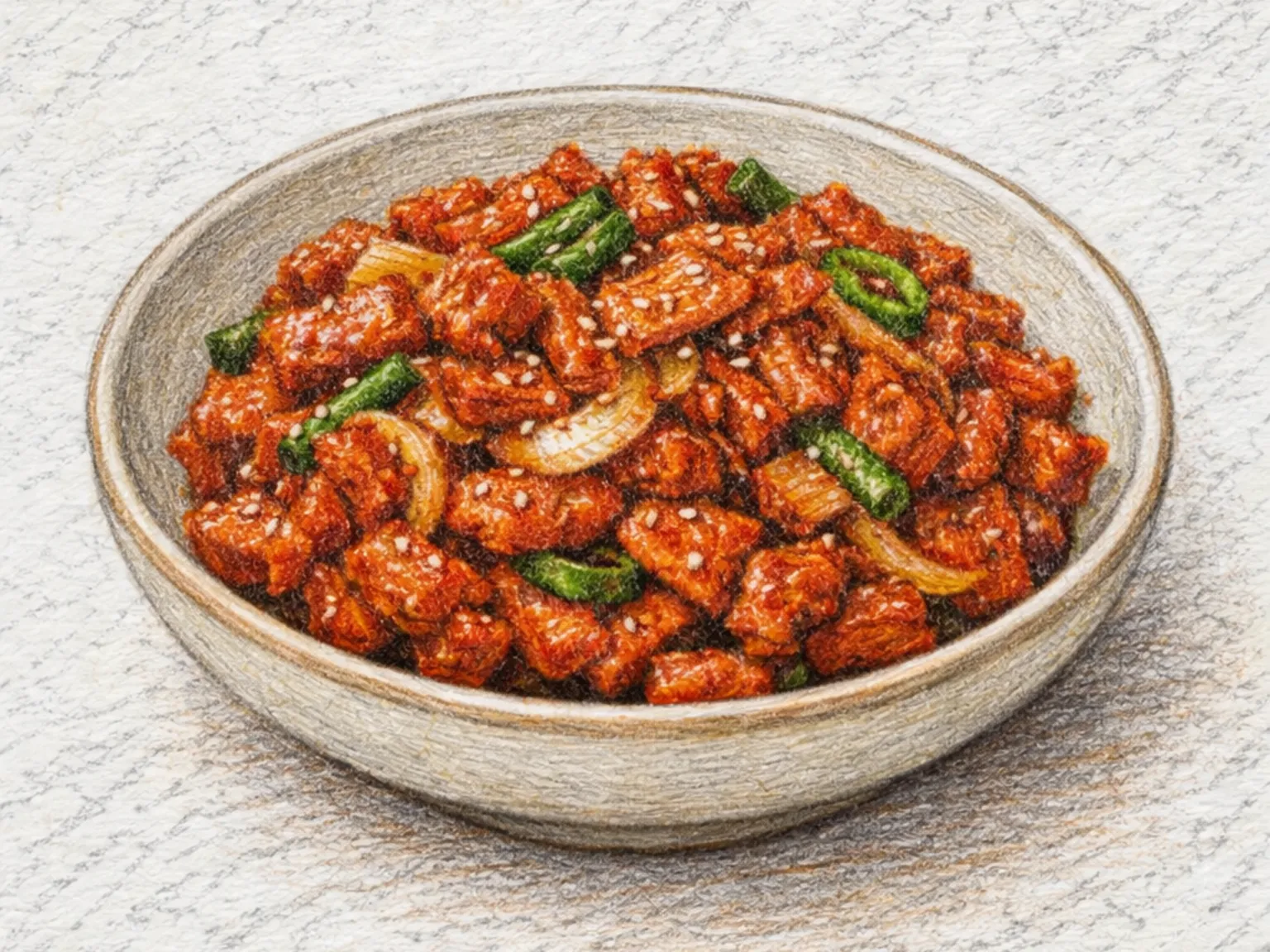
With 700 g of pork neck cooked in one go, there is enough for four people to wrap in lettuce. Gochugaru goes in alongside the gochujang, adding a drier, more powdery heat on top of the paste's.
1880 Korean recipes. Page 43 of 79. Compare ingredients and cooking times. Korean Spicy Gochujang Bulgogi.
With 700 g of pork neck cooked in one go, there is enough for four people to wrap in lettuce. Gochugaru goes in alongside the gochujang, adding a drier, more powdery heat on top of the paste's.
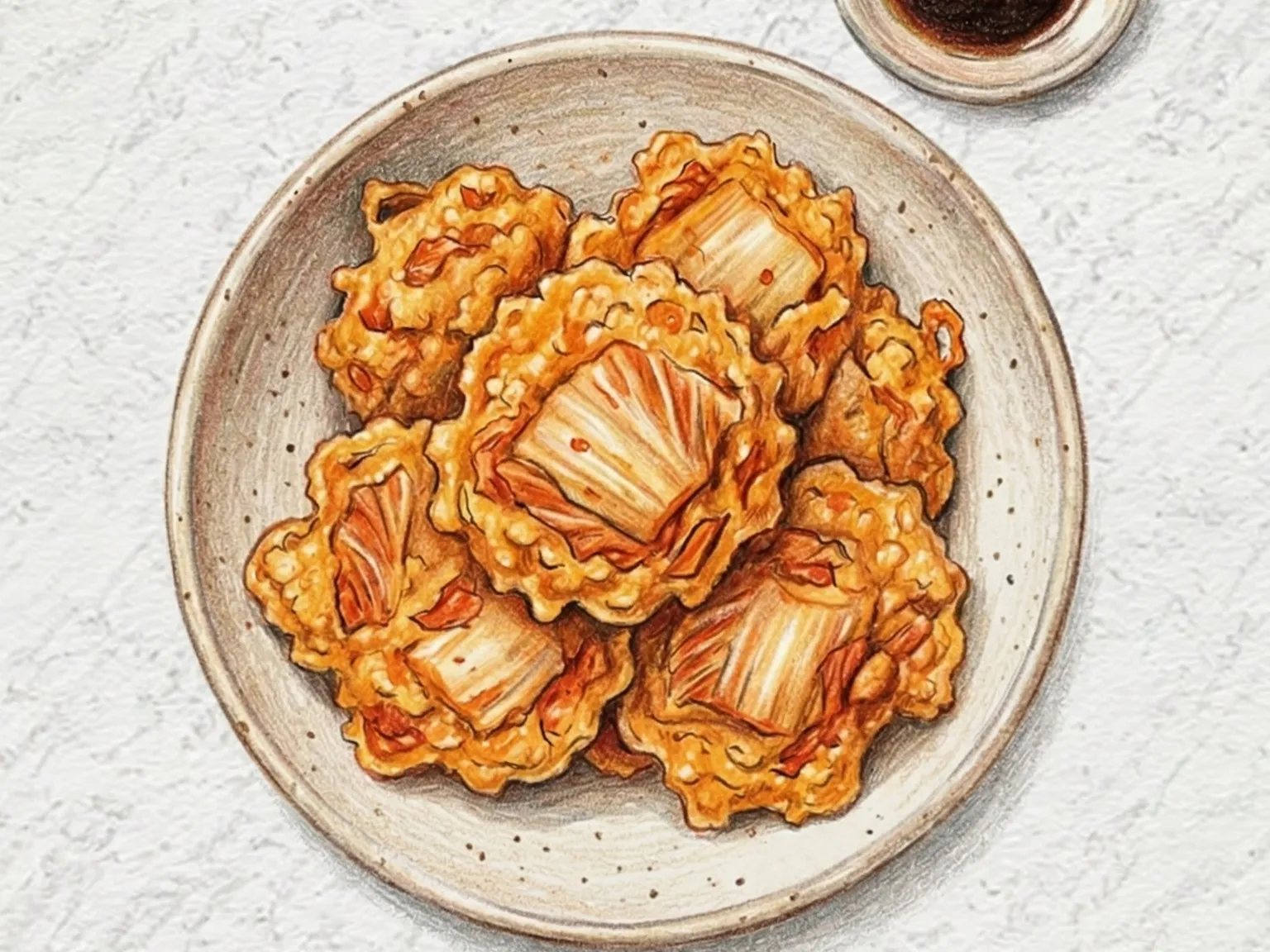
Napa cabbage kimchi, pressed just enough to stop it dripping, goes into a thin batter and comes out crisp outside and still juicy and tangy within. Squeezing it bone dry drains away much of the flavor. The batter only needs a surface dry enough to cling to.
Nurungji, the scorched rice from the bottom of the pot, is toasted again and simmered into a nutty water much like sungnyung, the drink Koreans make from it after a meal, and milk turns that into a grain latte. How long you run the blender changes it most: a short pulse leaves bits of rice to chew, a longer one makes it smooth.
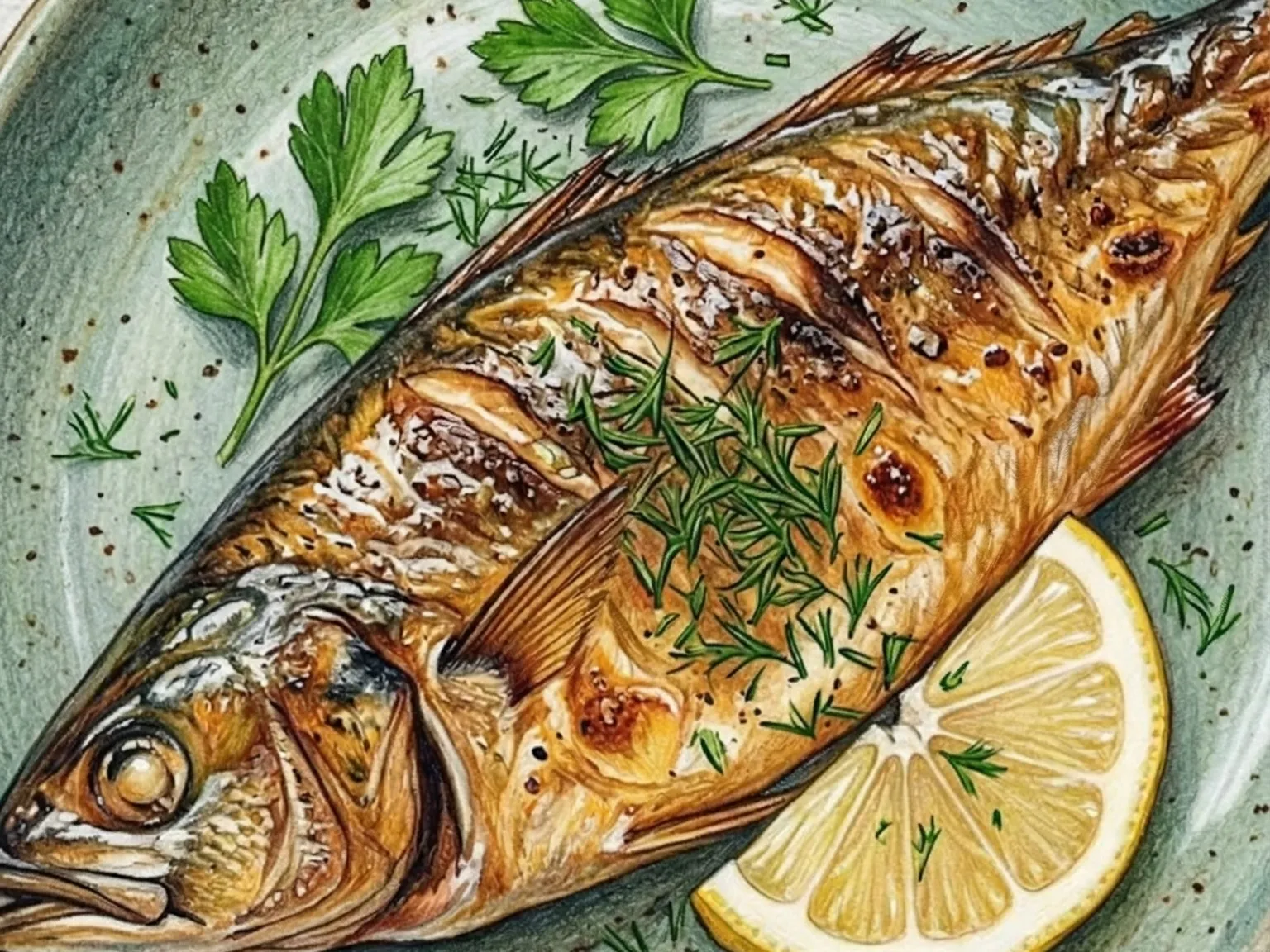
Before cooking, Atka mackerel gets wiped down with water that has a little vinegar in it. Salt and pepper are its only seasoning, and after the flip the thickest part sits under a lid for a minute to cook through. Half a lemon goes on the plate, and it is served hot.
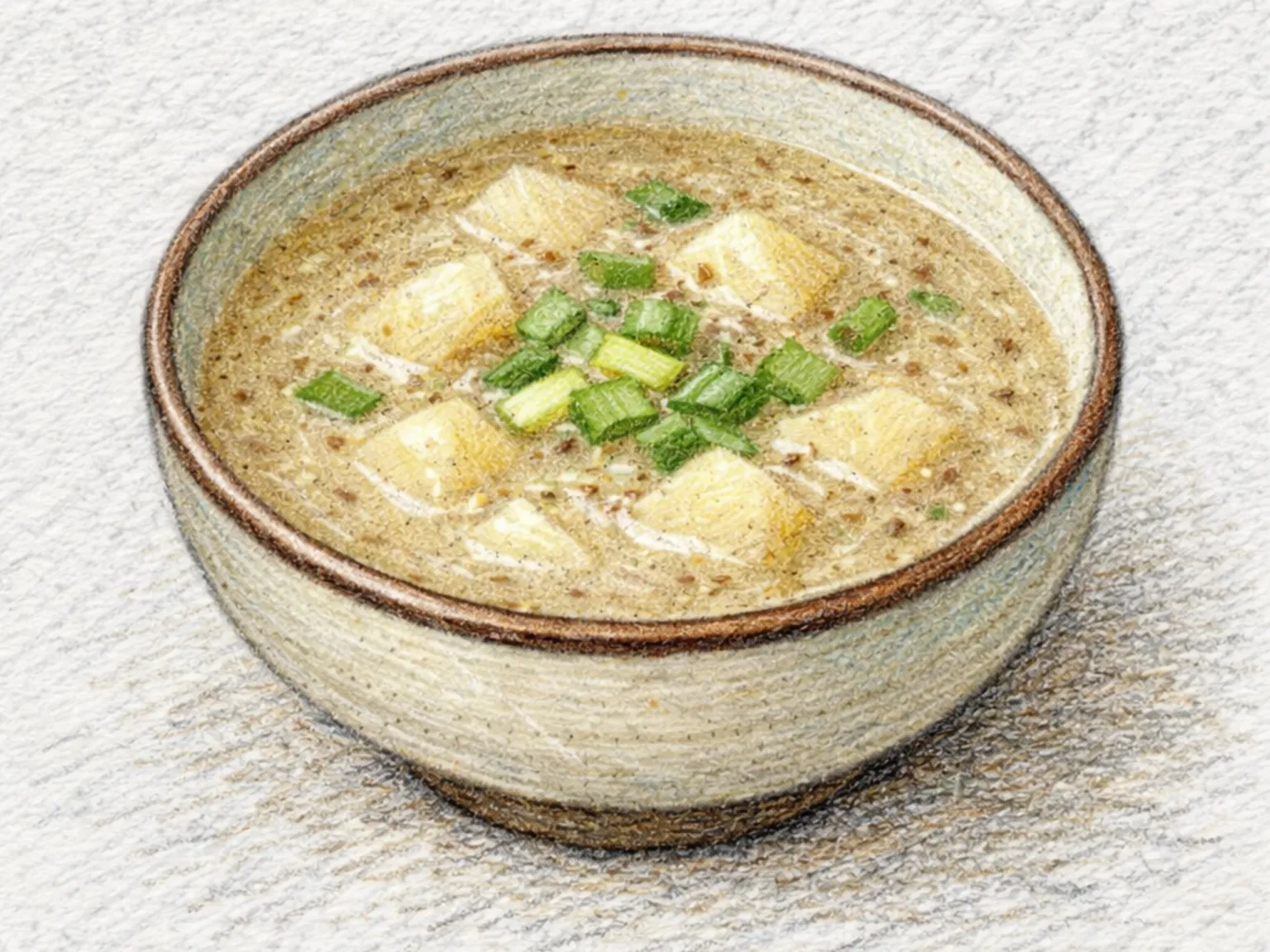
Potatoes and ground perilla seed cook in anchovy broth until it turns an opaque ivory. There is no doenjang and no seaweed, and no oil either; the body comes from potato starch and the perilla itself. It rarely appears on restaurant menus and belongs to winter meals at home.
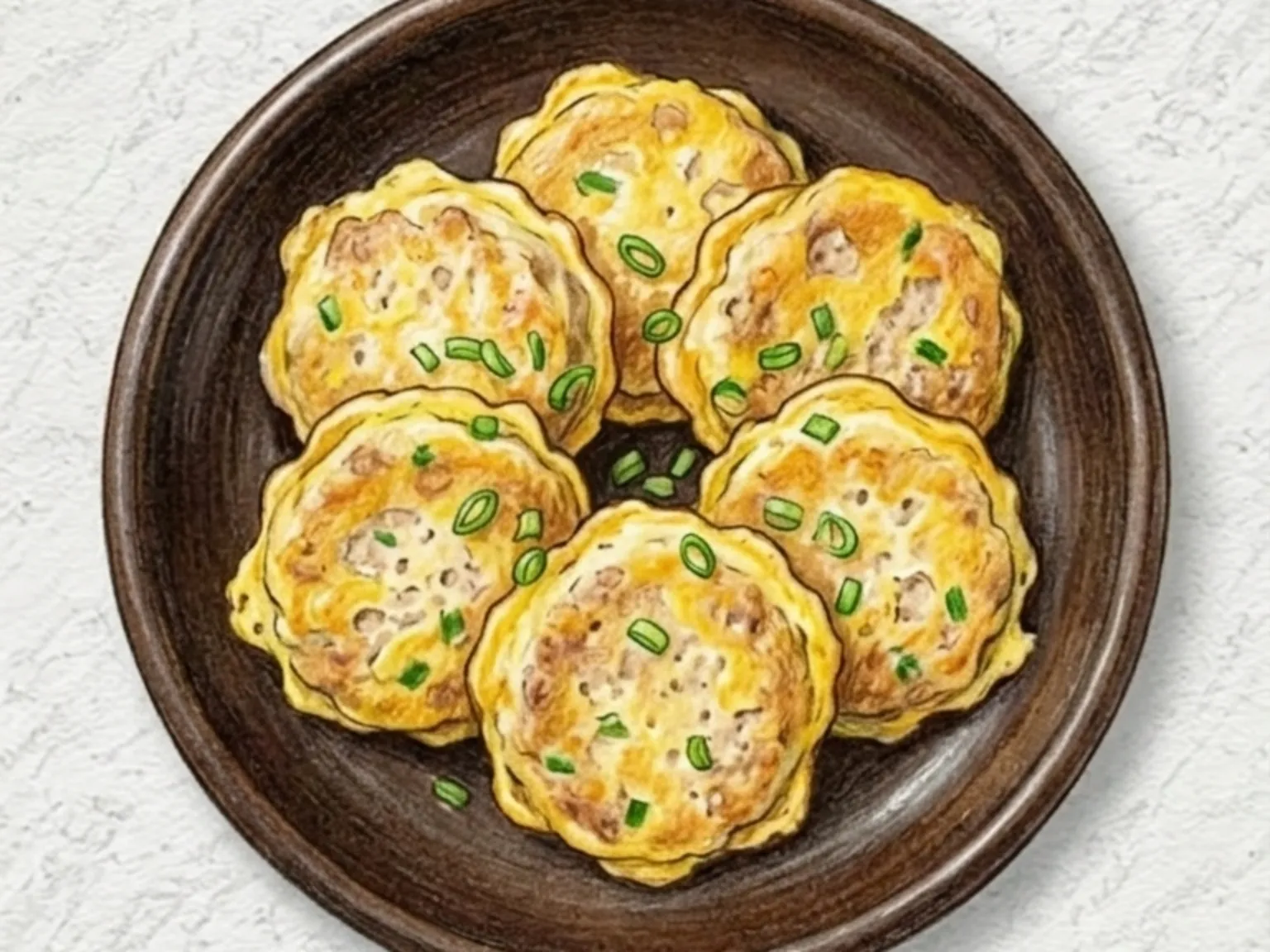
Finely mashed tofu worked into the ground beef keeps these bite-size patties from turning dry. They belong on ancestral rite and holiday tables, and because they taste and feel much the same once cold, they also pack well in a lunch box.
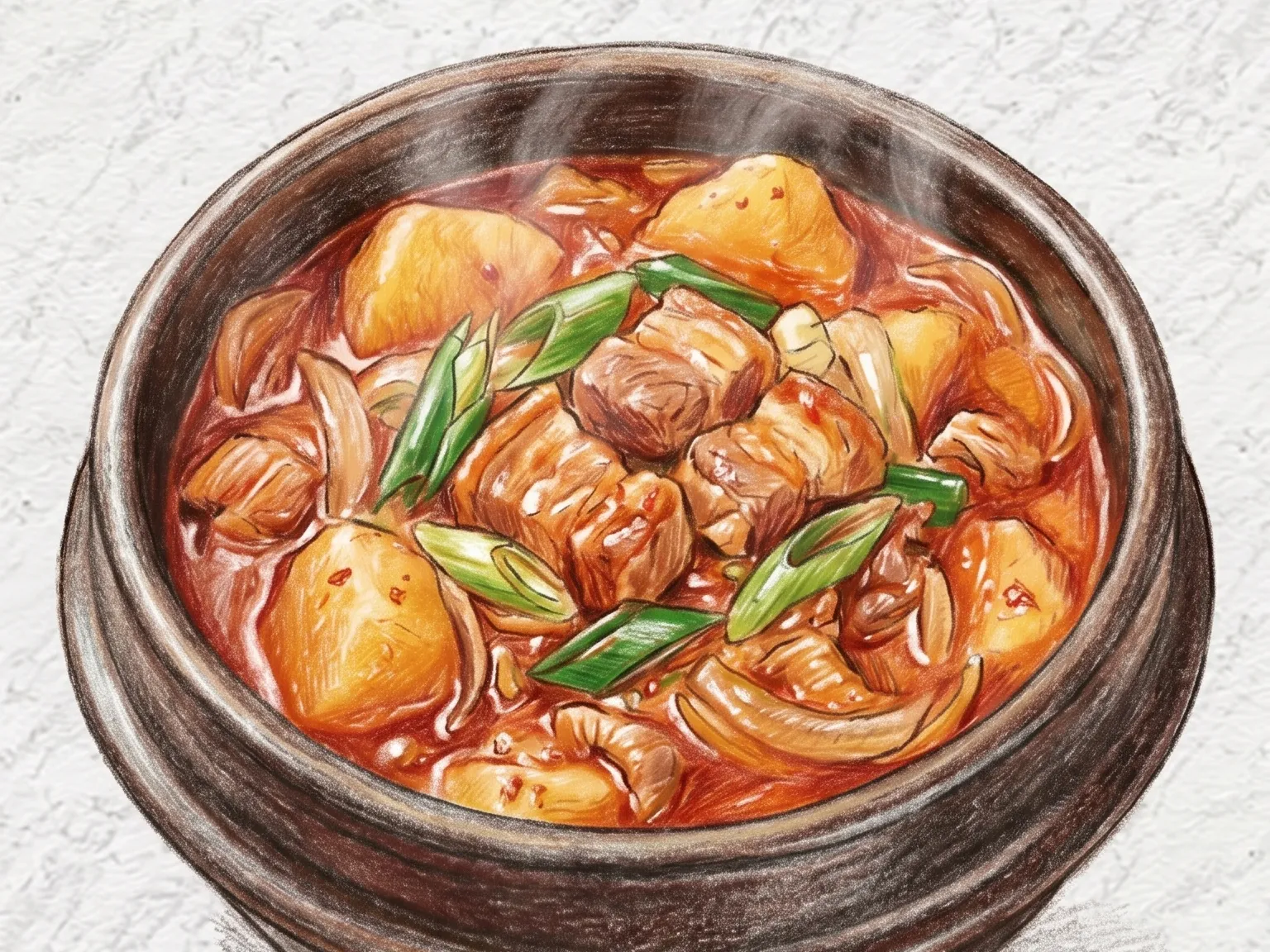
Jjageuli is not supposed to leave much broth behind. Gochujang seasoning is fried in rendered pork fat, thick-cut potatoes go in, and as they simmer they slump and crumble until only a shallow, thick sauce is left in the pot. It sits closer to a rice topping than a soup.
The square fish cake sheets (eomuk) are cut into triangles small enough to pick up together with a cube of potato. The fish cake goes in only when the potatoes are half done; any earlier and it turns soggy.
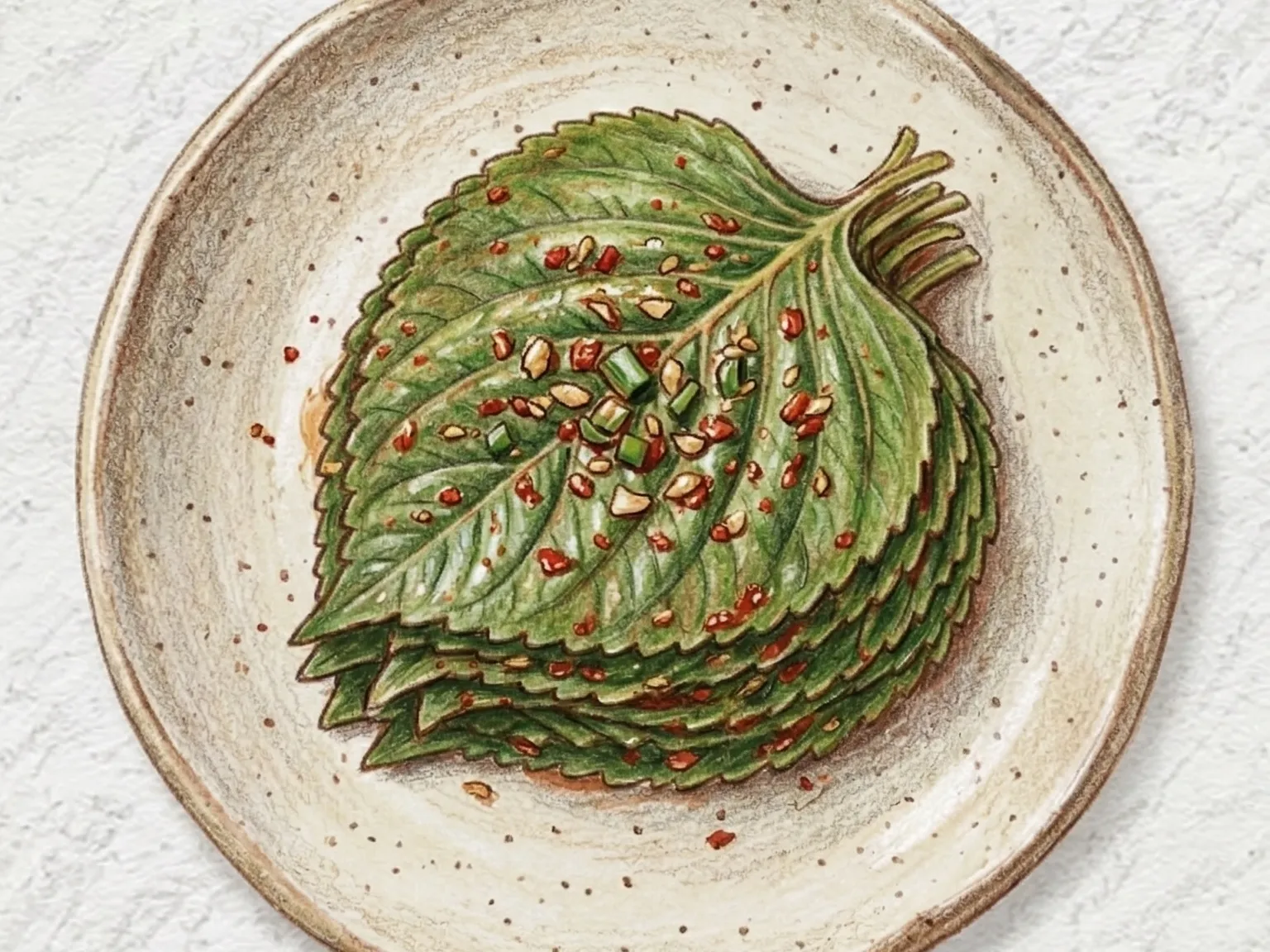
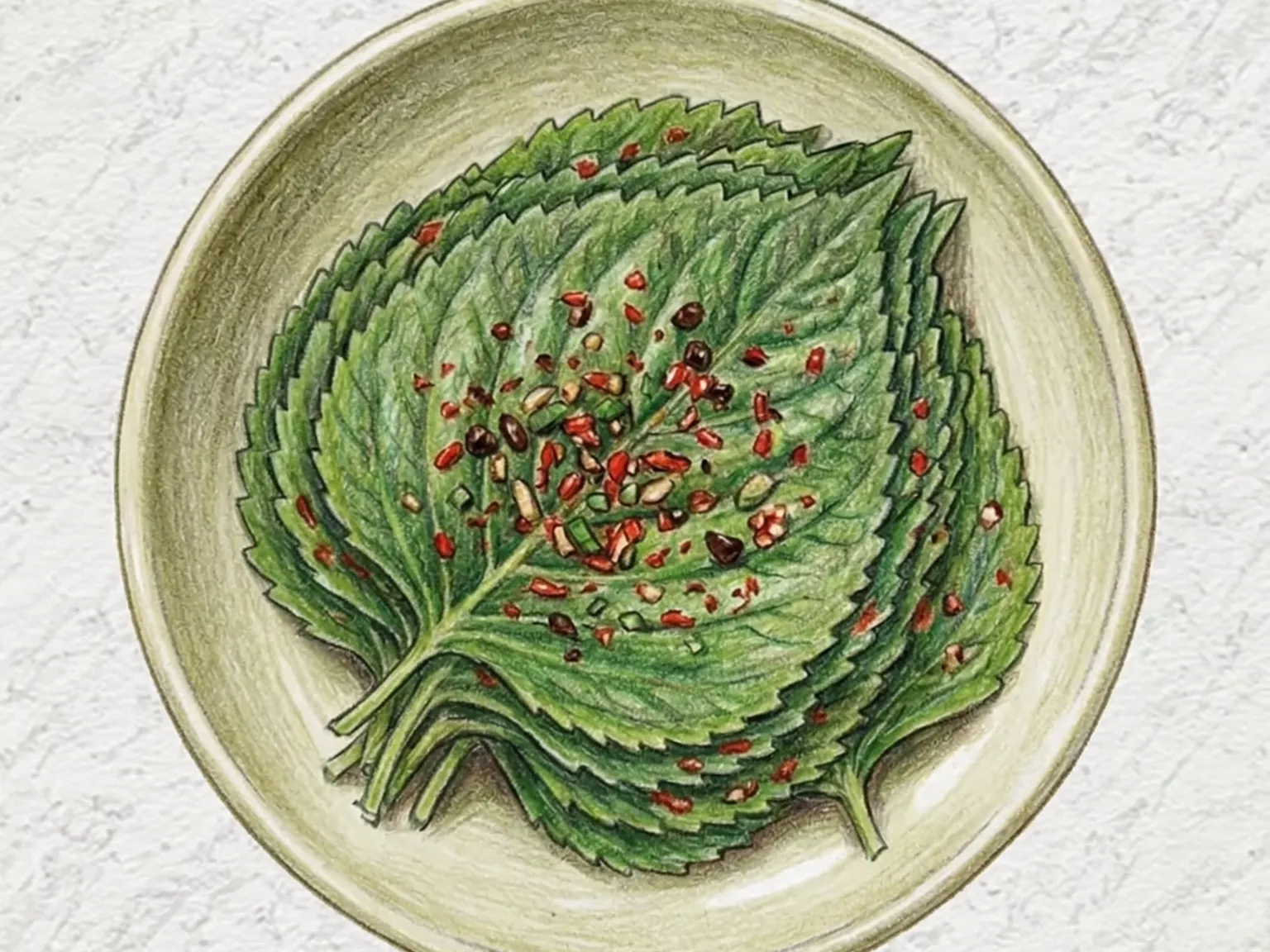
No fermentation is needed: the soy-based seasoning is brushed between the leaves and the kimchi is ready to eat the same day. Sesame oil softens the sharp, herbal edge of perilla, and the chili flakes stay light enough that the green of the leaves still shows. On day one the brightly seasoned top leaves are the ones to eat, while the wilted leaves underneath soak up more after half a day. Two to three refrigerated days let the seasoning reach into every leaf, ready to wrap warm rice or grilled meat.
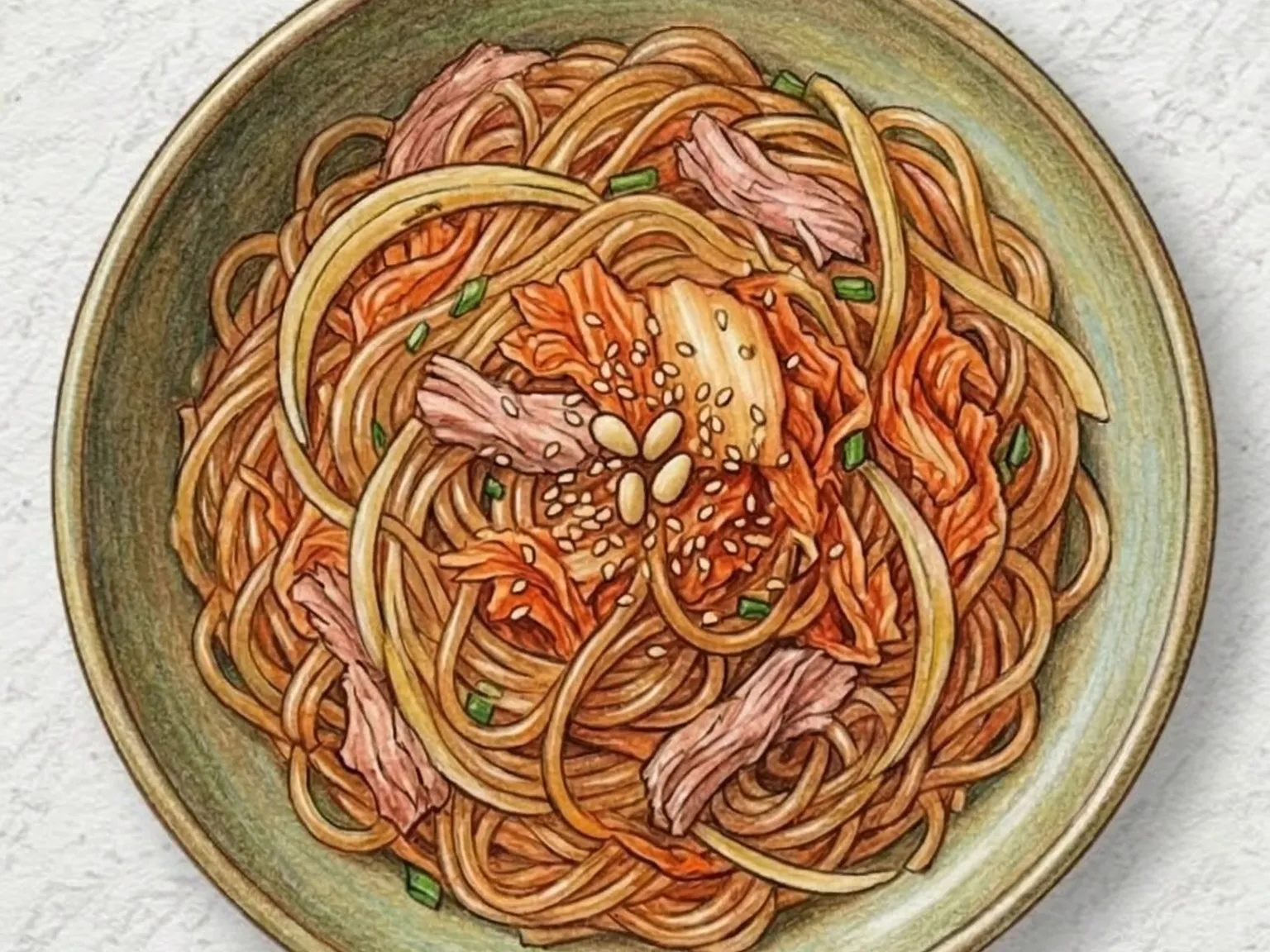
Well-fermented kimchi gives this glass noodle stir-fry a sour, spicy edge that plain japchae lacks. Squeeze the kimchi hard: leftover juice turns to water in the pan, swelling the noodles and diluting the seasoning. Pork goes in first so its fat flavors the kimchi and onion, and sesame oil is stirred in off the heat to keep its aroma.
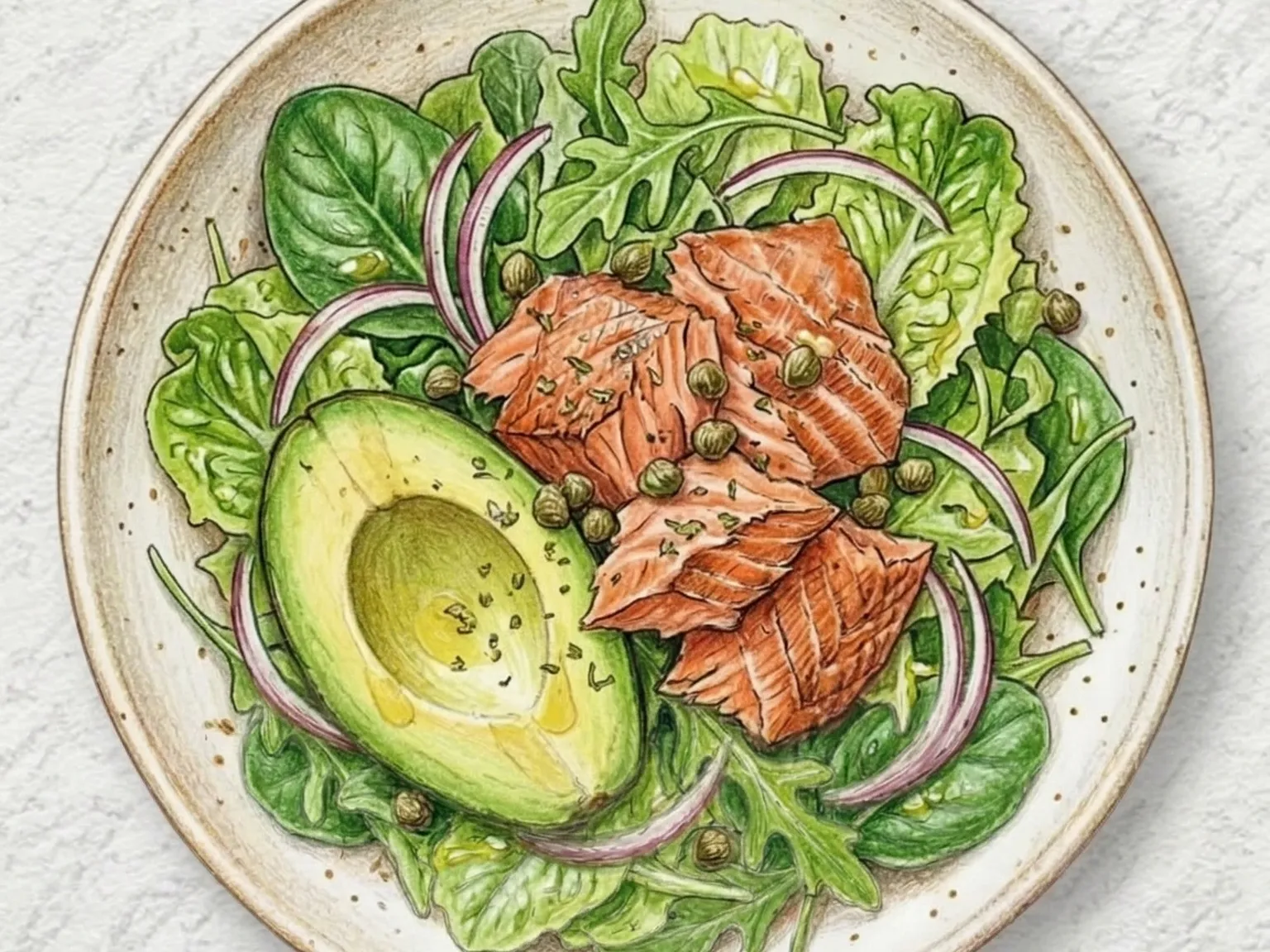
Rich, salty smoked salmon meets buttery avocado, and capers pop with briny tang in almost every bite. With nothing to cook, the salad comes together fast, and the only thing to hold back is the avocado, sliced at the last moment so it stays green.
Raw perilla leaves keep their rough texture and sharp green aroma here, because the soy and chili seasoning is brushed on with no cooking at all. The braised version is soft and mellow; this one is brisk and herbal. Spread the seasoning as a thin film on each leaf, since a heavy hand makes the stack salty fast. Next to grilled pork belly or rice wraps, it tempers the porky smell of the meat.
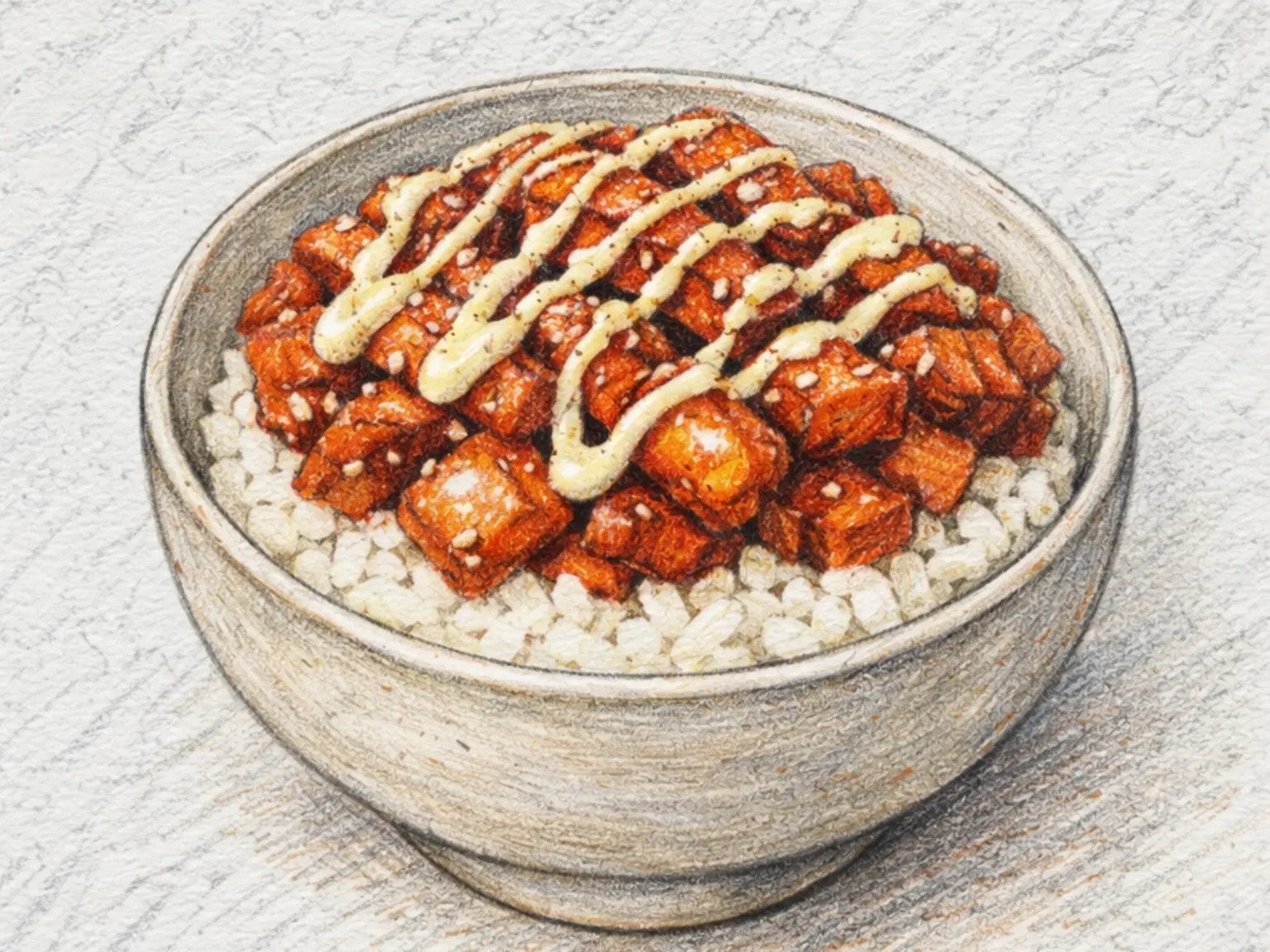
Chicken thigh glazed in gochujang goes over rice, with mayonnaise piped across it in zigzags. Thigh stays moist through the glazing where breast would dry out.
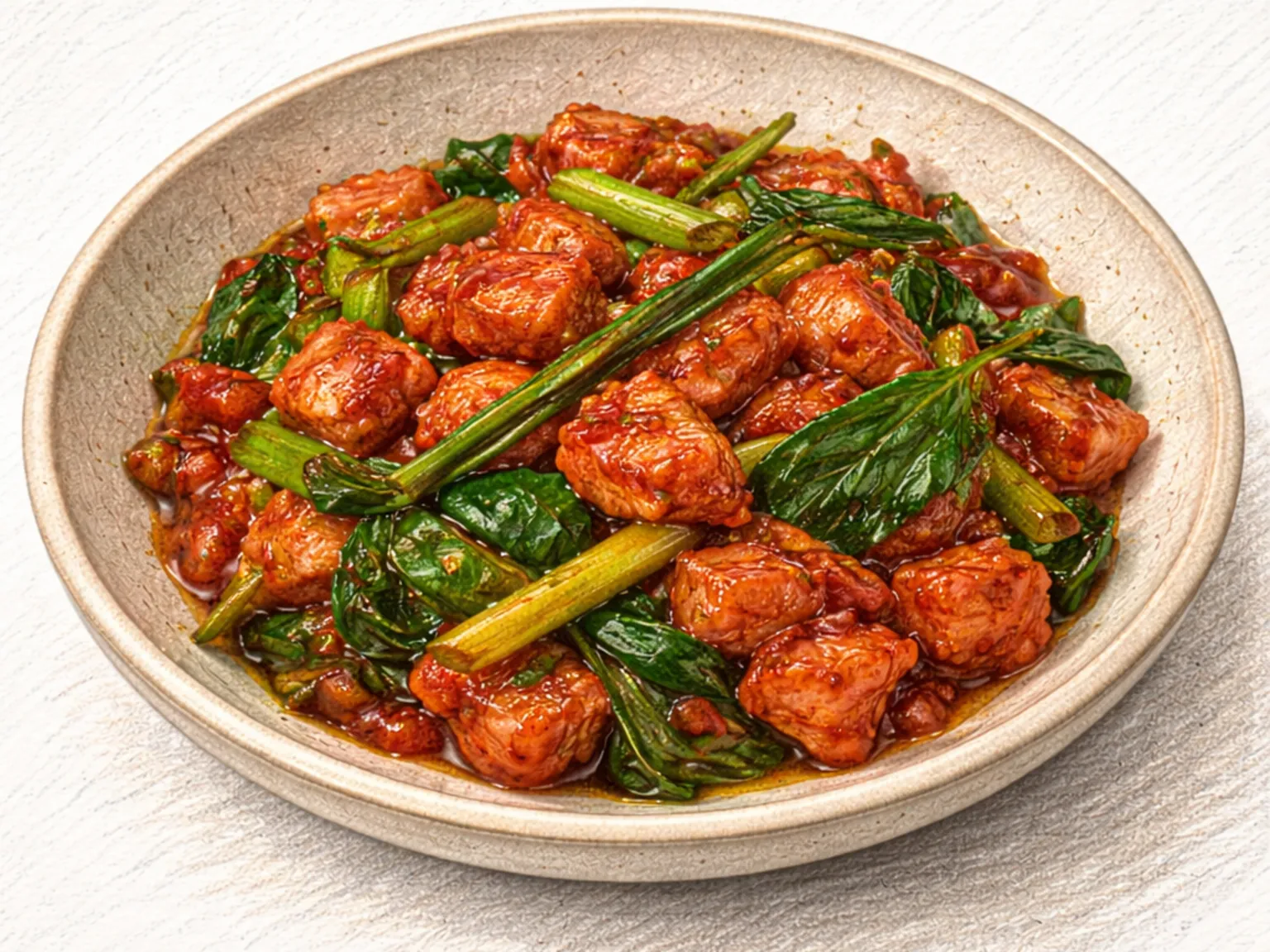
Maesil-cheong (green plum syrup) in the marinade gives this gochujang pork neck an unusually tart finish. Perilla leaves, barely cooked, are mixed through the meat.
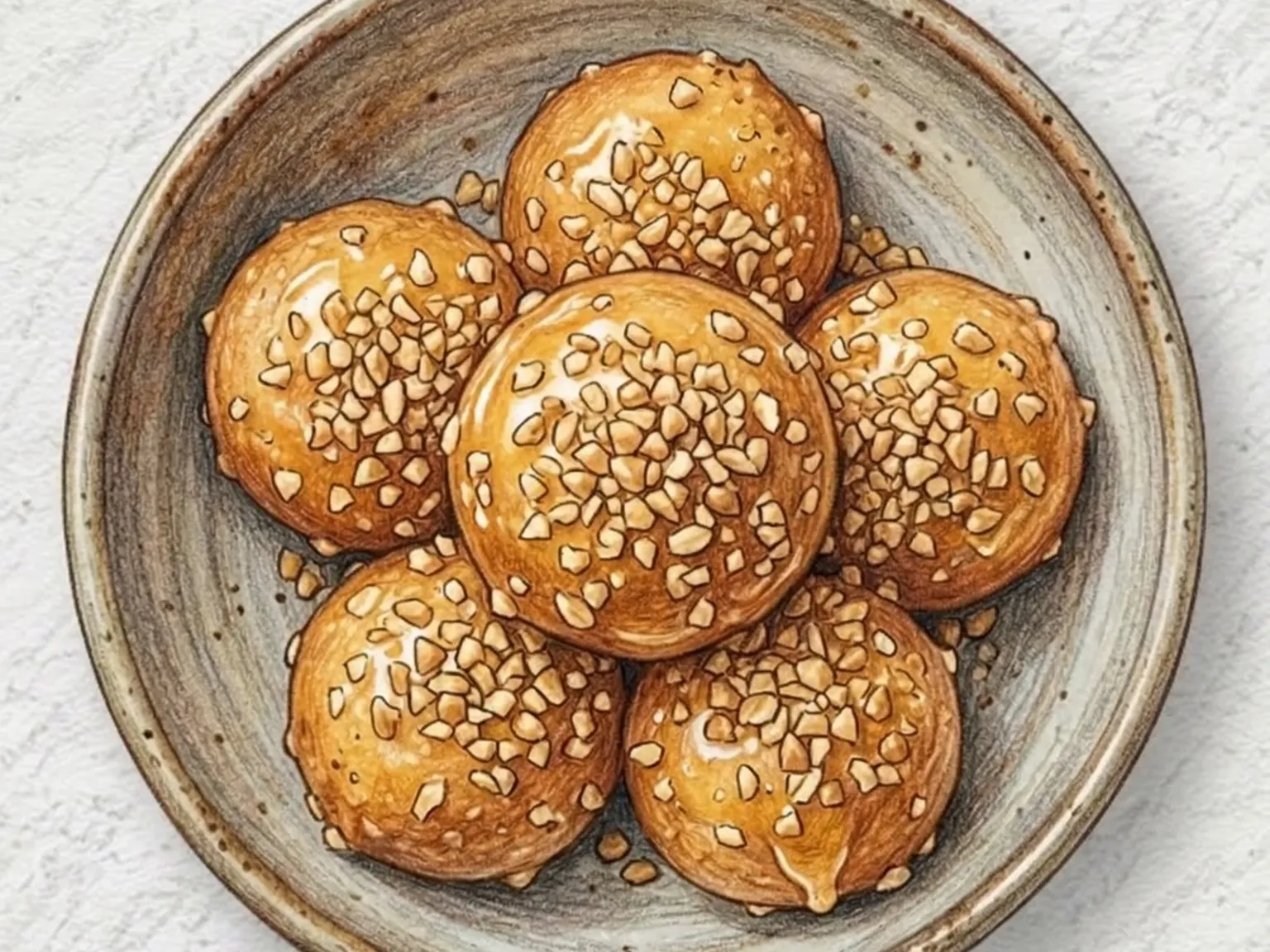
Balls of yeast dough are fried bare, with no batter, then brushed with warm honey while still hot and rolled in chopped peanuts. This is a local snack from Tongyeong. Swapping the honey for rice syrup softens the sweetness and brings it closer to traditional Korean confections.
Mulberries are in season in May and June, and the syrup here is cooked from berries frozen then. They simmer with sugar and water over low heat for six minutes, lemon juice is stirred in, and a fine sieve takes out the seeds. The syrup keeps about five days in the fridge, and tonic water in place of sparkling water gives a slightly bitter finish.
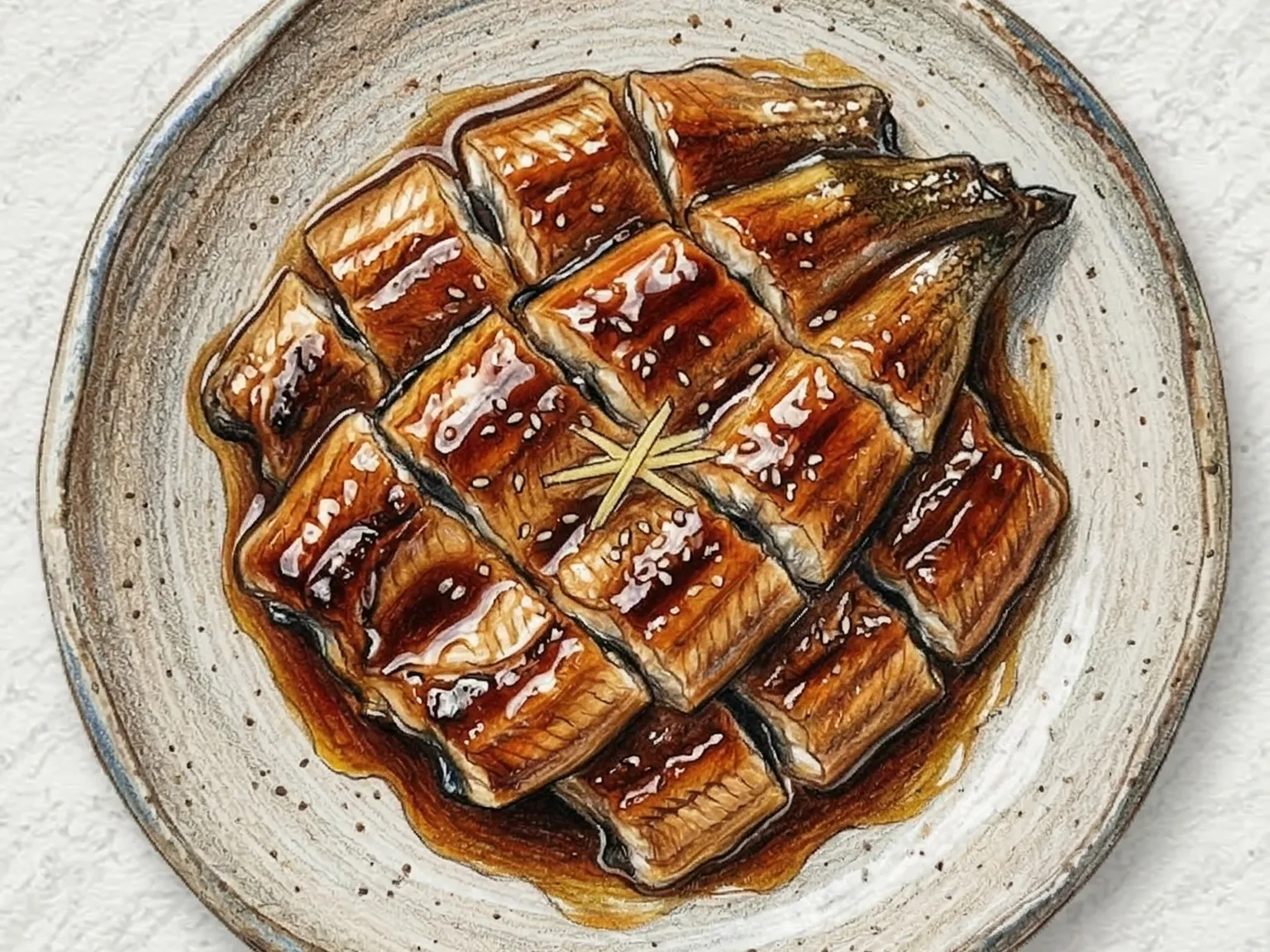
The eel is seared skin side first to draw out its fat, then glazed over low heat with soy sauce and rice syrup spooned over it again and again. Some of the rendered fat is poured off before the sauce goes in. Laid over rice, it makes an eel bowl, with the sauce soaking down into the rice.
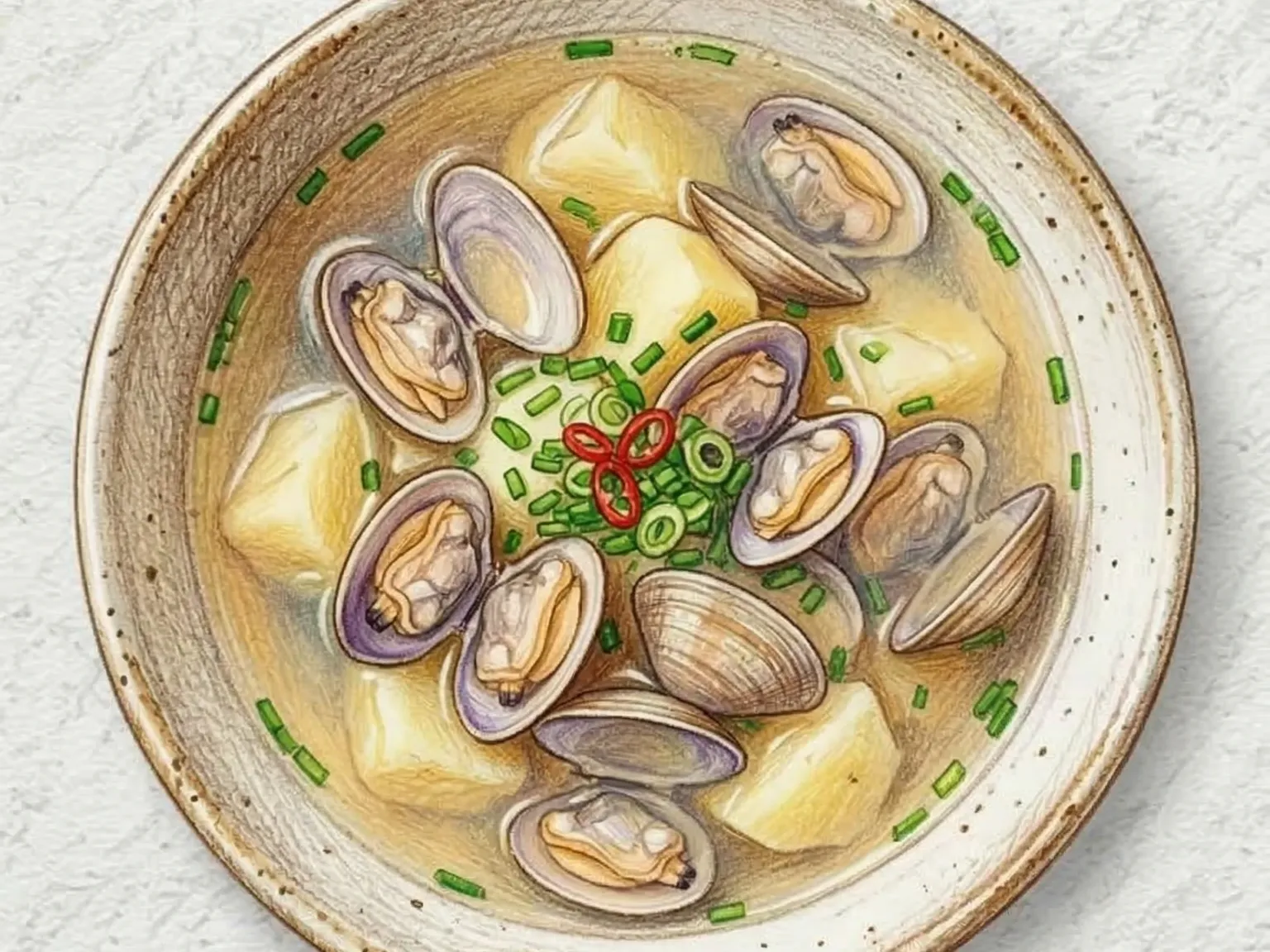
The clams spend an hour purging in salted water in the fridge, which rules this out as a last-minute soup. No stock goes in; thin potato slices shed a little starch into the clam broth and soften it.
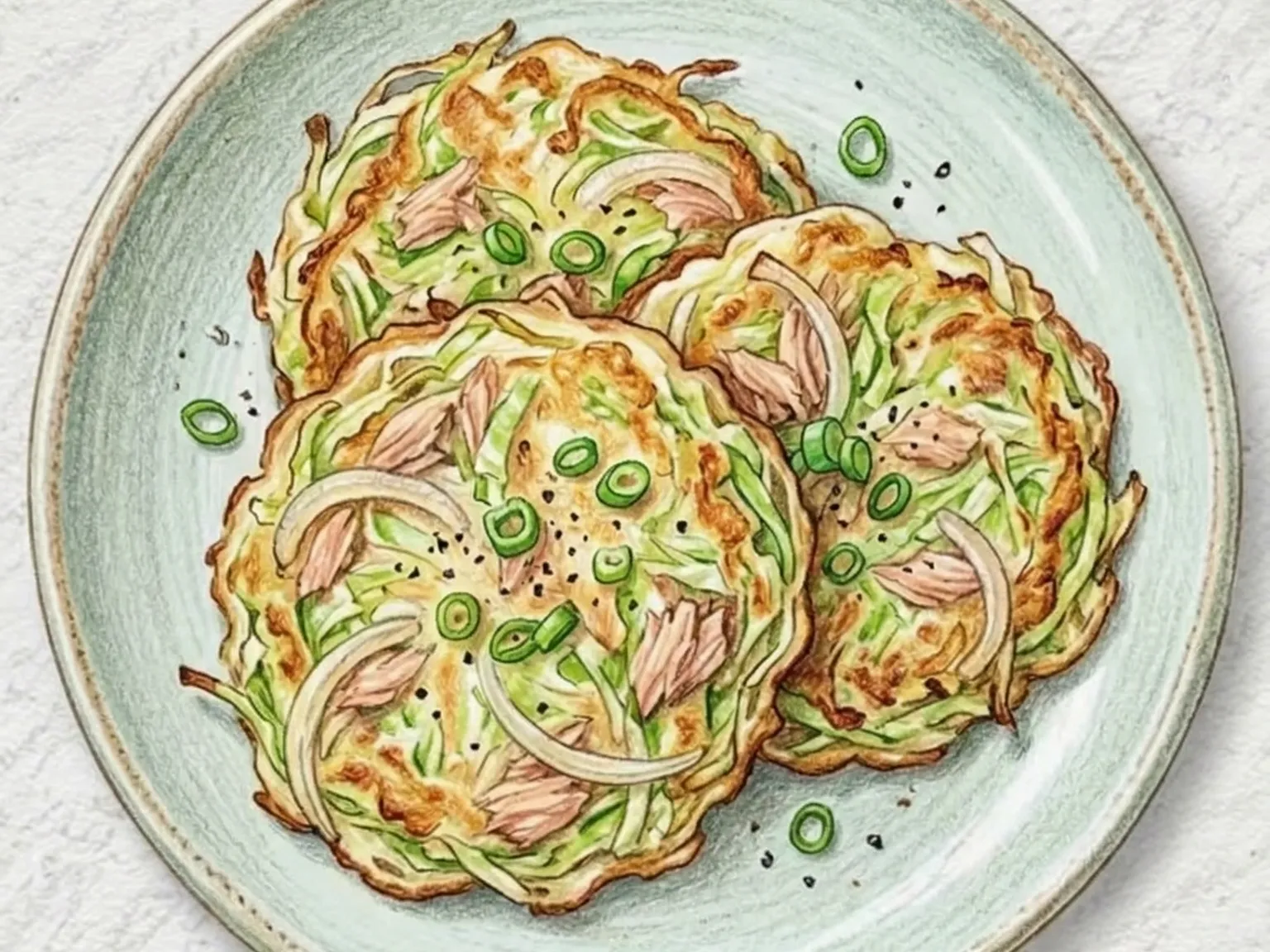
Shredded cabbage and drained tuna are bound with an egg batter and fried as several small, thin rounds instead of one large pancake. Small rounds lose moisture quickly: the rims crisp fast, and they are easier to turn.
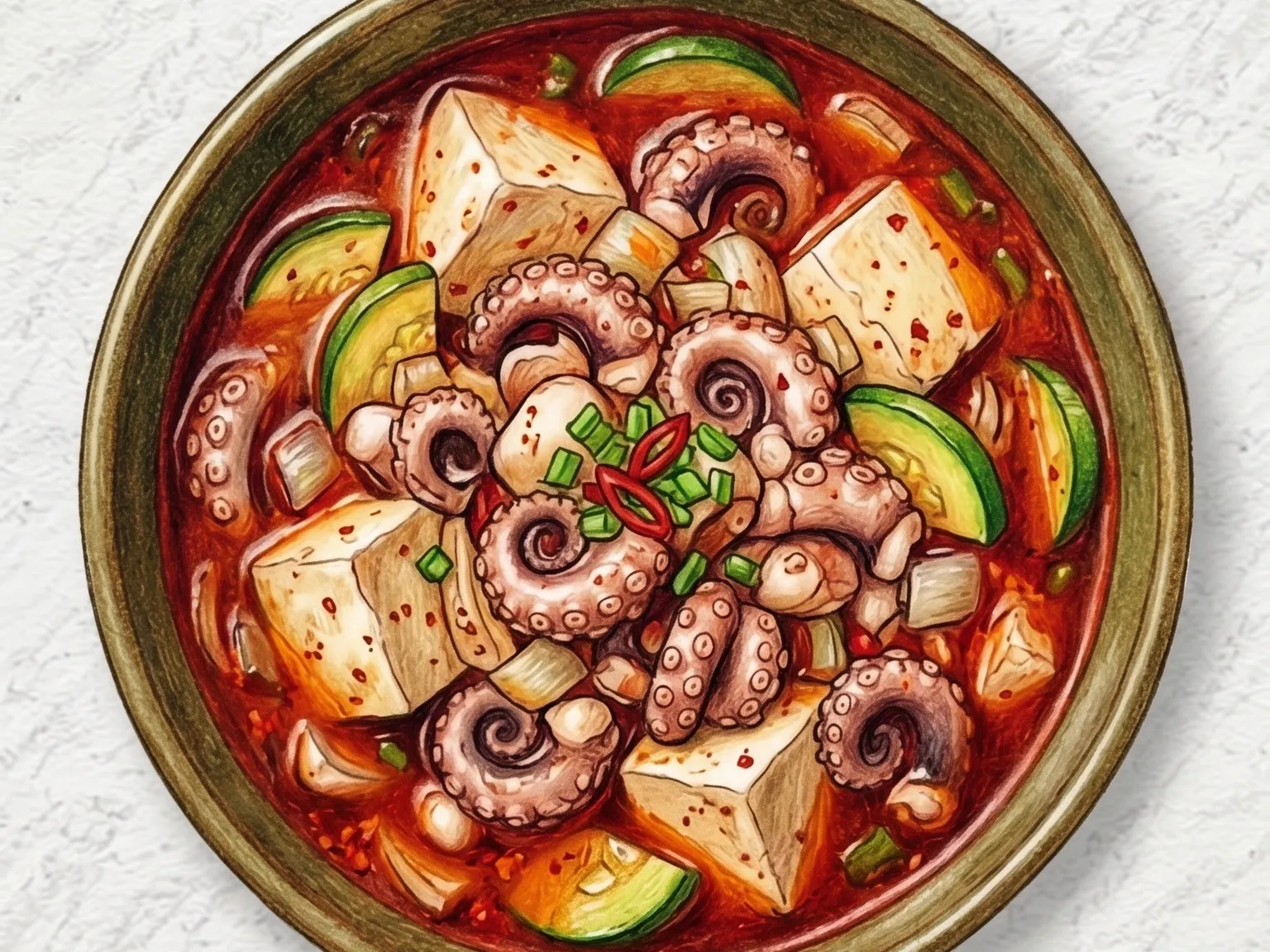
Each spoonful brings up chewy webfoot octopus (jjukkumi) together with tofu that has soaked up the red broth. The octopus turns rubbery if it boils long, so the vegetable broth is finished first and the octopus gets only a few minutes in it.
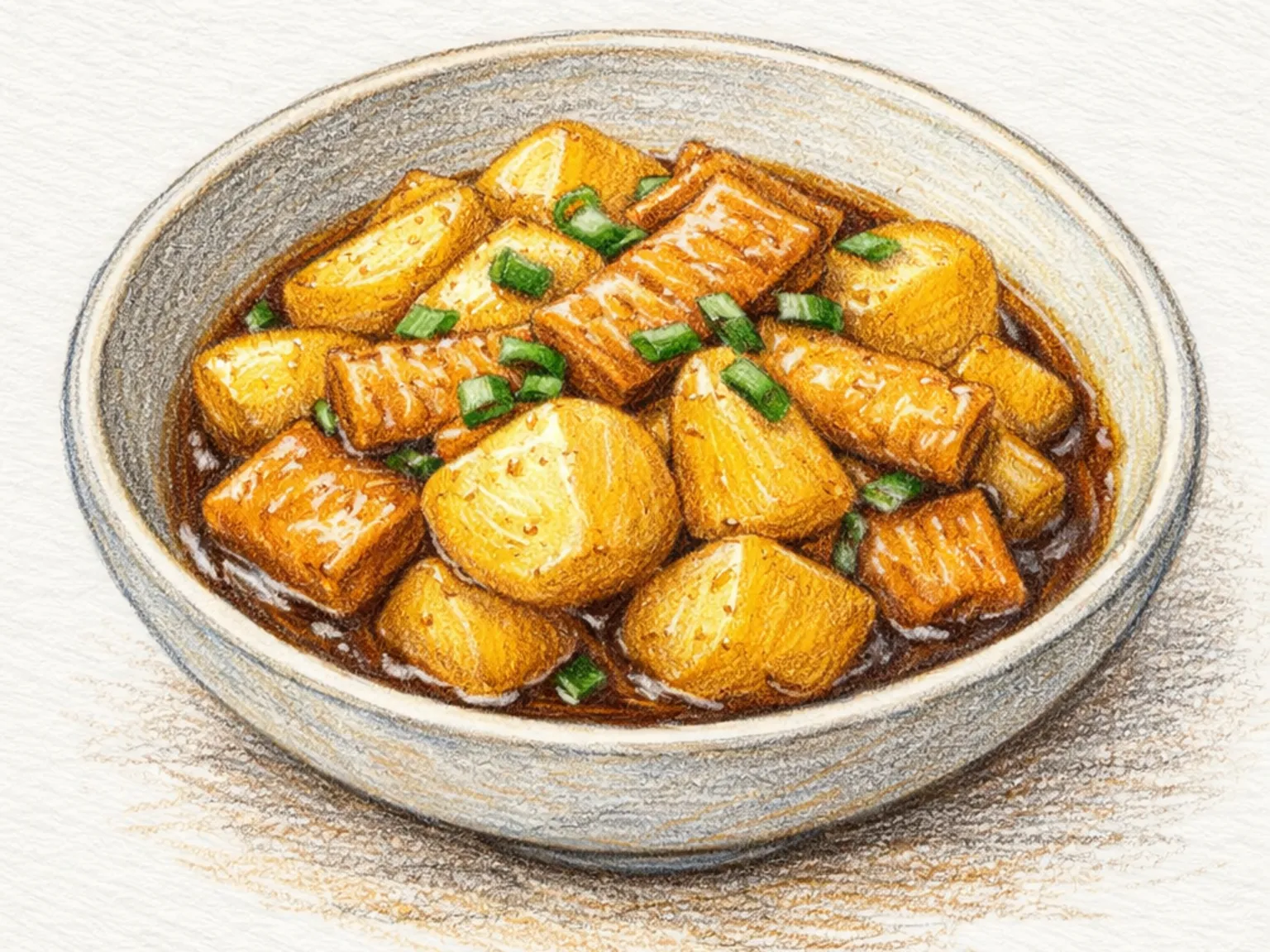
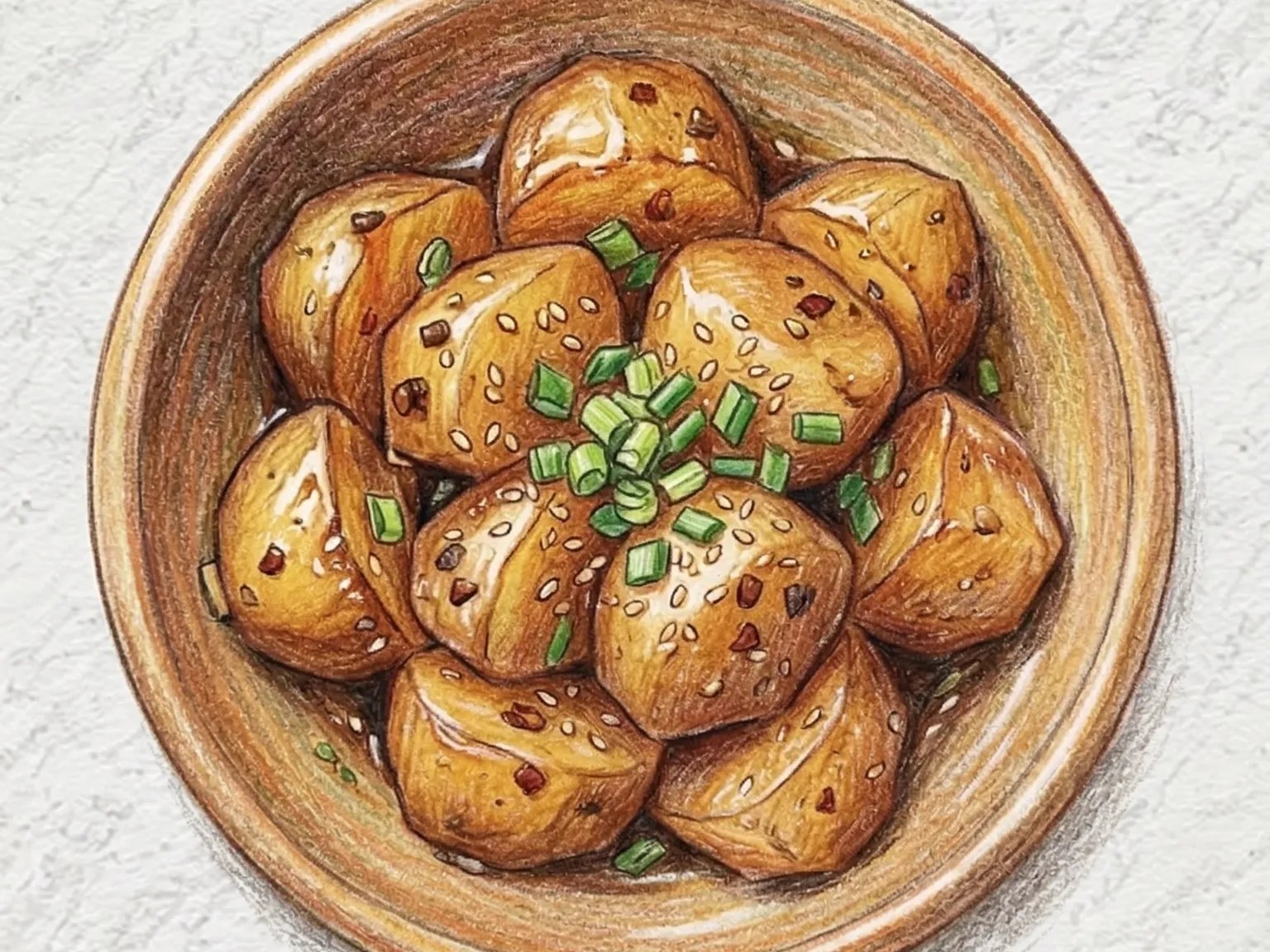
Despite the name, gamja-jjim is not steamed: potato cubes simmer in soy sauce, sugar and garlic until almost no liquid is left and a glossy film coats each piece. Cubes cut to one size take the seasoning to the center at the same pace, and no piece ends up bland inside. Scallions and a little sesame oil finish it with a fresh, nutty note.
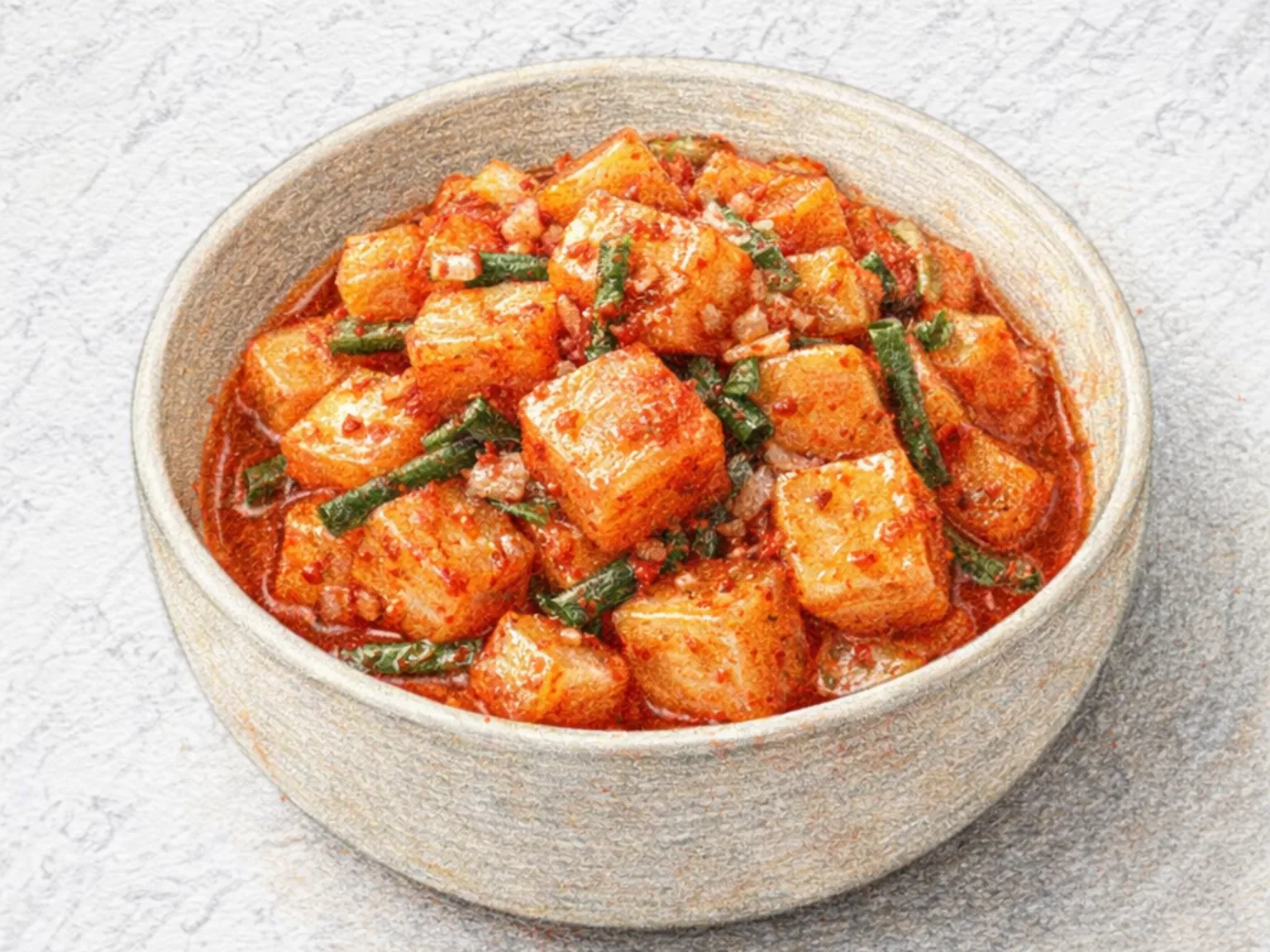
Cut into 2 cm cubes, the radish stays crunchy beside seolleongtang or gomtang, the milky beef soups it usually accompanies, and turns sweeter as it ferments. After salting, only the released water is poured off and the cubes go unrinsed, keeping in the salt and sugar they absorbed.
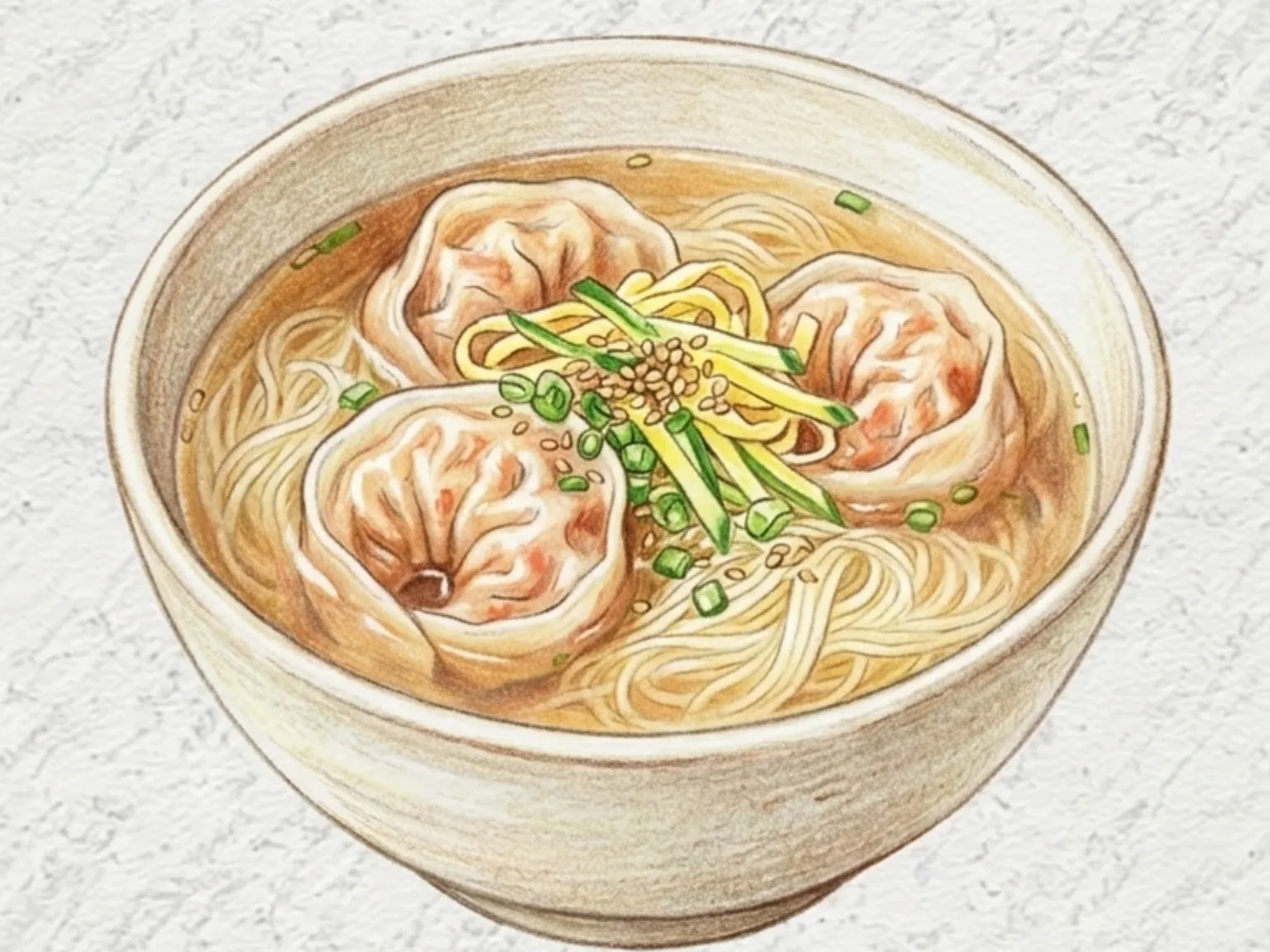
Simmering kimchi dumplings in anchovy-kelp stock lets the kimchi and pork filling season the broth with little help from anything else. Once the dumplings float they are cooked; boiling longer splits the wrappers. A thin swirl of beaten egg softens the soup, and the somen sits in the bowl with broth poured over rather than being cooked in the pot. It makes a quick, warming bowl for a cold day.
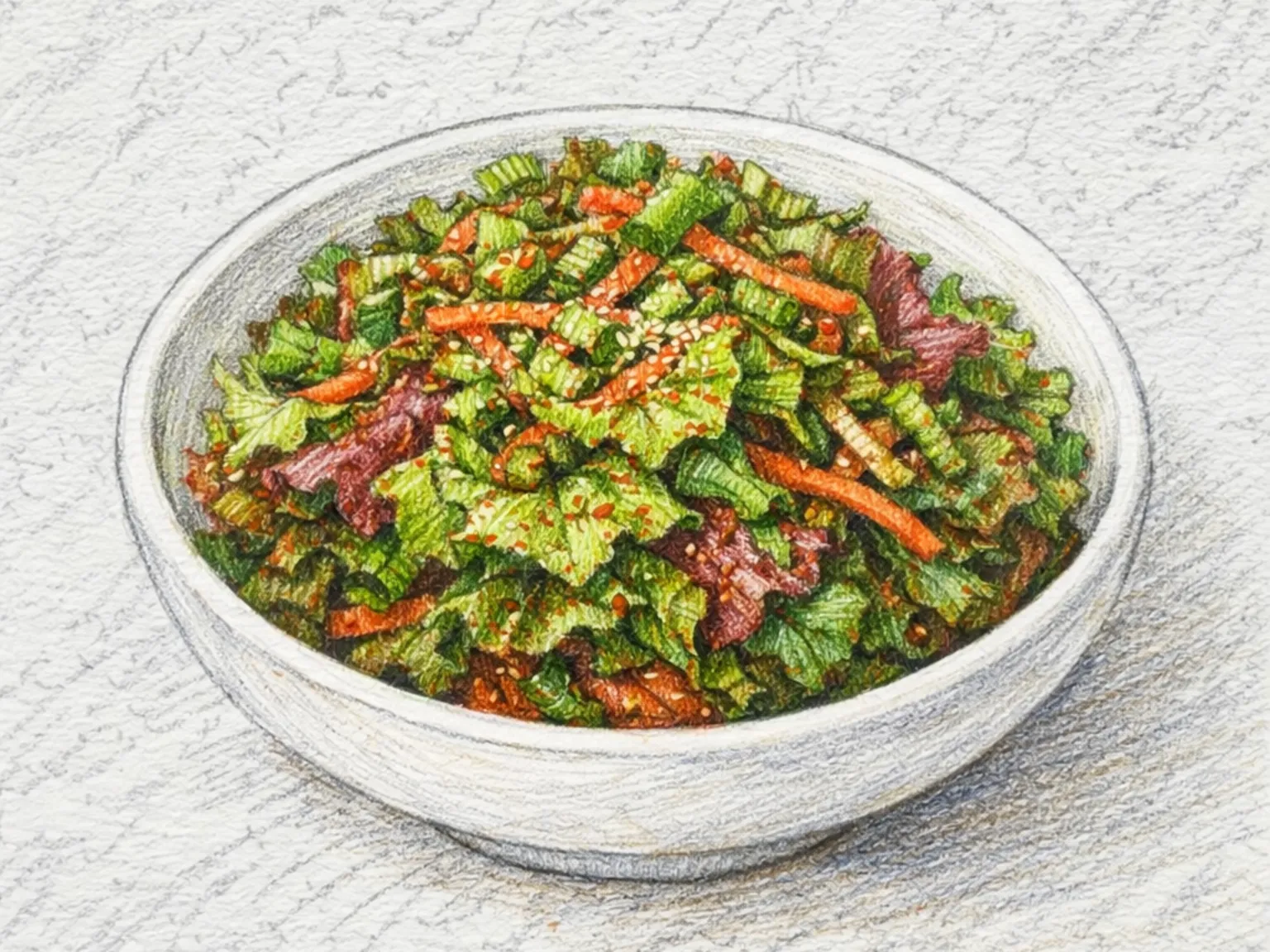
Torn lettuce gets a thin, glossy coat of red chili dressing seconds before it reaches the table, usually beside grilled pork belly or other grilled meat. The dressing rests for about a minute first, long enough for the chili flakes to soften and lose their dusty taste. Geotjeori is a fresh, unaged kimchi-style salad, and it does not hold: left to sit, the leaves wilt and liquid gathers in the bowl. When the dressing tastes thin, drying the lettuce matters more than adjusting the sauce: the usual cause is water trapped between the leaves rather than too little seasoning. Thin slices of onion add a sharp edge against the mild bitterness of the leaves. Plum syrup gives a fruitier, subtler sweetness than sugar, and vinegar tempers the chili heat.