Browse by cuisine

Korean Recipes

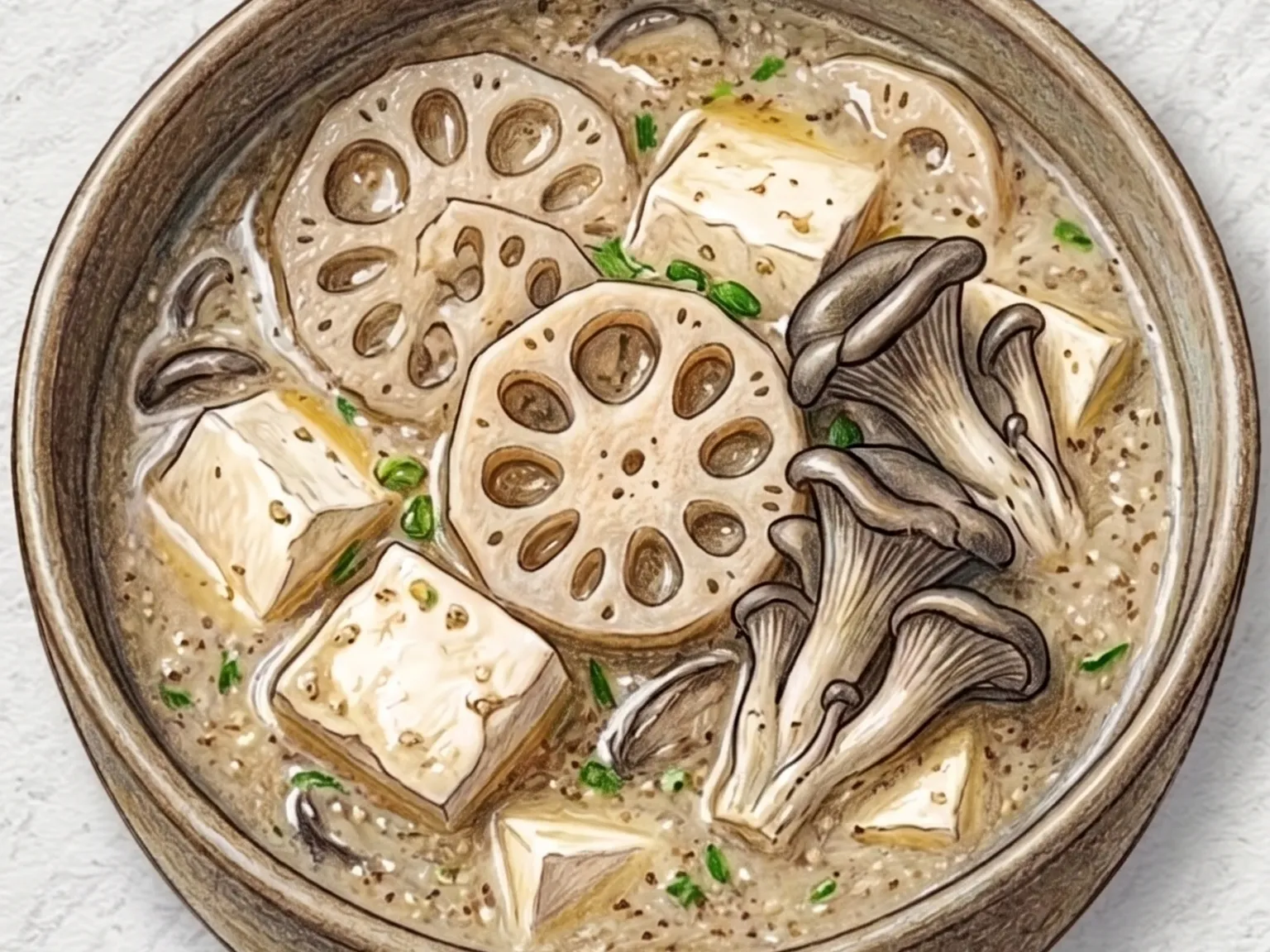
1880 Korean recipes. Page 66 of 79. Compare ingredients and cooking times. Korean Lotus Root Perilla Seed Stew, Korean Braised Pork with Garlic Scapes.

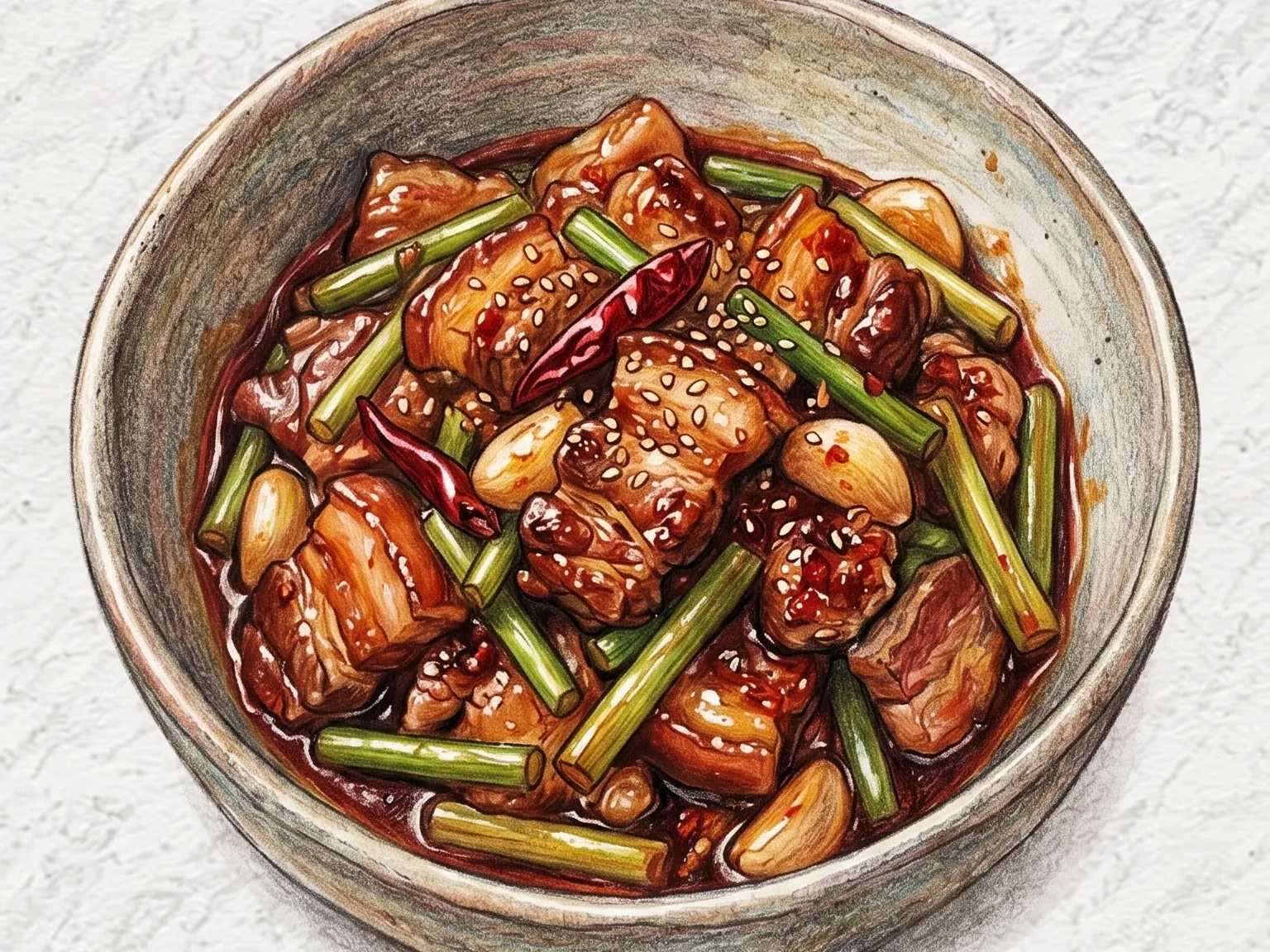
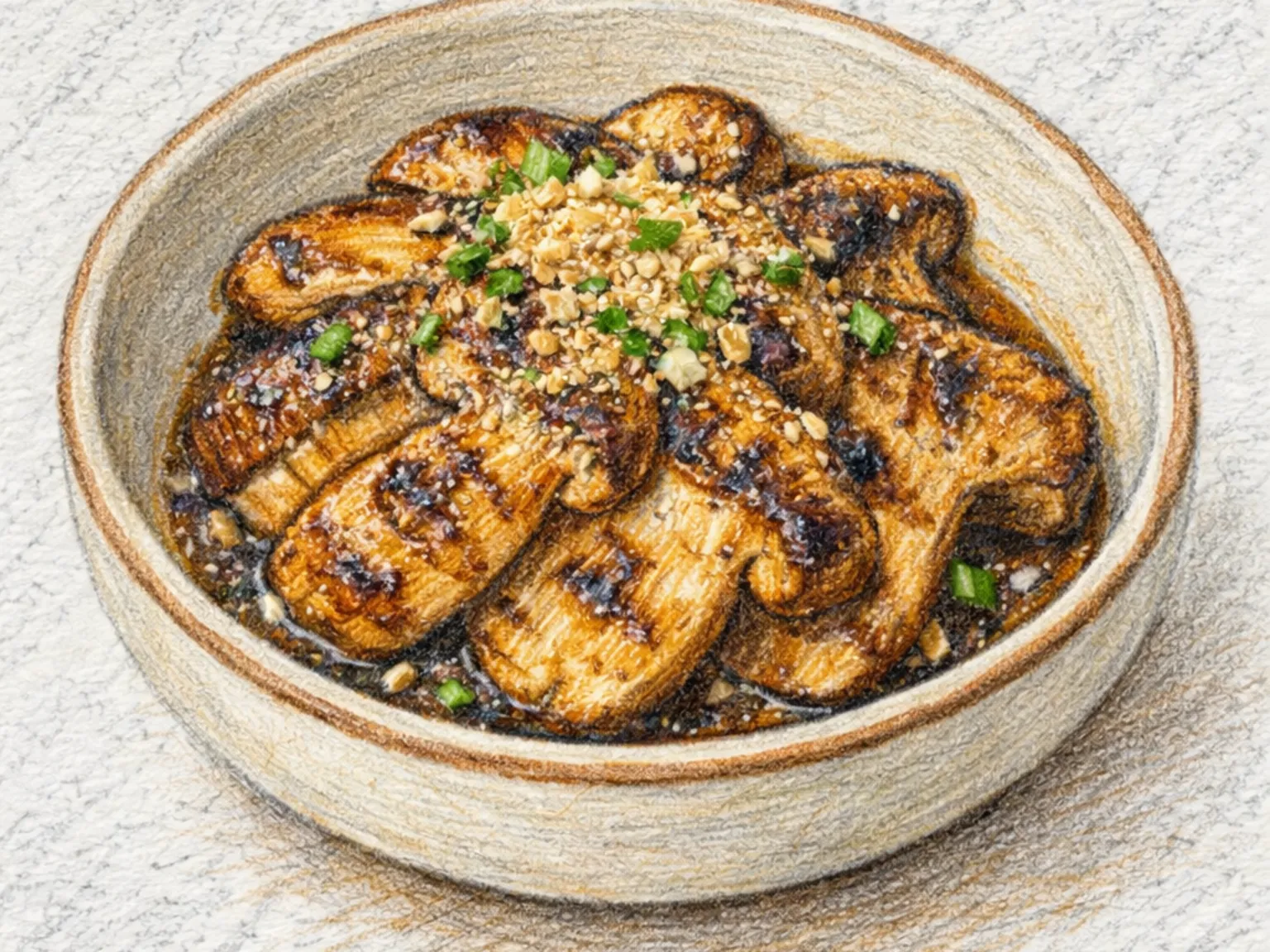
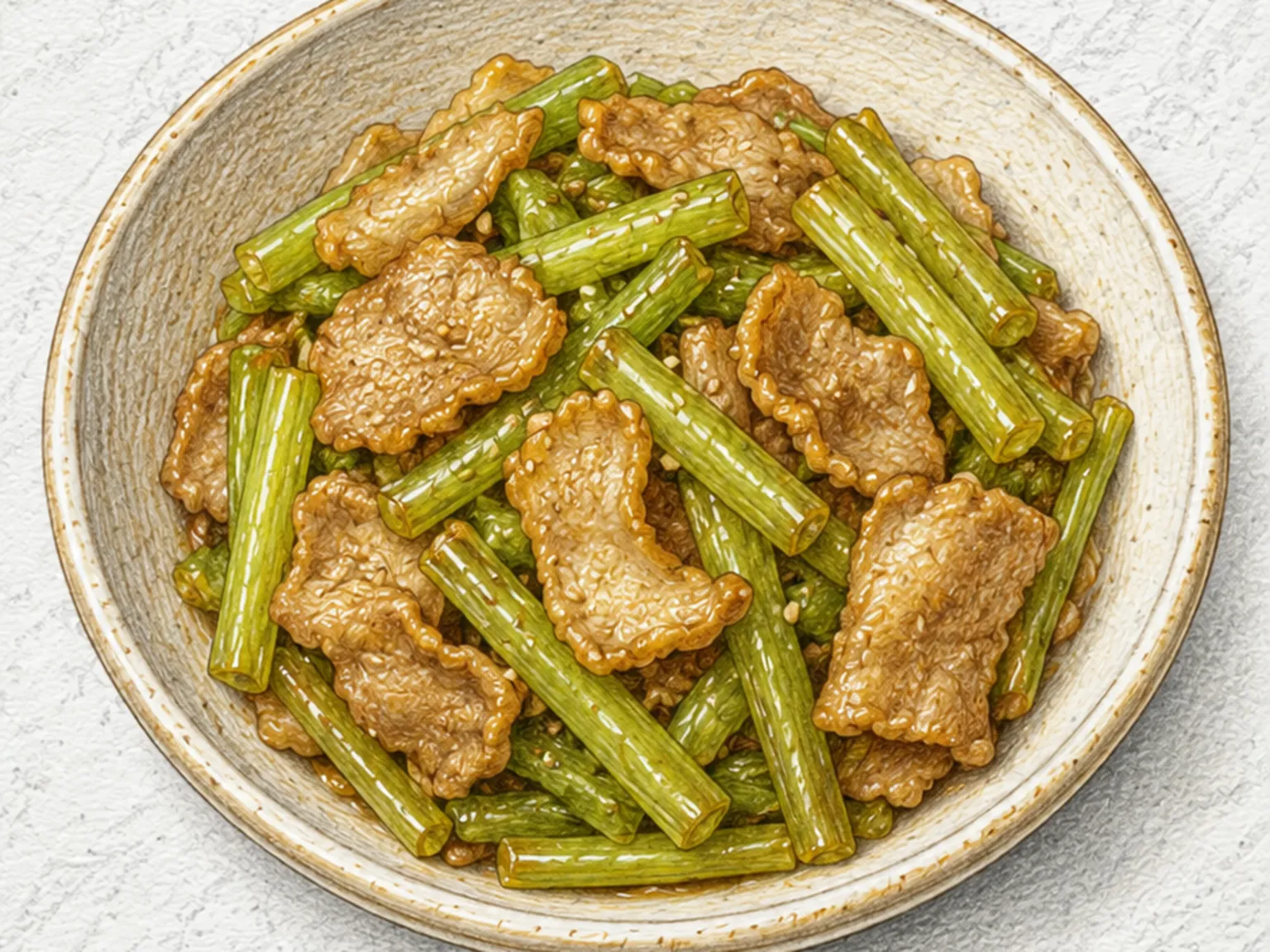
Korean Braised Pork with Garlic Scapes
Steamed Easy

Korean Braised Pork with Garlic Scapes

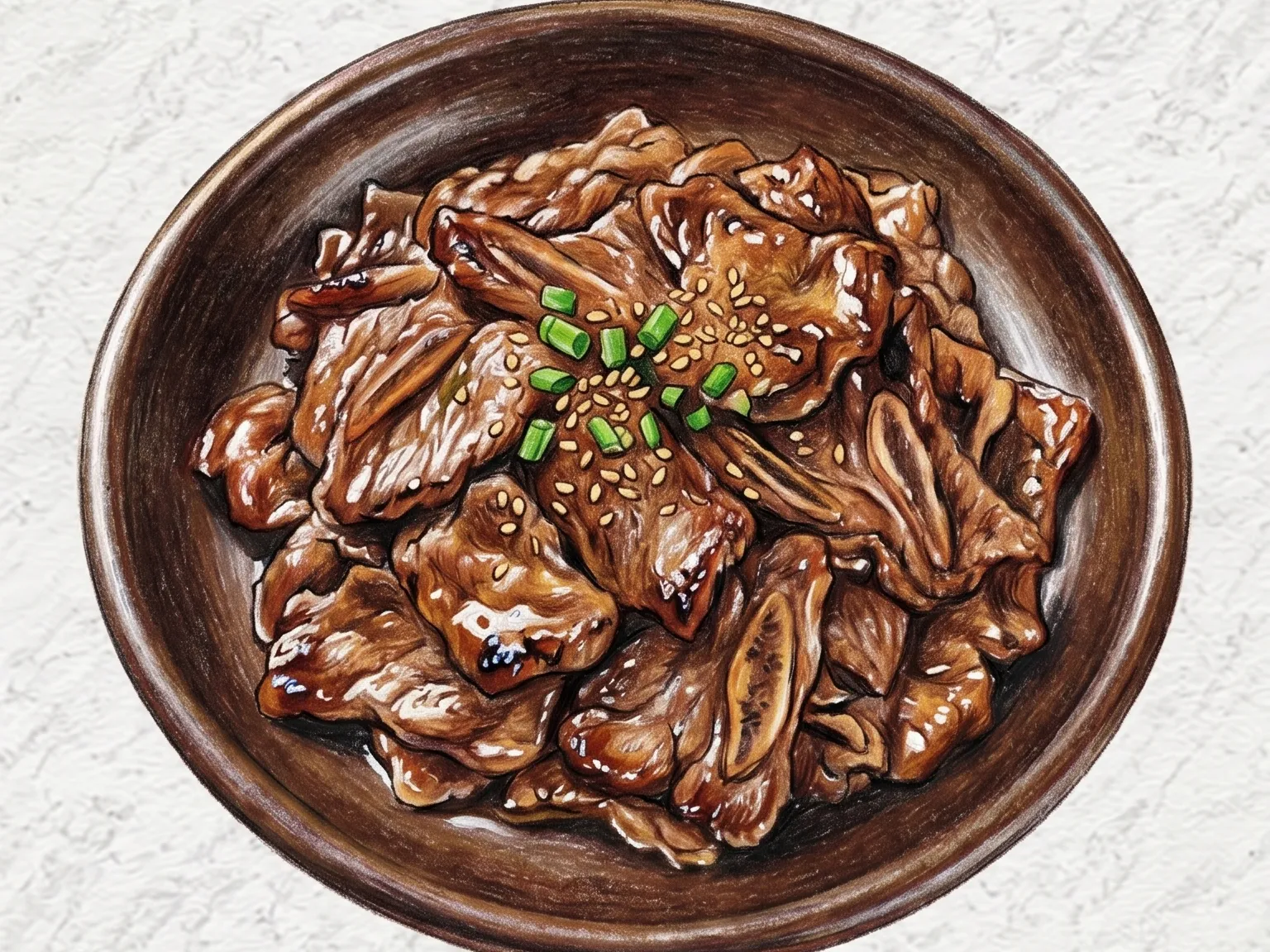
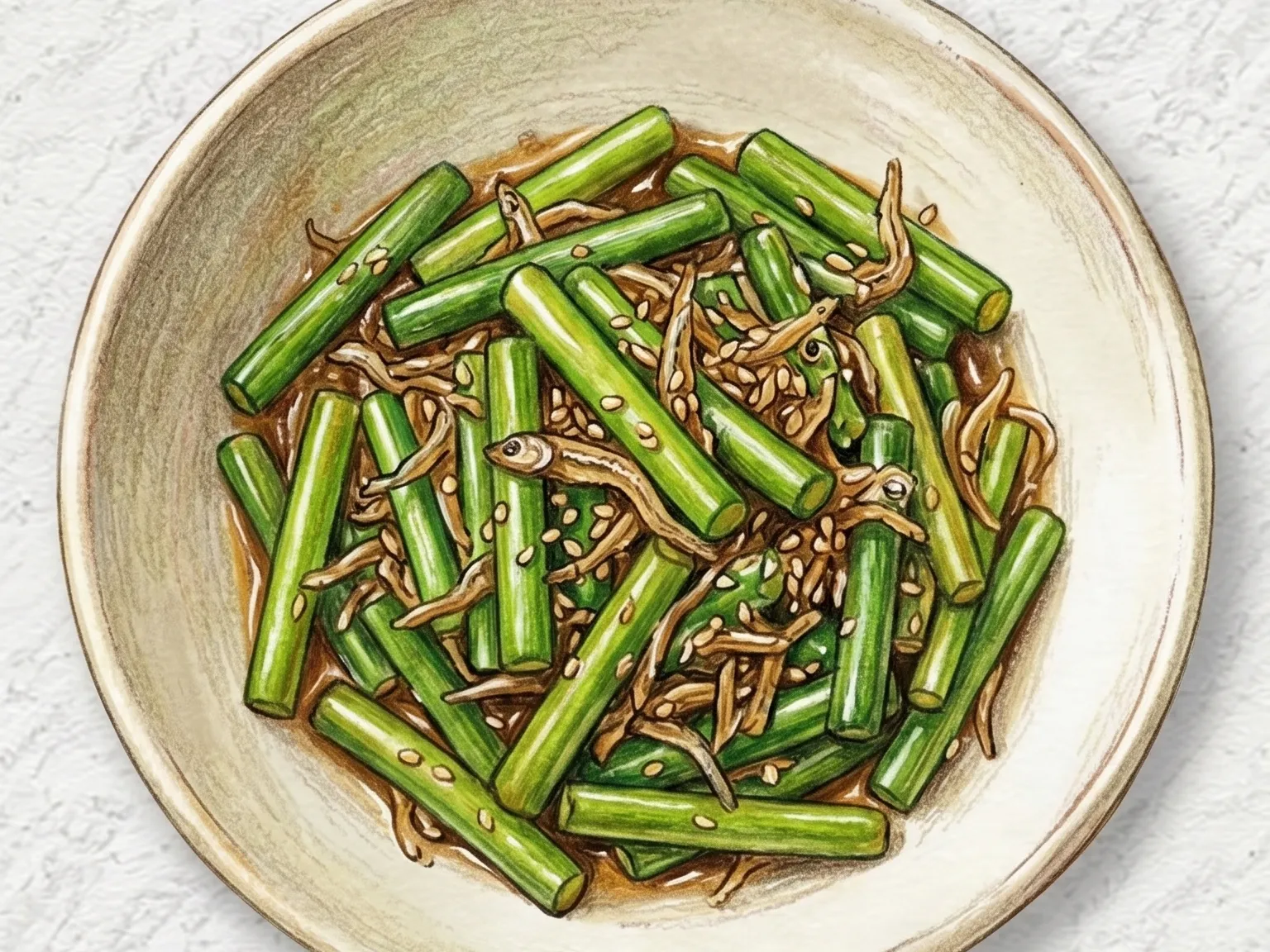
With only half a tablespoon of gochujang against soy sauce and oyster sauce, this braise leans salty and savory rather than red and fiery. That small spoonful of chili paste has to dissolve fully into the soy and oyster sauce, or the pork and scapes end up unevenly seasoned. Lean pork tenderloin, sliced across the grain about 1 cm thick, stays tender through a short simmer while its juices enrich the sauce. Adding the garlic scapes only after the liquid has dropped by half lets them soak up that sauce and still keep their crunch and mild, sharp bite. Left too long they turn stringy, which is why the pan comes off the heat with a spoonful of glossy sauce left for the rice.

Prep 15min Cook 25min 2 servings
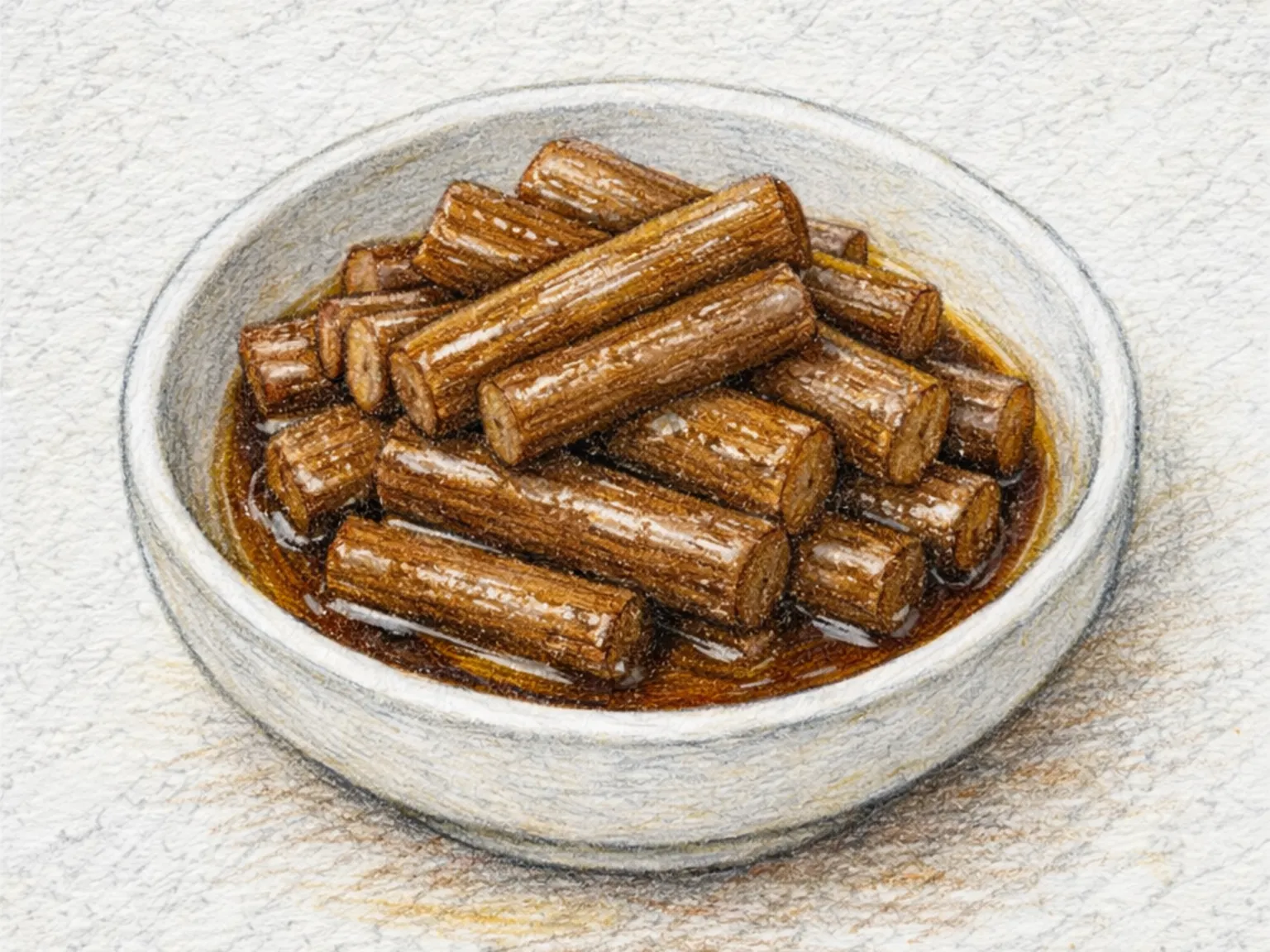
Korean Soy Pickled Burdock
Kimchi Easy

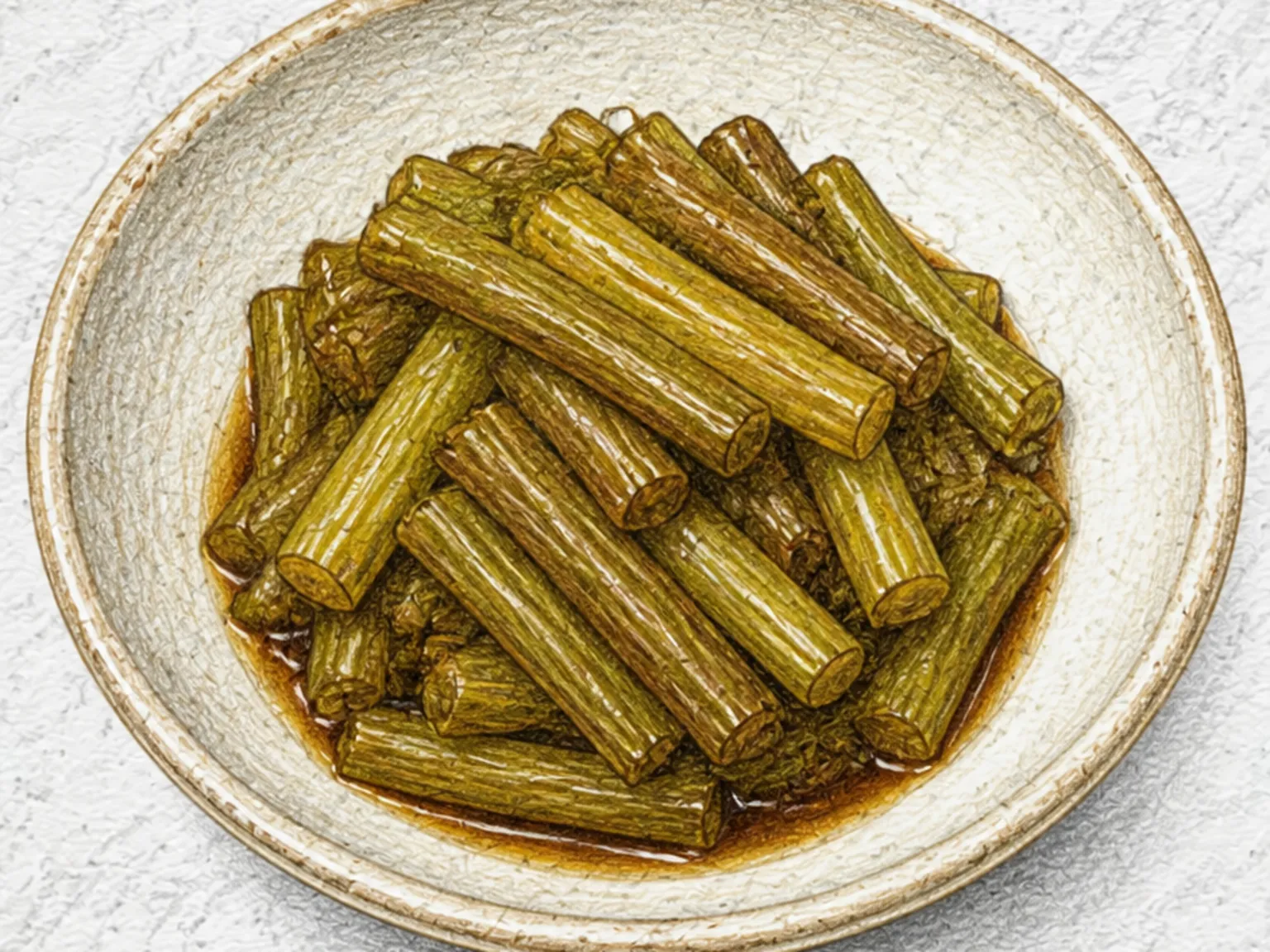
Korean Soy Pickled Burdock

Burdock browns the moment its cut face meets air. The bowl of vinegar water sits right beside the cutting board, and each stick goes in as soon as it is cut. A brief blanch takes off the raw, earthy edge and leaves the surface just slightly translucent. The soy brine is steeped with kelp, dried chili and peppercorns only briefly so it stays clean rather than bitter, then poured on hot before the jar goes straight into the fridge. Two days later the sticks are seasoned through, and the jar stays in the fridge from then on as a refrigerator pickle, not a shelf-stable preserve.

At least 2 days 13 min 4 servings
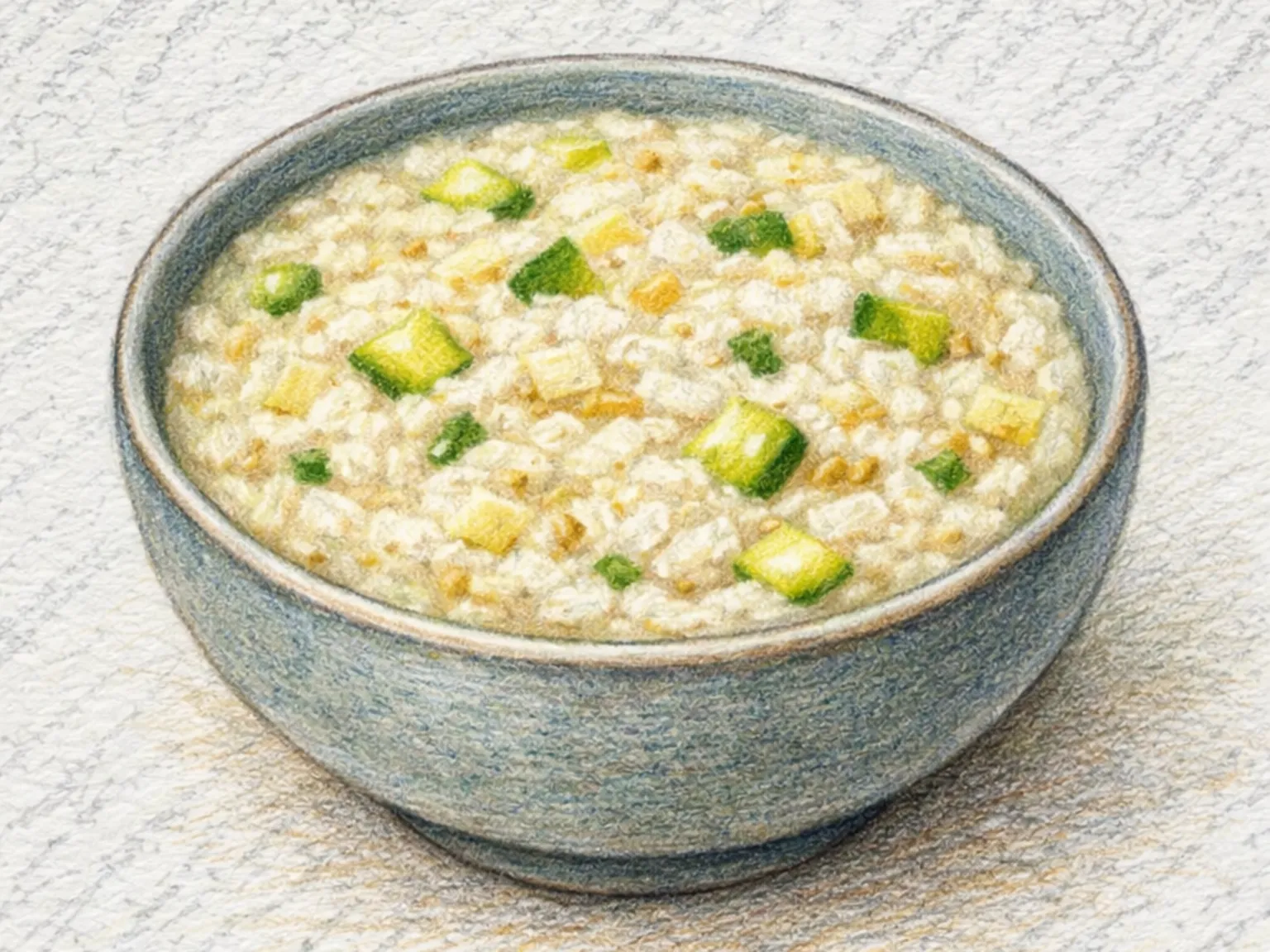
Korean Soy Pulp Porridge (Okara Porridge with Anchovy Stock)
Rice Easy

Korean Soy Pulp Porridge (Okara Porridge with Anchovy Stock)

Okara, the soy pulp left over from making tofu, gives this porridge a nutty, hearty body that lets half a cup of rice make a filling pot, and anchovy stock adds savory depth underneath. The pulp goes in only once the rice is half softened, which lets the grains break down without the okara simmering for too long. Freshly ground soaked soybeans, for anyone making their own pulp, taste noticeably beanier than store-bought.

Prep 15min Cook 20min 2 servings
Korean Cabbage Kimchi (Crunchy Green Cabbage Kimchi)
Kimchi Easy

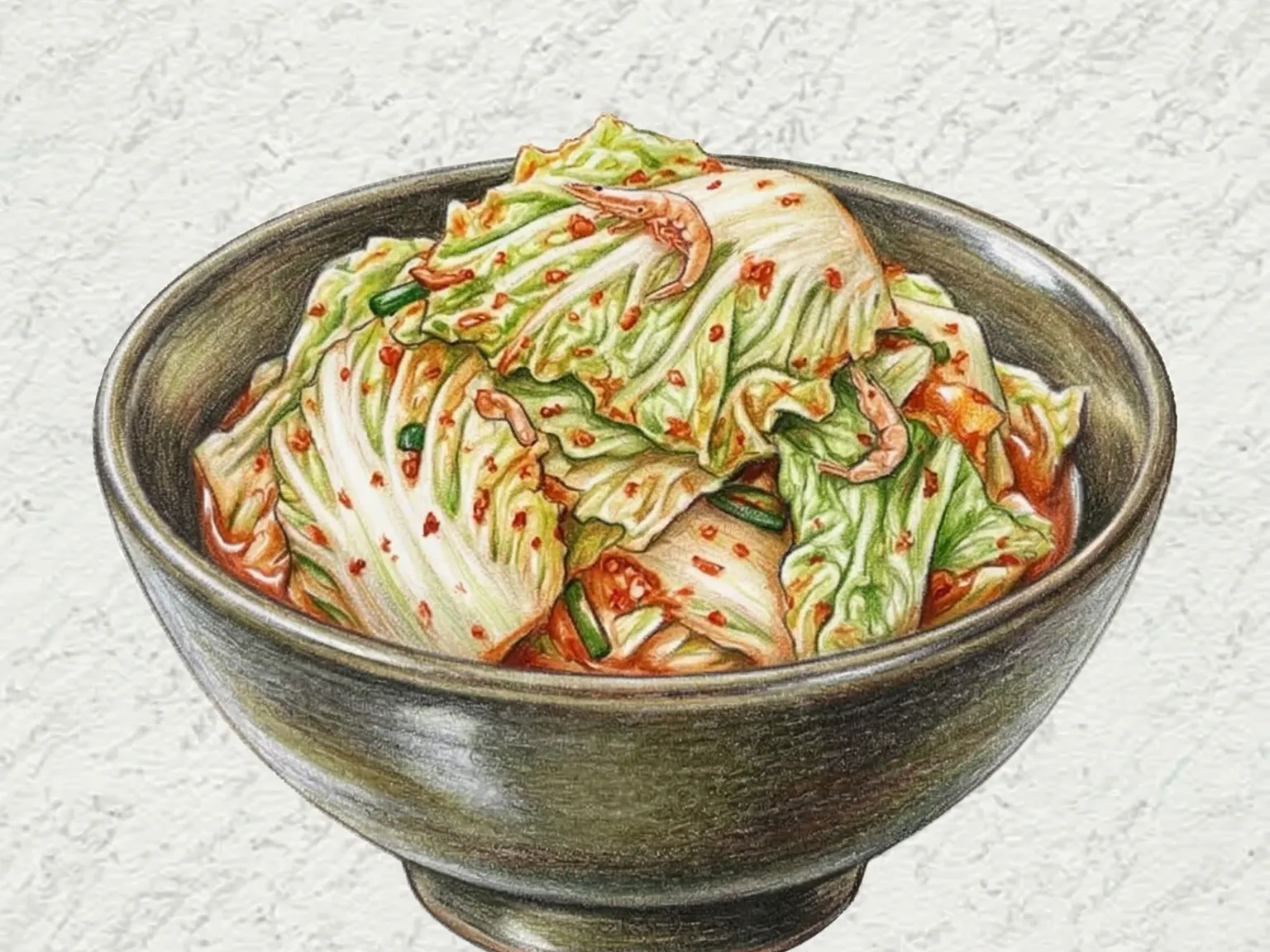
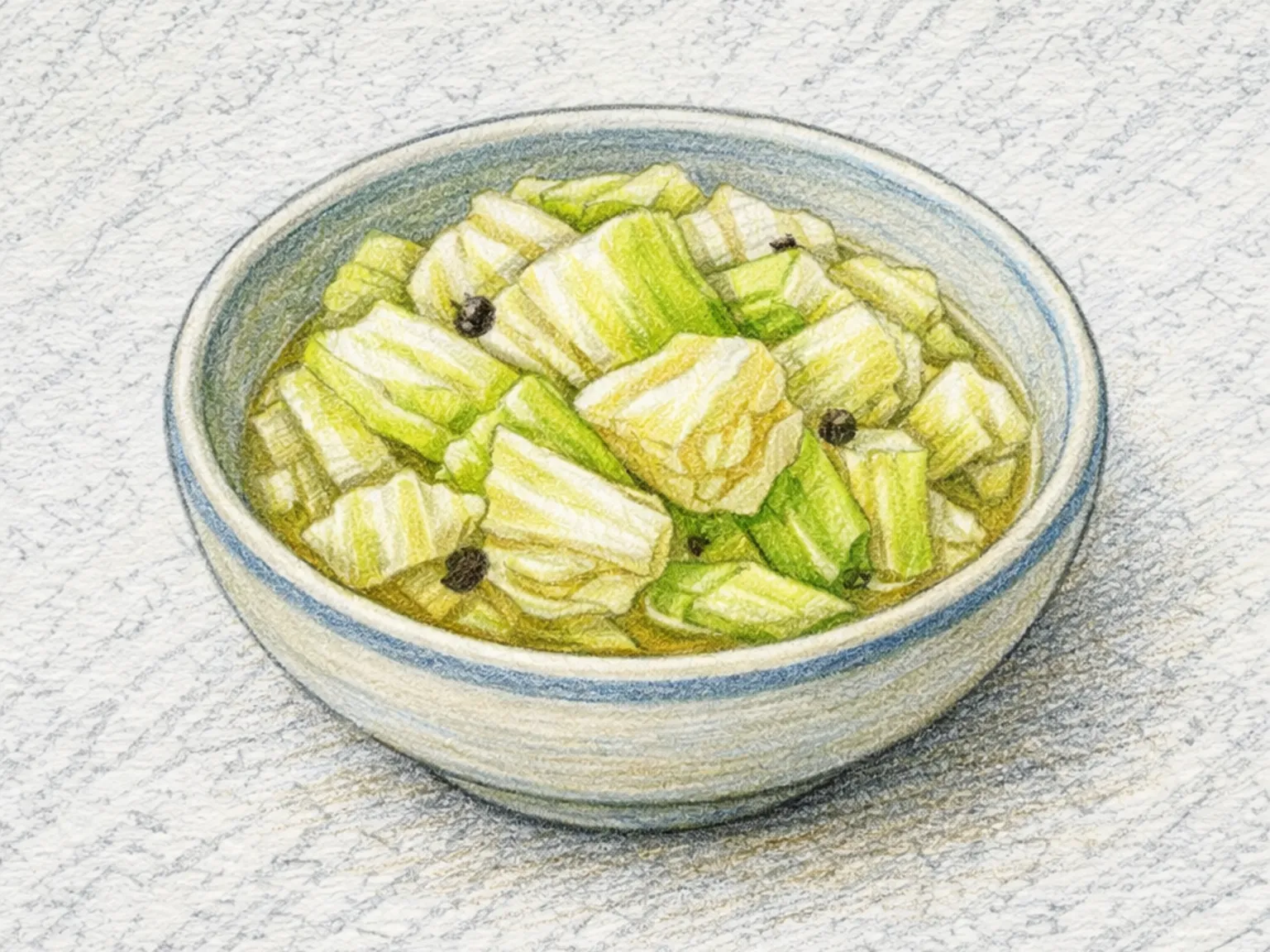
Korean Cabbage Kimchi (Crunchy Green Cabbage Kimchi)

Green cabbage leaves are thinner and firmer than napa, so they take salt quickly and turn tough rather than soft when left too long. Wide leaves and thick stems are cut to a similar size so one part does not finish salting before the other. The moment to stop salting is when a leaf bends but still snaps between the teeth. Draining matters more than it seems: leftover rinse water slides the chili paste off the leaves and thins the brine that forms later. Julienned carrot and scallion keep the color bright, and the jar moves to the fridge once liquid starts pooling after a short room-temperature ferment.

Prep 30min Cook 10min 4 servings
Korean Soy-Braised Quail Eggs
Steamed Easy

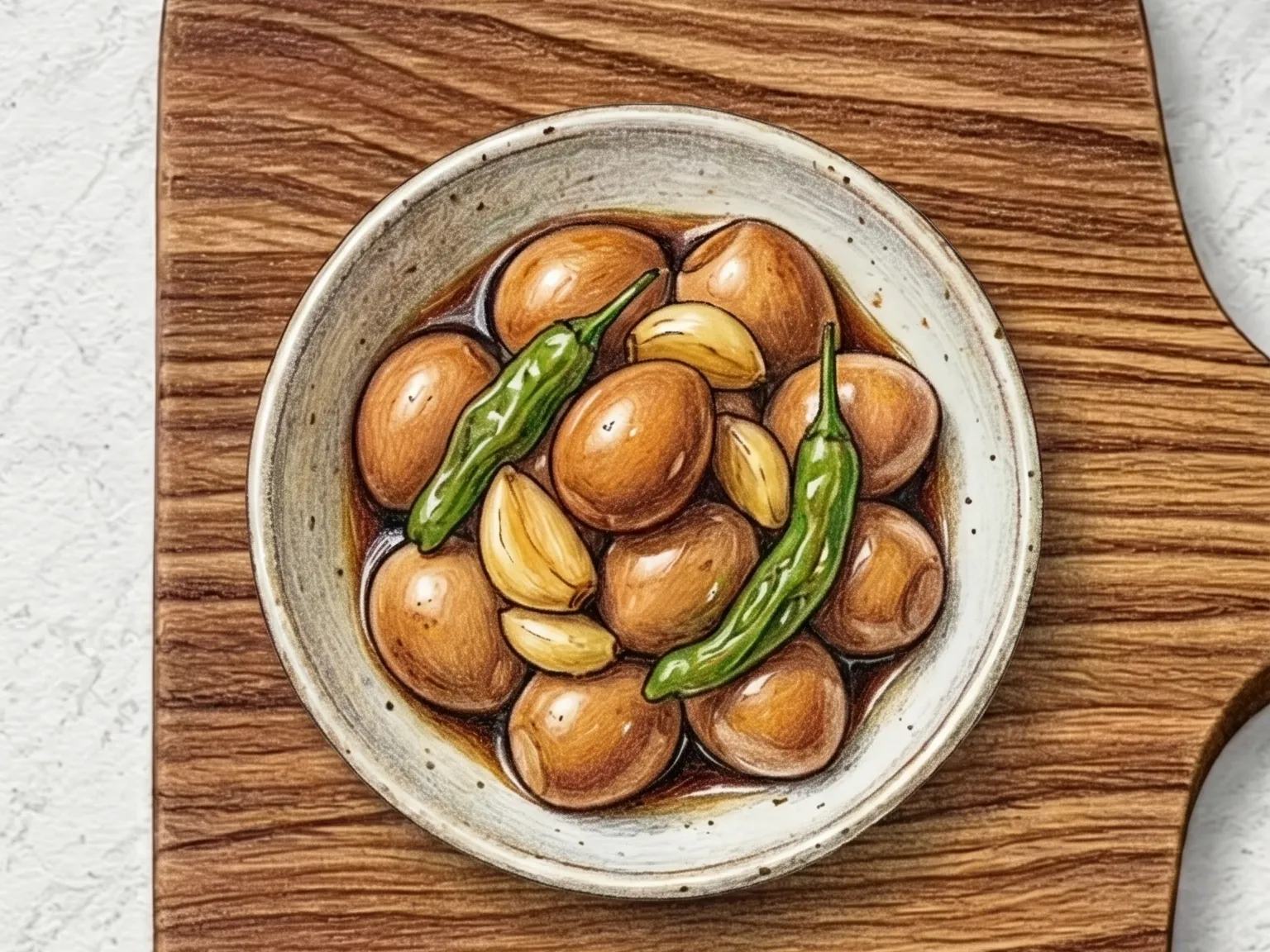
Korean Soy-Braised Quail Eggs

Kelp flavors the soy broth only briefly and comes out before the eggs go in, since a long simmer turns it heavy and muddy. Whole garlic cloves braise alongside the quail eggs until soft and mellow, while a single Cheongyang chili joins in the final minutes to add a sharp edge without making the dish fiery. The eggs come out mahogany outside and seasoned toward the yolk, easy one-bite pieces for a lunchbox.

🍱 Lunchbox 🧒 Snacks for Kids
Prep 20min Cook 25min 4 servings
Korean Bean Sprout Rice (Pot-Steamed Rice with Soy Sprouts)
Rice Easy

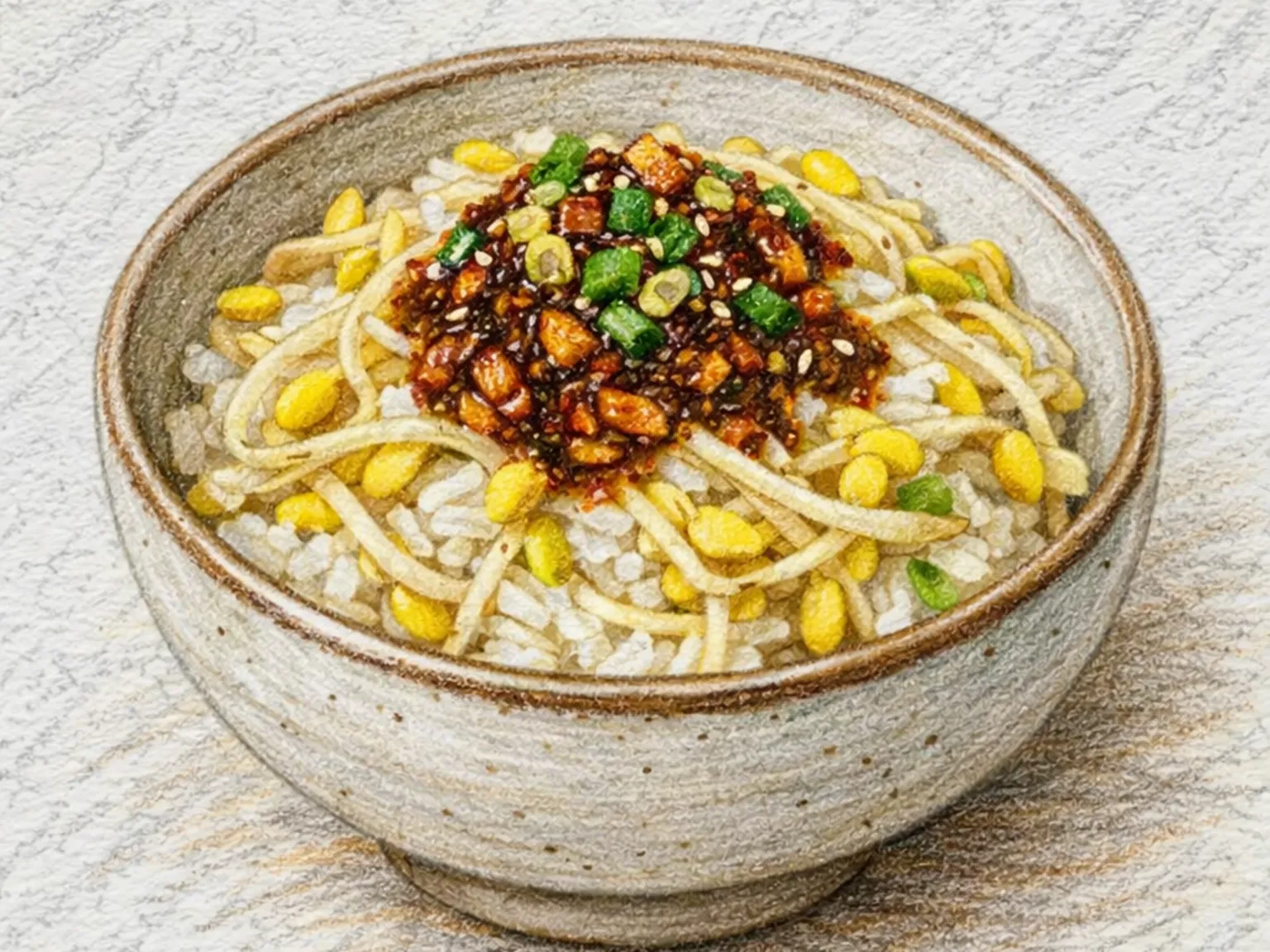
Korean Bean Sprout Rice (Pot-Steamed Rice with Soy Sprouts)

Piling bean sprouts high on the soaked rice and cooking them together lets their moisture seep into the grains, while the sprouts turn slightly translucent and still keep a little crunch. The rice itself is unseasoned; a soy sauce dressing with sesame oil, chili flakes, green onion and sesame seeds does all the work when spooned on and mixed in. Some cooks add julienned radish to soften the beany smell of the sprouts.

Prep 10min Cook 25min 2 servings
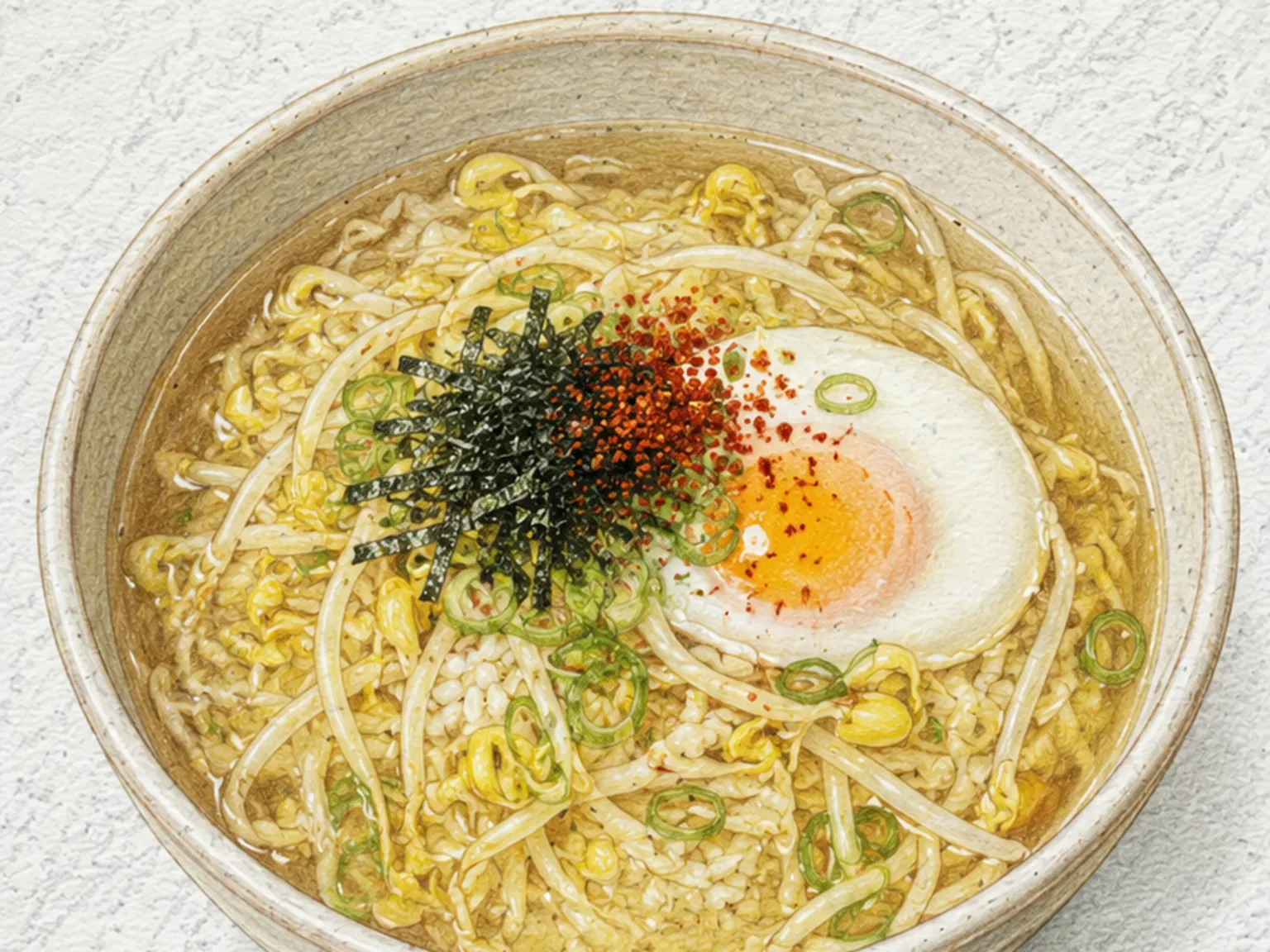
Korean Bean Sprout Soup with Rice
Rice Easy

Korean Bean Sprout Soup with Rice

Bean sprouts simmer uncovered in anchovy stock for just 5 to 6 minutes, long enough to drive off their raw, grassy smell but short enough to keep them crunchy. This is the Jeonju style of kongnamul gukbap, a sprout soup poured over rice. An egg is slipped in whole rather than beaten, and it is ready when the white has set around a still-soft yolk. Seaweed flakes and a pinch of chili flakes go on top, and in Korea it is a common hangover meal.

Prep 10min Cook 20min 2 servings