Browse by cuisine

Korean Recipes

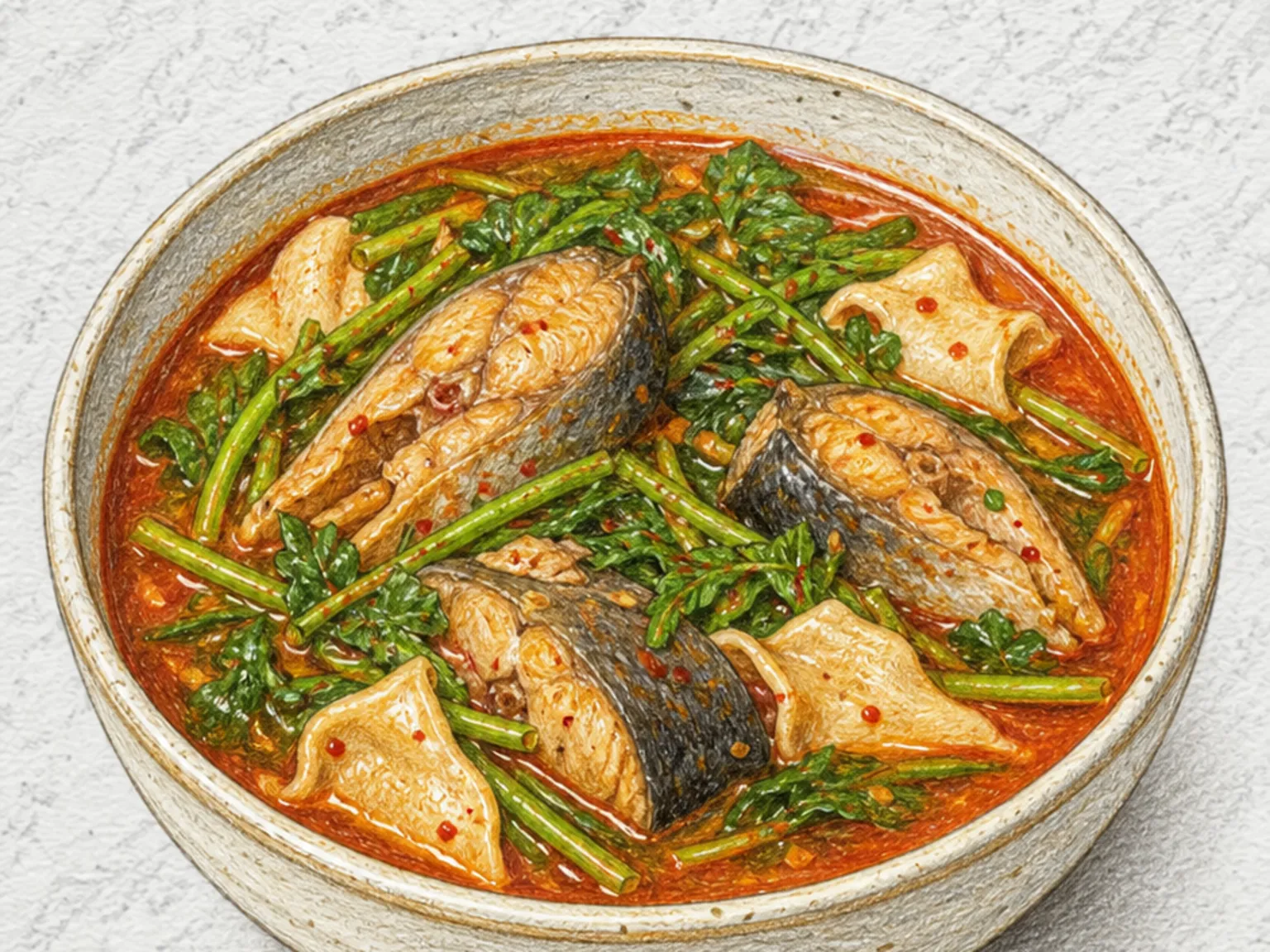
1880 Korean recipes. Page 67 of 79. Compare ingredients and cooking times. Korean Grilled Sea Snail with Gochujang, Spicy Catfish Stew.

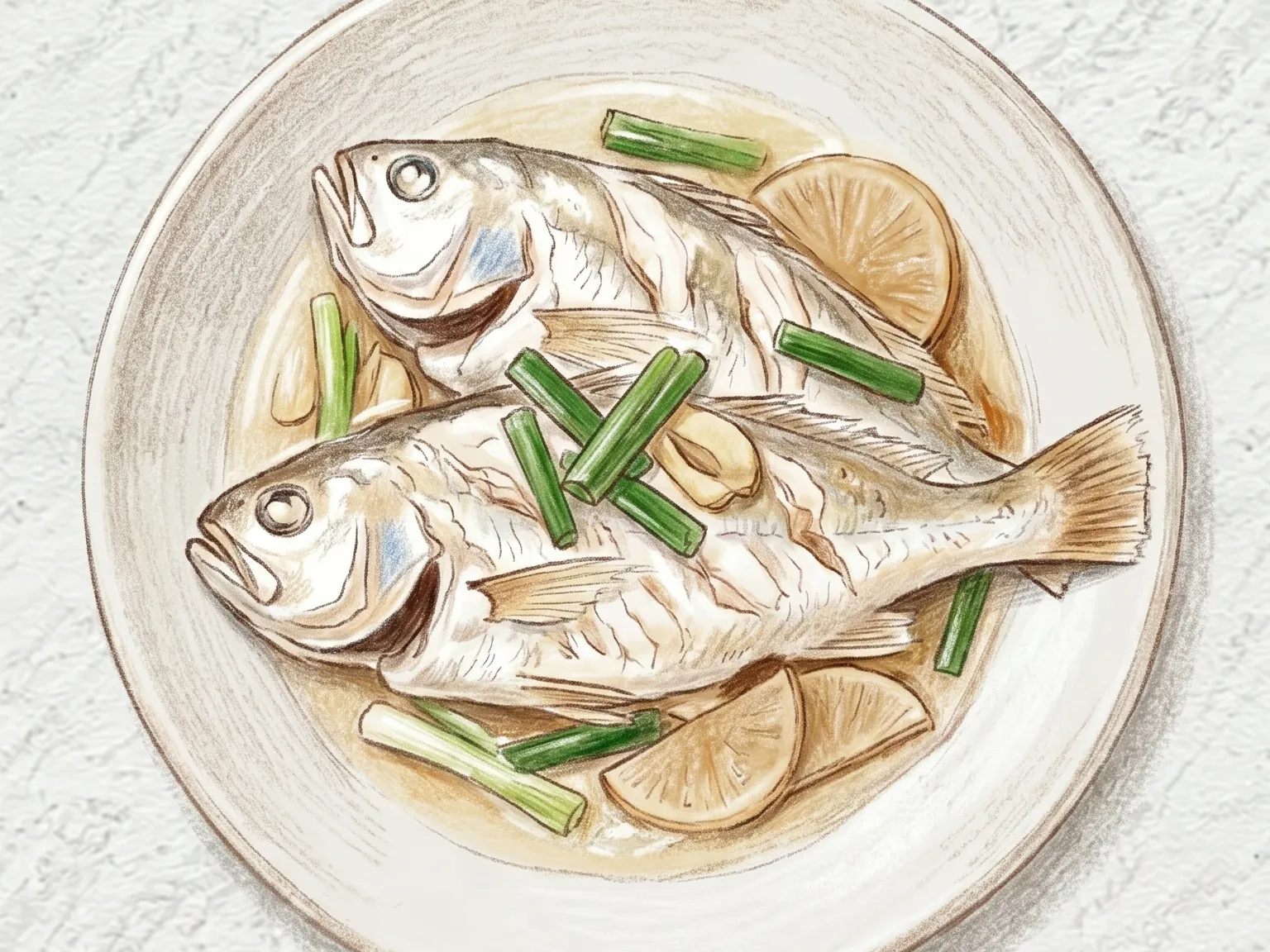
Korean Steamed Croaker (White Fish Radish Soy)
Steamed Medium

Korean Steamed Croaker (White Fish Radish Soy)

The croaker keeps its white flesh and mild flavor instead of tasting of soy because the soy sauce stays out of the pot until the radish is tender and only then gets stirred into the broth and spooned over the fish. Thick slices of Korean radish line the bottom, shielding the fish from direct heat and sweetening the liquid as they soften. Rice wine and thinly sliced ginger handle any fishiness, which is why the seasoning can stay this light. The green onion cooks for just 1 minute at the end to keep its aroma. Croaker has fine-grained, delicate flesh, and a gentle steam-braise rather than a hard boil keeps the pieces whole for a shared table of four.

Prep 20min Cook 30min 4 servings
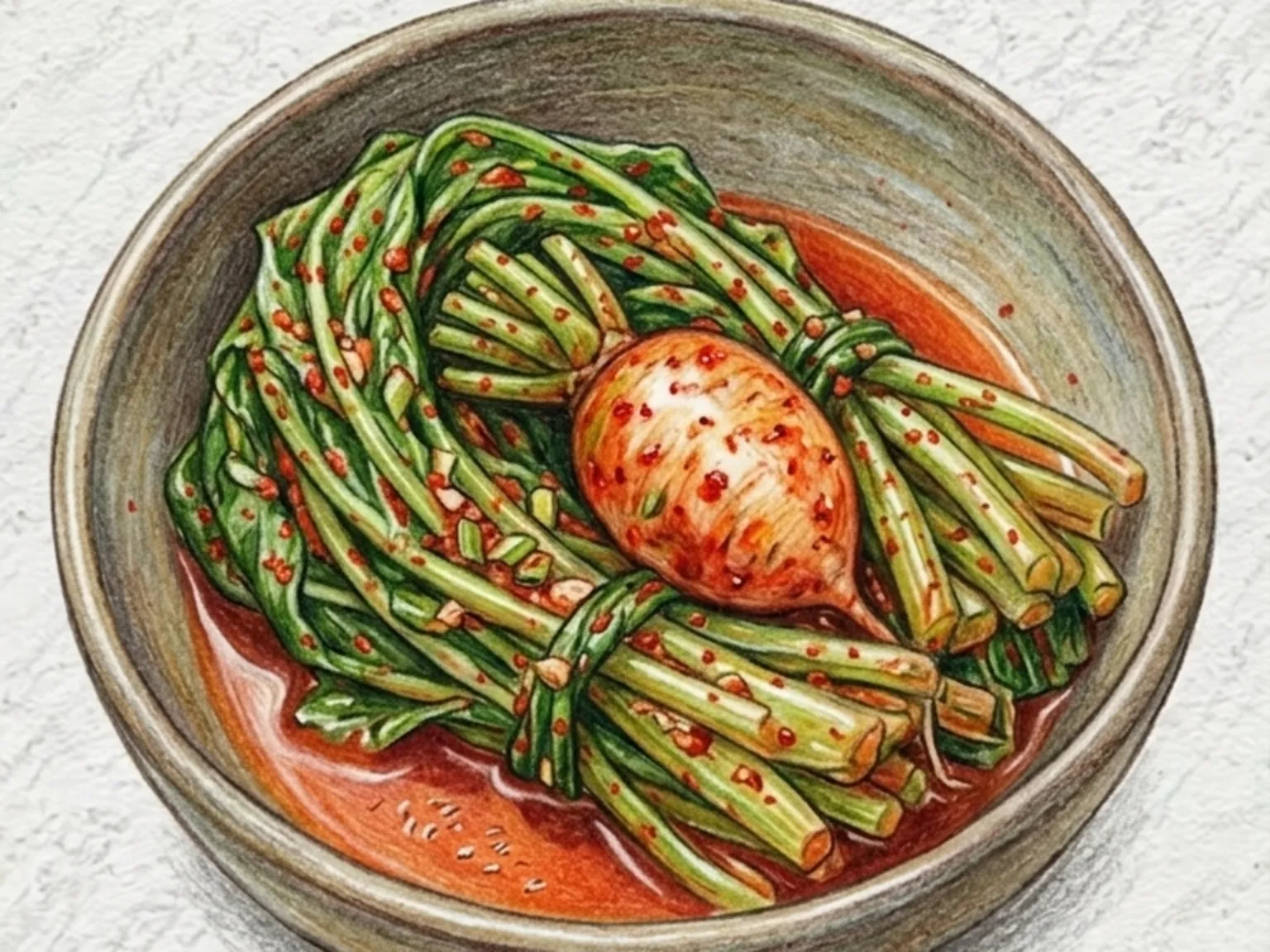
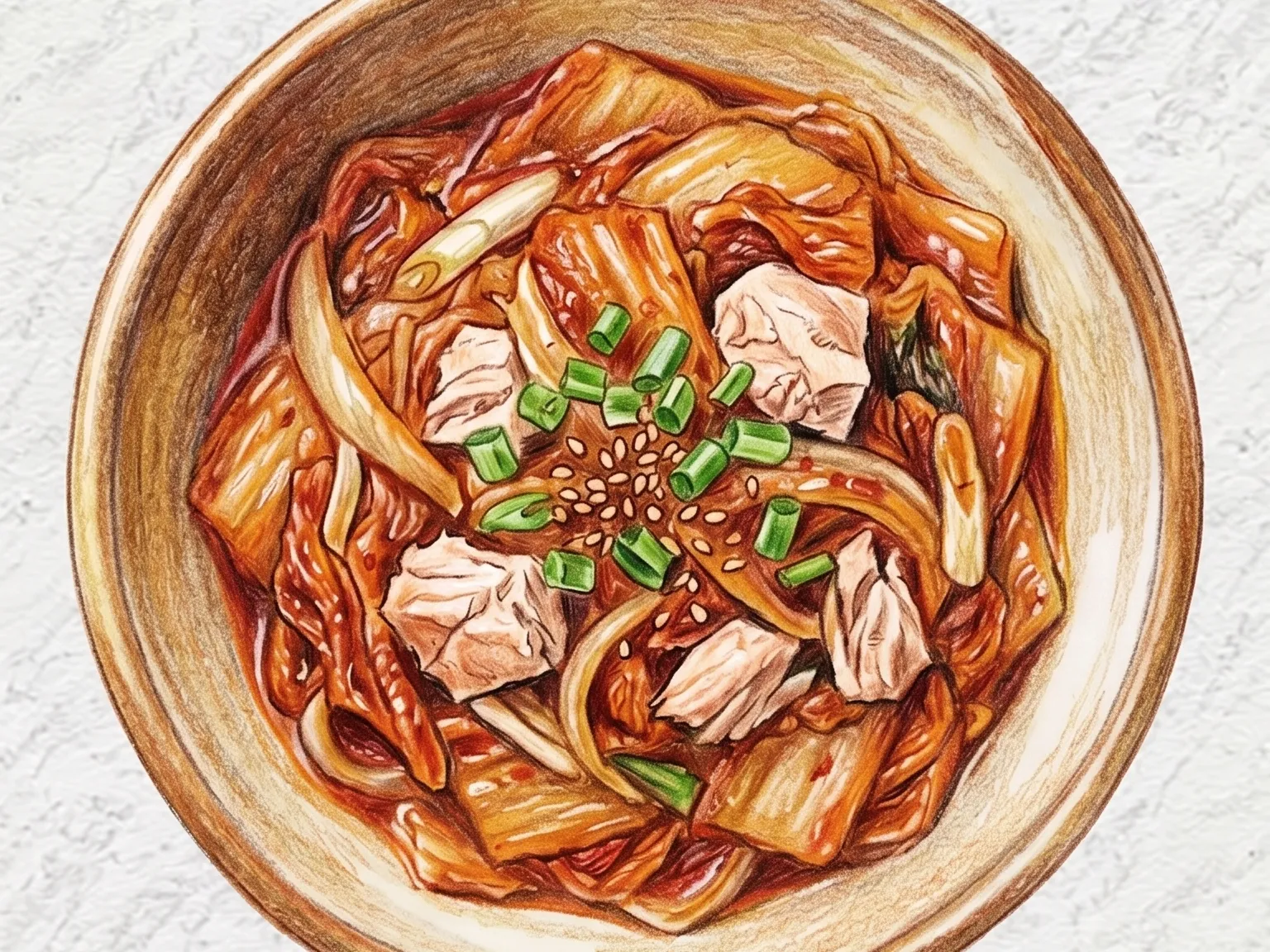
Korean Young Radish Kimchi
Kimchi Medium

Korean Young Radish Kimchi

Thin stems and tender leaves make young radish easy to bruise, and rough handling leaves a grassy, raw smell. Every stage from rinsing to mixing needs a light hand. As the paste settles in, the greens release liquid that becomes a tangy, chili-flecked brine, and pressing the greens down into it keeps the fermentation even. After roughly half a day at room temperature, small bubbles and a sour smell signal it is time for the fridge. In summer, when fermentation runs fast, it can be refrigerated straight away. Chilled, it is piled onto bibim-guksu or naengmyeon through the summer.

Prep 30min 0 4 servings
Braised Korean Radish (Soy Garlic Slow-Cooked Side)
Steamed Easy

Braised Korean Radish (Soy Garlic Slow-Cooked Side)

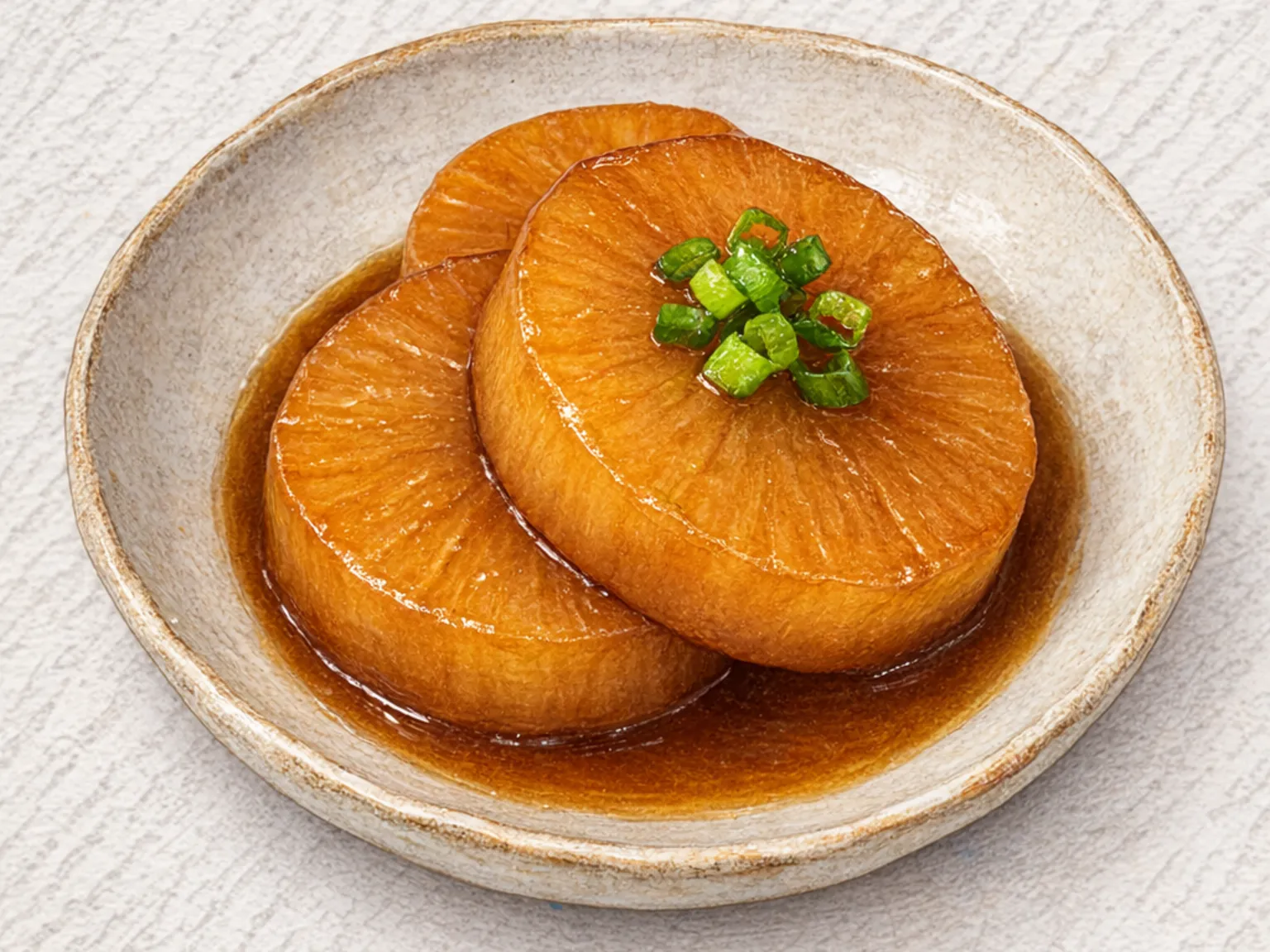
With nothing more than radish, soy sauce, sugar, and garlic, everything depends on cooking the thick 2 cm rounds through to the center. Covered first, then uncovered to reduce, the radish turns translucent at the edges and picks up the soy while its own sweetness rounds out the salt. A single green chili and a little sesame oil at the very end add a light kick and a nutty smell to an otherwise plain, everyday side.

Prep 12min Cook 30min 2 servings
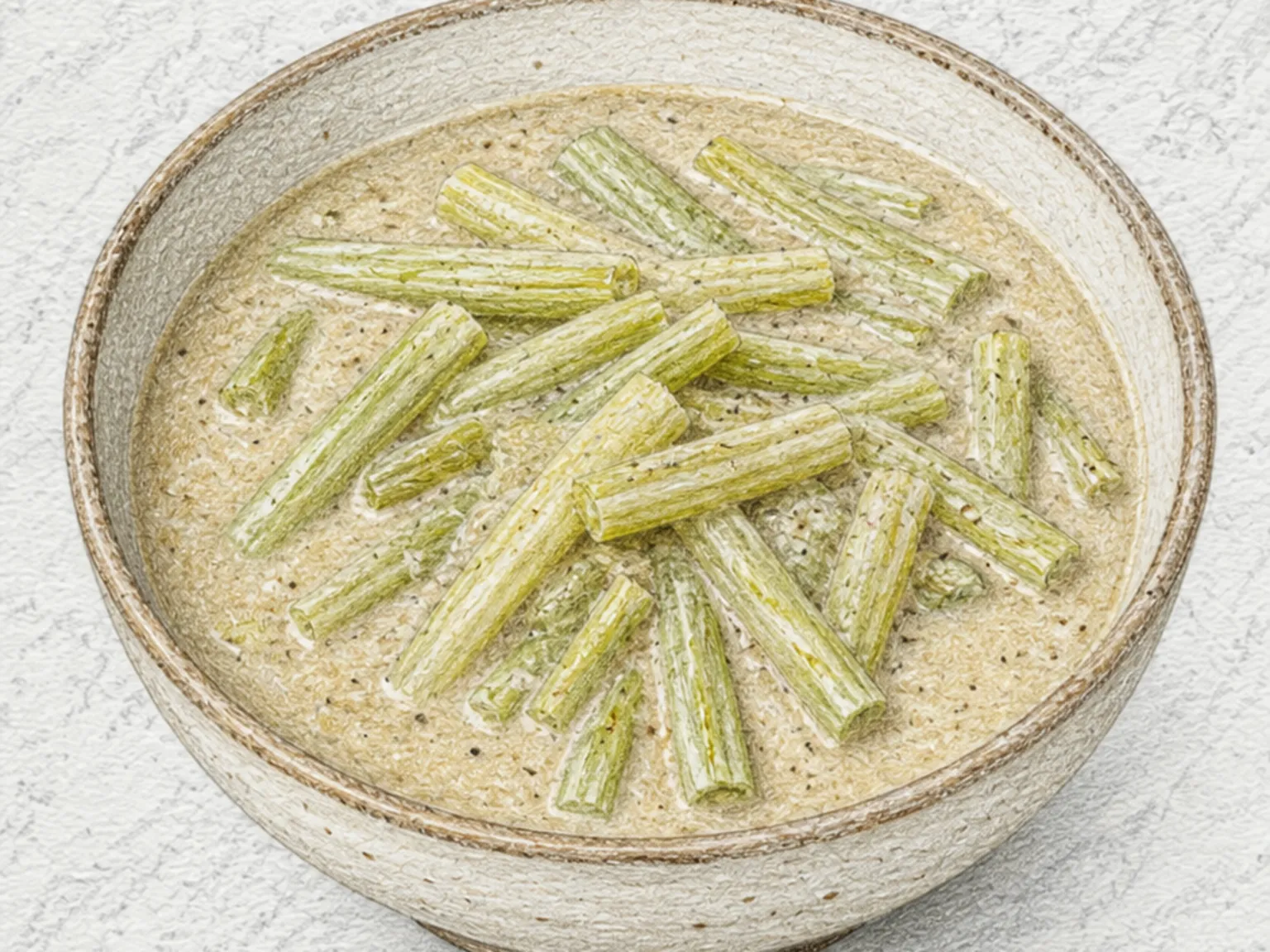
Korean Young Radish Water Kimchi
Kimchi Medium

Korean Young Radish Water Kimchi

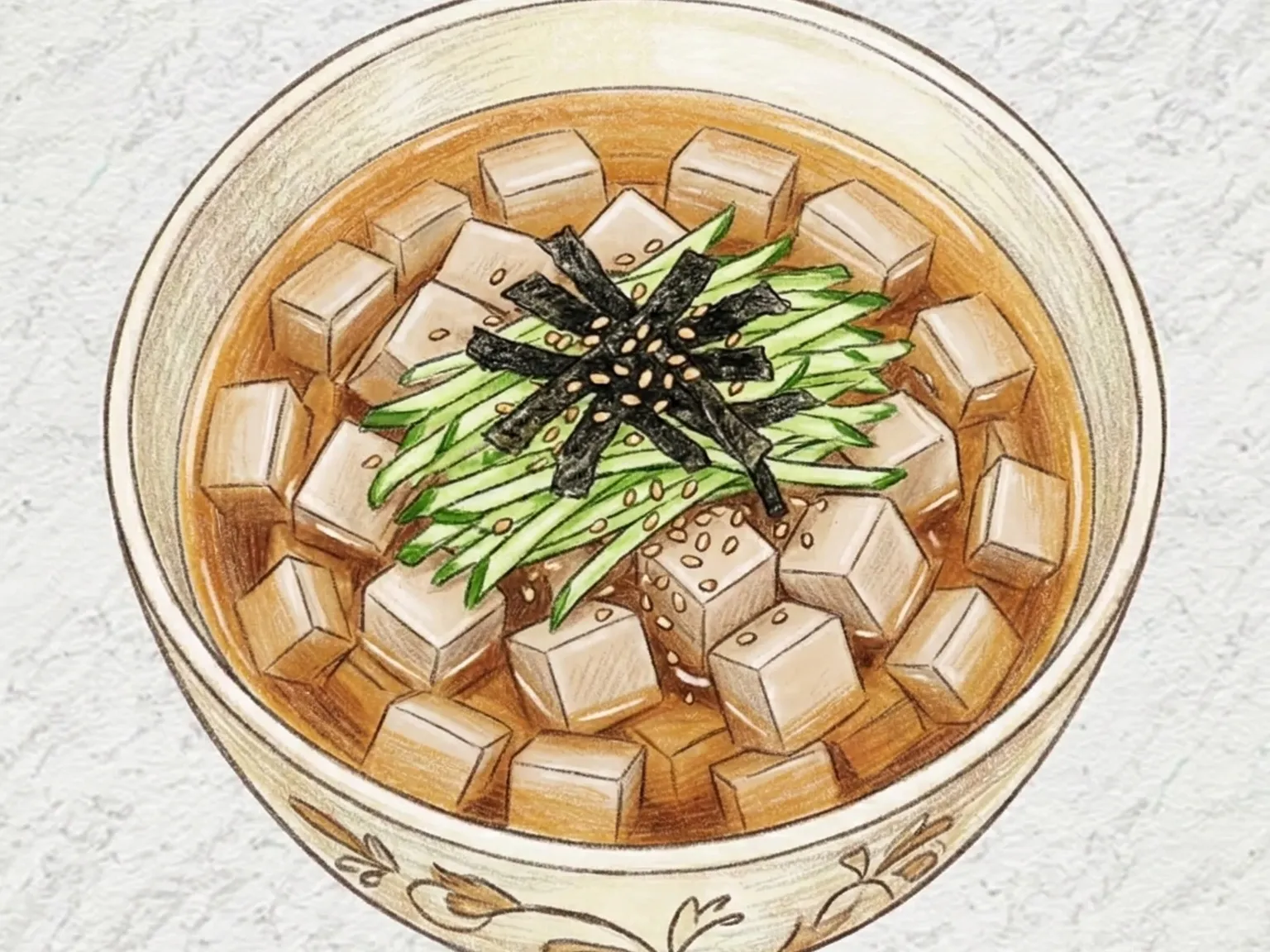
The broth stays clear because garlic and ginger are wrapped in cheesecloth and squeezed in cold water for their aroma alone, leaving no solids floating around. Young radish greens (yeolmu) are salted just until they slump slightly, so the stems keep some snap, and thin slices of radish let the broth pick up flavor quickly. Ginger is the one ingredient to hold back on: too much, or left steeping too long, turns the broth bitter. Filtered cold water gives the cleanest taste, since nothing is boiled.

Prep 30min 0 4 servings
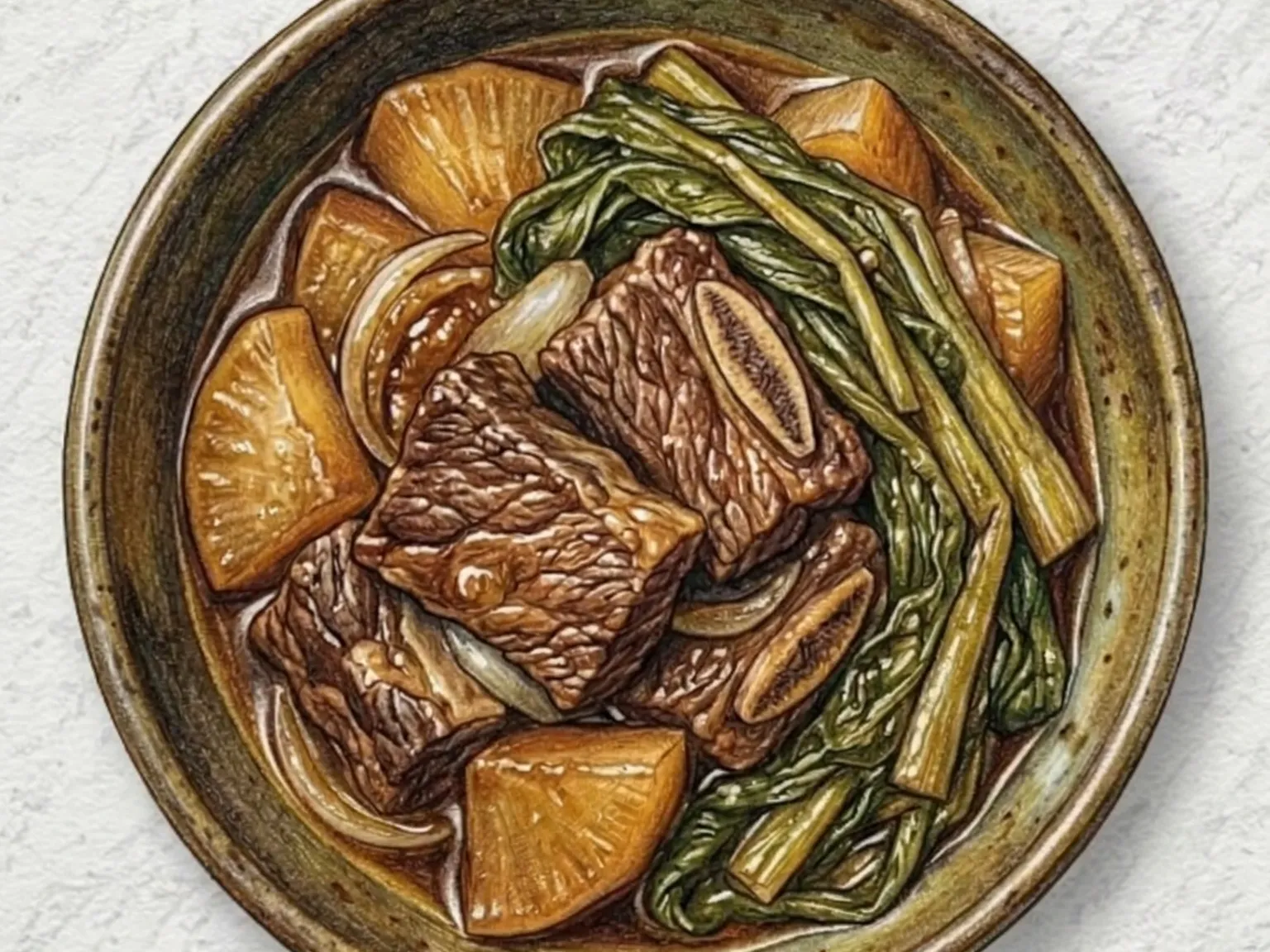
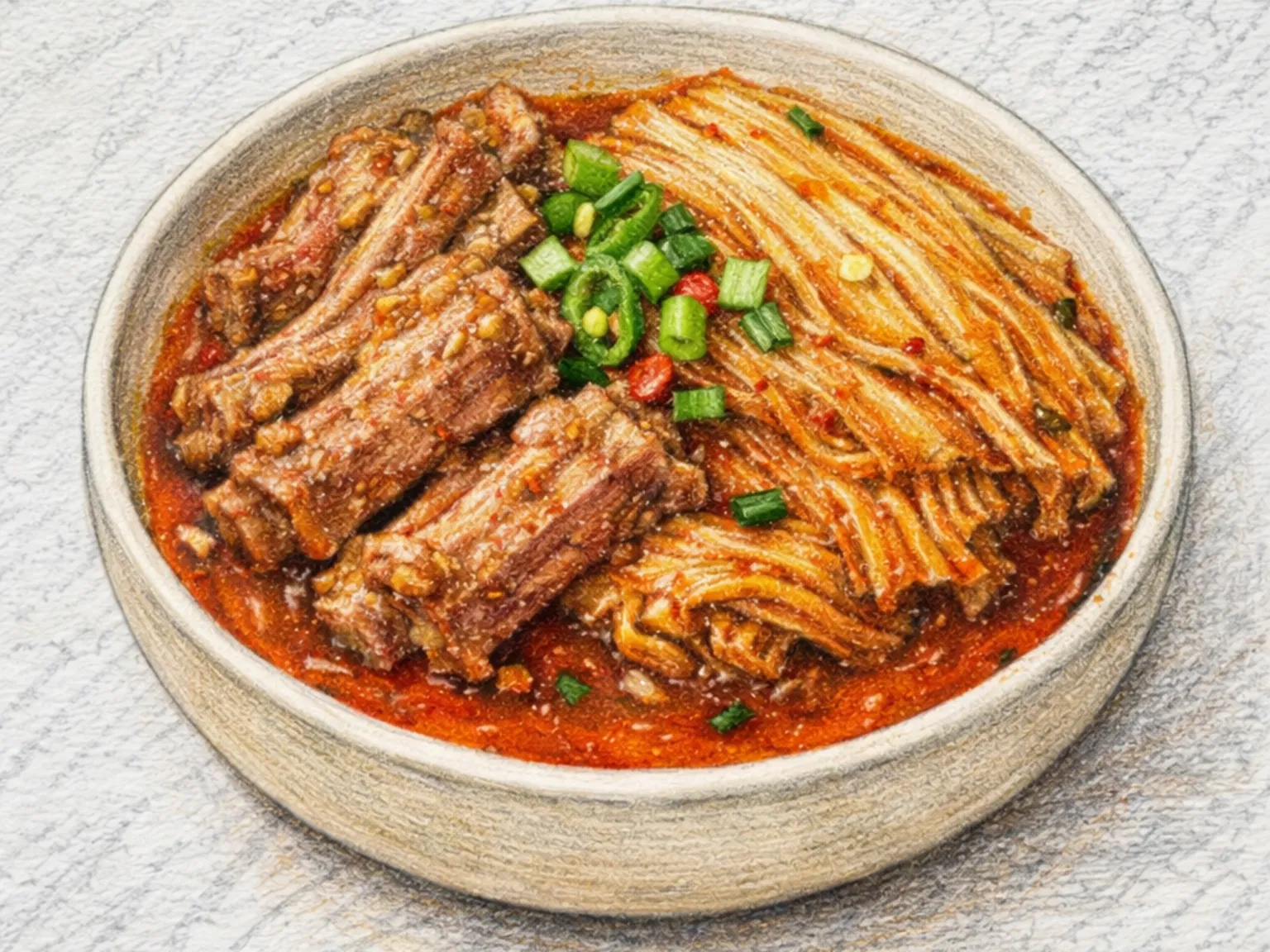
Korean Steamed Beef with Radish Greens
Steamed Hard

Korean Steamed Beef with Radish Greens

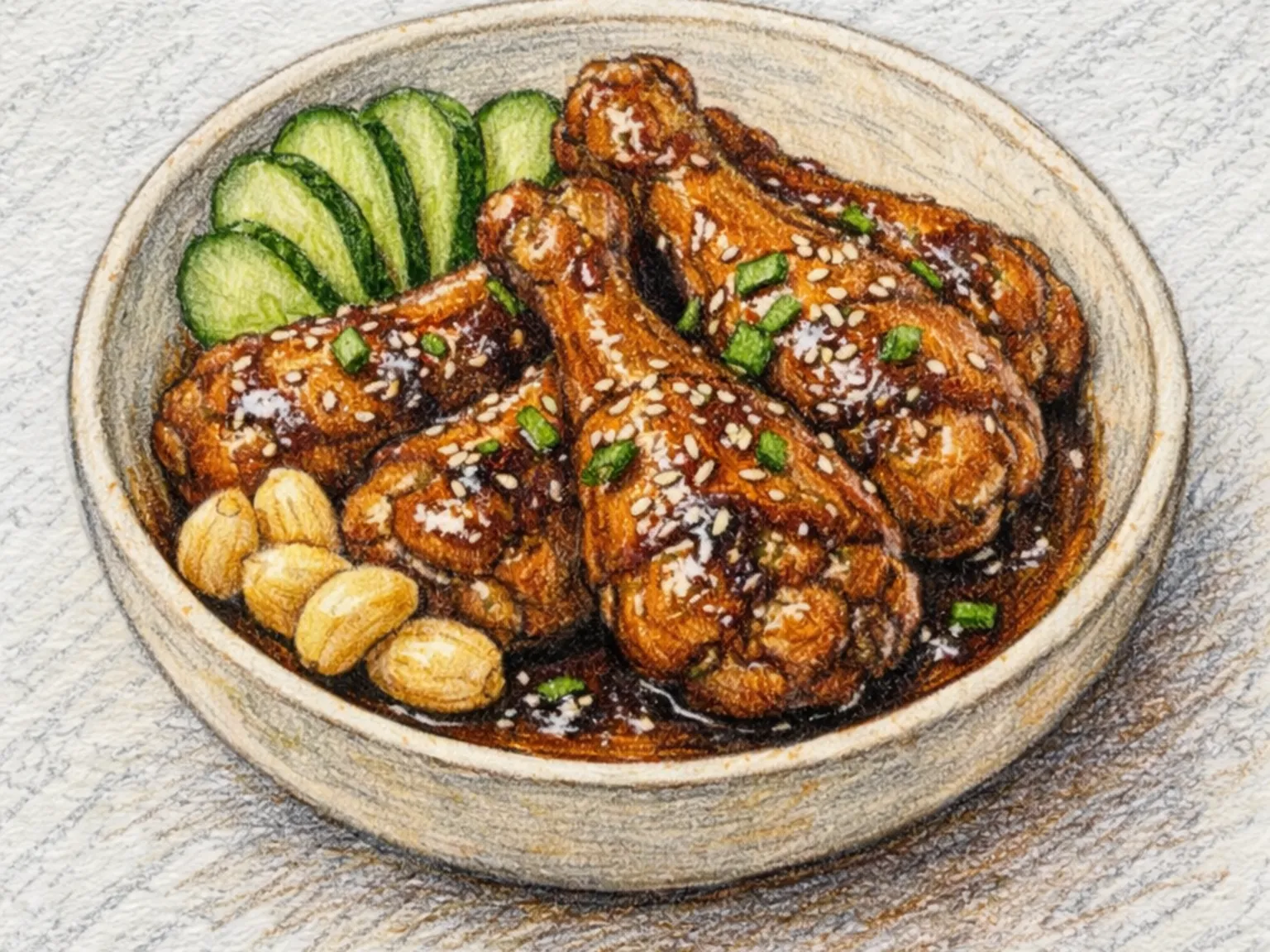
Blanched radish greens, the leafy tops of Korean radish, soak up the pear-and-soy braising liquid from the beef and bring an earthy flavor with a slight chew. Short rib meat is soaked in cold water first to draw out blood, which keeps the sauce clean-tasting rather than murky. Pear juice adds a gentle fruit sweetness under the garlic and ginger, and the reduced sauce clings to both meat and greens, ready to spoon over rice.

Prep 25min Cook 70min 4 servings
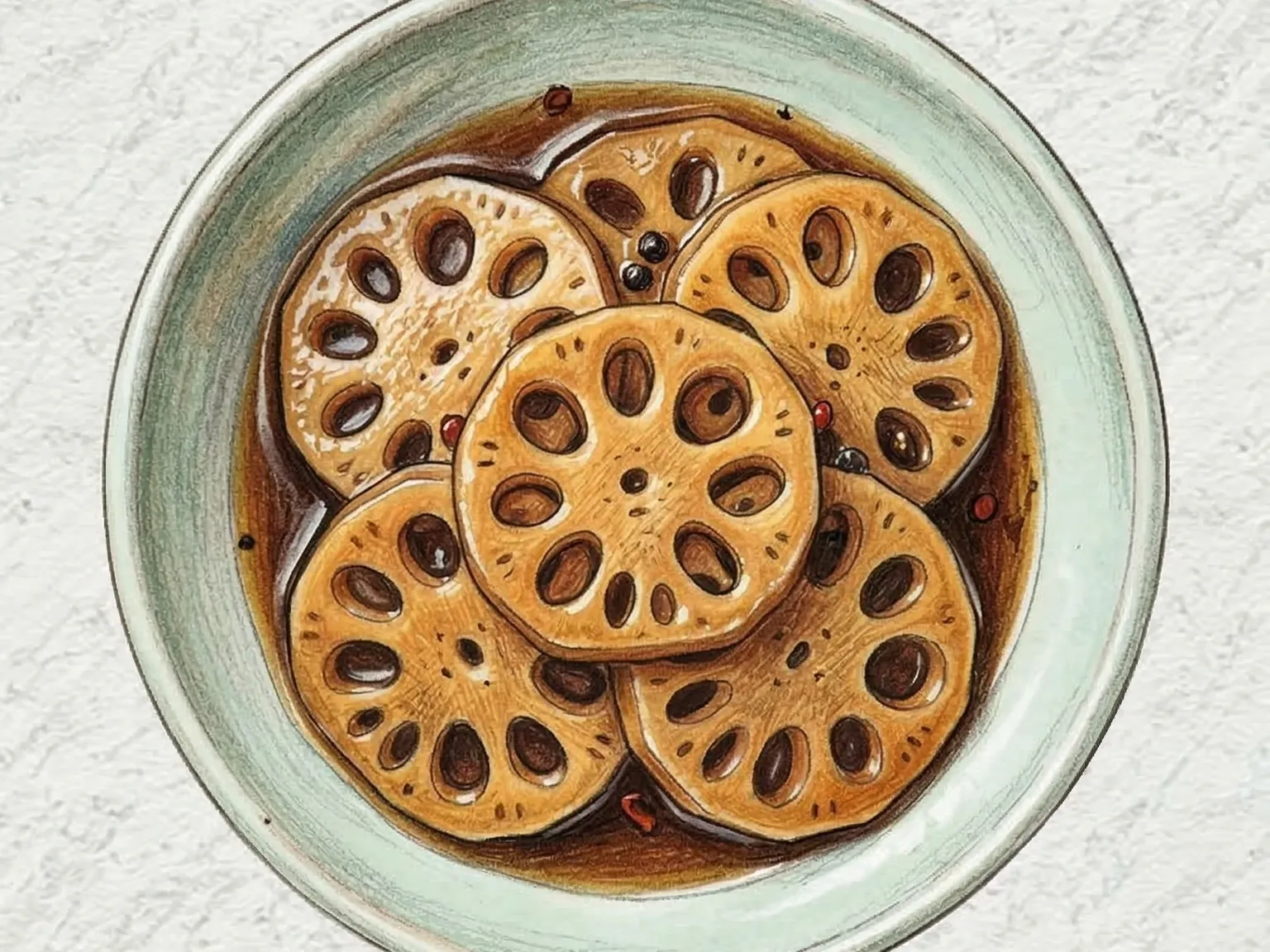
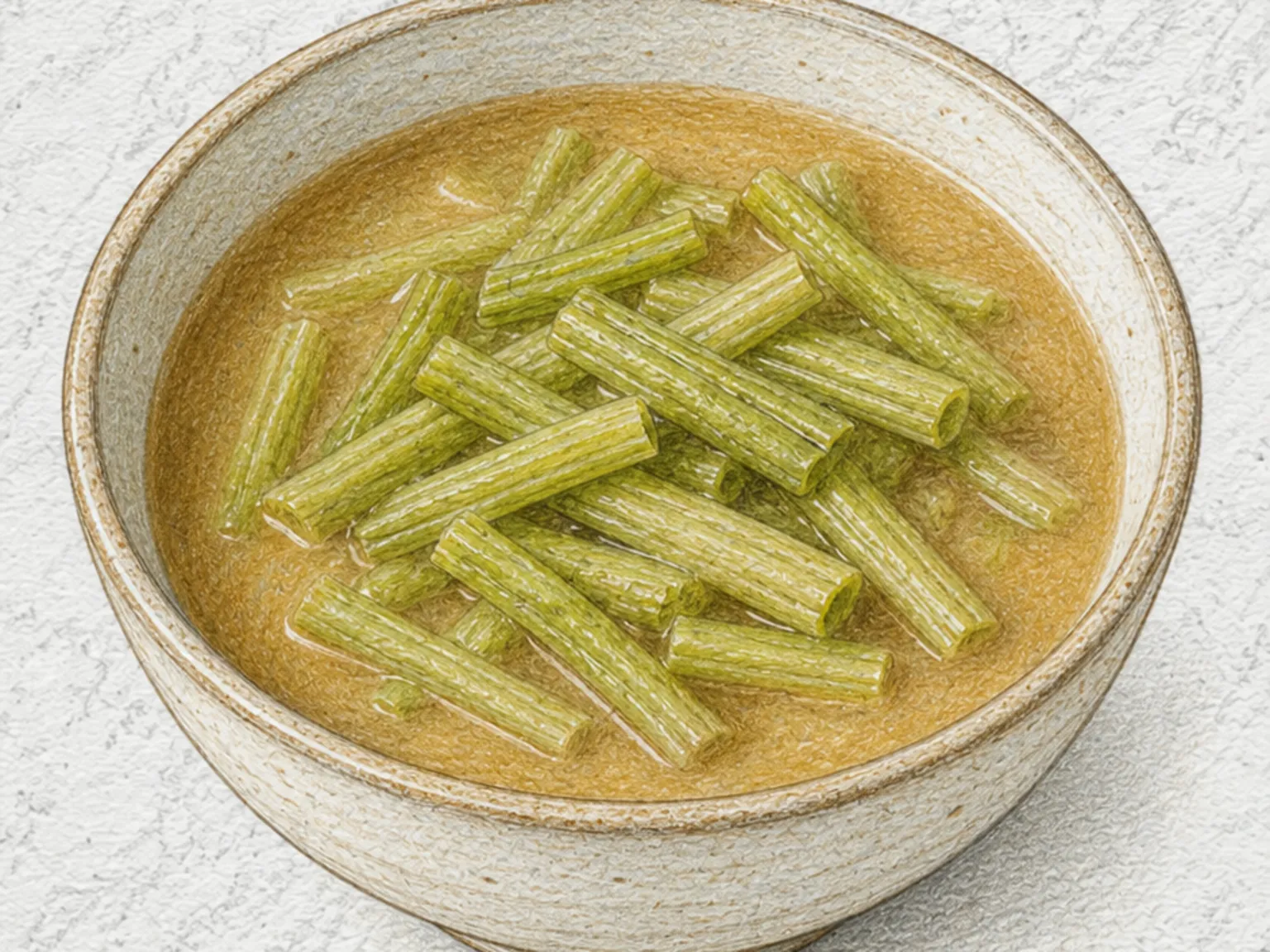
Korean Lotus Root Jangajji
Kimchi Easy

Korean Lotus Root Jangajji

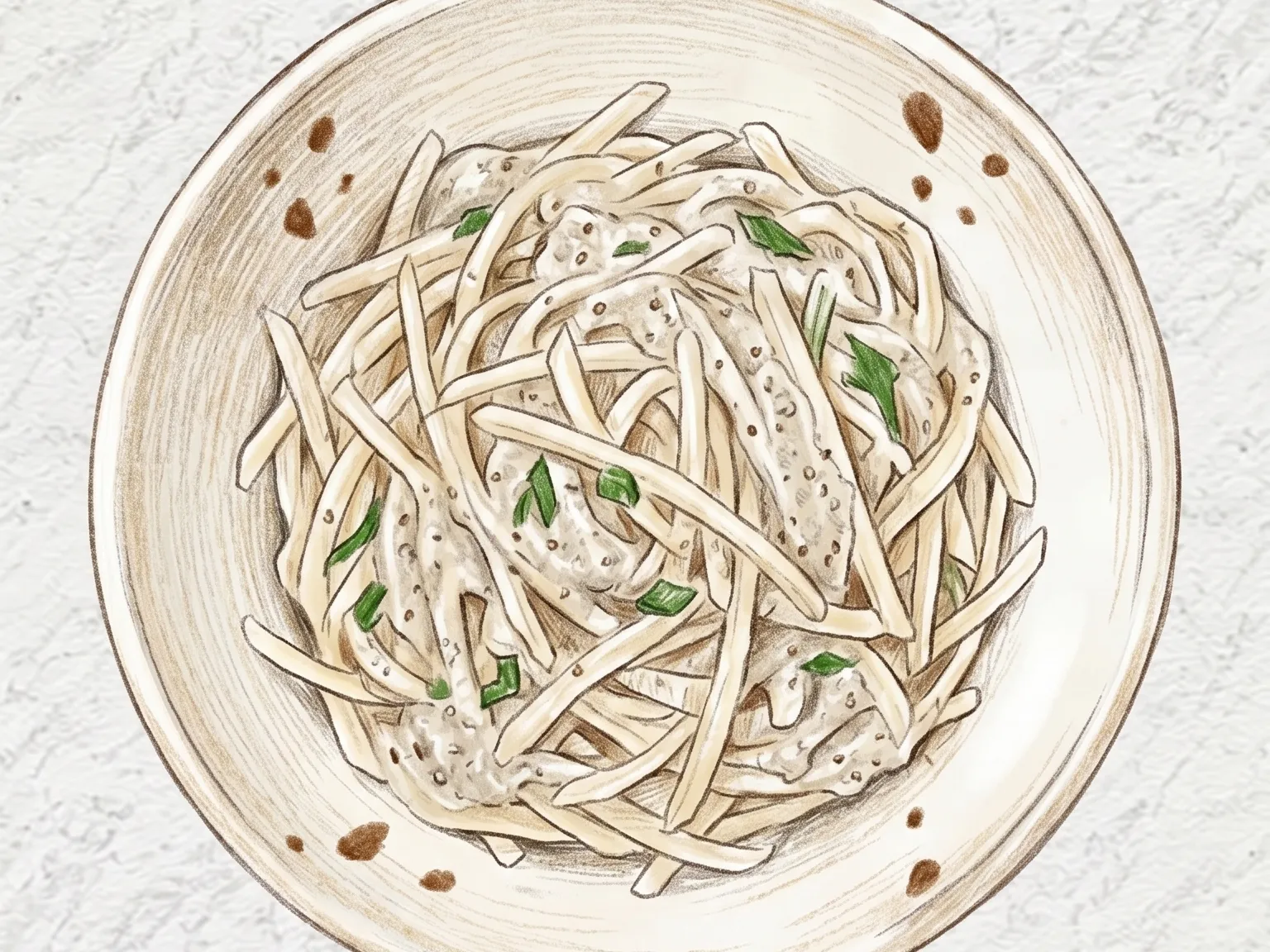
A splash of vinegar in the blanching water keeps lotus root slices pale and clean, and a quick dunk in cold water right after locks that color in. After thin peeling, each piece is rinsed right through the holes, where soil tends to hide. The soy brine gets bay leaf and black peppercorns and only a short simmer, because reducing it makes the pickle too salty. Even slices cook and season evenly, and shaking off the water keeps the brine from going thin. Poured on hot, the brine runs into every hole, and after two to three days in the fridge the centers are seasoned while the slices still have a crisp, fibrous chew.

🍱 Lunchbox
Prep 25min Cook 12min 4 servings
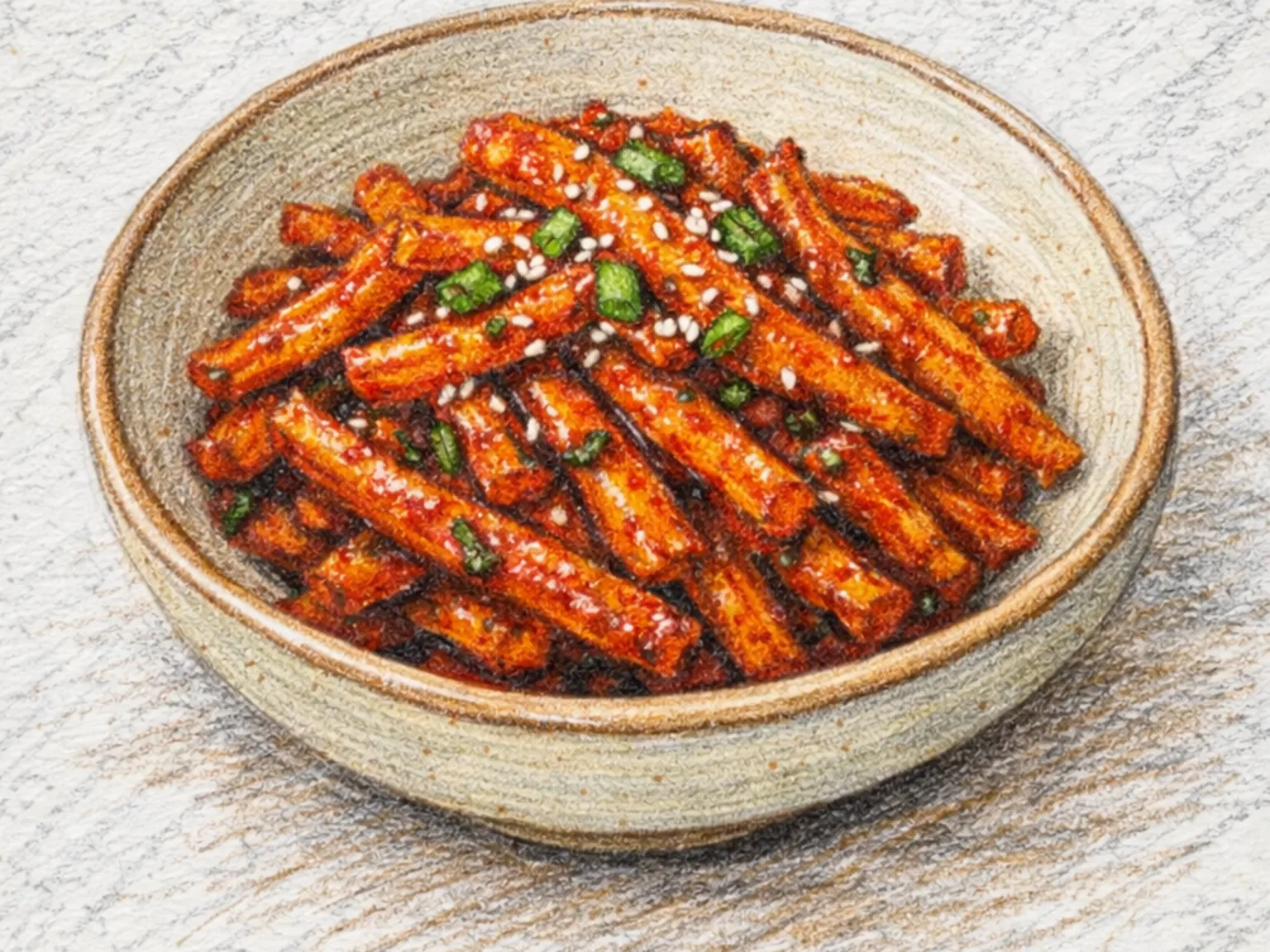
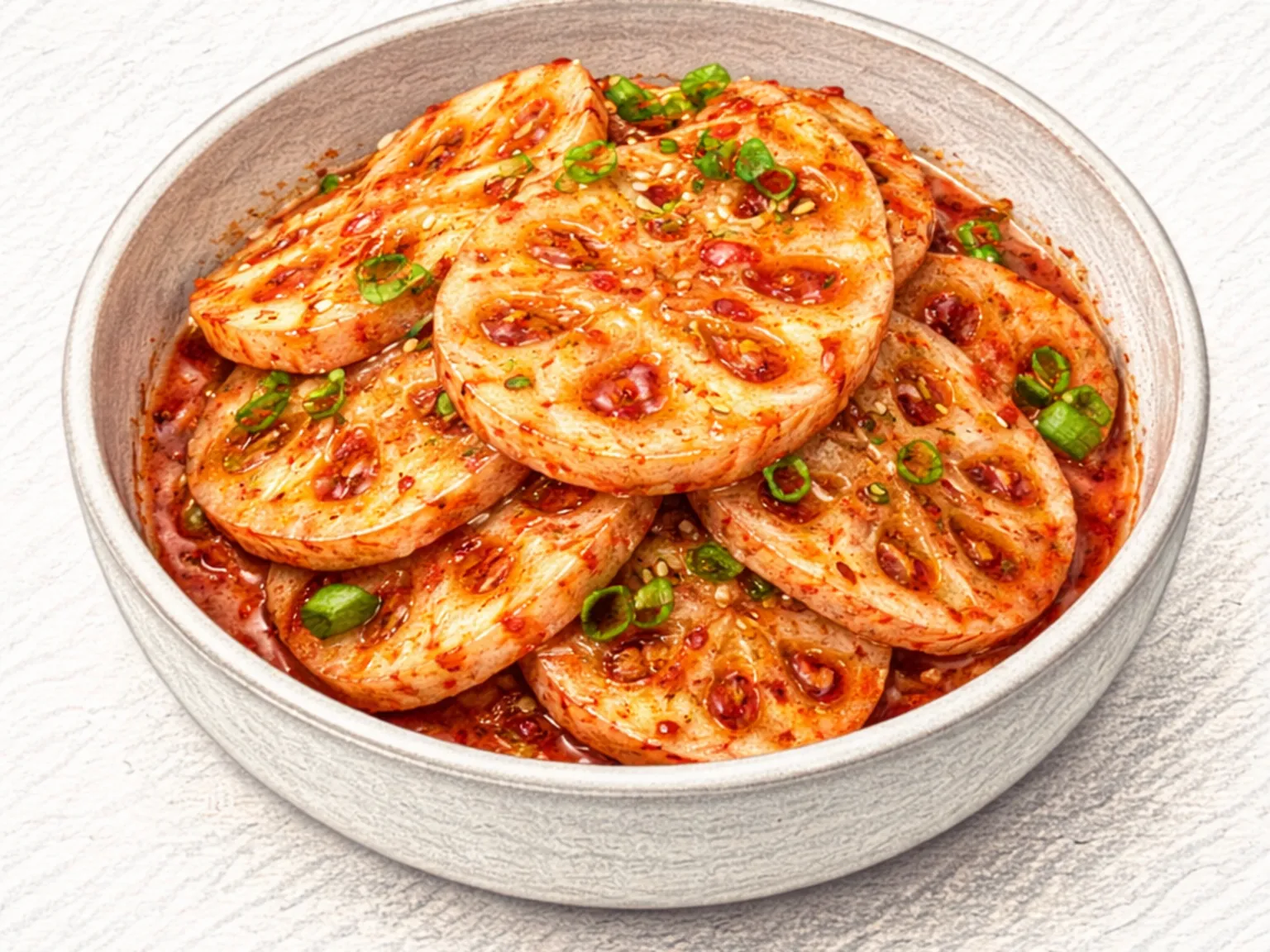
Korean Lotus Root Kimchi (Crunchy Spiced Root Kimchi)
Kimchi Medium

Korean Lotus Root Kimchi (Crunchy Spiced Root Kimchi)

Starting with sliced lotus root boiled in vinegar water helps remove bitterness while keeping the vegetable pale and crisp. The seasoning combines gochugaru, minced garlic, and anchovy fish sauce with the addition of fresh pear juice. This pear juice provides natural sugars and necessary moisture so the chili paste coats each slice evenly without becoming dry or clumping. Even after the fermentation process begins, the lotus root maintains its signature firm and crunchy texture. Sliced scallions are tossed in to add a fresh aromatic quality that balances the spicy garlic paste. One full day of refrigeration allows the flavors to settle into the flesh before serving. Because the seasoning gets trapped inside the characteristic holes of the root, the paste should remain thick rather than watery to ensure consistent flavor. When left to ferment for a few more days, the developing acidity helps cut through the richness of grilled meats or fried dishes.

At least 1 day 17 min 4 servings