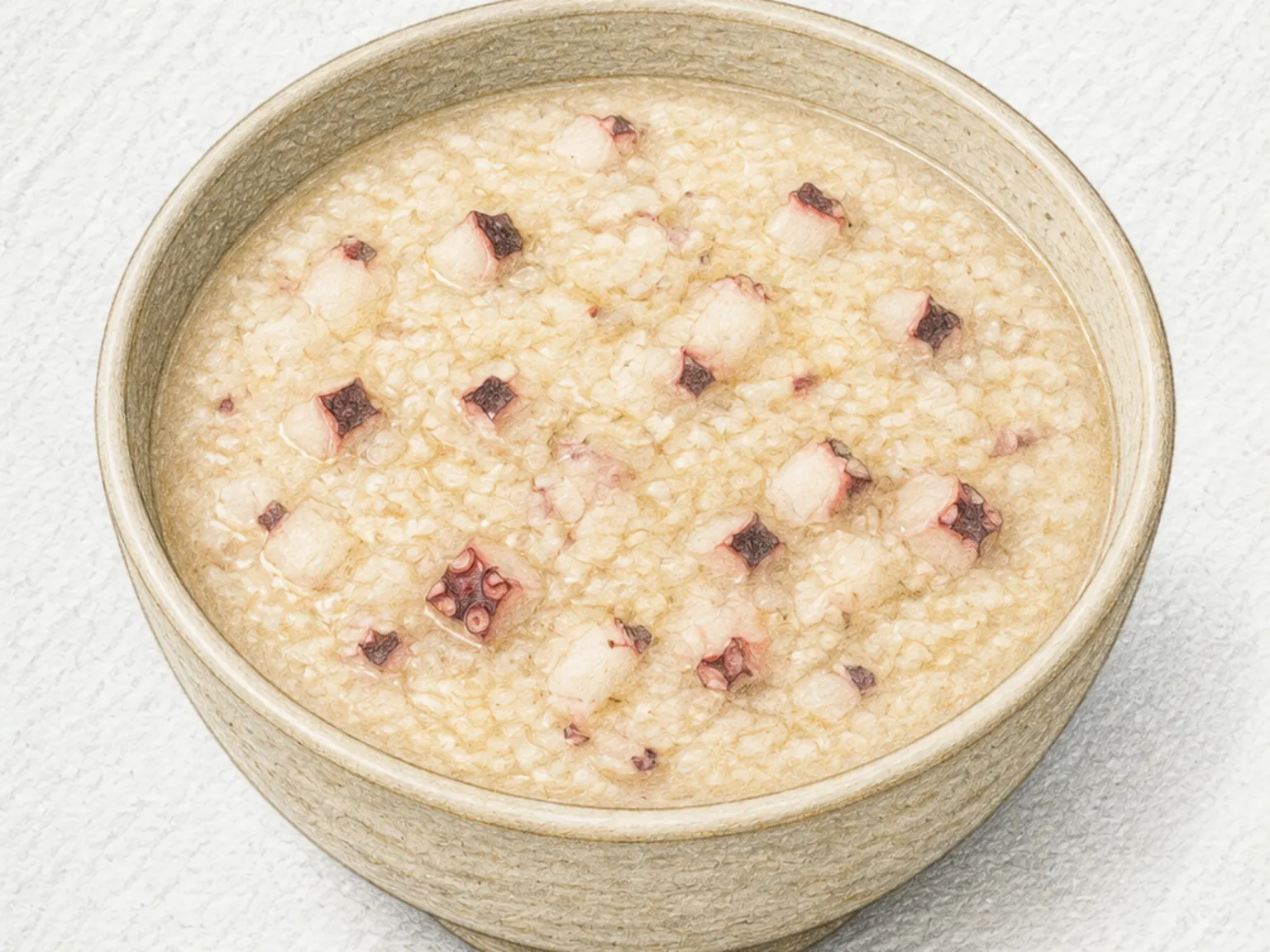
Octopus Rice Porridge
There is no boiling of octopus here: it is bought already cooked. Diced as small as the carrot and zucchini, it waits until the rice has fully softened, since a long simmer from the start would make it tough.
1880 Korean recipes. Page 70 of 79. Compare ingredients and cooking times. Octopus Rice Porridge, Korean Stir-Fried Fish Cake Strips.
There is no boiling of octopus here: it is bought already cooked. Diced as small as the carrot and zucchini, it waits until the rice has fully softened, since a long simmer from the start would make it tough.
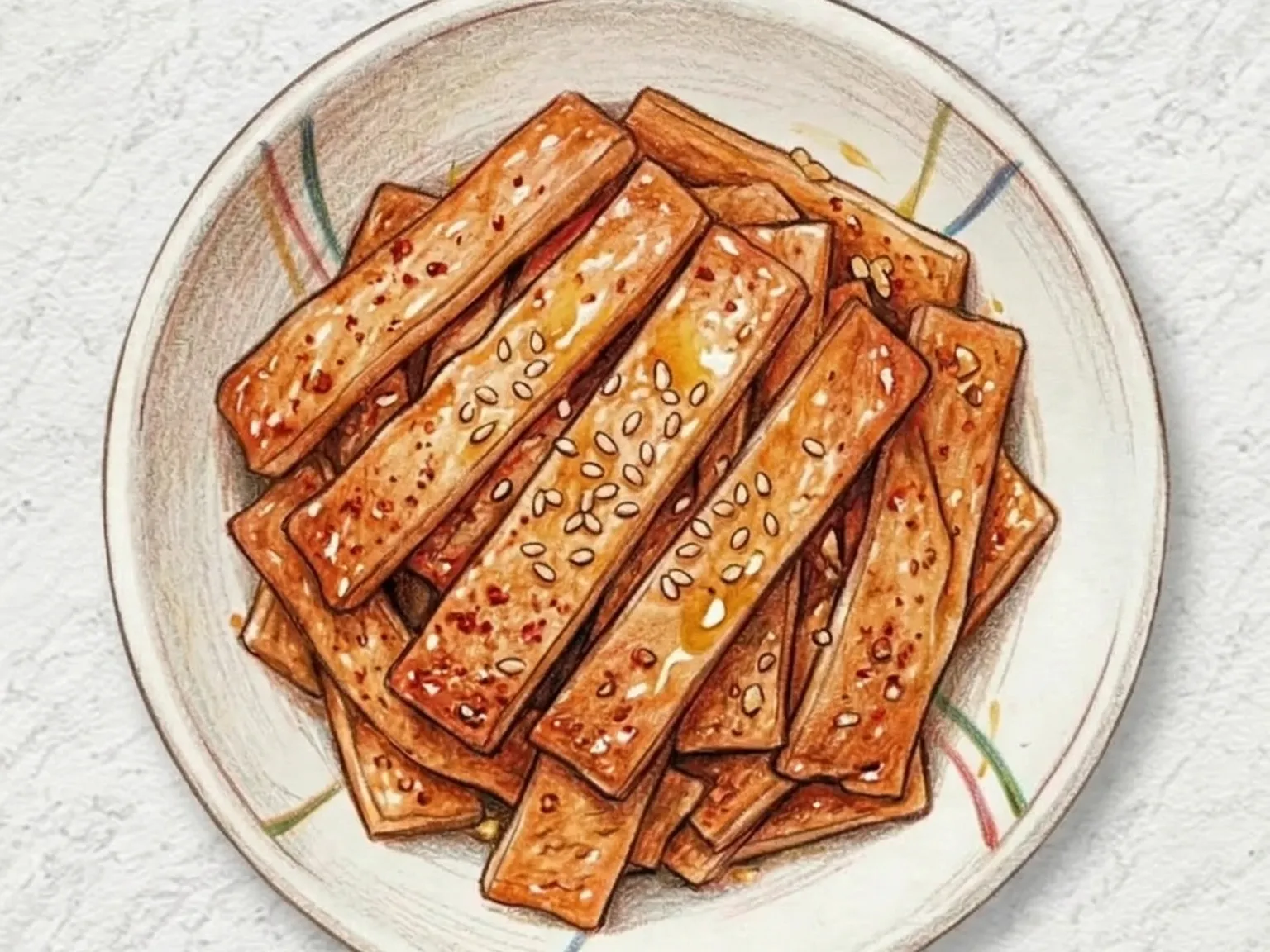
The seasoning is just a teaspoon each of chili flakes, soy sauce and sugar, and the fish cake's own savory saltiness comes through first. A quick dip in boiling water to rinse off surface oil helps that small amount of seasoning soak in rather than slide off.
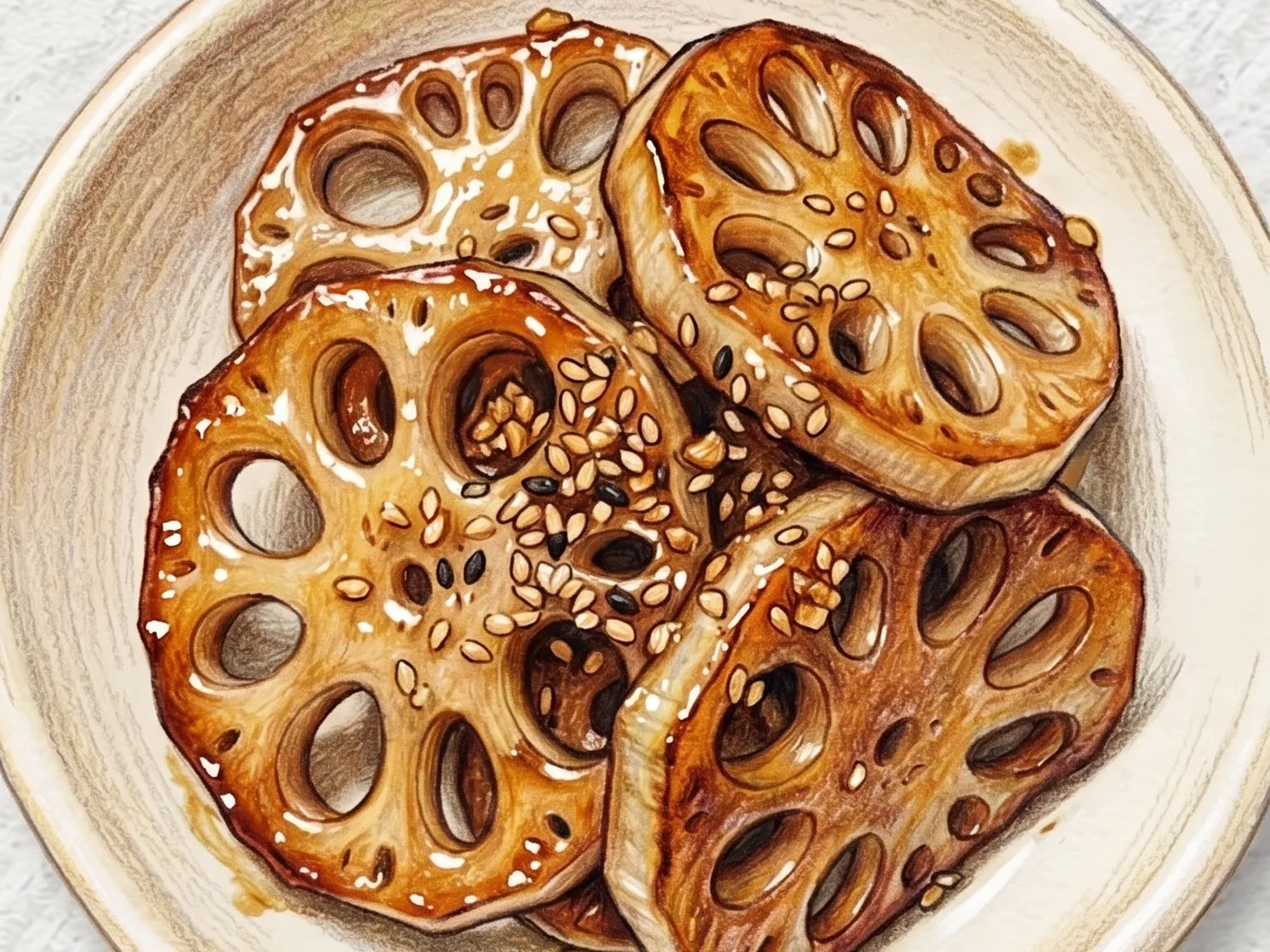
The lotus root is cut 0.7 cm thick and browned in a pan first; the soy and rice-syrup glaze only goes on for the last minute or two. It is far crunchier than Korean braised lotus root, which simmers in soy for a long time. Once cool, the glaze that has run into the holes sets and stops being sticky.
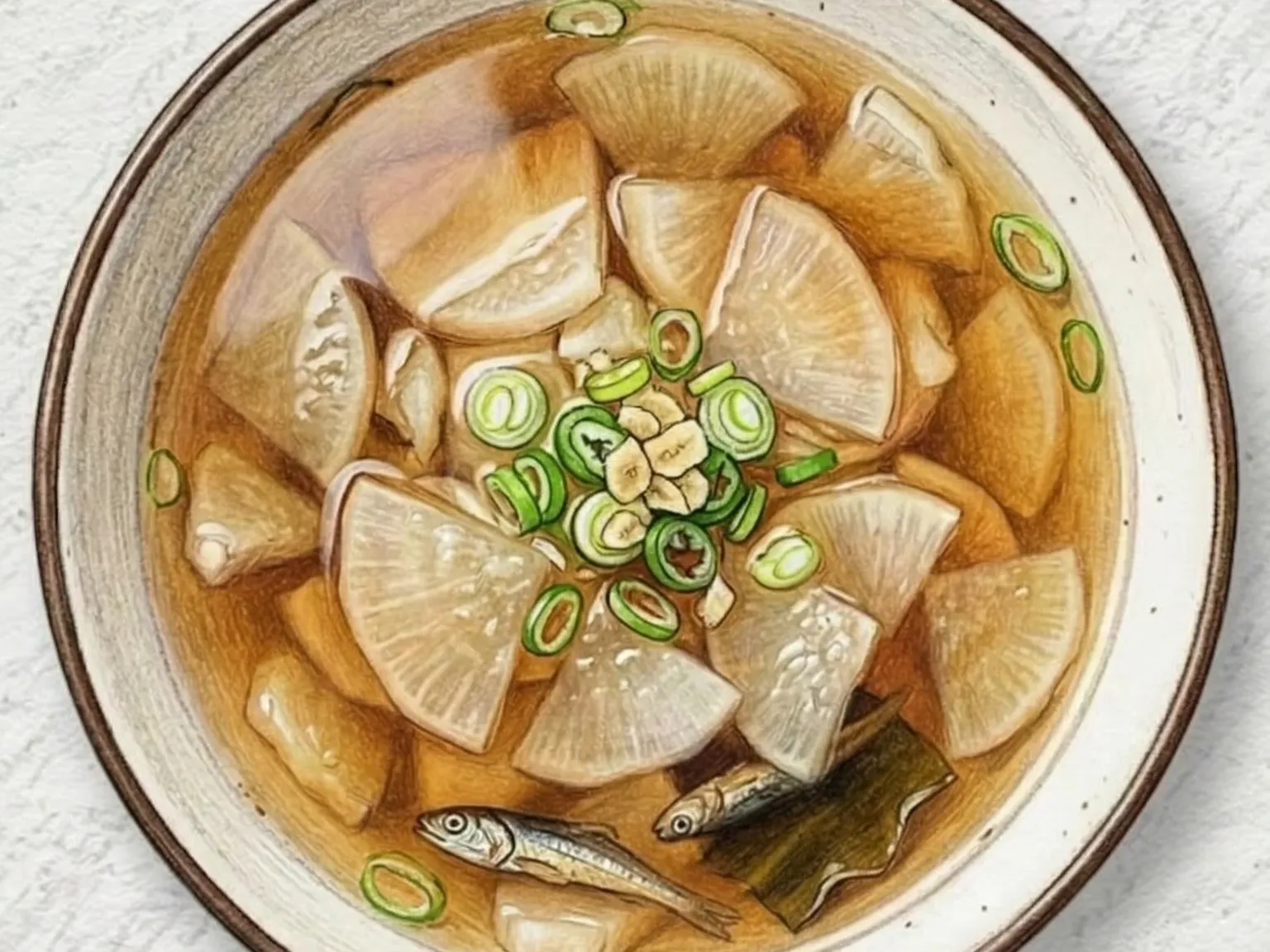
Add beef and this becomes beef radish soup; add dried pollack and it becomes pollack radish soup. This is the plain version underneath both, and the one thing that takes care is cutting the radish a little thicker than usual so it does not fall apart in the long simmer. Winter radish makes a noticeably sweeter broth, and the radish is softer still when the soup is reheated the next day.
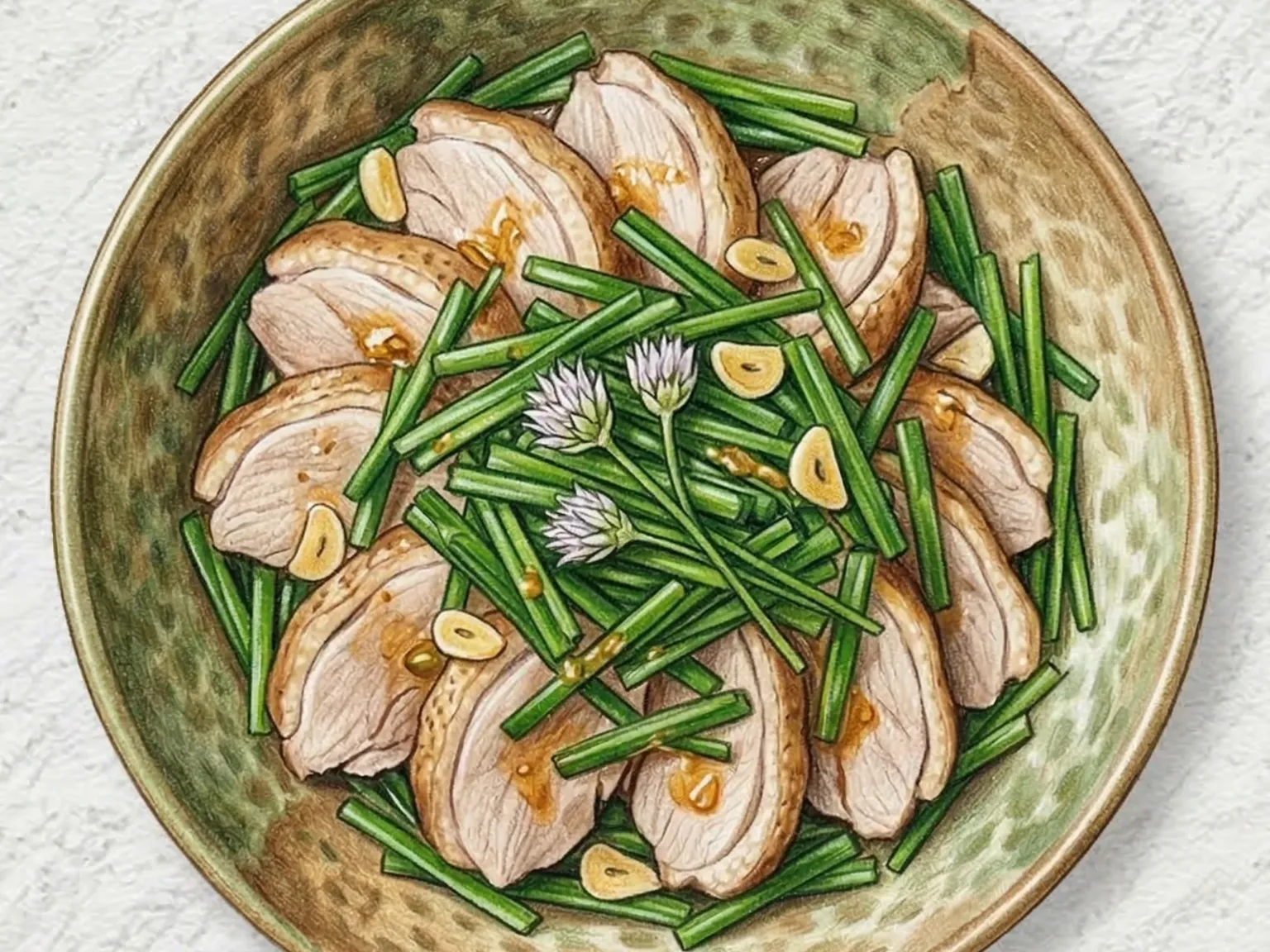
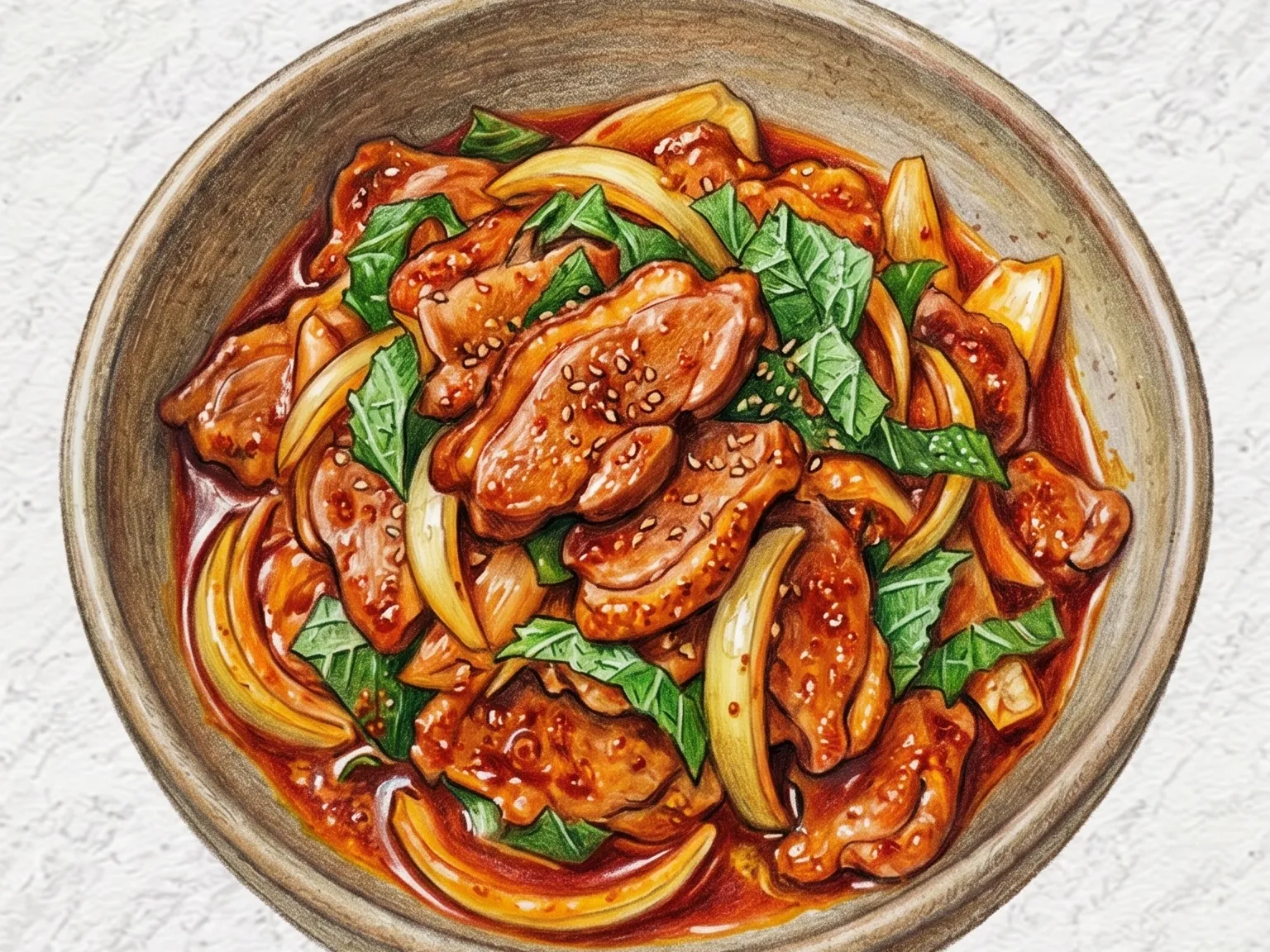
Duck releases a steady stream of fat as it steams, so skimming the surface every 10 minutes during the 30-minute cook leaves a clean sauce rather than a greasy one. Garlic chives are laid on top only at the end and wilt just enough to stay pungent, cutting through the richness of the meat.
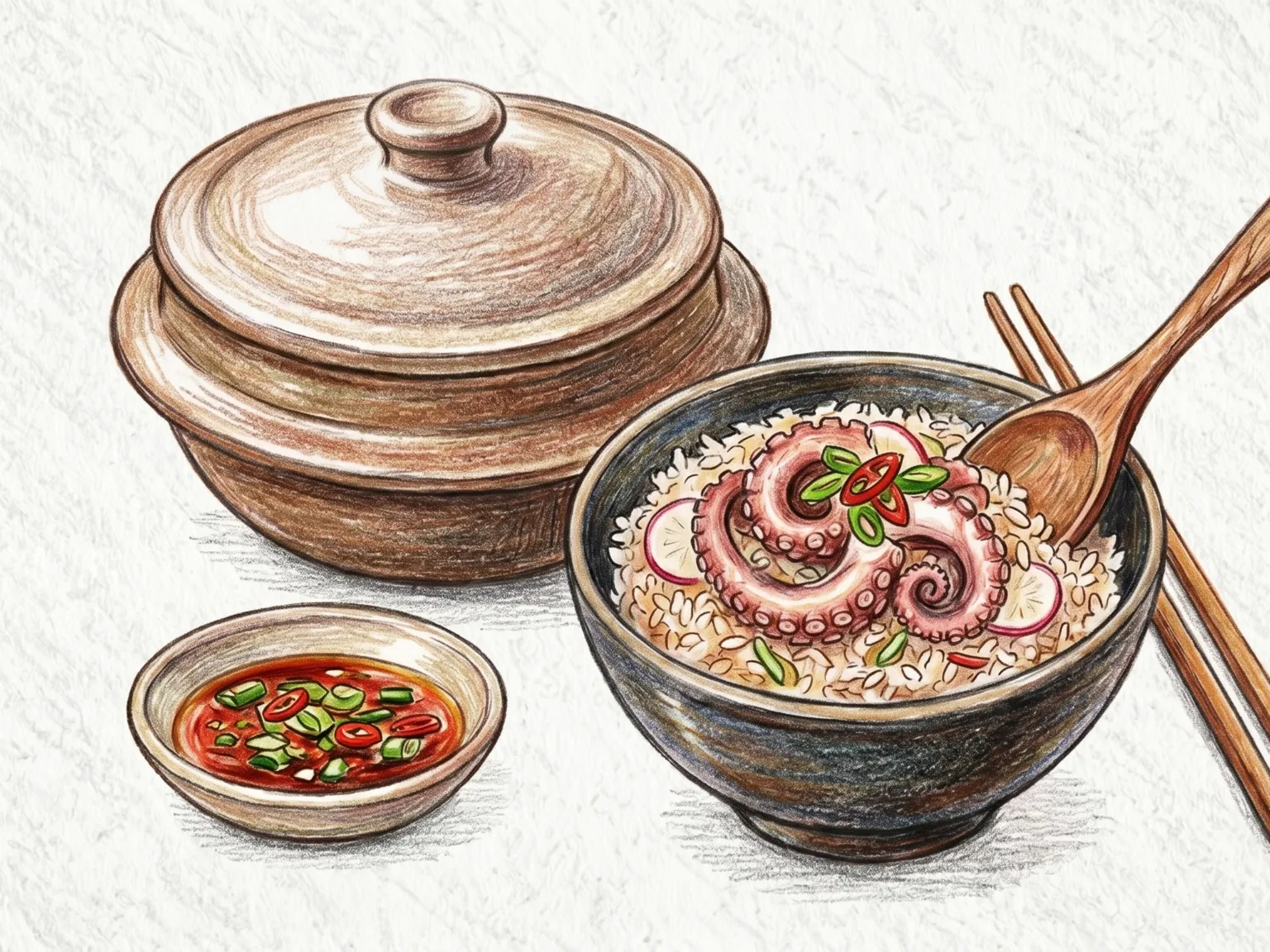
The rice cooks in plain water, and the salt and heat come later from a soy sauce with cheongyang chili and green onion that is mixed in at the table. Octopus tentacles steam on top of the rice so their sea aroma works into the grains, while thin radish slices covering the bottom of the pot stop the rice from sticking and add a little sweetness. The scorched rice at the bottom gets scraped up and eaten too.
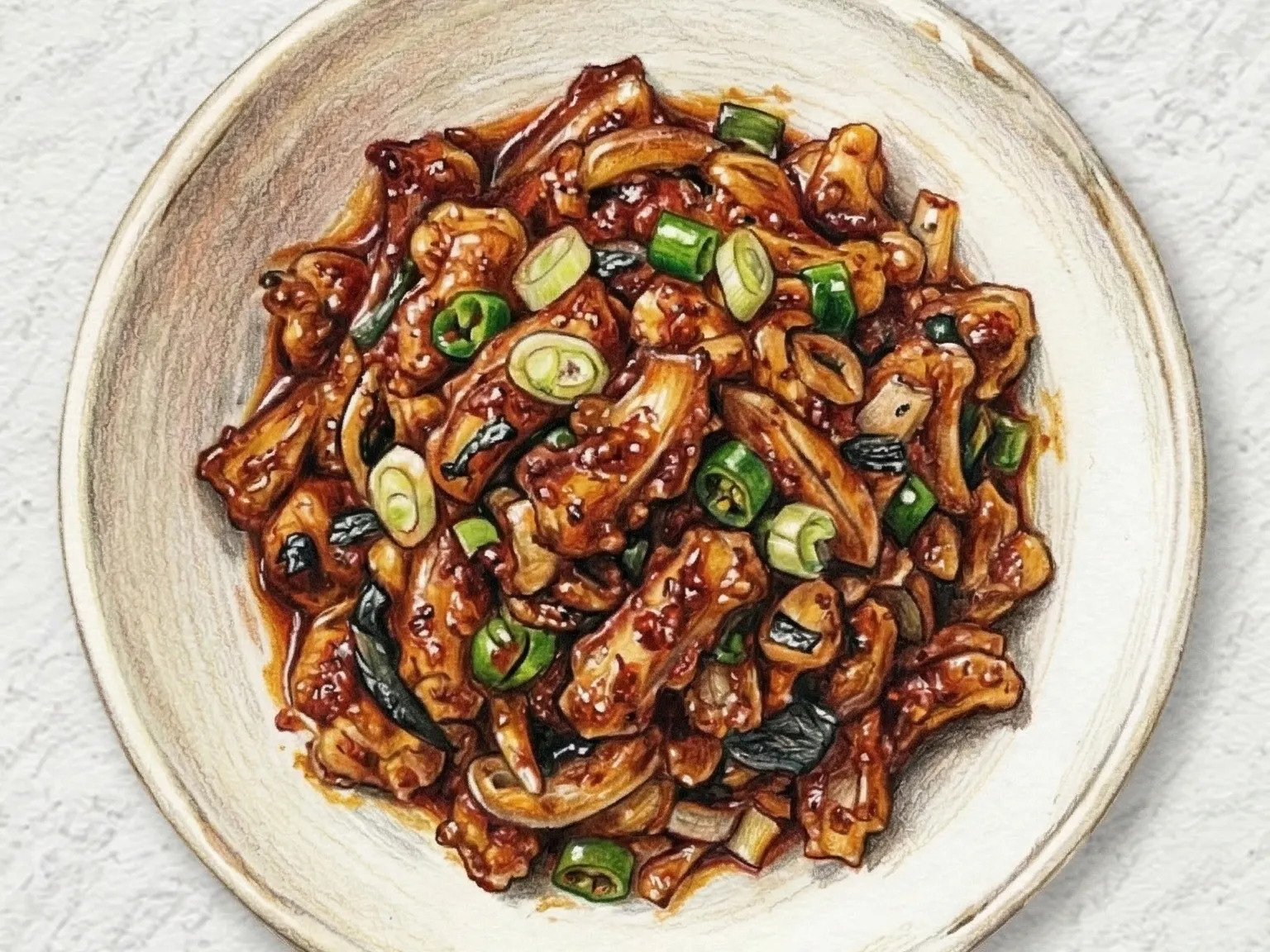
Chicken cartilage gives a crunch first and then a chew. The longer it cooks, the more that crunch turns tough, so the cartilage is marinated for 10 minutes and then stir-fried hard and fast. Gochujang, chili flakes and hot Cheongyang chilies pile up into a fiery bar snack.
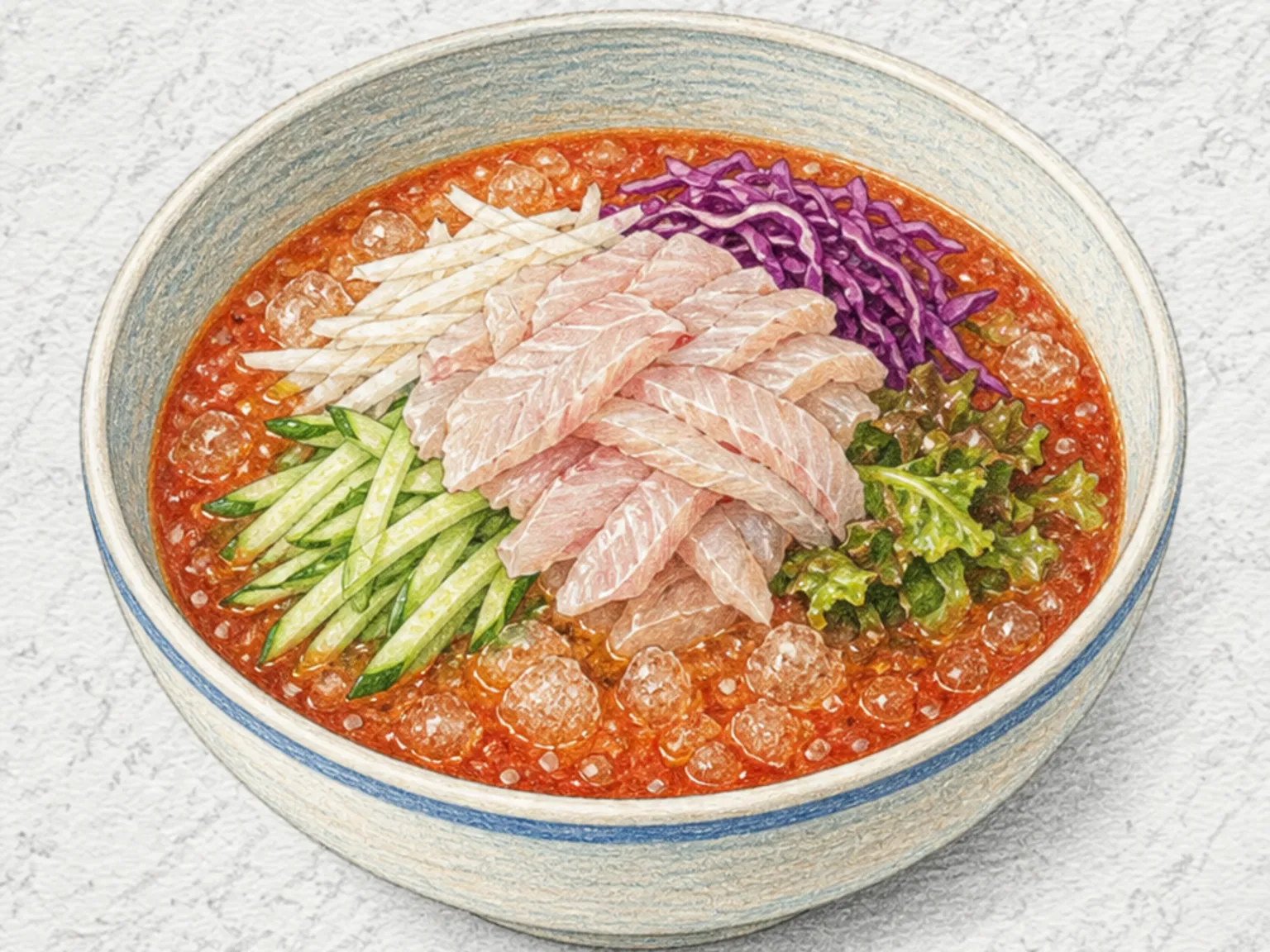
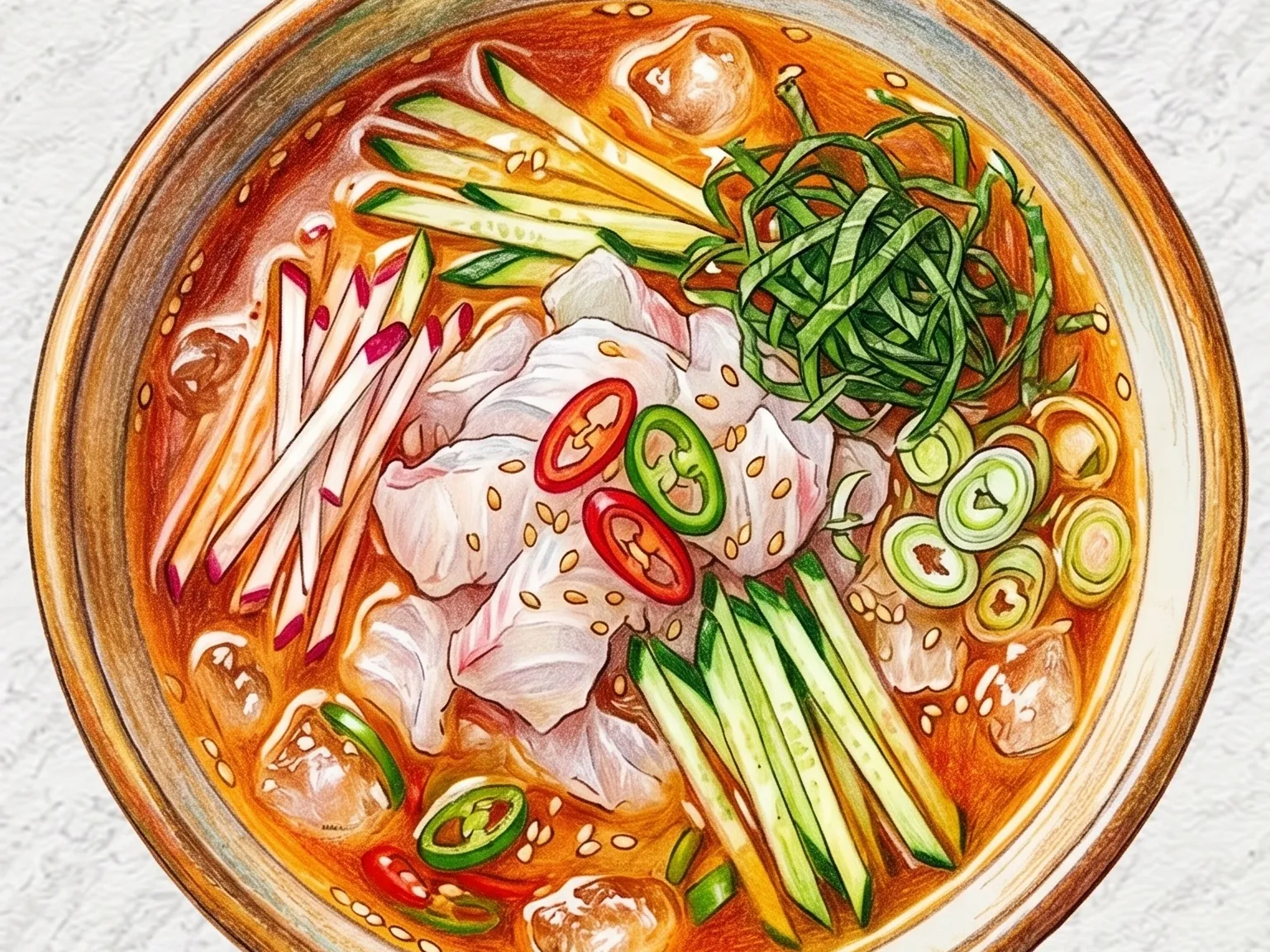
The gochujang and vinegar broth goes into the freezer for about an hour and is poured over the bowl while still slushy. That keeps everything cold to the last spoonful without a pile of ice cubes thinning the seasoning. Raw flatfish sits on shredded pear, cucumber and cabbage, and with nothing here touching heat, the fish should be sold for raw eating, kept cold, and served the moment the bowl is put together.
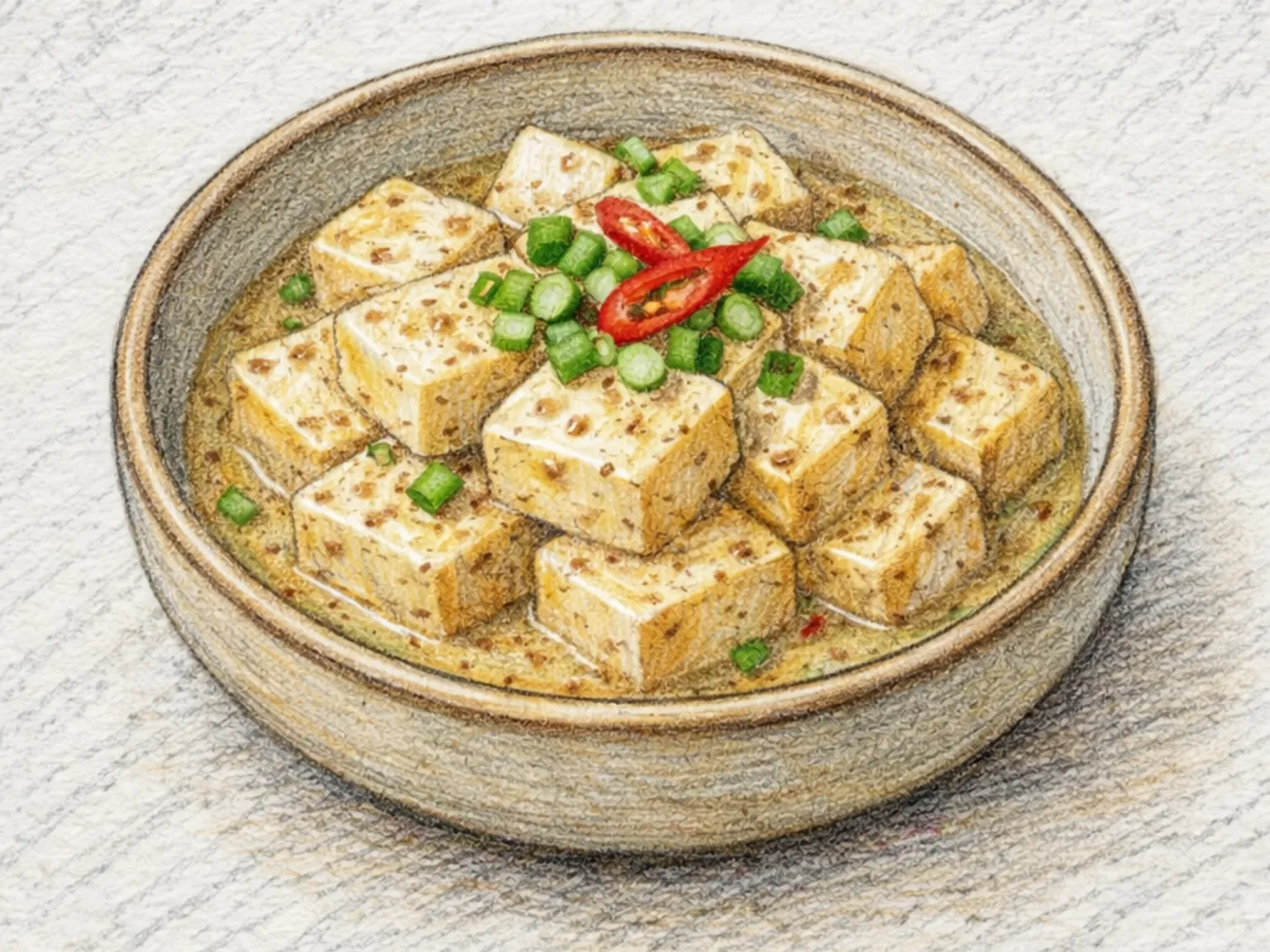
Ground perilla seeds (deulkkae-garu) thicken the soy braising liquid into a creamy, nutty sauce, a world away from the red, spicy versions of Korean braised tofu. Searing the tofu on both sides first firms the surface so the sauce coats it thickly and the slices hold their shape. Green onion and a few drops of sesame oil at the very end lift the earthy perilla flavor. Perilla powder is sold at Korean grocers and is not the same thing as sesame.
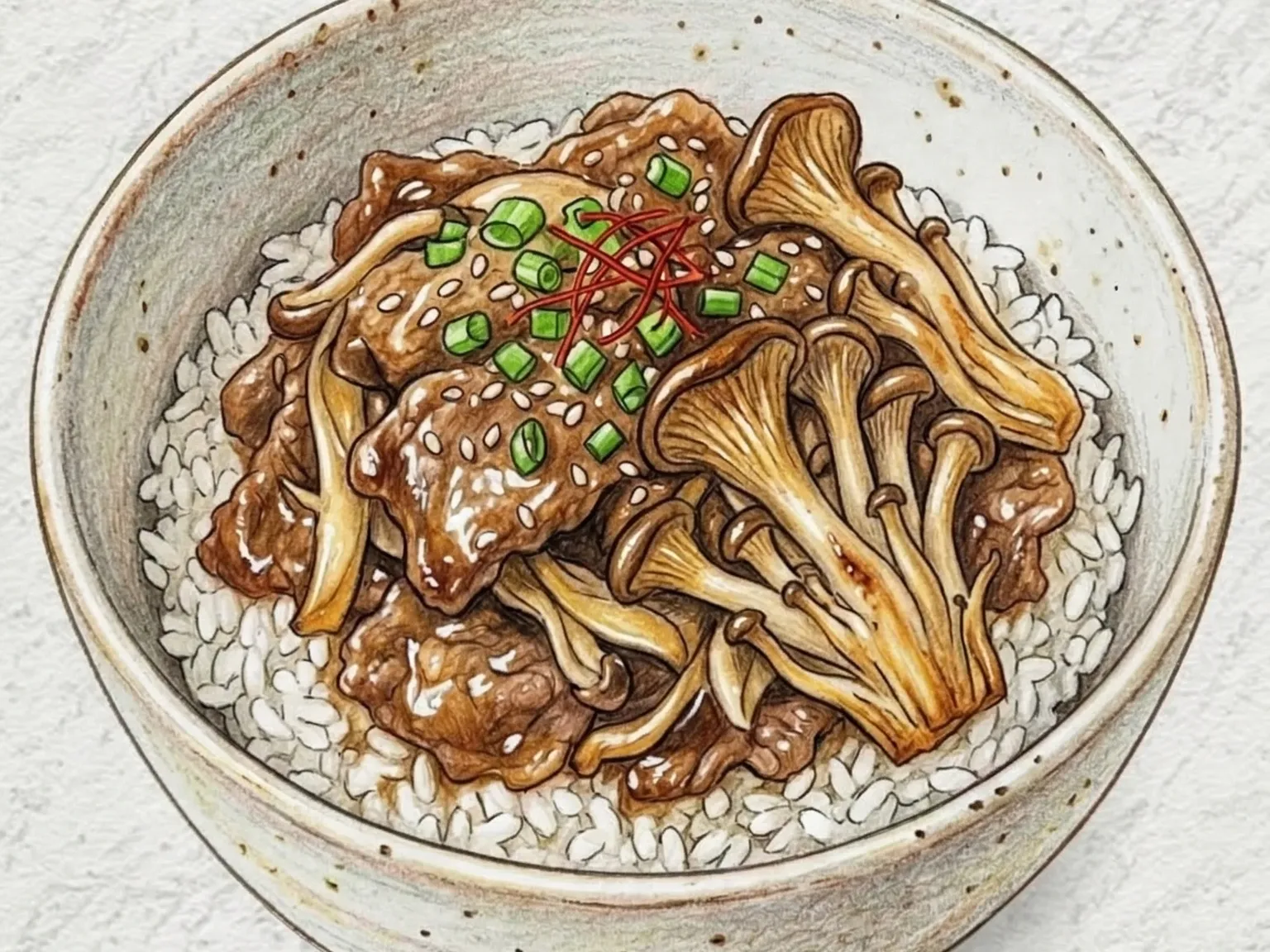
Oyster mushrooms torn along the grain chew pleasantly between the slices of beef, stretching the dish and making it lighter than beef alone. The sweetness in the marinade is gentle, since it comes from pear juice.
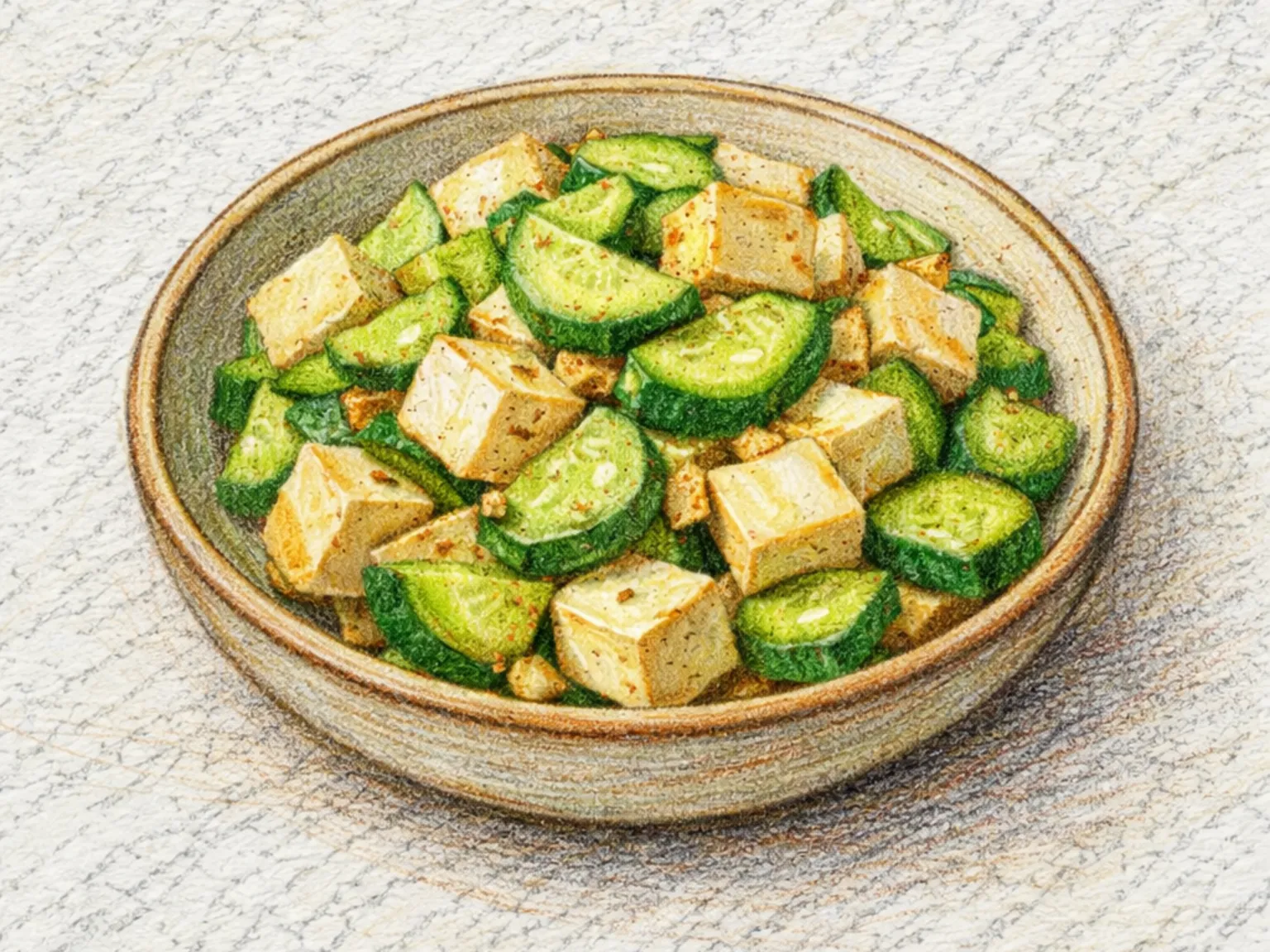
The cucumber here is cooked, but only until it is warm and glossy, never soft in the middle. Soup soy sauce and a little chili flakes are the only seasonings, giving a faint red tint with no real heat. The tofu is browned on its own and folded back in at the end.
This is just the broth for mulhoe, Korean raw fish in an icy, spicy soup, made on its own ahead of time. Six tablespoons of vinegar and some plum syrup go into the gochujang base, and the 100ml of soda is stirred in last and slowly so the fizz survives. It can rest in the fridge for a day, then move to the freezer an hour or two before serving to turn slushy.
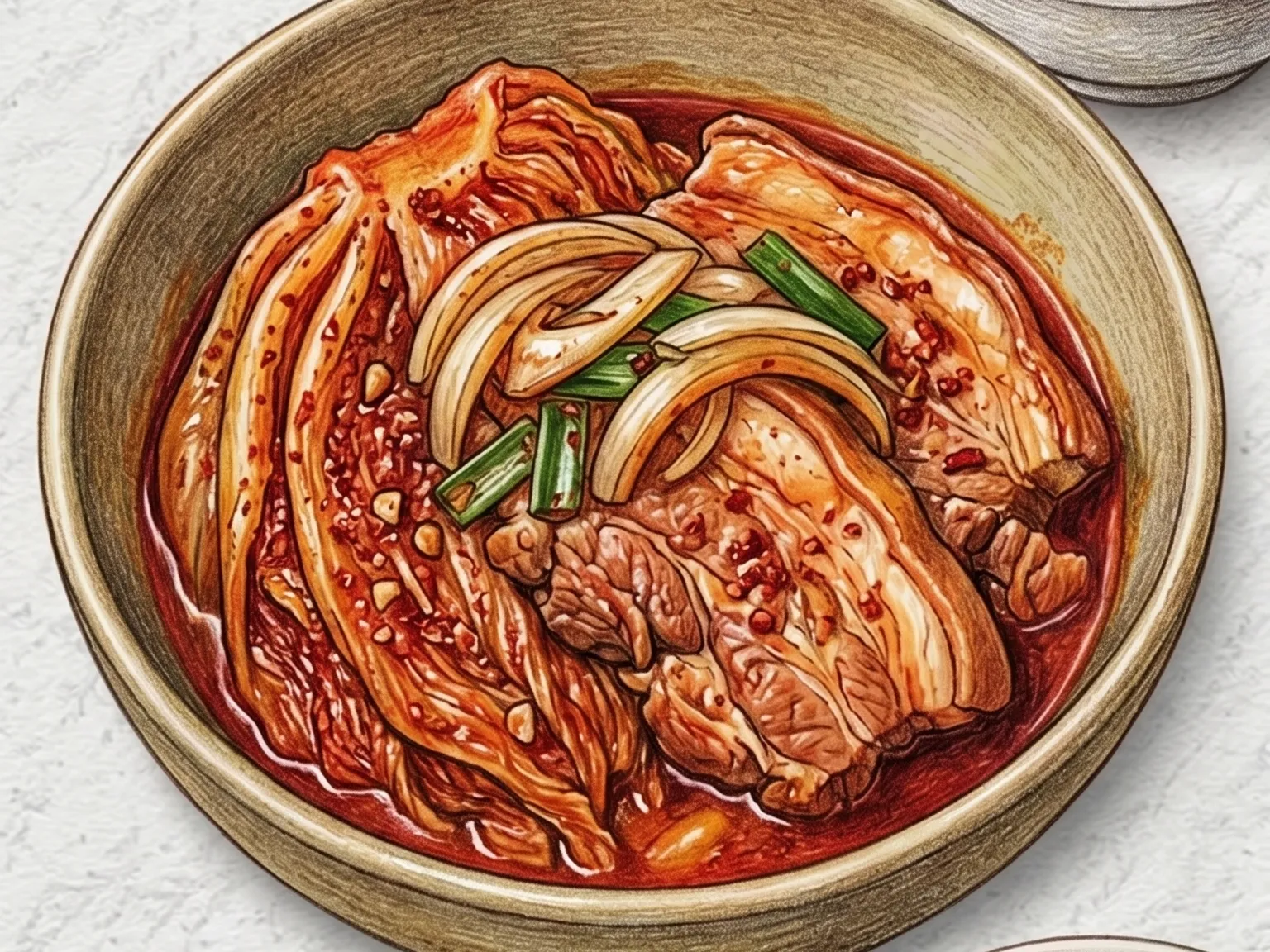
Layered with well-aged kimchi and left to simmer a long time, the kimchi goes soft right down to the stems and the pork shoulder, streaked with fat, pulls apart with chopsticks.
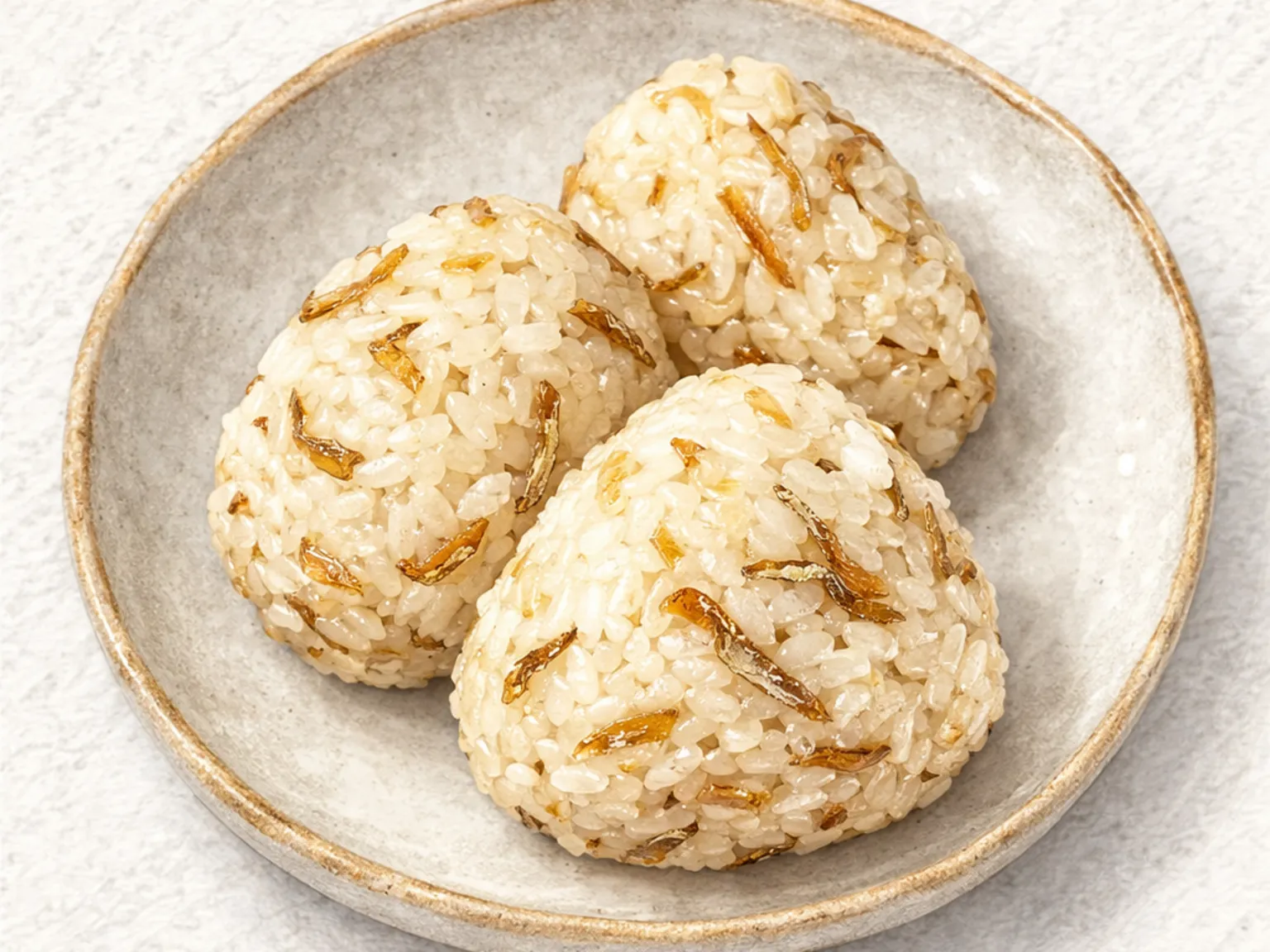
Toasted in a dry pan until they crackle, the tiny anchovies get just a glaze of soy sauce and oligosaccharide syrup before being mixed into warm rice. Anchovies vary in saltiness from one package to the next, and saltier ones call for less soy sauce. Packed for a picnic, the rice balls taste much the same once cool.
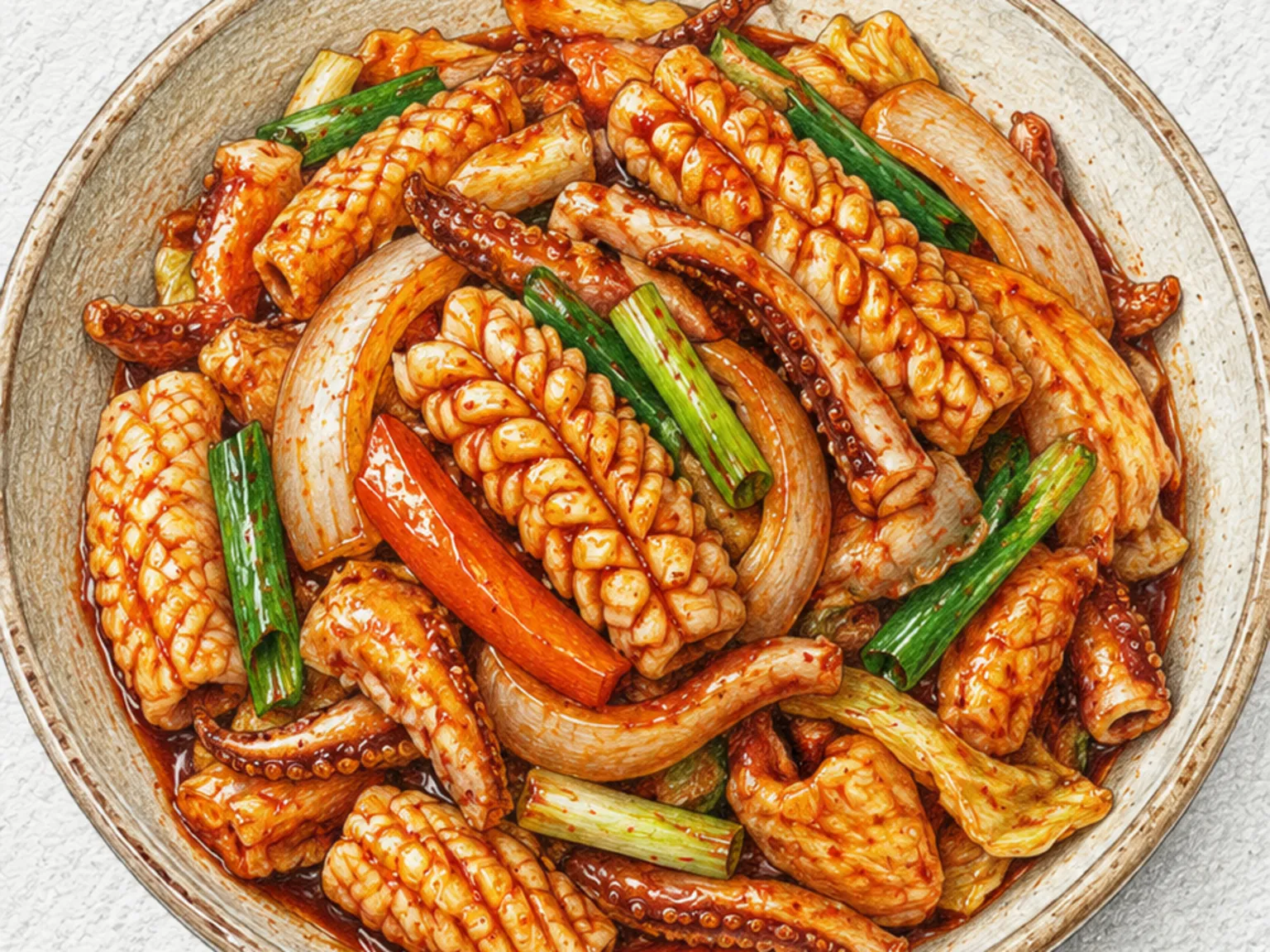
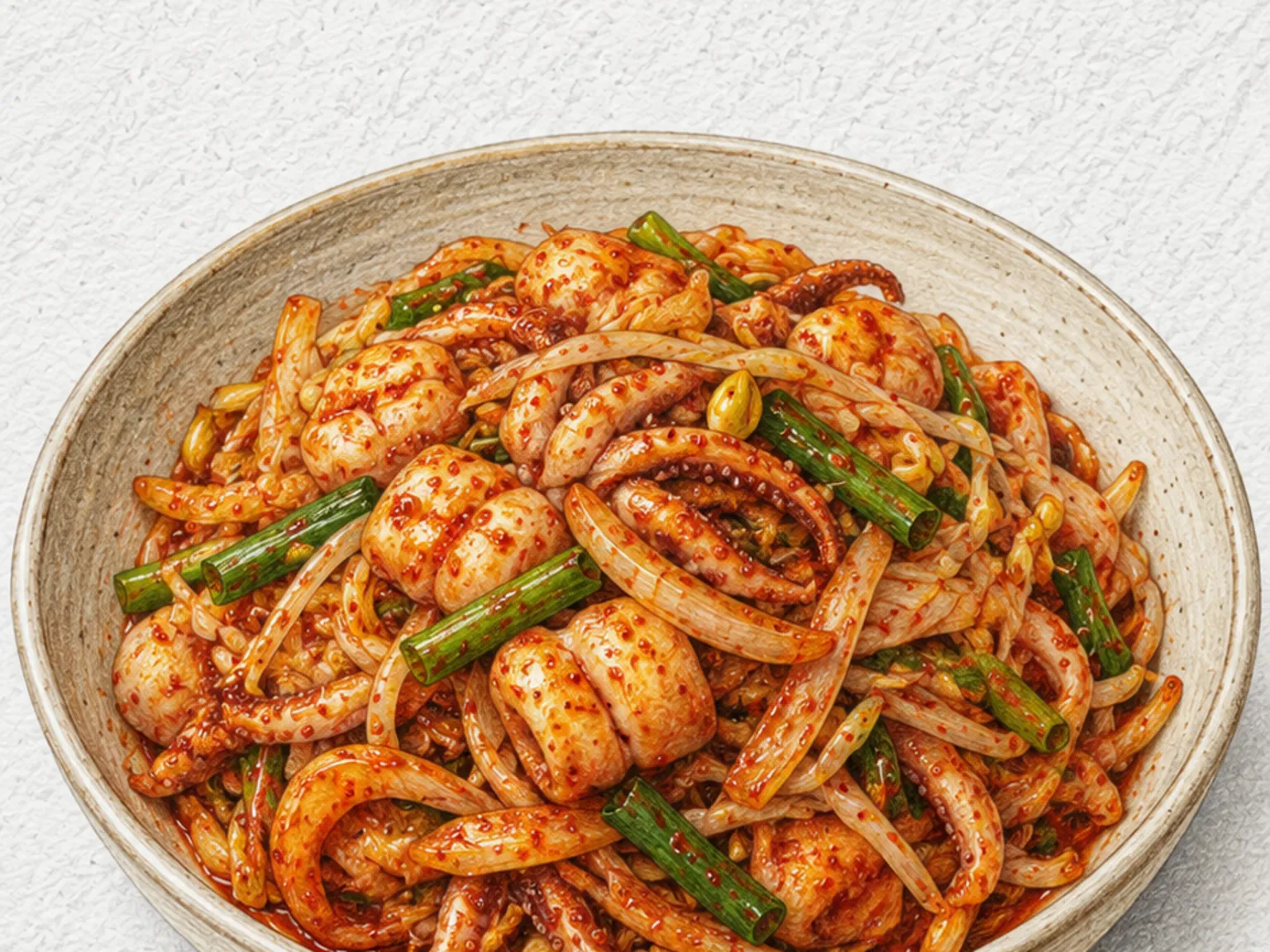
A shallow crosshatch scored on the inside of the squid body opens up as it cooks, curling each piece and letting the gochujang sauce work into the cuts. Score too deep and the body tears apart; the knife should only graze the surface.
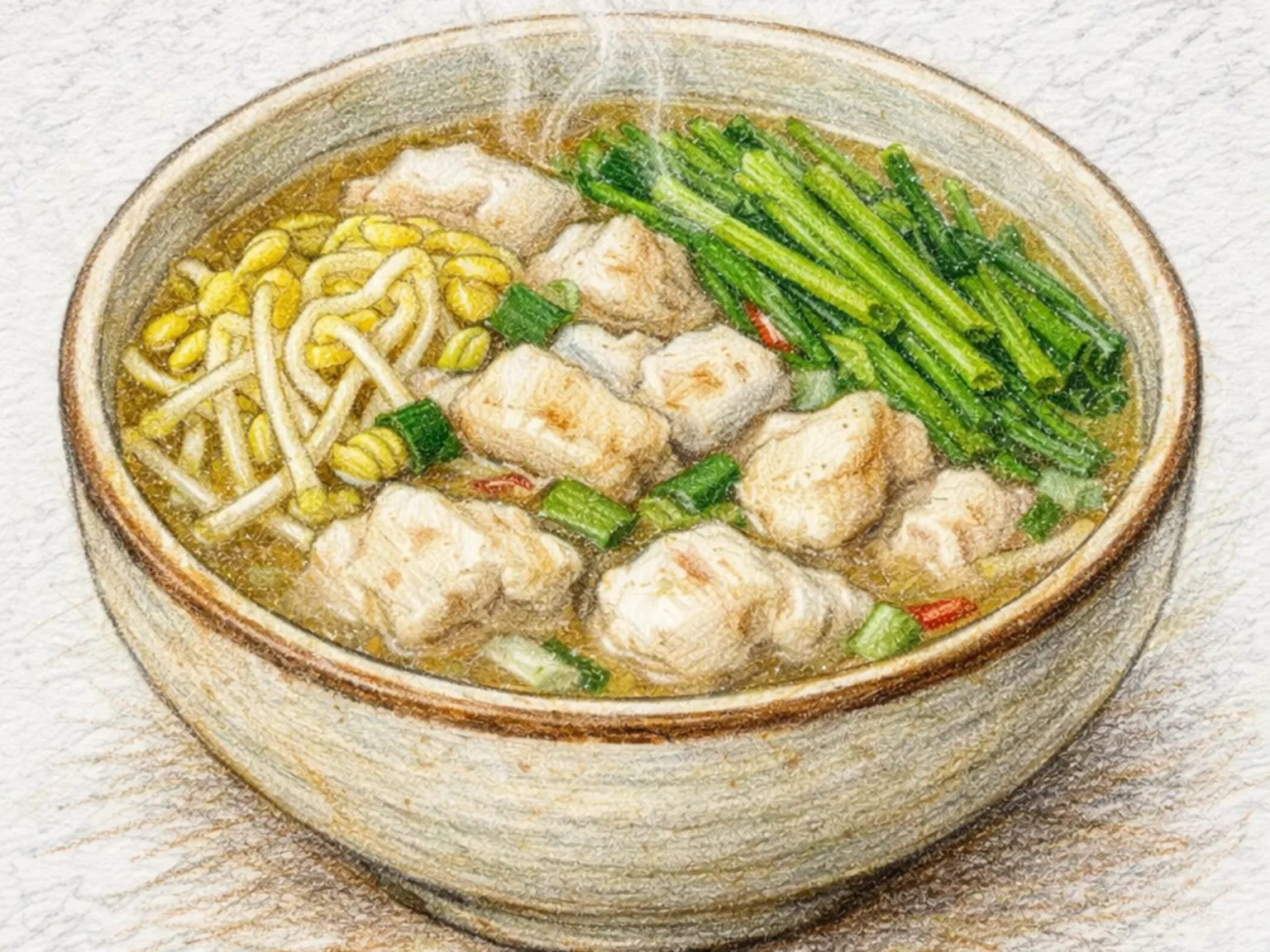
Mulmegi is caught off Korea's east coast from December to February, and its flesh is so soft that it nearly dissolves into the pot once cooked. Even in this clear soup that gives the broth some body, enough that it sets almost like jelly as it cools. Once the fish is in, shake the pot rather than stirring it.
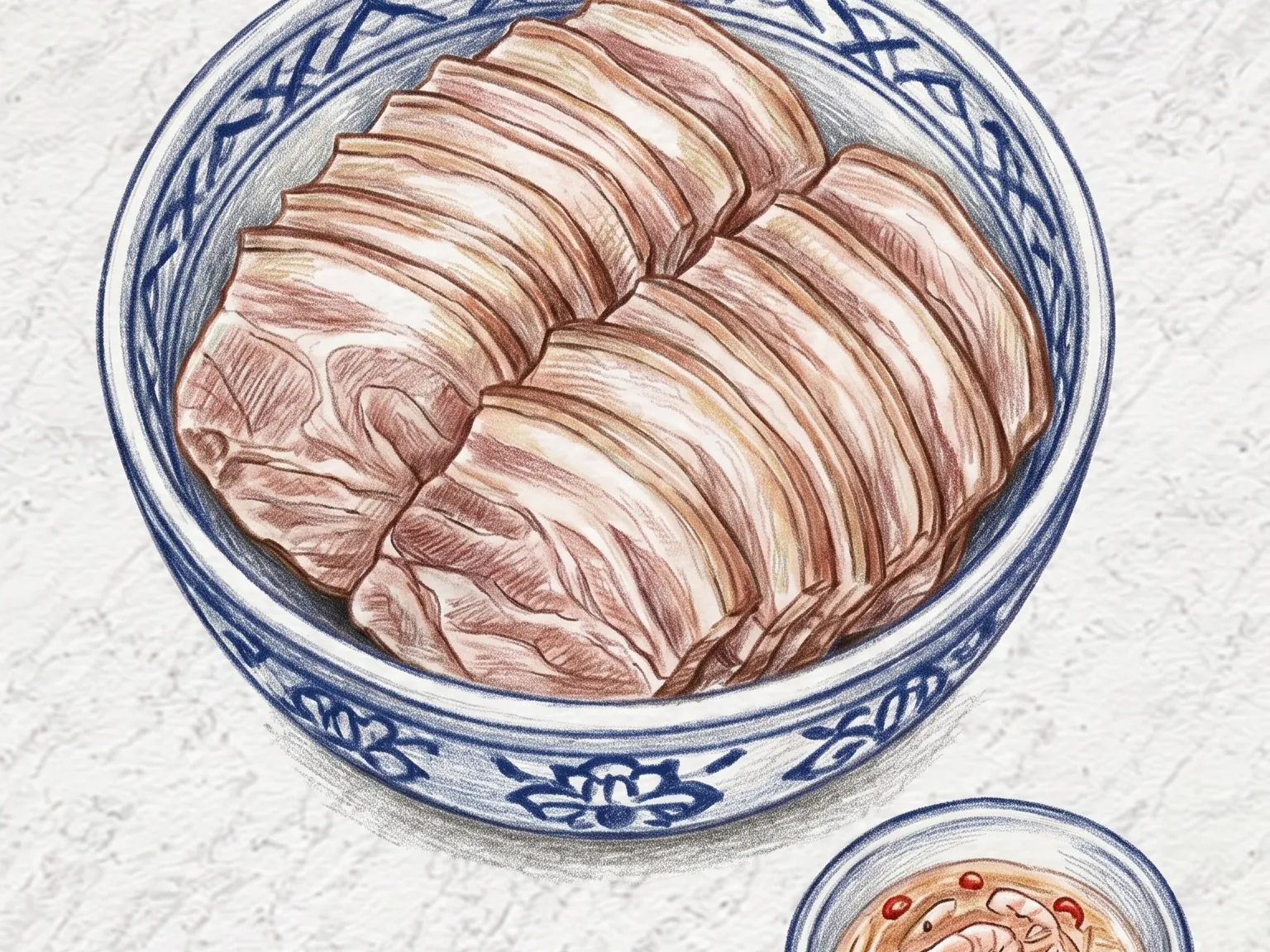
Served cold and thinly sliced, pyeonyuk has a firmer, cleaner bite than warm boiled pork. Pork shank simmers with ginger, garlic, and whole peppercorns to take away any gamey smell, then gets rolled tightly in plastic wrap while still warm and chilled for at least 2 hours so it holds a neat shape. Slices are dipped in salted fermented shrimp, a classic starter for holiday tables and guests.
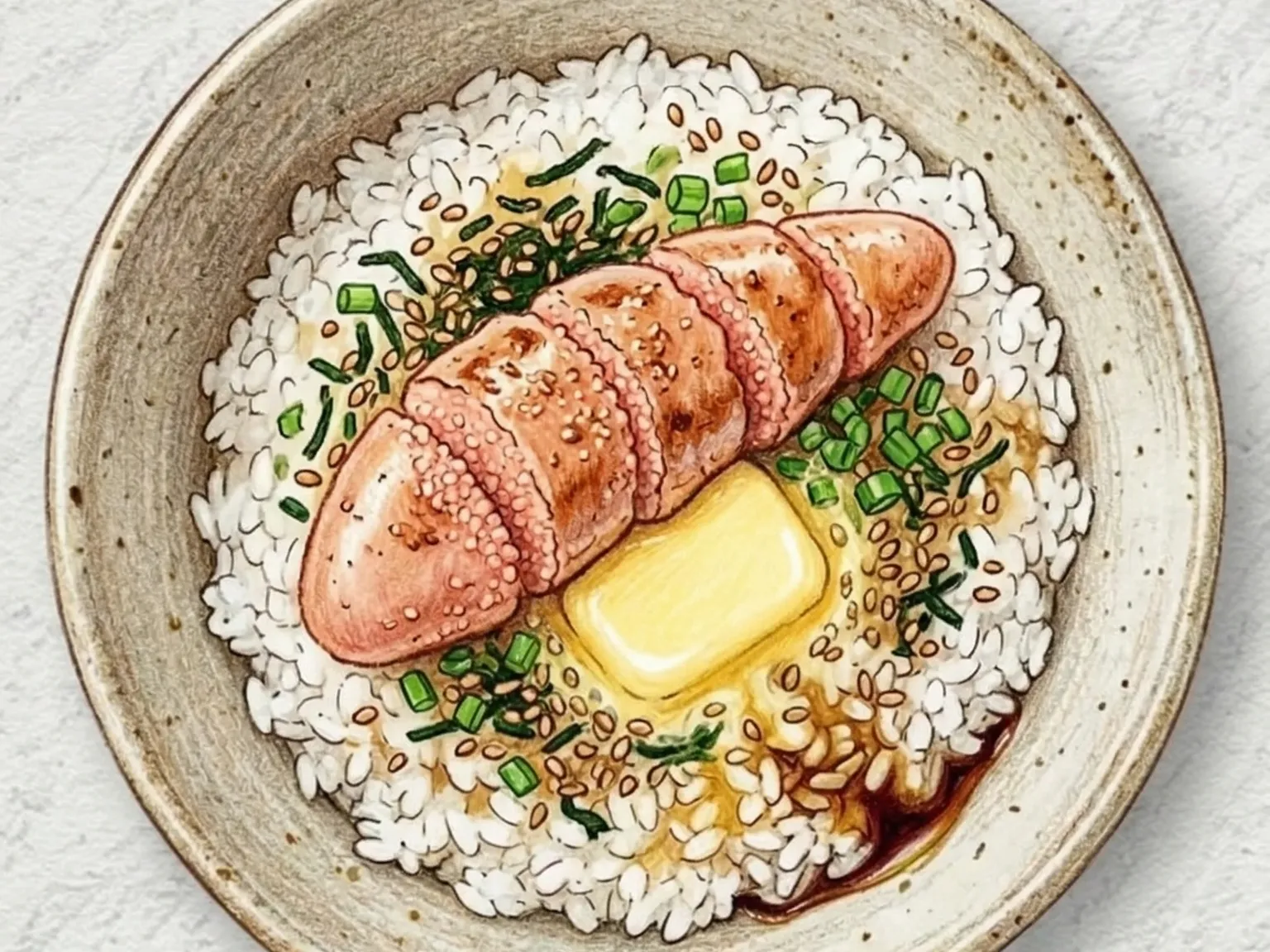
The butter is split in two: half to cook the pollock roe for just a minute, half to melt over the hot rice. The roe comes off the heat the moment its color brightens, while the eggs still pop.
Water from the bean sprouts is what most easily turns this stir-fry thin. They are drained well, added only in the last minute or two, and the whole pan goes onto a plate as soon as the heat is off.
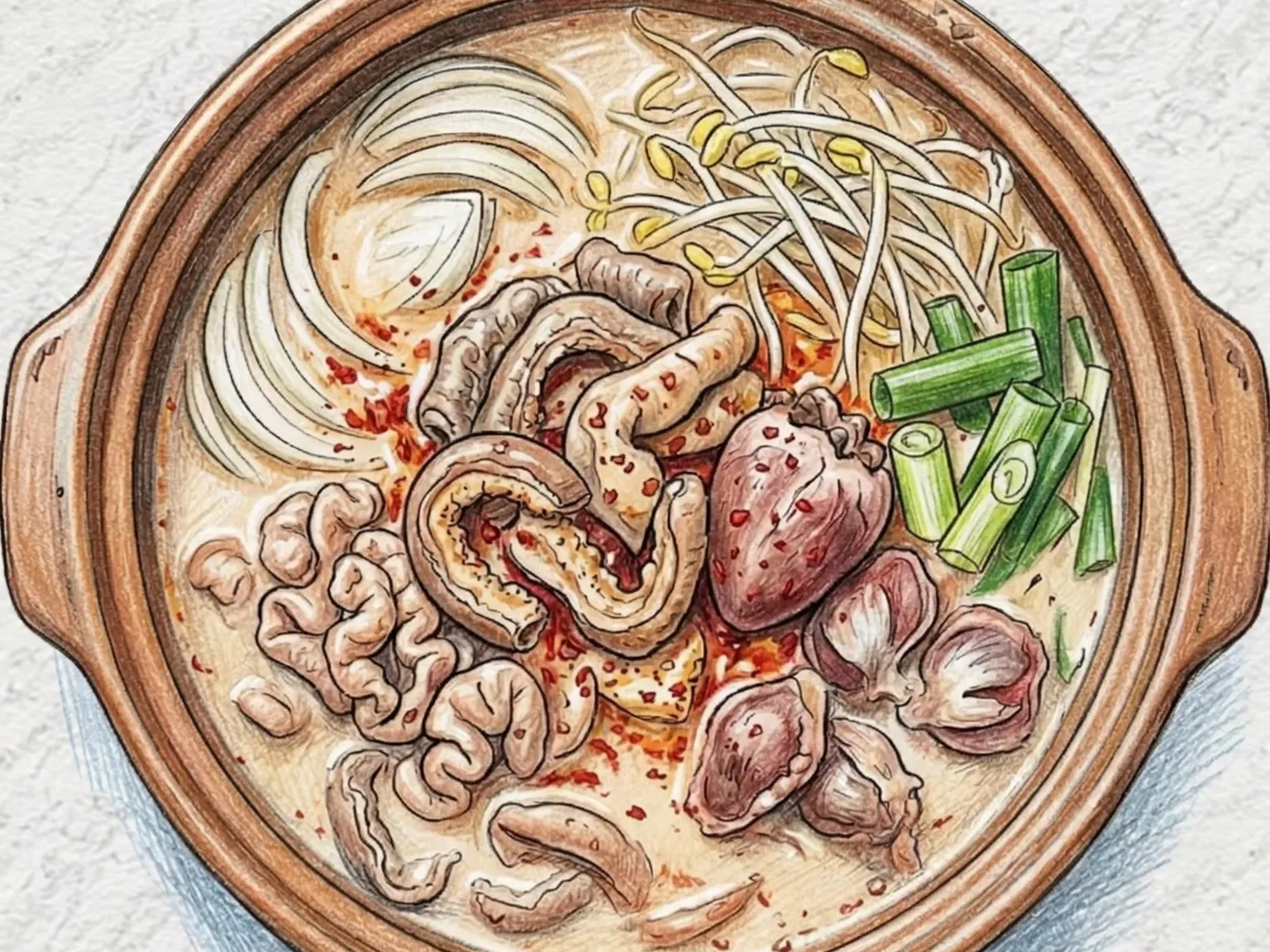
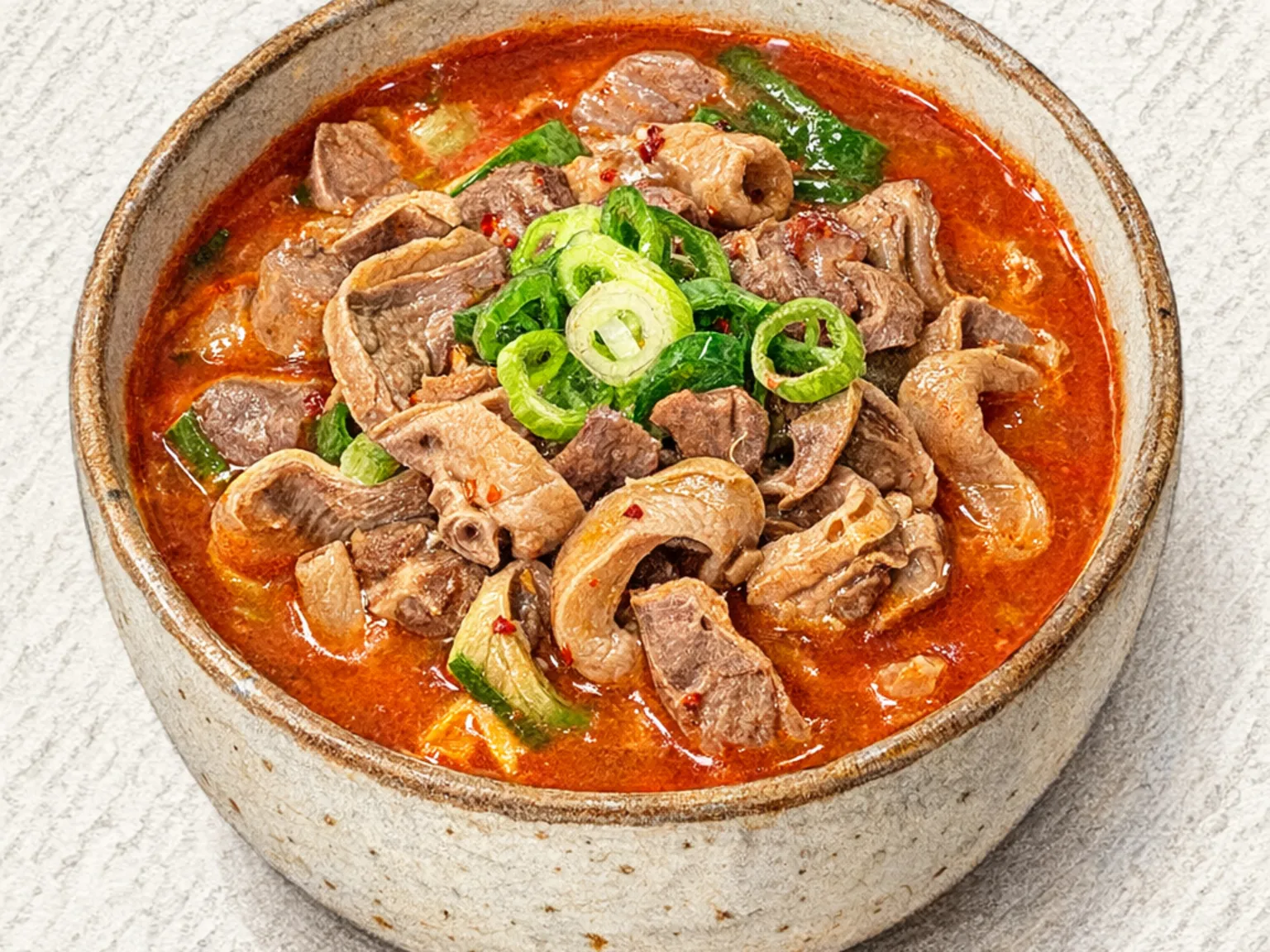
Several beef offal cuts with very different chews, such as small intestine and omasum, go into one pot of milky bone broth. Chili flakes and garlic make it spicy, and half a spoonful of doenjang mixed into the seasoning paste tamps down any remaining offal smell. It is a hot pot for the drinking table, alongside soju.
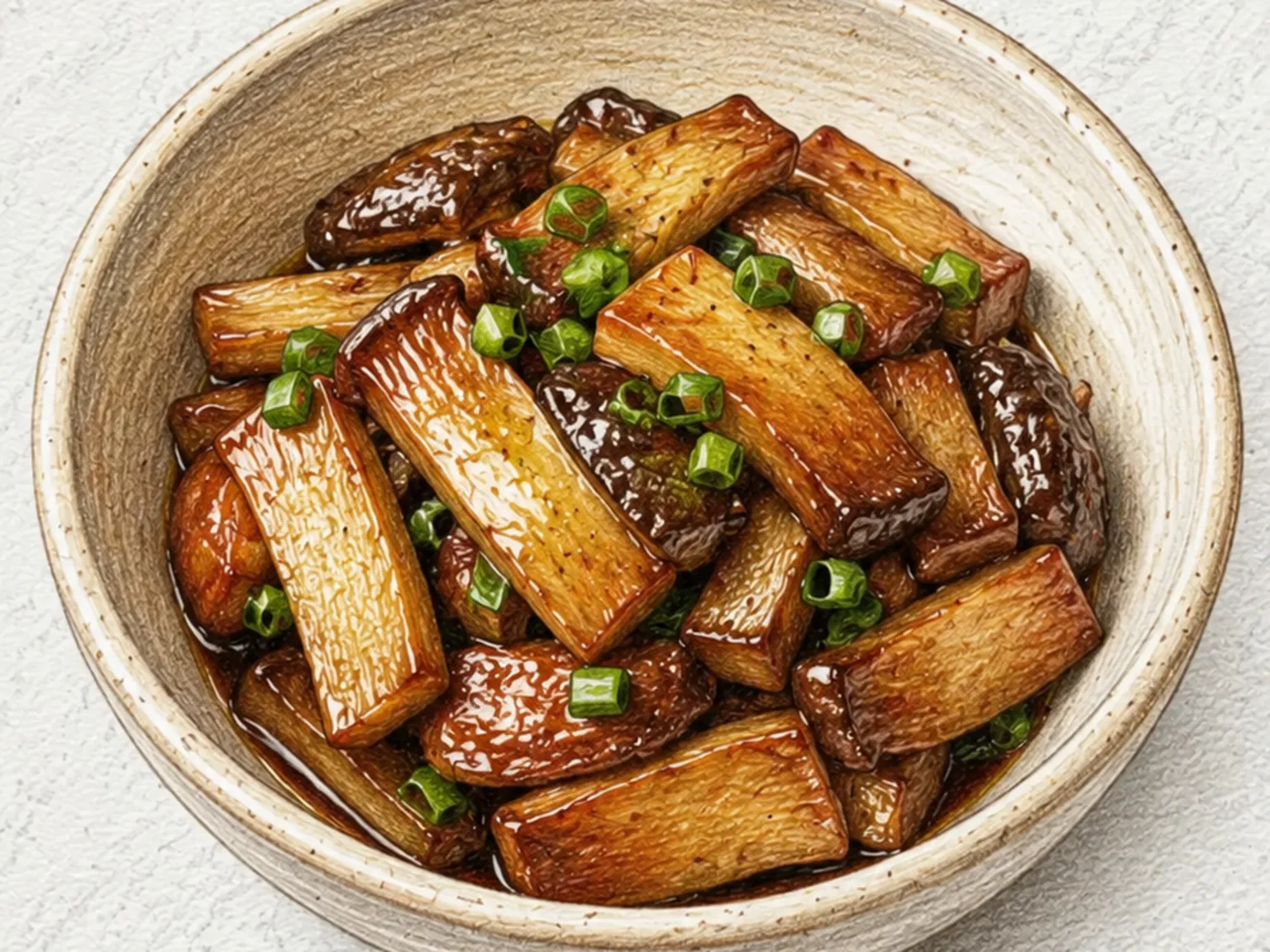
Searing king oyster mushrooms until browned before adding any sauce gives this banchan two textures: a chewy, golden cut face and a juicy center. Spread in a single layer, they lose the water they release, which would otherwise thin the glaze and keep it from turning glossy. Mix the sauce beforehand and keep it beside the pan so it can be poured straight in before the mushrooms scorch. The soy and oligosaccharide syrup glaze cooks only briefly, and the heat goes off before it turns too strong, letting residual heat bring up the shine. Finished with green onion and sesame oil, it is best warm and keeps well as a make-ahead side.
Because it starts from cooked rice simmered in anchovy stock rather than raw grains, this porridge comes together much faster. The pollock roe breaks apart into the broth, tinting it pink and spreading its salty, savory flavor through the pot. Eggs poured into a rolling boil seize into rough clumps, but drizzled in at a gentle simmer they set into soft curds.
Jumulleok means meat kneaded by hand with its marinade, but thin duck slices tear if squeezed, so here the gochujang sauce is folded through them gently. Perilla leaves add their scent to the spicy coating.
Most of the work in this spicy beef offal soup happens before cooking: the mixed tripe is scrubbed with salt and flour into every fold, then soaked in cold water to draw out blood and odor. After a quick blanch the first water is thrown out, and a 50-minute simmer in fresh water softens the thick pieces while building the stock.