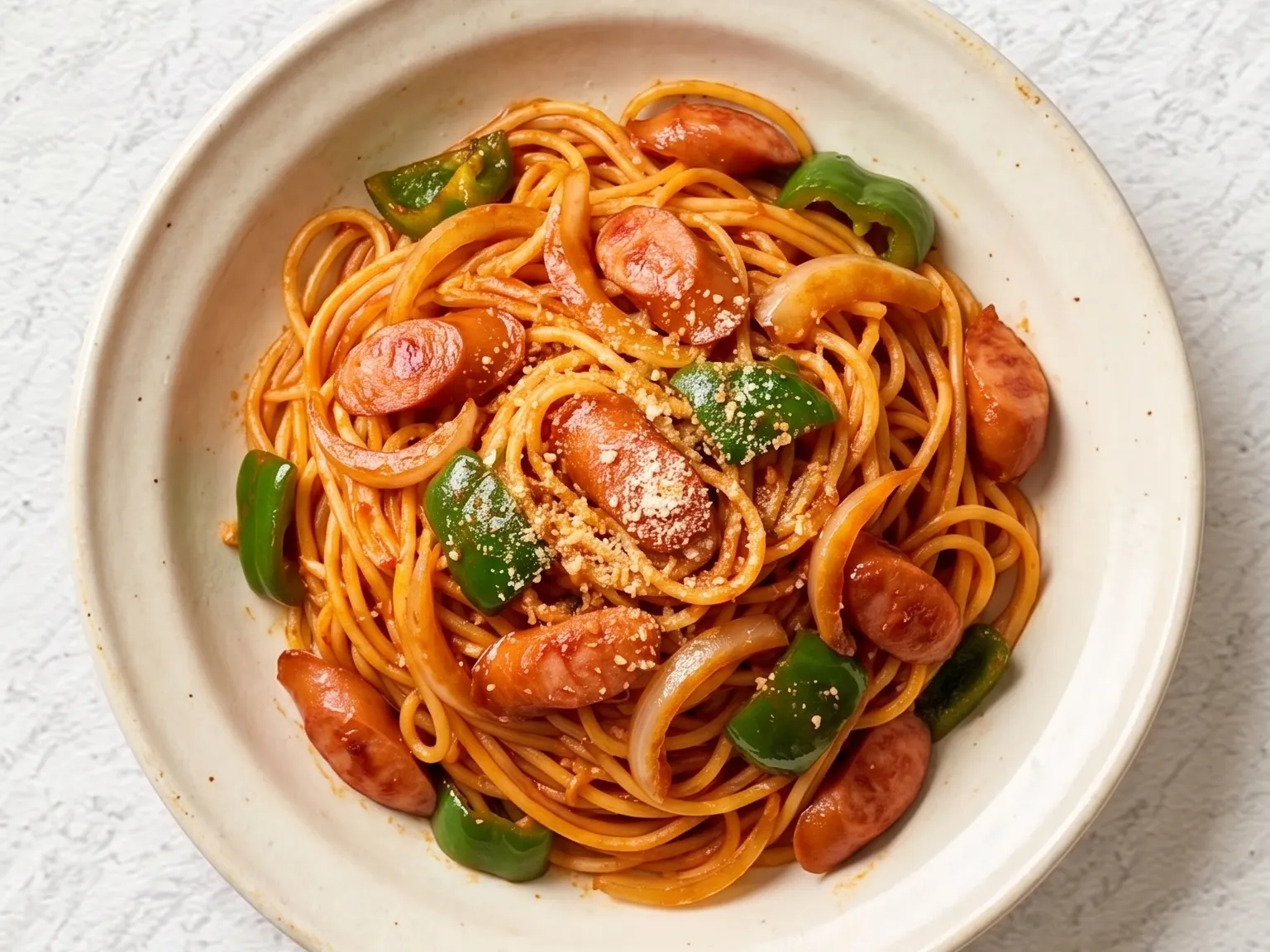
Mushroom Truffle Gnocchi
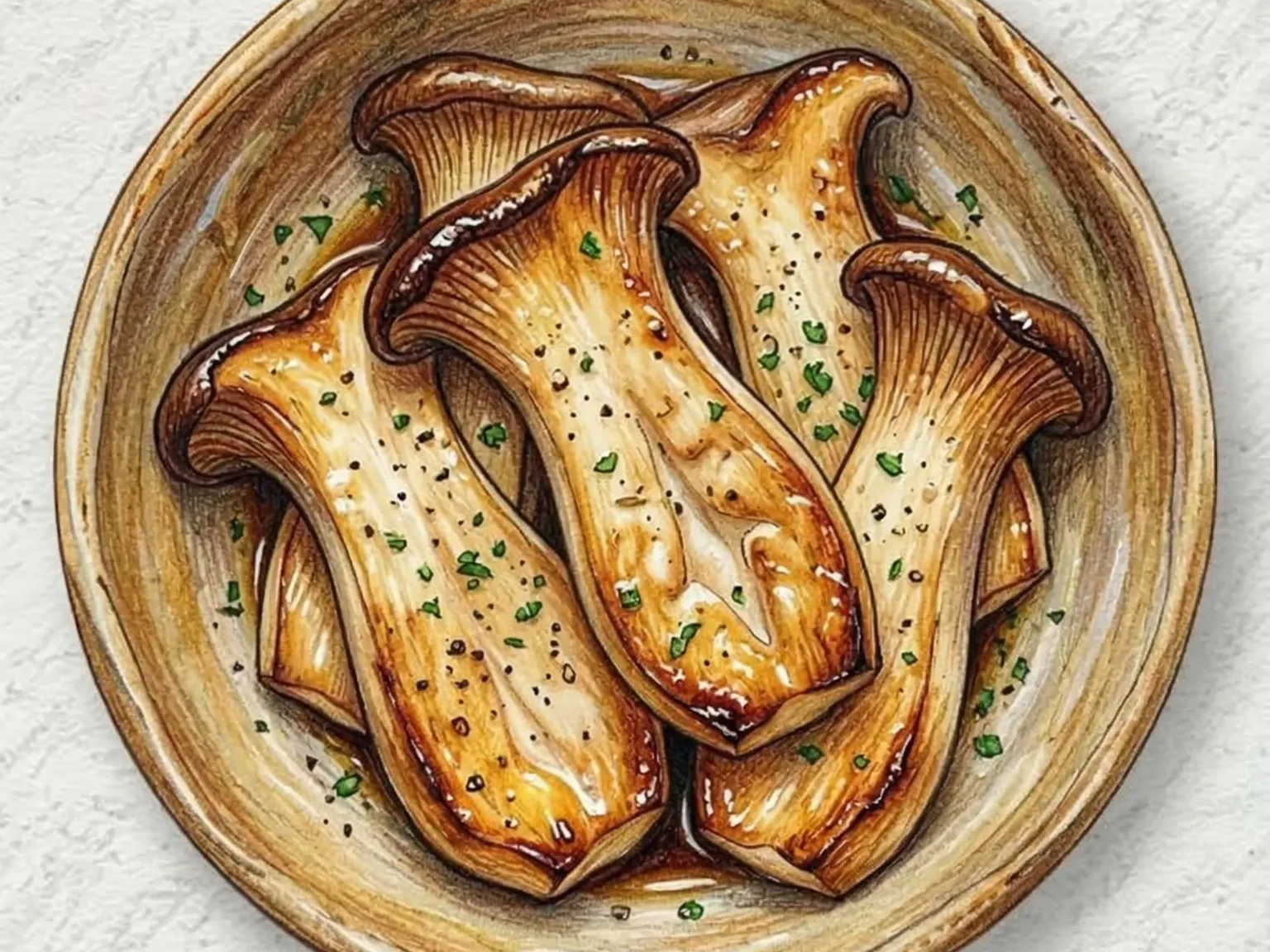
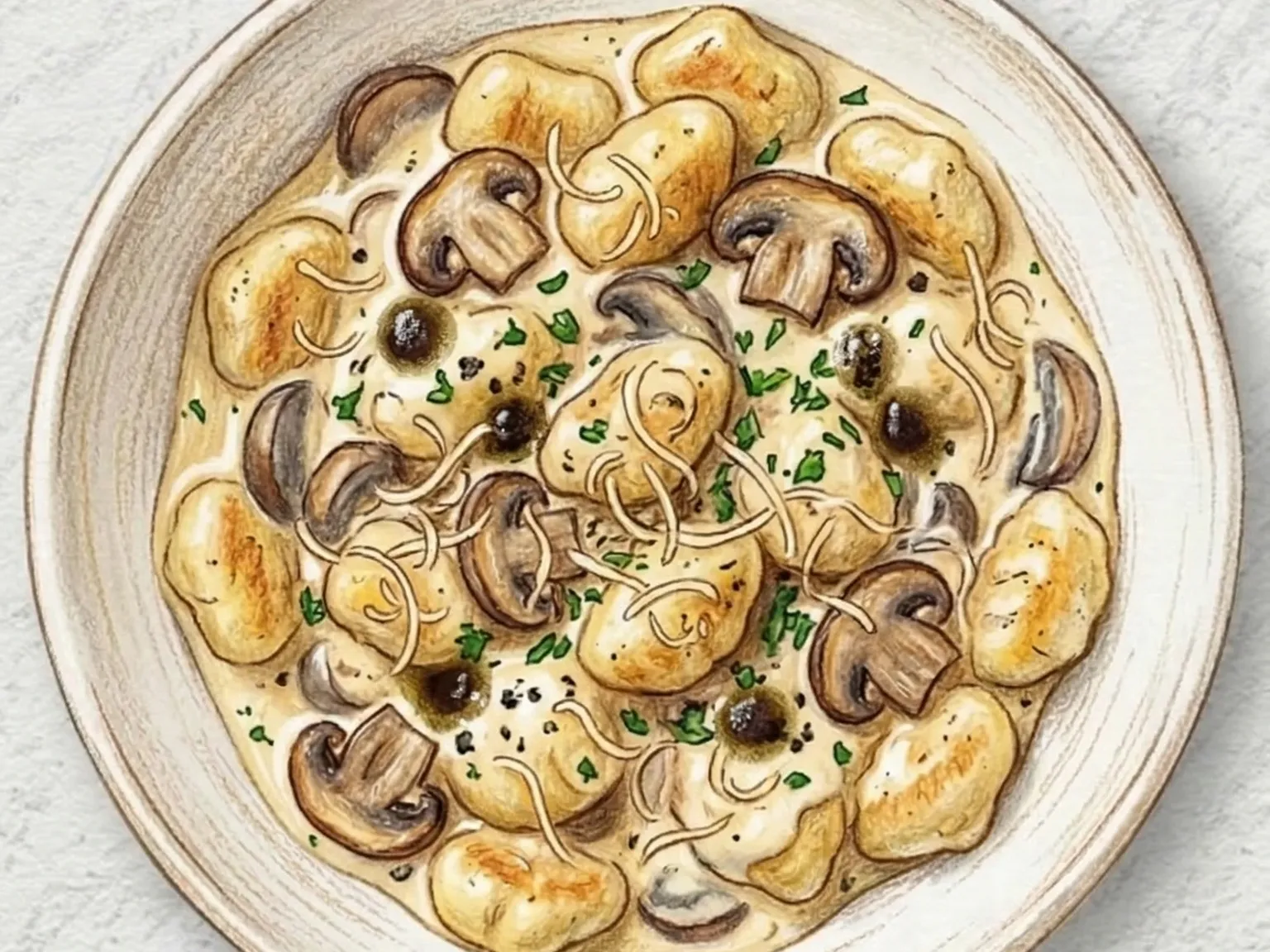
Mushroom truffle gnocchi boils potato gnocchi until they float, then tosses them in a sauce of butter-browned mushrooms finished with heavy cream and grated Parmesan. The mushrooms must be cooked in a single layer over high heat so their moisture evaporates and they develop a deep sear rather than steaming in their own liquid. The cream simmers on low heat for just two to three minutes - enough to thicken into a coating consistency without reducing too far. Truffle oil is drizzled on only after the heat is turned off, because cooking destroys the volatile aromatic compounds that give truffle its distinctive earthy, nutty fragrance. The combination of chewy gnocchi, savory mushrooms, rich cream sauce, and the lingering truffle aroma creates a dish that tastes far more luxurious than its short ingredient list suggests.

Fudgy Brownies
A fudgy brownie delivers dense, moist chocolate intensity in every bite, distinguishing itself from cake-style brownies through a higher ratio of butter and chocolate to flour. Melting chocolate and butter together before folding in sugar and eggs produces a glossy, pourable batter that bakes into a thin crust on top while the interior stays rich and slightly underdone. Pulling the pan from the oven just before the center fully sets is critical: as the brownie cools, that center sinks into a chewy, truffle-like layer. Using dark chocolate with a high cacao percentage shifts the flavor toward bittersweet depth rather than simple sweetness. A scattering of flaky sea salt on top before baking creates a sweet-salty contrast that amplifies the chocolate. Walnuts or pecans folded into the batter introduce crunch amid the dense crumb. Cutting clean squares requires patience, as the texture firms only after the brownie has cooled completely.

Pork Chops with Apple Cider Pan Sauce
Apple Cider Pork Chops represent a traditional American one-pan cooking method where thick-cut pork loin chops are cooked in a single skillet to create a deep golden exterior crust. The preparation involves a pan sauce that utilizes the flavorful fond left behind in the skillet after searing the meat. For the best results, the pork chops should sit at room temperature for approximately thirty minutes before they are placed in the pan. This step is important because it allows the heat to penetrate the meat evenly from the outer edges to the center. It is also essential to use a paper towel to pat the surface of the pork until it is completely dry, which facilitates the chemical reaction needed for thorough browning. Once the pork has been seared and removed from the heat, finely chopped shallots and garlic are added to the rendered pork fat and sautéed until they become fragrant. Apple cider is then poured into the hot skillet to deglaze the surface, loosening the caramelized bits that remain attached to the bottom. The liquid is simmered and reduced until the natural sugars and acidic components of the cider become more concentrated and intense. To build additional layers of flavor, Dijon mustard is whisked into the reduction to provide a sharp and slightly peppery character. The final texture of the sauce is achieved by swirling in a piece of cold unsalted butter at the very end of the cooking process, which creates a glossy appearance and a smooth consistency. A whole sprig of fresh thyme is included during the simmering stage to provide an herbal element that connects the flavor profiles of the apple cider and the pork meat.

Galette des Rois (Puff Pastry Almond Frangipane Pie)
Galette des rois is the traditional French pie eaten during Epiphany in January, made from two rounds of puff pastry enclosing a filling of almond frangipane cream. Puff pastry is built from hundreds of alternating layers of dough and butter that have been folded and rolled repeatedly. In the oven, the moisture inside the butter converts to steam and forces the layers apart, causing the dough to expand dramatically and set into a structure of thin, translucent sheets stacked one on top of the other. When the baked galette is cut, those layers are visible in cross-section, and the pastry shatters into golden flakes with any pressure - the defining textural characteristic of well-made puff pastry. The frangipane filling is made from butter, eggs, sugar, and ground almonds whisked together into a smooth cream. It bakes into something dense and moist, with the almond flavor concentrated and deepened by the heat in a way that raw almond paste cannot replicate. Before baking, a small porcelain figurine called a feve is pressed into the frangipane and sealed inside. Whoever receives the slice containing the feve is crowned king or queen for the day with a paper crown that typically comes with the galette from the bakery. The top of the pastry is scored with a sharp knife in decorative patterns of leaves, spirals, or geometric designs, and brushed with an egg wash that caramelizes in the oven to produce a lacquered golden surface with the scored lines standing out in relief. In France, bakeries sell galette des rois throughout January, and sharing one with family or colleagues is a significant social ritual at the start of the new year.

Potato Au Gratin
Potato Au Gratin is a French baked potato dish where thinly sliced potatoes are layered with cream and Gruyere cheese, then baked until the top forms a deep golden crust. The potatoes must be sliced to a uniform two to three millimeters - a mandoline slicer ensures consistent thickness so every layer cooks at the same rate. A mixture of heavy cream and milk warmed gently with garlic is poured between each layer of potatoes, where it meets the potato starch and thickens into a binding sauce that holds the layers together. Gruyere is the classic cheese choice - it melts into long, stretchy strands and carries a nutty, slightly sweet flavor. It is distributed between the layers for internal richness and piled on top for the signature golden crust. After about fifty minutes at 180 degrees Celsius, the cream bubbles around the edges, the potatoes turn completely tender, and the surface cheese crisps into a crackling, browned cap.

Gangjeong Crunch Cookies (Korean Rice Flour Nut Cookies)
Gangjeong crunch cookies translate the airy, shattering texture of traditional Korean gangjeong into a baked cookie that can be made at home and carried anywhere. Blending glutinous rice flour into the dough changes the bake fundamentally: the cookies spread thinner than all-wheat versions and develop a brittle, cracker-like snap that sets them apart from soft or chewy alternatives. Rice syrup or honey serves as the sweetening binder in place of plain sugar, contributing a faint grain fragrance and enough tackiness to fix toppings of sesame seeds, sunflower seeds, or pumpkin seeds firmly to the surface before baking. The cookies look done before they are, so trusting the timer matters; pulling them too early results in a soft center that never fully crisps. Crunch solidifies completely only once the cookies have cooled for fifteen minutes outside the oven. Swapping butter for vegetable oil thins the spread further and amplifies the crunch. With every chew the toasted grain and nut flavors deepen gradually, making each bite more satisfying than the last. Stored in an airtight container after fully cooling, they hold their snap for three days or more, making them practical for gifting. The cookies carry the spirit of a Korean holiday confection in a lightweight, portable format.

Potato Leek Soup
Potato leek soup is a French home-style cream soup made by sweating leeks and onion in butter over low heat, simmering with diced potatoes in chicken stock, and blending until velvety smooth. Cooking the leeks slowly is essential - it dissolves their raw sharpness into a sweet, mellow base that carries the entire soup. The potato starch provides natural body without any added thickener, and an immersion blender produces a seamless, silky texture. Heavy cream stirred in at the end adds a layer of richness and rounds out the flavor. The soup can be served hot for a comforting meal or chilled as vichyssoise for a refined summer starter.

Gingerbread Men
Gingerbread men are spiced cookies shaped like small figures, made from a dough enriched with molasses, ground ginger, cinnamon, and cloves. The molasses contributes a deep amber color and a bitter undertone that distinguishes these cookies from simpler butter cookies, while the spice blend delivers a warmth that builds gently across the palate. Chilling the dough for at least one hour before rolling ensures it holds its shape through cutting and baking, so the finished cookies emerge with crisp, defined edges rather than rounded, puffy outlines. Once fully cooled, royal icing piped into eyes, mouths, and buttons turns each cookie into a small edible character. The ideal texture balances a snappy bite at the rim with a slightly chewy center that keeps the cookie from crumbling apart. Stored in a sealed container, the cookies improve over a day or two as the spice flavors meld and deepen. The recipe is simple enough for children to help with shaping and decorating, making it a fixture of winter holiday baking in many households.

Reuben Sandwich
Reuben sandwich layers sliced corned beef, well-squeezed sauerkraut, and Swiss cheese between rye bread spread with mayonnaise, then griddled with butter on the outside until golden and crisp. Removing excess moisture from the sauerkraut is the most important step - residual water makes the bread soggy and prevents the cheese from melting properly. Cooking over medium-low heat for three to four minutes per side gives the bread time to turn deeply golden while the interior cheese melts fully, binding all the fillings together. Each bite combines the salty depth of corned beef, the fermented tang of sauerkraut, and the rich milkfat of Swiss cheese in a layered contrast of flavors.

Dried Persimmon Cinnamon Rolls
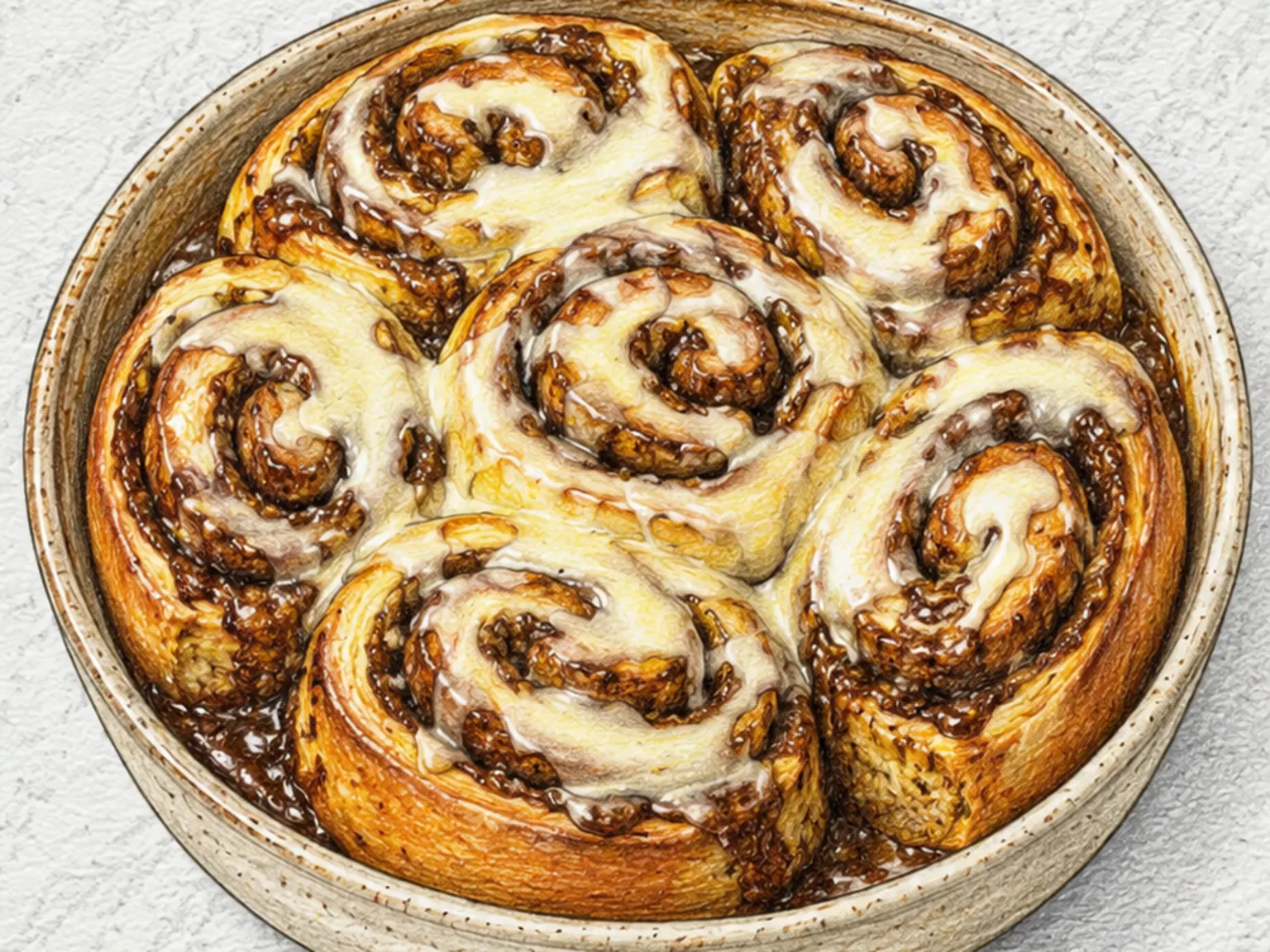
This cinnamon roll replaces the usual brown sugar and raisin filling with finely chopped gotgam, Korean sun-dried persimmon. The dough is enriched with butter to a level close to brioche, fermented until well risen, and rolled thin before an even layer of cinnamon sugar and diced persimmon is spread across the surface. The dough is then rolled tightly from one end, cut into portions of uniform thickness, and baked until golden. Gotgam develops its character through the drying process: moisture loss concentrates the sugars until the fruit carries a depth of sweetness that fresh persimmon does not, with an edge of caramelization that reads more like dried fig or date than fresh fruit. That concentrated sweetness placed against cinnamon's warm, assertive spice produces a flavor pairing that calls to mind sujeonggwa, the traditional Korean cinnamon-persimmon punch. Slicing a baked roll reveals the persimmon distributed in a spiral through the layers, and each torn strip delivers pockets of soft, dense fruit. Overbaking dries the persimmon out, so timing matters. A cream cheese glaze spread over the warm rolls introduces acidity that cuts through the sweetness cleanly. The buttery, yeasty fragrance of the fermented dough, the natural depth of the gotgam, and the spice of the cinnamon occupy distinct layers in each bite.

Ricotta Spinach Gnudi (Naked Ricotta Dumplings)
Ricotta spinach gnudi are Italian dumplings made by mixing ricotta cheese with thoroughly squeezed spinach, Parmigiano Reggiano, egg yolks, and a minimal amount of flour, then poaching in salted boiling water. The name 'gnudi' means 'naked' - these are essentially ravioli filling without the pasta shell, so the cheese and spinach flavors come through directly. Removing every bit of moisture from the spinach is the critical step; any residual water weakens the dough and causes the dumplings to fall apart during cooking. Once they float to the surface, one additional minute of poaching yields a pillowy, crumbly texture. A brown butter sauce with sage leaves adds a deep, nutty richness that complements the mild ricotta.

Hallabong Lemon Bars (Jeju Citrus Curd on Shortbread)
This citrus bar combines Jeju hallabong juice with fresh lemon juice over a crumbly shortbread base. Hallabong, a large and aromatic Korean mandarin, contributes a honeyed depth of citrus that plain lemons cannot match, while the lemon sharpens the curd with bright acidity. The filling sets into a silky, slightly trembling layer that slices cleanly when chilled. A dusting of powdered sugar on top melts on the tongue and softens the tartness just enough. The shortbread crust is buttery and firm, providing a sturdy contrast to the soft curd. These bars are best enjoyed cold from the refrigerator and are especially fitting during the hallabong harvest season from December through February.

Risotto alla Milanese
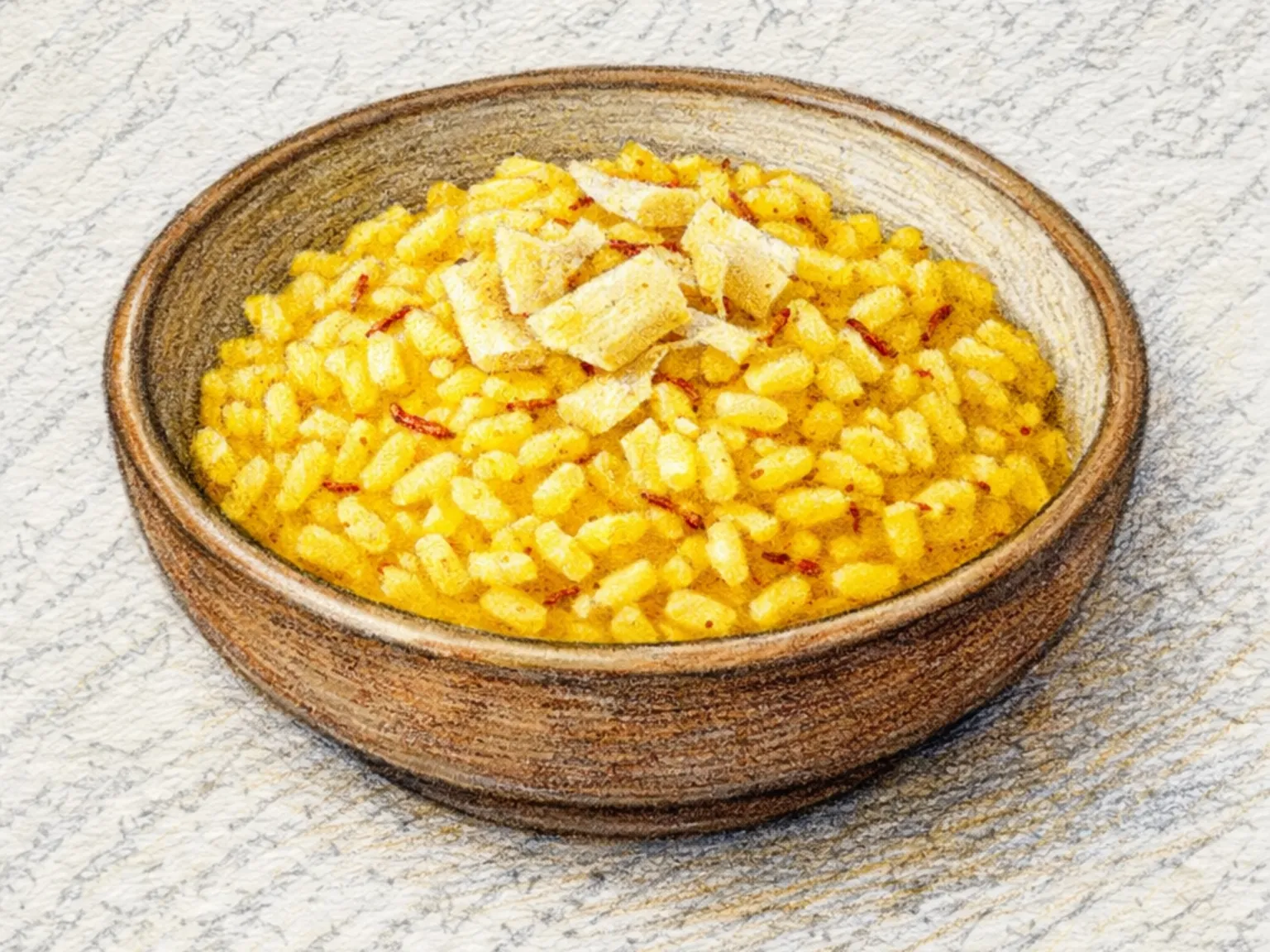
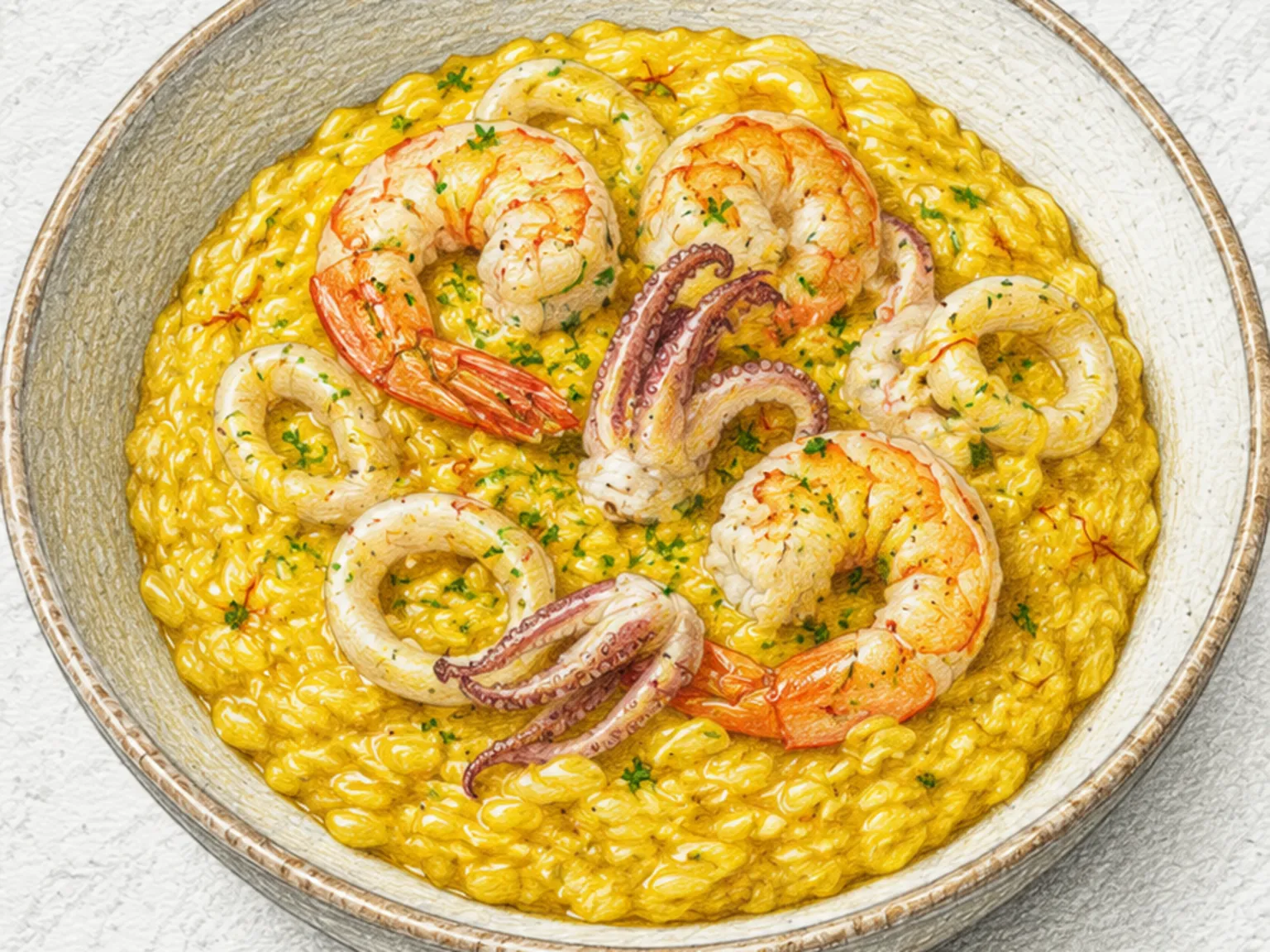
Risotto alla Milanese is Milan's signature rice dish, made by toasting Arborio rice in olive oil and butter with onion, deglazing with white wine, and gradually stirring in saffron-infused chicken stock one ladle at a time. Toasting the rice first coats each grain in fat, which slows starch release and builds the characteristic creamy consistency. The white wine adds an acidity that balances the richness of butter and cheese underneath. Saffron must be steeped in warm stock beforehand so its golden color and floral aroma distribute evenly, and the stock should always be kept hot to avoid dropping the rice temperature mid-cook. Stirring in cold butter and grated Parmesan off the heat at the very end emulsifies them into the starch, producing the loose, flowing texture that defines a properly finished risotto.

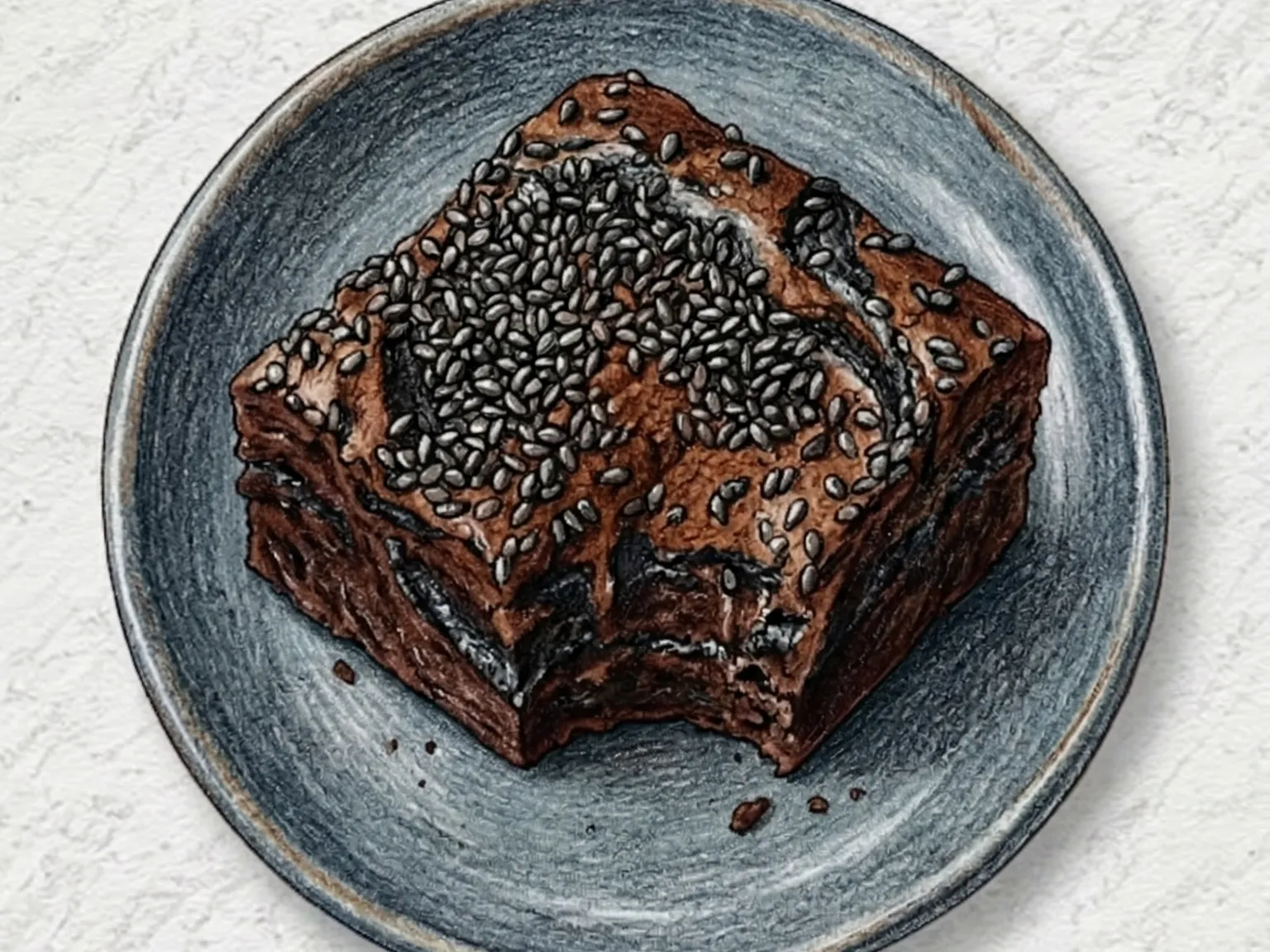
Injeolmi Mochi Brownies (Chewy Rice Flour Cocoa Bars)
Glutinous rice flour replaces wheat flour in these brownies, producing a chewy, mochi-like texture coated in roasted soybean powder for an injeolmi twist. The cocoa and brown sugar create a deep chocolate flavor while the rice flour gives the crumb an elastic, stretchy quality that regular brownies lack entirely. After baking, a generous coating of toasted soybean powder adds the signature nutty aroma of injeolmi rice cakes. The combination of chocolate and roasted soybean may sound unusual, but the flavors share a common toasty warmth that binds them together naturally. Eaten cold from the refrigerator, the chew becomes firmer and more pronounced. At room temperature, the brownie softens and stretches, offering a completely different mouthfeel from the same recipe.

Salmon Piccata
Salmon piccata is an Italian fish dish where salmon fillets are seasoned, dusted in a thin layer of flour, and pan-seared in olive oil until golden on both sides. The flour coating promotes a Maillard crust on the surface while sealing moisture inside the flesh. Melting butter in the same pan and deglazing with lemon juice and chicken stock dissolves the caramelized fond into a bright sauce. Capers add bursts of briny saltiness that meet the lemon's acidity to create the piccata sauce's signature sharp, savory character, cutting cleanly through the salmon's rich fat. Because salmon dries out quickly when overcooked, the final step of returning it to the sauce should last no more than two minutes.

Kimchi Cheddar Savory Scone
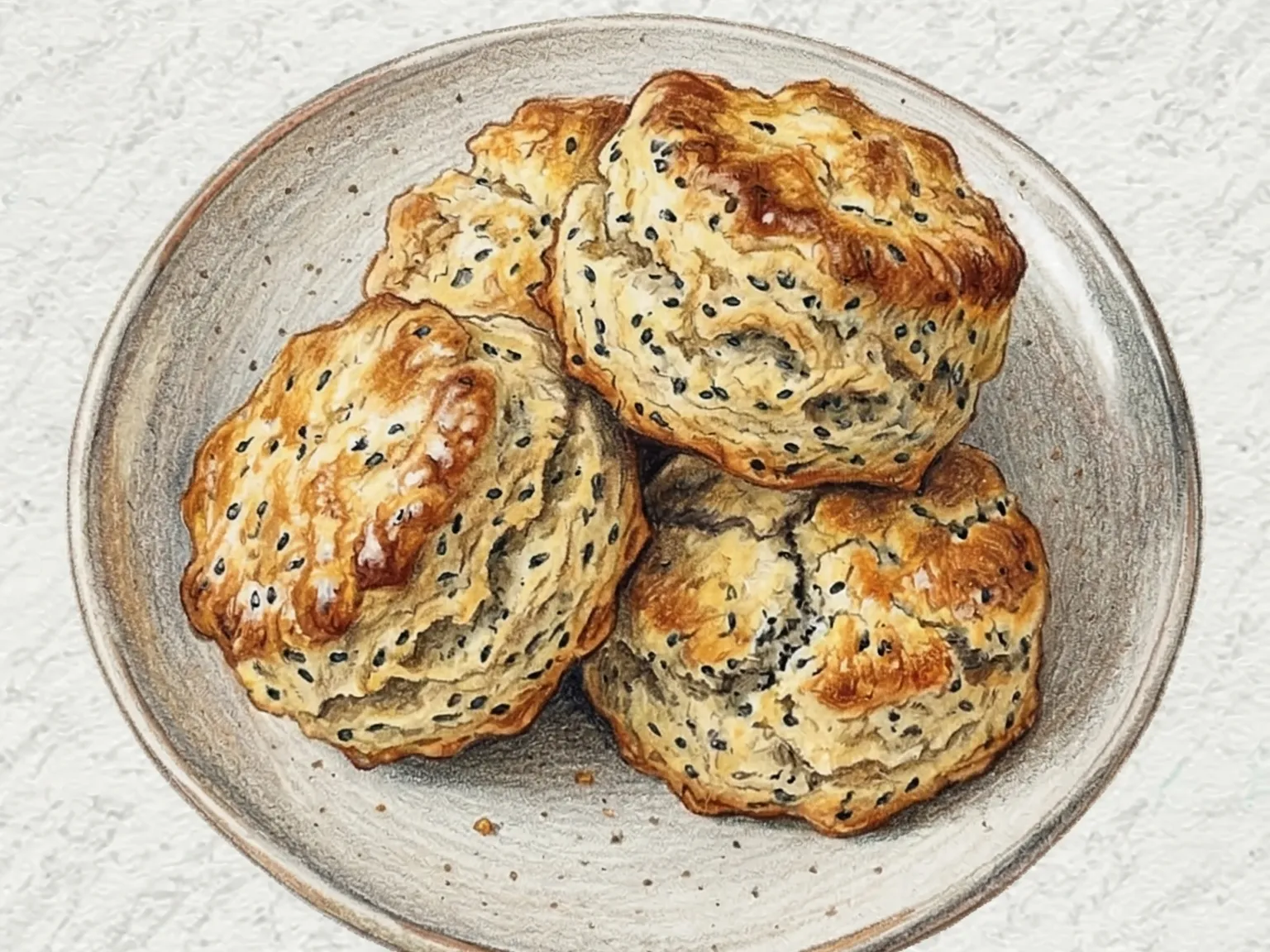
Cold butter rubbed into flour creates the flaky, crumbly layers of a classic scone, but here the dough takes a savory turn with the addition of squeezed kimchi and sharp cheddar cheese. As the butter melts in the oven, it releases steam that puffs the layers apart, and between those layers the kimchi's spicy acidity and the cheddar's salty richness emerge in alternating waves. Removing moisture from the kimchi before mixing is critical; wet kimchi produces a dense, heavy dough instead of the light texture that defines a good scone. Overworking the dough develops gluten and sacrifices that crumbly snap, so the ingredients are combined just until they hold together. A brief bake at 200 degrees Celsius sets the crust golden while the interior stays tender. Eaten warm with a pat of butter, the scone delivers a pronounced sweet-salty-tangy interplay that works as well at breakfast as it does alongside a bowl of soup.

Shrimp Alfredo Pasta
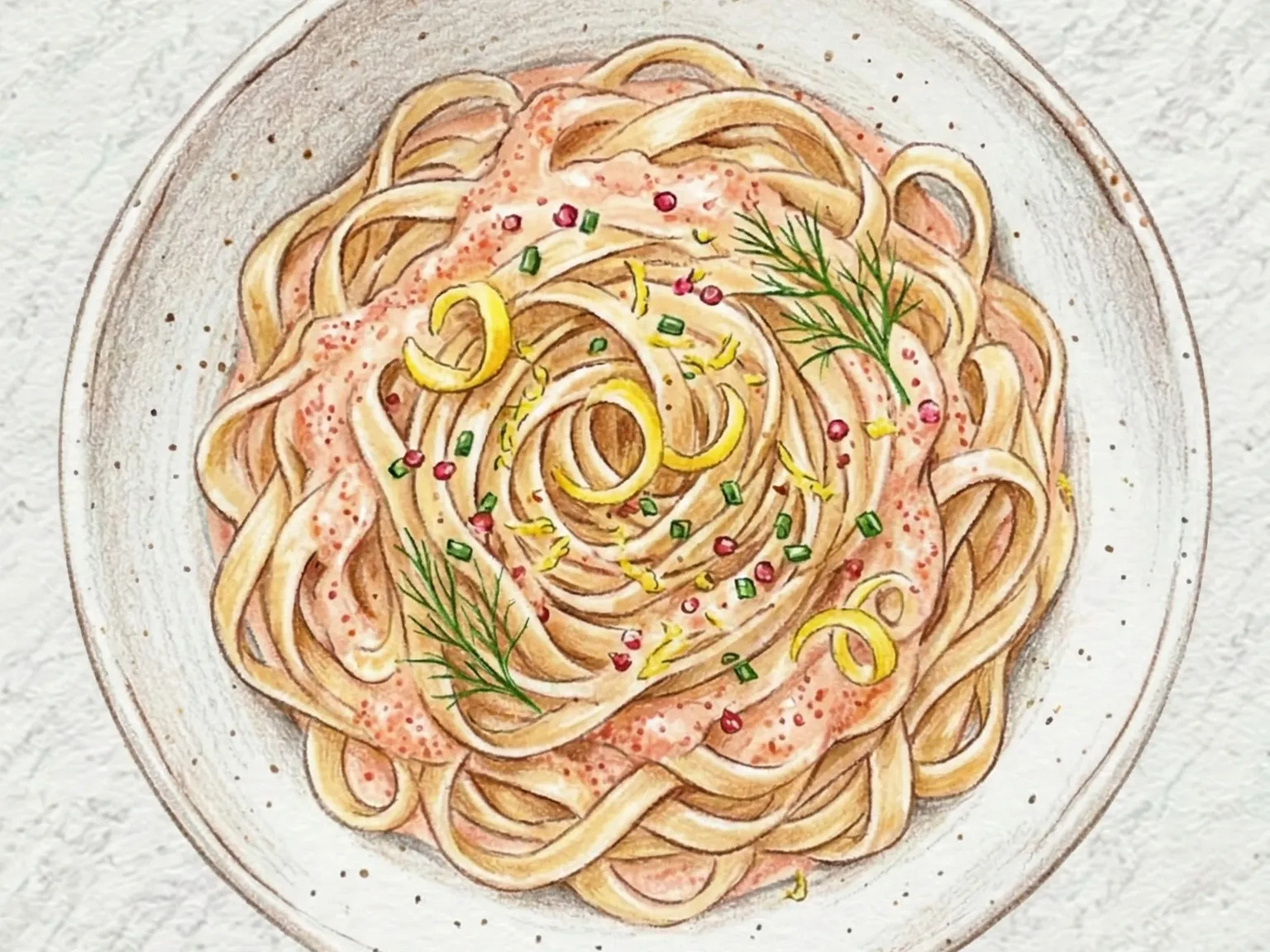
Shrimp Alfredo pasta pairs fettuccine with a cream sauce built from butter, garlic, heavy cream, and grated Parmesan. The shrimp are seared quickly in butter on both sides to develop a light caramelized crust while keeping the interior moist, then set aside and returned to the pan only at the end. Adding the cheese off direct heat is critical - high temperature causes the fat and protein in Parmesan to separate, turning the sauce grainy instead of smooth. Starchy pasta water stirred into the cream acts as an emulsifier, helping the sauce cling to each strand rather than pooling at the bottom of the bowl. The shrimp's natural sweetness provides a clean counterpoint to the dense richness of cream and aged cheese.

Korean Choco Pie (Marshmallow Cream Chocolate Cake)
Two soft chocolate cake rounds sandwich a layer of melted marshmallow cream, and the whole assembly is dipped in dark chocolate to form a glossy shell. The cake batter combines cake flour with cocoa powder and is baked just until set; overbaking dries out the sponge and ruins the pillow-soft texture that defines this treat. Marshmallows melted over a water bath turn into a light, stretchy cream that acts as a cushion between the rounds, pulling slightly with each bite. Adding a small amount of butter to the melted coating chocolate produces a thinner, smoother shell that sets with a clean snap and resists fingerprints. Chilled, the chocolate hardens and adds a crisp layer of contrast; at room temperature, the entire piece softens into a unified, yielding bite. This is the homemade version of Korea's iconic convenience-store snack, and making it from scratch allows control over the chocolate quality and the generosity of the filling.

Shrimp Boil
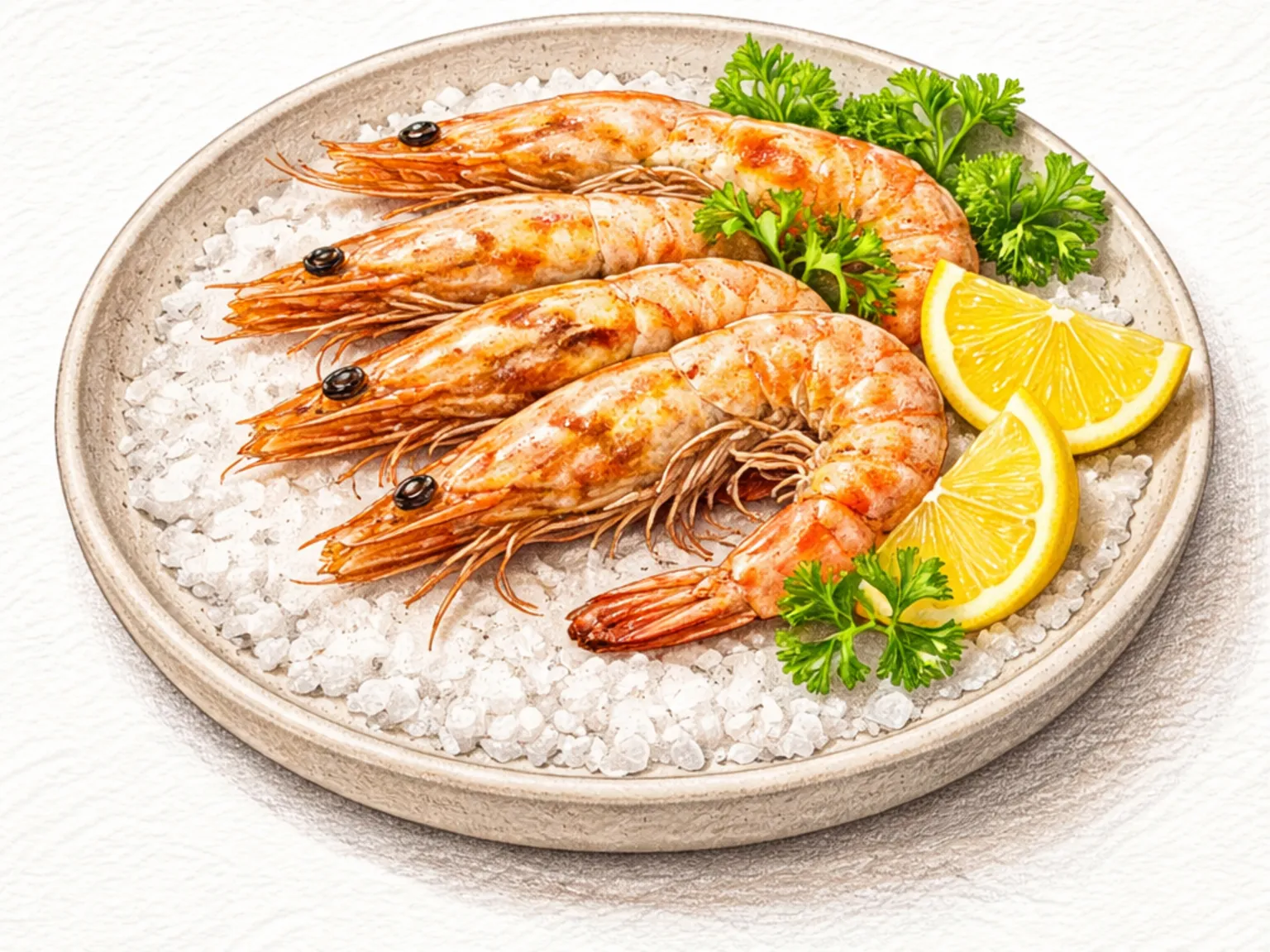
Shrimp boil is a Southern American one-pot dish where ingredients are added to seasoned boiling water in stages according to their cooking time. Potatoes go in first and cook for about ten minutes, followed by corn on the cob and smoked sausage for another seven minutes, and shrimp last for just two to three minutes. This staggered approach ensures every component reaches the table properly cooked - potatoes tender, corn sweet and snappy, sausage heated through, and shrimp firm rather than rubbery. The drained pile is tossed with melted butter and fresh lemon juice, which adds richness and acidity on top of the paprika-seasoned broth. Traditionally served poured out onto newspaper for communal eating by hand.

Kougelhopf (Alsatian Raisin Almond Bundt Cake)
This yeasted cake from the Alsace region of France is baked in a distinctive fluted ring mold that gives it a crown-like silhouette. The dough is enriched with butter and eggs and kneaded until it develops a soft, brioche-like crumb that stays moist for days. Raisins are folded into the batter, releasing pockets of gentle sweetness with each bite, while whole almonds placed at the bottom of the mold become a decorative and crunchy topping once the cake is inverted. Two separate rises, the first to develop flavor and the second inside the mold to set the shape, require patience but reward the baker with an airy, delicate interior. Generously buttering every groove of the mold is essential for a clean release; any missed spot means the cake tears when turned out. A dusting of powdered sugar after cooling completes the presentation with an elegant, snow-capped look that makes the kougelhopf as appealing on the table as it is on the palate.

Shrimp Etouffee
Shrimp etouffee starts with a blonde roux - butter and flour stirred continuously over medium heat until the mixture turns light brown and smells faintly of toasted nuts. The Cajun trinity of diced onion, celery, and bell pepper is added directly to the roux, where the vegetables release moisture that loosens the paste and contributes sweetness. Chicken stock and paprika transform the mixture into a thick, velvety sauce with warm color and gentle spice. The shrimp go in during the final four minutes of cooking so they absorb the sauce's flavor without overcooking. Darkening the roux beyond light brown risks bitterness that overpowers the delicate shrimp. The finished dish is spooned over steamed rice, which absorbs the rich sauce.

Lamington Cake (Chocolate-Dipped Coconut Sponge Cubes)
Cubes of sponge cake are dipped in a chocolate coating and rolled in desiccated coconut to produce this iconic Australian treat. The sponge is baked in advance and left to dry slightly so it holds its shape during the dipping process; if it feels too fragile, a brief spell in the freezer firms it up. The coating is made from melted dark chocolate, butter, milk, and powdered sugar, mixed until smooth and fluid enough to coat each cube in a single quick dip. Rolling the chocolate-covered cube in coconut immediately, before the coating sets, ensures the flakes adhere evenly and create the characteristic white-speckled exterior. Each piece delivers three textures in one bite: the crisp snap of the thin chocolate shell, the dry chew of coconut shreds, and the soft, airy crumb of the sponge underneath. The flavor moves from the bittersweet intensity of dark chocolate to the mild tropical sweetness of coconut, finishing with the neutral lightness of the cake. They pair naturally with black tea or a flat white.

Chaekkeut Seuteikeu (Sirloin Steak)
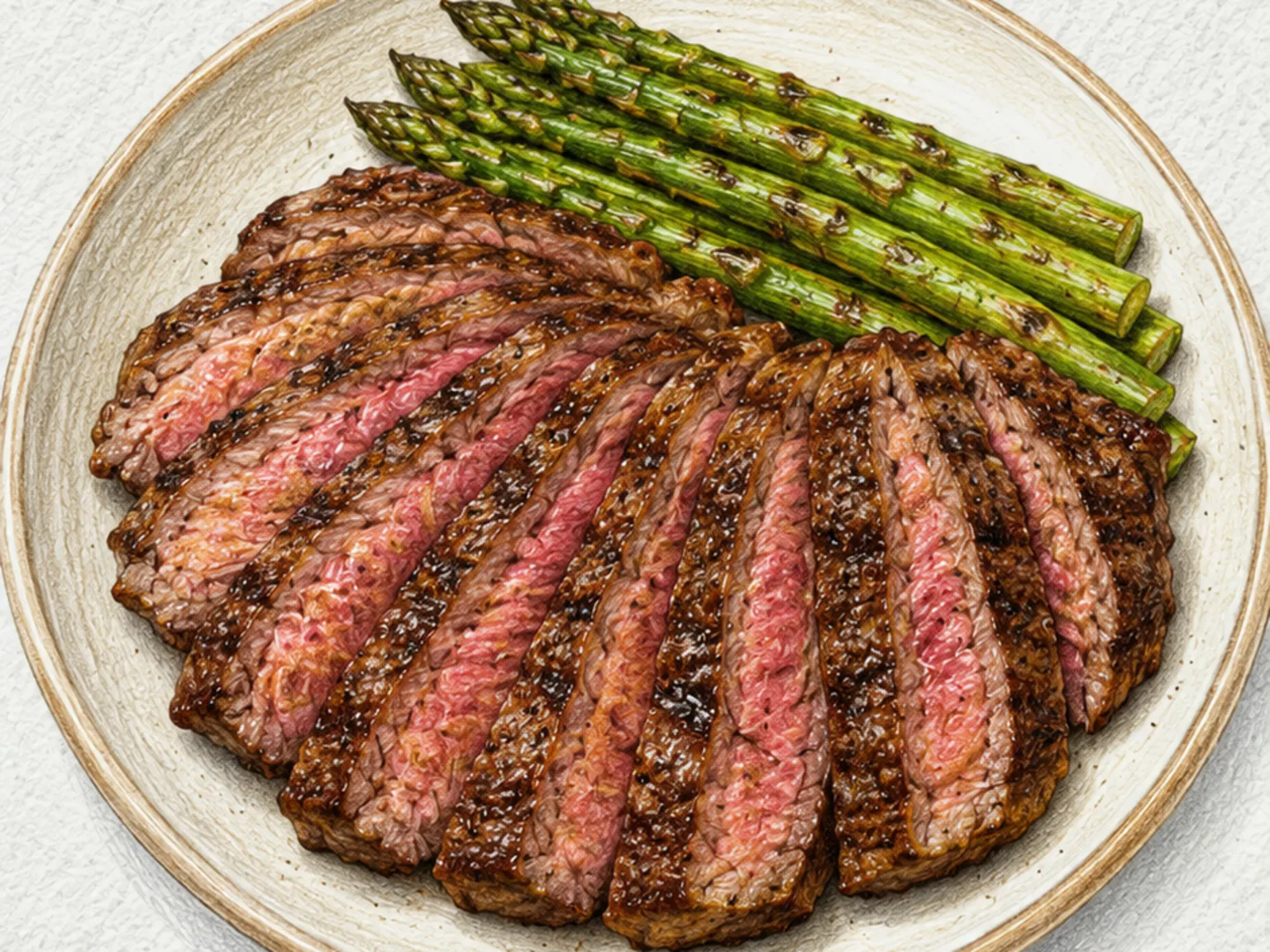
Sirloin steak is seasoned simply with salt and pepper, then seared in a smoking-hot pan for two to three minutes per side to build a deep brown crust through the Maillard reaction. Bringing the steak to room temperature for twenty minutes before cooking and patting the surface completely dry are both essential - cold, wet meat steams rather than sears, producing a pale, soft exterior instead of a caramelized shell. Once the crust is set, the heat is lowered and butter, crushed garlic, and rosemary are added to the pan for basting, which layers aromatic richness onto the already flavorful surface. Resting the steak on a cutting board for five minutes after cooking allows the muscle fibers to relax and reabsorb their juices, so slicing produces clean cuts rather than a pool of liquid on the plate.

Lemon Curd Tart
A buttery shortcrust shell holds a hand-cooked lemon curd made from fresh juice, zest, egg yolks, sugar, and butter. The curd is simultaneously tart and rich, with the lemon's acidity cutting through the butter's weight to leave a clean, bright finish. Powdered sugar in the pastry dough gives the shell a delicate, crumbly snap that contrasts with the smooth filling. When refrigerated, the curd sets firmly enough to slice neatly, while at room temperature it softens to a spoonable consistency. The tart works beautifully on its own or with additions such as a crown of whipped cream or a torched meringue cap that adds sweetness and visual drama. Lemon zest oils in the curd ensure that the citrus fragrance lingers well after each bite.