Spinach Ricotta Ravioli
Spinach ricotta ravioli is made by placing mounds of a filling - ricotta cheese, blanched and squeezed spinach, Parmesan, and egg - onto fresh pasta sheets, then sealing and cutting individual pieces. Squeezing every drop of water from the blanched spinach is non-negotiable; wet filling loosens the seal and causes the ravioli to burst in boiling water. When pressing the top sheet down, working from the filling outward pushes trapped air to the edges, and a firm seal along the border keeps each piece intact during cooking. A quick boil of three to four minutes in salted water is all the thin pasta needs - overcooking turns it mushy. Tossing the cooked ravioli gently in melted butter lets the fat coat each piece without tearing the delicate dough, and the butter's richness rounds out the mild ricotta and earthy spinach.

Lemon Meringue Pie
A blind-baked pie crust holds a tart lemon curd filling crowned by a billowy meringue that is briefly baked until its peaks turn golden. The curd is built by cooking lemon juice, water, sugar, and cornstarch until thick, then rapidly whisking in egg yolks and finishing with butter for a glossy, velvety consistency. The filling's sharp citrus bite meets the meringue's airy sweetness in the same forkful, creating a dramatic contrast that is the hallmark of this pie. Spreading the meringue directly over the hot curd helps the two layers bond and reduces the weeping that can form between them. A short burst at 200 degrees Celsius tips each meringue peak with a gradient of caramel brown while the interior remains soft and marshmallow-like. The pie crust contributes a third texture, short and crisp, that grounds the two softer layers above it. Chilling the assembled pie before cutting produces the cleanest slices, with each layer visible in cross-section. Adding lemon zest to the curd intensifies the citrus aroma beyond what juice alone provides.

Pan-Seared Steak
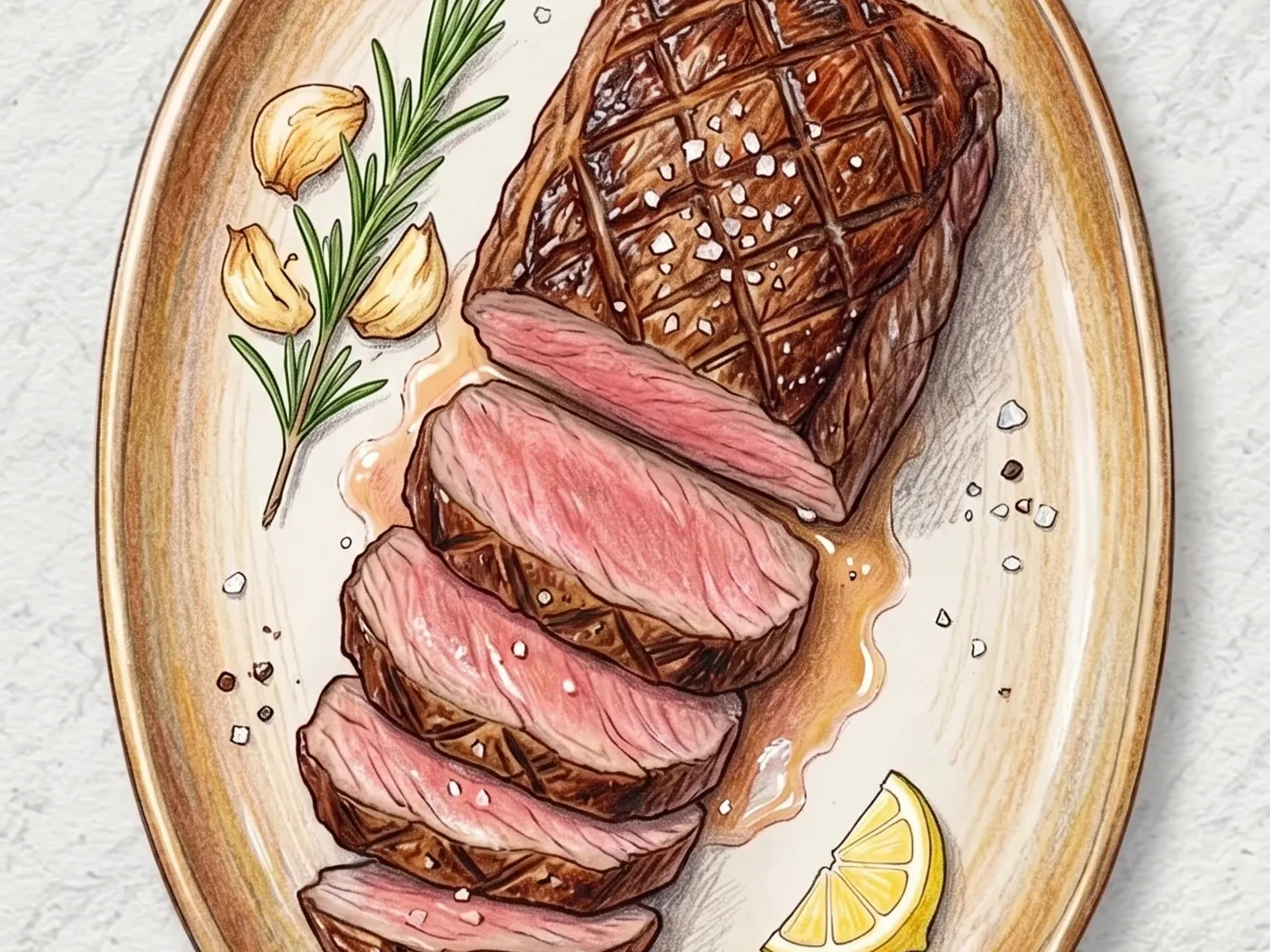
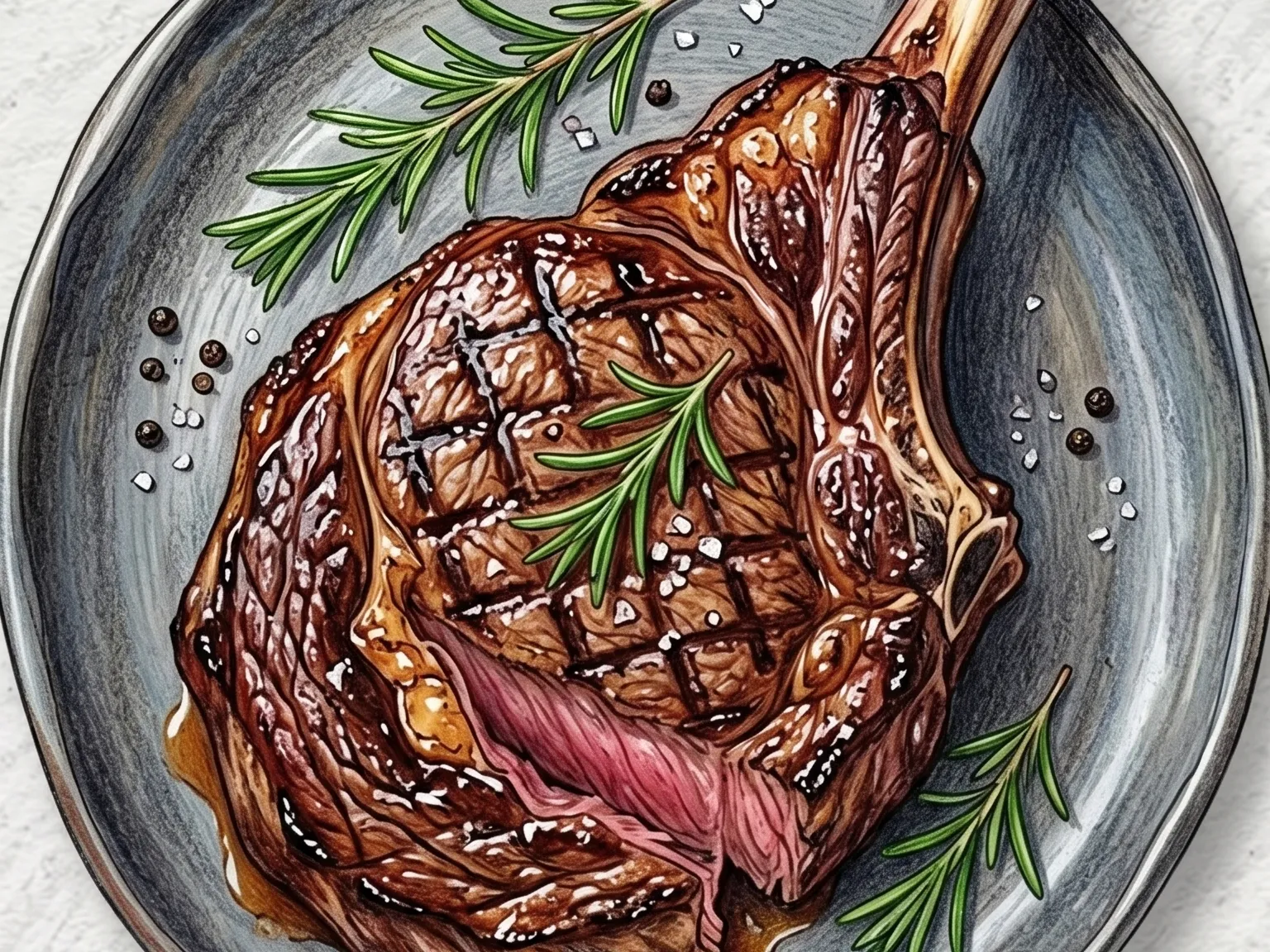
Pan-seared steak starts with bringing the beef to room temperature for 30 minutes and patting the surface completely dry with paper towels - residual moisture prevents the Maillard reaction that builds the deep brown crust responsible for both flavor and juice retention. Seasoning is kept to salt and pepper so the beef's own character leads. The pan must be heated until it smokes before the oiled steak goes in, and each side sears for two to three minutes without moving the meat. Reducing the heat and adding butter, garlic, and rosemary creates an aromatic basting liquid that infuses the surface as it cooks to the target doneness. Resting the steak off heat for a full five minutes lets the muscle fibers relax and reabsorb their juices - skipping this step means the liquid pools on the plate instead of staying inside the meat.

Linzer Torte (Almond Lattice Tart with Raspberry Jam)
An Austrian tart made with a nut-enriched dough, a generous layer of raspberry jam, and a lattice top that reveals the jewel-red filling beneath. Combining almond flour with wheat flour gives the pastry a short, sandy texture that crumbles gently and melts into the smooth jam on the palate. The butter-heavy dough must be thoroughly chilled before being rolled and cut into strips; warm dough tears and loses definition. Raspberry jam provides a sharp, fruity acidity that stands out against the mellow, nutty backdrop of the crust, while a touch of lemon zest lifts the overall aroma with a bright finish. Baking at 180 degrees Celsius for 30 to 35 minutes brings the jam to a gentle boil, intensifying its color and flavor, while the lattice strips turn golden and slightly crisped at the edges. Resting the tart overnight allows the jam's moisture to soften the boundary between filling and crust, creating a more cohesive slice where pastry and fruit feel unified rather than separate.

Steak au Poivre (Peppercorn Sirloin with Brandy Cream Sauce)
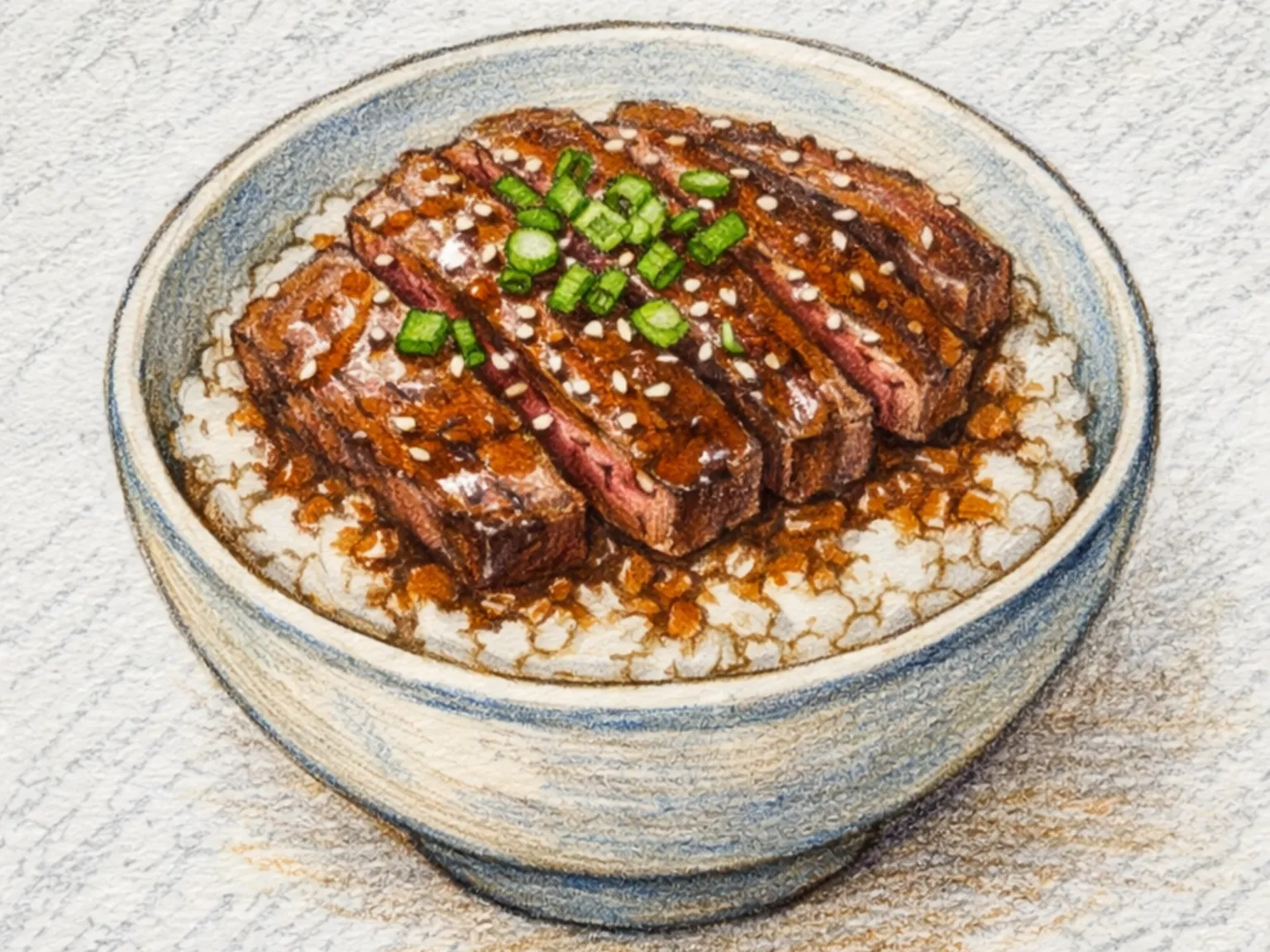
Steak au poivre presses coarsely crushed peppercorns into the surface of sirloin steaks before searing in a smoking-hot pan, then builds a sauce in the same pan using brandy, shallot, heavy cream, and Dijon mustard. Crushing the peppercorns rather than grinding them fine is essential - coarse pieces embed into the seared crust and release their sharp, aromatic bite when chewed, rather than just adding uniform heat. When brandy hits the hot pan, the alcohol ignites and burns off in seconds, leaving behind concentrated fruit sweetness and caramel notes that deepen the sauce. The cream tempers the pepper's aggressive heat into something rich and rounded, while the mustard adds a subtle acidic edge that keeps the sauce from feeling heavy. Bringing the steaks to room temperature for 20 minutes before cooking ensures even doneness from edge to center.

Date-Filled Semolina Cookies
A traditional Middle Eastern cookie in which a buttery semolina shell encloses a spiced date paste filling. Semolina produces a distinctly different texture from wheat flour: low in gluten, the baked cookie disintegrates into fine, sandy crumbs the moment it touches the tongue, releasing a wave of butter fragrance. A few drops of rose water woven into the dough create a faint floral backdrop that never overpowers. The filling blends date paste with ground cinnamon into a dense, caramel-like sweetness that contrasts with the restrained sweetness of the shell. After wrapping the filling, each cookie is gently pressed into a mold or marked with a fork to imprint a decorative pattern that is the visual signature of maamoul. Baking at 180 degrees Celsius for 16 to 18 minutes, just until the edges take on the palest gold, is critical; even a minute too long hardens the delicate crumb irreversibly. A light dusting of powdered sugar after cooling adds a sweet first impression before the date flavor takes over.

Steak Frites
Steak frites pairs a butter-basted sirloin steak with double-fried potatoes, a combination that defines the French bistro experience. The potatoes are cut into sticks, soaked in cold water for 15 minutes to wash off surface starch - this prevents them from sticking together during frying and gives a cleaner fry. The first fry at 160 degrees Celsius cooks the interior until tender, and after cooling, a second fry at 190 degrees turns the outside crisp and golden while the inside stays fluffy. The steak is seasoned only with salt and pepper, seared hard in a hot pan, then basted with butter, garlic, and thyme for a final minute before resting for five minutes off heat. Despite the short ingredient list, the dish demands precise heat control - the sear must be aggressive enough to crust the meat, and the oil temperatures for double-frying must be accurate.

Maple Bacon Cornbread Muffins
Cornmeal gives this American muffin a gritty, toasty crumb that sets it apart from all-flour versions, while crisp bacon bits and maple syrup create a pronounced sweet-salty dynamic in every bite. The batter combines cornmeal and all-purpose flour with buttermilk, whose acidity reacts with baking powder for a good rise and also keeps the crumb moist despite the cornmeal's tendency to dry out. Bacon is cooked until shattering-crisp, drained, crumbled, and folded into the batter just before portioning. Maple syrup contributes not only sweetness but also a woody, caramel-edged flavor that complements the smokiness of the bacon. Mixing the wet and dry ingredients just until the flour disappears is essential; over-stirring toughens the muffin. At 200 degrees Celsius, the muffins dome and crack across the top within 18 to 20 minutes, signaling that the center has set. Served warm with butter, the muffin becomes a one-piece brunch that needs nothing alongside it.

Tartiflette (French Potato Bacon Reblochon Gratin)
Tartiflette layers parboiled potato slices with sautéed smoked bacon and onion, pours heavy cream over the top, and finishes with halved reblochon cheese placed cut-side down before baking at 190 degrees Celsius until golden and bubbling. Parboiling the potatoes only halfway is deliberate - fully cooked potatoes fall apart in the oven, while half-cooked ones absorb cream and finish with a firm yet tender bite. The smoky bacon and caramelized onion create a savory foundation, and the cream seeps between the potato layers to bind everything together. Placing the cheese cut-side down is the traditional technique - as it melts, the creamy interior flows over the potatoes while the rind holds its shape on top. If reblochon is hard to find, brie makes a reasonable substitute with a similar creamy melt and mild, mushroomy flavor.

Maple Pecan Pound Cake
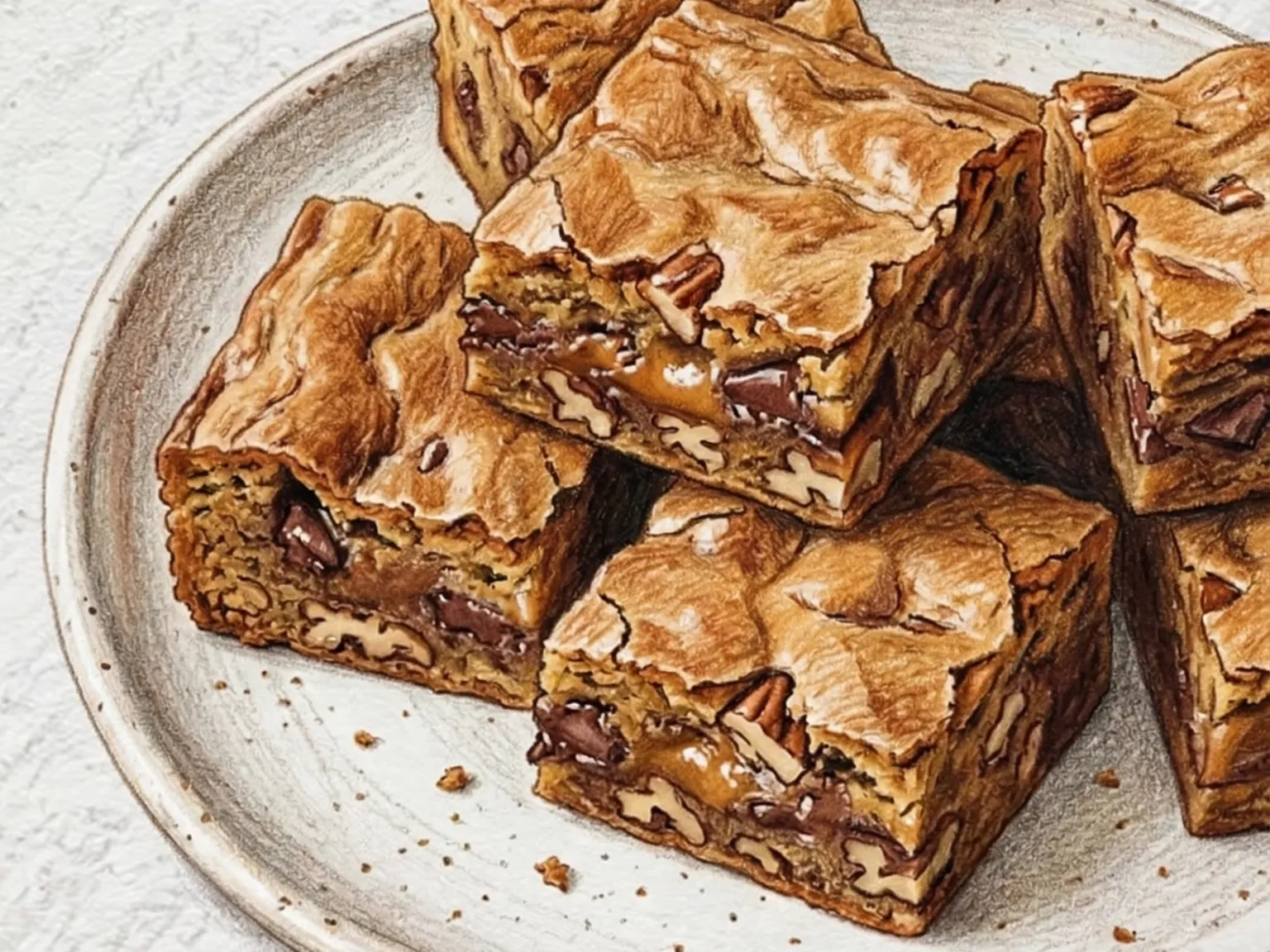
Maple syrup and toasted pecans anchor this dense, buttery pound cake with woodsy sweetness and deep nuttiness. Brown sugar replaces white, contributing a caramel undertone that aligns naturally with the maple flavor. Creaming the room-temperature butter and sugar for several minutes introduces enough air to lighten the heavy crumb without losing the characteristic density of a pound cake. Eggs added one at a time keep the emulsion stable, and alternating the dry ingredients with milk and maple syrup prevents the batter from splitting. Toasting the pecans for five minutes before chopping and folding them in amplifies their flavor and ensures even distribution throughout each slice. At 170 degrees Celsius, the cake bakes for roughly 45 minutes; if the top darkens too quickly, a foil tent protects it while the center finishes setting. A skewer emerging mostly clean signals doneness. Resting the cake wrapped overnight allows the maple oils to permeate every layer of crumb, producing a deeper, more unified flavor the next day.

Truffle Cream Pasta
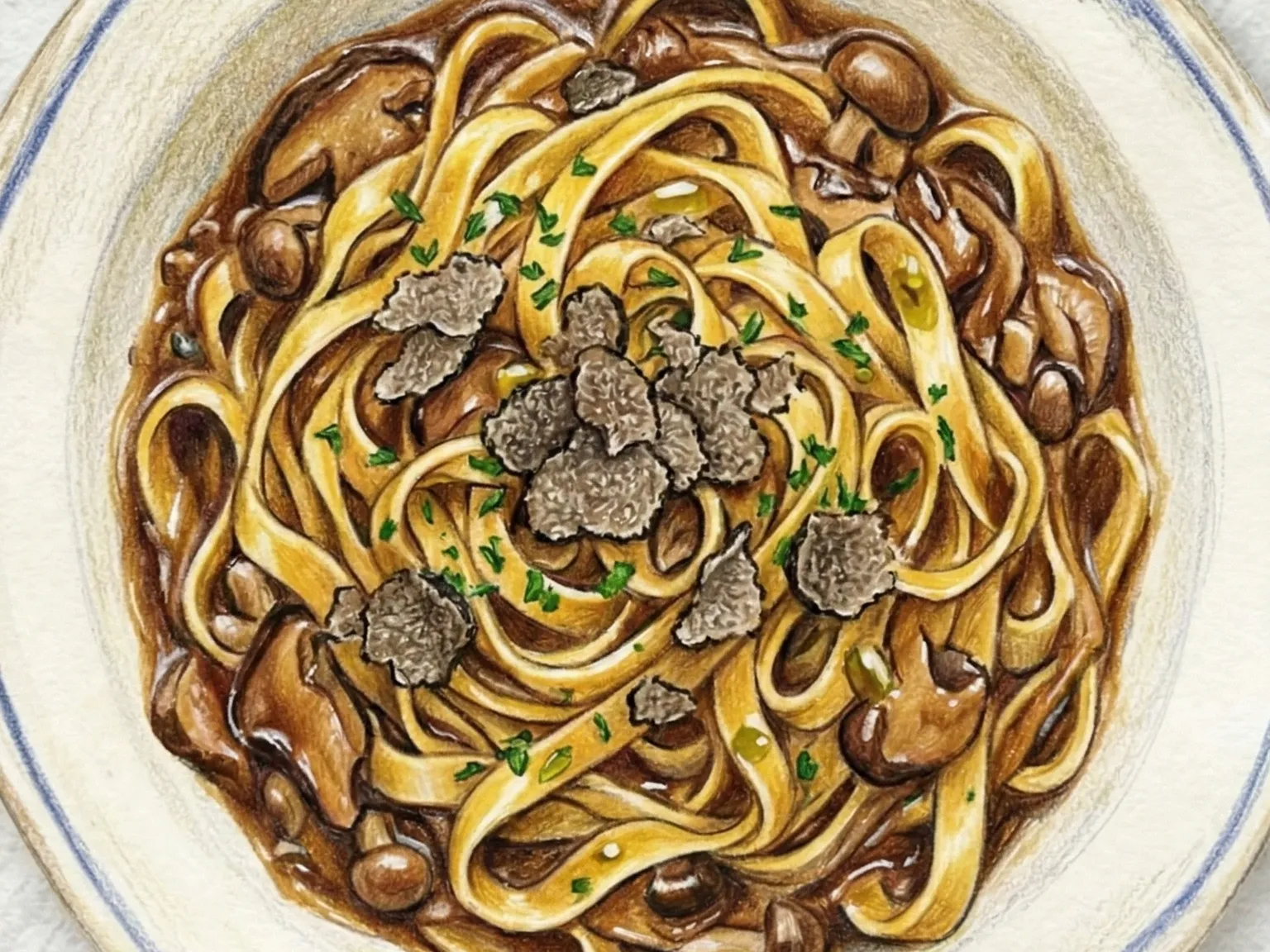
Truffle cream pasta cooks fettuccine al dente, reserves pasta water, then tosses the noodles in a sauce built by sweating garlic in butter, simmering heavy cream, and melting in Parmesan cheese before finishing with truffle oil off the heat. Adding truffle oil only after the burner is off preserves its volatile earthy and mushroom-like aroma - even brief exposure to direct heat dulls the fragrance significantly. The cream needs just two minutes of simmering to thicken to the right consistency; reducing it further makes the sauce too heavy to coat the pasta evenly. Stirring in Parmesan creates body, and splashes of starchy pasta water emulsify the fat and cheese into a smooth, clinging sauce. The dish should be plated and eaten immediately - truffle aroma fades quickly once it leaves the pan, and the sauce continues to tighten as it cools.

Doenjang Maple Pull-Apart Bread
Enriched yeast dough is rolled thin, spread with a mixture of doenjang and maple syrup, then stacked and packed into a loaf pan so that each layer bakes into a tearable, fluffy sheet loaded with flavor. The doenjang contributes a fermented saltiness that deepens the bread's own yeast character, while the maple syrup caramelizes during baking and pools at the bottom of the pan, forming a sticky glaze that coats the loaf when inverted. Butter in the dough provides a rich, tender crumb that pulls apart in long, soft strands. The interplay between salty fermented paste and sweet caramel sits in a zone that is neither strictly dessert nor savory bread, making it versatile enough to accompany a meal or stand on its own as an afternoon snack. Eating it warm, when the layers separate most easily, is the best way to experience the full range of textures.

Tuna Melt
Tuna melt mixes drained canned tuna with finely diced celery and mayonnaise, spreads the mixture on sandwich bread, tops it with cheddar cheese, butters the outside, and grills in a pan until both sides are crisp and golden. Draining the tuna thoroughly is the first priority - excess moisture soaks into the bread and prevents it from crisping no matter how long it cooks. The celery adds a textural crunch that contrasts with the soft, creamy tuna filling. Using several thin slices of cheese rather than one thick piece ensures more even melting and full coverage across the bread. Medium-low heat is essential: it gives the cheese enough time to melt completely before the bread burns, which high heat makes nearly impossible. The sandwich is best served immediately after cutting in half, while the cheese is still stretchy and warm.

Molten Lava Cake
Dark chocolate and butter are melted together, combined with eggs, sugar, and a scant amount of flour, poured into ramekins, and baked just long enough for the outside to set into a thin, cake-like wall while the center remains liquid. Cutting into the dome releases a slow river of molten chocolate that pools on the plate - the defining moment of the dish and the reason timing in the oven is measured in single minutes rather than approximate ranges. Using chocolate with sixty percent cacao or higher pushes the flavor toward a deep, grown-up bitterness that resists becoming cloying. A ball of vanilla ice cream placed beside the freshly unmolded cake creates a dramatic temperature contrast: the hot chocolate and cold cream collide on the spoon, and neither lasts long enough to reach room temperature.

Vichyssoise (French and potato soup)
Vichyssoise is a chilled French leek and potato soup blended smooth with cream.

Ssuk Bam Crumble Bars (Mugwort Chestnut Bars)
A cookie-like base made with mugwort powder supports a layer of roasted chestnut pieces, all blanketed by a crumbly butter streusel and baked until golden. The mugwort infuses the entire bar with a subtle, herbal earthiness - green and faintly bitter, reminiscent of fresh spring grass - while the chestnuts lose moisture in the oven and concentrate into pockets of dense, natural sweetness. The bottom layer bakes firm and crisp, providing structural integrity, while the crumble on top breaks apart irregularly, delivering varying bursts of buttery crunch with every bite. Sugar and butter in the dough temper the mugwort's bitterness so it reads as aromatic depth rather than sharpness. Pairing these bars with warm green tea creates a resonance between the herbal notes, each reinforcing the other.

Wiener Schnitzel
Classic Viennese dish of veal cutlet pounded thin, breaded in flour, egg, and breadcrumbs, pan-fried golden in butter.

Oatmeal Raisin Cookies
Rolled oats give these cookies a coarse, chewy grain that sets them apart from the uniform smoothness of standard drop cookies. Brown sugar drives the flavor, providing a molasses-tinged depth and keeping the interior moist days after baking. Cinnamon - just enough to warm the nose without dominating - threads through every bite. The raisins shrink slightly in the oven as their moisture evaporates, concentrating their fruity sweetness into small, chewy bursts scattered through the oat-studded crumb. Chilling the dough before baking allows the oats to hydrate, which results in a chewier, denser cookie rather than a crisp one. The finished cookies are sturdy enough for a lunch bag or a road trip and only improve when dunked in cold milk, which softens the oat flakes and amplifies the cinnamon.

Omija Berry Frangipane Tart
A crisp, buttery tart shell cradles a filling of frangipane - the classic almond cream made from ground almonds, butter, eggs, and sugar - baked until the surface sets into a thin golden crust while the interior stays moist and dense. Omija berries and mixed berries are pressed into the frangipane before baking, and as they heat they release tart juices that seep into the almond cream, creating pockets of bright acidity that cut through the richness. Omija contributes a complex sourness with faintly astringent and floral undertones that distinguish this tart from standard berry versions. The almond flavor intensifies as the tart cools, and a light dusting of powdered sugar before serving adds a clean finishing touch. Sliced thin, each piece offers the full progression: crunchy pastry, dense nutty cream, and bursts of fruit.

Opera Cake
This French patisserie classic stacks paper-thin layers of almond joconde sponge with coffee-infused buttercream and dark chocolate ganache. Because each layer is kept deliberately slim, a single forkful captures all three elements at once: the sponge's moist almond grain, the buttercream's concentrated espresso bitterness, and the ganache's dense cocoa richness. When sliced, the cross-section reveals precise horizontal stripes that mark the craftsmanship behind the cake. A mirror-smooth chocolate glaze seals the top, adding one final texture. The cake benefits from at least four hours of refrigeration, which melds the layers and firms the ganache so that each slice holds its shape on the plate while still yielding easily to a fork.

Palmier (Caramelized Sugar Puff Pastry Butterfly Cookie)
Puff pastry is coated in granulated sugar, rolled inward from both edges to the center, chilled, and sliced into rounds that bake into crisp, caramelized butterfly shapes. The sugar melts against the hot pan and forms a glassy, toffee-like shell on each side while the interior layers remain light and flaky. A pinch of cinnamon mixed into the sugar adds warmth without masking the buttery pastry flavor. Chilling the log before slicing keeps the spirals tight and symmetrical. Each cookie is flipped midway through baking so both faces develop an even amber crust. They cool to a satisfying snap and pair naturally with espresso or tea, where their sweetness offsets the drink's bitterness.

Fluffy Pancakes
A straightforward American breakfast staple built from flour, egg, milk, and melted butter. Baking powder lifts the batter into thick, pillowy rounds with a golden-brown exterior. The key to a tender pancake is restraint when mixing: a few small lumps in the batter are preferable to a smooth but overworked one, which produces a tough, chewy result. Resting the batter for five to ten minutes lets the gluten relax and the leavener activate fully, yielding a noticeably fluffier rise on the griddle. Cooking over medium-low heat prevents the outside from scorching before the center sets. Maple syrup, fresh berries, or a pat of butter on the warm stack are the classic accompaniments.

Pandesal Milk Rolls (Soft Filipino Bread with Crumb Coating)
These small Filipino bread rolls are leavened with yeast and enriched with milk, producing an interior so soft it tears apart in cotton-like wisps. A coating of fine breadcrumbs on the outside adds a faintly sandy texture and a pale, matte appearance that distinguishes pandesal from other dinner rolls. The sweetness is deliberately understated, making the rolls versatile enough for jam at breakfast or sliced meat at lunch. Butter kneaded into the dough contributes richness without heaviness, and the crumb stays moist through the next day when stored in a sealed bag. Covering the rolls with a clean towel five minutes after baking traps steam and keeps them especially tender.

Paris-Brest (Ring-Shaped Choux with Praline Cream)
A ring of choux pastry is baked until deeply golden and hollow, then split and generously filled with praline mousseline cream made from roasted hazelnut paste. The shell shatters on first bite, giving way to a smooth, nutty cream that carries an intense toasted aroma. Sliced almonds pressed onto the raw dough before baking add a secondary layer of crunch and visual texture. The choux must cool completely before filling to prevent the cream from melting and the shell from going soft. Eggs are added to the hot dough gradually, checking the consistency after each addition, because the exact amount needed varies with flour absorption and egg size. Once assembled, a brief chill in the refrigerator sets the cream without softening the pastry.