Salade Niçoise
Salade Nicoise is a classic salad from Nice in southern France that arranges tuna, soft-boiled eggs, olives, anchovies, tomatoes, and blanched green beans in separate sections on a plate, finished with a vinaigrette of olive oil, lemon juice, and Dijon mustard. The traditional presentation keeps each ingredient in its own zone rather than tossing everything together. Soft-boiling the eggs for six minutes yields a runny yolk that acts as a natural dressing when broken. The salty depth of anchovies and the oily richness of olives add complexity over the mild tuna, while the mustard vinaigrette brightens and ties the whole plate together with its acidity.
Solnip-cha (Korean Pine Needle Tea)
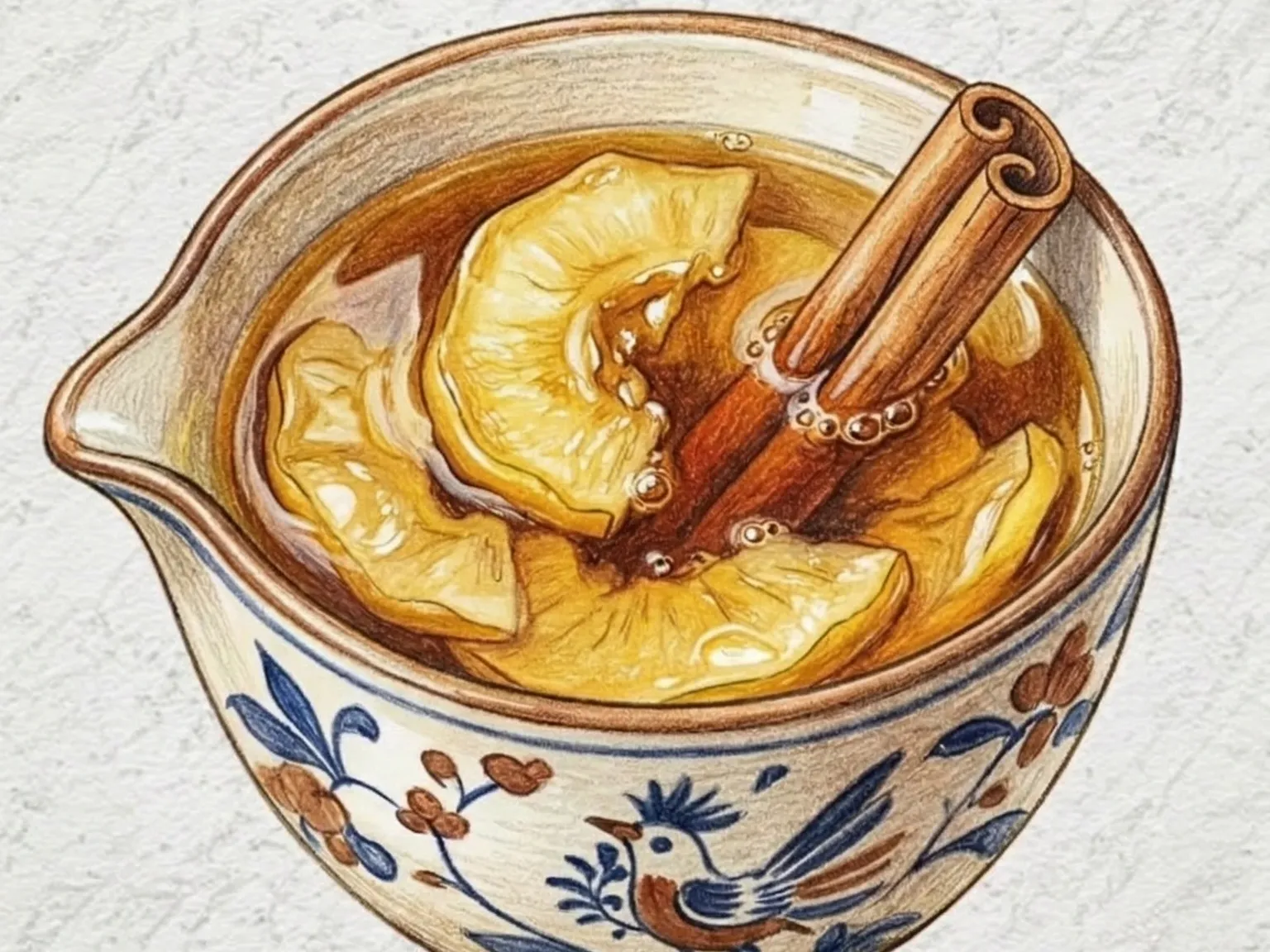
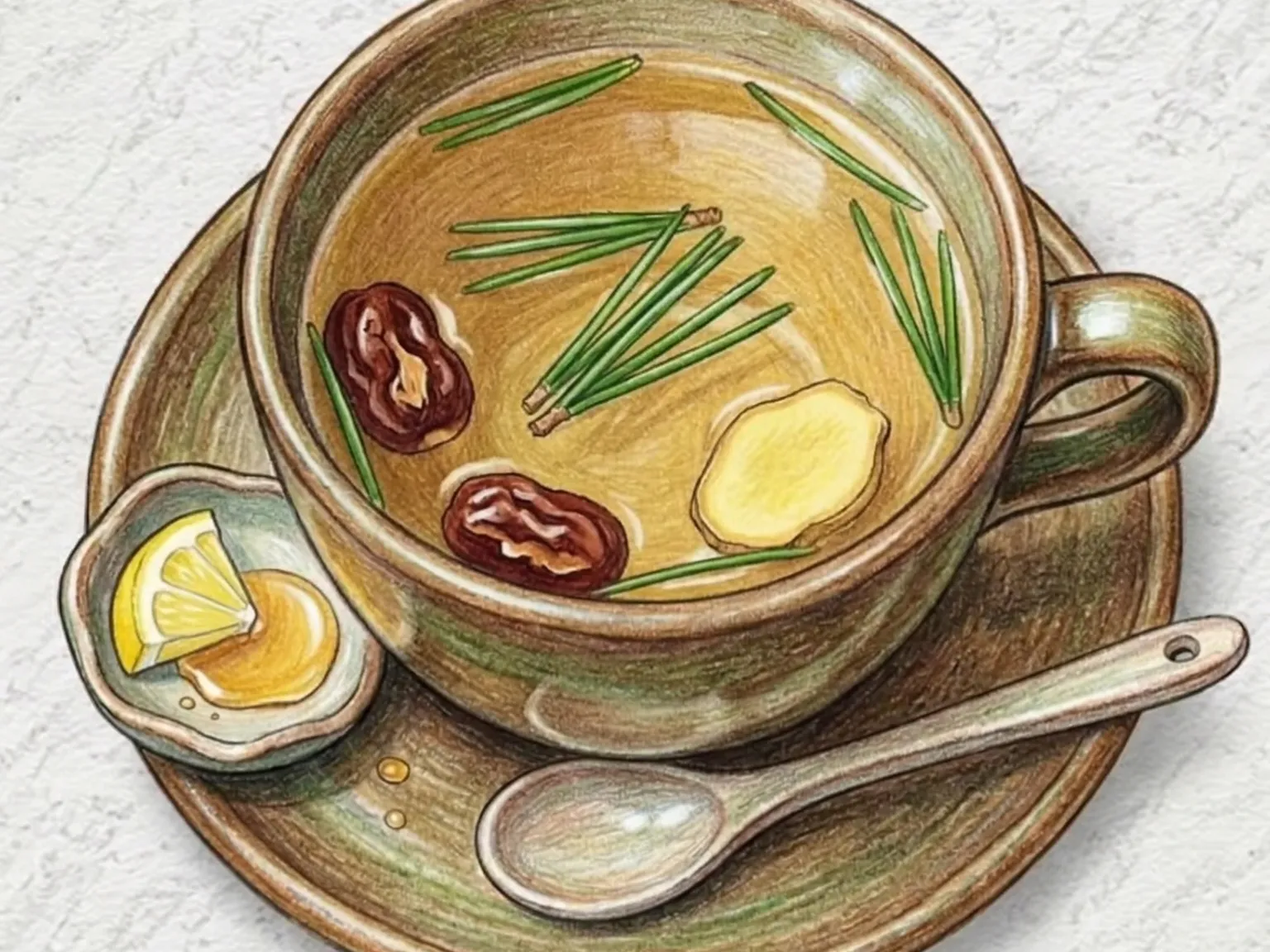
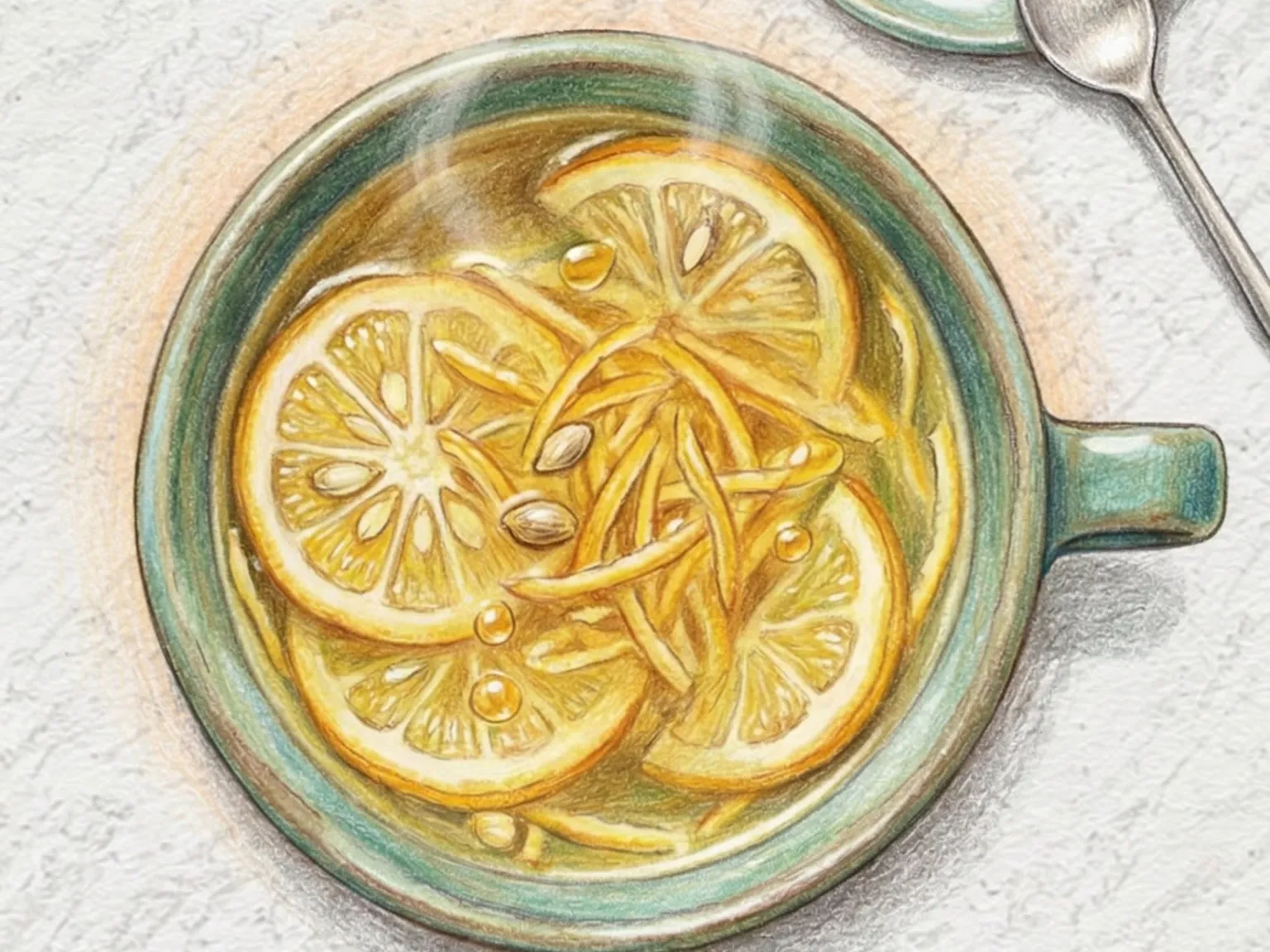
Solnip-cha is a Korean pine needle tea recipe made by simmering young, cleaned pine needles with jujubes and sliced ginger in water, first at medium heat and then on low for 15 minutes to release the needles' fresh, resinous fragrance. Unlike floral gujeolcho-cha or fruit-based sansuyu-cha, this tea is defined by the evergreen aroma of pine needles, so washing and cutting the needles correctly matters more than adding extra sweetener. The needles are washed two to three times under running water to remove dust and resin residue, then cut into 5-centimeter lengths to increase the surface area for infusion. The jujubes are halved and seeded so their sweetness dissolves readily, and the ginger adds a warm undertone that tempers the pine's sharpness. After straining, honey and a small amount of lemon juice are stirred in off the heat, creating a tea where the clean evergreen aroma, floral sweetness, and gentle acidity come together in balance.
Freekeh Herb Salad (Smoky Roasted Wheat & Fresh Herbs)
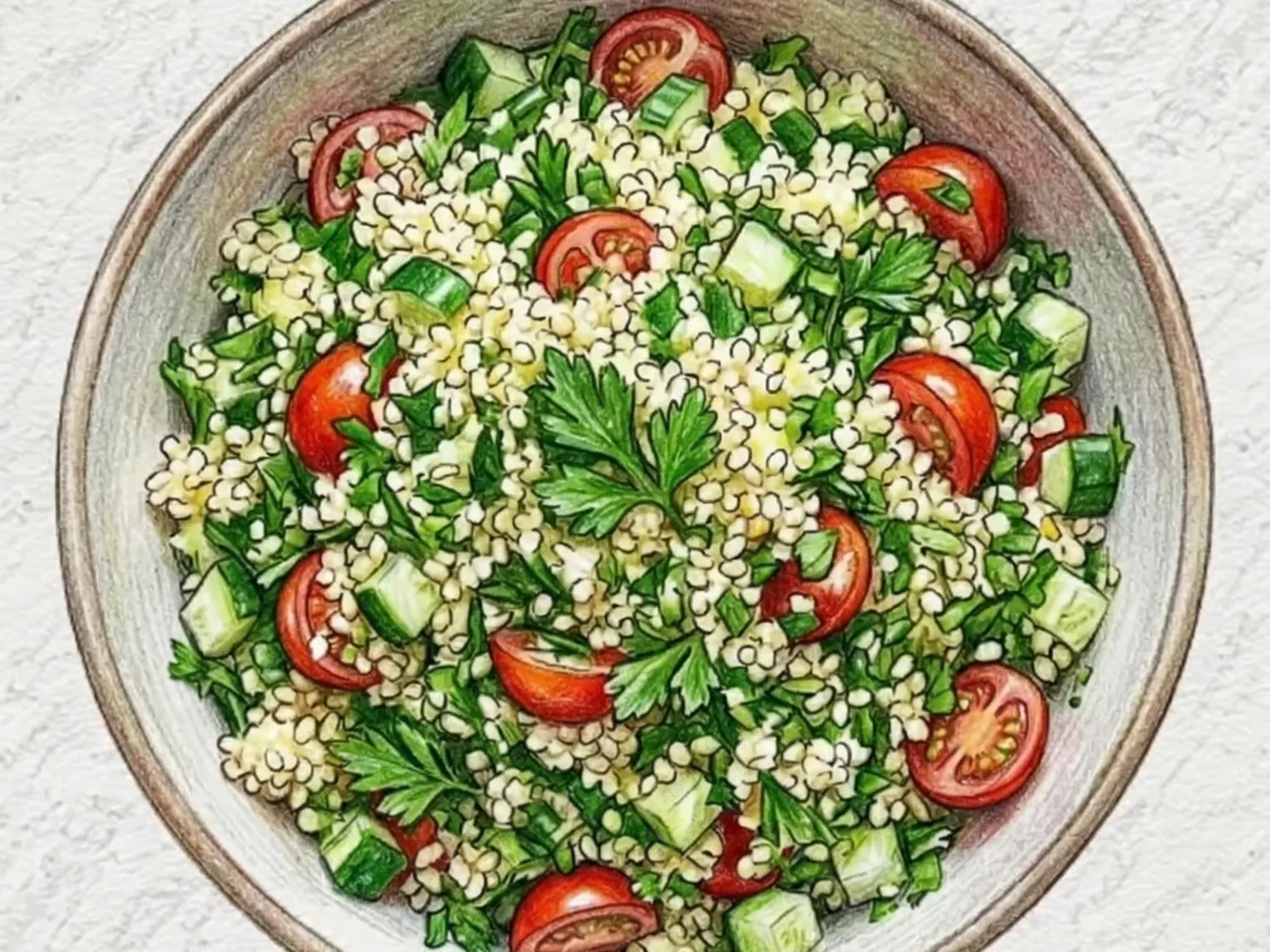
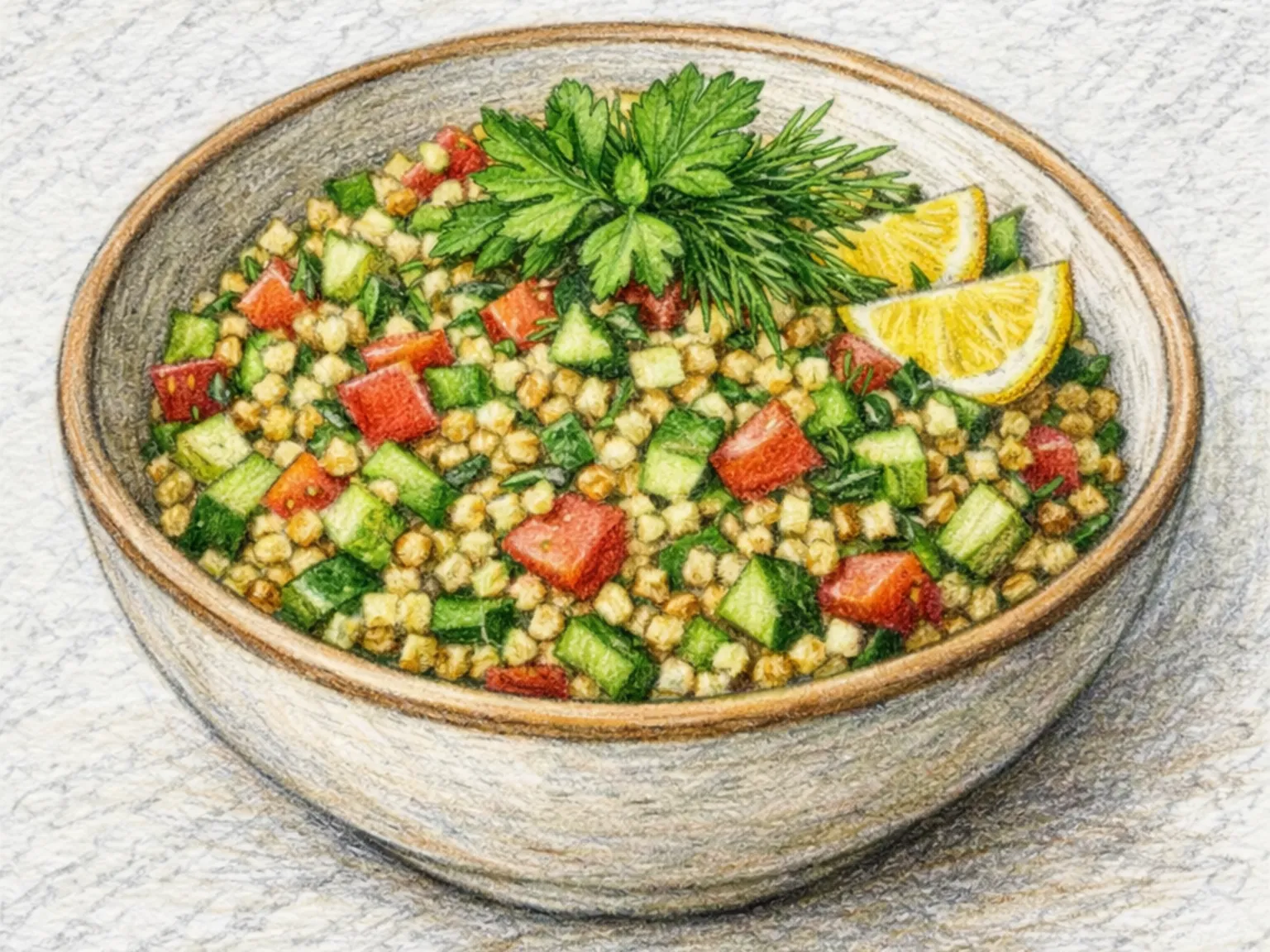
Freekeh is an ancient Middle Eastern grain produced by harvesting wheat while the grain is still immature and green, then roasting the harvested stalks over an open fire. The outer chaff burns away while the moist interior of each grain survives the flame, and it is this controlled scorching that gives freekeh its defining characteristic: a pronounced smoky aroma layered over the nutty, grassy quality of young wheat. When boiled, the grains hold their shape and retain a firm chew that standard wheat varieties lose after cooking, making freekeh particularly suited to salads that must hold up at room temperature. In this preparation, the cooked grain is combined with generous quantities of fresh parsley, mint, and dill, whose cool, bright flavors complement rather than compete with the smoke. A dressing of fresh lemon juice and extra-virgin olive oil is enough to bring the bowl together, as the grain itself provides sufficient depth without a complex sauce. Diced cucumber and halved cherry tomatoes add moisture and acidity, and crumbled feta cheese contributes salt and a creamy richness that ties the components into a coherent whole. The salad benefits from resting for at least an hour before serving, as the dressing absorbs into the grain and the herb and grain flavors gradually merge.
Salmon Piccata
Salmon piccata is an Italian fish dish where salmon fillets are seasoned, dusted in a thin layer of flour, and pan-seared in olive oil until golden on both sides. The flour coating promotes a Maillard crust on the surface while sealing moisture inside the flesh. Melting butter in the same pan and deglazing with lemon juice and chicken stock dissolves the caramelized fond into a bright sauce. Capers add bursts of briny saltiness that meet the lemon's acidity to create the piccata sauce's signature sharp, savory character, cutting cleanly through the salmon's rich fat. Because salmon dries out quickly when overcooked, the final step of returning it to the sauce should last no more than two minutes.
Korean Soju Beer Mix (Soju Lager Lemon Highball)
Somaek is Korea's most popular mixed drink, made by combining soju and lager beer in a single glass so that the spirit's alcohol strength meets the beer's crisp carbonation. The standard ratio is one part soju to three parts beer, and both liquids should be thoroughly chilled beforehand for the cleanest, most refreshing result. Ice goes in the tall glass first, followed by a splash of fresh lemon juice, then the soju, and finally the beer poured slowly down the inside wall of the glass to minimize foam and preserve the carbonation. A small addition of sparkling water lightens the drink further and brings the alcohol level down slightly for those who want a longer session. A lemon slice resting on the rim releases citrus oils with each sip, adding a bright aromatic layer that keeps the drink from feeling heavy. Somaek traces its roots to the bombtail drinking culture unique to Korean social gatherings, but today it exists in countless variations with different soju brands, beer styles, and ratio preferences that regulars debate with genuine seriousness.
Fruit Yogurt Salad
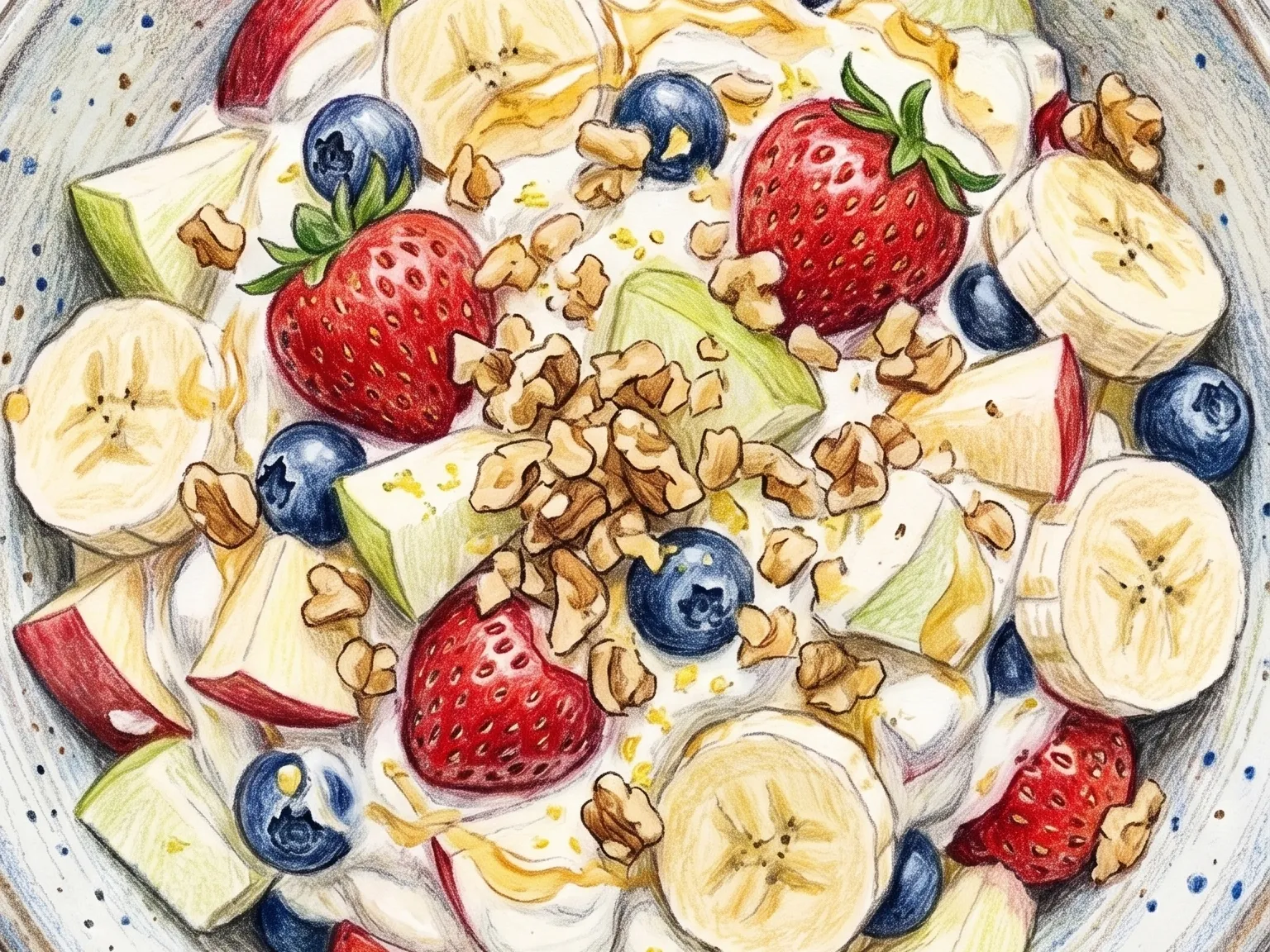
Apple, banana, strawberry, and blueberry are cut into bite-sized pieces and folded into plain yogurt for a fruit salad where the dressing serves as background rather than centerpiece. The yogurt provides gentle acidity that anchors the sweetness of the fruit without overwhelming it. Honey softens the sharper edge of the yogurt, and a squeeze of lemon juice does double duty: it slows the browning of cut apple and banana while leaving a clean citrus note on the finish. Roughly chopped walnuts scattered over the top introduce a crunchy, slightly bitter contrast to the soft fruit and smooth yogurt, breaking the monotony of texture. Swapping in seasonal fruit makes the recipe adaptable year-round without adjusting the base formula - peaches and melon in summer, persimmon and pear in autumn all work within the same yogurt, honey, and lemon framework. Light enough for a morning meal and refreshing enough after a heavy dinner, it sits comfortably in either role.
Smoked Salmon Eggs Benedict
Smoked salmon eggs Benedict stacks toasted English muffin halves with slices of cold-smoked salmon, a poached egg, and a generous pour of homemade hollandaise sauce. The hollandaise is built by whisking egg yolks and lemon juice over a gentle bain-marie, then drizzling in melted butter slowly enough for the mixture to emulsify into a thick, pourable sauce. Too much heat scrambles the yolks and breaks the emulsion, so the water bath must stay well below a simmer. Poaching requires barely trembling water with a splash of vinegar, which helps the whites coagulate quickly around the yolk - three and a half minutes produces set whites with a still-runny center. The smoked salmon's salty, cured depth plays against the hollandaise's rich butteriness, and the yolk breaking over everything acts as a second sauce.
Tomato Basil Juice
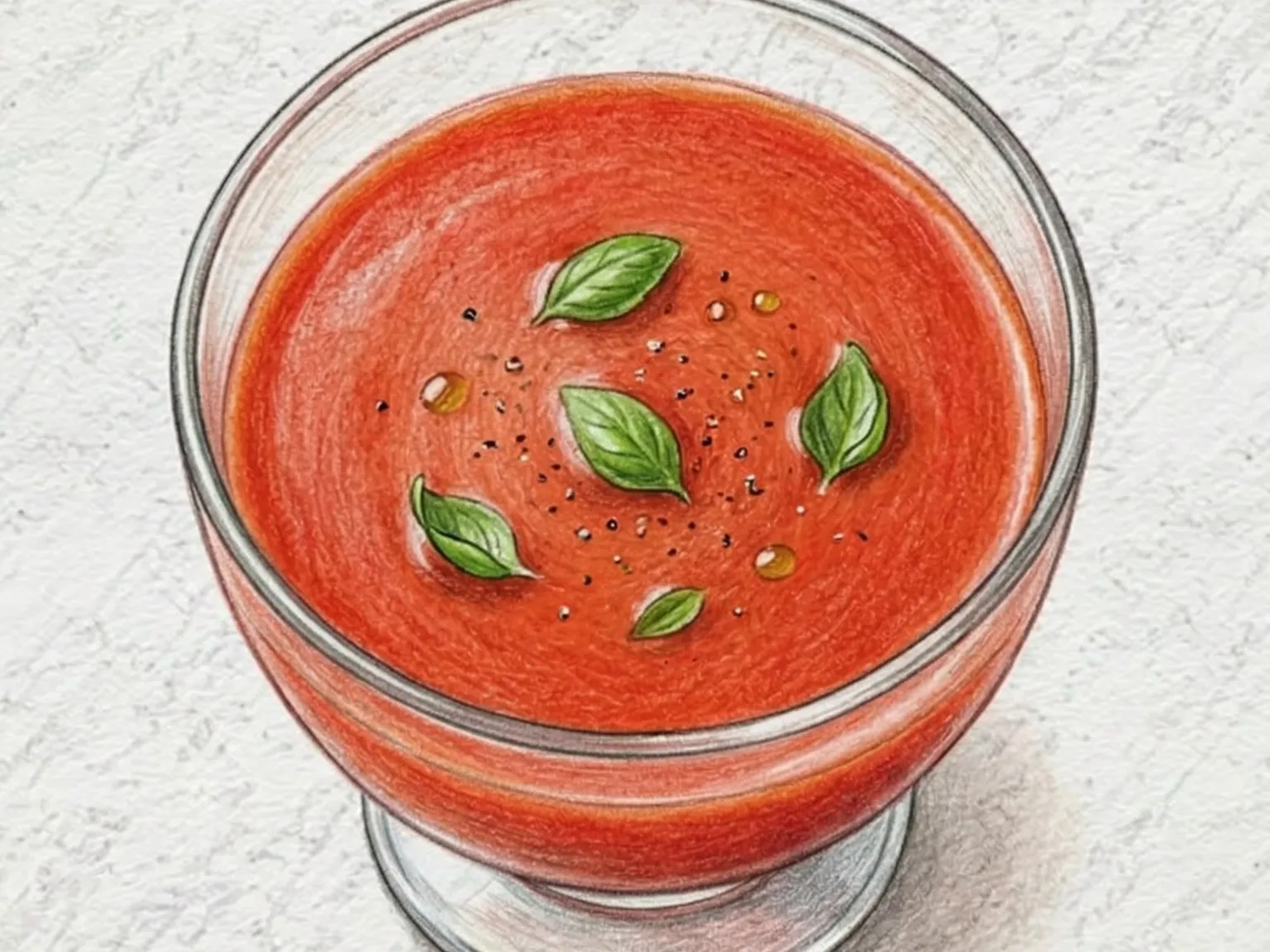
Tomato basil juice is a cold savory drink made by blending ripe tomatoes with fresh basil leaves and straining the result through a fine sieve to remove seeds and skins. The ripeness of the tomato determines much of the flavor: fully ripe tomatoes carry free glutamates that produce a natural umami depth, whereas underripe fruit tastes predominantly sour without the sweetness and savory body that makes the juice satisfying. Basil should be added to the blender immediately before blending rather than sitting cut or torn, because the volatile oils that produce its aroma begin oxidizing quickly once the leaves are damaged. After blending to a smooth consistency, passing the juice through a fine-mesh strainer or cheesecloth removes the solids and produces a texture smooth enough to drink without resistance. Salt and black pepper season the juice, and fresh lemon juice raises the acidity in a way that brightens the overall flavor rather than making it sour. A small addition of olive oil emulsifies into the juice and activates fat-soluble aromatic compounds in both the tomato and the basil, producing a fuller, rounder flavor than the unstrained version. The juice must be thoroughly chilled before serving, as warmth mutes the herbal freshness. It works well as a brunch drink, a light non-alcoholic aperitif, or a base for savory cocktails.
Grilled King Oyster and Perilla Salad
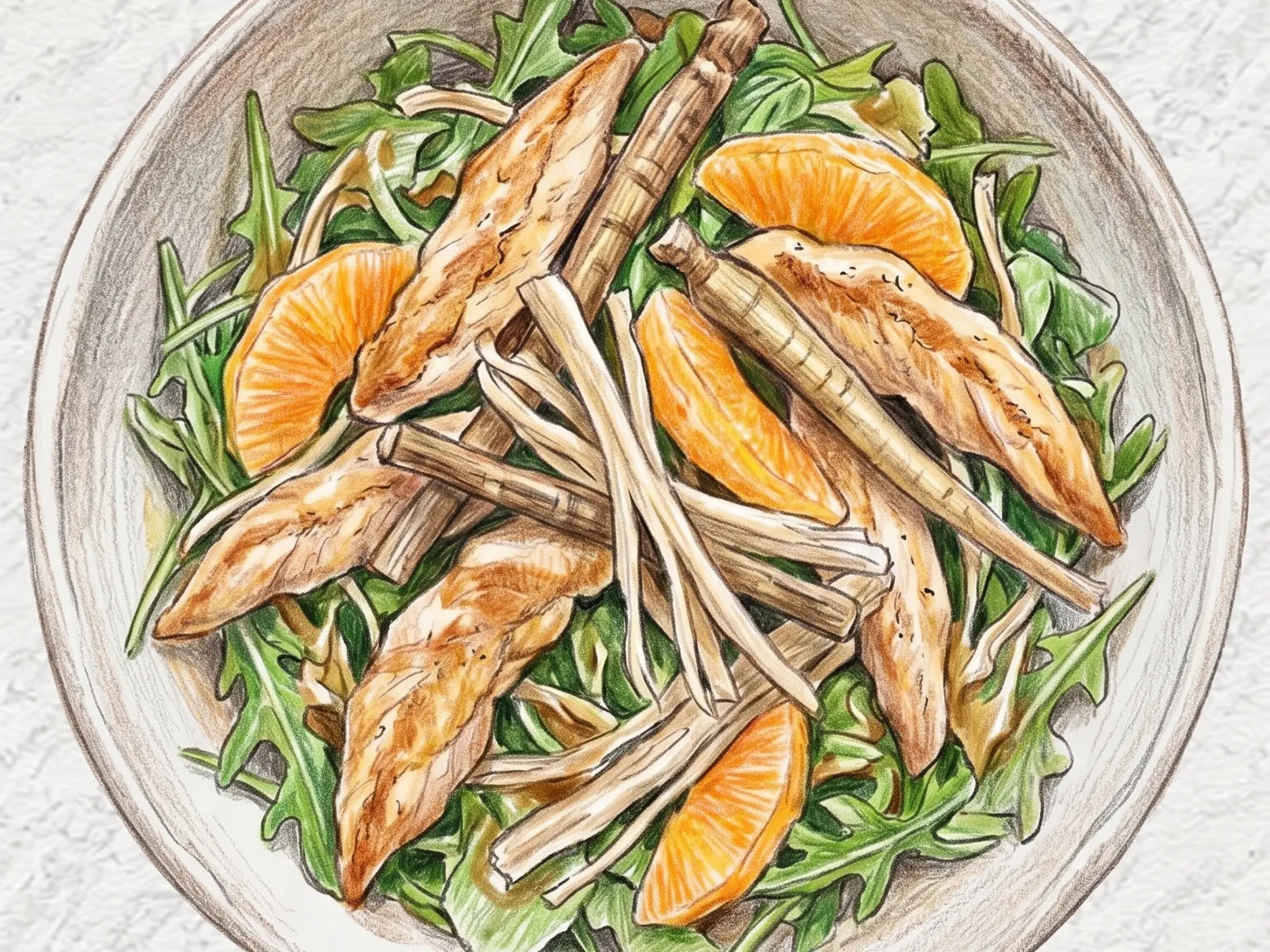
Grilled king oyster and perilla salad dry-sears thick-sliced king oyster mushrooms in an oil-free pan until golden, then tosses them with chiffonaded perilla leaves, bite-sized lettuce, and cucumber in a perilla oil and soy dressing. Cutting the mushrooms into 0.8 cm planks and spacing them apart in the pan is critical: overcrowding traps steam and turns a sear into a braise, losing the golden crust and chewy interior. Patting the mushroom surfaces dry with a paper towel before placing them in the pan helps the Maillard reaction start faster and produces a more even color without the sputtering caused by surface moisture. The dressing blends perilla oil, soy sauce, lemon juice, and oligosaccharide syrup, pairing the deep nuttiness of perilla oil with a light citrus acidity that supports the mushroom's umami. Grinding extra sesame seeds into the dressing amplifies the nutty character, and a small pinch of gochugaru adds a mild heat that lingers at the back of the palate. Perilla leaves lose their fragrance quickly once dressed, so the salad should be served immediately after tossing.
Tzatziki Salmon Bowl
This fresh grain bowl combines pan-seared salmon with a thick Greek tzatziki sauce. To prepare the dish, fresh cucumber is finely chopped, salted, and squeezed firmly to remove excess water, ensuring the yogurt sauce remains thick rather than watery. The strained cucumber is then mixed with Greek yogurt, minced garlic, chopped dill, and lemon juice. Fresh salmon is cut into bite-size pieces, seasoned, and seared in olive oil on medium heat until golden. The bowl is assembled with a warm base of either brown rice or quinoa, which allows control over carbohydrate density. It is topped with halved cherry tomatoes, the warm seared salmon, and a generous dollop of chilled tzatziki sauce. The herbal notes of dill help cut through the rich fat of the seared fish, providing a balanced flavor.
Korean Burdock Root Tea
Ueong-cha is a Korean burdock root tea made by dry-roasting thinly sliced unpeeled burdock in a pan for six minutes, then steeping it with ginger and jujube in boiling water for 15 minutes. The roasting caramelizes the root's starches, creating a deep, nutty aroma without any raw earthiness. Ginger contributes a subtle heat to the finish, while jujubes provide natural sweetness that softens the drink. A spoonful of rice syrup thickens the body, and a few drops of lemon juice at the end clean up the palate, making this caffeine-free tea suitable for any time of day.
Grilled Peach Burrata Basil Salad
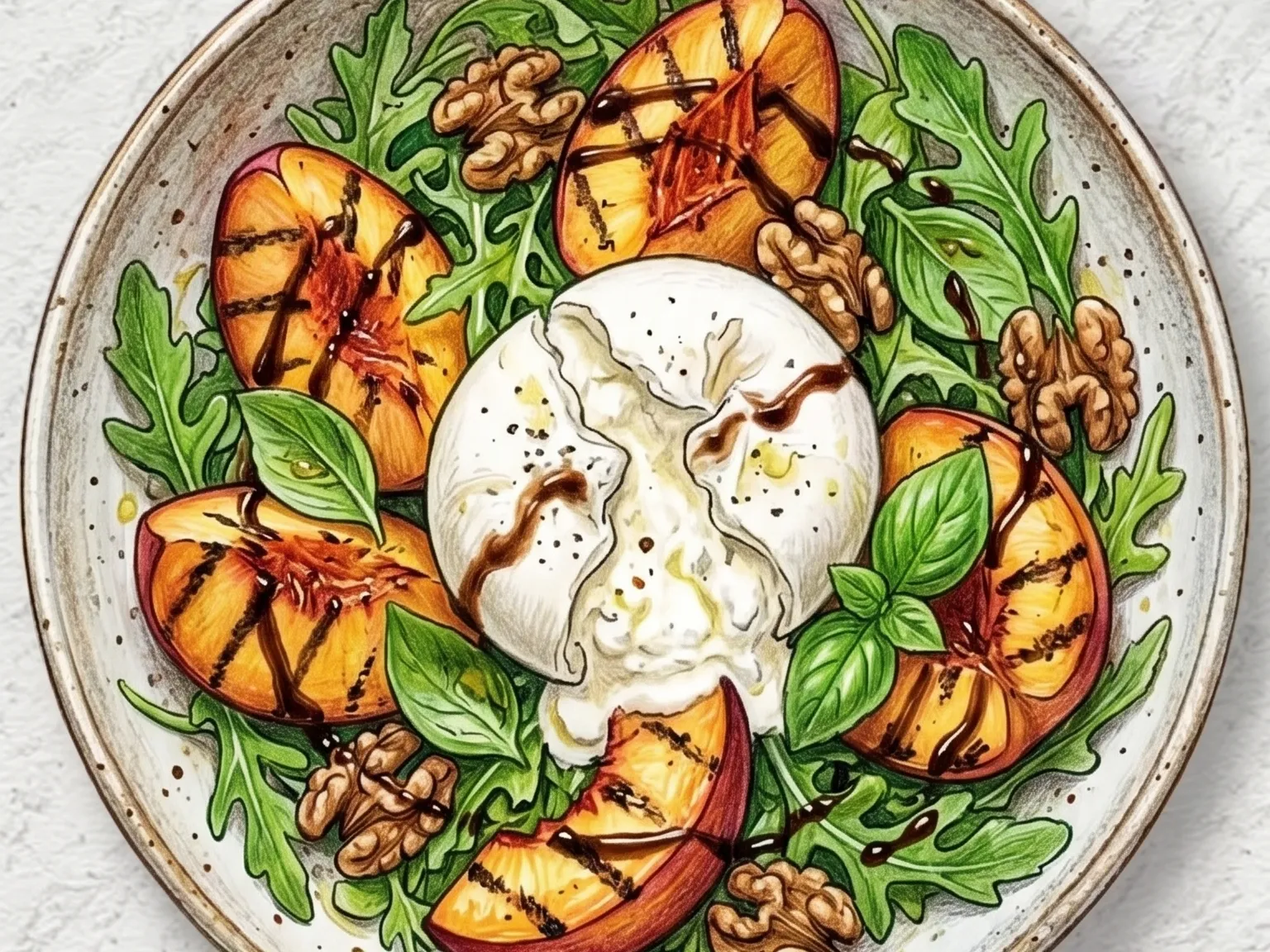
The peaches are sliced into wedges and brushed with a thin layer of olive oil before they are placed into a grill pan. Each side requires between one and two minutes of contact with the heat to develop a charred surface. This method draws out a caramelized sweetness and a subtle smoky quality that is not present in raw fruit. The application of direct heat to the cut surfaces of the peaches concentrates their natural sugars, which results in a deeper flavor profile and a savory quality that supports the other ingredients. Preparation of the burrata involves removing it from the refrigerator ten minutes prior to assembly. This pause allows the cheese to lose its chill so that the creamy interior can soften. When the cheese is eventually torn apart and placed over the peaches, the center should be loose enough to flow freely, which ensures the full milky richness is distributed throughout the salad. The assembly includes a base of warm grilled peaches topped with the torn burrata, fresh arugula, and basil leaves. Arugula is chosen for its peppery bitterness, which provides a functional balance to the sweet peaches and the heavy cream of the cheese, preventing the dish from becoming one-dimensional. Lightly toasted walnuts are added to provide a specific textural contrast and a roasted nuttiness that complements the softer components. Finally, a thick balsamic glaze with a sweet and tart profile is drizzled over the top to bring the different elements together into a single cohesive dish. This salad is best prepared during the summer when peaches are at their peak ripeness and sweetness.
Vitello Tonnato (Classic Italian dish)
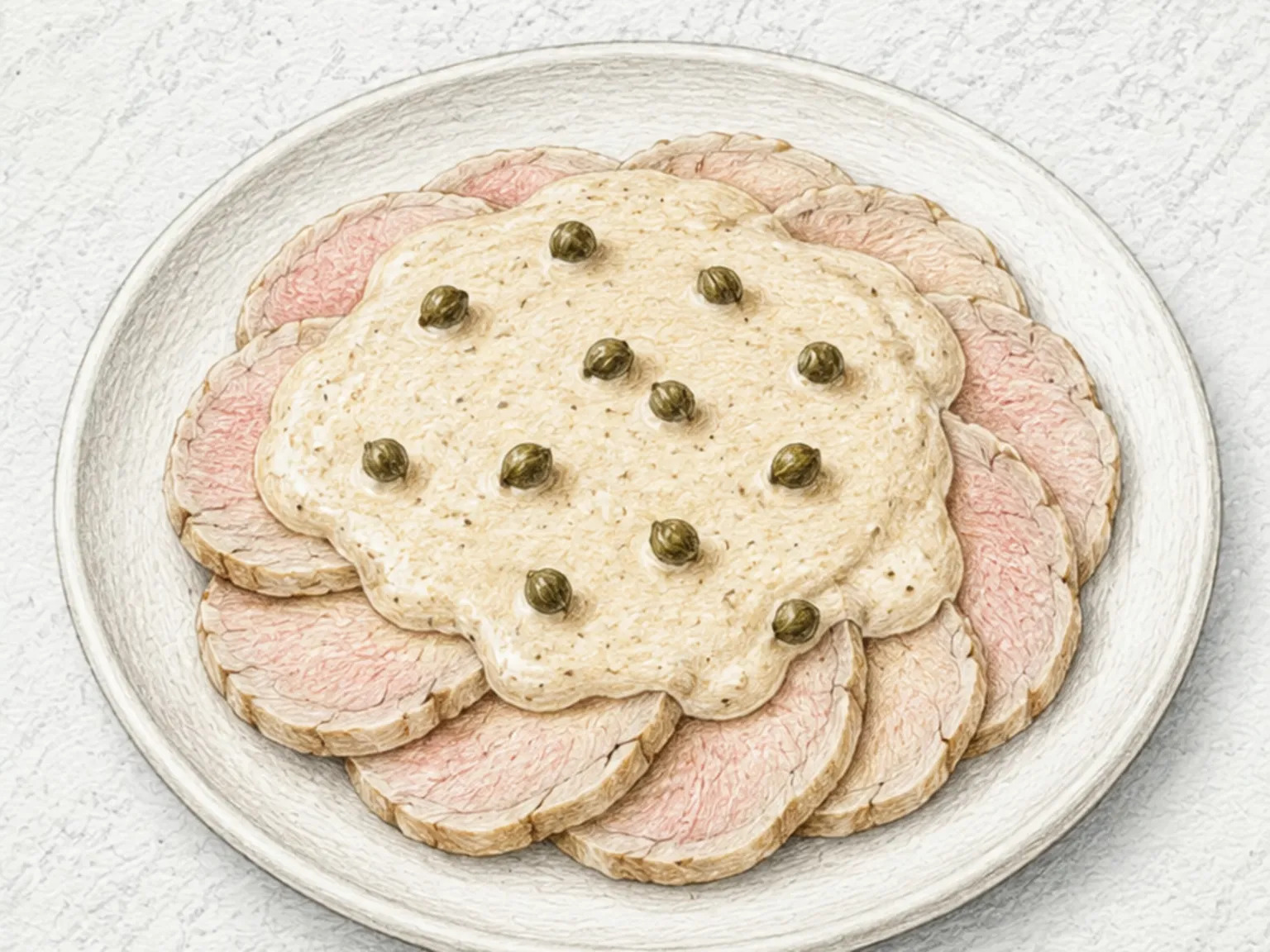
Vitello Tonnato is a classic Italian appetizer consisting of chilled, thinly sliced veal topped with a creamy sauce made from tuna, anchovies, and capers. The veal loin is slowly cooked over low heat in a covered pot with sliced onions and white wine. Once cooked, the meat must be chilled completely to allow for neat, thin slices of about three millimeters without tearing the fibers. The sauce is prepared by blending canned tuna, mayonnaise, capers, anchovy fillets, and lemon juice. The thickness is adjusted using the strained cooking liquid from the veal, creating a texture that coats a spoon smoothly. To serve, the cold veal slices are arranged on a plate, covered generously with the tuna sauce, and garnished with extra capers to add a contrast of briny acidity to the creamy, savory meat.
Korean Yuja Pear Sparkling Drink
Yuja-bae sparkling is a Korean non-alcoholic drink that pairs the bright, bittersweet citrus character of yuja marmalade with the gentle, round fruit sweetness of Korean pear juice, finished with sparkling water for a refreshing effervescence. The base is assembled by thoroughly mixing yuja marmalade, pear juice, lemon juice, and honey until the marmalade dissolves completely, then divided into ice-filled glasses. Sparkling water is poured on last, slowly and down the side of the glass to keep as much carbonation intact as possible. Lemon juice lifts the floral fragrance of the yuja and makes the citrus notes more vivid, while pear juice neutralizes excess tartness and leaves a clean, smooth finish on the palate. Pouring the sparkling water before adding the other ingredients collapses the bubbles immediately, so the order matters. A sprig of rosemary tucked into the glass releases a herbal aroma that drifts upward with the carbonation and pairs naturally with the citrus base, adding visual appeal at the same time. The sweetness can be adjusted by varying the amount of honey depending on how concentrated the yuja marmalade is.
Fruit Salad (Fresh Seasonal Fruit in Yogurt)
Fruit salad dices apple, banana, kiwi, strawberries, and blueberries into uniform bite-sized pieces and folds them gently into a light dressing of plain yogurt, honey, and lemon juice. Cutting everything to a similar size ensures an even mix of crisp, soft, and juicy textures in every spoonful. The lemon juice serves two purposes - it adds a bright acidity that ties the different fruits together and slows the oxidation that turns apple flesh brown. Banana should be added last to prevent it from turning mushy under the weight of the other ingredients. Using unsweetened yogurt lets the natural sweetness of the fruit stand out more clearly, and chilling the finished salad for about ten minutes allows the fruit juices to merge with the dressing for a more cohesive flavor.
Waldorf Salad
The Waldorf Salad is a classic dish combining apples, celery, walnuts, and grapes coated in a mayonnaise-based dressing. To prepare it, fresh apple cubes are immediately tossed with lemon juice to prevent browning and maintain their color. The dressing is made by whisking mayonnaise with a small amount of sugar until smooth. Celery stalks are thinly sliced, and grapes are halved and seeded to provide a refreshing texture. The walnuts are toasted in a dry pan over low heat for two minutes to enhance their earthy flavor, which balances the sweetness of the mayonnaise. All the ingredients are gently folded together to prevent the fruit from releasing excess juices, which would make the salad watery. Chilling the salad in the refrigerator for thirty minutes allows the flavors to integrate while keeping the ingredients crisp.
Korean Citron Tea (Sweet Yuzu Marmalade Hot Drink)
Yujacha is a Korean citron tea made by dissolving yuja marmalade in hot water, releasing the intense citrus fragrance locked in the candied peel. Honey deepens the sweetness beneath the marmalade's natural bitter edge, and a half teaspoon of fresh ginger juice introduces a warm, peppery sensation to each swallow. A few drops of lemon juice sharpen the acidity and make the citrus profile more vivid, while thin citron slices floating on top continue to release aroma as the tea cools. Water temperature between 85 and 90 degrees Celsius preserves the volatile aromatic compounds best, and rinsing the cup with hot water beforehand slows how quickly the drink loses heat. Yujacha has long been a household remedy for sore throats and the early stages of a cold, valued for the vitamin C in the citron peel and the warming effect of ginger working together.
Herbed Orzo Salad
Herbed orzo salad cooks rice-shaped orzo pasta to al dente in salted water, cools it, then tosses it with diced cucumber, halved cherry tomatoes, chopped parsley and mint, and crumbled feta cheese in a lemon and olive oil dressing. Pulling the orzo from the water one minute before the package time is essential - the pasta continues to cook as it sits and absorbs dressing, so even slight overcooking results in a mushy texture by the time the salad is served. A small amount of olive oil stirred into the drained orzo while still warm prevents the pieces from clumping into a mass. The two-ingredient dressing of lemon juice and olive oil is deliberately bare, designed to let the bright herbal aroma of the parsley and mint come forward while cutting through the starchy weight of the pasta. Crumbling feta by hand rather than slicing it scatters uneven pockets of salty, creamy fat throughout the salad, so the flavor shifts slightly from one forkful to the next. The salad holds its texture and flavor when stored cold, making it well suited for packed lunches and advance preparation several hours ahead of serving.
Classic Wedge Salad
Classic Wedge Salad features crisp iceberg lettuce wedges topped with a rich blue cheese dressing, crispy bacon, and cherry tomatoes. Preparing this dish requires cutting the lettuce into four wedges while leaving the core intact to hold the leaves together. The dressing is made by mixing half of the blue cheese with sour cream, mayonnaise, and lemon juice, leaving a few small cheese chunks, while the rest is kept for topping. Washing the lettuce and shaking out any water between the layers is essential to prevent the dressing from thinning. The bacon is cooked until crisp and drained well on paper towels. The salad is assembled by placing the cold wedges on a plate, pouring the dressing over, and topping with the bacon, halved tomatoes, remaining blue cheese, and sliced chives.
Israeli Salad
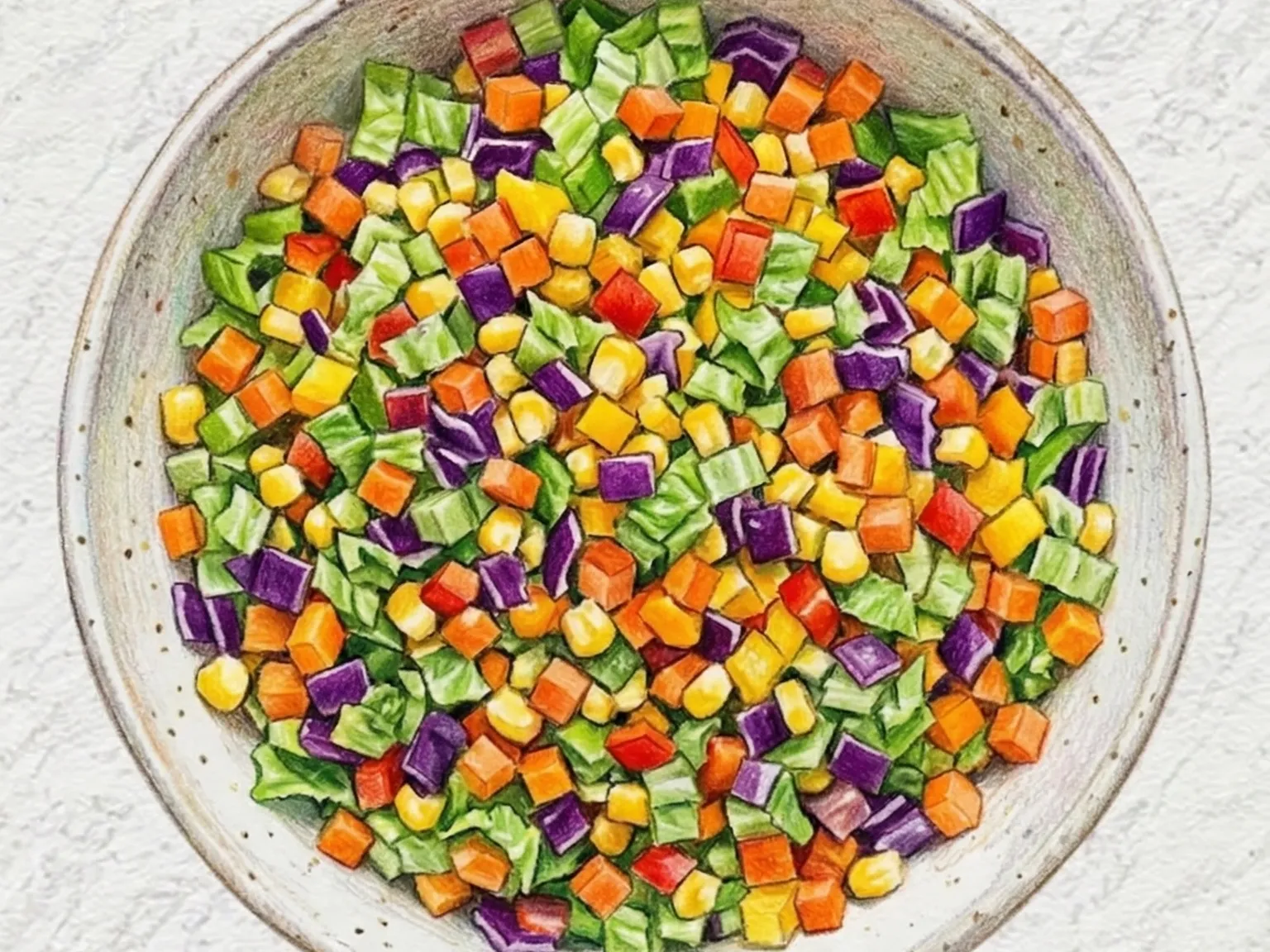
Israeli salad is the foundational everyday salad of the Middle East, built from tomato, cucumber, red onion, and parsley diced to pieces under 0.5 cm and dressed simply with lemon juice, olive oil, and salt. The uniformly small cut is the defining technique, and it is not merely aesthetic. When every component is the same tiny size, a single spoonful carries equal amounts of tomato juice, cucumber crunch, and the sharp bite of raw onion, so the balance does not shift from one mouthful to the next. The dressing is deliberately kept to two ingredients so that the natural acidity and sweetness of ripe tomatoes can dominate without interference from added vinegar or sweeteners. Resting the salad for about five minutes after tossing draws juice from the cut tomatoes, which merges with the lemon and oil to form a light, self-made brine that deepens the flavor of the entire bowl. Across Israel and throughout the broader Middle East, this salad appears at the breakfast table alongside eggs and bread as commonly as it does beside grilled meats at dinner. Its quality depends entirely on the freshness of the produce rather than any technique or seasoning.
Kale Apple Walnut Salad
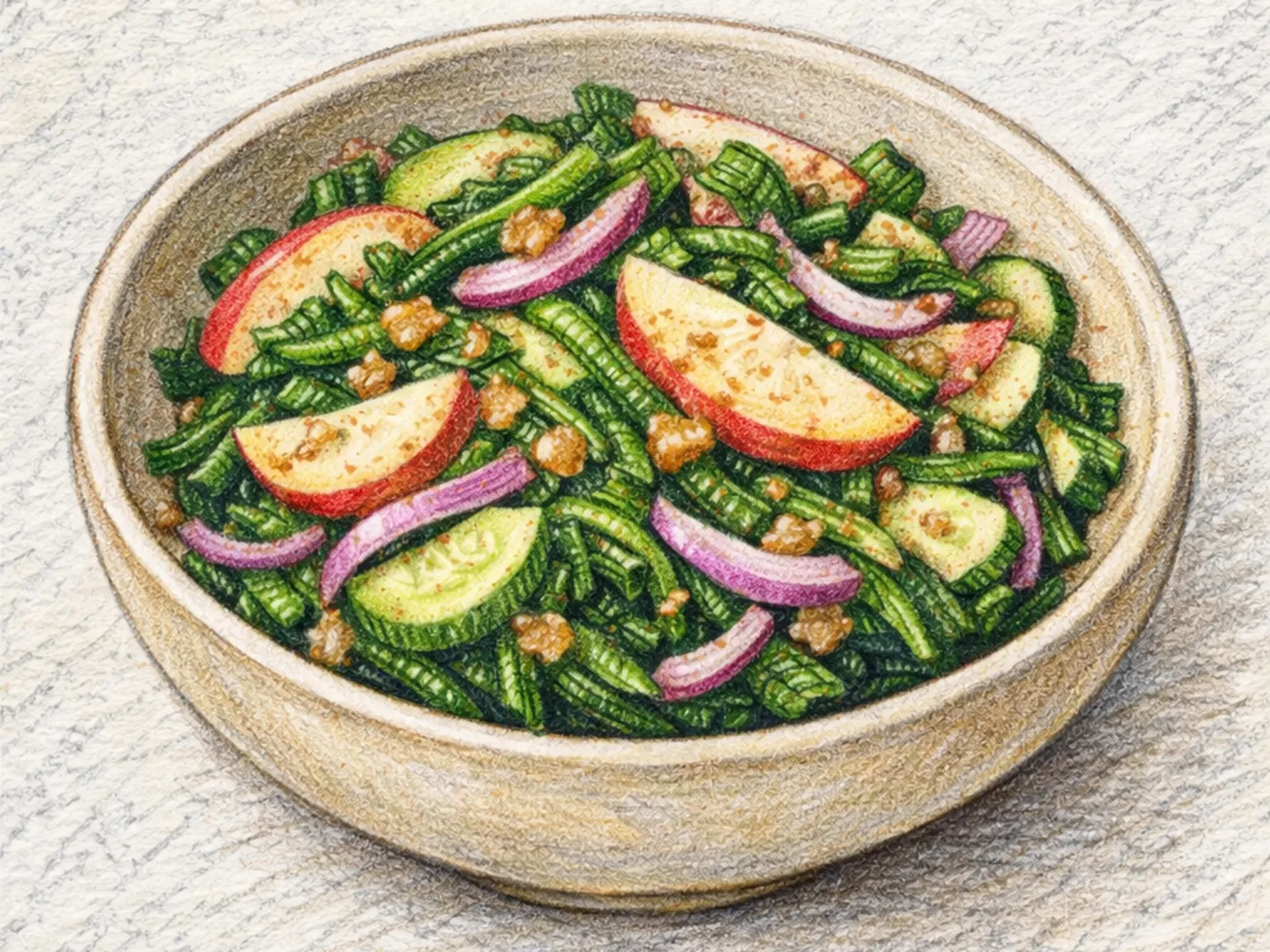
Kale apple walnut salad strips kale leaves from their stems, tears them small, and massages them with part of a lemon-honey dressing to soften the tough fibers before adding thinly sliced apple, roughly chopped walnuts, and dried cranberries with the remaining dressing. Raw kale has a coarse, chewy texture that can feel rough on the palate, but massaging it with the acidic dressing breaks down the cell walls, reducing volume and turning the leaves tender. The lemon juice pulls double duty - it tempers the kale's bitterness and prevents the apple slices from browning. Olive oil and honey round out the acid with a smooth richness and gentle sweetness. Toasting the walnuts in a dry pan for just one minute brings their oils to the surface, roughly doubling the nutty aroma, while pockets of dried cranberries add tart-sweet bursts throughout.
Japanese Kani Salad
Kani salad is a Japanese-inspired dish centered on imitation crab meat that is prepared using a specific shredding technique. Instead of chopping the crab, the sticks are pulled apart along their natural grain to create a soft and fibrous texture. This particular structure allows the crab to absorb the dressing thoroughly while preventing the pieces from becoming saturated with excess liquid. These shreds are combined with cucumbers and carrots that have been julienned into thin strips to add a crisp and refreshing crunch to the overall composition. The dressing for the salad is a mixture of mayonnaise, rice vinegar, and fresh lemon juice. This specific blend results in a creamy coating that provides a smooth mouthfeel without leaving a heavy or oily sensation after eating. Toasted sesame seeds are incorporated into the mixture to provide a warm and nutty element that complements the gentle sweetness of the imitation crab. The most significant requirement for a successful salad is ensuring that the vegetables are patted completely dry before they are tossed with the other ingredients. If there is any moisture left on the cucumber or carrots, it will dilute the mayonnaise base and cause the salad to become thin and watery within a short amount of time. Because the recipe requires no cooking or heat, the entire bowl can be assembled in approximately ten minutes, which provides an efficient solution for a quick and refreshing lunch or dinner side. This salad is versatile in its application, serving as a popular topping for sushi rolls or as a light starter when paired with slices of fresh avocado.
Kimchi Tofu Caesar Salad
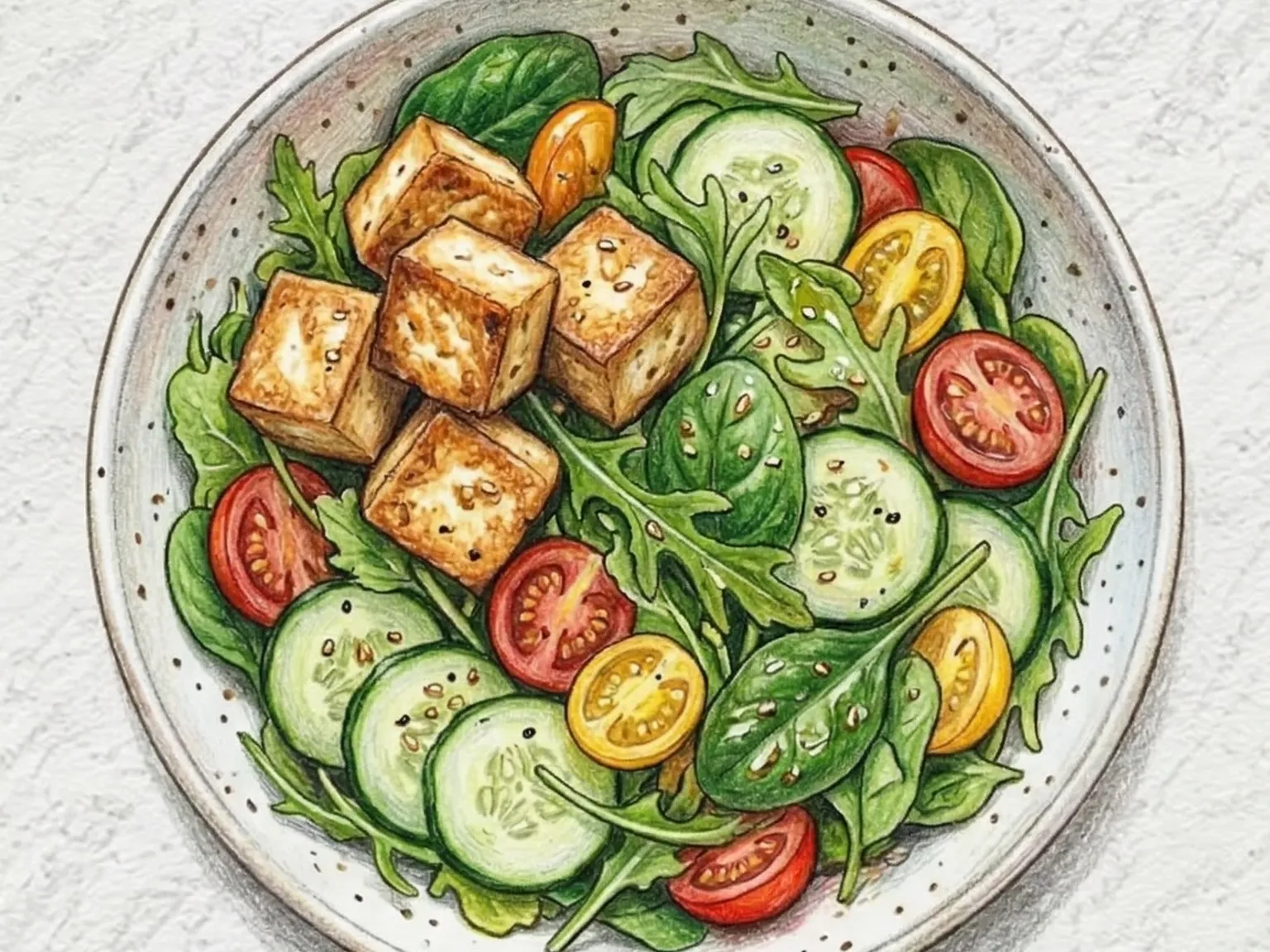
Sautéing the kimchi drives off moisture and concentrates its umami into an intense, savory punch that replaces anchovies in a traditional Caesar. Pan-browned tofu cubes develop a crisp shell around their soft interior, standing in for crouton-like protein. The dressing mixes mayonnaise with plain yogurt for a lighter body than classic Caesar, sharpened with lemon juice and garlic. Grated parmesan adds the expected salty depth, and crisp romaine provides the essential crunch that holds the heavy flavors in check. Homemade bread croutons round out the textural contrast.
Lentil Kale Salad
Lentil kale salad pairs the tender yet distinctly grainy bite of cooked green lentils with sturdy kale leaves, resulting in a bowl that satisfies like a full meal rather than a side salad. The vinaigrette of Dijon mustard, lemon juice, and olive oil does two things at once -- it brightens the kale's natural bitterness into something lively and it acts as the marinade that softens the leaves during the massage step. Massaging the kale by hand for about a minute before dressing it is the step that transforms the texture from tough and fibrous into something genuinely pleasant to chew, and it also opens up the leaf surface so the dressing clings rather than sliding off. Lentils benefit from careful timing: twenty to twenty-five minutes of simmering leaves them cooked through with a slight resistance at the center, and overcooking past that point turns them mushy and strips the salad of its textural contrast. Julienned carrot adds natural sweetness and a pop of color that keeps the bowl from looking uniformly green. Roughly chopped walnuts contribute a rich crunch and healthy fat that rounds out the nutritional profile. A shaving of Parmesan or a handful of roasted chickpeas makes a straightforward addition when more substance or complexity is wanted.