Korean Green Plum Tea (Sweet-Tart Plum Honey Drink)
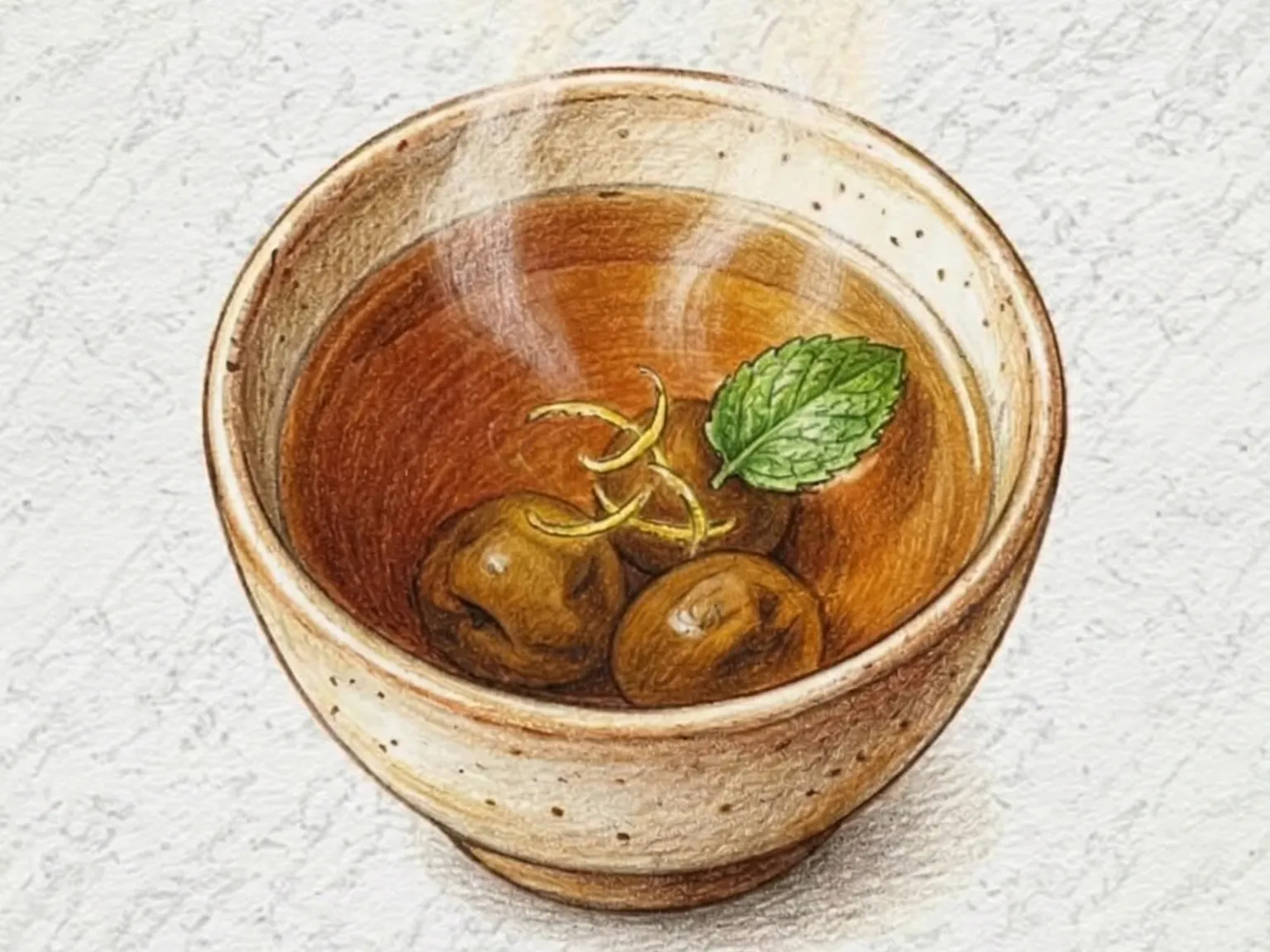
Maesilcha is a Korean plum tea made by dissolving green plum extract syrup in lukewarm water, then adjusting the flavor with honey and a small amount of fresh lemon juice. The green plum syrup, known as maesilcheong, carries a vivid tartness that forms the character of the drink. Honey does not just add sweetness but rounds the sharp edges of the plum acidity into something more harmonious, preventing the sourness from feeling harsh. The addition of lemon juice, even just a small amount, sharpens the outlines of the flavor so that each sip reads clearly and does not blur into a generic sweetness. Served over ice with a few mint leaves it functions well as a cold summer drink, bright and refreshing without being syrupy. Reduced to a stronger concentration and served warm without ice it becomes a soothing winter drink. It is traditionally associated with digestive comfort and recovery from fatigue, which is why it is commonly served after a meal or as a midday restorative.
Couscous Herb Salad
Couscous is hydrated in hot water for five minutes until each grain separates and fluffs up, then mixed with a generous quantity of flat-leaf parsley, diced cucumber, and halved cherry tomatoes. The dressing is intentionally sparse - lemon juice, olive oil, salt, and pepper - letting the grain absorb the citrus brightness without competing flavors getting in the way. Because herbs make up a significant portion of the volume, this reads more like a tabbouleh than a heavy grain salad, with a clean freshness that makes it easy to eat in large portions. Couscous holds its texture at room temperature better than most grains, meaning the salad does not go soggy in a packed lunch container or on a picnic spread. Adding fresh mint, a handful of chopped cilantro, or a pinch of lemon zest shifts the flavor toward something sharper and more aromatic, while crumbled feta adds a salty, creamy contrast that transforms it into a more substantial dish.
Eggs Benedict
Eggs Benedict centers on hollandaise sauce, made by whisking egg yolks with lemon juice over a double boiler until thickened, then slowly streaming in melted butter while whisking continuously to form a stable emulsion. Seasoned with salt and a pinch of cayenne, the sauce is rich, velvety, and slightly tangy, carrying enough acidity to cut through the butter without feeling heavy. Toasted English muffin halves are topped with crisp bacon or ham, then a poached egg cooked for three to four minutes in gently simmering water with a splash of vinegar. The hollandaise is spooned generously over the soft-set egg so that cutting into the yolk creates a golden stream that mingles with the buttery sauce below. Pouring the butter too quickly causes the emulsion to break, making a thin, steady stream the single most important technique in the recipe. A scrape of toasted muffin against the runny yolk and sauce together is the defining bite of the dish.
Tarte Tatin (French Upside-Down Caramelized Apple Tart)
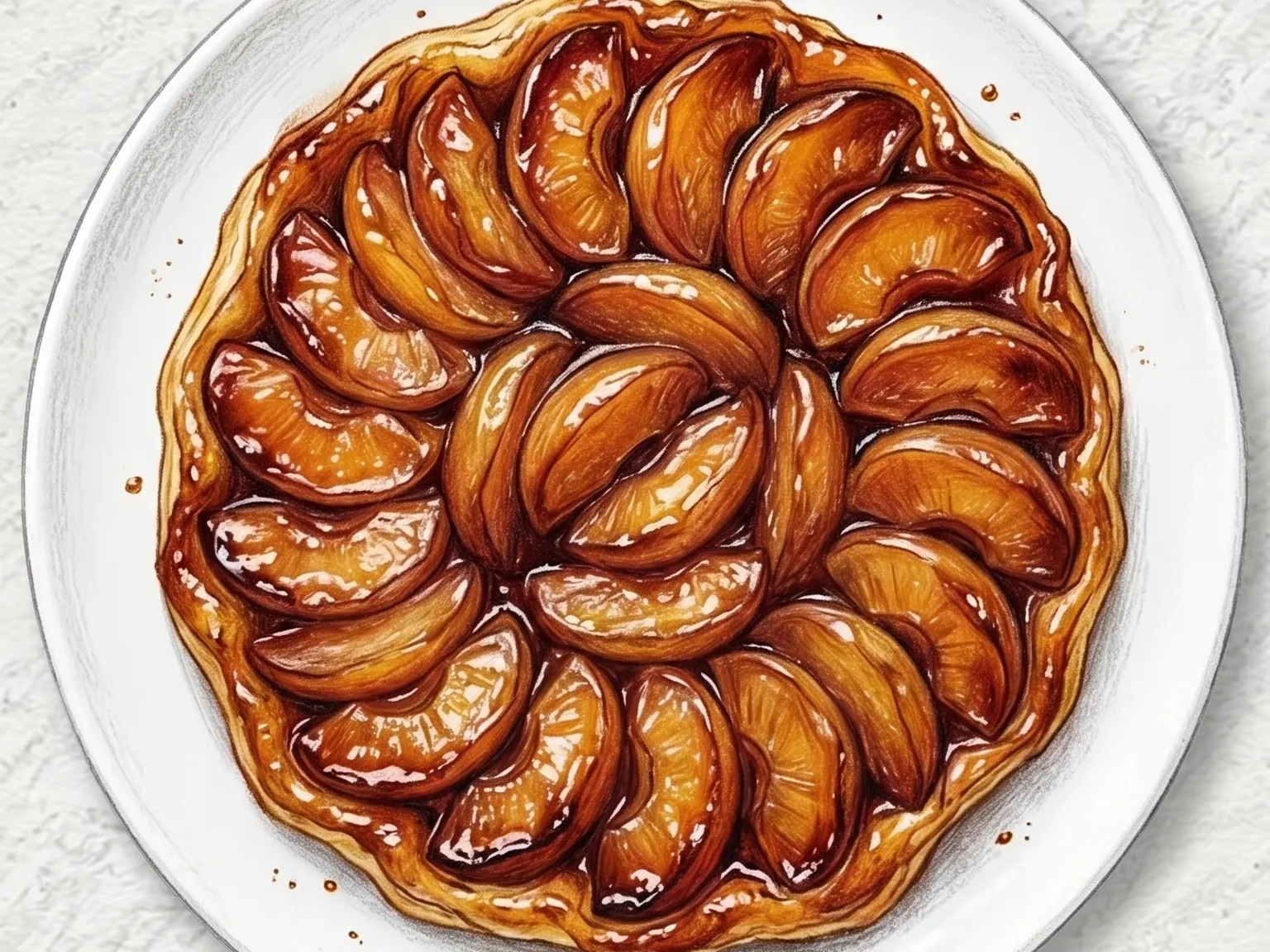
Apples are cooked in butter and sugar on the stovetop until the caramel darkens to a deep amber, then a sheet of puff pastry is draped over the top and the whole pan goes into the oven. After baking, the tart is inverted onto a plate so the caramelized apples become the glossy, lacquered top. The long exposure to heat transforms the apples from firm slices into soft, butter-soaked segments that are nearly translucent. The caramel should be pushed slightly past golden - a faint bitterness at the edge of sweetness gives the tart its signature depth. Cutting the pastry slightly larger than the pan and tucking the edges down around the apples prevents juice from leaking during baking. The inversion must happen within a few minutes of leaving the oven, while the caramel is still liquid enough to release cleanly. Served warm with a spoon of creme fraiche, the contrast between the hot, sticky apples and the cool, tangy cream is the defining experience of this dessert.
Korean Makgeolli Punch (Rice Wine Yuja Citrus Bowl)
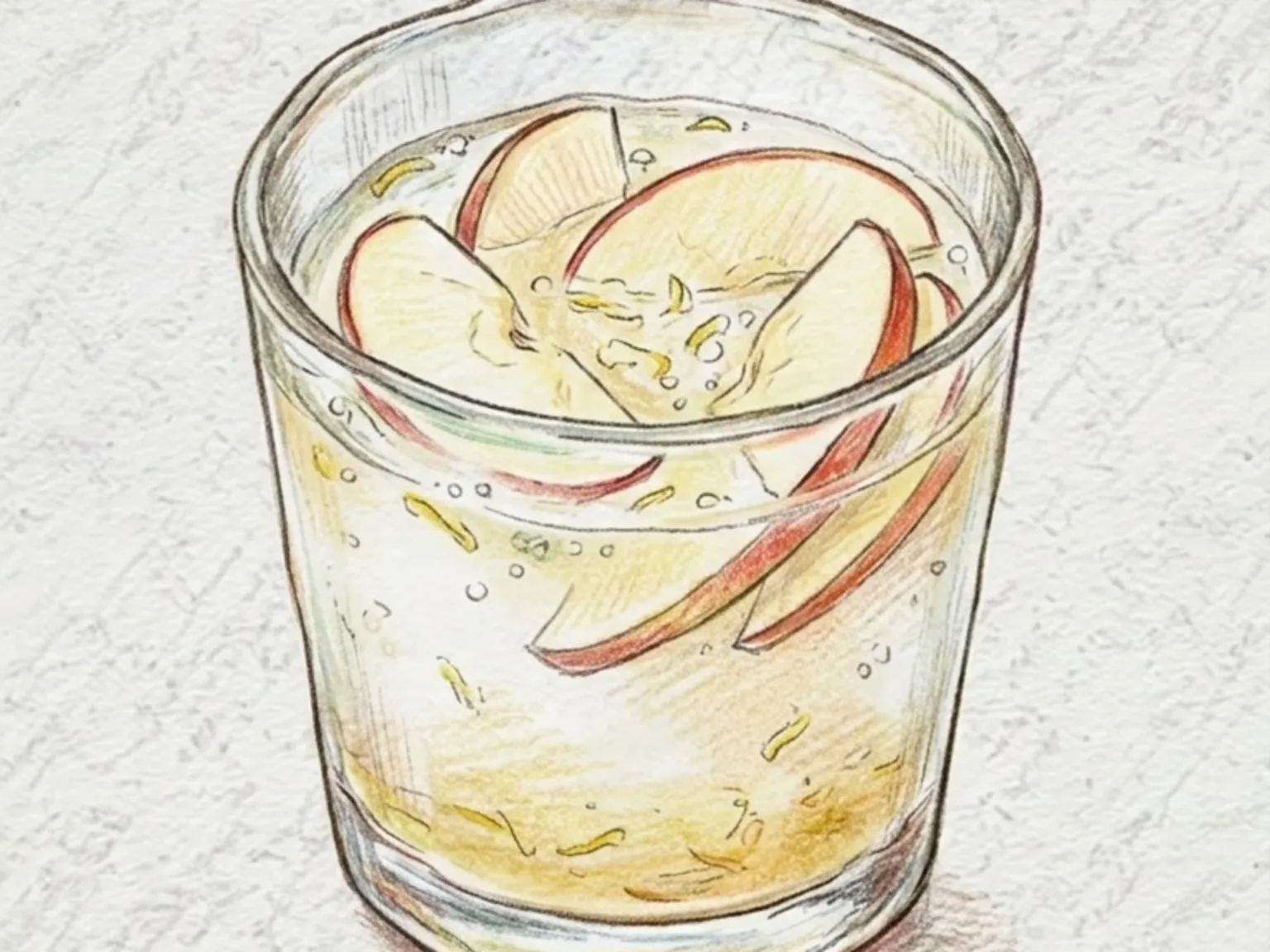
Makgeolli punch is a fruity Korean rice wine cocktail that combines makgeolli with yuja marmalade, lemon juice, and lemon-lime soda in a large bowl over plenty of ice. The creamy grain character of makgeolli merges with the bright citrus of yuja to create a light, festive drink. Thinly sliced apple floated in the bowl adds crisp bites of fruit between each ladle. A single gentle stir just before serving keeps the carbonation intact and the flavors evenly distributed. The main ingredients are makgeolli, lemon-lime soda, yuja marmalade, and lemon juice, and the recipe depends on careful handling of chilling time and sweetness.
Deodeok Apple Perilla Salad (Bellflower Root Salad)
Deodeok -- codonopsis root -- is pounded with a mallet to split along its fibers, releasing its distinctive herbal fragrance and producing a chewy, shredded texture. The root is best in season from autumn through early spring and suits raw preparations just as well as it does grilling or seasoned side dishes. Thin apple slices add crisp sweetness that tempers the root's mild bitterness. The dressing combines gochujang and vinegar for a tangy-spicy profile, while ground perilla seeds contribute a nutty, aromatic finish. When pounding, light taps work better than heavy blows -- the goal is to open the fibers without crushing the flesh. Tear the root by hand along the grain after pounding for the best texture. Toss with the dressing just before serving to keep the apple and deodeok crisp.
Eggs Florentine
Eggs Florentine swaps the traditional bacon of Eggs Benedict for sauteed spinach, creating a brunch dish that is lighter but still rich with layered flavor. Spinach is wilted in butter for just one to two minutes and squeezed of excess moisture so it does not soak the toasted English muffin underneath. Hollandaise is built by whisking egg yolks with lemon juice over gentle indirect heat, then emulsifying them with slowly drizzled melted butter until the sauce is smooth and thick. Poached eggs cook for about three minutes in barely simmering water until the whites are fully set around a still-runny yolk. Cutting into the yolk sends a golden stream over the spinach and sauce, binding the layers together. Keeping the bain-marie at the right temperature is the critical step in the hollandaise, because too much heat scrambles the yolks before the emulsion forms, while too little leaves the sauce thin and unstable.
Treacle Tart (British Golden Syrup Breadcrumb Tart)
Golden syrup, fresh breadcrumbs, and lemon juice are combined and baked inside a shortcrust pastry shell to create one of Britain's most enduring desserts. The syrup caramelizes gently during baking, developing a deep, toffee-like sweetness, while the breadcrumbs absorb it and give the filling a sticky, dense body. Lemon zest and juice are the essential counterweight - without them, the sweetness would be overwhelming, but their acidity sharpens the syrup into something balanced and compelling. The tart shell benefits from a brief blind bake before filling to keep the base crisp under the wet filling. Breadcrumbs should be coarse rather than fine, preserving a slight texture within the otherwise smooth filling. The tart appears runny when first removed from the oven but firms as it cools, slicing cleanly once at room temperature. An overnight rest allows the flavors to meld and settle, and many consider the tart superior on the second day.
Korean Minari Apple Juice
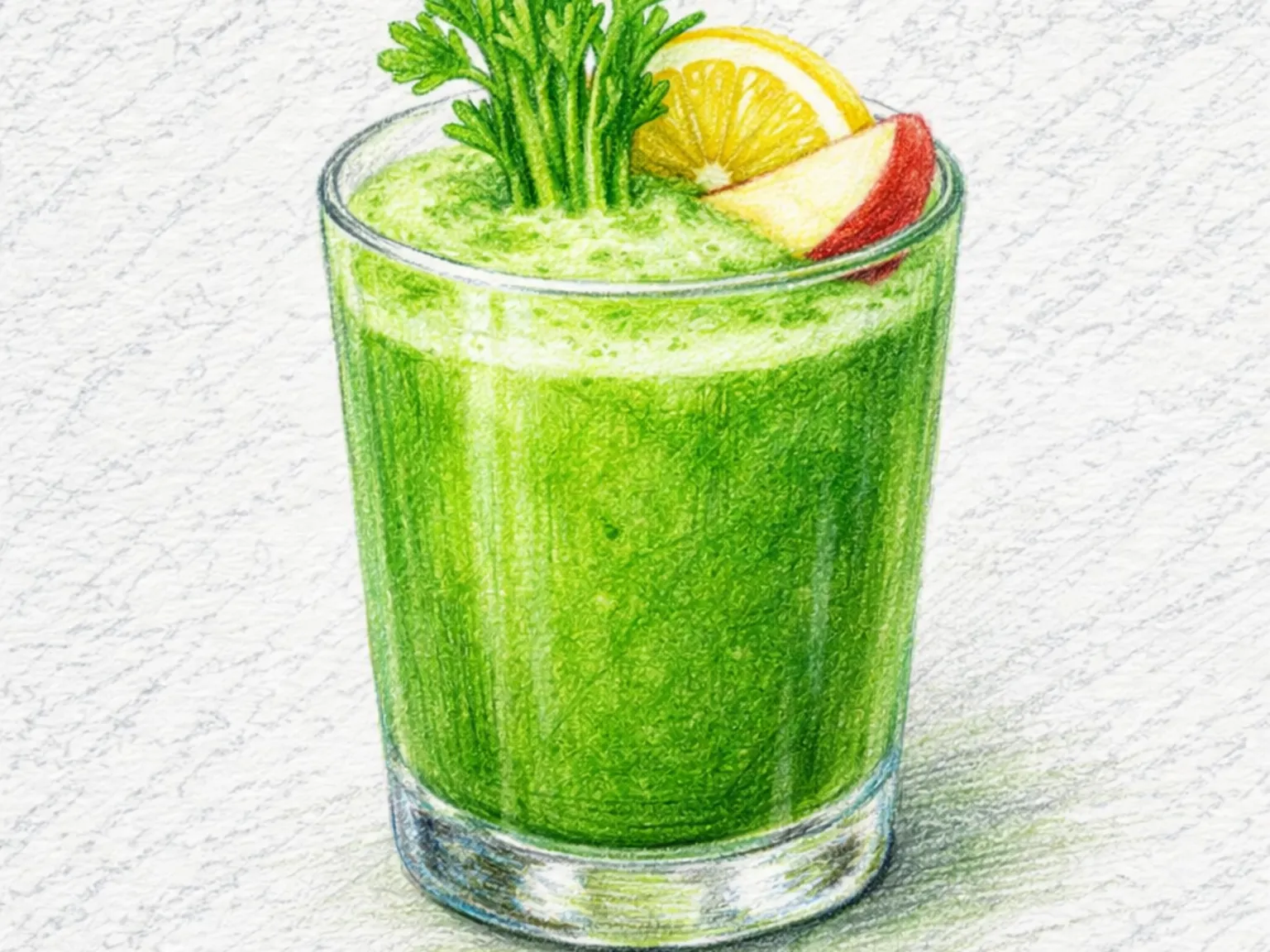
Minari apple juice is a Korean green juice made by blending fresh water dropwort, apple, and cucumber with cold water until smooth. Water dropwort carries a sharp, herbaceous bite that anchors the drink in clean, green territory, while the apple's natural juice sweetens the blend without any added sugar. Cucumber brings lightness and hydration, softening the overall texture so each sip goes down easily. A small piece of fresh ginger adds quiet warmth underneath the green notes, and lemon juice keeps water dropwort's grassy edge in check while honey rounds out the tart finish. Drinking the blended mixture straight gives a fuller, fiber-rich texture, but straining through cheesecloth or a fine-mesh sieve transforms it into a clear, polished juice with a noticeably smoother feel. Spring water dropwort harvested at peak season delivers the most concentrated herbal fragrance, and choosing a tart apple variety prevents the sweetness from overpowering the other ingredients.
Deodeok Citrus Chicken Salad
Deodeok citrus chicken salad is a Korean-style dish that focuses on the interplay between various textures and flavors. The preparation involves pan-searing chicken tenderloin in a hot skillet until it develops a golden crust on the outside while the meat remains tender on the inside. This protein is paired with deodeok root, which is beaten or pounded before use to loosen its tough fibers and soften its structure. Deodeok provides a unique earthy quality and a subtle bitterness that is difficult to find in other root vegetables. Fresh orange segments are included to provide a bright acidity that balances the savory notes of the seared chicken and the natural earthiness of the deodeok. Arugula is used as the base of the greens, contributing a sharp, peppery layer to the overall composition. A simple dressing made from soy sauce and olive oil is used to integrate the Korean-inspired components with more Western salad elements. Because the dish contains a high amount of protein from the chicken and a significant volume of vegetables, it functions as a light meal that remains nutritionally complete.
Kedgeree (British Smoked Fish Spiced Rice Dish)
Kedgeree is a British brunch dish of smoked haddock flaked into spiced rice with boiled eggs, descended from the Indian colonial-era dish khichri. The smoked fish is poached or steamed and broken into large pieces - keeping the flakes sizable preserves their texture and allows the smoky flavor to distribute through the rice in distinct pockets. Onion is sauteed in butter, then curry powder is bloomed for thirty seconds, releasing the warm aromas of cumin and turmeric into the fat, which tints and seasons every grain of rice. A squeeze of lemon juice at the end cuts through the richness of the butter and the heaviness of the spices with a bright acidity. Halved boiled eggs and chopped parsley finish the dish with contrasting texture and color.
Yuja Cream Cheese Tart (Korean Citron Cream Cheese No-Bake Tart)
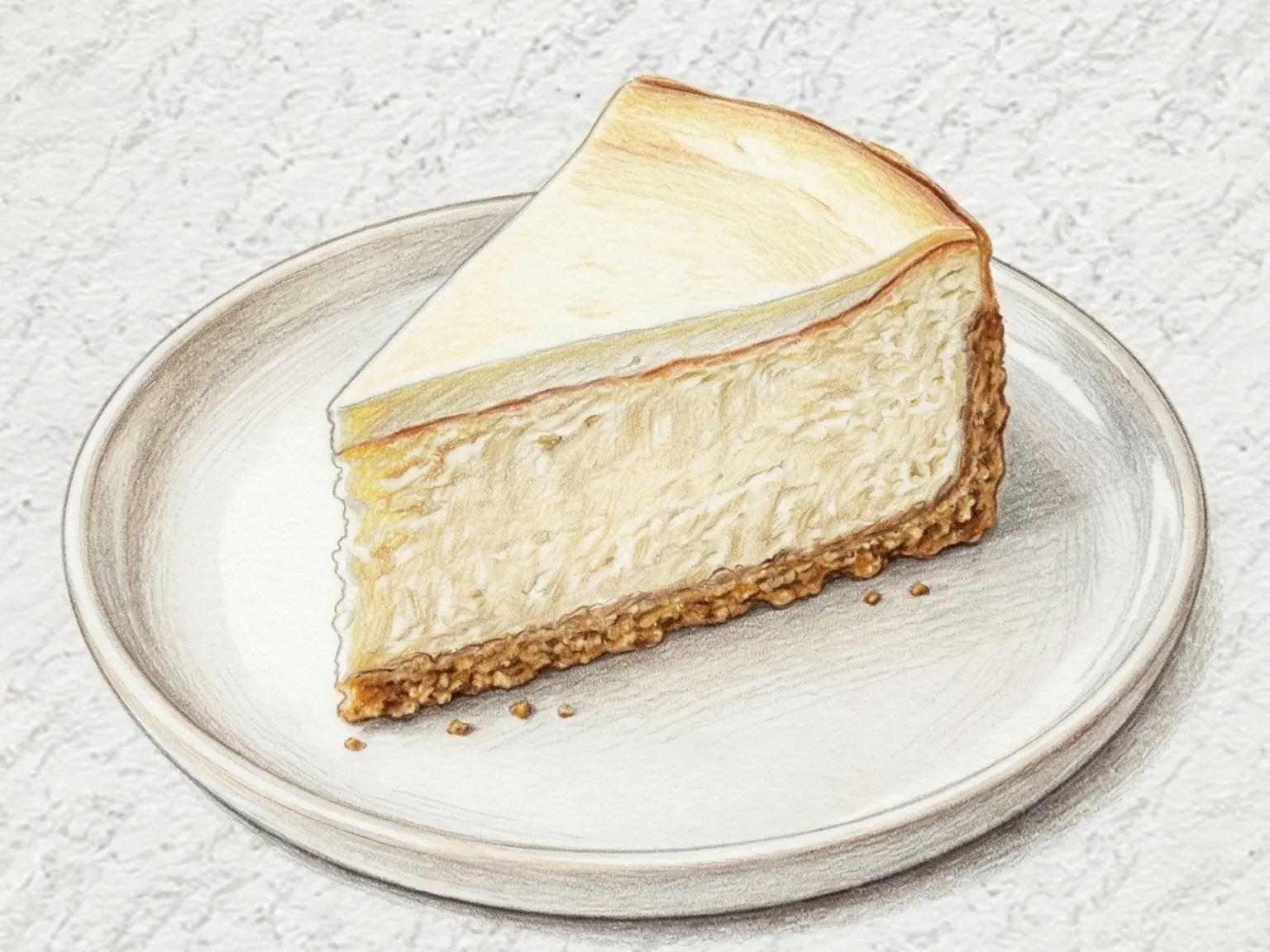
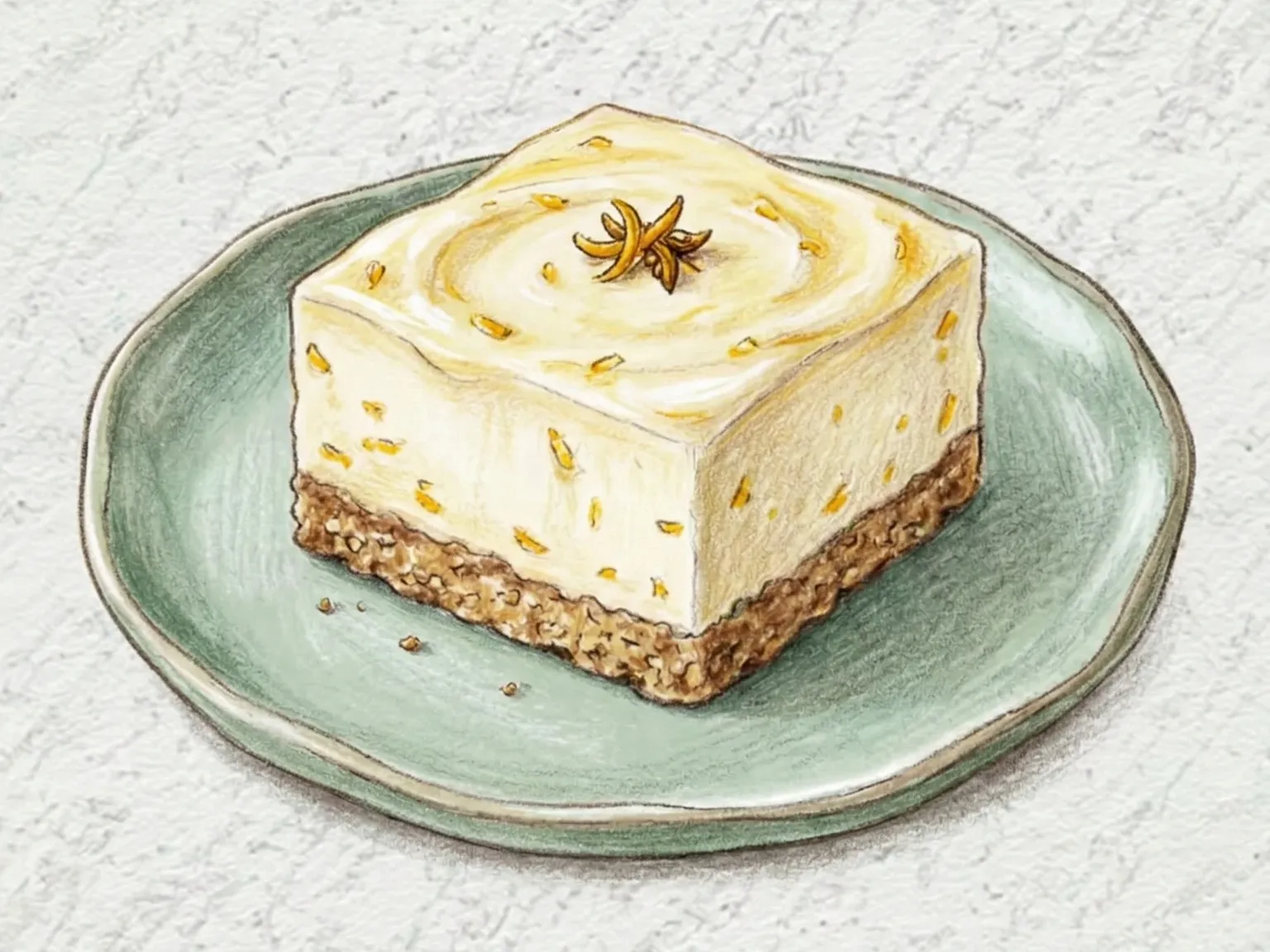
Yuja Cream Cheese Tart features a crunchy biscuit crust filled with a smooth, oven-baked cream cheese filling sweetened with yuja marmalade. The crust is made from crushed digestive biscuits and melted butter, pressed into a pan and baked until fragrant. For the filling, softened cream cheese is whipped with sugar, eggs, heavy cream, and Korean citron marmalade. A splash of lemon juice is added to elevate the acidity and brighten the citrus notes. This filling is poured over the pre-baked base and baked until the edges set while the center remains slightly soft. After cooling, the tart is chilled in the refrigerator for at least two hours to achieve a dense, mousse-like consistency. Resting the tart overnight allows the citrus peel to infuse the creamy filling, creating a balance of sweet and tangy flavors.
Korean Quince Tea (Spiced Quince Honey Preserve Tea)
Mogwa-cha is a Korean quince tea served by dissolving homemade quince preserve in hot water. The preserve is made by simmering thin quince slices with sugar, honey, lemon juice, and a cinnamon stick until a fragrant, amber syrup forms. Quince brings a distinctive floral-citrus aroma that intensifies as the sugar draws out the fruit's essential oils. Stored in a sealed jar and refrigerated, the syrup keeps well and yields a fragrant cup of tea with just a few spoonfuls and boiling water. The tea is traditionally drunk in cool weather for its soothing effect on dry throats and mild coughs.
Tofu Salad (Pan-Seared Tofu on Fresh Greens)
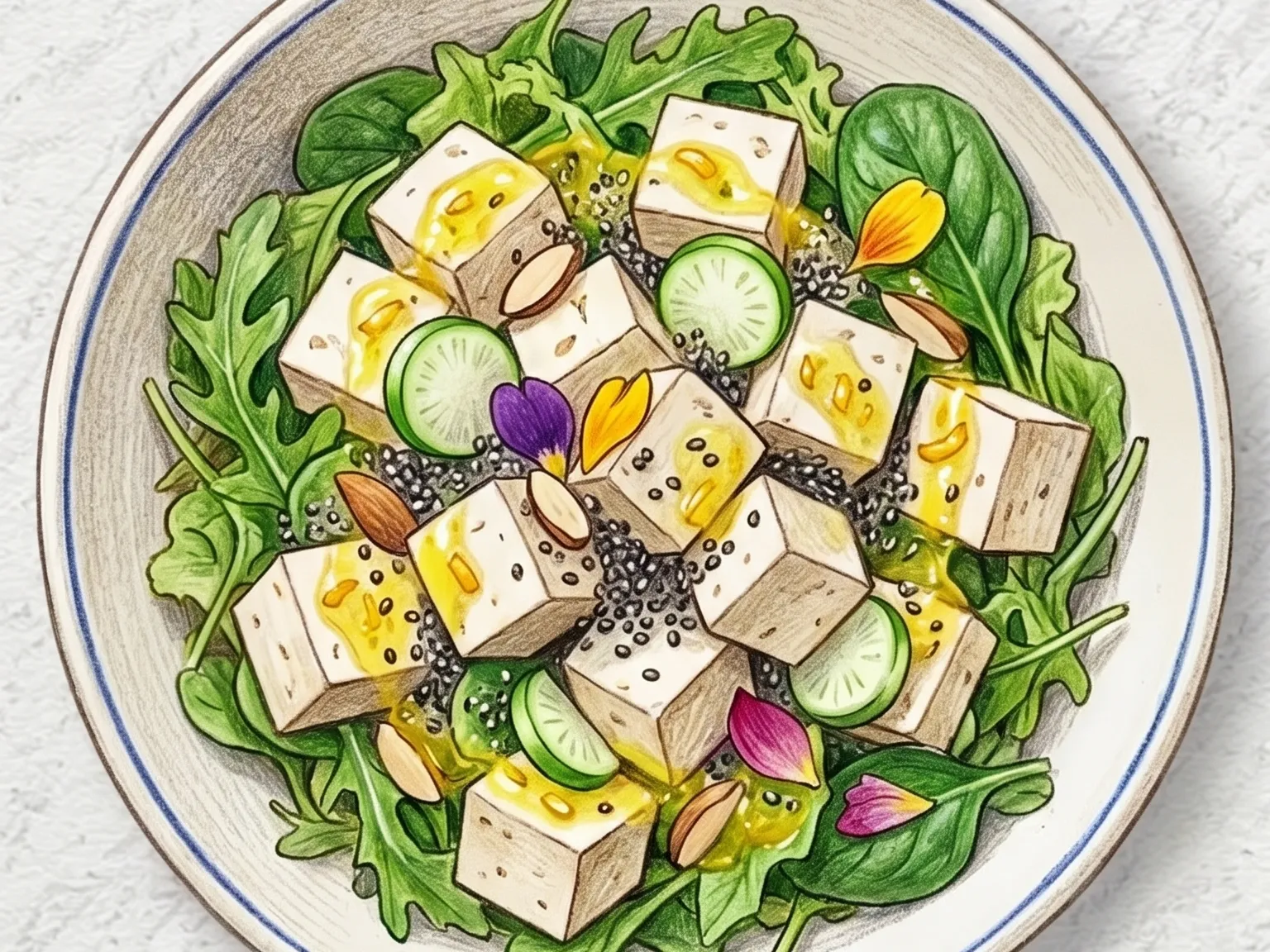
Dubu salad is made by pressing firm tofu to remove excess moisture, then pan-searing it until the outside turns golden and crisp while the inside stays soft and tender. The seared tofu is placed over a bed of baby greens, sliced cucumber, and cherry tomatoes. Wrapping the tofu in two layers of paper towels and setting a weight on top for twenty to thirty minutes draws out enough water so the surface browns properly in the pan without steaming. A dressing of soy sauce, sesame oil, lemon juice, and olive oil moves easily between Korean and Western flavor profiles. The salad is high in plant protein and low in fat, making it a practical and satisfying option when a light, clean-tasting meal is the goal.
Red Lentil Soup
Red lentil soup is a Middle Eastern and Mediterranean staple made by simmering red lentils with cumin, turmeric, and vegetable stock until the lentils dissolve into a silky, golden broth. Onion and garlic are sauteed in olive oil, then the ground spices are toasted briefly to bloom their earthy, warm aromatics into the fat, which flavors the entire pot. Red lentils require no soaking - they go straight into the stock and break down within twenty to twenty-five minutes, their skins splitting apart to create a naturally creamy texture without the need for blending. A generous squeeze of lemon juice at the end is essential, cutting through the heaviness of the spices with a bright, clean acidity. A final drizzle of olive oil over each bowl adds a layer of richness that deepens every spoonful.
Yuja Madeleines (Brown Butter Citrus French Shell Cakes)
These yuja madeleines rely on brown butter for a deeply nutty base that elevates the batter beyond a standard madeleine. About 35 grams of yuja marmalade is folded directly into the mixture, distributing bright citrus oil and small shreds of peel throughout each shell-shaped cake. A 30-minute rest in the refrigerator helps develop the signature madeleine hump during baking. The two-stage bake - 3 minutes at 200 degrees Celsius followed by 8 to 9 minutes at 180 degrees - crisps the thin edges while keeping the center moist and springy. A small measure of lemon juice reinforces the yuja acidity, preventing the sweetness from becoming one-dimensional.
Korean Garlic-Grilled Octopus
Muneo-garlic-gui is a Korean seafood drinking snack made by slicing pre-boiled octopus into bite-size pieces, seasoning them with salt, pepper, and red chili flakes, then searing them hard in olive oil with minced garlic over high heat. The garlic goes in first at low heat to bloom slowly in the oil, then the flame is raised and the octopus is added so the exterior chars rapidly while the interior stays springy and resilient. The olive oil coats the surface at high temperature and locks in moisture, producing a scorched crust outside and a genuinely tender bite within. A squeeze of fresh lemon juice at the finish cuts through the oil and brings the natural brininess of the octopus into sharp relief. The octopus should go straight to the table after cooking, as the texture toughens quickly, and thorough pan preheating is essential to getting the sear right.
Egg Salad Lettuce Wrap
Hard-boiled eggs are roughly chopped and folded into Greek yogurt with a small amount of mayonnaise, producing a lighter take on classic egg salad. The yogurt stands in for most of the mayonnaise, cutting calories while adding a subtle tang that lifts the richness of the yolks. Crisp romaine leaves replace bread as the wrapper, reducing carbohydrates without sacrificing the satisfying structure of each bite. Diced celery provides textural contrast against the soft filling, and Dijon mustard introduces a mild sharpness that cuts through the egg's richness. A squeeze of lemon juice brightens the entire mixture and keeps the flavor from feeling heavy. Sliced green onion or a dusting of smoked paprika added at the end gives the filling a little color and rounds out the flavor. The dish comes together in under fifteen minutes and holds well in the refrigerator, making it a practical choice for meal prep or a light weekday lunch.
Lobster Roll
Lobster roll is a New England sandwich that fills a butter-toasted hot dog bun with chunks of cooked lobster meat tossed lightly in mayonnaise, lemon juice, and diced celery. Keeping the lobster pieces large enough to bite through is essential - overchopping turns the filling mushy and obscures the natural sweetness of the shellfish. Only a small amount of mayonnaise is used so it binds the meat without masking its flavor, while the lemon juice provides a sharp acidity that keeps the richness in check. Toasting the flat sides of the bun in butter creates a crisp, golden exterior that contrasts with the cool, tender filling inside. Served chilled in the classic cold style, the lobster roll is a simple but indulgent summer meal.
Korean Grilled Dried Pollock
Nogari-gui is a classic Korean bar snack in which semi-dried young pollock is cut into pieces with scissors, then cooked in a buttered pan over medium-low heat until golden and crisp on both sides. The low-and-slow approach matters: the thin fish needs time to dry out evenly into a chewy-crisp texture without scorching on the surface. Butter melts into the fibrous dried flesh with each pass over the heat, coating the fibers with richness that plain dry-frying cannot replicate. The dipping sauce is a deliberate combination of gochujang and mayonnaise, loosened with lemon juice, sweetened with a pinch of sugar, and sharpened with minced garlic, producing a sauce that is spicy, creamy, tangy, and savory all at once. That sauce against the salty, umami-concentrated pollock is the reason one piece is never enough. Cutting with scissors rather than a knife exposes more cross-section of the dried fibers, helping the sauce cling more effectively. The snack is closely associated with the pojangmacha stalls of Noryangjin and remains one of the most requested accompaniments to cold draft beer in Korea.
Falafel Salad Bowl
A falafel salad bowl arranges crisp, herb-packed chickpea fritters over a bed of mixed greens or grains alongside chopped cucumber, tomato, red onion, and pickled vegetables. The falafel are made from soaked raw chickpeas blended with parsley, cilantro, cumin, and garlic, then fried or baked until the exterior turns deeply golden while the interior stays bright green and moist. A generous drizzle of tahini dressing ties the bowl together with its nutty, slightly bitter sesame character, and a squeeze of fresh lemon lifts the entire dish. Adding cooked quinoa, bulgur, or couscous underneath turns it into a filling one-bowl meal. Each bite moves between crispy falafel, crunchy raw vegetables, and creamy dressing, so no two forkfuls feel the same. Originating across the Middle East, falafel has become an internationally recognized symbol of plant-based cooking, and this bowl format balances protein and fiber in a well-rounded single serving.
Lobster Thermidor
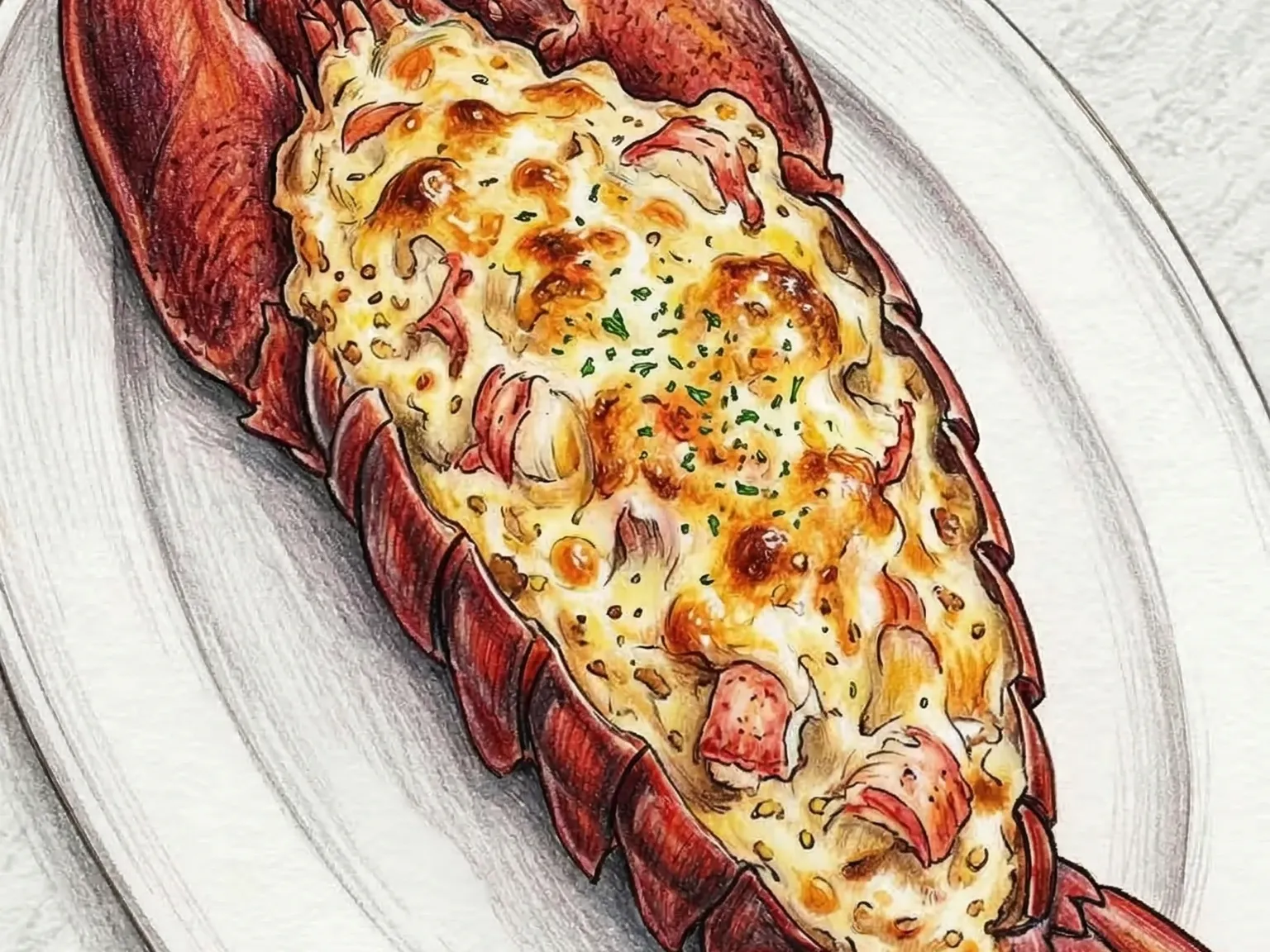
Lobster thermidor is a French dish in which boiled lobster meat is cut into bite-size pieces, folded into a cream sauce made from shallots sauteed in butter, white wine reduced by half, Dijon mustard, and heavy cream, then packed back into the cleaned shell and topped with grated Parmesan for a brief gratin under high heat. Reducing the wine concentrates its acidity, and the mustard adds a sharp undercurrent that prevents the cream sauce from tasting flat. Baking at 220 degrees Celsius for only six to eight minutes gives the cheese a golden crust while keeping the lobster meat tender. Lemon juice stirred into the filling at the last moment lifts the richness. The dramatic presentation in the shell makes it a natural choice for entertaining.
Korean Mulberry Sparkling Ade
Preparing a concentrated syrup from frozen mulberries involves simmering the fruit with sugar and water over low heat for six minutes. As the berries break down during this process, they release a dark purple liquid filled with natural sweetness. Adding fresh lemon juice immediately after removing the mixture from the heat provides a sharp acidity that balances the sugar and improves the overall profile. Passing the cooled syrup through a fine-mesh sieve removes small seeds and pulp, leaving a smooth liquid. To serve, pour this base into a glass filled with ice and slowly add chilled sparkling water down the side. This technique keeps the carbonation intact and creates a clear visual contrast between the heavy purple syrup at the bottom and the clear bubbles on top. Clapping apple mint leaves between the palms before placing them on the rim releases essential oils, providing an aromatic herbal scent before the first sip. This mulberry syrup stays fresh for up to one week when stored in a sealed container in the refrigerator. Using tonic water instead of regular sparkling water introduces a slight bitterness, resulting in a finish similar to a non-alcoholic cocktail. Since mulberries reach their peak in May and June, purchasing a large amount during this window and freezing them allows for year-round preparation.
Fattoush Salad (Crispy Pita & Sumac Veggie Salad)
Fattoush is a Levantine bread salad in which crisped pita chips are as important as the vegetables surrounding them, providing a textural anchor that elevates the dish beyond a simple green salad. Tomatoes, cucumber, radishes, and romaine are cut into generous pieces and tossed with a dressing of lemon juice, olive oil, and ground sumac. Sumac brings a flavor that resists easy comparison - a tart, fruity sourness distinct from lemon and unrelated to vinegar - and its reddish hue stains the dressing a deep rose color that coats every surface. Added to lemon juice, sumac creates a layered acidity with more dimension than either ingredient alone. Pita chips must be added immediately before serving and eaten without delay, because the juicy vegetables and dressing begin softening them within minutes. The ideal bite captures both the residual crunch at the center of the chip and the moistened, flavor-soaked edge. Fresh mint and flat-leaf parsley contribute a clean herbal brightness that lifts the heavier elements of the dressing. Pomegranate seeds scattered over the top add bursts of sweet-tart juice and a jewel-like visual contrast that is characteristic of Levantine presentation.