Falafel Salad Bowl
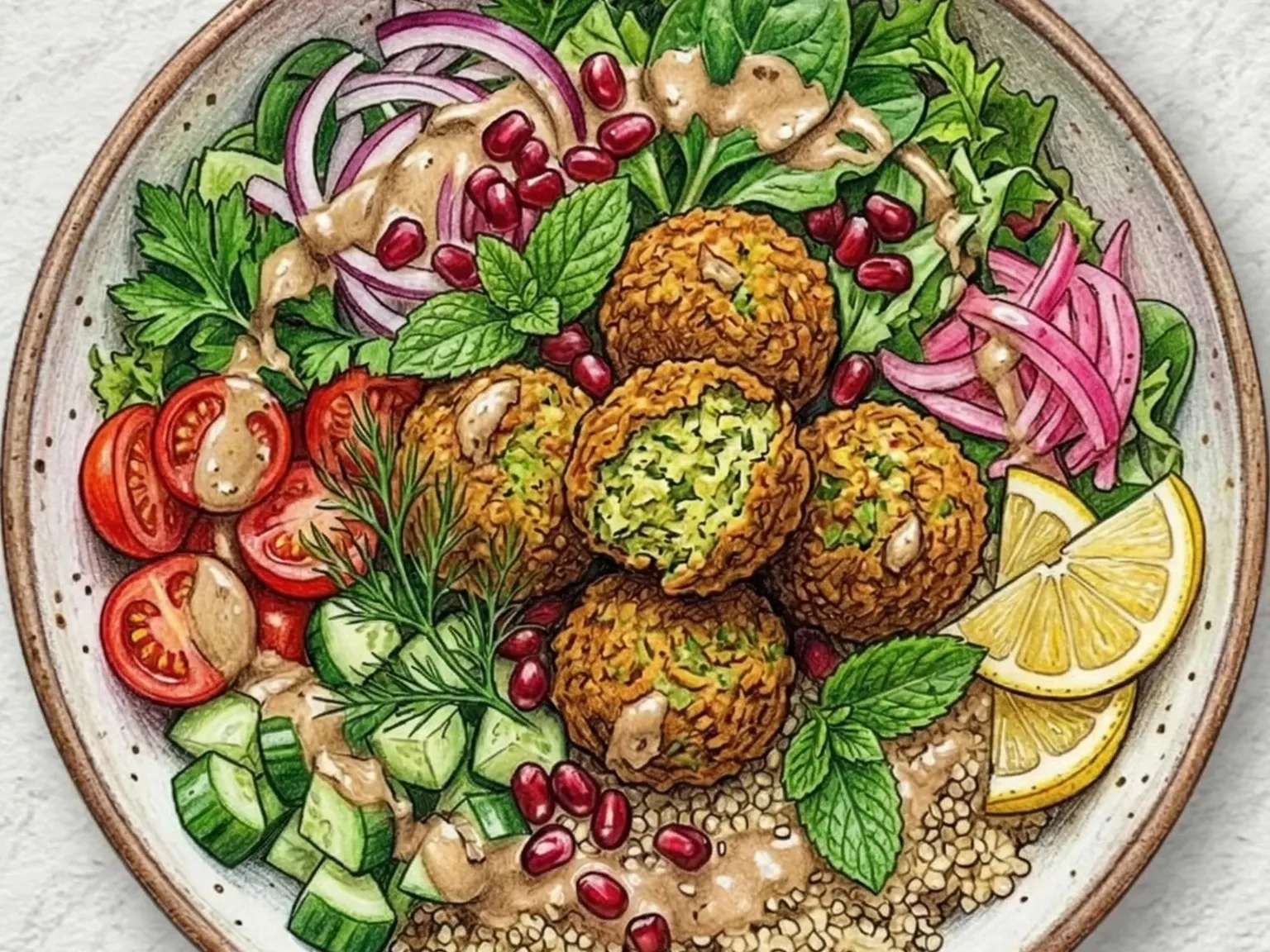
A falafel salad bowl arranges crisp, herb-packed chickpea fritters over a bed of mixed greens or grains alongside chopped cucumber, tomato, red onion, and pickled vegetables. The falafel are made from soaked raw chickpeas blended with parsley, cilantro, cumin, and garlic, then fried or baked until the exterior turns deeply golden while the interior stays bright green and moist. A generous drizzle of tahini dressing ties the bowl together with its nutty, slightly bitter sesame character, and a squeeze of fresh lemon lifts the entire dish. Adding cooked quinoa, bulgur, or couscous underneath turns it into a filling one-bowl meal. Each bite moves between crispy falafel, crunchy raw vegetables, and creamy dressing, so no two forkfuls feel the same. Originating across the Middle East, falafel has become an internationally recognized symbol of plant-based cooking, and this bowl format balances protein and fiber in a well-rounded single serving.

Chicken Marsala
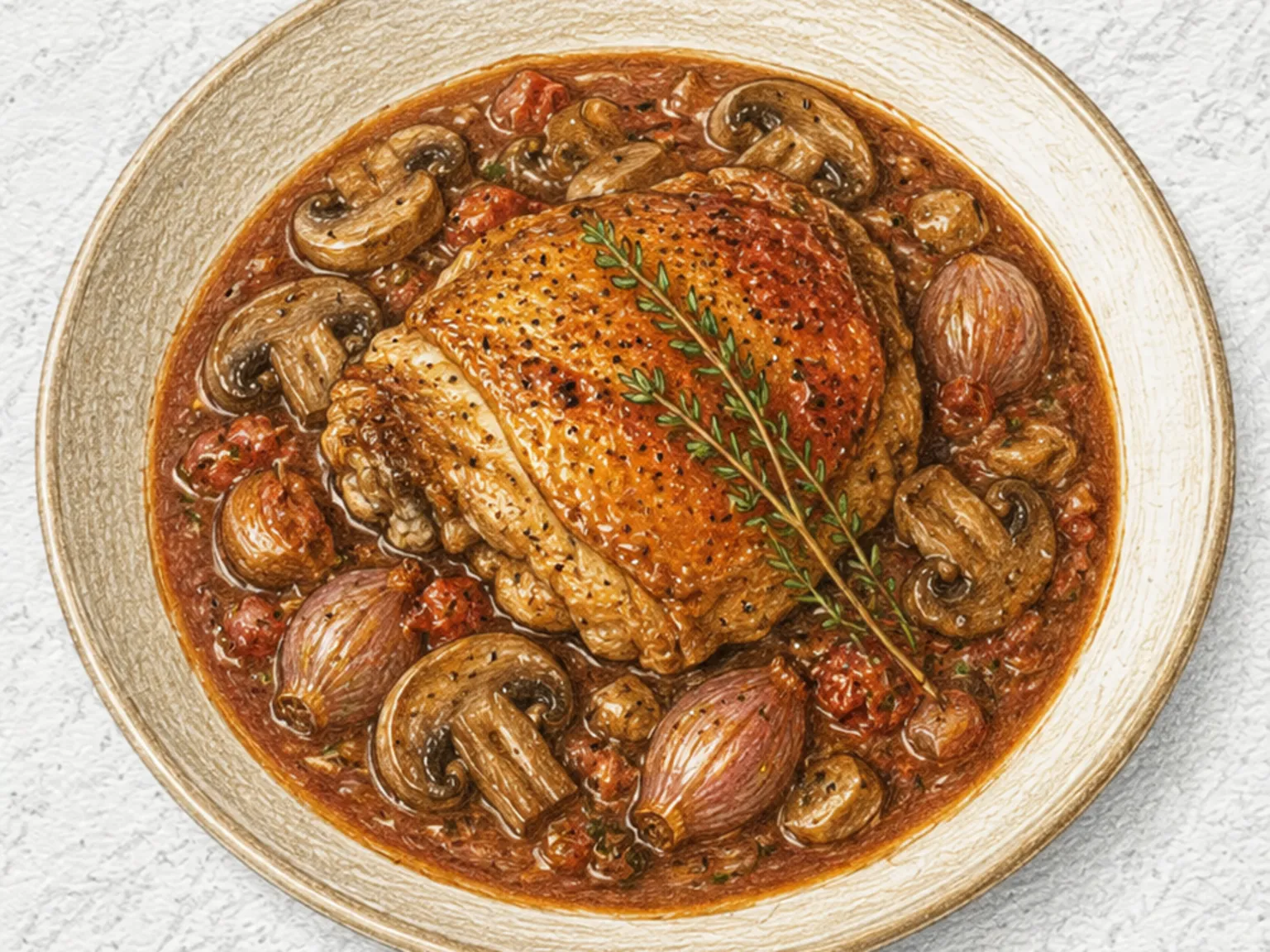
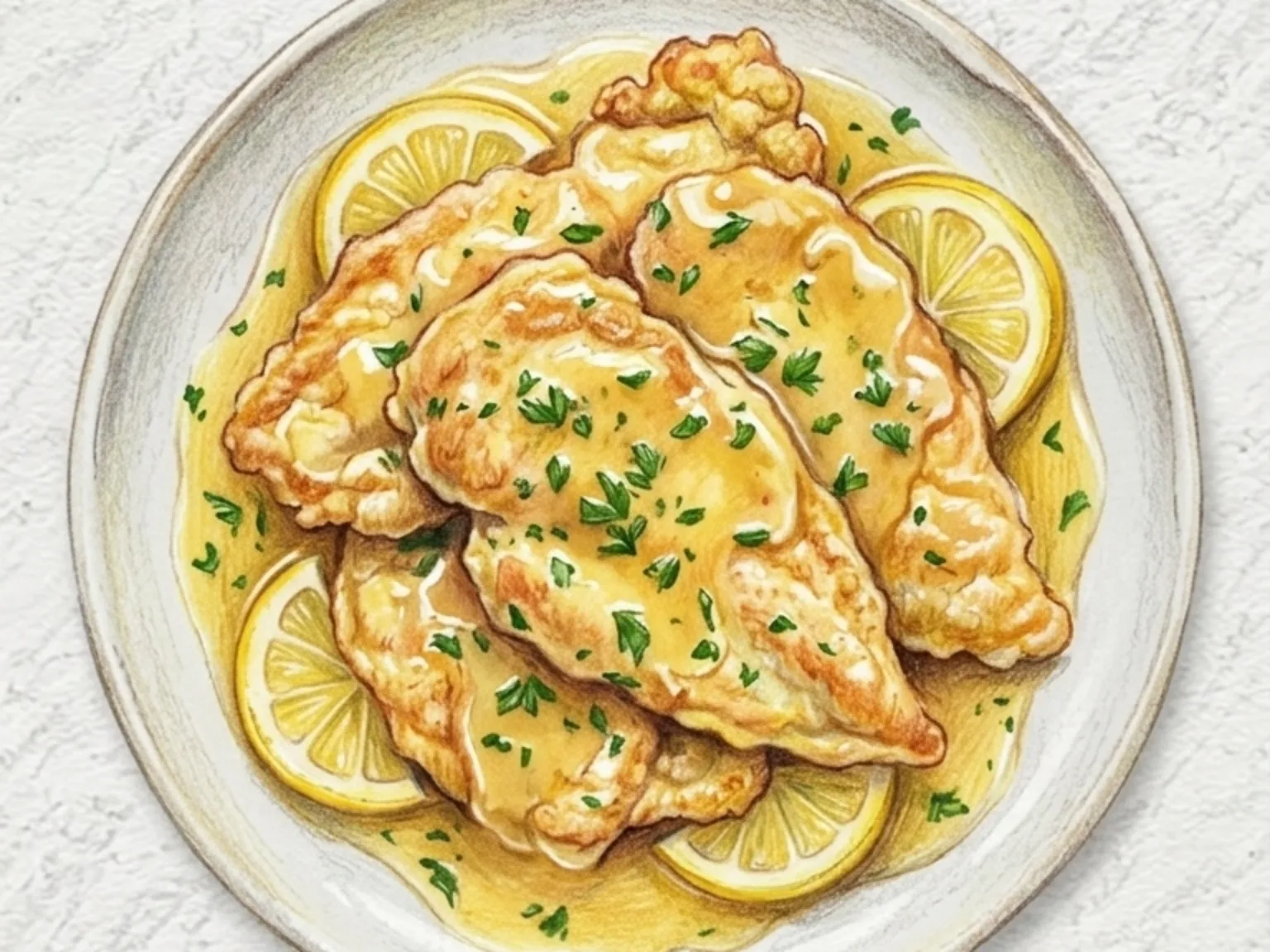
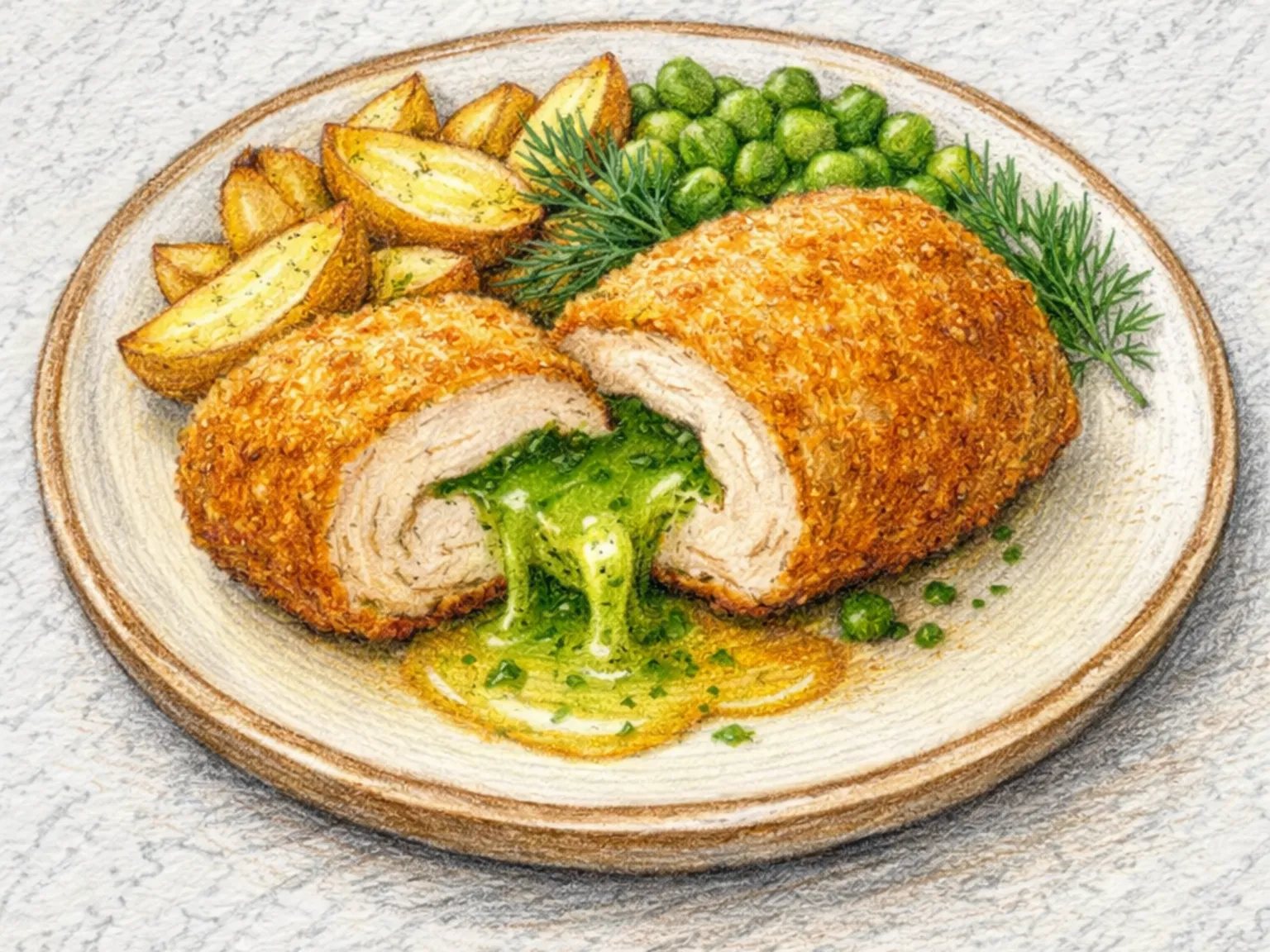
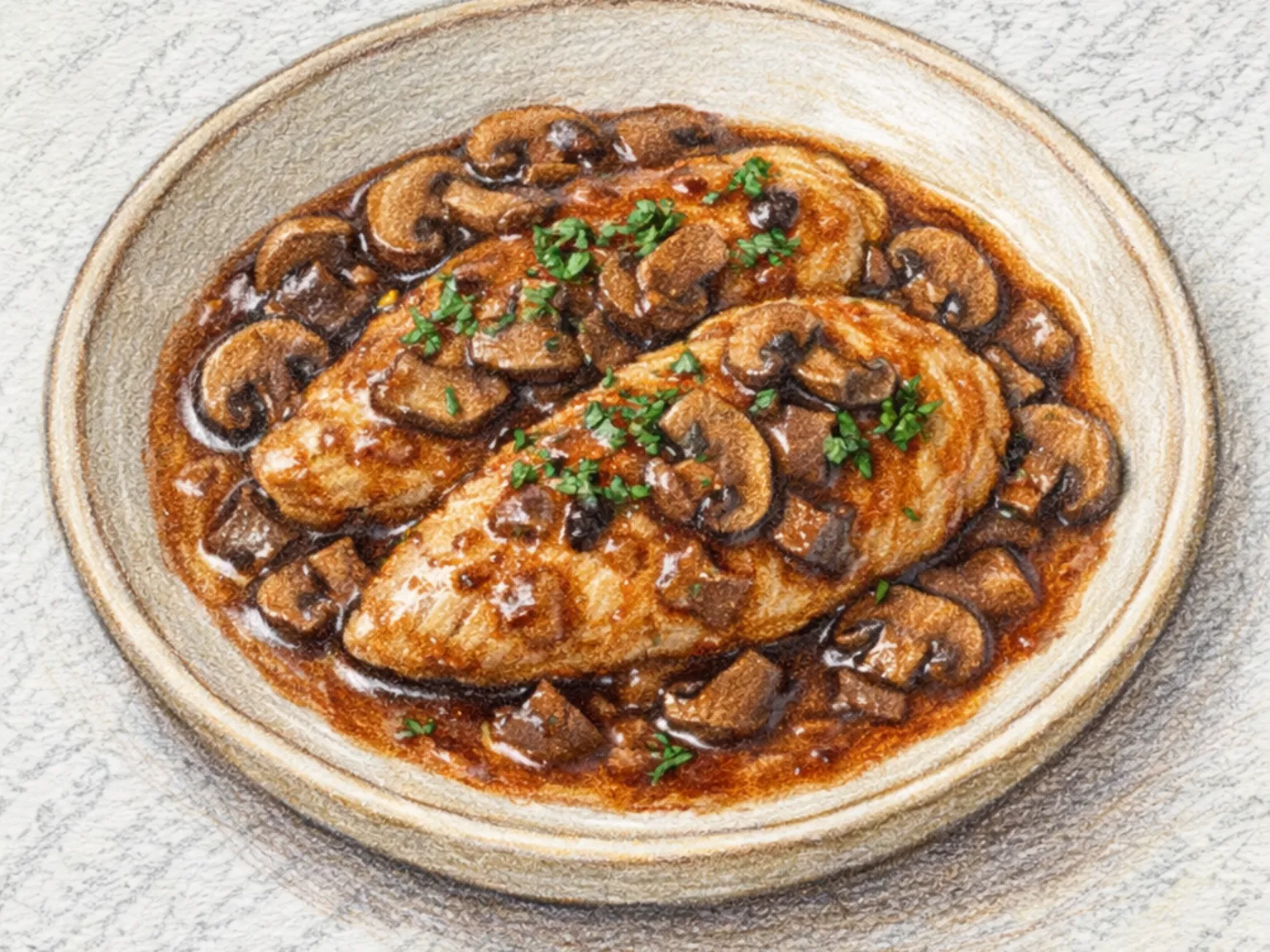
Chicken Marsala pounds chicken breast thin, dredges it in flour, and pan-sears it to a golden crust before building a sauce from Marsala wine, sliced cremini mushrooms, chicken stock, and heavy cream. Pounding the breast to an even thickness ensures uniform heat transfer so the interior stays moist while the exterior browns quickly, and the flour coating creates the browned fond on the pan surface that becomes the sauce's flavor base. Deglazing with Marsala wine lifts that fond while the wine reduces, concentrating its sweetness, acidity, and characteristic walnut-like nuance into a deeply layered sauce. Mushrooms must be spread in a single layer and cooked until their moisture fully evaporates, otherwise they release liquid into the sauce and dilute its intensity. Heavy cream goes in at the end to give the sauce a velvety body, but the heat should be reduced before adding it to prevent the cream from breaking. Dry Marsala is essential here because sweet Marsala produces an excessively sugary sauce that masks the wine's complexity, turning a nuanced pan sauce into something that tastes more like a dessert glaze. Serve with mashed potatoes, pasta, or steamed rice and spoon the sauce generously over everything.

Yuja Chicken Piccata Linguine
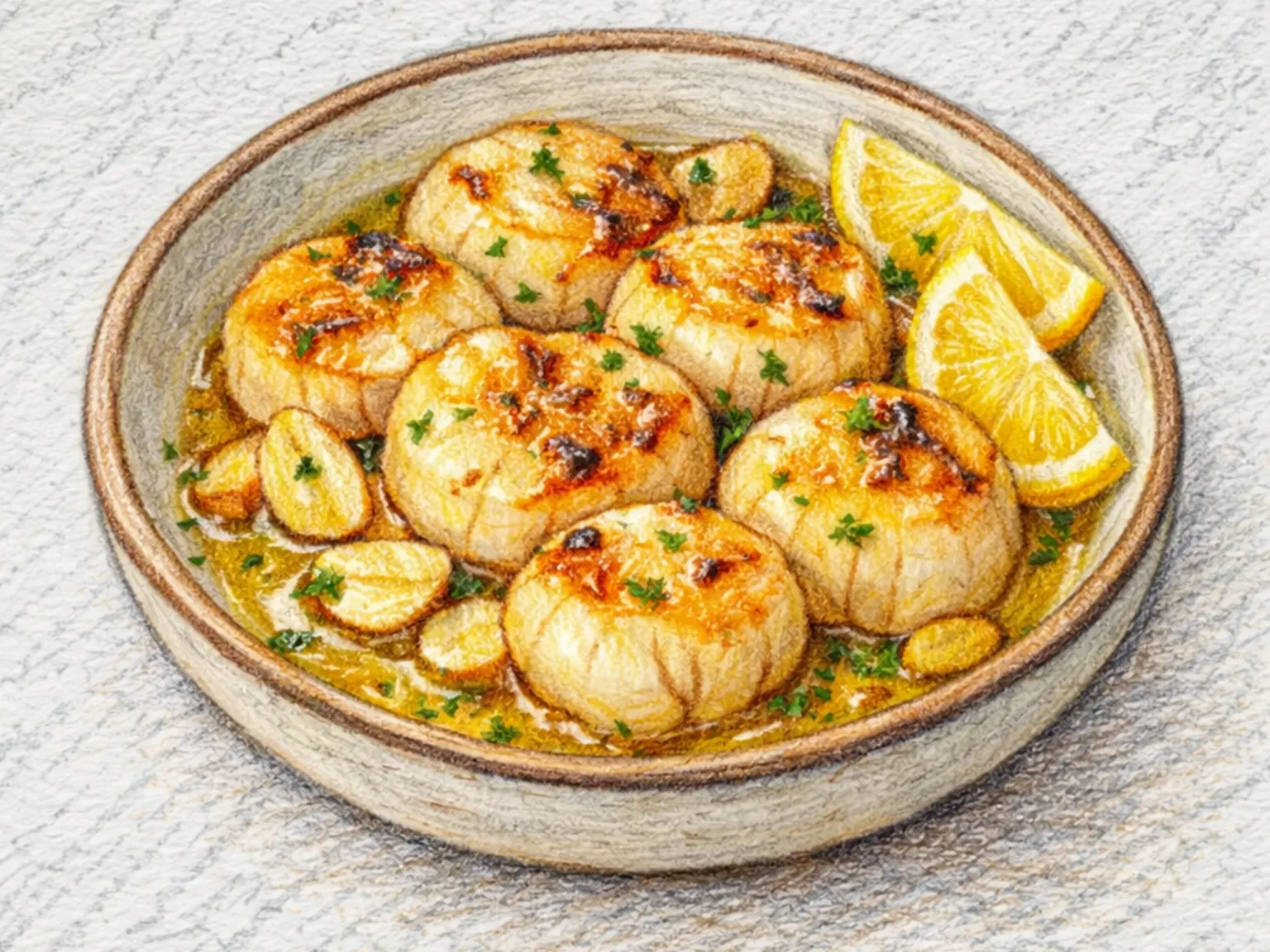
Yuja chicken piccata linguine pounds chicken breast thin, dusts it with flour, and pan-sears each side for 3 minutes until a golden crust forms on the outside while the interior stays moist. The same pan is deglazed with chicken stock, lemon juice, yuja marmalade, and capers, then simmered for 3 minutes to concentrate the sauce and lift every bit of fond from the pan bottom. Whisking in cold butter at the end emulsifies the liquid into a glossy, coating consistency that clings to each strand. The capers contribute a briny, bursting texture that plays off yuja's bittersweet citrus notes, building a layered acidity that neither ingredient produces on its own. The flat, wide surface of linguine picks up the sauce broadly so each forkful carries both the herb fragrance of scattered parsley and the bright citrus glaze. Because yuja marmalade varies in sweetness, the lemon juice quantity should be adjusted at the end to balance the final acidity.

Freekeh Herb Salad (Smoky Roasted Wheat & Fresh Herbs)
Freekeh is an ancient Middle Eastern grain produced by harvesting wheat while the grain is still immature and green, then roasting the harvested stalks over an open fire. The outer chaff burns away while the moist interior of each grain survives the flame, and it is this controlled scorching that gives freekeh its defining characteristic: a pronounced smoky aroma layered over the nutty, grassy quality of young wheat. When boiled, the grains hold their shape and retain a firm chew that standard wheat varieties lose after cooking, making freekeh particularly suited to salads that must hold up at room temperature. In this preparation, the cooked grain is combined with generous quantities of fresh parsley, mint, and dill, whose cool, bright flavors complement rather than compete with the smoke. A dressing of fresh lemon juice and extra-virgin olive oil is enough to bring the bowl together, as the grain itself provides sufficient depth without a complex sauce. Diced cucumber and halved cherry tomatoes add moisture and acidity, and crumbled feta cheese contributes salt and a creamy richness that ties the components into a coherent whole. The salad benefits from resting for at least an hour before serving, as the dressing absorbs into the grain and the herb and grain flavors gradually merge.

Crab Cake
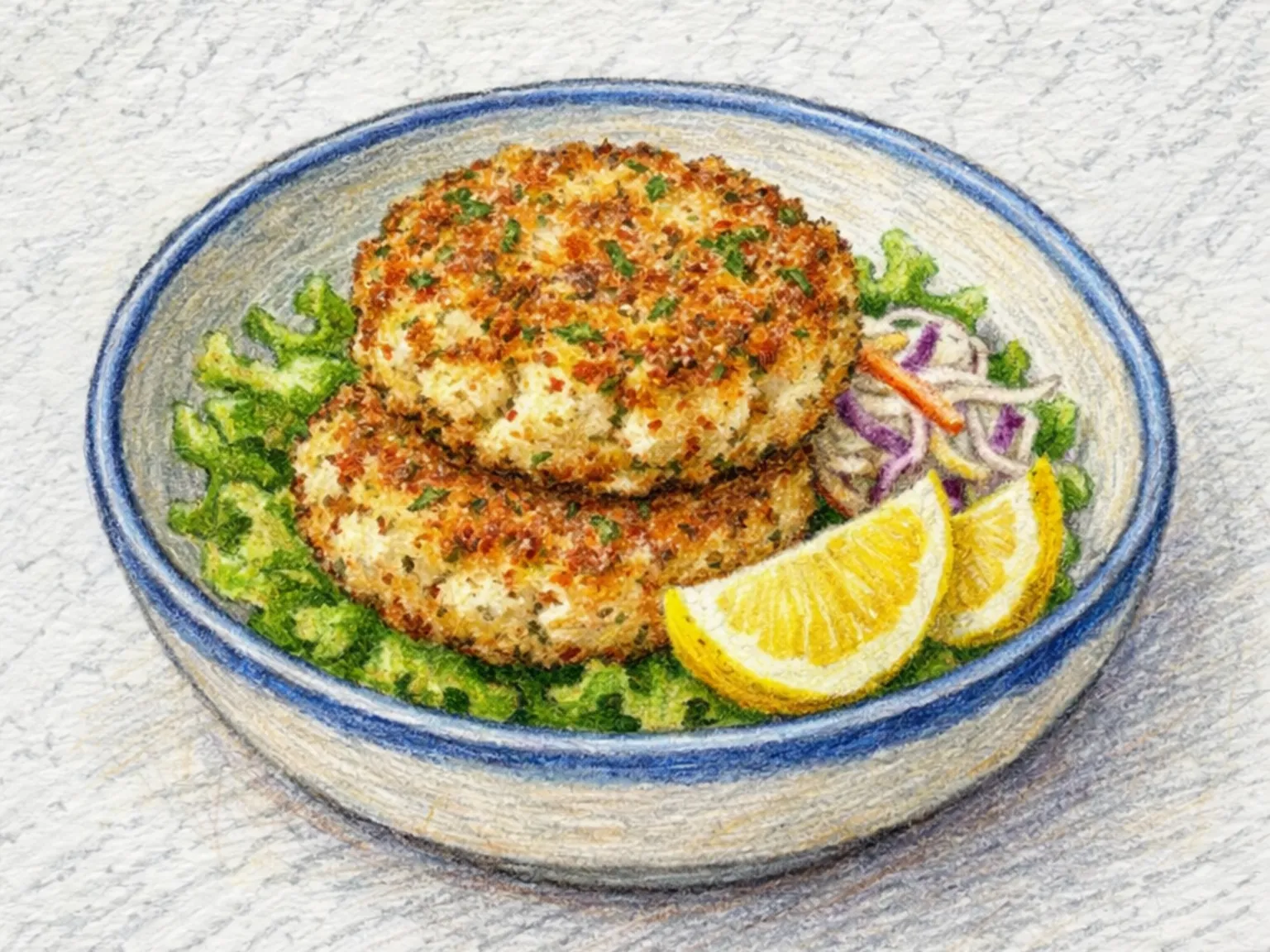
Crab cakes are a signature seafood dish of the American East Coast, made by gently folding crab meat with mayonnaise, Dijon mustard, egg, breadcrumbs, parsley, and lemon juice, then shaping the mixture into patties and pan-frying in butter until golden on each side. Mixing the crab meat with a light touch preserves the large flakes that give each bite its distinctive texture. Lemon juice brightens the flavor and tempers any fishiness. Chilling the formed patties for thirty minutes firms them enough to flip in the pan without breaking apart. The finished crab cake has a crisp, buttery exterior enclosing moist, sweet crab.

Herbed Orzo Salad
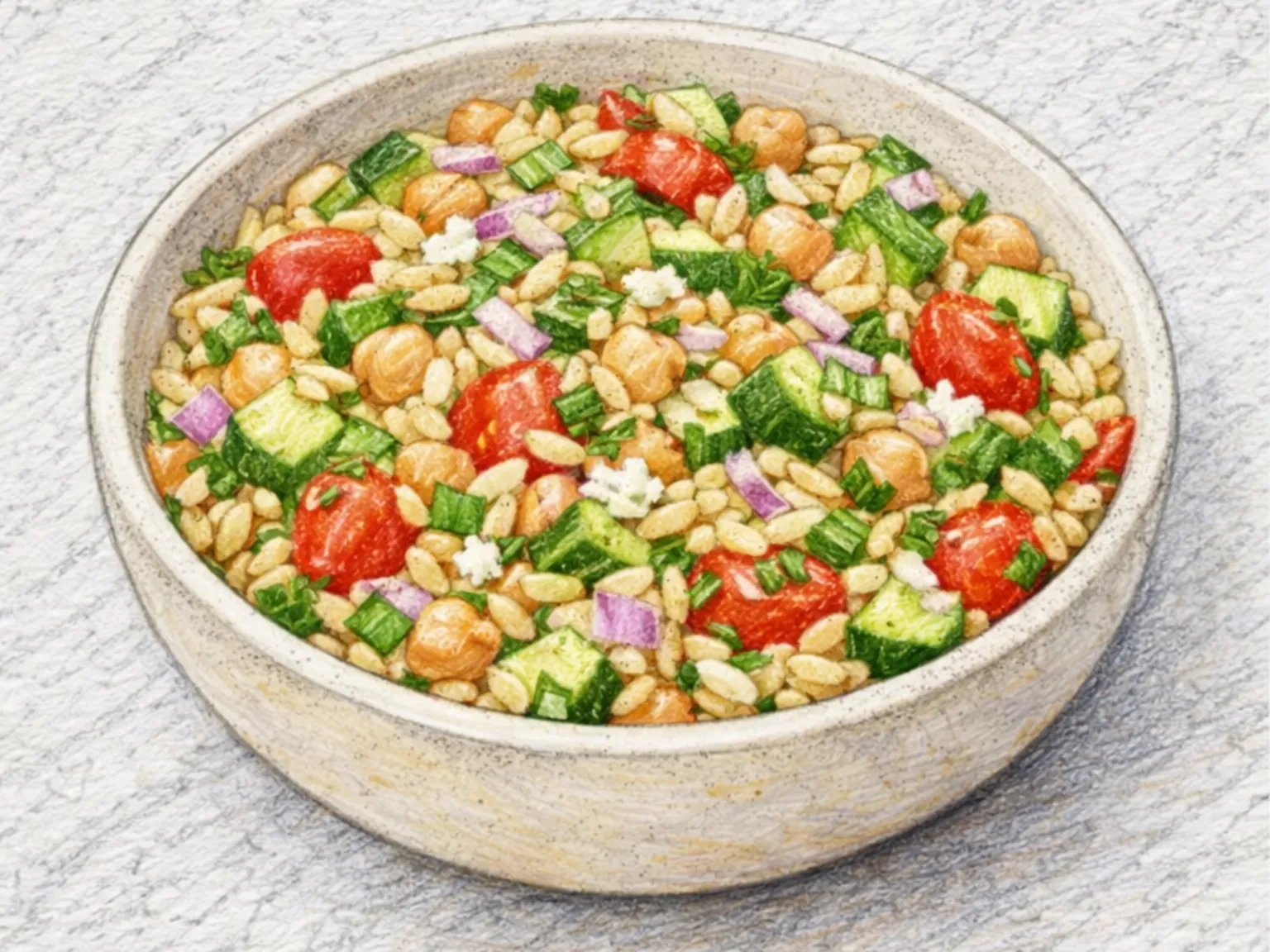
Herbed orzo salad cooks rice-shaped orzo pasta to al dente in salted water, cools it, then tosses it with diced cucumber, halved cherry tomatoes, chopped parsley and mint, and crumbled feta cheese in a lemon and olive oil dressing. Pulling the orzo from the water one minute before the package time is essential - the pasta continues to cook as it sits and absorbs dressing, so even slight overcooking results in a mushy texture by the time the salad is served. A small amount of olive oil stirred into the drained orzo while still warm prevents the pieces from clumping into a mass. The two-ingredient dressing of lemon juice and olive oil is deliberately bare, designed to let the bright herbal aroma of the parsley and mint come forward while cutting through the starchy weight of the pasta. Crumbling feta by hand rather than slicing it scatters uneven pockets of salty, creamy fat throughout the salad, so the flavor shifts slightly from one forkful to the next. The salad holds its texture and flavor when stored cold, making it well suited for packed lunches and advance preparation several hours ahead of serving.

Gambas al Ajillo (Garlic Shrimp)
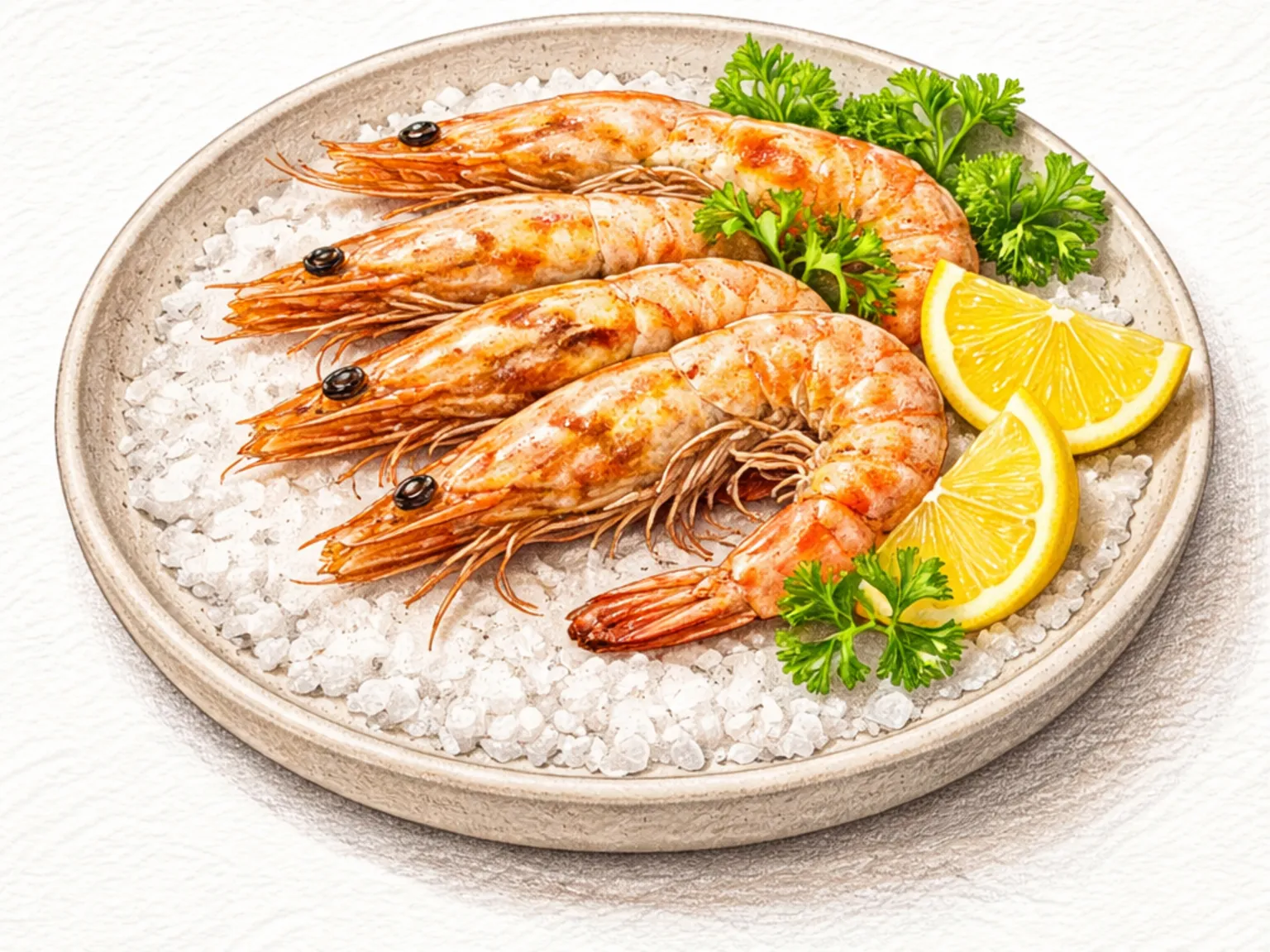
Gambas al ajillo cooks peeled shrimp in a generous pool of olive oil infused with thinly sliced garlic and dried red chili over low heat, a method that turns the oil itself into the flavor foundation of the dish. The garlic must be coaxed slowly to release its sweetness into the oil without crossing into bitterness - the moment it turns golden, the shrimp go in and cook for two to three minutes until pink and just cooked through. A seasoning of salt, black pepper, and a scatter of chopped parsley finishes the pan. The dried chili adds a gentle warmth that sharpens both the garlic-scented oil and the natural sweetness of the shrimp, while the olive oil absorbs and carries all these flavors together. Sliced baguette served alongside is not optional - it exists to soak up the deeply flavored oil, and mopping the pan completely clean is the traditional way to end the dish. Keeping the heat consistently low throughout is the one non-negotiable rule: high heat burns the garlic in seconds and toughens the shrimp.

Mediterranean White Bean Salad
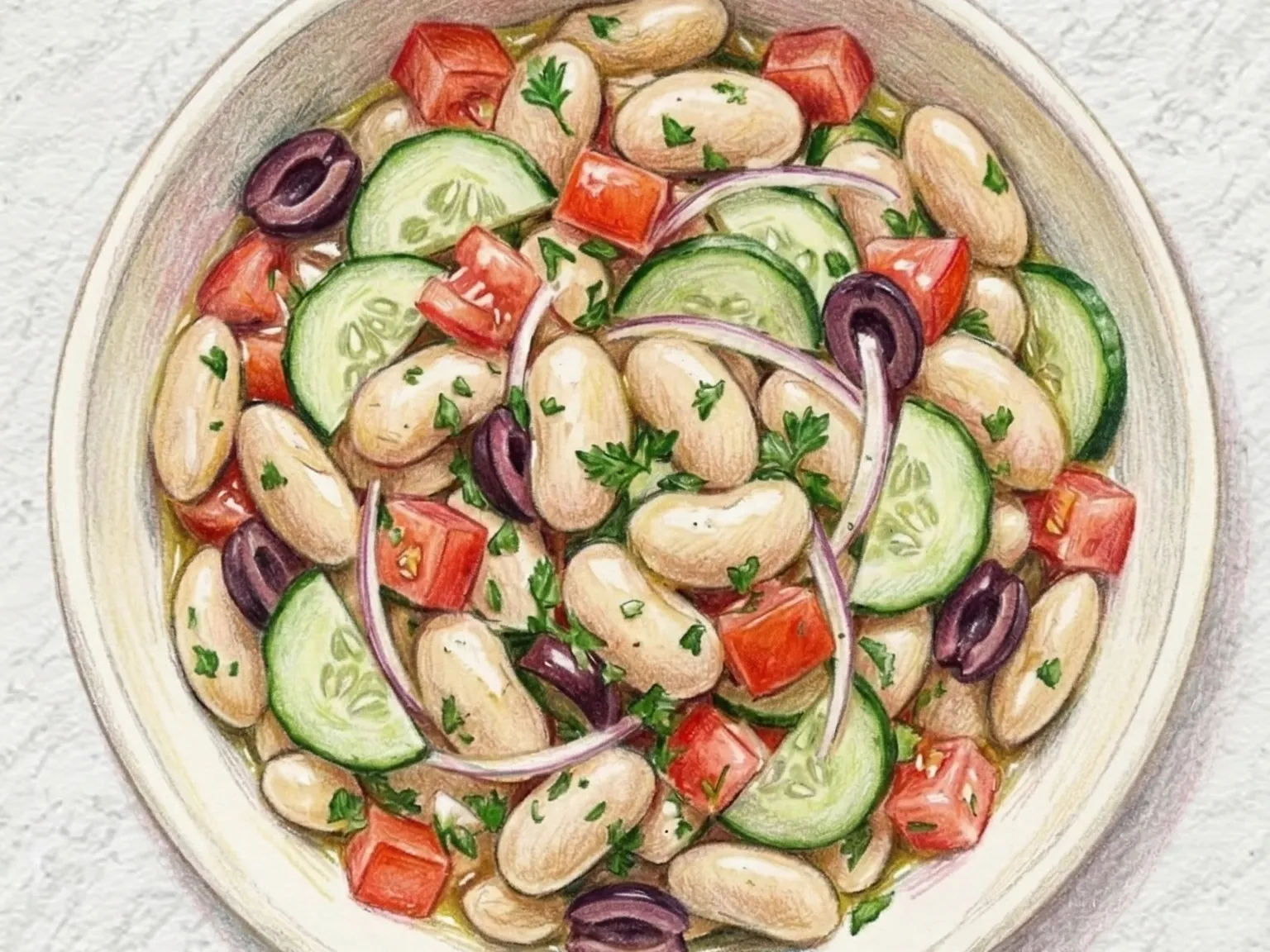
White beans anchor this salad with a soft, slightly mealy texture that makes the dish genuinely satisfying without relying on meat or grains. Diced cucumber and tomato bring moisture and fresh acidity to the mild legume base, while black olives add a briny, savory depth that pairs naturally with the simple lemon-and-olive-oil dressing. Finely chopped parsley brightens the bowl with herbal fragrance, and red onion is sliced thin enough that only a whisper of its sharpness remains, leaving room for everything else to come through. The entire salad requires no cooking and comes together in under fifteen minutes. Letting it rest for twenty to thirty minutes before serving allows the dressing to work into the beans and noticeably rounds out the flavor. Choosing an olive variety with dense, firm flesh like Kalamata adds a satisfying chew to every forkful, and a small spoon of Dijon mustard whisked into the dressing smooths the acidity into something rounder.

Garlic Butter Mussels
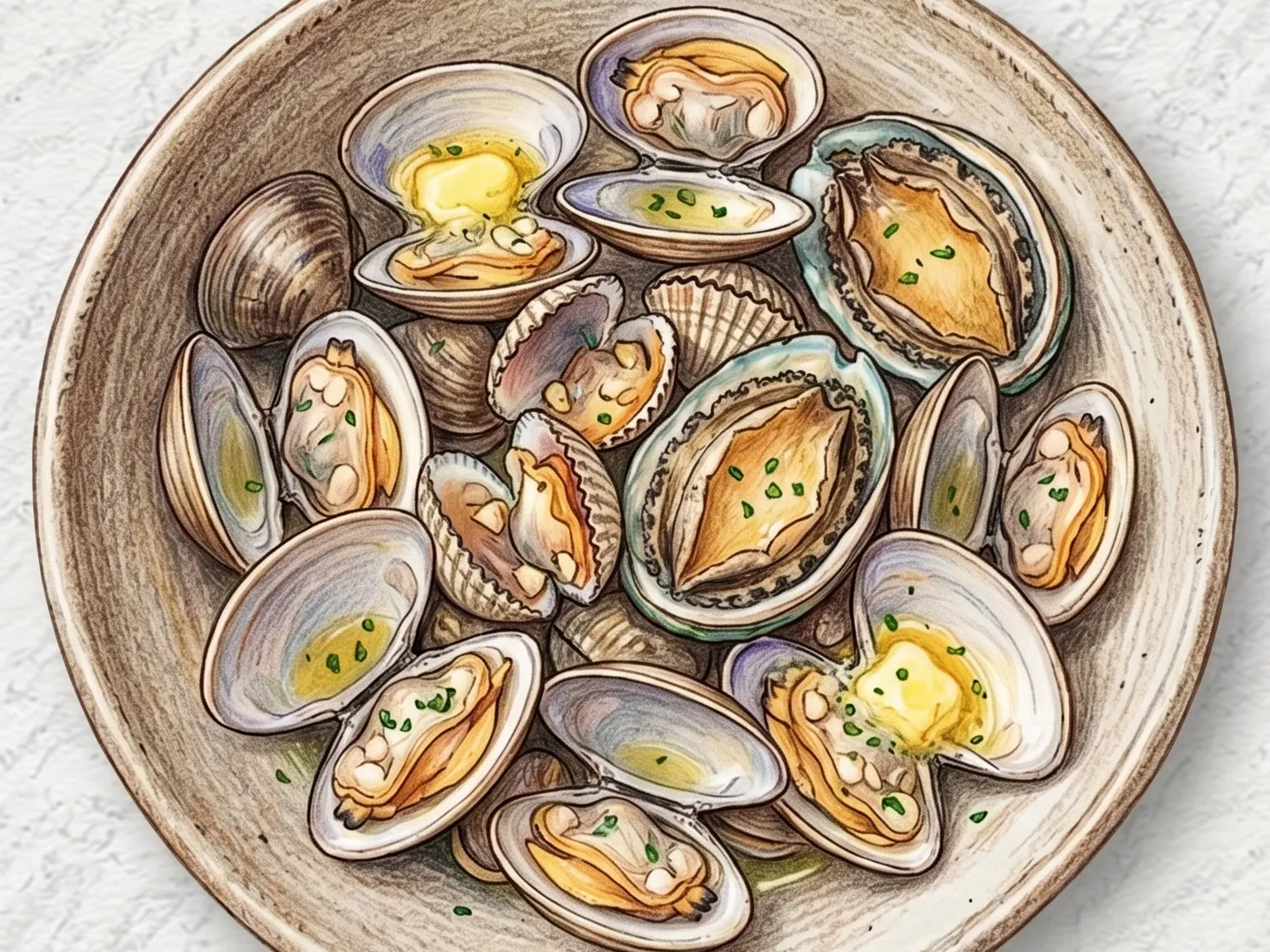
Garlic butter mussels are steamed in a fragrant broth of sauteed garlic, melted butter, and white wine. Onion and garlic are cooked in butter and olive oil until softened, then white wine is added and boiled briefly to drive off the alcohol while keeping the acidity and fruit notes intact. Once the mussels go in and the lid is sealed, the shells open within four to five minutes, releasing briny juices that meld with the butter-wine base into a rich, savory broth. Mussels that remain closed after cooking must be discarded. Finishing with chopped parsley and black pepper adds color and a mild sharpness, and tearing crusty baguette into the bowl to soak up the broth is the traditional way to enjoy every drop.

Moroccan Carrot Chickpea Salad
Carrots are roasted with cumin and paprika until the edges caramelize while the centers stay tender and sweet. Cooked chickpeas add enough protein to make the salad substantial on its own. A lean dressing of lemon juice and olive oil tempers the warm spice notes with bright acidity, while raisins tucked throughout provide pockets of fruity sweetness. Chopped parsley lifts the bowl with fresh herbal contrast. The sweet-savory balance characteristic of Moroccan cooking makes this versatile alongside bread, rice, or grilled meat.

Moules Marinières (French White Wine Steamed Mussels)
Moules marinieres is a French seafood dish that steams scrubbed mussels over a base of shallots and garlic softened in butter, with white wine added and the pot covered for four to five minutes on high heat. Boiling the wine for a minute before adding the mussels burns off the alcohol and leaves behind only the bright acidity that pairs naturally with the briny shellfish. Once the shells open, a splash of heavy cream, chopped parsley, and black pepper turn the cooking liquid into a light, aromatic broth. The short cooking time keeps the mussel meat firm and springy rather than rubbery. Any mussels that stay closed after steaming should be discarded. Crusty bread served alongside is essential for soaking up the butter-wine broth to the last drop.

Turkish White Bean Salad (Turkish Cooked White Beans Salad)
White beans are simmered until creamy-soft, then tossed with onion and parsley in a tangy vinaigrette - a staple across Turkey. The beans' starchy texture contrasts with the crisp bite of red onion, while parsley provides a clean herbal backdrop. Lemon juice and olive oil deliver brightness, and a dusting of sumac adds both ruddy color and fruity tartness. Rich in plant-based protein, the salad works well as a light main and pairs naturally with grilled meat and flatbread.

Osso Buco (Milanese Braised Veal Shank with Gremolata)
Osso buco dredges thick-cut veal shanks in flour and sears them in olive oil on all sides, then braises them with sauteed onion, carrot, and celery in a mixture of white wine, whole tomatoes, and chicken stock at 160 degrees Celsius for one and a half to two hours. The long, slow cooking converts the tough connective tissue around the bone into gelatin, making the meat fork-tender, while the marrow inside the bone melts into the sauce and enriches it with a deep, silky body. A gremolata of finely chopped parsley, lemon zest, and garlic is scattered over the finished dish - the lemon's bright acidity and the raw garlic's sharpness cut through the heavy braising liquid and lift the entire plate. Careful handling of the shanks throughout cooking is important to keep the prized marrow intact inside the bone.

Quinoa Salad
Quinoa is boiled until fluffy and cooled to preserve its distinctive pop-when-bitten texture. Diced cucumber and halved cherry tomatoes mix in juicy crunch that energizes the mild grain base. Thinly sliced red onion adds sharpness, and generous chopped parsley pushes the herbal character forward. The dressing stays minimal - olive oil and lemon juice - letting raw ingredients speak clearly. As a complete protein containing all essential amino acids, quinoa makes this a nutritionally balanced light meal in a single bowl.

Rack of Lamb
Rack of lamb is a French-style roast where the rack is seared hard in a hot pan for a deep crust, brushed with Dijon mustard, coated with a mixture of rosemary, thyme, parsley, garlic, and breadcrumbs, and then roasted at 200 degrees Celsius. The mustard acts as both adhesive for the herb crust and a flavor layer that tempers the lamb's gaminess. The breadcrumbs crisp up in the oven heat, locking in the herbal aroma. Resting the meat for ten minutes after roasting redistributes the juices within the muscle fibers so they stay inside when sliced. Cutting between the bones reveals a cross section of crispy golden crust encasing a pink, juicy interior - a visually striking main course.

Spanish Orange Cod Salad (Spanish Salt Cod Salad)
Remojon is a traditional spring festival salad from Andalusia in southern Spain, built around salt cod that has been soaked in cold water for at least twenty-four hours to draw out the preserved brine before the fish is shredded along the grain into chewy, light flakes. Thick-cut orange segments provide a burst of sweet, juicy acidity that stands in direct contrast to the residual saltiness of the fish, creating the tension at the center of the dish. Thinly sliced red onion and whole black olives add layers of pungent sharpness and deep brininess that widen the overall flavor profile without competing with each other. Good-quality extra virgin olive oil draws every element together into a cohesive whole, coating each piece with a smooth, fruity richness. A measured splash of white wine vinegar tightens the entire salad and gives it a clean definition, while flat-leaf parsley scattered over the top provides a final note of fresh, green fragrance. The salad is well suited to being served tapas-style alongside wine or dry sherry, and because all the components can be prepared in advance, it assembles quickly at the table and makes a composed, elegant starter for guests.

Salmon Piccata
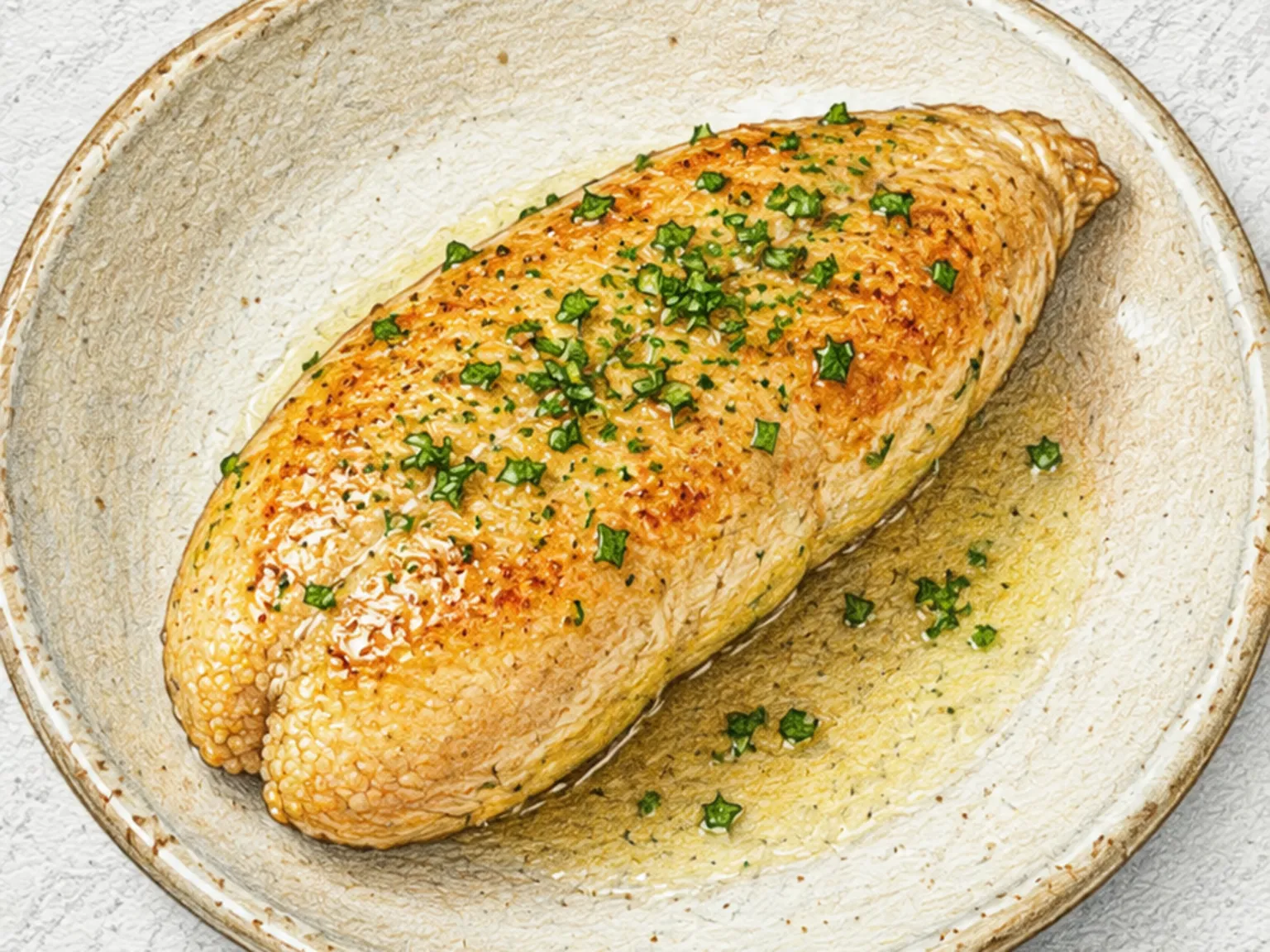
Salmon piccata is an Italian fish dish where salmon fillets are seasoned, dusted in a thin layer of flour, and pan-seared in olive oil until golden on both sides. The flour coating promotes a Maillard crust on the surface while sealing moisture inside the flesh. Melting butter in the same pan and deglazing with lemon juice and chicken stock dissolves the caramelized fond into a bright sauce. Capers add bursts of briny saltiness that meet the lemon's acidity to create the piccata sauce's signature sharp, savory character, cutting cleanly through the salmon's rich fat. Because salmon dries out quickly when overcooked, the final step of returning it to the sauce should last no more than two minutes.

Tabbouleh Salad (Middle Eastern herb salad)
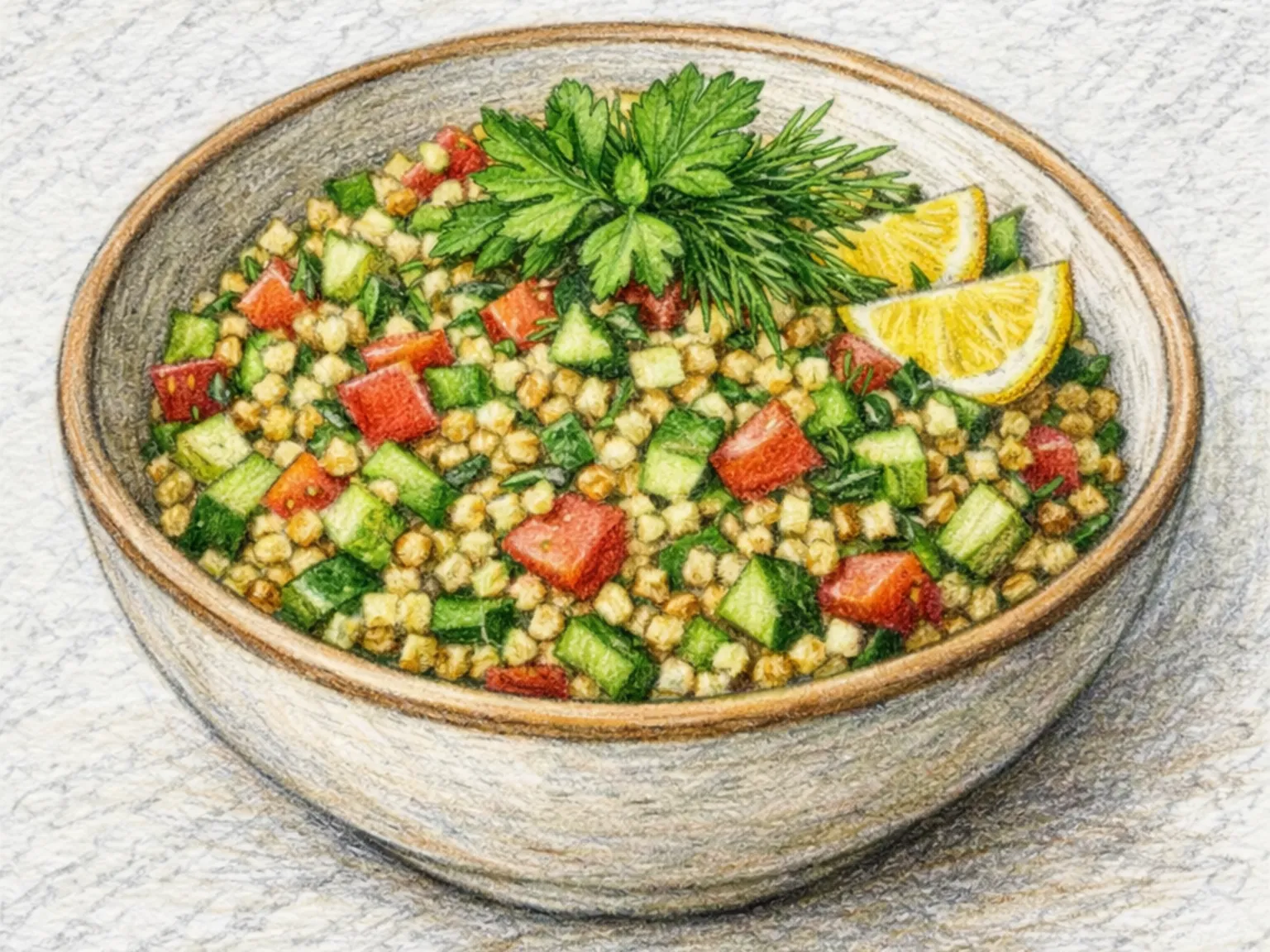
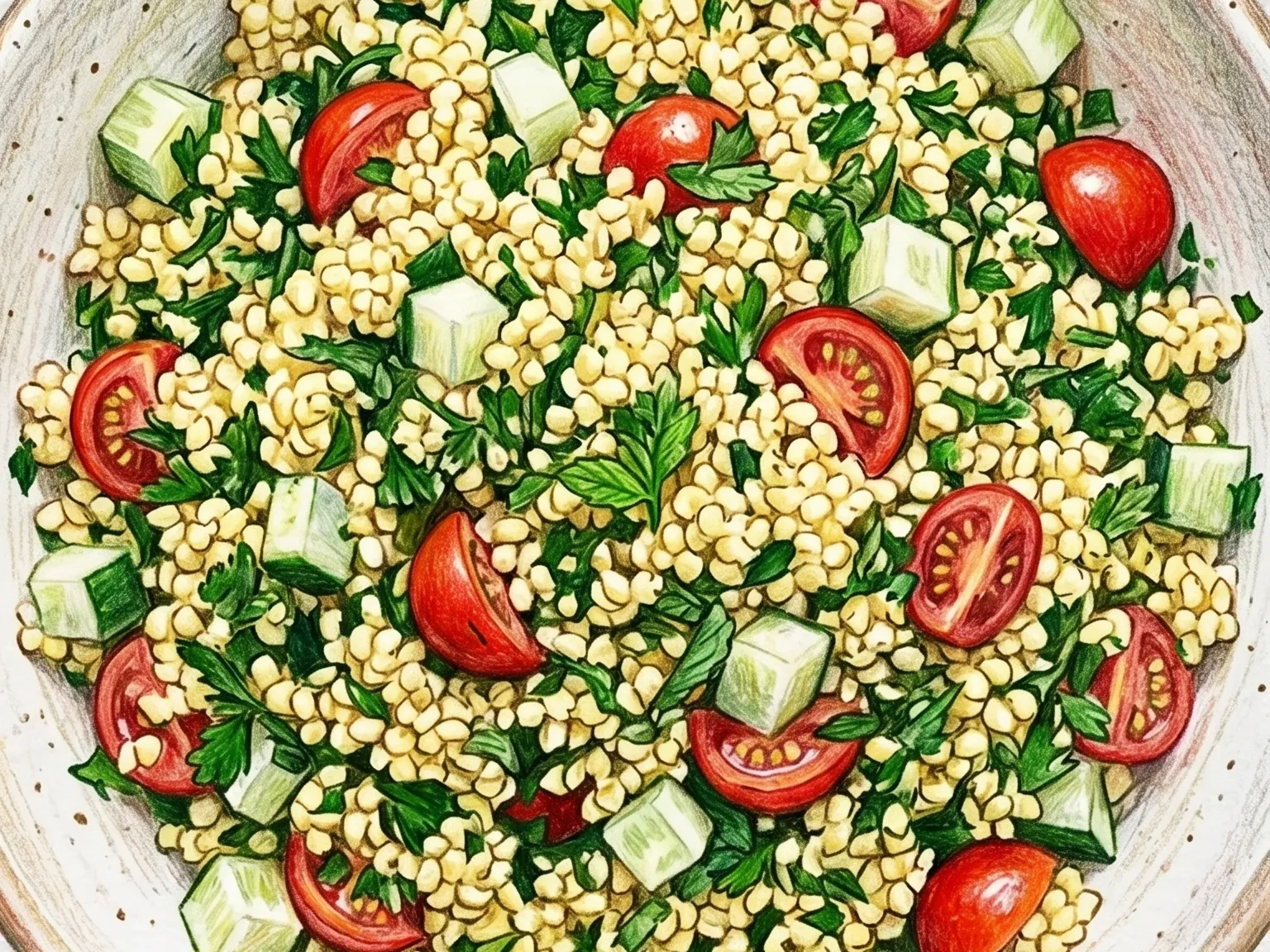
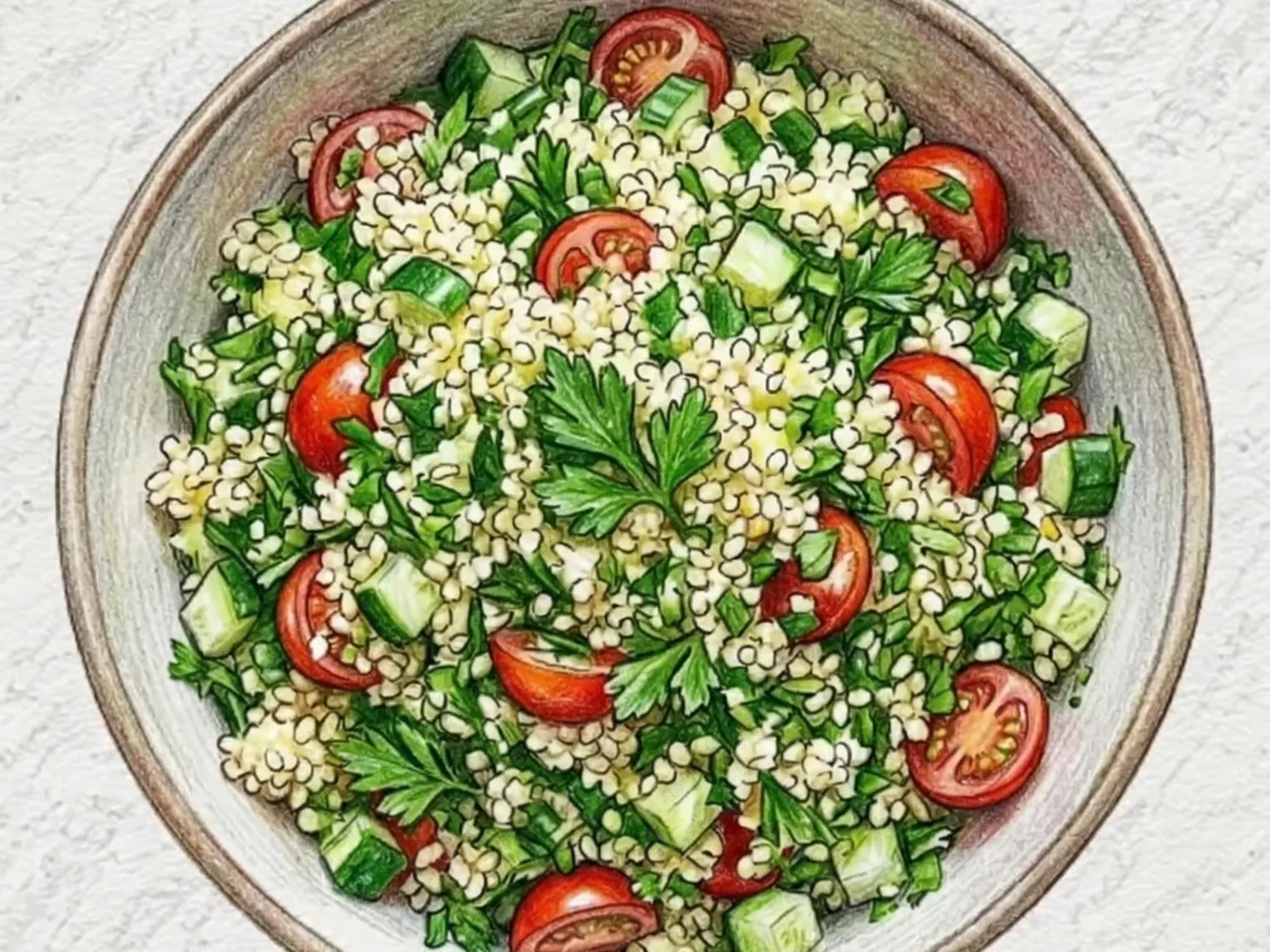
Tabbouleh salad is a Middle Eastern herb salad where finely chopped parsley and mint are the main ingredients and bulgur plays a supporting textural role. The bulgur is soaked in boiling water until tender, then cooled to develop a nutty chew that anchors the bright greenery piled on top. Removing the seeds from the tomatoes before dicing prevents excess juice from diluting the lemon-olive oil dressing. The dressing itself is simple - lemon juice, olive oil, and salt - but its acidity lifts the grassy flavor of the herbs into something sharp and clean. Resting the assembled salad in the refrigerator for at least ten minutes allows the lemon to penetrate the bulgur, producing a consistent flavor in every bite.

Spaghetti alla Puttanesca
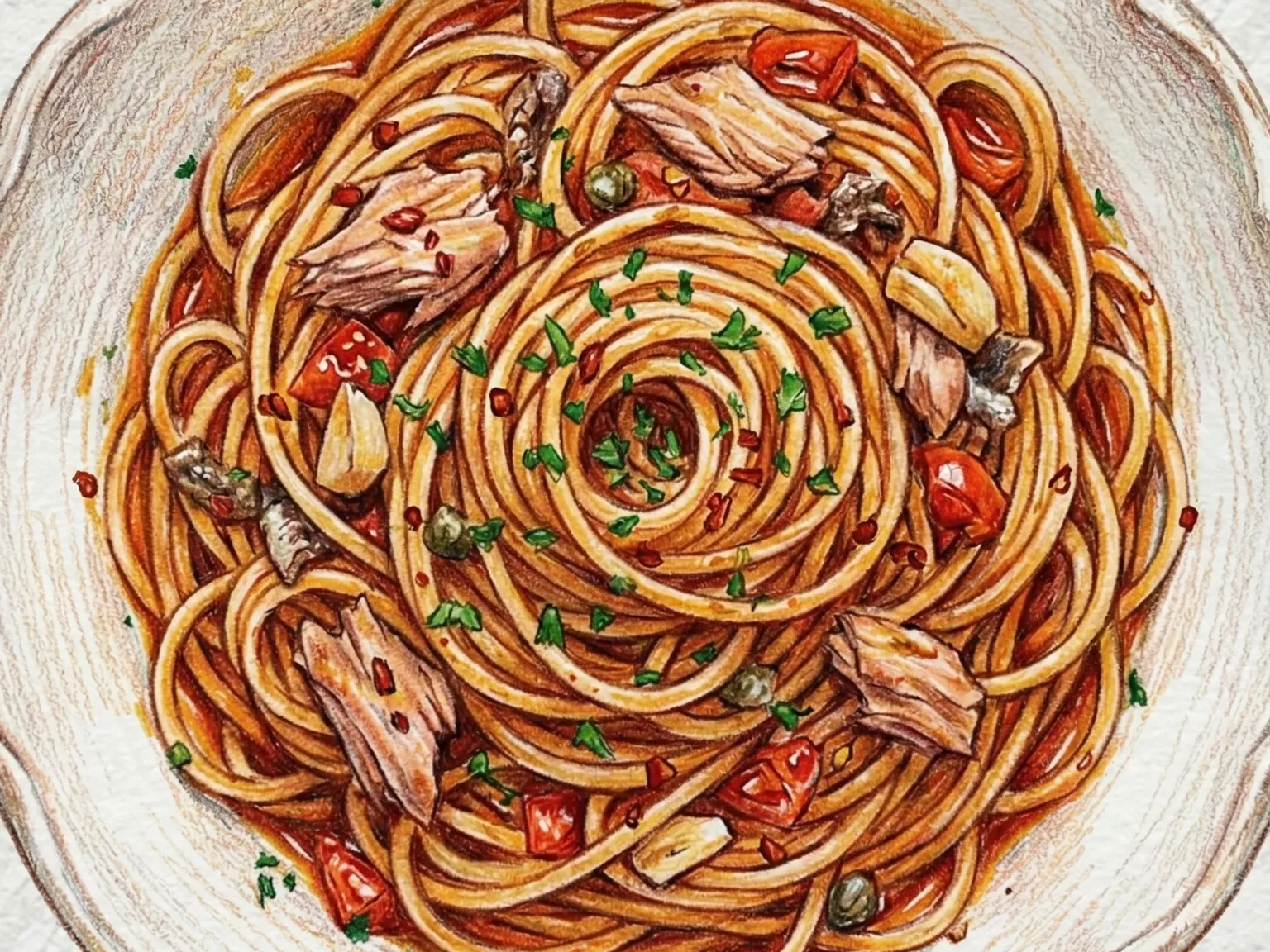
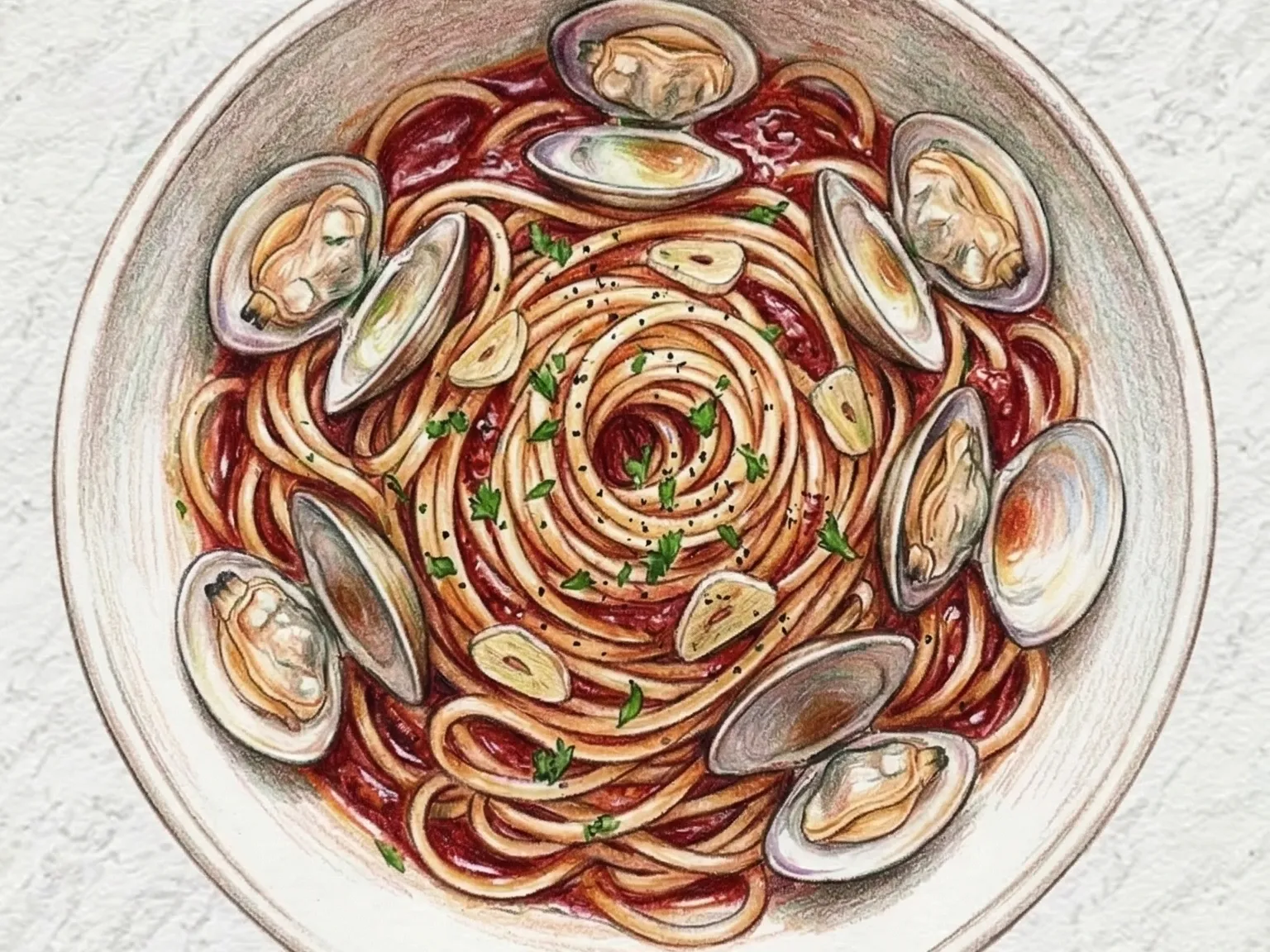
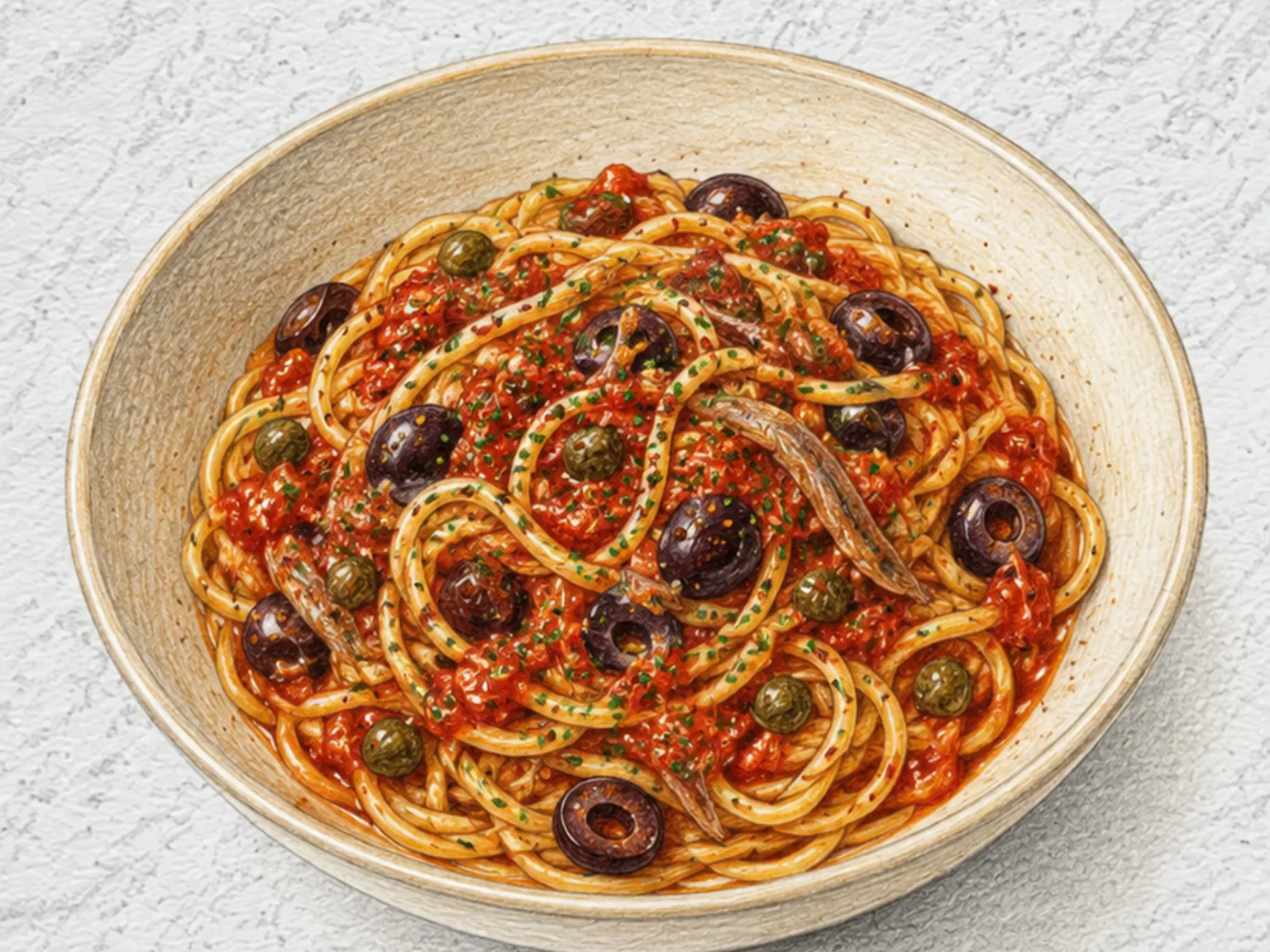
Spaghetti alla puttanesca melts anchovy fillets into olive oil with sliced garlic over low heat, creating a deeply savory base before any tomato is added. Hand-crushed whole tomatoes, halved black olives, capers, and red pepper flakes go in next and simmer for eight minutes, during which the sauce reduces and the briny, salty, and spicy elements fuse into a bold, cohesive flavor. The anchovies dissolve completely, leaving no trace of fish but contributing an intense umami backbone. Because capers and anchovies are already heavily salted, seasoning is adjusted only at the very end by taste. The spaghetti is pulled one minute short of al dente and finished in the sauce pan with a splash of pasta water, which allows the starch to bind the sauce tightly to each strand.

Stuffed Mushrooms
Stuffed mushrooms remove the stems from large mushroom caps, chop and sauté them with garlic, then mix the cooked stems with cream cheese, breadcrumbs, Parmesan, and parsley to create a savory filling that goes back into the caps before baking. Wiping the mushrooms with a paper towel rather than rinsing them is important - mushrooms act like sponges, and absorbed water releases during baking, preventing the caps from crisping. Using the chopped stems in the filling doubles the mushroom flavor and means nothing is wasted. The breadcrumbs serve a structural role, absorbing excess moisture from the cream cheese so the filling holds its shape rather than melting into a puddle. At 190 degrees Celsius for 18 to 20 minutes, the filling turns golden on top while the cream cheese inside becomes molten and savory.

Spaghetti Aglio e Olio (Garlic and Olive Oil Pasta)
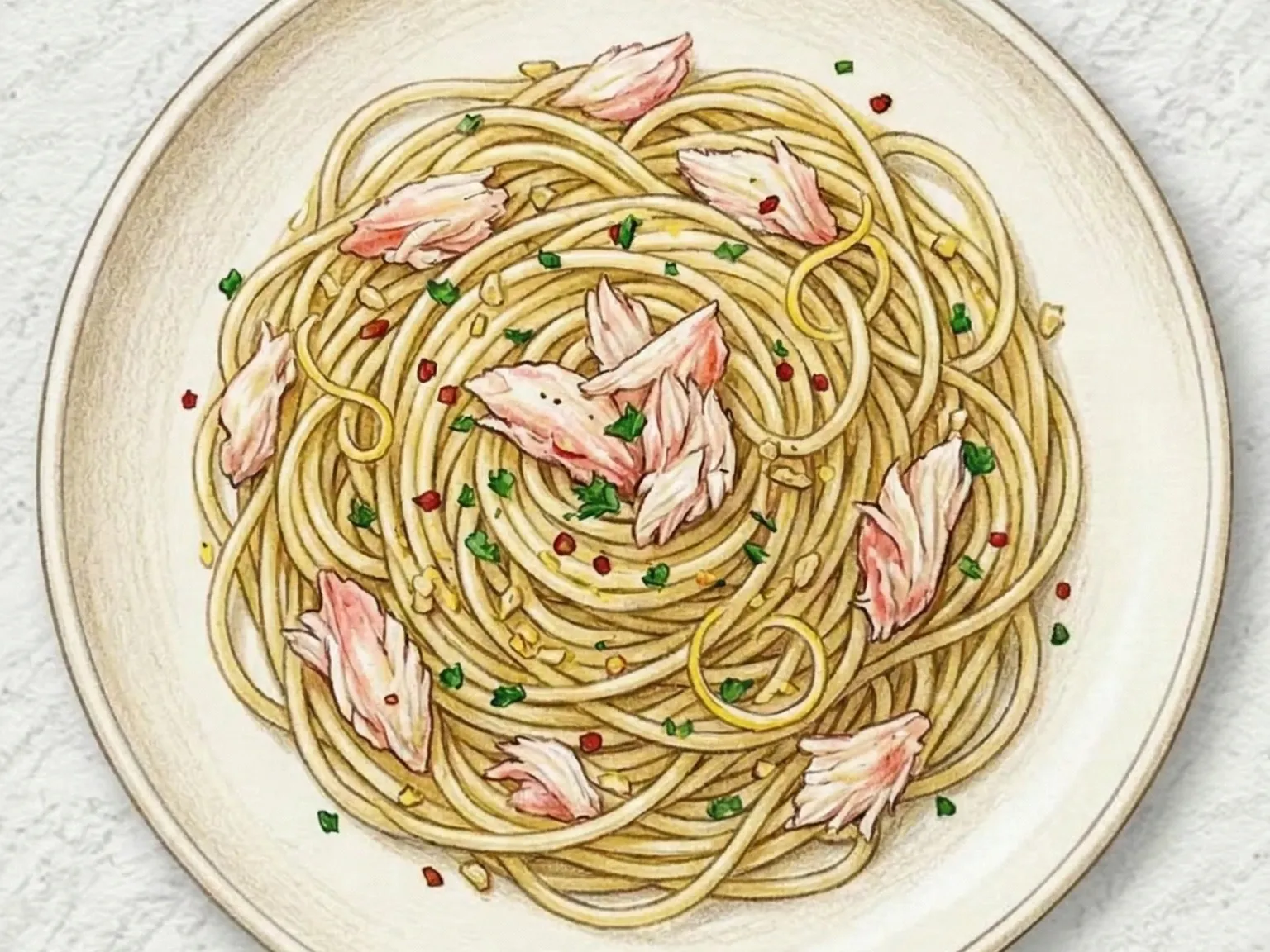
Spaghetti aglio e olio appears in Italian cookbooks as far back as the 19th century, making it one of the oldest documented pasta preparations in the canon. The restraint is the point: five ingredients, no sauce made separately, and the whole dish done in under twenty minutes. Thinly sliced garlic goes into extra virgin olive oil over low heat, slowly transferring its flavor into the fat - the temperature must stay low enough that the garlic turns golden but never brown, since browning brings bitterness. Dried chili flakes follow, infusing a second layer of heat into the oil. The technical turning point is adding starchy pasta water and tossing the pan hard over high heat: the starch links the oil and water into an emulsion that clings to every strand rather than pooling at the bottom. Skip this step and the dish separates on the plate. Parmigiano is not traditional but has become near-universal; shaved over the top, it adds a salty, crystalline crunch. The finished pasta should look barely coated, each strand glistening rather than swimming in sauce. Getting that result consistently is what separates people who understand the dish from people who have simply followed the ingredient list.

Shrimp Scampi
Shrimp scampi sautees large shrimp in butter with sliced garlic until just pink, then deglazes the pan with white wine that reduces and emulsifies with the butter into a light, glossy sauce. Cooking the garlic slowly in butter over moderate heat draws out its sweetness without turning it bitter or brown. The shrimp need roughly ninety seconds per side - enough for the exterior to pick up flavor from the garlic butter while the interior stays tender. White wine provides acidity and aromatic complexity as its alcohol cooks off, and a splash of starchy pasta water added when tossing with spaghetti gives the sauce enough body to coat each strand. Lemon juice squeezed in at the end cuts through the butter's richness, and red pepper flakes leave a gentle lingering heat.

Spicy Seafood Tomato Pasta
Spicy seafood tomato pasta starts by building a chili-infused oil base - garlic, onion, and red pepper flakes sauteed in olive oil until fragrant. Shrimp and squid are seared briefly until just opaque on the outside, then hand-crushed whole tomatoes are added and the sauce simmers for six to seven minutes, during which the tomato reduces and absorbs the juices released by the seafood. Cooking the seafood only until the surface turns white is critical, as the residual heat from the simmering sauce finishes them gently without making them rubbery. The spaghetti is boiled one minute short of al dente and tossed in the sauce pan with a splash of pasta water over high heat, which emulsifies the sauce and binds it to each strand. The chili heat cuts cleanly through the tomato's acidity and the seafood's brininess, and chopped parsley adds a final fresh herbal note.

Israeli Salad
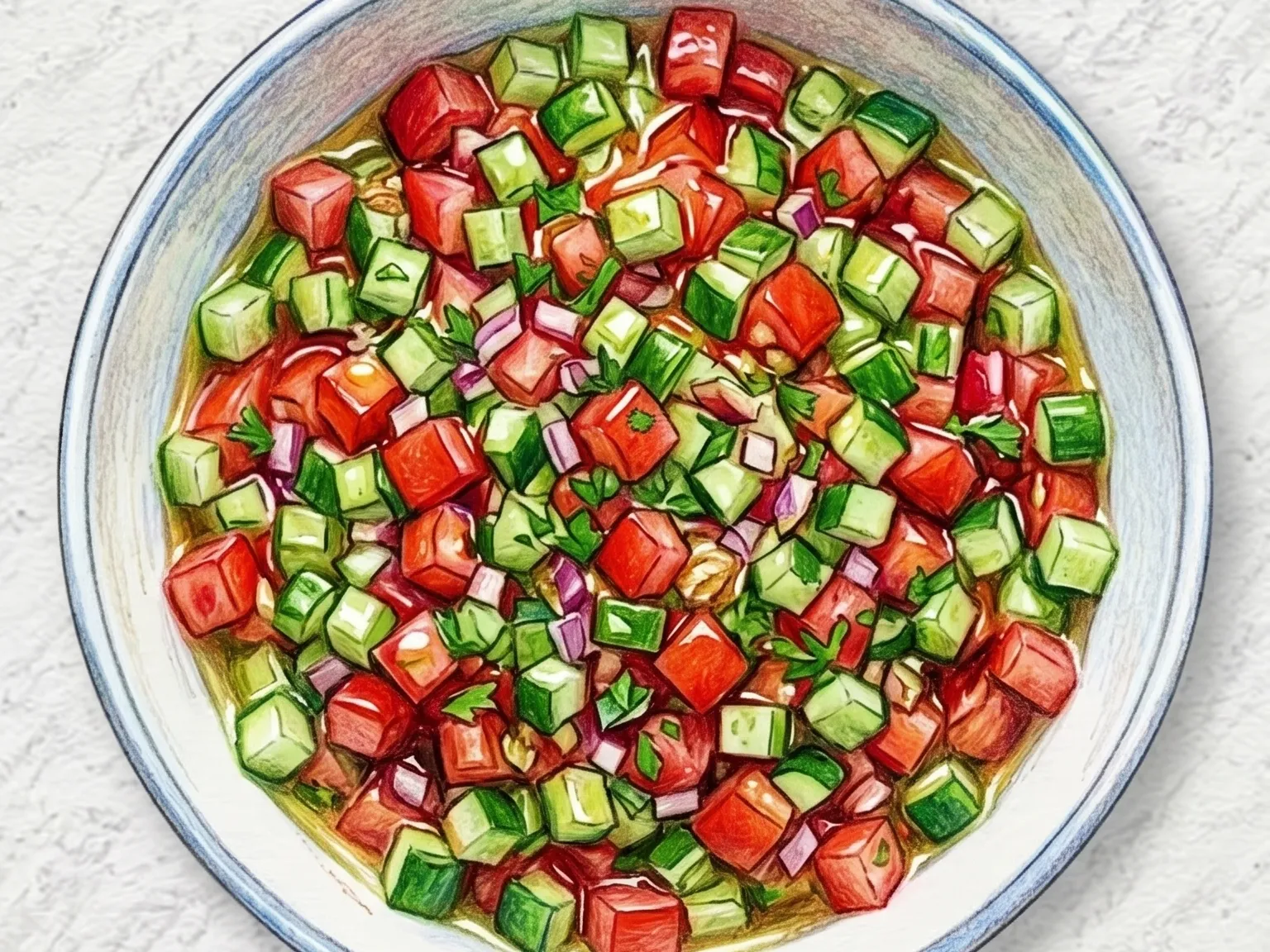
Israeli salad is the foundational everyday salad of the Middle East, built from tomato, cucumber, red onion, and parsley diced to pieces under 0.5 cm and dressed simply with lemon juice, olive oil, and salt. The uniformly small cut is the defining technique, and it is not merely aesthetic. When every component is the same tiny size, a single spoonful carries equal amounts of tomato juice, cucumber crunch, and the sharp bite of raw onion, so the balance does not shift from one mouthful to the next. The dressing is deliberately kept to two ingredients so that the natural acidity and sweetness of ripe tomatoes can dominate without interference from added vinegar or sweeteners. Resting the salad for about five minutes after tossing draws juice from the cut tomatoes, which merges with the lemon and oil to form a light, self-made brine that deepens the flavor of the entire bowl. Across Israel and throughout the broader Middle East, this salad appears at the breakfast table alongside eggs and bread as commonly as it does beside grilled meats at dinner. Its quality depends entirely on the freshness of the produce rather than any technique or seasoning.