Salmon Poke Bowl
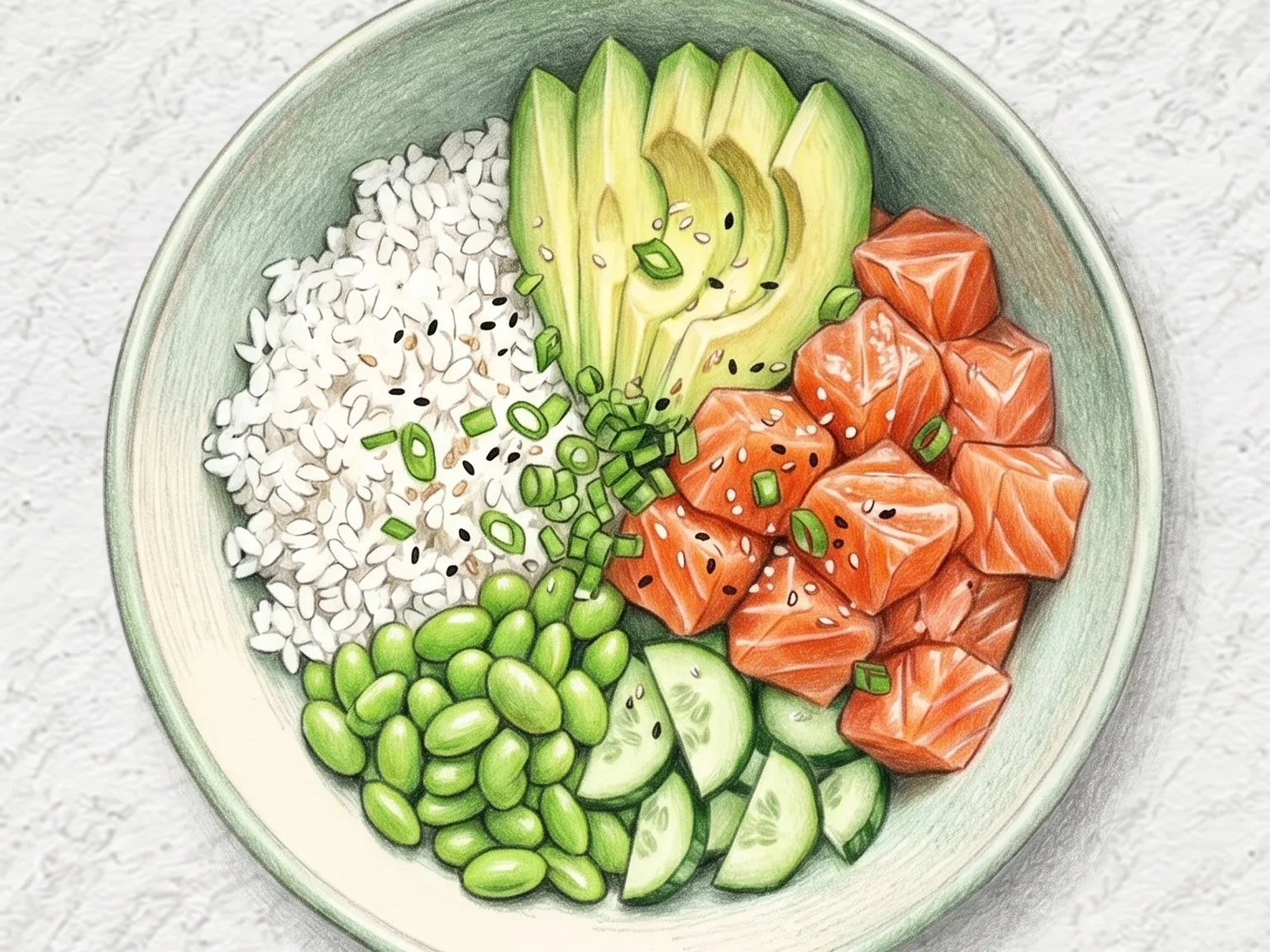
Salmon poke bowl dices sashimi-grade salmon into 1.5-centimeter cubes and marinates them briefly in soy sauce and sesame oil for five minutes, then arranges the fish in sections over steamed rice alongside avocado, cucumber, edamame, and sliced green onion. The short soy marinade draws moisture from the salmon's surface just enough to tamp down any fishiness while amplifying umami, and sesame oil adds a glossy sheen with a toasted fragrance. Avocado's creamy fat cushions the firm, springy bite of the raw fish, while edamame contributes a nutty bean flavor and cucumber brings a cool crunch. Using only sashimi-grade salmon is essential for safe raw consumption.

Korean Grilled Salmon with Doenjang
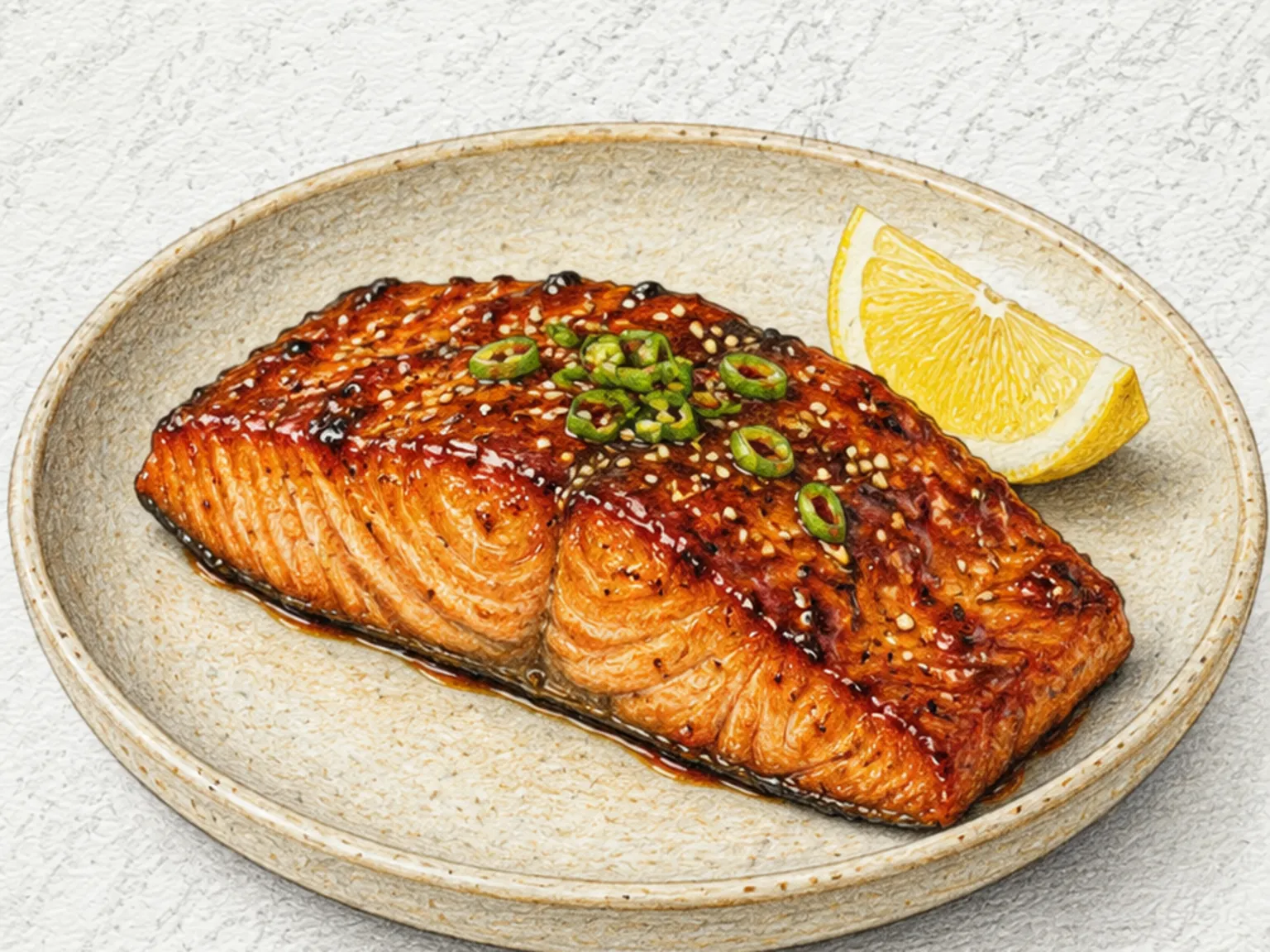
Salmon fillets are coated with a glaze of doenjang, gochujang, honey, minced garlic, sesame oil, and lemon juice, then grilled skin-side down over medium-low heat. The fermented soybean paste gives a deep, earthy savoriness while honey and lemon provide contrasting sweetness and brightness. A second brushing of glaze near the end builds a glossy crust without burning, leaving the flesh moist inside.

Korean Garlic-Grilled Skirt Steak
Anchangsal is the inner skirt cut from the diaphragm muscle, yielding roughly a kilogram per animal, which explains why Korean grill restaurants price it as a premium item. The grain runs coarse, marbling is tight within the thick muscle fibers, and the beefy flavor is intense - more so than well-known cuts like galbi or samgyeopsal. Marinating for too long or with aggressive seasoning buries those qualities. A short soak in soy sauce, sesame oil, minced garlic, and black pepper is enough. On a charcoal grill, thin slices cook in under a minute per side. The right doneness shows as caramelized edges with a slight char while the center stays pink - at that point the fat has rendered into the grain and the full flavor of the cut is present. Whole garlic cloves grilled alongside undergo a different transformation: about ten minutes of high heat takes away the sharpness and turns them sweet and soft. The standard way to eat it is wrapped in lettuce with ssamjang and a roasted garlic clove folded in together.

Korean Pan-fried Radish Pancakes
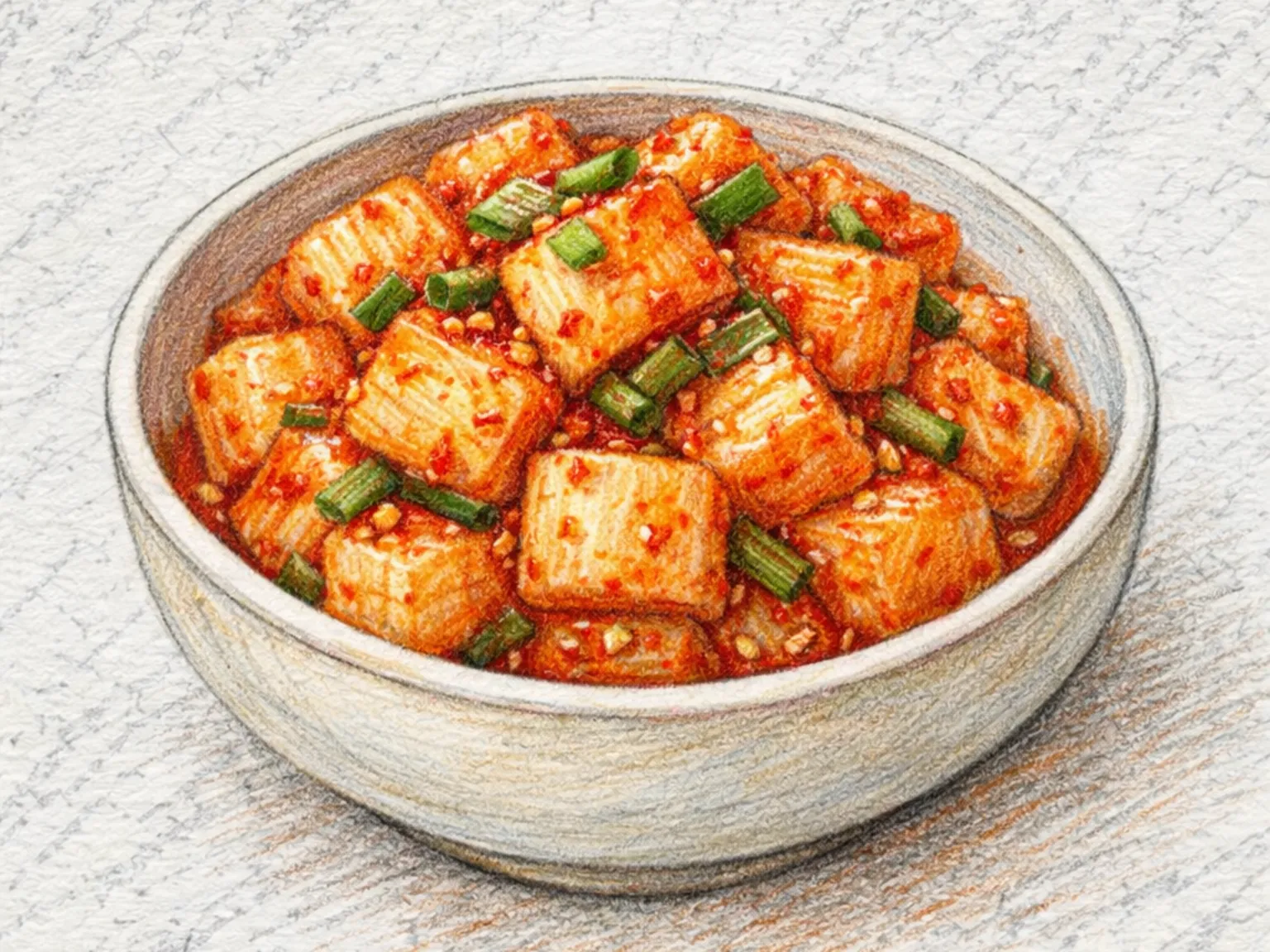
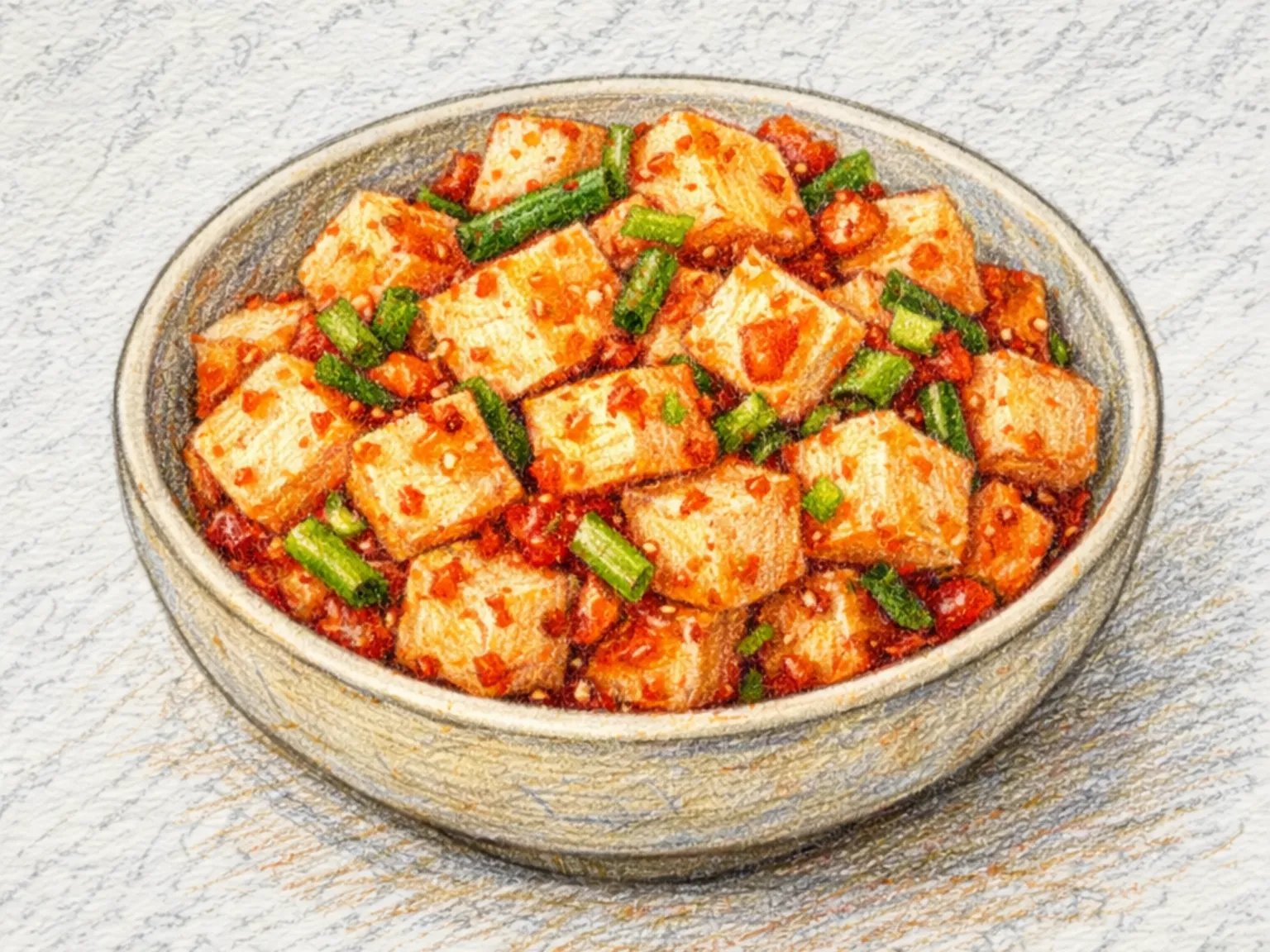
Mu-jeon is a Korean pan-fried radish pancake belonging to the same vegetable-jeon family as hobak-jeon and gaji-jeon, though daikon radish brings a textural character distinctly its own. Slicing to an even 3mm thickness is critical - the radish must cook through until soft and sweet inside while the egg coating crisps golden outside. Too thick and the raw center retains an acrid bite; too thin and the slices collapse. Five minutes of salting draws surface moisture so the flour adheres properly and the oil does not splatter during frying. Slow cooking over low heat is essential: the egg batter sets gradually into a golden shell while the heat converts the radish's starch into sugars, replacing the raw spiciness with a gentle sweetness completely unlike the uncooked root. Dipped in cho-ganjang (soy-vinegar sauce), the acidity cuts through the pan-fried richness. Mu-jeon appears on Korean holiday tables during Chuseok and Seollal alongside other vegetable jeon as part of the traditional jeon platter.

Charred Cabbage Gamtae Salad
Charred cabbage gamtae salad quarters baby napa cabbage lengthwise, brushes the cut sides with perilla oil, and sears them on a hot pan for 3-4 minutes per side until deeply browned. The intense heat replaces raw cabbage's grassy bite with caramelized sweetness and smoky char, and gamtae seaweed crumbled by hand at the very end adds a crisp texture and concentrated ocean depth. A dressing of dark soy sauce, maesil syrup, brown rice vinegar, and perilla oil provides a salty-tangy base, while halved cherry tomatoes contribute juicy acidity. Serving the salad warm preserves both the cabbage's char aroma and the seaweed's crispness.

Korean Gourd Namul Stir-fry
Baknamul deulkkae bokkeum is a Korean stir-fried side dish made from rehydrated dried bottle gourd strips coated in ground perilla seed. The dried gourd strips - thin slices of the gourd's inner flesh dried until pale and brittle - need at least thirty minutes of soaking to recover their characteristic chewy bite. Minced garlic is sauteed in perilla oil first to build a fragrant base, then the soaked strips go in along with soup soy sauce and small additions of water to braise them through. Ground perilla seed is added generously at the end, stirred in while the heat reduces the remaining liquid. As the moisture disappears, the perilla powder binds into a clinging, sauce-like coating on each strip rather than sitting as dry powder. This is the key technique: the coating should be smooth and adherent, not dusty. The whole dish is done in about ten minutes and offers a mild, chewy counterpoint to stronger-flavored banchan on the table.

Baked Potato Soup
Baked potato soup is an American comfort food that translates the flavor of a loaded baked potato into a creamy bowl. Potatoes are first boiled or oven-roasted until tender, then partially mashed and simmered in chicken stock with heavy cream. The depth of the soup depends on sweating onions low and slow in butter before the liquid is added. Toppings replicate the classic baked potato format: crispy bacon bits, shredded cheddar, and finely sliced chives, added at serving. Leaving some potato chunks intact rather than fully blending gives the bowl a more varied texture throughout. The soup thickens overnight as the starch settles into the cream base, so portions reheated the next day are noticeably richer than the first serving. Bacon should go on at the last moment to stay crisp.

Korean Seasoned Seaweed Flakes
Gim-muchim uses the same ingredients as stir-fried gim but takes a different direction. Lightly toasted seaweed is torn by hand into larger pieces, then tossed with green onion, garlic, soy sauce, sesame oil, and gochugaru into a seasoned side dish. Toasting the seaweed over a flame first draws out its fragrance, and tearing it into large pieces ensures some areas stay crisp even after the sauce is added. The sharp bite of green onion and the gentle heat of gochugaru meet the seaweed's marine character for a fresher, lighter result than the stir-fried version. The dish must be eaten immediately after tossing - seaweed absorbs moisture from the sauce quickly and loses its texture - so only as much as will be consumed at once should be prepared. As a side with rice, it is simple but satisfying, carrying enough umami to complete a bowl even when other banchan are few. Using fish sauce in place of soy sauce shifts the umami profile, and extra sesame seeds deepen the nutty fragrance.

Korean Fish Roe Rice Bowl
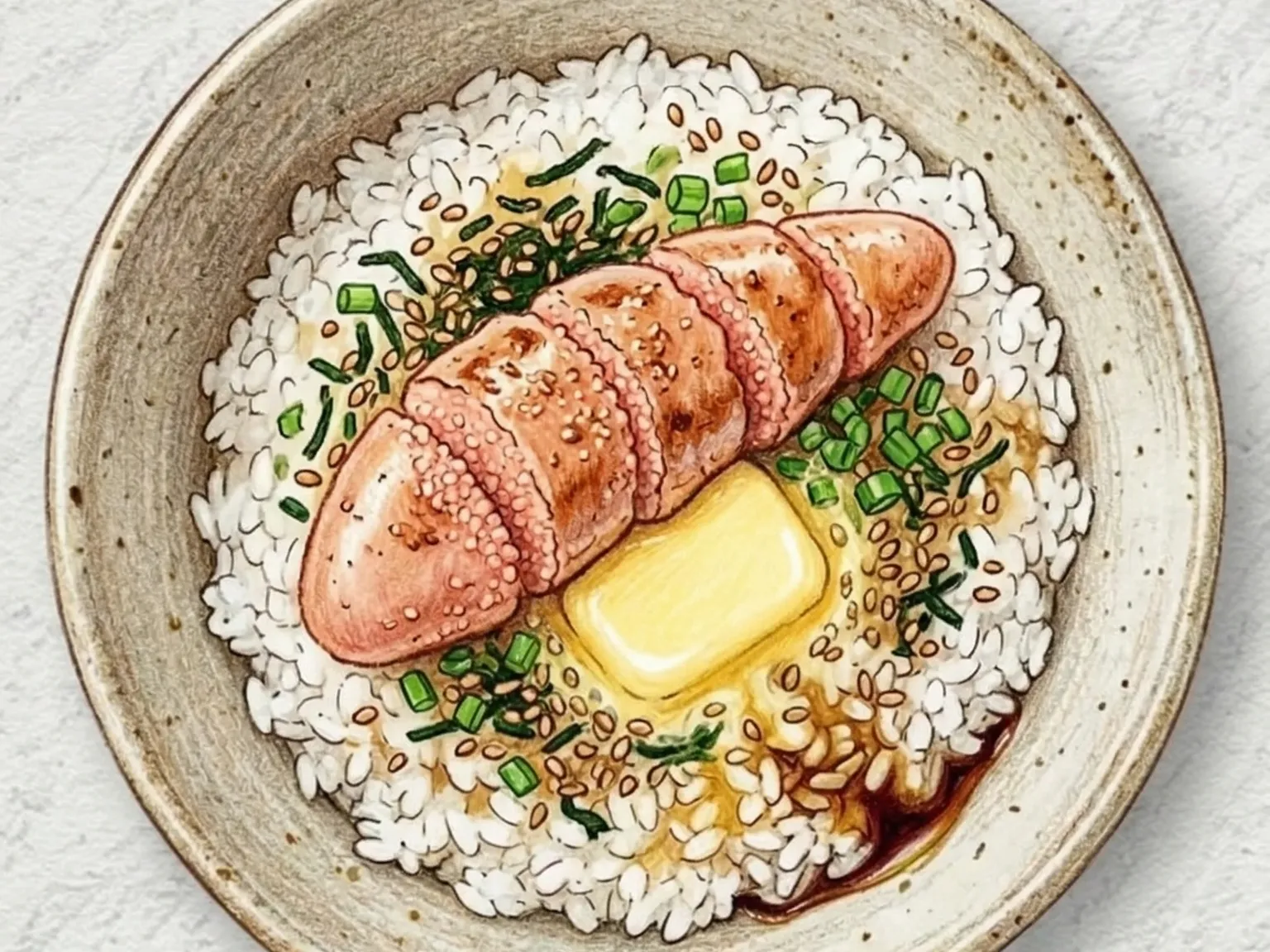
Albap is a casual Korean rice bowl that likely traces its origins to sushi-bar kitchen culture, where flying fish roe - tobiko - was always stocked and cooks needed a quick staff meal. Warm rice is first tossed with sesame oil and a small knob of butter, coating each grain with a glossy, slightly nutty film. The toppings are arranged by section over the rice: bright orange tobiko that bursts between the teeth, stir-fried kimchi whose lactic tartness has deepened into a roasted sour note, diced pickled radish for crunch and sweetness, and a layer of shredded seasoned seaweed. Everything is mixed together at the table, and the warmth of the rice softens the roe just enough that its briny juice seeps into the buttered grains. Sliced scallion scattered on top adds a fresh finish. Flying fish roe freezes well and delivers noticeable texture in small quantities, making this dish well suited to solo cooking, and it has taken on a distinct identity from Japanese ikura or tobiko donburi. With minimal prep and about ten minutes of active work, this bowl packs an unusual range of textures - burst, crunch, crisp, and soft - into a single serving.

Korean Steamed Clams with Rice Wine
Manila and surf clams are steamed with garlic in rice wine to create this traditional Korean drinking snack. Purging the shellfish in salted water beforehand ensures the resulting broth remains clear and free of grit. Pouring cold rice wine over the shells and sealing the pot allows the alcohol to transform into steam, which strips away any ocean odors while the clams release their natural juices. As the shells open, their concentrated brine forms a natural stock at the bottom of the pot. Dropping a piece of butter into the liquid the moment the first shell cracks open adds a creamy, rounded quality to the salty clam base. Freshly scattered chives provide a grassy contrast to the buttery liquid, maintaining a sense of freshness throughout the dish. Since no additional water or stock is required, the success of the broth relies entirely on the quality of the clams and the thoroughness of the purging process. Lifting the lid at an angle prevents condensation from dripping back onto the clams, which keeps the concentrated seasoning from thinning out. A final squeeze of lemon juice heightens the sweetness of the clam meat and provides a crisp finish to the experience.

Korean Kimchi Tofu Nabe Udon
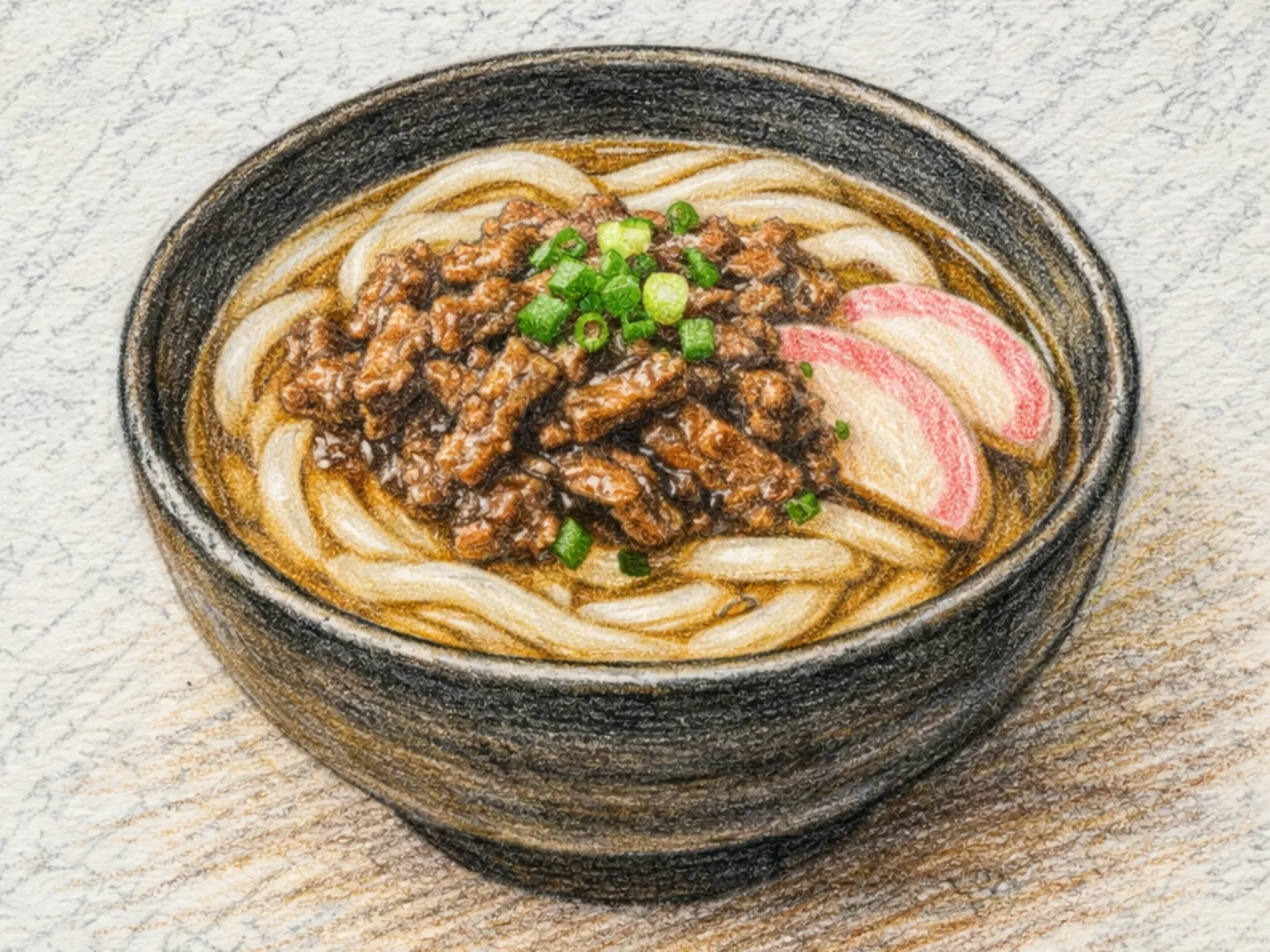
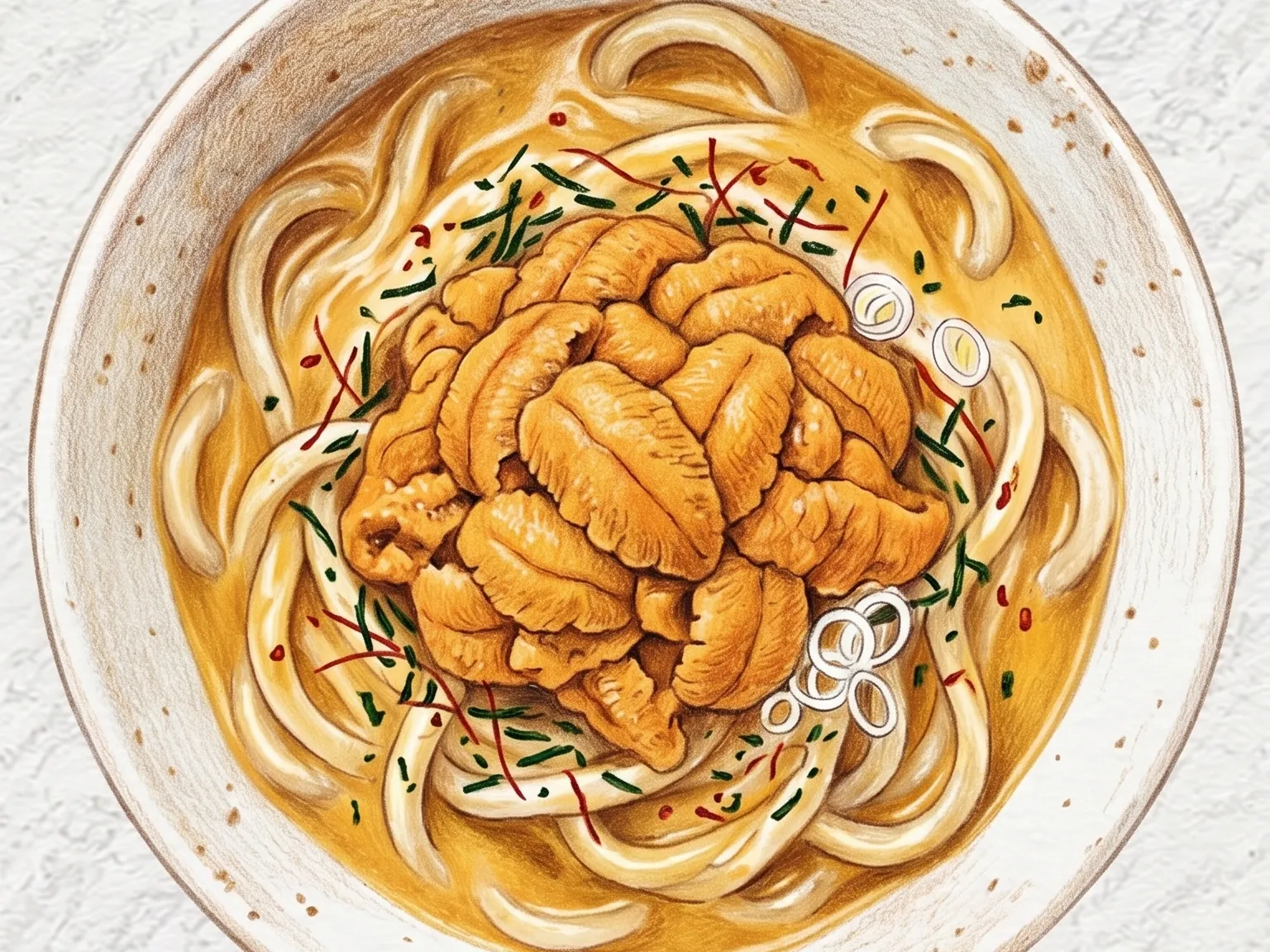
Kimchi tofu nabe udon is a Japanese-Korean hybrid hot pot noodle dish built on an anchovy-kelp stock base. Well-fermented kimchi is sauteed in sesame oil for at least two minutes to tame its sharp raw acidity, then the stock goes in along with Korean red chili flakes and soup soy sauce to form the broth. Thick slabs of firm tofu and sliced shiitake mushrooms simmer for four minutes, absorbing the spicy, savory liquid throughout, before thick udon noodles are added for a final two to three minutes. The udon's substantial mass soaks up the surrounding broth, so every bite carries the full flavor of the pot. Because kimchi saltiness varies by brand and age, soy sauce should be added in small amounts at the end rather than all at once. Pressing the tofu dry with a paper towel before it goes in keeps the broth from turning murky. Shredded green onion on top adds fragrance, and leftover broth with added rice makes a satisfying congee-style finish.

Korean Tofu Seaweed Egg Rice Bowl
Dubu gim gyeran deopbap is a Korean rice bowl built from three pantry staples: pan-fried tofu, soft scrambled egg, and roasted seaweed flakes, all layered over a bowl of steamed rice. The tofu is pressed dry, cut into cubes, and seared until the edges turn golden before being tossed with soy sauce and syrup to form a salty-sweet glaze that coats each piece. Eggs are scrambled to a barely-set, custard-like consistency rather than cooked through, creating a deliberate contrast with the firm, glazed tofu beneath them. Crumbled seaweed scattered over the top introduces a brittle crunch and a faintly briny, toasty aroma that lingers with each bite. A final drizzle of sesame oil draws all three components together into a coherent flavor. Because tofu, eggs, and dried seaweed are refrigerator and pantry staples in most Korean households, the dish can be assembled in roughly ten minutes without a special shopping trip, making it one of the most dependable meals for busy mornings or quick lunches.

Korean Saeu Doenjang Beoteo Gui (Doenjang Butter Shrimp Grill)
Saeu-doenjang-beoteo-gui is Korean doenjang-butter grilled shrimp, where deveined large shrimp are tossed with two-thirds of a sauce made from doenjang, melted unsalted butter, minced garlic, lemon juice, and black pepper, marinated for eight minutes, then seared on a hot grill pan for two minutes per side. The fermented soybean paste and butter fat together create a deeply savory richness distinct from any Western butter sauce, and the lemon juice cuts through that heaviness with clean acidity. Total cooking time must stay under five minutes to keep the shrimp flesh snappy rather than rubbery, and brushing the reserved sauce on during a final one-minute sear builds a concentrated doenjang-butter crust on the surface. Because doenjang is inherently salty, any additional salt should only be considered after tasting the finished dish.

Korean Butter Soy Grilled King Oyster Mushrooms
Three king oyster mushrooms are quartered lengthwise, scored on the surface, and seared in butter until golden on one side. After flipping, the remaining butter joins a sauce of soy sauce, oligosaccharide syrup, minced garlic, and black pepper, which reduces into a glossy glaze that coats every groove cut into the mushroom flesh. The scoring allows the sweet-salty sauce to penetrate deeper, so each bite releases a concentrated burst of buttery umami. King oyster mushrooms hold their dense, meaty chew even after cooking, making this dish satisfying without any actual meat. A final scattering of scallion and sesame seeds adds freshness and textural contrast.

Deodeok Butter Rice Bowl (Korean Mountain Root)
Deodeok butter bap is a rice bowl of peeled, pounded deodeok pan-fried in butter until golden, then reduced in soy sauce and oligosaccharide syrup until each strip is coated in a thin, glossy glaze. The root's natural bittersweet aroma, assertive when raw, softens in the butter without disappearing - it stays present and clean throughout the bowl. Soy sauce and the mild sweetness of the syrup build a savory-sweet glaze that clings to the root's rough-pounded surface. A second knob of butter stirred into the sauce just before plating melts into the reduction and adds a final layer of richness. The glazed deodeok is spooned over warm rice with the pan sauce, then scattered with sliced scallion and sesame seeds. The dish is best in spring when fresh deodeok is in season and its fragrance is at its most pronounced. It works as a standalone donburi or as a strong side dish alongside plain rice.

Korean Soy-Braised King Oyster Mushrooms
Saesongi-beoseot-jorim braises 300 grams of king oyster mushrooms in a soy-based sauce after an initial sear that drives off moisture and firms up the texture. The mushrooms are halved lengthwise, cut into bite-size pieces, and pan-fried in oil for about two minutes until lightly golden before the braising liquid - soy sauce, water, oligosaccharide syrup, and garlic - is poured in. Five minutes of simmering over medium heat reduces the liquid to a sticky glaze that clings to every surface. Sesame oil is drizzled in just before removing from heat, and chopped scallion adds a fresh green contrast. The finished dish stores well, making it a reliable make-ahead side for weekday meals.