Korean Fermented Kale Kimchi
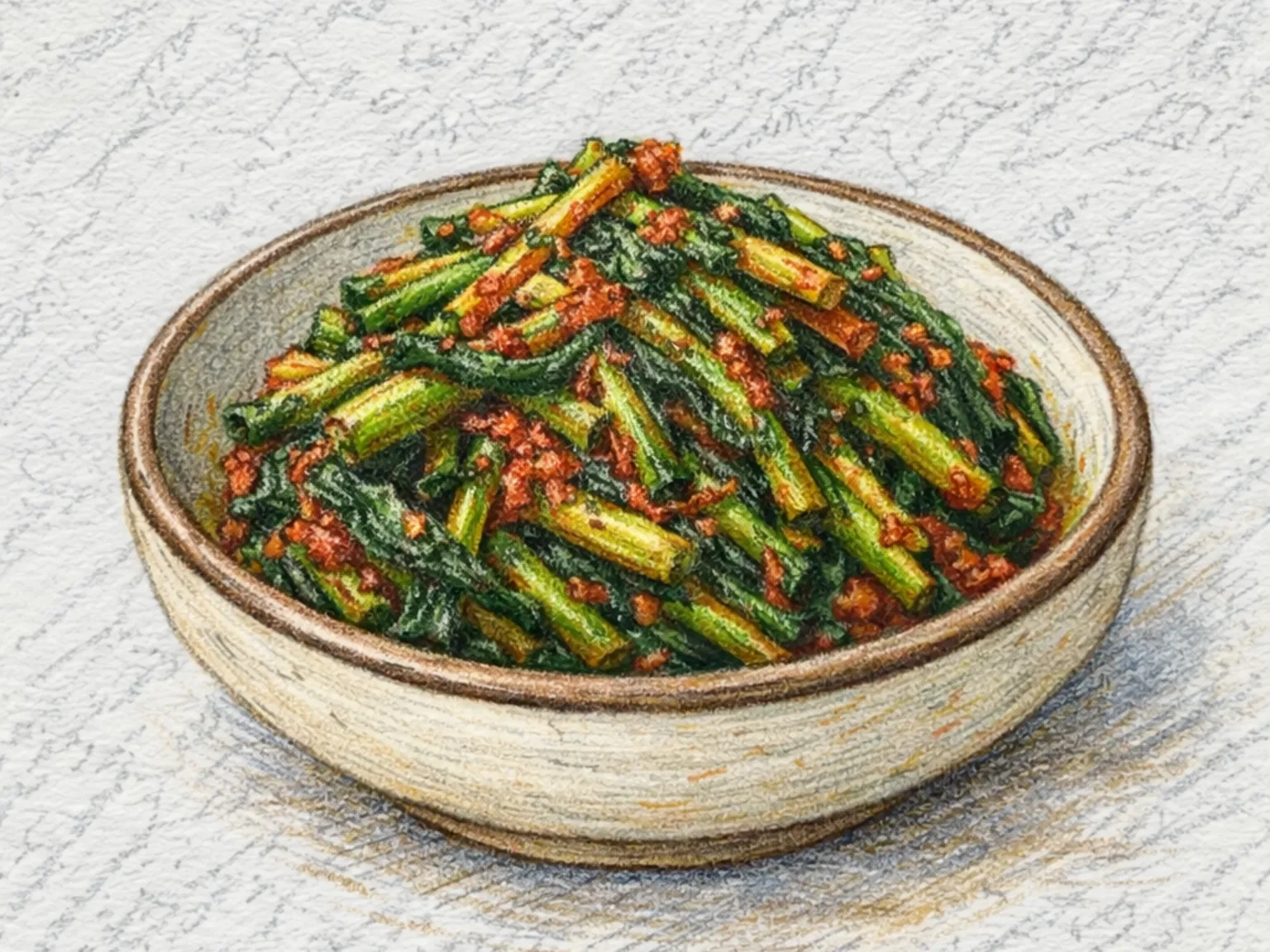
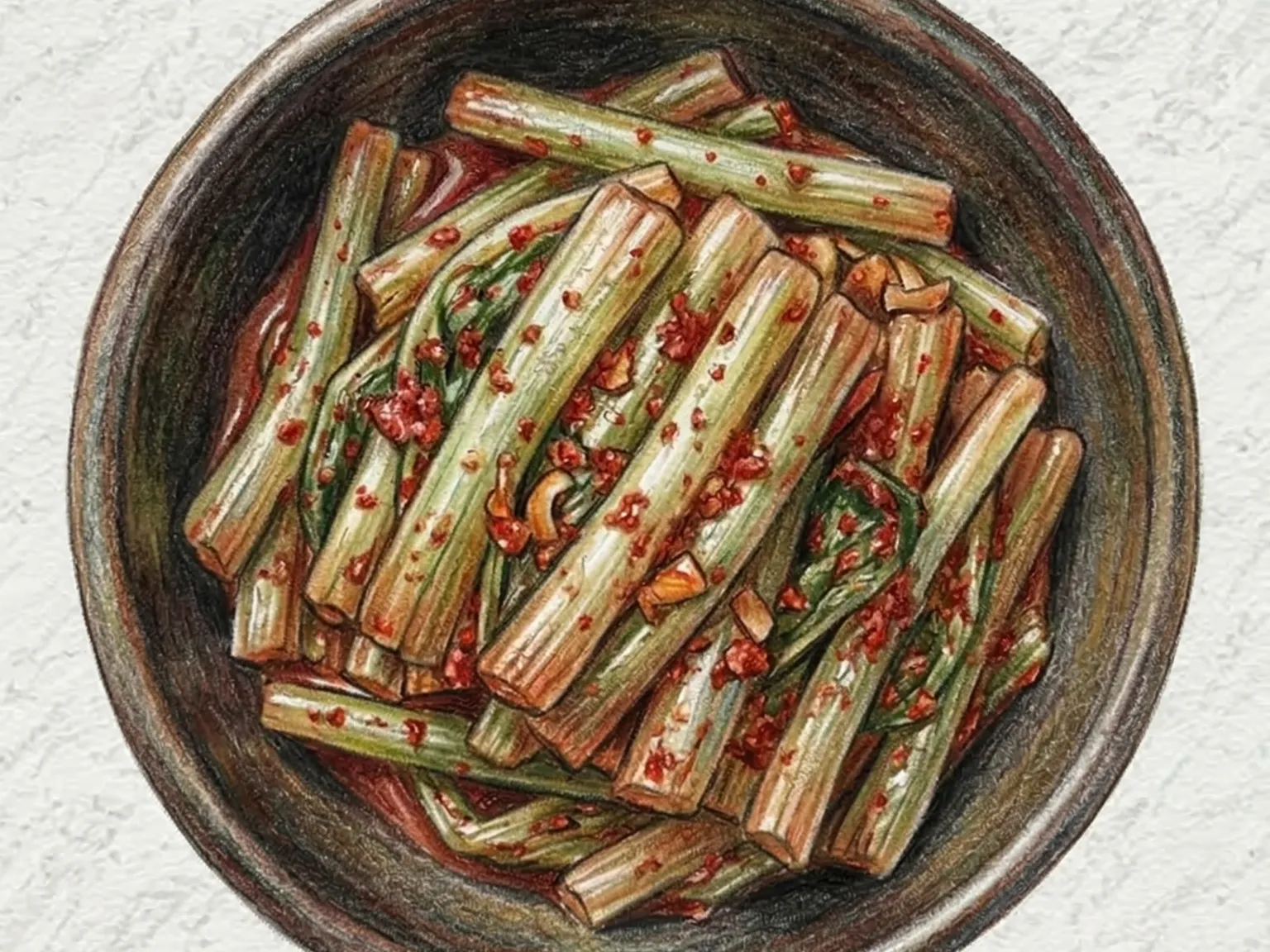
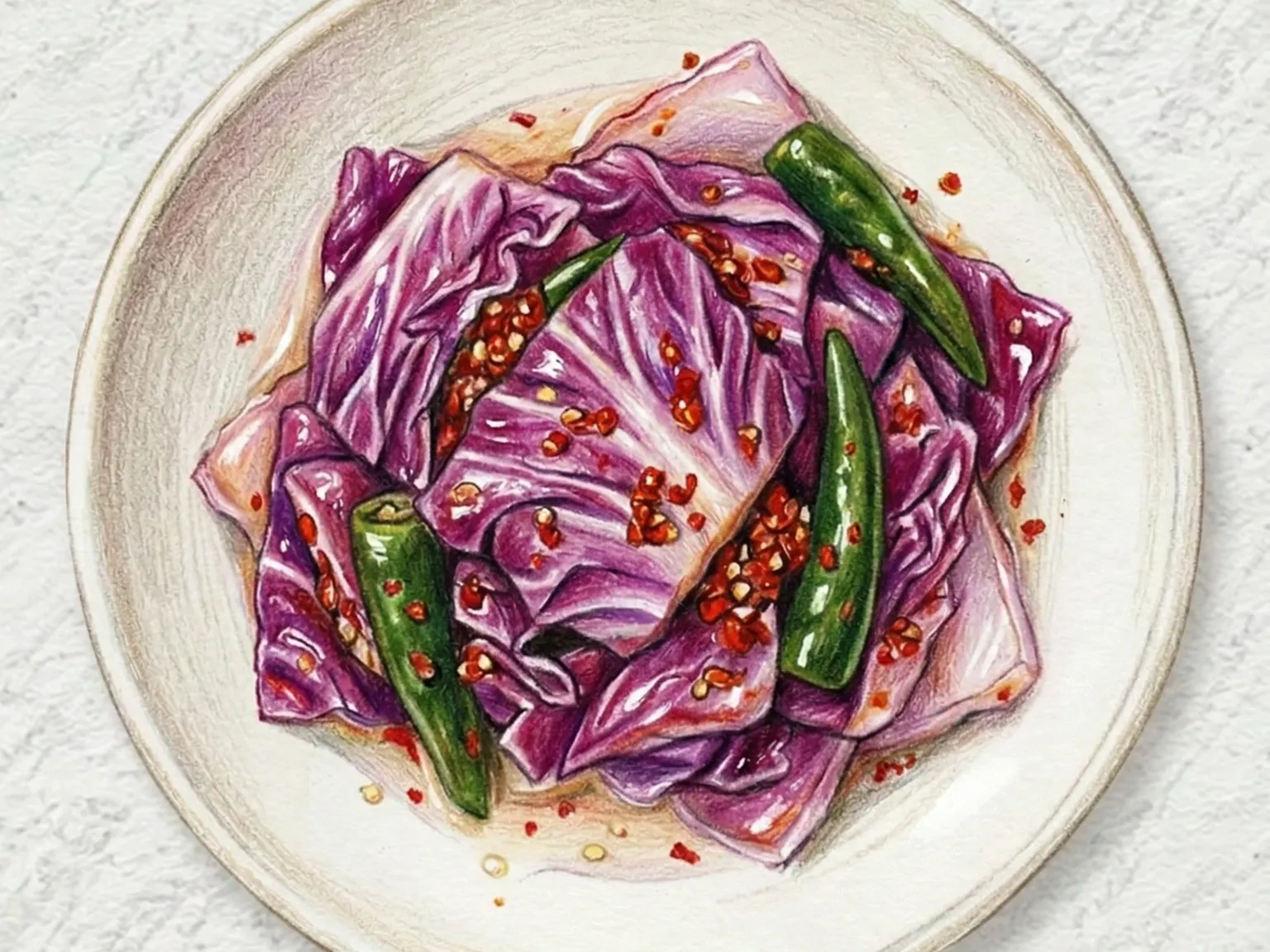
Kale kimchi is made by wilting kale leaves in coarse salt, then tossing them with julienned radish, scallions, gochugaru, soup soy sauce, and pear puree before fermenting. The kale's strong green flavor mellows during fermentation while its sturdy leaf structure maintains a satisfying chew, and the radish strips add a crisp counterpoint to the soft seasoning. Pear puree wraps around the chili heat with fruit sweetness, and soup soy sauce anchors the seasoning with a quiet umami depth. Made using the same technique as napa cabbage kimchi but carrying kale's distinctive slight bitterness, this version adds a layer of complexity and nutritional density to the traditional format. Kale requires less salting time than napa cabbage, and weighting it down evenly during the process ensures consistent wilting throughout the batch.

Korean Truffle Mushroom Pot Rice
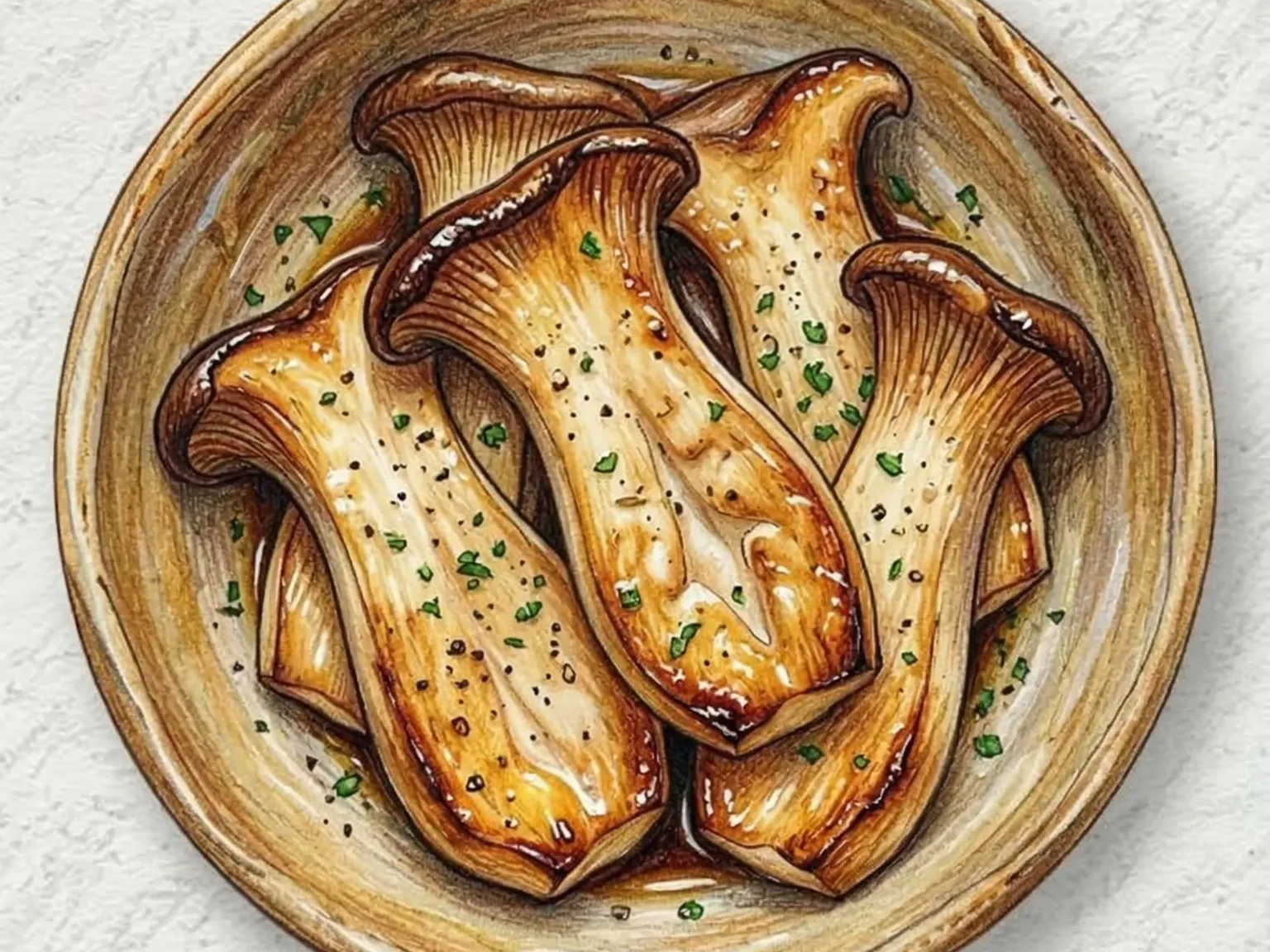
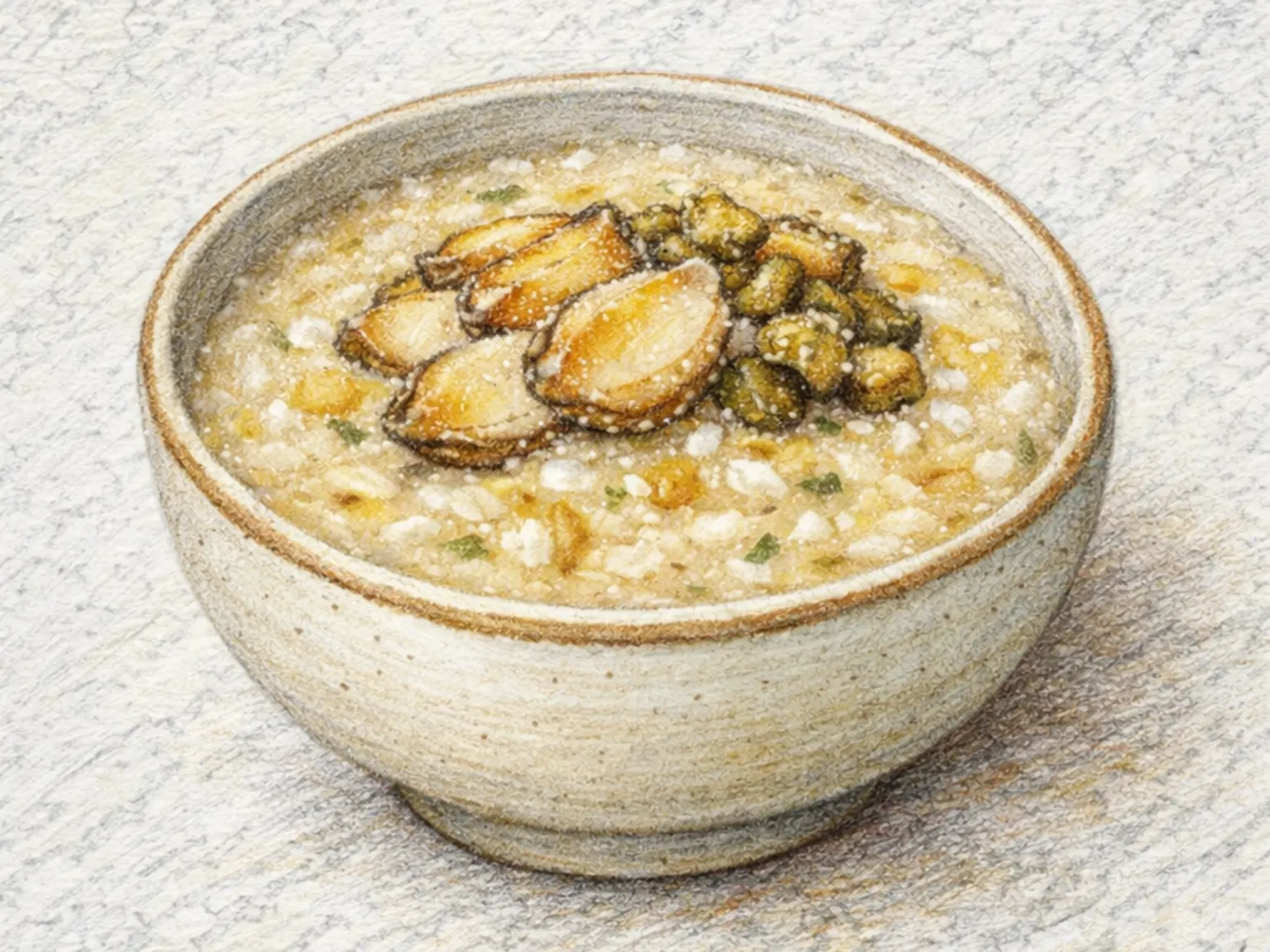
Shiitake and king oyster mushrooms are generously added to a pot of rice and cooked so their released moisture and earthy fragrance infuse every grain. The shiitake stays chewy while thick-sliced king oyster offers a meaty, substantial bite. Once the rice is done, a few drops of truffle oil are drizzled over the top, layering the mushrooms' natural earthiness with the truffle's deep, aromatic intensity. Mixing in a soy-seasoned sauce adds a salty edge that brings the whole bowl into balance.

Korean Cubed Radish Kimchi
Kkakdugi is a staple Korean kimchi made from radish cut into 2 cm cubes, brined in coarse salt, then seasoned with gochugaru, salted shrimp, garlic, and ginger before fermentation. Salting draws out moisture from the cubes, creating a contrast between the damp interior and the snappy outer surface. Salted shrimp layers its briny seafood depth beneath the chili heat, and as fermentation progresses, the radish's natural sugars emerge to balance the spice with a clean sweetness. Brining time should be kept to thirty minutes to one hour since over-salting softens the radish and robs it of its characteristic crunch. Adding a small drizzle of perilla oil during the seasoning step deepens the nutty undertone of the finished kimchi, and substituting grated pear or apple for sugar provides a gentler, fruit-derived sweetness that integrates more seamlessly into the overall flavor. The accumulated brine at the bottom of the jar develops a refreshing tang that makes kkakdugi the essential companion to rich, milky soups like seolleongtang and gomtang.

Korean Burdock Beef Pot Rice
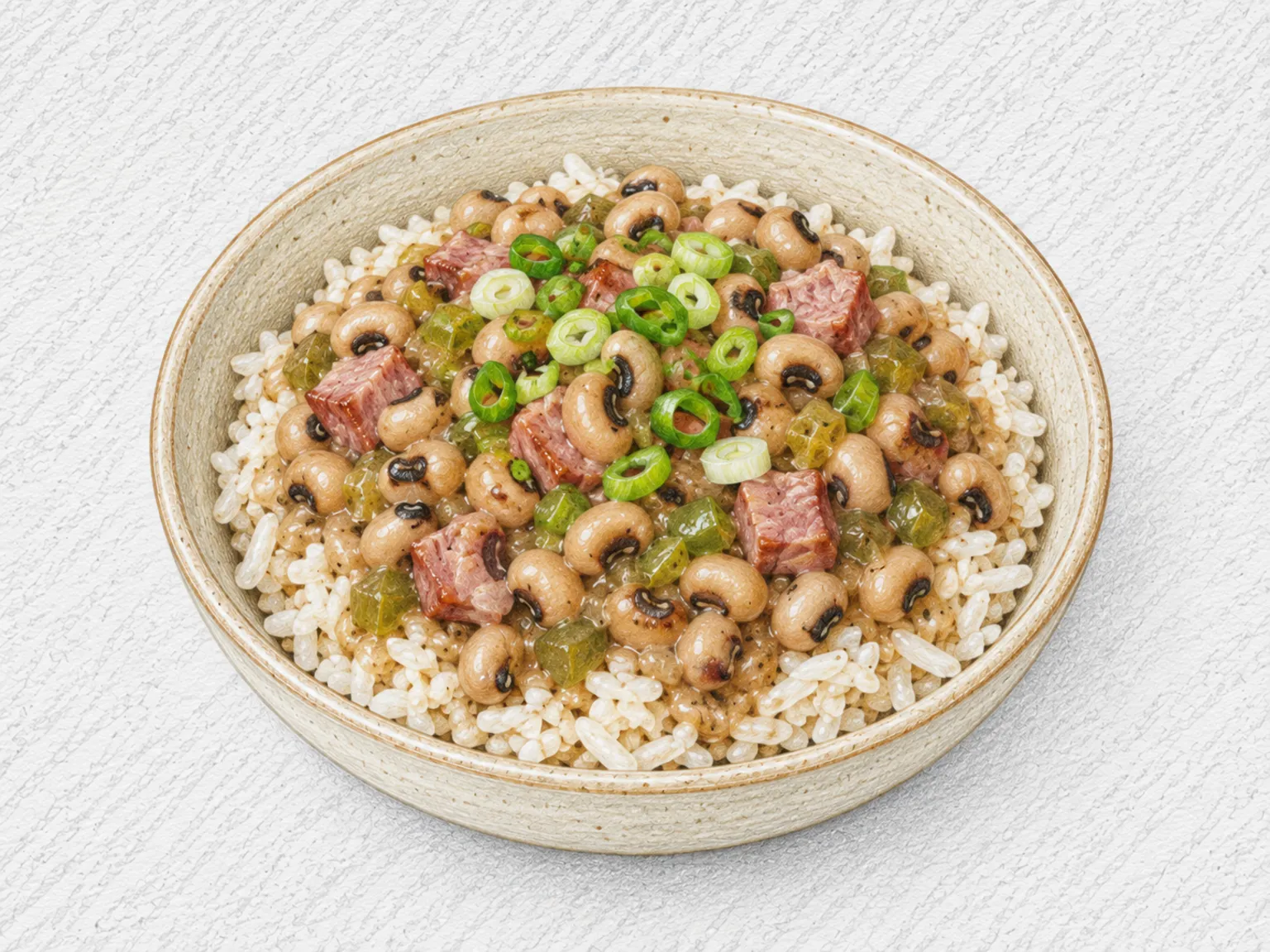
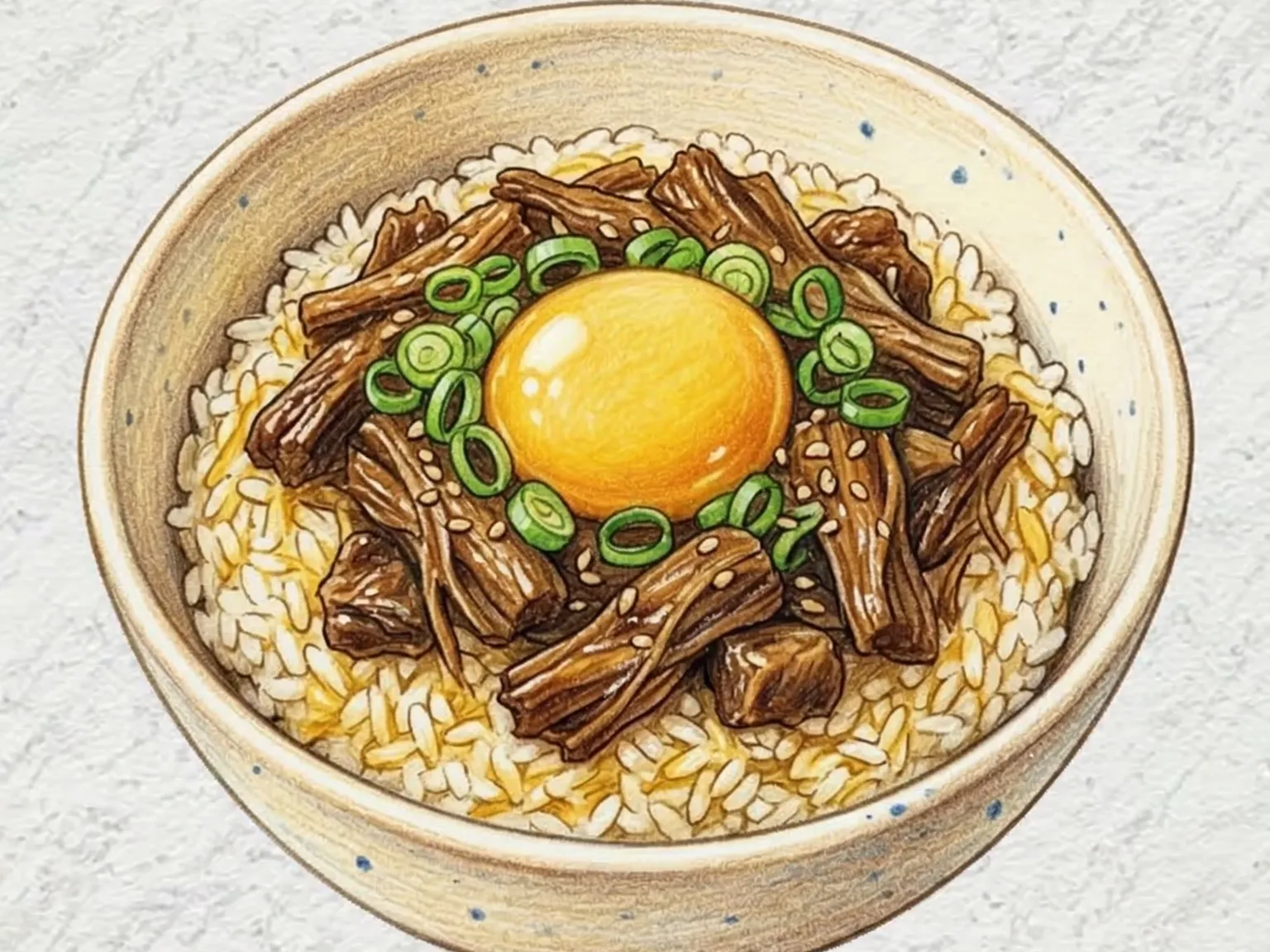
Beef is marinated in soy sauce to build savory depth, then placed on top of rice with crisp-cut burdock root and cooked together in a heavy pot. The marinated beef releases its juices during cooking, and they soak into the rice so each grain carries flavor without any extra sauce. Burdock retains its firm texture even after pot-cooking, releasing an earthy sweetness with every chew. Adding carrot brings a gentle sweetness and color that rounds out the bowl.

Korean Kohlrabi Kimchi (Cubed Gochugaru Fermented Crisp)
Kolrabi kimchi is made by cutting kohlrabi into 2 cm cubes, brining them in coarse salt, then mixing with gochugaru, fish sauce, minced garlic, and plum syrup before fermentation. Kohlrabi has lower moisture content and a denser cellular structure than Korean radish, which means its crunch holds up through days of fermentation without softening into mush. The brining step draws internal moisture out of the kohlrabi while driving salt evenly into the tissue, and this stage must be completed thoroughly so that seasoning can penetrate all the way through during fermentation. Kohlrabi's natural sweetness creates a clear contrast against the heat of gochugaru, adding textural depth to the flavor profile. Fish sauce builds the savory fermented foundation, while plum syrup contributes both acidity and sweetness to keep the overall seasoning in balance. Eaten immediately after mixing, the kimchi tastes fresh and light, similar to a dressed salad. After one to two days at room temperature or three to four days in the refrigerator, the umami deepens noticeably and the characteristic tang of fermentation emerges. It works well as a substitute for kkakdugi alongside rice and grilled meats.

Korean Lotus Root Shiitake Pot Rice
This pot rice combines lotus root and shiitake mushroom, each contributing a different texture to the same pot. Lotus root stays crisp while shiitake offers a chewy bite, keeping the rice from being monotone. The grains are lightly coated in perilla oil before water is added, which gives them a glossy finish and nutty undertone. A soy sauce mix with chopped scallions and sesame seeds is stirred in at the table for a salty, aromatic contrast. Diced carrot adds subtle sweetness and color.

Korean Radish Sprout Kimchi
Musun kimchi is an instant Korean side dish made by tossing thin radish sprouts in a seasoning of gochugaru, sand lance fish sauce, minced garlic, and a splash of vinegar. The sprouts carry a sharp, peppery bite that stacks naturally with the chili heat and the fish sauce's fermented depth. Mixing must stay under thirty seconds - overworking the delicate stems releases a grassy off-note instead of the clean radish sharpness. Vinegar sharpens the finish with bright acidity, and a final drizzle of sesame oil ties the bowl together with a toasted richness. This kimchi is at its best eaten the same day, while the sprouts still hold their crisp snap.

Japanese Rice Soup Porridge
Zosui is a Japanese rice porridge made by simmering leftover cooked rice in dashi broth and finishing with beaten egg. The broth soaks into the rice grains, giving the porridge a deep umami base, while the egg sets into soft ribbons throughout. Enoki mushrooms add thin, delicate strands of texture, and chopped scallions contribute a fresh finish. Seasoning is kept minimal with just soy sauce and salt to let the broth flavor come forward. It is often served as the closing dish after a nabe hot pot, using the remaining broth as the cooking liquid.

Korean Seokbakji Radish Kimchi
Seokbakji is a traditional Korean radish kimchi in which large-cut radish cubes are salted for one hour, drained, and tossed with a seasoning of gochugaru, salted shrimp, minced garlic, ginger, and scallion pieces before being set aside to ferment. The size of the radish pieces is the most important factor in this kimchi - smaller cuts turn mushy during fermentation as salt and acid break down the cell structure, while large cubes maintain their firm, satisfying crunch throughout the entire maturation period. Salted shrimp here does far more than add salt: its fermented depth provides an umami backbone that gochugaru alone cannot deliver. After one day of fermentation at room temperature, two more days in the refrigerator allow lactic acid bacteria to develop a clean, refreshing sourness. The liquid that the radish releases during this process becomes a flavorful brine - this brine is one of seokbakji's most prized characteristics. Placed alongside a bowl of seolleongtang or gukbap, the cold, crunchy kimchi and its tangy liquid cut directly through the richness of the bone broth, refreshing the palate between spoonfuls. Compared to kkakdugi, seokbakji pieces are larger and more liquid-forward.

Korean Sigeumchi Kimchi (Spinach Kimchi)
Sigeumchi kimchi is a Korean spinach kimchi made by salting the greens for exactly twelve minutes to wilt the leaves while keeping the stems crisp, rinsing in cold water, squeezing dry, then tossing with gochugaru, sand lance fish sauce, minced garlic, plum extract, and scallion pieces. Strict timing on the salt is what creates the dual texture - tender leaves and crunchy stems - that defines this kimchi; over-salting collapses everything into softness. The fish sauce's fermented depth layers onto the spinach's mild, grassy base, and plum extract rounds out the seasoning's sharp edges with a gentle sweetness. Six hours of refrigeration settles the flavors into a cohesive whole. The vivid green color makes this a visually appealing banchan on any Korean table.

Korean Bitter Herb Kimchi
Sseumbagwi kimchi is a traditional spring fermented side dish made from sseumbagwi, a wild bitter herb that grows in Korea during early spring. The herb is soaked in cold water for at least twenty minutes to pull back its pronounced bitterness before being salted to soften the stalks. It is then dressed in a seasoning paste built from gochugaru, sand lance fish sauce, minced garlic, ginger, sweet rice paste, and plum syrup, mixed together with cut scallions. The rice paste adds body to the seasoning so it clings to the herb's thin stems and narrow leaves rather than sliding off. Plum syrup works on both the bitterness and the salt's edge at once, smoothing the overall profile without masking the herb's character. Sand lance fish sauce is preferred over anchovy sauce here because its gentler aroma does not compete with the plant's natural flavor. Five hours of room-temperature fermentation followed by refrigeration sets off lactic acid development, layering tangy depth over the bitter-green base. The flavor peaks around day three when bitterness, acidity, and umami reach the best balance. If the raw herb tastes too sharp, one additional soak in fresh cold water brings it within range before seasoning.

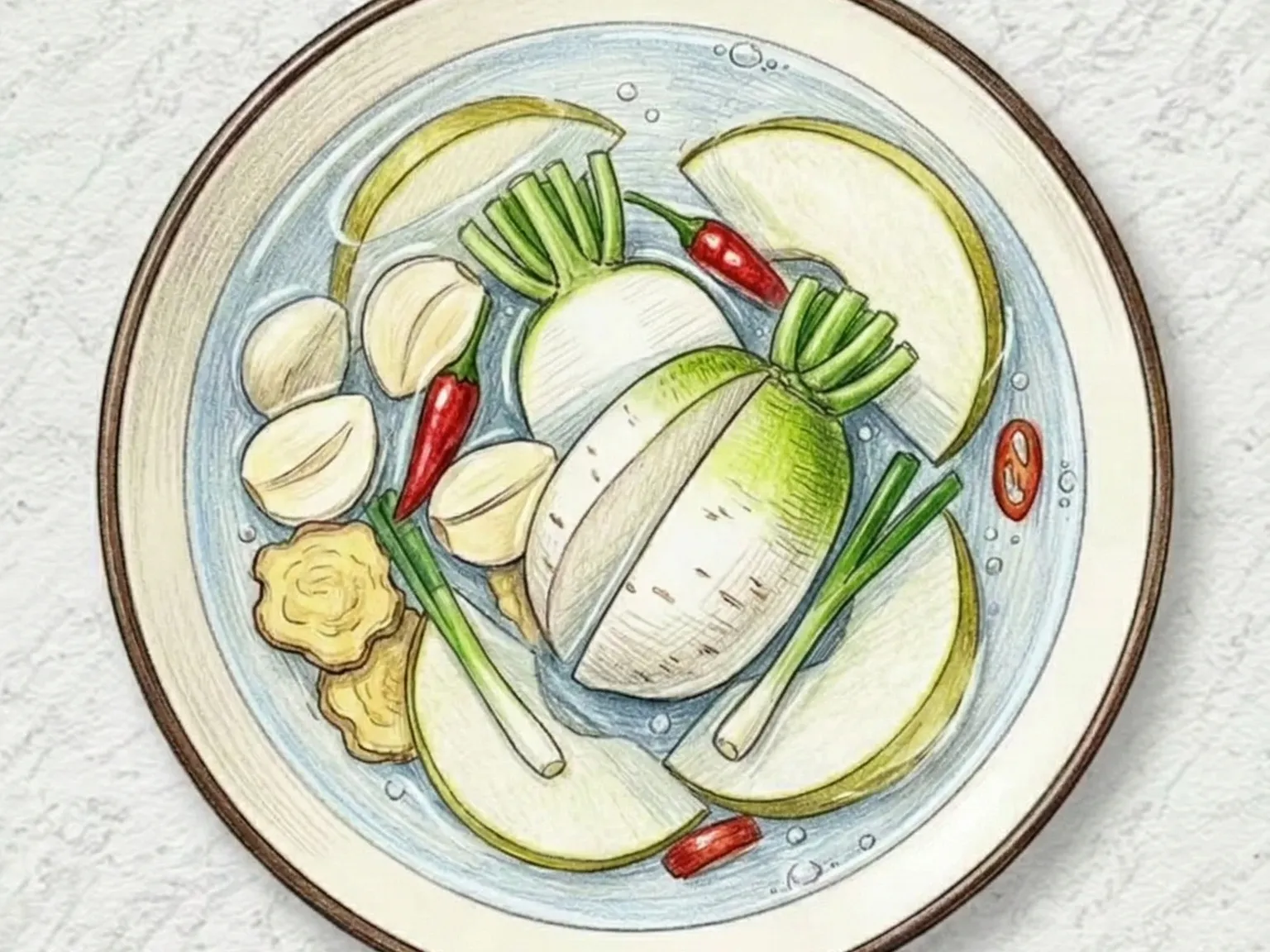
Korean Turnip Kimchi (Diced Gochugaru Water Fermented)
Sunmu kimchi is a brined kimchi made with diced turnips seasoned in chili flakes, fish sauce, garlic, and ginger juice, then submerged in water to ferment with its own liquid. Turnips have a naturally higher sweetness and denser flesh than Korean radish, so they stay firm and crunchy even after fermentation. Scallions woven through the batch add an aromatic layer that rounds out the spice. One day at room temperature followed by two days of refrigeration produces a cool, tangy brine that is refreshing to drink on its own. Adding turnip greens, if available, deepens both the color and the fragrance.

Korean Cabbage Kimchi (Crunchy Green Cabbage Kimchi)
Yangbaechu kimchi is a Korean cabbage kimchi made by salting green cabbage and tossing it with chili flakes, fish sauce, and minced garlic. The thicker leaves and lower moisture content of green cabbage compared to napa cabbage result in a noticeably crunchier texture that persists through fermentation. The natural sweetness of cabbage softens the heat from the chili seasoning, while carrot and scallion pieces add color and freshness. Six hours of fermentation at room temperature followed by refrigeration lets the tanginess develop gradually. It serves as a lighter alternative when traditional napa kimchi feels too heavy.

Korean Young Radish Water Kimchi
Yeolmu mul-kimchi is a water kimchi in which young radish greens are salted to reduce their raw grassy sharpness, then submerged in a clear, aromatic brine infused with sliced radish, scallions, garlic, and ginger. The garlic and ginger are wrapped in cloth and squeezed rather than added directly to the liquid, which keeps the brine transparent and clean-tasting rather than murky. Plum syrup blended into the brine provides a measured sweetness and contributes to a lively acidity as fermentation develops. Leaving the jar at room temperature for eight hours and then refrigerating for another twelve allows the brine to become gently effervescent and pleasantly tart without turning sour. The finished liquid doubles as a broth for cold noodles in summer or can be ladled over cooked rice for a refreshing light meal. Filtered cold water makes a noticeable difference in the cleanliness of the final flavor, and keeping close watch on the salting time prevents the greens from softening past their ideal crisp texture.

Korean Lotus Root Kimchi (Crunchy Spiced Root Kimchi)
Starting with sliced lotus root boiled in vinegar water helps remove bitterness while keeping the vegetable pale and crisp. The seasoning combines gochugaru, minced garlic, and anchovy fish sauce with the addition of fresh pear juice. This pear juice provides natural sugars and necessary moisture so the chili paste coats each slice evenly without becoming dry or clumping. Even after the fermentation process begins, the lotus root maintains its signature firm and crunchy texture. Sliced scallions are tossed in to add a fresh aromatic quality that balances the spicy garlic paste. One full day of refrigeration allows the flavors to settle into the flesh before serving. Because the seasoning gets trapped inside the characteristic holes of the root, the paste should remain thick rather than watery to ensure consistent flavor. When left to ferment for a few more days, the developing acidity helps cut through the richness of grilled meats or fried dishes. A light addition of sesame oil and toasted sesame seeds at the end brings a toasted scent to every bite.

Korean Dried Pollock Egg Porridge
Bukeo gyeran juk is a Korean porridge made by toasting dried pollock strips in sesame oil until fragrant, then simmering them with soaked rice until the grains fully break down, and finishing with beaten egg stirred in just before the heat is turned off. Dried pollock concentrates protein during the drying process, producing a clean, direct savoriness without heaviness. Toasting it in sesame oil first coats the fish in fat, which spreads a nutty richness throughout the porridge as it cooks. Adding the egg at the very end and stirring immediately keeps it from setting into firm pieces and instead creates soft, silky ribbons through the gruel. Soup soy sauce seasons the dish without darkening the color of the broth. Mild and easy on the stomach, this porridge is a reliable choice for the morning after drinking or whenever the body wants something warm and light.

Korean Seafood Scallion Pancake
Haemul-pajeon is a Korean seafood scallion pancake built by laying scallion segments cut to six or seven centimeters in an oiled pan, topping them with sliced squid and peeled shrimp, then pouring a thin batter of Korean pancake mix and cold water over everything and cooking on medium heat. Cold water inhibits gluten development, which is the secret to shatteringly crisp edges, and the scallions pressed directly against the hot oil caramelize underneath the batter, releasing a sweet, aromatic fragrance unique to pajeon. Shaking the pan before flipping confirms the bottom has released cleanly-forcing a stuck pancake tears the delicate structure-and adding a drizzle of oil around the edges for the second side crisps the perimeter into a golden, almost fried ring. Thinly sliced red chili on top adds color and a gentle heat, completing the dish that is Korea's most iconic pairing with makgeolli rice wine.

Mushroom Memil Soba (Warm Buckwheat Noodles in Mushroom Dashi)
Beoseot memil soba is a warm buckwheat noodle soup built on dashi stock seasoned with soy sauce and mirin, with shiitake and oyster mushrooms simmered for five minutes so their concentrated woodsy depth moves fully into the broth. Dried shiitake contributes far more umami than fresh, and oyster mushrooms torn along the grain absorb more liquid than sliced. The soba noodles are cooked separately and rinsed in cold water to strip off surface starch, which keeps the broth clear and prevents the noodles from turning soft. A small curl of yuzu zest placed on top just before serving sends a sharp citrus note across the broth's earthy weight, lifting the finish without overpowering it. Green onion scattered on top adds a layer of fresh aroma and color.

Korean Grilled Chicken Hearts
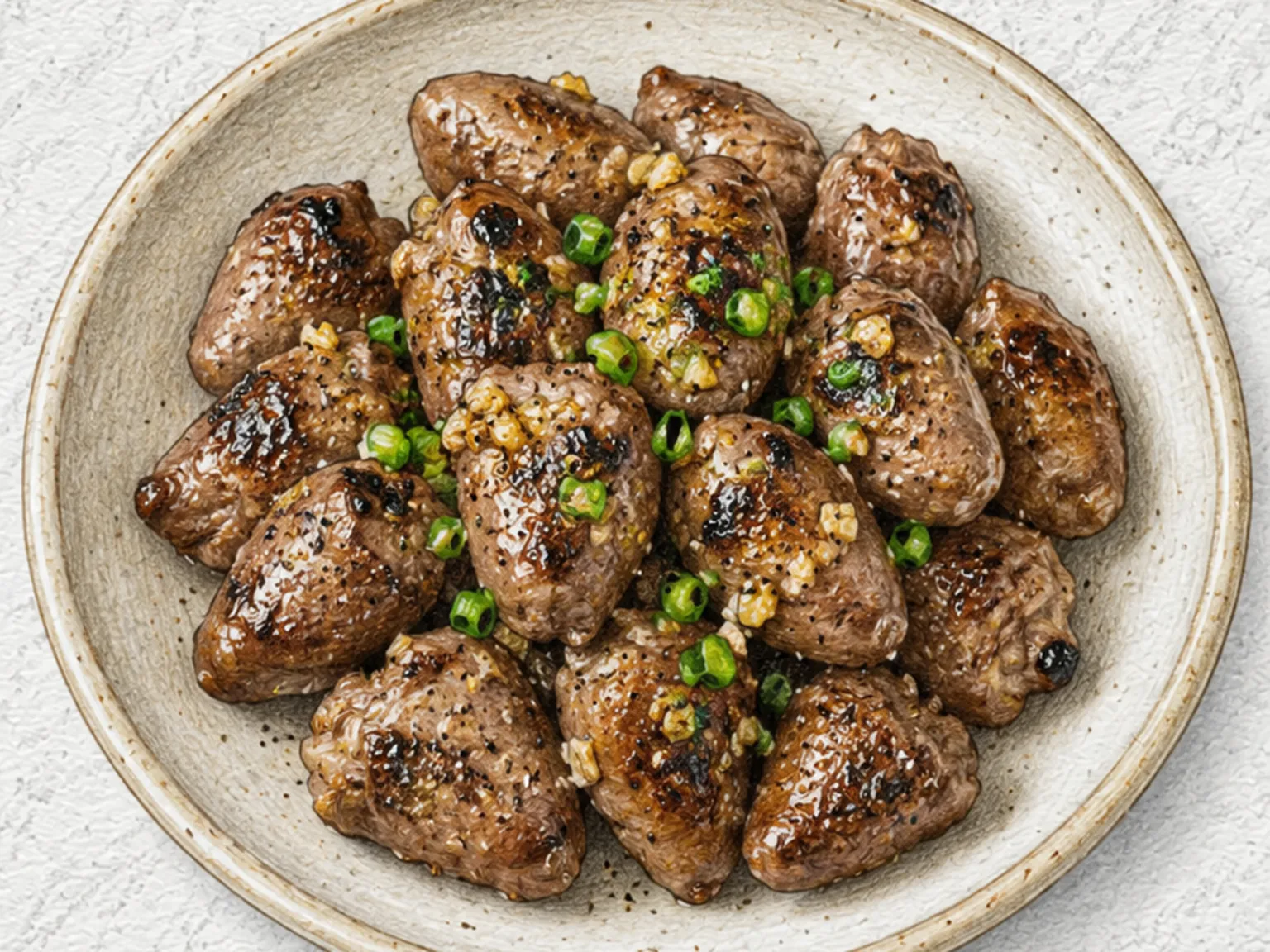
Chicken hearts are trimmed, rinsed, and marinated briefly in cooking wine to remove any off-flavors before being seasoned with salt, pepper, and garlic. They are seared over high heat in a single layer for about six minutes total, which keeps the interior springy and chewy rather than tough. Finished with sliced scallion, this high-protein dish works well as a drinking snack or a quick weeknight side.

Korean Grilled Hard Clams with Doenjang Sauce
Baekhap doenjang gui is a Korean grilled clam dish where hard clams are topped with a doenjang sauce and cooked over direct flame or in an oven. The clams must be purged in salt water for at least three hours before cooking, then shucked so that only the half shell carrying the meat remains. The sauce -- doenjang, minced garlic, cheongyang chili, and sesame oil -- is spread in a thin layer over each clam; too thick a coating and the fermented salt of the doenjang drowns out the natural brininess of the shellfish itself. Over high direct heat for three to four minutes, the doenjang surface scorches lightly, developing a caramelized, roasted aroma while the clam meat contracts and concentrates its juices within the shell. Finely sliced scallion scattered on top adds a green visual accent against the brown doenjang glaze. Timing is critical: the moment the liquid pooled in the concave shell begins to bubble, the clams should be lifted off the heat immediately, because even one additional minute toughens the meat to the point of unpleasantness. The dish depends on the interplay between two distinct kinds of salt -- the oceanic brine of the clam and the fermented depth of the doenjang -- which converge into a single concentrated bite that rewards restraint in the sauce application.

Korean Kohlrabi Fresh Salad (Saengchae)
Kolabi-saengchae is a fresh Korean salad made from julienned kohlrabi dressed in gochugaru, vinegar, and fish sauce. Though it resembles mu-saengchae made with radish, the two diverge clearly in texture and flavor. Kohlrabi is a brassica, but instead of leaves or roots, the rounded swollen stem base is the edible part. Its exterior is firm and waxy, while the flesh inside is juicy, light, and gently sweet in a way that resembles a crisp pear rather than the earthy sharpness of radish. The thick outer rind must be generously peeled to strip away the fibrous layer just beneath the skin, and the kohlrabi is then cut into matchstick strips about 4 to 5 centimeters long and a few millimeters wide. Cutting too thin causes the strips to wilt quickly as they draw moisture under the dressing. Fish sauce contributes marine umami to kohlrabi's quiet sweetness, while vinegar slows moisture loss and extends the window of crispness after seasoning. Gochugaru adds heat and the brick-red color associated with most saengchae. Served beside grilled fatty meats, the tangy, crunchy salad functions as a palate cleanser between bites. Kohlrabi is at its sweetest and most firm during peak seasons in spring and fall, which is when this banchan appears most frequently at Korean tables.

Cold Udon (Chilled Noodles with Mentsuyu Dipping Broth)
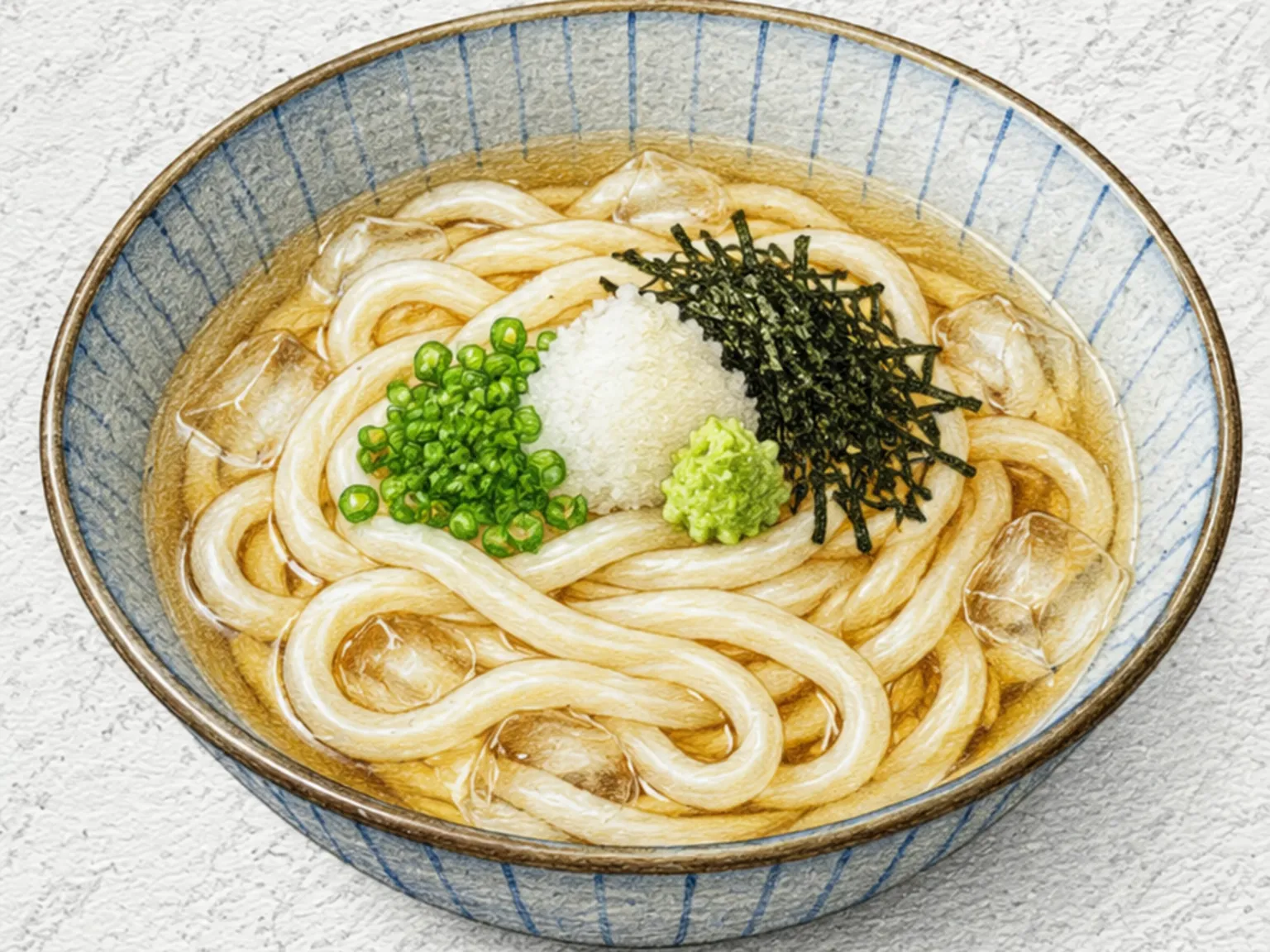
Naeng udon is a Japanese cold noodle dish where thick udon is cooked, drained, and then cooled aggressively in ice water before being served in chilled mentsuyu broth. The broth is prepared by diluting concentrated mentsuyu with cold water at a ratio of one to two, then refrigerating it until well chilled, which produces a clean liquid dense with soy-based umami. Cooling the noodles completely in ice water is not optional: the cold firms the starch back up, restoring the springy, slightly resistant chew that defines good udon. Freshly grated daikon stirred into the broth contributes a mild peppery heat and a cooling edge that lightens the overall flavor. Thinly sliced scallion adds a bright green freshness, and a sheet of nori brings oceanic depth to what might otherwise be a simple dipping liquid. A small amount of wasabi dissolved into the broth delivers a sharp nasal sting that contrasts directly with the cold temperature, leaving a clean, bracing finish on the palate. The dish is best eaten quickly while everything stays cold, and it comes together from pantry staples in minutes, making it one of the most practical summer meals.

Korean Busan-style Seafood Green Onion Pancake
Busan-style haemul pajeon is a Korean seafood scallion pancake assembled by laying long green onions across the full width of the pan, topping them with squid, shrimp, and mussel meat, then binding everything together with a thin cold-water batter poured over the top. Mixing the batter with cold water is the defining technique -- lower temperatures inhibit gluten development, producing edges that shatter rather than bend when pressed, a noticeably crispier result than standard pajeon. As the scallions cook through, they release steam and develop a natural sweetness while absorbing the briny, savory liquid from the seafood above. Extra oil added around the perimeter during cooking fries the outer ring into a cracker-like crunch, contrasting with the dense, moist center packed with overlapping layers of shellfish and green onion. Dipping each slice into a sesame-soy sauce completes the contrast between the crisp exterior and the concentrated seafood filling.

Kake Udon (Plain Udon in Clear Dashi Broth)
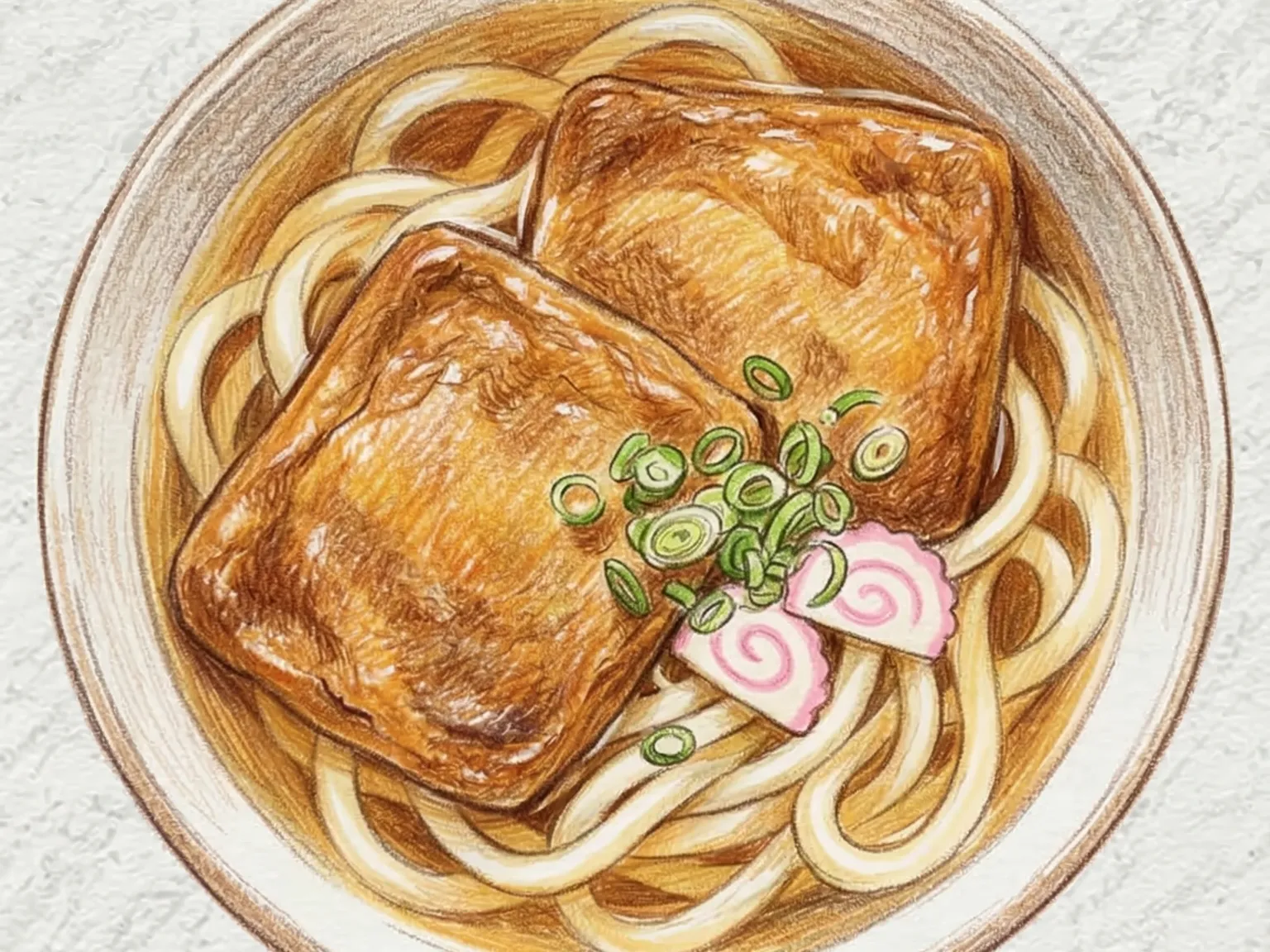
Kake udon is the most elemental form of Japanese udon: thick, springy wheat noodles served in a clear dashi broth seasoned with soy sauce, mirin, and a small amount of salt. With so few components, the quality of the dashi determines everything about the dish. The broth is built on katsuobushi and dried kelp, producing a flavor that is restrained but unmistakably savory. The noodles must be thick enough to hold their chew and smooth enough to carry broth with each lift of the chopsticks. Toppings are deliberately kept to a minimum, typically sliced kamaboko fish cake and chopped green onion, so the stock and noodle texture remain the focus rather than any single garnish. The noodles should go directly from the pot into hot broth, as they soften quickly and lose their characteristic bounce if left to sit. In the Kansai region, pale usukuchi soy sauce is used to keep the broth nearly transparent, making the visual clarity of the soup another deliberate element of the dish.