Charim

2686 Korean & World Recipes

2686+ Korean recipes, clean and organized. Ingredients to instructions, all at a glance.

Recipes with scallions

24 recipes

Buy scallions
Korean Butter-Grilled Abalone
GrilledMedium

Korean Butter-Grilled Abalone

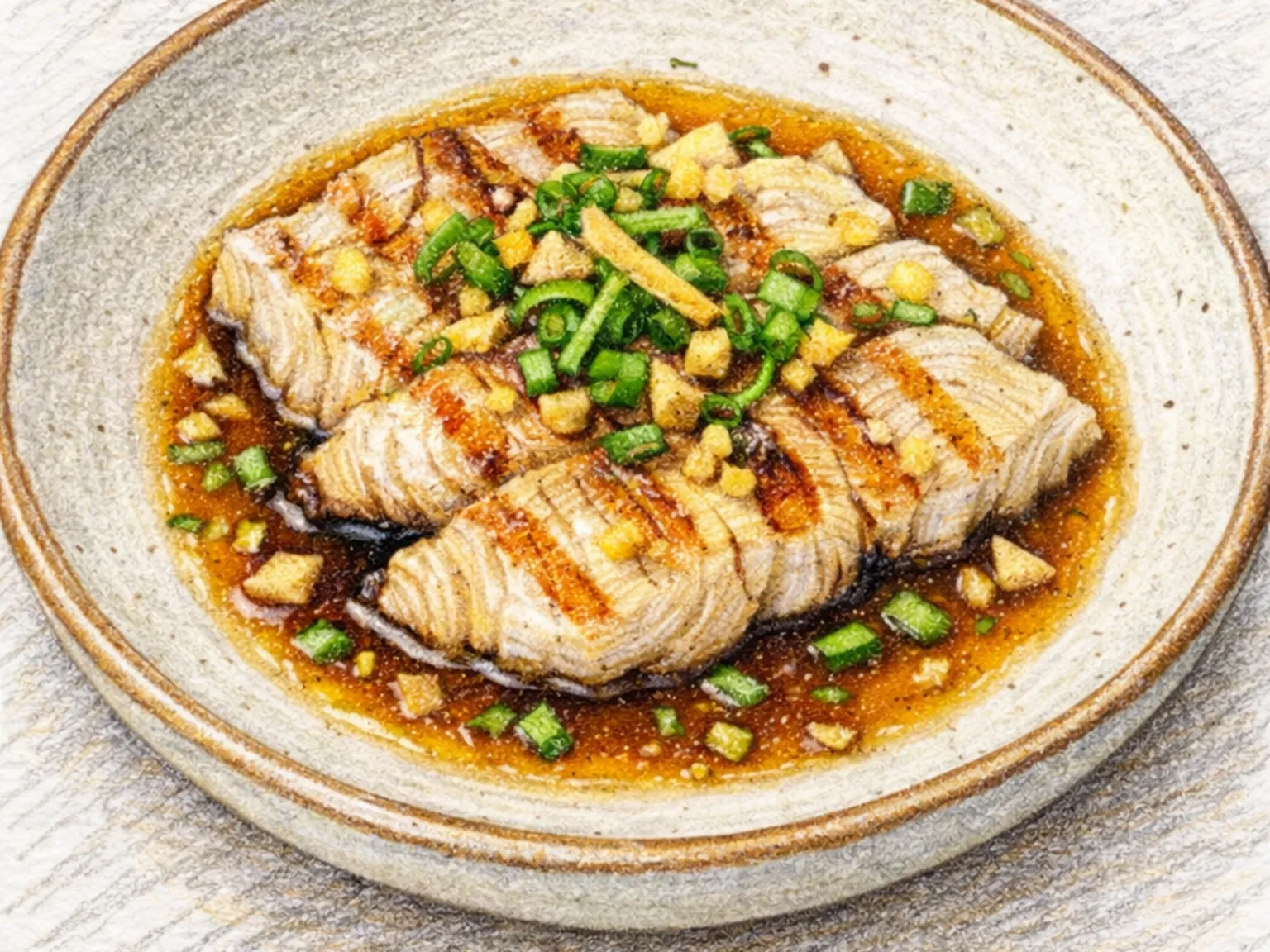
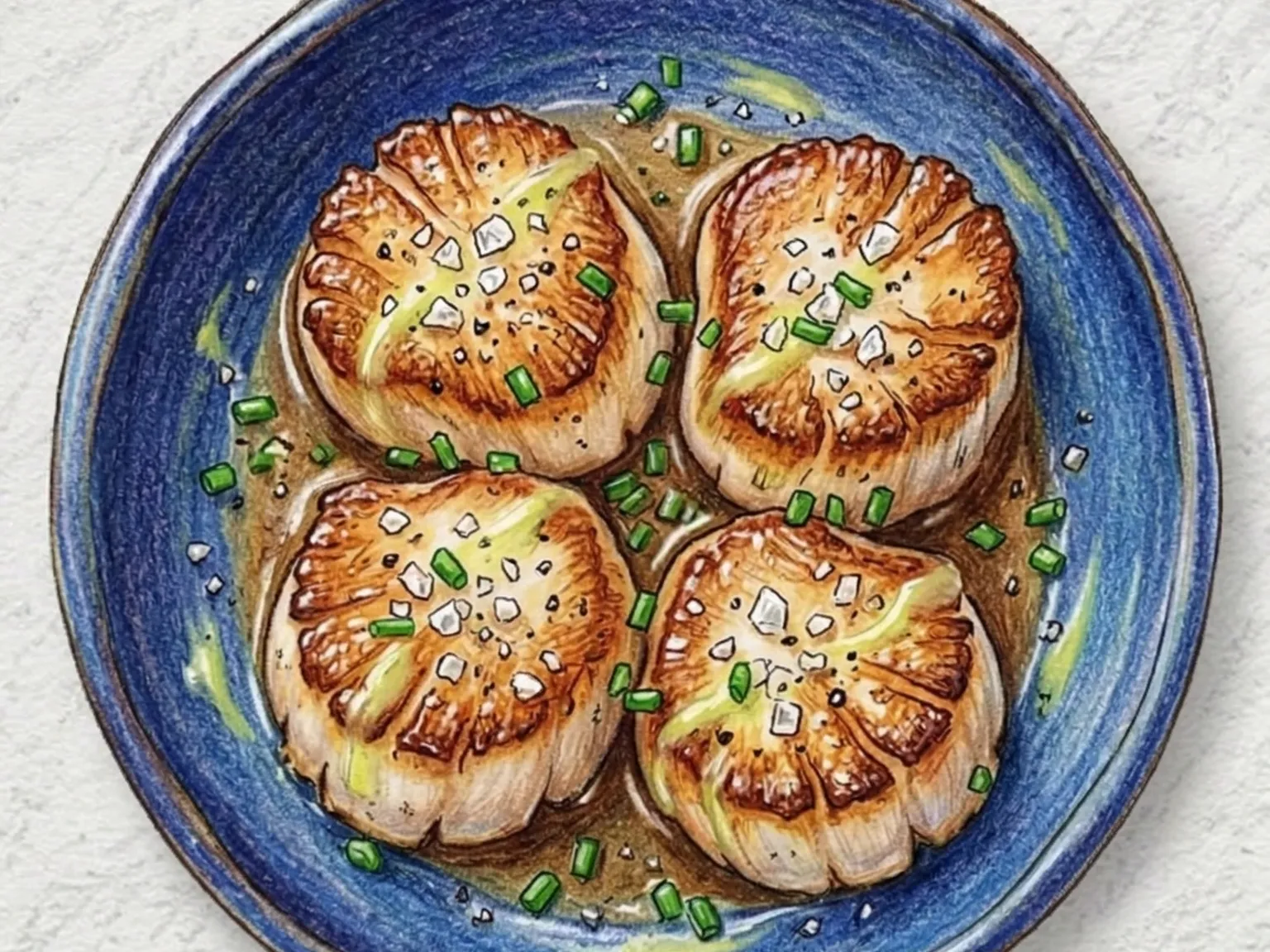
Scored abalone is seared quickly in garlic butter, with the cooking time kept to two or three minutes so the flesh stays springy and firm rather than contracting into a tough, rubbery state. Minced garlic is added to the melted butter first, allowing its fragrance to bloom before the abalone goes in, so the shellfish absorbs the full depth of the butter. A small addition of soy sauce to the pan deepens the umami without masking the delicate sweetness of the abalone itself. For an extra layer of oceanic richness, the abalone liver can be minced and stirred directly into the butter sauce as it finishes; the liver melts in, contributing a briny, mineral depth that amplifies the sea flavor of the dish. The finished abalone is best served in the cleaned shells, which both keep the butter sauce pooled around the meat and make for an appealing natural presentation. A light squeeze of lemon juice just before serving cuts through the richness of the butter and brings out the natural sweetness of the shellfish.

🍺 Bar Snacks
Prep 20minCook 10min2 servings
Korean Cheonggak Kimchi (Seaweed Kimchi)
KimchiMedium

Korean Cheonggak Kimchi (Seaweed Kimchi)

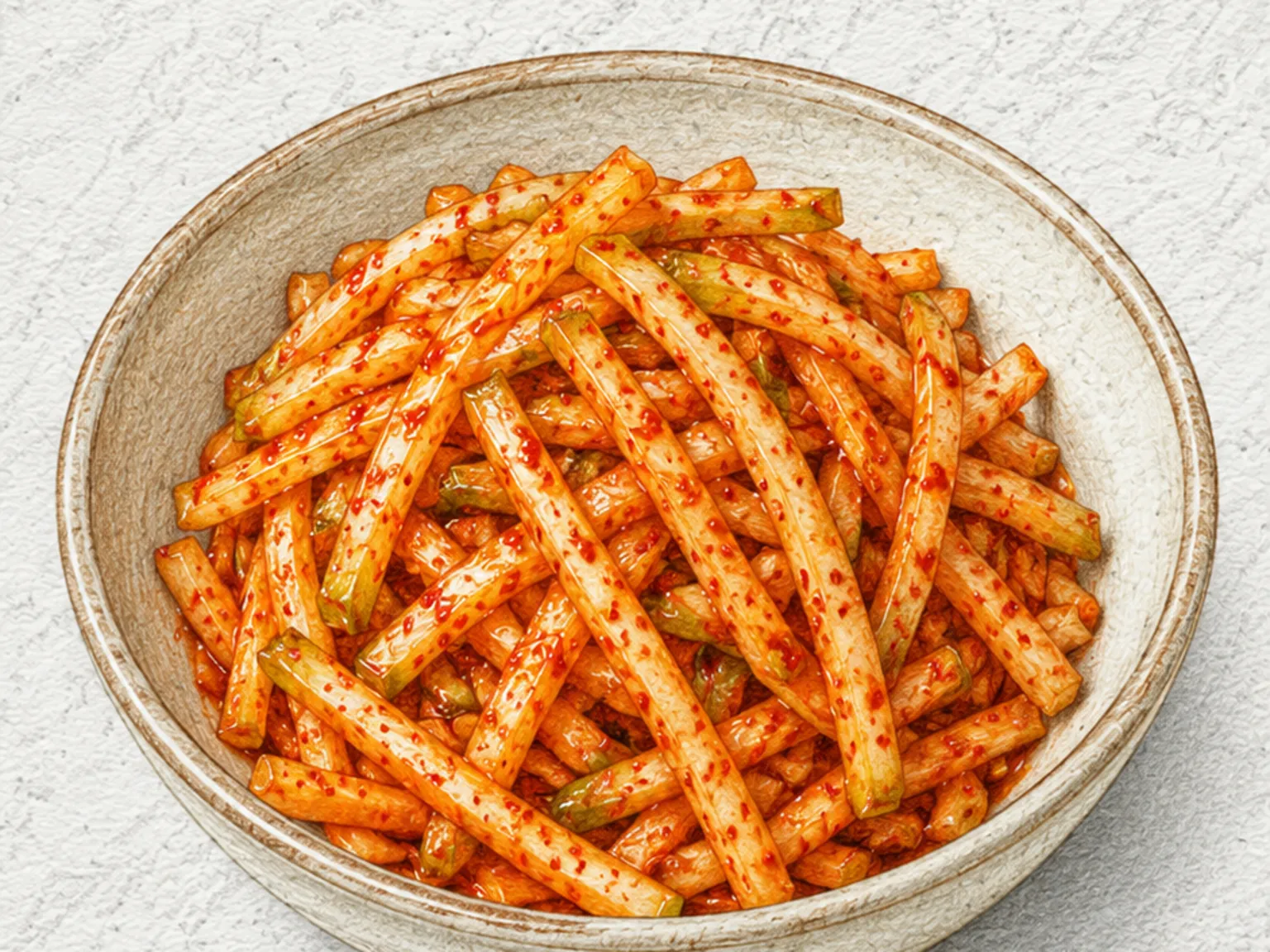
Cheonggak kimchi uses cheonggak, a branching green seaweed, mixed with julienned radish and scallions in a paste of gochugaru, anchovy fish sauce, and sweet rice starch. The seaweed brings a firm, almost crunchy chew and a concentrated marine aroma absent from land-vegetable kimchi. Seasoning the radish first lets it absorb the brine, then the seaweed is tossed in briefly - prolonged handling toughens the strands. After one day of refrigeration, the seaweed's salinity merges with the fermented seasoning paste to produce a briny, sharp kimchi that sits naturally alongside seafood dishes and mild rice soups. Coastal households traditionally make this in autumn when fresh cheonggak comes into season.

🍱 Lunchbox
Prep 35min4 servings
Kimchi Butter Udon (Tangy Kimchi Stir-Fried in Butter)
NoodlesEasy

Kimchi Butter Udon (Tangy Kimchi Stir-Fried in Butter)

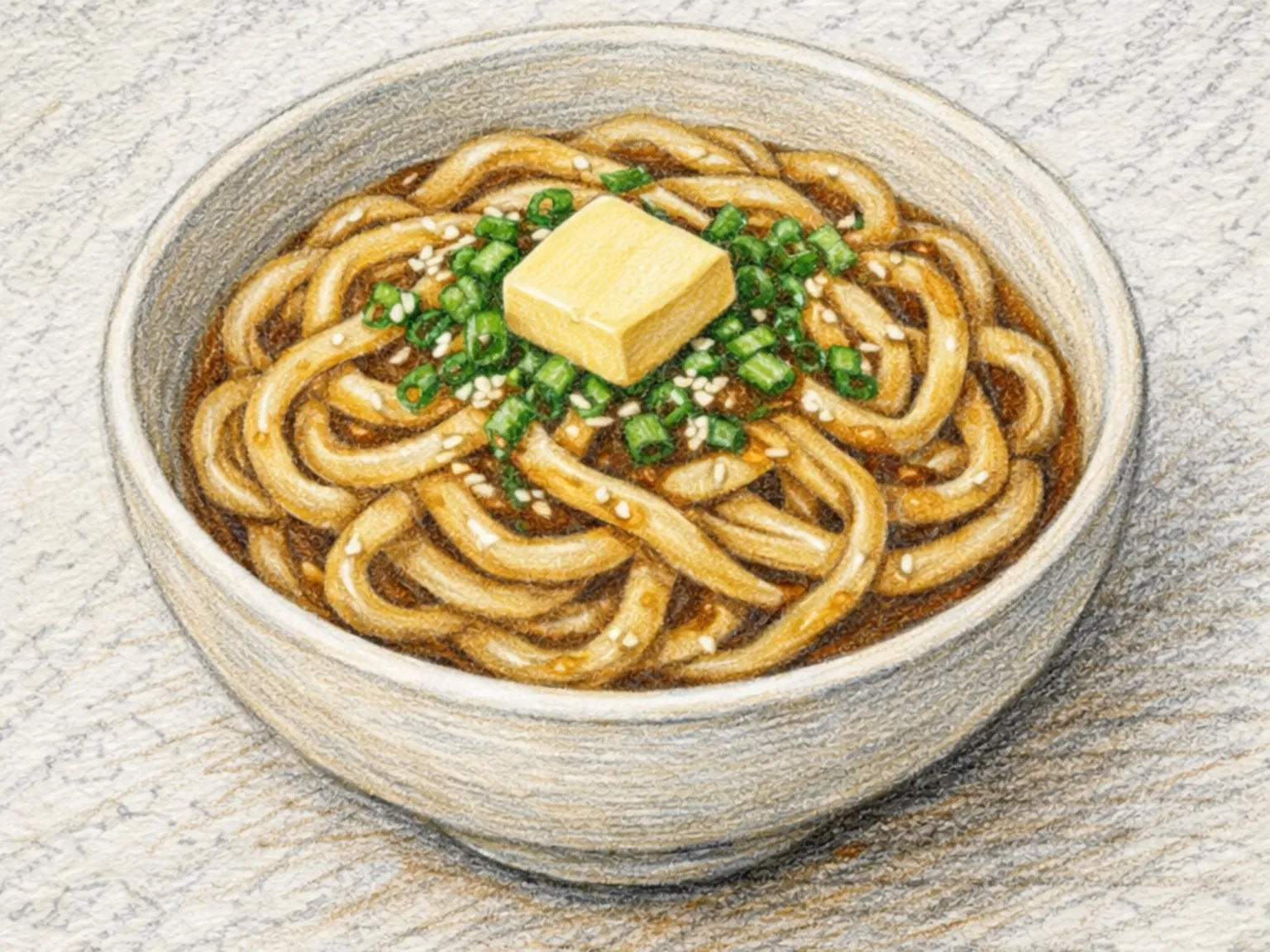
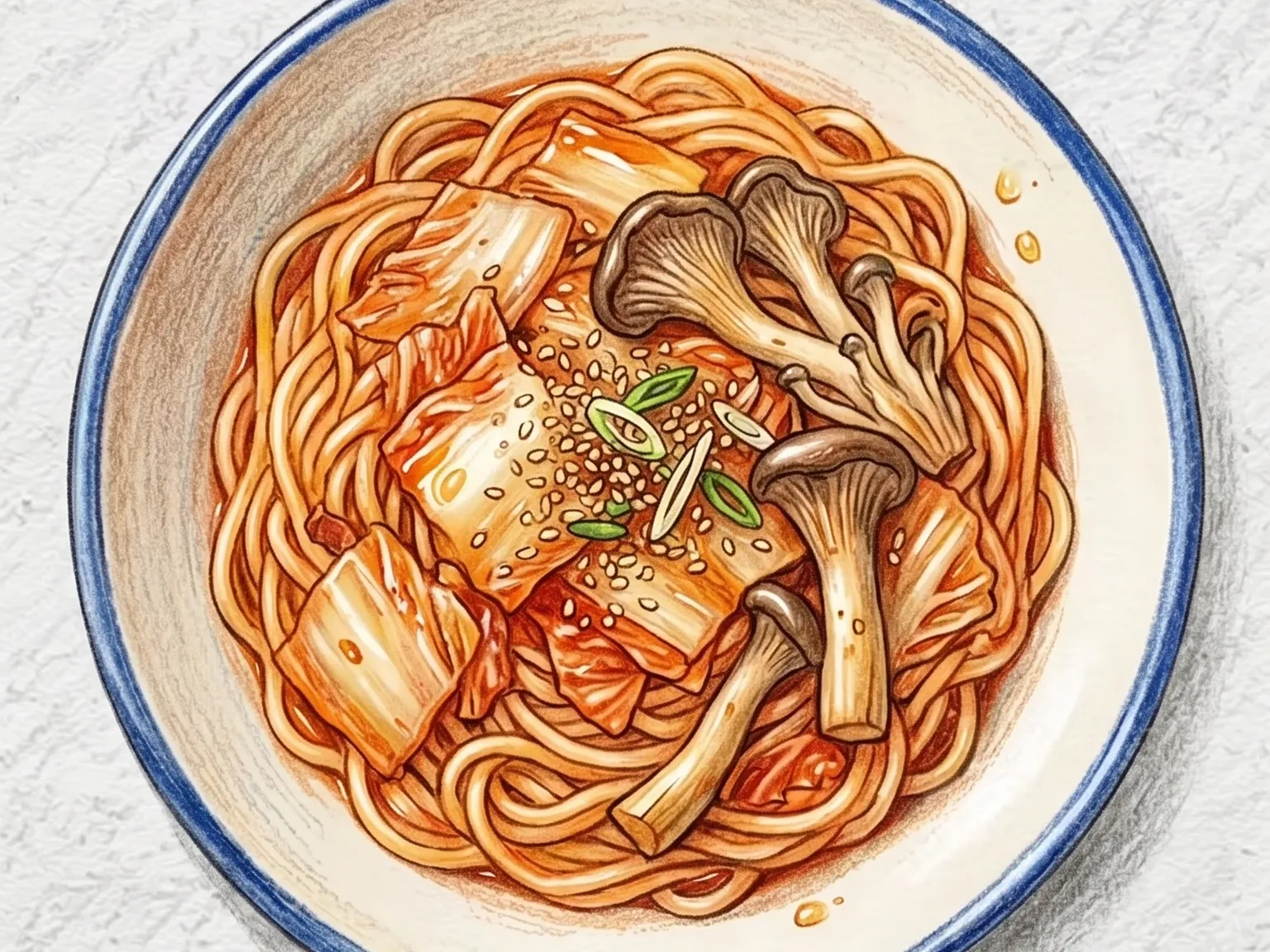
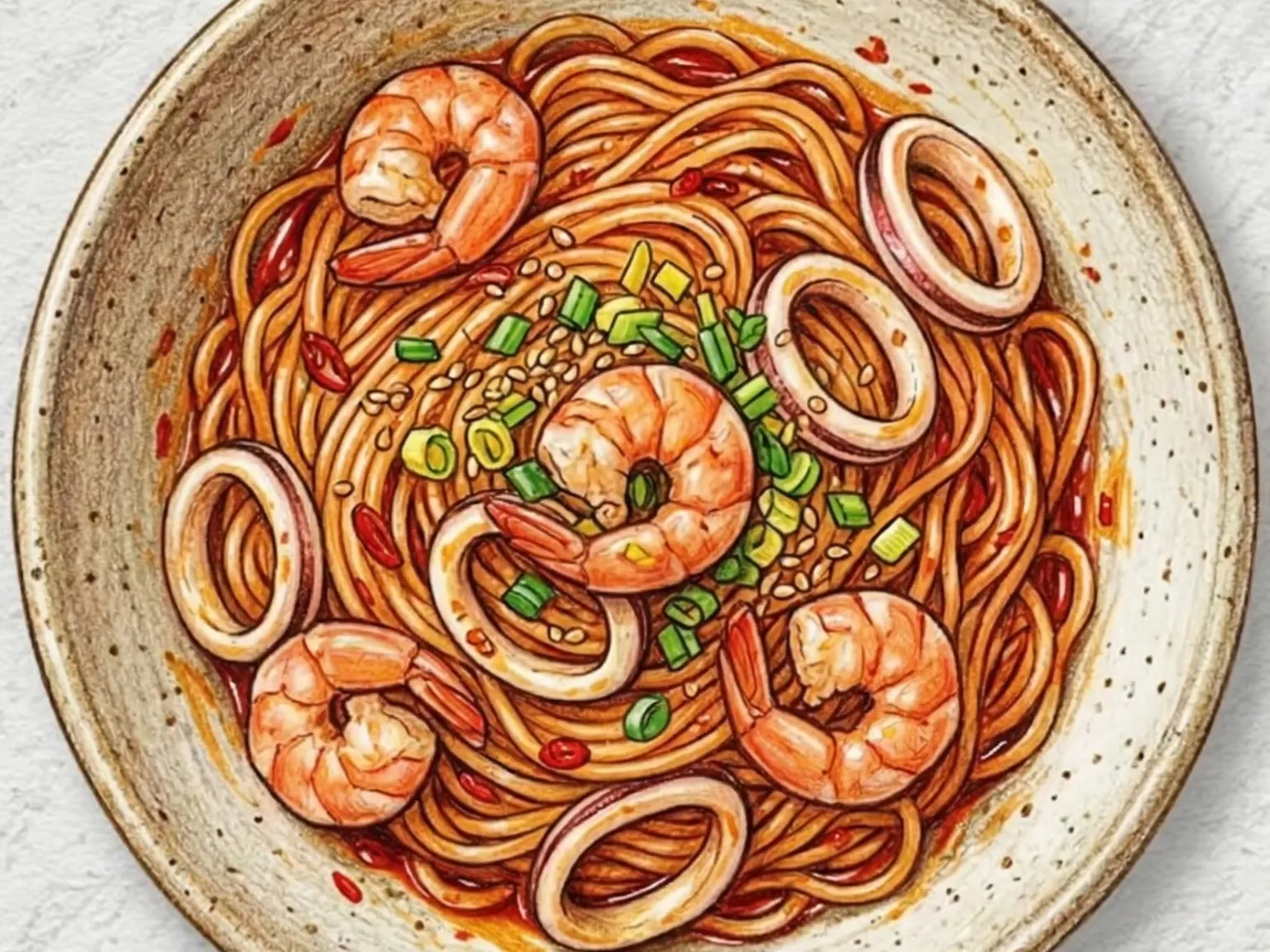
Kimchi butter udon is a fusion stir-fried noodle that pairs the tangy, spicy acidity of well-fermented kimchi with the deep richness of butter. The first half of the butter goes into the pan to saute onion and garlic until they release their sweetness, then chopped kimchi is added and stir-fried for two minutes to cook off the moisture, which concentrates the flavor and mellows the sharp sourness. Blanched udon noodles and soy sauce are tossed in over high heat so the seasoning coats every strand evenly, and the remaining butter is added off-heat immediately after, keeping its aroma intact while lending a glossy sheen and fuller depth to the noodles. A soft-cooked egg placed on top breaks into a creamy sauce when stirred in, while seaweed flakes and sliced scallion contribute crunch and a fresh herbal lift. If the kimchi leans salty, reducing the soy sauce to one tablespoon keeps the balance in check. The whole dish, including prep, comes together in about twelve minutes.

🏠 Everyday🌙 Late Night
Prep 10minCook 12min2 servings
Hu Tieu Nam Vang (Vietnamese Pork & Shrimp Noodle Soup)
AsianMedium

Hu Tieu Nam Vang (Vietnamese Pork & Shrimp Noodle Soup)

Hu tieu nam vang is a clear-broth rice noodle soup from southern Vietnam, originating in the Cambodian immigrant communities of Phnom Penh and now thoroughly embedded in Saigon street food culture. Pork bones are simmered at low heat for an extended time while the surface is skimmed repeatedly to keep the broth transparent and clean-tasting. Fish sauce and a measured amount of sugar season the broth with a savory-sweet balance that is distinctively southern Vietnamese. Ground pork is pan-fried with garlic until the moisture cooks off and the meat turns crumbly and lightly browned, creating a textured topping that contrasts with the silky broth. Whole shrimp are blanched for one minute only, enough to set the flesh without turning them rubbery. Rice noodles go into the bowl first, raw bean sprouts are piled on top, and boiling broth is ladled over, wilting the outer layers of the sprouts while leaving their cores crisp. A spoonful of garlic-infused oil floated on the surface releases fragrance with each sip and deepens the overall aroma. Green onion and black pepper finish the bowl simply, and the long-cooked broth does the work of pulling every element together. Lime wedges and fresh chilies on the side let each diner adjust acidity and heat to their own preference.

🎉 Special Occasion
Prep 25minCook 40min2 servings
Korean Pollock Roe Rolled Omelet
Side dishesMedium

Korean Pollock Roe Rolled Omelet

Myeongran gyeran-mari elevates the classic Korean rolled omelet by incorporating myeongranjeot - salted pollock roe - whose briny pop against the egg's gentle sweetness creates a two-layered flavor experience in every bite. The roe sac is split lengthwise with a knife and scraped clean with a spoon to separate the individual eggs from the membrane. Two techniques exist: mixing the roe directly into the beaten egg for even distribution, or laying a line of roe across each layer as the omelet is rolled, which produces a vivid orange stripe visible in the cross-section. Low to medium heat is mandatory during cooking - too hot and the egg browns, burying the roe's delicate salinity beneath a scorched note. When sliced, the contrast between the pale yellow egg and the pink-orange roe granules is visually striking, and biting into a piece delivers a soft egg cushion punctuated by tiny pops of salty roe. This banchan is popular in Korean lunchboxes and reflects the influence of Japanese tamagoyaki technique on modern Korean home cooking.

🏠 Everyday🍱 Lunchbox
Prep 10minCook 10min2 servings
Korean Seaweed Roe Pot Rice
RiceMedium

Korean Seaweed Roe Pot Rice

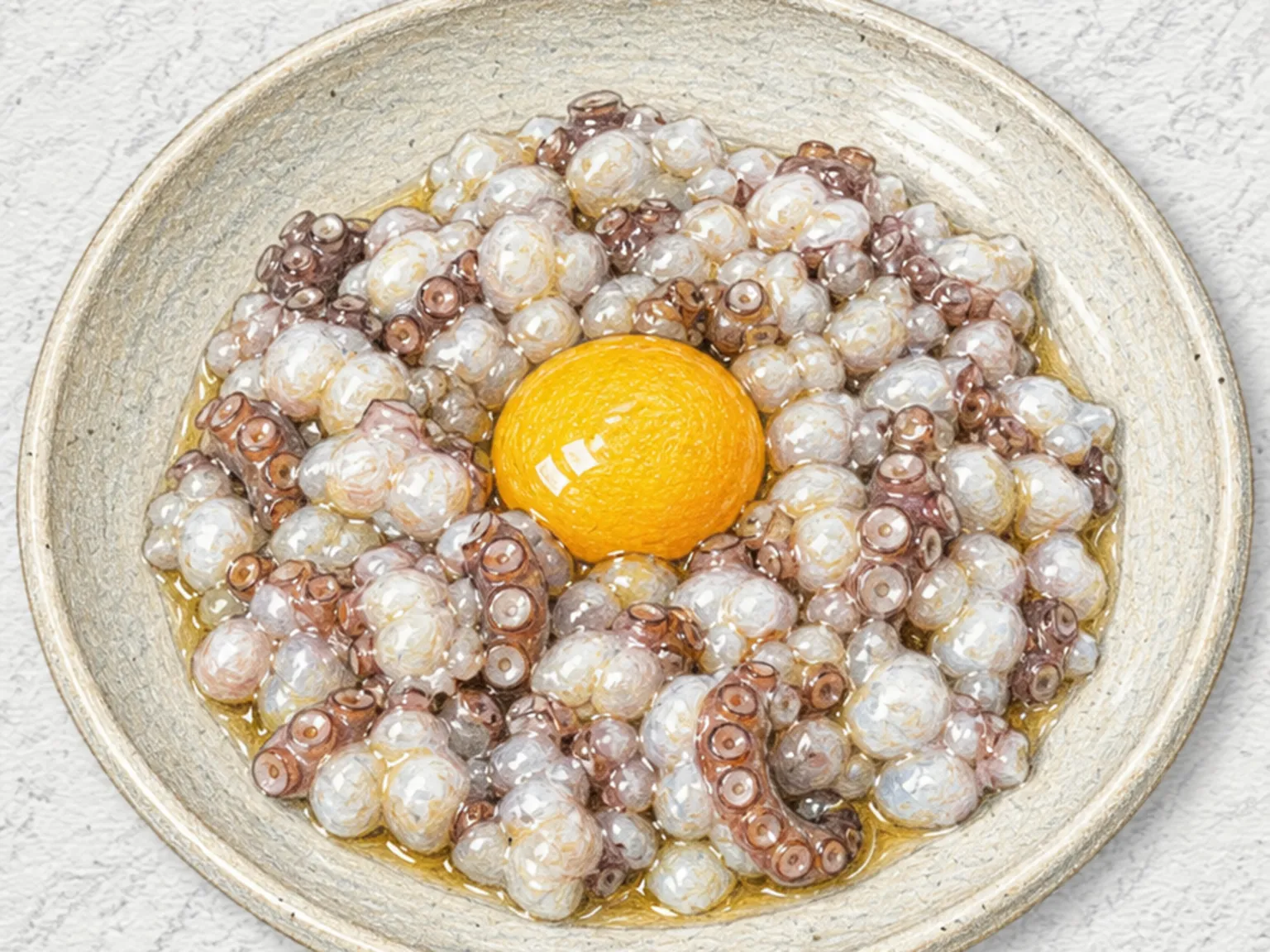
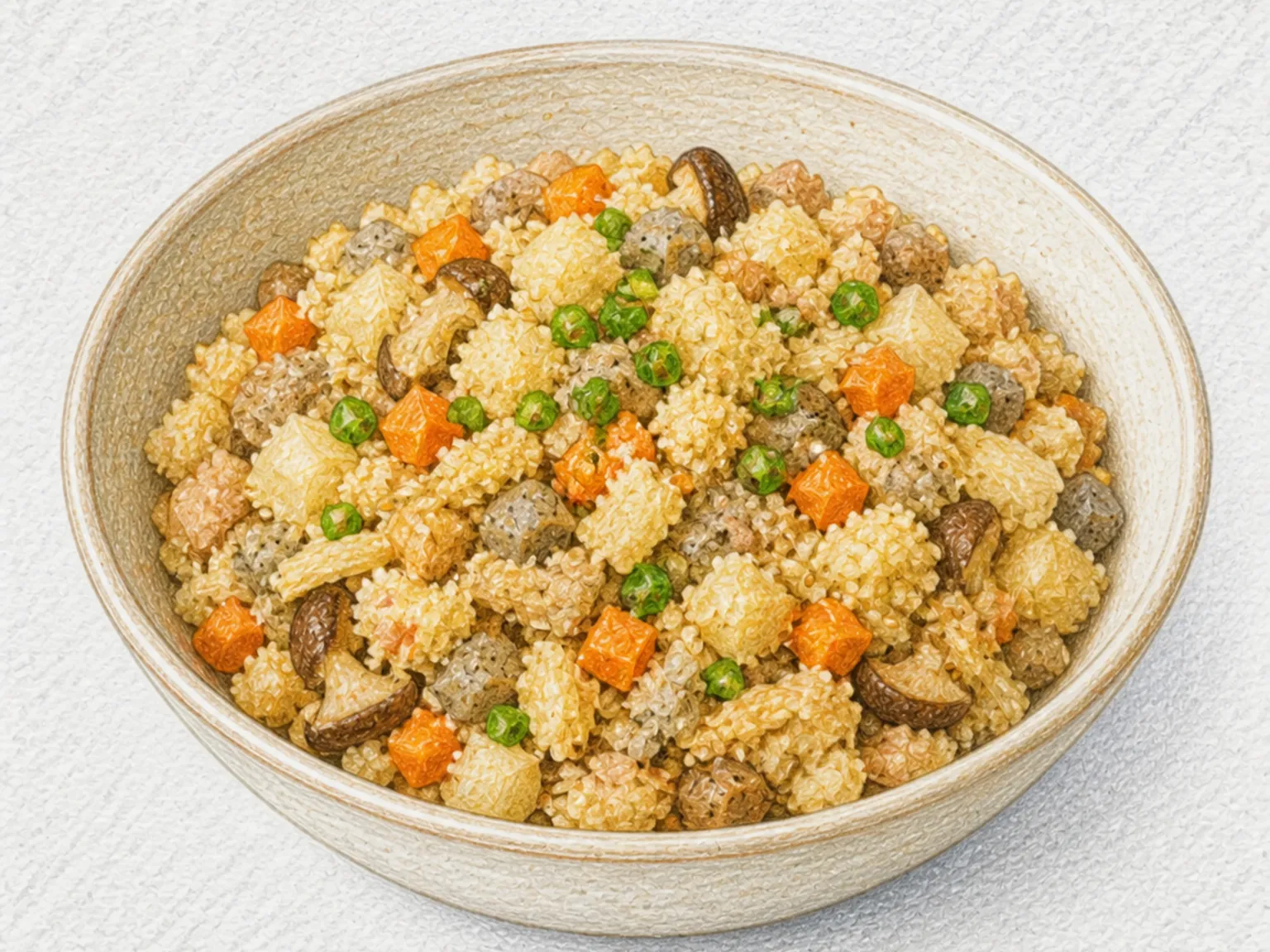
The preparation starts by layering finely diced radish at the bottom of a heavy pot before adding soaked rice. A specific technique defines this dish: warming the salted pollock roe and butter using only the residual heat of the vessel after the flame is extinguished. Avoiding direct heat prevents the roe's proteins from tightening into a dry or crumbly texture. Instead, the indirect warmth maintains a soft consistency where individual eggs pop and release their salty essence into the grains. As the butter melts, it coats each piece of rice, acting as a bridge between the sharp saltiness of the fish roe and the mild nature of the rice. Throughout the cooking process, the radish pieces release moisture upward, ensuring the rice remains hydrated while contributing a subtle sweetness and a clean finish. Before the meal begins, crumbling gamtae over the surface introduces a distinct oceanic scent that sits above the savory layers of butter and roe. Sliced scallions provide a sharp, crisp contrast to the overall richness. Pouring hot water into the pot at the end creates a toasted rice water that clears the palate. It is important to place the roe and butter within four minutes of turning off the heat to ensure the remaining warmth is sufficient to soften the ingredients.

🎉 Special Occasion
Prep 15minCook 25min2 servings
Korean Horse Mackerel with Yuzu Soy Glaze
GrilledEasy

Korean Horse Mackerel with Yuzu Soy Glaze

Horse mackerel is marinated in a sauce of yuzu marmalade, soy sauce, cooking wine, and garlic, then grilled on a grill pan until the skin crisps and chars lightly. The citrus notes from the yuzu naturally suppress fishiness while harmonizing with the soy sauce saltiness. Brushing the remaining glaze in the final minute gives the skin a lacquered sheen. Sesame oil and sliced scallion complete the dish with a toasted, aromatic finish. The brevity of the ingredient list belies how decisively the yuzu transforms a grilled fish into something bright and fragrant.

🍺 Bar Snacks🏠 Everyday
Prep 15minCook 12min2 servings
Korean Bok Choy Kimchi (Gochugaru Fermented Quick)
KimchiMedium

Korean Bok Choy Kimchi (Gochugaru Fermented Quick)

Cheonggyeongchae kimchi is a bok choy kimchi prepared by halving the heads lengthwise, salting them for twenty minutes, and coating each leaf layer with a paste of gochugaru, salted shrimp, anchovy fish sauce, and sweet rice paste. Keeping the salting time short preserves the crisp snap of the stems, while the leaves soften just enough to hold the seasoning. Julienned scallions and carrot add color and textural variety, and adjusting the fish sauce quantity based on the salted shrimp salinity keeps the overall salt level balanced. After four hours of room-temperature fermentation followed by refrigeration, this kimchi is ready within a day and offers a lighter, crunchier character than traditional napa cabbage kimchi.

🍱 Lunchbox
Prep 35min4 servings
Udon with Seasoned Fried Tofu
NoodlesEasy

Udon with Seasoned Fried Tofu

Kitsune udon is a Japanese noodle soup defined by its topping of sweet-simmered fried tofu pouches floating on a clear, deeply savory dashi broth. The aburaage is blanched first in boiling water to remove the excess oil that would otherwise cloud the broth and repel the seasoning, then braised in a mixture of water, soy sauce, mirin, and sugar for about six minutes until the liquid has been absorbed and the sweetness has penetrated to the center of each pouch. The broth is built separately from a stock of katsuobushi and kombu, seasoned with soy sauce, mirin, and just enough salt to round out the flavor without making it salty. The quality of this broth is the single most important factor in the finished bowl. Frozen udon noodles are warmed in boiling water for about two minutes, just long enough to loosen and heat through without losing their elastic, springy texture, then transferred to the bowl with the broth ladled over. The simmered tofu pouch sits on top, and as you eat, it releases its sweetened liquid gradually into the surrounding broth, shifting the flavor of the soup with each bite. Sliced scallion and a pinch of shichimi togarashi finish the bowl with fresh aroma and gentle heat. The tofu benefits from being prepared a day in advance, as resting overnight deepens the braising flavor throughout.

🏠 Everyday
Prep 12minCook 18min2 servings
Jianbing (Chinese Savory Breakfast Crepe)
AsianMedium

Jianbing (Chinese Savory Breakfast Crepe)

Jianbing is a northern Chinese street breakfast crepe assembled on a flat griddle within minutes. A thin batter of mung bean flour and wheat flour is spread into a wide circle, then an egg is cracked directly on top and smeared across the surface while still liquid. Chopped scallion is scattered over the egg before the crepe is flipped briefly to set the other side. Sweet bean sauce and chili sauce are brushed on, followed by fresh cilantro and a crispy fried wonton sheet that provides the signature crunch. The mung bean flour gives the batter a distinctive nutty flavor and slightly crisp edge that plain wheat flour cannot replicate. The whole assembly is folded into a neat rectangle meant to be eaten by hand. Timing is critical for the wonton cracker, which should be added last to prevent sogginess, creating a layered contrast of soft crepe, runny egg, sharp sauce, and shattering crunch.

🏠 Everyday
Prep 20minCook 15min2 servings
Korean Paengi Beoseot Jeon (Enoki Pancake)
Side dishesEasy

Korean Paengi Beoseot Jeon (Enoki Pancake)

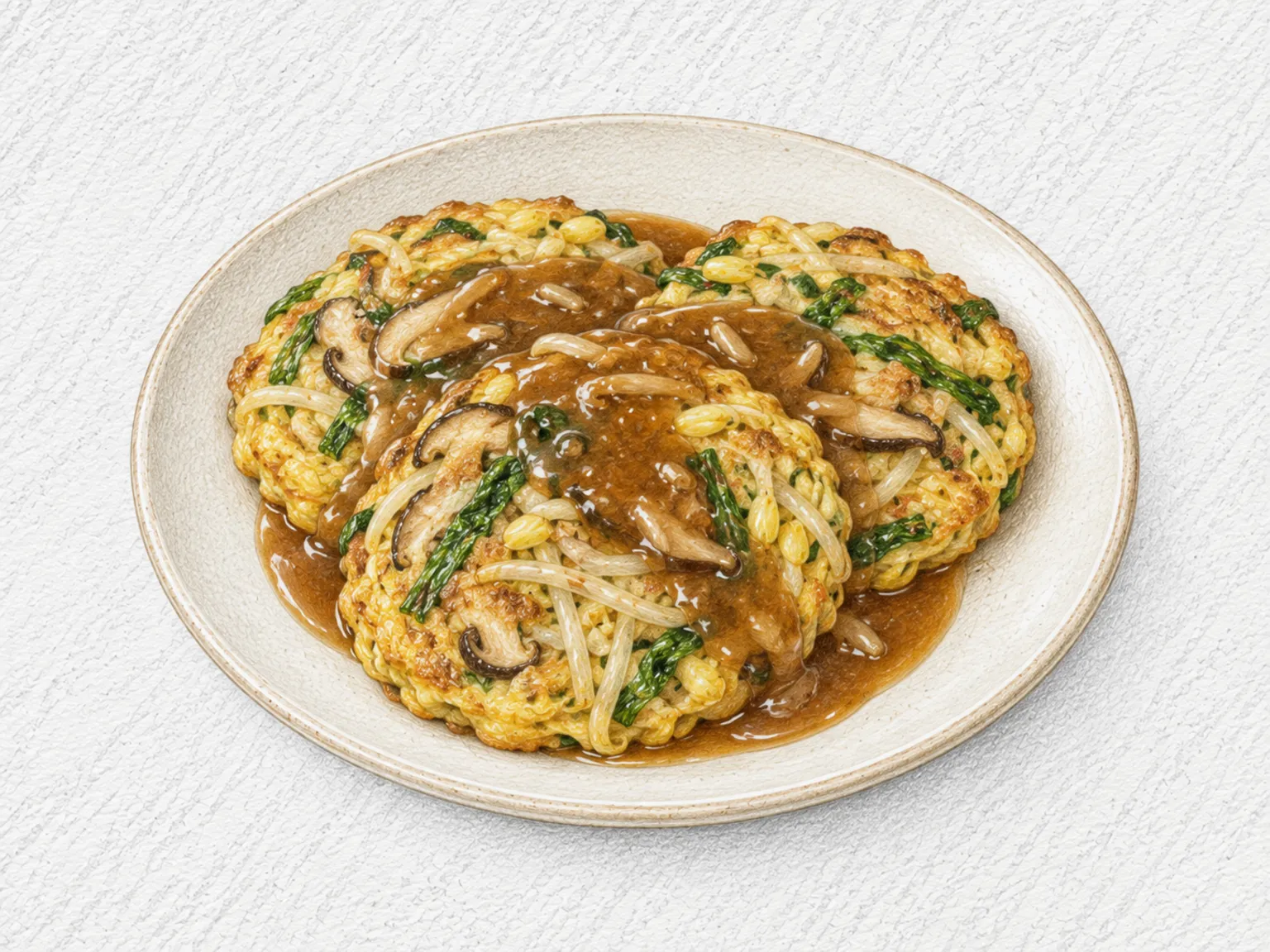
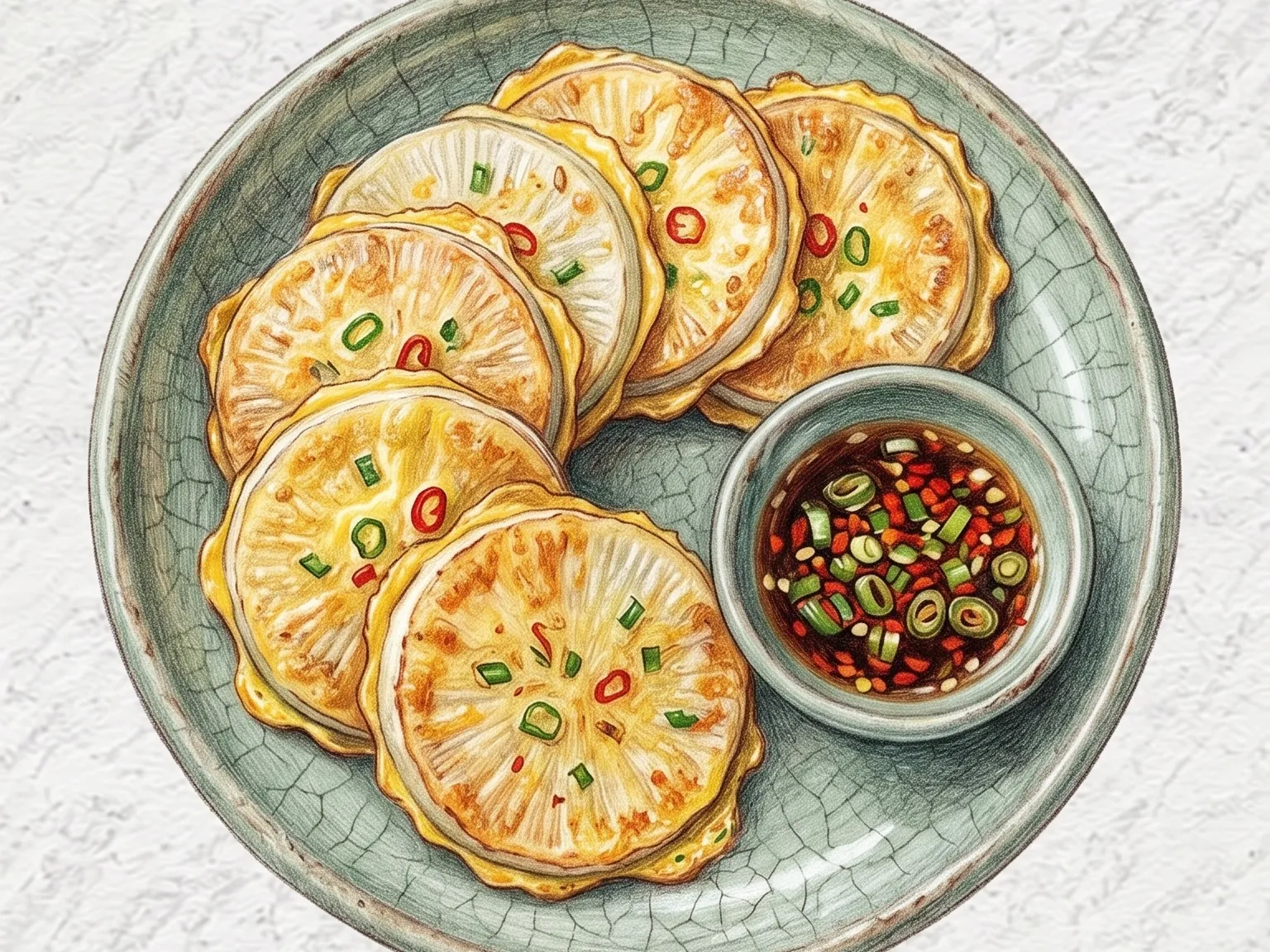
Paengibeoseot-jeon is a thin Korean pancake built around 200 grams of enoki mushrooms separated into loose strands and coated in a light batter of pancake mix, egg, and water. Cooked over medium-low heat, the batter spreads thin enough that the edges turn golden and crisp while the mushroom clusters in the center stay moist and chewy. Chopped scallions add color and a mild onion fragrance throughout. The pancake is served with a dipping sauce of soy sauce, vinegar, and a pinch of chili flakes, whose acidity and salt lift the subtle earthiness of the mushrooms. Keeping the heat moderate is essential - too high and the outside burns before the interior sets.

🍺 Bar Snacks🏠 Everyday
Prep 15minCook 12min2 servings
Korean Grilled Mackerel Rice Bowl
RiceMedium

Korean Grilled Mackerel Rice Bowl

Mackerel fillet is pan-seared skin-side down until the skin turns crisp and golden, then served over rice with a quick sauce of soy sauce, cooking wine, oligosaccharide syrup, minced ginger, and softened onion. The oily flesh of the mackerel absorbs the soy-ginger glaze, producing a clean, salty-sweet finish without fishiness. Keeping the pan still for the first minute of searing is the key technique for achieving skin that crisps evenly rather than steaming in its own moisture. Brushing the fillet with a little cooking wine before cooking further neutralizes any residual odor. Chopped chives scattered on top complete the bowl with color and a mild onion bite. Cooking the sauce in the same pan using the rendered mackerel fat deepens the umami and ties the two components together.

🏠 Everyday
Prep 15minCook 20min2 servings
Korean Skewered Jeon (Ham and Mushroom Skewer Pancake)
GrilledMedium

Korean Skewered Jeon (Ham and Mushroom Skewer Pancake)

Kkochi-jeon is a skewered Korean pancake traditionally made for ancestral rites and holiday tables. Ham, imitation crab sticks, king oyster mushroom, and scallion are cut to uniform lengths, threaded onto skewers in alternating order, dusted with flour, dipped in salted beaten egg, and pan-fried slowly over medium-low heat until the egg coating is golden and set. Cutting all the ingredients to the same length ensures the finished skewers have even, tidy cross-sections when laid out on a platter, which matters on ceremonial occasions. Keeping the heat at medium-low is essential: too much heat sets the egg coating before the ingredients inside are warmed through, and it can brown or burn the surface. A small pinch of paprika powder or finely sliced green onion mixed into the egg wash adds color and aroma. The finished jeon holds multiple textures in a single bite: the yielding egg coating gives way to the saltiness of the ham, the springy chew of the imitation crab, the meaty firmness of the king oyster mushroom, and the fragrant sharpness of the scallion. A dipping sauce of soy sauce mixed with a splash of vinegar and a little sugar cuts through the richness and keeps the eating clean.

🍺 Bar Snacks🎉 Special Occasion
Prep 35minCook 20min4 servings
Korean Ponytail Radish Kimchi
KimchiMedium

Korean Ponytail Radish Kimchi

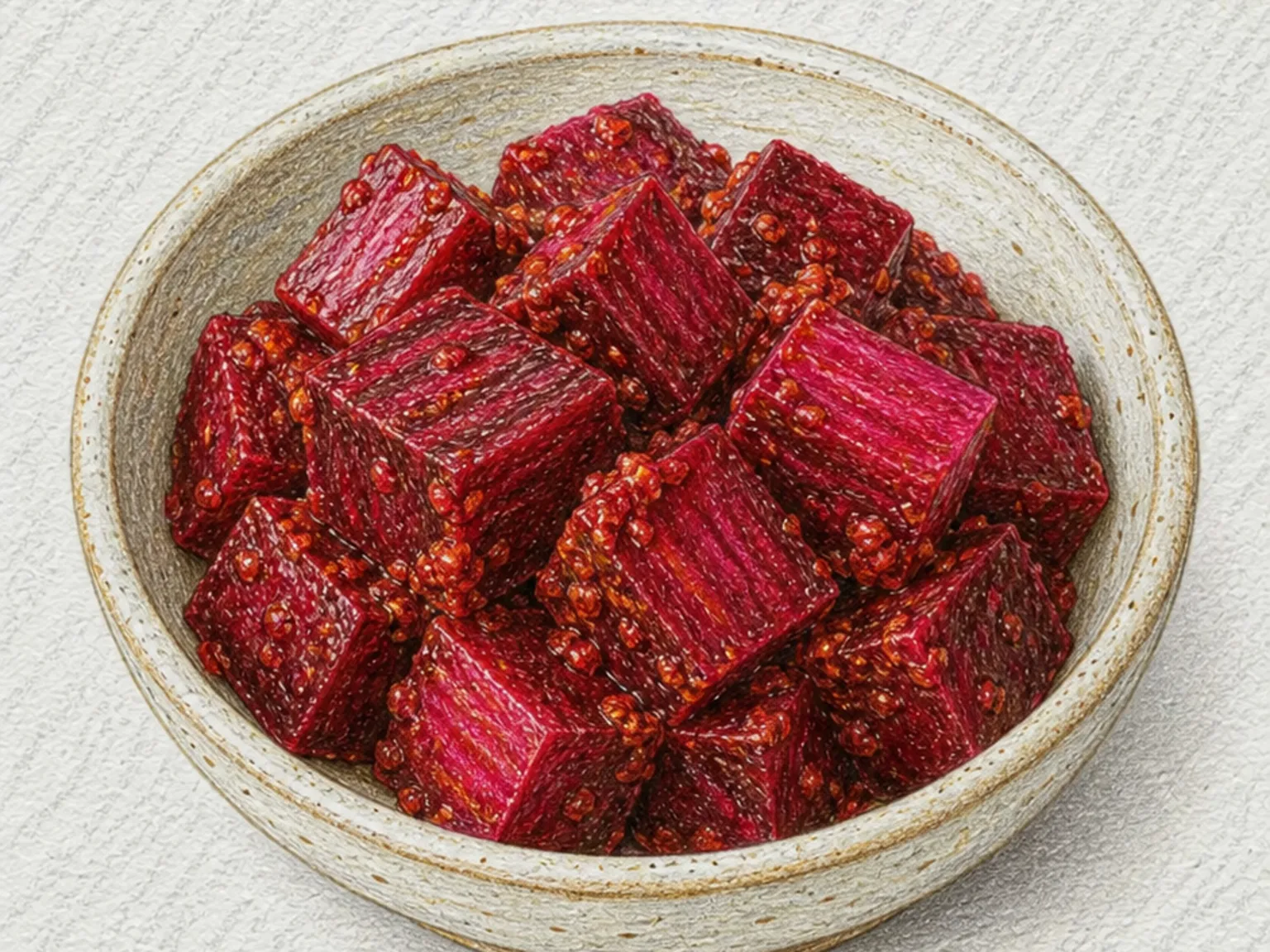
Chonggak kimchi is a traditional Korean kimchi made with whole young ponytail radishes salted for two hours, then coated in a paste of gochugaru, anchovy fish sauce, garlic, ginger, and scallions before fermenting. Blooming the chili flakes in fish sauce first softens their texture and intensifies the red color, and garlic and ginger are added afterward to build aromatic depth into the heat. Radish tops that are left too long turn fibrous, so trimming them short before seasoning keeps the kimchi crisp from root to leaf. One day at room temperature produces light carbonation and a cool, refreshing tang that signals the fermentation is alive. Refrigerating after that preserves the radish crunch and spicy umami for weeks. A year-round staple, this kimchi appears at Korean tables across every season.

🍱 Lunchbox
Prep 45minCook 15min4 servings
Korean Aged Kimchi Tuna Mixed Noodles
NoodlesEasy

Korean Aged Kimchi Tuna Mixed Noodles

Mukeunji tuna bibim myeon is a quick Korean mixed noodle dish that combines the deep, fermented sourness of aged kimchi with the savory richness of canned tuna, all tossed together in a gochujang-based sauce. Scraping the filling out of the aged kimchi and chopping it finely keeps the sourness from overwhelming the dish, while draining the tuna oil thoroughly prevents the dressing from turning watery. The sauce is built from gochujang, rice vinegar, oligosaccharide syrup, and sesame oil, which together create a balance of spicy, sour, and sweet that works well with both the kimchi and the fish. Boiling the wheat noodles for five to six minutes and rinsing them under cold water gives them a firm, springy bite, and shaking off all excess moisture before tossing ensures the sauce clings to every strand rather than pooling at the bottom of the bowl. Sliced scallion and ground sesame seeds scattered on top add freshness and nuttiness, and a small adjustment of vinegar or syrup at the table lets each person dial in their preferred balance. The whole dish comes together in under fifteen minutes with pantry ingredients, making it a reliable option for a quick lunch.

🏠 Everyday🌙 Late Night
Prep 15minCook 7min2 servings
Kai Jeow (Crispy Thai Omelette)
AsianEasy

Kai Jeow (Crispy Thai Omelette)

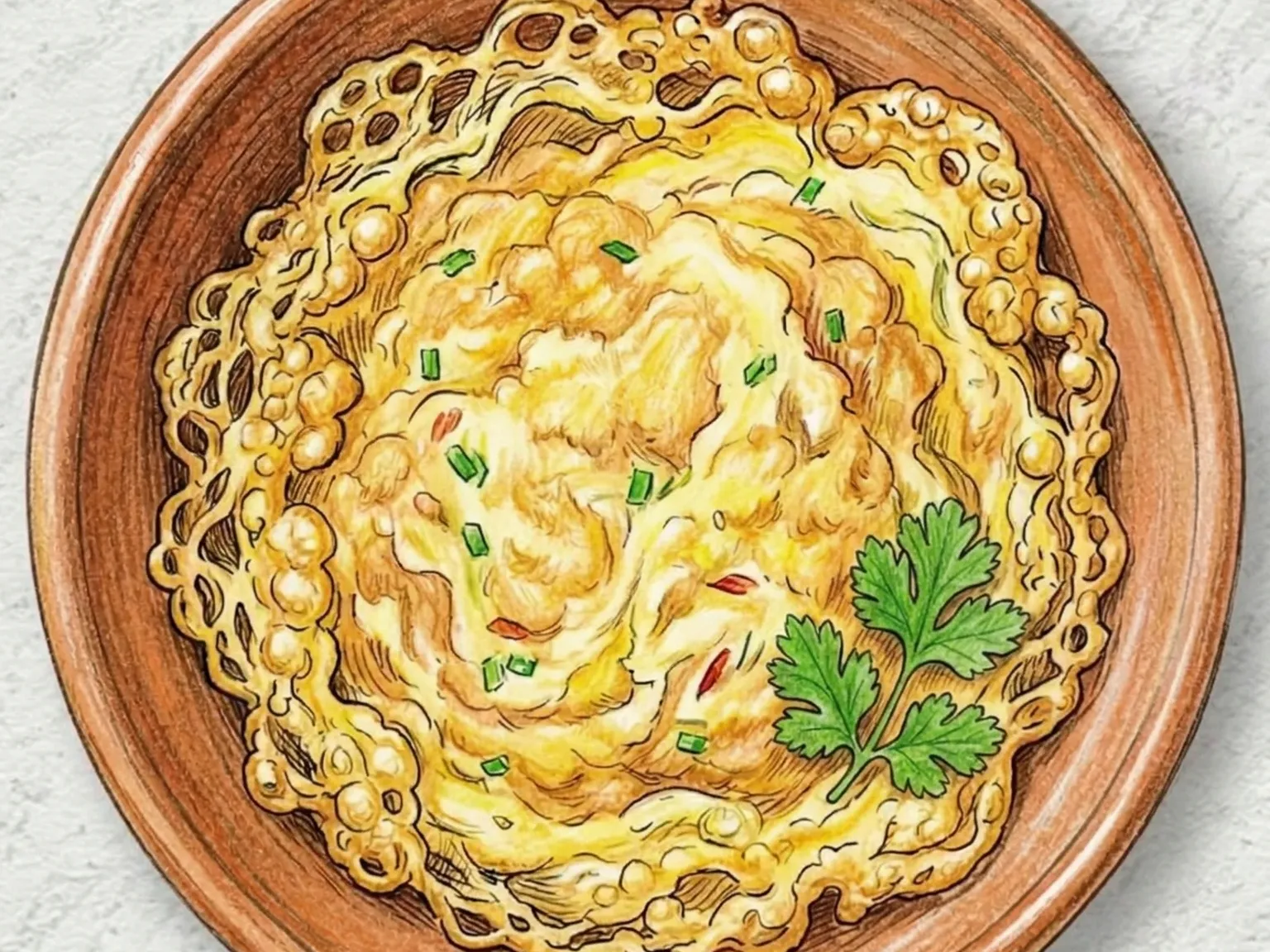
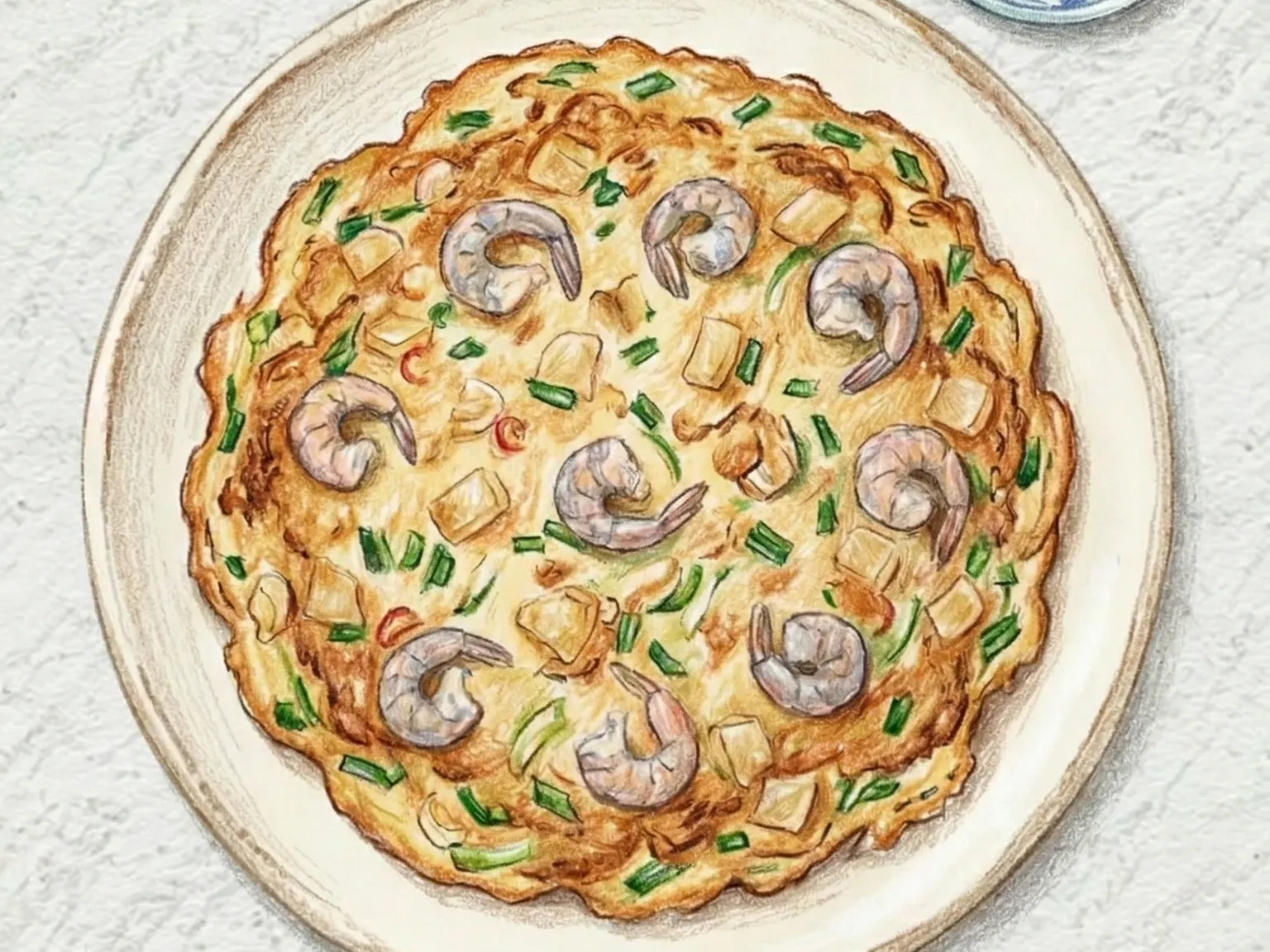
Kai jeow is a Thai home-style omelet that differs fundamentally from Western versions in its cooking method. Eggs seasoned with fish sauce and sugar are whisked until genuinely foamy, then poured into oil hot enough to be smoking. That contact heat makes the egg batter puff and blister on impact, creating lacy, deeply crisped edges while the center stays thick and pillowy. The amount of oil matters as much as the temperature -- use enough for shallow frying rather than a thin film, otherwise the egg sits flat and turns greasy instead of lifting. Ground pork or chopped shrimp can be mixed directly into the batter for a more filling meal, though a plain version with nothing added is just as common in everyday Thai cooking. After the omelet is done, it goes briefly on paper towels to drain, then lands on a mound of jasmine rice. The fish sauce does double duty as the sole seasoning, supplying salt along with a rounded, fermented depth that plain salt cannot replicate. The defining pleasure of kai jeow is the contrast -- a crackly perimeter giving way to a soft, almost custardy interior -- and that texture only happens when the oil temperature is exactly right.

🍱 Lunchbox Quick
Prep 10minCook 10min2 servings
Korean King Oyster Mushroom Stir-fry with Perilla
Side dishesEasy

Korean King Oyster Mushroom Stir-fry with Perilla

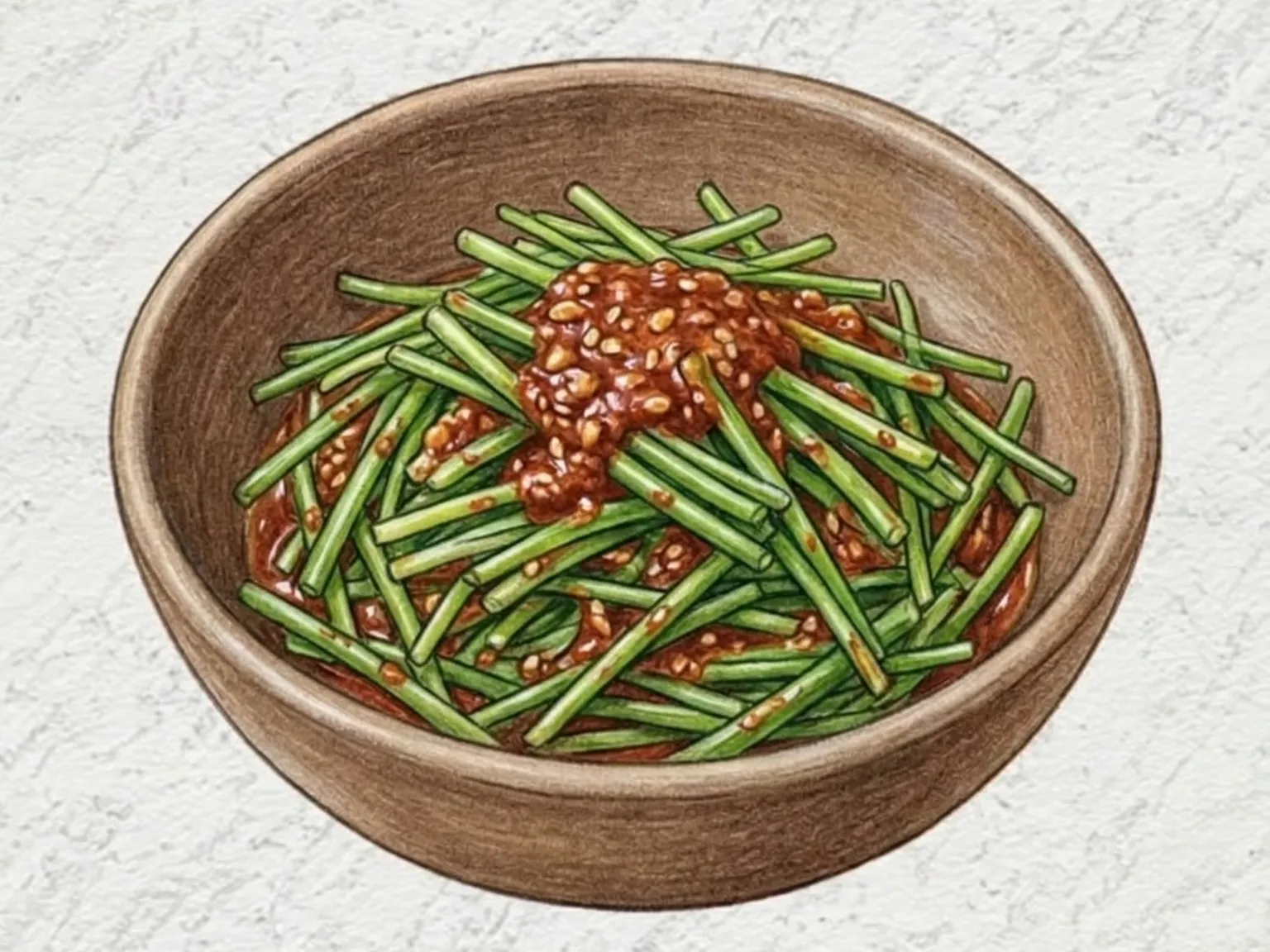
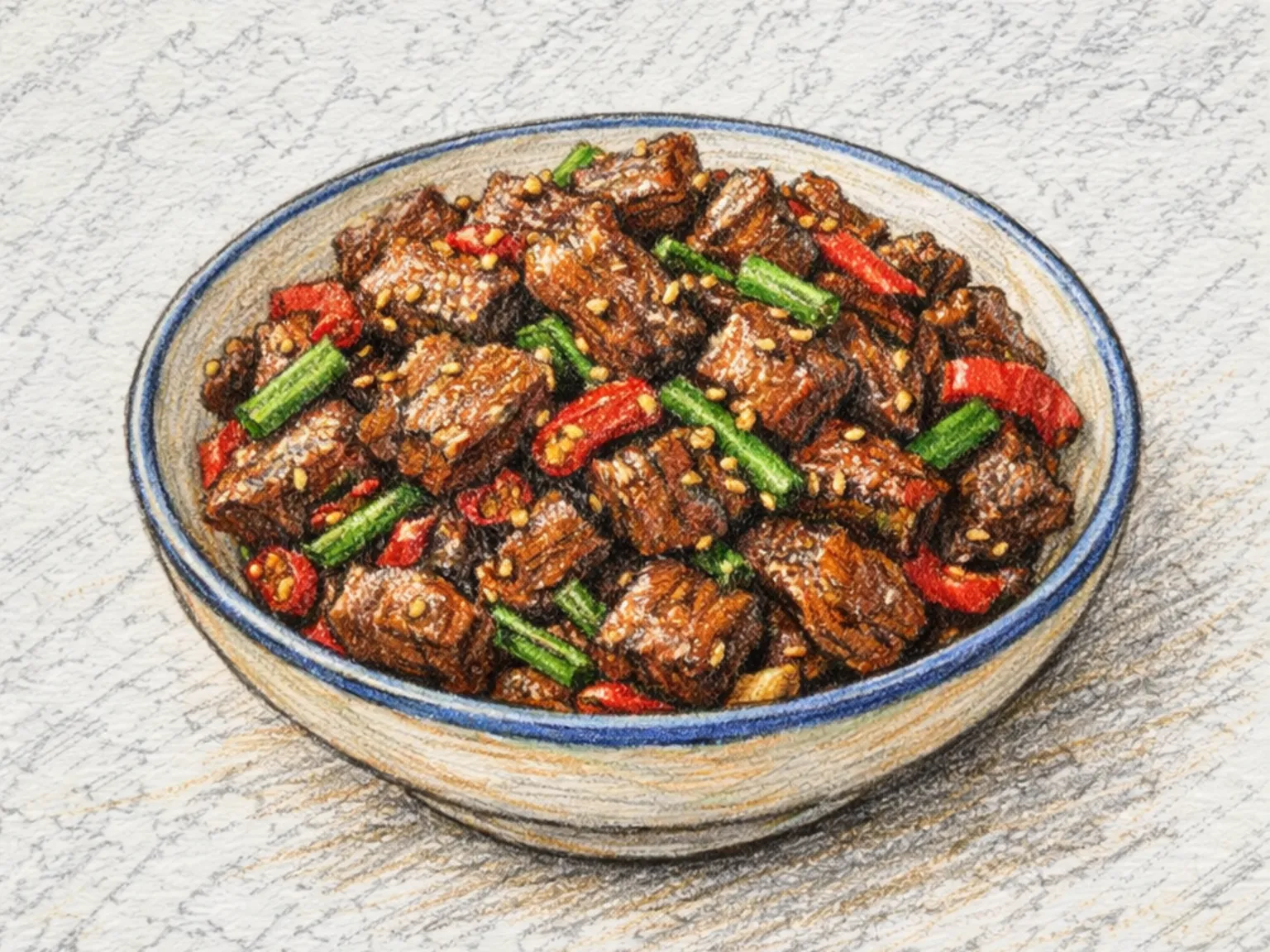
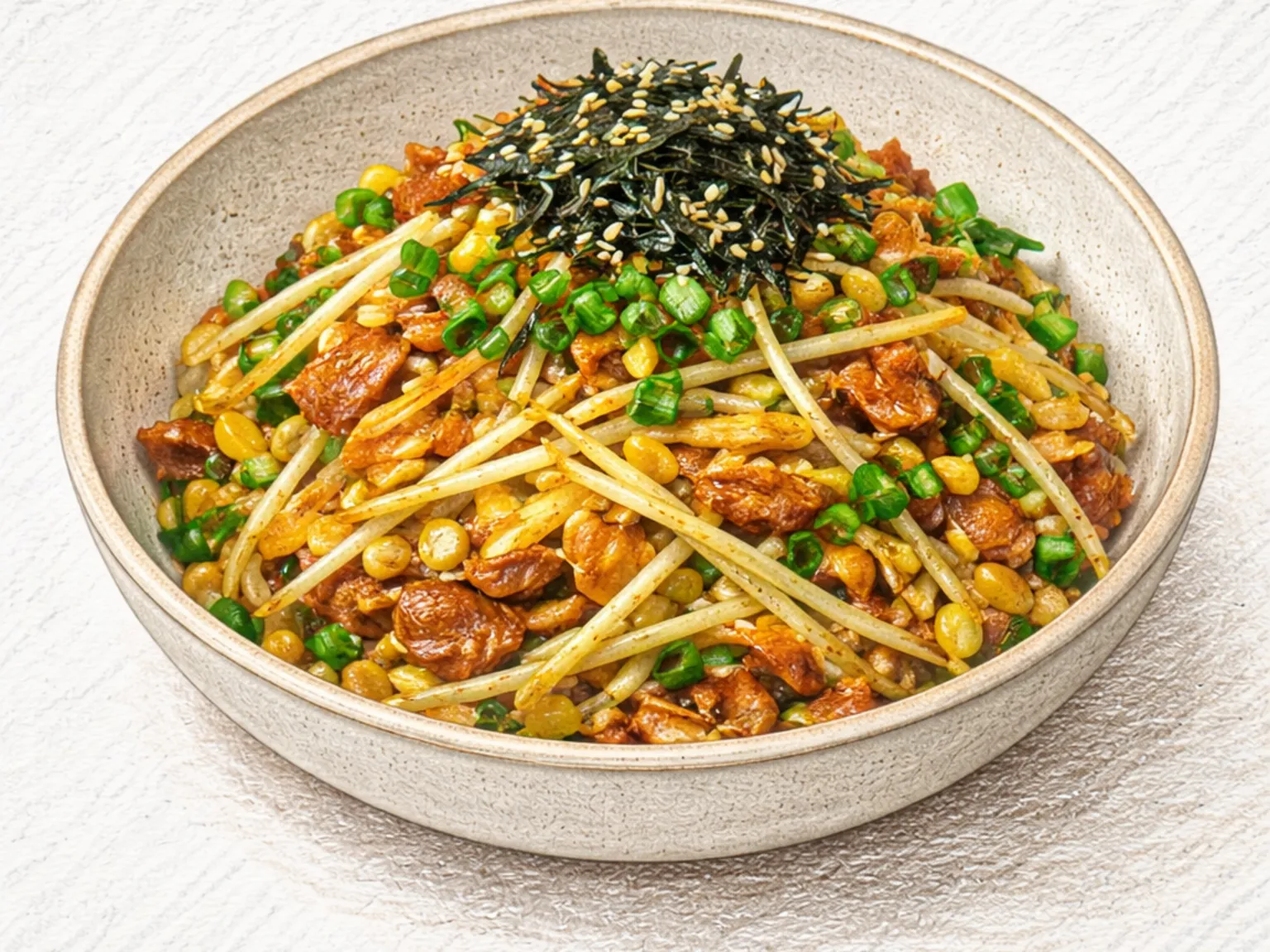
This stir-fry combines 250 grams of julienned king oyster mushrooms with onion, cooked rapidly over high heat in perilla oil and cooking oil to prevent the mushrooms from releasing too much water. Garlic is sauteed for 20 seconds first to infuse the oil, followed by onion for one minute to draw out its natural sweetness. The mushrooms then go in for a quick two-minute toss before soup soy sauce and a splash of water are added to create a light braising liquid. One and a half tablespoons of ground perilla seeds are stirred in during the final minute, thickening the sauce into a creamy coating without becoming pasty. Scallion is added off heat for a finishing touch of color and freshness.

🏠 Everyday🍱 Lunchbox
Prep 10minCook 8min2 servings
Korean Jangjorim Butter Rice
RiceEasy

Korean Jangjorim Butter Rice

The preparation of this dish starts by placing a portion of unsalted butter directly onto a bowl of steaming, freshly cooked white rice. As the residual heat from the grains begins to melt the fat, the butter flows over the rice to coat each individual grain in a thin, smooth layer, which creates a rich and nutty foundation before any other components are introduced. Following the butter, a serving of shredded soy-braised beef is added to the bowl along with a generous amount of its dark and concentrated braising liquid. This liquid is infused with both salt and sweetness from the long cooking process of the beef, meaning that there is no need to include any extra seasonings or sauces to achieve a balanced flavor. A single raw egg yolk is then dropped into the center of the bowl and stirred through the mixture. This addition changes the overall texture of the dish, making it significantly more creamy while simultaneously intensifying the savory profile of the seasoned meat. To provide a necessary contrast to the heavy richness of the egg and butter, crushed roasted seaweed flakes are sprinkled over the surface. These flakes offer a brittle, crunchy texture and a distinct marine element that cuts through the fat. Finally, the dish is finished with a garnish of thinly sliced green onions and toasted sesame seeds for a clean and aromatic end. If the soy-braised beef is already available in the refrigerator, the entire meal can be put together in under fifteen minutes, making it an efficient option for a filling single-bowl meal in the routine of Korean home cooking.

🏠 Everyday🍱 Lunchbox
Prep 10minCook 15min2 servings
Korean Kkomak Yangnyeom Gui (Spicy Grilled Cockles)
GrilledMedium

Korean Kkomak Yangnyeom Gui (Spicy Grilled Cockles)

Cockles are purged in salt water, blanched for just two minutes in boiling water until they open, then topped with a sauce of gochujang, chili flakes, soy sauce, garlic, sugar, and sesame oil before grilling over high heat for three to four minutes. Keeping the blanch to two minutes is the key step: longer cooking shrinks the flesh and makes it rubbery, while a brief blanch leaves the cockles firm, bouncy, and moist inside. The strong flame rapidly caramelizes and reduces the sauce into a spicy, salty crust on the surface while the interior stays juicy. A final thirty seconds over open flame, where available, adds a distinct smokiness that deepens the overall flavor. The cooking liquid that pools at the bottom of the pan, a mix of the seasoning paste and the brininess released by the cockles, is intensely savory and works well spooned over rice. Cockle season runs from winter through early spring, when the flesh is at its fullest and most flavorful.

🍺 Bar Snacks
Prep 20minCook 10min2 servings
Korean Sedum Water Kimchi
KimchiEasy

Korean Sedum Water Kimchi

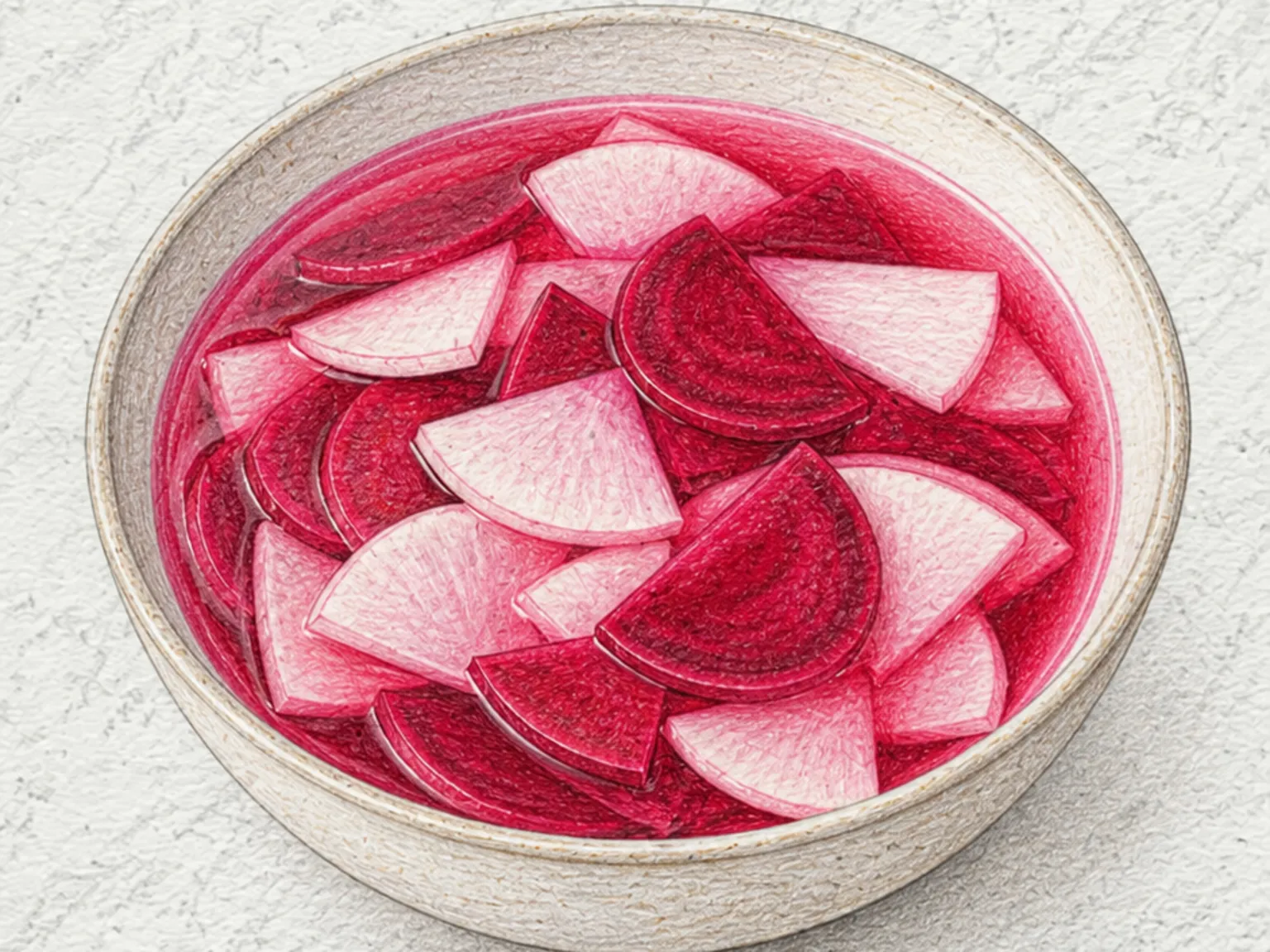
Dolnamul mul kimchi is a spring water kimchi fermented in a clear brine with sedum greens, Korean radish, Asian pear, and scallions. Thinly sliced radish is salted first to extract excess moisture before going into the liquid. Julienned pear dissolves slowly into the brine as the kimchi ferments, contributing a natural background sweetness without clouding the soup. Gochugaru is tied inside a cheesecloth pouch and steeped directly in the brine - a technique that delivers a faint chili fragrance and a bare hint of color while keeping the liquid clear. Sedum is folded in last to protect its crisp, succulent texture from softening. A single day at room temperature generates lactic acid and mild carbonation, after which the kimchi is stored cold and served straight from the container. Ladled over a bowl of warm rice, the cold, lightly fizzy broth makes a distinctly seasonal combination that belongs to early spring.

🥗 Light & Healthy🍱 Lunchbox
Prep 25minCook 10min4 servings
Pollock Roe Butter Udon
NoodlesEasy

Pollock Roe Butter Udon

Myeongran butter udon is a Japanese-inspired cream udon in which salted pollock roe is folded into a butter and heavy cream sauce over chewy udon noodles. Garlic is gently cooked in melted butter first to build an aromatic base, then cream and soy sauce are added to create a sauce that is rich without being one-dimensional. The roe membrane is removed so only the loose, individual eggs enter the sauce, and they are stirred in after the heat is lowered to prevent the roe from turning dry, grainy, or unevenly cooked. As each tiny egg bursts against the palate, it releases a briny, oceanic intensity that cuts through the silky cream coating and creates a recurring contrast in every mouthful. The soy sauce performs double duty: it adjusts the salt level and introduces a layer of fermented umami depth that would otherwise be absent. If the sauce tightens too much as it reduces, a few tablespoons of noodle cooking water loosen it while adding a hint of starch that helps the sauce cling more evenly to each strand. Finishing with roasted seaweed flakes and chopped chives brings oceanic aroma and a clean, green freshness that lifts the overall heaviness of the dish.

🏠 Everyday🌙 Late Night
Prep 10minCook 12min2 servings
Thai Crab Fried Rice (Khao Pad Pu)
AsianEasy

Thai Crab Fried Rice (Khao Pad Pu)

Khao pad pu is a Thai crab fried rice built on the premise that the sweetness of fresh crab meat carries the entire dish. The wok must reach smoking heat before minced garlic goes in and fries for ten seconds. Beaten egg follows and is scrambled into large, loose curds before cold jasmine rice is added and tossed rapidly to prevent sticking. Cold rice works here because its lower moisture content allows every grain to stay separate and pick up a direct scorch from the wok surface. Fish sauce and a small measure of soy sauce season the rice, and white pepper ground over the top adds a subtle, lingering heat. Lump crab meat goes in thirty seconds before the heat is cut and is stirred only gently, just enough to warm through without breaking the pieces down or toughening the texture. Prolonged heat would shrink the crab and strip out its sweetness entirely. The finished rice is plated and finished with a generous squeeze of lime, then garnished with spring onion, sliced cucumber, and fresh coriander. The salted umami of the fish sauce, the brightness of the lime, and the delicate sweetness of the crab come together cleanly on one plate.

🎉 Special Occasion
Prep 12minCook 10min2 servings
Korean Abalone Mung Bean Porridge
RiceMedium

Korean Abalone Mung Bean Porridge

Jeonbok nokdu juk is a Korean restorative porridge that soaks and simmers mung beans alongside rice to build a thickened base, then incorporates abalone for a combination of nutty creaminess and ocean flavor. Mung beans break down considerably during cooking, giving the finished porridge a noticeably denser and more velvety consistency than standard abalone porridge made with rice alone. Abalone innards are sauteed with garlic in sesame oil before joining the porridge, a step that draws out a deep, toasty aroma and forms the flavor backbone of the dish. Replacing plain water with kelp stock adds a layer of clean umami to the liquid base and enriches the overall taste. The abalone flesh is added during the final five minutes only to prevent overcooking, which would tighten the muscle and make it tough rather than springy. Throughout the long cooking, the porridge must be stirred regularly over low heat so the mung beans and rice dissolve completely into a smooth, uniform texture without catching on the bottom of the pot. Chopped scallion scattered over the finished bowl introduces a pop of green color and a fresh, bright fragrance that lightens the rich porridge.

🎉 Special Occasion
Prep 20minCook 35min2 servings
Korean Salt-Grilled Croaker
GrilledEasy

Korean Salt-Grilled Croaker

Mineo-sogeum-gui is a Korean salt-grilled croaker where fillets are seasoned with only coarse sea salt and white pepper, then pan-fried skin-side down in olive oil. Croaker is a lean white-fleshed fish with a subtle but genuine depth of flavor, and restraint with seasoning allows that natural character to come through clearly. Patting the surface completely dry before cooking is critical, since any moisture on the skin prevents it from crisping and causes it to stick to the pan. A whisper-thin coat of flour on the fillet creates a light barrier that forms a delicate crust on contact with the hot oil. Placing the fillet skin-side down and cooking it that way for roughly seventy to eighty percent of the total time allows the flesh to finish gently from residual heat after flipping, which prevents it from drying out. Minced garlic is introduced only in the final minute so it perfumes the oil without burning. A squeeze of lemon juice and a scatter of sliced chives at the table add brightness that frames the clean flavor of the fish rather than competing with it. Fresh croaker is best from July through August, but frozen fillets can be prepared with the same method.

🍺 Bar Snacks🥗 Light & Healthy
Prep 15minCook 12min2 servings