Korean Seasoned Sea Mustard Sporophyll
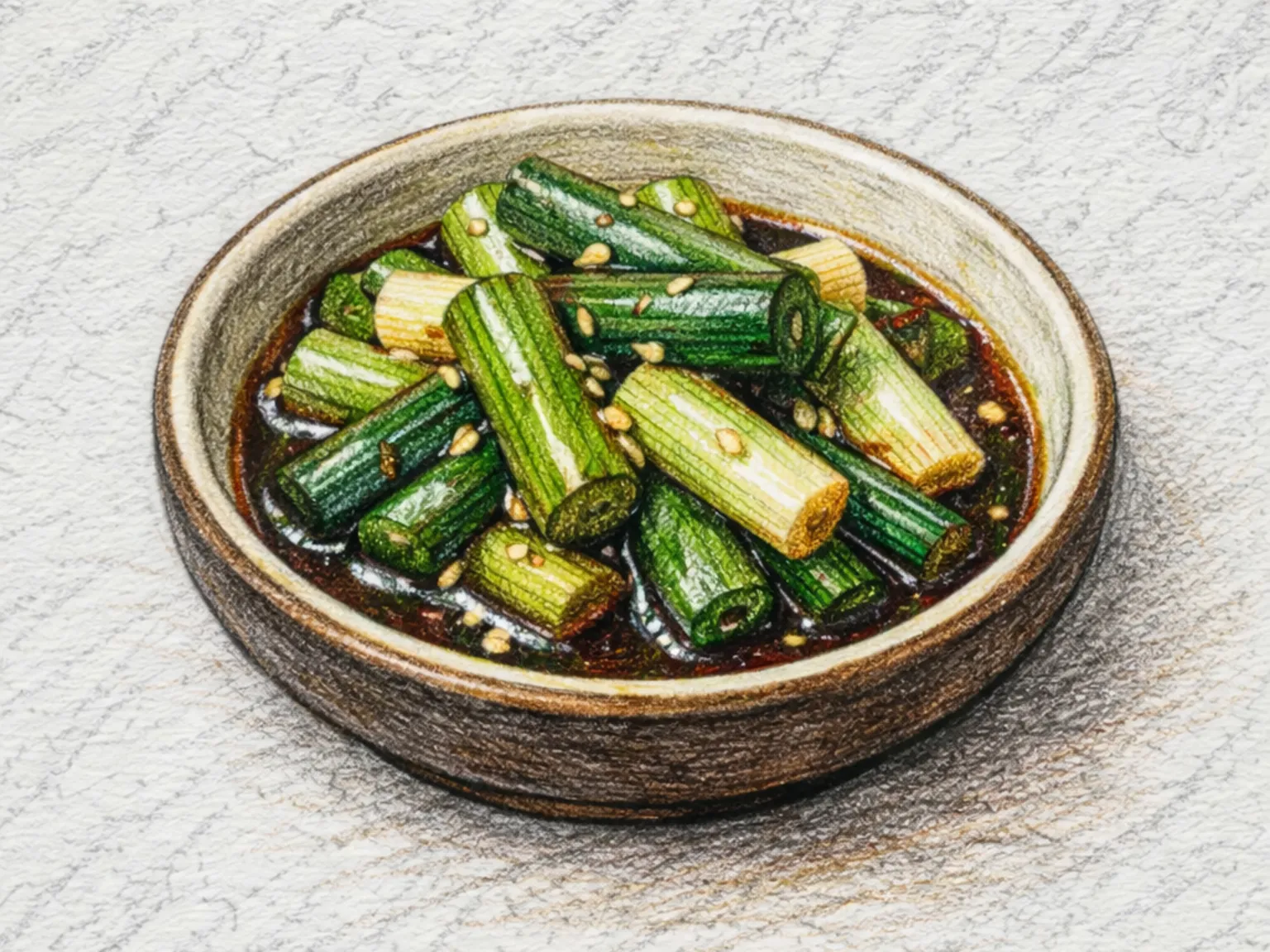
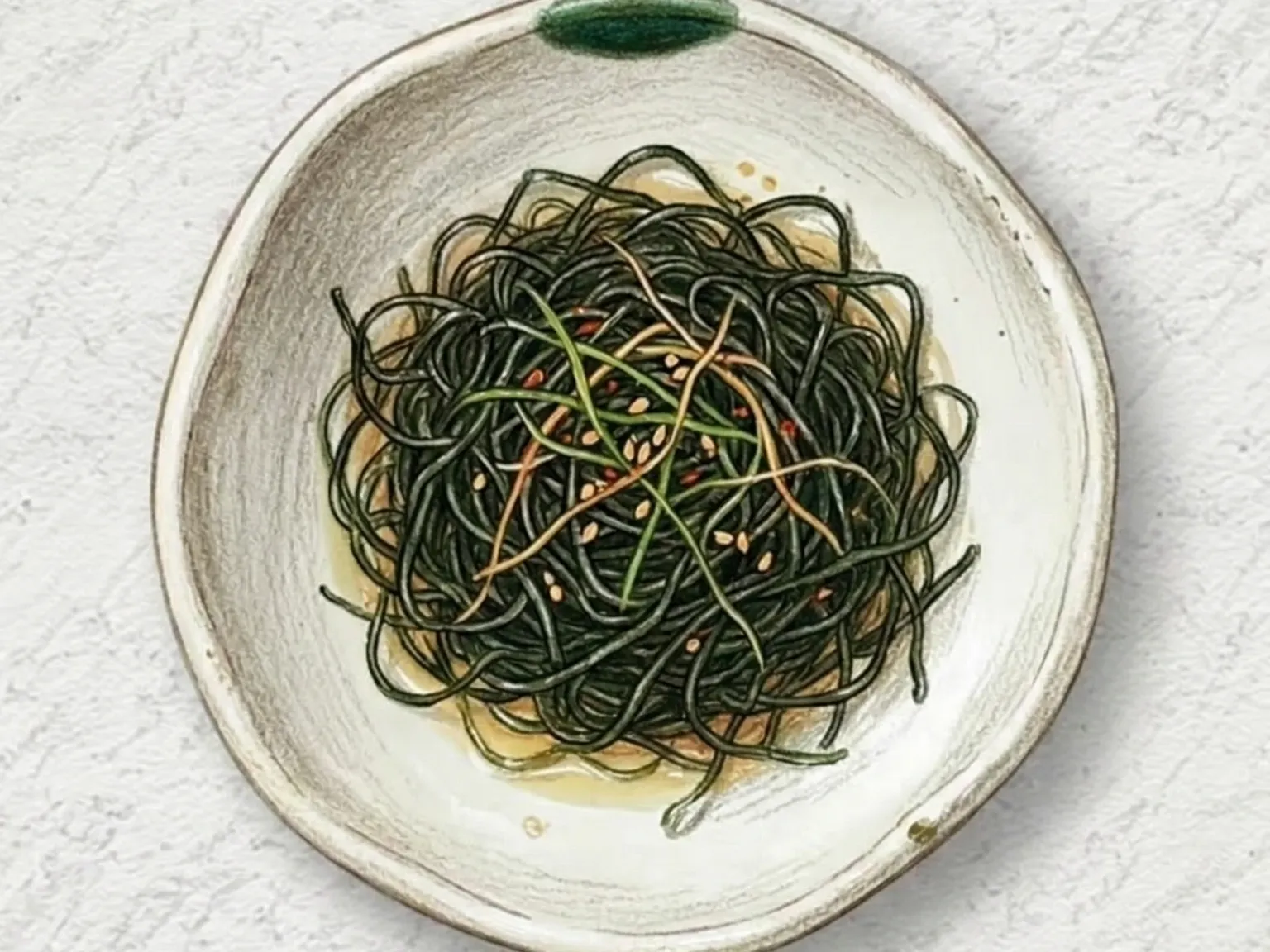
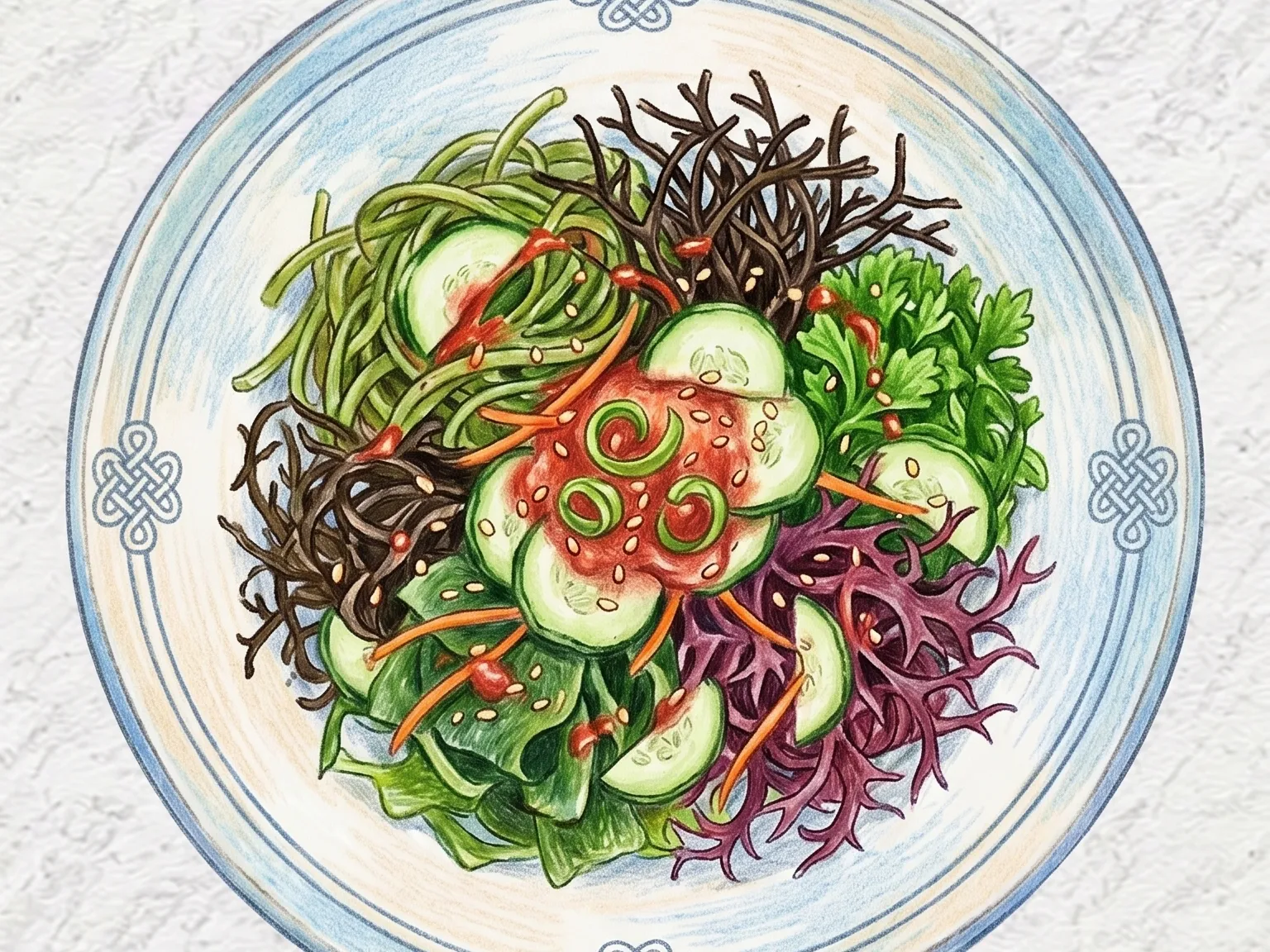
Miyeokgwi-muchim is seasoned sea mustard sporophyll - the ruffled, root-adjacent part of the miyeok plant - blanched and tossed in a sweet-sour-spicy dressing. Though it comes from the same seaweed as regular miyeok-muchim, the sporophyll is a distinctly different eating experience. Its thicker, corrugated surface gives a chewy, almost bouncy texture compared to the silky softness of seaweed leaves. This particular part of the plant contains higher concentrations of alginic acid and fucoidan than the leaf portions, which has drawn attention in Korean health-food circles. After rinsing in cold water, blanching for exactly thirty seconds is ideal - going longer turns the texture rubbery. The gochugaru-soy-vinegar-sugar dressing tames the marine saltiness and builds a bright sweet-sour-spicy flavor profile that stimulates appetite alongside rice. Chilling for ten minutes before serving lets the dressing adhere to the bumpy surfaces and leaves a cool finish. At around fifty-two kilocalories per serving, it is a go-to diet banchan. Pre-trimmed miyeokgwi is widely available at Korean markets and online.

Korean Pepper Leaf Soy Pickle
Gochuip jangajji is a Korean soy pickle made from pepper leaves, a summer byproduct of chili cultivation, washed and submerged in a boiled brine of soy sauce, vinegar, and sugar. Unlike the chili fruit, pepper leaves carry almost no heat. What they bring instead is a grassy, mildly bitter fragrance that blends naturally with the savory and sour notes of the brine. Boiling the pickling liquid first and letting it cool before pouring it over the leaves preserves some of their texture while ensuring even seasoning throughout. Garlic and cheongyang chili contribute a sharp, pungent edge to the liquid, and the thin leaves absorb the brine fully within a single day. Over time, the pickling liquid penetrates deeper and the umami grows more pronounced. Laying one leaf over rice and folding it into a small parcel combines the roles of banchan and ssam in a single, compact bite.

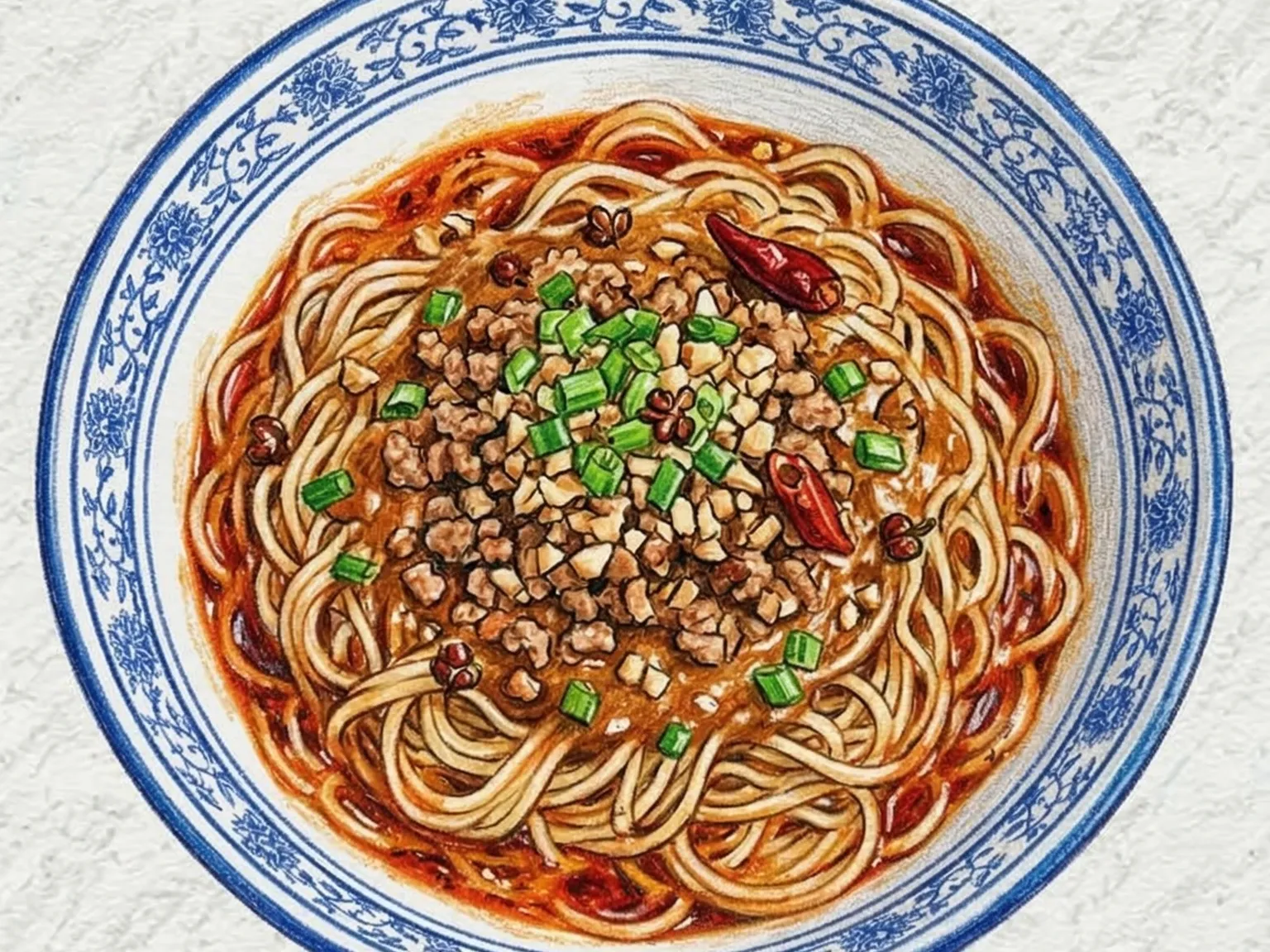
Korean Young Radish Cold Noodles
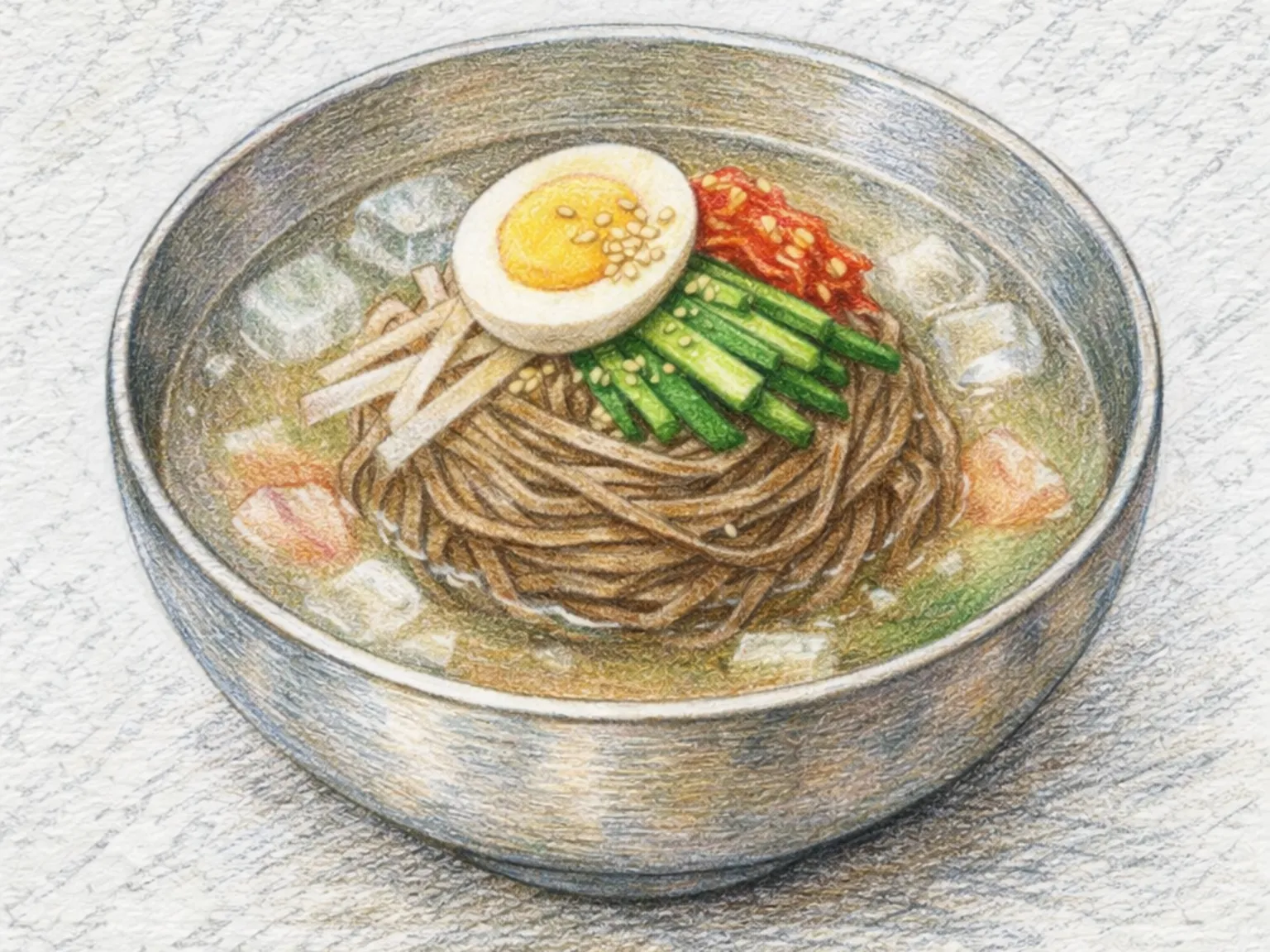
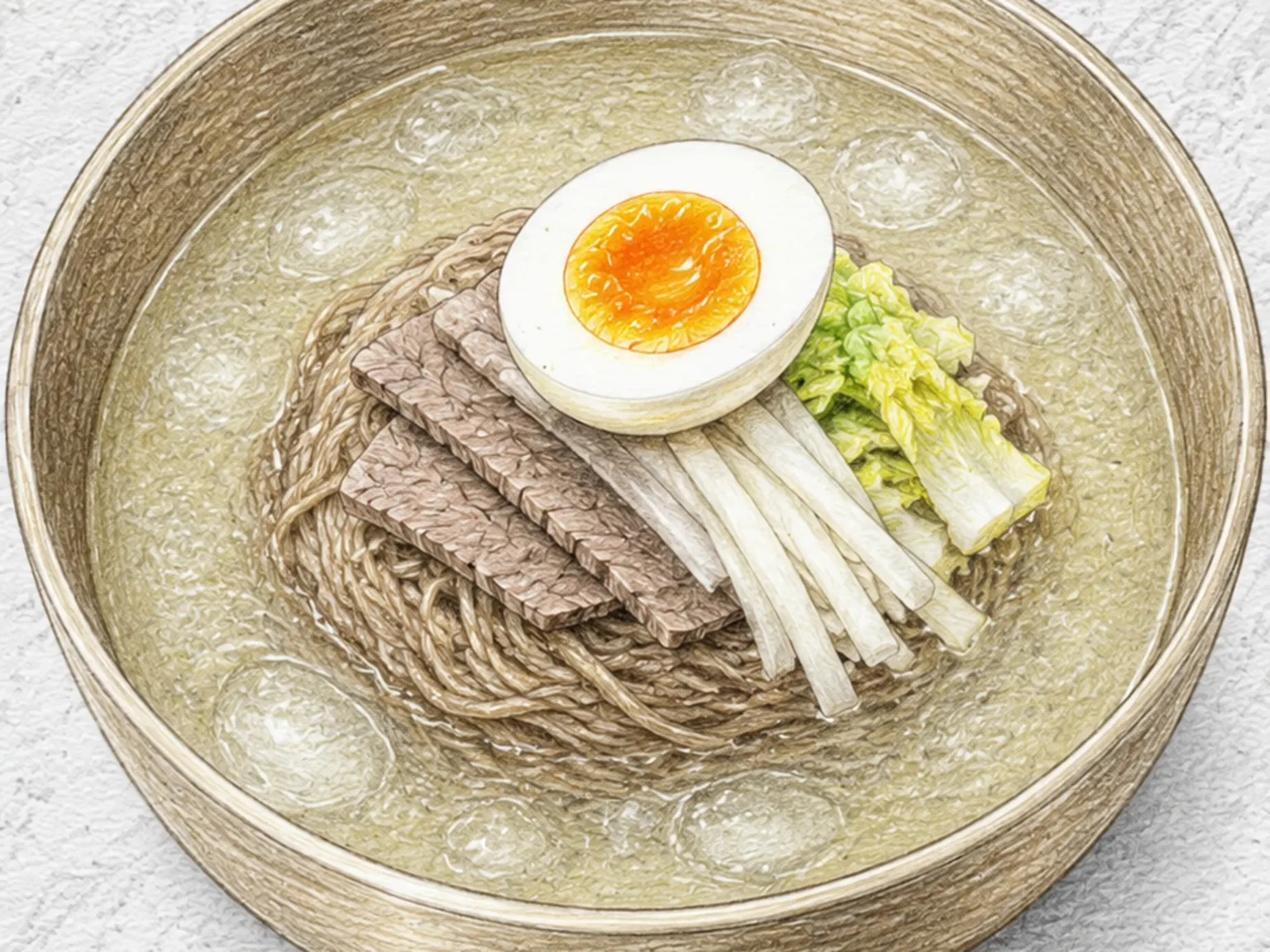
Yeolmu mul guksu is a Korean cold noodle soup where the broth comes directly from yeolmu kimchi liquid mixed with cold water or light stock. The fermented, tangy kimchi brine serves as the soup base, eliminating the need for separate seasoning. Chilled somyeon noodles sit in the broth, topped with crunchy yeolmu kimchi pieces and often a few ice cubes. A halved boiled egg and sesame seeds are standard garnishes. The dish takes about 25 minutes to prepare and is straightforward as long as yeolmu kimchi is available.

Korean Quick Pickled Daikon
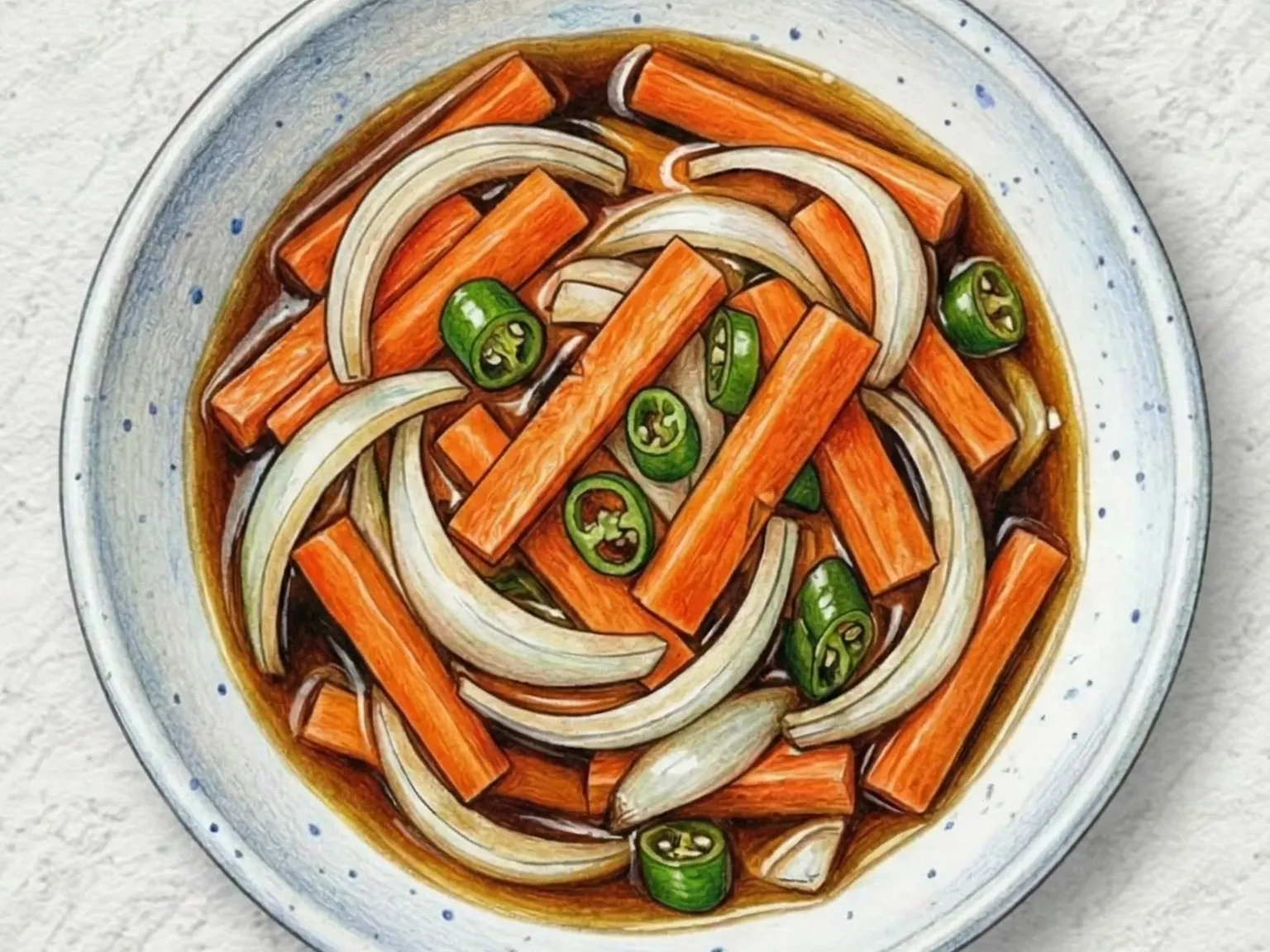
Mu-pickle is the yellow pickled daikon that accompanies every order of Korean fried chicken, completing the inseparable trio of chicken, cola, and pickled radish that defines the Korean fried chicken experience. Radish is cut into cubes or half-moons and submerged in a boiled brine of vinegar, sugar, salt, and water. The pickles are edible after thirty minutes, but refrigerating them overnight allows the sweet-sour brine to work its way fully into the core of each piece rather than sitting only on the surface. Commercial chicken-mu gets its vivid yellow color from gardenia extract or turmeric; home versions skip the coloring entirely without any effect on flavor. The vinegar-to-sugar ratio is the single most important variable in the recipe. Too much vinegar and the acidity dominates every bite; too much sugar and the result tastes more like candied fruit than a palate-cleansing pickle. A 1-to-1 ratio is the reliable starting point that most home cooks stick with. When eaten alongside greasy fried chicken or pork cutlet, a single piece of mu-pickle deploys its vinegar sharpness to cut through the oil coating the palate, resetting the mouth for the next bite. Kept refrigerated in a sealed container, the pickles hold their crunch for more than two weeks.

Korean Gomchwi Leaf Jangajji
Gomchwi jangajji is a Korean mountain herb pickle made by submerging gomchwi leaves - a wild member of the ligularia family - in a prepared brine of soy sauce, vinegar, and sugar. The leaves carry a powerful, distinctly wild green fragrance that intensifies rather than fades as they cure, deepening when paired with the savory weight of fermented soy. Vinegar keeps the flavor profile from becoming too heavy, cutting through the richness of the soy with a clean, acidic finish after each bite. The leaves are notably broad and thick-fleshed compared to most pickling greens, which means they absorb the brine thoroughly and evenly over a few days of curing. When draped over a bowl of rice and folded into a wrap, the leaf's pungent aroma and salty seasoning seep directly into the grains, creating a self-contained bite that requires no additional side dishes. Garlic and cheongyang chili added to the brine contribute a sharp warmth and a mild heat that prevent the deep, earthy flavor of the mountain herb from becoming monotonous across a meal.

Korean Yuja Chicken Cold Somyeon
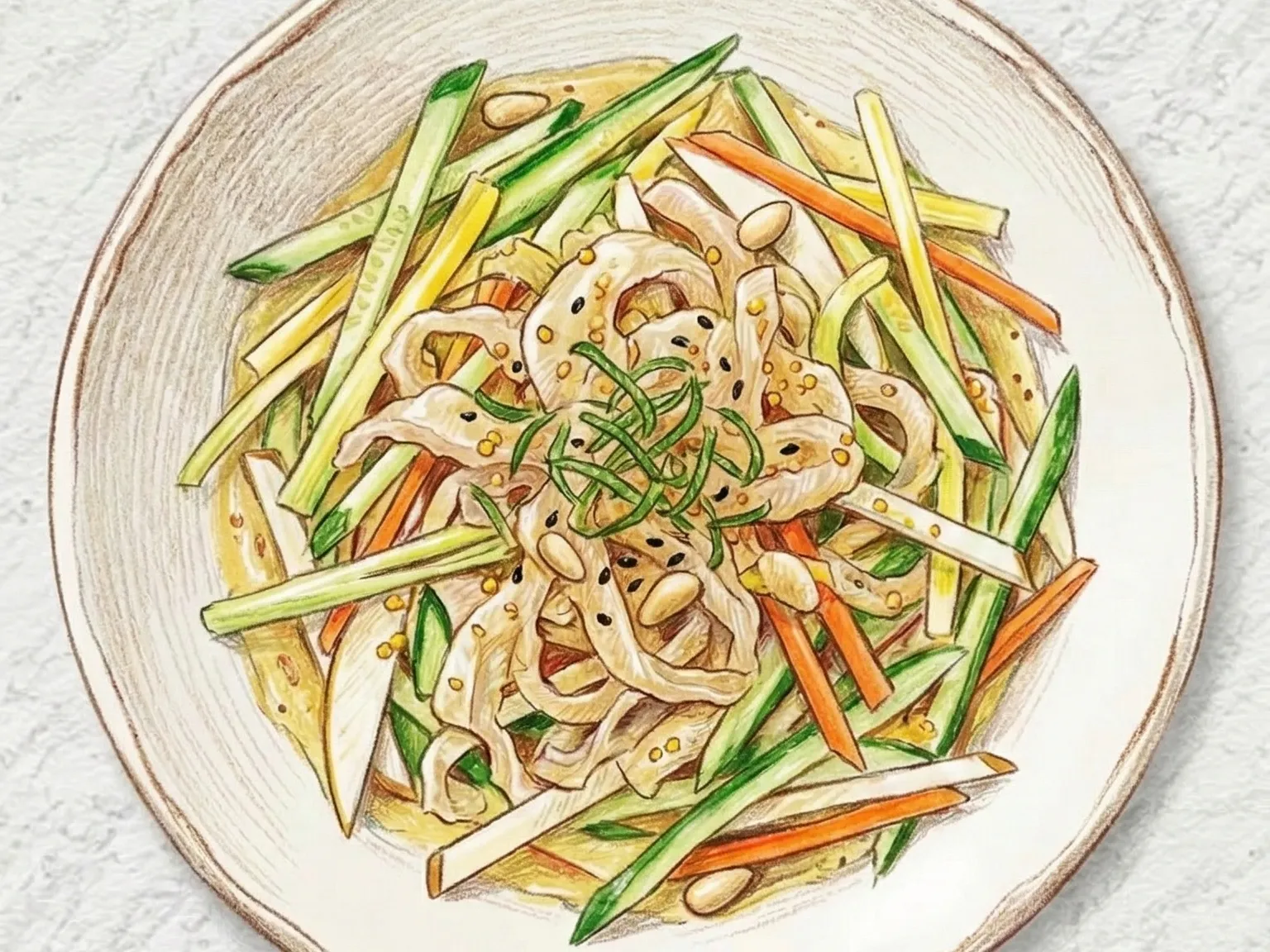
Yuja chicken naeng somyeon is a Korean cold noodle dish served in a clear chicken-radish broth brightened with yuja (citron) syrup. The broth is chilled before serving, and its combination of mild chicken flavor and floral citrus aroma sets it apart from other cold noodle soups. Shredded poached chicken breast is placed on top of the cold somyeon along with cucumber or cherry tomatoes. The broth is deliberately kept lean, with no heavy oils. If the broth is prepared in advance, the final assembly takes under 30 minutes.

Korean Cucumber Doenjang Salad
Oi-doenjang-muchim dresses cucumber in a doenjang-based seasoning - a milder alternative to the gochugaru-forward oi-muchim, foregrounding the fermented soybean paste's savory depth over spicy heat. Cucumber is sliced into half-moons or diagonal cuts and salted for five minutes to draw out moisture; skipping this step dilutes the dressing into a watery puddle. The seasoning blends doenjang, soup soy sauce, minced garlic, sesame oil, and sesame seeds, with the doenjang quantity being the critical ratio - too much and the dish is aggressively salty, too little and the cucumber's blandness dominates. Roughly one tablespoon of doenjang to two cucumbers is the working proportion. The cucumber's cool moisture meets doenjang's deep umami to produce a combination that is refreshing yet substantial enough to anchor a rice meal, especially in summer. This banchan must be eaten promptly after assembly - over time, osmotic pressure draws water from the cucumber and collapses its crunch. Served alongside grilled meat, the doenjang's savoriness complements the char while cleansing the palate.

Korean Bracken Fern Pickles
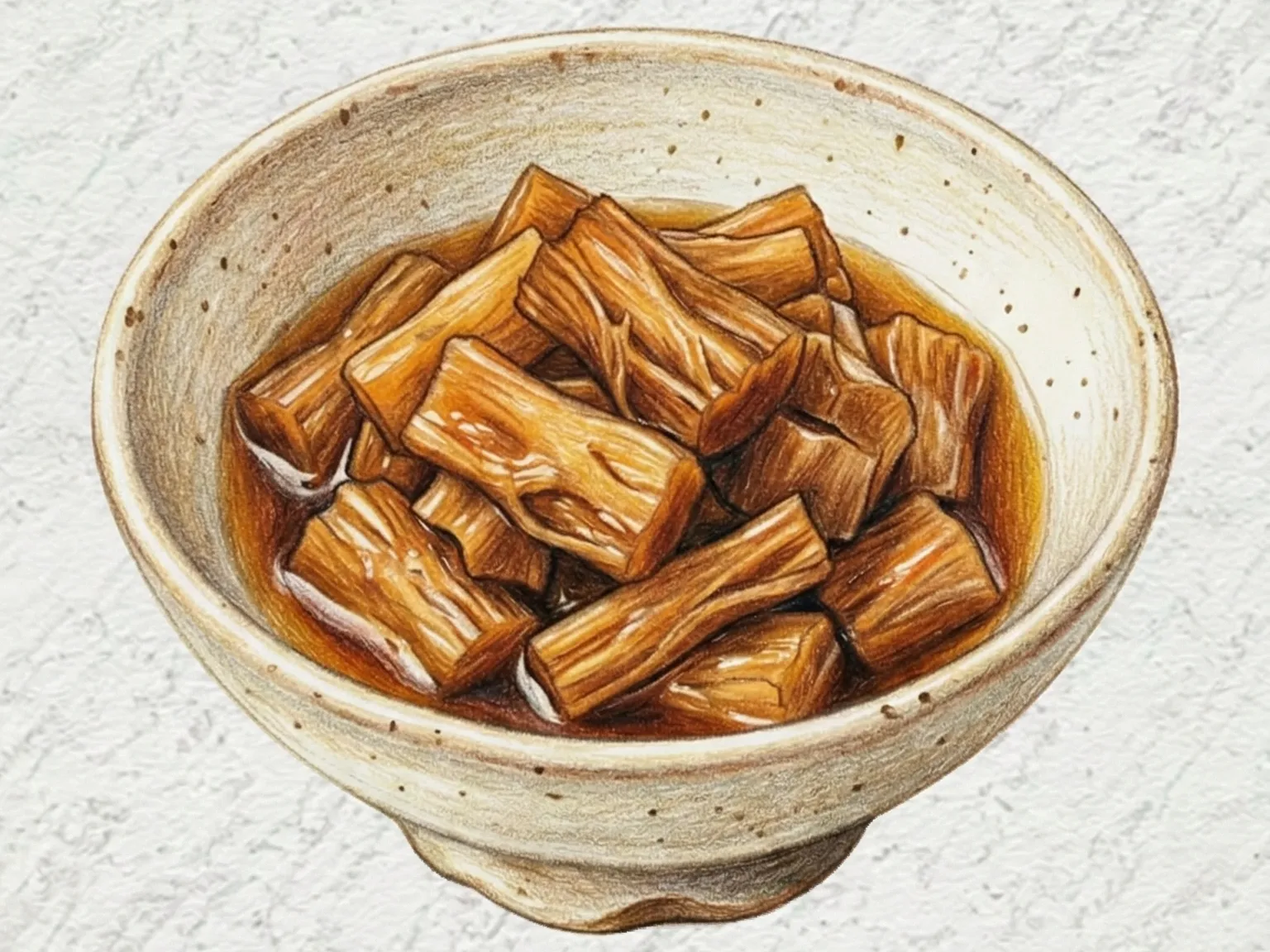
Gosari jangajji is a Korean pickled bracken fern made by submerging boiled bracken stems in a brine of dark soy sauce, vinegar, sugar, and rice wine. The fern's earthy, nutty aroma weaves together with the soy umami in layers, deepening with each bite as the flavors come into focus. Though the stems are boiled until soft, the plant's natural fiber retains enough structure to give a satisfying chew, and dried chili and garlic added to the brine contribute a quiet warmth that builds gradually. Vinegar's acidity cuts through the heavier, loamy earthiness that raw bracken can carry, leaving the aftertaste clean and bright. Refrigerated, the jangajji keeps comfortably for over a week, making it a practical, ready-to-serve banchan. For anyone familiar only with gosari namul, this pickled version is a worthwhile discovery.

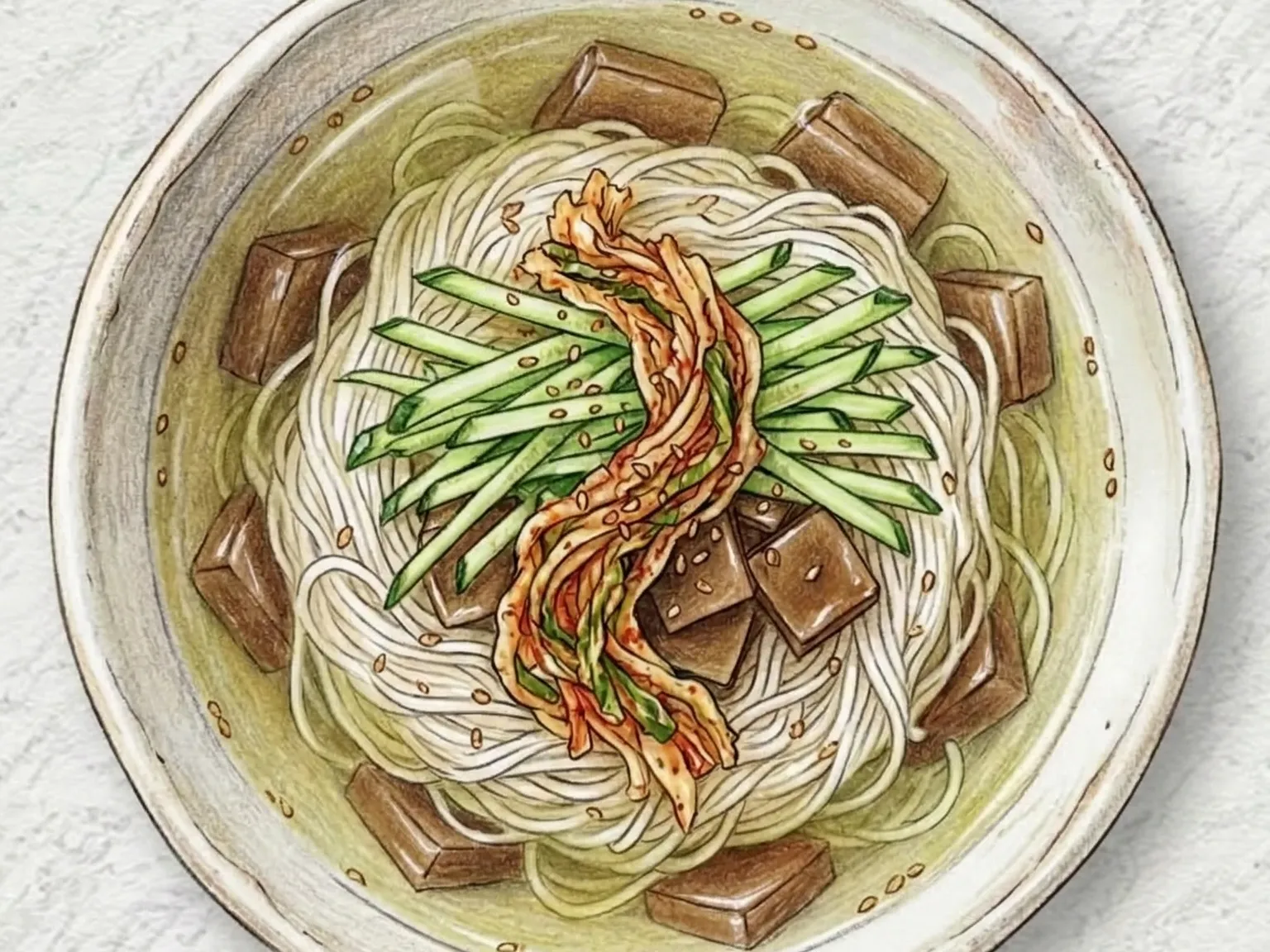
Korean Spicy Noodles with Beef Pancake
Yukjeon bibim guksu pairs pan-fried beef pancakes with spicy-tangy dressed wheat noodles. Thin slices of lean beef round are patted dry, dusted with flour, dipped in beaten egg, and fried until golden on both sides. Removing moisture before coating is what gives the yukjeon its crisp exterior and keeps the egg layer from sliding off. The dressing combines gochujang, soy sauce, vinegar, sugar, and sesame oil into a sauce that balances heat with sweet-sour brightness. Somyeon noodles are boiled and rinsed multiple times in cold water to wash off excess starch, which keeps them springy and helps the dressing cling evenly. Shredded cucumber and lettuce add freshness and crunch against the warm, savory beef.

Korean Chilled Cucumber Soup
Oi-naengguk is a Korean chilled cucumber soup served in summer as a cold alternative to the hot soups (guk) that normally accompany Korean meals. When midsummer heat makes a steaming bowl of doenjang-guk unappealing, this icy broth takes its place at the table. Cucumber is sliced paper-thin and submerged in a broth of water seasoned with rice vinegar, soup soy sauce, salt, and sugar - a higher vinegar ratio intensifies the refreshing, palate-clearing sharpness. Ice cubes floated on top or at least thirty minutes of refrigeration are essential to achieve the chilling effect that defines the dish. Thinly sliced garlic infuses a mild pungency into the broth, and sesame seeds sprinkled on top add a nutty accent. Some versions include rehydrated dried seaweed, whose slippery texture contrasts with the cucumber's crisp snap. Alongside bibimbap or spicy banchan, oi-naengguk serves as a cooling counterbalance that tempers chili heat between bites.

Korean Bamboo Shoot Pickle
Juksun jangajji refers to a Korean side dish consisting of pickled bamboo shoots. The preparation begins by boiling the raw bamboo shoots in water, a necessary preliminary step that removes the naturally occurring astringency and the sharp, harsh qualities found in the fresh plant. Once the shoots are softened and neutralized, they are placed into a container and covered with a hot pickling liquid. This brine is a mixture of soy sauce, vinegar, and sugar, which is brought to a boil together with dried bay leaves and whole black peppercorns to provide a subtle aromatic complexity. Because bamboo possesses a particularly dense and tightly packed cellular structure, it does not absorb the flavors immediately. Instead, the shoots slowly take in the salty, sweet, and acidic properties of the brine over the course of at least twenty-four hours while resting in a refrigerator. This slow penetration allows the bamboo to retain its characteristic firm and crunchy texture even after it has been submerged in the liquid for several days. The inclusion of bay leaf and whole peppercorns introduces a quiet, layered spice profile that differentiates this version from simpler soy and vinegar preparations. It is important to perform the initial blanching, as skipping this step results in a persistent bitterness that the pickling brine is unable to mask. In terms of serving, the sharp acidity of these pickles functions effectively as a palate cleanser when eaten alongside fatty meats such as grilled pork belly or marinated galbi. The textured shoots can also be utilized as a crisp topping for rice bowls or integrated into sandwiches to add a structural element.

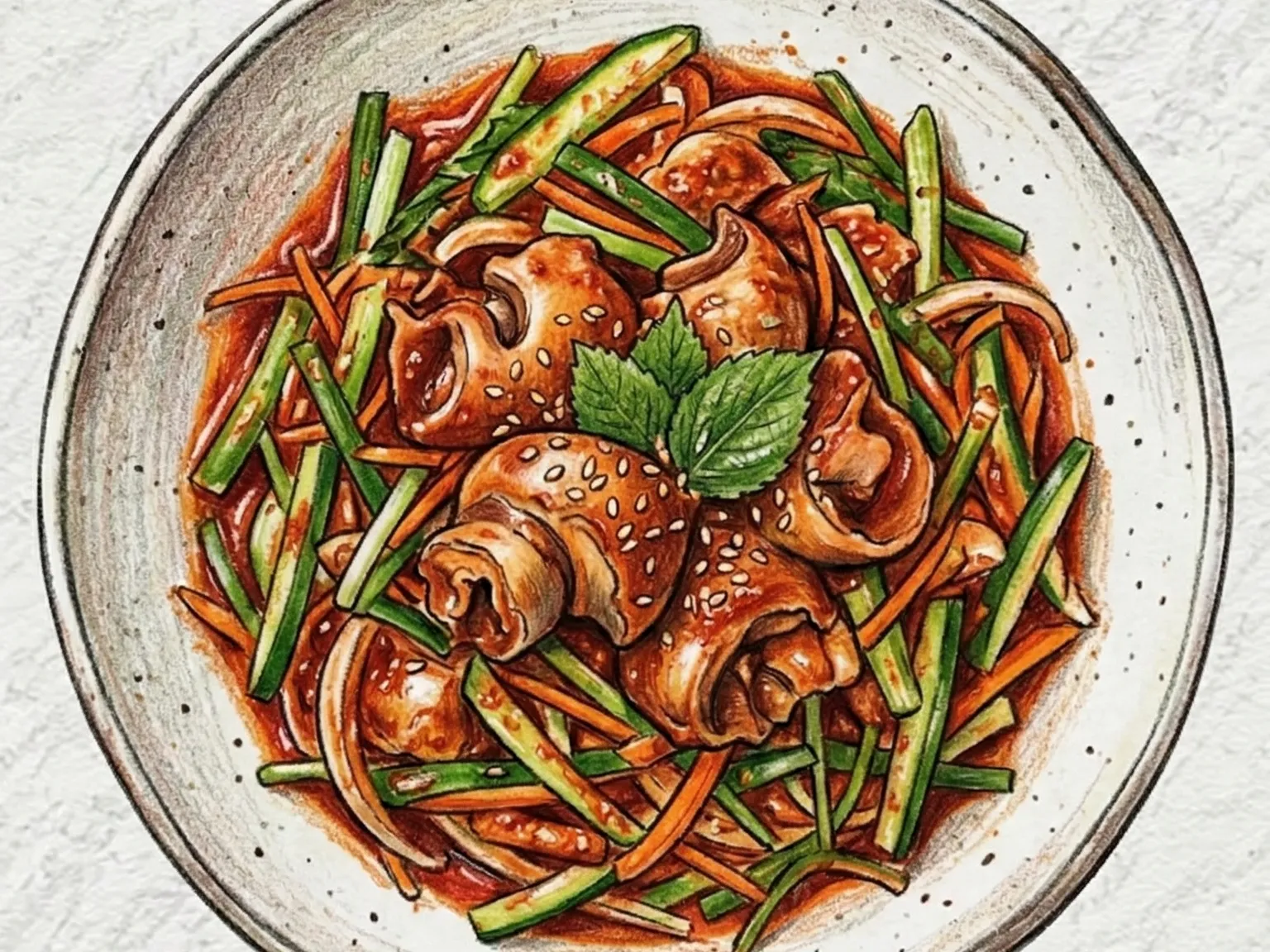
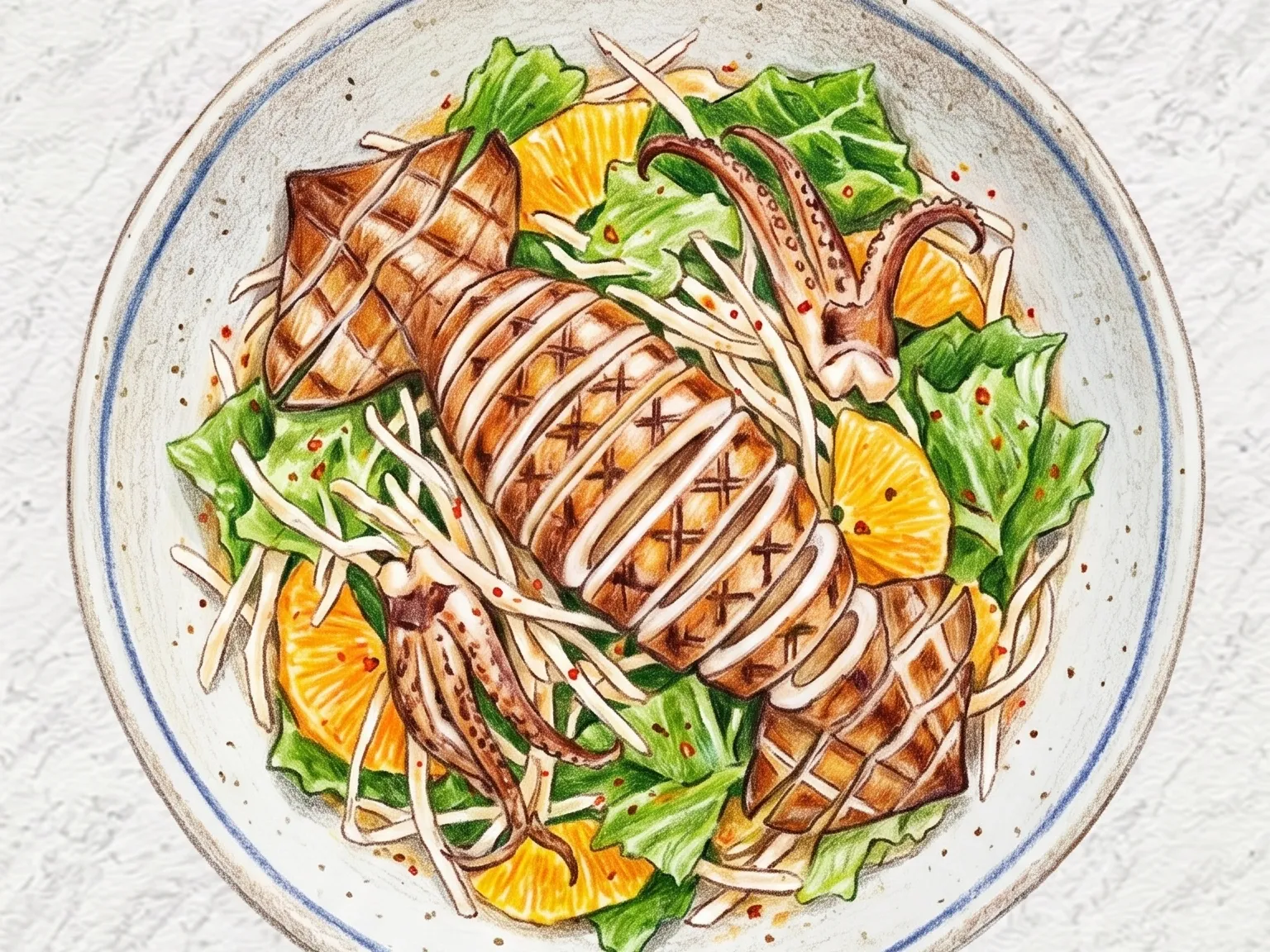
Korean Spicy Squid Salad (Gochujang Blanched Squid)
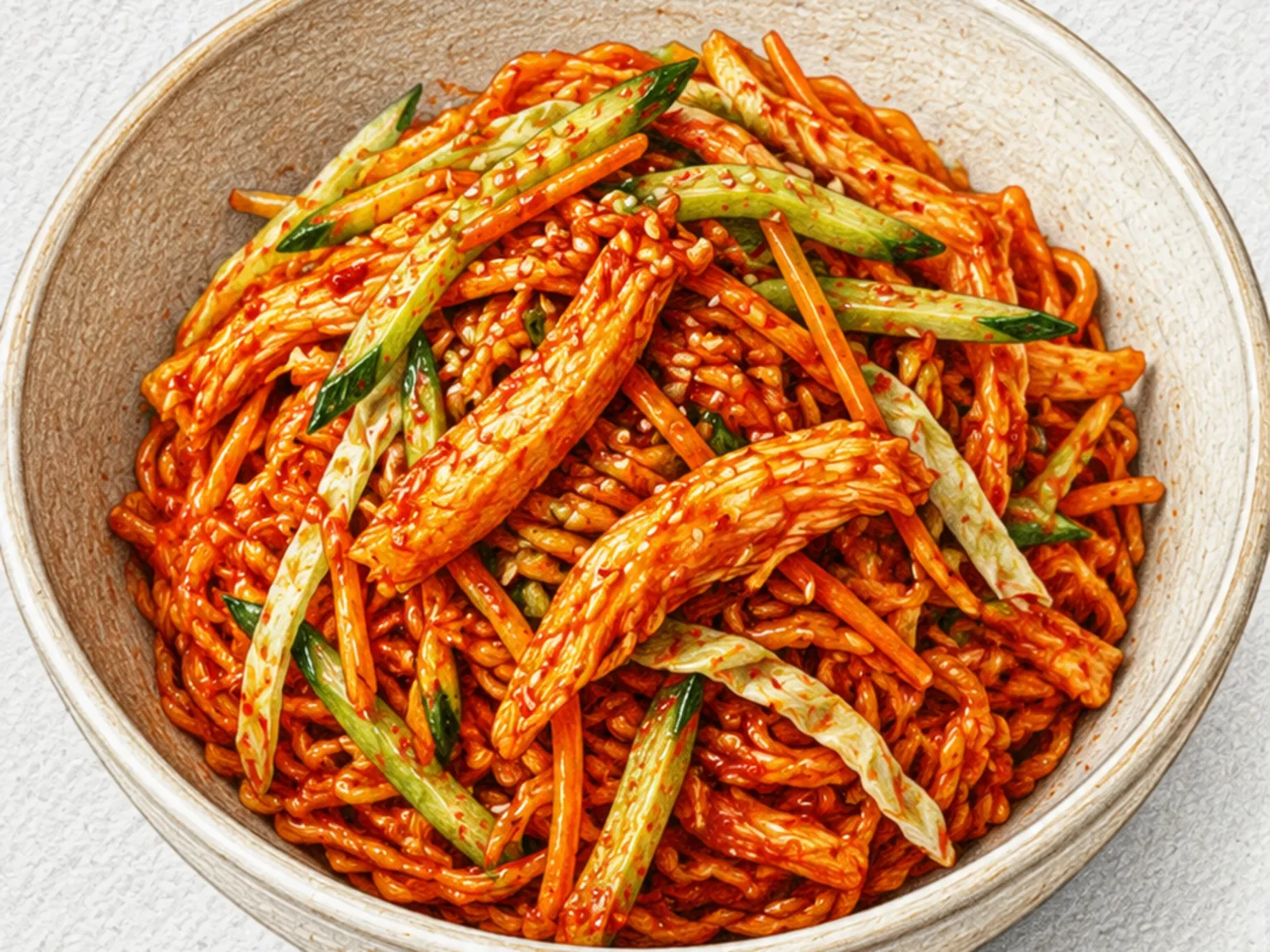
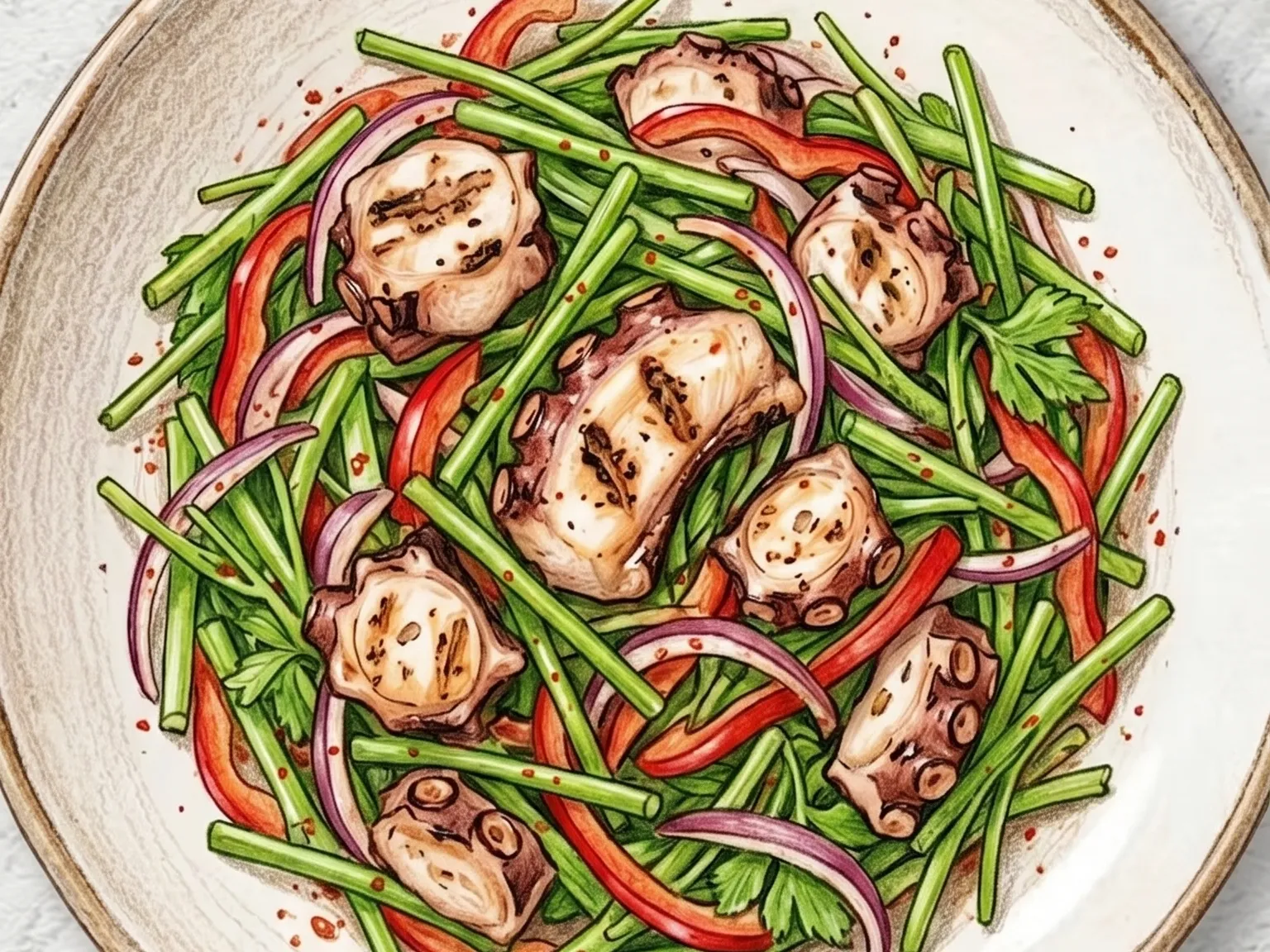
Ojingeo-muchim tosses blanched squid in a gochujang-vinegar dressing for a tangy, spicy seafood banchan that works equally well as a rice side dish or as anju with drinks. Squid, unlike vegetables, has an extremely narrow blanching window that determines the entire outcome: one minute to ninety seconds in boiling water is the limit. Beyond that, the proteins contract and the texture turns rubbery; under that, the interior stays translucent and fishy. Plunging into ice water immediately after blanching halts carryover cooking and locks in the ideal springy-bouncy texture. The dressing combines gochujang, gochugaru, vinegar, sugar, garlic, sesame oil, and sesame seeds, with vinegar playing the pivotal role - it introduces a sharp acidity over the squid's marine umami, forming a triangular balance with the chili heat. Julienned onion and cucumber mixed in add textural variety and stretch the portion. A popular variation stirs in one tablespoon of mayonnaise, whose emulsified fat wraps around the heat and produces a milder, creamier version.

Korean Soy Pickled Perilla Leaves
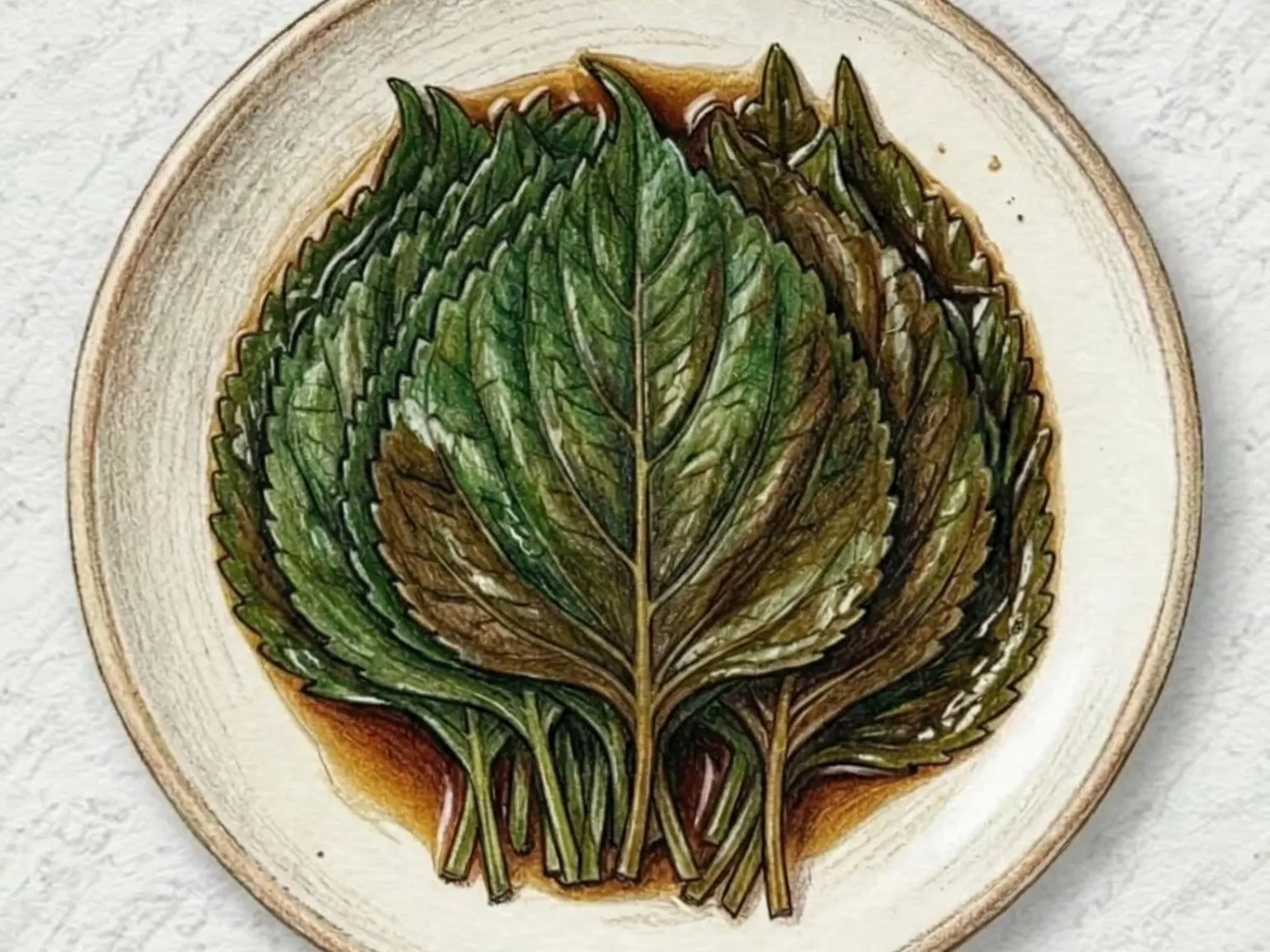
Kkaennip jangajji is a Korean soy-pickled perilla leaf side dish made by layering thoroughly dried leaves in a brine of boiled soy sauce, rice vinegar, and sugar with garlic and cheongyang chili. One of the most important steps is bringing the brine to a full boil and then allowing it to cool completely before pouring it over the leaves. Hot brine wilts the leaves immediately and collapses their structure, while a cooled brine preserves their shape and allows the seasoning to penetrate evenly over the resting period. The perilla's bold herbal fragrance becomes rounder and less sharp when it comes into contact with the salty depth of the soy sauce, and the vinegar prevents the saltiness from becoming overwhelming, keeping the finish clean and bright. Cheongyang chili leaves a quiet but definite heat at the back of each bite, and garlic threads a pungent undercurrent through the entire flavor profile. Wrapped around a spoonful of plain white rice, a single leaf delivers its full herbal, savory character in one mouthful, and the combination is one of the most satisfying pairings in Korean home cooking. Stored in the refrigerator, the pickled leaves keep for well over a month, making this one of the most practical side dishes to prepare in advance.

Korean Scallion Salad (Spicy Green Onion Grilled Meat Side)
Pa-muchim is a julienned green onion salad that serves as a classic accompaniment to Korean grilled meat. The onions are soaked in cold water for 10 minutes to draw out harsh sulfur compounds, leaving only a clean crispness behind. A dressing of soy sauce, red pepper flakes, sugar, vinegar, and sesame oil coats the thin strands, delivering a balance of salty, sweet, sour, and spicy notes in each bite. Toasted sesame seeds scattered on top contribute a lingering nuttiness. The salad should be eaten promptly after tossing, as the onions begin to wilt within minutes; placed on top of grilled pork belly or bulgogi, the sharp freshness cuts through the richness of the meat.

Korean Pickled Shishito Peppers
Kkwarigochu jangajji is a Korean pickled shishito pepper side dish made by pricking each pepper all over with a toothpick, blanching briefly in salted boiling water for thirty to sixty seconds, and submerging them with sliced garlic and optional cheongyang chili in a brine of soy sauce, vinegar, and sugar brought to a boil. Pricking the peppers before blanching ensures the brine penetrates evenly through the hollow interior, eliminating any difference in seasoning between the skin and the flesh inside. Blanching for only thirty seconds to one minute wilts the peppers just enough to make them pliable while keeping a firm, springy bite and their natural mild heat. Pouring the brine hot, then letting the jar cool before refrigerating, helps the peppers hold their green color rather than browning. Vinegar cuts through the saltiness of the soy sauce and prevents the pickle from tasting heavy, while sugar smooths the sharpness into a balanced, clean finish. Ready after at least one day of refrigeration and keeps well for over a week, making it a reliable banchan to have on hand when the weeknight table needs one more dish.

Korean Paengi Beoseot Jeon (Enoki Pancake)
Paengibeoseot-jeon is a thin Korean pancake built around 200 grams of enoki mushrooms separated into loose strands and coated in a light batter of pancake mix, egg, and water. Cooked over medium-low heat, the batter spreads thin enough that the edges turn golden and crisp while the mushroom clusters in the center stay moist and chewy. Chopped scallions add color and a mild onion fragrance throughout. The pancake is served with a dipping sauce of soy sauce, vinegar, and a pinch of chili flakes, whose acidity and salt lift the subtle earthiness of the mushrooms. Keeping the heat moderate is essential - too high and the outside burns before the interior sets.

Korean Kohlrabi Soy Pickle
Kohlrabi jangajji is a Korean soy pickle made by thickly peeling kohlrabi, cutting it into 2 cm cubes, and submerging the pieces with garlic and dried chili in a pickling brine of boiled soy sauce, vinegar, and sugar. Kohlrabi's dense cellular structure absorbs the brine slowly, holding a firmer crunch and more pronounced sweetness than radish over several days of pickling. The soy sauce's savory depth and the vinegar's acidity draw out the kohlrabi's natural sugars, while dried chili contributes a subtle warmth and color to the brine. Pouring the brine only after it has fully cooled preserves the kohlrabi's crunch, as hot liquid softens the cell walls and reduces the staying power of the pickle. This pickle works well as a palate cleanser alongside grilled meat or samgyeopsal, cutting through richness with its tart, sweet bite, and stored in the refrigerator it holds its crisp texture for two to three weeks. Adjusting the ratio of vinegar to sugar in the brine shifts the pickle toward more sour or more sweet depending on preference.

Korean Tofu and Bell Pepper Salad
Paprika-dubu-muchim combines 300 grams of blanched firm tofu, crumbled coarsely by hand, with julienned red and yellow bell peppers, cucumber, and onion in a soy-vinegar dressing. Blanching the tofu for just one minute removes any raw bean flavor while preserving a soft, creamy texture that contrasts with the crisp, sweet snap of the peppers. The onion is soaked in cold water for three minutes to tame its bite before joining the bowl. Sesame oil and minced garlic round out the dressing, adding depth without heaviness. Chilling the finished dish for 10 minutes before serving sharpens the vegetable flavors and makes the tofu firmer to the bite.

Korean Green Plum Pickles
Maesil jangajji is a traditional Korean green plum pickle made by salting unripe plums to draw out bitterness, layering them with sugar, and pouring in vinegar and rice wine for months of aging. Over the long curing process, the plum's sharp acidity gradually harmonizes with the sugar's sweetness, and the flesh condenses as moisture evaporates, concentrating its floral aroma. Vinegar stabilizes the fermentation while rice wine smooths any harsh notes, resulting in a pickle that is tart, sweet, and cleanly fragrant. A couple of pieces placed beside a bowl of rice stimulate the appetite with their bright acidity, making this a Korean summer preserve with a long tradition. The best time to prepare it is early June when young green plums come to market, and stored in glass jars in a cool spot the pickle keeps well for over a year.

Korean Seasoned Green Laver
Parae-muchim dresses winter-season green laver in a vinegared gochujang sauce that balances the seaweed's natural brininess with sweet, sour, and spicy notes. The laver must be washed at least five times with fresh water to remove every grain of sand embedded in its delicate fronds. A brief 10-second blanch in boiling water tames any fishy undertone while keeping the texture soft and slippery. The dressing - gochujang, vinegar, sugar, minced garlic, and sesame oil - clings to the damp strands, coating them in a glossy, reddish glaze. Each bite delivers a wave of ocean flavor followed by the slow warmth of the chili paste.

Korean Garlic Scape Soy Pickles
Maneul jong jangajji is a Korean garlic scape pickle made by cutting fresh scapes into 5 cm lengths, packing them into a sterilized jar along with cheongyang chili peppers, and pouring over a freshly boiled brine of soy sauce, vinegar, sugar, and dried kelp. The scapes' sharp garlic bite melds gradually with the soy's salty, savory depth to produce a flavor that builds with every chew, while the kelp dissolves a subtle seaweed umami into the brine over the course of steeping. The vinegar keeps the salt in check so the overall taste stays clean rather than heavy, and the cheongyang chili adds a slow, lingering warmth at the end of each bite that prevents the pickle from tasting one-dimensional. Reboiling the brine and pouring it back over the scapes after two days is an important step for both preservation and even pickling, and repeating this process once more ensures the scapes absorb flavor uniformly throughout. Handled this way, the finished banchan keeps reliably for over a month in the refrigerator.

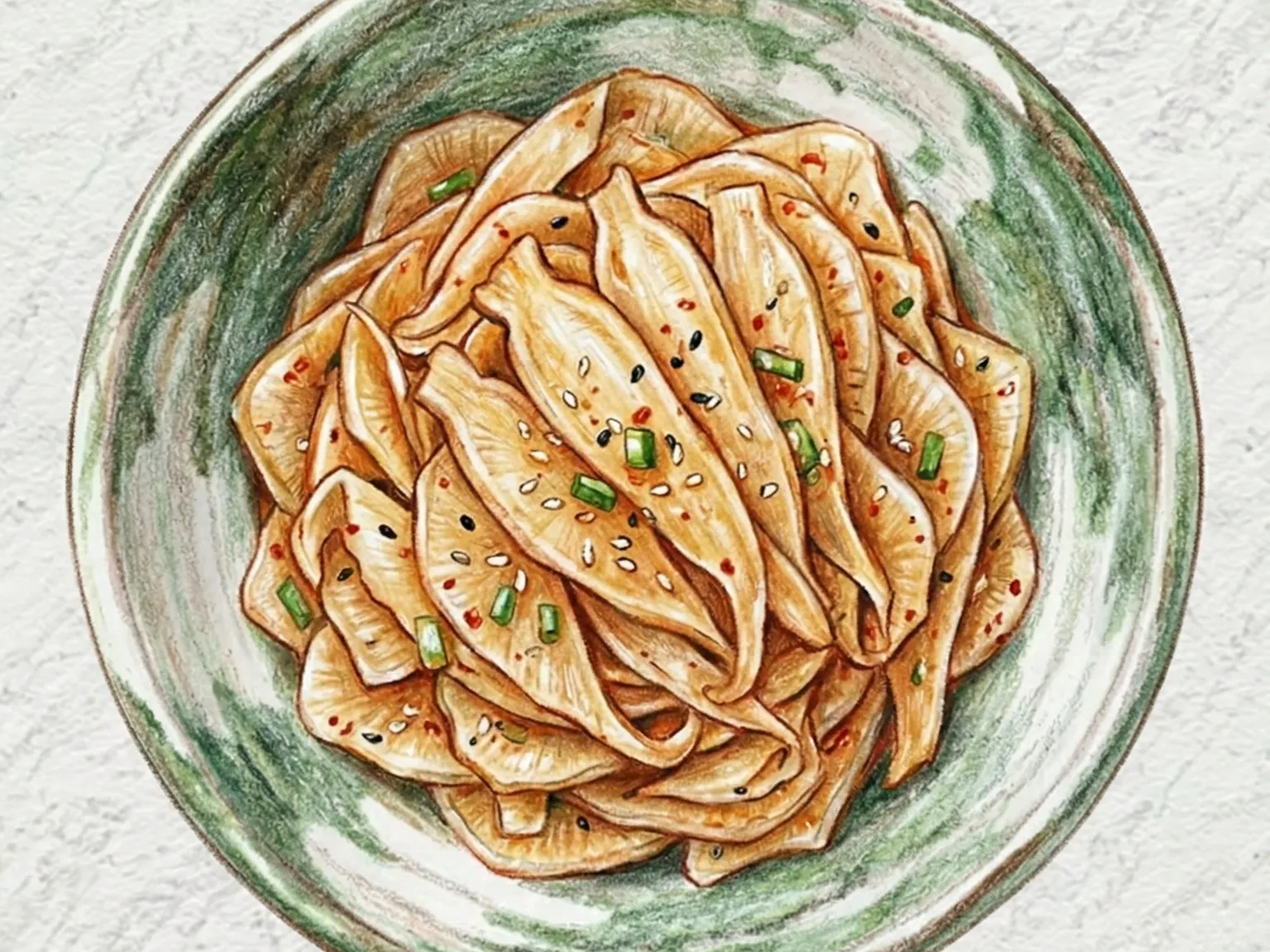
Korean Seasoned King Oyster Mushroom
Saesongi-beoseot-muchim steams 250 grams of king oyster mushrooms, torn into strips along the grain, for six minutes over high heat to preserve their chewy, fibrous texture better than boiling would. After cooling slightly and squeezing out excess moisture, the strips are tossed in a dressing of soy sauce, vinegar, chili flakes, garlic, and sugar. The vinegar provides a tangy lift, while the chili flakes introduce gentle warmth without overwhelming the mushroom's mild flavor. Sesame oil and sesame seeds finish the dish with a nutty aroma. It holds up well when chilled and served cold, making it a convenient banchan to prepare ahead of time.

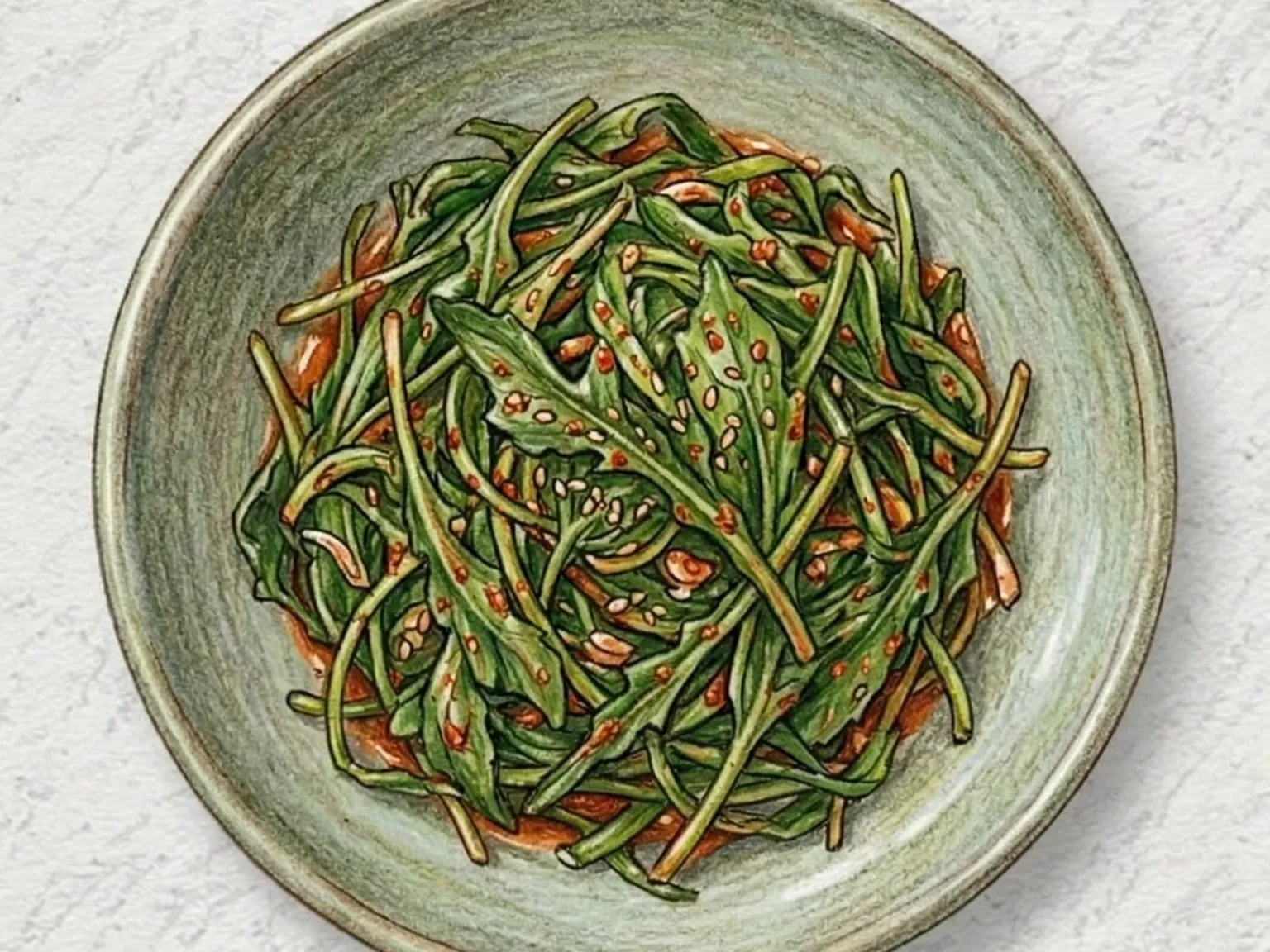
Korean Water Parsley Soy Pickle
Preparing this dish starts with cutting water parsley stems into 5-centimeter segments and ensuring they are thoroughly dried. The pickling process involves a mixture of soy sauce, rice vinegar, and sugar that is boiled and then completely cooled before being poured over the prepared stems, garlic, and cheongyang chili peppers. As the herbs submerge in the savory liquid, the fresh scent of the water parsley evolves into a complex aromatic profile that is absent in its raw state. Rice vinegar provides a crisp finish to the palate, while the sharp heat from the chili peppers prevents the flavor from becoming flat or one-dimensional. Garlic acts as a stabilizing element for the entire seasoning base. The pickle reaches its optimal state around the second or third day of refrigeration when the initial sharpness of the vinegar mellows out while the stems maintain their firm crunch. Since the texture tends to soften over time, making frequent small batches is a practical approach to enjoy this preserve. This side dish functions well alongside grilled pork belly or other main courses with high fat content by clearing the palate between bites. The remaining brine can be reused for subsequent batches of vegetables, often resulting in a more developed and layered taste than the first round. Adding a small amount of lemon or yuzu juice introduces a citrus scent that complements the natural herbal characteristics of the water parsley.

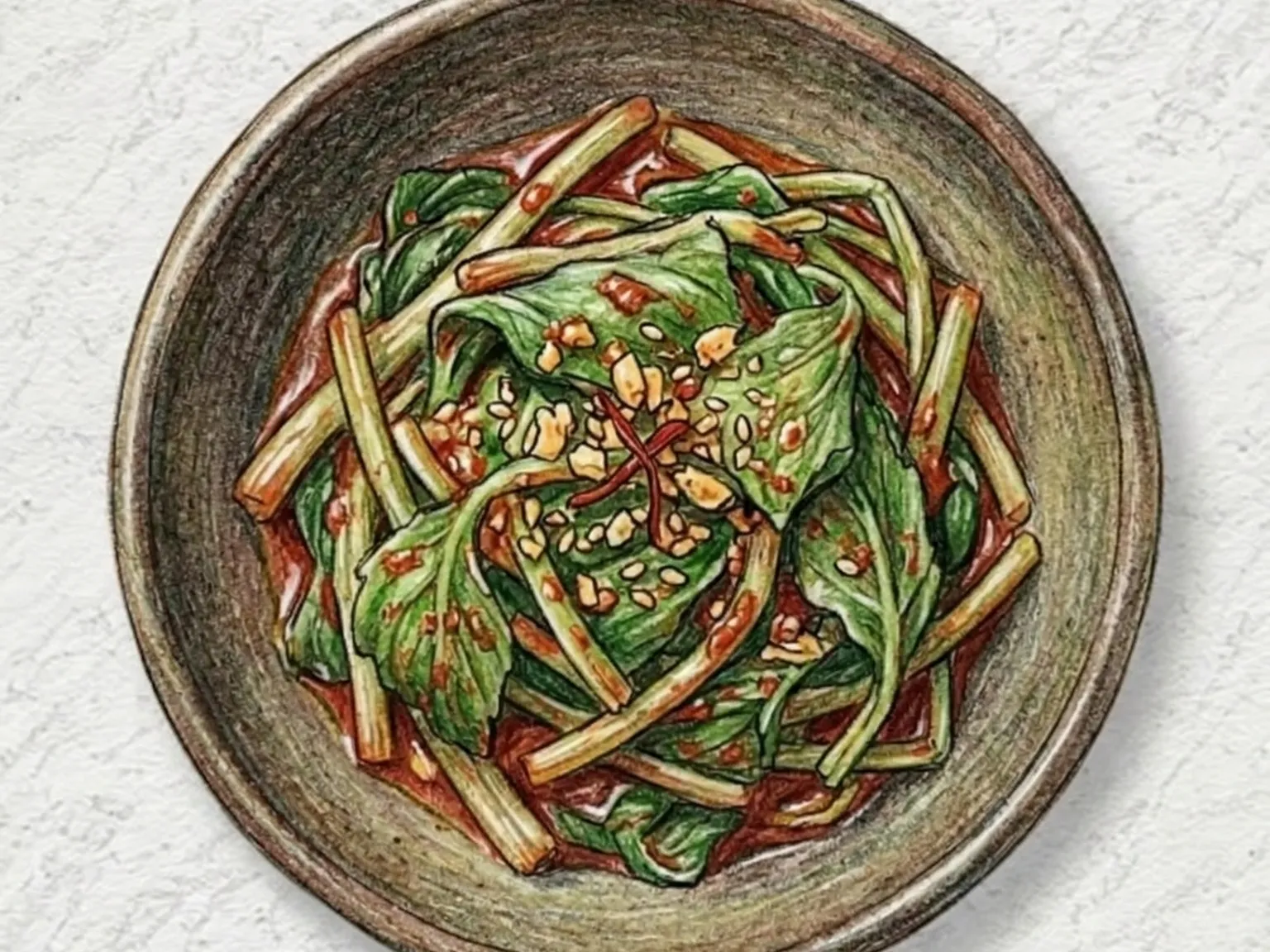
Korean Fresh Lettuce Geotjeori
Sangchu-geotjeori is a last-minute lettuce salad where 120 grams of lettuce, torn into bite-size pieces, is tossed for no more than 20 seconds in a dressing of red pepper flakes, soy sauce, vinegar, plum syrup, minced garlic, and sesame oil. The lettuce must be thoroughly dried after washing so the dressing adheres to the leaves rather than pooling at the bottom. Thinly sliced onion adds crunch and a sharp edge that complements the mild bitterness of the lettuce. Plum syrup provides a fruity sweetness that is more subtle than granulated sugar, while the vinegar tempers the chili heat. Serving immediately is critical - within minutes the leaves begin to wilt, losing the crisp texture that defines this dish.