Charim

2686 Korean & World Recipes

2686+ Korean recipes, clean and organized. Ingredients to instructions, all at a glance.

Recipes with vinegar

24 recipes

Buy vinegar
Bánh Mì (Vietnamese Crispy Baguette Sandwich with Pork and Pickles)
AsianMedium

Bánh Mì (Vietnamese Crispy Baguette Sandwich with Pork and Pickles)

Banh mi is the product of French colonialism meeting Vietnamese resourcefulness. A baguette made partly with rice flour results in a bread lighter and airier than its French counterpart, with a shattering crust that flakes on the first bite. The bread is the foundation and everything else is built around its texture. Fillings vary by region and stall, but the classic Saigon version layers pate, cold cuts, pickled daikon and carrot, sliced cucumber, cilantro, and jalapeno. The pickled vegetables provide sharp, tangy crunch that cuts through the fattiness of the meat and pate. At street carts across Ho Chi Minh City, a banh mi is assembled in under a minute and costs less than a dollar, delivering crispy, sour, herbal, spicy, and fatty elements in every bite. The bread was introduced during French colonial rule in the nineteenth century, and Vietnamese bakers gradually reduced the density and adapted the loaves to local ovens and ingredient availability. Today, variations include a tofu version for vegetarians and a shrimp version common in coastal cities. The key to a proper banh mi is bread baked the same day, eaten while the crust is still intact.

🎉 Special Occasion🍱 Lunchbox
Prep 20minCook 10min2 servings
Red Velvet Cake
BakingMedium

Red Velvet Cake

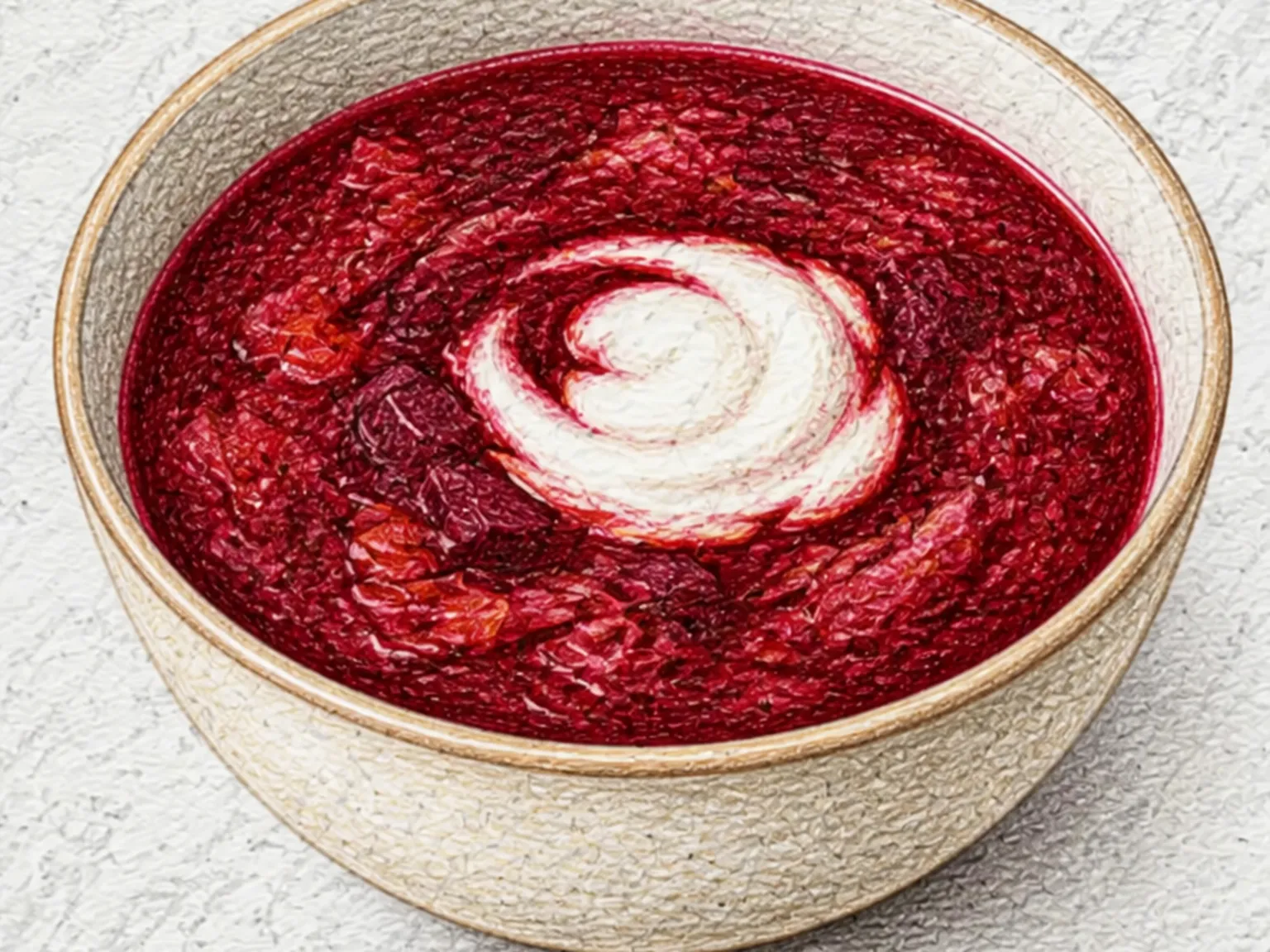
Red velvet cake is an American layer cake defined by its bright crimson interior and its covering of tangy cream cheese frosting. The frosting serves to balance the sweetness of the cake layers. The batter is prepared with a small amount of cocoa powder, which provides depth to the flavor without making the cake taste like a typical chocolate dessert. Buttermilk is included in the recipe to provide a mild lactic acidity that adds complexity to the overall taste. Instead of using butter as the primary fat source, vegetable oil is used to create a moist sponge that remains soft for several days after it has been baked. The fine, velvety texture of the crumb is produced by a specific chemical reaction between baking soda and white vinegar. This reaction generates small air bubbles throughout the batter during the baking process. The frosting is made by beating cold cream cheese with butter and powdered sugar until it reaches a consistency thick enough to stay in place between the layers without sliding. The visual appeal of the cake comes from the sharp contrast between the deep red crumb and the white frosting, which is revealed when the cake is sliced. This appearance has made the cake a common choice for various celebrations. If a more natural appearance is preferred, beet powder can be used as a substitute for food coloring to create a more subdued shade of red.

🎉 Special Occasion🧒 Kid-Friendly
Prep 25minCook 30min12 servings
Crispy Mushroom Tangsu (Sweet & Sour)
Side dishesMedium

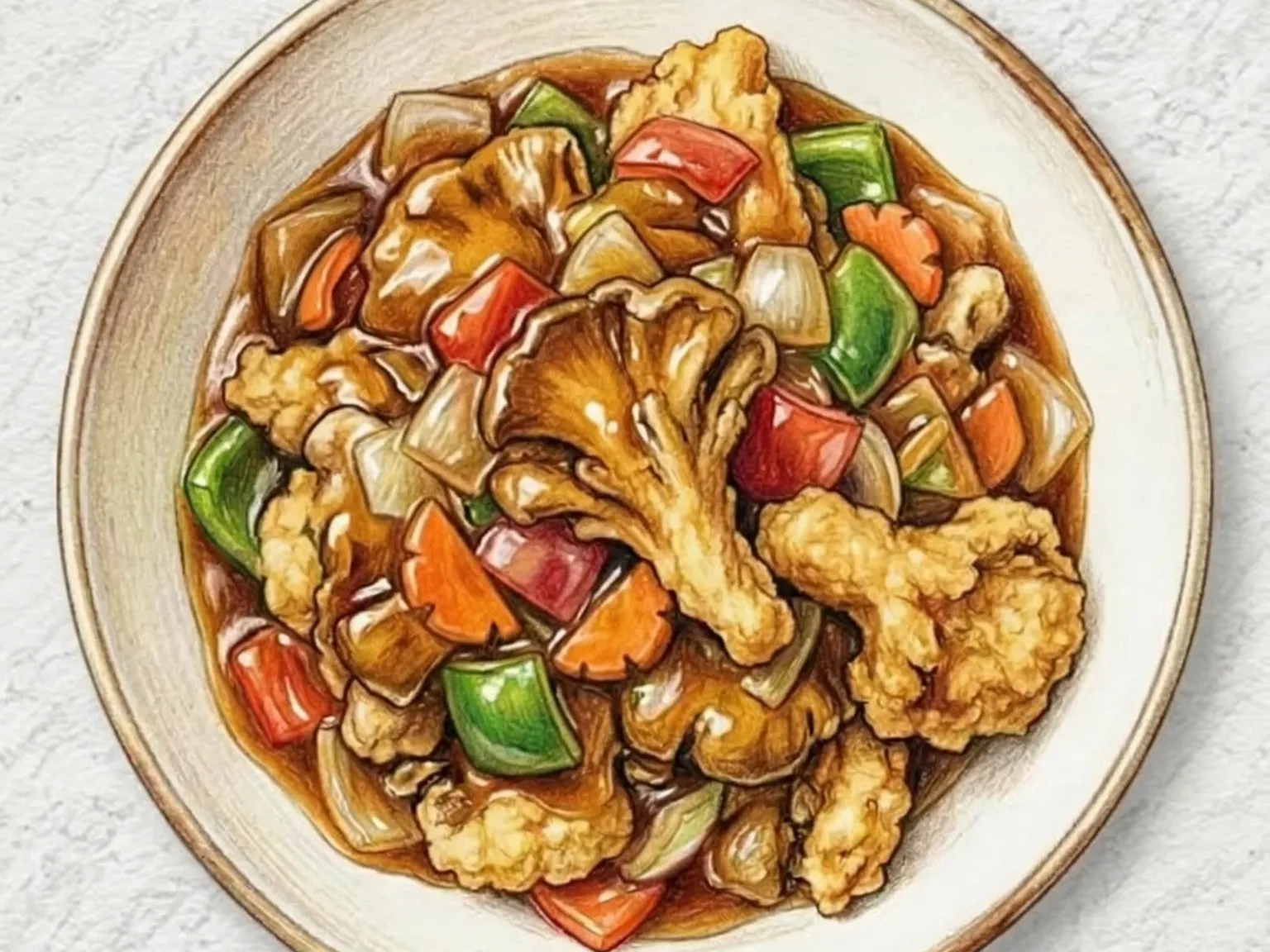
Crispy Mushroom Tangsu (Sweet & Sour)

Double-fried oyster mushrooms with the same two-stage frying technique used for Korean tangsu pork. Oyster mushrooms fully dried of moisture are coated in a potato starch and flour batter, fried at 170°C, rested to release steam, then returned to 180°C for a second fry that locks in a crisp exterior while keeping the interior chewy. A sweet-sour sauce of soy sauce, vinegar, and sugar is simmered with onion, bell pepper, and carrot, then thickened with a starch slurry. Pouring the sauce over the mushrooms in advance softens the crust quickly, so serving the sauce separately and ladling it on at the table preserves the crunch. The technique produces a texture comparable to the pork version without any meat.

🏠 Everyday🎉 Special Occasion
Prep 20minCook 18min4 servings
Korean Young Radish Barley Bibimbap
RiceEasy

Korean Young Radish Barley Bibimbap

Barley-mixed rice has a hearty, popping texture and a nutty flavor that pairs naturally with the crisp, tart bite of freshly made young radish kimchi. The crunchy stems of the kimchi contrast with the chewy barley grains, and stirring in gochujang ties the tangy, spicy, and sweet elements together into a cohesive bowl. A spoonful of sesame oil folded in at the end adds a roasted fragrance that lifts the overall depth of flavor. This bibimbap is especially refreshing in the summer months as a cooling, appetite-stimulating meal.

🏠 Everyday🍱 Lunchbox
Prep 18minCook 22min2 servings
Crispy Chili Garlic Chicken
Stir-fryMedium

Crispy Chili Garlic Chicken

Kkanpunggi is a Korean-Chinese chicken dish where bone-in or boneless thigh pieces are coated in potato starch and deep-fried until the crust is completely shatter-crisp, then tossed quickly over high heat in a sauce built from garlic, dried red chilies, soy sauce, rice vinegar, and sugar. The sauce must go on while the chicken is still hot from the fryer: the heat helps the thin glaze bond to the surface without softening the coating, while allowing the seasoning to penetrate just enough. Leaving the chicken in the sauce any longer causes the starch shell to absorb moisture and go limp, which destroys the entire point of the dish. The balance of salty, sour, and sweet in the sauce coats each piece evenly, and the assertive garlic aroma combined with the slow heat of dried chilies forms the flavor signature that makes kkanpunggi instantly recognizable. Additional sliced fresh chilies, green or red, can be added at the end to control heat intensity to personal preference. Crisping the skin side of the thigh thoroughly during frying deepens both the textural contrast and the roasted savory aroma. This is one of the most popular anju dishes in Korea, routinely paired with beer or soju, and it must be eaten immediately while the crunch is intact.

🍺 Bar Snacks🏠 Everyday
Prep 20minCook 18min3 servings
Bibim Dangmyeon (Spicy Glass Noodles)
Street foodEasy

Bibim Dangmyeon (Spicy Glass Noodles)

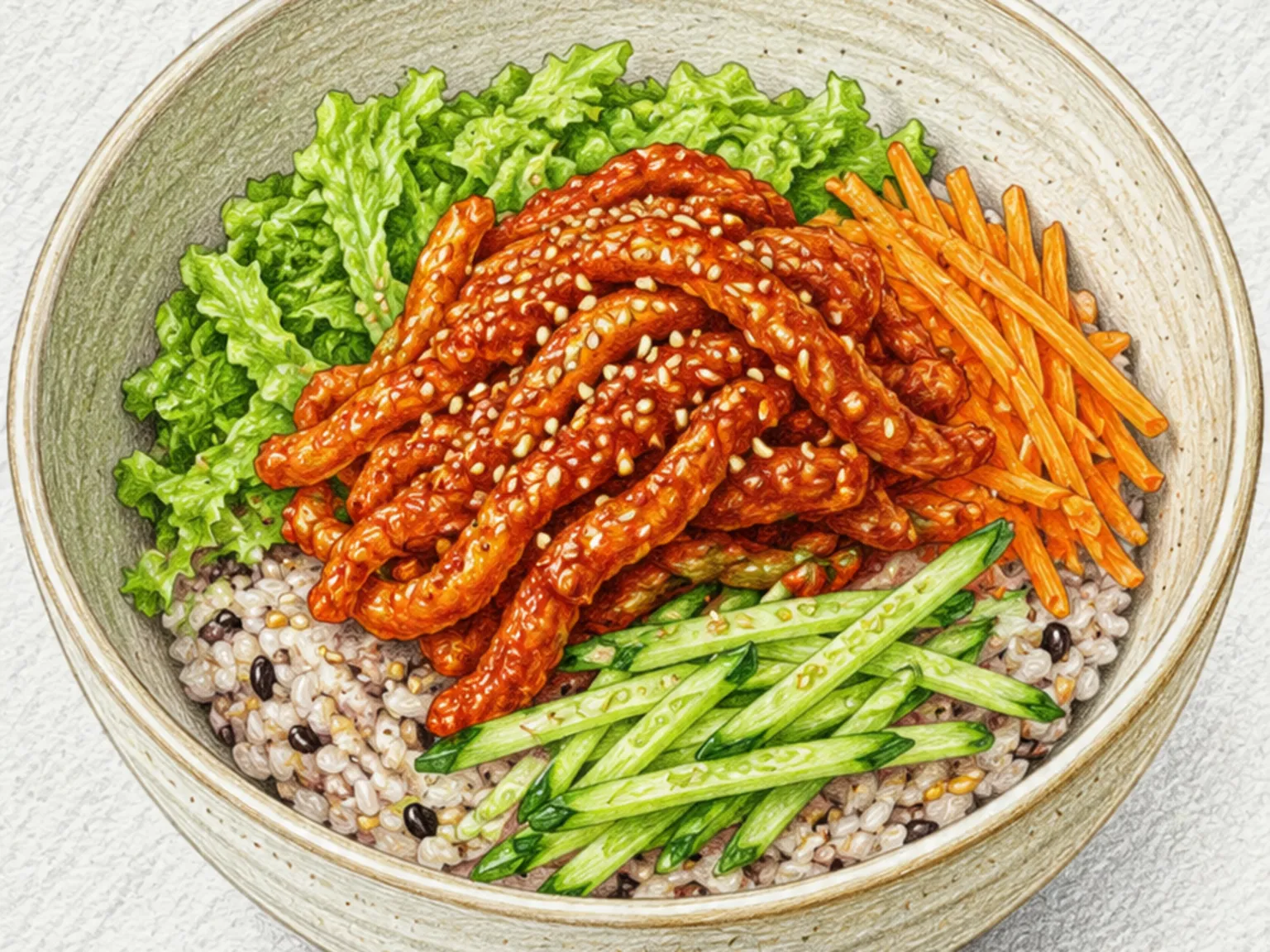
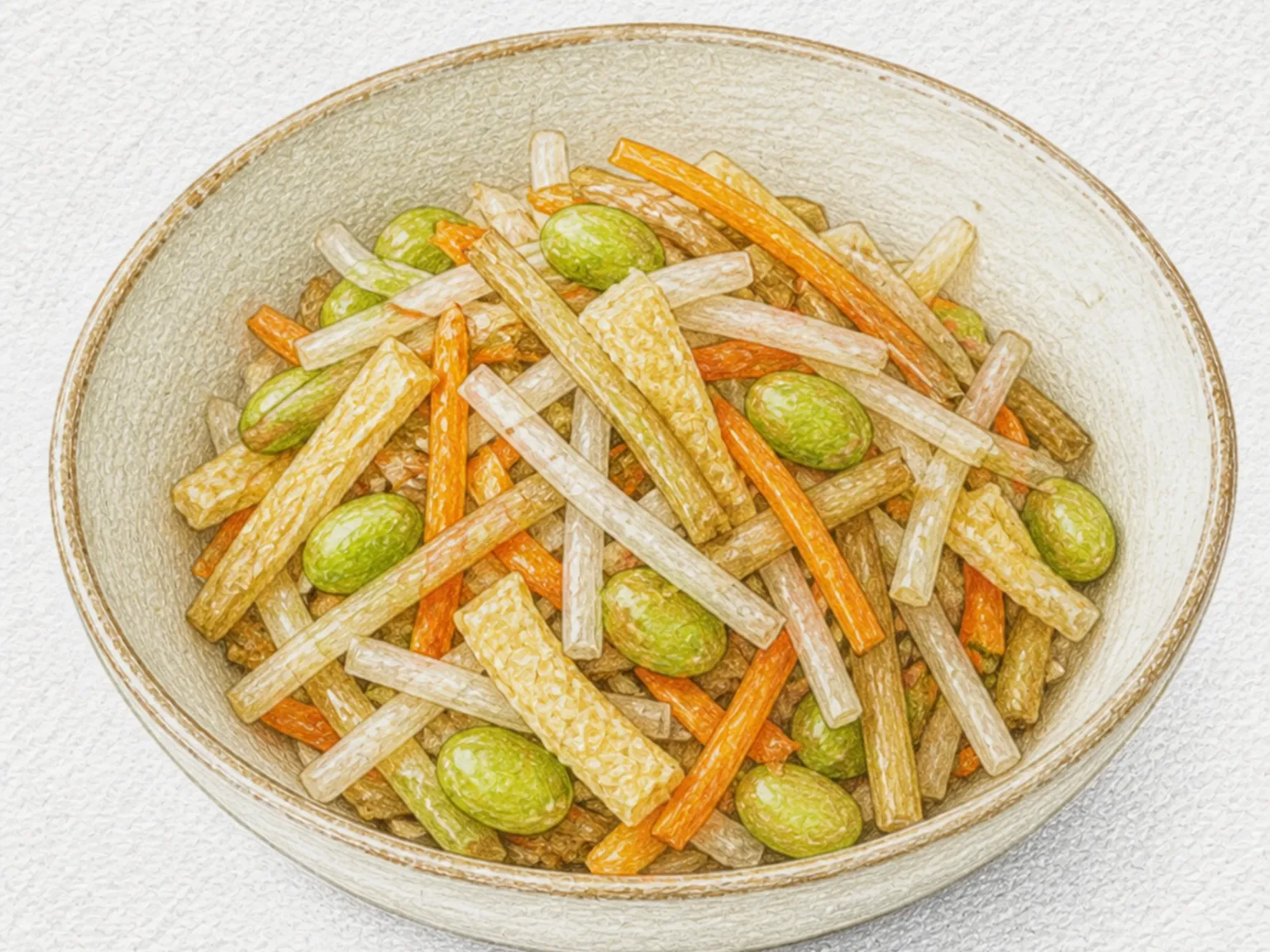
Bibim dangmyeon is a Korean bunsik dish of boiled sweet potato starch noodles tossed together with vegetables in a dressing of gochujang, vinegar, and sugar. The noodles are cooked in boiling water until just tender, then drained and rinsed thoroughly in cold water. The cold rinse is the step that determines the final texture of the entire dish. Skipping it leaves the noodles hot and continuing to soften in their own residual heat, and they eventually stick together in a clump. Running cold water over them immediately halts the cooking, sets the starch, and produces the transparent, chewy, springy texture that defines a well-made dangmyeon. Julienned cucumber and carrot add crunch and visual contrast in the bowl. A pan-fried egg sliced into thin strips and placed on top contributes a mild, rich note and completes the visual presentation. The dressing is a balance of three distinct flavor elements: the heat and fermented depth of gochujang, the acidity of vinegar, and the sweetness of sugar. All three need to coat every strand of noodle evenly, which requires thorough tossing rather than a light fold. Sesame oil added at the end prevents the noodles from sticking together as they sit while also contributing a warm, nutty finish. Because the noodles continue absorbing the dressing over time, the dish is best eaten immediately after preparation when the texture is at its most distinct. The dressing can be made in advance and refrigerated, and garlic chives or perilla leaves can substitute for the cucumber and carrot. Adding thinly sliced bulgogi or a soft-boiled egg provides protein without disrupting the overall balance of the dish.

🌙 Late Night Quick
Prep 15minCook 5min2 servings
Korean Crispy Potato Pancake
DrinksEasy

Korean Crispy Potato Pancake

Gamja-jeon is a Korean potato pancake made by finely grating raw potatoes, letting the starch settle out of the liquid for at least ten minutes, discarding the water, and folding the settled starch back into the pulp to improve binding. Waiting long enough for full starch separation is what gives the batter enough cohesion to hold together when the pancake hits the hot pan. Spreading the batter as thinly as possible produces glass-crisp edges while the center retains a chewy, starchy bite characteristic of potato starch. The first side must cook all the way through and the underside must firm up completely before any attempt to flip, and using two spatulas simultaneously makes the turn fast enough to keep the pancake intact. Frying both sides over medium heat until evenly golden delivers a crust that is crisp on the outside while the center stays moist. A dipping sauce of soy sauce, vinegar, and minced cheongyang green chili cuts through the oily richness with sharpness and heat.

🍺 Bar Snacks
Prep 15minCook 12min2 servings
Korean Grilled Atka Mackerel
GrilledEasy

Korean Grilled Atka Mackerel

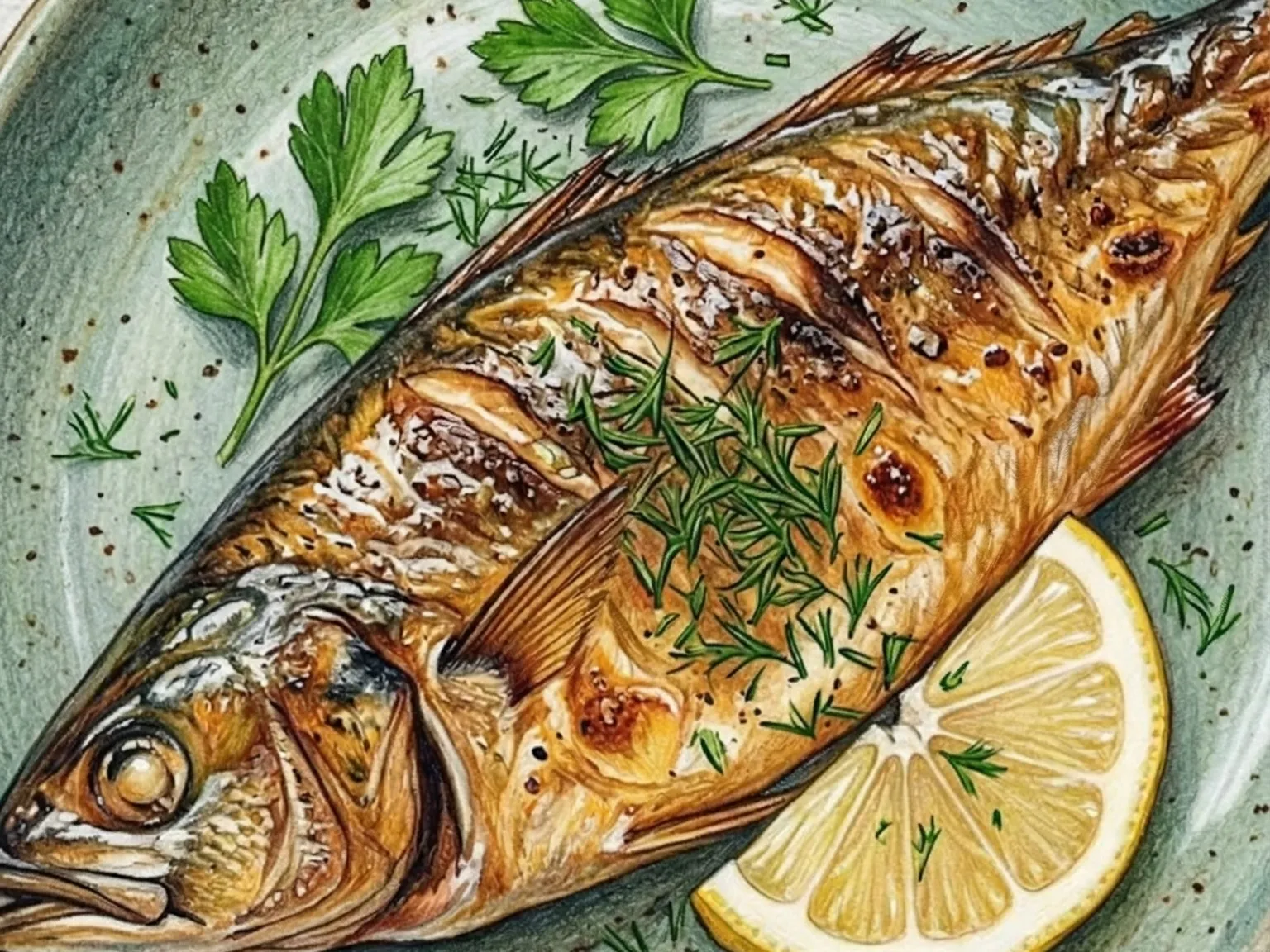
Atka mackerel is seasoned with salt and pepper, wiped down with diluted vinegar to settle the fishiness, then pan-grilled on both sides until golden. The fish is naturally high in fat, and as it cooks the oil renders from within and permeates the flesh, building a rich, savory depth without any sauce at all. Thicker sections benefit from a brief covered rest on medium heat, which carries heat evenly to the center before the surface can scorch. A wedge of lemon at the side cuts through the rendered fat with clean brightness, making this grilled fish equally good as a rice side or a drinking snack.

🍺 Bar Snacks🏠 Everyday
Prep 10minCook 12min2 servings
Korean Acorn Jelly Cold Broth Bowl
SoupsEasy

Korean Acorn Jelly Cold Broth Bowl

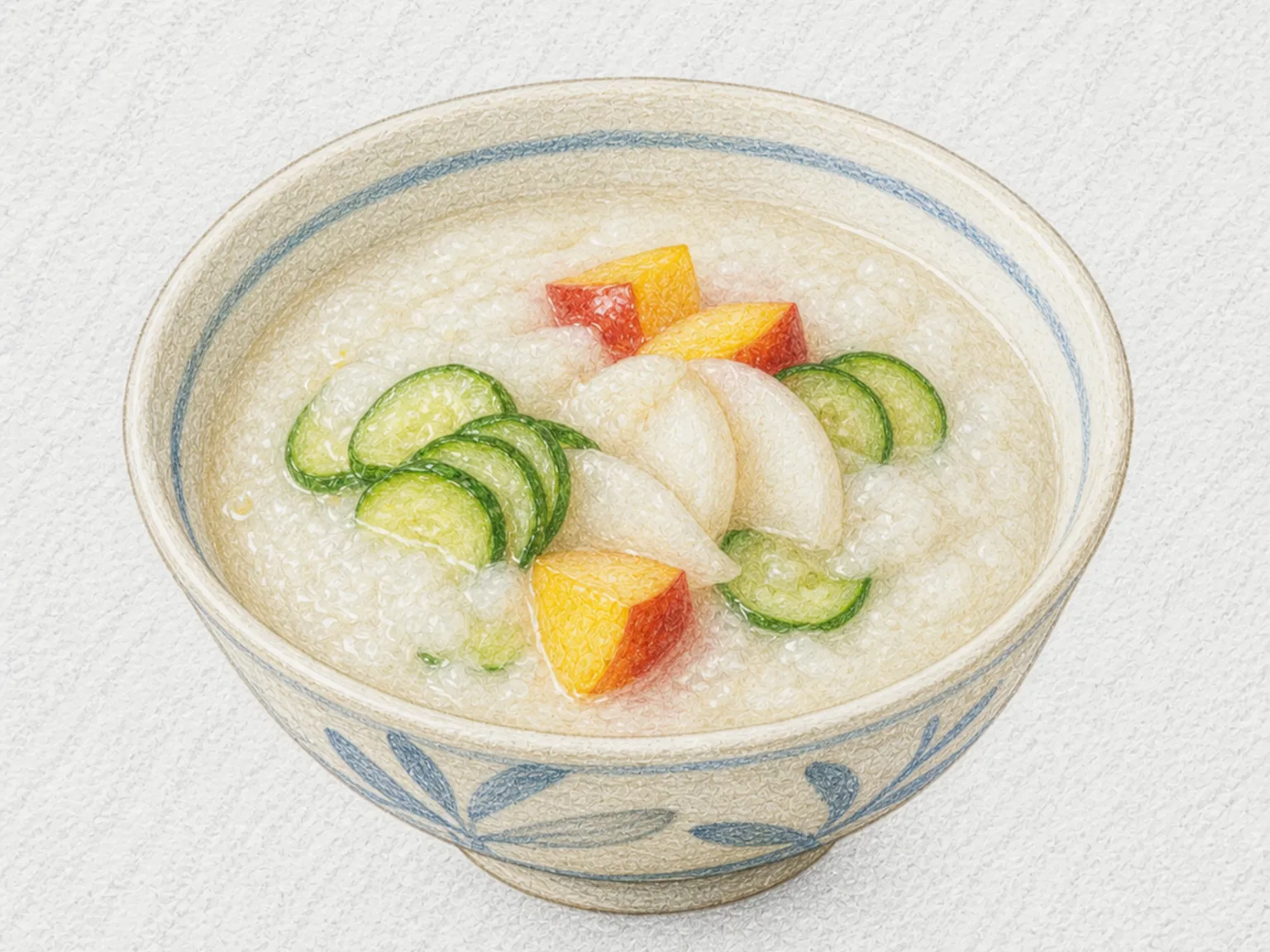
Dotori-muksabal is a chilled Korean acorn jelly broth bowl where thinly sliced acorn jelly sits in a cold, tangy-sweet seasoned broth. Acorn jelly carries a distinctly earthy, mildly astringent aftertaste and a firm, bouncy texture that becomes noticeably more pronounced once it has chilled thoroughly. The broth, a mixture of stock seasoned with soy sauce, vinegar, and sugar, must be cold before pouring over the jelly to keep that cool snap alive from the first bite to the last. Chopped kimchi adds fermented heat and a pungent sourness, while julienned cucumber contributes a clean crunch, and both ingredients cut through the jelly's neutral flavor with sharp contrasts that make the bowl far more lively than its simple appearance suggests. A spoonful of gochugaru-spiked seasoning ties the components together. The dish is notably low in calories and rich in dietary fiber, making it an appealing light meal on hot days.

🥗 Light & Healthy🏠 Everyday
Prep 20minCook 10min2 servings
Korean Stuffed Fish Steam
SteamedHard

Korean Stuffed Fish Steam

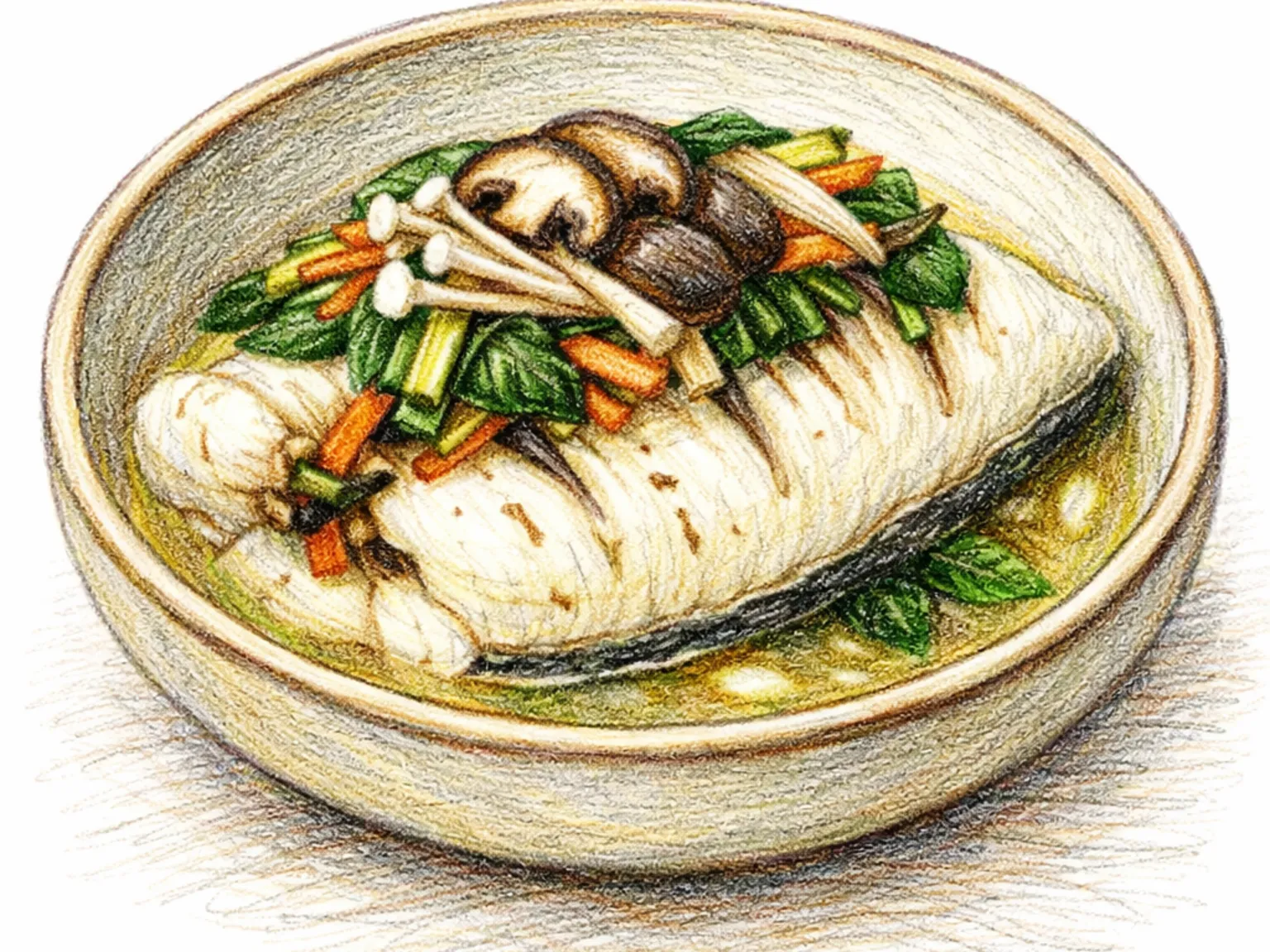
Eoseon-jjim is a traditional Korean court dish in which sea bream fillet is topped with julienned oyster mushrooms, cucumber, and carrot, then wrapped in a thin egg crepe and steamed. Steaming keeps the fish flesh moist throughout while the vegetables hold a slight bite. A light seasoning of soy sauce and vinegar accents the mild sea bream with delicate acidity without overpowering it. Sesame oil is brushed on at the end for fragrance. The cross-section, when cut, reveals layered colors of vegetable and egg, making this dish as visually deliberate as it is carefully seasoned.

🎉 Special Occasion
Prep 30minCook 18min2 servings
Korean Zucchini Pickles (Soy Vinegar Brine Jangajji)
KimchiEasy

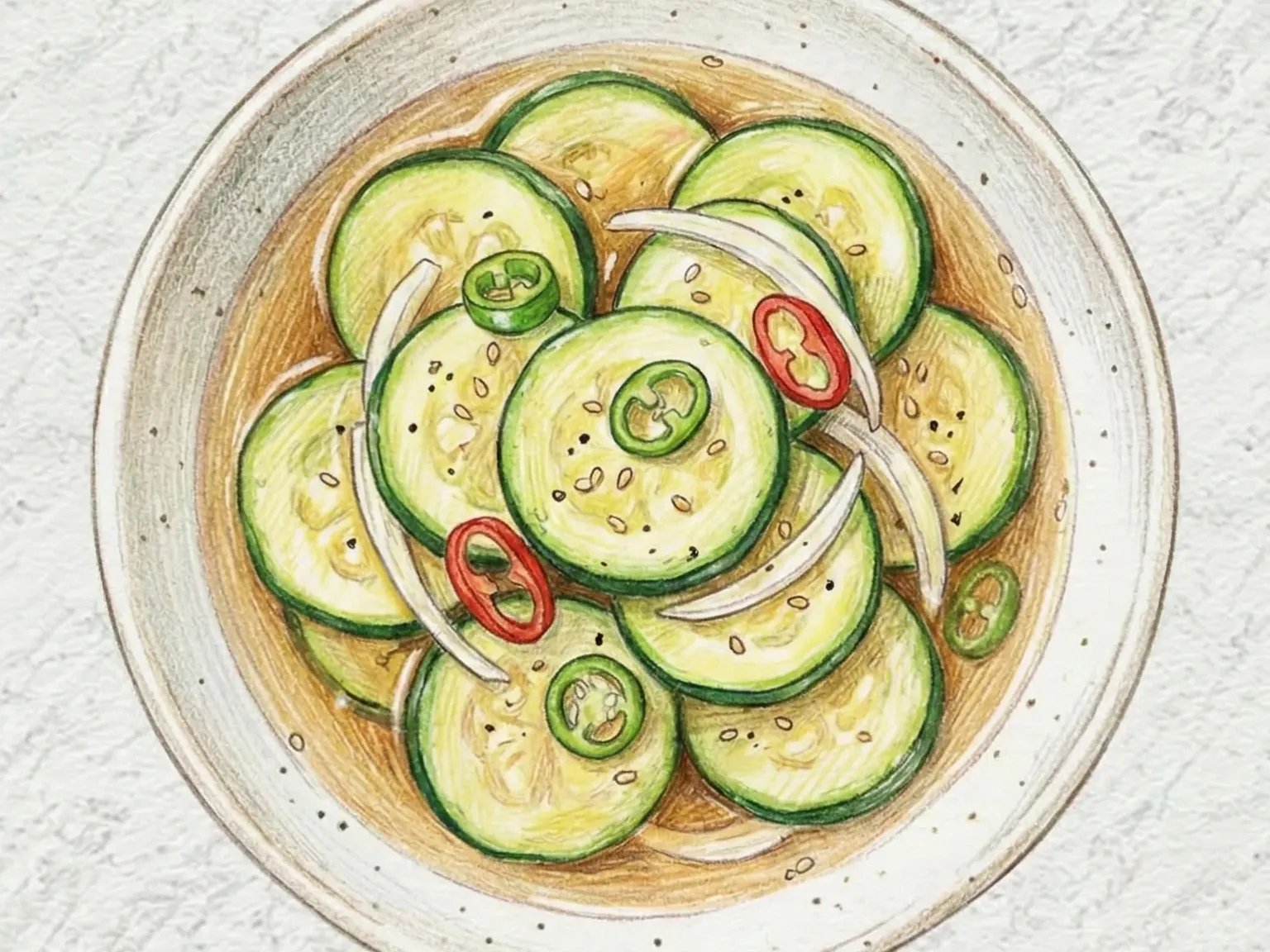
Korean Zucchini Pickles (Soy Vinegar Brine Jangajji)

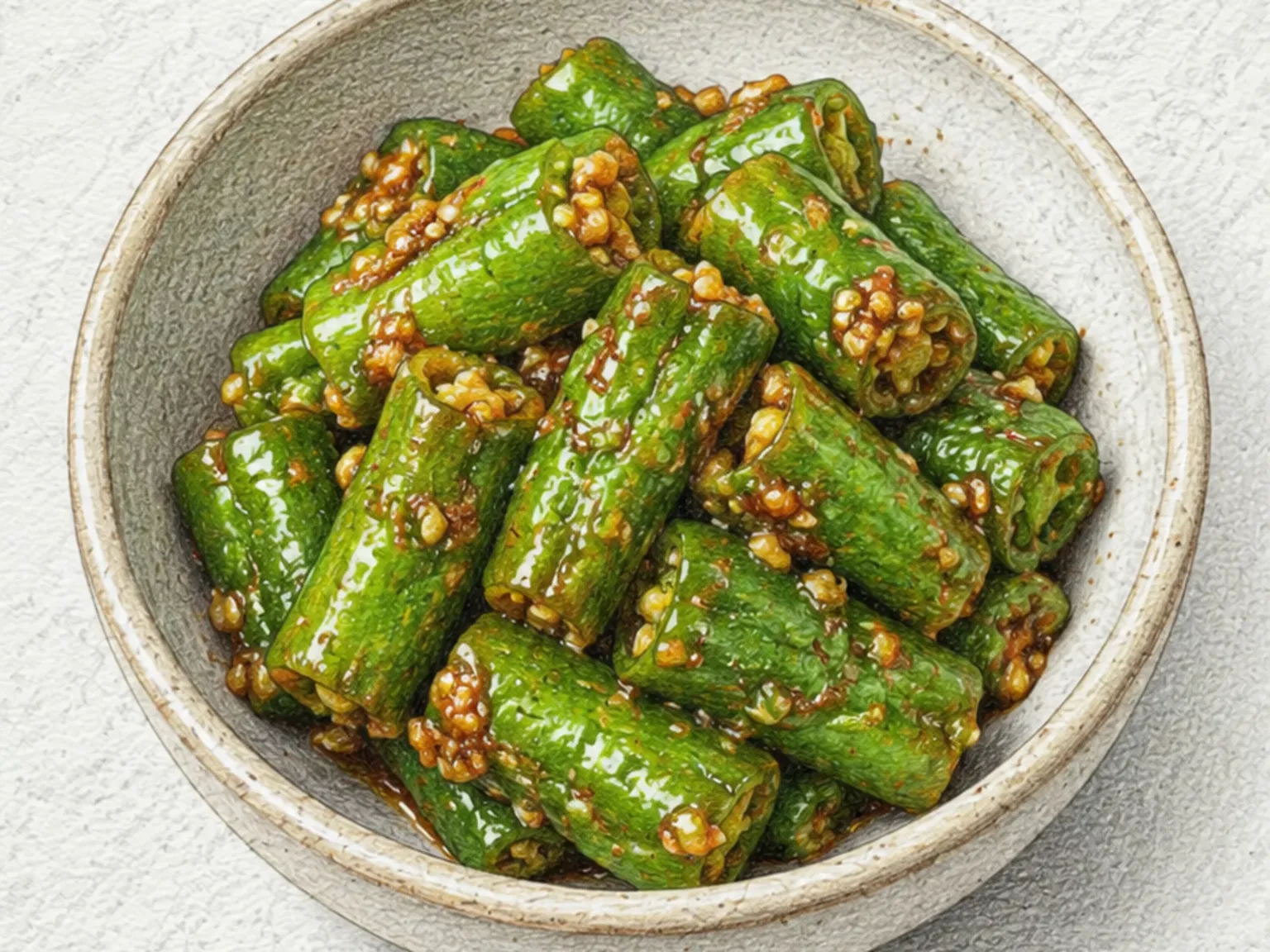
Jangajji - vegetables preserved in soy brine - was the Korean kitchen's answer to long winters and months without reliable food storage. This zucchini version layers thick half-moon slices with onion, cheongyang chili, and whole garlic cloves in a sterilized glass jar before a boiling-hot brine of soy sauce, vinegar, sugar, and water is poured straight in. The heat from the brine does two things at once: it partially cooks the outer surfaces while the centers stay crisp, and it drives the pickling liquid deeper into each piece than cold brine ever could. The pickle is technically ready at 24 hours, but after three days the sweet-sour-salty brine has fully penetrated and the flavors integrate into something more balanced. Cheongyang chili contributes a slow-building heat at the back of each bite, and the whole garlic cloves shed their raw sharpness in the brine, softening into something mellow and slightly sweet. Unlike fresh banchan that must be eaten the same day, this keeps for two weeks in the refrigerator - a ready supply of bright, tangy contrast for any meal that needs it.

🏠 Everyday🍱 Lunchbox
Prep 20minCook 12min4 servings
Abura Soba (Soupless Noodles in Rich Soy Sesame Oil Sauce)
NoodlesMedium

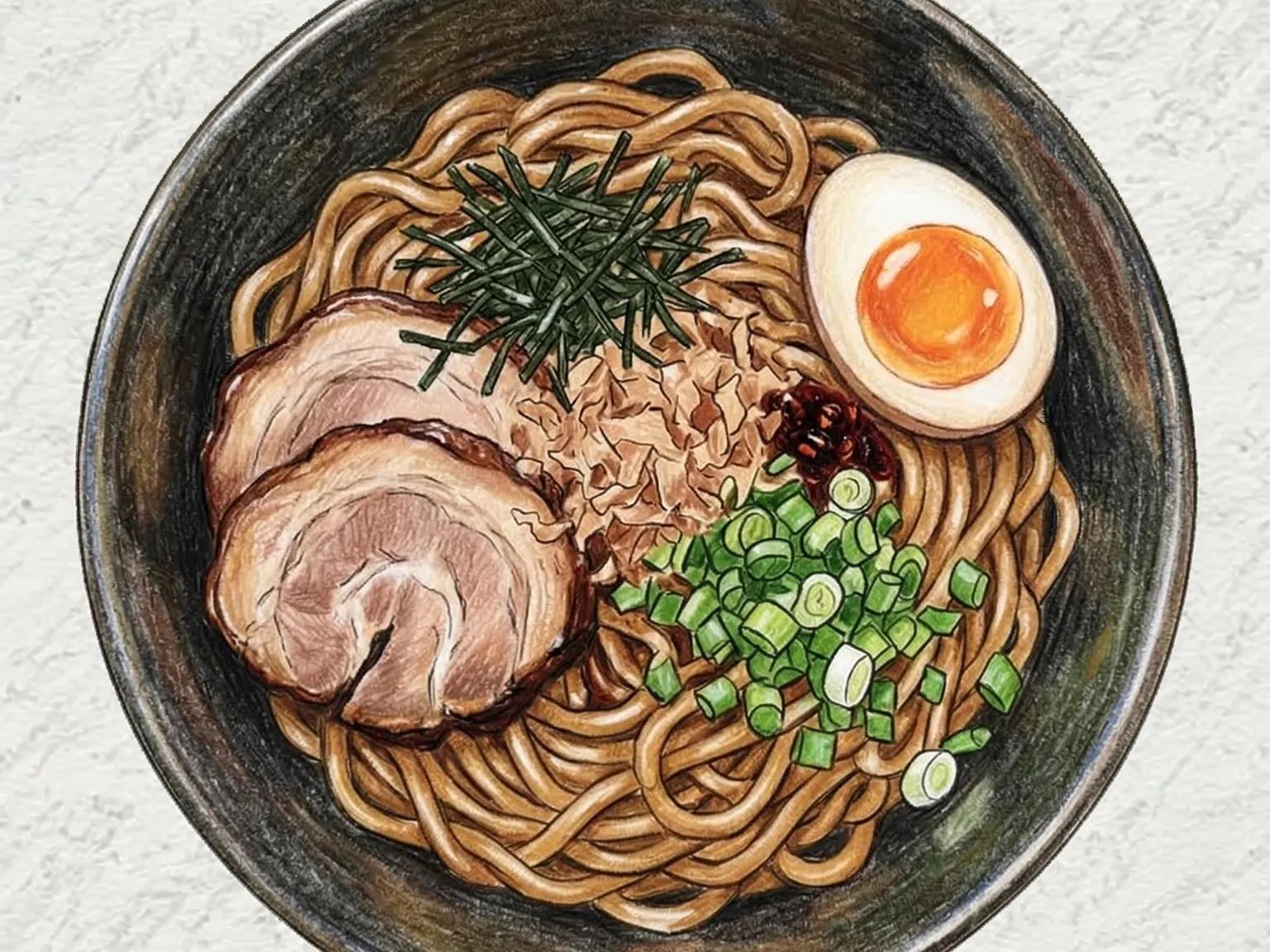
Abura Soba (Soupless Noodles in Rich Soy Sesame Oil Sauce)

Abura soba is a noodle dish built entirely on what is in the bowl, not what surrounds it. No broth - just a concentrated sauce pooled at the bottom: soy sauce, sesame oil, oyster sauce, and a measured pour of vinegar. Cooked ramen noodles land on top, and the first task is mixing everything from below with chopsticks until each strand is fully coated. Where broth-based ramen dilutes its seasoning across liters of liquid, abura soba delivers the full flavor load directly onto the noodle. The technique developed in Tokyo's student districts in the 1950s as a cheaper, quicker option than ramen - no long broth to maintain meant faster service and lower overhead. Toppings follow the standard ramen template: chashu pork, a runny soft-boiled egg, nori, bonito flakes, and scallion add salt, fat, smoke, and freshness in sequence. The vinegar in the base sauce is not incidental - it cuts through the oil and keeps the dish from turning heavy halfway through. Adjusting the vinegar amount is considered part of eating abura soba, a small customization that regulars develop opinions about.

🌙 Late Night Quick
Prep 10minCook 10min1 servings
Abalone Seaweed Salad
SaladsMedium

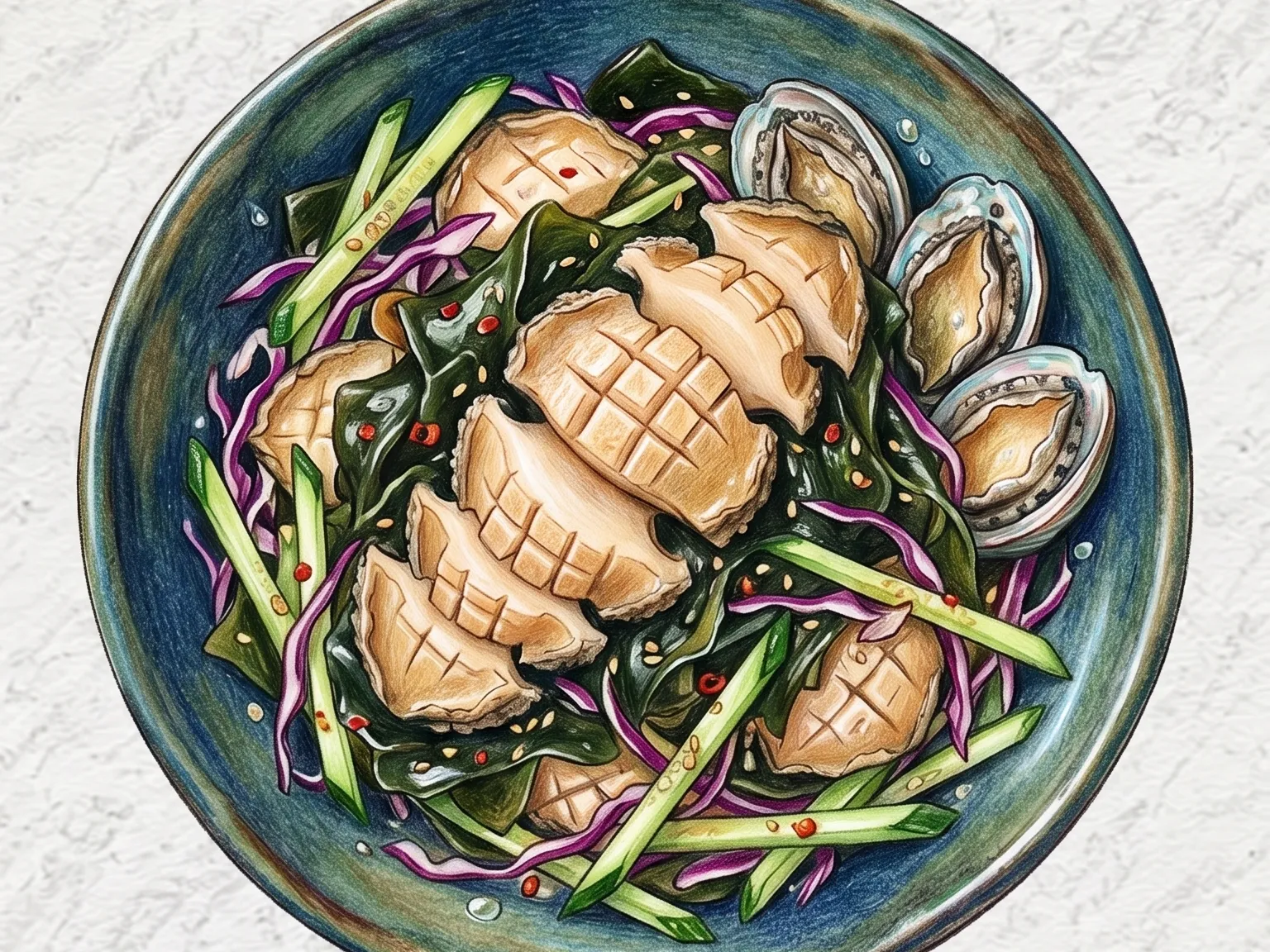
Abalone Seaweed Salad

This salad centers on abalone, the shellfish that haenyeo - Jeju Island's female free-divers - have harvested by hand for centuries, descending without oxygen tanks to pry the mollusks from the sea floor. The abalone is blanched for just 40 seconds, a precise window that preserves its springy texture and keeps the delicate sweetness and ocean flavor intact. Overcooked abalone turns tough quickly, so the short blanching time is more technique than convenience. Rehydrated sea mustard, thinly sliced cucumber, and red cabbage round out the bowl. The dressing - lemon juice, plum syrup, soup soy sauce, and a touch of vinegar - is calibrated to support the seafood's natural brininess rather than cover it. The combination of chewy abalone, slippery seaweed, and crunchy raw vegetables creates three distinct textures throughout, which sustains interest from first bite to last. Serve cold as a light appetizer before grilled dishes, or as a standalone side during summer. The quality of the abalone shows plainly with so few ingredients around it.

🥗 Light & Healthy
Prep 18minCook 7min2 servings
Buffalo Wings
WesternEasy

Buffalo Wings

Buffalo wings coat chicken wings in baking powder and roast them at high heat for forty-five minutes, producing a crisp skin without deep-frying. The baking powder raises the skin's pH to accelerate the Maillard reaction and drives out moisture faster, yielding a crunch that rivals the fryer. Straight from the oven, the wings are tossed in a sauce of melted butter and hot sauce - the butter tempers the vinegar-based heat into something that coats the tongue rather than burning it, and a touch of white vinegar at the end sharpens the finish. Blue cheese dipping sauce and celery sticks served alongside provide a cooling, creamy contrast and a crisp palate cleanser between bites.

🧒 Kid-Friendly
Prep 15minCook 45min4 servings
Biang Biang Mian (Xi'an Hand-Pulled Belt Noodles with Chili Oil)
AsianHard

Biang Biang Mian (Xi'an Hand-Pulled Belt Noodles with Chili Oil)

Biang biang mian takes its name from the sound the dough makes when the cook slaps it against the counter to stretch it into wide, belt-like ribbons, a technique practiced in Xi'an and across Shaanxi Province for centuries. The dough is made from high-gluten flour and rested for at least thirty minutes to an hour until fully pliable; insufficient resting causes the noodles to tear during the pulling stage. Once rested, the dough is pulled by hand into strips as wide as a belt and as long as an arm, with an uneven thickness that creates varying chew across a single strand. The cooked noodles are dressed with a topping of minced garlic, chili flakes, Sichuan peppercorn powder, and chopped scallion, then smoking-hot rapeseed oil is poured directly at the table. The sizzle activates the aromatics and blooms the chili into a fragrant rust-colored oil that coats each strand. Soy sauce and black vinegar are stirred through to add a salty-sour backbone that anchors the richness of the chili oil. The character for biang, written in one of the most complex Chinese characters with over fifty strokes, is said to encode the sounds of the kitchen: slapping dough, sizzling oil, and the satisfied sighs of eaters. No standard digital font includes the character, and it must be written by hand. The dish belongs to the category of belt noodles found across Shaanxi and is considered one of the province's most representative street foods, eaten at breakfast, lunch, or as a late-night meal.

🎉 Special Occasion
Prep 35minCook 15min2 servings
Korean Broccoli Doenjang Salad
Side dishesEasy

Korean Broccoli Doenjang Salad

Blanched broccoli tossed in doenjang dressing is a modern Korean banchan that pairs Western ingredients with traditional fermented seasoning. Florets and thinly sliced stems blanch for ninety seconds in salted boiling water, then shock in cold water to lock in vivid green color and a firm, crisp bite. The dressing is built from doenjang stirred with rice vinegar and oligosaccharide syrup, combining fermented salt depth, acidity, and a gentle natural sweetness that lifts rather than masks the vegetable's mild bitterness. Using the stems alongside the florets eliminates waste and adds textural variety to each bite. Ready in under ten minutes and holds well refrigerated for two days.

🥗 Light & Healthy🏠 Everyday
Prep 10minCook 5min4 servings
Korean Seasoned Tofu Pouch Sushi (Yubu Chobap)
RiceEasy

Korean Seasoned Tofu Pouch Sushi (Yubu Chobap)

Yubu chobap fills sweet-savory braised tofu pockets with vinegared sushi rice. The tofu skin absorbs the braising liquid, so each bite releases a light burst of seasoned juice. Finely diced carrot and cucumber mixed into the rice add crunch and color. Sesame oil and whole sesame seeds boost the nuttiness of the rice filling. Each piece is bite-sized and easy to eat by hand, which has made it a long-standing favorite for packed lunches, snacks, and picnic spreads in Korea.

🍱 Lunchbox
Prep 20minCook 15min4 servings
Spicy Fried Chicken Stir-fry
Stir-fryMedium

Spicy Fried Chicken Stir-fry

Rajogi is a Korean-Chinese dish of chicken thigh pieces coated in potato starch and deep-fried at 170 degrees Celsius until golden, then tossed in a sauce built from gochujang, ketchup, and vinegar. Onion and bell pepper are stir-fried separately to form the sauce base before the crispy chicken is folded in. The coating absorbs just enough glaze to deliver sweetness, tanginess, and chili heat simultaneously while retaining crunch underneath. Timing is critical -- the chicken must be tossed in sauce moments before serving to preserve its texture.

🏠 Everyday
Prep 25minCook 20min3 servings
Korean Chili Oil Boiled Dumplings
Street foodEasy

Korean Chili Oil Boiled Dumplings

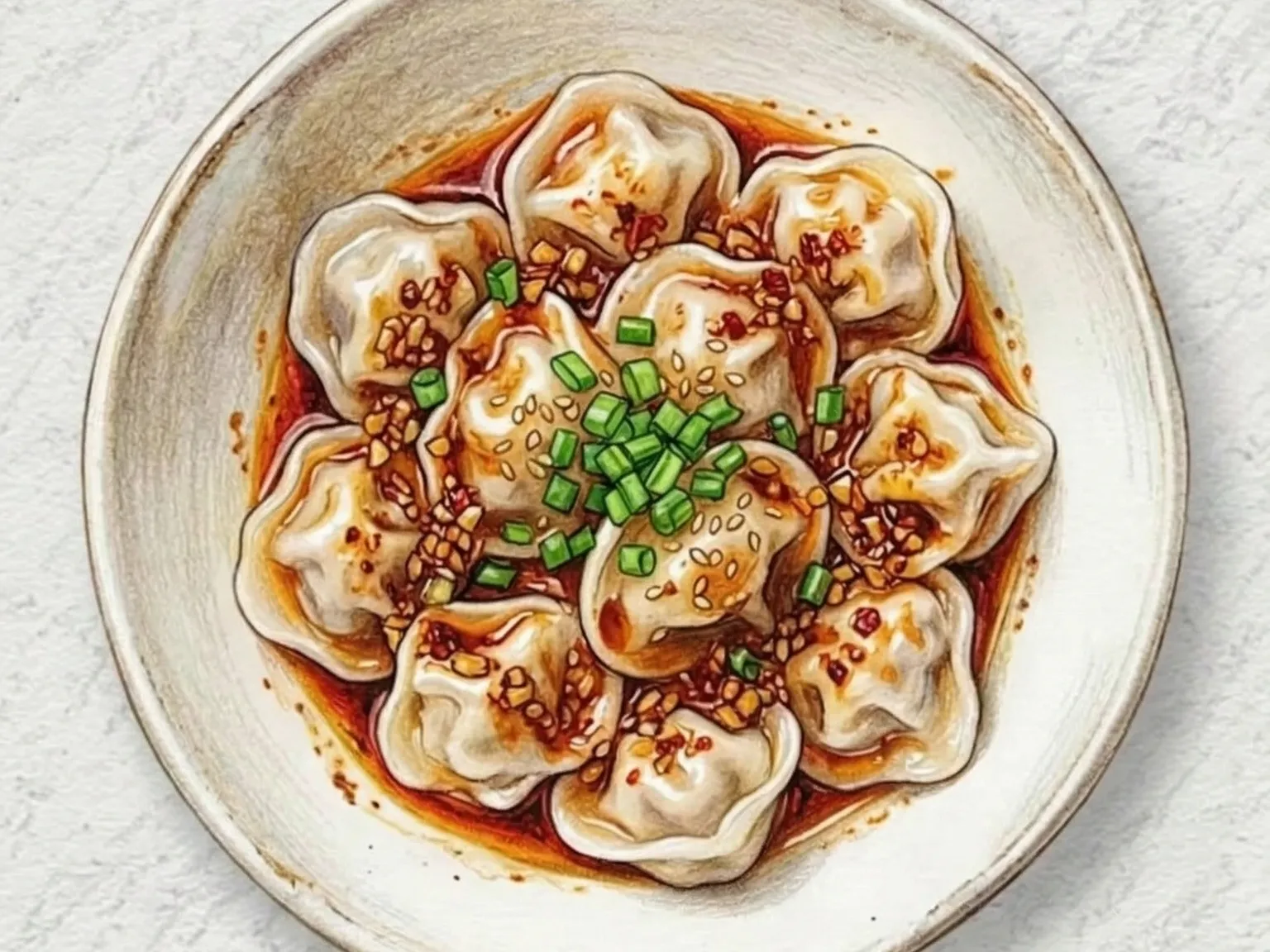
Boiling dumplings until they float and then giving them an extra two minutes in the water results in a springy texture that holds up well to a heavy dressing. Effective draining is crucial to prevent residual water from thinning the sauce, which consists of soy sauce, vinegar, minced garlic, sugar, and chili oil. The vinegar and soy sauce establish a sharp and salty foundation, while the chili oil provides a warm spice and a slick, red sheen across the surface of the wrappers. Folding the ingredients together gently ensures the skins remain intact while becoming fully coated. Adding fresh scallions provides a crisp element that balances the weight of the oil. For a profile closer to Sichuan cuisine, a dusting of Sichuan pepper powder introduces a characteristic numbing sensation alongside the heat. Heat levels are easily controlled by varying the amount of chili oil used in the mixture. Replacing the soy sauce with oyster sauce creates a thicker, more savory base for the dressing. This preparation works with frozen dumplings by extending the boiling time by a minute or two to account for the temperature difference. The sauce is compatible with various fillings including pork, shrimp, or vegetable varieties.

🌙 Late Night Quick
Prep 10minCook 8min2 servings
Korean Spicy Sea Snail Salad
DrinksEasy

Korean Spicy Sea Snail Salad

Golbaengi-muchim is a Korean spicy sea snail salad made with canned sea snails drained thoroughly and tossed with sliced cucumber, onion, and green onion in a sauce of gochujang, gochugaru, rice vinegar, and sugar. The snails are firm and bouncy with a dense chew that stands apart from almost every other seafood in Korean cooking, and the sharpness of the gochujang-vinegar dressing cuts through their richness without overpowering the texture. Soaking the sliced onion in cold water for five minutes removes its harsh pungency, leaving it with a milder sweetness that integrates more smoothly into the dressing. Cucumber and green onion bring contrasting crunch and freshness. Sesame oil and sesame seeds are added at the end, coating everything in a nutty fragrance that softens the heat slightly. The dish must be served immediately after mixing, before the salt in the dressing draws moisture from the vegetables and turns the whole thing wet and limp. Laying a bed of thin somyeon noodles in the bowl before spooning the dressed snails on top produces golbaengi-somyeon, a preparation that shifts the dish from a snack into a more substantial accompaniment that works as both drinking food and a light meal. The noodles absorb the dressing and become coated in the gochujang-sesame sauce.

🍺 Bar Snacks Quick
Prep 15minCook 3min2 servings
Korean Buckwheat Jelly Cold Broth Bowl
SoupsEasy

Korean Buckwheat Jelly Cold Broth Bowl

Memil-muksabal is a chilled Korean dish in which firm blocks of buckwheat jelly sit submerged in cold, seasoned broth. The broth is typically made from anchovy or beef stock, cooled to refrigerator temperature, and sharpened with soy sauce, rice vinegar, and a touch of sugar that balances the acidity. Buckwheat jelly has a neutral, slightly earthy flavor and a slippery, springy texture that absorbs the surrounding seasonings with each bite. Julienned cucumber adds crunch, crushed roasted sesame seeds contribute nuttiness, and shredded dried seaweed brings a gentle oceanic accent. The dish is almost calorie-free compared to noodle soups and digests easily, which is why it appears on Korean tables most frequently during the hottest weeks of summer. Making the jelly from scratch involves boiling buckwheat starch until thick and letting it set, but store-bought blocks simplify the process to little more than slicing and assembling. The cold broth hits the palate first, followed by the yielding texture of the jelly - a sequence that feels instantly cooling.

🥗 Light & Healthy🏠 Everyday
Prep 20minCook 10min2 servings
Korean Steamed Oysters
SteamedEasy

Korean Steamed Oysters

Gul-jjim is Korean steamed oysters cooked in their shells over high steam until the shells pop open. The shell acts as a natural vessel, trapping the briny liquor inside and keeping the oyster meat plump and moist throughout cooking. A dipping sauce made from soy sauce, vinegar, and gochugaru delivers a sharp, tangy contrast to the oyster's mild sweetness, while lemon wedges cut through any residual brininess and leave a clean finish. With minimal preparation and a cooking time under ten minutes, this dish is one of the most straightforward ways to enjoy winter oysters at their freshest. The single most important technique is removing the oysters from heat the moment the shells crack open, since even a minute of additional steaming causes the meat to shrink and toughen.

🍺 Bar Snacks🎉 Special Occasion
Prep 15minCook 12min2 servings
Korean Coastal Herb Pickle
KimchiEasy

Korean Coastal Herb Pickle

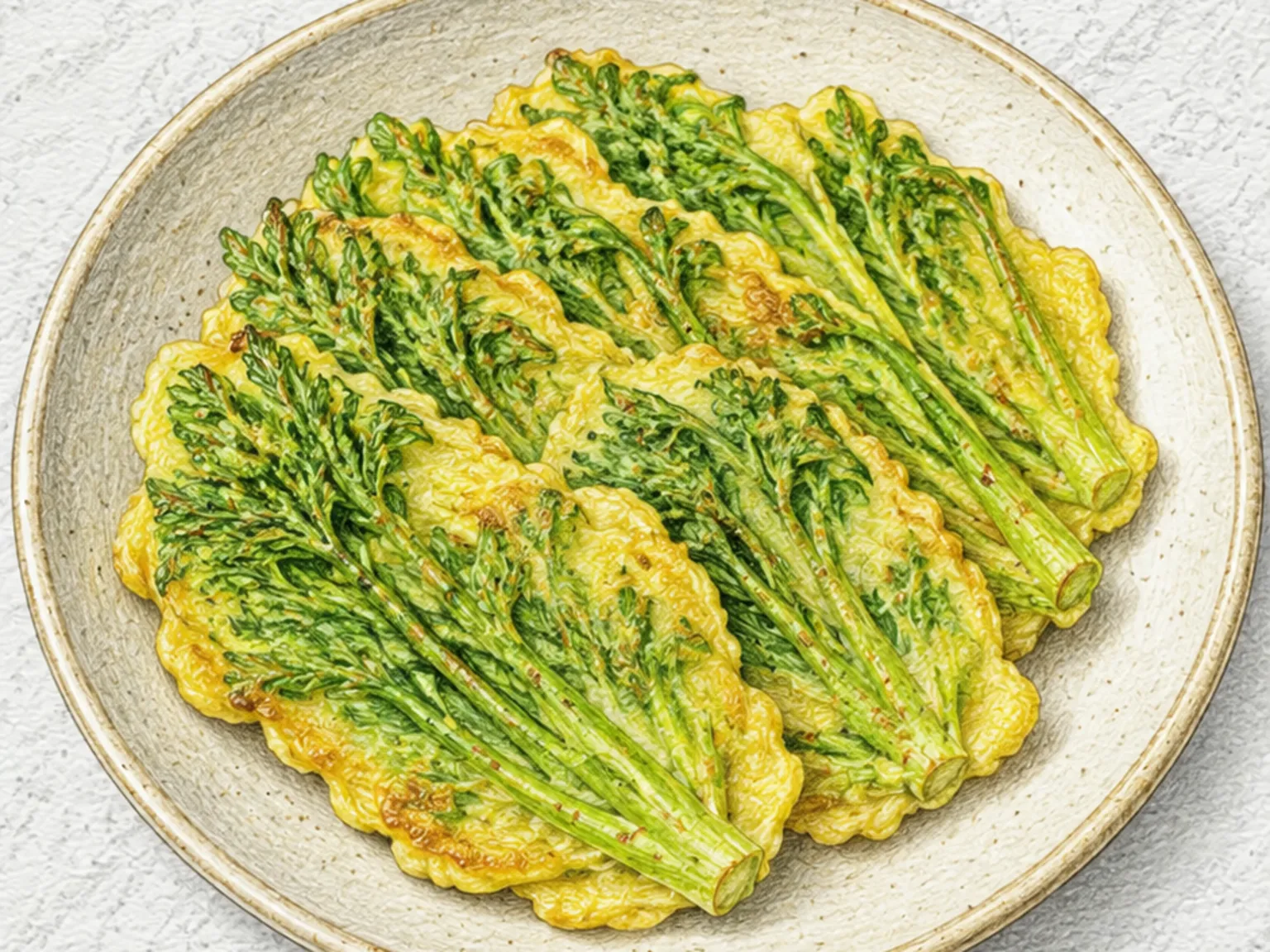
Bangpungnamul jangajji is a Korean soy-pickled side dish made from coastal hog fennel, a spring herb with a distinctive fragrance and a mild bitterness. The pickling liquid is made by bringing soy sauce, water, vinegar, and sugar to a boil, then pouring it hot over the cleaned herb sealed in a jar. Garlic cloves and ginger slices added to the brine deepen the aromatic complexity over time. After about two days, the herb has absorbed enough of the soy-vinegar liquid to be flavorful, and the taste continues to develop over subsequent weeks. Stored under refrigeration, the pickle keeps for over a month. Its pungent, faintly bitter character stands out among milder side dishes and serves as a palate stimulant between bites of plainer food. The standard way to eat it is in small portions alongside rice.

🍱 Lunchbox
Prep 18minCook 10min4 servings
Korean Spicy Mixed Wheat Noodles
NoodlesEasy

Korean Spicy Mixed Wheat Noodles

Bibim guksu is a chilled Korean noodle dish in which boiled and cold-rinsed somyeon wheat noodles are tossed in a sauce of gochujang, chili flakes, plum syrup, vinegar, soy sauce, and sesame oil. The heat from the gochujang, the sweetness of plum syrup, and the brightness of vinegar stack into a multi-dimensional flavor in every bite. Rinsing the noodles thoroughly in cold water removes excess starch, giving them a bouncy texture and allowing the sauce to cling evenly. Torn lettuce and julienned cucumber folded in at the end add crunch and release moisture that loosens the thick sauce just enough. A tablespoon of noodle cooking water can thin the sauce if needed. For 100 g of somyeon, a starting ratio of 1 tablespoon gochujang, 1 tablespoon plum syrup, and 1 teaspoon vinegar provides a reliable base to adjust from.

🏠 Everyday🌙 Late Night
Prep 15minCook 7min2 servings