🍺 Bar Snacks Recipes
Perfect pairings for beer, soju & wine
705 recipes. Page 12 of 30
In Korean drinking culture, anju (drinking snacks) are just as important as the drink itself. Beer goes with fried chicken, soju pairs with grilled pork belly and dubu-kimchi, and makgeolli calls for pajeon and bindaetteok. This tag gathers recipes designed to accompany a drink.
Great anju complements the beverage without overwhelming it. Salty, savory, and spicy options - prepare a few and you will be ready for any gathering.
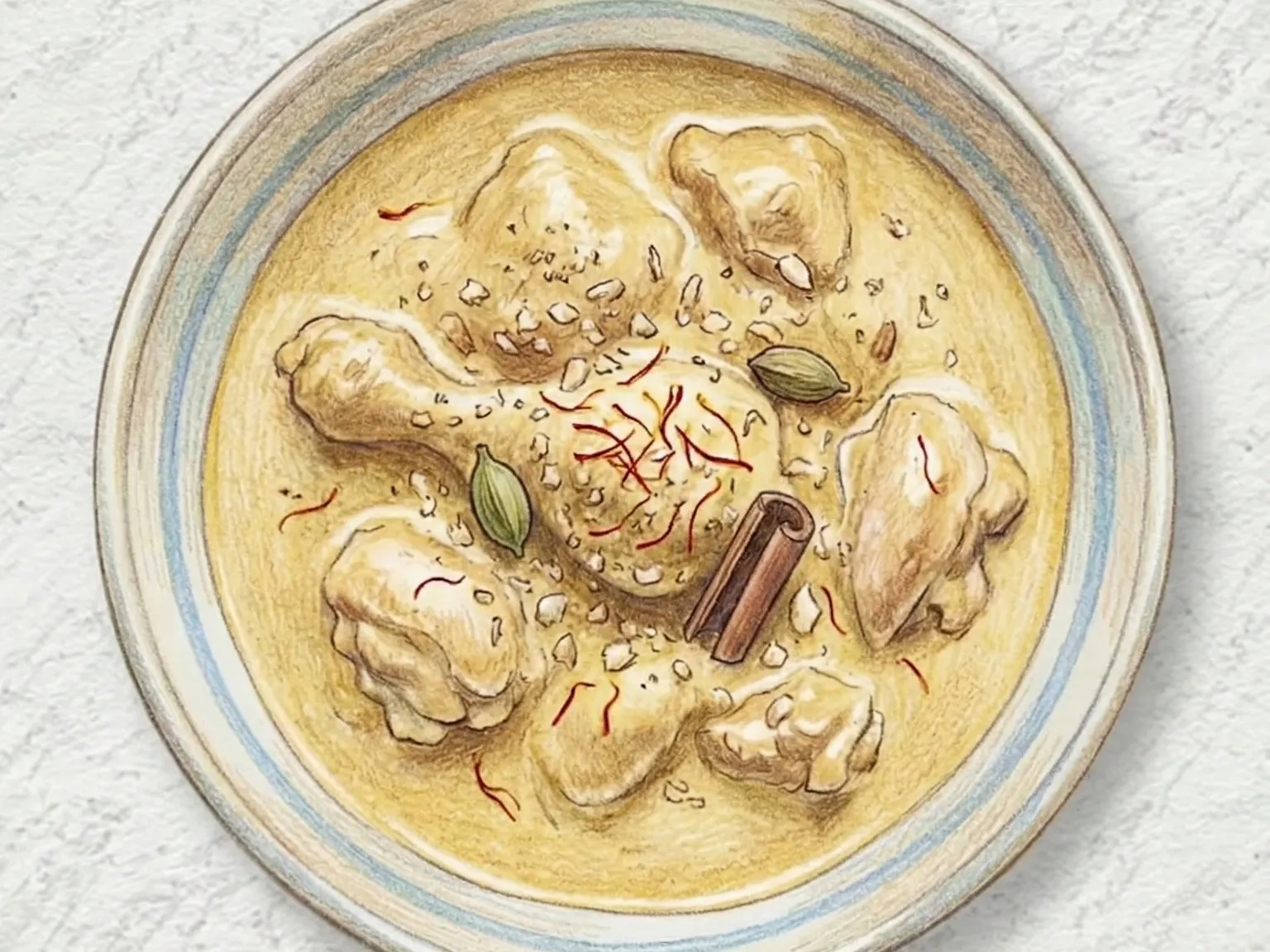
Chicken Korma (Creamy Cashew Curry)
Chicken korma developed in the kitchens of the Mughal courts, where cooks built dishes around layered subtlety rather than raw heat. The sauce begins with cashews or almonds soaked overnight and ground into a fine paste, which gives the gravy a velvety body and toasted-nut richness without any cream. Chicken is marinated in yogurt with whole spices - cardamom pods, cloves, cinnamon sticks, and mace blades - then brought to a low simmer where the warm aromatics slowly infuse the liquid and meet the tang of the yogurt, producing a flavor that is complex yet entirely without aggression. Saffron dissolved in warm milk and stirred in near the end stains the sauce a deep gold and adds a faint floral quality, two elements that mark a properly made korma. The dish is frequently recommended to diners encountering Indian food for the first time because of its mildness, but the dense nut-paste base, the careful balancing of a dozen aromatics, and the slow integration of yogurt make korma one of the most technically demanding preparations in the North Indian canon - far more than a simple mild curry.
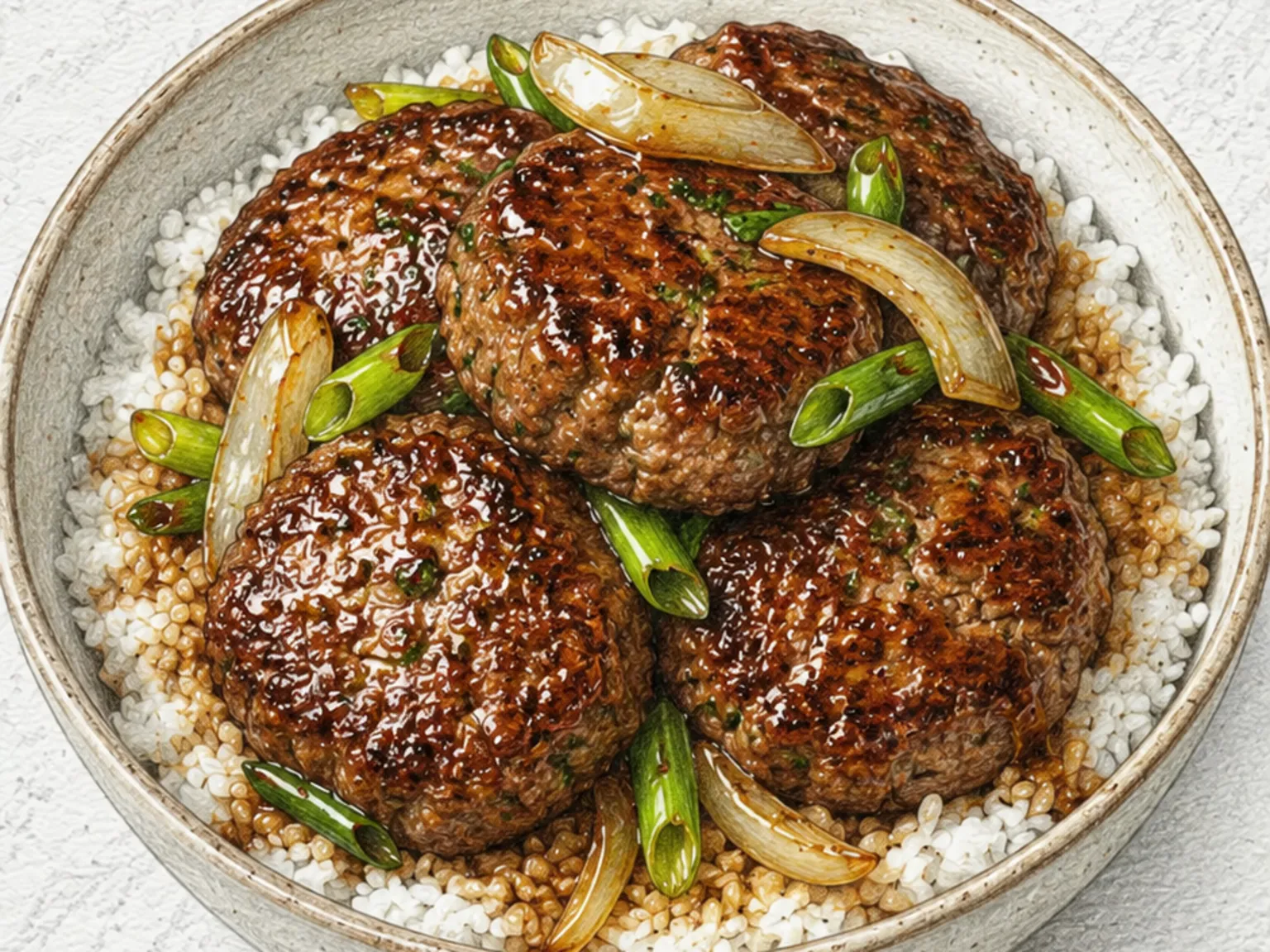
Korean Grilled Short Rib Patty Rice Bowl
Minced short-rib meat is seasoned with soy sauce, pear juice, and sesame oil, shaped into flat patties, and pan-seared until a caramelized crust forms on both sides. The exterior turns sweet and slightly charred while the interior stays moist and full of juice. Sauteed onion and green onion are added to sharpen the meat's savory depth and bring a fragrant note. Placed over hot rice with a spoonful of the pan sauce, the patty's sweetness melds with the warm grains for a quickly disappearing bowl.
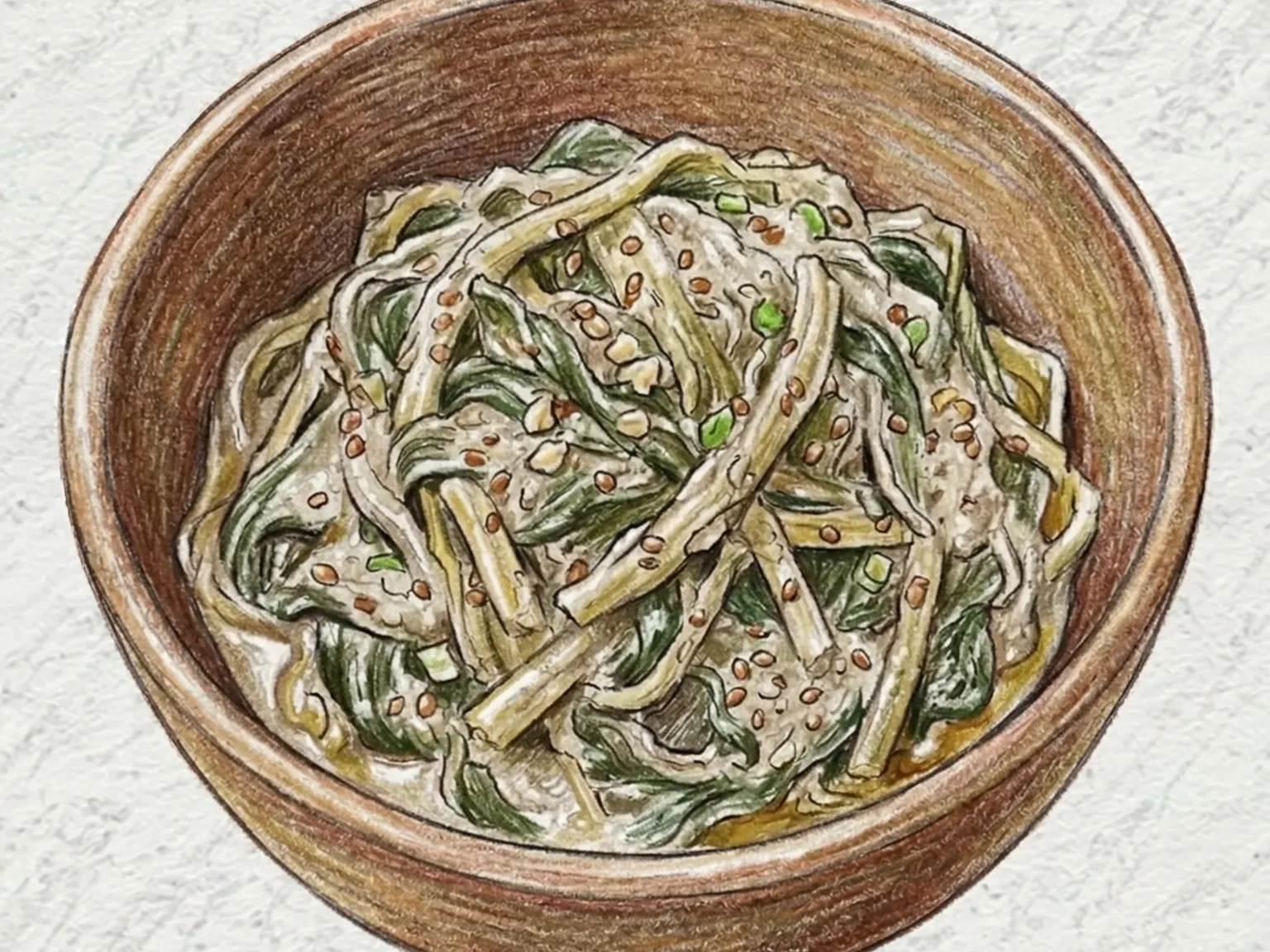
Korean Stir-fried Radish Greens with Perilla
Siraegi deulkkae-bokkeum is a Korean stir-fry of pre-boiled dried radish greens seasoned with soup soy sauce and garlic, then cooked in perilla oil and finished with generous perilla powder. The greens are first tossed in the seasoning to let the flavors penetrate, stir-fried for three minutes, then simmered briefly with water and perilla powder until a thick, nutty sauce coats every strand. Green onion added at the end provides a fresh aromatic lift. Compared to the doenjang-based siraegi jorim, this version leans lighter and more distinctly nutty from the perilla.
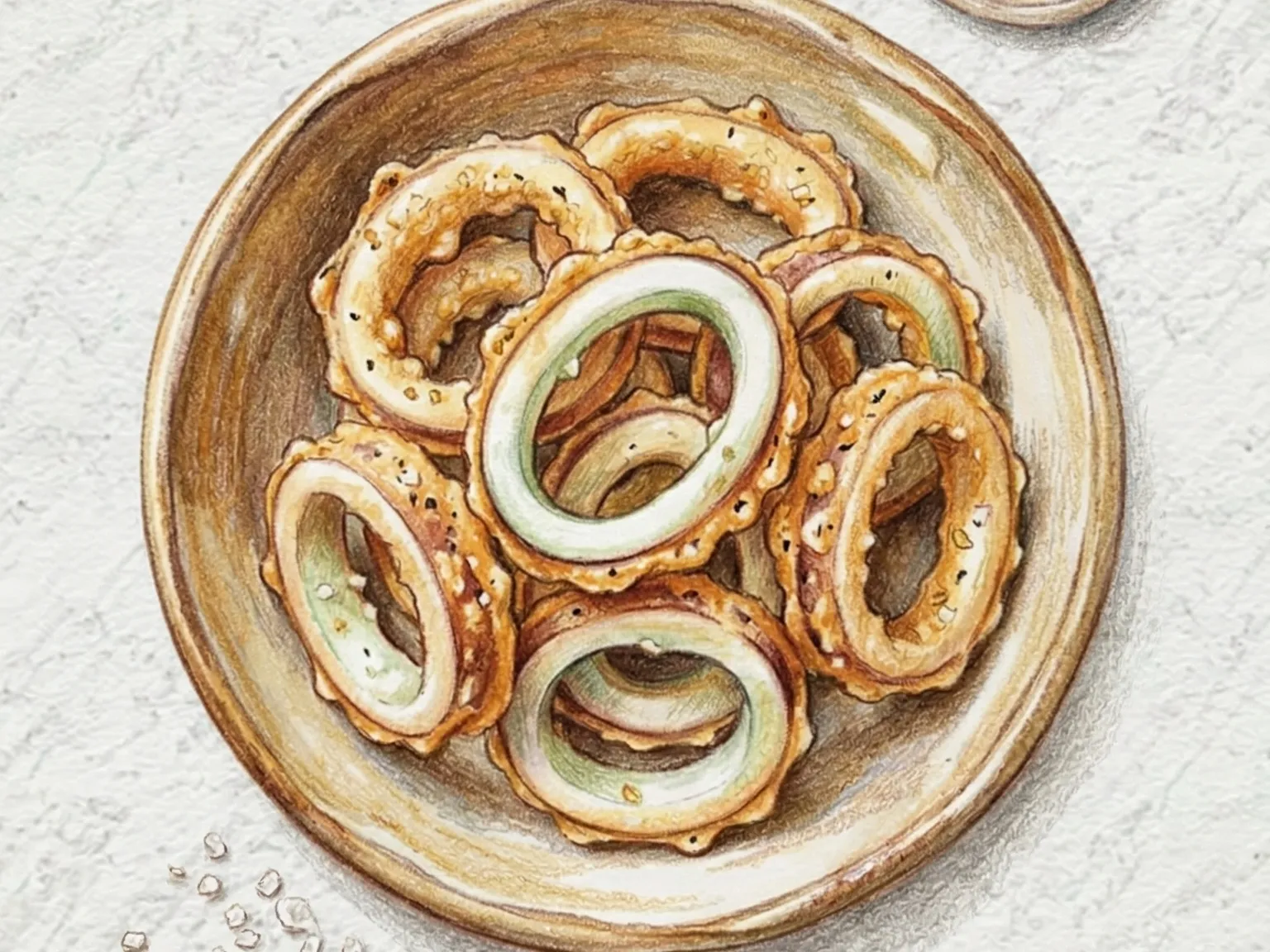
Korean Fried Squid
Cleaned squid is cut into 1 cm rings, dipped in a light batter of frying mix, cold water, and egg, then deep-fried at 170 degrees Celsius for three to four minutes until golden and crisp. Cold water is essential for the batter -- warm water activates the gluten in the flour and produces a thick, doughy coating instead of the thin, shatter-crisp shell this dish depends on. The batter should be mixed just enough to combine, leaving a few lumps intact, because those uneven patches fry up with irregular texture that adds to the crunch. Scoring the squid rings lightly with a knife or pounding them briefly helps them stay flat and allows the batter to adhere without sliding off. Frying in small batches matters, since crowding the pan drops the oil temperature and causes the rings to absorb fat rather than fry. The defining quality of this dish is the contrast between the springy, chewy squid and the airy, crisp coating that surrounds it, a contrast that only exists in the first few minutes after frying. Served with a pinch of salt or a soy-vinegar dipping sauce, these rings are a fixture at street food stalls and snack shops across Korea.
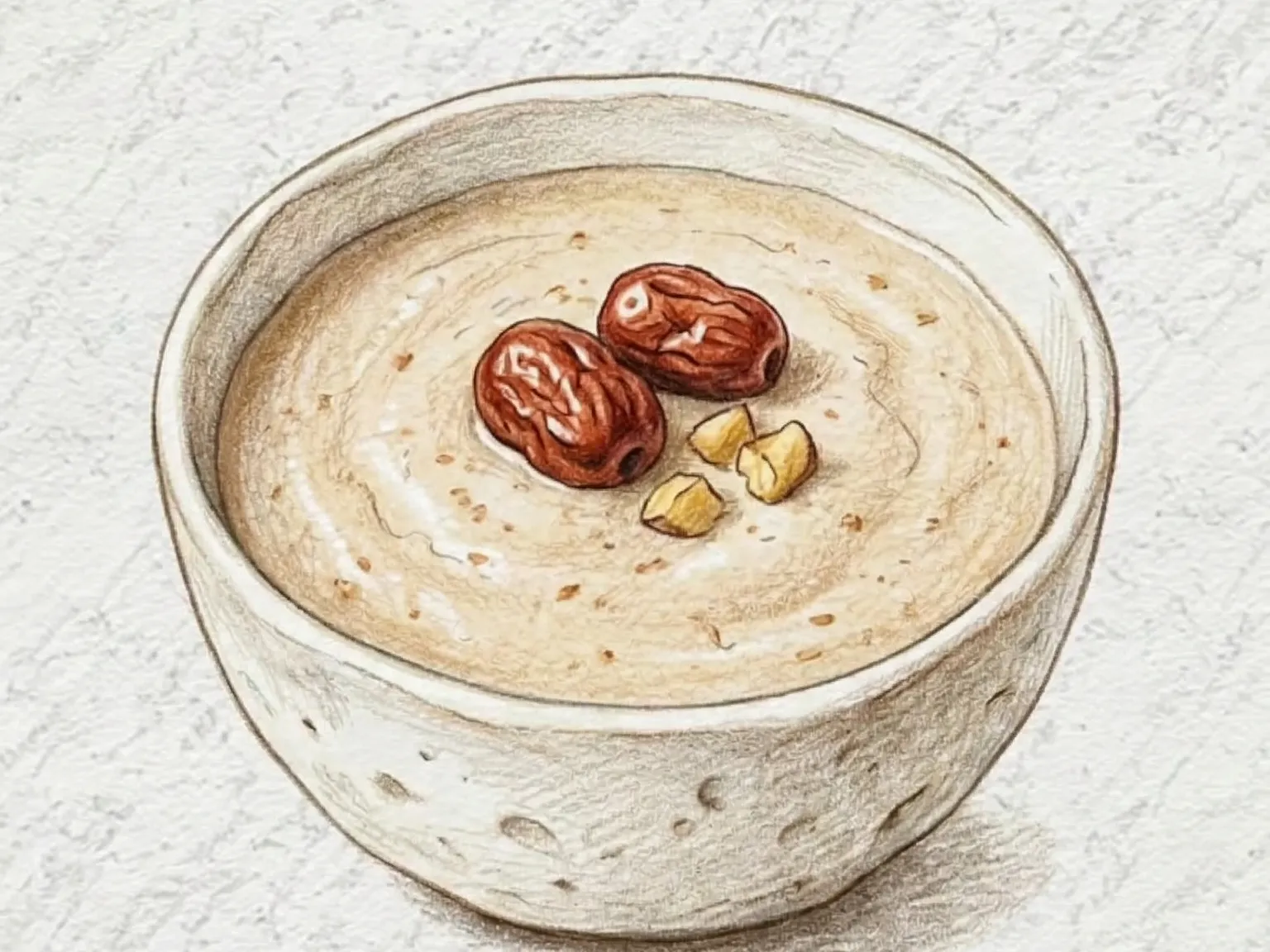
Korean Daechu Bam Shake (Jujube Chestnut Shake)
Daechu bam shake soaks pitted dried jujubes in warm milk for ten minutes before blending them with boiled chestnuts, plain yogurt, honey, and a pinch of ground cinnamon. The chestnuts contribute a starchy thickness that gives the drink a substantial, spoonable body, while the jujubes provide a concentrated, date-like sweetness that makes added sugar unnecessary. Passing the blended mixture through a fine sieve removes any coarse jujube skin for a smooth finish. The shake works cold straight from the fridge or gently warmed on the stove - either way, it makes a filling breakfast substitute or a satisfying mid-afternoon drink that skips the empty calories of commercial shakes.
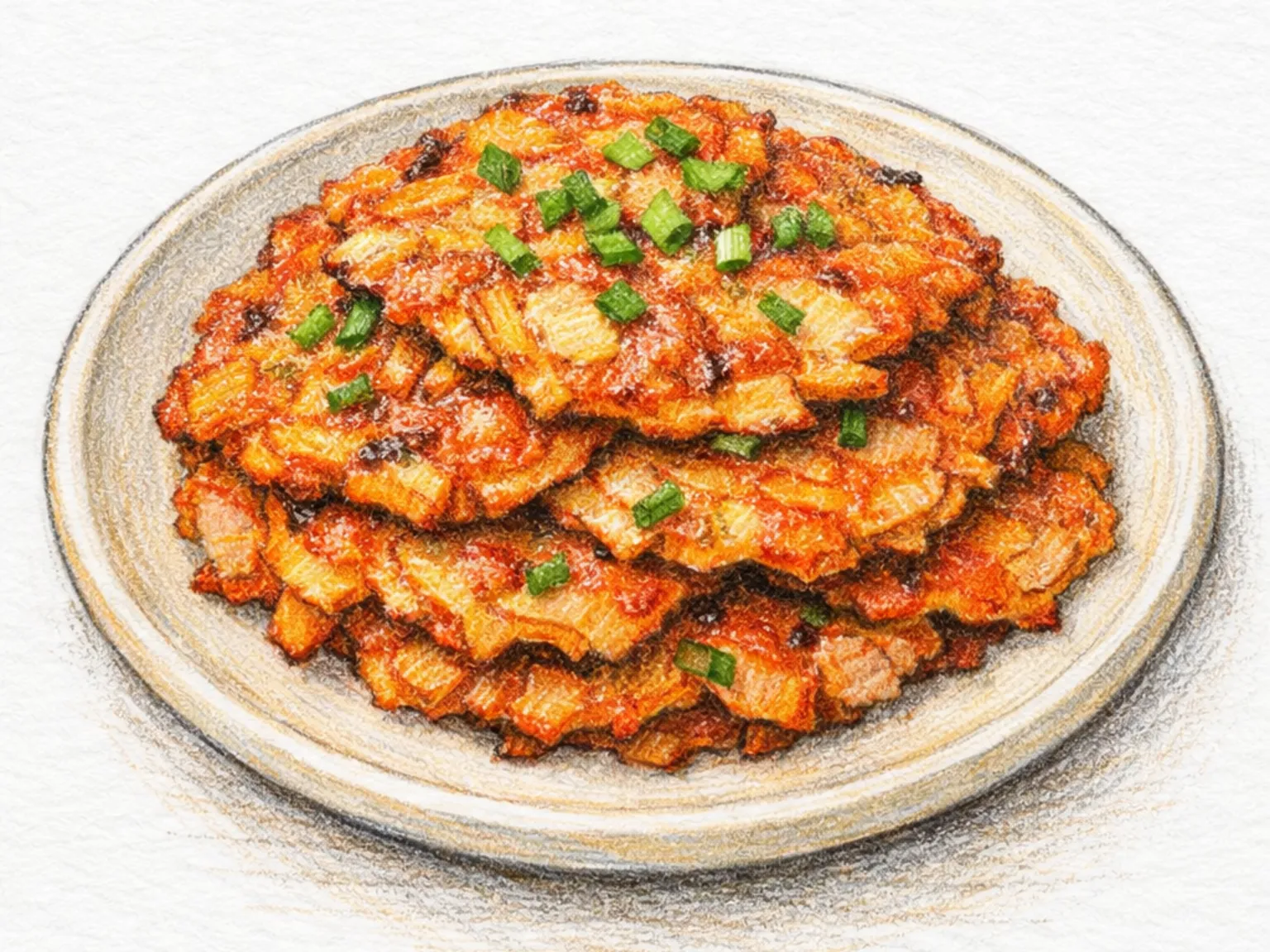
Korean Tuna and Kimchi Pancake
Chamchi-kimchi-jeon is a Korean pancake made from drained canned tuna and finely chopped aged kimchi mixed into a batter of Korean pancake flour, water, and egg. The tuna provides mild protein bulk while the fermented kimchi delivers tangy acidity and deep savory depth, and the minimal batter lets both flavors come through without being muted. Pressing the tuna firmly through a strainer right after opening the can removes most of its tinned odor, and a small splash of kimchi brine stirred into the batter deepens both the color and the overall savoriness. Using well-aged kimchi intensifies the sour depth that offsets the tuna's mildness, and the egg in the batter helps the pancake hold together during flipping. The whole pancake comes together in under ten minutes from pantry staples, making it one of the quickest jeon varieties for a casual meal or drinking snack.
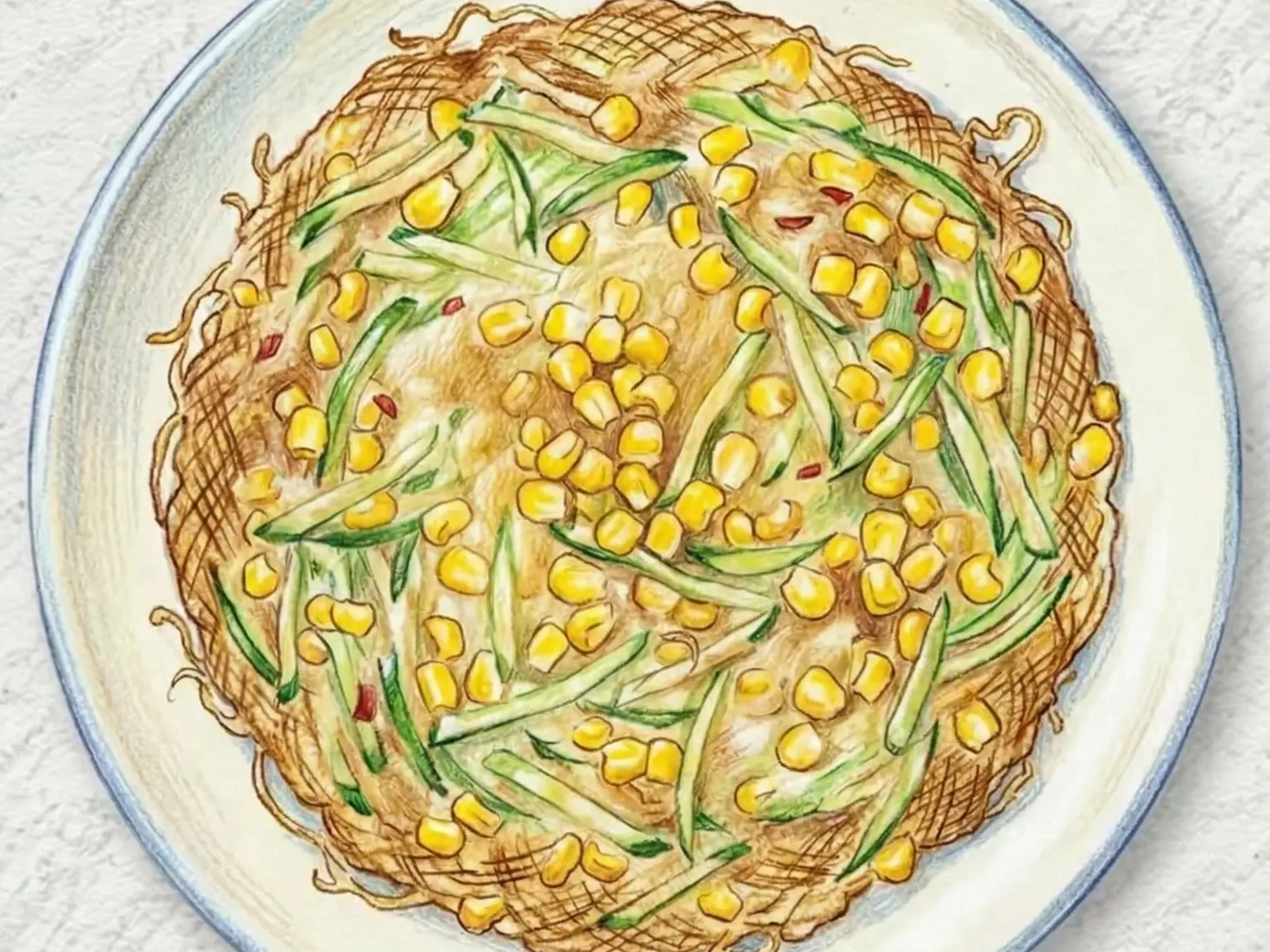
Korean Zucchini Corn Jeon
Shredded zucchini and sweet corn kernels are folded into a pancake-mix batter and pan-fried until golden. Julienning the zucchini to a uniform thickness ensures even cooking throughout, while the corn kernels pop with sweetness in each bite. Egg enriches the batter and improves cohesion, and black pepper adds a light seasoning. Using cold water keeps the batter thin and airy, which helps the vegetables maintain their distinct textures after frying. The pan and oil must be fully heated before the batter goes in to achieve a crisp exterior, and spreading the batter wide makes the edges thin enough to turn properly crunchy. Let one side set completely over medium heat before flipping to keep the pancake intact.
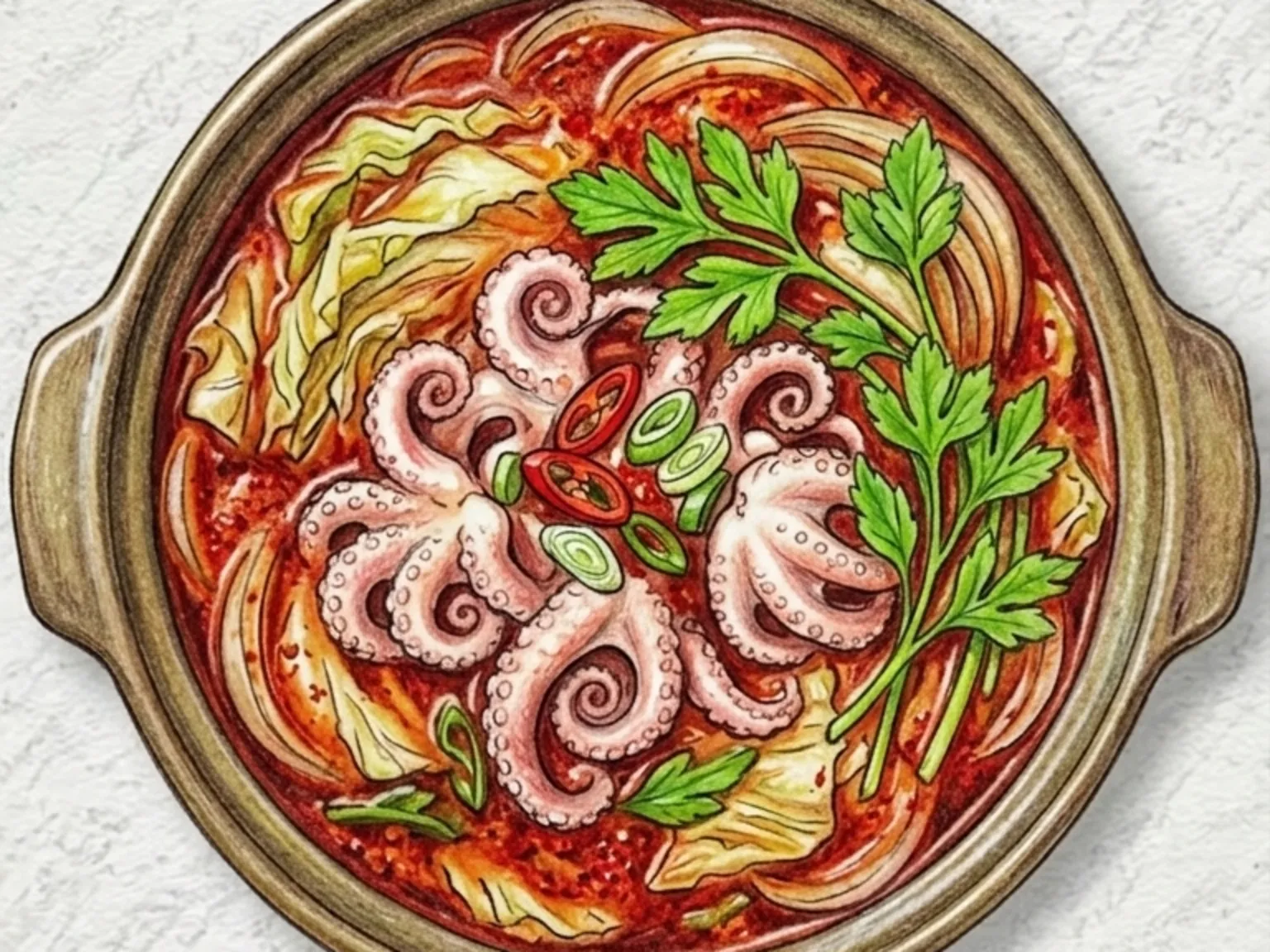
Korean Octopus Hot Pot (Spicy Gochujang Broth with Herbs)
Nakji jeongol is a spicy Korean hot pot built around small octopus simmered in anchovy stock seasoned with gochujang and gochugaru, together with napa cabbage, water parsley, onion, and tofu. Anchovy stock works particularly well here because it has a clean, salty depth that amplifies rather than competes with the oceanic flavor of the octopus. The gochujang contributes a fermented sweetness to the broth while the gochugaru layer on top provides the sharp, direct heat, producing a multi-dimensional spicy broth that is more complex than either ingredient alone. Octopus is highly sensitive to overcooking. Cooked within two minutes, it stays springy and pleasantly chewy. Beyond that, the protein fibers contract and the texture becomes tough and rubbery. Water parsley loses its fresh herbal fragrance quickly under heat, so it is best added about one minute before serving to keep that clean, slightly grassy brightness intact. Cooking the hot pot at the table allows diners to add octopus in small batches at their own pace, which is the most reliable way to keep every piece at the ideal doneness.
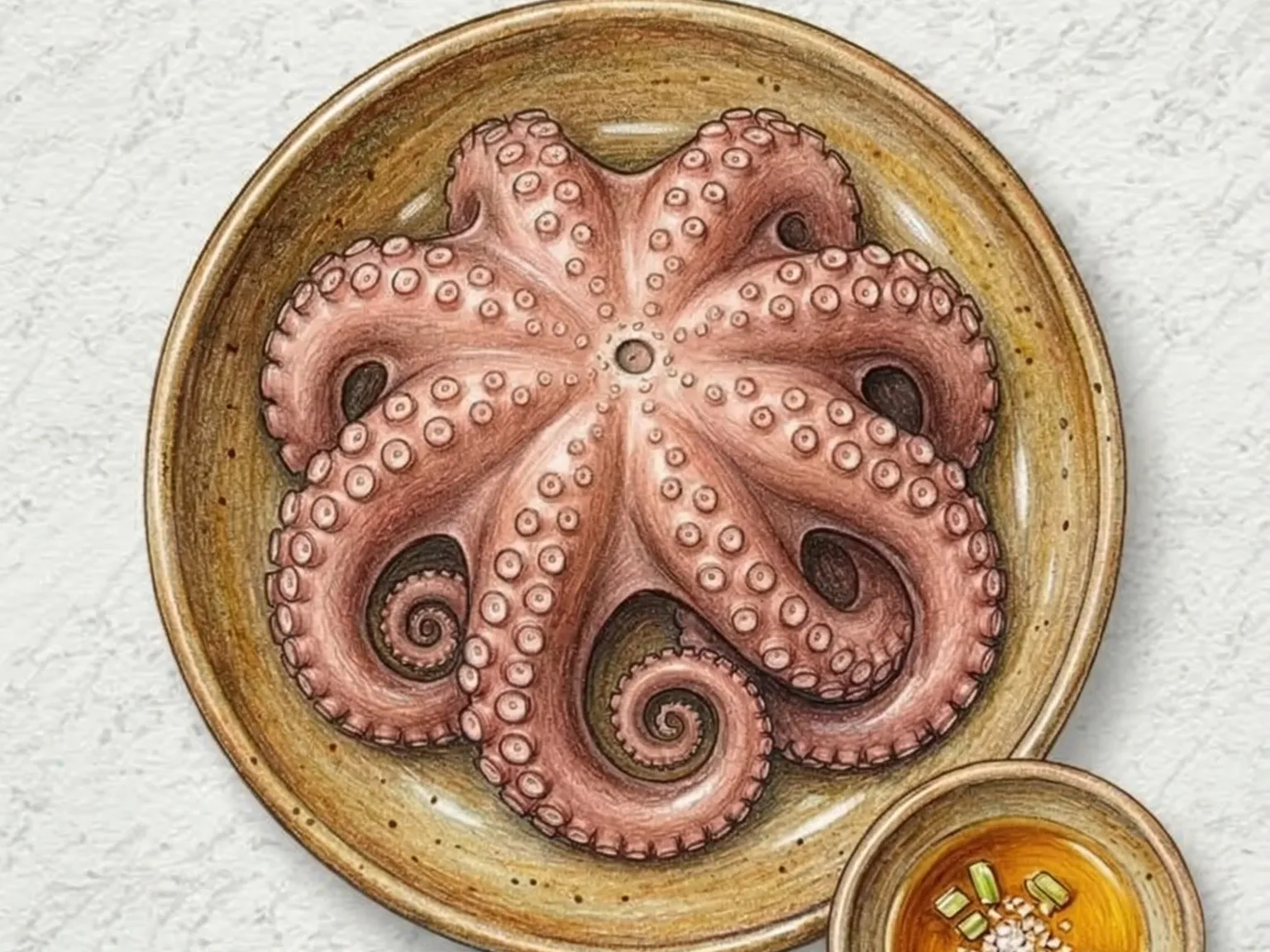
Korean Steamed Octopus (Whole Salted Radish Broth)
Muneo-jjim is a Korean steamed whole octopus dish prepared by scrubbing the octopus vigorously with coarse salt to remove slime and any off-odor, then cooking it in a pot layered with radish and green onion. Submerging the head end first and lifting it in and out of the boiling water two or three times causes the tentacles to curl inward naturally, resulting in an attractive presentation before the full cook begins. Simmering for about fifteen minutes and then resting off the heat with the lid on produces a texture that is springy and chewy without turning tough. The radish adds mild sweetness to the water while green onion draws out any fishiness, so the resulting broth carries a clean, subtle depth of its own. Once cooked, the octopus is sliced on the diagonal into manageable pieces and served with a simple dipping sauce of sesame oil mixed with salt. That combination lets the octopus's natural ocean flavor and nuttiness come through without interference. The dish works equally well as a drinking accompaniment or an everyday banchan, and the technique scales from a small arm to a full-sized octopus without adjustment.
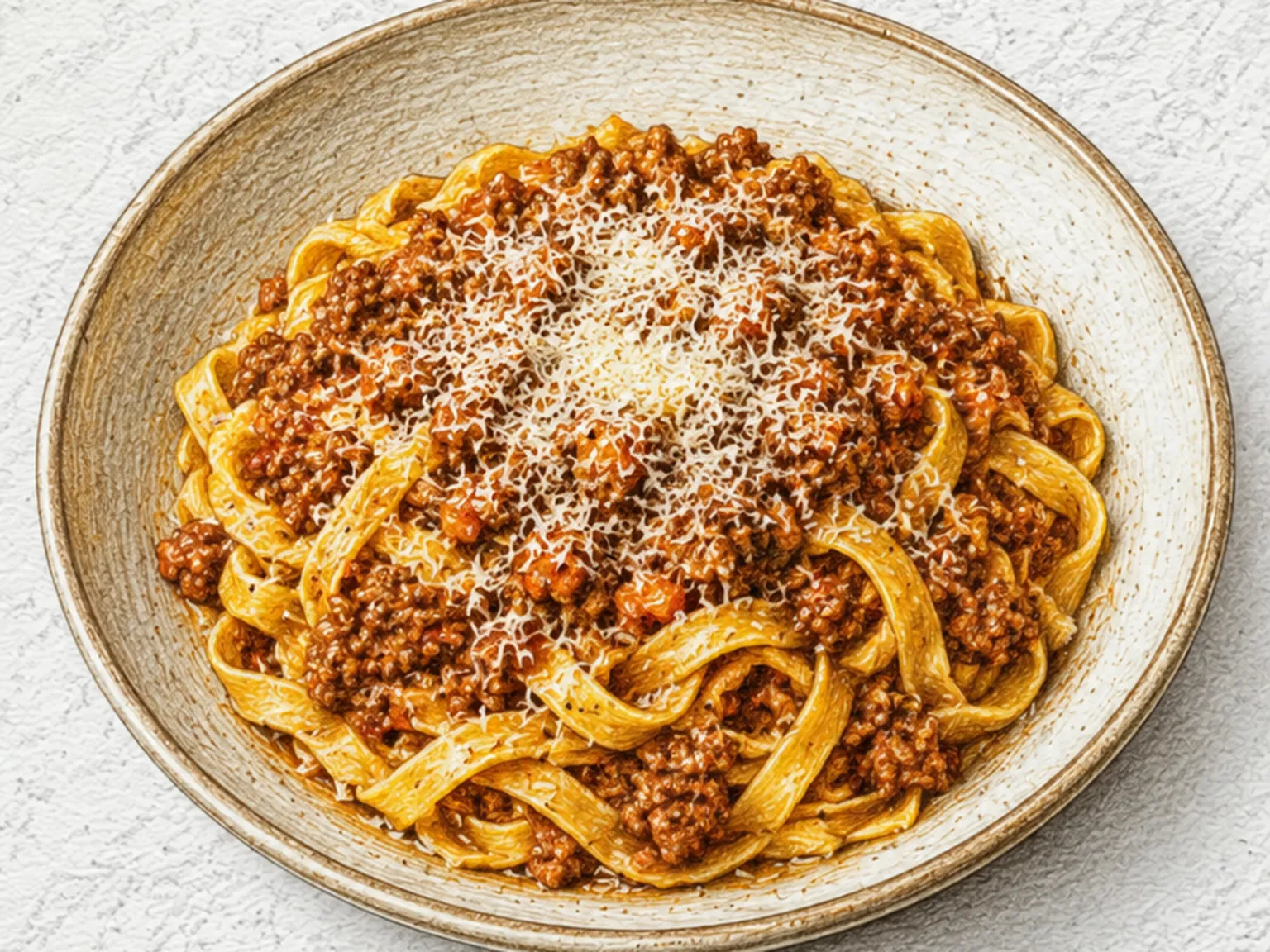
Pasta Bolognese
Pasta Bolognese is a slow-simmered meat ragu from Bologna in Emilia-Romagna, built on a soffritto of onion, carrot, and celery cooked down with a mixture of ground beef and ground pork. Browning the meat properly in a hot pan before any liquid is added creates a Maillard crust that contributes a depth of flavor that no amount of simmering can replicate. Red wine deglazes the pan, lifting every bit of browned fond from the bottom. Whole milk is then stirred in to soften the acidity and tenderize the proteins, which is the detail that separates a true Bolognese from a generic meat sauce. The ragu requires at least one hour of low, uncovered simmering for the fat to separate, the liquid to reduce, and the meat to break down into a cohesive sauce. Tagliatelle is the canonical pairing in the region, with the wide, egg-enriched ribbons catching the chunky sauce in every fold. Freshly grated Parmigiano-Reggiano finishes the dish. Cooking the tomato paste directly in the pan after the soffritto for two minutes caramelizes its natural sugars and removes raw bitterness before any liquid goes in.
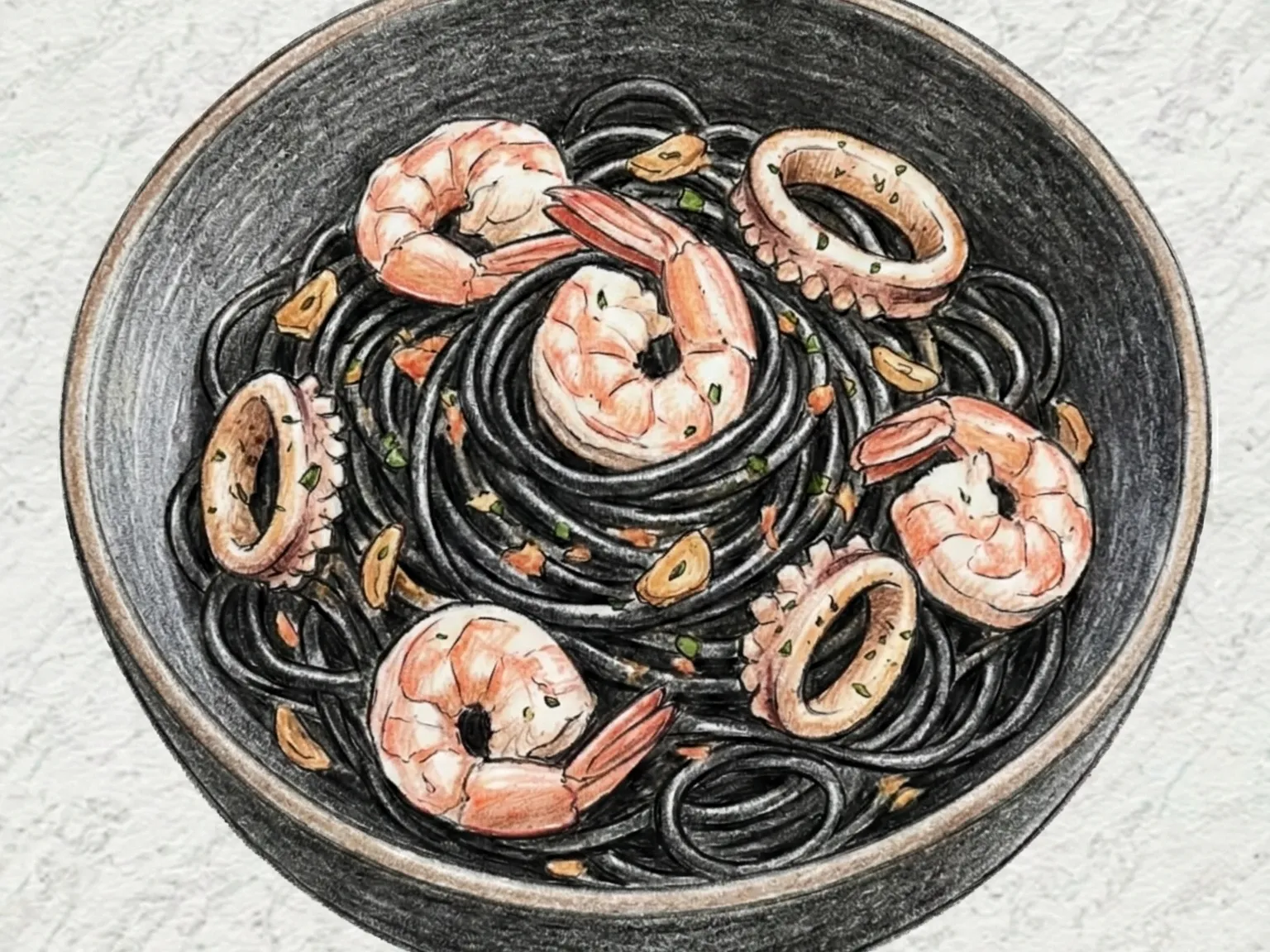
Squid Ink Seafood Linguine
Squid ink seafood linguine dissolves squid ink in reserved pasta water before adding it to the pan, ensuring even distribution without clumping. Shrimp and squid rings are seared quickly over high heat to set their surfaces, then finished during the final emulsification step so they stay springy rather than rubbery. Sliced garlic infused slowly in olive oil forms the aromatic base, and white wine with halved cherry tomatoes introduces a gentle acidity once the alcohol cooks off. The ink coats linguine in a glossy black sauce that carries concentrated brininess, and chopped parsley scattered on top provides a fresh herbal contrast. A small squeeze of lemon juice added at the end brightens the deep, saline richness of the squid ink and makes the oceanic flavors more vivid with each bite.
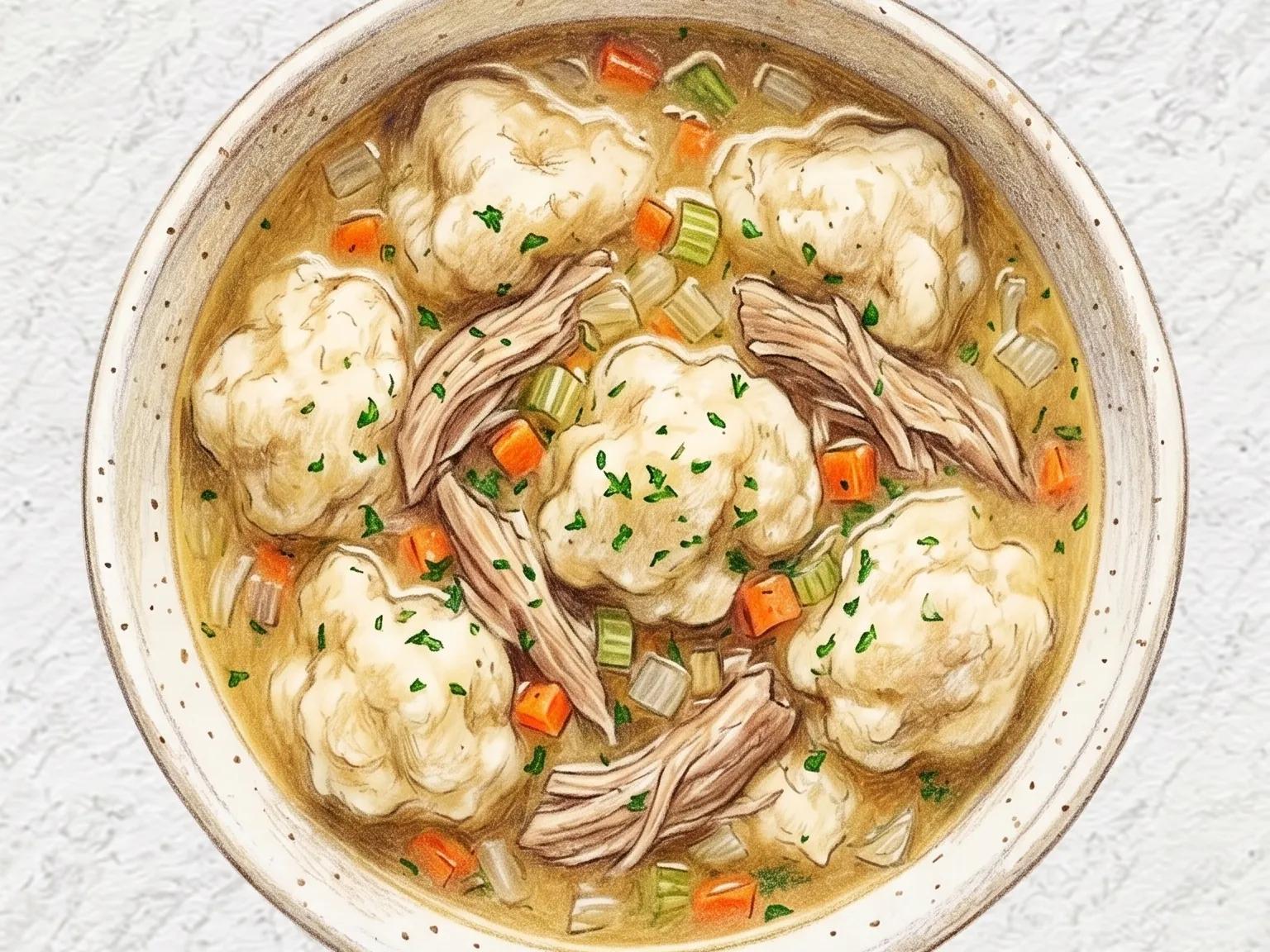
Chicken and Dumplings
Chicken and dumplings is a Southern American comfort dish built on simplicity and patience. Bone-in or boneless chicken thighs simmer with carrot, onion, and celery in chicken stock for about fifteen minutes, after which the meat is lifted out, shredded along the grain, and returned to the pot. Shredding rather than cubing matters because the torn fibers absorb broth more deeply, carrying more flavor into every bite. The vegetables release natural sugars as they cook, and those sugars combine with the chicken stock to create a layered, savory-sweet base. Once a simple batter of flour, baking powder, butter, and milk is spooned in spoonfuls onto the simmering surface, the lid goes on and must stay closed for a full twelve minutes. Steam trapped inside puffs the dumplings into light, pillow-like rounds, and lifting the lid even briefly lets the steam escape, resulting in flat, doughy discs instead. The finished dumplings are soft on the outside and tender and bread-like inside, and eating them together with the rich broth in a single spoonful is the point of the whole dish.
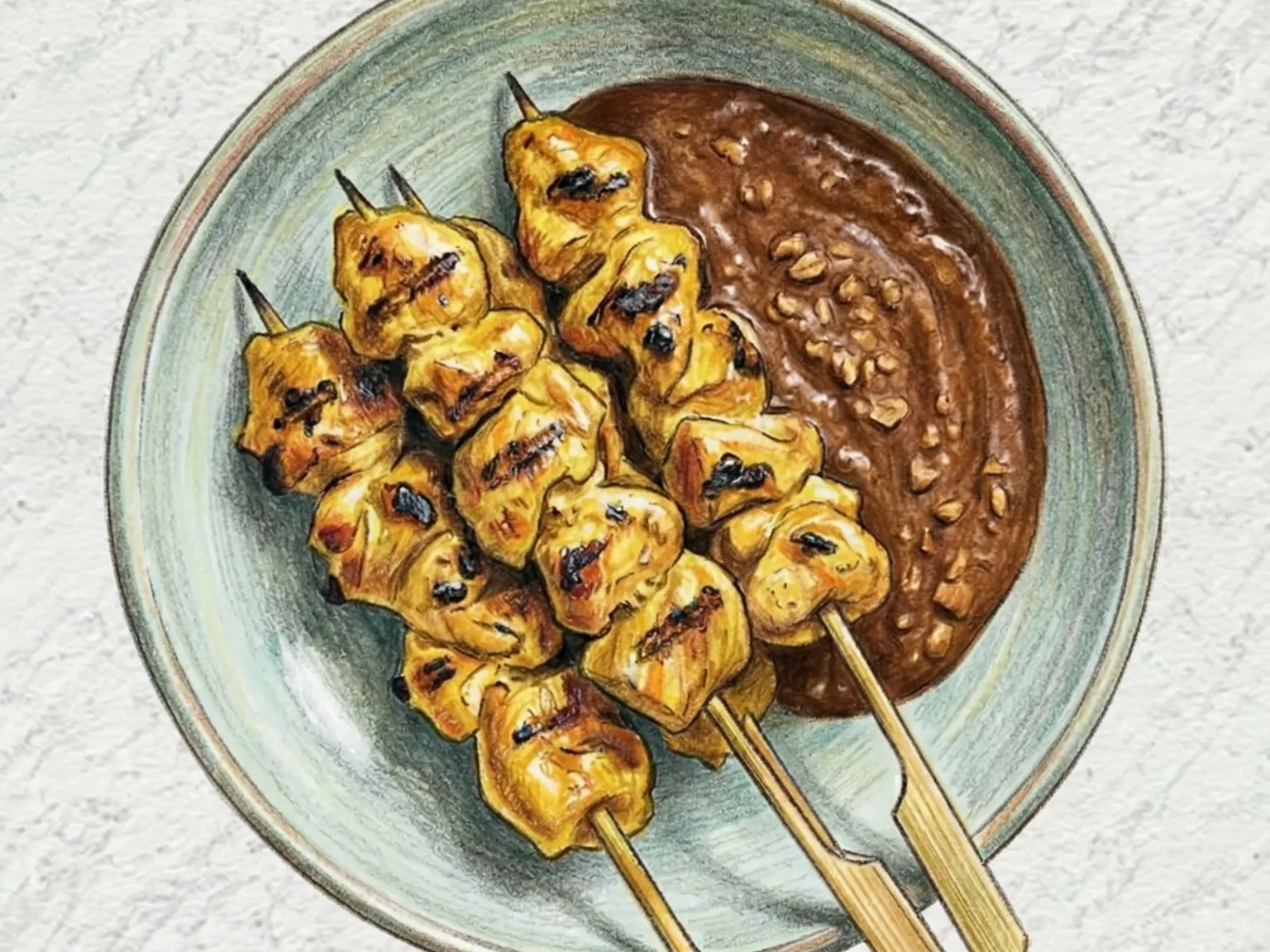
Chicken Satay
Chicken satay is a Southeast Asian grilled skewer dish that originated in Java, Indonesia, where it is thought to have developed from the influence of Arab and Indian traders who brought kebab and spiced meat traditions to the archipelago. Chicken pieces are marinated in a wet spice paste of turmeric, coriander, cumin, lemongrass, and coconut milk, which tints the meat yellow and begins to tenderize it before it reaches the fire. The skewered pieces are then cooked over charcoal, and as the heat intensifies, the coconut milk in the marinade caramelizes against the direct flame, forming a sweet, charred crust at the edges while the interior stays moist. The dish is inseparable from the peanut sauce served alongside it: roasted peanuts are ground and blended with coconut milk, tamarind, palm sugar, and chili into a thick dipping sauce that holds nuttiness, sweetness, sourness, and heat in simultaneous balance. From Java, satay spread across Malaysia, Thailand, and Singapore, with each country developing its own regional variations in spice combination, skewer size, and sauce recipe. At night markets throughout Southeast Asia, rows of satay sticks lined up over glowing charcoal produce a fragrant smoke that draws customers from considerable distances, and the smell of charring spiced meat remains one of the most vivid sensory memories for travelers who pass through the region.
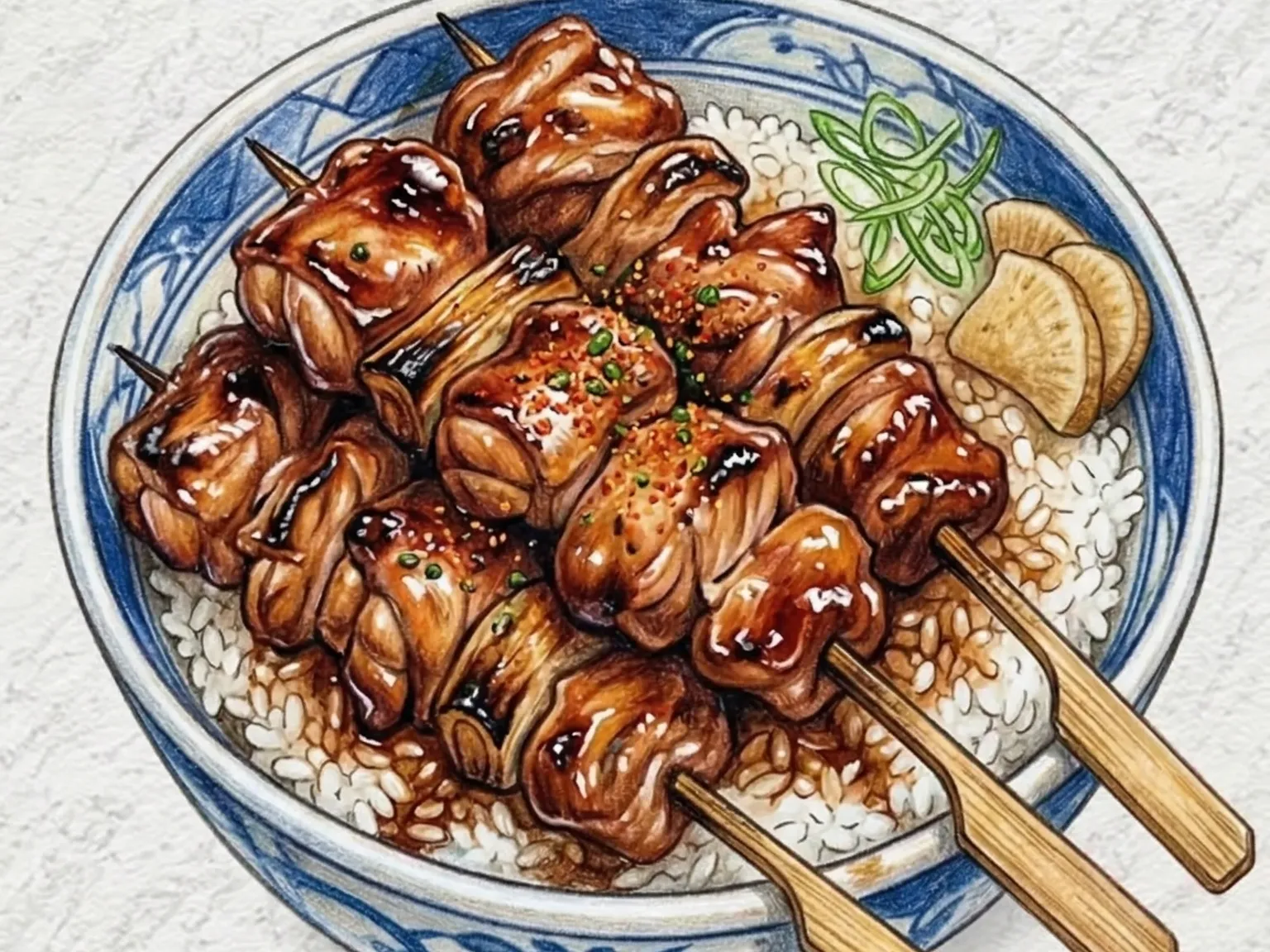
Yakitori Rice Bowl (Soy-Mirin Glazed Grilled Chicken over Rice)
Direct heat and a repetitive glazing process define the preparation of this chicken skewer bowl. Small pieces of chicken thigh are secured onto skewers and grilled over a flame while a mixture of soy sauce, mirin, and sugar is applied in thin, sequential layers. This technique builds a lacquered surface through caramelization, which directs the sweet and salty flavors to the exterior of the meat. Applying the sauce too heavily in a single pass often leads to burning and an uneven crust. Because chicken thigh contains natural fats, the meat remains moist and tender even under high temperatures. When the cooked pieces are removed from the skewers and placed onto the rice, the excess glaze permeates the grains to provide sufficient seasoning. Sprinkling shichimi togarashi or sansho powder introduces a sharp or citrus-like contrast to the sweetness of the chicken. While chicken breast serves as a leaner alternative, it requires a longer marinating period and a shorter time on the grill to prevent the meat from drying out. The tare sauce can be prepared in advance and stored in the refrigerator for several weeks. Adding a halved soft-boiled egg or sliced scallions provides different textures and prevents the meal from feeling repetitive.
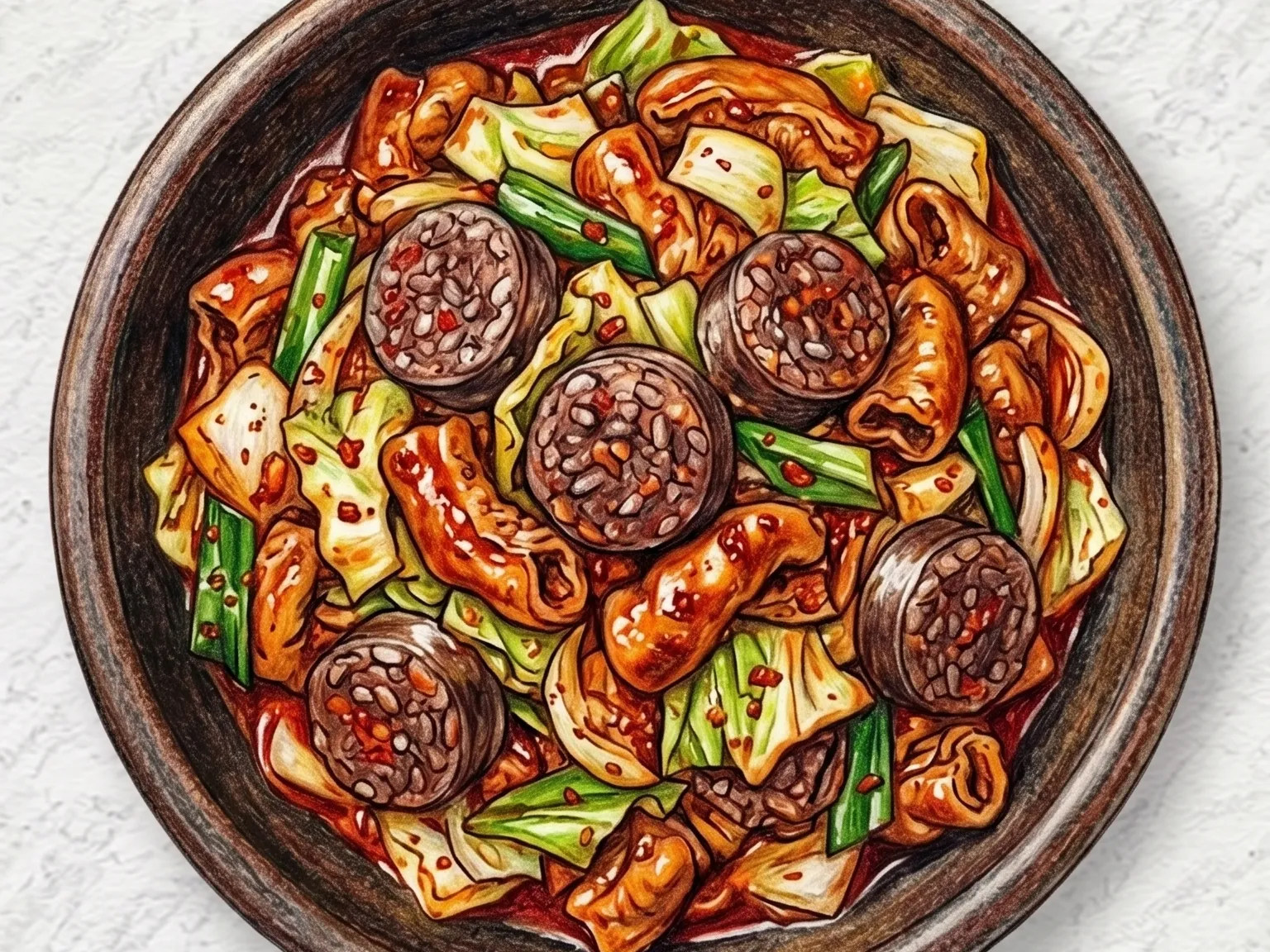
Korean Stir-fried Sundae and Tripe
Sundae-gopchang-bokkeum is a bunsik-style stir-fry combining blanched beef tripe and Korean blood sausage (sundae) with cabbage, onion, and scallion in a gochujang-gochugaru sauce. The tripe is seared first for a lightly charred exterior, then the spicy sauce is built in the pan before vegetables are added. Sundae goes in last and cooks briefly to prevent the casing from splitting. Each component brings a distinct texture - springy tripe, dense chewy sundae, and sweet crunchy cabbage - unified by the bold, spicy coating.
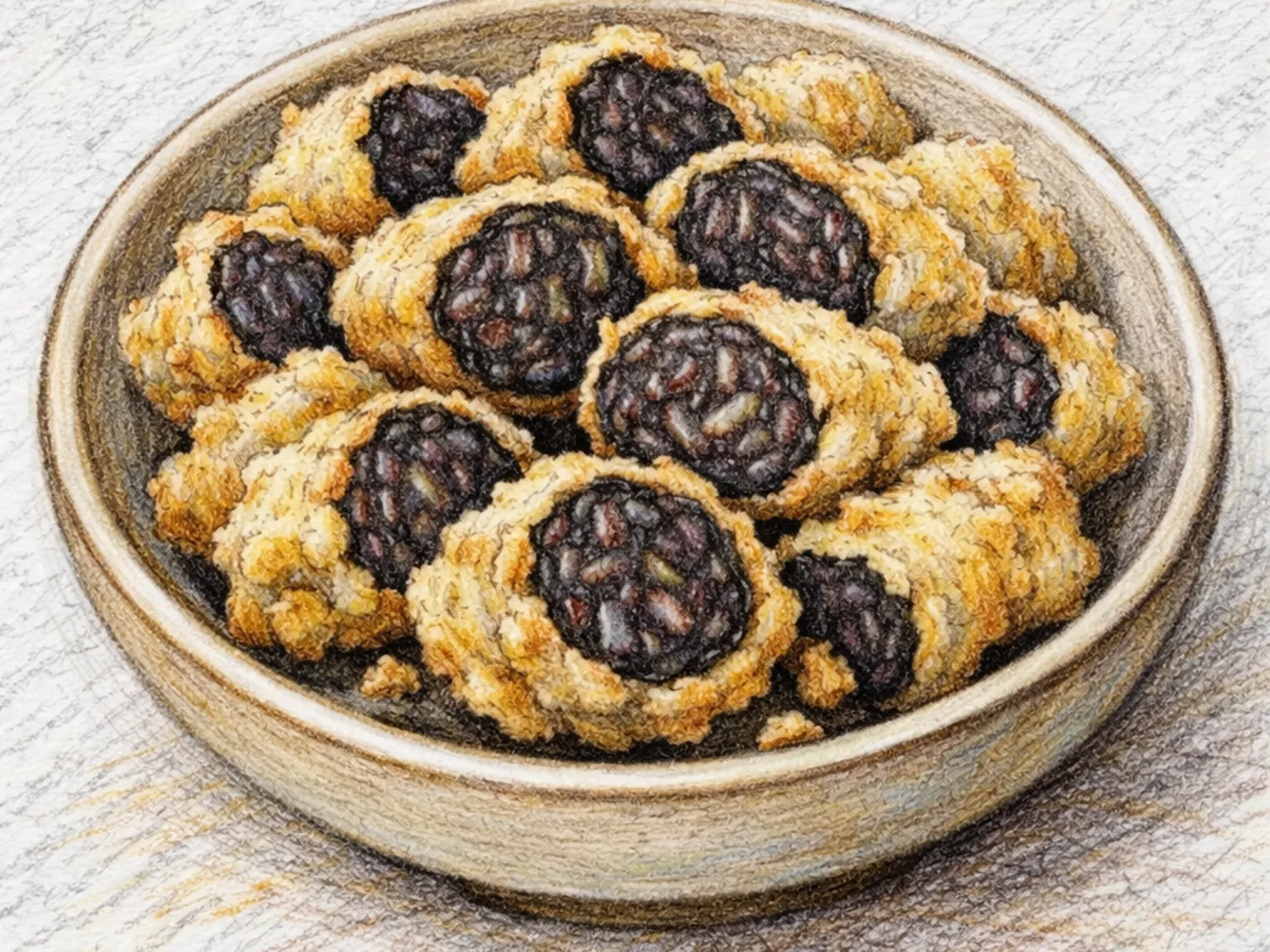
Korean Crispy Fried Sundae
Soondae-twigim is deep-fried Korean blood sausage, sliced thick and coated in a batter of frying mix blended with potato starch for extra crunch. A double-frying method is used: the first round at 170 degrees Celsius cooks the inside through, followed by a brief second fry at 185 degrees that hardens the crust to a shattering crispness while the interior stays chewy and moist. Patting the sundae surface dry before battering is essential so the coating adheres evenly and does not peel off in the oil. A light dusting of chili powder and a side of mustard add heat and a sharp tang that cuts through the richness.
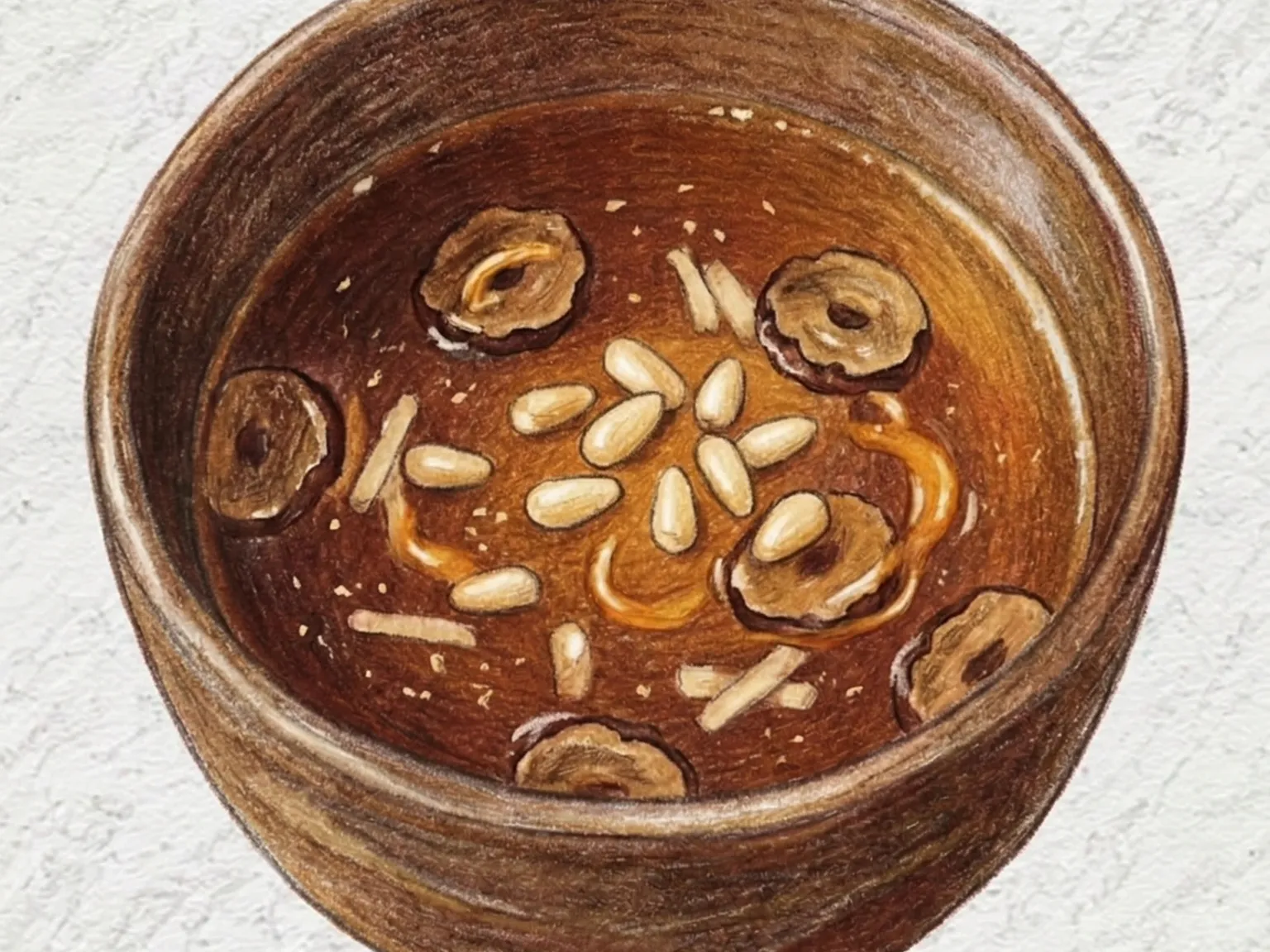
Korean Jujube Tea (Simmered Dried Jujube Ginger Brew)
Daechucha is prepared by boiling pitted dried jujubes and sliced ginger in water over medium heat for thirty minutes, then removing the jujubes and pressing them through a strainer so only the smooth pulp returns to the pot. This technique gives the tea a naturally thick, sweet body without any added thickener. Ginger provides a quiet warmth underneath the jujube's dominant sweetness, and honey is stirred in off the heat to preserve its aroma. A few pine nuts floated on top contribute a subtle oily richness that extends the finish. The result is a warming, amber-colored tea served on cold days and during recovery from illness in Korean households.
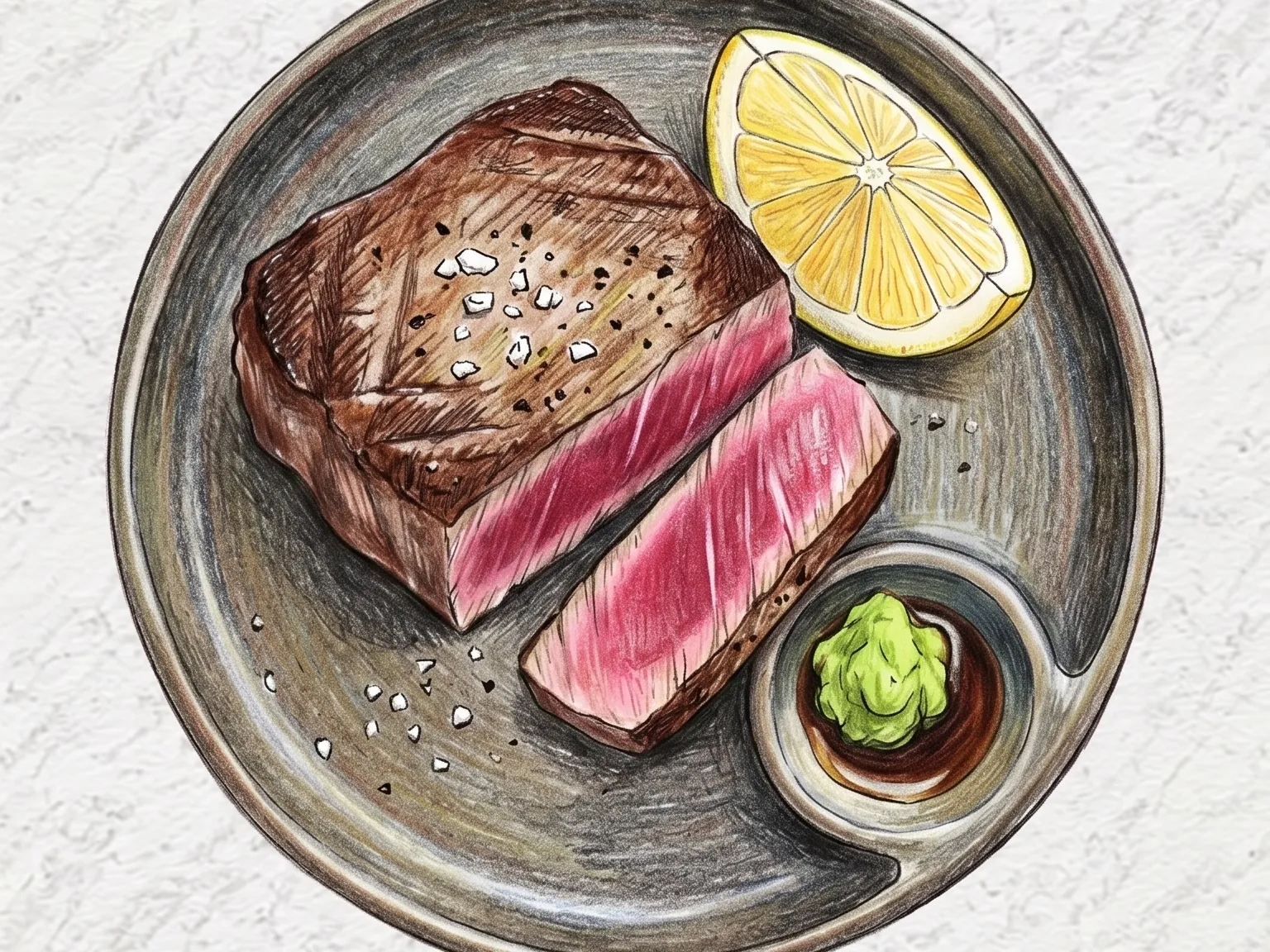
Tuna Steak
Chamchi steak is a pan-seared fresh tuna dish where a thick block of tuna is seasoned with olive oil, salt, and black pepper, then pressed onto a smoking-hot pan for under thirty seconds per side. This extreme brevity is deliberate: it produces a dark, caramelized Maillard crust on the surface while leaving the interior a vivid, translucent pink that is barely cooked through. Temperature control is the central technique - if the pan is not hot enough, the tuna releases moisture and steams rather than sears, so the oil should be at the point of just-visible smoke before the fish goes in. A squeeze of lemon at the end brightens the rich, iron-forward flavor of the raw center.
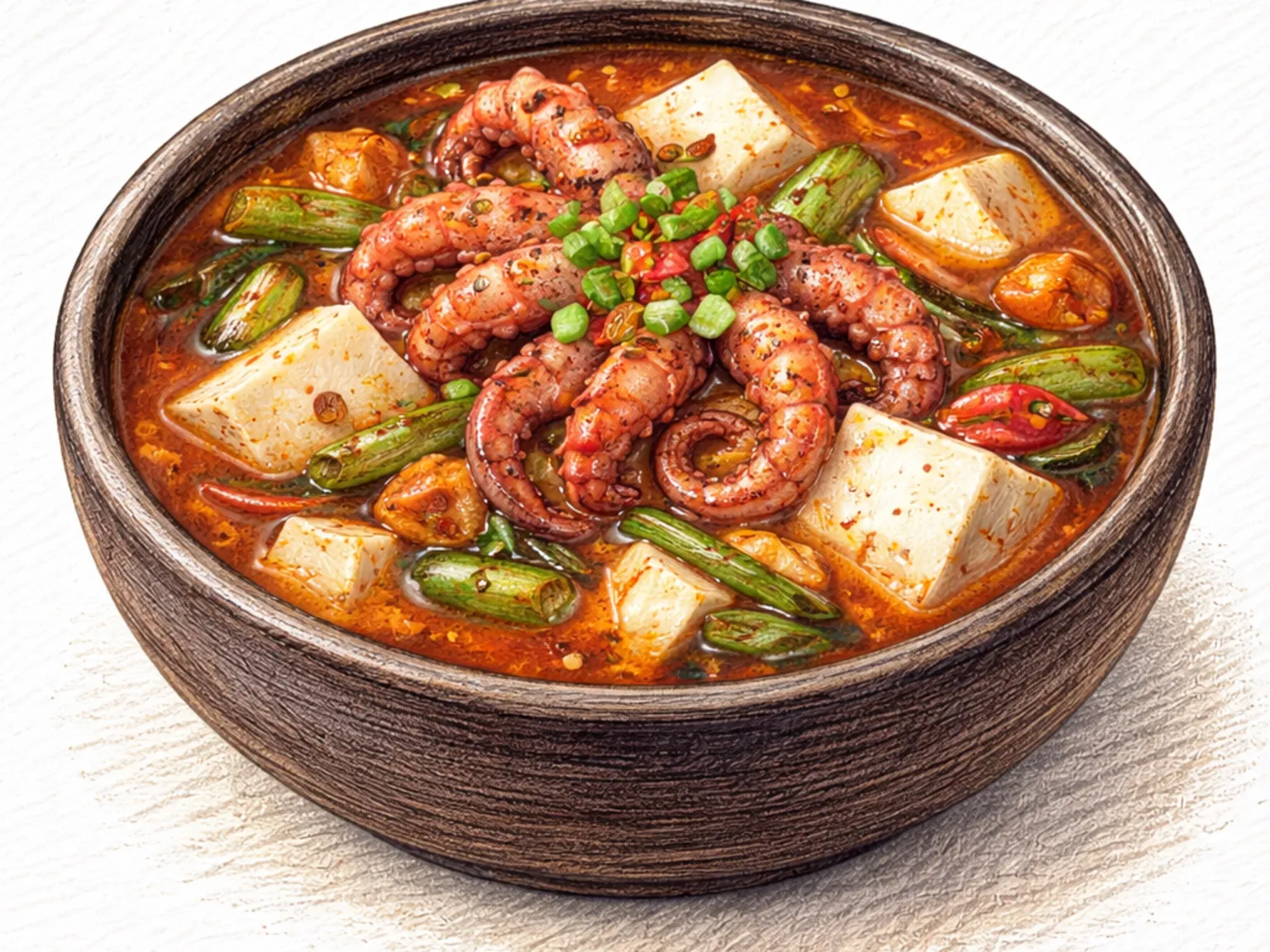
Korean Octopus Soft Tofu Stew
Nakji-sundubu-jjigae is a Korean stew that pairs silky soft tofu with small octopus in a deeply spiced anchovy broth. The broth is built from anchovy and kelp stock seasoned with gochugaru, which gives it a bright red color and a layered heat that comes from the fermented pepper rather than raw chili alone. Soft tofu is dropped in large, undisturbed spoonfuls so it holds together during cooking instead of crumbling into the broth. The octopus is cut into manageable pieces and added last, once the broth is at a full boil, and should be cooked for no more than 90 to 120 seconds before the heat is cut. Octopus contracts and toughens quickly when overcooked, so adding it after every other ingredient is ready is essential for keeping it springy and tender. A cracked egg is dropped in at the end and the lid is closed for 30 seconds, which lets the yolk set partially before it dissolves into the broth, adding richness and a gentle smoothness to the heat. The contrast between the yielding, almost liquid texture of sundubu and the firm chew of the octopus is what defines the experience of the dish, with the spiced broth pulling both elements together. Serving in a stone pot keeps the stew at eating temperature through the entire meal.
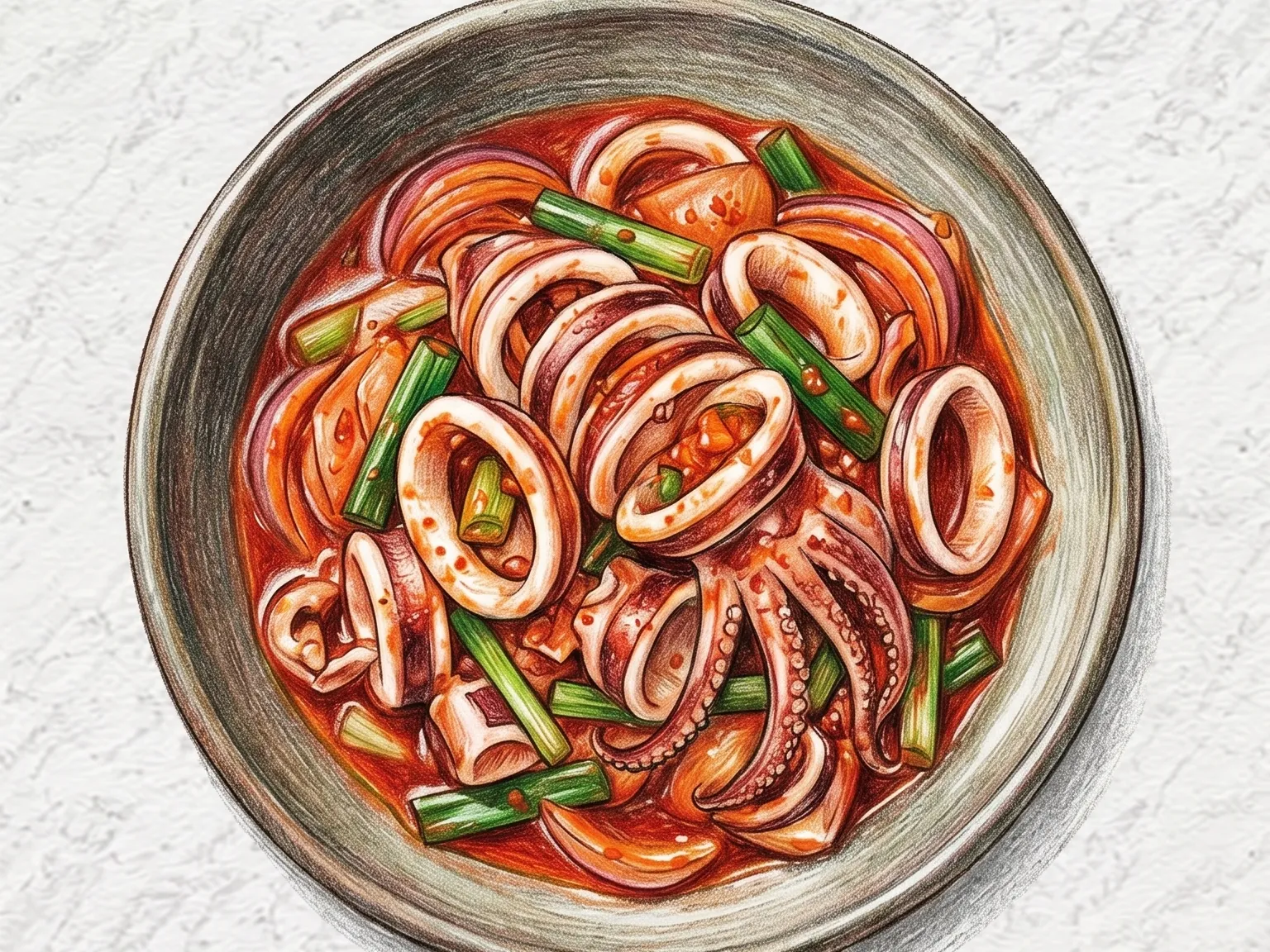
Korean Spicy Steamed Squid
Ojingeo-jjim is a Korean spicy steamed squid dish cooked with onion and green onion in a sauce of gochugaru, gochujang, and soy sauce. The key is keeping the total cooking time to around ten minutes, starting on high heat and finishing on medium, so the squid stays chewy rather than turning rubbery. Gochujang provides a thick, coating heat while the chili flakes add a sharper spiciness on top. One final toss at the end ensures every piece is evenly glazed with the red sauce. This quick-cooking dish works equally well as a banchan alongside rice or as an accompaniment to drinks.

Rigatoni all'Amatriciana (Roman Guanciale Tomato Spicy Pasta)
Rigatoni all'Amatriciana is a Roman pasta where crisp-rendered guanciale fat forms the base of a tomato sauce enriched with peperoncino heat. White wine deglazes the pan before crushed whole tomatoes are added and simmered for fifteen minutes to thicken. The ridged surface of rigatoni traps the sauce, ensuring each bite carries the full flavor of cured pork and tomato. A generous grating of Pecorino Romano finishes the dish with sharp, salty contrast. Controlling noodle texture and sauce coating helps the ingredients cook evenly while keeping the final seasoning balanced.
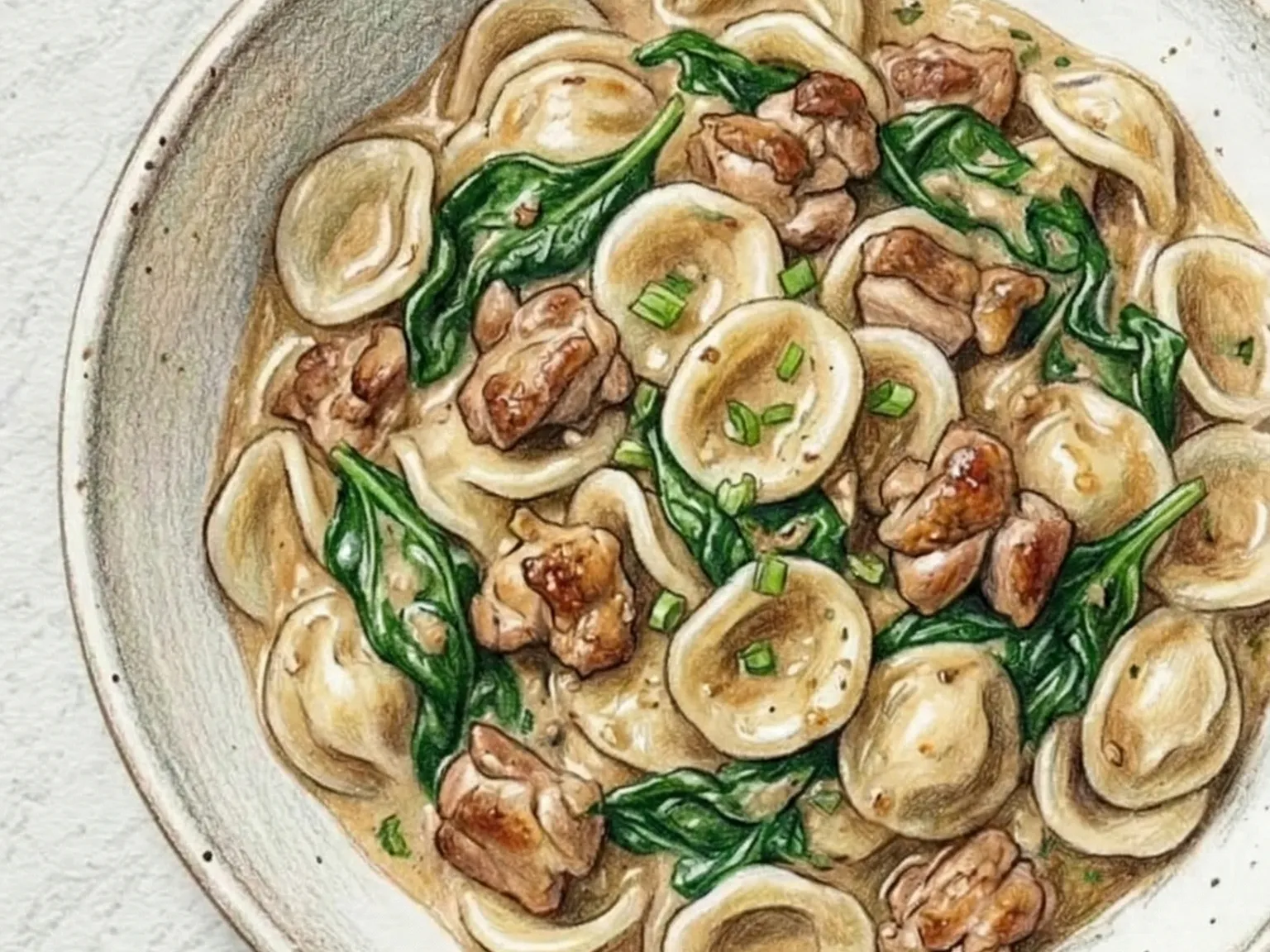
Ssamjang Chicken Spinach Orecchiette (Ssamjang Chicken Pasta)
Ssamjang chicken spinach orecchiette dissolves ssamjang directly in milk rather than frying it first, which softens the fermented paste's sharp edges into a smooth, savory cream sauce without bitterness. Boneless chicken thigh is seared until the skin turns golden and fat renders out, then combined with sauteed onion and garlic that build a sweet aromatic base underneath the fermented sauce. Spinach goes in at the very end to preserve its bright color and slight bite, and the concave, ear-shaped form of orecchiette cups the thick sauce inside each piece so every bite carries a full measure of flavor. Parmesan and black pepper are folded in off the heat so the cheese melts gradually without breaking. Reserving a small amount of pasta cooking water to loosen the sauce at the end helps achieve the right consistency.
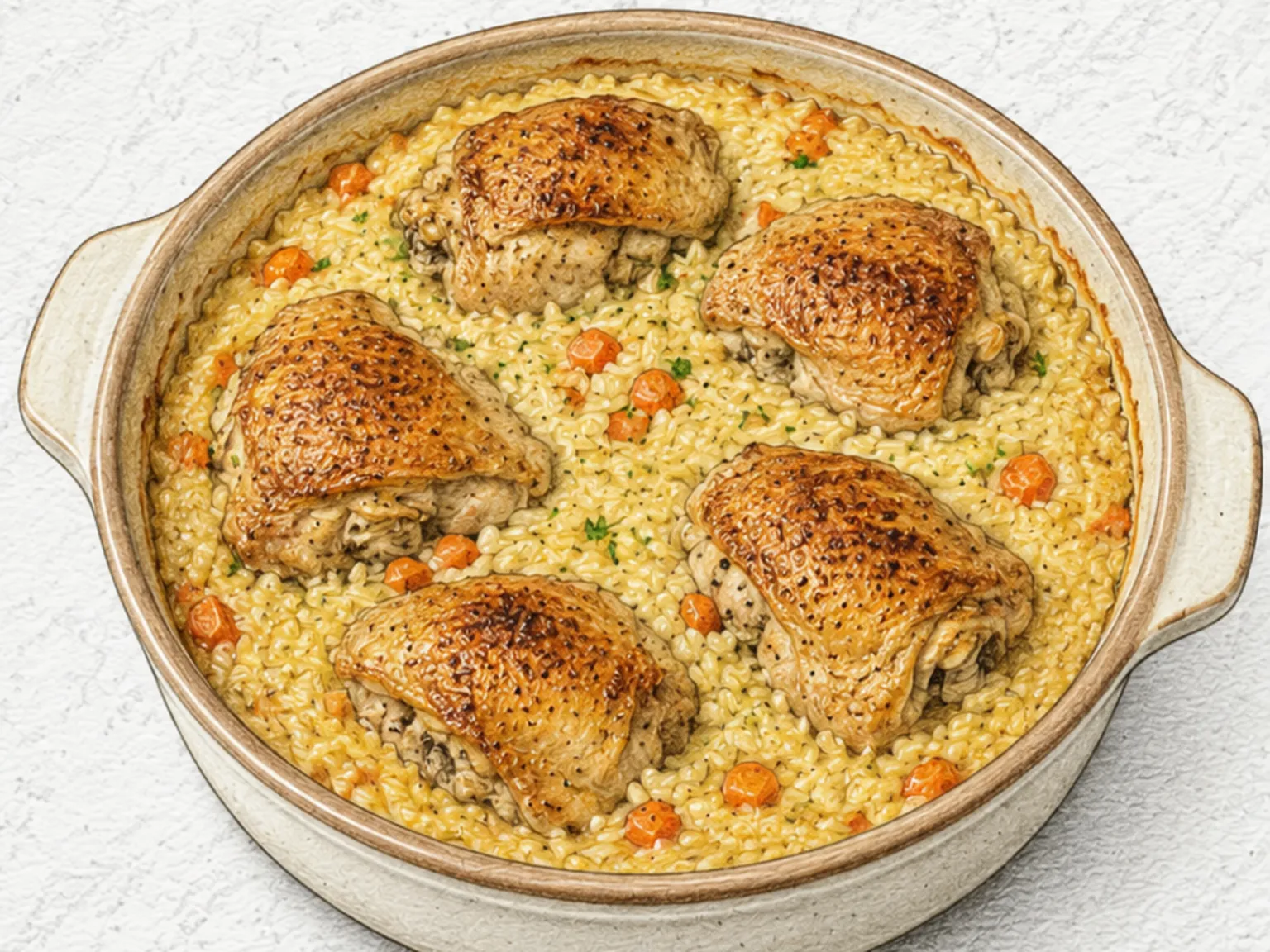
Chicken and Rice Casserole
Chicken and rice casserole is an American one-dish bake in which seasoned chicken thighs, rinsed rice, sauteed onion and carrot, chicken stock, and heavy cream are layered into a single baking dish and cooked together. Soaking the rice for ten minutes before assembly is a small step that makes a measurable difference: the pre-hydrated grains absorb the cooking liquid more evenly and finish at the same time as the chicken rather than lagging behind. Heavy cream blended into the stock creates a lightly thickened liquid that coats each grain as it swells, producing a rice that stays moist rather than clumping or drying at the edges. Sealing the dish with foil for the first thirty-five minutes traps steam inside, allowing the chicken and rice to cook through together without drying out. The foil comes off for the final ten minutes to let the chicken skin render and crisp. Throughout the bake, fat from the thighs slowly renders and drips down into the rice below, building a savory, roasted depth across the entire dish without any additional sauce. The structure of the recipe accommodates whatever vegetables or herbs are on hand, making it a practical weeknight formula that changes character with each variation.
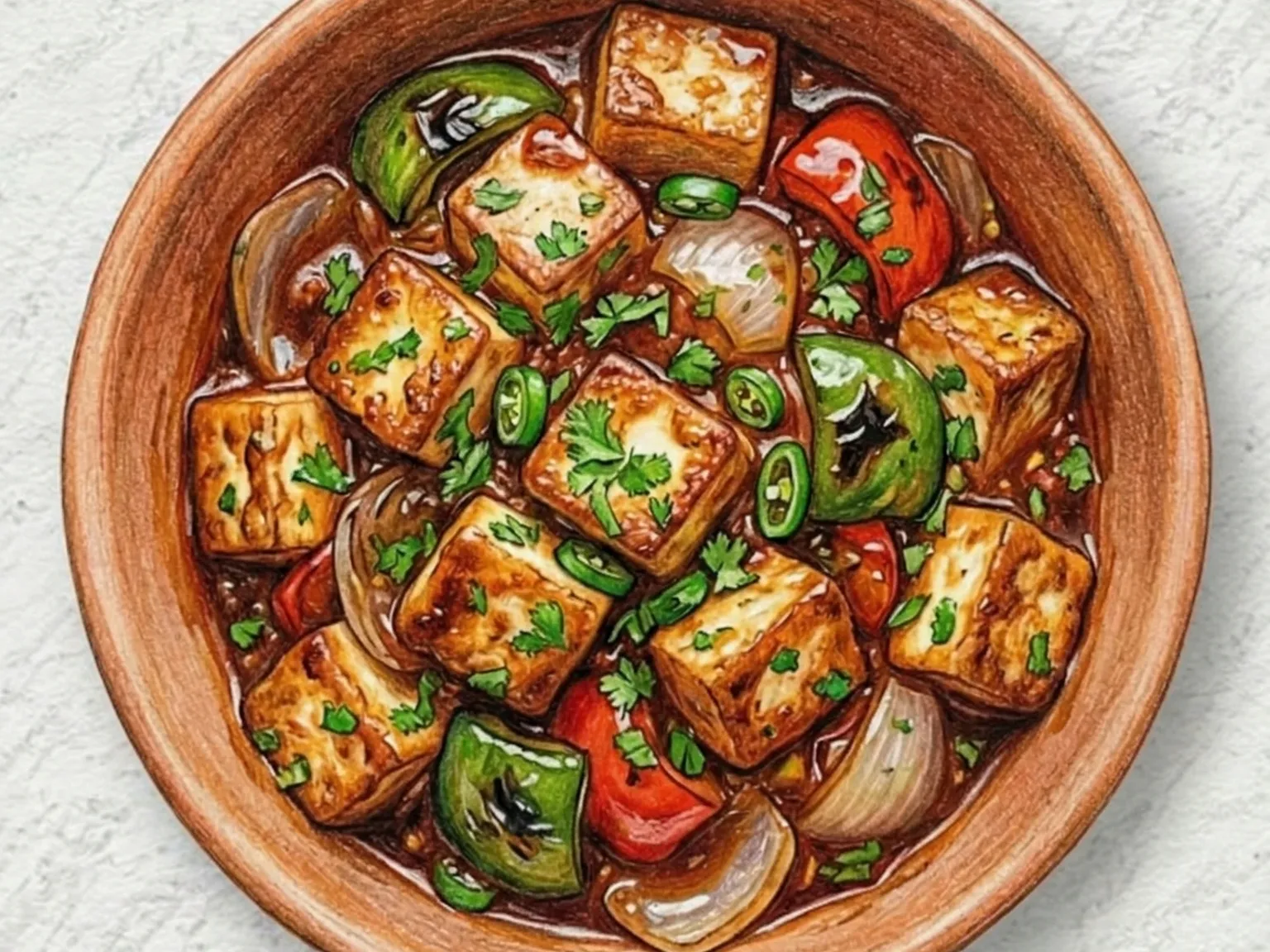
Chili Paneer (Spicy Fried Cheese Stir-Fry)
Chili paneer belongs to Indo-Chinese cuisine, a fusion genre that emerged in the late nineteenth century when Hakka Chinese immigrants settled in Kolkata and began cooking with Indian ingredients and techniques. Cubes of paneer, India's firm fresh cheese that holds its shape under high heat without melting, are coated in cornstarch and deep-fried until a crisp shell forms, then tossed in a blazing-hot wok with diced garlic, green chilies, bell peppers, and onions, all brought together in a sauce built from soy sauce, chili sauce, tomato ketchup, and vinegar. The starchy crust absorbs the punchy sauce while shielding the soft, milky interior of the paneer, and the contrast between the crunchy shell and the yielding cheese inside is the defining pleasure of the dish. Two distinct styles exist: dry, where the sauce barely coats each cube and the dish is eaten as a starter or with drinks, and gravy, where a thicker, glossier sauce pools generously around the paneer for scooping with naan or ladling over fried rice. The flavor profile, salty soy meeting sour vinegar, sweet ketchup cutting through hot chili, is neither Chinese nor Indian but something entirely its own, a product of a specific immigrant community adapting to a new place while keeping familiar techniques alive.