🍺 Bar Snacks Recipes
Perfect pairings for beer, soju & wine
705 recipes. Page 16 of 30
In Korean drinking culture, anju (drinking snacks) are just as important as the drink itself. Beer goes with fried chicken, soju pairs with grilled pork belly and dubu-kimchi, and makgeolli calls for pajeon and bindaetteok. This tag gathers recipes designed to accompany a drink.
Great anju complements the beverage without overwhelming it. Salty, savory, and spicy options - prepare a few and you will be ready for any gathering.

Chicken Paprikash (Hungarian Paprika Chicken Stew with Sour Cream)
Chicken paprikash is a Hungarian stew that starts by browning chicken thighs in a hot pan to develop color and fond, then builds a sauce around slowly cooked onion, sweet paprika, and tomato before finishing with sour cream. The onion is cooked low and slow until completely soft and sweet, and only then is the paprika added over reduced heat to bloom its color and release its earthy, lightly smoky aroma without any risk of scorching. Paprika forms the entire foundation of the sauce's flavor and its characteristic deep red hue, while tomato contributes the acid needed to balance the richness of dark meat through a 25-minute gentle simmer. The chicken stays submerged in the sauce throughout cooking, absorbing the paprika-infused liquid and becoming very tender. Sour cream must be added at the very end with the heat turned low; stirring it in while the pot is still at a boil causes it to curdle, whereas adding it gently over low heat integrates it into a smooth, creamy sauce with a mild tang. The traditional presentation ladles the sauce over wide egg noodles or spaetzle, whose tender chew is well suited to catching and holding the rich, paprika-scented sauce.
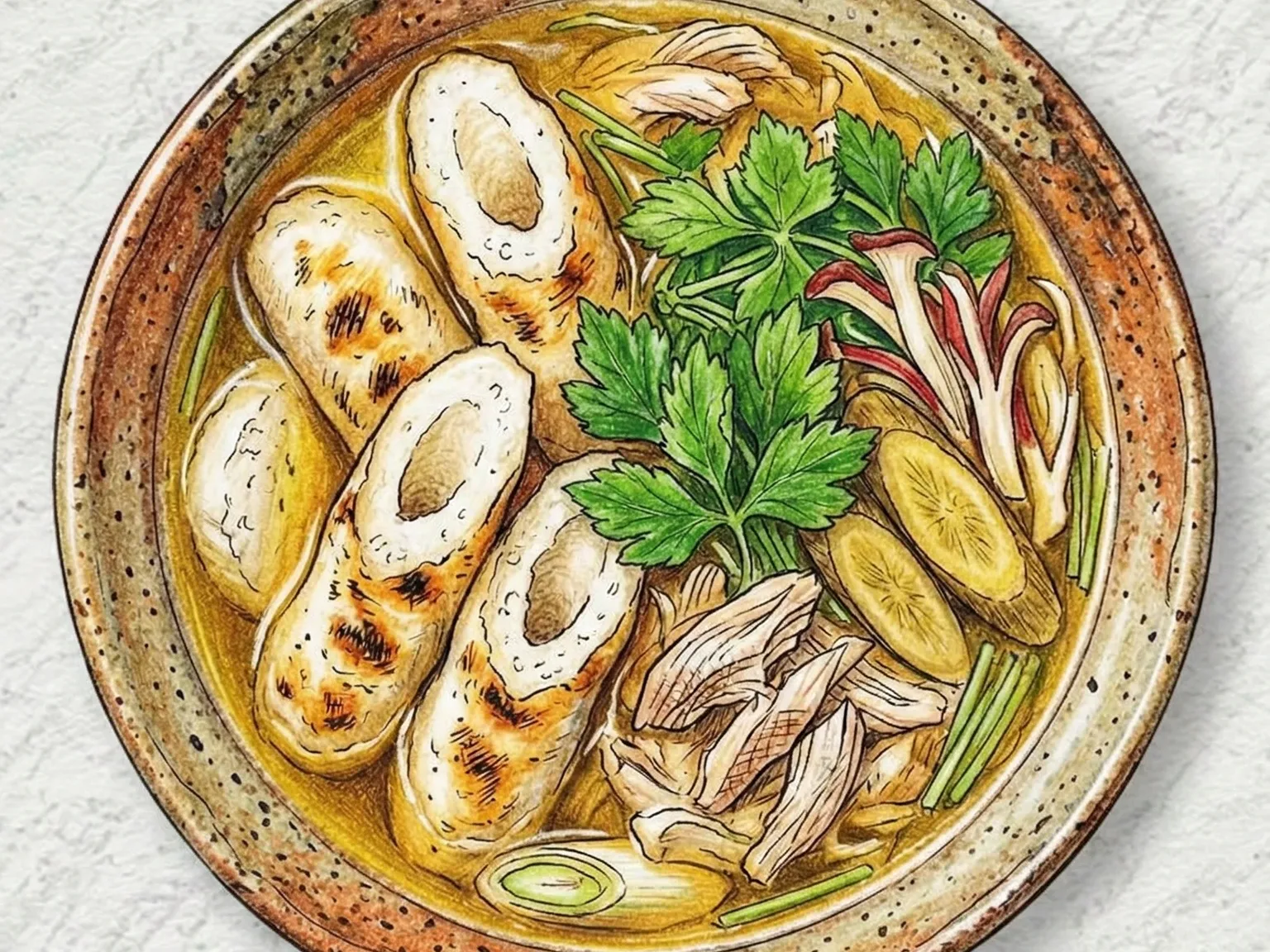
Kiritanpo Nabe (Akita-Style Grilled Rice Stick Hot Pot)
Kiritanpo nabe is a rustic hot pot from Akita Prefecture in northern Japan, built around grilled mashed-rice sticks simmered in chicken broth. Freshly cooked rice is pounded in a mortar until partially smooth and sticky, then wrapped around cedar skewers and toasted over charcoal until the surface develops a light char and a faint smokiness. The broth begins with bone-in chicken thighs cooked until the stock is rich and clear, seasoned simply with soy sauce and mirin, then loaded with burdock root, scallions, mushrooms, and Japanese parsley. The kiritanpo sticks are cut into segments and added to the simmering pot, where they absorb the rich broth and soften into a chewy, dumpling-like texture while still holding their cylindrical shape. Akita's harsh mountain winters gave this dish its purpose as a calorie-dense, warming meal built entirely from locally available ingredients. The faint smokiness from the charcoal grilling carries through into the finished broth, and this subtle background note is what distinguishes kiritanpo nabe from similar rice-cake hot pots made elsewhere in Japan.
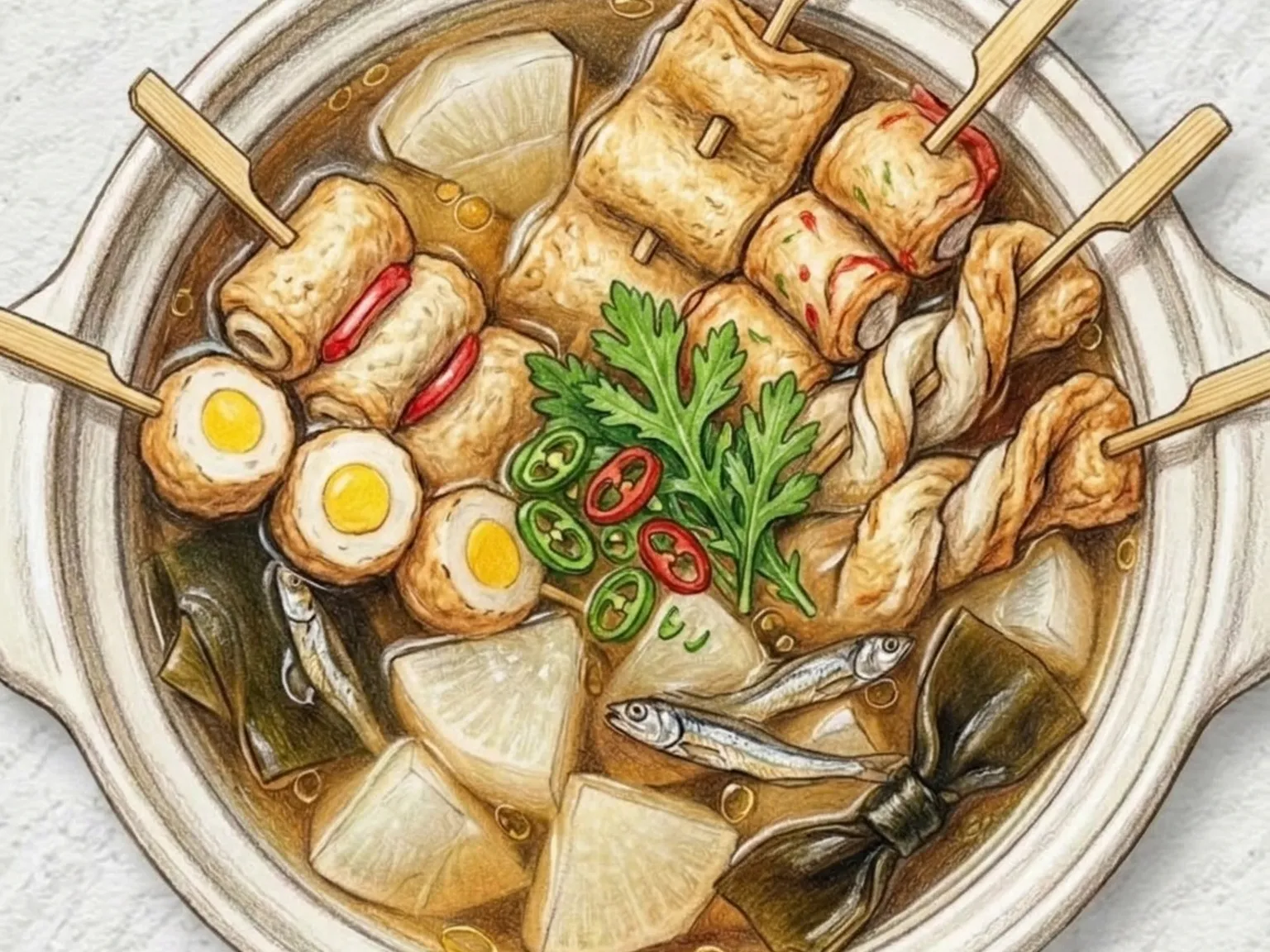
Korean Fish Cake Soup (Clear Anchovy Radish Broth)
Eomuk-tang is a Korean fish cake soup in which skewered fish cakes and thick radish slices simmer in a clear broth built from dried anchovies and kelp. The kelp must be removed the moment the water begins to boil, otherwise it releases a slimy texture that clouds the broth. Cutting the radish thick allows it to slowly release natural sweetness over the long simmer. Rinsing the fish cakes in hot water before adding them washes away surface oil and keeps the broth clear and clean. Soup soy sauce adjusts the seasoning, and green onion and black pepper finish the pot. Adding the radish before the fish cakes ensures it has enough time to fully soften and sweeten the broth, since it takes longer than the eomuk to cook through.
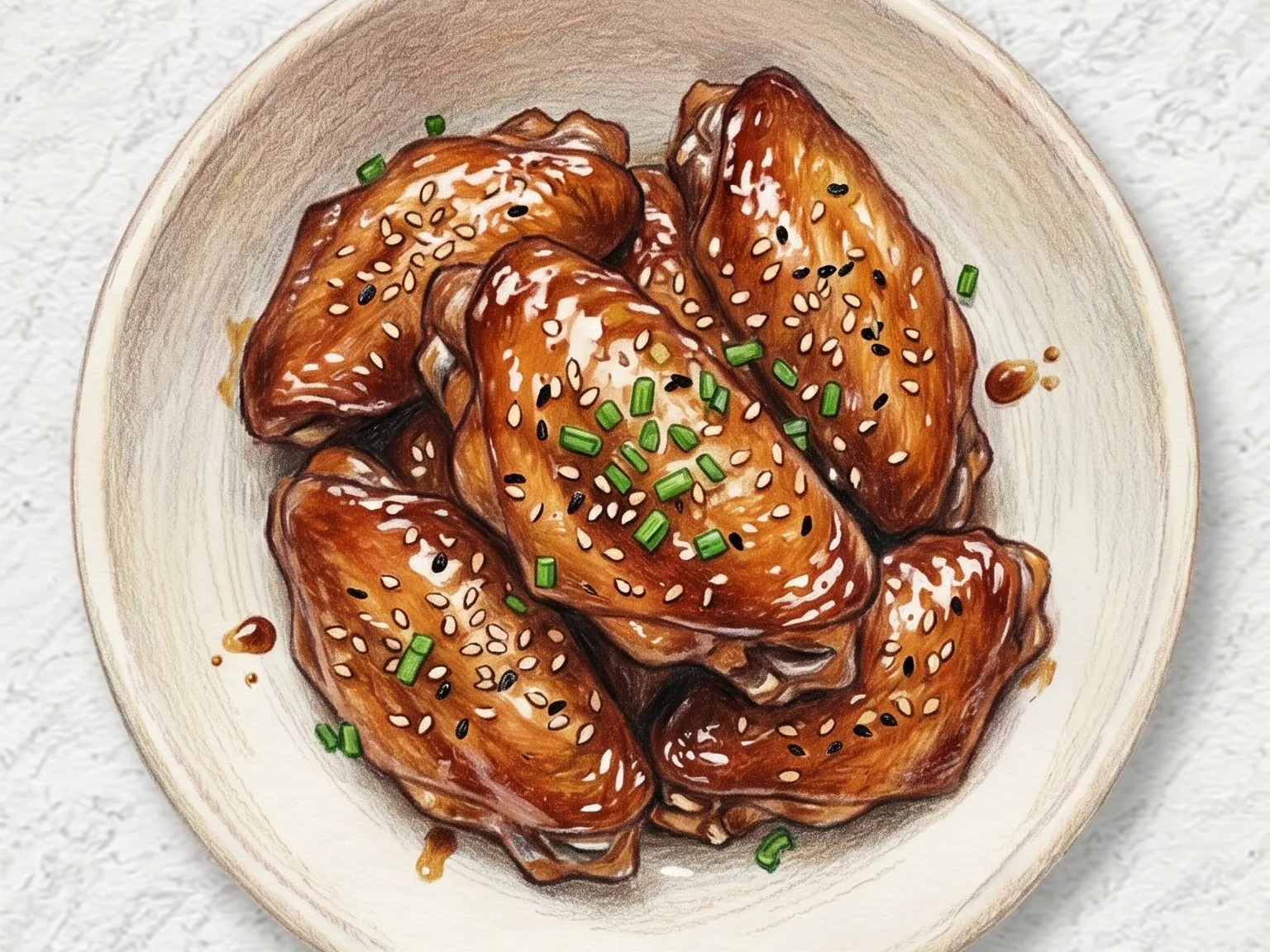
Korean Soy-Glazed Chicken Wings
Daknalgae-ganjang-gui is a Korean soy-glazed chicken wing dish coated in a sauce of soy sauce, oligosaccharide syrup, minced garlic, ginger powder, and a splash of vinegar, then baked in an oven or air fryer. The vinegar softens the saltiness of the soy while cutting through the richness of the chicken skin. The oligosaccharide syrup thickens under heat into a glossy, clinging glaze that coats each wing evenly. Scoring the joints before cooking allows the marinade to seep into the inner crevices and promotes even heat distribution so the meat near the bone cooks through completely. A finish of sesame oil and toasted sesame seeds rounds out the savory soy glaze with a warm, nutty aroma. When using an air fryer, baking at 180 degrees Celsius for twenty minutes and then flipping for five more produces a satisfyingly crisp skin without drying out the meat.
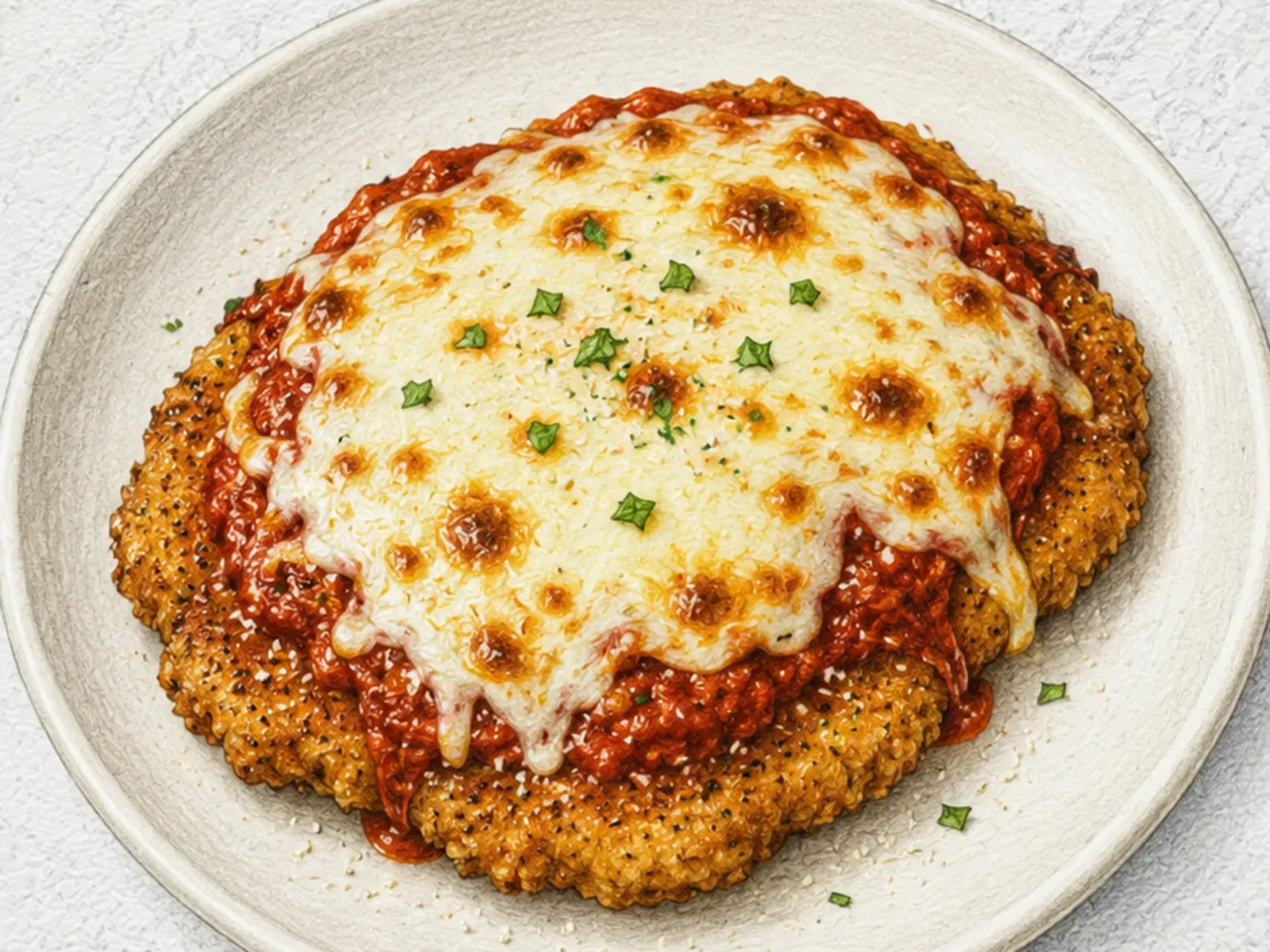
Chicken Parmesan
Chicken Parmesan coats pounded chicken breast in a mixture of breadcrumbs and grated Parmesan, pan-fries it until golden on both sides, then tops it with tomato sauce and mozzarella before baking until the cheese melts and browns at the edges. The preparation begins by pounding the breast to a uniform thickness of no more than 1.5 centimeters - consistent thickness is what allows both sides to reach the same golden color in the pan without one side burning while the other stays underdone. After breading, the cutlet should rest for about five minutes before going into the hot pan. This brief rest allows the coating to bind to the surface of the meat, so it remains intact when sauce and cheese are layered on top and the dish goes into the oven. The cross-section of a finished piece shows the layered structure clearly: a crisp breadcrumb shell, the lean white meat beneath, the bright acidity of tomato sauce, and the pull of melted mozzarella. Ten to twelve minutes at 200 degrees Celsius is enough for the mozzarella to melt completely and develop light caramelization at its edges while leaving the chicken inside moist rather than dried out.
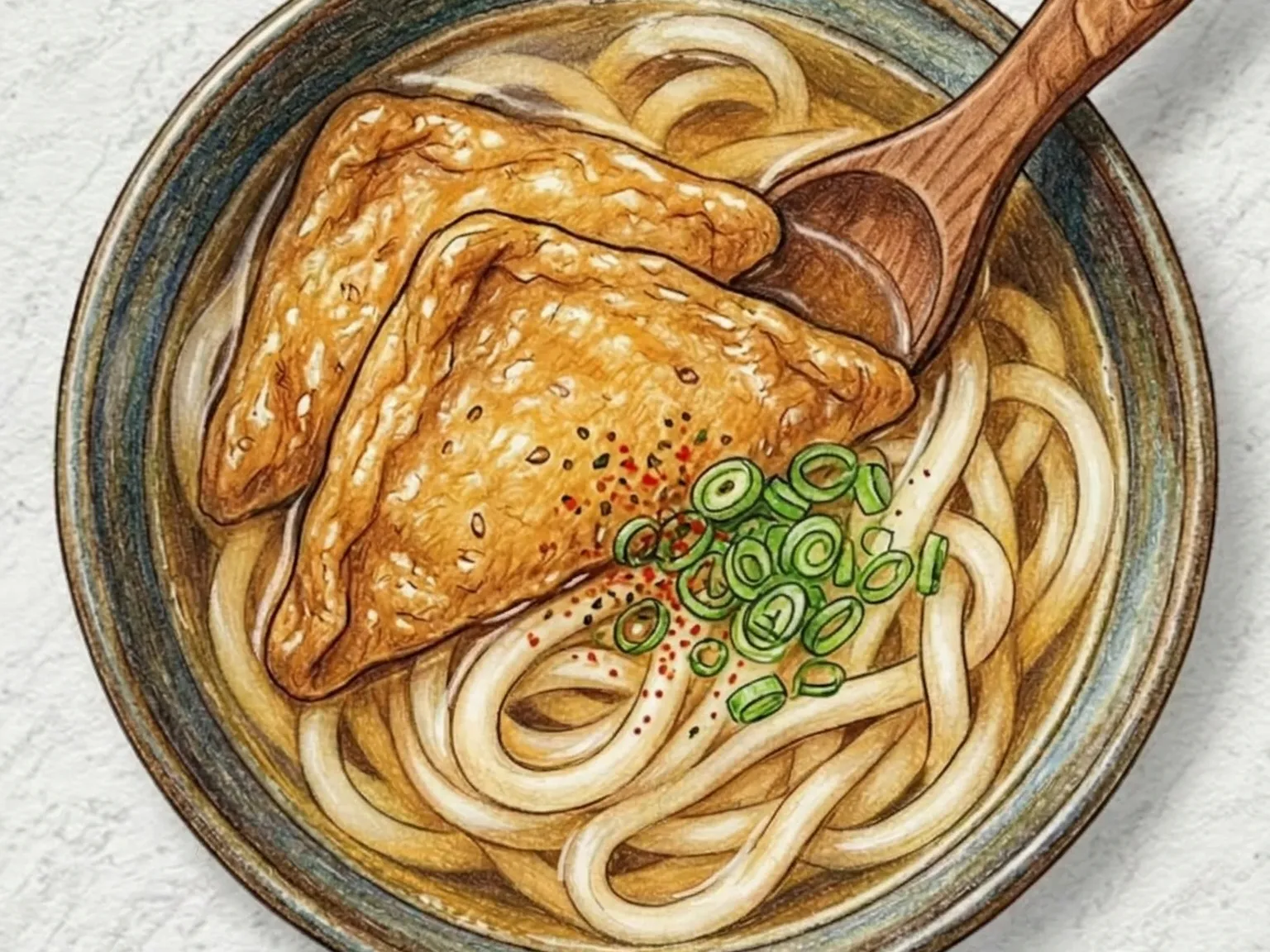
Osaka Kitsune Udon (Thick Noodles with Sweet Fried Tofu in Dashi)
Kitsune udon is Osaka's signature noodle bowl, defined by sweet simmered fried tofu draped over thick wheat noodles in a clear dashi broth. The broth is drawn from kombu and bonito flakes, then seasoned with light soy sauce in the Kansai tradition, pale in color but layered with umami. The aburaage tofu is simmered separately in a mixture of dashi, soy sauce, mirin, and sugar until it swells with sweet braising liquid, and each bite releases a burst of that concentrated sweetness into the bowl. Thick, chewy udon noodles sit in the steaming broth, their mild wheat flavor providing a neutral base for the delicate soup. Sliced green onion scattered on top adds freshness and a gentle bite. In Osaka, kitsune udon is eaten at all hours, as a quick breakfast before work, a light lunch, or a late-night bowl after drinks, and every neighborhood udon shop holds its own variation on the sweet tofu recipe passed down through the years.
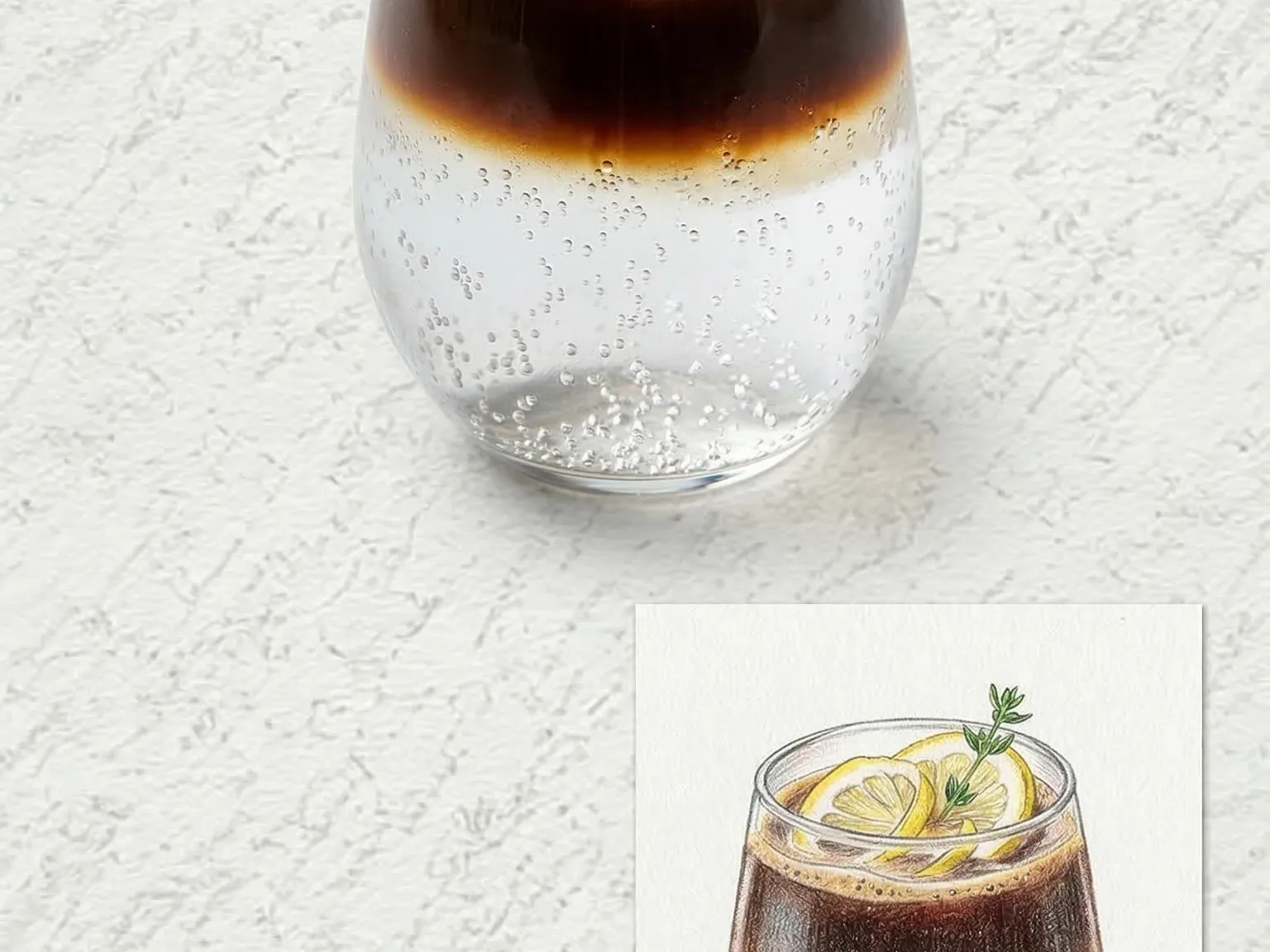
Citrus Espresso Tonic with Orange
Espresso tonic is a carbonated coffee drink built by slowly pouring espresso over chilled tonic water to form two distinct layers. The tonic must be thoroughly cold to maintain stable carbonation throughout; cooling the espresso for about thirty seconds before pouring it over a spoon produces a clean separation between the two liquids. The quinine bitterness in the tonic water meets the espresso's roast bitterness, creating a balanced interplay rather than one-note sharpness. Orange slices and lemon peel garnish the glass, releasing citrus oils that rise with the bubbles. Specialty espresso with pronounced fruit acidity works particularly well here, harmonizing with the tonic's effervescence and lending natural sweetness without added sugar. Pre-chilling the glass with ice before adding the tonic helps preserve carbonation. The drink gained popularity in Scandinavian coffee culture during the 2010s before spreading worldwide.
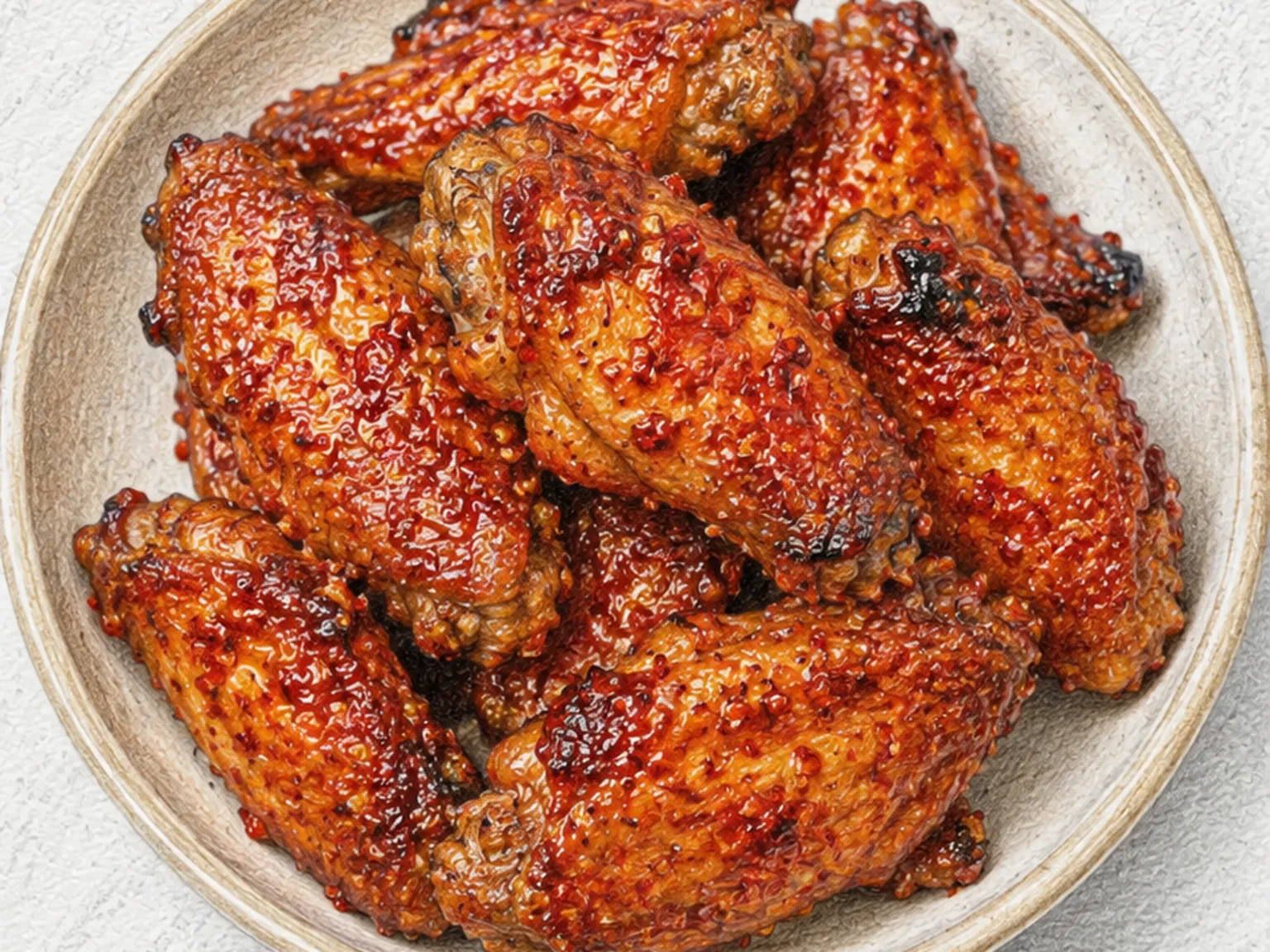
Korean Chili Grilled Wings
Daknalgae-gochugaru-gui is a Korean chili-crusted chicken wing dish tossed in a coarse mixture of gochugaru, soy sauce, cooking wine, oligosaccharide syrup, minced garlic, and ginger powder, then grilled or pan-fried until the surface crisps. Unlike smooth gochujang, the coarse gochugaru particles cling to the chicken skin and crisp up during cooking, forming a textured, spicy crust on the surface, while the oligosaccharide syrup melts and binds those flakes firmly to the skin. The cooking wine neutralizes any gamey odor from the chicken and, as the alcohol evaporates, carries the garlic and ginger aromatics across the surface. A final blast of high heat lightly singes the chili flakes, adding a smoky dimension to the heat. Black pepper scattered over the top introduces another layer of sharpness that makes the overall heat more complex. Marinating the wings for at least thirty minutes before cooking allows the seasoning to penetrate the meat, yielding a deeper flavor once grilled. An air fryer at 200 degrees Celsius for 18 to 20 minutes produces an even crispier result than pan grilling.

Chicken Piccata
Chicken piccata pounds chicken breast thin, dredges each piece in flour, and sears it in butter until the exterior is golden, then builds a pan sauce from white wine, lemon juice, and capers in the same skillet. Once the chicken is set aside, white wine poured into the hot pan dissolves the browned fond from the surface, and that fond becomes the concentrated flavor foundation of the sauce. Lemon juice adds a sharp, clean acidity that cuts against the richness of butter, while capers bring a briny, vinegar-like saltiness that gives the sauce its distinctive depth and prevents it from reading as merely buttery. Cold butter added in small pieces at the end, swirled rather than stirred, emulsifies the sauce into a glossy, cohesive consistency that clings evenly to the meat. Crucially, the lemon juice must go in off the heat so its volatile aromatic compounds do not cook off, preserving the bright, fresh acidity that defines the dish. Finished with chopped parsley and served over pasta or mashed potatoes with the sauce poured generously over everything, chicken piccata is a dish built entirely around the contrast between a mild, flour-coated protein and a bold, citrus-forward pan sauce.
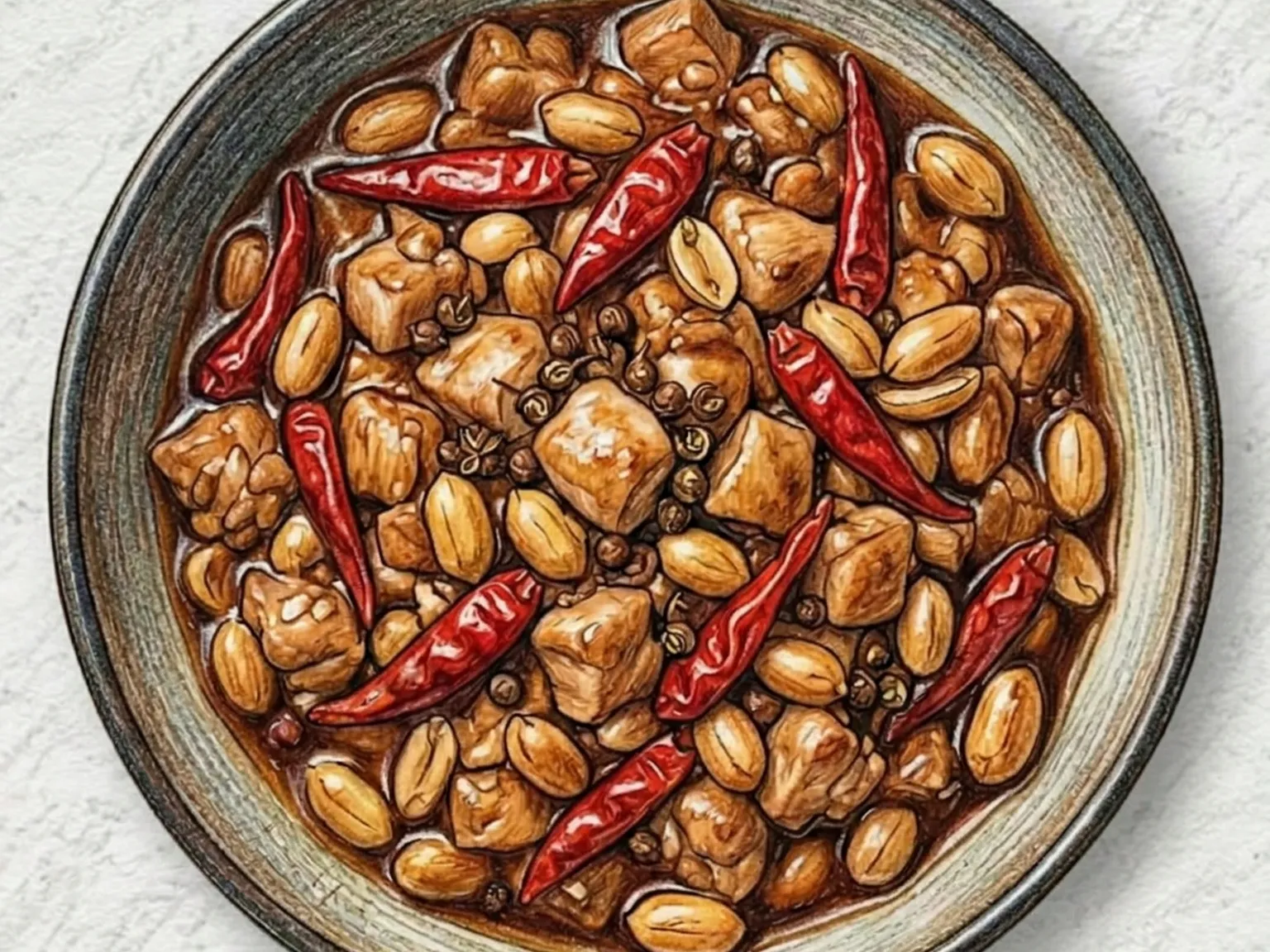
Kung Pao Chicken
Kung pao chicken is one of the defining dishes of Sichuan cuisine, built around diced chicken, roasted peanuts, and dried chilies in a sauce that hits spicy, sweet, sour, and numbing at the same time. The chicken is cut into small cubes and given a brief marinade of soy sauce and cornstarch, which seals moisture in and creates a light coating that takes on color quickly in a screaming-hot wok. Dried red chilies and Sichuan peppercorns are fried in oil as the very first step, pulling their heat and the distinctive mala tingling sensation into the fat before anything else goes in. This flavored oil becomes the foundation the entire dish is built on. Soy sauce, black vinegar, and sugar are added at the end and reduced into a glossy glaze that coats every surface. Roasted peanuts go in last so they stay crunchy, and chopped scallion brings a clean, fresh finish. The interplay of sharp chili heat, tongue-numbing peppercorn, tangy vinegar, and toasty peanut in a single bite is what carries this dish beyond Sichuan into kitchens worldwide.

Korean Persimmon Vinegar Ade
Gam-sikcho ade is a Korean summer drink built on the fruity acidity of persimmon vinegar, brightened with fresh orange and lemon juice, then topped with sparkling water. The vinegar, honey, and citrus juices are mixed together first until fully combined into a uniform syrup, then poured into ice-filled glasses before the sparkling water is added. Pouring the sparkling water slowly down the inside of a slightly tilted glass preserves as much carbonation as possible. Persimmon vinegar carries a fermented fruitiness that is noticeably deeper and more rounded than plain rice or grain vinegar, giving the drink a layered sourness rather than a flat, sharp one. A few mint leaves slapped lightly against the palm to release their oils and placed on top bring a herbal lift with each sip that keeps the drink feeling cool and clean from first glass to last.
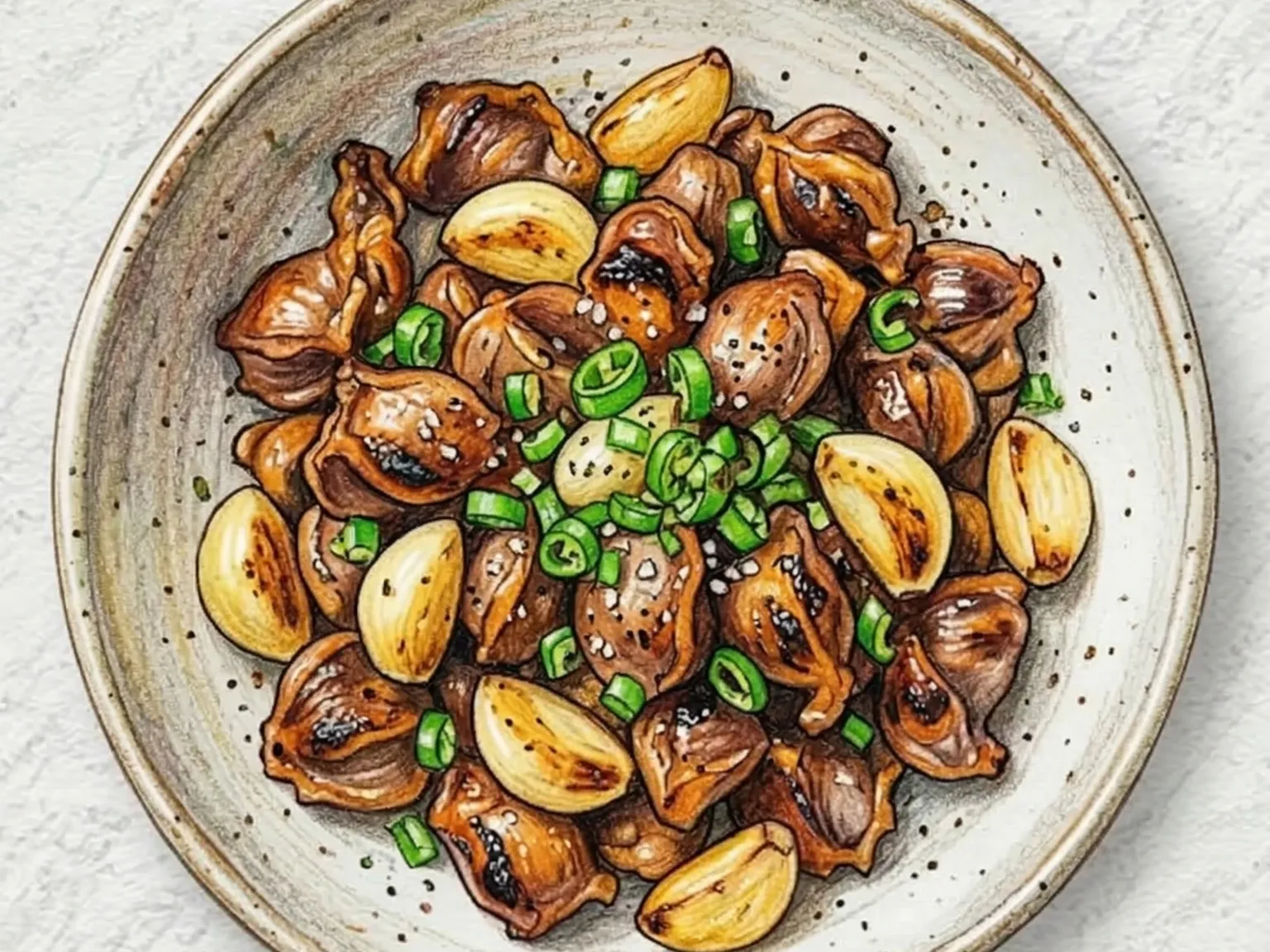
Korean Garlic-Grilled Chicken Gizzards
Dakttongjip-maneul-gui is a Korean dish of chicken gizzards grilled and stir-fried over high heat with whole garlic cloves and cheongyang chili peppers. Gizzards are dense, pure-muscle organs with a firm, satisfying chew that sets them apart from other chicken cuts. Scoring them deeply before cooking opens the compact tissue so heat penetrates evenly and seasoning reaches the interior; a ten-minute soak in cooking wine beforehand removes any off-odor and lets the flavors absorb. Whole garlic cloves cooked alongside the gizzards undergo a visible transformation - the exterior caramelizes to a golden brown while the inside softens and turns almost creamy, converting raw sharpness into a rounded, sweet depth. The seasoning stays deliberately minimal - only salt and black pepper - so the natural flavor of the gizzards remains the focus, with cheongyang chilies providing a brief, clean heat that punctuates each bite without overwhelming the palate. The dish works equally well as an anju with drinks or as a savory side with steamed rice.
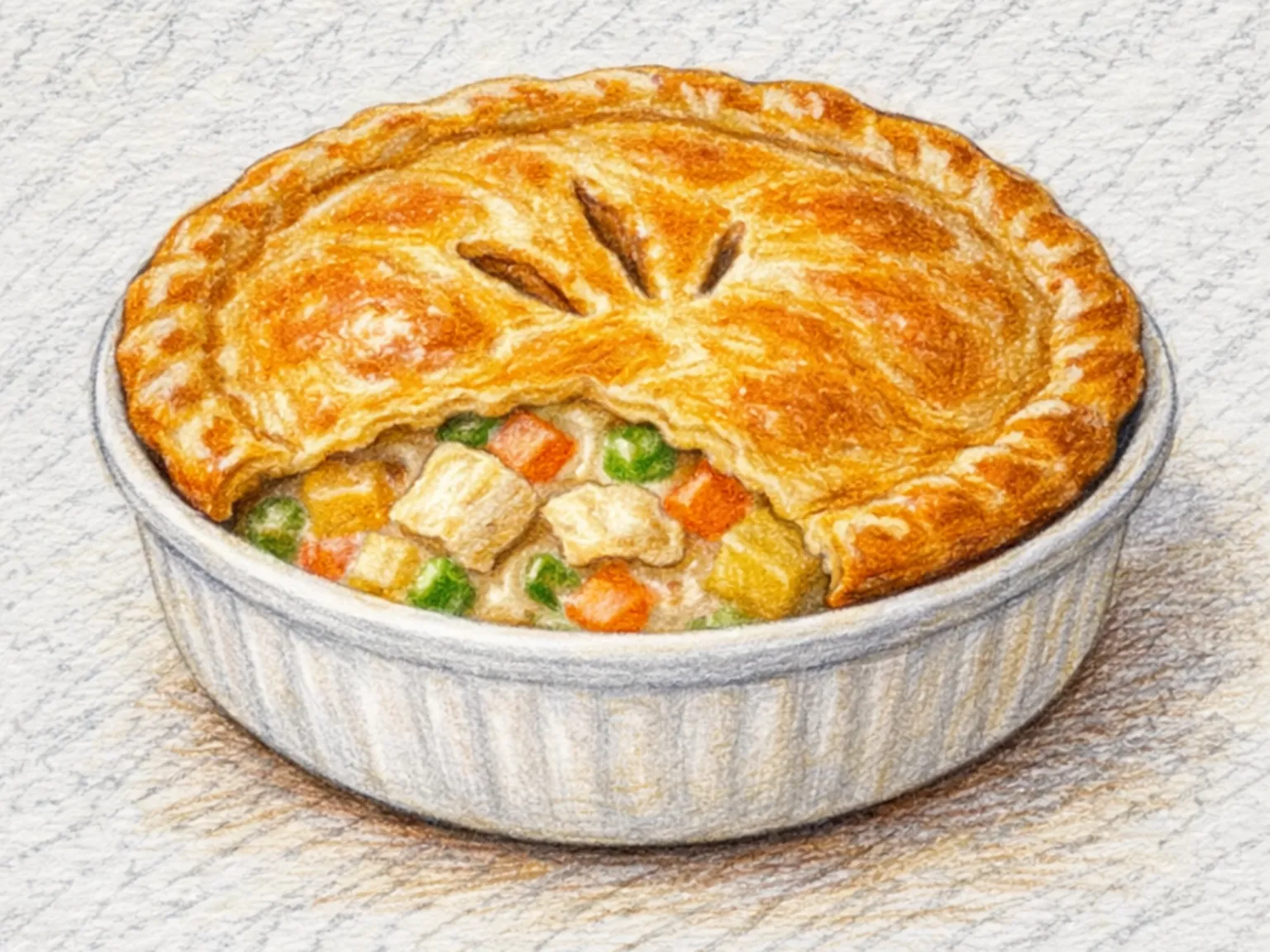
Chicken Pot Pie
Chicken pot pie fills a butter pie crust with a mixture of cooked chicken, carrots, potatoes, and peas bound in a thick, creamy roux-based sauce, then bakes until the top crust turns golden and the filling visibly bubbles at the edges. The roux begins with butter and flour cooked together over medium heat until the raw flour smell disappears, at which point chicken broth and heavy cream are whisked in gradually to form a smooth, rich sauce that coats every piece of filling without clumping. Pre-boiling the carrots and potatoes is important because the oven time alone is not sufficient to cook dense root vegetables through, while peas are stirred in at the final moment to keep their bright green color and slight resistance when bitten. Brushing the top crust with beaten egg before it goes into the oven produces the characteristic glossy, deeply golden surface that distinguishes a well-made pot pie. After 35 minutes at 200 degrees Celsius, the filling should be audibly bubbling and the crust should be firm enough to hold its shape when the pie is cut. Breaking through the flaky top layer with a spoon releases the thick cream sauce and a cloud of steam carrying the aroma of braised chicken and cooked vegetables.
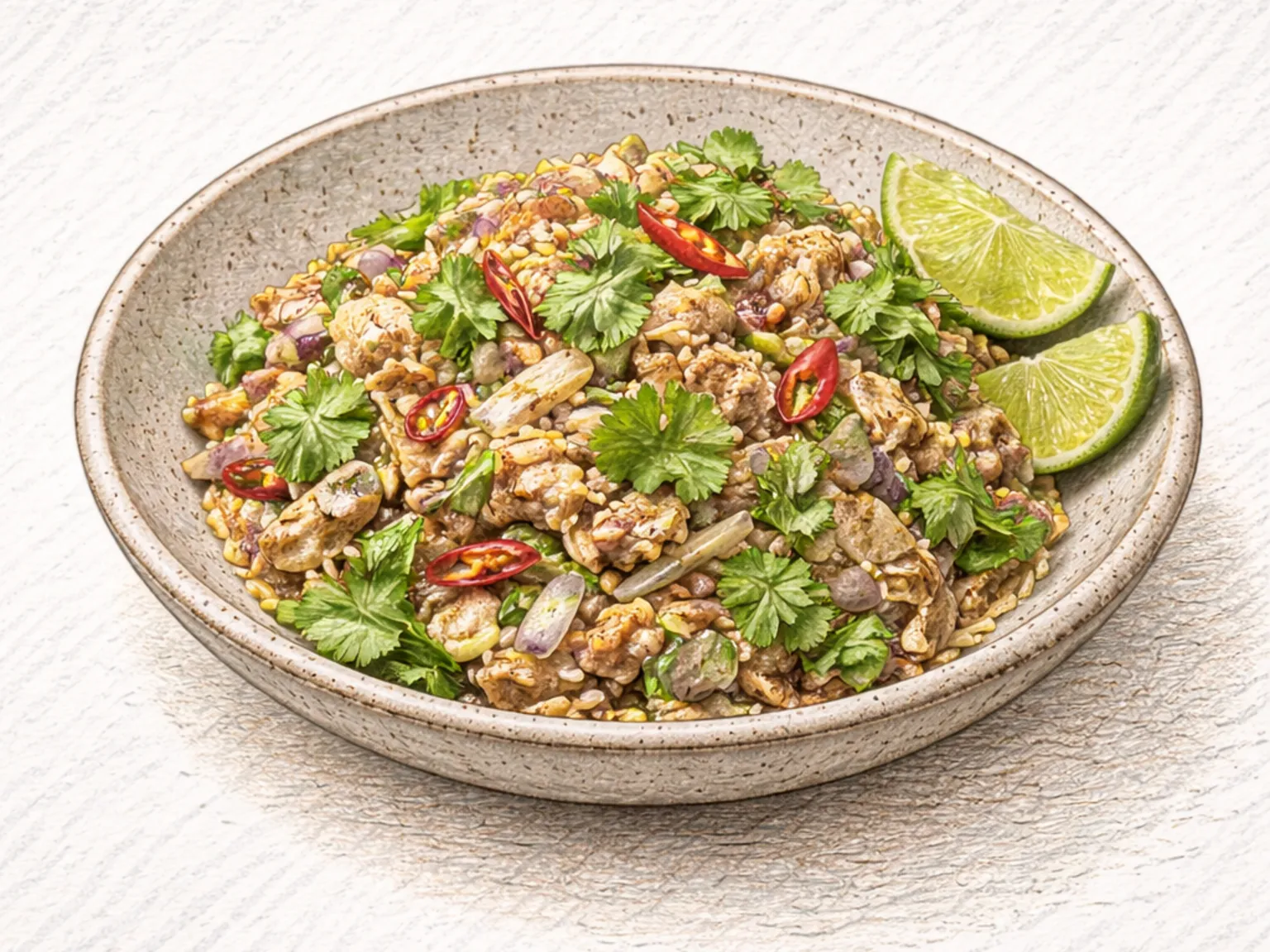
Larb Gai (Thai Isan Minced Chicken Herb Salad with Lime)
Larb Gai is a traditional herb salad from the Isan region of northeastern Thailand, featuring minced chicken as its base. The preparation starts by cooking ground chicken with a small amount of water until it is no longer pink, ensuring the meat remains tender and crumbly. Once removed from the heat, the warm chicken is seasoned with lime juice, fish sauce, sugar, and chili flakes. Adding the lime juice off the heat preserves its natural acidity and bright aroma. Thinly sliced shallots and toasted rice powder are then folded into the mixture. The toasted rice powder acts as a binding agent that absorbs the juices while providing a distinct nutty crunch. Fresh mint leaves are tossed in at the very end to prevent them from darkening. The salad is served alongside sticky rice, lettuce, or cabbage cups.
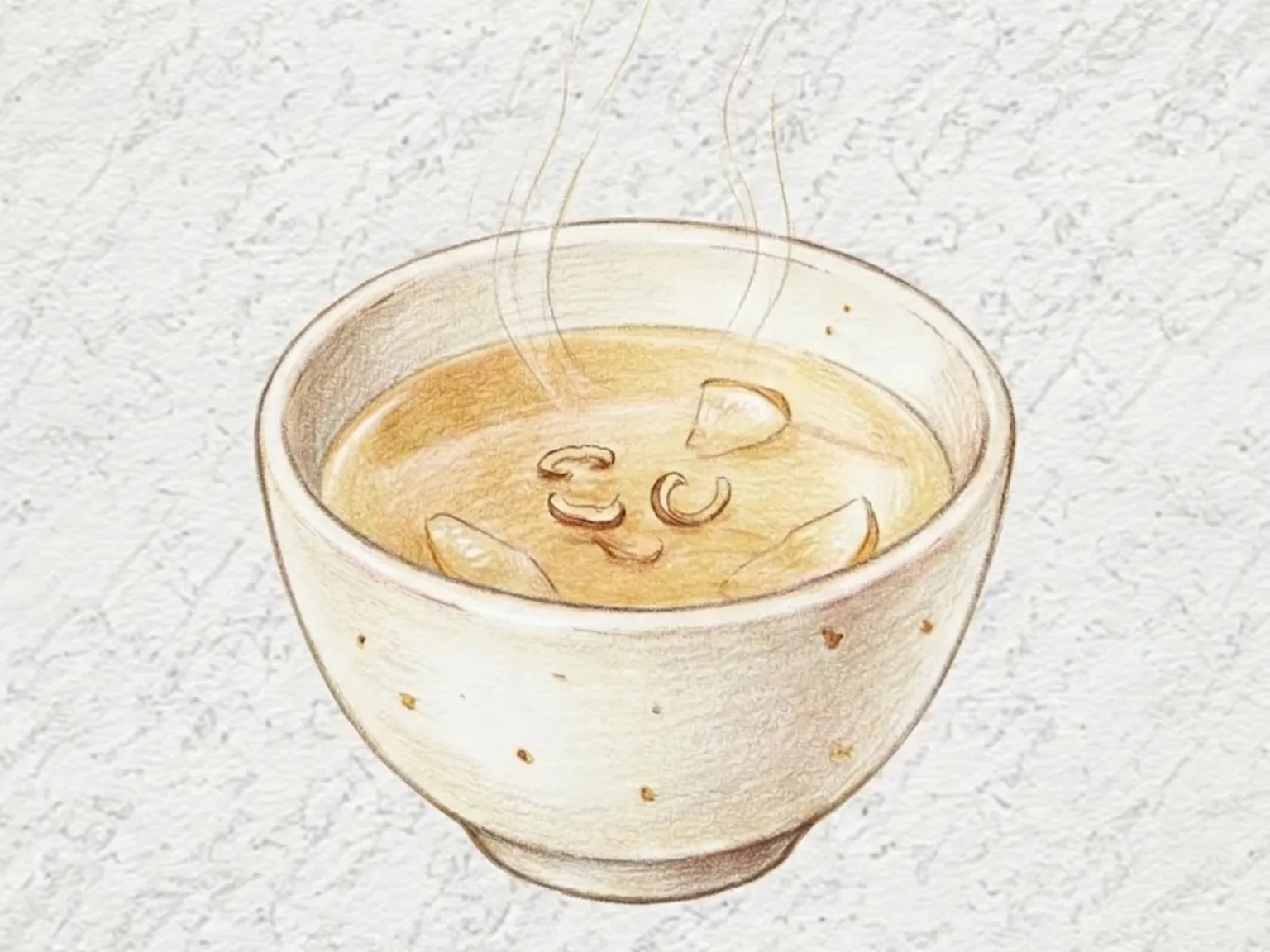
Korean Licorice Pear Tea (Sweet Root and Fruit Brew)
Gamcho-bae-cha is a Korean herbal tea that simmers licorice root and Korean pear together so the root's natural sweetness and the fruit's light juice meld into a single, unified infusion. The licorice is rinsed in cold water for five minutes to temper any harsh edge, and keeping it to about three grams per serving prevents the sweetness from becoming cloying. Jujube and ginger join the pot for fifteen minutes to deepen the base, then the pear goes in for a final eight to ten minutes until its flesh softens and its juice infuses the broth. The tea is strained clear and served with honey and a few pine nuts whose mild, fatty richness floats on top of the sweetness. In traditional Korean medicine, licorice root is used to soothe coughs and throat irritation, and the pairing with pear traces back to remedies historically recommended for dry or sore throats during seasonal transitions. Chilled and refrigerated, it works equally well as a cooling summer drink, while served hot it is associated with supporting throat health in changing weather.
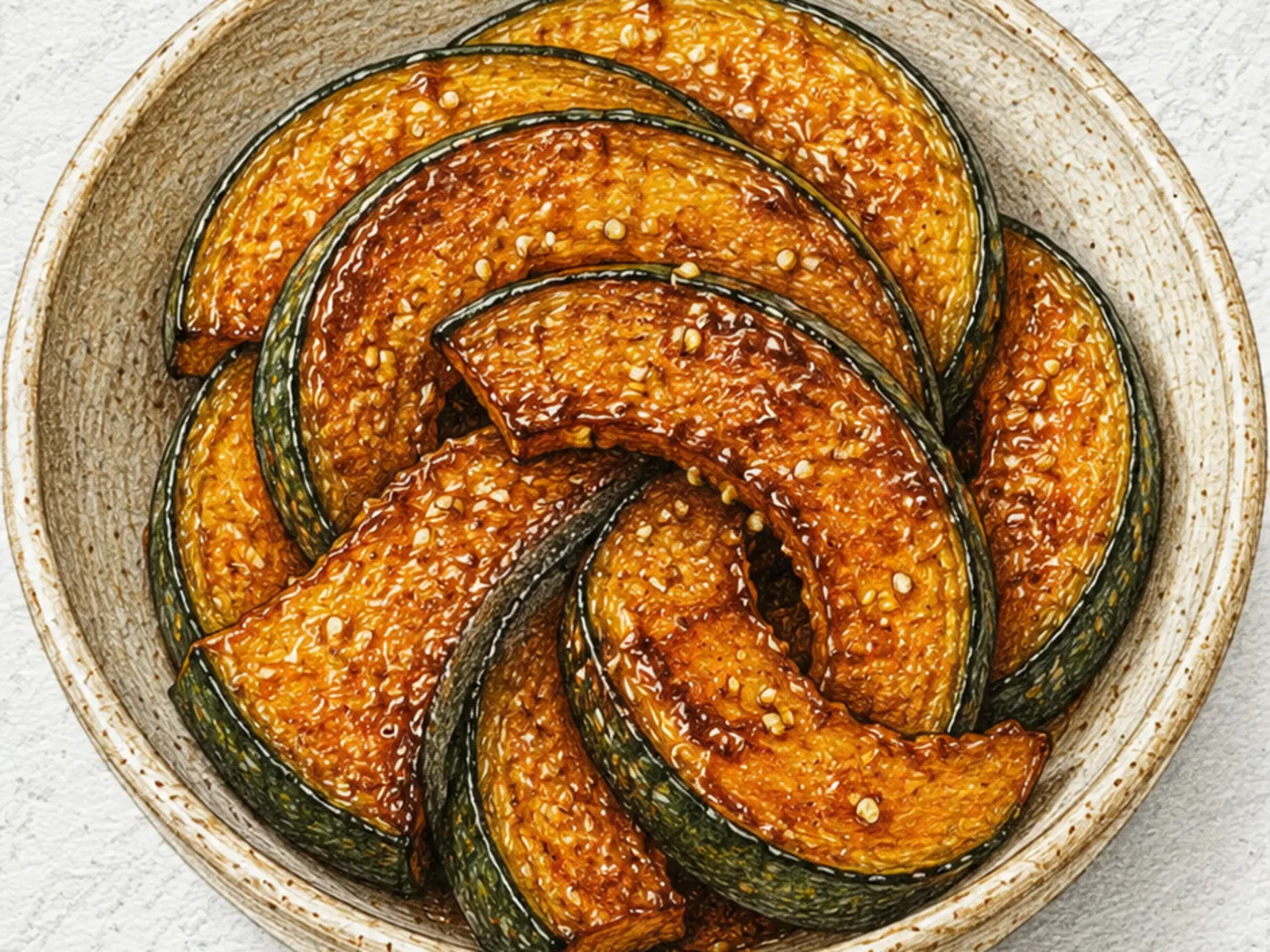
Korean Soy-Glazed Kabocha Grill
Danhobak-ganjang-gui is a Korean soy-glazed kabocha squash dish where thick half-moon slices are pre-steamed or microwaved until just tender, then pan-grilled with a glaze of soy sauce, corn syrup, minced garlic, and sesame oil. Pre-cooking the squash is essential: it eliminates the need for prolonged grilling, so the glaze can caramelize quickly over high heat without the interior remaining raw. The natural sugars in kabocha meet the salt of the soy sauce to create a pronounced sweet-salty contrast. The corn syrup melts into a shiny, lacquer-like coating on the surface. Sesame oil should be added only after removing from heat to preserve its fragrance, and a scattering of toasted sesame seeds finishes the dish with a crunchy, nutty accent. Kabocha squash skin is fully edible and becomes slightly crisp when grilled, creating a pleasant textural contrast with the soft, sweet interior. Substituting a spoonful of gochujang for part of the soy sauce produces a spicy variation, and minced cheongyang chili added to the glaze layers heat over the sweet-salty profile for a more intense side dish.
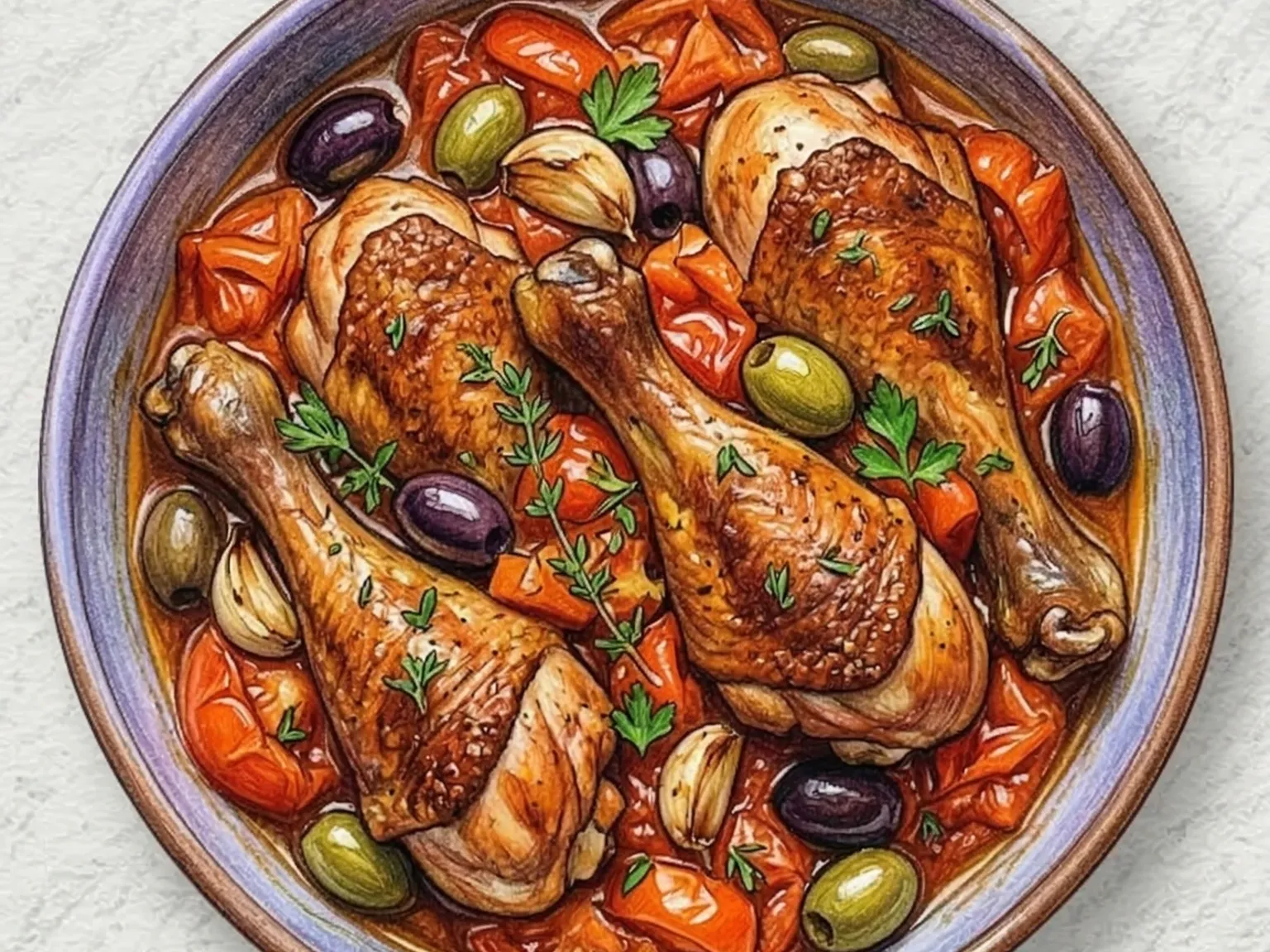
Chicken Provençal (South French Tomato Olive Herb Chicken)
Chicken Provencal sears chicken thighs skin-side down on high heat until deeply golden, then braises them with cherry tomatoes, black olives, capers, garlic, and thyme in white wine for a southern French home-style dish. A prolonged sear of the chicken skin develops both crispness and a rich layer of fond on the pan bottom, which the wine dissolves into the sauce during deglazing. As the cherry tomatoes burst during cooking, their juice combines with the salty olives and sharp capers to form a bright, layered Mediterranean sauce. Twenty minutes of covered simmering followed by eight to ten minutes uncovered concentrates the sauce and allows it to penetrate the chicken deeply. A small amount of lemon zest stirred in at the end clarifies and lifts the aromatics of the finished dish. Using whole unpitted olives rather than pitted ones during cooking lets a slight bitterness leach from the pits into the sauce, adding an extra dimension that rounds out the sweetness of the tomatoes.
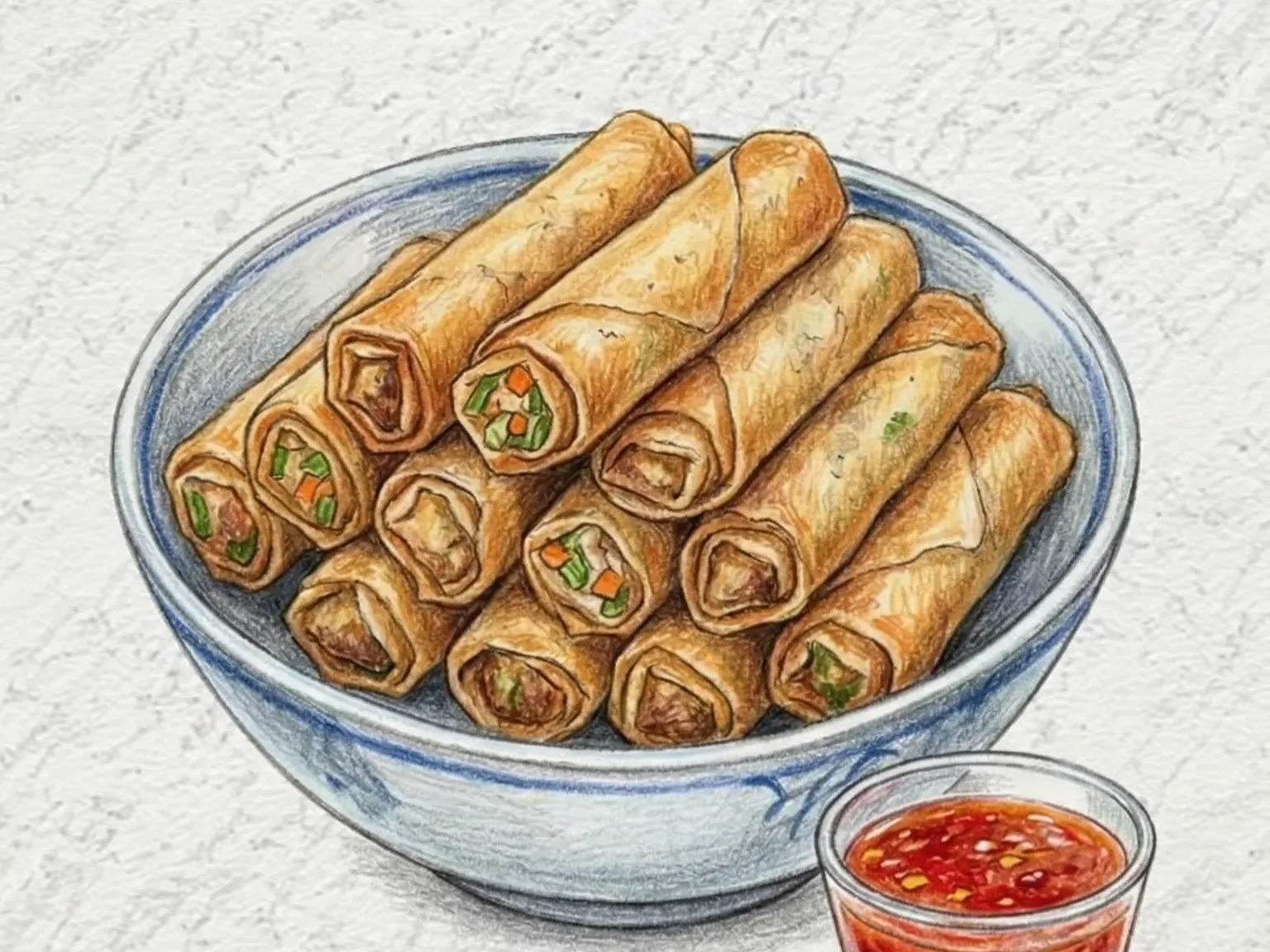
Lumpiang Shanghai (Filipino Deep-Fried Pork Spring Rolls)
Lumpiang Shanghai is the spring roll that appears without fail at every Filipino celebration, from birthday parties to holiday feasts and town fiestas. Ground pork is mixed with finely diced carrots, onions, and scallions, seasoned with soy sauce and black pepper, then rolled into finger-length cylinders using thin spring roll wrappers before being deep-fried to a golden, audibly crisp shell. The moment teeth break through the shattering exterior, well-seasoned and juicy meat pours out from within, and that contrast is the core of its appeal. Served alongside a sweet chili dipping sauce or a sharp vinegar sauce, the richness of the pork and the acidity of the condiment lock together in a way that makes stopping at one piece genuinely difficult. The rolls hold their crispness at room temperature far longer than most fried foods, which is why trays of them tend to disappear within minutes at any gathering. Adding shrimp to the pork filling introduces a springy bite and a layer of brininess that takes the flavor a step further.
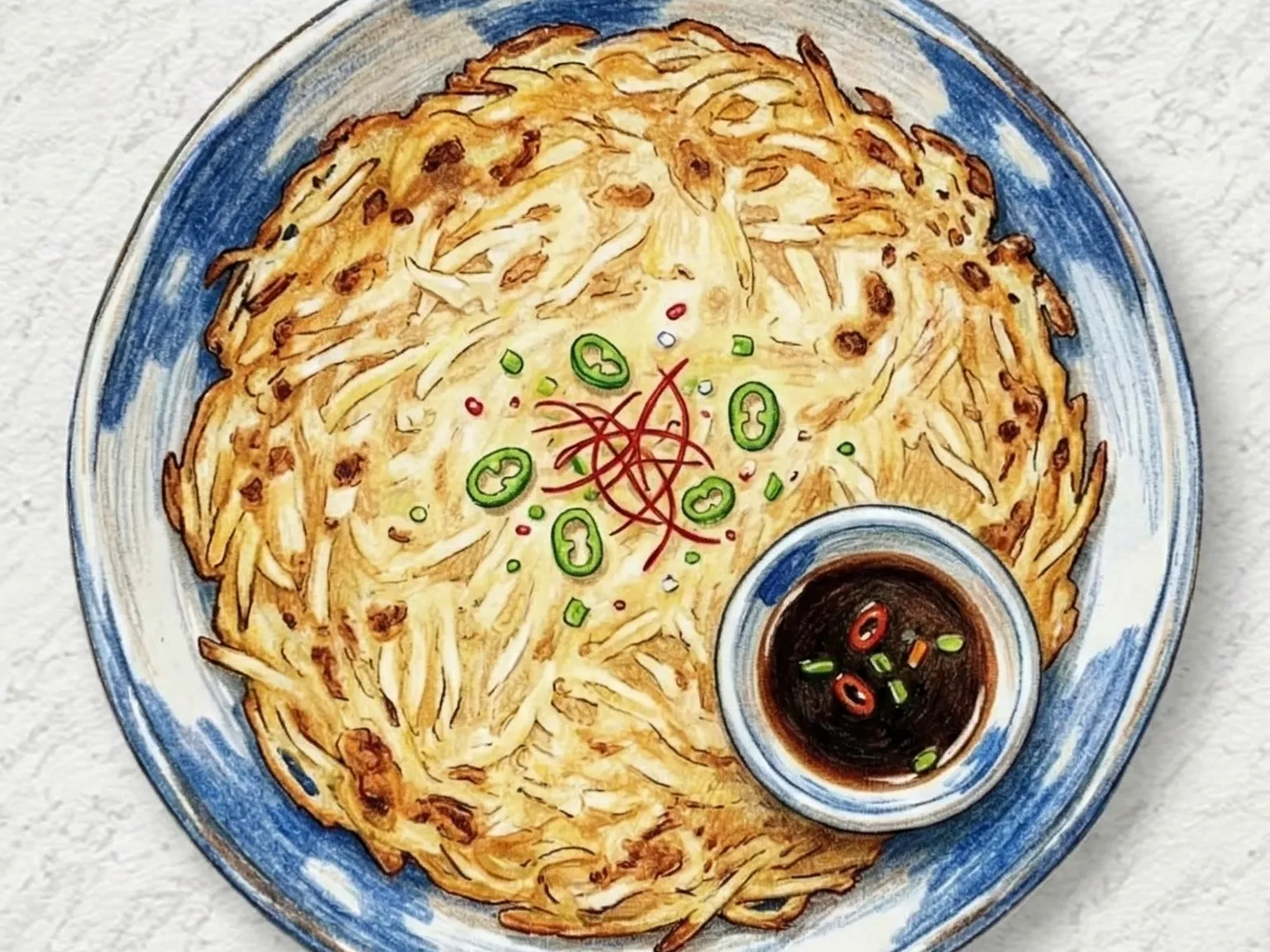
Korean Crispy Potato Pancake
Gamja-jeon is a Korean potato pancake made by finely grating raw potatoes, letting the starch settle out of the liquid for at least ten minutes, discarding the water, and folding the settled starch back into the pulp to improve binding. Waiting long enough for full starch separation is what gives the batter enough cohesion to hold together when the pancake hits the hot pan. Spreading the batter as thinly as possible produces glass-crisp edges while the center retains a chewy, starchy bite characteristic of potato starch. The first side must cook all the way through and the underside must firm up completely before any attempt to flip, and using two spatulas simultaneously makes the turn fast enough to keep the pancake intact. Frying both sides over medium heat until evenly golden delivers a crust that is crisp on the outside while the center stays moist. A dipping sauce of soy sauce, vinegar, and minced cheongyang green chili cuts through the oily richness with sharpness and heat.
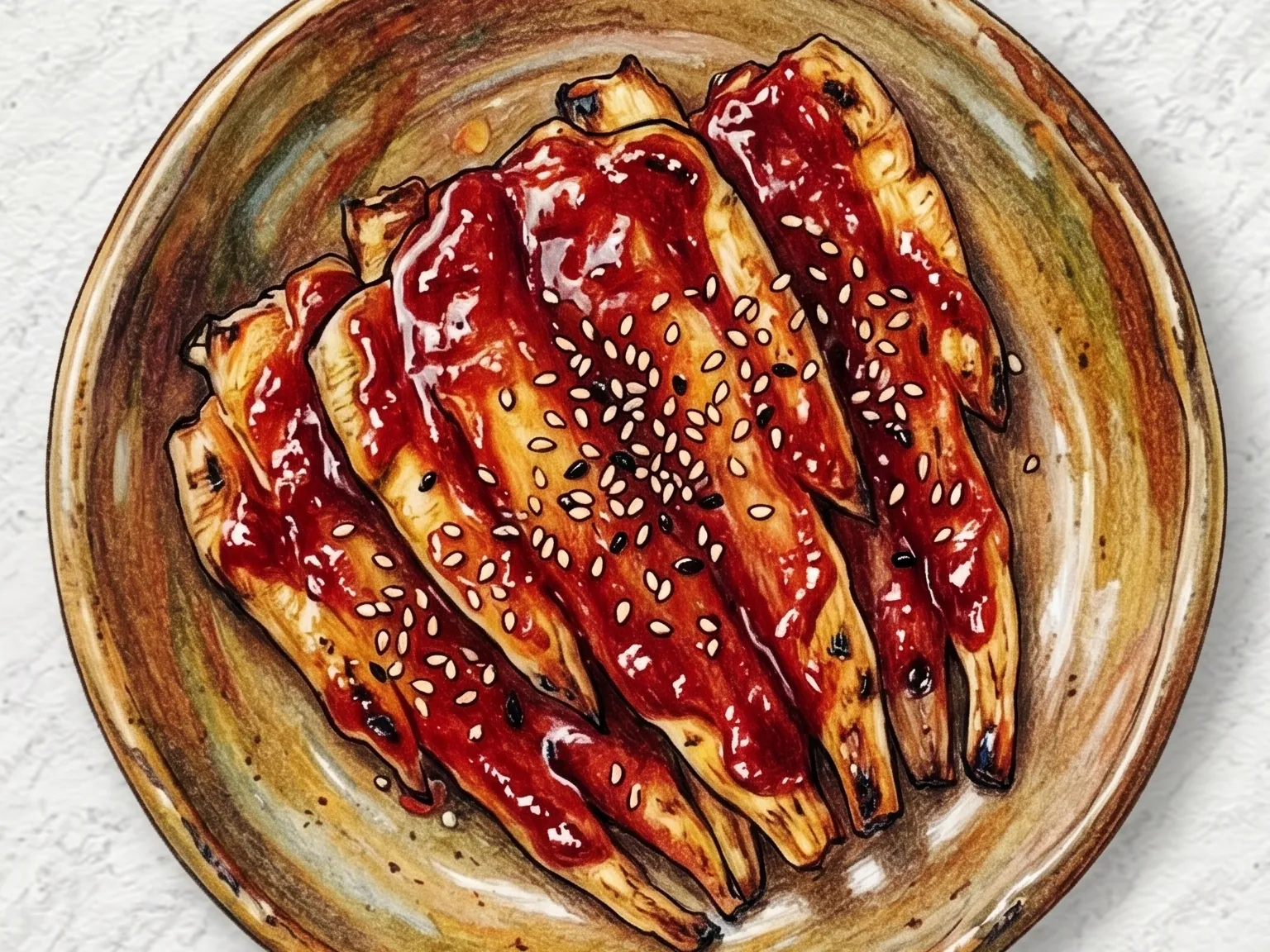
Korean Grilled Deodeok Root
Deodeok-gui is a traditional Korean mountain vegetable dish where peeled deodeok roots are pounded flat with a mallet, coated in a paste of gochujang, gochugaru, honey, sesame oil, and garlic, then grilled over high heat. The pounding step is critical: it breaks down the tough fibers so the seasoning absorbs evenly and the root develops a pleasant chewiness instead of remaining stringy. Soaking the peeled deodeok in lightly salted water for about thirty minutes before pounding draws out the sharpest bitterness, leaving only the characteristic mellow, slightly medicinal aroma the root is known for. That bittersweet quality sits in balance between the fermented spice of gochujang and the sweetness of honey. Quick grilling at high temperature chars the glaze just enough to add smokiness while keeping the interior moist; applying the seasoning paste in two stages during grilling builds a thicker, glossier layer on the surface. Toasted sesame seeds scattered on top contribute nuttiness that complements the wild herb's earthy, resinous character.
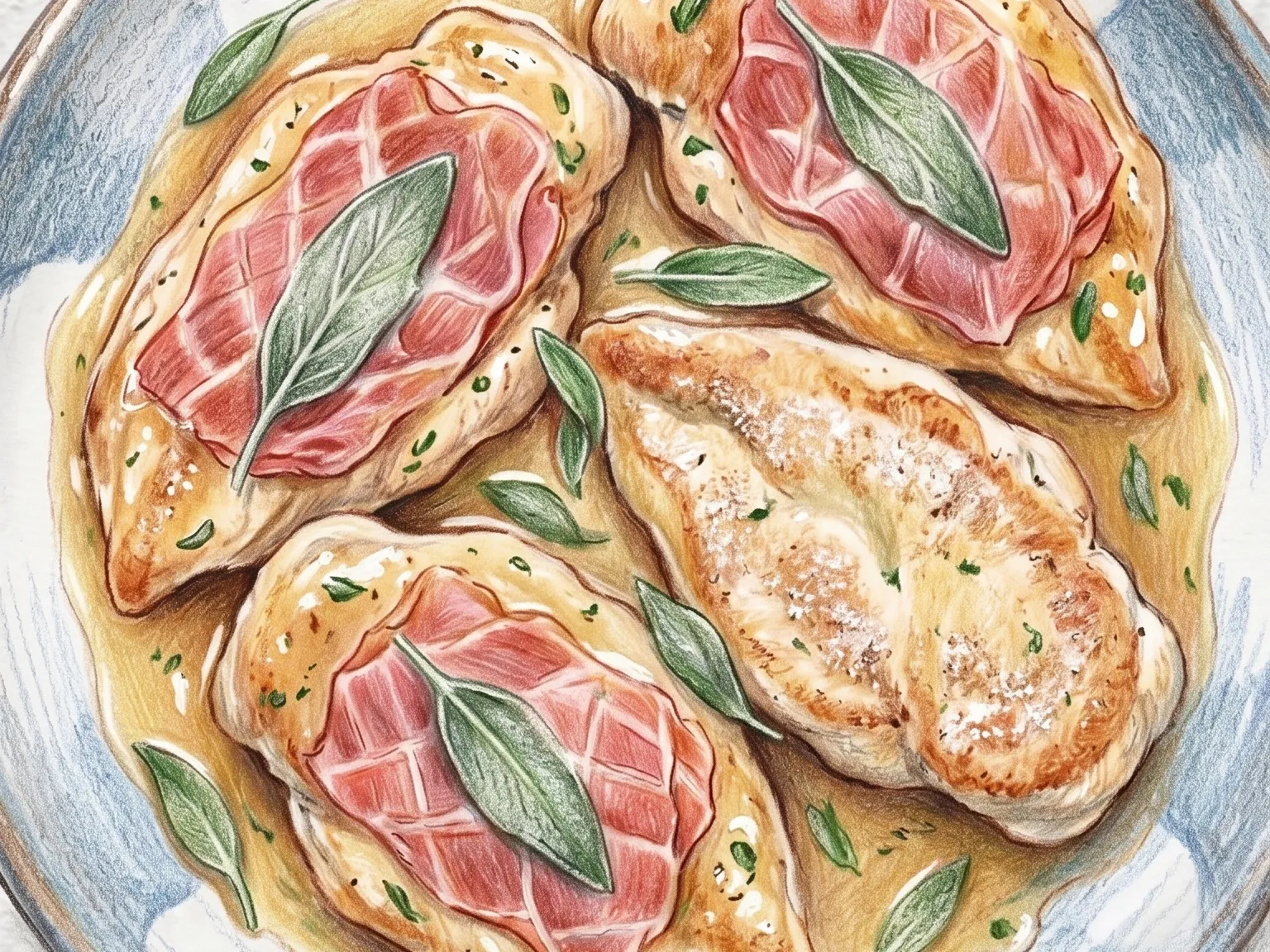
Chicken Saltimbocca (Prosciutto and Sage Italian Chicken Sauté)
Chicken saltimbocca is an Italian preparation that layers fresh sage leaves and cured prosciutto over pounded chicken breast, sears the whole assembly in one pan, and finishes the plate with a sauce reduced from white wine, chicken stock, and cold butter. The name translates from Italian as 'jumps in the mouth,' which captures how the salty intensity of prosciutto and the resinous punch of sage announce themselves against the neutral backdrop of the chicken breast. Dusting only the bare underside with flour before placing it prosciutto-side up in the pan creates a light crust on the floured surface while the prosciutto crisps directly against the heat and the sage leaf fries in the rendered fat between the meats. Deglazing with white wine lifts all the caramelized fond from the pan base, and simmering it down with chicken stock by roughly half concentrates the liquid into a sauce with real body. Whisking cold butter in small pieces into the reduced sauce off the heat emulsifies it into a glossy, smooth coating that pools around the chicken on the plate. Pounding the breast to a uniform thickness before cooking ensures it cooks evenly without drying out the thinner edges.
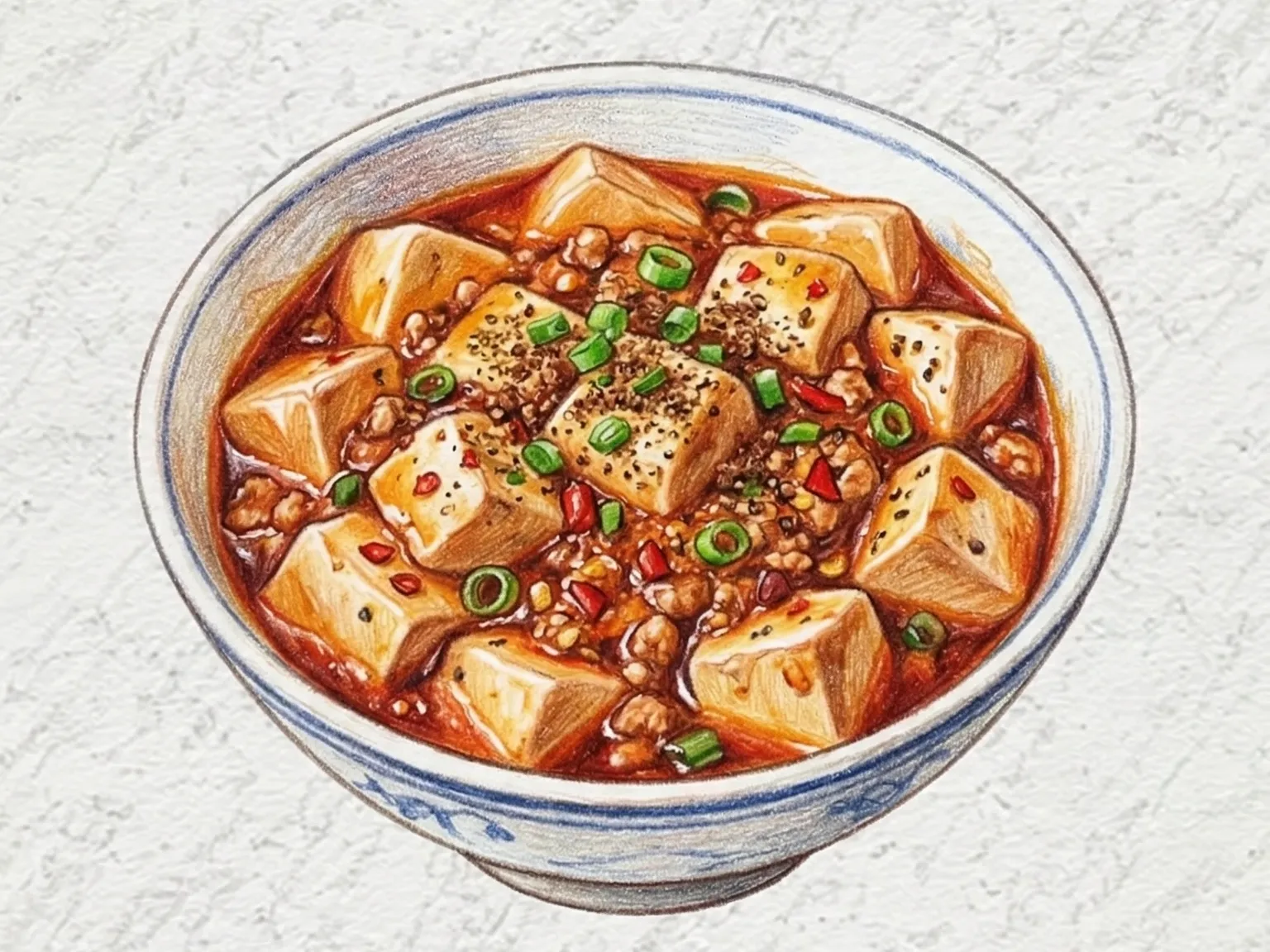
Sichuan Spicy Tofu (Mapo Tofu)
Mapo tofu is the dish that defines Sichuan cooking for much of the world, and it earns that reputation through an uncompromising combination of heat and numbing spice. Blocks of silken tofu are slid carefully into a wok with ground pork, doubanjiang (fermented chili bean paste), and a generous measure of ground Sichuan pepper, then cooked at high heat until the sauce tightens and coats every cube completely. The doubanjiang provides fermented depth and an unmistakable rusty-red color that signals its flavor before the first bite, while the Sichuan pepper delivers the numbing, tingling sensation known as ma that separates this dish from any other spicy food. Each cube of tofu absorbs the sauce at its edges while remaining silken at the center, creating a contrast between the spiced exterior and the cool, neutral interior that makes each bite dynamic. Spooned generously over steamed rice, the thick sauce penetrates between every grain, pulling together the entire bowl into a single cohesive experience. The interplay of ma (numbing) and la (spicy heat) is the defining characteristic of Sichuan cuisine, and mapo tofu demonstrates that pairing with more clarity and intensity than almost any other dish in the repertoire.
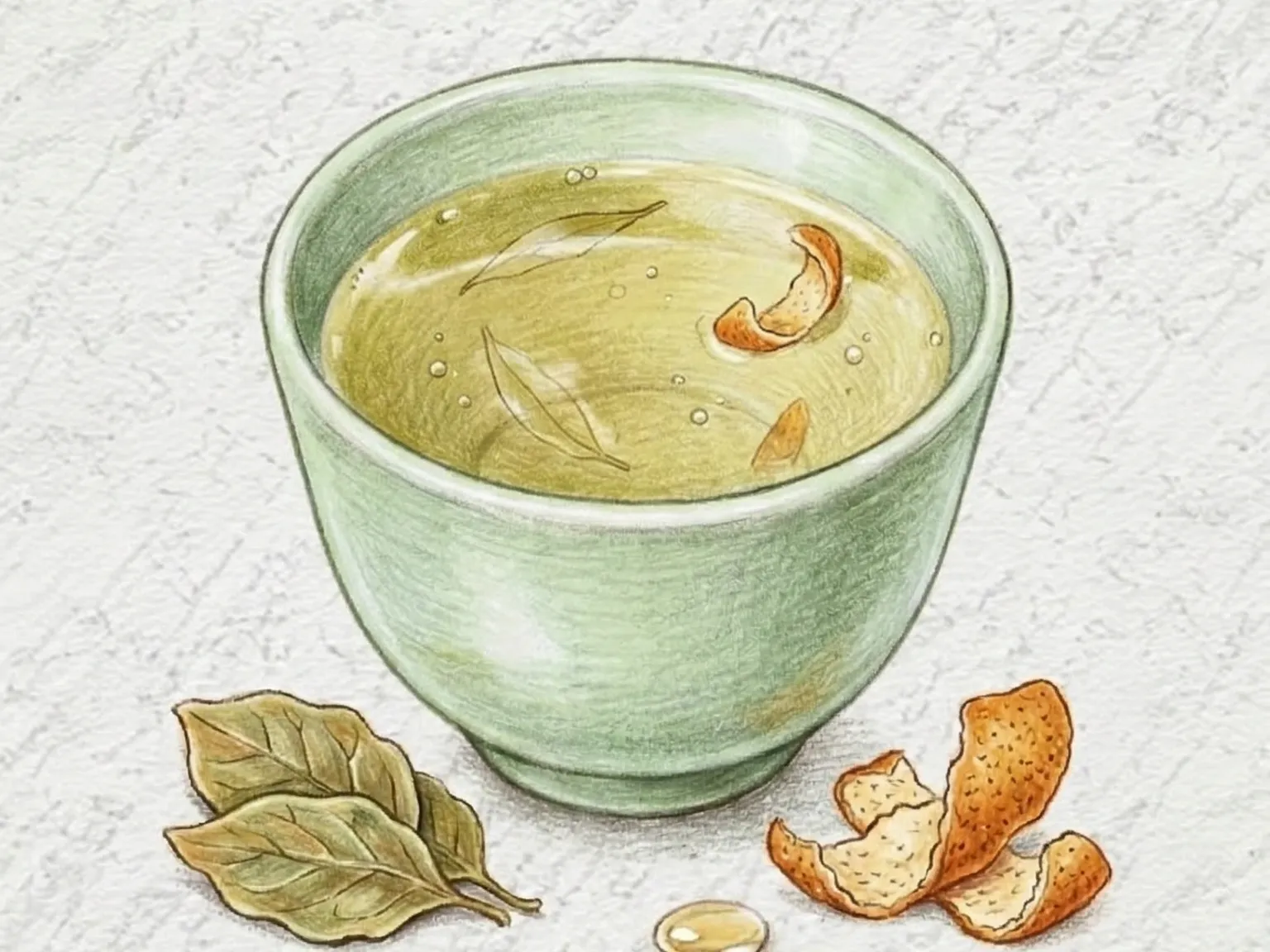
Korean Persimmon Leaf Tea
Gamnip-cha is a Korean caffeine-free tea made by simmering dried persimmon leaves and dried tangerine peel together - no rolling boil, just a low steady heat held for twelve minutes. That slow extraction pulls out the soft, grassy character of the leaves while keeping astringency in check. Thinly sliced Korean pear, skin on, goes into the pot for natural sweetness and a clean brightness, and the tangerine peel stays at a small quantity so it supports rather than overtakes the leaf aroma. Once strained, honey goes in and a trace of ground cinnamon finishes the cup. With no caffeine, it works equally well in the morning or late at night.
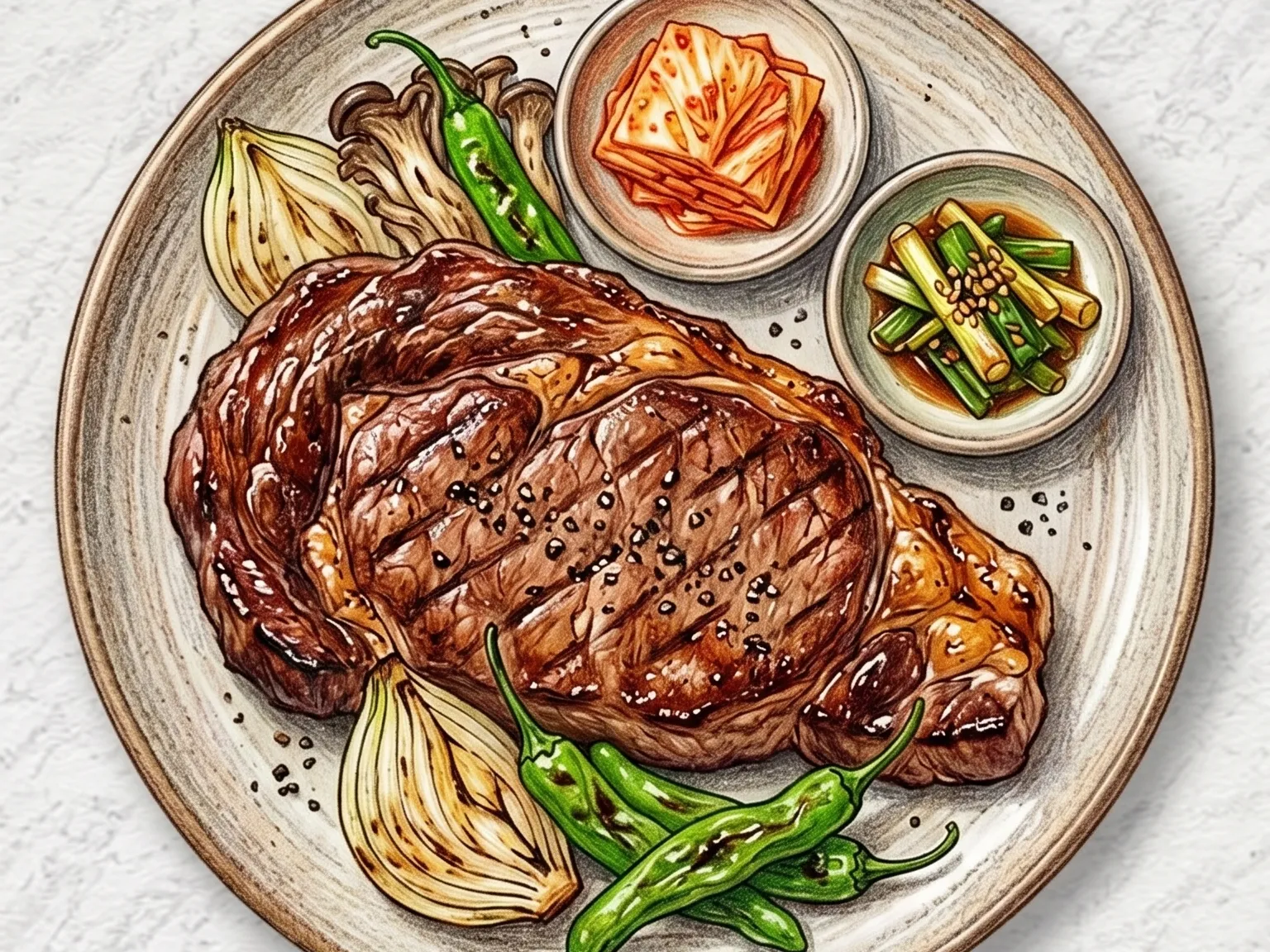
Korean-Style Sirloin Steak
Deungsim steak-gui is a Korean-style sirloin steak marinated in soy sauce, sesame oil, sugar, minced garlic, and Korean pear juice, then seared on a hot pan or grill until done. Pear juice contains enzymes that break down surface proteins to tenderize the meat, though marinating beyond thirty minutes risks turning the texture mushy, so timing matters. The flavor base departs from Western steak fundamentals - soy sauce and sesame oil define the savory character here, and the sugar caramelizes at high heat into a sweet-salty crust on the exterior. Coarsely cracked black pepper goes on last, adding heat and sharpness that pushes the result toward a midpoint between bulgogi and a conventional grilled steak.