🥗 Light & Healthy Recipes
Light, healthy, low-calorie dishes
712 recipes. Page 7 of 30
These low-calorie recipes prove that healthy eating does not have to be boring. High-protein meals, vegetable-forward dishes, and low-carb options - all designed to support weight management and better eating habits.
Diet-friendly does not mean small portions or bland flavors. Chicken breast, tofu, konjac, and eggs provide lasting satiety, while smart seasoning and cooking methods keep the taste appealing. Build a sustainable, healthy routine with these recipes.
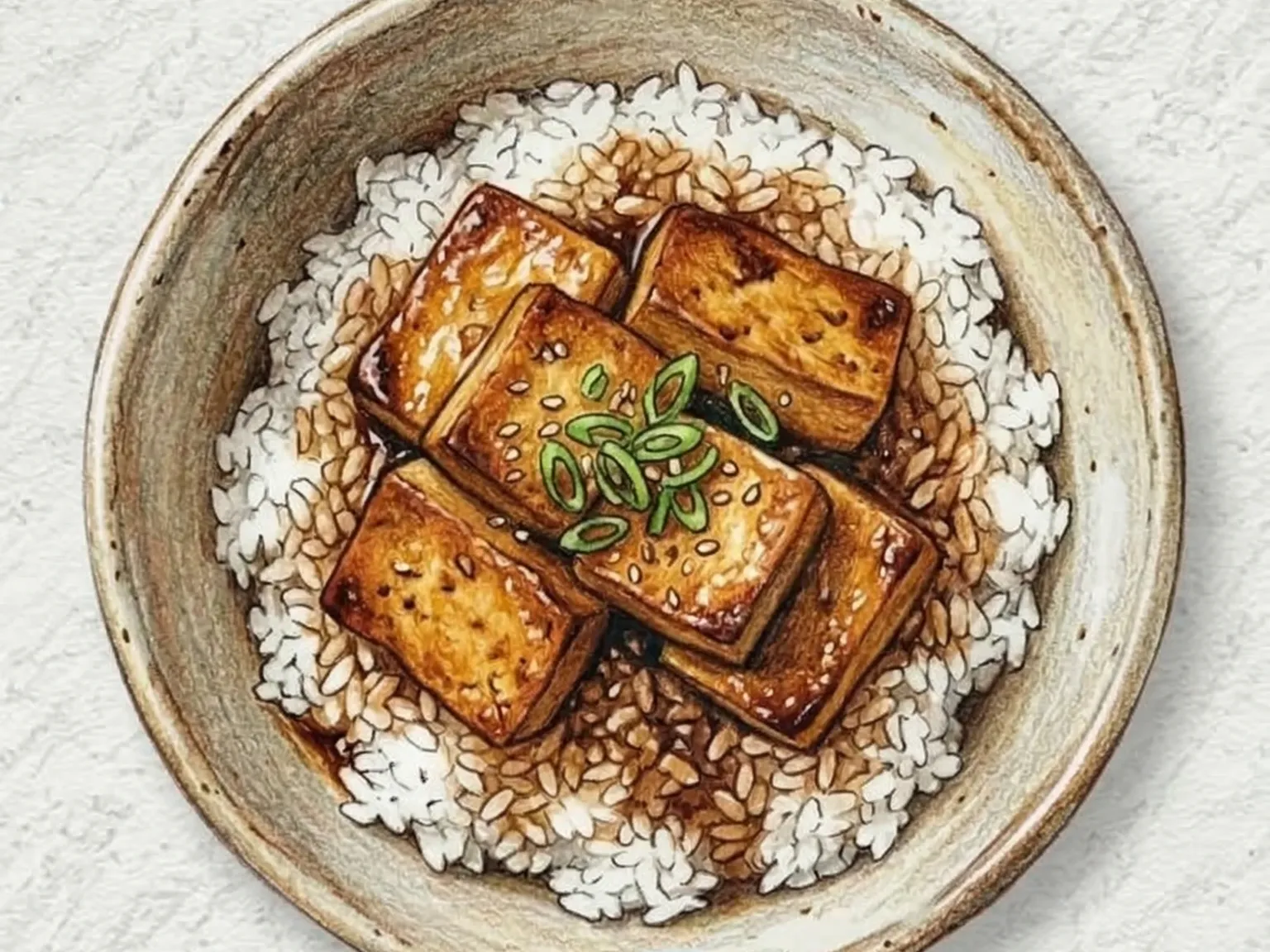
Korean Braised Tofu Rice Bowl
Dubu jorim deopbap places soy-braised tofu over a bowl of hot steamed rice, using the reduced braising glaze as the primary seasoning for the entire dish. Firm tofu is sliced into rectangles, patted dry to remove surface moisture, and pan-fried over high heat until a dense golden crust forms on both sides. This crust is essential - without it, the tofu absorbs the braising sauce too quickly and falls apart. With it, the exterior holds its structure while the interior slowly soaks up the seasoning from the inside out. The braising sauce is built from soy sauce, sugar, minced garlic, and a small amount of water. Sliced onion cooks alongside the tofu in the sauce, softening and dissolving into the liquid to contribute sweetness as the sauce reduces to a sticky, mahogany-colored glaze. Cheongyang chili, sliced on the bias, introduces a sharp clean heat that cuts through the sweetness of the sauce. Green onion goes in last, just before plating, to keep its fragrance intact. The finished sauce is spooned over the rice along with the tofu, where it seeps into each grain and ensures that flavor remains consistent from the first bite to the last. The dish stands on its own without additional side dishes and provides a practical source of plant protein for vegetarian meals.
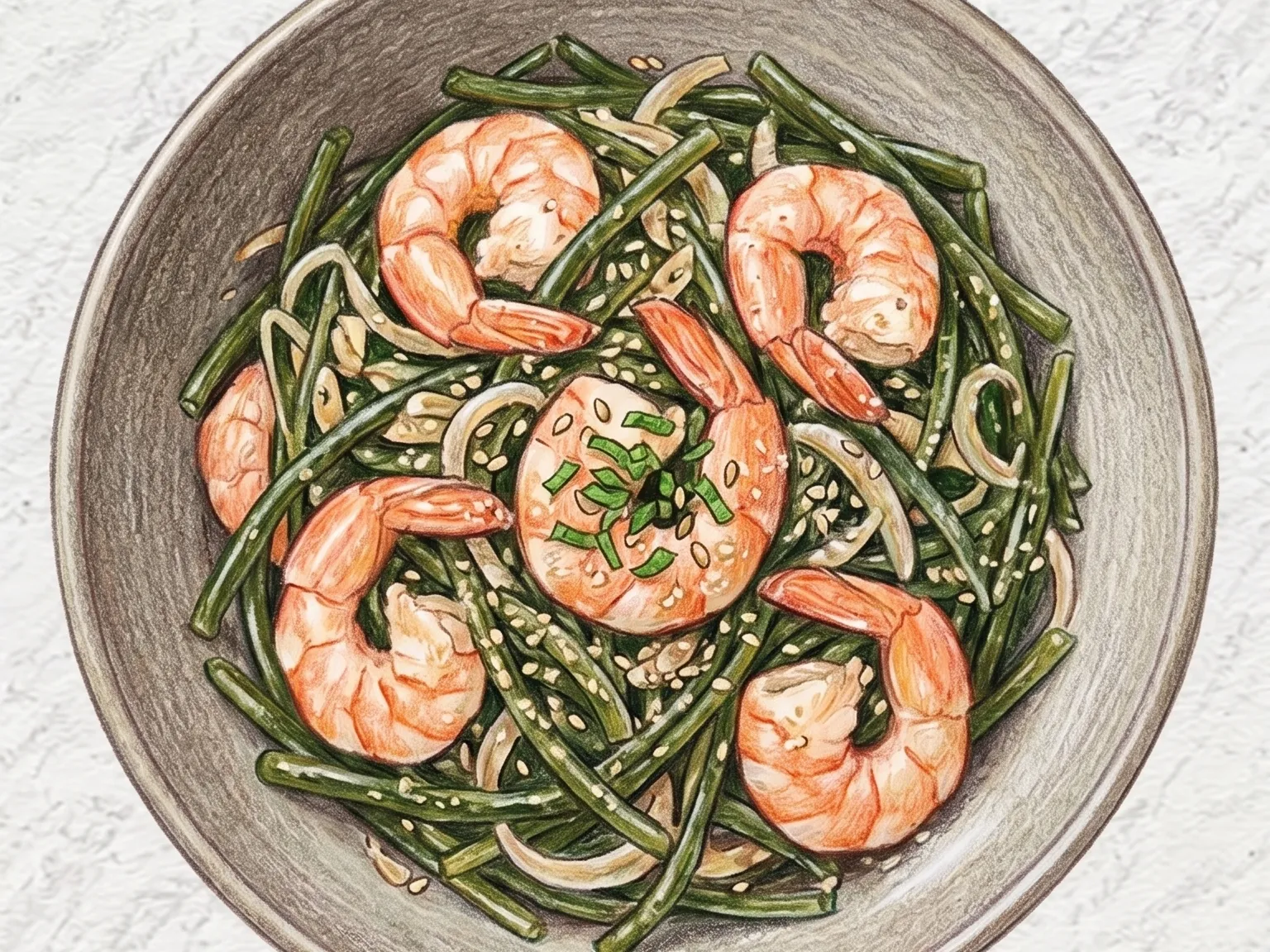
Korean Seaweed Stem & Shrimp Stir-fry
Miyeokjulgi-deulkkae-saeu-bokkeum combines desalted seaweed stems and medium shrimp, stir-fried in perilla oil and finished with a generous coating of perilla seed powder. The seaweed stems are soaked in cold water for ten minutes to draw out excess salt, then cut into five-centimeter pieces that retain a distinctive chewy-crunchy bite throughout cooking - a textural contrast that keeps each forkful interesting against the springy shrimp. Onion and garlic are sauteed first to establish a sweet aromatic base, the shrimp are added until they turn pink, and then the seaweed stems join the pan for a quick toss over high heat. Soup soy sauce provides the only seasoning, keeping the flavor profile clean and allowing the two main ingredients to come forward. Perilla powder goes in immediately after the heat is off so its nutty, slightly grassy aroma stays fully intact through serving. The combination of perilla's earthy nuttiness and the seaweed's oceanic minerality gives this simple banchan a layered depth that reads distinctly Korean.
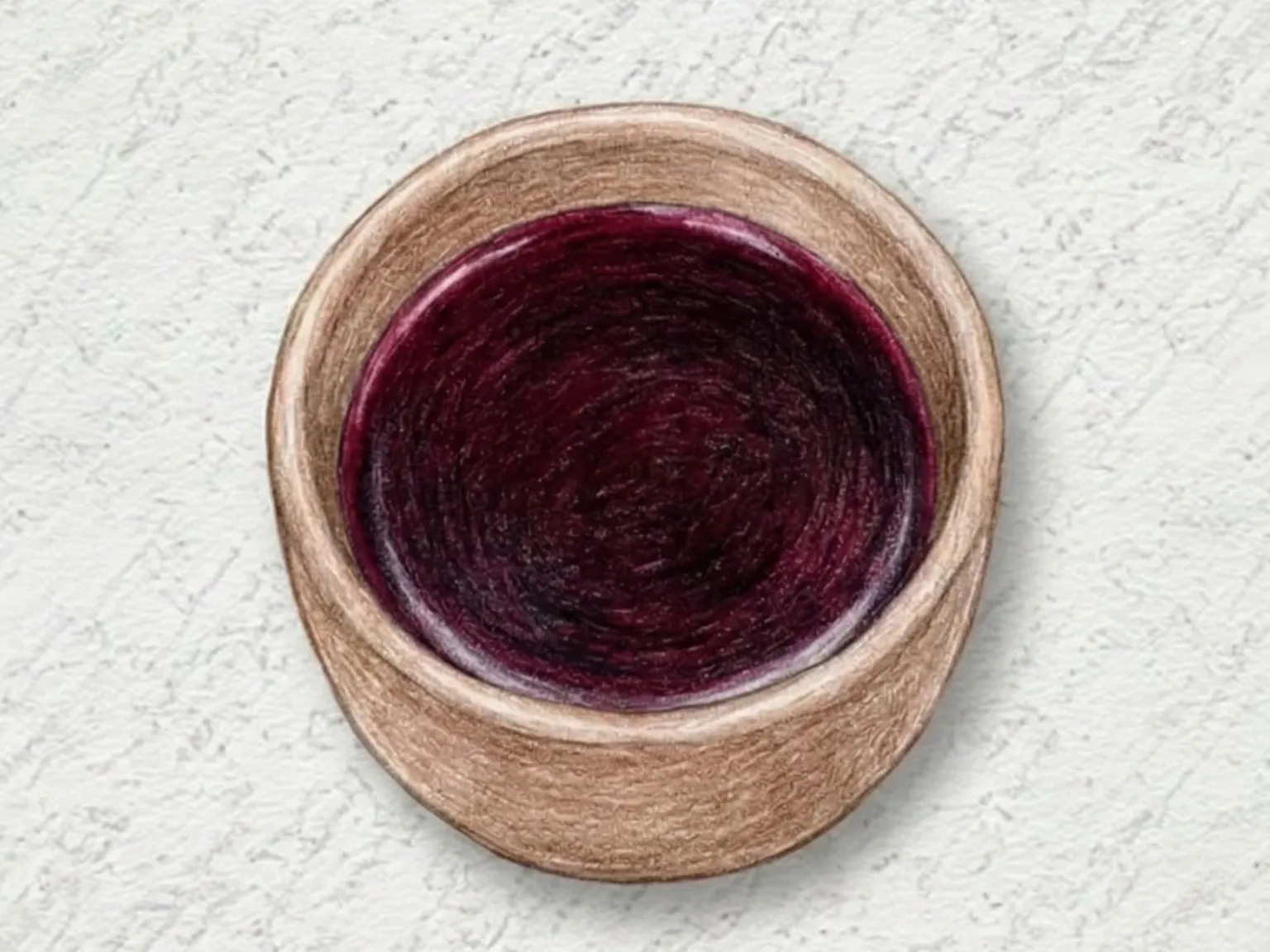
Korean Bokbunja Wine (Black Raspberry Soju-Infused Fruit Wine)
Bokbunja-ju is a deep ruby Korean fruit wine made by layering fresh black raspberries and sugar in a sterilized jar, then covering them with soju along with a strip of lemon peel and a cinnamon stick. At 1.2 kg of fresh fruit per batch, the berry flavor comes through with real concentration. The jar rests in a cool place for at least thirty days and is shaken gently once a week to dissolve the sugar evenly throughout the liquid. After straining through fine cloth, additional bottle aging softens the acidity and rounds out the berry aroma, producing a wine where the warm spice undertones from the cinnamon balance the tartness of the raspberries.
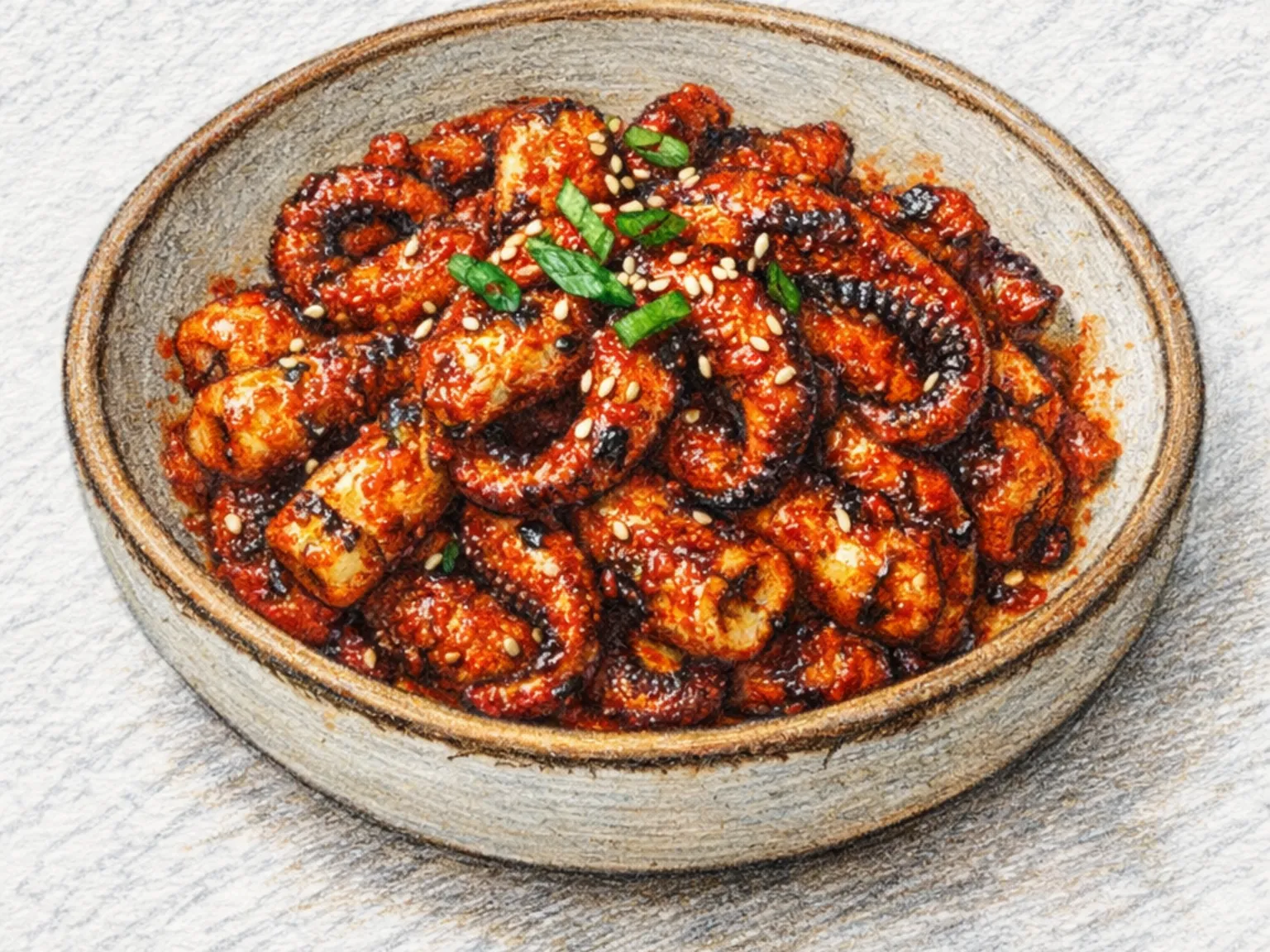
Korean Grilled Octopus
Nakji-gui is a traditional Korean preparation of grilled small octopus that requires specific cleaning techniques and precise timing. The preparation begins by cleaning the small octopus through a process of vigorous rubbing with salt to remove impurities from the skin. Once cleaned, the octopus is coated in a marinade that includes gochujang, soy sauce, sesame oil, minced garlic, and corn syrup. This small octopus possesses significantly finer muscle fibers compared to a full-sized octopus, a physical trait that results in a very narrow window between a desirable springy texture and an undesirable rubbery one. A cooking time of only two minutes is frequently sufficient to push the protein past the point of no return, so the person cooking must stay attentive and remove the tentacles from the heat as soon as they firm up and take on color. The gochujang and corn syrup within the marinade undergo rapid caramelization when they come into contact with the hot surface of the pan or grill. This reaction forms a red, lacquered shell around each tentacle that provides a combination of fermented heat and sweetness in every bite. Using a direct flame for cooking introduces smoky and charred notes that increase the complexity of the flavor profile. If the dish is prepared in a pan rather than on a grill, the octopus must be dried thoroughly first. Any moisture remaining on the surface will generate steam and cause the octopus to braise instead of grill, which prevents the formation of the caramelized exterior. After the cooking process is complete, the octopus is usually snipped into bite-sized pieces with kitchen scissors. It can be served as a wrap with perilla or lettuce leaves, or it can be laid over a bowl of steamed rice.
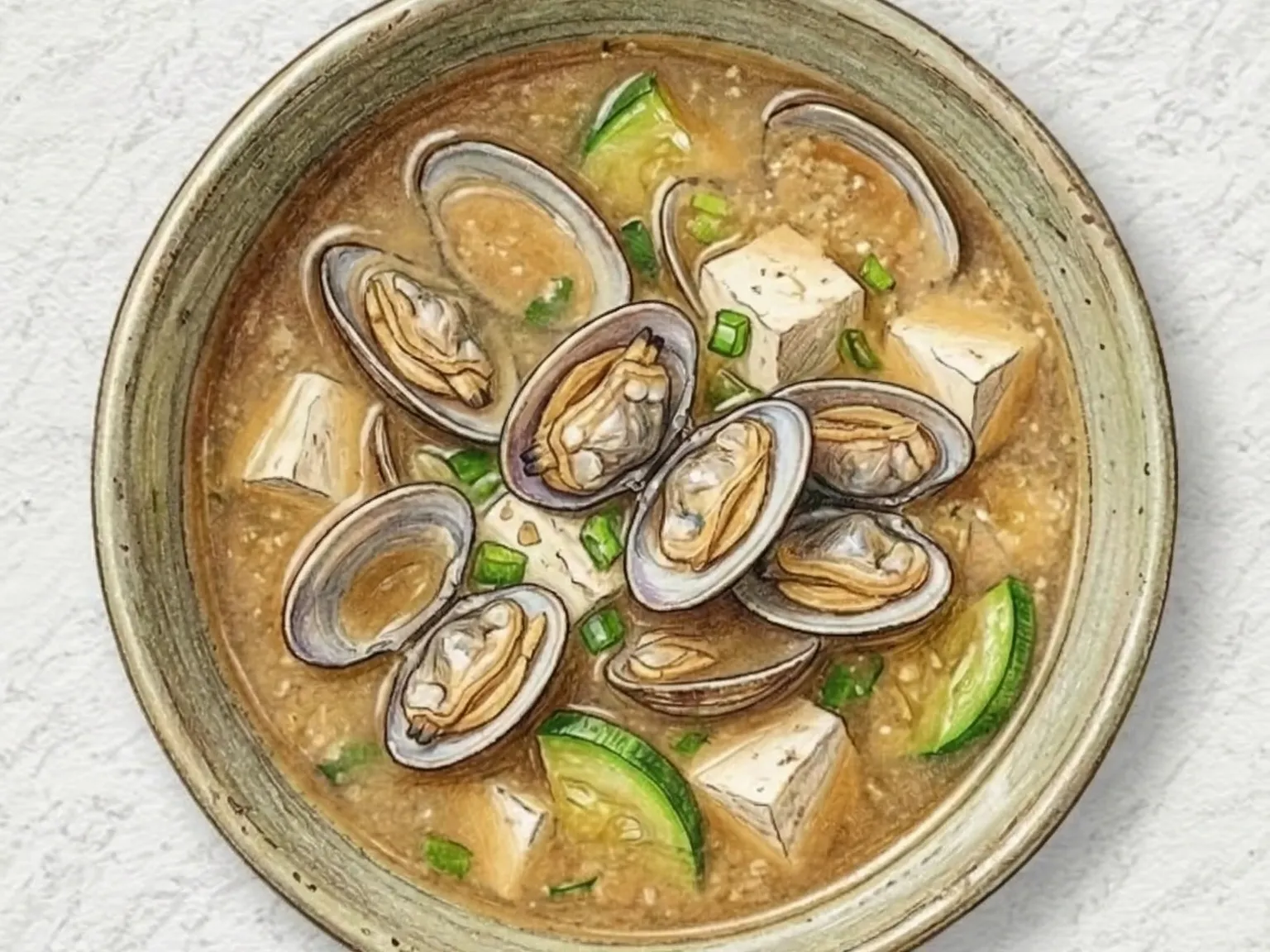
Korean Clam Doenjang Soup
Bajirak doenjang guk is a Korean home-style soup that brings together manila clams and doenjang to layer oceanic umami with fermented soybean depth in a single, clean broth. Starting the clams in cold water and bringing everything slowly to a boil draws flavor from the shells gradually rather than shocking them, building a stock base that grows richer as the temperature rises. The doenjang must be dissolved through a strainer rather than stirred in directly, because undissolved paste left in the soup creates a grainy texture and uneven seasoning. Since clams carry their own salt, the quantity of doenjang should be noticeably less than usual to prevent the finished soup from becoming over-salted; seasoning should always be adjusted at the end after tasting. Soft tofu cut into cubes adds a gentle, yielding protein bite, and Korean zucchini releases a quiet sweetness into the broth as it cooks through, softening the overall profile. Minced garlic introduced mid-cooking harmonizes with the fermented aroma of the doenjang without overpowering it. Scallion added in the final minute preserves its fresh, sharp note rather than turning limp and faded. No anchovy stock, no dried kelp, and no dashi of any kind is needed here, because the clams alone provide enough umami to build genuine depth. That restraint is what defines the soup: when the ingredients are kept simple, the natural sweetness and marine character of good clams come through cleanly, producing a broth that tastes more substantial than its short ingredient list suggests.
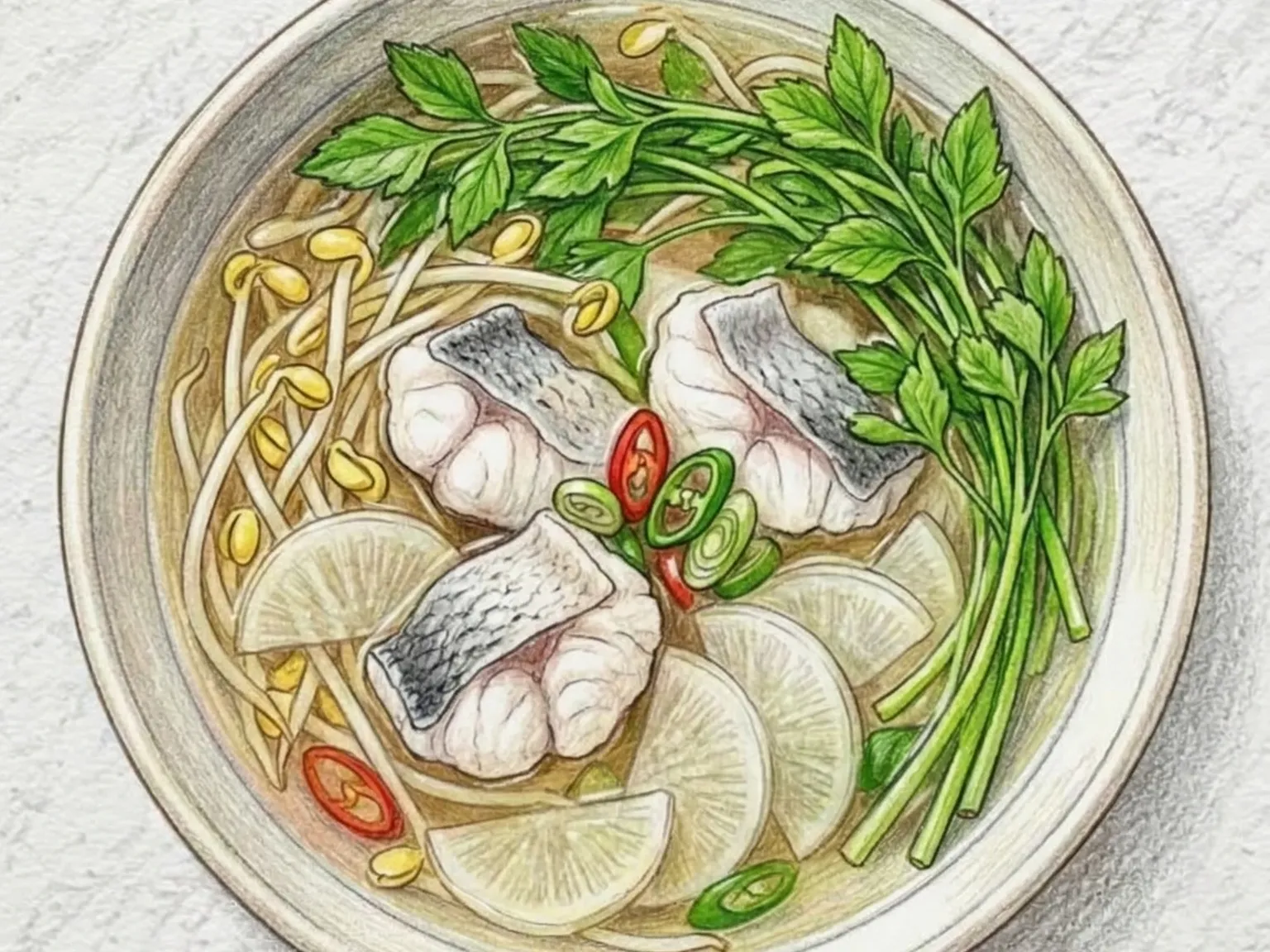
Korean Mild Puffer Fish Stew
Bok-jiri-jjigae is a clear-broth stew built around puffer fish fillet simmered with Korean radish, bean sprouts, and water dropwort, seasoned lightly with soup soy sauce and salt. The dish relies entirely on the natural flavors of its core ingredients rather than heavy seasoning, so the quality of the puffer fish is the defining factor. Cooking the fish with its skin releases collagen into the broth, giving the liquid a subtle viscosity and sheen that plain fish stock cannot replicate. Radish goes in first and simmers until it turns translucent and releases its gentle sweetness into the base, while bean sprouts are added later to retain their characteristic crunch. Water dropwort and green onion go in last, their herbal fragrance layering over the clear, cooling broth just before serving. Depending on availability, different cuts can be incorporated alongside the fillet: the liver, roe sac, and skin each contribute distinct notes to the broth and change its character considerably. Beyond its role as an everyday meal, bok-jiri-jjigae has a long-standing reputation as a hangover remedy, prized for its restorative, cooling effect after a night of drinking. Soup soy sauce should be added gradually so the broth stays light and the natural flavor of the fish remains prominent. A sliced cheongyang chili added just before the end introduces sharp heat without muddying the clarity of the stock, and a block of soft tofu added alongside provides extra body and a smooth texture that absorbs the surrounding broth.
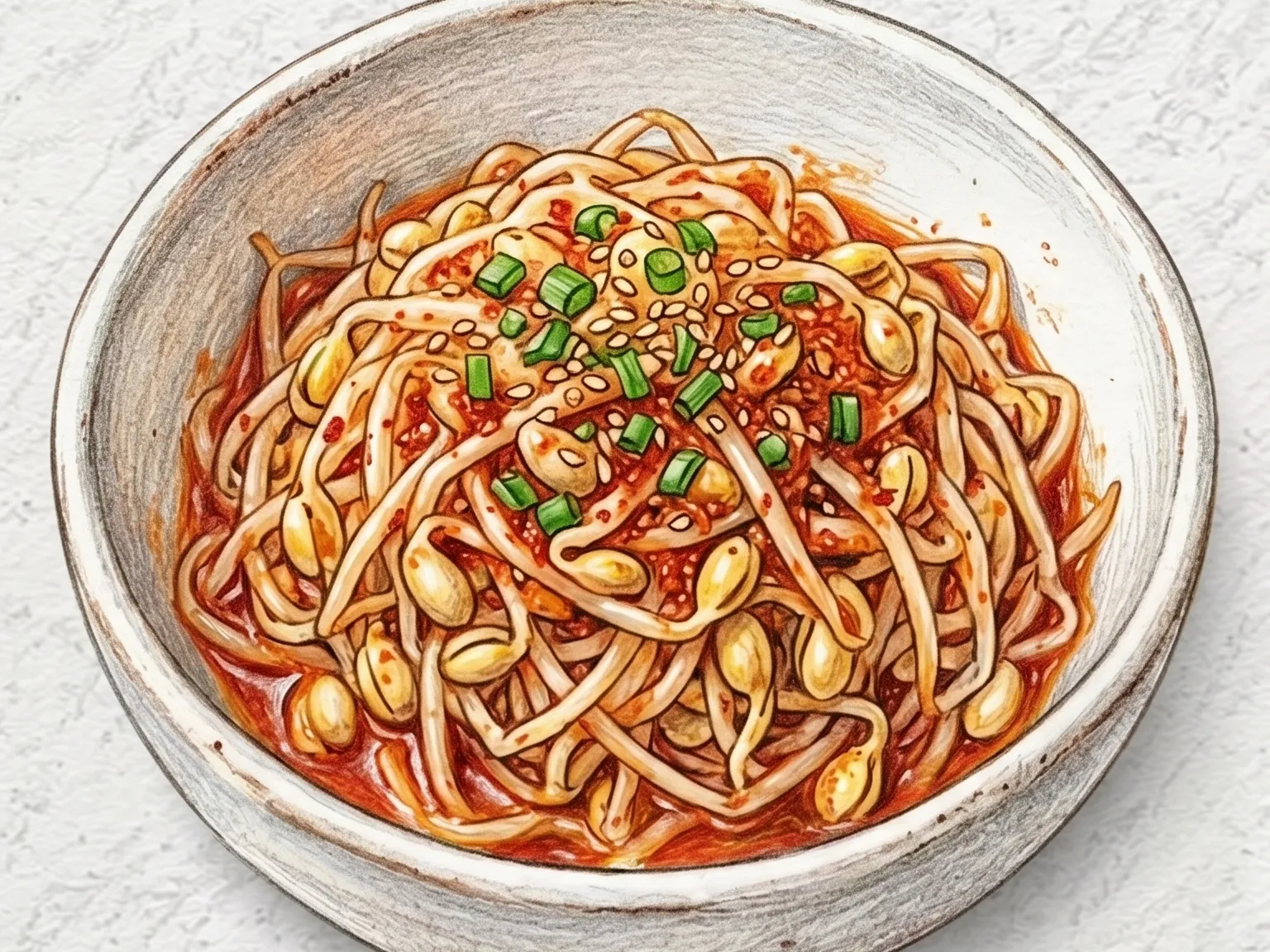
Korean Steamed Soybean Sprouts
Kongnamul-jjim is a traditional Korean side dish centered on steamed soy bean sprouts. The preparation involves layering fresh bean sprouts with a mixture of red chili flakes, soy sauce, and finely minced garlic before placing them in a pot. A critical aspect of the cooking process is keeping the lid tightly closed from the beginning until the sprouts are fully cooked. This sealed environment creates a build-up of steam that is essential for maintaining the natural crispness of the sprouts while ensuring that the savory and spicy seasoning permeates each individual strand. The resulting flavor profile features a sharp heat from the red pepper that complements the clean and refreshing qualities of the bean sprouts, resulting in a light and clear finish. To finish the dish, a generous drizzle of sesame oil and a handful of sliced scallions are added to provide a fragrant, toasted aroma and a layer of savory depth. Because the primary ingredients are inexpensive and the entire process from preparation to plating takes less than fifteen minutes, this dish serves as a dependable addition to any meal when the table requires an extra side dish on short notice. For a different aromatic profile, perilla oil can be substituted for sesame oil to introduce an earthy and more herbaceous scent. Individuals seeking a more intense level of spice can add sliced Cheongyang chilies during the cooking stage to elevate the heat.
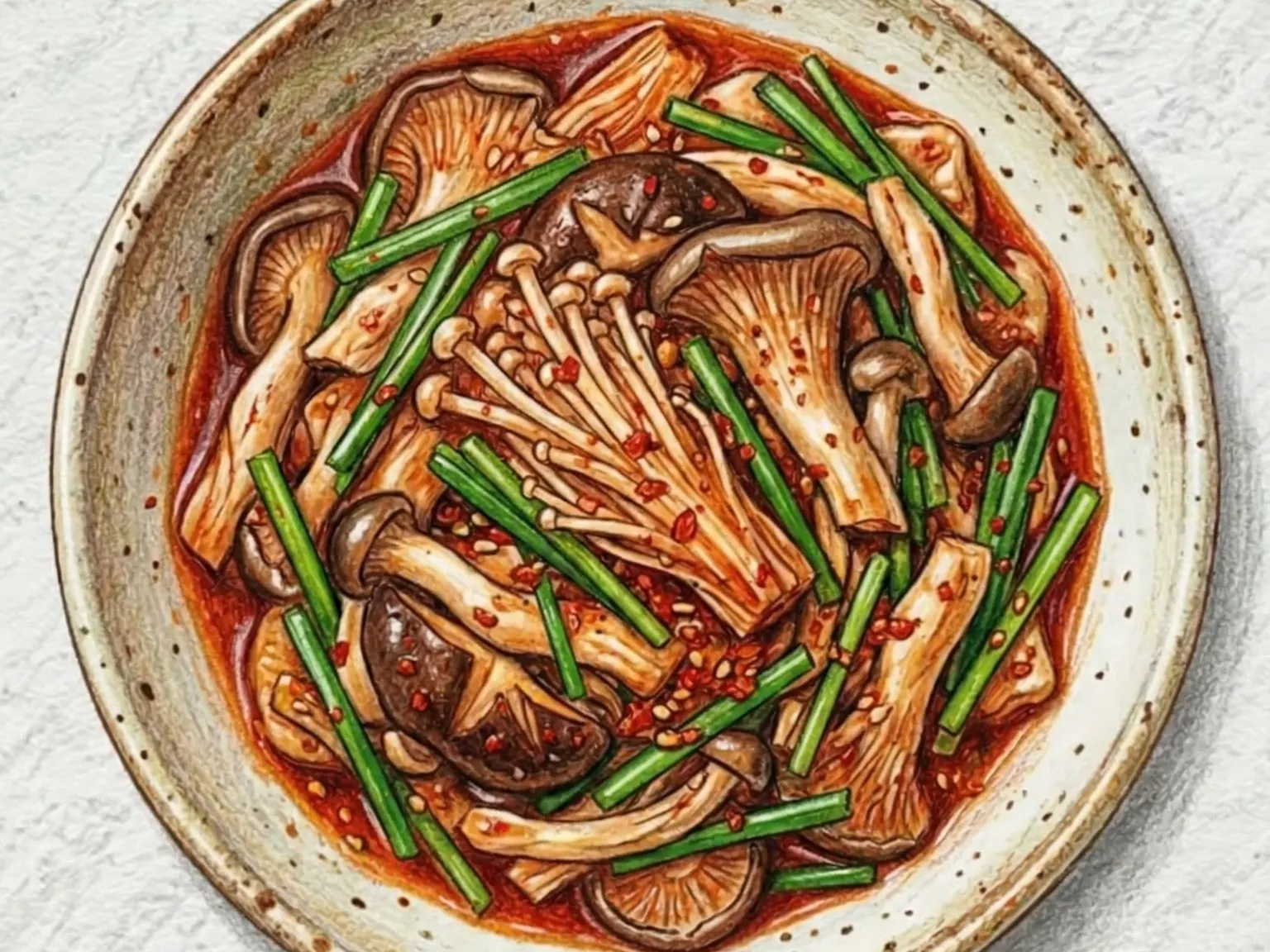
Korean Beoseot Kimchi (Mushroom Kimchi)
Blanching oyster and shiitake mushrooms before mixing them with gochugaru and fish sauce creates a side dish that bypasses the long fermentation usually associated with Korean kimchi. This boiling process removes the sharp raw scent of the mushrooms and softens their structure so the seasoning coats every surface evenly. Tearing the oyster mushrooms by hand along their natural grain allows the spicy and salty sauce to penetrate deeply while maintaining a natural bite. The thick caps of the shiitake mushrooms provide a firm, chewy element that lasts throughout the meal. Using fish sauce introduces a concentrated saltiness and a fermented profile that distinguishes this from basic seasoned vegetables. Fresh garlic chives contribute a clean, grassy aroma that balances the heavier spices. Since it does not require aging, this preparation is ready to eat immediately and reaches its peak flavor on the day it is made. Swapping chives for scallions provides a more delicate scent, and adding king oyster or enoki mushrooms introduces different physical textures. Including finely chopped squid or octopus transforms the dish into a seafood version with flavors from the ocean. Because mushrooms release water and lose their firm texture after a few days in the refrigerator, preparing small batches for immediate consumption ensures the highest quality.
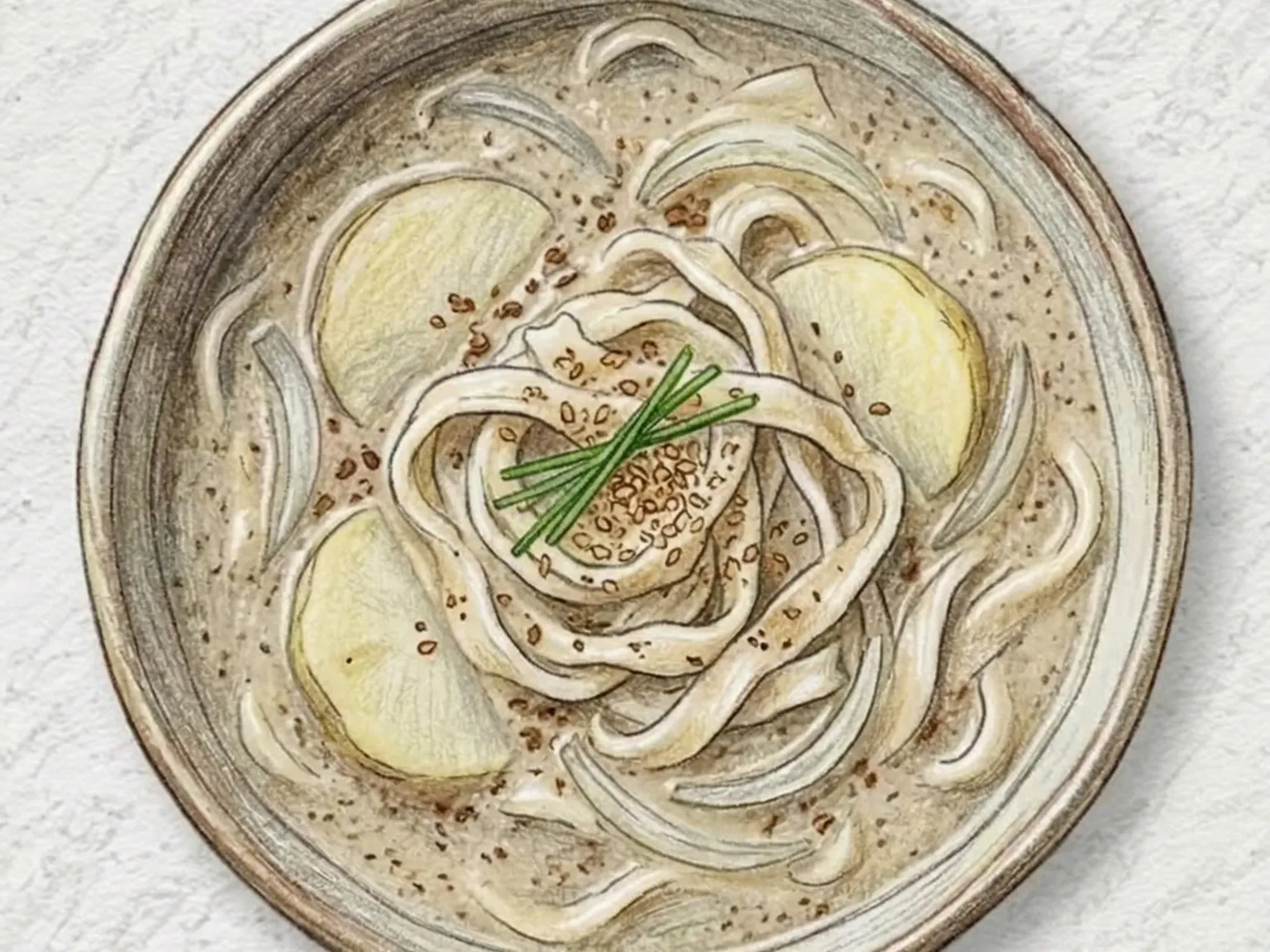
Korean Perilla Seed Kalguksu
Perilla kalguksu is a Korean noodle soup where ground perilla seeds give the broth a distinctly nutty, creamy quality. Potatoes are simmered first to release starch, naturally thickening the liquid before the noodles go in. Onion and garlic add mild sweetness, and soup soy sauce seasons the bowl without darkening the color. The perilla powder is stirred in near the end of cooking to preserve its fragrance. The main ingredients are fresh kalguksu noodles, ground perilla seeds, potato, and onion, and the recipe depends on careful handling of noodle cooking time and sauce thickness.
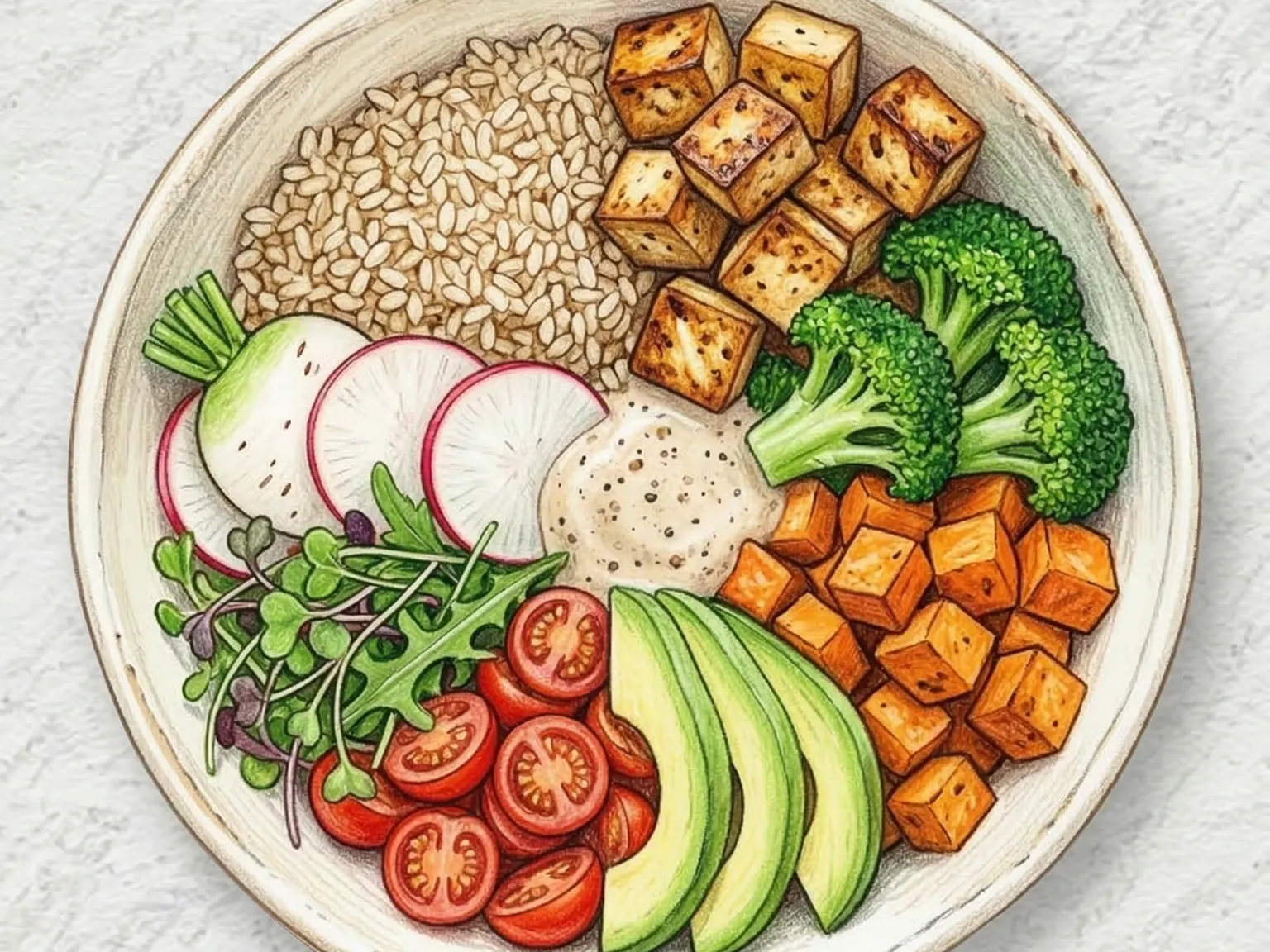
Brown Rice Buddha Bowl
Brown rice Buddha bowl builds on a base of cooked brown rice, with pan-seared tofu and an arrangement of broccoli, carrot, red cabbage, and avocado placed in separate sections across the bowl. Brown rice has a coarser texture and a more pronounced, nutty grain flavor than white rice, and the chew brings out a mild sweetness that increases the longer it is worked. The tofu is pressed dry before searing so the exterior crisps properly in the pan while the center stays soft, giving a dual texture that holds up under the weight of the toppings. A soy and sesame oil dressing pulls the disparate ingredients together under a single Asian flavor profile, and the avocado contributes creamy fat that smooths out the drier components like the grain and the seared tofu. Keeping each ingredient in its own section preserves the visual contrast and lets each one hold its texture; mixing is done at the table according to the eater preference. The bowl covers protein, carbohydrates, and vegetables in a single serving.
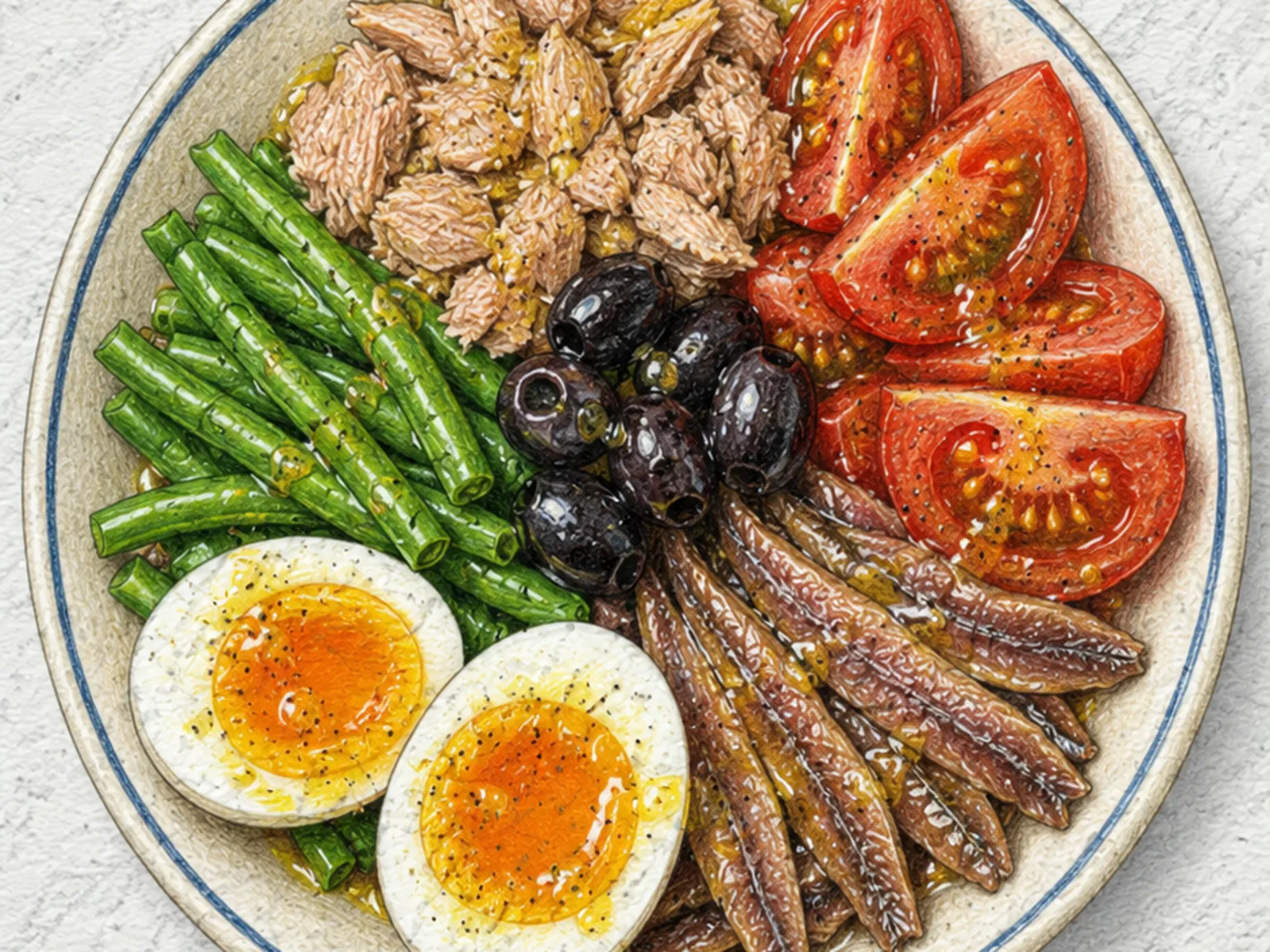
Salade Niçoise
Salade Nicoise is a classic salad from Nice in southern France that arranges tuna, soft-boiled eggs, olives, anchovies, tomatoes, and blanched green beans in separate sections on a plate, finished with a vinaigrette of olive oil, lemon juice, and Dijon mustard. The traditional presentation keeps each ingredient in its own zone rather than tossing everything together. Soft-boiling the eggs for six minutes yields a runny yolk that acts as a natural dressing when broken. The salty depth of anchovies and the oily richness of olives add complexity over the mild tuna, while the mustard vinaigrette brightens and ties the whole plate together with its acidity.

Jianbing (Chinese Savory Breakfast Crepe)
Jianbing is a northern Chinese street breakfast crepe assembled on a flat griddle within minutes. A thin batter of mung bean flour and wheat flour is spread into a wide circle, then an egg is cracked directly on top and smeared across the surface while still liquid. Chopped scallion is scattered over the egg before the crepe is flipped briefly to set the other side. Sweet bean sauce and chili sauce are brushed on, followed by fresh cilantro and a crispy fried wonton sheet that provides the signature crunch. The mung bean flour gives the batter a distinctive nutty flavor and slightly crisp edge that plain wheat flour cannot replicate. The whole assembly is folded into a neat rectangle meant to be eaten by hand. Timing is critical for the wonton cracker, which should be added last to prevent sogginess, creating a layered contrast of soft crepe, runny egg, sharp sauce, and shattering crunch.
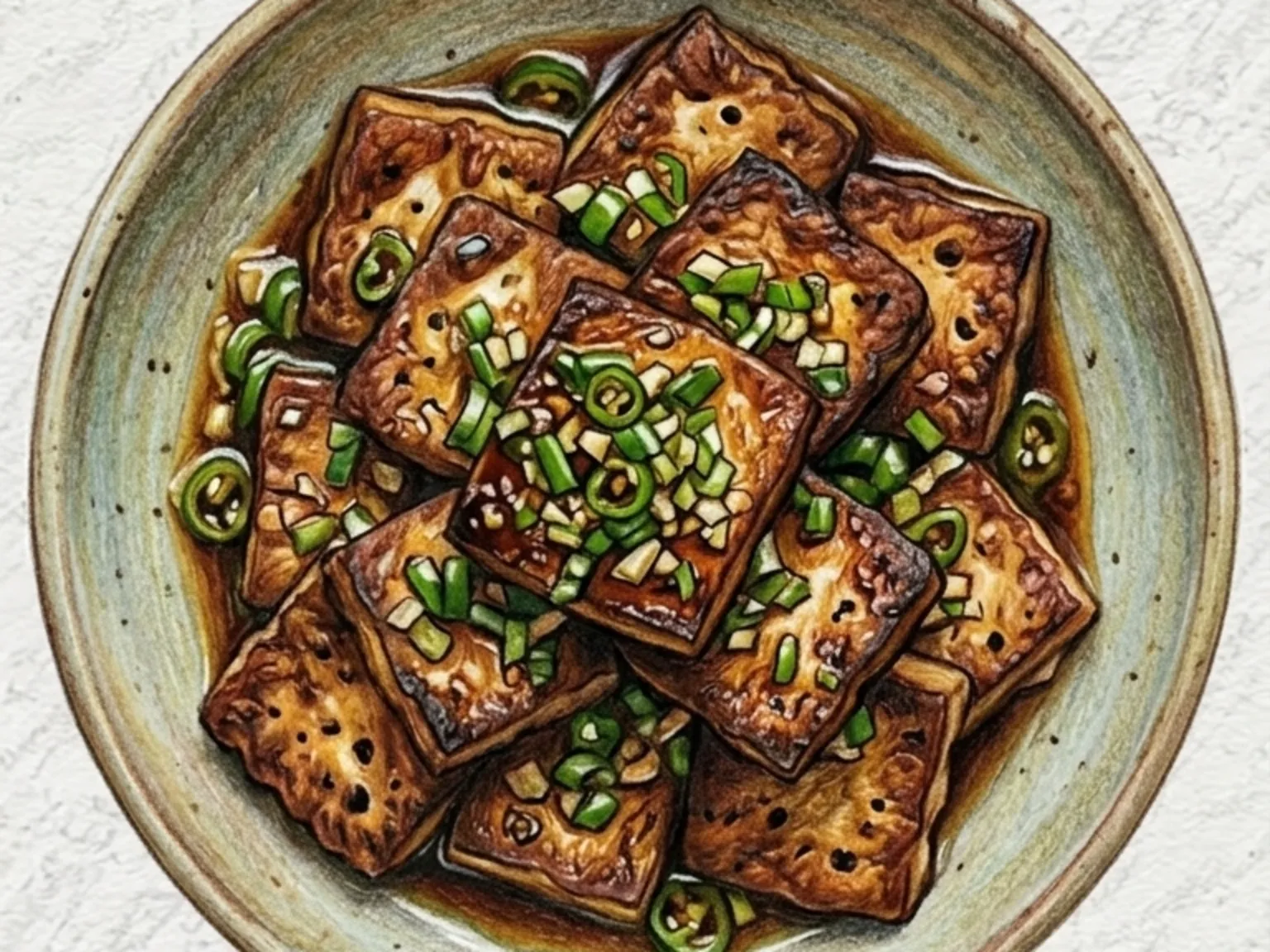
Korean Tofu with Spicy Soy Dressing
Dubu cheongyang ganjang muchim is a pan-fried tofu banchan that takes the classic dubu buchim in a sharper direction by centering the dressing on cheongyang chili, the hottest pepper in everyday Korean cooking. The most important part of the technique is getting a proper mahogany crust on the tofu. The pan must be hot before the tofu goes in, and the heat must stay high throughout. Too low a flame causes the tofu to steam in its own released moisture rather than sear, resulting in a soft surface with no textural contrast. When seared correctly, the outer layer becomes a firm, slightly chewy barrier while the interior stays silken and creamy. The dressing is raw and uncooked: soy sauce, minced cheongyang chili, scallion, garlic, and sesame oil combined without heat. It is poured over the tofu while the tofu is still steaming hot, which causes the raw garlic and chili to bloom slightly in the residual heat and release their full aromatic sharpness. Cheongyang pepper heat is clean and immediate rather than slow-building - it registers on the tongue quickly and fades without lingering the way dried gochugaru does. The dish is a natural pairing for mild, smooth soups like miyeok-guk, where the chili's sharpness provides a sharp counterpoint to the gentle seaweed broth. It also works alongside plain steamed rice as a standalone side.
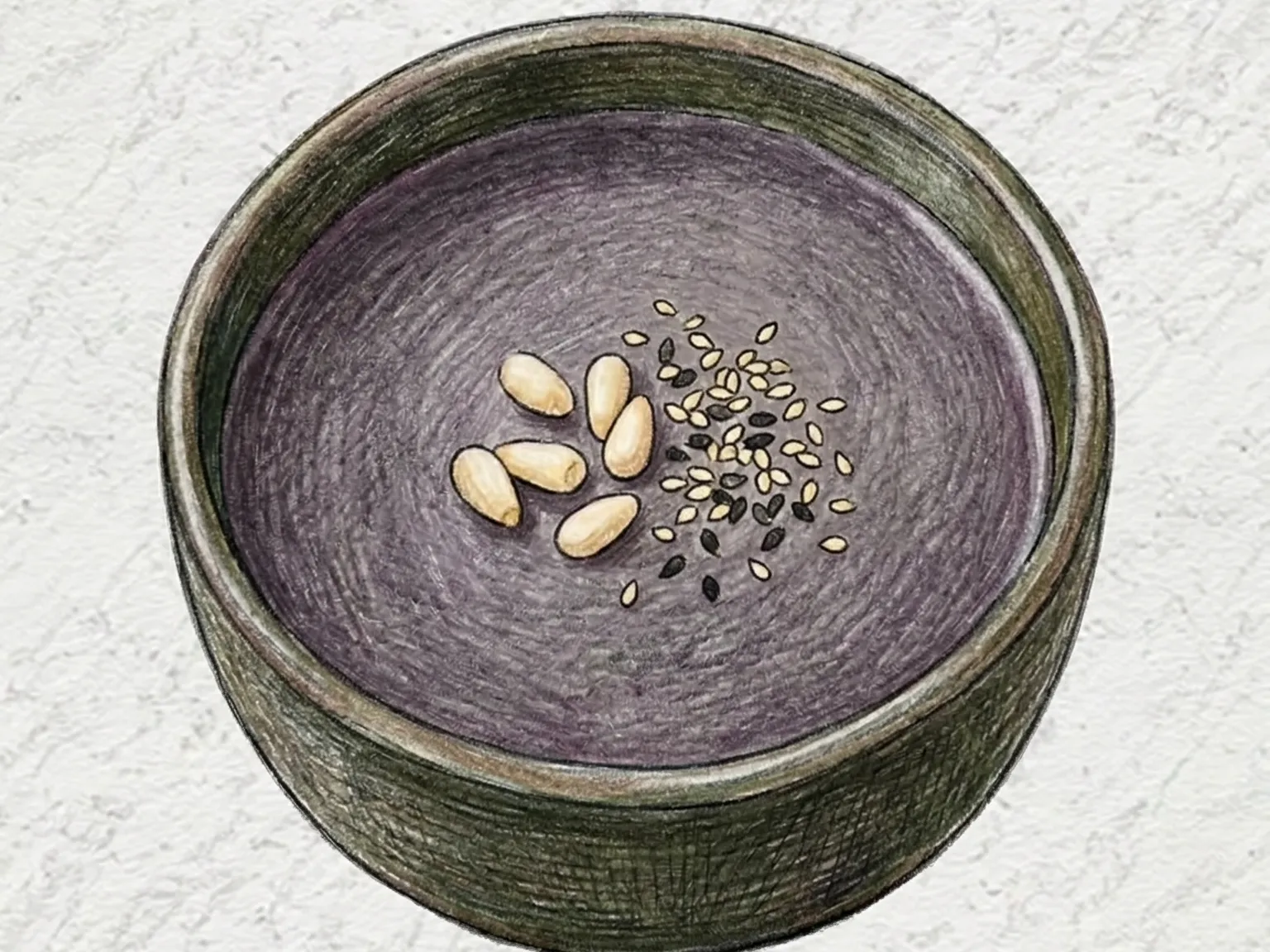
Korean Geomeun Kong Juk (Black Bean Porridge)
Black beans are soaked for at least four hours, then boiled until the skins wrinkle and the flesh softens through to the center. They are blended with their cooking liquid into a thick, smooth slurry that forms the base of the porridge. This bean puree is combined with separately soaked rice and the mixture is simmered over low heat, stirred regularly to prevent the starch from catching on the bottom of the pot. As the rice breaks down and the starch gelatinizes, the porridge thickens gradually into a smooth, velvety consistency. The anthocyanins in the black bean skins stain the porridge a deep purple-gray, and the flavor is earthy and distinctly nutty, unlike the lighter taste of plain rice porridge. Passing the finished porridge through a sieve removes the bean skins for a cleaner texture. Seasoned with salt alone, it reads as a savory meal; a tablespoon of sugar shifts it toward something gently sweet. Pine nuts and sesame scattered on top layer in additional nuttiness, and the porridge is frequently made as restorative food given the beans nutritional density.
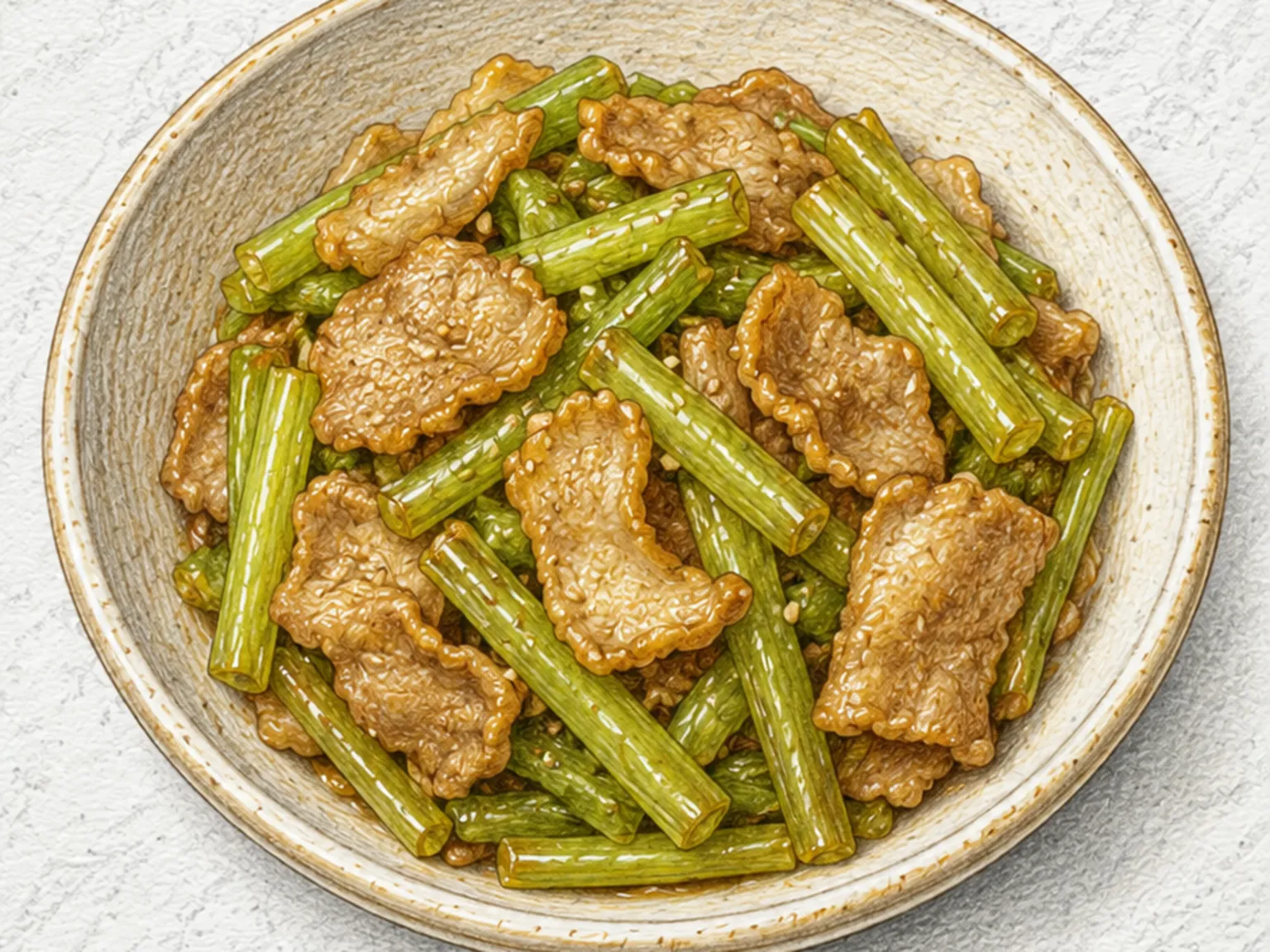
Korean Stir-fried Pork with Seaweed Stems
Miyeokjulgi-dwaejigogi-bokkeum stir-fries thinly sliced pork shoulder - pre-marinated in soy sauce and cooking wine - together with desalted seaweed stems, onion, and garlic. The pork is seared quickly over high heat to stay soft, then the seaweed stems join with the remaining seasoning for a fast 2-3 minute finish. The core appeal lies in the textural contrast: yielding pork against the crunchy, slightly rubbery stems that absorb the salty-sweet sauce. A final drizzle of sesame oil and a sprinkle of toasted sesame seeds round out the dish.

Korean Bori Saessak Lemon Ade (Barley Sprout Lemon Ade)
This barley sprout lemonade dissolves barley sprout powder into apple juice first - a deliberate step that prevents clumping and keeps the drink smooth throughout. Fresh lemon juice and oligosaccharide syrup are stirred in next to build a sweet-tart base before sparkling water is added slowly at the very end to preserve as much carbonation as possible. The grassy, vegetal quality of barley sprout powder is tempered by the mild natural sugar in the apple juice, and the lemon provides a clean acidity that sharpens the whole flavor. Oligosaccharide is used in place of refined sugar because its lower sweetness intensity lets the barley note stay present rather than being masked. The drink is best consumed within five minutes of assembly while the bubbles remain lively, and following the layering order keeps the green color vivid and distinct.
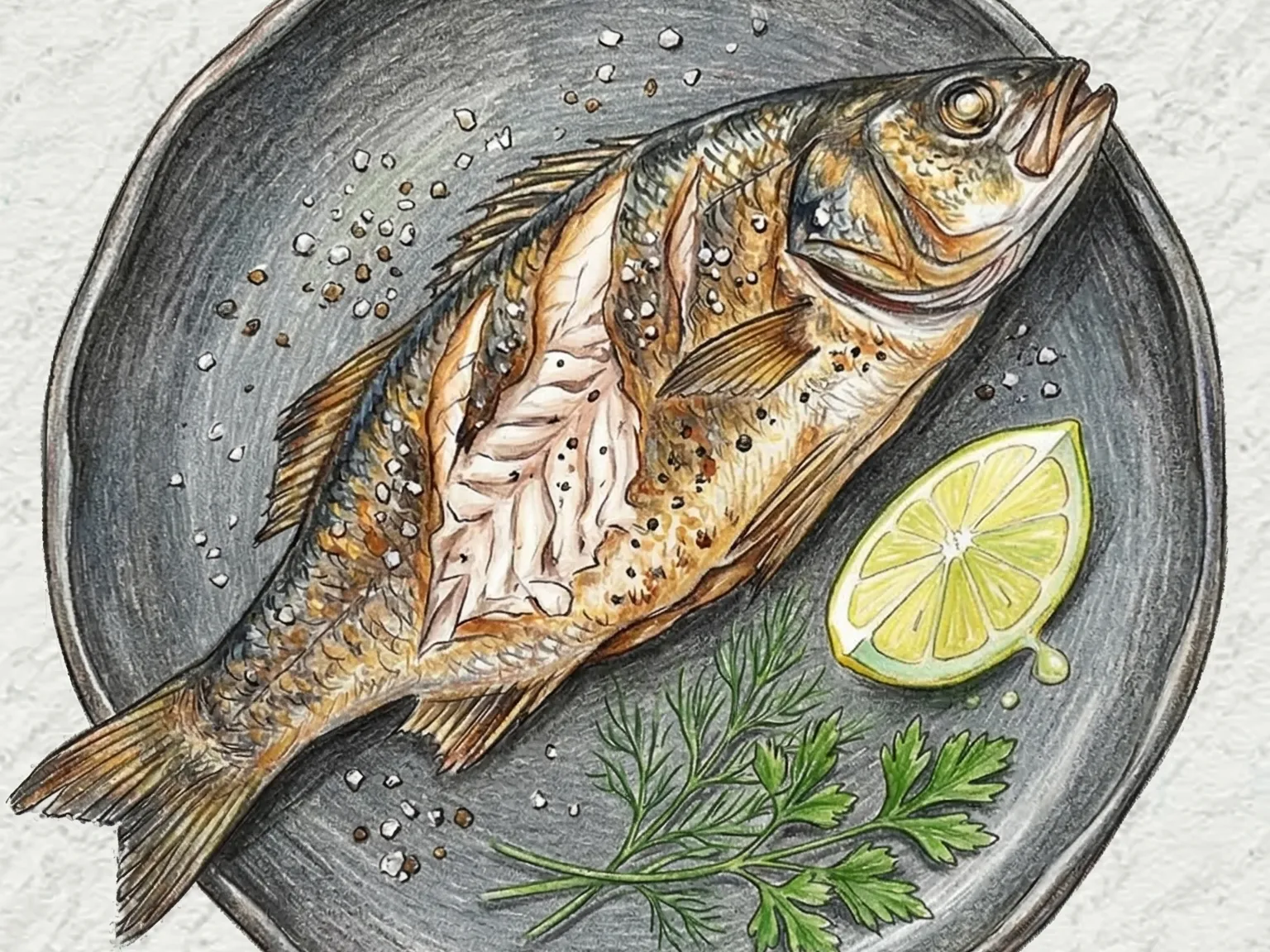
Korean Salt-Grilled Sea Bass
Nongeo sogeum-gui is a Korean salt-grilled sea bass where scored fillets are seasoned only with coarse salt and black pepper, then seared skin-side down in olive oil infused with garlic and fresh thyme. Sea bass has firm, low-odor white flesh that takes well to minimal seasoning, and pressing the skin against the hot pan for a full five minutes drives out moisture and renders the thin fat layer underneath into a crisp, shattering crust. After flipping, the aromatic oil pooled in the pan is spooned over the flesh for three to four minutes-the fish is done when the center shifts from translucent to opaque white. A squeeze of lemon at the table adds brightness that cleans up any residual richness from the oil-basted cooking.
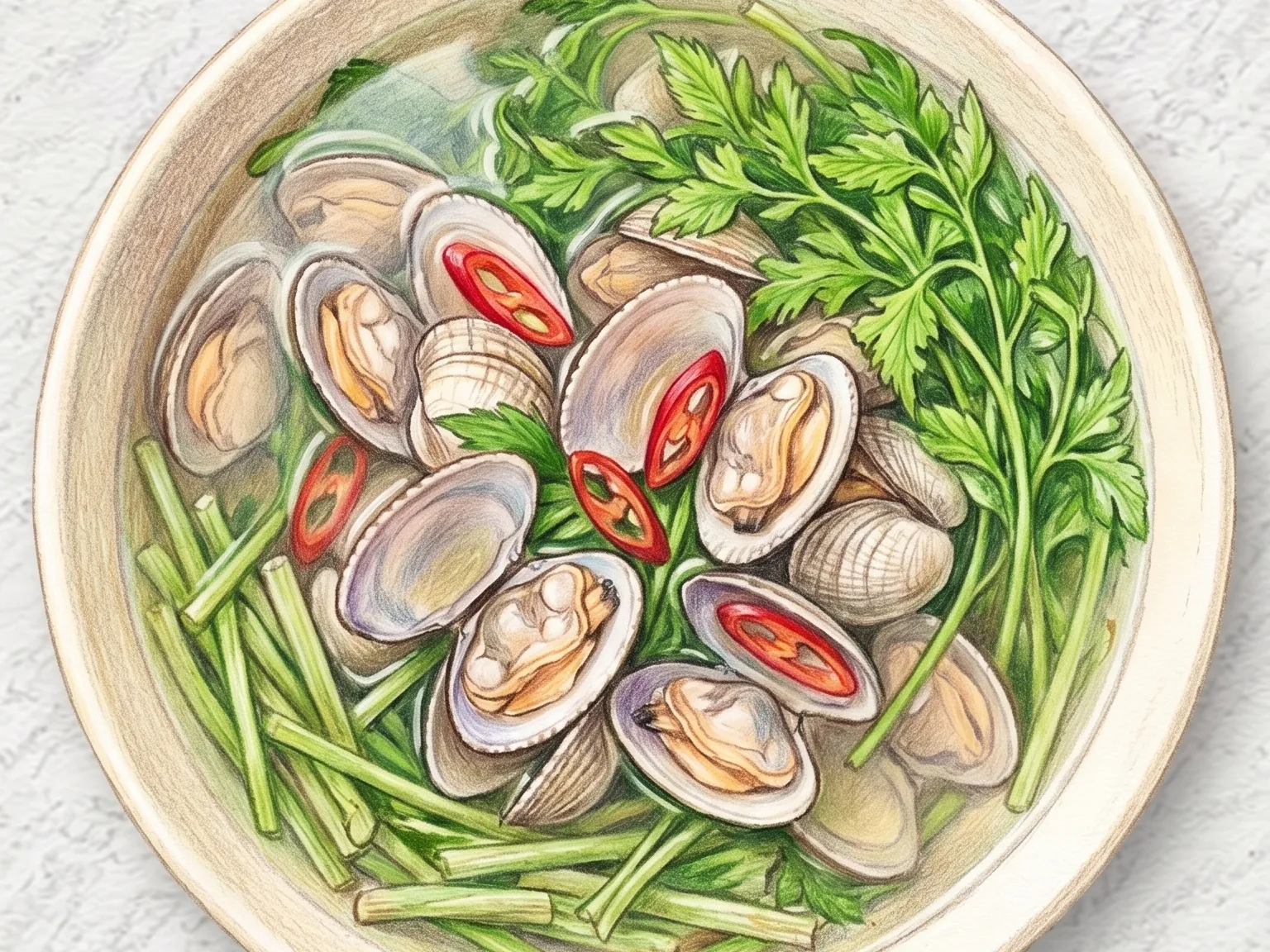
Korean Clam and Water Parsley Soup
Bajirak minari tang is a clear Korean soup that pairs the marine umami of manila clams with the distinctive herbaceous character of minari, the water parsley native to Korean marshes and riverbanks. Starting the clams in cold water and raising the heat gradually is essential for this soup: the slow temperature increase coaxes maximum flavor from the shells into the liquid rather than seizing them shut before their juices release. Once the clams open, a splash of rice wine goes in to drive off any trace of fishiness, and the broth is seasoned simply with soup soy sauce and minced garlic, keeping the profile clean and uncluttered. Minari demands a two-stage addition that is non-negotiable: the thicker stems go into the pot three minutes before the soup is done to soften slightly while retaining their satisfying crunch, and the more delicate leaves enter in the final minute just before heat is turned off to preserve their vivid green color and the sharp, grassy fragrance that makes minari unmistakable. Adding the leaves any earlier causes them to lose that fragrance entirely and yellow to a dull, unappetizing shade, making this timing the single most important technique in the recipe. Diagonally sliced red chili floating in the clear liquid adds visual brightness to the pale broth without altering its flavor significantly. The interplay between the clams' salty, oceanic depth and minari's cool, herbal distinctiveness is a study in contrast: each component amplifies the other, and together they build a broth of surprising complexity and depth without any anchovy, kelp, or prepared stock of any kind.
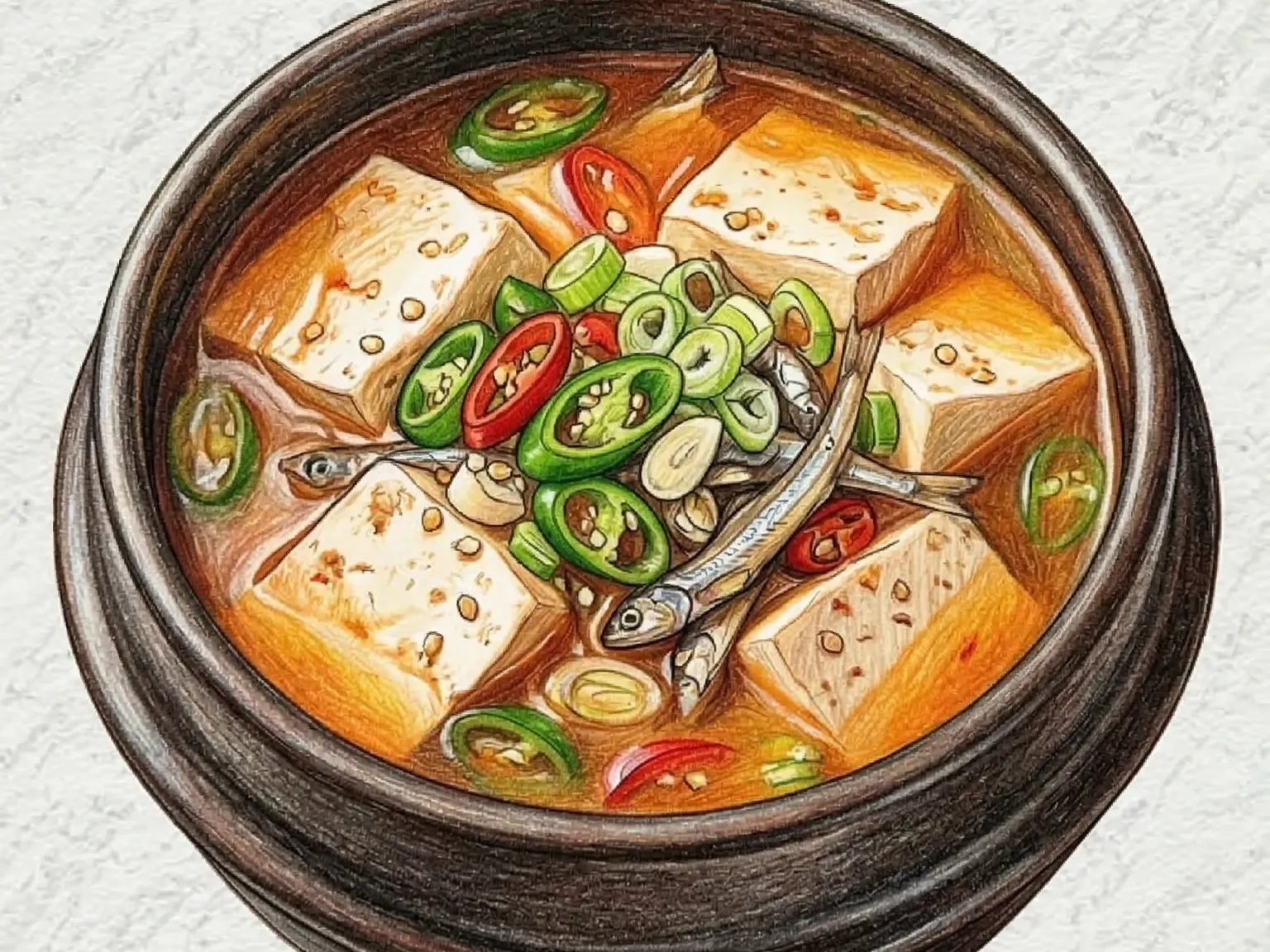
Korean Hot Chili Anchovy Tofu Stew
Dried anchovies and cheongyang chilies go into the pot together from the start so the broth itself absorbs the deep, pungent heat rather than the chilies simply floating on top. The anchovies are dry-roasted first to drive off any fishiness before water is added. Two whole cheongyang chilies, left uncut, release a sharp, penetrating spice that builds gradually through the simmer. Gochugaru adds color and layers the heat further, soup soy sauce keeps the seasoning clean, and tofu goes in only after the broth reaches a full boil so the cubes stay firm. The combination of anchovy-based richness and the chilies distinctive biting heat produces a broth that clears the palate without becoming salty.
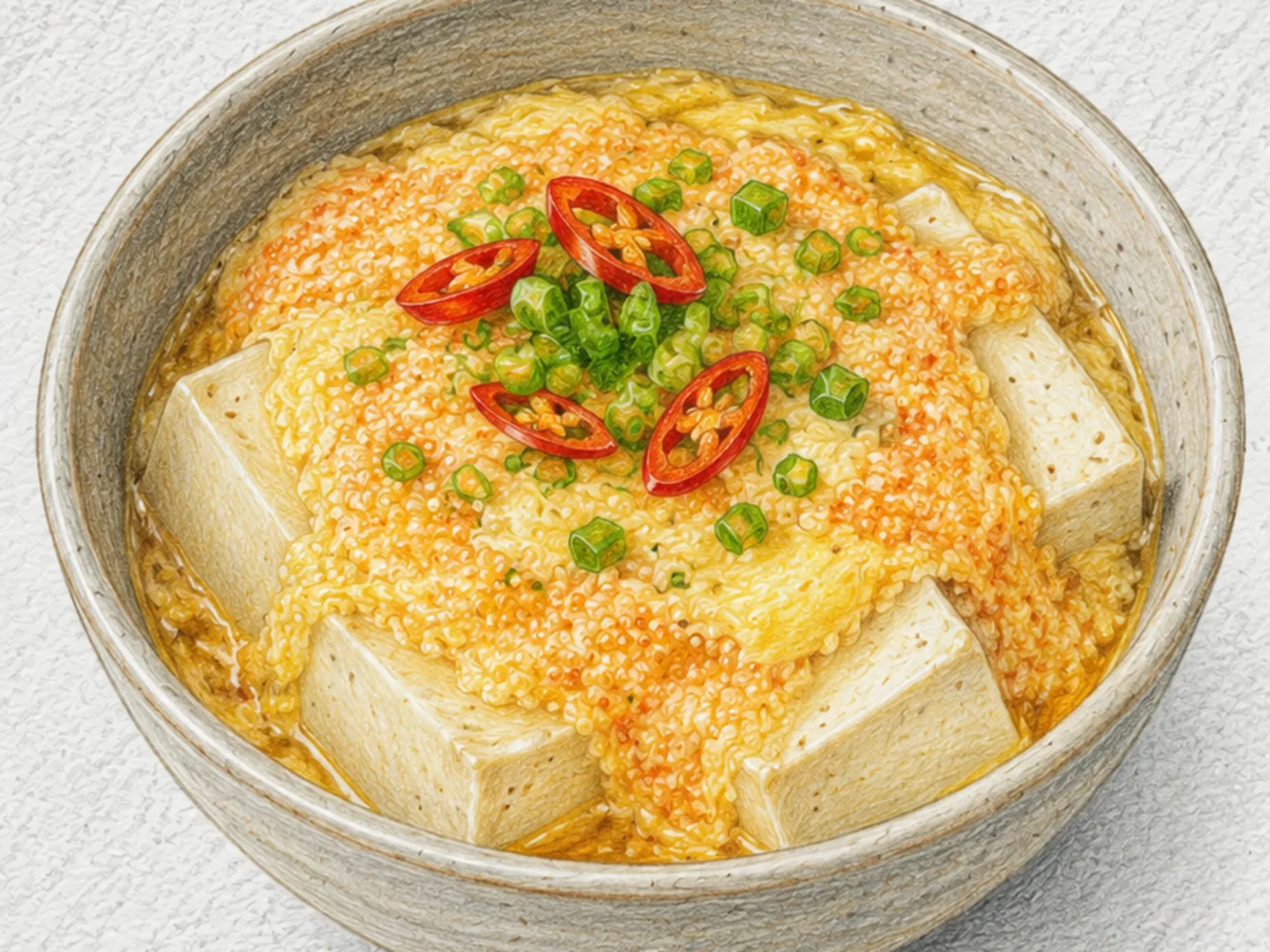
Korean Steamed Tofu with Pollock Roe
Myeongran dubu jjim is a Korean steamed tofu dish topped with a sauce of pollock roe mixed with egg and garlic. As the roe heats through, its tiny granules pop with a briny, savory burst against the silky tofu underneath. The egg binds the sauce into a soft set that melds with the warm tofu, and a light seasoning of soup soy sauce keeps the overall saltiness in check given the roe's own salinity. Red chili and green onion add color and a touch of freshness on top. Cooked without oil in about ten minutes, this is a clean, high-protein banchan that comes together with minimal effort.
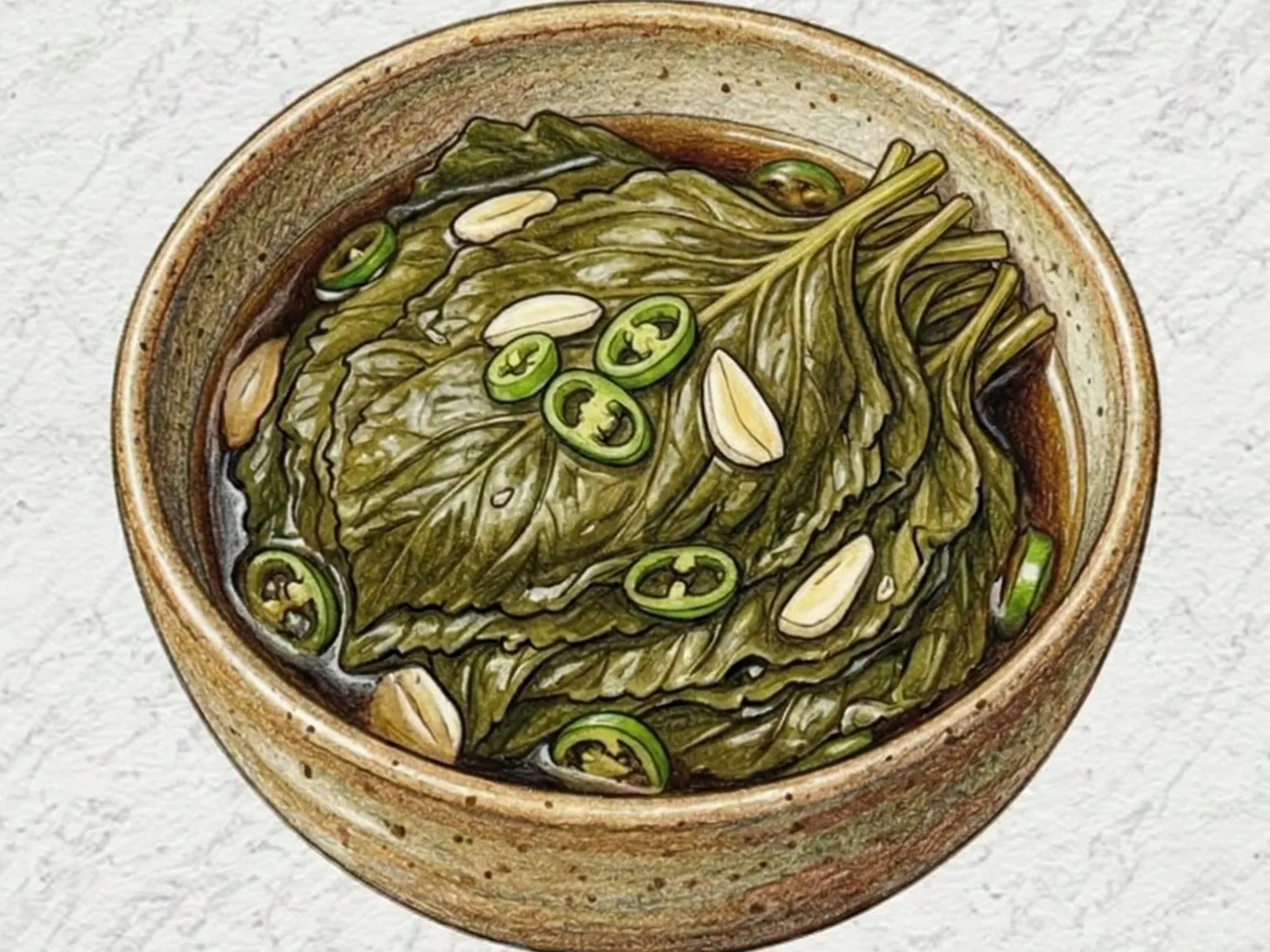
Korean Amaranth Greens Pickles
Bireumnamul jangajji is a soy-vinegar pickle of amaranth greens made by submerging the tender leaves in a boiled brine of soy sauce, vinegar, and sugar with cheongyang chili and garlic. The soft leaves absorb the pickling liquid within a day, taking on a balanced sweet-salty flavor that makes them ready to eat as banchan. Vinegar neutralizes the grassy raw taste of the greens, and the chili and garlic deliver a sharp, spicy finish that builds at the back of the palate. The flavor deepens noticeably from the second day onward, so chilling the jar longer intensifies the pickle. Refrigerated, this keeps well for two to three weeks, making it a practical way to preserve in-season amaranth greens through the summer.
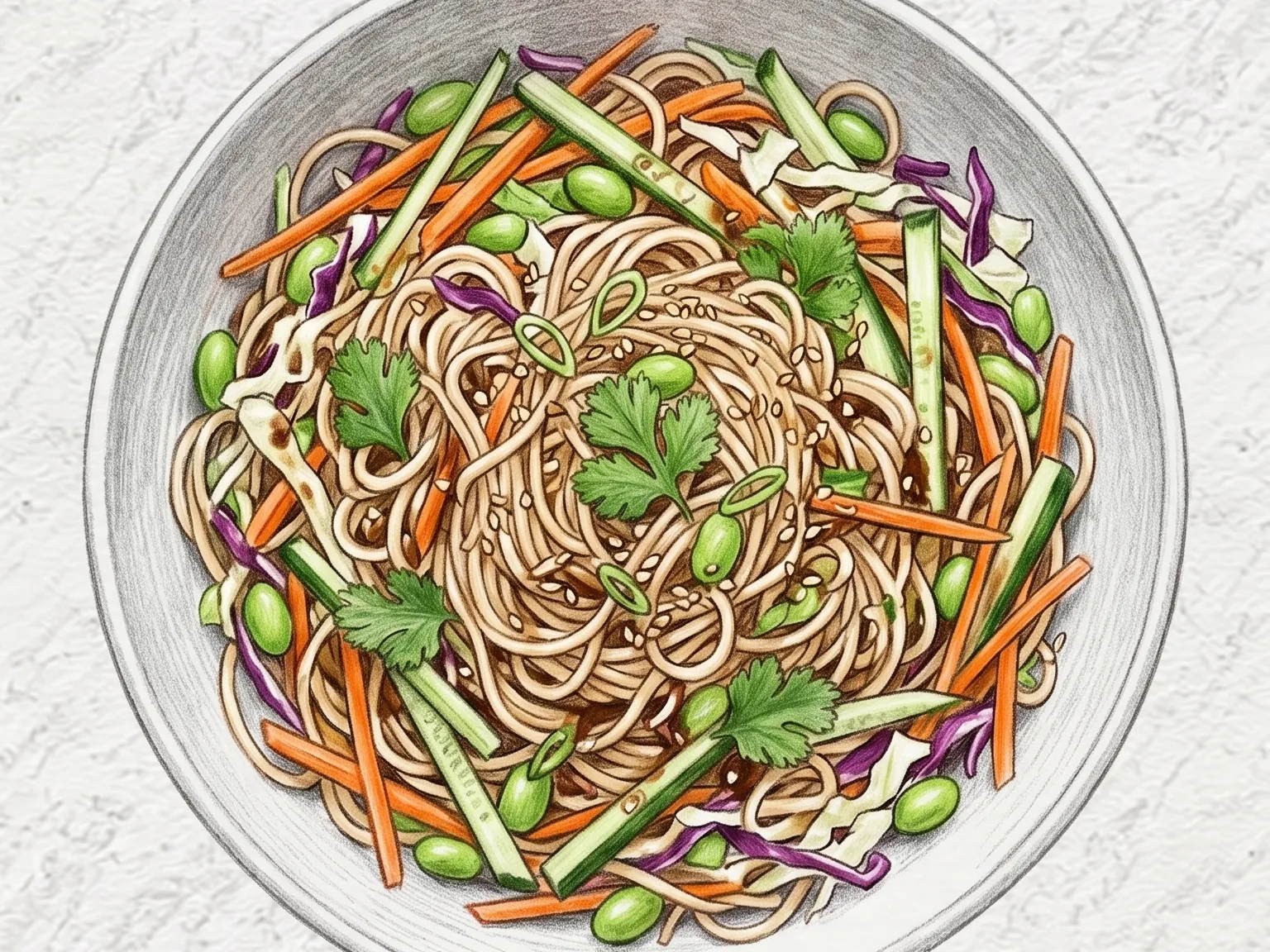
Oriental Soy Protein Noodle Salad
This noodle salad features soy protein noodles served with shredded chicken breast and fresh vegetables in a light soy-based dressing. The noodles require no boiling, only a quick rinse in cold water and thorough draining to preserve their springy texture. Chicken breast is boiled for eight minutes, cooled, and shredded along the grain to maximize dressing absorption. Thinly sliced cucumber, red bell pepper, and baby greens are arranged over the noodles. The dressing is prepared by mixing soy sauce, vinegar, olive oil, garlic, and allulose, which provides a clean sweetness without the weight of sugar. Drizzled right before eating and tossed lightly, this salad tastes best when chilled for ten minutes to enhance the firmness of the noodles.
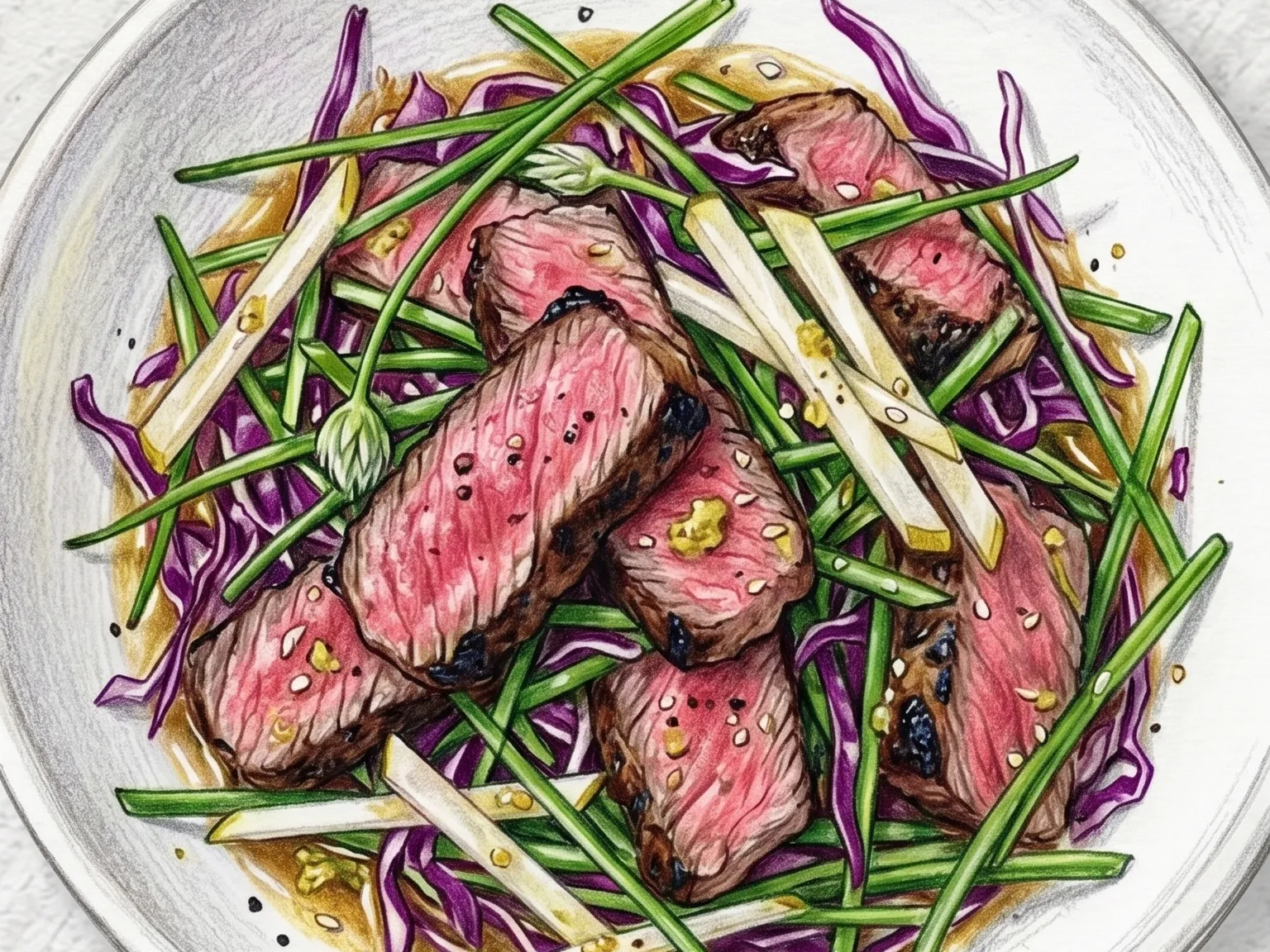
Buchu Beef Mustard Salad (Seared Beef & Chive Mustard Salad)
Buchu beef mustard salad sears lean beef round over high heat to char the surface while keeping the center pink, then slices it thick over a bed of garlic chives and shredded red cabbage. Hot mustard dissolved into a soy-vinegar dressing produces a sharp nasal heat that cuts directly through the beef fat with each bite. Julienned Korean pear adds a crisp, clean sweetness that balances the salt and acidity of the dressing, while the garlic chives contribute their pungent, onion-forward aroma as a defining note. Slicing the beef at least 1 cm thick prevents it from toughening as it cools, and resting the seared meat for five minutes before cutting keeps the juices in. The salad comes together in the time it takes the beef to rest.
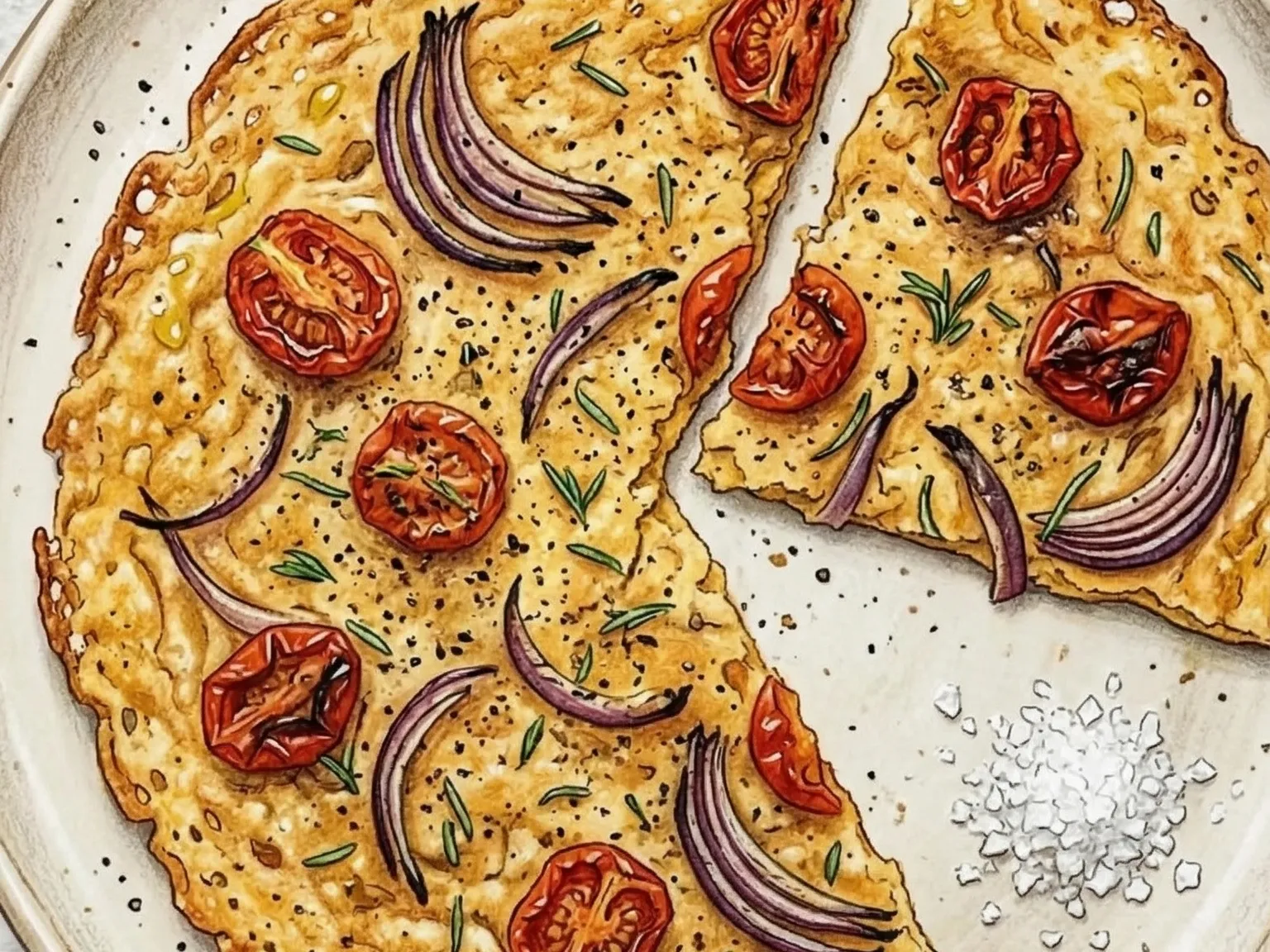
Socca Niçoise (French Chickpea Flour Flatbread)
Socca nicoise is a chickpea-flour flatbread from Nice, France, made by whisking chickpea flour with water, olive oil, salt, pepper, and rosemary, then baking the thin batter in a preheated oven-safe pan at 220 degrees Celsius for twelve to fifteen minutes. Resting the batter for ten minutes allows the flour to hydrate fully, which produces the characteristic texture - crisp and almost shatteringly crunchy at the edges, soft and slightly custardy in the center. The pan must be fully preheated and generously oiled so the batter sizzles on contact and releases cleanly. Sliced red onion and halved cherry tomatoes placed on top before baking lose their moisture in the oven and concentrate into sweet, slightly charred toppings. A final grind of coarse black pepper emphasizes the nutty, earthy flavor of the chickpea base.