🧒 Kid-Friendly Recipes
Sweet and fun snacks kids will love
516 recipes. Page 6 of 22
Kid-friendly snacks should be tasty and nutritionally balanced. This tag includes sweet treats children love alongside healthier options with hidden vegetables - potato cheese balls, sweet potato sticks, fruit skewers, and more.
Making snacks at home means full control over ingredients, with no additives or preservatives. Cooking together can also be a fun activity for the family. Browse these simple recipes designed to please young palates.

Korean Chocolate Custard Bungeoppang
Choco-custard bungeoppang is a variation of Korean fish-shaped bread made with cocoa powder worked into the batter and filled with chocolate custard cream. The cocoa gives the shell a darker brown color than the classic red-bean version and produces a bitter chocolate aroma as it bakes in the cast-iron mold. The chocolate custard inside flows out like cream when bitten while still warm, delivering a rich, concentrated sweetness that contrasts with the faint bitterness of the cocoa shell. The mold must reach full temperature before pouring the batter to ensure a properly crisp shell, and the custard filling should be spooned into the center in small amounts to prevent leaking at the seam. With both the batter and filling built on chocolate, the finished pastry stacks layers of deep sweetness and mild bitterness that differ noticeably from the earthier flavor of the traditional red-bean filling.
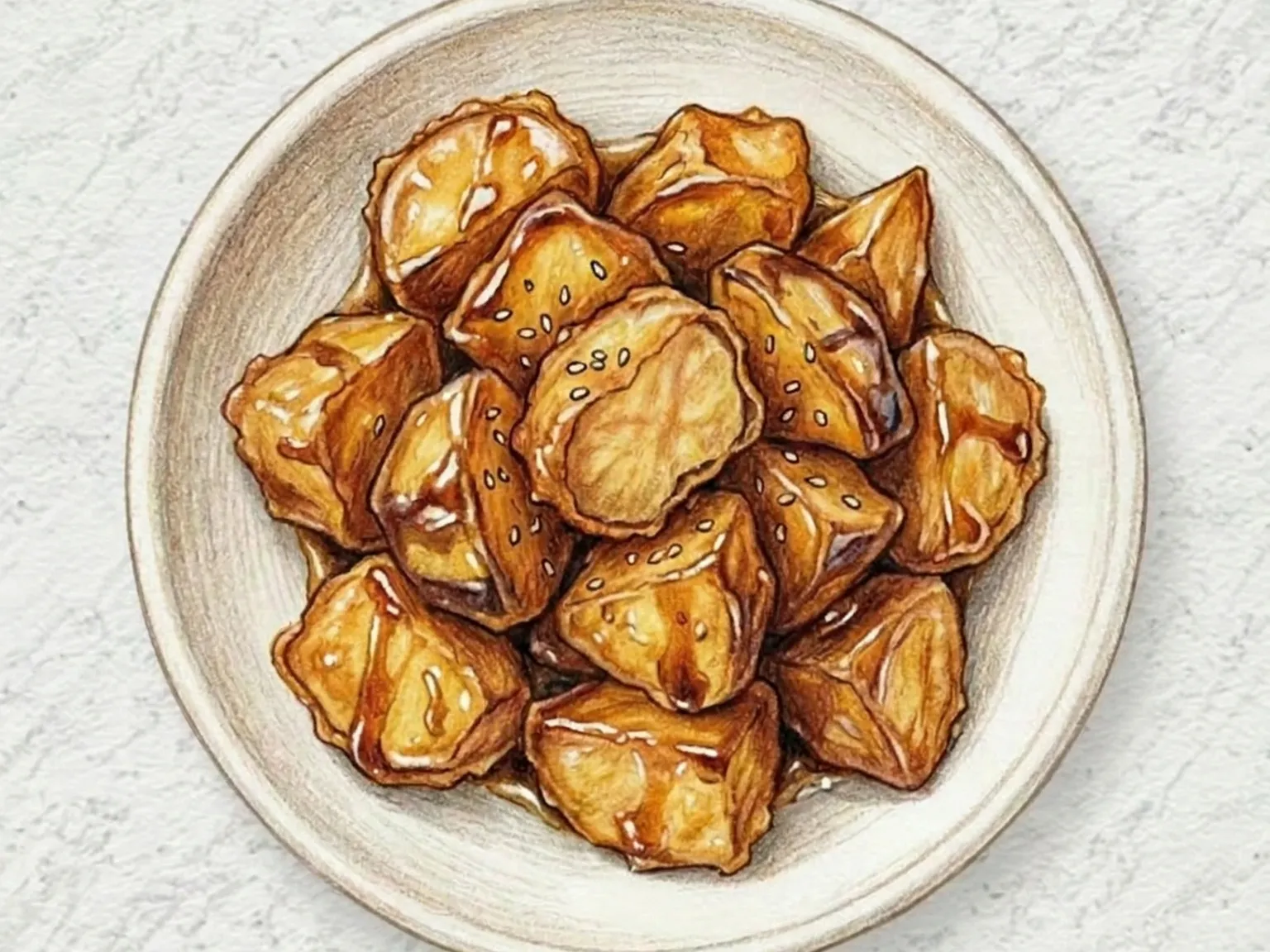
Candied Sweet Potato
Goguma mattang is a Korean candied sweet potato snack made by cutting peeled sweet potatoes into large chunks and deep-frying them at 170 degrees Celsius until the interior turns floury and soft. A syrup of sugar, corn syrup, water, and a measured splash of soy sauce is cooked separately until large, foamy bubbles form - the visual cue for adding the fried sweet potatoes. Everything must be coated within thirty seconds to lock in a thin, glass-like caramel shell that crisps and turns translucent as it cools. The soy sauce shifts the flavor from purely sweet to a rounded, slightly savory depth. Pre-draining surface moisture from the cut sweet potatoes reduces oil splatter during frying and helps the syrup grip the pieces evenly. Black sesame seeds are scattered over the finished pieces for a toasted, nutty note, and each piece is spread individually on parchment paper while still warm so they cool without sticking together.
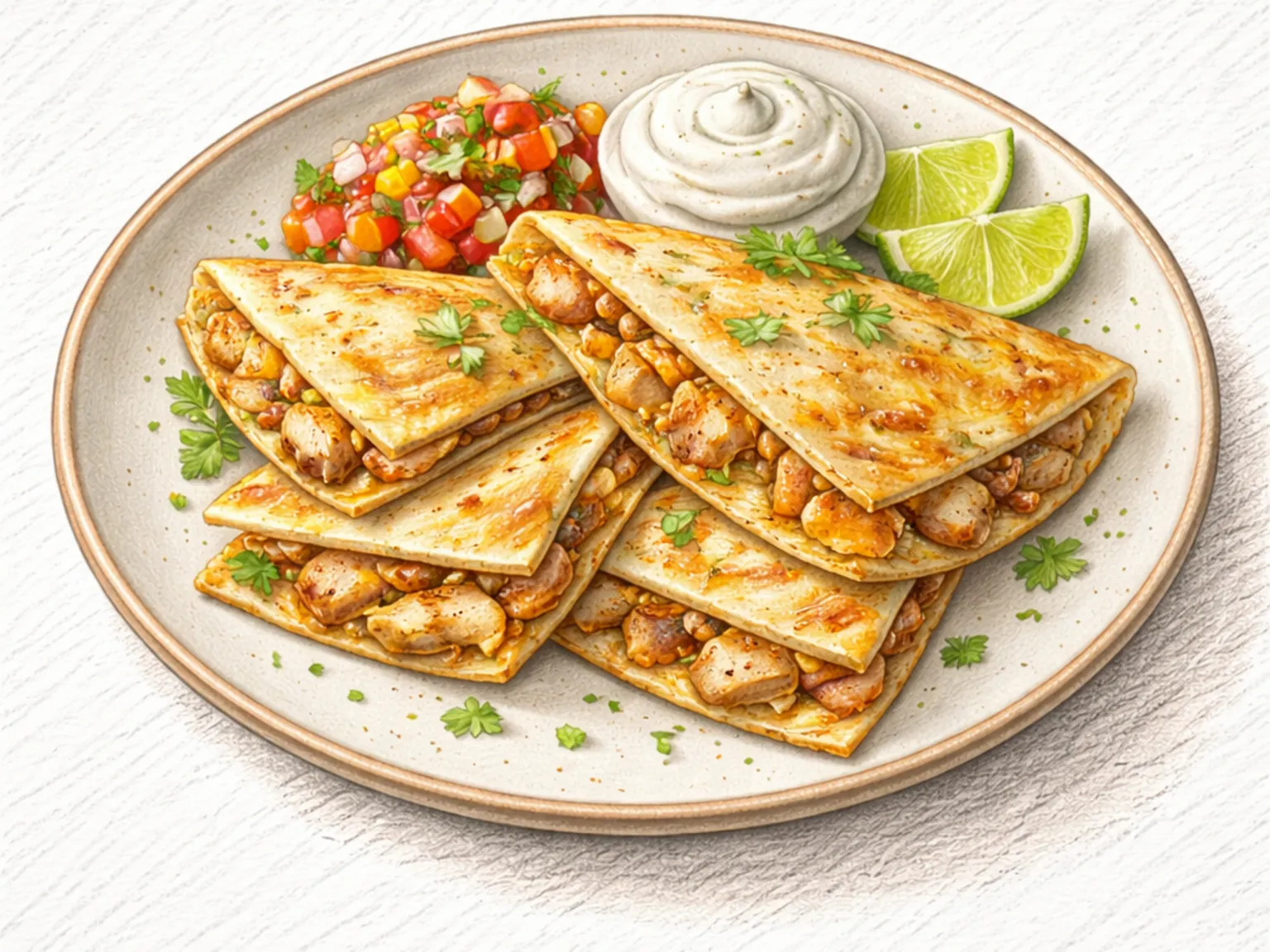
Chicken Quesadilla
Chicken quesadilla seasons diced chicken thigh with paprika, sautees it with onion and bell pepper, then presses the filling between flour tortillas with cheddar and mozzarella and toasts on low heat until crisp. Spreading a thin layer of cheese to the edges acts as glue, sealing the tortilla shut so the filling stays in place and the wedges cut cleanly. Low heat is essential - it gives the cheese time to melt evenly through the filling before the tortilla surface browns. The sharp flavor of cheddar and the stretch of mozzarella together wrap around the lean chicken, while paprika and onion add a sweet, smoky undertone. Sliced into eight wedges and served warm with sour cream or salsa on the side.
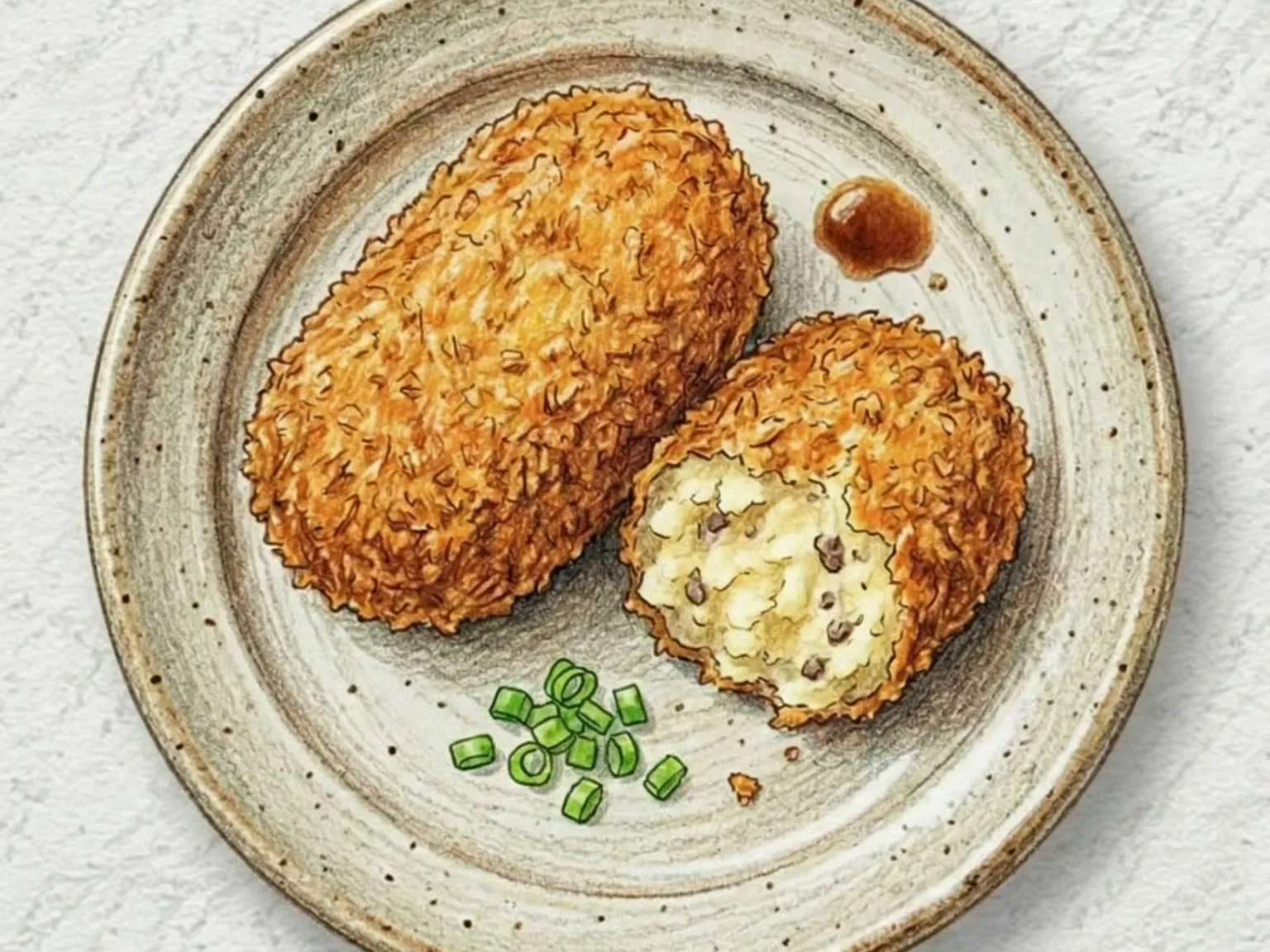
Japanese Korokke (Crispy Panko Potato and Beef Croquette)
Korokke is a Japanese potato croquette that traces its roots to the French croquette but has become a distinctly Japanese comfort food. Potatoes are boiled until completely soft, mashed while still hot, then mixed with sauteed onion and seasoned ground beef. The mixture is shaped into flat ovals, coated in flour, dipped in beaten egg, and rolled in panko breadcrumbs before frying at around 170 degrees Celsius. The panko crust turns an even golden brown and stays audibly crunchy, while the interior remains fluffy and starchy. A drizzle of Worcestershire or tonkatsu sauce is the standard condiment. In Japan, korokke are a staple of butcher shops and prepared-food counters, where they are fried to order and eaten on the spot or carried home still warm. Cream korokke filled with bechamel and crab, curry-flavored korokke, and kabocha pumpkin korokke are among the popular variations. Allowing the shaped patties to cool fully before frying keeps them from falling apart in the oil, and maintaining a steady temperature around 170 degrees prevents the crust from absorbing excess oil and turning greasy.
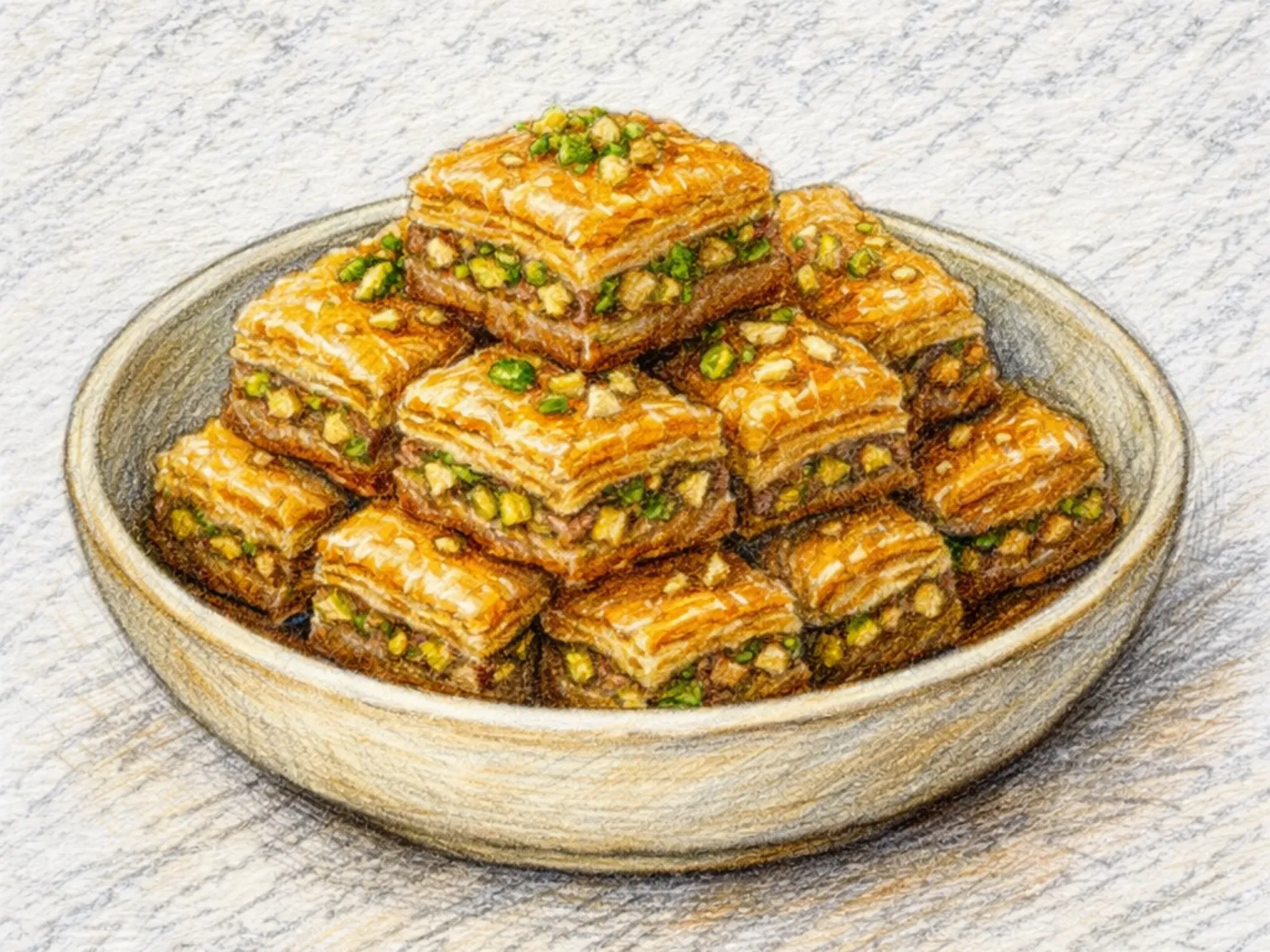
Baklava
Baklava is a historical pastry dessert consisting of multiple layers, which holds a significant place in the culinary cultures of the Middle East, Turkey, and the Mediterranean region. The preparation involves taking extremely thin sheets of phyllo dough and stacking them one by one inside a baking pan that has been coated with grease. To achieve a uniform golden color and a crunchy consistency, every single layer of the dough is brushed thoroughly with a generous amount of melted butter. Between these stacked phyllo sheets, a mixture made of finely chopped walnuts and pistachios is distributed at specific intervals. This nut filling is typically seasoned with ground cinnamon to add a specific aromatic quality to the internal layers of the pastry. Before the assembled pastry is placed into the oven, it is carefully cut into diamond or square shapes. This scoring process is essential because it creates paths for the syrup to flow deep into every individual piece later. The baking process occurs at a temperature of approximately 175 degrees Celsius, continuing until the pastry reaches a deep golden hue across its entire surface. While the pastry is still hot from the oven, a liquid syrup consisting of sugar, honey, water, and a small amount of fresh lemon juice is poured over the whole pan. The crisp layers of the dough absorb this liquid over a period of several hours. This gradual absorption results in a specific final texture where the pastry remains both extremely brittle and noticeably moist at the same time. The inclusion of ground cinnamon within the nut layers provides a warm spice profile that helps to provide a contrast to the high level of sweetness from the honey syrup. In traditional settings, baklava is often presented on a plate next to a cup of unsweetened Turkish coffee or a serving of bitter tea. These beverages are chosen because their natural bitterness helps to balance the heavy richness of the dessert. When stored in an airtight container at room temperature, this pastry maintains its quality for more than a week.
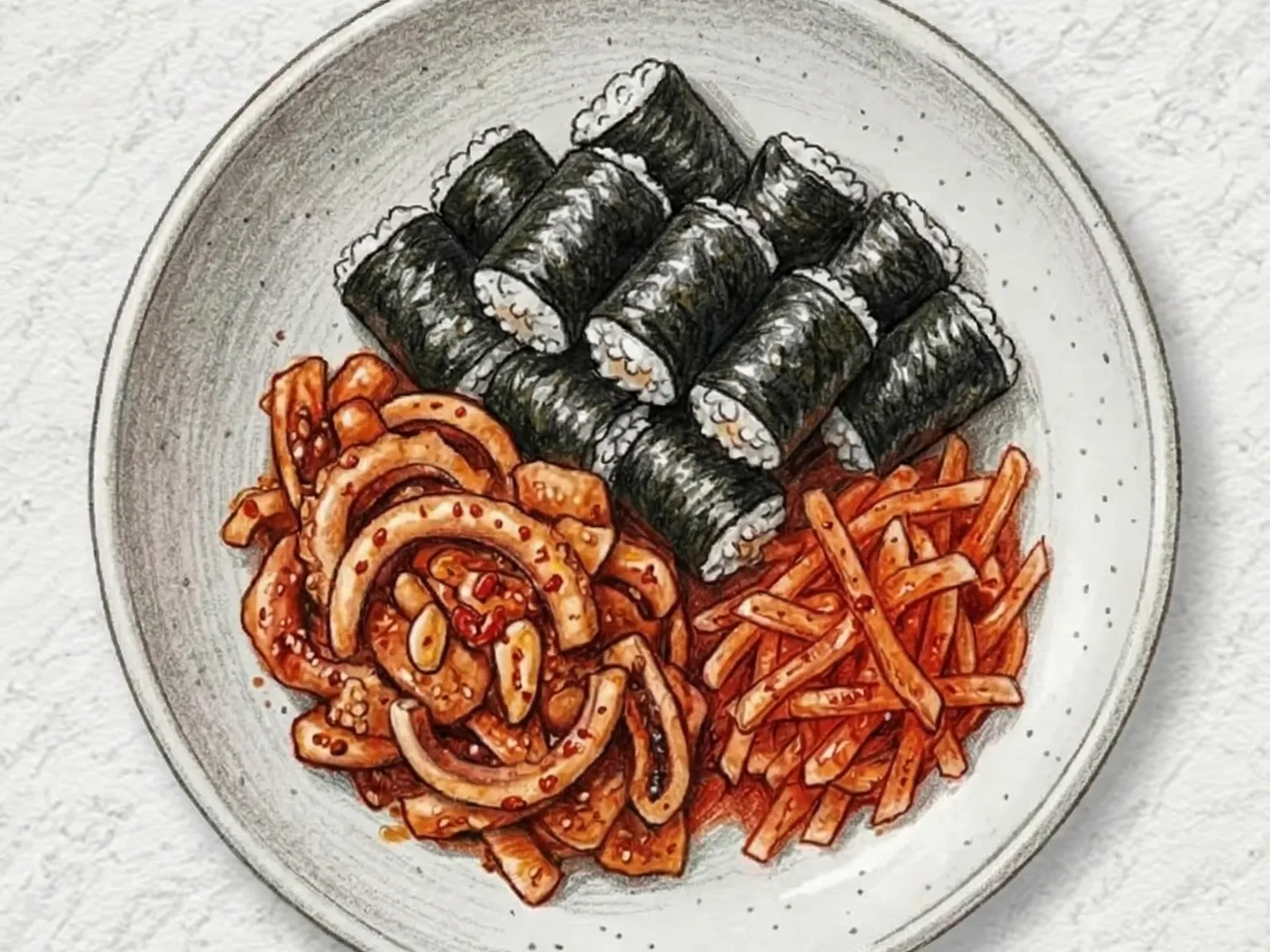
Korean Mini Seaweed Rice Rolls
Chungmu gimbap is a regional specialty from Tongyeong in South Gyeongsang Province - small, bite-sized seaweed rice rolls seasoned only with sesame oil and salt, served alongside spicy squid and pickled radish side dishes. The rolls carry no filling at all, so the rice and seaweed stay clean and mild, with all the bold flavor coming from the accompaniments. Blanched squid is tossed in gochugaru, fish sauce, and garlic for a spicy, briny punch, while thin-sliced radish pickled in the same seasoning adds crunch and sharp tartness. The tension between the plain, compact rolls and the intensely seasoned sides is the point of this dish - each plain bite and each fiery bite calibrate each other, making the combination more satisfying than either part alone.
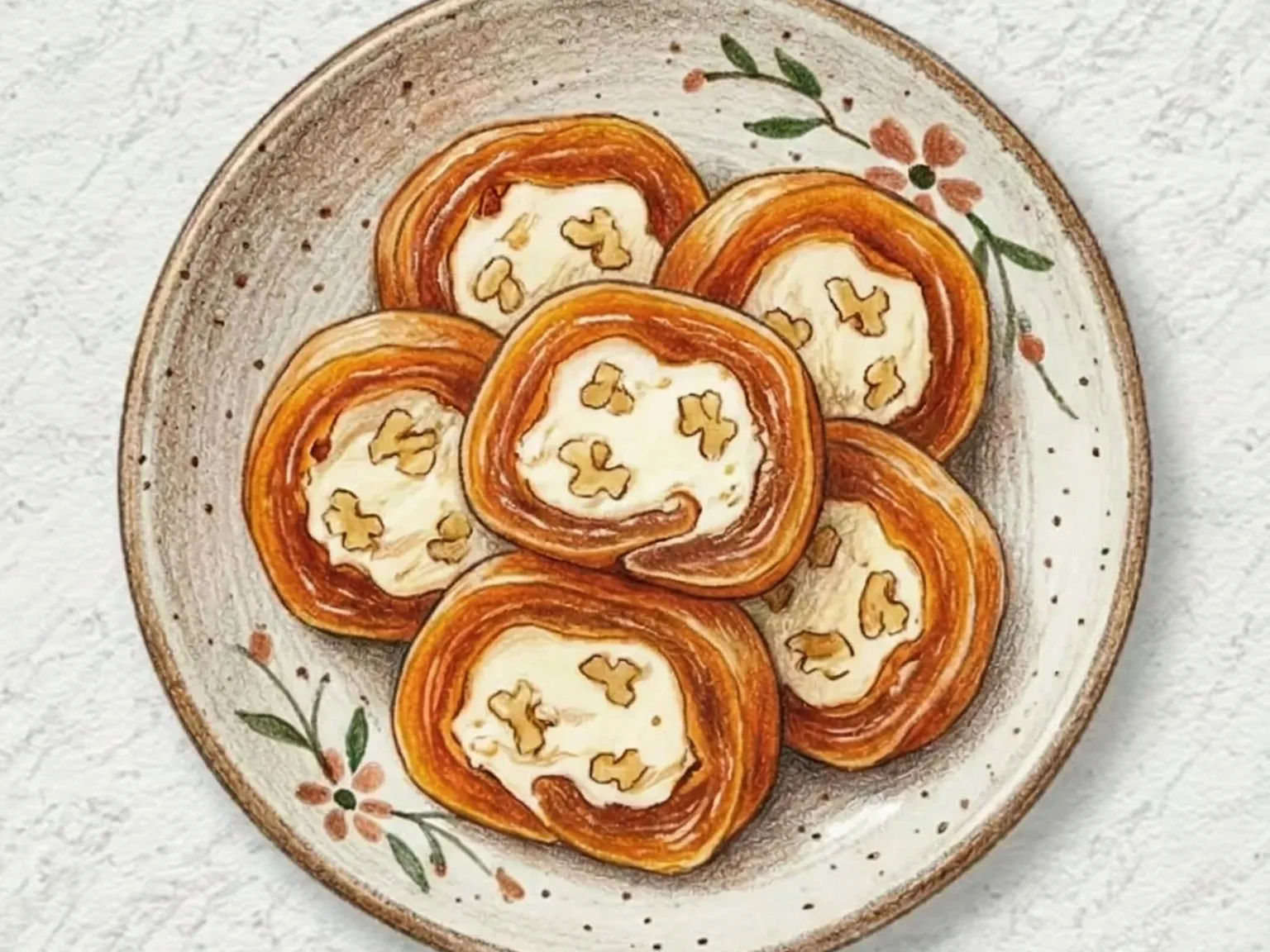
Gotgam Cream Cheese Roll (Dried Persimmon Rolls)
Gotgam cream cheese roll is a no-cook Korean dessert that requires nothing more than a knife, a bowl, and a refrigerator. Dried persimmons are slit open and flattened into thin sheets, each one acting as the outer wrapper. The filling is cream cheese mixed with honey and fresh lemon juice to balance its natural richness with acidity, and finely chopped walnuts are folded in throughout to add a crunchy, nutty element to every bite. The filling is spread across the opened persimmon, which is then rolled tightly and wrapped in plastic wrap. Twenty minutes in the refrigerator firms the roll enough to slice cleanly. Dipping the knife in warm water and wiping it dry before each cut produces the smoothest cross-sections. The finished slices reveal clearly defined layers: the chewy, caramel-sweet dried persimmon on the outside, the tangy cream cheese in the middle, and flecks of walnut distributed throughout. The combination makes it a natural pairing with wine or a polished addition to a traditional holiday table.

Chocolate Lava Cake
Chocolate lava cake bakes a batter of melted dark chocolate, butter, whole eggs, egg yolks, sugar, and a small measure of flour in buttered ramekins at 220 degrees Celsius for ten to twelve minutes, producing a set crust and molten center from a single brief baking window. The high oven temperature firms the outside and top of the batter into cake while the core stays liquid, so breaking the surface with a spoon releases a slow pour of concentrated warm chocolate. High-cacao dark chocolate provides a complex, bittersweet depth that pairs with the richness of butter fat, and vanilla extract softens and rounds the overall aroma. Timing controls everything in this recipe: overbaking by even two minutes sets the center solid and destroys the signature flow. The edges of each ramekin should feel just firm when pressed lightly through a towel at the ten-minute mark. Ramekins can be filled ahead and refrigerated, but the baking time then needs an extra one to two minutes to account for the colder starting temperature. Serving with a scoop of vanilla ice cream or a spoonful of cold heavy cream creates a striking contrast between the hot, dense chocolate interior and the chilled, lighter dairy.
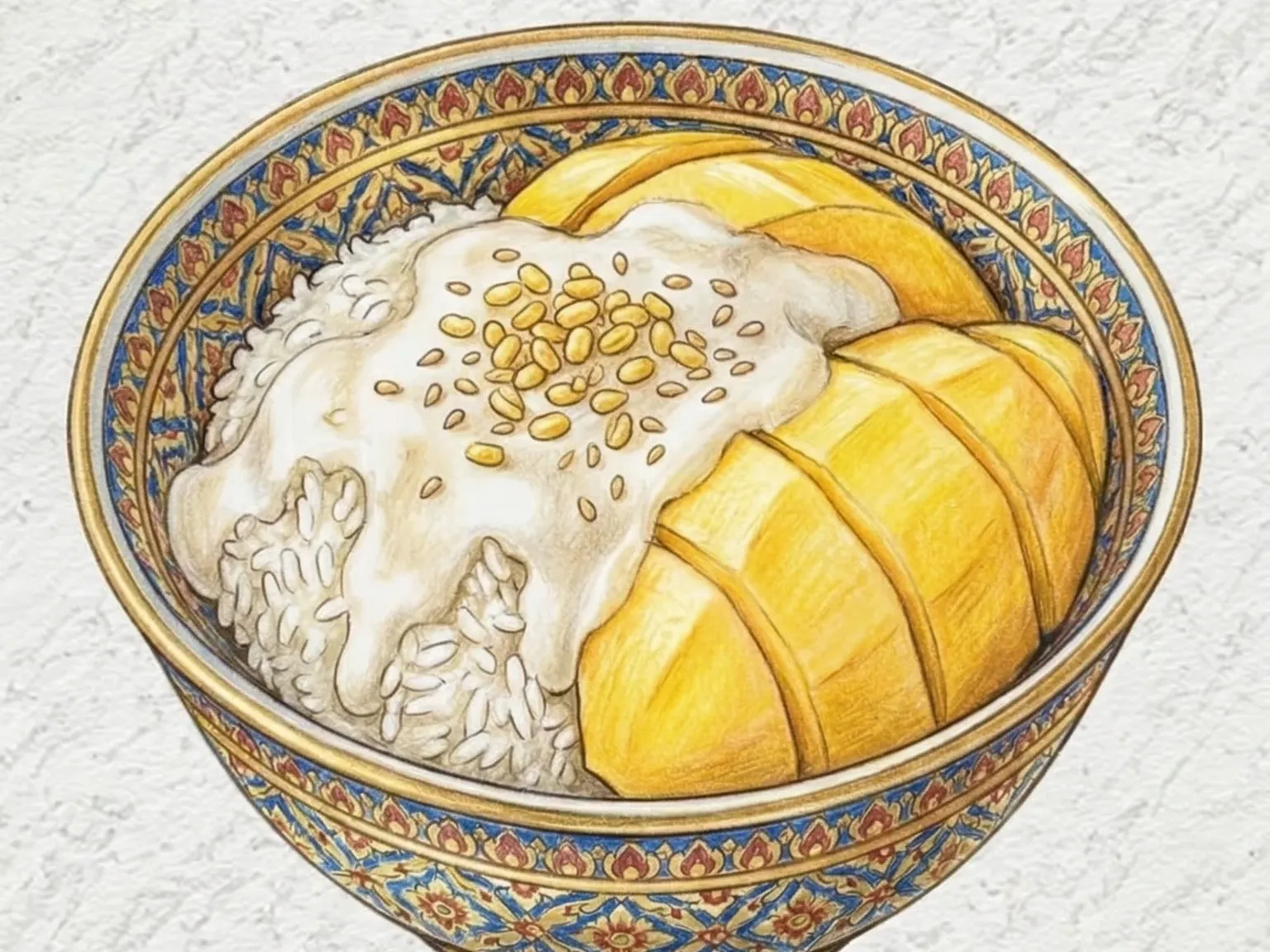
Mango Sticky Rice
Mango sticky rice is Thailand's most beloved dessert, built on nothing more than three ingredients - glutinous rice, coconut milk, and ripe mango - yet delivering a complexity that belies its simplicity. The rice is steamed, then soaked in warm coconut milk sweetened with sugar and tempered with a pinch of salt, which keeps the dish from being one-dimensionally sweet. Slices of ripe mango, ideally the fragrant Nam Dok Mai variety, are laid alongside the warm rice. A drizzle of thickened coconut cream on top ties everything together, and a scattering of toasted mung beans or sesame seeds adds a final nutty note. The dish is at its peak between April and June when mangoes are at their sweetest.
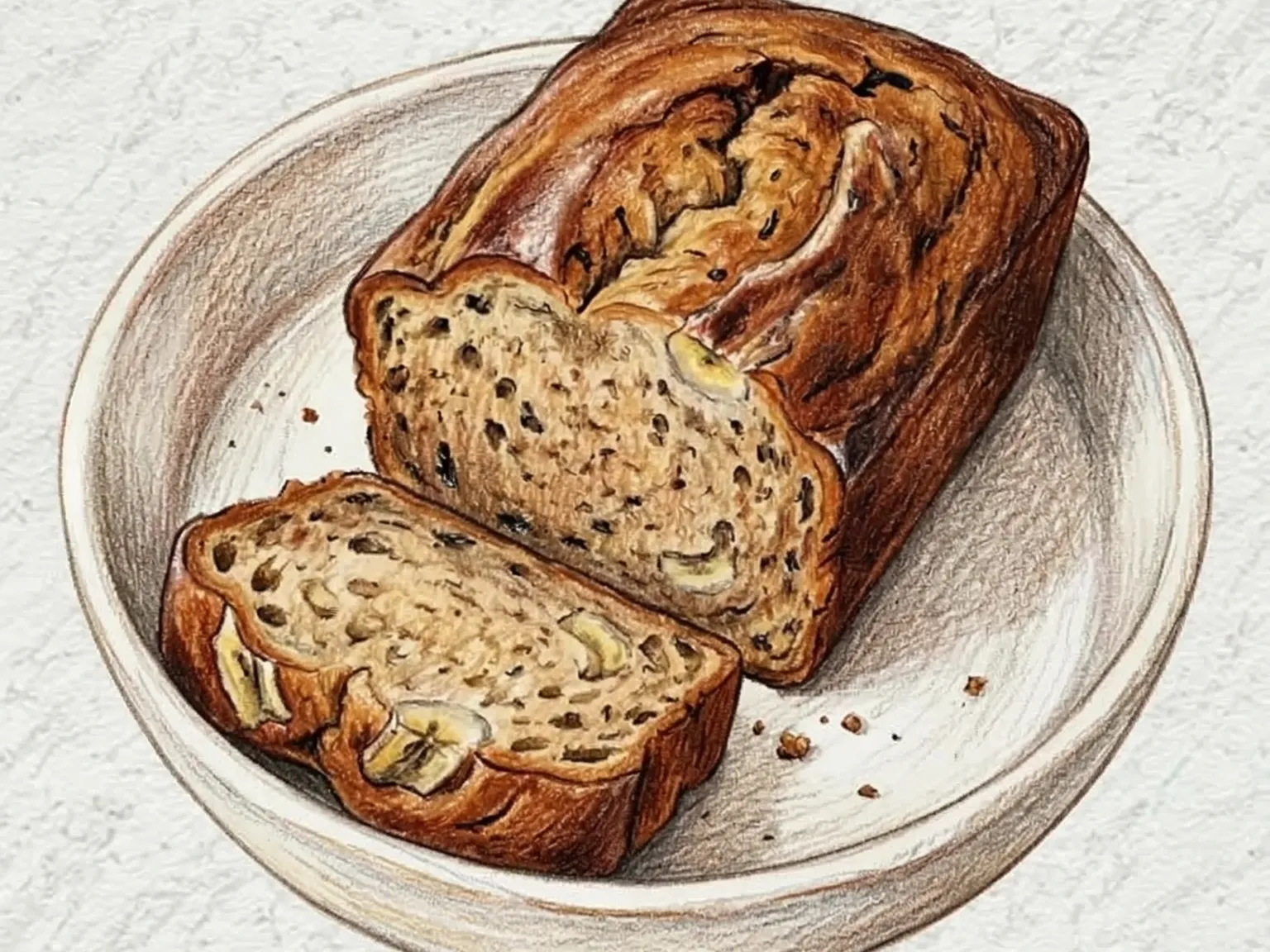
Banana Bread
Banana bread is a quick bread leavened with baking soda rather than yeast, which means no rising time and a straightforward one-bowl process. The most important variable is the banana: heavily blackened, overripe fruit is essential because the starches have converted to sugar, the flesh mashes effortlessly, and the concentrated banana aroma permeates every part of the crumb. Melted butter adds richness without creaming, a single egg provides structure, and vanilla extract amplifies the banana's fragrance. The batter mixes in one bowl and goes directly into the oven at 170 degrees Celsius for roughly sixty minutes. A toothpick inserted into the center should come out clean. The bread is good warm from the oven, but the flavor is measurably deeper the following day as banana sugars continue to penetrate the interior. Walnuts or chocolate chips folded into the batter add textural contrast without changing the essential character of the loaf.
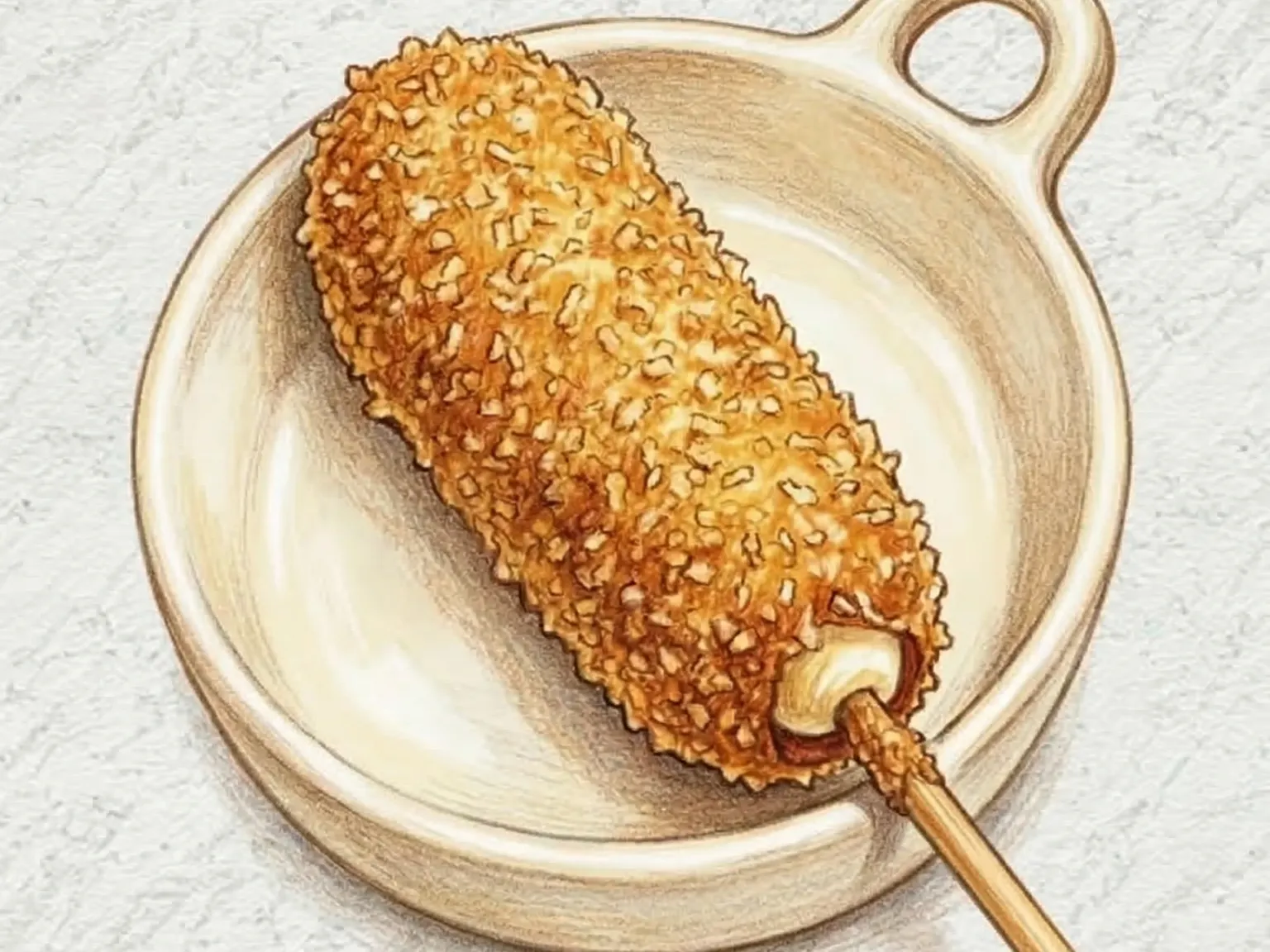
Korean Cream Cheese Hotdog
Cream cheese hotdog is a Korean street corn dog made by threading sausage and a log of cream cheese together on a stick, coating in wheat batter, rolling in breadcrumbs, and deep-frying at 170 degrees Celsius. The breadcrumb crust fries to a golden, audibly crunchy shell, while the batter layer underneath stays soft and doughy, creating a distinct middle texture between crust and filling. Each bite delivers the salty snap of sausage alongside the smooth, tangy richness of melted cream cheese. Briefly freezing the cream cheese before assembly is the key step - without it, the cheese melts out through the batter before the crust has a chance to set.
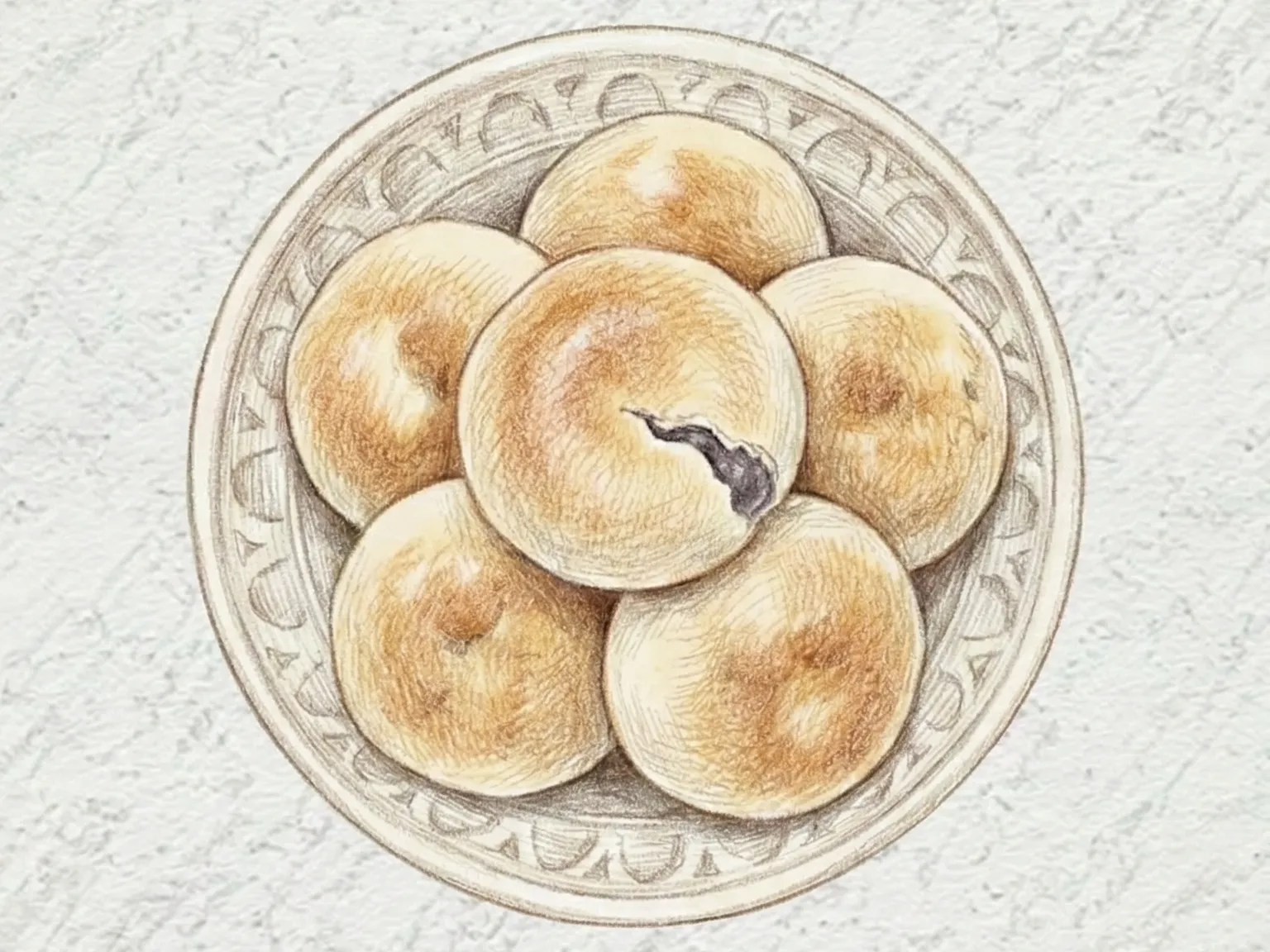
Red Bean Pastry (Korean Gyeongju Soft Bun with Anko)
Gyeongju-ppang is a baked Korean pastry made from a yeast-leavened dough enriched with milk and butter, wrapped generously around a core of sweet red bean paste. The dough is rolled thin, formed around the filling with the seam placed down, and baked at 180 degrees Celsius until the top domes up smooth and the surface takes on a pale golden color. Because the filling-to-dough ratio is deliberately high, the dominant flavor in each bite is the dense, sweet red bean, with the thin enriched shell contributing a quiet dairy aroma. The pastry traces its lineage to hwangnam-ppang, originating in the Hwangnam district of Gyeongju, and has become one of the city's defining food souvenirs. It stays moist after cooling, which makes it practical both as a packaged gift and as an everyday snack eaten at room temperature.
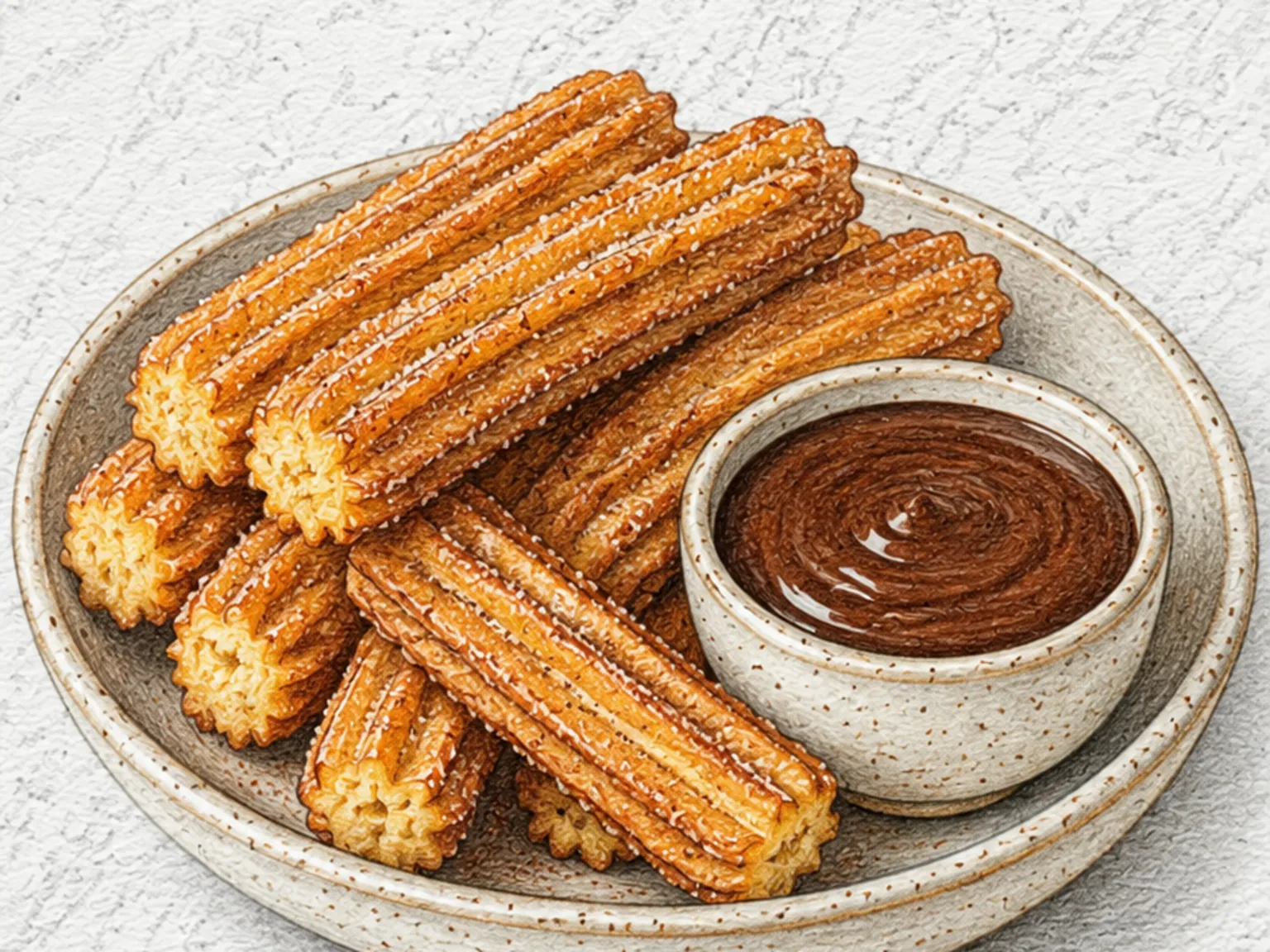
Churros with Chocolate Sauce
Churros are made from a choux-style dough of boiled water, butter, and flour, enriched with eggs and piped through a star tip directly into hot oil. Frying at 175 to 180 degrees Celsius produces a crisp, ridged exterior where the star-shaped edges brown and split cleanly, while the interior stays chewy with a slightly hollow core that forms as the steam escapes during cooking. The contrast between the crackling outer crust and the soft, doughy center is the defining textural quality of a well-made churro. Adding the eggs gradually and stopping when the batter falls in a slow, thick ribbon prevents the ridges from blurring during piping. Rolling the hot churros in cinnamon sugar immediately after frying coats them while the oil helps the mixture adhere. The accompanying dipping sauce melts dark chocolate into warm milk over gentle heat, producing a thick, bittersweet liquid that contrasts the sweetened dough. Across Spain and parts of Europe, churros dipped in hot chocolate are a standard morning meal, not a dessert.
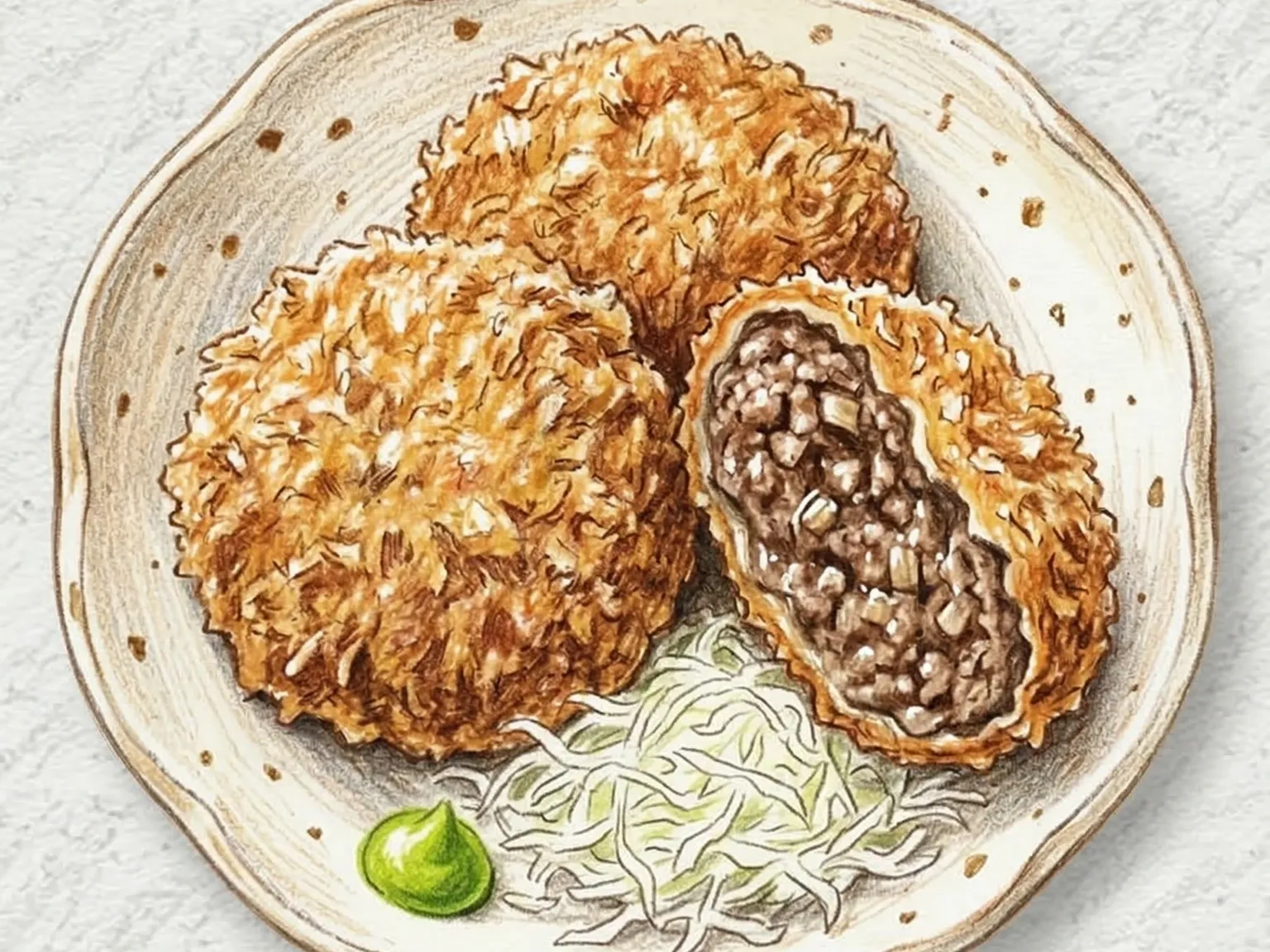
Menchi Katsu (Japanese Deep-Fried Breaded Minced Meat Patty)
Menchi katsu is a Japanese deep-fried minced meat cutlet that combines ground pork and beef with caramelized onion, shaped into thick patties, coated in flour, egg wash, and coarse panko breadcrumbs, then fried at 170 degrees Celsius until the crust turns a deep, shattering golden brown. The onion must be cooked down properly in oil and cooled before mixing into the meat so that the patties hold their shape and do not leak moisture into the breading. Coarse panko, applied generously and pressed firmly, builds a layered, craggy shell with multiple breaks and ridges that shatter on the first bite. Cutting the finished katsu open releases a rush of steaming, savory juice, and the sweetness of the cooked onion rounds out the richness of the two meats. Worcestershire or tonkatsu sauce is the standard accompaniment, though Japanese hot mustard works equally well as a sharp contrast. In Tokyo, neighborhood butcher shops fry fresh batches daily, displaying them in glass cases for customers to buy and eat on the street while still hot. The menchi katsu sandwich, where a freshly fried cutlet is pressed between thick slices of milk bread with shredded cabbage, has grown into a regional specialty category of its own.
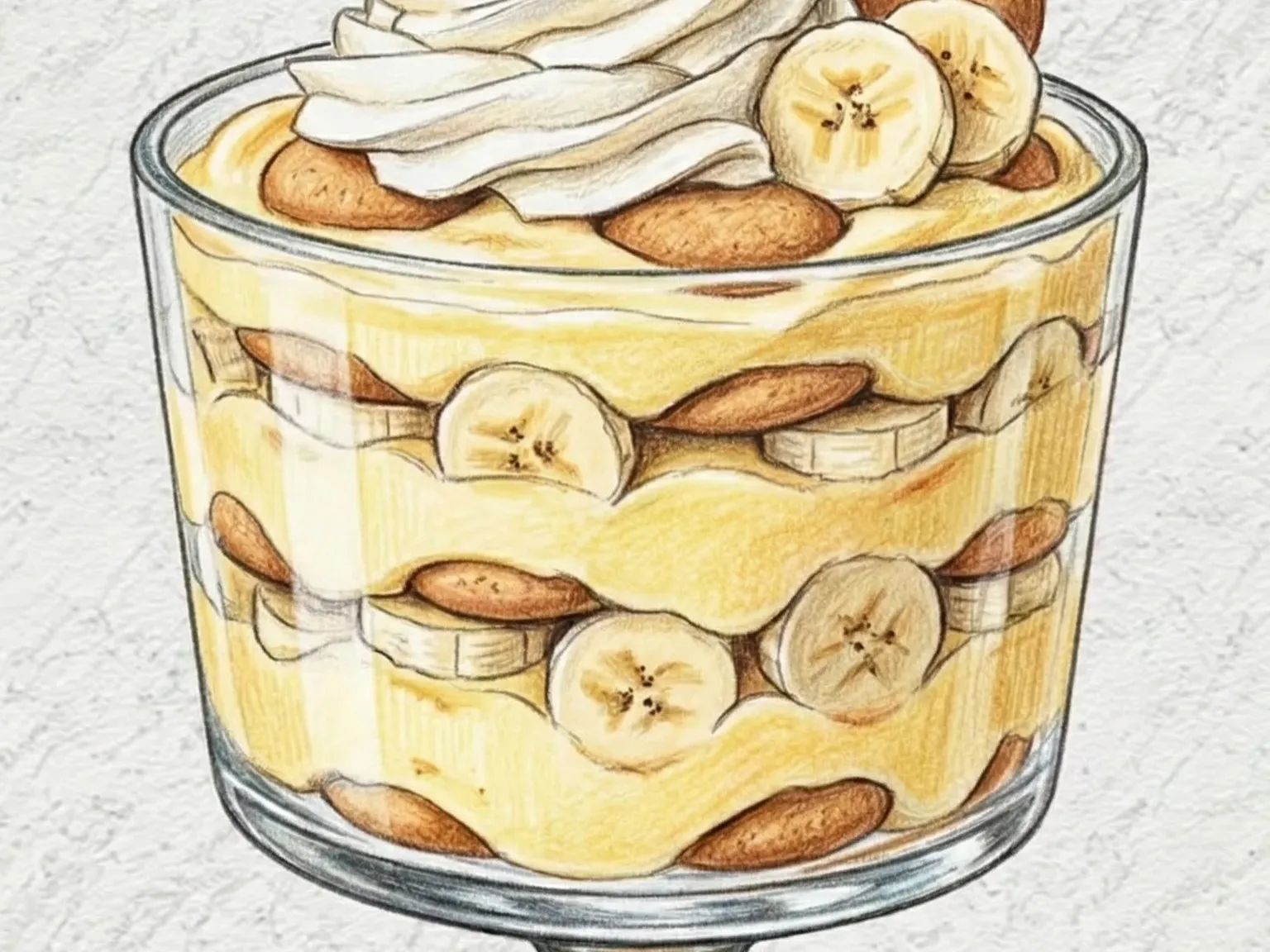
Banana Pudding
Banana pudding is an American Southern dessert built from repeating layers of vanilla custard, sliced banana, and vanilla wafer cookies. The custard cooks on the stovetop by whisking milk, sugar, cornstarch, and egg yolks until the mixture thickens enough to coat a spoon. Layering begins while the custard is still warm, alternating banana rounds and wafers before topping with whipped cream. Refrigeration transforms the wafers as they absorb moisture from the custard, turning from crisp cookies into something resembling soft sponge cake. Fully ripe bananas are essential since underripe ones carry an astringent edge that stands out against the sweet custard. The entire dessert is stovetop-only, no oven required, making it approachable for most kitchens. Overnight refrigeration stabilizes the layers and deepens the overall flavor considerably.
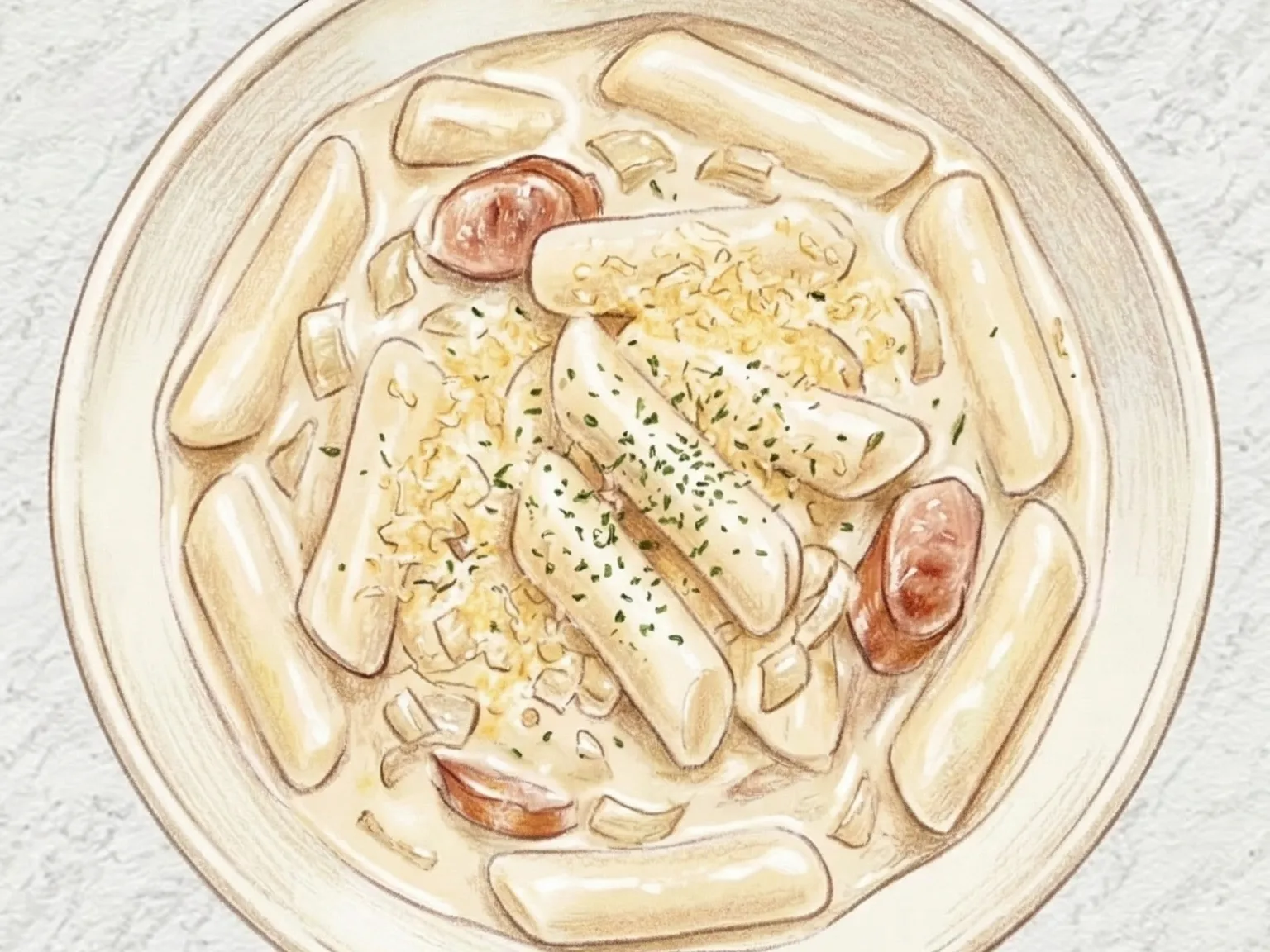
Korean Cream Tteokbokki (Chewy Rice Cake in Cream Butter Sauce)
Cooking rice cakes in a mixture of heavy cream, milk, and butter offers a mild alternative to the spicy gochujang-based version. The process begins with sauteing onions in butter over low heat for at least ten minutes, which converts onion starches into sugar for a natural sweetness without added sugar. Once the cream and milk are added to the softened onions, the rice cakes simmer for seven to eight minutes over medium-low heat. This allows the cakes to absorb the liquid while maintaining their characteristic dense chewiness. A final addition of parmesan cheese provides a salty contrast to the heavy cream base. Because the flavor profile resembles a cream pasta, it serves as a common entry point for people avoiding chili heat. Maintaining a steady medium-low temperature prevents the sauce from separating during cooking. Adding bacon or shrimp introduces extra protein and savory elements to the pan. The sauce consistency thickens quickly as its temperature drops, making immediate service from the pan the best way to maintain the intended texture. Swapping the parmesan for cheddar or mozzarella changes the character of the finished sauce and provides a different eating experience.
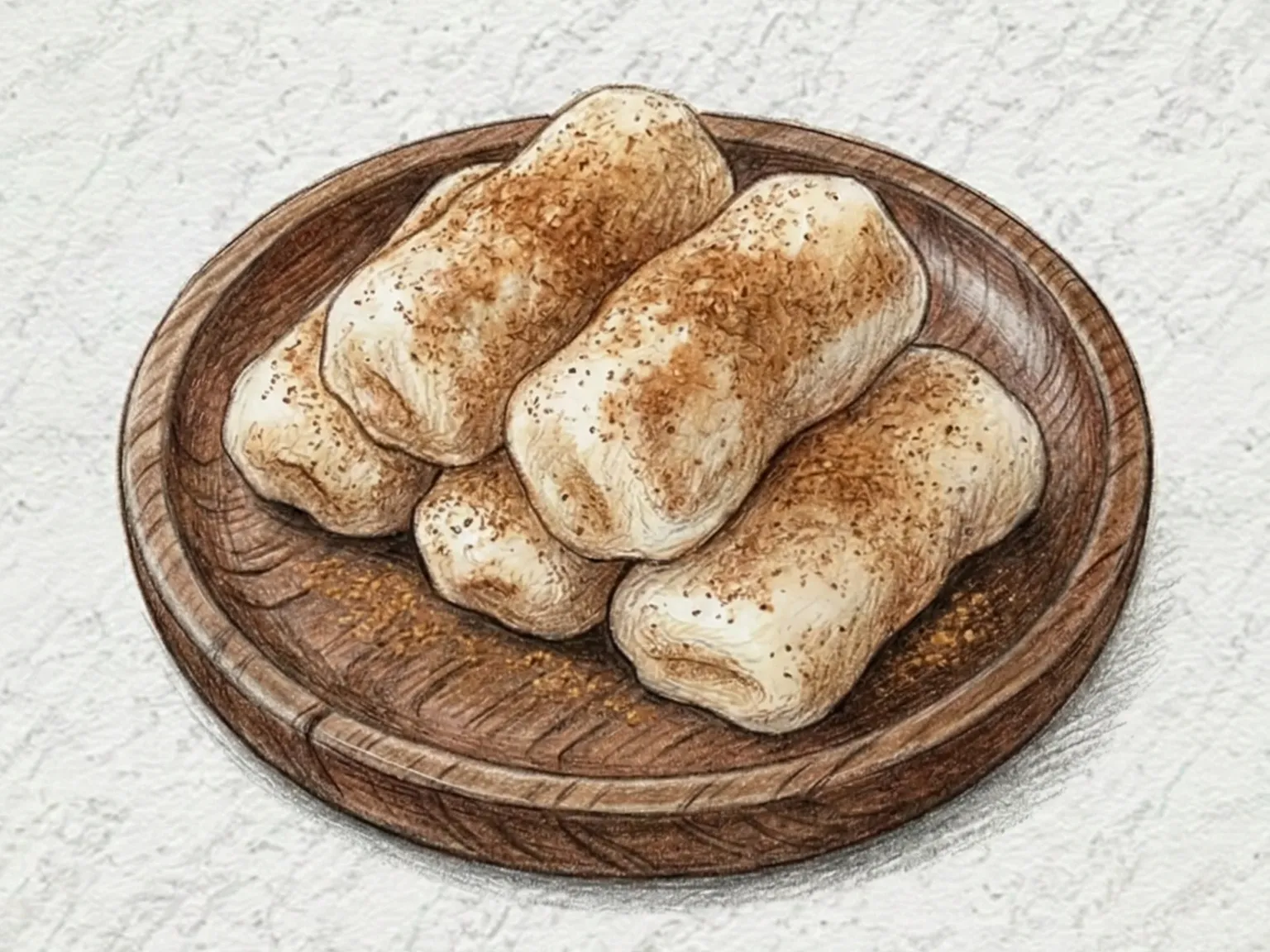
Cinnamon Rice Cake (Layered Korean Steamed Rice Cake)
Gyepi-tteok is a layered Korean steamed rice cake made from non-glutinous and glutinous rice flours combined in the same batch. Water is added gradually and the mixture is rubbed by hand until it reaches a fine, damp-sand texture. Half the batch is mixed with cinnamon powder, and the plain and cinnamon portions are layered alternately in a steamer tray. Sieving the flour twice before steaming is the step that ensures even moisture distribution and a smooth, fine grain in the finished cake. High heat for twenty minutes, followed by a five-minute rest off the heat, cooks the cake all the way through. Julienned jujubes and whole pine nuts pressed into the top surface add color, a gentle date-like sweetness, and a resinous, fatty aroma. The non-glutinous rice keeps the crumb light, and the glutinous rice adds a soft, resilient chew.
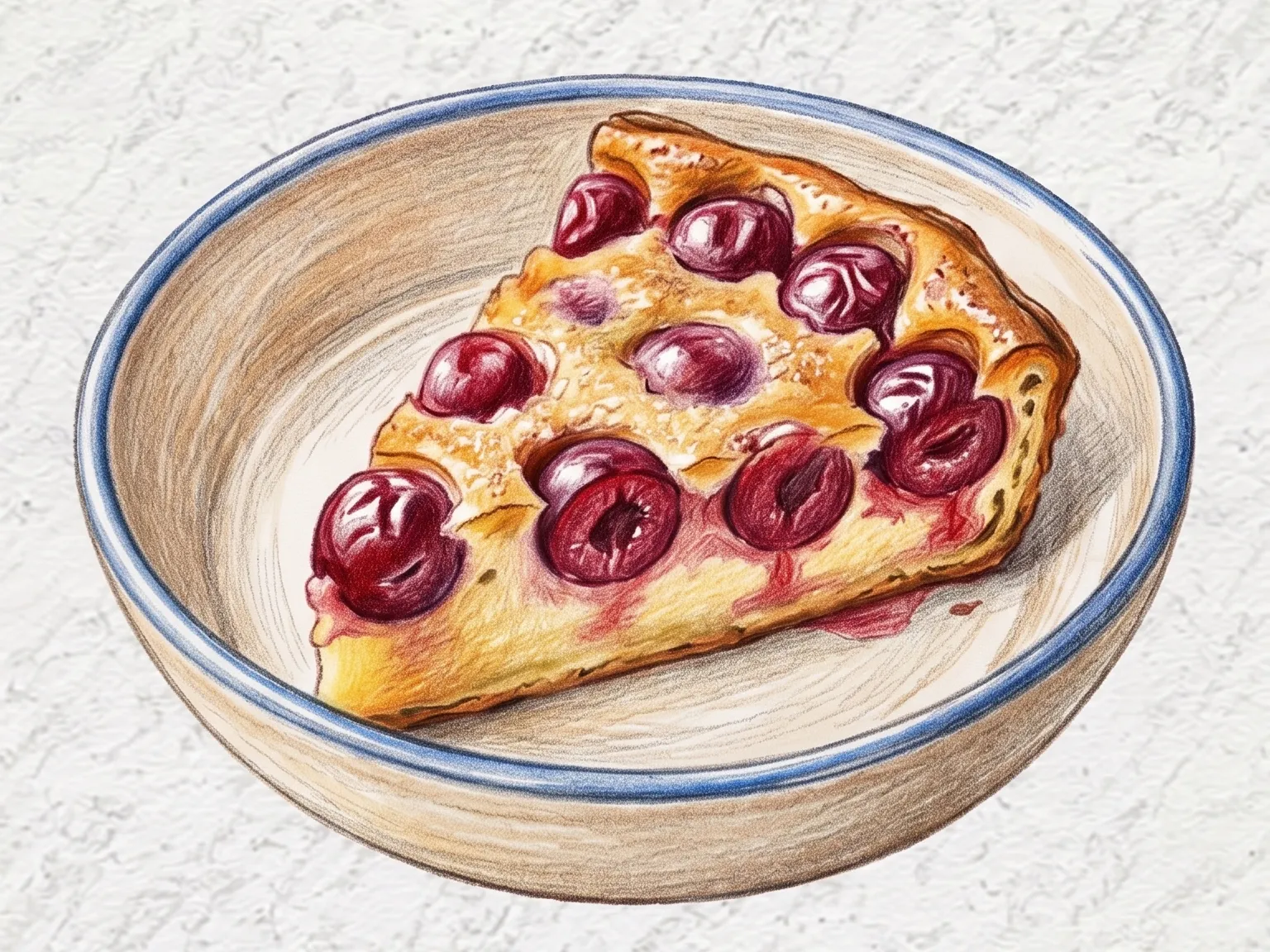
Clafoutis (French Baked Cherry Custard Dessert)
Clafoutis is a traditional French dessert from the Limousin region made by arranging fresh cherries in a buttered baking dish, then pouring over a thin batter of eggs, sugar, milk, and flour and baking at 180 degrees Celsius for thirty to thirty-five minutes. The batter is considerably thinner than pancake batter, and the result when baked is a texture that sits between a creamy custard and a light sponge -- the edges puff and turn golden while the center around the cherries stays moist and yielding. Using unpitted cherries is the traditional method: the pits release a faint almond scent during baking that perfumes the surrounding batter in a way that pitted fruit cannot replicate. The cherries also hold their shape better with the pits in. Vanilla extract deepens the egg-and-milk base, and the cherries' own tart juice seeps into the batter during baking, creating concentrated pockets of fruit flavor that balance the overall sweetness. Clafoutis is served directly from the baking dish, typically dusted with powdered sugar and brought to the table while still warm, because the custard texture softens and loosens slightly as it cools, making the warm version noticeably more appealing. Made with blueberries, plums, or apricots instead of cherries, the dessert takes a different name -- flaugnarde -- though the technique remains identical.
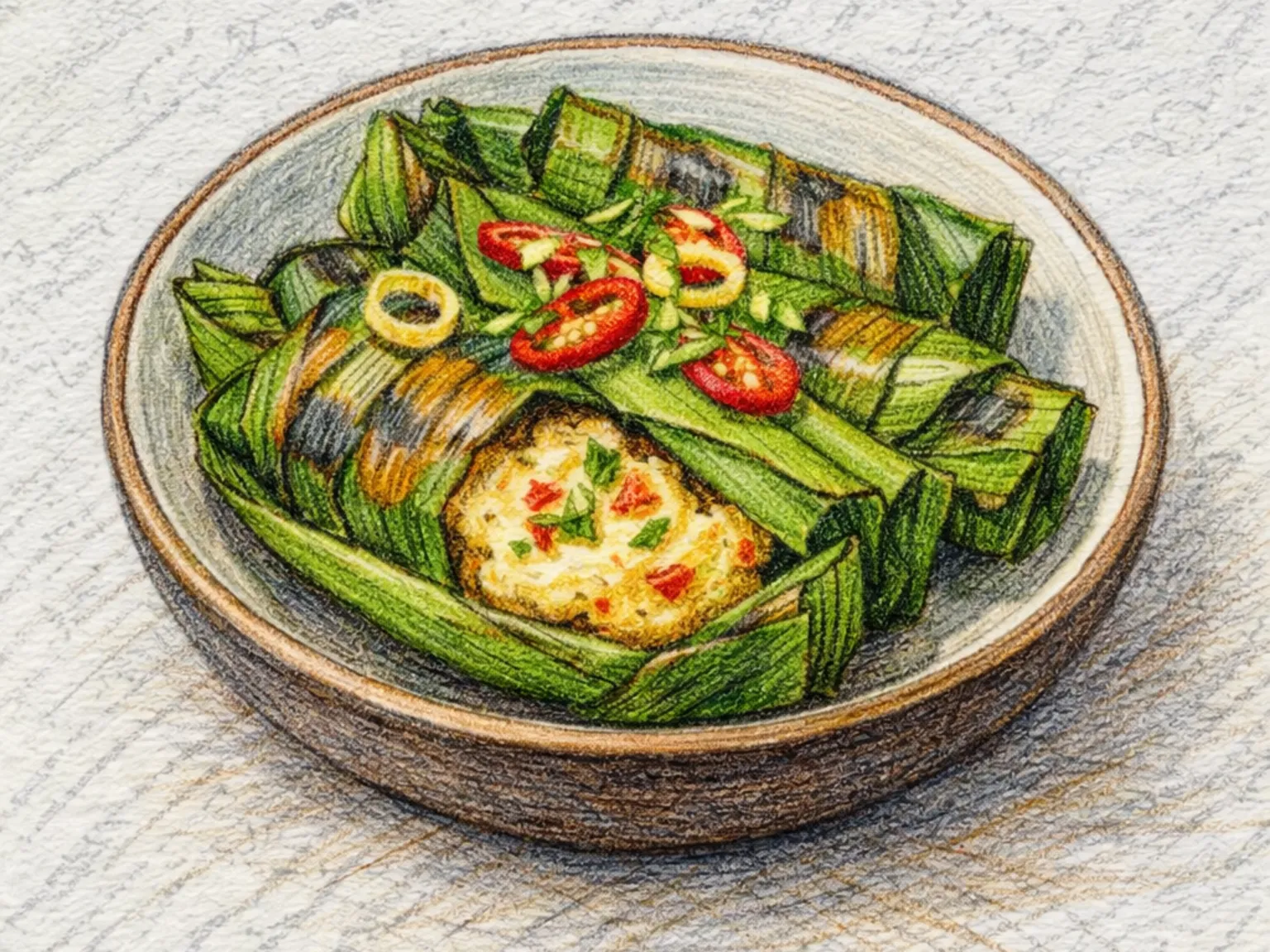
Otak-Otak (Southeast Asian Grilled Fish Paste in Banana Leaf)
Otak-otak represents a traditional method of preparing grilled fish paste that is prevalent throughout various regions of Southeast Asia. It maintains particularly deep roots within the culinary heritage of Malaysia and Singapore. The process begins by taking fresh white fish and processing it into a very smooth consistency. This fish base is combined with coconut milk, egg whites, and red curry paste to create a uniform mixture. Once the paste is ready, it is spread out in thin layers onto prepared sections of banana leaves. These leaves are then folded to secure the contents before being placed over a charcoal fire for grilling. As the charcoal heat causes the edges of the banana leaves to char, a subtle smoky quality is transferred through the leaf directly into the soft fish mixture contained within. Finely sliced kaffir lime leaves are incorporated into the paste to provide a distinct citrus profile, which serves to balance the inherent fat content of the coconut milk. In terms of its final consistency, this preparation differs significantly from the dense structure typically associated with Western-style fish cakes. It possesses a texture that is more comparable to a firm custard, being notably smooth and moist while remaining soft when bitten into.
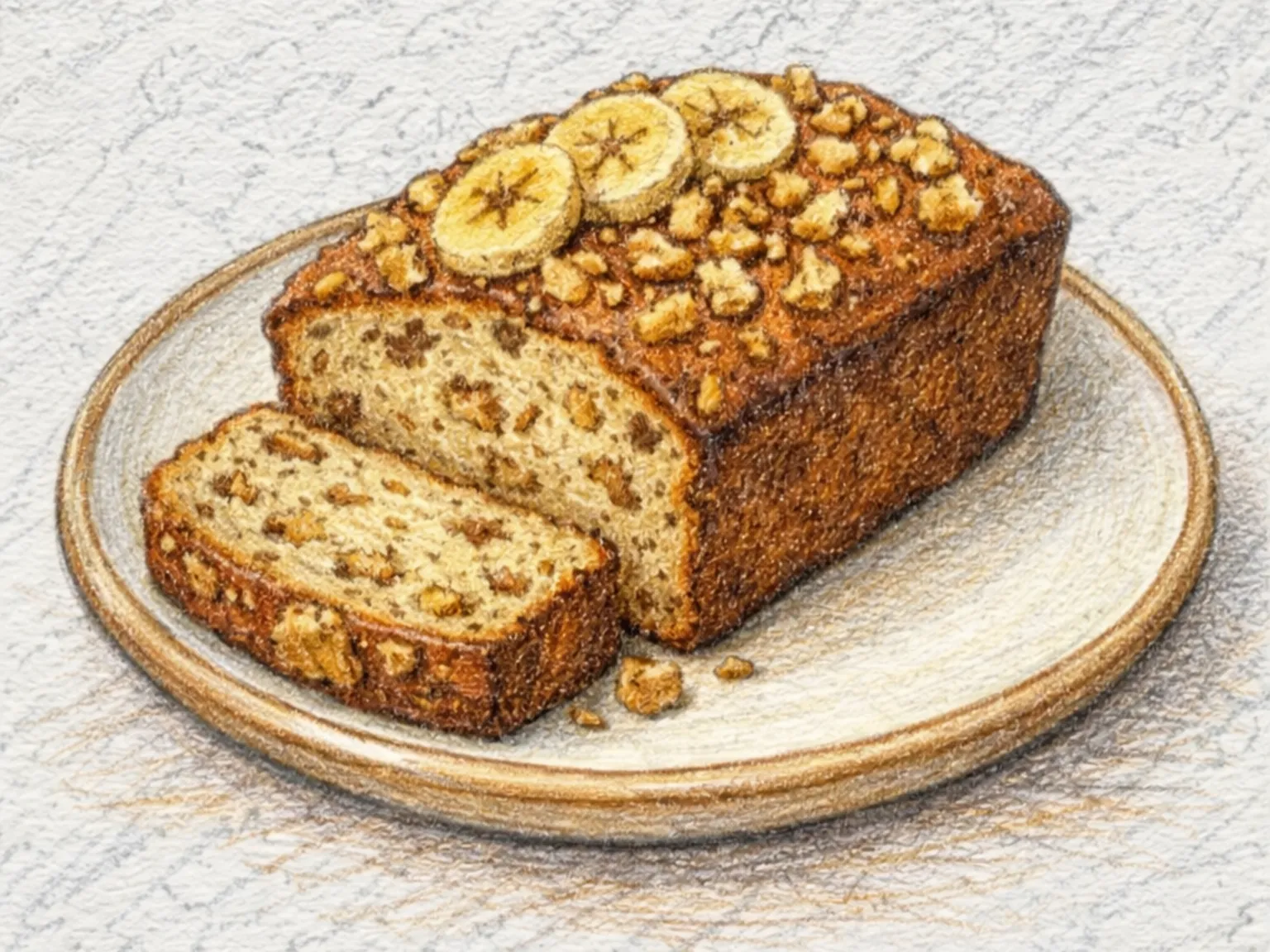
Banana Walnut Bread
As a quick bread, this loaf relies on baking soda instead of yeast for its structure. The process begins by mashing bananas that have developed dark spots or turned entirely black on the outside. This level of ripeness indicates that the starches have shifted into sugars, providing a natural sweetness to the batter. Combining these bananas with melted butter, eggs, and brown sugar creates the base. When adding the flour and baking soda, it is important to fold the mixture gently. Overworking the dough leads to gluten development, which results in a tough, dense crumb instead of the intended soft texture. Ground cinnamon provides a warm aromatic layer that complements the fruit. Roughly chopped walnuts are stirred in last; their irregular sizes ensure that every bite offers a different level of crunch. During the fifty-minute bake in a 9 by 5 inch pan, the walnuts toast within the crumb and release their natural oils. Slicing the bread while warm can cause a sticky interior, so the loaf should reach room temperature before being cut. It yields roughly eight slices and stays fresh for two to three days when wrapped. Reheating a slice in a toaster helps the exterior regain its crisp texture and brings out the scent of the toasted nuts.
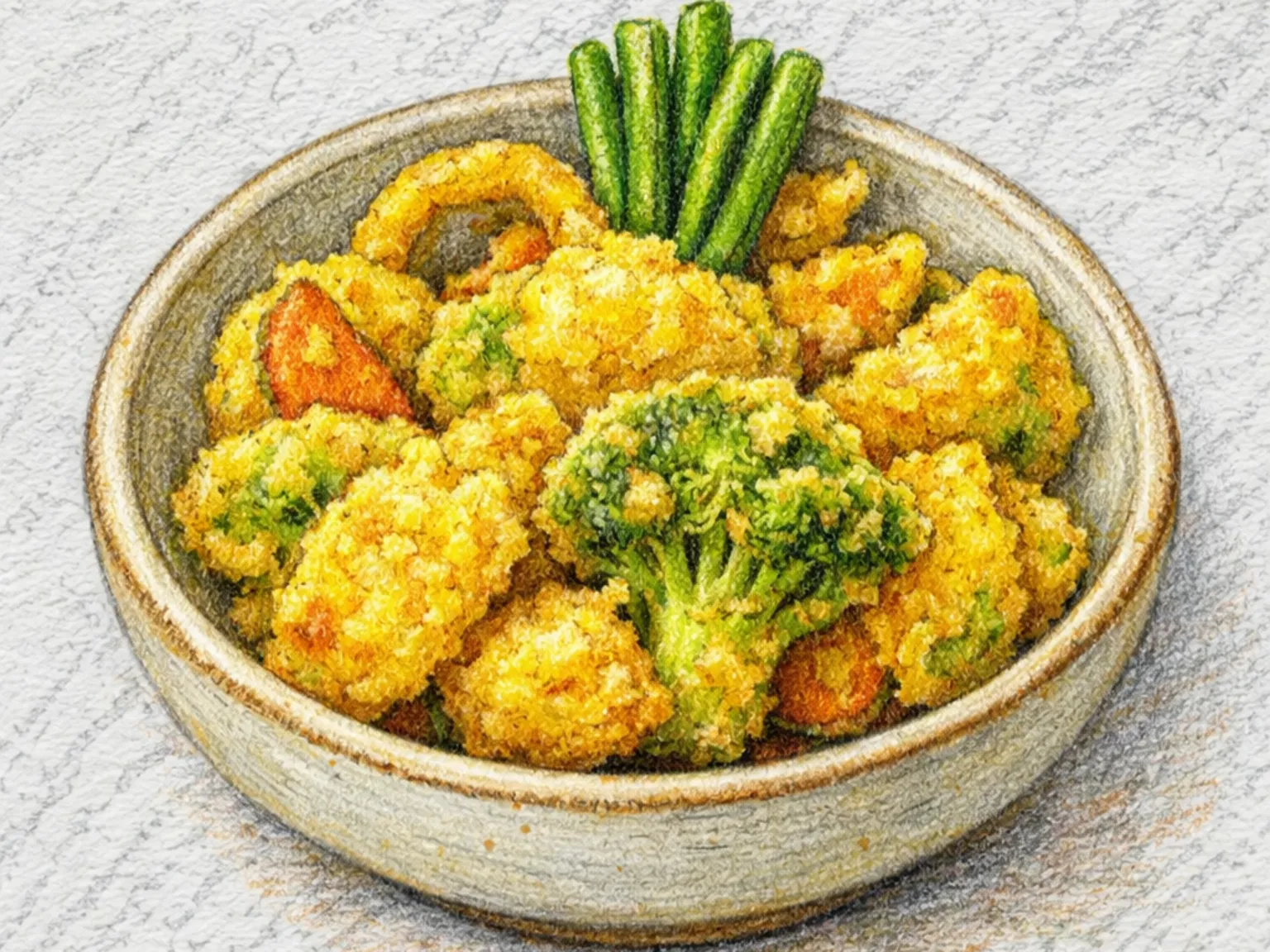
Korean Curry Flavored Tempura
Curry twigim mixes curry powder directly into the frying batter, giving it a vivid golden color and distributing spice throughout the coating before any frying begins. Sweet potato, carrot, and onion slices are dipped in this batter and deep-fried at 170 degrees Celsius. The key technical requirement is ice-cold water in the batter: cold temperature inhibits gluten development, which keeps the coating thin and produces a shattering, light crunch when bitten. Using warm or room-temperature water causes the gluten strands to develop fully, resulting in a thick, chewy crust that absorbs oil rather than repelling it. Because the curry powder is built into the batter itself, every piece carries turmeric, cumin, and coriander flavor in each bite without needing a dipping sauce. Compared to standard Korean vegetable tempura, the curry spices add an aromatic warmth and complexity to the sweet vegetables that distinguishes it clearly. The texture is best immediately out of the oil while the coating is still rigid.
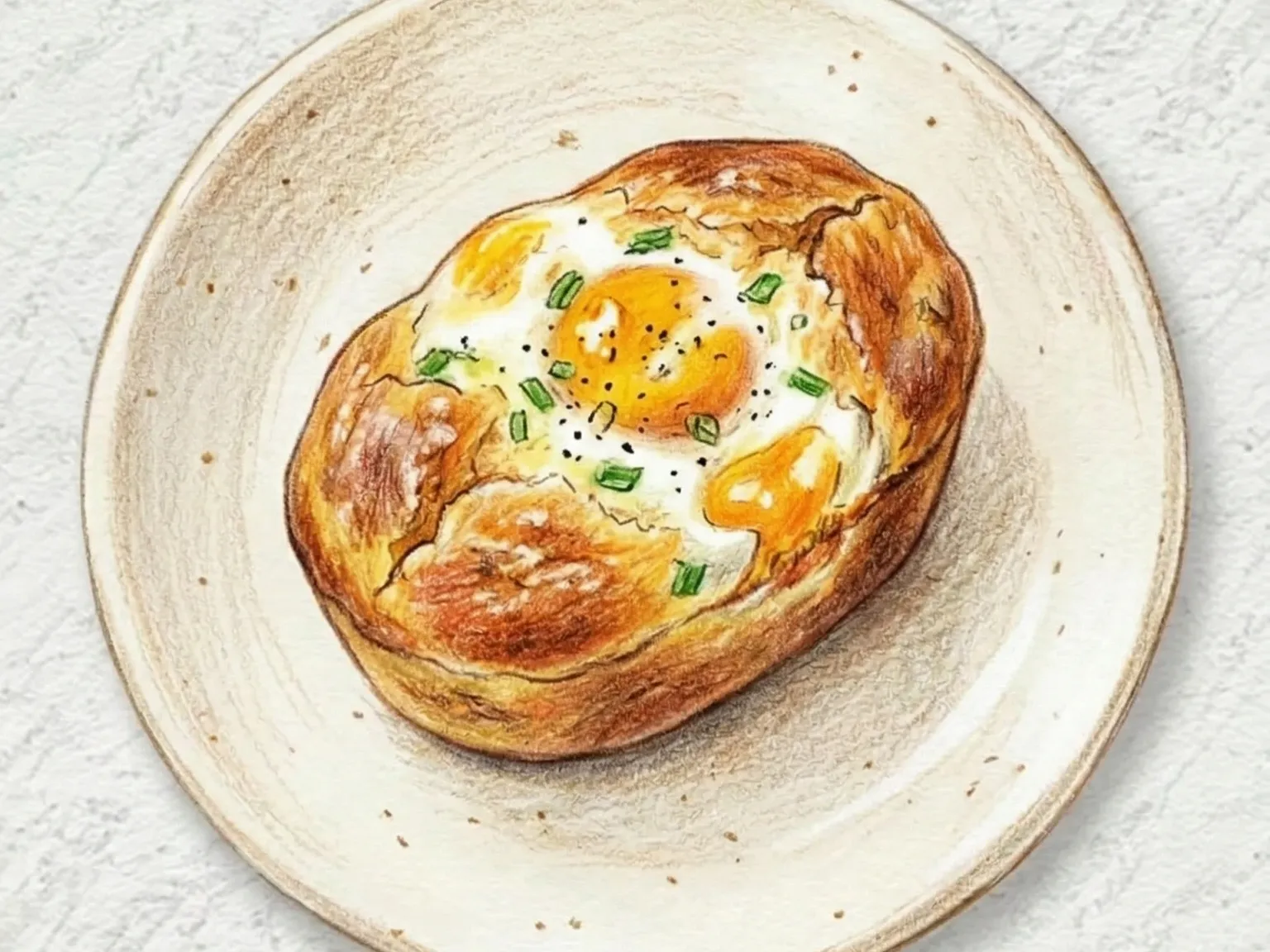
Korean Street Egg Bread (Sweet Batter Muffin with Whole Egg)
Winter streets in Seoul feature this warm handheld snack prepared by baking a whole egg atop a sweet batter. The base consists of cake flour, baking powder, milk, and melted butter poured into muffin molds. Adding a layer of finely diced ham beneath the egg creates a salty contrast against the sweetness of the dough. When baked at 180 degrees Celsius, sixteen minutes results in a soft and runny yolk, while eighteen minutes produces a firm center. Vanilla extract mixed into the batter helps neutralize the natural scent of the egg for a clean finish. A light dusting of dried parsley on the domed surface adds a subtle herbal scent as the bread turns golden in the oven. Small amounts of shredded cheese can be added to the batter to balance the sweetness. Serving the bread while it remains warm ensures the interior stays moist. This egg bread functions well as a quick breakfast option and can be made in paper muffin cups if metal molds are unavailable.
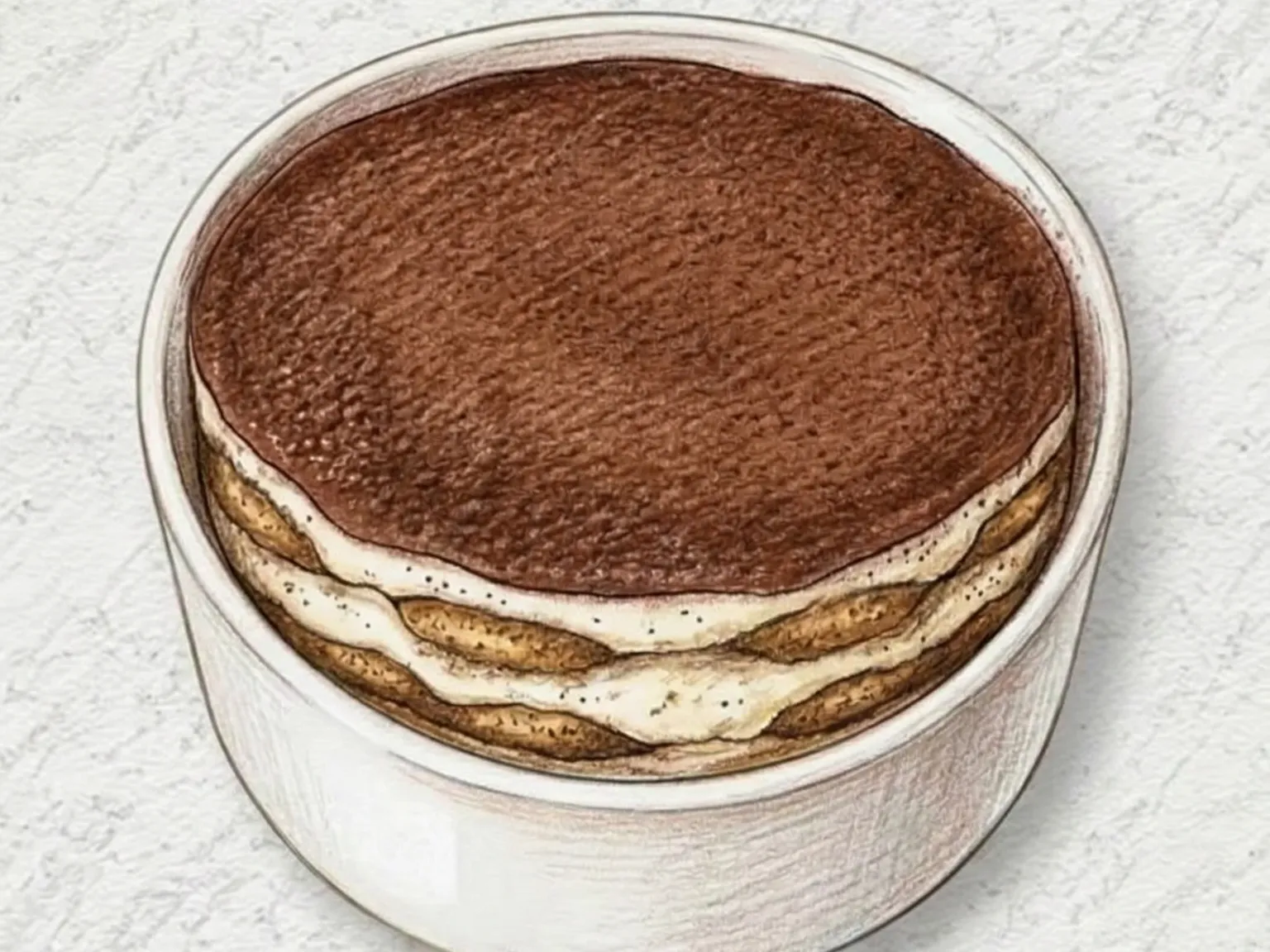
Classic Tiramisu
Classic tiramisu layers ladyfingers briefly soaked in a syrup of cooled espresso and Marsala wine with a cream made from egg yolks whipped with sugar over a bain-marie, then folded with mascarpone and softly whipped heavy cream. Dipping the ladyfingers for only about one second prevents them from absorbing too much liquid and collapsing. Whipping the cream to soft peaks and folding it gently keeps the filling light rather than dense. The bittersweet depth of espresso plays against the rich, buttery smoothness of mascarpone, creating a flavor contrast that develops further with chilling. A minimum of four hours in the refrigerator, ideally overnight, allows the layers to meld into a cohesive, melt-in-the-mouth texture. Cocoa powder dusted generously over the surface just before serving adds a final bitter note.
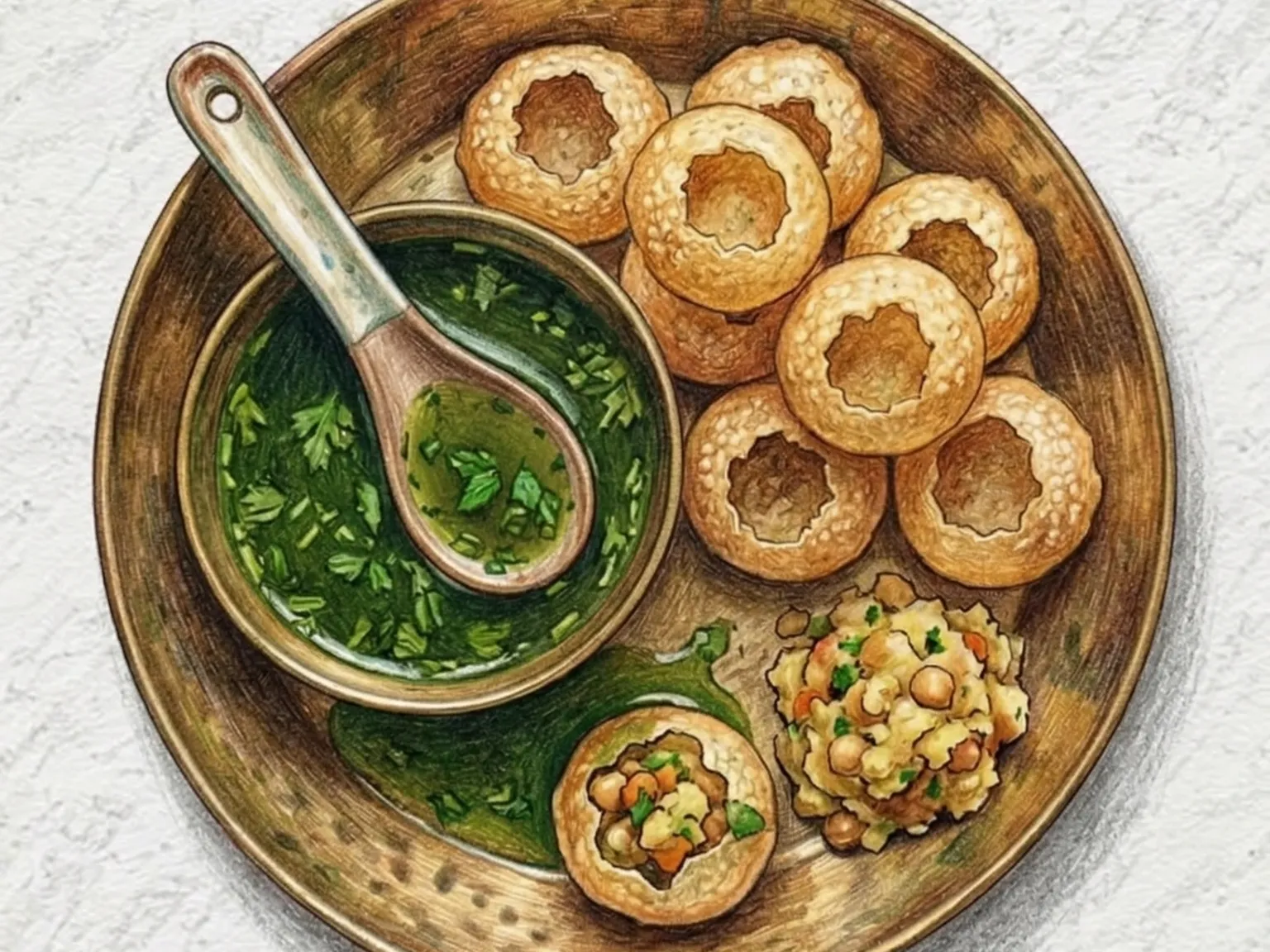
Pani Puri (Indian Crispy Hollow Shells with Spiced Herb Water)
Pani puri is India's most iconic street snack - crisp, hollow shells filled with potato, chickpeas, and a spiced herb water, then consumed in a single bite before they soften. Each puri is cracked open at the top, stuffed with mashed potato and chickpeas seasoned with chaat masala, and flooded with chilled pani made from blended mint, cilantro, tamarind, and green chili. The moment it enters the mouth, the shell shatters and releases a cold, tangy-spicy rush of liquid followed by the starchy comfort of potato. The flavor is layered and immediate: mint's cooling bite, tamarind's sour sweetness, and chaat masala's sharp saltiness all arrive at once.