🧒 Kid-Friendly Recipes
Sweet and fun snacks kids will love
516 recipes. Page 7 of 22
Kid-friendly snacks should be tasty and nutritionally balanced. This tag includes sweet treats children love alongside healthier options with hidden vegetables - potato cheese balls, sweet potato sticks, fruit skewers, and more.
Making snacks at home means full control over ingredients, with no additives or preservatives. Cooking together can also be a fun activity for the family. Browse these simple recipes designed to please young palates.
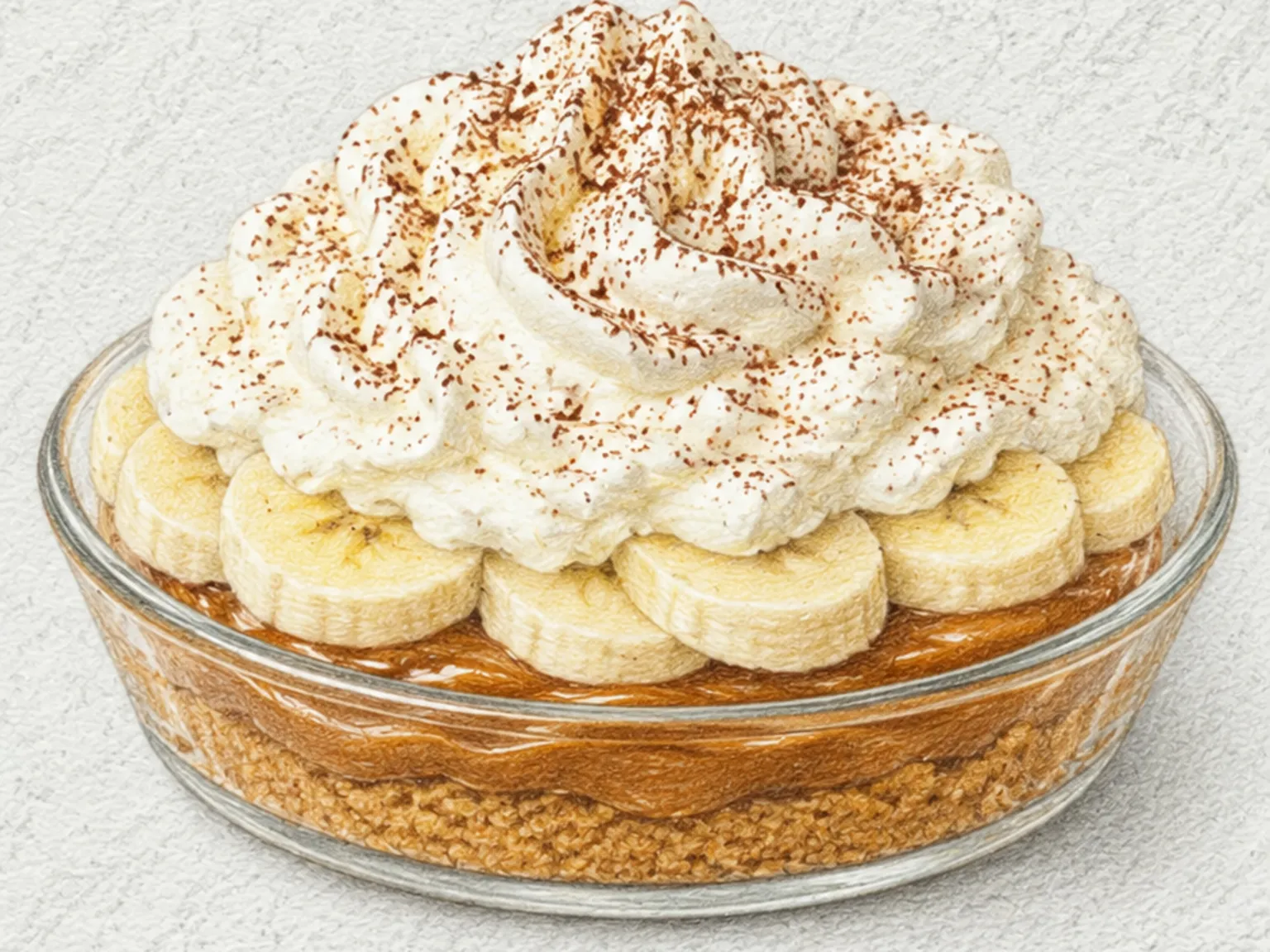
Banoffee Pie
Banoffee pie is a British no-bake dessert whose name compresses banana and toffee, the two ingredients that define its character. A base of crushed digestive biscuits bound with melted butter is pressed firmly into a pan and chilled until set. Sweetened condensed milk is heated slowly over low heat, stirring constantly, until it darkens into a thick, amber-colored toffee that spreads over the biscuit base in a dense layer. Ripe bananas are sliced thickly and layered on top of the toffee, then the whole assembly is finished with a generous dome of softly whipped cream and a dusting of cocoa powder or grated dark chocolate. Each forkful delivers four textures in sequence: the sandy crunch of the biscuit base, the dense caramel pull of the toffee, the soft sweetness of banana, and the cool, airy lightness of cream.
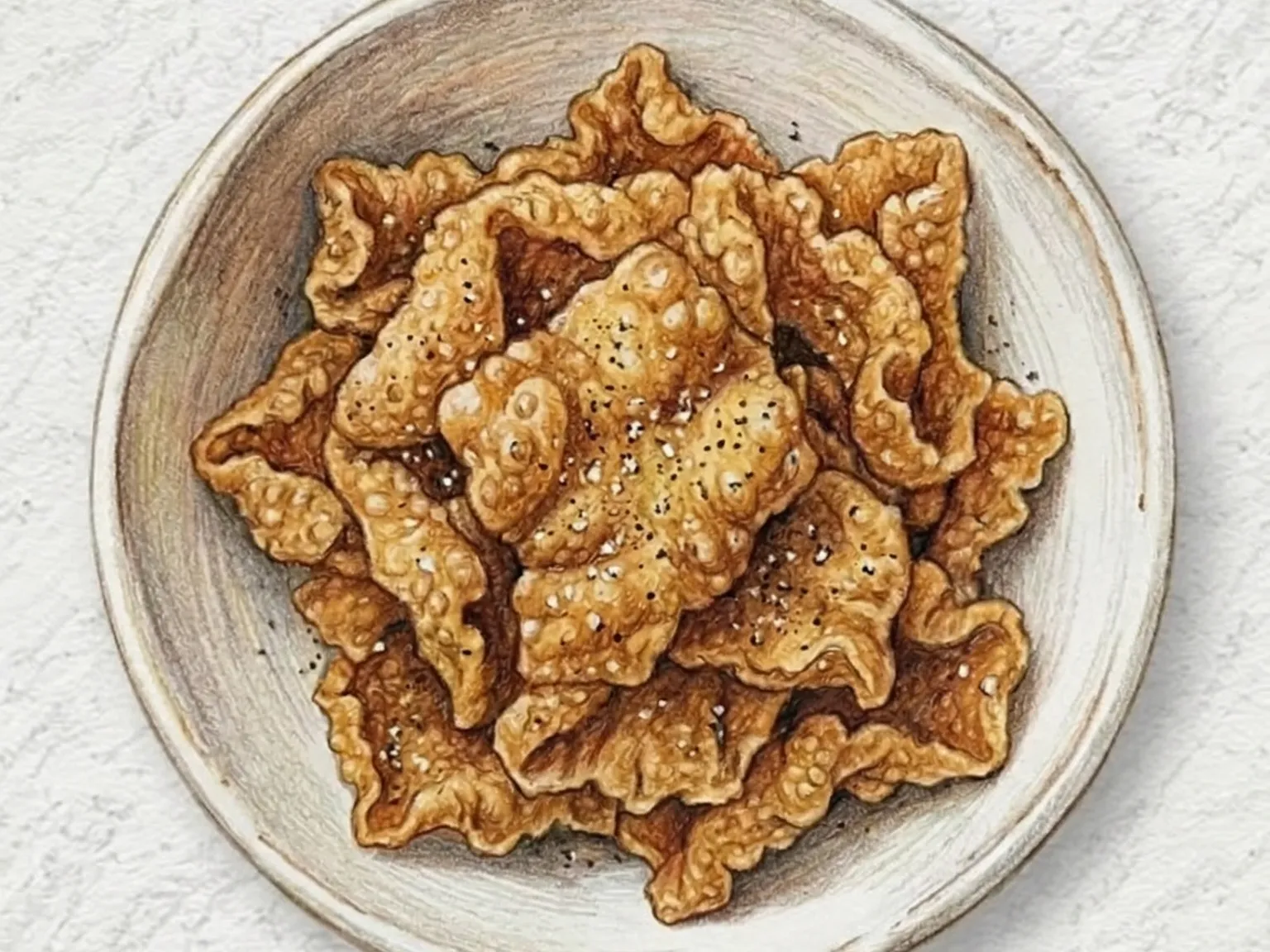
Korean Crispy Fried Chicken Skin
Dak-kkopjil-twigim starts with chicken skin seasoned with salt and black pepper, coated in starch, and fried twice in hot oil. The first fry drives out moisture from the skin, and the second at higher temperature traps air inside, puffing the surface into a cracker-like texture with visible bubbles locked throughout. The rendered fat from the skin produces a deep, concentrated savoriness that salt alone can bring to full expression. Black pepper and garlic powder sprinkled over the top cut through the richness and keep each piece from feeling heavy. Straightforward to prepare and endlessly snackable, this is a dependable bar food and everyday appetizer in Korean households.
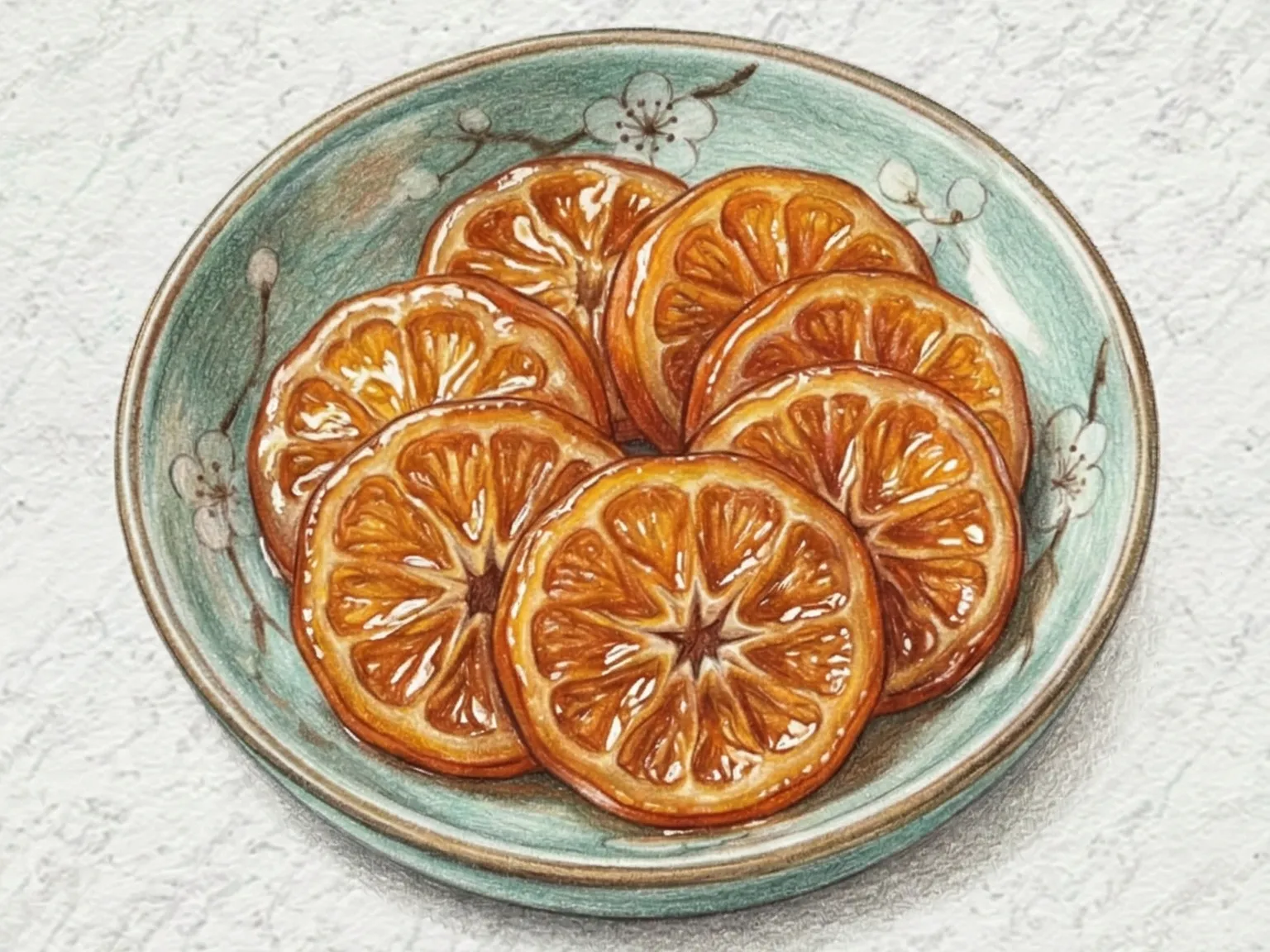
Candied Tangerine Peel (Korean Citrus Honey Confection)
Gyul jeonggwa is a traditional Korean confection made by cutting tangerine peels into 0.8 cm strips with a moderate amount of white pith left on, blanching the strips twice in salted water to eliminate bitterness, then cooking them low and slow in a syrup of sugar, honey, and cinnamon for thirty-five to forty minutes. Keeping the pith is deliberate: it holds the essential citrus oils that define the candy's fragrance, so trimming too much away produces a noticeably flatter result. The longer the peels simmer, the more completely they turn translucent, pulling syrup into every layer of fiber until the texture becomes dense and springy, close to a firm fruit jelly. Lemon juice added toward the end of cooking performs two functions: it inhibits crystallization of the syrup as it cools, and its acidity trims back the sweetness for a cleaner finish. Draining the pieces and resting them on a rack for an hour produces a dry, non-tacky surface that holds its shape well.
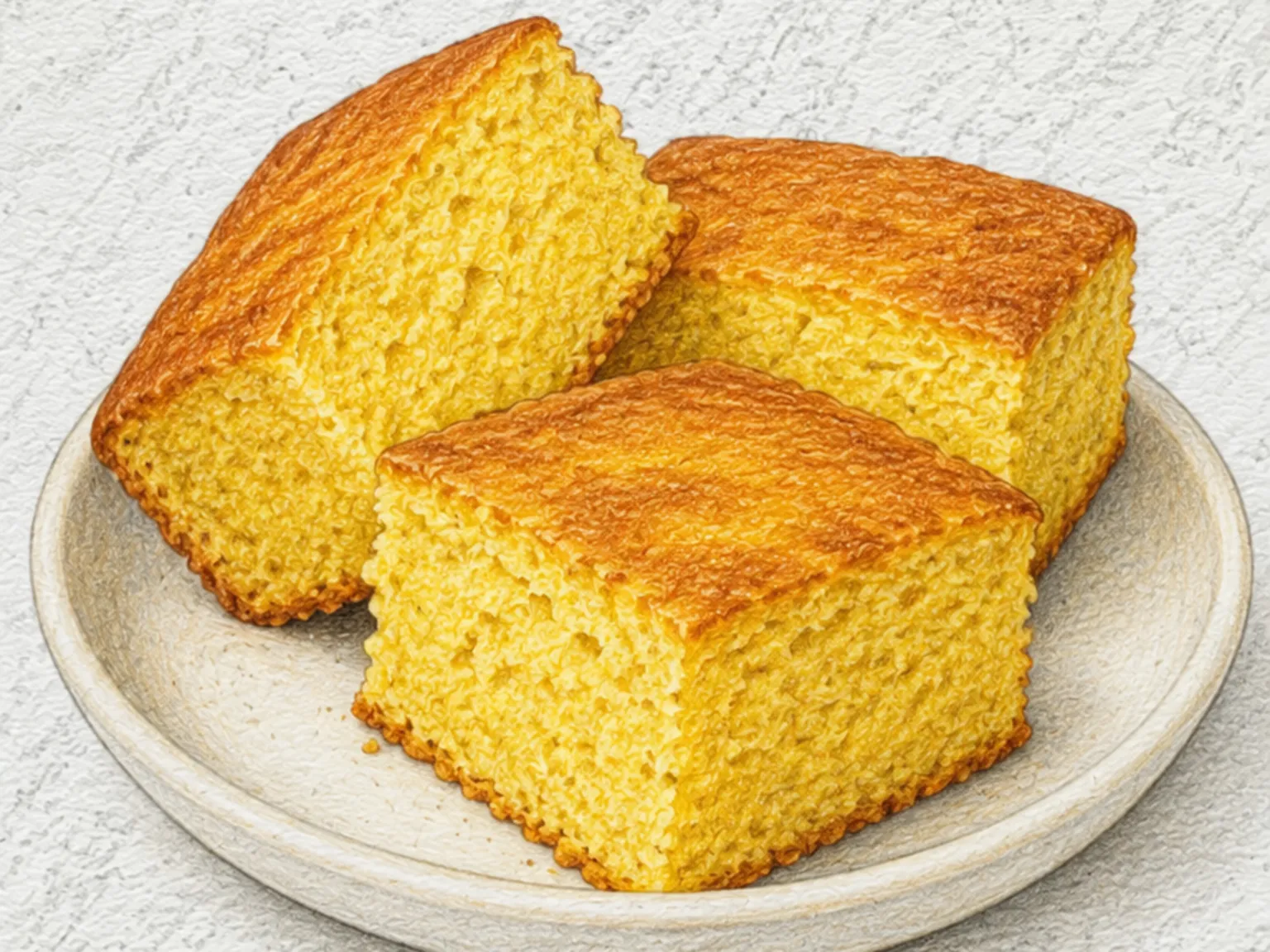
Cornbread
Cornbread is a Southern American quick bread made from cornmeal, flour, sugar, baking powder, milk, egg, and melted butter, baked until golden. Mixing the wet and dry ingredients separately and combining them with minimal stirring prevents overdeveloping gluten, which keeps the crumb tender and moist rather than tough. Baking at 200 degrees Celsius for twenty-two to twenty-five minutes produces a crisp exterior with a lightly sweet, nutty interior characteristic of cornmeal. The bread pairs well with stews, chili, and soups; its coarse grain absorbs broth and sauce effectively, making every bite more flavorful the longer it sits in the bowl.
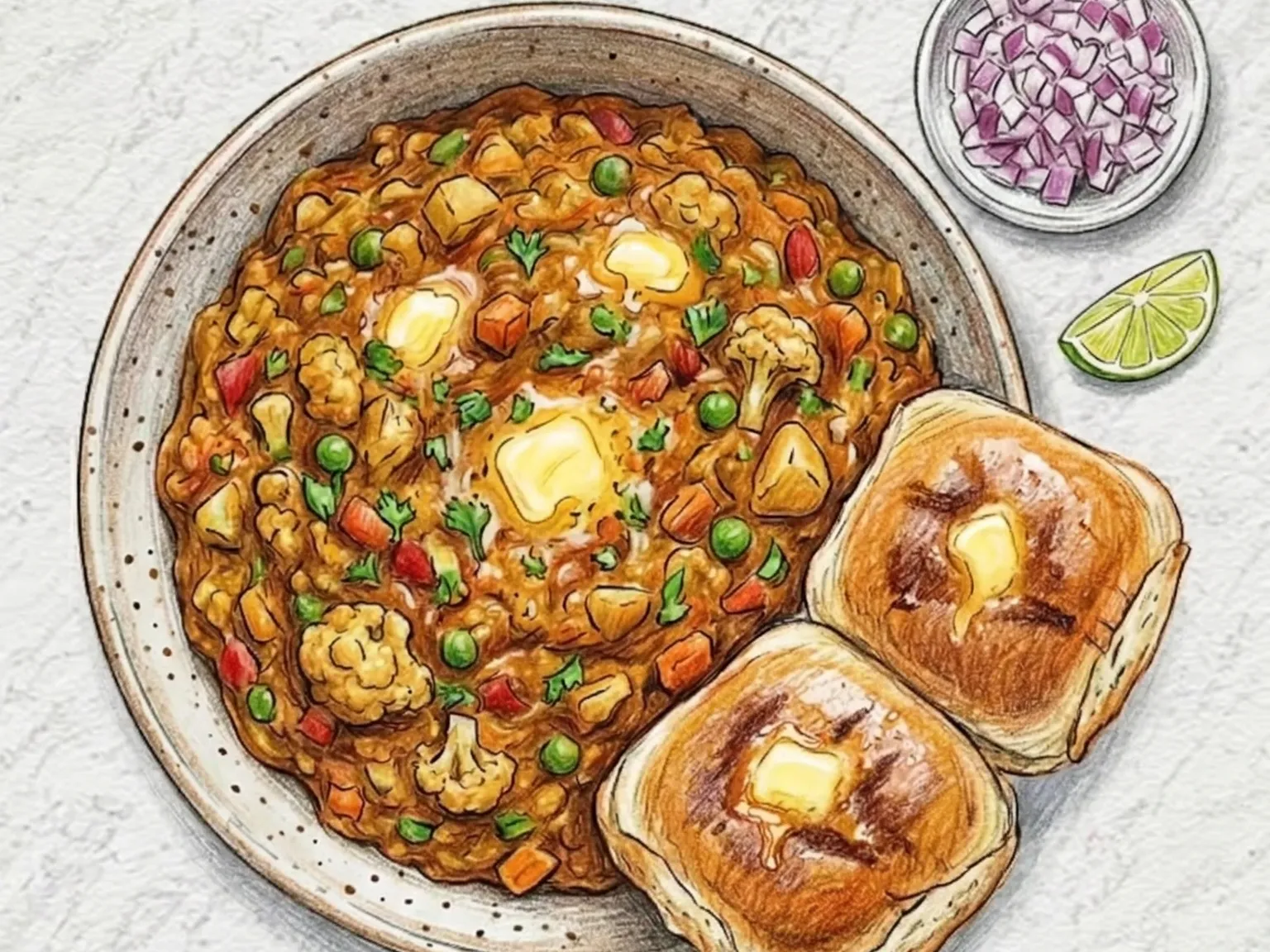
Pav Bhaji (Mumbai Street Food Spiced Mashed Vegetable Curry with Bread)
Pav bhaji is a street-food staple born on the pavements of Mumbai. A medley of boiled potatoes, cauliflower, peas, and carrots is mashed together on a hot griddle, then cooked down with generous amounts of butter and a proprietary spice blend called pav bhaji masala. Tomatoes and onions form the aromatic base, while the masala contributes warm, earthy heat that deepens with each pass of the spatula. The accompanying soft bread rolls are split and toasted on a buttered griddle until golden on the cut side. Raw onion rings, a wedge of lemon, and a knob of extra butter placed on top of the simmering bhaji are the traditional garnish. The dish is designed to be eaten fast and hot, scooped directly from the communal pan.
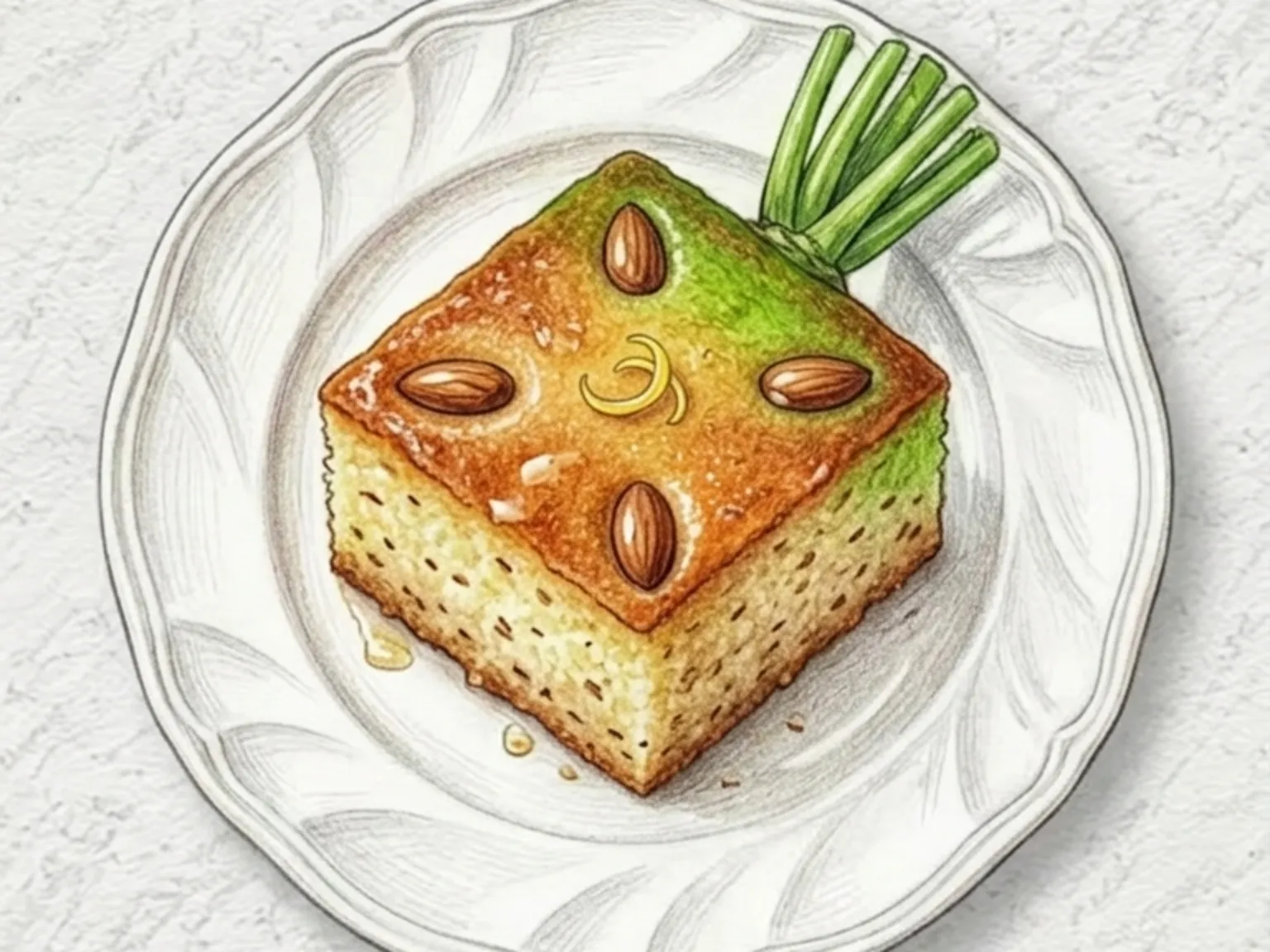
Basbousa (Middle Eastern Semolina Syrup-Soaked Cake)
Basbousa is a Middle Eastern semolina cake soaked in fragrant syrup, producing a texture nothing like a Western flour-based cake. Semolina is combined with yogurt, sugar, and melted butter to form a dense, grainy batter that bakes into a golden slab with a coarse, sandy crumb. The moment it comes out of the oven, hot sugar syrup sharpened with lemon juice is poured over the surface. The porous semolina pulls it in rapidly - the top retains a faint crispness while the interior becomes moist all the way through. Before baking, the batter is scored into diamond portions and a blanched almond is pressed into each one for a nutty accent. Across the Arab world, basbousa is among the most common desserts served during Ramadan, made in large trays and shared among families.
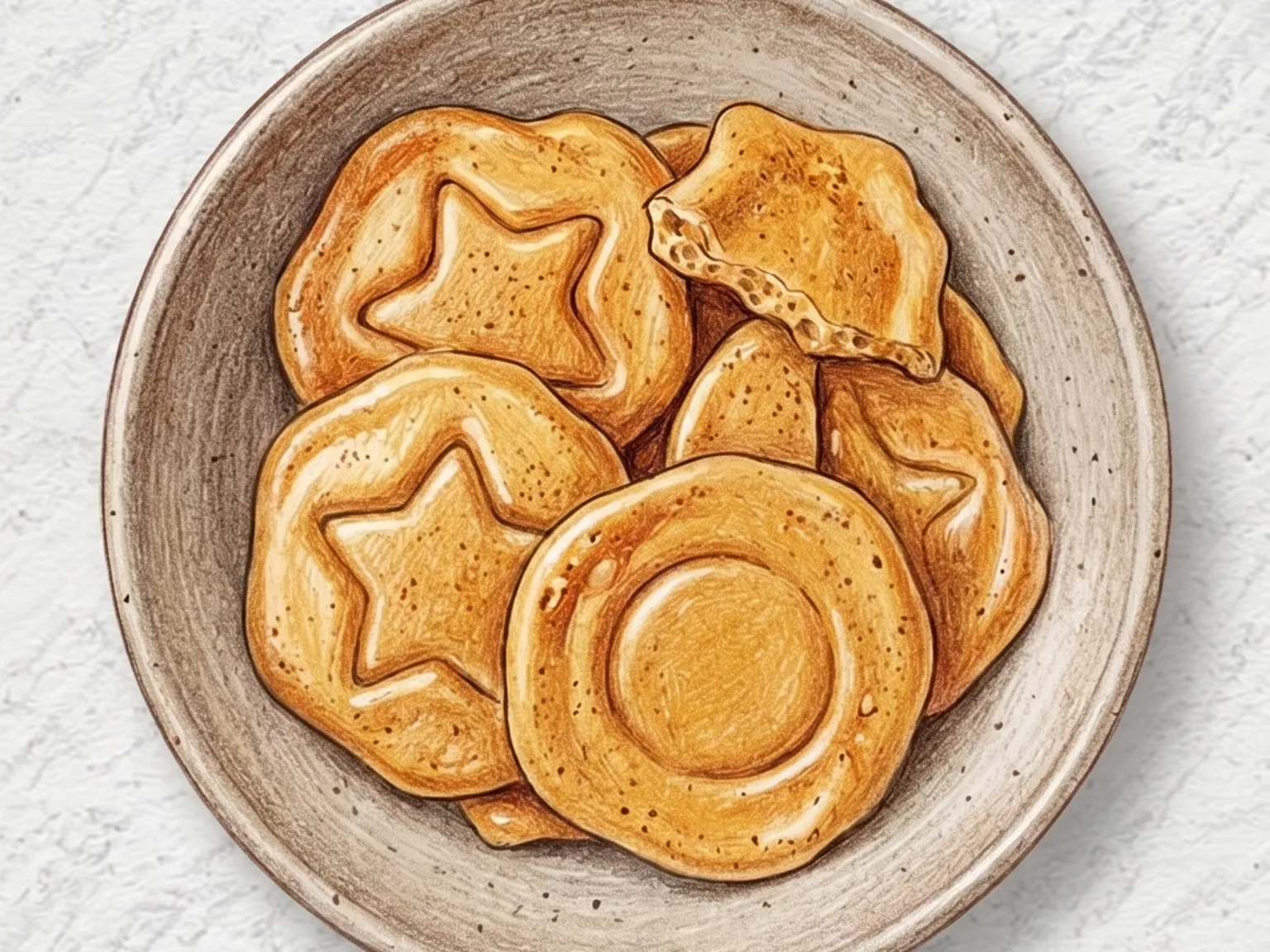
Korean Dalgona Candy (Caramel Honeycomb Baking Soda Sugar Candy)
Dalgona is a Korean street candy made by melting sugar slowly over low heat until it reaches a light amber caramel, then removing the pan from heat and adding salt and milk powder before stirring in baking soda. The baking soda must be incorporated within five seconds of adding it -- any longer and the carbon dioxide escapes unevenly, producing large irregular bubbles instead of the fine, honeycomb-like structure the candy needs. Once the mixture is dropped onto lightly oiled parchment and pressed flat with a mold or spatula, it cools into a thin, brittle disc that shatters cleanly with a sharp bite. The flavor sits in the range of gentle caramel sweetness layered with the milky richness of the powder, and the salt added before the baking soda gives the sweetness a grounded quality that keeps the taste from going flat. Timing the removal from heat before the caramel darkens too far is the single most critical step -- over-cooked sugar turns bitter, and no amount of adjustment recovers the flavor after that point.
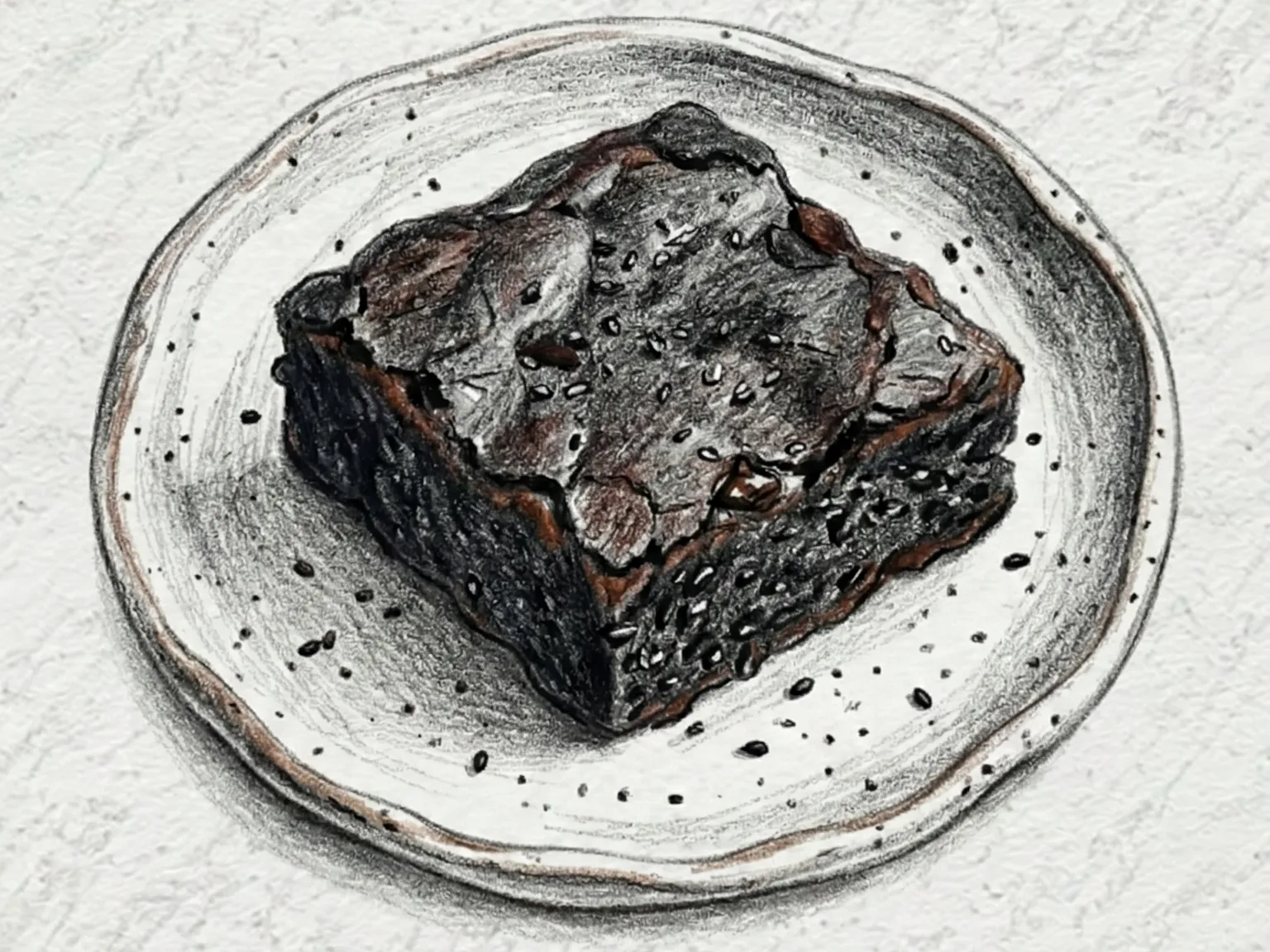
Black Sesame Brownies
Black sesame brownies are built on a base of dark chocolate and butter melted together over a double boiler, with roasted black sesame powder sifted in before folding. The bitter edge of the chocolate meets the toasted, grain-like aroma of the sesame, adding a nutty depth that standard brownies lack. The cake flour ratio is kept low to produce a fudgy, dense center that stays slightly underdone-looking even after the full bake at 175 degrees Celsius for twenty to twenty-five minutes. Because black sesame powder is naturally oily and prone to clumping, it must be sifted together with the flour and salt before going into the batter - skipping this step leaves uneven pockets of undistributed sesame. Pull them from the oven with a faint wobble at the center, and the residual heat finishes the interior as the pan cools. Wait until fully cool before cutting for clean edges.
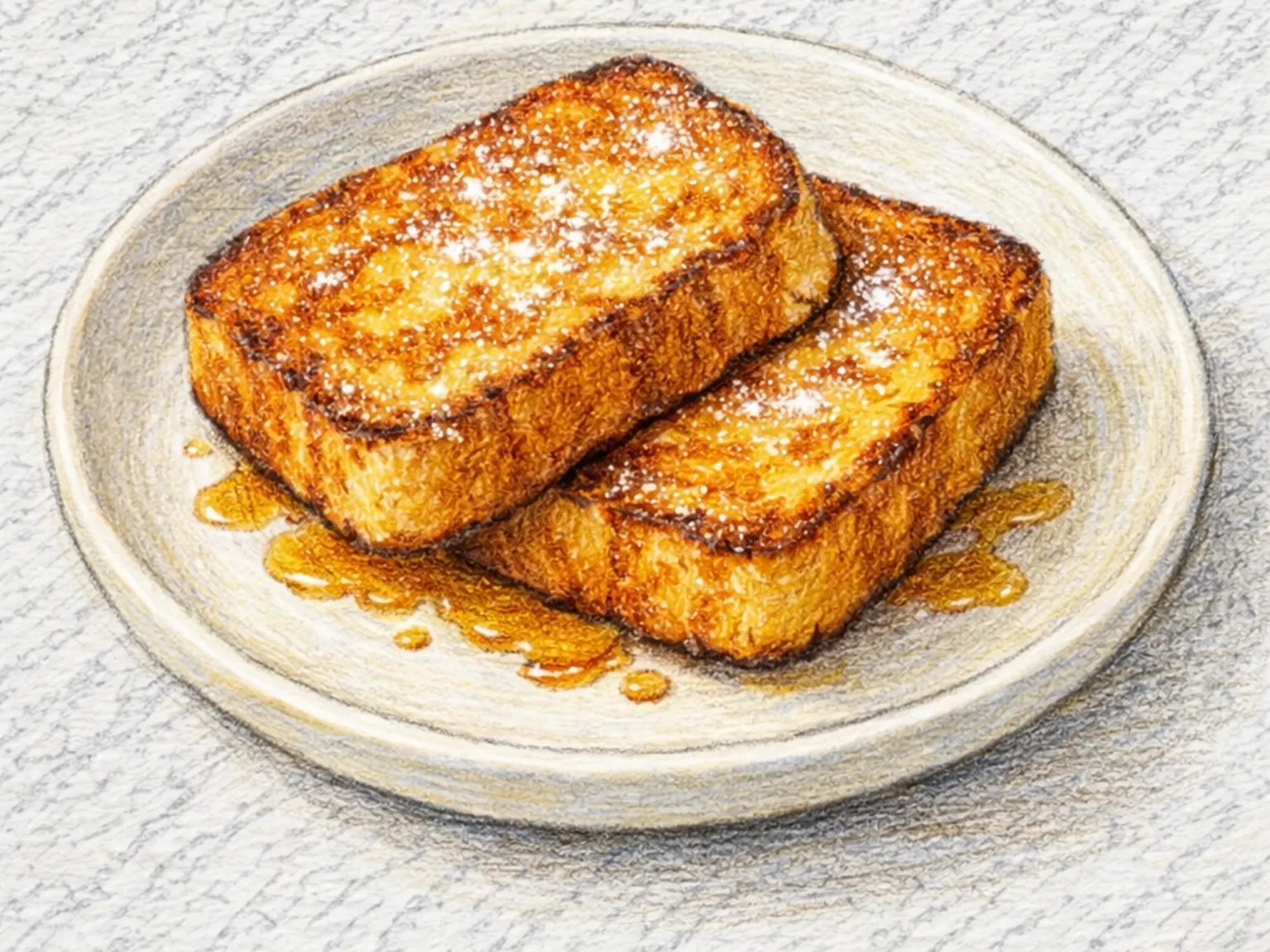
French Toast
French toast soaks thick bread slices in a mixture of beaten eggs, milk, sugar, vanilla extract, and cinnamon until both sides absorb the custard evenly. The soaked bread is then cooked in melted butter over medium-low heat until each side turns golden brown and lightly caramelized on the surface while staying soft and moist inside. Slightly stale bread works better than fresh because its drier crumb absorbs more of the egg mixture without falling apart. Warm cinnamon and vanilla fragrance fills the kitchen during cooking. A drizzle of maple syrup and a dusting of powdered sugar finish the dish, and adding whipped cream or fresh fruit elevates it further.
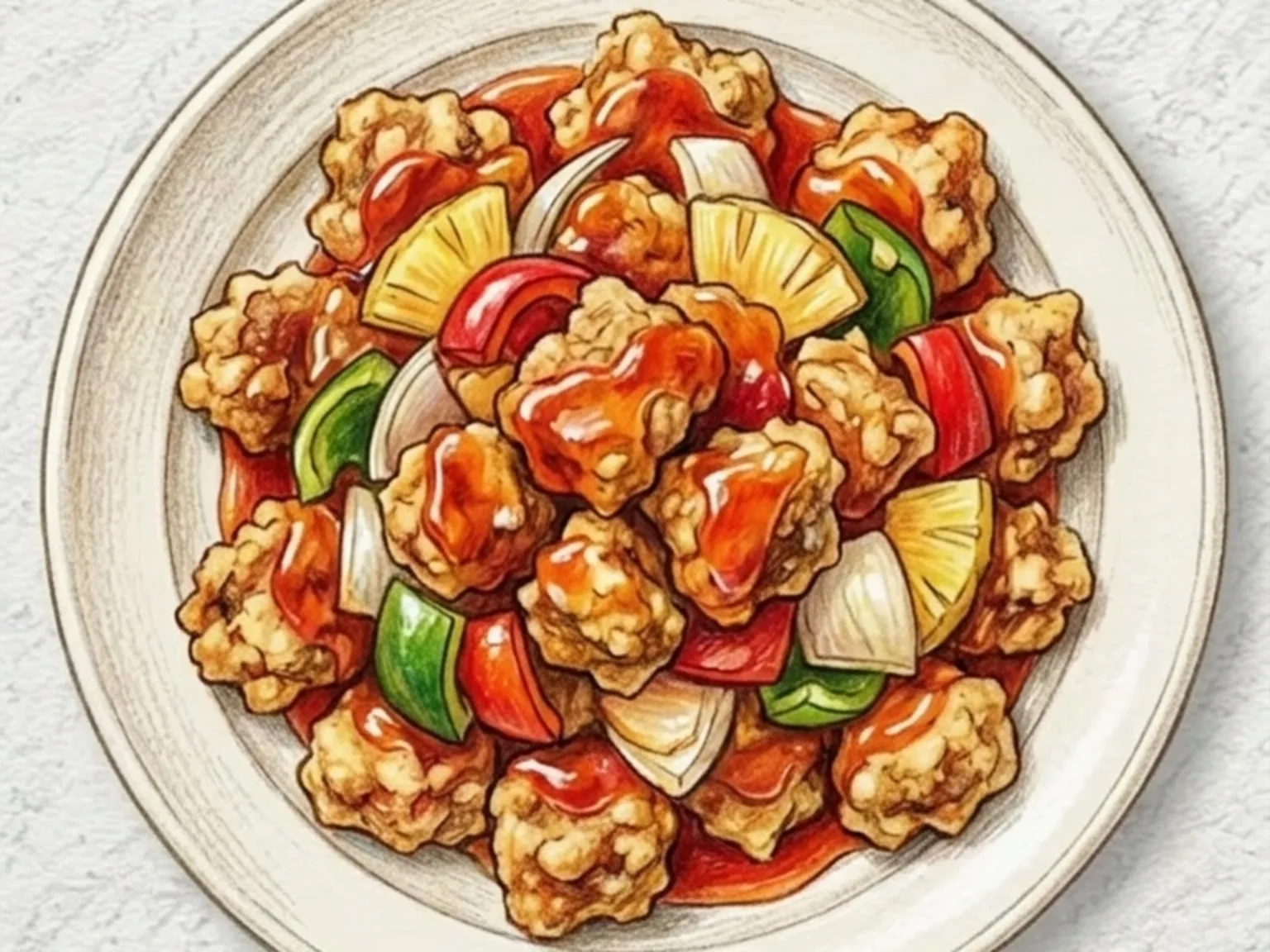
Sweet and Sour Pork
Sweet and sour pork, known in Korea as tangsuyuk, is a Chinese-Korean dish of double-fried pork pieces served under a glossy, tangy sauce. Bite-sized cuts of pork loin are coated in egg and cornstarch, then fried twice at 175 degrees Celsius-the first pass cooks the inside, and the second crisps the crust to a shattering crunch. The sauce is built from ketchup, sugar, vinegar, and soy sauce, brought to a quick boil and tossed with stir-fried bell pepper and onion, which contribute color and a fresh vegetal crunch. Timing is everything: the sauce is poured over the pork at the very last moment so the coating stays audibly crisp when bitten into. The interplay between the crunchy exterior, the soft pork within, and the bright, fruity sauce makes this one of the most popular dishes at Chinese restaurants across Korea.
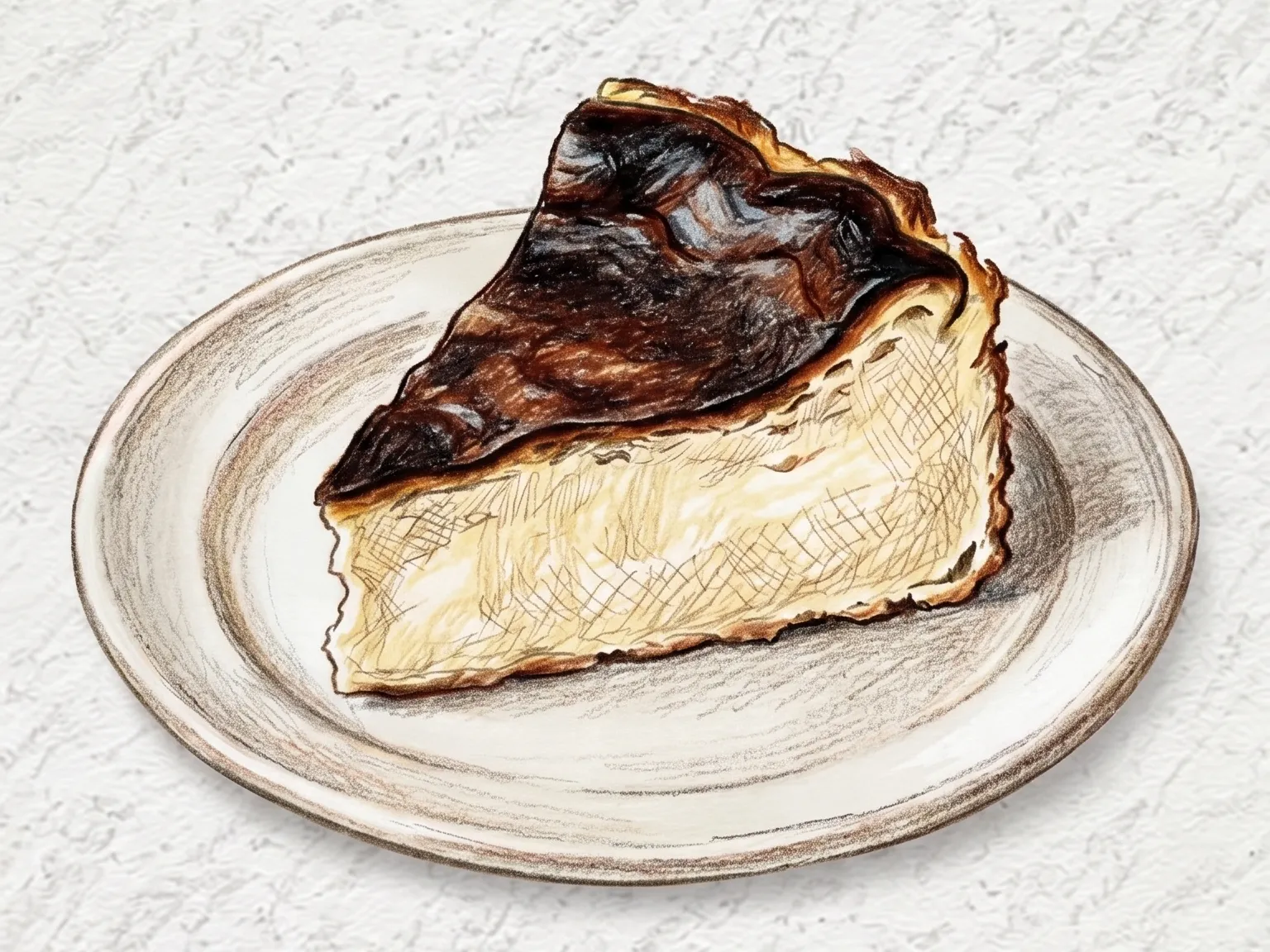
Basque Burnt Cheesecake
Basque burnt cheesecake originates from La Vina bar in San Sebastian, Spain, and is defined by a deliberately scorched top and an intentionally underset center. Cream cheese, sugar, eggs, heavy cream, and a small amount of flour are blended smooth, poured into a parchment-lined pan, and baked at above 220 degrees Celsius until the surface reaches a deep, near-black caramelization. That blackened layer contributes a pronounced bittersweet edge that cuts through the richness underneath. The interior remains loose and custardy - closer in texture to a very dense panna cotta than to a conventional baked cheesecake. Served at room temperature, the contrast between the firm, caramelized shell and the barely-set, creamy core is at its sharpest and most satisfying.
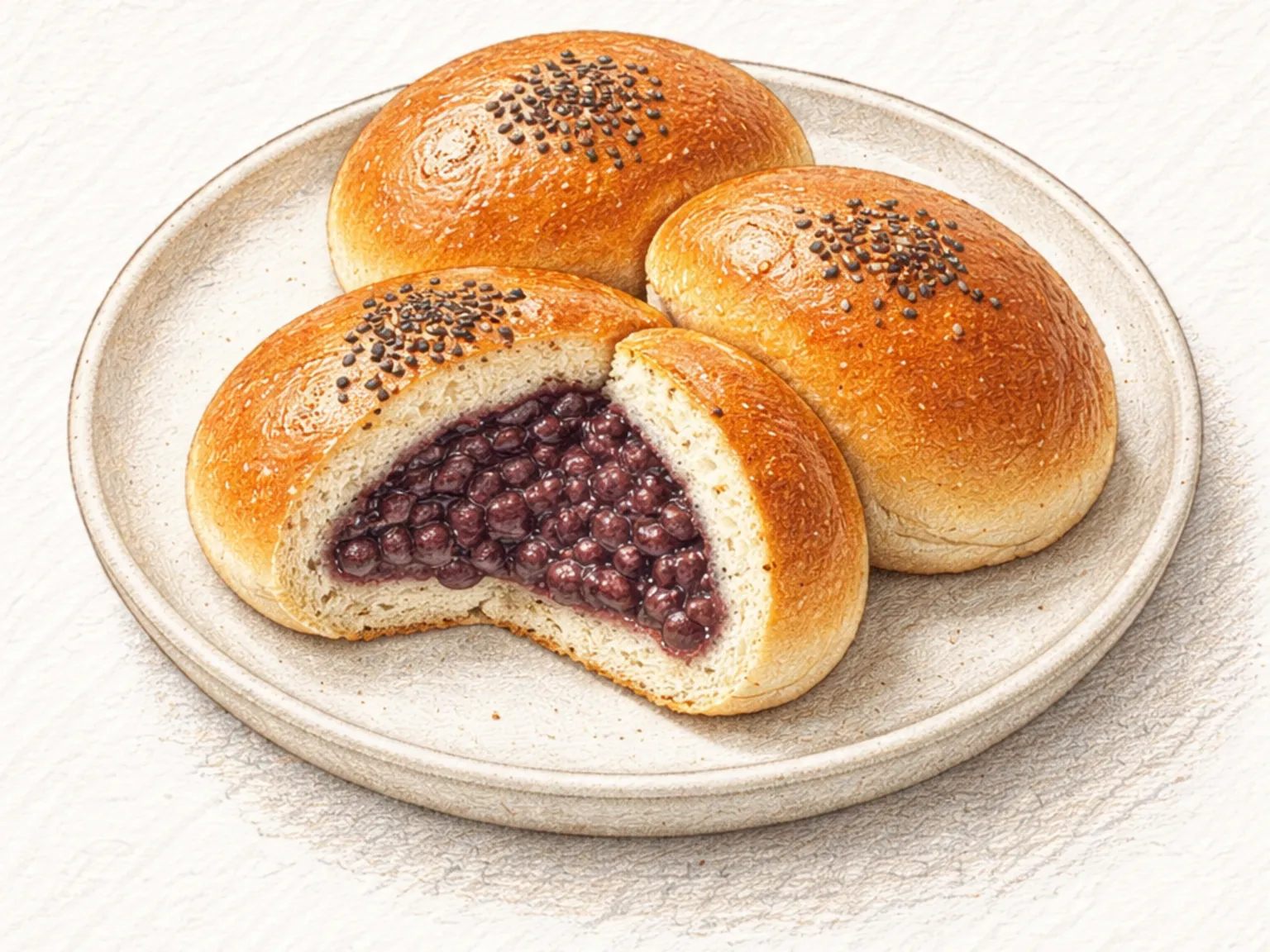
Korean Sweet Red Bean Bun
Danpat-ppang is a Korean sweet red bean bun made from a yeasted dough of bread flour, sugar, butter, and egg, put through a one-hour first rise and thirty-minute second rise before baking at 180 degrees Celsius for fifteen minutes. Each bun is filled with about thirty grams of sweet red bean paste and sealed shut, so the paste softens into a dense, sweet layer inside as the bread bakes. Skipping the second rise produces a tight, dense crumb, so both fermentation stages matter. An egg wash brushed across the surface gives the bun a glossy, deep brown finish, while the yeast-leavened interior stays pillowy and moist. The concentrated sweetness of the red bean filling sits in contrast to the mild, lightly enriched dough around it. Danpat-ppang has held its place on Korean bakery shelves for decades and remains one of the first items regulars reach for.
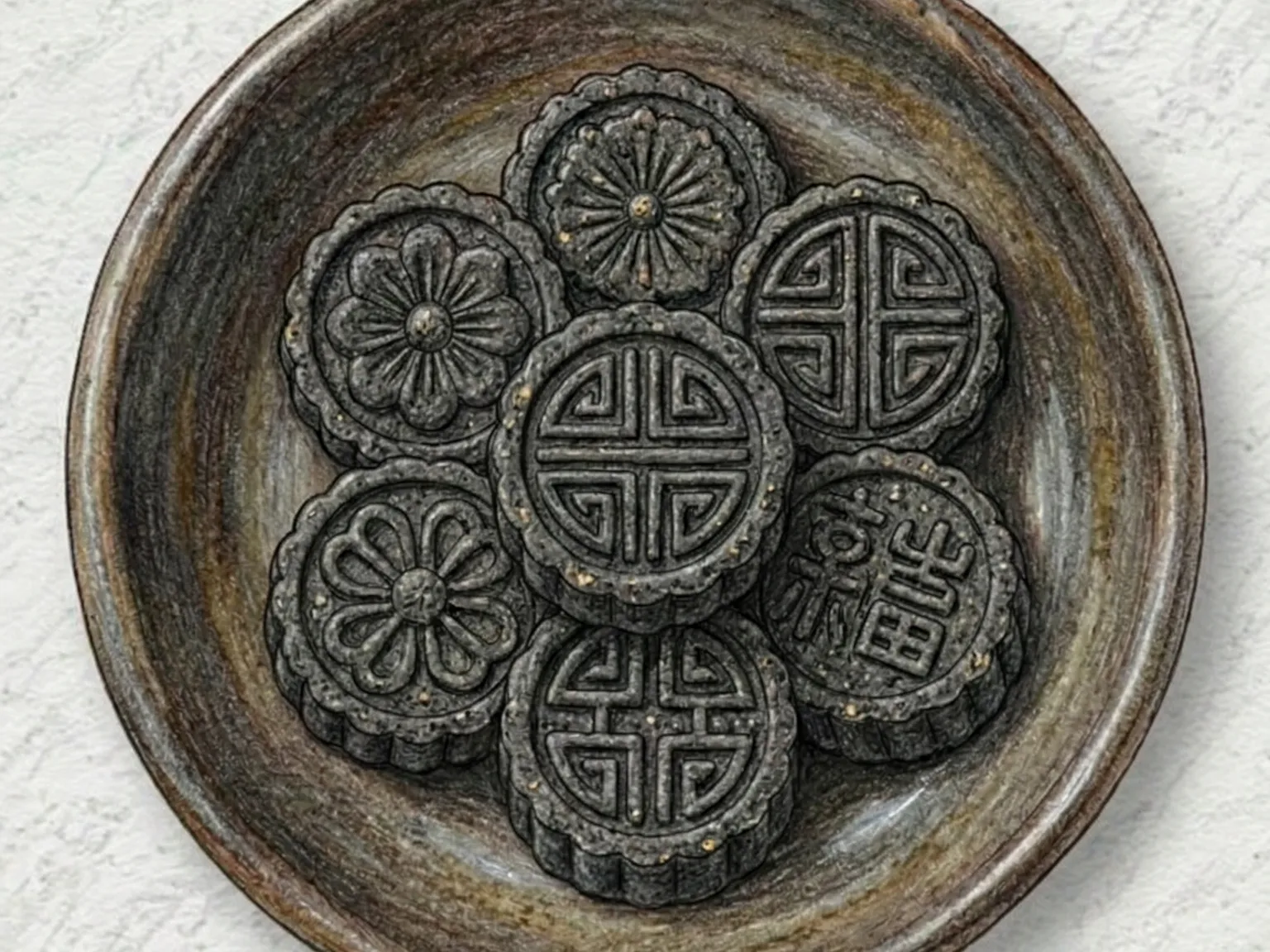
Black Sesame Tea Cookies (No-Bake Korean Pressed Cookies)
Heukimja dasik is a traditional Korean pressed tea cookie made by binding roasted black sesame powder and almond flour with honey and rice syrup, then pressing the mixture into a decorative wooden mold. No heat is applied at any point: the rich, toasty depth of the sesame and the fatty body of the almond combine within the sticky honey base to produce a crumbly, melt-in-the-mouth texture. A small measure of sesame oil improves binding, and dusting the mold with pine nut powder before pressing yields a sharply defined surface pattern. Resting the shaped cookies in an airtight container for thirty minutes allows them to firm up, resulting in bite-sized confections traditionally served alongside tea at a Korean tea table.
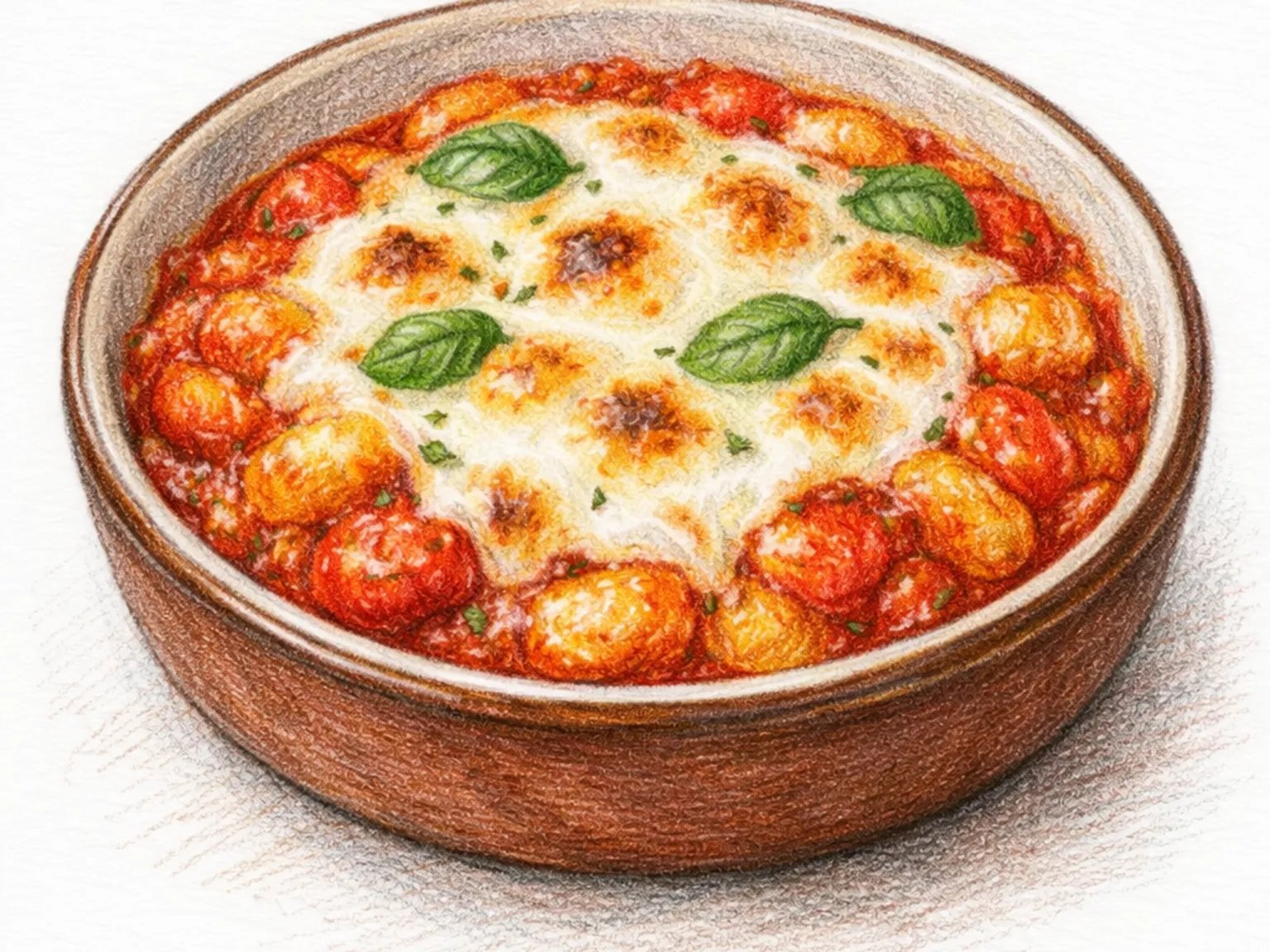
Gnocchi alla Sorrentina (Tomato Mozzarella Baked Gnocchi)
Gnocchi alla Sorrentina is a southern Italian baked pasta dish from the Sorrento coast where soft potato gnocchi are tossed in tomato sauce, blanketed with torn mozzarella and grated Parmesan, then baked until the cheese melts and bubbles. Garlic is gently coaxed in olive oil before the tomato sauce goes in and simmers, drawing the garlic's mellow sweetness throughout the base. Gnocchi are boiled only until they float and then immediately drained to preserve their characteristic pillowy chew, before being folded into the sauce with half the basil and transferred to a baking dish. Eight minutes at 220 degrees Celsius transforms the cheese into a molten, pulling layer that unites the bright tomato acidity and the salty richness of the two cheeses into a single flavor. The remaining fresh basil scattered across the top at the end adds a fragrant lift that anchors the dish to its coastal Italian origins.
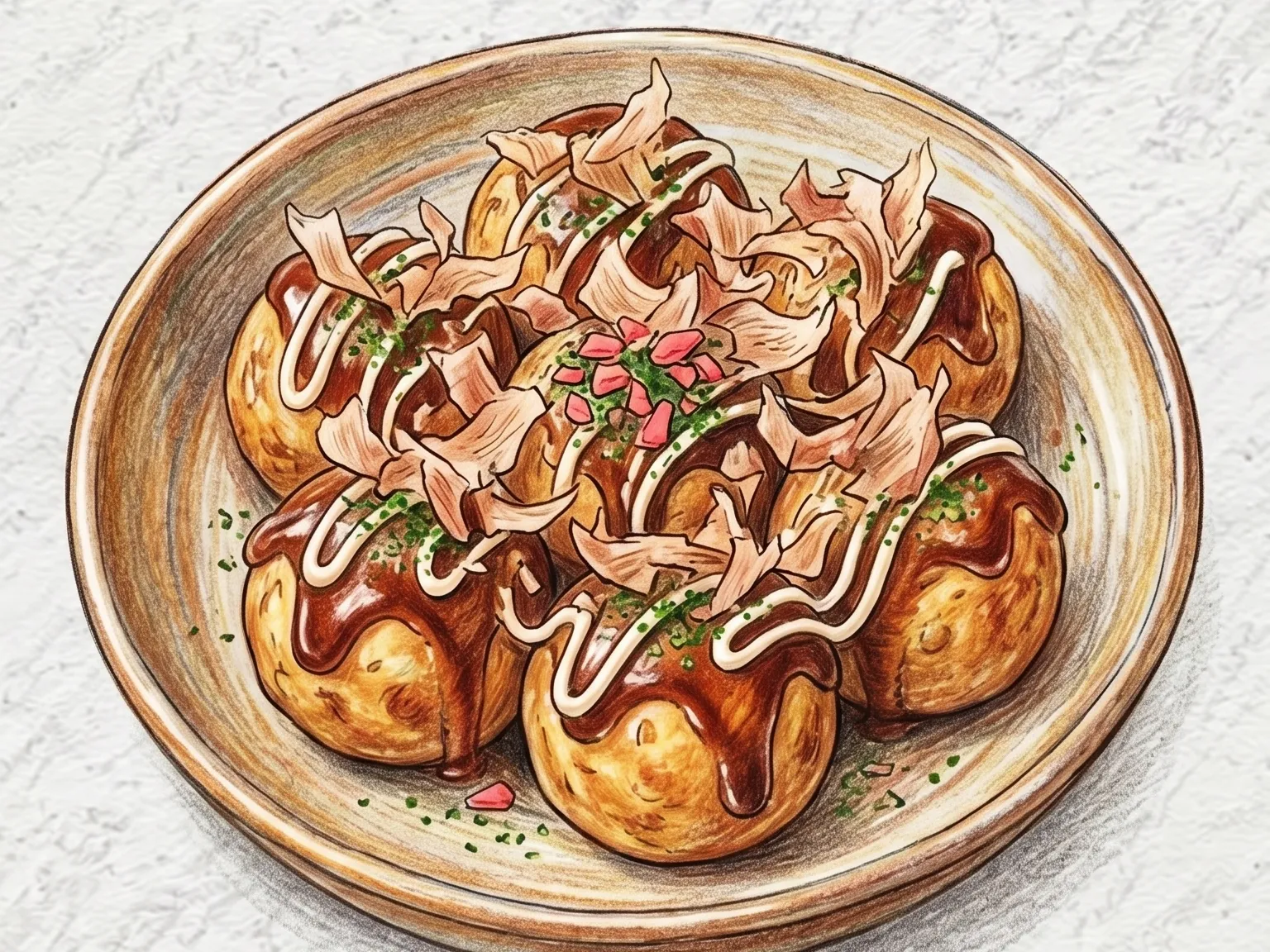
Osaka-Style Takoyaki (Japanese Octopus Ball Street Snack)
Osaka-style takoyaki are spherical batter balls filled with diced octopus, a street snack so closely tied to Osaka that it serves as an unofficial symbol of the city. The batter is deliberately thin and watery-flour, eggs, and dashi stock whisked together-which is what creates the signature contrast between a lightly crisp shell and a molten, custardy interior. Each well of the specialized cast-iron pan receives a pour of batter, a chunk of boiled octopus, sliced green onion, tenkasu tempura flakes, and pickled red ginger. As the edges set, each ball is rotated ninety degrees at a time with a pointed pick until it forms a perfect sphere. The finished takoyaki are lined up and drizzled with a thick, tangy-sweet takoyaki sauce and Japanese mayonnaise, then crowned with a flurry of bonito flakes that wave in the rising heat. The octopus delivers a chewy, briny bite at the center of each molten ball.
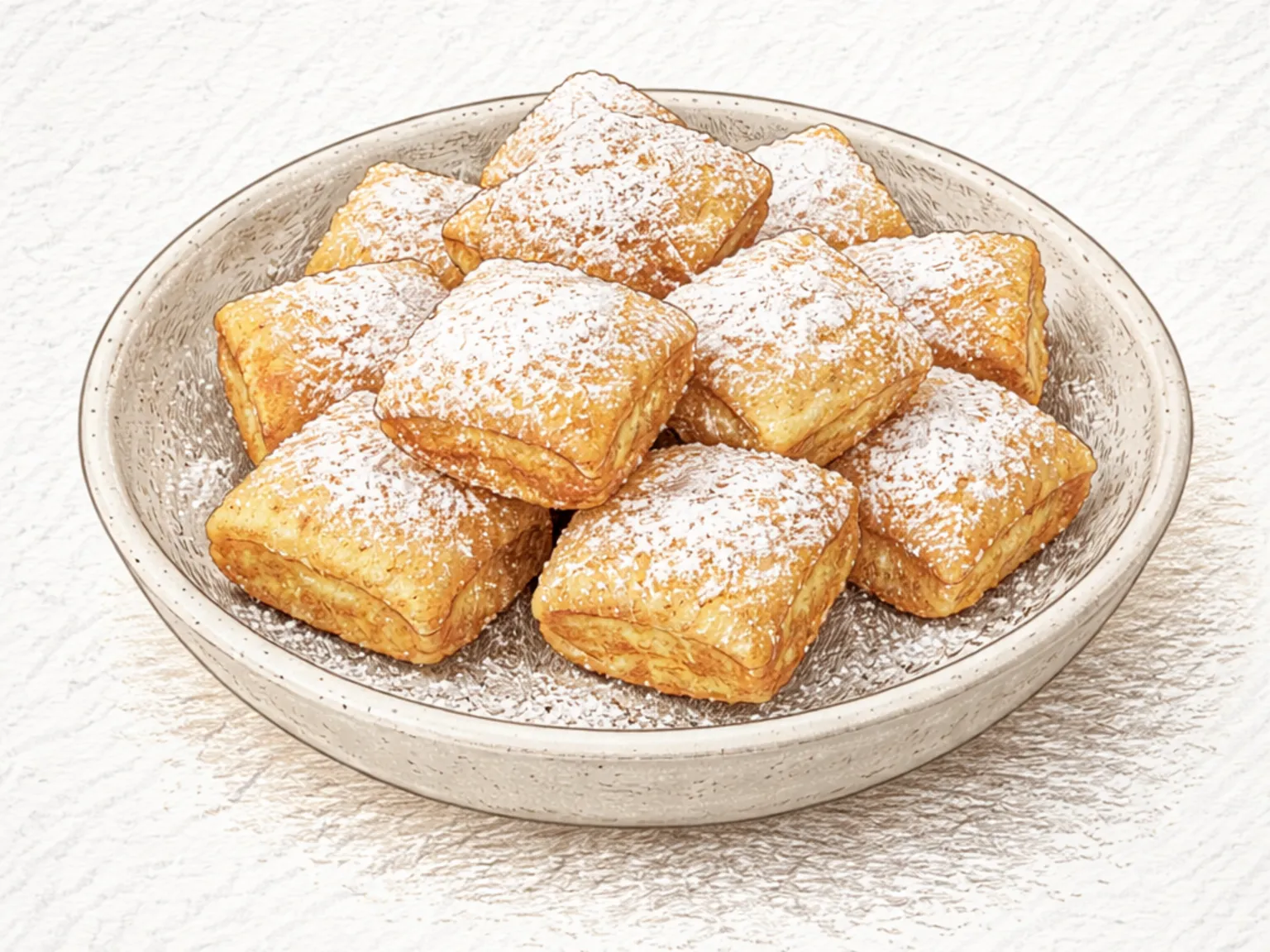
Beignet (New Orleans Square Fried Dough with Powdered Sugar)
Beignets are square fried dough pastries that arrived in Louisiana with French colonists and became a defining food of New Orleans. A yeast-leavened dough of flour, milk, sugar, egg, and butter rises until airy, then is rolled and cut into rough squares before being dropped into hot oil. Each piece puffs up rapidly as it fries - the center becomes pillow-soft while the outside sets into a thin, light golden shell. Pulled from the oil, the beignets are immediately buried under a heavy dusting of powdered sugar that begins to melt against the warm surface. At Cafe du Monde in the French Quarter they have been served three to a plate with chicory coffee for over a century. In New Orleans, beignets are eaten at any hour of the day, morning through midnight.
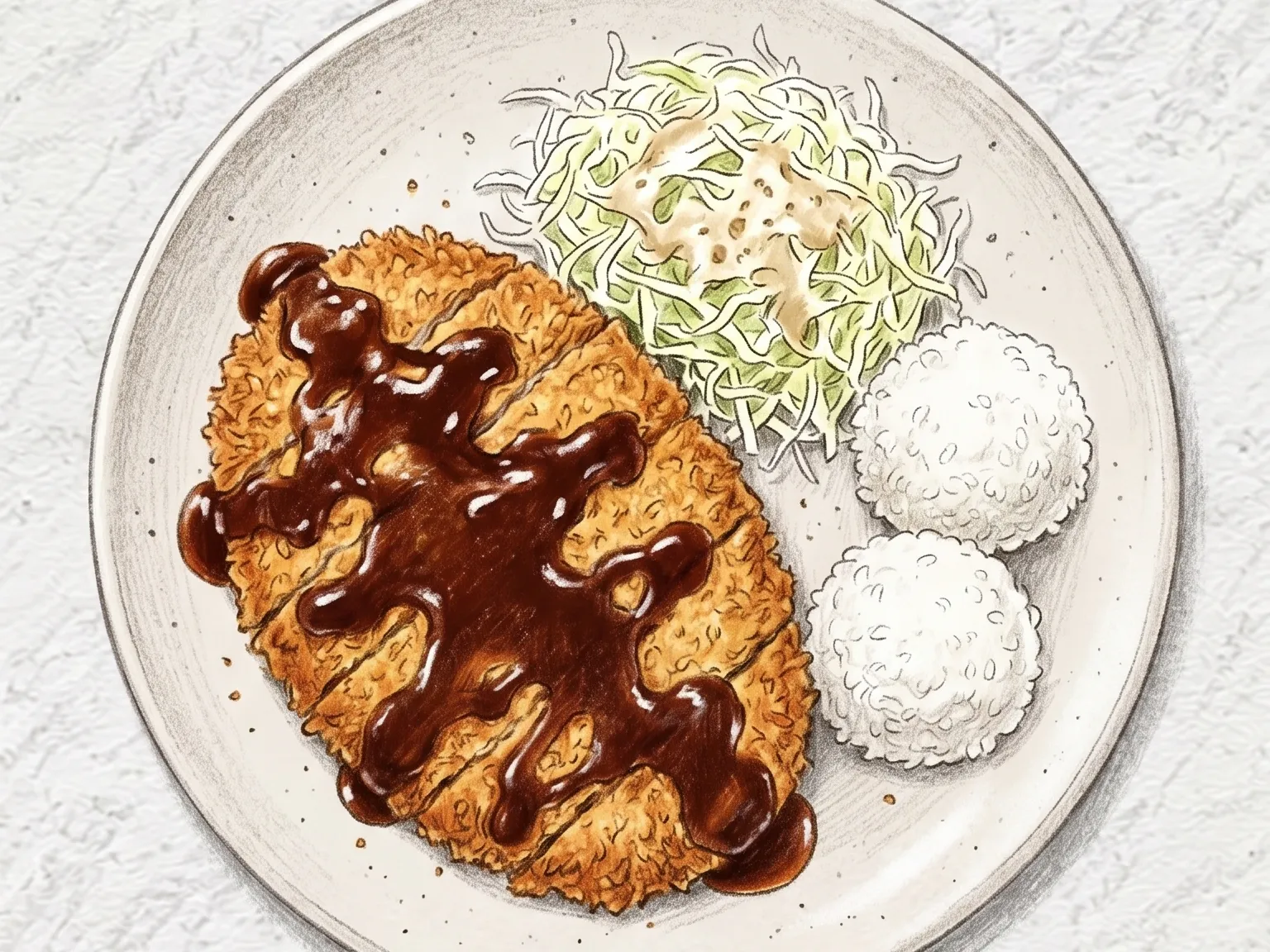
Tonkatsu Korean Style (Panko-Breaded Pork Cutlet with Sweet Sauce)
Donkatsu is Korean-style breaded pork cutlet, made by dredging pork loin through flour, egg, and panko breadcrumbs in sequence before deep-frying in hot oil. Pounding the loin with a meat mallet to an even thickness ensures uniform heat transfer so the interior cooks through while staying moist, and the panko shell turns golden and audibly crunchy. Korean donkatsu sauce blends ketchup, Worcestershire sauce, and sugar into a sweet-salty condiment that is noticeably sweeter than Japanese tonkatsu's demi-glace-based sauce. Shredded raw cabbage served alongside provides a crisp, refreshing contrast to the fried cutlet and cuts through the richness. In Korean bunsik restaurants, donkatsu typically arrives as a set with rice and soup.
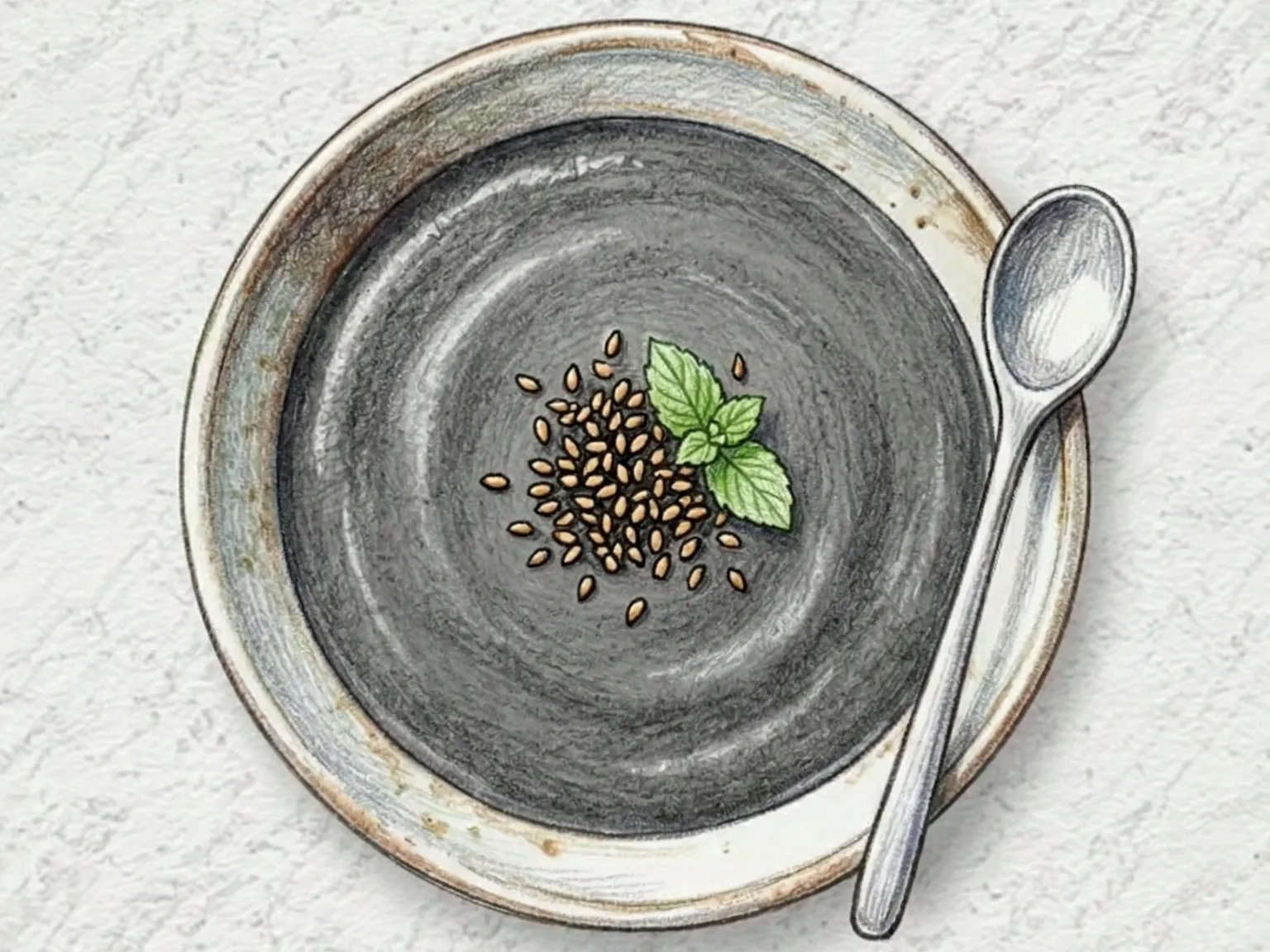
Black Sesame Pudding
Heukimja pudding is a chilled dessert made by warming milk and heavy cream on low heat with black sesame powder to extract its flavor, then setting the mixture with gelatin. The key to a silky consistency is stopping the heat when tiny bubbles appear at the edge of the pan, well before a full boil, which would cause the fat to separate. After seasoning with sugar and salt and straining once to remove any gritty particles, the liquid is divided into cups and refrigerated for at least two hours until set. A light dusting of black sesame powder on top before serving adds a visual accent and an extra layer of roasted, nutty fragrance. A small pinch of salt is worth adding because it subdues any residual bitterness from the sesame and makes the sweetness come through more cleanly. Gelatin sheets and powdered gelatin both work, but sheets tend to produce a smoother, cleaner result.
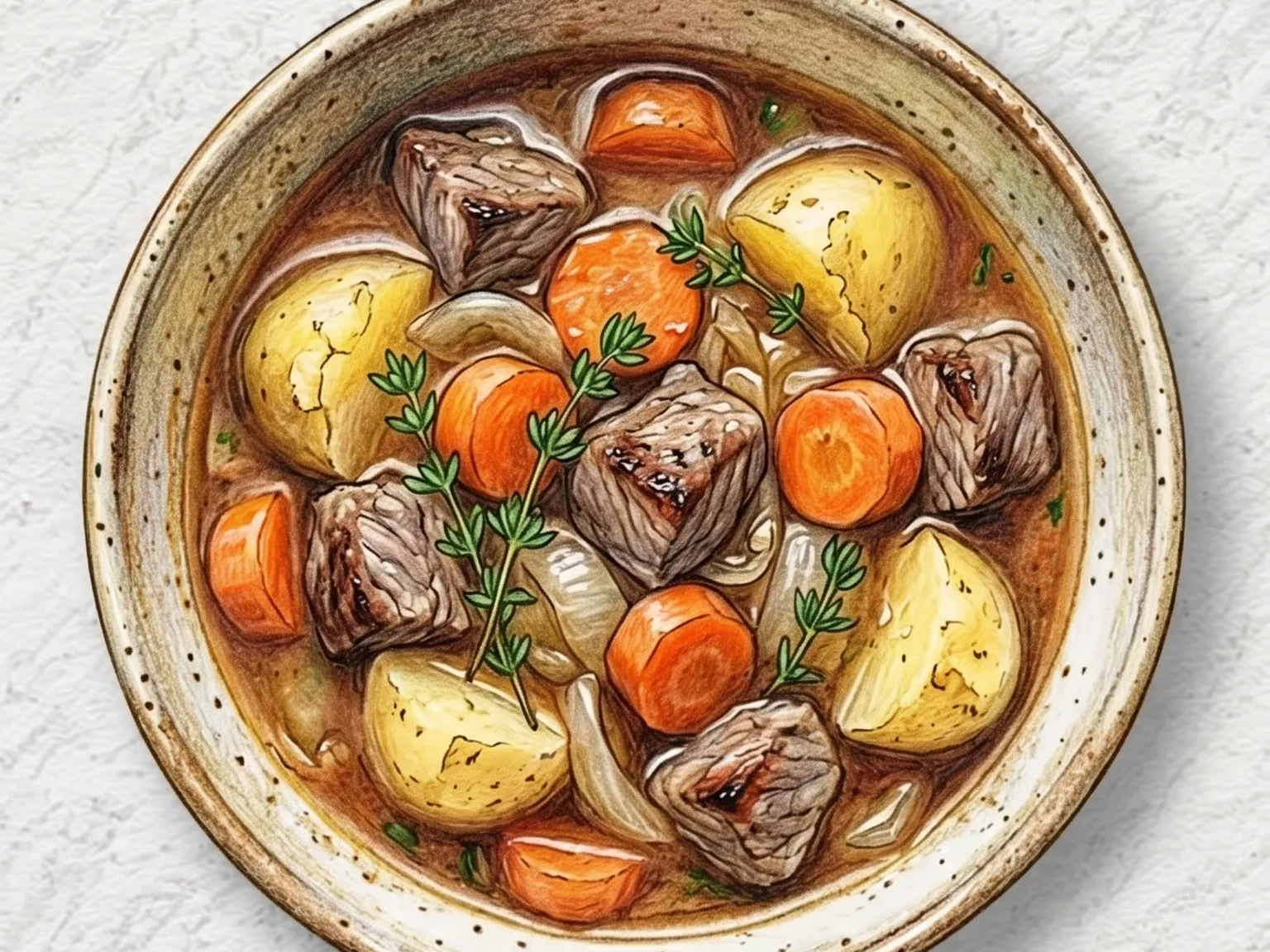
Irish Stew
Irish stew is a traditional dish where chunks of lamb shoulder are slowly simmered with potatoes, onion, and carrot in beef stock seasoned with nothing more than thyme, salt, and pepper. Browning the lamb lightly and sauteing the onion and carrot first builds a foundation of Maillard flavor and natural sweetness in the broth. Adding potatoes and stock, then cooking on low heat for at least ninety minutes allows the connective tissue in the lamb to break down into tenderness, while some of the potato pieces dissolve into the liquid and thicken it naturally. The restraint in seasoning is the point - with only thyme as an aromatic, the deep flavors of the lamb and root vegetables define the stew entirely on their own.
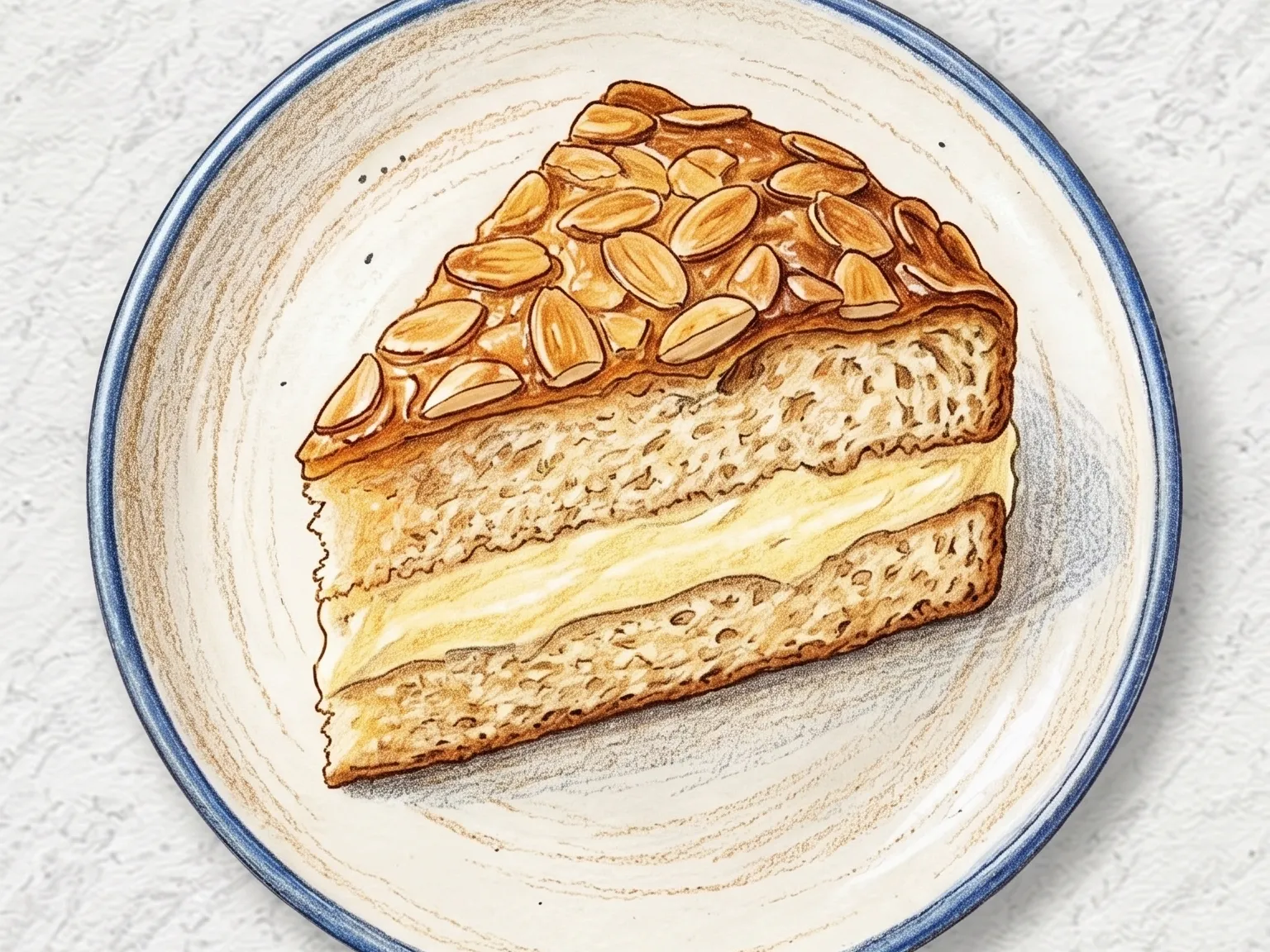
Bienenstich (German Bee Sting Cake) - Caramelized Almond and Custard Recipe
Bienenstich, German for bee sting, is a traditional German bakery cake built on enriched yeasted dough topped with caramelized sliced almonds cooked in butter and sugar before baking. The almond layer sets into a crunchy golden crust in the oven while the dough below stays pillowy and soft. Once the cake has cooled completely, it is split horizontally and filled generously with vanilla custard or whipped cream. A single bite moves through three distinct layers: the shattering almond topping, the tender yeasted bread, and the cool, smooth cream within. Pressing the almond topping firmly onto the dough before baking prevents it from sliding off during the bake. If making custard from scratch, chilling it completely before filling keeps the bread from turning soggy.
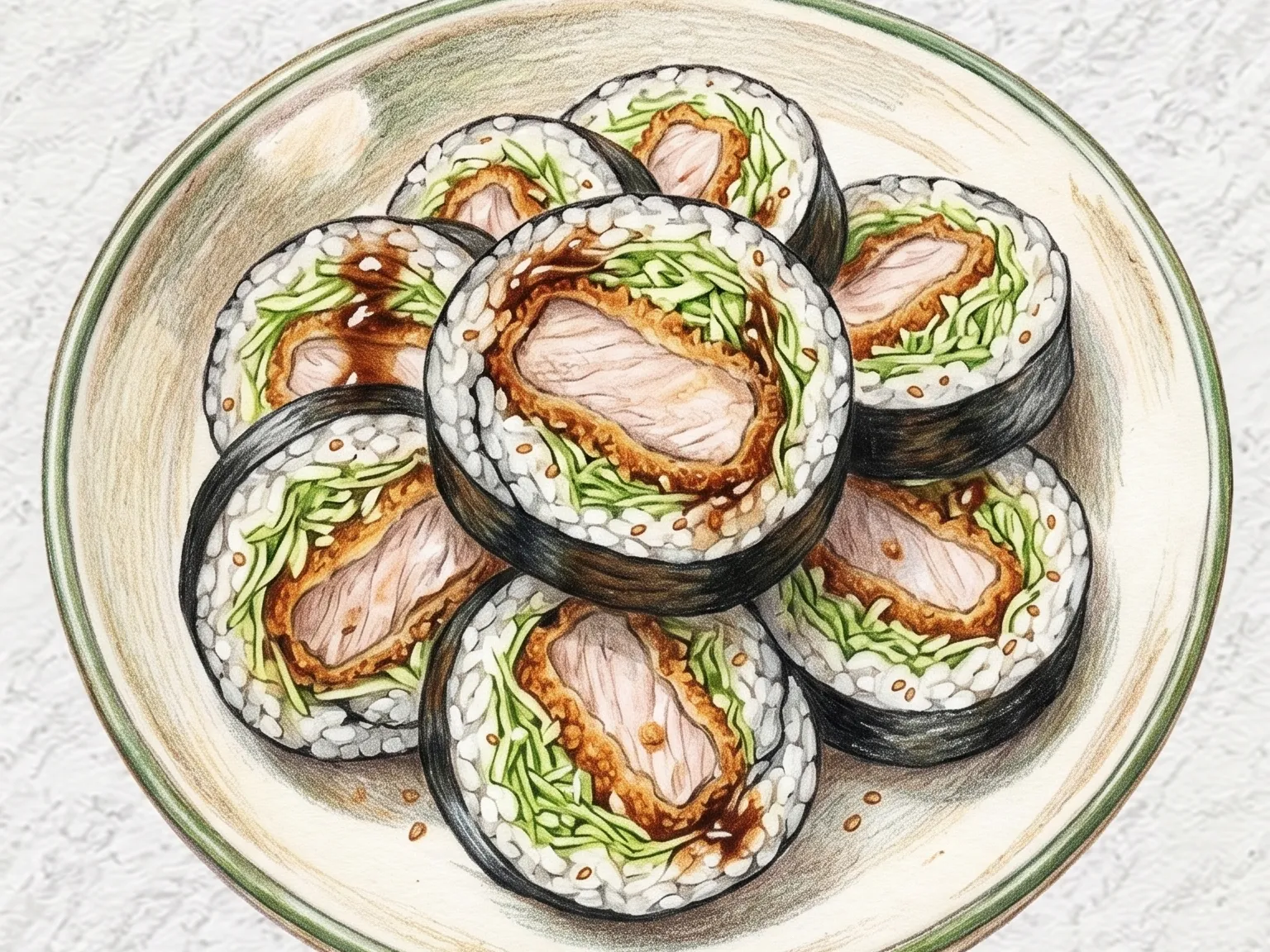
Korean Donkatsu Gimbap (Pork Cutlet Roll)
Donkatsu gimbap rolls an entire crispy pork cutlet inside a seaweed rice roll. Sesame oil and salt-seasoned rice is spread thinly over a sheet of dried seaweed, tonkatsu sauce is drizzled generously over the rice, and the full cutlet along with shredded cabbage is placed at the near edge before rolling tightly. The structural goal of the roll is to keep the breadcrumb coating on the cutlet crispy between the layers of rice and seaweed rather than letting it soften against the moisture in the rice. To achieve this, the cutlet must be well-drained of oil and cooled to room temperature before rolling, and the roll should be cut and eaten promptly rather than held for long. When sliced, the cross-section reveals the full width of the pork cutlet occupying most of the interior, which is a visual cue for the substantial filling inside. The sweet, savory tonkatsu sauce melds with the sesame-scented rice and the salt of the dried seaweed wrapper, making each section of the roll satisfying enough to serve as a complete meal.
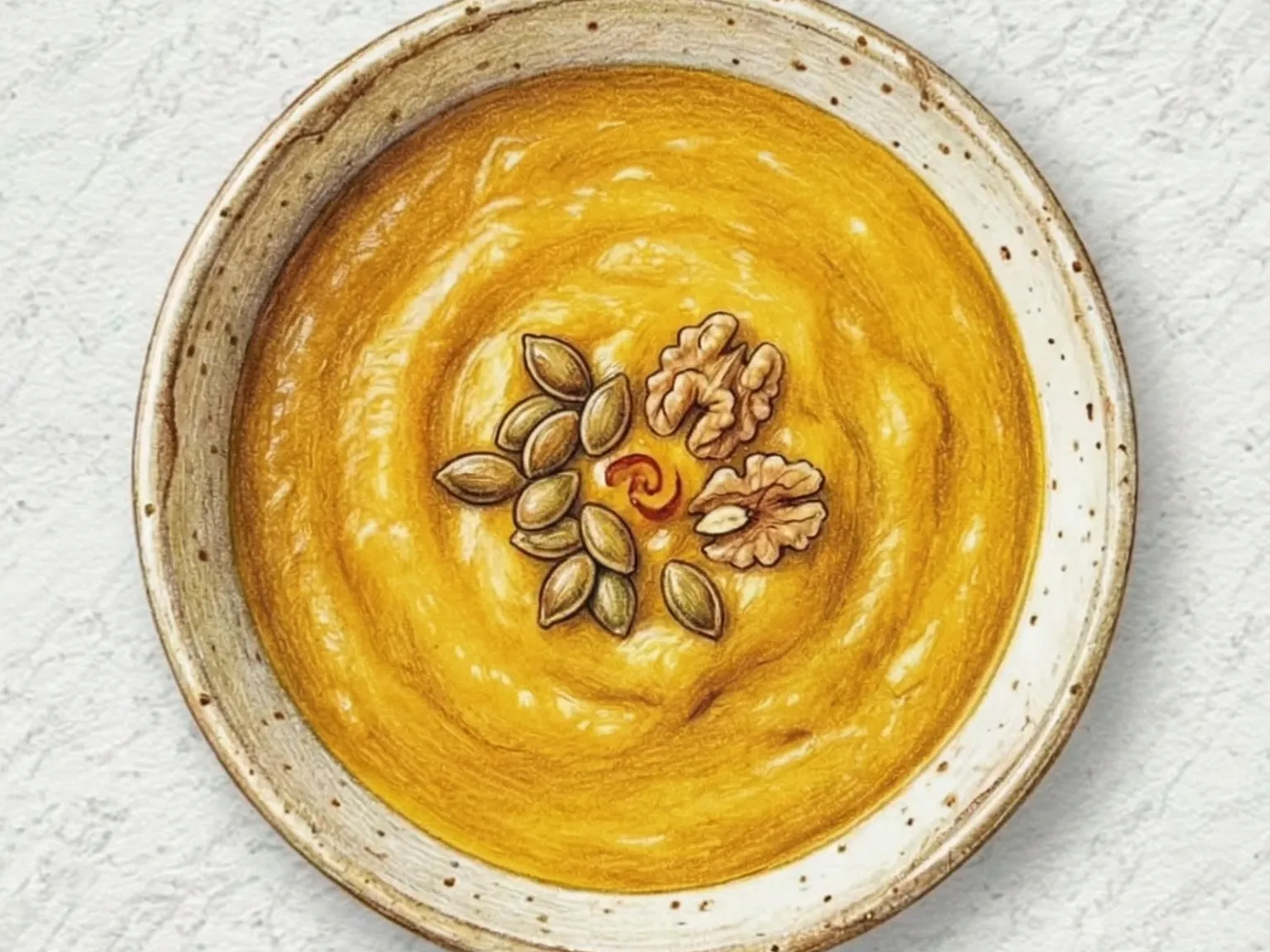
Sweet Pumpkin Porridge (Korean Kabocha Glutinous Rice Porridge)
Hobakjuk is a Korean sweet pumpkin porridge made by steaming kabocha squash, blending it smooth with water, and simmering the puree with a glutinous rice flour slurry over medium-low heat until thick and velvety. Steaming the squash with the skin on concentrates its natural sugars, and blending with 300 ml of water creates a uniform, smooth base. The rice flour slurry gelatinizes as it heats, giving the porridge its characteristic viscosity, while a pour of milk rounds out the texture with a creamy richness. Pine nuts scattered on top add a fatty, resinous aroma over the squash, and sweetness is best adjusted at the very end to account for natural variation in pumpkin sugar content.
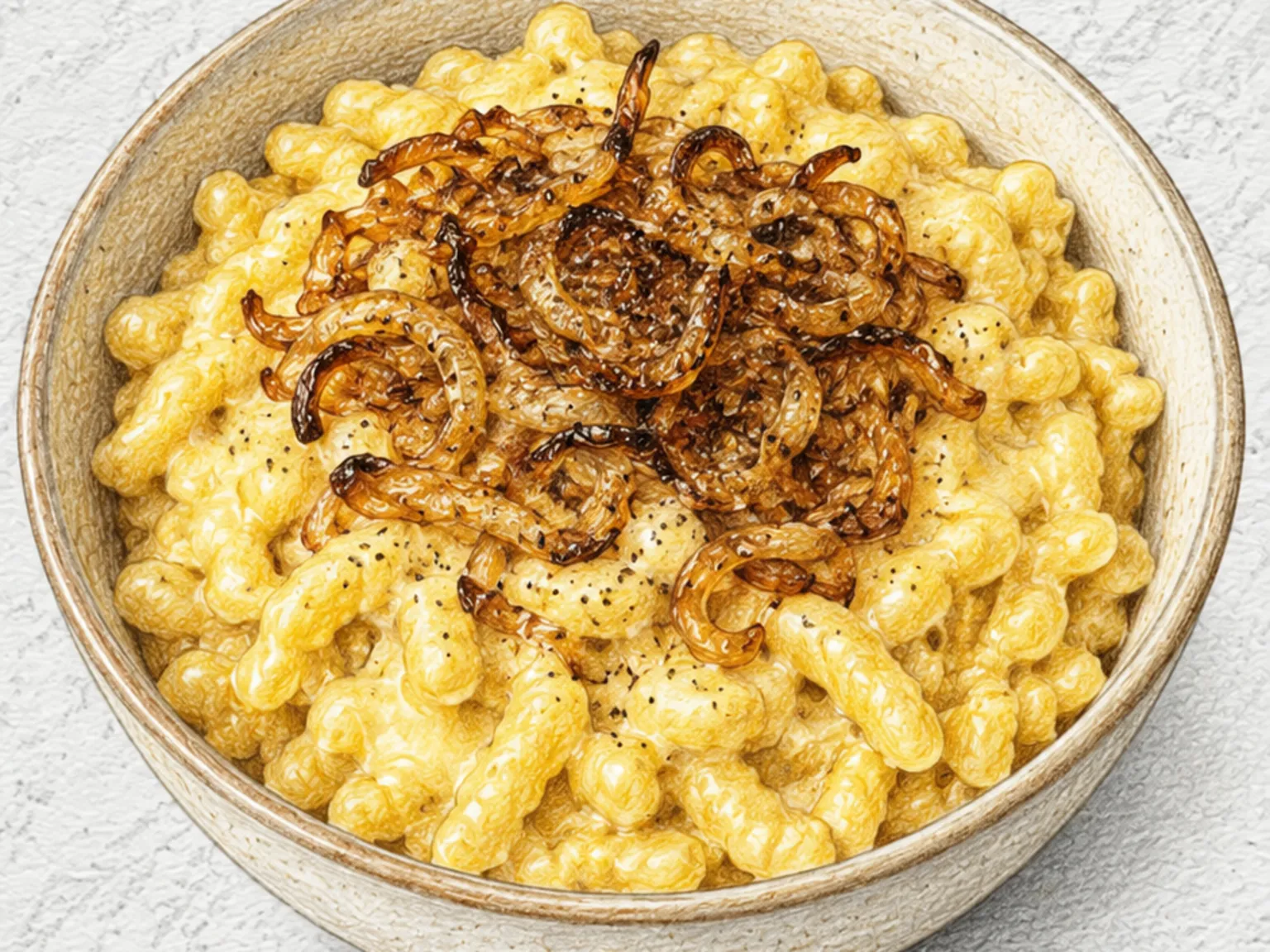
Kasespatzle (German Alpine Cheese Dumpling Noodles)
Kasespatzle is an Alpine comfort dish from southern Germany and Austria, made by boiling a thick batter of flour, eggs, and milk into small dumplings, then tossing them with melted Emmental cheese and caramelized onions. The batter must maintain a thick consistency rather than being runny - this is what gives the spaetzle their characteristic chew when boiled and drained. Sliced onion is slowly cooked in butter over low heat until deeply browned, transforming the raw sharpness into a concentrated sweetness. The cooked spaetzle and grated cheese are combined in a hot pan so the cheese melts and coats every dumpling. Topped with the caramelized onions and black pepper, the dish is served immediately while the cheese is still molten and stretchy.
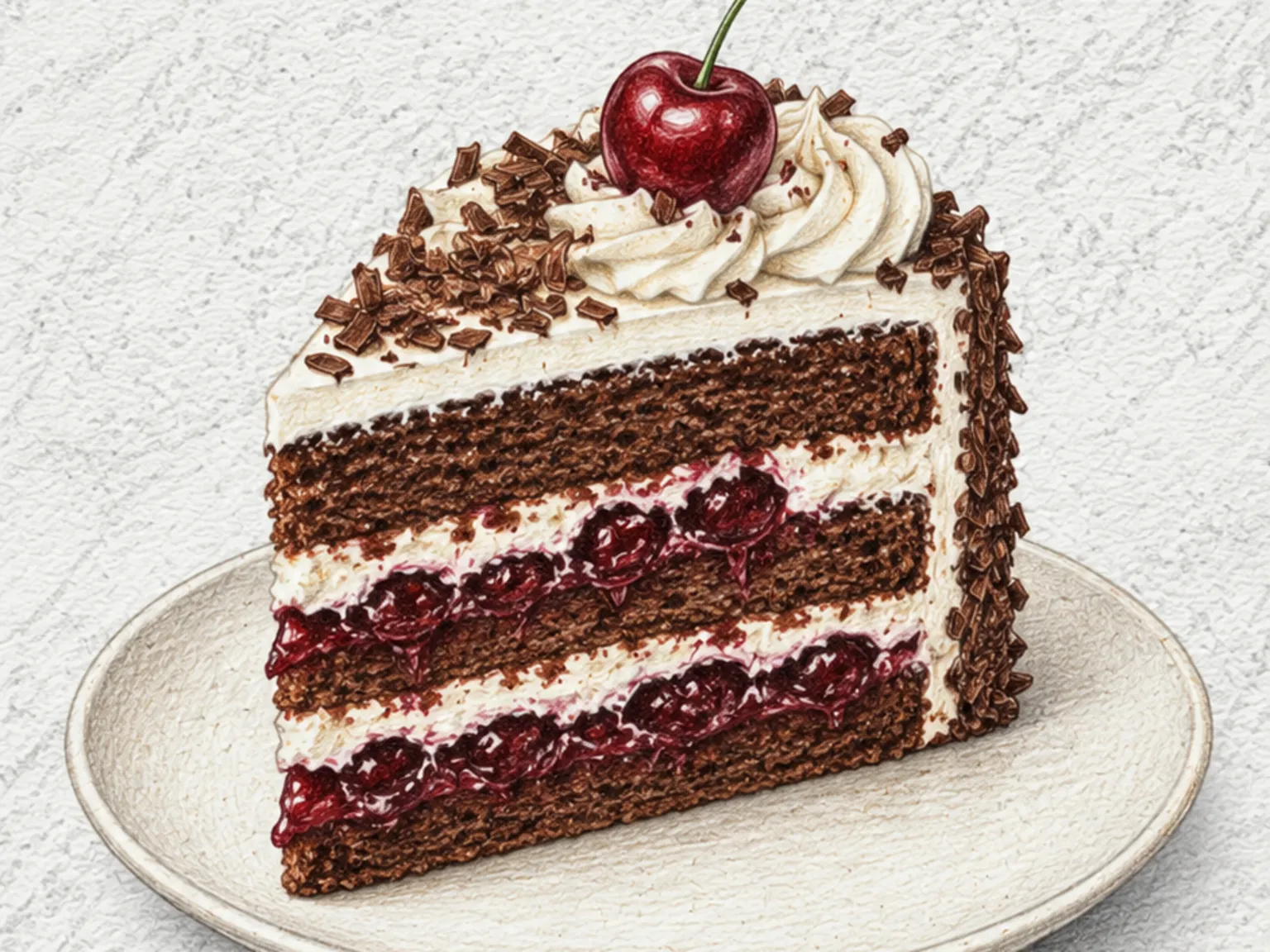
Black Forest Cake
Black Forest cake is a layered chocolate cake from the Schwarzwald region of southwestern Germany. Dark, moist chocolate sponge layers are stacked with alternating fillings of tart cherry compote and lightly sweetened whipped cream. In the traditional preparation, each sponge layer is brushed with Kirschwasser, a clear cherry brandy, which carries the cherry flavor deep into the crumb and adds a quiet warmth throughout the cake. The bitterness of the cocoa, the acidity of the cherries, and the neutral creaminess of the whipped cream create a clear contrast that repeats with each layer, so every bite delivers the same balance of flavors. The cake is finished with whipped cream rosettes, dark chocolate shavings, and whole cherries arranged on top. It must be chilled thoroughly before slicing so the layers hold their shape and the cross-section comes out clean.