🧒 Kid-Friendly Recipes
Sweet and fun snacks kids will love
516 recipes. Page 8 of 22
Kid-friendly snacks should be tasty and nutritionally balanced. This tag includes sweet treats children love alongside healthier options with hidden vegetables - potato cheese balls, sweet potato sticks, fruit skewers, and more.
Making snacks at home means full control over ingredients, with no additives or preservatives. Cooking together can also be a fun activity for the family. Browse these simple recipes designed to please young palates.
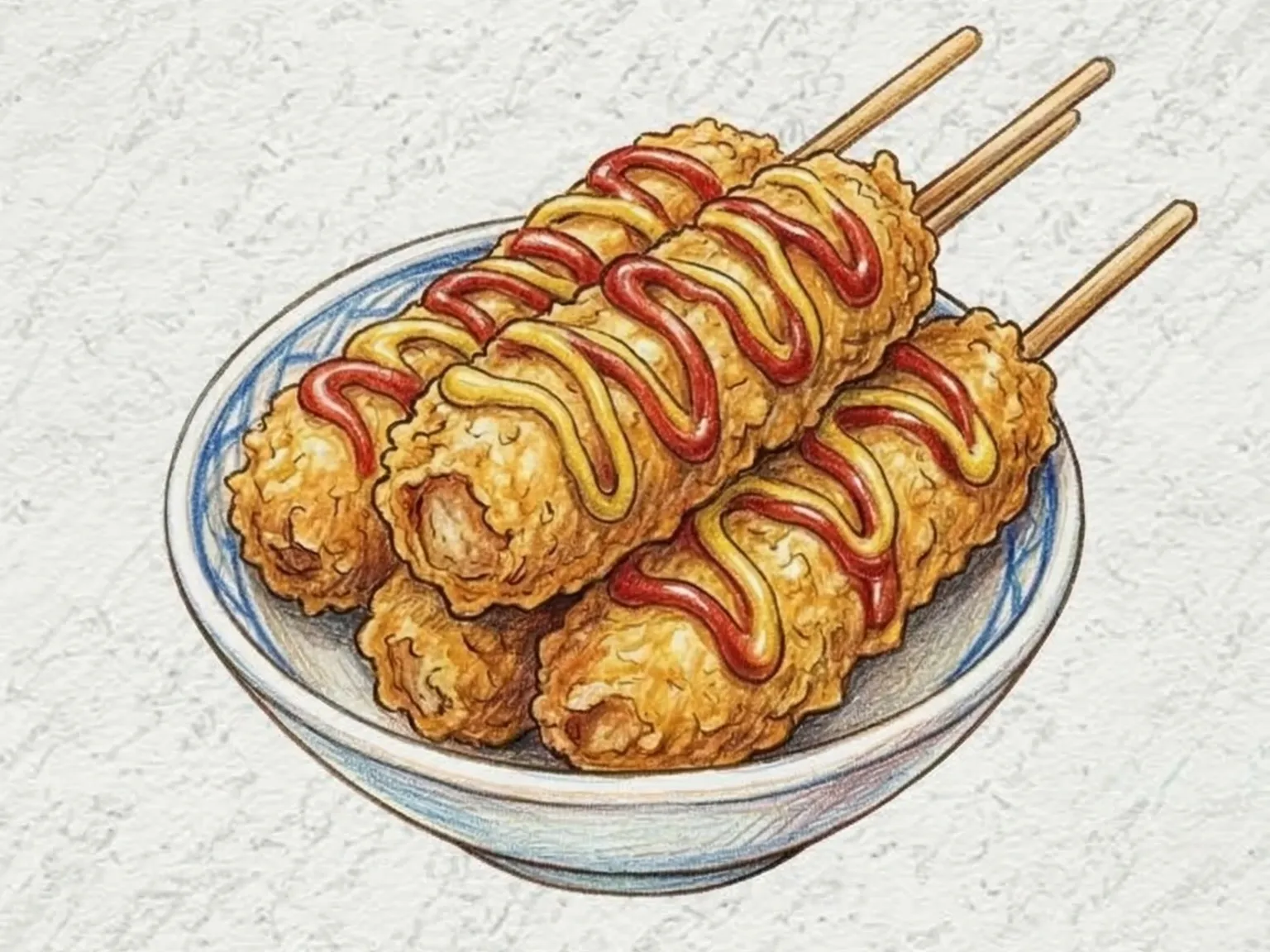
Korean Eomuk Hot Bar (Fried Fish Cake Skewer)
Eomuk hotbar is a Korean street food snack made by threading fish cake onto a skewer, coating it in a flour and egg batter, and deep-frying until golden. Wrapping the fish cake in a spiral around the skewer before frying maximizes the surface area that the batter can cling to, and the result after frying is a double-layered texture: a crisp outer shell from the batter and a chewy, springy fish cake center underneath. Adding a small amount of baking powder to the frying mix causes the batter to puff slightly, producing a lighter crunch that does not feel heavy despite the frying. Ketchup or mustard is the standard condiment, applied straight from the bottle at roadside stalls. The mild fish flavor from the eomuk comes through subtly from beneath the fried coating rather than dominating.
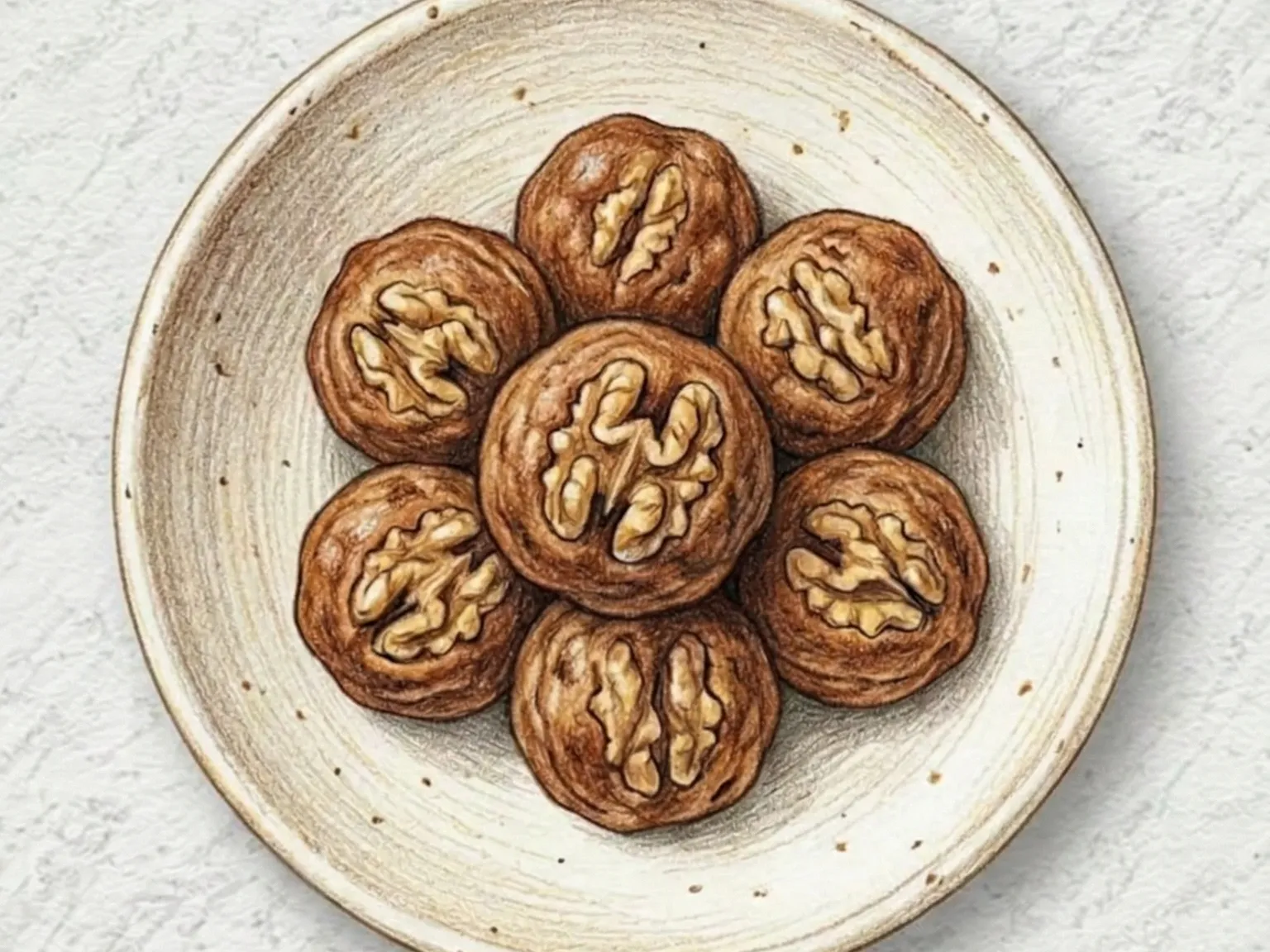
Walnut Cakes (Korean Bite-Sized Red Bean Walnut Pastries)
Hodu-gwaja are bite-sized Korean walnut cakes baked in a dedicated walnut-shaped cast iron mold, made from a batter of cake flour, baking powder, eggs, milk, and melted butter. Each cavity is half-filled with batter, then topped with sweet red bean paste and a toasted walnut half, sealed with a second pour of batter, and cooked over medium-low heat for six to eight minutes per side. The result is a thin, lightly browned shell encasing a moist, soft interior. Toasting the walnut halves at 160 degrees Celsius for five minutes beforehand makes a noticeable difference: the finished cakes carry a deeper, more fragrant nut aroma compared to those made with untoasted walnuts. Resting the batter for ten minutes before using it relaxes the gluten, which reduces air pockets during pouring and produces a smoother exterior surface. The cake originated as a regional specialty of Cheonan in South Chungcheong Province and has since become one of the most recognized snacks sold at highway rest stops and traditional markets across the country.
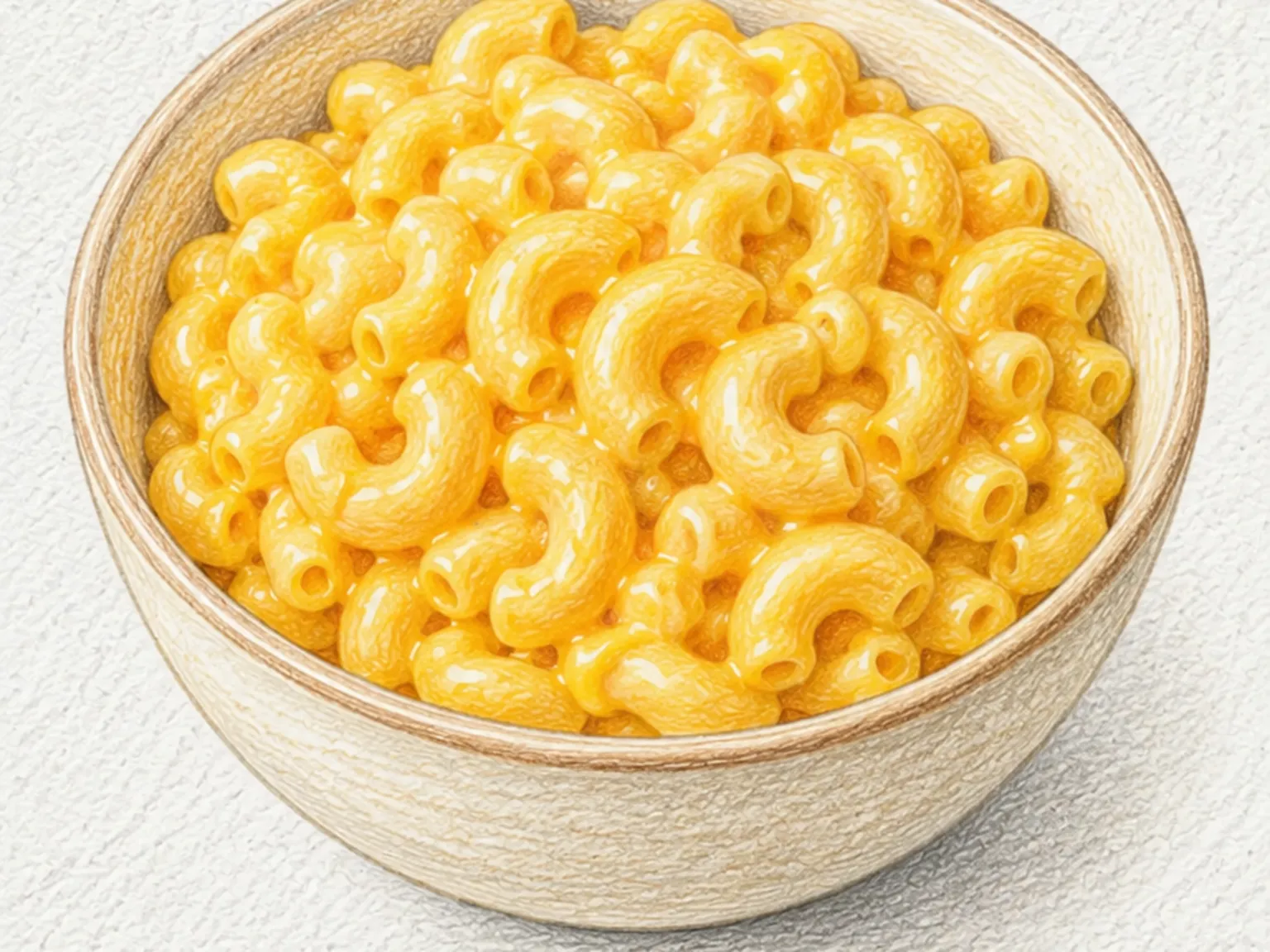
Mac and Cheese
Mac and cheese begins with a roux of butter and flour, into which milk is whisked in three additions to form a smooth bechamel. Cheddar and mozzarella are melted into the sauce over low heat - adding cheese on high heat causes the fat to separate and the texture to turn grainy. The cooked macaroni, boiled one minute short of the package time, is stirred into the sauce so it finishes to al dente as it absorbs moisture. Reserving a few tablespoons of pasta water makes it easy to adjust the consistency if the sauce thickens too much. For an optional crunchy top, the mixture can be transferred to a baking dish, topped with buttered breadcrumbs, and baked at 200 degrees Celsius for 12 to 15 minutes until golden. Either way - baked or straight from the pot - the result is a rich, creamy dish with bold dairy flavor.
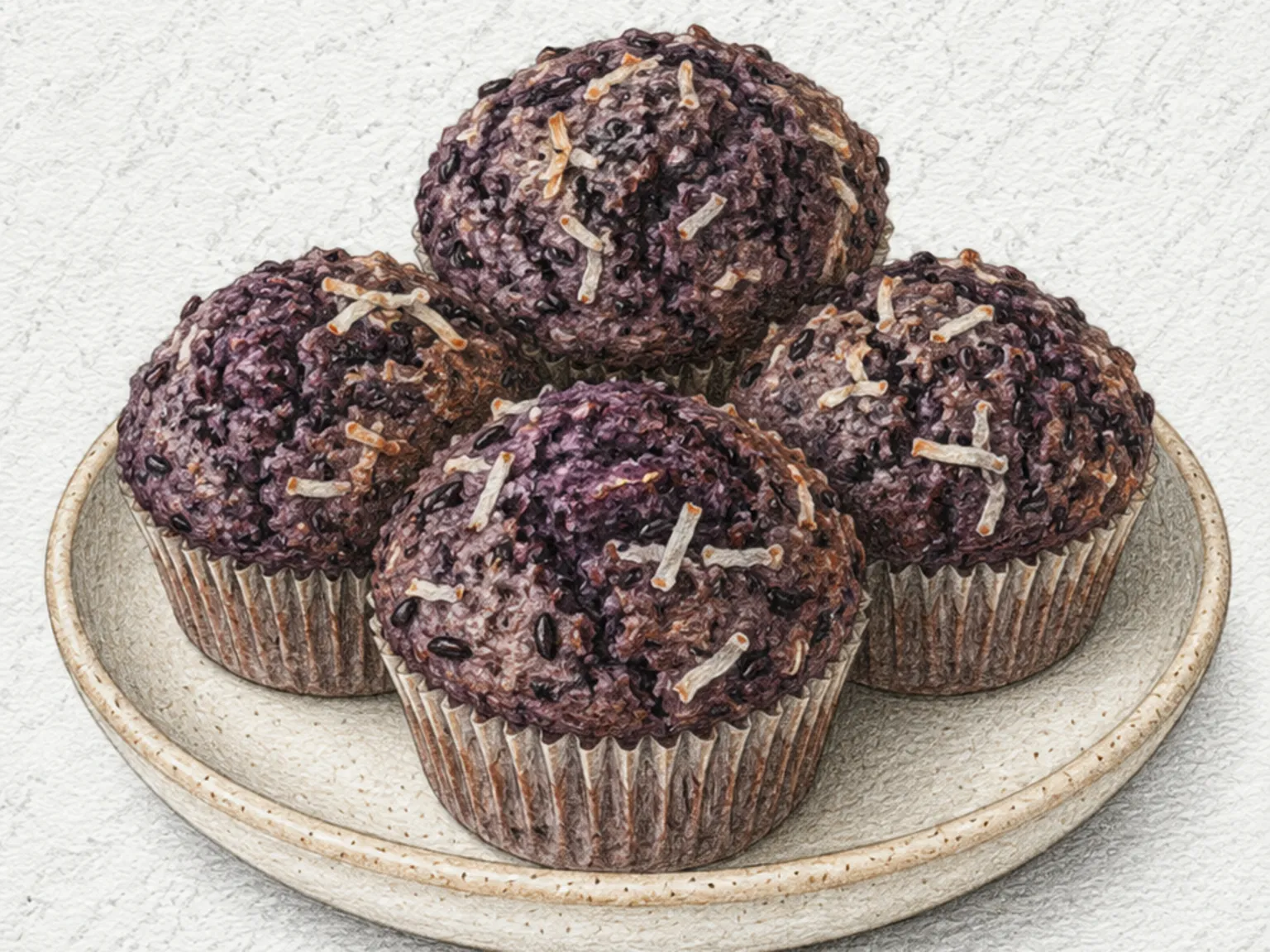
Black Rice Coconut Muffins
Black rice flour is blended into all-purpose flour until the batter takes on a distinctive purple-gray hue, and the grain brings a toasted, nutty quality that plain flour cannot provide on its own. Coconut milk stands in for regular dairy, producing a crumb that is noticeably more moist and tender than a standard muffin while the tropical scent settles into the batter without the need for any extract or flavoring. Desiccated coconut folded in before baking survives the oven and creates small chewy pockets throughout the finished crumb, varying the texture bite by bite. The anthocyanin pigments in the black rice deepen visibly on the muffin tops during baking, giving them a pronounced purple that signals the presence of the grain before a single bite is taken. Both ingredients reinforce the nutty note from their own direction, one earthy and grainy, the other sweet and tropical, and together they give the muffin more depth than a recipe built on white flour alone.
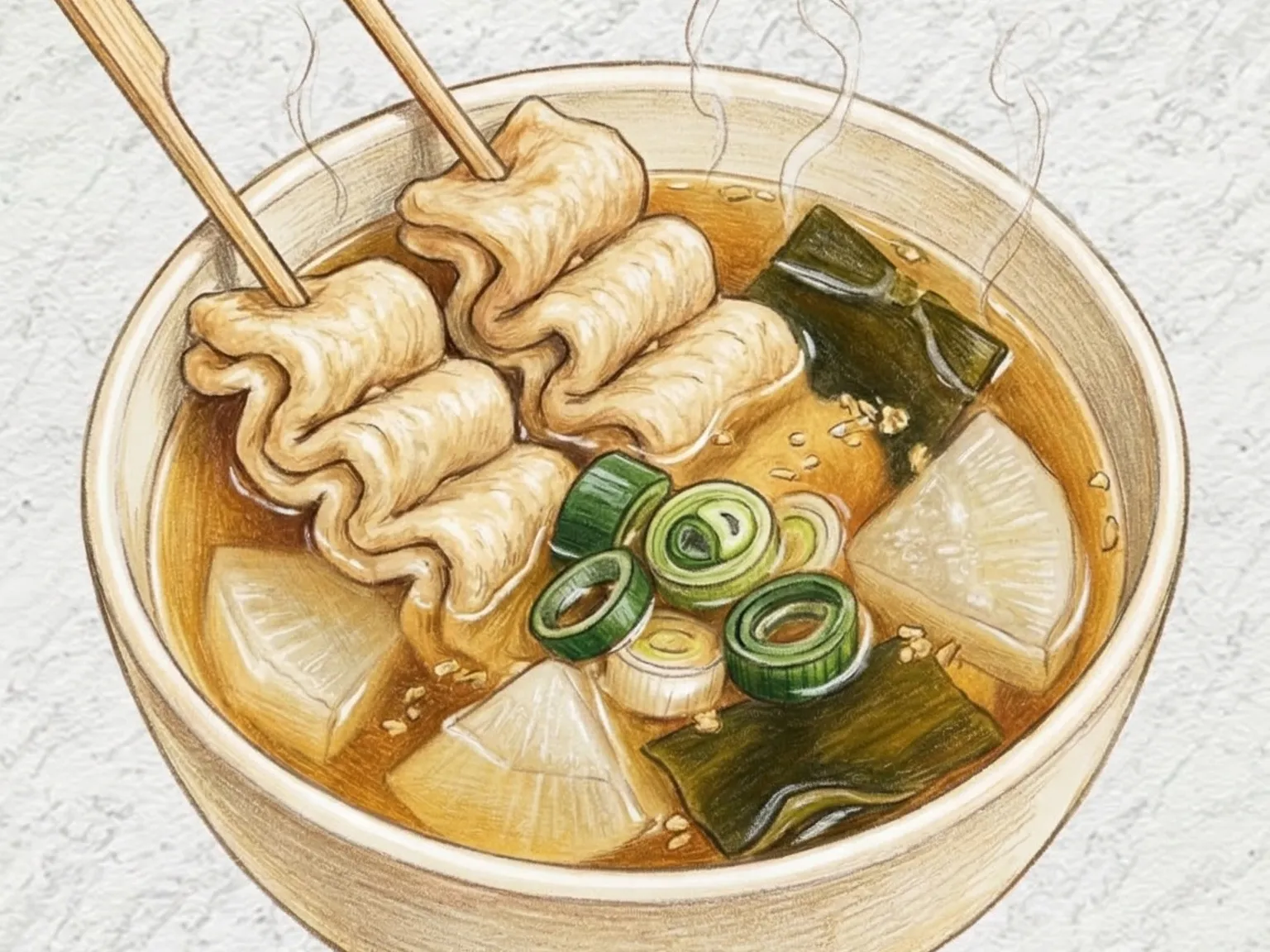
Korean Skewered Fish Cake Soup
Eomuk-kkochi starts with flat fish cake sheets folded into zigzag shapes on skewers, which then simmer in a clear broth made from Korean radish, kelp, and green onion. The broth draws umami from the radish and kelp and transfers that depth into the fish cakes as they cook. The fish cakes soften from their original firm bounce as they absorb the broth, while the liquid itself thickens slightly from the starch the eomuk releases. Serving a dipping sauce of soy or gochujang alongside each skewer adds another dimension of flavor at the table. This is one of Korea's most iconic winter street foods, served at pojangmacha stalls where the hot broth gets ladled into paper cups for sipping between bites.
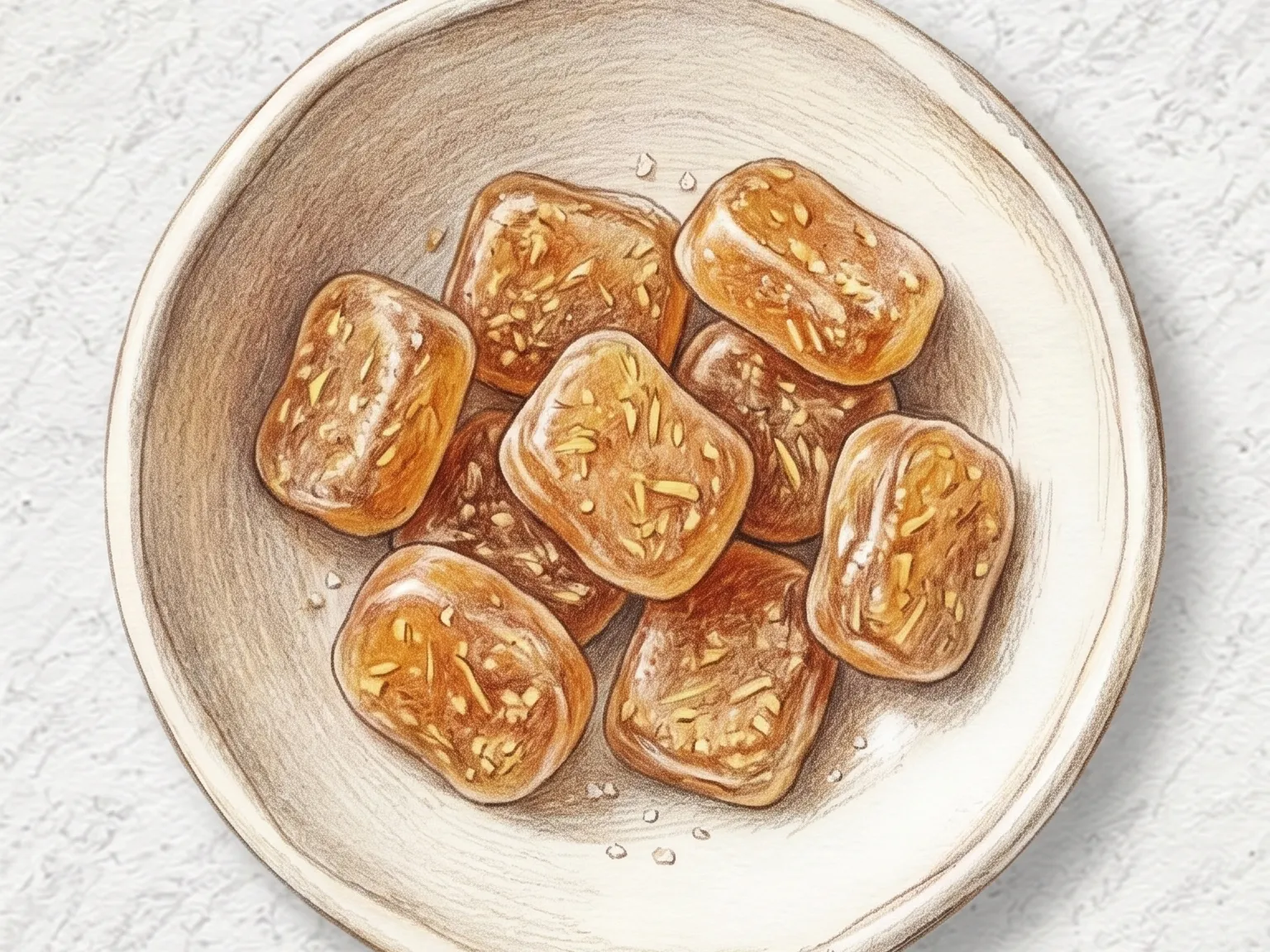
Homemade Ginger Honey Candy
Homemade Ginger Honey Candy is a hard candy made by boiling fresh ginger juice, honey, sugar, and water to a high temperature. The ingredients are combined in a heavy-bottomed pot and heated without stirring. Avoiding stirring prevents sugar crystallization, which would otherwise make the candy cloudy instead of transparent. The mixture is heated to 150C to reach the hard-crack stage, locking the sharp pungency of the ginger within a glass-like sugar structure. Once it reaches this stage, the syrup is quickly dropped onto a mold or baking paper to shape. After cooling at room temperature for fifteen to twenty minutes, the candies are dusted with powdered sugar to prevent them from sticking together during storage in an airtight container.
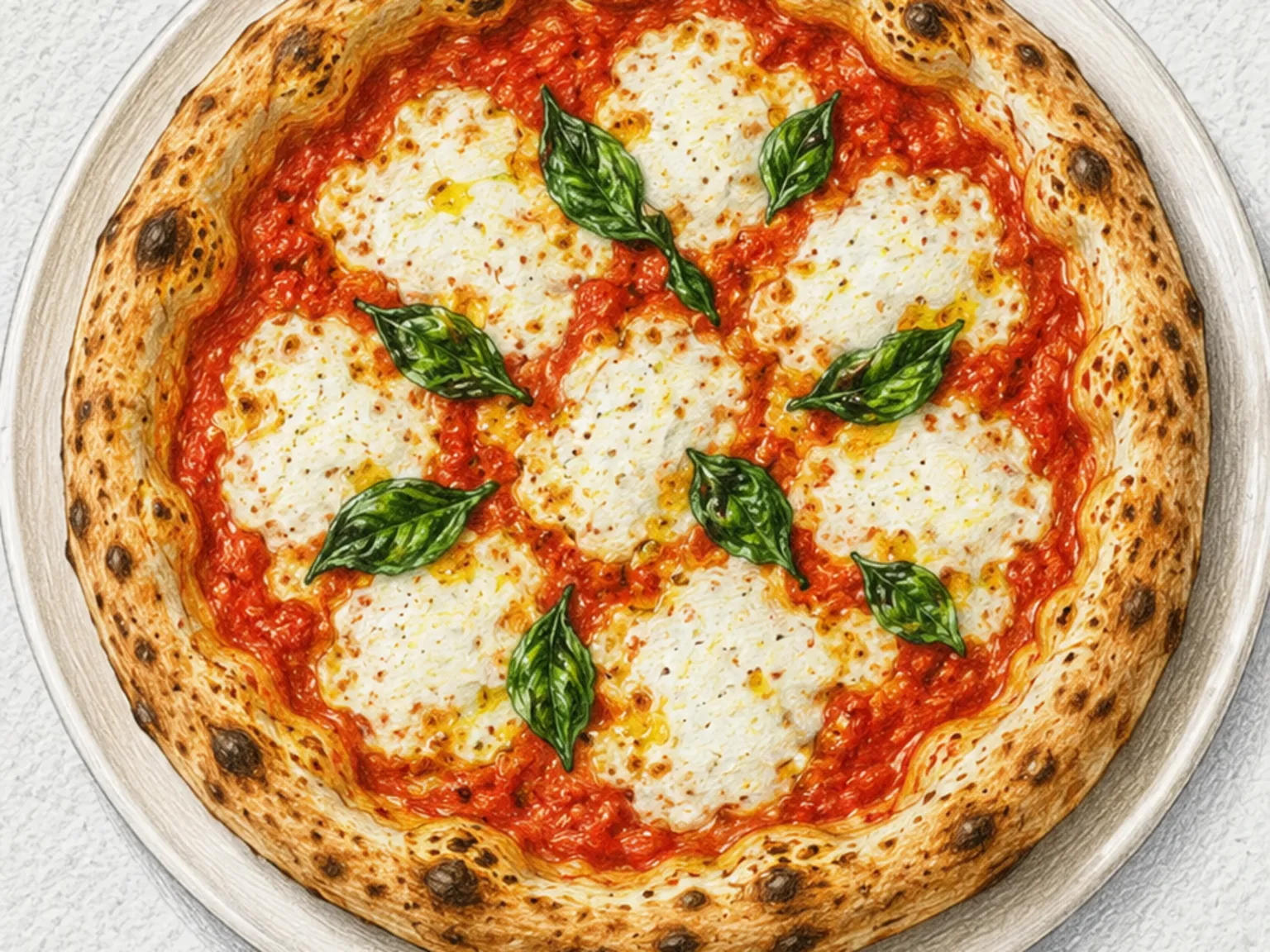
Margherita Pizza
Margherita pizza uses just three core toppings - tomato sauce, mozzarella, and fresh basil - making ingredient quality the deciding factor. The dough is stretched to a 25-centimeter round with a thicker rim that puffs up into an airy crust during baking. The sauce must be spread thinly and evenly; too much makes the base soggy. Tearing the mozzarella by hand rather than slicing it creates uneven thickness, so some spots brown and crisp while others stay soft and melted - draining the cheese beforehand is essential for proper browning. The pizza bakes at 250 degrees Celsius for 10 to 12 minutes until the edges are golden and blistered. Basil, grated Parmesan, and a drizzle of olive oil are added only after the pizza comes out of the oven to preserve their fresh aroma.
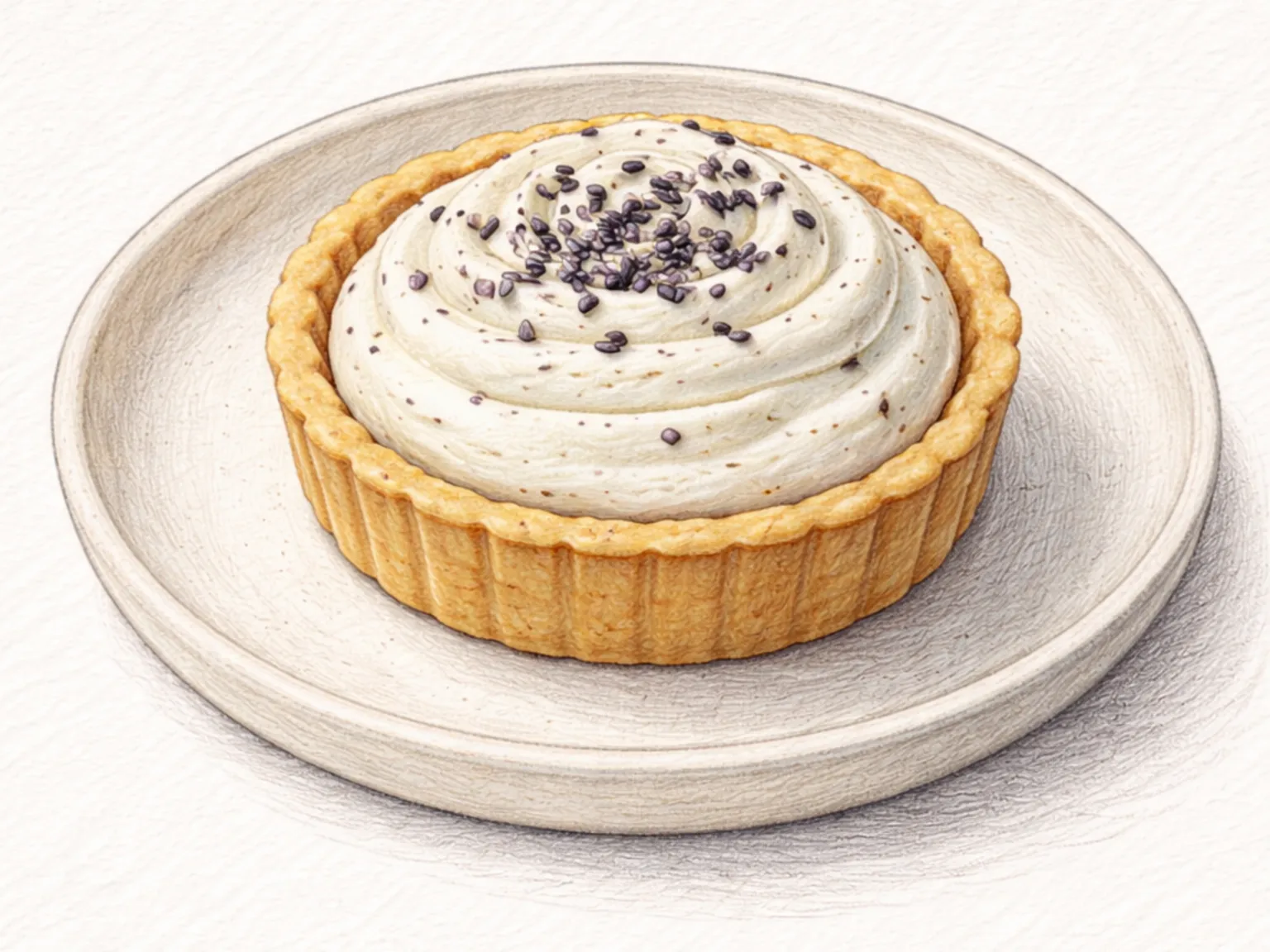
Black Rice Cream Cheese Tart
Black rice cream cheese tart is a Korean-style baked tart that combines a crisp, buttery shell with a cream cheese filling tinted and flavored with black rice flour. The filling is made by blending cream cheese, sugar, egg, and heavy cream until smooth, then folding in black rice powder, which gives the mixture a pale purple color and a subtle roasted grain character. Baked at a moderate temperature, the filling puffs gently in the oven before settling back into a dense, silky layer as it cools - the texture sits between a cheesecake and a custard tart, smooth and rich but not heavy. The pre-baked tart shell provides a firm, buttery crunch that contrasts the soft filling above. Vanilla extract ties the tangy cream cheese to the earthy black rice notes, rounding out the flavor so neither element dominates.
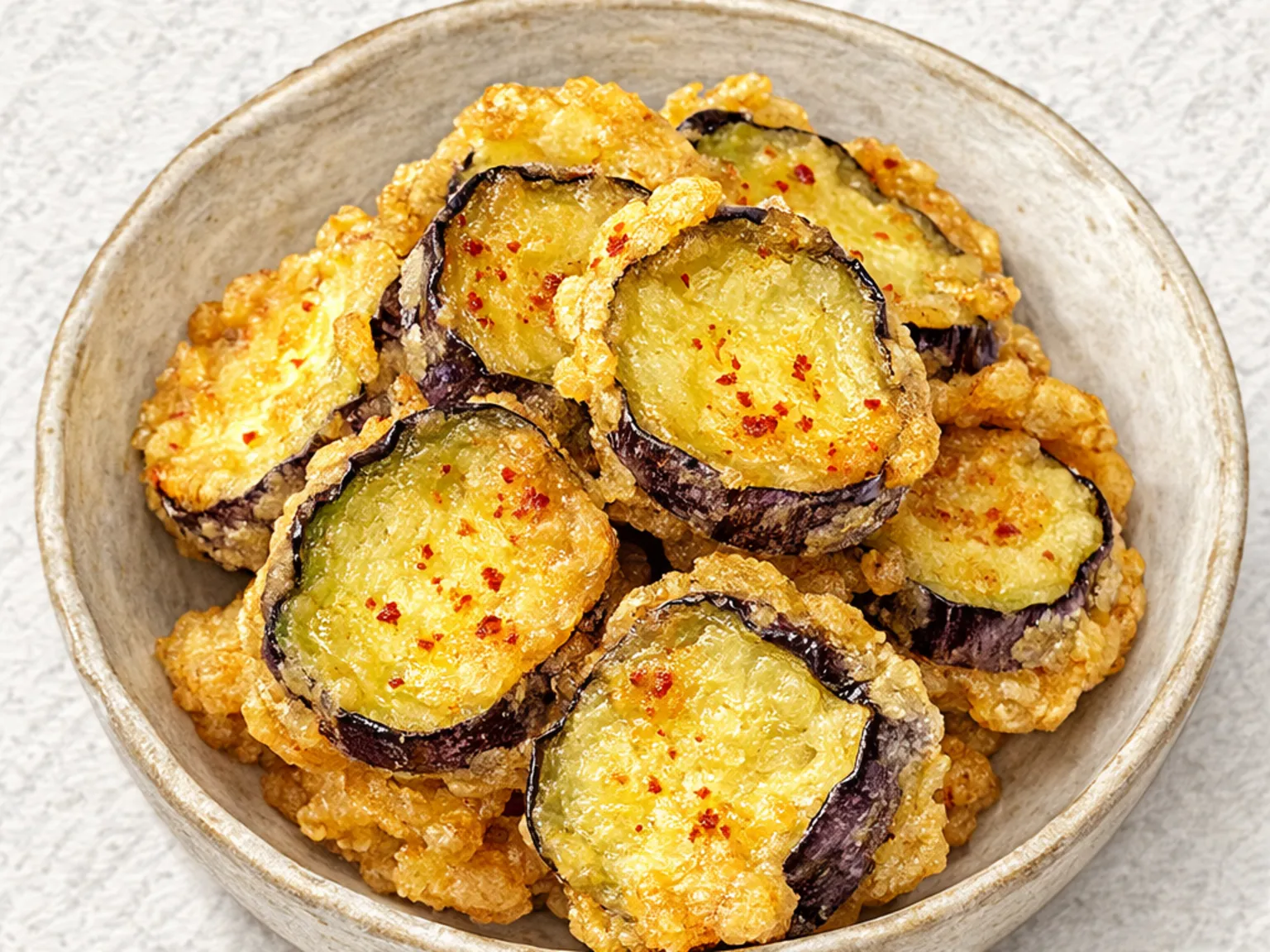
Korean Gaji Twigim Bites (Crispy Eggplant Bites)
Gaji-twigim-bites cuts eggplant into bite-sized pieces and fries them in a cold batter made with sparkling water. The carbonation in the batter creates air pockets within the coating as it hits the hot oil, producing a crust that is notably lighter and crisper than one made with plain water. The eggplant's high moisture content means the interior steams gently within the crust, turning silky soft without collapsing. The batter should be mixed just before frying and kept cold throughout -- allowing it to sit and warm up causes the bubbles to dissipate and the coating to turn dense. A small addition of gochugaru to the frying mix gives the crust a subtle, even heat that offsets the eggplant's natural mildness and the richness of the frying oil. The purple skin of the eggplant remains partially visible through the golden coating after frying, making these bites visually distinctive from standard vegetable tempura. A dipping sauce of soy sauce and a few drops of sesame oil pairs cleanly with the lightly seasoned batter.
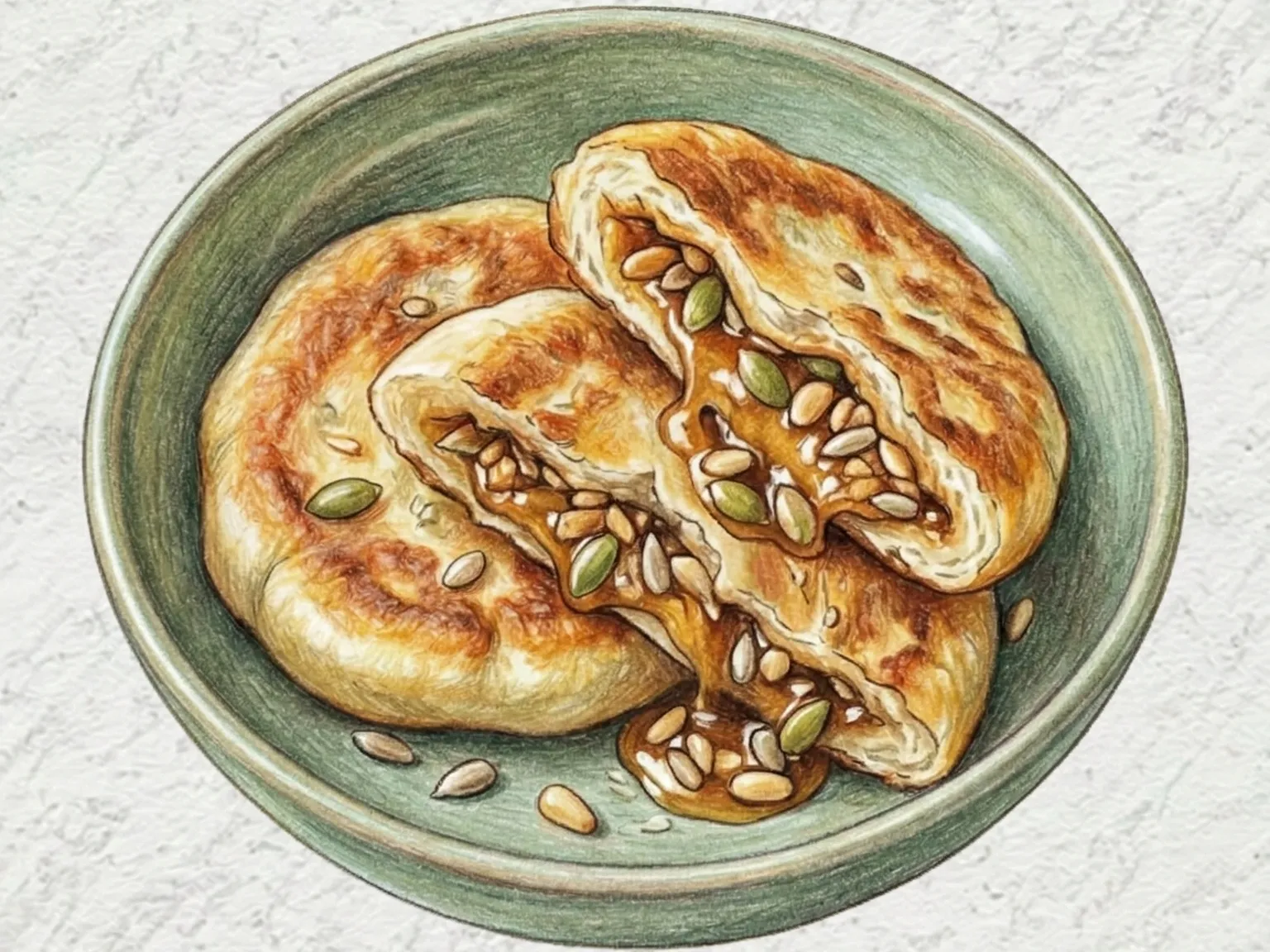
Ssiat Hotteok (Korean Sweet Seed Pancake)
Ssiat-hotteok is a Korean street snack made from a yeast-leavened dough stuffed with a mixture of brown sugar, cinnamon, sunflower seeds, and pumpkin seeds, then pressed flat in an oiled pan until the outside crisps and the inside turns molten. The dough must proof until it doubles in size before dividing into eight portions; each portion is filled and the seam pinched shut firmly, because a loose seal allows the melted sugar to escape and burn against the pan. Slow cooking on low heat develops a thin, crisp crust on the exterior while the brown sugar inside dissolves into a sticky syrup that carries the warmth of the cinnamon and the crunch of the seeds. Activating the yeast in warm milk rather than water adds a subtle dairy richness to the dough, producing a softer, more rounded result than versions made with water alone.
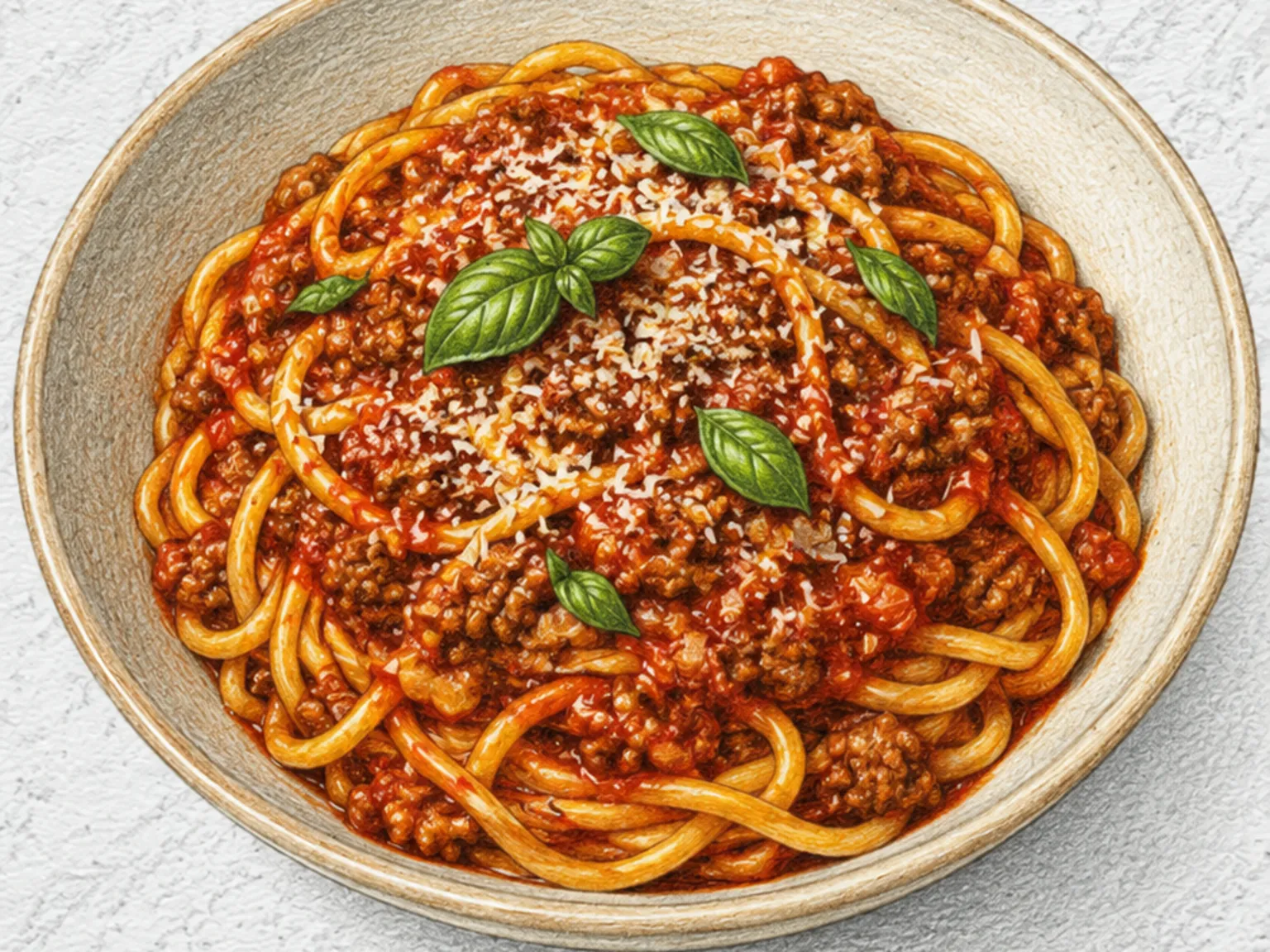
Meat Sauce Pasta
Meat sauce pasta cooks ground beef in olive oil until deeply browned for a strong Maillard reaction, then builds flavor with diced onion and garlic before adding tomato sauce and tomato paste. Simmering the sauce on low heat for at least 15 minutes allows the tomato acidity to mellow and the meat juices to concentrate. Salting the pasta water generously - as salty as the sea - seasons the noodles from the inside. Tossing the drained spaghetti directly into the sauce pan for a minute or two lets the surface starch bind with the sauce for better coating. A splash of red wine adds acidity and depth, while grated Parmesan and fresh basil at the end bring a savory-herbal finish. The dish is straightforward but rewards patience during the simmer.
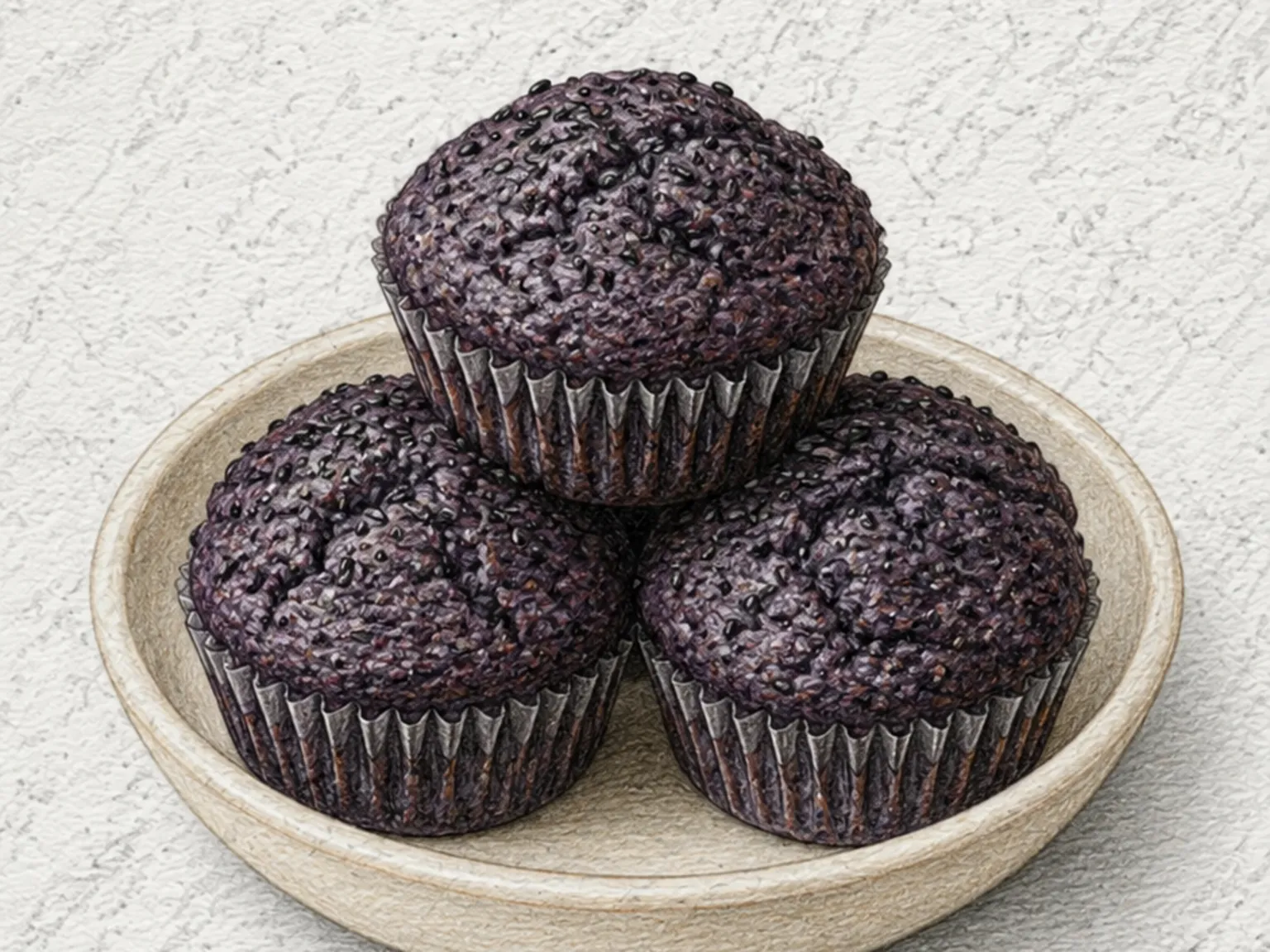
Black Rice Black Sesame Muffins
Black rice black sesame muffins bring together two of Korean baking's most distinctive ingredients into a single pastry with layered flavor and an unusual deep color. Black rice flour and cake flour form the dry base, with roasted black sesame seeds folded in to add concentrated nuttiness and tiny bursts of crunch throughout the crumb. Plain yogurt and milk provide the moisture and a faint tang that offsets the sweetness, while neutral oil keeps the fat light. During baking, the heat activates the oils within the sesame seeds, intensifying their roasted aroma as the muffins rise. The finished interior stays moist and tender, and the crust develops a subtle chew. The color is a striking deep purple-gray from the black rice. Flavor arrives in sequence: the earthy, slightly mineral depth of black rice leads, and the bold, roasted sesame note finishes. The restrained sweetness makes these muffins as well-suited to coffee or tea as they are to eating on their own.
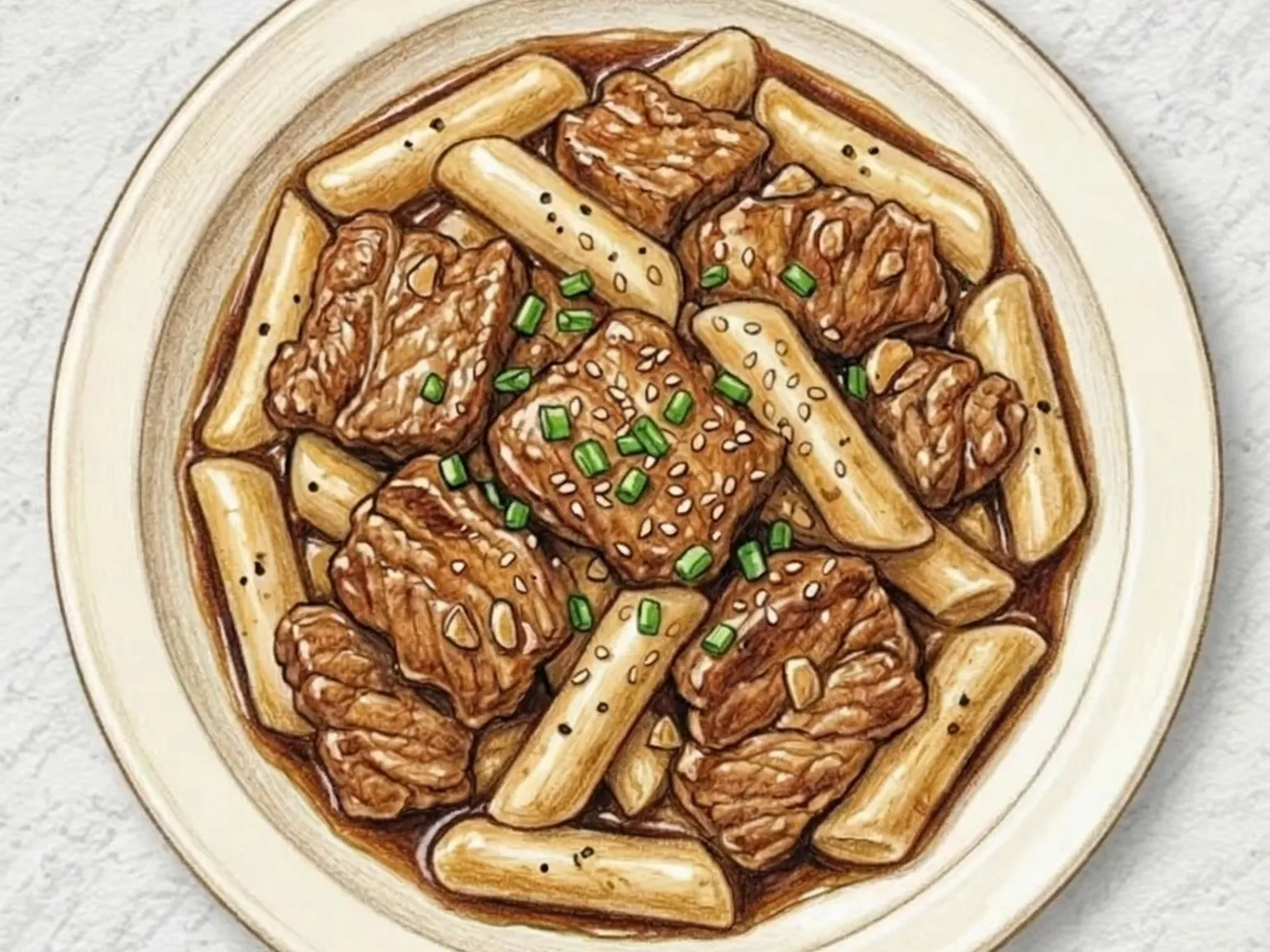
Korean Galbi Tteokbokki (Soy-Braised Pork Rib Rice Cake Stir-Fry)
Galbi tteokbokki marinates boneless pork ribs in soy sauce, sugar, mirin, garlic, and sesame oil for fifteen minutes before the dish comes together in a single pan. The ribs go in first over high heat, searing until the surface caramelizes and the rendered fat begins to collect in the pan. Water and rice cakes are added next, and the mixture simmers on medium until the sauce reduces into a concentrated glaze that coats each tteok thoroughly. No gochujang enters the recipe at any point - the flavor profile is entirely soy-and-sugar sweet-salty, made deeper by the pork's own fat and juices as they cook down. The finished dish shows a visible sheen on both the rice cakes and the meat, with green onion and sesame seeds scattered over the top.
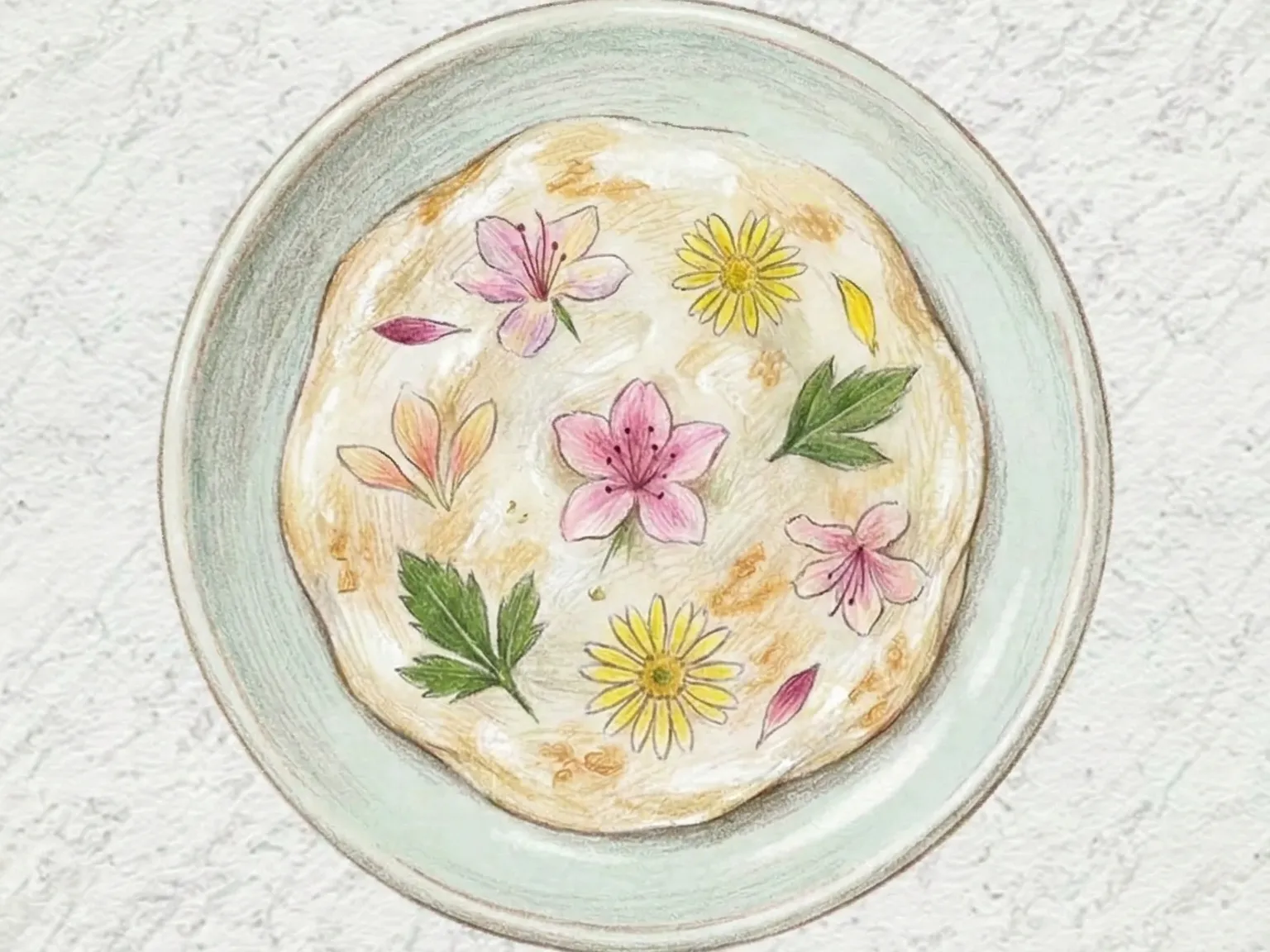
Flower Rice Pancakes (Glutinous Rice Cakes with Edible Flowers)
Hwajeon is a traditional Korean rice pancake made by kneading glutinous rice flour with salt and warm water, portioning the dough into 30-gram rounds, and pan-frying on low heat with edible flower petals pressed onto the surface. Low heat is not optional: high heat chars the outside while leaving the center gummy, whereas patient cooking at a gentle temperature produces a uniform chew all the way through. The petals must be dried completely before use to avoid oil splatter, and they are pressed in while the top of the pancake is still slightly underdone so they bond firmly rather than sitting loose on the surface. Different flowers shift the character of each batch: azalea delivers a faintly floral note, chrysanthemum a subtler, more herbal impression, and rose a soft sweetness. Served alongside honey and pine nuts, the honey draws out the mild sweetness of the rice dough, and the pine nuts add a resinous, oily richness that rounds out the last bite.

Meatball Sub
Meatball sub starts by mixing ground beef with breadcrumbs, egg, and minced garlic, shaping the mixture into balls, and browning them in olive oil on all sides. The browned meatballs then simmer in tomato sauce on low heat for about 12 minutes until cooked through. Avoiding overmixing the meat mixture is critical - working it too much tightens the protein strands and produces dense, tough meatballs rather than tender ones. The sauce should be kept slightly thick so it does not immediately soak into the bread and turn it soggy. Warming the sub rolls before filling helps them absorb some sauce while still holding their shape. Mozzarella melted on top under a broiler or with a kitchen torch binds the meatballs and sauce together in every bite.
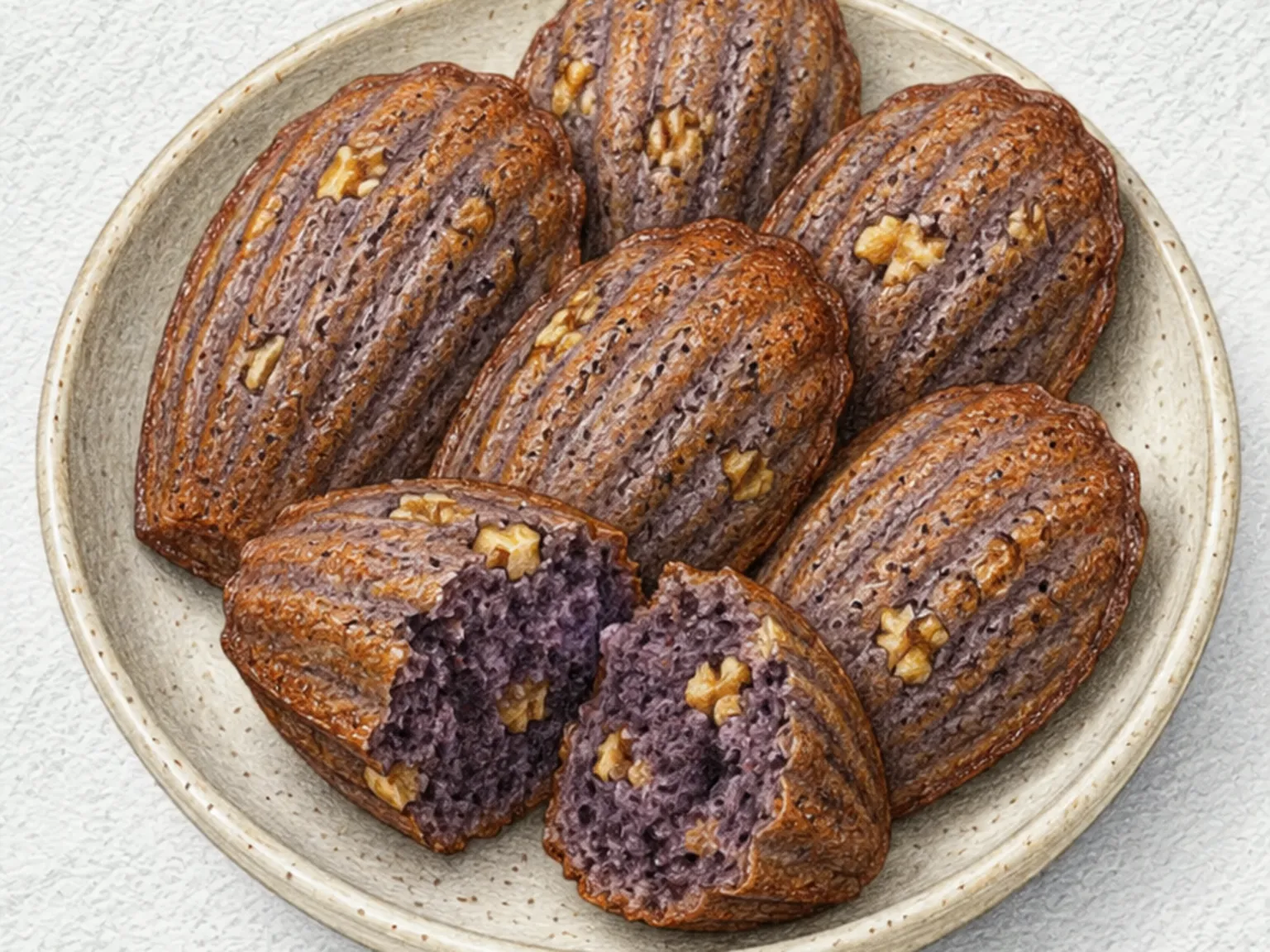
Black Rice Walnut Madeleines
Black rice walnut madeleines put a Korean spin on the French shell-shaped cake by substituting part of the wheat flour with black rice flour, producing a striking purple-brown crumb and a toasty, grain-forward flavor that sets them apart from the classic version. The batter depends on fully melted butter for the signature belly bump to rise cleanly during baking, creating a thin, crisp outer shell while the interior stays dense and moist. Chopped walnuts folded into the batter form crunchy pockets distributed throughout, so nearly every bite contains a textural contrast against the soft crumb. Honey replaces a portion of the sugar to add a rounded depth that granulated sugar alone cannot deliver. Stored in an airtight container, these madeleines hold their crisp exterior for about two days. They make an ideal homemade gift or an afternoon snack alongside coffee or a warm cup of tea.
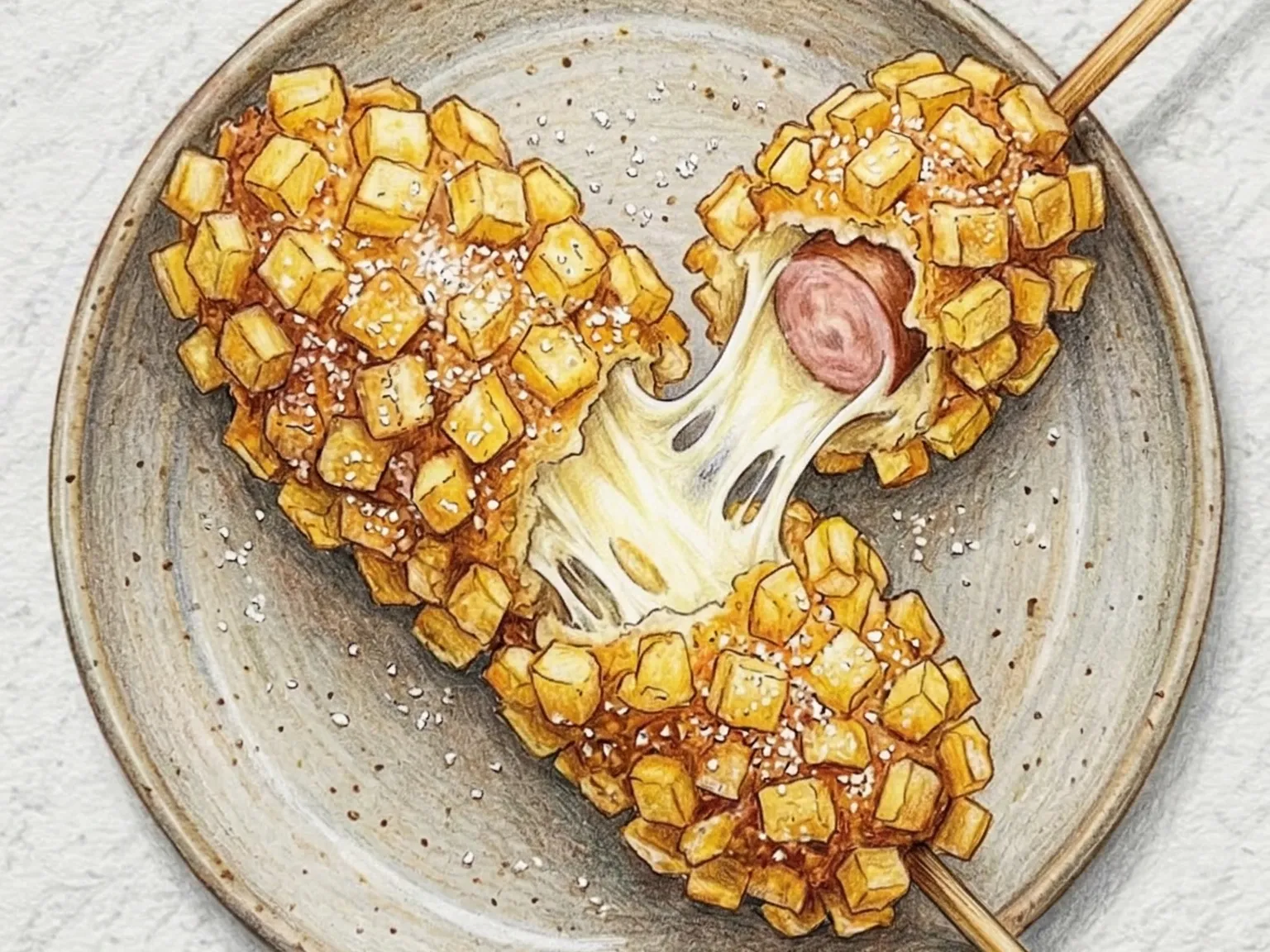
Potato Mozzarella Korean Corn Dog
Gamja mozzarella hotdog is a Korean street food that skewers a sausage and a mozzarella cheese stick together, coats them in a batter of flour, milk, and baking powder, then presses half-centimeter potato cubes across the entire surface before deep-frying. The potato cubes cook into a bumpy, golden-brown shell on the outside while the mozzarella inside melts and stretches into long, elastic strands when pulled apart. Sugar in the batter gives the whole corn dog a faintly sweet undertone throughout, and sprinkling additional sugar on the finished hotdog before eating is a common practice at street stalls. Each bite stacks the sausage's saltiness, the mozzarella's creamy stretch, and the crisp snap of the potato crust into one compact, layered structure.
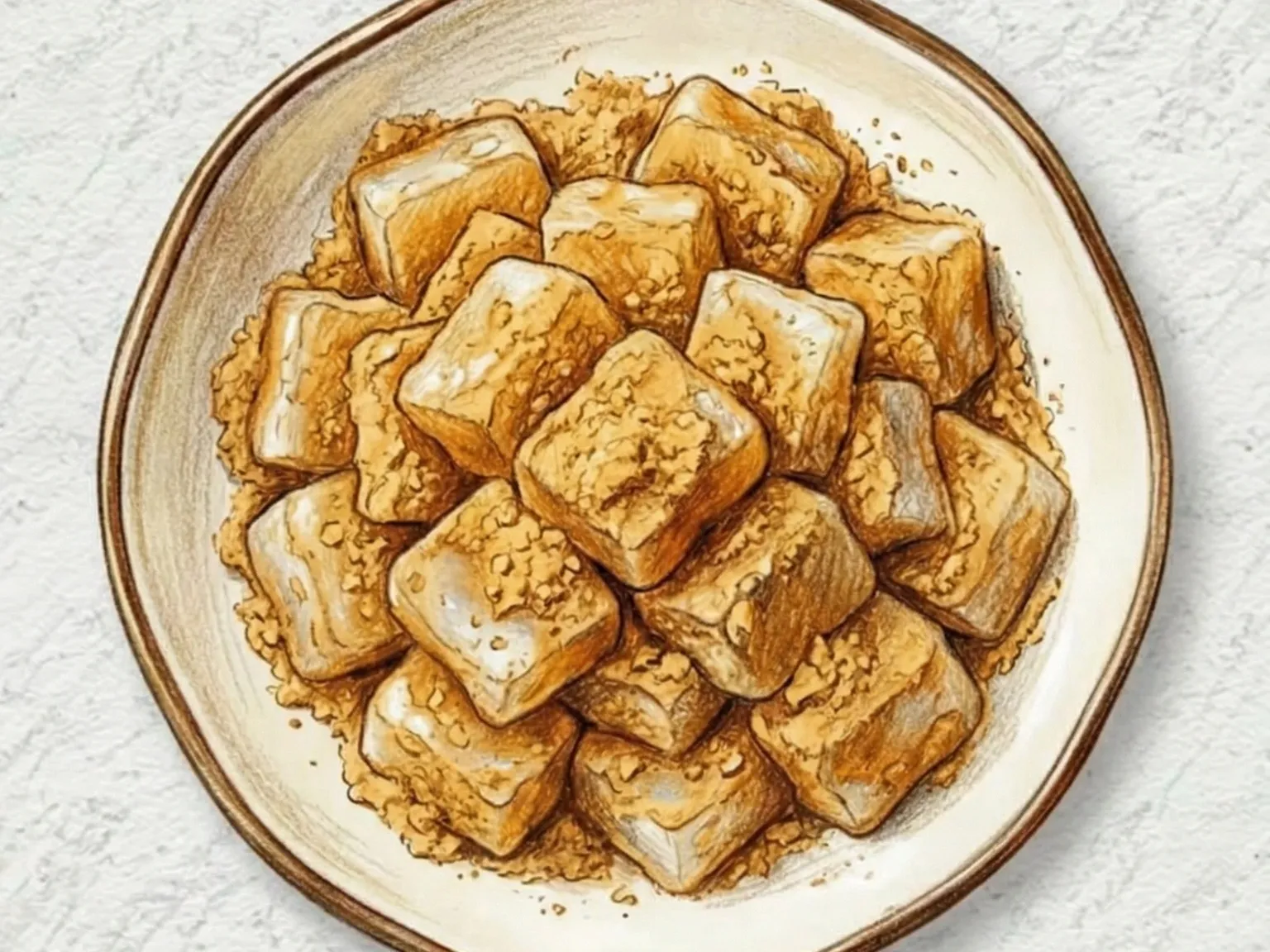
Glutinous Rice Cake with Soybean Powder
Injeolmi is a Korean glutinous rice cake made by kneading rice flour dough with hot water, steaming it for fifteen minutes, then pounding or beating it vigorously for at least five minutes to develop the characteristic elasticity. The pounding step determines the final texture: insufficient working produces a weak dough that cracks apart, while thorough pounding yields the signature stretchy, chewy pull that injeolmi is known for. The finished dough is stretched out, cut into bite-sized pieces, and rolled in a mixture of roasted soybean powder and sugar, which coats each piece in a fragrant, toasted-grain aroma. Applying a thin layer of sesame oil to both hands and knife before cutting prevents the dough from sticking, and the soybean powder coating is best applied immediately before serving to keep the surface dry and powdery rather than absorbing moisture. Injeolmi appears regularly at ancestral rites, first birthday celebrations, and traditional ceremonies across Korea.
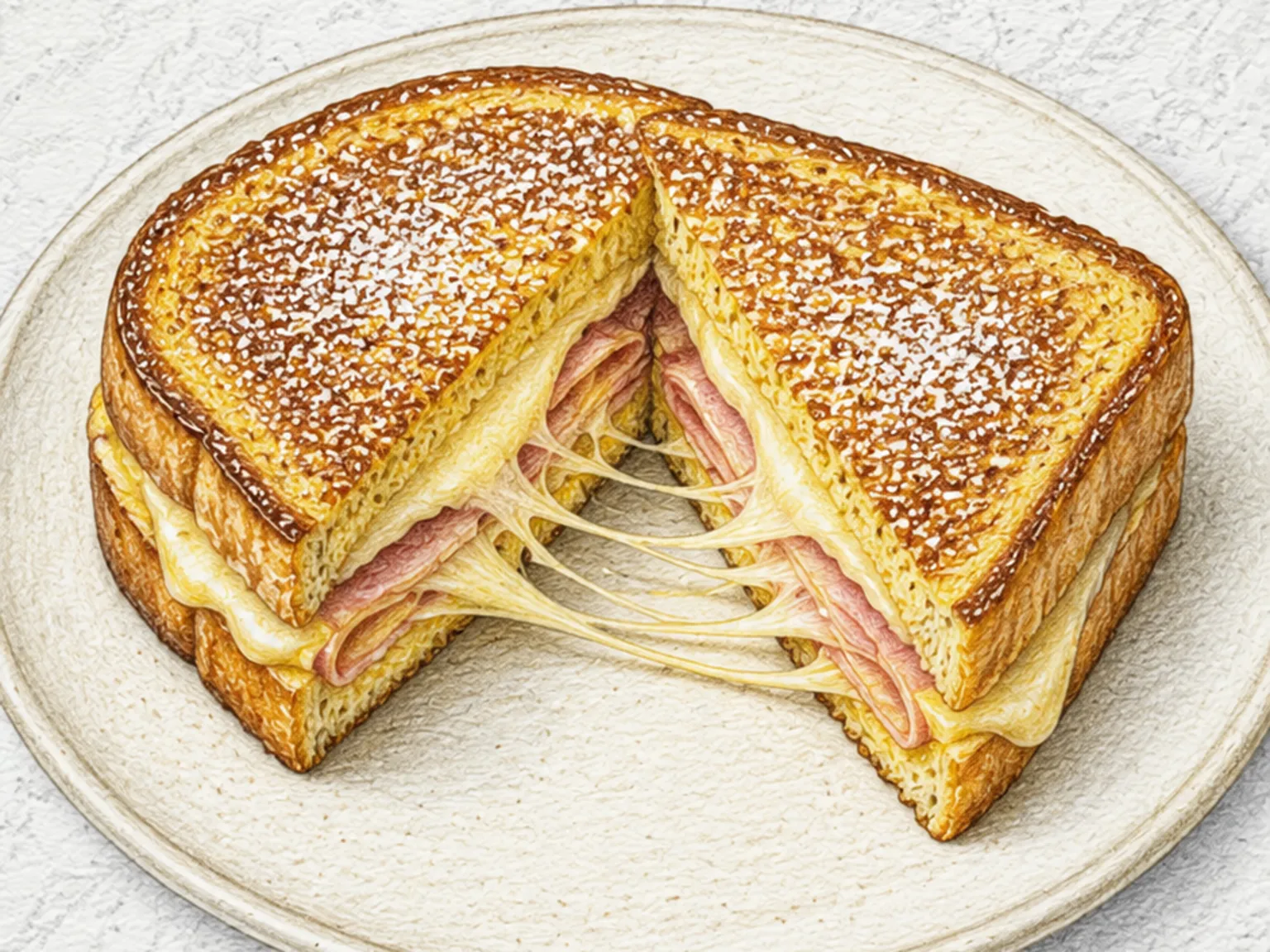
Monte Cristo Sandwich
A Monte Cristo sandwich consists of multiple layers of ham and Swiss cheese placed between slices of bread that have been spread with a layer of Dijon mustard. After the sandwich has been assembled, it is dipped for a short period of time into a batter made from a combination of beaten eggs and milk. The sandwich is then transferred to a pan and fried in butter until the exterior develops a golden color on both sides. This preparation method blends the traditional elements of French toast with those of a standard ham and cheese sandwich by surrounding savory interior fillings with a rich and egg based coating. It is necessary to keep the dipping stage brief because allowing the bread to soak for an extended duration will cause it to become overly saturated, which typically leads to the bread tearing when the sandwich is flipped. Cooking the sandwich over medium low heat ensures that the outside has sufficient time to reach a golden and crisp state while the cheese inside the layers melts in a consistent manner. Dividing the sandwich into two halves while it is still warm serves to display the stretchy consistency of the melted cheese and creates a visual presentation for the finished meal. The addition of mustard introduces a sharp taste that functions to balance the rich characteristics of the eggs and dairy ingredients.
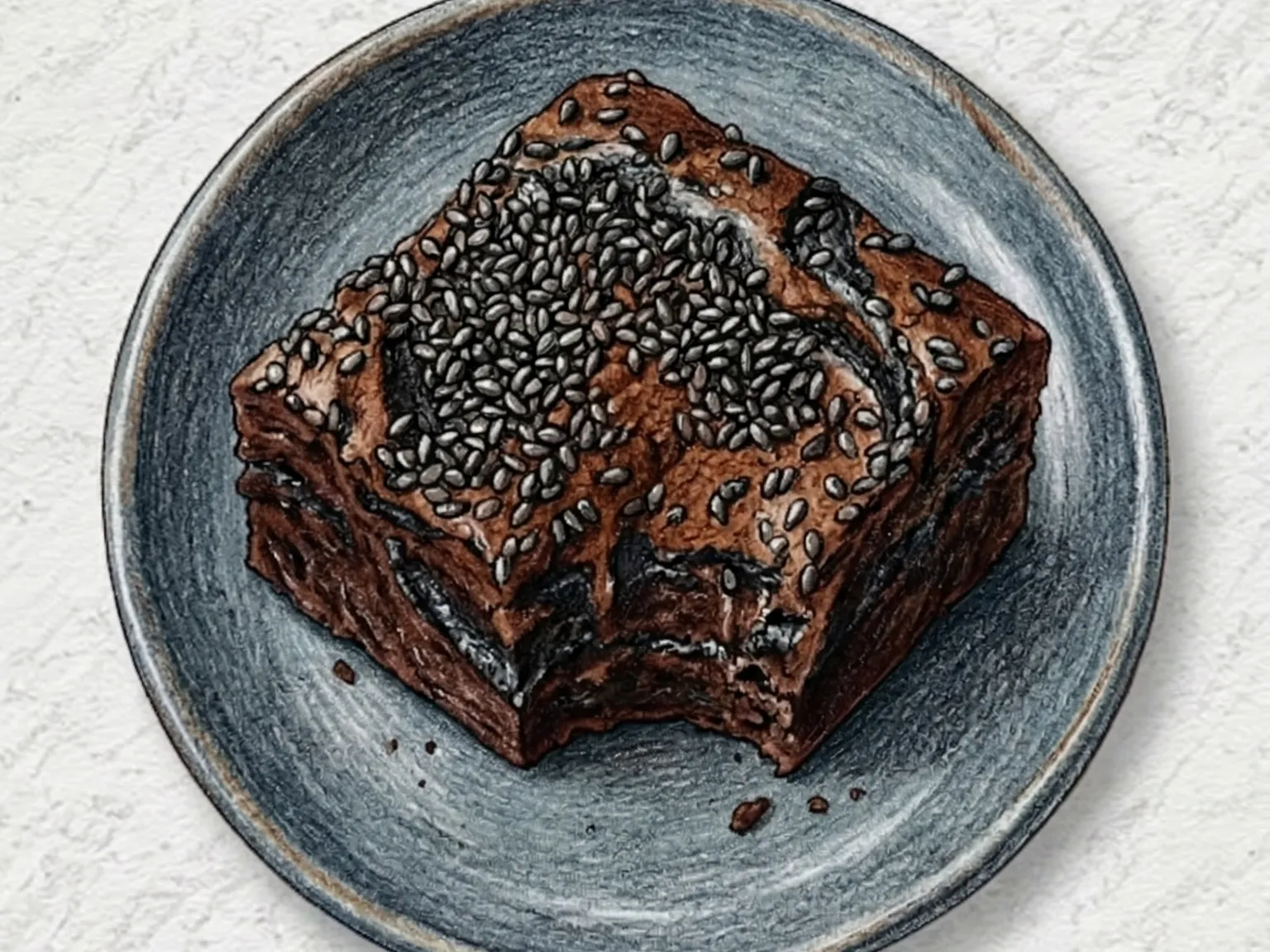
Black Sesame Fudge Brownies
Black sesame fudge brownies layer the roasted nuttiness of black sesame over the bittersweet depth of dark chocolate in a dense, compact bar. Melted chocolate and butter form the rich, fatty base of the batter, and black sesame paste is worked in to add an earthy, faintly smoky dimension that dark chocolate alone cannot provide. Cocoa powder reinforces both the color and the intensity of the chocolate, while keeping the flour ratio low ensures the baked brownie stays fudgy and tight rather than turning cakey or dry. The first bite delivers chocolate sweetness, and the roasted sesame follows with a lingering, slightly bitter aftertaste. Cooling the brownies increases their density noticeably, making each piece substantial in the hand and on the palate. Served alongside coffee, the sesame aftertaste becomes more distinct and cuts cleanly through the bitterness of the drink.
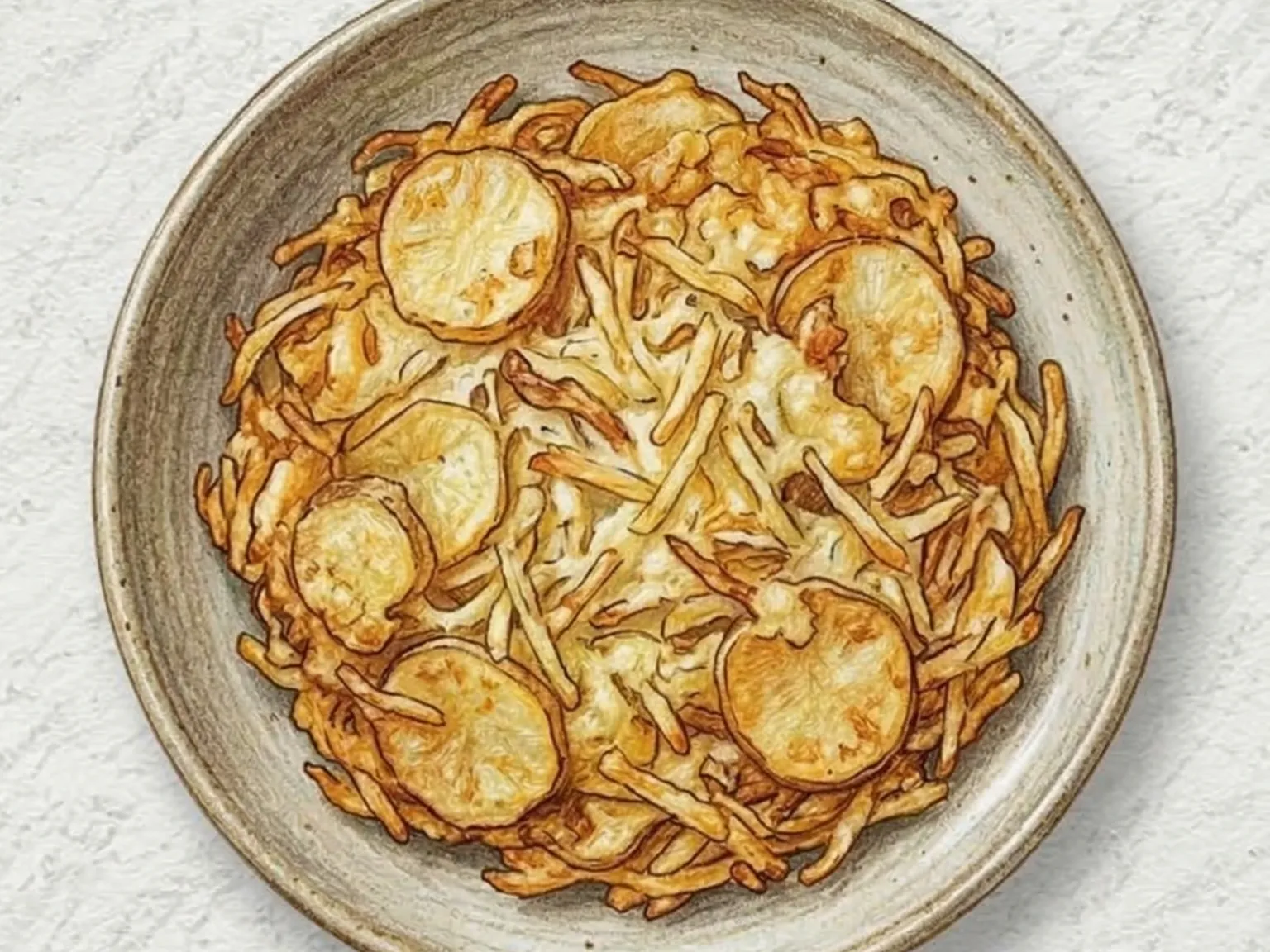
Korean Potato Fritters
Gamja twigim coats sliced or shredded potatoes in a batter of frying mix and cold water, then deep-fries them until golden and crisp at Korean street food stalls and bunsik restaurants. Soaking the cut potatoes in cold water for at least ten minutes washes off surface starch, which reduces oil absorption and keeps the crust crunchy longer after frying. Keeping the batter coat thin lets the potato's starchy sweetness come through; a thick coat forces a longer fry time and tends to turn the interior mushy. Thick-cut slices yield a fluffy, almost powdery interior beneath the crust, while shredded potatoes tangle together into a chip-like, airy cluster with multiple crisp layers. Oil temperature should sit between 170 and 180 degrees Celsius; too low and the pieces absorb excess oil, too high and the outside burns before the center is cooked through. Salt alone is enough to bring out the potato's savory sweetness, and Korean fritter shops typically serve these alongside chili pepper and perilla leaf tempura as part of a mixed platter.
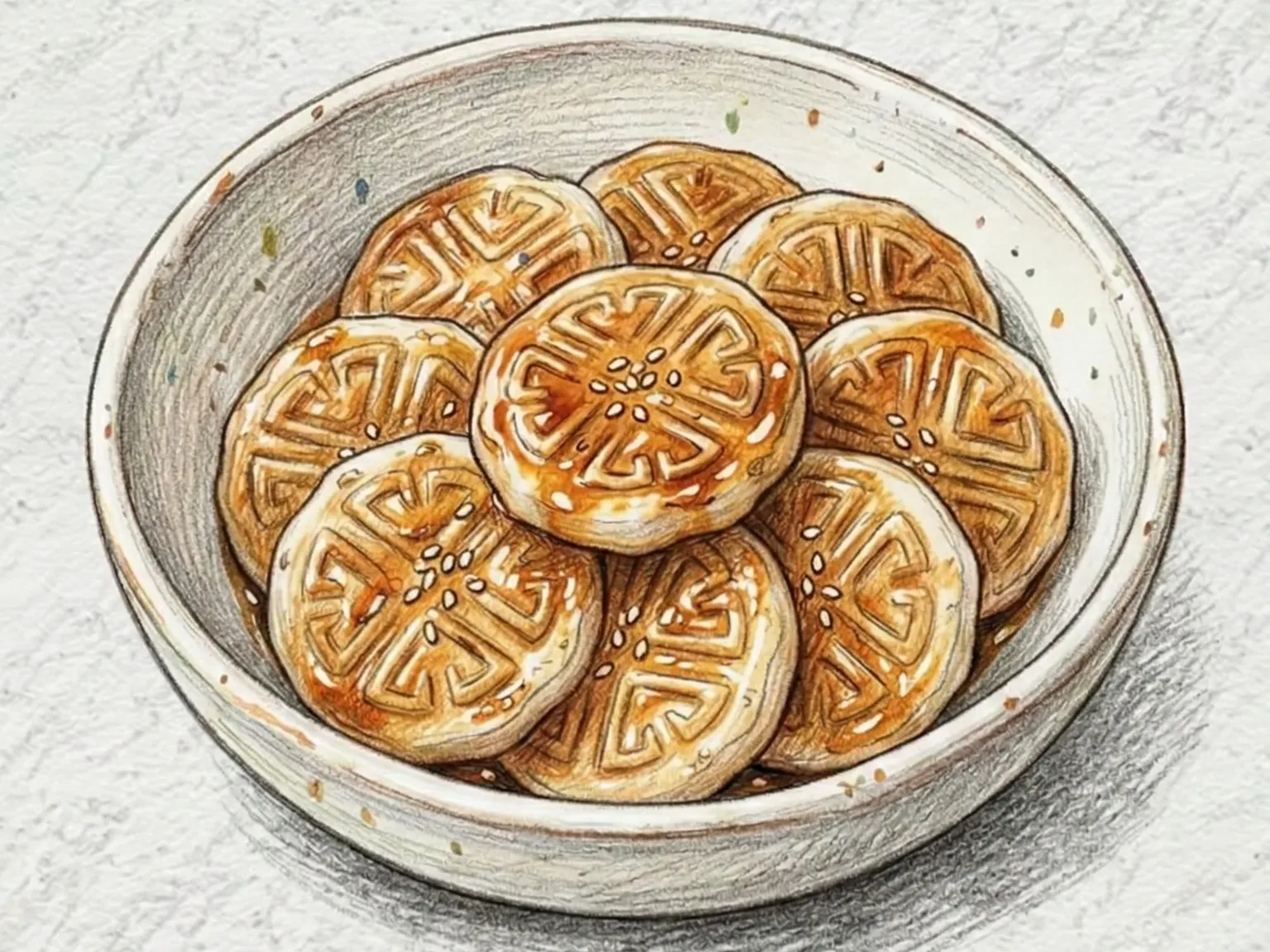
Grilled Sliced Rice Cake (Pan-Fried Rice Cake with Soy Honey Glaze)
Jeolpyeon-gui is a Korean grilled rice cake snack made by pan-frying flat rice cake slices in sesame oil over medium-low heat until golden on both sides, then glazing them in a sauce of soy sauce, honey, sugar, and water over low heat. Searing the rice cakes in sesame oil before adding the glaze creates a thin, crisped surface layer that performs two functions at once: it keeps the interior from losing its chewy, dense character and creates enough texture for the glaze to cling to rather than slide off. Once the glaze goes in, the heat must drop immediately to low -- the sugar content is high enough to burn in seconds if left on medium heat. The entire coating step takes only two to three minutes of flipping the pieces until the sauce reduces into a lacquered shell. Soy sauce delivers a salty, savory backbone, honey brings a weighted sweetness that granulated sugar alone would flatten, and together they form a glaze that tastes more complex than the ingredient list suggests. Toasted sesame seeds and pine nuts scattered over the finished pieces add a nutty fragrance that plays off the soy-based umami below. Leftovers reheat well in a dry pan and regain most of their crispness.
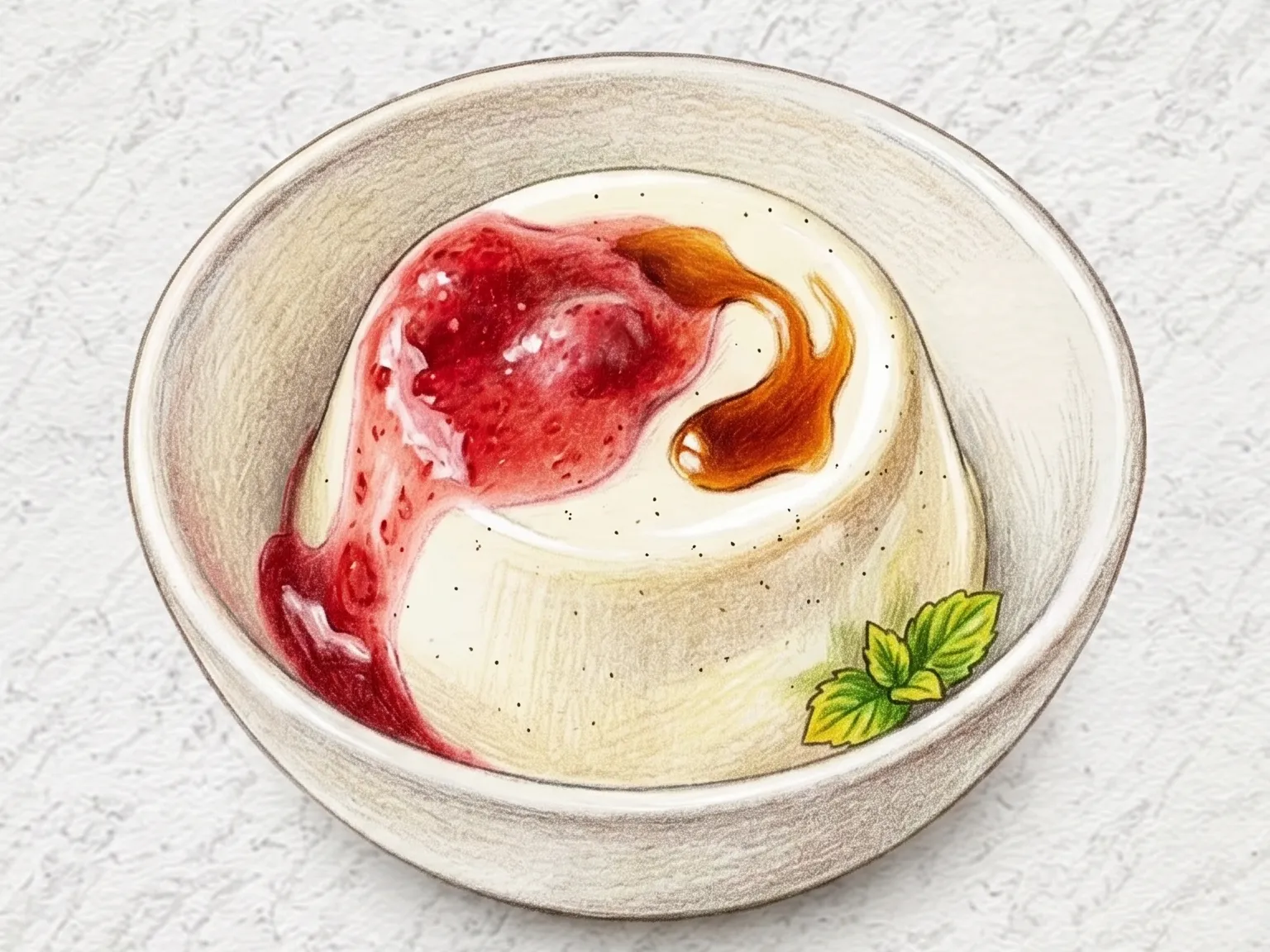
Panna Cotta
Panna cotta is a cold dessert from the Piedmont region of Italy, made by gently warming heavy cream with vanilla and sugar, then setting it with gelatin. The gelatin ratio is critical - too much produces a rubbery texture like firm pudding, while too little leaves it unable to hold its shape. A properly made panna cotta trembles when nudged with a spoon yet scoops cleanly. The cream must be heated only until small bubbles appear at the edges, never brought to a full boil, which would cause the fat to separate and ruin the silky consistency. Strawberry coulis or caramel sauce provides contrast - fruit acidity or bittersweet caramel against the rich cream. Using a whole vanilla bean rather than extract yields a more complex fragrance, and the dark seeds suspended in the white cream create visual appeal.
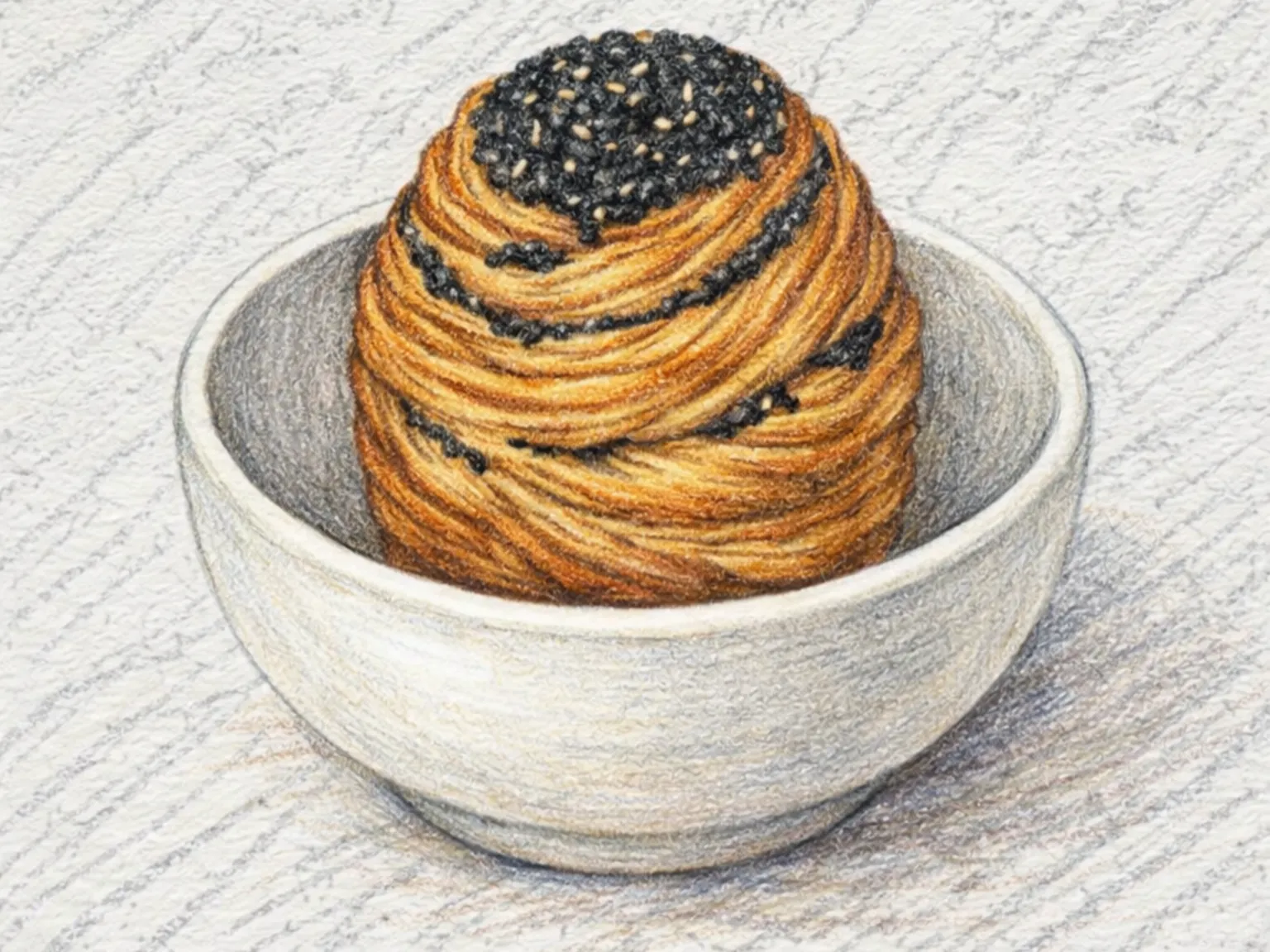
Black Sesame Cruffin (Croissant Dough Muffin with Sesame Swirl)
A black sesame cruffin is a hybrid pastry made by baking laminated croissant dough in a muffin mold, layered generously with roasted black sesame paste. The dough is rolled thin, spread with concentrated black sesame filling, rolled up tight, and cut to fit the tin, where the exposed layers fan out into crisp, caramelized petals at the top during baking while the center stays tender and moist. The black sesame paste melts between the laminated layers as heat builds, creating charcoal-gray swirls throughout the interior and releasing an intense, roasted aroma. The contrast between the golden, shatteringly crisp exterior and the dark sesame spiral inside makes for a striking cross-section. The richness of the butter layers and the nuttiness of the sesame land together in every bite. These reheat well in an air fryer for two to three minutes after refrigeration, recovering most of their original crispness.