🍱 Lunchbox Recipes
Dishes that taste great packed and cold
723 recipes. Page 15 of 31
The best lunchbox dishes hold up well at room temperature. This tag features make-ahead sides and full lunchbox recipes you can pack in the morning without stress - sausage stir-fry, rolled omelet, stir-fried anchovies, and soy-braised beef are all lunchbox staples.
The key to a great packed lunch is choosing dishes with low moisture content and arranging contrasting colors. A sprinkle of sesame seeds or furikake over the rice adds a finishing touch that looks as good as it tastes.
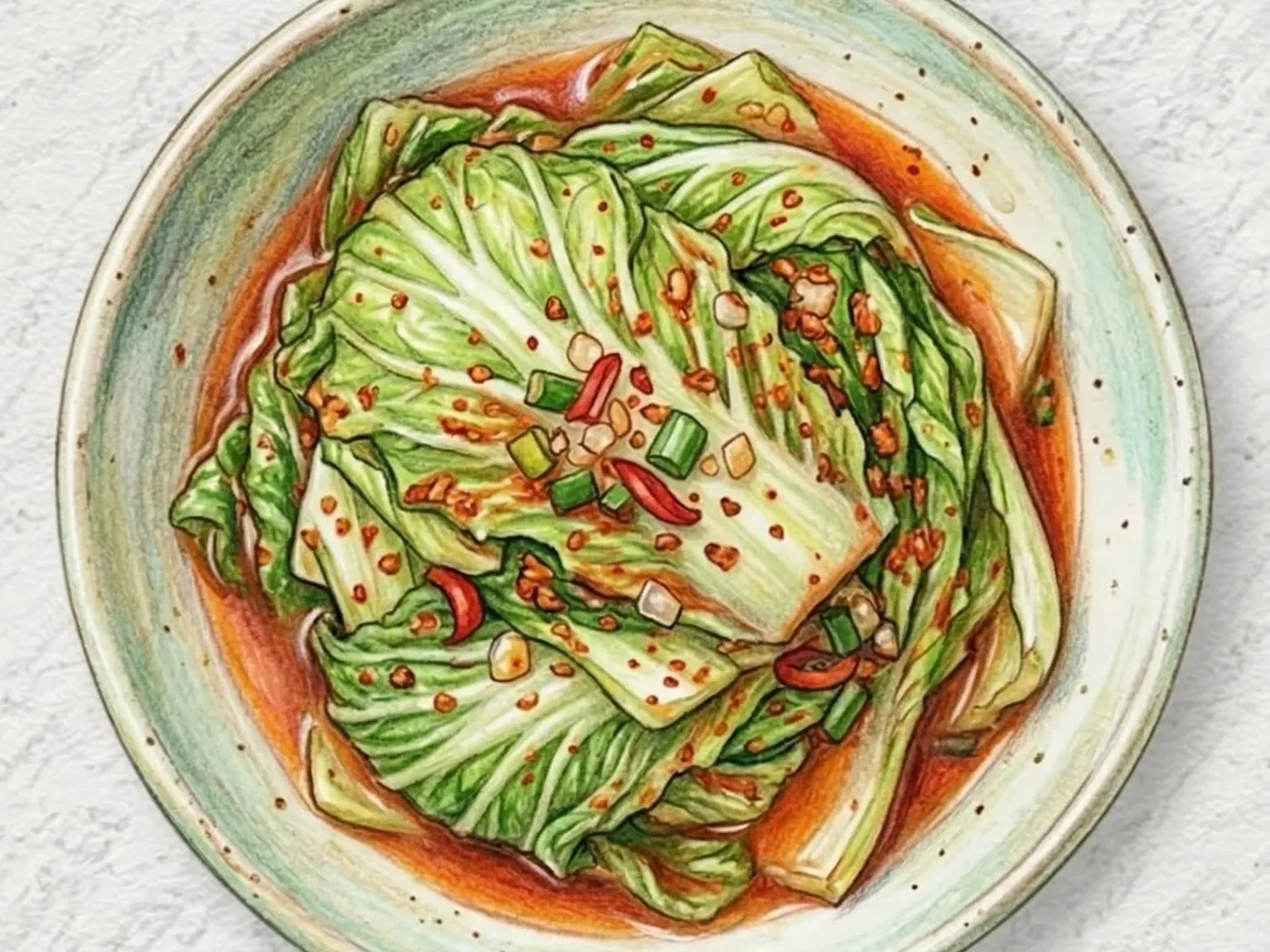
Korean Young Napa Kimchi (Spring Cabbage Quick Ferment)
Eolgari kimchi is a spring kimchi made with young napa cabbage, briefly salted for twenty to thirty minutes, then dressed in gochugaru, fish sauce, garlic, and glutinous rice paste before fermenting at room temperature for about a day. Limiting the salting time to no more than thirty minutes is important: the young cabbage's thin leaves and tender stems absorb salt quickly, and over-salting destroys the crisp texture before fermentation even begins. Because the leaves are thinner and more porous than those of mature napa, the seasoning penetrates quickly and fermentation produces a pleasant acidity within twenty-four hours. Salted shrimp compensates for the short fermentation period by adding immediate depth, and the young cabbage itself contributes a clean sweetness that balances the chili heat without any added sugar. Using a generous amount of glutinous rice paste helps the seasoning cling evenly to each leaf, which supports uniform fermentation throughout the batch. This is a seasonal kimchi meant as a lighter, fresher alternative to aged kimchi as temperatures begin to rise in spring.
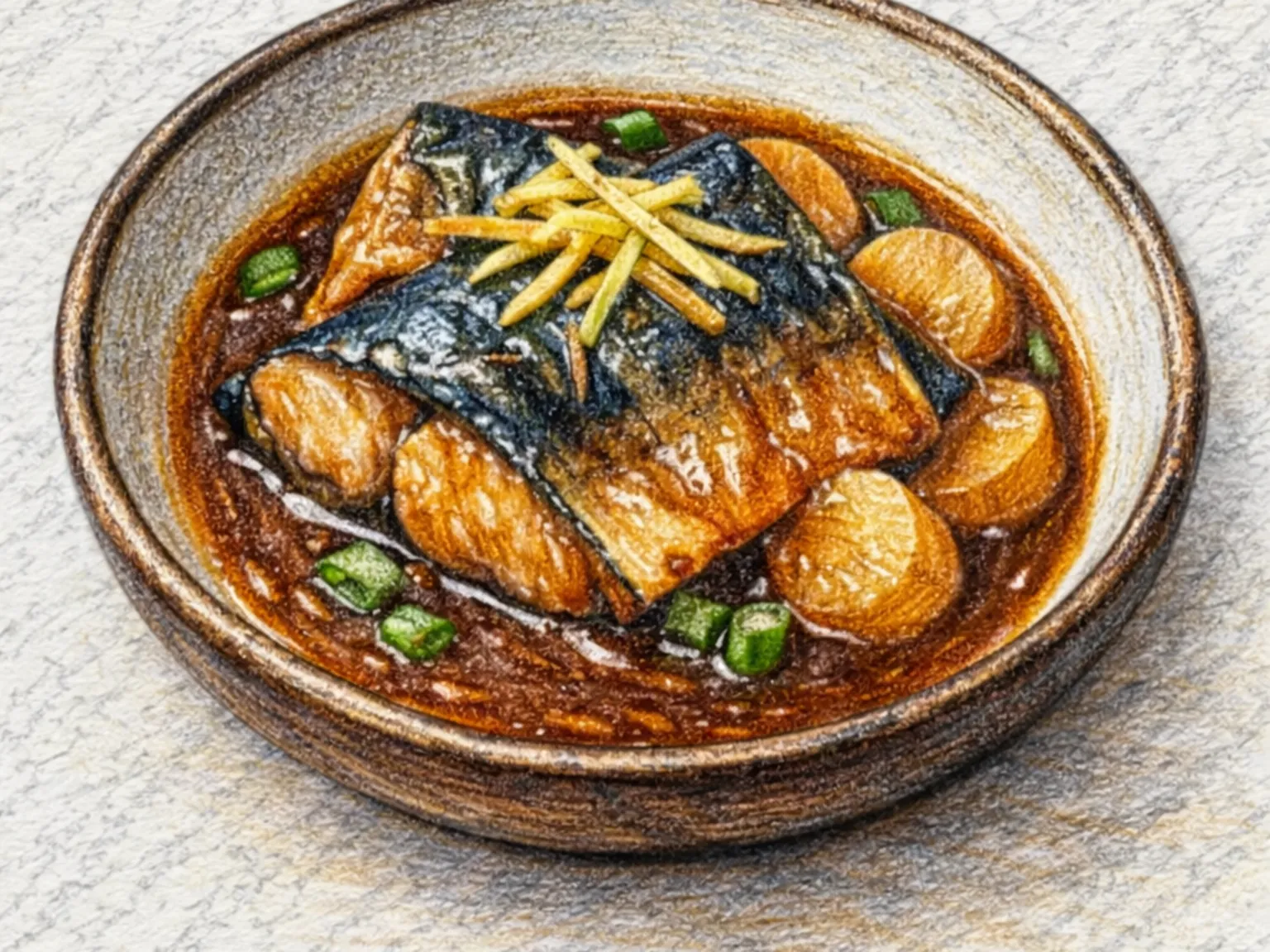
Saba Misoni (Japanese Miso Mackerel Recipe)
Saba miso-ni is a cornerstone of Japanese home cooking, a dish most cooks can make from memory. Mackerel fillets are first doused with boiling water to remove surface proteins and odor, then placed skin-side up in a shallow pan with a sauce of white or red miso, soy sauce, mirin, sake, and sugar. Thick slices of ginger go in alongside the fish, neutralizing any remaining fishiness and lending a clean, sharp note to the broth. The pan is covered with a drop lid so the simmering liquid bastes the fillets continuously, building a glossy, caramelized miso coating on the surface. The finished fish is so tender it flakes at the touch of chopsticks, and the reduced sauce has concentrated into a thick glaze that clings to each piece. Served over steamed rice, a single fillet and a spoonful of sauce make a complete meal.
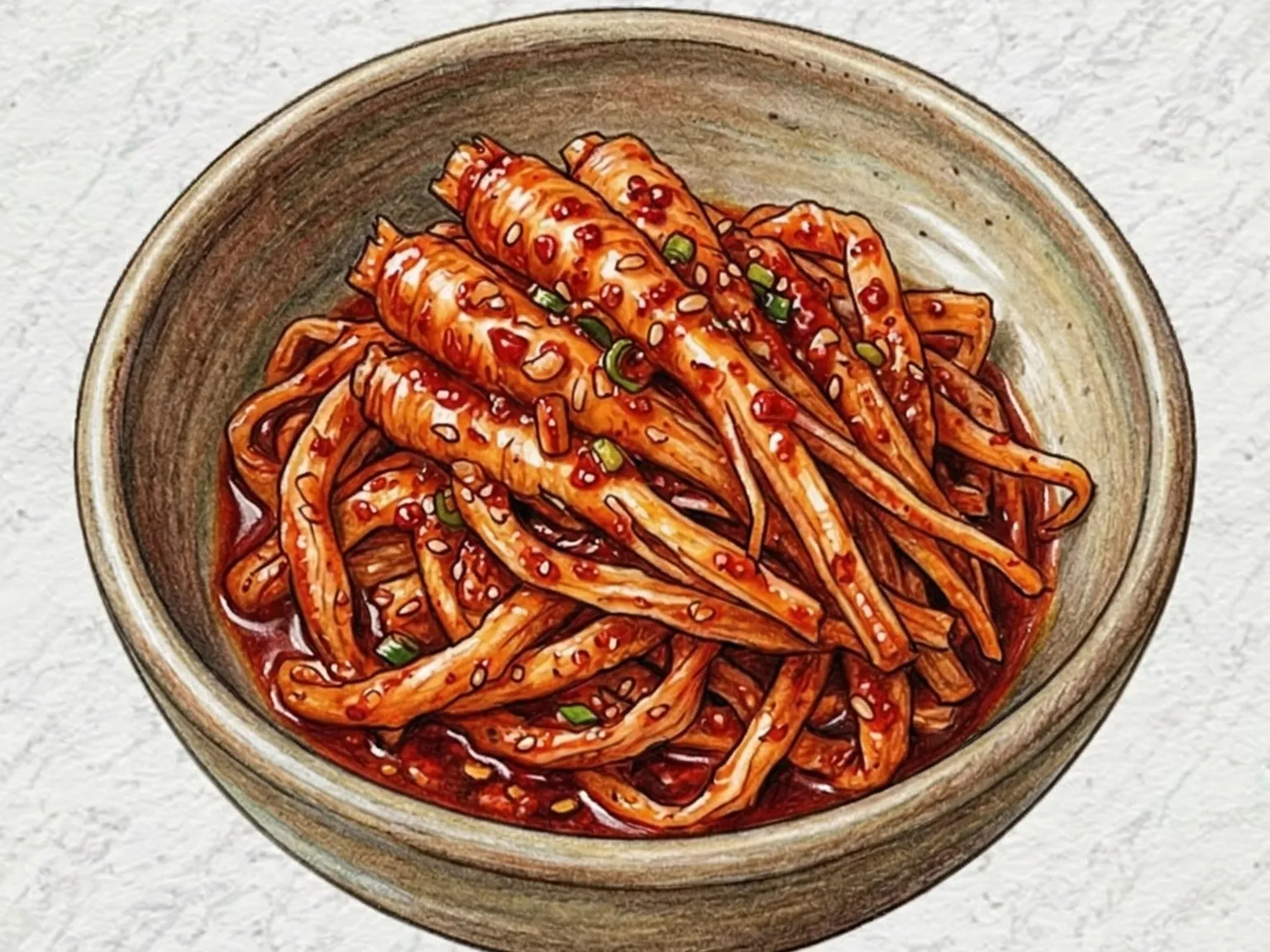
Korean Spicy Seasoned Deodeok
Deodeok - Codonopsis lanceolata - is a mountain root that has been used in Korean cooking and folk medicine for centuries. Its flesh is fibrous, sticky, and carries a ginseng-like bitterness that becomes pronounced when the root is raw. Peeling and pounding with a mallet splits the fibers into rough, ribbon-like shreds with a textured surface that holds seasoning well. A soak in cold water draws out the sharpest of the bitterness before the root is drained and tossed. The dressing - gochujang, vinegar, minced garlic, sugar, and gochugaru - is sweet, sour, and spicy in roughly equal measure, tempering the root's wild, resinous character while leaving the chewy texture intact.
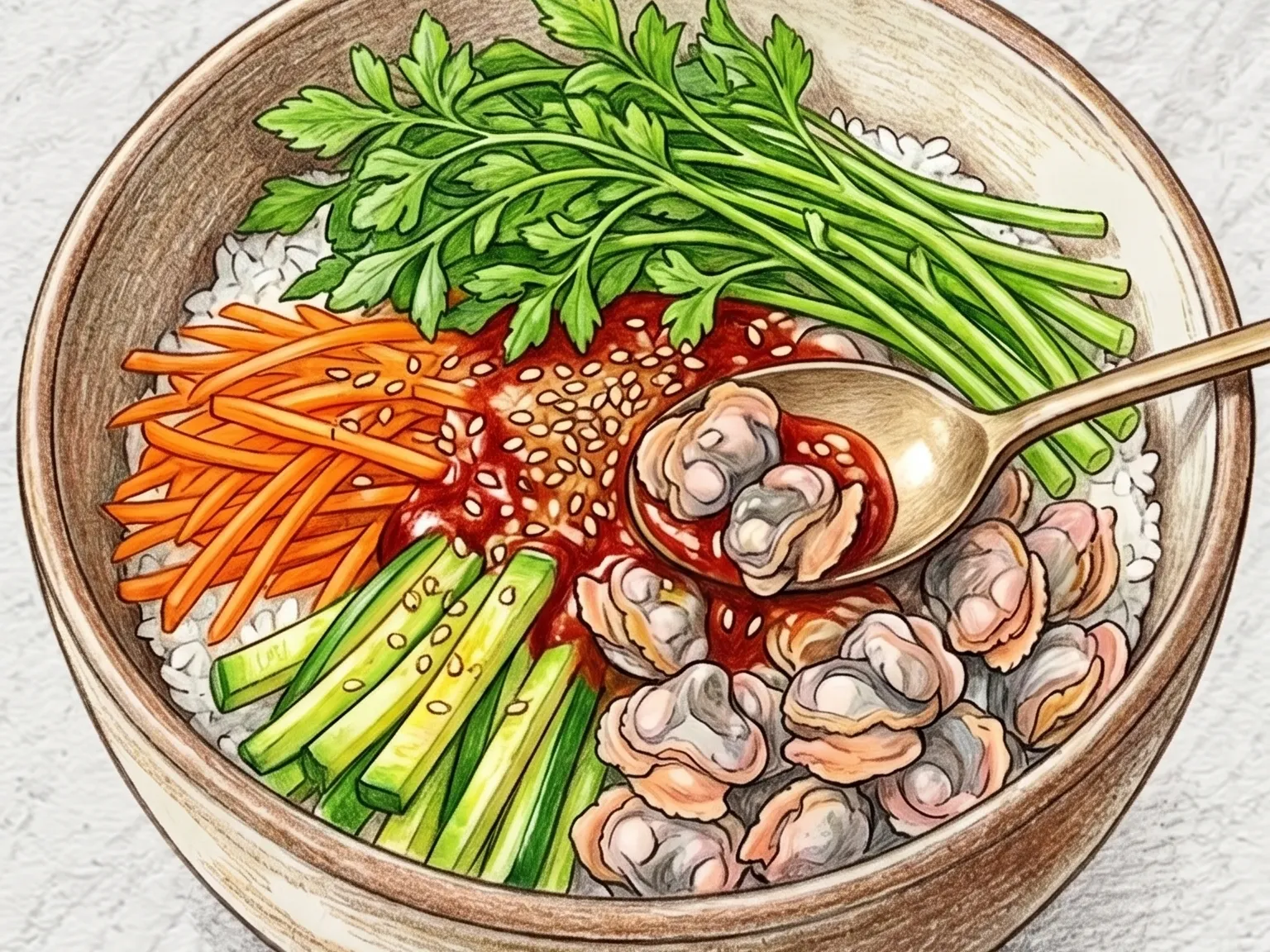
Korean Cockle & Water Parsley Mixed Rice
Kkomak-minari bibimbap is a seasonal rice bowl that comes together when cockles are at their peak in early spring, pairing the ocean sweetness of briefly blanched cockle meat with the clean, grassy sharpness of raw water parsley (minari). The cockle meat is rinsed in light salt water to remove any residual sand, then blanched for no more than thirty seconds in boiling water so the flesh stays springy rather than contracting into a rubbery texture. Julienned carrot and zucchini are each stir-fried separately, controlling moisture and flavor independently, then set aside to cool before assembly. A bowl of well-steamed rice is layered with the blanched cockles, the sauteed vegetables, and the raw minari placed on top last to protect its volatile fragrance from the heat below. A bibimbap sauce made from gochujang, sesame oil, minced garlic, and a touch of vinegar ties everything together when mixed, balancing the briny umami of the cockles against the brightness of the parsley. Sesame oil and toasted sesame seeds added at the end round the flavors and give the bowl a warm, nutty finish.
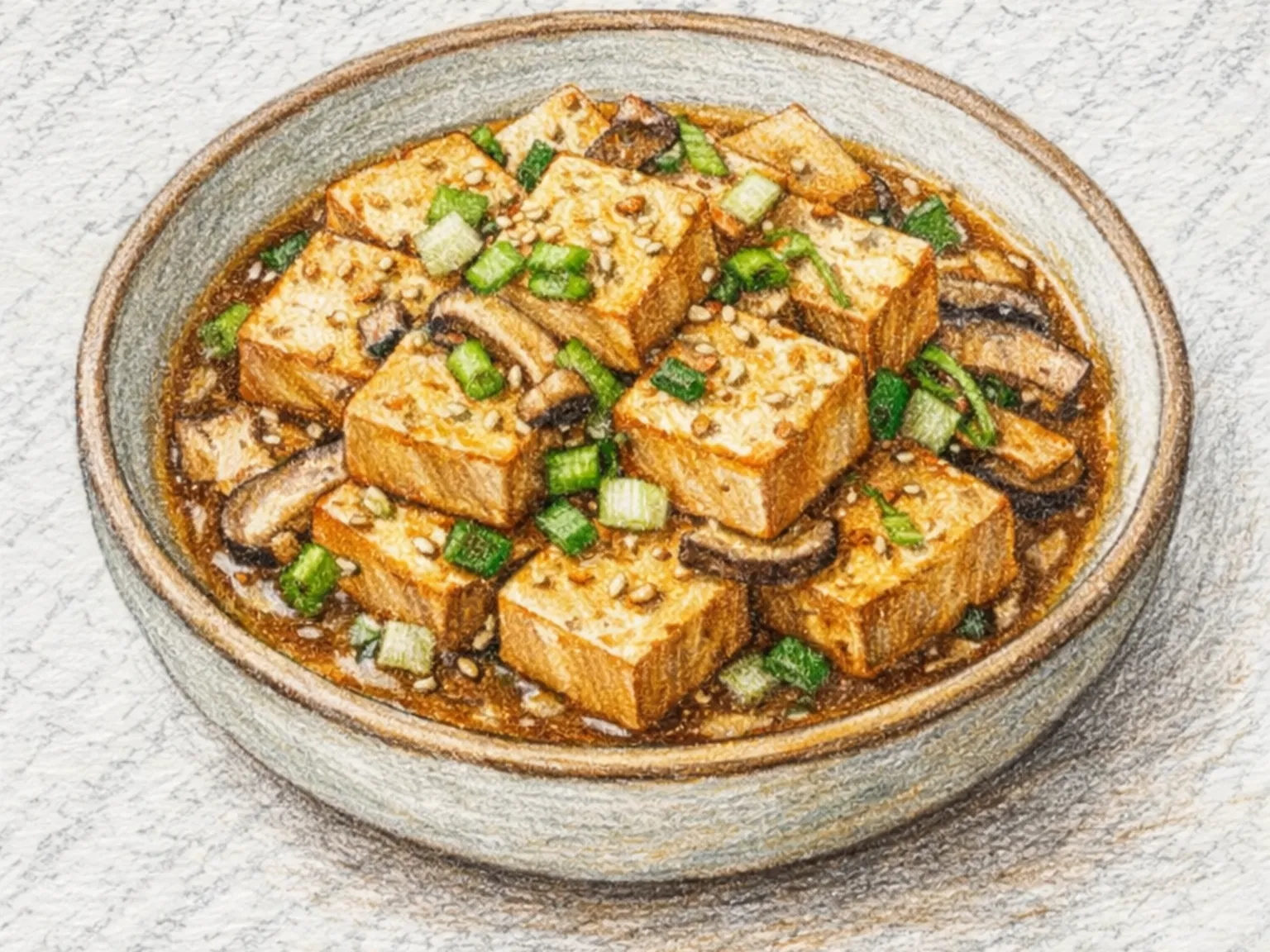
Korean Doenjang Braised Tofu
Doenjang-dubu-jorim is a braised tofu banchan in which tofu slices are simmered in a broth of fermented soybean paste, water, and aromatics until the liquid reduces and the seasoning permeates the tofu throughout. Doenjang is a Korean fermented soybean paste with a deeply savory, earthy character distinct from Japanese miso, and its slow penetration into the porous interior of the tofu produces a richness that simple soy-seasoned tofu does not achieve. Zucchini and onion are added to the same pot, and their natural sweetness tempers the salt of the paste, giving the final braise a more balanced flavor. The tofu is braised until its surface firms slightly, which helps it hold its shape while the interior stays soft and fully seasoned. Any remaining braising liquid is well-seasoned and pairs naturally with a bowl of rice. It is an economical banchan that requires minimal preparation and stores in the refrigerator for several days.
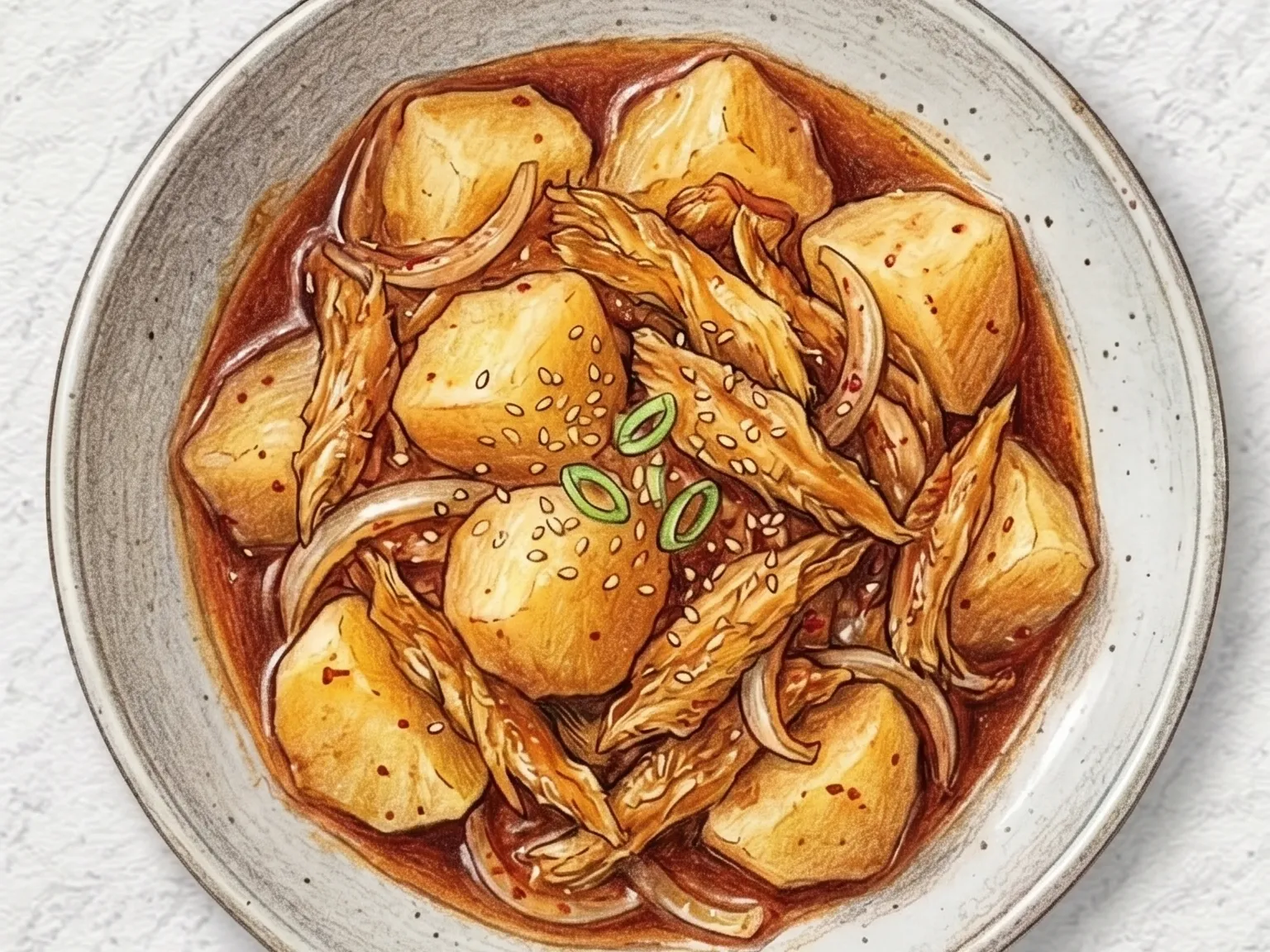
Korean Braised Dried Pollock and Potatoes
Hwangtae gamja jorim is a Korean braised dish of dried pollock strips and potato in a soy sauce seasoning with gochugaru and oligosaccharide syrup. The potatoes are cooked first until partially tender, then briefly soaked pollock strips and sliced onion are added to braise together in the same pan. The pollock absorbs the seasoned braising liquid and turns pleasantly chewy while the potato softens into a floury, starchy texture. Oligosaccharide syrup rounds out the saltiness of the soy sauce with a gentle sweetness, and sesame oil added off the heat finishes everything with a nutty fragrance. Keeping the pollock soak time short is the single most important step for preserving its characteristic texture, and the dish holds well overnight so it works as a packed lunchbox side.
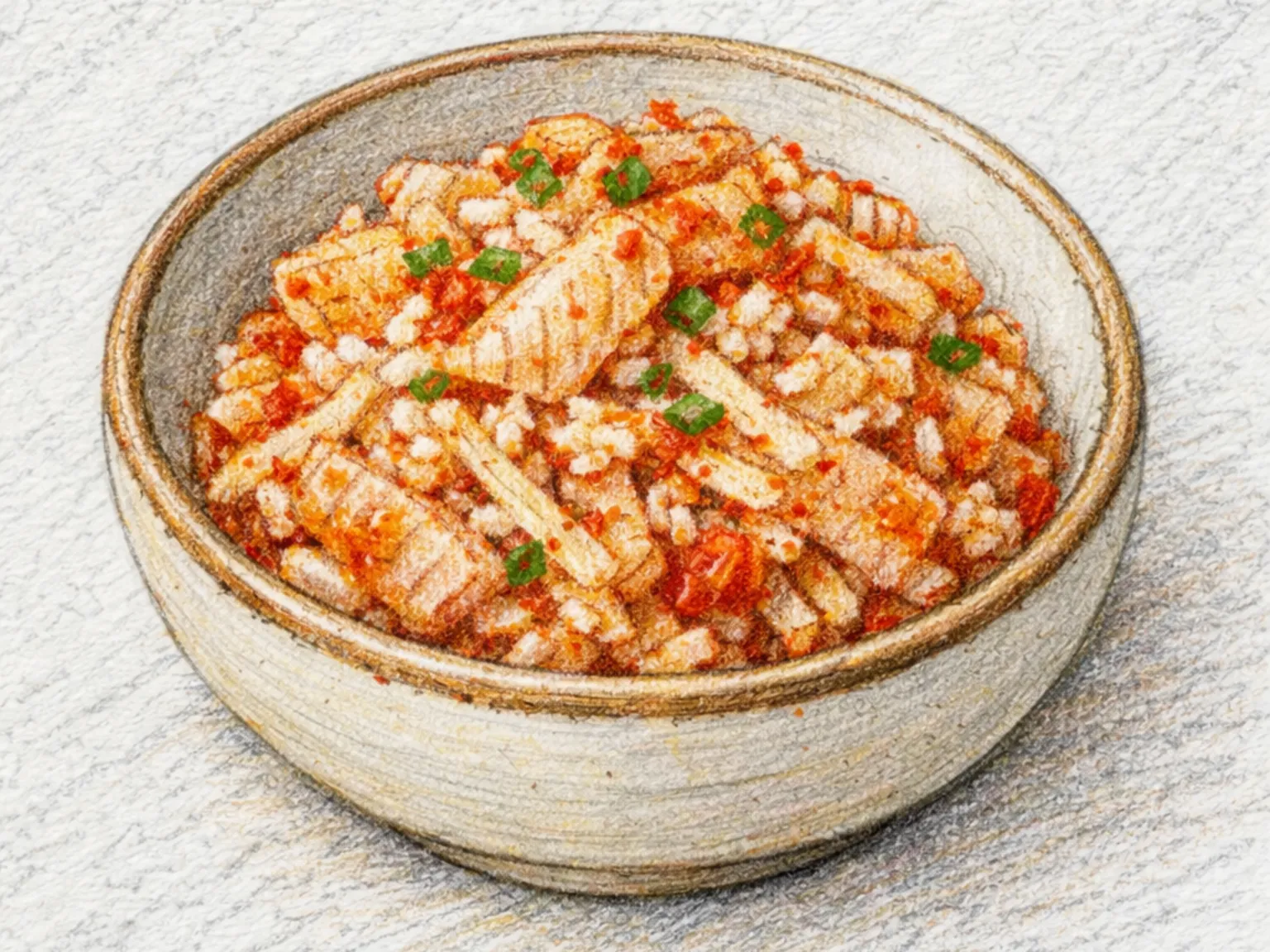
Korean Fermented Flounder Sikhae
Gajami sikhae is a traditional fermented flounder preparation from Korea's East Coast, made by combining salt-cured flounder fillets with julienned radish, cooked glutinous rice, gochugaru, and fish sauce, then sealing the mixture for fermentation at low temperature for a week or more. The glutinous rice starch feeds lactic acid bacteria, producing a mild, rounded acidity that reads quite differently from the sharp, concentrated saltiness of jeotgal. Radish adds moisture and textural contrast. As fermentation progresses, fish proteins break down into deep umami compounds. The resulting sikhae is far less salty than conventional fermented seafood and can be eaten directly over rice. A regional winter banchan associated with Gangwon and Hamgyeong provinces, it grows more sour the longer it ferments.
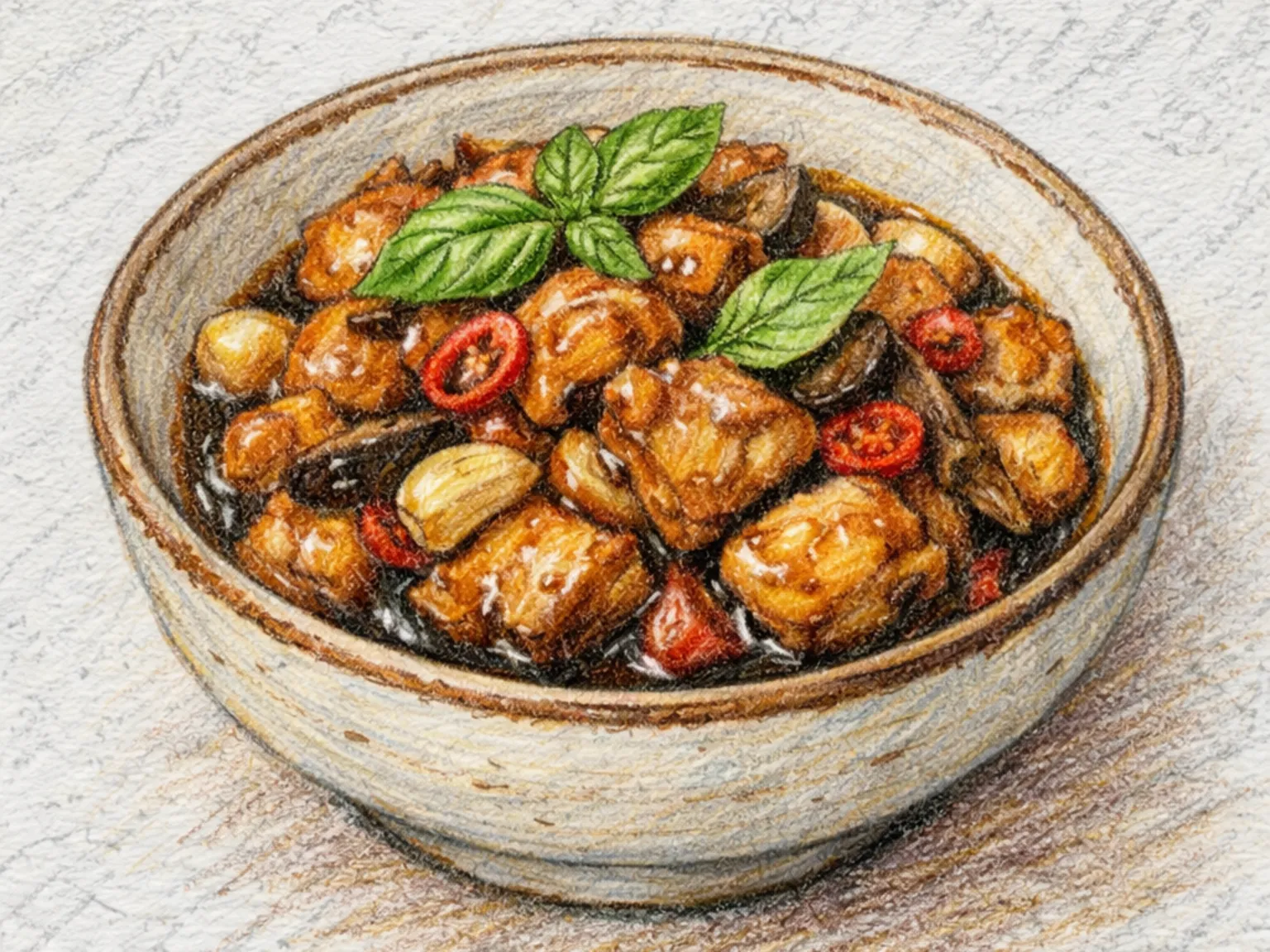
Three Cup Chicken (Taiwanese Soy Sesame Oil Rice Wine Braised Chicken)
San bei ji, or Three Cup Chicken, is a Taiwanese braise named for the equal measures of soy sauce, sesame oil, and rice wine that form its sauce. The cooking begins with toasted sesame oil in a clay pot, followed by thin slices of garlic and ginger fried until golden. Bone-in chicken pieces, seared to a light crust, join the pot along with the soy sauce and rice wine. As the liquid reduces over moderate heat, it thickens into a dark, glossy glaze that coats every piece of chicken. The final and defining step is a generous handful of Thai basil leaves stirred in just before serving - the residual heat wilts the leaves and releases a sharp, peppery aroma that lifts the rich sauce. The dish is served directly in the clay pot, still bubbling, and paired with plain steamed rice to soak up the concentrated sauce.
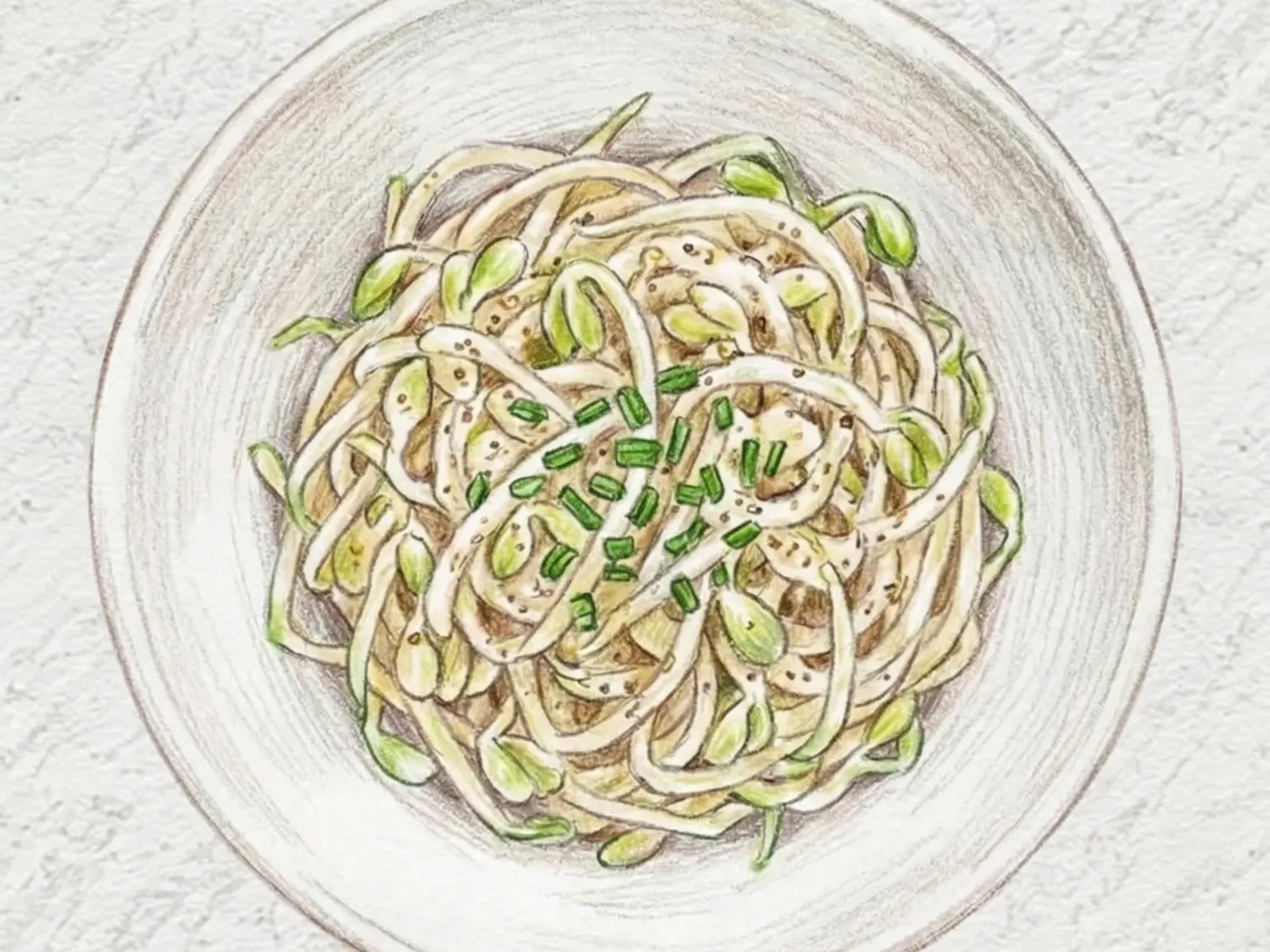
Korean Perilla Soybean Sprout Namul
Kongnamul, soybean sprouts, are among the most consumed vegetables in Korea, and this perilla-dressed version adds a nutty, full-bodied depth that the plain sesame oil variety lacks. The sprouts are steamed with the lid sealed for five minutes, which drives off the raw bean smell while keeping the heads firm and crunchy. Tossed with perilla powder, soup soy sauce, garlic, and sesame oil while still warm, the powder absorbs the moisture and dissolves into a pale coating that makes each sprout feel creamy on the tongue. Chopped scallion contributes a sharp, grassy contrast that balances the richness, and resting the finished dish for five minutes before serving lets the seasoning penetrate evenly so the flavor comes together more completely.
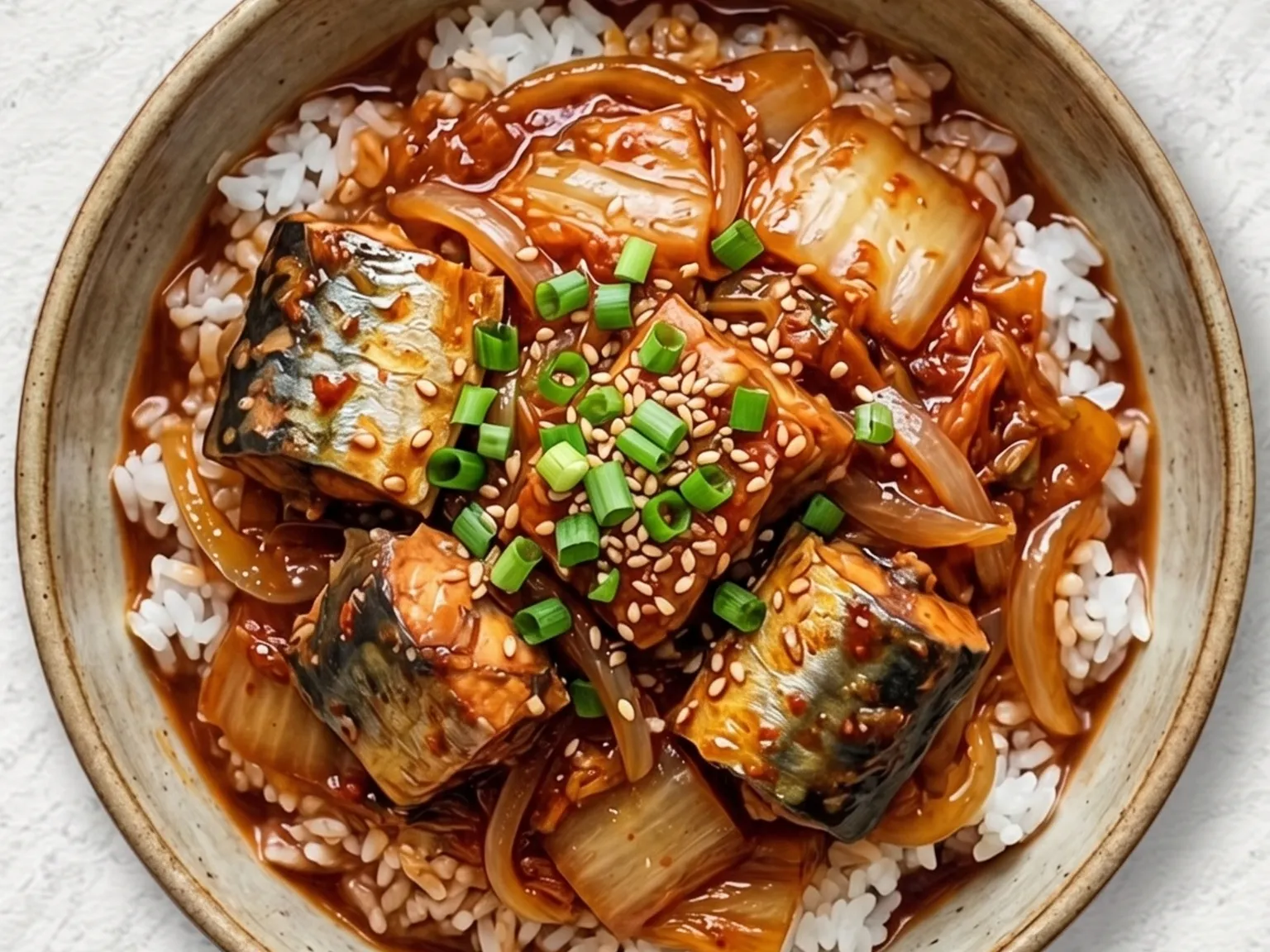
Korean Saury Kimchi Rice Bowl
Canned mackerel pike (kkongchi) is stir-fried with aged kimchi and sliced onion, using a couple spoonfuls of the can liquid to deepen the sauce's umami. The kimchi cooks down for three minutes first to drive off excess moisture and tame its sourness, then the fish is broken into generous chunks - keeping them large preserves a pleasant flaky texture. Chili flakes, soy sauce, and sugar simmer together for four minutes into a thick, clinging glaze that soaks into the rice below. Topped with fresh scallion, this is a pantry-friendly rice bowl that transforms humble canned fish into something deeply flavorful.
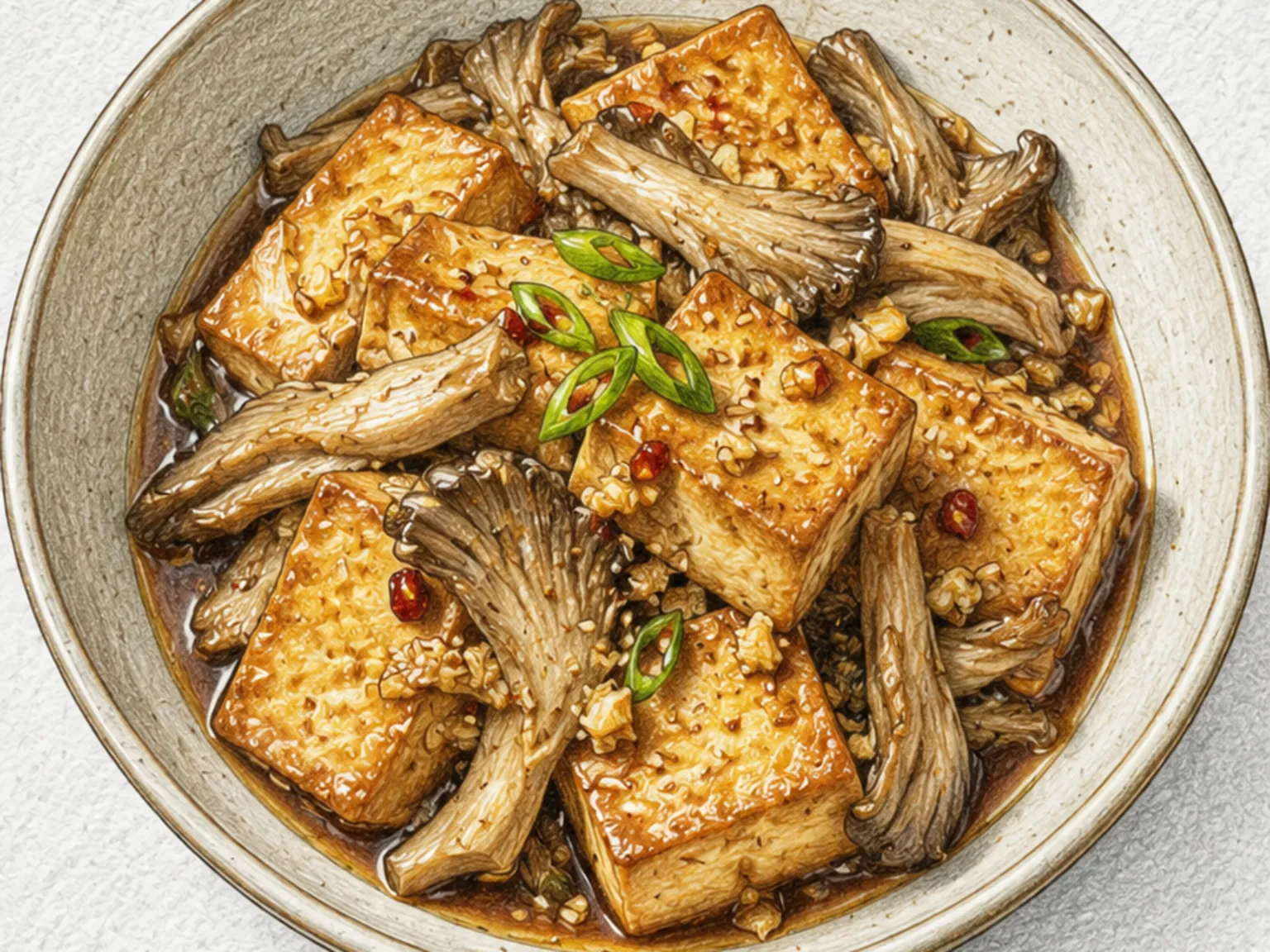
Korean Braised Tofu and Mushrooms
Dubu-beoseot-jorim is a Korean braised side dish of firm tofu and oyster mushrooms simmered in a soy-based sauce until the liquid reduces to a glossy, clinging coat. The tofu is pan-fried first in a lightly oiled skillet to form a firm outer crust before braising begins, which allows it to absorb the seasoned liquid without crumbling or losing its structure during cooking. The result is a cube with a slightly firmer exterior and a soft, custardy interior that holds together through each bite. Oyster mushrooms, torn along their natural grain rather than cut, contribute a pleasantly chewy texture and release their inherent umami into the braising liquid as they cook, adding depth without the need for separate stock. The sauce requires only soy sauce, water, garlic, gochugaru, and sesame oil, making this a straightforward braise that rewards careful heat management over elaborate preparation. When the sauce has reduced to just a small pool at the bottom of the pan, the dish is ready, well-seasoned enough to serve alongside plain rice or pack into a lunchbox.
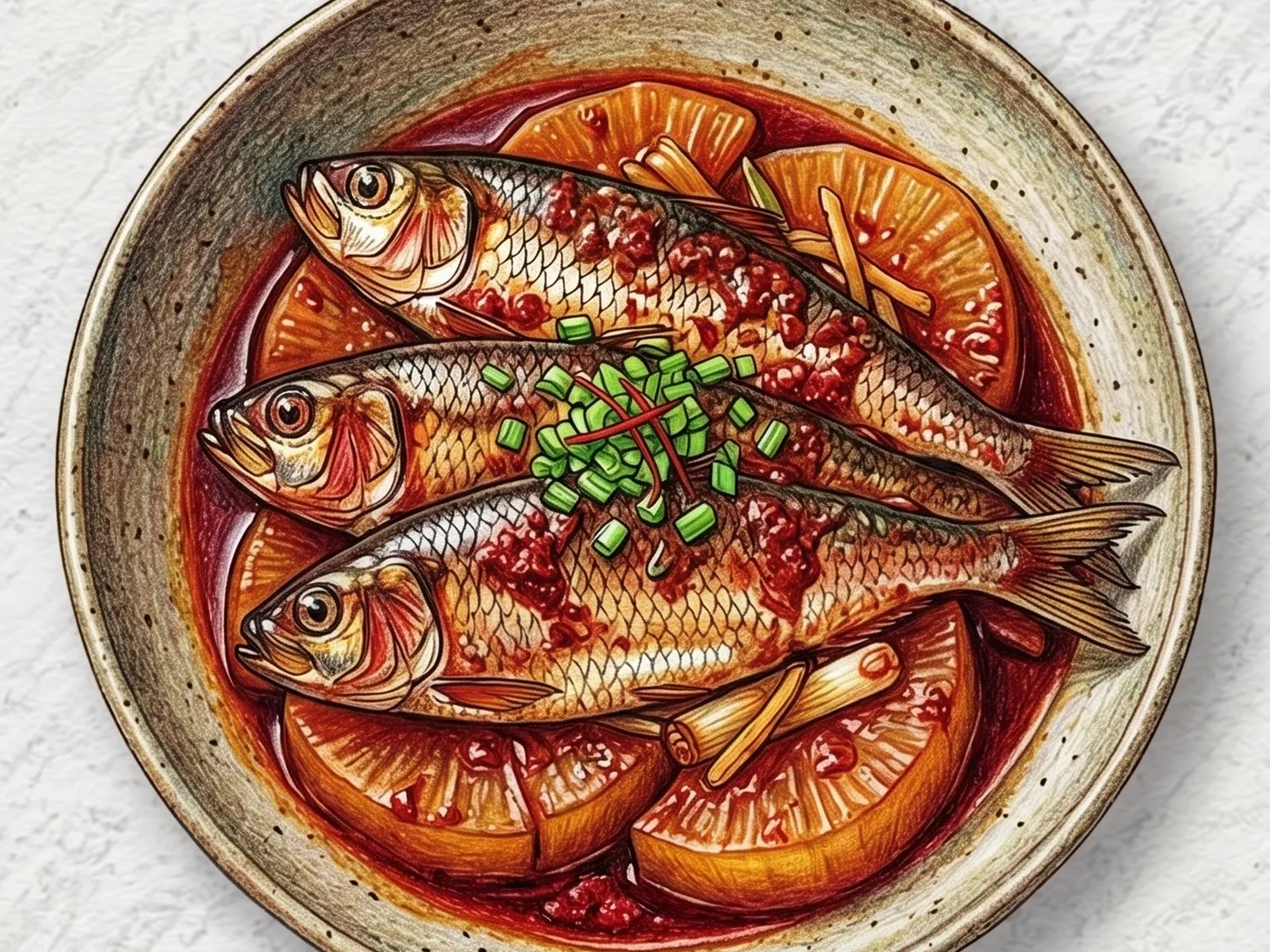
Korean Braised Gizzard Shad
Jeoneo-jjim is a braised gizzard shad dish in which the fish and Korean radish are slowly cooked together in a soy sauce and gochugaru seasoning, making it a dish best suited to autumn when the fish carries its peak fat. Radish slices line the bottom of the pot and serve a dual purpose: they act as a natural buffer that absorbs fishiness rising from the heat, and they soak up the braising liquid as they soften, turning sweet and deeply flavored by the end of cooking. The gizzard shad's characteristic fatty richness pairs well with the bold chili and garlic seasoning, and ginger threads through the entire preparation to neutralize any remaining off-notes and leave the flavor clean. Autumn-caught fish are fattier and remain moist even after extended braising, which makes them far preferable to fish taken at other times of year. Green onion is scattered on top at the finish for fragrance, and the intensified, reduced braising sauce left in the pot is traditionally ladled over steamed rice as a condiment in its own right.
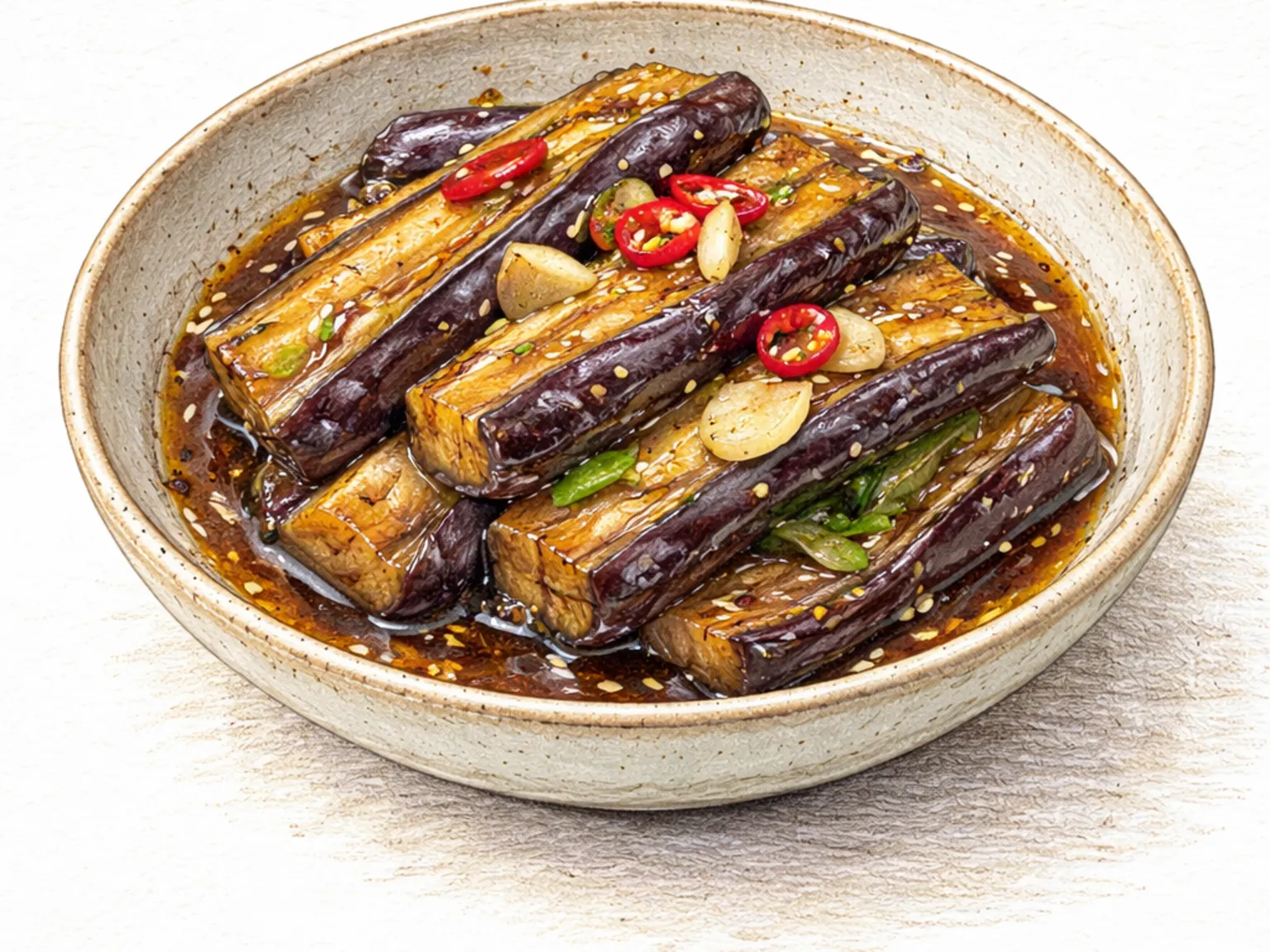
Korean Soy-Pickled Eggplant
Gaji jangajji is a Korean-style pickled eggplant that starts by blanching the eggplant in boiling water for just over a minute to soften only the outer surface, leaving the inside intact. The briefly cooked eggplant is submerged in a pickling brine of soy sauce, vinegar, and sugar that has been brought to a boil and then cooled. The eggplant absorbs the brine rapidly and deeply, like a sponge, while holding a soft, yielding texture at its core. Vinegar sharpens the eggplant's otherwise flat flavor, and garlic together with cheongyang chili pressed into the brine build a low heat and quiet complexity that goes beyond basic preservation. Ready to eat after a single day in the refrigerator, this jangajji holds its texture for more than ten days when kept cold, which makes it a practical banchan to prepare in advance and pull out over multiple meals.
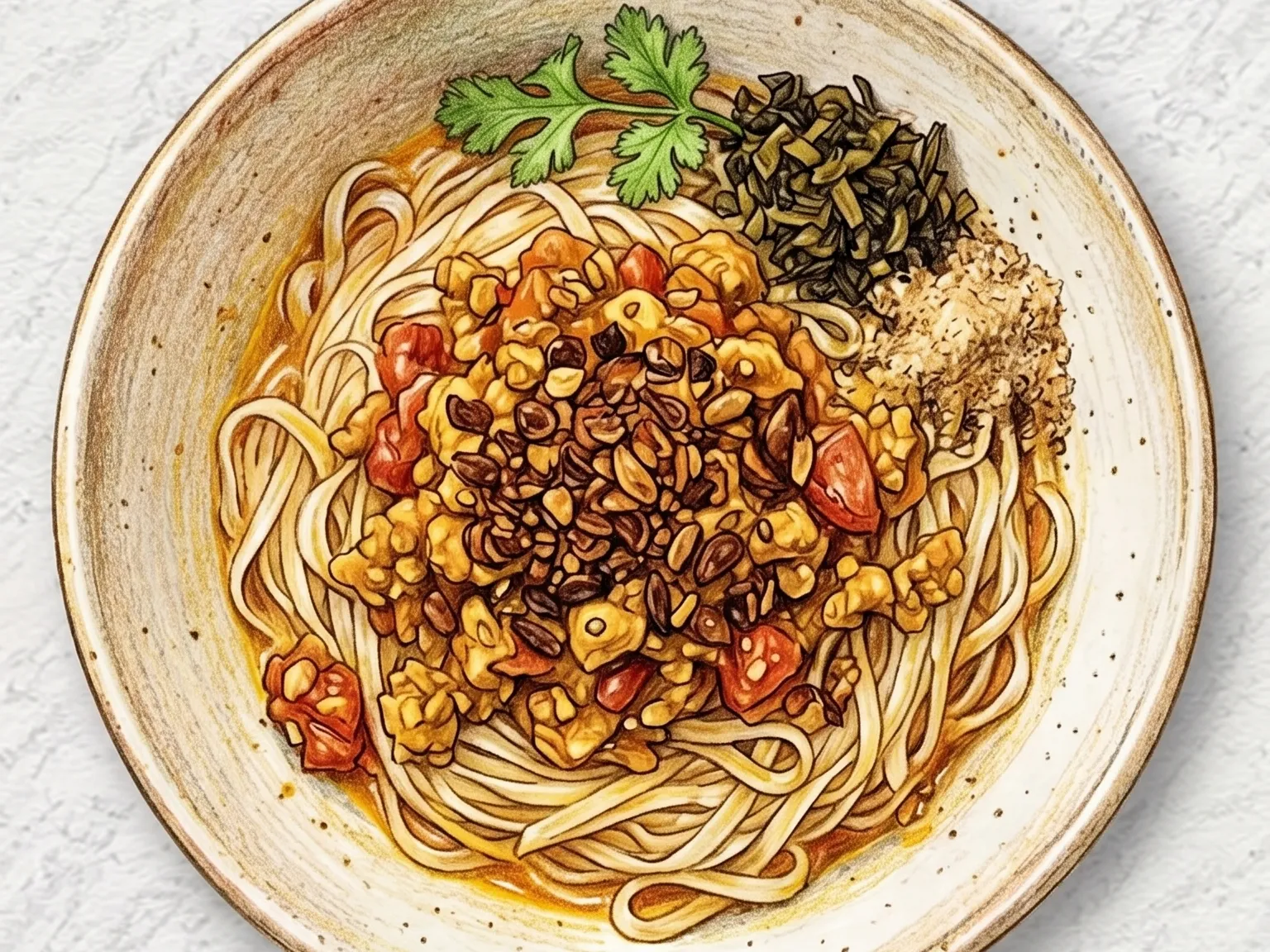
Shan Noodles (Burmese Flat Rice Noodles with Turmeric Meat Sauce)
Shan noodles are the everyday noodle of Myanmar's Shan State, found at nearly every market stall and tea shop in the region. Thin, flat rice noodles are topped with a sauce of minced chicken or pork cooked with turmeric, tomato, and a touch of chili. The dish is finished with a generous pour of fried garlic oil - golden-brown garlic chips sizzling in their own rendered fat - which gives the bowl its signature aroma. Pickled mustard greens add a sour crunch on the side, and toasted chickpea flour is sprinkled over for a nutty, grainy texture. The noodles come in two styles: a dry version tossed with the sauce, and a soup version swimming in a light broth. Both are eaten with a spoon and fork rather than chopsticks, in keeping with Burmese custom.
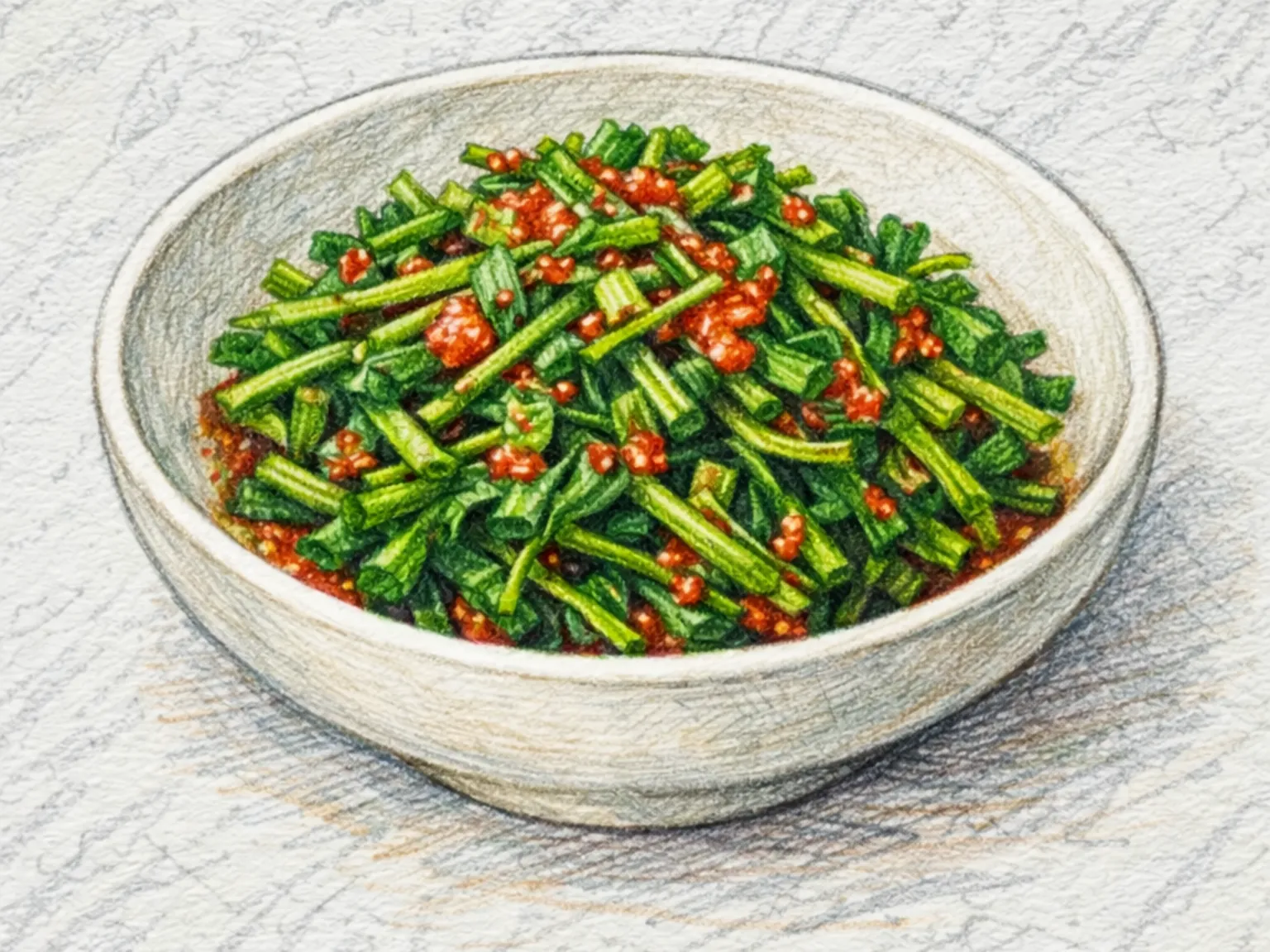
Dollnamul Muchim (Korean Seasoned Stonecrop Salad)
Dollnamul muchim is a spring banchan of raw stonecrop (Sedum sarmentosum) dressed in a seasoning mix of gochugaru, vinegar, fish sauce, garlic, and sugar. The plant grows on rocky stream banks and low walls across Korea; its plump, jade-green leaves carry a faintly sour, grassy juice that releases when bitten. Heat collapses the texture entirely - a few seconds of blanching is enough to destroy the crunch - so dollnamul is always dressed raw. The process is minimal: a quick rinse in cold water, a firm shake to remove excess moisture, and an immediate toss with the seasoning. The structural logic of the dressing has fish sauce providing fermented depth beneath the vinegar's sharp acidity; if either element dominates, the herb's clean, fresh aroma disappears. The dish must be eaten within minutes of dressing. Osmotic pressure begins pulling juice from the leaves almost immediately, and the texture softens to a limp mass within half an hour. Dollnamul muchim is a common addition to spring picnic lunches and is best served cold.
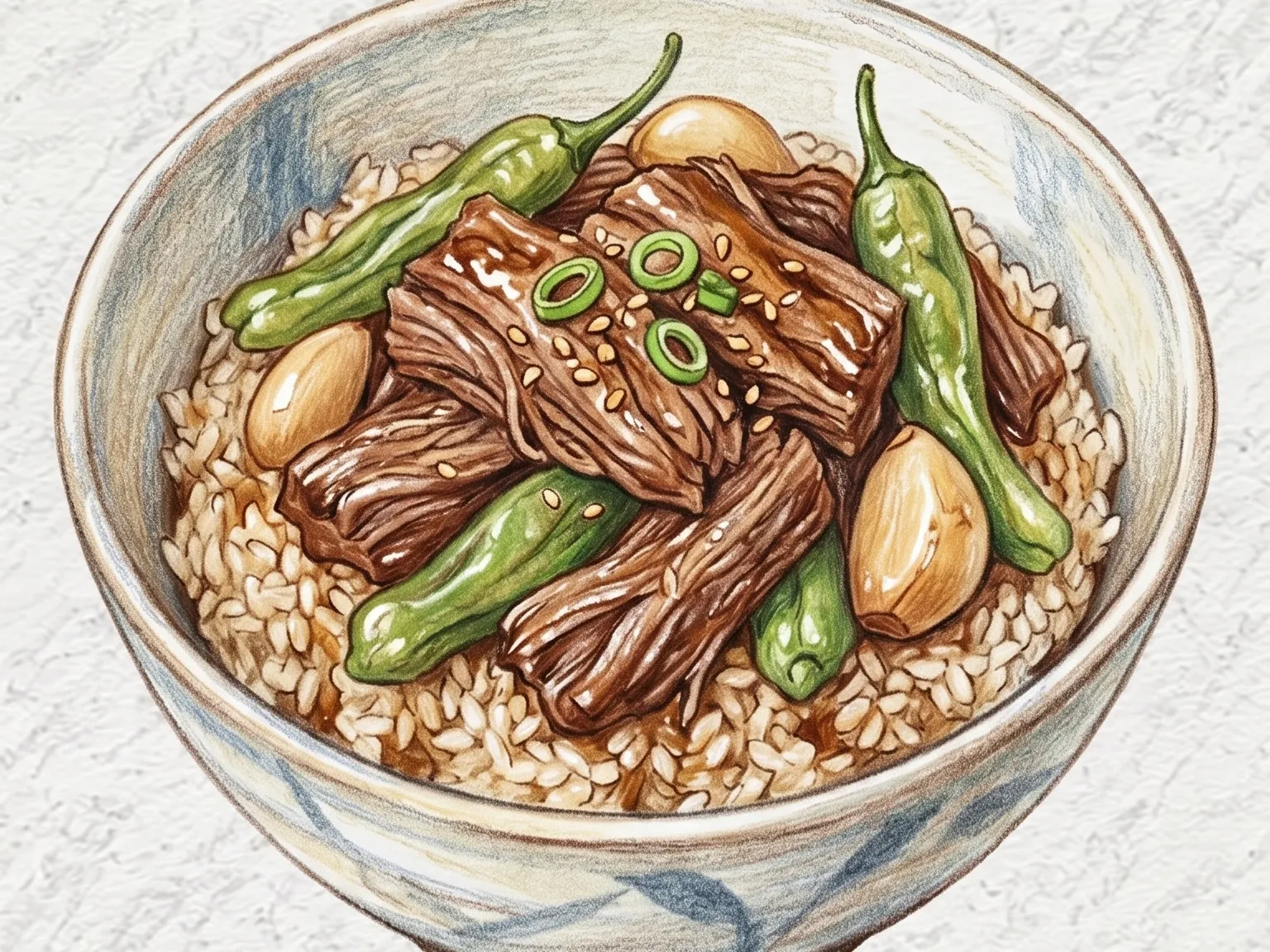
Korean Braised Beef and Shishito Rice
Beef is soaked in cold water for 30 minutes to draw out the blood, then placed in a pot with soy sauce, sugar, cooking wine, and whole garlic cloves. It is first brought to a high boil to cook off any off-flavors, then reduced to a medium-low simmer and left uncovered for twenty minutes so the liquid reduces into a glossy, salty-sweet braising sauce. Shishito peppers are added whole for the final six minutes, contributing gentle heat and a slight crunch that contrasts with the soft beef. Once cooked, the beef is torn along the grain by hand rather than cut, which opens the fibers so the braising liquid soaks in more deeply. A few drops of sesame oil stirred through at the end add gloss and a faint nuttiness. Stored in an airtight container with the remaining sauce, the jangjorim deepens considerably after a day or two of refrigeration as the beef continues to absorb the seasoning. Piled generously over a bowl of warm rice and mixed together, the concentrated soy-beef flavor spreads through every grain and makes the bowl satisfying in a way that richer dishes rarely manage.
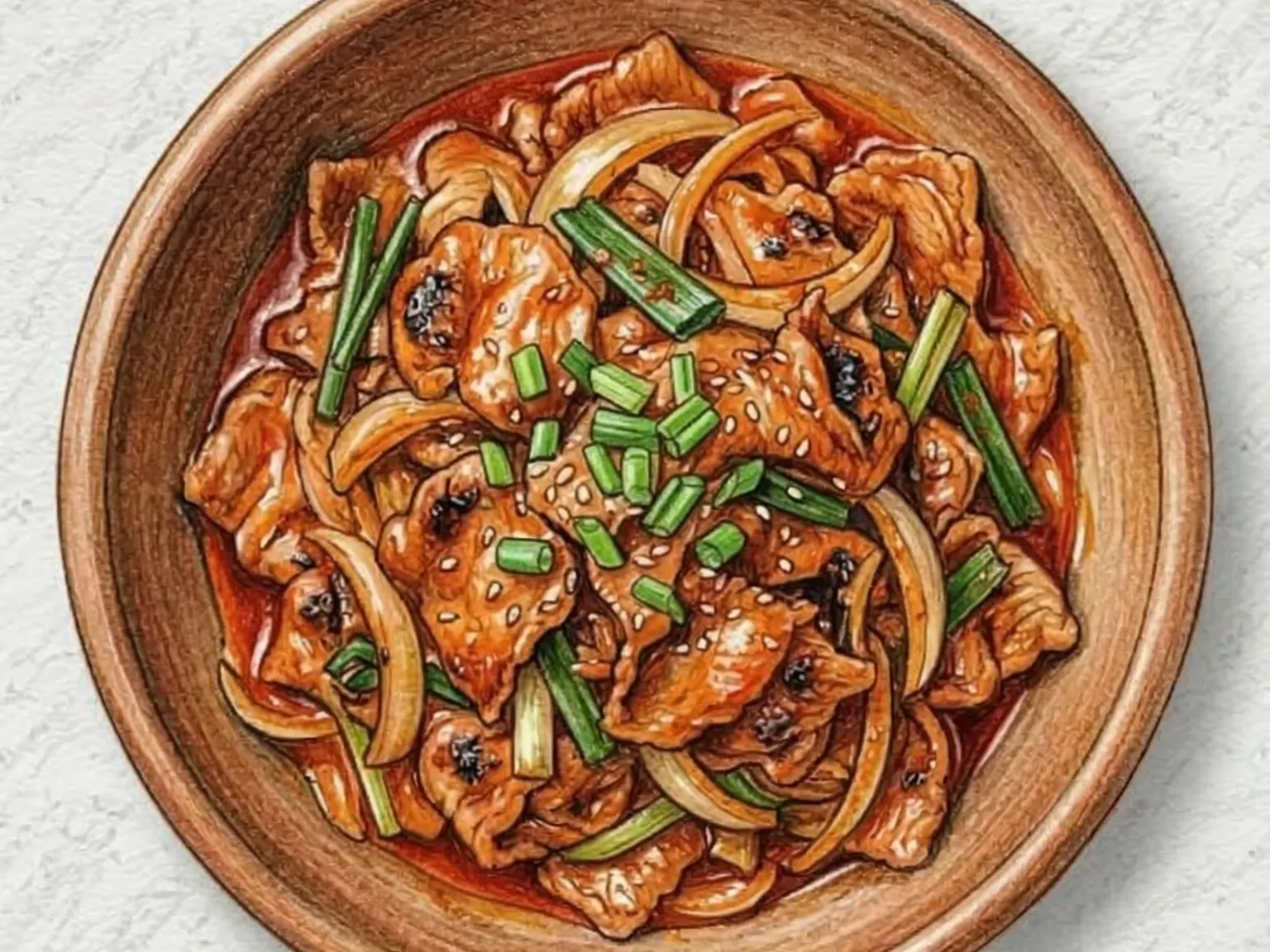
Korean Spicy Pork Duruchigi
Duruchigi is a Korean spicy pork stir-fry made by flash-cooking sliced pork shoulder with onions and scallions in a gochujang-based sauce over high heat. Pork shoulder has a balanced ratio of fat to lean meat, which prevents it from drying out even at the high temperatures required for a proper stir-fry. The intense heat chars the edges of the meat slightly and introduces a smoky wok flavor that deepens the dish beyond what the seasoning alone provides. Gochujang contributes fermented chili heat and a savory, slightly sweet undertone, while added sugar reinforces that sweetness, and scallions provide a sharp, clean finish in the back of the palate. Cooking the onion first to soften before adding the meat controls the amount of liquid released and keeps the sauce from becoming watery. Duruchigi works as a straightforward rice side dish, wrapped in lettuce leaves, or as the protein base for fried rice with the leftovers. It ranks among the most dependable everyday pork dishes in Korean restaurants and home kitchens, and also sees regular use as a late-night snack or drinking table side.
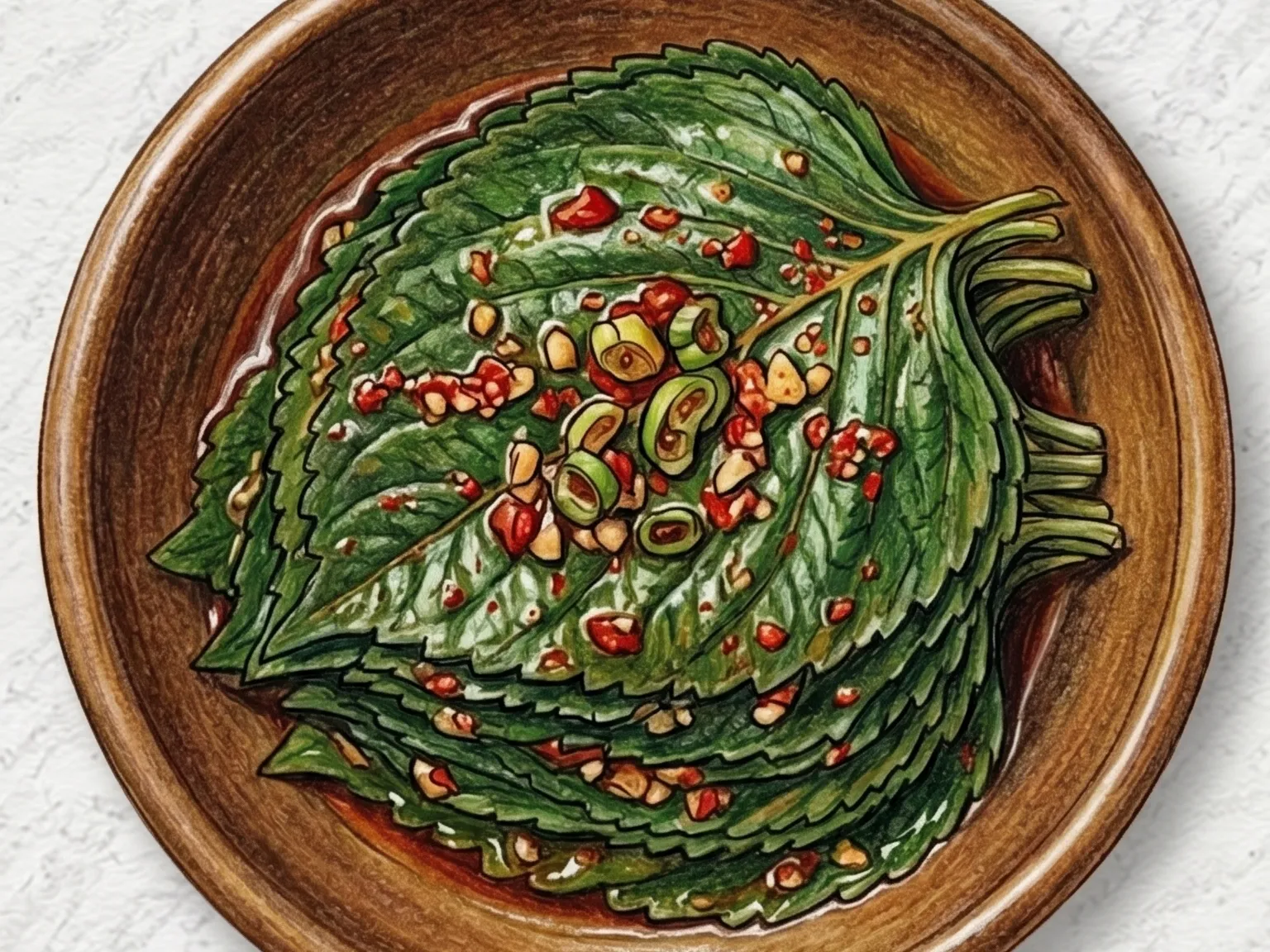
Korean Steamed Perilla Leaves
Kkaennip-jjim is a Korean banchan made by stacking perilla leaves one by one with a soy sauce, gochugaru, and garlic seasoning between each layer, then gently braising them covered over low heat. As the leaves wilt, they absorb the sauce and release their distinctive herbal aroma, which mingles with the soy's umami into a layered flavor. Sesame oil brushed between the leaves adds a nutty fragrance, while the chili flakes provide a slow-building warmth. Wrapping a spoonful of steamed rice in a single seasoned leaf makes for a complete bite, which is why this dish is considered one of Korea's most reliable everyday side dishes.
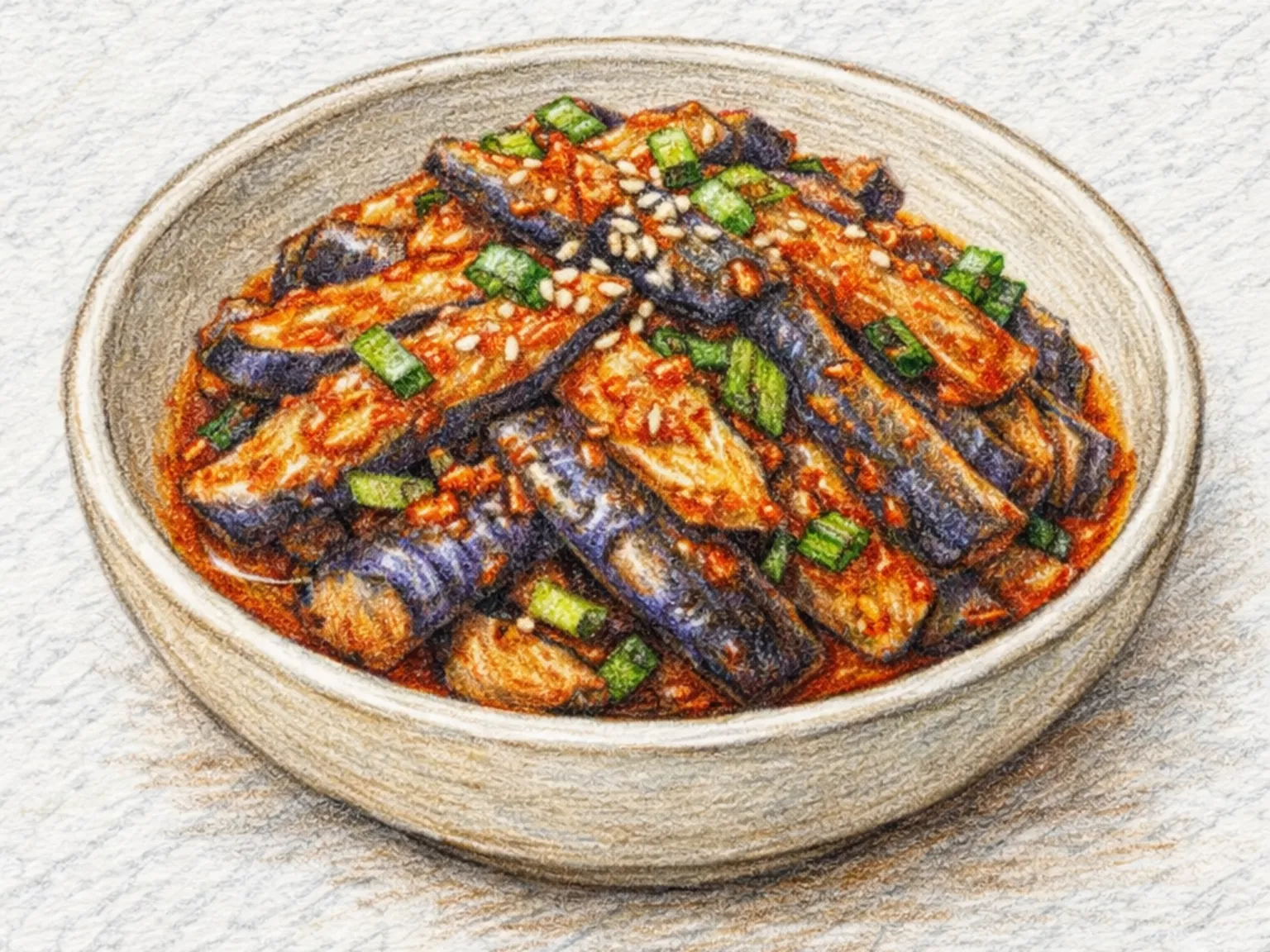
Korean Fresh Eggplant Kimchi
Gaji kimchi is a fresh eggplant kimchi that requires no fermentation and can be eaten immediately after preparation. Eggplant is steamed until it becomes pliable and soft throughout, then torn by hand along the grain rather than cut with a knife. Tearing along the natural fibers creates a rough, open surface that allows the seasoning of gochugaru, fish sauce, garlic, and sesame oil to penetrate deep into the flesh rather than merely coating the outside. The result is an even distribution of spicy, salty flavor throughout every bite rather than concentrated only at the surface. Scallions folded in at the end add a fresh, sharp lift, and toasted sesame seeds provide a nutty, fragrant finish. Because no fermentation is involved, this kimchi is best suited to seasons when eggplant is at its peak, particularly summer, when the vegetable is widely available and a quick, no-cook banchan is most welcome. Piled over a bowl of cold leftover rice and mixed together, the seasoning soaks into the grains while the soft steamed eggplant adds body, making it a satisfying one-bowl meal without needing additional soup or side dishes.
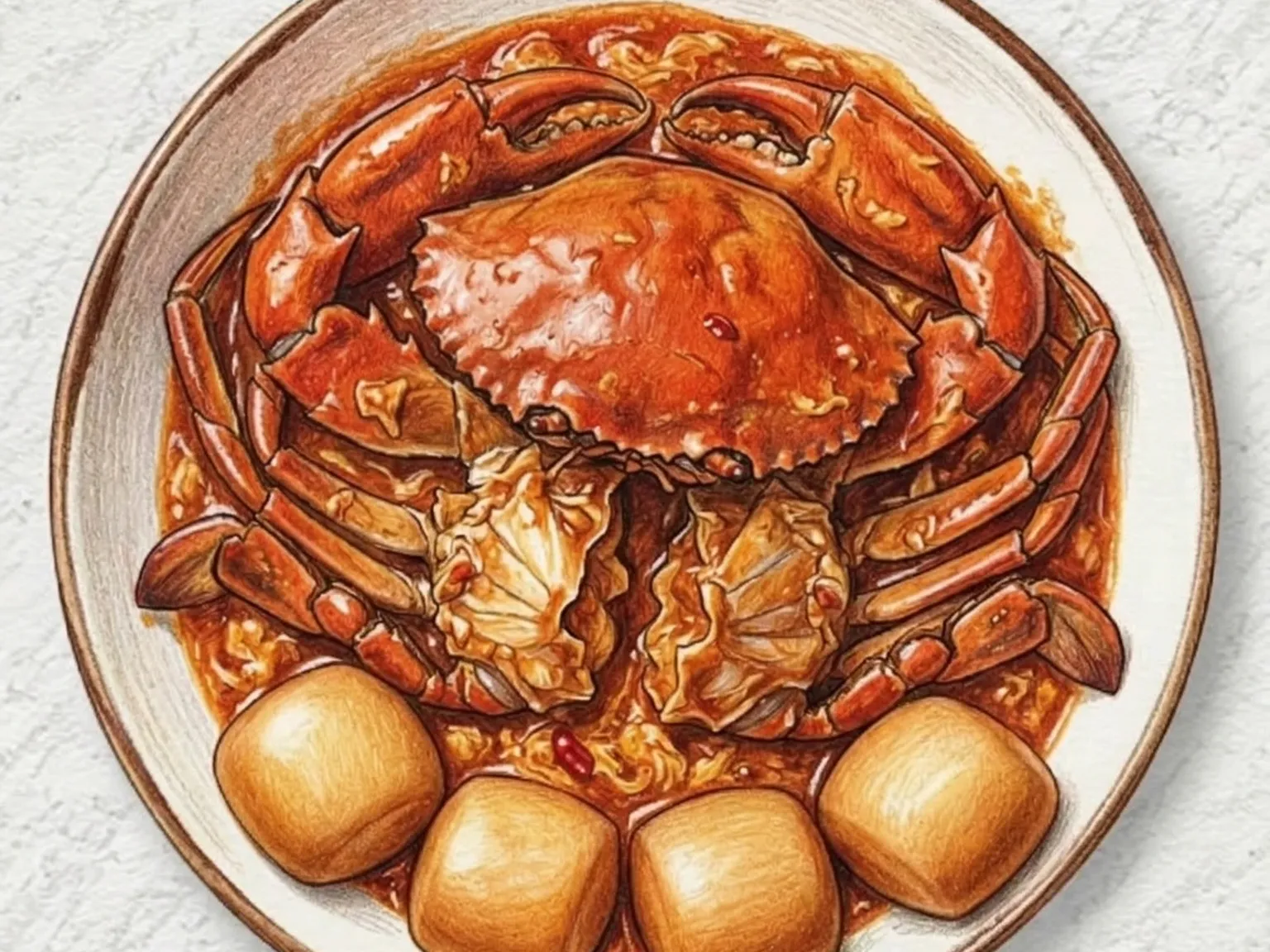
Singapore Chili Crab (Singaporean Whole Mud Crab in Sweet Spicy Sauce)
Singapore chili crab is a national dish built around whole mud crabs wok-fried in a thick, glossy sauce that balances sweet, sour, and spicy in every spoonful. The sauce is a mixture of ketchup, sambal, garlic, and sugar, brightened with rice vinegar and thickened at the end with beaten egg, which curdles into soft ribbons throughout the gravy. The crabs are cracked but not fully shelled, so diners must work for each piece of meat - prying open claws, sucking sauce from joints, and using the back of a spoon to scoop gravy-coated flesh from the body. Deep-fried mantou buns served alongside are the essential mop for the remaining sauce; no self-respecting plate leaves any behind. The eating is loud, messy, and communal, with stacks of napkins and finger bowls as standard table settings.
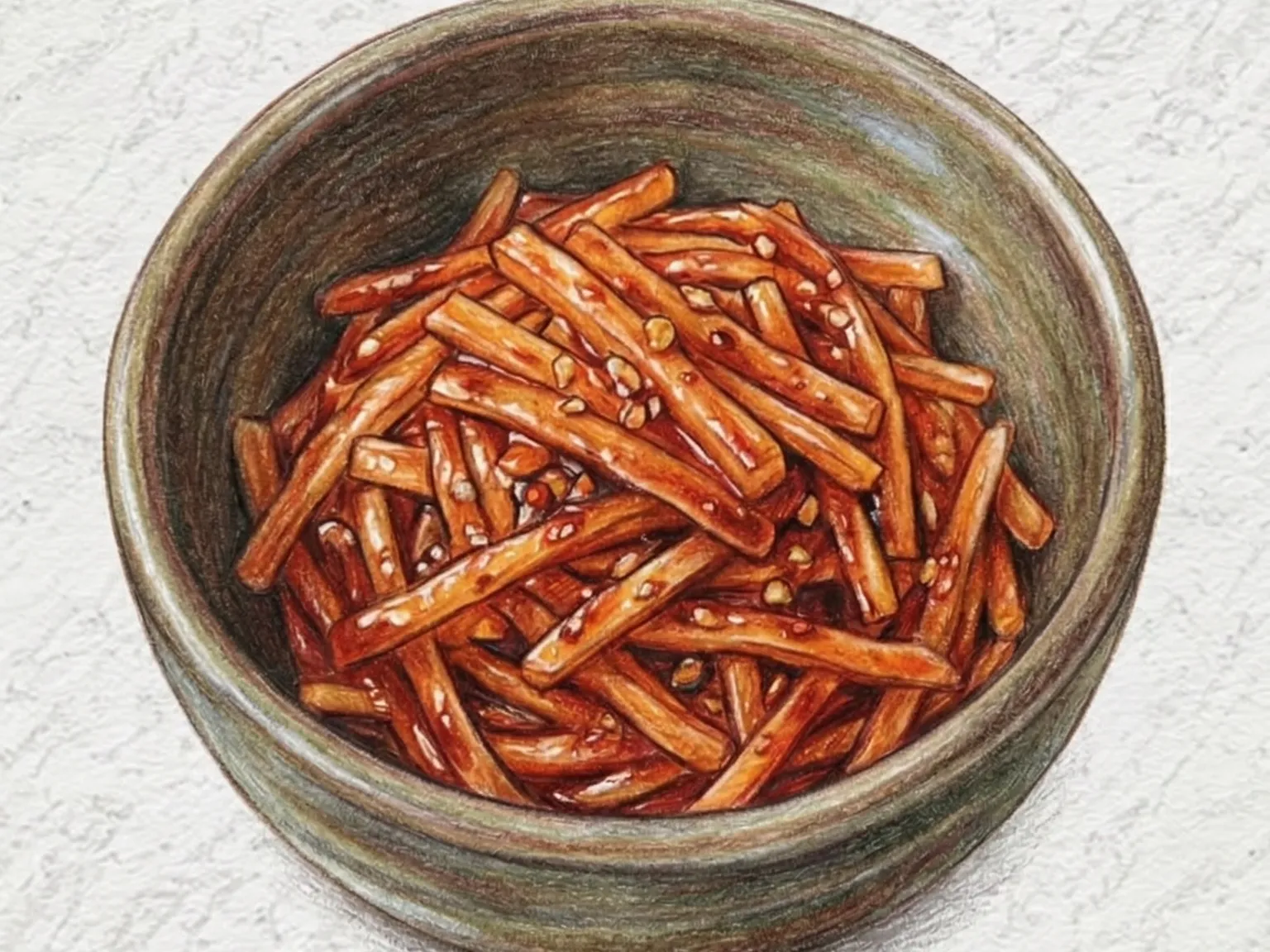
Korean Stir-fried Balloon Flower Root
Doraji -- balloon flower root -- has been cultivated in Korea for centuries, valued in cooking and herbal medicine alike. The raw root carries a pronounced bitterness from saponins, so it must be shredded into thin strips, rubbed vigorously with salt, left for ten minutes, then rinsed twice in cold water. The salt scrub draws out the saponins while preserving the root's firm, snappy bite. A base of green onion goes into the pan first to build a fragrant oil, then the prepared doraji stir-fries for two minutes before gochujang, soy sauce, and oligosaccharide syrup go in for another three minutes. The heat is raised at the end to drive off moisture, so the sauce tightens and clings to each strip rather than pooling in the pan. The result is a glossy, sweet-spicy banchan with a distinctly chewy pull.

Loco Moco Rice Bowl (Hawaiian Beef Patty Gravy Rice Bowl)
Ground beef is mixed with minced onion, shaped into patties, and pan-seared for four to five minutes per side until a crisp crust forms outside while the center stays moist. The same pan - still coated with beef drippings - gets butter, the remaining onion, and flour to build a quick roux, then water and Worcestershire sauce transform it into a smooth, glossy gravy that captures all the fond. Assembly is straightforward: rice on the bottom, patty on top, gravy ladled over, and a sunny-side egg crowning the bowl. Breaking the runny yolk into the gravy creates a rich, velvety sauce that ties the Hawaiian-born dish together into a hearty, deeply satisfying plate.
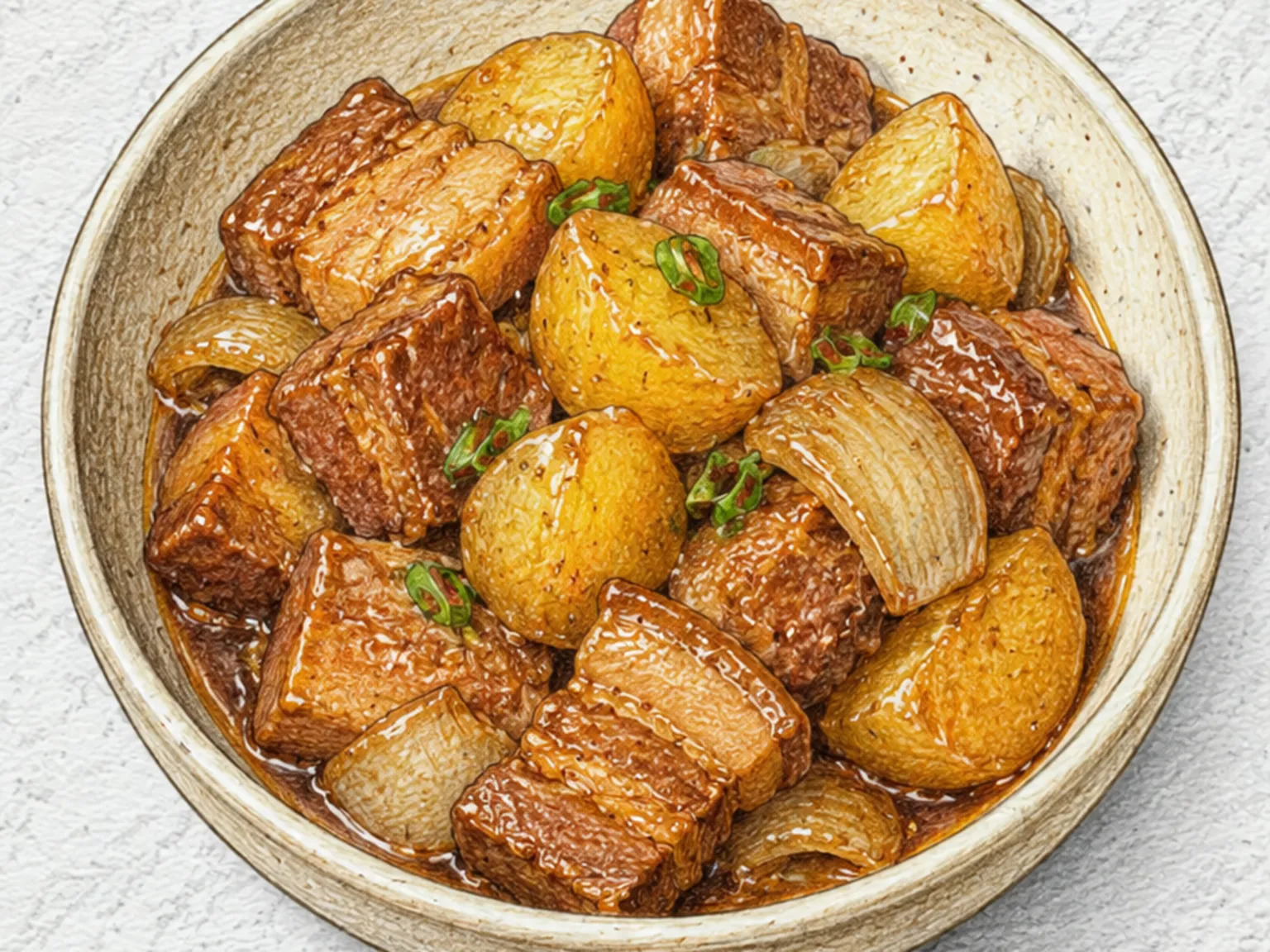
Korean Soy-Braised Pork and Potatoes
Dwaejigogi-gamja-jorim is a Korean braised side dish of pork shoulder and potatoes simmered together in a soy-based seasoning until the liquid reduces to a thick glaze. The pork is browned first in a hot pot to develop a seared surface, then water, soy sauce, sugar, garlic, and gochugaru are added and the whole pot is brought to a simmer. As the liquid reduces, the pork releases its fat and juices into the broth, enriching the sauce. The potatoes cook through in this liquid, drawing in the seasoning and emerging with a glossy, salty-sweet coating on the outside and a fluffy, starchy interior. Onion softens and releases its natural sweetness during cooking, moderating the saltiness of the soy base. The dish is finished when the liquid has reduced to just enough to coat the ingredients. Served with rice, the potatoes and braising liquid together function almost as a sauce. Protein and starch cooked together in a single pot make this a practical, satisfying meal.
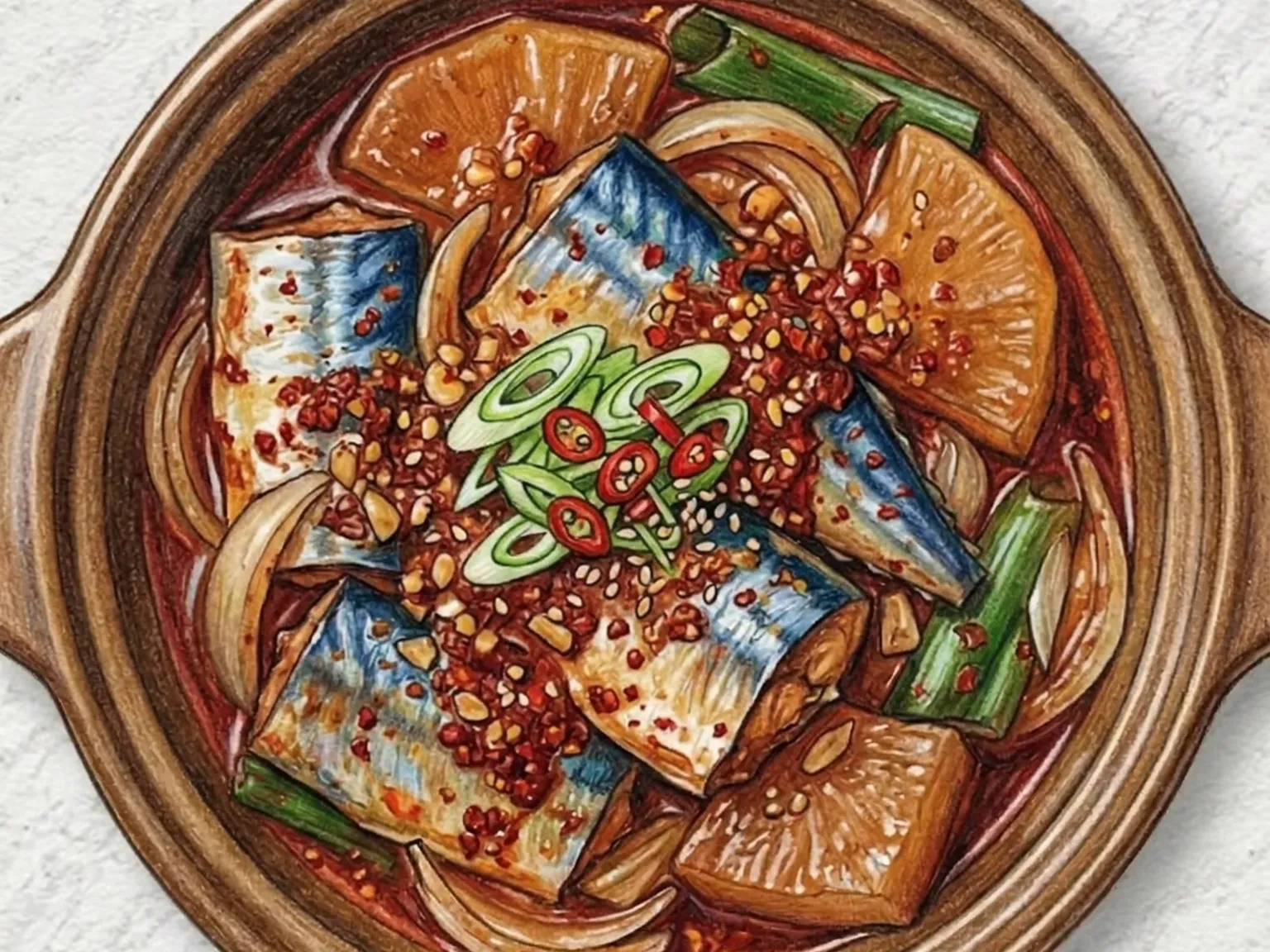
Korean Steamed Pacific Saury
Kkongchi-jjim braises Pacific saury with Korean radish, onion, and green onion in a gochugaru and soy sauce broth until the liquid reduces to a concentrated, deeply spiced glaze. The saury's naturally oily flesh absorbs the bold seasoning without drying out, while the radish softens in the braising liquid and draws out any fishiness that would otherwise distract from the sauce. Garlic and ginger scrub the broth clean, and the chili's penetrating heat opens the appetite in a way that milder seasonings cannot. The remaining sauce, ladled over rice, is what most people eat last and remember longest - a humble fish dish that punches well above its price.