⚡ Quick Recipes
Ready in 20 minutes or less
804 recipes. Page 27 of 34
A busy schedule does not mean you have to settle for bland meals. Every recipe in this collection can be prepared and finished in 20 minutes or less - quick stir-fries, tossed noodles, microwave dishes, and more.
The secret is minimizing prep work and keeping the steps simple. Pre-cut ingredients or pantry staples speed things up even further. Turn to these recipes after work, during a short lunch break, or for a fast breakfast.
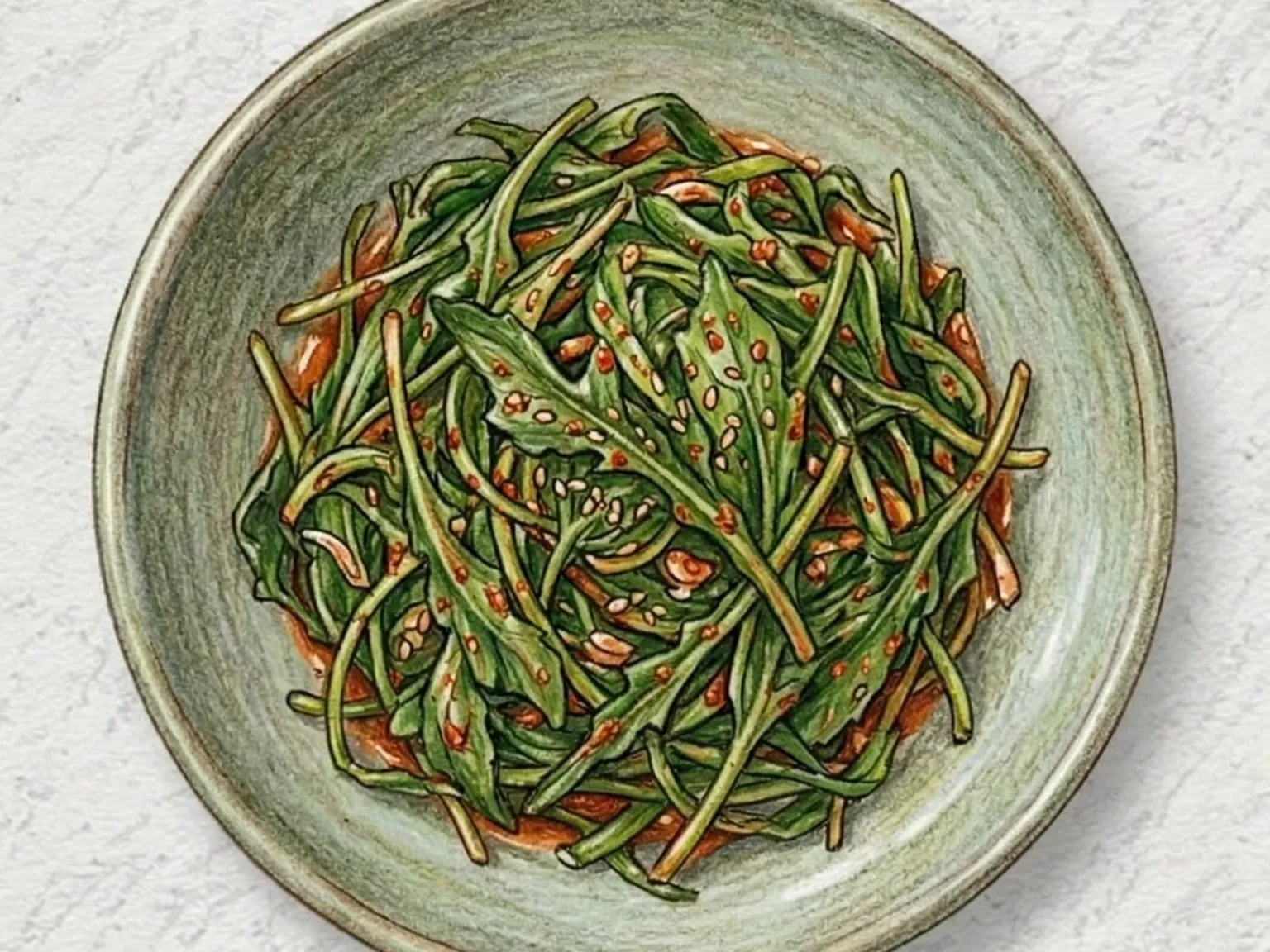
Seasoned Korean Wild Lettuce
Godeulppaegi muchim is a seasonal Korean side dish prepared with Ixeris dentata, a plant characterized by its thin, slender leaves. This botanical species belongs to the daisy family and has been traditionally foraged across the Korean peninsula for many generations. It serves as a versatile ingredient, often appearing on the dining table as a fermented kimchi or as a freshly seasoned vegetable dish known as banchan. The plant is recognized for a distinct and sharp bitter profile that is significantly more intense than the bitterness typically found in standard garden salad greens. Properly handling this inherent bitterness is the most important technical aspect of preparing the dish correctly. The leaves and stems undergo a brief blanching process in boiling water for a duration of approximately one to two minutes. Following this heat treatment, they are moved immediately to a cold water bath where they remain submerged for a minimum of thirty minutes. If the soaking duration is reduced or omitted entirely, the resulting dish will retain a level of bitterness that cannot be masked or balanced by any amount of additional seasoning. After the soaking period is complete, the greens are squeezed firmly by hand to remove excess moisture and then combined with a bold seasoning base. This dressing consists of a mixture of gochujang, gochugaru, vinegar, sugar, minced garlic, and toasted sesame oil. This specific combination provides a sharp acidity and spicy heat that coats the processed greens. The flavors are intended to complement the lingering bitterness of the plant instead of removing it, which creates a complex and layered taste profile that persists throughout the meal. This side dish is typically available from the beginning of spring through the early weeks of summer. During these months, the plant is a common sight in traditional rural markets located throughout South Gyeongsang and North Jeolla provinces. Individuals who value a strong and assertive flavor profile consider this preparation to be a highly valued seasonal specialty within Korean cuisine.
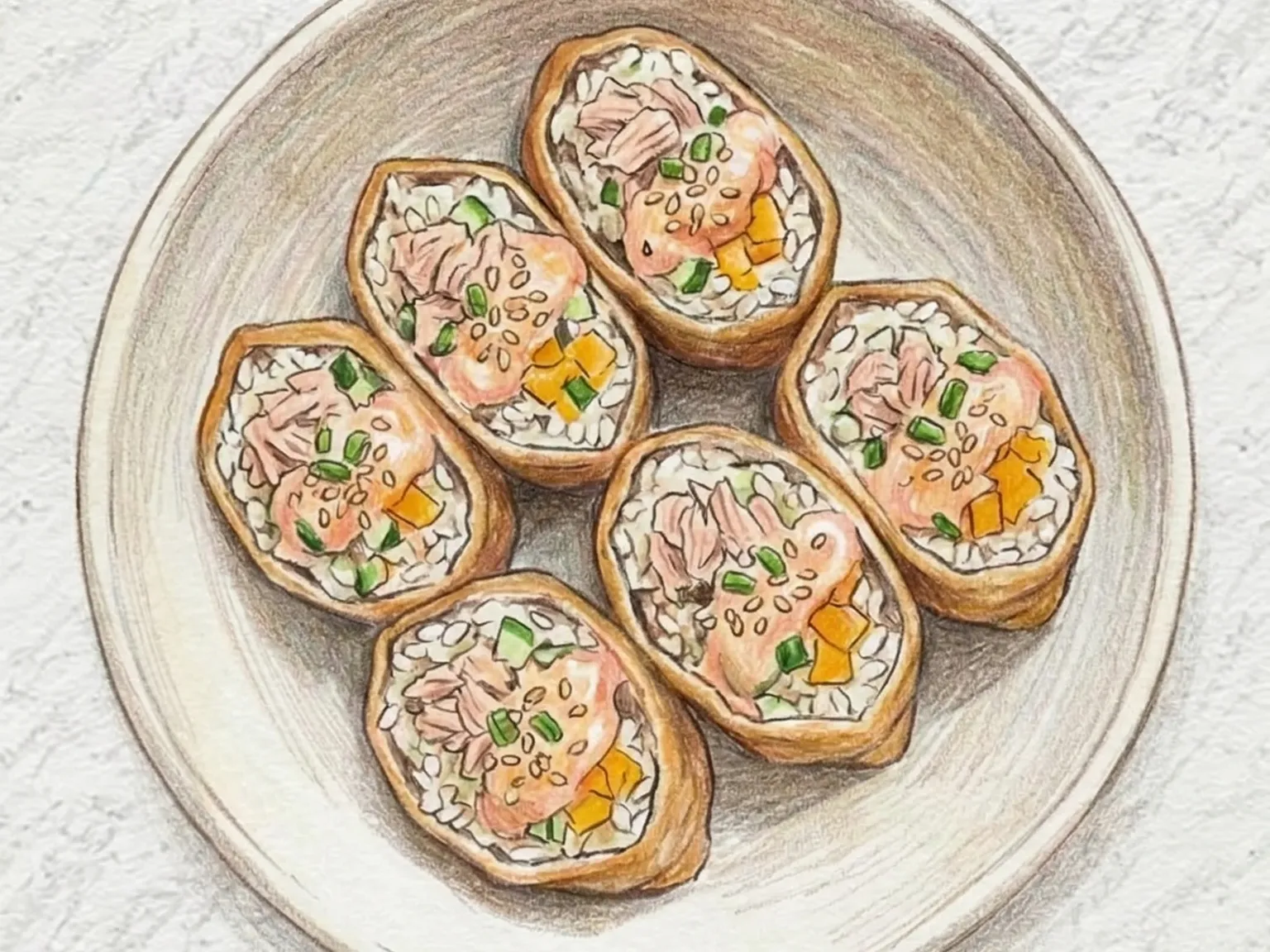
Korean Maekom Mayo Yubu Pocket (Spicy Mayo Tofu Pockets)
Spicy mayo yubu pockets are seasoned tofu pouches stuffed with rice, canned tuna, chopped pickled radish, and cucumber, all bound together with a gochujang-mayonnaise sauce. The tuna must be thoroughly drained before mixing so the mayonnaise coats evenly, and the ratio of gochujang to mayo controls both the heat level and the creamy consistency of the filling. Diced pickled radish and cucumber introduce a satisfying crunch that keeps each bite from feeling heavy. Sesame oil and toasted sesame seeds mixed into the rice build a nutty foundation that balances the spice from the sauce. The sweet and salty braised tofu pouch wraps around everything, delivering multiple layers of flavor in a single bite. These pouches pack well for lunch boxes and hold up in the refrigerator, where the tofu slowly absorbs moisture from the filling and becomes even softer.

Mango Lassi
Mango lassi is an Indian yogurt drink made by blending ripe mango flesh with plain yogurt and milk until completely smooth. The concentrated tropical sweetness of ripe mango and the tangy acidity of yogurt balance each other so that the drink feels refreshing rather than cloying. A small amount of ground cardamom, typically around a quarter teaspoon, introduces a faintly floral, aromatic spice layer that lifts the drink away from an ordinary fruit smoothie and into something distinctly South Asian. Honey allows the sweetness to be calibrated against the specific ripeness of the mango being used. Using ingredients that have been chilled in the refrigerator beforehand produces a thick, cold lassi without needing much ice, avoiding the dilution that comes from blending a large quantity of ice cubes into an otherwise dense drink.
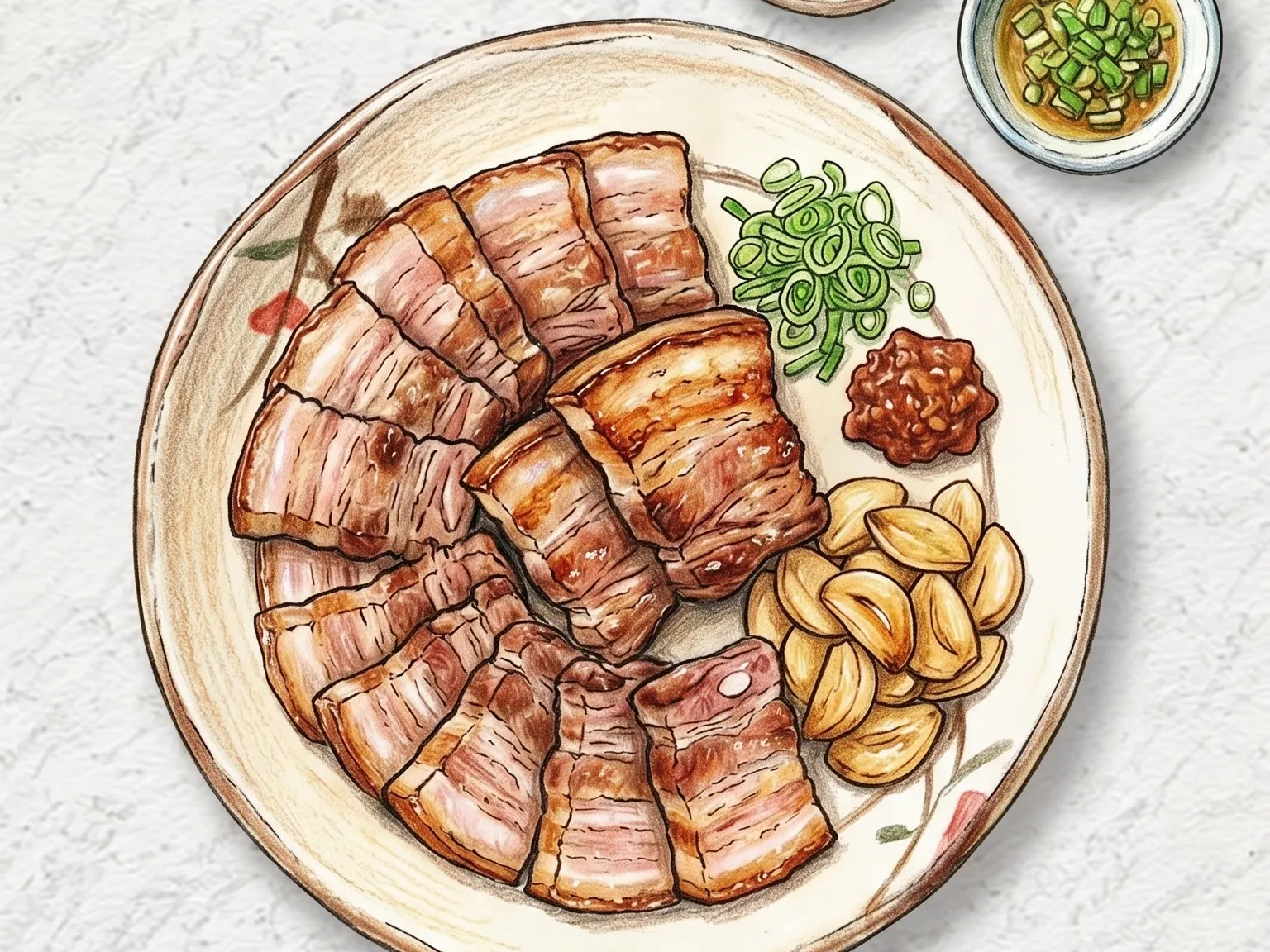
Korean Grilled Pork Belly
Samgyeopsal-gui is Korean grilled pork belly, the country's most iconic barbecue dish, where 400 grams of pork belly is cut into ten-centimeter lengths and grilled on a preheated pan or griddle over high heat without added oil-the alternating layers of fat and lean render enough grease to cook the meat in. Flipping only once, after four to five minutes per side, is critical because frequent turning lets juices escape before the fat has properly rendered and crisped. Once golden and cooked through, the meat is cut into bite-sized pieces with scissors, and thinly sliced garlic is toasted on the same surface until lightly browned. Each piece is eaten wrapped in lettuce with ssamjang, grilled garlic, and green onion, and an optional side of green onion oil dip-sesame oil mixed with salt and chopped scallion-adds nutty depth and a sharp allium kick on top of the pork fat's richness.
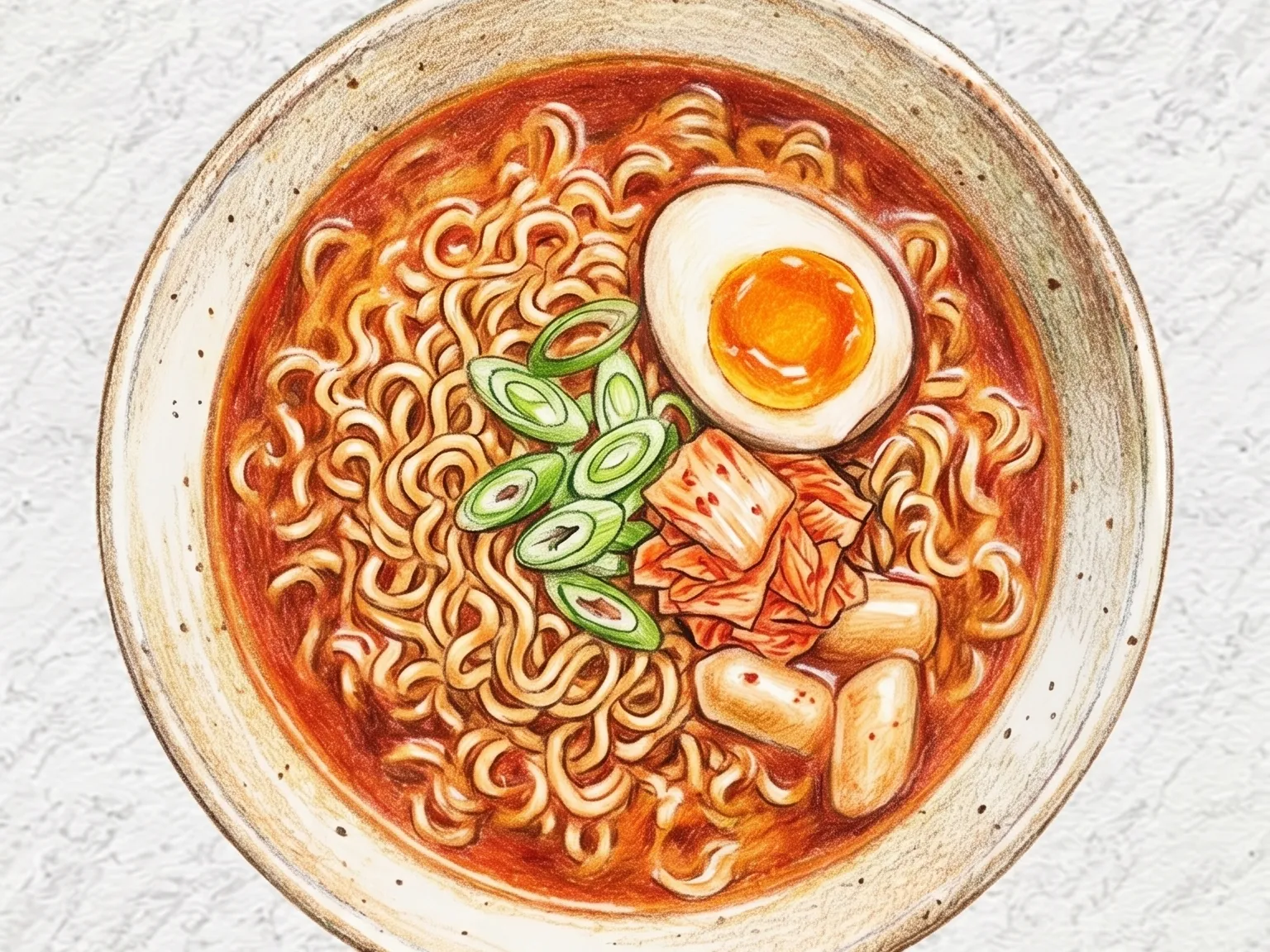
Korean Instant Ramen (Spicy Chewy Noodles in Five Minutes)
Ramyeon is Korea's iconic instant noodle dish, ready in under five minutes by boiling chewy wheat noodles with seasoning packets in water. Common additions include egg, scallion, kimchi, sliced rice cakes, and cheese, each customizing the bowl to personal taste. Cooking the noodles one minute less than the package suggests lets residual heat finish them at the right chewiness. Using slightly less water than directed concentrates the broth into a more intense flavor. It can be served as a noodle dish, with simple accompaniments chosen to match the sauce, broth, or topping.
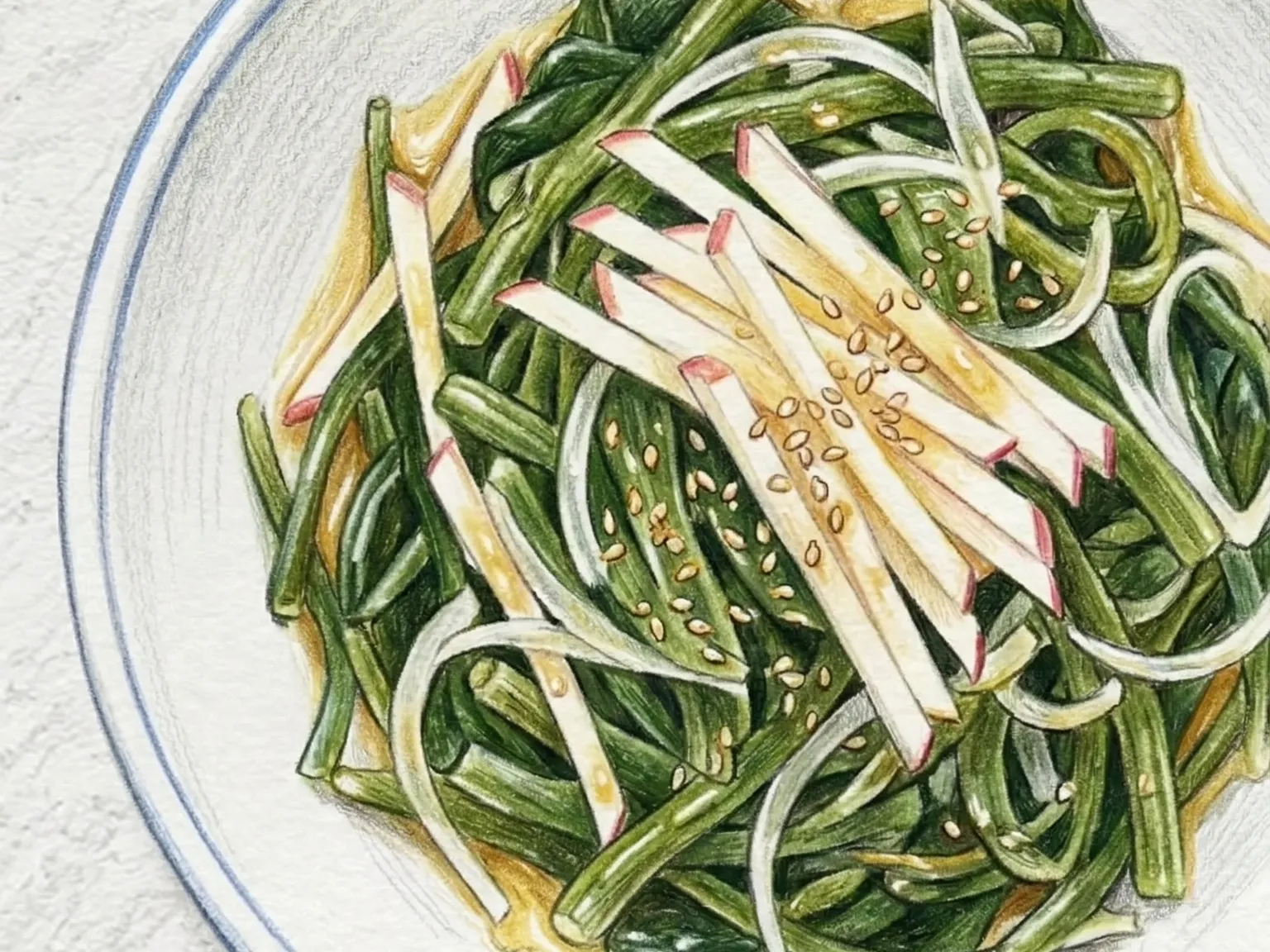
Seaweed Stem and Apple Mustard Salad
Salted seaweed stems are soaked to remove excess brine, then blanched briefly to achieve a firm, slightly chewy bite that defines this Korean salad's texture. Julienned apple adds crisp sweetness that contrasts with the seaweed's oceanic mineral flavor. Thinly sliced onion, soaked to mellow its sting, contributes a subtle sharpness. The dressing mixes Korean mustard paste with vinegar and oligosaccharide syrup - the mustard delivers a sharp nasal heat, while the syrup smooths the vinegar's acidity into something rounder. Tossing the apple with lemon juice first prevents browning, and a three-minute rest after dressing lets the flavors meld without overdressing the delicate stems.
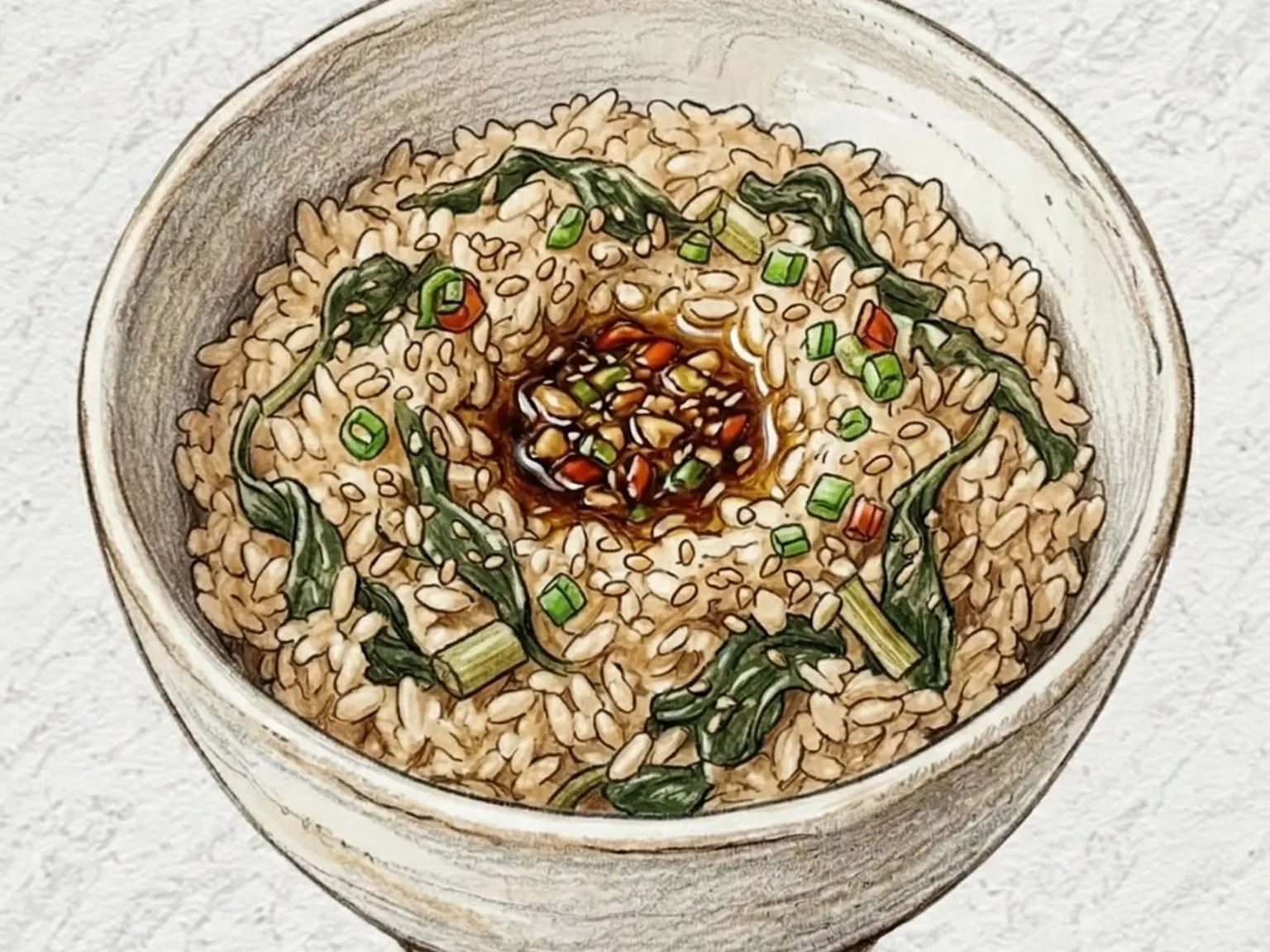
Korean Seasoned Thistle Greens
Gondeure is a wild thistle (Cirsium setidens) that grows in the alpine highlands around Jeongseon and Taebaek in Gangwon-do. In this mountainous region, where rice was historically scarce, gondeure was mixed into the cooking pot to stretch the grain and fill the table. Boiled gondeure dressed with soy sauce, garlic, and perilla oil carries a fragrance that blends mugwort-like herbal sharpness with a forest-floor earthiness rarely found in other vegetables. The stems are noticeably tougher than the leaves, so blanching them separately for longer, or chopping them finely, produces a more even texture throughout the dish. The namul is a capable side dish on its own, but gondeure is most famous when cooked directly into rice in a pot, a preparation called gondeure-bap. At the table, the cooked greens and rice are mixed with a dipping sauce of soy, perilla oil, and ground perilla seeds, drawing the herb's fragrance through every grain. The ratio of perilla oil to garlic varies from one Gangwon-do kitchen to the next, and dried gondeure is kept year-round so the dish is never limited to a single season.
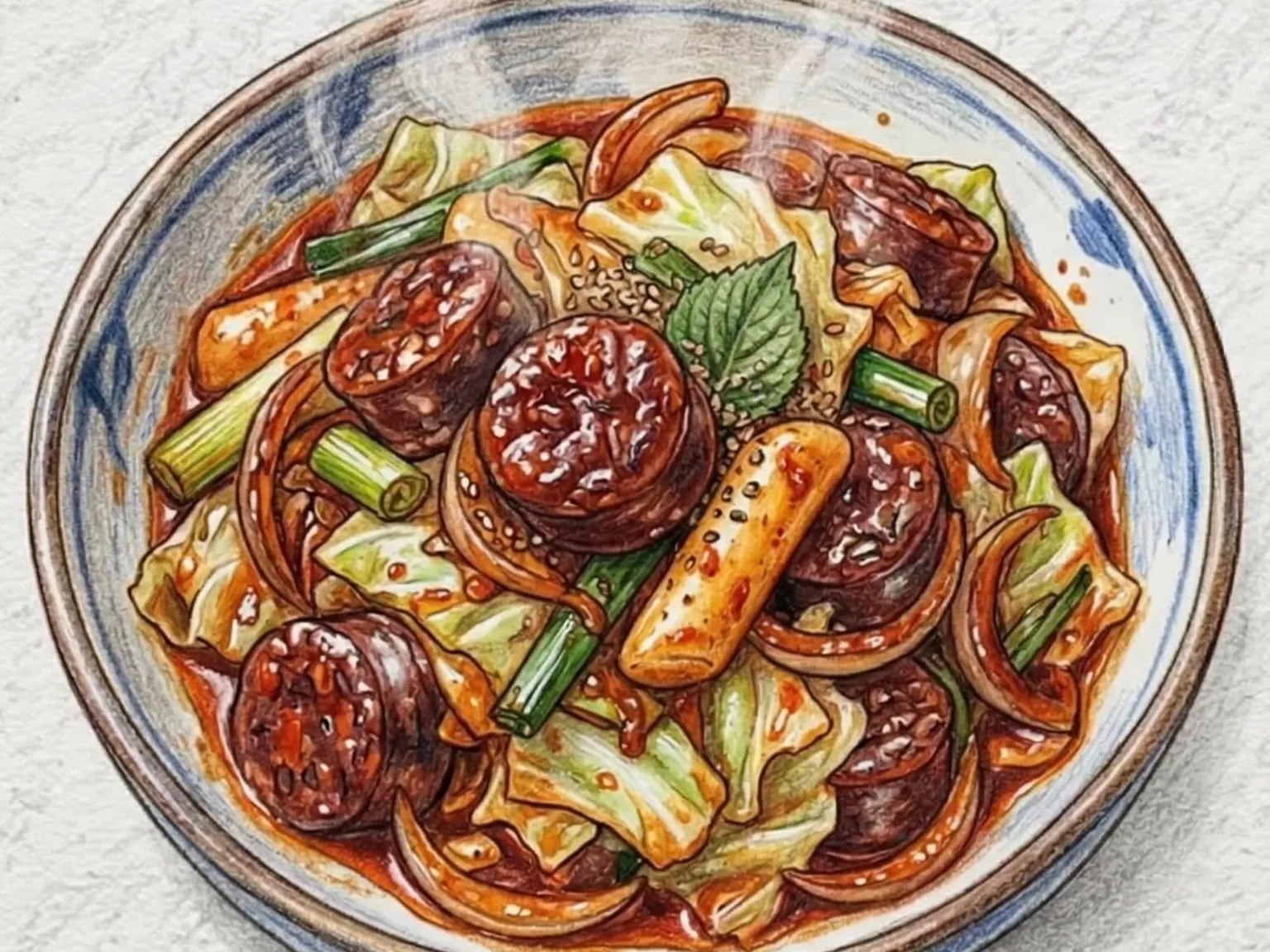
Korean Stir-fried Sundae (Sundae Bokkeum)
Sundae-bokkeum is a spicy Korean stir-fry of blood sausage with cabbage, onion, and green onion in a sauce made from gochujang, gochugaru, soy sauce, sugar, and garlic. High heat and a short cooking time are essential because prolonged stir-frying causes the sundae casing to burst and the filling to toughen, while the cabbage and onion release just enough moisture as they wilt to help the sauce coat every piece evenly. The seasoning stacks direct heat from gochujang, a gentler radiant warmth from gochugaru flakes, and sweetness from sugar into a multidimensional spicy-sweet profile. Green onion is held until the very last moment so its fragrance survives the heat; added earlier, the aroma disappears before the dish reaches the table. Adding tteokbokki rice cakes transforms the dish into the popular combo known as tteoksuni, and a layer of melted cheese on top rounds out the spice.

Masala Chai
Masala chai is an Indian spiced milk tea made by simmering crushed ginger, cinnamon, and cardamom in water until the spices release their oils fully, then adding black tea leaves and whole milk and continuing to heat gently over low flame. The spices build aromatic depth that wraps around the tea's tannins, transforming them into warm, rounded complexity rather than raw astringency. Stirring in sugar during the final minutes of simmering softens the spice's sharpness and allows the milk's creaminess to come forward. Using whole spices rather than ground powders keeps the brew free of gritty residue and produces a cleaner, more transparent aroma in each cup.
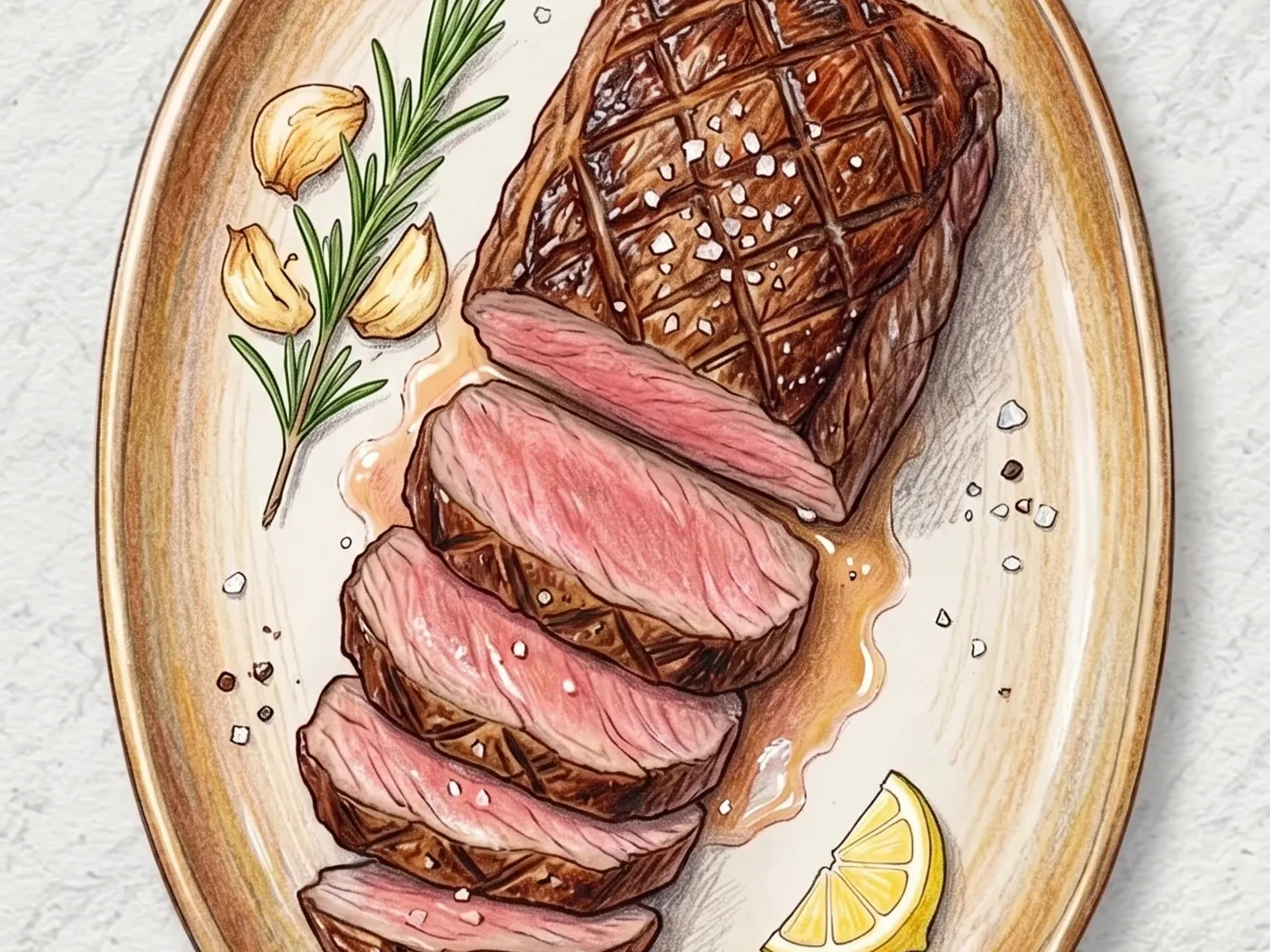
Korean Salt-Grilled Beef Tenderloin
Beef tenderloin - the leanest, finest-grained cut from the inner loin - is seared in a smoking-hot pan after seasoning with nothing more than coarse salt, black pepper, and a thin coat of olive oil. The high heat locks a dark brown crust onto the surface while the interior stays pink. Butter, crushed garlic cloves, and a sprig of rosemary go into the pan for basting during the final minutes, layering herbal richness across the meat's surface. A squeeze of lemon at the end cuts through the residual fat, and a three-minute rest allows the juices to redistribute so each slice runs clear.
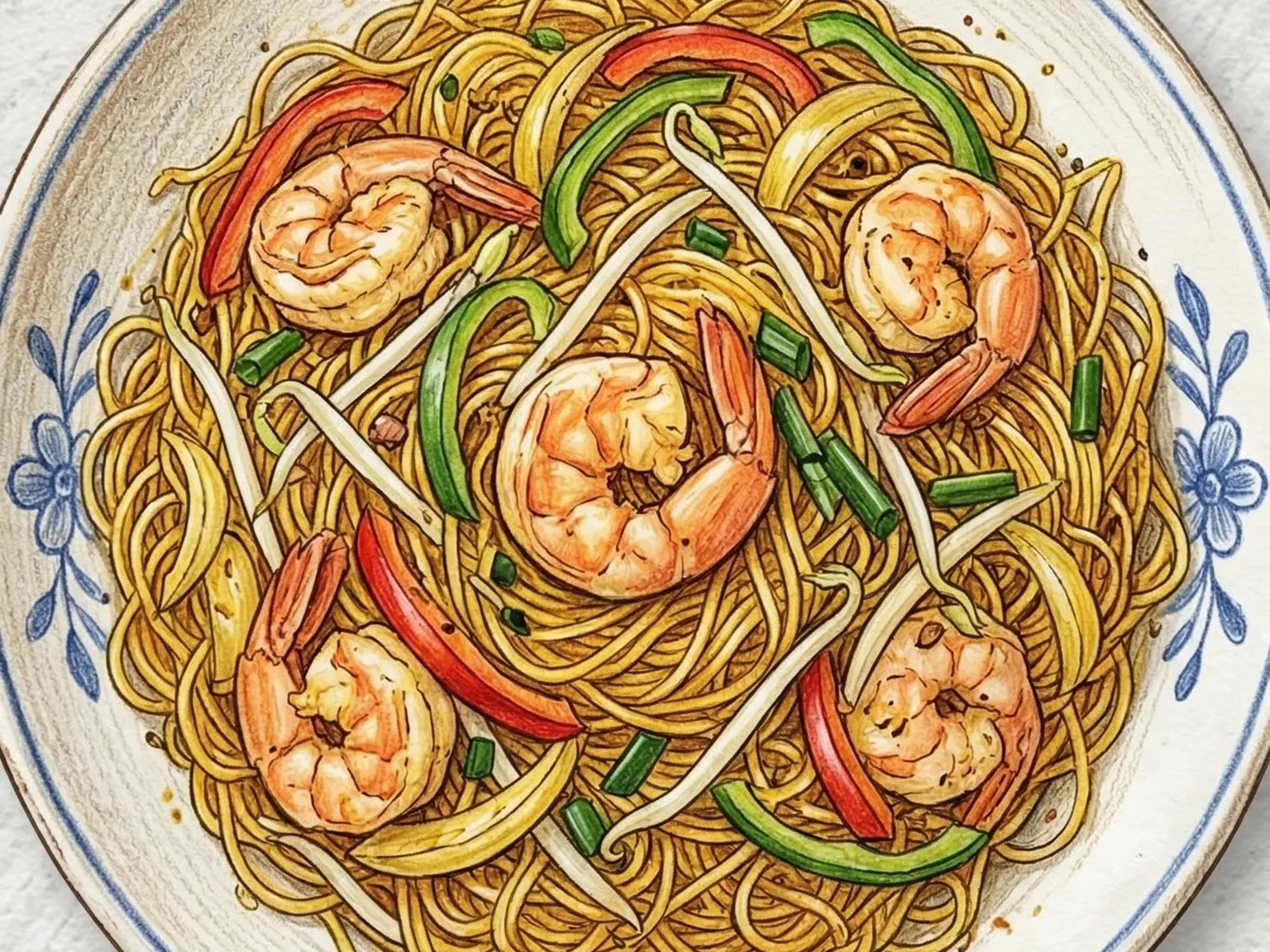
Singapore Rice Noodles (Curry-Spiced Stir-Fried Vermicelli with Shrimp)
Singapore rice noodles are a Cantonese-style stir-fry of thin rice vermicelli tossed with curry powder, shrimp, and mixed vegetables over high heat. The curry powder is bloomed in hot oil at the edge of the wok to unlock its full aroma before being mixed into the noodles. Soy sauce adds seasoning depth, and bean sprouts go in during the last thirty seconds to keep their crunch. Soaking the vermicelli for only eight minutes prevents the noodles from breaking apart during stir-frying. It can be served as a noodle dish, with simple accompaniments chosen to match the sauce, broth, or topping.
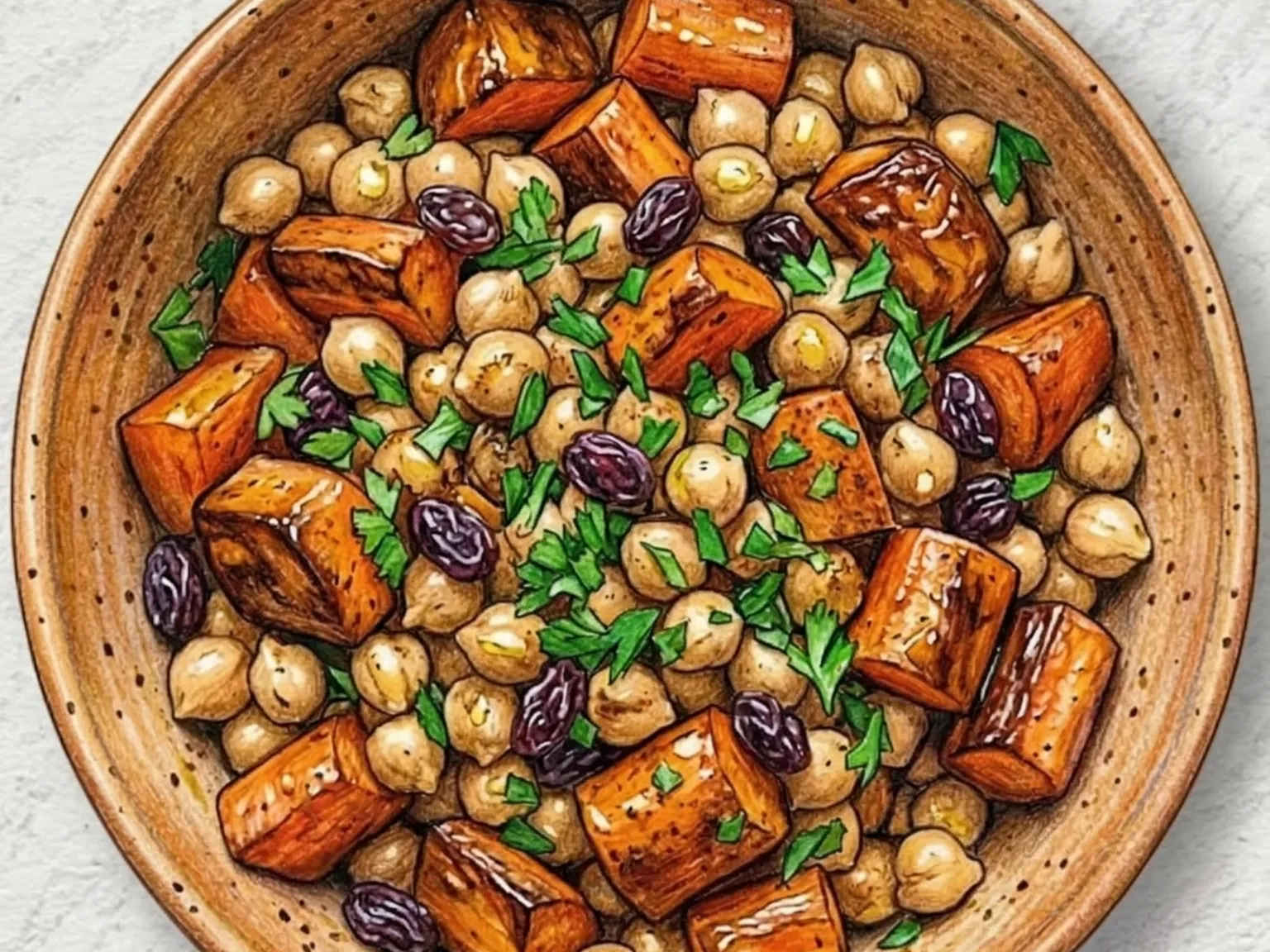
Moroccan Carrot Chickpea Salad
Carrots are roasted with cumin and paprika until the edges caramelize while the centers stay tender and sweet. Cooked chickpeas add enough protein to make the salad substantial on its own. A lean dressing of lemon juice and olive oil tempers the warm spice notes with bright acidity, while raisins tucked throughout provide pockets of fruity sweetness. Chopped parsley lifts the bowl with fresh herbal contrast. The sweet-savory balance characteristic of Moroccan cooking makes this versatile alongside bread, rice, or grilled meat.
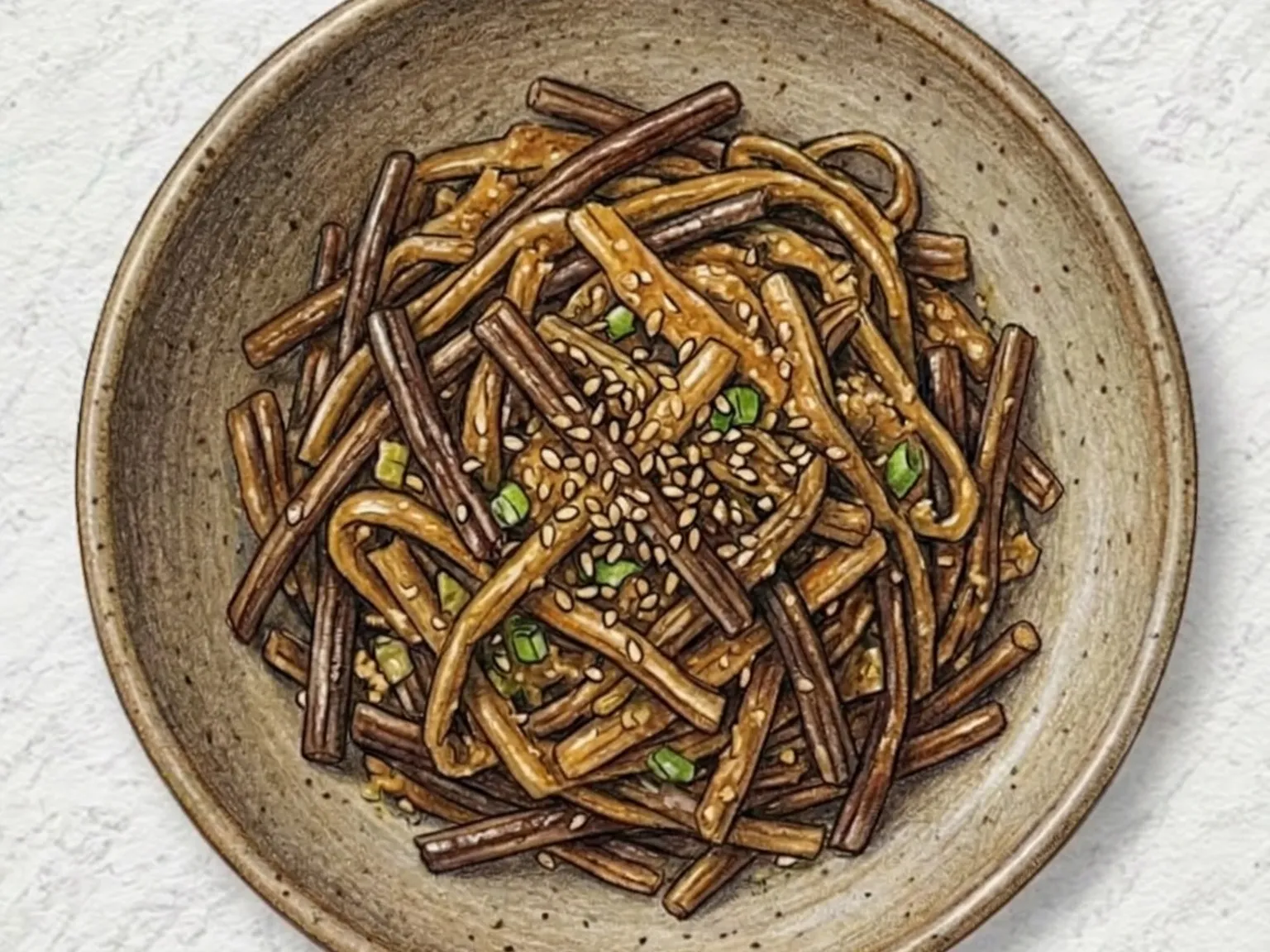
Korean Fernbrake Namul with Doenjang
This doenjang variation of gosari namul diverges from the standard soy-sauce-forward version by using fermented soybean paste as the primary seasoning, producing a banchan with noticeably more depth and a pronounced fermented character. Rehydrated and boiled bracken fern is first stir-fried in perilla oil to develop a light, nutty base, then doenjang and soup soy sauce are added along with a small splash of water for a five-minute braise over medium-low heat. The water prevents the paste from scorching and allows it to distribute evenly through the fibrous strands, so every piece of fern absorbs the full flavor. The porous texture of bracken draws in the funky, savory paste more readily than firmer vegetables, which is why this combination works particularly well. Perilla powder stirred in at the end thickens the remaining liquid into a dense, creamy coating around each strand of fern. Richer and more layered than its soy-sauce counterpart, this namul delivers deep flavor when mixed into steamed rice, with the fermented paste and toasted perilla building on each other across every bite.

Korean Tornado Sausage (Spiral-Cut Batter-Fried Sausage Skewer)
Tornado sosiji is a Korean street snack of sausages spiral-cut on a skewer at an angle, spread open, coated in frying batter, and deep-fried at 170 degrees Celsius. The batter fills the gaps between the spiral cuts, so each section fries into its own crispy layer wrapped around the sausage. The salty, smoky flavor of the sausage is amplified by the fried coating, and dipping in ketchup and mustard adds a tangy counterpoint that lightens the oily richness. Cutting the spiral slowly while rotating the sausage is essential to keep the helix intact and achieve the signature fanned-out shape.

Korean Malcha Duyu Latte (Matcha Soy Latte)
Matcha duyu latte is a vegan drink that pairs whisked matcha with gently warmed unsweetened soy milk. The tea's vegetal bitterness meets the soy milk's natural nuttiness in a creamy balance, anchored by acacia honey and a pinch of salt that clarify both flavors. A small measure of vanilla extract adds a background sweetness, and roasted soybean powder dusted on top reinforces the nutty character. Heating the soy milk only until tiny bubbles appear at the edges prevents any off-flavors from developing.
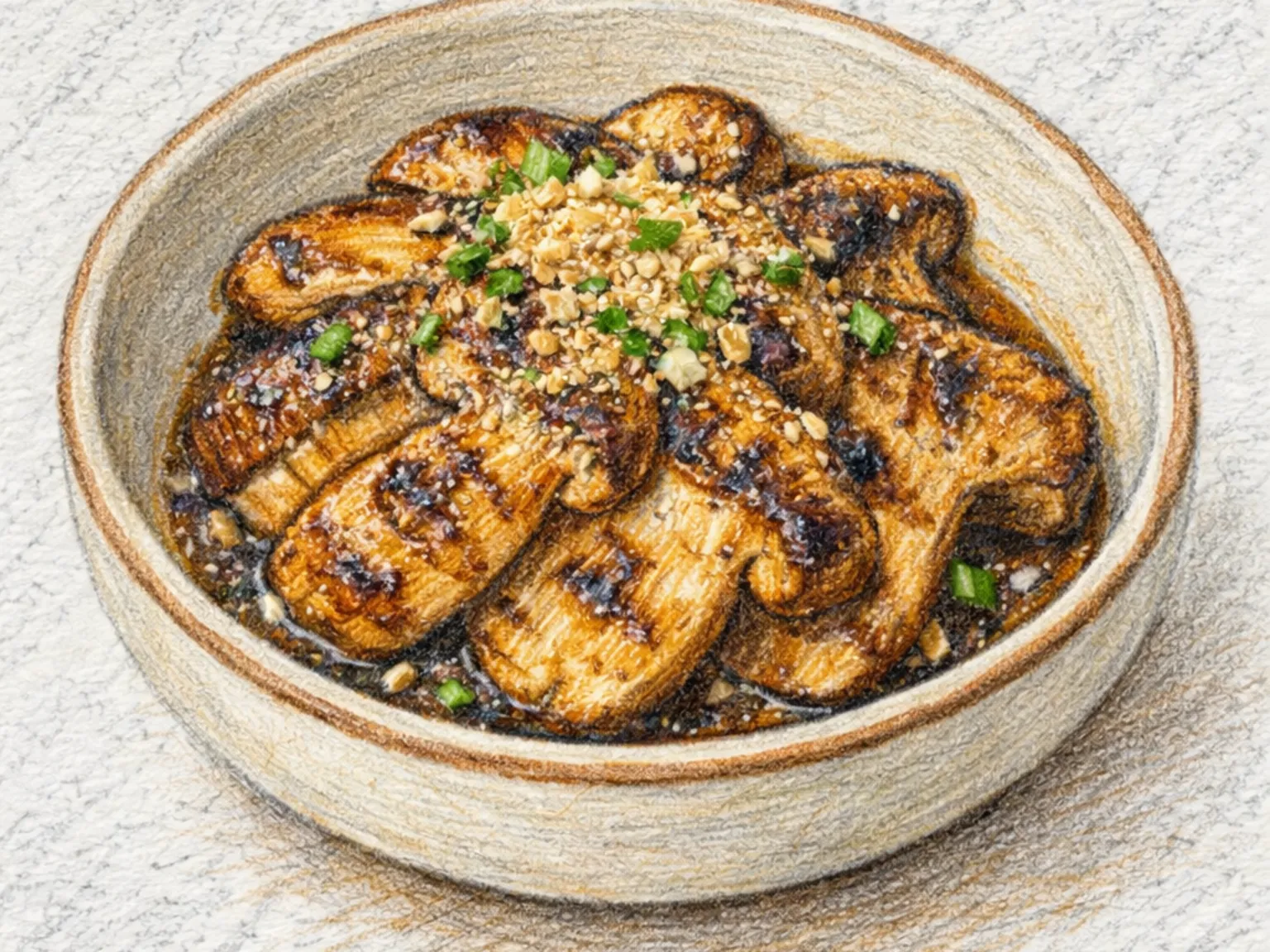
Korean Perilla-Grilled Mushrooms
Songhwa mushrooms have thick caps with high moisture content, so they stay succulent and chewy when grilled. Sliced into thick pieces and tossed with a simple mix of perilla oil, soy sauce, garlic, salt, and pepper, they cook for about three minutes per side on a hot pan. The perilla oil imparts a distinctly nutty, toasted aroma that differs from sesame. Ground perilla seed is sprinkled on just before the heat is turned off, releasing fragrance without scorching. Finished with chopped chives, this vegetarian dish works equally well as a rice side or a drinking snack.
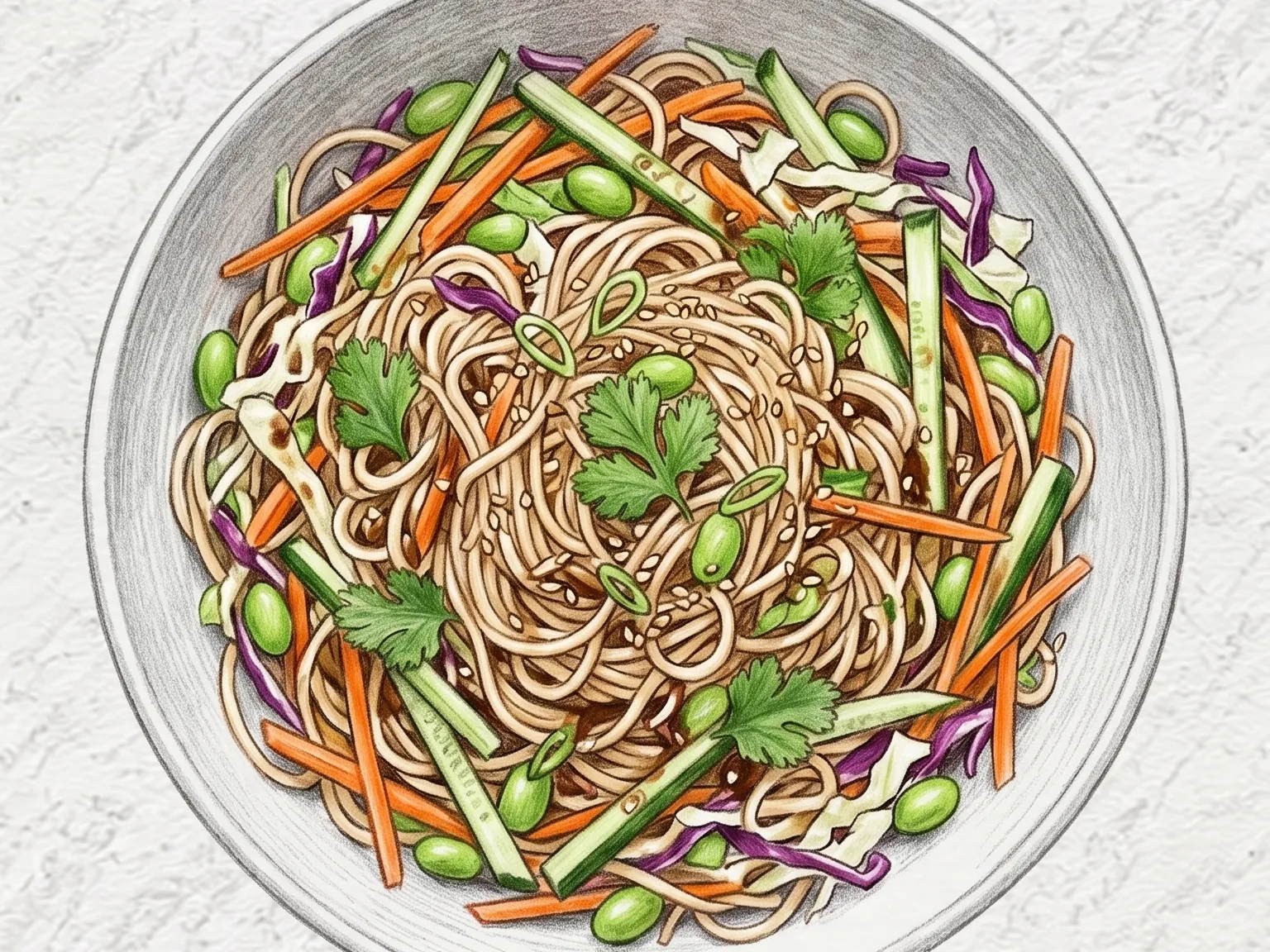
Oriental Soy Protein Noodle Salad
This noodle salad features soy protein noodles served with shredded chicken breast and fresh vegetables in a light soy-based dressing. The noodles require no boiling, only a quick rinse in cold water and thorough draining to preserve their springy texture. Chicken breast is boiled for eight minutes, cooled, and shredded along the grain to maximize dressing absorption. Thinly sliced cucumber, red bell pepper, and baby greens are arranged over the noodles. The dressing is prepared by mixing soy sauce, vinegar, olive oil, garlic, and allulose, which provides a clean sweetness without the weight of sugar. Drizzled right before eating and tossed lightly, this salad tastes best when chilled for ten minutes to enhance the firmness of the noodles.
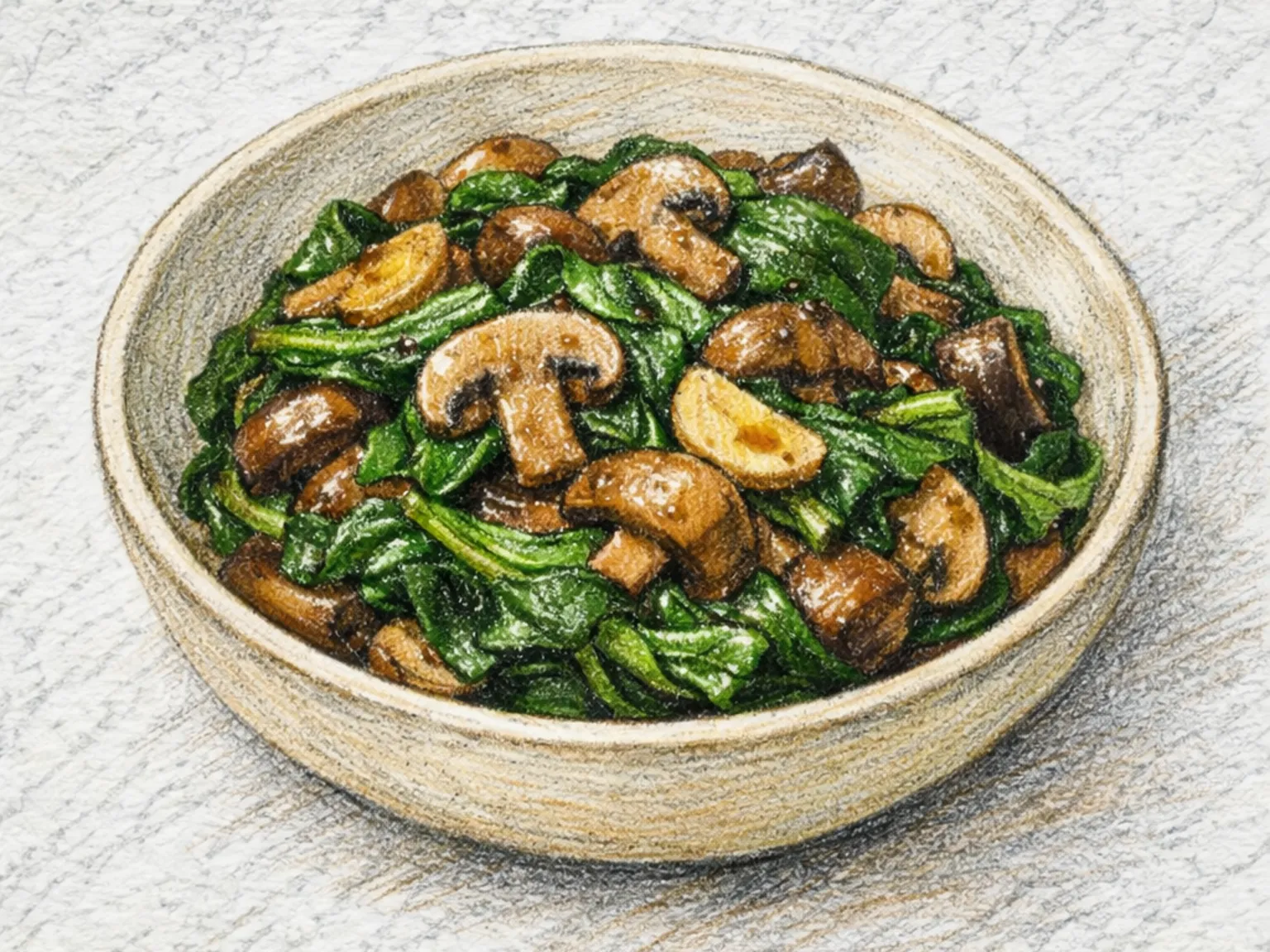
Mushroom Spinach Warm Salad
Button mushrooms are seared over high heat for a deep caramelized crust, then spinach is added just long enough to barely wilt in the residual heat of the pan. Garlic bloomed in olive oil at the start ensures the entire pan is fragrant before the other ingredients are added. Once the mushrooms go in, leaving them untouched for one to two minutes is the critical step: stirring immediately causes them to steam and release water, which prevents browning and dilutes the flavor. Balsamic vinegar deglazed in at the end lifts the pan with a balance of sweetness and acidity, and grated parmesan melts into the warm greens for a salty, nutty finish. The salad should be eaten immediately: the spinach holds its vivid green and the mushrooms retain their firm, springy bite only while everything is hot. The entire dish comes together in under ten minutes, making it a reliable choice for a quick weeknight side or a no-effort addition to a wine table.
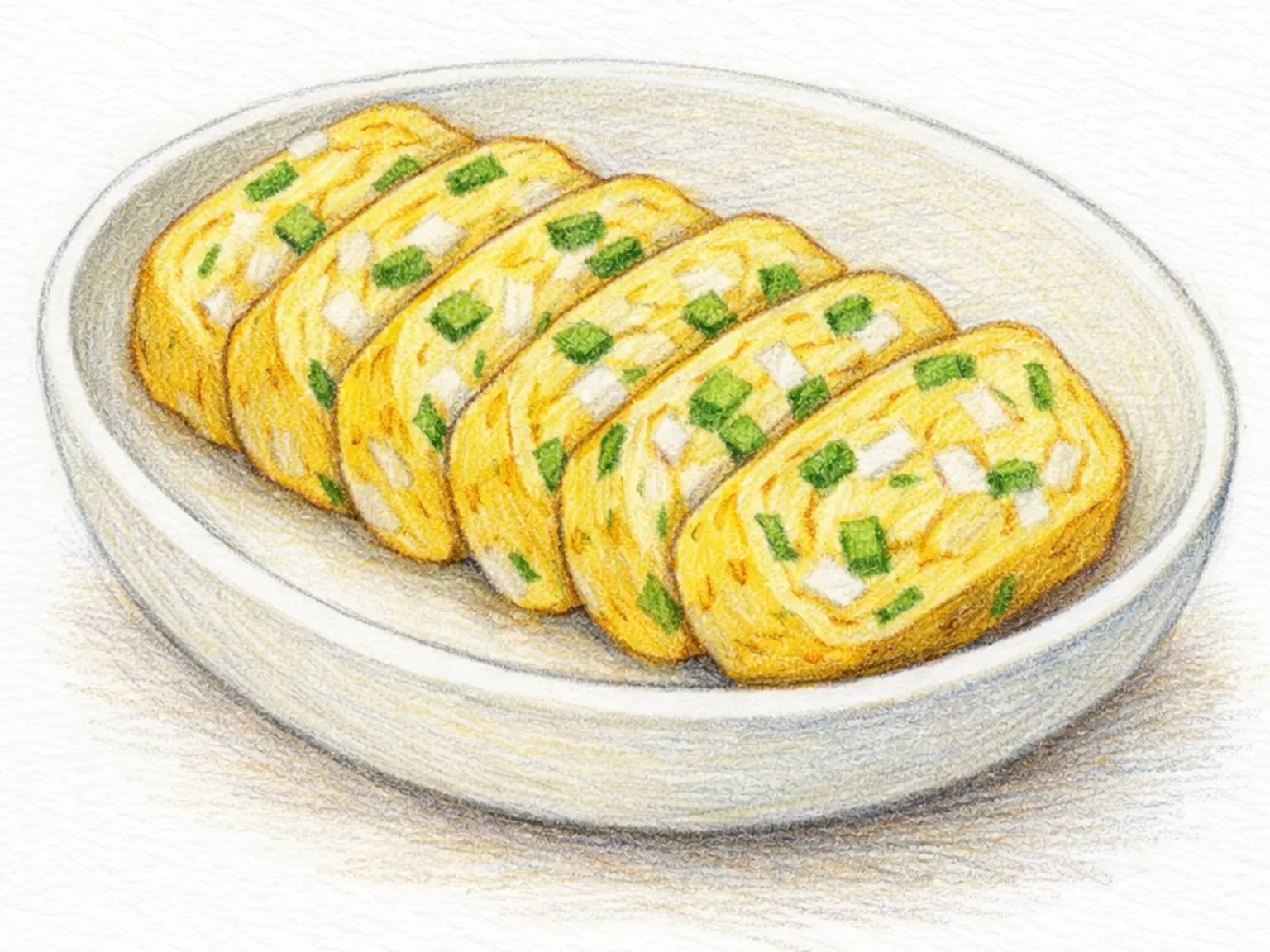
Korean Rolled Omelette (Layered Vegetable Egg Roll)
Gyeran-mari - Korean rolled omelette - is a staple of Korean lunchboxes and dinner tables, a dish every Korean home cook masters early. Finely diced carrot, onion, and scallion are mixed into beaten eggs and poured in a thin stream across a lightly oiled rectangular pan. When the egg layer is half-set, it is rolled from one side to the other, then more egg mixture is poured beside the roll and the process repeats three to four times, building concentric yellow layers visible when sliced. Air trapped between the thin sheets gives the omelette its characteristic pillowy softness. Temperature control is critical - too hot and the egg browns; too cool and the layers will not bond. After cooking, wrapping the roll in a bamboo mat or kitchen towel for two minutes sets its shape into a clean cylinder. Found in school cafeterias, picnic bento boxes, and family dinners across Korea.

Korean Peanut Bread (Mold-Baked Peanut-Studded Street Snack)
Ttangkong-ppang is Korean peanut bread baked in a shaped mold from a batter of flour, eggs, milk, and melted butter mixed with roughly chopped roasted peanuts. The natural oils in the peanuts infuse the batter with a toasted, nutty richness, and each peanut chunk provides a crunchy interruption in the soft crumb. Cooking on medium-low heat and flipping regularly develops a thin crust on both sides while butter keeps the interior moist. Sugar supplies sweetness and a pinch of salt balances against the nuttiness, resulting in a flavor profile that stays engaging bite after bite.
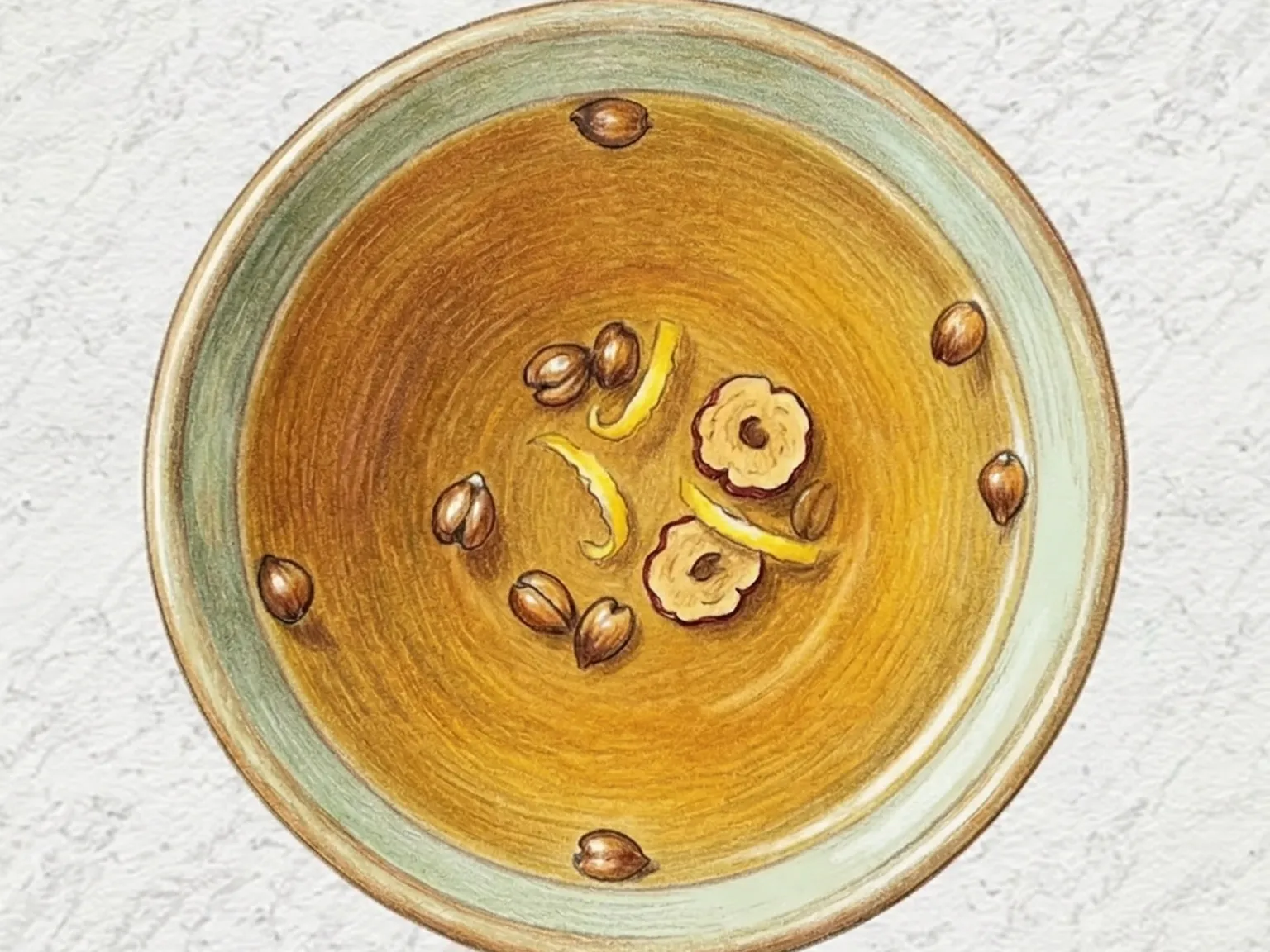
Korean Roasted Buckwheat Tea
Memil-cha is a traditional Korean beverage prepared from roasted buckwheat groats. To make this tea, the groats are toasted and then simmered in water, followed by a ten-minute steeping period over a low flame. The initial roasting process is critical because it caramelizes the exterior of the buckwheat, which releases a profound and earthy grain fragrance. This aroma gradually transfers into the liquid during the steeping stage. Incorporating dried jujubes and a thin strip of lemon peel provides a subtle sweetness along with a light citrus undertone. These additions help to complete the flavor profile while ensuring that the distinct natural character of the buckwheat remains the primary focus. Because the infusion contains no caffeine, it serves as a suitable drink for the late evening or for times when a gentle option is preferred for the digestive system. The addition of a single spoonful of honey and a very small amount of salt functions to define the various tastes more clearly and brings the entire beverage into a stable balance. This tea is versatile enough to be enjoyed as a hot drink during the colder winter months or as a cold beverage served over ice when the weather is warm in the summer. Such flexibility allows it to remain a consistent staple on the dining table throughout the entire year.
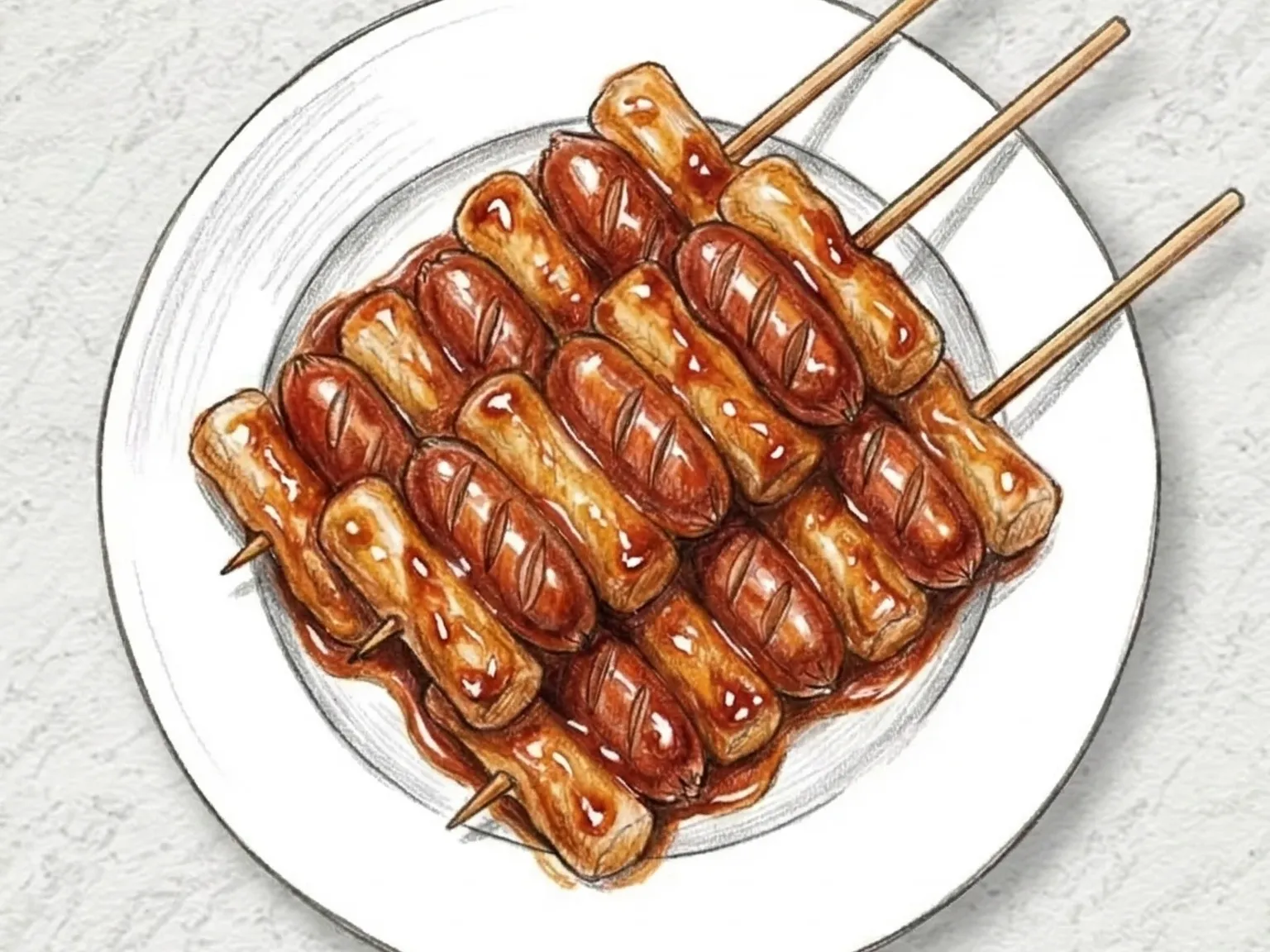
Korean Sotteok-Sotteok Skewers
Cylinder-shaped rice cakes and mini sausages are skewered in alternating order, then pan-grilled for six to seven minutes until the surfaces turn golden. A glaze made from gochujang, ketchup, soy sauce, oligosaccharide syrup, and minced garlic is brushed on and cooked for two to three more minutes until glossy and sticky. Each skewer delivers a contrast between the dense chew of rice cake and the snappy bite of sausage, unified by the sweet-spicy coating. Originally a Korean street-food staple, sotteok-sotteok is also popular for camping trips and can be made quickly in an air fryer.
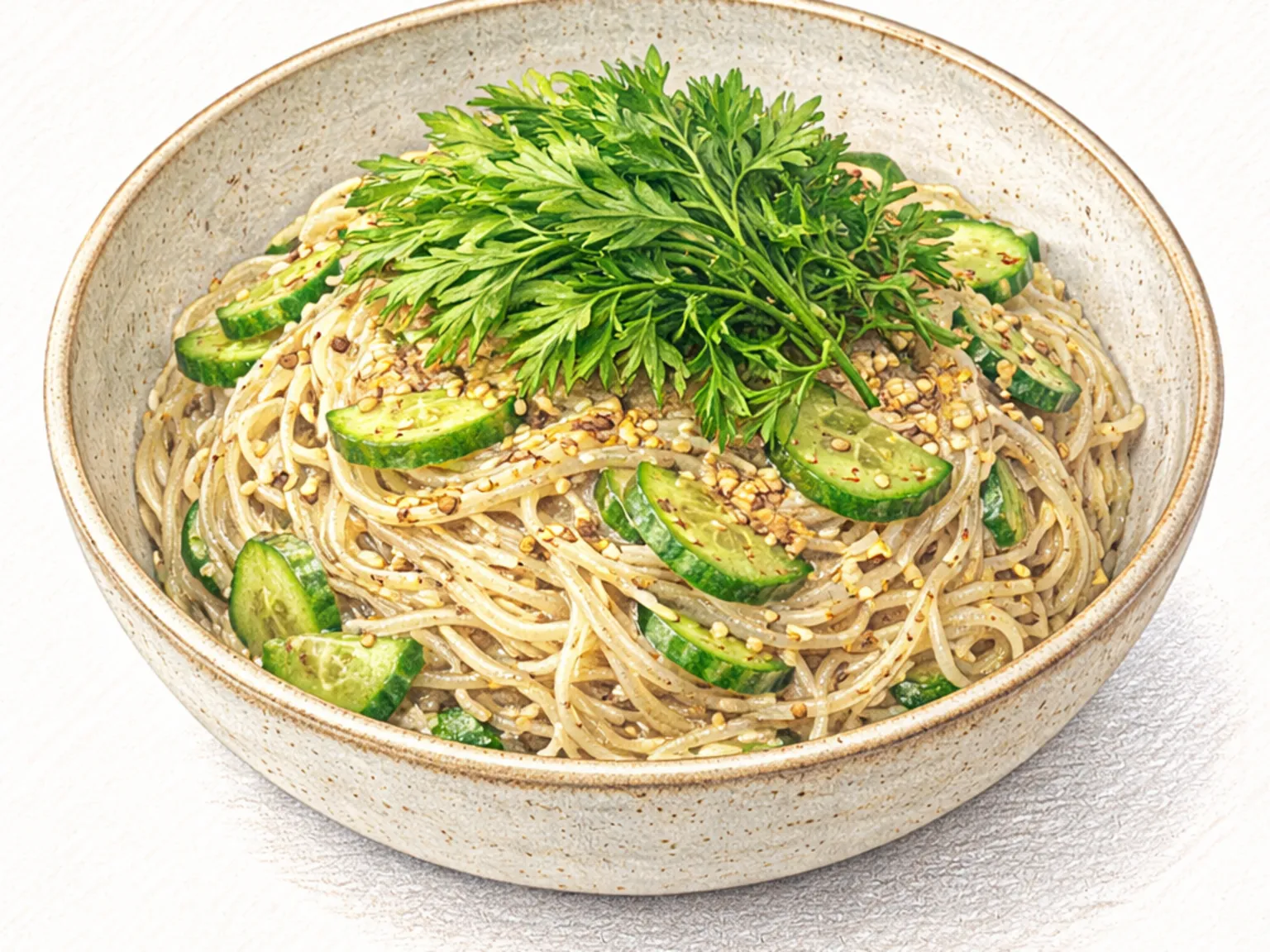
Korean Ssukgat Perilla Bibim Somyeon
Ground perilla seeds create a nutty foundation for this cold noodle dish, while crown daisy leaves contribute a distinctive herbal bitterness. Thin somyeon noodles serve as the base, tossed in a savory dressing made from soy sauce and freshly ground perilla seeds. Julienned cucumber adds a crisp texture and freshness that contrasts with the soft strands. Preparing the noodles involves boiling and rinsing them multiple times in cold water to build elasticity and remove surface starch. Ensuring the noodles are dry prevents the sauce from thinning out during mixing. Using seeds that are toasted and ground just before serving heightens the aromatic quality of the bowl. The entire preparation takes approximately twenty-five minutes, making it an efficient option for warm weather. It lacks the heat typically associated with spicy noodles, making it approachable for newcomers. Adding chili oil provides a spicy kick for variety, or the dressing can be paired with buckwheat noodles instead. Any remaining sauce functions effectively as a topping for tofu or fresh garden salads.
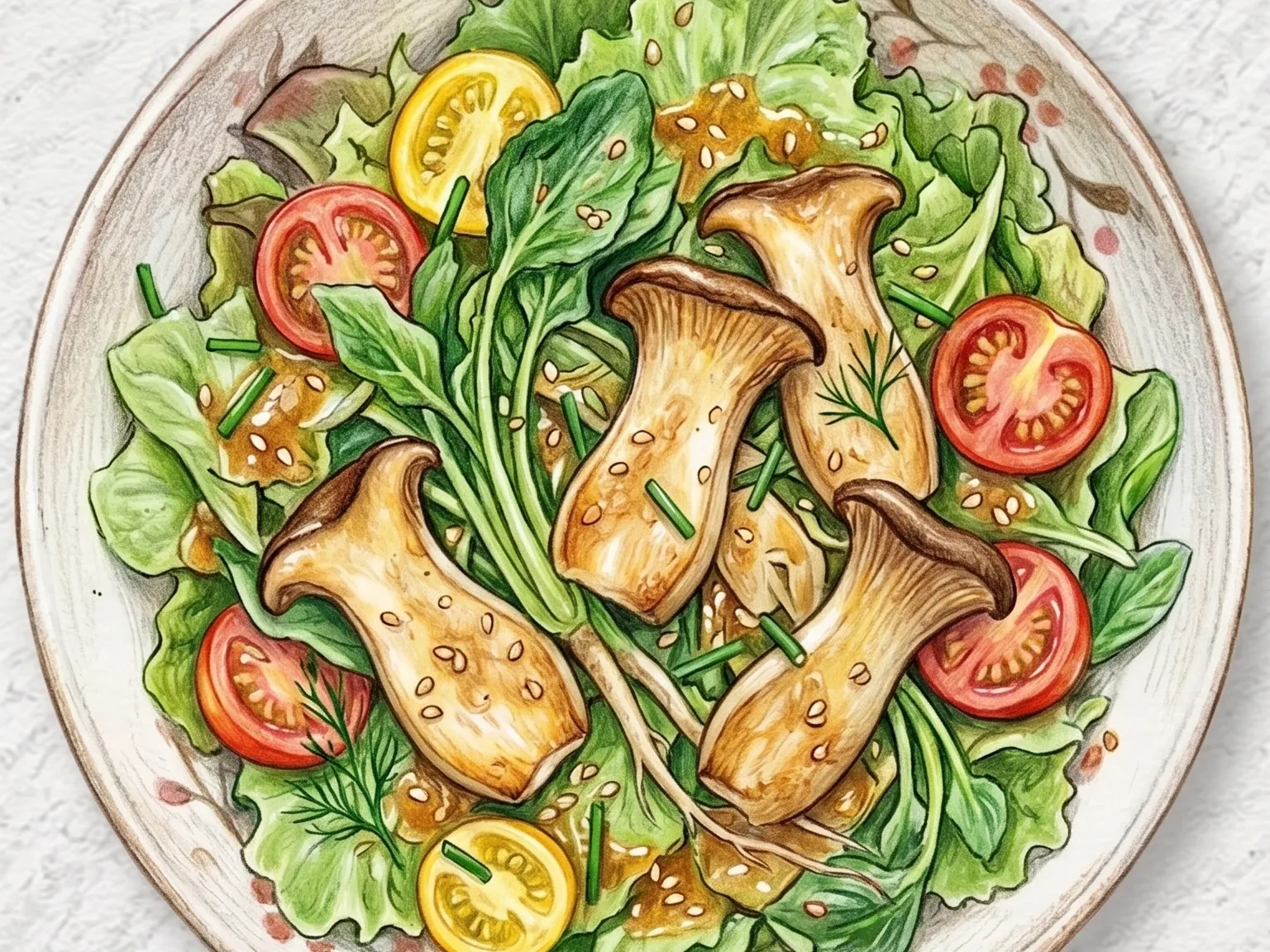
Naengi Doenjang Mushroom Salad
Naengi is blanched for about thirty seconds in boiling water to remove its raw grassy edge while keeping the earthy, faintly sweet spring aroma that makes it distinctive. Oyster mushrooms go onto a dry, well-heated pan with no oil, pressed gently as they cook, so the moisture evaporates and the surfaces caramelize to a light golden color, concentrating their savory depth. The dressing is made by dissolving doenjang in yuja marmalade, rice vinegar, and sesame oil, producing a layered flavor that is nutty and fermented at the base with a bright citrus lift. Baby greens spread across the plate as a soft, neutral bed, and halved cherry tomatoes add bursts of juice that cut through the weight of the fermented paste. A few drops of sesame oil and toasted sesame seeds add a roasted, nutty finish, and minced garlic folded into the dressing contributes a quiet warmth that ties the individual flavors together without dominating. Using freshly foraged naengi in early spring gives the salad a vivid seasonal character that dried or stored greens cannot replicate.