⚡ Quick Recipes
Ready in 20 minutes or less
804 recipes. Page 28 of 34
A busy schedule does not mean you have to settle for bland meals. Every recipe in this collection can be prepared and finished in 20 minutes or less - quick stir-fries, tossed noodles, microwave dishes, and more.
The secret is minimizing prep work and keeping the steps simple. Pre-cut ingredients or pantry staples speed things up even further. Turn to these recipes after work, during a short lunch break, or for a fast breakfast.
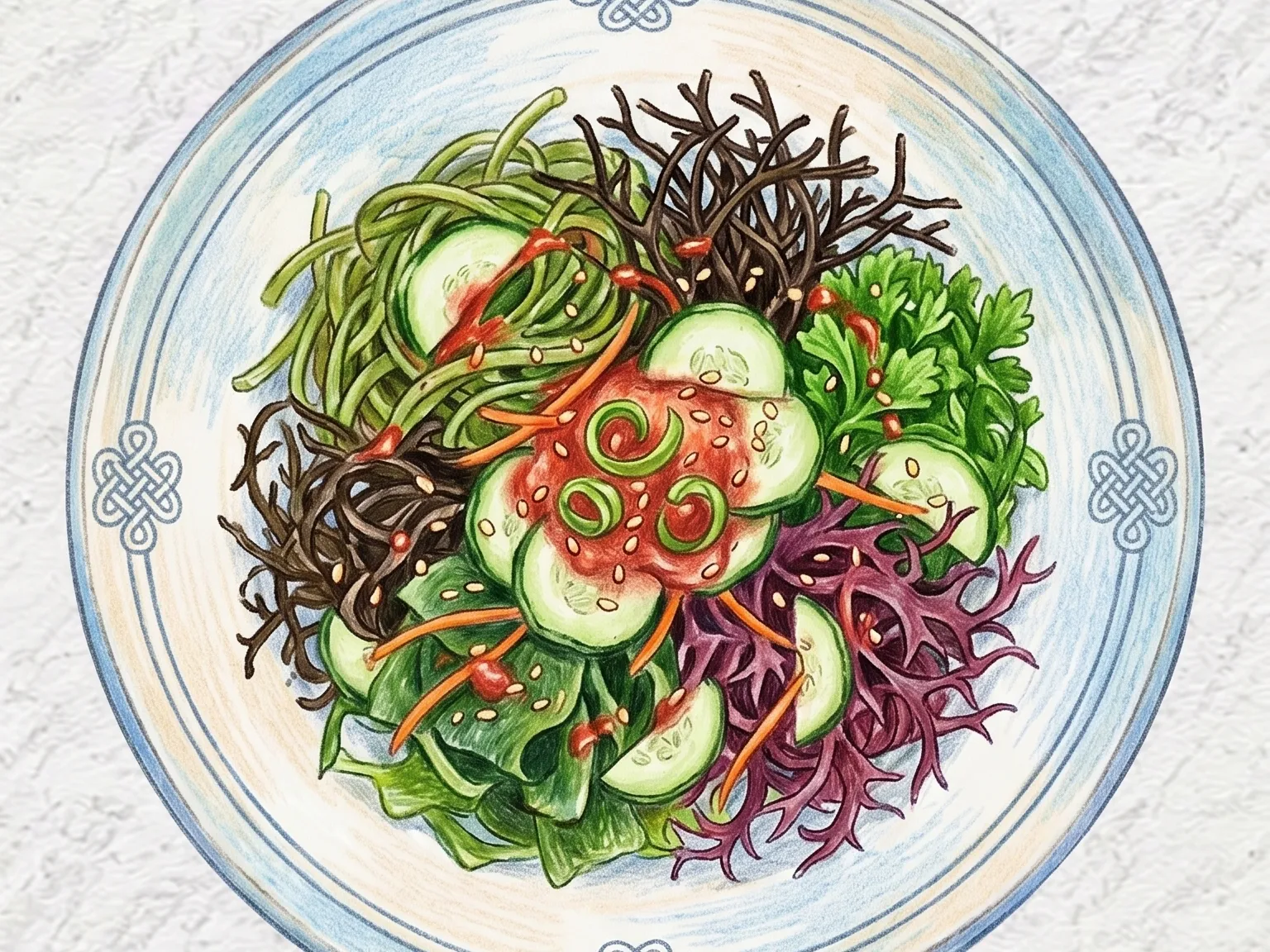
Korean Mixed Seaweed Salad
Haecho-muchim gathers several types of ocean seaweed - often including miyeok julgi (seaweed stems), tot (sea mustard), parae (green laver), and kkosiraegi - into one bowl and dresses them in cho-gochujang, a tangy-sweet sauce made by blending gochujang with vinegar and sugar. Each strand and leaf brings a different texture: some chewy, some slippery, some with a gentle pop. The seaweed is blanched for no longer than twenty seconds to preserve that textural variety - longer cooking turns everything uniformly soft. Squeezing out all residual water before dressing is critical, otherwise the sauce dilutes into a watery puddle. Julienned cucumber threaded through the seaweed adds a crisp, garden-fresh counterpoint to the briny marine flavors. Served chilled, this low-calorie banchan is especially welcome in hot weather.
Korean Spicy Rice Cakes (Gochujang Braised Chewy Tteok with Fish Cake)
Simmering cylindrical rice cakes and thin fish cake sheets in a spicy base of gochujang, red chili flakes, sugar, and soy sauce creates a sticky, glossy coating. The starch released from the rice cakes as the liquid reduces acts as a natural thickener, ensuring the sauce clings tightly to each ingredient. While the fish cakes soak up the heat from the surrounding liquid, they release a subtle seafood essence into the pan, and the addition of green onions at the final stage provides a crisp contrast to the underlying sweetness. Preparing a stock from dried anchovies and kelp rather than using plain water establishes a solid savory foundation for the entire dish. It helps to start with only half the seasoning paste, adding the remainder gradually to manage the final intensity and texture as the volume decreases. If the liquid evaporates too quickly, adding small amounts of water prevents the sugars in the sauce from scorching before the rice cakes reach the desired softness. For rice cakes that have been chilled or feel exceptionally firm, a short soak in cool water or a quick blanch in boiling water helps them cook through evenly. Serving the finished dish with boiled eggs, blood sausage, or assorted fried items replicates the setup found at traditional street stalls. This recipe scales easily into different versions by incorporating heavy cream or tomato-based sauces, resulting in the rose and cream variations often found in modern snack shops.

Black Tea Milk Tea (British Condensed Milk Sweet Tea)
Milk tea is prepared by steeping black tea bags in boiling water for exactly four minutes to extract a strong, tannic base, then combining it with whole milk and condensed milk over low heat. Steeping shorter than four minutes leaves the tea pale and thin; longer than four minutes introduces bitterness and astringency that no amount of milk can fully mask. The milk rounds out the tea's sharpness and adds a creamy body, while condensed milk layers on a dense, caramel-like sweetness that sets this version apart from tea simply sweetened with sugar. Regular sugar dissolved early provides the baseline sweetness, and the condensed milk fine-tunes the richness and texture in the final moments. Warming the milk before combining it with the brewed tea helps both blend more smoothly. For an iced version, the mixture must be cooled completely before pouring over ice, since adding hot liquid directly to ice dilutes the drink and washes out the flavor.
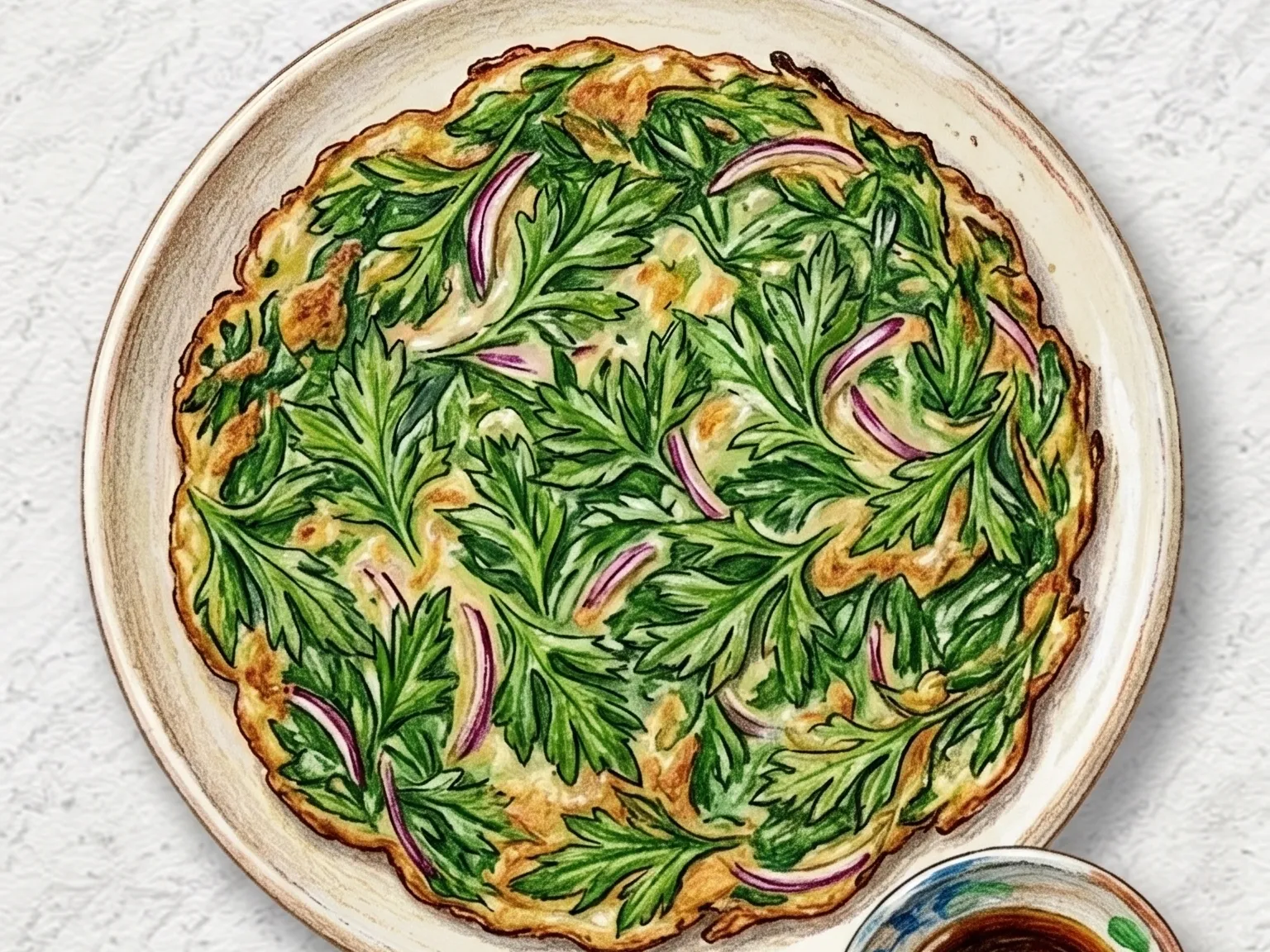
Korean Mugwort Pancake (Spring Herb Savory Thin Pancake)
Young mugwort leaves, harvested in early spring, are stripped of tough stems, washed, and folded into a batter of Korean pancake mix, water, and salt. Thinly sliced onion adds a mild sweetness that balances the herb's earthy bitterness. The batter is spread thin in an oiled pan and fried on both sides until crisp - thickness is the enemy here, as a thick pancake traps steam and mutes the mugwort's fragrance. Dipped in a vinegar-soy sauce, the acidity rounds out any lingering bitterness, making ssuk-jeon one of the most distinctive seasonal pancakes in Korean cuisine.
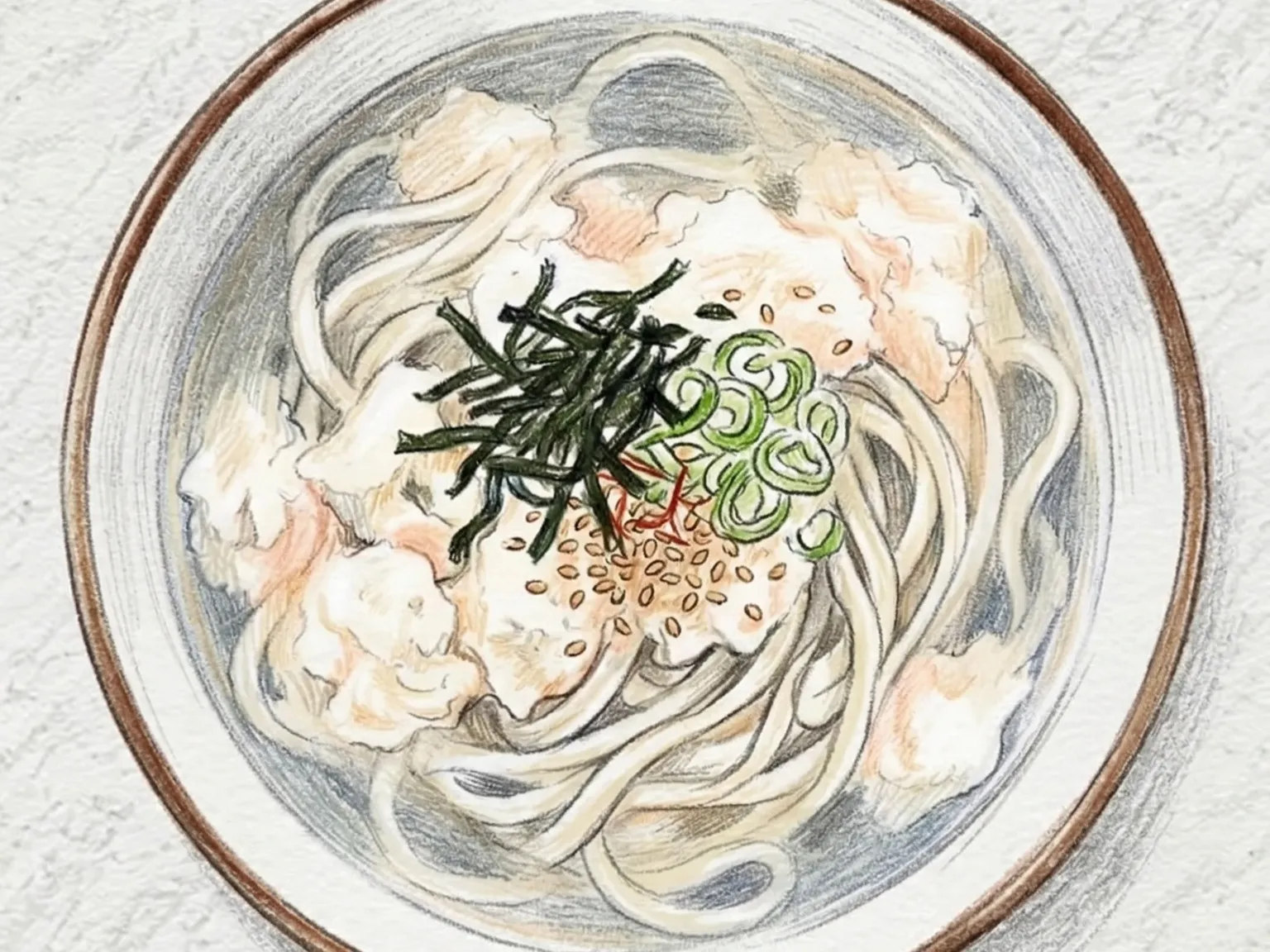
Korean Soft Tofu Noodle Soup
Sundubu guksu is a Korean noodle soup made by simmering silken tofu in anchovy-based broth with knife-cut wheat noodles. As the soft tofu breaks apart during cooking, it naturally thickens the broth into a creamy consistency without any dairy. The combination of anchovy umami and mild tofu keeps the flavor clean yet full. Total cooking time is around 25 minutes, and the recipe requires minimal seasoning. It is one of the simpler Korean noodle soups to prepare at home. It can be served as a noodle dish, with simple accompaniments chosen to match the sauce, broth, or topping.
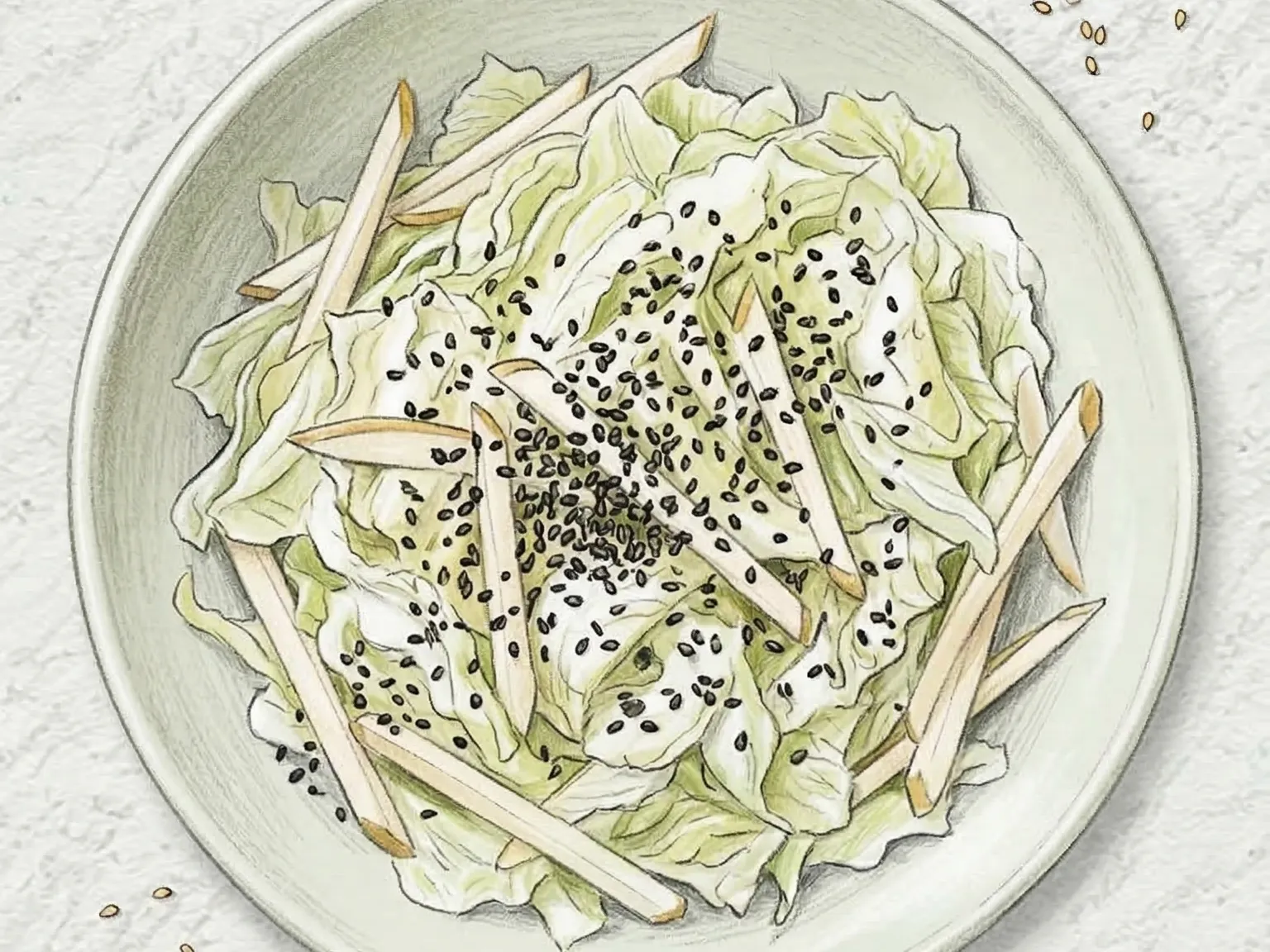
Napa Cabbage Pear Black Sesame Salad
Napa cabbage is shredded fine for maximum crunch, and Korean pear is cut to matching width so its clear sweetness merges seamlessly with the cabbage's mild crispness. Julienned carrot adds color throughout, while toasted black sesame seeds release a deep nuttiness with each bite. The dressing blends plain yogurt with rice vinegar and honey, staying creamy yet light enough to let the raw ingredients come through without being masked. Salt is kept minimal so the natural sweetness of pear and cabbage leads, making this salad a strong choice as a palate cleanser after a rich or oily main course. Scattering the black sesame seeds just before serving prevents them from absorbing moisture and ensures they retain their satisfying crunch against the soft, juicy pear and crisp cabbage.
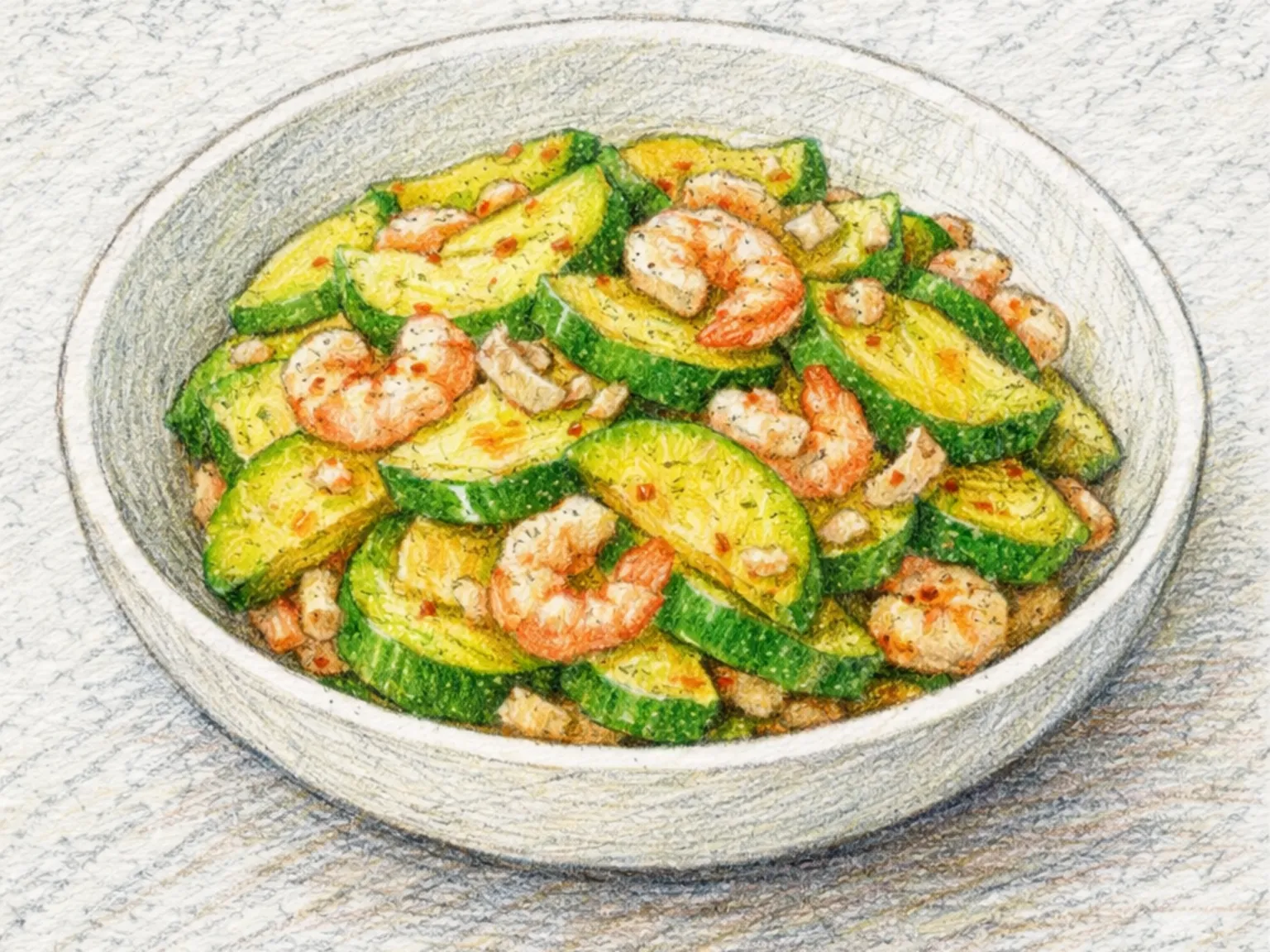
Korean Stir-fried Zucchini
Hobak-bokkeum is one of the quickest and most fundamental banchan in the Korean home-cooking repertoire. Thinly sliced Korean zucchini, known as aehobak, is salted for five minutes to draw out moisture before cooking. Skipping this step floods the pan during stir-frying and produces a steamed rather than properly stir-fried result. Seasoning with saeujeot, fermented salted shrimp paste, instead of plain salt brings a deeper marine umami that cannot be replicated by sodium alone, and the high salinity of the paste means additional salt is rarely needed. High heat and a short cooking time allow the surface of each slice to lightly caramelize, building a toasty, nutty aroma while the interior cooks through without turning watery or soft. Garlic goes into the oil first to bloom its fragrance before the zucchini follows, layering flavor from the base. Green onion added in the final seconds of cooking preserves its aromatic edge rather than wilting away. A drizzle of sesame oil and a scatter of toasted sesame seeds at the end produces a clean, simply flavored side dish with a lasting nutty finish. When aehobak is already in the refrigerator, the whole dish can be on the table within five minutes.

Korean Grilled Rice Cake Skewers
Tteokkochi are pan-seared rice cake skewers glazed in a thick gochujang-based sauce that builds depth through a combination of ketchup, oligosaccharide syrup, soy sauce, and minced garlic simmered down until the sauce reduces and concentrates. The rice cakes are first seared in a thin layer of oil until a lightly crisp shell forms across the surface before any sauce is applied, creating a textural contrast between the outer crust and the soft, chewy interior that defines what a good tteokkochi should feel like. The ketchup introduces a mild tomato acidity that tempers and rounds the raw heat of the gochujang, while the syrup adds sweetness without the grainy texture of sugar. After the sauce is brushed on, rolling the skewers over low heat for another minute fuses the glaze to the rice cake surface so it adheres firmly and does not peel off as the skewers cool. Adjusting the ratio of ketchup to syrup shifts the balance between sweetness and acidity, making it straightforward to tailor the sauce to individual preference. Making the sauce in a larger batch and storing it separately saves time on repeat preparations.

Korean Minari Apple Juice
Minari apple juice is a Korean green juice made by blending fresh water dropwort, apple, and cucumber with cold water until smooth. Water dropwort carries a sharp, herbaceous bite that anchors the drink in clean, green territory, while the apple's natural juice sweetens the blend without any added sugar. Cucumber brings lightness and hydration, softening the overall texture so each sip goes down easily. A small piece of fresh ginger adds quiet warmth underneath the green notes, and lemon juice keeps water dropwort's grassy edge in check while honey rounds out the tart finish. Drinking the blended mixture straight gives a fuller, fiber-rich texture, but straining through cheesecloth or a fine-mesh sieve transforms it into a clear, polished juice with a noticeably smoother feel. Spring water dropwort harvested at peak season delivers the most concentrated herbal fragrance, and choosing a tart apple variety prevents the sweetness from overpowering the other ingredients.
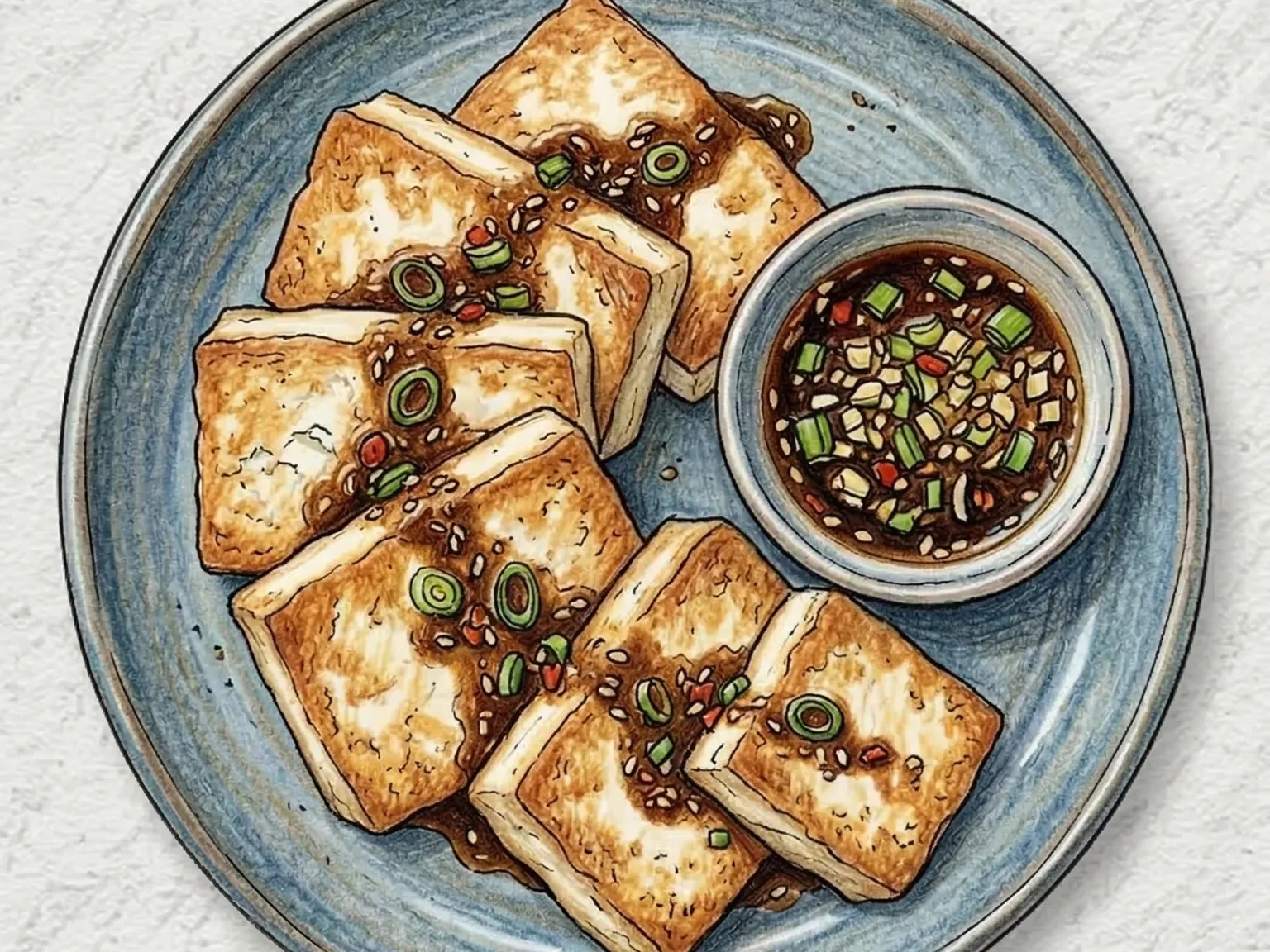
Korean Pan-Fried Tofu with Soy Dipping Sauce
Firm tofu is sliced 1.5 cm thick, patted thoroughly dry with paper towels, and lightly salted before going into an oiled pan for four to five minutes per side. Removing surface moisture is the critical step - dry tofu does not splatter and develops an even golden crust. A dipping sauce of soy sauce, Korean chili flakes, chopped green onion, and sesame oil accompanies the fried slices, and the crisp exterior absorbs just enough sauce to add flavor while the soft interior stays mild. With minimal ingredients, this dish is entirely about the textural contrast between the crunchy shell and the silky center.
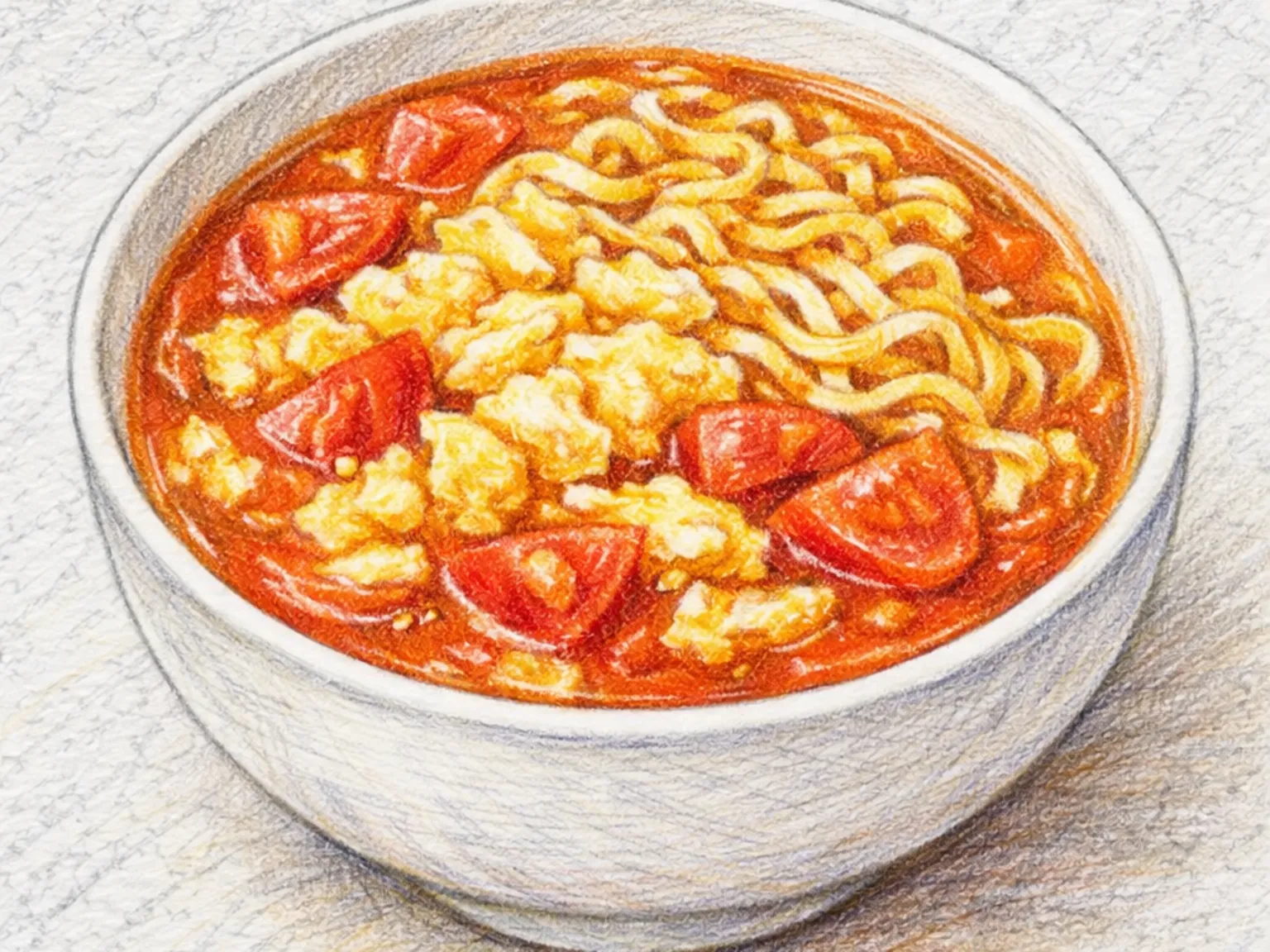
Tomato Egg Lamian (Chinese Home-Style Tomato Scrambled Egg Noodle Soup)
Tomato egg lamian is a Chinese home-style noodle soup where ripe tomatoes are sauteed until they break down into a tangy, slightly sweet broth. Soft-scrambled eggs are folded in, adding mild richness. Fresh wheat noodles go directly into the pot, picking up the broth's flavor as they cook. No heavy spices are involved - the dish relies on the natural taste of its few ingredients. It takes about 27 minutes total and is widely eaten across China as an everyday meal. It can be served as a noodle dish, with simple accompaniments chosen to match the sauce, broth, or topping.
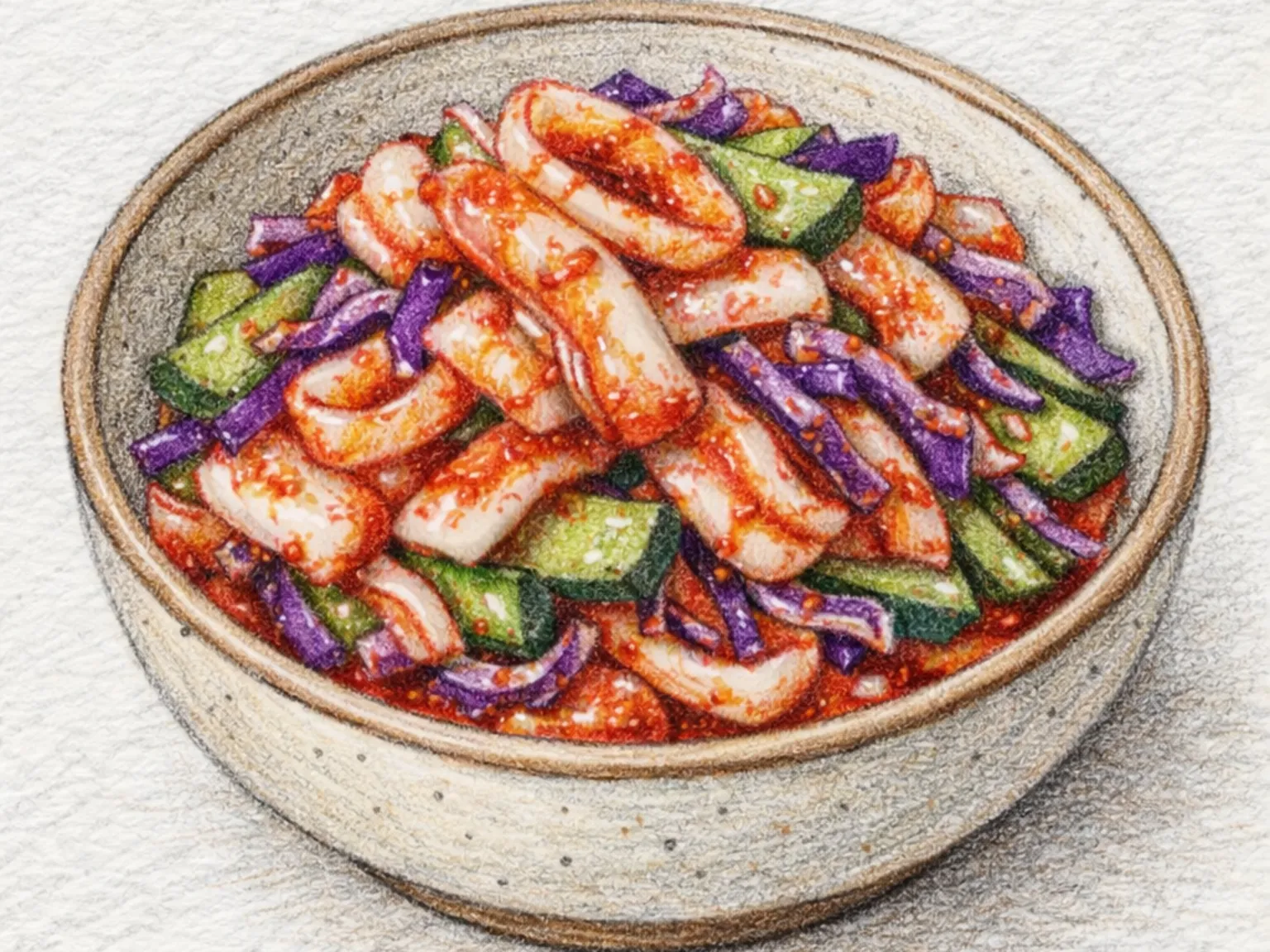
Squid and Cucumber Chojang Salad
Squid is blanched briefly for a chewy yet tender texture without any fishy taste. Diagonally sliced cucumber adds juicy crunch, while shredded red cabbage brings vivid purple color. Chojang - gochujang, vinegar, and plum extract - delivers a sweet, spicy, and sour punch that accents the mild seafood. Sesame oil, minced garlic, and a sprinkle of sesame seeds complete the classic Korean seafood salad profile, best served chilled in summer as a refreshing standalone meal.
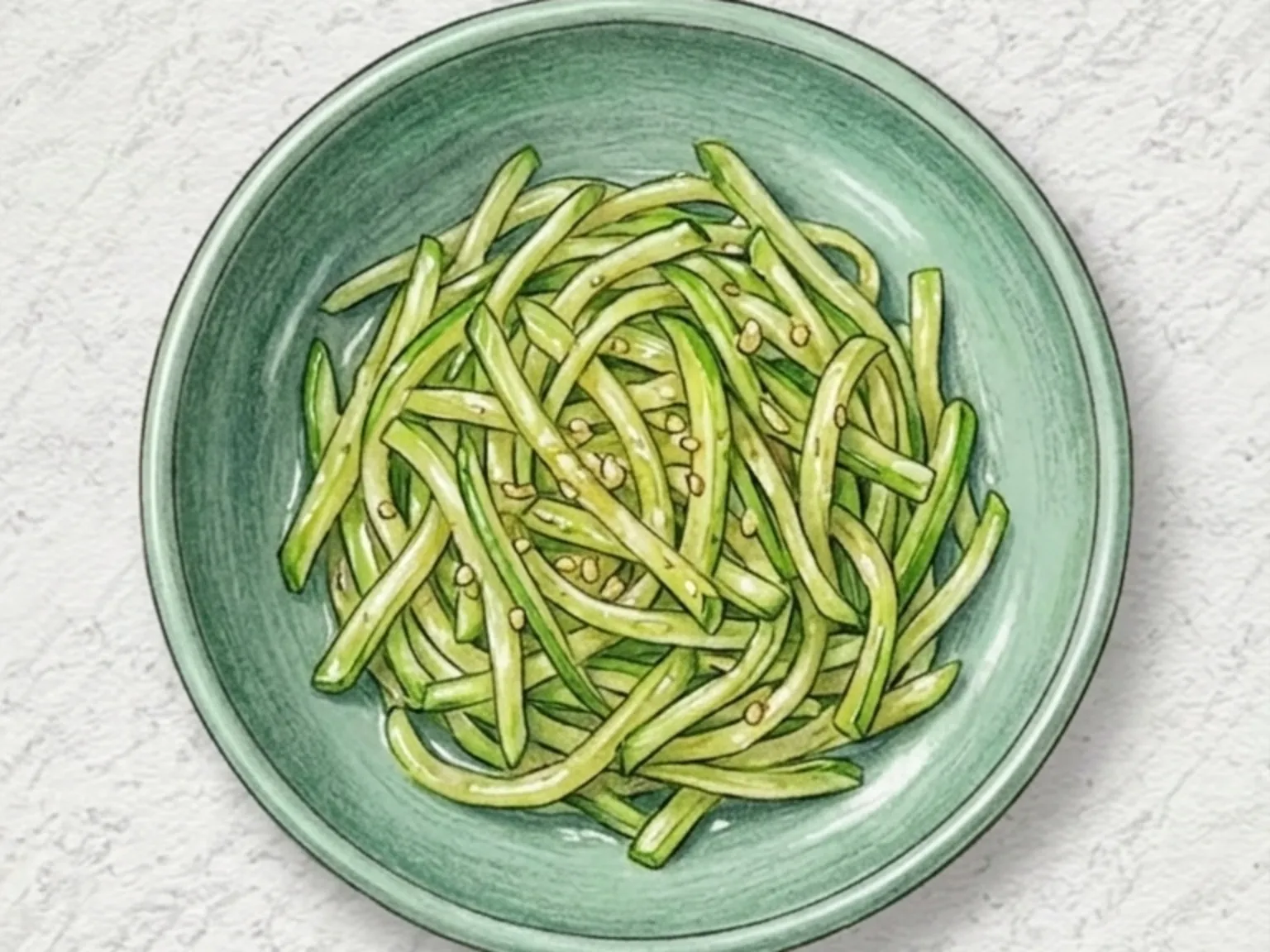
Korean Zucchini Namul (Sesame-Dressed Bibimbap Topping)
Hobak namul is julienned zucchini stir-fried with sesame oil and garlic, a foundational Korean side dish that appears as one of the five-color toppings essential to bibimbap. Though it resembles hobak-bokkeum at a glance, the difference comes down to how the vegetable is cut: namul requires thin julienne strips rather than half-moons, which allows the strands to nestle between rice grains when the bowl is mixed rather than sitting on top in clumps. Salting the raw zucchini and squeezing out moisture thoroughly is the most important step in the process; any water left behind causes the vegetable to release steam in the pan and turn soggy, and will make the rice in a bibimbap bowl gummy. Seasoning is intentionally minimal, relying on salt and sesame oil alone, with garlic gently cooked first to build an aromatic base without burning. Three minutes over medium heat is all the cooking time needed, and the finished strands hold their shape without releasing additional liquid even after they cool, which makes this namul a reliable choice for packed lunches where texture must survive time away from the stove. Because it is stir-fried rather than dressed raw, it also stays dry at room temperature, making it a common fixture on ceremonial tables set for ancestral rites or holiday meals. The light green color of the cooked zucchini provides visual contrast on a plate.
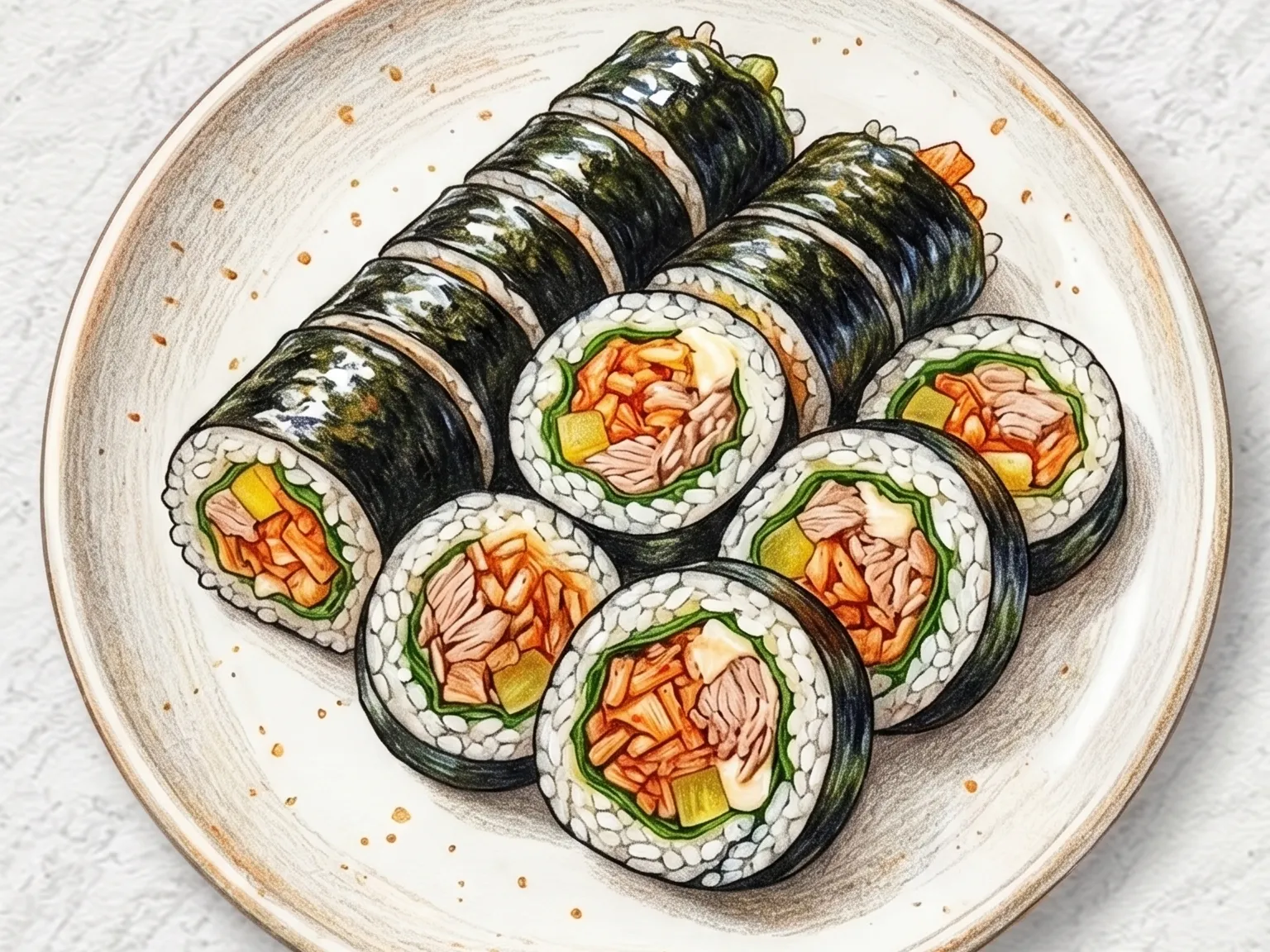
Korean Tuna Kimchi Gimbap
Tuna-kimchi gimbap rolls together drained canned tuna, stir-fried kimchi, and mayonnaise inside seasoned rice and roasted seaweed sheets. Stir-frying the kimchi for two minutes drives off excess liquid and concentrates its fermented tang into a deeper, more savory flavor. Perilla leaves layered directly on the rice add a herbal, slightly minty fragrance that offsets the richness of the tuna-mayo filling. A light brush of sesame oil on the finished roll preserves the seaweed's crispness while adding a final nutty aroma to every slice. Matching tuna and cooked kimchi in a one-to-one ratio keeps the salt and umami in balance, and adding just enough mayonnaise to bind the filling prevents the rice from turning soggy during rolling.

Korean Misutgaru Latte (Roasted Multigrain Milk Drink)
Misutgaru latte is a Korean multigrain drink made by whisking roasted grain powder into cold milk and sweetening with honey. The misutgaru powder -- roasted barley, rice, and other grains ground together -- brings a deep, toasty nuttiness that milk carries into a smooth, substantial beverage. A tiny pinch of salt sharpens the grain flavors, and a dusting of roasted soybean powder on top adds another aromatic layer. Substituting part of the milk with soy milk intensifies the nutty profile for a richer, more complex grain latte, and serving it over ice makes it a satisfying cool drink through summer.

Korean Tteok Kkochi Yangnyeom Gui (Grilled Rice Cake Skewers)
Cylinder rice cakes are threaded onto skewers, lightly brushed with oil, and rolled on a grill pan over medium heat for six to seven minutes until the exterior turns golden. A sauce of gochujang, ketchup, oligosaccharide syrup, soy sauce, and minced garlic is applied in two rounds, building a glossy red glaze that clings to the surface. The outer layer develops a slight crispness while the inside remains stretchy and dense - that textural duality is the hallmark of this dish. A light dusting of cheese powder turns it into a kid-friendly snack, and it stands as one of the most iconic items in Korean street-food culture.
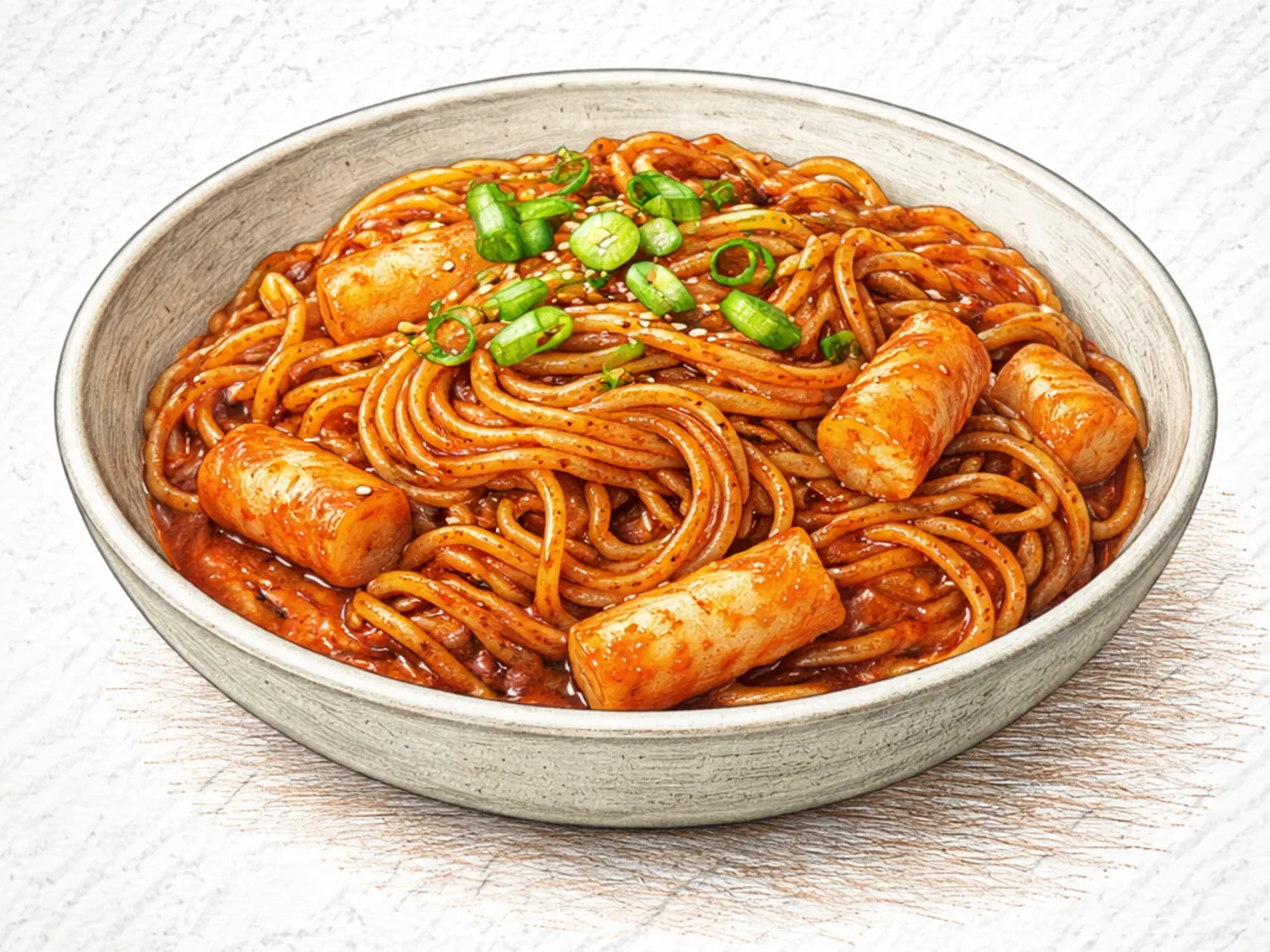
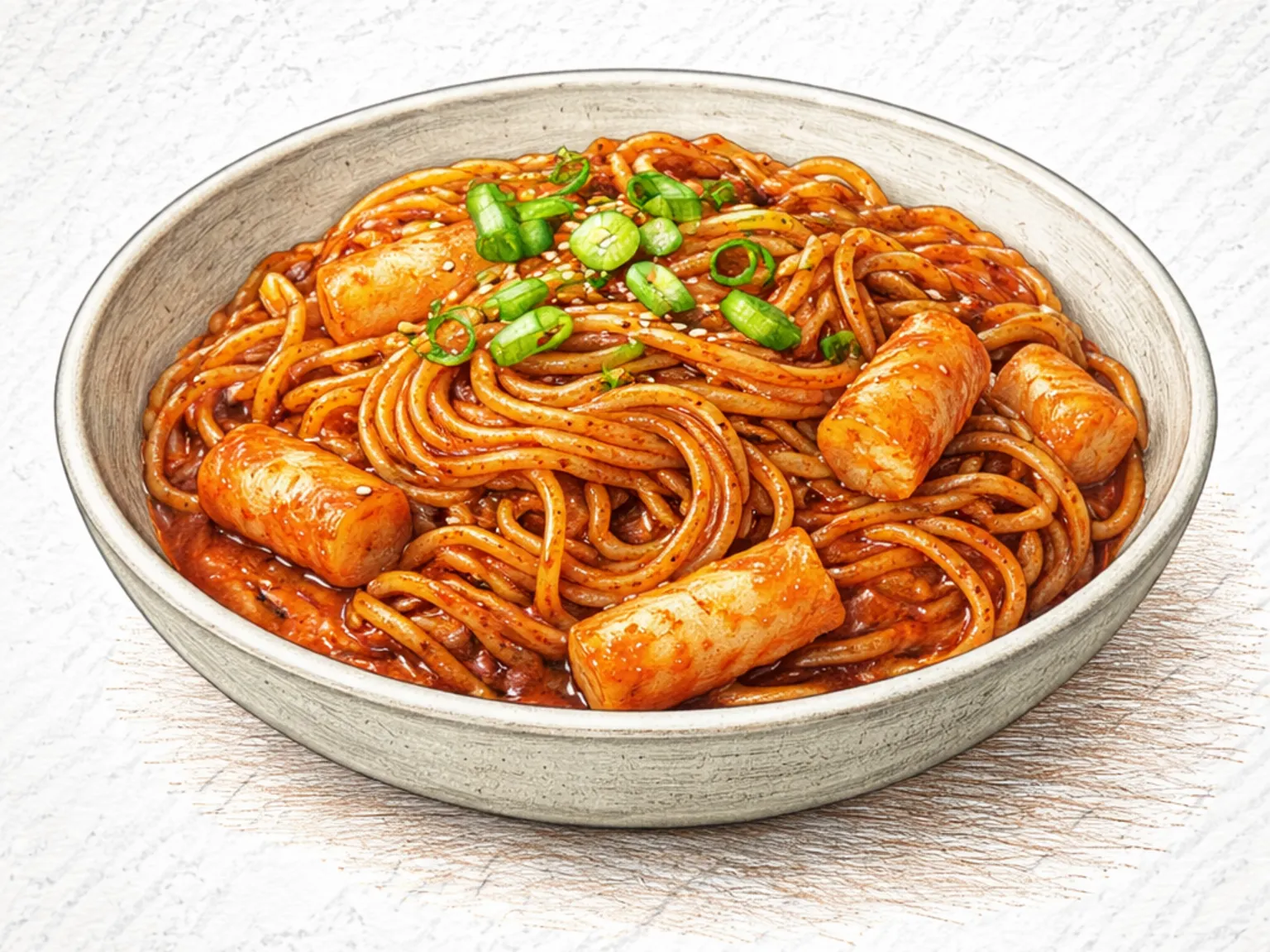
Korean Tteokbokki Noodles
Tteok-bokkeum-myeon stir-fries udon noodles and cylindrical rice cakes together in a gochujang-based sauce that is both spicy and slightly sweet. The two main components offer contrasting textures - stretchy rice cakes and springy noodles - coated in the same thick, red sauce. Fish cake and boiled eggs are common additions. The dish takes about 25 minutes from start to plate, with most of the work being chopping ingredients and stirring everything in a single pan. It is a staple of Korean street-food culture.
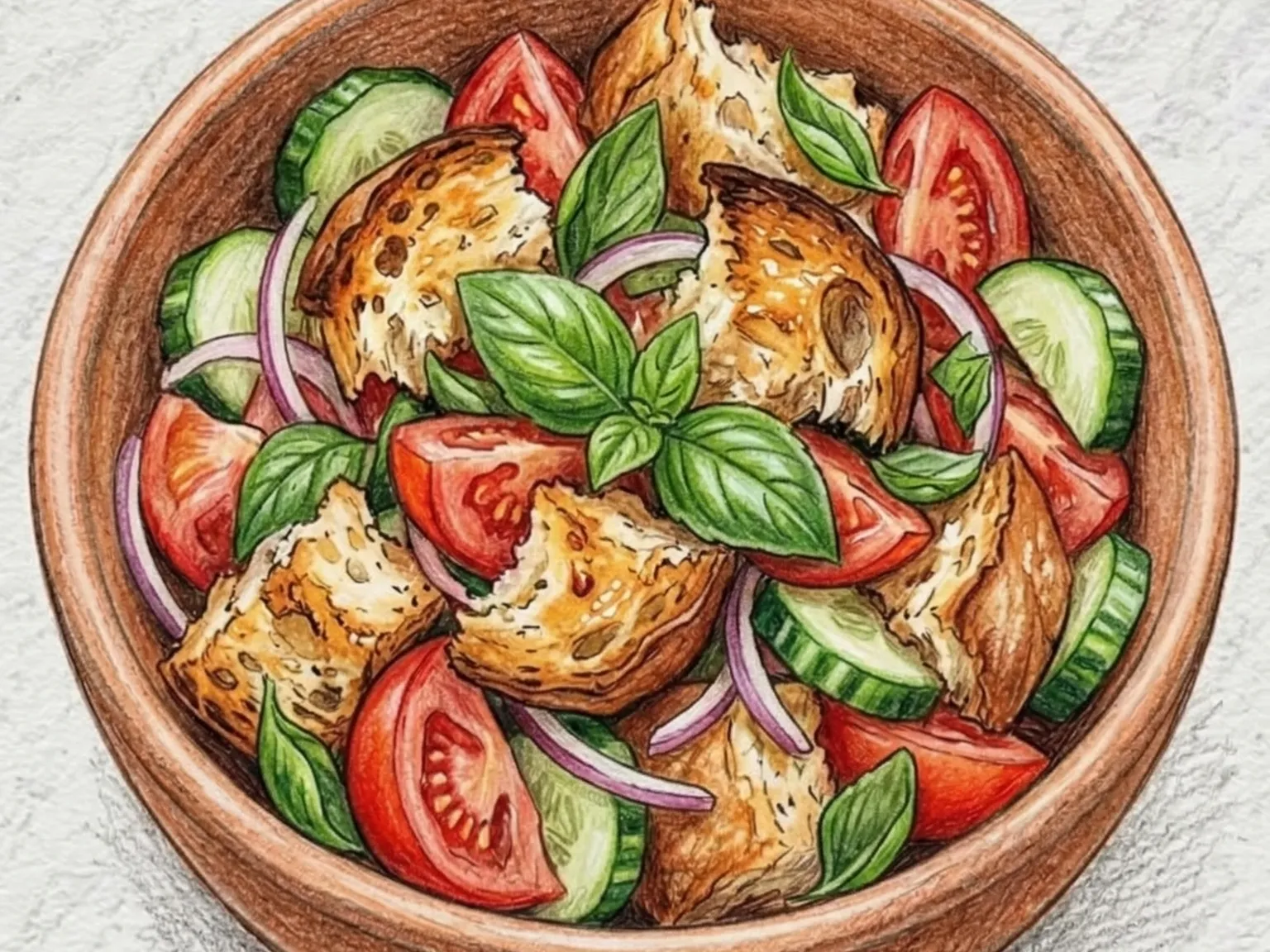
Panzanella Salad (Italian Ciabatta Bread Salad)
Stale ciabatta is torn into rough chunks, drizzled with olive oil, and toasted in the oven until the exterior is crisp while the interior remains slightly chewy. Ripe tomatoes are cut into large pieces and salted briefly to draw out their juice, and that released liquid soaks into the bread and becomes the sweet-tart flavor that defines the dish. Cucumber and red onion add crunch and pungency, while torn basil leaves release their fragrance across the plate. A vinaigrette of red wine vinegar and good olive oil binds everything together. The salad reaches its best point after resting fifteen to twenty minutes, once the bread has absorbed enough dressing and tomato juice to soften slightly without going completely soggy, a balance that is the defining characteristic of a well-made panzanella. Using genuinely stale bread matters here: fresh bread soaks through too quickly and disintegrates, while properly dried ciabatta holds its structure and provides a textural contrast with the juicy tomatoes and crisp vegetables. Panzanella originated as a practical summer dish in Tuscany, where leftover bread was too valuable to discard, and it remains most rewarding when made with ripe summer tomatoes at the peak of the season.
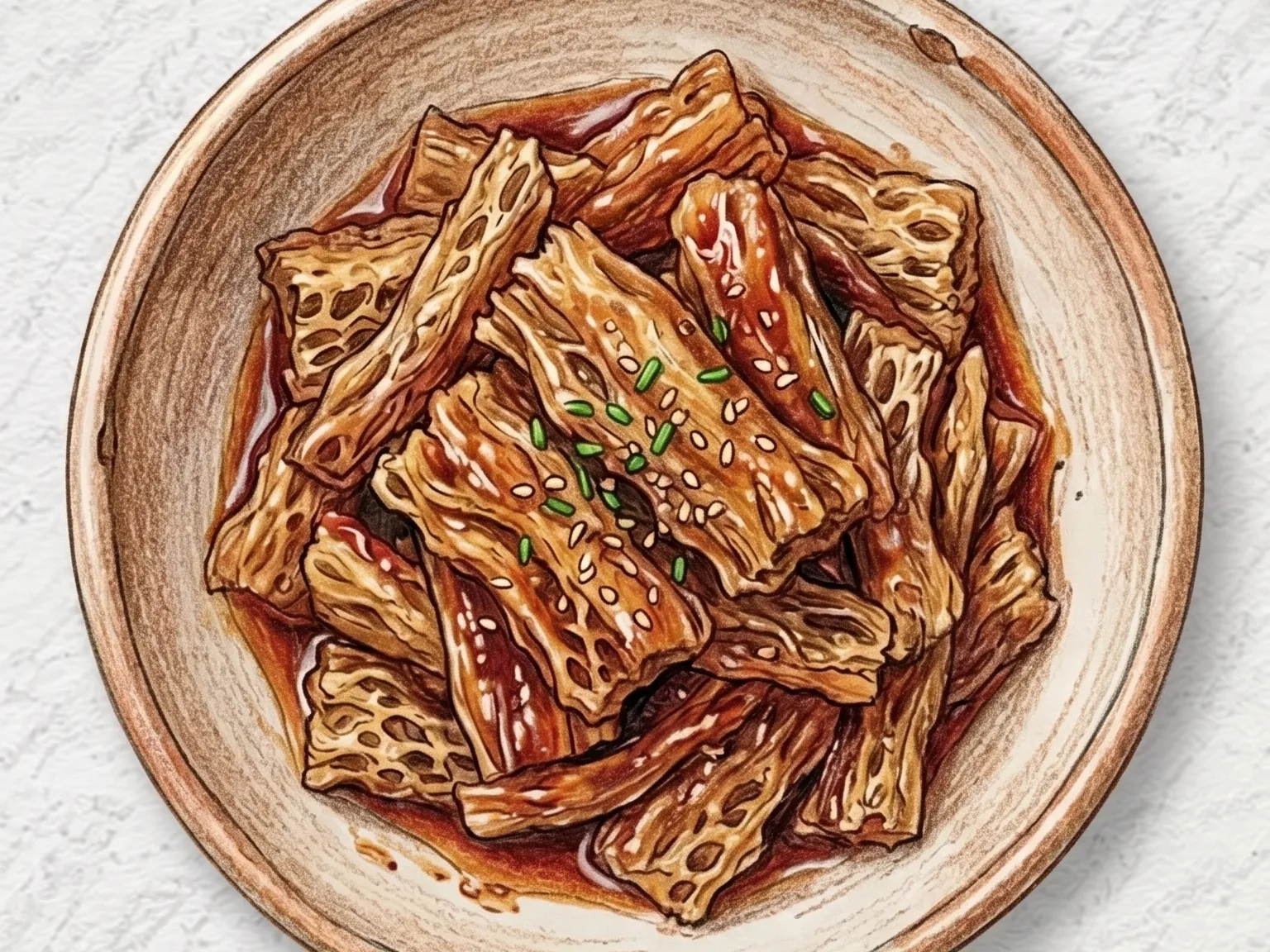
Braised Dried Pollock (Hwangtae-po Jorim)
Hwangtae-po jorim is a Korean braised side dish made from hwangtae, the air-dried pollock produced in the Gangwon-do mountains where bitter winter cold freezes and thaws the fish dozens of times across the season. Each freeze-thaw cycle breaks down the protein structure and opens up a sponge-like network of pores throughout the flesh. When braised in a ganjang-gochujang sauce, those pores draw the seasoning deep inside, so every bite carries the savory-sweet glaze all the way through rather than just coating the surface. Rehydrating the dried pollock for no more than three minutes preserves the chewy, springy bite; soaking it longer collapses the structure and leaves it soft and crumbly. Oligosaccharide syrup reduces into a glossy finish that coats each piece, and sesame oil goes in only after the heat is off to keep its fragrance intact. Refrigerated, the dish holds for more than a week, making it a practical addition to meal-prep banchan rotations.
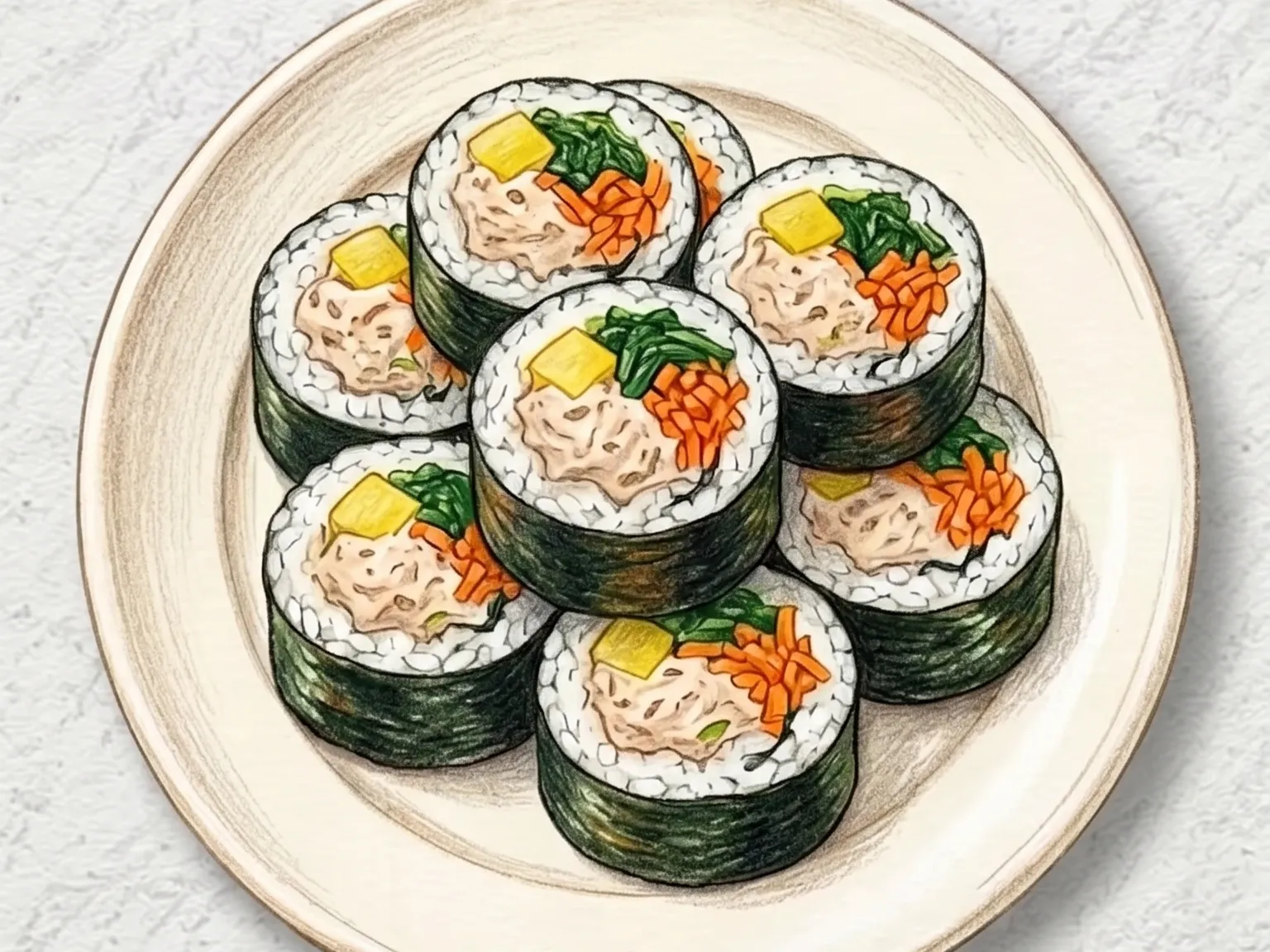
Korean Tuna Mini Gimbap (Addictive Bite-Sized Tuna Mayo Seaweed Rolls)
Tuna mayak gimbap are bite-sized rolls made by cutting seaweed sheets in half, spreading a thin layer of sesame-oil-seasoned rice, and filling with tuna-mayo, pickled radish, sauteed carrot, and blanched spinach. Draining the canned tuna thoroughly before mixing with mayonnaise prevents sogginess while keeping the filling creamy. The pickled radish provides a sharp crunch that cleanses the palate between each piece, and the lightly sauteed carrot brings a touch of natural sweetness. Their miniature size ensures every ingredient registers in a single bite, delivering a compact burst of balanced flavor.

Korean Quince Tea (Spiced Quince Honey Preserve Tea)
Mogwa-cha is a Korean quince tea served by dissolving homemade quince preserve in hot water. The preserve is made by simmering thin quince slices with sugar, honey, lemon juice, and a cinnamon stick until a fragrant, amber syrup forms. Quince brings a distinctive floral-citrus aroma that intensifies as the sugar draws out the fruit's essential oils. Stored in a sealed jar and refrigerated, the syrup keeps well and yields a fragrant cup of tea with just a few spoonfuls and boiling water. The tea is traditionally drunk in cool weather for its soothing effect on dry throats and mild coughs.
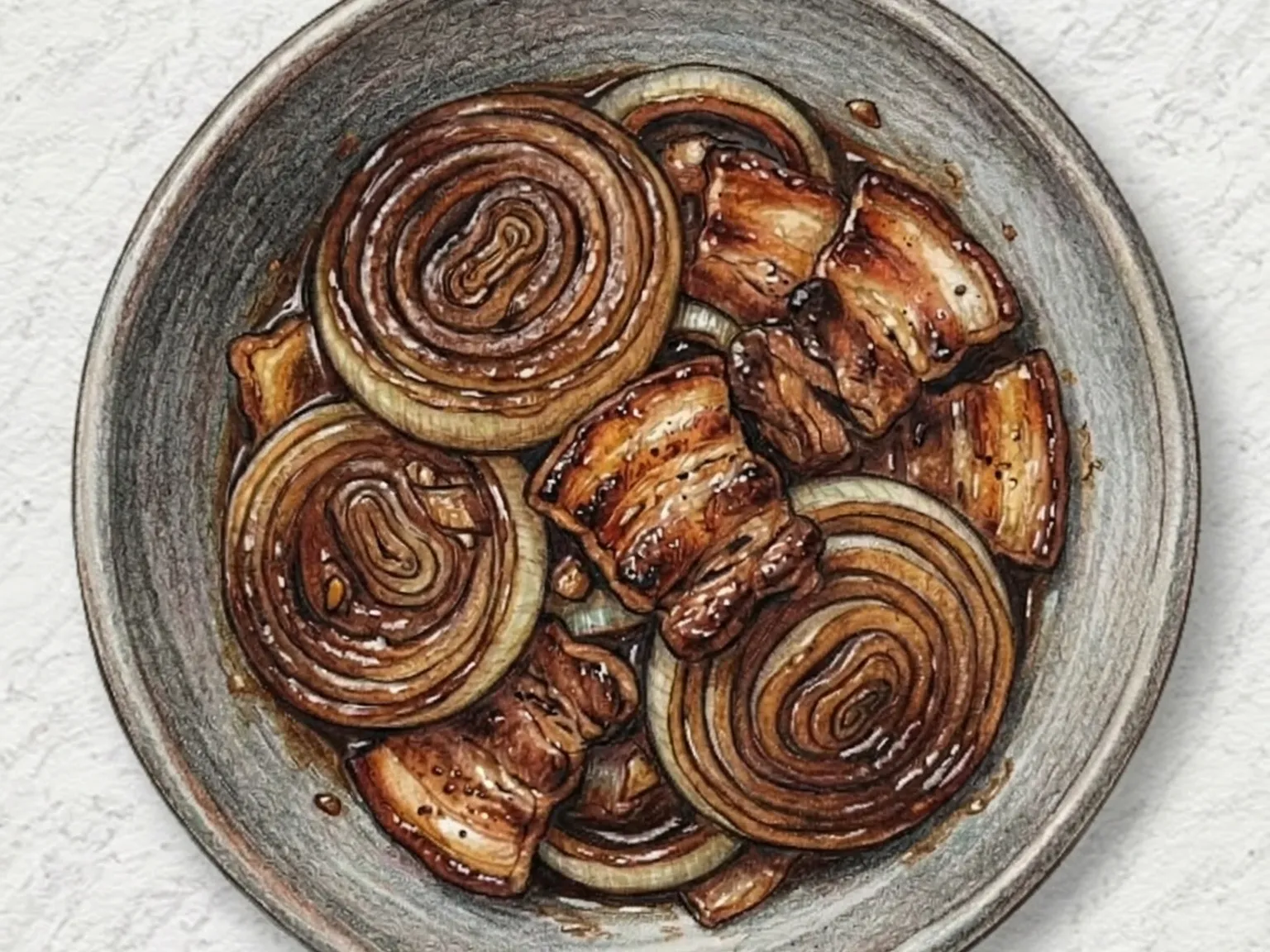
Korean Iron Plate Onion and Meat Grill
Thick onion rings and sliced pork belly are grilled together on a hot iron plate with melted butter. The onions cook slowly over medium heat, allowing their natural sugars to caramelize into deep sweetness, while rendered pork fat seeps into the onion layers and enriches their flavor. A drizzle of soy sauce at the end sizzles on the hot surface, distributing a salty accent evenly across both ingredients. The preparation relies on just six ingredients and zero marinade - the appeal lies entirely in the interplay of caramelized onion sweetness, smoky pork fat, and butter richness on a searing-hot plate.
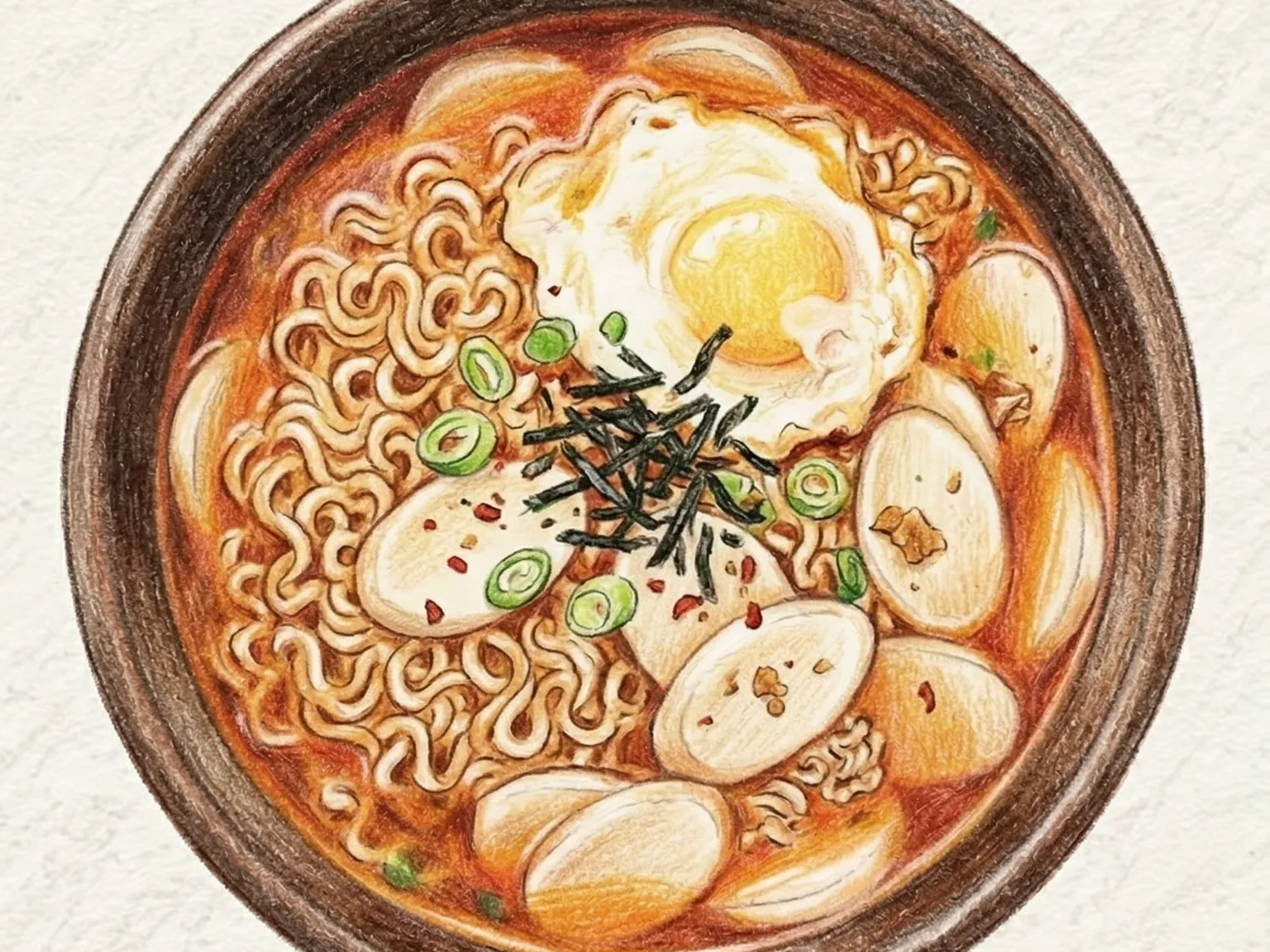
Korean Tteok and Ramyeon (Instant Ramen with Chewy Rice Cakes)
Tteok-ramyeon is a Korean shortcut dish that adds chewy rice cakes to a pot of instant ramen. The rice cakes absorb the spicy broth as they cook, intensifying the seasoning while providing a bouncy texture that instant noodles alone lack. An egg or a slice of cheese is often cracked in near the end for added richness. The entire dish is ready in about 13 minutes with no knife skills required - just boiling water and timing. It is one of the most common late-night snacks in Korea. Adding seasoning in stages makes it easier to adjust saltiness, sweetness, and heat without covering the base ingredients.
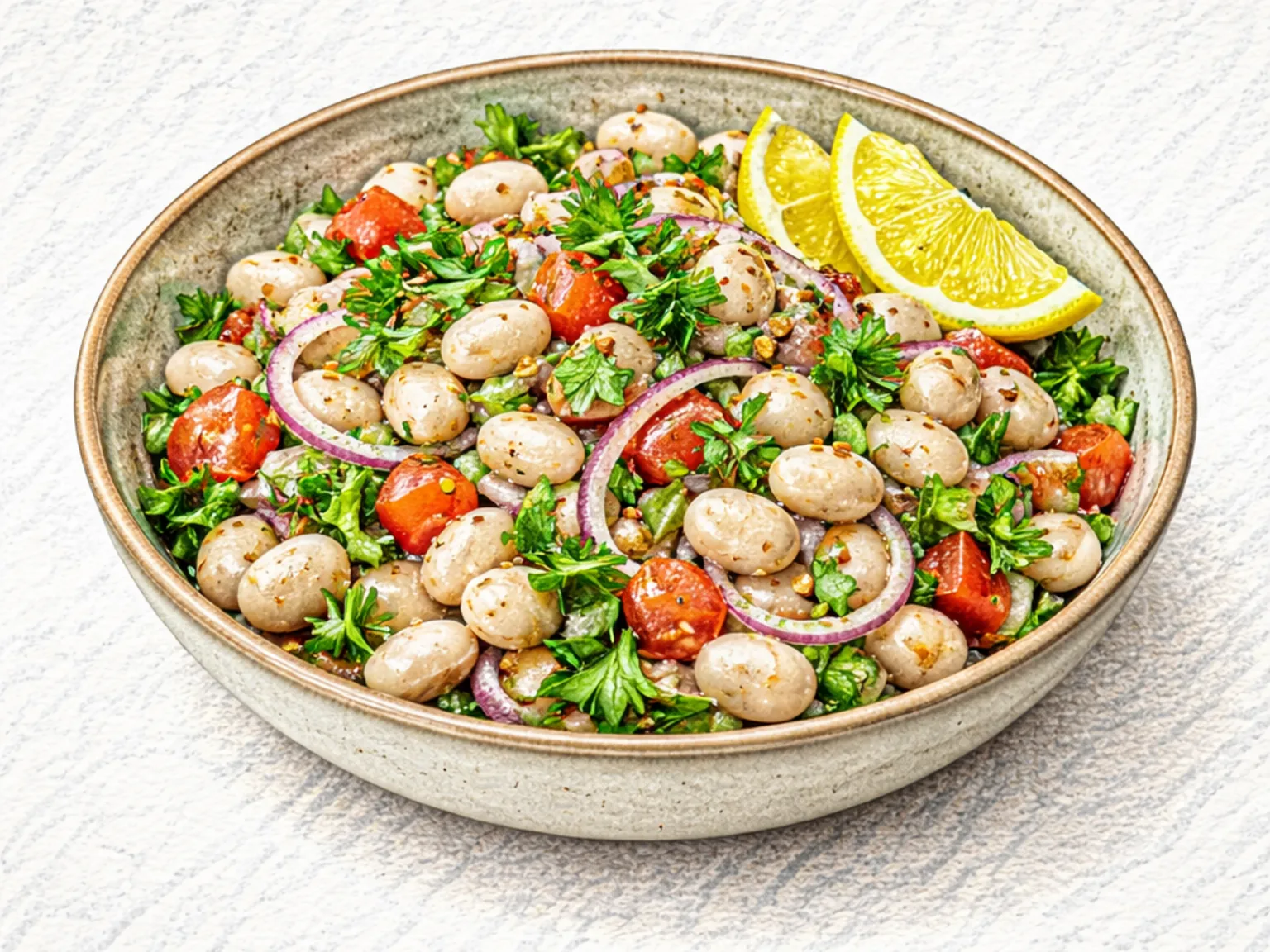
Turkish White Bean Salad (Turkish Cooked White Beans Salad)
White beans are simmered until creamy-soft, then tossed with onion and parsley in a tangy vinaigrette - a staple across Turkey. The beans' starchy texture contrasts with the crisp bite of red onion, while parsley provides a clean herbal backdrop. Lemon juice and olive oil deliver brightness, and a dusting of sumac adds both ruddy color and fruity tartness. Rich in plant-based protein, the salad works well as a light main and pairs naturally with grilled meat and flatbread. Adding seasoning in stages makes it easier to adjust saltiness, sweetness, and heat without covering the base ingredients.