⚡ Quick Recipes
Ready in 20 minutes or less
804 recipes. Page 30 of 34
A busy schedule does not mean you have to settle for bland meals. Every recipe in this collection can be prepared and finished in 20 minutes or less - quick stir-fries, tossed noodles, microwave dishes, and more.
The secret is minimizing prep work and keeping the steps simple. Pre-cut ingredients or pantry staples speed things up even further. Turn to these recipes after work, during a short lunch break, or for a fast breakfast.
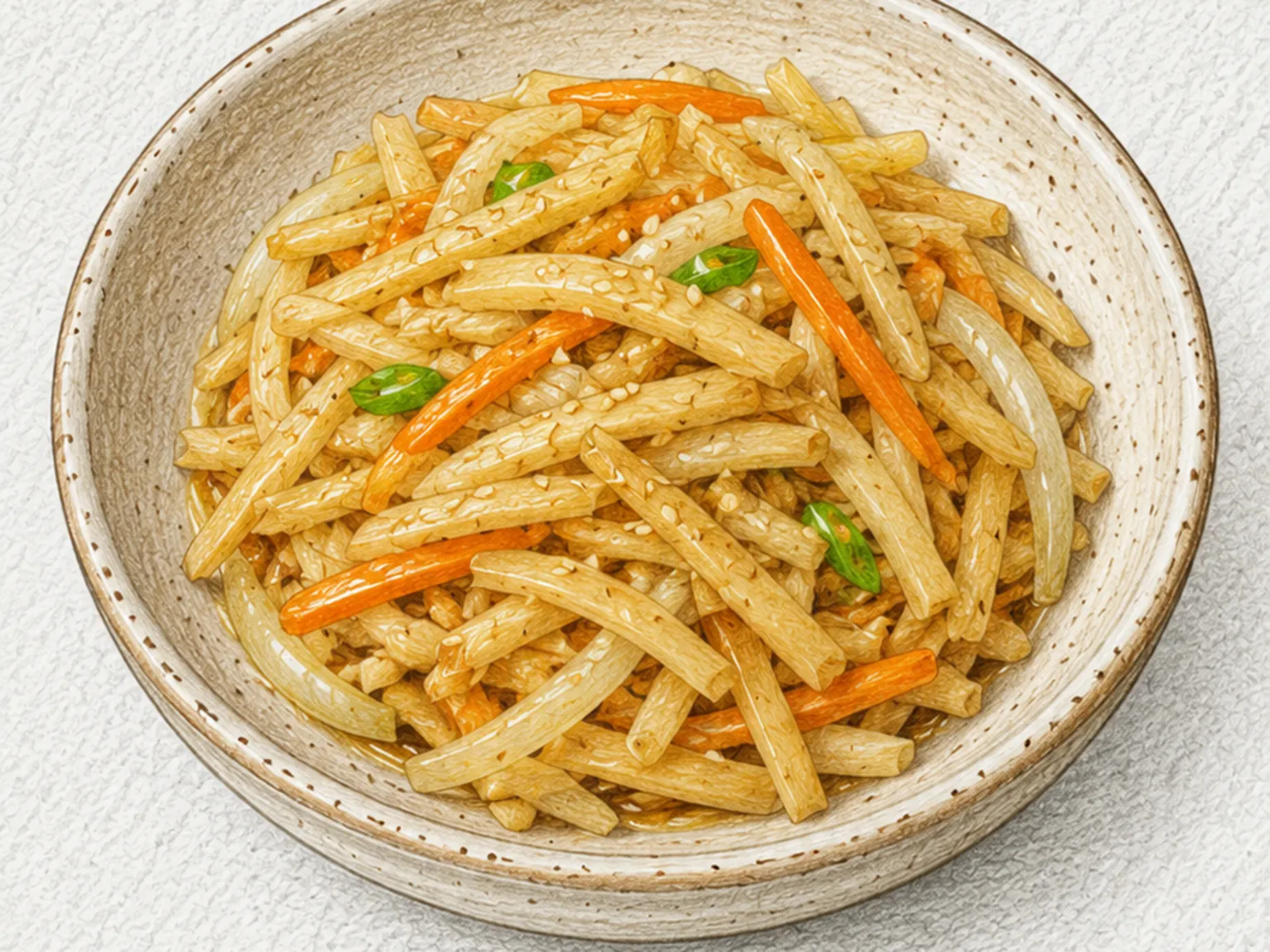
Korean Stir-Fried Bamboo Shoots
Juksun-bokkeum is a soy-seasoned stir-fry of bamboo shoots, a banchan closely tied to spring, when fresh juksun appears briefly in Korean markets from April through May, primarily from Damyang in Jeollanam-do. Fresh shoots carry oxalic acid, which must be neutralized by boiling them in rice-rinsing water for at least thirty minutes; skipping this step leaves a harsh, bitter aftertaste. Canned or vacuum-packed shoots, available year-round, need a thorough rinse under running water to remove the metallic tinned flavor before cooking. Julienned bamboo shoots are stir-fried with carrot and onion over high heat for a short, controlled burst. Prolonged cooking draws out moisture and turns the shoots rubbery, so timing is crucial. The seasoning is deliberately understated: soy sauce, a pinch of sugar, minced garlic, and a finishing drizzle of sesame oil produce a subtly sweet, nutty dish that lets the natural crunch of the shoots come through. Bamboo shoots are rich in dietary fiber and notably low in calories, making this banchan a filling choice for those watching their intake.
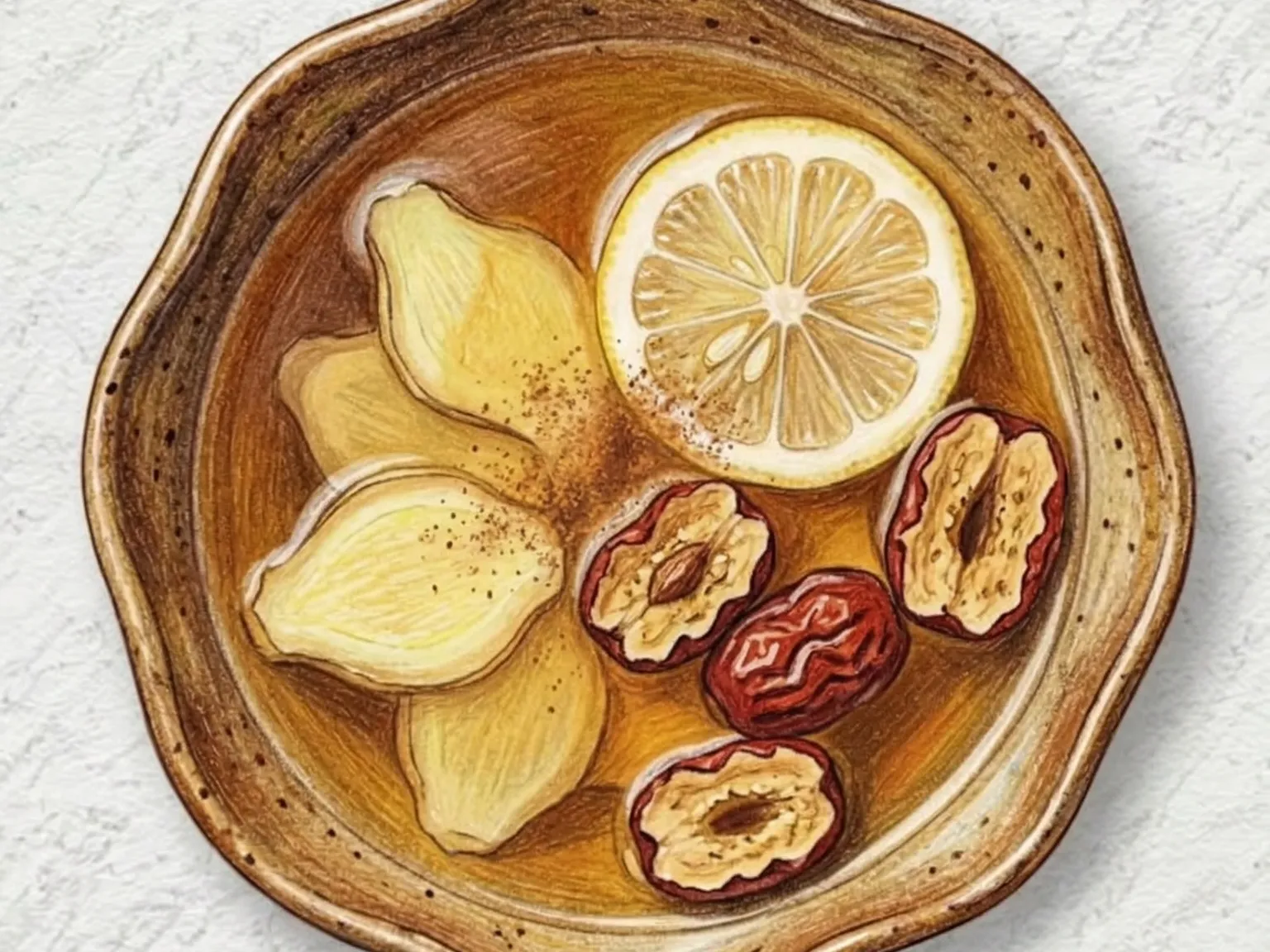
Korean Ginger Tea (Spiced Jujube Honey Ginger Brew)
Saenggangcha is a Korean ginger tea made by simmering thinly sliced fresh ginger and halved, pitted jujubes in water for 15 minutes on medium heat followed by 5 more minutes on low. The two-stage simmering extracts both the sharp warmth of ginger and the quiet, honeyed fruitiness of jujubes without letting either dominate. Peeling the ginger before slicing removes any earthy or bitter notes from the skin and produces a cleaner cup. Slicing it thin rather than thick maximizes the surface area, allowing gingerol, the compound responsible for the tea's peppery bite, to dissolve into the water more rapidly within the same simmering time. Splitting and pitting the jujubes exposes the flesh, which gives up its fruit aroma far more readily than whole dried fruit. After straining, the pot should be removed from the heat and allowed to cool slightly before the honey goes in, because dissolving honey into near-boiling liquid destroys the delicate floral compounds that distinguish quality honey from plain sugar. A small pinch of ground cinnamon deepens the spice profile by adding warmth that complements rather than competes with the ginger. Floating lemon slices on the surface adds a citrus brightness that lifts the body of the tea. The drink is especially associated with the transitional seasons in Korea, when the weather shifts and sore throats become more common.
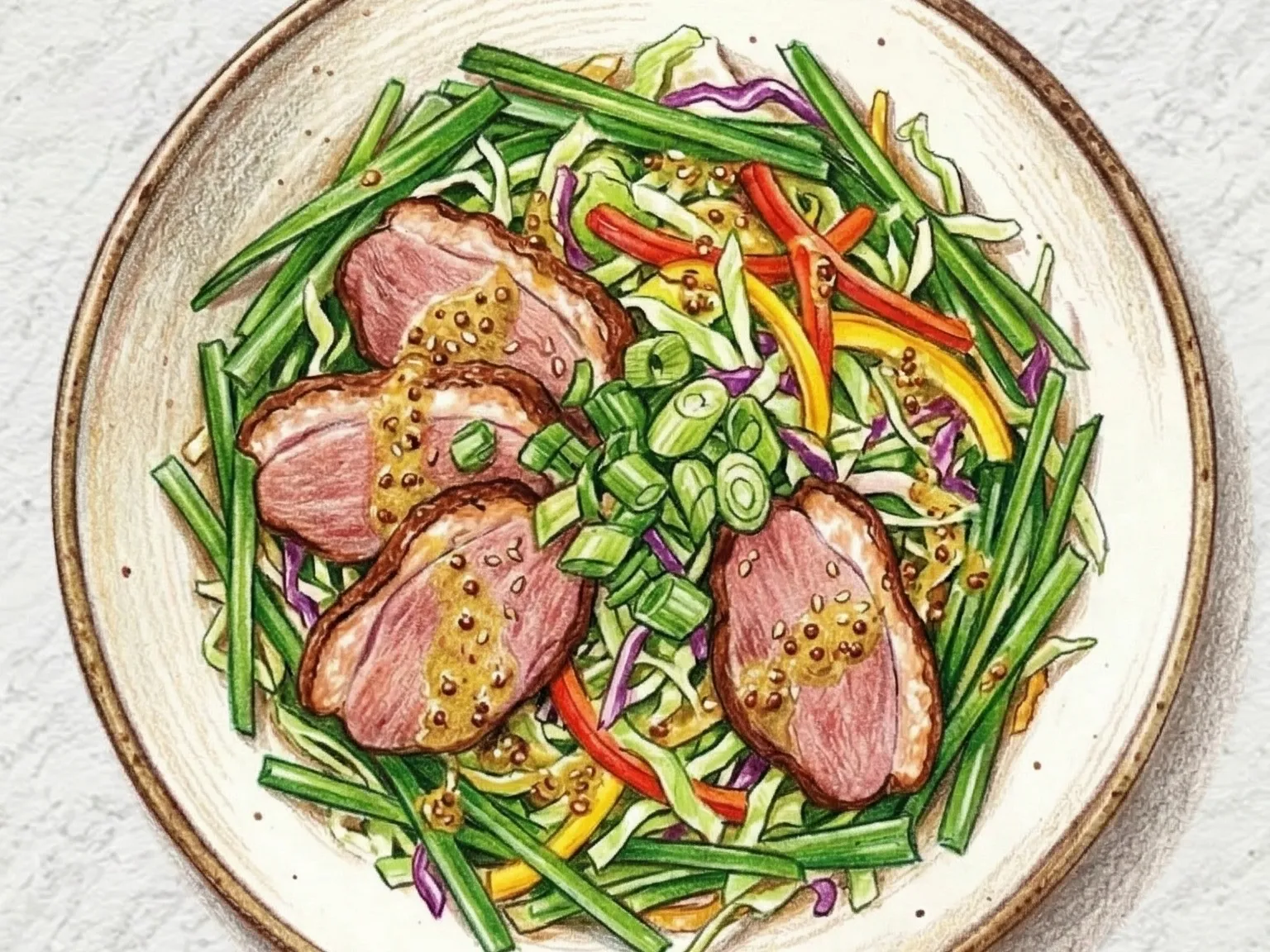
Smoked Duck Chive Salad (Korean Chive Salad)
Smoked duck chive salad brings together pan-seared smoked duck and fresh Korean chives in a soy-mustard dressing that cuts through the meat's richness with precision. The duck is seared in a dry or lightly oiled pan for two to three minutes to render off the surface fat before it meets the other ingredients. Korean chives are cut to four-centimeter lengths and combined with shredded cabbage and sliced bell pepper, each element adding its own texture to the finished dish. A dressing of soy sauce, mustard, vinegar, honey, and sesame oil delivers a multi-layered hit of nose-clearing heat, sweet-sour acidity, and roasted depth that cleanses the palate after every fatty bite of duck. The cabbage provides firm, watery crunch against the chewy, smoke-infused meat, while toasted sesame seeds scatter a nutty fragrance across the top. Adding the chives at the very end keeps their herbal aroma vivid rather than grassy, and limiting the searing time prevents the duck from turning tough. The interplay between the dense smokiness of the duck and the sharp freshness of the chives is what gives this salad its character beyond a simple protein-and-greens combination.
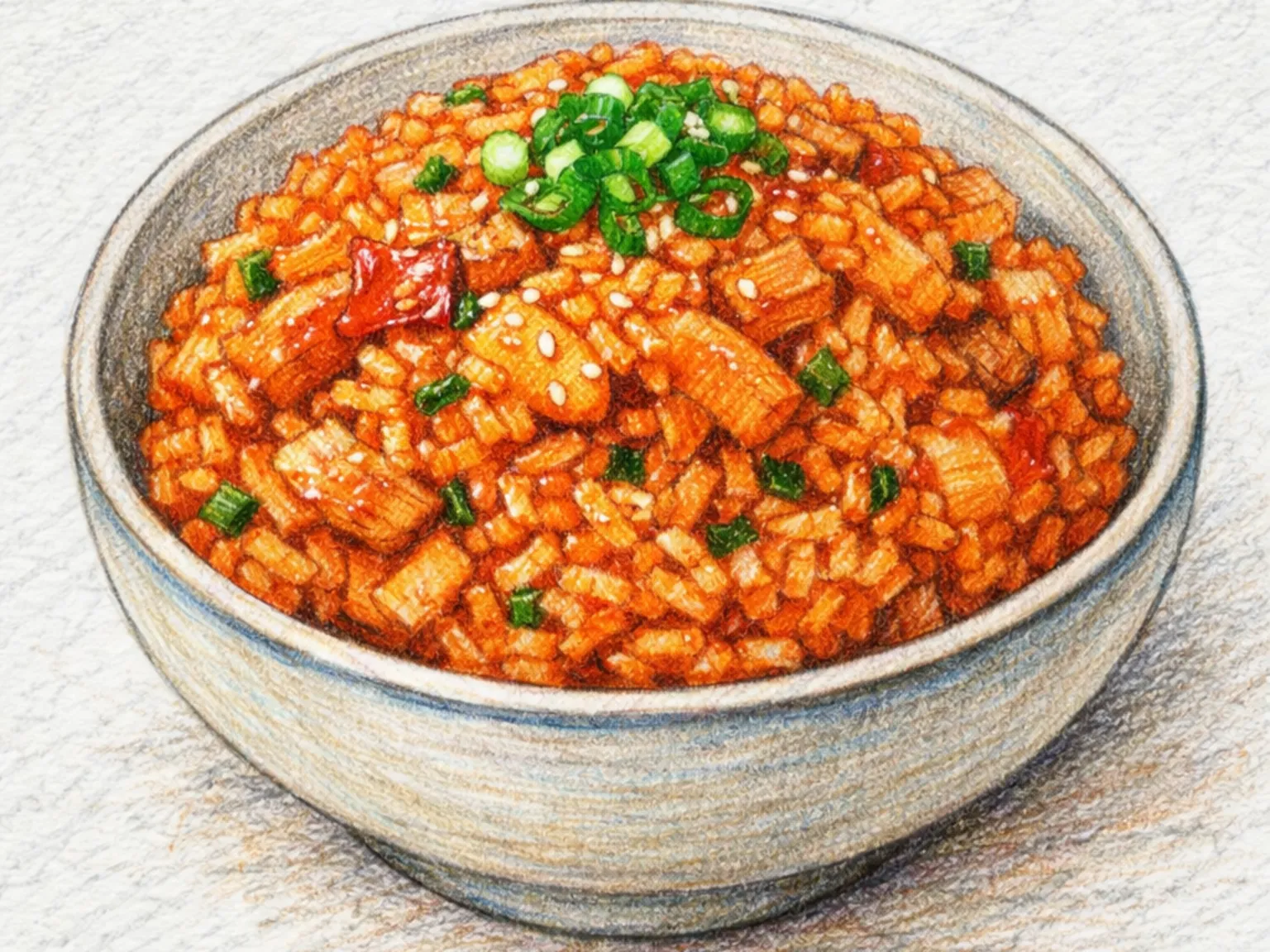
Korean Stir-Fried Kimchi (Caramelized Aged Kimchi Banchan)
Kimchi-bokkeum is the default way Korean households use kimchi that has fermented past its fresh prime and developed a sharp lactic acidity that makes it too sour to eat on its own. Stir-frying over heat fundamentally transforms that sourness, cooking it down into something mellower, sweeter, and more rounded. Onion goes in first and cooks until translucent, building a sweet foundation before the kimchi and garlic join the pan. Maintaining medium heat is the key to driving off moisture gradually and building the thick, concentrated sauce that distinguishes well-made kimchi-bokkeum from a watery stir-fry. A small addition of gochugaru deepens the color and reinforces the chili heat, while a pinch of sugar balances the fermented sourness without making the dish sweet. A tablespoon of kimchi brine stirred in near the end amplifies the umami contributed by the lactobacillus cultures in the kimchi itself. Adding sliced pork belly or canned tuna to the pan along with the kimchi increases the protein and gives the dish more substance. The finished banchan is versatile enough to serve straight alongside rice, fold into fried rice, or pile on top of ramyeon.
Korean Salt-Grilled Shrimp
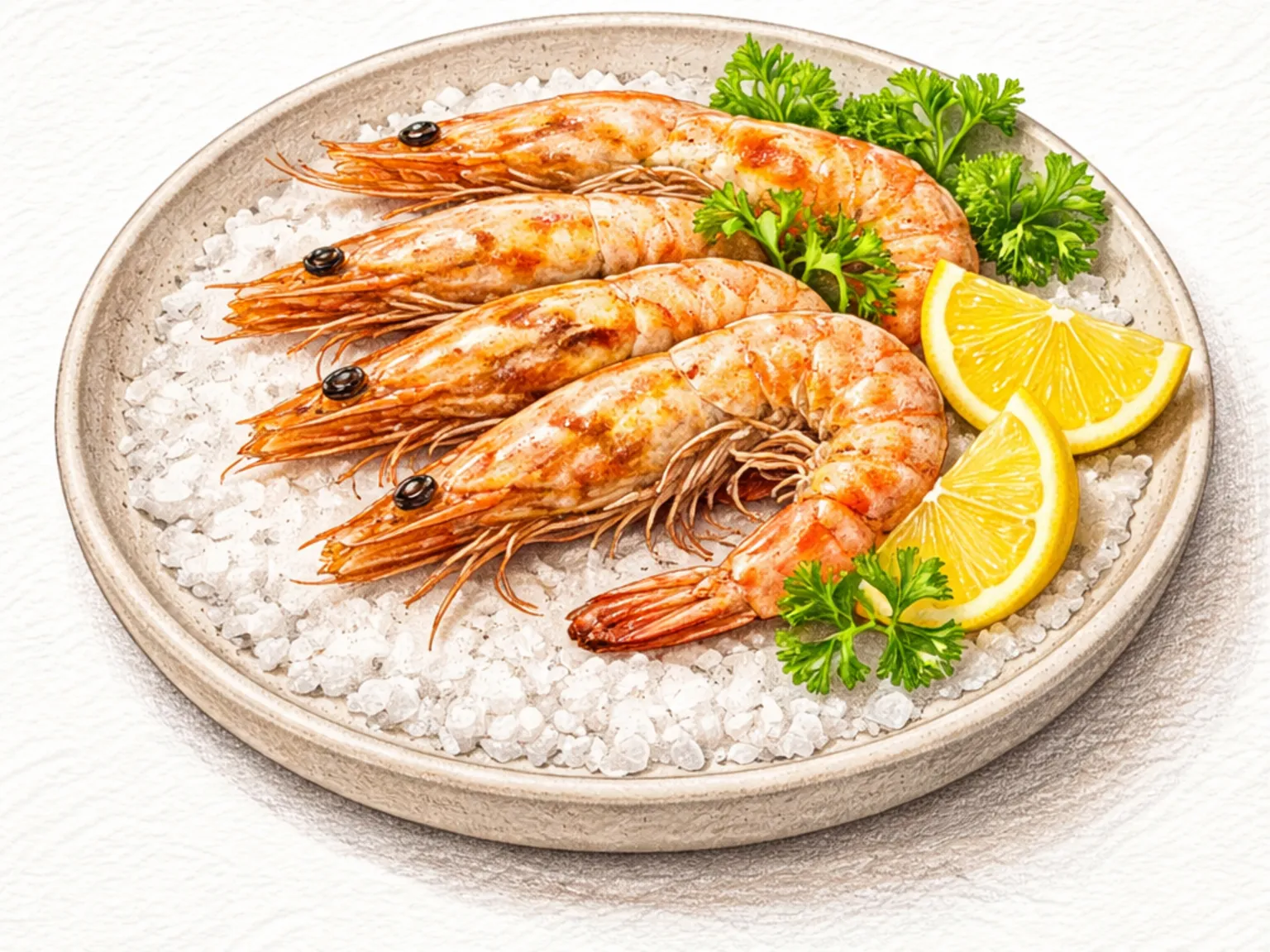
Saeu-sogeum-gui is a Korean salt-bed grilled shrimp prepared by spreading coarse salt in a heavy pan, laying whole shell-on shrimp over it, and covering with a lid to cook. The thick layer of heated salt acts as an indirect heat source that traps moisture inside the shells, so the shrimp flesh steams from within and retains its natural sweetness. After four minutes covered, the shrimp are flipped for three more minutes, then finished with a light coat of melted butter that adds richness on top of the salt's seasoning. Black pepper, chopped parsley, and a wedge of lemon complete the dish, proving that minimal ingredients and a simple technique can concentrate shrimp flavor more effectively than elaborate sauces.
Soba Sesame Salad (Chilled Buckwheat Noodle Sesame Dressing)
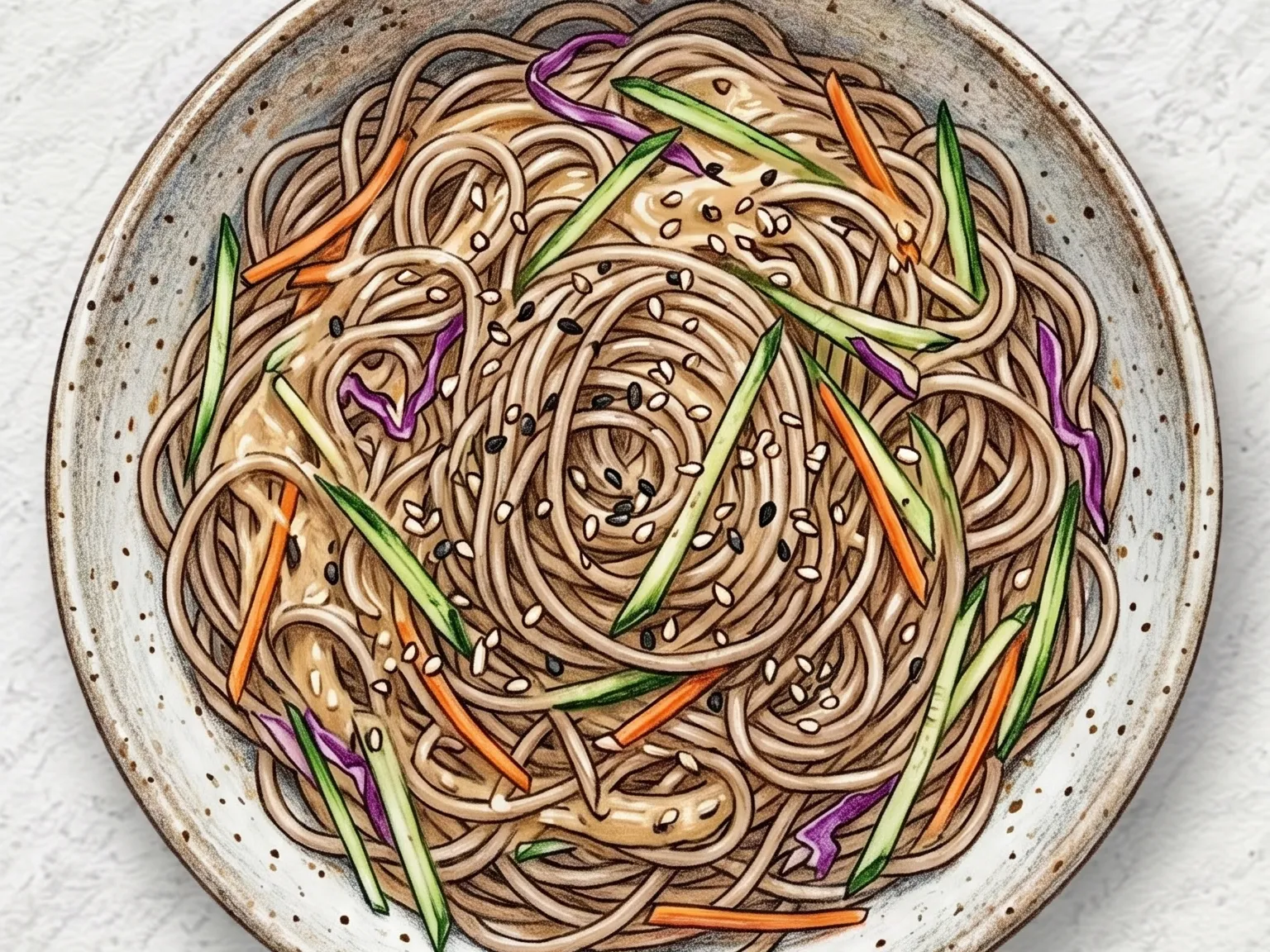
Soba sesame salad is a cold noodle dish in which cooked buckwheat noodles are rinsed repeatedly in cold water to remove surface starch, then tossed with julienned cucumber, carrot, and red cabbage in a dressing of soy sauce, rice vinegar, sesame oil, and sesame seeds. The earthy, nutty character of buckwheat pairs naturally with toasted sesame, and rice vinegar's light acidity keeps the dish from feeling heavy despite the sesame oil. Thorough rinsing in cold water is the technical cornerstone of this recipe: residual starch left on the noodles dilutes the dressing on contact and causes the strands to clump into an uneven mass, disrupting the balance of flavors in every bite. Cucumber and red cabbage introduce a fresh crunch that contrasts the springy noodle texture, and julienned carrot threads a mild sweetness through the bowl that offsets the saltiness and acidity of the dressing. Cutting the vegetables into thin, uniform strips allows them to distribute evenly among the noodles so that each forkful carries a balanced mix. The dressing should be mixed in advance but added to the noodles only just before serving, since soaking too long causes the noodles to absorb the liquid and soften. A light and satisfying single-bowl meal, particularly well suited to warmer months.
Korean Braised Perilla Leaves
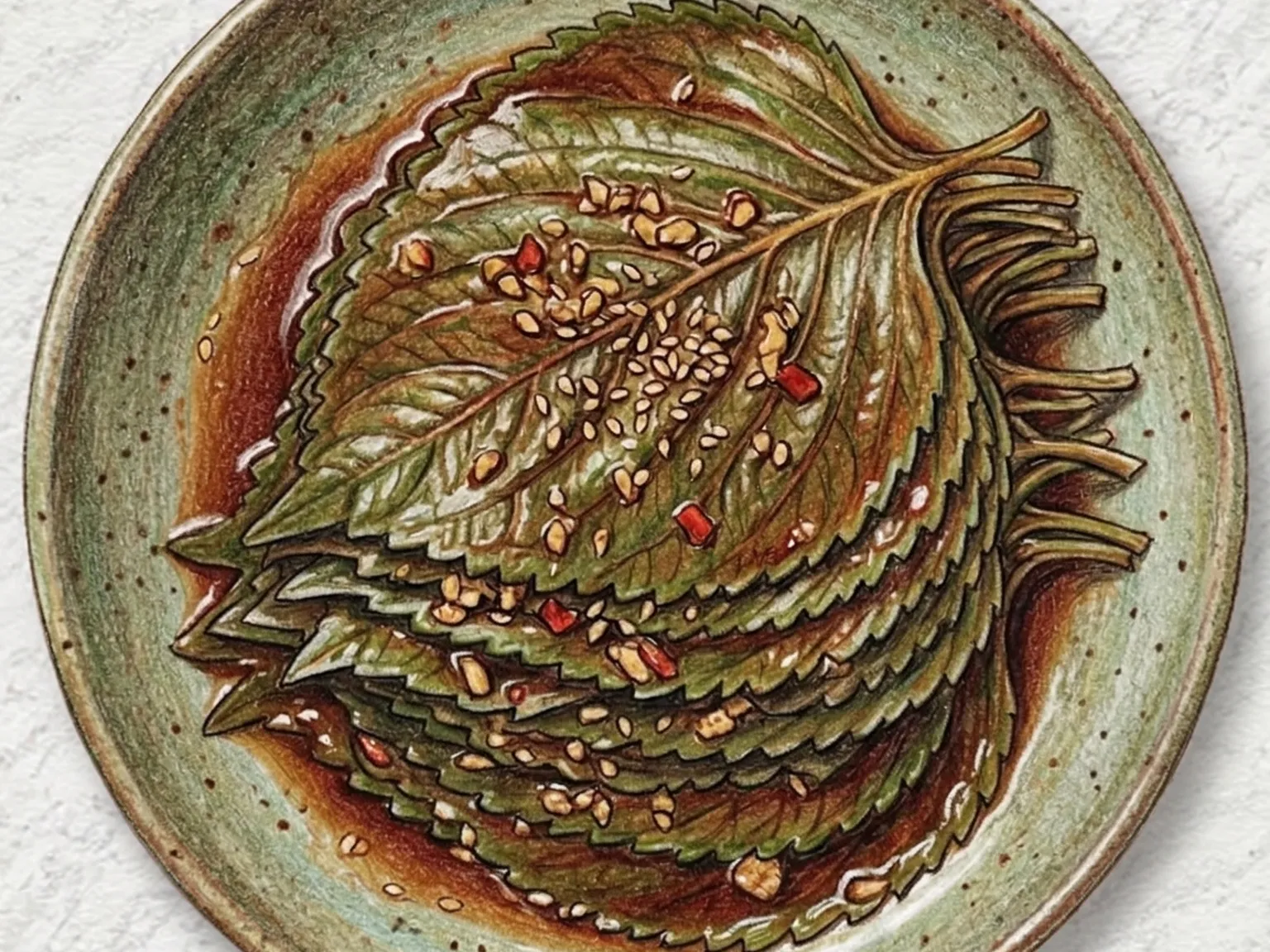
Kkaennip jorim layers fresh perilla leaves with a soy-based sauce and simmers them gently - a banchan built for make-ahead storage. Kkaennip (perilla) is a distinctly Korean herb with an aromatic intensity comparable to basil or mint, yet it is rarely found outside Korean cuisine. The technique stacks five to six leaves at a time, spooning sauce between each layer so every leaf seasons evenly. Simmering on medium-low heat for eight to ten minutes wilts the leaves into soft, pliable sheets that wrap neatly around a mound of rice. The sauce combines soy sauce, gochugaru, sugar, garlic, and sesame oil - the last adding a nutty richness that complements the herb's own perfume. Refrigerated in an airtight container, kkaennip jorim lasts up to two weeks, making it one of the most economical banchan to batch-prepare.
Korean Houttuynia Herbal Tea
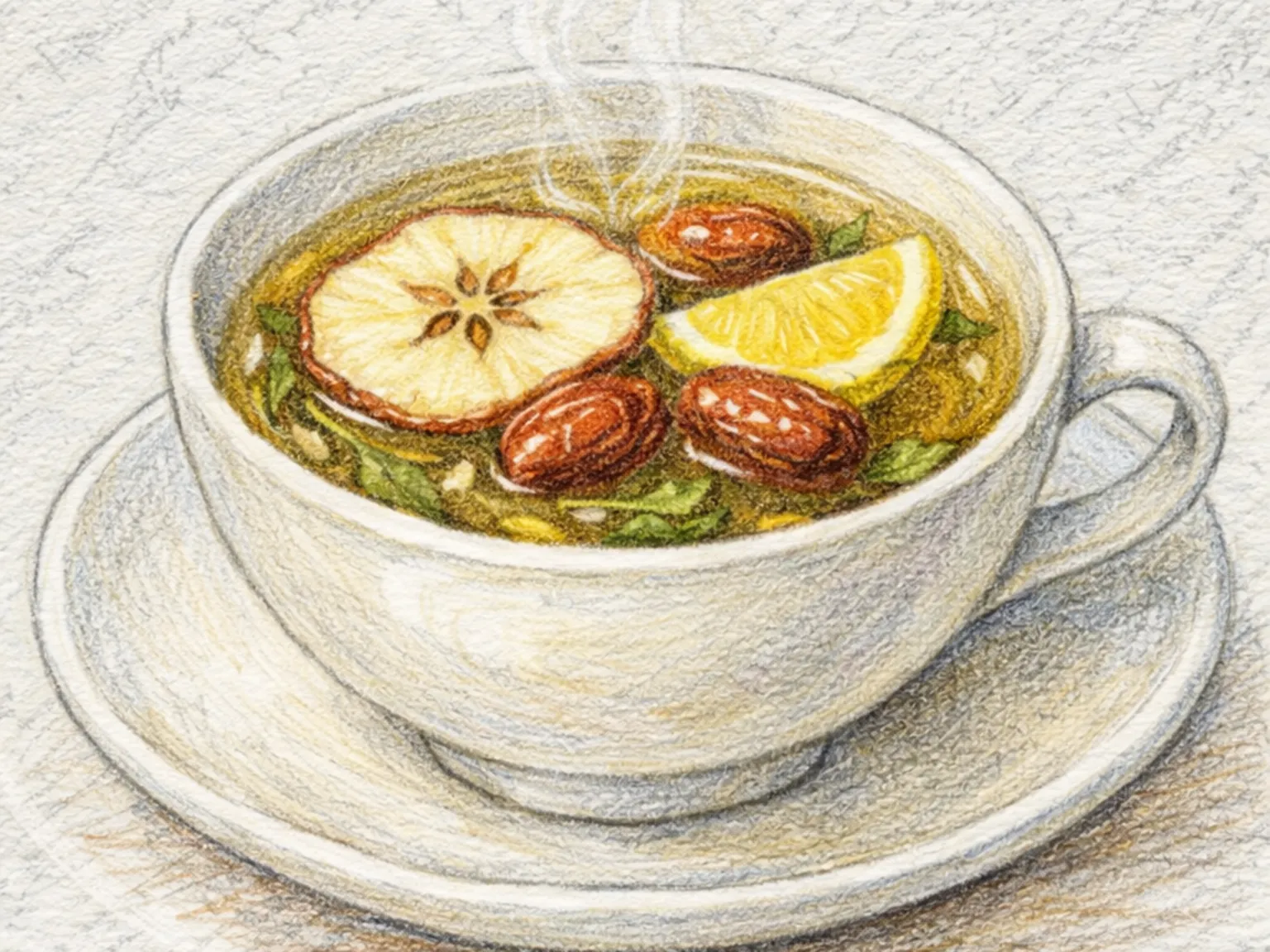
Preparing a pot of caffeine-free Korean herbal tea starts with gathering dried Saururus chinensis, apple slices, and jujubes. Before simmering, the dried herbs require a quick rinse under running water to clear away any dust. Making small cuts into the jujubes helps their internal sugars move into the liquid during the 15-minute simmering period over low heat. The Saururus chinensis provides a grassy and clean foundation, which the apple slices brighten with a soft fruity character. The scored jujubes contribute a rounded, earthy quality to the liquid. Once the heat is turned off, adding fresh lemon slices for exactly two minutes infuses the water with a clear citrus aroma. Steeping the lemon any longer might release bitterness from the peel. Straining the solids leaves a clear tea that takes agave syrup well for sweetness. A hot cup suits a quiet evening, while a chilled version mixed with sparkling water in a equal ratio creates a light herbal soda. This herb has long been associated with circulation and detoxifying properties in Korean tradition. Since the flavor remains mild, it remains accessible to individuals new to herbal infusions. The recipe stays practical as the main components are dried and shelf-stable, taking less than twenty minutes to complete. Some variations include mixing in dried chrysanthemum or lotus leaves to shift the aromatic profile.
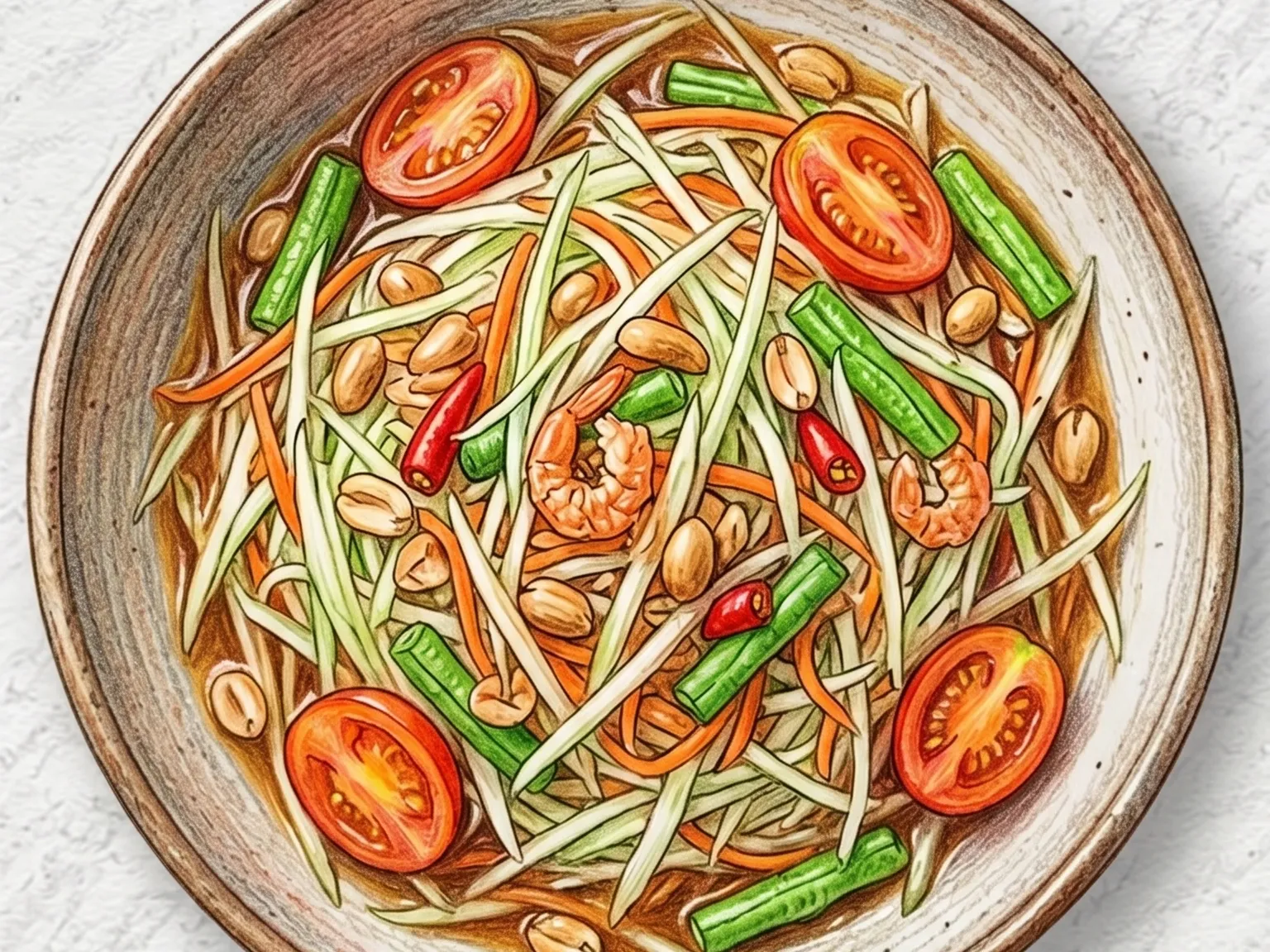
Som Tam Thai (Thai Green Papaya Salad)
Som tam Thai shreds green papaya into thin strips and pounds them in a mortar with Thai chilies, palm sugar, lime juice, and fish sauce, bruising the fibers just enough to let the dressing seep in while keeping the crunch intact. The pounding technique drives flavor deeper than simple tossing, creating a salad where each strand carries the full range of sweet, salty, sour, and spicy in a single bite. Palm sugar's dark caramel sweetness, fish sauce's fermented brine, the sharp brightness of lime, and the direct burn of chili hold each other in a balance that defines the dish. Roasted peanuts scattered on top add a nutty crunch to finish. Without a mortar, a large bowl and a rolling pin work as a substitute by applying light pressure to bruise the papaya without crushing it. Halved cherry tomatoes pounded in alongside the papaya release their juice into the dressing and contribute a natural sweetness and extra moisture.
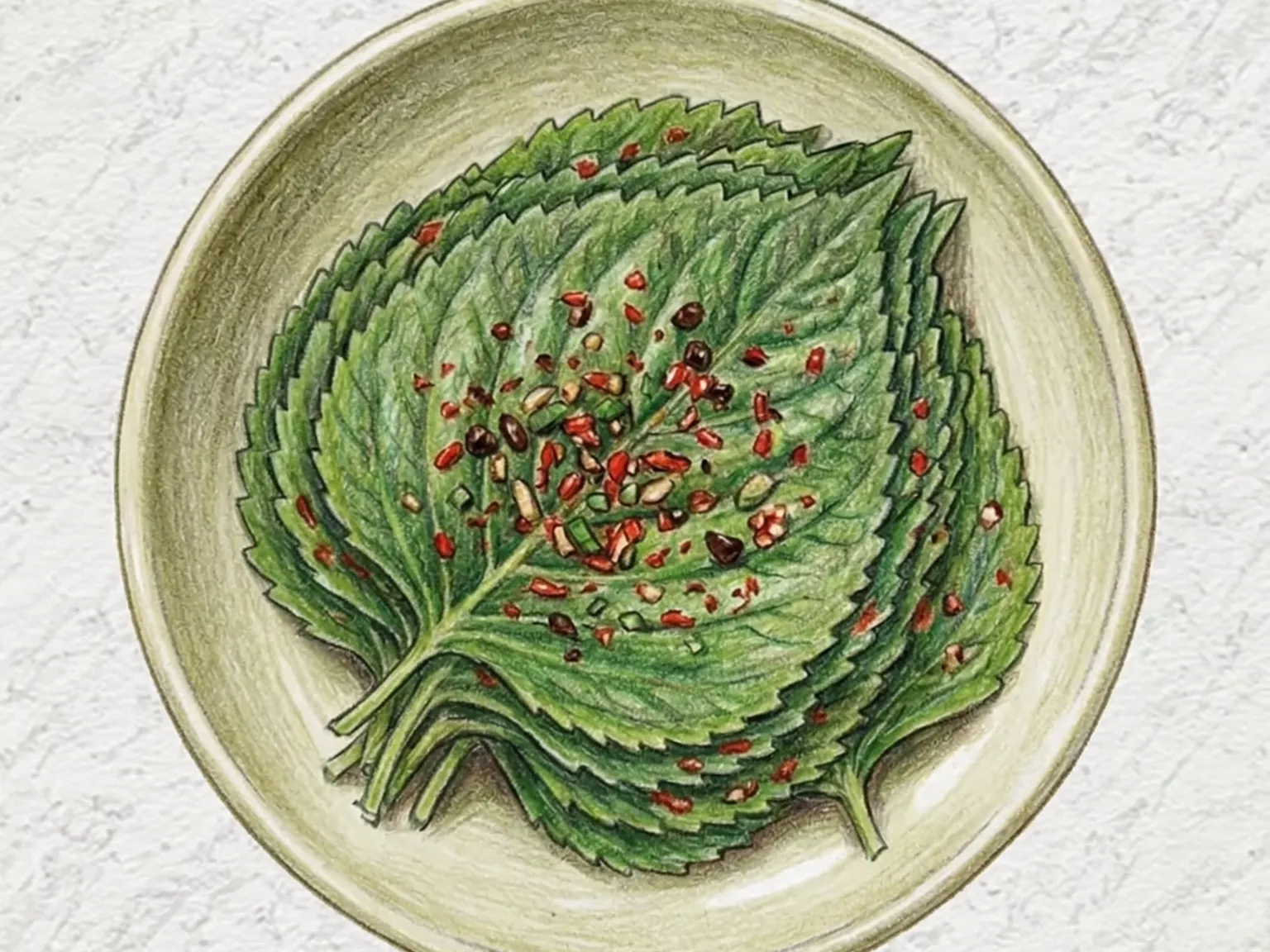
Korean Seasoned Perilla Leaf Banchan
Kkaennip-muchim uses the same core ingredient as kkaennip jorim but skips the heat - raw perilla leaves are dressed directly with a soy-chili seasoning. While the braised version offers soft, fully wilted leaves, this muchim preserves the leaf's rough surface texture and its sharp, almost peppery raw aroma. The dressing - soy sauce, gochugaru, garlic, and chopped scallion - is spread thinly between stacks of five leaves; over-applying makes the dish too salty. A ten-minute rest lets the seasoning absorb into the leaf fibers. Perilla leaves are rich in rosmarinic acid, an antioxidant that has contributed to their reputation as a health food in Korea. Served alongside samgyeopsal or ssambap, the leaves' strong herbal scent cuts through the richness of fatty pork.
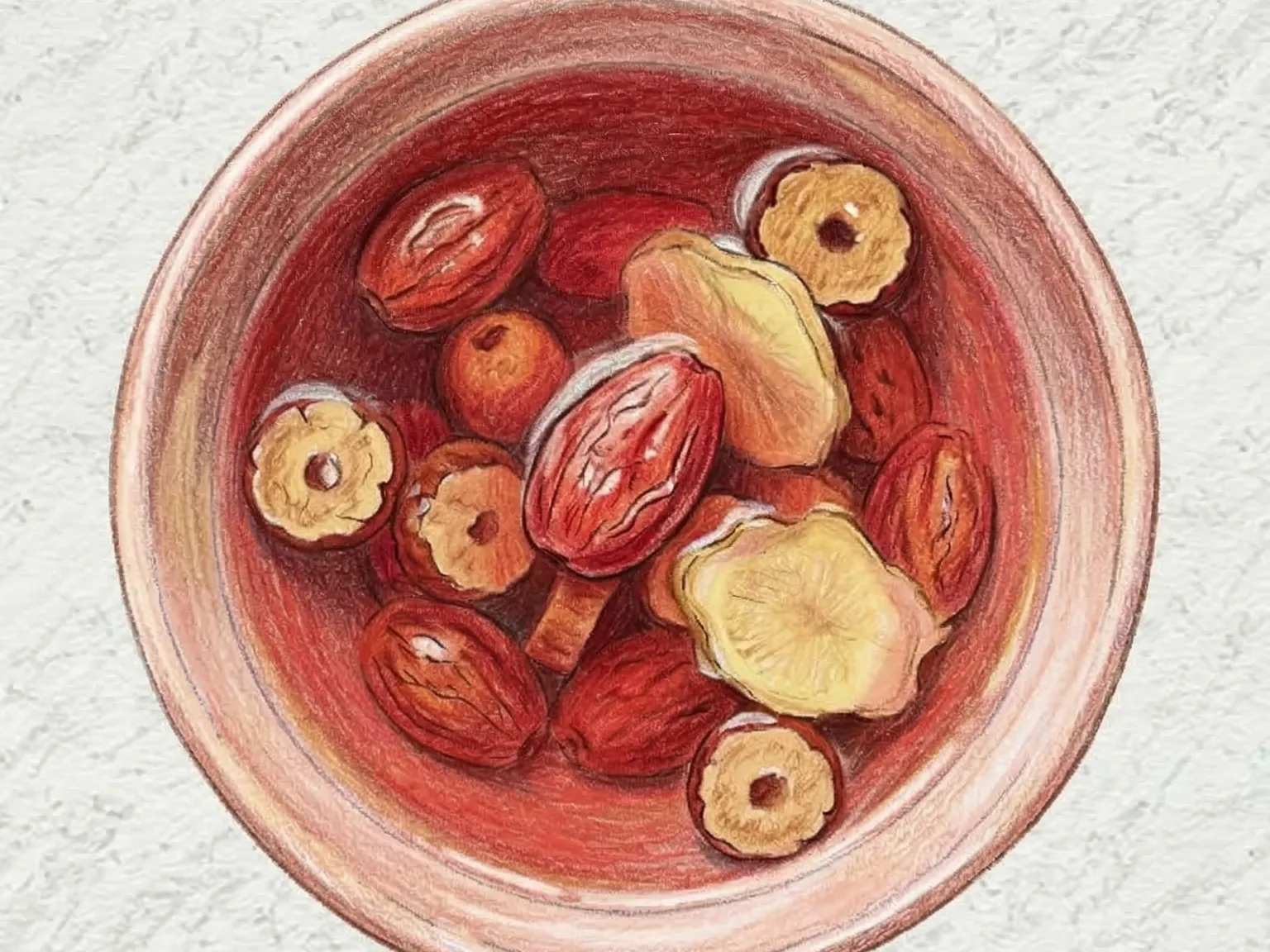
Sansuyu-cha (Korean Cornelian Cherry Tea)
Sansuyu-cha is a traditional Korean tea made by simmering dried cornelian cherry fruits with halved jujubes and sliced ginger in water, first bringing it to a boil over medium heat then reducing to low for fifteen minutes. Cornelian cherry, known in Korean as sansuyu, is a small red fruit with a pronounced tartness that forms the backbone of this tea. The jujubes are split to expose their flesh and soften the brew with mellow sweetness, while ginger threads a warm spiciness through the entire pot. Keeping the total simmer time under twenty minutes matters because the berries contain tannins that leach into the liquid when overcooked, adding an unpleasant bitterness that overshadows the bright fruity notes. Once done, the tea is strained through a fine sieve and honey is stirred in off the heat, rounding out the acidity without flattening it. Pine nuts floated on top slowly release a subtle nuttiness that ties the tart, sweet, and spicy notes into a cohesive cup. In Korean traditional medicine, cornelian cherry has long been used to support kidney health and combat fatigue, and this tea has been consumed as a tonic during seasonal changes and periods of physical exhaustion for generations.

Spinach Strawberry Salad
Spinach strawberry salad lays thinly sliced strawberries and toasted walnuts over a bed of baby spinach with rings of red onion, then finishes with a whisked dressing of balsamic vinegar, olive oil, and honey. The strawberries' bright acidity and natural sugar merge with the balsamic's concentrated grape tang in a way that makes the two components inseparable in the mouth, while honey bridges them with a round sweetness that keeps the dressing from tipping sharp. Toasting walnuts in a dry pan for two minutes draws their oils to the surface, intensifying the nutty aroma and adding a satisfying crisp snap that contrasts with the soft spinach and juicy fruit. Red onion's peppery heat cuts through the sweetness and prevents the salad from feeling like a dessert. Drying the spinach thoroughly before assembly is not optional: water left on the leaves dilutes the dressing and pools at the bottom of the bowl, washing out the flavors that took care to build. Crumbled feta or thinly sliced almonds can be added for additional richness without disrupting the existing balance.
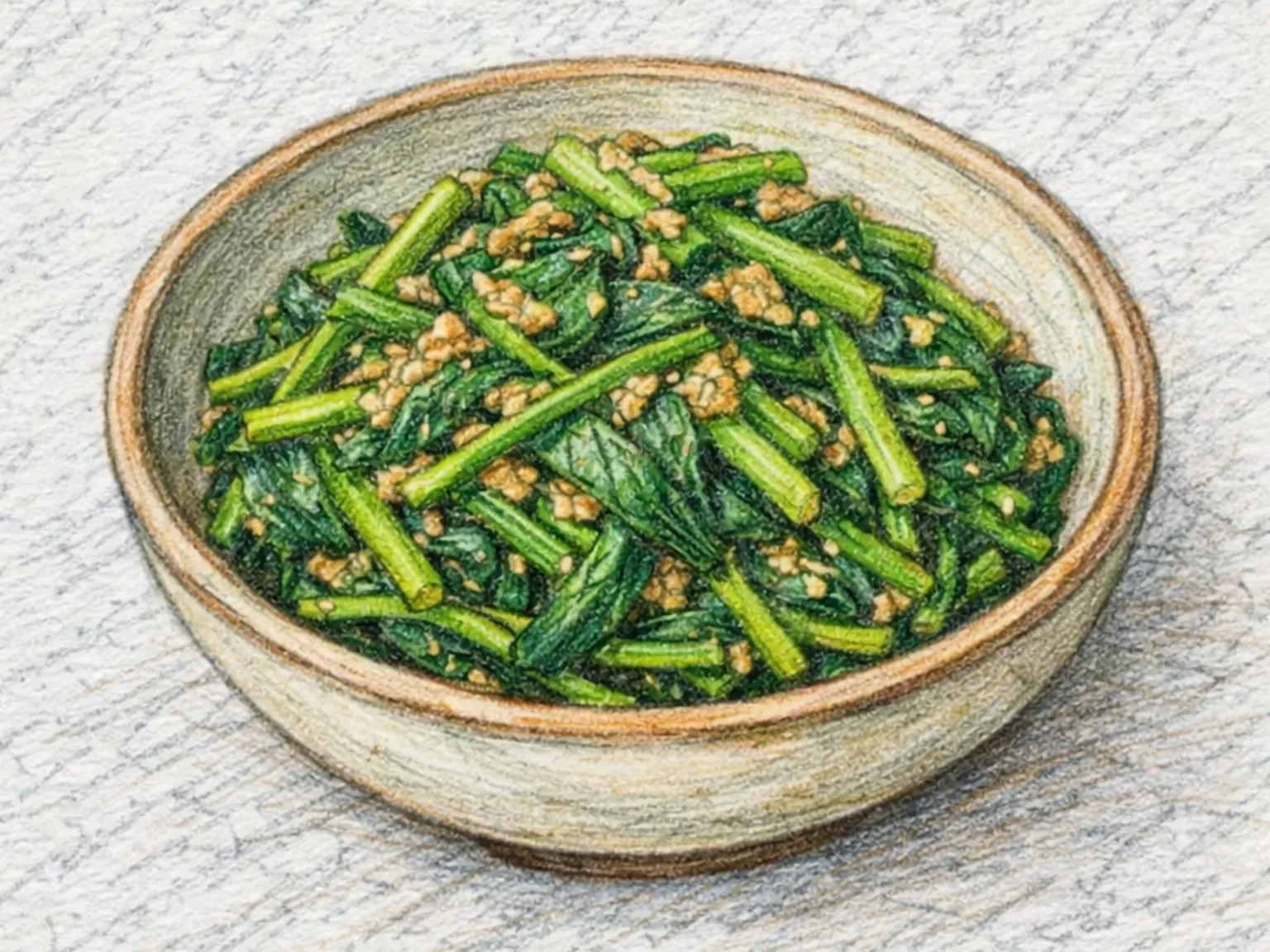
Korean Seasoned Perilla Sprout Namul
Kkaetsun-namul-muchim uses young perilla shoots rather than the mature leaves, blanched and dressed with doenjang and perilla oil. Kkaetsun has markedly more tender stems and a far more concentrated aroma than full-grown kkaennip, and it appears in traditional markets only during a short window from summer into early autumn, often sourced directly from growers. Trimming the thick lower stems before blanching is important -- they stay tough even after cooking -- and forty seconds in boiling salted water is the right interval to soften the stalks without cooking off the volatile fragrance. A cold-water rinse and a firm squeeze to remove excess moisture sets the texture before seasoning. Hand-dressing with doenjang, soup soy sauce, garlic, and perilla oil creates a layered herbal depth: the fermented paste's earthy umami meets the shoot's concentrated green perfume in a way neither ingredient achieves alone. Perilla oil is preferred over sesame oil because it comes from the same botanical family as the shoots, making the pairing feel coherent rather than incidental. This seasonal namul works well as an everyday banchan, a bibimbap component, or a substitute whenever a recipe calls for spinach namul.

Korean Soju Tonic (Soju Lime Cucumber Highball)
Soju tonic is a Korean highball-style drink that pairs soju with tonic water and lime, layering the spirit's clean, neutral body with the bitter quinine edge of tonic and the bright acidity of fresh citrus. Lime juice goes in first along with soju and a touch of simple syrup, and the tonic water is poured last and slowly to keep the carbonation intact as long as possible. Cucumber slices over ice add a vegetal freshness that makes the drink especially cooling in hot weather, and omitting the syrup produces a drier version with more pronounced bitterness. The lightweight character of soju makes this highball less heavy than gin or vodka equivalents, pairing well with rich, oily bar food.
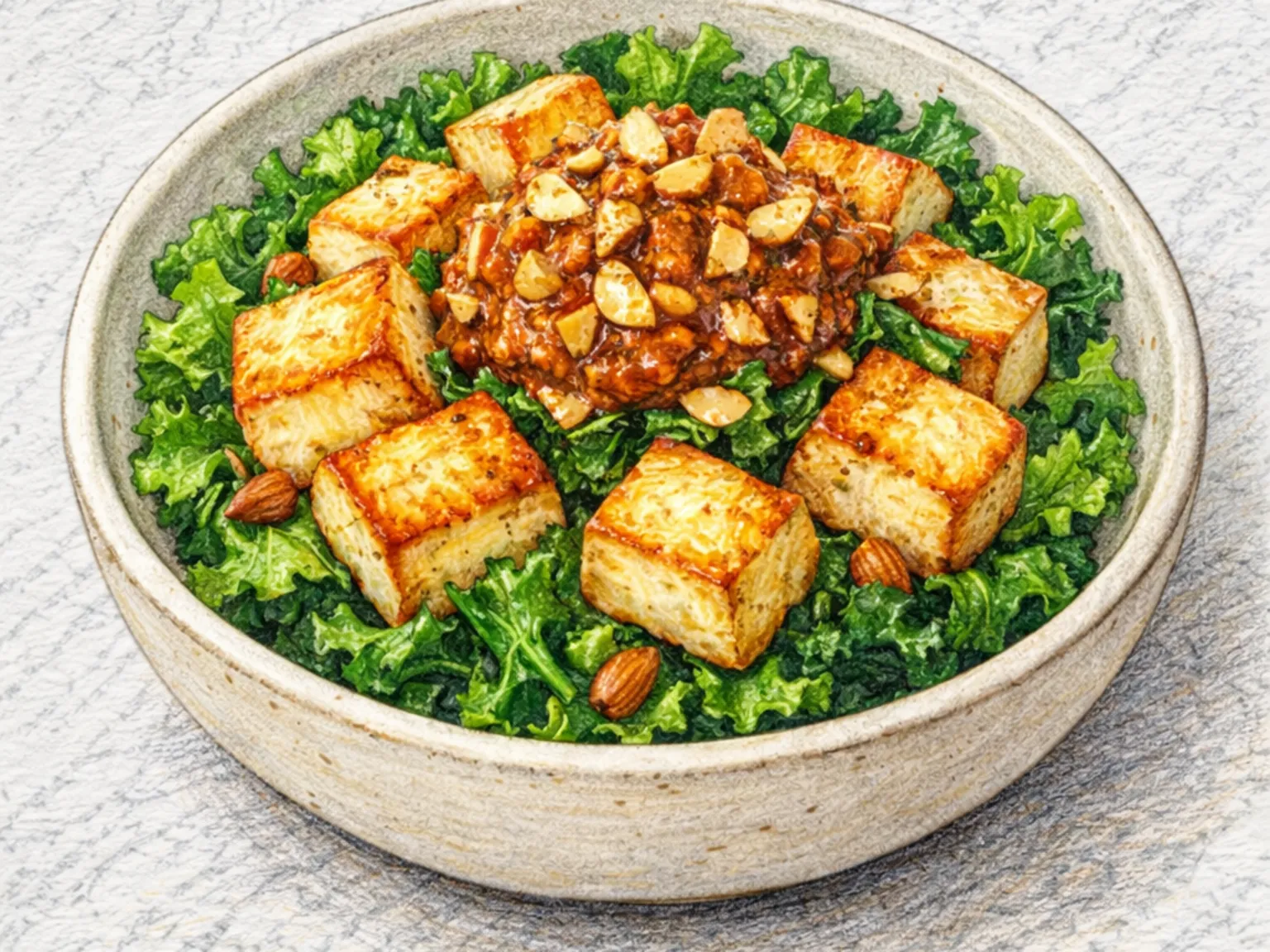
Ssamjang Tofu Kale Crunch Salad
Ssamjang tofu kale crunch salad sears firm tofu in olive oil for six to seven minutes until golden and crisp on the outside while staying tender within, then combines it with kale massaged with salt, shredded red cabbage, cucumber, and sliced almonds, all dressed in a ssamjang-based vinaigrette. The dressing blends ssamjang's fermented depth, a mixture of doenjang and gochujang, with lemon juice, honey, and olive oil, layering umami with citrus acidity and a restrained sweetness that tempers kale's natural bitterness. Massaging the kale with salt before adding the dressing breaks down its tough cell walls, making the leaves pliable and far more absorbent. Pressing moisture from the tofu thoroughly before pan-frying is what produces the crisp, golden crust; tofu that still holds water will steam rather than sear and come out pale and soft. Sliced almonds add a light, nutty crunch with every bite, giving the salad a clear contrast in texture throughout.
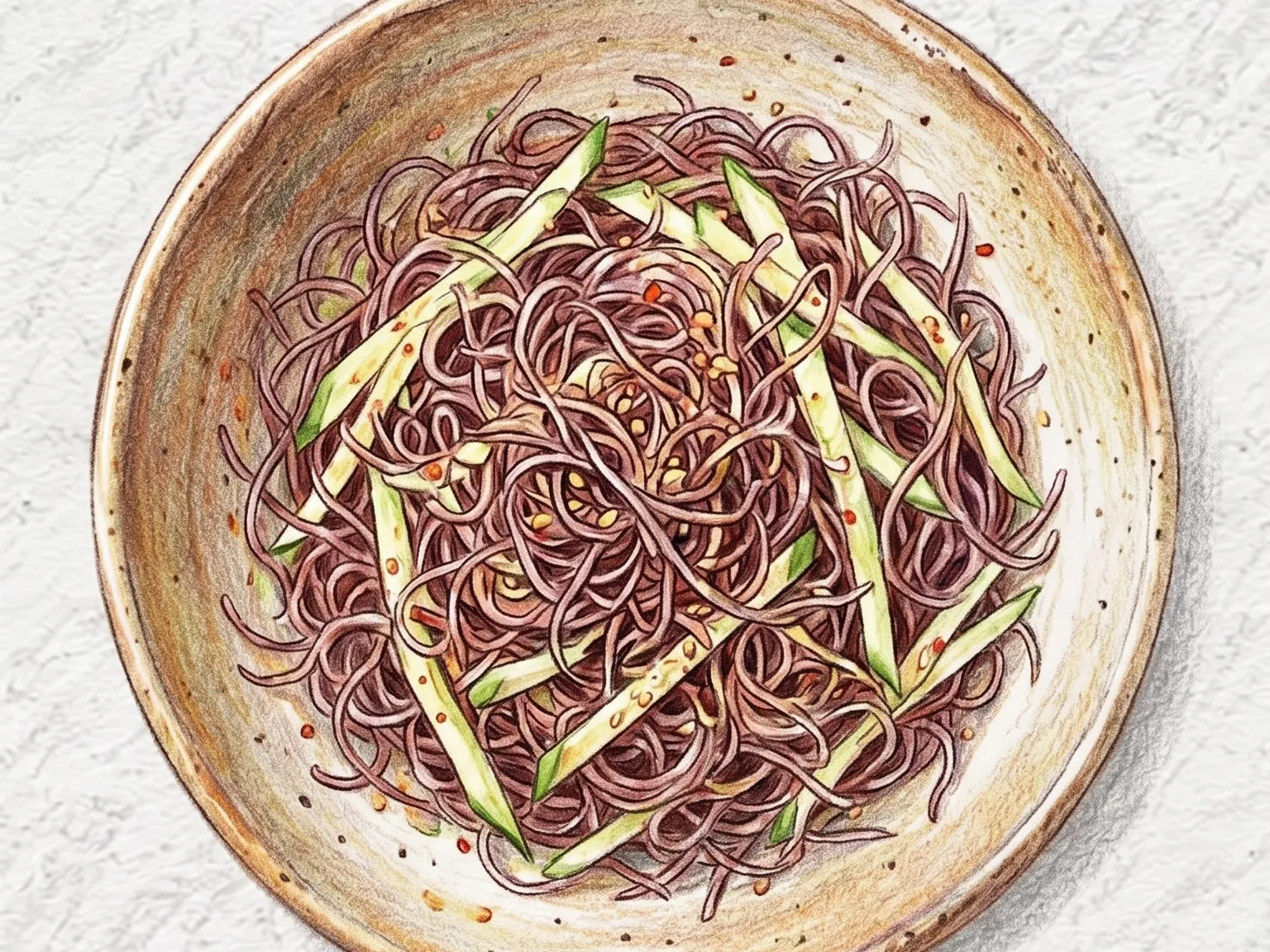
Korean Seasoned Sea Grapes Salad
Kkosiraegi-muchim is a tangy, low-calorie banchan made from kkosiraegi, a red algae seaweed whose thin, noodle-like strands snap with a distinctive crunch that no other seaweed can replicate. Blanching must not exceed twenty seconds, as anything longer collapses the characteristic texture, so a timer is essential. The seaweed goes straight from the boiling water into cold water to stop the heat and lock in elasticity. The dressing brings together gochugaru, soup soy sauce, vinegar, maesil-cheong, garlic, and sesame oil; the green plum extract layering in a fruity acidity that lifts the dish beyond simple sour-spicy flavoring. Julienned cucumber threaded through the seaweed strands provides a crisp, garden counterpoint to the oceanic depth. At roughly 72 kilocalories per serving with high dietary fiber content, this banchan appears frequently in Korean diet meal plans because it satisfies without adding much to the calorie count. Eating it promptly after seasoning prevents the cucumber from releasing water and diluting the dressing. Served cold in summer, it doubles as a refreshing side that pairs well with grilled meat or plain rice.

Solnip-cha (Korean Pine Needle Tea)
Solnip-cha is Korean pine needle tea, a clean herbal brew made by simmering young pine needles with jujubes and sliced ginger. This pine needle tea recipe depends on careful washing, short cuts, and a low simmer so the evergreen aroma infuses without resin bitterness. Jujubes bring gentle sweetness, ginger softens the pine's sharp edge, and honey with lemon is stirred in after straining for a bright finish.
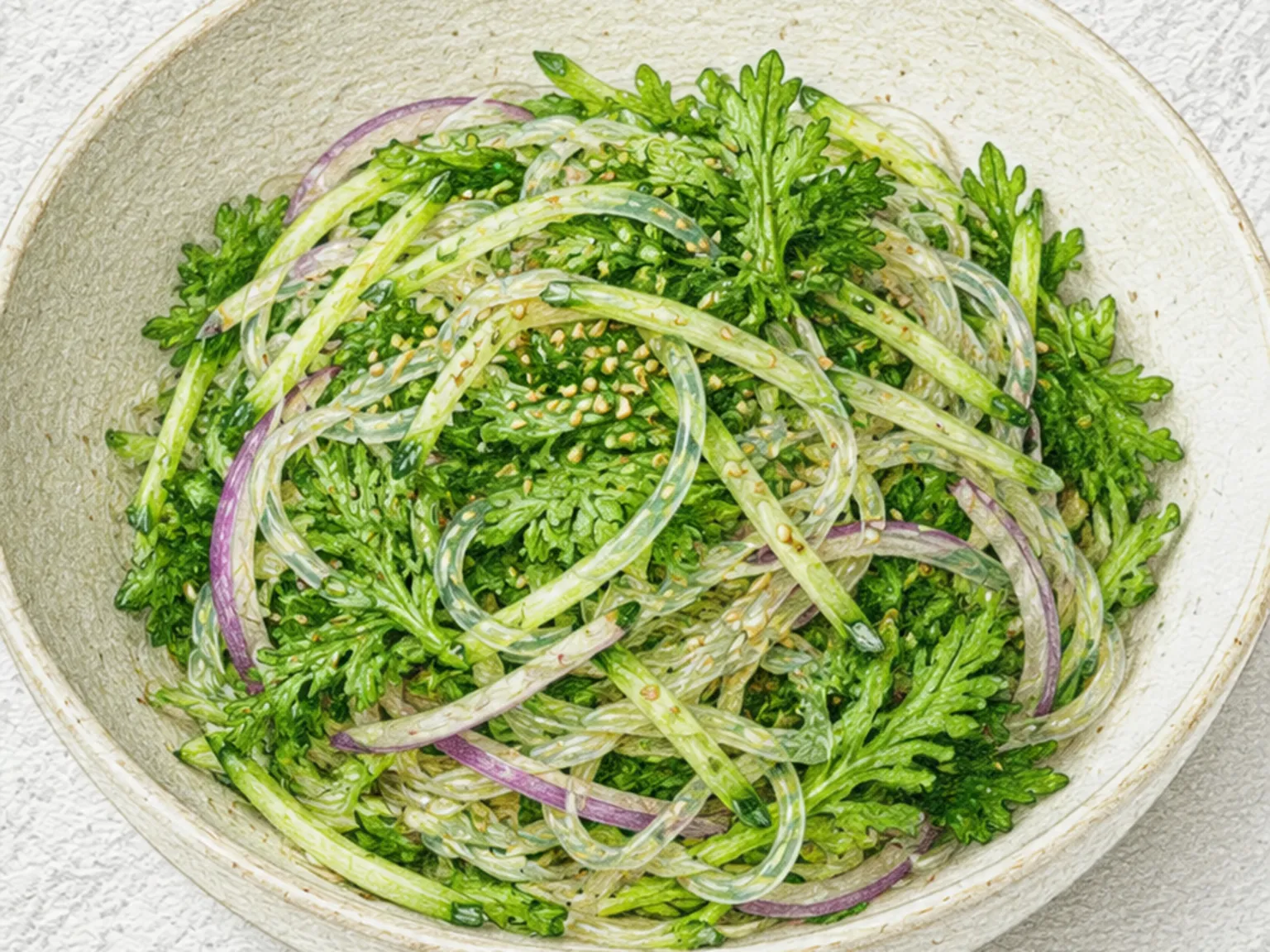
Crown Daisy & Mung Bean Noodle Salad
Ssukgat mungbean noodle salad soaks glass noodles in cold water for ten minutes, boils them for five until springy, then tosses them with fragrant crown daisy leaves, julienned cucumber, and thinly sliced red onion in a dressing of soy sauce, vinegar, plum syrup, and sesame oil. Mung bean starch noodles are more translucent and less starchy than wheat-based vermicelli, making them a cleaner canvas for the surrounding vegetables. Crown daisy's assertive, almost medicinal herbal aroma cuts through the neutral noodles and gives the salad a distinctive edge that milder greens cannot replicate. Plum syrup's gentle fruit sweetness layers over the vinegar's acidity to produce a light, clean finish on the palate rather than a sharp one-note sourness. Cucumber adds a cool crunch and red onion contributes a sharp bite between the slippery noodle strands, while toasted sesame seeds bring a roasted, nutty note at the end of each mouthful. Overcooking the noodles makes them sticky and prone to clumping, so pulling them out while still slightly firm is essential, and the salad is best served immediately after tossing so the crown daisy retains its fresh fragrance.
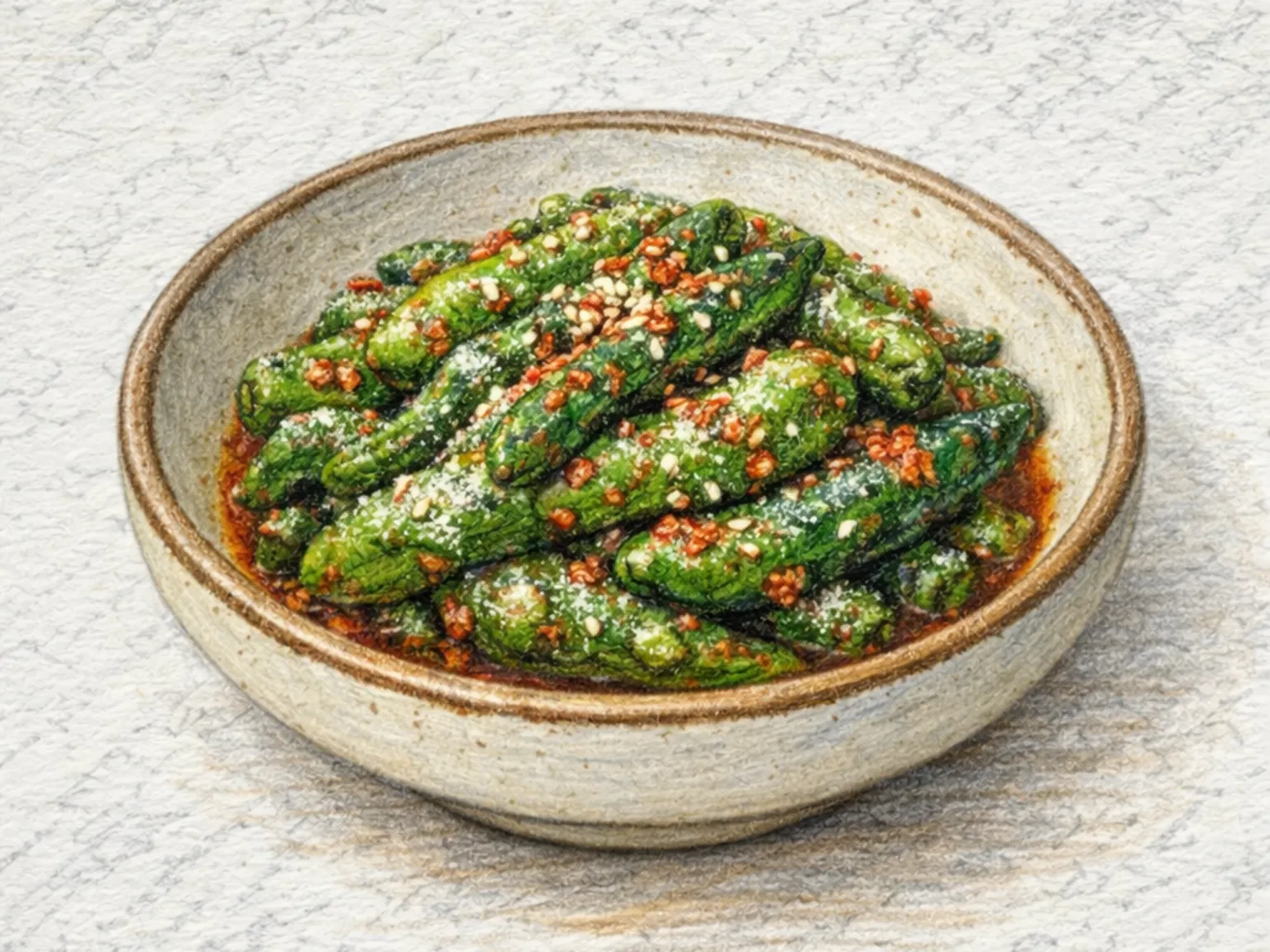
Korean Steamed Shishito Pepper Banchan
Kkwarigochu-jjim is a banchan made by coating shishito peppers with a thin dusting of flour and steaming them before tossing them in a seasoning sauce, which means no oil is used in the cooking process and the result is lighter than stir-fried or pan-fried versions. The wrinkled, bumpy surface of shishito peppers catches flour naturally. The right technique is to place the peppers in a sieve, scatter the flour over them, and shake gently to distribute an even, minimal coating. Too much flour causes the peppers to stick together into a clump during steaming. Five to six minutes of steaming wilts the peppers completely and turns the flour coat from white to translucent, while the moisture released from inside the peppers keeps the flesh tender and juicy. A quick toss in a sauce of soy sauce, gochugaru, minced garlic, and sesame oil lays a savory, mildly spicy layer over the pepper's own gentle sweetness. Because no cooking oil is involved, the calorie count is significantly lower than pan-fried shishito banchan, and steaming retains more of the pepper's vitamin C than high-heat stir-frying. Placed alongside richer, oil-based side dishes, kkwarigochu-jjim provides a clean, refreshing contrast on the table.

Korean Soju Beer Mix (Soju Lager Lemon Highball)
Somaek is Korea's most popular mixed drink, made by combining soju and lager beer in a single glass so that the spirit's alcohol strength meets the beer's crisp carbonation. The standard ratio is one part soju to three parts beer, and both liquids should be thoroughly chilled beforehand for the cleanest, most refreshing result. Ice goes in the tall glass first, followed by a splash of fresh lemon juice, then the soju, and finally the beer poured slowly down the inside wall of the glass to minimize foam and preserve the carbonation. A small addition of sparkling water lightens the drink further and brings the alcohol level down slightly for those who want a longer session. A lemon slice resting on the rim releases citrus oils with each sip, adding a bright aromatic layer that keeps the drink from feeling heavy. Somaek traces its roots to the bombtail drinking culture unique to Korean social gatherings, but today it exists in countless variations with different soju brands, beer styles, and ratio preferences that regulars debate with genuine seriousness.
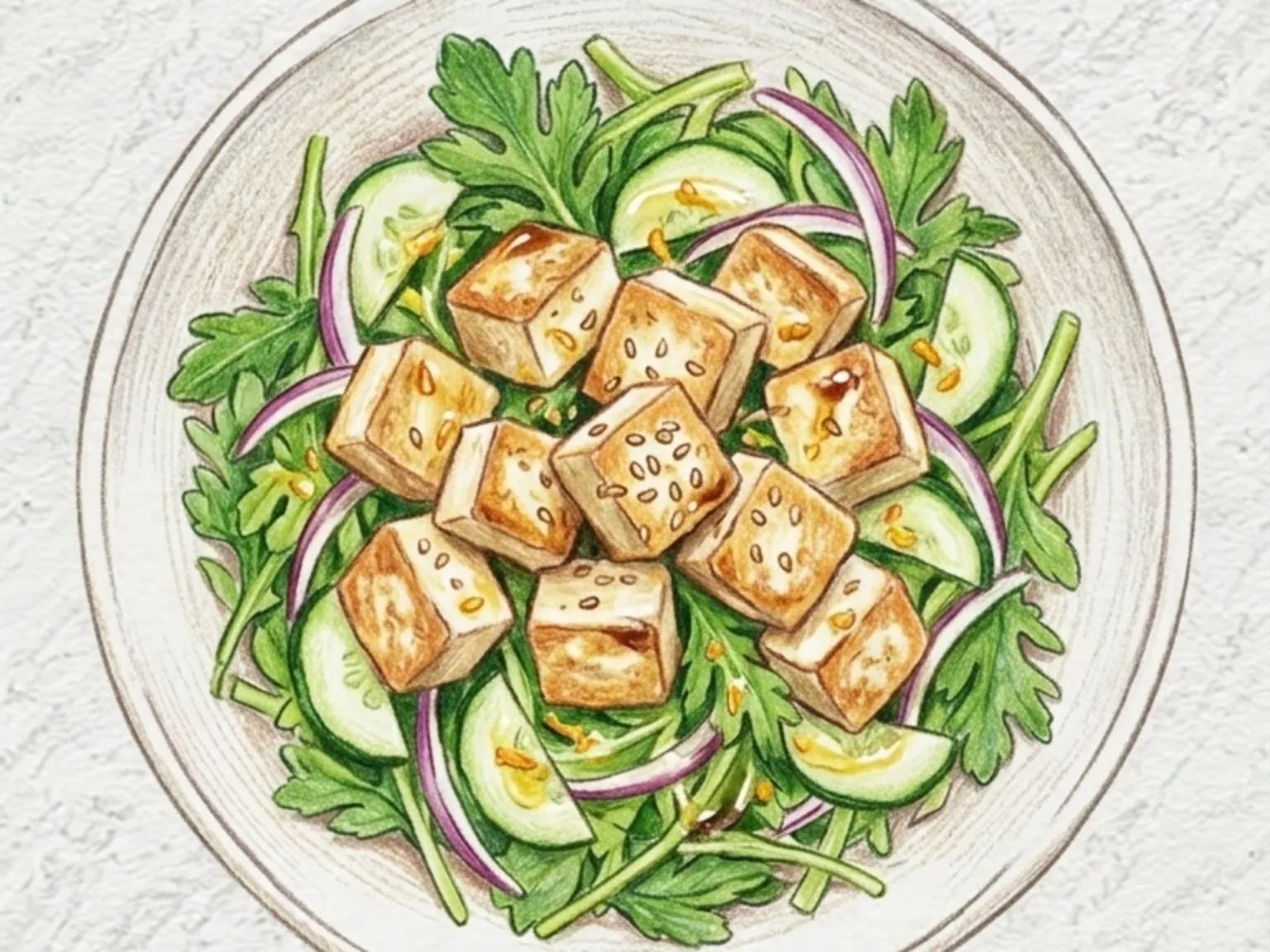
Crown Daisy & Tofu Yuzu Salad
Crown daisy and tofu yuzu salad presses firm tofu dry, sears it in a pan for six to eight minutes until the surface develops a golden crust, and pairs it with crown daisy, half-moon cucumber slices, and thinly sliced red onion in a yuzu marmalade dressing. The yuzu's bright citrus fragrance and subtle bitterness meet crown daisy's bold herbal aroma, and the two botanical notes amplify each other rather than compete. Soy sauce and sesame oil anchor the dressing with fermented depth and nuttiness, preventing the floral top notes from floating untethered. The tofu's soft, creamy interior contrasts with the fibrous crown daisy stems, and cucumber's cool moisture keeps the overall impression light. Avoiding frequent flipping during searing lets a proper crust form on the tofu's surface.
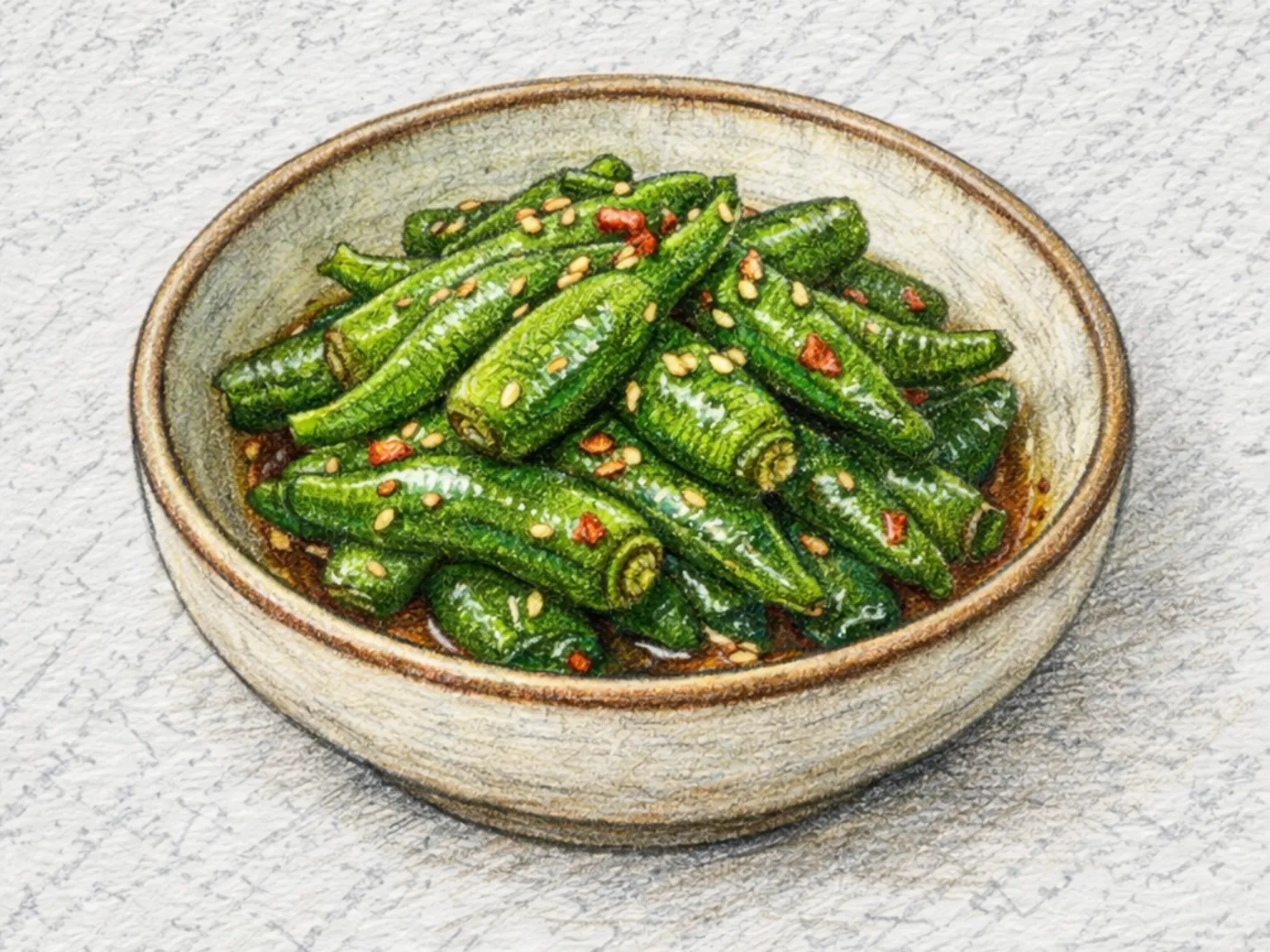
Korean Seasoned Shishito Pepper Banchan
Kkwarigochu-muchim is a Korean banchan made by briefly blanching shishito peppers and dressing them in a doenjang-based seasoning. It is a distinct dish from kkwarigochu-jjim, the braised version of the same pepper, even though the ingredients overlap significantly. The braised version simmers the peppers until they soften and absorb the sauce, while muchim relies on a very short blanch, no longer than forty seconds, to preserve the pepper's snap. Shocking the peppers in cold water the moment they come out of the boiling water locks in the vivid green color, and squeezing out excess moisture prevents the doenjang dressing from thinning into something flat and watery. The irregular wrinkled surface of shishito peppers acts as a natural trap for the doenjang, soy sauce, and sesame oil dressing, which means a modest amount of seasoning spreads evenly across every piece. Tossing rather than kneading keeps the skins intact and the texture consistent. Tearing one end slightly before dressing allows the seasoning to reach the hollow interior. Among regular eaters, part of the appeal is the mild unpredictability: most shishito peppers are gentle, but one in every handful delivers unexpected heat. Because the dish releases very little liquid after seasoning, it travels well in packed lunches and is a regular fixture on summer dinner tables in Korean households.
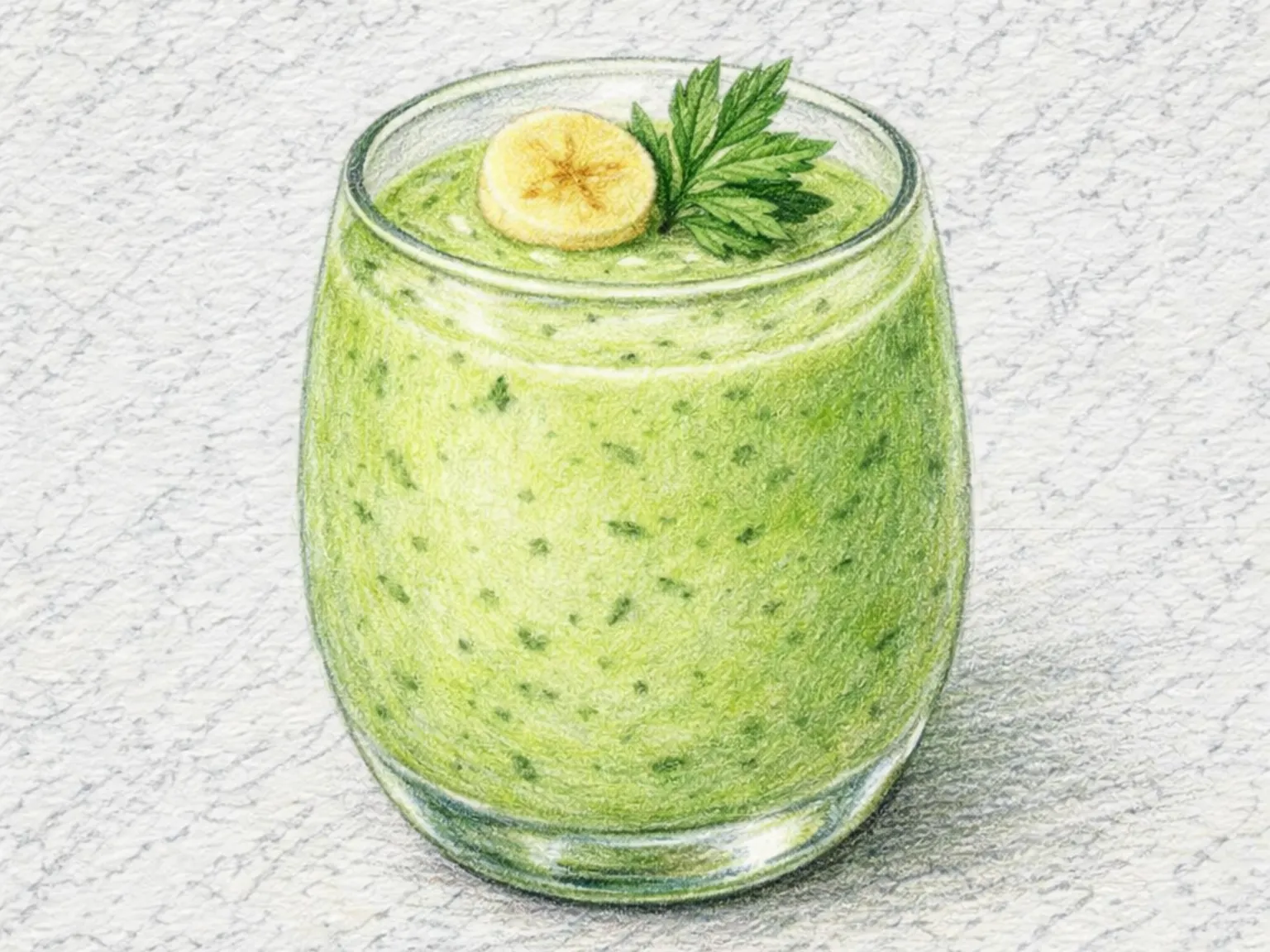
Korean Mugwort Banana Smoothie
This smoothie combines blanched mugwort with frozen banana, plain yogurt, and milk, blended into a thick, creamy drink. The mugwort is briefly blanched for 20 seconds to tame its raw bitterness, while pre-freezing the banana adds body without relying on excess ice. A touch of vanilla extract bridges the grassy herbaceous notes of the mugwort with the banana's tropical sweetness, and honey rounds out the overall flavor. The result is a vivid green drink with a simultaneously earthy, fruity, and tangy profile, finished in under 10 minutes from start to pour.
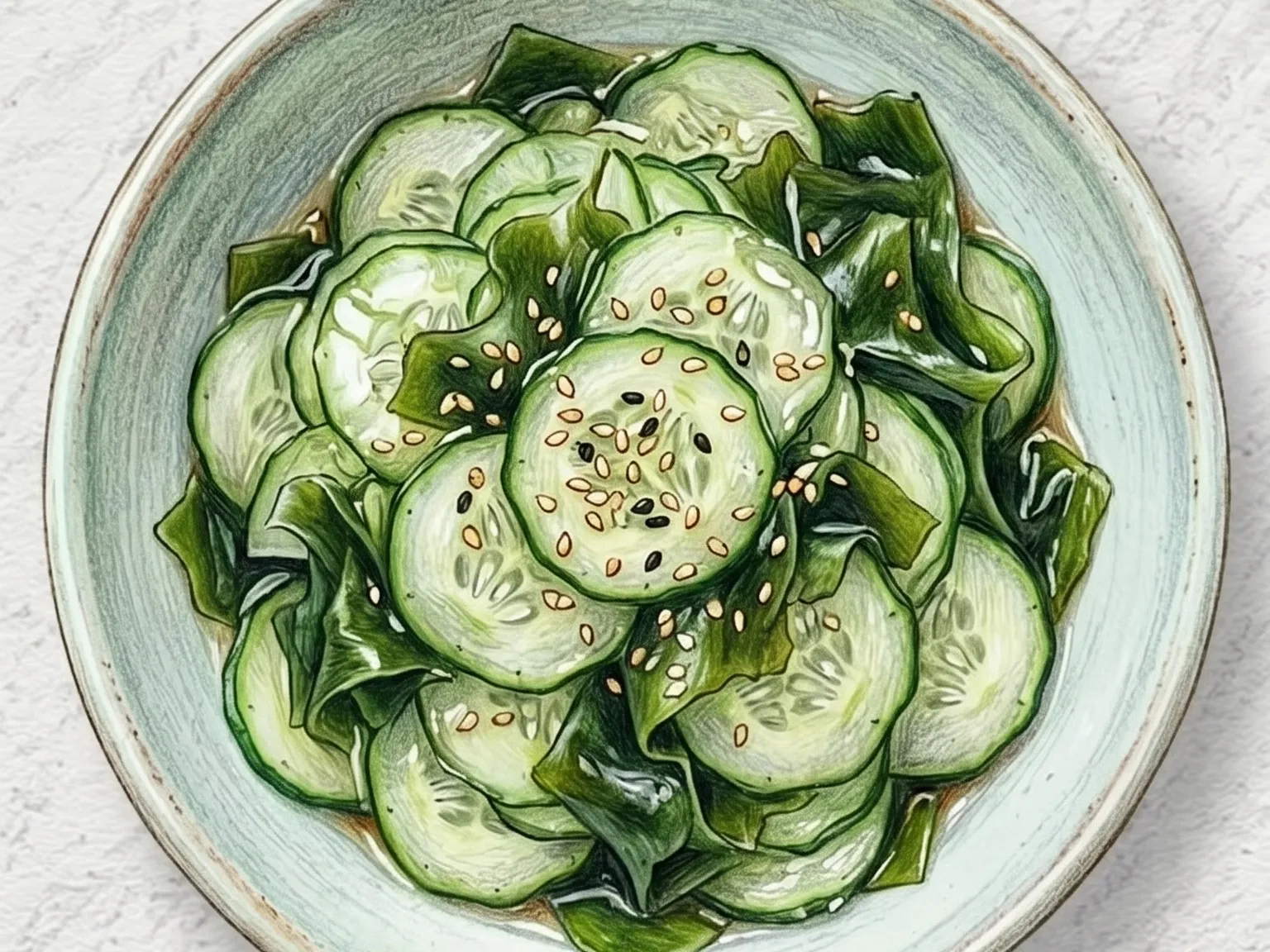
Sunomono Cucumber Salad (Japanese Sweet Vinegar Cucumber Slices)
Sunomono cucumber salad slices cucumber paper-thin, salts the slices for five minutes to draw out excess moisture, then squeezes them firmly dry before tossing with rehydrated wakame in a dressing of rice vinegar, sugar, and a touch of soy sauce. Squeezing the cucumber after salting is what keeps the vinegar dressing sharp and concentrated through the whole dish rather than gradually diluting into a watery pool. The crisp, snappy texture of the cucumber and the slippery, silky texture of the wakame sit beside each other in every bite, and toasted sesame seeds scattered over the top add a nutty fragrance that rounds out the clean, acidic finish. Blanching the wakame briefly after soaking removes any residual sea smell and keeps its color vivid green. Cutting the cucumber as thinly as possible, in rounds or half-moons, helps the dressing penetrate quickly and gives the salad an even, delicate texture throughout. The preparation requires no heat at all and takes under fifteen minutes, making it a practical and refreshing side dish for summer meals or as a palate-cleanser alongside grilled meats.