⚡ Quick Recipes
Ready in 20 minutes or less
804 recipes. Page 31 of 34
A busy schedule does not mean you have to settle for bland meals. Every recipe in this collection can be prepared and finished in 20 minutes or less - quick stir-fries, tossed noodles, microwave dishes, and more.
The secret is minimizing prep work and keeping the steps simple. Pre-cut ingredients or pantry staples speed things up even further. Turn to these recipes after work, during a short lunch break, or for a fast breakfast.
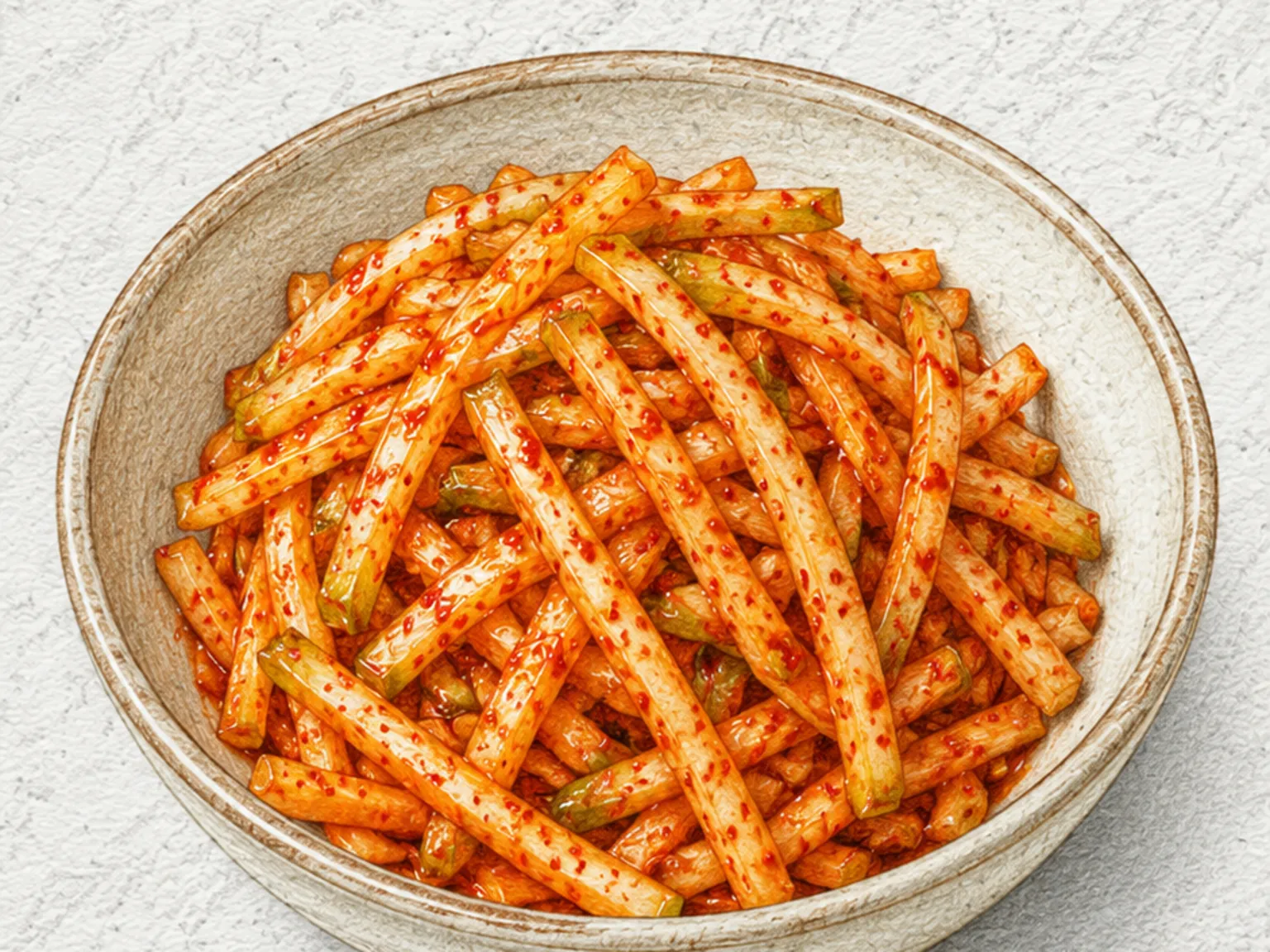
Korean Kohlrabi Fresh Salad (Saengchae)
Kolabi-saengchae is a fresh Korean salad made from julienned kohlrabi dressed in gochugaru, vinegar, and fish sauce. Though it resembles mu-saengchae made with radish, the two diverge clearly in texture and flavor. Kohlrabi is a brassica, but instead of leaves or roots, the rounded swollen stem base is the edible part. Its exterior is firm and waxy, while the flesh inside is juicy, light, and gently sweet in a way that resembles a crisp pear rather than the earthy sharpness of radish. The thick outer rind must be generously peeled to strip away the fibrous layer just beneath the skin, and the kohlrabi is then cut into matchstick strips about 4 to 5 centimeters long and a few millimeters wide. Cutting too thin causes the strips to wilt quickly as they draw moisture under the dressing. Fish sauce contributes marine umami to kohlrabi's quiet sweetness, while vinegar slows moisture loss and extends the window of crispness after seasoning. Gochugaru adds heat and the brick-red color associated with most saengchae. Served beside grilled fatty meats, the tangy, crunchy salad functions as a palate cleanser between bites. Kohlrabi is at its sweetest and most firm during peak seasons in spring and fall, which is when this banchan appears most frequently at Korean tables.

Korean Mugwort Latte (Herbal Mugwort Condensed Milk Drink)
Ssuk latte is a Korean mugwort milk drink built on a simple technique: mugwort powder is first dissolved in a small amount of water to form a smooth paste before being whisked into warm milk. Adding the powder directly to cold milk tends to produce lumps, so dissolving it into a paste first is the step that determines whether the finished drink is silky or gritty. Condensed milk and honey soften the herb's inherent bitterness, the quality that characterizes mugwort most distinctly, while a small pinch of salt sharpens the contrast between sweet and earthy and adds a layer of depth that sugar alone cannot provide. The milk is heated on medium-low heat until the surface begins to tremble and small bubbles appear at the edges, just before boiling, which is enough warmth for the powder to integrate fully and produce a uniform, jade-green color without scorching. Served hot, the drink carries a lingering herbal warmth and a faint bitter note in the back of the throat that traditional Korean drinks often feature. Served over ice and shaken, the same base transforms into a lighter, more refreshing version with a cleaner mouthfeel. Mugwort has been a seasonal spring ingredient in Korean food culture for centuries, valued for its distinctive fragrance and tonic properties. Those unfamiliar with the flavor can start with a smaller amount of powder and increase gradually until the intensity suits their taste.
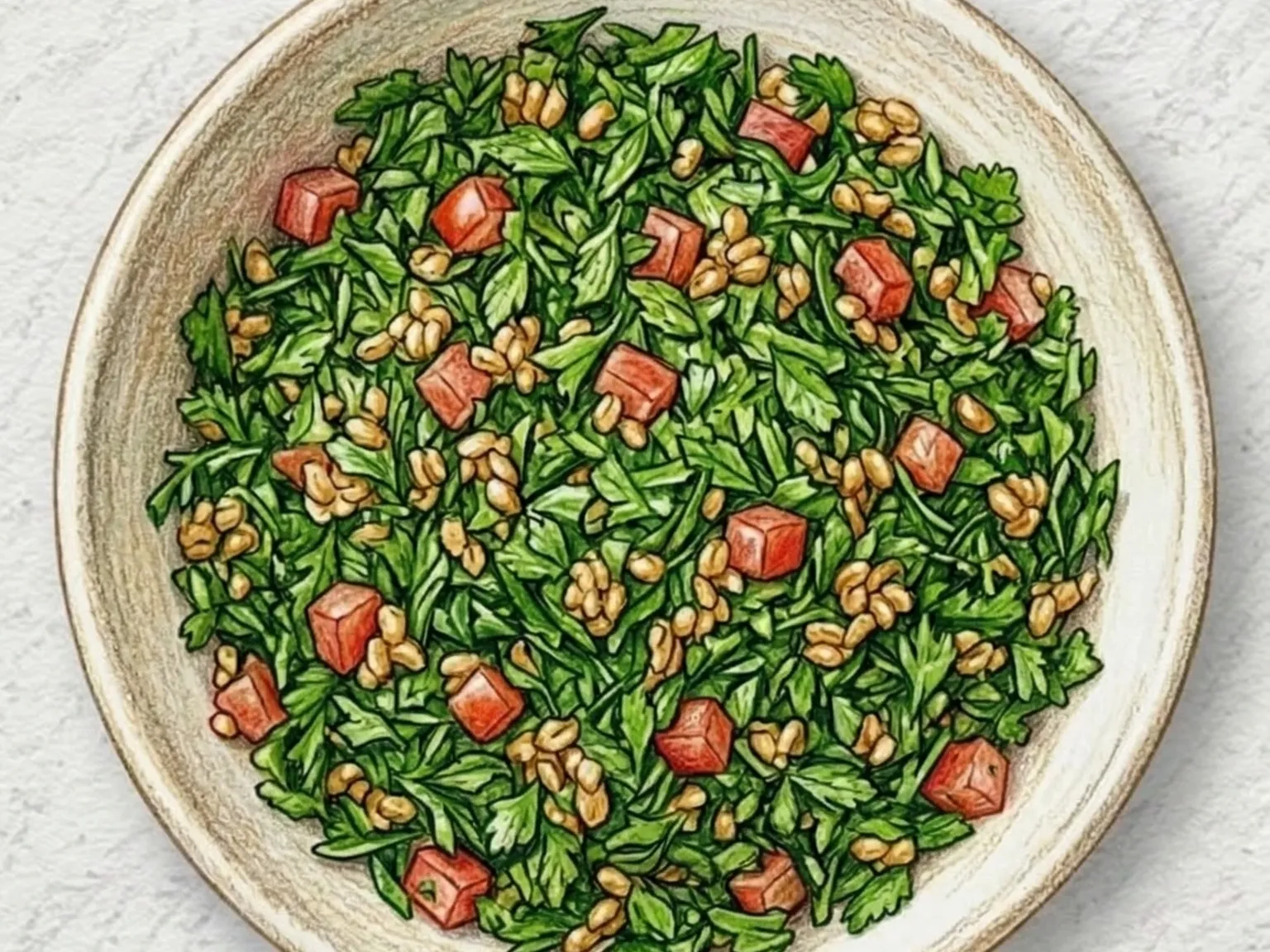
Tabbouleh Salad (Middle Eastern herb salad)
Tabbouleh salad is a Middle Eastern herb salad where finely chopped parsley and mint are the main ingredients and bulgur plays a supporting textural role. The bulgur is soaked in boiling water until tender, then cooled to develop a nutty chew that anchors the bright greenery piled on top. Removing the seeds from the tomatoes before dicing prevents excess juice from diluting the lemon-olive oil dressing. The dressing itself is simple - lemon juice, olive oil, and salt - but its acidity lifts the grassy flavor of the herbs into something sharp and clean. Resting the assembled salad in the refrigerator for at least ten minutes allows the lemon to penetrate the bulgur, producing a consistent flavor in every bite.
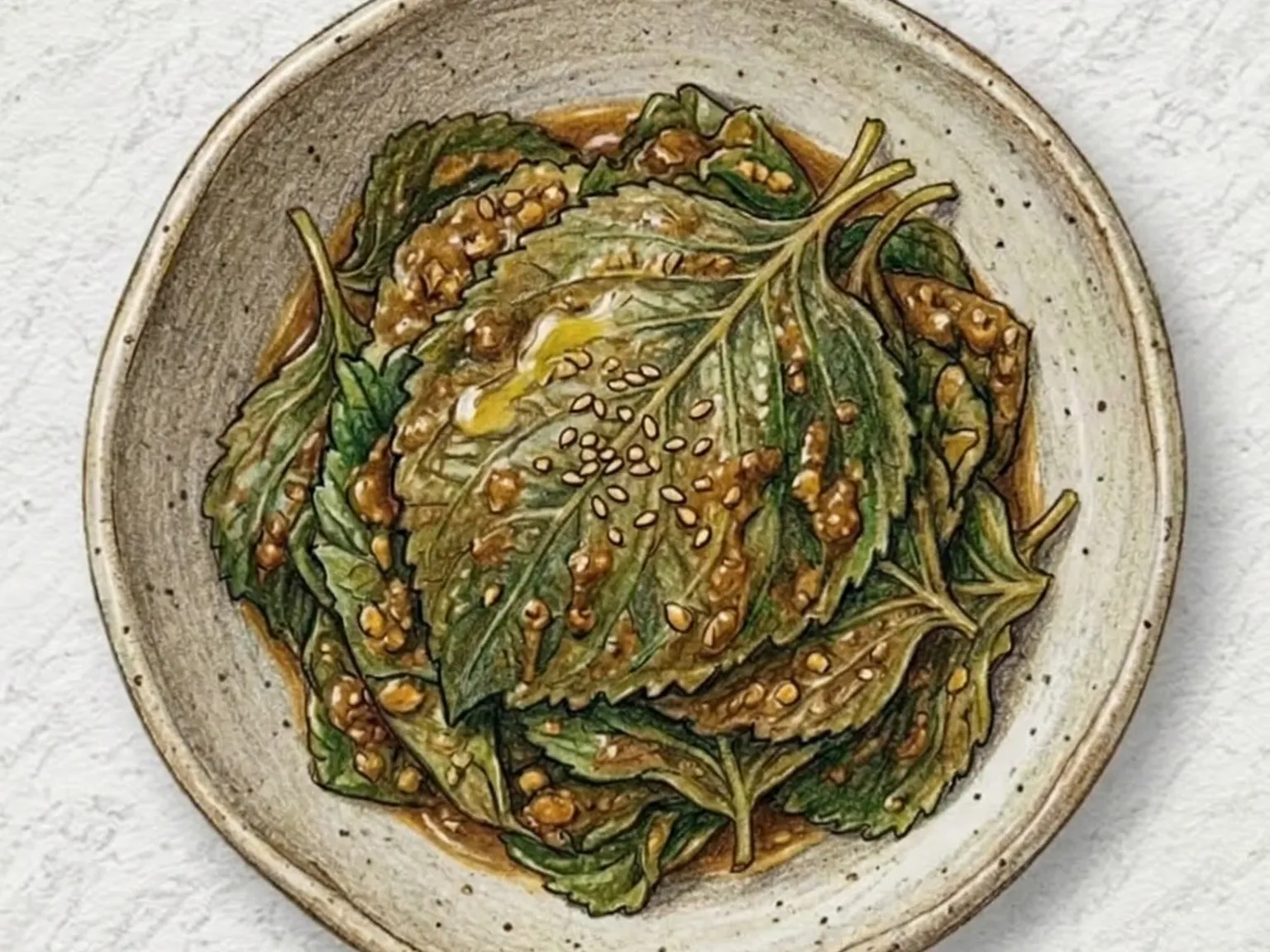
Korean Soybean Leaf Doenjang Muchim
Kongip-doenjang-muchim dresses boiled soybean leaves in doenjang and perilla oil - a rustic Korean banchan more commonly found on countryside tables in Jeolla and Gyeongsang provinces than in urban kitchens. Soybean leaves are larger and thicker than perilla leaves, with a chewy, almost fabric-like texture after cooking. Fresh leaves are a seasonal ingredient available only in summer, typically sourced at rural markets or directly from farms rather than supermarkets. Boiling for five to six minutes softens the tough fibers while preserving the earthy, beany aroma unique to the leaf. Since doenjang is the primary seasoning and can easily over-salt the dish, diluting it with a tablespoon of water brings the intensity to the right level. Perilla oil is chosen over sesame oil because its grassy, nutty profile harmonizes with the leaf's herbaceous character. Gentle hand-mixing is essential - aggressive tossing tears the softened leaves.
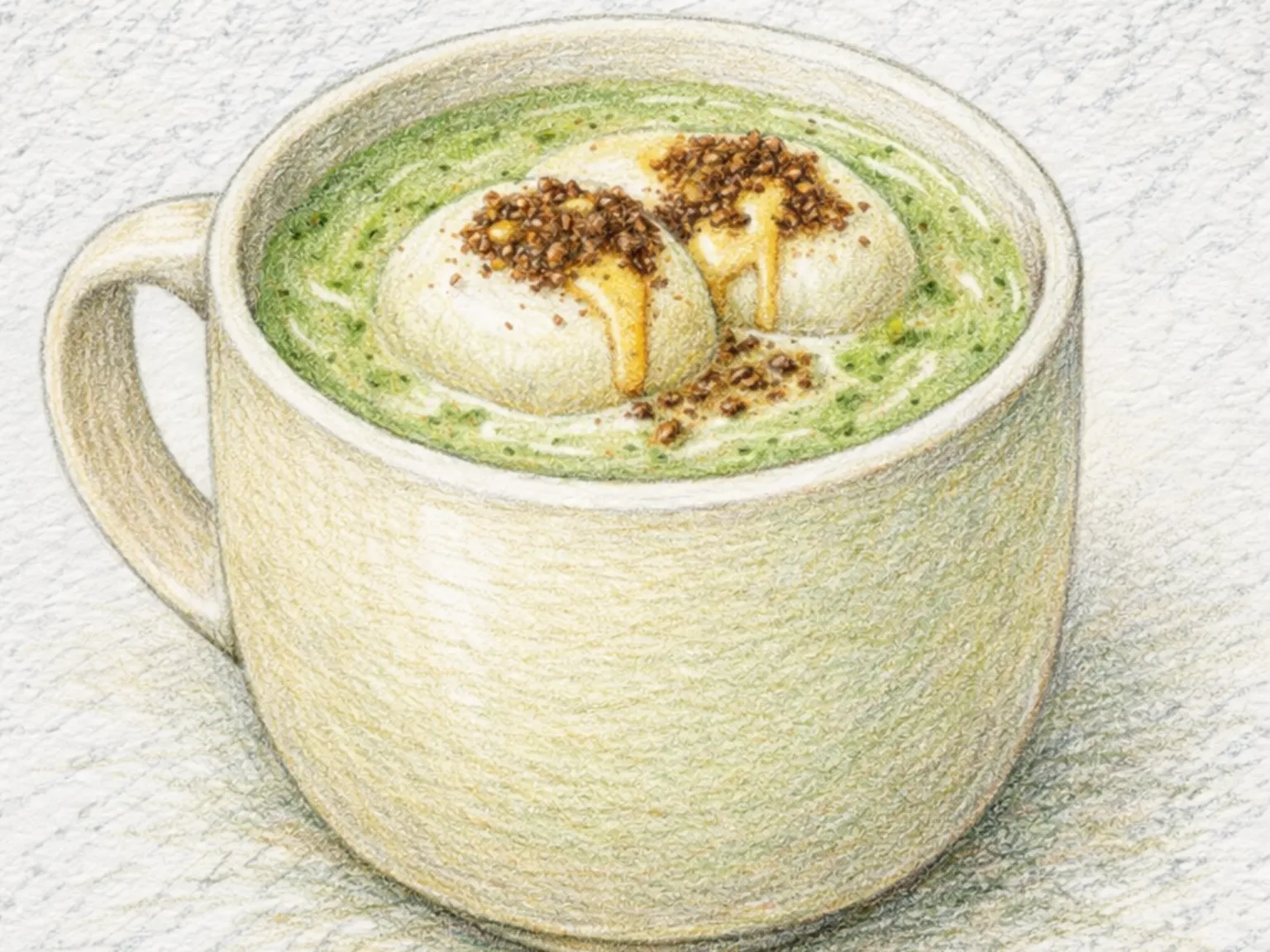
Korean Mugwort Rice Cake Latte
Ssuk-tteok latte is a Korean dessert drink that tops a warm mugwort milk base with chewy bite-size rice cakes. Dark brown sugar dissolves into the milk to provide a deep, almost caramel-like sweetness, layered further with a spoonful of condensed milk. The sweet rice cake pieces are briefly microwaved to soften before being placed on top, so they remain pleasantly chewy even as they sit in the hot latte. Each sip and bite brings together the grassy fragrance of mugwort, the molasses-like richness of brown sugar, and the sticky, satisfying pull of glutinous rice cake.

Taco Salad
Taco salad combines seasoned ground beef with crisp romaine, kidney beans, and corn in a single bowl, dressed with tomato salsa and brightened with a squeeze of lime just before serving. The beef is cooked over high heat and stirred until every trace of moisture has evaporated from the pan, which gives the surface a slightly caramelized edge and prevents the released liquid from making the salad soggy. Kidney beans serve a dual function: their starchy softness absorbs the Cajun seasoning heat clinging to the meat, moderating the intensity, while also providing a filling protein base alongside the beef. Corn kernels add bursts of sweetness and a clean pop of texture that cuts through the heavier elements. Shredded cheddar cheese is added at the end, and its fat content softens the sharp acidity of the salsa without dulling it. The final step, a squeeze of fresh lime, lifts the entire dish by adding brightness that cuts through the richness of both the meat and the melted cheese.
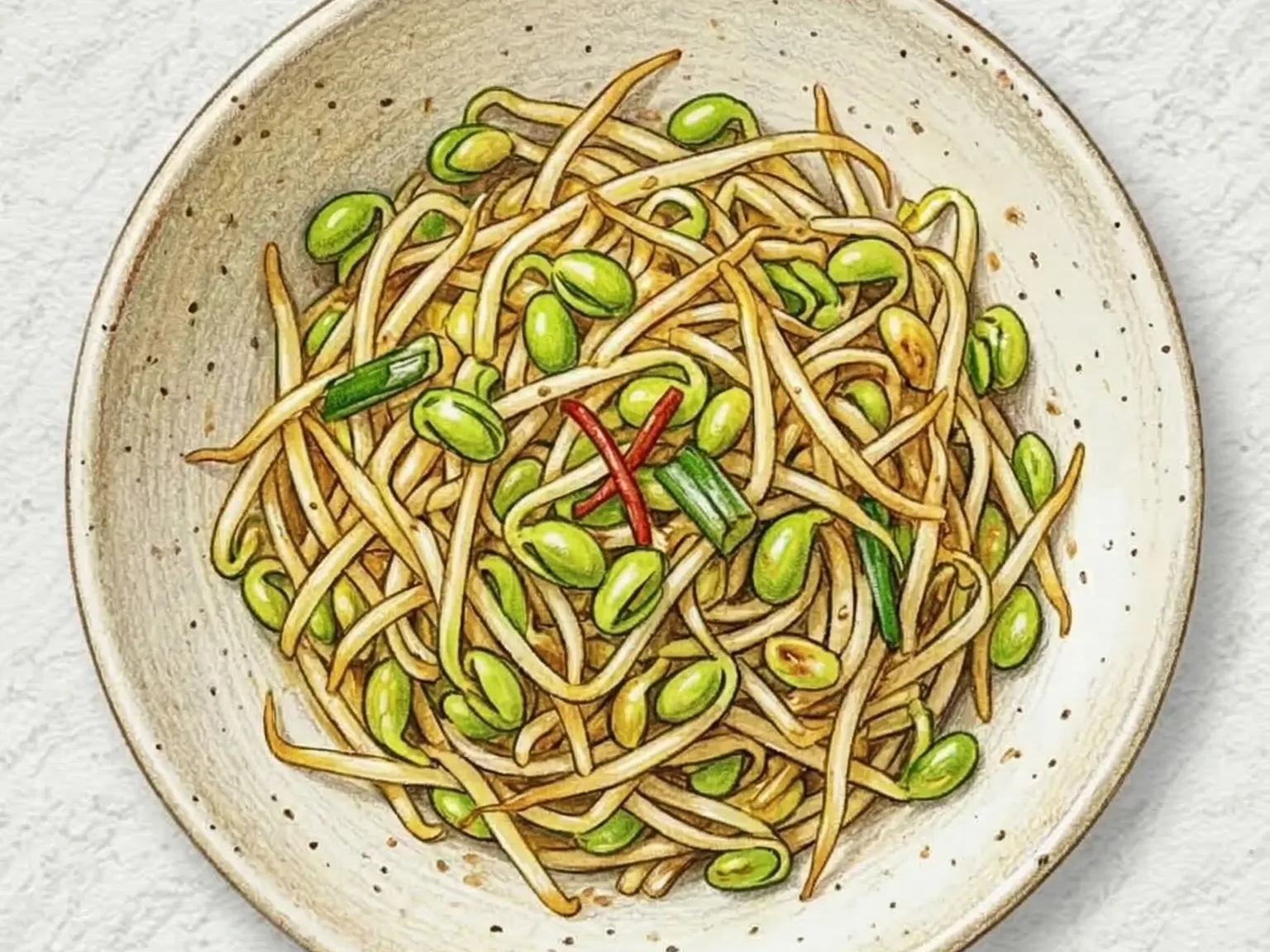
Korean Stir-Fried Soybean Sprouts
Kongnamul-bokkeum is stir-fried soybean sprouts cooked over high heat, and while the ingredients are identical to kongnamul-muchim, the cooking method produces a fundamentally different result. Muchim blanches the sprouts gently and seasons them cold, whereas bokkeum exposes them directly to a hot oiled pan surface, creating a faint caramelized char on the outside of each sprout that a steamed preparation never achieves. The single non-negotiable rule is to never put a lid on the pan. A covered pan traps the steam released by the cooking sprouts, effectively turning the stir-fry into a steamed dish. That trapped moisture not only destroys the crunch but also locks in the raw bean smell that correct technique is supposed to eliminate entirely. Garlic goes into the oil first for twenty seconds to lay an aromatic foundation before any sprouts touch the pan. Once the sprouts are added, two minutes of constant tossing over maximum heat is the upper limit before the stems begin to soften and lose their snap. Any longer and the texture slides toward mushy. Gukganjang, the lighter Korean soup soy sauce, seasons the dish with a cleaner, less assertive saltiness than standard soy sauce and leaves the color pale enough that the finished dish looks fresh rather than dark and heavy. Sliced scallions added in the final seconds contribute green color and a mild allium note. When a bag of bean sprouts is the only vegetable left in the refrigerator, this five-minute banchan is the most practical solution, and the technique, once learned, applies to almost any tender leafy vegetable.

Korean Strawberry Latte
This strawberry latte layers a hand-crushed fresh strawberry base at the bottom of the glass, then builds a two-tone presentation by slowly pouring cold milk down the inside wall. The berries are crushed with a fork rather than blended smooth, leaving irregular pieces of fruit that provide texture in every sip. Mashing them with sugar and allowing five minutes for osmosis draws out enough juice to dissolve the sugar into a concentrated, syrupy base that sits dense at the bottom. One or two drops of vanilla extract smooth the sharp edge of the strawberry's acidity without masking the fruit. Honey, used in place of or alongside sugar, leaves a floral sweetness in the finish that plain sugar cannot replicate. Pouring the milk against the inside wall of the glass rather than directly over the fruit keeps the red base layer intact and the two-tone separation distinct. Stirring the drink collapses the layers into a uniform pale pink with flecks of fruit dispersed throughout. Made with fresh spring strawberries at peak ripeness, the latte delivers a real-fruit fragrance that processed strawberry syrups cannot match.
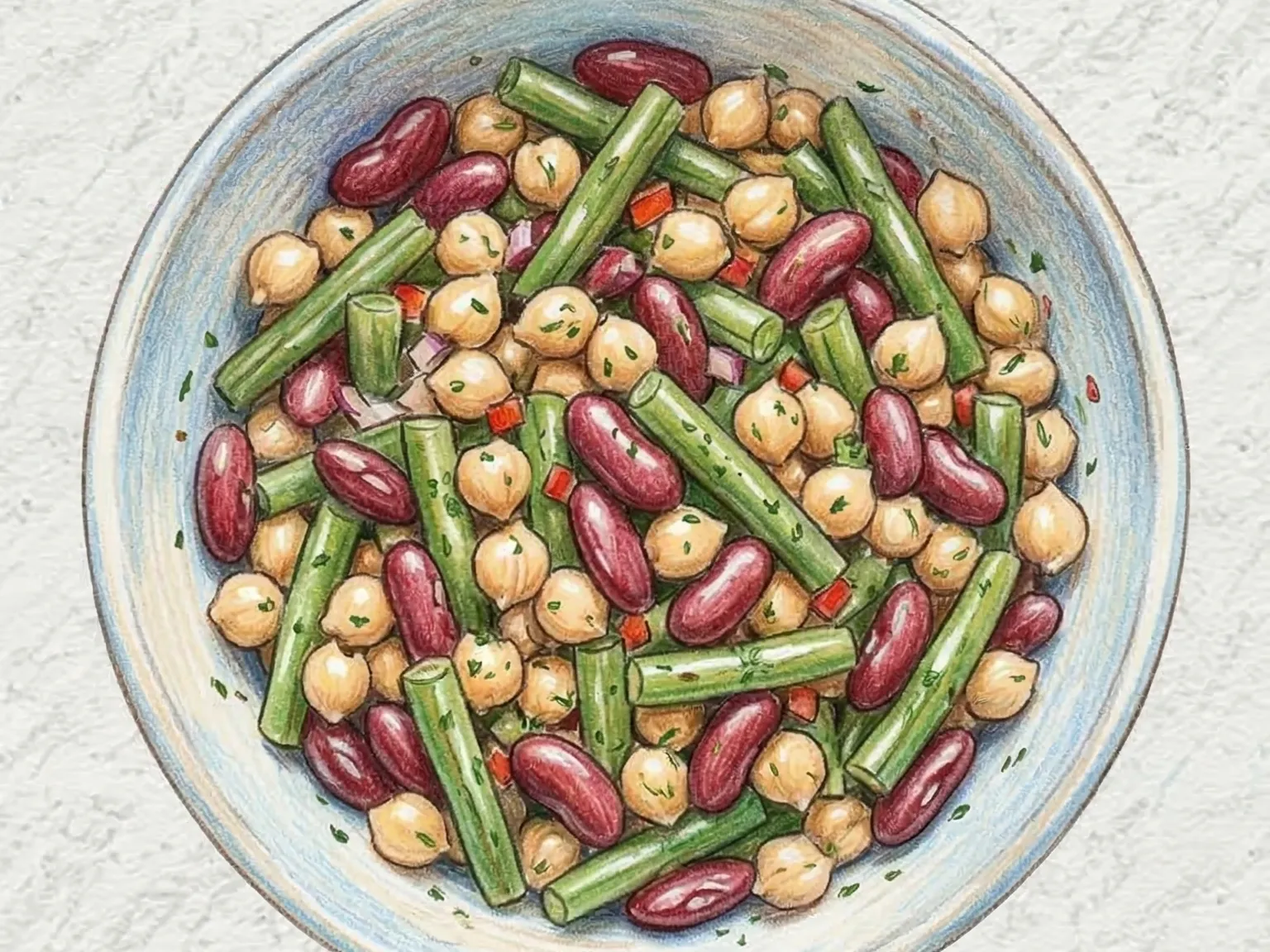
Three Bean Salad
Three bean salad consists of kidney beans, chickpeas, and fresh green beans that are prepared by blanching. The green beans undergo a brief cooking process in boiling water for three minutes, which ensures they retain a bright appearance and a snappy texture. In contrast, the kidney beans and chickpeas used are canned varieties that only require thorough rinsing and draining to remove any excess starch from their surface. The recipe includes red onions that have been thinly sliced and then soaked in cold water. This soaking step is used to remove the sharp, raw bite of the onion, resulting in a mild sweetness that integrates well with the other components. The dressing for this salad is a combination of olive oil, apple cider vinegar, and Dijon mustard. The apple cider vinegar contributes a soft acidity to the mixture, while the mustard introduces a sharp and peppery element that provides flavor to the beans. Storing the assembled salad in the refrigerator overnight is an important step because it allows the dressing to soak into the beans and the green beans. This waiting period makes the dish a suitable option for individuals looking to prepare their meals ahead of time.
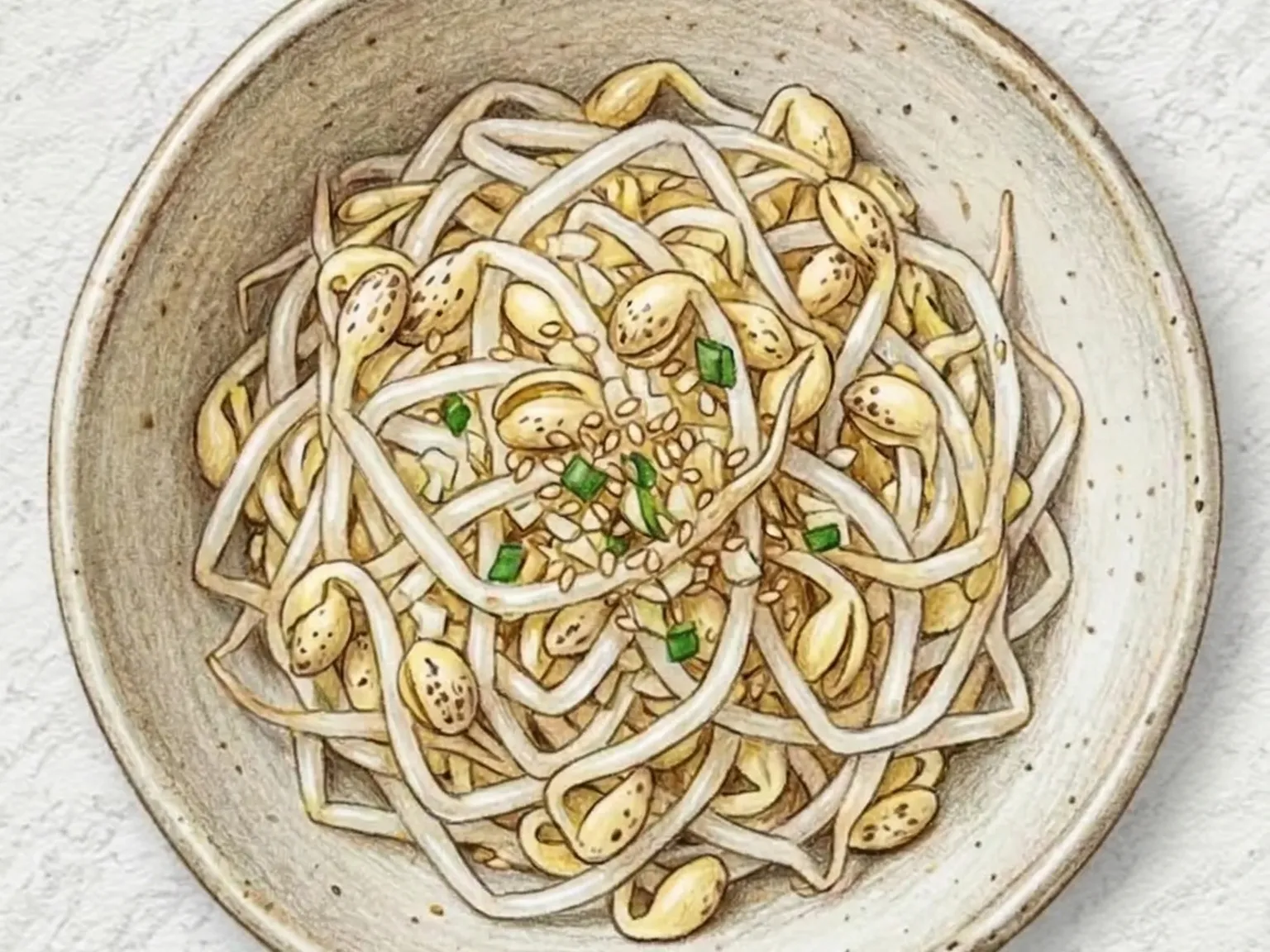
Korean Seasoned Bean Sprouts
Kongnamul-muchim is arguably the most frequently served banchan on Korean family tables, boiled soybean sprouts dressed simply with sesame oil, garlic, and salt. The famous never-open-the-lid rule during cooking has a clear biochemical basis: the lipoxygenase enzyme in soybeans activates during the early stages of heating and produces the raw-bean off-odor that makes poorly cooked sprouts unpleasant. Keeping the lid firmly sealed maintains a full rolling boil at 100 degrees Celsius, which rapidly deactivates the enzyme before it can do much damage. Three minutes of covered boiling is the standard. A cold water rinse immediately after cooking halts carryover heat, preserving the crisp stem texture that defines a well-made batch, and thorough hand-squeezing prevents the dressing from becoming diluted and watery. Adding gochugaru creates the spicy red version; leaving it out yields the white baek-kongnamul variant. This namul is one of the mandatory components of bibimbap and is particularly associated with Jeonju, where kongnamul-gukbap and bibimbap together define the city's culinary identity around the same ingredient. Nail the cooking time, the rinse temperature, and the squeeze, and the result is consistent every single time.
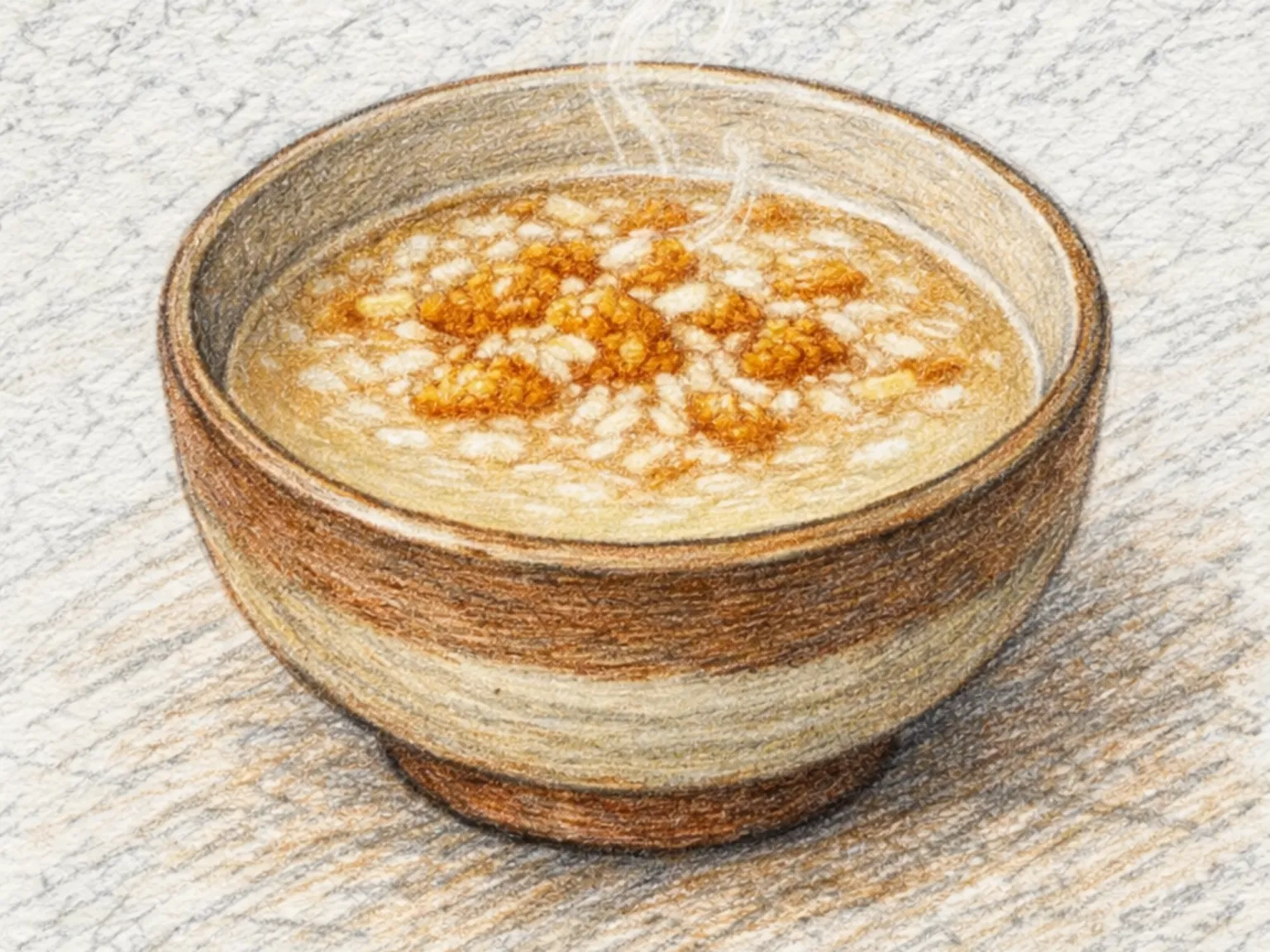
Korean Scorched Rice Tea (Toasted Rice Grain Brew)
Sungnyung is a traditional Korean grain beverage made by toasting the cooked rice left on the bottom of a pot until it forms a golden crust called nurungji, then pouring in water and simmering the crust with small additions of brown rice and glutinous rice for about fifteen minutes. The toasting step is where the character of the drink is established: enough scorching produces a deep, roasted, almost tea-like aroma, but any actual burning spreads bitterness through the entire liquid, so keeping the heat low and watching carefully is essential. A small pinch of salt sharpens the perception of the grain flavor without making the drink taste seasoned in any obvious way, and two or three pine nuts floated on the surface add a mild, oily richness that gives the otherwise lean liquid some body. Sungnyung has long been served at the end of meals in Korean households, rooted in the practical experience that a cup of the hot, gentle drink settles the stomach and eases the discomfort of having eaten heavily. There was also a household efficiency dimension: the same pot used to cook the rice would be used to make sungnyung, and the process cleaned the stuck rice off the bottom without scrubbing. With electric rice cookers now standard in most Korean homes, nurungji does not form naturally, but commercially produced nurungji can be purchased and simmered in the same way to achieve a close approximation.
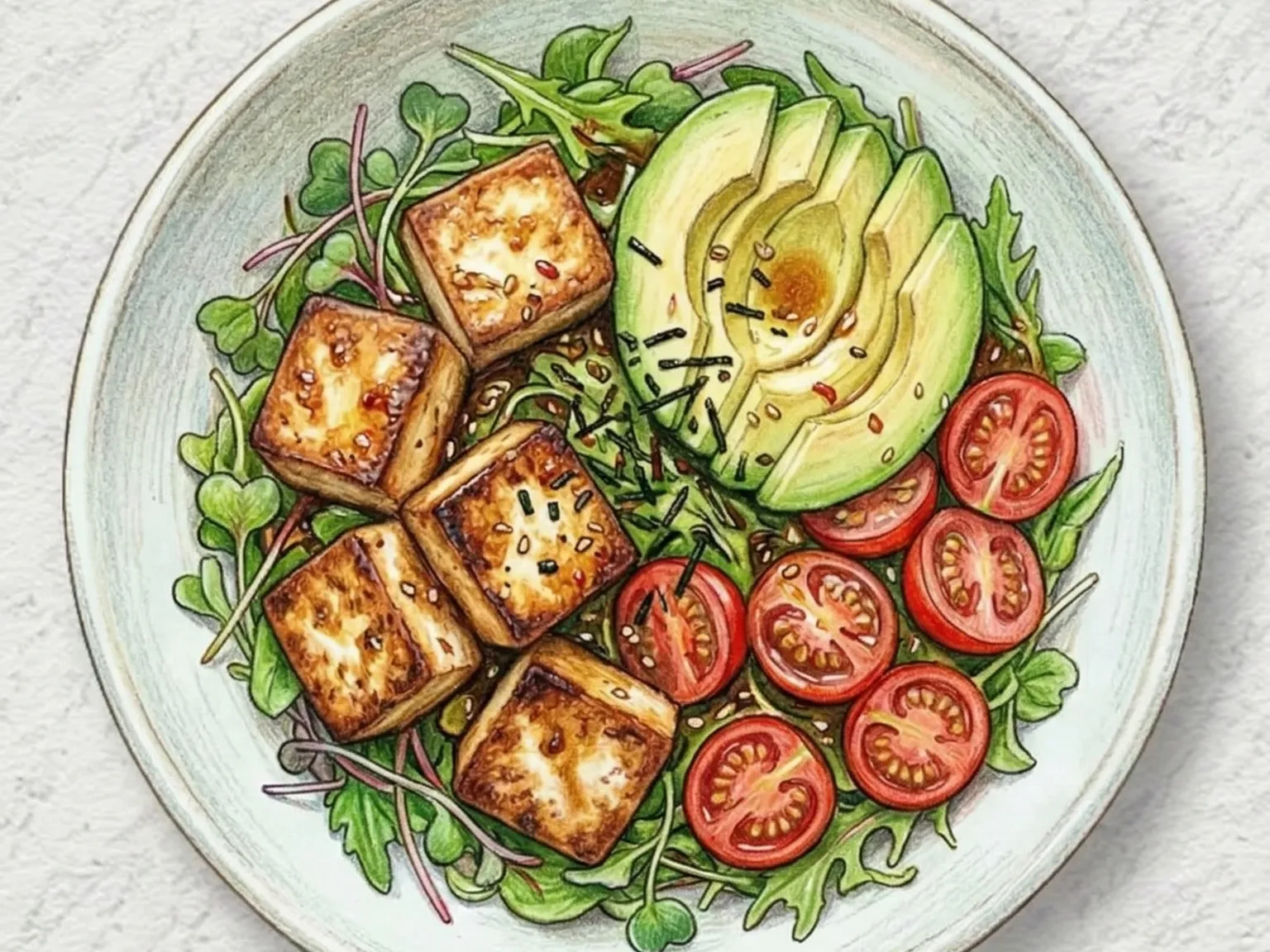
Tofu Avocado Salad (Silken Tofu and Avocado Sesame Bowl)
Tofu avocado salad pairs pan-seared firm tofu with ripe avocado over a bed of mixed greens, dressed in soy sauce, sesame oil, and lemon juice. Pressing the tofu thoroughly before searing allows the surface to develop a golden Maillard crust that holds its shape even after tossing with the dressing. The avocado's creamy fat contrasts with the burst of juice from halved cherry tomatoes, creating textural variety in every bite. The dressing layers three dimensions - soy sauce for salinity, sesame oil for nuttiness, and lemon juice for acidity - giving depth to otherwise mild ingredients. Cutting the avocado just before serving prevents oxidation and keeps the color clean.
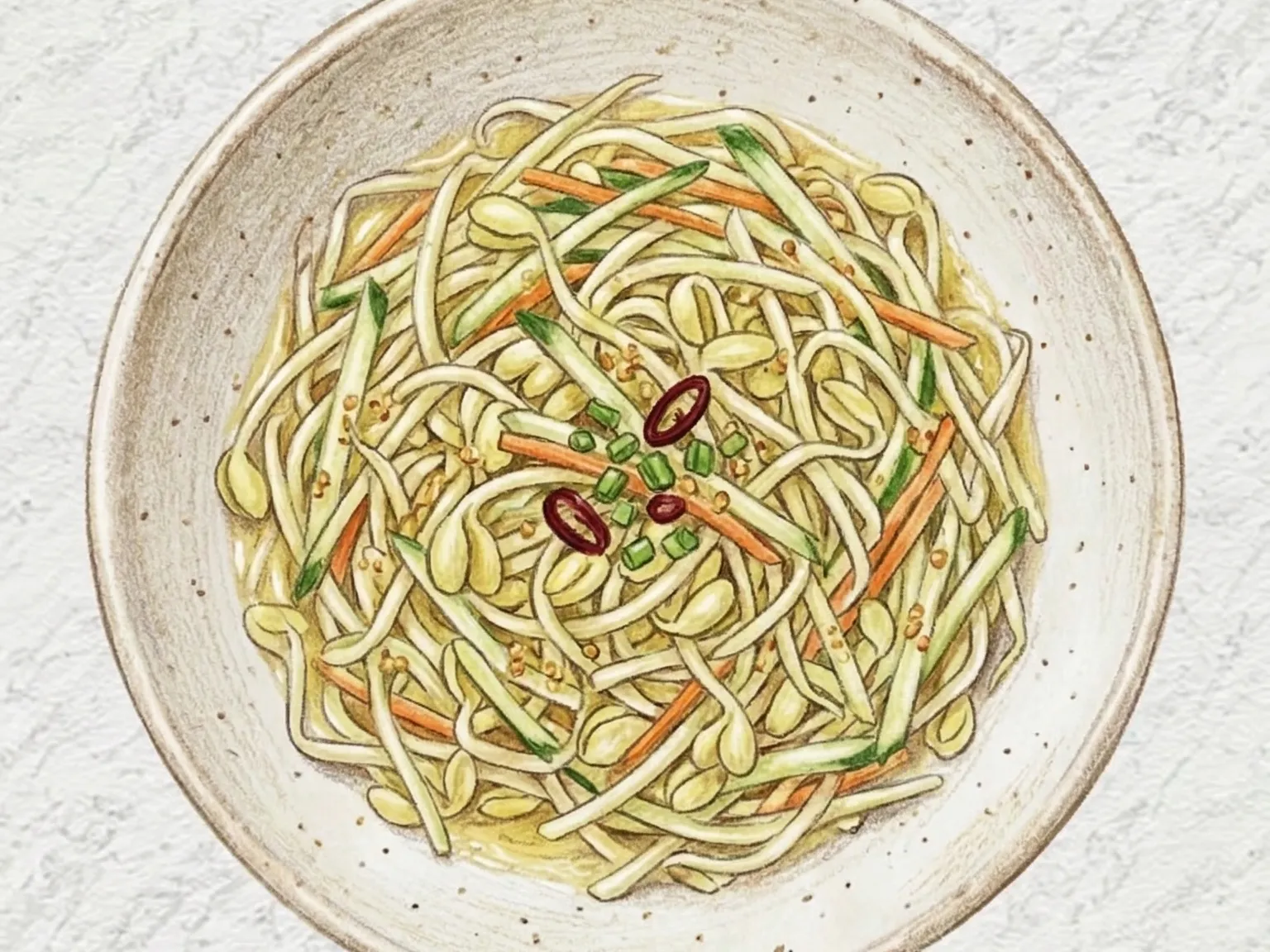
Korean Soybean Sprout Cold Salad
Kongnamul-naengchae is a chilled Korean salad of boiled soybean sprouts and vegetables tossed in mustard dressing - conceptually distinct from regular kongnamul-muchim because it is designed to be served cold. The mustard sauce defines the dish: mustard powder (or tube mustard) mixed with vinegar, sugar, and salt creates a sharp, nose-tingling heat alongside a sweet-sour brightness. Prepared mustard needs five to ten minutes of resting after hydration for the allyl isothiocyanate compound to fully develop its pungency. Julienned cucumber and carrot release moisture, so they should be briefly salted or patted dry to prevent diluting the sauce. Chilling for at least ten minutes before serving maximizes the refreshing effect, and cold temperatures actually sharpen the mustard's bite. This banchan excels as a palate cleanser alongside fatty main dishes like samgyeopsal or bulgogi.
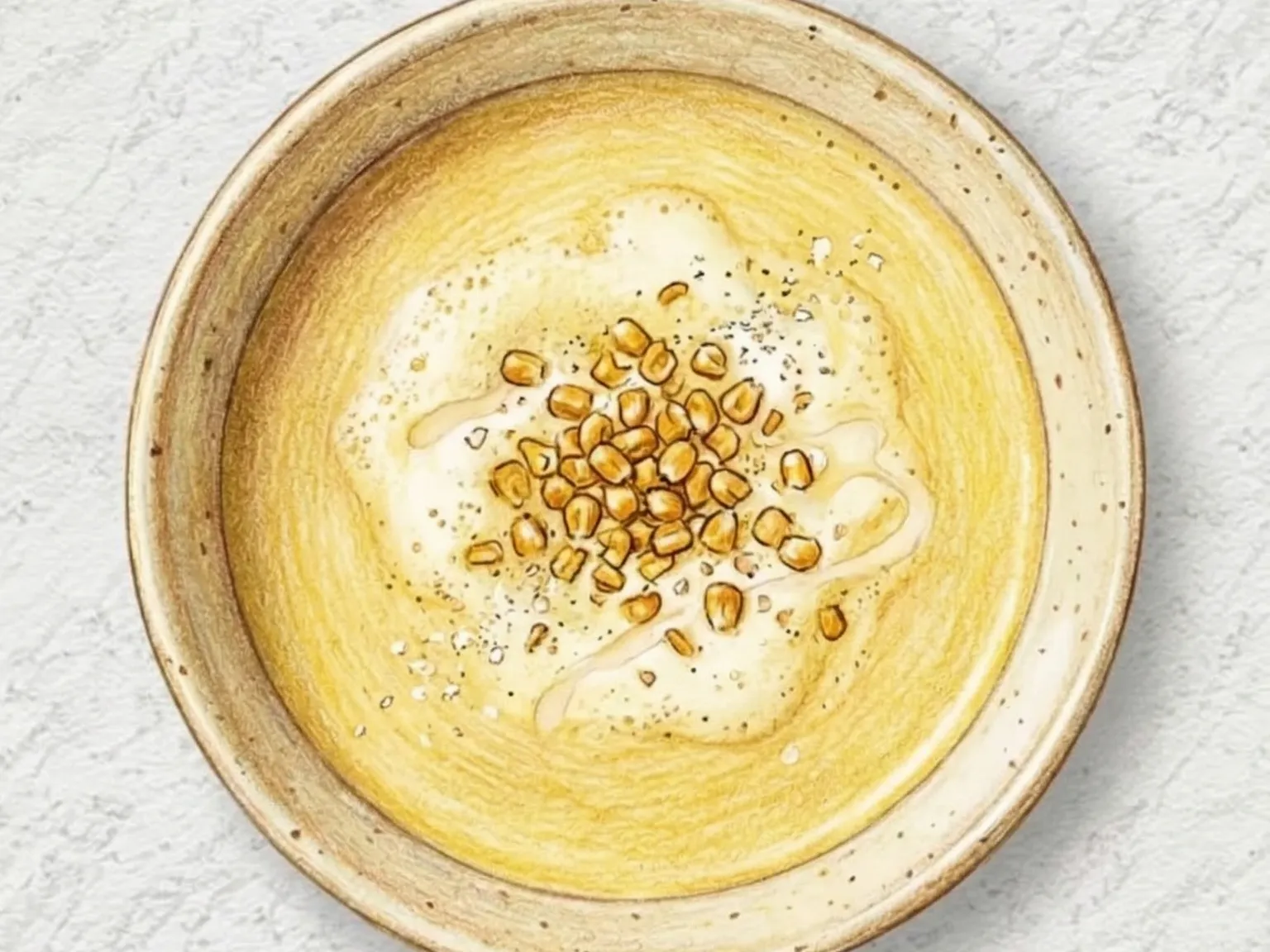
Korean Sweet Corn Latte (Butter Sauteed Corn Milk Drink)
Sweet corn latte begins by sauteing cooked corn kernels in butter until fragrant, then simmering them in milk to draw out the corn's natural sugars before blending everything smooth. The butter amplifies the starchy, roasted aroma during the initial saute, coating each kernel so that the fat-soluble flavor compounds dissolve fully into the milk during the five-minute simmer. Blending the mixture until completely smooth and then straining it through a fine sieve removes any remaining hull pieces, producing a texture as silky as a custard sauce. This straining step makes a noticeable difference in the final quality. Condensed milk adds a rounded sweetness, and a small amount of white pepper introduces a faint spiced warmth that gives the drink depth beneath the sweetness. It works equally well served hot in a ceramic mug or chilled and poured over ice; the corn aroma remains vivid in both versions.
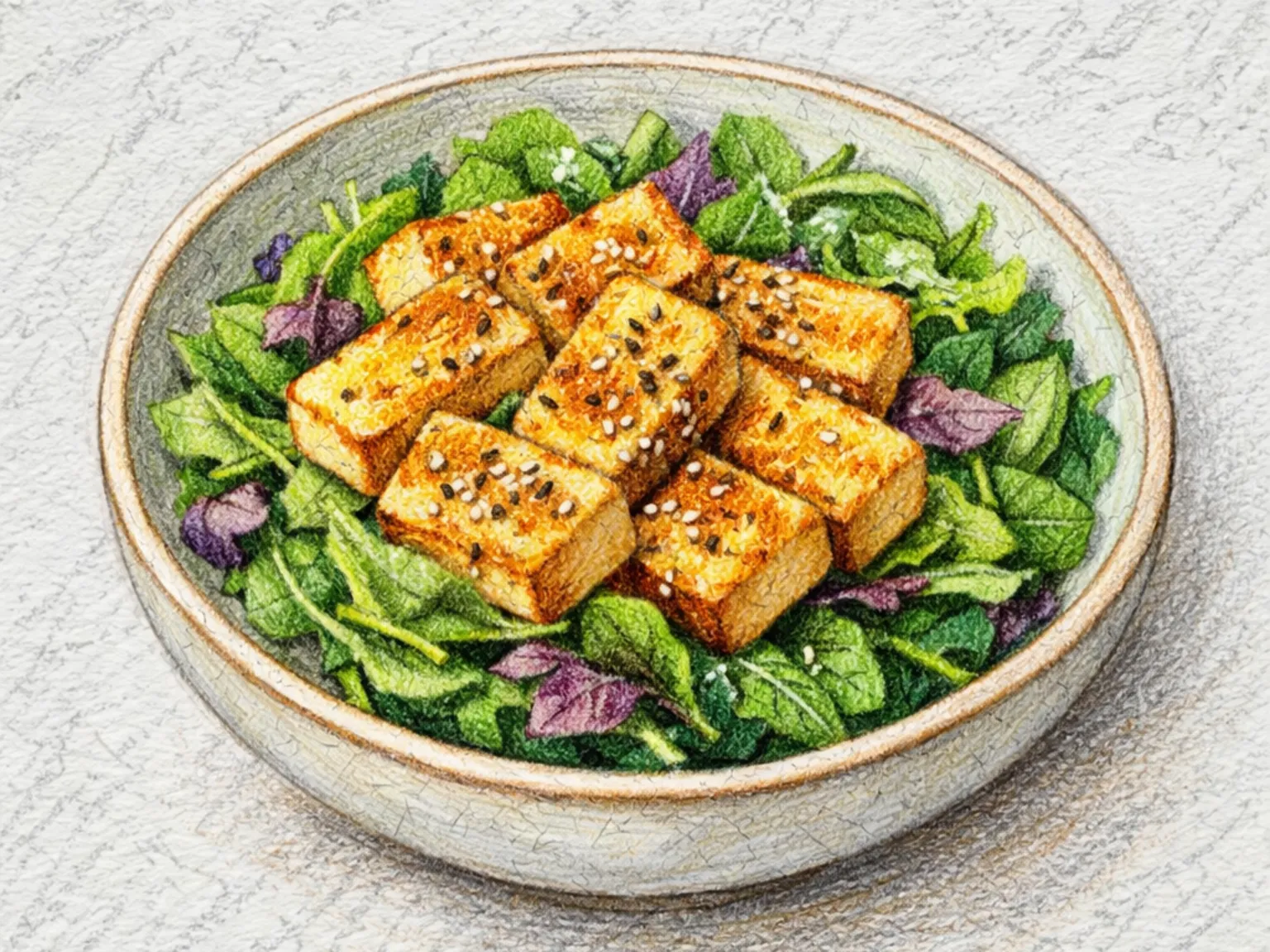
Tofu Sesame Salad (Chilled Tofu with Roasted Sesame Dressing)
Tofu sesame salad starts with firm tofu cubes seared until golden on all sides, then placed over baby greens, shredded red cabbage, and julienned carrot, finished with a sesame-soy dressing. Pressing the tofu in paper towels for ten minutes removes enough moisture for the pan to produce a sizzling, nutty crust rather than steaming the surface. This crust absorbs the soy from the dressing while the soft interior provides a contrasting texture. The dressing - soy sauce, sesame oil, and vinegar - balances salt, richness, and acidity, tying the mild tofu and raw vegetables into a cohesive bowl. Tossing only half the dressing with the greens first prevents them from wilting before serving, and a final sprinkle of toasted sesame seeds releases a nutty fragrance with each bite.
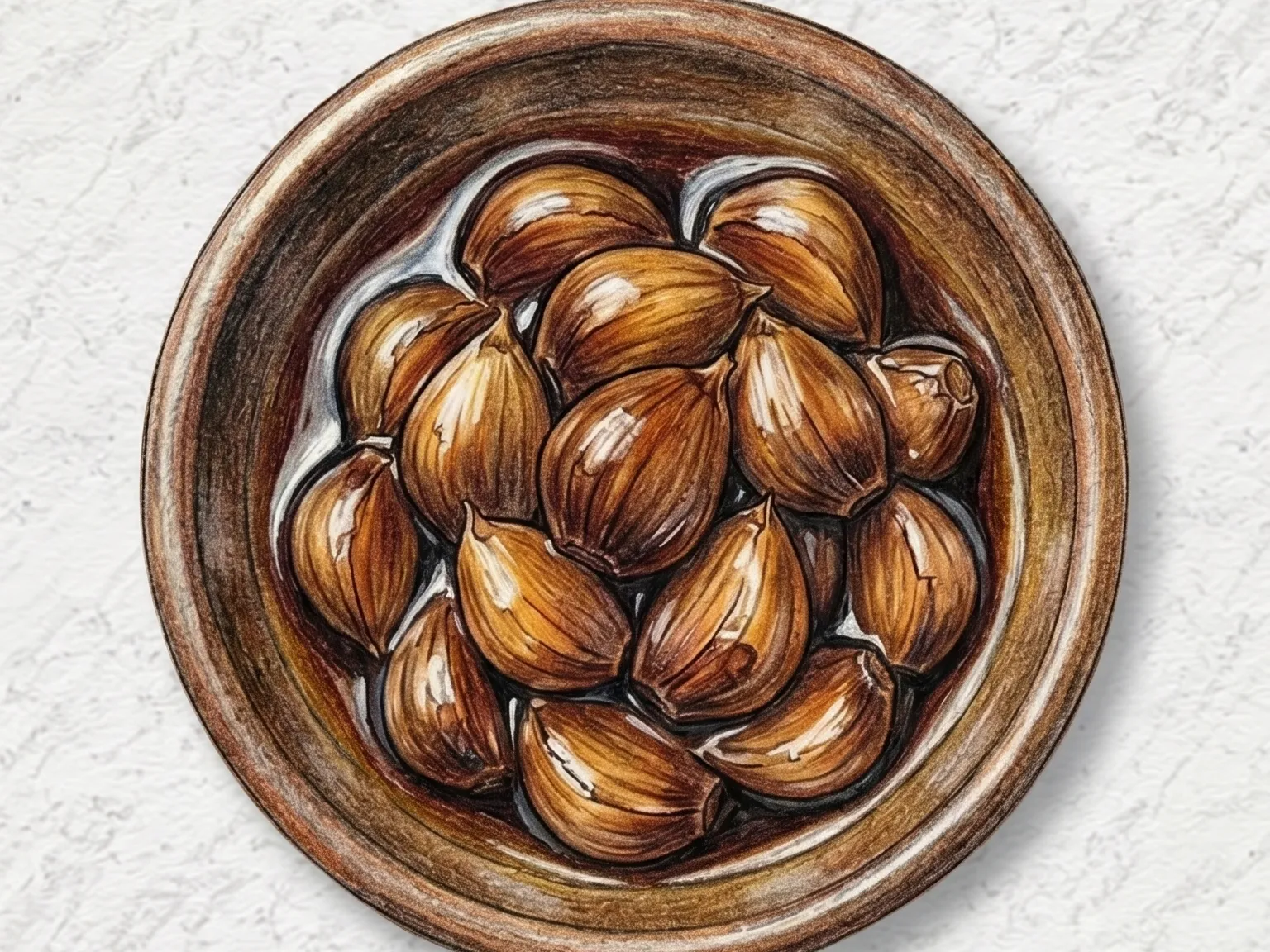
Korean Pickled Garlic (Soy-Vinegar Aged Whole Cloves)
Maneul-jangajji is whole garlic cloves pickled in a soy-vinegar brine, a traditional Korean preserved banchan that sits near-permanently in the kimchi refrigerator alongside kimjang kimchi. The customary practice is to make it during the June fresh garlic harvest and eat it throughout the year, replenishing the supply annually. After three or more months submerged in the brine, every trace of the raw garlic's sharp, pungent bite disappears, leaving behind a clove that has become almost translucent, with a jelly-firm texture and a clean salty-sweet flavor with no heat at all. The baseline ratio for the brine is two parts soy sauce to one part vinegar. Increasing the vinegar beyond that ratio tips the flavor too far toward sourness, making the pickles difficult to eat alongside rice as a general banchan. The brine must be brought to a full boil and cooled completely before it is poured over the garlic - never hot, which would partially cook the cloves. Repeating the cycle of draining the brine, reboiling it, cooling it, and returning it to the jar every three days for three complete cycles significantly extends shelf life and builds a more layered depth of flavor than a single pouring achieves. Skipping this process results in a noticeably flatter pickle. After three days at room temperature to initiate fermentation, the jar moves to the refrigerator, where the lower temperature slows the process and preserves the characteristic crunch for months. The finished pickles are eaten one clove at a time alongside grilled pork belly or short ribs, where their acidity cuts through the fat. Minced finely and stirred into fried rice, they contribute a concentrated umami that is difficult to replicate with raw garlic.

Thai Iced Tea
Thai iced tea is a boldly flavored, sweet milk tea made by steeping black tea leaves with cardamom over low heat for five minutes to produce a deeply concentrated brew. The intentionally strong extraction is necessary because the ice slowly dilutes the drink as it sits, and a weak brew would taste watery long before the last sip. Sugar is dissolved while the tea is still hot, then the liquid is cooled fully before being poured over a glass packed with ice. Milk and condensed milk are poured gently on top without stirring to create a visual gradient of white layered over amber, and the drink is mixed at the table before drinking. Once combined, the cardamom's floral spice and gentle bitterness weave through the sweetened black tea base to produce a complex flavor that goes beyond simple sweetness. Adjusting the amount of condensed milk is the easiest way to control how sweet the finished drink turns out.
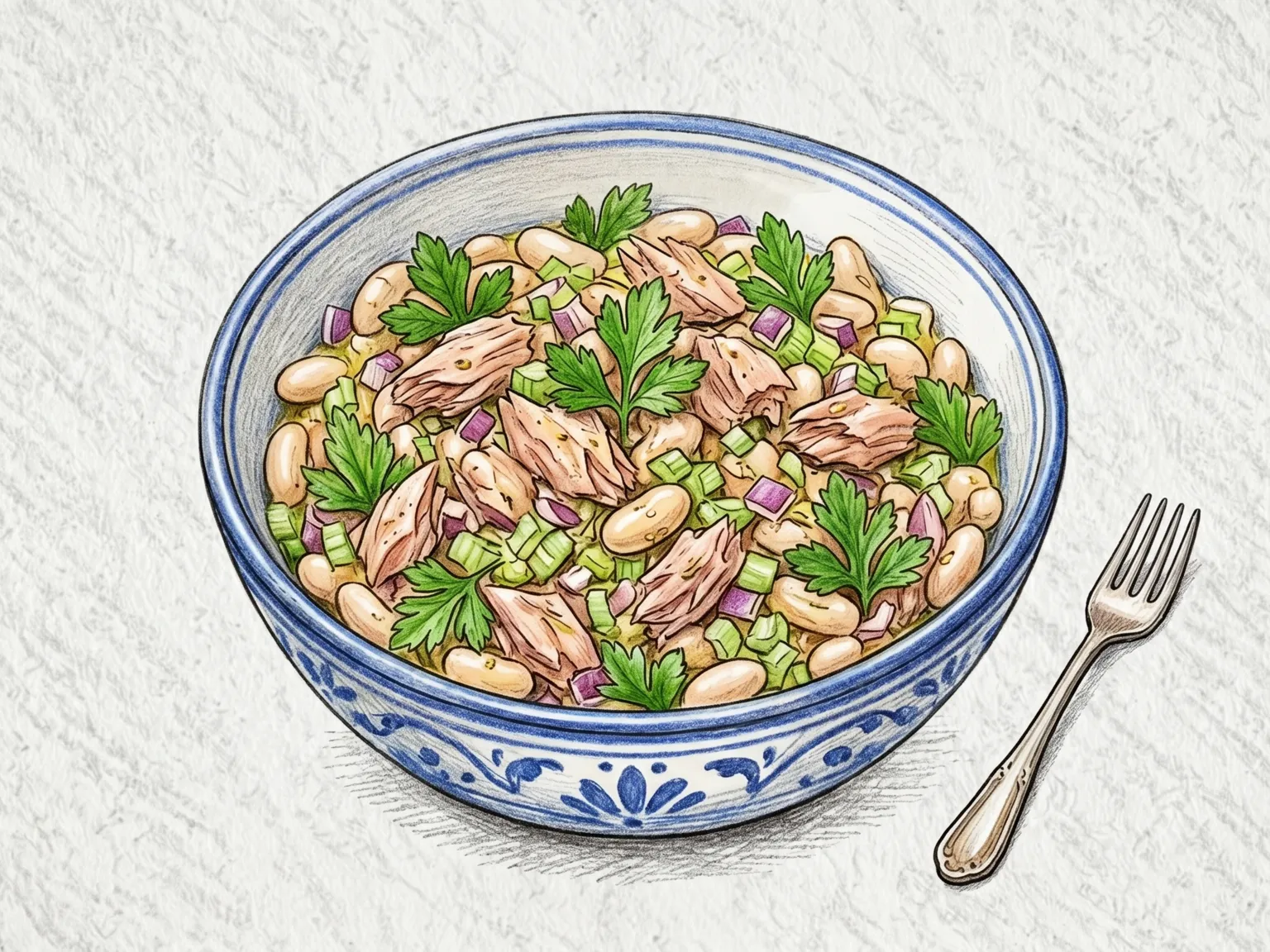
Tuna White Bean Salad (Mediterranean white bean salad)
Tuna white bean salad tosses drained canned tuna and cooked white beans with a dressing of olive oil and lemon juice - a no-cook Mediterranean dish that comes together in minutes. Both the tuna and beans must be drained thoroughly so the dressing clings to the ingredients rather than pooling at the bottom of the bowl. Finely chopped celery adds a crisp, watery crunch, and thinly sliced red onion provides a mild sharpness that contrasts with the soft, creamy beans. Parsley scattered throughout gives a fresh, grassy finish. The olive oil carries a smooth richness while the lemon juice sharpens the tuna's natural umami, producing a simple but protein-dense meal that works equally well served immediately or chilled.
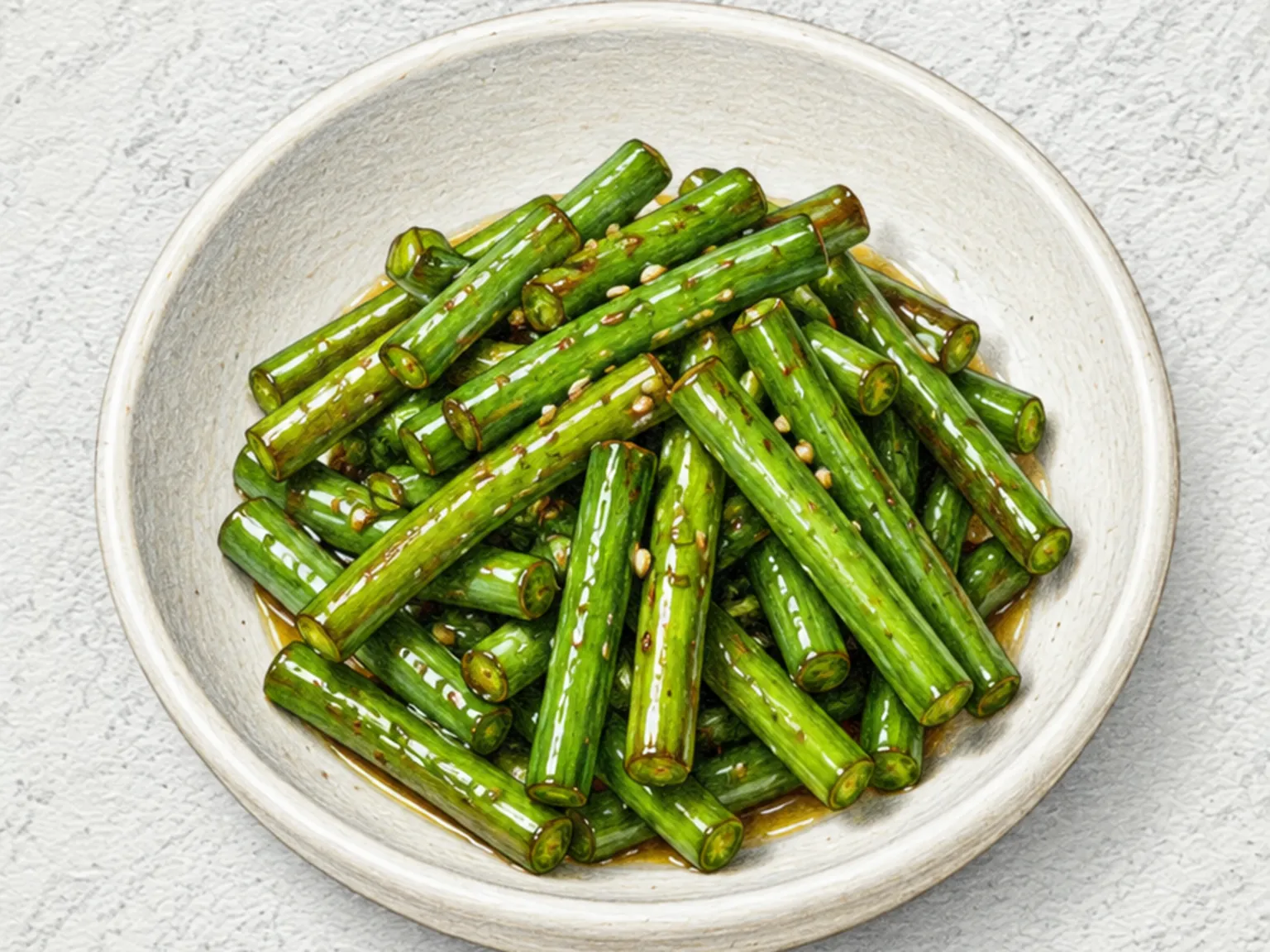
Korean Stir-Fried Garlic Scapes
Maneuljjong-bokkeum is stir-fried garlic scapes, the curling flower stalks cut from garlic plants before they bloom, seasoned with soy sauce and oligosaccharide syrup. Where garlic bulbs deliver a sharp, nose-clearing bite, scapes carry a gentler, almost sweet garlic flavor that works even for people who find raw garlic too aggressive. Cutting the scapes into 4 to 5 cm lengths and blanching them for thirty seconds loosens the fibrous outer skin while preserving the snap inside. Skipping the blanch and going directly to the pan produces an uneven result: the outside turns tough and leathery before the inside has cooked through. Blanched scapes go into a lightly oiled pan over high heat for one minute, then soy sauce, oligosaccharide, minced garlic, and a pinch of gochugaru are added and the whole thing stir-fries for another two minutes. The syrup and soy sauce build a sweet-salty glaze that clings to every piece, and sesame oil is stirred in only after the heat is off to protect its fragrance from burning off. Made once, this banchan keeps refrigerated for five days or more, making it one of the most practical side dishes to prepare on a weekend and draw from throughout the week. Spring through early summer is peak garlic scape season, when the stalks are at their most tender.
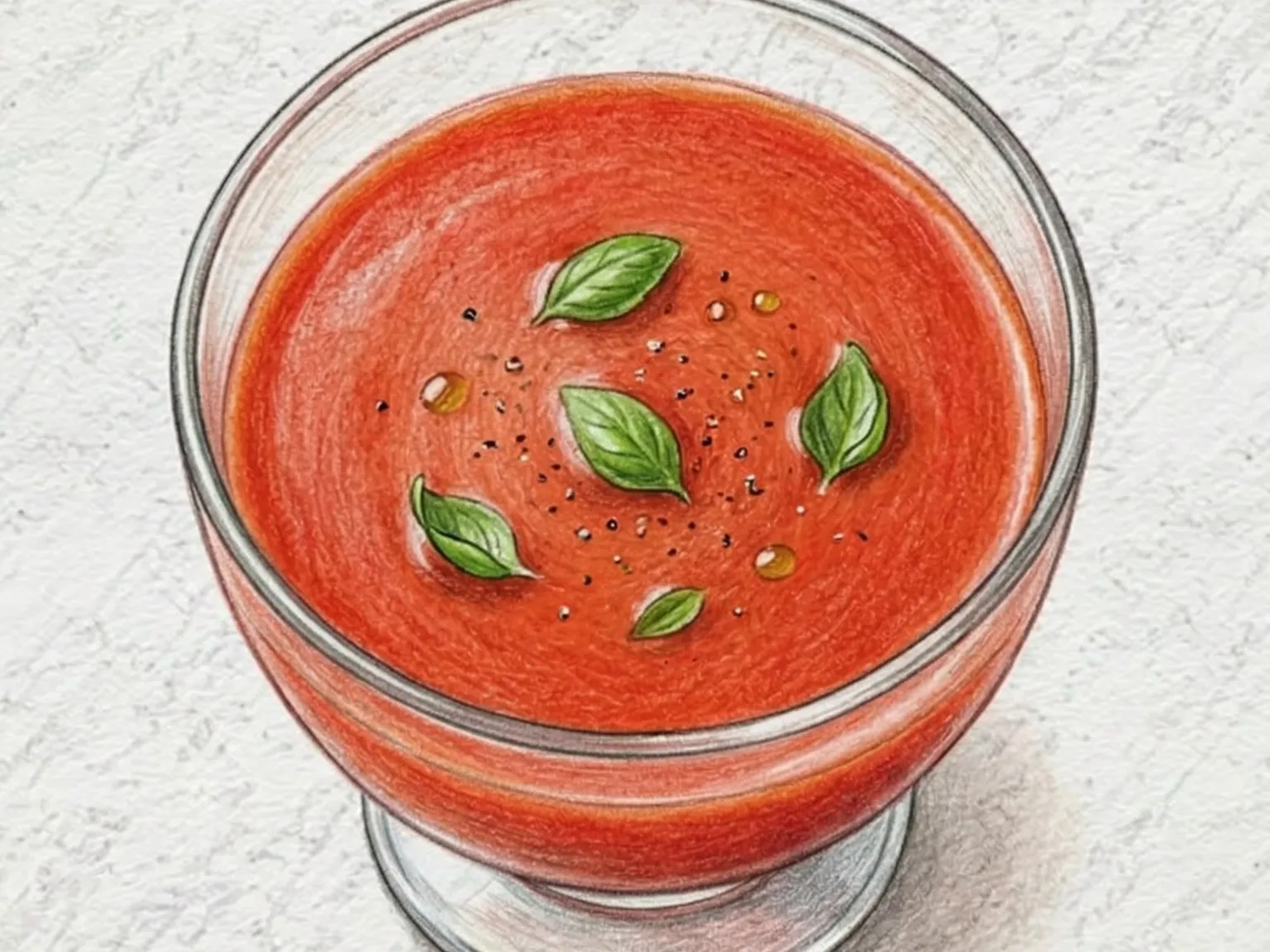
Tomato Basil Juice
Tomato basil juice is a cold savory drink made by blending ripe tomatoes with fresh basil leaves and straining the result through a fine sieve to remove seeds and skins. The ripeness of the tomato determines much of the flavor: fully ripe tomatoes carry free glutamates that produce a natural umami depth, whereas underripe fruit tastes predominantly sour without the sweetness and savory body that makes the juice satisfying. Basil should be added to the blender immediately before blending rather than sitting cut or torn, because the volatile oils that produce its aroma begin oxidizing quickly once the leaves are damaged. After blending to a smooth consistency, passing the juice through a fine-mesh strainer or cheesecloth removes the solids and produces a texture smooth enough to drink without resistance. Salt and black pepper season the juice, and fresh lemon juice raises the acidity in a way that brightens the overall flavor rather than making it sour. A small addition of olive oil emulsifies into the juice and activates fat-soluble aromatic compounds in both the tomato and the basil, producing a fuller, rounder flavor than the unstrained version. The juice must be thoroughly chilled before serving, as warmth mutes the herbal freshness. It works well as a brunch drink, a light non-alcoholic aperitif, or a base for savory cocktails.
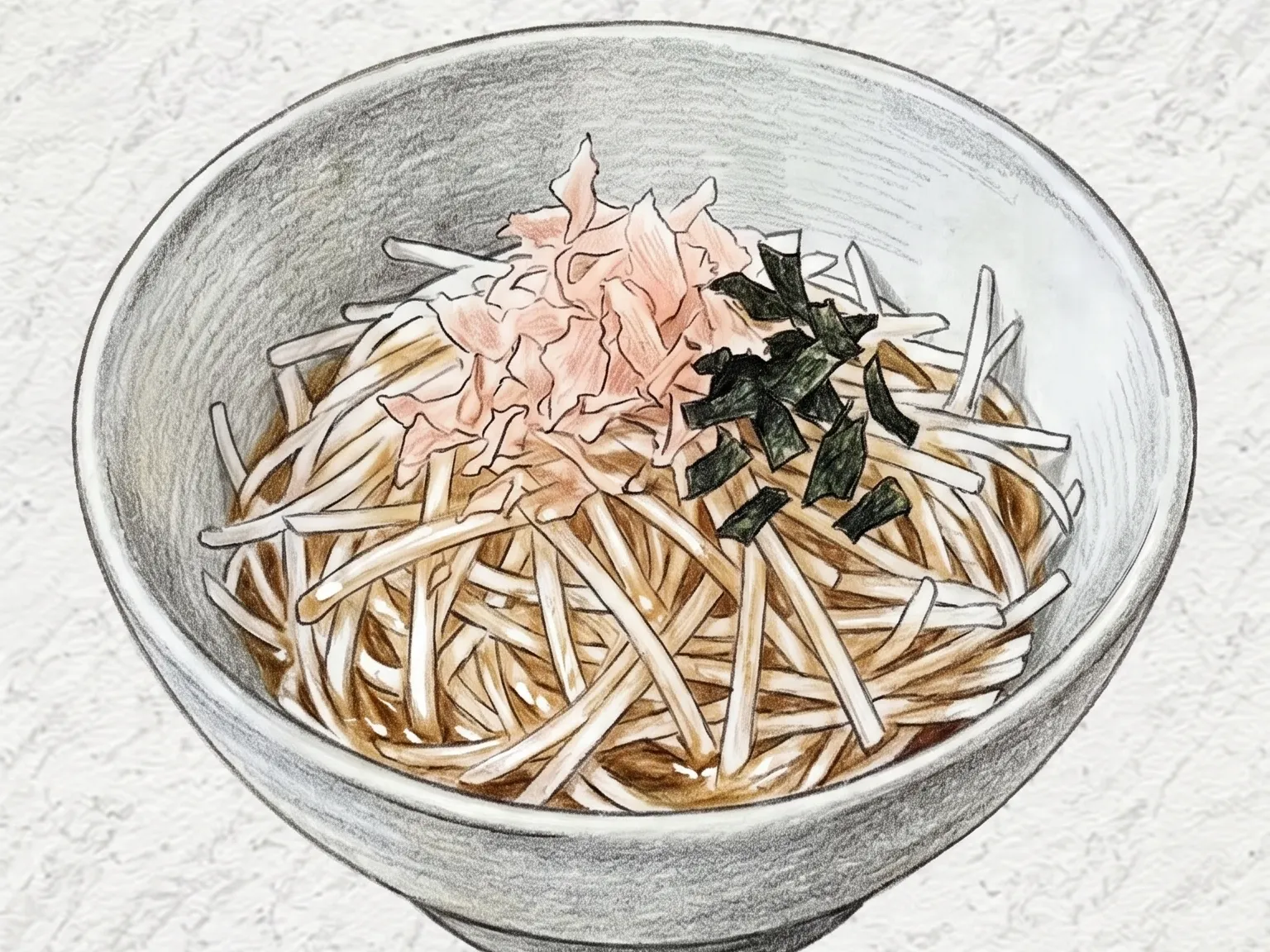
Wafu Daikon Salad (Shredded Radish with Japanese Soy Dressing)
Wafu daikon salad shreds daikon radish into very fine julienne strips and dresses them with a Japanese wafu dressing made from soy sauce, rice vinegar, and sesame oil, finished with bonito flakes and torn nori. Soaking the shredded daikon in cold water for five minutes draws out excess starch and maximizes its crisp, snappy texture - draining and drying thoroughly afterward prevents the dressing from becoming diluted. The dressing layers soy salt over the gentle acidity of rice vinegar and the nuttiness of sesame oil, giving depth to the otherwise neutral radish. Bonito flakes placed on top wave gently in the residual heat and release a smoky umami that permeates the salad. Shredded nori adds a briny crunch that creates textural contrast throughout the bowl.
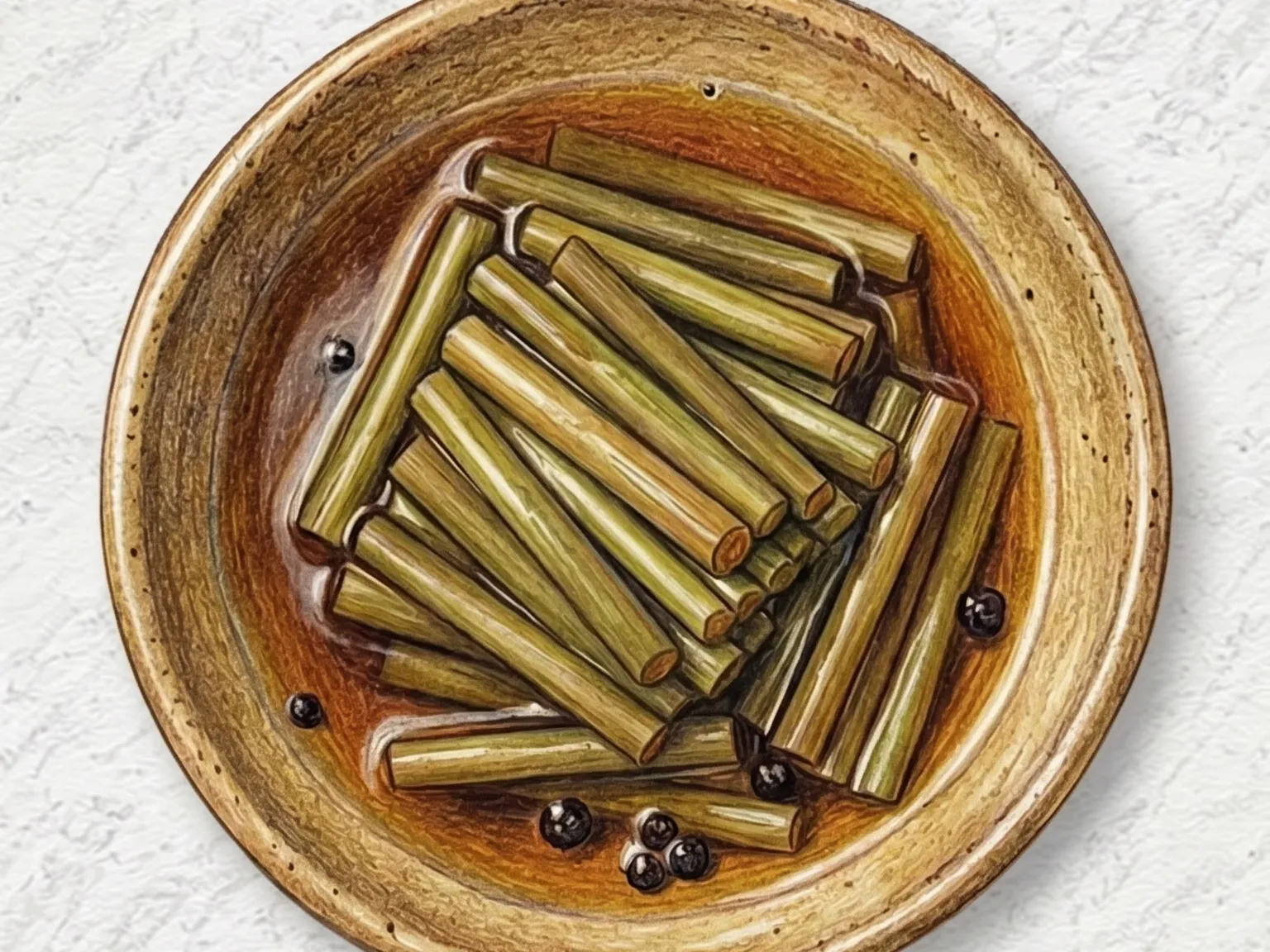
Korean Pickled Garlic Scapes
Maneuljjong-jangajji is a preserved side dish of garlic scapes pickled in a boiled soy sauce, vinegar, and sugar brine. The preservation principle is identical to that of whole garlic jangajji, but the scape, meaning the flowering stalk of the garlic plant, is used instead of the bulb, and there is one crucial technique difference. The scapes are cut into 4 cm lengths, packed tightly into glass jars, and covered with the brine immediately while it is still boiling hot. The heat partially cooks the outer layer of each scape, which creates a clean, crisp snap when the scape is bitten, unlike the soft texture that results from the cold-pour method used for whole garlic. Whole black peppercorns included in the jar release their warmth and spicy aroma slowly into the liquid during the aging period, adding a dimension beyond the straightforward salt-and-acid base. The pickles are ready after a single day, but day three is when seasoning has penetrated to the center while the scapes still push back satisfyingly under the teeth. The brine can be drained, reboiled, and poured back over the scapes once during storage, which significantly extends shelf life by suppressing bacterial growth. On the Korean table, these sharp, vinegary pickles serve as a natural counterbalance to fatty meat dishes, cutting through richness and clearing the palate between bites.
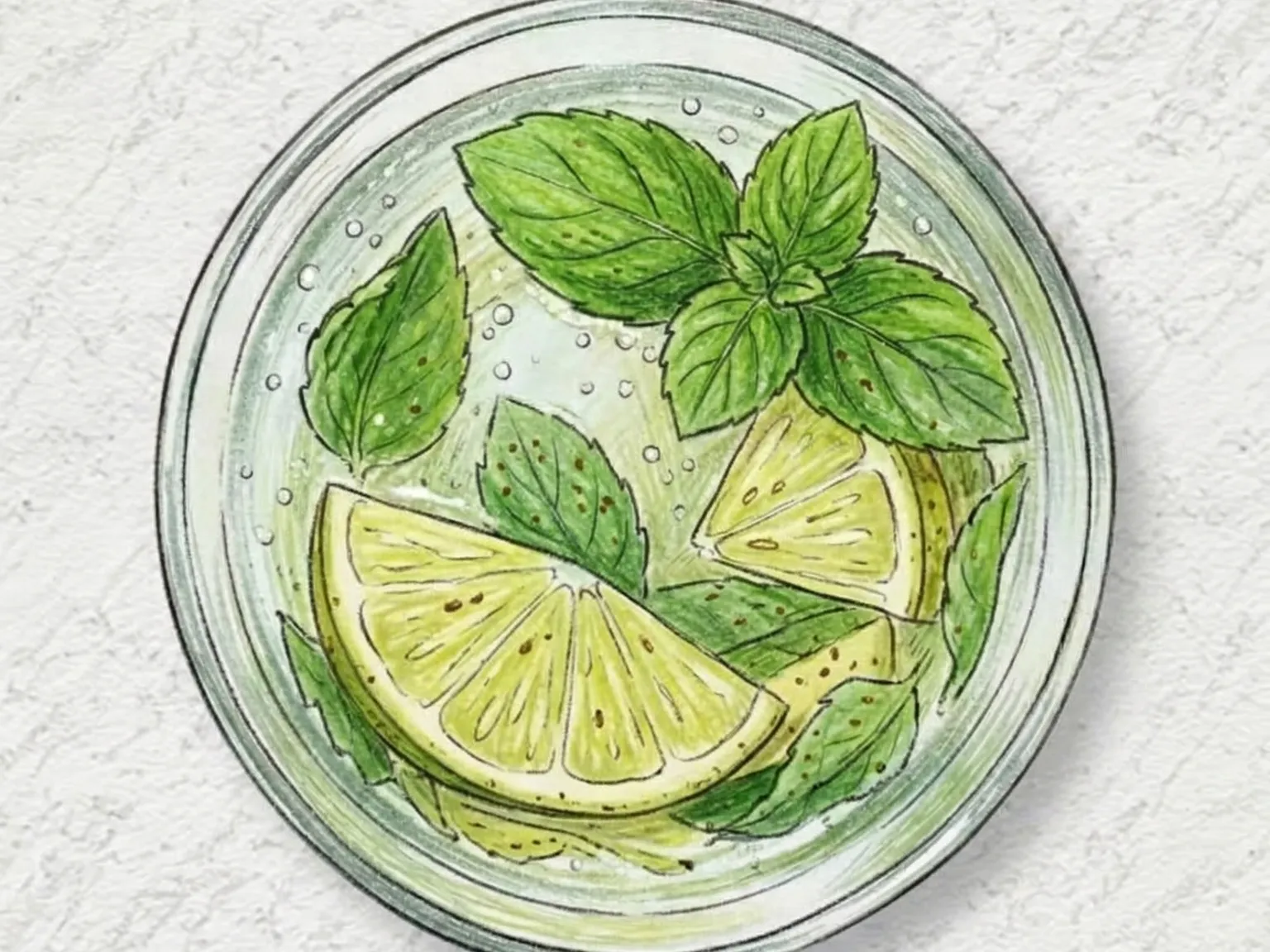
Virgin Mojito
Virgin mojito is a non-alcoholic cocktail built by gently muddling lime wedges and fresh mint leaves in a glass with simple syrup, then filling with sparkling water and ice. The muddling must be light enough to press the essential oils from the leaves without breaking the stems, since bruised stems release a bitter flavor that takes over the drink. One lime is cut into wedges for muddling while a second is juiced separately, which gives the drink both the textural element of pulp and the clean, sharp acidity of fresh juice. A pinch of salt added before muddling amplifies the lime's tartness in a way that simply adding more lime cannot replicate. The carbonation from the sparkling water carries mint aroma upward as it rises, so the first sip delivers fragrance before the liquid even reaches the palate. Larger ice cubes melt more slowly than crushed ice, preserving the balance of the drink for longer. A second option is to clap a few mint leaves between the palms to wake up the aroma before placing them in the glass, which extracts fragrance without any muddling at all.
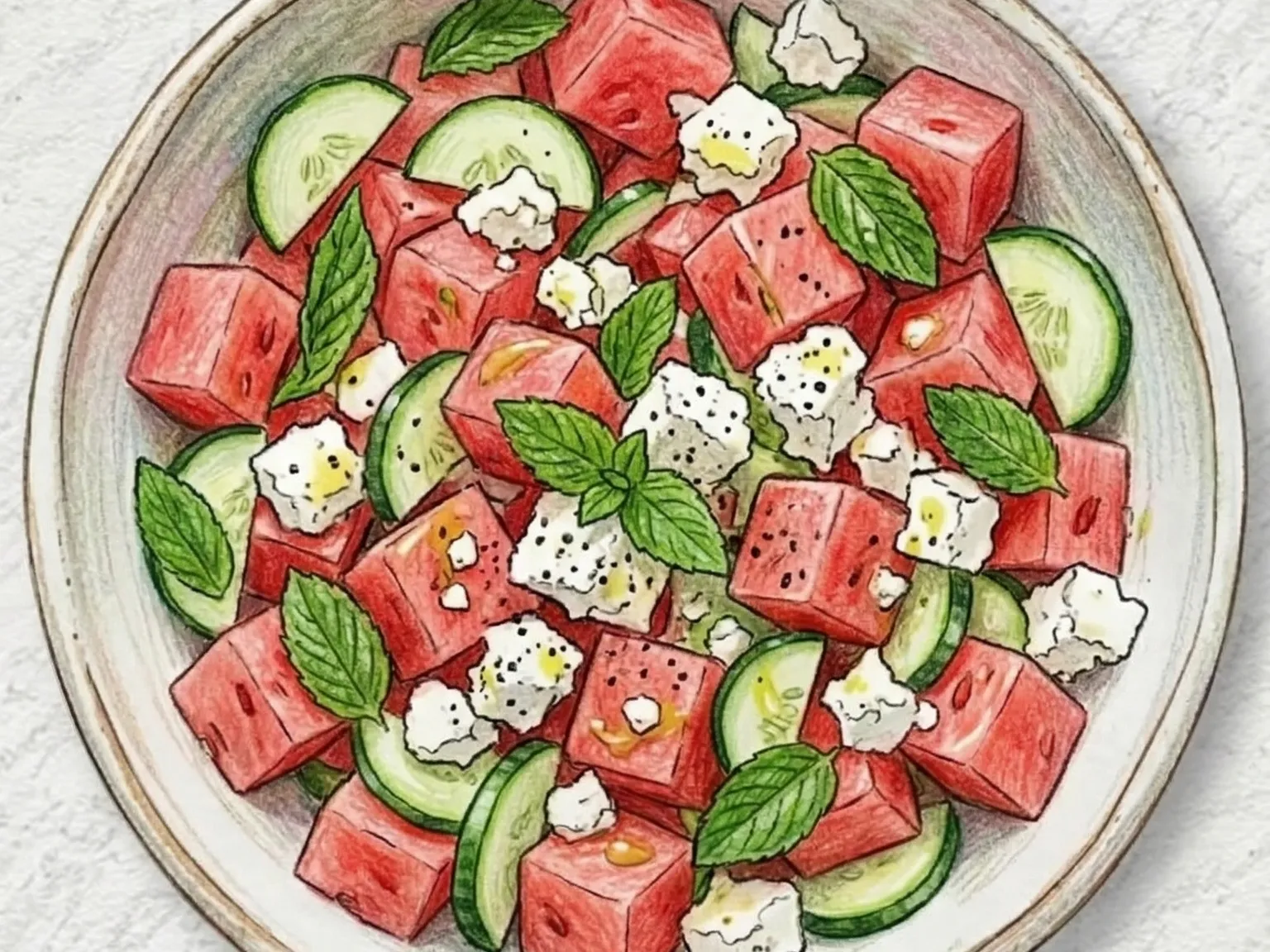
Watermelon Feta Salad
Watermelon feta salad combines chilled watermelon cubes with crumbled salty feta cheese, sliced cucumber, and fresh mint, dressed lightly with olive oil and lime juice. The watermelon's high water content and natural sugar create a sharp sweet-salty contrast against the feta, and the mint adds a cool, aromatic layer on top of that contrast. Thinly sliced cucumber in half-moon shapes introduces a different kind of crunch from the melon, and lime juice sharpens the fruit's sweetness to keep the finish clean rather than cloying. Crumbling the feta by hand rather than cutting it produces irregular surfaces that release more flavor on contact with the tongue. A light dusting of black pepper adds a quiet warmth that gives the salad a sense of direction.