⚡ Quick Recipes
Ready in 20 minutes or less
804 recipes. Page 8 of 34
A busy schedule does not mean you have to settle for bland meals. Every recipe in this collection can be prepared and finished in 20 minutes or less - quick stir-fries, tossed noodles, microwave dishes, and more.
The secret is minimizing prep work and keeping the steps simple. Pre-cut ingredients or pantry staples speed things up even further. Turn to these recipes after work, during a short lunch break, or for a fast breakfast.
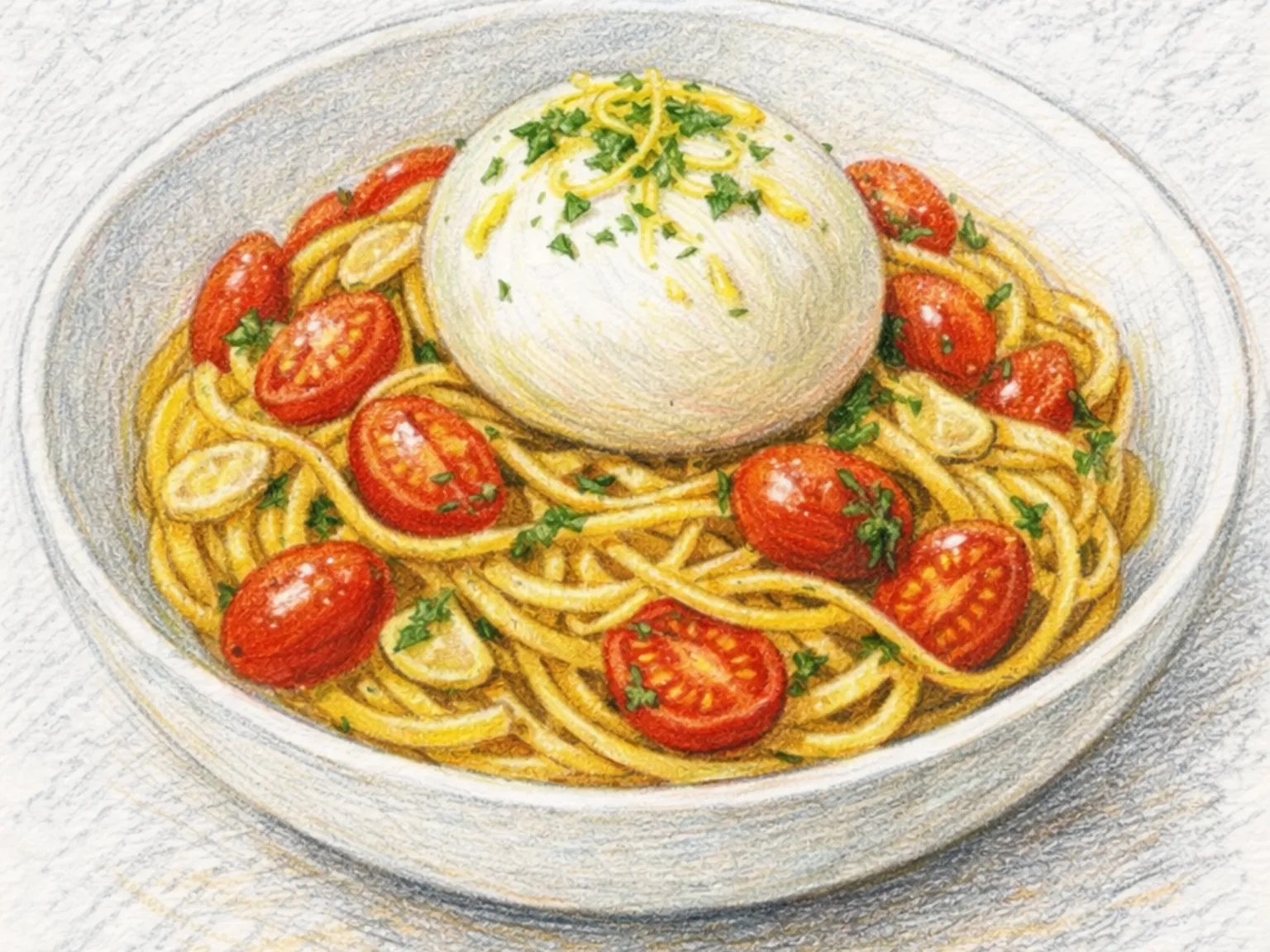
Yuja Burrata Cherry Tomato Spaghetti
Yuja burrata cherry tomato spaghetti builds its base by slowly infusing olive oil with sliced garlic over low heat, then cooking cherry tomatoes on medium until they burst and release their juices into a loose, bright sauce. Yuja marmalade and yuja juice are stirred in for only 30 seconds to preserve the citrus volatiles before they are driven off by heat. The marmalade's considerable sweetness is balanced against the tomato's acidity and added gradually to taste. Tossing al dente spaghetti with a splash of reserved pasta water binds the starch into the sauce for a smooth, even coat on each strand. Burrata is torn open and placed on top just before serving so its creamy, milky interior melts across the hot pasta, producing a clear contrast between the sharp citrus and the rich dairy fat. The distinctive fragrance of yuja combined with the bright tomato sauce gives this Italian-format pasta a recognizably Korean sensibility.
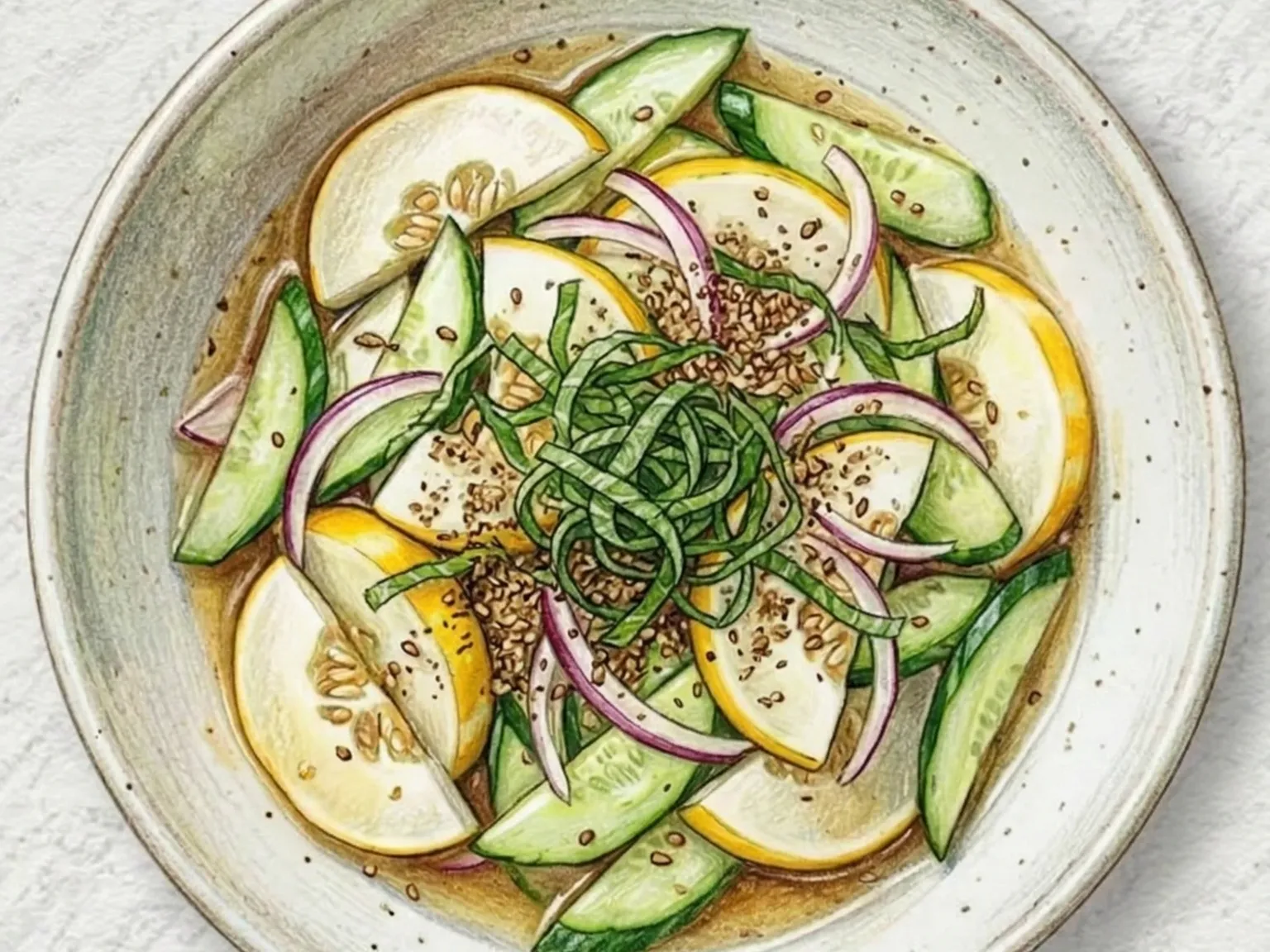
Korean Melon Cucumber Perilla Salad
Korean melon, cucumber, and perilla seed salad uses chamae and cucumber as the main ingredients of a refreshing summer side dish. Chamae is cut into half-moons to expose the pale, sweet flesh, and cucumber is sliced on the diagonal to maximize surface area for the dressing to cling to. Red onion goes into cold water for five minutes before being added to the bowl, which draws out the sharpness while leaving the crunch. Perilla leaves are stacked, rolled tightly, and chiffonaded so their intense fragrance distributes evenly rather than concentrating in one spot. The dressing is ground perilla seed, lemon juice, olive oil, and honey. Adding the ground perilla seed just before serving preserves its toasted, nutty aroma, which fades quickly once it comes into contact with wet ingredients. After ten minutes in the refrigerator, the natural juice released from the chamae blends with the dressing into a light, pooled sauce at the bottom of the bowl. Lemon acidity and the nuttiness of perilla seed draw out the melon's clean sweetness without masking it. The salad works as a standalone side or alongside grilled meat to cut through the fat.
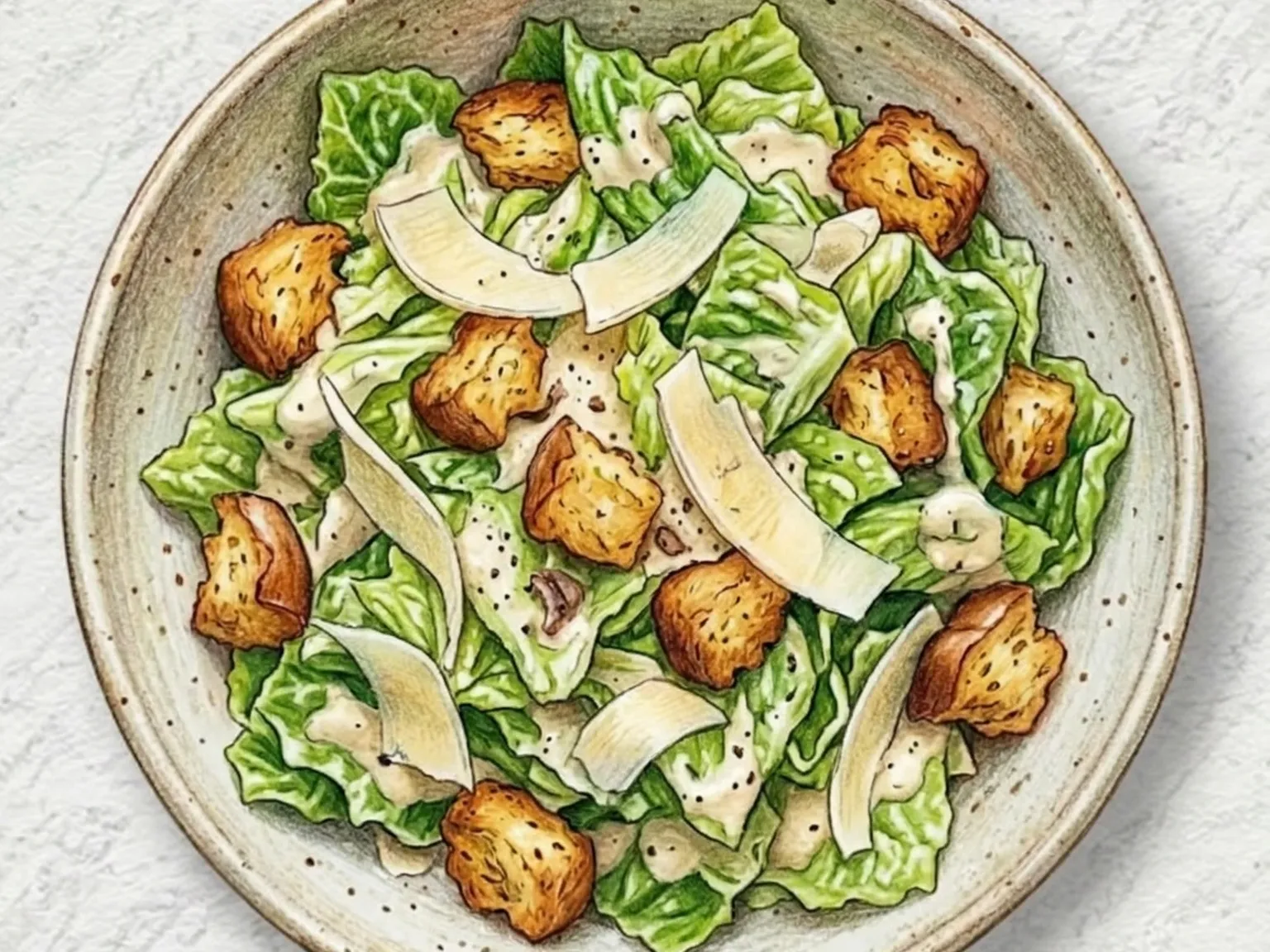
Caesar Salad
Caesar salad is built on romaine lettuce torn into rough, generous pieces and tossed in a dressing made from mayonnaise, lemon juice, garlic, and anchovy. The anchovy does not taste fishy in the finished dressing; it dissolves into the fat of the mayonnaise and functions as a deep umami foundation that keeps the salad interesting beyond its creamy surface. Lemon juice cuts through the richness of the mayo base, so the dressing coats the lettuce heavily without feeling cloying. Croutons are cubed bread toasted in olive oil until the outside turns crisp and golden but the inside stays slightly soft and chewy, giving them enough structure to absorb dressing without going immediately soggy. Wide, thin shavings of Parmesan add a dry, salty intensity that contrasts with the watery crunch of the romaine. With a short ingredient list, the quality of the dressing balance and the texture of the croutons determine the final outcome.
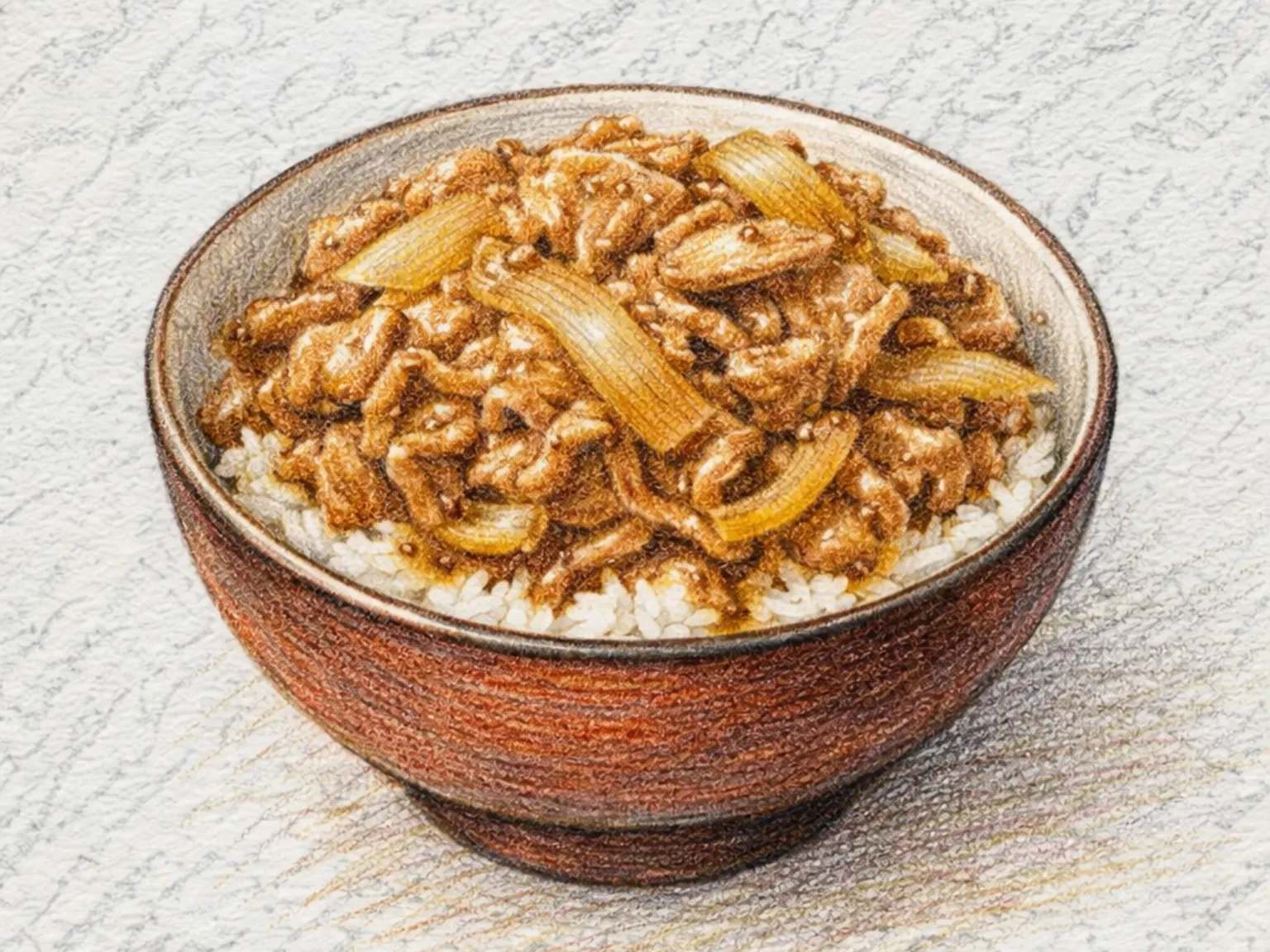
Japanese Beef Bowl (Gyudon)
Gyudon starts with paper-thin slices of beef and thinly cut onion simmered together in a broth of soy sauce, mirin, sugar, and grated ginger. The key is keeping the heat at medium rather than high, which prevents the beef from toughening and allows the onion to break down gently, releasing sweetness into the sauce. As the liquid reduces to a glossy, concentrated state, the flavors intensify into a layered combination of salty, sweet, and faintly sharp ginger notes. A one-minute rest off the heat lets the beef absorb more of the seasoned broth before it goes over the rice. The dish differs from stir-fried beef bowls in that the meat is never seared; instead it poaches in the simmering liquid, staying notably soft. A runny egg on top is traditional and adds richness when the yolk breaks into the sauce.
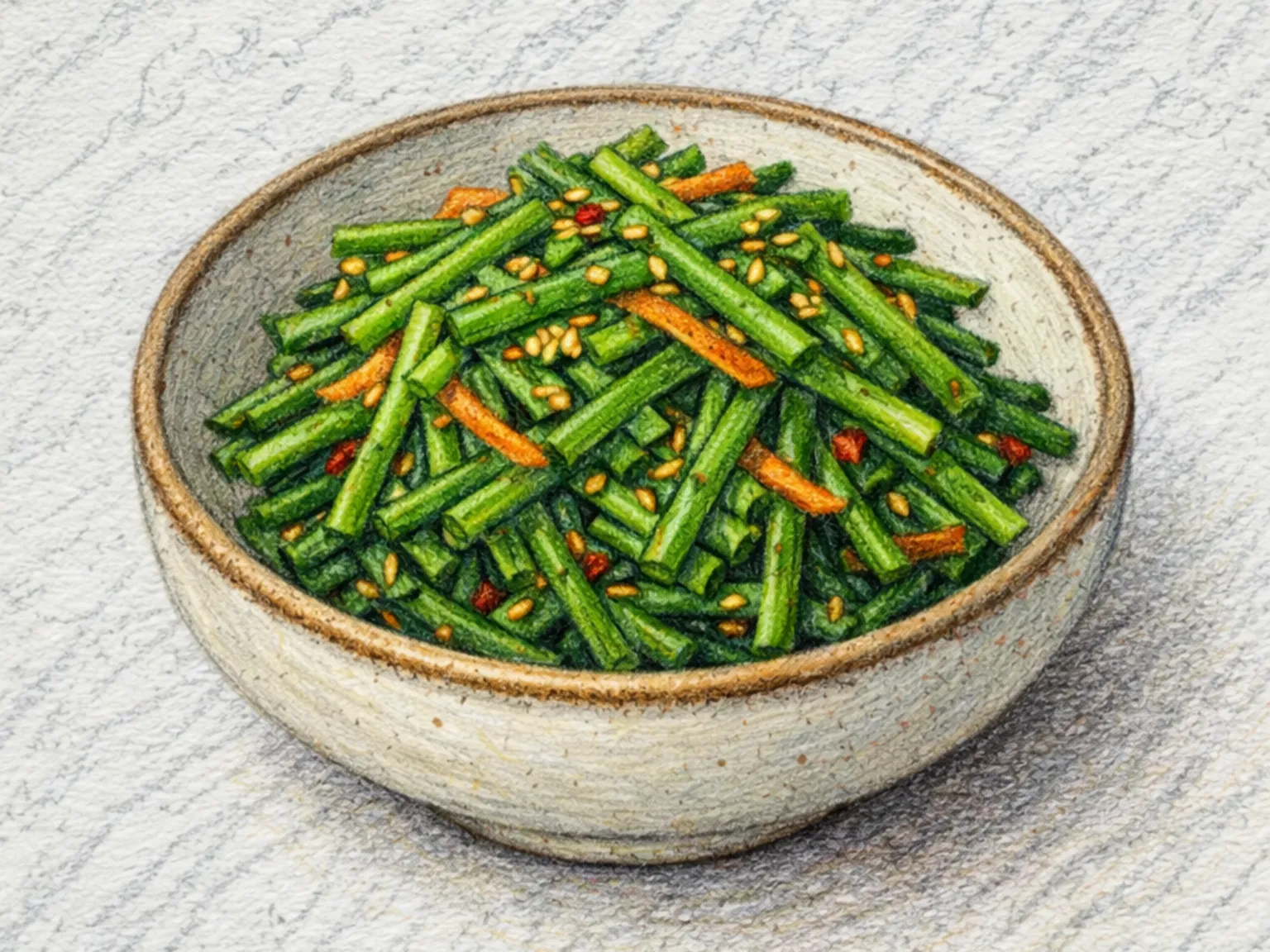
Korean Seasoned Garlic Chives
Buchu muchim differs from buchu kimchi in that it uses soy sauce and vinegar instead of fish sauce, which produces a sharper, more acidic result with none of the fermented depth. Raw chives are cut to five centimeters and tossed by hand for no longer than twenty seconds -- exceeding that time bruises the chives and draws out liquid, turning the texture limp. Gochugaru adds color and a moderate level of heat, while the ratio of vinegar to sugar creates a clean sweet-sour dressing that plays against the chive pungency. Sesame oil and whole sesame seeds go in last to preserve their aroma. Eat the same day it is made; once refrigerated overnight the chives wilt and lose their characteristic snap. Served alongside grilled pork belly or ribs, the acidity cuts through the fat and refreshes the palate between bites.
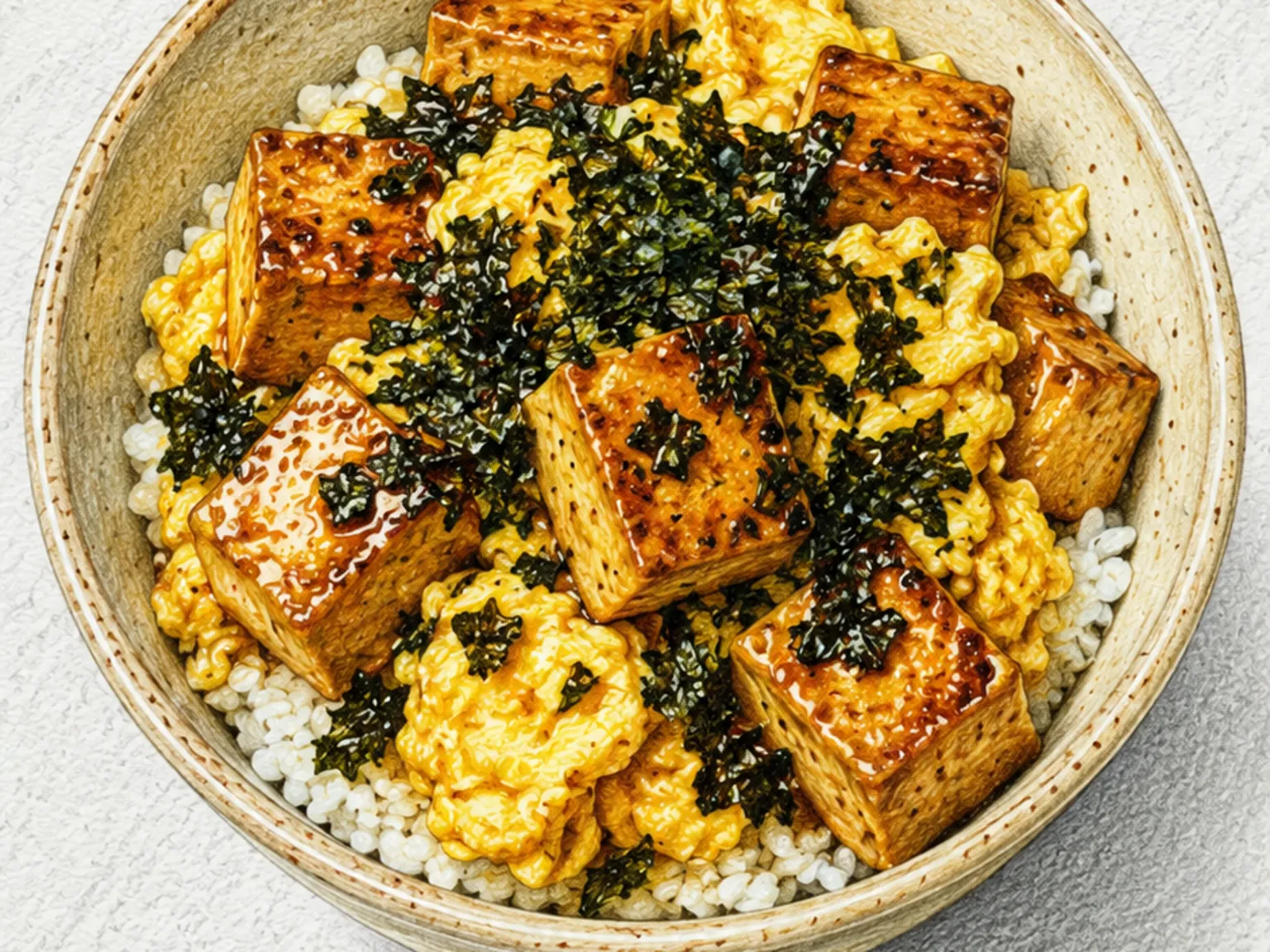
Korean Tofu Seaweed Egg Rice Bowl
Dubu gim gyeran deopbap is a Korean rice bowl built from three pantry staples: pan-fried tofu, soft scrambled egg, and roasted seaweed flakes, all layered over a bowl of steamed rice. The tofu is pressed dry, cut into cubes, and seared until the edges turn golden before being tossed with soy sauce and syrup to form a salty-sweet glaze that coats each piece. Eggs are scrambled to a barely-set, custard-like consistency rather than cooked through, creating a deliberate contrast with the firm, glazed tofu beneath them. Crumbled seaweed scattered over the top introduces a brittle crunch and a faintly briny, toasty aroma that lingers with each bite. A final drizzle of sesame oil draws all three components together into a coherent flavor. Because tofu, eggs, and dried seaweed are refrigerator and pantry staples in most Korean households, the dish can be assembled in roughly ten minutes without a special shopping trip, making it one of the most dependable meals for busy mornings or quick lunches.
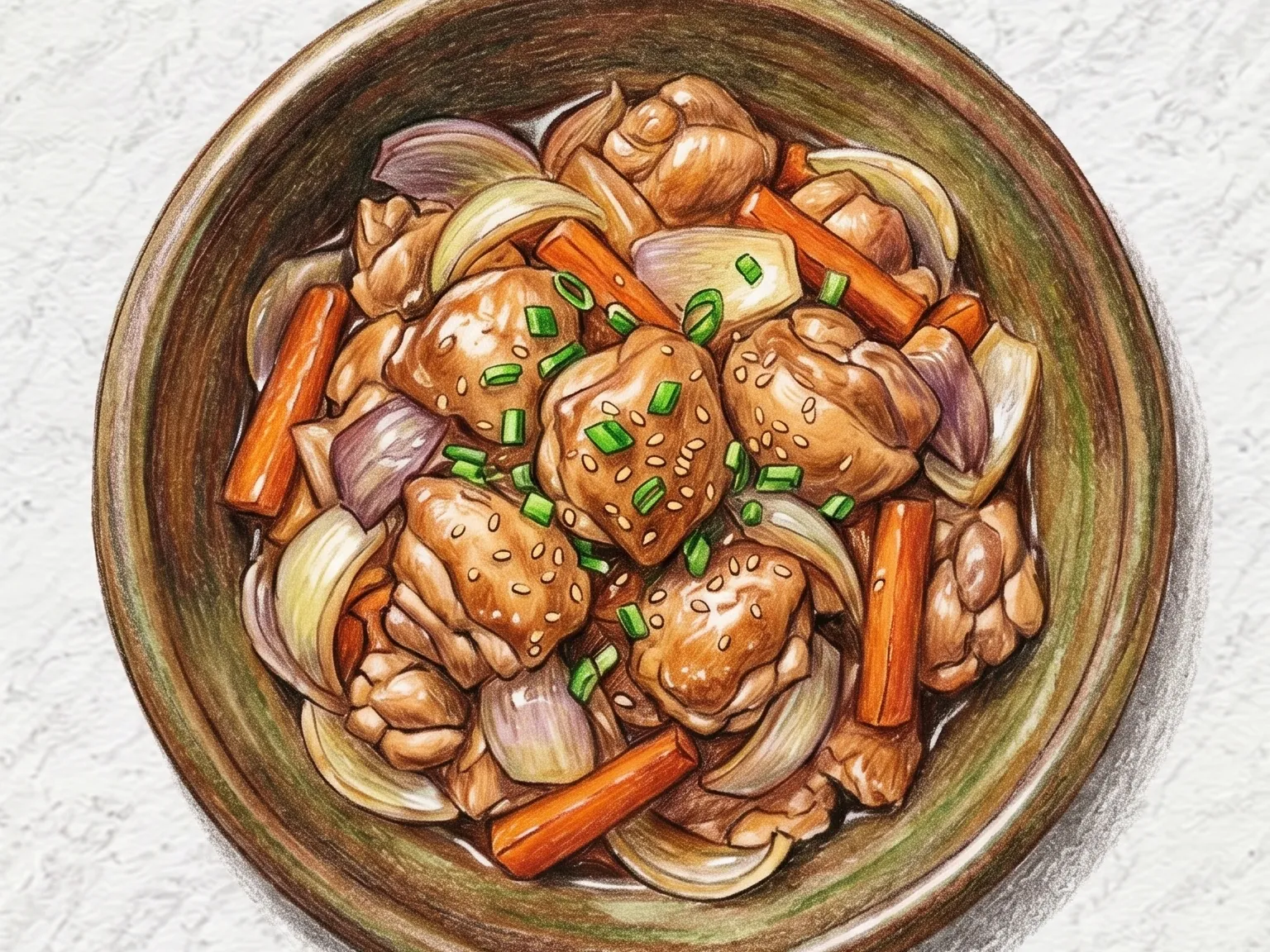
Korean Stir-Fried Chicken
Dak-bokkeum is a Korean stir-fried chicken dish seasoned with a soy sauce-based marinade. Soy sauce, sugar, and minced garlic coat the chicken evenly before it hits the pan, producing a salty, umami-forward crust as it sears. Onion and carrot are added partway through, and the moisture they release as they soften blends into the seasoning to form a natural pan sauce without any added liquid. Sesame oil goes in at the end, its nutty aroma lifting through the dish as it finishes. Breast meat produces a leaner, cleaner-tasting result, while thigh meat stays more moist and springy throughout cooking. The dish pairs well with steamed rice and comes together quickly enough for weeknight cooking.
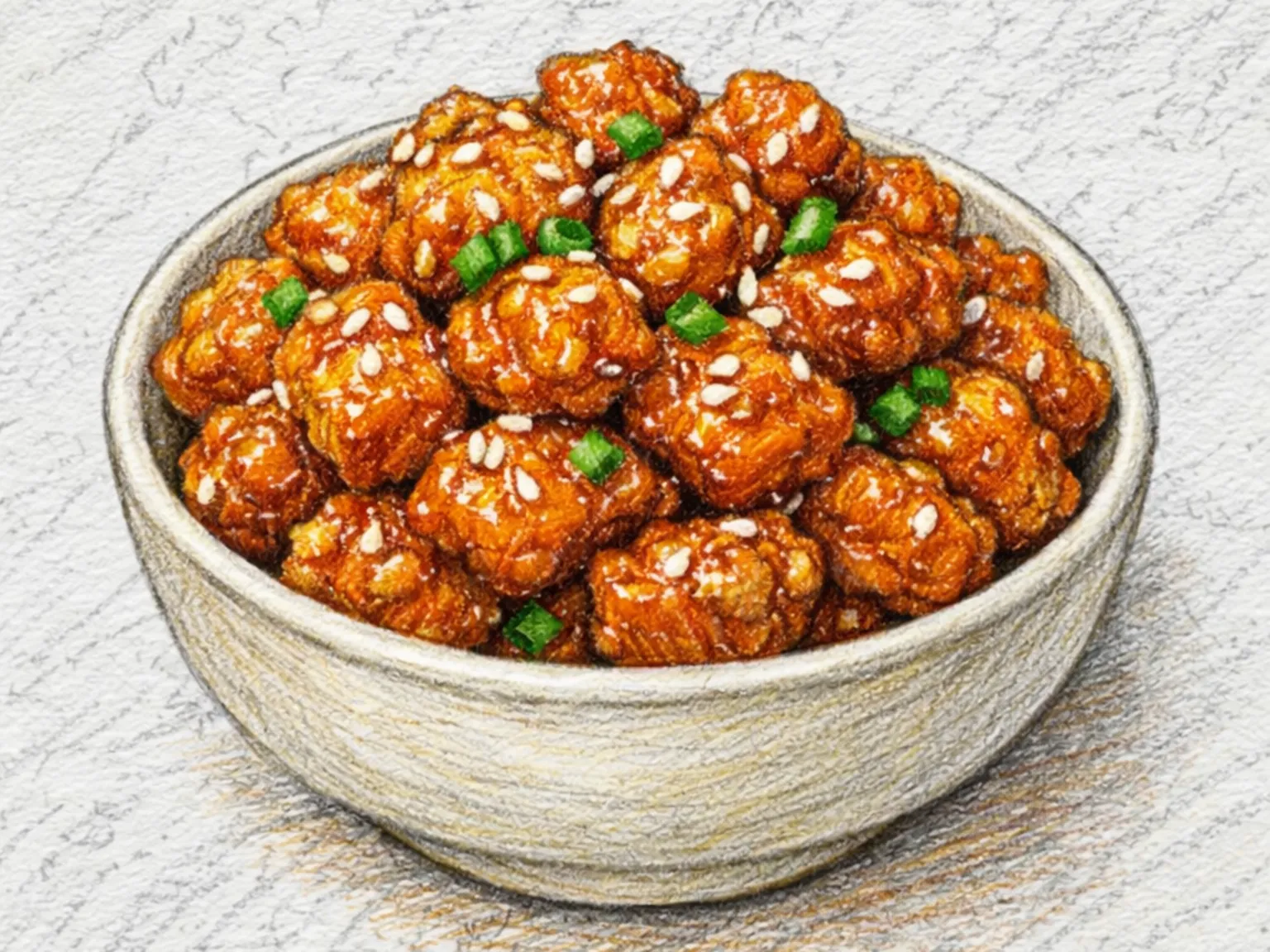
Korean Popcorn Chicken
Popcorn chicken is a Korean fried snack made by cutting chicken breast into 2cm cubes, coating them in egg wash and cornstarch, then double-frying at 170 degrees Celsius. The first fry sets the crust; the second fry drives out residual moisture, producing an exceptionally crunchy shell. Because the pieces are small, the crust-to-meat ratio is high, so every bite delivers maximum crunch. A glaze reduced from soy sauce, sugar, and oligosaccharide syrup coats each piece in a sweet-salty finish. Garlic powder mixed into the initial seasoning carries a mild garlic note through the oil.
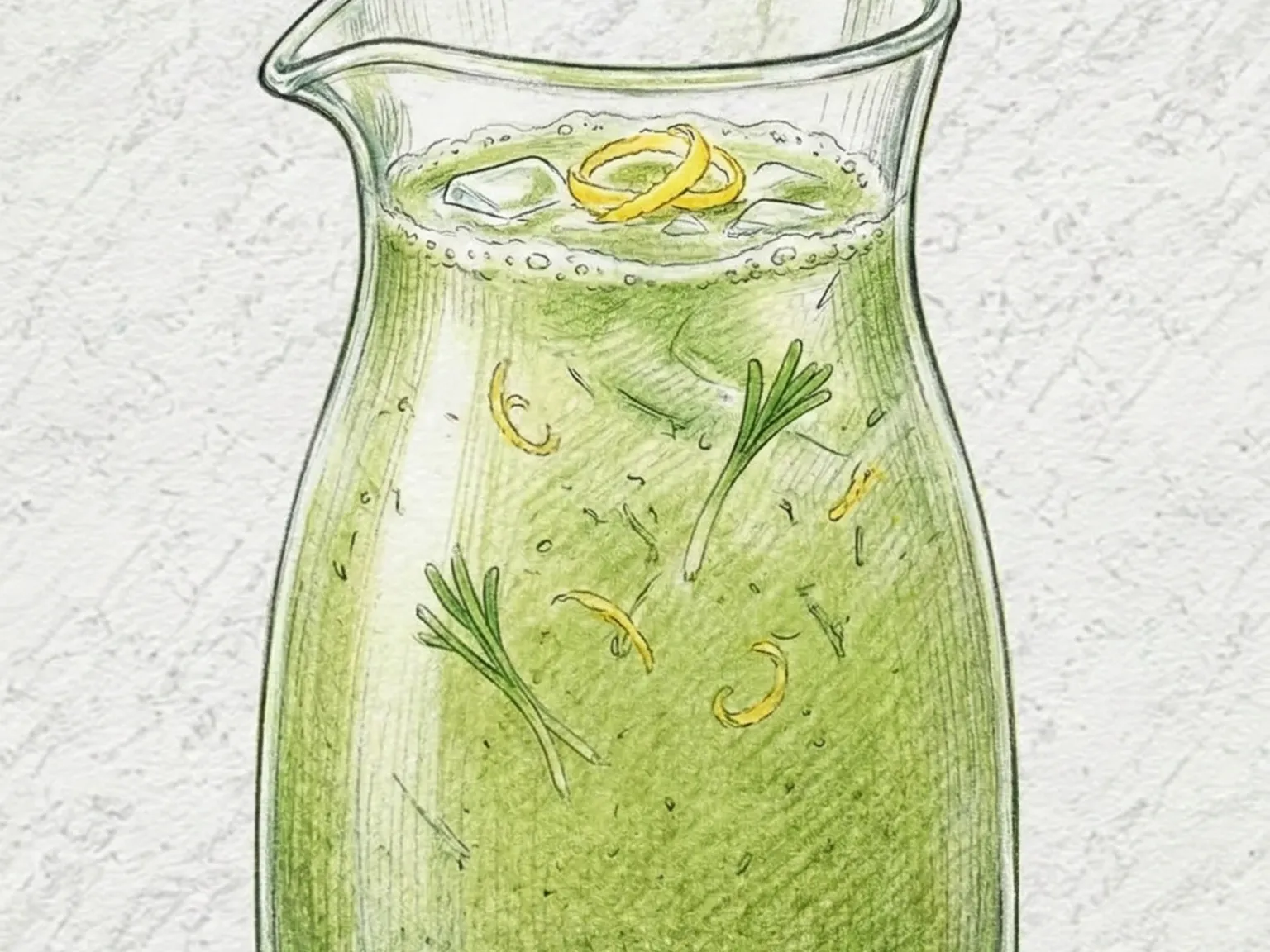
Korean Bori Saessak Lemon Ade (Barley Sprout Lemon Ade)
This barley sprout lemonade dissolves barley sprout powder into apple juice first - a deliberate step that prevents clumping and keeps the drink smooth throughout. Fresh lemon juice and oligosaccharide syrup are stirred in next to build a sweet-tart base before sparkling water is added slowly at the very end to preserve as much carbonation as possible. The grassy, vegetal quality of barley sprout powder is tempered by the mild natural sugar in the apple juice, and the lemon provides a clean acidity that sharpens the whole flavor. Oligosaccharide is used in place of refined sugar because its lower sweetness intensity lets the barley note stay present rather than being masked. The drink is best consumed within five minutes of assembly while the bubbles remain lively, and following the layering order keeps the green color vivid and distinct.
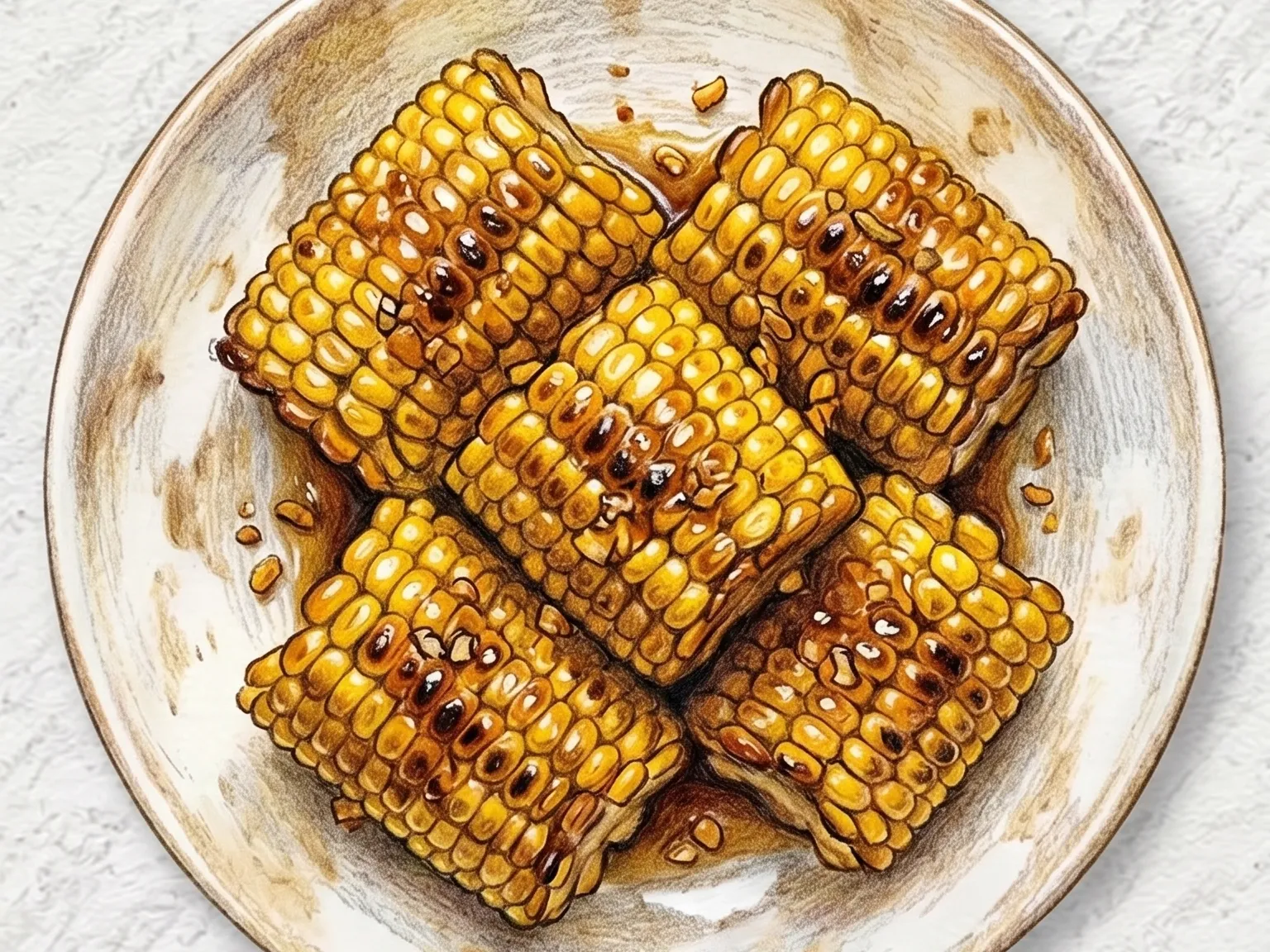
Korean Grilled Corn with Soy Butter
Corn-gui is Korean grilled corn on the cob brushed with a glaze of soy sauce, melted butter, sugar, and minced garlic, then turned slowly over medium heat until the kernels develop a caramelized, salty-sweet crust. The corn is pre-cooked by boiling or microwaving before grilling, so time on the grill is dedicated entirely to building flavor through caramelization and char. Grilling over too-high heat burns the sugar before the corn colors evenly, so patience and repeated thin coats of glaze at every turn are essential. The result layers the corn natural starch sweetness with the richness of butter and the deep savoriness of fermented soy sauce, all in one bite.
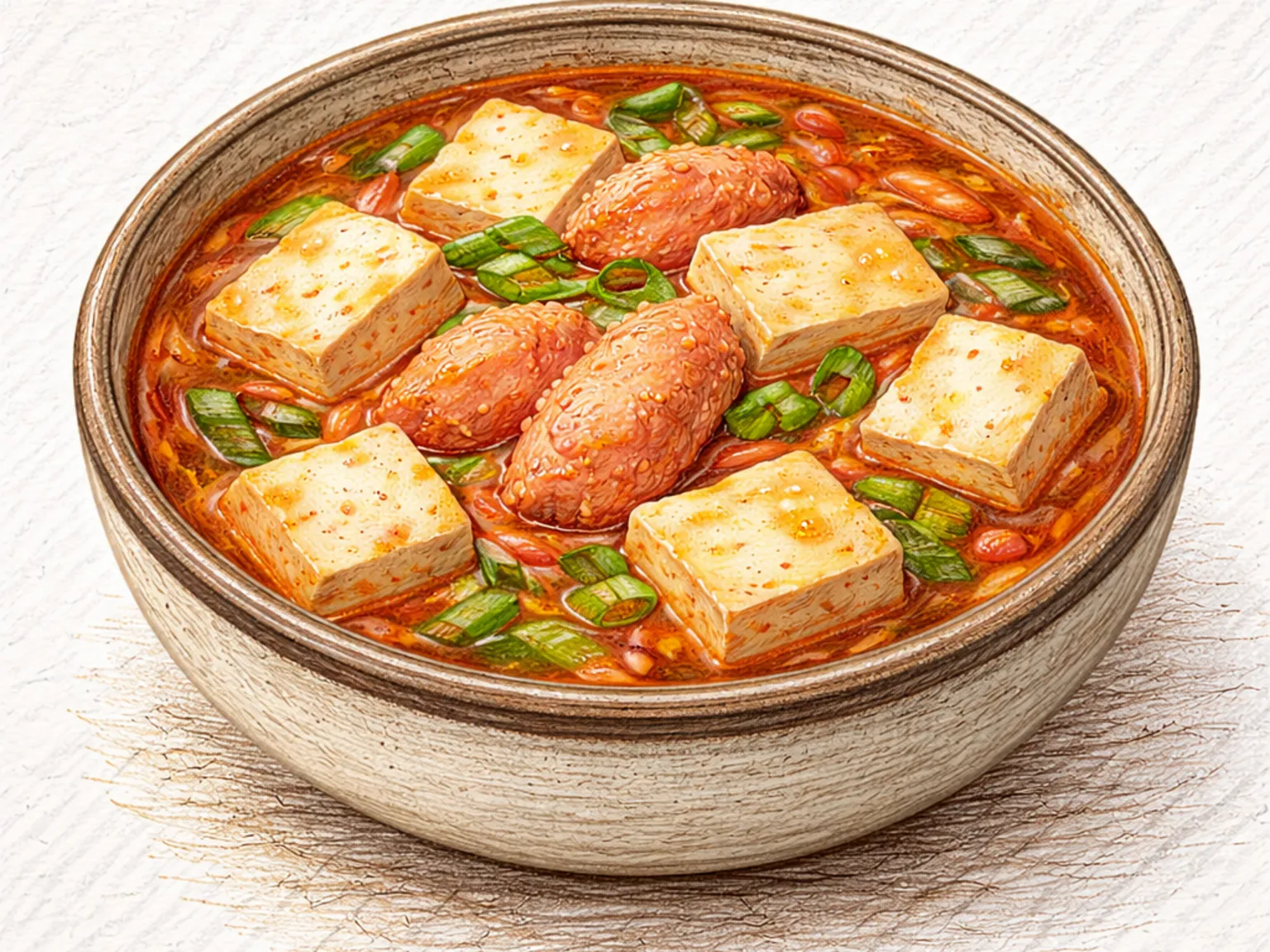
Korean Tofu Stew (Spicy Kimchi & Firm Tofu Pot)
Dubu jjigae is a spicy Korean stew built on firm tofu and fermented kimchi simmered together in anchovy stock. Gochugaru goes into the broth first to establish a vivid red, peppery base; from that point, the kimchi releases its fermented tang with each additional minute over heat, steadily deepening the broth. Green onion adds fragrance, and the tofu absorbs the surrounding liquid the longer it cooks. With only five or so main ingredients, this is an efficient dish - the fermented kimchi handles the complexity, producing layered acidity and depth that reads far richer than the short ingredient list would suggest.
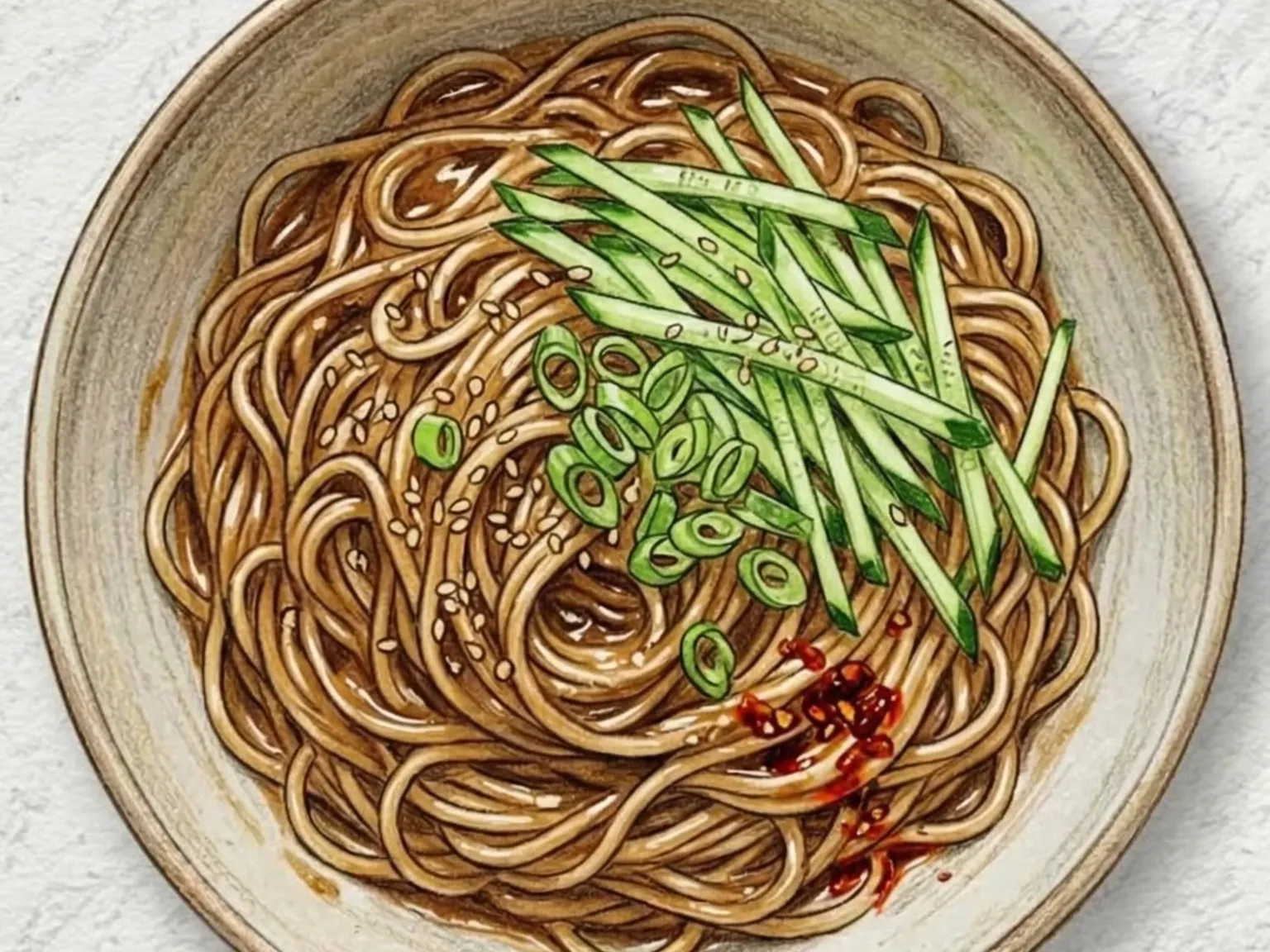
Cold Sesame Noodles
Cold sesame noodles are a fixture of Chinese-American cooking: chilled wheat noodles coated in a thick, nutty sauce that layers sweet, salty, sour, and savory flavors in a single bowl. The sauce is built from Chinese sesame paste or tahini blended with peanut butter, soy sauce, rice vinegar, and sesame oil until the mixture becomes a smooth, glossy emulsion. After boiling, the noodles are rinsed under cold running water to stop cooking and firm the texture, then tossed with a small amount of sesame oil to prevent clumping and add sheen. Julienned cucumber and sliced scallion provide freshness and crunch that cut through the dense sauce. Chili flakes or a spoonful of chili oil can be added for heat. Preparing the sauce in advance and refrigerating it means the entire dish can come together in the time it takes to boil a pot of noodles, making it a practical choice on hot summer days. Any leftover sauce works well as a salad dressing.
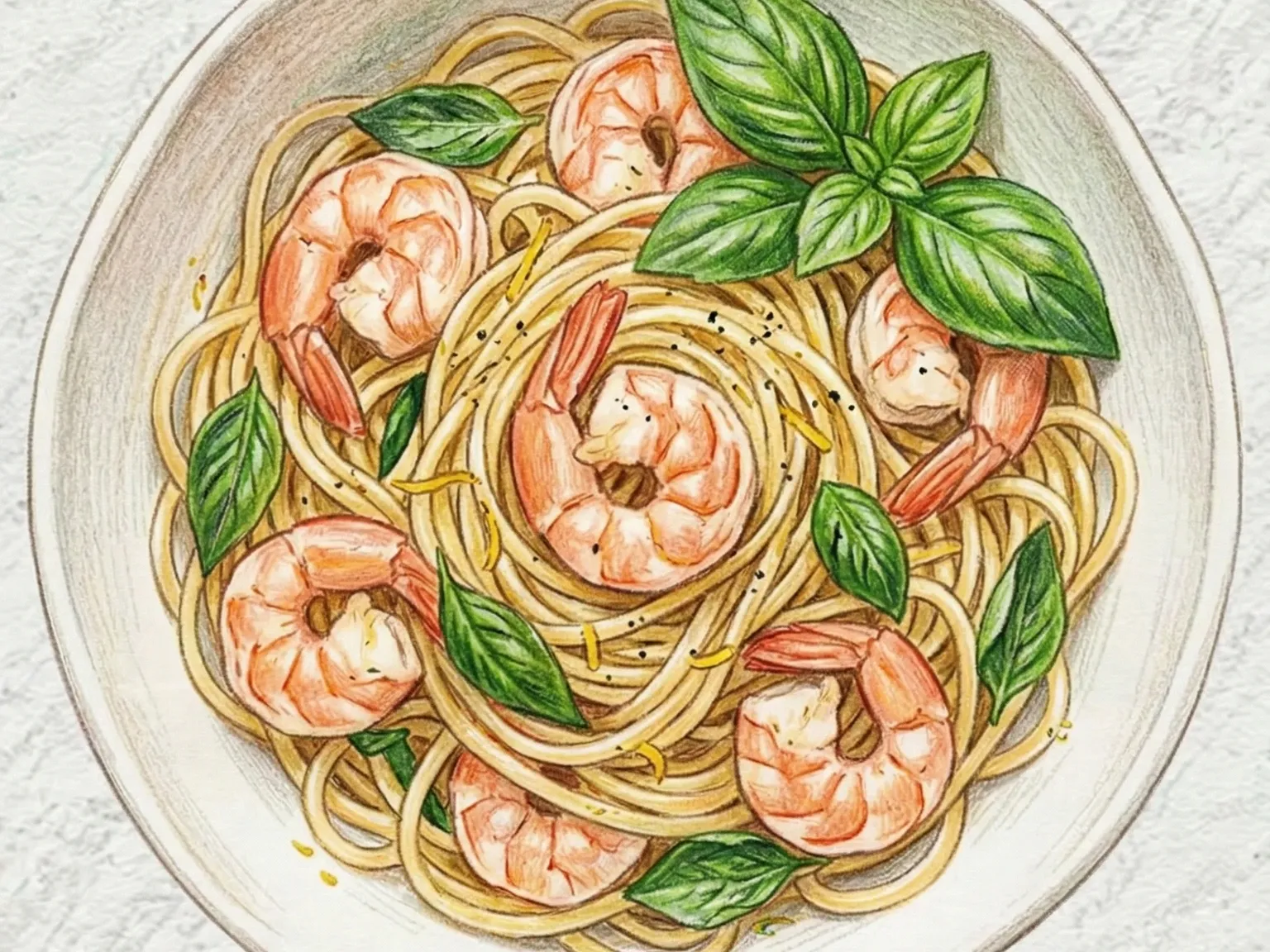
Yuja Shrimp Basil Linguine
Yuja shrimp basil linguine is a light oil-based pasta that keeps shrimp at the center of attention by handling them quickly and carefully. After deveining and thoroughly patting dry, the shrimp are seared in olive oil just until both sides turn pink, pulling them from the pan within three minutes total to preserve their springy, snapping bite. Prolonged heat is the enemy of shrimp texture, so they are removed and returned only when the pasta is nearly ready. The aromatic base begins with garlic and red pepper flakes sauteed over low heat in olive oil until fragrant but not colored, a process that infuses the fat with a gentle heat and a savory depth. A splash of white wine goes in next and cooks off quickly, adding a clean acidity and lifting the browned bits from the pan. Yuja marmalade contributes a distinct citrus sweetness, but the sugar content varies considerably between brands, so it is added incrementally and tasted as it goes. Three tablespoons of starchy pasta cooking water emulsify the oil and marmalade into a light sauce that clings to every strand of linguine without feeling heavy. Basil leaves are folded in off the heat to protect their volatile aromatic oils, so their fresh herbal fragrance layers over the yuja's bright citrus without any loss.
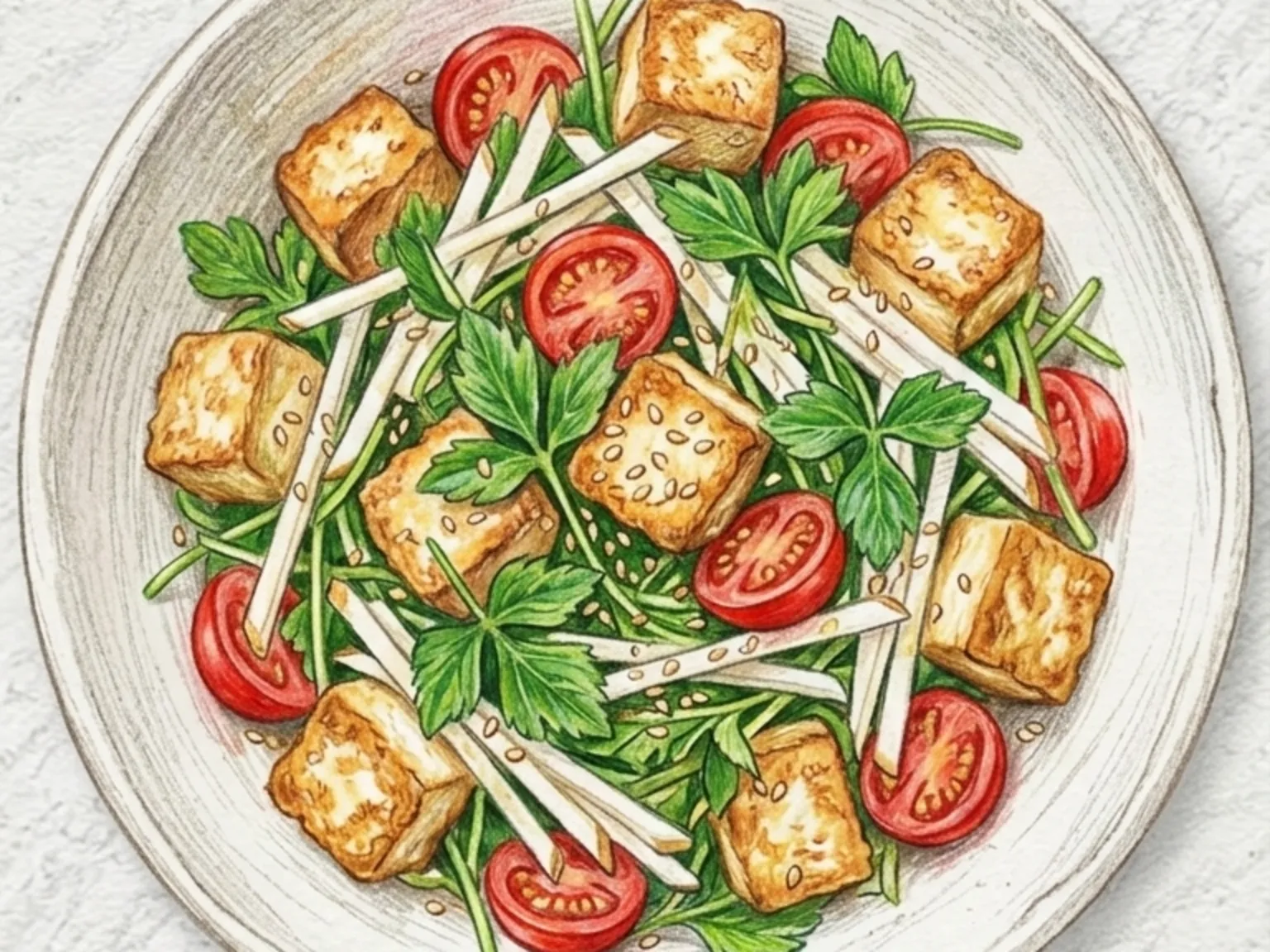
Chamnamul Pear Tofu Salad
Chamnamul pear tofu salad pan-sears firm tofu cubes for 6-8 minutes until the exterior turns golden and crisp while the inside stays soft. Chamnamul is cut into 5 cm lengths to preserve its fragrant mountain-herb character, and Korean pear is julienned thin so its clean juice sweetens each bite. A dressing of perilla oil, lemon juice, and soup soy sauce delivers nuttiness and umami in a single drizzle, and halved cherry tomatoes contribute a pop of acidity. Slicing the pear just before assembly minimizes browning, and toasted sesame seeds scattered on top add a final layer of warm, nutty aroma.
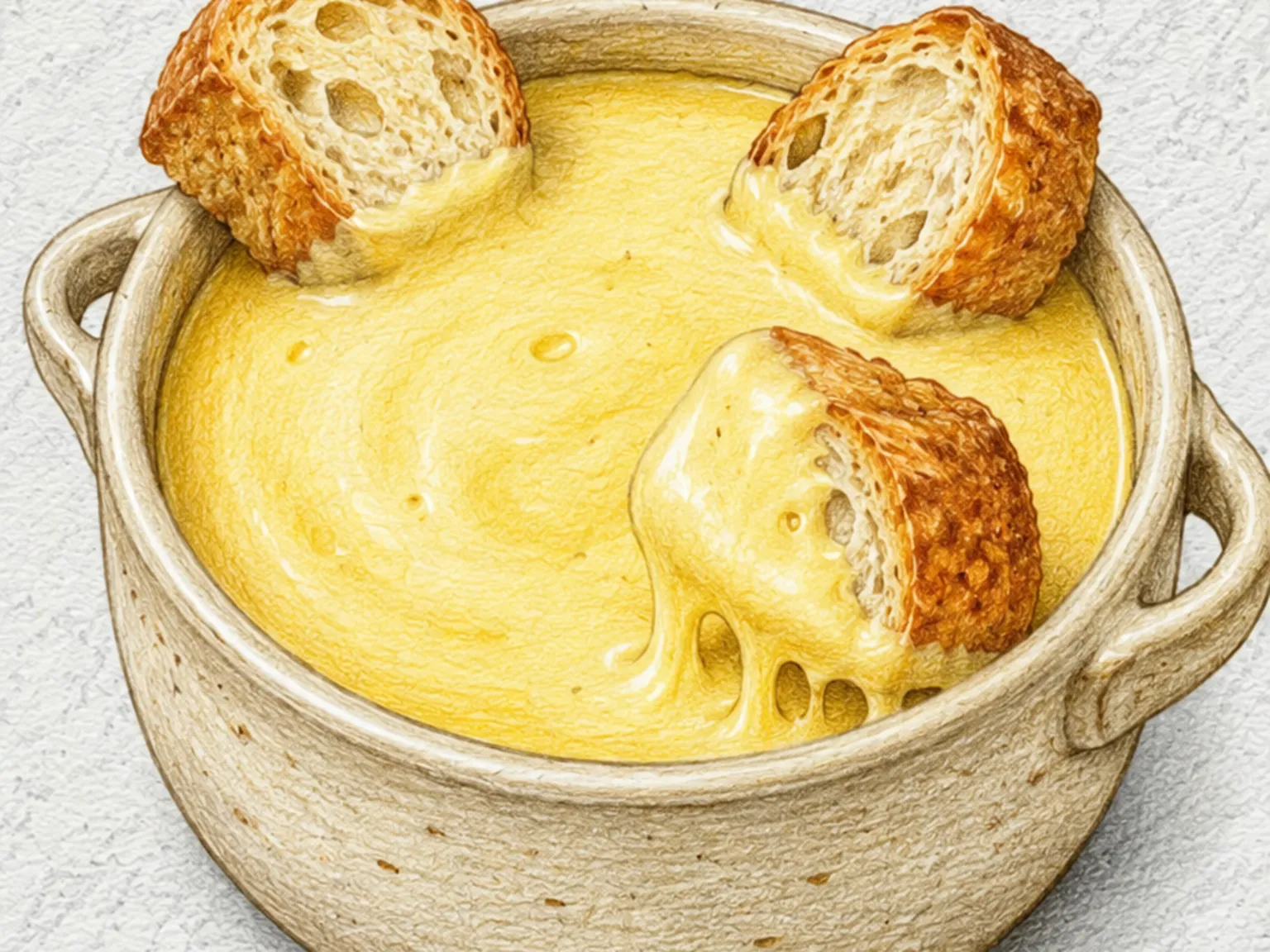
Cheese Fondue
Cheese fondue melts grated Gruyere and Emmental into warmed white wine to create a thick, glossy cheese dip served with cubed baguette. Rubbing the inside of the pot with a halved garlic clove lays down a gentle garlic base before the wine goes in. Tossing the grated cheese with cornstarch before adding it gradually to the warm wine is what prevents the proteins from clumping and keeps the texture smooth and flowing. A small amount of lemon juice cuts through the richness of the cheese, and the wine's acidity balances the salt from the aged cheeses. The heat must stay low throughout - high flame causes the fat to separate from the protein almost immediately, turning the fondue grainy and unappetizing. If the sauce thickens too much, a small addition of warm wine brings it back. Originating in the Alpine regions of Switzerland and France as a winter method for using hardened cheese, fondue has become a communal dish shared around the table and is now enjoyed worldwide.
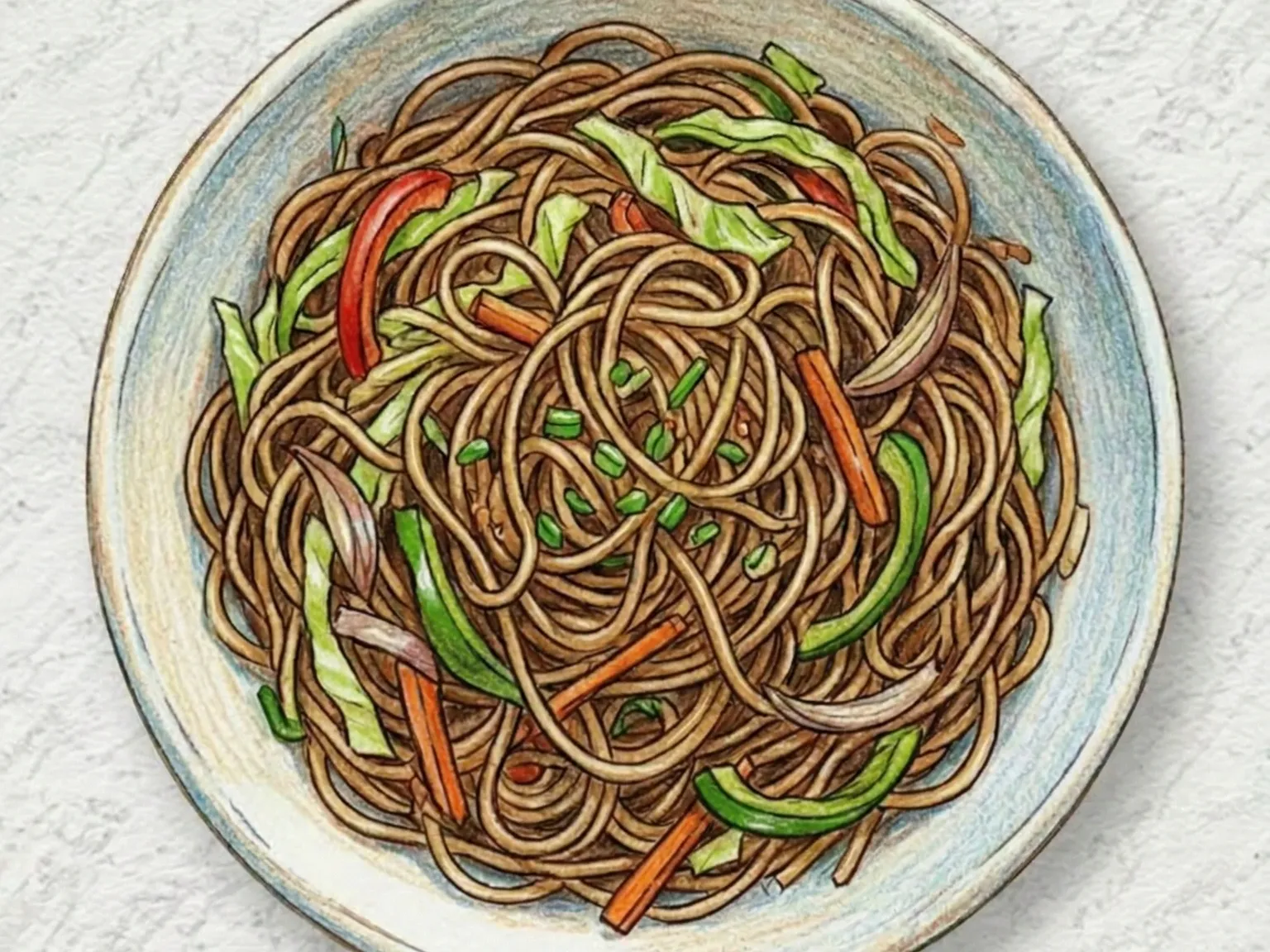
Hakka Noodles (Indo-Chinese Stir-Fried Noodles)
Hakka noodles represent the Indo-Chinese culinary tradition, a fusion cuisine that originated in the Chinese immigrant community of Kolkata and has since spread to cities across India. Egg noodles are boiled just short of fully cooked, rinsed under cold water to stop cooking, and tossed with a small amount of oil so the strands stay separate and pick up seasoning evenly during stir-frying. The vegetables, cabbage, carrot, and bell pepper, are julienned into matchstick-width strips that match the diameter of the noodles, ensuring a balanced forkful in every bite, and are cooked for no more than two minutes over intense heat to preserve their snap. The seasoning mix is deliberately spare: soy sauce for salinity, a splash of rice vinegar for a faint sour note, and black pepper for warmth. What matters more than the ingredient list is the speed and heat of the cooking. The intense wok temperature creates a light char and smoky depth on the noodles and vegetables, a quality called wok hei that cannot be achieved at lower temperatures regardless of the seasoning. Spring onions are added only after the heat is off to keep their fresh aroma and bite intact. Slightly undercooking the noodles before the wok is key; overcooked noodles turn mushy under the heat of stir-frying.
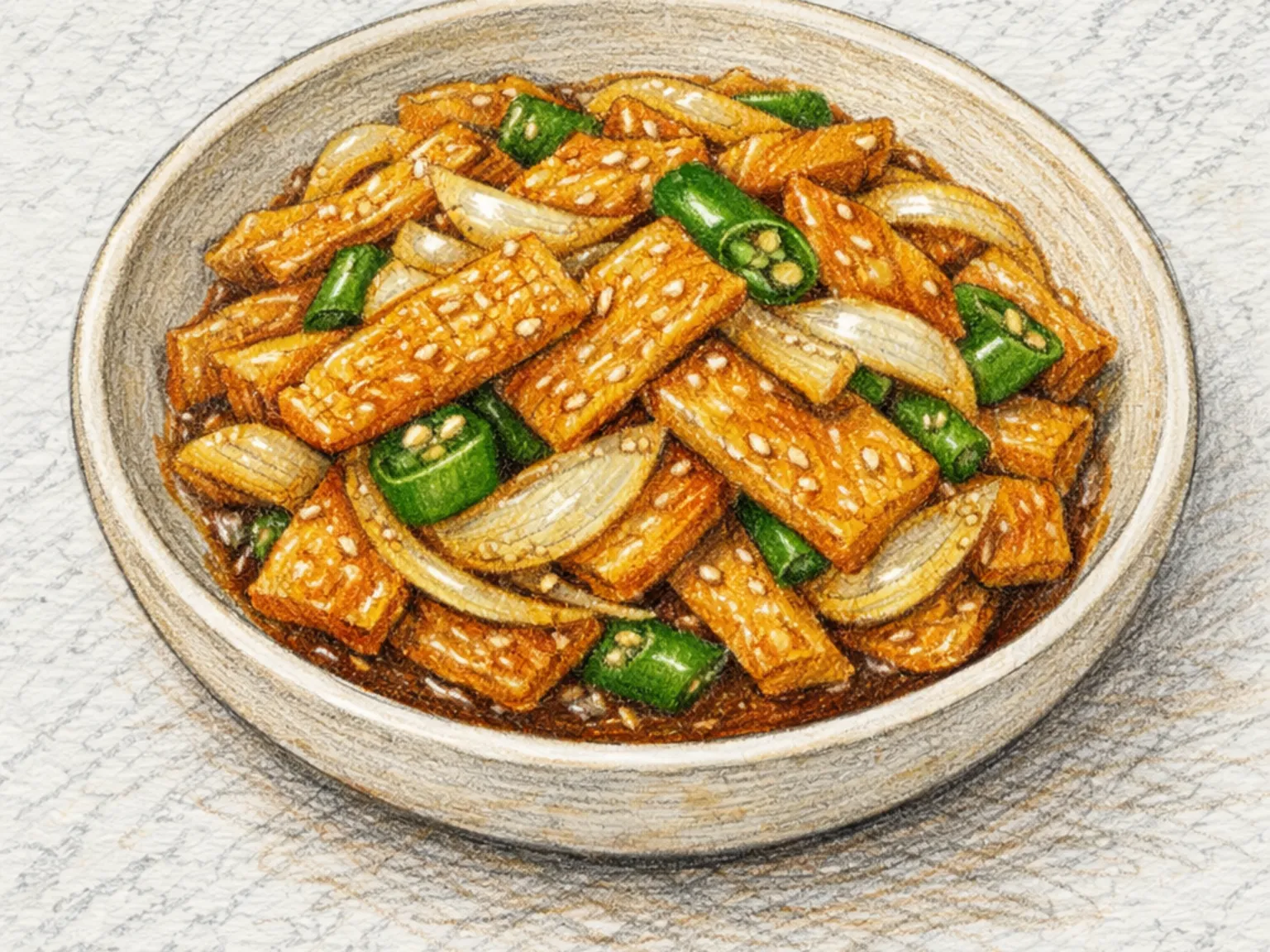
Korean Busan-Style Soy Fish Cake Stir-Fry
Busan, Korea's largest port city, is closely identified with eomuk: thick, pressed fish cake sold at stalls around Gukje-sijang market. This Busan-style stir-fry slices the fish cake into strips and cooks it with onion and cheongyang chili in soy sauce, cooking wine, sugar, and minced garlic over high heat. Onion goes into the pan first to caramelize and release its sugars, creating a sweet base before the fish cake joins and absorbs the glaze into its porous interior. Cheongyang chili adds a sharp, lingering heat that sets this version apart from the milder soy-braised fish cake common in Seoul. The dish holds its flavor well after cooling, making it a reliable lunchbox side that tastes just as good a few hours later.
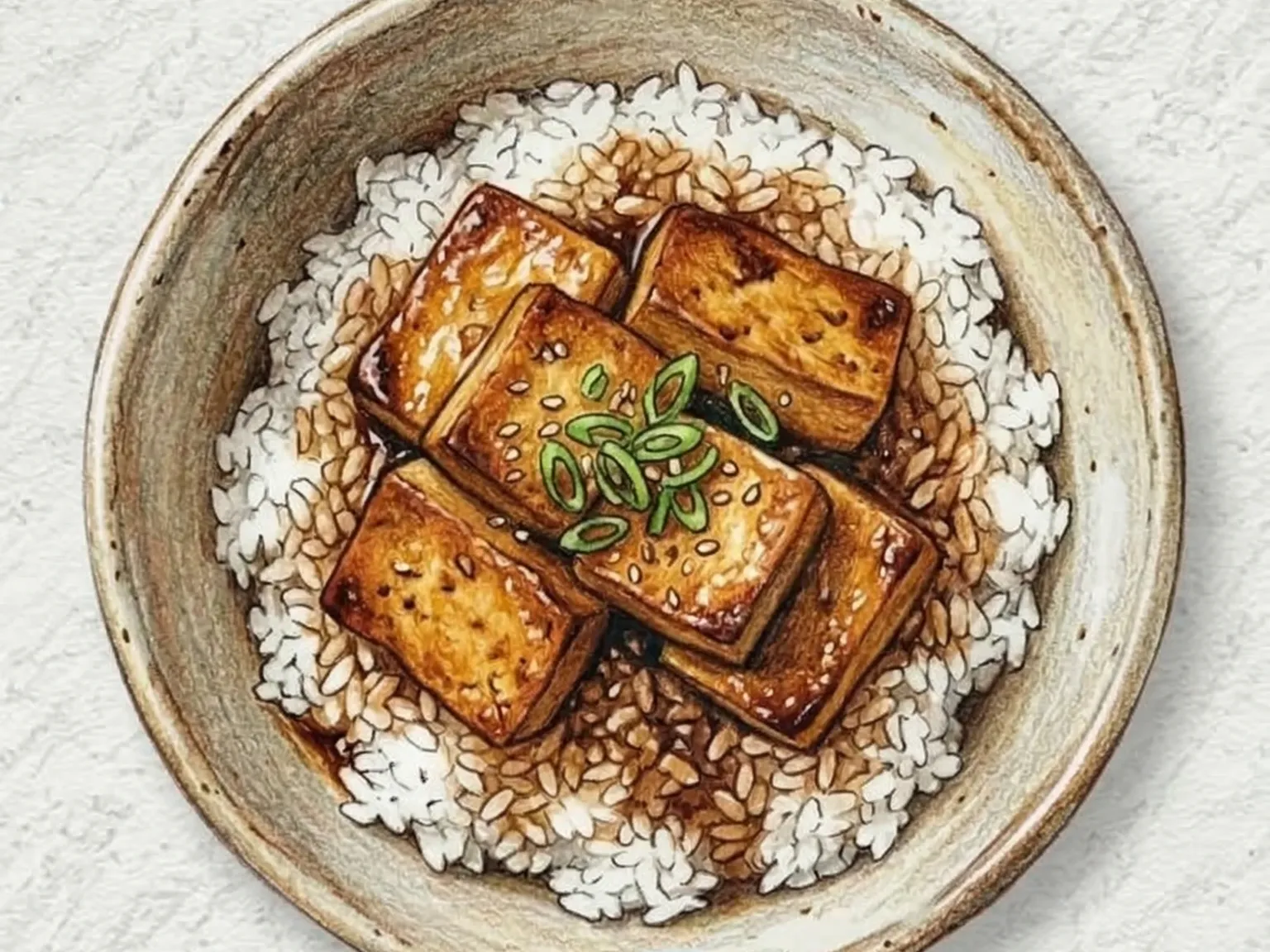
Korean Braised Tofu Rice Bowl
Dubu jorim deopbap places soy-braised tofu over a bowl of hot steamed rice, using the reduced braising glaze as the primary seasoning for the entire dish. Firm tofu is sliced into rectangles, patted dry to remove surface moisture, and pan-fried over high heat until a dense golden crust forms on both sides. This crust is essential - without it, the tofu absorbs the braising sauce too quickly and falls apart. With it, the exterior holds its structure while the interior slowly soaks up the seasoning from the inside out. The braising sauce is built from soy sauce, sugar, minced garlic, and a small amount of water. Sliced onion cooks alongside the tofu in the sauce, softening and dissolving into the liquid to contribute sweetness as the sauce reduces to a sticky, mahogany-colored glaze. Cheongyang chili, sliced on the bias, introduces a sharp clean heat that cuts through the sweetness of the sauce. Green onion goes in last, just before plating, to keep its fragrance intact. The finished sauce is spooned over the rice along with the tofu, where it seeps into each grain and ensures that flavor remains consistent from the first bite to the last. The dish stands on its own without additional side dishes and provides a practical source of plant protein for vegetarian meals.
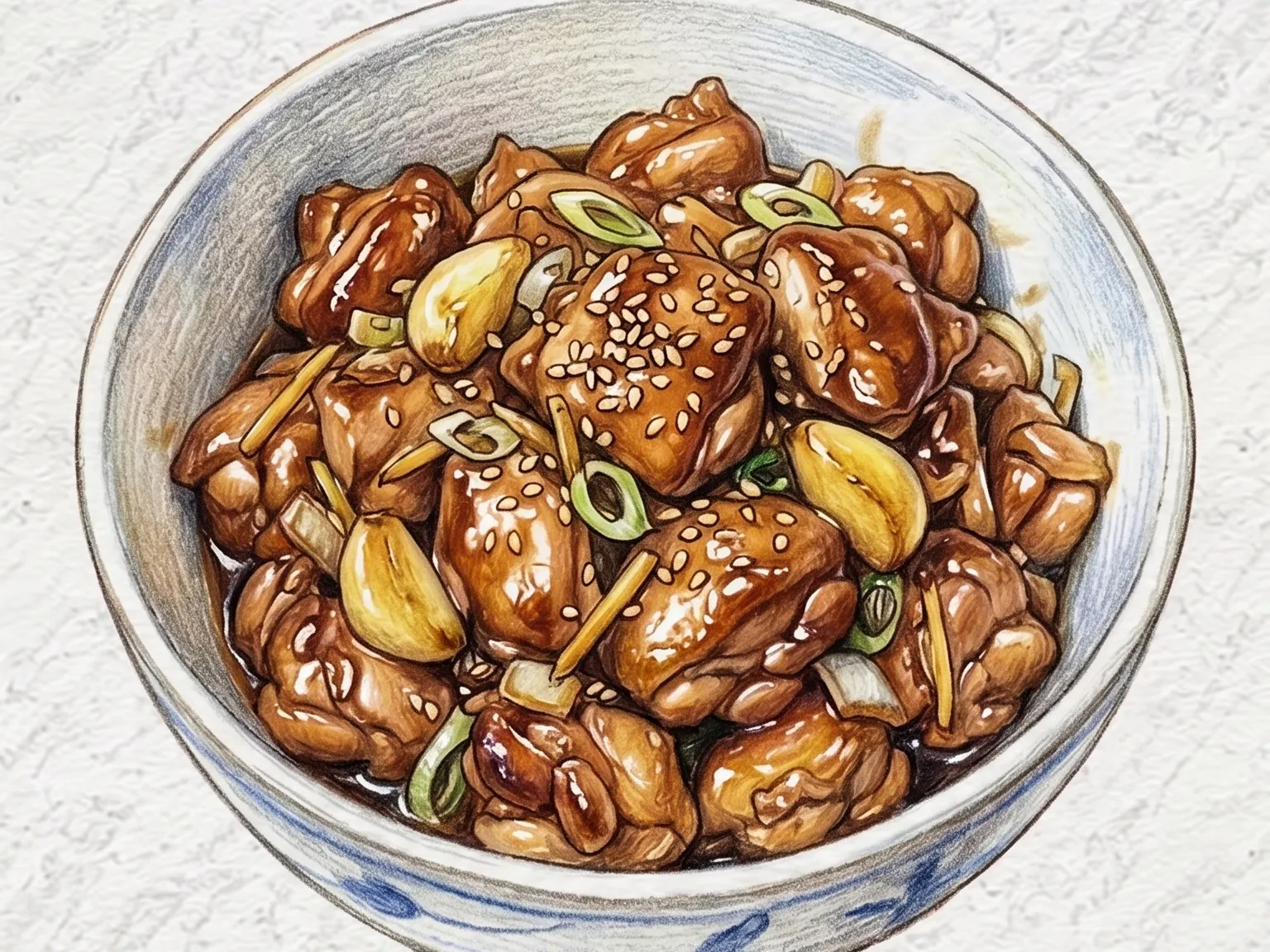
Korean Soy-Glazed Chicken Stir-Fry
Chicken thigh meat stir-fries in soy sauce, sugar, and oligosaccharide syrup for a sweet-salty glaze. Garlic and ginger go into the oil first to infuse the fat with fragrance before the chicken is added, letting the aromatics penetrate deep into the meat as it cooks. The oligosaccharide heats into a tacky gloss that coats each piece evenly as the liquid reduces. Sesame oil and whole sesame seeds scattered over the top at the end bring a nutty, aromatic finish. The flavor profile runs close to Japanese teriyaki, but the heavier use of garlic and ginger pushes it toward the more direct, punchy spice character typical of Korean cooking. Boneless thighs cut into bite-sized pieces cook more evenly than larger pieces, and keeping the heat high through most of the cook ensures the surface caramelizes without turning rubbery.
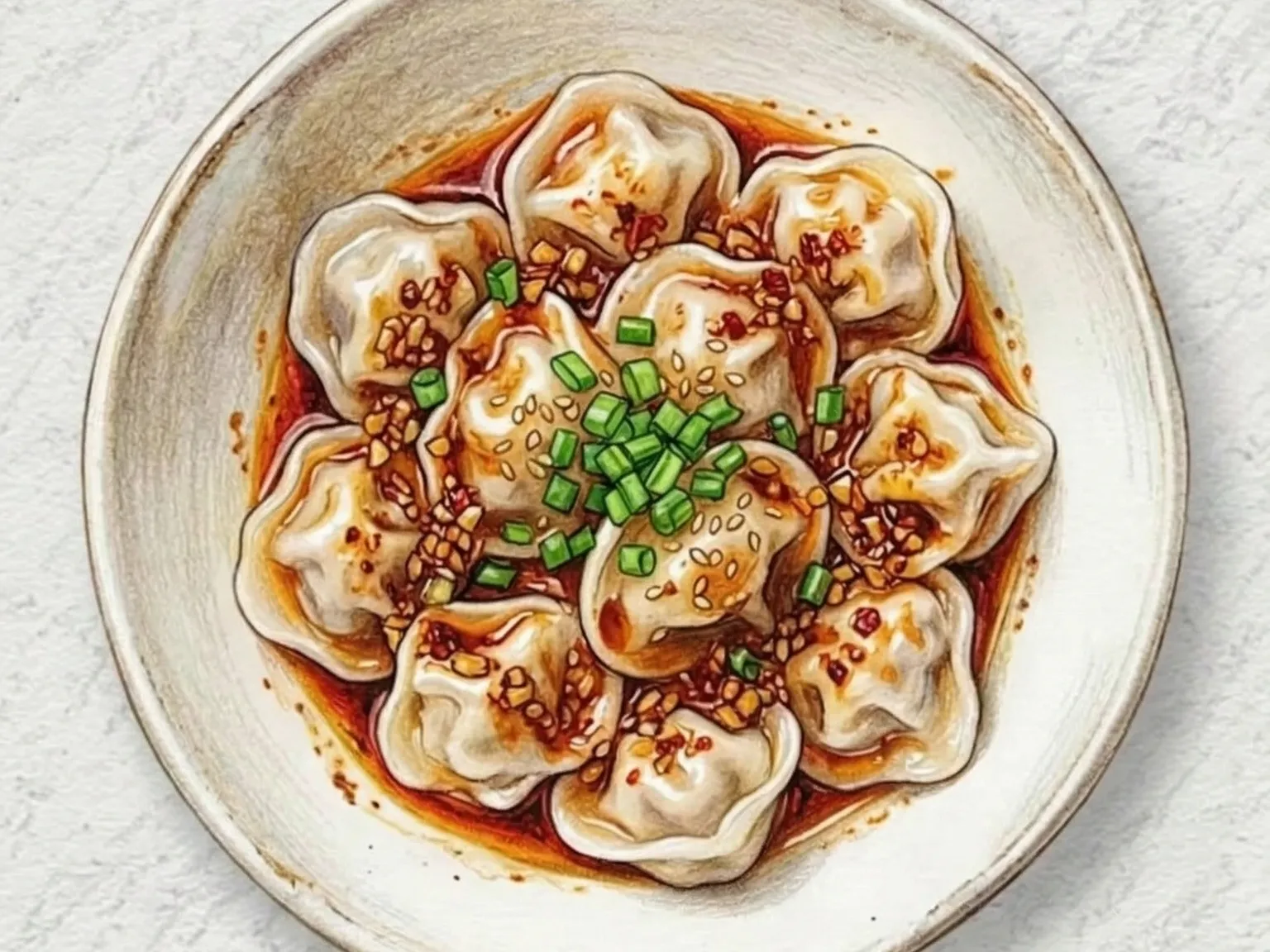
Korean Chili Oil Boiled Dumplings
Boiling dumplings until they float and then giving them an extra two minutes in the water results in a springy texture that holds up well to a heavy dressing. Effective draining is crucial to prevent residual water from thinning the sauce, which consists of soy sauce, vinegar, minced garlic, sugar, and chili oil. The vinegar and soy sauce establish a sharp and salty foundation, while the chili oil provides a warm spice and a slick, red sheen across the surface of the wrappers. Folding the ingredients together gently ensures the skins remain intact while becoming fully coated. Adding fresh scallions provides a crisp element that balances the weight of the oil. For a profile closer to Sichuan cuisine, a dusting of Sichuan pepper powder introduces a characteristic numbing sensation alongside the heat. Heat levels are easily controlled by varying the amount of chili oil used in the mixture. Replacing the soy sauce with oyster sauce creates a thicker, more savory base for the dressing. This preparation works with frozen dumplings by extending the boiling time by a minute or two to account for the temperature difference. The sauce is compatible with various fillings including pork, shrimp, or vegetable varieties.
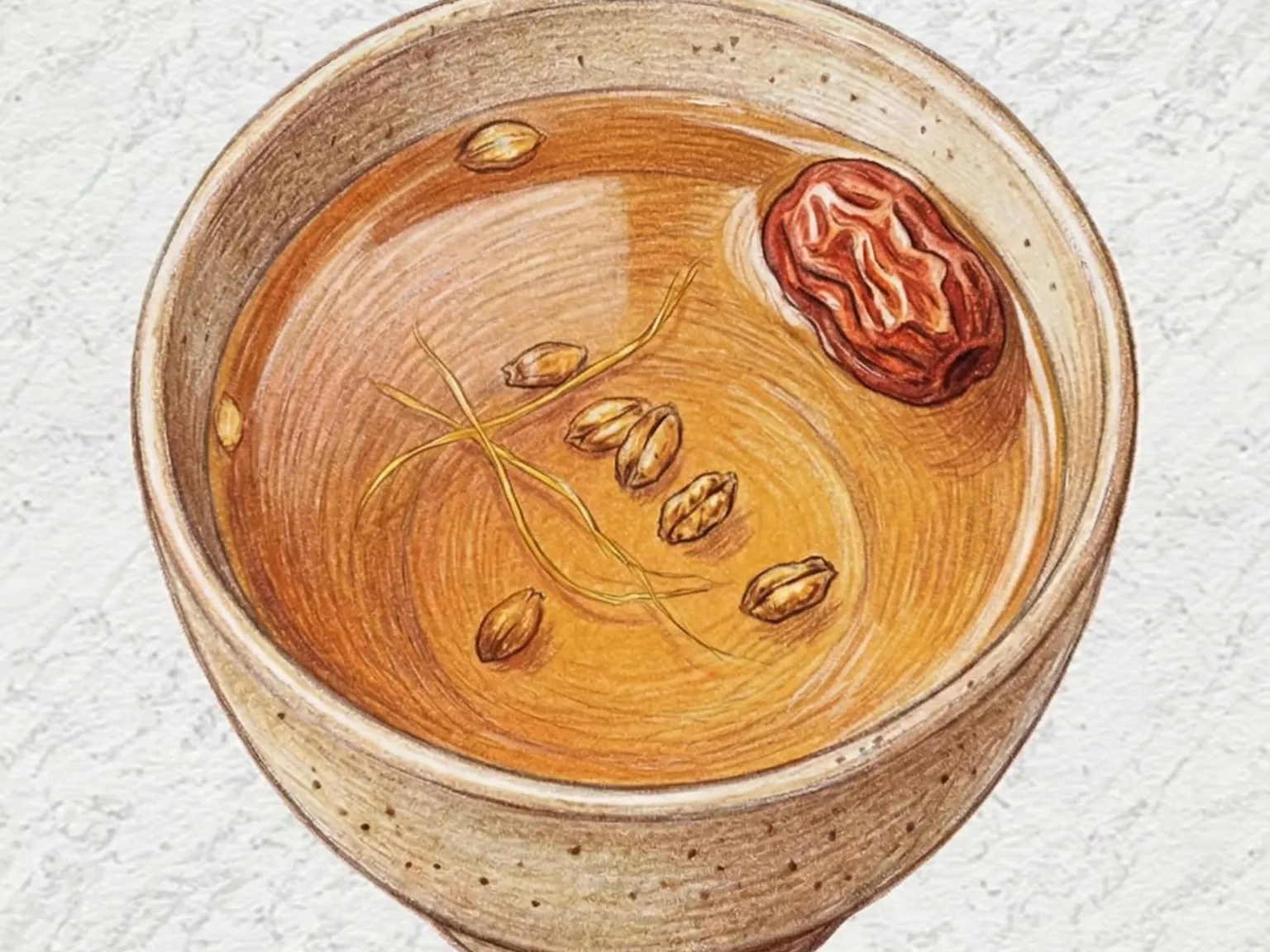
Korean Roasted Barley Tea
Boricha is the everyday caffeine-free barley tea that has been a fixture in Korean homes for generations, made by simmering roasted barley with corn silk and jujubes in a single pot over medium-low heat for fifteen minutes, then steeping off the heat for five minutes more. The roasted barley drives the flavor, producing a toasty, grain-forward depth that is distinctly savory without being heavy. Corn silk contributes a gentle, almost imperceptible natural sweetness, and halved jujubes add a faint dried-fruit undertone that softens the overall profile. A pinch of salt added during brewing rounds out the taste and prevents the tea from reading as flat. The finished tea works as well served hot in winter as it does chilled over ice in summer, and it functions as a neutral, palate-cleansing table drink throughout the year. Made in under twenty minutes with pantry staples.
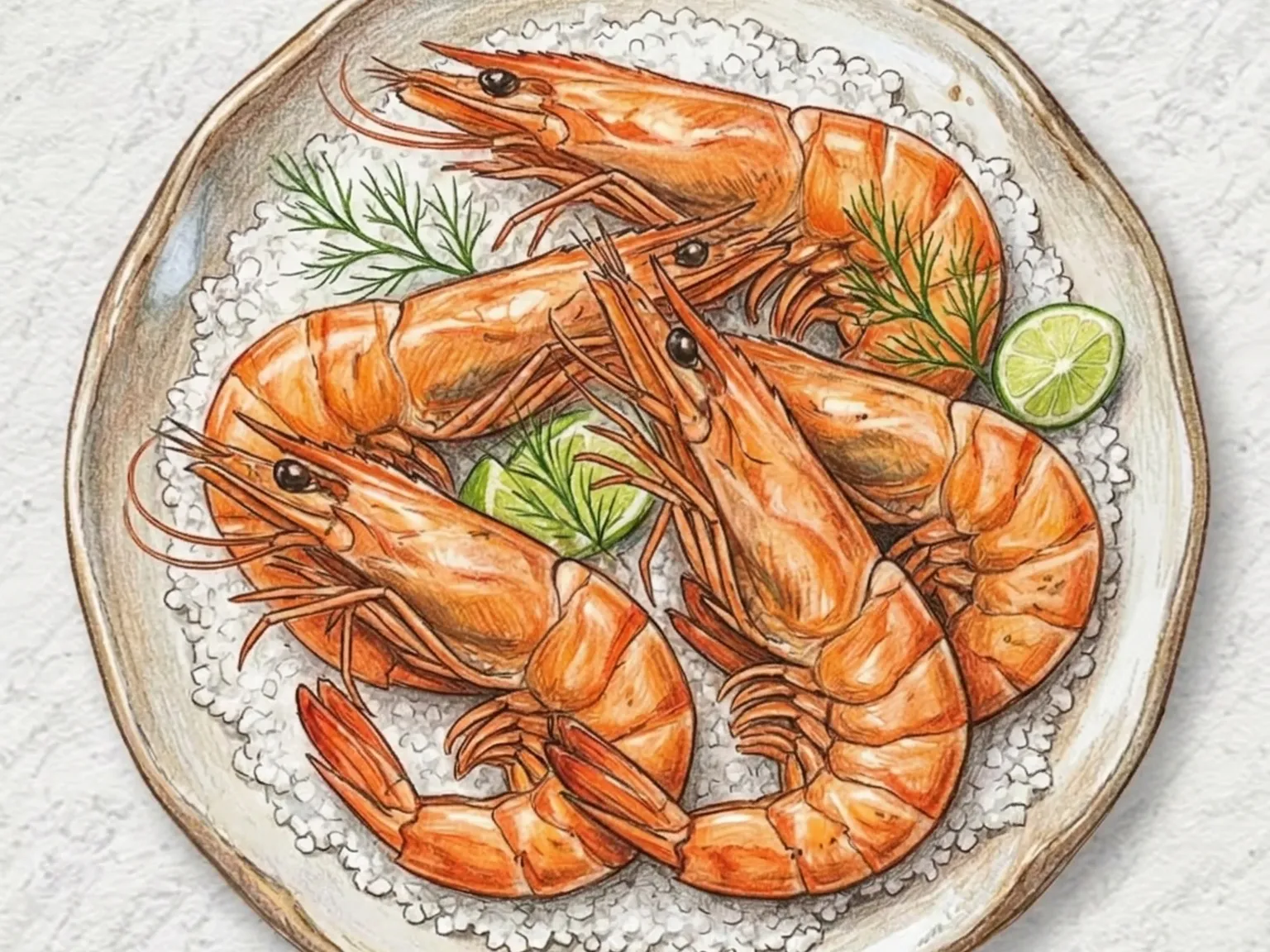
Korean Salt-Grilled King Prawns
Daeha-sogeum-gui is a Korean salt-grilled king prawn preparation where whole shell-on prawns are placed directly on a bed of coarse sea salt and cooked over indirect heat. The salt draws out surface moisture while conducting steady, even heat beneath the shells, so the prawns essentially steam inside their own carapace and keep their flesh springy rather than contracted. Scoring the back with kitchen scissors and removing the intestinal tract before cooking eliminates any off-note from the gut, leaving only the clean, natural sweetness of the prawn. The precise moment to pull them from the heat is when the shells turn a solid bright orange, as any longer drives off the moisture that keeps the flesh tender. A squeeze of fresh lemon adds acidity that sharpens the natural umami without masking it, and the dish works well with no additional seasoning at all.
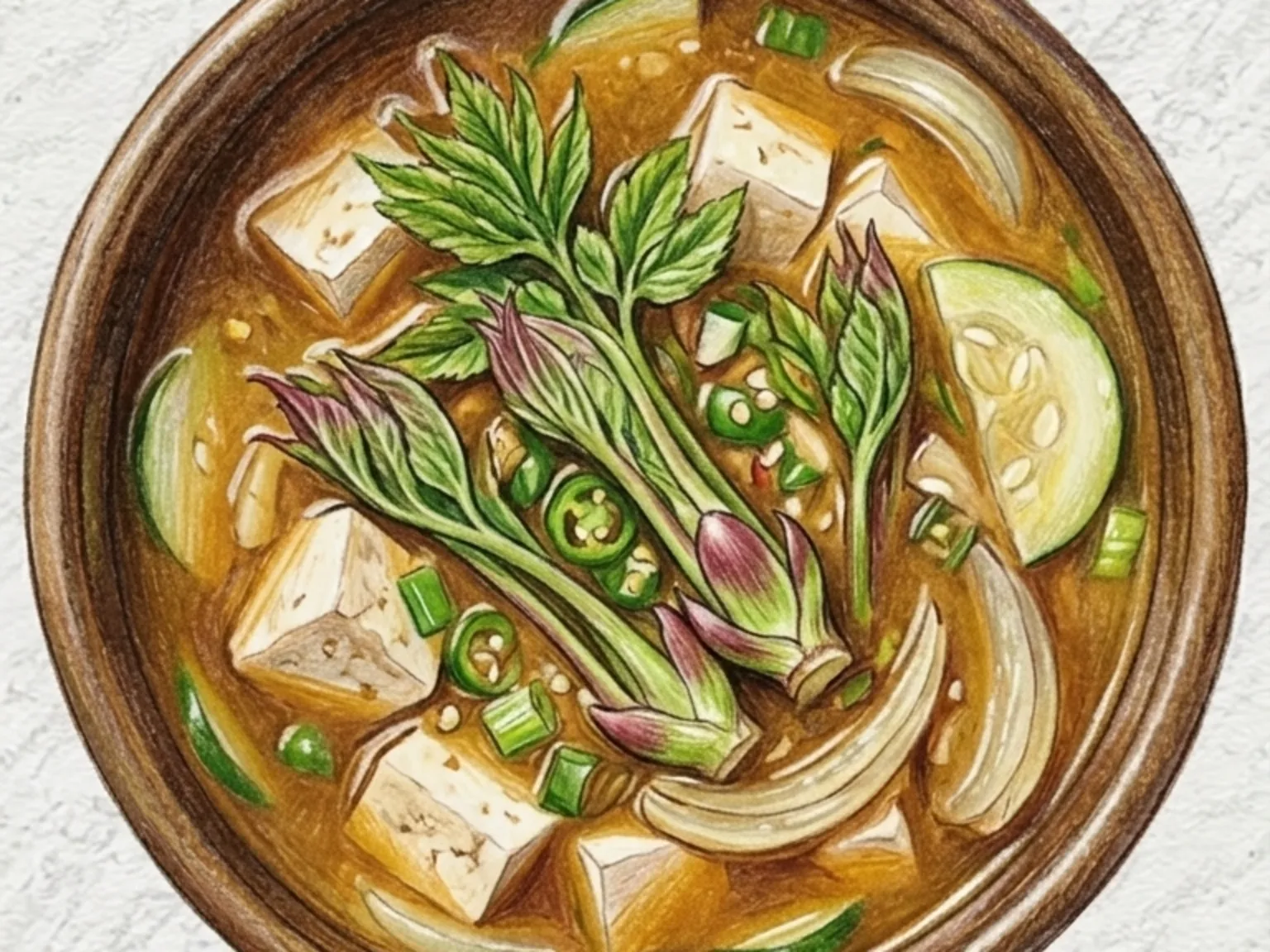
Korean Aralia Shoot Soybean Paste Stew
Dureup, the young shoots of the aralia tree, appear for only a few weeks in spring. Their pleasant bitterness and firm bite translate well into the savoury heat of doenjang broth. Anchovy stock forms the base, and both doenjang and gochujang are stirred in together to give the soup an earthy depth with a steady background heat. Zucchini and onion round out the bitterness with sweetness. Tofu fills the bowl with a soft contrast. The shoots go in late in the cooking so their crunch survives the heat of the broth.
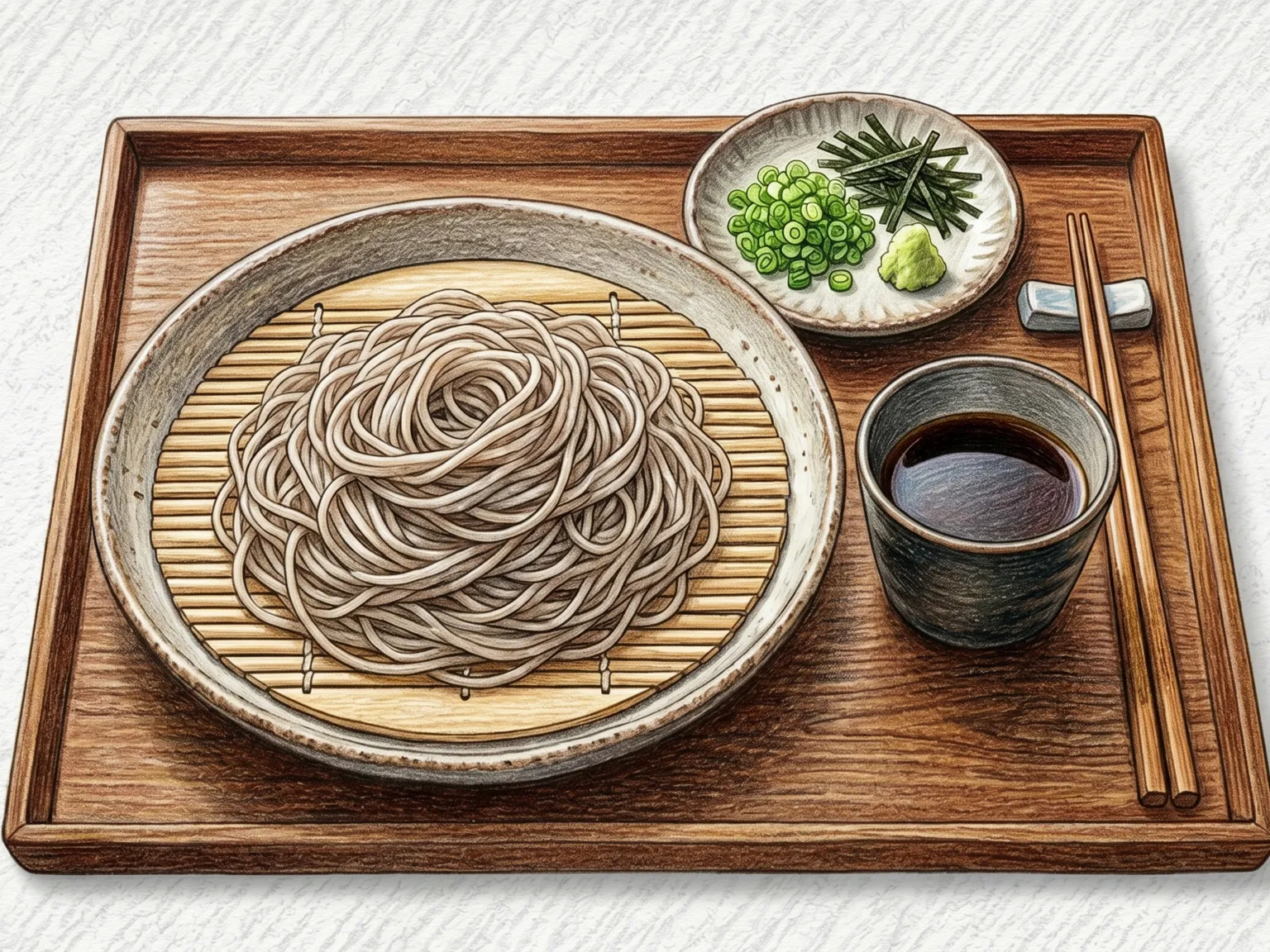
Cold Buckwheat Noodles
Mori soba is a Japanese cold noodle preparation where buckwheat noodles are boiled, rinsed under cold running water until firm, and served on a bamboo draining mat alongside a chilled tsuyu dipping broth. The nutty, slightly grainy character of buckwheat is the foundation of the dish, with each mouthful releasing an earthy, grain-forward fragrance. Tsuyu, concentrated from katsuobushi, kombu, soy sauce, and mirin and then chilled, is rich in umami and strong enough that a brief dip coats the noodles completely without drowning them. Wasabi and thin-sliced scallion stirred directly into the broth add sharp heat and a clean green note, while a pinch of shredded nori over the noodles introduces a subtle oceanic undertone. After boiling, the noodles must be cooled thoroughly in ice water to lock in their elasticity and prevent them from turning soft before serving.