⚡ Quick Recipes
Ready in 20 minutes or less
804 recipes. Page 7 of 34
A busy schedule does not mean you have to settle for bland meals. Every recipe in this collection can be prepared and finished in 20 minutes or less - quick stir-fries, tossed noodles, microwave dishes, and more.
The secret is minimizing prep work and keeping the steps simple. Pre-cut ingredients or pantry staples speed things up even further. Turn to these recipes after work, during a short lunch break, or for a fast breakfast.
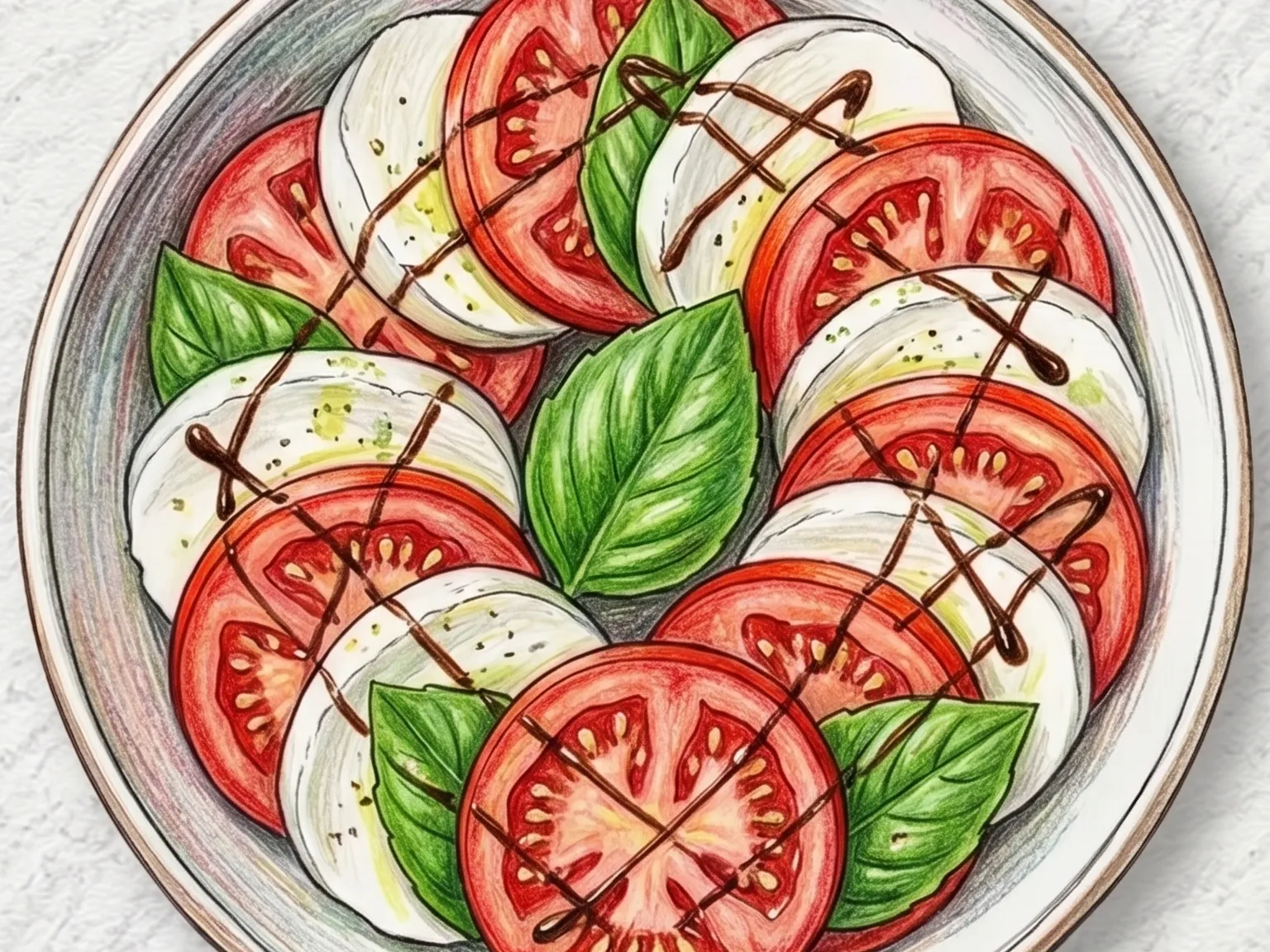
Caprese Salad
Caprese salad alternates slices of ripe tomato, fresh mozzarella, and basil leaves of equal thickness, dressing them with nothing more than extra virgin olive oil and salt. The recipe excludes cooking entirely, so the tomato's ripeness and the mozzarella's fresh, milky quality carry the entire flavor of the dish - substituting underripe tomatoes or low-moisture mozzarella changes the result significantly. A thin drizzle of balsamic glaze over the top introduces a concentrated grape-vinegar sweetness that contrasts directly with the cheese's fat, while basil's volatile aromatic compounds release on contact with the oil rather than surviving any heat. Dressing the salad at the last possible moment prevents the salt from drawing moisture out of the tomatoes ahead of time, which dilutes the oil on the plate. The dish originates from the island of Capri and is recognized by the green, white, and red color arrangement that mirrors the Italian flag.
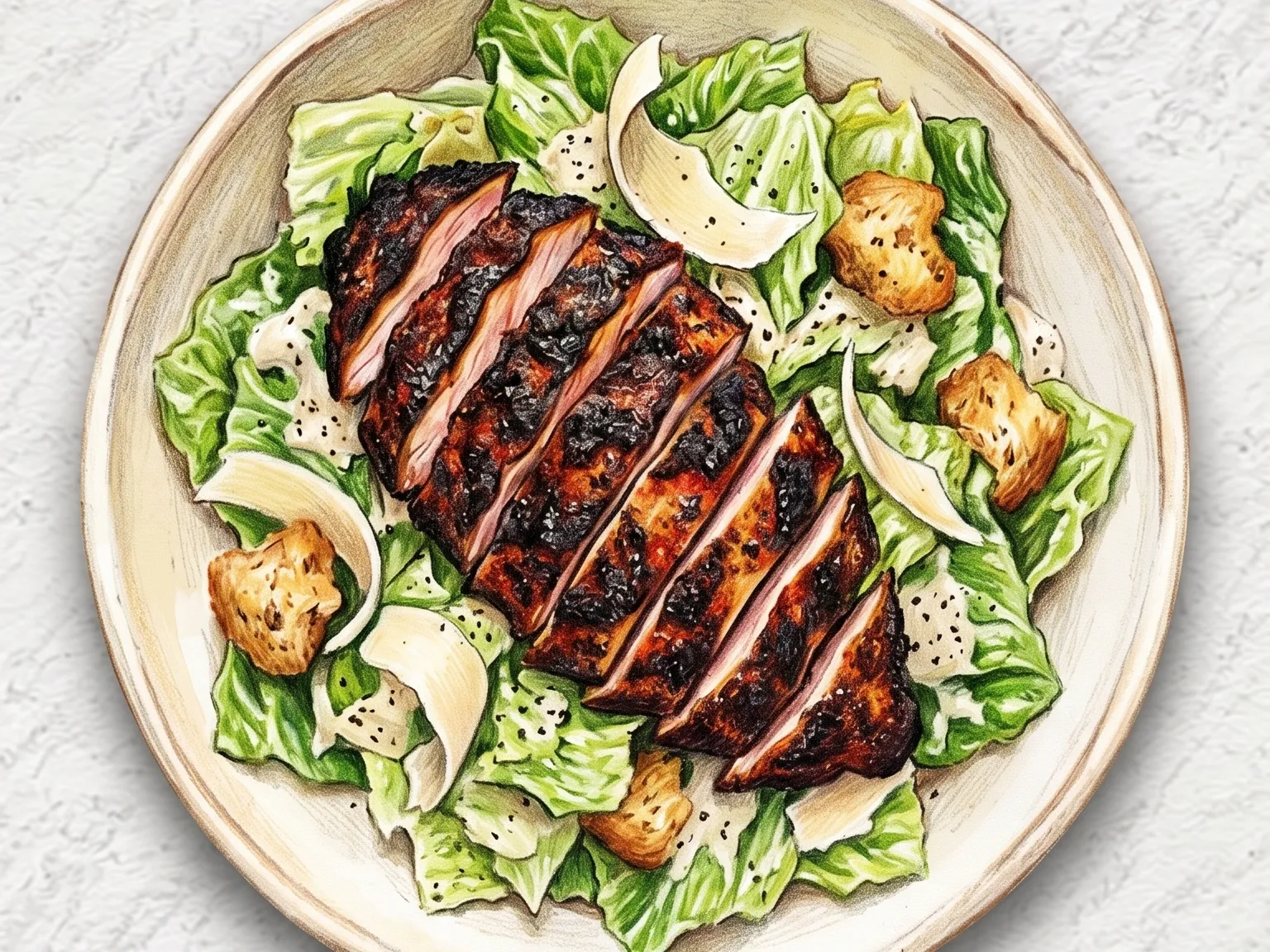
Blackened Chicken Caesar Salad
Blackened chicken Caesar salad starts with chicken breast coated thickly in paprika, cayenne, garlic powder, onion powder, and dried herbs before hitting a very hot, dry pan. The spice coating undergoes rapid charring at high temperature, forming a dark, smoky crust that seals in moisture and concentrates the spice aromatics on the surface of the meat. The interior of the chicken stays juicy because the charred crust acts as an insulating barrier, provided the pan is hot enough from the start. Creamy Caesar dressing, made with anchovy paste, egg yolk, lemon, and Parmesan, wraps around the cold, crisp romaine and the sliced hot chicken alike, moderating the cayenne heat without erasing the spice character entirely. Shaved Parmesan adds sharp, salty depth throughout, while croutons introduce a crunchy textural break against the tender chicken and limp lettuce. Because blackening generates substantial smoke, proper ventilation or an outdoor cooking setup is strongly recommended. The dish functions as a full main course rather than a starter salad.
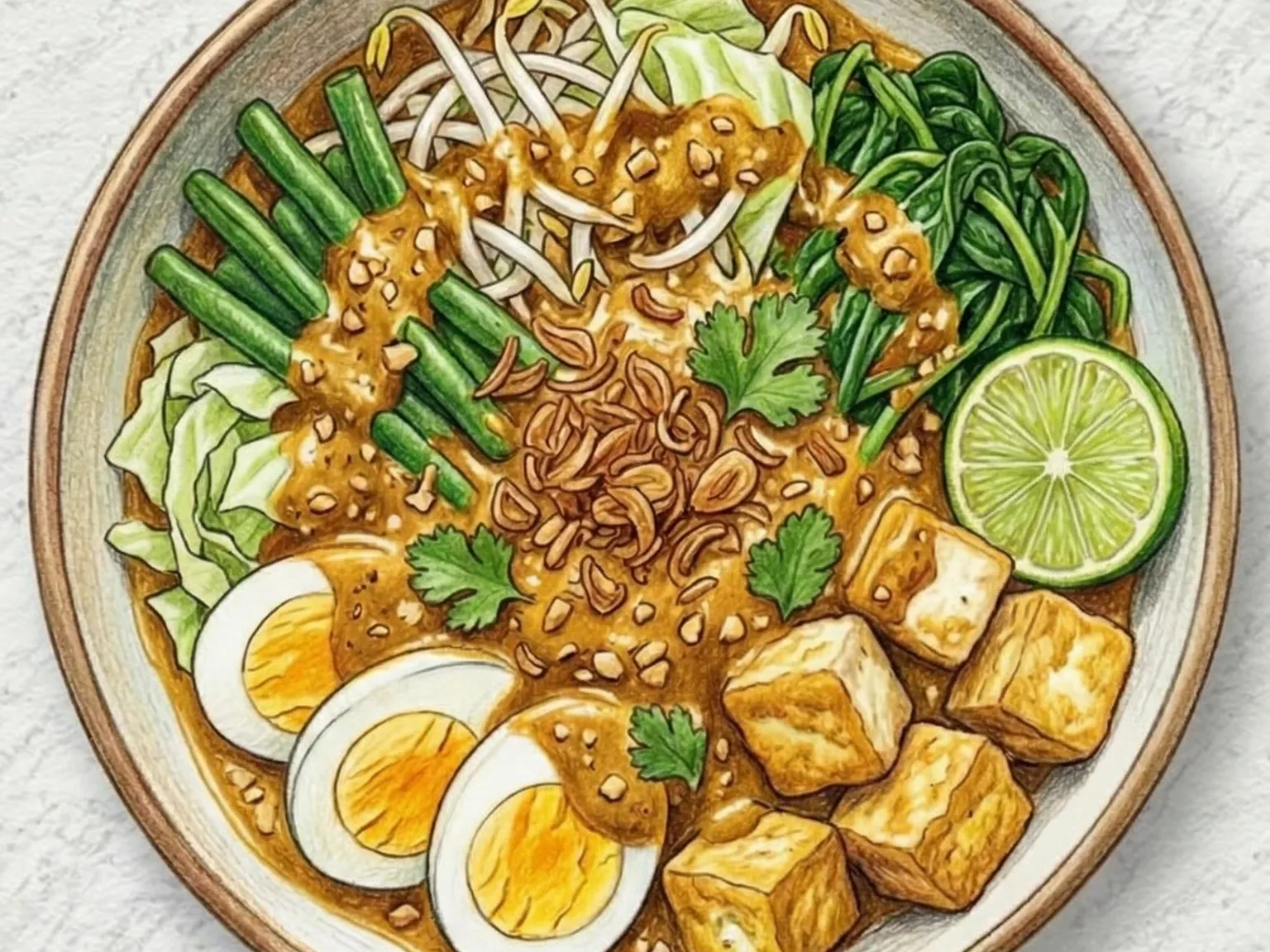
Gado-Gado (Indonesian Peanut Salad)
Gado-gado means mix-mix in Javanese, and the name describes exactly how the dish is assembled and eaten. Blanched spinach, bean sprouts, cabbage, and boiled potato are arranged on a plate alongside hard-boiled egg, fried tofu, and fried tempeh, then drenched generously with a thick peanut sauce before being mixed together at the table. The sauce is made by pounding freshly roasted peanuts in a mortar and mixing them with chili, garlic, tamarind, palm sugar, and kecap manis. The result is a complete flavor system in a single condiment -- nutty, spicy, sour, and sweet all at once -- so no additional seasoning is required. Street vendors pound the peanuts to order for each customer, and the smell of toasting nuts fills the air around their carts. Crushed kerupuk, the shrimp cracker common across Indonesian cooking, is scattered on top to add a shattering crunch that contrasts with the soft vegetables and protein. As the crackers absorb the sauce over the course of the meal they soften and swell, and that textural transition is considered part of the eating experience rather than a flaw. The dish adapts easily: built from vegetables alone it becomes a complete vegan meal, and loaded generously with egg and tofu it provides substantial protein. In Indonesia, gado-gado is eaten at any hour of the day with no particular seasonal or mealtime association, appearing at roadside carts and home tables with equal frequency.
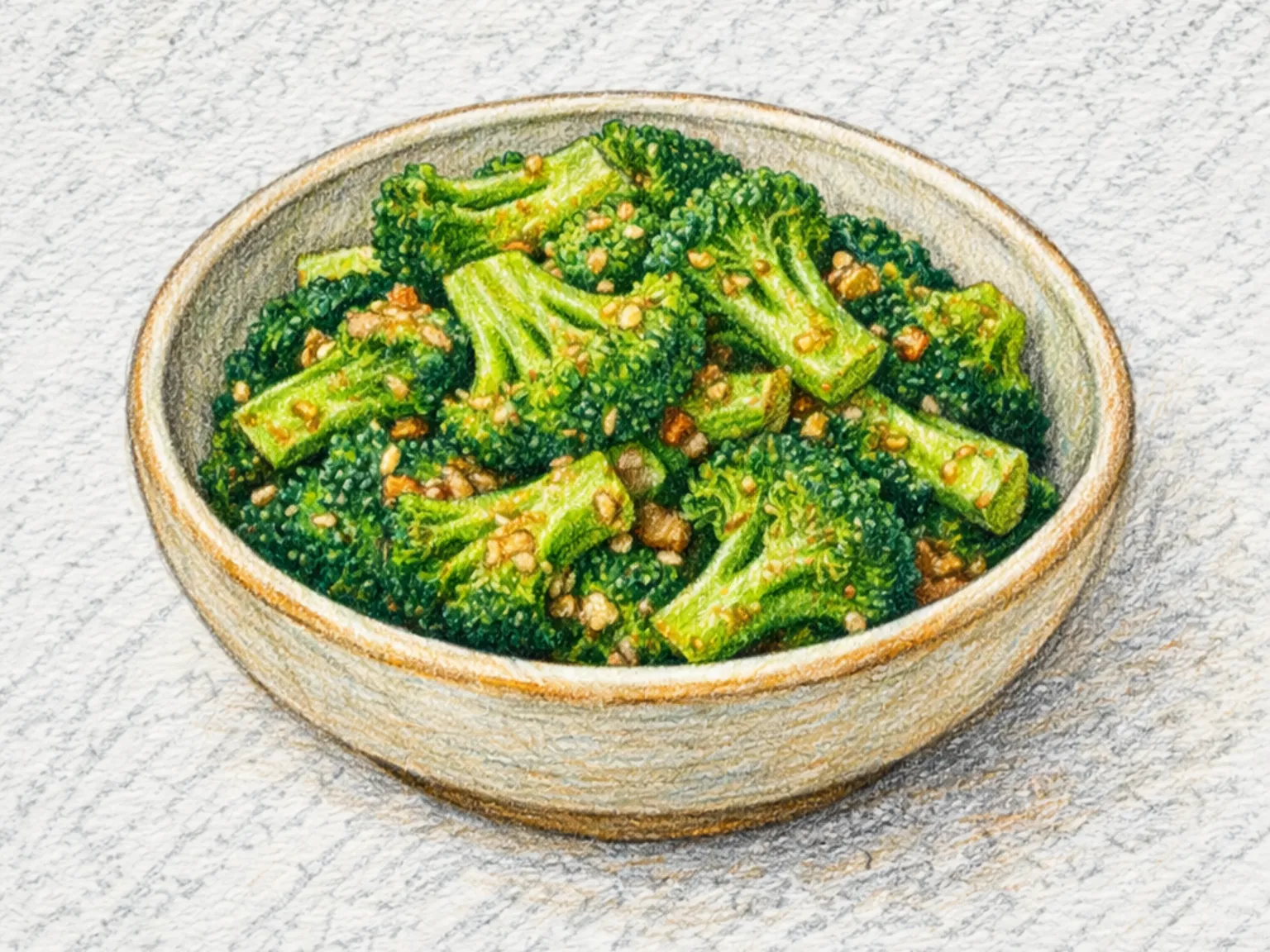
Korean Broccoli Doenjang Salad
Blanched broccoli tossed in doenjang dressing is a modern Korean banchan that pairs Western ingredients with traditional fermented seasoning. Florets and thinly sliced stems blanch for ninety seconds in salted boiling water, then shock in cold water to lock in vivid green color and a firm, crisp bite. The dressing is built from doenjang stirred with rice vinegar and oligosaccharide syrup, combining fermented salt depth, acidity, and a gentle natural sweetness that lifts rather than masks the vegetable's mild bitterness. Using the stems alongside the florets eliminates waste and adds textural variety to each bite. Ready in under ten minutes and holds well refrigerated for two days.
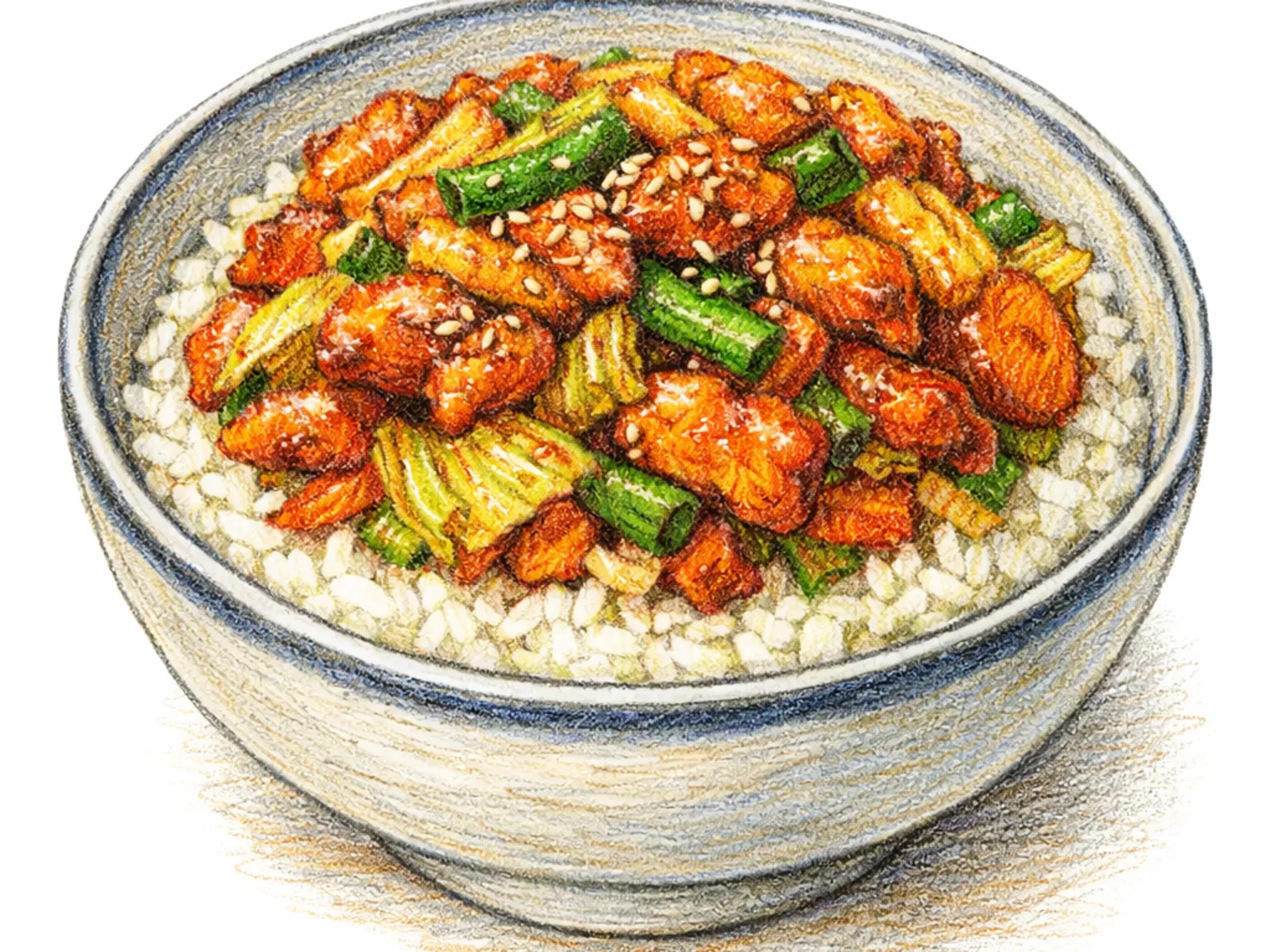
Korean Spicy Dakgalbi Rice Bowl
Dakgalbi deopbap serves the core flavors of Chuncheon's famous spicy chicken in a single rice bowl. Boneless chicken thigh is stir-fried alongside cabbage, onion, and green onion in a gochujang-based marinade balanced with sugar and a splash of soy sauce. The chicken is cooked over high heat throughout -- this creates a caramelized crust on the meat's surface and keeps the vegetables at a slight crunch rather than softening them completely. Sesame oil is added off the heat as a final step, contributing a toasty fragrance that rounds out the bold seasoning without overpowering it. At traditional dakgalbi restaurants in Chuncheon, the meal ends with fried rice made by mixing cooked rice directly into the residual sauce left on the hot iron plate -- this bowl captures that same moment in a format that can be made at home without a cast-iron griddle. The dish requires no banchan; the seasoned protein and vegetables together with the rice form a self-contained meal.
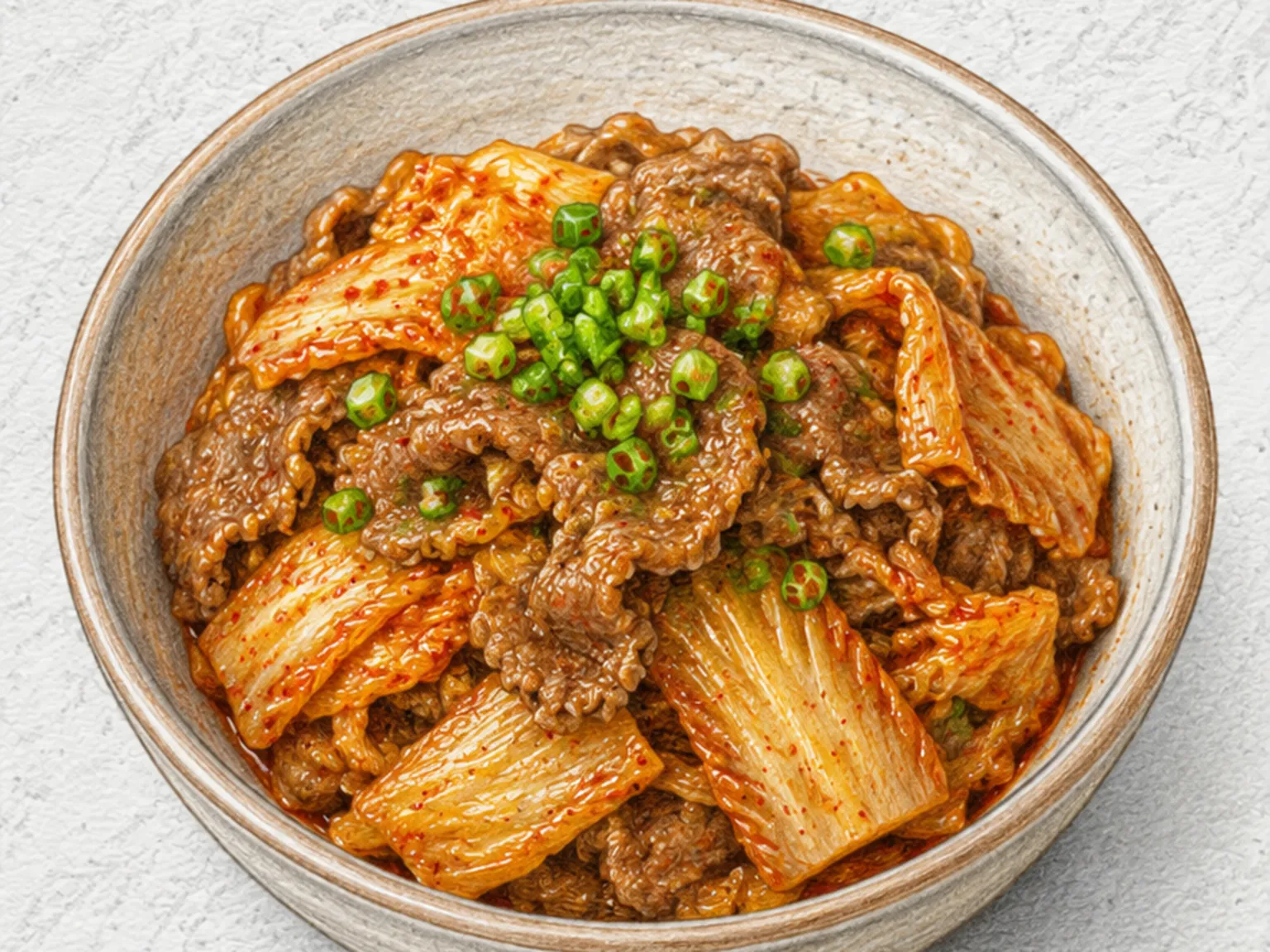
Korean Beef Brisket Kimchi Stir-Fry
Paper-thin slices of brisket are laid in a cold, dry pan and the heat is brought up gradually so the marbled fat renders out completely before the meat browns. That rendered beef tallow becomes the only cooking fat in the dish -- no oil is added at any point -- and the beefy fragrance it deposits on the kimchi is something vegetable oil simply cannot replicate. Aged kimchi contributes a pronounced sourness from weeks or months of deep fermentation, and half a teaspoon of sugar does the precise job of rounding off that acidity without tipping the flavor toward sweet. The balance lands in the narrow space between tart, salty, and subtly sweet, which is where the dish wants to live. Cooking on high heat for a short time keeps the kimchi from going soft; drop the temperature or extend the cook and the whole pan collapses into a mushy mass where textures disappear. A pinch of gochugaru added partway through brings a dry heat that sharpens the overall profile. Sesame oil, half a tablespoon swirled in after the flame is off, lifts the aroma from savory toward something more complex. Finely sliced green onion scattered over the top at the end adds a clean, fresh note against the heavy richness underneath. Five ingredients, fifteen minutes of cooking, and the result reliably clears an entire bowl of rice.
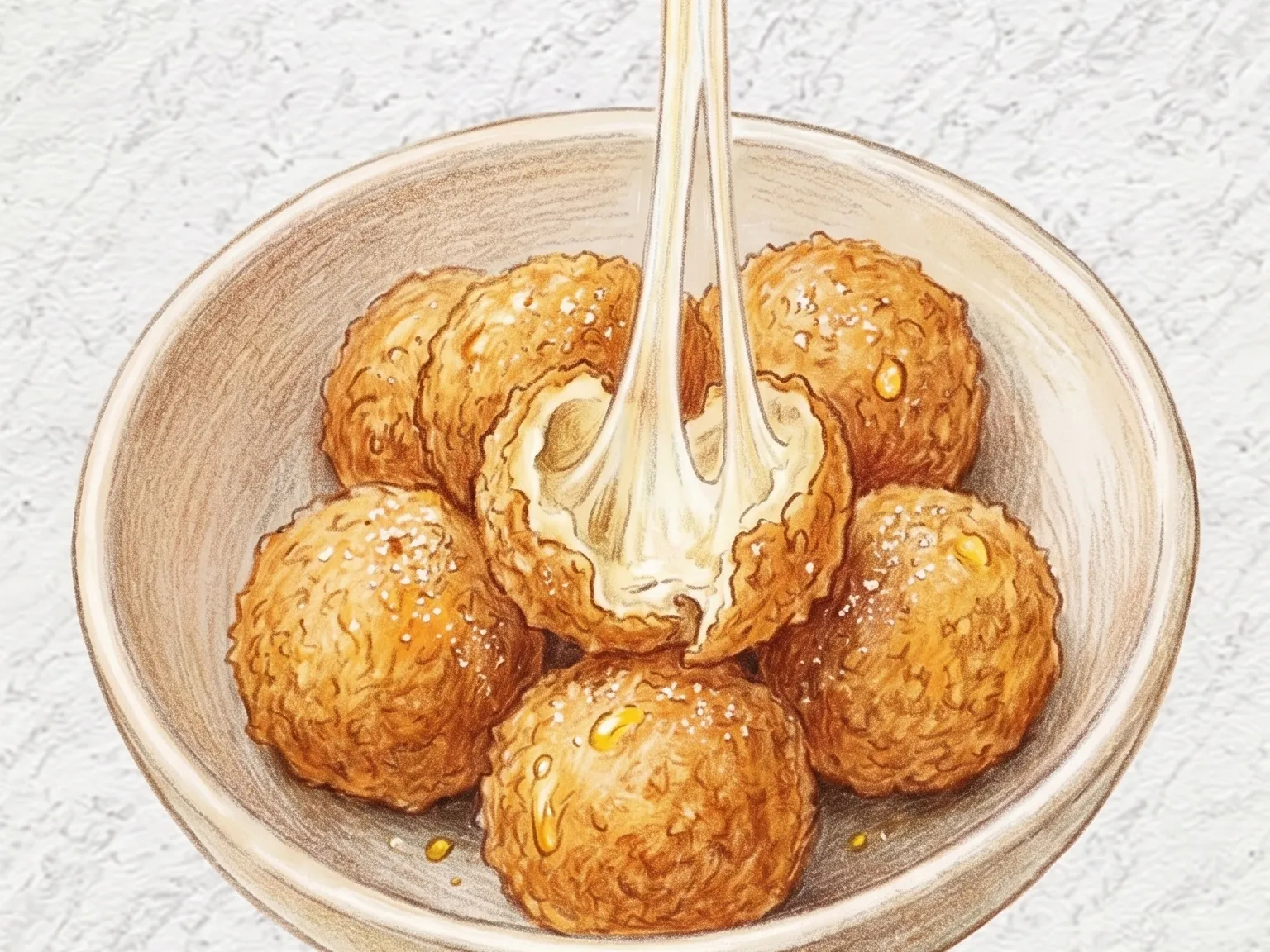
Korean Cheese Balls (Mozzarella-Stuffed Glutinous Rice Fried Ball)
Cheese ball bunsik is a Korean street snack made by wrapping a cube of mozzarella in glutinous rice flour dough and deep-frying at 170 degrees Celsius until golden. The dough is prepared by pouring boiling water directly over the rice flour and kneading while hot, a technique that fully activates the glutinous starch and produces a sticky, elastic dough with strong chew. Sugar and salt are mixed into the dough to provide a faint background sweetness that contrasts with the salty cheese inside. Frying at the right oil temperature turns the exterior crisp and golden while keeping the interior soft and chewy like a small rice cake. Pulling one apart hot off the fryer produces a dramatic mozzarella stretch, and the contrast between the savory cheese and the subtly sweet dough is the defining flavor combination. As the balls cool, the cheese solidifies and loses its elasticity, making fresh-from-the-fryer the only correct way to eat them.

Korean Cherry Blossom Milk Tea
Beotkkot milk tea is a seasonal drink built around salt-pickled cherry blossoms, which are soaked in cold water for five minutes to pull out most of their brine before use. Black tea leaves steep for three minutes, then milk and sugar go in over low heat. Heavy cream and vanilla bean paste are stirred in off the heat, rounding out the tea's tannins and adding a dense, smooth body to the drink. The small amount of salt remaining in the blossoms after desalting introduces a subtle savory thread beneath the sweetness - not enough to read as salty, but enough to keep the flavor from being one-dimensional. A few desalted blossoms floated on top release a faint floral scent with each sip. For the iced version, the tea should be brewed roughly ten percent stronger than usual, since dilution from melting ice would otherwise flatten the flavor.
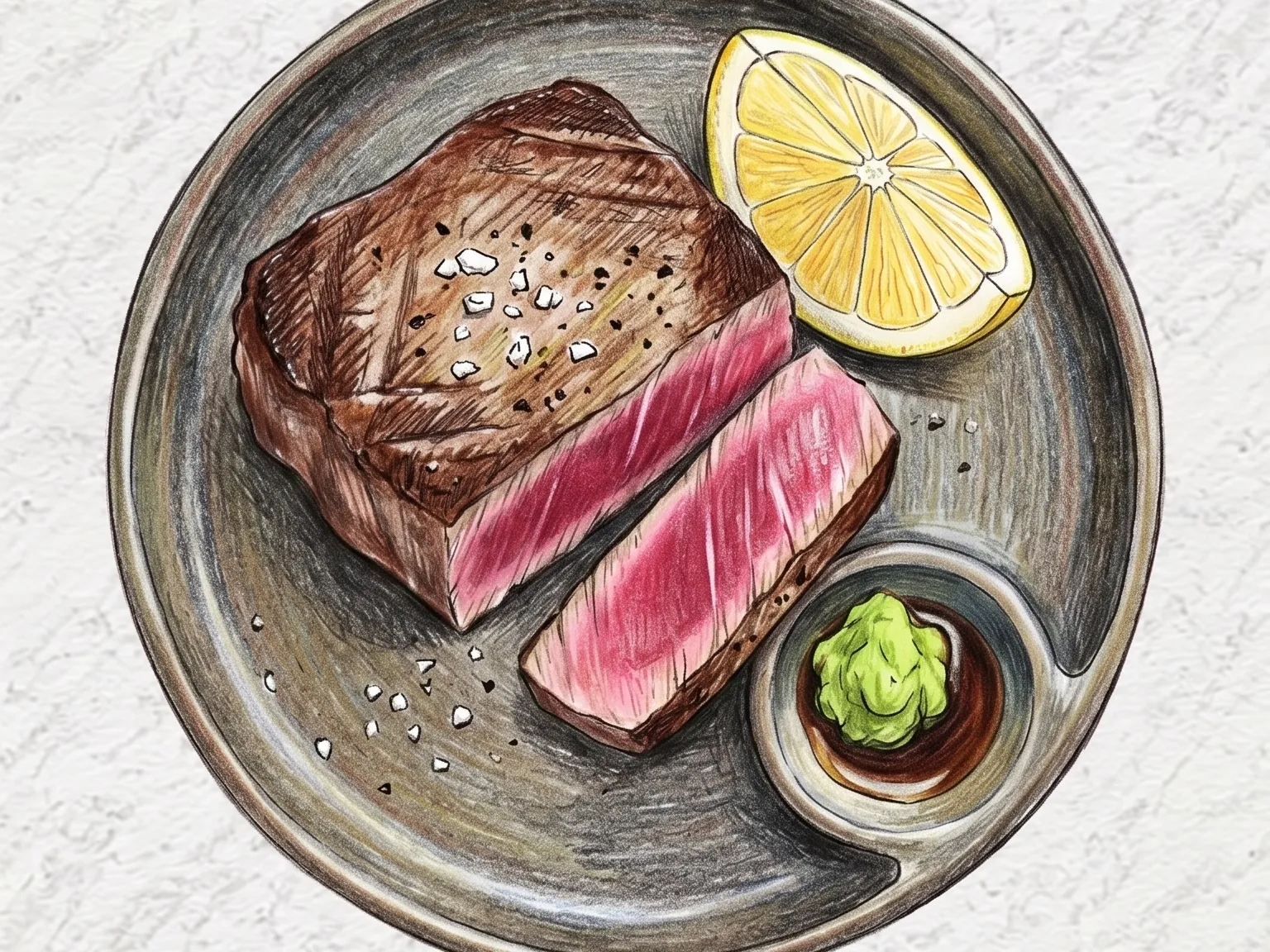
Tuna Steak
Chamchi steak is a pan-seared fresh tuna dish where a thick block of tuna is seasoned with olive oil, salt, and black pepper, then pressed onto a smoking-hot pan for under thirty seconds per side. This extreme brevity is deliberate: it produces a dark, caramelized Maillard crust on the surface while leaving the interior a vivid, translucent pink that is barely cooked through. Temperature control is the central technique - if the pan is not hot enough, the tuna releases moisture and steams rather than sears, so the oil should be at the point of just-visible smoke before the fish goes in. A squeeze of lemon at the end brightens the rich, iron-forward flavor of the raw center.
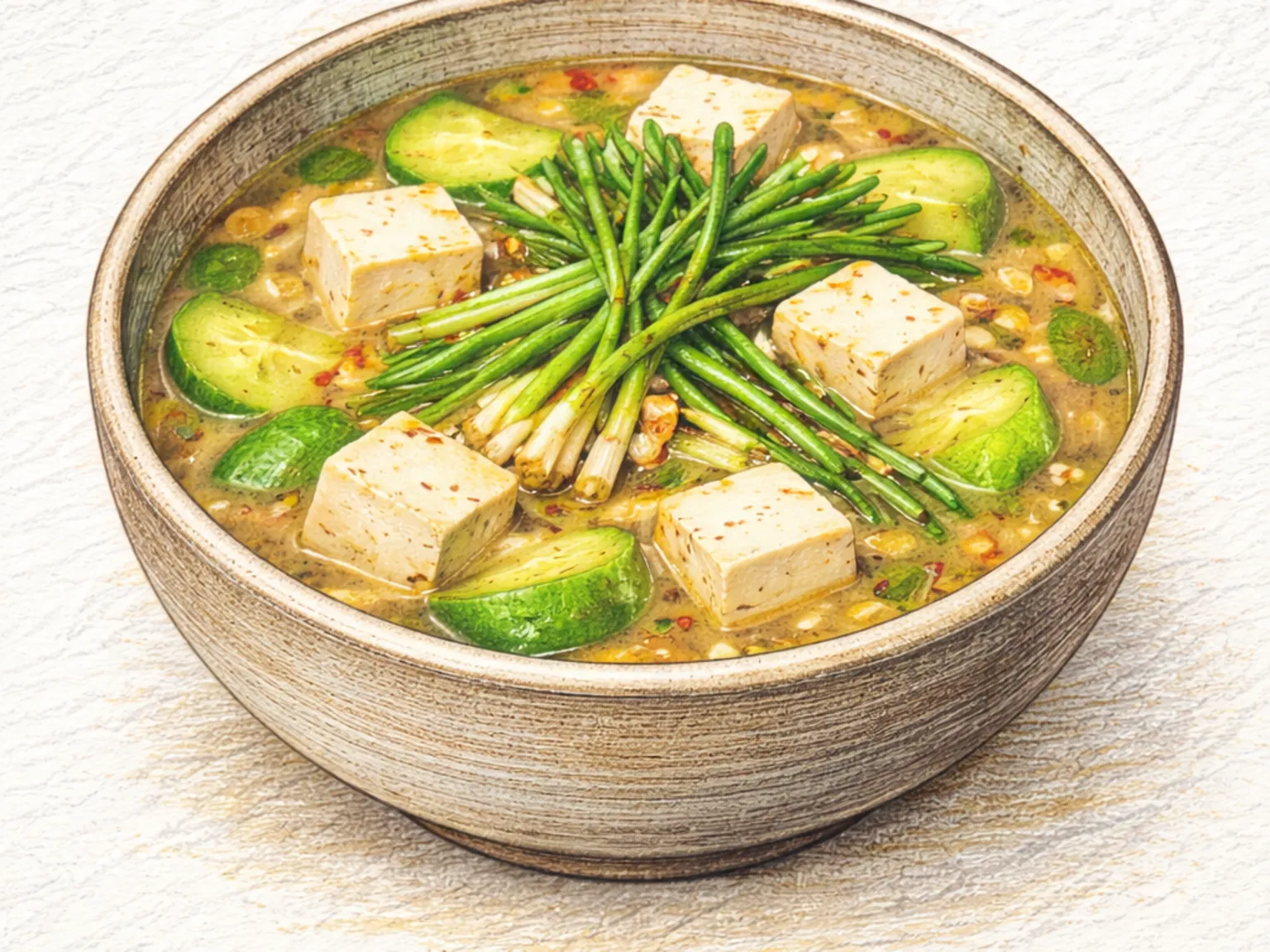
Korean Wild Chive Soybean Paste Stew
This doenjang jjigae features dalrae (wild chives), a prized spring ingredient in Korean cooking. Anchovy-kelp stock is simmered with soybean paste, tofu, zucchini, and onion to build a full-bodied, savory base, then wild chives are added just before turning off the heat to preserve their sharp, garlicky aroma. A single Cheongyang chili adds measured heat that underscores the earthiness of the doenjang without overwhelming it. Adding the chives root-end included intensifies the fragrance noticeably compared to using leaves alone. At its best between February and April when freshly harvested dalrae is available, this is a seasonal jjigae that restores appetite when nothing else seems appetizing.
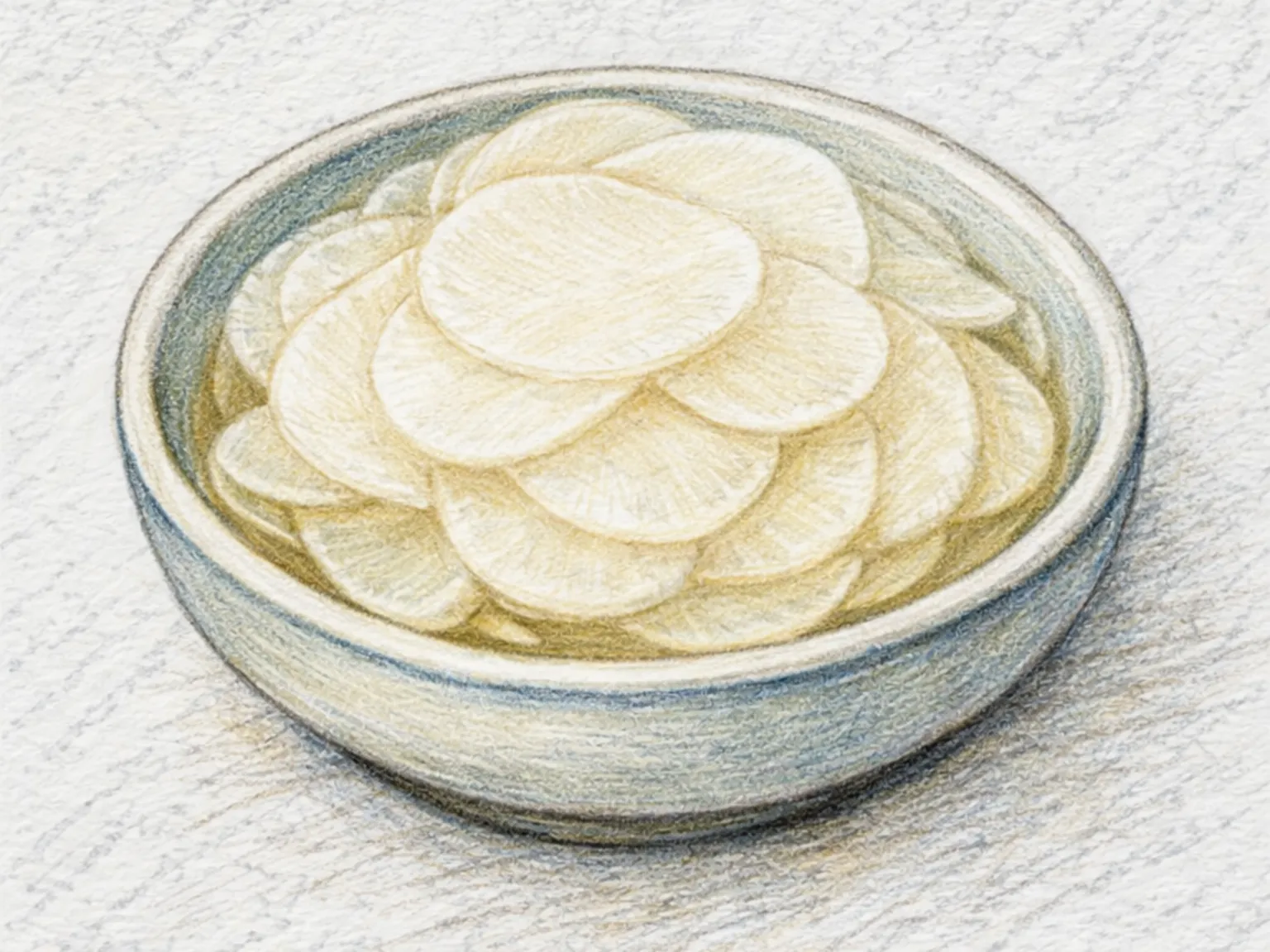
Korean Pickled Radish Wraps
Ssam-mu is a Korean sweet-and-sour pickled radish made by slicing Korean radish into very thin two-millimeter rounds and submerging them in a warm brine of water, vinegar, sugar, salt, and bay leaves. The slices must be thin enough to wrap around grilled meat without tearing, and the brine is cooled to lukewarm before pouring - boiling hot liquid would cook the radish and destroy its crunch. Ready after one day of refrigeration, the pickle reaches its peak on day three when the vinegar tang and sugar sweetness have fully penetrated each slice. Adding a lemon slice to the jar introduces a fresh citrus note. Wrapped around a piece of grilled pork belly or fried chicken, the sweet-sour radish provides an immediate contrast that lifts the fatty richness of each bite.
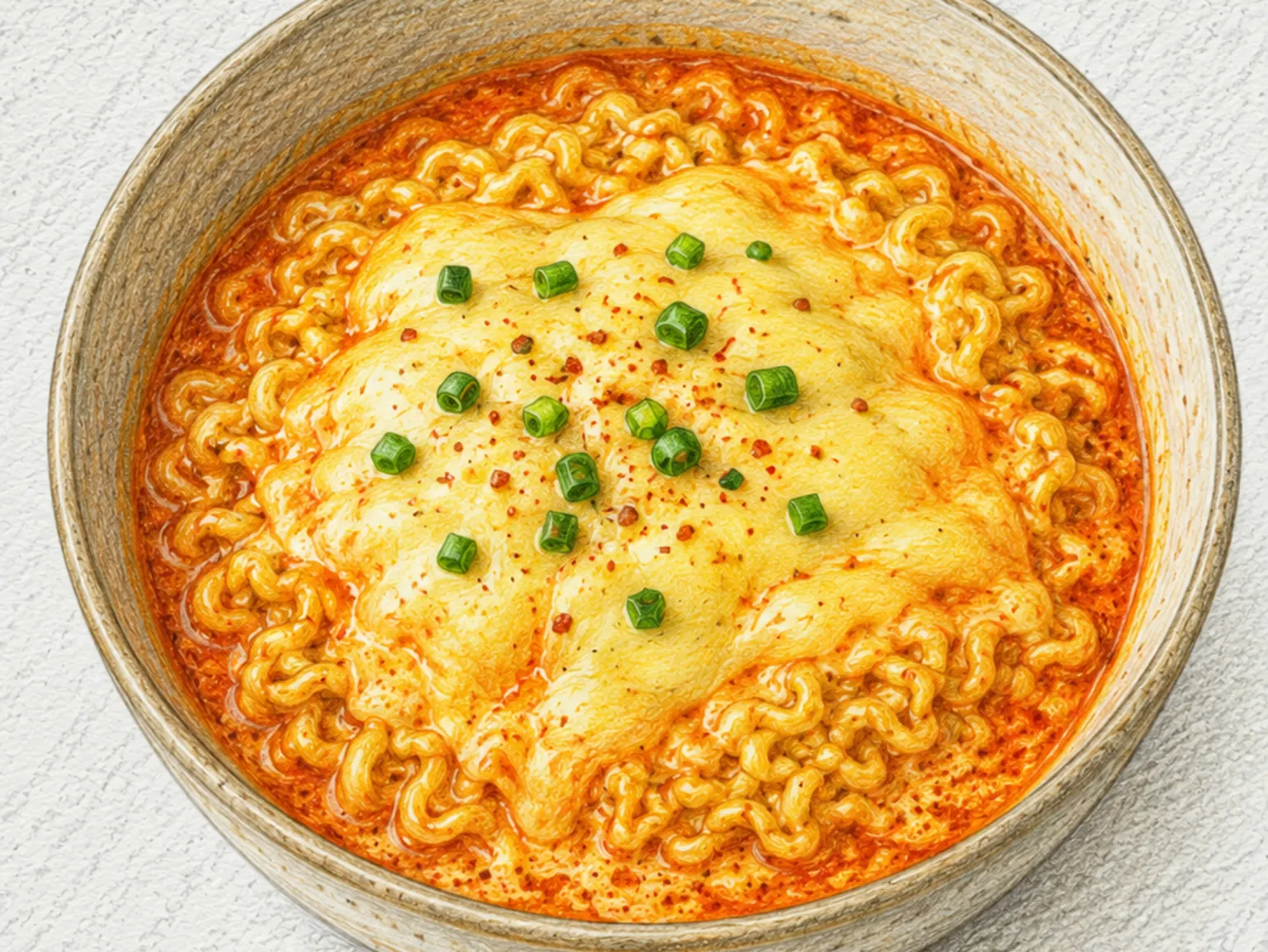
Korean Cheese Ramen (Cheesy Spicy Noodles)
Sliced cheese melted into spicy Korean ramen produces a creamy, stretchy result in under ten minutes. Added at the final simmer, the cheese melts slowly across the boiling broth and forms a pale, savory film. The dairy fat wraps around the gochugaru heat, softening the spice without eliminating it, while the salt in the cheese draws out more depth from the seasoning packet. Lifting noodles through the molten layer coats each strand in a sticky, rich film. Drinking the broth straight reveals alternating waves of chili heat and mild creaminess. A raw egg cracked into the pot or a handful of sliced rice cakes makes the bowl more substantial and filling. Among home-style ramen variations in Korea, this is one of the most consistently popular.
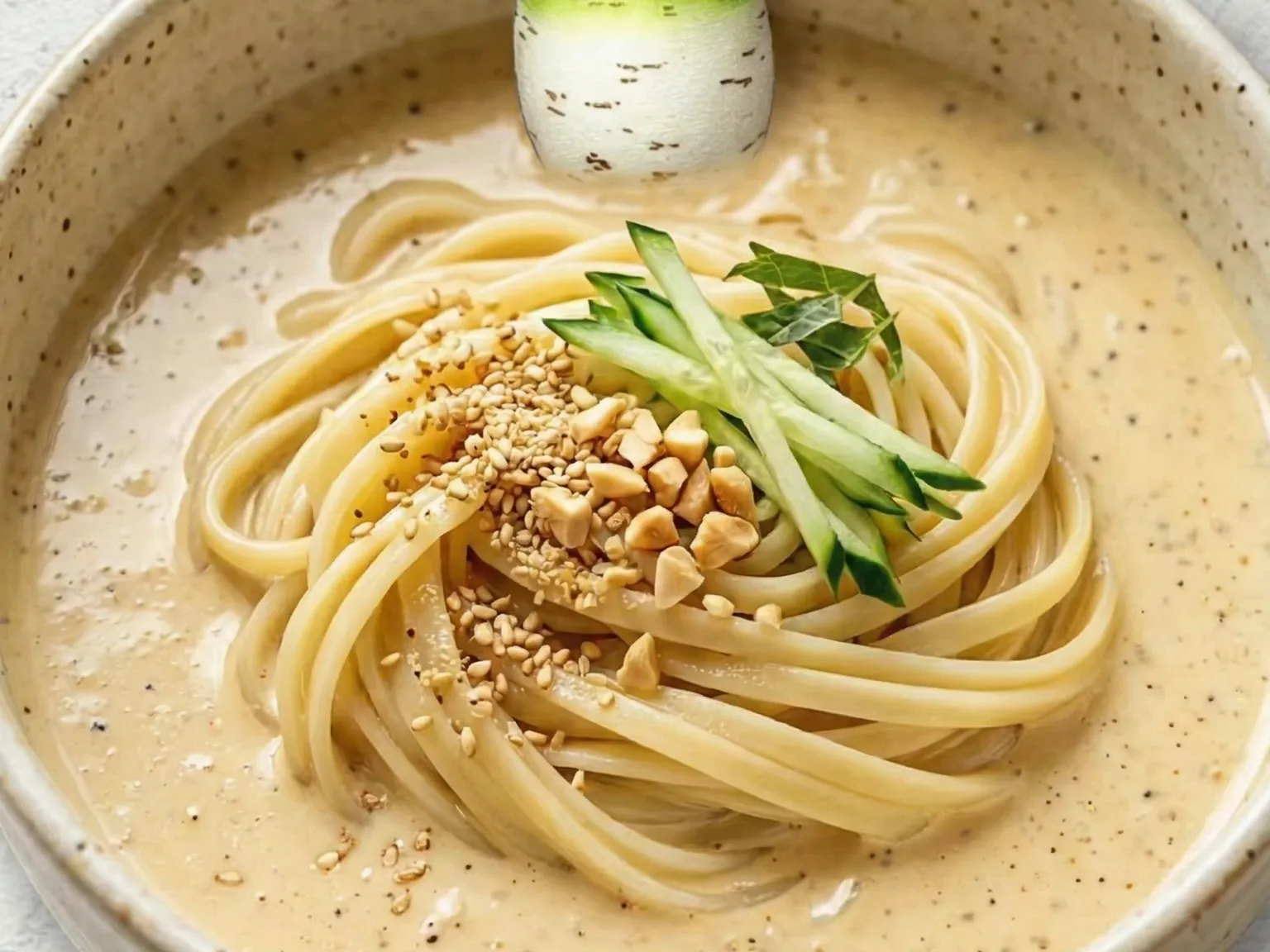
Kongguksu-Style Cold Linguine
Kongguksu-style cold linguine reinterprets Korea's chilled soy noodle soup using Italian linguine in place of traditional wheat noodles. Unsweetened soy milk is blended with toasted sesame seeds and peanut butter into a thick, nutty cold broth poured directly over the pasta at serving. The linguine is cooked al dente and immediately shocked in ice water to firm up the texture and chill it completely before the broth goes on. Julienned cucumber and halved cherry tomatoes scatter on top for fresh crunch and color. Salt and sugar are adjusted at the end to balance the broth's natural bean flavor against the richness from the peanut butter. The full preparation takes about ten minutes, with stovetop time limited strictly to boiling the pasta, which makes it one of the more practical cold dishes to assemble in summer heat. Adding more peanut butter thickens the broth further, while extra sesame seeds push the nuttiness higher.
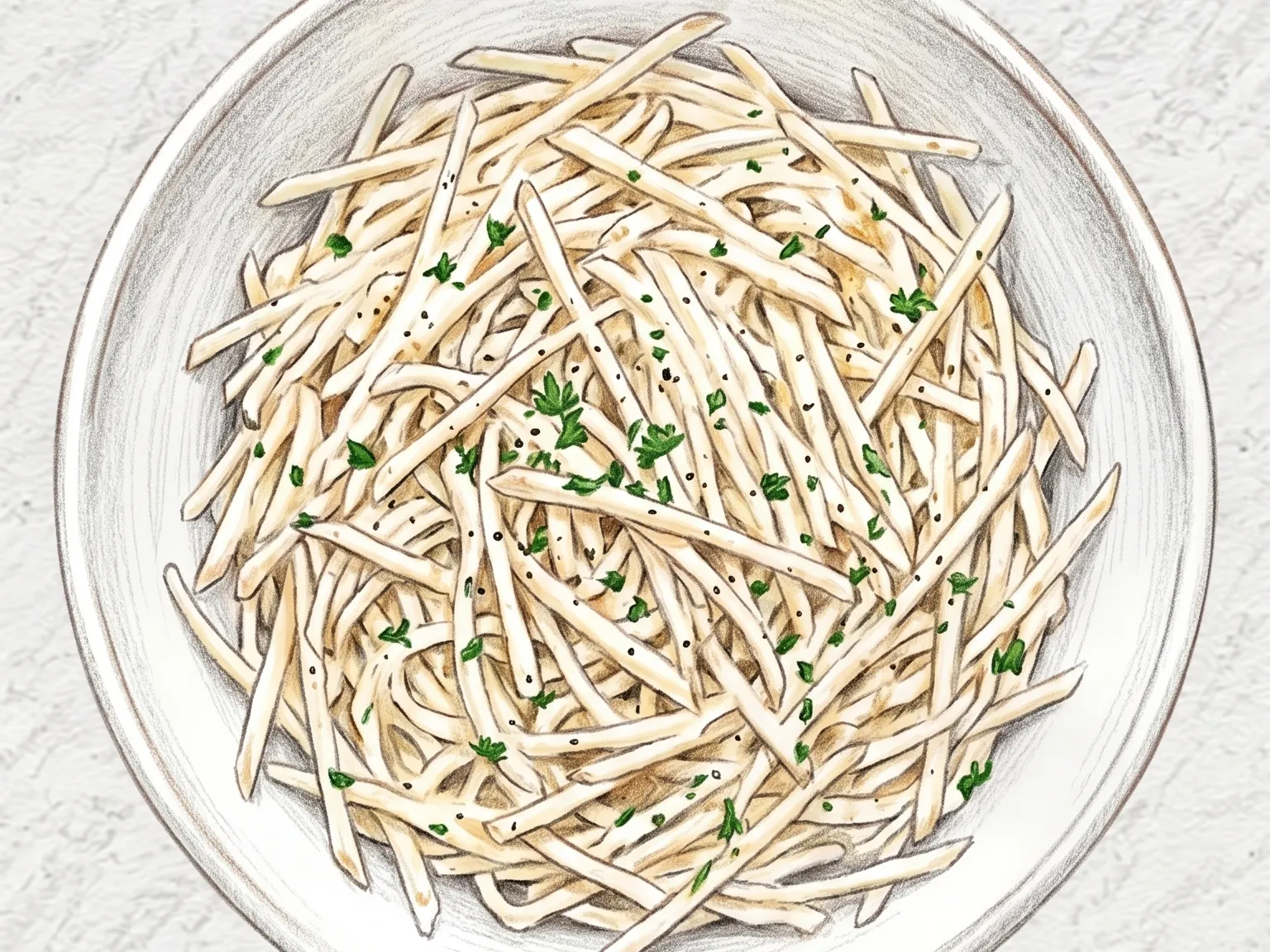
French Celeriac Remoulade
Celeriac remoulade shreds thickly peeled celeriac into fine matchsticks and dresses them in a mixture of Dijon mustard, mayonnaise, lemon juice, and white wine vinegar. Tossing the shreds immediately with half the lemon juice prevents enzymatic browning, while the rest goes into the dressing to balance acidity. The Dijon's sharp heat cuts through the mayonnaise's richness, and the white wine vinegar keeps the finish clean and bright. Cutting the matchsticks as thin as possible maximizes surface area so the dressing absorbs quickly and evenly. A 15-minute chill in the refrigerator lets the flavors settle throughout; overnight refrigeration deepens the result further. The salad pairs well with cold meats and charcuterie, where its tangy crunch offsets richer textures.
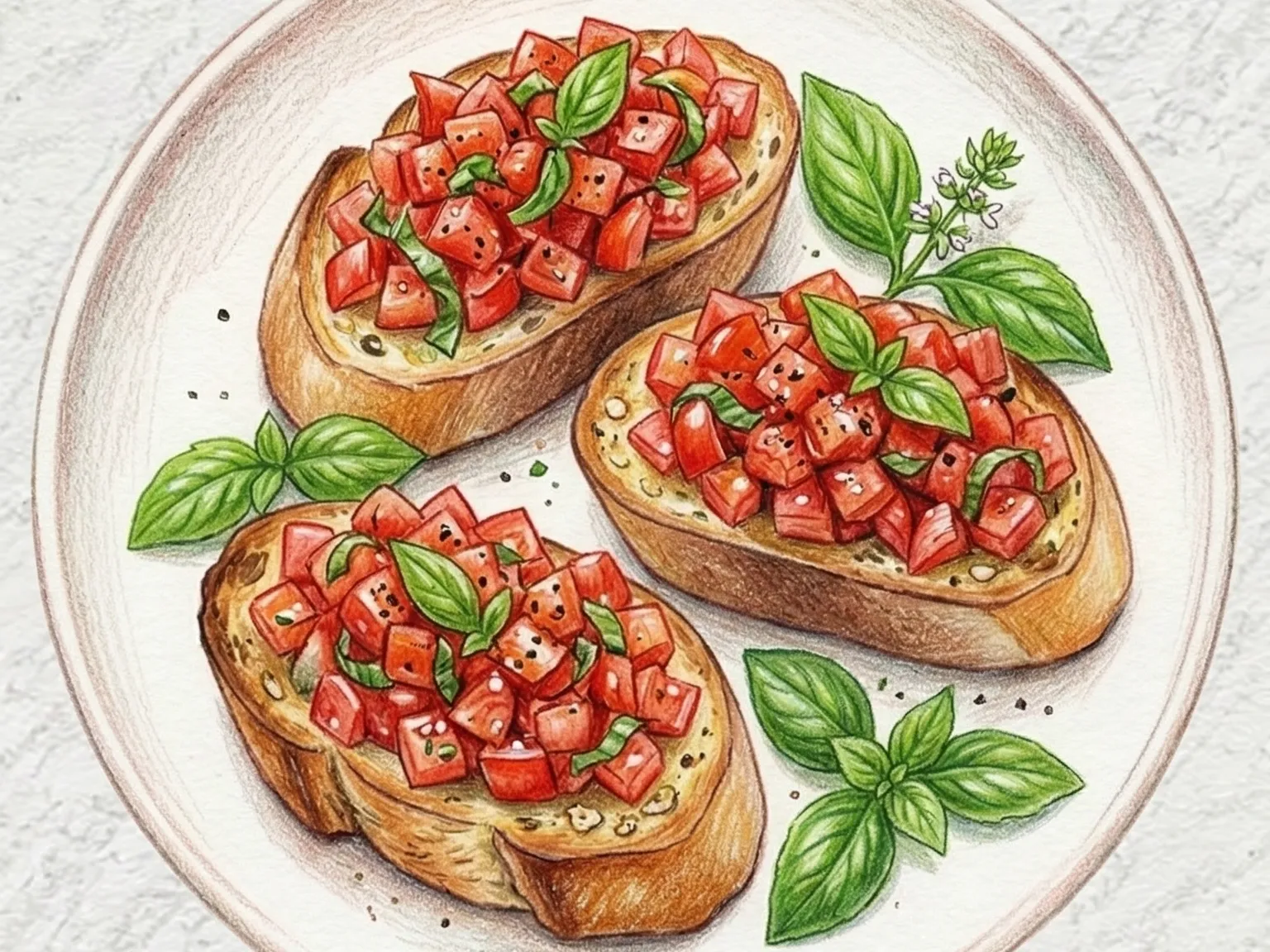
Bruschetta
Bruschetta is an Italian appetizer built on baguette slices cut 1.5 cm thick, brushed with olive oil, and toasted until fully crisp in the oven or over a grill. While the bread is still hot, a cut garlic clove is rubbed across the surface so the steam and heat pull its sharp aroma directly into the bread. The topping starts with ripe tomatoes: seeds removed, diced small, then left to macerate in olive oil, salt, and balsamic vinegar for fifteen minutes. That resting time draws out excess liquid and concentrates the tomato's natural acidity and sweetness. The essential contrast of the dish is temperature and texture - hot, crunchy bread against cool, wet topping - and it only works if the topping goes on immediately before eating. Left assembled even five minutes, the juices soak in and the bread softens past recovery. Torn basil, not chiffonade, releases more fragrance. Ciabatta works as a substitute when baguette is unavailable.
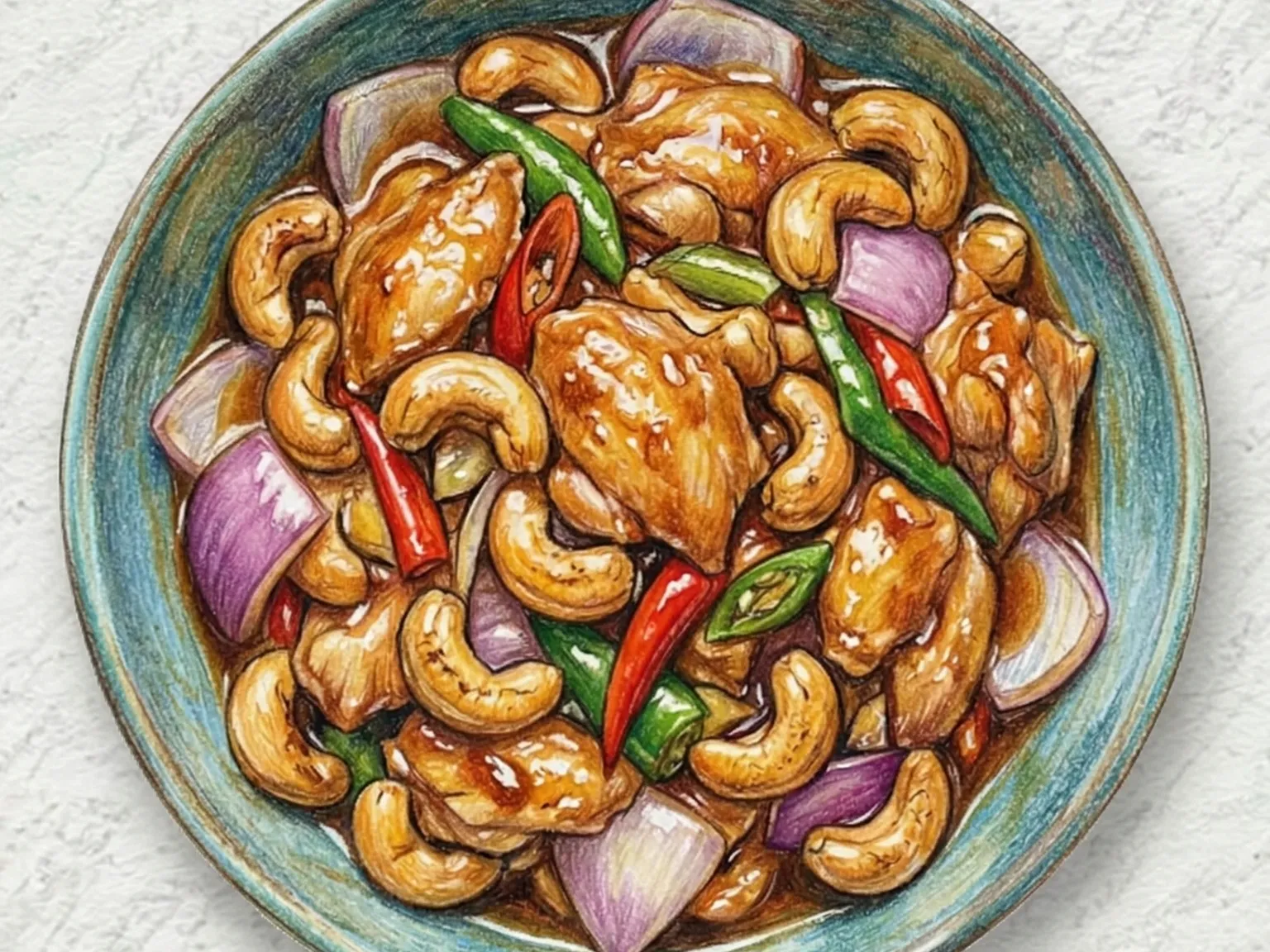
Gai Pad Med Mamuang (Thai Cashew Chicken)
Gai pad med mamuang is a Thai-Chinese stir-fry that traces its lineage to Chinese cashew chicken but has absorbed Thai seasoning logic - fish sauce replacing salt, oyster sauce adding body, and dried chilies providing a gentle background warmth. Bite-sized chicken and roasted cashews are tossed in a blazing wok with dried chilies, onion, and bell pepper; the cashews are pre-fried at low temperature to golden throughout, ensuring they stay crunchy even after joining the wet sauce. The sauce blends oyster sauce, soy sauce, fish sauce, and sugar, and the ratio among these four determines whether the dish leans sweet, salty, or somewhere in between. As the sauce coats the chicken, it takes on a lacquered sheen, and the cashews' oily richness melts into the glaze, adding a buttery undertone. In Thailand, it is typically served over steamed jasmine rice as a one-plate meal (khao rat kaeng), and its mild heat profile makes it one of the first Thai stir-fries that international visitors order with confidence.
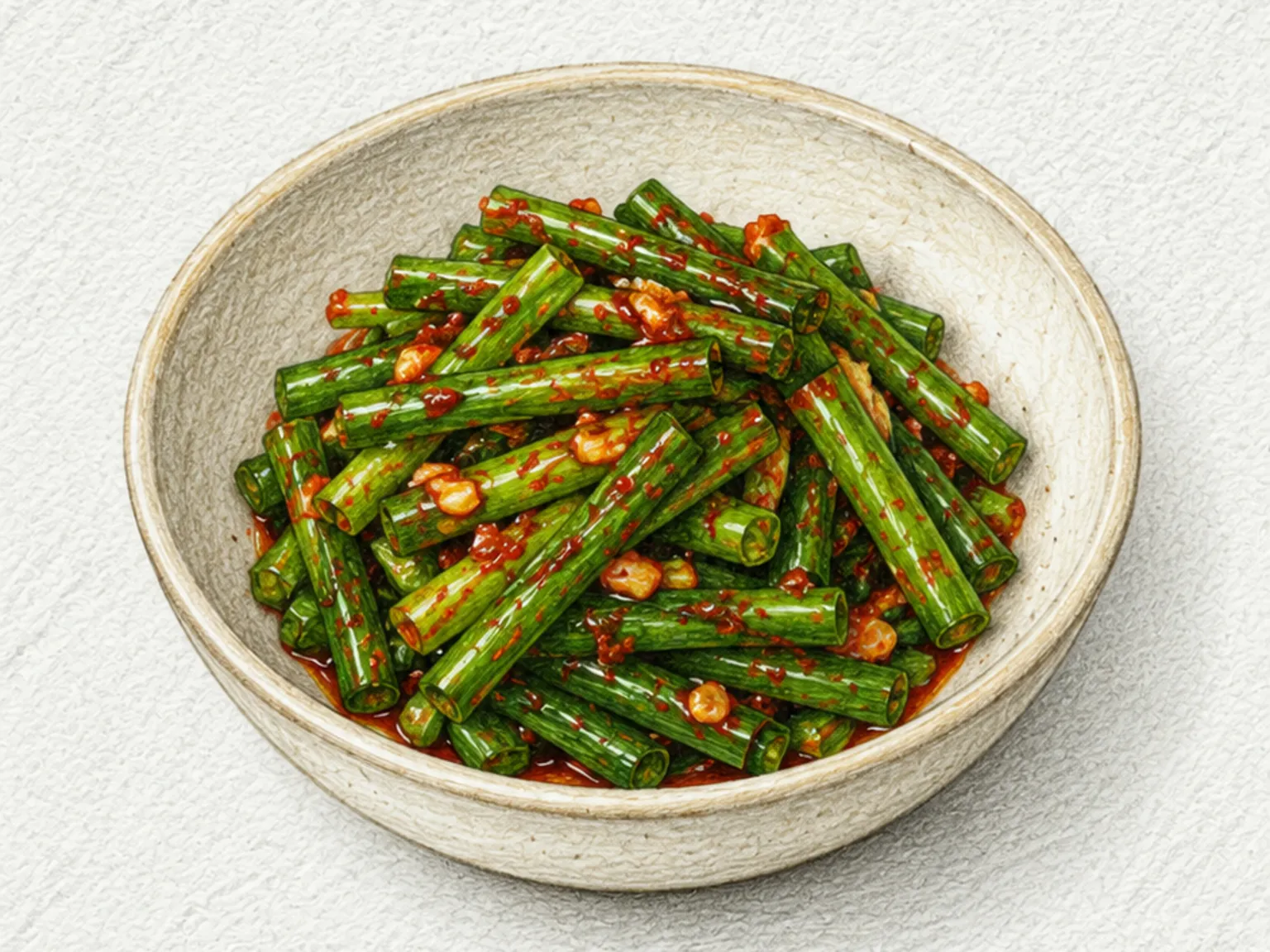
Korean Chive Kimchi (Spicy Garlic Chive Quick Kimchi)
Buchu-kimchi is the fastest kimchi in the Korean repertoire - no salting, no fermentation, and no waiting. Garlic chives are cut to roughly five centimeters and tossed directly with gochugaru, anchovy fish sauce, minced garlic, and sugar. The fish sauce delivers the fermented, briny depth that normally takes days of lacto-fermentation to build, compressing the flavor arc into an immediate preparation. The chives' sharp, garlicky bite amplifies the red pepper heat and gives the finished kimchi an intensity that well-aged kimchi reaches through a different route. This style is particularly popular in Gyeongsang-do, where chives grow in abundance every spring. After a night in the refrigerator the seasoning permeates evenly and the flavor softens slightly, making it versatile enough to serve alongside grilled pork, noodles, or as a standard banchan.
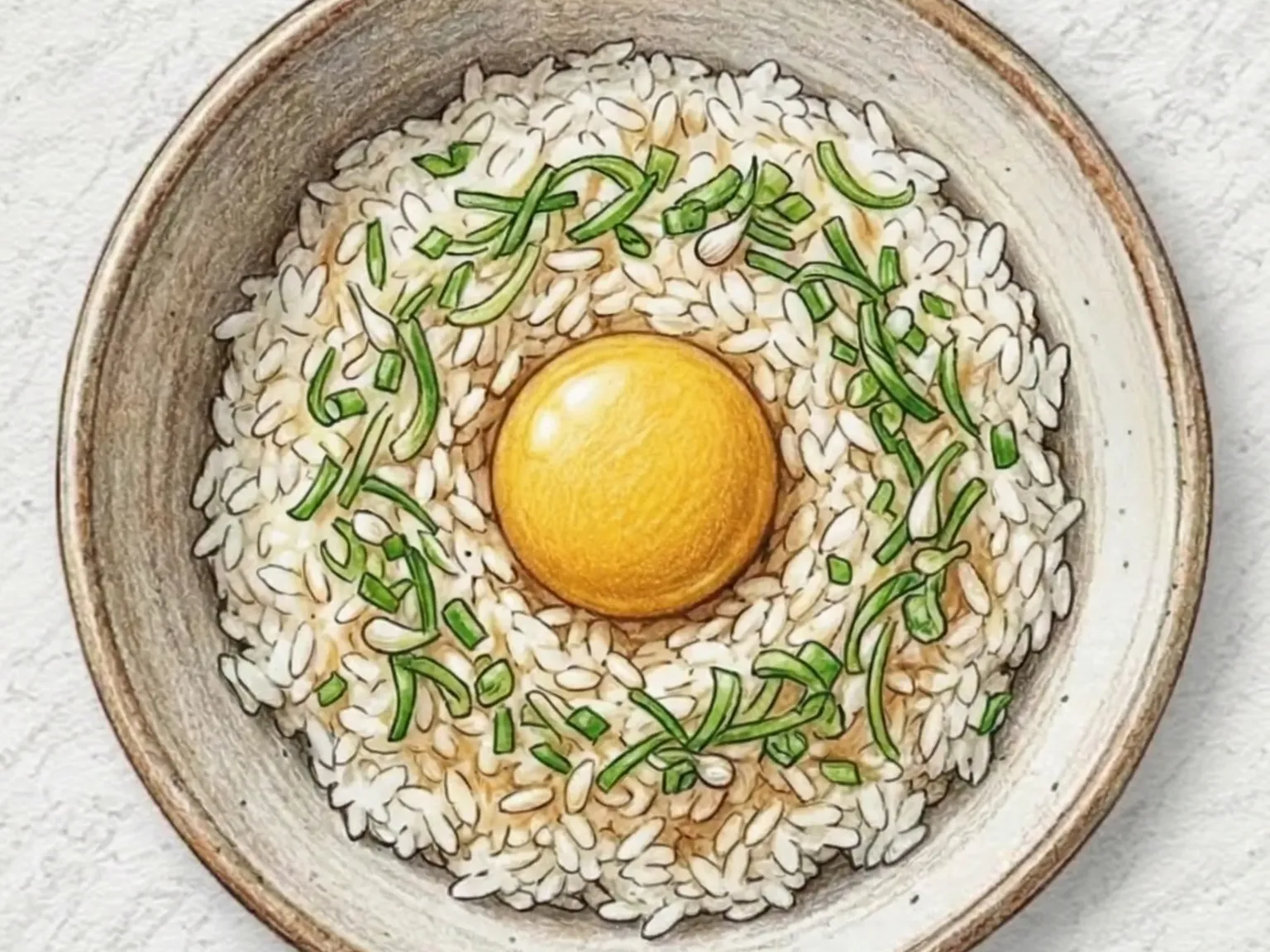
Korean Wild Chive Soy Butter Rice
Dallae ganjang butter bap is a Korean one-bowl meal that comes together in under ten minutes by folding melted butter, soy sauce, and wild chives into warm rice. The butter coats each grain with richness, soy sauce provides a salty backbone, and the wild chives, called dallae, deliver a sharp, garlicky bite that lifts the bowl out of plainness. A raw egg yolk placed on top breaks into a golden sauce when stirred in, binding the ingredients into a velvety mixture. The chives are best in spring when their pungency is at its peak, and they need only twenty seconds in the buttered pan to release their aroma before the heat drives it off. With just a handful of pantry staples, this dish fills the gap on evenings when the refrigerator offers little else. Green onion or garlic chives can substitute for dallae, but the particular sharpness of wild chives is unique and worth seeking out when spring is in season.
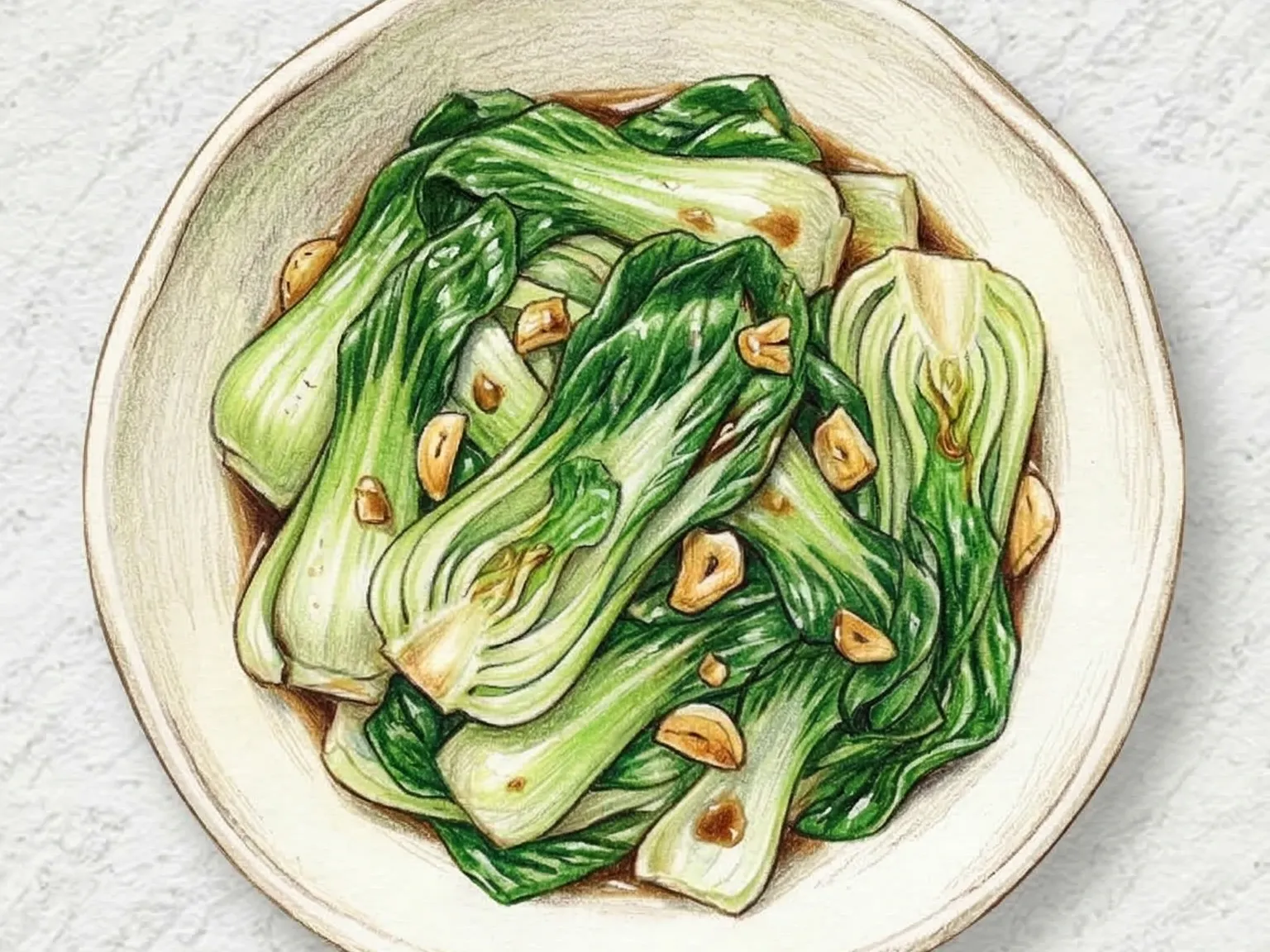
Stir-fried Bok Choy (Bok Choy with Garlic and Oyster Sauce Glaze)
Halved bok choy is stir-fried with sliced garlic over high heat for two minutes, then finished with oyster sauce and soy sauce in a one-minute reduction that glazes every leaf and stem. The thick white stalks need significantly more heat than the tender green leaves, so placing them cut-side down first or adding the leaves halfway through prevents the greens from wilting to mush while the stems remain undercooked. Oyster sauce lends a concentrated umami depth to the otherwise mild vegetable, and a splash of 40 milliliters of water helps the sauce flow between the tightly packed stems so seasoning reaches every layer rather than coating only the outer surfaces. Black pepper and sesame oil are added only after the pan leaves the flame so their volatile aromas stay intact on the plate. Bok choy continues releasing moisture after it is plated, so serving immediately is critical to preserving the contrast between crisp stalks and just-wilted leaves. Waiting even a few minutes allows the released liquid to dilute the sauce and soften the texture. At 105 calories per serving, this is a light side dish that still provides meaningful amounts of vitamin A and calcium. For a Sichuan-style variation, replacing a portion of the oyster sauce with doubanjiang adds a spicy, reddish character without requiring additional chili oil. The dish is common across East and Southeast Asian home kitchens under various names but the technique of separating stalk and leaf cook times is universal to cooking bok choy well.
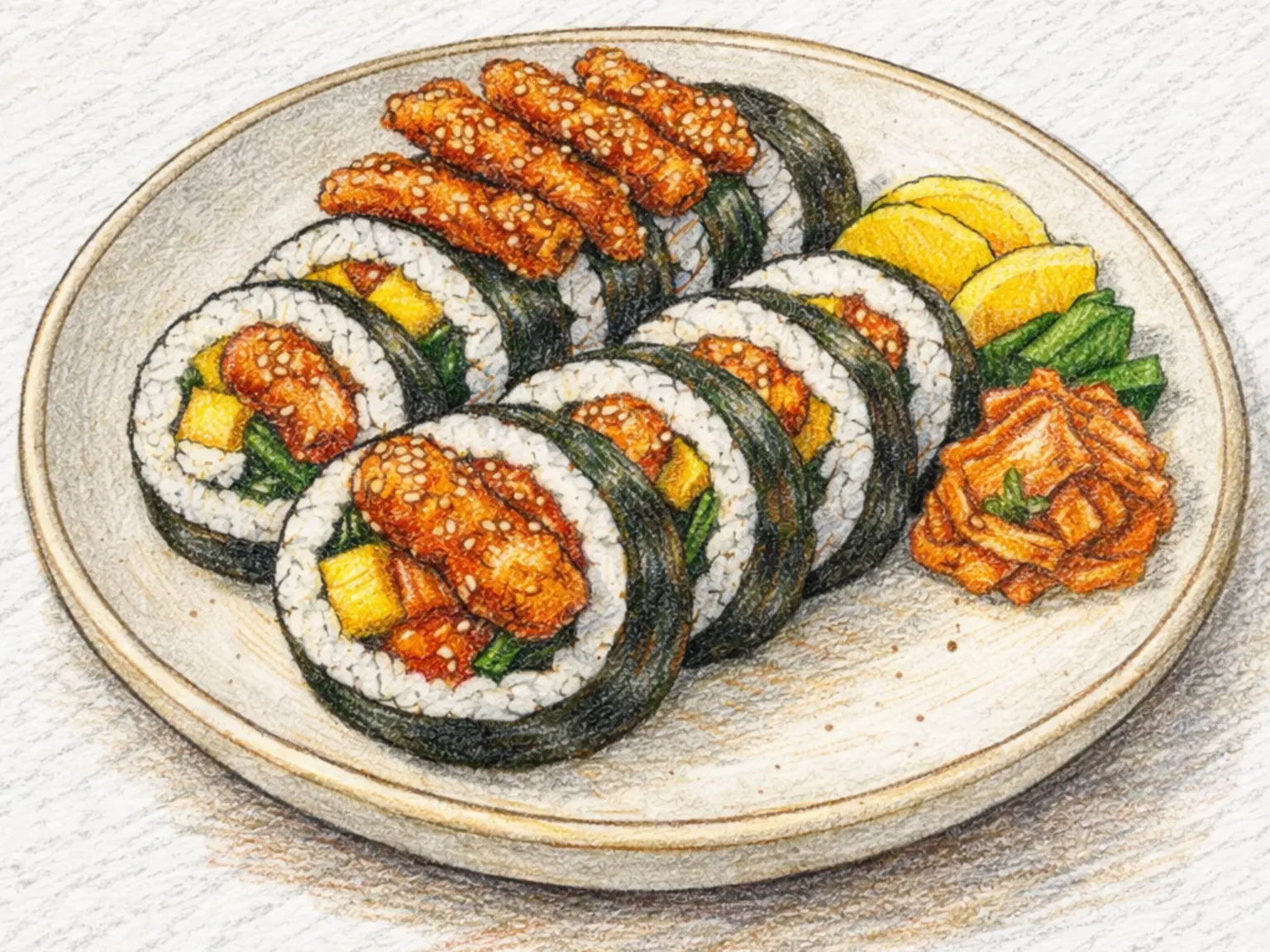
Korean Chicken Gimbap (Crispy Chicken Tender Seaweed Rice Roll)
Chicken gimbap is a Korean seaweed rice roll filled with air-fried crispy chicken tenders, sesame-salt seasoned rice, lettuce, and mayonnaise. The timing of assembly is important: the chicken must go in immediately after cooking while the fried coating is still hot and rigid, otherwise moisture from the rice and lettuce softens the crust before the roll is even finished. Mayonnaise forms a creamy layer between rice and chicken that also acts as a barrier, slowing moisture transfer and keeping each component distinct. Lettuce adds a fresh, cool crunch that balances the richness of the fried chicken and mayo. Laying the chicken pieces in a straight line before rolling produces an even cross-section when the gimbap is sliced. Mixing hot sauce into the mayonnaise creates a spicy version that can be scaled to taste. The roll travels well and is a reliable choice for packed lunches.

Korean Black Raspberry Ade
Bokbunja ade starts by combining black raspberry concentrate with lime juice and honey to build a tart-sweet base before anything else is assembled. That base is poured over a cup packed with ice and frozen berries, then topped with sparkling water. The deep purple concentrate sinking through the clear carbonation creates a vivid color gradient in the glass that holds until stirred. Lime juice amplifies the berry aroma rather than masking it, and if the concentrate runs particularly strong, extra sparkling water brings it back into balance. Frozen berries function as both cooling agent and slow flavor release - as they thaw, the fruit intensity in the drink gradually deepens.
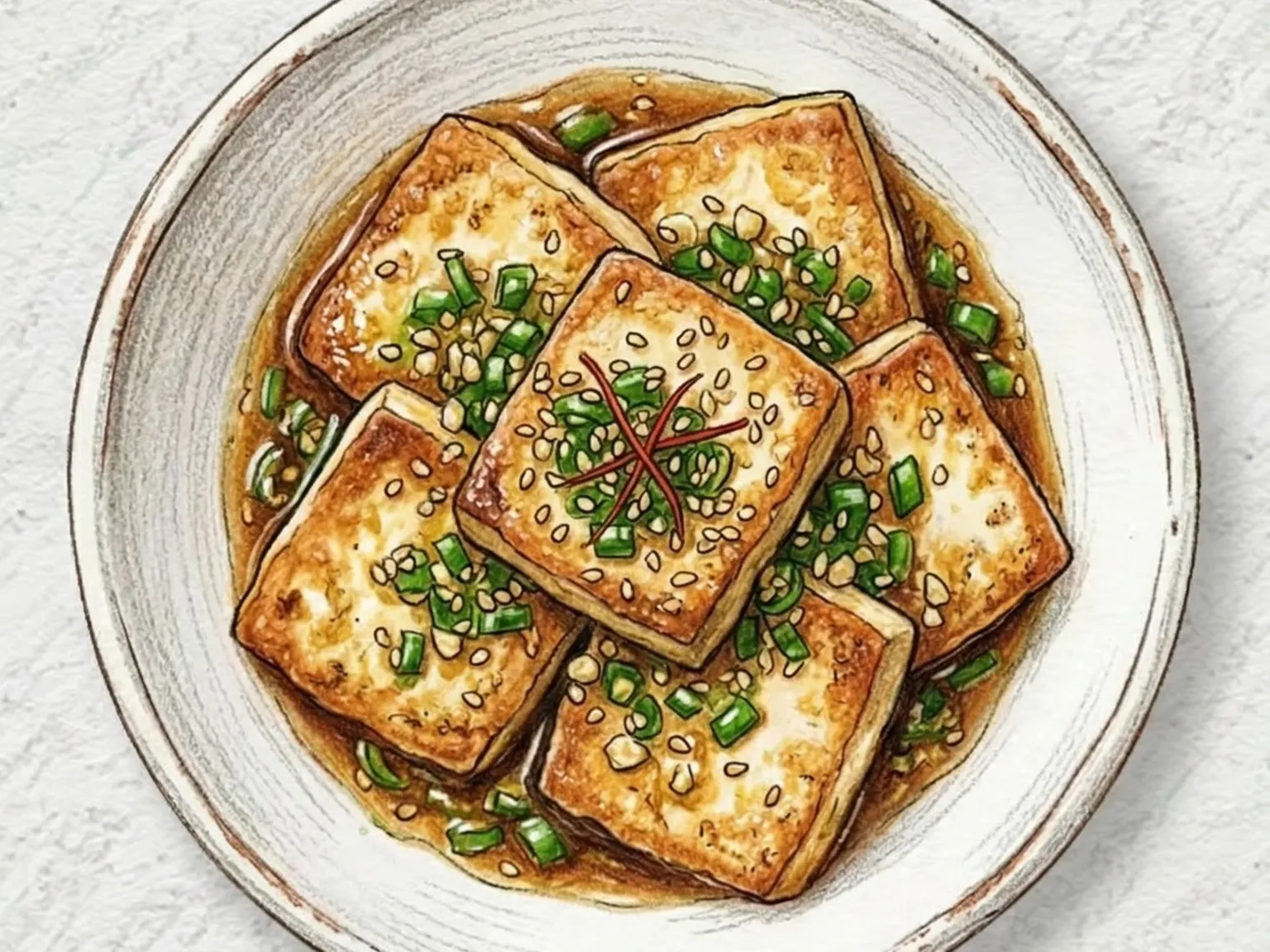
Korean Chili Soy Grilled Tofu
Chili-tofu-gui is a Korean pan-grilled tofu dish where firm tofu slices are browned on both sides, then glazed with a sauce of soy sauce, minced hot green chili, garlic, sesame oil, and sugar. Pressing moisture out of the tofu before cooking is essential for achieving a clean, golden-brown sear without oil spattering across the pan. Once the sauce is added, a brief simmer on low heat coats each slice in a glossy layer where the soy's saltiness, the sugar's sweetness, and the chili's sharp heat play against the tofu's neutral base. The dish works equally well as a weeknight side dish or as a quick drinking snack. Adding one tablespoon of water when simmering the sauce prevents it from reducing too sharply and ensures each slice is evenly coated rather than over-salted. A scattering of sesame seeds at the end is optional but recommended.
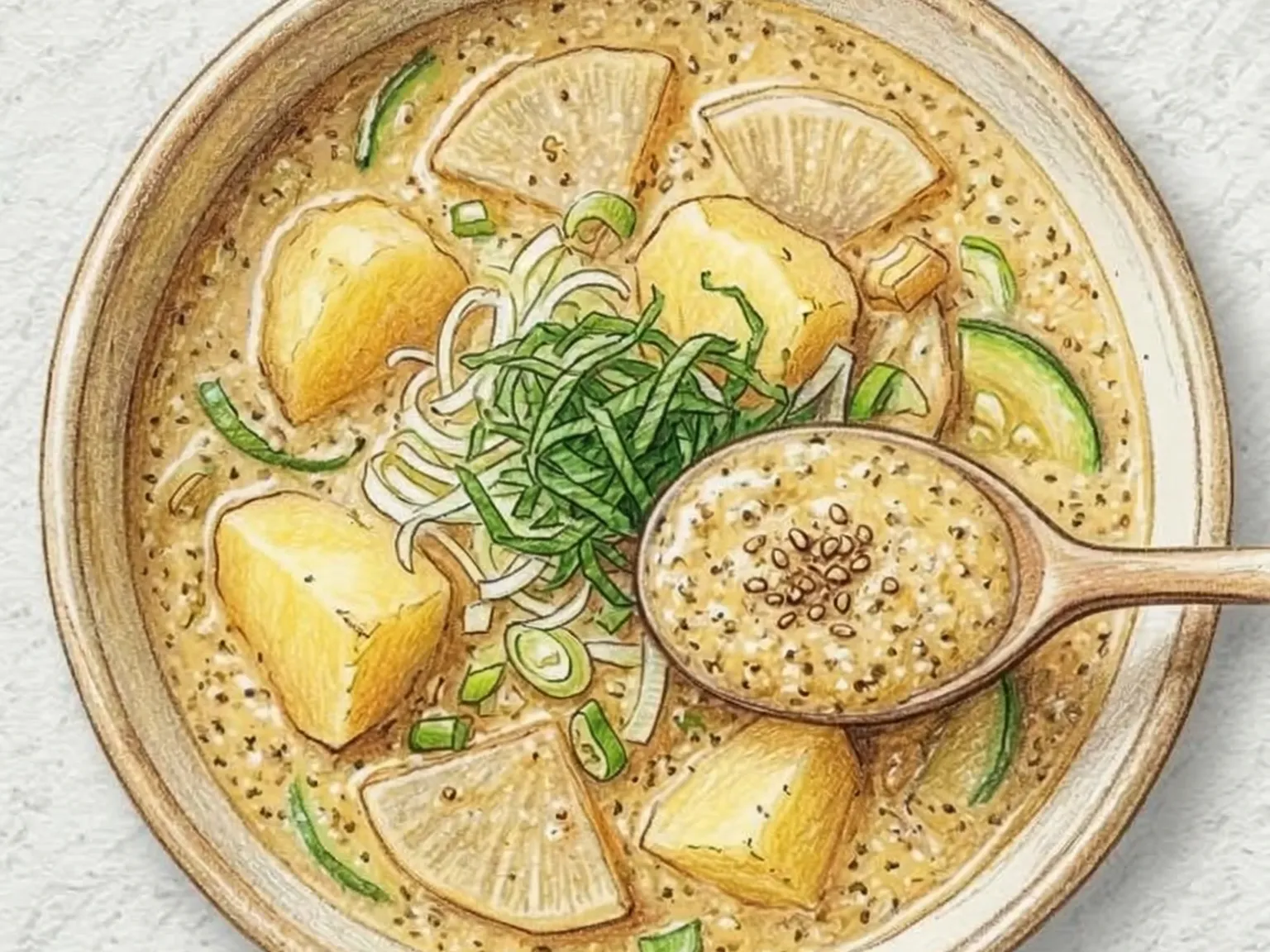
Korean Perilla Seed and Potato Stew
Deulkkae gamja jjigae is a potato stew enriched with ground perilla seeds, which give the broth a distinctly nutty thickness reminiscent of a light porridge. Potato wedges and sliced zucchini simmer in anchovy stock until the potatoes begin to soften and partially break down, naturally thickening the liquid. A generous amount of perilla seed powder stirred in near the end creates the signature creamy, toasty quality that defines this dish. Seasoned simply with soup soy sauce and garlic, it demonstrates how a short list of humble pantry ingredients can produce a deeply satisfying, filling bowl without any meat.
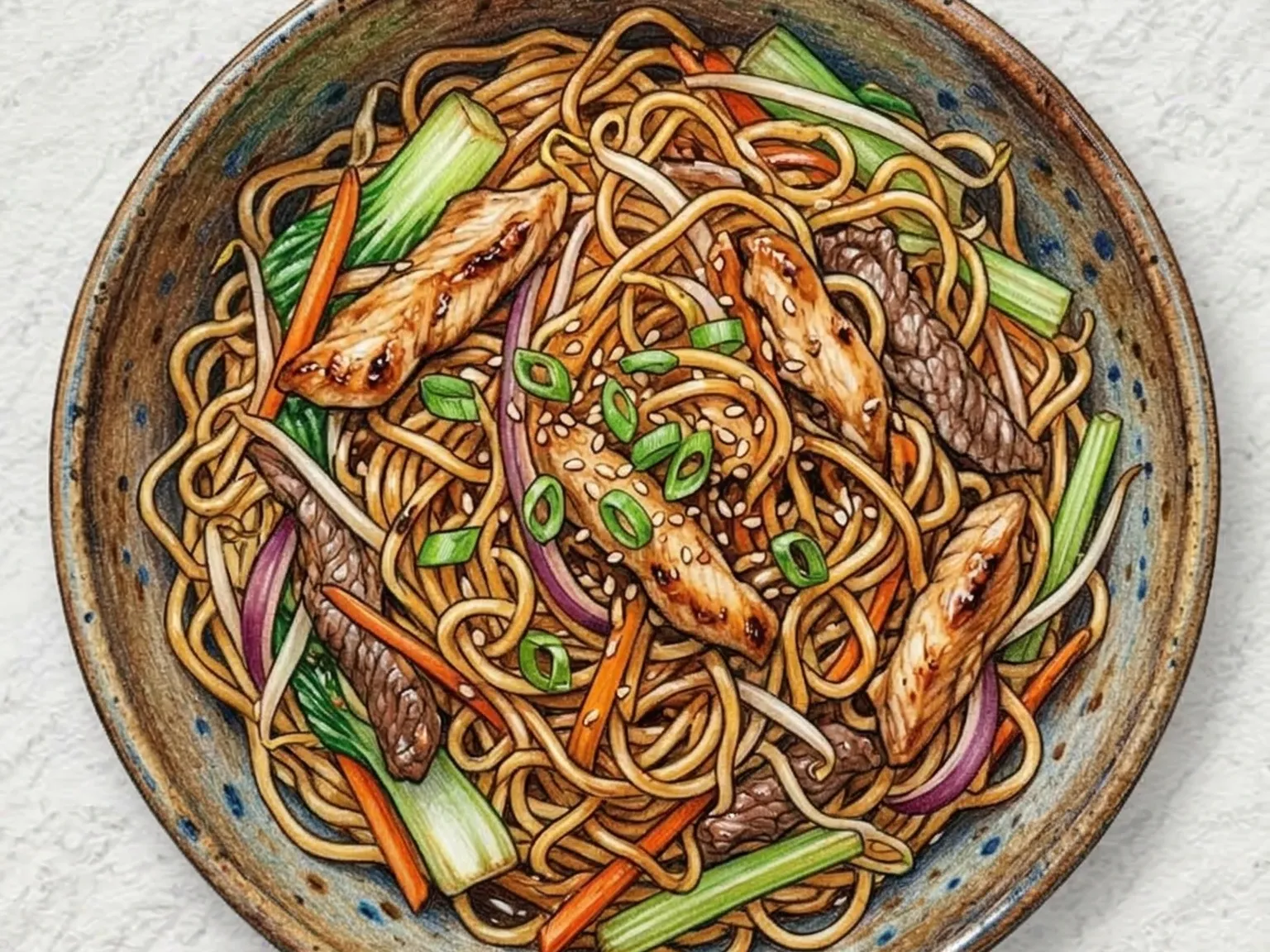
Chinese Chow Mein
Chinese chow mein stir-fries boiled noodles with vegetables and protein over fierce wok heat. The noodles are parboiled, lightly oiled, then tossed in a screaming-hot wok until the exterior crisps while the interior stays chewy. A sauce of soy, oyster sauce, and sesame oil lacquers each strand with salty depth and umami, while bean sprouts, cabbage, and carrot contribute crunch. The hallmark smoky flavor known as wok hei comes only from sustained high heat, so home cooks achieve the closest result by working in small batches and letting the pan fully recover between additions. Chicken, shrimp, or beef can replace one another as the main protein, making chow mein endlessly adaptable. A squeeze of lime at the table brightens the overall flavor.