3234 Recipes from Around the World

Pick Tonight's Dinner

3 picks for now

Crown Daisy & Mung Bean Noodle Salad
NoodlesEasy

Crown Daisy & Mung Bean Noodle Salad

Crown daisy and mung bean noodle salad tosses soaked and boiled glass noodles with crown daisy, cucumber, red onion, and a dressing of soy sauce, vinegar, plum syrup, and sesame oil. Soak 70g mung bean glass noodles in cold water for 10 minutes, until flexible. While they soak, remove wilted leaves and thick sections from 80g crown daisy, rinse it, and cut it into 4cm lengths. Julienne 80g cucumber into thin strips that are easy to lift with the noodles. Slice 40g red onion thinly, soak it in cold water for 5 minutes, and drain it thoroughly. Add the soaked noodles to boiling water and cook over medium heat for about 5 minutes. Lift them out when they are translucent with a little chew remaining, then rinse immediately in cold water to stop the residual cooking. Shake out water trapped between the strands in a sieve. Thorough draining prevents that water from diluting the dressing and reduces rapid clumping. In a large bowl, mix 1.5 tablespoons soy sauce, 1 tablespoon vinegar, 1 tablespoon plum syrup, and 1 teaspoon sesame oil until the syrup is evenly dispersed. Add the drained noodles, crown daisy, cucumber, and onion. Toss gently with chopsticks or tongs so the noodles do not break. Sprinkle 1 tablespoon toasted sesame seeds over the salad at the end and serve before the vegetables begin releasing water. Avoiding overcooked noodles and draining them fully after rinsing are the main controls for the finished consistency.

30 min or lessEasy level
Korean Napa Cabbage Anchovy Stew
StewsEasy

Korean Napa Cabbage Anchovy Stew

Baechu myeolchi jjigae is a homestyle Korean stew that relies on dried anchovy stock as its flavor base, with napa cabbage as the central vegetable. Large dried anchovies and kelp are simmered together for ten minutes to build a stock with pronounced umami, then strained so the broth is clear and clean. Baby napa cabbage cut into long vertical strips releases the natural sweetness of its pale inner stems into the broth as it cooks, providing a counterpoint to the saltiness of the anchovy stock. Thick-cut tofu slabs are placed between the cabbage layers, and thinly sliced onion adds another source of sweetness to the liquid. Diagonally cut cheongyang chili introduces a direct, sharp heat that gives life to what would otherwise be an entirely mild broth. Fifteen to twenty minutes of simmering is sufficient for the cabbage to soften fully and for its sugars to fully dissolve into the stock, creating the natural sweetness that defines this stew. No gochujang, no doenjang, no complicated sauce: the stew demonstrates a principle central to Korean home cooking, which holds that a well-constructed stock and a single honest vegetable can generate depth and satisfaction without further layering.

30 min or lessPairs with rice
Korean Butter-Grilled Squid Beaks
GrilledMedium

Korean Butter-Grilled Squid Beaks

Ojingeo-ip-butter-gui is a Korean bar snack made by searing squid beaks in melted butter with minced garlic over high heat. Thoroughly patting the squid beaks dry with paper towels before they hit the pan is a non-negotiable step: any residual moisture causes violent splattering and prevents the butter from forming a direct, fragrant crust on the surface. Three minutes of rapid stir-frying over high heat keeps the texture springy and chewy rather than tough and rubbery, which is the line squid crosses the moment heat is applied too long. Adding soy sauce and cooking wine creates a savory glaze as the liquid rapidly evaporates and concentrates against the hot surface. A finish of red chili flakes and cracked black pepper introduces a clean, warm heat that lingers behind the buttery garlic aroma, rounding out every bite. The dish comes together in under five minutes, which makes it one of the most practical snacks to serve alongside drinks.

30 min or lessProtein 29g

All Recipes

Neatly organized recipe collection

🔥 Trending Now
Spicy Octopus Rose Penne (Octopus Penne in Rose Sauce)
PastaMedium

Spicy Octopus Rose Penne (Octopus Penne in Rose Sauce)

Spicy octopus rose penne starts with pre-cooked octopus that is seared in a very hot, dry pan to burn off surface moisture and trigger a Maillard crust on the skin. This step does more than remove water - it eliminates any residual fishiness and builds a firm outer layer that contrasts with the tender interior when you bite through. The rose sauce is built from tomato passata and heavy cream spiked with Korean gochugaru. The chili flakes are bloomed in oil for no more than 20 seconds, enough to coax out heat and color but not long enough to develop bitterness. Butter is added to the finished sauce to encourage emulsification, keeping the cream and tomato components cohesive and allowing the mixture to coat each piece of pasta evenly rather than pooling at the bottom of the pan. Penne holds this sauce particularly well because its tubular shape captures the thick liquid inside each piece, delivering cream and spice simultaneously with every bite. Fresh basil is stirred in off the heat at the very end, its volatile aromatics intact, providing an herbal lift that cuts the heaviness of the cream base. The natural salinity and sweetness of octopus from the sea add a briny depth that cream-only sauces cannot replicate on their own.

🍺 Bar Snacks🎉 Special Occasion
Prep 12minCook 22min2 servings
Korean Spinach Tofu Soup
SoupsEasy

Korean Spinach Tofu Soup

Sigeumchi-dubu-guk is a clear, mild Korean soup in which spinach and tofu float in an anchovy-kelp broth seasoned only with soup soy sauce - no fermented paste, no chili. The result is a bowl of quiet transparency where each ingredient's natural flavor is audible: the green, slightly mineral taste of spinach, the neutral creaminess of tofu, and the clean savor of the stock. A small amount of minced garlic builds umami in the background, and a single drop of sesame oil on the surface adds a whisper of richness. This soup is intentionally gentle, which is exactly why Korean families rely on it so heavily - it suits every palate and every age group, from toddlers to grandparents. Cooks often serve it alongside bold, spicy dishes because the clear broth acts as a reset between intense bites. The technique is straightforward but timing matters: tofu should be cut into generous cubes so it holds its shape during simmering, and spinach should enter the pot only at the very end to preserve its color and a touch of texture. The entire preparation takes under fifteen minutes and requires only four or five ingredients, making it one of the most practical everyday soups in Korean cooking.

🏠 Everyday🥗 Light & Healthy
Prep 10minCook 16min4 servings
Korean Soy Braised Chicken Chunks
SteamedEasy

Korean Soy Braised Chicken Chunks

Dakganjang-jjim is a Korean soy-braised chicken dish where bone-in thigh pieces are combined with potatoes, carrots, and onion in a seasoned soy sauce base and simmered over low heat until the liquid reduces and the flavors concentrate. As the braising liquid cooks down, the salinity and umami of the soy sauce penetrate through the chicken skin and into the meat, seasoning it throughout rather than just coating the surface. The thigh cut is intentional - the fat and collagen in bone-in thighs keep the meat moist through the extended cooking time, preventing it from drying out the way leaner cuts would. The vegetables absorb the rendered chicken fat and soy-based cooking liquid as they soften, taking on a deep savory-sweet flavor that requires no additional seasoning. Because the dish contains no chili paste or gochugaru, it is mild in heat and broadly accessible, working equally well as a weeknight dinner main, a side dish over rice, or packed into a lunch box where the flavors continue to develop. The ratio of soy sauce to sugar in the braising liquid can be adjusted to suit individual taste - leaning toward saltier or sweeter without fundamentally changing the character of the dish.

🏠 Everyday🧒 Kid-Friendly
Prep 15minCook 30min4 servings
Oven-Roasted Chicken Drumsticks
WesternEasy

Oven-Roasted Chicken Drumsticks

Dak-dari oven-gui is a Korean oven-roasted chicken drumstick dish where the legs marinate for at least thirty minutes in a mixture of soy sauce, minced garlic, olive oil, and a dried herb blend before going into a 200-degree-Celsius oven. Bringing the drumsticks to room temperature before roasting closes the temperature gap between the surface and the bone, ensuring the meat cooks through evenly rather than having a cooked exterior with an underdone center. Flipping the pieces once at the halfway point promotes uniform browning on both sides and prevents the exposed skin from drying out. Raising the oven temperature to 220 degrees for the final ten minutes drives caramelization in the sugar-containing soy marinade, which produces a thin, lacquered crust on the skin. The salty depth of soy sauce, the mild fat of olive oil, and the fragrance of the herb blend combine with the rendered chicken fat to form a coating that is both deeply savory and aromatic. Marinating overnight in the refrigerator allows the soy and garlic to penetrate further into the meat, resulting in more pronounced flavor all the way to the bone.

🍺 Bar Snacks🎉 Special Occasion
Prep 30minCook 45min3 servings
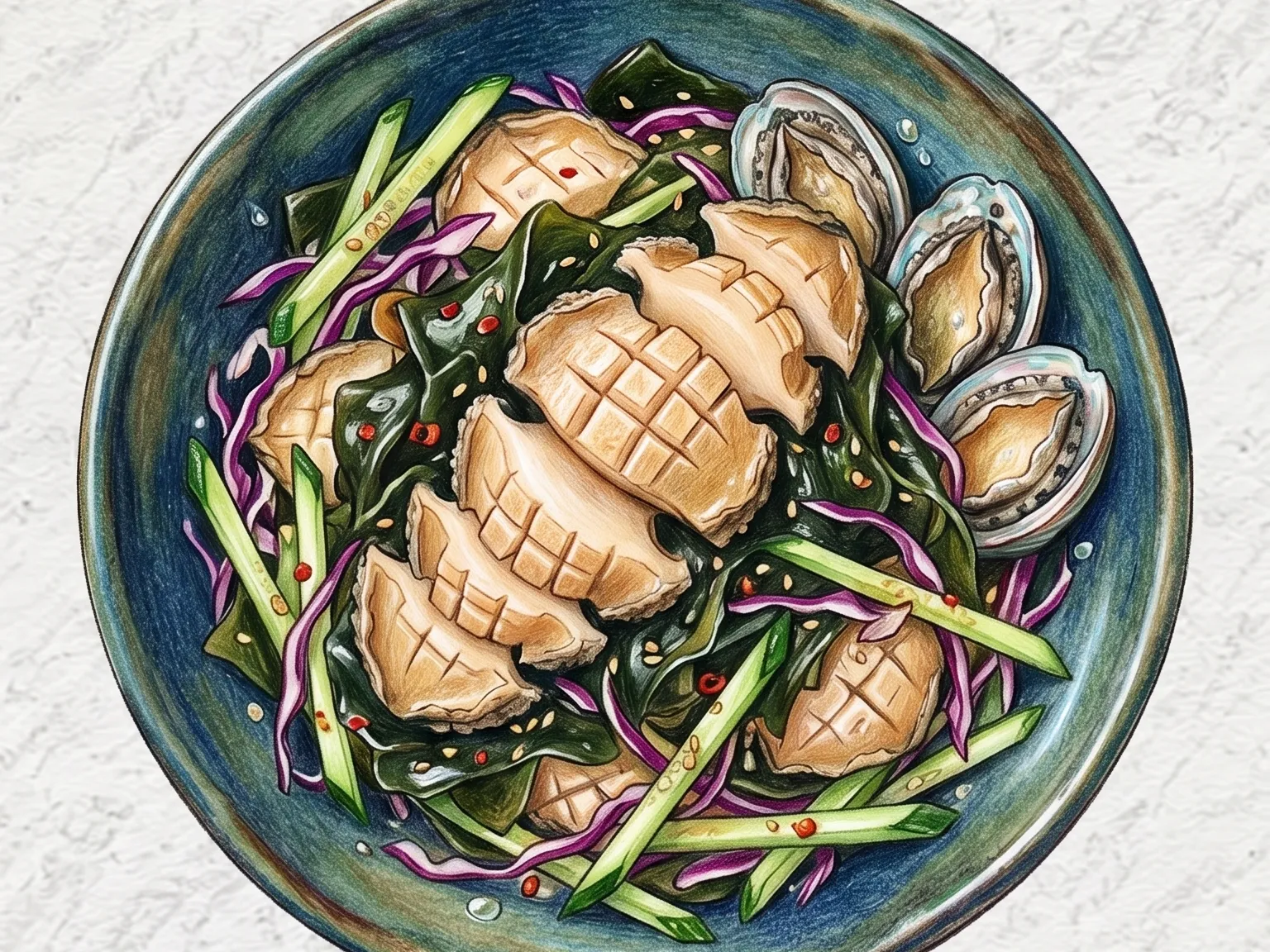
Korean Abalone & Garlic Stem Stir-fry
Stir-fryMedium

Korean Abalone & Garlic Stem Stir-fry

The preparation of Jeonbok-maneuljong-butter-bokkeum involves a high heat stir-fry technique using thinly sliced abalone and garlic scapes cooked in butter. The primary goal of using high heat is to release the aromatic properties of the butter and seafood while maintaining a specific texture. Before cooking, the abalone must be cleaned and the internal organs removed so that only the flesh is used. Slicing the abalone thinly is a requirement because the high temperature of the pan cooks the pieces almost instantly. This rapid cooking ensures the flesh remains springy rather than contracting into a tough or rubbery texture. Because the protein in the abalone begins to seize if cooked for longer than one minute, the speed of the stir-fry is the most critical variable in the process. Garlic scapes are used to provide a firm and snappy bite to the dish. These are cut into uniform lengths and placed in the pan before the abalone. This specific order gives the scapes a brief head start in the cooking process so that both the vegetables and the seafood finish at the same time. The ingredients should be added to the pan only after the butter has melted and started to foam. This foaming indicates the start of the Maillard reaction, which is responsible for browning the surface of the pieces and increasing the overall scent of the dish. A spoonful of soy sauce is then poured specifically along the heated edges of the pan. This technique allows the sauce to caramelize on contact with the hot surface, which adds a layer of savory and slightly sweet flavors to the mixture. The process concludes with the addition of ground black pepper, which provides a mild spice that supports the scent of the butter. Provided that the ingredients are prepped in advance, the entire stir-fry takes less than ten minutes to complete.

🏠 Everyday🍱 Lunchbox
Prep 15minCook 10min2 servings
Pork Cutlet Sandwich
AsianMedium

Pork Cutlet Sandwich

Katsu sando is a Japanese sandwich built around a thick pork loin cutlet breaded in flour, egg, and panko, then deep-fried at 170C until the exterior turns a deep, even gold. The cutlet rests on soft milk bread generously spread with tonkatsu sauce, and a layer of shredded cabbage dressed in mayonnaise goes in between. The contrast between the cutlet's rigid panko crust and the yielding bread is what defines the sandwich, while the mayo-dressed cabbage absorbs some of the richness and keeps the whole thing from feeling heavy. Wrapping the assembled sandwich firmly in plastic wrap and resting it for three minutes gives the sauce time to soak into the bread, producing a clean cross-section when cut. Draining the cutlet upright for a minute after frying removes surface oil and prevents the bread from going soggy. Using fine-ground fresh panko rather than dried gives the crust a slightly denser, more refined texture.

🧒 Kid-Friendly🌙 Late Night
Prep 20minCook 18min2 servings
Gochujang Beef Ragu Rigatoni
PastaMedium

Gochujang Beef Ragu Rigatoni

Gochujang beef ragu rigatoni browns ground beef, adds gochujang, red wine, and tomato puree in sequence, and tosses the reduced sauce with tubular pasta. Finely dice 100g of onion and 4 garlic cloves. Cook 180g of rigatoni in salted boiling water for 1 minute less than the package time and reserve 60ml of pasta water. Heat a wide pan over high heat and add 1.5 tablespoons of olive oil. Spread 220g of ground beef into one even layer and leave it untouched for about 2 minutes to brown the underside. Turn and break up the beef, then cook for 3 more minutes until no red portions remain. Leave the browned material on the bottom of the pan. Reduce the heat to medium, add the onion and garlic, and cook for 3 minutes. Stir in 1.5 tablespoons of gochujang and fry it for 1 minute. Pour in 60ml of red wine, return to high heat, and scrape the pan while the wine reduces by half. Add 250ml of tomato puree and simmer over medium-low heat for 20 minutes, until the ragu is visibly thick. Add the drained rigatoni and all 60ml of reserved pasta water. Toss over medium heat for 2 minutes so the sauce coats the outside of the tubes and enters their centers. Taste before adding salt because gochujang brands vary in salinity. Plate the pasta and finish with 20g of grated Parmesan. Leaving the beef alone for the first 2 minutes and reducing the wine before the tomato are the ordered steps that incorporate the browned pan residue into the ragu.

🎉 Special Occasion🍺 Bar Snacks
Prep 15minCook 35min2 servings
Korean Seaweed Roe Pot Rice
RiceMedium

Korean Seaweed Roe Pot Rice

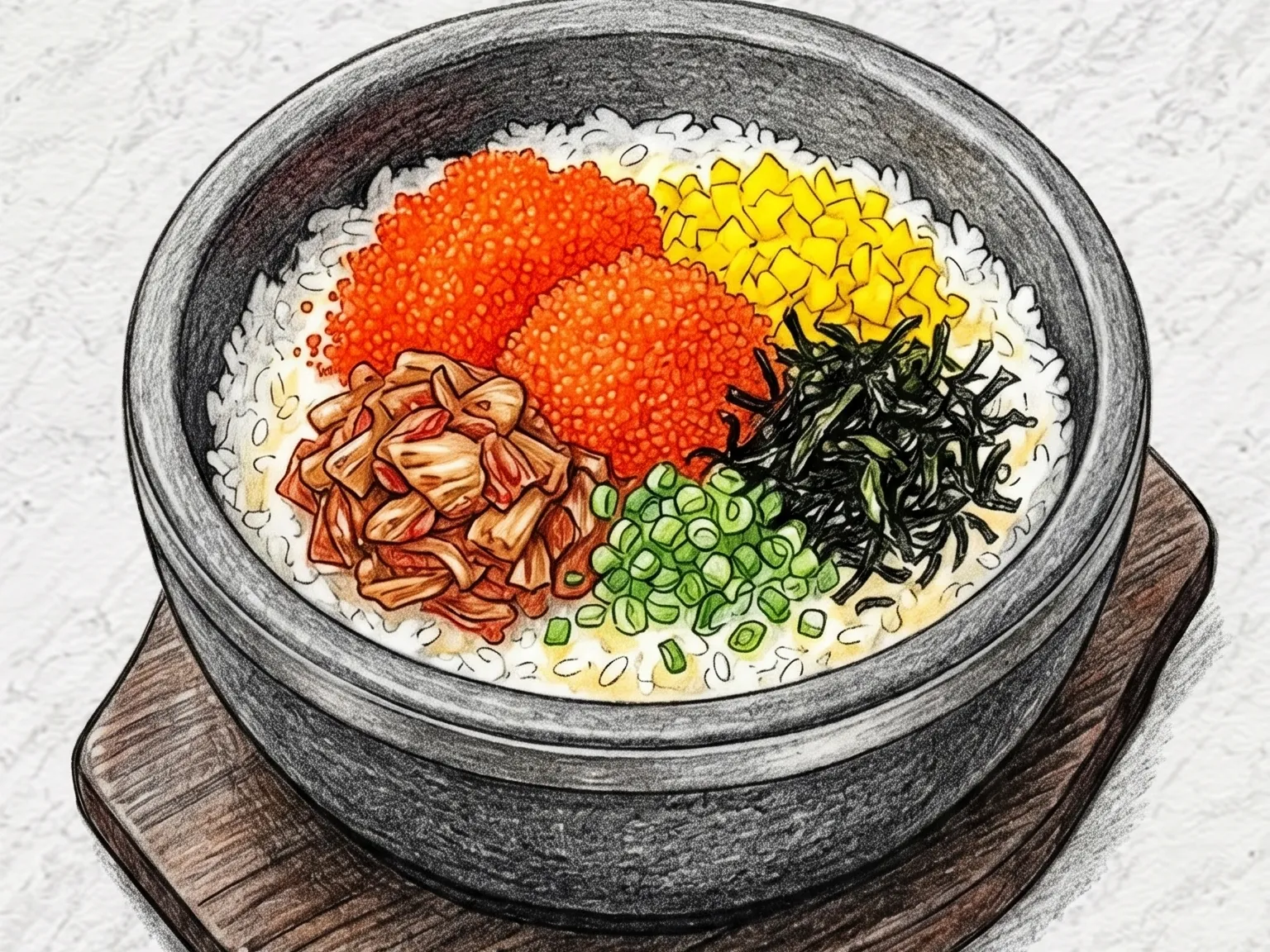
The preparation starts by layering finely diced radish at the bottom of a heavy pot before adding soaked rice. A specific technique defines this dish: warming the salted pollock roe and butter using only the residual heat of the vessel after the flame is extinguished. Avoiding direct heat prevents the roe's proteins from tightening into a dry or crumbly texture. Instead, the indirect warmth maintains a soft consistency where individual eggs pop and release their salty essence into the grains. As the butter melts, it coats each piece of rice, acting as a bridge between the sharp saltiness of the fish roe and the mild nature of the rice. Throughout the cooking process, the radish pieces release moisture upward, ensuring the rice remains hydrated while contributing a subtle sweetness and a clean finish. Before the meal begins, crumbling gamtae over the surface introduces a distinct oceanic scent that sits above the savory layers of butter and roe. Sliced scallions provide a sharp, crisp contrast to the overall richness. Pouring hot water into the pot at the end creates a toasted rice water that clears the palate. It is important to place the roe and butter within four minutes of turning off the heat to ensure the remaining warmth is sufficient to soften the ingredients.

🎉 Special Occasion🏠 Everyday
Prep 15minCook 25min2 servings
Korean Soy-Braised King Oyster Mushrooms
SteamedEasy

Korean Soy-Braised King Oyster Mushrooms

Saesongi-beoseot-jorim braises 300 grams of king oyster mushrooms in a soy-based sauce after an initial sear that drives off moisture and firms up the texture. The mushrooms are halved lengthwise, cut into bite-size pieces, and pan-fried in oil for about two minutes until lightly golden before the braising liquid - soy sauce, water, oligosaccharide syrup, and garlic - is poured in. Five minutes of simmering over medium heat reduces the liquid to a sticky glaze that clings to every surface. Sesame oil is drizzled in just before removing from heat, and chopped scallion adds a fresh green contrast. The finished dish stores well, making it a reliable make-ahead side for weekday meals.

🏠 Everyday🍱 Lunchbox
Prep 10minCook 10min4 servings
Korean Chwinamul Doenjang Stew
StewsEasy

Korean Chwinamul Doenjang Stew

Chwinamul-doenjang-jjigae is a Korean stew that pairs wild aster greens with fermented soybean paste, letting the mountain herb's sharp, slightly bitter fragrance run through a deeply savory broth. Rice-rinsing water replaces stock as the base, giving the broth a gentle body, while potato pieces break down gradually during cooking and thicken the liquid without any additional steps. Shimeji mushrooms add chew at irregular intervals throughout the bowl. The stew benefits most from fresh spring chwinamul, when the greens carry the strongest mountain-herb aroma. A small drizzle of perilla oil stirred in at the end adds a nutty finish that rounds out the fermented soybean base.

🏠 Everyday🥗 Light & Healthy
Prep 14minCook 17min2 servings
Korean Young Radish Kimchi
KimchiMedium

Korean Young Radish Kimchi

Young radish greens and their slender stems are salted briefly, dressed in a gochugaru-based paste, and fermented into a kimchi that defines Korean summer eating. The greens are more delicate than mature radish, absorbing the seasoning quickly while retaining a refreshing crunch that lasts well into fermentation. Gochugaru and anchovy fish sauce form the backbone of the paste, delivering heat and deep umami in equal measure, while garlic lends a pungent undercurrent that mellows as the fermentation progresses. Once dressed, the radish greens release their own moisture, creating a naturally occurring brine that becomes the hallmark of yeolmu kimchi: a tangy, chili-flecked liquid that can be spooned over cold noodles or rice. Even half a day at room temperature kicks off the fermentation, introducing a sharp, fizzy acidity that signals the kimchi is alive. Transferring it to the refrigerator slows the process and stabilizes the flavor at a bright, appetizing sourness. Draped over bibim-guksu or naengmyeon, it brings a cooling, spicy bite that defines the Korean summer table.

🏠 Everyday🥗 Light & Healthy
Prep 30min4 servings
Thai Hot and Sour Shrimp Soup (Tom Yum Goong)
SoupsMedium

Thai Hot and Sour Shrimp Soup (Tom Yum Goong)

Tom Yum Goong is a classic Thai soup featuring shrimp and mushrooms in a hot and sour broth infused with aromatic herbs. The base is prepared by boiling chicken stock with lemongrass, galangal, and kaffir lime leaves to release their citrus and herbal notes into the liquid. Mushrooms are simmered in this broth followed by shrimp, which are cooked briefly to maintain their tender, springy texture. A spoonful of Thai chili paste is dissolved into the stock to impart a deep red color and a lingering spicy heat, while fish sauce provides a savory base of umami. The cooking process finishes by turning off the heat before adding fresh lime juice. Adding the lime juice at the end ensures its bright, sour aroma does not dissipate, combining all the flavors into a balanced, clear soup.

🎉 Special Occasion
Prep 18minCook 15min2 servings
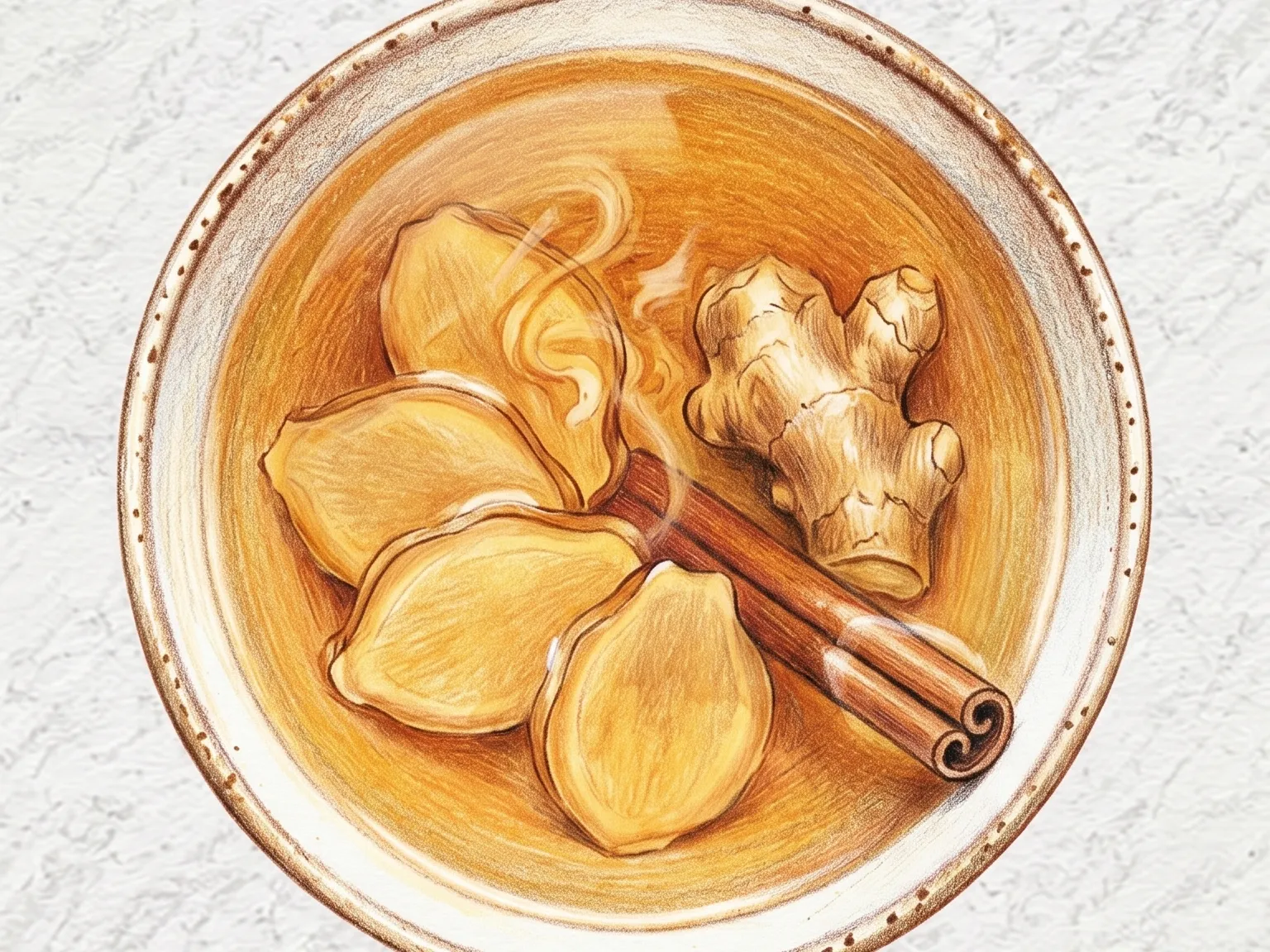
Korean Roasted Sword Bean Tea
DrinksEasy

Korean Roasted Sword Bean Tea

Jakdukong-cha is brewed from roasted sword beans, legumes three to four times larger than common beans, simmered with dried jujubes, fresh ginger, and a cinnamon stick for about twenty-five minutes. Roasting the sword beans until their surfaces brown develops a heavy, toasty grain aroma that forms the structural base of the tea. Ginger and cinnamon build warm spice notes on top of that roasted foundation, and the dried jujubes contribute a fruity sweetness that rounds off any astringency left by the legume. Honey is added at the very end to adjust sweetness rather than cooking it into the brew. Before roasting, the beans should be sorted for debris, rinsed, and dried completely so they toast evenly rather than steaming in residual moisture. Brewed beans can be steeped a second time for a lighter cup, making the ingredient economical. The tea contains no caffeine, which makes it suitable for drinking in the evening or on days when the stomach is unsettled.

🍺 Bar Snacks🥗 Light & Healthy
Prep 8minCook 25min4 servings
Korean Aralia Shoot Pork Belly Skewers
GrilledMedium

Korean Aralia Shoot Pork Belly Skewers

Dureup-samgyeop-kkochi-gui is a Korean spring skewer in which blanched aralia shoots (dureup) are wrapped in thin slices of pork belly, threaded onto skewers, glazed with a gochujang-based sauce, and grilled. The aralia shoots must be blanched in lightly salted boiling water for no more than thirty seconds. Longer blanching destroys the firm, slightly snappy bite and drives off the volatile aromatic compounds responsible for dureup's characteristic bitter-herbal fragrance -- the defining quality that makes this a spring seasonal dish. After blanching, the shoots should be thoroughly blotted dry so the pork belly adheres cleanly without slipping. The glaze is made from gochujang, soy sauce, maesil-cheong (plum extract syrup), minced garlic, and sesame oil, and it should be applied in two stages -- once before grilling and once partway through -- to build up a layered, intensely flavored coating. Over the grill, the fat in the pork belly renders and bastes the dureup inside the wrap, while the shoot's clean, slightly astringent bitterness cuts through the pork's richness in a pairing that is complementary rather than competing. The plum extract in the glaze caramelizes under direct heat into a sticky, sweet-tart lacquer, and a finishing scatter of whole sesame seeds adds both visual contrast and a toasted, nutty close. The dish works equally well as a drinking snack or as a main banchan.

🍺 Bar Snacks🏠 Everyday
Prep 22minCook 12min2 servings
Chicago Deep Dish Pizza
BakingMedium

Chicago Deep Dish Pizza

Chicago deep dish pizza is a pie-style pizza where dough is pressed into a deep cast iron or dark metal pan to cover the bottom and climb the walls, then layered with mozzarella cheese and Italian sausage before crushed tomatoes and oregano are spread across the top. Positioning the sauce on the uppermost layer shields the cheese from direct oven heat, preventing it from scorching while the tomato reduces and concentrates over the long bake. The sausage must be pre-cooked with onion to drive off excess moisture, keeping the thick base from turning soggy under the weight of the filling. Stretching the dough wide enough to reach the rim keeps the molten contents contained during baking. After 30 to 35 minutes at 220 degrees Celsius, the pizza requires at least ten minutes of resting before slicing so the interior sets and the layers hold their shape when cut. The dish traces its origins to Pizzeria Uno in Chicago in 1943 and has since become one of the city's defining foods.

🎉 Special Occasion🧒 Kid-Friendly
Prep 25minCook 35min4 servings
Korean King Oyster Mushroom Stir-fry with Perilla
Stir-fryEasy

Korean King Oyster Mushroom Stir-fry with Perilla

This stir-fry combines 250 grams of julienned king oyster mushrooms with onion, cooked rapidly over high heat in perilla oil and cooking oil to prevent the mushrooms from releasing too much water. Garlic is sauteed for 20 seconds first to infuse the oil, followed by onion for one minute to draw out its natural sweetness. The mushrooms then go in for a quick two-minute toss before soup soy sauce and a splash of water are added to create a light braising liquid. One and a half tablespoons of ground perilla seeds are stirred in during the final minute, thickening the sauce into a creamy coating without becoming pasty. Scallion is added off heat for a finishing touch of color and freshness.

🏠 Everyday🍱 Lunchbox
Prep 10minCook 8min2 servings
Tofu Avocado Salad (Pan-Seared Tofu and Avocado Bowl)
SaladsEasy

Tofu Avocado Salad (Pan-Seared Tofu and Avocado Bowl)

Tofu avocado salad combines pan-seared firm tofu, avocado, and cherry tomatoes over mixed greens with a soy, sesame oil, and lemon dressing. Wrap 300 g firm tofu in paper towels and press it for about 10 minutes, until the outside feels dry. Cut it into bite-size cubes. Preheat a skillet over medium heat for 1 minute, place the tofu in the pan, and leave it undisturbed for about 2 minutes so the underside can become firm and golden. Turn the cubes gently and cook the remaining sides for another 3 to 4 minutes. Transfer the tofu to a plate once the edges feel firm and let it cool slightly before it touches the greens. Halve 100 g cherry tomatoes. Cut 1 avocado immediately before assembly to shorten the time the cut surface is exposed to air. Make the dressing with 1 tbsp soy sauce, 1 tbsp sesame oil, and 1 tbsp lemon juice. Arrange 80 g mixed greens with the cooled tofu, tomatoes, and avocado, drizzle over the dressing, and toss gently so the soft ingredients keep their shape. Pressing and drying the tofu reduces splattering and helps the cubes sear more cleanly. Waiting for the first side to firm before turning is also important because repeated early movement can break the tofu. Cut the avocado only when the other components and the lemon-containing dressing are ready.

🥗 Light & Healthy Quick
Prep 15minCook 8min2 servings
Korean Braised Beef Trotter
SteamedHard

Korean Braised Beef Trotter

Ujok-jjim is Korean braised beef trotter simmered for over two hours with soy sauce, garlic, ginger, and green onion until the collagen-rich joints turn soft and gelatinous. The long, low braise dissolves the connective tissue into the cooking liquid, making it so concentrated that it sets into a firm jelly when cooled. Sugar and soy sauce create a sweet-savory seasoning that penetrates deep into the layered skin and tendons. Traditionally regarded as a nourishing food for joint health, this is a slow-cooked comfort dish especially popular among older generations in Korea.

🎉 Special Occasion
Prep 25minCook 120min4 servings
Korean Mackerel and Dried Greens Rice Soup
RiceMedium

Korean Mackerel and Dried Greens Rice Soup

Siraegi-godeungeo gukbap is a hearty Korean rice soup that simmers mackerel fillet and dried radish greens in a doenjang-based broth, then ladles everything over rice. The mackerel contributes a bold, oily umami while the siraegi adds an earthy vegetal depth - together in the fermented soybean broth, they create a rich, layered flavor. Anchovy stock forms the base, and a spoonful of gochugaru gives the soup a gentle heat that warms from the inside. The dried greens are boiled until completely tender before going into the pot, and the mackerel is deboned for easy eating. Finished with scallion and garlic, the broth soaks into the rice grains, making each spoonful a complete bite of soup, fish, greens, and grain.

🏠 Everyday
Prep 25minCook 35min4 servings
Brown Sugar Cinnamon Rolls
BakingHard

Brown Sugar Cinnamon Rolls

Brown sugar cinnamon rolls wrap a dark cinnamon filling inside a soft yeast dough enriched with milk, egg, and butter. Begin by dissolving the yeast and a small portion of the sugar in warm milk, then wait for foam to appear on the surface. Knead that mixture with bread flour, the remaining sugar, egg, and melted butter until the dough becomes smooth and elastic. After a 60-minute first proof, it should be doubled and ready to roll into a 35 by 25 cm rectangle. Spread the remaining butter evenly over the sheet, mix the brown sugar with ground cinnamon, and distribute the filling to the edges so each spiral receives a similar amount. Roll tightly from a long side, cut the cylinder into 8 pieces, and arrange them cut-side up with room to expand. A 30-minute second proof gives the shaped rolls their final rise before baking at 180C. In the oven, the brown sugar melts with the butter into a dark, sticky layer and carries cinnamon through the coil. Remove the rolls when their tops are golden, cool for 5 minutes, and spread softened cream cheese over the warm surface. The cheese loosens slightly from the heat and adds a fresh tang to the deep sweetness of the filling.

🎉 Special Occasion🧒 Kid-Friendly
Prep 35minCook 22min4 servings
Korean Soy-Braised Whole Garlic
SteamedEasy

Korean Soy-Braised Whole Garlic

Peeled whole garlic cloves are simmered in a mixture of soy sauce and corn syrup until they turn glossy and deeply seasoned throughout. Raw garlic's sharp, pungent bite mellows completely during the slow braising, transforming into a gentle sweetness that merges with the soy sauce's salinity. The corn syrup reduces alongside the soy sauce, forming a lacquer-like glaze that clings to each clove and catches the light. Low heat is essential: cooking too fast browns the exterior while leaving the core hard and under-seasoned. With patience, the garlic softens to a texture resembling a roasted potato, yielding easily when pressed with chopsticks yet holding its shape on the plate. A final drizzle of sesame oil seals the surface with a warm, nutty aroma that completes the balance of salty, sweet, and rich. The finished jorim keeps well under refrigeration for over a week, making it a practical banchan to prepare in advance.

🏠 Everyday🍱 Lunchbox
Prep 10minCook 25min4 servings
Laphet Thoke (Burmese s signature salad)
SaladsMedium

Laphet Thoke (Burmese s signature salad)

Laphet thoke is Myanmar's signature salad, built entirely around fermented tea leaves whose tannic bitterness and concentrated umami form the flavor foundation from which everything else is assembled. The leaves undergo a long fermentation that softens their rawness, coaxing out a layered sourness and complex savory depth that explains why laphet holds a ceremonial significance in Burmese food culture beyond its role as an everyday dish. Shredded cabbage provides a neutral, crunchy base, while chopped tomato adds juicy acidity that lightens the tea leaves' intensity and keeps the salad from feeling heavy. Roasted peanuts contribute a nutty richness, and fried garlic chips deliver a salty, crispy element that introduces textural contrast in every bite. The essential technique is dressing the tea leaves first with lime juice, sesame oil, and chili flakes, allowing the seasoning to soak fully into the leaves before the vegetables and nuts are folded in, so the bold flavors distribute evenly throughout the bowl rather than pooling at the bottom.

🥗 Light & Healthy Quick
Prep 18min2 servings
Veal Saltimbocca (Italian Veal Cutlets Dish)
WesternMedium

Veal Saltimbocca (Italian Veal Cutlets Dish)

To prepare veal saltimbocca, the process begins by pounding the veal cutlets until they reach a very thin consistency. Achieving this specific thickness is necessary because veal has a tendency to become tough quite rapidly when it is exposed to heat for an extended duration. To maintain a tender texture, the total cooking time for each individual piece should be kept strictly under two or three minutes. Each prepared cutlet is topped with one fresh sage leaf and a single slice of prosciutto, which are then pressed down firmly by hand. This manual pressure allows the layers to bond so that the prosciutto adheres to the veal without the requirement for toothpicks or other mechanical fasteners. The assembled cutlets receive a light dusting of flour before being placed into a preheated pan for searing. It is effective to begin the cooking process with the prosciutto side facing down in the pan, as the direct heat fuses the cured meat directly to the veal cutlet. After the meat has been quickly seared and removed from the pan, white wine is poured onto the hot surface. This liquid serves to lift the caramelized bits of fond from the bottom of the pan to create a flavor base. Incorporating butter into this wine reduction allows the liquid to emulsify into a sauce that has a glossy and light consistency. During the cooking, the sage leaf remains trapped between the meat and the prosciutto, infusing the veal with a distinct herbal fragrance that balances the saltiness of the cured ham.

🎉 Special Occasion🍺 Bar Snacks
Prep 15minCook 15min2 servings
Korean Spicy Gangwon Knife-Cut Noodles
NoodlesEasy

Korean Spicy Gangwon Knife-Cut Noodles

Jang kalguksu is a Gangwon Province style of knife-cut noodle soup defined by dissolving both gochujang and doenjang directly into an anchovy-kelp stock, a combination that sets it apart from standard kalguksu at a fundamental level. The fermented chili paste brings a spicy, rounded sweetness while the soybean paste contributes a dense, earthy richness, and together they build a broth with a complexity that neither ingredient could produce alone. An additional measure of gochugaru piles on a sharper chili heat, giving the soup its signature fiery edge. Potato breaks down as it simmers, naturally thickening the broth without any added starch, while zucchini releases sweetness, and onion and green onion round out the aromatics. Fresh-cut noodles have a smooth exterior and a springy, slightly resistant bite that clings well to the thick, rust-red broth. The dish originates from the mountainous interior of Gangwon Province, where it warmed workers through cold seasons, and the combination of deep umami and lingering heat still makes it one of the most satisfying one-bowl meals in Korean regional cooking.

🏠 Everyday🌙 Late Night
Prep 15minCook 20min2 servings