Desserts Recipes
379 recipes. Page 5 of 16
Desserts are the sweet finish to a meal or a enjoyable snack any time of day. This collection spans Korean traditional sweets - yakgwa (honey cookies), hotteok (sweet pancakes), injeolmi (rice cakes) - as well as puddings, parfaits, and frozen treats.
Brown Sugar Cinnamon Rolls
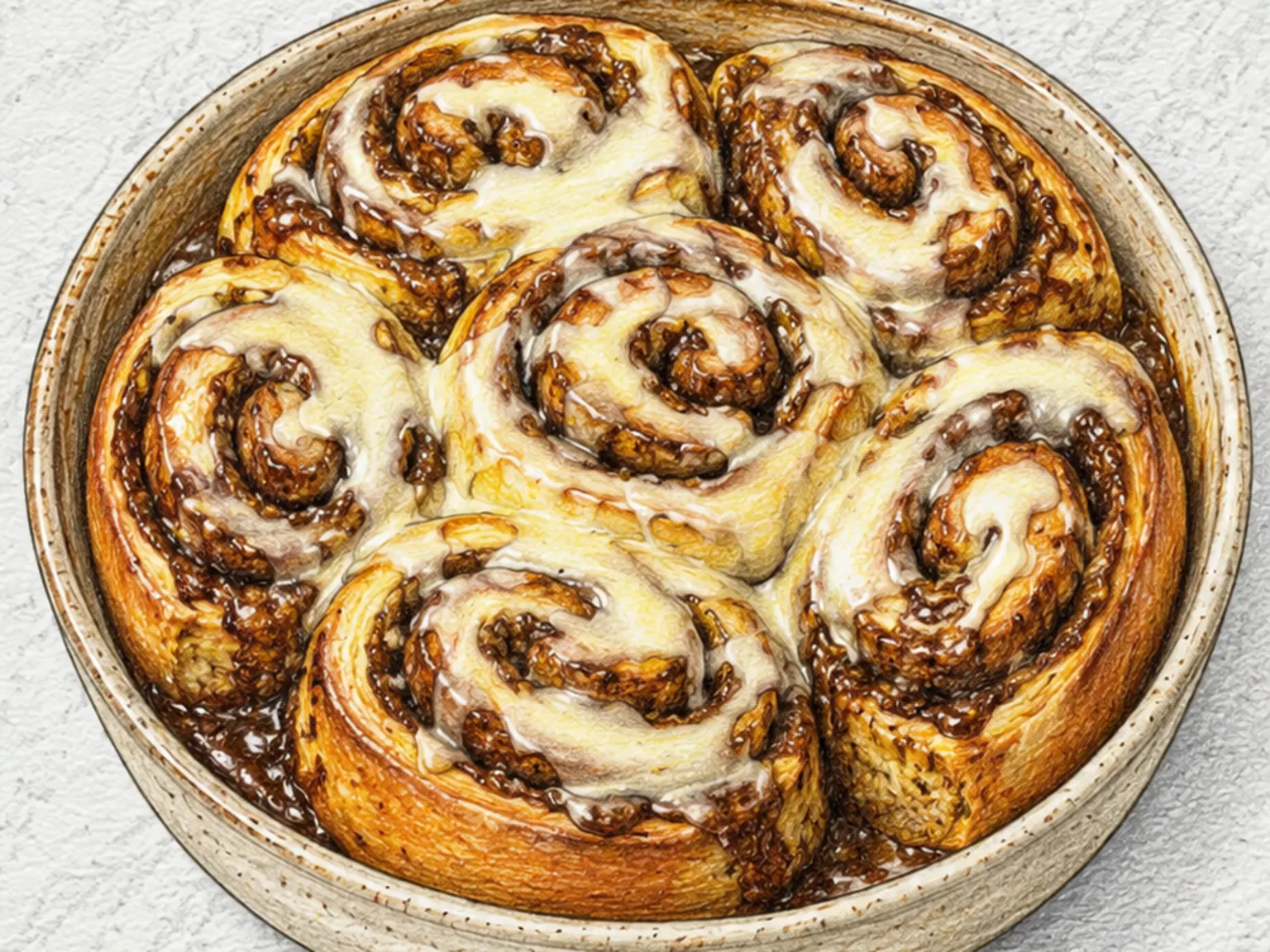
Brown sugar cinnamon rolls wrap a dark cinnamon filling inside a soft yeast dough enriched with milk, egg, and butter. Begin by dissolving the yeast and a small portion of the sugar in warm milk, then wait for foam to appear on the surface. Knead that mixture with bread flour, the remaining sugar, egg, and melted butter until the dough becomes smooth and elastic. After a 60-minute first proof, it should be doubled and ready to roll into a 35 by 25 cm rectangle. Spread the remaining butter evenly over the sheet, mix the brown sugar with ground cinnamon, and distribute the filling to the edges so each spiral receives a similar amount. Roll tightly from a long side, cut the cylinder into 8 pieces, and arrange them cut-side up with room to expand. A 30-minute second proof gives the shaped rolls their final rise before baking at 180C. In the oven, the brown sugar melts with the butter into a dark, sticky layer and carries cinnamon through the coil. Remove the rolls when their tops are golden, cool for 5 minutes, and spread softened cream cheese over the warm surface. The cheese loosens slightly from the heat and adds a fresh tang to the deep sweetness of the filling.
Churros with Chocolate Sauce
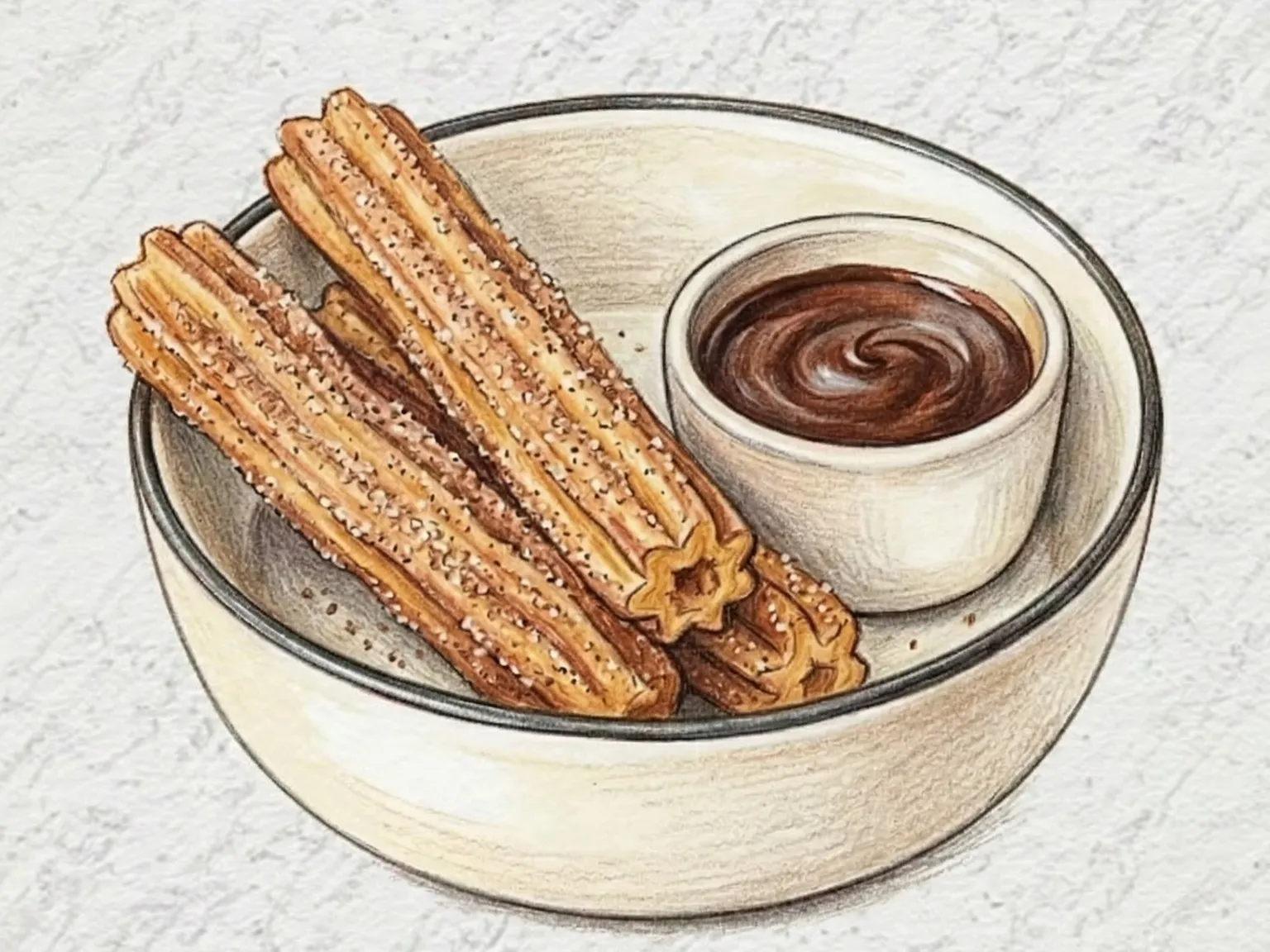
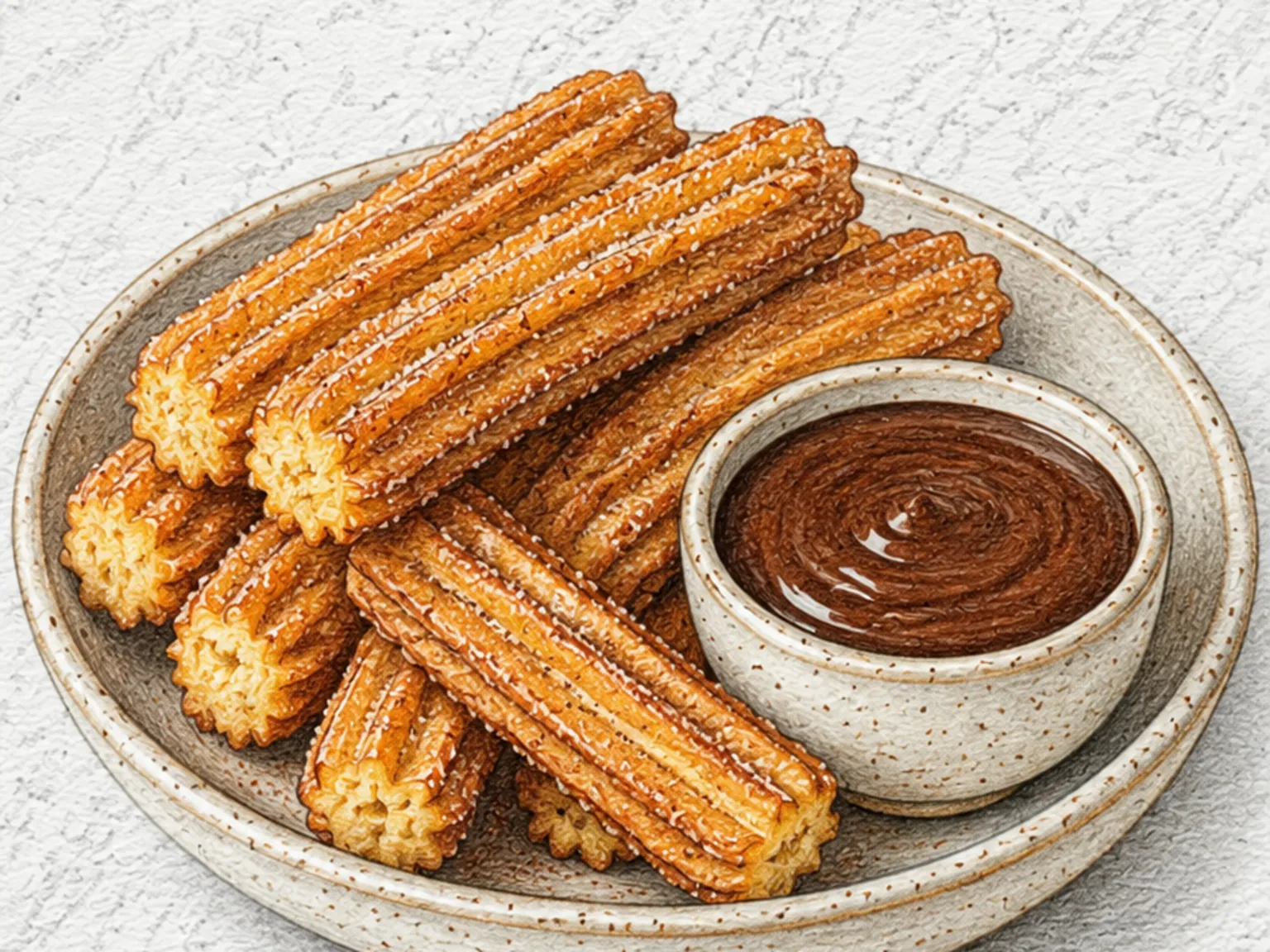
Churros are made from a choux-style dough of boiled water, butter, and flour, enriched with eggs and piped through a star tip directly into hot oil. Frying at 175 to 180 degrees Celsius produces a crisp, ridged exterior where the star-shaped edges brown and split cleanly, while the interior stays chewy with a slightly hollow core that forms as the steam escapes during cooking. The contrast between the crackling outer crust and the soft, doughy center is the defining textural quality of a well-made churro. Adding the eggs gradually and stopping when the batter falls in a slow, thick ribbon prevents the ridges from blurring during piping. Rolling the hot churros in cinnamon sugar immediately after frying coats them while the oil helps the mixture adhere. The accompanying dipping sauce melts dark chocolate into warm milk over gentle heat, producing a thick, bittersweet liquid that contrasts the sweetened dough. Across Spain and parts of Europe, churros dipped in hot chocolate are a standard morning meal, not a dessert.
Blondie Bars
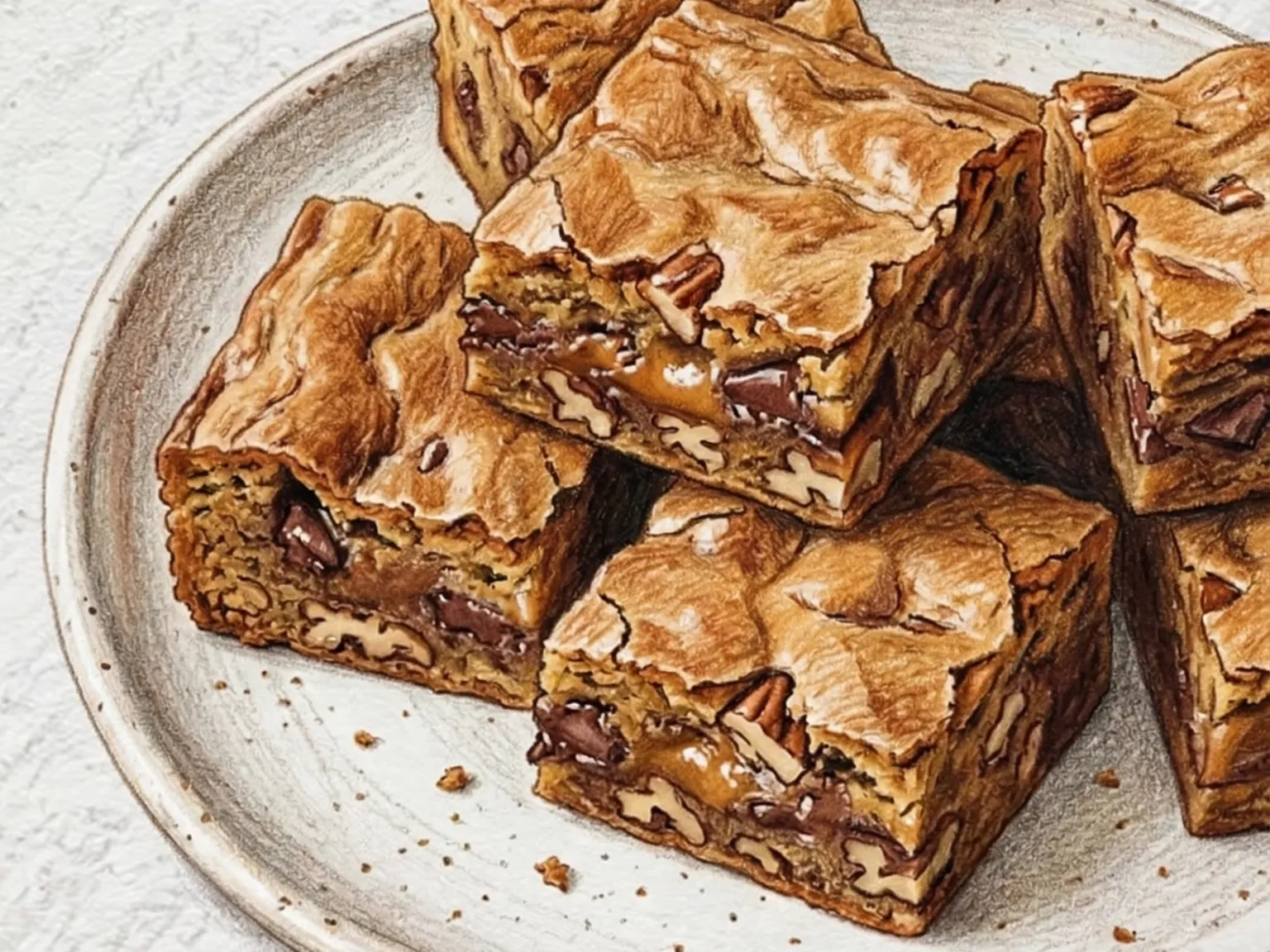
Blondie bars take the dense, fudgy structure of brownies and replace the chocolate with the caramel depth of browned butter and brown sugar. Cooking the butter slowly until it turns a deep golden-brown color produces a pronounced nutty, toasted aroma that functions as the flavor backbone of the entire bar - more complex than plain melted butter can deliver. Brown sugar dissolves into the browned butter and contributes a toffee-like sweetness with a molasses undertone that white sugar simply cannot replicate. Eggs and vanilla extract add warmth, richness, and depth to round out the flavor. Using a modest amount of flour is deliberate: too much tips the texture toward cakey, while the right quantity keeps the baked bars dense, chewy, and slightly underdone in the center. The surface develops a thin, crackly shell during baking, while the interior stays soft and slightly sticky - that contrast of textures is central to a properly made blondie. The bars must cool completely before slicing; cutting too early causes them to collapse and lose their clean edges.
Classic Tiramisu
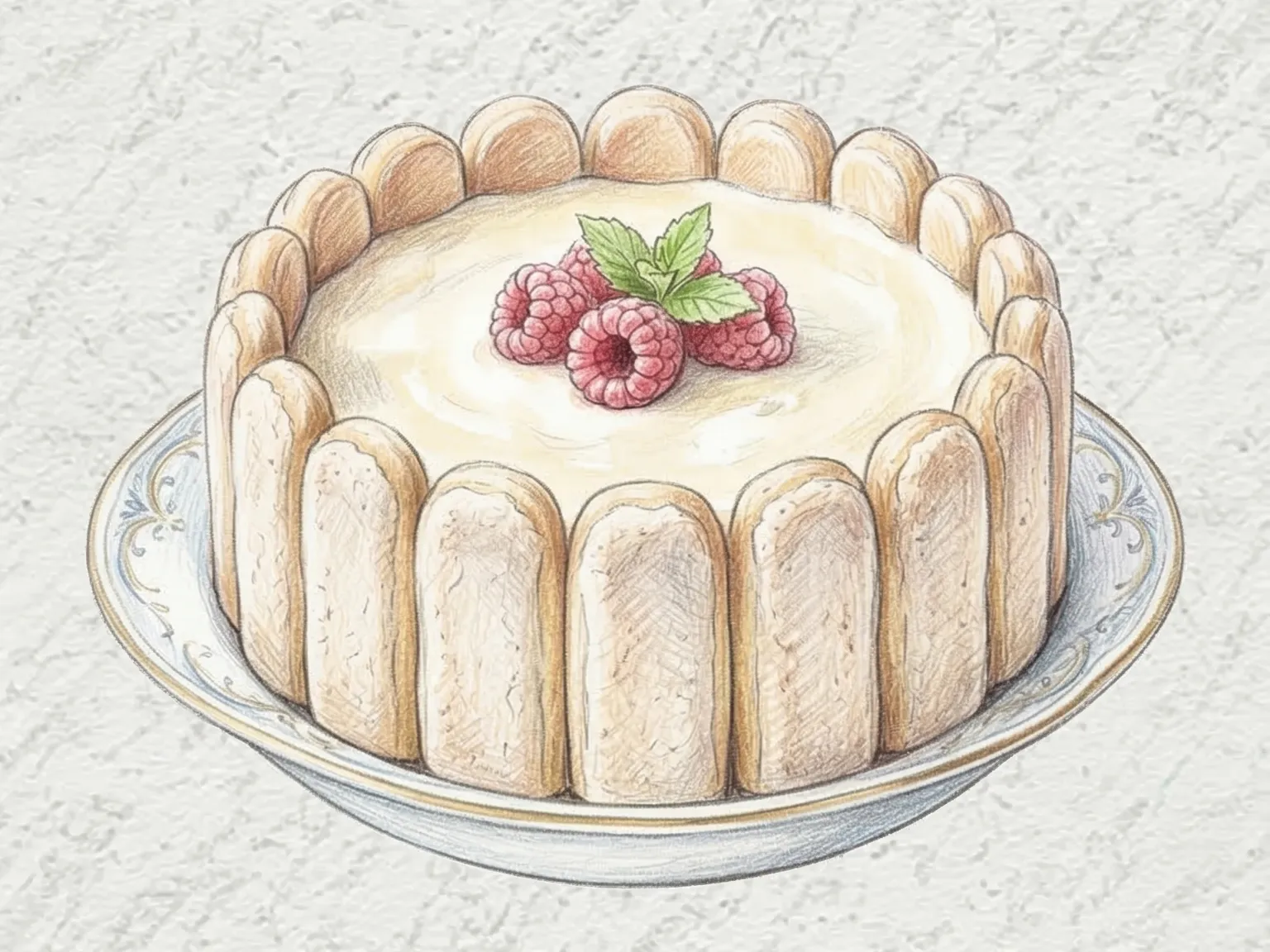
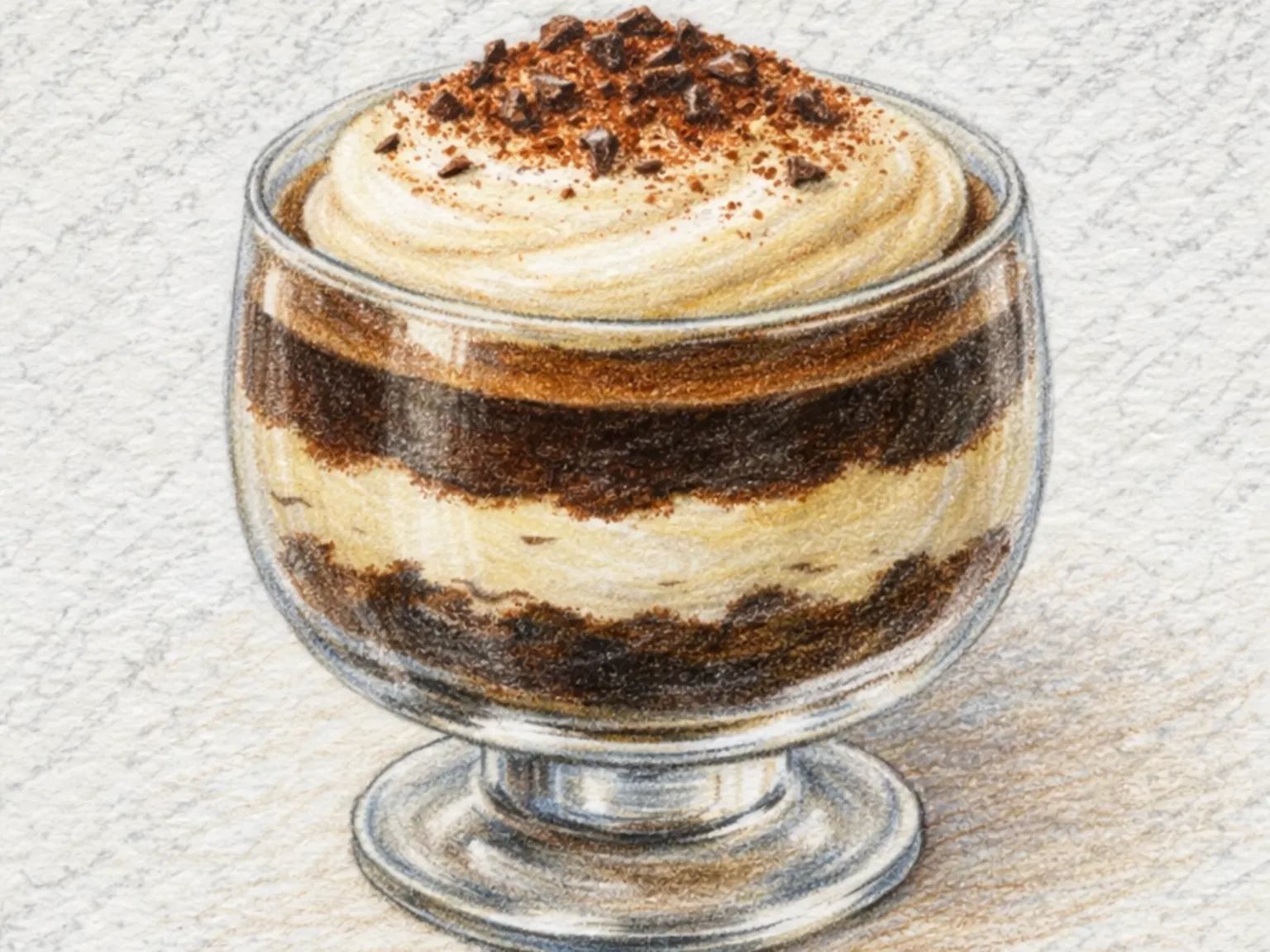
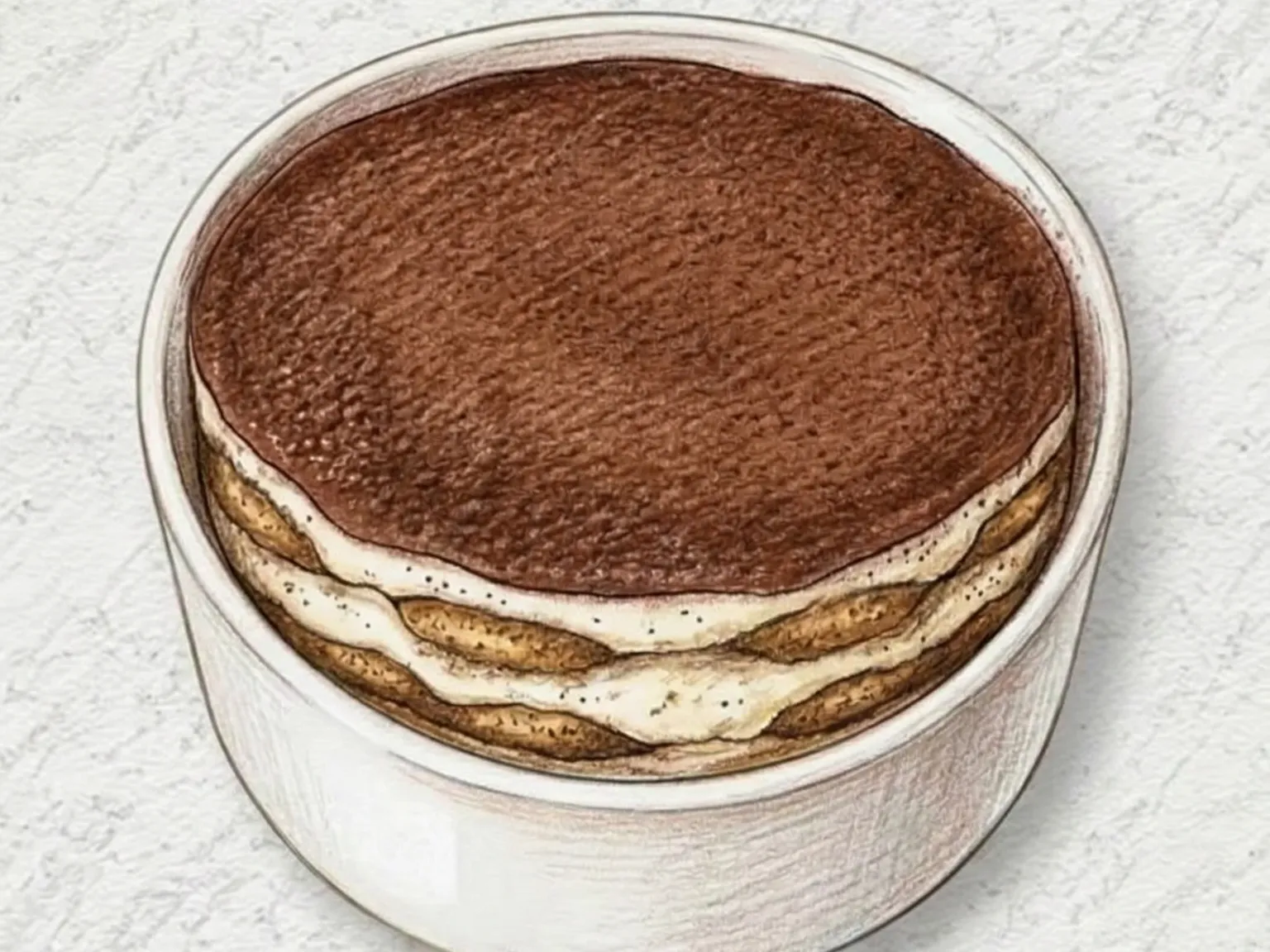
Classic tiramisu layers ladyfingers briefly soaked in a syrup of cooled espresso and Marsala wine with a cream made from egg yolks whipped with sugar over a bain-marie, then folded with mascarpone and softly whipped heavy cream. Dipping the ladyfingers for only about one second prevents them from absorbing too much liquid and collapsing. Whipping the cream to soft peaks and folding it gently keeps the filling light rather than dense. The bittersweet depth of espresso plays against the rich, buttery smoothness of mascarpone, creating a flavor contrast that develops further with chilling. A minimum of four hours in the refrigerator, ideally overnight, allows the layers to meld into a cohesive, melt-in-the-mouth texture. Cocoa powder dusted generously over the surface just before serving adds a final bitter note.
Blueberry Banana Bread
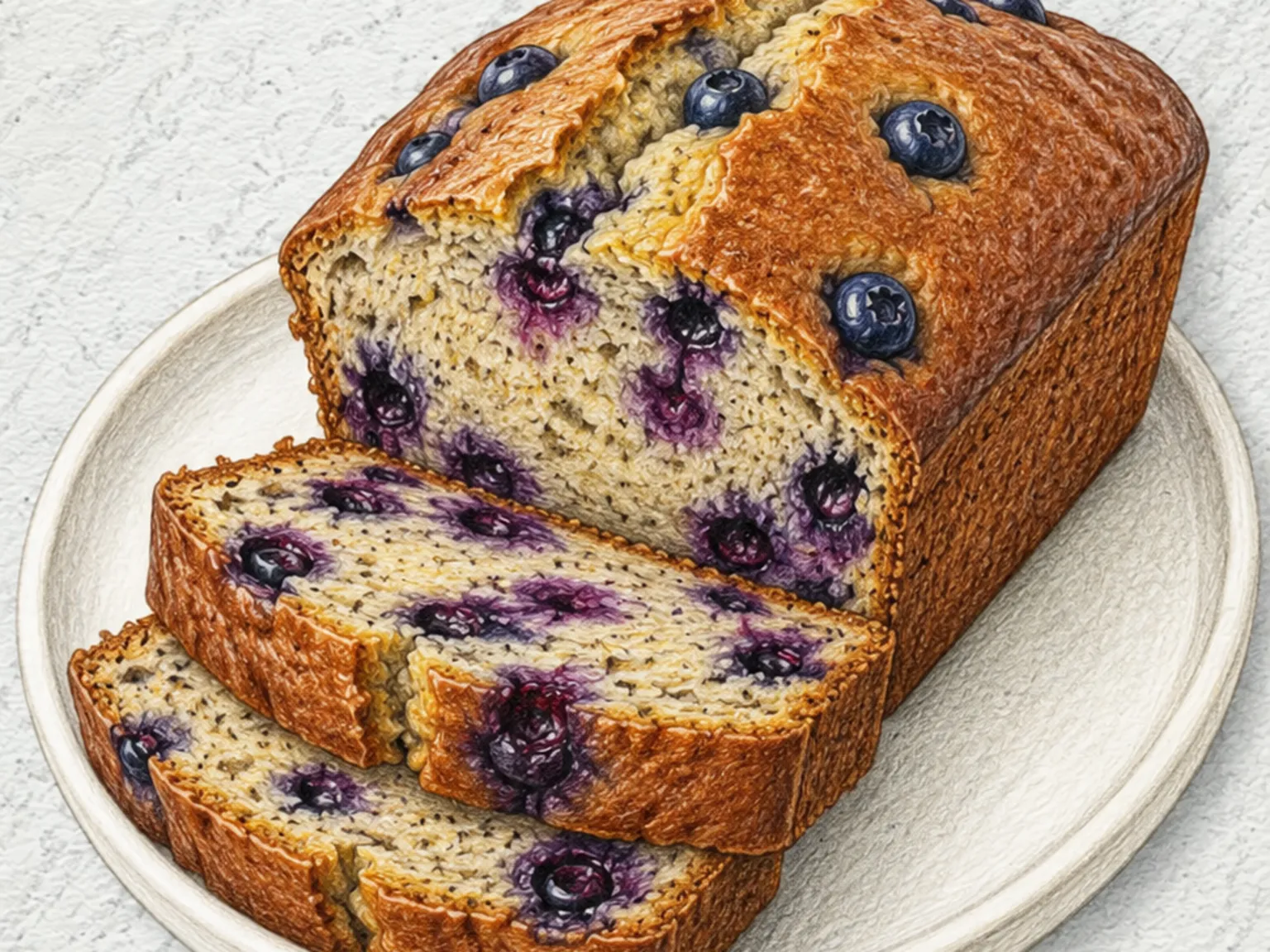
Blueberry banana bread is a quick loaf made by folding whole blueberries into a batter of mashed ripe bananas, egg, sugar, and melted butter. Bananas covered with dark speckles are soft enough to mash easily and give the loaf a pronounced banana aroma. Leave a few small pieces of fruit in the mash so the finished crumb is not completely uniform. Let the melted butter cool until it is warm before adding it to the egg. Mix the wet ingredients only until the sugar begins to dissolve and the surface looks glossy. After sifting in the all-purpose flour, baking soda, and salt, use a spatula to fold just until no dry streaks remain. Continuing until the batter looks smooth can make the baked crumb firm. Add the blueberries last and fold only two or three times, stopping as soon as the fruit is distributed so the berries remain mostly intact. Bake the batter in a lined loaf pan at 175°C for 45 to 50 minutes. A golden, cracked top and a skewer that comes out without wet batter indicate that the center is baked. Let the loaf stand in its pan for 15 minutes, then remove it and cool it completely before slicing. This cooling time helps the moist banana crumb hold together and gives a clean view of the blueberries scattered through each slice.
Creme Brulee
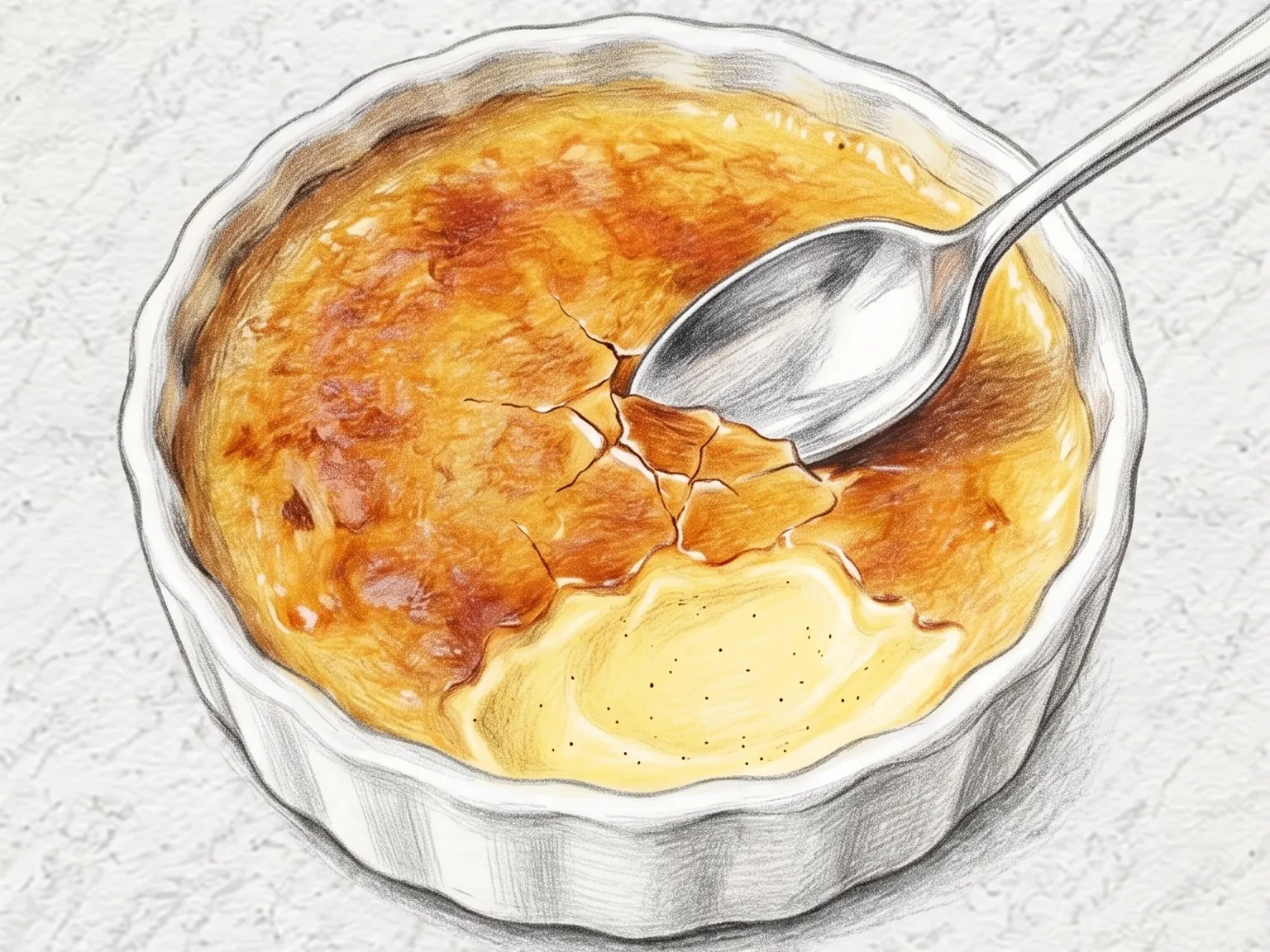
Creme brulee is a French custard dessert made from just four components: egg yolks, heavy cream, sugar, and vanilla bean. Hot cream infused with vanilla seeds is tempered into beaten yolks and sugar, then poured into ramekins and baked in a water bath at low heat. The water bath moderates the temperature, preventing the custard from curdling or developing bubbles, yielding a surface as smooth as silk. After thorough chilling, a thin layer of sugar is sprinkled on top and caramelized with a torch until it forms a glassy, amber-colored crust. The ritual of cracking through that crust with a spoon is as integral to the experience as the flavor. Beneath lies cold, trembling custard that melts on the tongue, while the hot caramel introduces a bittersweet crunch.
Blueberry Lemon Scones
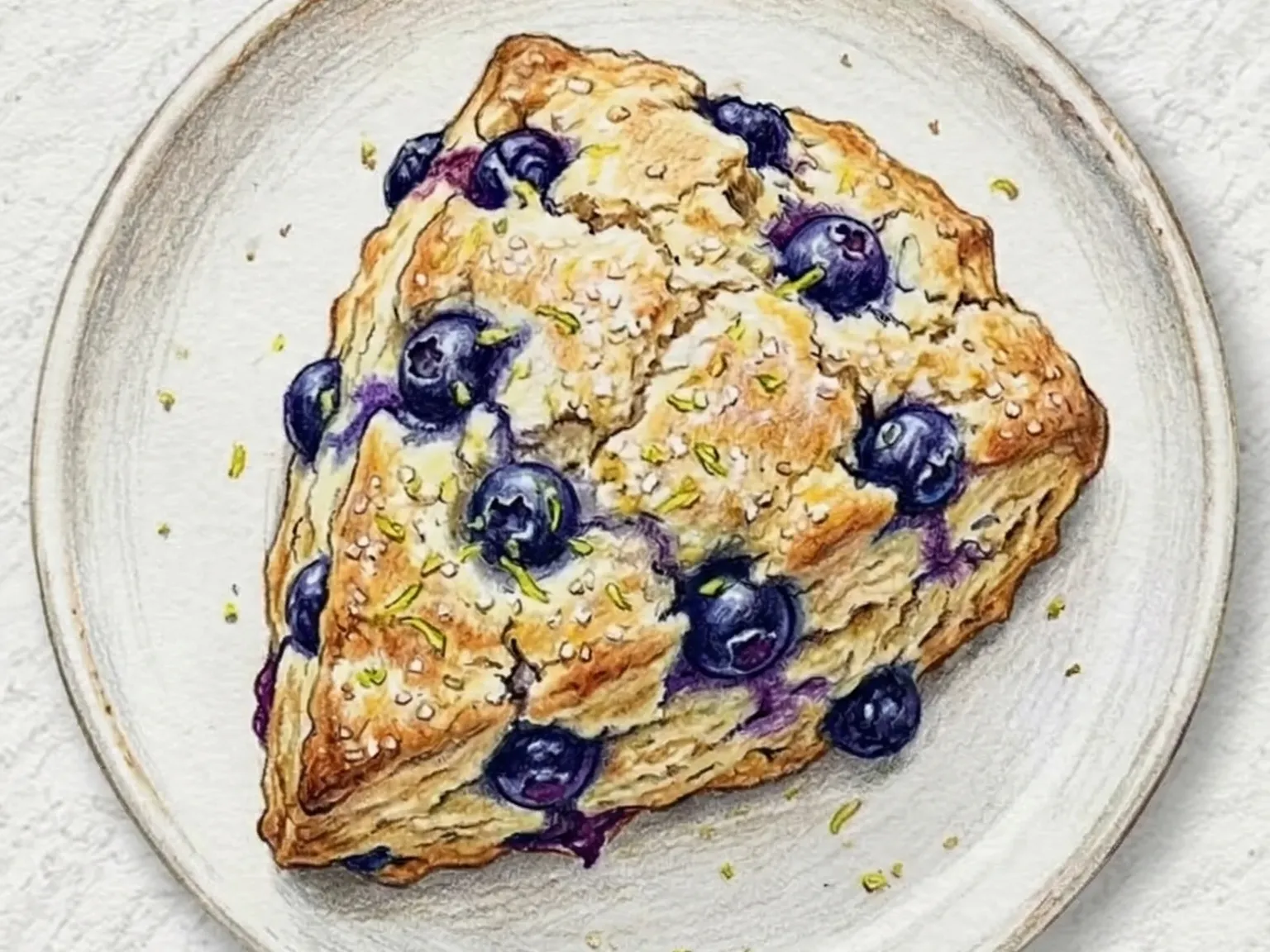
Blueberry lemon scones are made with lemon zest and blueberries folded into a cream-based dough. Begin by heating the oven fully to 200°C and lining the tray, then cut the unsalted butter into 1cm cubes and return it to the cold. Rub those firm pieces quickly into the all-purpose flour, sugar, baking powder, and salt with your fingertips. Stop while pea-sized pieces remain visible. These pockets of butter help the edges form crisp cracks while the center stays crumbly after baking. Whisk the heavy cream with the egg and lemon zest, pour it over the dry mixture, and fold only until a little loose flour is still visible. The dough should look rough at this stage. Add the blueberries and give the mixture only two or three more folds, handling the fruit gently so its juice does not color the entire dough. Gather the dough without kneading, pat it to 2cm thickness, and cut it into 8 wedges. Arrange the pieces with space between them and bake for 18 to 20 minutes. The scones are ready when the tops are golden and the edges have developed crisp fissures. Let them cool for 10 minutes before serving. Each piece carries lemon fragrance through the crumb, whole pockets of blueberry, and the uneven, tender layers created by the cold butter.
Crêpe Cake
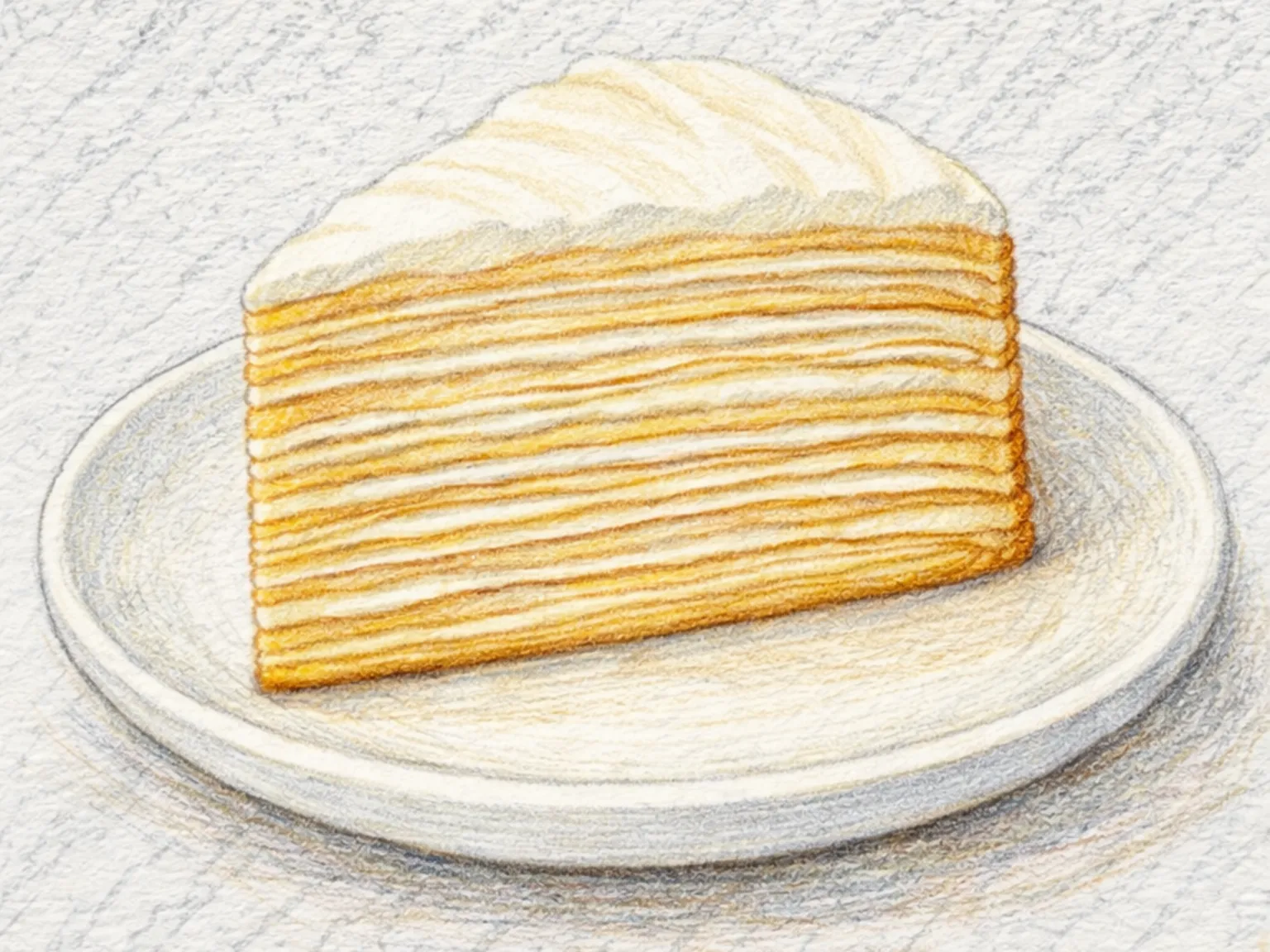
A crepe cake is constructed by alternating dozens of paper-thin cooked crepes with thin layers of cream, building a tall multi-layered dessert that requires no baking and no oven. A batter of flour, eggs, milk, and butter gets poured by the ladleful into a lightly buttered pan and swirled into rounds that cook for under a minute per side, then cool completely before assembly. Each crepe receives an even, thin spread of lightly sweetened whipped cream or pastry cream before the next crepe goes on top, repeating until the stack reaches twenty to thirty layers. The precision of each spread matters: uneven layers create an inconsistent cross-section when the cake is sliced, whereas layers of uniform thickness produce the clean, intricate striped pattern the cake is known for. Unlike conventional sponge cake, the dominant flavors are egg, butter, and dairy fat rather than sugar and flour, and the texture is distinctly its own: soft and yielding, with each layer sliding gently against the next under the lightest pressure. Pan temperature during crepe-making must stay slightly below medium heat, as excess heat chars edges and makes the crepes brittle. After assembly, refrigerating the cake for at least two hours stabilizes the cream and allows the structure to set so each slice cuts cleanly without collapsing.
Blueberry Yogurt Scones
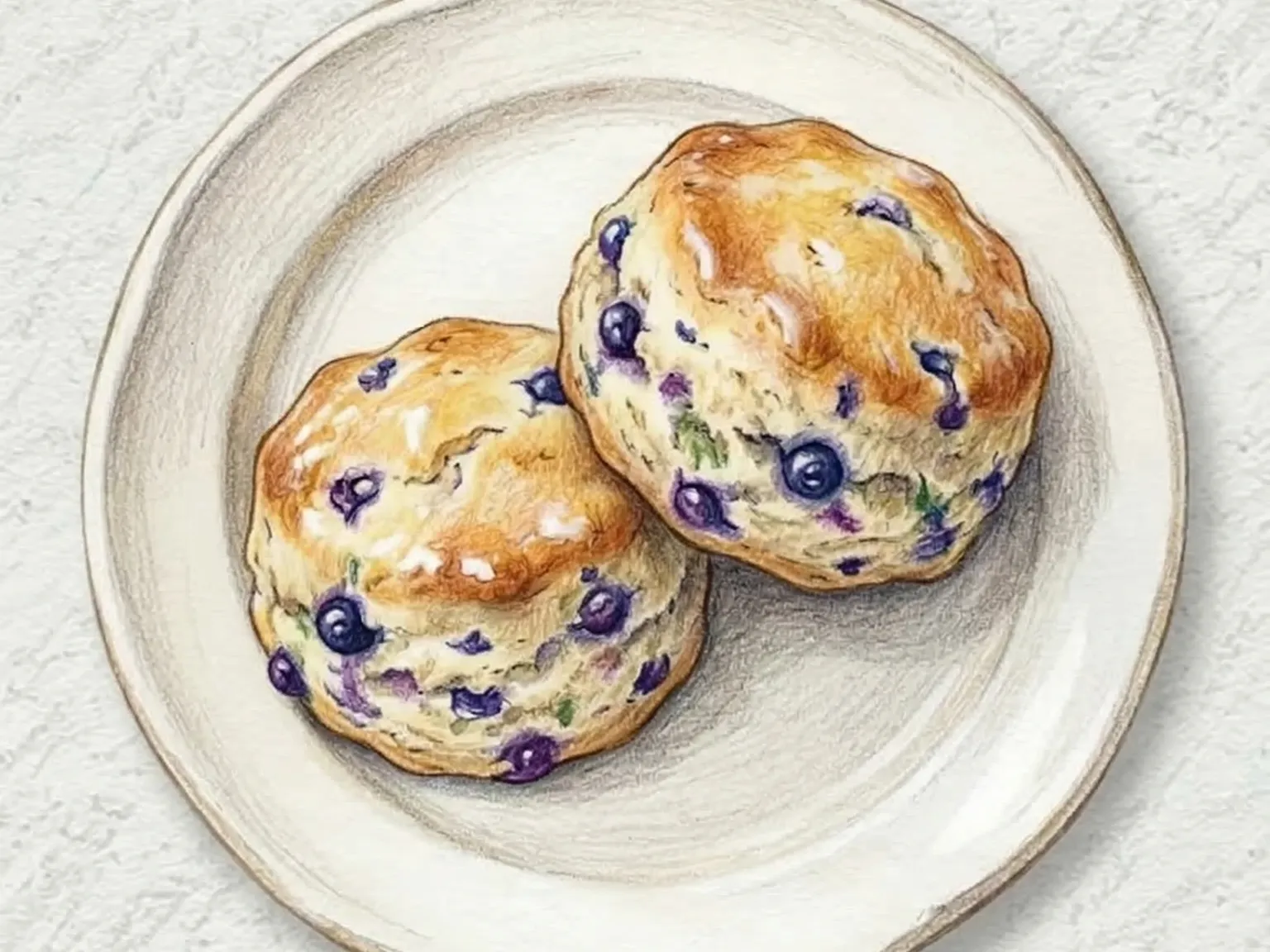
Blueberry yogurt scones use plain yogurt, egg, and vanilla extract to bind a dough filled with cold butter and blueberries. Heat the oven fully to 200°C and line the tray before mixing. Keep the unsalted butter cold, cut it into 1cm cubes, and rub it quickly into the all-purpose flour, baking powder, sugar, and salt. Stop when pea-sized butter pieces are still visible. Those pieces remain distinct in the rough dough and help form a tender, irregular crumb as the scones bake. Whisk the yogurt, egg, and vanilla until smooth, then pour the mixture over the dry ingredients. Fold from the bottom only until moist patches begin to appear. Add the blueberries last and continue just until almost all loose flour disappears. Gentle handling at this point keeps the berries from bursting into the unbaked dough. Leave the mixture rough, gather it without kneading, and pat it to 2.5cm thickness. Cut 8 wedges and arrange them with room between each piece. The baking time is 18 to 20 minutes. Transfer the scones to a rack for 10 minutes once the tops are golden and the edges feel crisp. The finished crumb carries the mild tang of plain yogurt, vanilla aroma, pockets of blueberry, and the soft layers produced by the cold butter.
Cronut
The cronut is a hybrid pastry invented in New York in 2013 by pastry chef Dominique Ansel, created by frying laminated croissant dough in a doughnut shape. Within days of its debut, the shop had lines stretching around the block before dawn, and the cronut was named one of Time magazine's best inventions of the year. The process demands traditional croissant dough built over three days: flour and yeast are combined into a basic dough, then cold butter is folded in through repeated lamination turns that create dozens of distinct layers. That laminated dough is then cut into rings and deep-fried in oil held at a precise temperature, a step that produces the signature result of a flaky, layered interior like a croissant combined with the crisp, light shell of a doughnut. A flavored cream is piped inside and the exterior is coated in a thin glaze. A single bite delivers a sequence of experiences: the crack of the glaze, the crunch of the exterior, the airy pull-apart of buttery layers, and finally the cool richness of the cream filling. Oil temperature is critical, as oil that is too hot burns the outside while leaving the interior raw, and oil that is too cool soaks into the dough and turns it heavy. The three-day lamination process cannot be shortened without compromising the layered structure that defines the pastry.
Boston Cream Pie
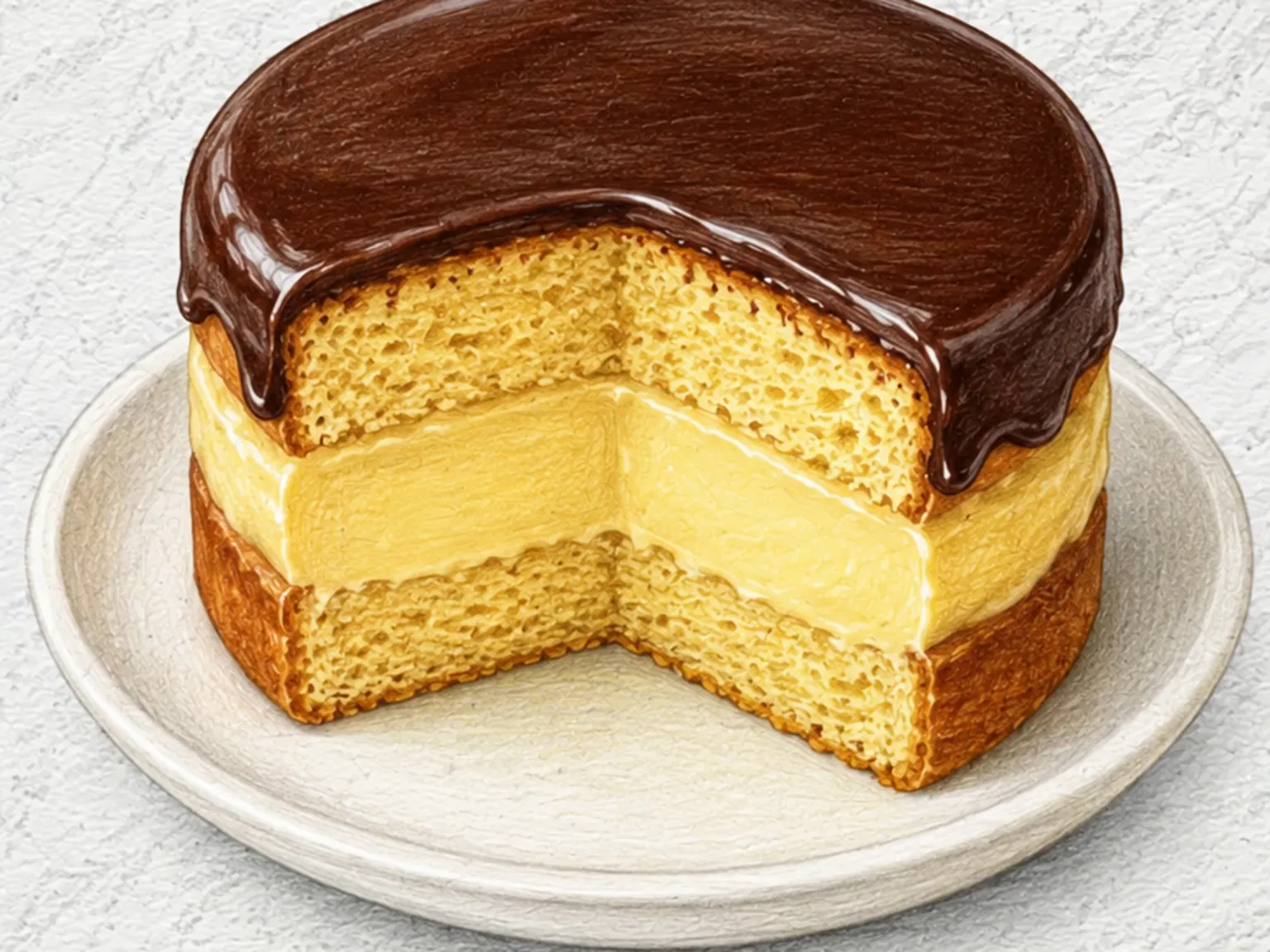
Boston cream pie is assembled from a round sponge cake, a chilled custard filling, and a dark chocolate glaze. For the sponge, beat 3 eggs with sugar for at least 5 minutes, until the mixture is pale, thick, and falls from the whisk in ribbons. Sift in the cake flour and fold from the bottom with a light hand so the foam retains its volume. Bake the batter in an 18cm round pan at 175°C for 25 to 30 minutes, checking that the center springs back and a skewer comes out clean. The cake must cool completely before it is split horizontally. Make the milk custard by whisking milk, sugar, and cornstarch until smooth before the pan goes over the heat. Stir constantly over medium heat until the cream becomes thick enough for the whisk to leave clear tracks across the bottom. Transfer it to a bowl, press plastic wrap directly against the surface, and chill it until cold and firm. Spread an even, generous layer over the lower sponge, then align the upper layer over the filling. Melt the dark chocolate and unsalted butter together over a double boiler. Let the glaze cool until slightly warm, pour it over the top, and refrigerate the assembled cake for 30 minutes. Once the coating has set, a clean slice reveals the separate sponge, custard, and chocolate layers without the filling running out at the sides.
Dalgona Tiramisu (Korean Whipped Coffee Cream Layered Tiramisu)
This Korean variation of tiramisu incorporates the whipped dalgona coffee method that gained international popularity and integrates it into the traditional framework of a classic Italian dessert. To create the characteristic topping, instant coffee is combined with sugar and hot water, then whipped vigorously until the mixture transforms into a dense and aerated foam. This specific preparation method results in a coffee profile that is significantly more concentrated and prominent than the standard espresso soak typically used in such recipes. The dalgona foam is positioned between layers of smooth mascarpone cream and ladyfingers that have been briefly submerged in espresso. This addition provides both a deep intensity of flavor and a texture that resembles a light mousse throughout the dish. The dessert requires a minimum of four hours in the refrigerator to allow the various components to settle and merge properly. Once thoroughly chilled, each serving provides a combination of the softened biscuit, the creamy mascarpone, and the coffee foam in a single bite. A thin layer of cocoa powder is applied across the surface to provide a finished appearance and a subtle bitterness. If a version with less sweetness is preferred, the volume of dalgona syrup can be decreased to allow the natural bitter qualities of the coffee to become more apparent.
Bread Pudding
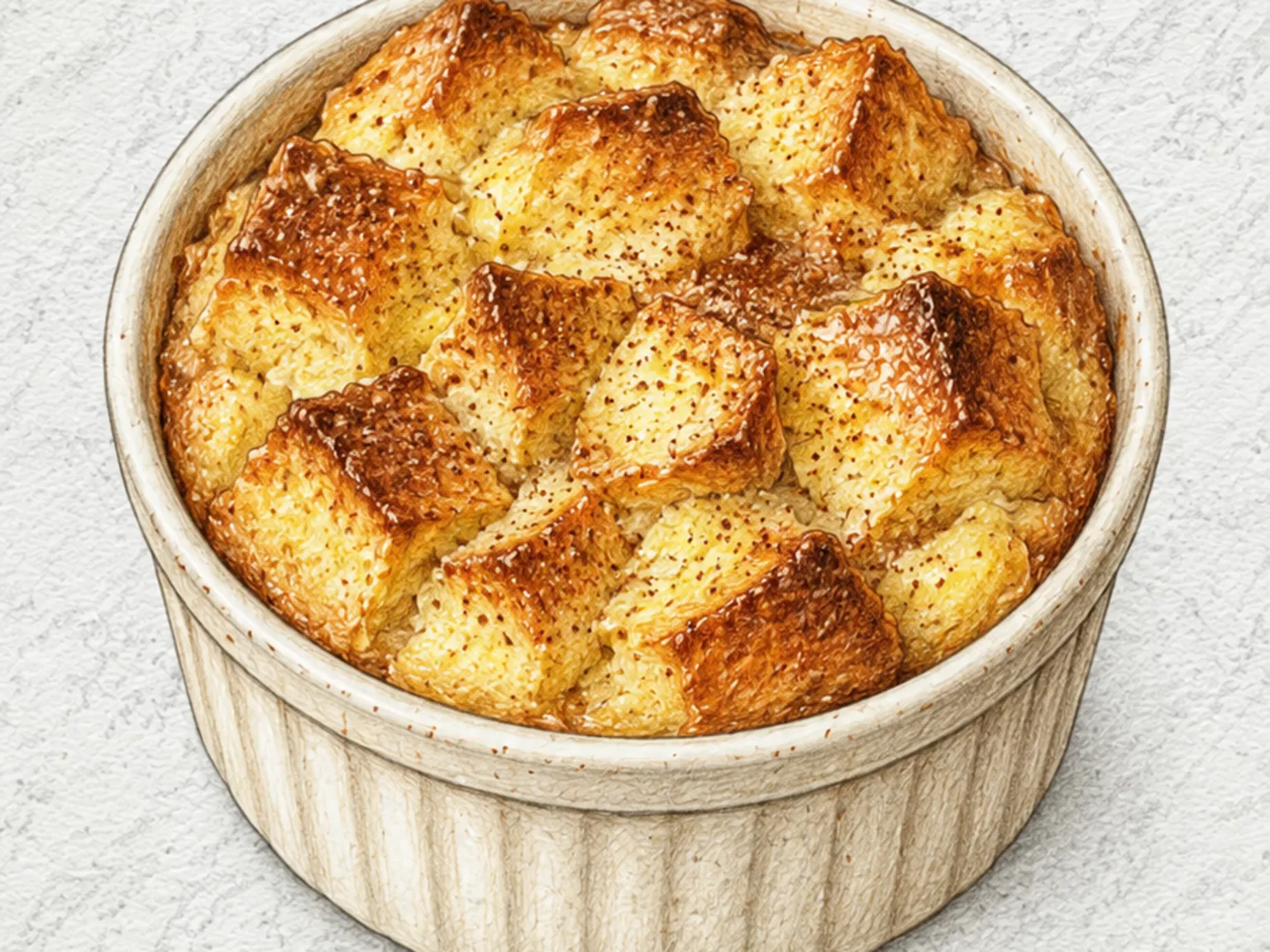
Bread pudding transforms leftover bread into a warm, custardy dessert by soaking thick slices in a mixture of eggs, whole milk, and heavy cream, then baking until the custard sets. Allowing the bread to soak for at least twenty minutes before baking ensures the liquid penetrates all the way through each slice so the interior bakes into something closer to a soft, yielding pudding, while the top layer exposed to the oven heat crisps into a golden-brown crust. Cinnamon stirred into the custard base distributes a warm spiced fragrance through the entire dish, and vanilla extract rounds out the egg flavor. Served warm with a scoop of vanilla ice cream or a pour of bourbon caramel sauce, the contrast between the hot pudding and the cold topping adds another dimension. Originally a practical solution to stale bread, this dish has been a fixture of English and American Southern home cooking for generations.
Dasik (Korean Honey-Pressed Roasted Grain Confection)
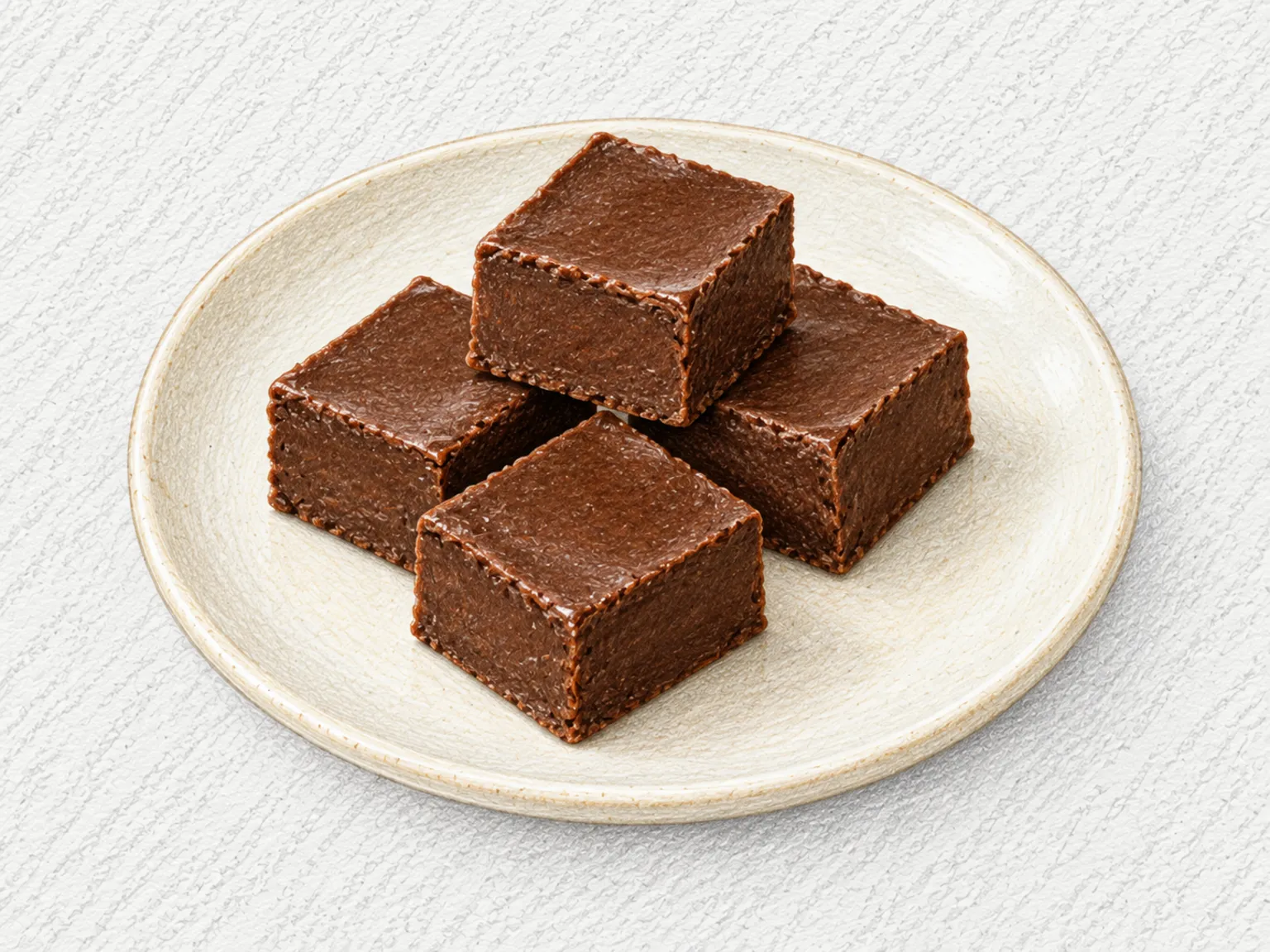
Dasik is a traditional Korean pressed confection made by kneading roasted grain or nut powders with honey and pressing the mixture into carved wooden molds. Unlike baked goods, dasik holds its shape entirely through the binding power of honey, with no heat applied during preparation. This technique produces a texture that is slightly resistant at first contact, then dissolves gently at body temperature in a way that releases the full aroma of the main ingredient. Roasted soybean powder yields a nutty version, black sesame produces a deeply aromatic one, and additions of pine nut powder or cinnamon develop the flavor in different directions. The wooden molds carve decorative patterns into the surface of each piece, giving dasik a visual refinement that matches its restrained sweetness. For centuries, dasik has been a standard offering at Korean tea gatherings, and its subtle flavor remains a natural match for the gentle bitterness of green tea.
Brownie Cookie Bars (Layered Brownie and Cookie Bar)
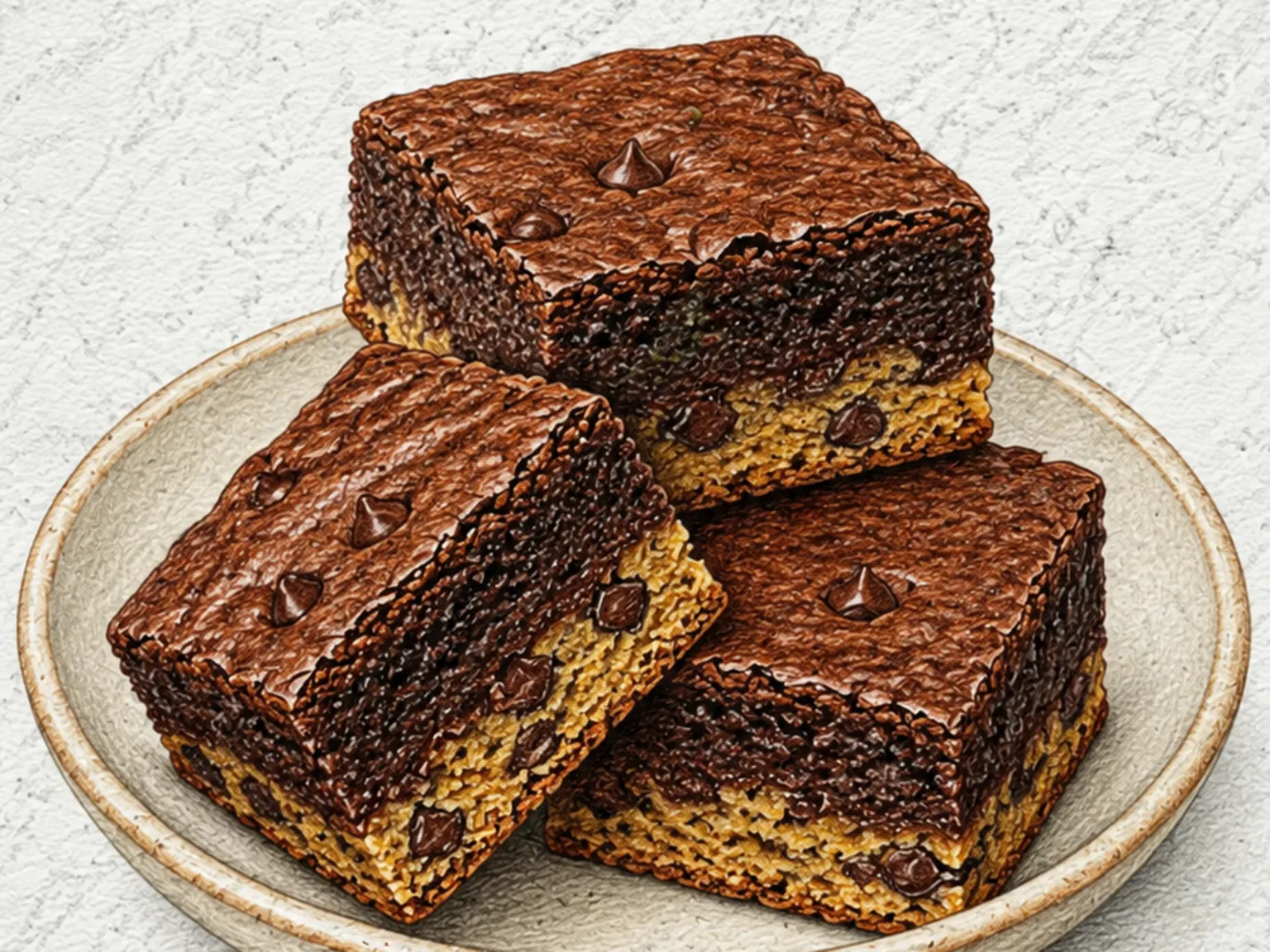
Brookie bars combine brownie batter and cookie dough in a single baking pan, stacking the two components so that each cut piece delivers both in one bite. The cookie layer sits at the bottom of the pan and is built on brown sugar and melted butter, which together produce a deep caramel flavor that plain white sugar cannot achieve. At the edges, where the batter is thinnest and heat penetrates fastest, the cookie bakes into a crisp, snapping crust. Toward the center, the same layer stays chewy and slightly underdone, with a pull to the texture that contrasts with the firmer brownie above. The brownie layer uses both cocoa powder and dark chocolate chips, a dual approach that delivers two distinct expressions of chocolate flavor. Cocoa powder spreads its bitter intensity throughout the entire layer, while the chips melt into pockets of concentrated richness that survive as soft inclusions in the finished bar. Where the two layers press against each other during baking, a narrow transition zone forms in which cookie and brownie are partially merged. This interstitial region carries the vanilla-butter warmth of the cookie alongside the bitter darkness of the brownie simultaneously. The bars must cool completely before cutting. Removing them from the pan too soon results in crumbling and smearing that destroys the clean cross-section that makes brookie bars visually satisfying.
Decchi Yokan (Soft Red Bean Jelly)
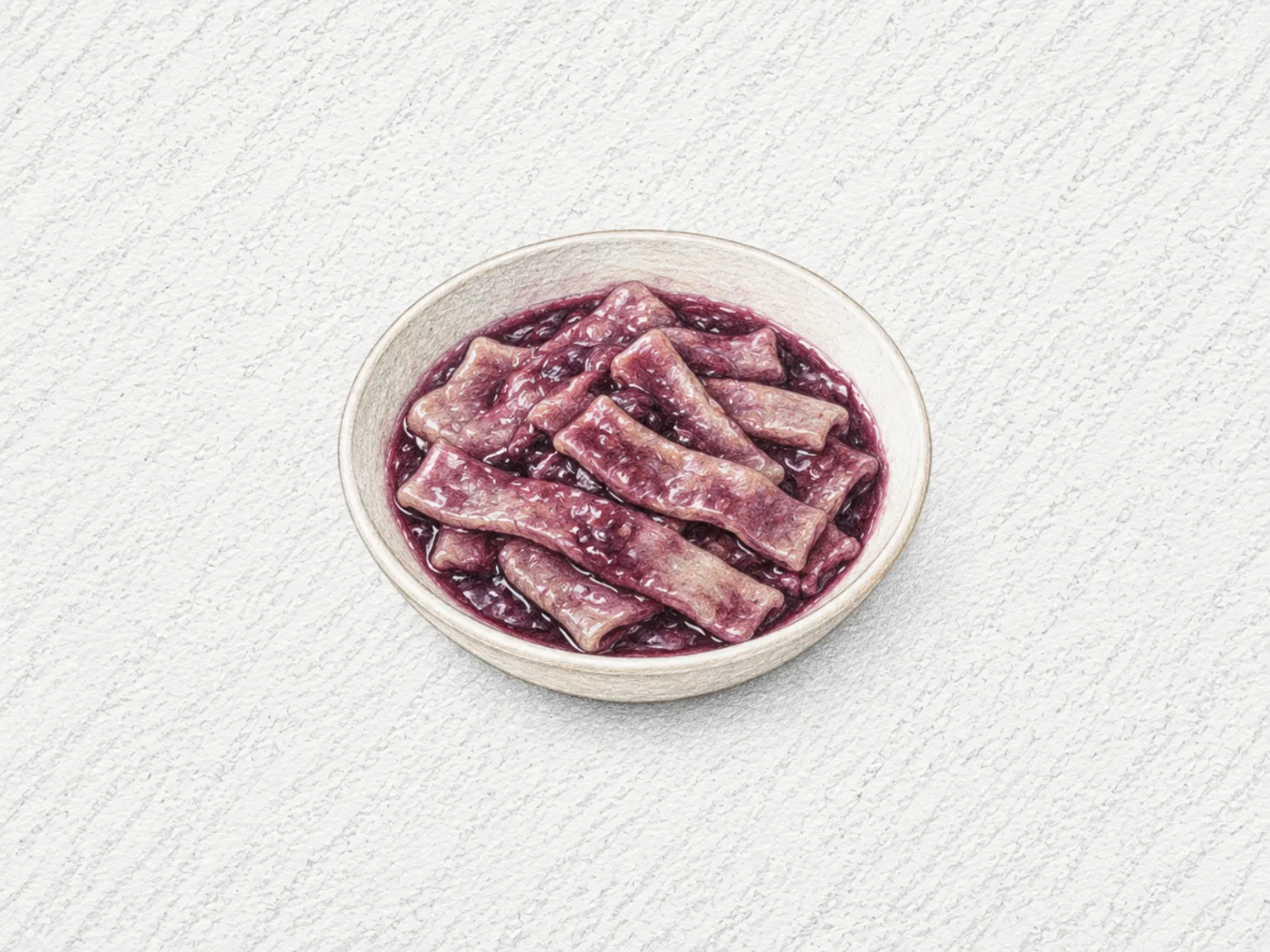
Decchi yokan is a winter sweet from northern Settsu in Osaka. Agar threads are dissolved completely in water, smooth red bean paste and sugar are boiled into the liquid, and the mixture is stirred while cooling to about 40C before it sets in a mold. More water and less reduction than dense neri yokan give it a soft, clean texture. It is remembered as an inexpensive sweet associated with apprentices when sugar was costly. Sweep the bottom continuously as it cools so agar and bean paste do not separate. Its high moisture means it is not shelf-stable; refrigerate once set and cut with a clean knife.
Brown Butter Chocolate Chip Cookies
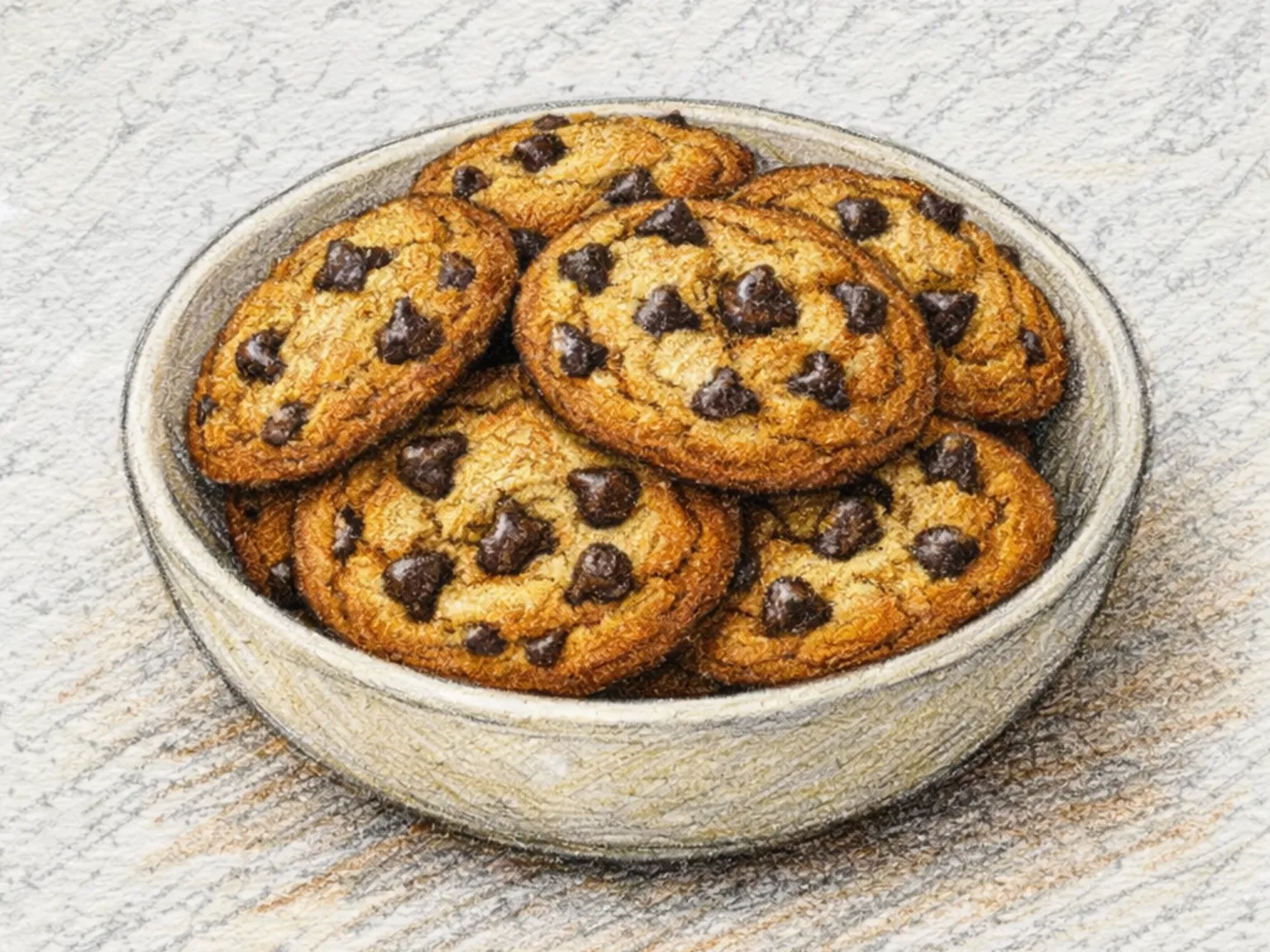
Brown butter chocolate chip cookies build on the familiar template by introducing browned butter, which is cooked over medium heat until the milk solids caramelize and turn golden, releasing an aroma of toasted hazelnuts and toffee that standard melted or creamed butter cannot produce. The browned butter is combined directly with brown sugar while still warm, which helps it dissolve completely and speeds up the mixing process. A high ratio of brown sugar relative to white sugar produces cookies with thin, crisp edges and a dense, chewy center that sinks slightly when pressed. Dark chocolate cut into rough chunks melts unevenly during baking, leaving some pockets fully liquid and others still partially solid, creating texture variation in each bite. Flaky sea salt pressed lightly onto the tops of the cookies before baking sharpens the sweetness and amplifies the chocolate flavor in a way that fine salt mixed into the dough cannot replicate. Fresh from the oven the cookies look underdone and collapse slightly when touched, but ten minutes of resting on the pan allows the structure to set: the edges firm up to a gentle snap while the center stays yielding and fudgy.
Dorayaki (Sweet Red Bean Pancake Sandwich)
Dorayaki is a Japanese confection consisting of two small, round pancakes sandwiching a filling of sweet red bean paste. The batter brings together eggs, sugar, honey, and flour before being portioned onto a lightly greased griddle over low heat. Each pancake cooks on one side only, producing a smooth, pale top surface and an evenly browned, slightly springy underside. Honey in the batter dramatically improves moisture retention, keeping the pancakes soft and pliable for hours after cooling and lending a subtle floral sweetness that layers naturally with the bean filling. The pancakes' own sweetness is deliberately restrained so the dense, earthy richness of the anko filling takes the lead. Traditional anko uses adzuki beans simmered with sugar until thick and glossy; tsubu-an retains visible bean pieces while koshi-an is strained smooth, and either works depending on preference. The two pancakes are gently pressed together with a generous layer of filling between them, forming a compact round that fits easily in one hand. Beyond classic red bean, the same format welcomes custard cream, matcha paste, or sweetened chestnut filling.
Butter Cookies
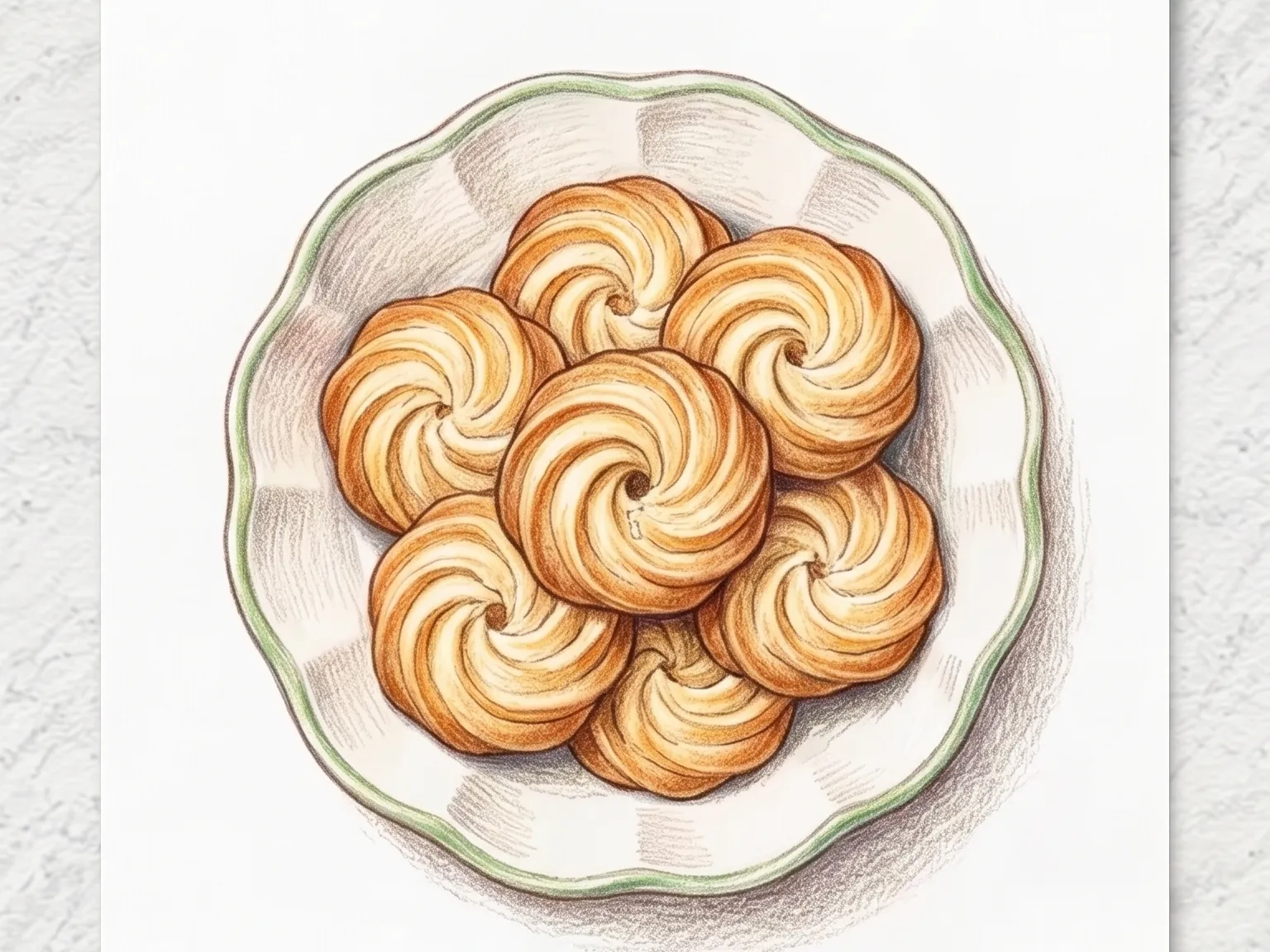
Butter cookies are piped from a creamed dough of unsalted butter, powdered sugar, egg yolks, vanilla, and cake flour. Leave the butter at room temperature for at least 30 minutes, until a finger makes a clear dent while the surface still looks matte and holds its shape. Cream it with the powdered sugar on medium speed for 3 to 4 minutes. The mixture is ready when it has become paler, lighter, and slightly increased in volume. Add 2 egg yolks and the vanilla extract, then mix briefly on low speed and stop as soon as the base looks even and glossy. Sift in the cake flour and fold from the bottom with a rubber spatula. Ending the mixing when the last dry streak disappears keeps the dough suitable for piping and prevents unnecessary toughness. Transfer it to a piping bag fitted with a star tip and pipe the cookies onto a parchment-lined tray with space between them. Chill the shaped dough for 15 to 20 minutes so the ridges remain distinct in the oven. Bake at 175°C for about 12 minutes and remove the tray when the edges are lightly golden. Let the cookies stand briefly on the hot tray to firm up, then cool them completely before storing. The thin ridges bake crisp while the thicker centers retain a delicate, crumbly texture, and the vanilla is distributed evenly through the butter-rich dough.
Douhua (Silky Tofu Pudding Dessert)
Douhua, known in English as tofu pudding, has anchored the street dessert culture of China, Taiwan, and overseas Chinese communities throughout Southeast Asia for centuries. Freshly pressed soy milk is mixed with a coagulant, typically gypsum or glucono delta-lactone, and left undisturbed at a precise temperature until it solidifies into a curd that sits somewhere between custard and liquid: barely set, trembling on the spoon, yielding to the slightest pressure. The texture is the point. Toppings and serving temperature vary dramatically by region. In Taiwan, the standard version arrives cold, scattered with brown sugar syrup, tapioca pearls, sweet red beans, or boiled peanuts. In Hong Kong, the same curd is ladled into bowls and doused with hot ginger sugar syrup. In Malaysia and Singapore, pandan syrup and longan often appear alongside. The tofu itself contributes almost nothing beyond a faint nuttiness from the soybean; every bowl's personality comes from what surrounds it. Sold for pocket change at night markets across Taiwan, douhua appears effortless but demands close attention during coagulation. Too much heat and the curd turns grainy. Too little and it never firms. The margin between perfect and failed is narrow, and experienced vendors develop an eye for reading the surface of the milk to judge the moment.
Butter Mochi Cake (Hawaiian Glutinous Rice Coconut Cake)
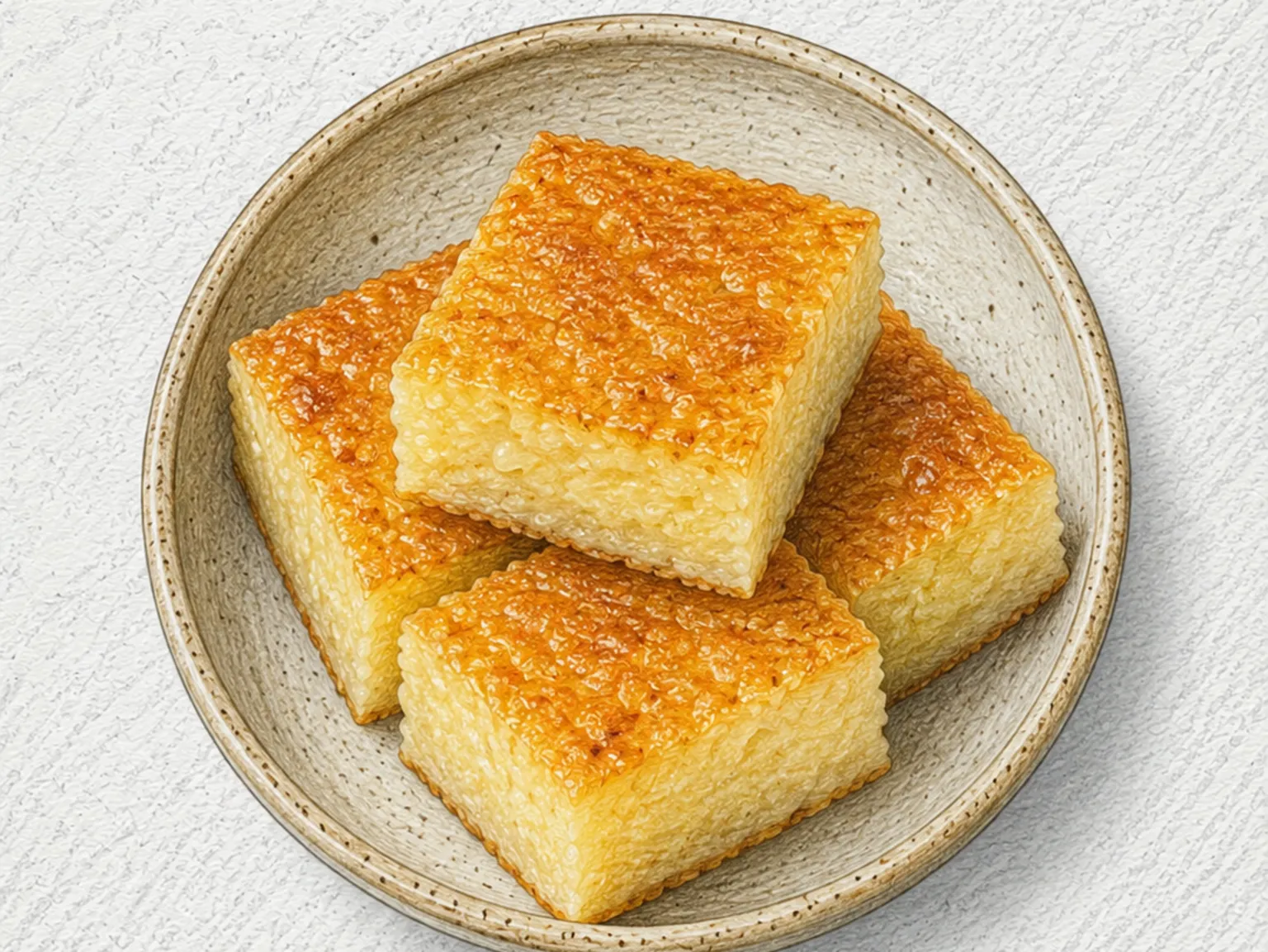
Butter mochi cake is a Hawaiian baked dessert that uses sweet glutinous rice flour as its structural foundation, resulting in a single slice that contains both the dense chewiness of a mochi rice cake and the golden, lightly crisp crust of a conventional baked good. The batter is thin and pourable - sweet rice flour combined with sugar, eggs, melted butter, whole milk, and coconut milk - and it is baked low and slow in a rectangular pan until fully set. During the long bake, the bottom of the cake densifies and becomes chewy in the way mochi does, trapping moisture within the glutinous starch structure. The top surface, meanwhile, dries out and the sugars caramelize into a thin hazelnut-brown crust with a faint crunch. Coconut milk threads a subtle tropical aroma throughout every bite without dominating. The butter dissolves into the starch matrix during baking, replacing the neutral, slightly sticky character that plain mochi can have with a warm, dairy-rich depth. At room temperature, the chewiness is most pronounced. Gently rewarmed in an oven or toaster, the crust crisps back up and the textural contrast between the two layers becomes more vivid.
English Trifle (Layered Cake, Custard & Cream Dessert)
English trifle is a layered dessert assembled in a glass bowl, where each stratum contributes a different texture and flavor. Slices of sponge cake are soaked in sherry or fruit juice until they soften into a pudding-like consistency, then covered with a thick vanilla custard that sets gently as it chills. Fresh strawberries and blueberries are scattered between layers, introducing bright acidity and color. Whipped cream crowns the top, providing a light, airy finish. The glass bowl displays the distinct bands of cake, custard, fruit, and cream from the side. Each serving should dig deep enough to capture all layers in a single spoonful, ensuring that the wine-soaked sponge, the smooth custard, and the cream's lightness arrive together.
Butter Tart (Canadian Gooey Brown Sugar Tart)
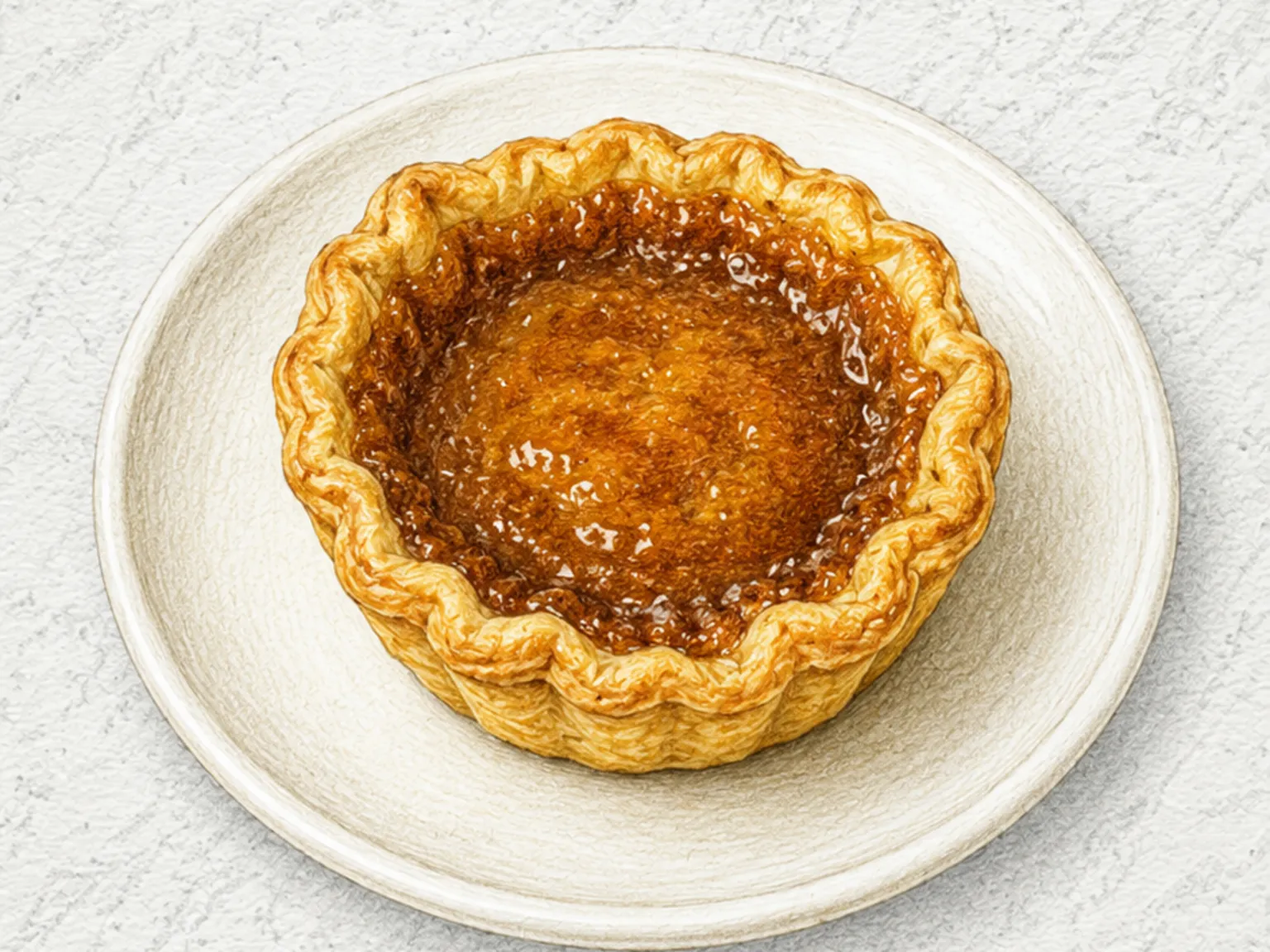
Butter tarts are a Canadian institution -- small pastry shells filled with a mixture of butter, brown sugar, eggs, and corn syrup or maple syrup, baked until the edges set while the center remains gloriously gooey and molten. The brown sugar creates a toffee-like depth that goes well beyond ordinary sweetness, and the egg binds the filling into something suspended between liquid caramel and soft custard. The pastry shell must be baked firm enough to hold the sticky interior without softening, delivering a shatteringly crisp, flaky contrast with every bite. Getting that balance right between a set edge and a still-flowing center is the defining technical challenge of the recipe -- a few minutes too long in the oven and the filling turns grainy and tight. Some versions fold in plump raisins, chopped walnuts, or pecans for texture and flavor, though committed purists argue the unadulterated butter filling needs no embellishment. Served slightly warm, the caramel fragrance intensifies and the center flows freely; cooled to room temperature, the filling firms to a pleasant, chewy consistency that holds its shape when cut. Either way, the ratio of buttery, molten center to a shatteringly crisp pastry defines a properly made butter tart, and the debate between runny-center and firm-center devotees is one Canada has never quite settled.
Eton Mess (Crushed Meringue, Cream & Strawberry Mix)
Eton mess is a British dessert originating from Eton College, made by roughly folding together broken meringue, whipped cream, and strawberries into a deliberate, unstudied jumble. The name comes from the method itself: there is no careful layering or presentation, just a generous combination of three components mixed loosely in a glass or wide bowl. The meringue is baked low and slow until the outside develops a firm, crisp shell while the inside stays soft and marshmallow-like, then cooled completely before being broken by hand into irregular shards of varying sizes. Strawberries are treated in two ways: some are crushed roughly with a fork so the juice bleeds in red streaks through the white cream, while others remain whole to provide fresh, firm bites of fruit. The heavy cream is whipped only to soft, billowy peaks so it folds around the meringue and fruit loosely rather than sitting in stiff mounds. Every spoonful delivers a different ratio of crunch, softness, tartness, and sweetness depending on which pieces land together, which is the pleasure of the dessert. Because the cream and fruit juices begin softening the meringue the moment they are combined, Eton mess must be assembled and eaten immediately to preserve the textural contrast between crisp and soft.
About Desserts
Sweet treats brighten the day and add a little joy to the routine. From no-oven quick desserts to traditional confections that take patience and care, find the right recipe for any occasion.