Noodles Recipes
237 recipes. Page 10 of 10
Korean noodle dishes range from chilled naengmyeon in summer to steaming bowls of kalguksu in winter. Thin somyeon, chewy jjolmyeon, and glass noodles (dangmyeon) each bring a different texture to the table. A simple bibim sauce transforms plain noodles into a flavor-packed meal in minutes.
Dipping Ramen (Japanese Thick Noodles with Concentrated Dipping Broth)
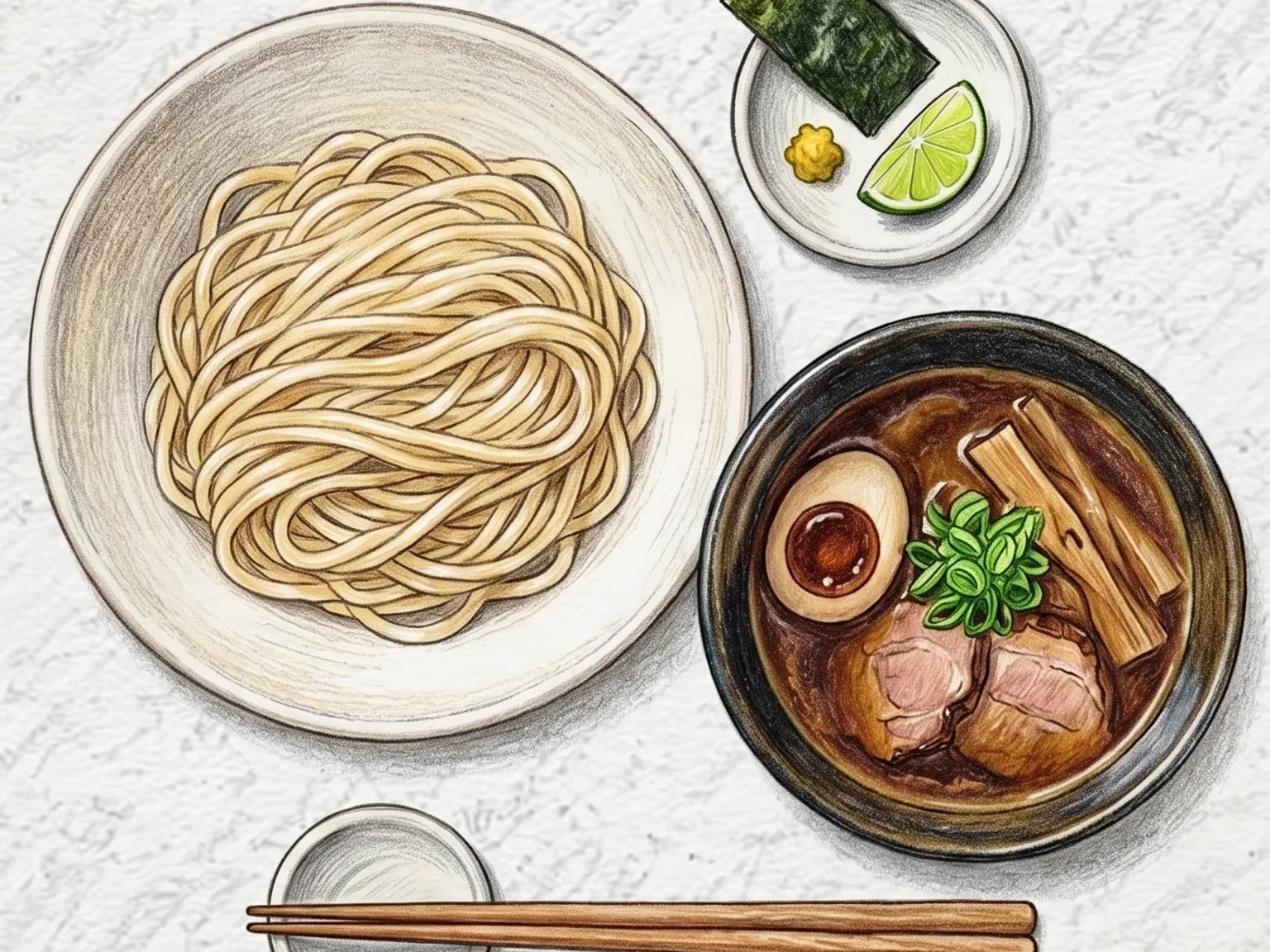
Tsukemen is a Japanese dipping ramen where thick noodles and a concentrated broth are served separately. The broth - typically tonkotsu or seafood-soy based - is reduced to roughly double the intensity of standard ramen soup. Noodles are rinsed in cold water after boiling, which firms their texture and creates a temperature contrast when dipped into the hot broth. Toppings such as chashu pork, soft-boiled egg, and nori are arranged alongside the noodles. The recipe takes about 50 minutes, with most time spent building and reducing the dipping broth.
Korean Tteokbokki Noodles
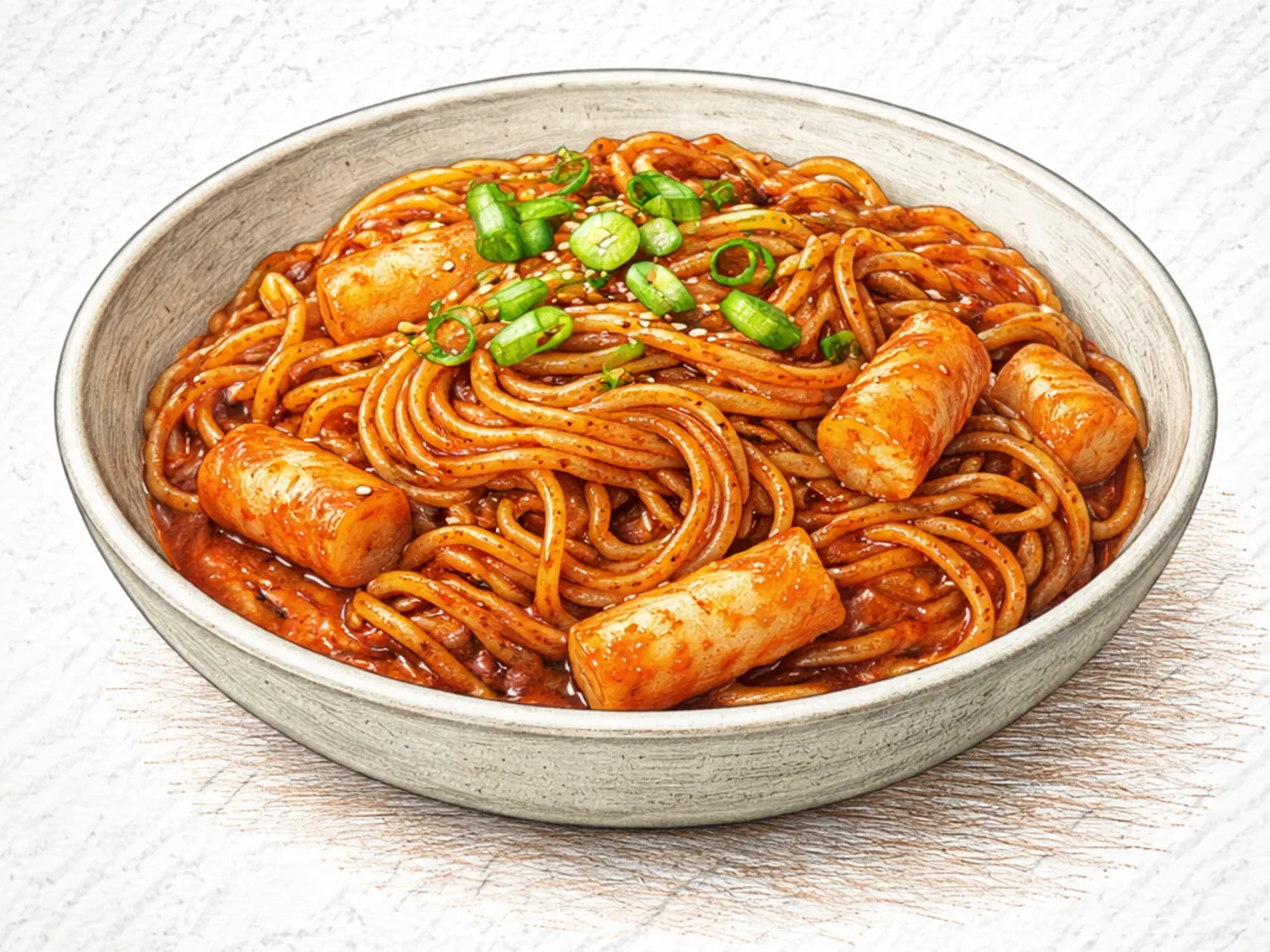
Tteok-bokkeum-myeon stir-fries udon noodles and cylindrical rice cakes together in a gochujang-based sauce that is both spicy and slightly sweet. The two main components offer contrasting textures - stretchy rice cakes and springy noodles - coated in the same thick, red sauce. Fish cake and boiled eggs are common additions. The dish takes about 25 minutes from start to plate, with most of the work being chopping ingredients and stirring everything in a single pan. It is a staple of Korean street-food culture.
Korean Rice Cake Dumpling Noodle Soup
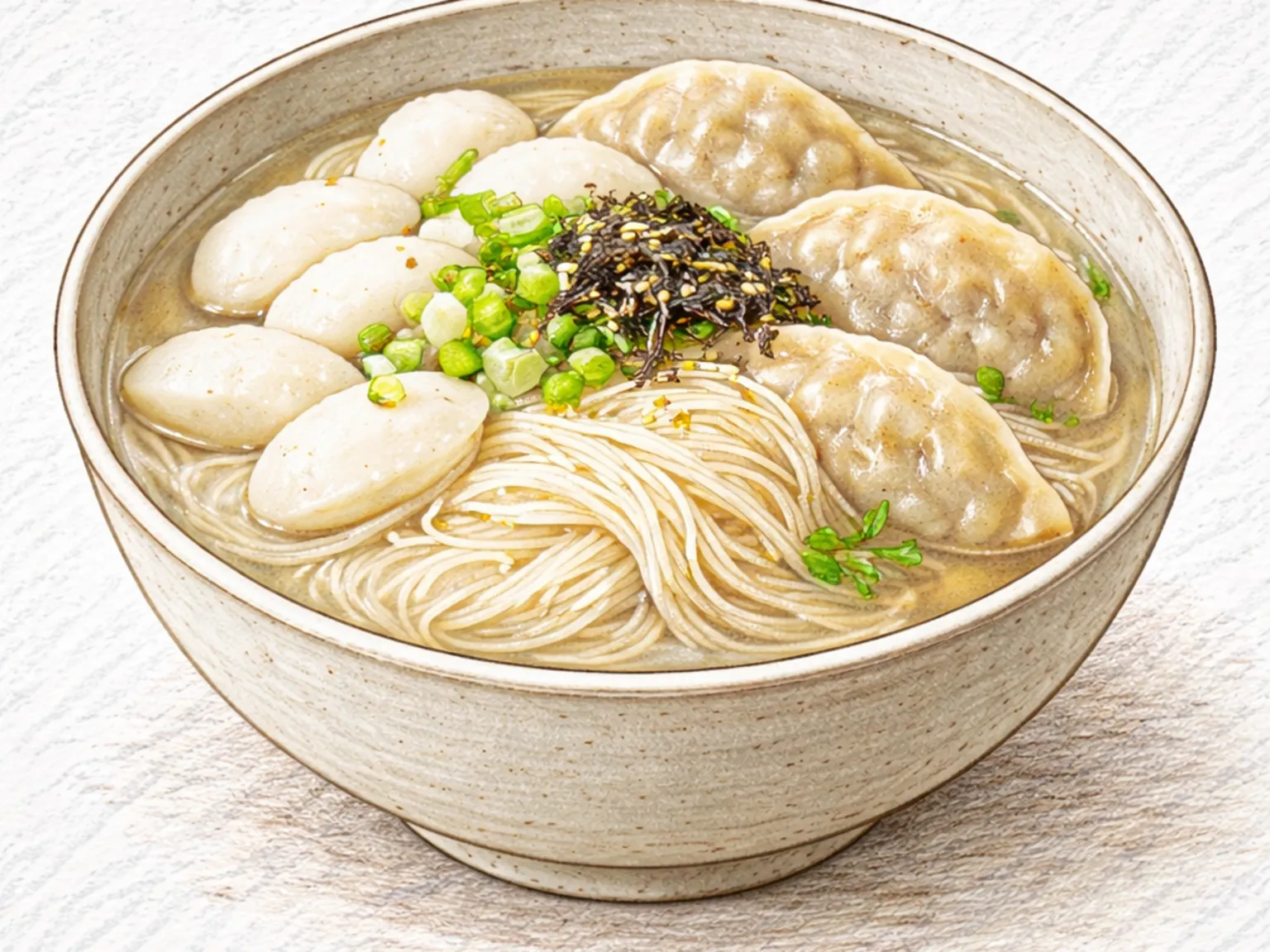
Tteok-mandu-guk-myeon combines sliced rice cakes, dumplings, and thin somyeon noodles in a rich beef bone broth. Each component contributes a different texture - chewy rice cakes, plump filled dumplings, and soft noodles - making the bowl substantial. The broth is typically garnished with egg strips, shredded seaweed, and scallions. This dish merges two traditional Korean soups (tteokguk and manduguk) into a single, filling meal. Using store-bought dumplings and pre-made broth, it can be ready in under 40 minutes.
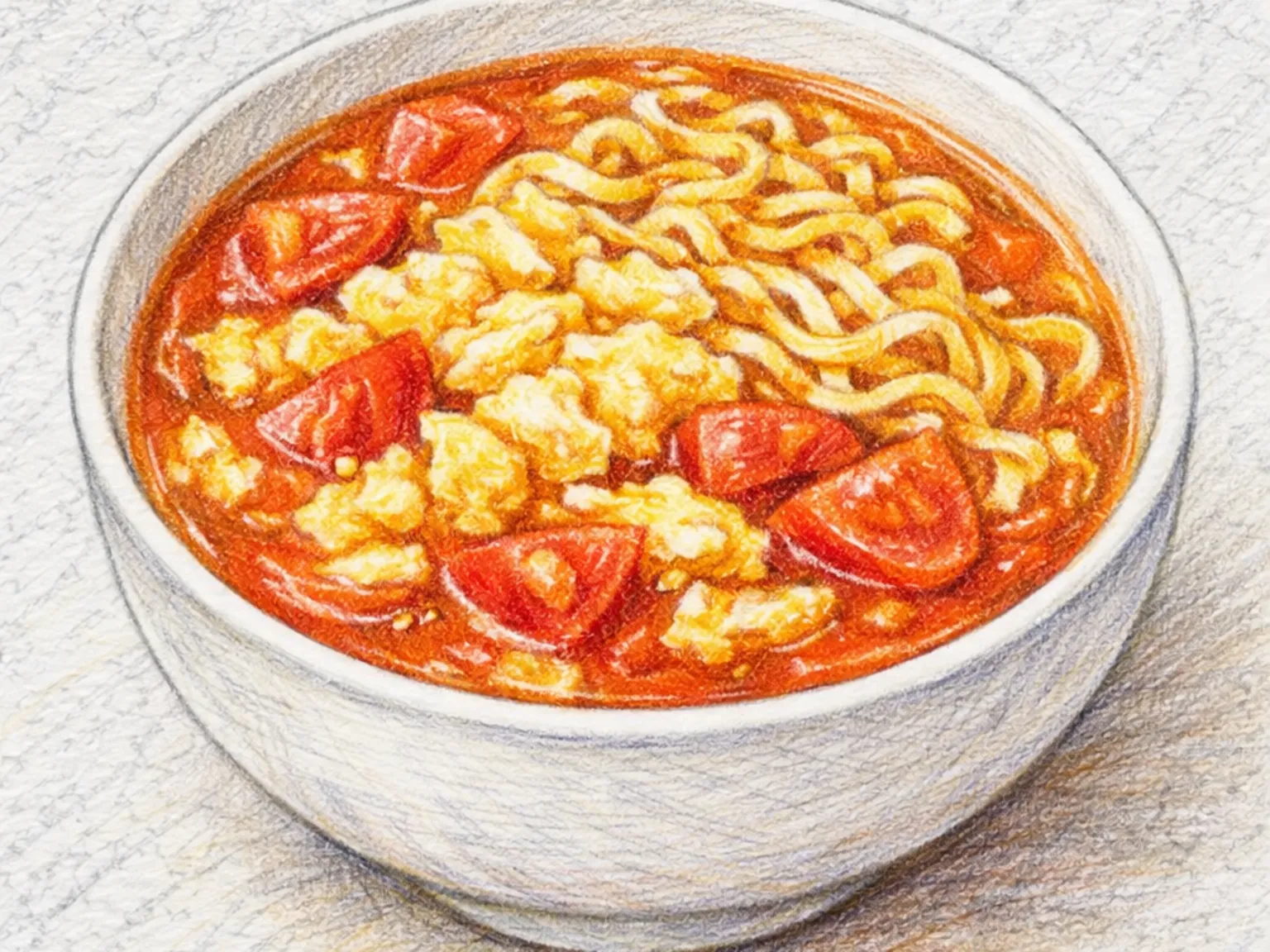
Korean Tteok and Ramyeon (Instant Ramen with Chewy Rice Cakes)
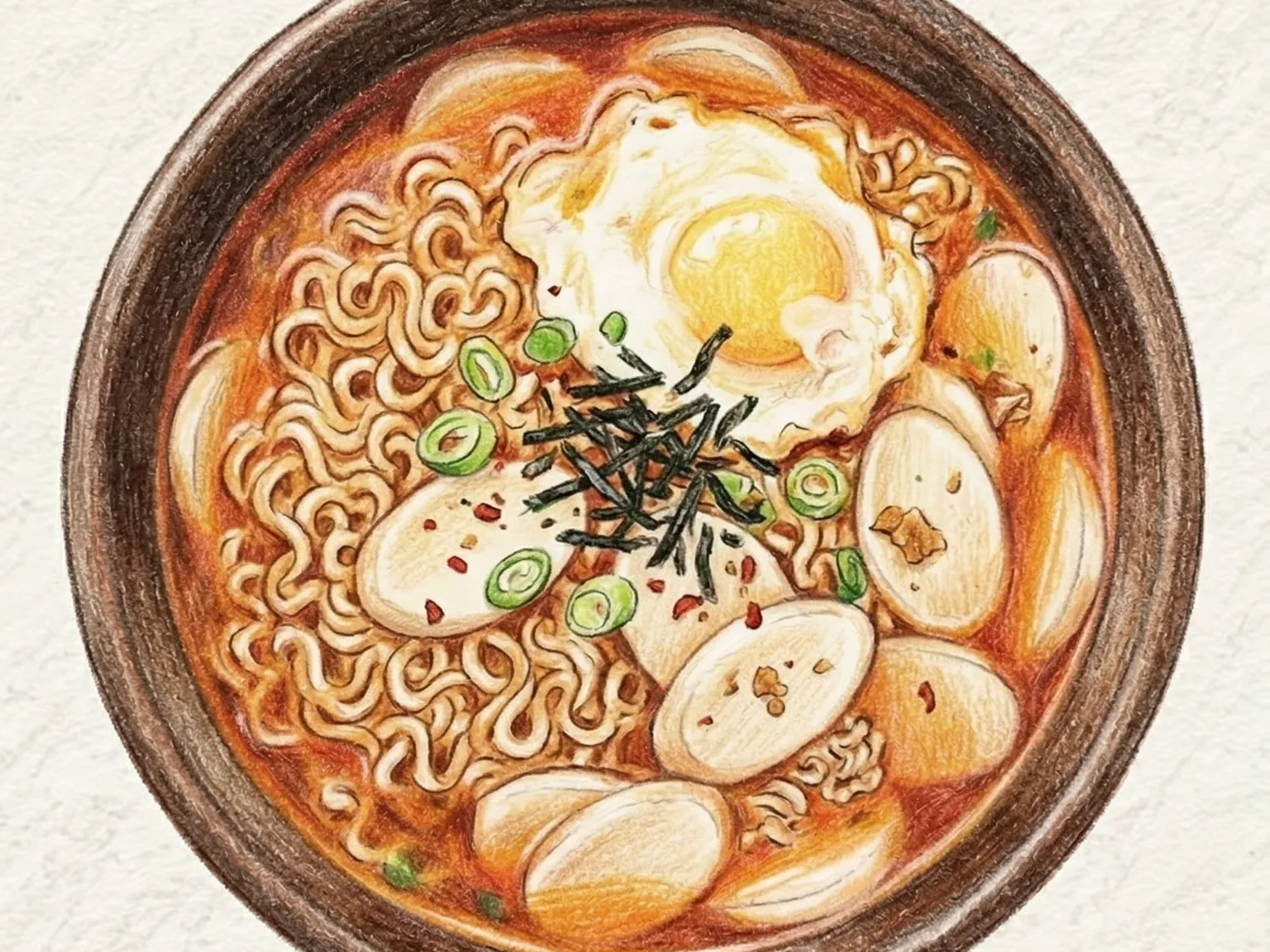
Tteok-ramyeon adds 100 g chewy rice cakes and an egg to one package of Korean instant noodles. Rice cakes and ramen cook at different rates, so the key is to give the tteok a 10-minute cold-water soak and start cooking it before adding the noodles. Bring 550 ml water to a strong boil, drain the soaked rice cakes, and simmer them over medium-high heat for 2 minutes. Stir once or twice from the bottom so they do not stick. Add the ramen noodles and seasoning packet, press the noodle block into the broth, and cook for 3 minutes, loosening the strands halfway through. When the noodles are nearly ready, crack in 1 egg. Spoon hot broth over it for a softer set, or continue simmering for about 1 minute if you want the white and yolk firmer. Turn off the heat when the rice cakes are soft but the noodles still retain a little spring at the center. Finish with 20 g green onion and serve immediately because both noodles and tteok continue absorbing liquid in the bowl. The rice cakes carry the spicy broth into their chewy centers, while the thinner noodles provide a contrasting texture in each bite.
Uchikomi-Jiru (Fresh Noodle Miso Soup)
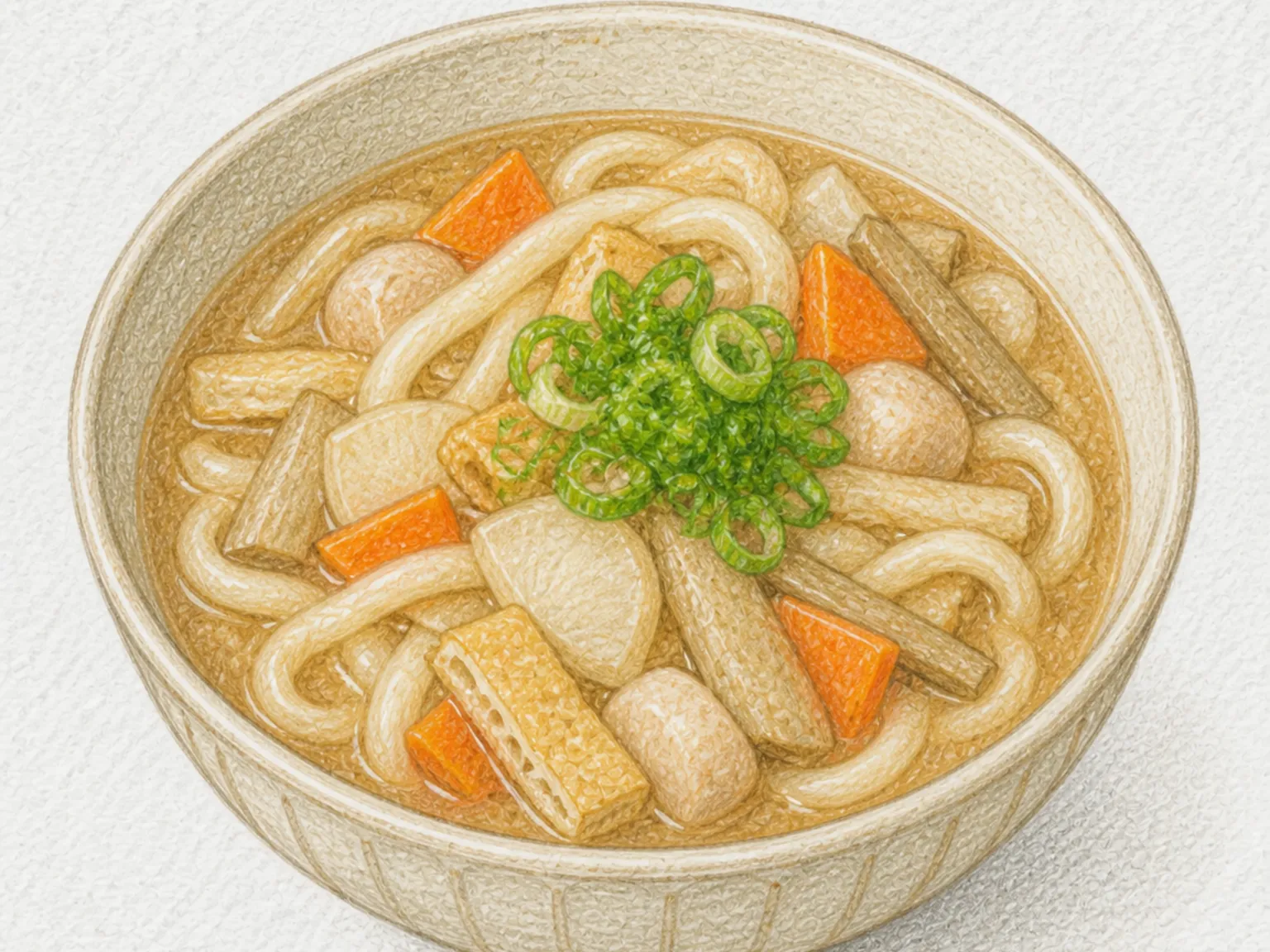
Uchikomi-jiru is a Kagawa winter noodle soup in which unsalted fresh noodles made only from wheat flour and water are cooked directly in miso broth rather than boiled separately. While the dough rests, daikon, carrot, burdock, taro, and fried tofu are cut and simmered first in dried-sardine stock. The dough is rolled and cut slightly thicker than ordinary udon, then dropped into the boiling soup for 7 to 8 minutes. Flour clinging to the raw noodles disperses into the pot and gives the broth its characteristic body. Medium miso is dissolved only after the noodle centers are cooked, and green onion completes the dish. Unlike handmade udon served for special occasions, this was a quick everyday evening meal in rural areas during cold winters. Kagawa's dry climate suited wheat production, while anchovies from the Seto Inland Sea supplied the stock.
Korean-Chinese Seafood Gravy Noodles
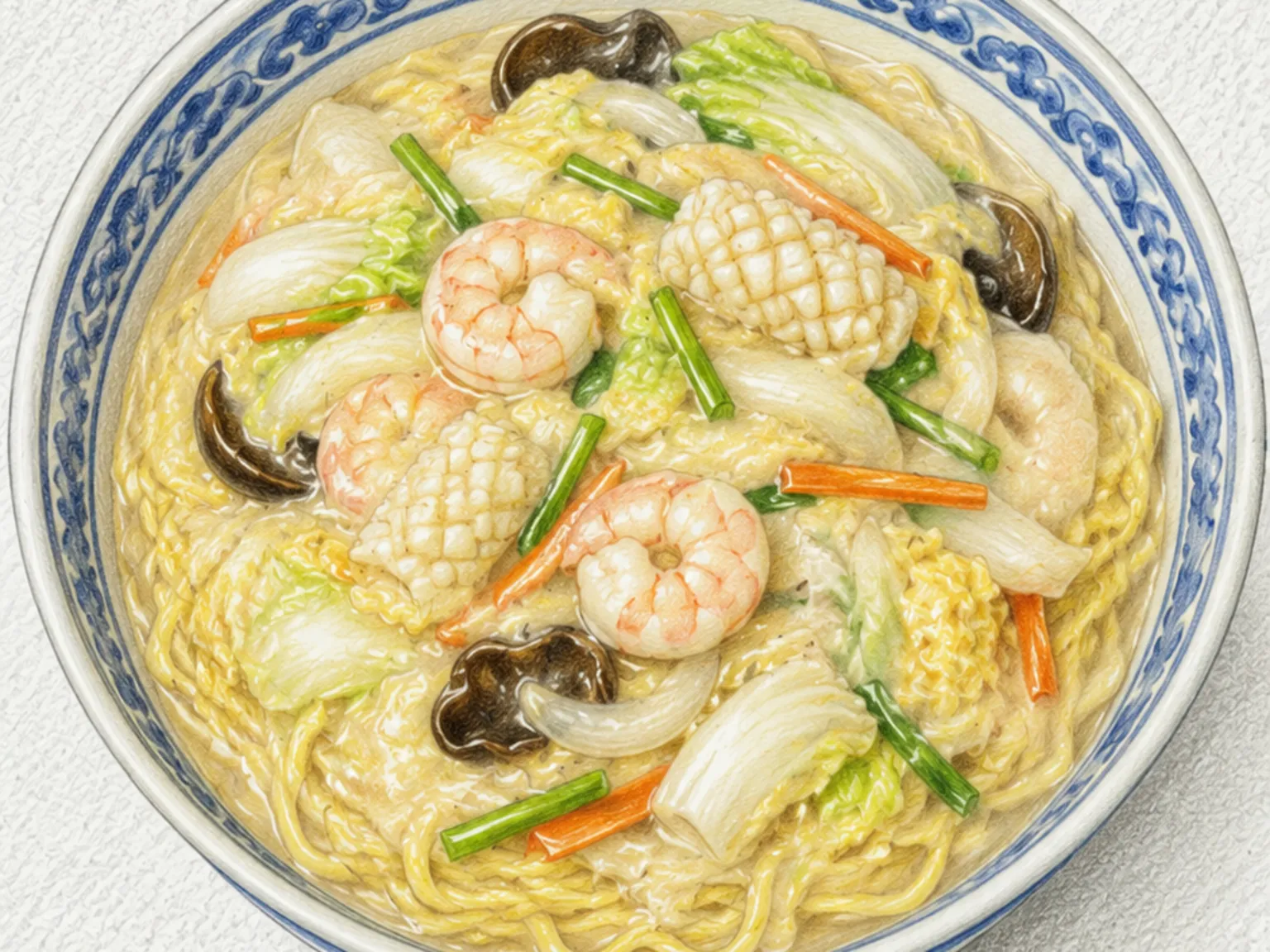
Ulmyeon is a Korean-Chinese noodle dish in which fresh wheat noodles are topped with a thick, white starch-thickened gravy loaded with seafood and vegetables. Shrimp, squid, and other shellfish give the gravy a pronounced umami backbone. Beaten egg is swirled into the sauce toward the end, adding body and soft curds throughout. Unlike jjamppong, the dish carries little to no chili heat. Preparation takes about 40 minutes, and getting the starch slurry to the right consistency is the most important step.
Wonton Noodle Soup
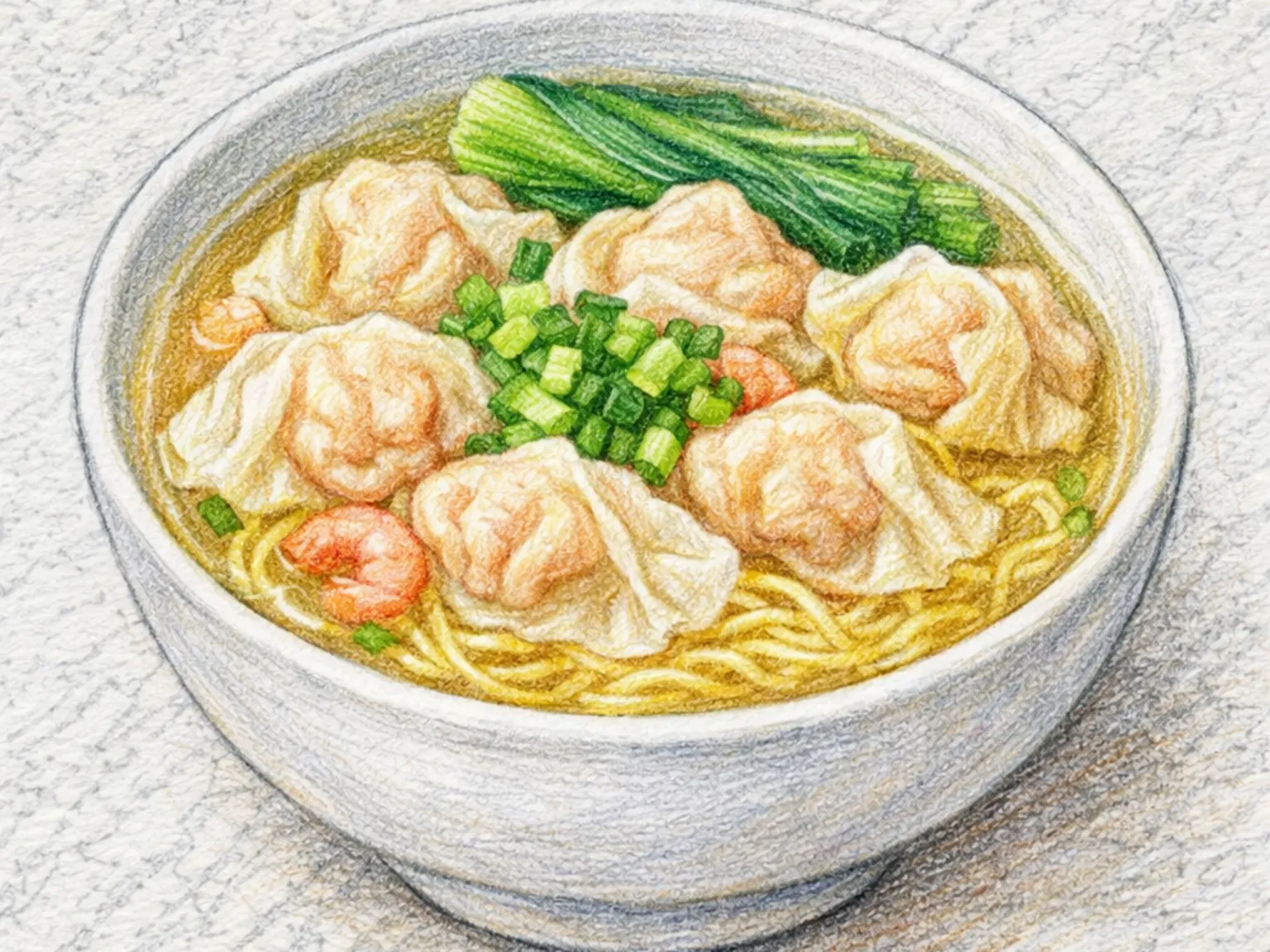
Wonton noodle soup is a Cantonese classic that pairs thin egg noodles with shrimp-and-pork wontons in a clear pork bone broth. The broth is deliberately kept light and clean, relying on long simmering rather than heavy seasoning for its flavor. Each wonton has a thin wrapper that barely conceals a filling with noticeable shrimp texture. The egg noodles are springy and slightly alkaline, a hallmark of Hong Kong-style noodle making. Wrapping wontons from scratch adds about 30 minutes of prep, though pre-made wontons shorten the process significantly.
Korean Vegetable Japchae (Glass Noodle Mixed Vegetable Stir-Fry)
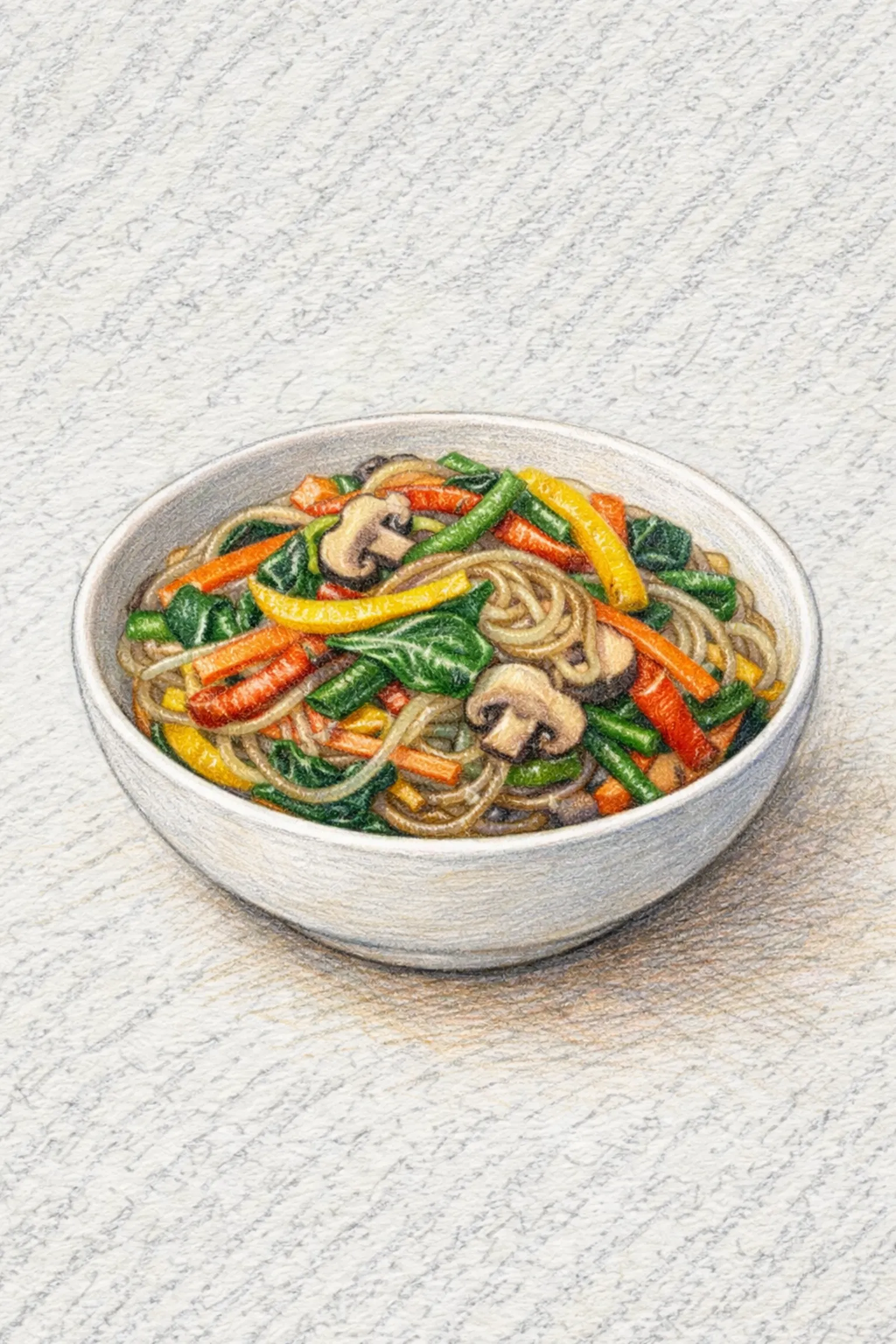
Yachae japchae is a vegetarian version of the classic Korean glass noodle dish, made entirely with sweet potato noodles and mixed vegetables - spinach, carrot, shiitake mushrooms, bell pepper, and onion. Each vegetable is stir-fried separately to maintain its color and distinct texture, then combined with pre-seasoned noodles dressed in soy sauce and sesame oil. The varied sweetness and crunch of each vegetable layer together under the soy-sugar seasoning, while the noodles absorb the sauce and turn glossy and chewy. Without meat, the vegetables take center stage, making this equally suitable for everyday meals and celebration spreads.
Japanese Stir-Fried Udon
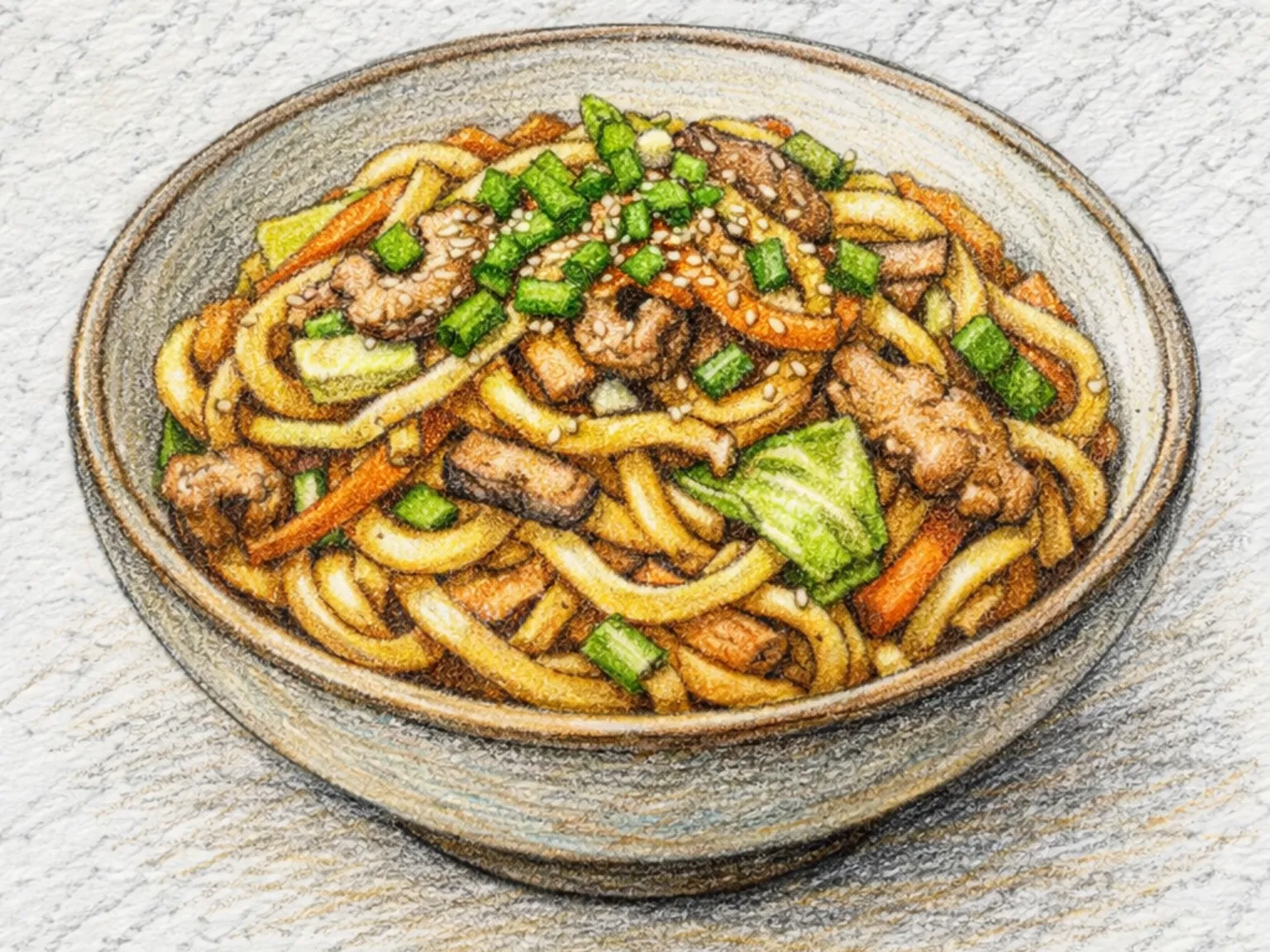
Yaki udon is a Japanese stir-fried noodle dish where thick udon noodles are tossed in a soy-based sauce over high heat with sliced pork or seafood and vegetables such as cabbage, carrot, and scallion. The high heat gives the noodles lightly charred edges while keeping their chewy center intact. Bonito flakes (katsuobushi) are often scattered on top just before serving, where they wave from the residual heat. The recipe takes about 25 minutes and depends on maintaining strong heat throughout the stir-fry to avoid steaming the noodles.
Japanese Stir-Fried Noodles (Yakisoba)
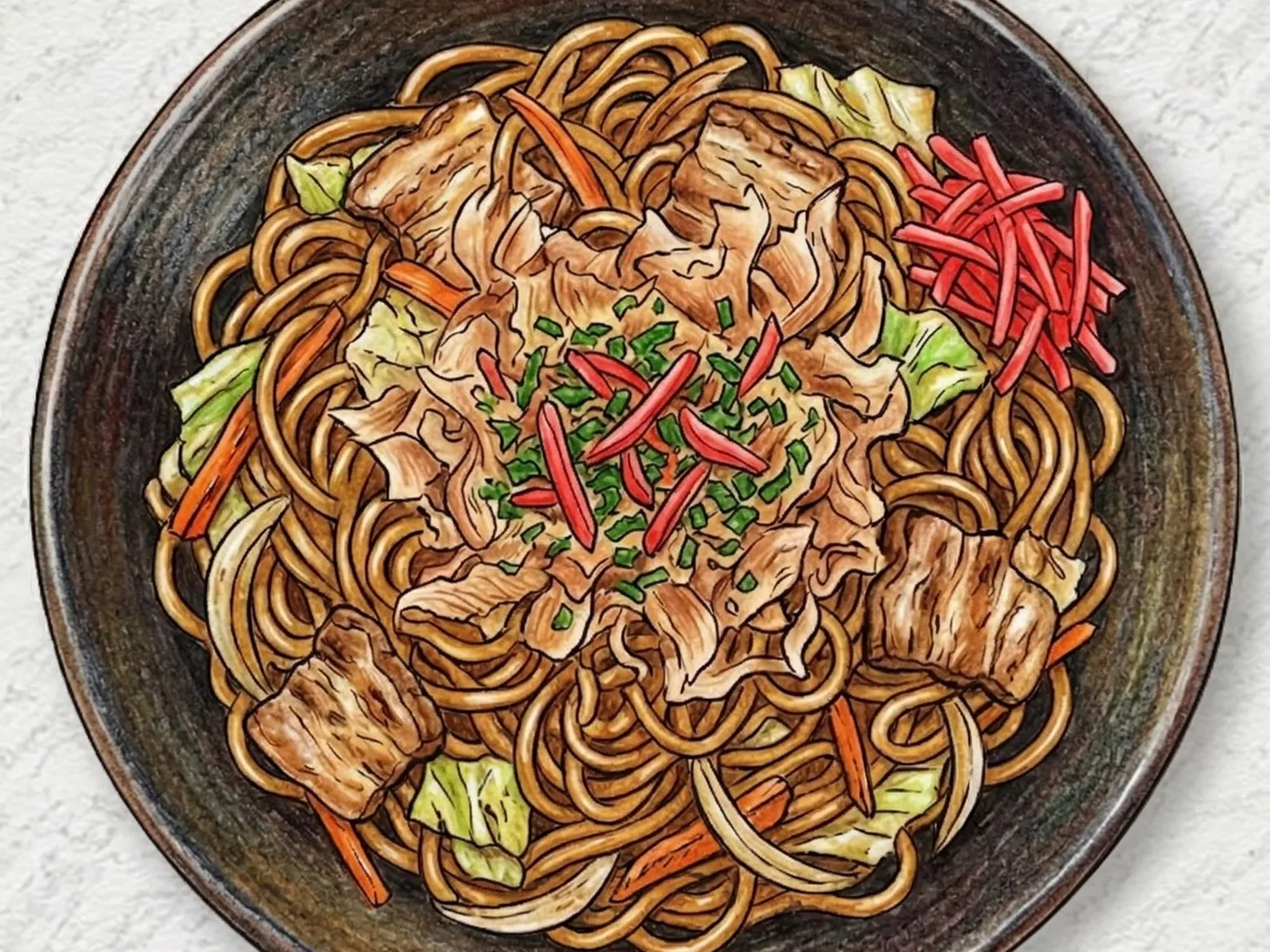
Yakisoba is a classic Japanese stir-fried noodle dish made by tossing wheat noodles, pork, and vegetables in a tangy Worcestershire-based sauce. The preparation begins by stir-frying thinly sliced pork over high heat, followed by onions, carrots, and cabbage. Cooking the vegetables quickly at high heat keeps them crisp and prevents them from becoming soggy. The wheat noodles are briefly warmed to loosen them before being added to the pan. A savory-sweet yakisoba sauce is poured around the edges of the pan and quickly tossed to evenly coat every noodle strand. Once plated, hot noodles are topped with bonito flakes, which release a smoky aroma as they wave from the residual heat. Ensuring the noodles are not overcooked and adding the sauce near the end of the cooking process are key steps to maintaining the proper textures of both noodles and vegetables.
Yakisoba Pan (Noodle Bread)
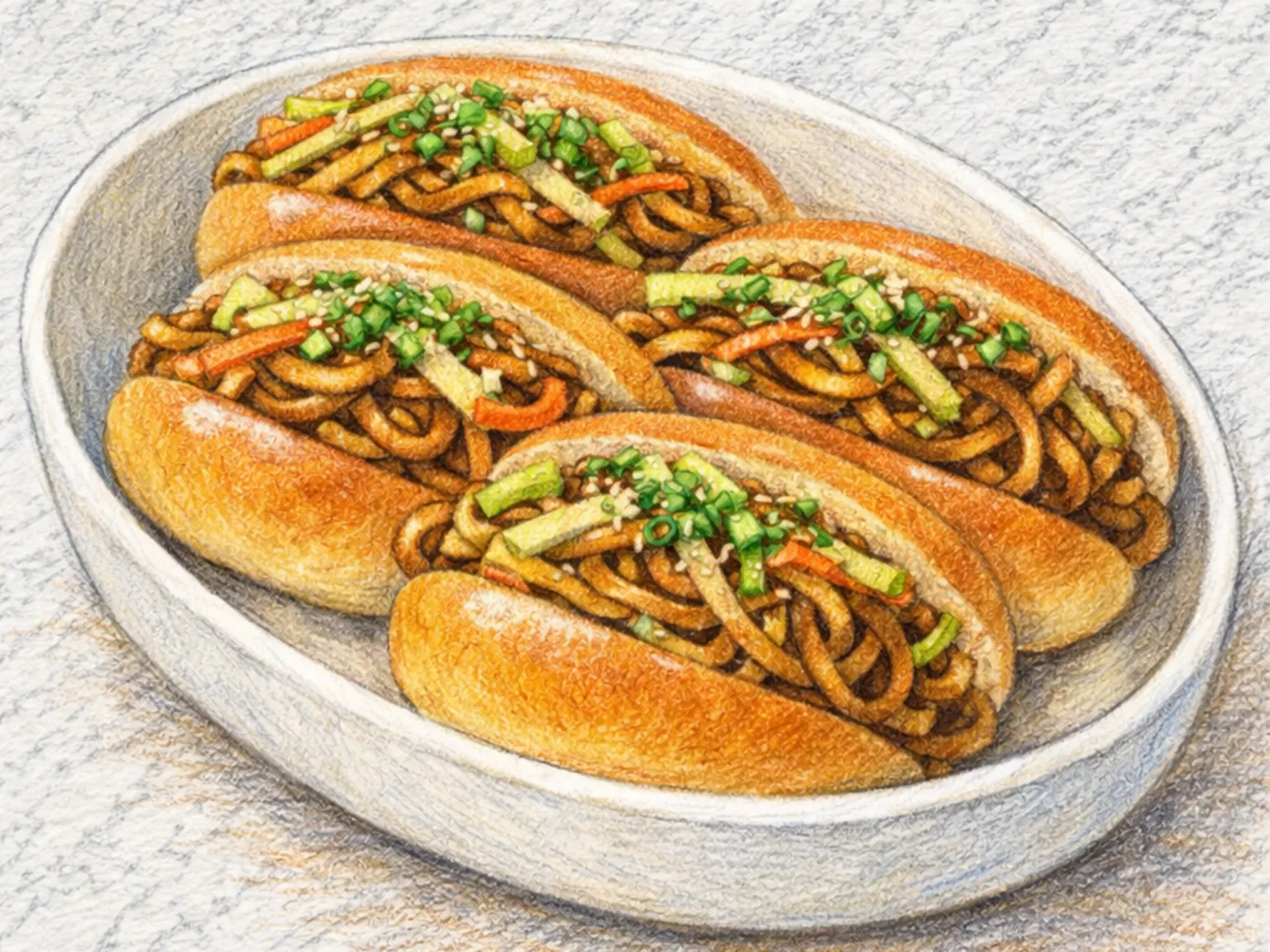
A staple of Japanese street food culture, Yakisoba-pan combines a toasted, buttered hot dog bun with a filling of stir-fried egg noodles seasoned with yakisoba and soy sauce. Shredded cabbage, onions, and carrots start in the pan over high heat for exactly two minutes before the noodles are added. This timing ensures the vegetables remain crisp and provide a textural contrast to the soft noodles rather than becoming limp during the cooking process. As the yakisoba sauce hits the hot metal, it caramelizes quickly to wrap every noodle strand in a glossy, sweet-savory glaze. The act of spreading butter on the interior of the bun and giving it a quick toast serves a functional purpose beyond flavor. This butter layer acts as a moisture barrier, preventing the sauce from soaking into the bread and keeping the bun from turning soggy as it sits. The subtle richness of the butter bridges the gap between the savory noodle filling and the soft crumb of the bun. Sprinkling dried parsley over the top introduces a mild herbal scent that balances the heavy, concentrated sauce. For a burst of acidity, a small amount of beni shoga pickled ginger is tucked into the noodles to cleanse the palate. Spreading a layer of Japanese mayonnaise inside the bun alongside the butter creates an additional creamy texture. Softening the noodles in hot water before they hit the pan prevents clumping and allows for easier separation during the stir-frying stage.
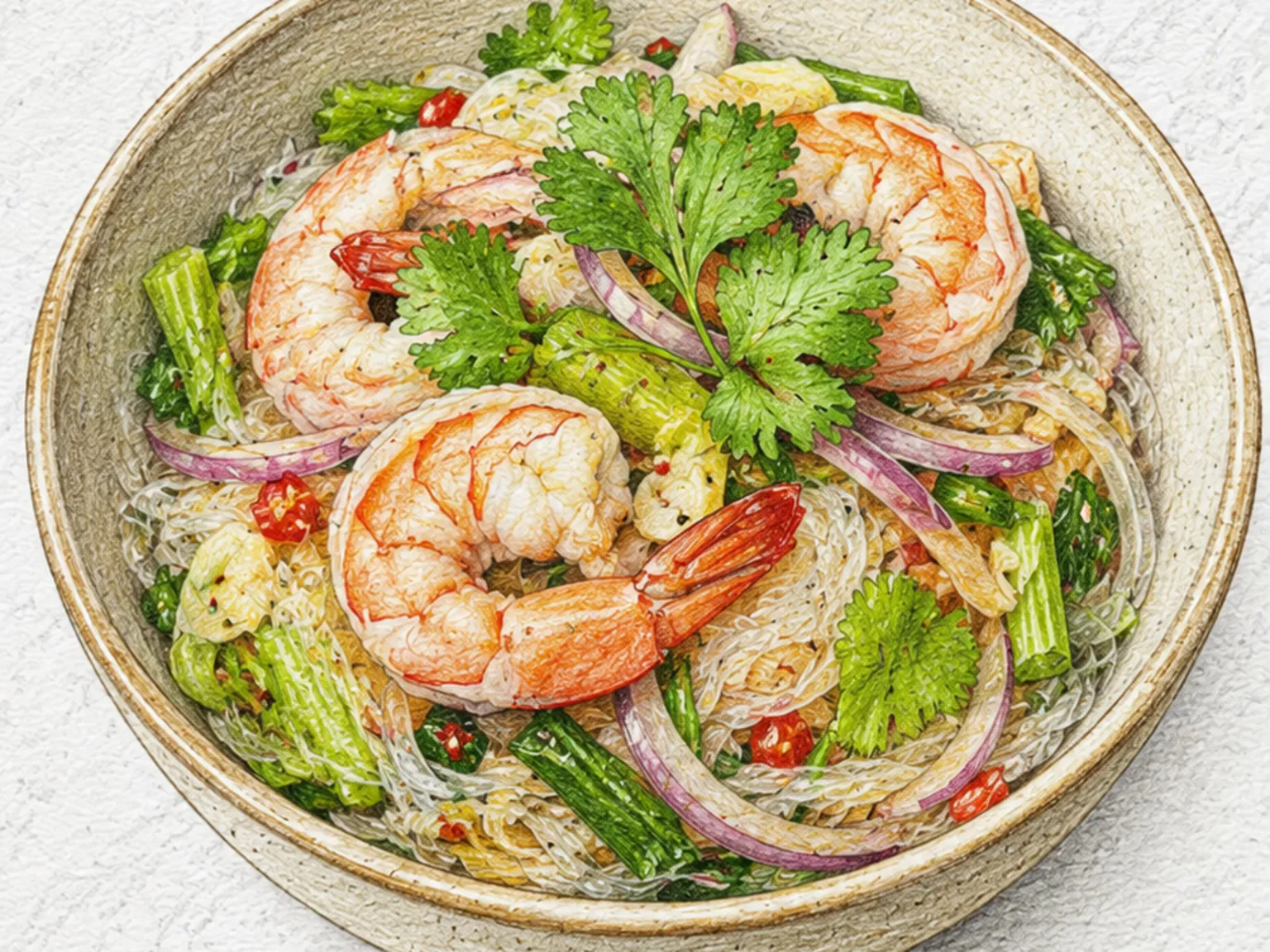
Yam Woon Sen (Thai Glass Noodle Salad with Shrimp)
Yam woon sen is a Thai glass noodle salad made with shrimp, red onion, celery, and cilantro in a fish sauce, lime juice, and palm sugar dressing. Soak 90 g glass noodles in warm water for 10 minutes, until they bend but are not fully soft. Add them to boiling water and cook over medium heat for 2 minutes. Once the noodles look clear, drain them immediately, rinse them under cold water, and remove the water thoroughly. Add 140 g shrimp to the same boiling water and begin checking them at about 2 minutes. Shrimp size affects the required time, so remove them only after the centers have turned opaque, then drain them well. Thinly slice 50 g red onion, cut 60 g celery diagonally, and roughly chop 15 g cilantro without crushing the leaves. Mix 2 tbsp lime juice, 1.5 tbsp fish sauce, and 1 tsp palm sugar until the sugar dissolves. Add the drained noodles, shrimp, red onion, and celery to the dressing and toss quickly without breaking the noodles. Fold in the cilantro last and serve immediately. The cold rinse cools the noodles promptly so residual heat does not continue softening them. The shrimp's opaque center, rather than an exact two-minute promise, is the doneness check. Draining both components before mixing keeps cooking water from diluting the measured dressing.
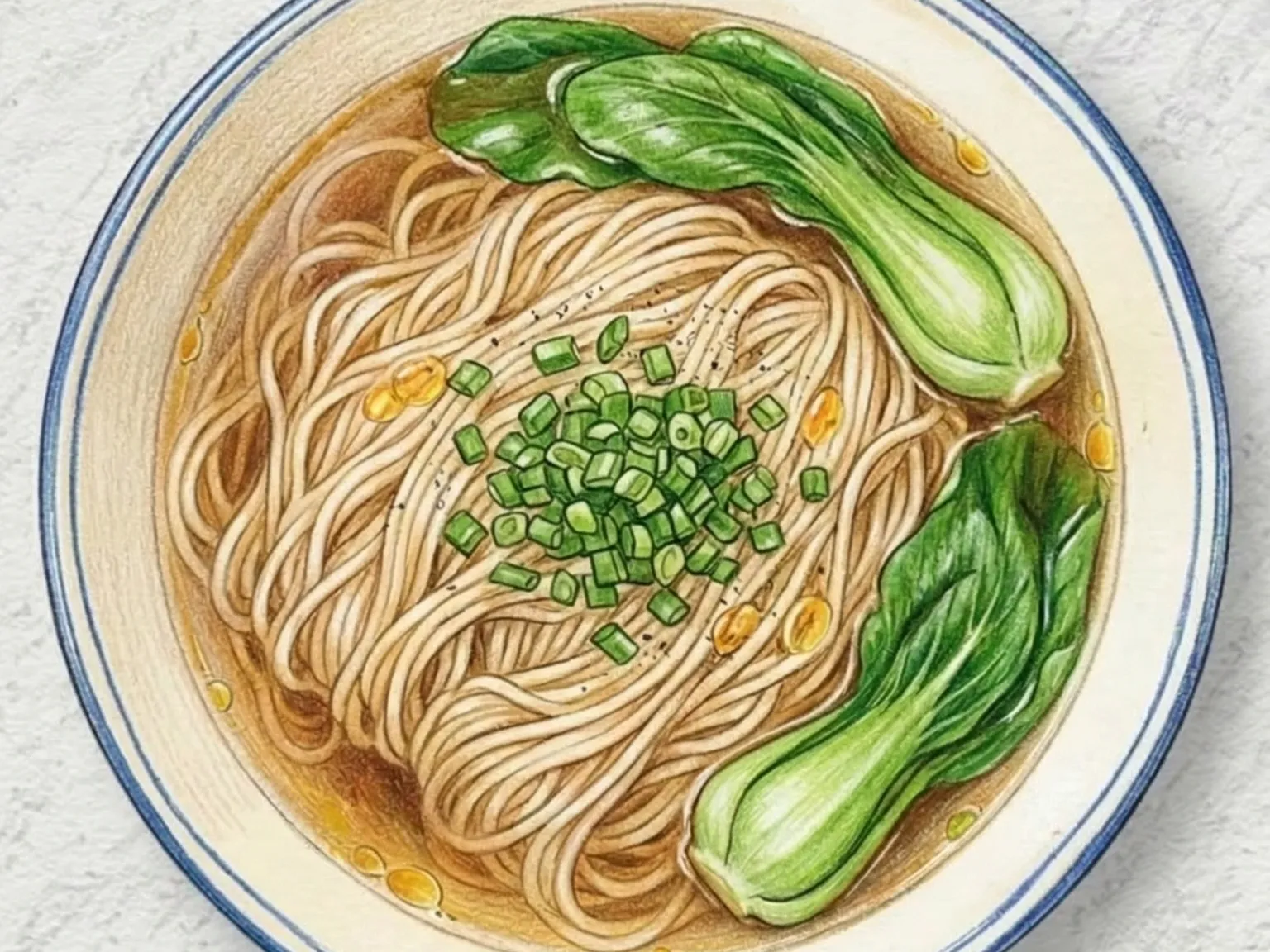
Yangchunmian (Shanghai Clear Soy Broth Noodle Soup)
Yangchunmian is a Shanghai noodle soup that focuses on a clear, soy-seasoned broth and fresh wheat noodles. The broth uses a chicken stock base seasoned with light soy sauce and sugar, heated gently to remain clear. Fresh wheat noodles are boiled until tender yet springy, while bok choy is blanched briefly in the same water to keep its green color and crisp texture. The noodles are placed in bowls, seasoned with white pepper for a clean aroma, and submerged in the hot broth. Thinly sliced scallions and the blanched bok choy are added as simple garnishes, finished with a drizzle of sesame oil to provide a layer of nutty warmth. Without heavy toppings, the dish relies on the clean flavor of the seasoned broth. It is served immediately while hot to prevent the noodles from softening.
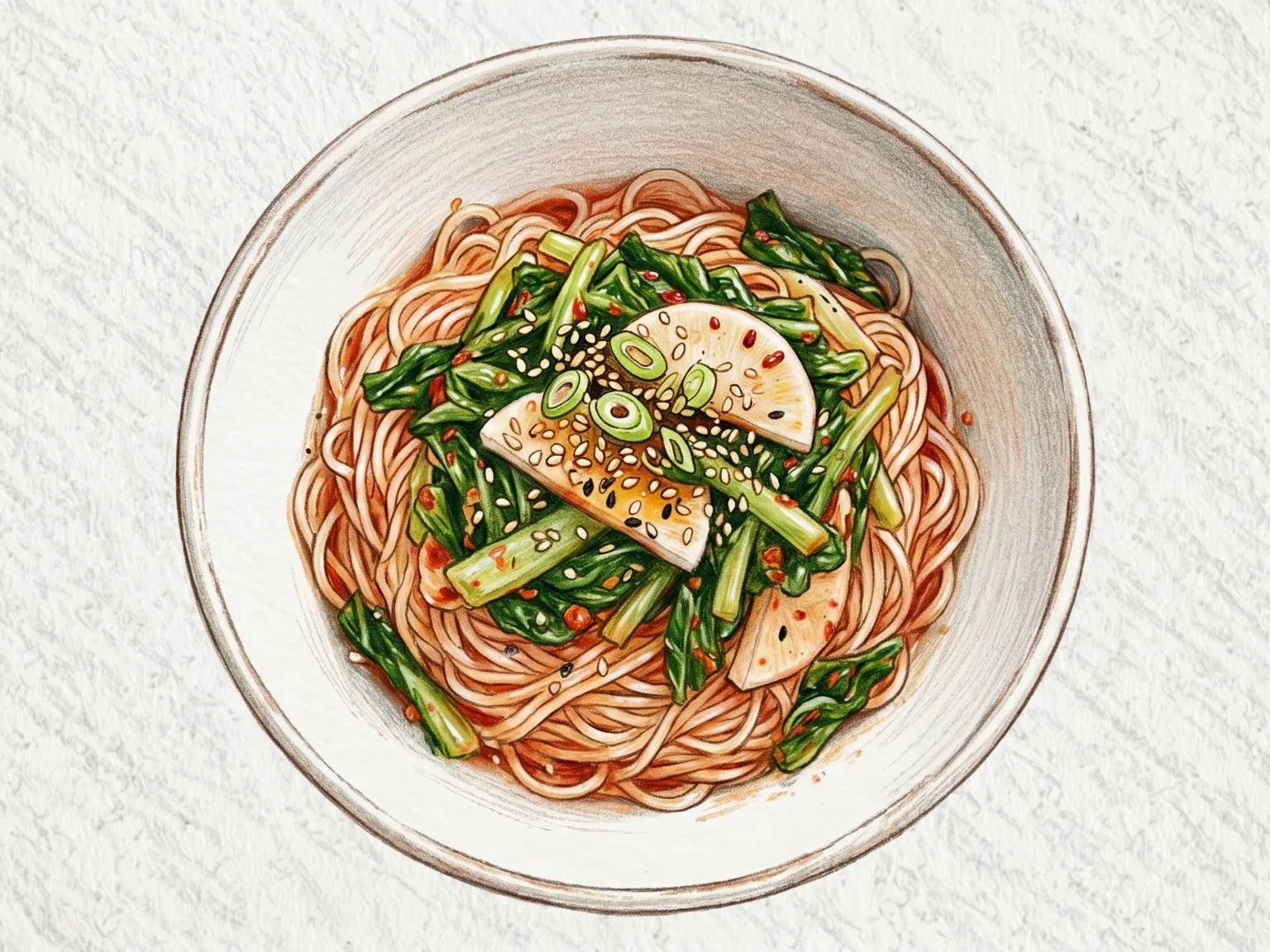
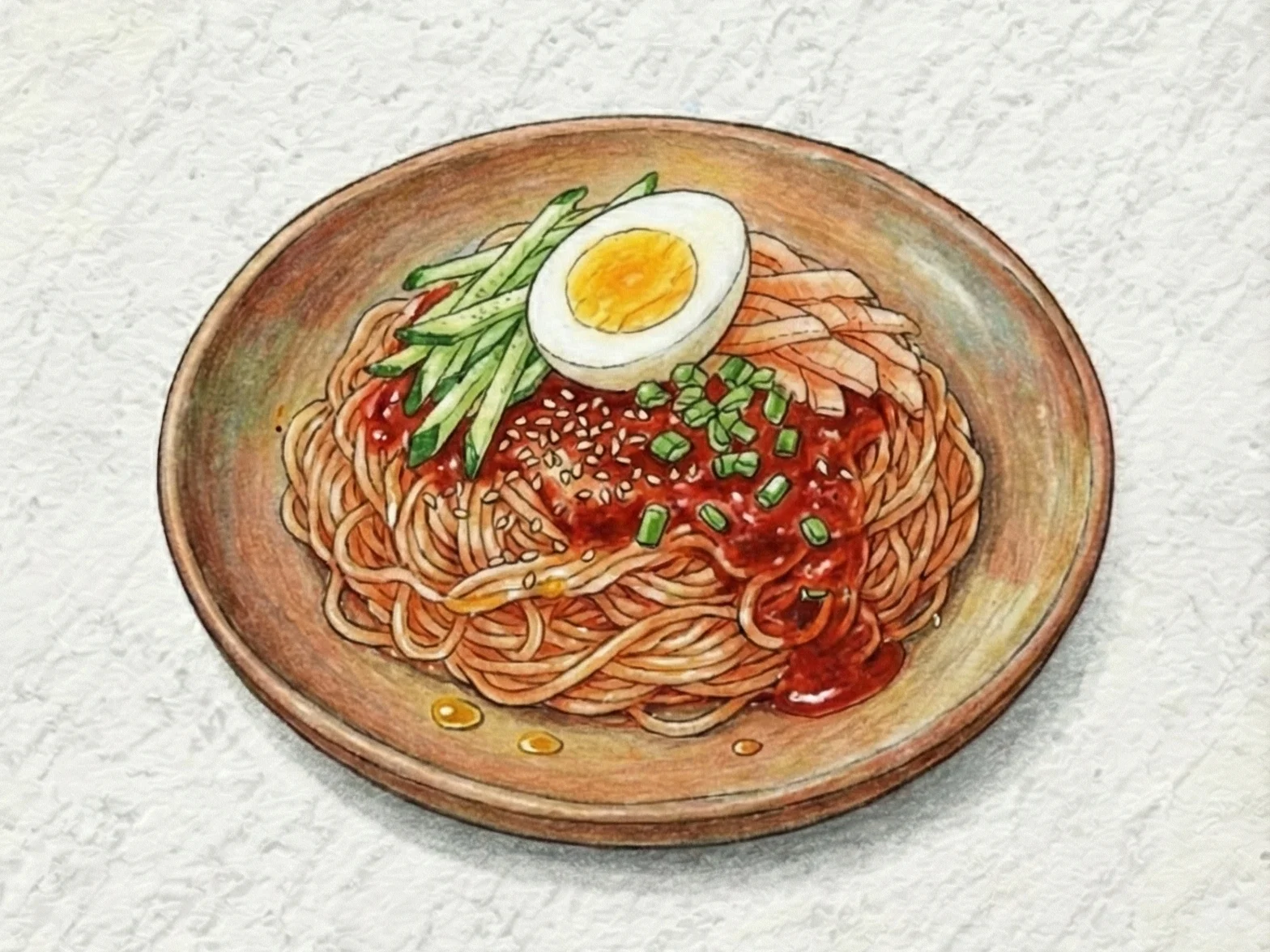
Korean Yeolmu Bibim Guksu
This cold mixed-noodle dish serves two with 200 g thin somyeon, 180 g young-radish kimchi, and 70 g cucumber. Cut the kimchi into 3 to 4 cm pieces and measure 2 tablespoons of its brine before the noodles are cooked. Stir the brine with 1.5 tablespoons gochujang, 1 tablespoon vinegar, and 1 tablespoon sugar until no sugar crystals remain. Bring a generous pot of water to a full boil, add the somyeon, and cook for 3 minutes over medium-high heat. Separate the thin strands with chopsticks during the first 30 seconds so they do not set into a clump. Move the cooked noodles immediately into cold water and rub them gently through several rinses to remove the surface starch. Drain until they feel cold and slick and no excess water runs from the sieve, because retained water would dilute the dressing. Toss the noodles with the dressing first so the red color reaches every strand. Fold in only half of the yeolmu kimchi without pressing on its crisp stems. Place the noodles in bowls, top them with the remaining kimchi and julienned cucumber, then add 1 teaspoon each of sesame oil and sesame seeds. Serve while the noodles are smooth, the radish greens still crunch, and the sauce stays on the strands without a watery puddle in the bowl.
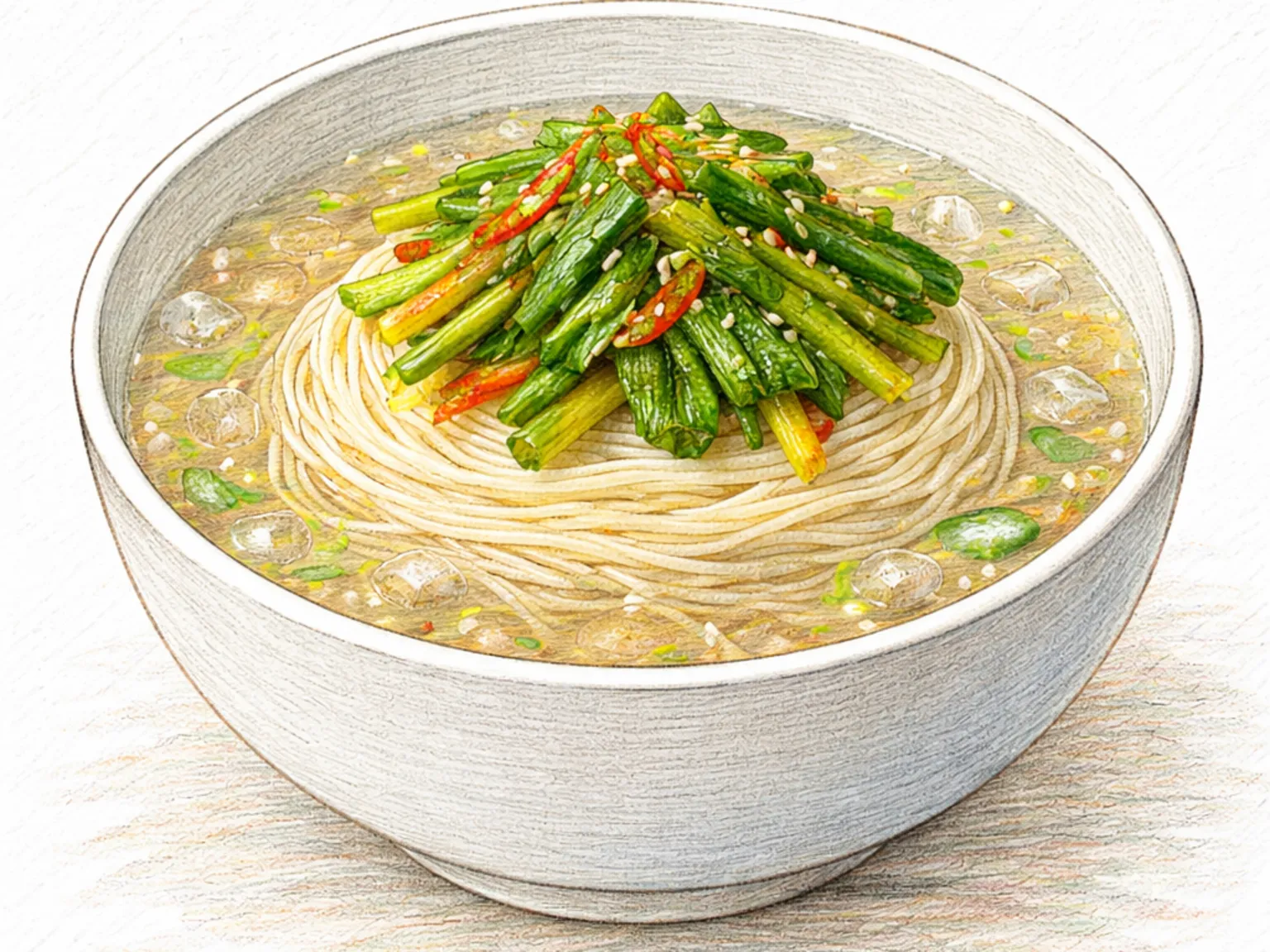
Korean Young Radish Cold Noodles
Yeolmu mul guksu is a Korean cold noodle soup where the broth comes directly from yeolmu kimchi liquid mixed with cold water or light stock. The fermented, tangy kimchi brine serves as the soup base, eliminating the need for separate seasoning. Chilled somyeon noodles sit in the broth, topped with crunchy yeolmu kimchi pieces and often a few ice cubes. A halved boiled egg and sesame seeds are standard garnishes. The dish takes about 25 minutes to prepare and is straightforward as long as yeolmu kimchi is available.
Korean Yuja Chicken Cold Somyeon
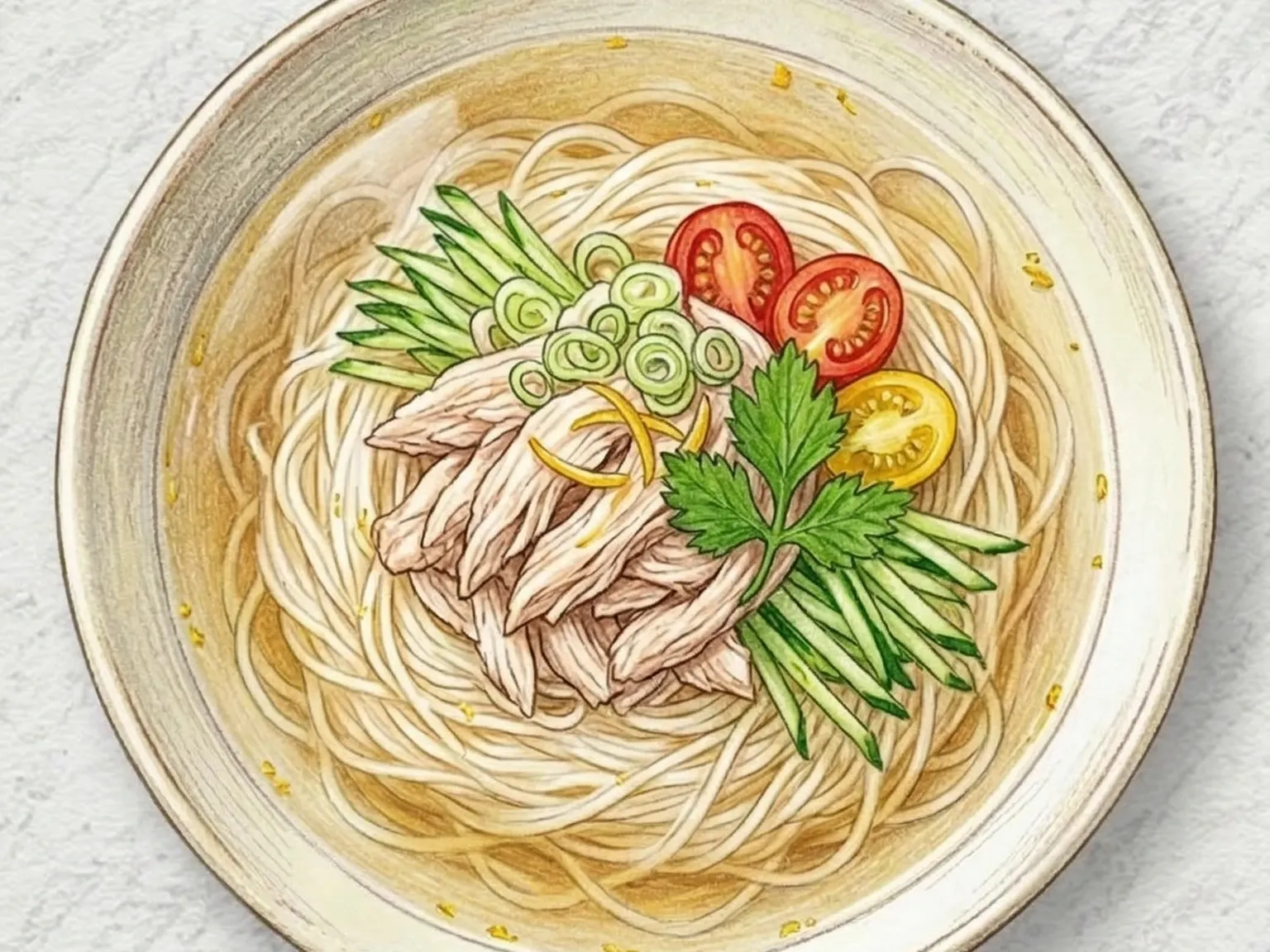
Yuja chicken naeng somyeon is a Korean cold noodle dish served in a clear chicken-radish broth brightened with yuja (citron) syrup. The broth is chilled before serving, and its combination of mild chicken flavor and floral citrus aroma sets it apart from other cold noodle soups. Shredded poached chicken breast is placed on top of the cold somyeon along with cucumber or cherry tomatoes. The broth is deliberately kept lean, with no heavy oils. If the broth is prepared in advance, the final assembly takes under 30 minutes.
Korean Chilled Udon with Yuzu Soy Sauce
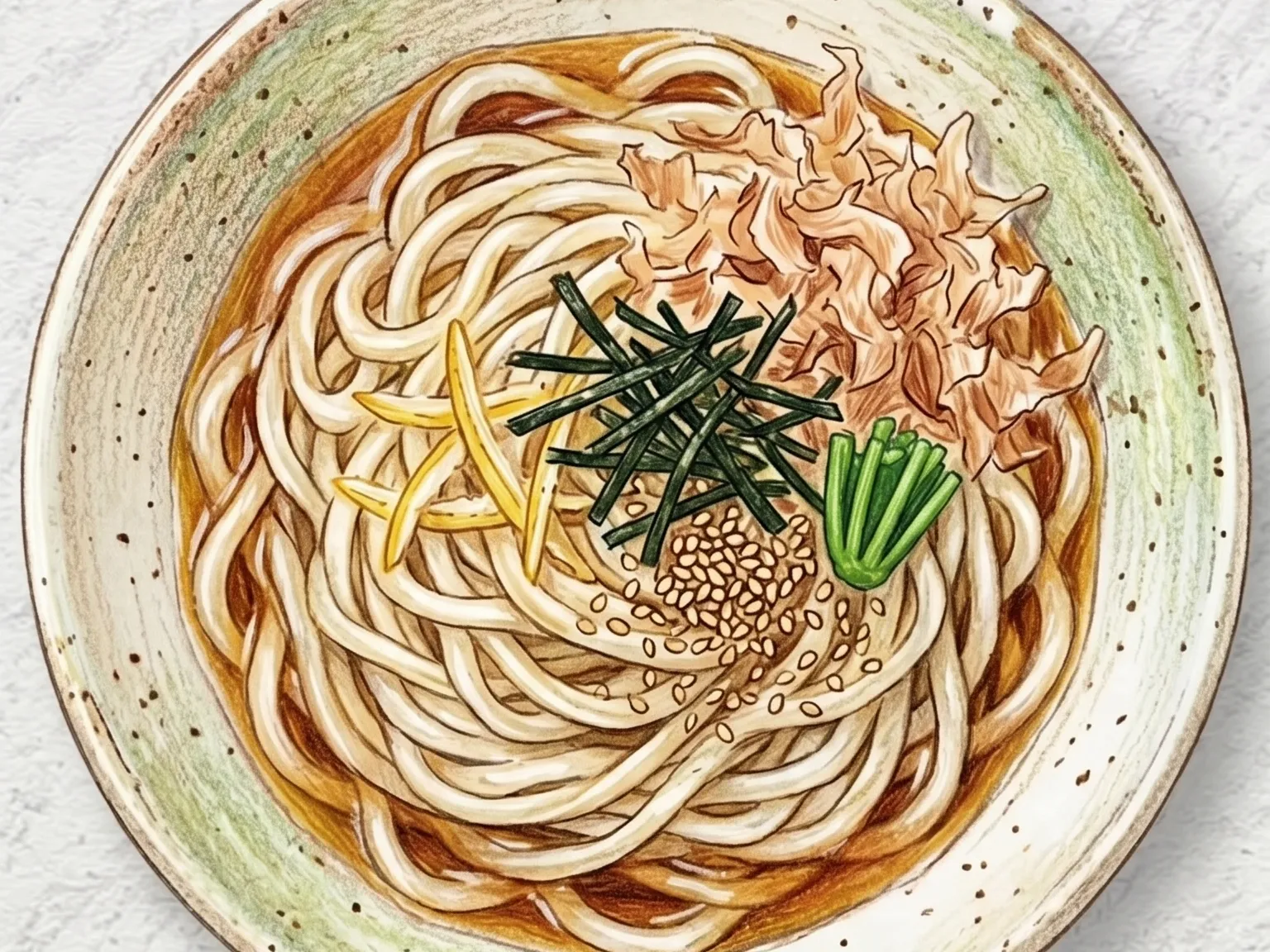
Yuja soy chilled udon serves cold udon noodles with a sauce made from yuja marmalade, soy sauce, tsuyu, lemon juice, and cold water, finished with cucumber, roasted seaweed, and sesame seeds. In a bowl, mix 2 tbsp yuja marmalade, 2 tbsp soy sauce, 1 tbsp tsuyu, 220 ml cold water, and 1 tsp lemon juice. Stir until no concentrated lumps of marmalade remain, then refrigerate the sauce for at least 20 minutes. Meanwhile, cut 60 g cucumber into thin strips and keep 6 g shredded roasted seaweed and 1 tsp sesame seeds separate from moisture. Put 400 g frozen udon directly into a generous pot of boiling water without thawing. Loosen the strands gently with chopsticks and cook for 2 to 3 minutes, removing them as soon as the centers are no longer icy. Rinse the noodles under cold water for 30 to 60 seconds while rubbing them lightly, then drain them in a sieve for about 1 minute and shake away water trapped between the strands. Place the fully cold noodles in bowls and pour over the refrigerated yuja soy sauce. Add the cucumber, seaweed, and sesame immediately before serving and mix once. Use the measured 220 ml water without adding or subtracting an unlisted amount. Thorough draining after the cold rinse prevents that water from changing the sauce concentration.
Korean Spicy Beef Soup Noodles
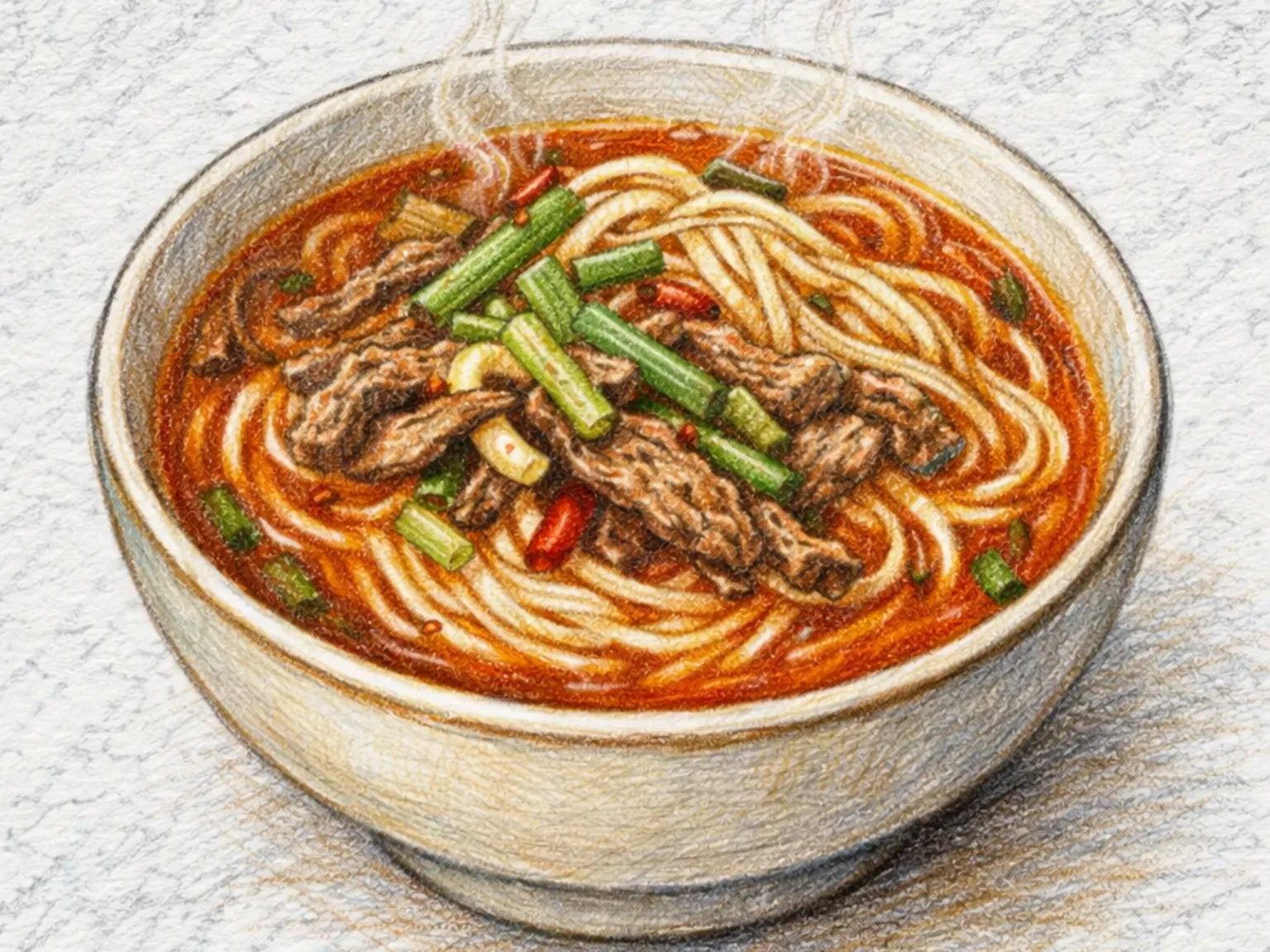
Yukgaejang guksu starts with a deep broth made by simmering beef brisket until the liquid turns rich and full-bodied. The meat is shredded along the grain and returned to the pot alongside fernbrake, bean sprouts, and green onion that have been seasoned with gochugaru, sesame oil, and garlic before a brief stir-fry. This pre-seasoning step lets the chili heat dissolve into the oil, producing a rounded spiciness rather than raw powder burn. Korean soup soy sauce adjusts the salt level without clouding the broth's color. Thin wheat somyeon noodles are boiled separately and added at the end so they absorb the broth without turning mushy. Swapping in glass noodles changes the texture to a chewier, more slippery bite that holds onto the soup longer.
Korean Spicy Noodles with Beef Pancake
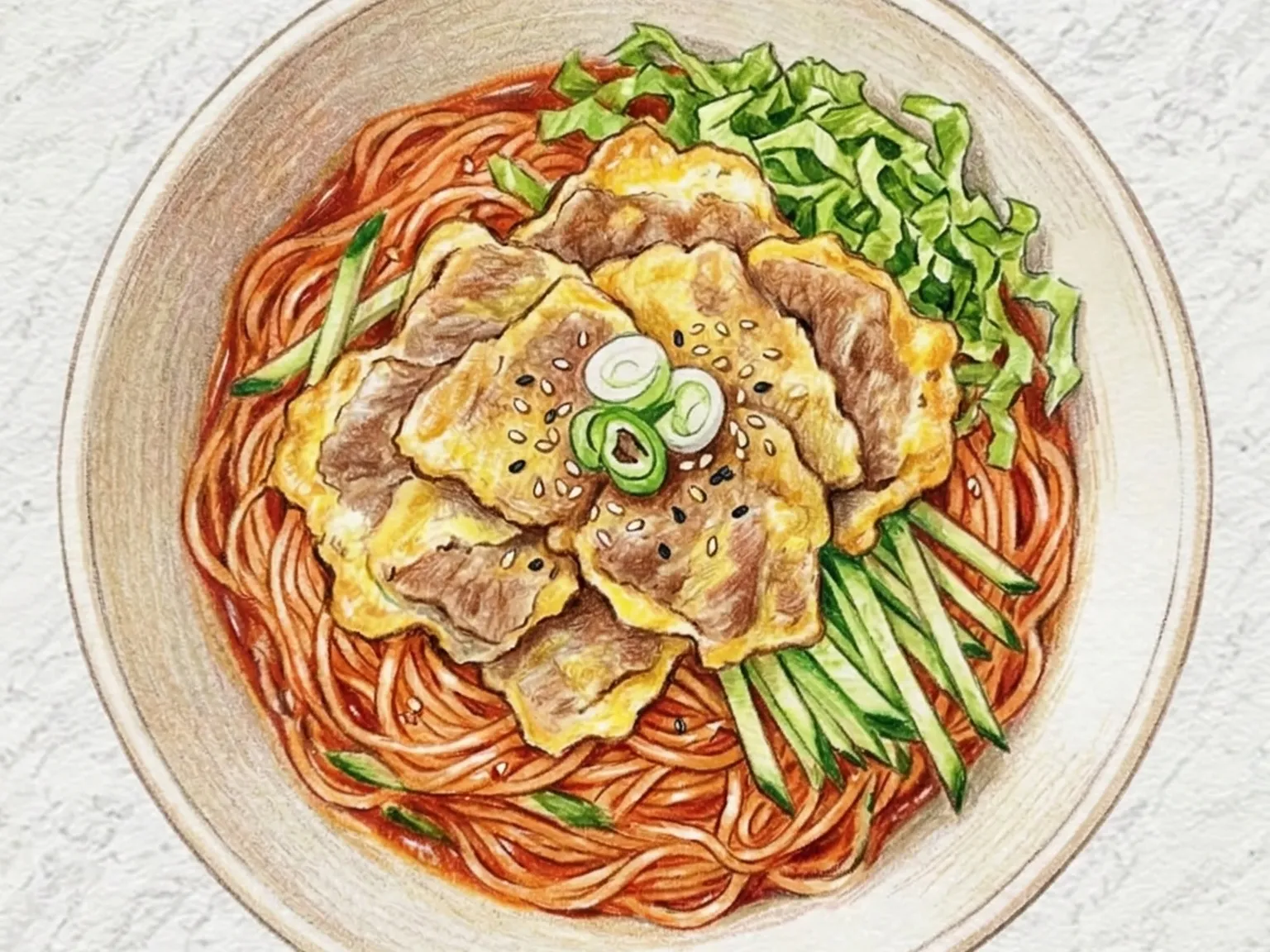
Yukjeon bibim guksu pairs pan-fried beef pancakes with spicy-tangy dressed wheat noodles. Thin slices of lean beef round are patted dry, dusted with flour, dipped in beaten egg, and fried until golden on both sides. Removing moisture before coating is what gives the yukjeon its crisp exterior and keeps the egg layer from sliding off. The dressing combines gochujang, soy sauce, vinegar, sugar, and sesame oil into a sauce that balances heat with sweet-sour brightness. Somyeon noodles are boiled and rinsed multiple times in cold water to wash off excess starch, which keeps them springy and helps the dressing cling evenly. Shredded cucumber and lettuce add freshness and crunch against the warm, savory beef.
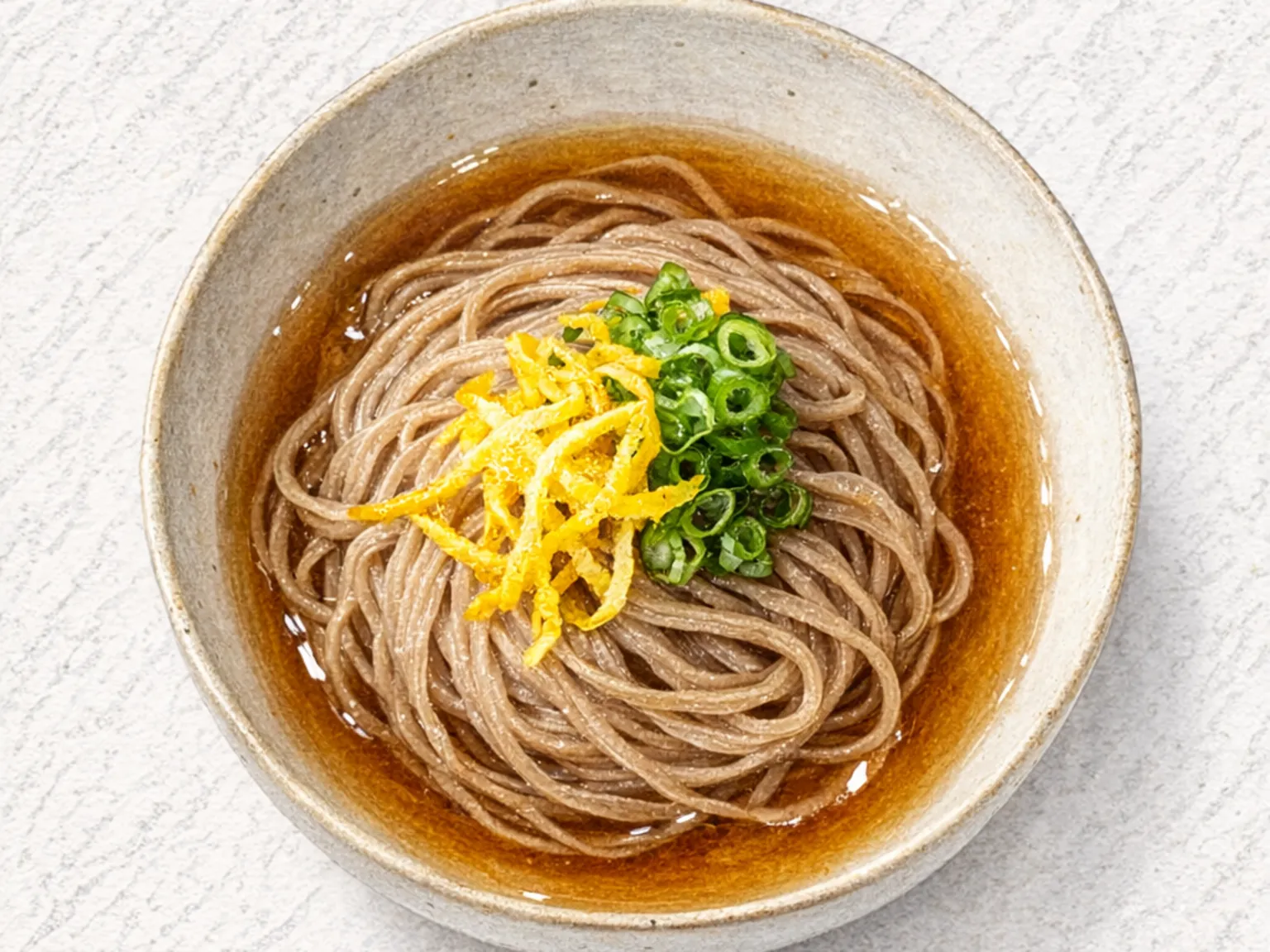
Yuzu Cold Soba (Chilled Buckwheat Noodles with Citrus Dipping Sauce)
Yuzu cold soba serves chilled soba noodles with a dipping sauce made from tsuyu, cold water, and yuzu marmalade. Mix 120 ml tsuyu, 240 ml cold water, and 1 tbsp yuzu marmalade until no concentrated lumps remain, then refrigerate the sauce until thoroughly cold. Finely slice 20 g scallion and prepare 3 tbsp grated radish. Cook 220 g soba noodles in boiling water for the time stated on the package. Stir soon after adding them so the strands do not stick, and drain them as soon as their centers are no longer hard. Transfer the noodles directly to cold water and rub them gently by hand. Change the water and rinse at least three times. Leave the rinsed noodles in a sieve for about 1 minute, then shake away the water trapped between the strands. Arrange the noodles on a plate with 1/4 cup shredded seaweed. Add the grated radish, scallion, and the measured 0.5 tsp wasabi to the chilled yuzu tsuyu in small portions as you eat rather than loading the dipping bowl at once. Use the full measured 1 tbsp yuzu marmalade without an unlisted reduction. Repeated rinsing followed by thorough draining keeps cooking water from changing the concentration of the dipping sauce.
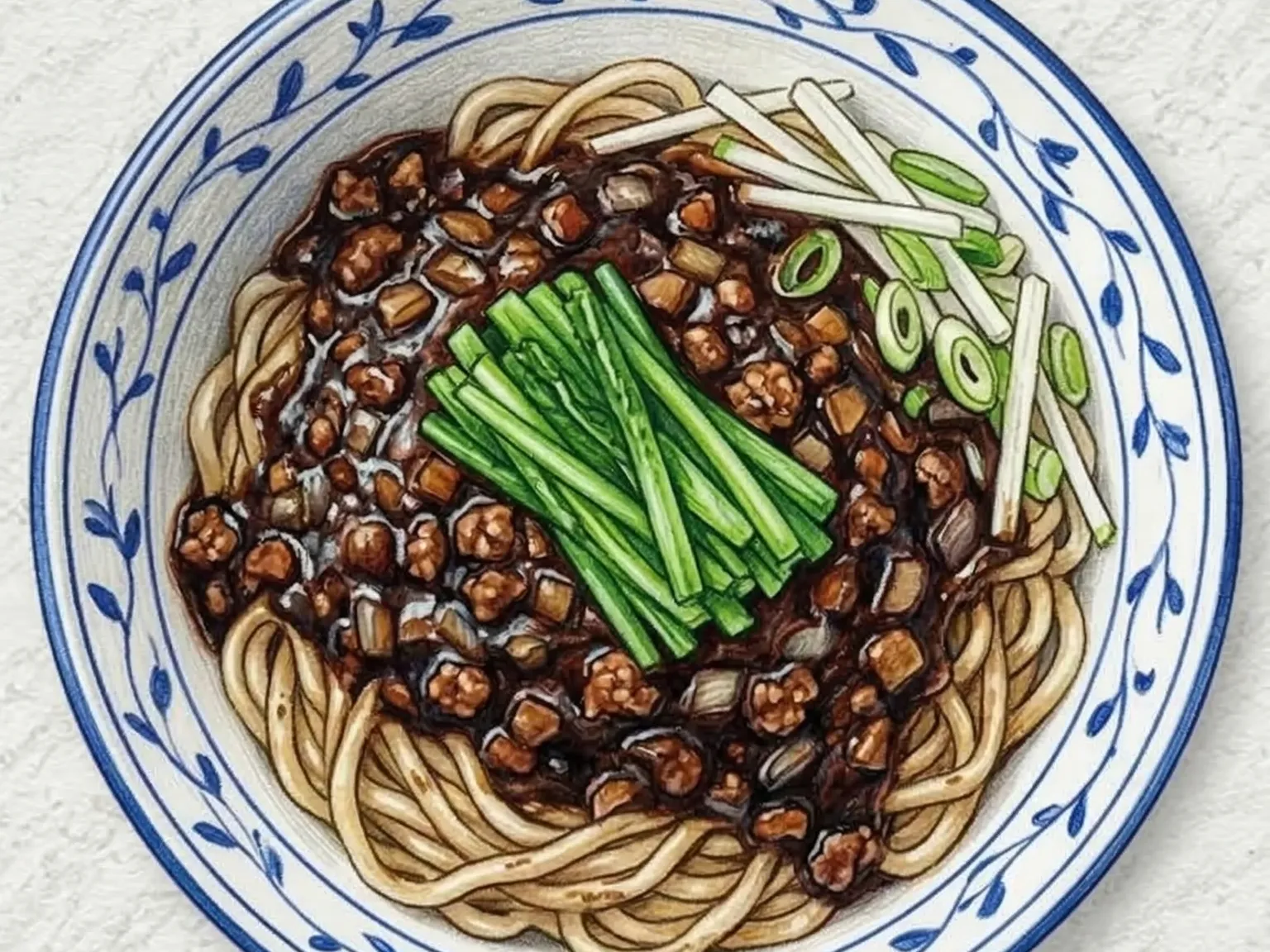
Zhajiangmian (Chinese Black Bean Paste Noodles with Ground Pork)
Zhajiangmian serves fresh wheat noodles with a sauce of ground pork, onion, and fried chunjang, finished with thin cucumber strips. Finely chop 80 g onion and julienne 70 g cucumber. Heat 1 tbsp cooking oil in a pan over medium heat, add 180 g ground pork, and break up the large clumps as it cooks. Begin checking it at about 3 minutes, but do not rely on the disappearance of pink color alone. Continue until all of the ground pork reaches at least 71C. Add the onion and cook for about 2 minutes, until its edges look translucent. Lower the heat to medium low and add 3 tbsp chunjang, stirring continuously so the paste does not stick to the pan. Fry it for about 2 minutes, until it looks glossy and its harsh aroma has softened. Add 1 tbsp soy sauce and 1 tsp sugar, reduce the heat to low, and cook for 5 minutes while stirring, until the sauce is thick enough to coat noodles. Cook 250 g fresh wheat noodles for the time on the package. Rinse them briefly under cold water and drain them thoroughly. Divide the noodles among bowls, add the hot pork chunjang sauce, and top with the cucumber immediately before mixing. No unlisted water is added to the sauce, so keep the heat low and monitor the pan while it reduces.
About Noodles
This collection features traditional Korean noodle recipes alongside Asian-fusion takes, covering both broth-based and tossed preparations.